
In the dynamic world of motorcycle accessories, sourcing the right moto tail bag can be a significant challenge for B2B buyers, particularly when considering the diverse needs of international markets. Whether your focus is on durability for rugged terrains in Africa or stylish aesthetics for European riders, understanding the varied types of tail bags and their applications is crucial. This guide offers a comprehensive overview of the different categories of moto tail bags, their functionalities, and key features to look for, ensuring that you make informed decisions that align with your business objectives.
From waterproof designs perfect for long-distance touring to sleek options for urban commuting, this resource provides insights into the best practices for supplier vetting, pricing structures, and market trends. It highlights the importance of selecting high-quality materials and reliable mounting systems that enhance rider safety and convenience. Additionally, the guide addresses regional preferences, helping you navigate the unique demands of buyers from regions like South America and the Middle East.
By leveraging this guide, you will empower your purchasing decisions with actionable insights that facilitate successful sourcing strategies. It serves as a vital tool for international B2B buyers aiming to enhance their product offerings while meeting the diverse needs of motorcycle enthusiasts across the globe.
| Type Name | Key Distinguishing Features | Primary B2B Applications | Brief Pros & Cons for Buyers |
|---|---|---|---|
| Rackless Tail Bags | Lightweight, no mounting rack required, often waterproof | Adventure touring, off-road riding | Pros: Easy to install, versatile. Cons: Limited capacity compared to hard cases. |
| Pannier-Compatible Tail Bags | Designed to fit atop or alongside panniers for expanded storage | Long-distance touring, multi-day trips | Pros: Increases carrying capacity. Cons: Can be cumbersome to attach/detach. |
| Waterproof Tail Bags | Made from materials with waterproof features, often roll-top | All-weather riding, touring | Pros: Protects gear from elements. Cons: May be heavier due to additional materials. |
| Soft-Sided Tail Bags | Made from durable textiles, often expandable | Daily commuting, weekend rides | Pros: Lightweight and flexible. Cons: Less protection compared to hard cases. |
| Classic Design Tail Bags | Aesthetic appeal with leather accents, vintage styling | Custom builds, style-conscious riders | Pros: Attractive design, unique. Cons: May lack modern features like waterproofing. |
Rackless tail bags are designed for riders who prefer lightweight solutions without needing a mounting rack. These bags are often waterproof and provide a compact storage option for adventure touring or off-road riding. B2B buyers should consider the ease of installation and versatility of these bags, making them ideal for businesses catering to adventure enthusiasts. However, their limited capacity may not suit those needing substantial storage.
Pannier-compatible tail bags are engineered to complement existing panniers, allowing for increased storage capacity on long-distance tours. These bags can be mounted on top of or alongside hard cases, making them essential for businesses that target long-haul riders. While they offer significant storage benefits, the complexity of attachment and detachment can be a drawback for some users.
Waterproof tail bags are constructed from specialized materials that ensure gear remains dry, making them ideal for all-weather riding. This is particularly relevant for B2B buyers focusing on touring and adventure markets. While these bags provide essential protection against rain and mud, buyers should note that the additional waterproofing materials can increase weight.
Soft-sided tail bags are typically made from durable textiles and may feature expandable compartments, making them suitable for daily commuting and weekend outings. B2B buyers should consider their flexibility and lightweight nature, appealing to urban riders who prioritize convenience. However, these bags may offer less protection compared to hard cases, which could be a consideration for businesses focused on durability.
Classic design tail bags combine vintage aesthetics with modern functionality, appealing to custom bike builders and style-conscious riders. These bags often feature leather accents and are crafted from high-quality materials. For B2B buyers, the unique design can attract customers looking for distinctive products. However, potential buyers should be aware that these bags may lack some modern features, such as waterproofing, which could limit their appeal in certain markets.
| Industry/Sector | Specific Application of moto tail bag | Value/Benefit for the Business | Key Sourcing Considerations for this Application |
|---|---|---|---|
| Adventure Tourism | Tail bags for guided motorcycle tours | Enhanced storage for gear, food, and emergency supplies | Durability, waterproofing, and compatibility with various bike models |
| Delivery Services | Use of tail bags for courier and delivery motorcycles | Increased efficiency in transporting goods | Size, weight capacity, and secure mounting systems |
| Recreational Motorcycling | Tail bags for weekend riders and enthusiasts | Versatile storage for personal items and tools | Ease of use, comfort, and style options |
| Motorcycle Rental Companies | Providing tail bags with rental bikes | Improved customer experience with added convenience | Quality, reliability, and affordability |
| Emergency Services | Tail bags for first responders on motorcycles | Quick access to medical supplies and equipment | Waterproofing, quick attachment features, and visibility |
In the adventure tourism sector, moto tail bags are essential for guided motorcycle tours. They provide ample storage for riders to carry essential gear, food, and emergency supplies. Buyers in this industry prioritize durability and waterproofing, ensuring that the bags withstand diverse weather conditions and rough terrains. International buyers, especially in regions like Africa and South America, should also consider compatibility with various motorcycle models to cater to diverse customer preferences.
Delivery services increasingly rely on moto tail bags to enhance the efficiency of their operations. These bags allow couriers to securely transport goods while maintaining a streamlined appearance. For businesses in urban areas, especially in the Middle East and Europe, the size and weight capacity of the bags are critical factors. Buyers should focus on secure mounting systems to ensure the bags remain stable during transit, reducing the risk of damage to delivered items.
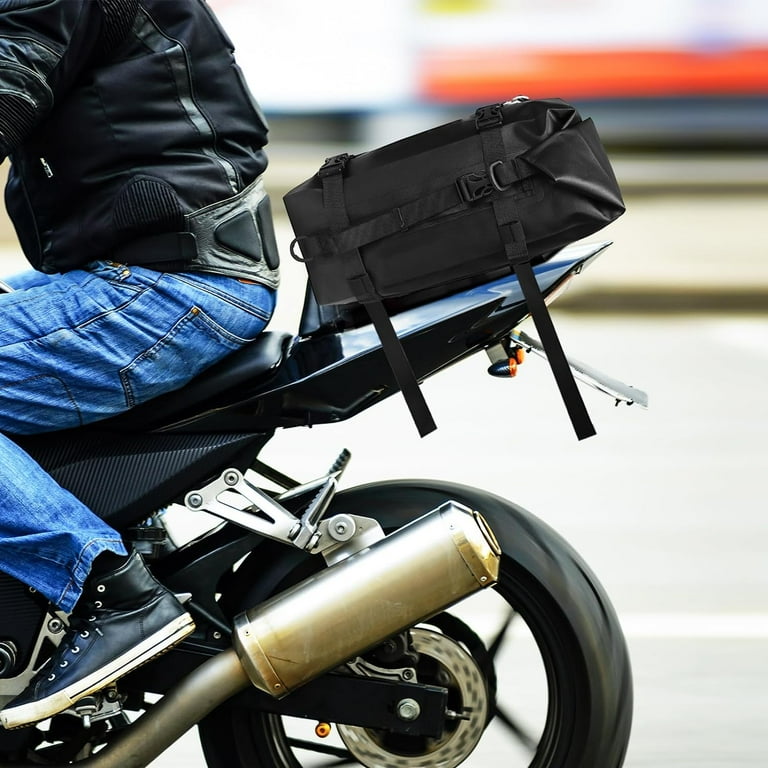
Illustrative image related to moto tail bag
Recreational motorcyclists often seek out tail bags for weekend rides, as they offer versatile storage for personal items, tools, and other necessities. The convenience of easy attachment and removal makes these bags appealing to riders who value flexibility. Buyers should pay attention to comfort and style options, as these factors can influence purchasing decisions among enthusiasts in regions like Germany and Nigeria, where motorcycle culture is vibrant.
Motorcycle rental companies can significantly enhance the customer experience by providing tail bags with their rental bikes. This added convenience allows riders to safely store their belongings during trips. Key considerations for buyers include the quality and reliability of the bags, as well as affordability to maintain competitive pricing. Ensuring that the bags are compatible with a wide range of motorcycle models is also crucial for maximizing rental fleet versatility.
Emergency services utilize moto tail bags to ensure that first responders can quickly access medical supplies and equipment during emergencies. These bags are designed for quick attachment and must be waterproof to protect sensitive materials. Buyers in this sector should prioritize features like visibility enhancements and durability, as these factors can impact response times and operational efficiency, particularly in challenging environments.
The Problem: B2B buyers in regions with unpredictable weather patterns, such as the Middle East or South America, often face challenges when sourcing moto tail bags that can withstand harsh conditions. Many standard tail bags do not provide adequate waterproofing or protection from dust and debris, leading to concerns about the integrity of stored items. This can result in significant product damage, reduced customer satisfaction, and increased return rates, ultimately affecting the bottom line for businesses.
The Solution: When sourcing moto tail bags, prioritize products that are specifically marketed as waterproof and made from durable materials such as PVC-coated polyester or heavy-duty ballistic nylon. Look for tail bags that feature welded seams and roll-top closures, as these design elements enhance water resistance. Additionally, consider investing in bags that come with integrated rain covers for extra protection during sudden downpours. It’s also advisable to conduct thorough testing of the bags in real-world conditions before making bulk purchases to ensure they meet the necessary durability standards. Partnering with manufacturers that offer a warranty can also provide peace of mind regarding product reliability.
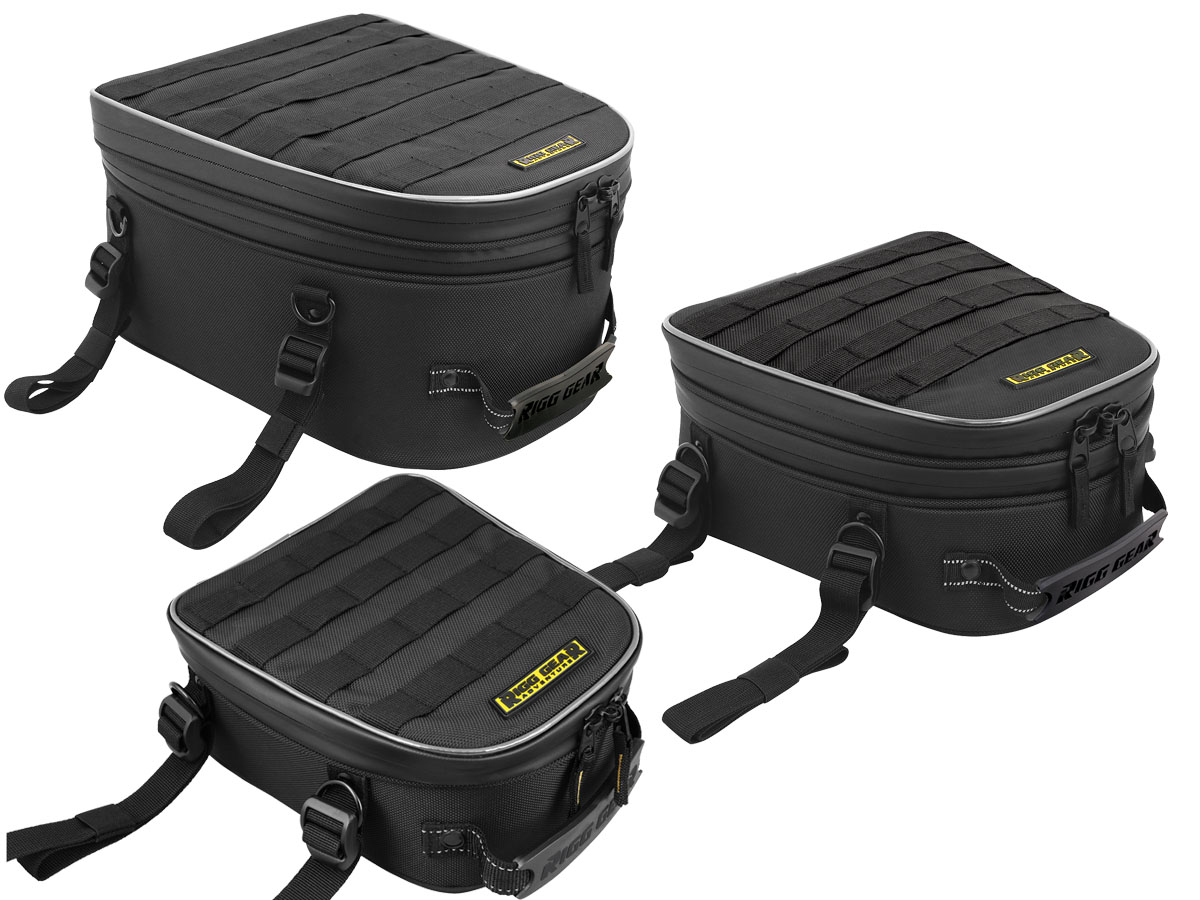
Illustrative image related to moto tail bag
The Problem: Buyers often report challenges with securing cargo in moto tail bags, especially when transporting valuable equipment or supplies. Inconsistent mounting systems can lead to bags shifting or detaching during transit, raising safety concerns and risking loss of goods. This issue is particularly critical for businesses in logistics or delivery services that rely on safe and secure transport of items.
The Solution: To mitigate these concerns, B2B buyers should opt for moto tail bags that feature advanced mounting systems, such as patented hook systems or adjustable straps that allow for a secure fit on various bike models. Look for tail bags that offer a range of mounting options to suit different motorcycle types, which can enhance compatibility across your fleet. Additionally, consider bags with built-in locking mechanisms for added security when parked. Regular training for staff on how to properly secure and attach these bags can further ensure that cargo remains safe during transit. Establishing a relationship with manufacturers that provide detailed installation guides can also facilitate smoother operations.
The Problem: Many moto tail bags on the market have limited storage capacity, which can be a significant drawback for businesses that require ample space for tools, gear, or merchandise. Buyers in retail or adventure tourism sectors may find that smaller bags hinder their ability to transport necessary items efficiently, leading to operational inefficiencies and increased costs as they may need to make multiple trips.
The Solution: When evaluating moto tail bags, look for models that offer expandable storage capabilities or modular designs that allow multiple bags to be combined. Tail bags with adjustable compartments or detachable pouches can provide flexibility for different types of cargo. Additionally, consider sourcing from suppliers that offer a variety of sizes to meet different needs within your operation. Conducting a needs assessment to determine the average load requirements for your team can help in selecting the most suitable bags. Furthermore, encourage feedback from users regarding their storage experiences to continuously improve your selection and adapt to changing operational demands.
When selecting materials for moto tail bags, it’s crucial to consider their properties, advantages, and limitations. This analysis focuses on four common materials: 1680D Ballistic Nylon, PVC-Coated Polyester, Eco-Tech Polyester, and Leather. Each material has distinct characteristics that affect performance, durability, and suitability for various applications.
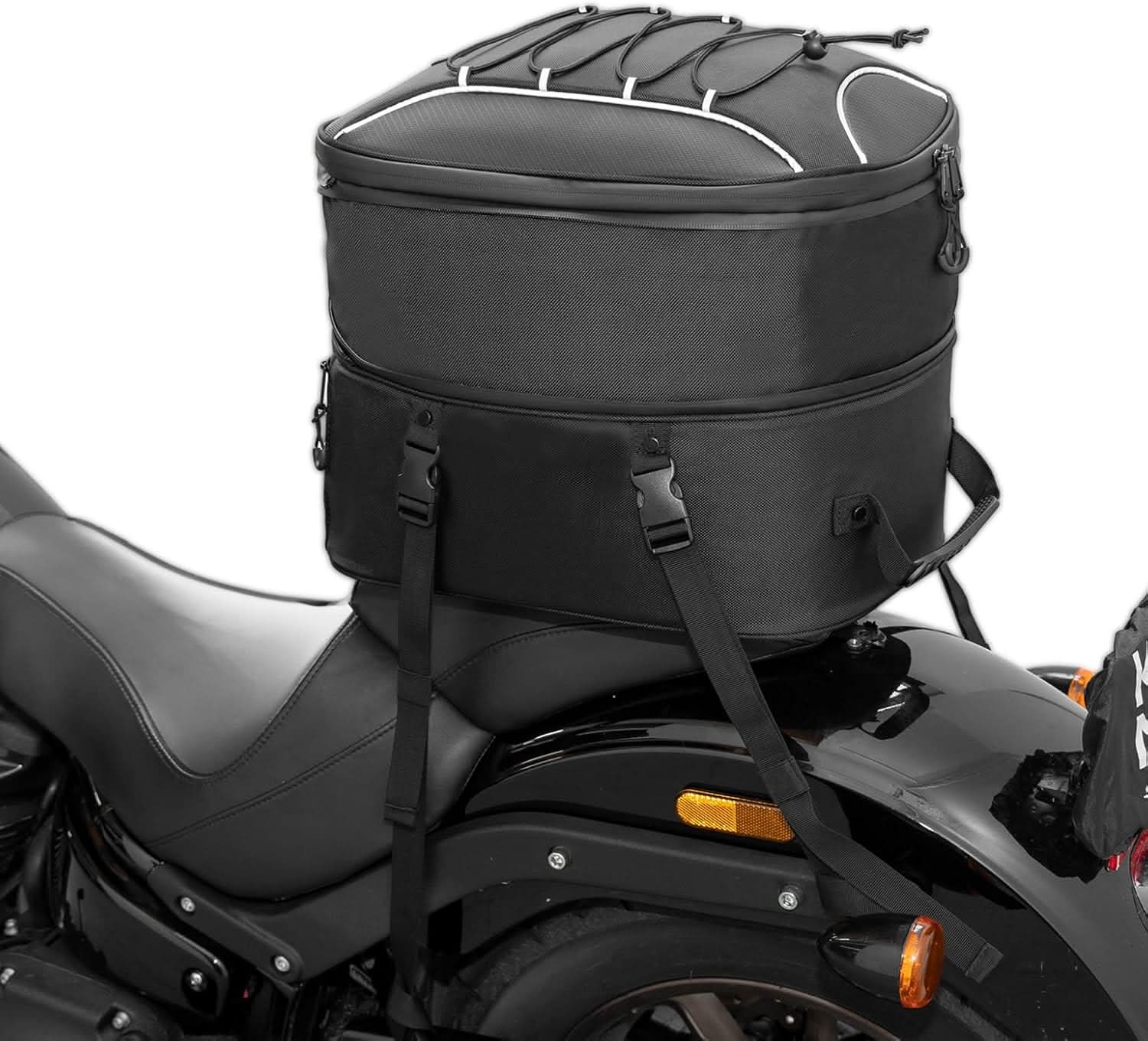
Illustrative image related to moto tail bag
1680D Ballistic Nylon is a high-denier fabric known for its exceptional durability and resistance to abrasions. This material can withstand significant wear and tear, making it ideal for rugged conditions often encountered by motorcyclists. Its temperature resistance allows it to perform well in varying climates, from hot deserts to cooler regions.
Pros: The primary advantage of 1680D Ballistic Nylon is its strength, providing a long-lasting solution for tail bags. It also offers a degree of water resistance, which can be enhanced with waterproof coatings.
Cons: However, this material can be heavier than alternatives, potentially impacting the overall weight of the bag. Additionally, its manufacturing complexity can lead to higher production costs.
Impact on Application: This material is suitable for heavy-duty applications, especially for adventure and touring motorcycles. It is compatible with various weather conditions but may require additional waterproofing measures in extreme environments.
Considerations for International Buyers: Buyers from regions like Africa and South America should consider the availability of this material and its compliance with local standards. In Europe, adherence to environmental regulations regarding textile production is essential.
PVC-Coated Polyester is a popular choice for moto tail bags due to its waterproof properties and lightweight nature. This material is often used in bags designed for wet conditions, as it effectively repels water and prevents moisture from entering.
Pros: The key advantage of PVC-Coated Polyester is its excellent waterproofing capabilities, making it suitable for riders in rainy climates. Its lightweight design also contributes to a more manageable load.
Cons: On the downside, PVC materials can be less durable than nylon, especially when exposed to UV light over extended periods. This can lead to degradation and reduced lifespan.
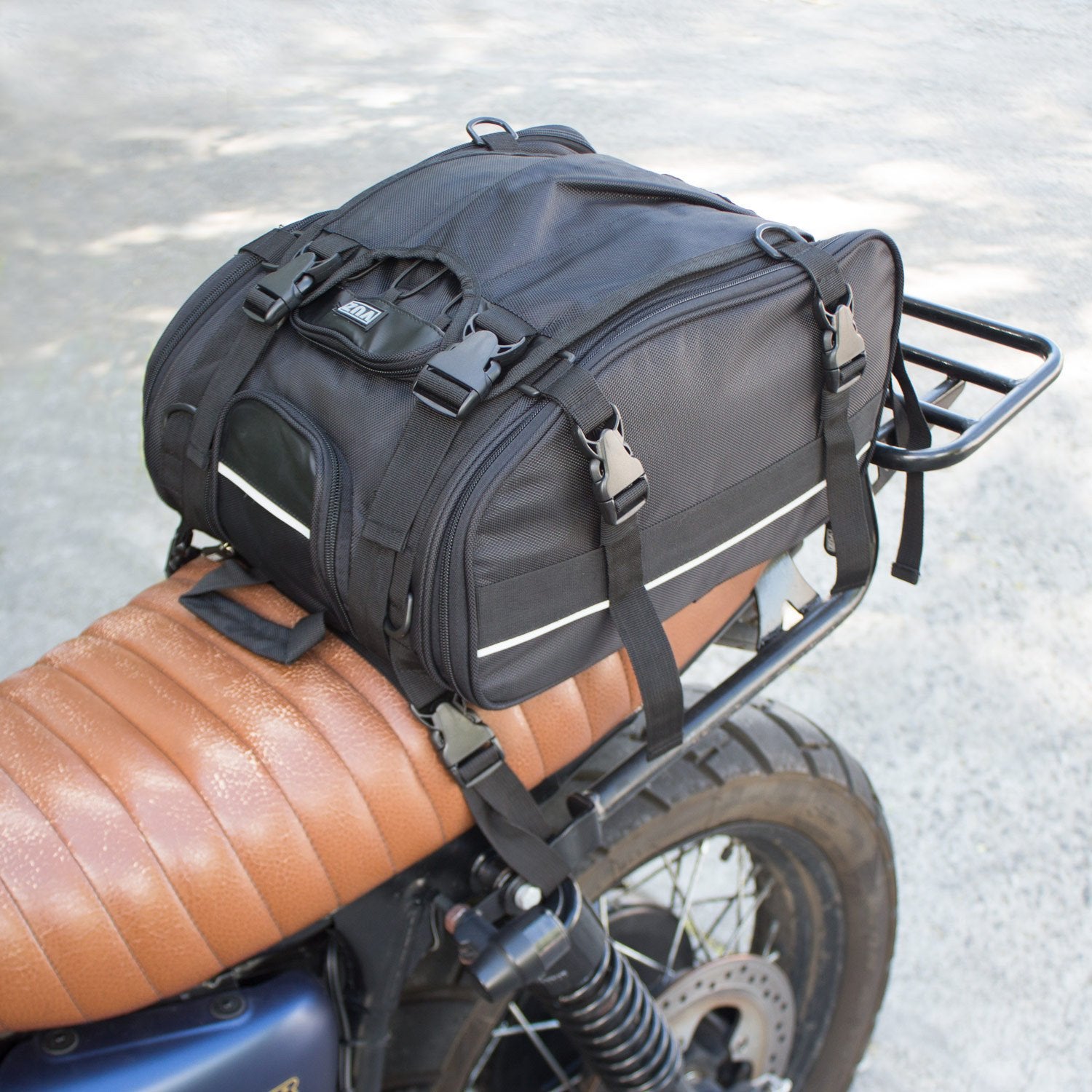
Illustrative image related to moto tail bag
Impact on Application: This material is ideal for applications where moisture protection is critical, such as in tropical or coastal regions. However, it may not perform as well in extreme temperatures.
Considerations for International Buyers: Buyers in the Middle East and Europe should ensure that PVC materials meet local environmental regulations regarding chemical use and disposal.
Eco-Tech Polyester is an innovative material that combines sustainability with performance. Made from recycled materials, it offers a good balance of durability and environmental responsibility.
Pros: The primary advantage is its eco-friendliness, appealing to environmentally conscious consumers. It also provides decent resistance to wear and tear, making it suitable for everyday use.
Cons: However, Eco-Tech Polyester may not be as robust as 1680D Ballistic Nylon, potentially limiting its application in more extreme conditions. Its cost can also be higher due to the sustainable production process.
Impact on Application: This material is suitable for urban commuting and casual riding. It offers adequate protection against everyday elements but may not withstand extreme conditions as effectively.
Considerations for International Buyers: Buyers in Germany and other European countries may prioritize sustainable materials, aligning with local consumer trends and regulations.
Leather is a traditional material used in moto tail bags, known for its aesthetic appeal and durability. While it may not be as functional as synthetic materials in terms of waterproofing, it offers a unique style.
Pros: The key advantage of leather is its timeless look and feel, appealing to riders who value aesthetics. It also provides good durability when properly treated.
Cons: Leather can be expensive and requires regular maintenance to prevent degradation from moisture and UV exposure. It is also heavier than synthetic alternatives.
Impact on Application: Leather is often used in high-end or retro-style bags, making it suitable for riders who prioritize style over rugged functionality.
Considerations for International Buyers: Buyers should ensure that leather products comply with local animal welfare standards and regulations, particularly in regions with strict guidelines.
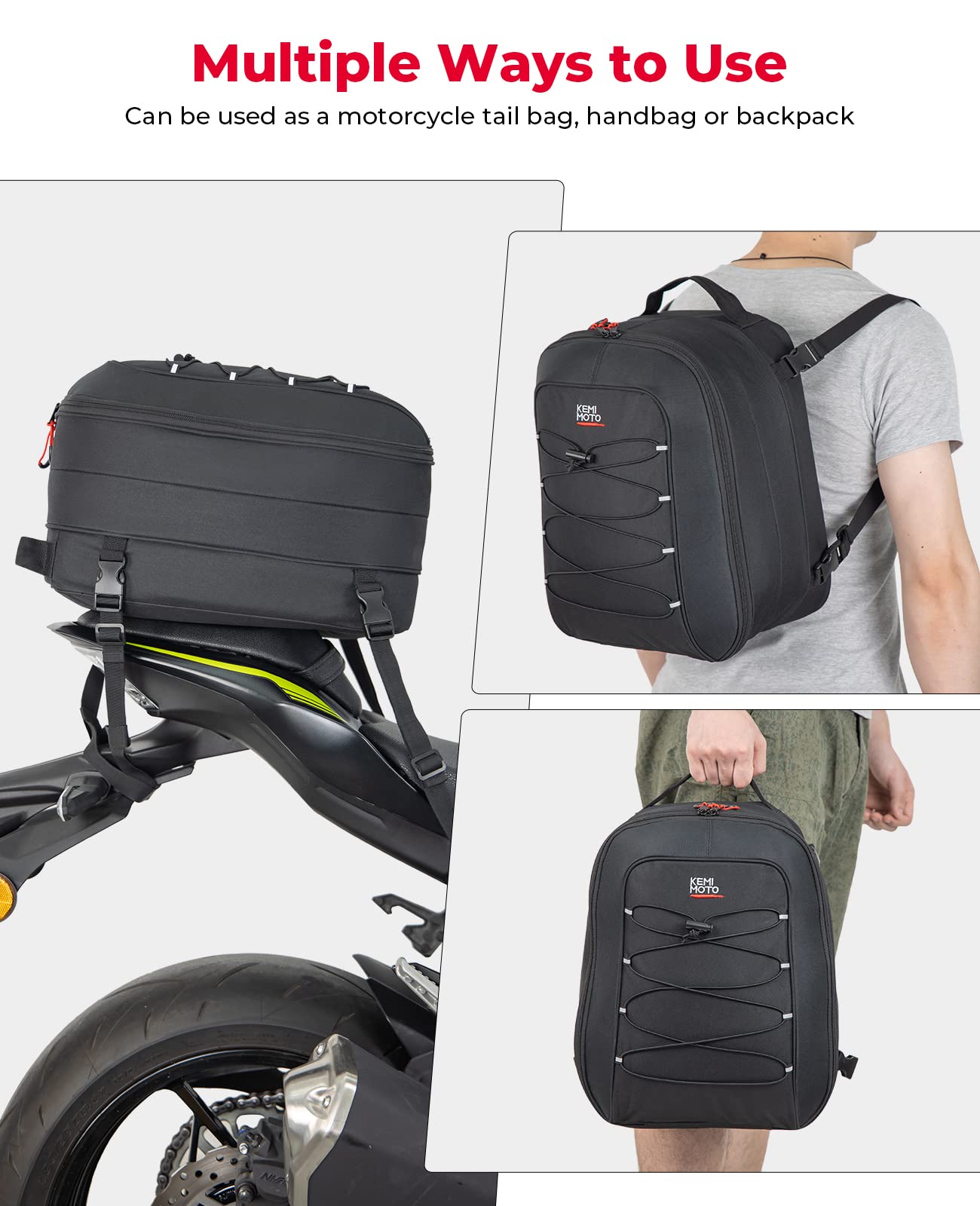
Illustrative image related to moto tail bag
| Material | Typical Use Case for moto tail bag | Key Advantage | Key Disadvantage/Limitation | Relative Cost (Low/Med/High) |
|---|---|---|---|---|
| 1680D Ballistic Nylon | Adventure touring | Exceptional durability and abrasion resistance | Heavier than alternatives | High |
| PVC-Coated Polyester | Wet weather riding | Excellent waterproofing | Less durable under UV exposure | Medium |
| Eco-Tech Polyester | Urban commuting | Eco-friendly and sustainable | May lack robustness in extreme conditions | Medium |
| Leather | High-end or retro style | Timeless aesthetic | Requires maintenance and is heavier | High |
This strategic material selection guide provides valuable insights for B2B buyers, enabling them to make informed decisions based on performance, cost, and regional considerations.
The manufacturing of moto tail bags involves several critical stages, each contributing to the overall quality and functionality of the final product. The primary stages include material preparation, forming, assembly, and finishing.
Material Preparation: The first step in the manufacturing process is the selection and preparation of materials. High-quality tail bags are typically made from durable textiles such as 1680D ballistic nylon or PVC-coated polyester. These materials are chosen for their resistance to wear, tear, and environmental factors like water and dust. The materials undergo pre-treatment processes, such as cutting and treating for waterproofing, to ensure they meet the desired specifications.
Forming: In this stage, the prepared materials are shaped into the components of the tail bag. Techniques such as die-cutting and laser cutting are commonly used to create precise shapes and sizes. Additionally, heat sealing or welding may be employed to create waterproof seams, enhancing the bag’s durability and functionality.
Assembly: Once the individual components are formed, they are assembled into the final product. This process typically involves stitching, which is critical for ensuring the strength of the seams. Manufacturers often use reinforced stitching techniques to enhance durability, especially in high-stress areas. Components such as zippers, straps, and buckles are also integrated during this stage.
Finishing: The final stage involves adding any finishing touches to the tail bags. This can include quality checks, applying branding, and packaging. Tail bags often receive a waterproof rain cover or additional protective features at this stage. The finishing process ensures that each bag meets aesthetic and functional standards before leaving the factory.
Quality assurance (QA) is an integral part of the manufacturing process for moto tail bags, ensuring that each product meets both international standards and customer expectations. The QA process typically adheres to recognized standards such as ISO 9001, which provides a framework for consistent quality management.
International Standards Compliance: Many manufacturers strive for ISO 9001 certification, demonstrating their commitment to quality management systems. This certification is crucial for international B2B buyers who seek assurance that suppliers maintain high production standards. Additionally, products may need to comply with industry-specific regulations such as CE marking in Europe, ensuring safety and environmental compliance.
Quality Control Checkpoints: Effective quality control (QC) is implemented at various checkpoints throughout the manufacturing process:
– Incoming Quality Control (IQC): This involves inspecting raw materials and components upon arrival at the factory. Materials are tested for durability, waterproofing, and other specifications before they are approved for use.
– In-Process Quality Control (IPQC): During the manufacturing stages, periodic inspections are conducted to ensure adherence to quality standards. This includes checking seam integrity, material alignment, and assembly accuracy.
– Final Quality Control (FQC): Once the tail bags are fully assembled, a final inspection is performed. This includes functionality tests, such as ensuring zippers operate smoothly and verifying that waterproof features are effective.
Common Testing Methods: Various testing methods are employed to validate the quality of moto tail bags. These include:
– Durability Testing: Assessing how well the bags withstand wear and tear through simulated use.
– Waterproof Testing: Subjecting bags to water exposure to ensure they meet waterproof standards.
– Load Testing: Evaluating the strength and stability of the bag under various weight loads.
International B2B buyers, especially from regions like Africa, South America, the Middle East, and Europe, need to ensure that their suppliers maintain rigorous quality control processes. Here are several actionable steps to verify supplier quality:
Conduct Supplier Audits: Regular audits of potential suppliers can provide insights into their manufacturing processes and quality control measures. This includes reviewing their compliance with international standards such as ISO 9001. Audits can be performed by the buyer or through third-party certification bodies.
Request Quality Control Reports: Suppliers should be able to provide detailed quality control reports that outline their processes, testing results, and compliance with relevant standards. These reports should include information about IQC, IPQC, and FQC checkpoints.
Utilize Third-Party Inspection Services: Engaging third-party inspection services can help validate the quality of products before shipment. These services can assess materials, manufacturing processes, and finished products, providing an unbiased evaluation of quality.
Understand Certification Nuances for International Markets: Different regions may have specific quality assurance requirements. For example, European buyers may prioritize CE certification, while buyers in other regions may focus on other international standards. Understanding these nuances helps ensure compliance and reduces the risk of importing substandard products.
Quality control practices may vary significantly depending on the region of the buyer. For instance, in Europe, there is a strong emphasis on compliance with CE marking and other environmental standards, which can influence product specifications. Conversely, buyers from Africa and South America may prioritize affordability and availability while still seeking assurance of product quality.
Understanding these regional differences can help manufacturers tailor their quality control processes to meet the specific needs of international buyers. This adaptability not only enhances customer satisfaction but also strengthens long-term business relationships.
The manufacturing processes and quality assurance practices for moto tail bags are essential for ensuring that products meet the high standards expected by international B2B buyers. By understanding the stages of manufacturing, the importance of quality control, and the steps to verify supplier practices, buyers can make informed decisions that align with their business goals. This knowledge not only facilitates successful procurement but also fosters trust and reliability in supplier relationships across global markets.
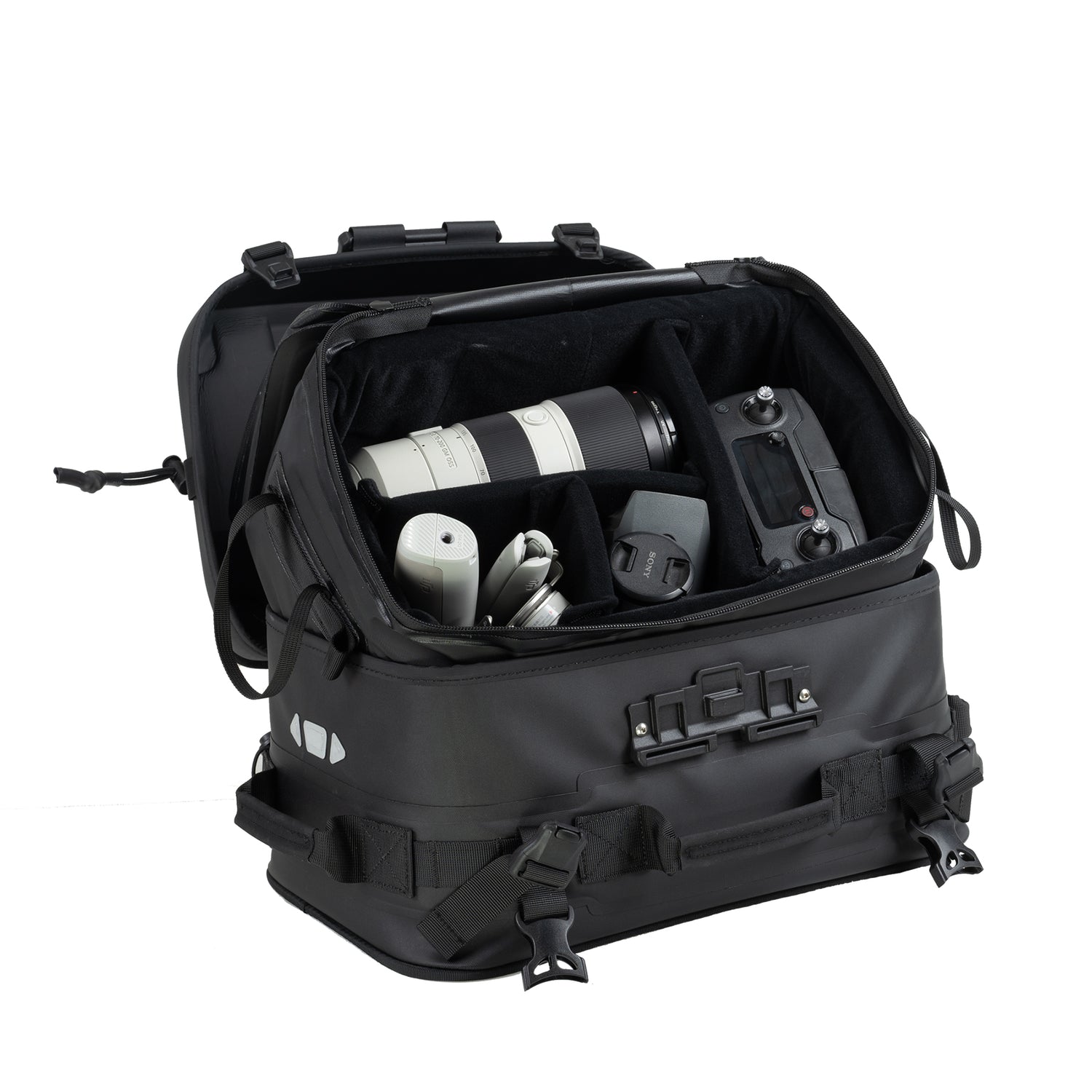
Illustrative image related to moto tail bag
This practical sourcing guide aims to provide B2B buyers with a structured approach to procuring motorcycle tail bags. By following this checklist, buyers can ensure they select high-quality products that meet their specific needs, ultimately leading to increased customer satisfaction and loyalty.
Begin by outlining the key technical specifications for the tail bags you need. Consider factors such as size, material, waterproof capabilities, and weight capacity. This step is critical as it helps narrow down options and ensures compatibility with various motorcycle models.
Understanding current market trends can give insight into what features are in demand. Conduct market research to identify popular styles, colors, and functionalities among competitors. This knowledge will help you make informed purchasing decisions and align your offerings with customer preferences.
Thoroughly vet suppliers to ensure they can meet your specifications and quality standards. Request detailed company profiles, product samples, and references from other buyers in similar industries. This step is essential to establish trust and reliability in your supply chain.
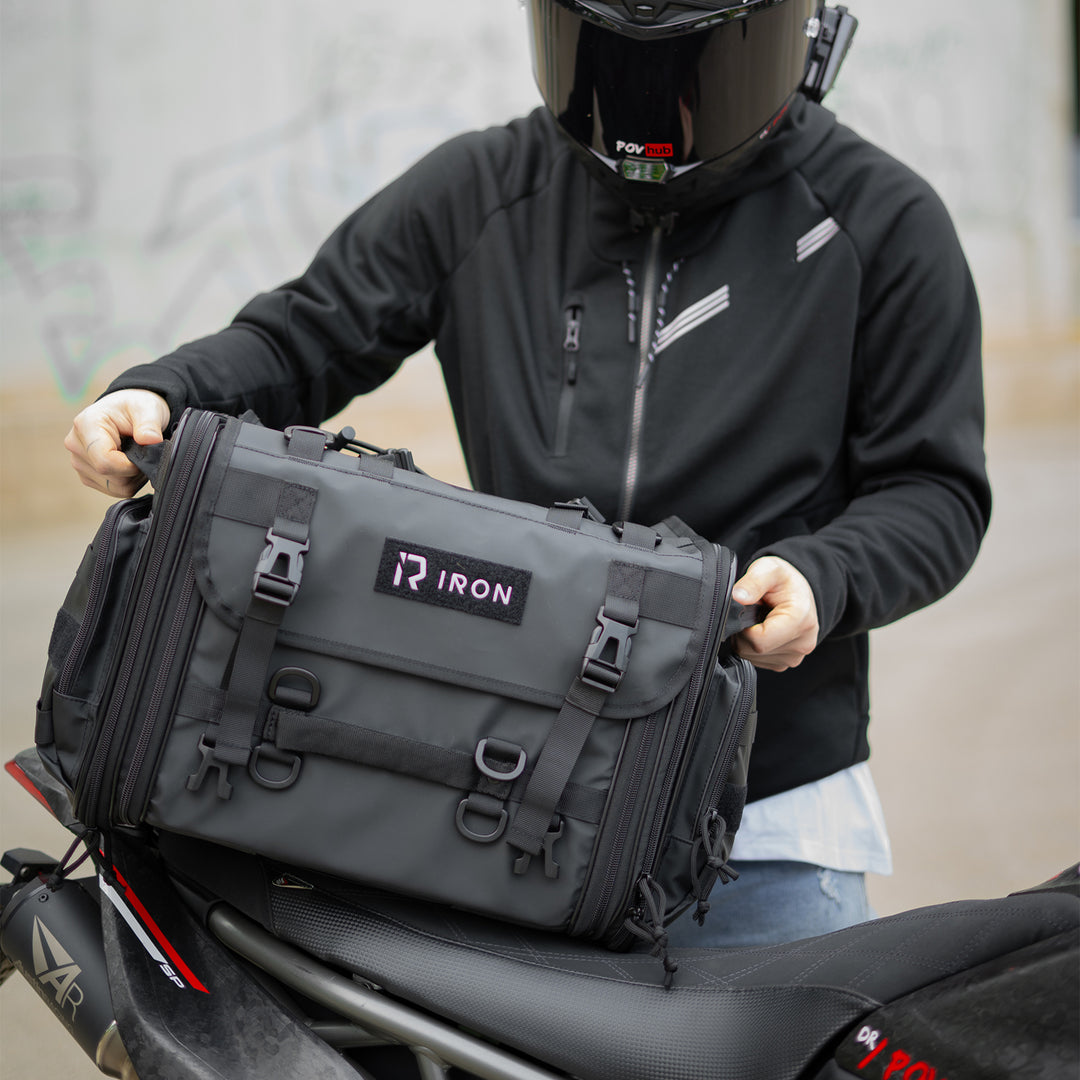
Illustrative image related to moto tail bag
Ensure that the suppliers you are considering comply with international quality and safety standards. This is crucial not only for product reliability but also for meeting regulatory requirements in different regions.
Obtain quotes from multiple suppliers to compare pricing, terms, and conditions. A detailed quote should include unit prices, bulk discounts, shipping costs, and payment terms. This step helps you assess the overall value and negotiate better deals.
Evaluate the after-sales support offered by potential suppliers. Strong customer support can enhance your business operations, especially when dealing with warranty claims or product issues.
Once you have selected a supplier, carefully review the purchase agreement before finalizing your order. Ensure all terms are clearly defined, including delivery schedules and payment methods, to avoid misunderstandings.
By following this checklist, B2B buyers can confidently navigate the procurement process for motorcycle tail bags, ensuring they make informed decisions that benefit their business and customers alike.
When sourcing motorcycle tail bags, understanding the cost structure is crucial for effective budgeting and pricing strategy. The main components of the cost structure include:
Materials: The choice of materials significantly impacts the cost. High-quality fabrics like 1680D ballistic nylon, waterproof PVC-coated polyester, and durable zippers are commonly used. Specialized materials that enhance durability and weather resistance will increase initial costs but may lead to lower replacement rates.
Labor: Labor costs vary based on the manufacturing location. Countries with lower labor costs, such as some in Asia or Africa, can offer competitive pricing. However, skilled labor may be necessary for quality assurance, which can increase costs.
Manufacturing Overhead: This encompasses indirect costs associated with production, including utilities, rent, and administrative expenses. Efficient operations can help reduce overhead, but this is often a fixed cost that needs to be accounted for in pricing.
Tooling and Setup: Custom designs or specialized production lines require investment in tooling and setup, which can be a significant upfront cost. For buyers seeking custom-tailored products, these costs should be factored into the total price.
Quality Control (QC): Ensuring product quality through rigorous testing and inspections adds to the cost. However, implementing a robust QC process can minimize returns and increase customer satisfaction, ultimately affecting long-term profitability.
Logistics: Shipping and handling costs, including customs duties and taxes, can vary widely based on the destination. Efficient logistics planning can reduce costs significantly, especially when negotiating Incoterms that define responsibilities for shipping and risk.
Margin: Suppliers typically add a profit margin to the total cost, which can vary based on market demand, competition, and perceived value. Understanding the expected margin can help buyers assess the fair market price.
Several factors influence the pricing of motorcycle tail bags, which are essential for B2B buyers to consider:
Volume and Minimum Order Quantity (MOQ): Larger orders usually benefit from economies of scale, resulting in lower per-unit costs. Negotiating favorable terms for higher volumes can lead to significant savings.
Specifications and Customization: Tailoring products to specific requirements, such as size, color, or features, can increase costs. Customization may require additional tooling or materials, affecting the overall price.
Quality and Certifications: Products that meet specific safety or quality certifications may command higher prices. Buyers should weigh the benefits of these certifications against their budget constraints.
Supplier Factors: The reputation and reliability of the supplier play a role in pricing. Established suppliers may charge more due to their track record and quality assurance processes.
Incoterms: Understanding Incoterms is vital for international transactions. They define the responsibilities of buyers and sellers concerning shipping, insurance, and tariffs, which can significantly impact the total landed cost.
Effective Negotiation: Engage suppliers in discussions about pricing, payment terms, and delivery schedules. A transparent dialogue about your needs and expectations can lead to mutually beneficial agreements.
Focus on Cost-Efficiency: Evaluate the total cost of ownership rather than just the purchase price. Consider factors like durability, warranty, and potential replacement costs over time.
Understand Pricing Nuances for International Buyers: Buyers from regions like Africa, South America, the Middle East, and Europe should be aware of currency fluctuations, import duties, and local market conditions. These factors can affect pricing and should be included in any cost analysis.
Request Samples: Before committing to a large order, request samples to assess quality firsthand. This can prevent costly mistakes and ensure that the products meet your specifications.
Build Long-Term Relationships: Establishing a reliable partnership with suppliers can lead to better pricing, priority service, and improved product offerings in the long run.
Prices for motorcycle tail bags can fluctuate based on market conditions, material availability, and supplier policies. The figures provided in this analysis are indicative and should be confirmed through direct negotiations with suppliers to ensure accuracy and relevance to your specific sourcing needs.
When considering motorcycle luggage solutions, it is essential to evaluate various options that provide similar functionalities as moto tail bags. This analysis will compare moto tail bags with alternative solutions such as panniers and backpacks. Each option serves the purpose of carrying essential gear while riding, but they differ in performance, cost, ease of implementation, maintenance, and best-use cases.
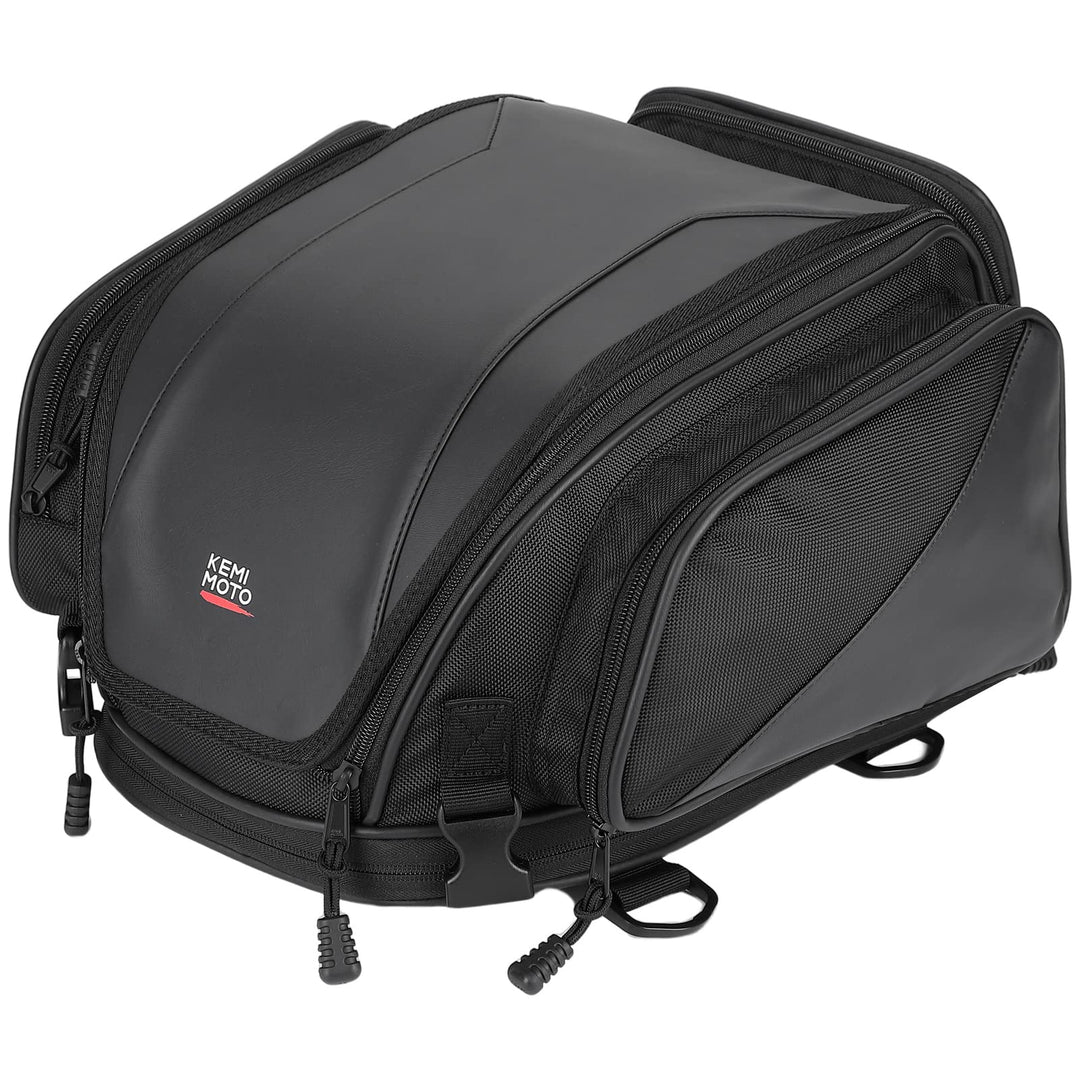
Illustrative image related to moto tail bag
| Comparison Aspect | Moto Tail Bag | Panniers | Backpacks |
|---|---|---|---|
| Performance | Versatile, suitable for most bikes; can be expanded for additional capacity. | High capacity; offers stability and balance; often waterproof. | Lightweight; easy to carry off the bike; limited capacity. |
| Cost | Ranges from $80 to $700 depending on features and brand. | Typically $150 to $600; higher-end models may exceed $1,000. | Generally $50 to $300; budget-friendly options available. |
| Ease of Implementation | Easy to install on the rear seat or luggage rack; minimal tools required. | Requires specific mounting hardware; installation may be complex. | Very easy to use; simply worn on the back, no installation needed. |
| Maintenance | Low maintenance; occasional cleaning required. | Moderate; may need adjustments and waterproofing treatments. | Low; mainly requires cleaning and occasional repairs. |
| Best Use Case | Ideal for short trips or as part of a multi-bag system. | Best for long-distance touring and heavy loads. | Suitable for day trips or commuting where less gear is needed. |
Panniers are a popular choice among long-distance riders and adventure motorcyclists. They offer a high capacity for storage, ensuring that riders can carry everything they need for extended trips. Panniers typically mount securely on either side of the motorcycle, providing excellent weight distribution and stability, which is crucial for handling at higher speeds. However, their installation can be more complex than tail bags, often requiring specific mounting hardware tailored to each motorcycle model. Additionally, higher-end panniers can be quite costly, making them a significant investment.
Backpacks represent a more casual approach to motorcycle luggage. They are lightweight, portable, and can easily be carried off the bike, making them ideal for daily commuting or short trips. Many modern motorcycle backpacks come equipped with features such as waterproof materials, reflective strips for safety, and ergonomic designs for comfort during rides. However, they have limitations in storage capacity compared to tail bags and panniers, making them less suitable for longer journeys where more gear is required. Furthermore, distributing weight effectively is crucial, as heavy backpacks can affect rider comfort and balance.
When selecting the right motorcycle luggage solution, B2B buyers should consider their specific needs, such as the type of riding, frequency of use, and the amount of gear required. Moto tail bags offer a versatile and easy-to-use option for a variety of riders, while panniers provide enhanced capacity and stability for long-distance travel. Backpacks, though practical for shorter trips, may not meet the demands of extended journeys. By weighing the pros and cons of each alternative, buyers can make informed decisions that align with their operational requirements and enhance their riding experience.
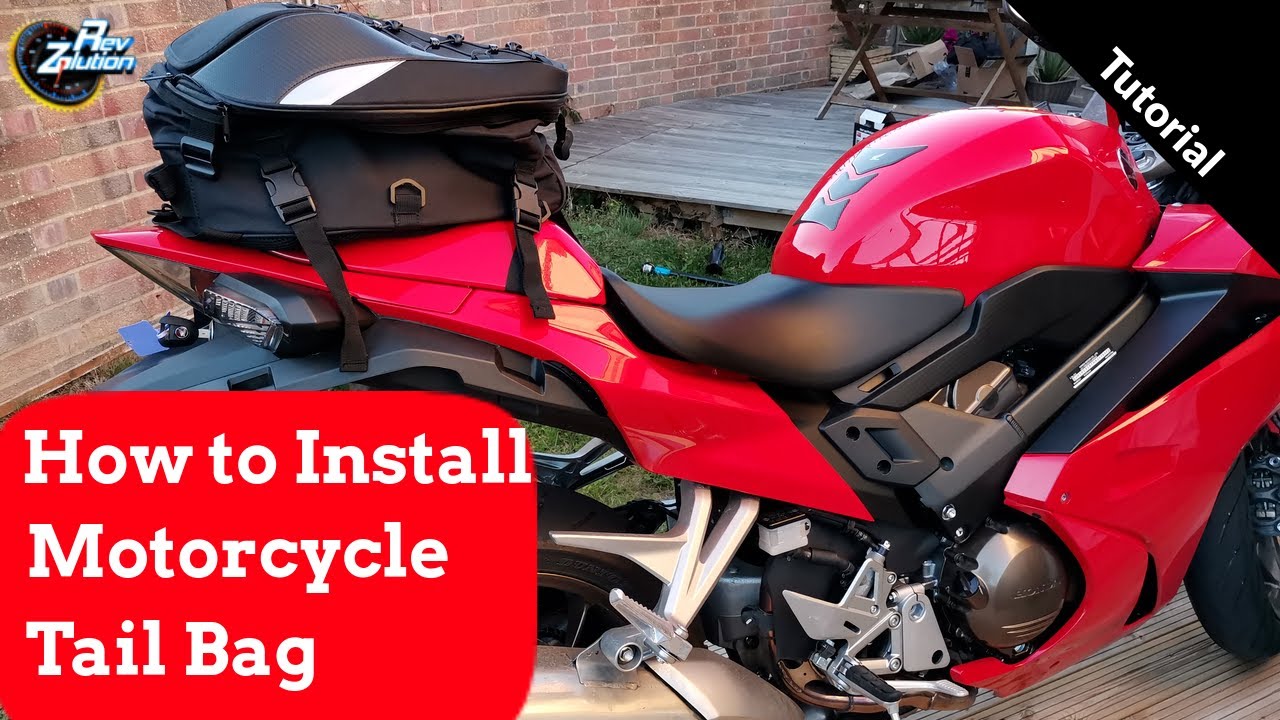
Illustrative image related to moto tail bag
When evaluating moto tail bags for purchase, it’s crucial to understand their technical properties. Here are some key specifications that B2B buyers should consider:
Material Composition
The quality of a moto tail bag largely depends on its material. Common materials include 1680D ballistic nylon, PVC-coated polyester, and eco-friendly textiles. These materials are chosen for their durability, weather resistance, and weight. For instance, ballistic nylon offers high abrasion resistance, making it suitable for rugged environments. Selecting high-grade materials ensures longevity and reliability, which are essential for businesses that prioritize customer satisfaction and product performance.
Waterproof Rating
A moto tail bag’s ability to resist water ingress is critical, especially for riders in regions with unpredictable weather. Waterproof ratings often use the IP (Ingress Protection) system, which denotes how well the bag can withstand moisture. A bag with a higher rating (e.g., IP67) offers better protection against water damage. For B2B buyers, this specification is essential as it ensures the product meets customer expectations for performance in adverse conditions.
Capacity and Dimensions
Tail bags come in various sizes, typically measured in liters (e.g., 20L, 50L). Understanding the capacity is vital for buyers who need to match products to specific motorcycle types or intended use cases. Accurate capacity measurements allow businesses to cater to diverse customer needs, from daily commuting to long-distance touring, ensuring that the right product is offered to the right market segment.
Mounting System
The ease of installation and removal is facilitated by the mounting system, which can vary from straps to quick-release mechanisms. A reliable mounting system enhances user experience and minimizes installation time. For B2B buyers, choosing products with innovative and user-friendly mounting systems can significantly impact customer satisfaction and reduce return rates due to installation difficulties.
Weight Capacity
Understanding the maximum load a moto tail bag can support is crucial. This is often specified in kilograms or pounds. A higher weight capacity allows for more versatility in usage, catering to different types of riders and their gear. For businesses, this means that promoting bags with higher weight capacities can attract a broader customer base, including adventure riders who may need to carry extra equipment.
Familiarity with industry jargon is vital for B2B buyers to navigate the purchasing process effectively. Here are some essential terms:
OEM (Original Equipment Manufacturer)
An OEM is a company that produces parts or equipment that may be marketed by another manufacturer. Understanding OEM relationships is crucial for buyers who want to ensure they are sourcing genuine products that meet industry standards.
MOQ (Minimum Order Quantity)
MOQ refers to the smallest amount of product a supplier is willing to sell. This is a key consideration for B2B buyers, as it affects inventory management and cash flow. Knowing the MOQ helps businesses plan their purchases to avoid excess inventory.
RFQ (Request for Quotation)
An RFQ is a document sent to suppliers to invite them to submit price proposals for specific products. Using RFQs can help buyers compare pricing and terms from multiple suppliers, ensuring they make informed purchasing decisions.
Incoterms (International Commercial Terms)
These are a set of rules that define the responsibilities of buyers and sellers in international transactions. Familiarity with Incoterms is crucial for B2B buyers to understand shipping costs, risks, and delivery responsibilities, especially when sourcing products globally.
Lead Time
Lead time refers to the time taken from placing an order to its delivery. For B2B buyers, understanding lead times is essential for planning inventory and ensuring timely fulfillment of customer orders.
By grasping these technical properties and trade terms, B2B buyers can make informed decisions when sourcing moto tail bags, ultimately enhancing their product offerings and customer satisfaction.
The global motorcycle luggage market, particularly for moto tail bags, is experiencing significant growth driven by several key factors. The increasing popularity of motorcycling as a leisure activity and the rise in adventure tourism are propelling demand. Additionally, urbanization and the need for efficient commuting solutions in regions like Africa and South America are contributing to the uptick in motorcycle sales, thereby boosting the need for practical luggage solutions.
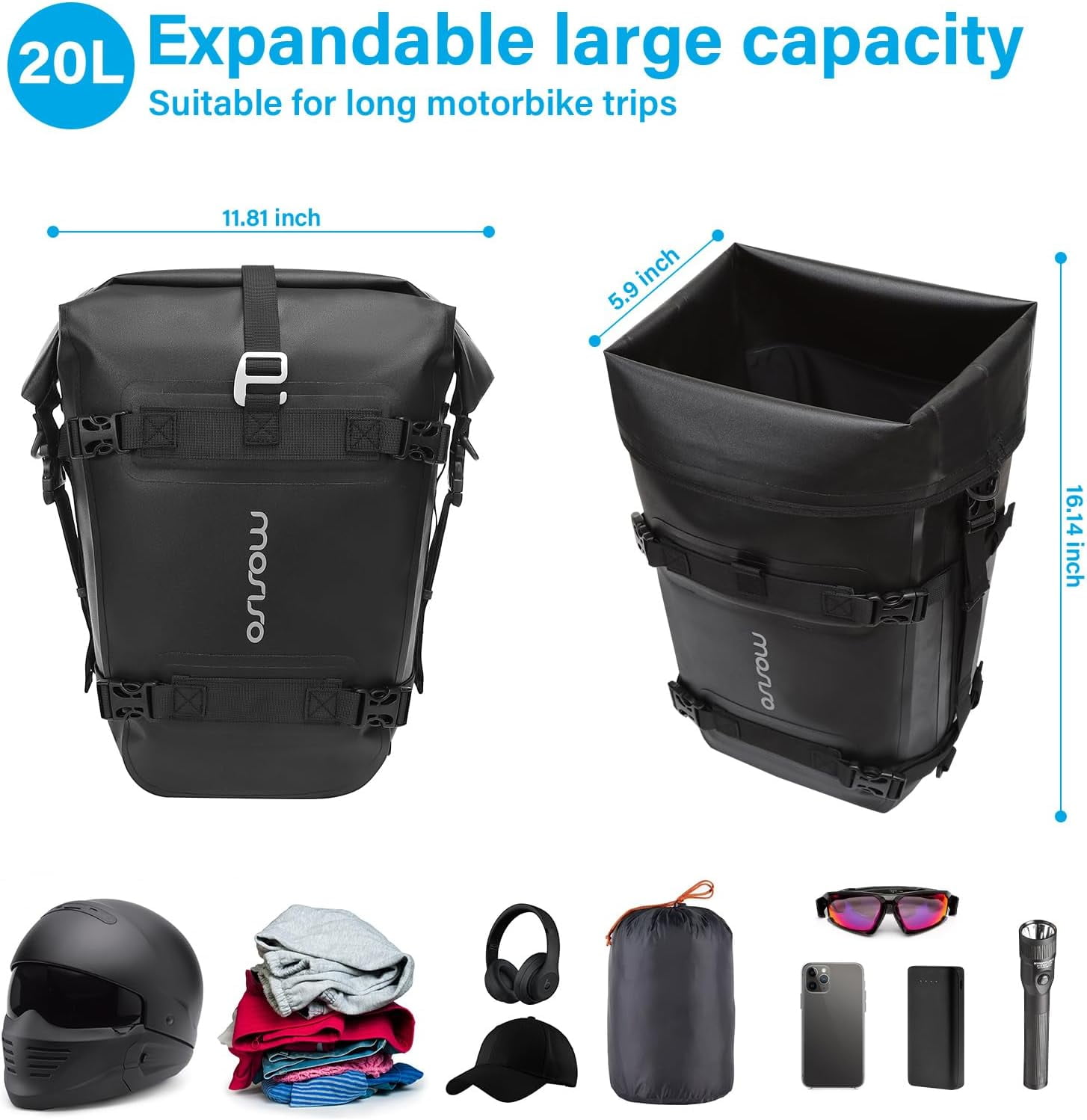
Illustrative image related to moto tail bag
B2B buyers are increasingly looking for innovative designs that offer versatility and durability. Trends such as modular designs, waterproof materials, and eco-friendly options are becoming essential in the sourcing decision process. Technology integration is also on the rise, with features like GPS tracking and smart storage solutions appealing to modern riders. For international buyers, particularly those in Nigeria, Germany, and other European countries, understanding local market preferences and aligning product offerings with these trends is crucial.
Furthermore, competitive pricing and the ability to customize products can significantly influence purchasing decisions. B2B buyers are advised to focus on suppliers who can offer a balance of quality and affordability while remaining responsive to emerging trends in the market.
Sustainability has become a critical consideration in the moto tail bag sector as environmental awareness continues to rise among consumers and businesses alike. B2B buyers are increasingly prioritizing suppliers who adhere to sustainable practices, emphasizing the importance of ethical sourcing and environmentally-friendly materials.
Manufacturers are now exploring the use of recycled materials and biodegradable options in their products. Certifications such as Global Organic Textile Standard (GOTS) and OEKO-TEX® Standard 100 are becoming vital for brands aiming to demonstrate their commitment to sustainability.
Moreover, the environmental impact of production processes is under scrutiny, prompting buyers to evaluate the entire supply chain. Companies that implement transparent practices and can provide proof of sustainable sourcing are more likely to attract international buyers from Europe and the Middle East, where regulations and consumer expectations regarding sustainability are particularly stringent. This shift not only supports the planet but can also enhance brand loyalty and market share in a competitive landscape.
The evolution of moto tail bags reflects broader trends in motorcycle culture and consumer preferences. Initially designed for practicality, these bags have transformed into essential accessories that combine functionality with style. Early models were basic and primarily focused on storage capacity, but advancements in materials and design have led to the creation of highly specialized products that cater to various riding styles and preferences.
The introduction of waterproof and durable materials has enhanced the appeal of moto tail bags for long-distance riders and adventure enthusiasts. Moreover, modern designs often incorporate features such as quick-release mounting systems, modular configurations, and aesthetic appeal to meet the diverse demands of today’s riders.
For B2B buyers, understanding this evolution is crucial for sourcing decisions. As consumer preferences shift toward high-quality, versatile, and eco-friendly products, suppliers who can adapt to these changes and offer innovative solutions will be better positioned to succeed in the competitive market landscape.
How do I choose the right moto tail bag for my business needs?
Selecting the right moto tail bag involves assessing your specific requirements such as capacity, material durability, and compatibility with various motorcycle types. Consider factors like whether your customers prioritize waterproof features, ease of installation, and the bag’s aesthetic appeal. Additionally, evaluate the intended use—whether for daily commuting or long-distance touring—as this will influence the size and design needed. Request samples from suppliers to ensure the quality meets your standards before making bulk purchases.
What materials are best for moto tail bags?
The best materials for moto tail bags typically include high-denier ballistic nylon, PVC-coated polyester, and durable textile blends. These materials offer excellent waterproofing, resistance to wear, and long-lasting durability. For added functionality, look for bags with reinforced seams and non-slip bases. Understanding the material composition can help in assessing the product’s longevity and suitability for different climates, which is crucial for international markets.
What are the typical minimum order quantities (MOQs) for moto tail bags?
Minimum order quantities for moto tail bags can vary significantly based on the supplier and the specific product line. Generally, MOQs range from 50 to 200 units for standard models, while custom designs may require higher quantities. It is essential to discuss MOQs upfront with potential suppliers to determine if they align with your business needs. Additionally, some suppliers may offer flexibility on MOQs for first-time buyers or during promotional periods.
How can I ensure quality assurance when sourcing moto tail bags internationally?
To ensure quality assurance, establish clear specifications and standards before placing orders. Consider conducting factory audits or requesting third-party inspections to verify compliance with your requirements. Additionally, ask for samples and conduct thorough testing on durability, waterproofing, and overall functionality. Building strong relationships with suppliers and maintaining regular communication can also enhance quality control throughout the production process.
What payment terms should I expect when sourcing moto tail bags?
Payment terms can vary widely among suppliers, typically ranging from 30% upfront payment with the balance due before shipment to net 30 or net 60 terms. It’s important to negotiate terms that align with your cash flow and business model. Additionally, consider using secure payment methods such as letters of credit or escrow services, especially for larger orders, to protect your investment and ensure supplier accountability.
What customization options are available for moto tail bags?
Customization options for moto tail bags often include size variations, color choices, branding elements like logos, and specific features such as additional pockets or waterproof linings. When discussing customization with suppliers, be clear about your design vision and functional requirements. Some manufacturers may offer design services to help refine your ideas, but be mindful that custom orders typically have higher MOQs and longer lead times.
How can I vet suppliers for moto tail bags effectively?
To effectively vet suppliers, start by researching their reputation and experience in the industry. Request references from previous clients and check online reviews or ratings. Additionally, consider visiting their manufacturing facilities if possible, or utilize third-party inspection services. Assess their communication responsiveness and willingness to accommodate your specific needs, as these factors can indicate their reliability and commitment to quality service.
What logistics considerations should I keep in mind when importing moto tail bags?
When importing moto tail bags, consider factors such as shipping methods, customs regulations, and potential tariffs specific to your country. Work with logistics providers who understand international shipping complexities and can assist with documentation and compliance. Additionally, plan for lead times that account for production, shipping, and customs clearance. Having a clear logistics strategy can help prevent delays and ensure that your products reach their destination in a timely manner.
Domain: moskomoto.com
Registered: 2013 (12 years)
Introduction: This company, Moskomoto – Motorcycle Luggage Solutions, is a notable entity in the market. For specific product details, it is recommended to visit their website directly.
Domain: sw-motech.us
Registered: 2019 (6 years)
Introduction: SW-MOTECH offers a variety of motorcycle tail bags designed for versatility and durability. Key features include:
– Premium materials and elegant design
– Secure mounting on passenger seats or luggage racks
– PRO tail bags with patented hook system for quick attachment
– Expandable storage for long-distance touring
– ION series for budget-conscious riders with minimalist styling and flexible …
Domain: revzilla.com
Registered: 2006 (19 years)
Introduction: This company, RevZilla – Tail Bags, is a notable entity in the market. For specific product details, it is recommended to visit their website directly.
Domain: motorcyclenews.com
Registered: 1999 (26 years)
Introduction: {“products”:[{“name”:”Kriega Rollpack 20″,”price”:”£129.99″,”capacity”:”20 litres”,”dimensions”:”75cm x 36cm”,”weight”:”643g”,”features”:{“waterproof”:”Yes”,”luggage_rack_required”:”No”,”construction”:”500 denier Cordura”,”closure”:”roll top”},”pros”:[“Tough construction”,”Effectively waterproof”,”Easy to attach”],”cons”:[“None found”],”ratings”:{“quality”:5.0,”ease_of_use”:5.0,”value”:5.0,”verdic…
Domain: saddlemen.com
Registered: 1996 (29 years)
Introduction: Saddlemen Tail, Tunnel and Mounted Motorcycle Seat Bags include various models such as the Universal BR4200 Back Seat/Sissy Bar/Roller Bag, BR3400 Tactical Back Seat/Sissy Bar Bag, BR3400 D Back Seat/Sissy Bar Bag, BR3400EXS Back Seat/Sissy Bar Bag, and BR1800EXS Back Seat/Sissy Bar Bag. These bags are designed for universal mounting on a wide range of motorcycles, featuring padded backpack straps…
Domain: vikingbags.com
Registered: 2006 (19 years)
Introduction: Motorcycle Tail Bags for Luggage Rack – VikingBags. Key products include: 57L – Voyage Premium XL Motorcycle Tail Bag (Sale price: $159.37, Regular price: $212.49, Rating: 5.0), 42L – Voyage Elite XL Motorcycle Luggage Rack Bag (Sale price: $93.74, Regular price: $124.99, Rating: 4.6), 28L – Century Large Leather Motorcycle Tail Bag (Sale price: $187.49, Regular price: $249.99, Rating: 4.8), 20L -…
As the global demand for motorcycle accessories continues to rise, the strategic sourcing of moto tail bags has become increasingly critical for B2B buyers in diverse markets such as Africa, South America, the Middle East, and Europe. Key takeaways highlight the importance of quality, versatility, and durability in selecting tail bags, ensuring they meet the varied needs of riders—from casual commuters to long-distance adventurers.
Investing in high-quality materials, such as waterproof fabrics and robust mounting systems, not only enhances customer satisfaction but also positions your brand as a leader in the competitive motorcycle accessories market. Furthermore, understanding regional preferences and leveraging local partnerships can significantly optimize supply chain efficiency and reduce costs.
Looking ahead, the moto tail bag market presents abundant opportunities for innovation and growth. B2B buyers are encouraged to stay abreast of emerging trends and consumer demands, fostering strategic relationships with reliable suppliers. By prioritizing quality and adaptability in product offerings, businesses can effectively cater to the evolving needs of riders worldwide. Embrace this opportunity to enhance your product portfolio and meet the growing expectations of international markets.
The information provided in this guide, including content regarding manufacturers, technical specifications, and market analysis, is for informational and educational purposes only. It does not constitute professional procurement advice, financial advice, or legal advice.
While we have made every effort to ensure the accuracy and timeliness of the information, we are not responsible for any errors, omissions, or outdated information. Market conditions, company details, and technical standards are subject to change.
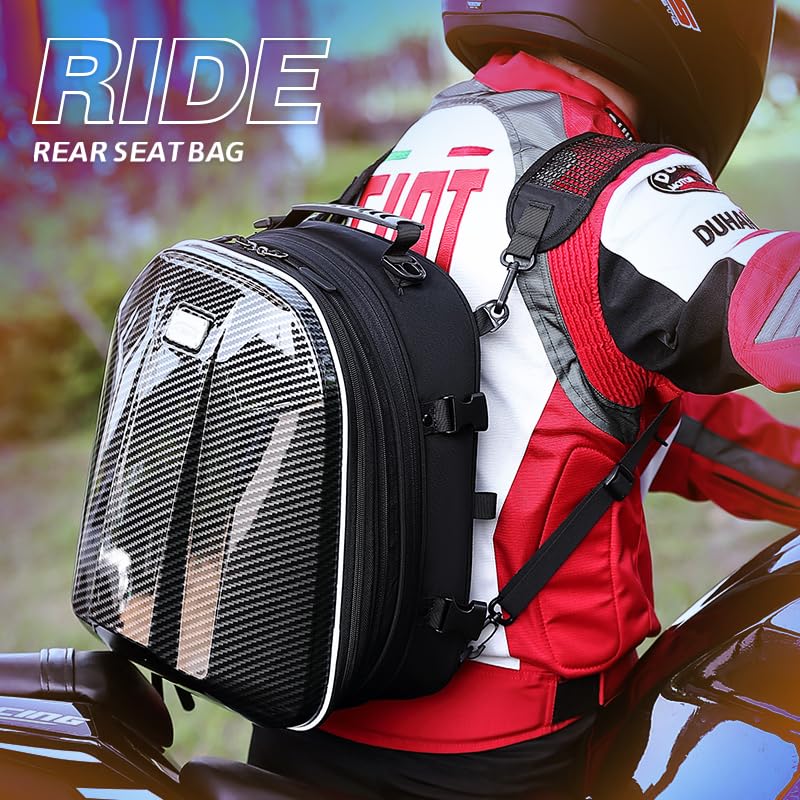
Illustrative image related to moto tail bag
B2B buyers must conduct their own independent and thorough due diligence before making any purchasing decisions. This includes contacting suppliers directly, verifying certifications, requesting samples, and seeking professional consultation. The risk of relying on any information in this guide is borne solely by the reader.


 English
  Russian
  Spanish
  Italian
  Arabic
  Portuguese
  German