
In an increasingly competitive global market, sourcing high-quality motorcycle racks and bags can pose significant challenges for B2B buyers, especially in regions like Africa, South America, the Middle East, and Europe. As demand for motorcycle accessories rises, understanding the nuances of product types—ranging from panniers and tank bags to rackless systems—becomes essential for making informed purchasing decisions. This guide aims to equip international buyers with the knowledge necessary to navigate this diverse landscape, addressing critical factors such as product applications, supplier vetting, and cost analysis.
The motorcycle racks and bags market is characterized by a variety of options tailored to different riding styles and preferences. Whether your focus is on durable adventure gear or sleek urban solutions, the right choice can enhance both functionality and rider experience. Additionally, we will explore effective strategies for evaluating suppliers, ensuring product quality, and understanding pricing structures, ultimately empowering businesses to optimize their procurement processes.
By delving into the specifics of material durability, design innovations, and user feedback, this guide serves as a comprehensive resource for B2B buyers looking to make strategic investments in motorcycle accessories. As the market continues to evolve, staying informed is crucial for capitalizing on opportunities and meeting customer demands effectively.
| Type Name | Key Distinguishing Features | Primary B2B Applications | Brief Pros & Cons for Buyers |
|---|---|---|---|
| Panniers | Side-mounted, rigid or soft bags designed for storage on both sides of the bike. | Long-distance touring, delivery services | Pros: Enhanced capacity, stability. Cons: Weight and size can affect handling. |
| Rackless Systems | Soft luggage systems that do not require a mounting rack, often using straps or harnesses. | Adventure touring, off-road applications | Pros: Lightweight, versatile. Cons: Less protection against theft. |
| Tail Bags | Compact bags that attach to the rear of the motorcycle, suitable for quick trips. | Daily commutes, short trips | Pros: Easy access, minimal footprint. Cons: Limited storage capacity. |
| Tank Bags | Bags that mount on the motorcycle’s fuel tank, often magnetic or strap-mounted. | Urban commuting, short rides | Pros: Immediate access to essentials, stable position. Cons: Can obstruct refueling. |
| Trunk Mounted Bags | Larger bags that attach to the trunk or rear rack, providing substantial storage. | Touring, long-distance travel | Pros: High storage capacity, weather-resistant. Cons: Can be bulky and impact aerodynamics. |
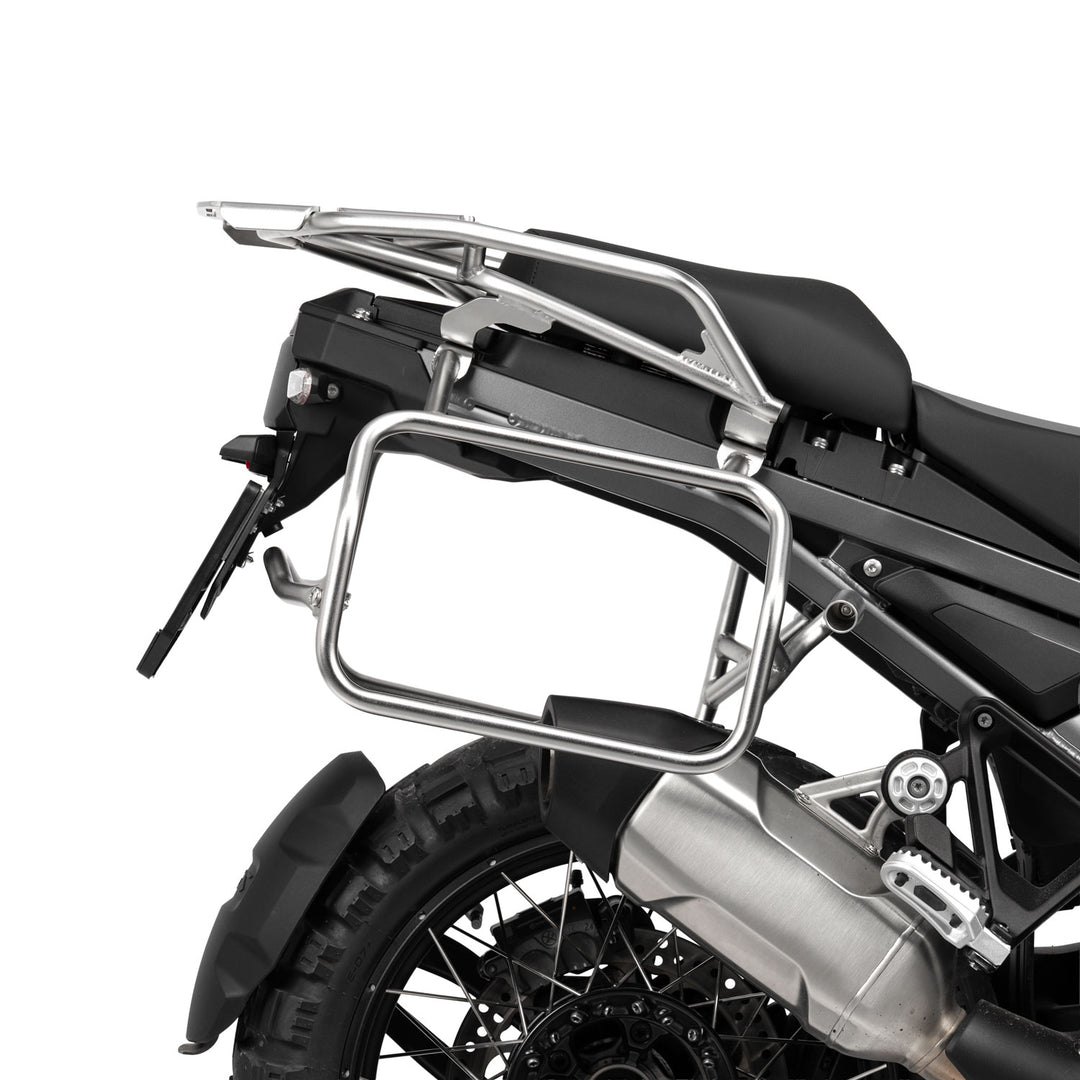
Panniers are a popular choice among motorcycle enthusiasts, particularly for long-distance touring and delivery services. These bags can be rigid or soft-sided and are mounted on either side of the motorcycle. Their design ensures balanced weight distribution, which enhances stability during rides. For B2B buyers, key considerations include compatibility with various motorcycle models, durability under adverse weather conditions, and security features to prevent theft. Investing in high-quality panniers can lead to increased customer satisfaction for businesses catering to long-haul riders.
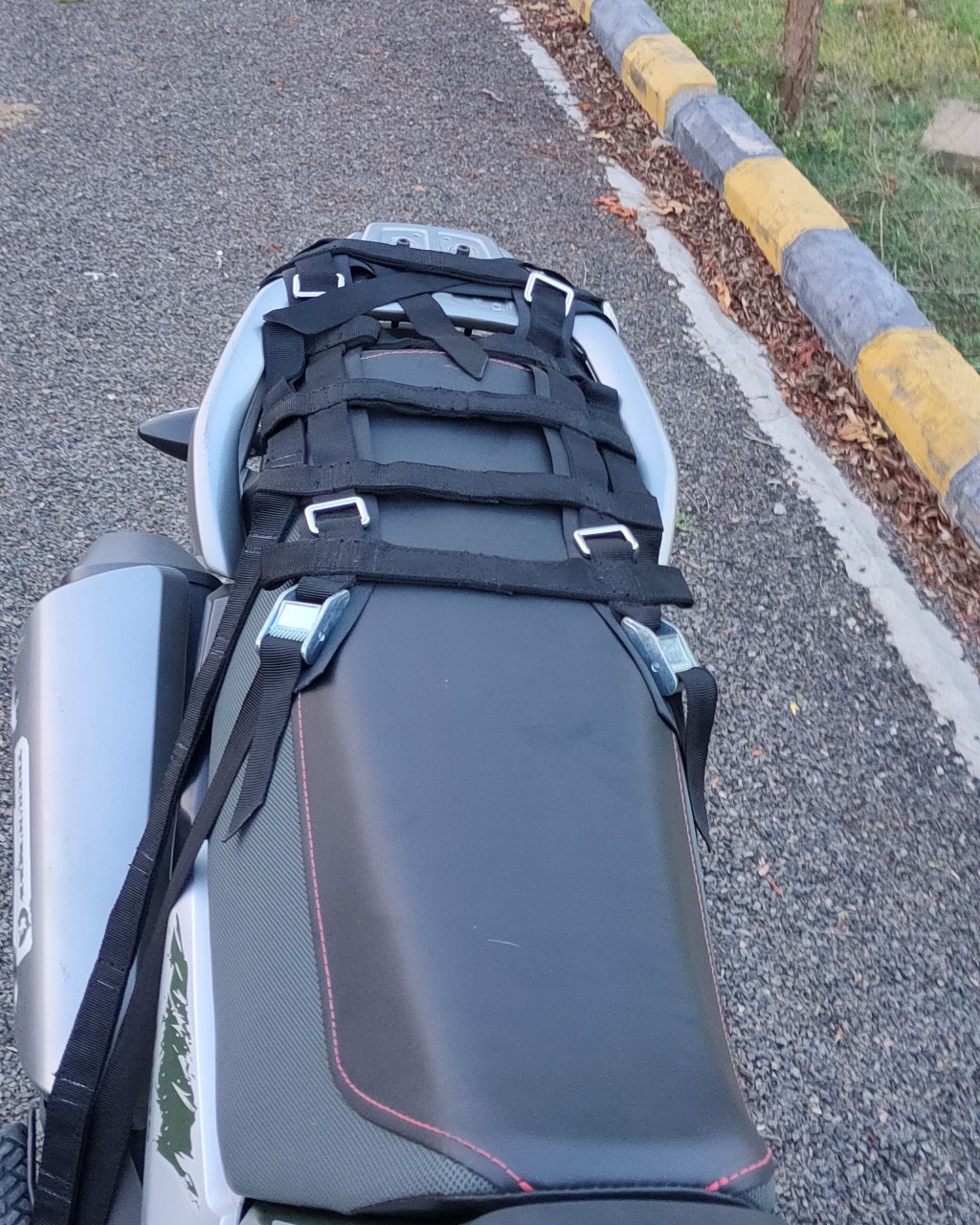
Rackless systems are gaining traction in the adventure touring segment, appealing to riders who prioritize lightweight and versatile luggage solutions. These systems typically use straps or harnesses to secure bags directly to the motorcycle, eliminating the need for a rigid mounting rack. This allows for easy installation and removal, making them suitable for off-road applications. B2B buyers should assess the ease of use, material durability, and weather resistance when selecting rackless systems, as these factors significantly affect user experience and product longevity.
Tail bags are compact storage solutions designed to attach to the rear of the motorcycle. They are particularly suitable for daily commutes or short trips where minimal storage is required. Their streamlined design ensures they do not interfere with the motorcycle’s handling. For B2B buyers, the appeal lies in their ease of access and lightweight nature, making them perfect for urban settings. However, it is essential to consider the bag’s capacity and whether it meets the specific needs of the target market.
Tank bags provide a practical solution for urban commuting, as they are positioned directly on the motorcycle’s fuel tank. They often come with magnetic or strap-mounted options, allowing for quick access to essentials like phones or wallets. For B2B buyers, the key benefits include immediate accessibility and a stable carrying position. However, it is crucial to evaluate the impact on refueling and the potential for scratches on the tank, which can deter some buyers.
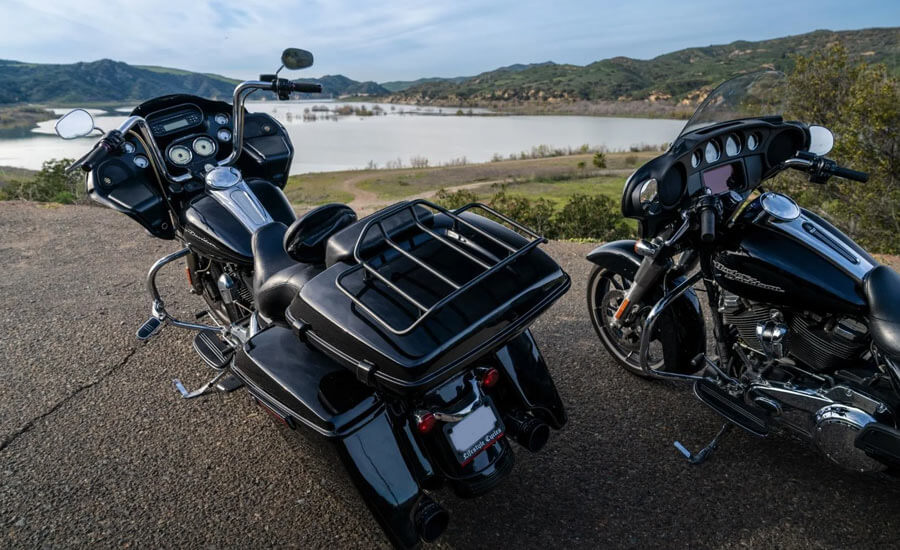
Trunk mounted bags are designed for substantial storage capacity, making them ideal for long-distance travel and touring. These bags attach securely to the motorcycle’s trunk or rear rack, providing a weather-resistant solution for riders. B2B buyers should consider the bag’s size, weight distribution, and compatibility with different motorcycle models. While trunk mounted bags offer significant storage advantages, they can be bulky and may affect the motorcycle’s aerodynamics, which is an important factor for performance-oriented buyers.
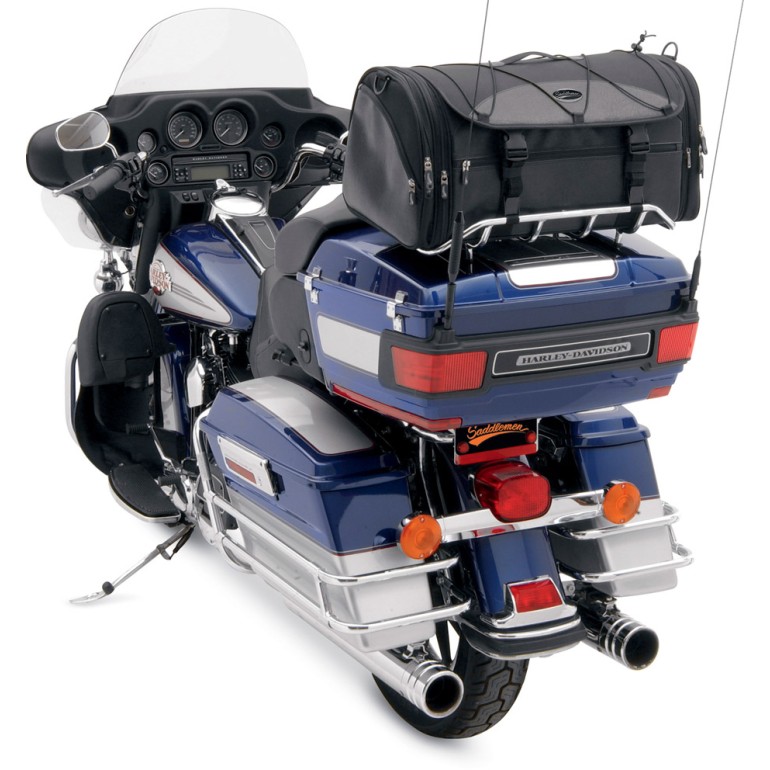
Illustrative image related to motorcycle racks and bags
| Industry/Sector | Specific Application of motorcycle racks and bags | Value/Benefit for the Business | Key Sourcing Considerations for this Application |
|---|---|---|---|
| Adventure Tourism | Luggage for guided motorcycle tours | Enhances customer experience with reliable storage | Durability, weather resistance, ease of mounting, aesthetics |
| Logistics and Delivery | Transport solutions for goods via motorcycles | Reduces delivery times, increases operational efficiency | Load capacity, security features, compatibility with models |
| Emergency Services | Rapid response equipment storage | Quick access to essential gear in emergencies | Lightweight design, secure attachment, weatherproofing |
| Recreational Riding | Personal storage for long-distance rides | Improves convenience and comfort for riders | Versatility, ease of installation, aesthetic appeal |
| Pet Transportation | Specialized carriers for pets on motorcycles | Expands service offerings for pet-friendly travel | Safety features, ventilation, ease of cleaning |
In the adventure tourism industry, motorcycle racks and bags are essential for guided tours. These products provide tourists with reliable storage for personal belongings, ensuring a comfortable ride without the worry of losing items. Buyers in this sector must prioritize durability and weather resistance to withstand diverse environments. Additionally, ease of mounting and aesthetic appeal can enhance the overall experience, making it crucial for suppliers to offer designs that complement various motorcycle models.
Motorcycle racks and bags are increasingly used in logistics and delivery services, particularly in urban environments where traffic congestion is a challenge. They enable businesses to transport goods quickly and efficiently, significantly reducing delivery times. Buyers should consider load capacity and security features to protect goods during transit. Compatibility with various motorcycle models is also vital, as businesses often use a fleet of different types of bikes.
In emergency services, motorcycle racks and bags are critical for storing and quickly accessing essential equipment. These bags can be designed to hold medical supplies, tools, or rescue gear, ensuring that first responders can operate efficiently in urgent situations. Lightweight designs and secure attachments are essential for these applications, as they allow for swift maneuverability without compromising safety. International buyers should look for products that meet specific regulatory standards and offer weatherproofing for all conditions.
For recreational riders, motorcycle racks and bags enhance the long-distance riding experience by providing convenient storage solutions for gear and personal items. This improves rider comfort and convenience, allowing them to focus on the journey rather than worrying about carrying items. Versatility and ease of installation are key factors for buyers, as they often seek solutions that can be easily adapted to different motorcycles. Aesthetic appeal also plays a significant role, as riders tend to prefer products that match their personal style.
Motorcycle racks and bags designed specifically for pet transportation allow riders to travel with their animals safely. These specialized carriers ensure that pets are secure and comfortable during rides, expanding the service offerings for businesses in the tourism and recreational sectors. Buyers should focus on safety features, ventilation, and ease of cleaning to ensure a positive experience for both pets and their owners. This niche application can attract a unique customer base looking for pet-friendly travel solutions.
The Problem: B2B buyers often face significant challenges when it comes to ensuring compatibility between motorcycle racks and bags. This is especially true in regions with diverse motorcycle models, like Africa and South America, where manufacturers may not provide clear specifications. Retailers may find themselves stuck with inventory that does not fit popular local motorcycle brands, leading to wasted resources and dissatisfied customers. Moreover, the lack of standardized mounting systems can complicate the selection process, increasing the risk of returns and inventory losses.
The Solution: To mitigate compatibility issues, B2B buyers should prioritize sourcing racks and bags that offer universal mounting systems or adjustable fittings. When selecting products, it is crucial to consult detailed product specifications, including dimensions, weight limits, and installation requirements. Establish partnerships with manufacturers that provide robust technical support, including installation guides and compatibility charts. Additionally, consider investing in training for sales staff to better assist customers in understanding which products work with their specific motorcycle models. Offering a return policy that accommodates exchanges for incompatible products can also build trust and reduce the financial risk for your business.
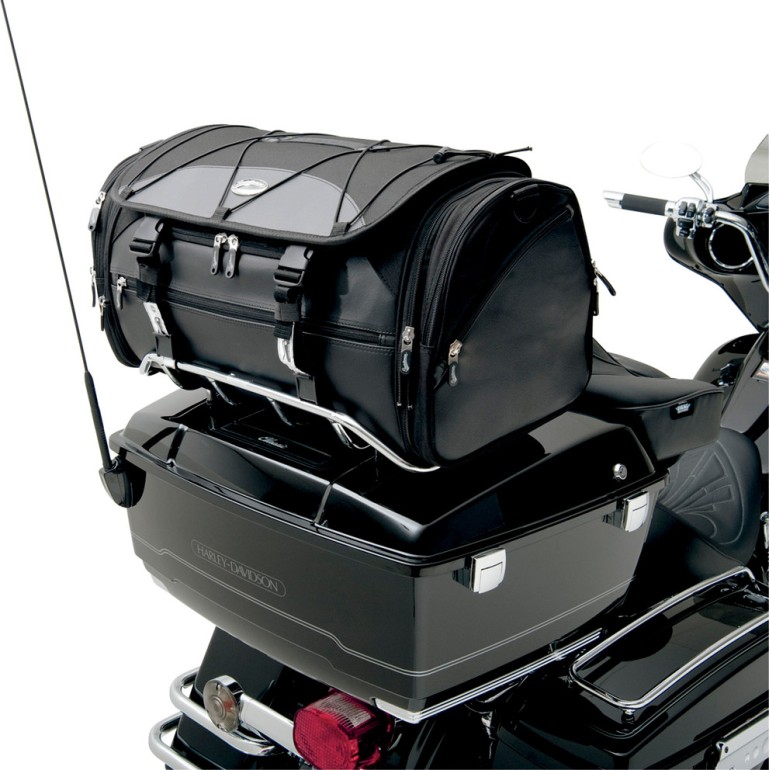
Illustrative image related to motorcycle racks and bags
The Problem: In regions with extreme weather conditions, such as the harsh sun of the Middle East or the heavy rains in parts of Europe, durability becomes a critical concern for B2B buyers of motorcycle racks and bags. Buyers may worry that inferior materials will lead to quick degradation, resulting in customer complaints and increased warranty claims. This concern is compounded by the need to keep costs low while ensuring product quality, making it difficult for retailers to find a balance that satisfies both business and consumer needs.
The Solution: To address durability concerns, B2B buyers should focus on sourcing motorcycle racks and bags made from high-quality, weather-resistant materials, such as UV-rated fabrics and heavy-duty plastics. Engaging with suppliers who conduct rigorous product testing can provide assurance of durability and longevity. Buyers should also request samples to evaluate the quality firsthand before making bulk purchases. Providing warranties that cover wear and tear can enhance customer confidence in the product. Additionally, educating customers about proper care and maintenance can extend the lifespan of the racks and bags, minimizing potential issues and enhancing customer satisfaction.
The Problem: Many B2B buyers struggle with the challenge of offering motorcycle racks and bags that provide adequate storage capacity for varying customer needs. This is particularly relevant for businesses targeting long-distance riders, who require sufficient space for gear, tools, and personal items. Buyers may find themselves with a limited selection of products that either do not meet the storage demands of their clientele or lead to overstocking of items that are too bulky for urban riders.
The Solution: To overcome storage capacity limitations, B2B buyers should prioritize product lines that offer modular or expandable storage solutions. This can include bags with adjustable compartments or racks designed to accommodate additional accessories. Engaging with manufacturers that provide customizable options can also cater to diverse customer preferences. Conducting market research to understand local riding habits and preferences will enable buyers to stock products that meet the specific needs of their target audience. Additionally, promoting the versatility of bags that can be used for both daily commutes and long-distance journeys can help attract a broader customer base, ensuring that the inventory aligns with market demand.
When selecting materials for motorcycle racks and bags, it is essential to consider their properties, advantages, and limitations. This analysis focuses on four common materials: aluminum, steel, nylon, and polyester. Each material has distinct characteristics that can significantly affect product performance and suitability for various applications.
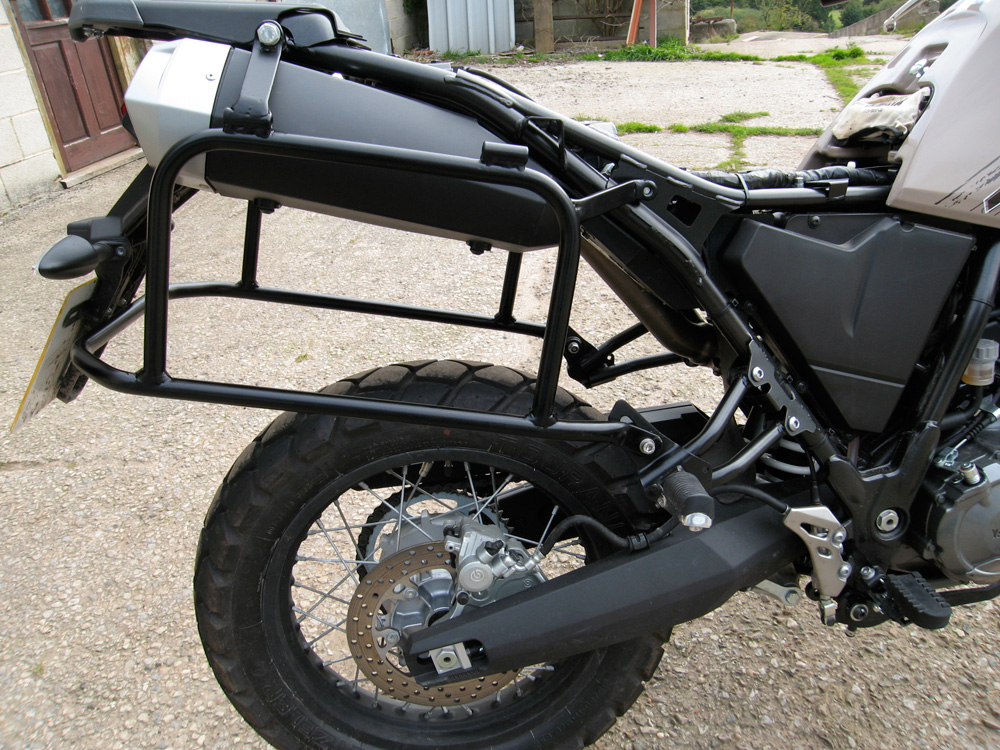
Illustrative image related to motorcycle racks and bags
Aluminum is a lightweight metal known for its excellent strength-to-weight ratio and corrosion resistance. It typically withstands temperatures up to 300°C and offers good pressure ratings. The primary advantage of aluminum is its durability, making it suitable for both hard and soft luggage systems. However, aluminum can be more expensive than other materials, which may affect the overall cost of the product. Additionally, it can be more challenging to manufacture due to the need for specialized welding techniques.
For international buyers, aluminum products must comply with standards like ASTM B209 (for aluminum alloys) and ISO 9001 (for quality management). In regions like Africa and South America, where corrosion from humidity and salt is prevalent, aluminum’s resistance to rust is a significant advantage.
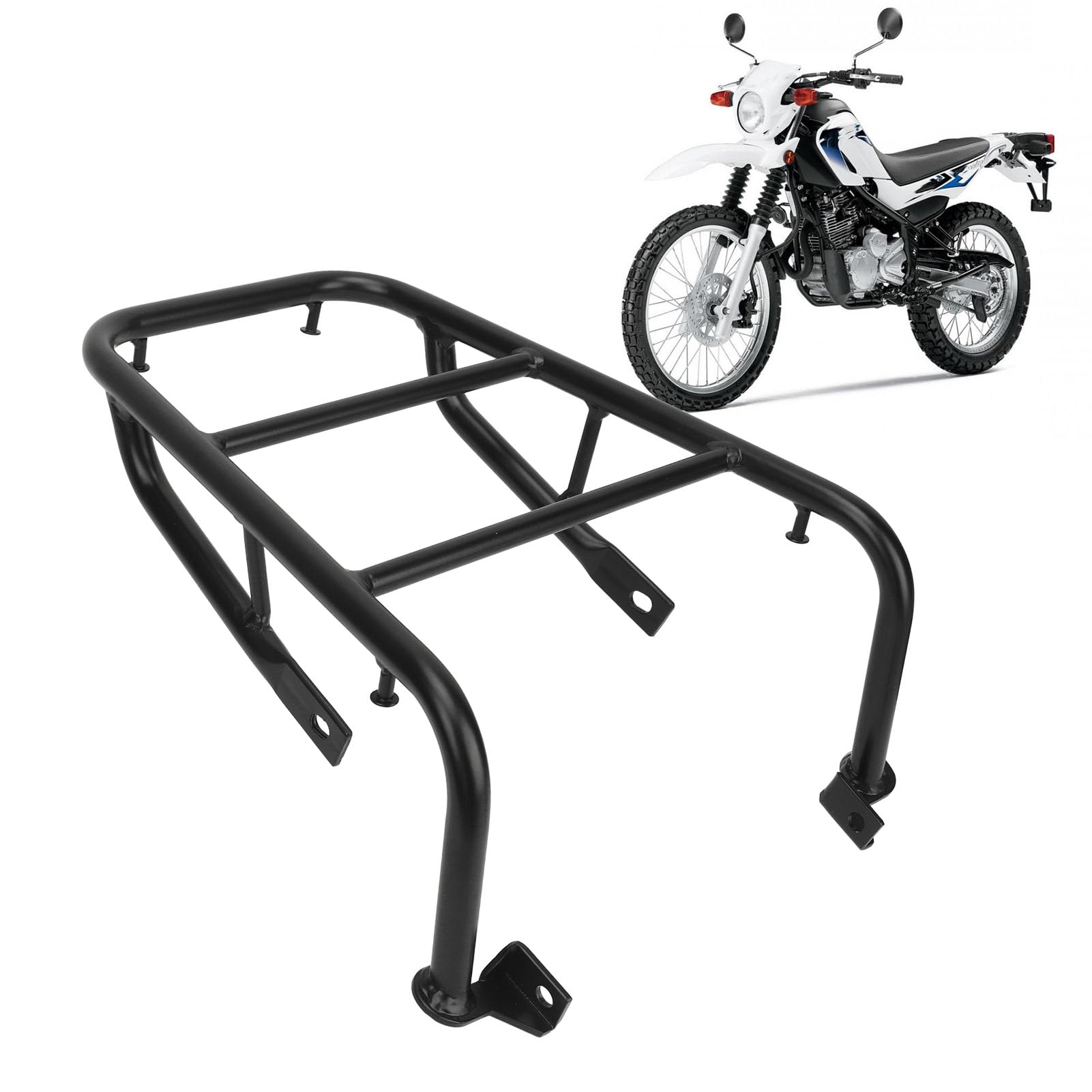
Steel is another popular material for motorcycle racks, known for its exceptional strength and durability. It can handle high-pressure loads and is often used in heavy-duty applications. Steel can withstand temperatures exceeding 500°C, making it suitable for high-performance environments. However, its susceptibility to rust and corrosion can be a drawback unless properly coated or treated.
From a cost perspective, steel is generally more affordable than aluminum, making it an attractive option for budget-conscious buyers. However, the weight of steel can impact the overall weight of the motorcycle. For international buyers, compliance with standards such as ASTM A36 (for carbon structural steel) is crucial, especially in regions with varying regulations.
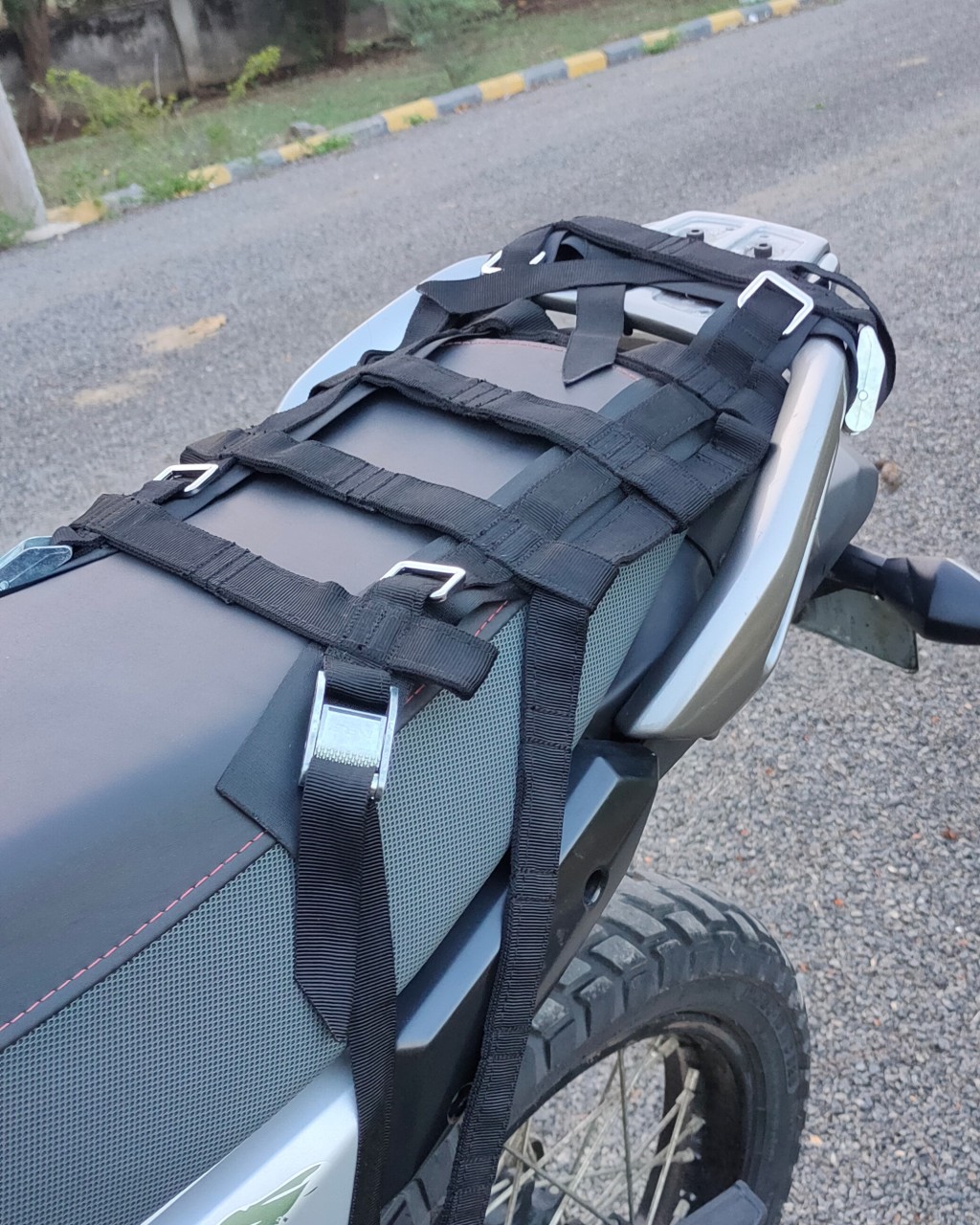
Illustrative image related to motorcycle racks and bags
Nylon is a synthetic fabric known for its flexibility, lightweight nature, and resistance to abrasion. It is particularly suitable for soft luggage options, such as tank bags and tail bags. Nylon can endure temperatures up to 100°C and offers decent weather resistance, making it a popular choice for adventure touring.
The primary advantage of nylon is its affordability and ease of manufacturing, allowing for a wide range of designs and styles. However, nylon may not provide the same level of durability as metal materials, which could limit its application in heavy-duty scenarios. International buyers should consider compliance with standards like ISO 2076 (for textile materials) to ensure quality and safety.
Polyester is another synthetic material commonly used in motorcycle bags. It offers excellent UV resistance and is less prone to fading compared to nylon. Polyester can withstand similar temperature ranges as nylon, making it suitable for various applications. Its primary advantage is its durability and resistance to wear and tear, which is essential for long-distance touring.
Illustrative image related to motorcycle racks and bags
However, polyester is generally heavier than nylon, which may affect the overall weight of the luggage. Additionally, its cost can be higher than nylon but lower than metal options. For international buyers, ensuring compliance with standards like ASTM D5034 (for tearing strength) is essential, particularly in regions with stringent quality requirements.
| Material | Typical Use Case for motorcycle racks and bags | Key Advantage | Key Disadvantage/Limitation | Relative Cost (Low/Med/High) |
|---|---|---|---|---|
| Aluminum | Hard luggage, panniers | Lightweight and corrosion-resistant | Higher manufacturing complexity | High |
| Steel | Heavy-duty racks and frames | Exceptional strength and durability | Prone to rust without treatment | Medium |
| Nylon | Soft luggage, tank bags | Affordable and flexible | Less durable than metal materials | Low |
| Polyester | Soft luggage, touring bags | UV resistant and durable | Heavier than nylon | Medium |
This guide provides a comprehensive overview of the materials used in motorcycle racks and bags, enabling B2B buyers to make informed decisions based on their specific needs and regional considerations.
The manufacturing process for motorcycle racks and bags involves several critical stages that ensure the final product meets both functionality and quality standards.
The first step in manufacturing motorcycle racks and bags is the selection and preparation of materials. Manufacturers typically use durable fabrics such as nylon or polyester for bags, while aluminum or steel is common for racks. These materials are chosen for their strength, weather resistance, and lightweight properties, which are crucial for motorcycle accessories.
Sourcing materials often involves establishing relationships with reliable suppliers who can provide high-quality raw materials consistently. For B2B buyers, understanding the source of materials is essential, as it can impact the overall durability and safety of the products.

Illustrative image related to motorcycle racks and bags
Once materials are prepared, the next stage is forming, where raw materials are shaped into components. This can involve cutting, molding, and welding processes. For bags, cutting fabric into panels is common, followed by stitching them together using high-strength threads to ensure durability.
For racks, metal components are often shaped using techniques like CNC machining or laser cutting, which allow for precision and repeatability. This stage is crucial for ensuring that all parts fit together properly, which directly affects the performance and safety of the final product.
The assembly stage involves combining all the formed components into a finished product. For motorcycle bags, this typically includes adding zippers, buckles, and straps, ensuring that all elements work seamlessly together. For racks, the assembly may involve bolting, welding, or using brackets to secure parts.
Efficient assembly processes often utilize assembly lines where skilled workers or automated systems put together components quickly and accurately. This stage is essential for maintaining production efficiency and quality.
Finishing processes enhance both the aesthetic appeal and functionality of motorcycle racks and bags. This can include applying protective coatings to metal parts to prevent rust, or waterproofing treatments for fabric bags. Additional steps may involve quality checks to ensure that all finishes meet brand standards.

Illustrative image related to motorcycle racks and bags
Quality assurance (QA) is a critical component of the manufacturing process for motorcycle racks and bags, ensuring that products meet international standards and customer expectations.
B2B buyers should be aware of several international standards relevant to the manufacturing of motorcycle accessories. ISO 9001 is a widely recognized standard for quality management systems, ensuring that companies consistently meet customer and regulatory requirements.
Additionally, industry-specific standards such as CE marking for products sold in Europe or API standards for certain components can indicate compliance with safety and quality benchmarks. Understanding these certifications helps buyers assess the reliability of their suppliers.
Quality control (QC) checkpoints are integrated throughout the manufacturing process to ensure that quality standards are maintained. Common checkpoints include:

Illustrative image related to motorcycle racks and bags
Testing methods for motorcycle racks and bags can include:
These tests are crucial for ensuring that the products can withstand real-world conditions.
For B2B buyers, verifying the quality control processes of suppliers is essential to ensure that they receive high-quality products.
Supplier Audits: Conducting audits of potential suppliers can provide insights into their manufacturing processes and quality control measures. This may include reviewing their production lines, testing facilities, and quality management systems.
Requesting Quality Reports: Buyers should request detailed quality assurance reports that outline the QC processes, testing methods, and results for products. This transparency can help establish trust between buyers and suppliers.
Third-Party Inspections: Engaging third-party inspection services can provide an unbiased assessment of a supplier’s quality control processes and product quality. These services can conduct inspections at various stages of production and provide detailed reports.
International B2B buyers, particularly from regions like Africa, South America, the Middle East, and Europe, should be aware of specific nuances regarding quality control and certifications.
Different regions may have varying standards and regulations. For example, products sold in Europe must often meet CE marking requirements, while products exported to the Middle East may need to comply with local safety regulations.
Understanding these requirements is crucial for avoiding compliance issues that could lead to delays or additional costs. Buyers should collaborate closely with suppliers to ensure that all necessary certifications are obtained and maintained.

Illustrative image related to motorcycle racks and bags
In summary, a comprehensive understanding of manufacturing processes and quality assurance practices is vital for B2B buyers in the motorcycle racks and bags industry. By focusing on material selection, precision manufacturing techniques, and rigorous quality control measures, suppliers can ensure that they deliver high-quality products that meet international standards. Buyers should actively engage in verifying these processes to establish strong partnerships with reliable manufacturers, ultimately leading to successful business outcomes.
When sourcing motorcycle racks and bags, a structured approach is essential to ensure you select high-quality products that meet your business needs. This checklist provides a step-by-step guide to help B2B buyers navigate the procurement process effectively.
Clearly outline the technical requirements for the motorcycle racks and bags you intend to procure. Consider factors such as load capacity, material durability, weather resistance, and compatibility with various motorcycle models. This step is crucial as it establishes a baseline for evaluating suppliers and their offerings.
Understanding the current market trends is vital for making informed purchasing decisions. Analyze which types of racks and bags are gaining popularity in your target regions—Africa, South America, the Middle East, and Europe. This insight will guide your selection and ensure you stock items that are likely to sell well.
Before making a commitment, it’s crucial to vet potential suppliers thoroughly. Request detailed company profiles, case studies, and references from other buyers in similar industries or regions. This due diligence helps ensure that the supplier has a proven track record of delivering quality products.
Once you’ve narrowed down potential suppliers, request samples of their motorcycle racks and bags. Testing these samples allows you to evaluate the quality, durability, and usability of the products firsthand. This step minimizes the risk of receiving subpar merchandise that could harm your business reputation.
Engaging in price negotiations is a critical step in ensuring profitability. Discuss not only the cost of goods but also payment terms, shipping costs, and potential discounts for bulk purchases. Understanding these terms upfront can prevent misunderstandings later in the procurement process.
Ensure that the motorcycle racks and bags comply with local regulations in your target markets. This may include safety standards, environmental regulations, and import duties. Compliance is essential to avoid potential legal issues and to ensure that products can be sold without restrictions.
Finally, build a reliable supply chain by establishing strong relationships with your chosen suppliers. Regular communication and feedback can help address any issues promptly and ensure a consistent flow of quality products. A robust supply chain is key to maintaining customer satisfaction and business growth.

Illustrative image related to motorcycle racks and bags
Following this checklist will help B2B buyers make informed decisions when sourcing motorcycle racks and bags, ensuring that they meet both quality standards and market demands effectively.
When sourcing motorcycle racks and bags, understanding the cost structure is crucial for B2B buyers. The primary cost components include:
Materials: The choice of materials significantly impacts the overall cost. High-quality fabrics, waterproof coatings, and durable hardware can increase initial expenses but may offer better longevity and performance, reducing replacement costs over time.
Labor: Labor costs vary depending on the manufacturing location and the complexity of the product. Regions with higher labor costs may lead to higher prices, but this can be offset by increased product quality and craftsmanship.
Manufacturing Overhead: This includes indirect costs such as utilities, facility maintenance, and administrative expenses. Buyers should inquire about the manufacturer’s overhead costs to better understand pricing.
Tooling: Initial tooling costs can be substantial, especially for custom designs. These costs are often amortized over the production run, so larger orders can lead to lower per-unit tooling expenses.
Quality Control (QC): Implementing strict QC measures ensures product reliability, but it can also add to the cost. Buyers should assess how a supplier manages QC and whether it affects pricing.
Logistics: Shipping and handling costs can vary widely based on the destination and shipping method. Understanding logistics is essential for calculating the total landed cost.
Margin: Suppliers typically include a profit margin in their pricing. This margin can vary based on the supplier’s market positioning, brand reputation, and competition.
Several factors influence the pricing of motorcycle racks and bags, including:
Volume and Minimum Order Quantity (MOQ): Larger orders often come with discounts. Negotiating MOQs can significantly affect unit pricing, so buyers should explore their capacity to order in bulk.
Specifications and Customization: Custom features such as branding, special materials, or unique sizes can increase costs. Buyers should weigh the need for customization against budget constraints.
Materials and Quality Certifications: Higher-quality materials and certifications (e.g., ISO, CE) can raise costs but may provide assurance of product performance and safety. Buyers should consider the long-term value of certified products.
Supplier Factors: The reliability, reputation, and location of suppliers can impact pricing. Engaging with well-established suppliers may come with higher prices but can reduce risks associated with quality and delivery.
Incoterms: Understanding Incoterms (International Commercial Terms) is essential for calculating total costs. Terms such as FOB (Free On Board) or CIF (Cost, Insurance, and Freight) can affect pricing and responsibility for shipping costs.
Negotiation Strategies: Approach negotiations with a clear understanding of your budget and requirements. Leverage volume discounts and be prepared to discuss alternatives that can lower costs without compromising quality.
Cost-Efficiency Analysis: Calculate the Total Cost of Ownership (TCO), which includes initial costs, maintenance, and replacement expenses over the product’s lifespan. This approach helps in assessing the value of higher-priced items.
Pricing Nuances for International Buyers: International buyers, particularly from regions like Africa and South America, should be aware of currency fluctuations, import duties, and tariffs that can affect overall costs. Securing fixed pricing agreements can mitigate these risks.
Market Research: Conduct thorough market research to compare prices from different suppliers. Understanding the competitive landscape can provide leverage in negotiations and help identify the best value.
Supplier Relationships: Building strong relationships with suppliers can lead to better pricing and terms over time. Trust and reliability can often result in preferential treatment during negotiations.
Pricing for motorcycle racks and bags can vary significantly based on numerous factors, including those discussed above. The figures provided in various sources are indicative and may fluctuate due to market conditions, supplier changes, and currency exchange rates. Buyers are encouraged to seek tailored quotes that reflect their specific needs and circumstances.
When considering solutions for transporting gear and luggage on motorcycles, it’s essential to evaluate various options beyond traditional motorcycle racks and bags. Each alternative offers unique advantages and drawbacks that can significantly impact functionality, cost, and user experience. This analysis compares motorcycle racks and bags with alternative solutions like cargo trailers and soft luggage systems, providing international B2B buyers with insights to make informed decisions.
| Comparison Aspect | Motorcycle Racks and Bags | Cargo Trailers | Soft Luggage Systems |
|---|---|---|---|
| Performance | High stability, secure attachment for heavy loads | Excellent for transporting large items, but less maneuverable | Lightweight, flexible; suitable for smaller loads |
| Cost | Moderate (varies by brand) | Higher initial investment and maintenance costs | Generally lower cost, but quality varies |
| Ease of Implementation | Requires installation on the motorcycle | Requires towing capability and setup | Easy to attach/detach; minimal setup required |
| Maintenance | Moderate; requires occasional checks for wear | High; regular maintenance necessary for trailer components | Low; generally durable materials with less upkeep |
| Best Use Case | Long-distance touring, adventure riding | Transporting large gear, camping equipment | Daily commuting, short trips, casual outings |
Cargo trailers provide a robust solution for transporting substantial loads, making them ideal for businesses that require extensive gear transportation. They offer excellent stability and can carry larger items that may not fit on a motorcycle. However, they come with a higher initial investment and ongoing maintenance costs, such as tire replacements and brake checks. Additionally, trailers can limit maneuverability and may not be suitable for all terrains, making them less versatile than racks and bags for adventurous motorcycle riders.
Soft luggage systems, such as saddle bags and tank bags, are designed for ease of use and flexibility. They are lightweight and can be easily attached or removed, making them an excellent choice for daily commuting or short trips. Their lower price point also appeals to budget-conscious buyers. However, soft luggage may lack the same level of durability and security as hard racks, potentially leading to wear and tear over time. They are best used for smaller loads and may not provide adequate protection for sensitive items during adverse weather conditions.
Selecting the right transportation solution for motorcycle gear involves assessing the specific needs of your operation. B2B buyers should consider factors such as the typical load size, budget constraints, and the frequency of use. For businesses focused on long-distance travel or heavy loads, motorcycle racks and bags may be the most effective option. Conversely, those requiring flexibility and lower costs may benefit from soft luggage systems, while cargo trailers serve specialized needs for transporting larger gear. Ultimately, understanding the nuances of each option will guide buyers in making the best choice to suit their operational requirements.
When evaluating motorcycle racks and bags, several critical technical specifications should be considered, as these directly impact performance, durability, and usability. Below are some essential properties:
Material Grade
The material used in manufacturing motorcycle racks and bags is crucial for durability and weight. Common materials include high-denier nylon for bags and aluminum or steel for racks. High-denier nylon offers resistance to abrasion and environmental conditions, while aluminum provides lightweight strength. For B2B buyers, understanding the material grade helps assess the product’s longevity and suitability for various riding conditions.
Load Capacity
Load capacity refers to the maximum weight that a rack or bag can safely hold. This specification is vital for ensuring that the equipment can accommodate the intended cargo without risking failure during use. Buyers should evaluate load capacity against typical use cases, such as touring or off-road riding, to ensure safety and reliability.
Water Resistance
Water resistance is a critical feature for motorcycle bags, especially for those used in diverse climates. This property indicates the ability of the bag to protect its contents from moisture. B2B buyers should look for specifications that detail water-resistant ratings, such as IP ratings, which provide insight into how well the product can withstand rain or splashes.
Attachment System
The attachment system defines how securely a bag or rack can be mounted to a motorcycle. Common systems include quick-release buckles, MOLLE (Modular Lightweight Load-carrying Equipment) webbing, and universal mounting brackets. Understanding the attachment method is essential for ensuring compatibility with various motorcycle models and for assessing ease of installation.
Dimensions and Expandability
Dimensions specify the size of the rack or bag, influencing how much gear can be carried. Some products may feature expandability options, allowing them to increase in size when needed. B2B buyers should consider the dimensions in relation to their customer’s needs, ensuring the products can cater to different riding styles and storage requirements.
Familiarity with industry-specific jargon can enhance communication and negotiation for B2B buyers. Here are some common terms:
Illustrative image related to motorcycle racks and bags
OEM (Original Equipment Manufacturer)
OEM refers to companies that produce parts or products that are used in another company’s end product. In the context of motorcycle racks and bags, OEM suppliers may provide components that are integrated into finished luggage systems. Understanding OEM relationships can help buyers identify quality and compatibility.
MOQ (Minimum Order Quantity)
MOQ is the smallest number of units that a supplier is willing to sell. This term is critical for B2B transactions as it affects inventory management and cost efficiency. Buyers should consider MOQs to ensure they can meet demand without overextending their budgets.
RFQ (Request for Quotation)
An RFQ is a formal process where a buyer requests pricing and terms from suppliers for specific products. In the motorcycle luggage market, an RFQ can help buyers gather competitive offers from multiple vendors, facilitating better purchasing decisions.
Incoterms (International Commercial Terms)
Incoterms are a set of rules that define the responsibilities of buyers and sellers in international transactions. They specify who is responsible for shipping, insurance, and tariffs. For B2B buyers sourcing motorcycle racks and bags globally, understanding Incoterms is essential for managing logistics and cost expectations.
Lead Time
Lead time refers to the time taken from placing an order until the goods are received. This term is crucial for B2B buyers who need to plan inventory and sales strategies. Understanding lead times can help in managing customer expectations and ensuring timely availability of products.
Warranty Period
The warranty period indicates the duration a manufacturer guarantees the product against defects. For B2B buyers, a favorable warranty can be a significant factor in the purchasing decision, reflecting the manufacturer’s confidence in product durability and performance.
By understanding these technical properties and trade terms, B2B buyers can make informed decisions when sourcing motorcycle racks and bags, ensuring they meet the demands of their markets effectively.
The motorcycle racks and bags sector is experiencing a significant transformation driven by several global factors. As urbanization increases and recreational motorcycle use rises across Africa, South America, the Middle East, and Europe, the demand for efficient, durable, and versatile luggage solutions is escalating. Notably, the rise of adventure tourism has fueled interest in products that cater to long-distance travel and off-road capabilities. This trend is particularly evident in regions like Brazil and Nigeria, where motorcycling is both a mode of transportation and a leisure activity.
Emerging technologies are reshaping the sourcing landscape. B2B buyers are increasingly leveraging digital platforms for procurement, utilizing tools like AI-driven analytics to assess market trends and supplier reliability. Additionally, the integration of smart features, such as GPS tracking and RFID technology in motorcycle bags, is gaining traction, appealing to tech-savvy consumers looking for enhanced security and functionality. Sourcing strategies are also evolving, with companies prioritizing local suppliers to minimize lead times and reduce transportation costs, particularly in regions with burgeoning motorcycle markets.
Sustainability is becoming a critical consideration for B2B buyers in the motorcycle racks and bags sector. The environmental impact of manufacturing processes and the materials used is under increasing scrutiny. Buyers are recognizing the importance of sourcing from suppliers who prioritize ethical practices, including the use of recycled materials and eco-friendly production techniques. This shift not only aligns with global sustainability goals but also meets the expectations of a growing segment of consumers who prefer brands that demonstrate a commitment to environmental responsibility.
Illustrative image related to motorcycle racks and bags
Certifications for ‘green’ materials, such as those indicating recycled content or low-impact manufacturing processes, are becoming essential for suppliers. Buyers should actively seek partnerships with manufacturers who can provide transparency about their supply chains, ensuring that the products they source are not only high-quality but also environmentally responsible. This focus on sustainability can enhance brand reputation and appeal to a broader market, particularly in Europe and the Middle East, where eco-conscious consumerism is on the rise.
The motorcycle racks and bags industry has evolved significantly over the past few decades. Initially, the market was dominated by basic designs primarily focused on functionality. However, as motorcycle culture expanded and diversified, so did the needs of riders. The introduction of specialized racks and bags for various motorcycle types—such as touring, cruiser, and adventure bikes—has transformed product offerings.
Innovations in materials, such as weather-resistant fabrics and lightweight composites, have further enhanced product performance. As manufacturers began to recognize the importance of aesthetics alongside functionality, the design of motorcycle luggage became more sophisticated, appealing to style-conscious consumers. Today, the market continues to adapt, integrating technology and sustainability into its evolution, reflecting broader trends in consumer preferences and environmental consciousness. This historical context is crucial for B2B buyers looking to understand the dynamics of the current market and anticipate future trends.
1. How do I choose the right motorcycle rack or bag for my needs?
Selecting the ideal motorcycle rack or bag involves assessing your specific requirements. Consider factors such as the type of motorcycle you have, your typical load, and the kind of riding you do (e.g., adventure touring, commuting). Evaluate the bag’s capacity, materials, and mounting options. Additionally, look for weather resistance and ease of access. Engaging with suppliers who offer a range of products and customization options can help ensure you find a solution tailored to your needs.
2. What are the most common types of motorcycle bags and racks available?
Motorcycle bags and racks come in various styles, including panniers, tail bags, tank bags, and rack-mounted bags. Panniers are popular for long-distance touring, while tank bags offer easy access to essentials. Rack-mounted bags can provide additional storage without altering the motorcycle’s design. Understanding the functionality of each type helps you select the best option for your intended use, whether for leisure or business purposes.
3. What factors should I consider when vetting suppliers for motorcycle racks and bags?
When vetting suppliers, prioritize their experience in the industry, product quality, and customer service reputation. Request samples or case studies to assess their offerings. Verify certifications related to quality assurance and compliance with international standards. Additionally, consider their ability to provide customization options and their responsiveness to inquiries, which reflects their commitment to client satisfaction.
4. Are there minimum order quantities (MOQs) for motorcycle racks and bags?
Most suppliers have MOQs that vary depending on the product type and customization requirements. For standard items, MOQs can be lower, while customized products may require larger orders. It’s crucial to discuss MOQs upfront with potential suppliers to ensure they align with your business needs and budget. Some suppliers may offer flexibility for first-time buyers or ongoing partnerships.
Illustrative image related to motorcycle racks and bags
5. What payment terms should I expect when sourcing motorcycle racks and bags internationally?
Payment terms can vary widely by supplier and region. Common arrangements include deposits (typically 30-50%) upfront, with the balance due before shipment. Some suppliers may offer credit terms based on your purchasing history. It’s advisable to negotiate favorable terms that balance risk and cash flow, and to ensure that payment methods are secure and compliant with international trade regulations.
6. How can I ensure quality assurance for motorcycle racks and bags?
To ensure quality assurance, work with suppliers who follow strict manufacturing protocols and have quality control measures in place. Request detailed product specifications and certifications that verify compliance with international standards. Conduct regular audits and inspections during production and before shipment. Additionally, consider establishing a clear return policy to address any quality issues post-delivery.
7. What logistics considerations should I keep in mind when importing motorcycle racks and bags?
Logistics play a critical role in international sourcing. Consider shipping options, customs regulations, and potential tariffs that may apply to motorcycle accessories in your region. Partnering with a logistics provider experienced in handling motorcycle products can streamline the process. Also, ensure that suppliers can provide necessary documentation for customs clearance to avoid delays.

Illustrative image related to motorcycle racks and bags
8. Can I customize motorcycle racks and bags to fit my branding needs?
Yes, many suppliers offer customization options, including branding through colors, logos, and specific features tailored to your requirements. Discuss your branding needs early in the negotiation process to understand the possibilities and associated costs. Customization can enhance your product’s market appeal and strengthen your brand identity, making it a worthwhile investment for B2B buyers.
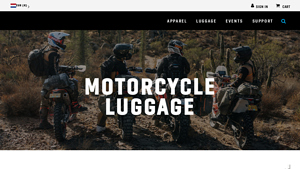
Domain: moskomoto.com
Registered: 2013 (12 years)
Introduction: This company, Mosko Moto – Motorcycle Luggage Systems, is a notable entity in the market. For specific product details, it is recommended to visit their website directly.
Domain: sw-motech.us
Registered: 2019 (6 years)
Introduction: Luggage Racks for Motorbikes – SW-MOTECH offers a variety of luggage racks designed for different motorcycle models. Key features include:
– Sturdy base for safe and secure travel
– Supports bags or top cases without affecting bike handling
– Made from rugged aluminum with a corrosion-resistant coating
– Designed to fit each bike model precisely
– Lightweight and stable with smart details lik…
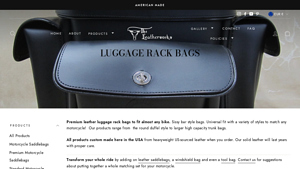
Domain: leatherworksinc.com
Registered: 1999 (26 years)
Introduction: Premium leather luggage rack bags designed for motorcycles, available in various styles including sissy bar style bags. Custom made in the USA from heavyweight US-sourced leather. Options include round duffel style and larger high-capacity trunk bags. Full customization available with different leather colors such as Black, Brown, White, Tan, and more. Products include: 99X Extra Large Sissy Bar B…
Domain: vikingbags.com
Registered: 2006 (19 years)
Introduction: Motorcycle Luggage Bags from VikingBags offer a wide variety of styles, shapes, and functions tailored for different motorcycle models. Key features include:
– Quick disconnect system for easy mounting and dismounting of saddlebags.
– Hardware kits and mounting systems for customization.
– Waterproof construction with airtight seals around closures.
– Rigid bodies for shape retention in bags like …
Domain: ventura-bike.com
Registered: 1997 (28 years)
Introduction: Ventura offers a range of motorcycle luggage systems, bags, and accessories designed for over 2500 motorcycle models. Key products include:
1. **Bike-Pack Systems**:
– EVO Bike-Pack System: Flexible and secure storage solution.
– AERO Bike-Pack System: Original and tested design.
– Pannier System: Ideal for touring.
– Top-Box: Sturdy and reliable luggage option.
2. **Accessories*…
Domain: giviusa.com
Registered: 2000 (25 years)
Introduction: GIVI offers a wide range of motorcycle luggage and accessories, including Monokey and Monolock cases, various series such as Alaska, Dolomiti, Outback, and Trekker, as well as case accessories like keys, back rest pads, brake light kits, and colored case covers. They also provide soft luggage options, including backpacks, tail packs, tank bags, and top case plates. The product line supports numero…
As the motorcycle accessories market continues to evolve, strategic sourcing of motorcycle racks and bags has become crucial for B2B buyers seeking to optimize their product offerings. Understanding market trends, such as the growing preference for versatile, durable, and weather-resistant luggage solutions, can significantly enhance buyer competitiveness. Investing in quality products from reputable suppliers ensures reliability, which is paramount in this industry where customer satisfaction directly impacts brand loyalty.
International buyers, particularly from Africa, South America, the Middle East, and Europe, should prioritize partnerships with manufacturers who offer innovative designs and robust customer support. Leveraging these relationships can streamline logistics and reduce costs, ultimately leading to enhanced profitability.
Looking ahead, the demand for motorcycle racks and bags is poised to grow, driven by increased motorcycle ownership and adventure tourism. By aligning sourcing strategies with market demands and consumer preferences, businesses can position themselves favorably. Embrace this opportunity to enhance your product range and meet the evolving needs of your customers. Engage with trusted suppliers today to secure your place in this dynamic market.
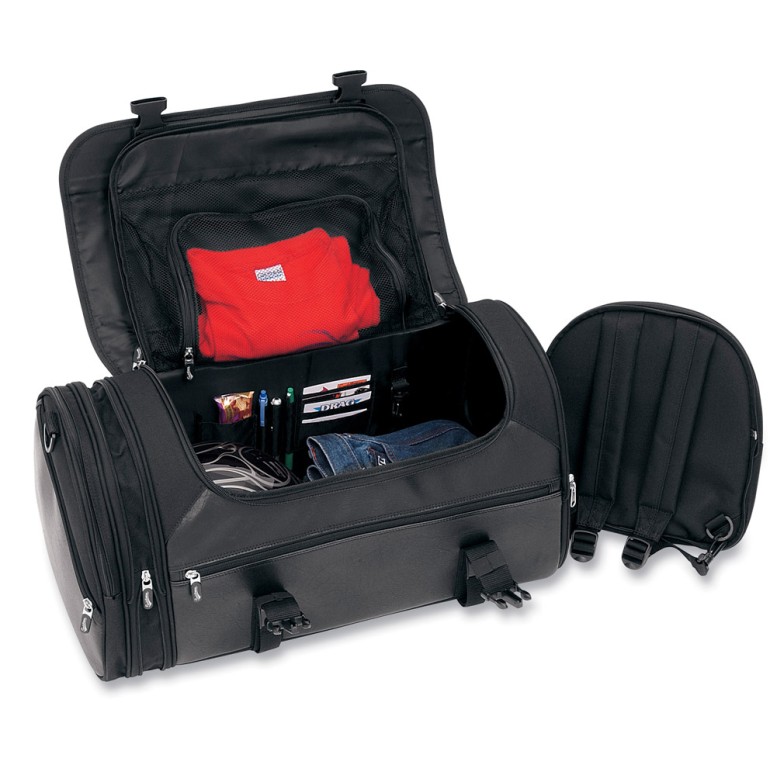
Illustrative image related to motorcycle racks and bags
The information provided in this guide, including content regarding manufacturers, technical specifications, and market analysis, is for informational and educational purposes only. It does not constitute professional procurement advice, financial advice, or legal advice.
While we have made every effort to ensure the accuracy and timeliness of the information, we are not responsible for any errors, omissions, or outdated information. Market conditions, company details, and technical standards are subject to change.
B2B buyers must conduct their own independent and thorough due diligence before making any purchasing decisions. This includes contacting suppliers directly, verifying certifications, requesting samples, and seeking professional consultation. The risk of relying on any information in this guide is borne solely by the reader.


 English
  Russian
  Spanish
  Italian
  Arabic
  Portuguese
  German