
- اللغة الإنجليزية
- الروسية
- الإسبانية
- إيطالي
- اللغة العربية
- البرتغالية
- الألمانية
In the competitive landscape of the cycling industry, sourcing high-quality cycle tire inflators can pose significant challenges for B2B buyers, especially those operating in diverse markets like Africa, South America, the Middle East, and Europe. With a growing demand for reliable and efficient inflation solutions, it is crucial for businesses to understand the various types of inflators available, their specific applications, and the nuances of supplier vetting. This guide serves as an essential resource, illuminating the complexities of the cycle tire inflator market and providing insights that empower informed purchasing decisions.
Throughout this comprehensive guide, we will explore the different types of tire inflators, including manual, electric, and CO2 options, detailing their advantages and ideal use cases. Additionally, we will delve into the critical aspects of supplier evaluation, ensuring that buyers can identify reputable manufacturers and distributors who meet international quality standards. Cost considerations will also be addressed, equipping B2B buyers with the knowledge to negotiate effectively and secure competitive pricing.
By leveraging the insights and strategies outlined in this guide, international buyers will be well-equipped to navigate the global market for cycle tire inflators. Whether you are a retailer looking to expand your product offerings or a distributor aiming to enhance your supply chain, this resource will provide you with the actionable information necessary to make sound business decisions and foster long-term growth.
| اسم النوع | السمات المميزة الرئيسية | تطبيقات B2B الأولية | موجز الإيجابيات والسلبيات للمشترين |
|---|---|---|---|
| Electric Pumps | Battery-operated, automatic shut-off, digital gauges | Retail, service stations, cycling events | الإيجابيات: Ease of use, consistent pressure. السلبيات: Higher initial cost, battery dependency. |
| Floor Pumps | Manual operation, large air chamber, stable base | Workshops, bike shops, rental services | الإيجابيات: High volume, durable. السلبيات: Bulky, less portable. |
| Mini Pumps | Compact size, hand-operated, lightweight | On-the-go cycling, emergency kits | الإيجابيات: Portability, easy storage. السلبيات: Limited air volume, requires manual effort. |
| CO2 Inflators | Uses CO2 cartridges, rapid inflation | Racing, competitive cycling, emergency repairs | الإيجابيات: Fast inflation, lightweight. السلبيات: Limited use per cartridge, ongoing cost for cartridges. |
| Frame-Mounted Pumps | Attached to bike frame, compact design | Commuting, recreational cycling | الإيجابيات: Convenient access, space-saving. السلبيات: Limited air volume, may be less stable. |
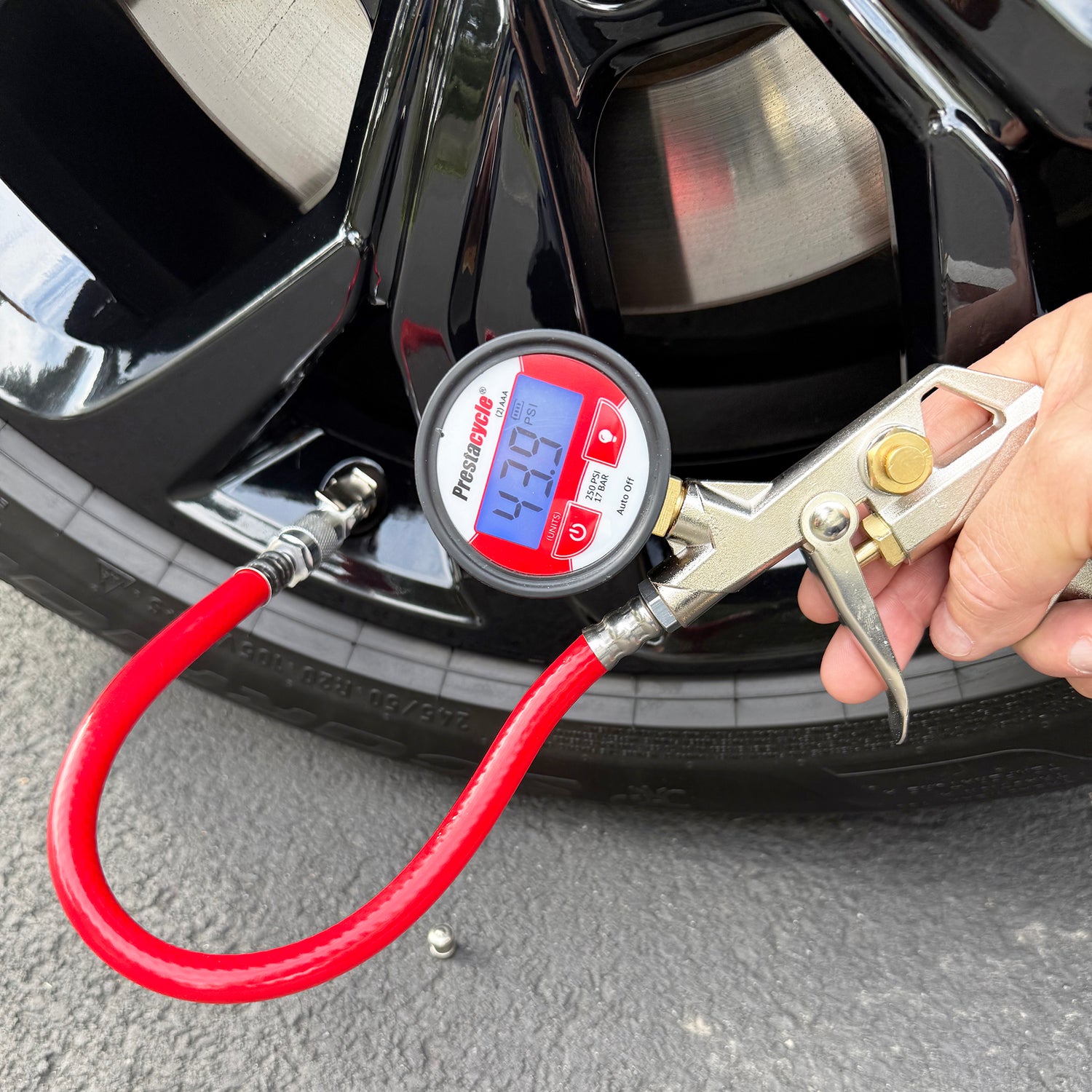
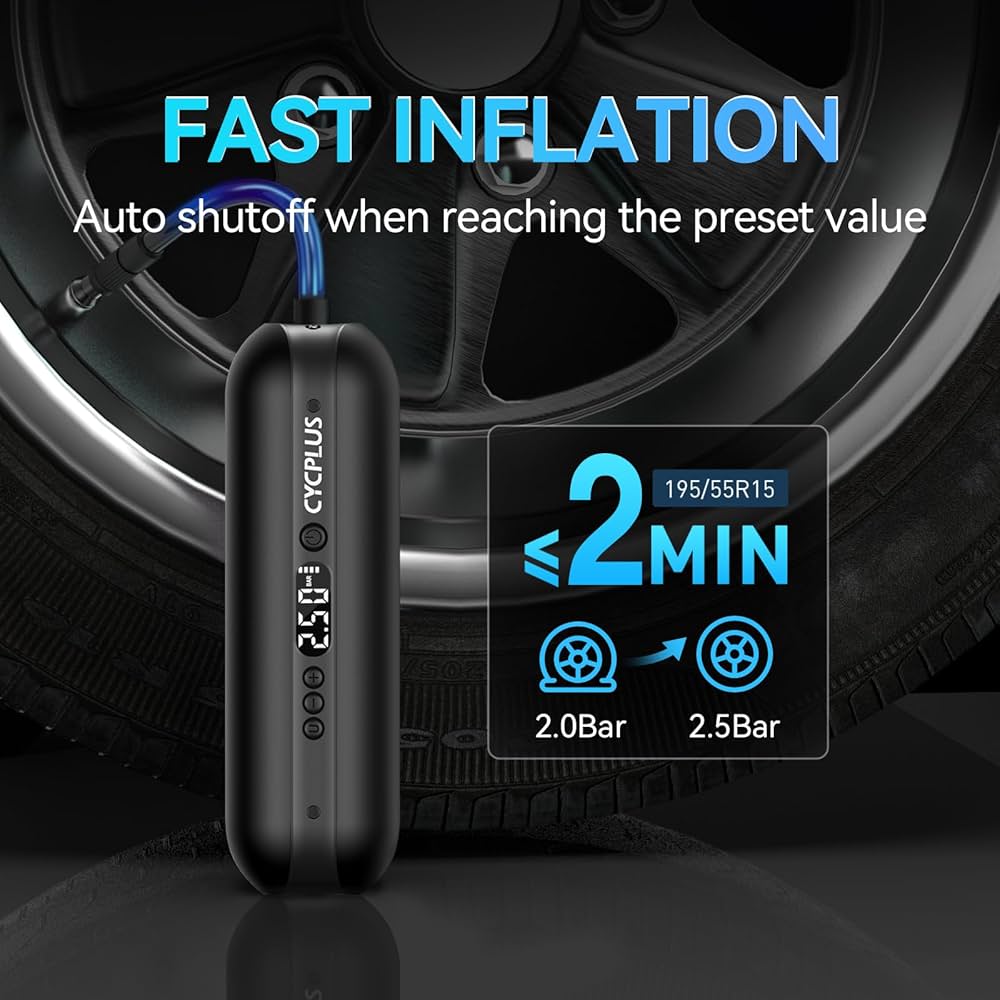
Electric pumps are increasingly popular in the cycling industry due to their convenience and efficiency. These battery-operated inflators often feature digital gauges for precise pressure readings and automatic shut-off functions to prevent over-inflation. They are ideal for B2B applications in retail environments, service stations, and cycling events where quick and reliable tire inflation is necessary. When considering electric pumps, businesses should evaluate battery life, charging options, and ease of maintenance, as initial costs may be higher than traditional pumps.
Floor pumps are characterized by their large air chambers and stable bases, making them ideal for high-volume inflation. They are commonly found in workshops, bike shops, and rental services due to their durability and ability to inflate tires quickly. While they provide a robust solution for tire inflation, their bulkiness can be a drawback for mobile applications. B2B buyers should assess the pump’s build quality, pressure gauge accuracy, and ease of use when selecting floor pumps for their operations.
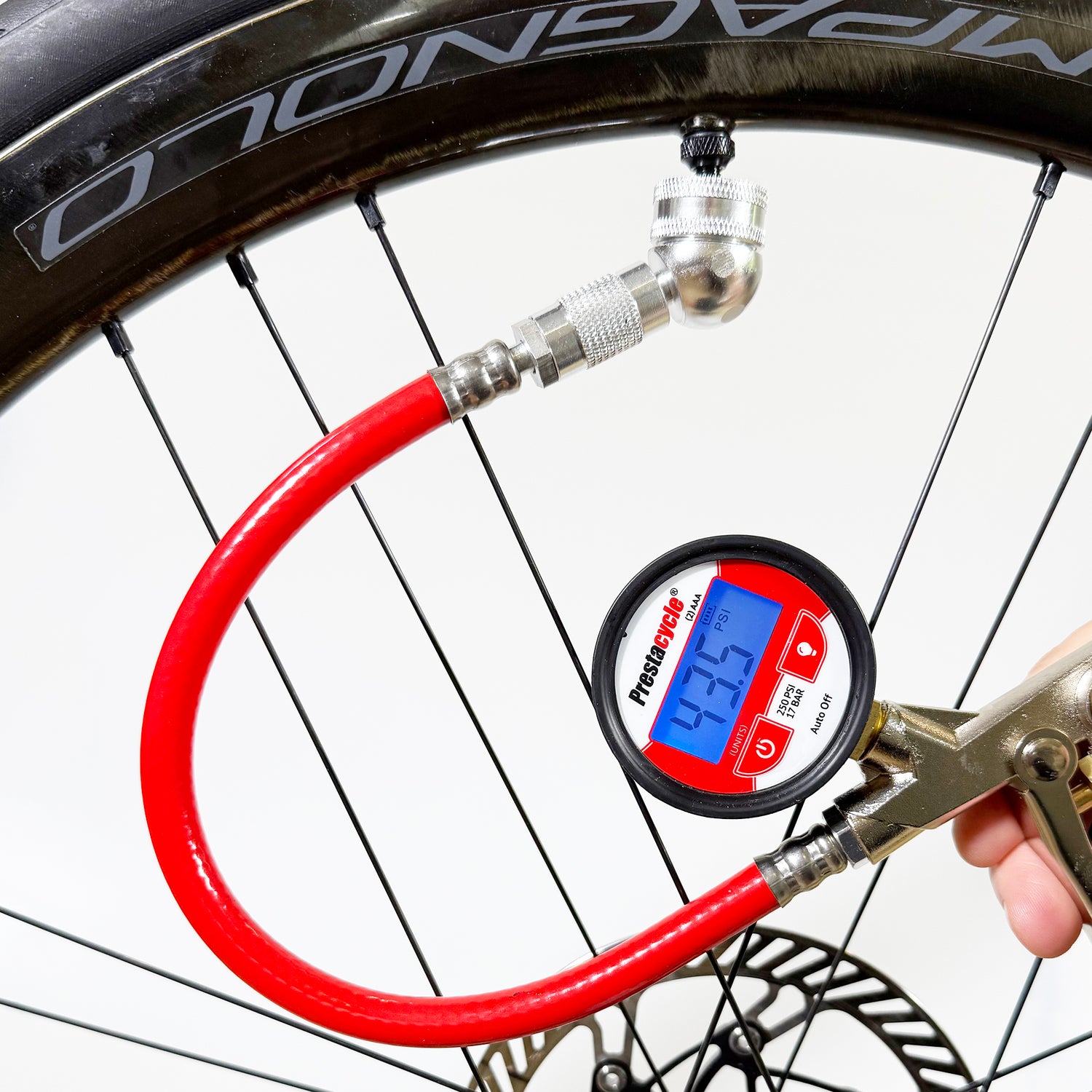
Illustrative image related to cycle tire inflator
Mini pumps are designed for portability and ease of use, making them a preferred choice for cyclists on the go. Their lightweight and compact nature allows them to be stored easily in a backpack or attached to a bike frame. However, their limited air volume means they require more manual effort and time to inflate tires compared to larger pumps. B2B buyers should consider the balance between size and inflation efficiency, particularly for emergency kits and on-the-go applications.
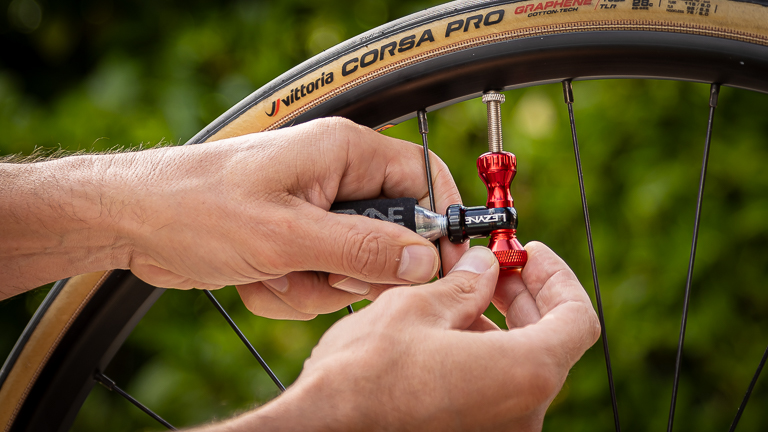
CO2 inflators are favored for their ability to inflate tires rapidly using disposable cartridges. They are especially useful in racing and competitive cycling scenarios where time is critical. While they offer the benefit of quick inflation, the ongoing cost of purchasing CO2 cartridges can add up. Businesses should evaluate the frequency of use and potential costs associated with cartridge replenishment when considering CO2 inflators for their inventory.
Frame-mounted pumps are designed to attach directly to a bike’s frame, providing cyclists with easy access to tire inflation tools without carrying extra weight. They are particularly advantageous for commuting and recreational cycling. However, their limited air volume can be a disadvantage for larger tires. B2B buyers should assess the compatibility of these pumps with different bike models and the specific needs of their target market when selecting frame-mounted options.
| الصناعة/القطاع | Specific Application of cycle tire inflator | القيمة/الفائدة للأعمال التجارية | اعتبارات التوريد الرئيسية لهذا التطبيق |
|---|---|---|---|
| Bicycle Retailers | In-store customer service for tire inflation | Enhances customer experience and satisfaction | Reliability, speed, and ease of use for customers |
| خدمات التوصيل | Maintenance of delivery bicycles | Ensures operational efficiency and reduces downtime | Portability, battery life, and charging options |
| Outdoor Adventure Companies | Rental services for bicycles | Provides quick and convenient tire inflation for customers | Compact size, durability, and ease of use |
| Sports Teams | Maintenance of team bicycles | Ensures readiness and performance during events | Precision in pressure settings and fast inflation |
| Municipal Services | Public bike-sharing program maintenance | Supports city infrastructure and public transport | Cost-effectiveness and ease of maintenance |
In bicycle retail environments, cycle tire inflators are vital for enhancing customer service. Retailers can offer complimentary tire inflation to customers, improving their shopping experience and encouraging repeat business. With reliable inflators, staff can quickly inflate tires to the correct pressure, ensuring safety and performance for customers. Retailers should consider inflators that are user-friendly and efficient, as customer satisfaction hinges on the speed and ease of service.
For delivery services using bicycles, cycle tire inflators are essential for maintaining fleet efficiency. Regular tire inflation minimizes the risk of flats, which can lead to costly delays. A portable inflator allows delivery personnel to quickly address tire issues on the go, ensuring that deliveries are made on time. When sourcing inflators, businesses should prioritize models with long battery life and fast inflation capabilities to minimize downtime.
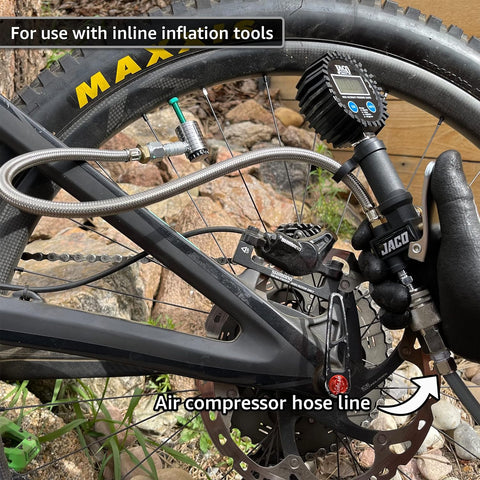
Illustrative image related to cycle tire inflator
Outdoor adventure companies that rent bicycles benefit from cycle tire inflators by providing a seamless rental experience. Customers expect well-maintained equipment, and having an inflator readily available allows staff to quickly address any tire pressure issues before a ride. Companies should look for compact and durable inflators that can withstand outdoor conditions while offering ease of use for both staff and customers.
Sports teams rely on cycle tire inflators to ensure their bicycles are always ready for practice and competition. Proper tire pressure is crucial for optimal performance, and having an inflator on hand allows teams to make quick adjustments as needed. Teams should focus on inflators that offer precise pressure settings and rapid inflation to keep their athletes performing at their best.
Municipal services managing bike-sharing programs can significantly enhance operational efficiency with cycle tire inflators. Regular maintenance, including tire inflation, is essential to keep shared bikes in service and minimize complaints from users. Cost-effective inflators that are easy to maintain will be crucial for municipalities looking to support sustainable transportation options.
المشكلة B2B buyers often face challenges related to the accuracy of tire pressure when inflating cycle tires. Inconsistent pressure can lead to increased wear on tires, reduced performance, and potential safety hazards for users. For businesses, especially those renting bikes or providing maintenance services, ensuring the correct pressure is vital to customer satisfaction and safety. A lack of reliable gauges or the use of outdated inflation tools can exacerbate this issue.
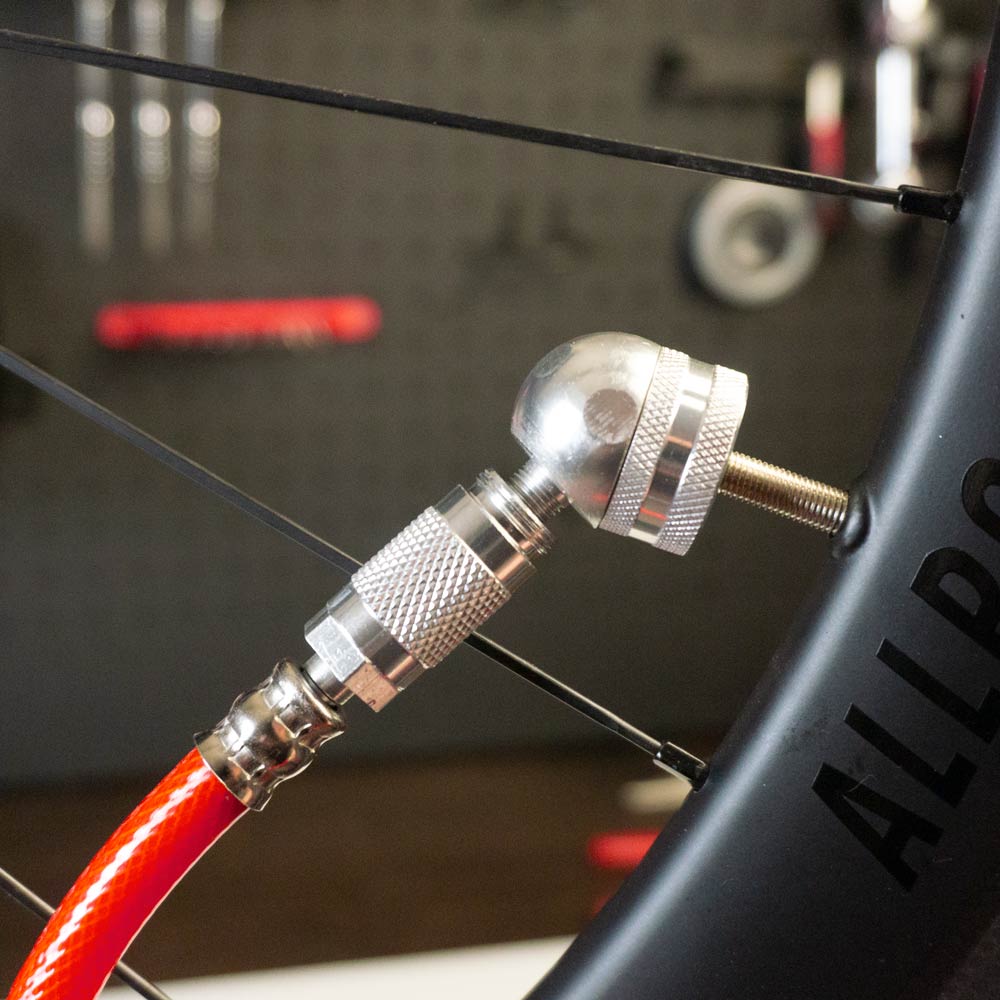
Illustrative image related to cycle tire inflator
الحل: To tackle this problem, B2B buyers should invest in high-quality electric tire inflators that feature integrated digital pressure gauges. These devices not only provide precise pressure readings but also allow users to preset desired pressure levels, automatically stopping once the target is reached. When sourcing these inflators, prioritize models that are designed for various tire types and have a reputation for reliability. Additionally, it’s beneficial to provide staff training on how to utilize these tools effectively, ensuring that all employees understand the importance of maintaining proper tire pressure for optimal performance.
المشكلة Many businesses struggle with the portability and storage of tire inflators, especially when operating in diverse environments such as outdoor rentals or mobile bike repair services. Traditional inflators can be bulky, making them difficult to transport. This inconvenience can lead to missed opportunities for quick service, resulting in frustrated customers and lost sales.
الحل: B2B buyers should look for compact, lightweight electric tire inflators designed for easy transport. Models that come with built-in batteries or USB charging capabilities can significantly enhance mobility. When selecting inflators, consider those with a robust carrying case or integrated storage compartments for hoses and accessories. Furthermore, implementing a strategy for regular inventory checks and maintenance can ensure that inflators are always ready for use, allowing businesses to respond promptly to customer needs without sacrificing service quality.
المشكلة A common pain point for B2B buyers is the limited versatility of some tire inflators, which may only cater to specific types of valves (such as Presta or Schrader). This limitation can create inefficiencies in environments where various bike types are serviced, leading to customer dissatisfaction and increased operational costs.
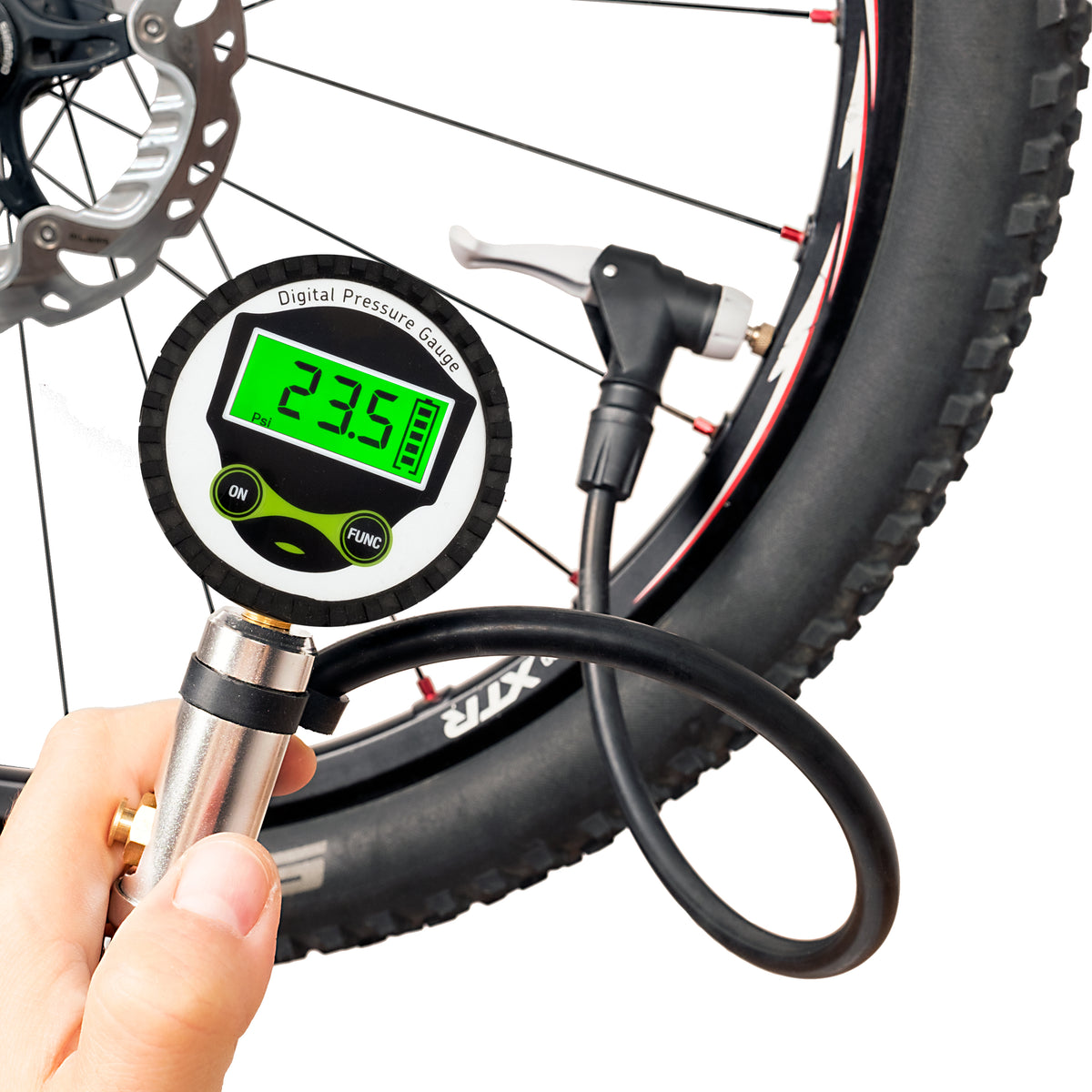
Illustrative image related to cycle tire inflator
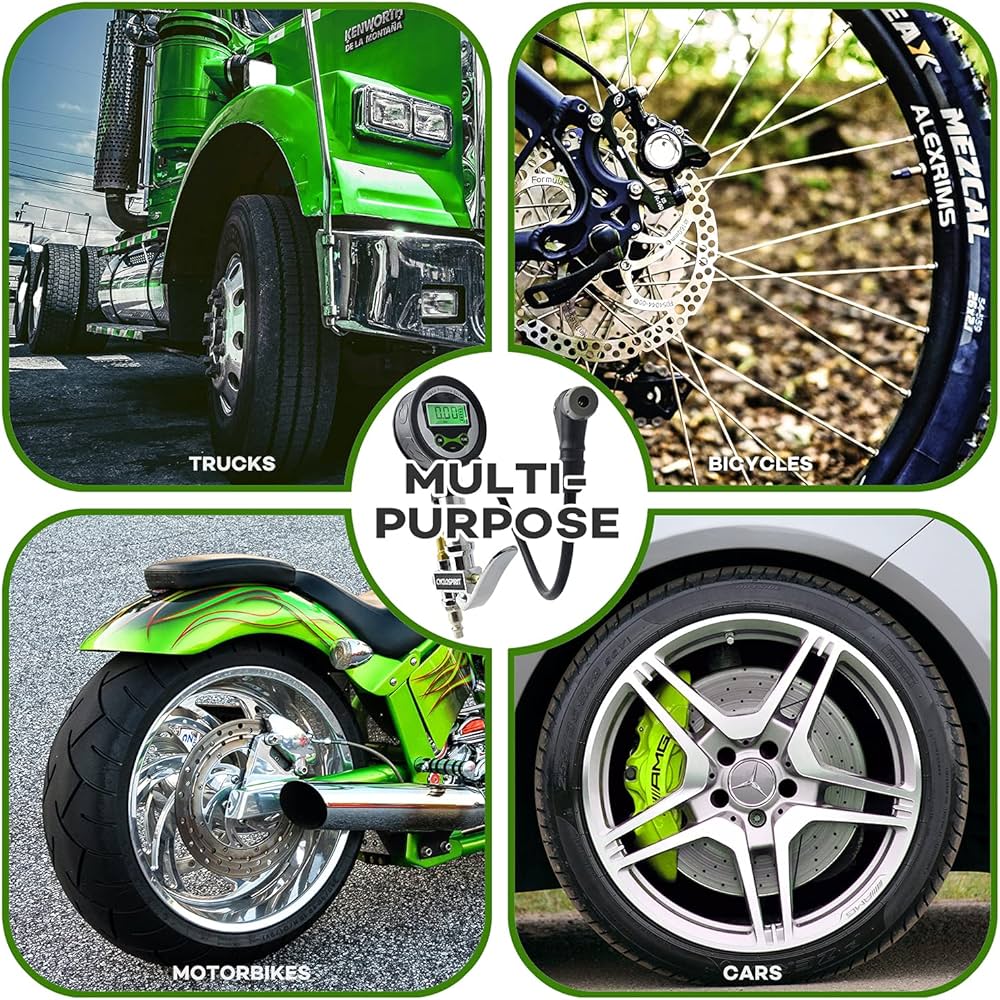
الحل: To address this issue, businesses should invest in multi-functional tire inflators that come equipped with adapters for different valve types. When sourcing these inflators, prioritize models that offer adjustable settings for both pressure and volume to accommodate a variety of tire sizes and types. Additionally, providing clear instructions and training for staff on how to switch between valve types can streamline operations. By ensuring that inflators are versatile and user-friendly, businesses can enhance customer experience and reduce the time spent on each service, ultimately improving operational efficiency.
When selecting materials for cycle tire inflators, various factors such as performance, durability, and cost must be considered. Below are analyses of four common materials used in the manufacturing of cycle tire inflators, along with their properties, advantages, disadvantages, and specific considerations for international B2B buyers.
Aluminum is a popular choice for the body of tire inflators due to its lightweight nature and excellent strength-to-weight ratio. It typically has a temperature rating of up to 150°C and can withstand pressures of around 200 psi, making it suitable for most cycling applications.
الإيجابيات: Aluminum is corrosion-resistant, which is crucial for products exposed to moisture and varying environmental conditions. It is also relatively easy to manufacture and can be anodized for additional protection.
السلبيات: While durable, aluminum can be more expensive than other materials like plastic. It may also dent or scratch more easily under rough handling.
Illustrative image related to cycle tire inflator
التأثير على التطبيق: Aluminum is compatible with various media, including air and CO2, making it versatile for different inflating needs.
اعتبارات للمشترين الدوليين: Buyers in regions like Africa and South America should ensure that aluminum products meet local corrosion resistance standards, as environmental conditions can vary significantly.
Plastic, particularly high-density polyethylene (HDPE) and polycarbonate, is often used in the construction of inflator housings and components. These materials can handle temperatures up to 100°C and pressures of around 100 psi.
الإيجابيات: Plastic is lightweight, cost-effective, and can be molded into complex shapes, allowing for innovative designs. It is also resistant to corrosion and chemicals, making it suitable for various environments.
السلبيات: The main drawback is its lower durability compared to metals. Plastic can become brittle over time, especially when exposed to UV light, and may not withstand high pressures as effectively.
Illustrative image related to cycle tire inflator
التأثير على التطبيق: Plastic is suitable for air inflation but may not be ideal for CO2 applications due to potential degradation of the material.
اعتبارات للمشترين الدوليين: Compliance with international plastic standards (like ASTM D638 for tensile strength) is essential, especially in regions with strict regulations.
Steel is often used for components that require high strength and durability, such as valves and fittings. It can withstand high temperatures (up to 300°C) and pressures exceeding 300 psi, making it highly reliable.
الإيجابيات: Steel is incredibly durable and can handle rough usage without significant wear. It is also relatively cost-effective compared to other metals.
Illustrative image related to cycle tire inflator
السلبيات: The primary disadvantage is its weight, which can be a concern for portable inflators. Steel is also susceptible to corrosion unless treated or coated.
التأثير على التطبيق: Steel components are ideal for high-pressure applications, making them suitable for both air and CO2 inflators.
اعتبارات للمشترين الدوليين: Buyers should ensure that steel products comply with relevant standards, such as ISO 9001 for quality management systems, to guarantee product reliability.
Composite materials, often a blend of plastics and metals, are increasingly used in tire inflators to combine the benefits of both materials. These can handle temperatures up to 120°C and pressures around 150 psi.
الإيجابيات: Composites are lightweight and offer excellent strength and resistance to corrosion. They can be designed to be aesthetically pleasing while maintaining functionality.
السلبيات: The manufacturing process can be complex and more costly, which may affect the final price point.
التأثير على التطبيق: Composites can be used for various inflating media, but their performance may vary based on the specific formulation used.
Illustrative image related to cycle tire inflator
اعتبارات للمشترين الدوليين: Ensuring compliance with composite material standards (like ASTM D3039 for tensile properties) is crucial, especially in regions with stringent regulations.
| المواد | Typical Use Case for cycle tire inflator | الميزة الرئيسية | العيب/التقييد الرئيسي | التكلفة النسبية (منخفضة/متوسطة/مرتفعة) |
|---|---|---|---|---|
| ألومنيوم | Body construction | خفيف الوزن ومقاوم للتآكل | More expensive than plastic | متوسط |
| بلاستيك | السكن والمكونات | فعالة من حيث التكلفة ومتعددة الاستخدامات | Lower durability under stress | منخفضة |
| الفولاذ | Valves and fittings | قوة ومتانة عالية | Heavier and prone to corrosion | متوسط |
| مركب | Body and structural components | Lightweight with good aesthetics | Complex manufacturing process | عالية |
This guide should assist international B2B buyers in making informed decisions regarding material selection for cycle tire inflators, ensuring product performance and compliance with regional standards.
The manufacturing process of cycle tire inflators involves several critical stages, each designed to ensure that the final product meets quality standards and consumer expectations. Understanding these stages helps B2B buyers make informed decisions when sourcing from international suppliers.
The first step in manufacturing cycle tire inflators is material preparation. High-quality materials such as durable plastics, metals, and rubber are commonly used. For electric models, components like lithium-ion batteries and electronic circuits are essential. Suppliers must ensure that all materials are sourced from reputable vendors and meet international quality standards.
Once materials are prepared, the next stage is forming. This involves various techniques such as injection molding for plastic components and stamping or machining for metal parts. For electric inflators, circuit boards are assembled using automated processes to ensure precision and efficiency. These methods are crucial for creating reliable and durable products that can withstand the rigors of frequent use.
The assembly process is where the individual components come together to form the final product. This step often involves automated assembly lines, where workers or machines place components into the inflator housing, connect electrical wiring, and install any necessary software. Quality control checkpoints are integrated throughout this stage to catch any defects early, reducing waste and ensuring efficiency.
After assembly, cycle tire inflators undergo finishing processes such as painting, coating, or applying decals. These not only enhance the aesthetic appeal but also protect the inflator from environmental factors like moisture and UV rays. Proper finishing is essential for long-term durability and customer satisfaction.
Illustrative image related to cycle tire inflator
Quality assurance (QA) is a vital component of the manufacturing process, ensuring that each inflator meets both regulatory and consumer standards. International and industry-specific standards play a significant role in shaping QA protocols.
B2B buyers should familiarize themselves with international standards such as ISO 9001, which sets the criteria for a quality management system. Compliance with ISO 9001 indicates that a manufacturer has consistent processes in place to ensure quality. In addition, CE marking is essential for products sold in Europe, indicating conformity with health, safety, and environmental protection standards.
Quality control checkpoints are strategically placed throughout the manufacturing process, including:
Illustrative image related to cycle tire inflator
These checkpoints are critical for maintaining high-quality standards and minimizing the risk of defective products reaching the market.
تتضمن طرق الاختبار الشائعة ما يلي:
These testing methods help validate product performance and safety, which are crucial for maintaining customer trust.
When sourcing cycle tire inflators, it’s imperative for B2B buyers to verify the quality control measures of their suppliers. This can be achieved through several strategies:
Conducting supplier audits is one of the most effective ways to assess quality control practices. Buyers should request to visit manufacturing facilities to observe processes firsthand. During the audit, buyers should evaluate the supplier’s adherence to quality standards, check for certifications, and review quality control documentation.
Requesting quality reports from suppliers can provide insight into their QA processes. These reports should detail the results of IQC, IPQC, and FQC tests, highlighting any issues encountered and corrective actions taken. Transparent reporting is a good indicator of a supplier’s commitment to quality.
Illustrative image related to cycle tire inflator
Third-party inspections can offer an unbiased assessment of a supplier’s quality control practices. Engaging a third-party inspection service can provide additional assurance that products meet specified standards before they are shipped.
For international B2B buyers, understanding the nuances of quality control is essential, especially when sourcing from different regions such as Africa, South America, the Middle East, and Europe. Factors to consider include:
By taking these factors into account, B2B buyers can better navigate the complexities of sourcing cycle tire inflators and ensure they are partnering with manufacturers who prioritize quality.
In conclusion, a comprehensive understanding of the manufacturing processes and quality assurance protocols for cycle tire inflators empowers B2B buyers to make informed purchasing decisions, ensuring they receive high-quality products that meet their specific needs.
This practical sourcing guide aims to equip B2B buyers with a structured approach to procuring cycle tire inflators. By following this checklist, businesses can ensure they select the right products that meet their operational needs and customer expectations. Whether you are sourcing for retail or distribution, these steps will help streamline the procurement process.
Before beginning your search, it’s essential to establish the technical specifications that your cycle tire inflators must meet. This includes determining the types of valves (Presta or Schrader) the inflators should accommodate, the desired PSI range, and whether you need manual or electric options. Identifying these requirements upfront will help narrow down your choices and ensure compatibility with your target market.
Stay informed about the latest trends in cycle tire inflators, including advancements in technology and customer preferences. Look for features like digital gauges, portability, and battery life for electric models. Understanding market demands will enable you to choose products that not only meet current expectations but also anticipate future needs.
Conduct thorough evaluations of potential suppliers to ensure reliability and quality. Request company profiles, product samples, and references from other businesses that have purchased similar products. Pay attention to their manufacturing processes, quality assurance measures, and any certifications (e.g., ISO) that demonstrate adherence to industry standards.
Once you have a shortlist of suppliers, compare their pricing structures, including bulk order discounts and payment terms. Look for transparency in pricing and be wary of hidden costs that could impact your budget. Establish clear payment terms that align with your cash flow needs, whether it’s upfront payment, net 30, or consignment arrangements.
Review the warranty terms and after-sales support provided by the suppliers. A strong warranty can protect your investment and reduce the risk of financial loss due to defective products. Additionally, evaluate the responsiveness of their customer service to ensure you receive timely support for any issues that may arise post-purchase.
Ensure that the cycle tire inflators comply with local regulations and safety standards relevant to your market. This is particularly important for international sourcing, where regulations may vary significantly. Non-compliance can lead to delays, fines, or product recalls, negatively impacting your business reputation.
Once you’ve selected a supplier, finalize your order while ensuring all terms are clearly documented. Establish a system to monitor the supply chain for timely deliveries and product quality. Regular communication with your supplier can help preemptively address potential issues and maintain a smooth procurement process.
By following this checklist, B2B buyers can confidently navigate the sourcing of cycle tire inflators, ensuring they make informed decisions that benefit their business and customers.
When sourcing cycle tire inflators, understanding the cost structure is essential for B2B buyers. The primary cost components include:
Illustrative image related to cycle tire inflator
المواد: The choice of materials significantly affects the overall cost. High-quality plastics, metals, and electronic components used in electric inflators can drive up expenses. It’s crucial to balance quality with cost-efficiency.
العمالة: Labor costs vary by region and can be a significant portion of the total manufacturing expense. For instance, countries with lower labor costs may offer a more attractive pricing structure, but this can impact the quality and reliability of the product.
نفقات التصنيع الزائدة: This includes costs related to utilities, rent, and equipment maintenance. Efficient manufacturing processes can reduce overhead costs, allowing suppliers to offer more competitive pricing.
الأدوات: The initial investment in tooling for production can be substantial, particularly for custom designs. However, once these costs are amortized over production runs, the per-unit cost decreases.
مراقبة الجودة (QC): Rigorous quality checks are essential to ensure the inflators meet safety and performance standards. Implementing effective QC processes can increase upfront costs but may save money in the long run by reducing returns and warranty claims.
الخدمات اللوجستية: Transportation costs, including shipping and handling, can significantly impact the final price. Factors such as distance, shipping mode, and import/export tariffs should be carefully considered.
الهامش: Suppliers typically add a profit margin to the total cost of production. Understanding the standard margins in the industry can help buyers negotiate better prices.
Numerous factors influence the pricing of cycle tire inflators, which buyers should consider:
الحجم/معدل العرض/الطلب: The minimum order quantity (MOQ) can greatly affect pricing. Larger orders often lead to discounted rates, making it crucial for buyers to assess their demand and negotiate accordingly.
المواصفات/التخصيص: Custom specifications can lead to increased costs due to unique materials, tooling, and labor requirements. Buyers should weigh the benefits of customization against the potential cost increase.
المواد: The choice of materials not only affects quality but also pricing. Premium materials may enhance durability but come at a higher cost.
الجودة والشهادات: Products that meet international safety and performance certifications typically command higher prices. However, investing in certified inflators can reduce liability and enhance brand reputation.
عوامل الموردين: Supplier reliability, reputation, and location can impact costs. Engaging with suppliers who have a proven track record can lead to better pricing and quality assurance.
المصطلحات التجارية الدولية: The terms of shipping can influence total costs. Understanding whether costs include freight, insurance, and duties is essential for accurate budgeting.
B2B buyers should adopt strategic approaches to maximize cost-efficiency:
Negotiate Smartly: Engage in negotiations with clear objectives. Presenting potential order volumes can provide leverage for better pricing.
النظر في التكلفة الإجمالية للملكية (TCO): Evaluate not only the purchase price but also long-term costs, including maintenance, warranty, and replacement parts. A slightly higher upfront cost can lead to significant savings over time if the product has a longer lifespan.
كن على دراية بالفروق الدقيقة في التسعير: International buyers, especially from Africa, South America, the Middle East, and Europe, should be aware of currency fluctuations, tariffs, and regional market conditions that could affect pricing.
بناء علاقات مع الموردين: Establishing strong relationships can lead to better pricing, priority service, and improved product support.
Prices mentioned in this analysis are indicative and may vary based on market conditions, supplier negotiations, and specific buyer requirements. Always consult with suppliers for the most accurate and up-to-date pricing information.
In the realm of cycling, maintaining optimal tire pressure is crucial for performance, safety, and comfort. While cycle tire inflators have gained popularity for their convenience and efficiency, it is essential for B2B buyers to consider alternative methods for tire inflation. Each solution presents unique advantages and challenges, making it vital to evaluate their performance, cost, ease of implementation, maintenance, and best-use scenarios.
| جانب المقارنة | Cycle Tire Inflator | CO2 Inflator | Manual Hand Pump |
|---|---|---|---|
| الأداء | Fast and accurate inflation | Quick but limited to single use | Slower, requires manual effort |
| التكلفة | $49 – $129 | $10 – $50 (plus cartridges) | $15 – $50 |
| سهولة التنفيذ | Simple, often one-button operation | Requires cartridges, needs spare supply | Requires physical effort and time |
| الصيانة | Low, requires minimal upkeep | Cartridge replacement needed | Low, occasional cleaning |
| أفضل حالة استخدام | Ideal for regular cyclists and those seeking convenience | Emergency situations or races | General use and casual riders |
CO2 inflators are compact devices that use pressurized carbon dioxide cartridges to inflate tires rapidly. Their main advantage is speed, as they can inflate a tire within seconds, making them ideal for emergency situations, especially during races. However, CO2 inflators rely on cartridges that can be costly over time and must be replaced after each use. This makes them less suitable for regular maintenance or frequent use. Additionally, they may not be ideal for achieving precise pressure settings, as the inflation can be somewhat imprecise.
Manual hand pumps are a traditional method for inflating tires and are favored for their simplicity and durability. They are generally low-cost and require no external power source or consumables, making them an economical choice for casual cyclists. However, they require physical effort and can be time-consuming, particularly for larger tires. While hand pumps can be effective, they may not provide the same level of convenience or speed as electric inflators, making them less attractive for serious cyclists or those who prioritize efficiency.
When selecting a tire inflation solution, B2B buyers should assess their specific needs and usage patterns. For businesses catering to regular cyclists or those focused on convenience, investing in cycle tire inflators may yield the best return due to their efficiency and ease of use. Conversely, for organizations that prioritize cost-effectiveness and simplicity, manual hand pumps or CO2 inflators may be more appropriate, especially in environments where quick repairs are essential. Ultimately, understanding the strengths and limitations of each option will enable buyers to make informed decisions tailored to their target market’s demands.
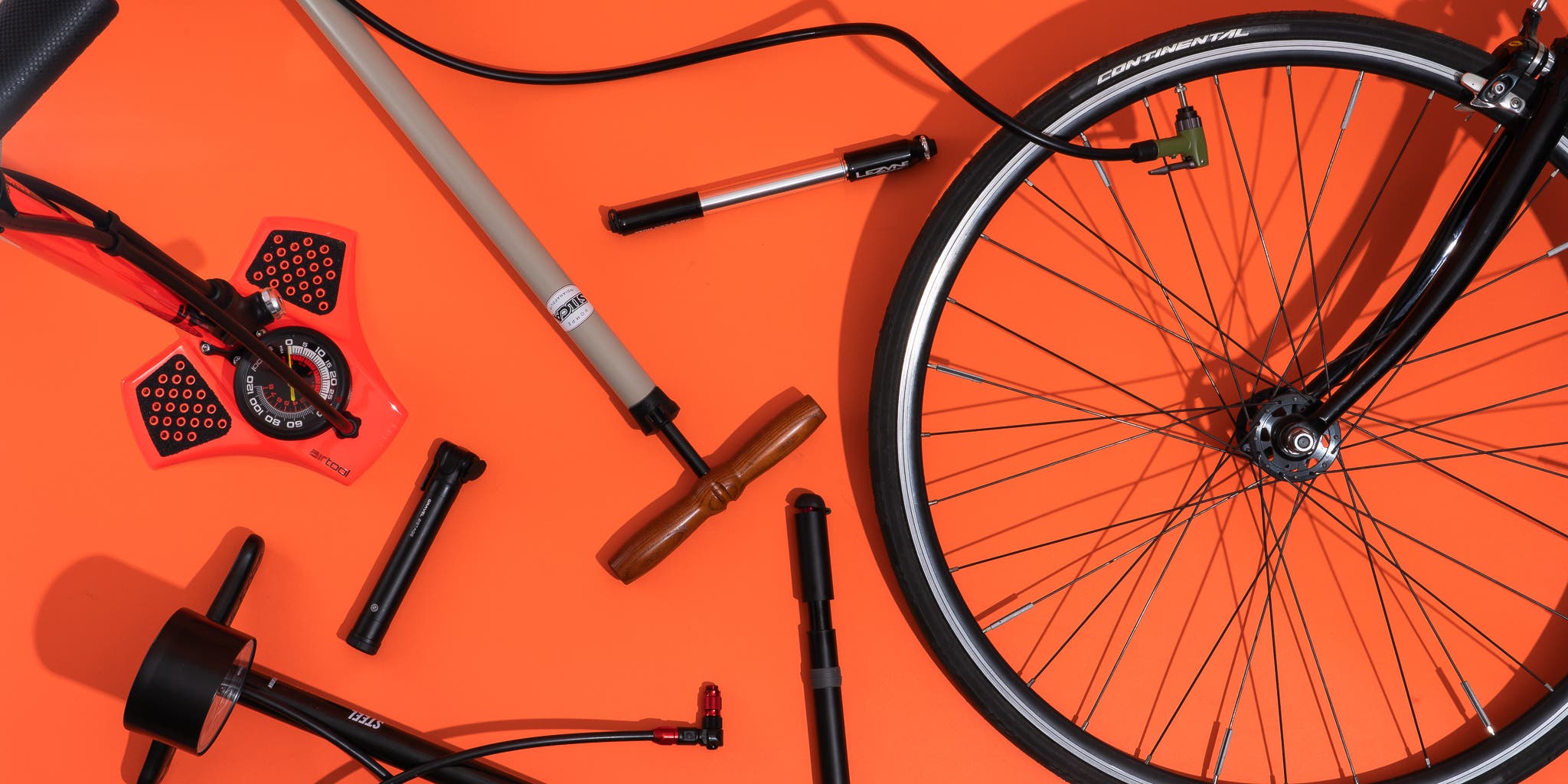
Illustrative image related to cycle tire inflator
Understanding the essential technical properties of cycle tire inflators is crucial for B2B buyers looking to source reliable and efficient products. Here are the critical specifications to consider:
The pressure range indicates the maximum and minimum pressure that a tire inflator can achieve. For cycle tire inflators, this is typically measured in pounds per square inch (PSI) or bar. A wider pressure range allows for versatility in inflating different types of tires, from road bikes to mountain bikes. Buyers should consider the specific pressure requirements of their target market to ensure compatibility and customer satisfaction.
Cycle tire inflators can be powered either by electricity (AC or DC) or by manual operation. Electric inflators are generally quicker and require less physical effort, making them suitable for both home and mobile use. Understanding the power source is essential for B2B buyers as it affects the product’s usability, target market, and potential marketability.
This specification refers to how quickly the inflator can inflate a tire to the desired pressure. Faster inflation speeds are particularly attractive to consumers who value efficiency, especially in emergency situations. B2B buyers should evaluate the inflation speed against competitors’ products to position their offerings effectively in the marketplace.
The materials used in the construction of the inflator impact its durability, weight, and overall performance. Common materials include high-grade plastics and metals that can withstand wear and tear. Buyers should assess the material quality to ensure longevity and reliability, which are key factors for customer retention and brand reputation.
The dimensions and weight of the inflator are vital, especially for consumers who may need a portable solution for cycling. Compact and lightweight designs are preferred for on-the-go use. B2B buyers should consider how size affects shipping costs and storage, as well as how it aligns with consumer preferences in different markets.
Many modern inflators feature digital displays that provide precise pressure readings and user-friendly controls. These features enhance usability and customer experience, making it easier for users to achieve their desired tire pressure. B2B buyers should evaluate how these technological enhancements can differentiate their products in a competitive market.
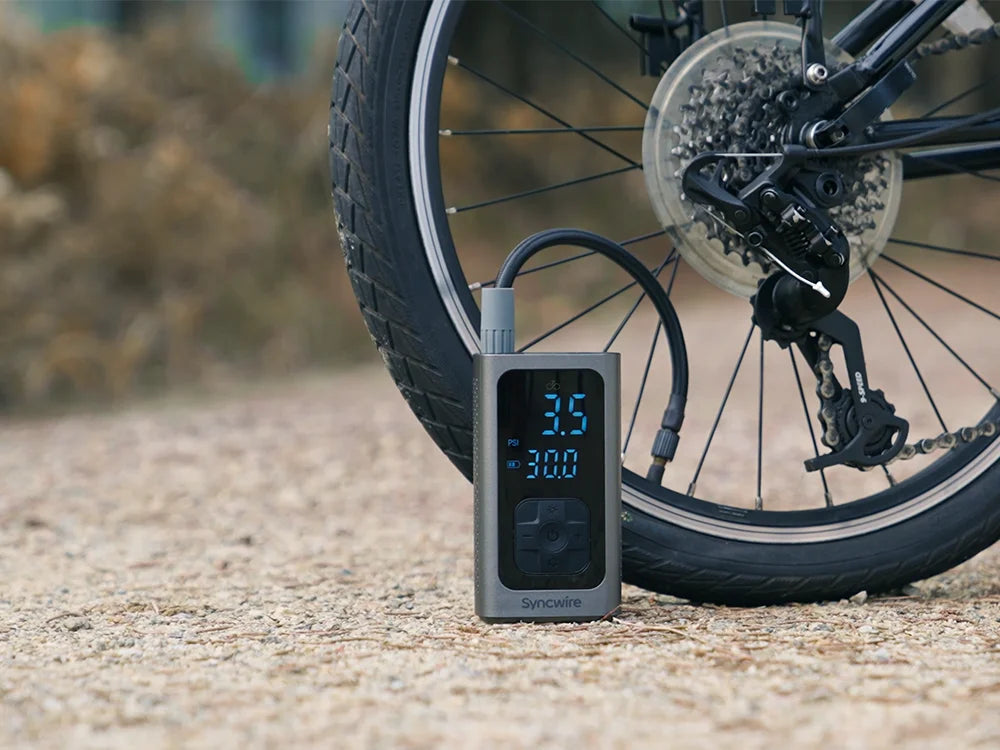
Illustrative image related to cycle tire inflator
Familiarity with industry terminology is crucial for effective communication and negotiation in B2B transactions. Here are some essential trade terms:
OEM refers to companies that produce parts or products that are used in another company’s end product. In the cycle tire inflator market, understanding OEM relationships can help buyers source components or complete inflators that meet their specifications and quality standards.
MOQ is the smallest quantity of a product that a supplier is willing to sell. Knowing the MOQ is essential for buyers to manage inventory levels and cash flow effectively, especially when entering new markets or testing product lines.
An RFQ is a document that a buyer sends to suppliers to request pricing and terms for specific products. Crafting a clear RFQ can help B2B buyers obtain accurate quotes and compare offers effectively, aiding in informed purchasing decisions.
Incoterms are a set of predefined international trade terms that clarify the responsibilities of buyers and sellers in shipping goods. Familiarity with Incoterms helps B2B buyers navigate shipping logistics and costs, ensuring a smoother transaction process.
Lead time refers to the amount of time it takes from placing an order until the product is delivered. Understanding lead times is crucial for inventory management and planning, as it affects how quickly a buyer can respond to market demands.
By equipping themselves with knowledge of these technical properties and trade terminology, B2B buyers can make more informed decisions when sourcing cycle tire inflators, ultimately leading to better product offerings and customer satisfaction.
The cycle tire inflator market is witnessing robust growth driven by several global factors. Increasing urbanization, the rise of cycling as a sustainable mode of transportation, and a growing emphasis on outdoor activities are propelling demand. As more consumers gravitate towards cycling for health and environmental reasons, the need for reliable tire maintenance solutions is escalating. Additionally, the burgeoning e-commerce sector is facilitating easier access to a variety of inflator products, allowing international B2B buyers to source innovative solutions from diverse markets, including emerging economies in Africa and South America, as well as established markets in Europe.
Technology is playing a pivotal role in shaping the cycle tire inflator landscape. The shift towards electric and portable inflators equipped with digital gauges is revolutionizing the user experience. International buyers are increasingly seeking products that offer convenience, such as rechargeable battery-operated models and those with integrated pressure sensors. Moreover, advancements in materials and manufacturing processes are leading to lighter, more compact designs that cater to the needs of both casual cyclists and serious enthusiasts.
In terms of sourcing trends, B2B buyers are prioritizing partnerships with manufacturers that showcase transparency in their supply chains. This shift is essential in maintaining competitive pricing while ensuring product quality. Companies that can leverage data analytics to forecast demand and streamline inventory management will have a distinct advantage in this evolving market.
Sustainability is increasingly becoming a cornerstone of procurement strategies in the cycle tire inflator sector. As global awareness of environmental issues rises, buyers are seeking products that minimize environmental impact. This includes inflators made from recyclable materials or those that employ eco-friendly production processes. By focusing on sustainability, companies can not only reduce their carbon footprint but also appeal to a growing base of environmentally conscious consumers.
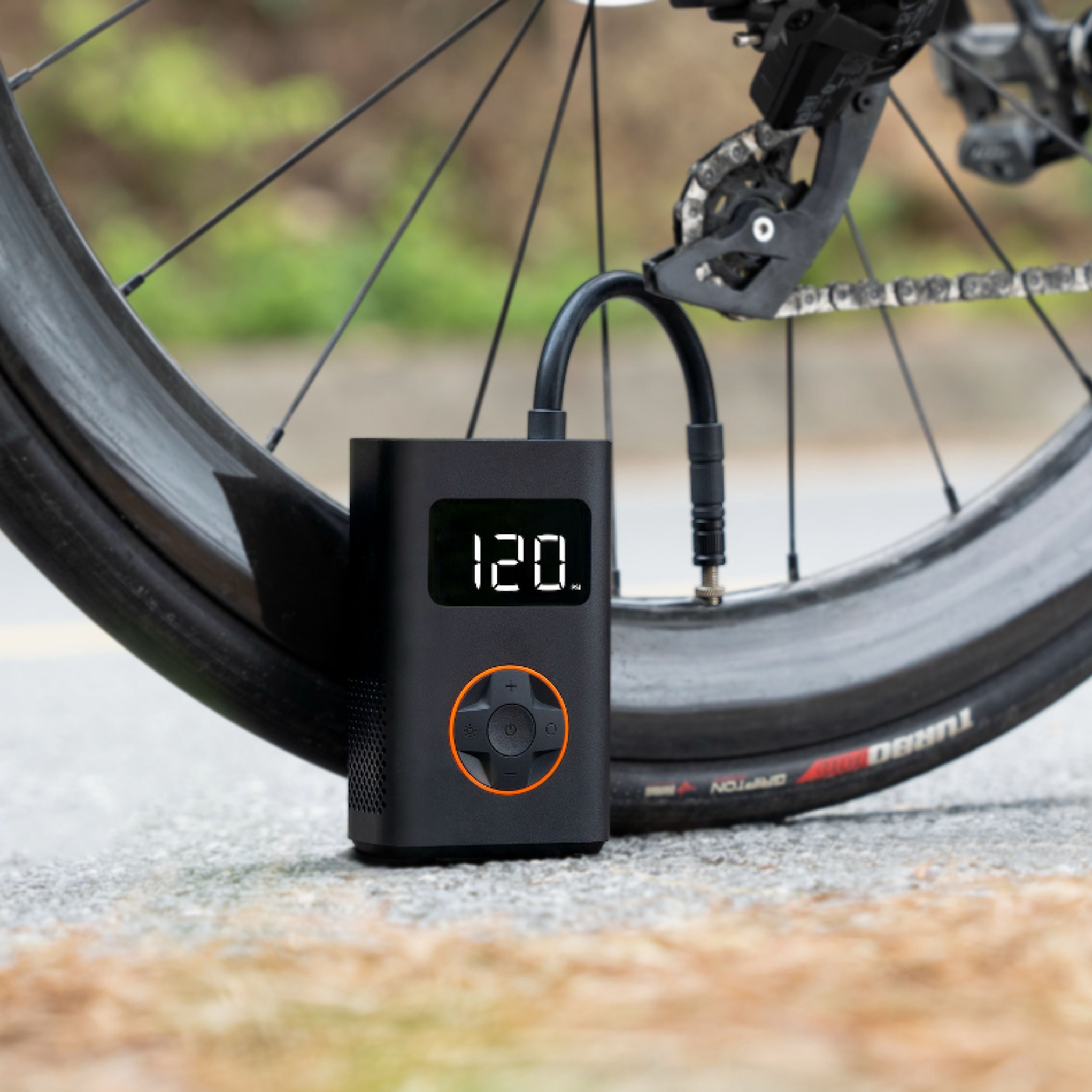
Illustrative image related to cycle tire inflator
Ethical sourcing practices are crucial for international B2B buyers, especially when considering suppliers from regions with varying labor standards. Buyers should prioritize suppliers that adhere to fair labor practices and demonstrate a commitment to social responsibility. Certifications such as Fair Trade or ISO 14001 can serve as indicators of a supplier’s dedication to ethical sourcing and environmental management.
Moreover, incorporating “green” certifications into product offerings can enhance brand reputation and attract a wider audience. As consumers increasingly prefer brands that align with their values, B2B buyers that focus on sustainability and ethical practices will position themselves favorably in the competitive landscape.
The evolution of cycle tire inflators has been marked by significant technological advancements and shifts in consumer preferences. Initially dominated by manual pumps, the market has transitioned to include a variety of electric options that cater to the needs of modern cyclists. The introduction of digital gauges and automated inflators has simplified the inflation process, making it more efficient and user-friendly.
This evolution has profound implications for B2B buyers. The shift towards electric inflators opens up opportunities for distributors to offer more advanced products that appeal to tech-savvy consumers. Additionally, as the market diversifies, buyers must stay informed about emerging brands and innovative technologies to maintain a competitive edge. Understanding these trends will enable B2B buyers to make informed sourcing decisions that align with market demands and consumer expectations.
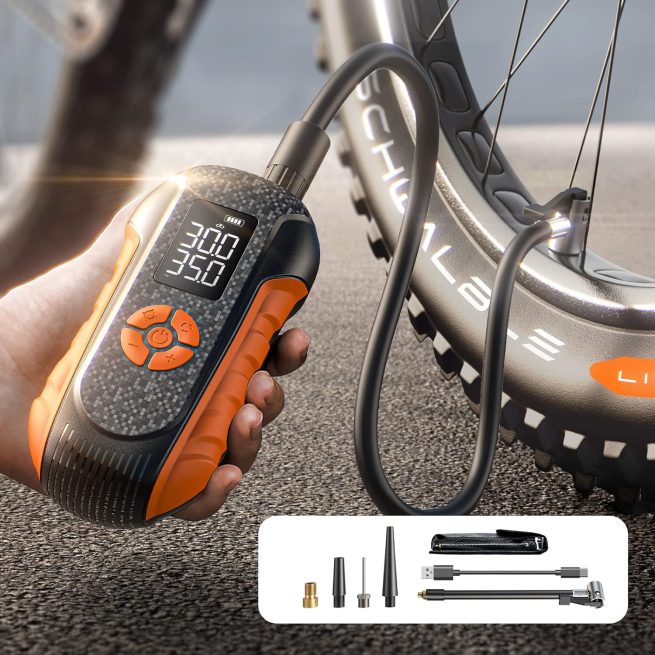
Illustrative image related to cycle tire inflator
In conclusion, navigating the cycle tire inflator sector requires a keen understanding of market dynamics, sustainability considerations, and the historical context that shapes current trends. By focusing on these areas, B2B buyers can secure advantageous partnerships and capitalize on growth opportunities in this expanding market.
How do I choose the right cycle tire inflator for my business?
Selecting the ideal cycle tire inflator involves assessing factors such as inflator type (electric, hand, or CO2), pressure range, and ease of use. Consider the specific needs of your target market, such as portability for commuters or high-volume inflators for bike shops. Evaluate features like digital pressure gauges, auto shut-off functions, and battery life for electric models. Finally, ensure that the chosen inflator aligns with your brand’s reputation for quality and reliability.
What are the benefits of electric tire inflators over traditional pumps?
Electric tire inflators offer several advantages, including faster inflation times, precise pressure settings, and ease of use, particularly for less experienced users. They often come equipped with digital displays that allow for accurate PSI readings, eliminating the guesswork associated with manual pumps. Additionally, many models are compact and portable, making them suitable for a variety of cycling scenarios, from casual rides to professional use.
What is the standard minimum order quantity (MOQ) for cycle tire inflators?
The MOQ for cycle tire inflators varies by supplier and product type. Generally, it can range from 50 to 500 units. It’s essential to communicate your requirements clearly with potential suppliers, as some may offer flexibility based on your business needs or specific product customization. Always confirm MOQ details before placing an order to avoid unexpected costs.
How can I ensure the quality of cycle tire inflators from international suppliers?
To ensure quality, start by vetting suppliers through online reviews, certifications, and industry reputation. Request product samples to assess the inflator’s performance and durability firsthand. Additionally, inquire about their quality assurance processes, including testing standards and warranty policies. Establishing a clear communication channel for ongoing quality checks can help maintain product consistency.
What payment terms should I expect when sourcing cycle tire inflators internationally?
Payment terms can vary widely among suppliers but commonly include options like 30% upfront deposit and 70% upon delivery or a letter of credit. It’s advisable to negotiate terms that suit your cash flow while ensuring supplier reliability. Always confirm the payment methods accepted (bank transfer, PayPal, etc.) and consider using escrow services for added security in international transactions.
How do I handle logistics and shipping for cycle tire inflators?
Coordinate logistics by discussing shipping options with your supplier, considering factors such as cost, speed, and reliability. Common methods include sea freight for bulk orders and air freight for smaller, urgent shipments. Ensure you have a clear understanding of customs duties and import regulations in your country to avoid delays. Working with a logistics partner experienced in international trade can streamline the process.
What customization options are typically available for cycle tire inflators?
Customization options may include branding (such as logos), color choices, and specific features tailored to your target market. Some suppliers may offer bespoke designs or functionalities, such as built-in LED lights or unique nozzle types. Discuss your requirements with potential suppliers and request a prototype to evaluate before final production.
How can I assess the market demand for cycle tire inflators in my region?
Conduct market research through surveys, focus groups, and analysis of local cycling trends. Utilize online tools to gauge interest in cycle tire inflators on social media platforms and e-commerce sites. Additionally, consider collaborating with local bike shops or cycling clubs to gather insights on customer preferences and purchasing behavior, which will help inform your sourcing strategy.
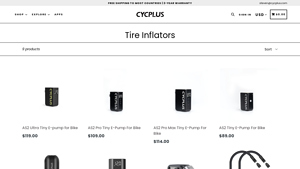
المجال: cycplus.com
مسجل: 2017 (8 سنوات)
مقدمة: {“products”:[{“name”:”AS2 Ultra Tiny E-pump for Bike”,”regular_price”:”$119.00″},{“name”:”AS2 Pro Tiny E-Pump For Bike”,”regular_price”:”$109.00″,”discount”:”12% OFF”,”sale_price”:”$114.00″},{“name”:”AS2 Pro Max Tiny E-Pump For Bike”,”regular_price”:”$129.00″,”sale_price”:”$114.00″},{“name”:”AS2 Tiny E-Pump For Bike”,”regular_price”:”$69.00″},{“name”:”Electric Air Pump A2 Pro”,”regular_price”:”$49…
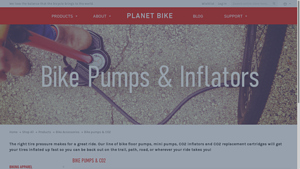
المجال: planetbike.com
مسجل: 1997 (28 سنة)
مقدمة: {“products”:[{“name”:”ALX 2.0 bike floor pump”,”price”:”$60.00″},{“name”:”20g CO2 replacement cartridges – threaded”,”price”:”$15.00 – $55.00″},{“name”:”Red Zeppelin CO2 bike tire inflator”,”price”:”$20.00″},{“name”:”Comp 2.0 bike floor pump”,”price”:”$30.00″},{“name”:”STX bike floor pump”,”price”:”$55.00″,”availability”:”Out of stock”},{“name”:”Fresh Air mini pump”,”price”:”$20.00″},{“name”:”Shoc…
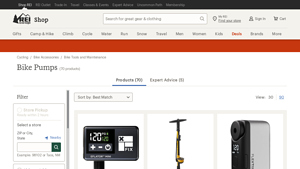
المجال: rei.com
مسجل: 1996 (29 سنة)
مقدمة: Bike Pumps: Portable, Hand, Mini Bicycle Pumps | REI Co-op
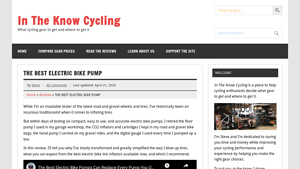
المجال: intheknowcycling.com
مسجل: 2013 (12 سنة)
مقدمة: The review discusses the best electric bike pumps, highlighting their compact size (similar to a GoPro camera), weight (around 150 grams or 5½ ounces), and cost ($50 to $75). These pumps can fully inflate a flat 28mm road tire to 70 psi or a 40mm gravel tire to 45 psi in about a minute, with the ability to do this 3 to 4 times on a full charge. They are more accurate and quicker than traditional f…
المجال: bicycling.com
مسجل: 1999 (26 سنة)
مقدمة: Best Overall Floor Pump: Silca Terra
Best Cheap Pump: Vibrelli Bike Floor Pump
Best Value Floor Pump: Specialized Air Tool Comp
Best Value Electric Mini Inflator: Cycplus Electric Mini Pump with Gauge
Best Mini Pump: Topeak Mountain DA Mini
Vibrelli Bike Floor Pump:
– Height: 2 feet
– Weight: 2.75 pounds
– Max pressure gauge: Accurate up to 100 psi (graduations up to 160 psi)
– Best for: Road and…
المجال: reddit.com
مسجل: 2005 (20 سنة)
مقدمة: Topeak Mini Morph: Very small and lightweight, functions as a floor pump, suitable for 700C×45 gravel tires. Lezyne Pocket Drive: Compact and portable pump. Nano electric pumps (e.g., NanoFumpa, Cyclists Nano, RockBros): Weigh less than 100g, very small and compact, can fill 2 gravel tires.
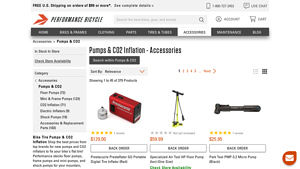
المجال: performancebike.com
مسجل: 1996 (29 سنة)
مقدمة: This company, Performance Bike – Free Delivery & Easy Returns, is a notable entity in the market. For specific product details, it is recommended to visit their website directly.
As the cycling industry continues to evolve, the demand for reliable and efficient tire inflators remains paramount for both consumers and businesses. Strategic sourcing is essential for B2B buyers to capitalize on the growing market for cycle tire inflators, particularly in emerging regions like Africa, South America, and the Middle East. Understanding the competitive landscape and leveraging supplier relationships can lead to better pricing, enhanced product quality, and improved supply chain reliability.
International buyers should focus on sourcing innovative products, such as compact electric pumps and multi-functional inflators, which cater to the diverse needs of cyclists. Additionally, aligning with manufacturers that prioritize sustainability can enhance brand reputation and appeal to environmentally conscious consumers.
Looking ahead, the cycling market is poised for growth, driven by increasing interest in outdoor activities and eco-friendly transportation solutions. B2B buyers are encouraged to stay ahead of trends by investing in versatile, high-quality tire inflators that meet customer demands. By strategically sourcing the right products today, businesses can position themselves as leaders in the cycling accessories market, ready to capitalize on future opportunities.
المعلومات الواردة في هذا الدليل، بما في ذلك المحتوى المتعلق بالمصنعين والمواصفات الفنية وتحليل السوق، هي لأغراض إعلامية وتعليمية فقط. وهي لا تشكل مشورة مهنية في مجال المشتريات أو مشورة مالية أو مشورة قانونية.
على الرغم من أننا بذلنا كل جهد ممكن لضمان دقة المعلومات ودقة توقيتها، إلا أننا لسنا مسؤولين عن أي أخطاء أو سهو أو معلومات قديمة. تخضع ظروف السوق وتفاصيل الشركة والمعايير الفنية للتغيير.
يجب على المشترين بين الشركات إجراء العناية الواجبة المستقلة والشاملة الخاصة بهم قبل اتخاذ أي قرارات شراء. ويشمل ذلك الاتصال بالموردين مباشرة، والتحقق من الشهادات، وطلب عينات، وطلب الاستشارات المهنية. يتحمل القارئ وحده مخاطر الاعتماد على أي معلومات واردة في هذا الدليل.


 Arabic
  English
  Russian
  Spanish
  Italian
  Portuguese
  German