
- اللغة الإنجليزية
- الروسية
- الإسبانية
- إيطالي
- اللغة العربية
- البرتغالية
- الألمانية
In an increasingly competitive global market, sourcing reliable heavy-duty portable air compressors poses significant challenges for B2B buyers, particularly those operating in diverse environments across Africa, South America, the Middle East, and Europe. The need for equipment that can withstand varying conditions while providing consistent performance is paramount. This guide is designed to equip international buyers with the essential knowledge to navigate the complexities of purchasing portable air compressors.
We will delve into the different types of compressors available, highlighting their specific applications—from automotive and recreational use to industrial settings. Furthermore, we will discuss critical factors such as supplier vetting processes, cost considerations, and maintenance requirements. Each of these elements plays a crucial role in making informed purchasing decisions that align with operational needs and budget constraints.
By leveraging the insights provided in this guide, businesses can confidently identify the best portable air compressor solutions tailored to their unique requirements. Whether you are in the bustling markets of Nigeria or the industrial sectors of Vietnam, understanding the intricacies of these devices will empower you to optimize your investments, enhance productivity, and ultimately drive success in your operations.
| اسم النوع | السمات المميزة الرئيسية | تطبيقات B2B الأولية | موجز الإيجابيات والسلبيات للمشترين |
|---|---|---|---|
| Oil-Free Portable Compressors | Lightweight, compact, and maintenance-free design | Automotive, construction, and DIY projects | الإيجابيات: Easy to use; no oil changes. السلبيات: Lower durability compared to oil-lubricated models. |
| Heavy-Duty Electric Compressors | High power output, suitable for continuous operation | Manufacturing, heavy machinery, and workshops | الإيجابيات: Reliable and efficient; good for heavy-duty tasks. السلبيات: Limited mobility due to power requirements. |
| Gas-Powered Compressors | High portability, ideal for remote locations | Construction sites and outdoor projects | الإيجابيات: Excellent mobility; can operate in remote areas. السلبيات: Requires fuel; higher operational costs. |
| Twin Motor Compressors | Dual motors for increased airflow and pressure | Off-road vehicles and commercial vehicles | الإيجابيات: Faster inflation; suitable for heavy-duty tasks. السلبيات: Heavier and more expensive than single motor options. |
| Brushless Compressors | Advanced technology for quieter operation and longevity | Industrial applications and workshops | الإيجابيات: Low noise levels; longer lifespan. السلبيات: Higher upfront cost; may require specialized knowledge for maintenance. |
Oil-free portable compressors are designed for ease of use and minimal maintenance, making them ideal for automotive and DIY applications. Their lightweight and compact nature allows for easy transport, which is crucial for businesses that require mobility. However, while they offer convenience and are generally less expensive, they may not withstand heavy-duty tasks as well as oil-lubricated models. Businesses should consider their specific needs and frequency of use when selecting this type.
Heavy-duty electric compressors provide consistent power output and are engineered for continuous operation, making them suitable for demanding environments like manufacturing and workshops. These compressors are known for their reliability and efficiency, enabling businesses to handle heavy machinery and tools without interruption. However, their dependence on electricity can limit mobility, which is a significant consideration for companies operating in varied locations.
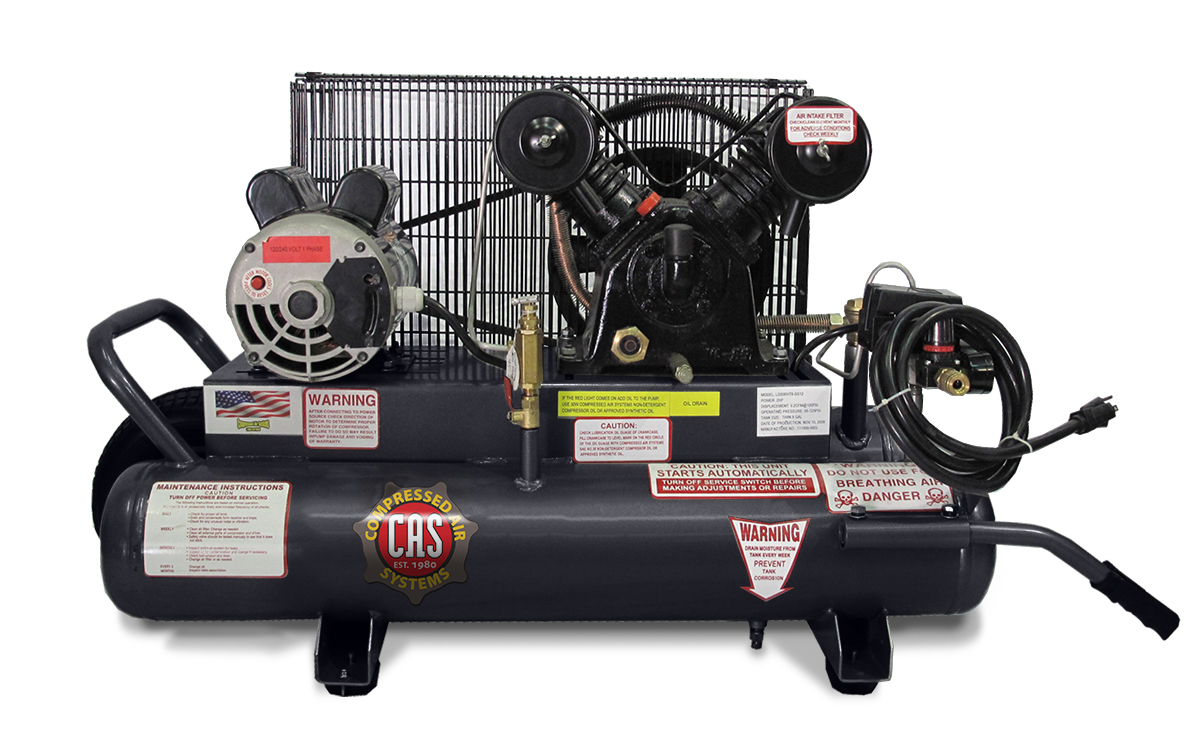
Illustrative image related to heavy duty portable air compressor
Gas-powered compressors are favored for their high portability, making them ideal for construction sites or outdoor projects where electricity may not be readily available. They deliver powerful performance and can operate in remote locations, which is a significant advantage for businesses in sectors such as construction and landscaping. However, they come with higher operational costs due to fuel requirements, and businesses must weigh the benefits of mobility against these costs.
Twin motor compressors are designed for increased airflow and pressure, making them suitable for off-road and commercial vehicles. They can inflate tires quickly and efficiently, which is essential for businesses that rely on heavy-duty vehicles. While they provide faster inflation times and are ideal for heavy-duty tasks, their increased weight and cost may be a drawback for some buyers. Companies should evaluate their specific inflation needs against the investment required.
Brushless compressors utilize advanced technology to provide quieter operation and greater longevity, making them ideal for industrial applications where noise reduction is a priority. They are designed for efficiency, often requiring less maintenance than traditional models. However, the initial investment can be higher, and businesses may need specialized knowledge for upkeep. Companies should consider the long-term benefits of lower noise and maintenance against the upfront costs when evaluating this option.
| الصناعة/القطاع | Specific Application of Heavy Duty Portable Air Compressor | القيمة/الفائدة للأعمال التجارية | اعتبارات التوريد الرئيسية لهذا التطبيق |
|---|---|---|---|
| الإنشاءات | Operating pneumatic tools for heavy-duty tasks | Increases productivity and efficiency on job sites | Durability, portability, and air pressure capacity |
| إصلاح السيارات | Inflating tires and powering air tools | Enhances service speed and customer satisfaction | Compatibility with various air tools and tire sizes |
| Oil & Gas Exploration | Providing air for drilling operations | Ensures operational efficiency in remote locations | Reliability in extreme conditions and ease of transport |
| الزراعة | Powering irrigation systems and agricultural tools | Improves crop yield and operational efficiency | Fuel efficiency and adaptability to various terrains |
| التعدين | Supplying air for ventilation and pneumatic equipment | Enhances worker safety and operational effectiveness | Robust construction and maintenance support availability |
In the construction sector, heavy-duty portable air compressors are essential for powering pneumatic tools such as nail guns, jackhammers, and impact wrenches. These compressors enable workers to perform tasks more efficiently, reducing downtime and increasing overall productivity on site. B2B buyers in construction must prioritize durability and portability to ensure the compressor can withstand harsh job site conditions while providing sufficient air pressure for demanding tools.
In automotive repair, heavy-duty portable air compressors are utilized for inflating tires, operating air tools, and even painting vehicles. They streamline the service process, allowing mechanics to quickly adjust tire pressures and utilize pneumatic tools effectively. Buyers in this sector should consider compatibility with various air tools and tire sizes to maximize utility and efficiency in their operations.
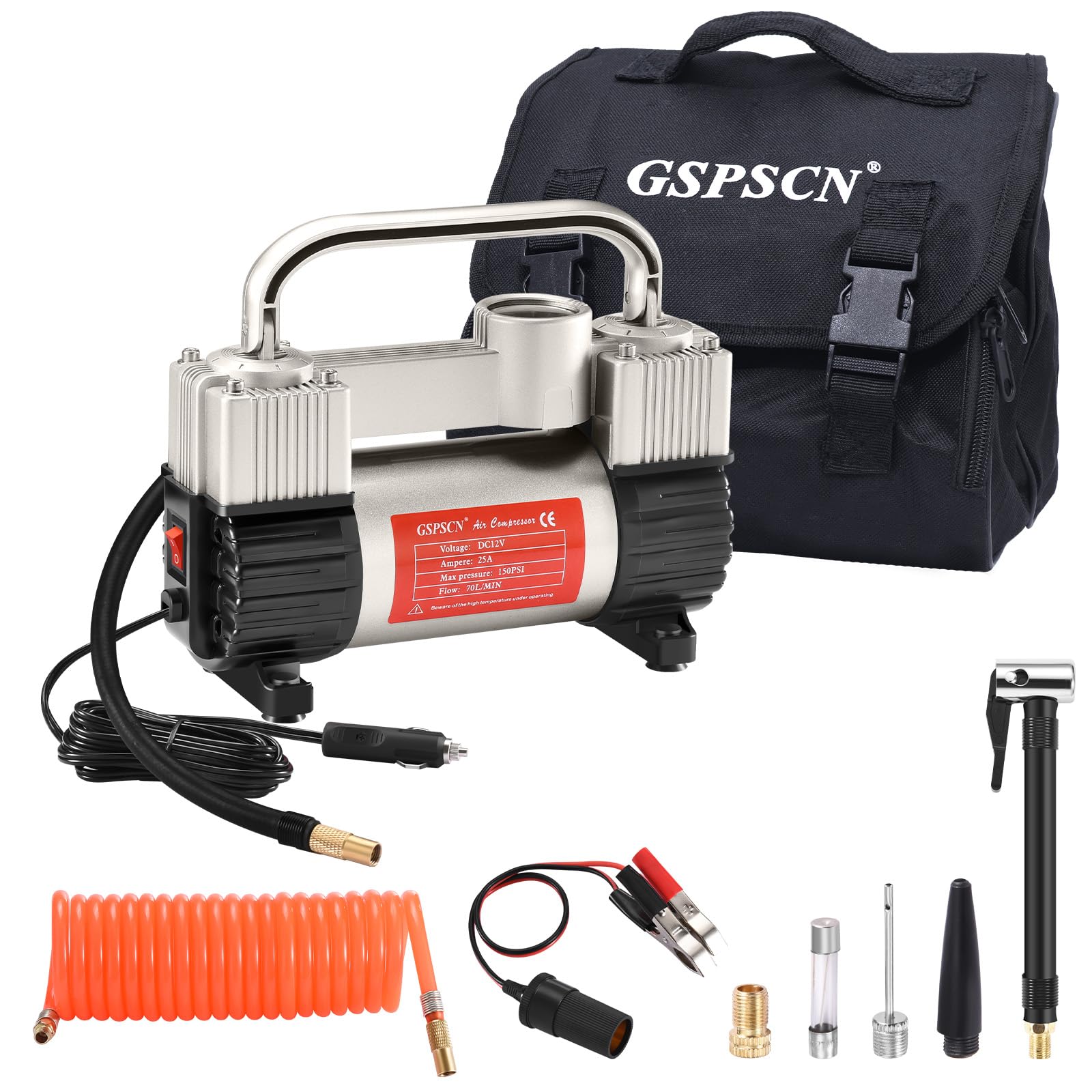
Illustrative image related to heavy duty portable air compressor
In the oil and gas industry, heavy-duty portable air compressors are crucial for providing air to drilling operations, especially in remote locations where traditional power sources may be unavailable. These compressors ensure that drilling equipment operates efficiently, contributing to timely project completion. Buyers should focus on the reliability of the compressor in extreme conditions and its ease of transport to remote sites, which is vital for operational continuity.
Agricultural applications for heavy-duty portable air compressors include powering irrigation systems and various agricultural tools like sprayers and seeders. These compressors enhance the efficiency of agricultural operations, leading to improved crop yields. Buyers in agriculture should look for compressors that offer fuel efficiency and adaptability to diverse terrains, ensuring they can operate effectively in various field conditions.
In mining, heavy-duty portable air compressors provide essential air supply for ventilation systems and pneumatic equipment. They play a critical role in ensuring worker safety and enhancing operational effectiveness in often challenging environments. B2B buyers in the mining sector need to prioritize robust construction and availability of maintenance support to ensure the longevity and reliability of the compressors in demanding operational settings.
المشكلة B2B buyers often encounter challenges with portable air compressors when they are deployed in diverse environmental conditions. For example, compressors used in construction sites across Africa may face extreme heat, dust, and moisture, leading to potential malfunctions or reduced efficiency. The fear of equipment failure during critical operations can lead to costly downtime and safety risks, creating a significant concern for companies that rely on these tools for consistent performance.
الحل: To mitigate performance issues, B2B buyers should prioritize selecting heavy-duty portable air compressors that are specifically designed for rugged environments. Look for compressors with durable, weather-resistant casings and features like brushless motors that can withstand high temperatures and humidity. Additionally, investing in maintenance packages that include regular checks on components such as air filters and hoses can prevent breakdowns. Buyers should also consider compressors with adjustable pressure settings and built-in thermal overload protection to ensure they can adapt to varying workloads without overheating. By doing so, companies can enhance their operational reliability and efficiency, even in the toughest conditions.
المشكلة Many businesses use heavy-duty portable air compressors to power multiple pneumatic tools simultaneously. However, the compressors may not provide adequate air supply or pressure required for high-demand applications, leading to inefficiencies or interruptions in workflow. This is particularly problematic for industries such as automotive repair or construction, where time is money, and any delays can significantly impact project timelines and budgets.
الحل: To effectively manage air supply and ensure compatibility with multiple tools, buyers should assess the CFM (Cubic Feet per Minute) and PSI (Pounds per Square Inch) ratings of the compressor relative to their specific needs. Investing in a compressor with a higher CFM rating will provide the necessary airflow to support multiple tools at once without loss of performance. Furthermore, consider compressors with dual or multiple outlets to allow simultaneous use of different tools. For teams that frequently switch between tools, incorporating a quick-connect system can facilitate faster transitions and minimize downtime. Regularly monitoring and adjusting the system based on usage patterns will also help optimize performance and extend the life of the equipment.
المشكلة The long-term operational costs associated with heavy-duty portable air compressors can be a significant concern for B2B buyers. Frequent repairs and maintenance can quickly add up, impacting overall profitability. Companies may struggle with the decision of whether to invest in premium equipment that promises durability or to opt for more affordable models that could incur higher maintenance costs over time.
الحل: To manage maintenance and repair costs effectively, buyers should conduct a thorough cost-benefit analysis before purchasing. Investing in high-quality compressors from reputable manufacturers can often lead to lower lifetime costs due to their reliability and longevity. Look for compressors that come with comprehensive warranties and readily available spare parts, which can reduce downtime during repairs. Additionally, implementing a proactive maintenance schedule, including regular inspections and servicing, can help identify potential issues before they escalate into costly repairs. Training staff on proper usage and maintenance can also ensure the equipment is handled correctly, further minimizing wear and tear. By prioritizing quality and maintenance, businesses can safeguard their investments and enhance their operational efficiency.
When selecting materials for heavy-duty portable air compressors, several factors come into play, including performance, durability, cost, and compliance with international standards. Below is an analysis of four common materials used in the construction of these compressors.
الخصائص الرئيسية: Aluminum alloys are lightweight yet strong, offering good corrosion resistance and thermal conductivity. They can withstand moderate pressure and temperature variations, making them suitable for various applications.
الإيجابيات والسلبيات: The primary advantage of aluminum alloys is their low weight, which enhances portability. They are also resistant to rust, reducing maintenance needs. However, aluminum can be more expensive than other materials and may not withstand extreme pressures as well as steel.
التأثير على التطبيق: Aluminum is compatible with air and non-corrosive gases, making it ideal for most portable air compressor applications. However, it may not be suitable for environments with high humidity or exposure to certain chemicals.
اعتبارات للمشترين الدوليين: Compliance with ASTM standards is crucial when sourcing aluminum components. Buyers in regions like Africa and South America should consider local availability and cost fluctuations, as aluminum can be more expensive in remote areas.
الخصائص الرئيسية: Steel, particularly carbon and stainless steel, offers high strength and excellent pressure ratings. Stainless steel also provides superior corrosion resistance, making it suitable for harsh environments.
الإيجابيات والسلبيات: Steel’s durability and ability to withstand high pressures make it a preferred choice for heavy-duty applications. However, it is heavier than aluminum, which can impact portability. Additionally, stainless steel is more expensive than carbon steel.
التأثير على التطبيق: Steel is ideal for high-pressure applications and can handle a wide range of media, including air, water, and some chemicals. Its robustness makes it suitable for outdoor and industrial environments.
اعتبارات للمشترين الدوليين: Buyers should ensure compliance with local standards, such as DIN or JIS, particularly in Europe and the Middle East. The availability of high-quality steel can vary, impacting lead times and costs.
الخصائص الرئيسية: Composites, often made from a blend of fibers and resins, offer excellent strength-to-weight ratios and corrosion resistance. They can be engineered for specific performance characteristics, including temperature and pressure ratings.
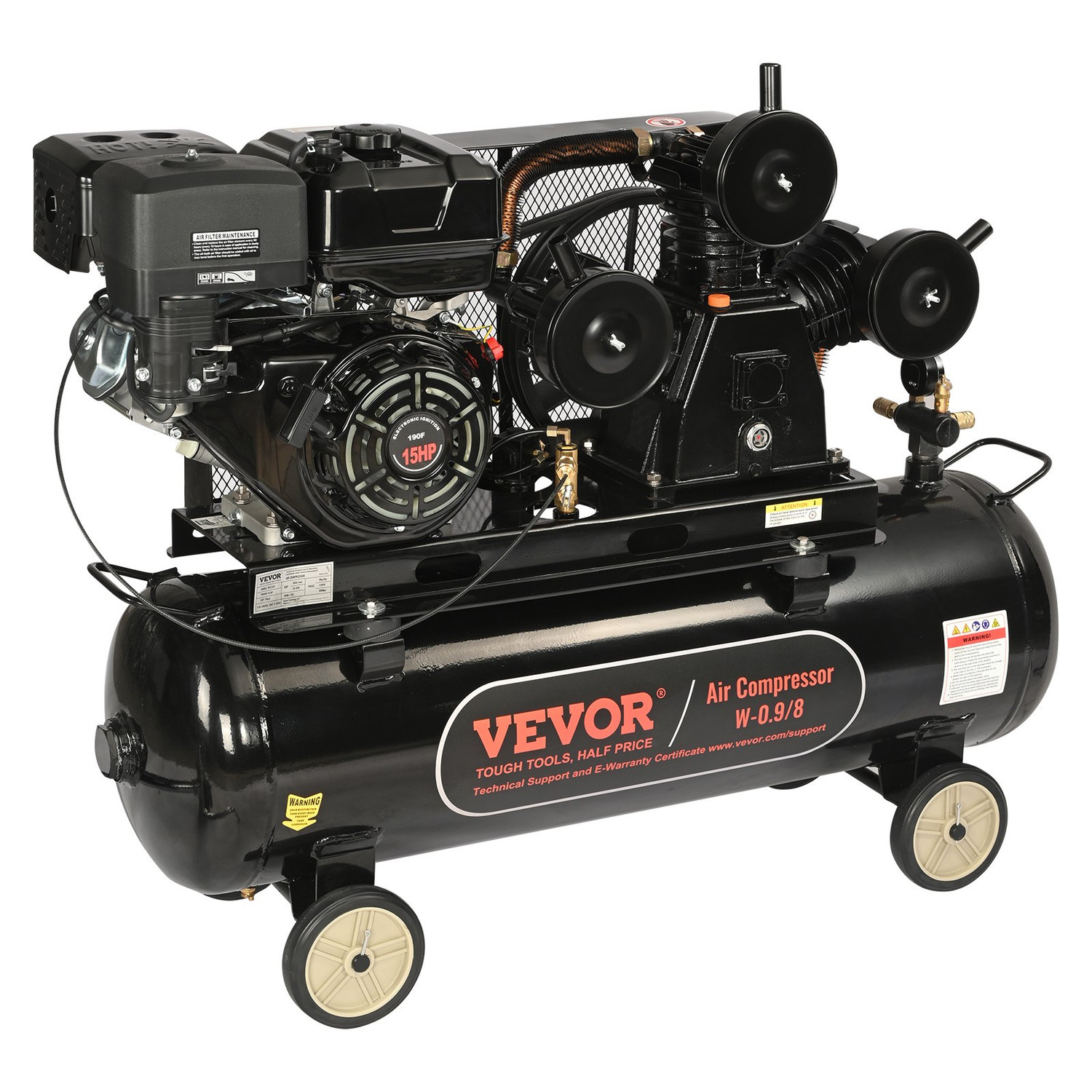
Illustrative image related to heavy duty portable air compressor
الإيجابيات والسلبيات: The lightweight nature of composites enhances portability, while their resistance to corrosion reduces maintenance needs. However, they can be more expensive to manufacture and may require specialized handling during production.
التأثير على التطبيق: Composites are suitable for applications requiring lightweight solutions, particularly in mobile settings. They are generally compatible with air and non-corrosive gases but may not be suitable for high-temperature applications.
اعتبارات للمشترين الدوليين: Compliance with international standards for composite materials is essential, especially in regions with stringent regulations. Buyers should also consider the availability of composite manufacturing capabilities in their region.
الخصائص الرئيسية: Rubber and elastomers are flexible materials that provide excellent sealing properties. They can withstand a range of temperatures and pressures, depending on the specific formulation.
الإيجابيات والسلبيات: The primary advantage of rubber is its ability to create airtight seals, which is critical for compressor efficiency. However, rubber can degrade over time, especially when exposed to UV light or certain chemicals, necessitating regular replacement.
التأثير على التطبيق: Rubber is essential for seals, hoses, and gaskets within compressors, ensuring optimal performance. Its compatibility with air and various fluids makes it a versatile choice.
اعتبارات للمشترين الدوليين: Buyers should ensure that rubber components meet local standards for durability and safety. In regions like Africa and the Middle East, sourcing high-quality rubber can be challenging, impacting overall product reliability.
| المواد | Typical Use Case for heavy duty portable air compressor | الميزة الرئيسية | العيب/التقييد الرئيسي | التكلفة النسبية (منخفضة/متوسطة/مرتفعة) |
|---|---|---|---|---|
| سبائك الألومنيوم | Housing and structural components | خفيف الوزن ومقاوم للتآكل | Higher cost, lower pressure rating | متوسط |
| Steel (Carbon/Stainless) | Pressure vessels and frames | قوة ومتانة عالية | Heavier, potential rust (carbon) | Medium to High |
| Composite Materials | Housing and lightweight components | Excellent strength-to-weight ratio | تعقيد التصنيع العالي | عالية |
| Rubber and Elastomers | Seals, hoses, and gaskets | خصائص منع تسرب ممتازة | Degradation over time | Low to Medium |
This guide provides a comprehensive overview of material selection for heavy-duty portable air compressors, helping international B2B buyers make informed decisions based on performance, cost, and regional considerations.
The manufacturing of heavy-duty portable air compressors involves several critical stages, ensuring that the final product is durable, reliable, and suitable for various industrial applications.
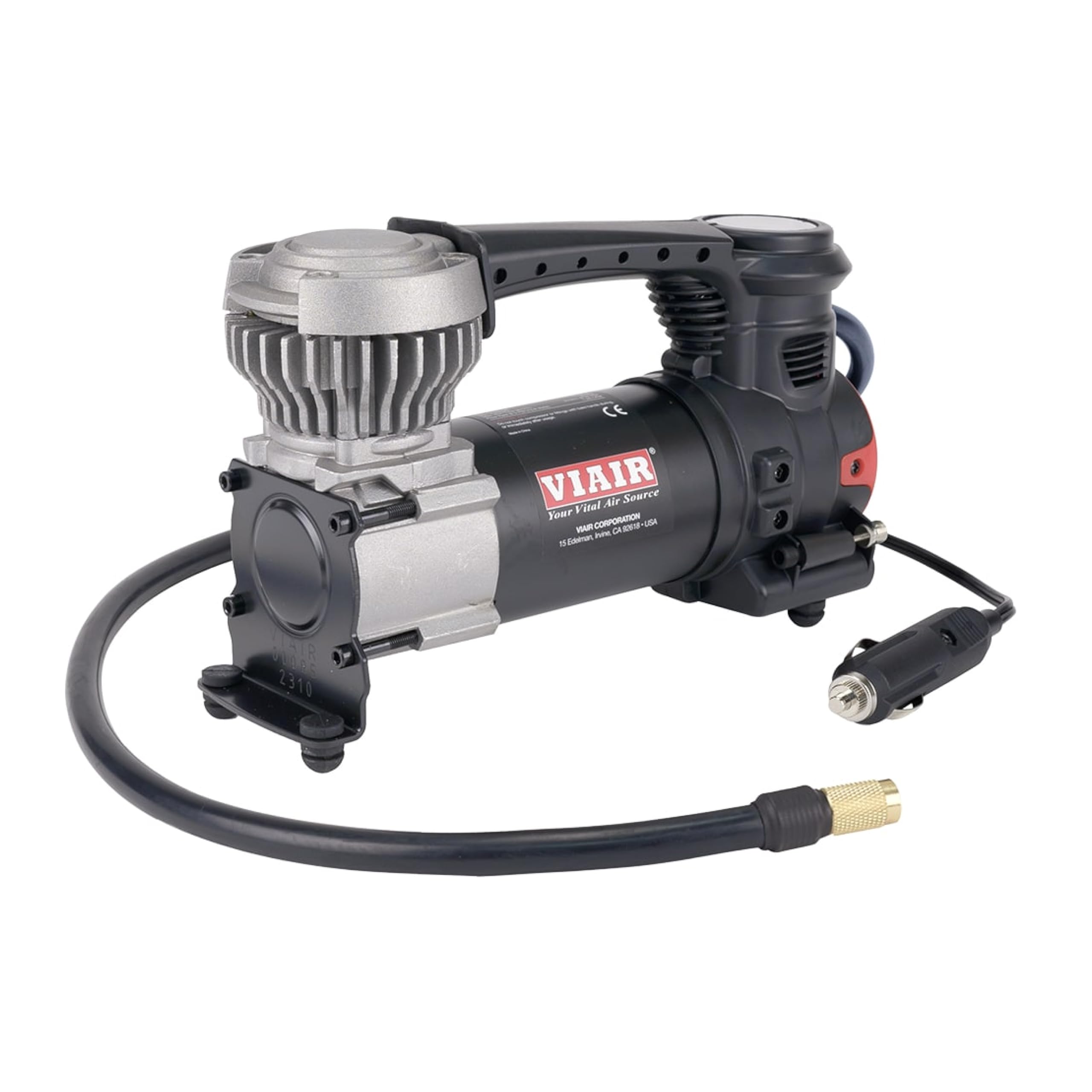
Illustrative image related to heavy duty portable air compressor
The first stage involves sourcing high-quality materials, such as aluminum, steel, and various polymers, which are essential for the compressor’s housing, motor, and other components. Manufacturers often choose materials based on their strength, weight, and corrosion resistance. Rigorous testing of these materials is conducted to ensure they meet specific performance standards before they are approved for production.
Once the materials are prepared, they undergo forming processes, which may include cutting, bending, and machining. Advanced technologies such as CNC (Computer Numerical Control) machining are commonly employed to achieve precise dimensions and tolerances. This stage is crucial, as the accuracy of these components directly affects the overall performance and efficiency of the air compressor.
The assembly phase is where individual components come together to form a complete unit. This process may involve both manual and automated assembly lines, depending on the manufacturer’s capacity and technology. Components such as the motor, pump, and control systems are installed in a way that facilitates optimal airflow and minimizes vibrations. Each assembly line is typically organized to maximize efficiency and minimize the risk of errors.
After assembly, the compressors undergo finishing processes such as painting, coating, or anodizing. These not only improve aesthetics but also enhance corrosion resistance and durability. Quality checks during this stage ensure that every unit meets the aesthetic and functional standards required for market readiness.
Quality assurance (QA) is a fundamental aspect of the manufacturing process, ensuring that each compressor meets international standards and customer expectations.
Manufacturers often adhere to international quality standards such as ISO 9001, which outlines criteria for a quality management system. Compliance with ISO 9001 indicates that a company consistently provides products that meet customer and regulatory requirements. Additionally, industry-specific certifications such as CE (Conformité Européenne) and API (American Petroleum Institute) are crucial for ensuring that compressors are safe and effective for their intended applications.
Quality control (QC) checkpoints are strategically placed throughout the manufacturing process:
مراقبة الجودة الواردة (IQC): This initial checkpoint assesses the quality of raw materials and components before they enter the production line. Any defective materials are rejected at this stage.
مراقبة الجودة أثناء المعالجة (IPQC): Throughout the assembly process, regular inspections are conducted to monitor the accuracy and quality of components. This includes checking for proper assembly and alignment.
مراقبة الجودة النهائية (FQC): Before the compressors are shipped, they undergo a final inspection that includes testing for performance and safety. This may involve running the compressors under load to ensure they meet specified performance metrics.
Manufacturers employ various testing methods to validate the performance and reliability of heavy-duty portable air compressors. Common tests include:
اختبار الضغط: To ensure the compressor can handle the maximum pressure specifications without leaking.
Vibration Testing: To assess the operational stability of the compressor and identify any potential issues that could arise during use.
اختبار المتانة: Simulating extended use conditions to ensure the compressor can withstand real-world applications.
For international B2B buyers, particularly those from regions such as Africa, South America, the Middle East, and Europe, it is essential to verify the quality control processes of potential suppliers.
Conducting supplier audits is one of the most effective ways to assess quality control practices. Buyers should evaluate the manufacturing facility, quality management systems, and adherence to international standards. This can include reviewing documentation related to ISO certifications, quality control procedures, and previous audit reports.
Employing third-party inspection services can provide an unbiased evaluation of a supplier’s manufacturing and quality assurance processes. These organizations can conduct inspections at various stages of production and provide detailed reports highlighting any issues or areas for improvement.
International buyers must be aware of regional compliance requirements, as different markets may have varying standards and certifications. For instance, while CE marking is essential for products sold in Europe, other regions may require different certifications. Buyers should thoroughly understand these nuances to ensure compliance and avoid potential legal issues.
Understanding the manufacturing processes and quality assurance protocols for heavy-duty portable air compressors is crucial for B2B buyers. By focusing on the stages of production, relevant international standards, and effective verification methods, buyers can make informed decisions that align with their operational needs and quality expectations. This knowledge not only helps in selecting reliable suppliers but also fosters long-term partnerships that can enhance operational efficiency and product reliability.
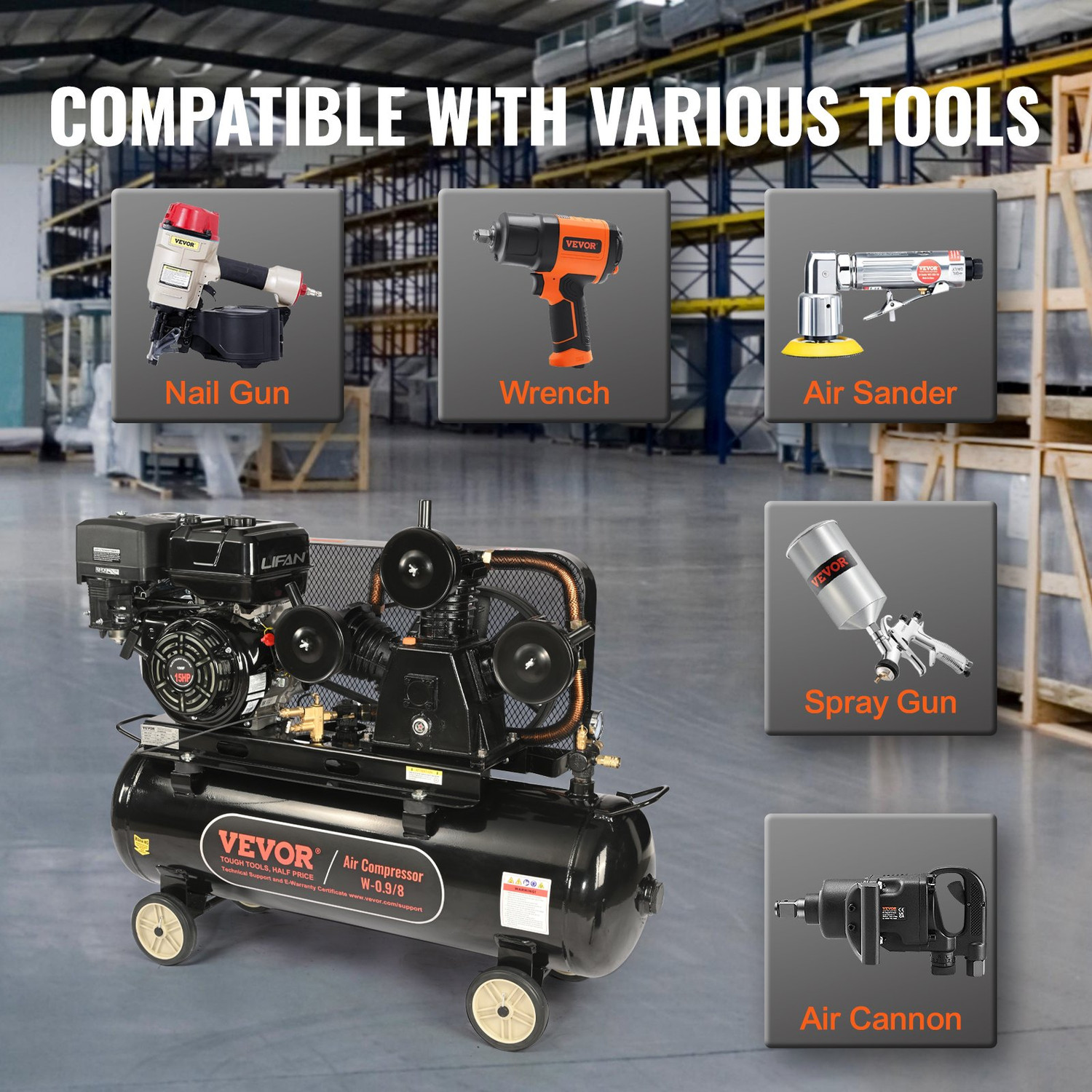
Illustrative image related to heavy duty portable air compressor
In today’s competitive landscape, sourcing a heavy-duty portable air compressor requires a systematic approach to ensure you acquire a reliable and efficient product that meets your operational needs. This guide outlines essential steps to help B2B buyers make informed decisions when procuring these vital tools.
Establishing clear technical specifications is crucial for selecting the right air compressor. Consider factors such as pressure requirements (measured in PSI), air flow rate (CFM), and power supply (12V vs. 24V). Clearly defined specs will help streamline the sourcing process and ensure compatibility with your intended applications.
Conduct thorough market research to identify various brands and models available. Look for reputable manufacturers known for their durability and performance in challenging environments. Pay attention to customer reviews and product comparisons to gauge the reliability and satisfaction levels of existing users.
Before making a commitment, it’s essential to vet potential suppliers meticulously. Request detailed company profiles, product catalogs, and case studies to assess their experience and expertise in the field. Engage with references from other businesses in your industry or region to validate the supplier’s reliability and service quality.
Ensure that the compressors meet international safety and quality standards. Look for certifications such as ISO, CE, or UL, which indicate adherence to rigorous testing and quality control processes. This step is critical to avoid potential legal issues and ensure operational safety.
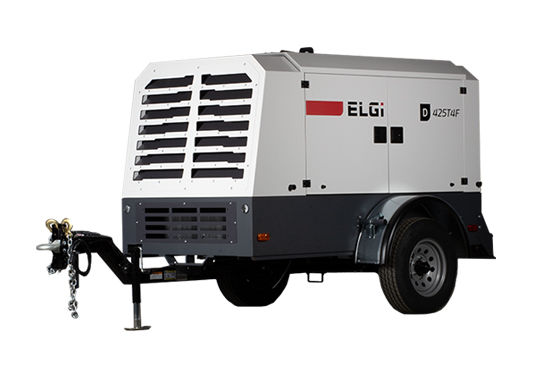
Illustrative image related to heavy duty portable air compressor
Consider the level of after-sales support offered by the supplier, including warranty terms and maintenance services. A robust warranty can protect your investment and provide peace of mind. Additionally, inquire about the availability of spare parts and the supplier’s responsiveness to service requests.
Once you have shortlisted potential suppliers, request detailed quotations that outline pricing, shipping costs, and any additional fees. Compare these quotes not only on price but also on value, considering factors like product quality, warranty, and after-sales service. This comprehensive evaluation will help you make the best financial decision.
After selecting a supplier, finalize your purchase agreement, ensuring all terms are clearly stated, including payment terms, delivery timelines, and return policies. It’s advisable to negotiate any aspects that could provide you with better value or flexibility, such as bulk discounts or extended warranty options.
By following this structured checklist, B2B buyers can navigate the complexities of sourcing heavy-duty portable air compressors with confidence, ensuring they select products that meet their operational demands while maintaining a strong focus on quality and supplier reliability.
When sourcing heavy duty portable air compressors, understanding the cost structure is essential. The primary cost components include:
المواد: The quality and type of materials used directly impact the cost. Heavy-duty compressors often utilize robust metals and high-grade plastics that can withstand rigorous use. This choice affects not only the initial price but also the long-term durability of the product.
العمالة: Labor costs can vary significantly based on the manufacturing location. Countries with lower labor costs may offer competitive pricing, but it’s crucial to assess the skill level and expertise of the workforce, as this can influence the overall quality of the compressors.
نفقات التصنيع الزائدة: This includes utilities, rent, and other operational expenses associated with production. Efficient manufacturing processes can help keep these costs down, which may be reflected in the pricing offered to buyers.
Tooling and Equipment: The investment in specialized tools and machinery for production can also affect costs. Suppliers with modern and efficient manufacturing equipment may produce compressors at a lower cost.
مراقبة الجودة (QC): A stringent QC process ensures that each unit meets safety and performance standards. While this may add to the initial cost, it ultimately reduces warranty claims and enhances customer satisfaction.
الخدمات اللوجستية: Shipping and handling costs are significant, especially for international buyers. Factors such as distance, mode of transport, and local tariffs can greatly influence logistics expenses.
الهامش: Suppliers typically apply a profit margin to cover their costs and ensure profitability. This margin can vary based on market competition and perceived value.
Several factors can influence the pricing of heavy duty portable air compressors, including:
الحجم/الكمية (الحد الأدنى لكمية الطلب): Bulk purchases can lead to significant discounts. Suppliers often provide better pricing for larger orders, which can be a strategic advantage for buyers who have the capacity to store inventory.
المواصفات والتخصيص: Custom features or specifications may increase costs. Buyers should clearly define their requirements to avoid unexpected price increases.
المواد وشهادات الجودة: The choice of materials and the presence of certifications (like ISO or CE) can influence price. High-quality components and certified products generally command higher prices but offer better reliability and performance.
عوامل الموردين: The reputation and reliability of suppliers can also impact pricing. Established suppliers with a track record of quality may charge more, but they often provide better support and warranty options.
المصطلحات التجارية الدولية: Understanding shipping terms such as FOB (Free On Board) or CIF (Cost Insurance and Freight) is crucial for international transactions. These terms affect who is responsible for shipping costs and risks, which can influence the final price.
International B2B buyers should consider the following strategies to negotiate effectively:
إجراء بحث شامل للسوق: Understanding the market rates for similar products can empower buyers during negotiations. Knowledge of competitors’ offerings and prices allows for informed discussions.
الاستفادة من التكلفة الإجمالية للملكية (TCO): Evaluate the long-term costs associated with the compressor, including maintenance, energy consumption, and potential downtime. Presenting a TCO analysis can justify higher upfront costs if the overall investment is more favorable.
بناء علاقات مع الموردين: Establishing strong relationships can lead to better pricing and terms. Long-term partnerships often result in loyalty discounts or priority access to new products.
Be Open to Alternative Suppliers: While established suppliers may offer reliability, exploring emerging manufacturers can yield competitive pricing. However, ensure that quality and service standards are still met.
التفاوض على الشروط والأحكام: Don’t hesitate to discuss payment terms, warranty conditions, and delivery timelines. Flexibility on both sides can lead to a more favorable agreement.
Navigating the complexities of cost and pricing in heavy duty portable air compressors requires diligence and strategic thinking. International buyers, particularly from diverse regions such as Africa, South America, the Middle East, and Europe, must account for local market conditions, logistics, and supplier reliability. By employing effective negotiation strategies and understanding the multifaceted cost structure, buyers can make informed decisions that lead to successful sourcing outcomes.
In the quest for efficient and reliable air supply solutions, heavy duty portable air compressors are a popular choice. However, various alternatives exist that may better suit specific operational needs or budget constraints. By examining these alternatives, B2B buyers can make informed decisions tailored to their unique circumstances, particularly in diverse regions such as Africa, South America, the Middle East, and Europe.
| جانب المقارنة | Heavy Duty Portable Air Compressor | Alternative 1: Electric Tire Inflators | Alternative 2: Onboard Air Systems |
|---|---|---|---|
| الأداء | High CFM output for multiple uses | Moderate CFM, suitable for tires only | High CFM, can power tools and inflate tires |
| التكلفة | Mid to high range ($200 – $1,000) | Low to mid range ($30 – $150) | High range ($300 – $1,500) |
| سهولة التنفيذ | Requires setup and maintenance | Plug-and-play, minimal setup required | Installation needed, but efficient once set up |
| الصيانة | الصيانة الدورية اللازمة | Minimal, often no maintenance required | Moderate, depending on usage |
| أفضل حالة استخدام | Construction, heavy-duty tasks | Personal vehicles, light-duty use | Off-road vehicles, multi-use applications |
Electric tire inflators serve as a cost-effective solution for basic air inflation needs, especially for personal vehicles. They are lightweight, portable, and typically easy to operate, requiring minimal setup. However, their performance is limited to lower CFM outputs, making them unsuitable for more demanding applications like powering pneumatic tools. While they are an excellent choice for quick tire inflation, buyers should be aware that their capabilities may fall short in industrial or heavy-duty scenarios.
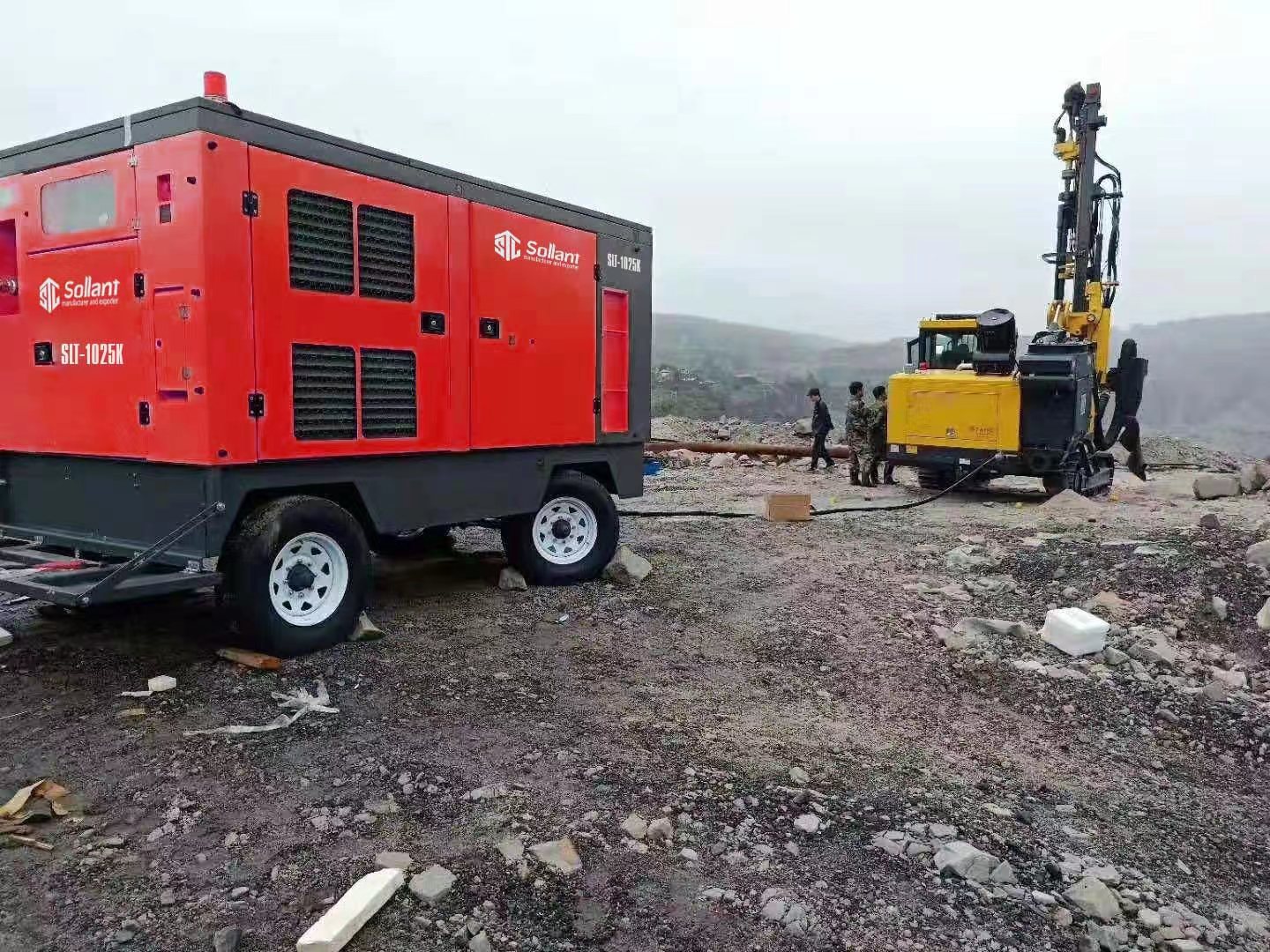
Illustrative image related to heavy duty portable air compressor
Onboard air systems are integrated directly into vehicles, offering a convenient and efficient air supply source. These systems can deliver high CFM outputs, making them versatile for inflating tires and operating pneumatic tools. Installation can be complex and may require professional assistance, which can increase upfront costs. However, once in place, they provide a reliable air source for off-road enthusiasts and those needing consistent air supply without the hassle of separate equipment. Buyers should consider the installation costs and the potential for long-term savings on maintenance and operational efficiency.
When selecting an air supply solution, B2B buyers must assess their specific requirements against the capabilities of heavy duty portable air compressors and their alternatives. Factors such as performance needs, budget constraints, ease of implementation, and maintenance requirements play crucial roles in this decision-making process. By thoroughly evaluating these aspects, buyers can identify the most suitable solution that aligns with their operational demands, ensuring optimal performance and value for their investment.
Understanding the essential technical properties of heavy-duty portable air compressors is critical for B2B buyers aiming to invest wisely in equipment that meets their operational needs. Here are some of the most important specifications to consider:
CFM (Cubic Feet per Minute): This measures the airflow rate and is crucial for determining how quickly an air compressor can deliver air. Higher CFM ratings indicate greater efficiency in powering pneumatic tools or inflating tires. For B2B buyers, selecting a compressor with the appropriate CFM is vital to ensure it meets specific operational demands without delays.
PSI (Pounds per Square Inch): PSI indicates the pressure the compressor can generate. It is particularly important for applications requiring high pressure, such as powering air tools or inflating large tires. Buyers should match the PSI capability of the compressor to the requirements of the tasks at hand to ensure optimal performance.
دورة العمل: This refers to the percentage of time a compressor can run before needing a rest. A higher duty cycle means the compressor can operate longer without overheating, making it suitable for continuous use in demanding environments. Understanding duty cycles helps B2B buyers select compressors that fit their usage patterns and prevent downtime.
Tank Size: The size of the air tank impacts the compressor’s ability to store air for continuous use. Larger tanks provide more air for extended applications, which is essential in industries requiring prolonged tool operation. Buyers should evaluate tank sizes based on their specific usage scenarios to ensure efficiency.
Motor Type: Heavy-duty portable air compressors may feature brushless or traditional motors. Brushless motors typically offer longer life and require less maintenance, which can be a significant cost-saving factor for businesses. Understanding the motor type helps buyers assess the long-term reliability and operational costs of the compressor.
Familiarity with industry jargon can greatly assist B2B buyers in navigating the purchasing process. Here are some key terms to understand:
OEM (الشركة المصنعة للمعدات الأصلية): This term refers to companies that manufacture products that are then sold under another company’s brand. For B2B buyers, sourcing from OEMs can ensure quality and compatibility with existing equipment, facilitating smoother integration.
موك (الحد الأدنى لكمية الطلب): MOQ represents the smallest number of units a supplier is willing to sell. Understanding MOQ is essential for B2B buyers to assess whether they can meet supplier requirements without overcommitting to inventory they may not need.
طلب عرض الأسعار (RFQ): An RFQ is a formal process where buyers request pricing and terms from suppliers. For B2B buyers, issuing an RFQ can help compare offers from different suppliers, ensuring the best value for their investment.
إنكوترمز (الشروط التجارية الدولية): These are standardized terms that define the responsibilities of buyers and sellers in international shipping. Familiarity with Incoterms is crucial for B2B buyers to understand shipping costs, risks, and delivery responsibilities, helping to prevent misunderstandings during transactions.
TUV Certification: This indicates that the product has passed specific safety and quality standards set by TUV Rheinland or TUV SUD. For B2B buyers, purchasing certified products provides assurance of quality and compliance with industry regulations, which can be vital for operational safety and reliability.
By comprehensively understanding these technical properties and trade terms, B2B buyers can make informed decisions, ensuring that their investments in heavy-duty portable air compressors meet both current and future operational requirements.
The heavy duty portable air compressor market is experiencing a notable transformation driven by various global factors. Key market drivers include the increasing demand for portable and efficient power solutions across industries such as construction, automotive, and outdoor recreation. In regions like Africa, South America, the Middle East, and Europe, rapid industrialization and infrastructural development are propelling the need for reliable air compressors. Additionally, the rise of e-commerce and digital procurement platforms is making it easier for international buyers to source high-quality equipment at competitive prices.
Emerging technologies are also influencing sourcing trends. The integration of IoT (Internet of Things) in air compressor systems allows for real-time monitoring and predictive maintenance, enhancing operational efficiency. Furthermore, manufacturers are adopting advanced materials and designs to improve durability and reduce weight, making these compressors more portable and user-friendly. As buyers prioritize performance and versatility, there is a growing preference for models that can operate various pneumatic tools and serve multiple applications.
Market dynamics are characterized by increasing competition among manufacturers, leading to innovations in product features and pricing strategies. B2B buyers are encouraged to conduct thorough market research to identify the most suitable products that align with their specific operational needs and budget constraints. Collaboration with suppliers who provide robust after-sales support and maintenance services is also crucial for ensuring long-term reliability and performance.
Sustainability has become a vital consideration in the sourcing of heavy duty portable air compressors, driven by growing environmental awareness and regulatory pressures. The environmental impact of air compressors, particularly in terms of energy consumption and emissions, is prompting buyers to seek out more sustainable options. Manufacturers are increasingly focusing on energy-efficient models that consume less power and utilize eco-friendly refrigerants, thereby reducing their carbon footprint.
Ethical sourcing practices are also gaining traction, as businesses recognize the importance of transparency in their supply chains. Buyers are encouraged to partner with manufacturers who adhere to ethical standards and provide certifications that demonstrate their commitment to sustainable practices. Certifications such as ISO 14001 (Environmental Management) and other green labels indicate a manufacturer’s adherence to environmentally responsible processes and materials.
Incorporating ‘green’ materials in the manufacturing of air compressors is another trend that resonates with environmentally-conscious buyers. For instance, using recyclable components and reducing packaging waste not only meets consumer demand for sustainability but also enhances brand reputation. As the global market increasingly shifts towards sustainable practices, B2B buyers should prioritize suppliers who demonstrate a commitment to environmental stewardship and ethical sourcing.
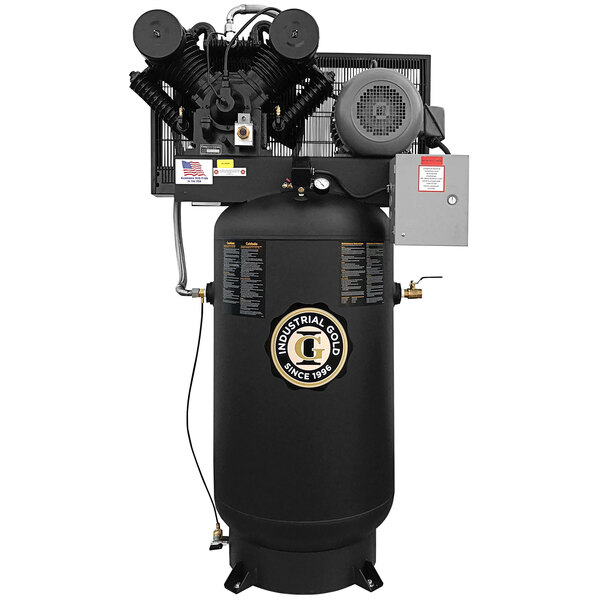
Illustrative image related to heavy duty portable air compressor
The evolution of heavy duty portable air compressors can be traced back to the early 20th century when technological advancements enabled the development of more efficient and compact designs. Initially utilized primarily in industrial applications, these compressors have expanded their reach into various sectors, including automotive repair and outdoor recreation.
Over the decades, advancements in engineering and materials science have significantly improved the performance and reliability of portable air compressors. The introduction of lightweight materials and more efficient motors has made these tools more accessible for both professional and recreational use. As industries evolve and the demand for portable power solutions increases, the history of heavy duty portable air compressors reflects a continuous adaptation to meet the changing needs of B2B buyers across the globe.
In conclusion, the heavy duty portable air compressor sector is poised for growth, influenced by market dynamics, sustainability trends, and historical advancements. International buyers are encouraged to stay informed about these factors to make strategic sourcing decisions that align with their operational objectives.
How do I choose the right heavy-duty portable air compressor for my business needs?
Choosing the right heavy-duty portable air compressor depends on your specific applications. Consider factors such as air pressure requirements (measured in PSI), flow rate (CFM), and power source (electric or gas). Evaluate whether you’ll be using it for tire inflation, powering pneumatic tools, or other tasks. It’s also essential to assess the compressor’s portability, weight, and ease of maintenance. Conducting a needs assessment will help ensure you select a model that meets your operational demands efficiently.
What is the best portable air compressor for industrial applications?
The best portable air compressor for industrial applications typically features high CFM ratings, robust construction, and advanced technology for durability under heavy use. Look for models that offer oil-free operation for lower maintenance, and ensure they can handle the demanding environments common in construction or manufacturing. Brands known for reliability and performance, such as VIAIR or ARB, often provide models tailored for industrial use, ensuring they can deliver consistent air pressure for various tools and equipment.
What should I consider when vetting suppliers for heavy-duty portable air compressors?
When vetting suppliers, prioritize their reputation, experience, and customer reviews in the industry. Request certifications and compliance documentation to ensure they meet international quality standards. Assess their product range for options that suit your needs and inquire about after-sales support, warranty terms, and spare parts availability. Additionally, consider their logistical capabilities, including shipping times and costs to your region, especially if you’re sourcing from overseas.
Are there customization options available for heavy-duty portable air compressors?
Many manufacturers offer customization options to suit specific business needs, such as modifications for enhanced performance or tailored features. Customization may include adjustments to tank size, CFM ratings, or additional accessories. It’s advisable to discuss your requirements with potential suppliers to understand what options are available and any associated costs. Custom solutions can enhance efficiency and ensure the compressor aligns perfectly with your operational demands.
What is the minimum order quantity (MOQ) for heavy-duty portable air compressors?
The minimum order quantity for heavy-duty portable air compressors varies by supplier and can depend on factors such as the model, customization, and shipping logistics. Some suppliers may allow orders as low as one unit, while others may have MOQs ranging from 5 to 50 units. It’s essential to clarify these details upfront to ensure you can meet your business needs without incurring unnecessary costs or delays.
What are the typical payment terms when sourcing air compressors internationally?
Payment terms for international sourcing can vary significantly. Common options include payment in full upfront, a deposit followed by the balance upon shipment, or letter of credit arrangements. Discuss with your supplier to understand their preferred payment methods and negotiate terms that align with your cash flow requirements. Be aware of any potential currency fluctuations and transaction fees that may arise from international payments.
How do I ensure quality assurance for heavy-duty portable air compressors?
To ensure quality assurance, request detailed information about the manufacturing process and quality control measures from your supplier. Look for certifications such as ISO 9001 that indicate adherence to international quality standards. Additionally, consider conducting third-party inspections or audits before shipment to verify the compressors meet your specifications. Establishing clear quality expectations in your contract can also safeguard against discrepancies.
What logistics considerations should I be aware of when importing air compressors?
When importing heavy-duty portable air compressors, consider shipping methods, customs clearance, and potential tariffs or duties that may apply. Evaluate the supplier’s shipping capabilities and estimated delivery times, especially if you need the compressors urgently. Familiarize yourself with local regulations regarding the importation of machinery and ensure all necessary documentation is in order to avoid delays at customs. Working with a reliable freight forwarder can help streamline the logistics process.
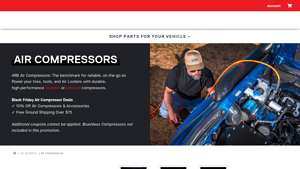
المجال: store.arbusa.com
مسجل: 1998 (27 سنة)
مقدمة: Portable & Vehicle Mounted Air Compressor Systems from ARB 4×4 USA. Key features include: durable, high-performance compressors for tires, tools, and Air Lockers. Product categories include Mounted Compressors, Portable Compressors, and Brushless Compressors. Promotions include 10% off Air Compressors & Accessories and free ground shipping over $75. Specific products include: Twin Motor Onboard 12…
المجال: jacosuperiorproducts.com
مسجل: 2014 (11 سنة)
مقدمة: TrailPro™ Heavy Duty Portable Air Compressor – 3.5 CFM (12V/33A) | On x Off Road Tire Inflator Kit
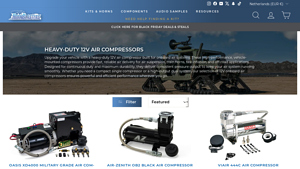
المجال: hornblasters.com
مسجل: 2003 (22 سنة)
مقدمة: This company, HornBlasters – Onboard 12V Air Compressors, is a notable entity in the market. For specific product details, it is recommended to visit their website directly.
The competitive landscape for heavy-duty portable air compressors is rapidly evolving, necessitating a strategic sourcing approach that emphasizes quality, reliability, and adaptability. As international B2B buyers, particularly from regions such as Africa, South America, the Middle East, and Europe, it is essential to prioritize suppliers that offer durable products capable of performing in diverse and challenging environments. Key takeaways include understanding the importance of product specifications, such as pressure ratings and portability, as well as evaluating suppliers based on their track record of innovation and customer support.
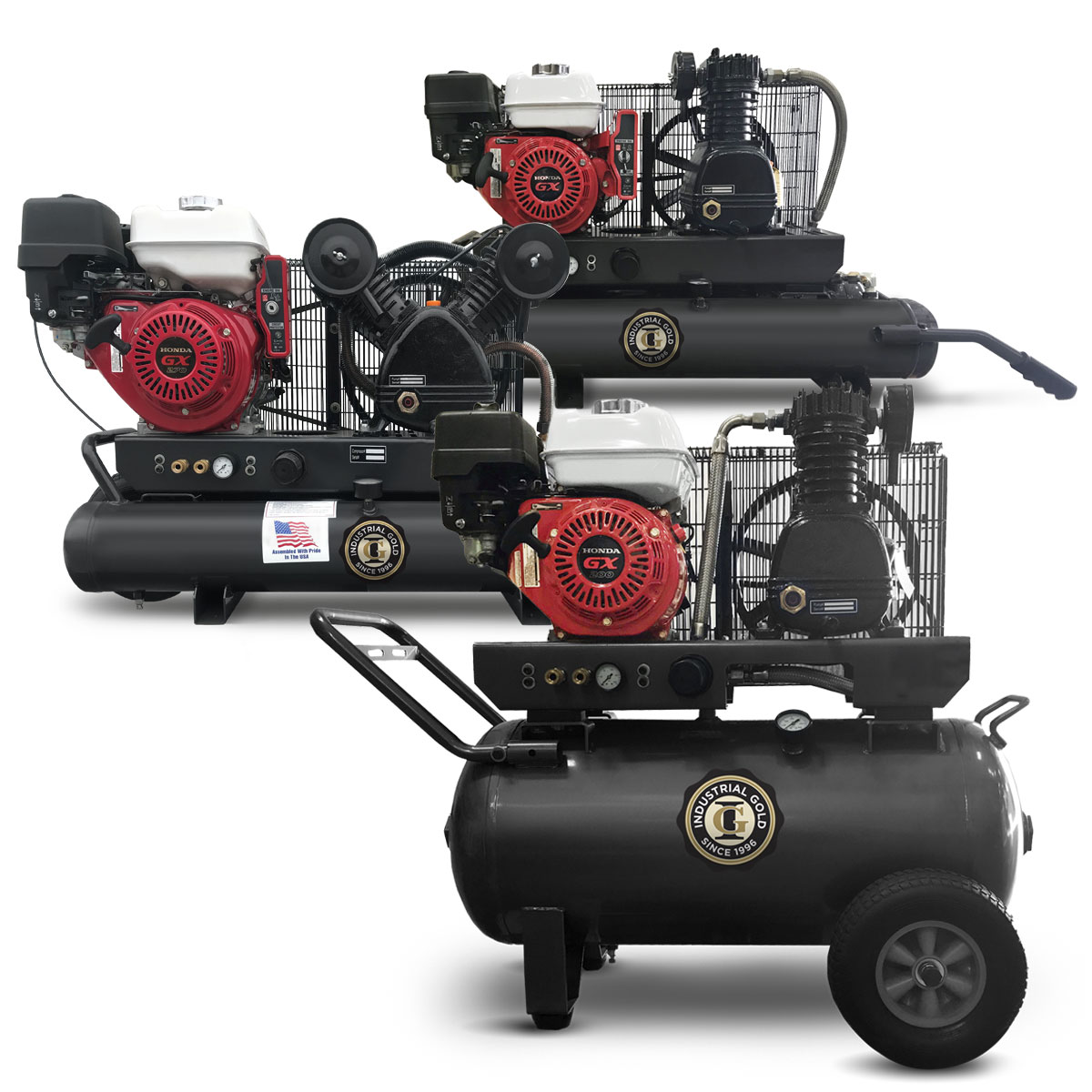
Illustrative image related to heavy duty portable air compressor
Moreover, the emphasis on sustainable practices and maintenance accessibility should guide your sourcing decisions. Opt for compressors with longer lifespans and readily available spare parts to reduce total cost of ownership. As you navigate this market, consider establishing partnerships with manufacturers who prioritize technological advancements, ensuring that your operations remain efficient and cost-effective.
Looking ahead, the demand for reliable and efficient portable air compressors will continue to grow. Engage with suppliers who demonstrate a commitment to quality and innovation, and leverage this opportunity to enhance your operational capabilities. Let this be a pivotal moment to invest in tools that empower your business to thrive in a competitive global market.
المعلومات الواردة في هذا الدليل، بما في ذلك المحتوى المتعلق بالمصنعين والمواصفات الفنية وتحليل السوق، هي لأغراض إعلامية وتعليمية فقط. وهي لا تشكل مشورة مهنية في مجال المشتريات أو مشورة مالية أو مشورة قانونية.
على الرغم من أننا بذلنا كل جهد ممكن لضمان دقة المعلومات ودقة توقيتها، إلا أننا لسنا مسؤولين عن أي أخطاء أو سهو أو معلومات قديمة. تخضع ظروف السوق وتفاصيل الشركة والمعايير الفنية للتغيير.
يجب على المشترين بين الشركات إجراء العناية الواجبة المستقلة والشاملة الخاصة بهم قبل اتخاذ أي قرارات شراء. ويشمل ذلك الاتصال بالموردين مباشرة، والتحقق من الشهادات، وطلب عينات، وطلب الاستشارات المهنية. يتحمل القارئ وحده مخاطر الاعتماد على أي معلومات واردة في هذا الدليل.


 Arabic
  English
  Russian
  Spanish
  Italian
  Portuguese
  German