
- اللغة الإنجليزية
- الروسية
- الإسبانية
- إيطالي
- اللغة العربية
- البرتغالية
- الألمانية
In the ever-evolving landscape of automotive maintenance, sourcing high-quality portable air compressors for auto tires has emerged as a critical challenge for international B2B buyers. As vehicles become more essential across diverse markets—from the rugged terrains of Africa to the bustling streets of Brazil—having reliable tire inflation solutions is paramount. This comprehensive guide delves into the myriad types of portable air compressors available, exploring their applications across various vehicle categories, from passenger cars to commercial fleets.
Buyers will gain insights into the latest technologies, including features like automatic shut-off and digital displays, which enhance user experience and efficiency. Additionally, the guide addresses the complexities of supplier vetting, ensuring that businesses can confidently navigate the global market to identify reputable manufacturers. Cost considerations, shipping logistics, and after-sales support are also thoroughly examined, providing a holistic view of the purchasing process.
By equipping B2B buyers with actionable knowledge, this guide empowers them to make informed decisions that align with their operational needs and market demands. With an emphasis on the unique challenges faced by buyers in Africa, South America, the Middle East, and Europe, including countries like Brazil and Saudi Arabia, this resource aims to streamline the procurement process, ensuring that businesses can maintain their competitive edge in tire maintenance and vehicle safety.
| اسم النوع | السمات المميزة الرئيسية | تطبيقات B2B الأولية | موجز الإيجابيات والسلبيات للمشترين |
|---|---|---|---|
| Corded Electric Compressors | Plug-in operation, high PSI capacity, consistent power | Automotive workshops, fleet maintenance | الإيجابيات: Reliable power source; السلبيات: Limited portability. |
| Battery-Powered Compressors | Rechargeable batteries, compact design, easy to use | Roadside assistance, emergency kits | الإيجابيات: Highly portable; السلبيات: Limited run time on a single charge. |
| 12V DC Tire Inflators | Designed for vehicle power outlets, lightweight | المركبات الشخصية والشركات الصغيرة | الإيجابيات: Convenient for on-the-go; السلبيات: May lack power for larger tires. |
| High-Performance Air Compressors | Robust construction, high CFM ratings, multi-use | Heavy-duty applications, industrial settings | الإيجابيات: Versatile for various tasks; السلبيات: تكلفة أولية أعلى. |
| أجهزة نفخ الإطارات الرقمية | Integrated pressure gauges, automatic shut-off | Retail tire shops, consumer markets | الإيجابيات: User-friendly; السلبيات: May be less durable than traditional models. |
Corded electric compressors are typically favored in environments requiring high power and efficiency. They connect directly to an AC power supply, making them ideal for automotive workshops and fleet maintenance operations. With the ability to reach high PSI levels, these compressors can quickly inflate tires and operate air tools. B2B buyers should consider the infrastructure available for power supply and their specific needs for tire inflation versus other applications.
Battery-powered compressors are designed for mobility and convenience, featuring rechargeable batteries that allow for use without a power outlet. Their compact size makes them perfect for roadside assistance and emergency kits, appealing to businesses that prioritize customer service and convenience. B2B buyers should evaluate the battery life and charging options to ensure they meet their operational requirements, particularly in remote locations.
12V DC tire inflators are specifically engineered to connect to a vehicle’s power outlet, making them a practical choice for personal vehicles and small businesses. Their lightweight and portable design allows for easy storage and quick deployment during roadside emergencies. Buyers should consider the inflator’s PSI capability and whether it meets the tire specifications of their fleet or customer vehicles.
High-performance air compressors are built for heavy-duty applications, featuring robust construction and high CFM ratings. They are suitable for industrial settings where multiple tasks may need to be accomplished, such as inflating larger tires or powering air tools. While these compressors offer versatility, B2B buyers should weigh the higher initial investment against the long-term benefits of durability and performance.
Digital tire inflators come equipped with integrated pressure gauges and automatic shut-off features, enhancing user experience and reducing the risk of over-inflation. They are commonly used in retail tire shops and consumer markets, appealing to businesses that prioritize ease of use and customer satisfaction. Buyers should assess the durability of these models, as they may not withstand heavy use as well as traditional counterparts.
| الصناعة/القطاع | Specific Application of Portable Air Compressor for Auto Tires | القيمة/الفائدة للأعمال التجارية | اعتبارات التوريد الرئيسية لهذا التطبيق |
|---|---|---|---|
| Automotive Repair & Service | Tire inflation and maintenance for vehicles in service centers | Enhances customer satisfaction by providing quick tire services | Look for compressors with high PSI ratings and rapid inflation times. |
| النقل والخدمات اللوجستية | Emergency tire inflation for delivery vehicles | Reduces downtime and improves fleet efficiency | Consider durability and ease of transport for on-the-go use. |
| الإنشاءات والمعدات الثقيلة | Tire management for construction vehicles and machinery | Ensures operational safety and minimizes equipment downtime | Focus on compressors that can handle higher PSI for large machinery. |
| Outdoor & Recreational | Inflating tires for off-road vehicles and recreational equipment | Supports adventure tourism and enhances customer experiences | Evaluate portability and multi-functionality for diverse applications. |
| الزراعة | Tire maintenance for agricultural machinery | Increases productivity by ensuring equipment is always operational | Assess compatibility with various machinery types and tire sizes. |
In automotive repair and service sectors, portable air compressors are essential for quickly inflating tires, ensuring they meet the required PSI for optimal vehicle performance. These compressors can significantly reduce wait times for customers needing tire maintenance, directly enhancing service efficiency and satisfaction. For international B2B buyers, sourcing compressors with high-pressure capabilities and rapid inflation rates is crucial to meet the demands of busy service centers, especially in regions with a growing automotive market.
Illustrative image related to portable air compressor for auto tires
In the transportation and logistics industry, portable air compressors serve a vital role in maintaining delivery vehicles. They are critical for emergency tire inflation, allowing drivers to quickly address flat tires and minimize downtime on the road. This capability is particularly important for logistics companies operating in remote areas of Africa or South America, where access to repair services may be limited. Buyers should consider compressors that are lightweight and easily transportable to enhance their fleet’s operational efficiency.
Construction and heavy equipment sectors rely on portable air compressors for tire management of large machinery and vehicles. These compressors ensure that all equipment remains operational by maintaining proper tire pressure, which is essential for safety and efficiency on job sites. For B2B buyers in regions like the Middle East, where construction projects are booming, sourcing compressors that can handle higher PSI levels and are rugged enough for harsh environments is key to maintaining productivity.
For outdoor and recreational industries, portable air compressors are invaluable for inflating tires on off-road vehicles, bicycles, and other outdoor equipment. They enhance customer experiences in adventure tourism by providing quick and reliable tire inflation solutions on-site. Buyers should focus on the portability and versatility of these compressors, ensuring they can accommodate various tire sizes and types, which is especially relevant for businesses operating in diverse terrains across Europe and South America.
Illustrative image related to portable air compressor for auto tires
In agriculture, portable air compressors are used for tire maintenance on tractors and other farming machinery. Keeping equipment operational is critical for maximizing productivity during planting and harvesting seasons. For international buyers, especially in rural areas of Africa, sourcing compressors that can accommodate different tire sizes and withstand outdoor conditions is essential. This ensures that agricultural operations run smoothly, minimizing delays and enhancing overall efficiency.
المشكلة Many B2B buyers struggle with the overwhelming variety of portable air compressors available on the market. Different models come with varying features, pressure ratings, and power sources, leading to confusion. Buyers may be concerned about selecting a compressor that will meet their specific needs, whether for inflating car tires, bicycles, or other equipment. This uncertainty can lead to purchasing decisions that result in suboptimal performance or even product returns, ultimately affecting operational efficiency and budget.
الحل: To mitigate this issue, it is essential to establish a clear set of criteria before purchasing. Start by assessing the specific requirements of your target market or business operations. Key factors to consider include the PSI (pounds per square inch) range needed for your vehicles, the type of power source (12V car outlet, wall outlet, or battery-operated), and the compressor’s portability. Providing a product specification sheet that includes these parameters can help buyers make informed decisions. Additionally, consider offering a comparison chart that highlights the features of different models, which can streamline the decision-making process and enhance customer satisfaction.
المشكلة Another common challenge faced by B2B buyers is the inconsistent tire pressure that can lead to increased fuel consumption and reduced vehicle safety. This issue is particularly prevalent in regions with varying climates, such as Africa and the Middle East, where extreme temperatures can affect tire pressure significantly. Buyers are often frustrated by manual inflation processes that require constant monitoring and can lead to under- or over-inflated tires, impacting both performance and safety.
الحل: To address this pain point, recommend portable air compressors equipped with automatic shut-off features and digital pressure gauges. These compressors allow users to preset the desired tire pressure, which eliminates the need for continuous monitoring during inflation. Encourage buyers to invest in models that offer dual functionality for both vehicles and other inflatables, such as bicycles or sports equipment, to maximize their utility. Providing training materials or guides on how to effectively use these features can also enhance user confidence and ensure proper usage, ultimately leading to improved tire performance and safety.
المشكلة Many B2B buyers face logistical challenges related to the portability and storage of air compressors. In businesses that require mobility, such as roadside assistance or fleet management, bulky compressors can be a hindrance. Buyers may be concerned about the difficulty of storing larger units in vehicles, which can limit their operational effectiveness and increase the risk of damage during transport.
الحل: To overcome this challenge, emphasize the importance of compact design and lightweight models when sourcing portable air compressors. Buyers should prioritize products that are specifically marketed for their portability, such as those that easily fit into glove compartments or small storage spaces. Additionally, consider recommending compressors with durable carrying cases or integrated storage solutions to protect the units during transport. Providing a checklist for buyers to assess the dimensions and weight of potential compressors can further assist them in making the right choice for their specific mobility needs.
When selecting materials for portable air compressors designed for auto tires, several options are prevalent in the industry. Each material offers unique properties and benefits that can significantly affect product performance, durability, and cost. Below, we analyze four common materials: aluminum, steel, plastic, and rubber.
Illustrative image related to portable air compressor for auto tires
الخصائص الرئيسية: Aluminum is known for its lightweight nature and excellent corrosion resistance. It can withstand moderate temperature and pressure ratings, making it suitable for various compressor components.
الإيجابيات والسلبيات: The primary advantage of aluminum is its low weight, which enhances portability. It also resists rust, extending the lifespan of the compressor. However, aluminum can be more expensive than other materials and may require more complex manufacturing processes, especially when precision is needed.
التأثير على التطبيق: Aluminum is particularly effective in applications where weight is a concern, such as portable devices. However, it may not be suitable for high-pressure applications beyond its rated limits.
اعتبارات للمشترين الدوليين: Buyers in regions like Africa and South America should consider the availability of aluminum and its cost implications. Compliance with international standards such as ASTM may also be necessary for quality assurance.
Illustrative image related to portable air compressor for auto tires
الخصائص الرئيسية: Steel is renowned for its strength and ability to withstand high pressures and temperatures. It is a robust material that can handle demanding environments.
الإيجابيات والسلبيات: The durability of steel makes it an excellent choice for heavy-duty applications. However, it is heavier than aluminum, which can affect portability. Additionally, steel is prone to corrosion unless treated or coated, which can increase manufacturing complexity and costs.
التأثير على التطبيق: Steel is ideal for components requiring high strength, such as the compressor housing and pressure tanks. Its robustness makes it suitable for both consumer and industrial applications.
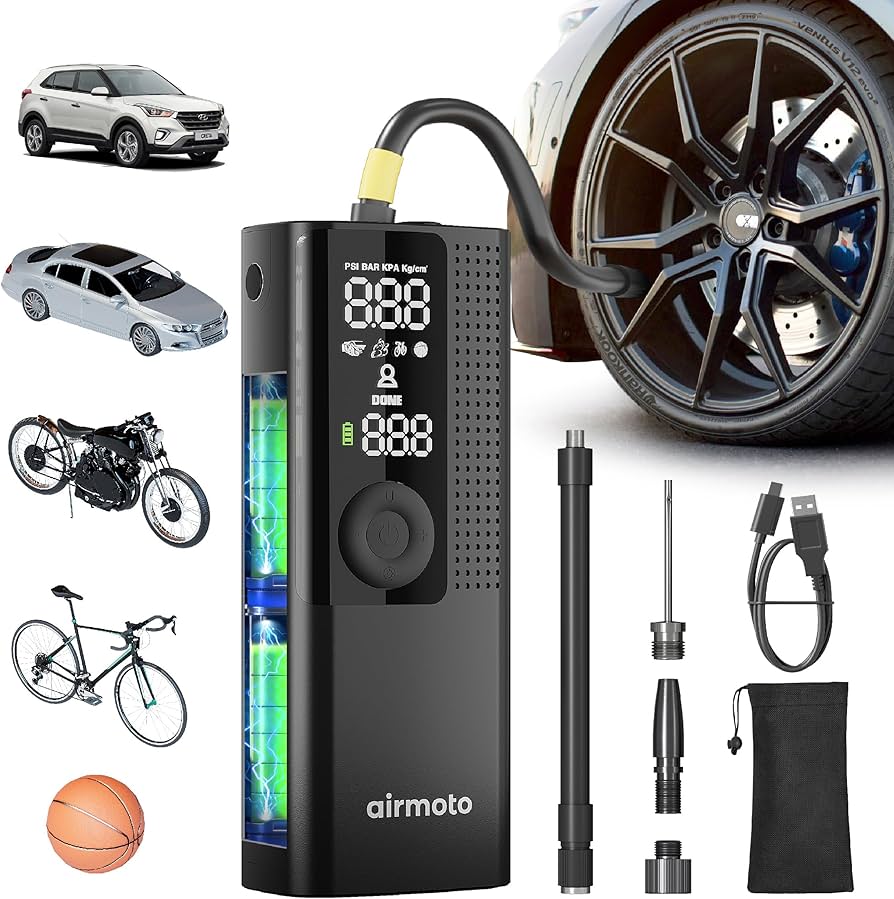
Illustrative image related to portable air compressor for auto tires
اعتبارات للمشترين الدوليين: Buyers should ensure that the steel used complies with local and international standards, such as DIN or JIS, especially in regions like Europe and the Middle East where regulatory compliance is critical.
الخصائص الرئيسية: Plastic is lightweight and can be molded into various shapes, offering versatility in design. It typically has lower temperature and pressure ratings compared to metals.
الإيجابيات والسلبيات: The main advantage of plastic is its low cost and ease of manufacturing. It is also resistant to corrosion and can be made transparent for visibility of internal components. However, plastic may not provide the same level of durability or pressure resistance as metals.
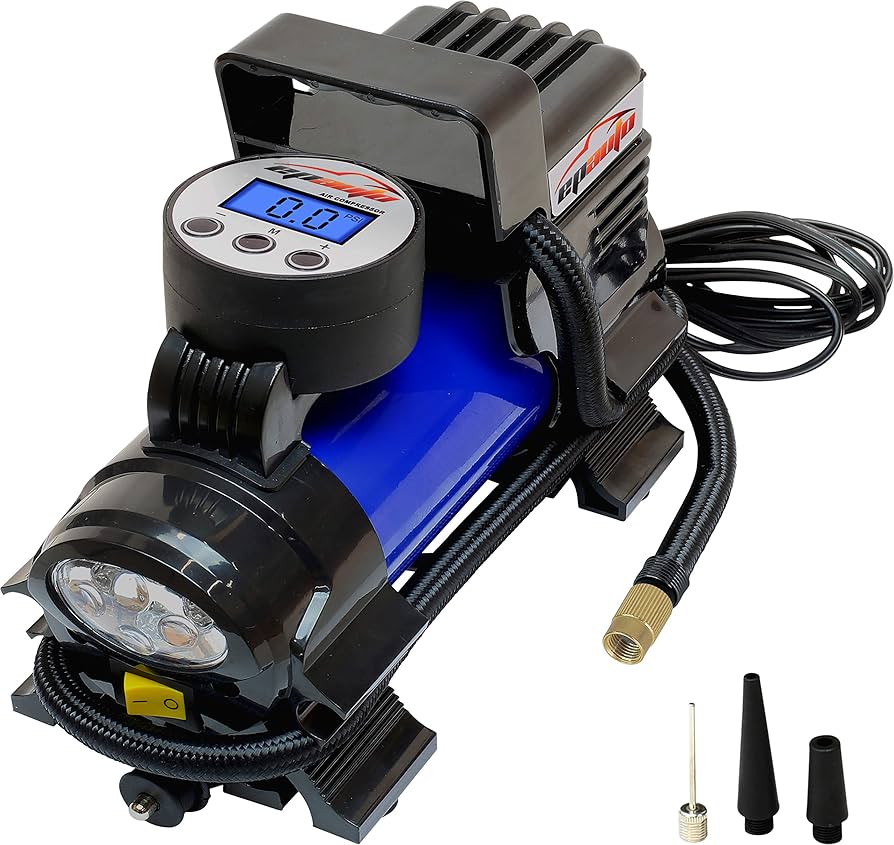
Illustrative image related to portable air compressor for auto tires
التأثير على التطبيق: Plastic is often used for non-structural components, such as housing or covers. It is suitable for lighter-duty applications and can be effective in consumer-grade compressors.
اعتبارات للمشترين الدوليين: Buyers should be aware of the types of plastics used and their compliance with safety standards. In regions like Brazil, where environmental regulations are strict, the recyclability of plastic materials may also be a concern.
الخصائص الرئيسية: Rubber is flexible and provides excellent sealing properties, making it ideal for gaskets and hoses. It can withstand a range of temperatures and pressures, depending on the type.
الإيجابيات والسلبيات: The primary advantage of rubber is its ability to create airtight seals, which is crucial for compressor efficiency. However, rubber can degrade over time, especially when exposed to UV light or extreme temperatures, necessitating regular maintenance or replacement.
التأثير على التطبيق: Rubber is essential for components that require sealing, such as valves and hoses. Its vibration-dampening properties also help reduce noise during operation.
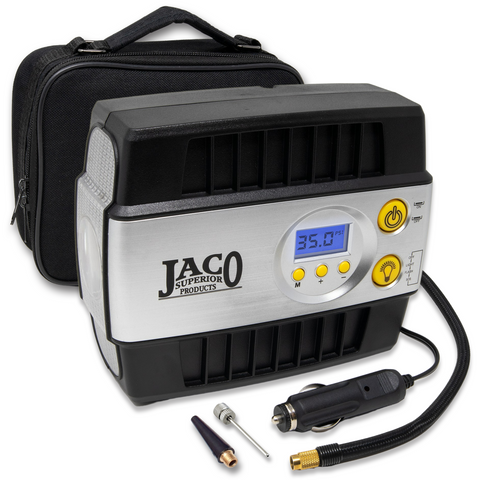
Illustrative image related to portable air compressor for auto tires
اعتبارات للمشترين الدوليين: Buyers should consider the quality of rubber used in compressors, as lower-quality materials may lead to premature failure. Compliance with international standards for material safety and performance should also be verified.
| المواد | Typical Use Case for Portable Air Compressor for Auto Tires | الميزة الرئيسية | العيب/التقييد الرئيسي | التكلفة النسبية (منخفضة/متوسطة/مرتفعة) |
|---|---|---|---|---|
| ألومنيوم | Housing and structural components | خفيف الوزن ومقاوم للتآكل | ارتفاع التكلفة والتصنيع المعقد | متوسط |
| الفولاذ | Pressure tanks and heavy-duty components | قوة ومتانة عالية | Heavier and prone to corrosion | متوسط |
| بلاستيك | Non-structural components and covers | فعالة من حيث التكلفة ومتعددة الاستخدامات | Lower durability and pressure ratings | منخفضة |
| المطاط | Seals, hoses, and vibration dampening | خصائص منع تسرب ممتازة | Degrades over time; requires maintenance | منخفضة |
This strategic material selection guide provides B2B buyers with essential insights into the materials used in portable air compressors for auto tires, helping them make informed decisions based on performance, cost, and compliance considerations.
The manufacturing process for portable air compressors involves several key stages, ensuring that the final product meets performance and reliability standards. The primary stages include:
Material selection is crucial in the production of portable air compressors. Manufacturers typically source high-quality metals, plastics, and rubber components to ensure durability and efficiency. The preparation phase involves cutting, molding, and treating these materials to enhance their physical properties. For instance, aluminum is often chosen for its lightweight yet sturdy characteristics, while reinforced plastics may be used for housing to minimize weight without sacrificing strength.
In this stage, raw materials are shaped into various components of the compressor. Techniques such as injection molding for plastic parts and die-casting for metal components are commonly employed. Advanced manufacturers may utilize CNC machining to achieve precise dimensions and tolerances, which are critical for the compressor’s performance. This precision ensures that parts fit together seamlessly, which is essential for maintaining optimal airflow and pressure.
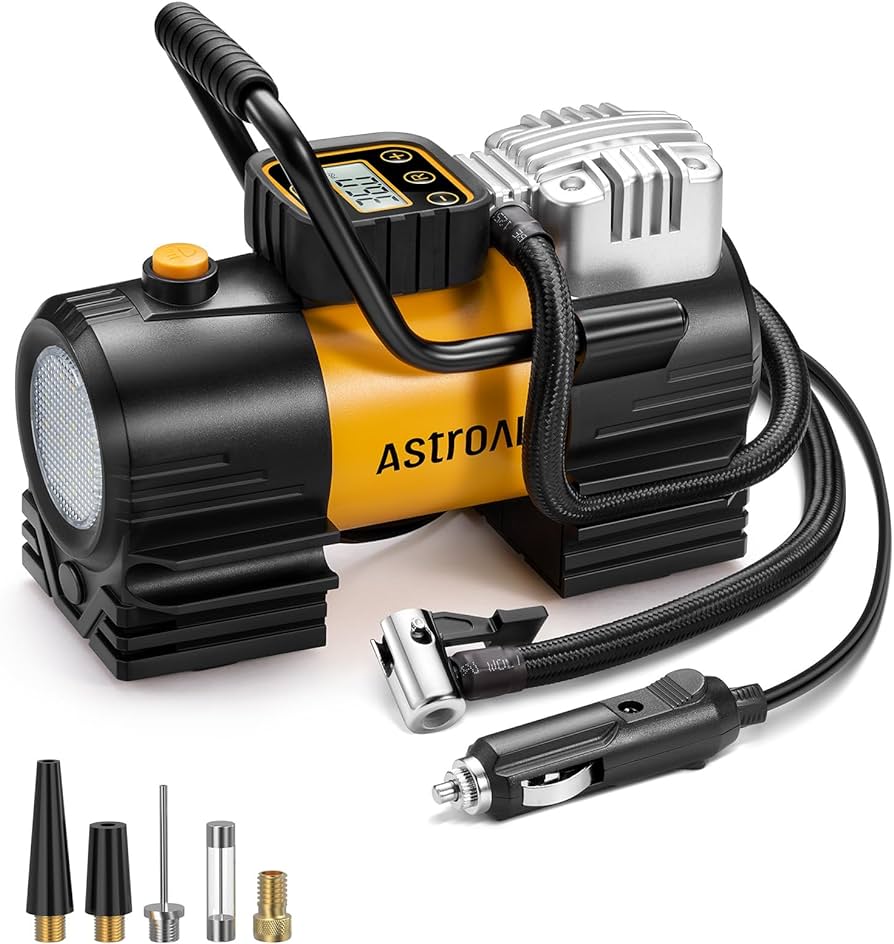
Illustrative image related to portable air compressor for auto tires
Once individual components are formed, the assembly process begins. This typically occurs in a controlled environment to prevent contamination. Assembly lines may employ manual labor or automated systems, depending on the scale of production. Key components, such as the motor, pump, and pressure gauge, are integrated. Quality assurance checks are often interspersed throughout this stage to identify and rectify any defects early in the process.
The finishing stage enhances the compressor’s aesthetics and functionality. This may involve painting, coating, or applying surface treatments to prevent corrosion and wear. Additionally, manufacturers often include safety features, such as thermal overload protection and pressure relief valves, during this stage. Final inspection of the product occurs here to ensure compliance with design specifications and quality standards before packaging.
Quality assurance (QA) is a critical component of manufacturing portable air compressors. Implementing rigorous QA practices ensures that products not only meet customer expectations but also comply with international standards.
B2B buyers should look for manufacturers who comply with recognized international standards such as ISO 9001, which focuses on quality management systems. Compliance with these standards indicates that the manufacturer has established quality processes and is committed to continuous improvement. Additionally, industry-specific certifications like CE marking for European markets and API standards for oil and gas applications can further assure product quality.
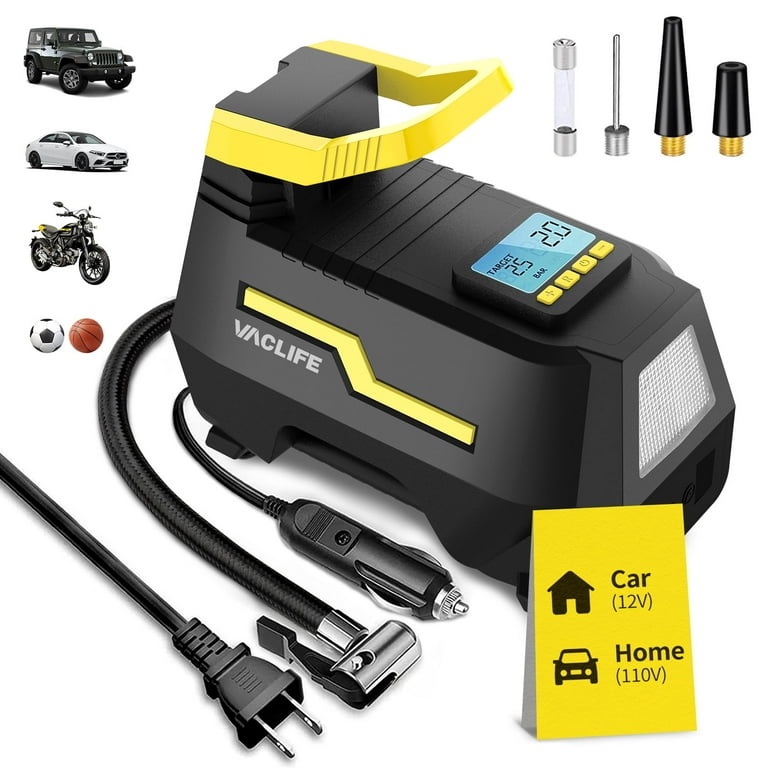
Illustrative image related to portable air compressor for auto tires
Manufacturers typically implement several quality control checkpoints throughout the production process:
مراقبة الجودة الواردة (IQC): This initial checkpoint assesses the quality of raw materials before they enter the production line. Suppliers are often required to provide certificates of compliance for materials used.
مراقبة الجودة أثناء العملية (IPQC): During manufacturing, IPQC involves monitoring the production process to detect any deviations from quality standards. This may include measuring tolerances and inspecting assemblies at various stages.
مراقبة الجودة النهائية (FQC): This is the last checkpoint before products are packaged and shipped. FQC involves thorough testing of the finished compressors, including performance tests, safety checks, and visual inspections.
To ensure reliability, manufacturers employ various testing methods, including:
Pressure Testing: Compressors are subjected to pressure tests to verify that they can handle the specified PSI levels without leaking.
اختبار الأداء: This assesses the compressor’s ability to inflate tires efficiently and quickly. Metrics such as time to inflate and maximum PSI are evaluated.
اختبار المتانة: Simulated use conditions are applied to ensure the compressor can withstand wear and tear over time.
For international buyers, verifying a supplier’s quality control processes is essential to mitigate risks associated with sourcing. Here are actionable steps:
Buyers should consider conducting on-site audits of potential suppliers. This allows for direct observation of manufacturing processes, quality control measures, and adherence to international standards. An audit can reveal a lot about a supplier’s commitment to quality.
Buyers should request quality documentation, including:
Engaging third-party inspection services can provide an unbiased assessment of the supplier’s quality control processes. These services can conduct inspections at various stages of production, offering buyers peace of mind regarding product quality.
International buyers, particularly those from regions like Africa, South America, the Middle East, and Europe, should be aware of certain nuances in quality control:
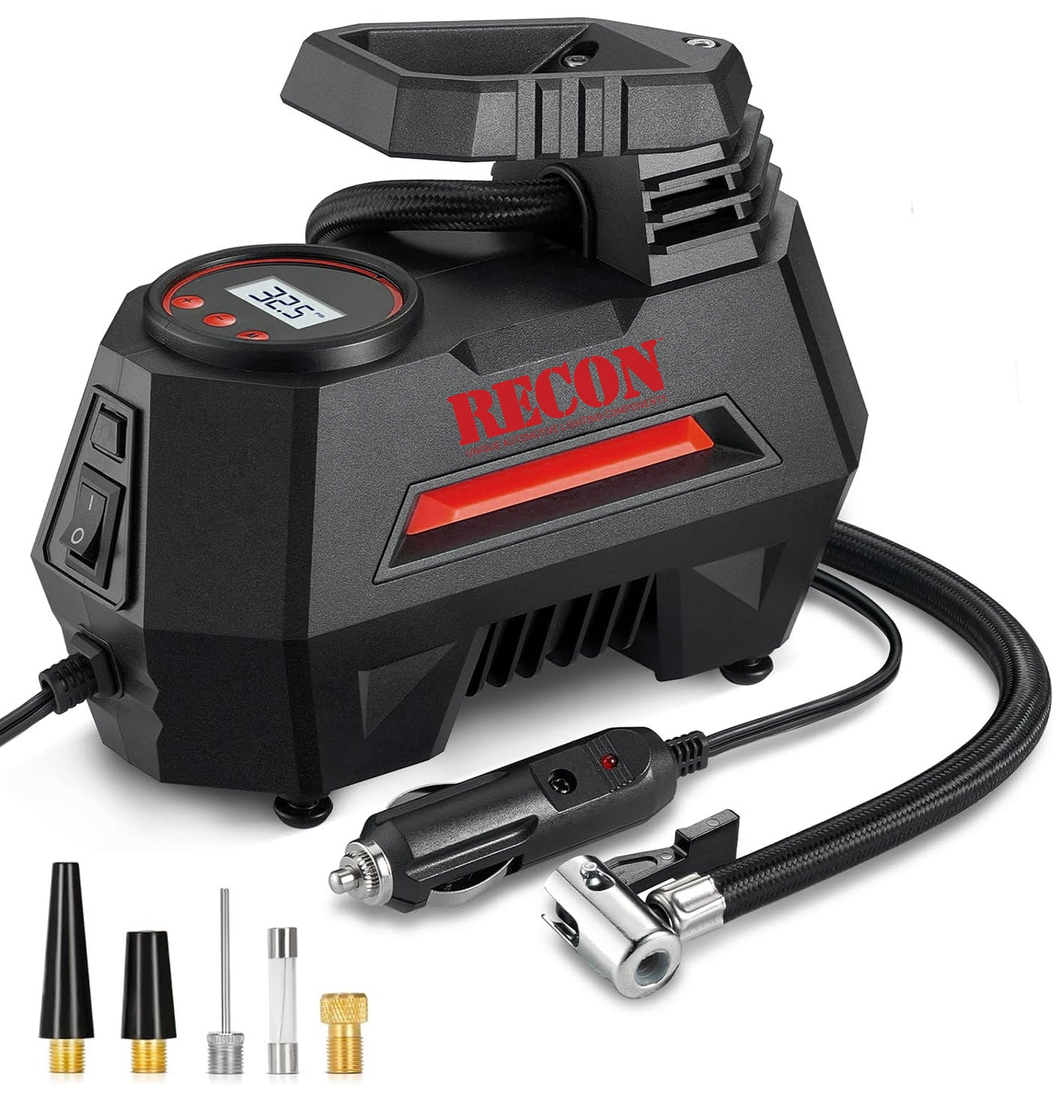
Illustrative image related to portable air compressor for auto tires
الامتثال التنظيمي: Different regions have varying regulations regarding product safety and quality. For instance, European buyers must ensure compliance with CE marking requirements, while buyers in the Middle East may need to adhere to local standards.
Cultural and Language Barriers: Engaging suppliers from diverse regions may pose communication challenges. It is crucial to establish clear expectations regarding quality standards and specifications to avoid misunderstandings.
الاعتبارات اللوجستية: Quality assurance does not end at manufacturing. Buyers should consider logistics and supply chain factors that could impact product integrity during transport.
By understanding these manufacturing processes and quality assurance practices, B2B buyers can make informed decisions when sourcing portable air compressors for auto tires, ensuring they receive high-quality products that meet their operational needs.
To assist B2B buyers in sourcing portable air compressors for auto tires, this guide provides a systematic checklist. Ensuring you procure the right equipment is vital for meeting operational needs, enhancing customer satisfaction, and maintaining safety standards.
Clearly outline the technical requirements for the air compressors you intend to procure. Consider factors such as pressure ratings (PSI), power source (12V DC, wall outlet, or battery-powered), and intended use (personal vehicles, RVs, or commercial applications). Establishing these specifications upfront helps streamline the sourcing process and ensures you select a product that meets your operational demands.
Stay informed about the latest trends and technological advancements in portable air compressors. Look for features such as digital pressure gauges, automatic shut-off capabilities, and fast inflation times. Understanding current market offerings can help you identify products that provide superior performance and reliability, ensuring your investment is future-proof.
Conduct thorough evaluations of potential suppliers to ensure they meet your quality and service expectations. Request company profiles, product catalogs, and case studies showcasing their experience in the automotive sector. Additionally, ask for references from other businesses in your industry or region to gauge their reliability and customer service track record.
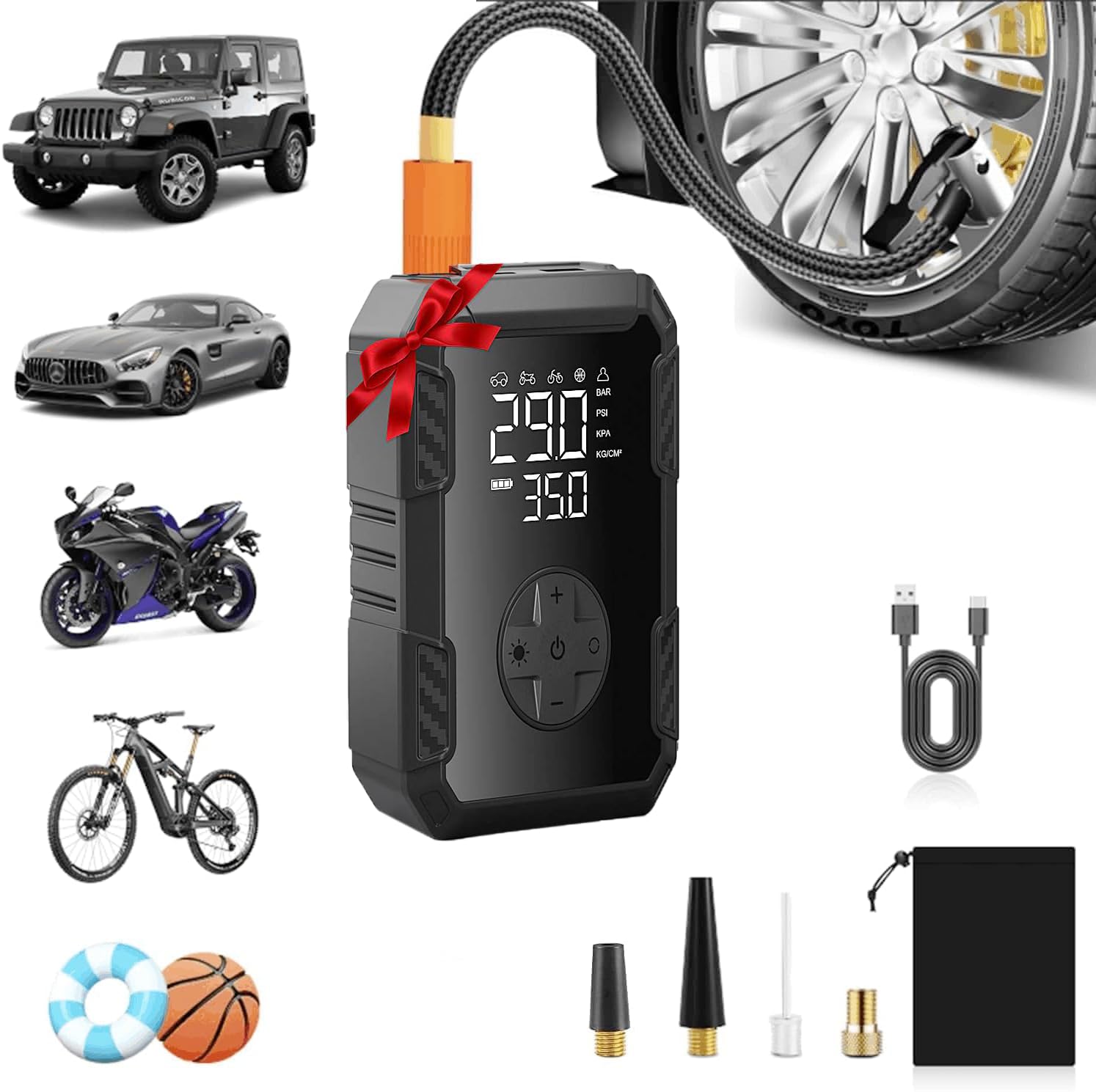
Illustrative image related to portable air compressor for auto tires
Ensure that the suppliers you consider hold relevant certifications and comply with international quality standards. Certifications such as ISO 9001 demonstrate a commitment to quality management practices. Compliance with safety and environmental regulations is also crucial, particularly when sourcing products for diverse markets across Africa, South America, the Middle East, and Europe.
Evaluate the after-sales support provided by the supplier, including warranty terms and availability of spare parts. A robust warranty can protect your investment and minimize downtime in case of defects. Additionally, inquire about the supplier’s ability to provide technical support and maintenance services, which can be crucial for long-term operational efficiency.
Before finalizing your order, request samples of the air compressors for testing. This allows you to assess their performance in real-world conditions, ensuring they meet your specifications. Pay attention to factors such as ease of use, portability, and noise levels, as these can significantly impact user experience and satisfaction.
Once you have identified suitable suppliers and tested their products, enter into negotiations regarding pricing, payment terms, and delivery schedules. Ensure you understand all costs involved, including shipping and potential customs duties, especially when dealing with international suppliers. Establishing favorable terms can enhance your purchasing power and improve overall profitability.
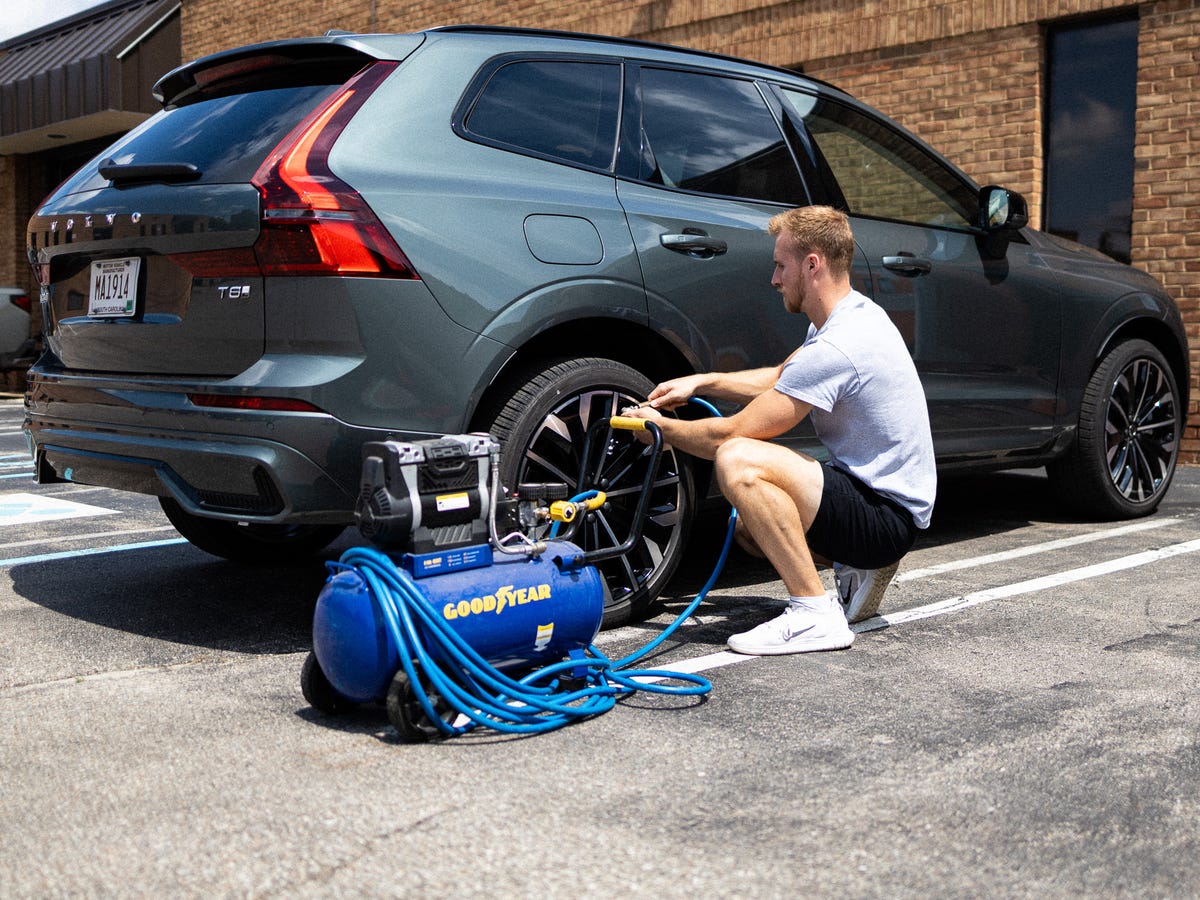
Illustrative image related to portable air compressor for auto tires
Following this checklist will empower you to make informed decisions when sourcing portable air compressors for auto tires, ultimately leading to successful procurement that meets your business needs.
When sourcing portable air compressors for auto tires, understanding the cost structure is crucial for effective budgeting and decision-making. The primary cost components include:
المواد: The quality of materials used significantly impacts the overall cost. High-grade metals, plastics, and electronic components are essential for durability and performance. Suppliers often provide various material options that can affect pricing.
العمالة: Labor costs vary by region and manufacturing practices. Countries with lower labor costs may offer more competitive pricing, but this can sometimes affect product quality. It’s important to assess the skill level and expertise of the workforce involved in manufacturing.
نفقات التصنيع الزائدة: This includes costs related to utilities, facilities, and administrative expenses that support production. Overhead can vary based on the location and efficiency of the manufacturing facility.
الأدوات: Initial tooling costs for molds and machinery can be substantial, particularly for customized or specialized compressors. These costs are typically amortized over the production run, influencing the unit price.
مراقبة الجودة (QC): Investing in quality control processes ensures that products meet safety and performance standards. However, this adds to the cost structure. Ensuring compliance with international standards can also incur additional expenses.
الخدمات اللوجستية: Transportation costs play a significant role, especially for international shipping. Factors such as distance, shipping method, and customs duties can influence the final cost.
الهامش: The profit margin set by suppliers will affect pricing. Understanding typical industry margins can help in negotiating better deals.
Several elements can affect the pricing of portable air compressors for auto tires:
الحجم والحد الأدنى لكمية الطلب (MOQ): Bulk purchasing often leads to better pricing. Suppliers may offer discounts for larger orders, so understanding your needs and negotiating MOQs can enhance cost-efficiency.
المواصفات والتخصيص: Custom features such as pressure ratings, digital displays, or additional attachments can increase costs. Buyers should clearly define specifications to avoid unexpected price increases.
الجودة والشهادات: Compressors with certifications such as ISO or CE may command higher prices due to adherence to safety and performance standards. Buyers should consider the importance of these certifications based on their target market.
عوامل الموردين: The reputation, reliability, and geographical location of suppliers can influence pricing. Established suppliers may charge more but offer better quality and service.
المصطلحات التجارية الدولية: Understanding the agreed Incoterms (International Commercial Terms) is essential as they define responsibilities for shipping, insurance, and tariffs. This can significantly affect the total landed cost.
For international B2B buyers, particularly in regions like Africa, South America, the Middle East, and Europe, several strategies can enhance sourcing efficiency:
التفاوض بفعالية: Always negotiate pricing and payment terms with suppliers. Leverage potential volume discounts and long-term contracts to secure favorable rates.
التركيز على كفاءة التكلفة: Assess the Total Cost of Ownership (TCO), which includes initial costs, maintenance, and operational expenses. Cheaper products may lead to higher TCO if they require frequent replacements or repairs.
Consider Pricing Nuances for International Transactions: Currency fluctuations, import tariffs, and local taxes can impact overall pricing. Ensure to factor these into your budget and pricing strategy.
Conduct Thorough Supplier Research: Investigate potential suppliers thoroughly. Request samples and evaluate product quality before committing to large orders.
Stay Informed on Market Trends: Keeping abreast of industry trends can provide insights into pricing fluctuations and emerging technologies, helping you make informed purchasing decisions.
Prices for portable air compressors can vary widely based on specifications, supplier location, and market conditions. The information provided serves as a guideline and should be verified with suppliers for accurate and current pricing.
As businesses seek efficient and cost-effective solutions for tire inflation, understanding the alternatives to portable air compressors becomes crucial. While portable air compressors are widely recognized for their convenience and performance, other methods may offer specific advantages depending on the application and context. This analysis explores two primary alternatives: tire inflators and manual pumps, comparing them against portable air compressors.
| جانب المقارنة | Portable Air Compressor For Auto Tires | Tire Inflator | مضخة يدوية |
|---|---|---|---|
| الأداء | High PSI output, suitable for various tire types | Moderate PSI output, quick inflation | Low PSI output, labor-intensive |
| التكلفة | Mid-range to high, depending on features | Low to mid-range | Very low, generally inexpensive |
| سهولة التنفيذ | Simple setup, often plug-and-play | User-friendly, one-button operation | Requires manual effort and time |
| الصيانة | Requires occasional cleaning and checks | Minimal maintenance needed | الحد الأدنى من الصيانة المطلوبة |
| أفضل حالة استخدام | Frequent use in automotive settings, off-road, and RV applications | المساعدة على الطريق في حالات الطوارئ | Occasional use for bicycles or sports equipment |
Tire inflators serve as a practical alternative to portable air compressors, particularly for emergency situations. They are typically compact and lightweight, making them easy to store in vehicles. Most models feature preset pressure settings, allowing users to inflate tires with minimal effort. However, their performance is generally limited to lower PSI outputs, which may not suffice for larger vehicles or heavy-duty applications. For businesses focused on roadside assistance or light automotive work, tire inflators offer a quick and efficient solution.
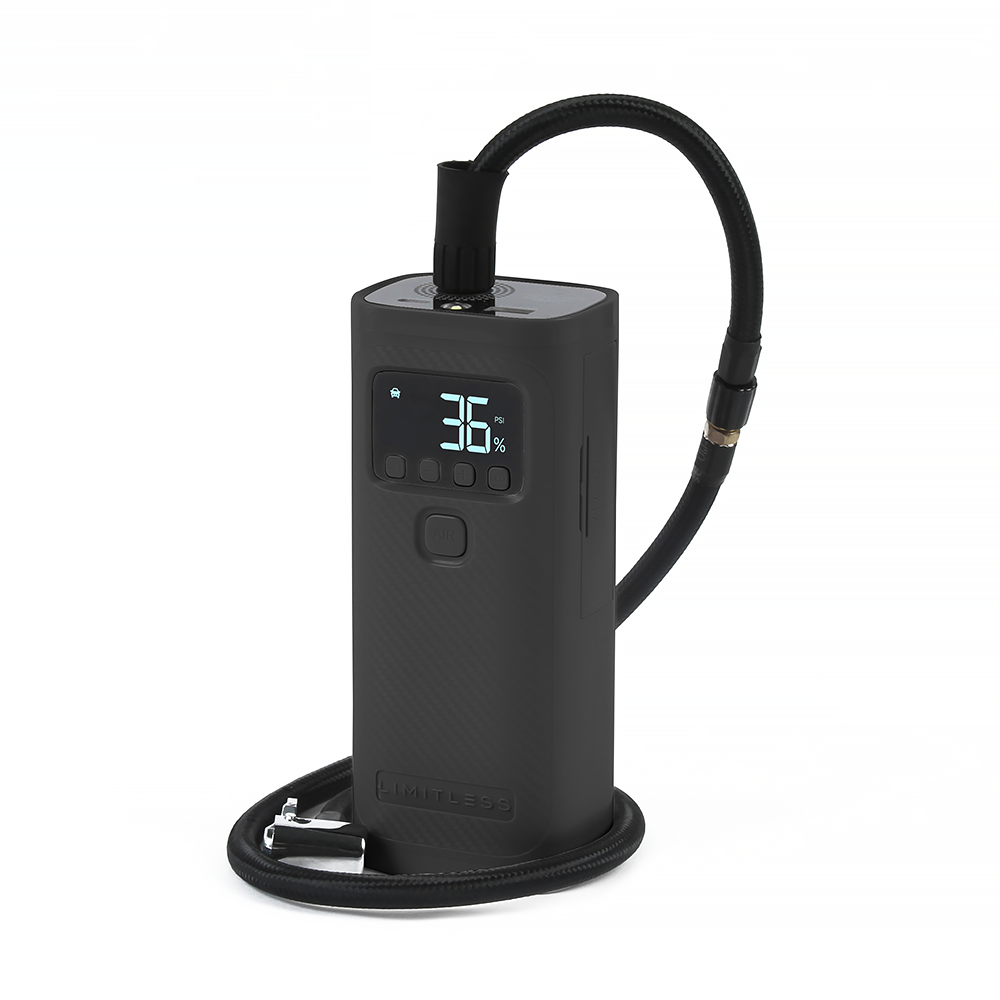
Illustrative image related to portable air compressor for auto tires
Manual pumps, including hand or foot-operated models, represent the most economical option for tire inflation. They are incredibly portable and require no power source, making them suitable for remote areas or emergencies. While they are low-cost, the trade-off is performance; inflating tires manually can be labor-intensive and time-consuming. Manual pumps are best suited for occasional use, such as inflating bicycle tires or sports equipment, rather than for regular automotive applications. Businesses with limited budgets may find manual pumps an attractive entry-level option.
When deciding between portable air compressors and their alternatives, businesses must consider their specific needs and usage scenarios. For companies that frequently deal with tire maintenance or roadside assistance, investing in a portable air compressor may yield the best performance and efficiency. On the other hand, businesses focused on cost savings and occasional use might find tire inflators or manual pumps to be adequate solutions. Evaluating factors such as performance requirements, budget constraints, and ease of use will guide B2B buyers in selecting the most appropriate tire inflation method for their operations.
When sourcing portable air compressors for auto tires, B2B buyers must consider several critical specifications that impact performance, reliability, and suitability for various applications. Here are key technical properties to evaluate:
Pressure Rating (PSI)
The pressure rating, measured in pounds per square inch (PSI), indicates the maximum air pressure the compressor can deliver. Most car tires require inflation within the range of 30 to 35 PSI. A compressor with a higher PSI rating provides versatility, allowing it to be used for larger tires or other inflatables. For international buyers, understanding PSI ratings is crucial for ensuring compatibility with local vehicle specifications.
Air Flow Rate (CFM)
The air flow rate, measured in cubic feet per minute (CFM), defines the volume of air the compressor can deliver at a specified pressure. A higher CFM rating means faster inflation times, which is particularly beneficial for commercial fleets or emergency roadside assistance. Buyers should consider their operational needs and choose compressors that balance CFM with portability.
مصدر الطاقة
Portable air compressors typically operate on various power sources, including 12V DC from a vehicle’s battery, AC mains, or rechargeable batteries. Understanding the power source is essential for ensuring that the compressor fits the buyer’s operational environment, especially in regions with limited electricity access. This aspect also affects the compressor’s portability and user convenience.
الحجم والوزن
The physical dimensions and weight of the compressor are critical for portability. Compact and lightweight models are easier to store in vehicles, making them ideal for emergency situations. B2B buyers should assess their target market’s needs, as some may prioritize portability over sheer power, while others might require a more robust unit for industrial applications.
Material Quality and Durability
The materials used in the construction of the compressor affect its longevity and reliability. Buyers should look for compressors made from high-quality plastics or metals that withstand wear and tear, especially in rugged environments. Durability is particularly important for businesses in regions with challenging climates or rough terrains.
Understanding industry terminology can help B2B buyers navigate the purchasing process more effectively. Here are some common trade terms related to portable air compressors:
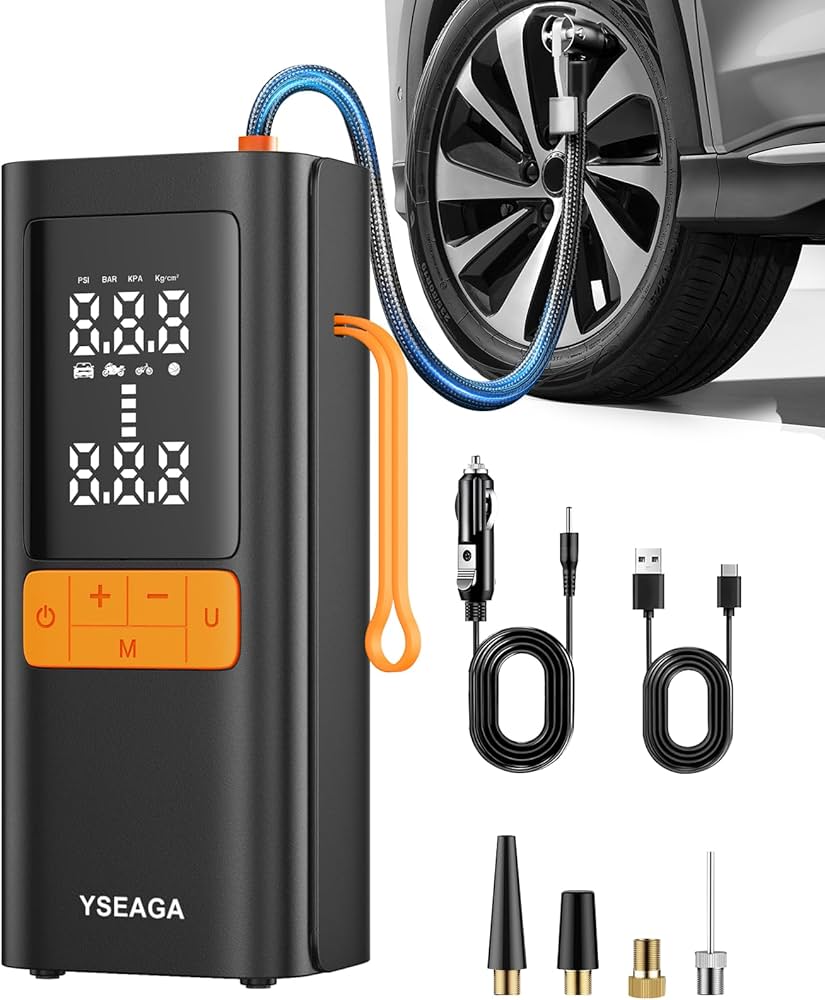
Illustrative image related to portable air compressor for auto tires
OEM (الشركة المصنعة للمعدات الأصلية)
This term refers to companies that produce parts or equipment that may be marketed by another manufacturer. Understanding OEM relationships is important for buyers seeking reliable components and ensuring compatibility with existing equipment.
موك (الحد الأدنى لكمية الطلب)
MOQ is the smallest quantity of a product that a supplier is willing to sell. This term is essential for buyers to understand their purchasing limits and negotiate terms that align with their inventory needs, particularly when dealing with suppliers in different regions.
طلب عرض الأسعار (RFQ)
An RFQ is a document issued by a buyer requesting a price quote from suppliers for specific products or services. This process is vital for B2B buyers to obtain competitive pricing and evaluate supplier capabilities before making a purchase.
إنكوترمز (الشروط التجارية الدولية)
These are a series of pre-defined commercial terms published by the International Chamber of Commerce (ICC) that clarify the responsibilities of buyers and sellers in international transactions. Familiarity with Incoterms helps B2B buyers manage shipping costs, risks, and responsibilities effectively.
اتفاقيات الضمان والخدمة
Understanding warranty terms and service agreements is crucial for ensuring long-term support for the purchased equipment. Buyers should inquire about the duration, coverage, and process for claiming warranties, which can significantly impact the total cost of ownership.
By familiarizing themselves with these essential properties and terminology, B2B buyers can make informed decisions when sourcing portable air compressors for auto tires, ensuring they select products that meet their operational needs and market demands.
The portable air compressor market for auto tires is experiencing robust growth, driven by several key global trends. Increased vehicle ownership across emerging markets in Africa, South America, and the Middle East is a primary factor fueling demand. Additionally, the rising popularity of outdoor activities and adventure travel has led to a surge in demand for portable solutions that can be used in off-road scenarios. B2B buyers are particularly interested in products that offer fast inflation times, compact design, and multi-functionality, enabling them to cater to various customer needs, from personal vehicles to RVs and bicycles.
Emerging technologies such as smart compressors with integrated pressure sensors and automatic shut-off features are also shaping the market. These innovations not only enhance user convenience but also address safety concerns, which is crucial for B2B buyers looking to ensure customer satisfaction. Additionally, the rise of e-commerce has transformed sourcing strategies, allowing businesses to access a broader range of suppliers and products globally. Buyers from regions like Brazil and Saudi Arabia are increasingly leveraging online platforms to compare features, prices, and customer reviews before making purchasing decisions.
As environmental concerns gain prominence, sustainability and ethical sourcing have become critical considerations for B2B buyers in the portable air compressor market. The manufacturing processes of these compressors often involve materials and components that can have significant environmental impacts, including the use of non-recyclable plastics and energy-intensive production methods. Buyers are increasingly looking for suppliers who prioritize ‘green’ certifications, such as ISO 14001, which demonstrates a commitment to sustainable practices.
Moreover, ethical sourcing is vital in building brand reputation and customer loyalty. B2B buyers are now more informed about the supply chains of their products, leading them to favor manufacturers who provide transparency regarding their sourcing practices. This includes the use of recycled materials, sustainable manufacturing processes, and fair labor practices. Companies that can demonstrate a commitment to sustainability not only align with the values of their customers but also gain a competitive advantage in a crowded marketplace.
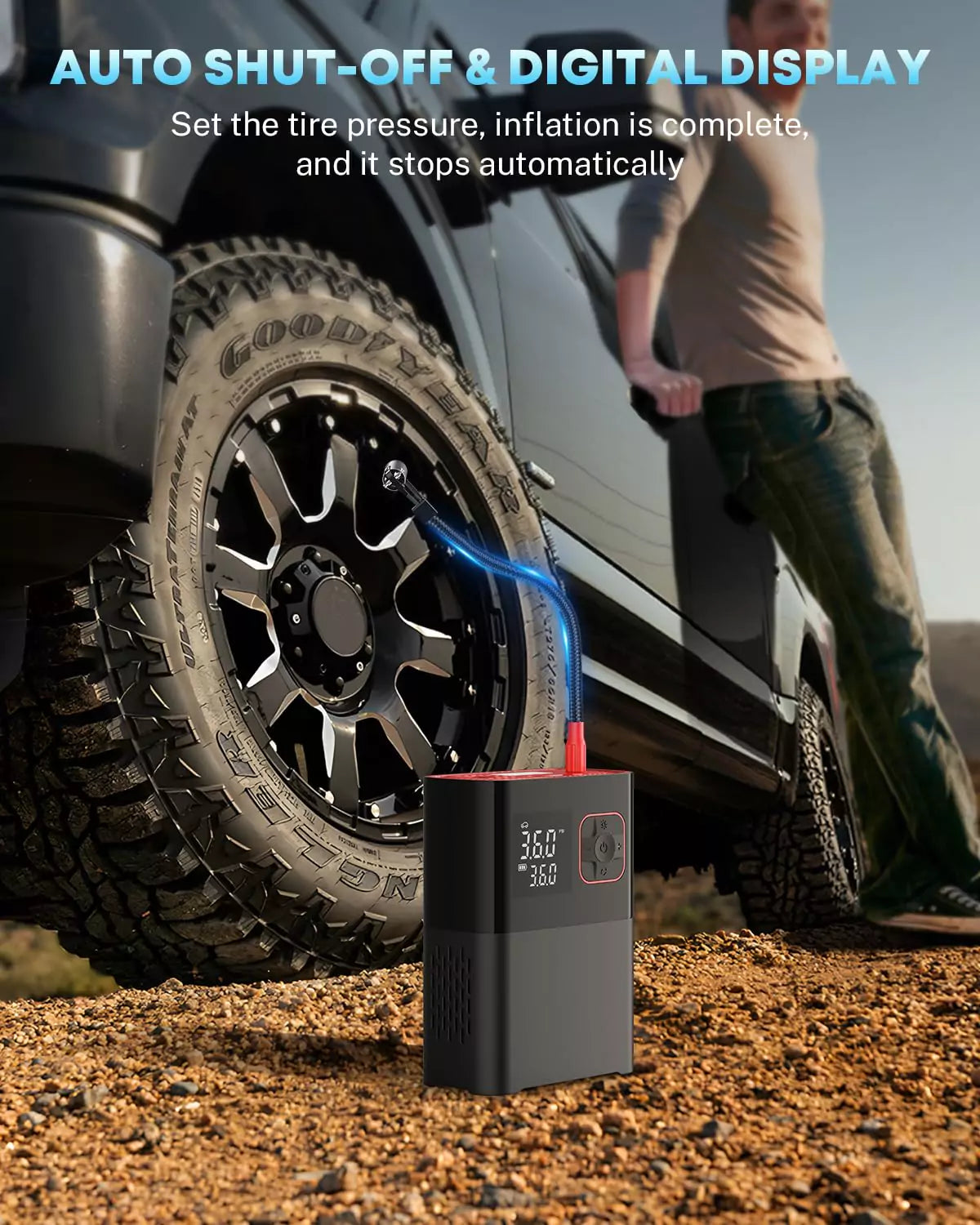
Illustrative image related to portable air compressor for auto tires
The portable air compressor has evolved significantly over the decades, transitioning from bulky, gas-powered models to compact, efficient electric units. Initially designed primarily for industrial applications, the technology has adapted to meet the needs of everyday consumers, especially in the automotive sector. The introduction of lightweight materials and battery-powered options has made these devices more accessible and user-friendly.
In recent years, the focus has shifted towards multi-functionality, with modern compressors capable of inflating not just car tires but also sports equipment, air mattresses, and more. As consumer preferences evolve, manufacturers are innovating to enhance features such as digital pressure gauges, automatic shut-off mechanisms, and even connectivity with mobile apps. This evolution reflects a broader trend towards convenience and efficiency, which is vital for B2B buyers seeking to provide value-added services to their customers.
1. How do I choose the right portable air compressor for my business needs?
Selecting the appropriate portable air compressor involves evaluating your specific requirements. Consider factors like the maximum PSI needed for your vehicles, the compressor’s power source (12V, AC, or battery-operated), and portability for ease of transport. It’s also important to assess the inflator’s speed and efficiency, especially if you need to service multiple vehicles quickly. Additionally, check for features such as automatic shut-off and digital pressure gauges for enhanced usability.
2. What is the best portable air compressor for inflating auto tires?
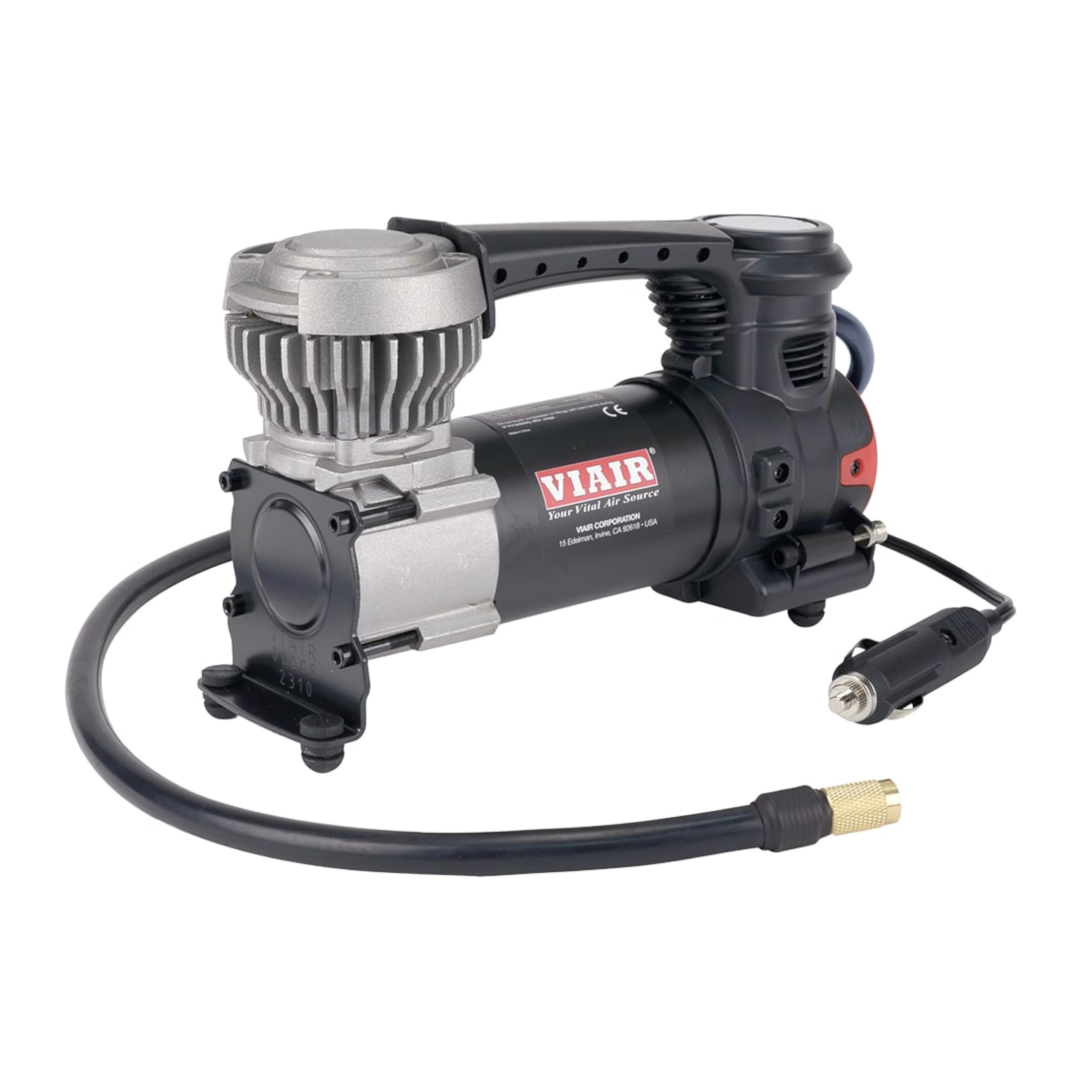
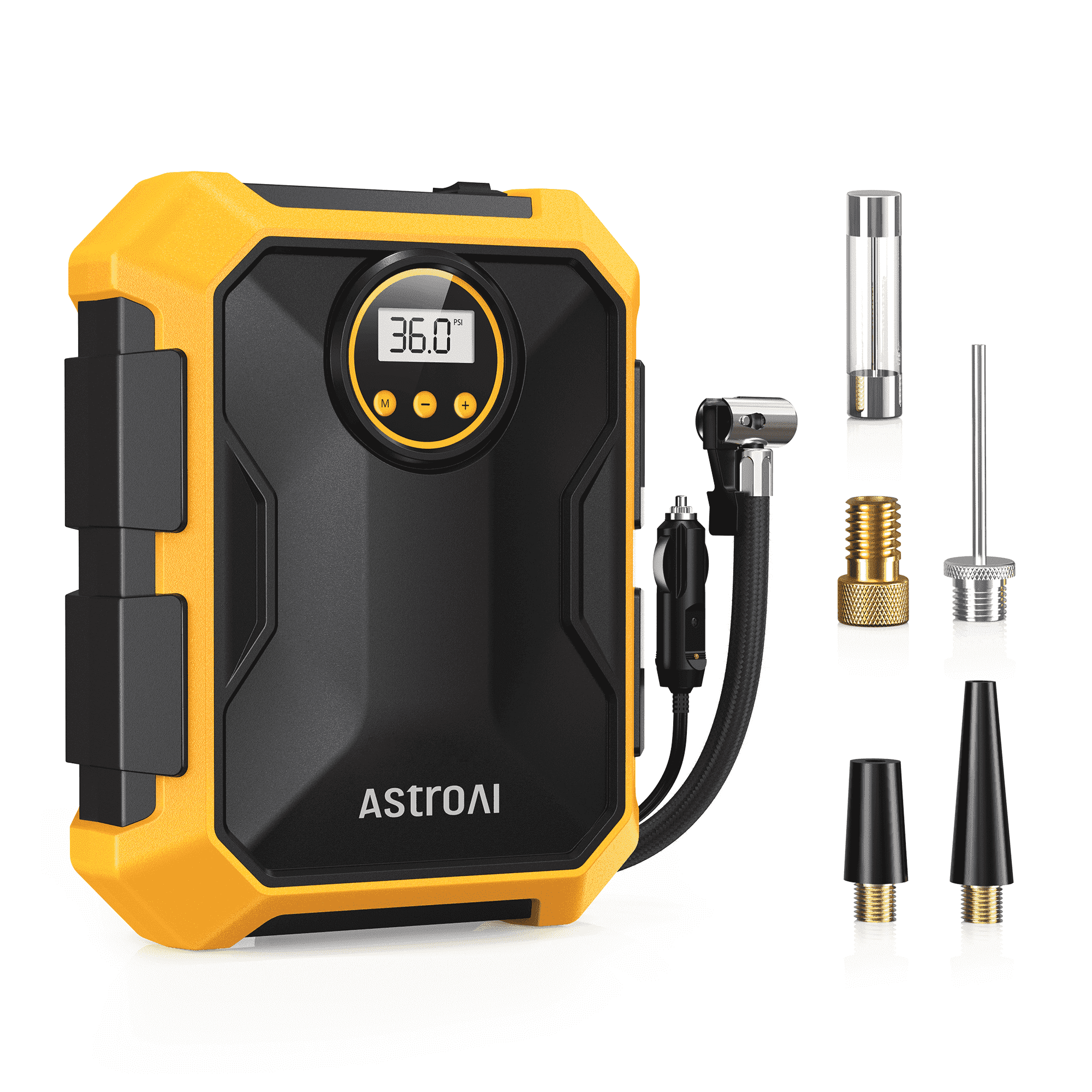
The best portable air compressor for inflating auto tires typically combines high PSI capability, fast inflation rates, and compact design. Models like the VIAIR 88P or AstroAI’s L4 Portable Tire Inflator are popular choices due to their reliable performance and ease of use. Look for compressors that offer versatility for various vehicle types and additional features like built-in LED lights and automatic shut-off to ensure safety and efficiency.
3. How can I ensure the quality of the portable air compressors I source?
To ensure quality, request product samples from potential suppliers and verify their certifications, such as ISO standards. Conduct factory audits or third-party inspections to evaluate manufacturing processes. Additionally, review customer feedback and ratings on platforms like Alibaba or industry-specific trade sites. Establishing a clear quality assurance process and maintaining open communication with suppliers will help mitigate risks associated with product defects.
4. What are the typical minimum order quantities (MOQs) for portable air compressors?
MOQs for portable air compressors can vary significantly based on the supplier and the specific product. Generally, they range from 50 to 500 units for bulk orders. It is essential to discuss MOQs upfront during negotiations. Some suppliers may offer flexibility for first-time buyers or smaller businesses, while others may have strict minimums to ensure production efficiency.
5. What payment terms should I expect when sourcing air compressors internationally?
Payment terms can vary by supplier and region but typically include options like T/T (telegraphic transfer), L/C (letter of credit), or PayPal for smaller amounts. Common arrangements involve a deposit (20-30%) upfront, with the balance due upon shipment or prior to delivery. Always negotiate payment terms that align with your cash flow needs, and consider using escrow services for added security in international transactions.
6. How do I handle logistics and shipping for imported portable air compressors?
Logistics management for importing air compressors includes selecting a reliable freight forwarder familiar with the destination market. Ensure you understand incoterms (e.g., FOB, CIF) to clarify responsibilities for shipping costs and risks. Additionally, confirm compliance with local regulations, including customs duties and import taxes. Building a relationship with your freight forwarder can streamline the process and help you navigate any challenges that arise.
7. What should I look for when vetting suppliers for air compressors?
When vetting suppliers, evaluate their reputation, production capabilities, and experience in the industry. Request references from previous clients and investigate their compliance with international quality standards. Assess their communication responsiveness and willingness to customize products based on your needs. Additionally, consider their after-sales support and warranty policies, which can significantly impact your long-term satisfaction with the supplier.
8. Can I customize portable air compressors to meet specific market demands?
Yes, many manufacturers offer customization options for portable air compressors, including branding, color schemes, and specific features tailored to your market needs. Discuss your requirements with potential suppliers during the negotiation phase, and inquire about the costs and lead times associated with customization. Ensure that any modifications do not compromise the compressor’s performance or safety standards, as this can affect customer satisfaction and compliance.
المجال: reddit.com
مسجل: 2005 (20 سنة)
مقدمة: – Price: Under $65
– Power Source: Powered by cigarette lighter; would prefer a wall plug as well
– Battery: Not looking for battery-operated options
– Speed of Inflation: Speed is a priority
– Inflation Capacity: Must inflate to at least 65 PSI
– Additional Features: No need for a light on the device
The growing demand for portable air compressors for auto tires presents a significant opportunity for B2B buyers across various regions, including Africa, South America, the Middle East, and Europe. Strategic sourcing of these products not only enhances operational efficiency but also ensures that businesses can provide reliable solutions for tire maintenance in diverse environments. Key factors to consider include product reliability, ease of use, and the ability to meet varying power requirements, which are critical for customer satisfaction and loyalty.
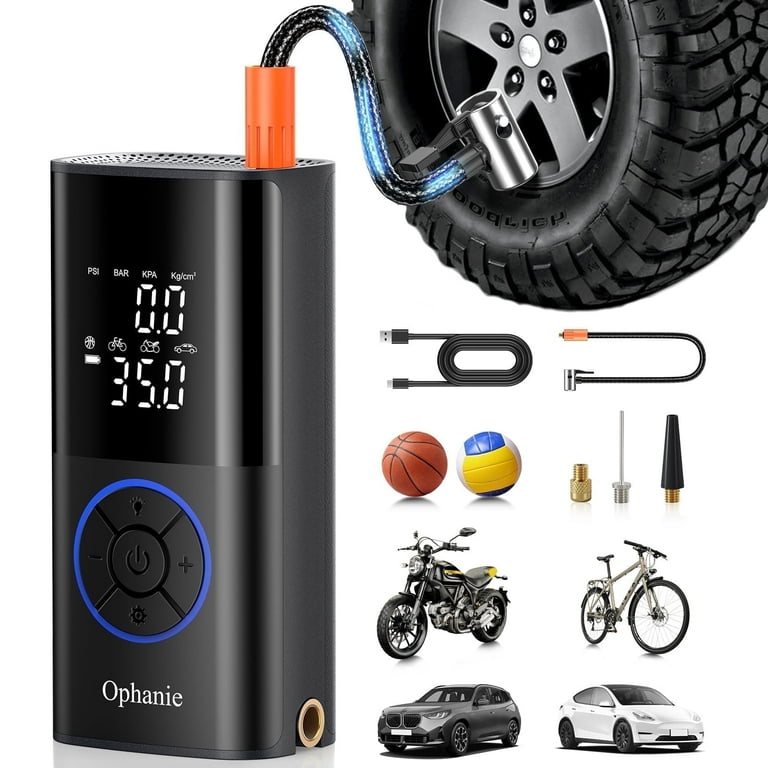
Illustrative image related to portable air compressor for auto tires
Moreover, as technology continues to evolve, features like automatic shut-off and digital pressure gauges are becoming essential, catering to the needs of modern consumers. By leveraging strategic sourcing practices, companies can optimize their supply chains, reduce costs, and improve product offerings.
Looking ahead, international B2B buyers are encouraged to explore partnerships with reputable manufacturers who prioritize innovation and quality. As the market for portable air compressors expands, aligning with the right suppliers will be vital for staying competitive and meeting the increasing expectations of consumers. Embrace this opportunity to enhance your product portfolio and drive business growth in the rapidly evolving automotive accessories market.
المعلومات الواردة في هذا الدليل، بما في ذلك المحتوى المتعلق بالمصنعين والمواصفات الفنية وتحليل السوق، هي لأغراض إعلامية وتعليمية فقط. وهي لا تشكل مشورة مهنية في مجال المشتريات أو مشورة مالية أو مشورة قانونية.
على الرغم من أننا بذلنا كل جهد ممكن لضمان دقة المعلومات ودقة توقيتها، إلا أننا لسنا مسؤولين عن أي أخطاء أو سهو أو معلومات قديمة. تخضع ظروف السوق وتفاصيل الشركة والمعايير الفنية للتغيير.
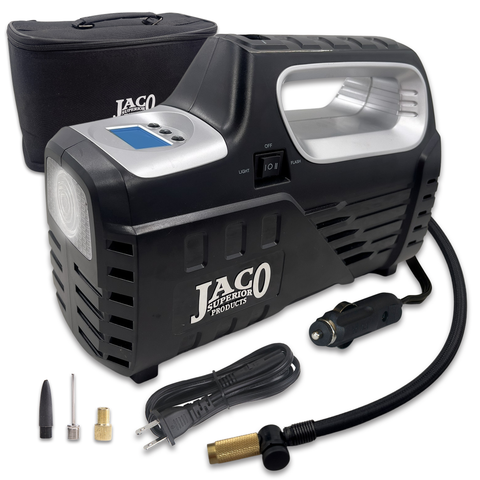
Illustrative image related to portable air compressor for auto tires
يجب على المشترين بين الشركات إجراء العناية الواجبة المستقلة والشاملة الخاصة بهم قبل اتخاذ أي قرارات شراء. ويشمل ذلك الاتصال بالموردين مباشرة، والتحقق من الشهادات، وطلب عينات، وطلب الاستشارات المهنية. يتحمل القارئ وحده مخاطر الاعتماد على أي معلومات واردة في هذا الدليل.


 Arabic
  English
  Russian
  Spanish
  Italian
  Portuguese
  German