
- اللغة الإنجليزية
- الروسية
- الإسبانية
- إيطالي
- اللغة العربية
- البرتغالية
- الألمانية
In the fast-paced world of logistics and transportation, sourcing a reliable truck tire pump is critical for maintaining fleet efficiency and safety. International B2B buyers face the challenge of selecting the right inflator that meets diverse operational needs while ensuring cost-effectiveness and durability. This comprehensive guide delves into the multifaceted world of truck tire pumps, examining various types, applications, and the latest technological advancements that cater to the unique requirements of different markets, including Africa, South America, the Middle East, and Europe.
Through this resource, you will gain insights into the key factors influencing purchasing decisions, such as supplier vetting processes, pricing structures, and essential features to consider. We emphasize the importance of understanding local market conditions and regulations that may impact your choices. By equipping you with actionable information, this guide empowers you to make informed decisions that enhance your fleet’s performance and reduce operational downtime.
Whether you’re looking for compact inflators suitable for small fleets or heavy-duty pumps designed for large trucks, this guide serves as your roadmap to navigating the global market for truck tire pumps. With the right knowledge, you can ensure that your investment not only meets immediate needs but also contributes to long-term operational success.
| اسم النوع | السمات المميزة الرئيسية | تطبيقات B2B الأولية | موجز الإيجابيات والسلبيات للمشترين |
|---|---|---|---|
| أجهزة نفخ الإطارات اللاسلكية | Battery-operated, portable, often features digital gauges | Fleet management, roadside assistance | الإيجابيات: High portability, ease of use, quick inflation. السلبيات: عمر البطارية محدود، قد يتطلب إعادة الشحن. |
| 12V Tire Inflators | Connects to vehicle’s 12V outlet, compact design | Automotive repair shops, personal vehicles | الإيجابيات: Convenient for on-the-go use, versatile. السلبيات: Limited power for larger tires, slower inflation. |
| Heavy-Duty Air Compressors | High power, capable of inflating large tires, often stationary | Trucking companies, workshops | الإيجابيات: Fast inflation, suitable for heavy-duty applications. السلبيات: Bulkiness, requires dedicated space. |
| Portable Electric Pumps | Electric-powered, often includes multiple nozzles | Construction sites, agricultural equipment | الإيجابيات: Versatile for various applications, consistent pressure. السلبيات: Dependent on power source, less portable than cordless options. |
| Dual-Power Tire Inflators | Operates on both AC and DC power, versatile usage | Mixed-fleet operations, garages | الإيجابيات: Flexible power options, can be used in various settings. السلبيات: Heavier and bulkier than single-power models. |
Cordless tire inflators are designed for maximum portability, utilizing rechargeable batteries for operation. These inflators often come equipped with digital pressure gauges and preset functions, allowing users to inflate tires quickly and accurately. Ideal for fleet management and roadside assistance, they are particularly useful in remote locations where access to power outlets is limited. Buyers should consider battery life and charging options, as these factors can affect overall efficiency during high-demand situations.
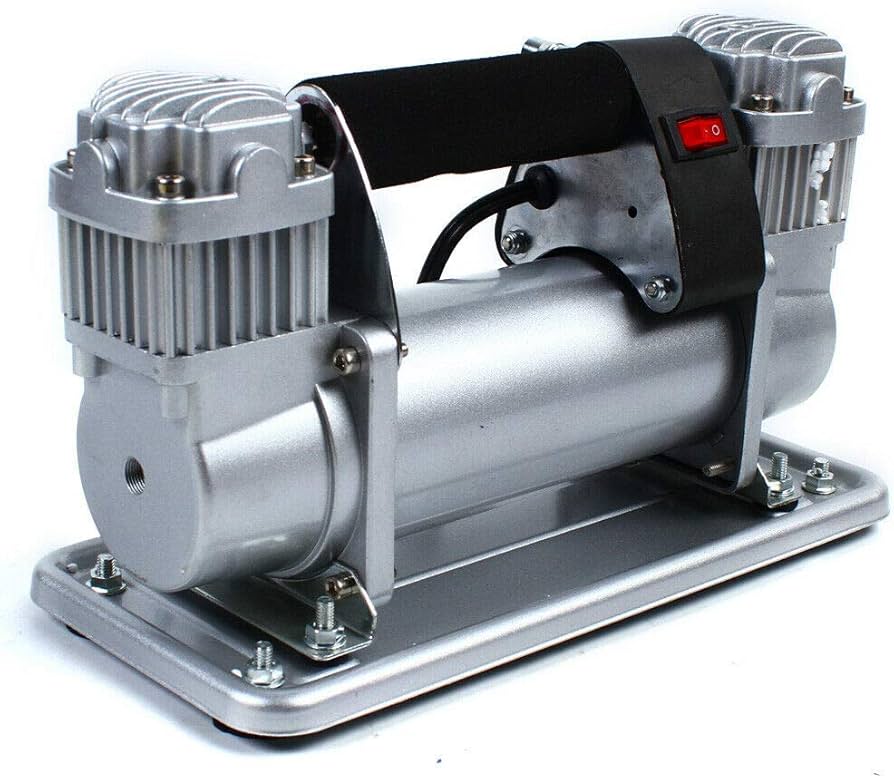
Illustrative image related to truck tire pump
12V tire inflators connect directly to a vehicle’s power outlet, making them a practical choice for automotive repair shops and personal use. Their compact design allows for easy storage in vehicles, ensuring they are readily available when needed. While they provide convenience, buyers should keep in mind that their power output may be insufficient for larger truck tires, and inflation speed may be slower compared to more powerful models.
Heavy-duty air compressors are robust machines designed for high-capacity inflation, making them essential for trucking companies and workshops. They can inflate large tires quickly and efficiently, which is crucial for minimizing downtime. While they offer speed and power, these compressors typically require more space and a dedicated power supply, which may not be feasible for all businesses. Buyers should assess their operational needs and available space before investing in this type of pump.
Portable electric pumps are known for their versatility, equipped with multiple nozzles to cater to various inflation needs. They are commonly used in construction sites and agricultural settings, where different types of equipment require inflation. While they provide consistent pressure and performance, they depend on a power source, which may limit their portability compared to cordless options. B2B buyers should evaluate the specific applications and power availability in their operational environments.
Dual-power tire inflators offer the flexibility of operating on both AC and DC power, making them suitable for mixed-fleet operations and garages. Their ability to adapt to different power sources allows users to take advantage of varying operational conditions. However, these inflators are generally heavier and bulkier than models that operate on a single power source. Buyers should weigh the benefits of versatility against the constraints of size and weight in their purchasing decision.
| الصناعة/القطاع | Specific Application of truck tire pump | القيمة/الفائدة للأعمال التجارية | اعتبارات التوريد الرئيسية لهذا التطبيق |
|---|---|---|---|
| النقل والخدمات اللوجستية | Routine maintenance of fleet vehicles | Enhances vehicle safety and reduces downtime | Ensure compatibility with various tire sizes, portability, and ease of use. |
| الإنشاءات | نفخ إطارات الآلات الثقيلة | Increases operational efficiency and productivity | Look for high PSI capabilities and rugged construction for durability. |
| الزراعة | Tire inflation for agricultural equipment | Reduces the risk of equipment failure and delays | Focus on pumps that can handle large tires and varying environmental conditions. |
| التعدين | Maintenance of mining vehicle tires | Minimizes operational interruptions and costs | Source pumps that are resistant to dust and moisture, with high-performance ratings. |
| خدمات الطوارئ | Quick inflation for emergency response vehicles | Ensures readiness and reliability in critical situations | Prioritize compact, portable designs with fast inflation capabilities. |
In the transportation and logistics sector, truck tire pumps are essential for the routine maintenance of fleet vehicles. Regularly maintaining tire pressure is crucial for ensuring vehicle safety, optimizing fuel efficiency, and extending tire life. Businesses must consider pumps that can accommodate various tire sizes found in their fleet, ensuring portability and ease of use for drivers on the go. Additionally, features such as built-in pressure gauges and automatic shut-off functions can enhance the user experience and safety.
In the construction industry, truck tire pumps are utilized for inflating tires on heavy machinery, such as bulldozers and excavators. The ability to maintain proper tire pressure is vital for maximizing operational efficiency and minimizing downtime due to tire-related issues. Buyers in this sector should focus on pumps that offer high PSI capabilities and rugged construction to withstand the demanding conditions of construction sites. Durability and reliability are paramount, as equipment failures can lead to costly delays.
Agricultural operations rely on truck tire pumps for maintaining the tires of various farming equipment, including tractors and harvesters. Proper tire inflation reduces the risk of equipment failure and delays during critical planting and harvesting seasons. Buyers should seek pumps capable of handling large tires and suitable for varying environmental conditions, including dust and moisture. Additionally, a pump’s ease of use can significantly impact productivity on the farm, making it a crucial investment for agricultural businesses.
In the mining sector, truck tire pumps are essential for maintaining the tires of mining vehicles, which often face extreme conditions and heavy loads. These pumps help minimize operational interruptions caused by tire failures, thereby reducing costs associated with downtime. When sourcing pumps for mining applications, companies should prioritize models that are resistant to dust and moisture, as well as those with high-performance ratings to handle the rugged demands of the industry. Efficient tire maintenance contributes significantly to overall productivity in mining operations.
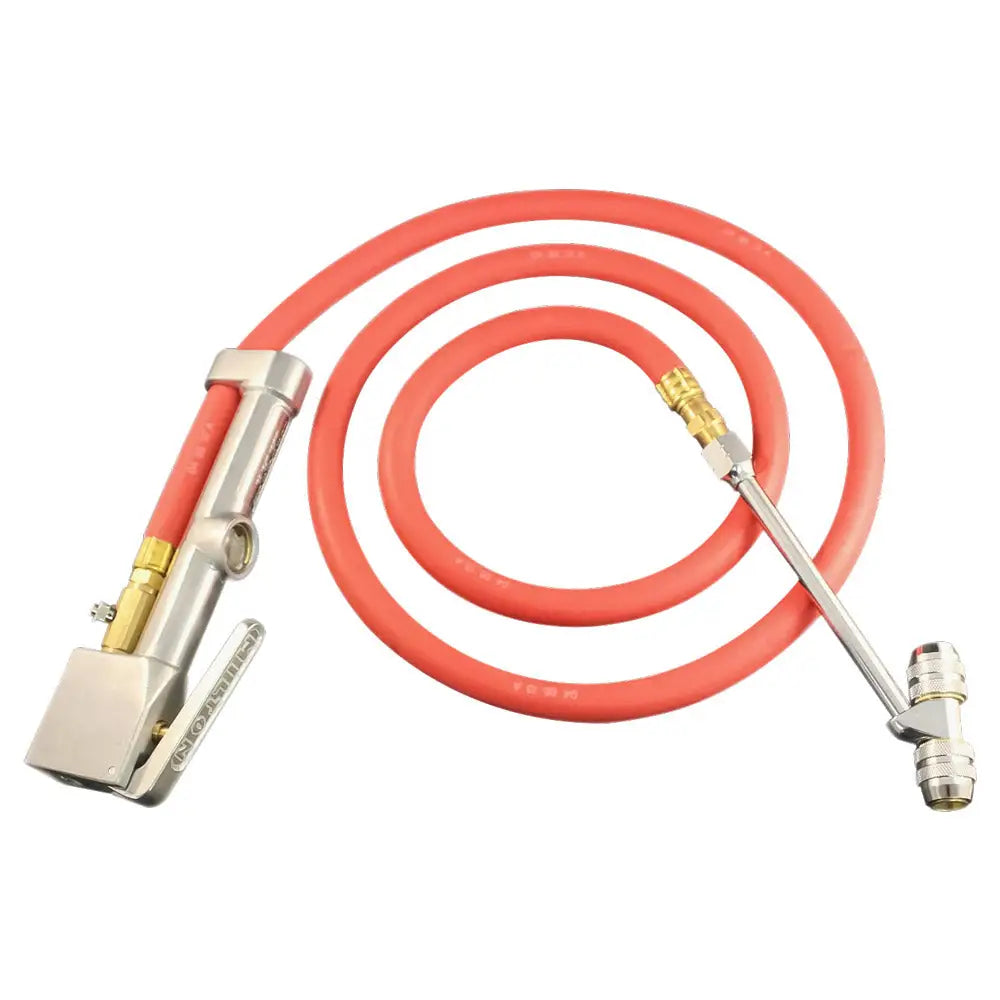
Illustrative image related to truck tire pump
Emergency services rely on truck tire pumps for the quick inflation of tires on response vehicles, ensuring they are always ready for action. The reliability and readiness of these vehicles can be critical in life-saving situations. Buyers in this sector should prioritize compact, portable designs that offer fast inflation capabilities, allowing emergency responders to swiftly address any tire issues. The ability to maintain tire pressure not only enhances vehicle performance but also plays a crucial role in ensuring the safety of both personnel and the public.
المشكلة In regions where heavy-duty trucks are used extensively, such as in logistics and mining industries, maintaining the correct tire pressure is crucial for safety and efficiency. However, B2B buyers often face the challenge of finding a tire pump that can handle the high-pressure requirements of larger tires, especially when these tires need to be inflated to 80 psi or more. Moreover, many pumps lack the power or efficiency to inflate multiple tires in one session, leading to downtime and increased operational costs.
الحل: When sourcing a truck tire pump, prioritize models specifically designed for high-capacity inflation. Look for pumps like the Viair 88P, which can quickly inflate larger tires and are equipped with the necessary power to reach high pressures. Ensure that the pump has features such as an automatic shutoff and built-in pressure gauges to avoid over-inflation. Additionally, consider investing in a pump that can connect directly to the vehicle’s battery for consistent power, allowing for efficient inflation without the worry of battery depletion. Regularly train operators on how to properly use the pump, including checking tire pressure before inflation, to enhance safety and operational efficiency.
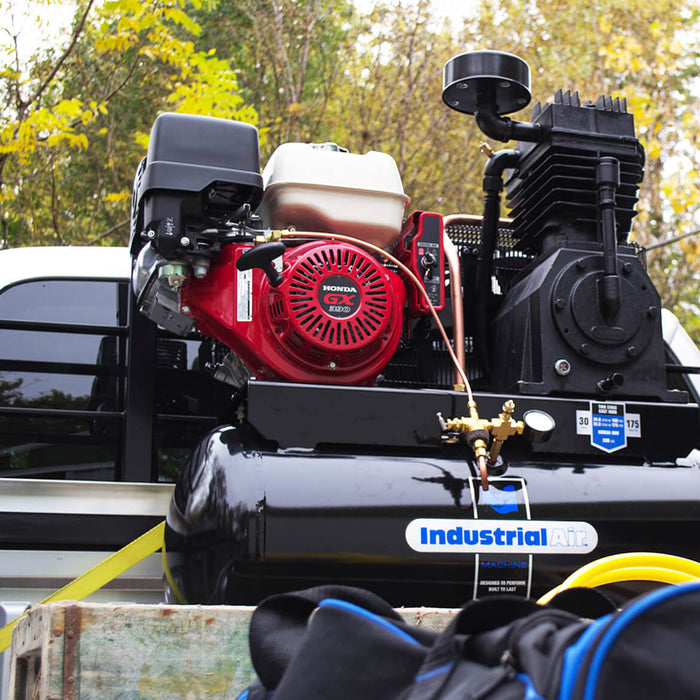
Illustrative image related to truck tire pump
المشكلة In many international markets, particularly in Africa and South America, logistics operations often occur in remote locations where access to electrical outlets is limited. B2B buyers frequently struggle with bulky or heavy tire pumps that are difficult to transport, making it challenging to maintain tire pressure on the go. This issue not only delays transport but can also lead to increased maintenance costs due to tire wear from incorrect pressure.
الحل: For buyers operating in remote areas, it’s essential to select a portable tire inflator that is lightweight and easily stowed in the vehicle. The AstroAI Cordless Tire Inflator is an excellent option, as it offers a rechargeable battery and can inflate multiple tires on a single charge. When purchasing, ensure that the inflator includes a carrying case for protection and easy transport. Additionally, consider models that offer dual power options—such as battery and vehicle plug-in—to provide flexibility regardless of the location. Training staff on proper usage and maintenance will further ensure that the equipment remains in top condition, ready for use whenever needed.
المشكلة Flat tires can occur unexpectedly, especially in industries relying on heavy trucks for transportation. B2B buyers often find themselves ill-prepared for tire emergencies, resulting in costly delays and increased downtime. Many tire pumps on the market are not designed to handle rapid inflation from a completely flat state, causing frustration and inefficiency during critical situations.
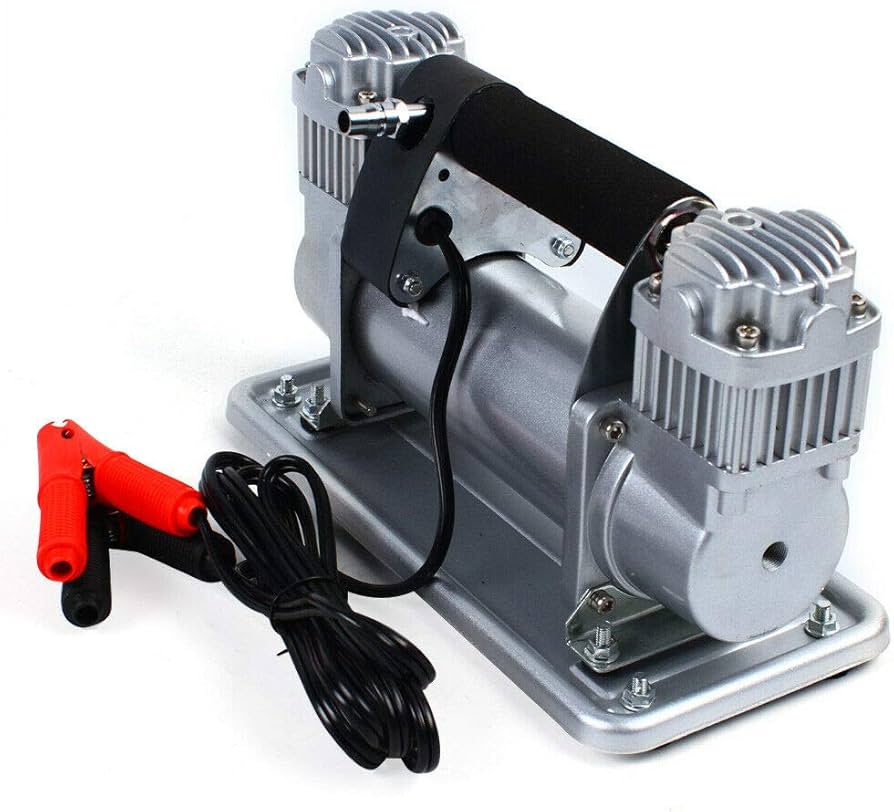
Illustrative image related to truck tire pump
الحل: To effectively tackle the issue of flat tires, B2B buyers should invest in high-performance tire inflators that are specifically tested for rapid inflation from zero psi. The Viair 88P, for example, is known for its capability to inflate a completely flat tire quickly, which can be invaluable during emergencies. It’s essential to ensure that the pump is equipped with a sturdy carrying case for easy access and protection. Additionally, establishing a routine maintenance schedule for tire checks and equipping vehicles with a reliable tire inflator can significantly reduce the risk of emergencies. Implementing a comprehensive training program for drivers on how to quickly and safely use tire pumps can enhance readiness and reduce operational disruptions.
When selecting materials for truck tire pumps, it is essential to consider the properties, advantages, and limitations of various materials. This analysis focuses on four common materials: aluminum, steel, plastic, and rubber. Each material has unique characteristics that can significantly impact the performance and suitability of the pump for different applications, especially in diverse international markets.
Aluminum is a lightweight metal known for its excellent corrosion resistance and high strength-to-weight ratio. It typically performs well under a range of temperatures and pressures, making it suitable for tire pumps that may face varying environmental conditions.
الإيجابيات والسلبيات: The primary advantages of aluminum include its durability and resistance to rust, which is particularly beneficial for regions with high humidity or exposure to saltwater, such as coastal areas in Africa and South America. However, aluminum can be more expensive than other materials and may require complex manufacturing processes, including machining and anodizing, to enhance its properties.
التأثير على التطبيق: Aluminum’s compatibility with air and its ability to withstand high pressures make it an excellent choice for tire pumps. International buyers should also consider compliance with standards such as ASTM for material specifications.
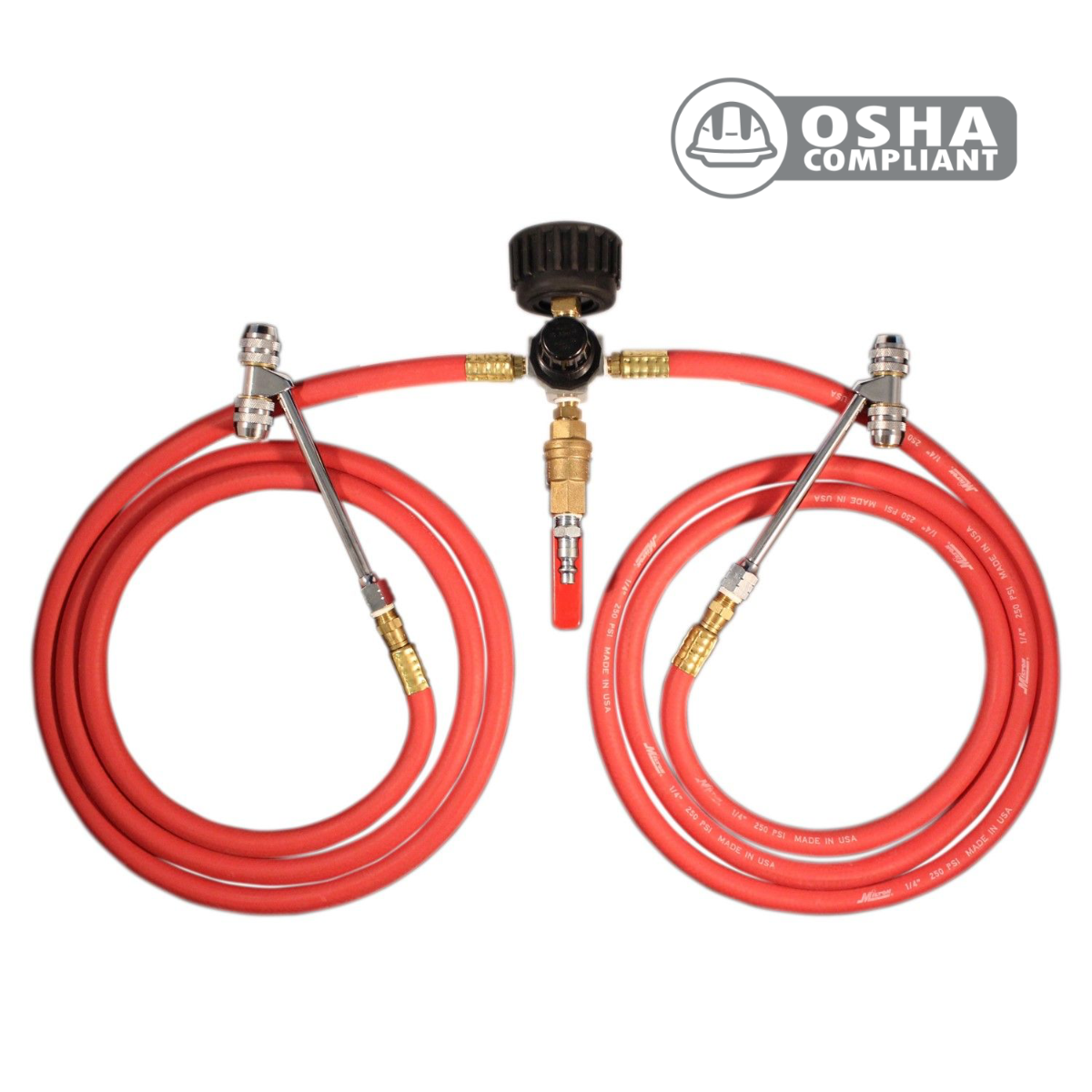
Illustrative image related to truck tire pump
Steel is another commonly used material, known for its strength and durability. It can withstand significant pressure and is often used in heavy-duty applications.
الإيجابيات والسلبيات: The advantages of steel include its robustness and lower cost compared to aluminum. However, steel is prone to corrosion, which can be a significant drawback in humid or saline environments. Buyers should be aware that steel components may require protective coatings or treatments to enhance their lifespan.
التأثير على التطبيق: Steel is suitable for high-pressure applications but may not be ideal for regions with high moisture levels unless properly treated. Compliance with international standards like DIN can also affect the choice of steel grades used in manufacturing.
Plastic materials, particularly high-density polyethylene (HDPE) and polycarbonate, are increasingly being used in tire pumps due to their lightweight nature and resistance to corrosion.
الإيجابيات والسلبيات: Plastics are generally less expensive and easier to mold, allowing for complex designs that can enhance user experience. However, they may not withstand high pressures as effectively as metals, which can limit their application in heavy-duty tire pumps. Additionally, plastics can degrade under extreme temperatures or UV exposure.
التأثير على التطبيق: For international buyers, the choice of plastic must consider the specific media compatibility and environmental conditions. Compliance with standards like JIS can also influence the selection of plastic types.
Rubber is primarily used for seals and hoses in tire pumps due to its flexibility and ability to create airtight seals.
الإيجابيات والسلبيات: The main advantage of rubber is its excellent sealing properties and resistance to wear and tear. However, rubber can degrade over time, especially when exposed to oils or extreme temperatures, which may necessitate more frequent replacements.
التأثير على التطبيق: In regions with high temperatures or exposure to chemicals, the selection of rubber compounds must be carefully considered to ensure longevity and performance. Compliance with international standards is also crucial for ensuring quality and safety.
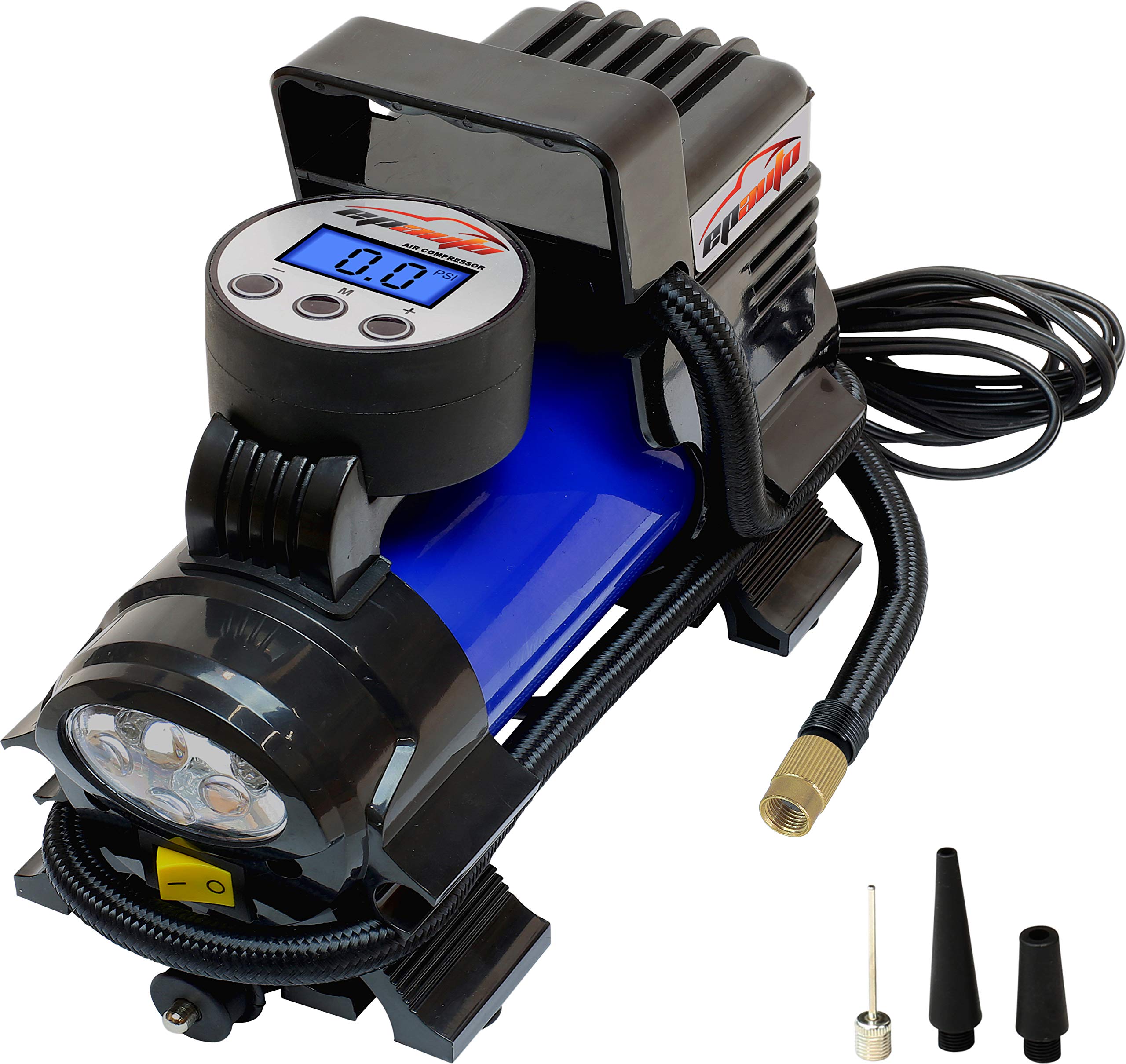
Illustrative image related to truck tire pump
| المواد | Typical Use Case for truck tire pump | الميزة الرئيسية | العيب/التقييد الرئيسي | التكلفة النسبية (منخفضة/متوسطة/مرتفعة) |
|---|---|---|---|---|
| ألومنيوم | Lightweight pumps for high-pressure applications | مقاومة ممتازة للتآكل | تعقيد التصنيع العالي | متوسط |
| الفولاذ | Heavy-duty pumps for rugged use | قوة ومتانة عالية | Prone to corrosion without treatment | منخفضة |
| بلاستيك | Compact and lightweight designs | Cost-effective and easy to mold | Limited pressure tolerance | منخفضة |
| المطاط | Seals and hoses in tire pumps | Superior sealing capabilities | Degrades over time under harsh conditions | متوسط |
This material selection guide provides valuable insights for international B2B buyers, enabling them to make informed decisions based on performance, cost, and compliance with relevant standards in their respective markets.
The manufacturing process for truck tire pumps involves several key stages, each critical to ensuring the final product meets industry standards for performance and reliability. The primary stages include material preparation, forming, assembly, and finishing.
إعداد المواد
The process begins with the selection and preparation of raw materials, typically metals such as aluminum or steel for the casing, and durable plastics or rubber for the components that interface with the tires. Suppliers must ensure materials meet specific standards for durability and pressure tolerance. This often involves sourcing materials from certified vendors who provide certificates of compliance.
التشكيل
During the forming stage, materials are shaped into their intended designs. Techniques such as die casting, injection molding, and machining are commonly used. For example, aluminum casings may be die-cast to create lightweight yet sturdy structures, while rubber parts might be manufactured using injection molding to ensure precision and consistency. The choice of forming technique directly impacts the pump’s efficiency and longevity.
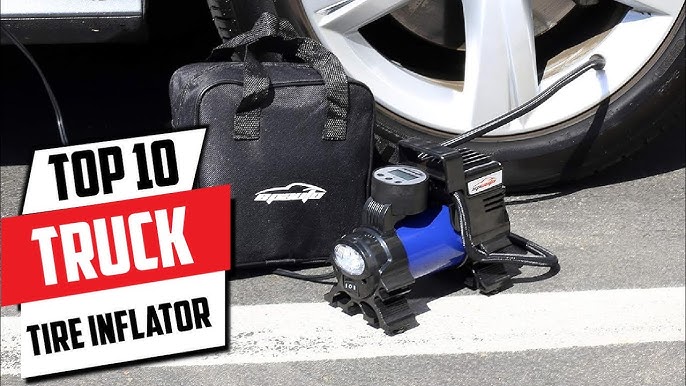
Illustrative image related to truck tire pump
التجميع
The assembly stage brings together all individual components into a complete product. Automated assembly lines are often employed to enhance efficiency and precision. This stage includes installing motors, pressure gauges, and hoses, ensuring that all components fit together seamlessly. Quality control measures are implemented here to catch any defects early in the production process, reducing waste and rework.
التشطيب
Finally, the finishing stage involves surface treatments and coatings that enhance durability and aesthetics. Techniques such as anodizing for metal components or applying anti-corrosive coatings are common. This stage may also include final assembly checks, where pumps are tested for functionality, ensuring they meet specified performance standards before packaging.
Quality assurance (QA) is a crucial aspect of the manufacturing process, ensuring that every truck tire pump produced meets both international and industry-specific standards.
Relevant International Standards
For manufacturers aiming to export their products, compliance with international standards such as ISO 9001 is essential. This standard outlines criteria for a quality management system and focuses on meeting customer and regulatory requirements while enhancing customer satisfaction. Other certifications, such as CE marking for products sold in the European Union and API (American Petroleum Institute) standards for products used in petroleum applications, may also be applicable depending on the pump’s intended use.
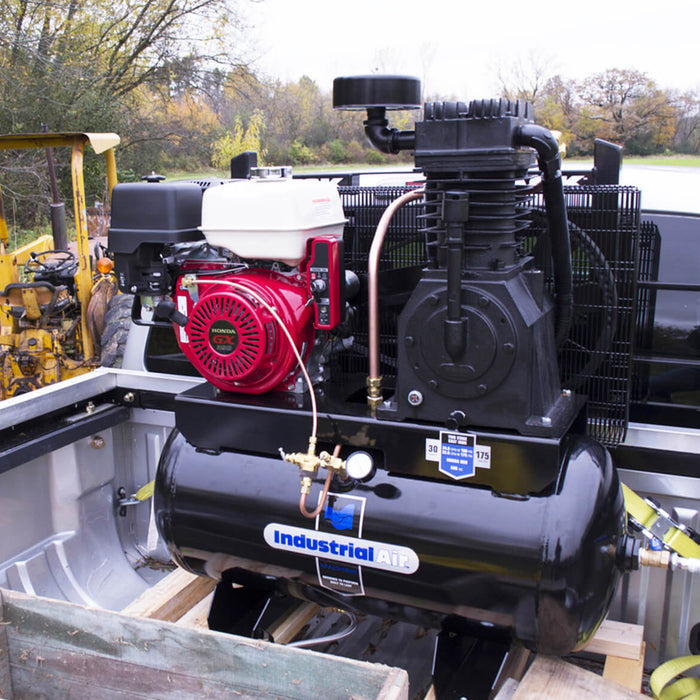
Illustrative image related to truck tire pump
Quality control (QC) is integrated into various stages of the manufacturing process through specific checkpoints:
مراقبة الجودة الواردة (IQC)
At this initial stage, raw materials and components are inspected upon arrival. This includes verifying specifications, testing for defects, and ensuring compliance with quality standards. Suppliers often provide inspection reports, which B2B buyers should request to ensure materials are up to standard.
مراقبة الجودة أثناء المعالجة (IPQC)
During the manufacturing process, IPQC checkpoints are established to monitor production. This may involve regular inspections of the assembly line, where operators check for alignment, fit, and function of components. Statistical process control (SPC) techniques may be employed to analyze data and identify any deviations from quality standards in real-time.
مراقبة الجودة النهائية (FQC)
Before packaging, a final inspection is conducted to ensure the finished product meets all specifications. This includes functionality tests, pressure tests, and durability assessments. Pumps are often subjected to rigorous testing that simulates real-world conditions, ensuring they can perform effectively under pressure.
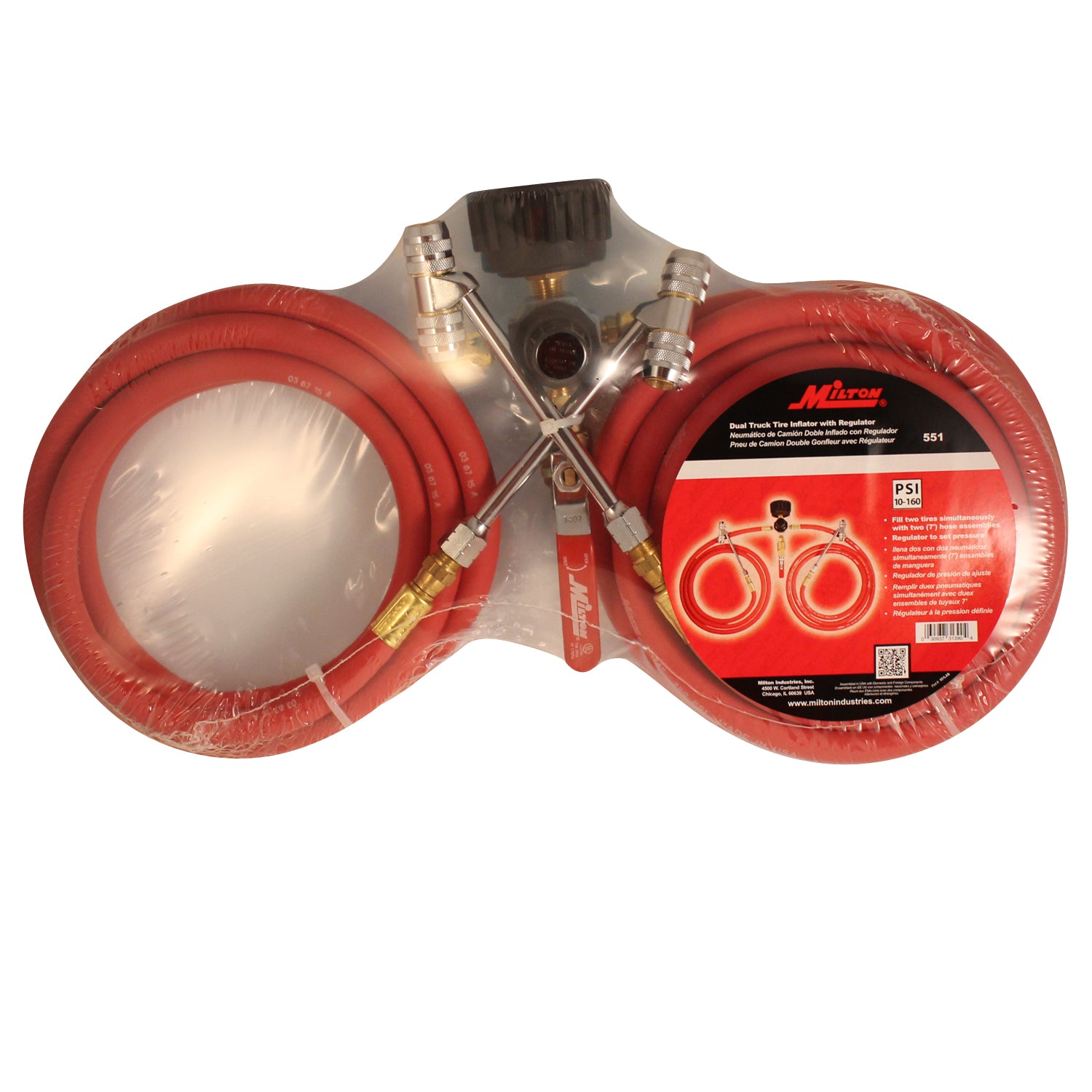
Illustrative image related to truck tire pump
B2B buyers have several avenues to ensure that their suppliers adhere to stringent quality control practices:
عمليات تدقيق الموردين
Conducting audits of potential suppliers is one of the most effective ways to verify their QC processes. This involves reviewing their manufacturing practices, quality control systems, and compliance with relevant standards. Audits may be conducted internally or by third-party organizations specializing in supplier assessments.
Requesting Quality Control Reports
Buyers should request detailed QC reports from suppliers, including results from IQC, IPQC, and FQC stages. These documents provide insight into the supplier’s commitment to quality and their ability to meet specified standards.
Third-Party Inspection
Engaging third-party inspection services can provide an unbiased evaluation of a supplier’s quality control measures. These inspectors can perform on-site evaluations and product testing, offering additional assurance that the products meet international quality standards.
When sourcing truck tire pumps from international suppliers, particularly in regions like Africa, South America, the Middle East, and Europe, buyers should be aware of specific nuances that can affect quality assurance:
الاختلافات الثقافية والتنظيمية
Understanding the local regulations and cultural practices surrounding manufacturing is essential. Different countries may have varying standards for quality control, and buyers should ensure that suppliers comply with both local and international regulations. Familiarity with these differences can help avoid compliance issues and ensure product safety.
شفافية سلسلة التوريد
Buyers should seek suppliers who offer transparency in their supply chain processes. This includes knowing where materials are sourced and how they are processed. A transparent supply chain can enhance trust and ensure that quality control measures are consistently applied throughout the production process.
Communication and Collaboration
Maintaining open lines of communication with suppliers is vital. Establishing a collaborative relationship can facilitate quicker resolutions to any quality issues that arise and foster an environment of continuous improvement. Regular updates and feedback loops can enhance product quality and supplier reliability.
Illustrative image related to truck tire pump
By understanding the manufacturing processes and quality assurance measures associated with truck tire pumps, B2B buyers can make informed decisions that ensure they are sourcing high-quality products that meet their operational needs.
To assist international B2B buyers in sourcing a truck tire pump effectively, this practical guide outlines essential steps to ensure you make informed purchasing decisions. Selecting the right equipment is crucial for maintaining vehicle performance and safety, particularly in regions with diverse terrains and climatic conditions.
Establishing clear technical specifications is the first step in sourcing a truck tire pump. Consider the type of vehicles you’ll be servicing—heavy-duty trucks may require pumps capable of reaching higher PSI levels. Additionally, determine the power source needed (e.g., battery-operated, 12V outlet) and any additional features, such as built-in pressure gauges or portability.
Conduct thorough market research to identify various brands and models available. Look for reviews and ratings from industry professionals and other B2B buyers, especially those operating in similar environments. This step will help you understand the performance, reliability, and cost-effectiveness of different products.
Illustrative image related to truck tire pump
Before proceeding with a supplier, verify their certifications and compliance with international standards. This can include ISO certifications or safety standards pertinent to your region. Reliable certifications ensure that the products meet quality benchmarks and can reduce the risk of equipment failure.
A robust warranty is essential for any equipment investment. Assess the warranty terms offered by the supplier, focusing on the duration and coverage specifics. Additionally, inquire about after-sales support services, including repair and maintenance options, which can be critical for minimizing downtime.
Whenever possible, request samples or demonstrations of the truck tire pumps. This allows you to evaluate the product’s usability and performance firsthand. Pay attention to features like inflation speed, ease of use, and accuracy of the pressure gauge, which are crucial for effective operation.
Gather quotes from multiple suppliers to compare pricing structures. Be cautious of unusually low prices, as they may indicate inferior quality. Also, assess the payment terms and conditions, ensuring they align with your financial capabilities and procurement policies.
Illustrative image related to truck tire pump
Once you have selected a supplier, finalize the purchase while ensuring all terms are clear and documented. Establish a positive relationship with the supplier for future needs. Open communication can facilitate better service and support, enhancing your overall experience and ensuring timely access to replacement parts or additional equipment.
By following these steps, B2B buyers can confidently navigate the procurement process for truck tire pumps, ensuring they select reliable, high-quality equipment tailored to their operational needs.
When sourcing truck tire pumps, understanding the cost structure is essential for B2B buyers. The primary cost components include:
المواد: The raw materials used in manufacturing truck tire pumps can significantly influence pricing. High-quality rubber, durable plastics, and metal components are essential for performance and longevity. Sourcing these materials from local suppliers may reduce costs, while importing them can introduce tariffs and shipping fees.
العمل: Labor costs vary by region. For example, labor in Southeast Asia may be lower than in Europe, impacting the overall cost of production. Additionally, skilled labor for assembly and quality control can increase costs.
نفقات التصنيع الزائدة: This includes costs related to utilities, facility maintenance, and equipment depreciation. Efficient production processes can help lower these costs.
الأدوات: Initial tooling and setup costs are significant, especially for custom designs. Buyers should consider whether the supplier has the necessary tooling already or if new tooling will need to be created, which can add to the upfront investment.
مراقبة الجودة (QC): Ensuring that tire pumps meet safety and performance standards is crucial. Investing in robust QC processes can increase costs but ultimately leads to reduced warranty claims and enhanced customer satisfaction.
الخدمات اللوجستية: Transportation costs can vary widely based on the supplier’s location and the chosen shipping method. International buyers should factor in customs duties and potential delays in shipping timelines.
الهامش: Suppliers will apply a margin to cover their operational costs and profit. Understanding typical margins in the market can help buyers negotiate better pricing.
Several factors can influence the pricing of truck tire pumps, particularly for international B2B buyers:
Volume/MOQ: Minimum order quantities (MOQ) can significantly affect pricing. Higher volumes typically lead to lower unit costs, so negotiating for bulk purchases can yield savings.
المواصفات والتخصيص: Custom features, such as specific PSI ratings or added functionalities (like built-in pressure gauges), can increase costs. Buyers should balance the need for customization with budget constraints.
المواد وشهادات الجودة: Pumps made from premium materials or those that meet international quality certifications (like ISO standards) may come at a higher price but can ensure better performance and reliability.
عوامل الموردين: Established suppliers with a good reputation may charge more for their products, reflecting their reliability and service quality. It is advisable to assess supplier credentials before making a decision.
المصطلحات التجارية الدولية: Understanding Incoterms (International Commercial Terms) is vital for determining who is responsible for shipping costs, insurance, and tariffs. This knowledge can aid in budgeting for total costs.
Negotiation is a crucial aspect of B2B purchasing. Here are some tips:
أسعار سوق الأبحاث: Conduct thorough research on current market prices for truck tire pumps. This information can provide leverage during negotiations.
Leverage Relationships: Building strong relationships with suppliers can lead to better pricing and terms. Suppliers are often willing to offer discounts to repeat customers.
Consider Total Cost of Ownership (TCO): Evaluate the long-term costs associated with the pumps, including maintenance, durability, and efficiency. A higher upfront cost may be justified by lower operational costs over time.
Understand Pricing Nuances for International Markets: Different regions may have varying pricing strategies influenced by local market conditions, import duties, and currency fluctuations. Buyers from Africa, South America, the Middle East, and Europe should be aware of these factors when negotiating.
Prices for truck tire pumps can vary significantly based on the factors discussed above. While indicative prices can provide a baseline, it is essential to consider fluctuations due to market conditions, exchange rates, and supplier pricing strategies. Always request formal quotes and ensure that all potential costs are accounted for before making purchasing decisions. This diligence will help mitigate risks and ensure a successful procurement process.
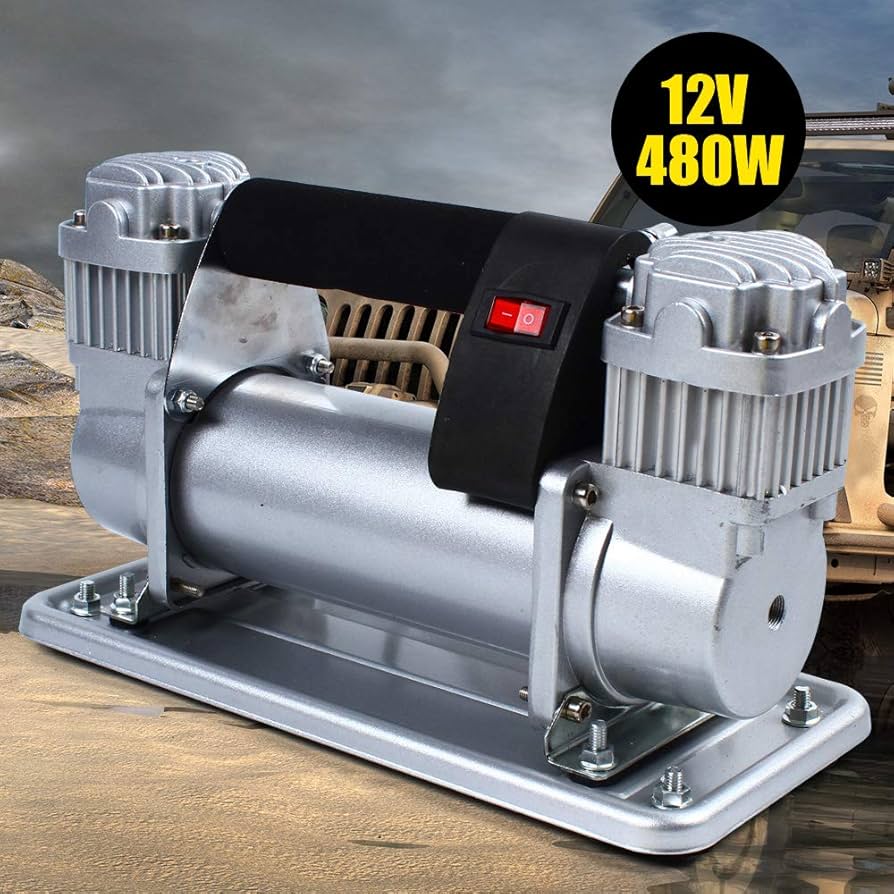
Illustrative image related to truck tire pump
When evaluating the best solutions for maintaining optimal tire pressure in trucks, it’s essential to consider various alternatives to traditional truck tire pumps. This analysis will compare the conventional truck tire pump with two viable alternatives: portable tire inflators and on-site air compressor systems. Each option has unique benefits and drawbacks that can influence a B2B buyer’s decision.
| جانب المقارنة | Truck Tire Pump | نافخ الإطارات المحمول | On-site Air Compressor System |
|---|---|---|---|
| الأداء | Reliable for basic inflation needs, often slower for larger tires | Fast inflation, especially for standard tires | High volume, capable of inflating multiple tires quickly |
| التكلفة | Generally low-cost, ranging from $30 to $100 | Moderate cost, typically $40 to $90 | Higher initial investment, often $300 and above |
| سهولة التنفيذ | Simple to use, requires minimal setup | Very portable, easy to store and operate | Requires installation and electrical setup |
| الصيانة | Low maintenance, generally lasts several years | Minimal maintenance, battery replacements may be needed | Regular maintenance needed for optimal performance |
| أفضل حالة استخدام | Ideal for emergency use or routine checks | Best for roadside assistance and smaller vehicles | Suitable for fleets or operations with frequent tire maintenance needs |
Portable tire inflators, such as the AstroAI Cordless Tire Inflator, offer significant advantages in terms of speed and convenience. They are compact and can easily fit in a vehicle’s trunk or even a glove compartment, making them perfect for emergency situations. These inflators can quickly inflate tires to the required pressure, often outperforming traditional pumps in speed. However, they have limitations in terms of battery life and may not be suitable for heavy-duty trucks with larger tires, as they may struggle with extended use or high-pressure requirements.
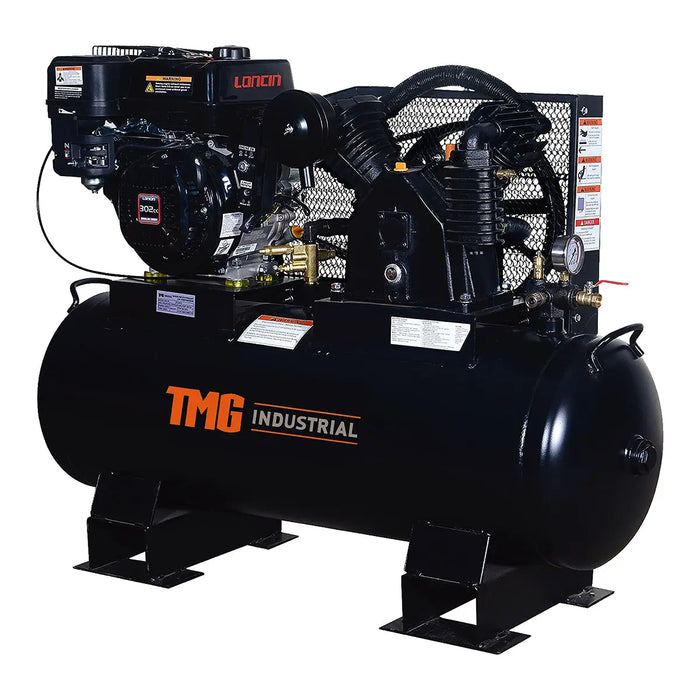
On-site air compressor systems provide a robust solution for businesses with a fleet of vehicles. These systems can deliver high volumes of air, making them ideal for quick inflation of multiple tires or larger tires found on trucks and heavy equipment. They are particularly beneficial in workshop settings where time efficiency is critical. However, the initial investment is considerably higher, and they require a power source and proper installation. Regular maintenance is also necessary to ensure optimal performance and longevity.
When deciding on the best tire inflation solution, B2B buyers should carefully assess their specific operational needs and budget constraints. For businesses that require quick, on-the-go solutions, portable tire inflators may offer the best balance of convenience and performance. Conversely, companies managing a fleet or requiring frequent tire maintenance may find that investing in an on-site air compressor system yields greater efficiency and long-term savings. Ultimately, understanding the unique demands of your business will guide you in selecting the most suitable tire inflation method.
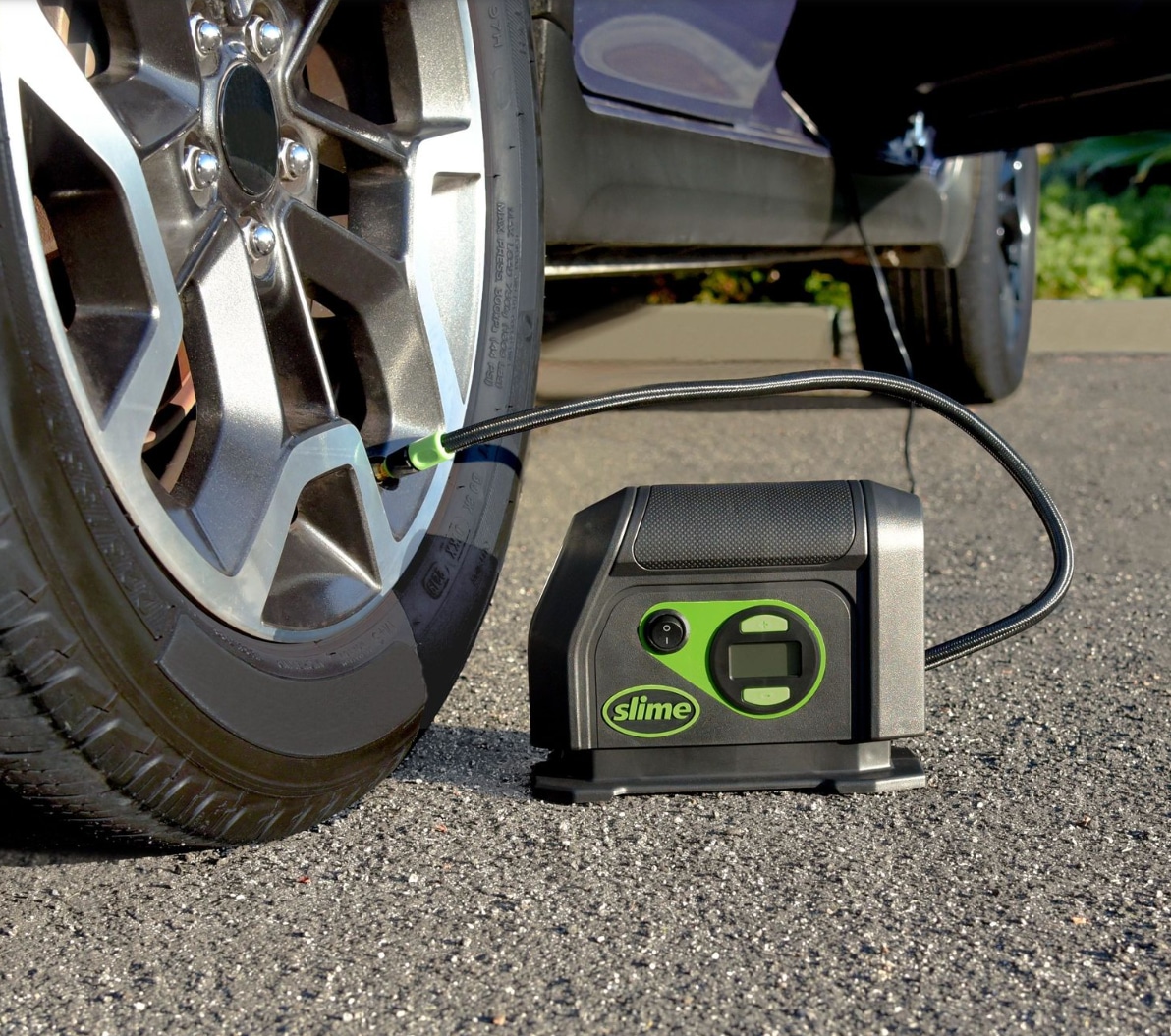
Illustrative image related to truck tire pump
When selecting a truck tire pump, understanding its technical specifications is crucial for ensuring performance, reliability, and efficiency in your operations. Here are several critical properties to consider:
The maximum pressure rating, usually expressed in pounds per square inch (PSI), indicates how much air pressure the pump can deliver. For heavy-duty trucks, pumps should typically achieve at least 80 PSI to accommodate larger tire sizes. This specification is vital for B2B buyers as insufficient pressure can lead to tire under-inflation, affecting fuel efficiency and tire lifespan.
The duty cycle refers to the amount of time a pump can operate continuously before needing a cooldown period. For example, a duty cycle of 25 minutes on and 25 minutes off indicates that the pump can run for 25 minutes before requiring a break. A higher duty cycle is essential for commercial applications where multiple tires may need servicing in a short time frame, ensuring that operations can continue without significant delays.
Truck tire pumps can be powered by various sources, including 12-volt vehicle outlets, batteries, or AC power. The choice of power source affects portability and convenience. For B2B buyers, understanding the power requirements is crucial, especially in regions where electricity may be unreliable or where pumps are frequently used in remote locations.
Inflation speed measures how quickly a pump can inflate a tire to a specified pressure. This is typically expressed in terms of time taken to inflate from a flat state to a set PSI. Faster inflation speeds are beneficial in commercial settings where downtime must be minimized. Buyers should look for pumps that offer competitive inflation times to enhance operational efficiency.
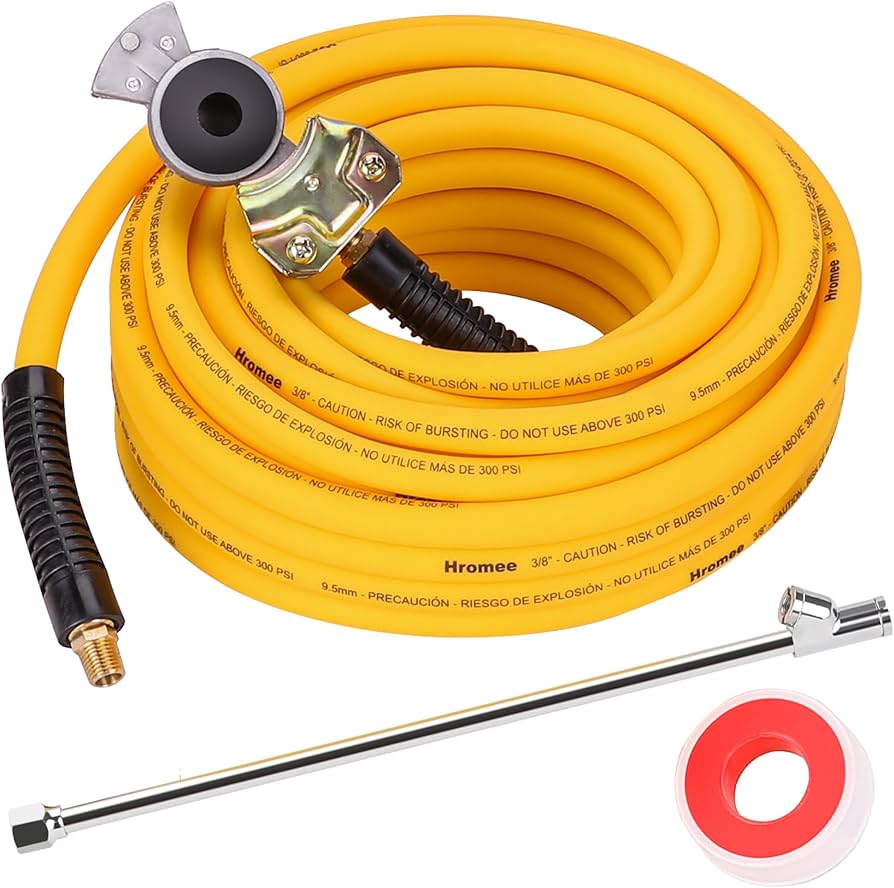
The length of the air hose impacts the pump’s usability. A longer hose allows for greater reach, particularly in larger vehicles or when tires are positioned far apart. Flexibility in the hose can also facilitate easier maneuvering around the vehicle. For businesses managing a fleet, the right hose length can significantly improve the efficiency of tire maintenance operations.
The materials used in the construction of the pump affect its durability and performance. Pumps made from high-grade metals or reinforced plastics are generally more resilient and capable of withstanding the rigors of daily use. For B2B buyers, investing in high-quality pumps reduces the frequency of replacements and maintenance costs over time.
Navigating the purchase of truck tire pumps involves familiarity with industry-specific terminology. Here are several essential terms:
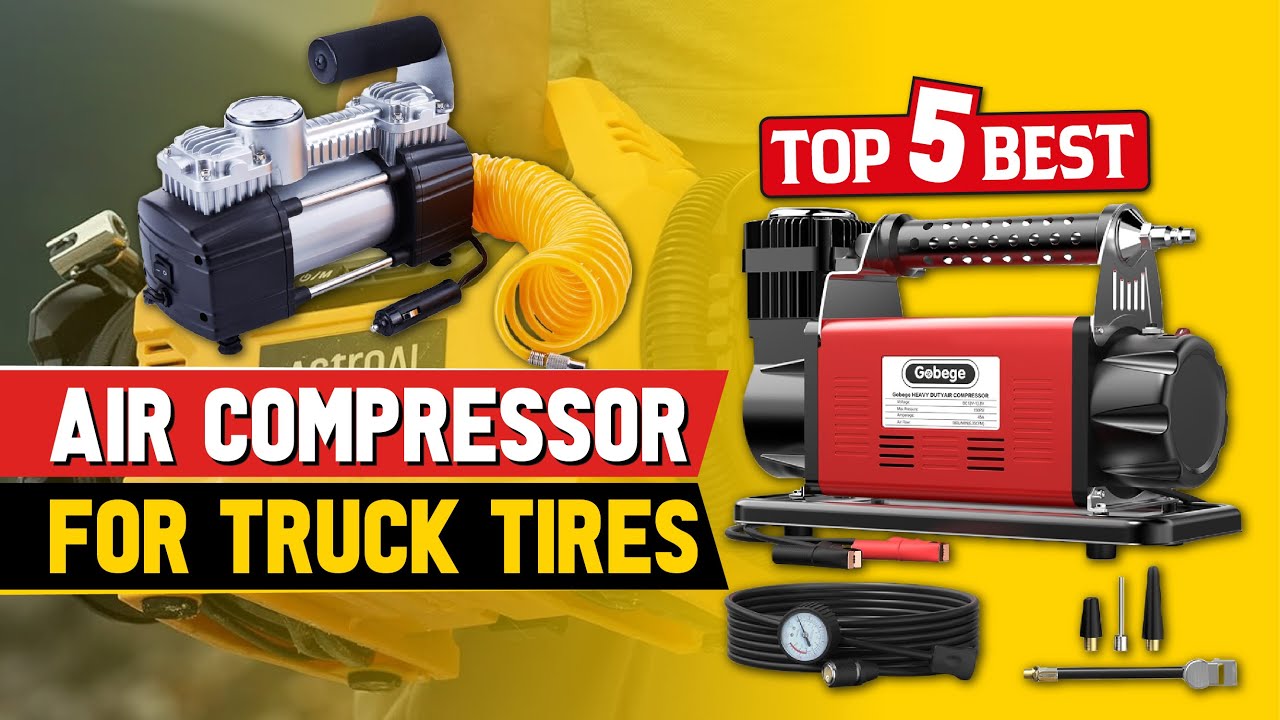
Illustrative image related to truck tire pump
OEM refers to the original producer of a product or part. In the context of truck tire pumps, sourcing from an OEM can ensure high-quality standards and compatibility with existing equipment. This term is critical for B2B buyers who prioritize reliability and performance.
MOQ indicates the smallest quantity of product that a supplier is willing to sell. Understanding MOQ is vital for businesses looking to manage inventory costs effectively while ensuring they have enough pumps on hand for their operational needs.
An RFQ is a document sent to suppliers requesting pricing information for specific products. It’s a standard practice in B2B transactions, allowing buyers to compare costs and terms from multiple vendors. Utilizing RFQs helps businesses secure the best deals.
Incoterms define the responsibilities of buyers and sellers in international trade, particularly concerning shipping and delivery. Familiarity with Incoterms is essential for B2B buyers, especially in regions like Africa and South America, where logistics can be complex.
Warranties provide assurance regarding the quality and longevity of the pump, while service agreements detail the terms of maintenance and support. Understanding these terms is critical for B2B buyers to ensure they receive adequate post-purchase support.
Understanding these technical properties and trade terms will empower B2B buyers to make informed decisions, ensuring they choose the right truck tire pump for their operational needs.
The global truck tire pump market is experiencing significant growth, driven by the increasing demand for efficient tire maintenance solutions across various industries. Key factors contributing to this growth include rising transportation and logistics activities, particularly in emerging markets in Africa, South America, and the Middle East. The push for fuel efficiency and reduced operational costs has led businesses to invest in advanced tire inflators that ensure optimal tire pressure, enhancing vehicle performance and safety.
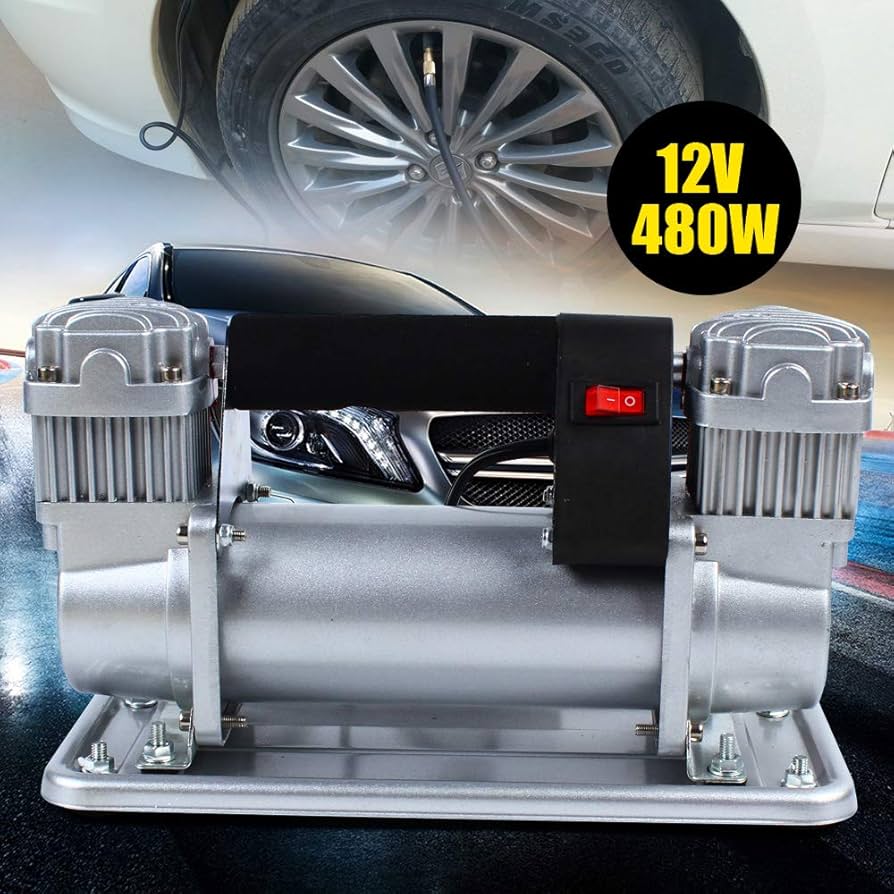
Illustrative image related to truck tire pump
B2B buyers are increasingly seeking products that incorporate the latest technology, such as cordless and portable inflators with built-in pressure gauges and rapid inflation capabilities. The advent of smart tire inflators that connect via mobile apps to provide real-time tire pressure monitoring is also gaining traction. Additionally, features such as multi-purpose usability—capable of inflating not just tires but also recreational products—are becoming essential selling points.
International buyers should be aware of the varied regulations and standards across different regions. For instance, European markets emphasize energy efficiency and low emissions, pushing manufacturers to innovate and align their products with these requirements. Understanding these market dynamics allows B2B buyers to make informed sourcing decisions that align with both operational needs and regional compliance.
Sustainability has become a critical consideration for B2B buyers in the truck tire pump sector. The environmental impact of manufacturing and disposing of tire inflators is under scrutiny, leading many businesses to prioritize eco-friendly products. Manufacturers are increasingly adopting sustainable practices, such as using recyclable materials and minimizing waste during production.
Ethical sourcing is also gaining prominence, with buyers favoring suppliers who demonstrate commitment to fair labor practices and transparent supply chains. Certifications such as ISO 14001 for environmental management and ISO 9001 for quality assurance are becoming essential for manufacturers looking to enter competitive markets. Buyers can enhance their brand reputation by sourcing from companies that prioritize ethical practices, thereby aligning with consumer preferences for environmentally responsible products.
Furthermore, the push for “green” certifications is encouraging manufacturers to innovate in materials and technology. The development of low-energy consumption pumps and products designed for longevity not only reduces environmental impact but also enhances value for buyers looking to invest in durable solutions.
The truck tire pump sector has evolved significantly over the past few decades, transitioning from manual, labor-intensive devices to sophisticated electronic models. Early tire pumps were primarily hand-operated, requiring considerable physical effort. The introduction of electric and battery-operated pumps revolutionized the industry, making tire inflation quicker and more efficient.
In recent years, the focus has shifted towards portability and multifunctionality, with modern pumps designed to accommodate a variety of inflation needs beyond just tires. Advanced features such as automatic shut-off, pressure monitoring, and compact designs have further enhanced user convenience. As technological advancements continue to shape the market, B2B buyers can expect ongoing innovation that prioritizes efficiency, sustainability, and user-friendly design in truck tire pumps.
How do I solve issues with under-inflated truck tires?
To address under-inflated truck tires, it’s essential to have a reliable tire pump that can deliver the required air pressure efficiently. Regularly check the tire pressure using a calibrated gauge and inflate tires to the manufacturer’s recommended PSI. For businesses, investing in a quality truck tire pump, such as a high-capacity inflator, can streamline maintenance operations and prevent costly downtimes. Consider pumps that can handle high pressures and have the capability to inflate multiple tires in one session for maximum efficiency.
What is the best tire pump for heavy-duty trucks?
The best tire pump for heavy-duty trucks is one that can reach high PSI levels quickly and efficiently. Options like the Viair 88P are specifically designed for trucks and SUVs, capable of inflating larger tires swiftly. Look for features such as a robust build, accurate pressure gauge, and a long hose for accessibility. Additionally, consider pumps that can operate on different power sources, ensuring you have flexibility in various conditions, especially in remote locations.
What are the key factors to consider when sourcing truck tire pumps?
When sourcing truck tire pumps, prioritize durability, efficiency, and pressure capability. Evaluate the pump’s maximum PSI and whether it can handle the tire sizes used in your fleet. Additionally, consider the pump’s power source (battery, 12V, or AC), portability, and ease of use. Supplier reliability is also crucial, so check for certifications, warranty policies, and customer reviews to ensure you’re partnering with a reputable manufacturer.
How can I vet suppliers for truck tire pumps?
To effectively vet suppliers for truck tire pumps, start by conducting thorough research on their reputation in the market. Look for suppliers who have experience in the B2B sector and have positive reviews from previous clients. Request samples to assess product quality and reliability firsthand. Additionally, inquire about their manufacturing processes, certifications, and compliance with international standards, particularly if you’re sourcing from regions like Asia or Europe.
What is the minimum order quantity (MOQ) for truck tire pumps?
Minimum order quantities (MOQs) for truck tire pumps can vary significantly depending on the supplier and product specifications. Typically, MOQs can range from 50 to several hundred units, especially for customized or branded products. When negotiating with suppliers, clarify your requirements and explore the possibility of lower MOQs for initial orders or bulk purchases to minimize financial risk while ensuring product availability.
What payment terms should I expect when purchasing truck tire pumps internationally?
Payment terms for international purchases of truck tire pumps can vary based on the supplier’s policies and your negotiation. Common terms include a 30% deposit upon order confirmation and the remaining balance before shipment. Consider using letters of credit or escrow services for added security, especially for larger orders. It’s vital to discuss and agree on payment terms upfront to avoid any misunderstandings and ensure a smooth transaction process.
How can I ensure quality assurance for imported truck tire pumps?
To ensure quality assurance for imported truck tire pumps, request detailed product specifications and compliance certificates from suppliers. Implementing third-party inspections before shipment can help verify product quality and functionality. Additionally, establish a clear return policy for defective products and maintain open communication with the supplier throughout the manufacturing process. Regular audits of suppliers can also help ensure they consistently meet your quality standards.
What logistics considerations should I keep in mind when importing truck tire pumps?
When importing truck tire pumps, consider shipping methods, customs clearance, and local regulations. Choose a reliable logistics partner experienced in handling industrial equipment to navigate potential challenges. Be mindful of shipping costs and timelines, and ensure that all necessary documentation, such as invoices and certificates of origin, are prepared to avoid delays at customs. Additionally, factor in local market conditions and any import duties that may apply to your shipment.
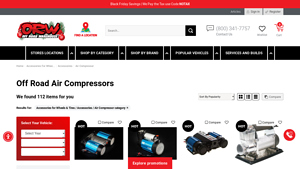
المجال: offroadwarehouse.com
مسجل: 1998 (27 سنة)
مقدمة: This company, Off Road Warehouse – Air Compressor System 5.6 CFM, is a notable entity in the market. For specific product details, it is recommended to visit their website directly.
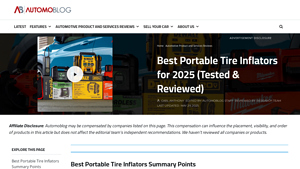
المجال: Automoblog.com
مسجل: 2004 (21 سنة)
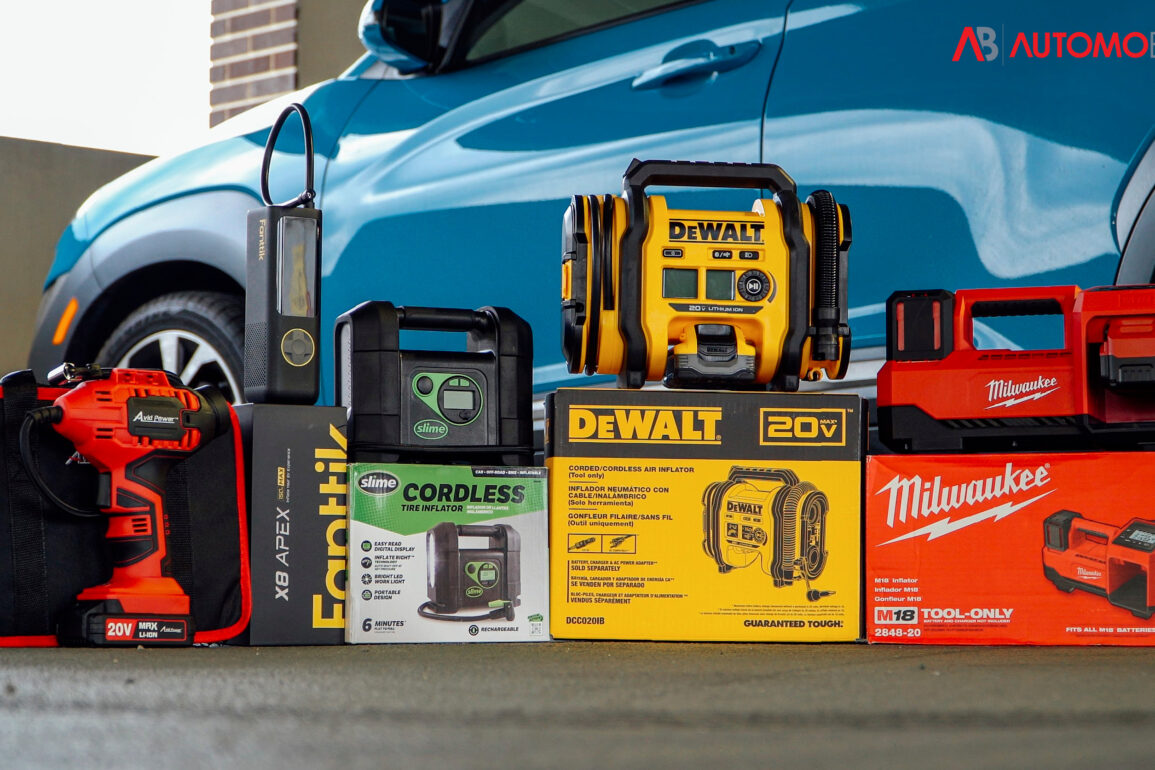
مقدمة: Best Portable Tire Inflators for 2025: 1. Slime Cordless Tire Inflator – Easy to use and stow. 2. 20V Avid Power Cordless Tire Inflator – Drill-style design and carrying case. 3. Fanttik X8 Apex – Overall good quality and functionality. 4. DeWalt 20V MAX Tire Inflator – Built for lifetime usage and ownership. 5. Milwaukee M18 Cordless Tire Inflator – Robust and powerful with four different memory …
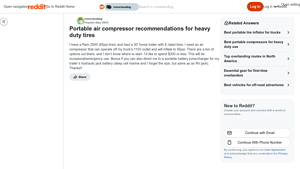
المجال: reddit.com
مسجل: 2005 (20 سنة)
مقدمة: 1. ETENWOLF Tire Inflator: Runs off truck battery clamps, inflates to 95 psi, compact size fits behind the seat, praised customer service. 2. Milwaukee Inflator: Recommended by users for air-up after trips, operates well with heavy-duty tires.
In summary, strategic sourcing for truck tire pumps is essential for optimizing operational efficiency and reducing costs in fleet management. As highlighted, the best tire inflators exhibit key features such as portability, quick inflation capabilities, and the ability to reach high pressures necessary for heavy-duty vehicles. B2B buyers should prioritize suppliers that offer reliable, high-quality products tailored to diverse geographical needs, particularly in regions like Africa, South America, the Middle East, and Europe.
Investing in advanced tire inflators not only enhances vehicle maintenance but also ensures safety and efficiency on the road. With the right strategic partnerships, companies can secure access to innovative products that meet the evolving demands of the transportation industry.
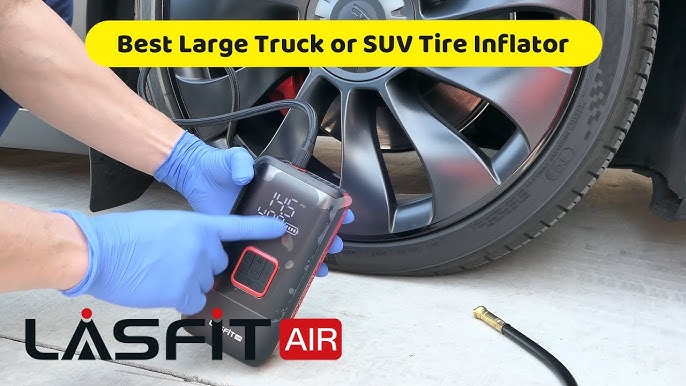
Illustrative image related to truck tire pump
Looking forward, international buyers should actively engage with suppliers to explore emerging technologies and solutions in tire maintenance. By prioritizing strategic sourcing, businesses can better navigate challenges and seize opportunities for growth in the competitive marketplace. Now is the time to evaluate your tire inflator options and make informed decisions that will drive your business forward.
المعلومات الواردة في هذا الدليل، بما في ذلك المحتوى المتعلق بالمصنعين والمواصفات الفنية وتحليل السوق، هي لأغراض إعلامية وتعليمية فقط. وهي لا تشكل مشورة مهنية في مجال المشتريات أو مشورة مالية أو مشورة قانونية.
على الرغم من أننا بذلنا كل جهد ممكن لضمان دقة المعلومات ودقة توقيتها، إلا أننا لسنا مسؤولين عن أي أخطاء أو سهو أو معلومات قديمة. تخضع ظروف السوق وتفاصيل الشركة والمعايير الفنية للتغيير.
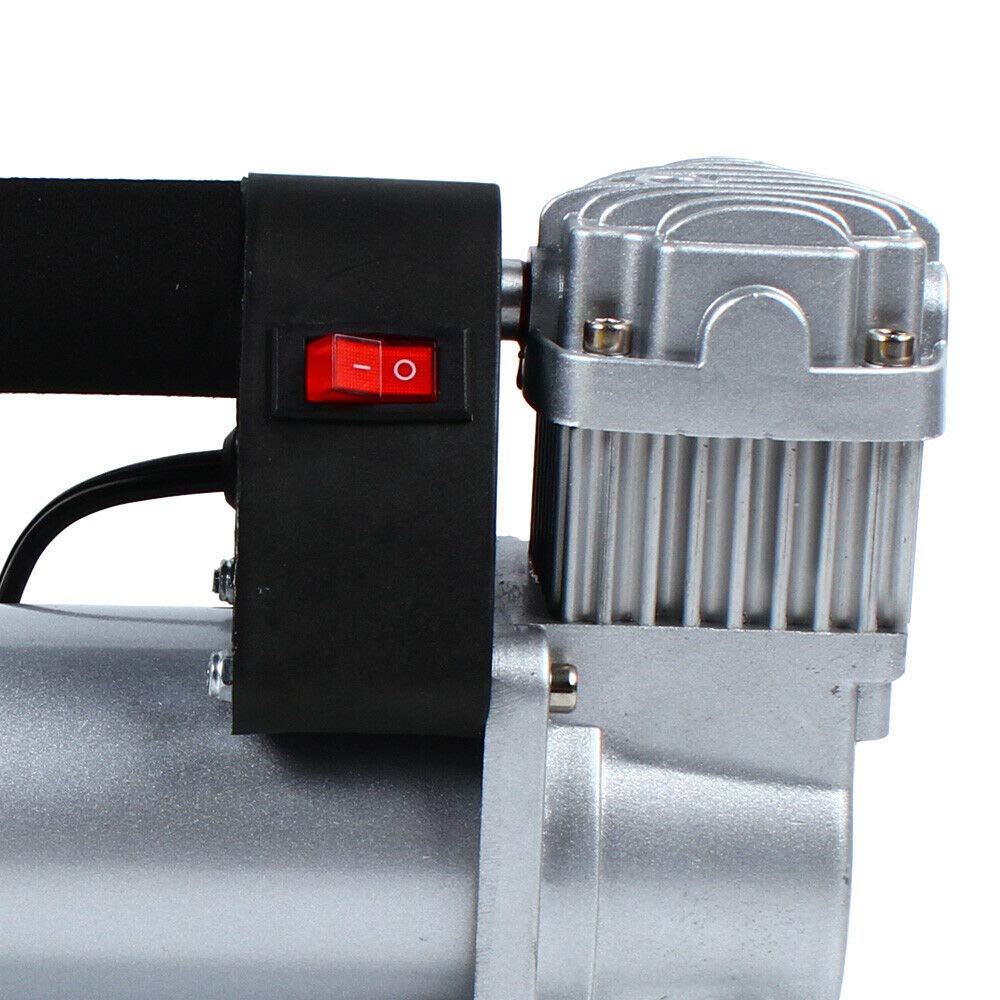
Illustrative image related to truck tire pump
يجب على المشترين بين الشركات إجراء العناية الواجبة المستقلة والشاملة الخاصة بهم قبل اتخاذ أي قرارات شراء. ويشمل ذلك الاتصال بالموردين مباشرة، والتحقق من الشهادات، وطلب عينات، وطلب الاستشارات المهنية. يتحمل القارئ وحده مخاطر الاعتماد على أي معلومات واردة في هذا الدليل.


 Arabic
  English
  Russian
  Spanish
  Italian
  Portuguese
  German