
- اللغة الإنجليزية
- الروسية
- الإسبانية
- إيطالي
- اللغة العربية
- البرتغالية
- الألمانية
In today’s competitive landscape, sourcing automatic air pressure solutions can pose significant challenges for international B2B buyers, particularly those from regions like Africa, South America, the Middle East, and Europe. The need for reliable and efficient tire inflation systems is paramount for businesses in automotive services, transportation, and logistics. This guide aims to demystify the complexities surrounding automatic air pressure systems, offering insights into various types, applications, and the critical factors to consider when selecting suppliers.
As the demand for precision and efficiency rises, understanding the nuances of automatic tire inflators, air pressure stations, and digital calibration technologies is essential. This comprehensive guide will explore the latest advancements in automatic air pressure solutions, including features that enhance safety and productivity, such as automatic calibration and digital interfaces. Additionally, it will provide actionable strategies for vetting suppliers and evaluating costs, ensuring that buyers can make informed decisions that align with their operational needs.
By equipping decision-makers with the knowledge needed to navigate this global market, this guide empowers businesses to enhance their service offerings, optimize operational efficiency, and ultimately secure a competitive edge. Whether you are in Saudi Arabia, Nigeria, or beyond, understanding the market for automatic air pressure systems is crucial for driving growth and success in your industry.
| اسم النوع | السمات المميزة الرئيسية | تطبيقات B2B الأولية | موجز الإيجابيات والسلبيات للمشترين |
|---|---|---|---|
| Automatic Tire Inflators | Digital pressure calibration, preset pressure settings | Tire shops, automotive dealerships, fleets | الإيجابيات: Fast, accurate inflation; reduces labor time. السلبيات: Higher upfront cost compared to manual options. |
| Wall-mounted Air Stations | Space-saving design, connects to existing compressors | Service shops, gas stations | الإيجابيات: Efficient use of space; easy access. السلبيات: Installation may require additional plumbing. |
| Portable Inflators | Lightweight, battery-operated or plug-in options | Mobile service providers, roadside assistance | الإيجابيات: Versatile; can be used anywhere. السلبيات: Limited power and pressure capabilities. |
| Digital Air Pressure Monitors | Real-time monitoring, alerts for pressure deviations | Fleet management, automotive maintenance | الإيجابيات: Enhances safety; prevents tire damage. السلبيات: Requires regular calibration and maintenance. |
| Inflation Systems for Nitrogen | Specialized for nitrogen inflation, reducing tire wear | Racing teams, high-performance vehicle shops | الإيجابيات: Improved fuel efficiency; longer tire life. السلبيات: Higher initial investment; requires training for use. |
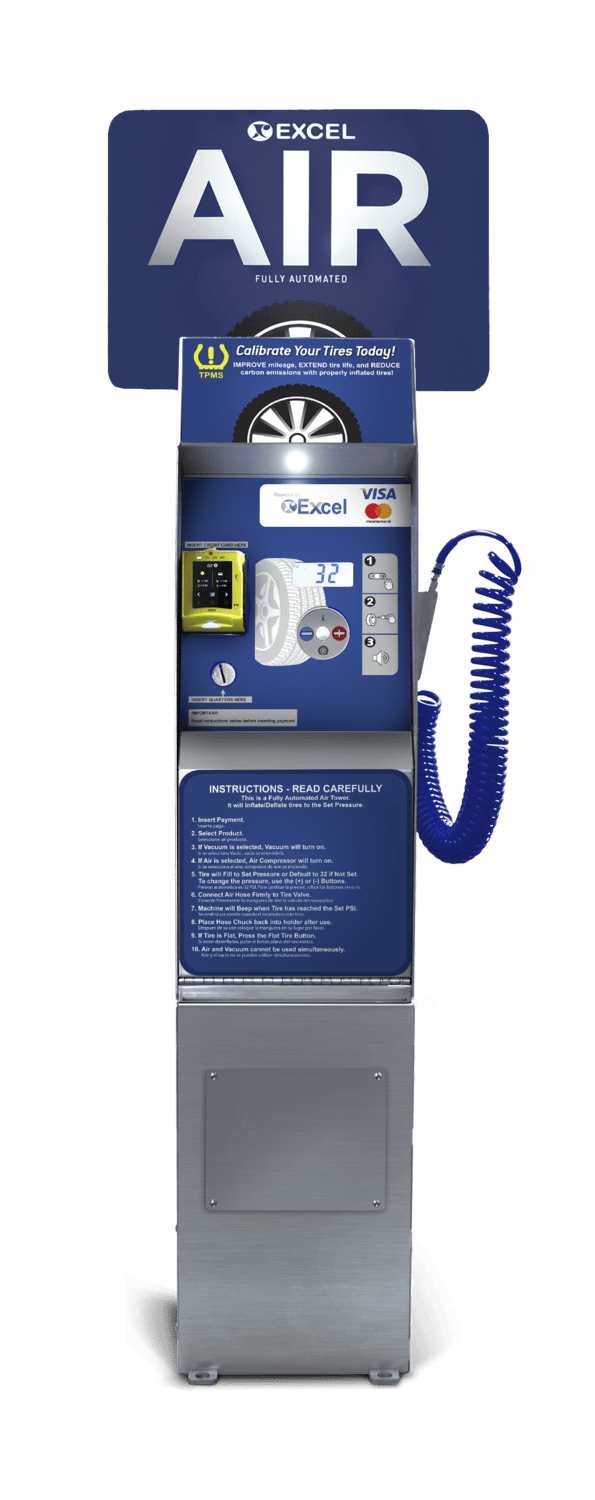
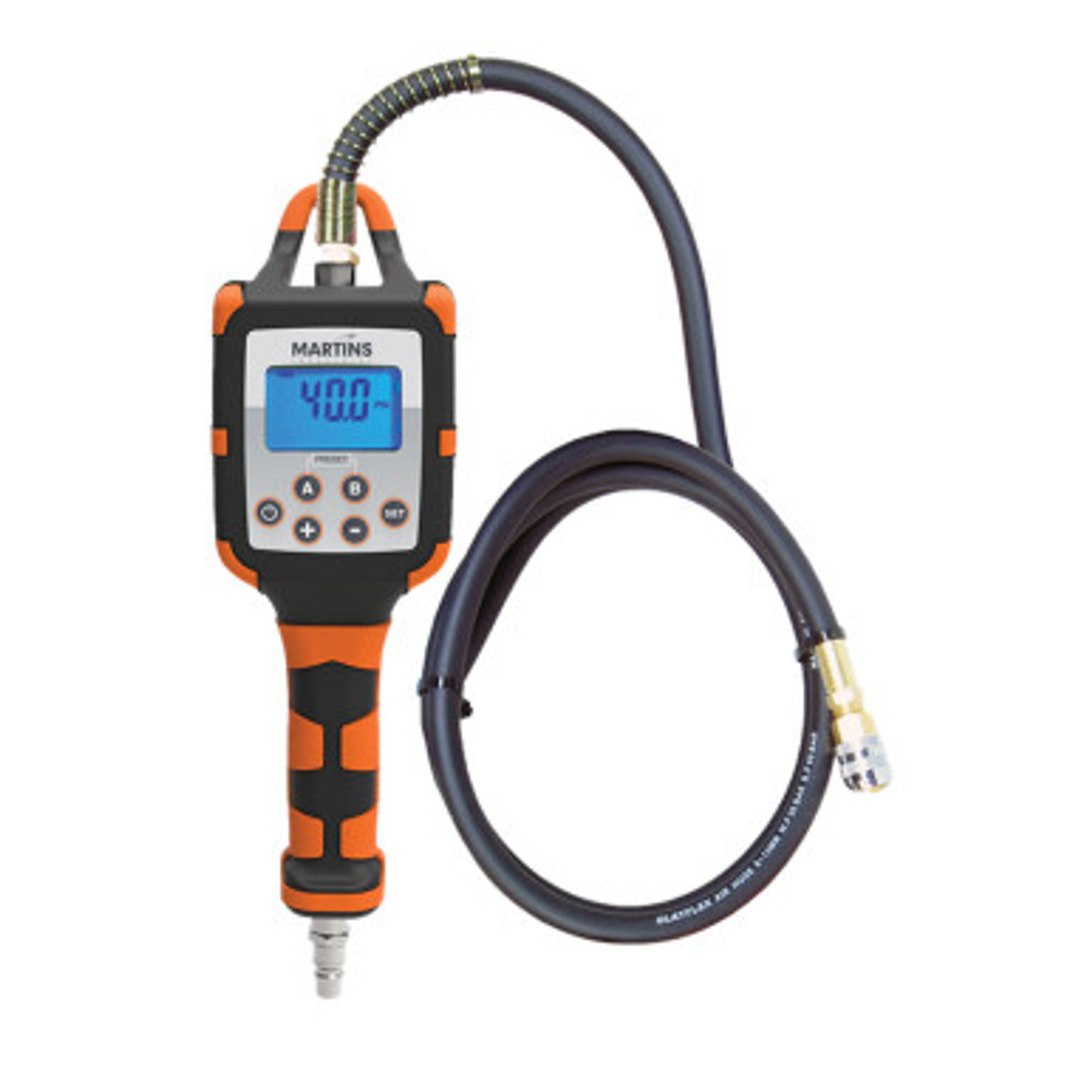
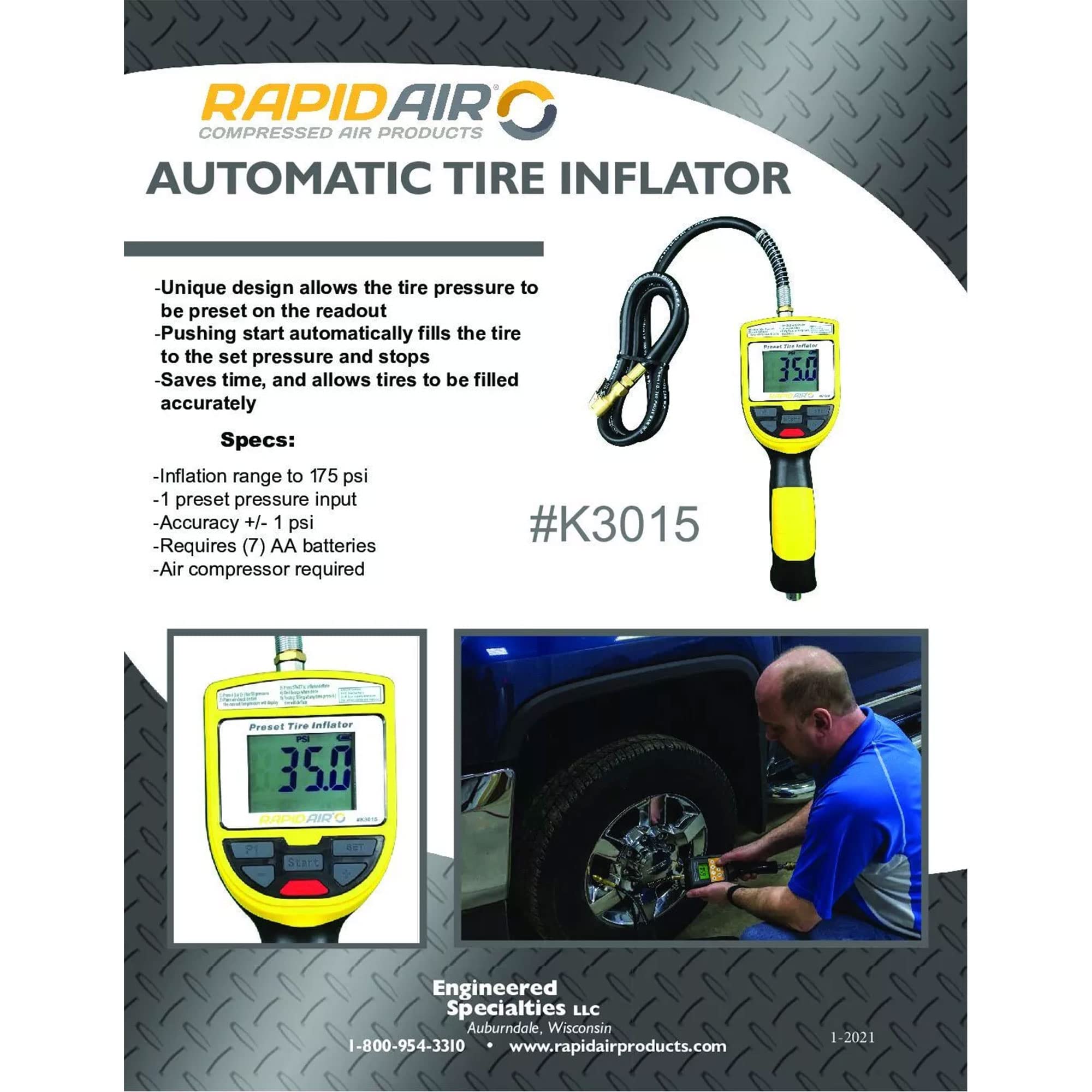
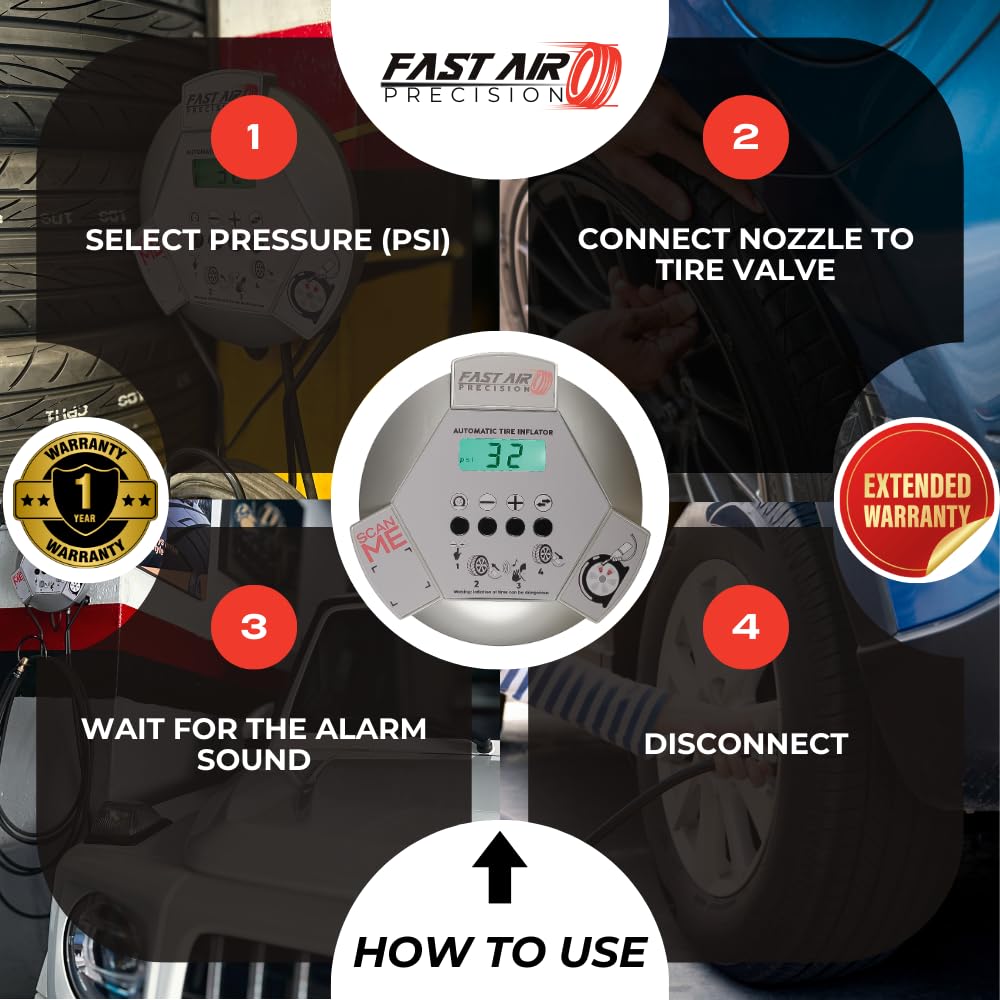
Automatic tire inflators are designed for rapid and accurate tire inflation, featuring digital pressure gauges and programmable settings that allow users to set desired pressure levels. These devices are particularly suitable for tire shops and automotive dealerships where efficiency is crucial. B2B buyers should consider factors such as maximum pressure capacity, ease of use, and maintenance requirements when selecting an inflator.
Illustrative image related to automatic air pressure
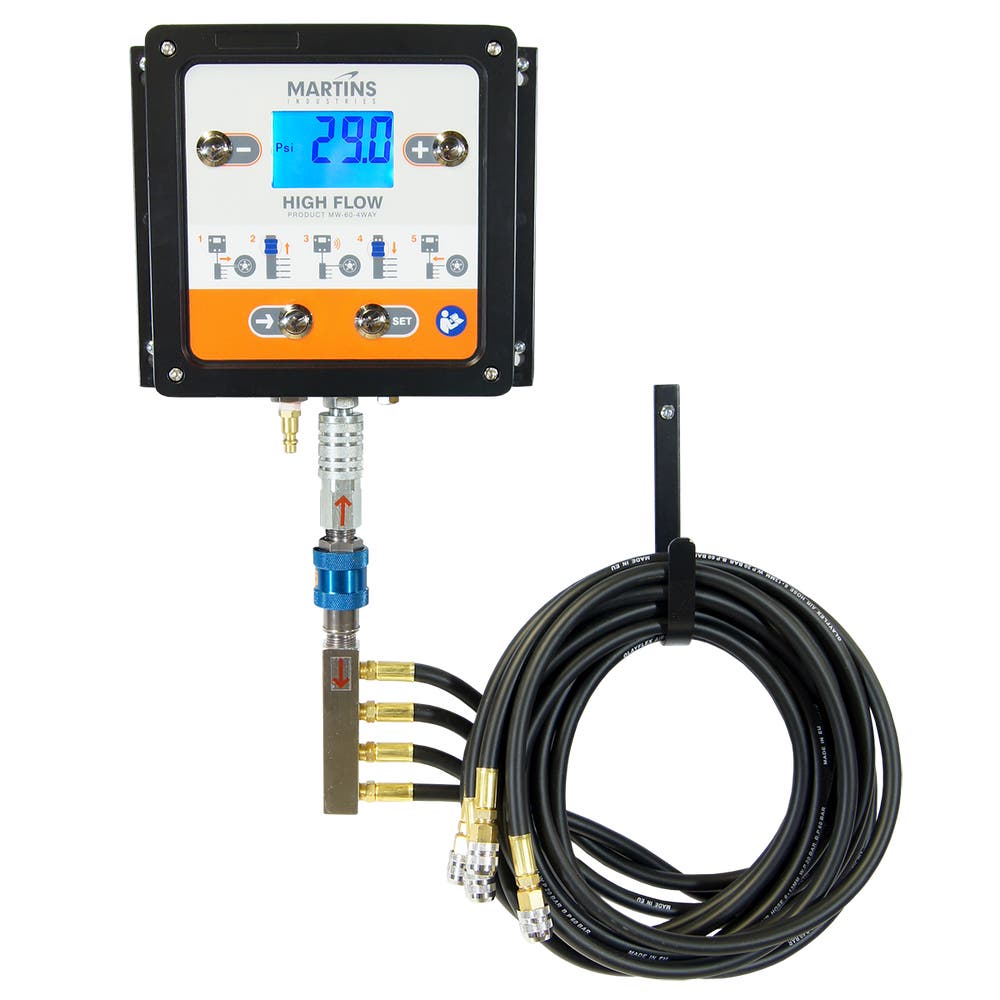
Wall-mounted air stations provide a compact and organized solution for tire inflation. They connect to existing air compressors and are ideal for service shops and gas stations that require high-frequency usage. Buyers should evaluate installation requirements and the ability to integrate with current systems, as well as the durability of the equipment in a busy environment.
Portable inflators are favored by mobile service providers and roadside assistance teams due to their lightweight and versatile nature. These units can be powered by batteries or directly plugged in, making them suitable for various locations. Buyers should consider the inflator’s pressure capacity and battery life, ensuring they meet the demands of their service offerings.
Digital air pressure monitors provide real-time monitoring of tire pressure, alerting users to any deviations. These systems are essential for fleet management and automotive maintenance, as they help prevent tire-related issues and enhance safety. B2B buyers should assess the monitor’s accuracy, ease of integration with existing fleet management systems, and maintenance needs.
Inflation systems designed for nitrogen provide significant benefits for high-performance vehicles and racing teams. These systems minimize tire wear and improve fuel efficiency by maintaining optimal pressure levels. Buyers must consider the cost of nitrogen inflation systems and the training required for proper operation, as well as the specific needs of their vehicles or services offered.
| الصناعة/القطاع | Specific Application of automatic air pressure | القيمة/الفائدة للأعمال التجارية | اعتبارات التوريد الرئيسية لهذا التطبيق |
|---|---|---|---|
| Automotive Service | Tire Inflation in Workshops | Increases efficiency and accuracy of tire services | Compatibility with existing compressor systems |
| النقل والخدمات اللوجستية | Fleet Maintenance for Commercial Vehicles | Ensures vehicle safety and reduces downtime | Durable equipment suitable for heavy usage |
| Manufacturing | Pneumatic Tools Operation | Enhances productivity and reduces manual labor | Energy efficiency and reliable pressure regulation |
| الإنشاءات | Air Pressure Systems for Tools | Improves tool performance and worker safety | Robust design to withstand harsh environments |
| Retail & Service Stations | Public Tire Inflation Stations | Attracts customers and provides a quick service | User-friendly interface and maintenance support |
In automotive service workshops, automatic air pressure systems are essential for efficient tire inflation. These systems provide precise calibration, ensuring tires are inflated to the correct pressure, which enhances vehicle safety and fuel efficiency. For B2B buyers in regions like Africa and the Middle East, sourcing automatic inflators that are compatible with existing air compressor systems is crucial. Additionally, these systems can minimize human error, thereby improving service turnaround times.
In the transportation and logistics sector, maintaining commercial vehicle fleets is critical for operational efficiency. Automatic air pressure systems help ensure that tires are consistently inflated to optimal levels, which reduces the risk of blowouts and enhances fuel efficiency. Buyers from South America and Europe should consider the durability of these systems, as they must withstand the rigors of frequent use in various conditions. Investing in reliable equipment can lead to significant savings in maintenance costs and vehicle downtime.
Manufacturing facilities often rely on pneumatic tools for assembly and production processes. Automatic air pressure systems ensure that these tools operate at peak performance by delivering consistent air pressure. This not only increases productivity but also minimizes the risk of accidents due to improper tool operation. Buyers in emerging markets should prioritize energy-efficient models that can handle the demands of high-volume production while also ensuring compliance with local safety regulations.
In the construction industry, pneumatic tools powered by automatic air pressure systems are vital for a variety of applications, from nail guns to concrete sprayers. These systems enhance tool performance and worker safety by maintaining optimal pressure levels. B2B buyers in construction must consider the robustness of these systems, especially in harsh environments where durability is essential. Selecting equipment that can withstand dust, moisture, and extreme temperatures is key to ensuring long-term reliability and safety.
Illustrative image related to automatic air pressure
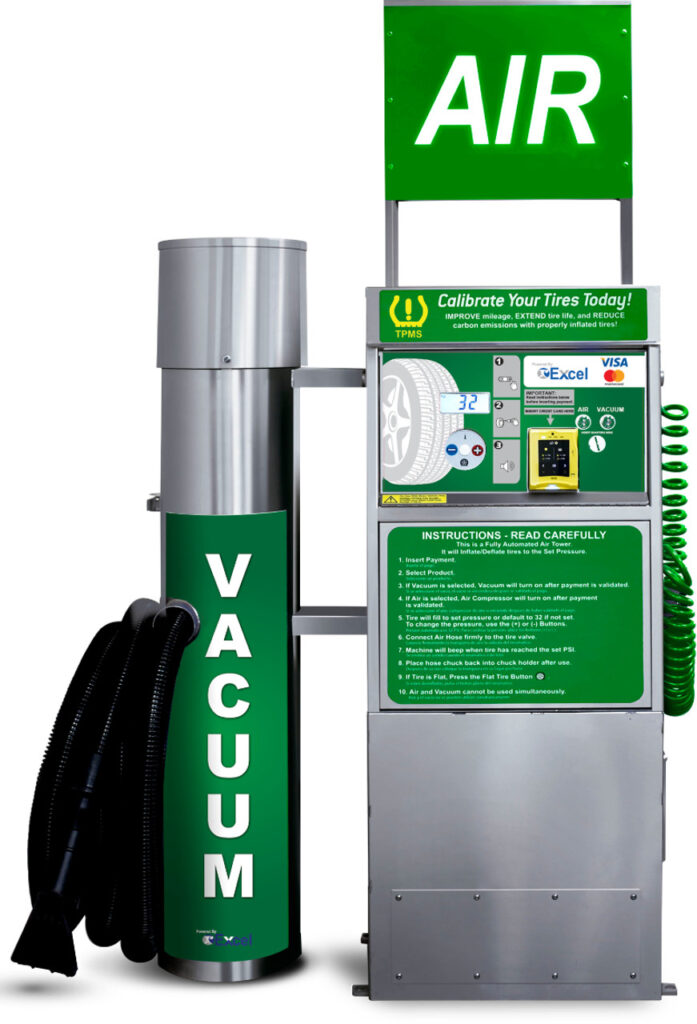
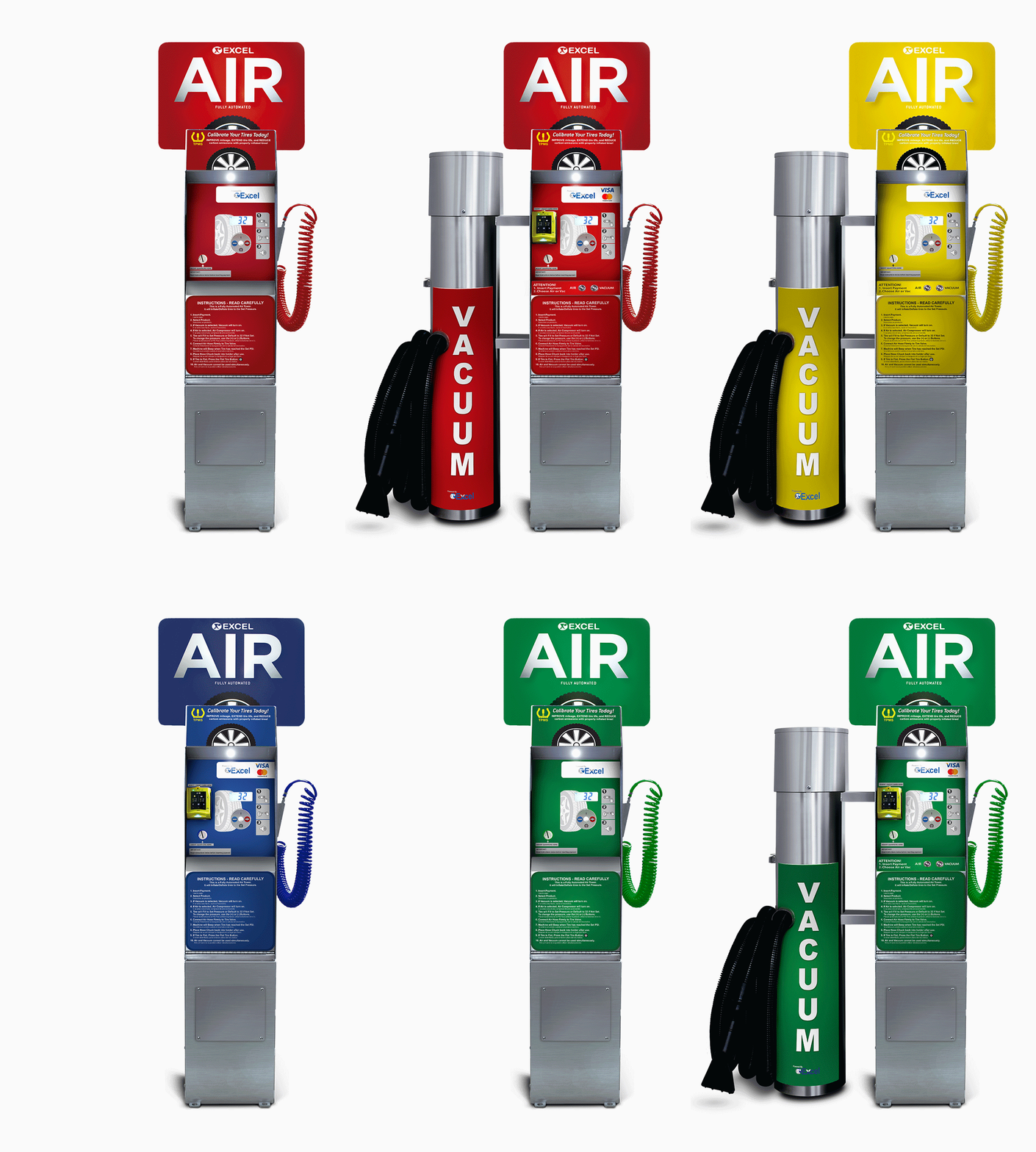
Public tire inflation stations equipped with automatic air pressure systems provide a valuable service for drivers, enhancing customer satisfaction and attracting foot traffic. These systems enable quick and accurate tire inflation, which can increase customer loyalty. For international buyers, especially in regions like Saudi Arabia and Nigeria, sourcing user-friendly units with easy maintenance options is critical. Investing in high-quality, reliable systems can lead to increased revenue opportunities for service stations by offering essential roadside assistance.
المشكلة B2B buyers managing fleets or automotive service centers often face challenges in maintaining accurate tire pressure across a variety of environmental conditions. For instance, a tire inflator that performs well in a controlled shop environment may struggle under extreme heat or cold, leading to inaccurate readings and potential tire damage. This issue can result in increased operational costs, higher fuel consumption, and decreased vehicle safety, as well as the risk of customer dissatisfaction due to inconsistent service quality.
الحل: To ensure reliable tire inflation in varying conditions, businesses should invest in high-quality automatic tire inflators that are specifically designed for durability and precision. Look for inflators equipped with digital gauges that provide real-time pressure readings and can adapt to temperature fluctuations. Brands like Excel Tire Gauge offer machines that calibrate within 0.5 PSI, ensuring accuracy regardless of external conditions. Additionally, regularly calibrating and maintaining the inflator can help sustain its performance. Implementing a maintenance schedule and training staff on how to check and adjust settings can further enhance the reliability of tire pressure management.
المشكلة Many tire shops and automotive service providers still rely on manual inflation processes, which can be time-consuming and prone to human error. Technicians often take longer to inflate tires, check pressure, and make adjustments, leading to decreased productivity and longer customer wait times. This inefficiency can be particularly problematic during peak service hours when quick turnover is essential for customer satisfaction and business profitability.
الحل: Automating the tire inflation process with modern automatic tire inflators can significantly improve efficiency. Choosing equipment like the ENVE Air Pressure Station allows technicians to set desired PSI levels and let the machine handle inflation automatically. This not only speeds up the process—reducing inflation times by up to two minutes per vehicle—but also minimizes the risk of over-inflation, which can lead to tire damage and safety hazards. For businesses operating in high-demand environments, investing in multiple units can help manage workflow and ensure quick service delivery.
المشكلة B2B buyers often encounter compatibility challenges when integrating new automatic air pressure systems into their existing setups. This can include issues with air compressor connections, pressure settings, or even the types of valve stems used in different vehicles. Such incompatibilities can lead to delays in service and increased frustration among technicians, ultimately impacting the bottom line.
الحل: To avoid compatibility issues, it is crucial to conduct thorough research before purchasing automatic air pressure equipment. Buyers should look for inflators that come with versatile fittings or adapters to accommodate various valve types, such as Presta and Schrader valves. Additionally, selecting systems that offer customizable settings for different vehicle types can enhance usability. It’s advisable to consult with suppliers about the specific requirements of your existing air compressor system and ensure that any new inflator can integrate seamlessly. Training staff on the new system and providing clear guidelines on how to adapt it for different vehicles can further smooth the transition and improve operational efficiency.
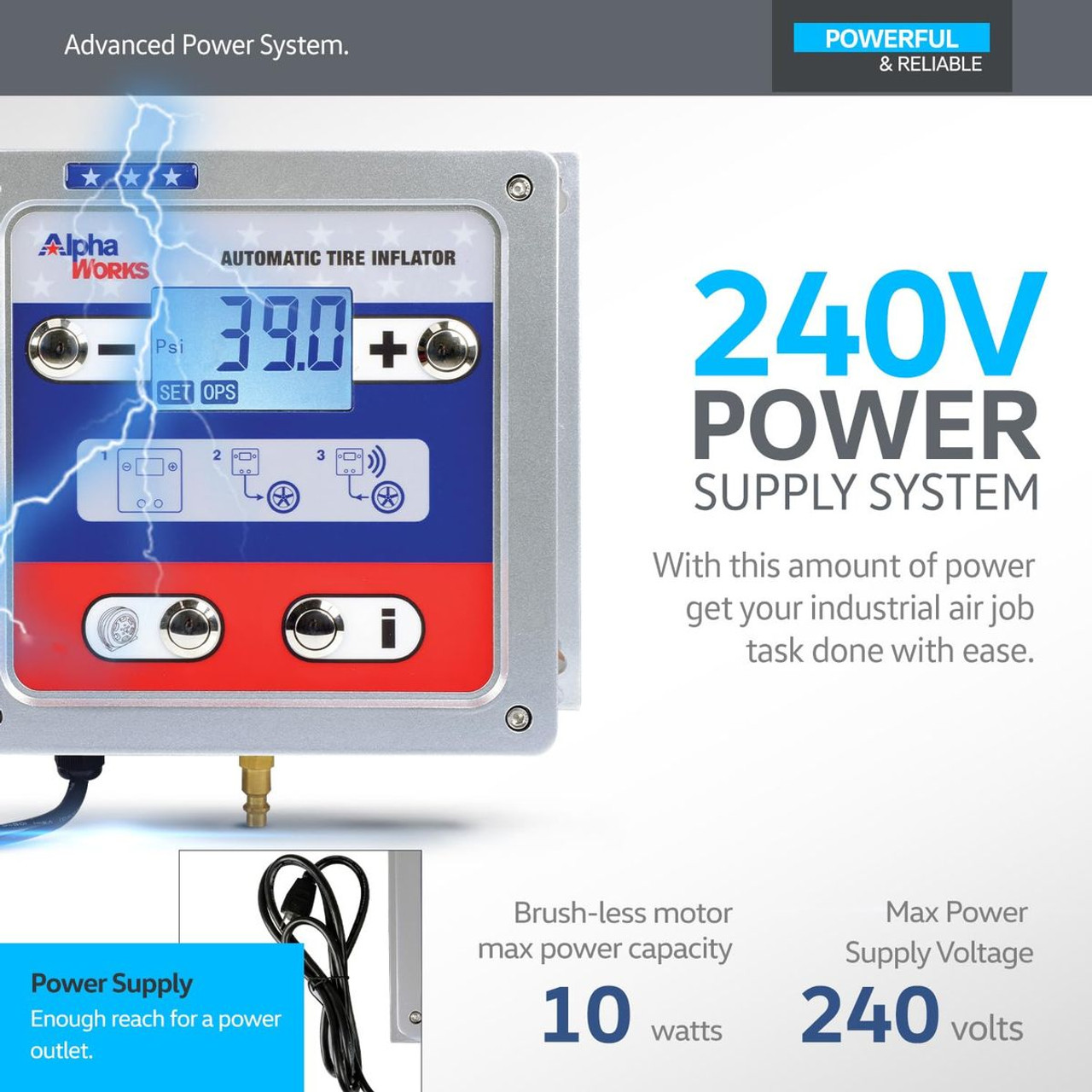
When selecting materials for automatic air pressure systems, several factors must be considered, including performance characteristics, cost, and suitability for specific applications. Below, we analyze four common materials used in these systems, focusing on their properties, advantages, disadvantages, and implications for international B2B buyers.
Illustrative image related to automatic air pressure
الخصائص الرئيسية:
Aluminum is lightweight, has excellent corrosion resistance, and can withstand moderate pressure levels. Its temperature rating typically ranges from -40°C to 120°C, making it suitable for various environments.
الإيجابيات والسلبيات:
Aluminum is durable and offers a good strength-to-weight ratio, which is advantageous for portable inflators. However, it can be more expensive than other metals and may require specialized manufacturing techniques, which can increase production complexity.
التأثير على التطبيق:
Aluminum is compatible with various media, including air and nitrogen, making it versatile for different inflation needs. Its corrosion resistance is particularly beneficial in humid or coastal regions, where other materials may degrade.
اعتبارات للمشترين الدوليين:
Buyers from regions like Africa and the Middle East should ensure compliance with local standards, such as ASTM or DIN, especially if the equipment will be exposed to harsh environmental conditions.
الخصائص الرئيسية:
Steel is known for its high tensile strength and durability, with a typical pressure rating exceeding 200 PSI. It can endure high temperatures, generally up to 300°C, depending on the alloy.
الإيجابيات والسلبيات:
While steel is cost-effective and robust, it is also heavier than aluminum, which may limit portability. Additionally, steel is prone to corrosion unless properly treated, which can lead to maintenance challenges over time.
التأثير على التطبيق:
Steel is suitable for high-pressure applications and can handle various gases. However, its susceptibility to rust means that protective coatings or galvanization are often necessary, particularly in humid or corrosive environments.
اعتبارات للمشترين الدوليين:
Buyers should verify that the steel used complies with relevant international standards, as variations in quality can affect performance and safety. Countries like Nigeria and Saudi Arabia may have specific regulations regarding material sourcing and treatment.
الخصائص الرئيسية:
Composite materials, often a blend of polymers and fibers, offer excellent strength-to-weight ratios and are resistant to corrosion and temperature extremes. They can typically withstand pressures up to 150 PSI.
الإيجابيات والسلبيات:
Composites are lightweight and can be molded into complex shapes, making them suitable for innovative designs. However, they can be more expensive to manufacture and may not be as widely available as metals.
التأثير على التطبيق:
These materials are particularly effective in applications requiring resistance to chemicals and moisture, making them ideal for outdoor use. However, their compatibility with specific gases should be assessed to avoid degradation.
اعتبارات للمشترين الدوليين:
When sourcing composite materials, buyers should consider the availability of certified suppliers and ensure compliance with international standards, as the quality can vary significantly between manufacturers.
الخصائص الرئيسية:
Brass is a copper-zinc alloy known for its excellent machinability and corrosion resistance. It can handle pressures up to 150 PSI and operates effectively in a range of temperatures.
الإيجابيات والسلبيات:
Brass fittings are durable and resistant to corrosion, making them ideal for air pressure applications. However, brass can be more expensive than other metals and may not be suitable for high-pressure situations without reinforcement.
التأثير على التطبيق:
Brass is often used in fittings and connectors due to its compatibility with various gases and liquids. Its resistance to corrosion makes it particularly suited for humid environments.
اعتبارات للمشترين الدوليين:
Buyers should be aware of the sourcing of brass, as the quality can differ based on the region. Compliance with international standards, such as JIS, is crucial to ensure product reliability.
| المواد | Typical Use Case for automatic air pressure | الميزة الرئيسية | العيب/التقييد الرئيسي | التكلفة النسبية (منخفضة/متوسطة/مرتفعة) |
|---|---|---|---|---|
| ألومنيوم | Portable tire inflators | خفيف الوزن ومقاوم للتآكل | ارتفاع التكلفة وتعقيد التصنيع | متوسط |
| الفولاذ | High-pressure inflation systems | Cost-effective and robust | Heavier and prone to corrosion | منخفضة |
| مركب | Outdoor air pressure systems | Lightweight and chemically resistant | ارتفاع تكاليف التصنيع | عالية |
| نحاس | التركيبات والموصلات | متانة ومقاومة للتآكل | More expensive and limited high-pressure use | متوسط |
This guide provides B2B buyers with a comprehensive understanding of the materials used in automatic air pressure systems, enabling informed decisions that align with their operational needs and compliance requirements.
Illustrative image related to automatic air pressure
Manufacturing automatic air pressure devices involves several critical stages that ensure the product meets quality standards and performance expectations. The main stages typically include:
إعداد المواد: The first step involves sourcing high-quality materials such as metals, plastics, and electronic components. Suppliers are often evaluated based on their ability to provide materials that meet specific standards, such as ASTM or ISO certifications.
التشكيل: In this stage, raw materials are shaped into components through techniques like stamping, molding, or machining. For instance, metal parts may be stamped to create precise shapes, while plastic components are often molded for durability and lightweight properties.
التجميع: This stage involves bringing together all the individual components to form the final product. Automated assembly lines are commonly used to enhance efficiency and reduce human error. Each assembly station is designed for specific tasks, such as attaching the digital display or integrating the pressure sensors.
التشطيب: After assembly, the product undergoes finishing processes, which may include painting, coating, or surface treatment to enhance aesthetics and protect against corrosion. Quality control checks are performed at this stage to ensure that the product meets the desired specifications.
Several key techniques are employed throughout the manufacturing process:
Precision Engineering: This involves using advanced machinery and tools to ensure that components are manufactured to exact specifications, which is crucial for devices that require precise pressure readings.
Automation: Automated systems are often implemented in both assembly and testing phases to improve efficiency and consistency. Robotics and conveyor systems streamline the workflow, reducing the likelihood of human error.
Lean Manufacturing Principles: Many manufacturers adopt lean principles to minimize waste and maximize productivity. This approach focuses on continuous improvement and efficiency, ensuring that every step in the manufacturing process adds value.
Quality assurance (QA) is integral to the manufacturing of automatic air pressure devices, ensuring that products meet regulatory and performance standards. Here’s how QA is typically structured:
International Standards Compliance: Adherence to international standards, such as ISO 9001, is critical. This standard focuses on quality management systems and helps organizations ensure consistent quality in their products and services. Additionally, industry-specific certifications like CE (Conformité Européenne) for European markets and API (American Petroleum Institute) standards may apply.
نقاط التحقق من الجودة: Quality control is performed at various checkpoints throughout the manufacturing process:
– مراقبة الجودة الواردة (IQC): This step verifies that raw materials meet specified standards before they are used in production.
– مراقبة الجودة أثناء المعالجة (IPQC): Continuous monitoring during the manufacturing process helps identify defects early. Techniques such as statistical process control (SPC) are often employed.
– مراقبة الجودة النهائية (FQC): Before products are packaged and shipped, FQC ensures that they meet all functional and aesthetic standards.
طرق الاختبار الشائعة: Testing methods for automatic air pressure devices include:
– اختبار الضغط: Ensures that the device can withstand specified pressure levels without failure.
– Calibration Testing: Verifies that the pressure readings are accurate and consistent.
– اختبار المتانة: Assesses the device’s performance under varying environmental conditions, such as temperature and humidity.
B2B buyers must take proactive steps to verify the quality control measures of potential suppliers. Here are actionable strategies:
Conduct Audits: Regular audits of suppliers can provide insights into their manufacturing processes and quality control systems. Buyers should develop a checklist based on relevant international standards and industry-specific requirements to evaluate supplier capabilities.
Request Quality Reports: Suppliers should be able to provide quality assurance documentation, including ISO certifications, test reports, and compliance certificates. This documentation helps buyers assess the reliability and quality of the products.
Utilize Third-Party Inspection Services: Engaging independent inspection agencies can offer an unbiased evaluation of the manufacturer’s quality control processes. These agencies can perform audits and testing to ensure that the products meet required standards before shipment.
International B2B buyers, particularly from regions like Africa, South America, the Middle East, and Europe, should be aware of several quality control nuances:
الاختلافات الثقافية والتنظيمية: Quality standards and regulations can vary significantly by region. Buyers must familiarize themselves with local compliance requirements, such as those mandated by the Saudi Arabian Standards Organization (SASO) or the National Agency for Food and Drug Administration and Control (NAFDAC) in Nigeria.
Supply Chain Risks: Global supply chains can introduce risks related to quality control. Buyers should assess the entire supply chain, from raw material sourcing to final assembly, to identify potential quality issues.
عوائق التواصل: Language and cultural differences can lead to misunderstandings regarding quality expectations. Establishing clear communication channels and documentation can help mitigate these risks.
Understanding the manufacturing processes and quality assurance measures for automatic air pressure devices is essential for B2B buyers seeking reliable suppliers. By evaluating the manufacturing stages, techniques, quality control systems, and international standards, buyers can make informed decisions that ensure product quality and performance. Engaging in audits, requesting documentation, and utilizing third-party inspections will further enhance the buyer’s ability to verify supplier claims and ensure a successful partnership.
Illustrative image related to automatic air pressure
This guide serves as a practical checklist for B2B buyers looking to procure automatic air pressure solutions, particularly automatic tire inflators. Understanding the critical steps involved in sourcing these products can lead to better purchasing decisions, ensuring efficiency, safety, and accuracy in tire inflation processes.
Clearly outline the technical requirements for your automatic air pressure system. Consider factors such as maximum outlet pressure (psi), digital gauge accuracy, and compatibility with existing equipment. This step is crucial as it helps narrow down options that meet your operational needs, ensuring you invest in a solution that enhances productivity.
Stay informed about the latest trends and technologies in automatic air pressure systems. Look for features like digital interfaces, mobile connectivity, and nitrogen-inflation compatibility. Understanding market advancements will help you choose a product that not only meets current demands but also prepares your business for future developments.
Before committing, it’s crucial to vet suppliers thoroughly. Request company profiles, case studies, and references from buyers in a similar industry or region. Consider the supplier’s reputation in the market and their experience in delivering high-quality air pressure solutions.
Create a comparison matrix to evaluate different models based on their features, prices, and warranties. Look for specifications such as ease of use, hose length, and inflation speed. This systematic approach helps identify the best value for your investment.
Where possible, request product demonstrations or samples from suppliers. This allows you to evaluate the functionality and user-friendliness of the equipment firsthand. It’s an opportunity to confirm that the product meets your expectations before making a purchase.
Investigate customer reviews and feedback on the products you are considering. Look for insights regarding durability, performance, and customer service experiences. Positive reviews from industry peers can significantly influence your decision-making process.
Once you’ve selected a supplier and product, finalize your purchase agreement. Ensure that it includes clear terms regarding delivery timelines, payment conditions, and warranty provisions. A well-defined agreement protects both parties and sets clear expectations for the transaction.
Illustrative image related to automatic air pressure
By following these steps, B2B buyers can make informed decisions when sourcing automatic air pressure solutions, ultimately enhancing their operational efficiency and safety standards.
When sourcing automatic air pressure equipment, understanding the cost structure is crucial for B2B buyers. The primary components of cost include materials, labor, manufacturing overhead, tooling, quality control (QC), logistics, and profit margin.
المواد: The selection of materials significantly affects the overall cost. High-quality components, such as durable hoses, robust digital gauges, and advanced calibration systems, can increase upfront costs but may reduce long-term maintenance and replacement expenses.
العمالة: Labor costs can vary based on the region of production. Countries with higher labor costs might result in increased pricing, but they often provide better craftsmanship and quality assurance.
نفقات التصنيع الزائدة: This encompasses the indirect costs associated with production, including utilities and facility expenses. Efficient manufacturing processes can help mitigate these costs.
الأدوات: Initial tooling costs can be substantial, particularly for custom or specialized equipment. Buyers should inquire about the tooling process, especially for unique specifications.
مراقبة الجودة: Investing in rigorous QC processes ensures that the inflators meet safety and performance standards, which is essential for maintaining a reputation in the B2B market.
الخدمات اللوجستية: Shipping costs can fluctuate based on the Incoterms selected. Proper logistics management can minimize delays and additional charges.
الهامش: Suppliers typically factor in their profit margins, which can vary widely based on market conditions, competition, and demand.
Several factors can influence the pricing of automatic air pressure equipment:
الحجم والحد الأدنى لكمية الطلب (MOQ): Higher order volumes often lead to significant discounts. Understanding the supplier’s MOQ can help buyers negotiate better pricing.
المواصفات والتخصيص: Customized solutions may incur additional costs. Buyers should weigh the benefits of tailored features against their budget constraints.
جودة المواد والشهادات: Equipment that meets international safety and quality certifications may have higher price points. However, these certifications can enhance marketability and reliability.
عوامل الموردين: Supplier reputation and reliability also play a role in pricing. Established suppliers may charge a premium for their products due to proven performance and support.
المصطلحات التجارية الدولية: The choice of Incoterms (e.g., FOB, CIF) affects the total landed cost of equipment. Buyers should understand their responsibilities regarding transportation and customs duties to avoid unexpected expenses.
International B2B buyers should consider the following strategies to enhance cost efficiency:
التفاوض: Engage suppliers in discussions about pricing flexibility. Highlighting potential long-term partnerships may encourage suppliers to offer better terms.
التكلفة الإجمالية للملكية (TCO): Evaluate the TCO rather than just the purchase price. Consider factors such as maintenance, energy consumption, and lifespan when assessing the value of the equipment.
الفروق الدقيقة في التسعير للمشترين الدوليين: Be aware of currency fluctuations and potential tariffs when importing equipment. Understanding local market conditions can also provide leverage in negotiations.
Research and Benchmarking: Conduct thorough market research to compare prices and features across different suppliers. This data can strengthen your negotiation position.
Supplier Relationships: Building strong relationships with suppliers can lead to better pricing and support. Regular communication and feedback can foster mutual trust and collaboration.
Prices for automatic air pressure equipment can vary significantly based on the aforementioned factors. Buyers should treat any indicative prices as a starting point for negotiations and ensure that they obtain detailed quotes tailored to their specific requirements.
In the realm of tire inflation and air pressure management, automatic air pressure systems are widely recognized for their efficiency and precision. However, businesses often seek alternatives that may better suit their specific operational needs or budget constraints. This analysis compares automatic air pressure systems with traditional manual tire inflators and portable air compressors, providing insights to help B2B buyers make informed decisions.
| جانب المقارنة | Automatic Air Pressure | Manual Tire Inflators | ضواغط الهواء المحمولة |
|---|---|---|---|
| الأداء | Highly accurate; inflates to preset pressures (±0.5 PSI) | Varies; relies on user skill and experience | Moderate; can inflate but often lacks precision |
| التكلفة | Higher initial investment (e.g., $725-$750) | Lower cost; typically under $100 | Moderate; generally $100-$500 |
| سهولة التنفيذ | Requires setup with air supply; wall-mounted | Simple; can be used anywhere | Portable; easy to set up and use |
| الصيانة | Low; generally requires minimal upkeep | Moderate; requires regular checks for accuracy | Moderate; needs periodic maintenance and oil changes |
| أفضل حالة استخدام | Ideal for commercial tire shops and service stations | Suitable for personal use or small shops | Great for roadside assistance and mobile mechanics |
Manual tire inflators are traditional devices that require user intervention for tire inflation. They are typically less expensive, making them accessible for personal use or small businesses. However, their performance can be inconsistent, as the accuracy of inflation is highly dependent on the operator’s skill. Additionally, they can be time-consuming, leading to longer wait times for customers. Despite these drawbacks, manual inflators are portable and can be used in various settings, making them a viable option for occasional use.
Portable air compressors offer a flexible solution for tire inflation and other air needs. They are relatively affordable and can easily be transported, making them ideal for roadside assistance or mobile service applications. While they can achieve satisfactory inflation results, their precision may not match that of automatic systems. Maintenance for these units can be more demanding, as some require oil changes and regular upkeep to ensure optimal performance. Ultimately, portable air compressors are best suited for businesses that prioritize mobility and versatility over precision.
When selecting the appropriate tire inflation solution, B2B buyers should consider their operational requirements, budget constraints, and the importance of precision in their tire management processes. Automatic air pressure systems are best for high-volume commercial applications where speed and accuracy are paramount. In contrast, manual inflators may suffice for lower-volume operations or personal use. Portable air compressors serve well in scenarios requiring mobility and flexibility. By carefully evaluating these factors, businesses can choose the solution that aligns with their specific needs, ensuring operational efficiency and customer satisfaction.
When assessing automatic air pressure systems, several technical properties are crucial for B2B buyers to understand. These specifications not only influence the performance and reliability of the equipment but also impact operational efficiency and safety.
The maximum outlet pressure indicates the highest pressure the system can achieve. Typically expressed in pounds per square inch (psi) or bar, this specification is vital for ensuring that the inflator meets the needs of various applications, from passenger vehicles to heavy-duty machinery. Selecting a system with adequate pressure capabilities is essential for preventing underinflation, which can lead to safety hazards and increased operational costs.
Illustrative image related to automatic air pressure
Inflation accuracy defines how closely the inflator can achieve the desired tire pressure, usually within a tolerance of ±0.5 psi. This precision is critical for maintaining optimal tire performance, fuel efficiency, and safety. For B2B buyers, investing in systems with high accuracy can reduce the frequency of re-inflation and enhance customer satisfaction.
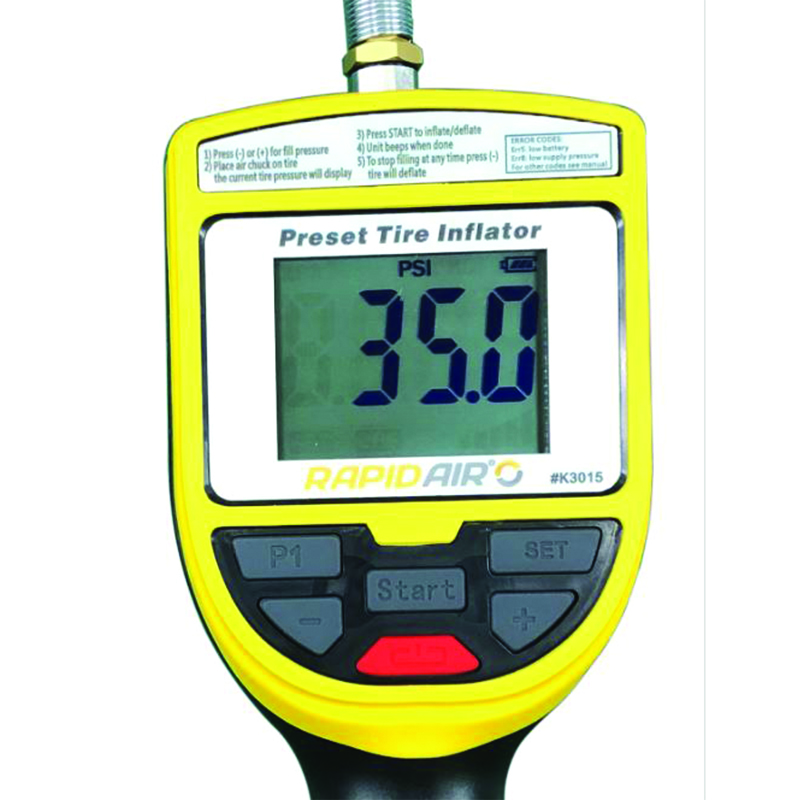
Many modern inflators feature a digital interface that allows users to input desired pressure levels easily. Some models also include preset functions for different tire types, which streamline the inflation process. This functionality is particularly beneficial in high-traffic environments, such as tire shops or service stations, where speed and efficiency are paramount.
Some automatic air pressure systems are designed to work with nitrogen, which offers advantages over regular air, such as reduced tire pressure loss and improved fuel efficiency. This compatibility can be a significant selling point for businesses focusing on high-performance vehicles or fleet management, as it contributes to longer tire life and better overall vehicle performance.
Illustrative image related to automatic air pressure
Given that many automatic air pressure systems are used in outdoor settings, durability against environmental factors is crucial. Systems constructed with weather-resistant materials can withstand exposure to elements like rain, snow, and extreme temperatures, thereby ensuring longevity and reducing maintenance costs.
Understanding industry jargon is essential for effective communication and negotiation in B2B transactions. Here are several key terms related to automatic air pressure systems:
OEM refers to companies that produce components that are used in the manufacturing of another company’s product. In the context of air pressure systems, sourcing OEM parts can ensure compatibility and reliability, as they are designed specifically for use with certain equipment.
MOQ denotes the smallest quantity of a product that a supplier is willing to sell. For B2B buyers, understanding the MOQ can help in budgeting and inventory planning, especially when evaluating suppliers for bulk purchases of air pressure systems.
An RFQ is a document that a buyer submits to potential suppliers to request pricing and other terms for specific products. This is a critical step in the procurement process, allowing businesses to compare offers and select the best supplier based on cost and service quality.
Incoterms are a series of predefined commercial terms published by the International Chamber of Commerce (ICC) that clarify the responsibilities of buyers and sellers in international transactions. Familiarity with Incoterms is essential for B2B buyers to understand shipping costs, risk management, and delivery responsibilities associated with automatic air pressure systems.
Calibration refers to the process of adjusting the accuracy of an instrument. In the context of automatic air pressure systems, regular calibration ensures that the inflator delivers precise pressure readings, which is vital for operational safety and efficiency.
By understanding these technical properties and trade terminology, B2B buyers can make informed decisions when sourcing automatic air pressure systems, ultimately enhancing their operational efficiency and customer satisfaction.
The automatic air pressure sector is experiencing significant transformation, driven by technological advancements, increasing demand for efficiency, and the growing importance of sustainability. Global drivers include the rising number of vehicles in emerging markets, particularly in Africa and South America, which boosts the demand for reliable tire inflation solutions. Moreover, the integration of smart technologies, such as IoT-enabled inflators and digital pressure gauges, enhances user experience and operational efficiency, allowing B2B buyers to minimize downtime and improve service quality.
Illustrative image related to automatic air pressure
In terms of sourcing trends, international buyers are increasingly looking for suppliers that offer robust, automated solutions with features like nitrogen compatibility and digital displays. These innovations not only ensure accurate inflation but also cater to the demands of modern automotive workshops and tire service providers. Additionally, the trend towards modular and scalable solutions, such as wall-mounted inflators that can connect to existing air compressors, is gaining traction among businesses looking to optimize their operational setups without significant capital investment.
Another critical dynamic is the focus on reliability and safety. Automatic inflators that prevent over-inflation and ensure accurate pressure settings are becoming essential in reducing workplace accidents and enhancing technician safety. As businesses prioritize productivity and safety, suppliers that can demonstrate the efficiency and reliability of their products are likely to gain a competitive edge in the global marketplace.
Sustainability is no longer a buzzword; it is a fundamental consideration for B2B buyers in the automatic air pressure sector. As environmental regulations tighten globally, businesses are increasingly seeking suppliers committed to sustainable practices. This includes the use of eco-friendly materials in manufacturing automatic inflators and implementing energy-efficient technologies that reduce the carbon footprint.
Illustrative image related to automatic air pressure
Ethical sourcing is also critical, as buyers prioritize suppliers with transparent supply chains that adhere to fair labor practices and environmental stewardship. Certifications such as ISO 14001 for environmental management and other green certifications can serve as indicators of a supplier’s commitment to sustainability. For international buyers, especially in regions like the Middle East and Africa, partnering with suppliers that align with these values can enhance brand reputation and meet regulatory requirements.
Moreover, the demand for products designed with recyclability in mind is growing. B2B buyers are increasingly aware of the lifecycle impact of their purchases, leading to a preference for inflators that can be easily disassembled for recycling. By aligning with sustainable and ethical practices, businesses not only contribute positively to the environment but also position themselves as leaders in their industries, appealing to a broader customer base.
The evolution of automatic air pressure solutions dates back to the early days of automotive technology when manual tire inflation was the norm. As vehicles became more prevalent, the need for efficient and accurate tire inflation grew. The introduction of pneumatic tools and compressors in the mid-20th century marked a significant advancement, enabling faster inflation processes.
In the late 20th century, the shift towards digital technology began, with the advent of automatic tire inflators that utilized electronic gauges for precision. This innovation revolutionized the market, leading to the development of user-friendly devices that offered preset pressure functions and automated inflation capabilities. Today, the integration of IoT technology and advanced calibration systems reflects the ongoing trend towards smart solutions, enhancing both user experience and operational efficiency in various B2B environments.
As the automatic air pressure sector continues to evolve, it remains essential for international buyers to stay informed about these historical trends to make strategic sourcing decisions that align with their business goals.
How do I solve issues with inaccurate tire pressure readings?
Inaccurate tire pressure readings can often stem from faulty equipment or improper calibration. To address this, ensure that your automatic air pressure inflator is calibrated according to the manufacturer’s specifications. Regular maintenance, including cleaning and replacing any worn parts, can help maintain accuracy. If persistent issues arise, consider consulting with the supplier for troubleshooting support or potentially investing in a higher-quality model with advanced calibration technology.
What is the best automatic air pressure inflator for high-volume tire shops?
For high-volume tire shops, look for automatic air pressure inflators with features like rapid inflation capabilities, digital pressure gauges, and durable construction. Models such as the PNT 4 or ENVE Air Pressure Station are designed for professional use, providing accuracy within 0.5 PSI and accommodating various tire types. Evaluate your shop’s specific needs, such as hose length and user interface, to select the most suitable model that enhances efficiency and safety.
What should I consider when vetting suppliers of automatic air pressure equipment?
When vetting suppliers, prioritize their reputation and experience in the industry. Look for certifications and customer testimonials that demonstrate reliability and quality. Assess their product range, warranty policies, and after-sales support. Additionally, inquire about their manufacturing processes to ensure compliance with international safety and quality standards, particularly if sourcing from regions like Africa or South America.
Can I customize the specifications of my automatic air pressure inflator?
Many manufacturers offer customization options for automatic air pressure inflators, allowing you to specify features such as pressure ranges, hose lengths, and control interfaces. Before proceeding, clearly communicate your requirements to the supplier and ask about the feasibility and potential costs of customization. This ensures that the final product meets your operational needs and enhances overall performance.
What are the minimum order quantities (MOQ) for purchasing automatic air pressure inflators?
Minimum order quantities can vary significantly between suppliers. It’s essential to discuss MOQs upfront during the negotiation process. Some manufacturers may offer flexible MOQs for first-time buyers, while others may have strict requirements based on production costs. Understanding these terms can help you plan your inventory effectively and avoid over-committing resources.
What payment terms should I expect when purchasing from international suppliers?
Payment terms can vary widely by supplier and region. Common practices include upfront payment, net 30/60 terms, or letters of credit for larger orders. Ensure you clarify these terms before finalizing your purchase to avoid any misunderstandings. Additionally, consider the risks associated with international transactions, such as currency fluctuations and transfer fees, which may impact the overall cost.
How do I ensure quality assurance (QA) for my automatic air pressure inflators?
To ensure quality assurance, request detailed information about the supplier’s QA processes, including testing protocols and certifications. Consider asking for samples before making a large order to evaluate product quality firsthand. Establish clear communication channels for reporting issues and ensure that the supplier is responsive to quality concerns, reinforcing a commitment to maintaining high standards.
What logistics considerations should I keep in mind when importing automatic air pressure inflators?
When importing, consider factors such as shipping costs, lead times, and customs regulations in your country. Collaborate with logistics providers who have experience in handling specialized equipment to streamline the process. Ensure that all documentation, including invoices and shipping labels, complies with international trade requirements to avoid delays. Additionally, factor in potential duties and taxes that may apply upon arrival.
المجال: martinsindustries.com
مسجل: 2005 (20 سنة)
مقدمة: Automatic Tire Inflators for Professionals, Wall-mounted and handheld options, compatible with nitrogen inflation, digital gauge for accurate inflation/deflation, various models available including: Handheld digital tire inflator – Flate Mate MH-30 ($107.72), Analog Handheld Tire Inflator – Flate Mate MH-31-PSI (Out of stock, $107.72), Automatic Tire Inflator – Flatematic Handheld MHA-100 ($321.48…
المجال: enve.com
مسجل: 1999 (26 سنة)
مقدمة: {‘name’: ‘ENVE Air Pressure Station’, ‘price’: ‘$750.00’, ‘description’: ‘The ENVE Air Pressure Station is an automatic digital inflator that helps to seat, and accurately inflate any tire to within a .5% of a psi or bar. It connects to your existing air compressor or bottled air and mounts cleanly on any wall or surface.’, ‘features’: [‘Automatic digital inflation’, ‘Accurate to within .5% of a p…

المجال: morrflate.com
مسجل: 2019 (6 سنوات)
مقدمة: The Morrflate Air Hub Automagic Air Control is designed for efficient tire inflation and deflation. It features a modular design that allows for easy customization and scalability. The product is compatible with multiple tire sizes and can be used for various applications. It includes an automatic air control system that simplifies the inflation process, ensuring consistent pressure across all tir…
In today’s competitive landscape, strategic sourcing of automatic air pressure solutions is critical for international B2B buyers. By prioritizing quality, efficiency, and compliance with local regulations, companies can enhance operational productivity and reduce downtime. Investing in advanced inflators not only ensures precise tire calibration but also mitigates risks associated with over-inflation, contributing to enhanced safety standards.
B2B buyers should focus on the technological advancements offered by modern automatic inflators, such as digital interfaces and programmable pressure settings. These features facilitate faster service delivery and improve customer satisfaction, particularly in high-demand environments like tire shops and service centers. Additionally, understanding the compatibility of equipment with existing infrastructure is vital for seamless integration.
Looking ahead, the demand for automatic air pressure solutions will likely increase, driven by a growing emphasis on safety and efficiency across industries. Buyers in regions like Africa, South America, the Middle East, and Europe should engage with suppliers who offer robust support and customization options. By doing so, businesses can secure a competitive edge in their markets.
In conclusion, strategic sourcing is not just about procurement; it is a pathway to operational excellence. We encourage international buyers to take proactive steps in evaluating their options and investing in high-quality automatic air pressure solutions that will meet their evolving needs.
المعلومات الواردة في هذا الدليل، بما في ذلك المحتوى المتعلق بالمصنعين والمواصفات الفنية وتحليل السوق، هي لأغراض إعلامية وتعليمية فقط. وهي لا تشكل مشورة مهنية في مجال المشتريات أو مشورة مالية أو مشورة قانونية.
على الرغم من أننا بذلنا كل جهد ممكن لضمان دقة المعلومات ودقة توقيتها، إلا أننا لسنا مسؤولين عن أي أخطاء أو سهو أو معلومات قديمة. تخضع ظروف السوق وتفاصيل الشركة والمعايير الفنية للتغيير.
يجب على المشترين بين الشركات إجراء العناية الواجبة المستقلة والشاملة الخاصة بهم قبل اتخاذ أي قرارات شراء. ويشمل ذلك الاتصال بالموردين مباشرة، والتحقق من الشهادات، وطلب عينات، وطلب الاستشارات المهنية. يتحمل القارئ وحده مخاطر الاعتماد على أي معلومات واردة في هذا الدليل.


 Arabic
  English
  Russian
  Spanish
  Italian
  Portuguese
  German