
- اللغة الإنجليزية
- الروسية
- الإسبانية
- إيطالي
- اللغة العربية
- البرتغالية
- الألمانية
As international B2B buyers increasingly seek reliable and durable solutions for transporting goods, the demand for high-quality motorcycle panniers has surged. Sourcing the right panniers for motorcycles can be challenging due to the diverse market offerings and varying quality standards across regions. This comprehensive guide aims to navigate the complexities of the global market for motorcycle panniers, providing insights into various types, applications, and essential features that cater to the unique needs of buyers from Africa, South America, the Middle East, and Europe, including Germany and Vietnam.
Throughout this guide, we will delve into the different styles of panniers, from hard cases to soft bags, outlining their suitability for various riding conditions and purposes. Additionally, we will cover critical aspects such as supplier vetting processes, pricing strategies, and the importance of understanding regional regulations and preferences. By equipping B2B buyers with actionable insights and data-driven recommendations, this guide empowers them to make informed purchasing decisions that align with their operational requirements and budget constraints.
As you navigate this essential resource, you’ll gain a clearer understanding of how to select the best motorcycle panniers for your business needs, ensuring that you choose products that not only enhance performance but also deliver long-term value in an increasingly competitive market.
| اسم النوع | السمات المميزة الرئيسية | تطبيقات B2B الأولية | موجز الإيجابيات والسلبيات للمشترين |
|---|---|---|---|
| سلال صلبة | Rigid construction, waterproof, lockable | التجول لمسافات طويلة وركوب المغامرات | الإيجابيات: Durable, secure; السلبيات: Heavier, more expensive |
| السلال الناعمة | Lightweight, flexible materials, often expandable | Casual rides, short trips, urban commuting | الإيجابيات: Lightweight, easy to store; السلبيات: Less secure |
| سلال بلا أذرع | No need for a mounting rack, easy attachment | Off-road adventures, minimalist setups | الإيجابيات: Versatile, quick to install; السلبيات: Stability concerns on rough terrain |
| السلال المعيارية | Customizable configurations, interchangeable parts | Custom builds, varied load requirements | الإيجابيات: Highly adaptable, tailored solutions; السلبيات: Complexity in assembly |
| Adventure Panniers | Designed for rugged conditions, reinforced seams | Extreme touring, adventure motorcycling | الإيجابيات: Built for durability, weatherproof; السلبيات: Higher price point |
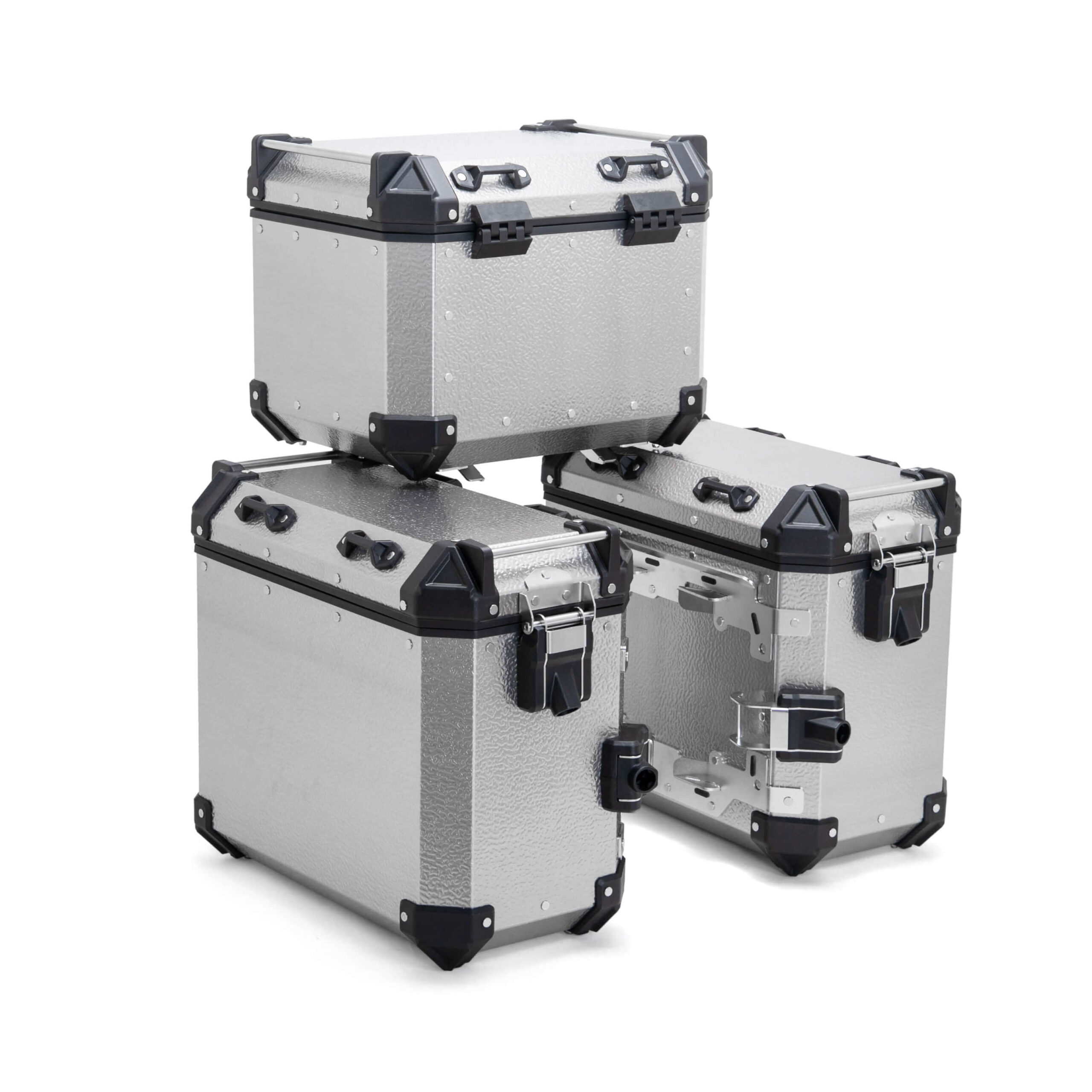
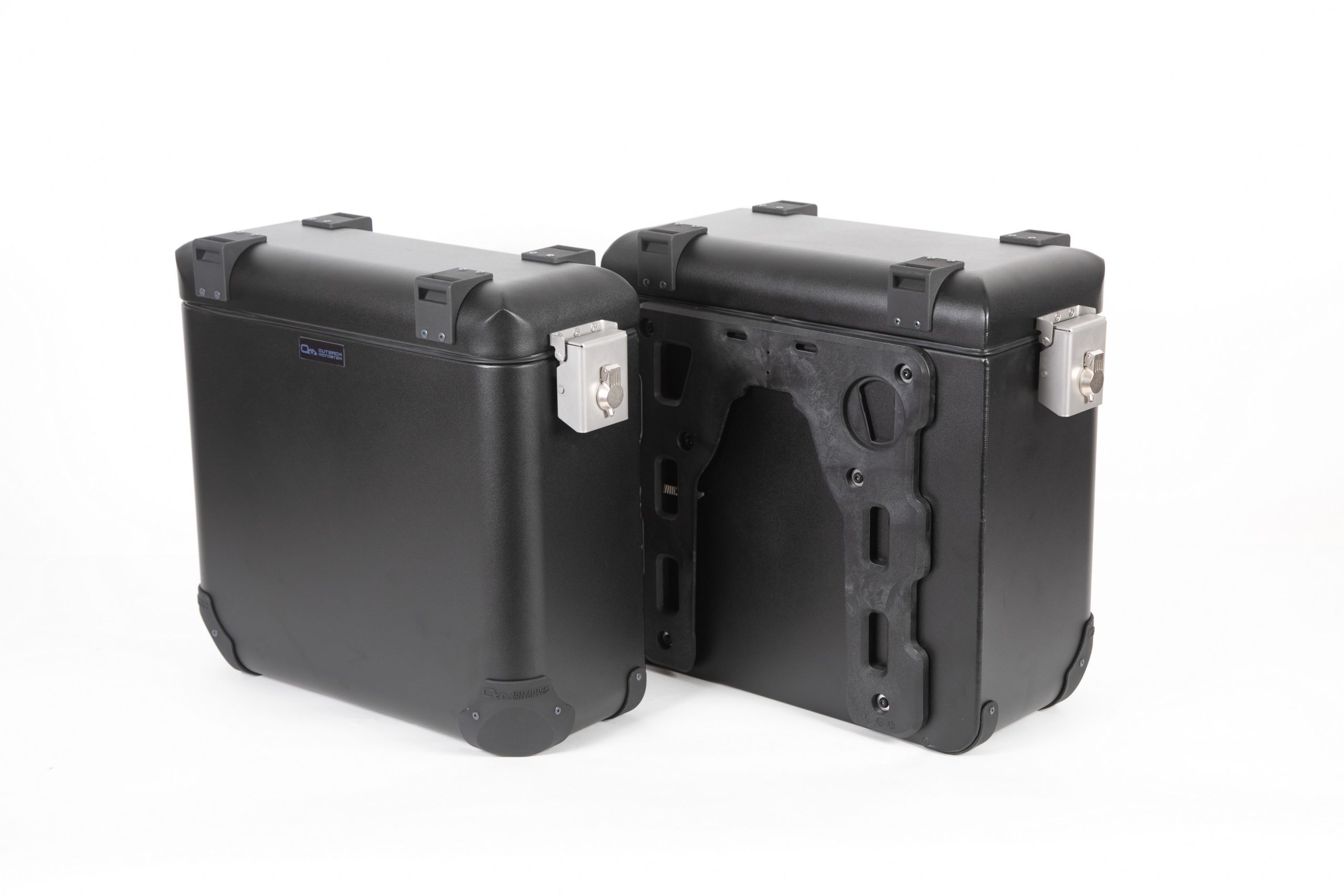
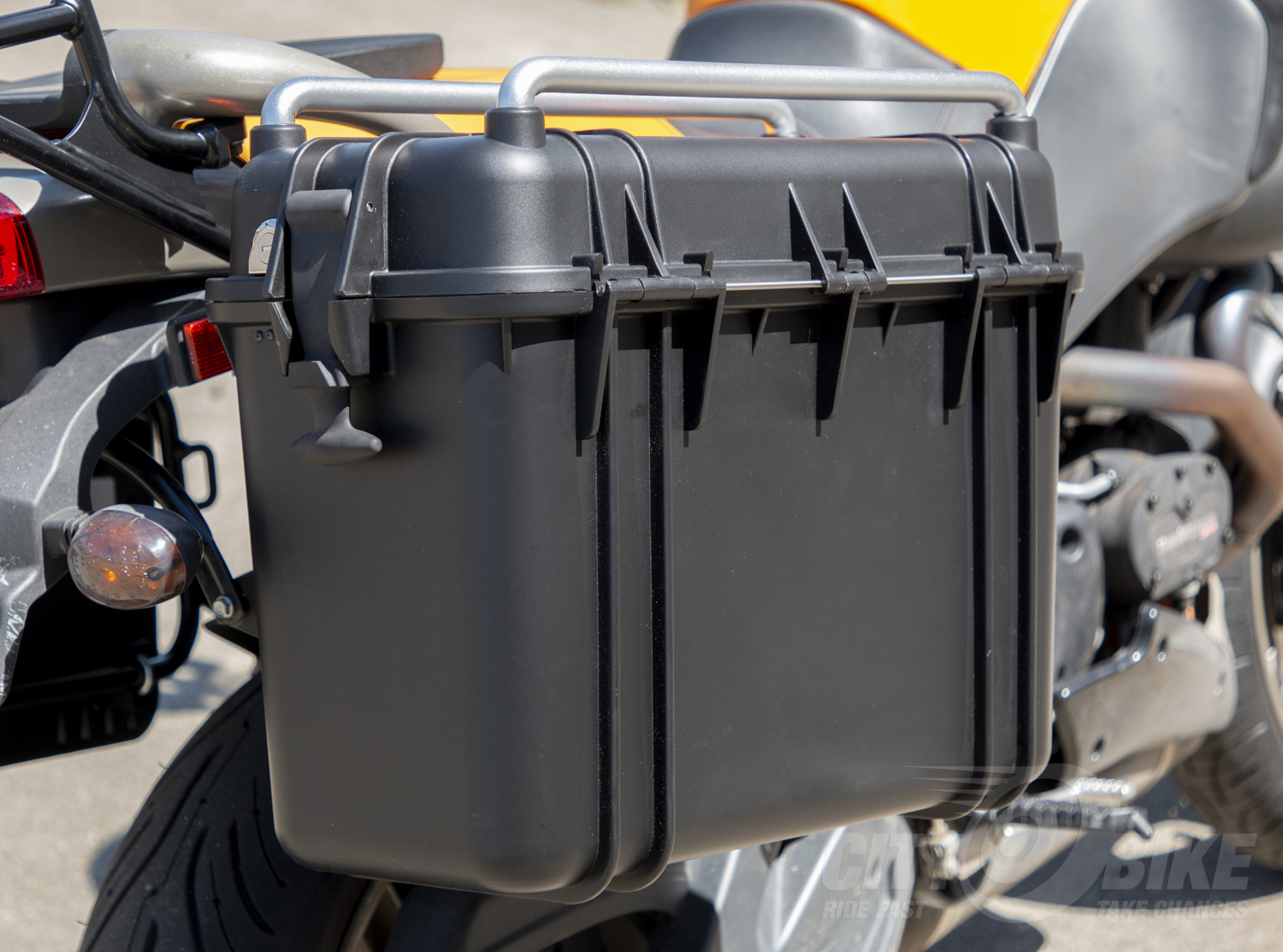
Hard panniers are characterized by their rigid construction, typically made from materials like aluminum or high-density plastic. They offer superior security and weather resistance, making them ideal for long-distance touring and adventure riding. B2B buyers should consider the weight and mounting systems, as heavier cases may require robust racks. Additionally, the lockability feature ensures that valuable gear is secure during travel, making them a preferred choice for businesses involved in motorcycle rentals or tours.
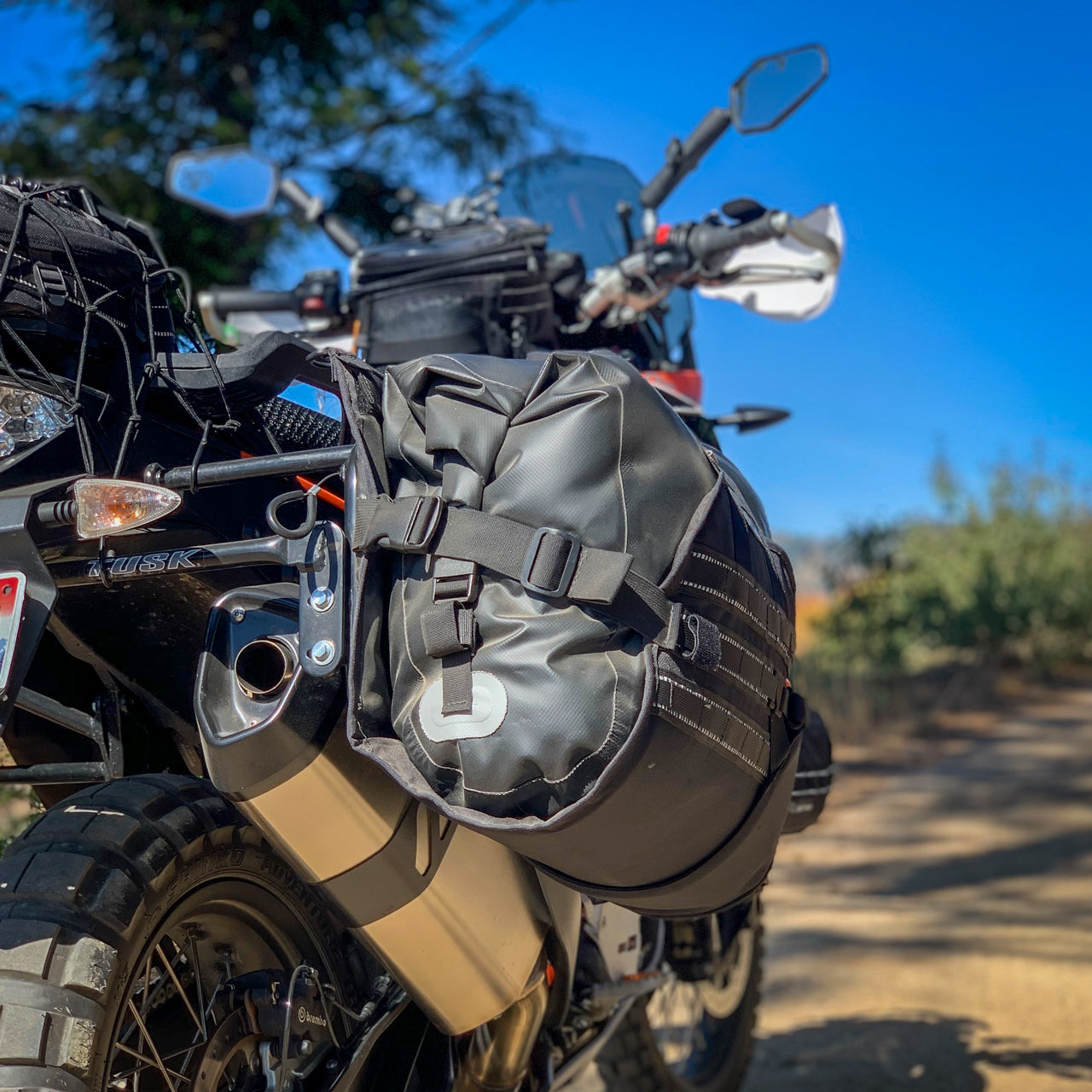
Soft panniers are constructed from lightweight, flexible materials, which allows for easy storage and transport when not in use. They are particularly suitable for casual rides, urban commuting, and short trips where weight and space are critical. For B2B buyers, the ease of installation and affordability make soft panniers an attractive option, especially for companies catering to beginner riders or those with budget constraints. However, buyers should note that soft panniers may not offer the same level of security as hard options.
Illustrative image related to panniers for motorcycle
Rackless panniers are designed for convenience, eliminating the need for a mounting rack. This feature makes them highly versatile and quick to attach, appealing to riders who prioritize flexibility, especially in off-road situations. For B2B buyers, this type is ideal for companies that focus on adventure tourism or off-road motorcycle rentals. However, it is essential to consider the potential stability issues on rough terrain, as these panniers may not provide the same level of support as those mounted on a rack.
Modular panniers allow for customizable configurations, enabling businesses to tailor solutions to specific needs. These panniers often feature interchangeable parts, allowing riders to adapt their luggage according to load requirements. This adaptability is particularly beneficial for B2B buyers in the custom motorcycle market or those providing tailored solutions for diverse customer needs. While they offer significant flexibility, the complexity of assembly and potential for misconfiguration should be considered.
Adventure panniers are specifically engineered for the rigors of extreme touring and rugged conditions, featuring reinforced seams and robust materials. They are designed to withstand harsh environments, making them a popular choice among serious motorcyclists. For B2B buyers, investing in adventure panniers can enhance product offerings in markets with high demand for durable luggage solutions. However, their higher price point may be a consideration for budget-conscious buyers.
Illustrative image related to panniers for motorcycle
| الصناعة/القطاع | Specific Application of panniers for motorcycle | القيمة/الفائدة للأعمال التجارية | اعتبارات التوريد الرئيسية لهذا التطبيق |
|---|---|---|---|
| الخدمات اللوجستية والتوصيل | Use in last-mile delivery for goods | Enhanced capacity for transporting goods securely and efficiently | Durability, weather resistance, and ease of mounting |
| سياحة المغامرات | تخزين العتاد لرحلات الدراجات النارية | Provides secure storage for equipment, enhancing customer experience | Lightweight design, waterproof features, and lockability |
| خدمات الطوارئ | Transporting medical supplies or tools | Quick access to critical supplies in urgent situations | Robust construction, ease of access, and customization options |
| Agricultural Transport | Carrying tools and supplies in rural areas | Facilitates efficient transportation of farming equipment and supplies | Compatibility with various motorcycle models and load capacity |
| Urban Commuting | Daily transport of personal items | Increases convenience for city riders, reducing reliance on cars | Compact design, ease of installation, and security features |
In the logistics and delivery sector, motorcycle panniers serve as essential storage solutions for last-mile delivery operations. These panniers enhance the transport capacity of motorcycles, allowing delivery personnel to securely carry packages. Businesses benefit from the efficiency gained through the ability to navigate urban environments while maintaining the integrity of goods. Buyers in this sector should prioritize durability and weather resistance, as these factors ensure the longevity of the panniers under various conditions.
Adventure tourism businesses often rely on motorcycle panniers to provide customers with secure storage for their gear during tours. These panniers allow riders to carry essential equipment, such as camping gear and food supplies, while traversing rugged terrains. The added security and convenience enhance the overall experience for tourists. Buyers should look for lightweight designs that are waterproof and lockable, ensuring that travelers’ belongings are protected from the elements and potential theft.
In emergency services, motorcycle panniers are utilized for transporting medical supplies and tools, enabling rapid response in urgent situations. The ability to quickly access critical supplies can be life-saving in emergencies. For businesses in this sector, robust construction and ease of access are vital features that ensure the reliability of the panniers. Customization options may also be necessary to accommodate specific medical equipment.
In rural areas, agricultural workers use motorcycle panniers to transport tools and supplies efficiently. These panniers facilitate the movement of essential equipment, allowing farmers to navigate diverse terrains. The value lies in the increased mobility and efficiency of transporting necessary items without relying on larger vehicles. Buyers should consider compatibility with various motorcycle models and ensure the panniers have adequate load capacity for agricultural needs.
For urban commuters, motorcycle panniers offer a practical solution for transporting personal items, reducing reliance on cars. They provide a compact and efficient way to carry everyday necessities, such as laptops and groceries. The convenience of easy installation and security features makes these panniers attractive to city riders. Buyers should focus on compact designs that do not compromise on storage capacity, ensuring they meet the demands of urban commuting.
Illustrative image related to panniers for motorcycle
المشكلة B2B buyers often face the challenge of ensuring that motorcycle panniers can be securely mounted on a variety of motorcycle models. The diversity in motorcycle designs and aftermarket accessories can lead to complications with fitment, which may result in additional costs for custom mounts or adapters. This can be particularly frustrating for retailers and distributors who want to provide a seamless experience for their customers but find themselves dealing with returns and customer dissatisfaction due to mounting issues.
الحل: To overcome this challenge, buyers should prioritize sourcing panniers that are compatible with a wide range of motorcycle models and come with versatile mounting systems. When evaluating suppliers, it’s crucial to look for brands that offer detailed fitment guides and provide a variety of mounting options, such as universal racks or specific adapters. Additionally, engaging with suppliers that offer customization services can be beneficial; they can assist in creating tailored solutions that ensure a secure fit without compromising the integrity of the motorcycle. Conducting thorough pre-purchase research and leveraging feedback from existing users can also enhance the selection process, ensuring the chosen panniers meet the diverse needs of the target market.
المشكلة Buyers frequently worry about the durability and weather resistance of motorcycle panniers, especially in regions with harsh climates or during long-distance rides. Inadequate protection from elements like rain, dust, or extreme temperatures can lead to damaged goods and unsatisfied customers, which is detrimental to business reputation and profitability. This concern is particularly pronounced for B2B buyers in markets such as Africa and South America, where terrain and weather conditions can vary significantly.
الحل: To address durability and weather resistance issues, B2B buyers should prioritize sourcing panniers constructed from high-quality materials, such as reinforced aluminum or high-denier textile that is inherently waterproof. When assessing products, it’s beneficial to request samples to evaluate their performance in real-world conditions. Additionally, seeking panniers with features like sealed seams, integrated rain covers, or modular designs that allow for easy replacement of damaged parts can enhance longevity. Establishing relationships with manufacturers who provide warranties and crash replacement services can also offer peace of mind, ensuring that buyers can support their customers effectively in case of product failure.
المشكلة Another common issue B2B buyers encounter is the limited storage capacity of many motorcycle panniers, which can be a significant drawback for customers who require more room for gear, tools, or personal items during longer journeys. This pain point can lead to frustration for both the retailer and the end-user, particularly for those involved in adventure tourism or long-haul travel, where storage flexibility is paramount.
Illustrative image related to panniers for motorcycle
الحل: To mitigate this issue, buyers should consider sourcing modular pannier systems that allow for scalable storage solutions. Look for options that feature expandable compartments or additional accessory bags that can be easily attached or detached. Additionally, working with suppliers that offer customized pannier kits tailored to specific riding styles or trips can greatly enhance the appeal to potential customers. It’s also wise to promote panniers that come with packing cubes or organizational inserts, as these can help users maximize space and keep their gear organized. By focusing on flexibility and capacity in product selection, B2B buyers can cater to a broader audience and meet the varying demands of their customer base.
When selecting materials for motorcycle panniers, several factors come into play that can significantly affect performance, durability, and cost. Understanding these materials is essential for international B2B buyers, especially those operating in diverse markets like Africa, South America, the Middle East, and Europe.
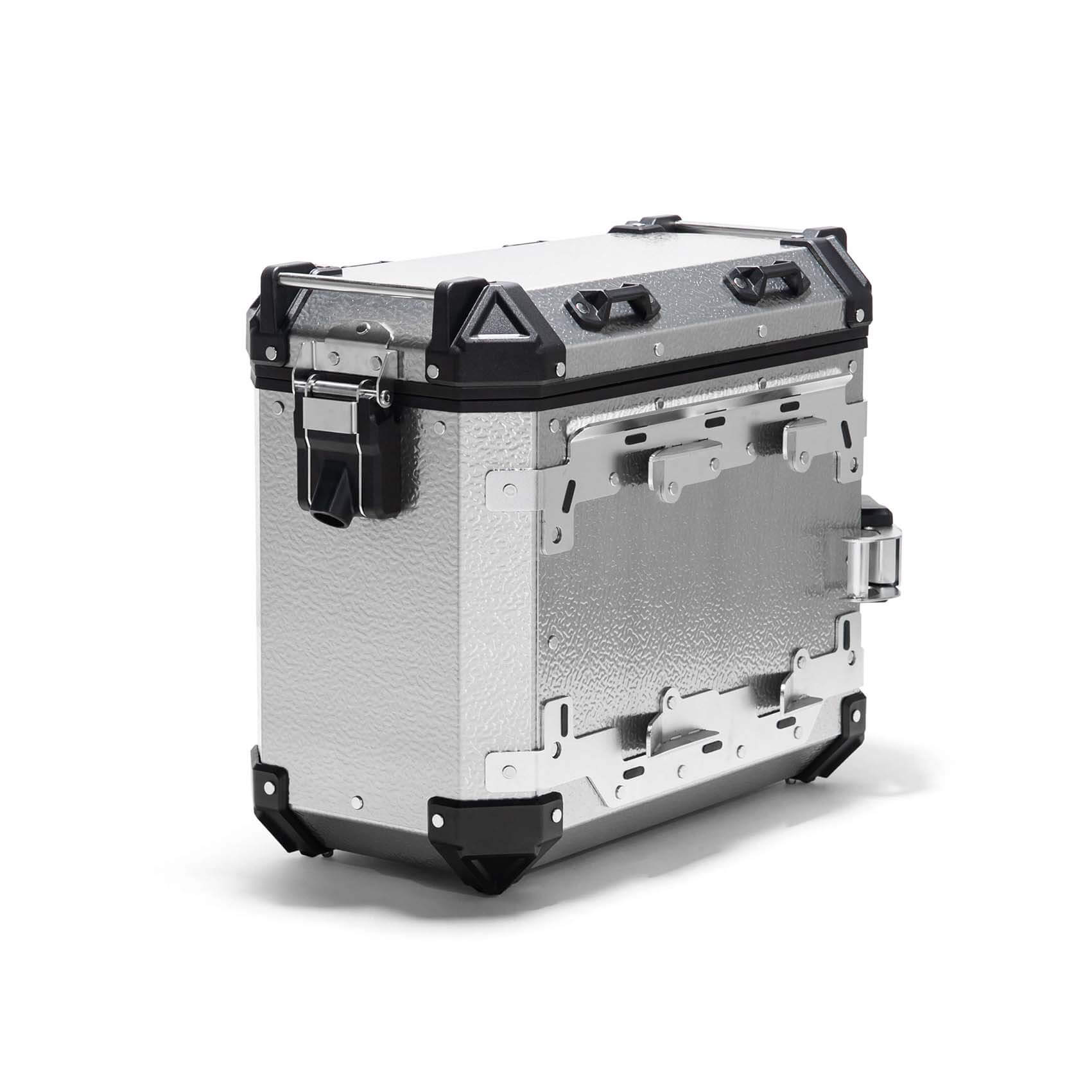
Aluminum is a popular choice for motorcycle panniers due to its lightweight and high strength-to-weight ratio. It typically exhibits excellent corrosion resistance, making it suitable for various environmental conditions. Aluminum panniers can withstand high temperatures and pressures, which is essential for performance during long rides or in rugged terrains.
Illustrative image related to panniers for motorcycle
الإيجابيات: Aluminum panniers are durable and can handle impacts well. They are also relatively easy to manufacture, allowing for mass production at a lower cost. The aesthetic appeal of aluminum can enhance the overall look of the motorcycle.
السلبيات: While aluminum is strong, it can be prone to dents and scratches. Additionally, the initial investment can be higher compared to other materials, which may deter some buyers.
التأثير على التطبيق: Aluminum is compatible with various media, including water and dirt, making it ideal for off-road adventures. However, buyers should consider the weight limits of their motorcycles when selecting aluminum panniers.
International Buyer Considerations: Compliance with standards such as ASTM for material properties is crucial. Buyers from Europe may prefer aluminum due to its lightweight nature, while those in regions with harsher climates may prioritize corrosion resistance.
Illustrative image related to panniers for motorcycle
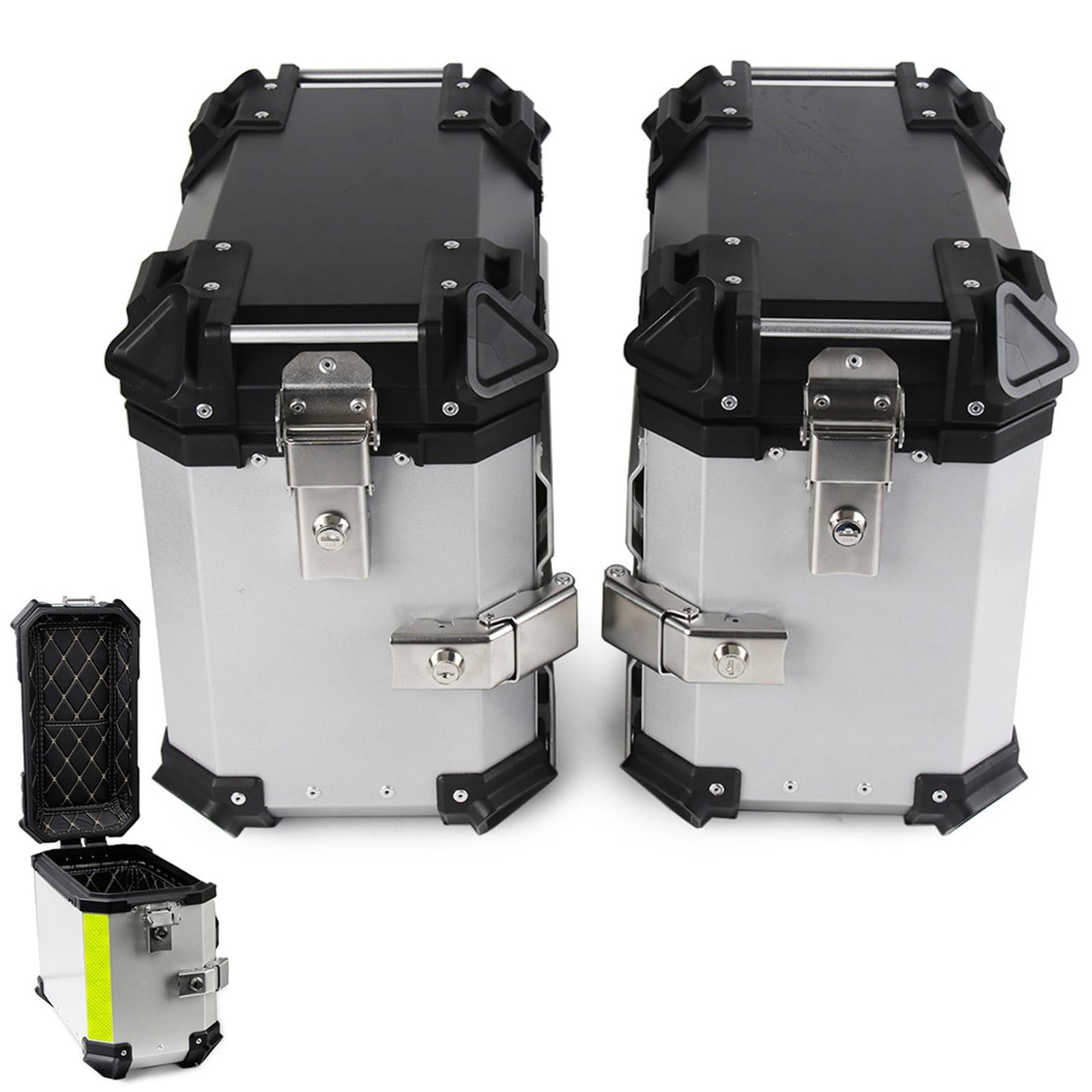
Plastic, particularly high-density polyethylene (HDPE) and polypropylene, is increasingly used for motorcycle panniers due to its lightweight and impact-resistant properties. It is also highly resistant to corrosion and UV radiation, making it suitable for various weather conditions.
الإيجابيات: Plastic panniers are generally less expensive to produce and can be molded into various shapes, offering versatility in design. They are also lightweight, which is a significant advantage for long-distance riders.
السلبيات: While plastic is resistant to corrosion, it may not withstand high temperatures as effectively as metals. Additionally, plastic can become brittle over time, especially when exposed to UV light.
التأثير على التطبيق: Plastic is suitable for everyday use and short trips but may not be the best choice for extreme off-road conditions. Its compatibility with various media is generally good, but buyers should ensure that the plastic used is of high quality.
International Buyer Considerations: Buyers should look for compliance with international standards like ISO for material safety. In regions like Africa and South America, where cost is a significant factor, plastic panniers may be more appealing.
Textile materials, such as Cordura or ballistic nylon, are often used for soft panniers. These materials are known for their durability and resistance to abrasions, making them suitable for adventure riding.
الإيجابيات: Textile panniers are lightweight and flexible, allowing for easy storage when not in use. They often come with waterproof coatings, enhancing their usability in adverse weather conditions.
السلبيات: While textiles are durable, they may not offer the same level of protection against impacts as hard materials. Additionally, they can be more challenging to clean and maintain.
التأثير على التطبيق: Textile panniers are ideal for urban commuting and short trips, but they may not provide the same level of security as hard cases. Buyers should consider the specific conditions in which the panniers will be used.
International Buyer Considerations: Compliance with safety standards is essential, particularly in regions with varying climate conditions. Buyers in Europe may prefer textile options for their lightweight nature, while those in the Middle East might prioritize waterproof features.
When selecting materials for motorcycle panniers, it is crucial to consider the specific needs of the rider, including the type of riding, environmental conditions, and budget constraints. Each material offers unique advantages and disadvantages that can influence the overall performance and suitability of the panniers.
| المواد | Typical Use Case for panniers for motorcycle | الميزة الرئيسية | العيب/التقييد الرئيسي | التكلفة النسبية (منخفضة/متوسطة/مرتفعة) |
|---|---|---|---|---|
| ألومنيوم | Long-distance touring and off-road adventures | نسبة عالية من القوة إلى الوزن | Prone to dents and higher initial cost | عالية |
| بلاستيك | Everyday commuting and short trips | خفيفة الوزن وفعالة من حيث التكلفة | May become brittle over time | متوسط |
| المنسوجات | Urban commuting and adventure riding | Flexible and lightweight | حماية أقل من الصدمات | منخفضة |
The manufacturing process for motorcycle panniers encompasses several key stages, each critical to ensuring the final product meets durability, functionality, and aesthetic standards.
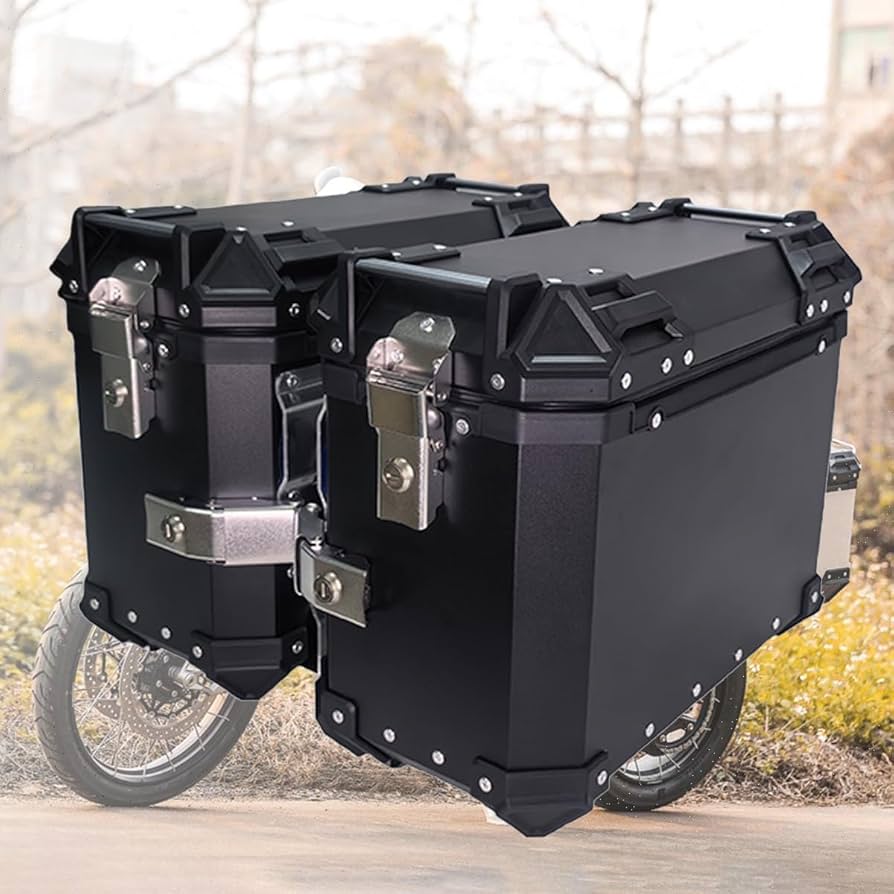
The first step in the manufacturing process involves selecting and preparing the right materials. Common materials used in motorcycle panniers include high-strength aluminum, ABS plastic, and textiles like nylon. Each material is chosen based on its specific properties, such as weight, strength, and weather resistance.
Illustrative image related to panniers for motorcycle
Once the materials are selected, they undergo rigorous quality checks to ensure they meet the required specifications. This includes testing for tensile strength, flexibility, and resistance to environmental factors like UV exposure and moisture.
After material preparation, the next stage is forming. This involves cutting, molding, and shaping materials into the desired configurations. For aluminum panniers, techniques such as CNC machining and robotic welding are often employed to achieve precision and strength. These methods ensure that the panniers can withstand the rigors of off-road conditions and heavy loads.
For textile panniers, fabric cutting and sewing techniques are utilized. Reinforcements are often added at stress points, ensuring durability and extending the product’s lifespan.
Once the individual components are formed, they proceed to the assembly stage. This is where different parts—such as the body, lids, locks, and mounting systems—are combined. Manufacturers often employ automated assembly lines for efficiency, though skilled labor remains crucial for intricate tasks like sealing and quality checks.
During this stage, attention is paid to ensuring that all components fit seamlessly together. Any misalignment can lead to issues such as water leakage or structural weakness, which are unacceptable in high-quality panniers.
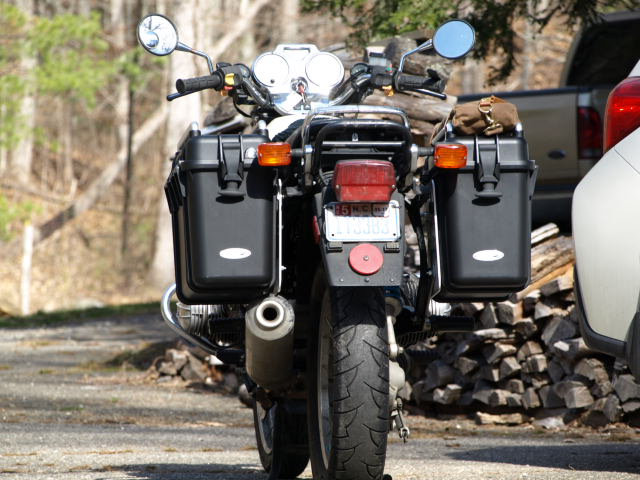
The final stage of manufacturing involves finishing processes such as surface treatment, painting, and the application of protective coatings. For metal panniers, anodizing or powder coating may be used to enhance corrosion resistance and aesthetic appeal.
Textile panniers may undergo treatments to increase water resistance and UV protection. Finally, branding elements, such as logos and reflective strips, are added to enhance visibility and brand recognition.
Illustrative image related to panniers for motorcycle
Quality assurance (QA) is critical in the production of motorcycle panniers to ensure that they meet international and industry-specific standards.
Many manufacturers adhere to international quality management standards such as ISO 9001, which focuses on maintaining consistent quality through effective management systems. Compliance with ISO 9001 can significantly enhance a manufacturer’s credibility in the eyes of B2B buyers.
In addition to ISO standards, industry-specific certifications such as CE marking (indicating conformity with health, safety, and environmental protection standards) and API (American Petroleum Institute) specifications for materials may also be relevant. These certifications provide assurance that the products are safe and reliable for end-users.
Quality control checkpoints are integrated throughout the manufacturing process, typically categorized into three main types:
مراقبة الجودة الواردة (IQC): This checkpoint occurs at the material sourcing stage. Materials are inspected for quality before they are approved for production. This includes verifying certifications and conducting material tests.
مراقبة الجودة أثناء العملية (IPQC): During the manufacturing stages, various inspections are conducted to ensure that components are being formed and assembled correctly. This might involve measuring tolerances, checking for defects, and ensuring that assembly procedures are followed.
مراقبة الجودة النهائية (FQC): Once the panniers are fully assembled, they undergo a final inspection. This includes functional tests (such as water resistance tests), aesthetic checks, and a review of all specifications to ensure that the product meets the defined standards.
To ensure that motorcycle panniers meet quality standards, several testing methods are employed, including:
اختبار مقاومة الماء: This involves submerging the panniers in water or using spray tests to ensure they do not leak under pressure.
اختبار الحمل: Panniers are subjected to weight tests to verify they can handle the expected loads without deforming or breaking.
اختبار المتانة: This includes exposing the panniers to extreme temperatures, UV light, and other environmental factors to assess their resilience over time.
Lock and Mount Testing: Manufacturers often test locking mechanisms and mounting systems to ensure they function correctly under various conditions.
For B2B buyers, especially those from diverse regions like Africa, South America, the Middle East, and Europe, verifying a supplier’s quality control processes is essential. Here are some effective strategies:
Conduct Audits: Regular audits of suppliers can help assess their manufacturing processes and quality control measures. This can be done by the buyer’s internal team or through third-party auditing firms.
Request Quality Reports: Buyers should ask for detailed quality assurance reports, including test results and compliance documentation. This transparency can help build trust and ensure that products meet the required standards.
عمليات التفتيش من طرف ثالث: Engaging third-party inspection agencies can provide an unbiased assessment of the manufacturer’s quality control processes. These agencies can conduct random inspections during the production process and provide certification.
International buyers must navigate additional complexities when dealing with suppliers from different regions. Factors such as varying regulatory standards, cultural differences in business practices, and logistical challenges can affect quality control.
Illustrative image related to panniers for motorcycle
الامتثال التنظيمي: Buyers should be well-versed in the regulatory requirements of their home countries and ensure that suppliers comply with these standards.
Cultural Understanding: Understanding the cultural nuances of suppliers from regions like Asia or Africa can enhance communication and lead to better collaboration on quality assurance practices.
Logistics and Shipping: Ensuring quality during transit is also critical. Buyers should consider how products are packaged and shipped to avoid damage that could compromise quality.
In conclusion, a comprehensive understanding of manufacturing processes and quality assurance protocols is essential for B2B buyers in the motorcycle pannier market. By focusing on material selection, forming techniques, assembly, and thorough quality checks, manufacturers can deliver high-quality products that meet international standards. Buyers who actively verify these processes can ensure they source reliable and durable panniers suited for diverse riding conditions.
The following guide is designed to assist B2B buyers in sourcing high-quality motorcycle panniers. By following this checklist, you can ensure that your procurement process is thorough, efficient, and results in the best possible product for your needs.
Before you start looking for suppliers, it’s essential to clearly outline your technical requirements. Consider the type of motorcycle the panniers will be used with, the intended use (e.g., adventure riding, commuting), and the capacity needed. This step helps narrow down your options and ensures you only evaluate products that meet your specific needs.
Understanding current market trends is vital for making informed purchasing decisions. Investigate what types of panniers are popular in your target regions, such as Africa or Europe, and note any emerging technologies or designs. This knowledge can guide you in selecting products that are not only functional but also appealing to your customer base.
Before committing, it’s crucial to vet suppliers thoroughly. Request company profiles, case studies, and references from buyers in a similar industry or region. Don’t just rely on their website; engage in direct communication to assess their reliability and responsiveness.
Once you have shortlisted potential suppliers, request samples of the panniers you are considering. This allows you to assess the quality, functionality, and overall suitability of the products firsthand. Pay attention to the materials used, stitching quality, and ease of installation.
When you’ve identified the right supplier and products, it’s time to discuss pricing and terms. Be clear about your budget constraints and seek to negotiate the best possible deal. Consider factors such as minimum order quantities, payment terms, and delivery schedules.
After negotiating terms that work for both parties, draft a purchase agreement that outlines all aspects of the deal. This document should include product specifications, pricing, delivery timelines, and payment terms. Having a clear contract helps protect both you and the supplier from potential disputes.
Illustrative image related to panniers for motorcycle
Once your order is confirmed, plan for how you will manage inventory. Consider storage, tracking, and distribution strategies to ensure you can meet demand efficiently. This foresight will help you streamline operations and enhance customer satisfaction.
By following this sourcing checklist, B2B buyers can effectively navigate the procurement process for motorcycle panniers, ensuring they select the right products and suppliers for their business needs.
When sourcing motorcycle panniers, it is crucial to understand the underlying cost structure. Key components include materials, labor, manufacturing overhead, tooling, quality control (QC), logistics, and supplier margins.
المواد: The choice of materials significantly influences the cost. High-quality options like aluminum or durable plastics offer better performance and longevity, but they come at a higher price. Waterproofing features and additional protective elements also increase material costs.
العمالة: Labor costs can vary based on the manufacturing location. Countries with lower labor costs may offer more competitive pricing, but this can sometimes compromise quality. Assessing the skill level of the workforce is essential to ensure the production meets quality standards.
نفقات التصنيع الزائدة: This includes indirect costs related to production, such as utilities and equipment maintenance. Efficient manufacturing processes can help minimize these costs, thereby affecting the final price.
الأدوات: Initial tooling costs can be significant, especially for custom designs. For businesses looking to produce unique panniers, these costs should be factored into the overall pricing strategy.
مراقبة الجودة (QC): Implementing rigorous QC processes ensures that the panniers meet safety and durability standards, which can incur additional costs. However, investing in QC can reduce returns and warranty claims, ultimately lowering the Total Cost of Ownership (TCO).
الخدمات اللوجستية: Shipping costs depend on the size and weight of the panniers, as well as the distance from the manufacturer to the buyer. Understanding Incoterms can aid in predicting logistics costs accurately.
الهامش: Suppliers will typically add a margin to cover their overhead and profit. This margin can vary significantly based on the supplier’s reputation, market demand, and the complexity of the product.
Several factors can influence the pricing of motorcycle panniers.
الحجم/معدل العرض/الطلب: Bulk purchases often lead to discounted pricing. Manufacturers are more willing to negotiate when orders are large, as it reduces their risk and production costs per unit.
المواصفات والتخصيص: Custom features or specifications can increase the base price. Buyers should clarify their requirements early to avoid unexpected costs later in the process.
الجودة والشهادات: Higher quality often equates to higher prices. Certifications related to safety, durability, and environmental standards can also affect costs, as they may require additional testing and compliance processes.
عوامل الموردين: The supplier’s location, reputation, and production capabilities can influence pricing. Engaging with reputable suppliers often results in higher-quality products but may come at a premium.
المصطلحات التجارية الدولية: Understanding the chosen Incoterm (e.g., FOB, CIF) can significantly affect landed costs. Buyers should carefully consider these terms to avoid unexpected shipping and handling charges.
International B2B buyers, particularly from regions like Africa, South America, the Middle East, and Europe, should adopt strategic approaches to negotiation and cost-efficiency:
Illustrative image related to panniers for motorcycle
Research and Benchmarking: Understand market prices and benchmark against competitors. This knowledge will empower buyers during negotiations.
النظر في التكلفة الإجمالية للملكية (TCO): Rather than focusing solely on the purchase price, consider long-term factors such as durability, warranty, and maintenance costs. A higher initial investment in quality panniers may yield savings over time.
بناء العلاقات: Establishing long-term relationships with suppliers can lead to better pricing and service. Trust can result in more favorable terms and priority during production.
Be Clear on Requirements: Providing detailed specifications and expectations upfront can minimize misunderstandings and additional costs later in the process.
Leverage Payment Terms: Negotiate favorable payment terms to improve cash flow. For instance, extended payment terms or installment payments can ease financial pressure.
Understanding the cost structure and pricing dynamics of motorcycle panniers is crucial for informed sourcing decisions. By considering material choices, labor costs, manufacturing overhead, and logistical factors, buyers can better navigate the complexities of international procurement while achieving cost efficiency. Remember, the key to successful sourcing lies in thorough research, clear communication, and strategic negotiation.
When it comes to transporting gear on motorcycles, panniers are a popular choice due to their functionality and versatility. However, there are several alternatives that may suit different needs and preferences. This analysis compares motorcycle panniers with soft bags and top cases, providing B2B buyers with insights to make informed decisions based on performance, cost, ease of implementation, maintenance, and best use cases.
| جانب المقارنة | Panniers For Motorcycle | Soft Bags | أهم الحالات |
|---|---|---|---|
| الأداء | Excellent stability and capacity for long trips, especially off-road. | Good for light loads; may shift during heavy use. | Strong protection against impact and weather. |
| التكلفة | Mid to high range; typically €600-€1,500. | Generally lower; ranges from €150-€600. | Mid to high range; typically €300-€1,500. |
| سهولة التنفيذ | Requires specific mounting racks; installation can be complex. | Easy to attach; often uses straps or hooks. | Mounting systems are often bike-specific, but installation is straightforward. |
| الصيانة | Requires occasional checks for wear and tear, especially seals and locks. | Minimal maintenance; clean as needed. | Regular checks for locks and hinges; may need waterproofing treatment. |
| أفضل حالة استخدام | Ideal for long-distance touring and off-road adventures. | Best for short trips or casual use; adaptable for various gear sizes. | Excellent for daily commuting and long trips; provides high security. |
Soft Bags
Soft bags are lightweight and flexible, making them easy to attach and detach from motorcycles. They offer a lower-cost alternative to panniers, making them appealing for budget-conscious buyers. However, they typically provide less stability when carrying heavier loads and can shift during rides, particularly on rough terrain. This makes them less ideal for long-distance travel where gear security is paramount.
Illustrative image related to panniers for motorcycle
أهم الحالات
Top cases provide a secure storage solution that is often lockable and weather-resistant. They are particularly suitable for daily commuting and weekend trips, as they offer easy access to gear without dismounting. While they generally provide excellent protection, their capacity is often less than that of panniers, and they may not be suitable for heavy off-road use. Additionally, top cases can be more expensive, depending on the brand and features.
When selecting the most suitable luggage solution for motorcycles, B2B buyers should consider their specific requirements, including the type of riding, the amount of gear to be transported, and budget constraints. Panniers offer unmatched performance for serious adventurers, while soft bags are great for casual riders looking for flexibility. Top cases strike a balance between security and convenience for urban commuting. Ultimately, understanding the strengths and weaknesses of each option will empower buyers to choose the solution that best meets their operational needs and enhances their riding experience.
Understanding the technical specifications of motorcycle panniers is crucial for B2B buyers looking to make informed purchasing decisions. Here are some essential properties that should be considered:
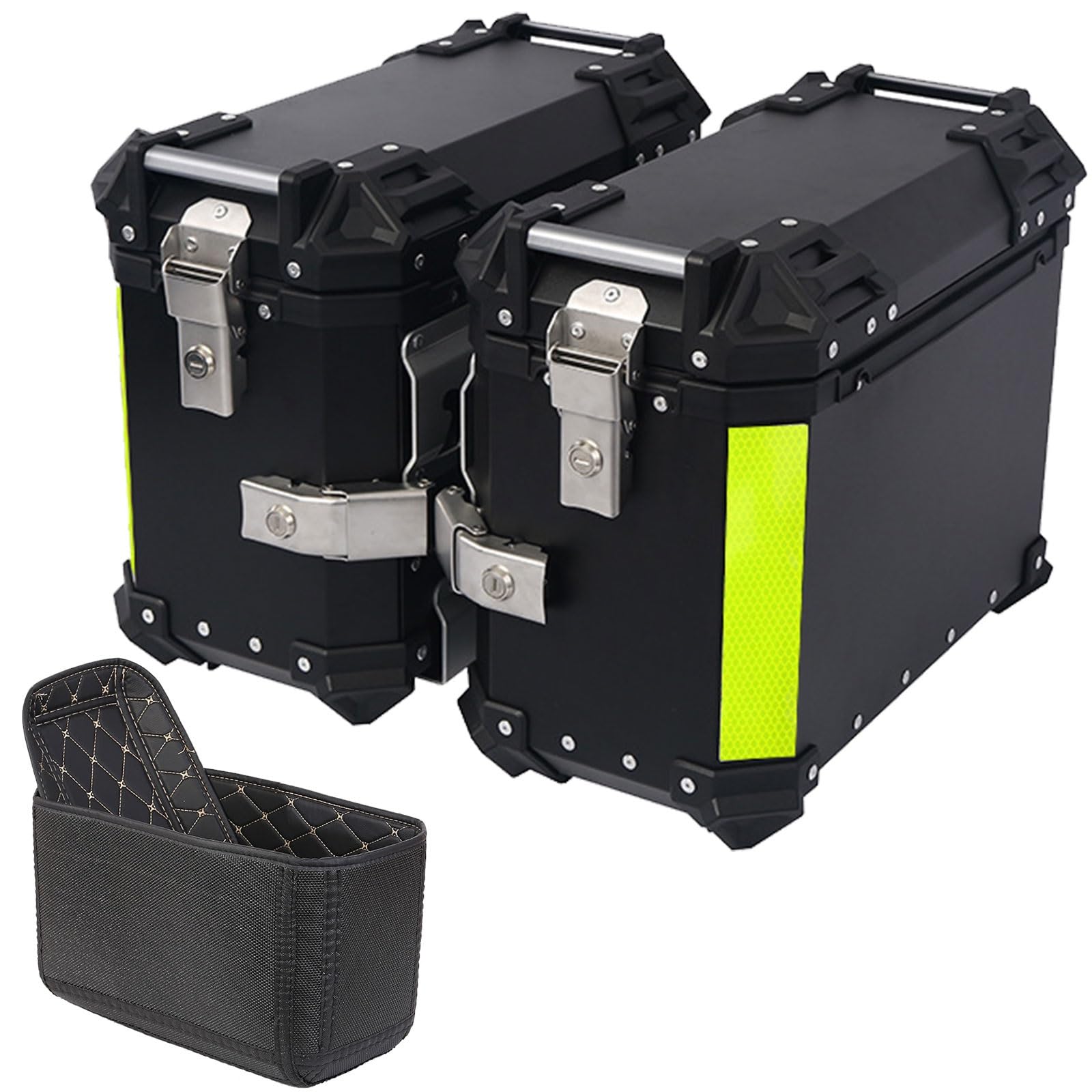
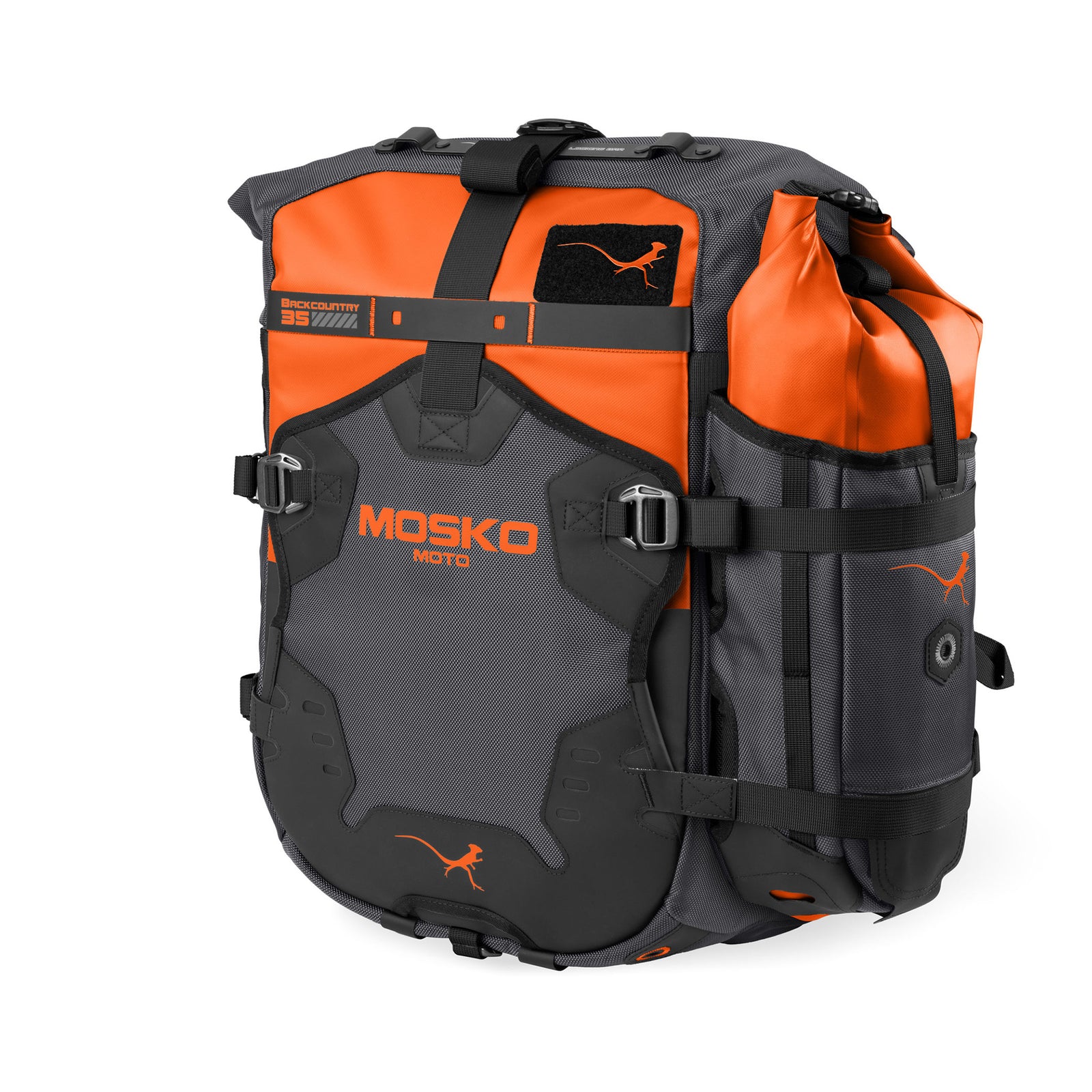
Motorcycle panniers are typically constructed from materials such as aluminum, ABS plastic, or textile. Aluminum offers superior durability and is resistant to corrosion, making it ideal for rugged environments. ABS plastic, while lighter, provides a balance between durability and weight, often favored for city commuting. Textile options, like ballistic nylon, are flexible and water-resistant, catering to adventure riders. Selecting the appropriate material can significantly impact the longevity and performance of the panniers, aligning with the buyer’s specific market needs.
Illustrative image related to panniers for motorcycle
The waterproofing capability of panniers is often rated using IP (Ingress Protection) ratings. A higher rating indicates better resistance to water ingress, which is essential for protecting cargo from the elements. For B2B buyers, investing in waterproof panniers can reduce customer complaints and returns, ensuring higher satisfaction and loyalty in markets prone to adverse weather conditions.
Capacity is measured in liters and defines how much gear can be stored within each pannier. Common capacities range from 25L to 50L per side, impacting the overall weight distribution and handling of the motorcycle. It’s vital for buyers to match the pannier size to their target customer demographic and typical usage scenarios, whether for daily commutes or long-distance touring.
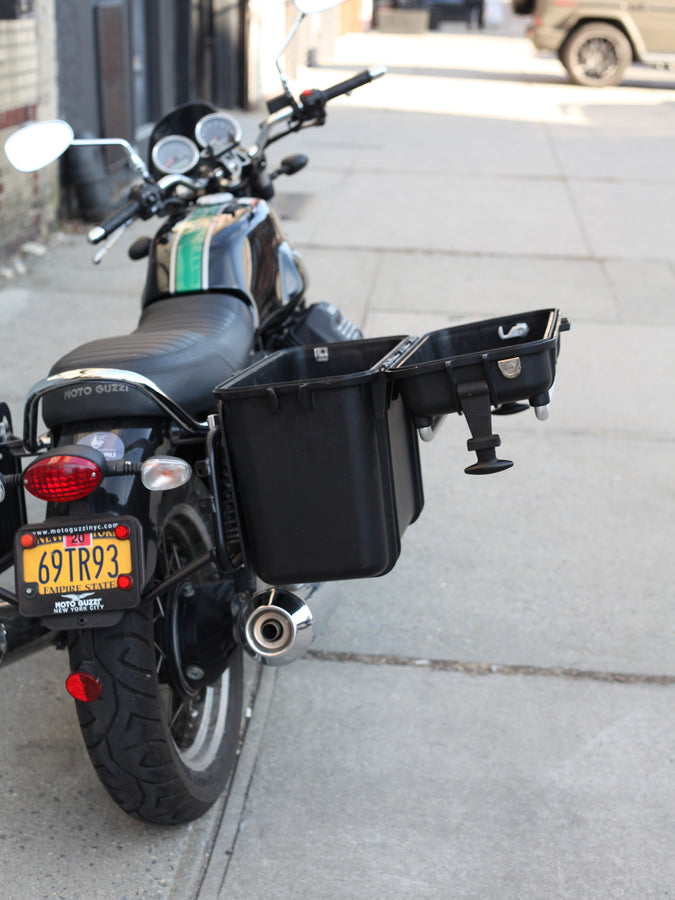
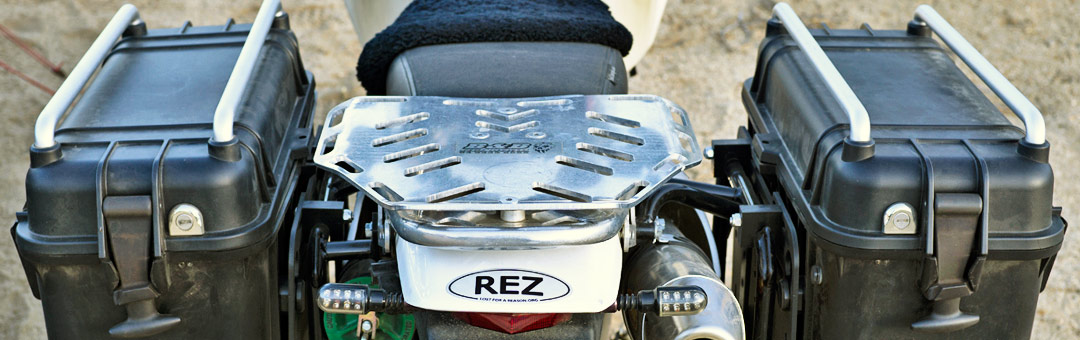
Panniers must be compatible with specific motorcycle models and their mounting systems, which can be OEM (Original Equipment Manufacturer) or aftermarket racks. Understanding the different mounting options is critical for ensuring ease of installation and removal. For B2B buyers, offering a range of compatible mounting systems can enhance product appeal and facilitate wider market penetration.
Security features, such as lockable latches and integrated locks, play a vital role in protecting valuable items stored in panniers. Buyers should prioritize panniers with reliable locking mechanisms to cater to customers concerned about theft, especially in urban areas.
Illustrative image related to panniers for motorcycle
The weight of the panniers can affect the motorcycle’s handling and fuel efficiency. Lightweight options are particularly appealing for performance-focused riders, while heavier-duty models may be preferred for their robustness. Aerodynamic designs can reduce drag, enhancing riding comfort and efficiency. Buyers should consider the weight-to-durability ratio based on their target market’s preferences.
Familiarity with industry jargon is essential for effective communication in B2B transactions. Here are some common terms:
This term refers to companies that produce parts and equipment that may be marketed by another manufacturer. In the context of motorcycle panniers, OEM refers to products designed to fit specific motorcycle models as originally intended by the manufacturer.
Illustrative image related to panniers for motorcycle
MOQ defines the smallest quantity of a product that a supplier is willing to sell. Understanding MOQ is crucial for buyers, as it affects inventory management and cash flow. Buyers should negotiate favorable MOQs to align with their sales forecasts.
An RFQ is a standard business process used to invite suppliers to bid on specific products or services. It’s an essential step for buyers to obtain pricing and terms before making a purchase decision. Crafting a clear RFQ can streamline procurement processes and foster competitive pricing.
Incoterms are a set of international rules that define the responsibilities of sellers and buyers in the shipping of goods. Understanding these terms helps buyers manage logistics costs and risks associated with international trade.
Lead time is the period between the initiation of an order and its completion. For B2B buyers, understanding lead times is vital for inventory planning and ensuring timely delivery to customers, particularly in fast-paced markets.
By comprehending these technical specifications and industry terms, B2B buyers can make informed decisions, optimize their supply chain, and enhance customer satisfaction in the motorcycle pannier market.
Illustrative image related to panniers for motorcycle
The motorcycle panniers market is currently experiencing significant growth, driven by a rise in adventure tourism and the increasing popularity of motorcycle travel across diverse regions, particularly in Africa, South America, the Middle East, and Europe. The demand for durable, weather-resistant luggage solutions is on the rise as consumers seek products that enhance their riding experience. Key trends include the adoption of advanced materials such as lightweight composites and high-strength aluminum, which improve the performance and longevity of panniers. Additionally, technological advancements are enabling manufacturers to create innovative mounting systems that simplify installation and enhance stability on various bike models.
In terms of sourcing trends, B2B buyers are increasingly looking for manufacturers that offer customization options to cater to regional preferences and specific motorcycle models. The integration of e-commerce platforms is also reshaping the market landscape, allowing international buyers to easily access a wider range of products and suppliers. Furthermore, the emphasis on design aesthetics combined with functionality is reshaping product offerings, with companies focusing on both performance and visual appeal to attract modern riders.
The growing awareness of environmental issues is prompting B2B buyers to prioritize sustainability and ethical sourcing in their purchasing decisions. This shift is reflected in the increasing demand for motorcycle panniers made from eco-friendly materials and sustainable manufacturing practices. Companies that can demonstrate a commitment to reducing their environmental impact through the use of recycled materials or sustainable sourcing practices are gaining a competitive edge in the market.
Certifications such as Global Recycled Standard (GRS) and OEKO-TEX® can enhance a brand’s credibility and appeal to environmentally conscious buyers. Additionally, as consumers become more informed about the lifecycle of products, they are more likely to choose panniers that offer durability and repairability, reducing waste and promoting a circular economy. This shift not only benefits the planet but can also lead to cost savings for businesses in the long run by minimizing the need for frequent replacements.
The evolution of motorcycle panniers has been shaped by the changing needs of riders and advancements in materials technology. Initially, panniers were primarily made from leather and heavy-duty canvas, which, while durable, lacked weather resistance. The introduction of synthetic materials in the late 20th century revolutionized the market, allowing for lighter, waterproof options that could withstand harsh conditions.
As motorcycle tourism gained popularity in the 21st century, manufacturers began focusing on ergonomic designs and user-friendly features, such as quick-release mounting systems and modular storage solutions. Today, the market is characterized by a diverse range of products that cater to various riding styles and preferences, reflecting an ongoing commitment to innovation and quality within the industry. This evolution underscores the importance of adaptability in the B2B landscape, as suppliers must stay attuned to rider demands and technological advancements to remain competitive.
1. How do I choose the right panniers for my motorcycle?
Selecting the right panniers involves considering your motorcycle model, riding style, and the type of terrain you’ll encounter. Look for panniers that are compatible with your bike’s rack system, whether it’s a hard-mounted or soft bag style. Evaluate the material—aluminum offers durability while soft options are lighter. Capacity is also crucial; consider how much gear you’ll typically carry on trips. Lastly, ensure the panniers are weatherproof and secure to protect your belongings during rides.
2. What are the key features to look for in motorcycle panniers?
When sourcing motorcycle panniers, focus on durability, waterproofing, and ease of installation. Look for features like lockability to secure your items, reflective elements for visibility, and the ability to detach easily for convenience. Consider the interior organization options, such as compartments or additional bags, which help keep your gear organized. Additionally, compatibility with various motorcycle models and aftermarket accessories is vital for a seamless fit.
3. What is the typical minimum order quantity (MOQ) for motorcycle panniers?
Minimum order quantities can vary significantly by manufacturer and product type. Generally, MOQs for motorcycle panniers range from 10 to 100 units, depending on the supplier’s production capabilities and the specific pannier model. It’s advisable to discuss MOQs directly with potential suppliers, as some may offer flexibility for first-time buyers or bulk orders, while others may have strict requirements.
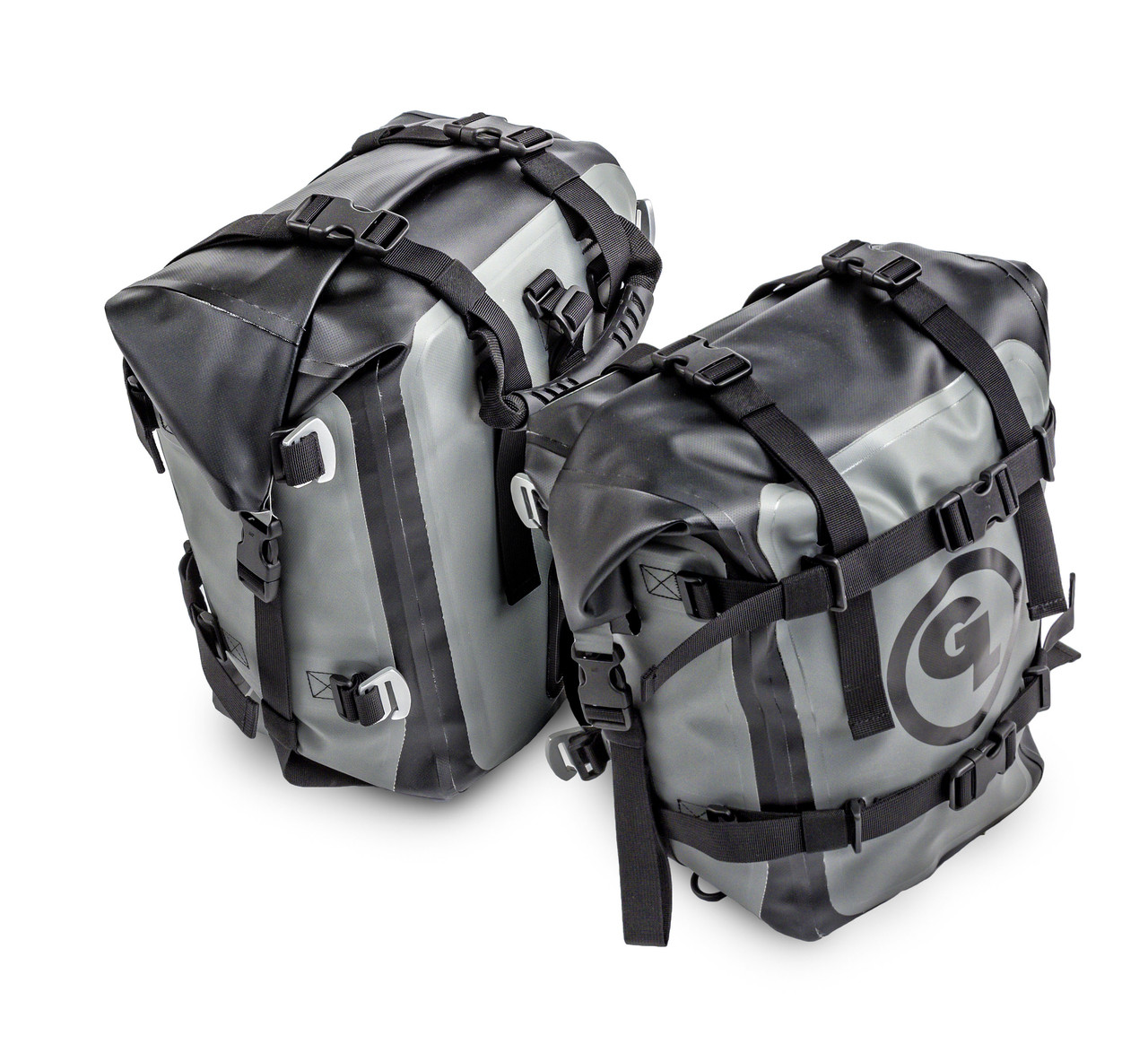
Illustrative image related to panniers for motorcycle
4. How can I vet suppliers for motorcycle panniers?
To vet suppliers effectively, start by checking their industry reputation through online reviews and testimonials. Request references from other B2B buyers and inquire about their experience regarding product quality and reliability. Evaluate their production capacity and lead times to ensure they can meet your demands. Additionally, ask about certifications and compliance with international quality standards, which can provide reassurance about the product’s reliability.
5. What payment terms are commonly offered by manufacturers of motorcycle panniers?
Payment terms can vary widely among manufacturers but often include options such as a deposit (usually 30-50%) upon order confirmation and the balance before shipping. Some suppliers may offer net terms, allowing you to pay within a specified period post-delivery. It’s crucial to clarify these terms upfront to avoid misunderstandings and ensure smooth transactions. Additionally, consider payment methods that offer buyer protection, such as letters of credit or escrow services.
6. How do I ensure quality assurance when sourcing panniers?
To ensure quality assurance, request samples before placing a bulk order to assess the panniers’ build and performance. Establish clear specifications and standards in your contract, including material quality and functionality. Many reputable manufacturers conduct regular quality checks and can provide documentation of their quality control processes. Consider working with third-party inspection services, especially for large orders, to verify that products meet your standards before shipment.
7. What logistics considerations should I keep in mind when importing panniers?
Logistics is a critical aspect of importing panniers. Consider shipping methods—air freight is faster but more expensive, while sea freight is cost-effective for larger shipments. Understand customs regulations and tariffs in your country to avoid unexpected costs. Work with a reliable freight forwarder who can manage documentation and ensure compliance with international shipping standards. Additionally, plan for warehousing and distribution within your region to facilitate timely deliveries to your customers.
8. How can customization options enhance my product offering for motorcycle panniers?
Customization options, such as branding with your logo, color choices, or specific features tailored to your target market, can significantly enhance your product offering. Offering unique designs or additional functionalities can differentiate your products in a competitive market. Engage with your customers to understand their preferences and needs, and collaborate with manufacturers who can accommodate these requests. Customization not only adds value but also strengthens brand loyalty among your buyers.
المجال: moskomoto.com
مسجل: 2013 (12 سنة)
مقدمة: This company, Moskomoto – Free Delivery Over $200, is a notable entity in the market. For specific product details, it is recommended to visit their website directly.
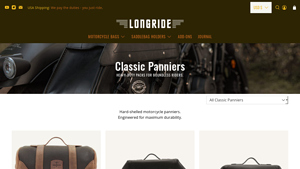
المجال: longride.com
مسجل: 2000 (25 سنة)
مقدمة: Black Leather Motorcycle Panniers with Quick-Release system. Features hard-shelled construction engineered for maximum durability. Available models include ROADMASTER SK ($375.00 USD), CLASSIC 42 SK ($609.00 USD), CLASSIC 35 SK ($589.00 USD), and INDIAN PANNIERS ($685.00 USD). Suitable for various motorcycle brands including Triumph, Royal Enfield, Moto Guzzi, Honda, Harley Davidson, Ducati, Kawas…
المجال: vikingbags.com
مسجل: 2006 (19 سنة)
مقدمة: Best Motorcycle Panniers for Adventure Touring Bikes. Made from tear-resistant and weatherproof material. Available in black finish. Ballistic nylon construction, expandable for storage. Quick-disconnect panniers with bike-specific racks included. Main pocket storage capacity: 2,563 cubic inches (40 liters) to 3,661 cubic inches (60 liters). Waterproof lining inside main pocket. MOLLE panel for ad…
As the global demand for motorcycle panniers continues to rise, strategic sourcing emerges as a vital component for international B2B buyers aiming to capitalize on this trend. By focusing on high-quality materials, innovative designs, and reliable suppliers, businesses can ensure they meet the diverse needs of their customers across different markets, including Africa, South America, the Middle East, and Europe.
Key takeaways from this guide emphasize the importance of understanding local market preferences, leveraging advanced manufacturing technologies, and fostering strong partnerships with reputable brands. As buyers seek products that combine durability, functionality, and style, sourcing from manufacturers who prioritize sustainability and customer satisfaction will yield competitive advantages.
Looking ahead, the motorcycle accessories market is poised for growth, driven by increasing interest in adventure tourism and eco-friendly transportation solutions. We encourage B2B buyers to explore emerging opportunities in this sector and engage with suppliers who can provide tailored solutions that resonate with their customer base. By taking proactive steps in their sourcing strategies, businesses can position themselves as leaders in the motorcycle pannier market, ready to embrace future challenges and opportunities.
المعلومات الواردة في هذا الدليل، بما في ذلك المحتوى المتعلق بالمصنعين والمواصفات الفنية وتحليل السوق، هي لأغراض إعلامية وتعليمية فقط. وهي لا تشكل مشورة مهنية في مجال المشتريات أو مشورة مالية أو مشورة قانونية.
على الرغم من أننا بذلنا كل جهد ممكن لضمان دقة المعلومات ودقة توقيتها، إلا أننا لسنا مسؤولين عن أي أخطاء أو سهو أو معلومات قديمة. تخضع ظروف السوق وتفاصيل الشركة والمعايير الفنية للتغيير.
يجب على المشترين بين الشركات إجراء العناية الواجبة المستقلة والشاملة الخاصة بهم قبل اتخاذ أي قرارات شراء. ويشمل ذلك الاتصال بالموردين مباشرة، والتحقق من الشهادات، وطلب عينات، وطلب الاستشارات المهنية. يتحمل القارئ وحده مخاطر الاعتماد على أي معلومات واردة في هذا الدليل.


 Arabic
  English
  Russian
  Spanish
  Italian
  Portuguese
  German