
- اللغة الإنجليزية
- الروسية
- الإسبانية
- إيطالي
- اللغة العربية
- البرتغالية
- الألمانية
In today’s increasingly regulated automotive landscape, sourcing an air pump for a car presents unique challenges for international B2B buyers. As emissions standards tighten globally, understanding the critical role that air pumps play in a vehicle’s emissions control system is essential. These components not only enhance engine performance but also ensure compliance with environmental regulations, making their selection and procurement vital for automotive suppliers and manufacturers.
This comprehensive guide explores the diverse types of air pumps available, their specific applications across various vehicle models, and the essential criteria for vetting suppliers. We delve into the cost implications associated with air pump procurement, providing insights into market trends and potential savings. By equipping B2B buyers from Africa, South America, the Middle East, and Europe—particularly in regions like Germany and Saudi Arabia—with actionable knowledge, this guide empowers informed purchasing decisions.
Whether you’re looking to enhance your product offerings or ensure regulatory compliance in your automotive fleet, understanding the nuances of air pumps is crucial. This guide serves as your roadmap, leading you through the complexities of the global market, enabling you to make strategic sourcing decisions that align with your business goals.
| اسم النوع | السمات المميزة الرئيسية | تطبيقات B2B الأولية | موجز الإيجابيات والسلبيات للمشترين |
|---|---|---|---|
| Electric Air Pump | Powered by electric motor; compact design; lower noise levels. | Automotive repair shops, OEMs | الإيجابيات: Quiet operation, energy-efficient. السلبيات: تكلفة أولية أعلى. |
| Engine-Driven Air Pump | Operated via engine belt; robust and reliable; generally larger. | Heavy-duty vehicles, fleets | الإيجابيات: Durable, lower operational costs. السلبيات: Can be noisy, space-consuming. |
| Secondary Air Injection Pump | Enhances combustion; typically found in modern vehicles. | Emission control specialists | الإيجابيات: Improves emissions performance. السلبيات: Complex installation, requires diagnostics. |
| Smog Pump | Adds air to exhaust to ignite unburned fuel; older technology. | Classic car restorations | الإيجابيات: Reduces emissions, enhances performance. السلبيات: Obsolete in modern cars, limited availability. |
| Vacuum Pump | Creates vacuum for brake assist and other systems; versatile. | صيانة المركبات التجارية | الإيجابيات: Essential for safety systems, reliable. السلبيات: Maintenance can be complex. |
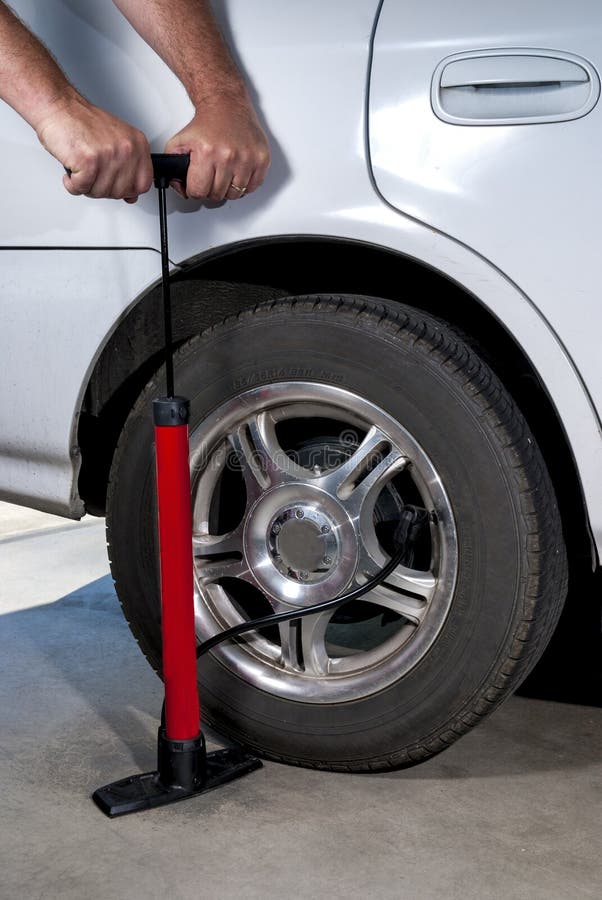
Electric air pumps are characterized by their compact design and operation via an electric motor. These pumps are favored in applications where noise reduction is a priority, making them suitable for urban environments. B2B buyers should consider the energy efficiency and lower operational costs of electric pumps, although the initial purchase price can be higher compared to engine-driven alternatives. Their quiet operation can enhance customer satisfaction in various automotive applications.
Illustrative image related to air pump on a car
Engine-driven air pumps utilize a belt connected to the vehicle’s engine, making them robust and reliable. These pumps are typically larger and are commonly used in heavy-duty vehicles and fleets. B2B buyers benefit from their durability and lower operational costs, which can be significant for businesses managing multiple vehicles. However, potential downsides include noise levels and the need for adequate space within the vehicle’s engine compartment.
Secondary air injection pumps are crucial for enhancing combustion efficiency in modern vehicles, particularly in those equipped with advanced emissions control systems. They assist in reducing harmful emissions during cold starts. B2B buyers, particularly those in emissions control sectors, should prioritize these pumps for their ability to improve vehicle compliance with environmental regulations. However, they may require complex installation and diagnostics, making professional support essential.
Smog pumps, which inject air into the exhaust system to ignite unburned fuel, are primarily used in older vehicles. They play a vital role in reducing emissions and enhancing engine performance. For B2B buyers involved in classic car restorations, smog pumps can be essential for maintaining compliance with emissions standards. However, their obsolescence in modern vehicles and limited availability can pose challenges for sourcing replacement parts.
Vacuum pumps are versatile components that create vacuum pressure for brake assist systems and other applications. They are critical in commercial vehicle maintenance, especially for ensuring safety features operate effectively. B2B buyers should consider the reliability and importance of vacuum pumps in vehicle safety systems. While they are essential, maintenance can be complex, requiring specialized knowledge and tools, which can influence purchasing decisions.
| الصناعة/القطاع | Specific Application of air pump on a car | القيمة/الفائدة للأعمال التجارية | اعتبارات التوريد الرئيسية لهذا التطبيق |
|---|---|---|---|
| تصنيع السيارات | Emission Control Systems | Ensures compliance with environmental regulations, enhancing brand reputation and marketability. | Quality certifications, compatibility with various vehicle models, and reliability under diverse conditions. |
| إدارة الأسطول | Vehicle Performance Optimization | Reduces maintenance costs and improves fuel efficiency, leading to lower operational expenses. | Availability of replacement parts, technical support, and bulk purchase discounts. |
| Environmental Services | Emissions Testing and Compliance | Provides data for regulatory compliance, protecting businesses from fines and improving public perception. | Calibration standards, accuracy of emissions data, and certification for regulatory bodies. |
| ورش تصليح السيارات | Repair and Maintenance Services | Enhances service offerings and customer satisfaction by ensuring vehicles operate efficiently. | Access to OEM parts, training for technicians, and warranty considerations. |
| الخدمات اللوجستية والنقل | Fleet Emissions Management | Minimizes carbon footprint and meets international emissions standards, improving sustainability credentials. | Compatibility with various vehicle types, regulatory compliance, and supplier reliability. |
In the automotive manufacturing sector, air pumps are integral to emission control systems. They facilitate the reduction of harmful exhaust emissions by injecting air into the exhaust stream, enhancing combustion efficiency. This is critical for compliance with stringent environmental regulations in regions like Europe and North America. Manufacturers must consider the quality certifications of air pumps, ensuring they meet the specifications for various vehicle models while maintaining reliability across diverse climatic conditions.
For fleet management companies, air pumps are vital for optimizing vehicle performance. A well-functioning air pump reduces maintenance costs by preventing engine issues and improving fuel efficiency, which translates to lower operational expenses. Fleet managers should focus on sourcing reliable air pumps that offer compatibility with a wide range of vehicles, as well as technical support for ongoing maintenance. Additionally, bulk purchase options can provide cost savings.
Environmental services utilize air pumps for emissions testing and compliance verification. By ensuring that vehicles meet regulatory standards, these pumps help companies avoid fines and enhance their public image. Accurate data from air pumps is crucial for compliance with local and international emissions regulations. Buyers in this sector must ensure that air pumps are calibrated to meet specific standards and are certified for use in emissions testing, thus ensuring reliability and accuracy in reporting.
Automotive repair shops rely on air pumps to provide comprehensive repair and maintenance services. By ensuring that vehicles operate efficiently, these shops can enhance customer satisfaction and loyalty. Access to OEM parts is essential for repair shops to maintain quality and reliability. Additionally, training technicians on the latest air pump technologies can improve service delivery, making it crucial for repair shops to partner with reputable suppliers that offer warranty considerations and technical support.
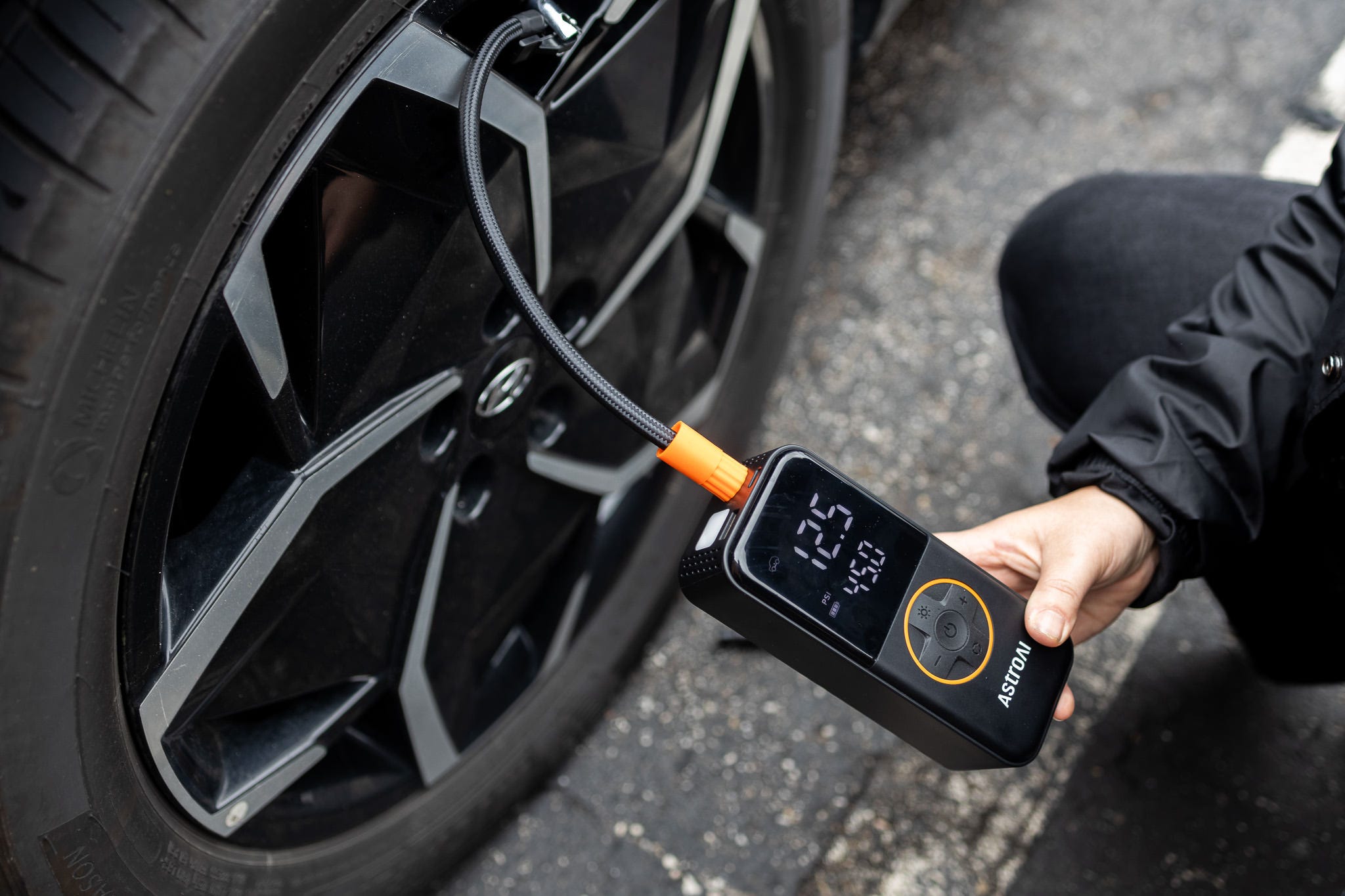
In logistics and transport, air pumps are essential for managing fleet emissions and ensuring compliance with international standards. By minimizing carbon footprints, companies can bolster their sustainability credentials, which is increasingly important in today’s market. Buyers in this sector should prioritize sourcing air pumps that are compatible with various vehicle types and that adhere to regulatory compliance, as well as ensuring the reliability of suppliers to mitigate disruptions in operations.
Illustrative image related to air pump on a car
المشكلة For international B2B buyers, particularly in regions with strict emissions regulations like Germany and Saudi Arabia, ensuring that vehicles meet local environmental standards is a significant challenge. The air pump plays a crucial role in the emissions control system by supplying additional air to promote the complete combustion of exhaust gases. When air pumps fail, vehicles can easily fail emissions tests, resulting in costly fines or the need for extensive repairs. This can lead to downtime and increased operational costs, ultimately affecting the bottom line.
الحل: To mitigate compliance issues, B2B buyers should prioritize sourcing high-quality air pumps that are compatible with their fleet’s vehicles. Conducting thorough market research to identify reputable suppliers who offer pumps that meet international emissions standards is essential. Additionally, implementing a proactive maintenance schedule can help identify potential issues before they escalate. Regular inspections and timely replacements of worn-out components can significantly reduce the risk of emissions-related failures. Collaborating with automotive professionals for proper diagnostics and repairs is also advisable, ensuring that the air pumps are functioning optimally to keep vehicles compliant.
المشكلة In the competitive automotive sector, operational efficiency is paramount. A malfunctioning air pump can lead to reduced engine performance, causing delays in deliveries or service. B2B buyers may face the frustration of having vehicles that stall, hesitate, or experience poor acceleration due to air pump issues. This not only affects productivity but can also harm client relationships if service commitments are not met.
الحل: To enhance operational efficiency, B2B buyers should invest in high-performance air pumps designed for their specific vehicle models. Utilizing data analytics and telematics can help track vehicle performance and predict maintenance needs, allowing for timely interventions before issues arise. Implementing training programs for fleet managers and drivers on recognizing early signs of air pump failure can also facilitate quicker responses. By ensuring that air pumps are regularly serviced and replaced as needed, businesses can minimize vehicle downtime and maintain optimal performance levels.
المشكلة Budget constraints are a common challenge for B2B buyers in the automotive industry, especially when it comes to maintaining and replacing components like air pumps. The cost of repairs can add up quickly, particularly if air pump failures lead to secondary damage in the engine or emissions system. Buyers often struggle to balance the need for quality components with their financial limitations, risking either subpar performance or inflated costs.
الحل: To manage costs effectively, B2B buyers should consider a strategic sourcing approach. This involves identifying suppliers that provide a balance of quality and affordability, possibly through bulk purchasing agreements or long-term contracts. Additionally, exploring remanufactured or refurbished air pumps can offer significant savings without compromising on quality. Establishing a partnership with a trusted automotive service provider can also provide access to competitive pricing on parts and labor, while ensuring that installations are performed correctly. By evaluating the total cost of ownership, including maintenance and performance, buyers can make informed decisions that align with their budgetary constraints while ensuring reliable vehicle operation.
When selecting materials for air pumps in automotive applications, various factors such as performance, durability, and regulatory compliance come into play. Below is an analysis of four common materials used in air pump manufacturing, focusing on their properties, advantages, disadvantages, and considerations for international B2B buyers.
Aluminum is widely used in air pump construction due to its excellent strength-to-weight ratio and resistance to corrosion. It typically has a temperature rating of up to 150°C and can withstand moderate pressure, making it suitable for air pumps that operate under various conditions.
الإيجابيات: Aluminum is lightweight, which contributes to overall vehicle efficiency. It is also relatively easy to machine and can be produced at lower costs compared to other metals.
السلبيات: While aluminum is resistant to corrosion, it can be susceptible to wear and tear under high-stress conditions. Its cost can vary based on market fluctuations, and it may require additional coatings for enhanced durability.
التأثير على التطبيق: Aluminum’s compatibility with various media makes it a versatile choice for air pumps. However, care must be taken to ensure that it meets specific environmental regulations in different regions.
اعتبارات للمشترين الدوليين: Buyers in regions like Europe and the Middle East should ensure compliance with standards such as DIN and ISO, particularly regarding emissions. Additionally, sourcing aluminum from reputable suppliers is crucial to avoid quality issues.
Stainless steel is another popular material for air pumps, known for its exceptional strength and corrosion resistance. It can handle high temperatures (up to 300°C) and pressures, making it suitable for demanding applications.
الإيجابيات: The durability of stainless steel translates to a longer lifespan for air pumps, reducing the need for frequent replacements. It is also easy to clean, which is beneficial for maintaining optimal performance.
السلبيات: The manufacturing complexity of stainless steel components can lead to higher production costs. Additionally, its weight may impact overall vehicle efficiency.
التأثير على التطبيق: Stainless steel’s compatibility with various exhaust gases ensures effective operation in emission control systems. However, its weight may necessitate design considerations to maintain vehicle performance.
اعتبارات للمشترين الدوليين: Buyers should look for suppliers who adhere to ASTM standards for stainless steel quality. In regions like Africa and South America, understanding local regulations on emissions is essential for compliance.
Plastic composites are increasingly used in air pump applications due to their lightweight nature and cost-effectiveness. These materials typically have a temperature rating of up to 100°C and can handle moderate pressure.
الإيجابيات: The low manufacturing cost and ease of production make plastic composites an attractive option for budget-conscious buyers. They also offer good resistance to corrosion and chemicals.
السلبيات: The durability of plastic composites is often lower than that of metals, leading to potential performance issues over time. They may also be less effective in extreme temperatures.
التأثير على التطبيق: While suitable for many applications, plastic composites may not be ideal for high-performance air pumps. Their compatibility with specific media should be carefully evaluated.
اعتبارات للمشترين الدوليين: Compliance with local regulations regarding plastic use is critical, especially in Europe where environmental standards are stringent. Buyers should also consider the recyclability of materials to align with sustainability goals.
Cast iron has been a staple in automotive applications for decades, known for its robustness and ability to withstand high temperatures and pressures.
الإيجابيات: Cast iron is highly durable and can handle high-stress conditions effectively. Its ability to dampen vibrations also contributes to smoother operation.
السلبيات: The weight of cast iron can negatively impact vehicle efficiency. Additionally, its susceptibility to rust may require protective coatings.
التأثير على التطبيق: Cast iron’s performance in high-temperature environments makes it suitable for air pumps in heavy-duty applications. However, its weight and corrosion potential must be managed.
اعتبارات للمشترين الدوليين: Buyers should ensure that cast iron components meet relevant standards such as JIS in Japan or ASTM in the U.S. Understanding the regional market for cast iron can also provide insights into sourcing and cost.
Illustrative image related to air pump on a car
| المواد | Typical Use Case for air pump on a car | الميزة الرئيسية | العيب/التقييد الرئيسي | التكلفة النسبية (منخفضة/متوسطة/مرتفعة) |
|---|---|---|---|---|
| ألومنيوم | Lightweight air pumps | Excellent strength-to-weight ratio | Susceptible to wear under stress | متوسط |
| الفولاذ المقاوم للصدأ | High-performance air pumps | Exceptional durability and corrosion resistance | Higher production costs | عالية |
| Plastic Composites | مضخات هواء مناسبة للميزانية | Low manufacturing cost | Lower durability and temperature limits | منخفضة |
| Cast Iron | Heavy-duty air pumps | Highly durable and vibration dampening | Heavy and prone to rust | متوسط |
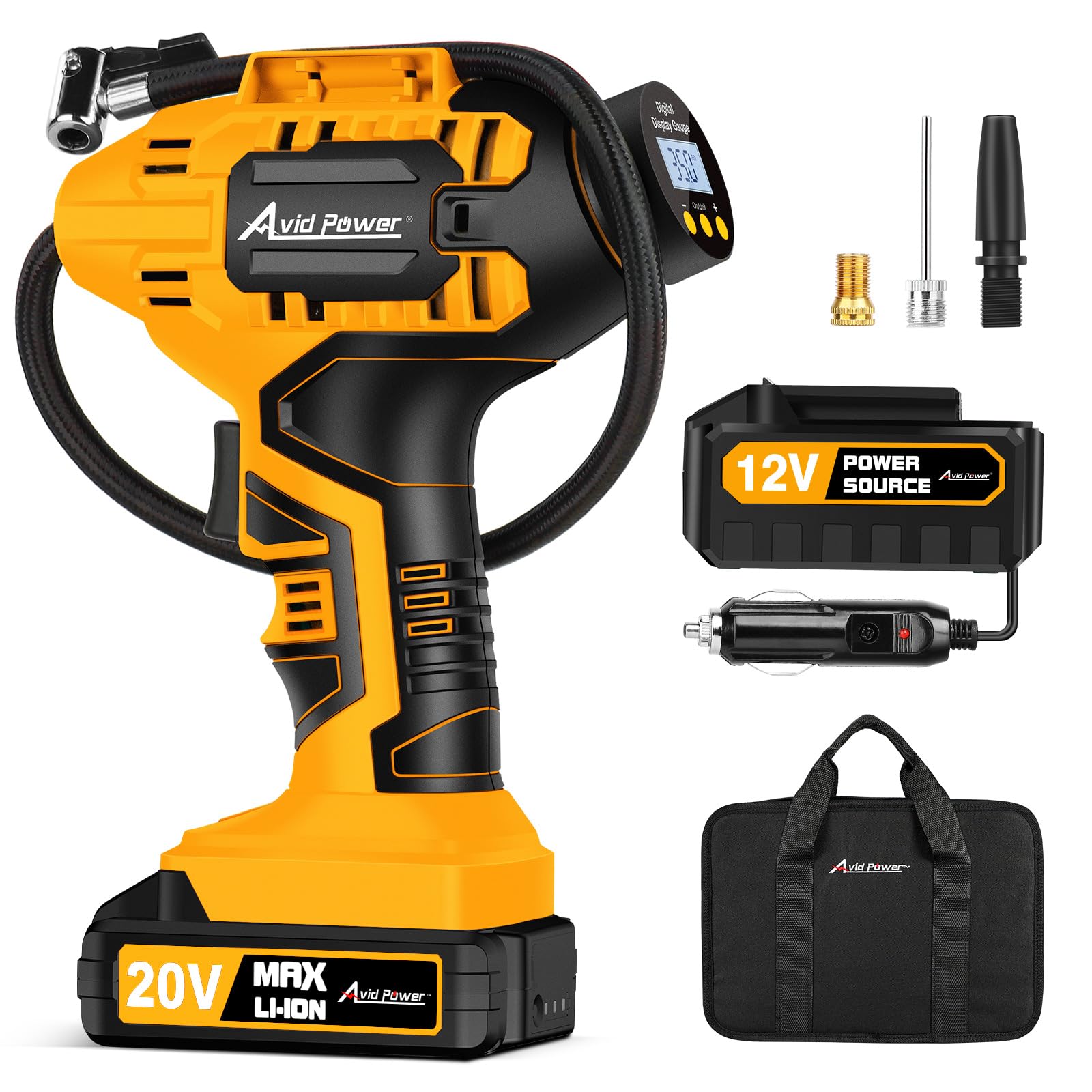
This strategic material selection guide provides valuable insights for international B2B buyers looking to optimize their air pump procurement, ensuring compliance with regional standards while balancing performance and cost.
The manufacturing process of car air pumps involves several critical stages, each designed to ensure the highest quality and performance standards. The primary stages include material preparation, forming, assembly, and finishing.
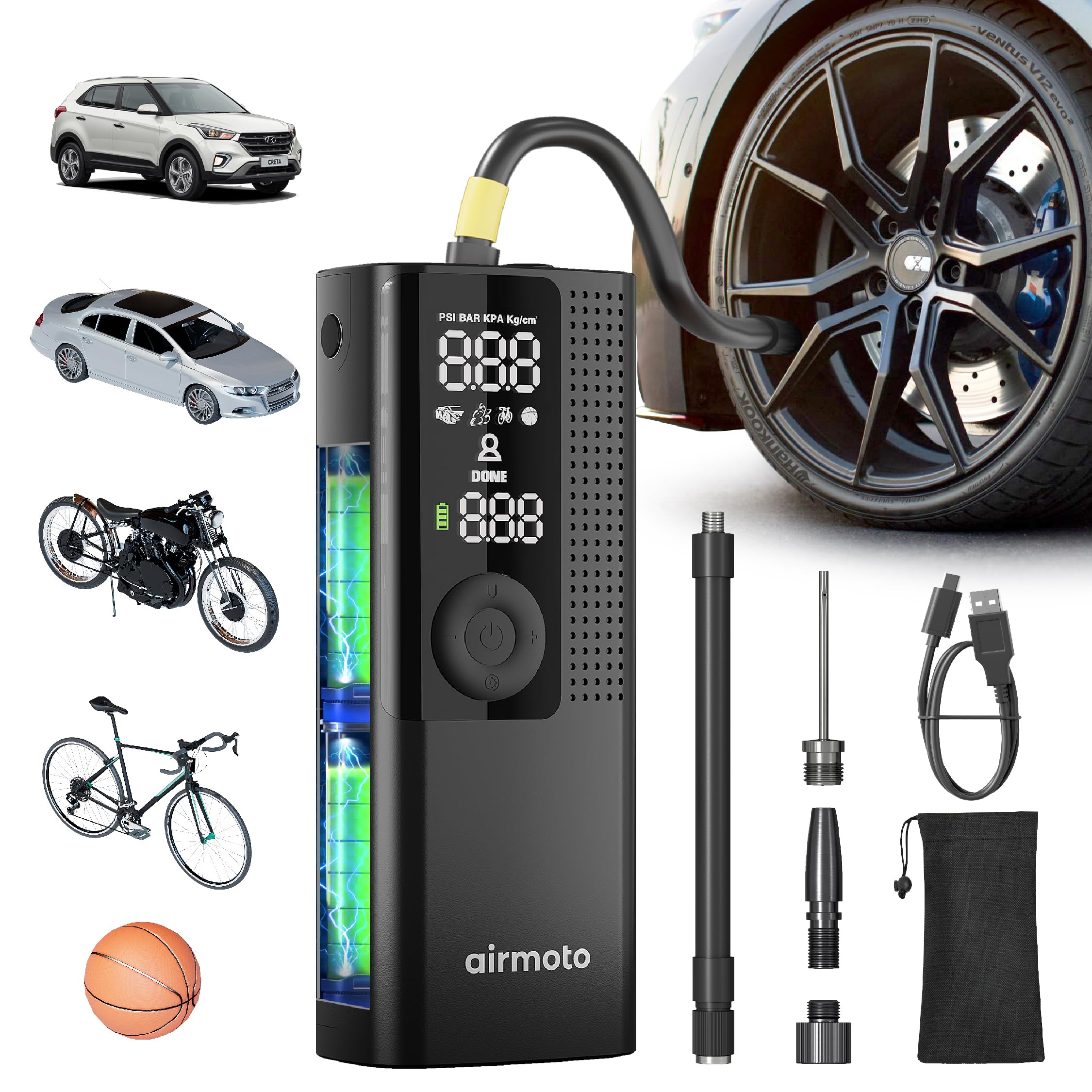
The first step in manufacturing an air pump is sourcing high-quality materials. Typically, these materials include durable metals such as aluminum or steel for structural components, rubber or silicone for seals and gaskets, and various plastics for housing and internal mechanisms. Suppliers must ensure that materials meet specific performance criteria, including resistance to heat and corrosion.
Illustrative image related to air pump on a car
Quality checks during this stage often involve verifying material certifications and conducting initial tests for durability and compliance with international standards. For B2B buyers, understanding the source of materials and their certification can significantly influence the pump’s longevity and reliability.
Once materials are prepared, the forming process begins. This includes machining, casting, or molding parts into their desired shapes. Machining is particularly important for precision components, such as valves and rotors, which must fit together seamlessly to function correctly.
Advanced techniques like CNC (Computer Numerical Control) machining are commonly employed to ensure precision and repeatability in production. This technology allows for tighter tolerances and reduces the risk of defects, which is crucial for maintaining performance standards.
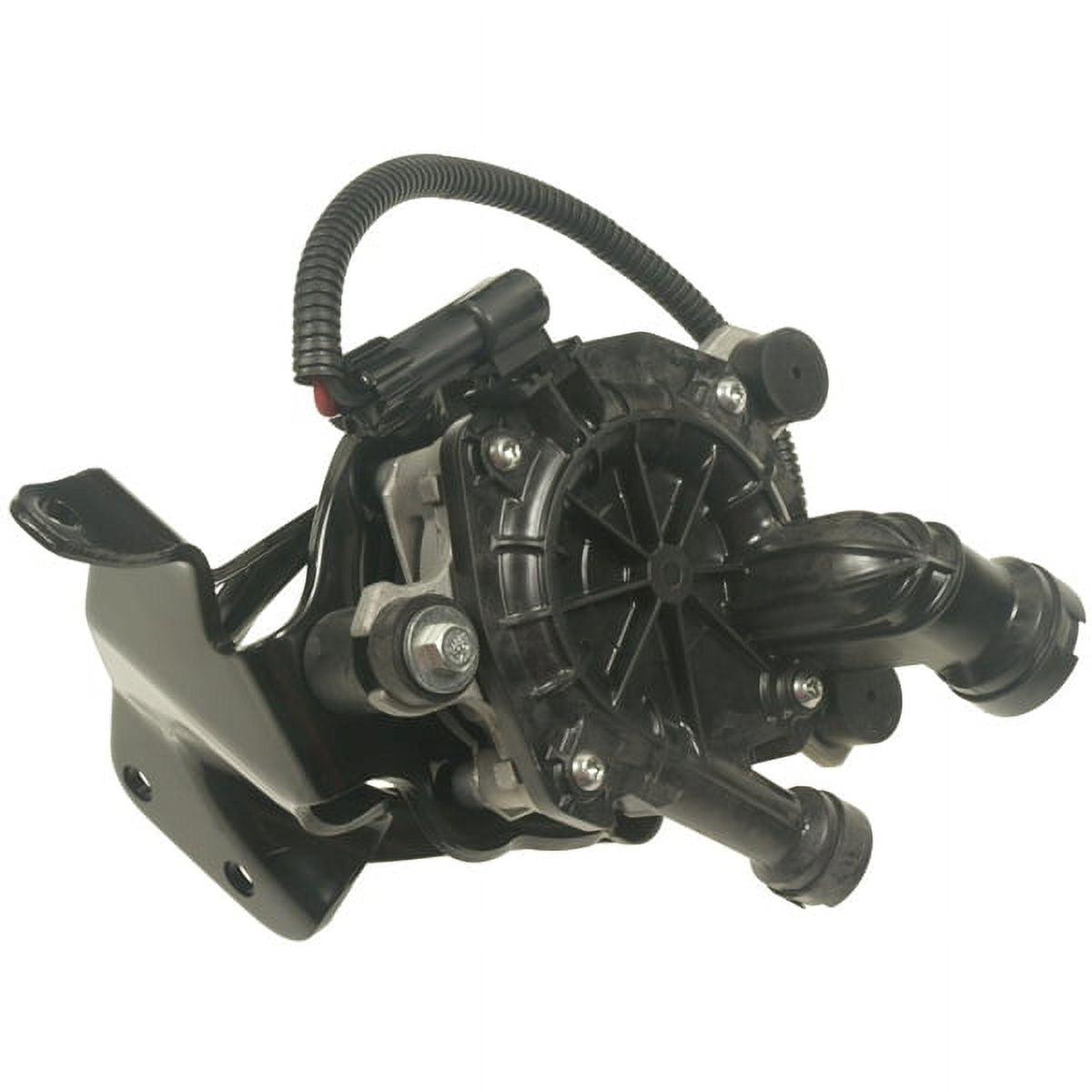
The assembly stage involves bringing together all the formed components. This process often requires skilled labor, as components must be assembled with precision to ensure proper functioning. Automated assembly lines are increasingly common, enhancing efficiency and reducing labor costs.
Illustrative image related to air pump on a car
During assembly, quality control measures are implemented, including visual inspections and functional tests to ensure that each air pump meets design specifications. B2B buyers should inquire about the assembly practices of potential suppliers, as this can impact the pump’s performance and durability.
The finishing stage is vital for ensuring that the air pump is ready for the automotive environment. This includes processes such as surface treatment, painting, and sealing. Surface treatments may involve anodizing or powder coating to enhance corrosion resistance, while seals and gaskets are often tested for leak-proof performance.
Quality assurance during this stage can involve various testing methods, including pressure tests to check for leaks and durability tests to assess resistance to environmental factors. B2B buyers should seek information on the finishing techniques employed by suppliers, as these can affect both the aesthetic and functional aspects of the air pump.
Quality assurance is a critical aspect of manufacturing air pumps, ensuring that products meet international and industry-specific standards. For B2B buyers, understanding these standards can help in selecting reliable suppliers.
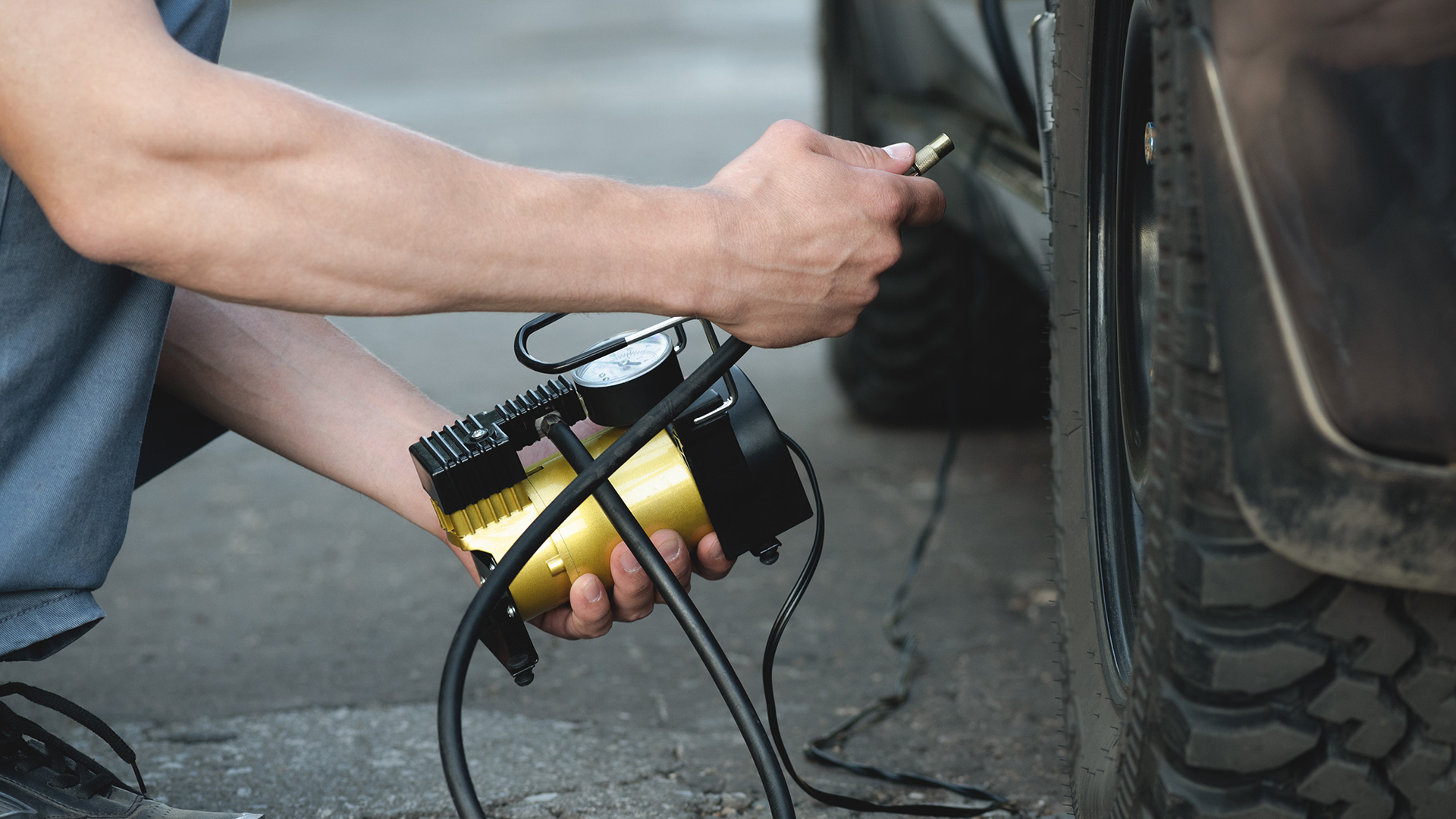
ISO 9001 is one of the most recognized quality management standards globally. It emphasizes a systematic approach to managing processes, ensuring consistent quality in products and services. Compliance with ISO 9001 can provide assurance to B2B buyers that a supplier adheres to international best practices in quality management.
Illustrative image related to air pump on a car
In addition to ISO standards, industry-specific certifications such as CE (Conformité Européenne) for products sold in Europe and API (American Petroleum Institute) standards for products used in the petroleum industry may also be relevant. Understanding these certifications can help buyers ensure compliance with regional regulations.
Quality control checkpoints throughout the manufacturing process are essential for maintaining product integrity. These typically include:
B2B buyers should inquire about the specific QC checkpoints employed by suppliers to ensure thorough quality management throughout the production cycle.
Verifying the quality control processes of potential suppliers is essential for B2B buyers. Here are several strategies to ensure quality:
Buyers should request detailed documentation regarding the supplier’s quality management system, including quality control plans, inspection reports, and compliance certificates. This documentation provides insight into the supplier’s commitment to quality and adherence to standards.
Conducting audits is a proactive way to assess a supplier’s quality management practices. Buyers can perform on-site inspections to evaluate manufacturing processes and QC measures directly. Additionally, engaging third-party inspection services can provide an unbiased assessment of a supplier’s quality control practices.
For international B2B buyers, particularly those from diverse regions such as Africa, South America, the Middle East, and Europe, understanding regional regulations and certifications is crucial. Different countries may have varying requirements for emissions standards and quality certifications, impacting the suitability of air pumps for specific markets.
Moreover, language barriers and cultural differences can pose challenges in communication. It is advisable for buyers to work with suppliers who have experience in international trade and understand the specific needs of their target markets.
In conclusion, the manufacturing and quality assurance processes for car air pumps are multifaceted, involving detailed attention to material preparation, forming, assembly, and finishing. B2B buyers must prioritize quality assurance by understanding relevant international standards, implementing thorough verification strategies, and being mindful of regional nuances. By doing so, they can secure reliable and high-quality air pumps that meet their operational needs and regulatory requirements.
This sourcing guide aims to equip B2B buyers with a structured approach for procuring air pumps for vehicles. Given the critical role these components play in emissions control and overall vehicle performance, it is essential to follow a systematic checklist to ensure you select the right products and suppliers.
Establishing clear technical specifications is crucial to ensure that the air pumps meet your operational requirements. Consider factors such as compatibility with different vehicle models, the type of air pump (electrical vs. engine-driven), and performance metrics like air flow rate and pressure. This clarity will streamline the sourcing process and help avoid costly mistakes.
Verify that the air pumps comply with local and international emissions regulations. Different regions have varying standards, especially in Africa, South America, the Middle East, and Europe. Familiarizing yourself with these regulations will not only help in avoiding legal issues but also enhance your marketability as a supplier of compliant products.
Before making a commitment, it’s vital to assess potential suppliers thoroughly. Request detailed company profiles, including their manufacturing capabilities, quality control measures, and case studies that demonstrate their expertise. Look for references from buyers in similar industries or regions to gauge reliability and performance.
Obtaining product samples is a critical step in evaluating the quality and compatibility of the air pumps. Inspect the samples for construction quality, durability, and performance under simulated operational conditions. This hands-on assessment can significantly influence your purchasing decision.
Conduct a thorough analysis of pricing structures and payment terms from different suppliers. Look for transparency in pricing and any hidden costs, such as shipping or handling fees. Additionally, assess the payment terms to ensure they align with your financial strategy.
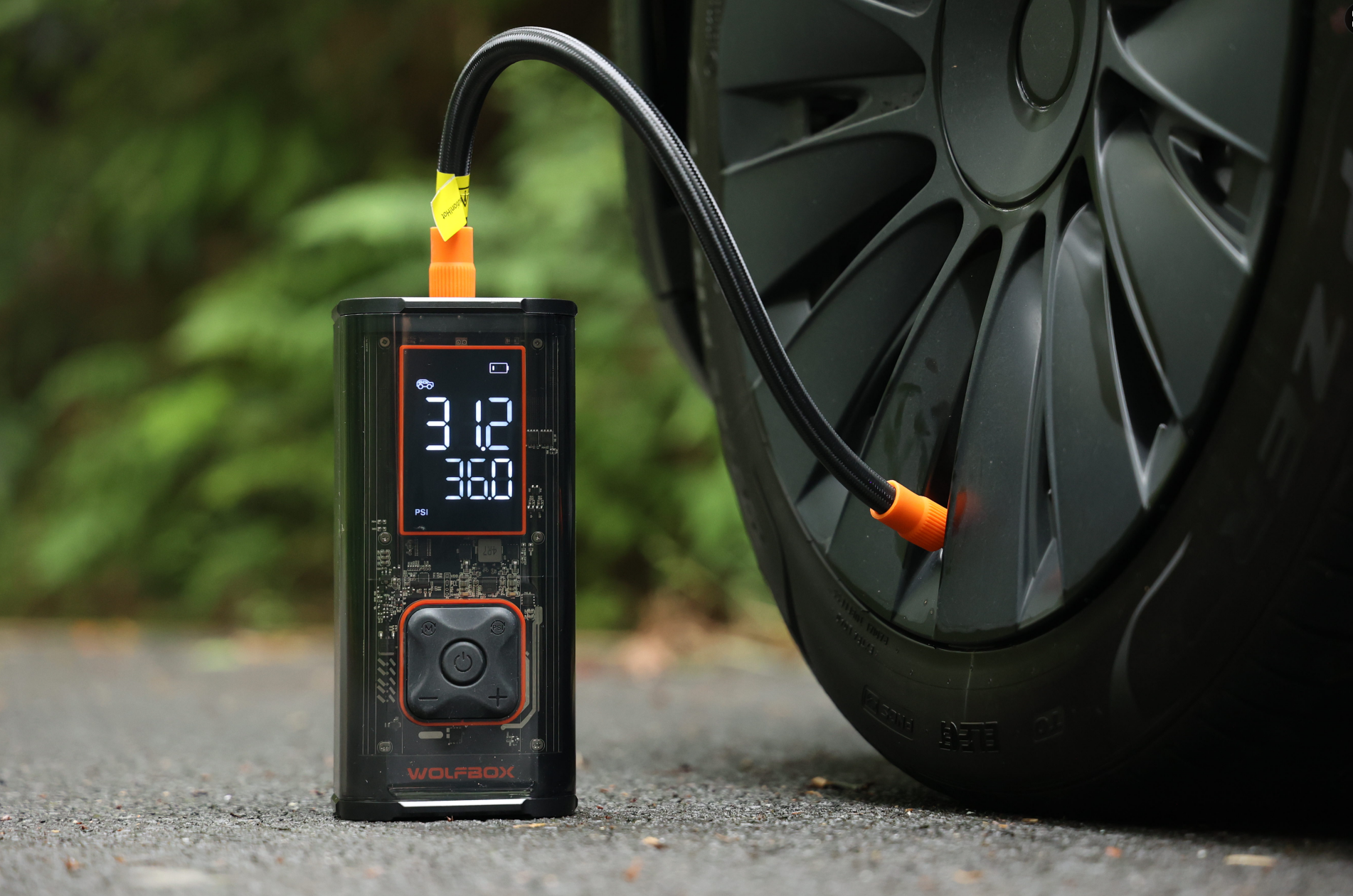
Ensure that the air pumps come with a comprehensive warranty and that the supplier offers robust after-sales support. A good warranty can protect your investment and provide peace of mind. Additionally, assess the supplier’s responsiveness to inquiries and their ability to provide technical support when needed.
Illustrative image related to air pump on a car
Once you’ve completed the previous steps, draft a procurement agreement that outlines all terms and conditions, including delivery timelines, payment schedules, and quality assurance measures. This contract should be clear and mutually agreed upon to prevent any misunderstandings in the future.
Following this checklist will not only streamline your procurement process but also enhance your ability to source high-quality air pumps that meet both regulatory standards and operational needs.
Understanding the cost structure of air pumps used in vehicles is crucial for international B2B buyers. The primary cost components include:
المواد: The cost of raw materials such as metals, plastics, and electronic components can vary significantly based on quality and sourcing location. For example, high-grade materials will enhance durability but may increase the initial cost.
العمالة: Labor costs can fluctuate based on the manufacturing region. Countries with lower labor costs can offer a competitive advantage, but this may affect quality and lead time.
نفقات التصنيع الزائدة: This includes indirect costs related to production, such as utilities, rent, and administrative expenses. Efficient manufacturing processes can help minimize these overhead costs.
الأدوات: The cost of tools and machinery necessary for production can be substantial, especially for customized or specialized air pumps. Initial investment in tooling may be higher for unique specifications.
مراقبة الجودة (QC): Implementing robust QC processes is essential to ensure product reliability and compliance with international standards. This investment can lead to higher costs but is critical for long-term success.
الخدمات اللوجستية: Shipping and handling costs, including import duties and taxes, can vary based on the destination and Incoterms agreed upon in the contract. Buyers should factor in these costs when calculating total expenses.
الهامش: Suppliers typically add a margin to cover their costs and generate profit. Understanding the standard margins in the industry can help in negotiating better prices.
Several factors influence the pricing of air pumps in a B2B context:
الحجم/معدل العرض/الطلب: Minimum order quantities (MOQs) can significantly impact pricing. Larger orders often lead to volume discounts, making it beneficial for buyers to consolidate purchases.
المواصفات والتخصيص: Custom-designed air pumps tailored to specific vehicle requirements may incur additional costs. Buyers should assess whether the customization is necessary or if standard options suffice.
جودة المواد والشهادات: The choice of materials and the presence of certifications (e.g., ISO, environmental standards) can affect pricing. Higher quality and certified components usually command higher prices.
عوامل الموردين: The reliability and reputation of suppliers play a crucial role in pricing. Established suppliers may charge more due to their proven track record, but they often provide better quality assurance.
المصطلحات التجارية الدولية: Understanding the agreed-upon Incoterms is vital for calculating total landed costs. Different terms can shift responsibility for costs and risks, affecting the final price.
International B2B buyers, particularly from regions such as Africa, South America, the Middle East, and Europe, should consider the following tips:
التفاوض: Engage suppliers in discussions about pricing, especially when placing large orders. Leverage competitive quotes from multiple suppliers to enhance your negotiating position.
كفاءة التكلفة: Evaluate the total cost of ownership (TCO), which includes not just the purchase price but also installation, maintenance, and operational costs over the product’s lifecycle. This comprehensive view can justify higher initial costs if long-term savings are achievable.
Understanding Pricing Nuances: Be aware of regional price variances influenced by local market conditions, currency fluctuations, and trade tariffs. This knowledge can help you make informed purchasing decisions.
بناء علاقات مع الموردين: Establishing long-term relationships with reliable suppliers can lead to better pricing, priority service, and improved terms over time.
It is essential to note that prices for air pumps can vary widely based on the aforementioned factors. The insights provided are intended to guide B2B buyers in their sourcing decisions rather than serve as definitive pricing benchmarks. Always conduct thorough market research and consult with multiple suppliers to obtain accurate quotations tailored to your specific needs.
The air pump, a vital component of a vehicle’s emissions control system, plays an essential role in optimizing engine performance and reducing pollutants. However, as technology advances, various alternative solutions have emerged that can perform similar functions. This analysis compares the traditional air pump with other viable methods, helping B2B buyers evaluate which solution best meets their needs based on performance, cost, implementation, and maintenance considerations.
| جانب المقارنة | Air Pump On A Car | Alternative 1: Electric Supercharger | Alternative 2: Variable Valve Timing (VVT) |
|---|---|---|---|
| الأداء | Enhances combustion efficiency, reduces emissions | Increases air intake, improves power | Optimizes engine timing for better efficiency |
| التكلفة | Moderate initial cost, ongoing maintenance | Higher initial cost, low maintenance | Moderate cost, minimal maintenance |
| سهولة التنفيذ | يتطلب تركيب احترافي | يتطلب تركيب احترافي | Can be integrated into existing systems |
| الصيانة | Regular checks needed, can fail | الحد الأدنى من الصيانة المطلوبة | Low maintenance, reliable technology |
| أفضل حالة استخدام | Older vehicles needing emissions control | Performance vehicles seeking power boost | Modern engines requiring efficiency optimization |
Electric superchargers are designed to boost air intake, significantly enhancing engine performance. They are particularly beneficial for performance-oriented vehicles where additional power is essential. However, the initial cost of electric superchargers is generally higher than that of traditional air pumps, which can deter budget-conscious buyers. Furthermore, while they require less maintenance, their installation may demand professional expertise, adding to the overall expense.
Variable Valve Timing is a technology that optimizes the timing of the engine’s valves, improving combustion efficiency and performance. This solution is particularly effective in modern engines that require precise control over air and fuel mixtures. VVT systems are relatively low-maintenance and provide a reliable method for enhancing engine efficiency without the need for additional components like an air pump. However, the initial investment can be comparable to that of an air pump, depending on the vehicle’s existing systems.
When choosing the right solution for emissions control and engine performance, B2B buyers should consider their specific operational needs, budget constraints, and the types of vehicles in their fleet. While the traditional air pump remains a reliable option for older vehicles, alternatives like electric superchargers and Variable Valve Timing offer significant advantages in performance and efficiency. By evaluating the pros and cons of each solution, businesses can make informed decisions that align with their long-term goals and regulatory requirements.

Illustrative image related to air pump on a car
Understanding the technical properties of air pumps is crucial for B2B buyers in the automotive industry. Here are some key specifications to consider:
The material used in manufacturing air pumps typically includes aluminum, plastic, or high-grade steel. Aluminum is lightweight and offers good corrosion resistance, making it a popular choice for performance-oriented applications. Plastic components can reduce weight and cost but may lack durability in harsh environments. High-grade steel provides strength and longevity but can add weight. Selecting the right material impacts the pump’s durability, weight, and overall performance.
The air pump must operate effectively under specific pressure conditions, usually measured in psi (pounds per square inch). Standard operating pressures for automotive air pumps typically range from 5 to 20 psi. Understanding the operating pressure is crucial for ensuring compatibility with various vehicle models and their emission control systems. Inadequate pressure can lead to inefficient combustion and increased emissions, which are critical factors for compliance with regulatory standards.
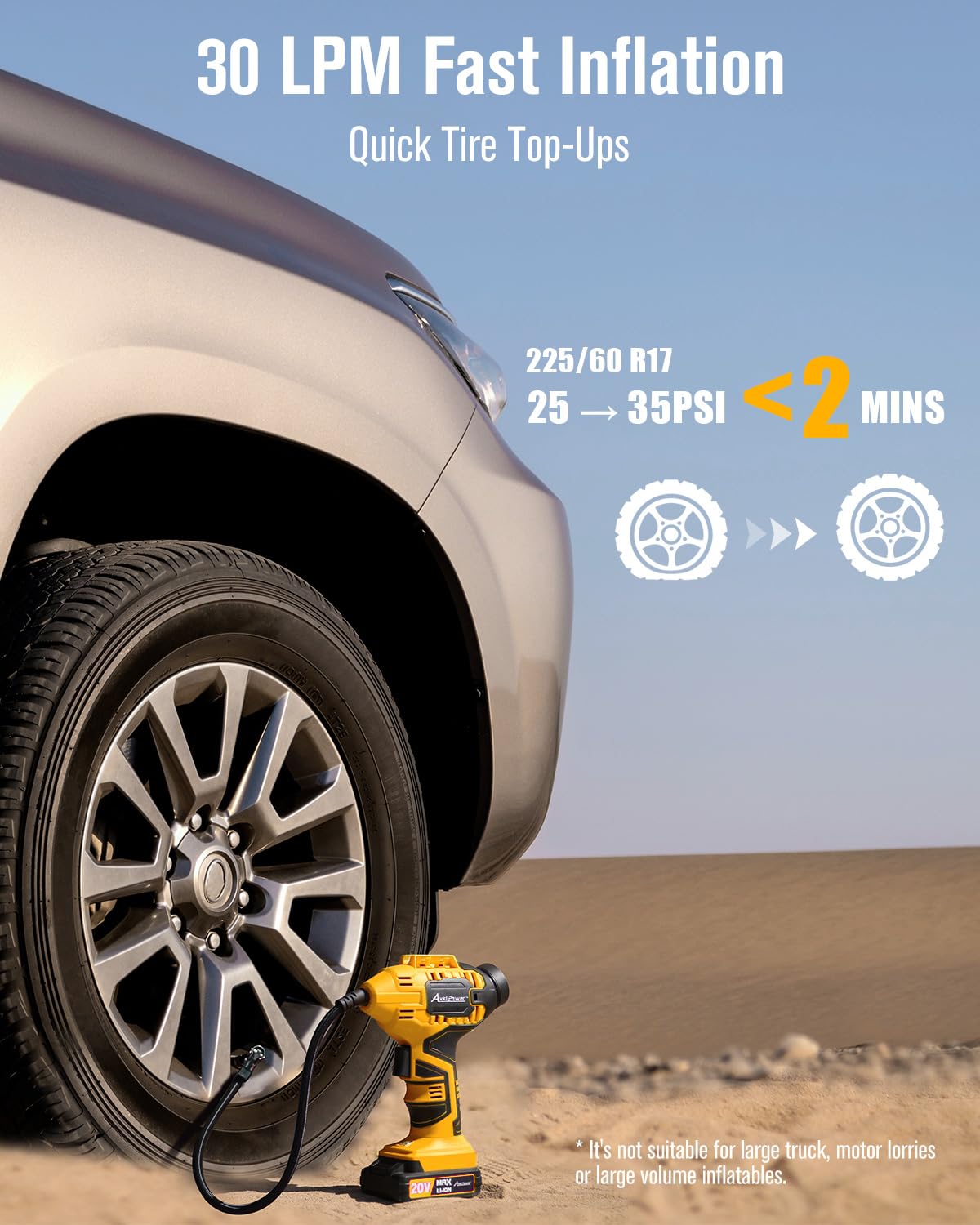
Measured in liters per minute (LPM), the flow rate indicates how much air the pump can inject into the exhaust system. A higher flow rate is essential for enhancing combustion efficiency, especially in high-performance vehicles. B2B buyers should ensure that the air pump’s flow rate aligns with the engine’s requirements for optimal performance and reduced emissions.
Air pumps can be electrically operated or driven by the engine’s belt system. Electric pumps offer the advantage of being able to operate independently of engine speed, which can be beneficial for emissions control. Belt-driven pumps, however, are simpler and often more cost-effective. Understanding the power source is crucial for installation compatibility and maintenance considerations.
Typically, air pumps come with warranties ranging from 1 to 3 years. The expected lifespan can vary widely, but quality pumps may last between 50,000 to 100,000 miles. For B2B buyers, warranty terms and product lifespan are essential metrics for assessing the total cost of ownership and potential return on investment.
Noise generated by the air pump can be a concern for both manufacturers and consumers. Many modern air pumps are designed to operate quietly, often below 70 decibels. For B2B buyers, understanding noise levels is important for meeting customer satisfaction and regulatory standards in different markets.
Familiarity with industry jargon can streamline communication and enhance negotiation processes. Here are several essential terms:

Illustrative image related to air pump on a car
OEM refers to companies that produce parts that are used in the assembly of vehicles. B2B buyers often prefer OEM parts for their reliability and compatibility with existing systems, especially for air pumps, which play a critical role in emissions control.
MOQ is the smallest amount of product that a supplier is willing to sell. Understanding MOQ is essential for buyers to manage inventory levels effectively and to negotiate favorable purchasing terms.
An RFQ is a document that a buyer sends to suppliers to request pricing information for specific products. This is a critical step in procurement, enabling buyers to compare costs and make informed purchasing decisions.
Incoterms are a set of predefined international rules that clarify the responsibilities of buyers and sellers in global trade. Familiarity with these terms is vital for B2B buyers engaged in international transactions, as they define who is responsible for shipping, insurance, and tariffs.
Lead time refers to the amount of time it takes from placing an order until it is delivered. Understanding lead times is crucial for inventory management and planning, particularly in regions where supply chain disruptions may occur.
Illustrative image related to air pump on a car
The aftermarket refers to the secondary market for automotive parts and accessories, including air pumps. B2B buyers should recognize the potential for sourcing high-quality aftermarket parts that can offer cost savings without sacrificing performance.
By grasping these technical properties and trade terms, international B2B buyers can make informed decisions that enhance their procurement strategies and ensure compliance with industry standards.
The air pump market for automobiles is experiencing significant shifts driven by evolving regulations, technological advancements, and changing consumer preferences. Globally, stringent emissions regulations are pushing manufacturers to enhance their emissions control systems, which include the air pump. This has resulted in an increased demand for high-efficiency air pumps that improve vehicle performance while minimizing pollutants. In regions like Europe, particularly Germany, and parts of the Middle East such as Saudi Arabia, compliance with these regulations is not optional, creating a robust market for reliable air pump suppliers.
Emerging technologies such as electric and hybrid vehicles are also influencing sourcing trends. With the growing prevalence of these vehicles, there is an increasing need for innovative air pump solutions that can support advanced emission control systems. B2B buyers are now focusing on suppliers who offer advanced products that integrate seamlessly with modern engine technologies. Moreover, the rise of e-commerce platforms is facilitating easier access to a wider range of air pump components, allowing buyers from Africa and South America to source products more efficiently.
Another significant trend is the shift towards localized sourcing. Buyers are increasingly looking for suppliers who can provide parts quickly and with lower shipping costs. This is particularly crucial in regions with developing automotive markets, where access to timely parts can significantly impact operational efficiency.
The environmental impact of automotive components, including air pumps, has become a focal point for B2B buyers. Companies are now prioritizing sustainable practices throughout their supply chains. This includes sourcing materials that are not only high-quality but also environmentally friendly. Buyers are actively seeking suppliers who utilize recyclable or biodegradable materials in their production processes.
Ethical sourcing has also gained traction, with buyers emphasizing transparency in their supply chains. Suppliers that can demonstrate sustainable practices and ethical labor standards are more likely to secure contracts. Certifications such as ISO 14001 (Environmental Management) and ISO 26000 (Social Responsibility) are becoming essential for suppliers aiming to enter international markets, especially in Europe and North America.
Additionally, there is a rising demand for “green” certifications for air pumps. Buyers are increasingly looking for products that meet specific environmental standards, such as reduced emissions or energy efficiency. This shift not only aligns with global sustainability goals but also enhances the brand reputation of the companies involved. By investing in sustainable and ethically sourced air pumps, businesses can not only comply with regulations but also appeal to environmentally-conscious consumers.
The evolution of air pumps in automotive technology can be traced back to the mid-1960s, when they were first introduced as a crucial component of emissions control systems. Initially designed to mitigate the high levels of unburnt gasoline emissions produced by carbureted engines, air pumps added oxygen to the exhaust stream, allowing for more efficient combustion and significantly reducing smog.
As fuel injection systems became more prevalent, the role of air pumps evolved. They began to assist catalytic converters in optimizing emissions control, particularly during cold starts when the engine requires additional air for efficient operation. Today, air pumps are either electrically operated or powered by engine-driven belts, with advanced designs that enhance their efficiency and reliability.
This historical context is vital for B2B buyers as it illustrates the ongoing advancements in air pump technology. Understanding this evolution not only informs purchasing decisions but also helps buyers anticipate future trends in automotive emissions control. As the industry continues to evolve towards stricter emissions standards and innovative vehicle technologies, the demand for high-quality air pumps will remain a critical area of focus for international B2B buyers.
How do I solve issues with a malfunctioning air pump?
To address a malfunctioning air pump, first, identify the symptoms such as a check engine light, poor acceleration, or failed emissions tests. Conduct a thorough inspection, checking the belts and hoses connected to the air pump for damage or blockages. If issues are confirmed, replacing the air pump is often necessary. It’s recommended to consult with an experienced mechanic who understands emissions control systems to ensure proper diagnosis and repair, preventing further vehicle performance issues.
What is the best air pump for my vehicle’s emissions control system?
The best air pump for your vehicle depends on its make, model, and engine type. Look for pumps that meet OEM specifications for compatibility and efficiency. Consider factors such as the air pump’s design (electric vs. engine-driven), its performance ratings, and warranty terms. Research suppliers that provide high-quality, durable air pumps and have a strong reputation in the industry to ensure you receive a reliable product that meets regulatory standards in your region.
What are the typical minimum order quantities (MOQs) for air pumps when sourcing from suppliers?
Minimum order quantities for air pumps can vary widely depending on the supplier and the specific product. Generally, MOQs range from 50 to 500 units. It’s crucial to communicate your requirements to suppliers upfront to negotiate favorable terms. Smaller orders may be available, but they might come with higher per-unit costs. Always ensure that the supplier can meet your delivery timelines and product quality standards, especially if you are in a competitive market.
How can I vet suppliers for air pumps in international markets?
When vetting suppliers for air pumps, conduct thorough due diligence by checking their business credentials, customer reviews, and industry certifications. Request product samples to evaluate quality firsthand. Utilize platforms like Alibaba or Global Sources to find reputable suppliers and check their trade history. Engaging in direct communication can also provide insights into their reliability and responsiveness. If possible, visit their manufacturing facilities or request references from other B2B clients.
ما هي شروط الدفع التي يجب أن أتوقعها عند توريد مضخات الهواء دولياً؟
Payment terms for international sourcing of air pumps can vary. Common arrangements include a 30% deposit upon order confirmation and the remaining 70% prior to shipment. Some suppliers may offer letters of credit or escrow services for larger orders, providing added security. Ensure that payment terms align with your cash flow and risk management strategies. It’s advisable to discuss payment methods that offer buyer protection, especially when dealing with new suppliers.
What quality assurance processes should I look for in air pump suppliers?
Quality assurance processes are critical when sourcing air pumps. Look for suppliers who implement ISO certification or similar quality management systems. Inquire about their testing protocols, including performance testing under various conditions, and whether they conduct third-party inspections. Request documentation of compliance with relevant emissions standards and safety regulations. Establishing clear quality expectations in your contracts can help mitigate risks related to product defects.
How does logistics impact the sourcing of air pumps internationally?
Logistics plays a significant role in the international sourcing of air pumps, affecting lead times and overall costs. Assess the supplier’s ability to manage shipping, including their experience with customs regulations and freight forwarding. Consider shipping options that balance cost and speed, such as air freight for urgent needs versus sea freight for larger shipments. It’s also wise to factor in potential delays due to customs or geopolitical issues, ensuring your supply chain remains resilient.
What are the environmental regulations regarding air pumps in different regions?
Environmental regulations for air pumps vary by region, influencing emissions standards and compliance requirements. In Europe, stringent EU emissions directives dictate the performance criteria for air pumps. Similarly, countries in the Middle East and Africa may have specific regulations aligned with local environmental policies. When sourcing air pumps, ensure that your suppliers can provide documentation proving compliance with relevant regulations in your target market, which is essential for avoiding fines and ensuring market access.
المجال: restore-an-old-car.com
مسجل: 2012 (13 سنة)
مقدمة: Smog Pump Eliminator Bracket – National Parts Depot # M-8604-A50, fits many 1979 through 1993 Ford models (including Mustang), designed for off-road use only, direct bolt-on replacement for stock air pumps with serpentine belt systems.

المجال: motortortrend.com
مسجل: 1998 (27 سنة)
مقدمة: 1. Air Injection Reactor (AIR) systems were first used on Corvettes in 1966 California-delivered models, except for the L72. 2. Mandatory option for all 1967 Corvettes delivered to California. 3. All 1968 and 1969 model year Corvettes had the AIR system installed for all 50 states. 4. 1970 model year switched to Controlled Combustion System (CCS) for most Corvettes, except for the LT-1. 5. 1971 co…
In summary, effective strategic sourcing of air pumps is crucial for maintaining vehicle performance and compliance with emissions regulations. By prioritizing quality suppliers who understand the importance of air pumps in modern emission control systems, B2B buyers can ensure they are investing in reliable components that meet stringent international standards. This not only enhances vehicle efficiency but also significantly reduces potential downtime and repair costs associated with faulty air pumps.
Investing in high-quality air pumps can lead to improved engine performance and lower emissions, which are increasingly vital in today’s environmentally conscious market. Additionally, understanding the symptoms of a failing air pump and ensuring proper maintenance can prevent costly repairs and enhance customer satisfaction.
As you look to optimize your procurement processes, consider leveraging partnerships with reputable manufacturers and distributors that offer robust support and innovative solutions. Embrace the future of automotive sustainability by making informed sourcing decisions that position your business for success in Africa, South America, the Middle East, and Europe. Engage with your suppliers today to explore opportunities that will drive efficiency and sustainability in your operations.
المعلومات الواردة في هذا الدليل، بما في ذلك المحتوى المتعلق بالمصنعين والمواصفات الفنية وتحليل السوق، هي لأغراض إعلامية وتعليمية فقط. وهي لا تشكل مشورة مهنية في مجال المشتريات أو مشورة مالية أو مشورة قانونية.
على الرغم من أننا بذلنا كل جهد ممكن لضمان دقة المعلومات ودقة توقيتها، إلا أننا لسنا مسؤولين عن أي أخطاء أو سهو أو معلومات قديمة. تخضع ظروف السوق وتفاصيل الشركة والمعايير الفنية للتغيير.
يجب على المشترين بين الشركات إجراء العناية الواجبة المستقلة والشاملة الخاصة بهم قبل اتخاذ أي قرارات شراء. ويشمل ذلك الاتصال بالموردين مباشرة، والتحقق من الشهادات، وطلب عينات، وطلب الاستشارات المهنية. يتحمل القارئ وحده مخاطر الاعتماد على أي معلومات واردة في هذا الدليل.


 Arabic
  English
  Russian
  Spanish
  Italian
  Portuguese
  German