
- اللغة الإنجليزية
- الروسية
- الإسبانية
- إيطالي
- اللغة العربية
- البرتغالية
- الألمانية
In today’s competitive landscape, sourcing the right hand compressor can be a daunting task for international B2B buyers, especially when balancing quality, cost, and supplier reliability. The global market is saturated with options, making it crucial to navigate through varying specifications, applications, and pricing structures. This comprehensive guide aims to demystify the complexities associated with hand compressors, offering insights into different types, their diverse applications, and the critical aspects of vetting suppliers.
From lightweight models ideal for small-scale tasks to robust units designed for heavy-duty operations, understanding the nuances of hand compressors is vital for making informed purchasing decisions. We delve into essential factors such as cost analysis, supplier credibility, and market trends, particularly focusing on regions like Africa, South America, the Middle East, and Europe, including key players like Brazil and Saudi Arabia.
By equipping B2B buyers with actionable insights and detailed evaluations, this guide empowers organizations to streamline their procurement processes, ultimately leading to enhanced operational efficiency and cost savings. Whether you are looking to enhance your construction, manufacturing, or automotive operations, our guide serves as a valuable resource to ensure you invest wisely in hand compressors that meet your specific business needs.
| اسم النوع | السمات المميزة الرئيسية | تطبيقات B2B الأولية | موجز الإيجابيات والسلبيات للمشترين |
|---|---|---|---|
| Pancake Compressors | Compact, flat design with a wider base | Automotive repair, small workshops | الإيجابيات: Lightweight, stable; السلبيات: Limited air capacity. |
| Hot Dog Compressors | Long, cylindrical shape; portable | Construction sites, home use | الإيجابيات: Good portability; السلبيات: Less stable than pancake models. |
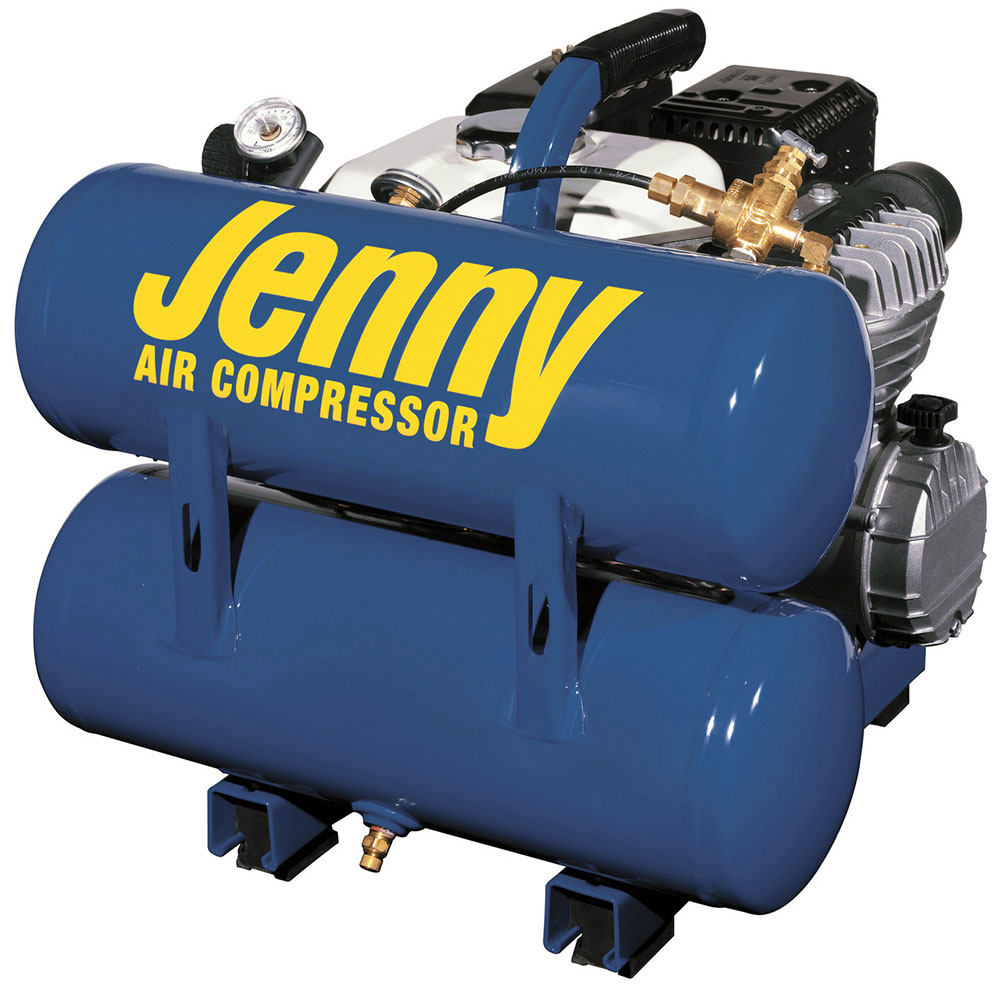
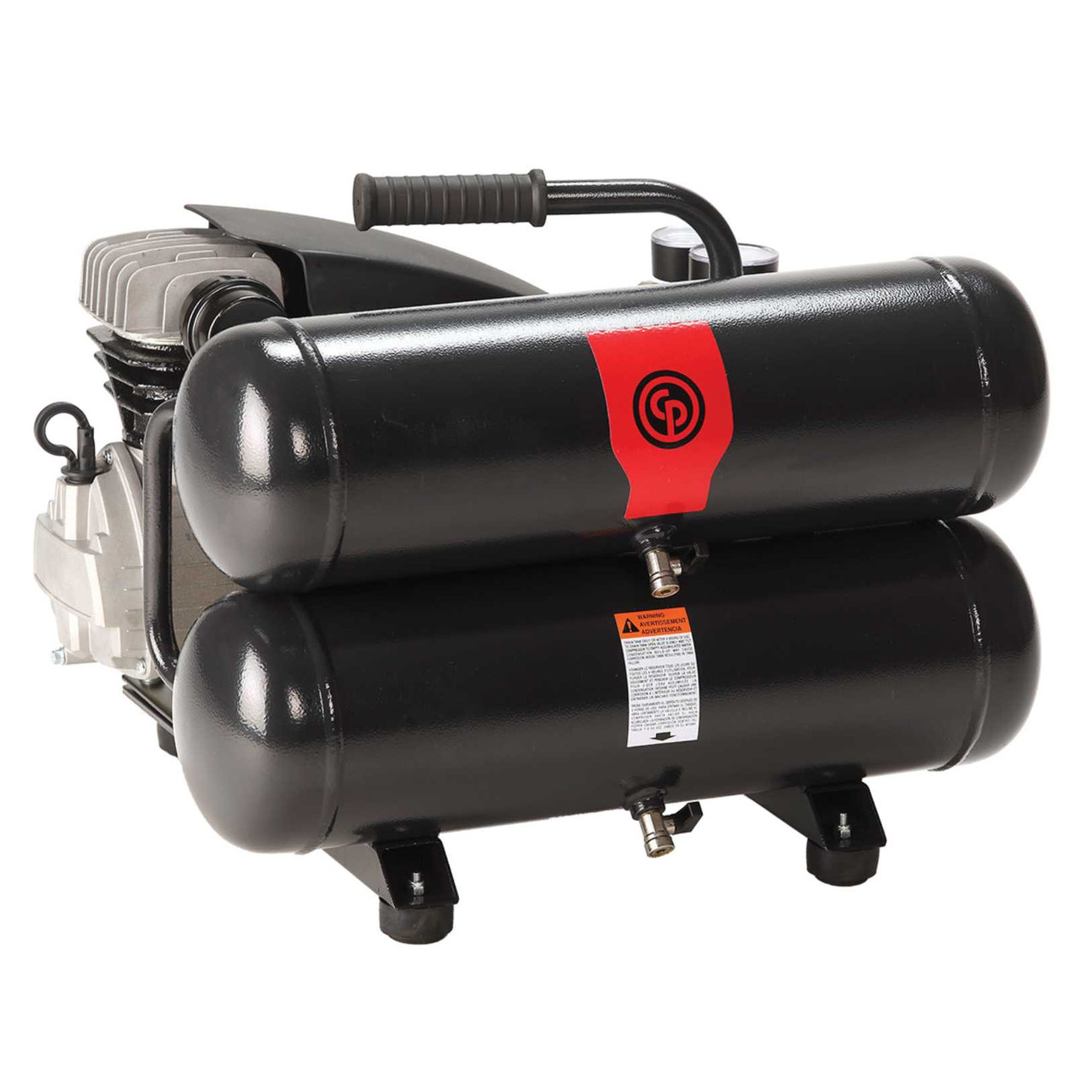
| Twin Stack Compressors | Dual tanks for increased air storage | Heavy-duty applications, industrial settings | الإيجابيات: Higher air delivery; السلبيات: Bulkier, less portable. |
| Oil-Free Compressors | No oil lubrication; quieter operation | Indoor use, sensitive environments | الإيجابيات: Minimal maintenance, cleaner air; السلبيات: Generally lower durability. |
| Belt-Driven Compressors | Uses belts for power transfer; higher output | Manufacturing, heavy-duty tasks | الإيجابيات: Greater efficiency, longer lifespan; السلبيات: Noisier operation. |
Pancake compressors feature a compact, flat design that provides stability and portability. They are ideal for applications in automotive repair and small workshops where space is limited. Their lightweight nature makes them easy to transport; however, they typically offer limited air capacity, which may not suffice for larger tasks. B2B buyers should consider the balance between portability and air output when selecting this type.
Illustrative image related to hand compressor
Hot dog compressors are characterized by their long, cylindrical shape, making them highly portable. They are commonly used in construction sites and for home applications. While they are easier to carry than pancake models, their design can make them less stable. Buyers should evaluate the specific needs of their projects to determine if the trade-off in stability is acceptable for enhanced portability.
Twin stack compressors come equipped with two tanks, allowing for increased air storage and delivery, making them suitable for heavy-duty applications in industrial settings. They offer higher air output compared to single-tank models, which is essential for operations requiring sustained air pressure. However, their bulkier design may pose challenges in terms of mobility, so B2B buyers should assess their workspace and operational needs before purchasing.
Oil-free compressors operate without oil lubrication, resulting in quieter performance and cleaner air output. They are particularly beneficial in indoor settings or environments where air purity is crucial, such as medical facilities or food processing plants. While they require less maintenance, these compressors may have a shorter lifespan compared to oil-lubricated models. Buyers should weigh the importance of air quality against long-term durability when making their decision.
Illustrative image related to hand compressor
Belt-driven compressors utilize belts for power transfer, allowing for greater efficiency and higher output, making them ideal for manufacturing and other heavy-duty tasks. They tend to have a longer lifespan than direct-drive models but can be noisier during operation. B2B buyers should consider their noise tolerance and the compressor’s efficiency when choosing this type for demanding applications.
| الصناعة/القطاع | Specific Application of hand compressor | القيمة/الفائدة للأعمال التجارية | اعتبارات التوريد الرئيسية لهذا التطبيق |
|---|---|---|---|
| إصلاح السيارات | Tire inflation and maintenance | Quick and efficient service, enhancing customer satisfaction | Durability, portability, and compatibility with various tire sizes |
| الإنشاءات | Powering pneumatic tools | Increased productivity and reduced labor costs | Pressure capacity, ease of transport, and energy efficiency |
| Manufacturing | Cleaning and maintenance of equipment | Improved operational efficiency and reduced downtime | Noise level, maintenance requirements, and reliability |
| الزراعة | Operating irrigation systems and tools | Enhanced productivity in field operations | Portability, pressure control, and adaptability to different tools |
| HVAC Services | Pressure testing and system maintenance | Ensured system efficiency and reduced energy costs | Quality of components, ease of use, and service support availability |
In the automotive repair industry, hand compressors are essential for tire inflation and maintenance. They provide a quick and efficient solution for filling tires, ensuring that vehicles are road-ready without delays. This application is particularly beneficial in regions with varying climates, such as Brazil and Saudi Arabia, where tire pressure can fluctuate significantly. Buyers in this sector should prioritize compressors that are durable and portable, capable of accommodating various tire sizes and pressures.
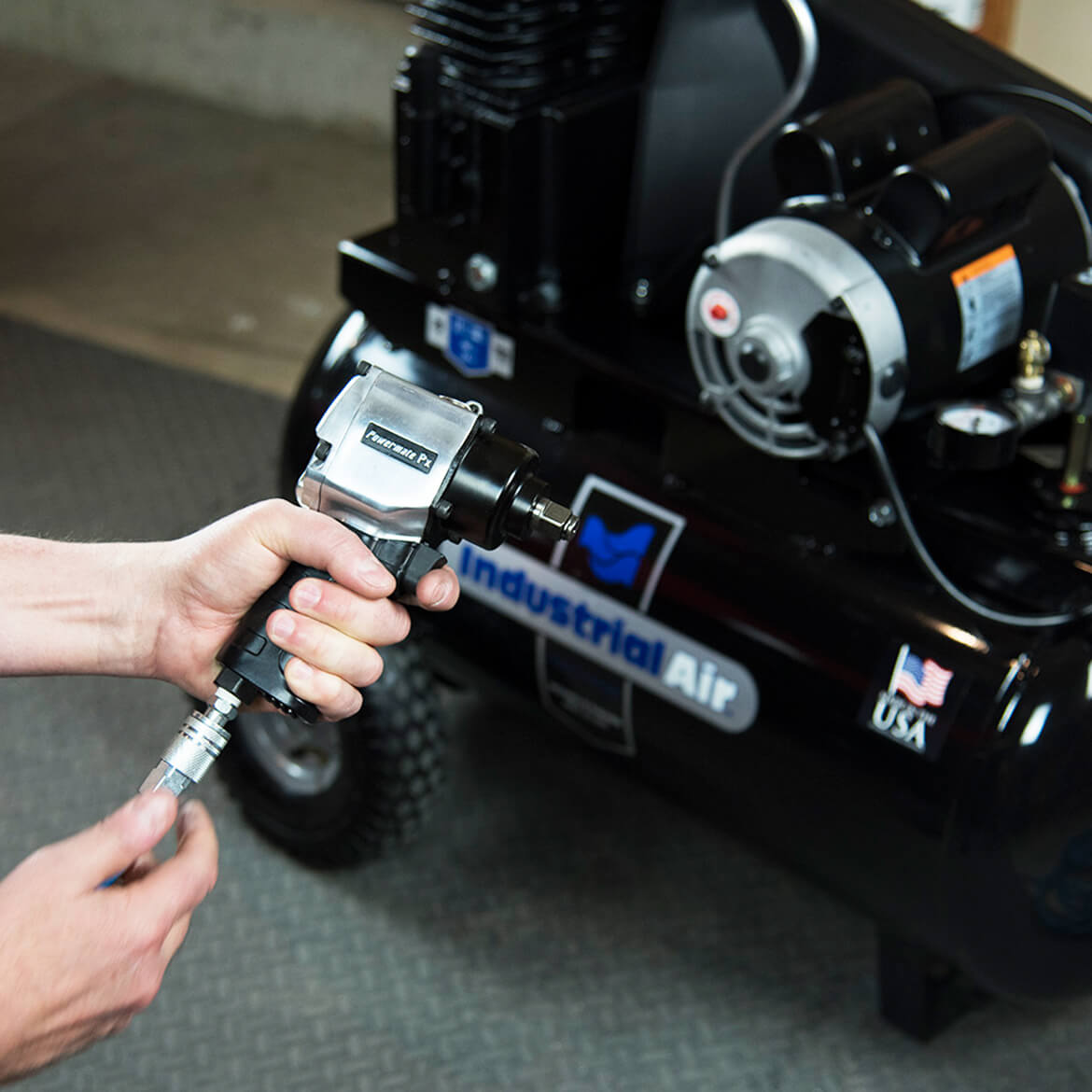
Hand compressors are widely used in the construction industry to power pneumatic tools such as nail guns and drills. This application significantly boosts productivity, allowing workers to complete tasks faster and with less physical strain. For international buyers, especially in the Middle East and Africa, sourcing compressors that are energy-efficient and easy to transport is crucial. These features ensure that projects remain on schedule while minimizing operational costs.
Illustrative image related to hand compressor
In manufacturing, hand compressors are critical for cleaning and maintaining equipment, ensuring optimal performance. They help remove debris and dust from machinery, which can otherwise lead to breakdowns and increased downtime. Companies in Europe should consider the noise level and maintenance requirements of compressors, as these factors can impact workplace safety and operational efficiency. Reliable compressors contribute to a smoother production process and ultimately improve the bottom line.
Agricultural sectors utilize hand compressors to operate irrigation systems and various tools, enhancing productivity in the field. Compressors facilitate the efficient application of water and fertilizers, essential for crop yield. Buyers from South America and Africa should look for portable compressors with pressure control features to adapt to different agricultural tools. This adaptability ensures that farmers can optimize their resources and achieve better results.
In HVAC services, hand compressors are used for pressure testing and maintaining systems. They ensure that air conditioning and heating units operate efficiently, which can significantly reduce energy costs for businesses. Buyers in this sector should focus on the quality of components and ease of use when sourcing compressors, as these factors directly affect service delivery and customer satisfaction. A reliable compressor can enhance the overall effectiveness of HVAC operations, leading to long-term savings.
المشكلة B2B buyers often face challenges in sourcing hand compressors that meet specific operational requirements across various applications. For instance, a construction company in Brazil may need a compressor that can power pneumatic tools on-site while also being portable enough to transport between job locations. The inconsistency in product availability and specifications can lead to delays, increased costs, and project inefficiencies.
الحل: To effectively source reliable hand compressors, buyers should first conduct a thorough needs assessment that outlines the compressor’s intended applications, required pressure ratings, and portability features. Engaging with multiple suppliers can provide insights into the variety of compressors available in the market. It’s also beneficial to request detailed product specifications and performance data to ensure the selected compressors can handle the anticipated workload. Collaborating with manufacturers or distributors who offer customizable solutions can also help in obtaining equipment tailored to specific needs, thereby enhancing operational efficiency.
المشكلة Many industries operate in environments where noise levels must be kept to a minimum, such as in hospitals, schools, or residential areas. For instance, a facility maintenance company in Saudi Arabia may find that standard hand compressors produce disruptive noise, which can affect service quality and lead to complaints from clients. This situation creates a dilemma where the need for effective equipment clashes with the need to maintain a peaceful work environment.
الحل: Buyers should prioritize sourcing hand compressors designed with noise reduction technology, such as oil-free pumps or specially insulated casings. When evaluating compressors, look for models that are marketed as “quiet” or “low-noise” and check the decibel ratings to ensure compliance with local regulations. Additionally, consider the implementation of sound barriers or acoustic enclosures in the workspace to further mitigate noise. Regular maintenance of the compressors can also help keep noise levels in check, as worn parts can contribute to increased operational sound.
Illustrative image related to hand compressor
المشكلة A common issue faced by B2B buyers is ensuring that new hand compressors are compatible with their existing tools and accessories. For example, a manufacturing company in Europe may invest in a new hand compressor but later discover that its fittings and hose connections do not match their current tools, resulting in costly downtime and additional purchases.
الحل: To avoid compatibility issues, buyers should take a proactive approach by cataloging existing equipment specifications before making a purchase. This includes noting the types of fittings, hose sizes, and pressure requirements of current tools. When sourcing new hand compressors, buyers should consult with suppliers to confirm compatibility and consider purchasing from manufacturers that offer a range of accessories and fittings. Additionally, investing in universal adapters can serve as a practical solution, allowing for seamless integration between new and existing equipment. Regular training sessions for staff on the proper use and connection of compressors can also enhance operational effectiveness and reduce the likelihood of compatibility-related issues.
When selecting materials for hand compressors, it is essential to consider properties that influence performance, durability, and cost-effectiveness. Below is an analysis of four common materials used in hand compressor construction, highlighting their key properties, advantages, disadvantages, and implications for international B2B buyers.

Illustrative image related to hand compressor
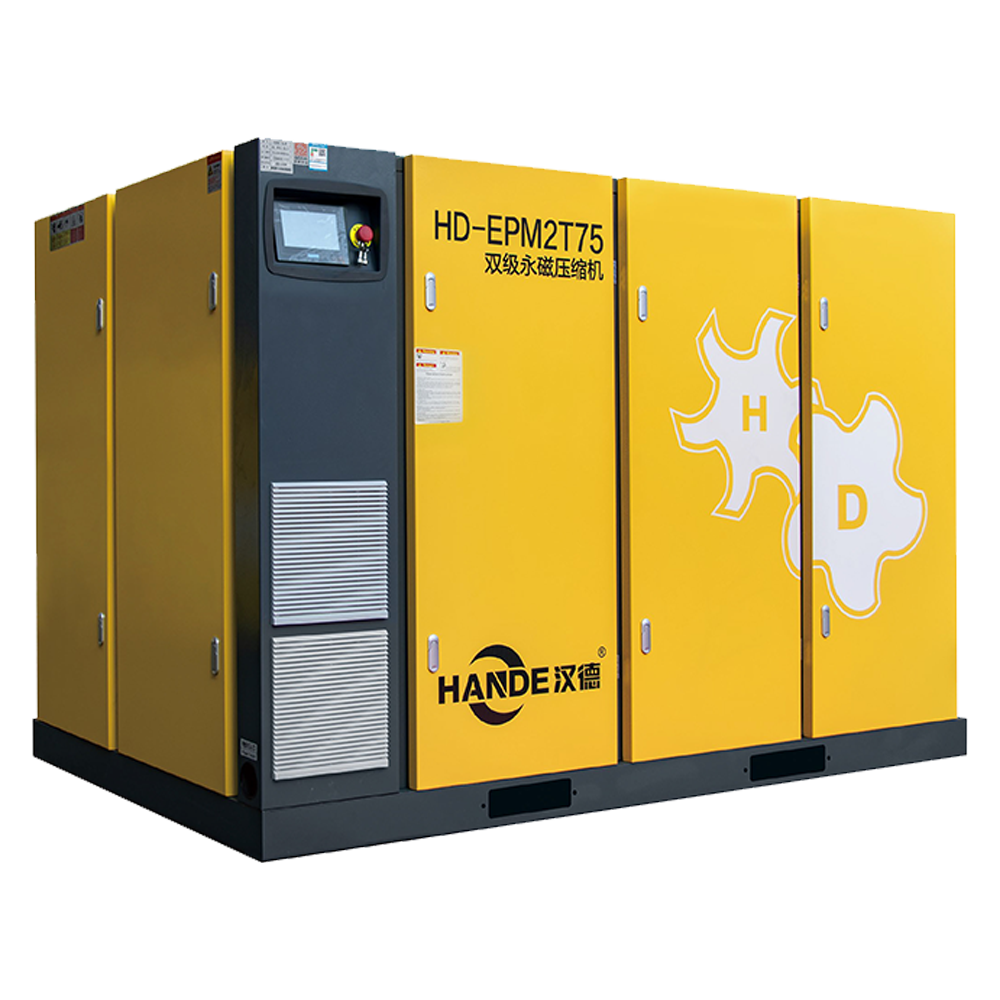
Aluminum is a popular choice for hand compressor components due to its lightweight nature and excellent corrosion resistance. It typically has a temperature rating up to 150°C and can withstand moderate pressure levels, making it suitable for various applications.
الإيجابيات والسلبيات:
The primary advantage of aluminum is its lightweight, which enhances portability—an essential feature for hand compressors. Additionally, it is resistant to rust and corrosion, ensuring a longer lifespan. However, aluminum can be more expensive than other materials and may require additional manufacturing processes, such as anodizing, to enhance its durability.
التأثير على التطبيق:
Aluminum’s compatibility with air and non-corrosive gases makes it ideal for general-purpose compressors. However, it may not be suitable for applications involving aggressive chemicals or high-temperature environments.
Illustrative image related to hand compressor
اعتبارات للمشترين الدوليين:
Buyers in regions like Africa and South America should be aware of local standards for aluminum alloys, such as ASTM or DIN specifications, to ensure compliance with safety and performance requirements.
Steel, particularly carbon steel, is another common material used in hand compressors. It boasts high tensile strength, making it capable of handling high pressure and temperature ratings up to 300°C.
الإيجابيات والسلبيات:
Steel’s durability and strength are significant advantages, allowing for robust construction that can withstand rugged use. However, it is heavier than aluminum, which may affect portability. Additionally, steel is prone to rust if not properly coated or treated, potentially leading to maintenance challenges.
التأثير على التطبيق:
Steel is well-suited for applications requiring high pressure and temperature, such as industrial settings. However, its susceptibility to corrosion means that it may not be the best choice for environments with high humidity or exposure to corrosive substances.
اعتبارات للمشترين الدوليين:
Buyers in the Middle East, where high temperatures are common, should ensure that the steel used meets local standards for heat resistance and corrosion protection, such as JIS or ASTM certifications.
Composite materials, often a blend of plastics and fibers, are increasingly used in hand compressors due to their lightweight and corrosion-resistant properties. They can handle temperatures up to 120°C and moderate pressure levels.
الإيجابيات والسلبيات:
The primary advantage of composites is their lightweight nature, which enhances portability. They are also resistant to corrosion and can be molded into complex shapes, reducing manufacturing complexity. However, composites may not offer the same level of strength as metals, which could limit their use in high-pressure applications.
التأثير على التطبيق:
Composites are ideal for low-pressure applications and environments where corrosion is a concern. However, they may not be suitable for high-temperature or high-pressure scenarios.
Illustrative image related to hand compressor
اعتبارات للمشترين الدوليين:
B2B buyers should verify that composite materials comply with international standards for durability and safety, especially in regions like Europe, where regulations may be stringent.
Cast iron is known for its durability and ability to withstand high pressures and temperatures, making it a traditional choice for compressor components. It can handle temperatures up to 400°C and high pressure.
الإيجابيات والسلبيات:
The key advantage of cast iron is its robustness and longevity, making it suitable for heavy-duty applications. However, it is significantly heavier than other materials, which can hinder portability. Additionally, cast iron is prone to rust if not properly coated.
التأثير على التطبيق:
Cast iron is ideal for industrial applications requiring high durability and pressure resistance. However, its weight may limit its use in portable compressor designs.
اعتبارات للمشترين الدوليين:
Buyers should ensure that cast iron components meet local industrial standards and certifications, particularly in regions like Brazil, where safety regulations may be stringent.
| المواد | Typical Use Case for hand compressor | الميزة الرئيسية | العيب/التقييد الرئيسي | التكلفة النسبية (منخفضة/متوسطة/مرتفعة) |
|---|---|---|---|---|
| ألومنيوم | General-purpose compressors | خفيف الوزن ومقاوم للتآكل | ارتفاع التكلفة وتعقيد التصنيع | متوسط |
| الفولاذ | Industrial high-pressure compressors | قوة ومتانة عالية | أثقل وزناً وعرضة للصدأ | متوسط |
| مركب | Low-pressure applications | خفيف الوزن ومقاوم للتآكل | Limited strength in high-pressure use | منخفضة |
| Cast Iron | Heavy-duty industrial compressors | Robust and long-lasting | Heavy and susceptible to rust | عالية |
This strategic material selection guide provides essential insights for international B2B buyers, helping them make informed decisions based on performance, durability, and compliance with local standards.
The manufacturing process of hand compressors is a detailed operation that encompasses several key stages, ensuring that the final product meets the required performance and quality standards. The main stages include material preparation, forming, assembly, and finishing.
إعداد المواد: The manufacturing process begins with the selection of high-quality materials, typically aluminum or steel, due to their lightweight and durable properties. These materials undergo rigorous testing for tensile strength and corrosion resistance. Suppliers often provide certificates of material compliance, which B2B buyers should review to ensure the quality of inputs.
التشكيل: The forming stage involves shaping the raw materials into the required components. Techniques such as stamping, machining, and extrusion are commonly used. For instance, the compressor tank may be formed through a stamping process where sheets of metal are shaped into cylindrical forms. Precision is crucial here, as any defects can lead to inefficiencies in performance.
التجميع: Once the components are formed, they proceed to the assembly line. This stage involves the integration of various parts, including the motor, valves, and pressure gauges. Automated assembly lines are often employed to enhance accuracy and speed. Skilled technicians monitor the assembly process to ensure that components fit correctly and function as intended.
التشطيب: The final stage involves surface treatment and painting to enhance aesthetics and protect against environmental factors. Techniques such as powder coating or anodizing are used to create a durable finish. This not only improves the product’s appearance but also extends its lifespan, which is a critical consideration for B2B buyers looking for reliable equipment.
Quality assurance (QA) is an integral part of the manufacturing process, ensuring that the hand compressors meet international standards and customer specifications. Various methodologies and standards are followed to maintain product integrity throughout the production lifecycle.
الالتزام بالمعايير الدولية: Many manufacturers comply with ISO 9001, an internationally recognized standard for quality management systems. This certification signifies that the manufacturer has established a framework for consistent quality in their products. Additionally, compliance with industry-specific standards such as CE (Conformité Européenne) for European markets and API (American Petroleum Institute) standards for specific applications can further assure quality.
نقاط التحقق من الجودة: Several checkpoints are established throughout the manufacturing process to monitor quality. These include:
– مراقبة الجودة الواردة (IQC): This initial checkpoint assesses the quality of incoming materials against predefined specifications before they are used in production.
– مراقبة الجودة أثناء المعالجة (IPQC): Conducted during the manufacturing process, this step ensures that the components meet quality criteria at various stages of production.
– مراقبة الجودة النهائية (FQC): Once the product is fully assembled, FQC involves rigorous testing of the finished compressors for performance, safety, and reliability. Common tests include pressure tests, noise level assessments, and operational performance evaluations.
طرق الاختبار الشائعة: Manufacturers often employ a range of testing methods to ensure that the compressors perform as expected. These may include:
– Hydrostatic Testing: To check for leaks and structural integrity.
– الاختبارات الكهربائية: Ensuring that electrical components function correctly and safely.
– Performance Testing: Assessing the compressor’s ability to maintain pressure and deliver airflow as per specifications.
For international B2B buyers, particularly from diverse regions such as Africa, South America, the Middle East, and Europe, verifying supplier quality control processes is crucial for ensuring the reliability of hand compressors.
إجراء عمليات التدقيق: Buyers can perform audits of potential suppliers’ manufacturing facilities. This direct approach allows buyers to assess the quality management systems in place, inspect manufacturing processes, and review documentation related to quality control.
طلب تقارير الجودة: Suppliers should provide detailed quality assurance reports that outline their compliance with international standards and internal quality metrics. These documents can give buyers insights into the frequency of quality checks and the outcomes of recent audits.
إشراك مفتشي الطرف الثالث: Many buyers opt for third-party inspections to validate the quality of the products before shipment. Independent inspectors can provide an unbiased assessment of the manufacturing processes and the finished products, ensuring that they meet the agreed-upon specifications.
Navigating the quality control landscape can be complex for international buyers, especially when dealing with suppliers from different regions. Here are some nuances to consider:
Illustrative image related to hand compressor
Understanding Regional Standards: Different regions may have varying quality standards. For example, products sold in Europe must comply with CE standards, while those in the Middle East may need to meet specific local regulations. Understanding these requirements is essential to avoid compliance issues.
Language and Communication Barriers: Effective communication is vital for quality assurance. Buyers should ensure that they can clearly convey their quality expectations and understand the supplier’s processes. Language barriers can lead to misunderstandings that may affect product quality.
الاعتبارات الثقافية: Different cultures may approach quality assurance differently. Buyers should be aware of cultural norms and practices in manufacturing, as these can influence the quality control processes and expectations.
الاعتبارات اللوجستية: Shipping products internationally can complicate quality assurance. Buyers should consider how to manage inspections and audits effectively, ensuring that products are tested and verified before they leave the manufacturing facility.
The manufacturing and quality assurance processes for hand compressors are critical to ensuring that these tools meet the demands of various industries. By understanding the stages of production and the importance of quality control, B2B buyers can make informed decisions when selecting suppliers. Verifying the quality control processes through audits, reports, and third-party inspections can further enhance confidence in the products sourced from global suppliers.
This sourcing guide serves as a practical checklist for B2B buyers seeking to procure hand compressors. By following these steps, you can ensure a smooth purchasing process, select the right equipment for your needs, and establish a reliable supplier relationship. This checklist is particularly relevant for international buyers from regions such as Africa, South America, the Middle East, and Europe, where understanding local market nuances is crucial.
Before beginning the procurement process, outline your specific needs for the hand compressor. Consider factors such as pressure requirements, tank capacity, power source, and portability.
– Why It Matters: Defining specifications helps narrow down options and ensures the selected compressor meets operational demands.
– Look For: Detailed requirements that align with your intended applications, whether it’s for automotive, industrial, or construction use.
Illustrative image related to hand compressor
Conduct thorough research on the latest trends in hand compressors and reputable brands in the market.
– Why It Matters: Understanding market dynamics can inform your decision-making and help you identify innovative products that may enhance efficiency.
– Look For: Reviews, market reports, and case studies showcasing successful applications of various brands.
Before committing to a supplier, it’s crucial to vet them thoroughly. Request company profiles, case studies, and references from buyers in similar industries or regions.
– Why It Matters: A reliable supplier can significantly impact product quality and customer service.
– Look For: Certifications and compliance with international standards, especially those relevant to your region.
Solicit quotes from multiple suppliers to understand the price range for your required hand compressor.
– Why It Matters: Comparing prices helps ensure you are getting a fair deal while also considering the total cost of ownership, which includes maintenance and potential operational costs.
– Look For: Breakdown of costs, including shipping, taxes, and any additional fees associated with the purchase.
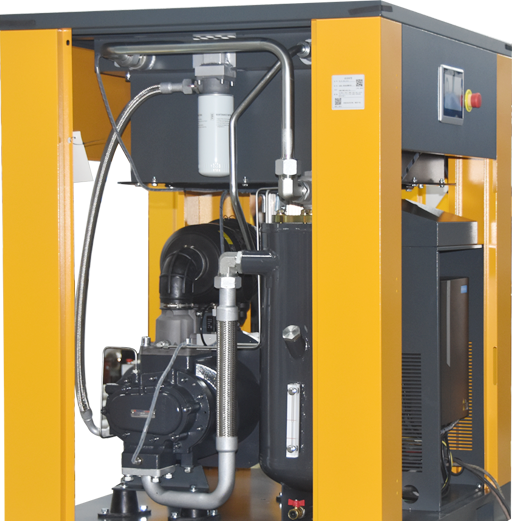
Illustrative image related to hand compressor
Check the warranty terms and after-sales support offered by the supplier.
– Why It Matters: A robust warranty and accessible support can save you time and money in the event of product issues.
– Look For: Duration of warranty, terms of service, and availability of spare parts or service centers in your region.
Evaluate the shipping methods and delivery timelines proposed by the suppliers.
– Why It Matters: Understanding logistics is essential for planning and ensuring timely project execution.
– Look For: Options that minimize delays and costs, as well as potential customs implications for international shipping.
Once you’ve selected a supplier, finalize the purchase while ensuring all agreements are documented.
– Why It Matters: Clear documentation protects both parties and serves as a reference for future transactions.
– Look For: Contracts that specify delivery dates, payment terms, and product specifications to avoid misunderstandings.
By adhering to this checklist, you can streamline your sourcing process for hand compressors, ensuring that you make informed decisions that align with your business needs.
When sourcing hand compressors, understanding the cost structure is crucial for B2B buyers. The major components of the cost structure include:
المواد: The quality and type of materials used directly impact the overall cost. High-grade components, such as aluminum tanks or durable plastic casings, will increase the price but enhance product lifespan and performance.
العمالة: Labor costs can vary significantly based on geographical location and manufacturing practices. Regions with lower labor costs may offer competitive pricing, but buyers should evaluate the potential impact on quality.
نفقات التصنيع الزائدة: This encompasses all indirect costs associated with production, such as utilities, rent, and equipment maintenance. Efficient production processes can mitigate these costs.
الأدوات: Specialized tools and molds are required for production, which can represent a significant upfront investment. Custom designs may necessitate higher tooling costs.
مراقبة الجودة (QC): Implementing robust QC measures ensures product reliability and compliance with international standards, which can add to costs but is essential for maintaining brand reputation.
الخدمات اللوجستية: Transportation and shipping costs, including customs duties and taxes, can significantly influence the final price. Incoterms (International Commercial Terms) play a pivotal role in determining who bears these costs.
الهامش: Suppliers typically include a profit margin in their pricing. Understanding the typical margins in the industry can aid in negotiations.
Several factors can influence the pricing of hand compressors:
الحجم/الكمية (الحد الأدنى لكمية الطلب): Buying in bulk often results in lower per-unit costs. Suppliers are more likely to offer discounts for larger orders, making it essential to assess your needs accurately.
المواصفات والتخصيص: Custom features or specifications can increase costs. Buyers should balance their requirements with their budget to avoid overspending.
الجودة والشهادات: Products that meet international quality standards or possess specific certifications often come at a premium. However, these certifications can also enhance buyer confidence and marketability.
عوامل الموردين: The reputation and reliability of the supplier can affect pricing. Established suppliers may charge more due to their proven track record, while newer entrants might offer lower prices to gain market share.
For international B2B buyers, particularly from regions like Africa, South America, the Middle East, and Europe, the following tips can help in securing the best prices:
الاستفادة من التكلفة الإجمالية للملكية (TCO): Evaluate not just the upfront cost but also the long-term costs associated with maintenance, energy consumption, and potential repairs. A slightly higher initial investment may lead to lower overall costs.
فهم الفروق الدقيقة في التسعير: Different markets have varying pricing strategies. Familiarize yourself with local market conditions, including currency fluctuations and economic factors that could affect pricing.
التفاوض على الشروط: Discuss payment terms, delivery schedules, and warranties. Flexible payment options can help manage cash flow and reduce financial strain.
بناء العلاقات: Developing a strong relationship with suppliers can lead to better pricing and favorable terms over time. Consider long-term partnerships instead of one-off transactions.
Stay Informed: Regularly update your knowledge about market trends, competitor pricing, and technological advancements to make informed sourcing decisions.
In summary, understanding the cost structure and pricing influencers is essential for B2B buyers in the hand compressor market. By focusing on total cost of ownership, negotiating effectively, and building strong supplier relationships, buyers can enhance their sourcing strategies. It is important to remember that prices can vary widely based on numerous factors, so thorough research and analysis are crucial for making informed purchasing decisions.
In the realm of air compression, various technologies and solutions are available to meet the diverse needs of businesses. While hand compressors offer a compact and portable option, there are alternatives that may provide superior performance, cost-effectiveness, or ease of use depending on the specific application. Understanding these alternatives can empower B2B buyers to make informed decisions based on their operational requirements.
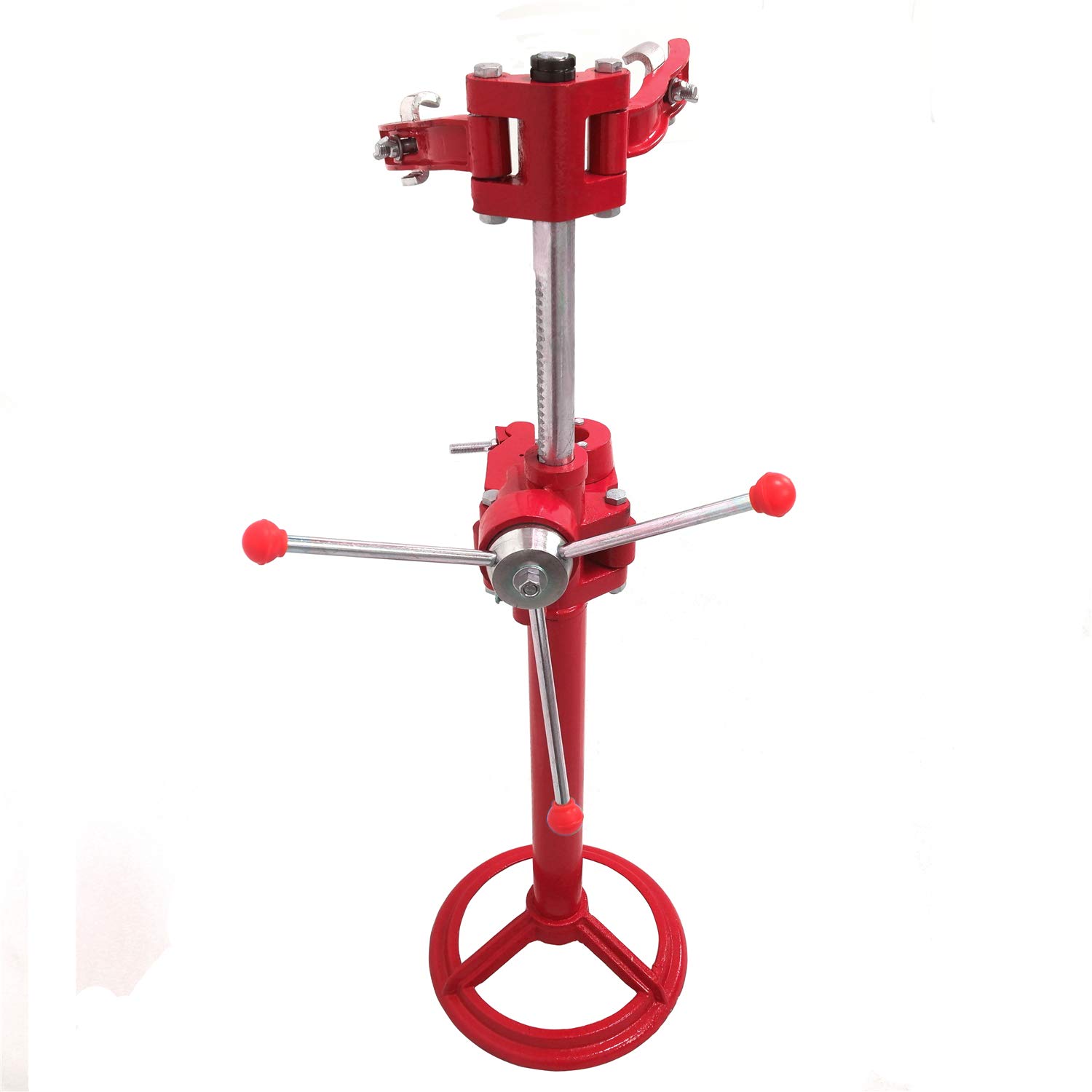
Illustrative image related to hand compressor
| جانب المقارنة | Hand Compressor | Portable Electric Compressor | Gas-Powered Compressor |
|---|---|---|---|
| الأداء | Low to moderate PSI output | Moderate to high PSI output | High PSI output, suitable for heavy-duty tasks |
| التكلفة | Generally low-cost | Moderate cost | Higher initial investment |
| سهولة التنفيذ | Very easy, no installation required | Simple setup, requires power source | Requires fuel and maintenance |
| الصيانة | صيانة منخفضة | Moderate maintenance | High maintenance, regular servicing needed |
| أفضل حالة استخدام | Small jobs, tire inflation, crafts | DIY projects, light construction | Construction sites, industrial applications |
Portable electric compressors serve as a versatile alternative to hand compressors. They can deliver moderate to high PSI output, making them suitable for a variety of tasks, from inflating tires to powering pneumatic tools. These compressors typically have a higher upfront cost compared to hand compressors but offer greater efficiency and performance. They require access to an electrical outlet, which may limit their portability in remote locations. Maintenance is moderate, as users must regularly check for wear and tear in components. Overall, they are ideal for DIY enthusiasts and small contractors who need a reliable solution for moderate tasks.
Gas-powered compressors are designed for heavy-duty applications and are capable of producing high PSI outputs, making them ideal for construction sites or industrial settings. Although they have a higher initial investment and ongoing fuel costs, their performance in demanding environments is unmatched. These compressors require regular maintenance and servicing, which can be a drawback for some users. However, their independence from electrical sources allows them to operate in remote locations. Businesses that frequently undertake large projects or work in areas without power supply would find gas-powered compressors to be a valuable asset.
When selecting an air compression solution, B2B buyers should carefully consider their specific needs, including the scale of operations, budget constraints, and the environment in which the equipment will be used. Hand compressors are excellent for small tasks and portability but may not meet the demands of larger projects. Portable electric compressors offer a balance between cost and performance for moderate tasks, while gas-powered compressors excel in heavy-duty applications. By evaluating these factors, businesses can choose the most appropriate solution that aligns with their operational goals and enhances productivity.
When sourcing hand compressors for industrial applications, several technical properties are crucial for ensuring optimal performance and reliability. Here are key specifications to consider:
Pressure Rating
The pressure rating, typically measured in PSI (pounds per square inch), indicates the maximum pressure the compressor can generate. This specification is vital for determining whether the compressor can meet the specific demands of your applications, such as powering pneumatic tools or inflating tires. For B2B buyers, understanding the required PSI for your operations ensures the compressor can handle the necessary workload.
Tank Capacity
Measured in gallons, tank capacity reflects the volume of air the compressor can store. A larger tank allows for longer periods of continuous use without frequent cycling. This is particularly important for businesses that rely on sustained air pressure for tasks like spray painting or sandblasting. Buyers should assess their operational needs to select a compressor with an appropriate tank size to avoid downtime.
Motor Power
Expressed in horsepower (HP), the motor power determines the compressor’s efficiency and capability. A more powerful motor can compress air more quickly, reducing the time needed for tasks. For international buyers, especially in regions with varying electricity supply, understanding the motor power helps ensure compatibility with local power standards.
درجة المادة
The construction material of the compressor affects its durability and weight. Common materials include aluminum and steel, each offering different benefits. Aluminum is lightweight and corrosion-resistant, making it ideal for portable models, while steel provides strength and longevity. Buyers should consider the environment in which the compressor will be used to select a model with the appropriate material grade.
مستوى الضوضاء
Noise levels, typically measured in decibels (dB), are an important consideration for workplaces. Many hand compressors are designed to operate quietly to reduce workplace noise pollution. For businesses in urban areas or those sensitive to sound, choosing a low-noise model can enhance employee comfort and compliance with local regulations.
ميزات قابلية النقل
Portability features, such as weight, handle design, and wheel configuration, are crucial for users who need to transport compressors frequently. A lightweight design with ergonomic handles and sturdy wheels can significantly enhance usability. B2B buyers in construction or maintenance sectors should prioritize these features to facilitate ease of movement across job sites.
Understanding industry jargon is essential for effective communication in B2B transactions. Here are several key terms commonly associated with hand compressors:
OEM (الشركة المصنعة للمعدات الأصلية)
This term refers to companies that produce parts and equipment that may be marketed by another manufacturer. For buyers, sourcing from OEMs can ensure quality and compatibility, particularly when ordering replacement parts for compressors.
موك (الحد الأدنى لكمية الطلب)
MOQ is the smallest quantity of a product that a supplier is willing to sell. Understanding MOQs is critical for buyers to manage inventory effectively and avoid overstocking. Negotiating favorable MOQs can lead to cost savings and better cash flow.
طلب عرض الأسعار (RFQ)
An RFQ is a document sent to suppliers requesting pricing and terms for specific products. This process is essential for B2B buyers to compare offers and ensure they are getting competitive pricing and suitable terms for their hand compressor needs.
إنكوترمز (الشروط التجارية الدولية)
These are internationally recognized rules that define the responsibilities of buyers and sellers for the delivery of goods. Familiarity with Incoterms is crucial for international buyers to understand shipping costs, risks, and obligations involved in transactions.
الضمان
A warranty is a promise from the manufacturer to repair or replace a defective product within a specified period. For B2B buyers, evaluating warranty terms can provide peace of mind and protect against unforeseen repair costs, making it a vital aspect of the purchasing decision.
المهلة الزمنية
Lead time refers to the time taken from placing an order to receiving the product. This is a critical factor for businesses that require timely delivery to maintain operations. Understanding lead times helps buyers plan their inventory and project schedules more effectively.
By grasping these essential technical properties and trade terms, international B2B buyers can make informed decisions when sourcing hand compressors, ensuring they select the right equipment for their operational needs.
The global hand compressor market is experiencing robust growth, driven by several key factors. Increased demand for portable and compact tools in various sectors—including automotive, construction, and DIY home improvement—has propelled the hand compressor sector forward. In regions like Africa and South America, the rise of small and medium-sized enterprises (SMEs) is contributing to a surge in demand for efficient, cost-effective tools. Additionally, the Middle East’s expanding construction and infrastructure projects are creating new opportunities for suppliers and manufacturers.
Emerging technologies, such as IoT-enabled compressors, are reshaping the market landscape. These innovations offer enhanced performance monitoring and predictive maintenance, allowing businesses to optimize their operations. Moreover, the trend toward digital sourcing platforms is simplifying procurement processes for international buyers, enabling easier access to a wider range of products and suppliers. Sustainability is also becoming a significant focus, with many manufacturers investing in energy-efficient models that reduce environmental impact while meeting regulatory requirements.
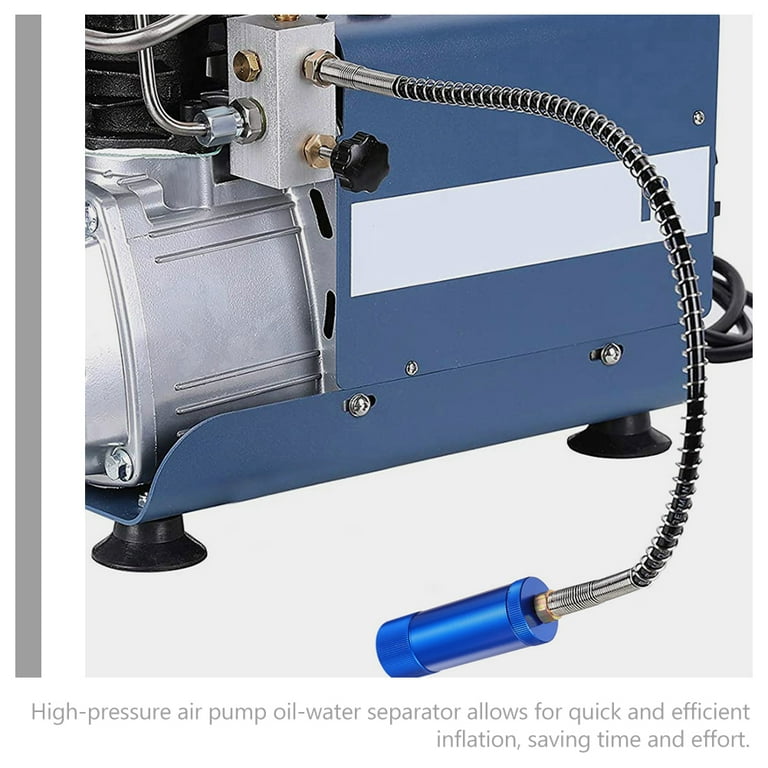
Illustrative image related to hand compressor
Sustainability and ethical sourcing are increasingly pivotal in the hand compressor industry, particularly for B2B buyers concerned about their environmental footprint. The production of hand compressors can have significant environmental impacts, including energy consumption and waste generation. As a result, many companies are now prioritizing sustainable practices throughout their supply chains, from sourcing raw materials to manufacturing processes.
Buyers are encouraged to seek suppliers that utilize eco-friendly materials and production methods, such as recycled metals and energy-efficient manufacturing techniques. Certifications like ISO 14001 for environmental management systems can serve as indicators of a supplier’s commitment to sustainability. Furthermore, adopting ‘green’ practices not only helps mitigate environmental impacts but can also enhance brand reputation and customer loyalty, especially among environmentally conscious consumers.
The hand compressor has evolved significantly since its inception. Initially designed for simple tasks, modern hand compressors now incorporate advanced technologies that enhance efficiency and usability. The evolution began in the early 20th century when pneumatic tools gained popularity in industrial settings. Over the decades, innovations such as oil-free technology, lightweight materials, and noise reduction features have transformed hand compressors into versatile tools suitable for a variety of applications.
In the contemporary B2B landscape, the focus has shifted towards portability and efficiency, making hand compressors indispensable for professionals in diverse fields. This evolution reflects a broader trend toward tool diversification, where equipment must meet the specific needs of various industries while adhering to stringent environmental standards. As the market continues to advance, buyers can expect ongoing innovation and enhanced capabilities in hand compressor offerings.
How do I choose the right hand compressor for my business needs?
Selecting the right hand compressor involves assessing the specific requirements of your applications. Consider factors such as the compressor’s power (measured in horsepower), tank size (which affects air storage capacity), and portability. Evaluate the intended use—whether for inflating tires, powering pneumatic tools, or other tasks. Additionally, look for energy efficiency and noise levels, particularly if your operations are in noise-sensitive environments. Consulting with suppliers about your operational needs can also provide valuable insights into the most suitable models.
What are the advantages of using a hand compressor over other types?
Hand compressors are typically more portable and easier to handle than larger stationary models. They are ideal for small-scale operations or mobile applications where space is limited. Their lightweight design allows for easy transportation to job sites, making them suitable for contractors and DIY enthusiasts. Moreover, many hand compressors offer quick setup times and are energy-efficient, reducing operational costs. For businesses in sectors like automotive or construction, these advantages can significantly enhance productivity.
What payment terms should I expect when sourcing hand compressors internationally?
Payment terms can vary significantly by supplier and region. Common arrangements include advance payment, letters of credit, or payment upon delivery. For larger orders, you may negotiate payment in installments based on shipment milestones. It’s essential to clarify the terms before proceeding, as this affects cash flow and financial planning. Always ensure that payment methods are secure, and consider using escrow services for high-value transactions to mitigate risks.
How can I vet suppliers for hand compressors in international markets?
Vetting suppliers involves several critical steps: researching their background, checking customer reviews, and verifying their certifications. Engage in direct communication to assess their responsiveness and willingness to provide product information. Request references from other businesses that have sourced products from them. Additionally, consider visiting their facilities if possible or utilizing third-party inspection services to confirm product quality and manufacturing capabilities. This thorough approach helps mitigate risks associated with international sourcing.
What are the minimum order quantities (MOQs) for hand compressors?
Minimum order quantities for hand compressors can vary widely based on the manufacturer and your negotiation leverage. Some suppliers may have MOQs as low as one unit for certain models, particularly for customized options, while others may require larger orders to ensure cost-effectiveness. Discuss your needs upfront and explore whether the supplier can accommodate lower quantities for initial orders, especially if you are testing the market. Understanding MOQs is vital for budgeting and inventory management.
Can I customize hand compressors to meet specific operational requirements?
Many manufacturers offer customization options for hand compressors, allowing you to tailor features such as tank size, motor type, and added functionalities like pressure gauges or noise reduction. Discuss your specific needs with potential suppliers to see what customization options are available. Keep in mind that custom orders may have longer lead times and different pricing structures, so it’s essential to plan accordingly and communicate your requirements clearly.
What quality assurance measures should I consider when sourcing hand compressors?
Quality assurance is crucial in ensuring that the hand compressors meet your operational standards. Inquire about the supplier’s quality control processes, including testing procedures and certifications (such as ISO 9001). Request documentation related to product testing and performance metrics. Additionally, consider asking for warranty terms and after-sales support, as these factors can significantly impact your overall satisfaction and the longevity of the equipment.
What logistics considerations should I keep in mind when importing hand compressors?
Logistics play a vital role in the successful importation of hand compressors. Assess shipping options, including freight costs and delivery times, to determine the most cost-effective method. Be aware of customs regulations and duties in your country, which can affect the overall cost. Coordination with logistics providers is essential to ensure compliance and timely delivery. Additionally, consider the handling and storage requirements upon arrival to prevent damage to the equipment.
المجال: rolair.com
مسجل: 1999 (26 سنة)
مقدمة: Hand Carry Air Compressors from Rolair Systems include a variety of direct drive models. Key specifications include: 12 models available, horsepower ranging from 0.5 HP to 5.5 HP, and CFM delivered from 1.0 to 6.5 CFM at 90 PSI. Featured models include: JC20 (2 HP, 4.5 CFM), FC1500HS3 (1.5 HP, 4.0 CFM), FC2002 (2 HP, 4.1 CFM), FC2002HBP6 (2 HP, 4.1 CFM), FCOL22LS6 (2 HP, 5 CFM), VT20ST (2 HP, 4.2 …
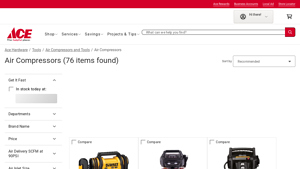
المجال: acehardware.com
مسجل: 1995 (30 سنة)
مقدمة: Air Compressors and Portable Air Compressors available at Ace Hardware include a variety of models from top brands such as Craftsman, DeWalt, Milwaukee, and Campbell Hausfeld. Key specifications to consider when selecting an air compressor include:
– Air Delivery SCFM at 90 PSI
– Air Inlet Size
– Horsepower (HP)
– Maximum Pressure
– Stages
– Tank Size
– Tank Style (e.g., wheeled, portable) …

المجال: dewalt.com
مسجل: 1997 (28 سنة)
مقدمة: DEWALT offers a range of air compressors including electric and gas models designed for performance and durability. Key products include:
– DXCMS15016US: 1.6 Gal Quiet Roll Cage Oil Free Air Compressor
– DXCMS13513US: 1.3 Gal XTREME Quiet Roll Cage Oil Free Air Compressor
– DXCM20020US: 20 Gal XTREME Quiet 2 Stage Oil Free Air Compressor
– DXCMS20045US: 4.5 Gal XTREME Quiet 2 Stage Oil Free Ai…
In conclusion, strategic sourcing of hand compressors offers significant advantages for international B2B buyers, especially in regions like Africa, South America, the Middle East, and Europe. By prioritizing quality, reliability, and supplier relationships, businesses can ensure they procure compressors that meet their operational demands while maximizing cost efficiency. Understanding local market dynamics and leveraging supplier capabilities are crucial steps in optimizing procurement strategies.
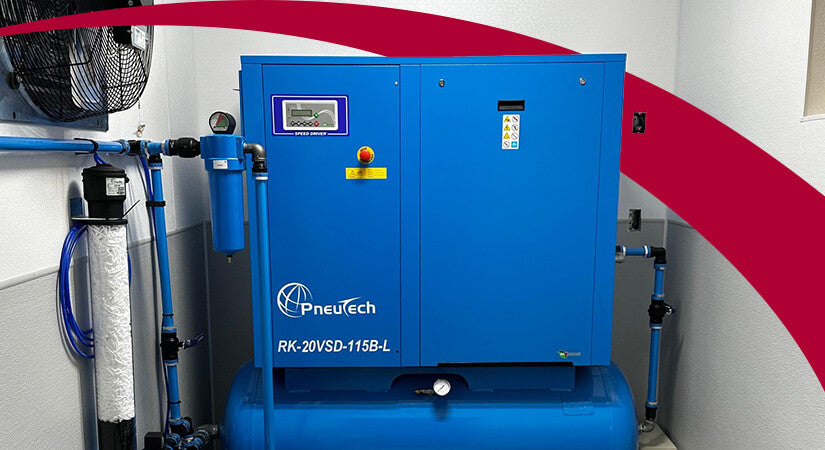
Illustrative image related to hand compressor
Investing in high-quality hand compressors not only enhances productivity but also contributes to long-term operational success. As buyers navigate the complexities of the global marketplace, adopting a proactive sourcing approach will enable them to stay ahead of competition and adapt to evolving market trends.
Looking forward, it is essential for international buyers to remain vigilant and explore new sourcing opportunities that align with their growth objectives. Engage with suppliers who demonstrate innovation and sustainability in their offerings, as these factors will increasingly influence purchasing decisions. By taking these steps, businesses can position themselves favorably in a competitive landscape. Start your strategic sourcing journey today to unlock the full potential of your operations with high-quality hand compressors.
المعلومات الواردة في هذا الدليل، بما في ذلك المحتوى المتعلق بالمصنعين والمواصفات الفنية وتحليل السوق، هي لأغراض إعلامية وتعليمية فقط. وهي لا تشكل مشورة مهنية في مجال المشتريات أو مشورة مالية أو مشورة قانونية.
على الرغم من أننا بذلنا كل جهد ممكن لضمان دقة المعلومات ودقة توقيتها، إلا أننا لسنا مسؤولين عن أي أخطاء أو سهو أو معلومات قديمة. تخضع ظروف السوق وتفاصيل الشركة والمعايير الفنية للتغيير.
يجب على المشترين بين الشركات إجراء العناية الواجبة المستقلة والشاملة الخاصة بهم قبل اتخاذ أي قرارات شراء. ويشمل ذلك الاتصال بالموردين مباشرة، والتحقق من الشهادات، وطلب عينات، وطلب الاستشارات المهنية. يتحمل القارئ وحده مخاطر الاعتماد على أي معلومات واردة في هذا الدليل.
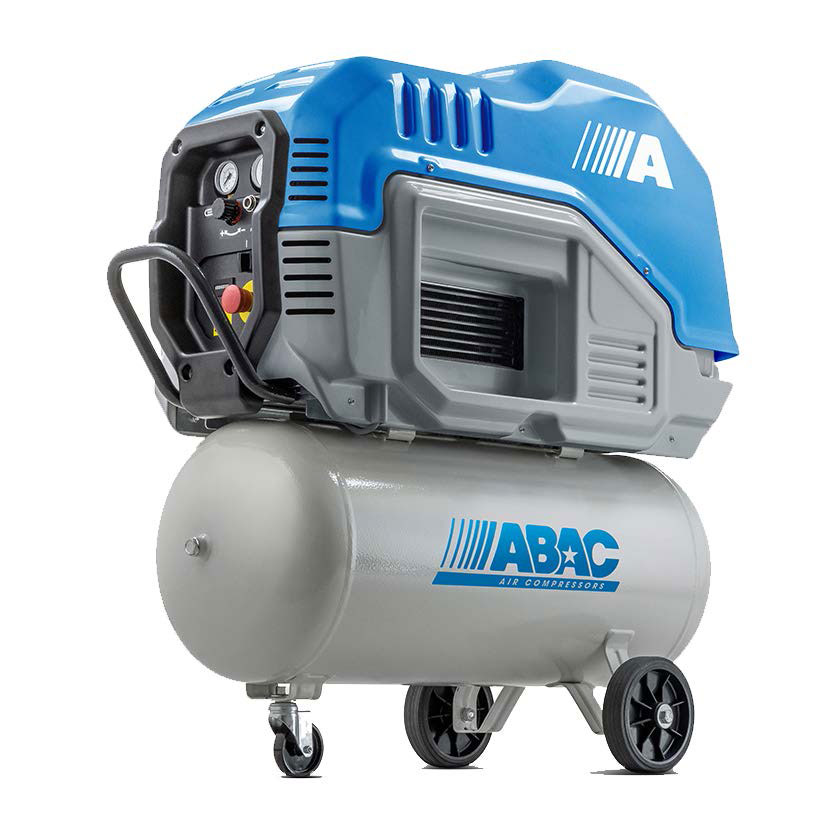
Illustrative image related to hand compressor


 Arabic
  English
  Russian
  Spanish
  Italian
  Portuguese
  German