
- اللغة الإنجليزية
- الروسية
- الإسبانية
- إيطالي
- اللغة العربية
- البرتغالية
- الألمانية
In the competitive landscape of industrial operations, effectively sourcing a reliable pressure air machine can be a daunting challenge for international B2B buyers. Understanding the intricate dynamics of the global market—spanning regions such as Africa, South America, the Middle East, and Europe—requires a thorough analysis of various factors, including machine types, applications, and supplier reliability. This guide aims to demystify the complexities of pressure air machines, offering insights into the different types available, their specific applications across industries, and best practices for vetting suppliers.
Within these pages, you will find valuable information on the diverse categories of pressure air machines, ranging from portable units suitable for small projects to large-scale industrial compressors. We will delve into the cost considerations that influence purchasing decisions, ensuring that you can assess the total value rather than just the upfront price. Furthermore, this guide emphasizes the importance of supplier vetting, helping you identify trustworthy partners who can meet your operational needs and ensure seamless service.
By empowering you with actionable insights and expert recommendations, this comprehensive guide will facilitate informed purchasing decisions, enabling you to optimize efficiency, enhance productivity, and ultimately drive business success in your respective markets. Whether you are based in Saudi Arabia, Vietnam, or elsewhere, equipping yourself with the right knowledge is crucial to navigating the global market for pressure air machines.
| اسم النوع | السمات المميزة الرئيسية | تطبيقات B2B الأولية | موجز الإيجابيات والسلبيات للمشترين |
|---|---|---|---|
| Reciprocating Air Compressors | Piston-driven, high pressure, versatile | Manufacturing, automotive, construction | الإيجابيات: High efficiency; السلبيات: Noisy, requires maintenance. |
| Rotary Screw Compressors | Continuous operation, lower noise, high capacity | Large-scale industrial applications | الإيجابيات: Reliable, low maintenance; السلبيات: تكلفة أولية أعلى. |
| Scroll Compressors | Compact design, oil-free operation | Medical, food processing, electronics | الإيجابيات: Quiet, energy-efficient; السلبيات: Limited power output. |
| ضواغط الهواء المحمولة | Lightweight, easy to transport, small tank sizes | DIY projects, small workshops, automotive | الإيجابيات: Versatile, cost-effective; السلبيات: Limited air supply. |
| أجهزة نفخ الإطارات الرقمية | Automated inflation, user-friendly interfaces | Gas stations, auto repair shops | الإيجابيات: Enhances customer experience; السلبيات: Initial setup cost. |
Reciprocating air compressors utilize a piston mechanism to compress air, making them ideal for applications requiring high pressure. They are widely used in manufacturing, automotive repair, and construction due to their ability to deliver high efficiency and performance. However, they can be noisy and require regular maintenance, making them less suitable for environments where noise levels must be minimized.
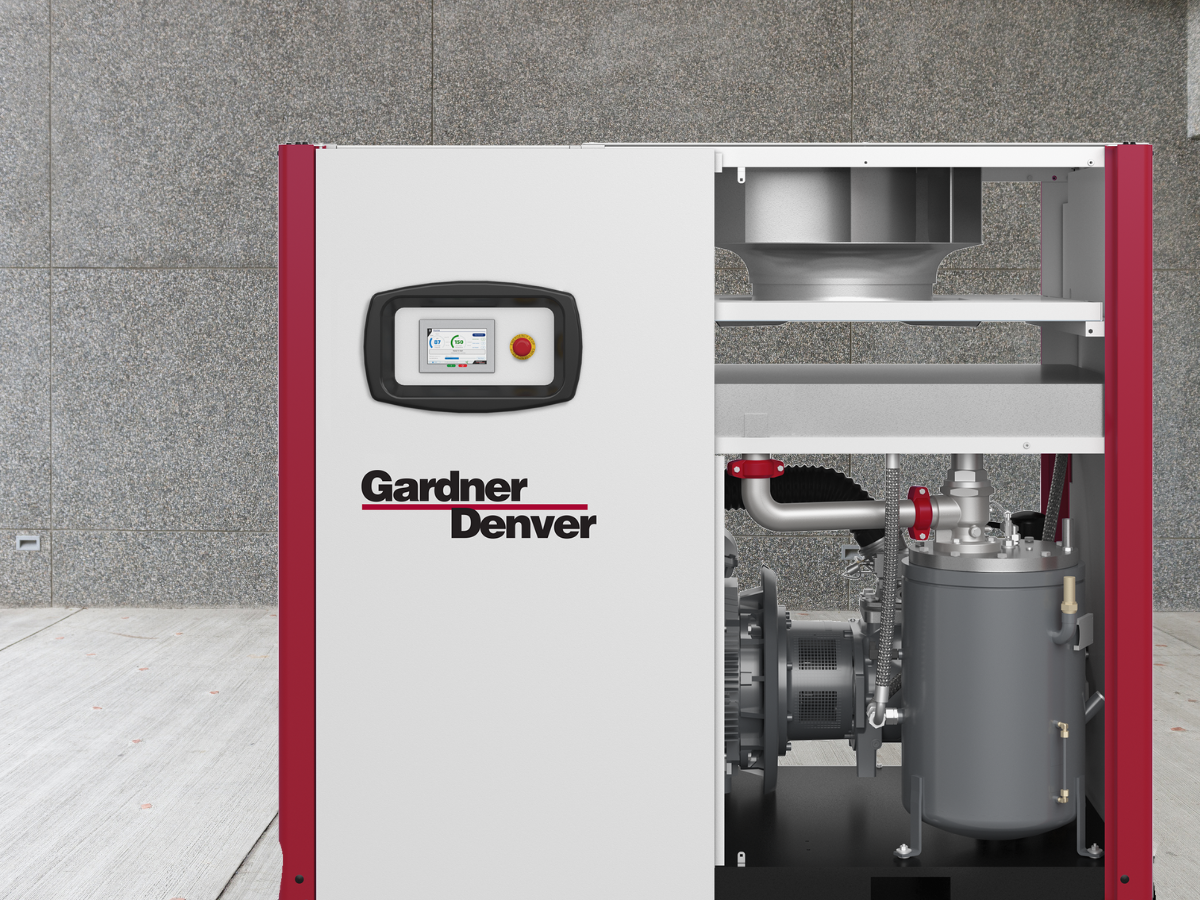
Rotary screw compressors operate continuously, making them a preferred choice for large-scale industrial applications. Their design allows for lower noise levels and higher air capacity, which is essential for manufacturing processes that require a steady air supply. While they come with a higher initial investment, their reliability and low maintenance requirements often lead to long-term cost savings.
Scroll compressors are known for their compact size and oil-free operation, making them suitable for sensitive environments such as medical facilities, food processing, and electronics manufacturing. Their quiet operation and energy efficiency are significant advantages. However, potential buyers should consider their limited power output, which may not meet the demands of larger industrial applications.

Illustrative image related to pressure air machine
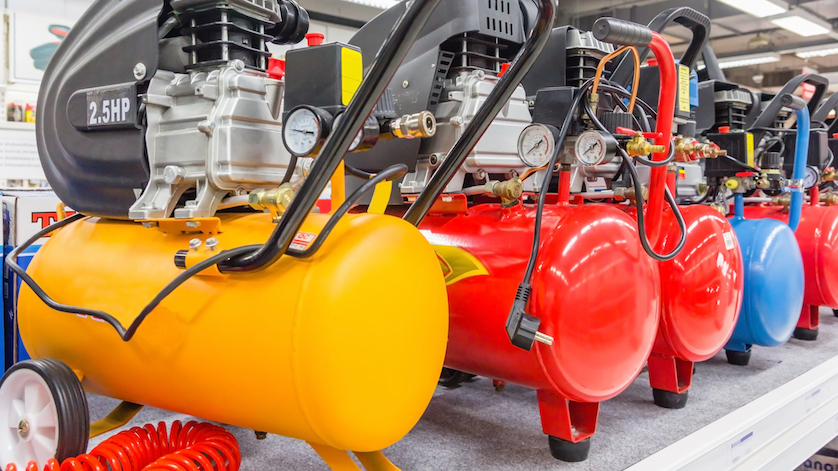
Portable air compressors are lightweight and easy to transport, making them ideal for DIY projects, small workshops, and automotive tasks. They typically feature smaller tank sizes, which makes them cost-effective for businesses that do not require a continuous air supply. However, their limited air capacity may restrict their use in more demanding applications.
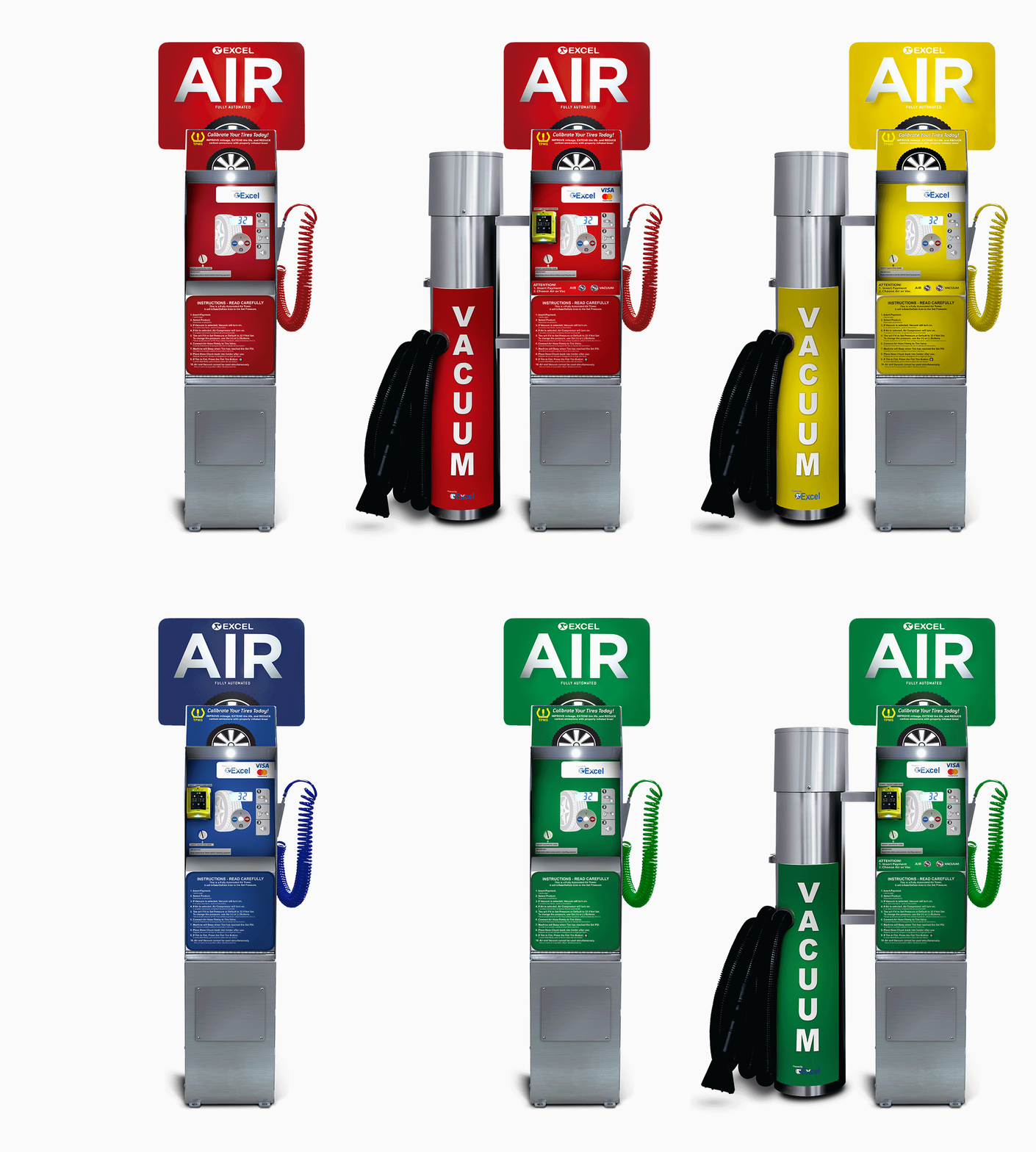
Digital tire inflators offer automated inflation with user-friendly interfaces, making them increasingly popular in gas stations and auto repair shops. These machines not only enhance customer experience by providing precise air calibration but also attract more foot traffic to businesses. While the initial setup cost can be a barrier, the potential for increased revenue and customer loyalty often justifies the investment.
| الصناعة/القطاع | Specific Application of pressure air machine | القيمة/الفائدة للأعمال التجارية | اعتبارات التوريد الرئيسية لهذا التطبيق |
|---|---|---|---|
| إصلاح السيارات | Tire Inflation and Maintenance | Enhances technician productivity and customer satisfaction | Reliability, ease of use, and maintenance support |
| الإنشاءات | Powering Pneumatic Tools | Increases efficiency and reduces manual labor | Capacity, portability, and compatibility with tools |
| Manufacturing | Compressed Air for Production Lines | Streamlines operations and improves product quality | Energy efficiency, pressure stability, and durability |
| Food and Beverage | Cleaning and Packaging | Ensures hygiene and efficiency in operations | Compliance with safety standards and air quality |
| الزراعة | Crop Spraying and Equipment Operation | Optimizes resource use and increases yield | Robustness, adaptability to various conditions |
In the automotive repair industry, pressure air machines are primarily utilized for tire inflation and maintenance. These machines provide a reliable source of compressed air, allowing technicians to maintain optimal tire pressure, which enhances vehicle safety and fuel efficiency. For international buyers in regions such as Africa and the Middle East, sourcing durable and user-friendly air machines is crucial. They should consider machines that are easy to operate and maintain, ensuring they can withstand varying climate conditions while providing consistent performance.

Illustrative image related to pressure air machine
In construction, pressure air machines power pneumatic tools, such as nail guns and air hammers, significantly increasing work efficiency. By reducing manual labor and accelerating tasks, these machines contribute to timely project completion. Buyers from South America and Europe should prioritize machines with high capacity and portability, enabling them to adapt to diverse job site requirements. Additionally, compatibility with various pneumatic tools is essential for maximizing productivity on construction sites.
In manufacturing, pressure air machines are integral to production lines, providing compressed air for various applications, including material handling and machinery operation. They streamline operations, ensuring a steady supply of air for tasks like powering conveyors or operating robotic systems. For B2B buyers in Europe and Africa, it’s important to focus on energy-efficient models that deliver stable pressure while minimizing operational costs. Durability is also key, as manufacturing environments can be demanding.
The food and beverage sector utilizes pressure air machines for cleaning and packaging processes. Compressed air is essential for maintaining hygiene standards during production and ensuring efficient packaging operations. International buyers should look for machines that comply with health and safety regulations, as well as those that maintain high air quality. Additionally, sourcing machines that offer consistent performance under various operational conditions can enhance productivity and product quality.
In agriculture, pressure air machines are used for crop spraying and operating various equipment, improving the efficiency of resource use. These machines help farmers achieve better yields by enabling precise application of fertilizers and pesticides. For buyers in regions like South America and Africa, selecting robust machines that can operate effectively in diverse weather conditions is vital. Adaptability to different agricultural practices and ease of maintenance are also important considerations for maximizing investment in pressure air technology.
المشكلة B2B buyers in manufacturing and construction often face challenges with air compressors that fail to deliver consistent air pressure. This inconsistency can lead to production delays, equipment malfunctions, and wasted resources, impacting overall operational efficiency. In industries where precise pressure levels are critical, such as automotive assembly or pneumatic tool operation, fluctuations can compromise product quality and safety standards, resulting in costly rework or liability issues.
الحل: To tackle this problem, it’s essential to invest in a pressure air machine equipped with advanced pressure regulation technology. When sourcing equipment, look for models that feature built-in pressure sensors and automatic adjustment capabilities. This ensures that the machine can maintain a stable output regardless of demand fluctuations. Additionally, consider establishing a routine maintenance schedule to monitor and calibrate the compressor regularly, thereby ensuring that it operates at peak performance. For complex applications, collaborating with a supplier who provides technical support and training on optimal usage can further enhance reliability.
المشكلة Many businesses find themselves burdened with high operating costs associated with energy consumption from their pressure air machines. Conventional compressors often consume excessive electricity, especially during peak usage times, leading to inflated utility bills. For companies in regions with variable energy costs—such as parts of Africa and South America—this can significantly impact the bottom line and competitiveness.
الحل: To reduce energy expenses, B2B buyers should consider investing in energy-efficient air compressors designed for lower power consumption. Look for models that incorporate variable speed drives (VSD), which adjust the compressor’s output according to real-time demand, minimizing waste. Additionally, implementing an energy audit can help identify areas for improvement, such as optimizing air distribution systems or insulating pipes to prevent heat loss. Engaging with suppliers who offer energy management solutions and financing options for upgrades can facilitate a smoother transition to more sustainable practices.
Illustrative image related to pressure air machine
المشكلة Frequent breakdowns and maintenance requirements of pressure air machines can disrupt operations, leading to unexpected downtime. This scenario is particularly problematic for industries reliant on continuous air supply, such as food processing or pharmaceuticals. The inability to quickly repair or replace faulty equipment can result in lost production time and revenue, as well as potential damage to client relationships due to missed deadlines.
الحل: To mitigate maintenance-related issues, businesses should prioritize the selection of robust pressure air machines known for their durability and reliability. When evaluating options, consider models with extended warranties and comprehensive service plans that include routine inspections and prompt repair services. Investing in training for staff on preventive maintenance practices can also significantly reduce the likelihood of breakdowns. Furthermore, establishing a partnership with a supplier who offers real-time monitoring solutions can provide alerts for potential issues before they lead to significant downtime, thereby ensuring smoother operations.
When selecting materials for pressure air machines, it is crucial to understand the properties, advantages, and limitations of each option. This guide analyzes four common materials—aluminum, steel, stainless steel, and composite materials—highlighting their relevance for B2B buyers in diverse international markets.
Aluminum is lightweight and offers excellent thermal conductivity, making it a popular choice for various components in pressure air machines. It typically has a temperature rating of up to 150°C and can withstand pressures of around 200 psi, depending on the alloy used. Its corrosion resistance is moderate, often requiring protective coatings for enhanced durability.
الإيجابيات: Aluminum’s low weight simplifies transport and installation, making it ideal for portable air compressors. The manufacturing process is relatively straightforward, allowing for cost-effective production.
Illustrative image related to pressure air machine
السلبيات: While aluminum is durable, it is not as strong as steel and may not perform well under extreme pressure conditions. Additionally, its susceptibility to corrosion in harsh environments can lead to increased maintenance costs.
التأثير على التطبيق: Aluminum is suitable for applications involving air and non-corrosive gases. However, it is essential to ensure compatibility with specific media to prevent degradation.
Steel is renowned for its strength and durability, making it a common choice for pressure vessels and frames in air machines. It can handle high pressures (up to 300 psi) and has a high-temperature rating, typically exceeding 200°C. Steel’s natural corrosion resistance is lower than that of stainless steel, but it can be enhanced with coatings.
الإيجابيات: Steel’s robustness ensures longevity and reliability in demanding applications. It is widely available and cost-effective, making it a preferred choice for manufacturers.
السلبيات: The weight of steel can complicate transportation and installation. Additionally, without proper treatment, steel is prone to rust, particularly in humid or corrosive environments.
التأثير على التطبيق: Steel is suitable for high-pressure applications but may require additional treatments or coatings to ensure compatibility with corrosive media.
Stainless steel is highly regarded for its corrosion resistance, making it ideal for applications involving moisture or aggressive gases. It can withstand temperatures up to 250°C and pressures exceeding 300 psi, depending on the specific grade used.
الإيجابيات: The durability and resistance to corrosion make stainless steel an excellent choice for long-term applications. Its aesthetic appeal is also a consideration for consumer-facing products.
السلبيات: The higher cost of stainless steel compared to aluminum and regular steel can be a limiting factor for budget-conscious buyers. Additionally, its manufacturing complexity may lead to longer lead times.
التأثير على التطبيق: Stainless steel is particularly suitable for environments where corrosion is a concern, such as in coastal regions or industries dealing with chemicals.
Composite materials, often made from a combination of polymers and fibers, are gaining traction due to their lightweight and high strength-to-weight ratio. They can handle moderate pressures (up to 150 psi) and have a good temperature resistance, typically up to 120°C.
الإيجابيات: Composites are resistant to corrosion and can be tailored for specific applications, making them versatile. Their lightweight nature facilitates easier handling and installation.
السلبيات: The cost of composite materials can be high, and their manufacturing processes may be more complex than traditional materials. Additionally, they may not be suitable for very high-pressure applications.
التأثير على التطبيق: Composites are ideal for applications where weight savings are critical, such as in aerospace or portable equipment, but careful consideration of pressure limits is necessary.
| المواد | Typical Use Case for pressure air machine | الميزة الرئيسية | العيب/التقييد الرئيسي | التكلفة النسبية (منخفضة/متوسطة/مرتفعة) |
|---|---|---|---|---|
| ألومنيوم | ضواغط هواء محمولة | خفيفة الوزن وفعالة من حيث التكلفة | Moderate corrosion resistance | منخفضة |
| الفولاذ | High-pressure vessels | قوة ومتانة عالية | Prone to rust without treatment | ميد |
| الفولاذ المقاوم للصدأ | Corrosive environments | مقاومة ممتازة للتآكل | Higher cost and complexity | عالية |
| مركب | Lightweight applications | Tailored properties and corrosion resistance | Higher cost and pressure limitations | عالية |
This analysis provides B2B buyers with essential insights into material selection for pressure air machines, ensuring informed decisions that align with specific application requirements and regional standards.
Illustrative image related to pressure air machine
The manufacturing process of pressure air machines involves several critical stages, each designed to ensure the final product meets rigorous performance and safety standards. The main stages include material preparation, forming, assembly, and finishing.
إعداد المواد
The first step is sourcing high-quality materials, typically steel or aluminum for the tank, along with various mechanical components such as motors, pumps, and valves. Suppliers often adhere to specific material standards, such as ASTM or ISO standards, to guarantee the durability and performance of the components. Before processing, materials undergo inspection to check for defects that could affect the final product’s integrity.
التشكيل
Once materials are prepared, the forming stage begins. This process can involve cutting, bending, and welding metal sheets to create the air tank’s body. Advanced techniques like CNC (Computer Numerical Control) machining are commonly used to enhance precision and efficiency. Manufacturers may also utilize hydroforming, which uses high-pressure fluid to shape metal, ensuring uniform thickness and strength.
Illustrative image related to pressure air machine
التجميع
Following the forming process, the assembly stage brings together all individual components. This includes installing the motor, pump, pressure switch, and safety valves. Skilled technicians ensure that parts fit seamlessly, and automated assembly lines may be employed to speed up production while maintaining accuracy. Critical assembly checkpoints are established to verify the correct installation and functionality of all components.
التشطيب
The final stage involves surface treatment and quality checks. This may include painting, powder coating, or galvanization to protect against corrosion and enhance aesthetic appeal. Quality assurance is paramount during this stage, as manufacturers conduct tests to verify that the machine meets performance specifications and regulatory standards.
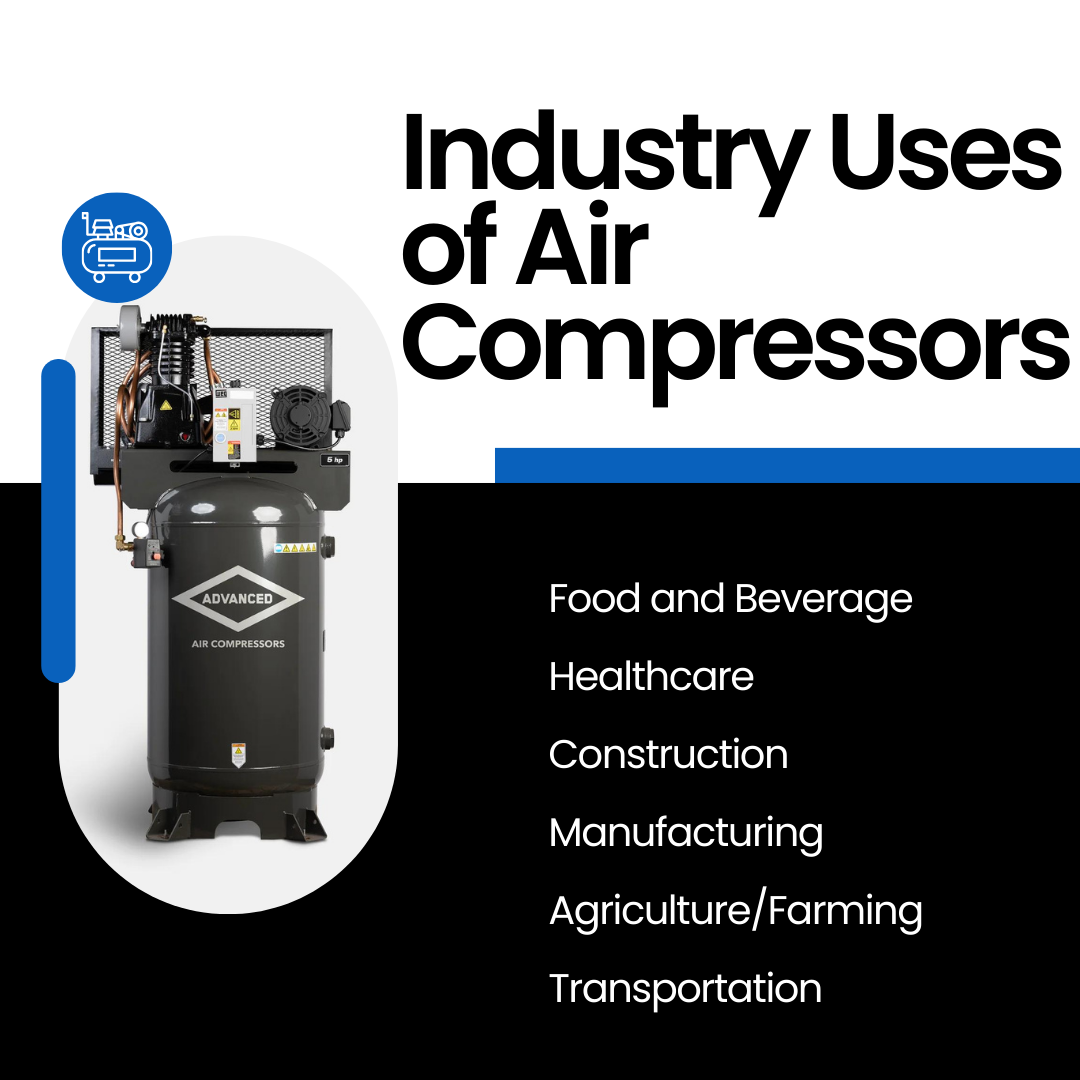
Quality control (QC) is vital in the manufacturing of pressure air machines, ensuring that each unit is safe, efficient, and reliable. International standards such as ISO 9001 provide a framework for quality management systems, while industry-specific standards like CE certification (for products sold in the European Economic Area) and API specifications (for oil and gas applications) set benchmarks for performance and safety.
Illustrative image related to pressure air machine
Key QC Checkpoints
To maintain high standards, several QC checkpoints are integrated throughout the manufacturing process:
مراقبة الجودة الواردة (IQC): This initial phase involves inspecting raw materials and components upon arrival at the manufacturing facility. Suppliers must provide documentation proving compliance with applicable standards.
مراقبة الجودة أثناء المعالجة (IPQC): During the manufacturing process, regular inspections are conducted at various stages, such as after forming and before assembly. This ensures that any defects are identified and corrected in real-time, minimizing waste and delays.
مراقبة الجودة النهائية (FQC): The last stage involves comprehensive testing of the completed air machines. This includes performance tests, safety checks, and verification of all specifications against design requirements.
To ensure that pressure air machines operate efficiently and safely, various testing methods are employed. Some common testing techniques include:
اختبار الضغط: This involves filling the air tank with water or air to verify that it can withstand the specified pressure without leaking or failing. This test is critical for ensuring the safety of the machine during operation.
Performance Testing: Evaluating the machine’s operational efficiency, including air output, noise levels, and energy consumption, helps determine if it meets industry standards and customer expectations.
اختبار المتانة: This assesses how well the machine withstands repeated use over time, simulating years of operation in a controlled environment.
For B2B buyers, especially those in regions like Africa, South America, the Middle East, and Europe, verifying a supplier’s quality control processes is essential for ensuring product reliability. Here are several strategies to effectively assess supplier QC:
إجراء عمليات التدقيق: Regular audits of the manufacturing facility can provide insights into the supplier’s quality management practices. Buyers can assess whether the supplier adheres to international standards and maintains proper documentation.
طلب تقارير الجودة: Suppliers should provide detailed quality reports that outline testing results, compliance with standards, and any certifications obtained. This transparency can help buyers make informed decisions.
إشراك مفتشي الطرف الثالث: Hiring independent inspection agencies can offer an objective evaluation of the manufacturing process and final products. These agencies typically follow stringent protocols to ensure that products meet all relevant standards.
International buyers must navigate various QC and certification nuances when sourcing pressure air machines. Compliance with local regulations and international standards can vary significantly across regions.
Understanding Local Regulations: Buyers should familiarize themselves with local regulations in their countries, as these may dictate specific safety and performance standards that differ from international benchmarks.
Recognizing Certification Differences: Certifications such as CE (Europe), UL (United States), and others carry different implications. B2B buyers should ensure that the products they source possess the necessary certifications for their target markets.
Building Relationships with Suppliers: Establishing strong relationships with suppliers can facilitate better communication regarding quality control processes and certifications. Open dialogues can help clarify expectations and foster trust.
By understanding these manufacturing processes and quality assurance measures, B2B buyers can make informed decisions, ensuring they select reliable pressure air machines that meet their operational needs.
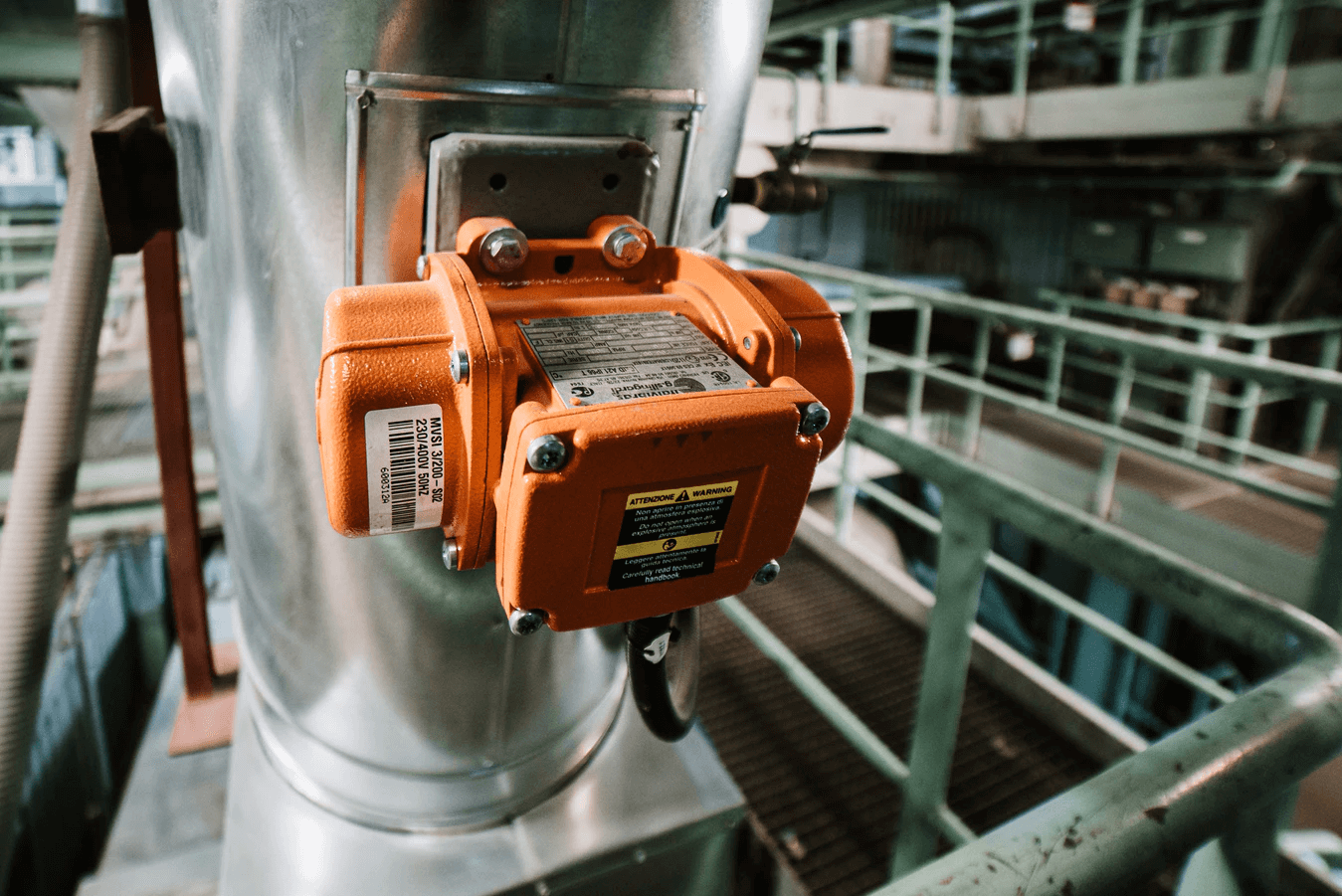
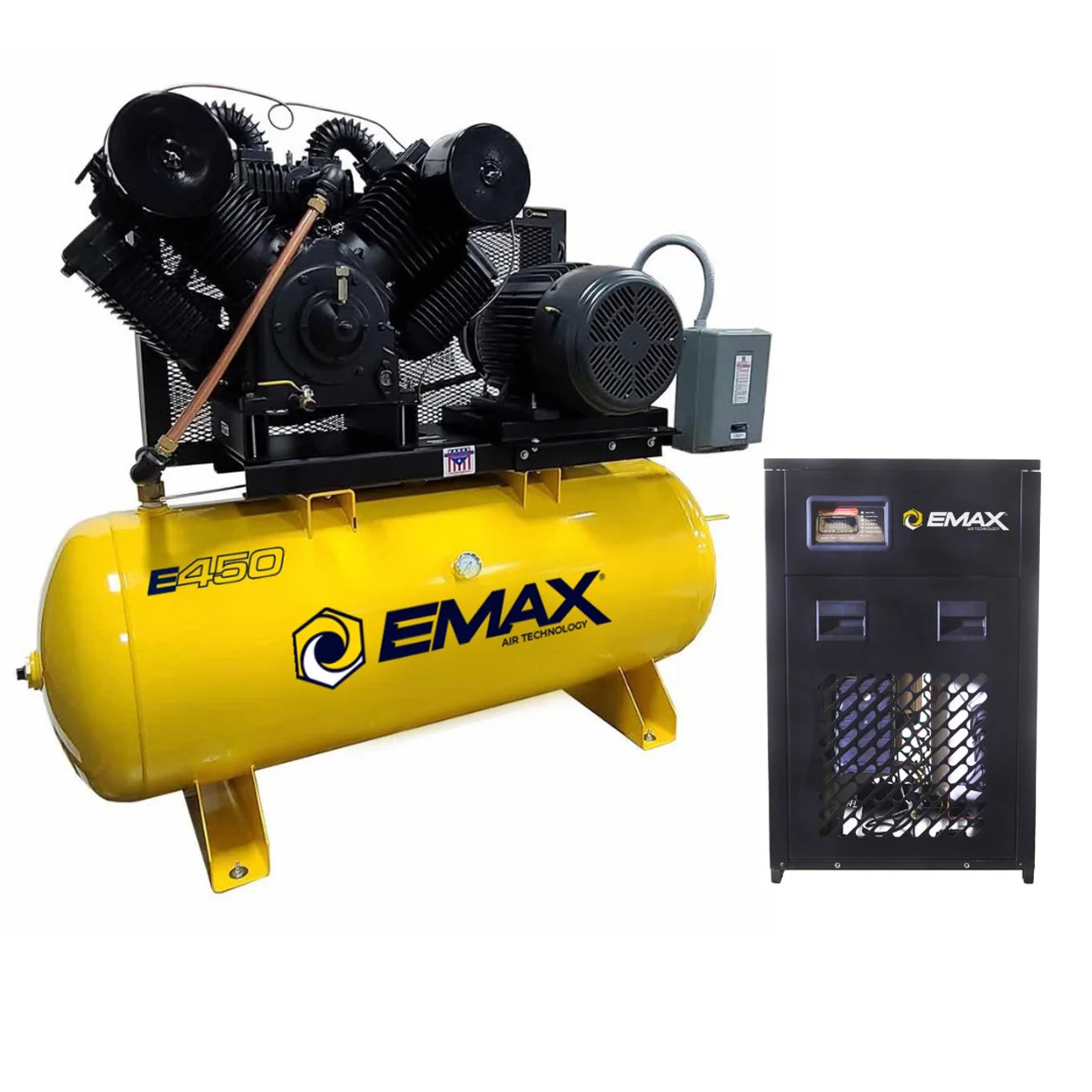
Sourcing a pressure air machine requires careful consideration of technical specifications, supplier reliability, and market conditions. This guide provides a step-by-step checklist to help B2B buyers navigate the procurement process effectively, ensuring that they make informed decisions that align with their operational needs.
Begin by clearly outlining the technical requirements of the pressure air machine. Consider factors such as the desired pressure output (PSI), tank capacity, and intended applications (e.g., automotive, industrial).
Conduct thorough market research to understand current trends, pricing structures, and product availability. This will help you gauge the average costs and features of various machines.
Before committing, vet potential suppliers to ensure they can meet your needs. Request company profiles, product catalogs, and references from buyers in similar industries or regions.
Illustrative image related to pressure air machine
Ensure that the pressure air machines you consider comply with relevant industry standards and certifications. This is crucial for safety and performance.
Whenever possible, request samples or demonstrations of the pressure air machines you are considering. This allows you to assess their performance and suitability firsthand.
Once you identify a preferred supplier, engage in negotiations regarding pricing, payment terms, and delivery schedules. Clear agreements can prevent future misunderstandings.
After finalizing the purchase, closely monitor the machine’s performance during the initial period. Ensure it meets the promised specifications and operational needs.
Illustrative image related to pressure air machine
Following this checklist will help ensure that your sourcing process for a pressure air machine is thorough and aligned with your business goals, leading to a successful procurement experience.
When sourcing pressure air machines, understanding the cost structure is essential. The primary cost components include:
المواد: The quality and type of materials used significantly affect the overall cost. High-grade metals and advanced composites may increase initial costs but can enhance durability and performance.
العمالة: Labor costs vary based on the region where the machines are manufactured. Countries with higher labor costs can lead to elevated pricing, whereas manufacturing in regions with lower labor costs can provide competitive pricing.
نفقات التصنيع الزائدة: This encompasses all indirect costs associated with production, including utilities, equipment maintenance, and factory rent. Efficient manufacturing processes can reduce overhead, impacting the final price.
الأدوات: Investment in specialized tooling can enhance production efficiency but also adds to upfront costs. For customized or high-spec machines, advanced tooling may be necessary, affecting pricing.
مراقبة الجودة (QC): Implementing rigorous QC processes ensures product reliability but can add to costs. Suppliers that prioritize quality often pass these costs on to buyers.
الخدمات اللوجستية: Transportation costs, customs duties, and warehousing fees can significantly impact the total price. International buyers must consider the logistics of shipping from the supplier’s location to their destination.
الهامش: Suppliers typically apply a markup to cover their costs and ensure profitability. Understanding the supplier’s margin can provide insight into their pricing strategy.
Several factors influence the pricing of pressure air machines:
الحجم والحد الأدنى لكمية الطلب (MOQ): Larger orders often result in discounted prices per unit. Negotiating MOQs can lead to cost savings for buyers, especially in bulk purchasing.
المواصفات والتخصيص: Custom features or higher specifications can increase costs. Buyers should clearly define their requirements to receive accurate quotes.
المواد وشهادات الجودة: The choice of materials and certifications (such as ISO or CE) can affect pricing. Higher quality standards may lead to increased costs but can also ensure better performance and longevity.
عوامل الموردين: The reputation and reliability of the supplier can influence pricing. Established suppliers with a strong track record may charge a premium for their products.
المصطلحات التجارية الدولية: The terms of trade can significantly affect the final cost. Understanding Incoterms like FOB (Free On Board) or CIF (Cost Insurance and Freight) helps buyers calculate total landed costs.
To navigate the complexities of sourcing pressure air machines effectively, consider the following tips:
Negotiate Wisely: Engage in discussions about pricing and terms. Suppliers may offer discounts for larger orders or longer-term contracts.
تقييم التكلفة الإجمالية للملكية (TCO): Beyond the purchase price, consider maintenance, operational costs, and expected lifespan. A lower initial price may not always equate to a better value over time.
Be Aware of Pricing Nuances for International Buyers: Different regions may have varying pricing structures due to local market conditions. Buyers from Africa, South America, the Middle East, and Europe should research these differences to make informed decisions.
Request Multiple Quotes: Obtaining quotes from various suppliers can provide a clearer picture of market pricing and help identify the best value.
Consider Long-Term Partnerships: Building relationships with suppliers can lead to better pricing and service in the long run. Suppliers may be more willing to negotiate terms for trusted clients.
In conclusion, a comprehensive understanding of the cost structure and pricing influences of pressure air machines is critical for B2B buyers. By considering materials, labor, and logistics, as well as employing effective negotiation strategies and evaluating total costs, buyers can make informed decisions that align with their operational needs and budget constraints. Keep in mind that prices fluctuate based on various factors, and it is advisable to request indicative pricing during initial discussions.
In the realm of industrial applications, particularly in sectors like automotive, manufacturing, and construction, the demand for reliable air compression solutions is critical. While pressure air machines are a popular choice for their efficiency and versatility, it’s essential for B2B buyers to consider alternative solutions that may better fit specific operational needs or budget constraints. Below, we compare pressure air machines with two viable alternatives: electric inflators and gas-powered compressors.
| جانب المقارنة | Pressure Air Machine | Electric Inflator | Gas-Powered Compressor |
|---|---|---|---|
| الأداء | High PSI output, suitable for various tools | Lower PSI, ideal for tires and small inflatables | High PSI output, suitable for heavy-duty applications |
| التكلفة | Moderate to high initial investment | Low to moderate cost | High initial investment, higher fuel costs |
| سهولة التنفيذ | Requires setup and maintenance | Plug-and-play design, minimal setup | Requires fuel source and maintenance |
| الصيانة | Regular maintenance needed for optimal performance | Low maintenance, often no moving parts | High maintenance due to engine and fuel system |
| أفضل حالة استخدام | Workshop, automotive repair, industrial tasks | Personal use, automotive tire inflation | Construction, heavy machinery operations |
Electric inflators are compact devices designed primarily for inflating tires and small items. They are easy to use, often requiring just a plug-in to function. Their affordability makes them an attractive option for individual consumers and small businesses. However, their performance is limited; they typically generate lower PSI compared to pressure air machines, which may not suffice for more demanding tasks such as powering pneumatic tools. Additionally, their reliance on electricity can be a drawback in remote locations or during power outages.
Gas-powered compressors are robust machines capable of delivering high PSI outputs, making them suitable for heavy-duty applications like construction sites and industrial projects. They are generally more powerful than electric models and can operate in locations without electrical access. However, they come with higher initial costs and ongoing fuel expenses. Maintenance can also be a significant consideration, as these compressors require regular servicing to ensure reliability and efficiency. Their noise levels can be a concern in residential areas or enclosed spaces.
When evaluating which air compression solution to invest in, B2B buyers should consider their specific operational requirements, budget, and the environments in which they will be using the equipment. Pressure air machines offer versatility and performance for various applications but may not always be necessary for all use cases. In contrast, electric inflators can be ideal for smaller, less demanding tasks, while gas-powered compressors excel in heavy-duty environments.
Ultimately, the right choice will depend on a careful assessment of the tasks at hand, the frequency of use, and the total cost of ownership, including maintenance and operational expenses. By weighing these factors, businesses can make informed decisions that align with their operational goals and budgetary constraints.
Understanding the critical specifications and terminology used in the pressure air machine industry is essential for B2B buyers looking to make informed purchasing decisions. This section outlines key technical properties and industry jargon that can enhance your understanding and facilitate smoother transactions.
Compressor Type
Pressure air machines primarily utilize two types of compressors: reciprocating and rotary screw. Reciprocating compressors are suitable for applications requiring high pressure and low air flow, while rotary screw compressors are ideal for continuous operation and high volume. Understanding the right type is crucial for aligning machine capabilities with operational needs.
Pressure Rating (PSI)
The pressure rating, measured in pounds per square inch (PSI), indicates the maximum pressure the machine can produce. Typical ratings range from 90 PSI for small applications to over 200 PSI for heavy-duty machines. This specification is vital as it determines the range of applications the machine can handle, influencing productivity and efficiency.
Tank Capacity (Gallons)
The tank capacity determines how much compressed air can be stored for immediate use, measured in gallons. Larger tanks allow for longer operation between cycles, reducing downtime. For B2B buyers, selecting the appropriate tank size based on expected usage is essential for maintaining operational efficiency.
Horsepower (HP)
The horsepower rating indicates the power of the compressor motor. Higher horsepower ratings correlate with increased air delivery rates and better performance under heavy loads. This specification is crucial for buyers to ensure the machine meets the demands of their specific applications.
مستوى الضوضاء (ديسيبل)
Noise level, measured in decibels (dBA), is an important consideration, especially in environments where noise regulations apply. Machines with lower dBA ratings offer quieter operation, which can enhance workplace comfort and compliance. B2B buyers should assess noise levels to align with workplace regulations and employee well-being.
Energy Efficiency Rating
Energy efficiency ratings help buyers evaluate the operational costs of pressure air machines. Machines with higher efficiency ratings consume less electricity, leading to lower operating costs over time. This is particularly significant for businesses aiming to reduce overhead and improve sustainability.
OEM (الشركة المصنعة للمعدات الأصلية)
An OEM refers to the company that manufactures the original product. In the context of pressure air machines, knowing the OEM is crucial for ensuring quality and reliability, especially when sourcing parts or replacements.
موك (الحد الأدنى لكمية الطلب)
MOQ indicates the smallest quantity a supplier is willing to sell. Understanding MOQ is important for budget planning and inventory management, particularly for businesses looking to scale their operations without overcommitting resources.
طلب عرض الأسعار (RFQ)
An RFQ is a document sent to suppliers requesting pricing and terms for specific products. This is an essential step in the procurement process, allowing buyers to compare offers and negotiate better deals.
إنكوترمز (الشروط التجارية الدولية)
Incoterms define the responsibilities of buyers and sellers regarding shipping, insurance, and tariffs. Familiarity with these terms helps buyers understand their liabilities and ensures clarity in international transactions, which is particularly relevant for businesses sourcing from different regions.
المهلة الزمنية
Lead time is the time taken from placing an order to receiving the goods. This metric is vital for planning and ensuring that operations are not disrupted due to delays in acquiring pressure air machines.
الضمان
A warranty is a guarantee provided by the manufacturer regarding the quality and durability of the machine. Understanding warranty terms is crucial for buyers as it impacts long-term maintenance costs and risk management.
By grasping these technical properties and trade terms, B2B buyers can make more informed decisions when purchasing pressure air machines, ultimately enhancing operational efficiency and product reliability.
The pressure air machine sector is experiencing significant growth driven by various global factors. Increasing industrialization, particularly in emerging markets such as Africa and South America, is creating a higher demand for efficient pneumatic systems. Additionally, advancements in technology, such as the integration of IoT and AI, are reshaping sourcing strategies and operational efficiencies. These technologies enable real-time monitoring and predictive maintenance, which can reduce downtime and enhance productivity—a crucial aspect for B2B buyers looking to optimize their operations.
In Europe and the Middle East, there is a noticeable shift toward energy-efficient and quiet air compressors due to stricter regulations and environmental concerns. International buyers are also prioritizing suppliers that offer customizable solutions tailored to specific industrial needs, reflecting a trend toward more personalized service. Moreover, the rise of e-commerce platforms has made it easier for international buyers to access a broader range of products and suppliers, streamlining the procurement process.
Sustainability is becoming increasingly critical in the sourcing decisions of B2B buyers in the pressure air machine sector. The environmental impact of manufacturing processes, including energy consumption and waste generation, is under scrutiny. Buyers are increasingly seeking suppliers who implement sustainable practices, such as using renewable energy sources and minimizing carbon footprints.
Ethical sourcing is also gaining traction, with businesses aiming to establish transparent supply chains that promote fair labor practices and responsible sourcing of materials. Certifications such as ISO 14001 (Environmental Management) and energy efficiency ratings are becoming essential criteria for selecting suppliers. Furthermore, the adoption of green materials and technologies—such as oil-free compressors—can significantly reduce environmental impact and enhance product appeal. For buyers in regions like the Middle East and Africa, where energy costs can be high, investing in energy-efficient solutions can lead to long-term cost savings and improved operational efficiency.
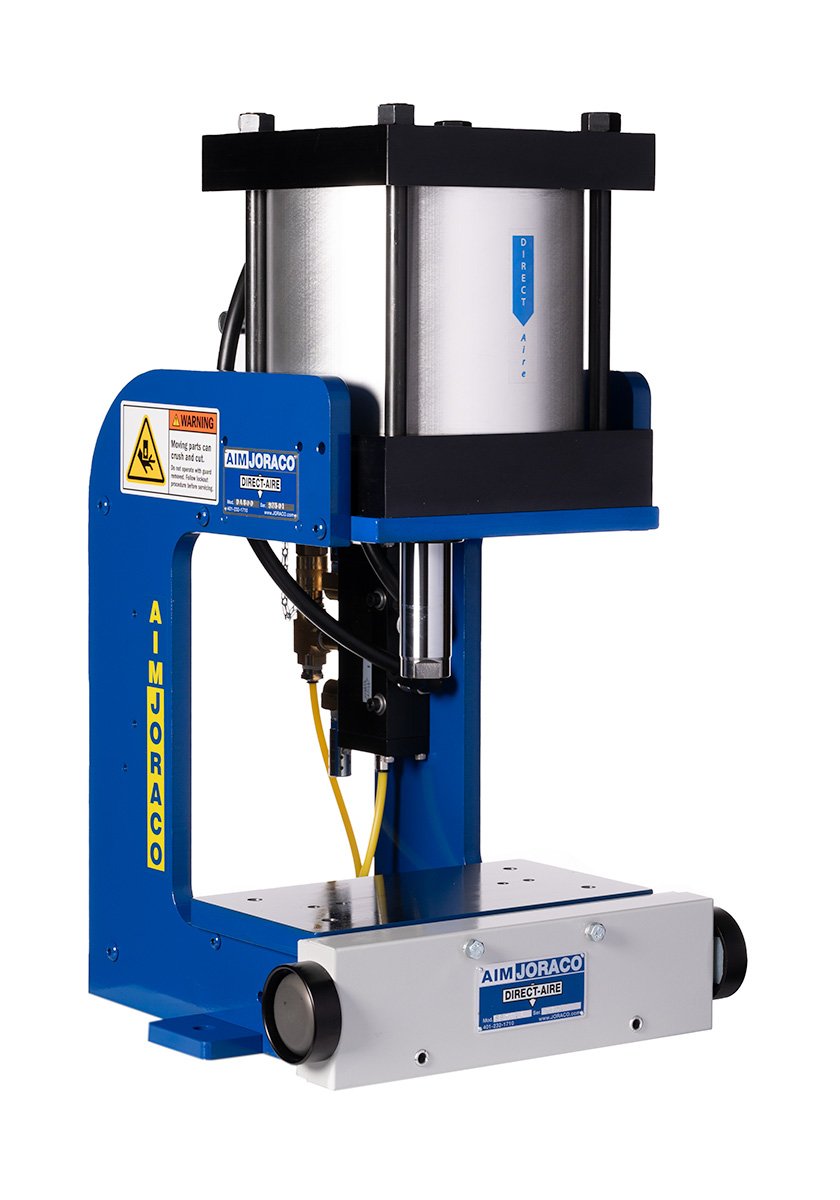
The evolution of pressure air machines dates back to the 19th century when innovations in steam power laid the groundwork for pneumatic systems. Over the decades, advancements in materials and engineering have led to the development of more efficient and reliable compressors. The introduction of oil-free technology in the late 20th century marked a significant turning point, enabling industries to meet stricter environmental regulations while enhancing operational efficiency.
In recent years, the focus has shifted toward smart technology and automation. This evolution is particularly relevant for B2B buyers, as these advancements not only improve performance but also provide valuable data insights that can drive operational improvements. As the market continues to evolve, understanding this historical context can empower buyers to make informed decisions that align with their strategic goals.
Illustrative image related to pressure air machine
1. How do I choose the right pressure air machine for my business needs?
Choosing the right pressure air machine depends on your specific applications, such as the type of tools you will be using and the required air pressure and volume. Consider factors like tank size, horsepower, and whether you need a stationary or portable model. Assess your workflow to determine if you need a continuous supply or if intermittent use is sufficient. Additionally, reviewing product specifications and consulting with suppliers can provide insights tailored to your operations.
2. What are the common issues faced with pressure air machines and how can they be resolved?
Common issues include insufficient pressure output, excessive noise, and overheating. To resolve these, ensure regular maintenance, such as checking for leaks, cleaning filters, and inspecting hoses. If the compressor is underperforming, verify that it is correctly sized for your applications. For noise reduction, consider investing in quieter models or soundproofing your workspace. If overheating occurs, ensure proper ventilation and check that the machine isn’t overworked beyond its capacity.
3. What are the advantages of using digital air machines over traditional ones?
Digital air machines offer precise pressure calibration, user-friendly interfaces, and often include features like automatic shut-off and real-time monitoring. These machines enhance efficiency, reduce human error, and can improve customer satisfaction when used in commercial settings, such as gas stations and service centers. Additionally, digital machines may provide data analytics, helping businesses track usage and optimize operations.
4. How can I ensure the quality of pressure air machines from international suppliers?
To ensure quality, conduct thorough research on potential suppliers by checking certifications, customer reviews, and industry reputation. Request samples or visit manufacturing facilities if possible. Additionally, consider suppliers that offer warranties or guarantees on their products. Establish clear communication regarding quality standards and specifications, and implement a quality assurance process that includes inspections upon delivery.
5. What customization options are typically available for pressure air machines?
Customization options may include adjustments in tank size, pressure settings, and additional features like built-in filters or noise reduction technology. Some manufacturers may also offer branding opportunities, such as custom paint jobs or logos. Discuss your specific needs with suppliers to see what options are available, and ensure that customizations meet your operational requirements without compromising performance.
6. What are the minimum order quantities (MOQs) for pressure air machines?
Minimum order quantities can vary widely depending on the supplier and the type of machine. Some manufacturers may have a low MOQ for standard models, while custom machines could require larger orders. It’s advisable to discuss your needs directly with suppliers to negotiate terms that work for your business. Understanding the MOQ can also help you manage inventory and cash flow effectively.
Illustrative image related to pressure air machine
7. What payment terms should I expect when purchasing pressure air machines internationally?
Payment terms will vary by supplier and region, but common options include upfront payment, payment upon delivery, or installment plans. Letter of credit is often used in international trade to mitigate risks. Always clarify payment methods, currency, and any additional fees, such as taxes or shipping costs. Establishing a clear agreement will ensure smooth transactions and help avoid misunderstandings.
8. How do logistics and shipping impact the procurement of pressure air machines?
Logistics and shipping play a critical role in the procurement process, affecting delivery times, costs, and overall supply chain efficiency. Factors such as shipping methods (air, sea, land), customs clearance, and handling fees must be considered. Work with suppliers that have a reliable logistics network, and ensure they provide tracking information. Understanding the shipping process and potential delays can help you plan effectively and mitigate risks associated with international trade.
المجال: exceltiregauge.com
مسجل: 2004 (21 سنة)
مقدمة: High-Quality Air Machines & Tire Inflators from Excel Tire Gauge include: SC09-SS Pay Air Machine, SC05-SS Free Air Machine, SC05-SS Kiosk Air Machine, SCWM-23 Wall Mount Air Machine, PNT PRO Automatic Tire Inflator, PNT 4 Automatic Tire Inflator. The products are designed for various industries including gas stations, car washes, tire shops, auto repair, fleets, rental cars, and car dealerships. …
In today’s competitive market, the strategic sourcing of pressure air machines presents significant opportunities for B2B buyers across Africa, South America, the Middle East, and Europe. By leveraging advanced technologies, such as digital air inflation systems, companies can enhance operational efficiency, improve customer satisfaction, and ultimately drive revenue growth. Understanding the diverse range of air compressor options—from portable tanks to high-capacity models—enables buyers to make informed decisions tailored to their specific industry needs.
The value of strategic sourcing cannot be overstated; it not only involves selecting the right equipment but also establishing long-term partnerships with reliable suppliers. Buyers should prioritize suppliers who offer robust support, maintenance, and innovative solutions that align with evolving market demands.
Illustrative image related to pressure air machine
As we look to the future, the pressure air machine market is poised for growth, driven by advancements in technology and increasing demand for efficiency across various sectors. International B2B buyers are encouraged to explore these opportunities actively and engage with suppliers who can provide tailored solutions that meet their operational challenges. Embrace the potential of strategic sourcing today to stay ahead in an ever-evolving marketplace.
المعلومات الواردة في هذا الدليل، بما في ذلك المحتوى المتعلق بالمصنعين والمواصفات الفنية وتحليل السوق، هي لأغراض إعلامية وتعليمية فقط. وهي لا تشكل مشورة مهنية في مجال المشتريات أو مشورة مالية أو مشورة قانونية.
على الرغم من أننا بذلنا كل جهد ممكن لضمان دقة المعلومات ودقة توقيتها، إلا أننا لسنا مسؤولين عن أي أخطاء أو سهو أو معلومات قديمة. تخضع ظروف السوق وتفاصيل الشركة والمعايير الفنية للتغيير.
يجب على المشترين بين الشركات إجراء العناية الواجبة المستقلة والشاملة الخاصة بهم قبل اتخاذ أي قرارات شراء. ويشمل ذلك الاتصال بالموردين مباشرة، والتحقق من الشهادات، وطلب عينات، وطلب الاستشارات المهنية. يتحمل القارئ وحده مخاطر الاعتماد على أي معلومات واردة في هذا الدليل.


 Arabic
  English
  Russian
  Spanish
  Italian
  Portuguese
  German