
- اللغة الإنجليزية
- الروسية
- الإسبانية
- إيطالي
- اللغة العربية
- البرتغالية
- الألمانية
In today’s fast-paced global market, sourcing a reliable tire inflation cage poses significant challenges for B2B buyers, especially when ensuring compliance with safety regulations while maximizing operational efficiency. As industries across Africa, South America, the Middle East, and Europe continue to expand, the demand for high-quality tire inflation solutions has surged. This comprehensive guide delves into the diverse types of tire inflation cages available, their specific applications across various sectors, and the critical factors to consider when vetting suppliers.
From portable models designed for road service to robust solutions for mining operations, understanding the breadth of options ensures that you make informed purchasing decisions. Additionally, we will explore cost considerations, highlighting how to balance budgetary constraints with the need for safety and durability.
Equipped with this knowledge, international B2B buyers can navigate the complexities of sourcing tire inflation cages effectively, ensuring that their investments meet both operational needs and regulatory standards. By providing actionable insights and practical advice, this guide empowers you to enhance safety protocols, improve productivity, and ultimately drive business success in your region.
| اسم النوع | السمات المميزة الرئيسية | تطبيقات B2B الأولية | موجز الإيجابيات والسلبيات للمشترين |
|---|---|---|---|
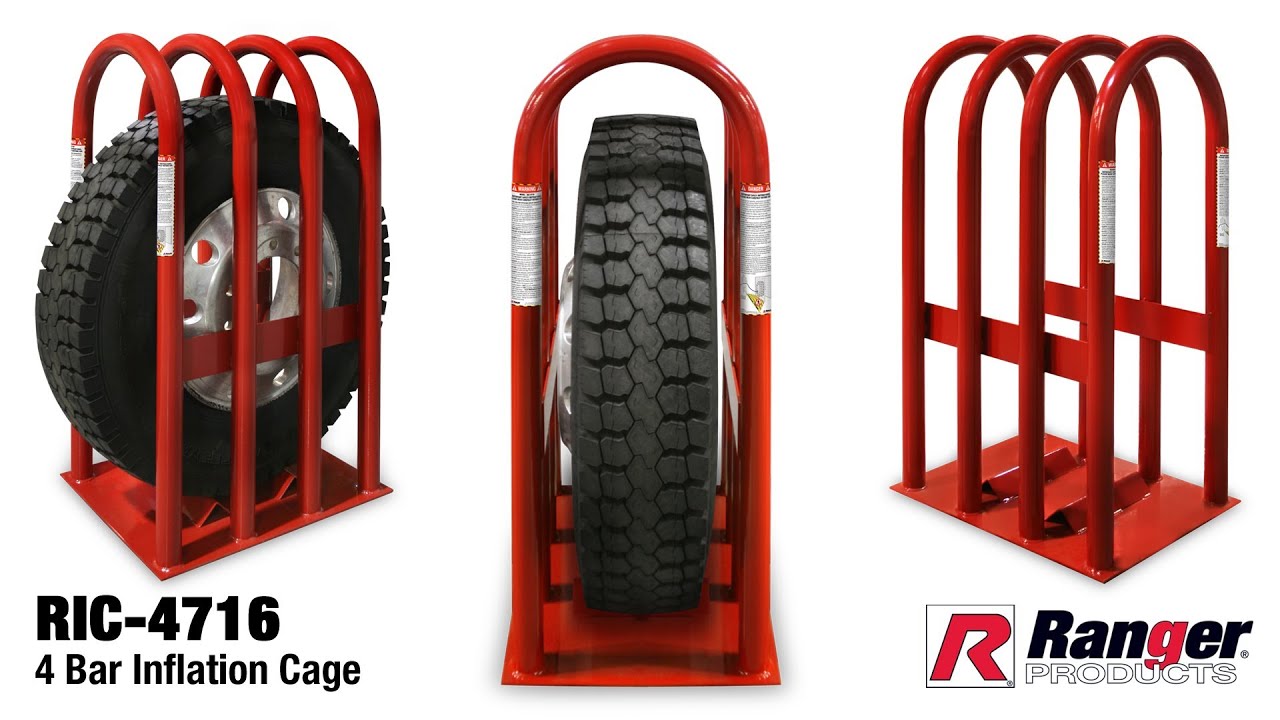
| Portable Tire Inflation Cage | Lightweight, compact design for easy transport; typically 2-4 bar pressure capacity | Roadside assistance, small workshops | الإيجابيات: Easy to move, cost-effective. السلبيات: Limited pressure capacity; not suitable for large tires. |
| Heavy-Duty Truck Inflation Cage | Robust construction, designed for higher pressure (up to 10 bar); accommodates larger tires | Trucking fleets, commercial tire shops | الإيجابيات: High durability, suitable for large tires. السلبيات: Higher cost and weight. |
| Earthmover Tire Inflation Cage | Specialized for large earthmover tires; often has a higher PSI rating and larger dimensions | Mining, construction industries | الإيجابيات: Tailored for specific applications, high safety features. السلبيات: Expensive, requires more space. |
| Aviation Tire Inflation Cage | Designed for aircraft tires; features strict safety compliance (OSHA, military standards) | Airports, military operations | الإيجابيات: Enhanced safety features, prevents damage. السلبيات: Specialized use, potentially high cost. |
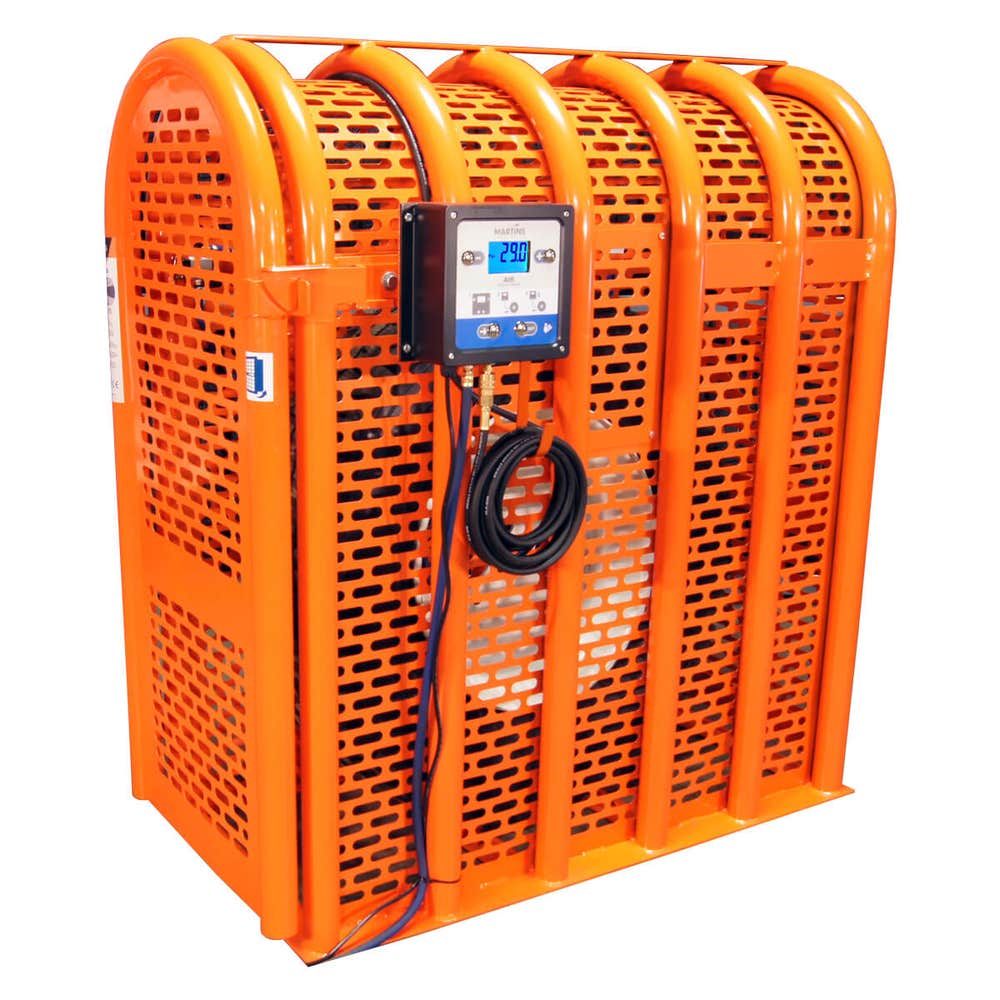
| Automatic Inflation Cage | Equipped with automatic inflation systems; can handle multiple tire sizes | Large fleets, tire service centers | الإيجابيات: Increases efficiency, reduces manual labor. السلبيات: Complex systems may require more maintenance. |
Portable tire inflation cages are designed for mobility and convenience, making them ideal for roadside assistance and small workshops. Typically featuring a lower pressure capacity of 2-4 bars, these cages are lightweight and easy to transport. When considering a purchase, buyers should evaluate the tire sizes they will be handling, as these cages may not be suitable for larger or commercial tires. The cost-effectiveness and ease of use make them an appealing option for smaller operations.
Heavy-duty truck inflation cages are built to withstand the rigors of commercial use, accommodating larger tires and higher pressure levels, often up to 10 bars. This durability makes them a staple in trucking fleets and commercial tire shops. While they offer significant advantages in terms of safety and performance, buyers should be prepared for a higher initial investment. Additionally, the increased weight may limit portability, so businesses must assess their specific operational needs before purchasing.
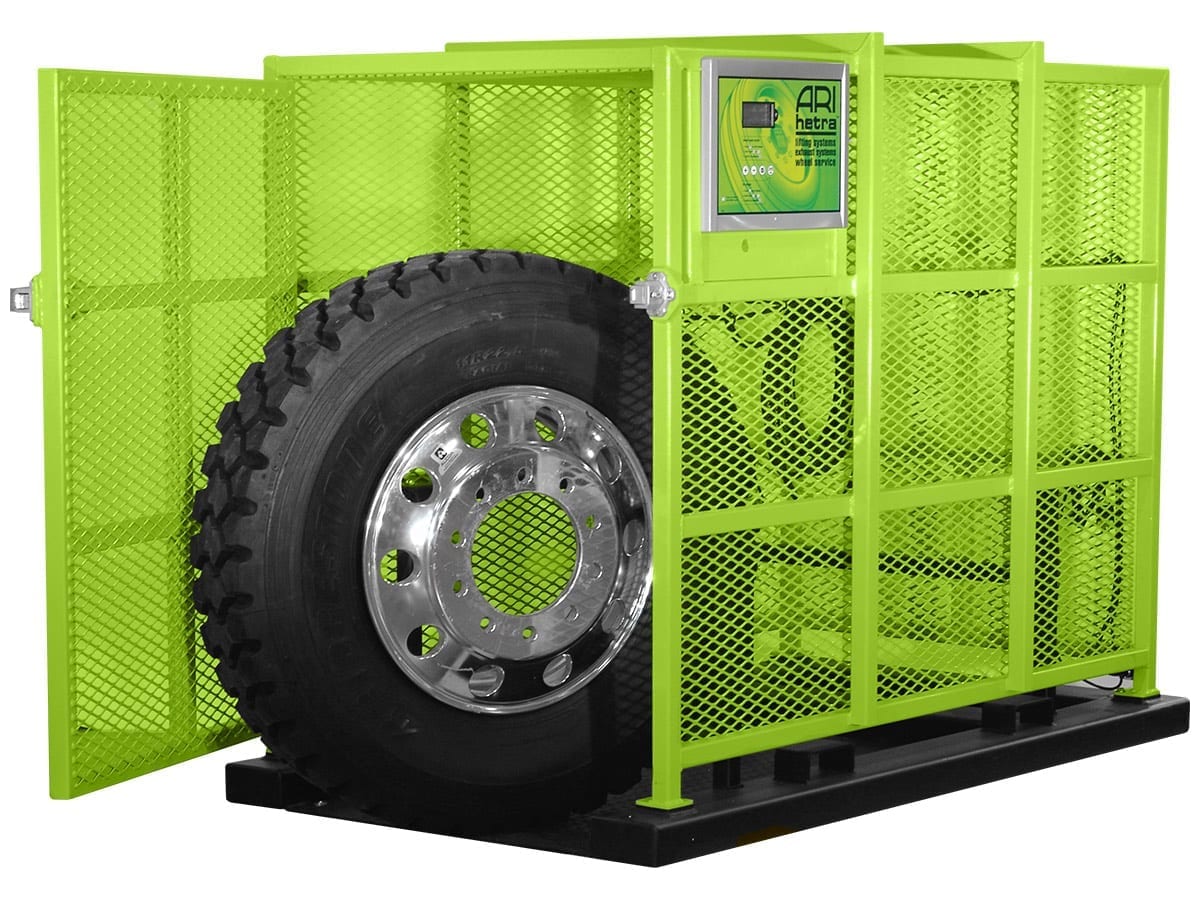
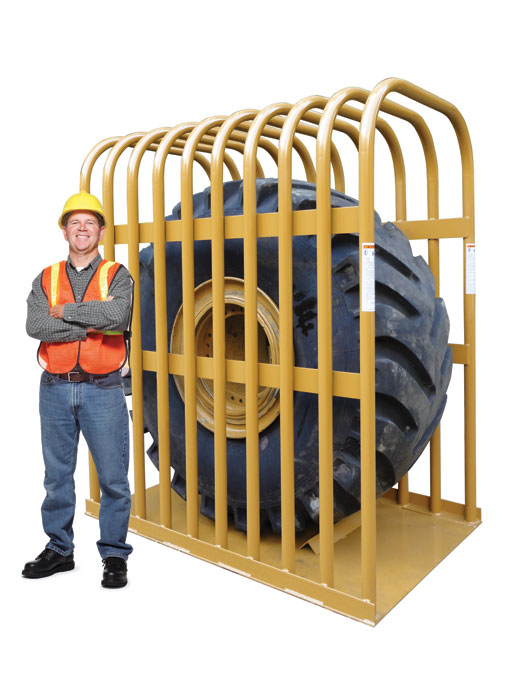
Earthmover tire inflation cages are specifically engineered for the construction and mining industries, designed to handle the substantial size and pressure requirements of earthmover tires. They often feature advanced safety mechanisms to prevent over-inflation incidents. While these cages provide tailored solutions for demanding applications, they come with a higher price point and require ample workspace for use. Companies should consider their operational scale and the frequency of use when investing in this equipment.
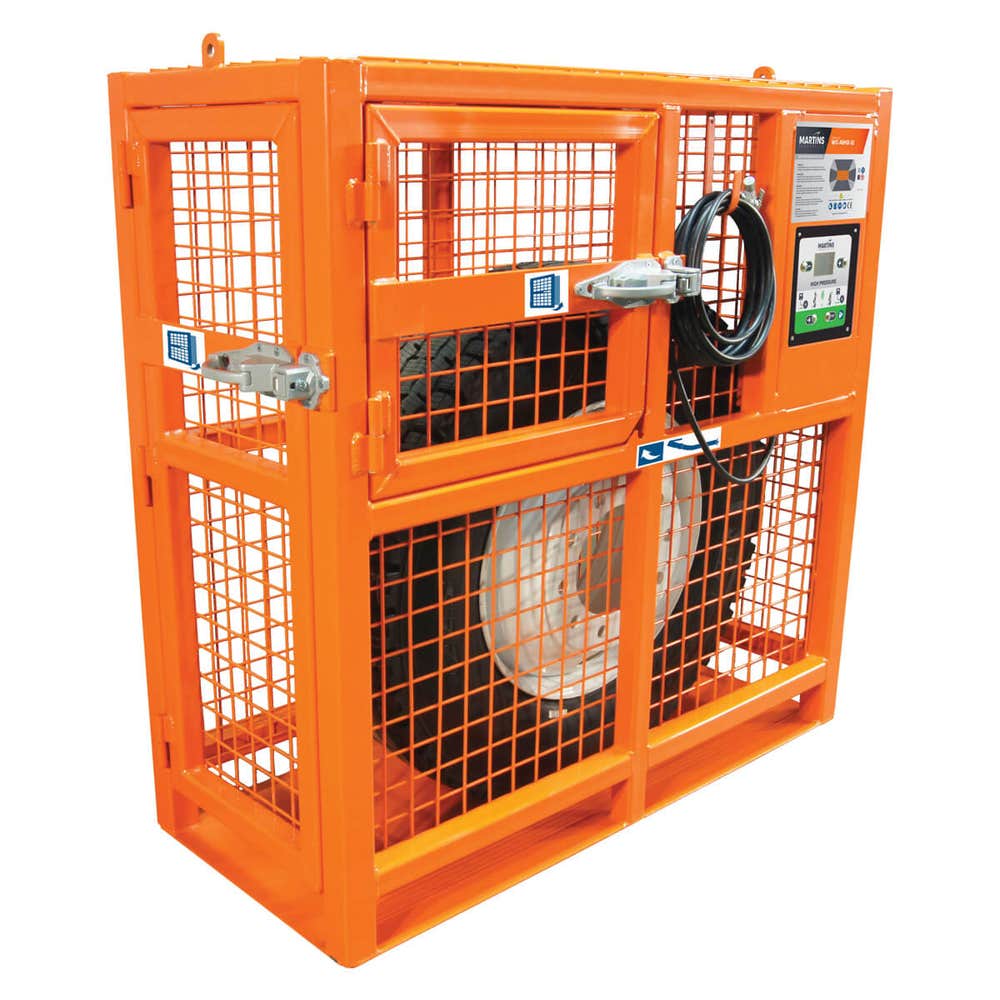
Illustrative image related to tire inflation cage
Aviation tire inflation cages are crafted to meet stringent safety standards, often exceeding OSHA and military requirements. Their design focuses on preventing damage to aircraft and ensuring the safety of personnel during tire inflation. While they are essential for airports and military operations, their specialized nature means they may not be suitable for all businesses. Buyers must weigh the importance of compliance and safety against the potentially high costs associated with these cages.
Automatic inflation cages streamline the tire inflation process by integrating automated systems, allowing for the handling of multiple tire sizes with ease. This innovation significantly increases operational efficiency and reduces the labor required for tire maintenance in large fleets and tire service centers. However, the complexity of these systems may lead to higher maintenance needs. Businesses should consider their capacity for managing such technology when deciding on an automatic inflation cage.
| الصناعة/القطاع | Specific Application of Tire Inflation Cage | القيمة/الفائدة للأعمال التجارية | اعتبارات التوريد الرئيسية لهذا التطبيق |
|---|---|---|---|
| التعدين | Inflation of large OTR (Off-The-Road) tires for machinery | Enhances operational efficiency and minimizes downtime | Ensure compliance with safety standards; consider size and PSI ratings |
| Aviation | Tire inflation for aircraft maintenance | Protects employees and aircraft; reduces AOG (Aircraft on Ground) time | Look for cages that meet military and aviation safety standards |
| النقل والخدمات اللوجستية | Maintenance of commercial truck and fleet tires | Increases tire lifespan and improves vehicle safety | Evaluate portability and capacity for various tire sizes |
| الإنشاءات | نفخ إطارات الآلات الثقيلة | Ensures optimal performance of construction equipment | Assess durability and resistance to harsh environments |
| الزراعة | Inflation of agricultural equipment tires | Improves field efficiency and reduces tire-related accidents | Consider compatibility with different tire types and sizes |
In the mining sector, tire inflation cages are essential for safely inflating large OTR tires used on heavy machinery. These cages provide a secure environment that mitigates the risks associated with tire blowouts during inflation. By ensuring compliance with safety standards, such as OSHA regulations, businesses can enhance operational efficiency and minimize costly downtime. Buyers in this sector should prioritize cages that can accommodate the specific tire sizes and pressure requirements of their equipment.
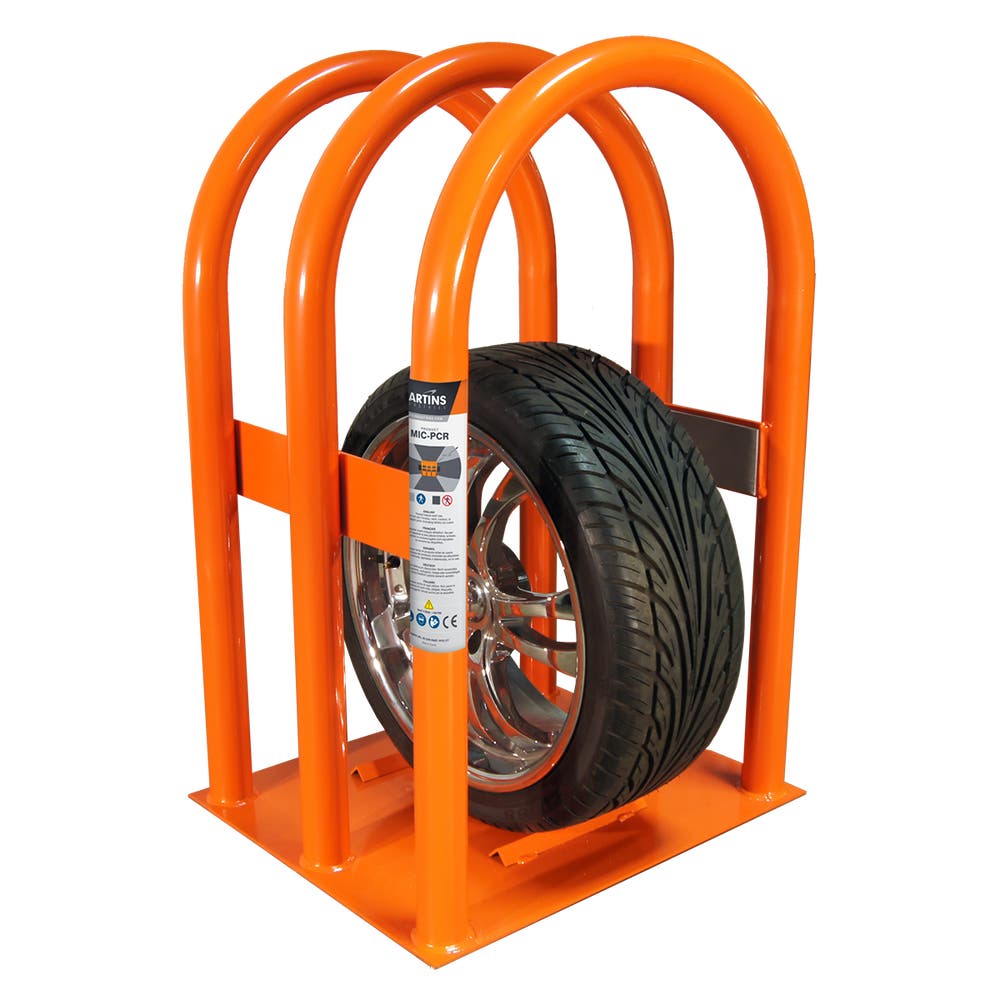
Illustrative image related to tire inflation cage
In aviation, tire inflation cages are critical for maintaining aircraft tires, which require precise inflation to ensure safety and performance. These cages protect personnel from potential hazards during the inflation process and help prevent damage to the aircraft. Businesses operating in this sector must source cages that comply with military and aviation safety standards, focusing on features like over-pressurization safety and ease of use to streamline operations.
For transportation and logistics companies, tire inflation cages facilitate the maintenance of commercial truck and fleet tires. Proper inflation helps extend tire lifespan, enhances fuel efficiency, and improves overall vehicle safety. Buyers should consider the portability of the cages and their capacity to handle various tire sizes, ensuring they can meet the diverse needs of their fleet while adhering to safety regulations.
In the construction industry, tire inflation cages are used to inflate tires on heavy machinery, such as bulldozers and excavators. Properly inflated tires ensure optimal performance and reduce the risk of accidents caused by tire failures. When sourcing cages for this application, businesses should assess the durability and resistance of the cages to harsh working environments, ensuring they can withstand the rigors of construction sites.
In agriculture, tire inflation cages are utilized for inflating tires on tractors and other farming equipment. Proper tire inflation is crucial for maximizing field efficiency and preventing accidents caused by tire blowouts. Buyers in this sector should consider compatibility with various tire types and sizes, as well as the ease of use of the cages, to ensure they can effectively maintain their equipment under varying field conditions.

Illustrative image related to tire inflation cage
المشكلة B2B buyers in sectors such as transportation, construction, and mining often face serious safety concerns when inflating large tires. The potential for tire blowouts during inflation can lead to severe injuries or fatalities, not to mention costly damage to equipment. In regions with varying regulatory standards, ensuring compliance with safety protocols, such as OSHA regulations, can be overwhelming. Buyers need a reliable solution that prioritizes employee safety while being practical for their operational needs.
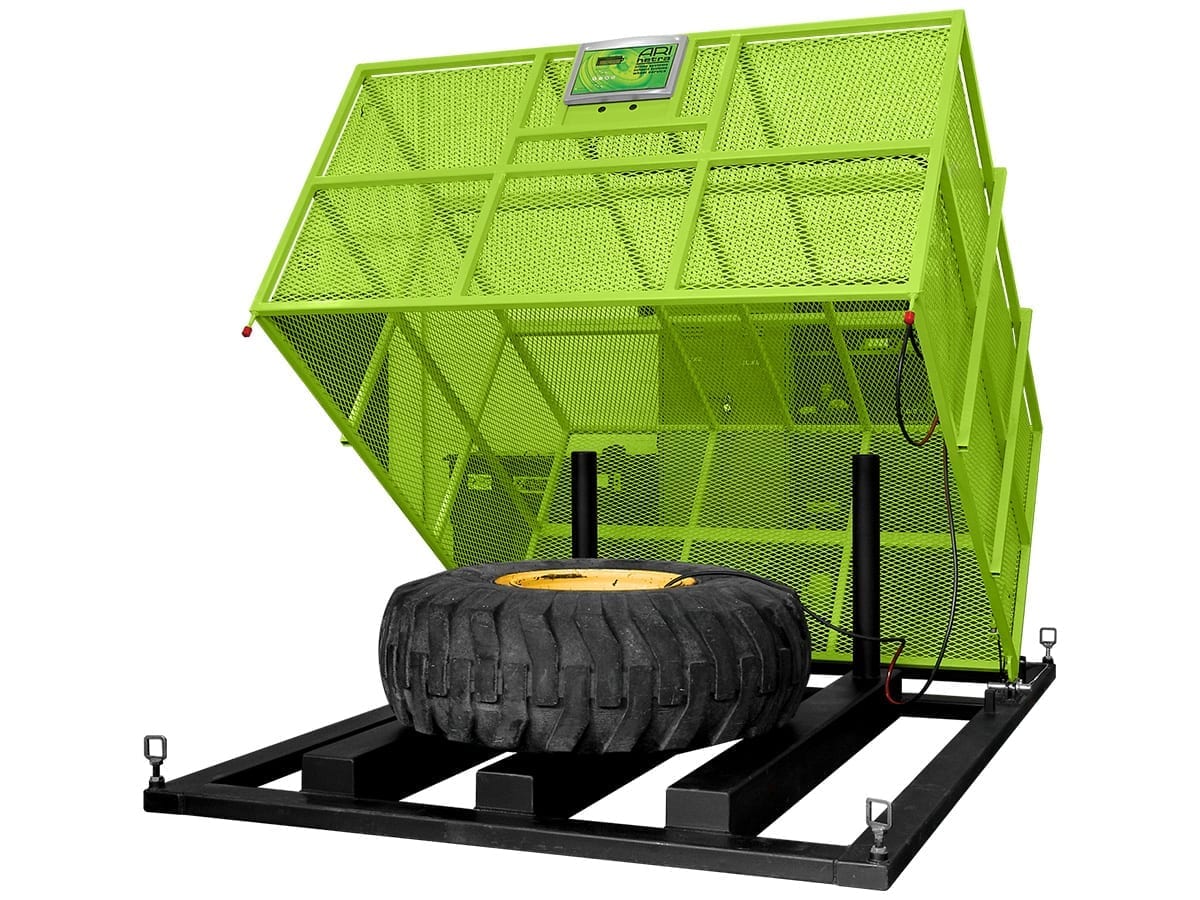
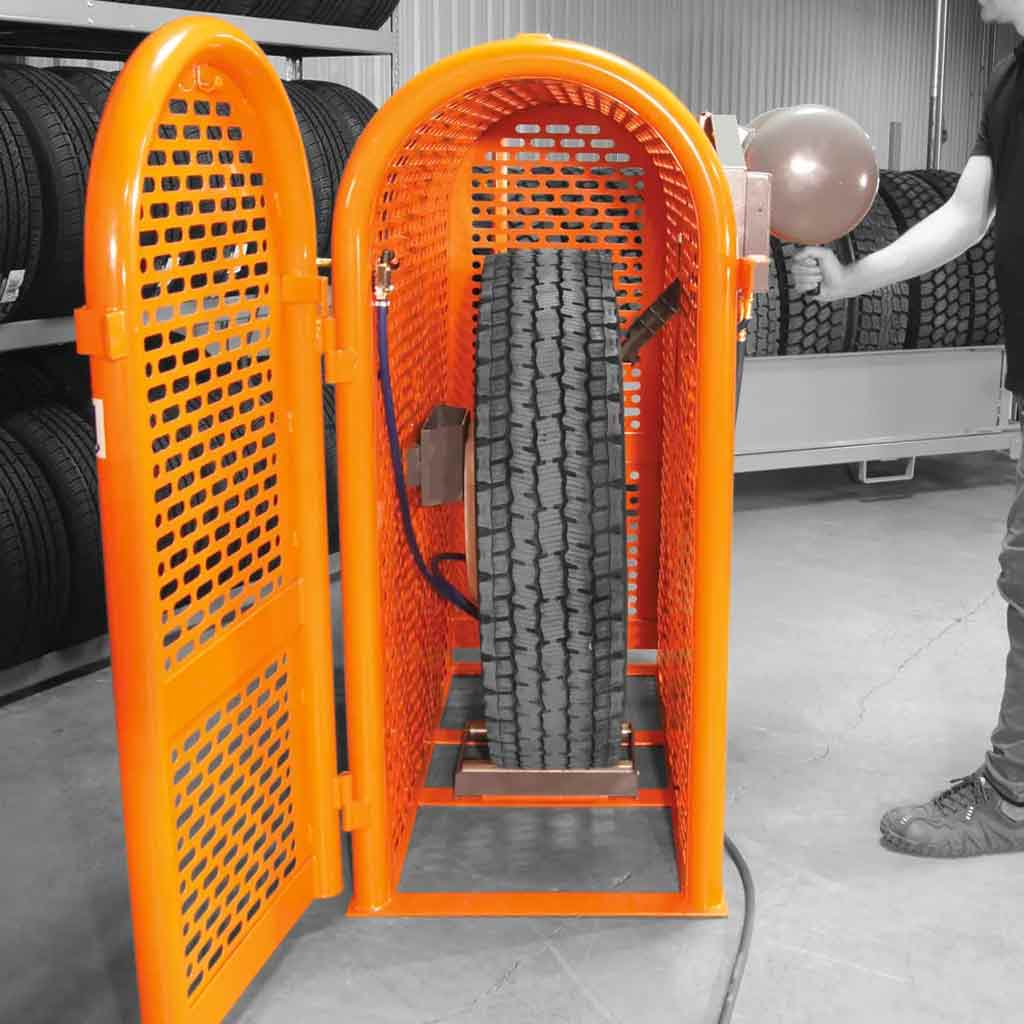
الحل: When sourcing a tire inflation cage, it is crucial to select models that are specifically designed to meet or exceed safety standards. Look for cages constructed with heavy-duty materials, like reinforced steel, and those that include features such as over-pressurization protection and debris containment systems. For example, models with clamshell designs offer enhanced safety by allowing easy access while ensuring structural integrity. Additionally, implement thorough training for employees on the proper usage of the inflation cage, emphasizing the importance of safety gear and adherence to recommended procedures. Regular maintenance checks can further ensure that the cage remains in optimal condition, minimizing risks during tire inflation.
المشكلة B2B buyers often deal with a wide range of tire sizes and types, from passenger vehicles to heavy-duty industrial machinery. This diversity can create challenges in managing tire inflation effectively. Inadequate equipment can lead to inefficiencies, as certain cages may not accommodate larger or specialized tires, resulting in delayed service or increased operational costs.
الحل: To address the challenge of diverse tire sizes, buyers should invest in a tire inflation cage with adjustable features or multiple cage options that can accommodate various tire types. For instance, selecting a model that supports both standard and oversized tires can streamline operations, allowing for quicker service turnaround times. It is also beneficial to consult with suppliers who offer customizable solutions, ensuring that the cages fit specific operational needs. Additionally, maintaining an inventory of various tire inflation cages can help businesses respond promptly to different tire requirements without compromising service quality.
المشكلة Cost is a significant consideration for B2B buyers, especially in industries where budgets are tight and profit margins are narrow. The initial investment in tire inflation cages can be substantial, and many buyers are concerned about balancing quality with affordability. This pressure can lead to purchasing decisions that compromise safety or effectiveness, ultimately affecting the bottom line.

Illustrative image related to tire inflation cage
الحل: To navigate budget constraints while ensuring quality, buyers should adopt a strategic approach to sourcing tire inflation cages. Start by conducting a thorough market analysis to compare features, prices, and supplier reliability. Consider investing in a high-quality cage that may come at a higher upfront cost but will save money over time through durability and safety features that reduce the likelihood of accidents or equipment damage. Additionally, explore financing options or bulk purchase discounts from suppliers, which can help alleviate immediate financial burdens. Engaging with manufacturers or suppliers who offer warranties or service agreements can also provide peace of mind and further protect the investment. By prioritizing long-term value over initial costs, businesses can effectively manage their budgets while ensuring safety and compliance.
When selecting a tire inflation cage, the choice of materials is critical to ensure safety, performance, and compliance with industry standards. Here, we analyze four common materials used in the construction of tire inflation cages: steel, aluminum, composite materials, and plastic. Each material has its unique properties, advantages, and disadvantages that can impact the overall effectiveness of the product in various applications.
Steel is a widely used material in tire inflation cages due to its high strength and durability. It typically has a high-temperature and pressure rating, making it suitable for heavy-duty applications. Steel is also resistant to deformation under heavy loads, which is crucial for safety.
الإيجابيات:
– Excellent strength-to-weight ratio and durability.
– Cost-effective for large-scale production.
– Can be easily fabricated into complex shapes.
السلبيات:
– Prone to corrosion if not properly coated or treated, especially in humid or coastal environments.
– Heavier than other materials, which may affect portability.
التأثير على التطبيق: Steel cages are suitable for high-pressure applications and can accommodate larger tire sizes, making them ideal for commercial and industrial use.
اعتبارات للمشترين الدوليين: Compliance with standards such as ASTM and OSHA is essential. Buyers in regions like Africa and South America should ensure that the steel used meets local regulations regarding safety and quality.
Aluminum is another popular choice for tire inflation cages, particularly in applications where weight is a concern. It offers good corrosion resistance and is less prone to rust than steel, making it suitable for various environments.
الإيجابيات:
– Lightweight, enhancing portability.
– Naturally corrosion-resistant, requiring less maintenance.
– Good strength, especially in thicker gauges.
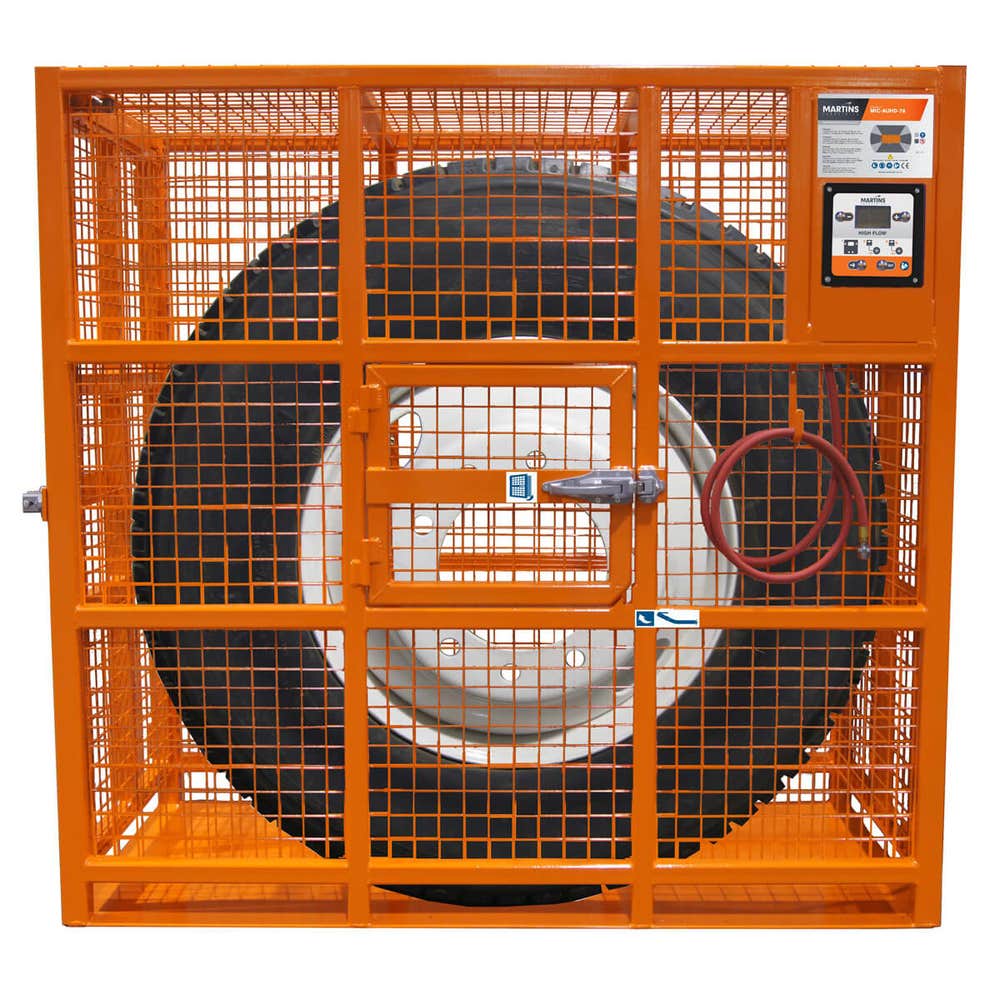
Illustrative image related to tire inflation cage
السلبيات:
– Generally more expensive than steel.
– Less robust under extreme pressure compared to steel.
التأثير على التطبيق: Aluminum cages are ideal for mobile tire service operations where ease of transport is critical.
اعتبارات للمشترين الدوليين: Buyers in the Middle East and Europe may prefer aluminum for its lightweight properties, but they should be aware of the higher costs associated with this material.
Composite materials, often a blend of plastics and fibers, are increasingly being used in tire inflation cages due to their lightweight and high-strength characteristics. These materials can be engineered to provide specific performance traits, such as enhanced impact resistance.
الإيجابيات:
– Lightweight and highly customizable.
– Resistant to corrosion and chemicals.
– Can be designed for specific pressure ratings.
السلبيات:
– Generally more expensive than traditional materials.
– Manufacturing processes can be complex.

Illustrative image related to tire inflation cage
التأثير على التطبيق: Composite cages are suitable for specialized applications, such as aviation, where weight and safety are paramount.
اعتبارات للمشترين الدوليين: Compliance with international safety standards is critical, especially for aviation applications. Buyers should verify that composite cages meet relevant ASTM or JIS standards.
Plastic is less common but still used in some tire inflation cages, particularly for lighter applications. It offers good chemical resistance and is often used in environments where corrosion is a concern.
الإيجابيات:
– Lightweight and easy to handle.
– Resistant to a wide range of chemicals.
– Generally lower cost than metals.
السلبيات:
– Limited pressure and temperature ratings compared to metals.
– Less durable under heavy loads.

Illustrative image related to tire inflation cage
التأثير على التطبيق: Plastic cages are suitable for low-pressure applications and environments where corrosion is a significant concern.
اعتبارات للمشترين الدوليين: Buyers should ensure that the plastic materials used comply with local safety standards, especially in regions with stringent regulations.
| المواد | Typical Use Case for tire inflation cage | الميزة الرئيسية | العيب/التقييد الرئيسي | التكلفة النسبية (منخفضة/متوسطة/مرتفعة) |
|---|---|---|---|---|
| الفولاذ | Heavy-duty industrial applications | قوة ومتانة عالية | Prone to corrosion | متوسط |
| ألومنيوم | Mobile tire service operations | خفيف الوزن ومقاوم للتآكل | تكلفة أعلى من الفولاذ | عالية |
| مركب | Specialized applications (e.g., aviation) | Customizable and impact-resistant | أكثر تكلفة وتعقيدًا في التصنيع | عالية |
| بلاستيك | Low-pressure applications | Lightweight and chemical-resistant | Limited pressure ratings | منخفضة |
In summary, selecting the right material for tire inflation cages involves balancing performance, cost, and compliance with safety standards. International buyers should consider local regulations and the specific requirements of their applications to make informed decisions.
The manufacturing of tire inflation cages involves several critical stages, each designed to ensure the final product meets safety and quality standards.
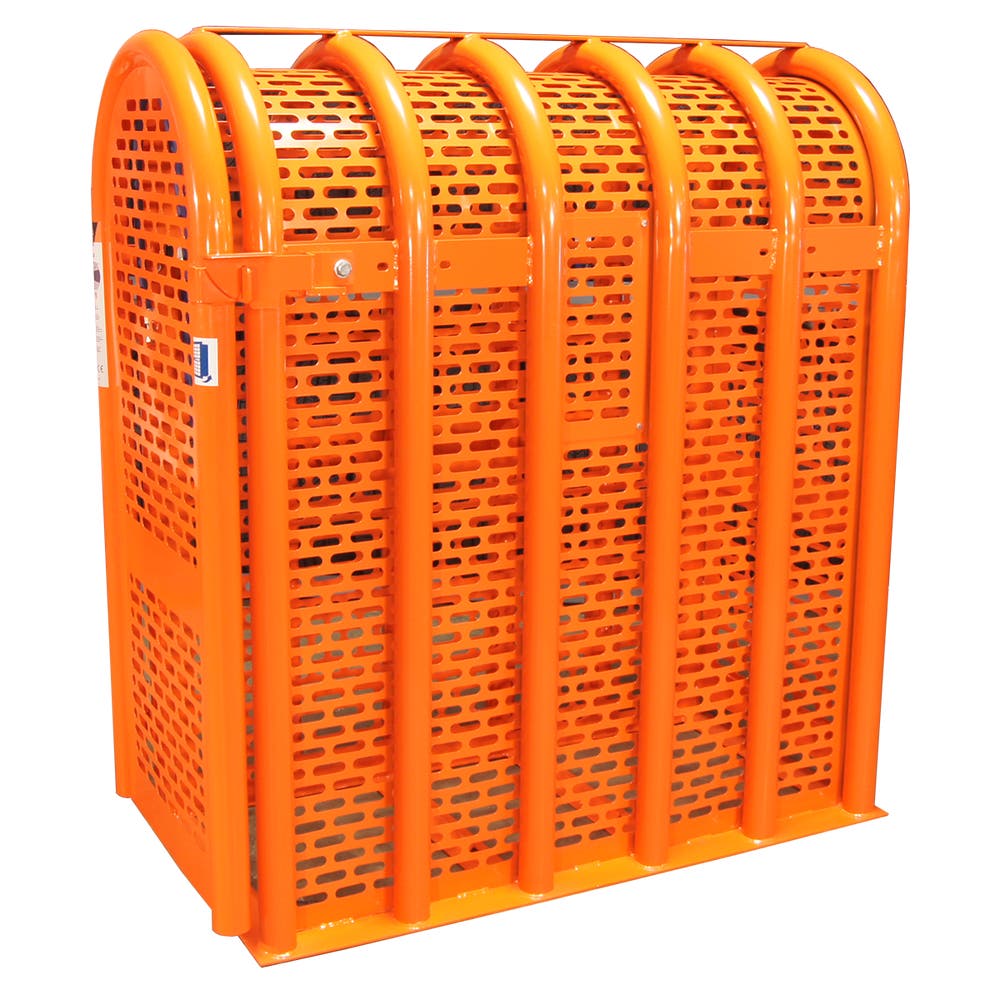
Illustrative image related to tire inflation cage
The process begins with material selection, primarily high-strength steel, which provides the necessary durability and resistance to high-pressure environments. Manufacturers often choose materials that comply with international safety standards, such as ASTM or EN certifications. The steel is then cut into specified dimensions using advanced laser cutting or plasma cutting techniques, ensuring precision and reducing material waste.
Once the materials are prepared, they undergo forming processes. Techniques such as bending, welding, and stamping are used to shape the components of the cage. For instance, robotic welding can ensure consistent and strong joints, which are crucial for the integrity of the cage under pressure. Manufacturers may employ roll forming for cylindrical sections to enhance strength and reduce the weight of the final product.
After forming, the next stage is assembly. This involves fitting together the various parts, including the frame, doors, and safety features like latches and pressure gauges. Automated assembly lines are often used to streamline this process, ensuring that each cage is assembled to the same high standards. Quality assurance checkpoints are integrated throughout the assembly line to catch any defects early.
The final stage in the manufacturing process is finishing. This may include processes like powder coating or galvanizing to protect the cage from corrosion and wear. Finishing also enhances the aesthetic appeal of the product, an important factor for B2B buyers who may consider the visual presentation of their equipment. Rigorous testing of the finishing process ensures that the protective layers meet industry standards.
Quality assurance (QA) is an integral part of the manufacturing process, ensuring that tire inflation cages are safe and reliable.
Illustrative image related to tire inflation cage
B2B buyers should familiarize themselves with relevant international standards, such as ISO 9001 for quality management systems, CE marking for compliance with EU safety regulations, and API standards for equipment used in the oil and gas industry. These certifications ensure that the products meet stringent quality and safety requirements, thereby reducing liability and enhancing operational safety.
Quality control (QC) checkpoints are crucial for maintaining product integrity. These typically include:
مراقبة الجودة الواردة (IQC): This initial checkpoint involves inspecting raw materials for compliance with specifications before they enter the manufacturing process.
مراقبة الجودة أثناء المعالجة (IPQC): Throughout the manufacturing process, various inspections are performed to ensure that each stage meets quality standards. This might include dimensional checks and visual inspections of welds.
مراقبة الجودة النهائية (FQC): At the end of the manufacturing process, a thorough inspection of the finished product is conducted. This includes pressure testing to ensure that the cage can withstand the required inflation pressures without failure.
Testing methods for tire inflation cages can vary, but commonly include:
Buyers looking to ensure that their suppliers adhere to rigorous QC standards should consider the following strategies:
Conducting supplier audits is one of the most effective ways to verify quality control practices. This involves visiting the manufacturing facility to evaluate their processes, equipment, and adherence to safety standards. Audits can be conducted by the buyer or through third-party inspection services specializing in manufacturing compliance.
Requesting quality assurance reports from suppliers is another effective method. These reports should detail the results of various tests and inspections, including certifications obtained and any corrective actions taken in case of non-conformance.

Illustrative image related to tire inflation cage
Engaging third-party inspection services can provide an objective assessment of a supplier’s quality control processes. These services often include pre-shipment inspections, which can help mitigate risks associated with purchasing equipment from international suppliers.
When dealing with suppliers from regions such as Africa, South America, the Middle East, and Europe, buyers should be aware of specific nuances in quality control:
الامتثال التنظيمي: Different regions may have varying regulatory requirements. Understanding local regulations is crucial for ensuring that the purchased equipment complies with both local and international standards.
الاختلافات الثقافية: Communication styles and business practices can differ significantly across cultures. Buyers should be prepared to navigate these differences to establish effective partnerships.
Logistics and Supply Chain: Considerations regarding shipping, customs clearance, and local distribution channels can impact the quality and delivery of products. Establishing a reliable logistics plan is essential.
By understanding these manufacturing processes and quality assurance practices, B2B buyers can make informed decisions when sourcing tire inflation cages, ensuring they receive products that meet both safety and operational standards.
This practical sourcing guide aims to assist B2B buyers in procuring tire inflation cages, essential equipment for safely inflating tires in various industries. By following this checklist, you can ensure that you make informed decisions, optimize safety, and enhance operational efficiency.
Illustrative image related to tire inflation cage
Establishing clear technical specifications is the foundation of your procurement process. Determine the types of tires you will be inflating—passenger, light truck, or off-the-road (OTR)—as each requires different cage designs and pressure ratings. Consider the maximum tire size and weight you need the cage to accommodate, as well as any additional features like integrated seating or portability.
Ensuring compliance with local and international safety standards is vital. Look for cages that meet OSHA regulations and other relevant standards, as this guarantees that the product has undergone rigorous testing for safety and reliability. Additionally, inquire about certifications that may be required in your specific region, such as those in Africa, South America, or the Middle East.
Before making a commitment, conduct a thorough evaluation of potential suppliers. Request company profiles, product catalogs, and case studies to understand their experience and reputation in the industry. It’s advisable to seek references from other buyers within similar markets, as this can provide insights into the supplier’s reliability and product quality.
Once you have shortlisted suppliers, compare the features and pricing of their tire inflation cages. Look for productivity-enhancing features such as integrated gauges, quick disconnect fittings, and safety mechanisms. While price is an important factor, consider the total cost of ownership, including maintenance and potential downtime due to equipment failure.
After-sales support is crucial for ensuring the longevity of your investment. Inquire about the warranty terms and the availability of spare parts. A reliable supplier should offer comprehensive customer support, including technical assistance and training on safe usage.
After selecting a supplier and confirming your order, plan the logistics of delivery and installation. Consider the shipping methods and timelines, particularly if you are sourcing from international suppliers. Ensure that your team is prepared for the installation and any necessary training on the equipment.
Once the tire inflation cage is operational, monitor its performance and solicit feedback from your team. Regularly assess whether it meets your operational needs and safety standards. Continuous evaluation will help you identify any necessary adjustments or improvements, ensuring that the equipment remains effective and safe over time.
By following this checklist, you can streamline the procurement process for tire inflation cages, ensuring that you select the right equipment for your operational needs while maintaining a strong focus on safety and compliance.
The cost structure for tire inflation cages typically includes several components: materials, labor, manufacturing overhead, tooling, quality control (QC), logistics, and profit margins.
المواد: The choice of materials significantly impacts costs. High-quality steel, which is often used for its durability and safety features, can increase expenses. Additionally, the type of coating or finish applied for corrosion resistance also adds to material costs.
العمالة: Labor costs are influenced by the manufacturing location. Regions with higher labor costs will inevitably see increased pricing. Skilled labor is often required for assembly and quality assurance, which can further elevate this component.
نفقات التصنيع الزائدة: This encompasses all indirect costs associated with production, including utilities, rent, and equipment maintenance. Efficient manufacturing processes can help reduce overhead, thereby lowering the overall cost.
الأدوات: Initial tooling costs can be substantial, particularly for custom or specialized cages. These costs are typically amortized over production volume, making them a critical factor in pricing.
مراقبة الجودة (QC): Ensuring compliance with safety standards such as OSHA is essential. The costs associated with QC processes, including testing and certification, can vary based on the complexity of the product and the regulatory requirements in different regions.
الخدمات اللوجستية: Shipping and handling costs are influenced by the size and weight of the cages, as well as the distance to the buyer’s location. International shipping can introduce additional complexities, such as customs duties and tariffs.
الهامش: Suppliers will typically add a margin to cover their operating costs and profit. This margin can vary widely based on market competition and perceived value.
Several factors can influence the pricing of tire inflation cages, making it essential for buyers to understand them for effective negotiation.
Illustrative image related to tire inflation cage
الحجم/معدل العرض/الطلب: Purchasing in larger quantities often leads to reduced per-unit costs. Suppliers may offer discounts for bulk orders, which is advantageous for businesses with high demand.
المواصفات والتخصيص: Custom cages tailored to specific needs or tire sizes may incur higher costs due to specialized manufacturing processes. Standard models tend to be more cost-effective.
المواد وشهادات الجودة: Higher-grade materials and additional certifications (e.g., ISO, OSHA compliance) can drive up costs. Buyers should assess whether these certifications are necessary for their operations.
عوامل الموردين: The reputation and reliability of the supplier can affect pricing. Established suppliers with a track record of quality may charge more, but the investment can pay off in terms of safety and longevity.
المصطلحات التجارية الدولية: The terms of delivery (e.g., FOB, CIF) play a crucial role in total costs. Buyers should clarify who bears the cost and risk at each stage of shipping to avoid unexpected expenses.
For international B2B buyers, particularly from regions like Africa, South America, the Middle East, and Europe, understanding pricing nuances is critical for cost-efficiency.
التفاوض: Buyers should be prepared to negotiate based on volume, payment terms, and delivery schedules. Building a relationship with suppliers can lead to more favorable pricing.
التكلفة الإجمالية للملكية (TCO): Evaluate the TCO, including maintenance, operational efficiency, and potential downtime. A lower upfront cost may result in higher operational costs if the product is not durable or reliable.
الفروق الدقيقة في التسعير للمشترين الدوليين: Currency fluctuations, import tariffs, and shipping costs can impact the final price. It’s advisable to factor these into your budget and negotiate accordingly.
While indicative prices for tire inflation cages can vary widely—from around $300 for basic models to over $8,000 for specialized options—understanding the underlying cost components and price influencers can empower buyers to make informed purchasing decisions. By considering total costs and engaging in strategic negotiations, businesses can optimize their procurement processes in this essential safety equipment category.
When evaluating the best solutions for tire inflation, it’s essential to consider various alternatives to tire inflation cages. While tire inflation cages provide a robust and safe method for inflating tires, other technologies and methods can also meet specific needs depending on the application, budget, and operational requirements. Below, we will compare tire inflation cages with two viable alternatives: tire inflation bladders and portable tire inflation systems.
Illustrative image related to tire inflation cage
| جانب المقارنة | Tire Inflation Cage | Tire Inflation Bladder | Portable Tire Inflation System |
|---|---|---|---|
| الأداء | High safety and pressure control; suitable for large and heavy tires | Moderate; effective for small to medium tires but less control for larger ones | Variable; depends on the model but generally good for quick inflation |
| التكلفة | Typically higher due to robust construction (e.g., $300 – $8,000) | Generally lower (around $100 – $500) | Mid-range (approximately $200 – $1,500) |
| سهولة التنفيذ | Requires designated space and training for safe use | Simple to use; can be operated by one person | User-friendly; portable and can be used almost anywhere |
| الصيانة | Low; durable and built for heavy use | Moderate; may need replacement over time due to wear | Varies; requires regular checks and battery maintenance for electric models |
| أفضل حالة استخدام | Ideal for commercial garages and heavy-duty tire applications | Best for roadside assistance and small workshops | Suitable for fleet maintenance and emergency tire inflation |
Tire inflation bladders are inflatable devices designed to provide air directly into the tire, allowing for a more flexible and portable solution. They are particularly advantageous for roadside assistance, where ease of transport and quick setup are essential.
الإيجابيات:
– Lightweight and easy to transport, making them ideal for mobile tire service.
– Generally less expensive than tire inflation cages.
السلبيات:
– Limited in their ability to handle larger tires or higher pressures compared to cages.
– Less safety-oriented, as they do not contain the tire during inflation, posing a risk in case of failure.
Illustrative image related to tire inflation cage
Portable tire inflation systems are versatile tools that can inflate tires using electric or manual pumps. They are designed for convenience and can be used in various settings, from garages to fieldwork.
الإيجابيات:
– Highly portable and can be used in multiple locations, making them suitable for diverse applications.
– Often equipped with additional features such as pressure gauges and automatic shut-off.
السلبيات:
– Performance can vary significantly between models, with some being less effective for heavy-duty applications.
– Maintenance may be more involved, especially for electric systems that require battery upkeep.
Selecting the appropriate tire inflation solution hinges on several factors, including operational requirements, budget constraints, and safety considerations. For businesses dealing primarily with heavy-duty tires, tire inflation cages offer unmatched safety and control. However, for those who require mobility and flexibility, tire inflation bladders or portable systems may be more suitable. Ultimately, understanding the specific use case and environment in which the equipment will operate is crucial for making an informed decision. Buyers should assess their operational needs, including the types of tires they work with and the frequency of use, to determine the most effective and efficient solution for their tire inflation needs.
When selecting a tire inflation cage, B2B buyers should consider several critical specifications that ensure safety, efficiency, and compliance with industry standards. Below are some essential technical properties:
Illustrative image related to tire inflation cage
درجة المادة
Tire inflation cages are typically constructed from high-strength steel or aluminum. The choice of material significantly impacts the cage’s durability and weight capacity. High-grade steel is preferred for heavy-duty applications, such as in mining or commercial tire service, while aluminum may be used for portable models due to its lightweight nature. Understanding material grade is crucial for ensuring the cage can withstand the pressures of tire inflation without compromising safety.
Pressure Rating
This specification indicates the maximum air pressure that the cage can safely handle, often measured in bar or PSI (pounds per square inch). Common ratings range from 2-bar for light truck applications to 10-bar for earthmover tires. Selecting a cage with the appropriate pressure rating is essential to prevent over-inflation accidents that can lead to severe injuries or equipment damage.
Size and Dimensions
The cage must accommodate various tire sizes, which can vary significantly between passenger vehicles and commercial equipment. Buyers should consider the height, width, and base dimensions of the cage to ensure it meets their operational needs. For instance, a cage designed for earthmover tires will be substantially larger than one for passenger vehicles.
سعة الوزن
Each tire inflation cage has a maximum weight limit that it can support safely. This is especially important for larger tires used in commercial and industrial applications. Understanding the weight capacity helps buyers select the right cage to avoid safety hazards during tire inflation.
ميزات السلامة
Look for cages that include built-in safety features, such as dual-clamshell designs, over-pressurization valves, and safety straps. These features enhance operator safety and reduce the risk of accidents during the inflation process, which is a critical consideration for B2B buyers focused on workplace safety.
Understanding industry jargon is vital for effective communication and negotiation in the B2B landscape. Here are some common trade terms related to tire inflation cages:
OEM (الشركة المصنعة للمعدات الأصلية)
This term refers to companies that produce components that are used in the manufacturing of another company’s product. In the context of tire inflation cages, an OEM may provide the cage or its parts to tire manufacturers or repair shops. Knowing OEM suppliers can help buyers ensure they are getting quality equipment.
موك (الحد الأدنى لكمية الطلب)
MOQ is the smallest quantity of a product that a supplier is willing to sell. This is particularly important for B2B buyers looking to purchase tire inflation cages, as it can affect inventory management and cost efficiency. Understanding MOQ can help businesses plan their procurement strategies effectively.
طلب عرض الأسعار (RFQ)
An RFQ is a document issued by a buyer to solicit price quotes from suppliers. For tire inflation cages, an RFQ may detail specific requirements such as material, size, and quantity. A well-prepared RFQ can lead to better pricing and terms.
إنكوترمز (الشروط التجارية الدولية)
Incoterms are a set of predefined commercial terms published by the International Chamber of Commerce, which clarify the responsibilities of buyers and sellers in international transactions. Understanding Incoterms is crucial for B2B buyers involved in importing tire inflation cages, as they dictate shipping costs, insurance, and risk management.
المهلة الزمنية
This refers to the time taken from placing an order to delivery. In the tire inflation cage market, lead time can vary based on the complexity of the order, customization, and supplier location. Buyers should factor in lead time when planning their inventory needs to avoid operational disruptions.
By familiarizing themselves with these technical properties and trade terminology, B2B buyers can make informed decisions when sourcing tire inflation cages, ultimately enhancing safety and operational efficiency in their businesses.
The tire inflation cage sector is witnessing significant growth driven by several global factors. The increasing demand for heavy-duty vehicles in sectors such as mining, construction, and logistics has led to a heightened need for effective tire inflation solutions. In regions like Africa, South America, the Middle East, and Europe, the rise of e-commerce and improved infrastructure are further propelling this demand. International B2B buyers are increasingly looking for advanced tire inflation technologies that enhance safety and efficiency. This includes features such as integrated safety mechanisms, portability, and compatibility with various tire sizes.
Emerging trends also highlight the importance of automation and digitalization in the tire inflation process. Advanced tire management systems that integrate IoT technology are becoming popular, providing real-time monitoring of tire pressure and performance. This shift not only improves safety but also reduces operational downtime. Furthermore, with supply chains becoming more globalized, buyers are increasingly focused on sourcing from manufacturers who can guarantee compliance with international safety standards, such as OSHA, particularly in high-risk industries.
The environmental impact of manufacturing processes is a growing concern for B2B buyers, making sustainability a critical factor in sourcing decisions. Companies are increasingly prioritizing suppliers who adopt sustainable practices, such as using recycled materials and minimizing waste. For the tire inflation cage sector, this means sourcing from manufacturers who implement eco-friendly production methods and materials that comply with green certifications.
Ethical sourcing is also gaining traction, with buyers seeking to partner with companies that ensure fair labor practices throughout their supply chains. This not only enhances brand reputation but also aligns with the values of environmentally conscious consumers. In addition, manufacturers are responding by developing innovative products that incorporate sustainable materials, thus appealing to a broader market segment. As international regulations on environmental impact tighten, buyers who prioritize sustainability will be better positioned to navigate the evolving landscape of the tire inflation cage market.
The tire inflation cage has evolved significantly since its inception, transitioning from basic safety enclosures to advanced, feature-rich solutions. Initially designed primarily for safety, modern tire inflation cages now incorporate technological advancements that enhance functionality and user experience. Features like integrated seating, multiple inflation levels, and enhanced durability are now standard, reflecting a shift towards greater efficiency and worker safety.
This evolution has had a profound impact on the B2B market. As industries become more aware of the importance of safety and efficiency, the demand for high-quality tire inflation cages has surged. Manufacturers are now competing not only on safety features but also on innovation, reliability, and sustainability. This competitive landscape offers B2B buyers a wider array of choices, empowering them to select products that best meet their operational needs and ethical standards.
In summary, understanding the market dynamics, sustainability trends, and historical evolution of tire inflation cages can provide international B2B buyers with valuable insights that enhance their sourcing strategies and operational effectiveness.
How do I ensure the tire inflation cage meets safety standards?
To ensure that a tire inflation cage meets safety standards, verify that it complies with relevant regulations, such as OSHA in the United States or similar standards applicable in your region. Request certifications and documentation from the supplier that demonstrate compliance. Additionally, consider cages that feature safety enhancements, such as over-pressurization protection and durable construction materials, which can mitigate the risk of accidents during use.
What is the best tire inflation cage for large off-road tires?
The best tire inflation cage for large off-road tires typically features a higher pressure rating and robust construction. Look for models specifically designed for OTR (off-the-road) applications, often rated for 5-bar or more. Cages like the Ken-Tool 10-Bar Earthmover Tire Inflation Cage are ideal, as they accommodate larger tire sizes and provide enhanced safety features. Ensure the cage’s dimensions and weight capacity align with your specific tire requirements.
What customization options are available for tire inflation cages?
Customization options for tire inflation cages may include modifications in size, pressure ratings, and additional safety features. Some manufacturers allow you to tailor the design to suit specific tire sizes or operational environments. It’s advisable to discuss your requirements with potential suppliers to understand the scope of customization available, including color, branding, and additional functionalities like integrated gauges or nitrogen fill ports.
What are the minimum order quantities (MOQ) for tire inflation cages?
Minimum order quantities for tire inflation cages can vary significantly between suppliers. Some manufacturers might allow single unit purchases, while others may set MOQs at 5-10 units or more, especially for custom orders. When sourcing internationally, consider negotiating with suppliers to find terms that meet your business needs, particularly if you are looking to establish a long-term partnership.
How do I vet suppliers for tire inflation cages in international markets?
To vet suppliers for tire inflation cages, start by checking their reputation in the industry through reviews and testimonials from previous customers. Request references and inquire about their experience with international shipping and compliance with local regulations. Additionally, assess their manufacturing capabilities and quality assurance processes, ensuring they adhere to international standards to mitigate risks associated with overseas procurement.
What payment terms should I expect when purchasing tire inflation cages?
Payment terms for purchasing tire inflation cages can vary widely based on the supplier and the transaction size. Common terms include a partial upfront payment with the balance due upon delivery or net 30/60 days after invoice. For international transactions, consider using secure payment methods like letters of credit or escrow services to protect both parties. It’s advisable to negotiate terms that align with your cash flow and purchasing strategy.
What logistics considerations should I keep in mind when importing tire inflation cages?
When importing tire inflation cages, consider logistics factors such as shipping methods, customs duties, and delivery timelines. Choose a reliable freight forwarder familiar with the regulations in both the exporting and importing countries. Additionally, ensure that you have the necessary documentation for customs clearance, including bills of lading and commercial invoices, to avoid delays in delivery.
How can I ensure quality assurance for tire inflation cages?
To ensure quality assurance for tire inflation cages, request detailed specifications and quality control certifications from the manufacturer. Conduct pre-shipment inspections or arrange for third-party inspections if necessary, especially for large orders. Additionally, establish a return policy and warranty terms upfront to safeguard your investment and ensure that any defects or discrepancies can be addressed promptly.
المجال: martinsindustries.com
مسجل: 2005 (20 سنة)
مقدمة: Martins Industries offers a range of Tire Inflation Cages, including over 20 models designed for various applications, from portable cages for road service to the largest OTR mining tire inflation cage. Key features include:
– Compliance with OSHA standards for employee safety
– Productivity-enhancing features such as integrated seating
– Models include:
– Portable 2-Bar with Wide-Base (MIC-…
المجال: alltiresupply.com
مسجل: 2001 (24 سنة)
مقدمة: [{‘name’: ‘BR-2040 Branick Truck Inflation Cage’, ‘pressure’: ‘4 Bar’, ‘price’: ‘From $496.00’}, {‘name’: ‘KEN-36011 Ken-Tool Earthmover Tire Inflation Cage’, ‘price’: ‘From $3,795.00’}, {‘name’: ‘BR-2130 Branick Truck Inflation Cage’, ‘pressure’: ‘3 Bar’, ‘price’: ‘From $378.00’}, {‘name’: ‘MAR-MIC4KIT Martins MIC4KIT Complete Tire Inflation Kit’, ‘pressure’: ‘4-Bar’, ‘price’: ‘$1,220.54’}, {‘nam…
المجال: branick.com
مسجل: 1997 (28 سنة)
مقدمة: [{‘name’: ‘2010 Tire Cage’, ‘price’: ‘$558.00’}, {‘name’: ‘210 Cage Rollers’, ‘price’: ‘$167.00’}, {‘name’: ‘215 Cage Rollers’, ‘price’: ‘$190.00’}, {‘name’: ‘2220 Tire Cage’, ‘price’: ‘$446.00’}, {‘name’: ‘2040 Tire Cage’, ‘price’: ‘$627.00’}, {‘name’: ‘2130 Tire Cage’, ‘price’: ‘$525.00’}, {‘name’: ‘2230 Tire Cage’, ‘price’: ‘$525.00’}, {‘name’: ‘2240 Tire Cage’, ‘price’: ‘$627.00’}, {‘name’: ‘2…
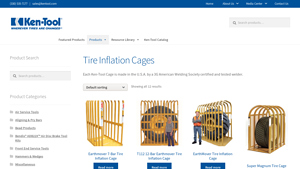
المجال: kentool.com
مسجل: 1998 (27 سنة)
مقدمة: Each Ken-Tool Tire Inflation Cage is made in the U.S.A. by a 3G American Welding Society certified and tested welder. The product range includes: Earthmover 7-Bar Tire Inflation Cage, T112 12-Bar Earthmover Tire Inflation Cage, EarthMover Tire Inflation Cage, Super Magnum Tire Cage, 3-Bar Cage, 3-Bar Cage (OTR), 4-Bar Cage, 5-Bar Cage, 7-Bar Cage, Passenger and Light Truck Cage, Portable 2-Bar Cag…
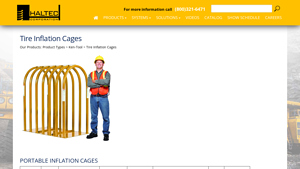
المجال: haltec.com
مسجل: 1998 (27 سنة)
مقدمة: This company, HALTEC – Diverse Range of Tire Bead Seating Tools, is a notable entity in the market. For specific product details, it is recommended to visit their website directly.
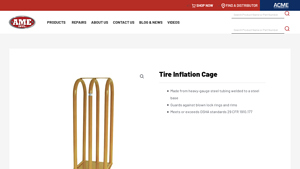
المجال: ameintl.net
مسجل: 2007 (18 سنة)
مقدمة: {“Product Name”: “Tire Inflation Cage”, “SKU”: “24430”, “Category”: “Automotive / Inflation”, “Material”: “Heavy-gauge steel tubing welded to a steel base”, “Safety Features”: “Guards against blown lock rings and rims, Meets or exceeds OSHA standards 29 CFR 1910.177”, “Designed For”: “Medium, Heavy-Duty Trucks, OTR, Tractors, and Super Singles”, “Protection”: “Protects technicians during inflation…
In the realm of tire inflation safety, strategic sourcing of tire inflation cages is essential for businesses focused on operational efficiency and employee safety. The diverse range of models available—from portable options for road service to robust cages designed for heavy-duty mining tires—ensures that organizations can select equipment tailored to their specific needs. By prioritizing OSHA-compliant products, companies can safeguard their workforce while enhancing productivity through innovative features like integrated seating and easy-access designs.
For international B2B buyers, particularly in regions such as Africa, South America, the Middle East, and Europe, understanding the nuances of tire inflation cage sourcing can lead to significant cost savings and improved safety protocols. Collaborating with reputable manufacturers can not only provide high-quality products but also foster relationships that enhance supply chain resilience.
As the market for tire inflation solutions continues to evolve, now is the time to act. Evaluate your sourcing strategies to incorporate advanced tire inflation cages that meet safety standards and enhance operational productivity. Engage with trusted suppliers to ensure you are equipped with the best solutions for your tire service needs, positioning your business for success in an increasingly competitive landscape.
المعلومات الواردة في هذا الدليل، بما في ذلك المحتوى المتعلق بالمصنعين والمواصفات الفنية وتحليل السوق، هي لأغراض إعلامية وتعليمية فقط. وهي لا تشكل مشورة مهنية في مجال المشتريات أو مشورة مالية أو مشورة قانونية.
على الرغم من أننا بذلنا كل جهد ممكن لضمان دقة المعلومات ودقة توقيتها، إلا أننا لسنا مسؤولين عن أي أخطاء أو سهو أو معلومات قديمة. تخضع ظروف السوق وتفاصيل الشركة والمعايير الفنية للتغيير.
يجب على المشترين بين الشركات إجراء العناية الواجبة المستقلة والشاملة الخاصة بهم قبل اتخاذ أي قرارات شراء. ويشمل ذلك الاتصال بالموردين مباشرة، والتحقق من الشهادات، وطلب عينات، وطلب الاستشارات المهنية. يتحمل القارئ وحده مخاطر الاعتماد على أي معلومات واردة في هذا الدليل.
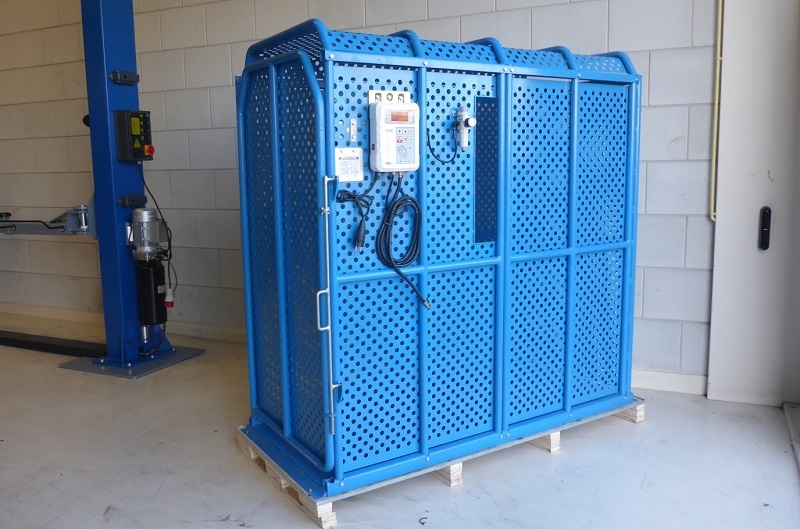
Illustrative image related to tire inflation cage


 Arabic
  English
  Russian
  Spanish
  Italian
  Portuguese
  German