
- اللغة الإنجليزية
- الروسية
- الإسبانية
- إيطالي
- اللغة العربية
- البرتغالية
- الألمانية
In the dynamic landscape of global trade, sourcing the right hand-held pump can be a pivotal challenge for B2B buyers, particularly those operating in diverse markets across Africa, South America, the Middle East, and Europe. With a multitude of options available—from manual water pumps to battery-operated liquid transfer pumps—understanding the specific needs of your application is crucial. This guide serves as a comprehensive resource, covering various types of hand-held pumps, their applications, and essential factors to consider when selecting a supplier.
In an era where informed purchasing decisions can significantly impact operational efficiency and cost management, this guide empowers international buyers by detailing the critical aspects of supplier vetting, cost analysis, and performance metrics. Whether you are in Brazil, Vietnam, or any other market, our insights will help you navigate the complexities of sourcing hand-held pumps that meet your unique requirements. By providing actionable information and expert recommendations, we aim to facilitate smoother procurement processes and ultimately enhance your business’s operational capabilities.
With a clear understanding of the global market for hand-held pumps, you can make strategic decisions that align with your business goals, ensuring you select the right products for your needs.
| اسم النوع | السمات المميزة الرئيسية | تطبيقات B2B الأولية | موجز الإيجابيات والسلبيات للمشترين |
|---|---|---|---|
| Manual Hand Pumps | Operated by hand; simple design; no electricity required | Agriculture, irrigation, emergency water supply | الإيجابيات: Cost-effective, portable. السلبيات: Labor-intensive, slower operation. |
| Battery-Powered Transfer Pumps | Powered by batteries; faster fluid transfer; versatile use | Automotive, construction, industrial maintenance | الإيجابيات: Efficient, less physical effort. السلبيات: Battery dependency, potential for higher cost. |
| Hand-Held Vacuum Pumps | Creates a vacuum; compact design; used in laboratory settings | Scientific research, educational purposes | الإيجابيات: Precise vacuum control, lightweight. السلبيات: Limited to specific applications, may require maintenance. |
| Air Pumps | Used for inflating; manual or electric options available | Sports, automotive, recreational activities | الإيجابيات: Versatile, quick inflation. السلبيات: Limited to air; some models may be bulky. |
| Irrigation Hand Pumps | Specifically designed for water extraction from wells | Agriculture, landscaping, rural water supply | الإيجابيات: Durable, efficient for water sourcing. السلبيات: Requires installation, may need regular maintenance. |
Manual hand pumps are characterized by their simple design and operation, relying solely on human effort. They are commonly used in agricultural settings for irrigation or emergency water supply situations. While they are cost-effective and portable, their labor-intensive nature and slower operation may deter some buyers, particularly in regions where labor costs are high.
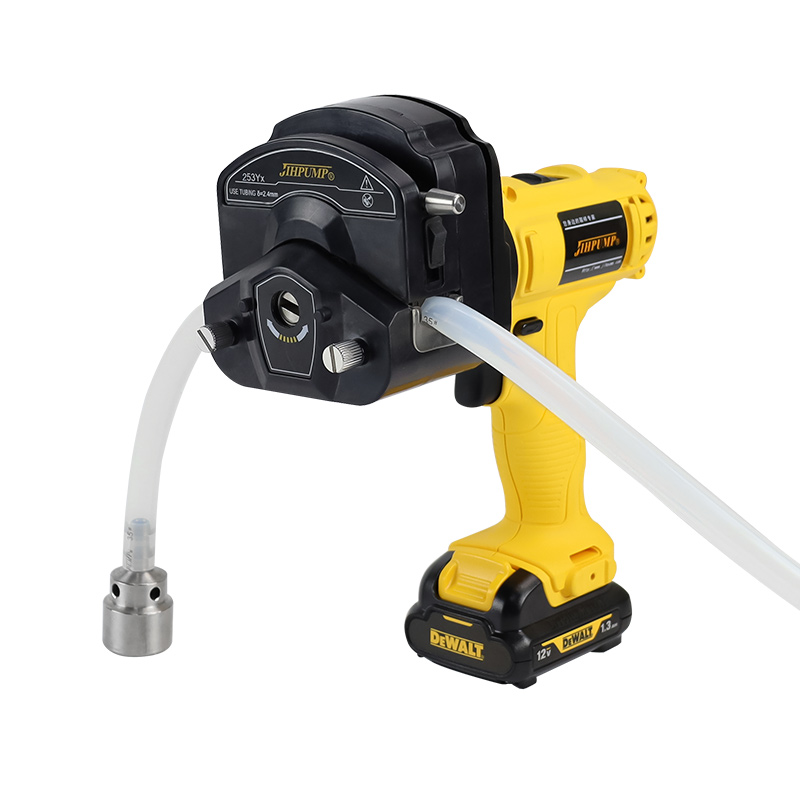
Battery-powered transfer pumps stand out due to their ability to facilitate faster fluid transfer without the need for manual operation. These pumps find applications in automotive, construction, and industrial maintenance sectors where efficiency is crucial. While they reduce physical exertion, buyers must consider their dependency on batteries and potentially higher upfront costs compared to manual options.
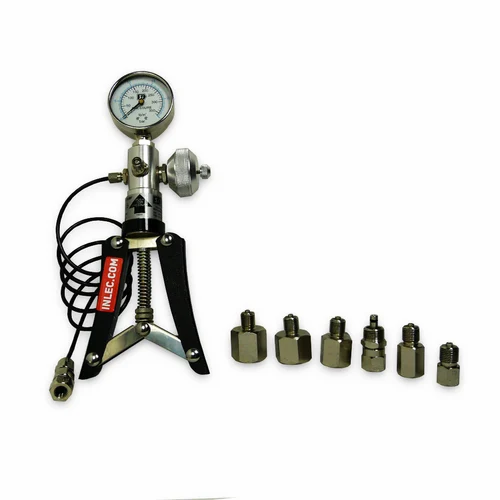
Hand-held vacuum pumps are compact and designed to create a vacuum, making them essential for laboratory and educational use. Their precise vacuum control allows for accurate experiments in scientific research. However, their specialized nature may limit their applications, and they may require regular maintenance to ensure optimal performance.
Air pumps are versatile tools used for inflating various items, such as sports equipment and tires. Available in both manual and electric versions, they are favored in recreational and automotive applications. Despite their utility, air pumps can be limited to air inflation, and some models may be cumbersome, which can impact portability.
Irrigation hand pumps are specifically designed for extracting water from wells, making them invaluable in agricultural and landscaping applications, particularly in rural areas. Their durability and efficiency in sourcing water are significant advantages. However, they typically require installation and ongoing maintenance, which can be a consideration for potential buyers in developing regions.
| الصناعة/القطاع | Specific Application of Hand Held Pump | القيمة/الفائدة للأعمال التجارية | اعتبارات التوريد الرئيسية لهذا التطبيق |
|---|---|---|---|
| الزراعة | Manual irrigation for small farms | Cost-effective water management, reduces dependency on electricity | Durability for outdoor use, compatibility with various water sources |
| الإنشاءات | Concrete and mortar mixing | Efficient material transfer, reduces labor costs | Portability, ease of use, and maintenance requirements |
| Chemical Processing | Transfer of non-corrosive liquids | Safe handling of hazardous materials, minimizes spills | Compliance with safety standards, material compatibility |
| خدمات السيارات | Fluid extraction and transfer | Streamlined maintenance processes, reduces downtime | Versatility for different fluids, ease of operation |
| Laboratory Research | Vacuum generation for experiments | Precise control over experimental conditions | Accuracy of measurements, reliability under repeated use |
In agriculture, hand held pumps are essential for manual irrigation, particularly in regions with limited access to electric pumps. These pumps facilitate the efficient distribution of water to crops, ensuring optimal growth while conserving resources. They are especially valuable for smallholder farmers in Africa and South America, where affordability and sustainability are critical. Buyers should consider the pump’s durability and compatibility with various water sources, ensuring it can withstand the rigors of outdoor use.
Illustrative image related to hand held pump
In the construction industry, hand held pumps are utilized for mixing and transferring concrete and mortar. This application streamlines the material transfer process, reducing labor costs and time spent on site. By allowing workers to easily move heavy materials, these pumps enhance overall productivity. Buyers in this sector should focus on the portability and ease of use of the pumps, as well as maintenance requirements to ensure long-term performance.
Hand held pumps are crucial in the chemical processing sector for the safe transfer of non-corrosive liquids. They minimize the risk of spills and ensure safe handling of hazardous materials, which is vital for compliance with safety regulations. Businesses should prioritize sourcing pumps that meet safety standards and are compatible with the specific chemicals they handle, as this will mitigate risks and enhance operational efficiency.
In automotive services, hand held pumps are employed for fluid extraction and transfer, such as oil changes or coolant replacement. This application improves maintenance processes by allowing technicians to work more efficiently and reduces downtime for vehicles. When sourcing pumps for this purpose, businesses should seek versatility for different types of fluids and ease of operation, ensuring that technicians can perform their tasks quickly and safely.
In laboratory settings, hand held pumps are used to generate vacuum conditions for various experiments. This precise control over experimental conditions is essential for accurate results. For international buyers, especially in Europe and the Middle East, it is important to consider the accuracy and reliability of these pumps, as well as their ability to withstand repeated use without performance degradation.
المشكلة B2B buyers in industries such as agriculture, construction, or manufacturing often require hand held pumps that can withstand harsh environmental conditions. These environments may include exposure to corrosive substances, extreme temperatures, or continuous use, leading to rapid wear and tear of equipment. Buyers face challenges in identifying pumps that not only meet their operational needs but also offer longevity and reliability, which can significantly impact productivity and operational costs.
Illustrative image related to hand held pump
الحل: To address this issue, buyers should prioritize sourcing hand held pumps made from high-quality, durable materials such as stainless steel or high-grade plastics designed for chemical resistance. It’s crucial to work with reputable suppliers who provide detailed product specifications, including material composition and performance ratings. Conducting thorough market research to compare different brands and models is essential. Additionally, seeking feedback from current users in similar industries can offer valuable insights into the pump’s real-world performance. Consider implementing a testing phase by purchasing a small batch to evaluate its suitability before committing to larger orders.
المشكلة Many businesses discover that their hand held pumps are not operating efficiently, resulting in increased labor costs and decreased productivity. For instance, if a pump requires excessive manual effort or is prone to clogging, employees may spend more time troubleshooting and maintaining the equipment rather than performing productive tasks. This inefficiency can lead to frustration and low morale among workers, further impacting overall business performance.
الحل: To combat this inefficiency, buyers should evaluate the ergonomics and design of the hand held pumps they are considering. Look for pumps that feature user-friendly designs, such as easy-grip handles and lightweight materials that minimize strain during operation. Additionally, it’s essential to choose pumps with clear maintenance guidelines and accessible parts for easy cleaning and repairs. Implementing a regular maintenance schedule can also help keep pumps in optimal condition. Finally, consider investing in training programs for employees to ensure they understand the proper use and care of the equipment, leading to improved operational efficiency.
المشكلة B2B buyers often encounter challenges with inadequate technical support and after-sales service when purchasing hand held pumps. This can lead to prolonged downtime if a pump malfunctions or if users have questions about installation and operation. Without access to knowledgeable support, businesses may struggle to resolve issues swiftly, resulting in lost productivity and revenue.
Illustrative image related to hand held pump
الحل: Buyers should prioritize vendors who offer comprehensive after-sales support, including technical assistance, warranty information, and easy access to replacement parts. Before finalizing a purchase, inquire about the supplier’s support services, response times, and availability of technical resources such as manuals or troubleshooting guides. Establishing a relationship with the supplier can also foster better communication and support. Additionally, consider joining industry forums or communities where users share experiences and solutions regarding specific pumps, as this can provide valuable peer support and insights that enhance the overall user experience.
When selecting materials for hand-held pumps, it is essential to consider the unique requirements of the target application, including performance characteristics and environmental factors. Below, we analyze four common materials used in the construction of hand-held pumps, focusing on their properties, advantages, disadvantages, and implications for international B2B buyers.
Plastic, particularly high-density polyethylene (HDPE) and polypropylene (PP), is frequently used in hand-held pumps due to its lightweight nature and resistance to corrosion. These materials typically exhibit good chemical resistance, making them suitable for transferring various liquids, including water and some chemicals, at moderate temperatures (up to around 80°C or 176°F).

Illustrative image related to hand held pump
الإيجابيات والسلبيات: The primary advantage of plastic is its low cost and ease of manufacturing, which allows for high-volume production. However, plastics may not withstand high-pressure applications and can degrade under UV exposure over time. This limits their suitability for outdoor applications without additional protective measures.
التأثير على التطبيق: For buyers in regions with high humidity or exposure to aggressive chemicals, such as parts of Africa and South America, selecting UV-stabilized or chemically resistant plastics is crucial. Compliance with local regulations regarding material safety can also affect sourcing decisions.
Metals, particularly stainless steel and aluminum, are commonly used in hand-held pumps due to their strength and durability. Stainless steel offers excellent corrosion resistance and can handle higher pressures and temperatures (up to 300°C or 572°F), making it suitable for a wide range of applications, including food and chemical processing.
الإيجابيات والسلبيات: The key advantage of metal pumps is their longevity and ability to handle demanding environments. However, they tend to be heavier and more expensive than plastic options, which may impact shipping costs and handling in regions with limited infrastructure, such as parts of the Middle East and Africa.
Illustrative image related to hand held pump
التأثير على التطبيق: Buyers should ensure that the selected metal complies with international standards, such as ASTM or DIN, especially when used for food or pharmaceutical applications. Local preferences for specific grades of stainless steel may also influence purchasing decisions.
Rubber is often used in seals and gaskets within hand-held pumps due to its excellent elasticity and ability to form tight seals. Common rubber materials include nitrile and silicone, which offer varying degrees of chemical resistance and temperature tolerance (typically up to 120°C or 248°F).
الإيجابيات والسلبيات: The primary advantage of rubber is its ability to create effective seals, preventing leaks and ensuring efficient operation. However, rubber can degrade over time when exposed to certain chemicals or extreme temperatures, necessitating regular maintenance and replacement.
التأثير على التطبيق: For international buyers, understanding the specific chemical compatibility of rubber materials is crucial, especially in industrial applications. Compliance with standards such as JIS for rubber products can also be a consideration for sourcing.
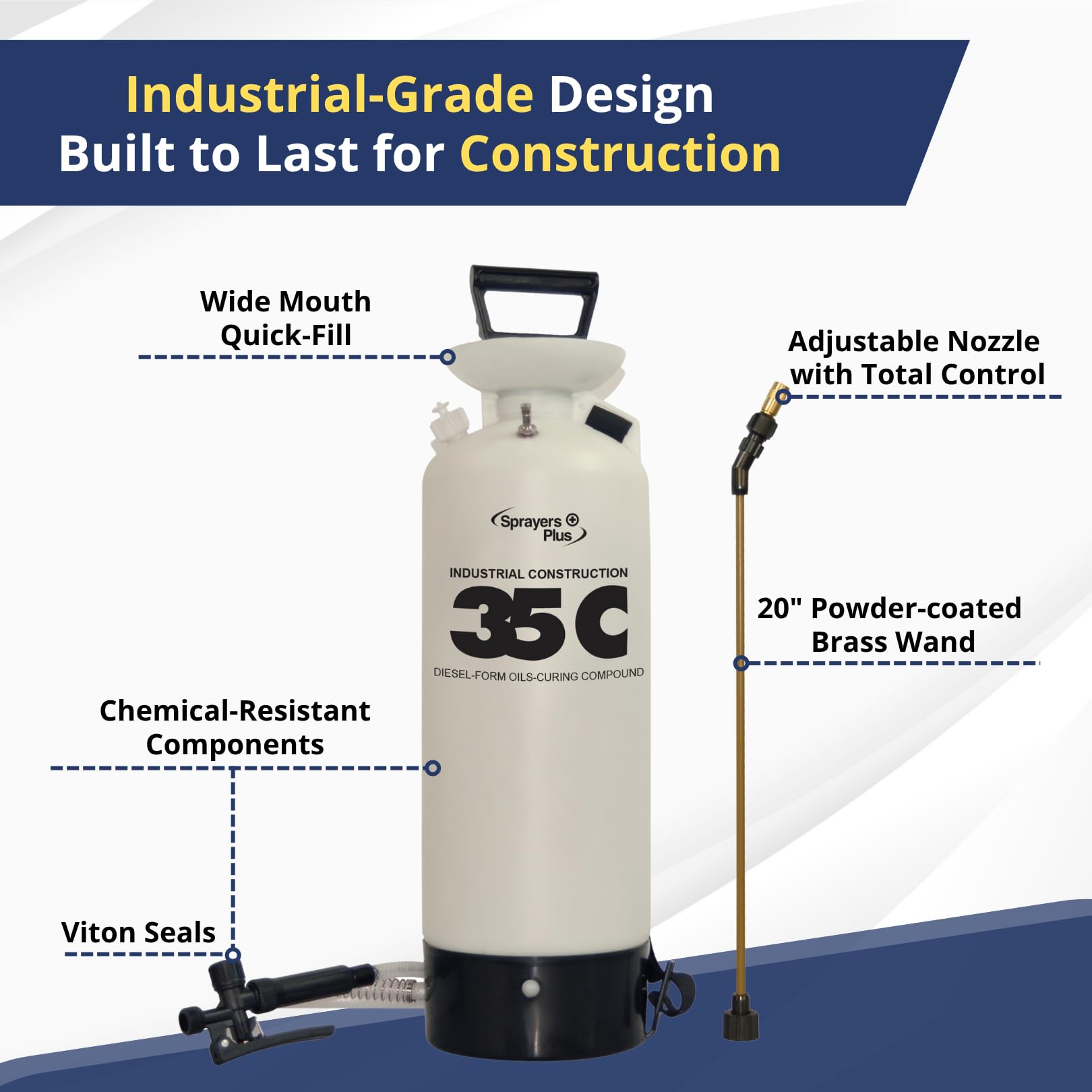
Composite materials, such as fiberglass-reinforced plastics, are gaining popularity for their strength-to-weight ratio and resistance to corrosion. These materials can withstand a wide range of temperatures and pressures, making them versatile for various applications.
Illustrative image related to hand held pump
الإيجابيات والسلبيات: The key advantage of composites is their lightweight nature combined with high strength, which reduces shipping costs and makes handling easier. However, they can be more expensive to manufacture and may require specialized processes for fabrication.
التأثير على التطبيق: Buyers from regions with stringent environmental regulations, such as Europe, may find composites appealing due to their durability and reduced environmental impact. Understanding local compliance standards for composite materials is essential for successful procurement.
| المواد | Typical Use Case for hand held pump | الميزة الرئيسية | العيب/التقييد الرئيسي | التكلفة النسبية (منخفضة/متوسطة/مرتفعة) |
|---|---|---|---|---|
| بلاستيك | Water transfer, light chemicals | خفيفة الوزن وفعالة من حيث التكلفة | Limited pressure resistance | منخفضة |
| Metal (Stainless) | Food processing, high-pressure fluids | متانة عالية ومقاومة عالية للتآكل | أثقل وزناً وأغلى ثمناً | عالية |
| المطاط | Seals and gaskets | خصائص منع تسرب ممتازة | Degradation under certain conditions | ميد |
| مركب | تطبيقات متعددة الاستخدامات | Strong yet lightweight | ارتفاع تكاليف التصنيع | ميد |
Selecting the appropriate material for hand-held pumps is critical for ensuring product performance, compliance, and cost-effectiveness. By understanding the properties and implications of each material, international B2B buyers can make informed decisions that align with their specific applications and regional requirements.
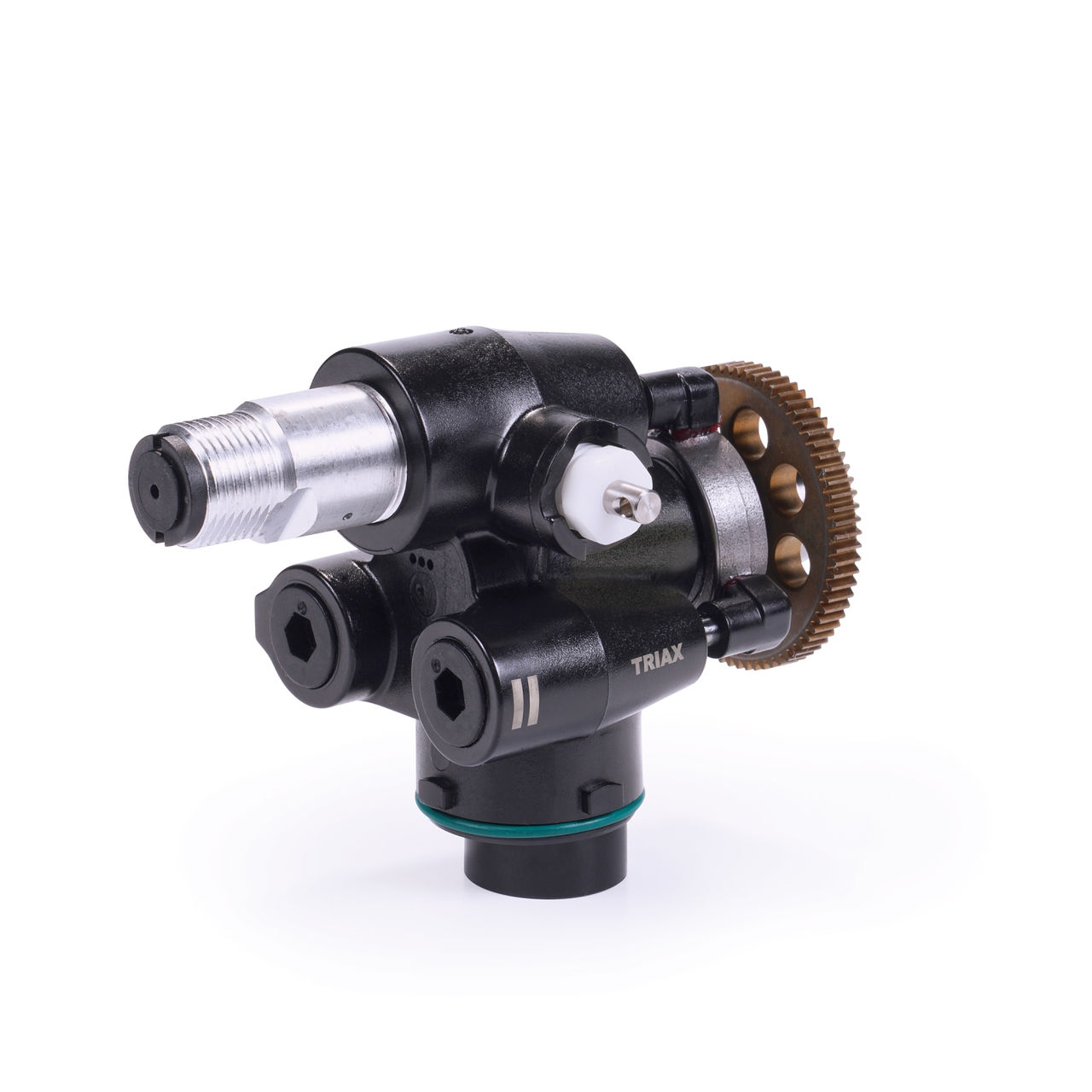
The manufacturing process of hand held pumps involves several critical stages to ensure the final product meets quality and performance standards. These stages typically include material preparation, forming, assembly, and finishing.
Illustrative image related to hand held pump
The first step in manufacturing hand held pumps is the careful selection and preparation of materials. Common materials include high-grade plastics, metals (like aluminum and stainless steel), and rubber for seals. B2B buyers should ensure that suppliers source materials from reputable providers to guarantee durability and performance. Pre-processing may involve cutting, molding, or machining raw materials into specific dimensions suitable for the pump’s design.
Once materials are prepared, the next step is forming. This can involve various techniques such as injection molding for plastic components, die casting for metal parts, and machining for precision components. The choice of forming technique impacts both the cost and the quality of the finished product. For example, injection molding offers high efficiency for mass production, while machining provides precision for low-volume, high-tolerance components. Buyers should inquire about the forming methods used by suppliers to understand their impact on cost and quality.
After forming, the next stage is assembly, where the components are put together to create the final product. This may involve manual assembly or automated processes, depending on the scale of production. For hand held pumps, critical assembly points include ensuring proper sealing and fitting of components to prevent leaks and ensure optimal functionality. Suppliers should demonstrate expertise in assembly techniques, as this stage significantly influences product reliability.
The final stage in the manufacturing process is finishing, which includes surface treatments and quality enhancements. This may involve painting, coating, or polishing to improve aesthetics and durability. Buyers should look for suppliers who employ advanced finishing techniques to enhance corrosion resistance and overall product lifespan. Additionally, thorough inspections during this stage can prevent defects from reaching the market.
Quality assurance (QA) is a vital part of the manufacturing process, particularly for hand held pumps, which must adhere to international and industry-specific standards.
B2B buyers should be aware of relevant international standards such as ISO 9001, which outlines requirements for a quality management system. Compliance with this standard indicates that the manufacturer has established processes to ensure quality in every aspect of production. Additionally, industry-specific certifications such as CE marking for European markets and API standards for pumps used in oil and gas are crucial. Buyers should request documentation proving compliance with these standards to ensure reliability.
Quality control (QC) involves several checkpoints throughout the manufacturing process, typically categorized as Incoming Quality Control (IQC), In-Process Quality Control (IPQC), and Final Quality Control (FQC).
Buyers should confirm that their suppliers maintain strict QC protocols at each of these checkpoints to minimize the risk of defects.
Testing methods are essential in verifying the performance and safety of hand held pumps. Common tests include pressure testing, leak testing, and functional testing. Pressure testing assesses the pump’s ability to withstand operational pressures, while leak testing identifies any potential leaks in seals and fittings. Functional testing ensures that the pump operates as intended under various conditions. Buyers should request detailed reports on testing results to gauge product quality.
To ensure that suppliers adhere to rigorous quality control practices, B2B buyers can employ several strategies:
Conducting supplier audits is a proactive measure that allows buyers to assess a manufacturer’s quality control processes firsthand. During an audit, buyers can review documentation, inspect production facilities, and engage with quality assurance personnel. This firsthand insight can help identify potential risks and confirm compliance with industry standards.
Requesting quality control reports and certifications is another effective strategy for verifying supplier reliability. These documents should detail the results of quality checks and compliance with international standards. Buyers should also look for third-party inspections, as they provide an unbiased evaluation of the manufacturer’s quality practices.
For international buyers, particularly from regions like Africa, South America, the Middle East, and Europe, understanding local regulations and certification requirements is crucial. Different markets may have specific regulations that impact the importation and use of hand held pumps. It’s essential for buyers to familiarize themselves with these regulations to avoid compliance issues.
Additionally, buyers should consider the implications of tariffs and trade agreements, which can affect the cost and availability of products. Collaborating with local representatives or consultants can provide valuable insights into navigating these complexities.
In summary, the manufacturing processes and quality assurance practices surrounding hand held pumps are multifaceted and critical for ensuring product reliability. By understanding the key stages of manufacturing, the importance of quality control, and the specific certifications required in different markets, B2B buyers can make informed decisions when selecting suppliers. This knowledge not only helps in securing high-quality products but also strengthens partnerships across international markets.
In the competitive landscape of B2B procurement, sourcing a hand-held pump requires careful consideration and strategic planning. This guide aims to streamline the process, ensuring buyers make informed decisions that align with their operational needs and budget constraints.
Before engaging with suppliers, it’s essential to have a clear understanding of your technical requirements. Identify the type of pump needed—whether manual, battery-operated, or pneumatic—and the specific applications it will serve. This clarity helps in communicating your needs effectively to suppliers and ensures compatibility with existing systems.
Understanding the current market trends and pricing for hand-held pumps is crucial. Conduct market research to gather data on the average costs, leading brands, and innovative features that may be available. This knowledge not only aids in budget planning but also empowers you to negotiate better terms with suppliers.
Before committing, it’s crucial to vet suppliers thoroughly. Request company profiles, case studies, and references from buyers in a similar industry or region. Look for suppliers who have demonstrated experience in your specific market, as they are more likely to understand your unique challenges and requirements.
Once you have shortlisted potential suppliers, request samples or product demonstrations. This allows you to evaluate the quality, functionality, and ease of use of the hand-held pumps. Observing the product in action can also provide insights into maintenance needs and operational efficiency.
Assess the logistics involved in procuring hand-held pumps, including shipping times, import duties, and potential delays. Understanding these factors can help mitigate risks associated with supply chain disruptions, especially when sourcing from international suppliers.
Engage in negotiations to secure favorable terms, including pricing, payment options, and after-sales support. Ensure that all agreements are documented in a formal contract to avoid misunderstandings later. Pay attention to warranty terms and service agreements, as these can significantly impact the total cost of ownership.
Finally, consider the support and maintenance services offered by the supplier. A reliable supplier should provide comprehensive after-sales support, including troubleshooting, spare parts availability, and maintenance guidance. Establishing a good relationship with your supplier can lead to better service and support in the long run.
By following this structured approach, B2B buyers can effectively navigate the procurement process for hand-held pumps, ensuring that they select the right product that meets their operational needs and budget constraints.
When sourcing hand-held pumps for B2B applications, understanding the comprehensive cost structure and pricing dynamics is essential for international buyers. This analysis covers key cost components, price influencers, and buyer tips, particularly tailored for stakeholders in regions such as Africa, South America, the Middle East, and Europe.
Illustrative image related to hand held pump
The cost structure of hand-held pumps includes several critical components:
المواد: The choice of materials significantly influences the overall cost. High-quality, durable materials can increase initial costs but may lead to lower long-term maintenance expenses. Common materials include plastics, metals, and composites, each with varying price points.
العمالة: Labor costs can vary widely depending on the region of manufacturing. For instance, labor in Southeast Asia might be lower than in Europe or North America, impacting the overall pricing structure.
نفقات التصنيع الزائدة: This encompasses utilities, rent, and equipment depreciation. Factories with advanced technology may have higher overheads but can produce pumps more efficiently.
الأدوات: Custom tooling for specialized designs can lead to significant upfront costs. However, these costs can be amortized over larger production runs, making them more manageable for high-volume orders.
مراقبة الجودة (QC): Implementing rigorous QC processes ensures product reliability but adds to labor and operational costs. Certifications such as ISO can also increase initial costs but enhance marketability.
الخدمات اللوجستية: Shipping and handling costs vary by destination and volume. Understanding freight options and potential tariffs is crucial for accurate cost assessment.
الهامش: Suppliers typically apply a markup to cover their costs and ensure profitability. This margin can be influenced by market demand and competition.
Several factors can affect the pricing of hand-held pumps:
الحجم/معدل العرض/الطلب: Larger orders typically lead to lower per-unit costs due to economies of scale. Negotiating minimum order quantities (MOQ) can yield significant savings.
المواصفات/التخصيص: Custom-designed pumps or those with specific features often come at a premium. Buyers should assess whether customization is necessary for their applications.
Materials Quality/Certifications: Premium materials and certifications often justify higher prices. Ensure that the selected supplier provides adequate documentation to support claims of quality.
عوامل الموردين: The reputation and reliability of the supplier can affect pricing. Established suppliers with a track record may charge more but offer better service and quality assurance.
المصطلحات التجارية الدولية: Understanding shipping terms (e.g., FOB, CIF) is vital for calculating total landed costs. These terms dictate who bears the cost and risk at various stages of shipping.
التفاوض بفعالية: Leverage your purchasing power, especially if placing large orders. Suppliers may offer discounts for bulk purchases or long-term contracts.
تقييم التكلفة الإجمالية للملكية (TCO): Consider not just the purchase price but also operational costs, maintenance, and potential downtime. A lower-priced pump might incur higher operational costs over time.
فهم الفروق الدقيقة في التسعير للمشترين الدوليين: For buyers in regions like Africa and South America, currency fluctuations and local economic conditions can impact pricing. Building relationships with suppliers can lead to better terms and pricing stability.
Research Multiple Suppliers: Collect quotes from various suppliers to compare pricing and terms. This competitive analysis can empower negotiations and help identify the best value.
Stay Informed About Market Trends: Changes in material costs, labor rates, and global supply chain dynamics can affect pricing. Regularly review market conditions to make informed sourcing decisions.
The prices mentioned in various references are indicative and may vary based on market conditions, supplier negotiations, and specific requirements. Always request formal quotes to ensure accuracy.
In the world of fluid transfer, selecting the right pump solution is crucial for operational efficiency and cost-effectiveness. While hand held pumps are versatile tools widely used across various industries, it is essential to consider alternative technologies that may offer enhanced performance or suitability for specific applications. This analysis compares hand held pumps with battery-operated liquid transfer pumps and electric diaphragm pumps, providing insights to help B2B buyers make informed decisions.
| جانب المقارنة | Hand Held Pump | Battery-Operated Liquid Transfer Pump | Electric Diaphragm Pump |
|---|---|---|---|
| الأداء | Moderate flow rate, manual operation | High flow rate, quick transfer | Consistent flow, adjustable pressure |
| التكلفة | Low to moderate | Low to moderate | Higher initial investment |
| سهولة التنفيذ | Simple setup, requires manual effort | Easy to operate, requires battery | More complex installation, needs electricity |
| الصيانة | Low, occasional cleaning | Moderate, battery replacement needed | Regular maintenance required |
| أفضل حالة استخدام | Small-scale applications, DIY | Medium to large volume transfers | Industrial applications, precise fluid control |
Battery-operated liquid transfer pumps are designed for efficient fluid transfer and are ideal for medium to large volume needs. They offer a higher flow rate compared to hand held pumps, enabling quicker transfer of liquids such as gasoline or oil. However, they require batteries, which can add to operational costs over time. Their ease of use and mobility make them suitable for various applications, from automotive to agriculture, but they may not be as effective in environments where electricity is readily available.
Electric diaphragm pumps provide a consistent flow and adjustable pressure, making them suitable for industrial applications requiring precise control over fluid transfer. While they are more expensive and require a power source, they excel in environments where high reliability and efficiency are paramount. However, they also necessitate regular maintenance, which can increase overall operational costs. For B2B buyers focused on long-term investments, electric diaphragm pumps can be a valuable solution for heavy-duty applications.
When evaluating pump solutions, B2B buyers should consider their specific operational requirements, including the volume of fluid to be transferred, the environment in which the pump will operate, and budget constraints. Hand held pumps offer affordability and ease of use for smaller tasks, while battery-operated pumps provide enhanced efficiency for larger transfers. Electric diaphragm pumps, though more costly, deliver precision and reliability for industrial needs. Ultimately, the choice will depend on the unique needs of the business and the specific applications involved. By carefully analyzing these factors, buyers can select the most appropriate pump solution to optimize their fluid transfer processes.

Illustrative image related to hand held pump
Understanding the essential technical properties and terminology associated with hand-held pumps is crucial for B2B buyers, especially in diverse markets across Africa, South America, the Middle East, and Europe. This knowledge enables informed purchasing decisions that align with operational needs and regulatory requirements.
درجة المادة
Hand-held pumps are typically constructed from materials such as stainless steel, plastic, or aluminum. The material grade influences the pump’s durability, corrosion resistance, and overall performance. For instance, stainless steel is preferred for applications involving aggressive fluids, while plastic may be suitable for less demanding environments. Understanding material specifications helps buyers choose pumps that meet their specific environmental and operational conditions.
معدل التدفق
The flow rate, usually measured in liters per minute (L/min), indicates how much fluid the pump can move within a given time frame. This specification is critical for ensuring that the pump can meet the demands of the intended application, whether it’s transferring water, oil, or other liquids. Buyers should assess flow rate in conjunction with their operational requirements to avoid underperformance.
Vacuum Pressure
For vacuum pumps, the maximum vacuum pressure is a vital property, often expressed in inches of mercury (inHg) or kilopascals (kPa). This specification determines the pump’s effectiveness in applications requiring the removal of air or gas. Understanding the vacuum pressure capabilities allows B2B buyers to select pumps suitable for laboratory, industrial, or agricultural uses.
Stroke Volume
Stroke volume refers to the amount of fluid displaced with each stroke of the pump’s handle. This property impacts the efficiency and speed of fluid transfer. For B2B buyers, evaluating stroke volume alongside flow rate can provide insights into how quickly tasks can be completed, which is especially important in high-demand environments.
Operating Temperature Range
The operating temperature range indicates the conditions under which the pump can function effectively. Buyers must ensure that the selected pump can withstand the temperatures of the fluids being handled, particularly in regions with extreme climates. This property is crucial for maintaining pump integrity and longevity.
Weight and Portability
The weight of the hand-held pump affects its portability and ease of use. Lightweight models are often preferred for fieldwork, while heavier units may offer more robust performance. B2B buyers should consider the intended use case and mobility needs when evaluating pump options.
OEM (الشركة المصنعة للمعدات الأصلية)
OEM refers to companies that produce parts or equipment that may be marketed by another manufacturer. For B2B buyers, understanding OEM specifications ensures compatibility and quality assurance for replacement parts and pumps.
موك (الحد الأدنى لكمية الطلب)
MOQ is the smallest quantity of a product that a supplier is willing to sell. This term is crucial for buyers to understand as it impacts budget planning and inventory management. Negotiating MOQs can lead to cost savings, especially for bulk purchases.
طلب عرض الأسعار (RFQ)
An RFQ is a document sent to suppliers to request pricing and other details for specific products. For B2B buyers, issuing an RFQ can streamline the procurement process, enabling better comparisons between suppliers and ensuring competitive pricing.
إنكوترمز (الشروط التجارية الدولية)
Incoterms define the responsibilities of buyers and sellers in international transactions, covering aspects such as shipping, insurance, and tariffs. Familiarity with Incoterms helps buyers navigate the complexities of international shipping and avoid unexpected costs.
المهلة الزمنية
Lead time refers to the time taken from placing an order to receiving the product. Understanding lead times is essential for effective supply chain management, allowing buyers to plan operations and inventory accordingly.
شروط الضمان والدعم
Warranty terms outline the duration and conditions under which a product is covered against defects. For B2B buyers, clear warranty and support terms are vital for ensuring long-term satisfaction and minimizing downtime associated with equipment failure.
By familiarizing themselves with these technical properties and trade terms, B2B buyers can make informed decisions that enhance operational efficiency and ensure compliance with industry standards.
The global market for hand held pumps is currently experiencing significant growth, driven by several factors. One of the primary drivers is the increasing demand for portable and efficient pumping solutions across various sectors, including agriculture, healthcare, and industrial applications. In regions such as Africa and South America, where infrastructure development is ongoing, the need for reliable water management systems has propelled the demand for manual and battery-operated pumps. Furthermore, the rising awareness of water conservation and resource management is steering buyers towards efficient hand held pumps that minimize waste.
Emerging technologies are also reshaping sourcing trends in the hand pump sector. The integration of IoT (Internet of Things) in pump systems allows for real-time monitoring and operational efficiency, appealing to B2B buyers looking to optimize their processes. Additionally, the shift towards e-commerce platforms for procurement is gaining momentum, enabling international buyers to access a wider range of products and manufacturers, particularly from Europe and Asia.
Market dynamics are further influenced by fluctuating raw material prices and supply chain disruptions, which necessitate a proactive approach to sourcing. Buyers are encouraged to establish relationships with multiple suppliers to mitigate risks and ensure continuity in supply, especially in volatile markets.
Sustainability is becoming a critical consideration in the sourcing of hand held pumps, as environmental impact and ethical supply chains gain prominence. B2B buyers are increasingly prioritizing products made from eco-friendly materials and those that adhere to sustainability certifications. This trend is not only driven by regulatory requirements but also by consumer demand for environmentally responsible products.
The hand pump sector has seen innovations in materials, with manufacturers developing pumps that utilize recycled plastics and biodegradable components. Buyers should seek suppliers that can provide certifications or verifiable claims of sustainability, such as ISO 14001 for environmental management or certifications from recognized eco-labeling organizations.
Moreover, ethical sourcing practices are gaining traction, particularly in regions where labor conditions and environmental impacts are under scrutiny. Establishing partnerships with suppliers who demonstrate transparency in their supply chains and commitment to fair labor practices can enhance brand reputation and foster customer loyalty.
The evolution of hand held pumps can be traced back to their early manual designs, which were primarily used for basic water extraction. As technology advanced, the introduction of mechanical and battery-operated pumps revolutionized the sector, providing enhanced efficiency and usability. The diversification of applications—from agriculture to healthcare—has expanded the market significantly.
In recent years, the focus has shifted towards smarter, more efficient designs that cater to specific industry needs. Innovations such as ergonomic designs and improved materials have made hand pumps more user-friendly and durable, catering to a global market that values both functionality and sustainability. Today, buyers can choose from a wide range of products that not only meet their operational needs but also align with their sustainability goals.
Illustrative image related to hand held pump
How do I choose the right hand-held pump for my business needs?
Selecting the right hand-held pump involves assessing the specific applications and requirements of your business. Consider factors such as the type of fluid being transferred (water, oil, chemicals), the required flow rate, and the pump’s compatibility with your existing equipment. Additionally, evaluate the pump’s construction materials to ensure durability and resistance to corrosion, especially for industries in harsh environments. It’s also beneficial to consult with suppliers about customization options that can meet your unique operational demands.
What is the best hand-held pump for transferring liquids in remote areas?
For transferring liquids in remote areas, a manual or battery-operated hand-held pump is often the most effective choice. These pumps are portable, do not require a power source, and can handle various liquids, including water, oil, and diesel. When selecting, look for models with a high flow rate and durability to withstand outdoor conditions. Additionally, consider ease of use and maintenance, as simplicity can significantly enhance operational efficiency in remote locations.
What are the typical minimum order quantities (MOQ) for hand-held pumps?
Minimum order quantities (MOQ) for hand-held pumps can vary widely based on the supplier and the specific product. Generally, MOQs can range from as low as 10 units to several hundred, depending on the manufacturer and customization options. To negotiate favorable terms, engage in discussions with potential suppliers about your purchasing volume and long-term needs, as many are willing to accommodate smaller orders for new clients or bulk purchases for ongoing relationships.
How can I ensure the quality of the hand-held pumps I purchase?
To ensure quality, request certifications and compliance documentation from suppliers, such as ISO or CE certifications. Conduct thorough supplier vetting by checking references, reading reviews, and considering their reputation in the industry. Additionally, consider ordering samples before making a bulk purchase to assess the product’s performance firsthand. Establishing a quality assurance process, including inspection upon delivery, will further safeguard against defects and ensure that the pumps meet your operational standards.
What payment terms are commonly offered by suppliers of hand-held pumps?
Payment terms can vary significantly among suppliers, but typical arrangements include options such as net 30, net 60, or payment in advance. Some suppliers may offer discounts for early payment or extended payment plans for larger orders. It is essential to discuss and negotiate these terms upfront, ensuring they align with your cash flow management. Additionally, consider utilizing secure payment methods like letters of credit or escrow services, especially when dealing with international transactions, to protect your investment.
How do I manage logistics and shipping for international purchases of hand-held pumps?
Managing logistics for international purchases requires careful planning. Start by selecting a reliable freight forwarder who specializes in handling equipment shipments. Discuss shipping options, including air freight for faster delivery or sea freight for cost efficiency. Ensure that all customs documentation is in order to avoid delays at borders. Additionally, consider the supplier’s shipping terms—Incoterms such as FOB (Free on Board) or CIF (Cost, Insurance, and Freight) can significantly impact your overall costs and responsibilities.
Can hand-held pumps be customized to fit specific business applications?
Yes, many manufacturers offer customization options for hand-held pumps to meet specific business needs. Customizations can include alterations in size, materials, flow rates, and additional features such as safety mechanisms or specialized fittings. When considering customization, clearly communicate your requirements to the supplier and inquire about the feasibility and associated costs. This ensures that the final product aligns perfectly with your operational demands and enhances efficiency.
What should I consider regarding after-sales support for hand-held pumps?
After-sales support is crucial for maintaining the performance and longevity of your hand-held pumps. When sourcing, inquire about the supplier’s warranty policies, parts availability, and customer service responsiveness. A good supplier will offer comprehensive support, including maintenance guidance and troubleshooting assistance. Additionally, consider whether the supplier provides training for your staff on proper usage and maintenance, as this can significantly reduce downtime and enhance overall efficiency in your operations.
المجال: rrproducts.com
مسجل: 1997 (28 سنة)
مقدمة: This company, R&R Products – Irrigation Hand Pumps, is a notable entity in the market. For specific product details, it is recommended to visit their website directly.
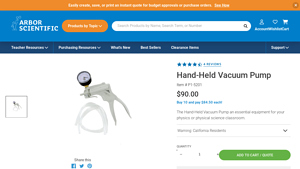
المجال: arborsci.com
مسجل: 1996 (29 سنة)
مقدمة: Hand-Held Vacuum Pump – Item # P1-5201 – Regular price: $90.00 – Discounted price for bulk purchase (10 or more): $84.50 each – Displacement: 1 cubic inch (16cc) per stroke – Maximum vacuum: up to 25 in Hg (85kPa) – Intended for educational/laboratory use only, not for children 12 and under – Warning: California Residents – WARNING: Cancer & Reproductive Harm — www.P65Warnings.ca.gov
In conclusion, the strategic sourcing of hand-held pumps presents a valuable opportunity for international B2B buyers across diverse markets, including Africa, South America, the Middle East, and Europe. The need for efficient and reliable pumping solutions is paramount, particularly in sectors such as agriculture, construction, and emergency services. By prioritizing quality, cost-effectiveness, and supplier reliability, businesses can ensure they meet their operational demands while optimizing their procurement processes.
Buyers should consider the various types of hand-held pumps available, from manual to battery-operated options, and assess their specific applications to maximize efficiency. Engaging with reputable manufacturers and suppliers not only guarantees product quality but also fosters long-term partnerships that can lead to better pricing and improved service.
As we move forward, the global market for hand-held pumps is expected to expand, driven by technological advancements and increasing demand across multiple sectors. Now is the time for B2B buyers to capitalize on these trends. By investing in strategic sourcing initiatives, businesses can enhance their competitive edge and ensure they are well-prepared for future challenges. Take action today to secure the best pumping solutions for your operational needs.
المعلومات الواردة في هذا الدليل، بما في ذلك المحتوى المتعلق بالمصنعين والمواصفات الفنية وتحليل السوق، هي لأغراض إعلامية وتعليمية فقط. وهي لا تشكل مشورة مهنية في مجال المشتريات أو مشورة مالية أو مشورة قانونية.
على الرغم من أننا بذلنا كل جهد ممكن لضمان دقة المعلومات ودقة توقيتها، إلا أننا لسنا مسؤولين عن أي أخطاء أو سهو أو معلومات قديمة. تخضع ظروف السوق وتفاصيل الشركة والمعايير الفنية للتغيير.
يجب على المشترين بين الشركات إجراء العناية الواجبة المستقلة والشاملة الخاصة بهم قبل اتخاذ أي قرارات شراء. ويشمل ذلك الاتصال بالموردين مباشرة، والتحقق من الشهادات، وطلب عينات، وطلب الاستشارات المهنية. يتحمل القارئ وحده مخاطر الاعتماد على أي معلومات واردة في هذا الدليل.


 Arabic
  English
  Russian
  Spanish
  Italian
  Portuguese
  German