
- اللغة الإنجليزية
- الروسية
- الإسبانية
- إيطالي
- اللغة العربية
- البرتغالية
- الألمانية
In the fast-paced world of automotive maintenance, sourcing reliable small car air compressors can be a significant challenge for B2B buyers. With the increasing demand for portable and efficient inflation solutions, particularly in emerging markets across Africa, South America, the Middle East, and Europe, businesses must navigate a complex landscape of options to ensure they select the right products for their needs. This comprehensive guide delves into the various types of small car air compressors available in the market, their diverse applications—from inflating tires to powering small tools—and the critical factors to consider when evaluating suppliers.
Our aim is to empower international buyers with the knowledge needed to make informed purchasing decisions. By examining key elements such as pricing structures, supplier vetting processes, and product specifications, this guide equips businesses with actionable insights to enhance their procurement strategies. Whether you are operating in bustling urban centers in Nigeria or the competitive automotive sectors in Germany, understanding the nuances of the small car air compressor market will enable you to secure high-quality products that meet your operational requirements. Ultimately, this guide serves as your roadmap to successfully navigating the global market, ensuring your business remains competitive and responsive to customer demands.
| اسم النوع | السمات المميزة الرئيسية | تطبيقات B2B الأولية | موجز الإيجابيات والسلبيات للمشترين |
|---|---|---|---|
| Portable 12V Air Compressors | Compact design, plugs into car’s 12V outlet, lightweight | Automotive maintenance, roadside assistance | الإيجابيات: سهلة الاستخدام ومتعددة الاستخدامات; السلبيات: Limited power for heavy-duty tasks. |
| Cordless Battery-Powered Inflators | Rechargeable batteries, no cords, portable | On-the-go repairs, outdoor activities | الإيجابيات: High mobility, convenient; السلبيات: Battery life may limit usage. |
| Heavy-Duty Air Compressors | Higher PSI capabilities, often larger and more robust | Commercial vehicles, workshops | الإيجابيات: Suitable for heavy-duty applications; السلبيات: Bulkier, may require more storage space. |
| Mini Air Pumps | Designed for inflating small items like sports balls, toys | Sports equipment, recreational vehicles | الإيجابيات: Extremely portable, low cost; السلبيات: Not suitable for car tires. |
| Multi-Purpose Inflators | Comes with various attachments for different inflatables | General use, emergency kits | الإيجابيات: Versatile, useful for multiple applications; السلبيات: May lack power for larger inflatables. |
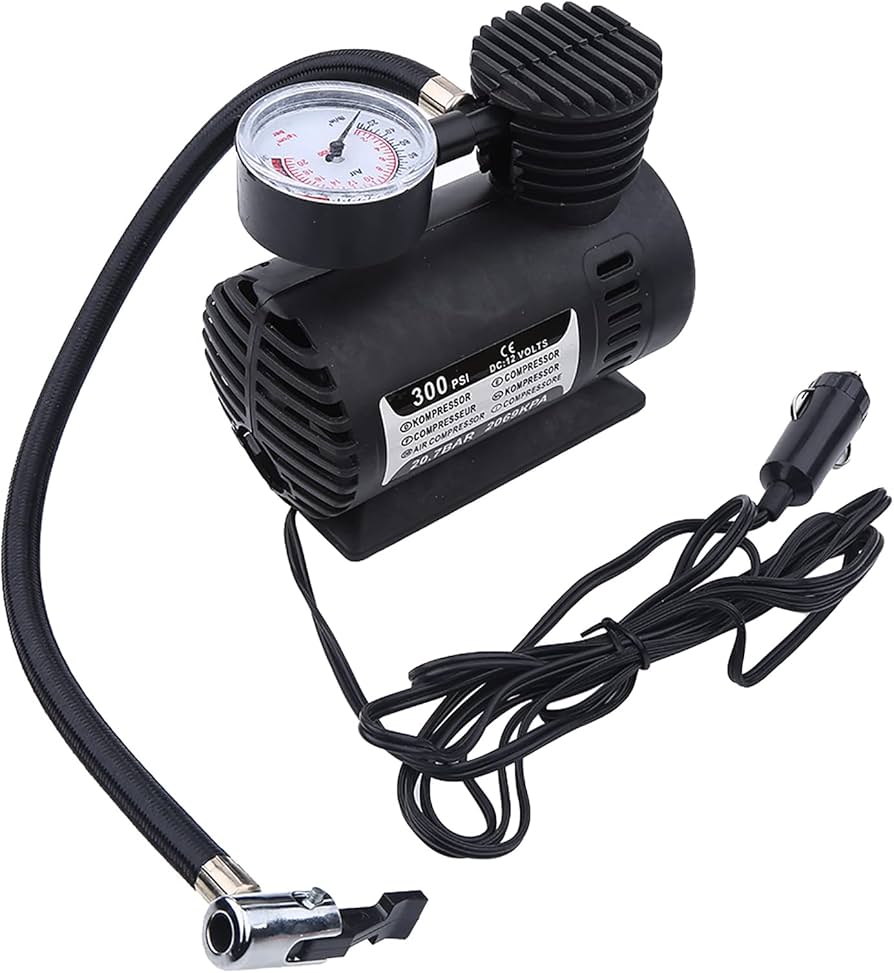
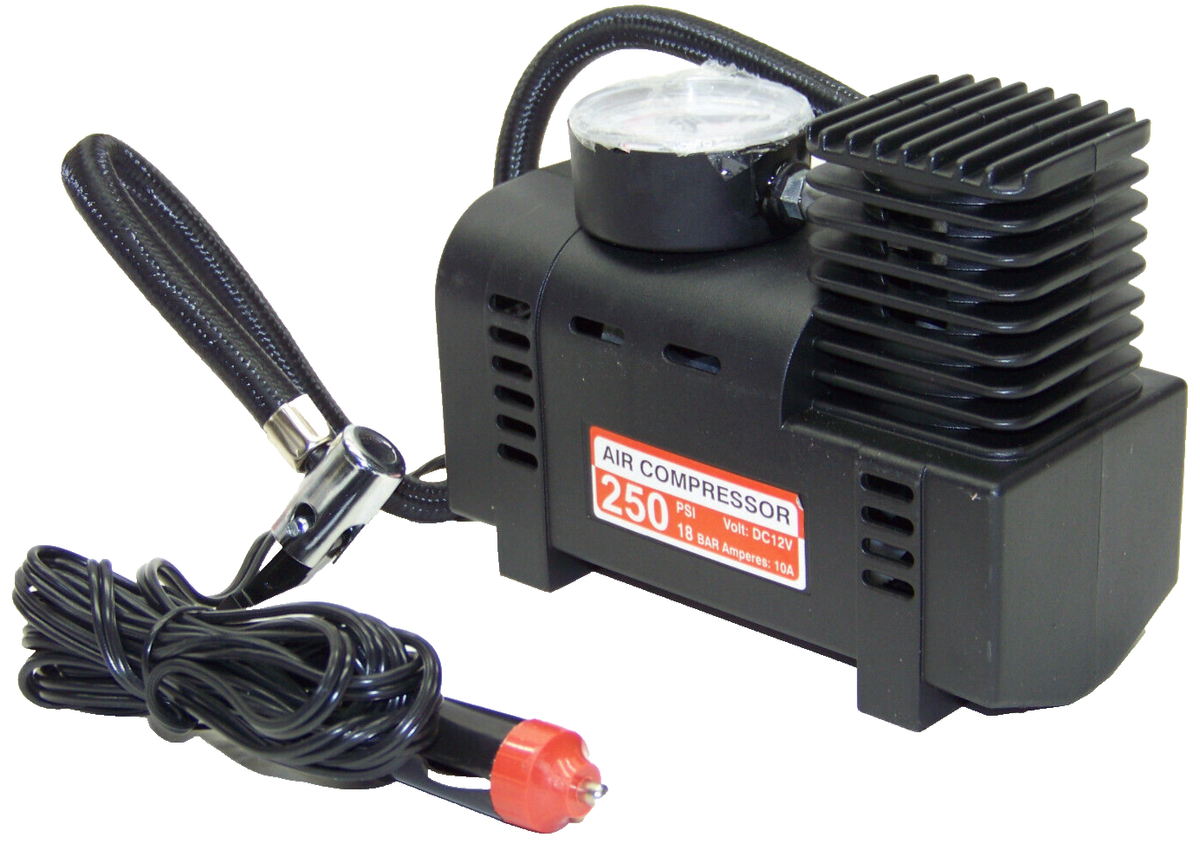
Portable 12V air compressors are designed for convenience, easily connecting to a vehicle’s 12V power outlet. Their lightweight and compact nature makes them ideal for automotive maintenance and roadside assistance. B2B buyers should consider their ease of use, as these compressors can quickly inflate tires and other inflatables. However, they may have limited power and efficiency for heavy-duty tasks, making them more suitable for light to moderate applications.
Cordless battery-powered inflators offer exceptional mobility, allowing users to perform inflations without the need for power outlets or cords. They are particularly beneficial for on-the-go repairs and outdoor activities, appealing to B2B buyers in sectors like automotive and recreation. When purchasing, consider the battery life and the time required for charging, as these factors can influence operational efficiency. While they provide convenience, their dependency on battery power may limit usage duration.
Heavy-duty air compressors are designed for high-performance applications, capable of achieving higher PSI levels suitable for commercial vehicles and workshops. B2B buyers in industries such as transportation or automotive repair will find these compressors indispensable for their robust construction and efficiency. However, their bulkier size requires more storage space, and they may entail higher initial investments. Buyers should weigh the benefits of durability against their space and budget constraints.
Mini air pumps are specifically designed for inflating smaller items, such as sports balls and inflatable toys. Their ultra-portable nature and low cost make them attractive for businesses dealing in recreational equipment or sports. While they excel in convenience, B2B buyers should note that these pumps are unsuitable for car tires, limiting their application scope. When considering procurement, businesses should evaluate the specific needs of their customer base to ensure alignment.
Multi-purpose inflators come equipped with various attachments that cater to a wide range of inflatables, from tires to pool toys. This versatility makes them ideal for general use and emergency kits, appealing to B2B buyers in retail and emergency preparedness sectors. While they can handle multiple applications, buyers should be aware that their performance may not match specialized compressors for larger or more demanding tasks. Evaluating the intended use case will be critical for maximizing investment.
| الصناعة/القطاع | Specific Application of small car air compressor | القيمة/الفائدة للأعمال التجارية | اعتبارات التوريد الرئيسية لهذا التطبيق |
|---|---|---|---|
| إصلاح السيارات | Quick tire inflation for customer vehicles | Enhances customer satisfaction by reducing wait times | Reliability, ease of use, and support for various tire sizes |
| النقل والخدمات اللوجستية | Maintenance of fleet vehicles’ tire pressure | Improves fuel efficiency and extends tire lifespan | Durability, portability, and compatibility with different vehicle types |
| الاستجمام في الهواء الطلق | Inflation of recreational vehicles and equipment | Ensures customer safety and enjoyment during activities | Compact design, multiple nozzle options, and power source flexibility |
| خدمات الطوارئ | Roadside assistance for stranded vehicles | Provides essential service, enhancing reputation and trust | Fast inflation time, robust construction, and ease of storage |
| البيع بالتجزئة والتجارة الإلكترونية | Selling portable air compressors as part of automotive accessories | Expands product range and increases sales opportunities | Competitive pricing, branding options, and warranty terms |
In automotive repair shops, small car air compressors are essential tools for quick tire inflation. They allow technicians to rapidly inflate tires for customer vehicles, significantly reducing wait times. This convenience not only enhances customer satisfaction but also increases the shop’s efficiency. Buyers in this sector should prioritize compressors that are reliable, easy to use, and capable of handling various tire sizes to meet diverse customer needs.
In the transportation and logistics industry, maintaining proper tire pressure is crucial for fleet vehicles. Small car air compressors enable fleet managers to regularly check and inflate tires, which helps improve fuel efficiency and extend the lifespan of tires. For international buyers, especially in regions with varying road conditions, sourcing durable and portable compressors that can accommodate different vehicle types is vital for operational success.
Illustrative image related to small car air compressor
Outdoor recreation businesses utilize small car air compressors to inflate tires for recreational vehicles such as ATVs, bicycles, and camping gear. This ensures that customers can safely enjoy their outdoor activities without worrying about equipment malfunction. When sourcing compressors, businesses should look for compact designs that offer multiple nozzle options and flexible power sources, ensuring ease of use in remote locations.
Emergency service providers rely on small car air compressors to assist stranded motorists by quickly inflating flat tires. This capability enhances their service offerings and builds trust within the community. For B2B buyers in this sector, selecting compressors that feature fast inflation times and robust construction is critical to ensure reliability during emergencies, as well as ease of storage for quick deployment.
Retailers and e-commerce platforms can expand their product offerings by including small car air compressors as part of automotive accessories. This not only increases sales opportunities but also meets the rising demand for portable solutions among consumers. When sourcing these products, businesses should consider competitive pricing, attractive branding options, and favorable warranty terms to appeal to a broad customer base.
المشكلة Many B2B buyers in regions such as Africa or South America often face the challenge of maintaining vehicle tire pressure in remote areas where access to service stations is limited. This can lead to unexpected breakdowns and increased operational costs due to flat tires. Buyers are concerned about the reliability and portability of small car air compressors, as the ability to quickly inflate tires on-site can significantly impact their logistics and service delivery.
Illustrative image related to small car air compressor
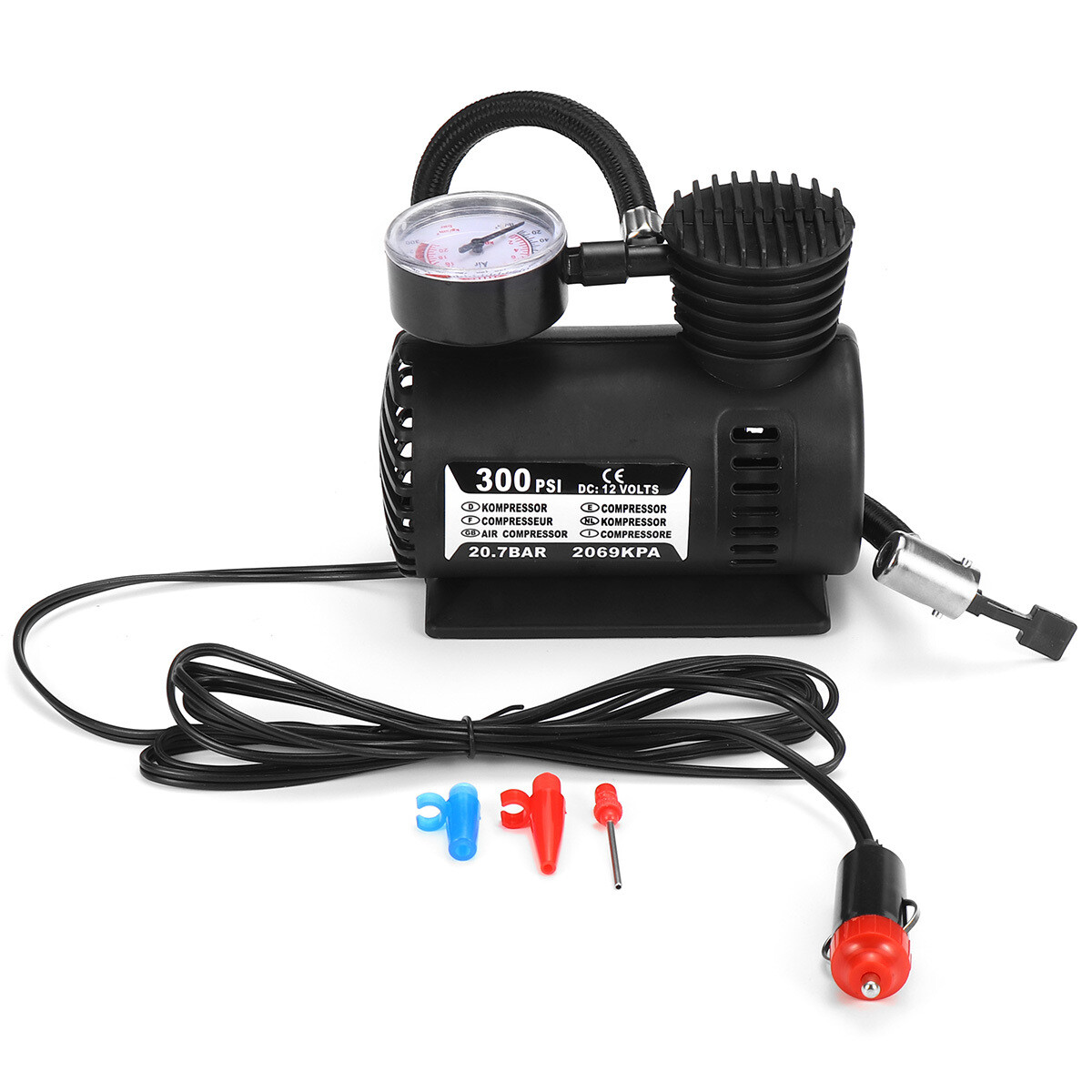
الحل: To address this issue, it is crucial to source a small car air compressor that is both compact and powerful. Look for models that offer a high PSI rating and quick inflation times, such as those that can inflate a standard tire in under 10 minutes. Additionally, choose compressors that are lightweight and come with a rechargeable battery or can connect to a vehicle’s 12V outlet. Consider investing in models that include built-in pressure gauges and multiple nozzle adapters to cater to different tire types and other inflatables. Regular training for staff on how to use these compressors effectively will also ensure they can respond promptly to tire issues in the field, minimizing downtime.
المشكلة Companies that operate diverse fleets, including sedans, SUVs, and light trucks, often struggle to find a universal air compressor that meets the varied requirements of different vehicles. B2B buyers are concerned about the versatility of the compressors they purchase, as using the wrong type can lead to inefficiency or even damage to the tires.
الحل: When selecting a small car air compressor, it’s essential to prioritize versatility and adaptability. Look for compressors that offer adjustable pressure settings and are capable of inflating tires across a range of sizes, from standard passenger vehicles to larger SUVs and light trucks. Additionally, consider units that come with multiple attachments for different inflation needs, such as sports equipment or inflatable products. To streamline operations, buyers should also consider integrating these compressors into their maintenance protocols, ensuring that all drivers are equipped with the necessary tools and knowledge to address tire issues effectively, regardless of the vehicle type.
المشكلة Maintaining the correct tire pressure is critical for fuel efficiency and safety, yet many small car air compressors on the market lack accurate pressure gauges. B2B buyers often find that discrepancies in tire pressure readings can lead to under-inflated tires, resulting in reduced fuel efficiency and increased wear and tear. This is particularly concerning for businesses that rely on transportation for their operations.
الحل: To mitigate this challenge, B2B buyers should prioritize small car air compressors equipped with high-quality, digital pressure gauges that provide precise readings. When sourcing these compressors, look for models that automatically shut off when the desired pressure is reached to prevent over-inflation. Additionally, consider investing in smart inflators that can connect to mobile apps, allowing users to monitor tire pressure and receive alerts when it’s time to inflate. Regular calibration of pressure gauges and training employees on the importance of maintaining proper tire pressure can further enhance operational efficiency and safety, ultimately leading to cost savings and improved vehicle lifespan.
Illustrative image related to small car air compressor
When selecting materials for small car air compressors, it is essential to consider properties that directly affect performance, durability, and overall functionality. Below, we analyze four common materials used in the construction of these devices: aluminum, steel, plastic, and rubber.
Aluminum is a lightweight and corrosion-resistant material, making it an ideal choice for small car air compressors that need to be portable and durable. Its excellent thermal conductivity allows for efficient heat dissipation, which is crucial during prolonged use.
الإيجابيات: Aluminum is relatively inexpensive and easy to manufacture, allowing for cost-effective production. Its low weight enhances portability, making it a preferred choice for consumers who prioritize convenience.
Illustrative image related to small car air compressor
السلبيات: While aluminum is durable, it can be more susceptible to dents and scratches compared to steel. Additionally, it may not withstand high-pressure applications as effectively as some other materials.
التأثير على التطبيق: Aluminum is suitable for air compressor components that require lightweight properties and resistance to rust, particularly in humid environments.
اعتبارات للمشترين الدوليين: Buyers from regions like Africa and South America should ensure compliance with local regulations regarding material safety and environmental impact. Common standards like ASTM can guide material selection.
Steel is known for its strength and durability, making it a common choice for the structural components of small car air compressors. It can withstand high pressures and offers excellent resistance to wear and tear.
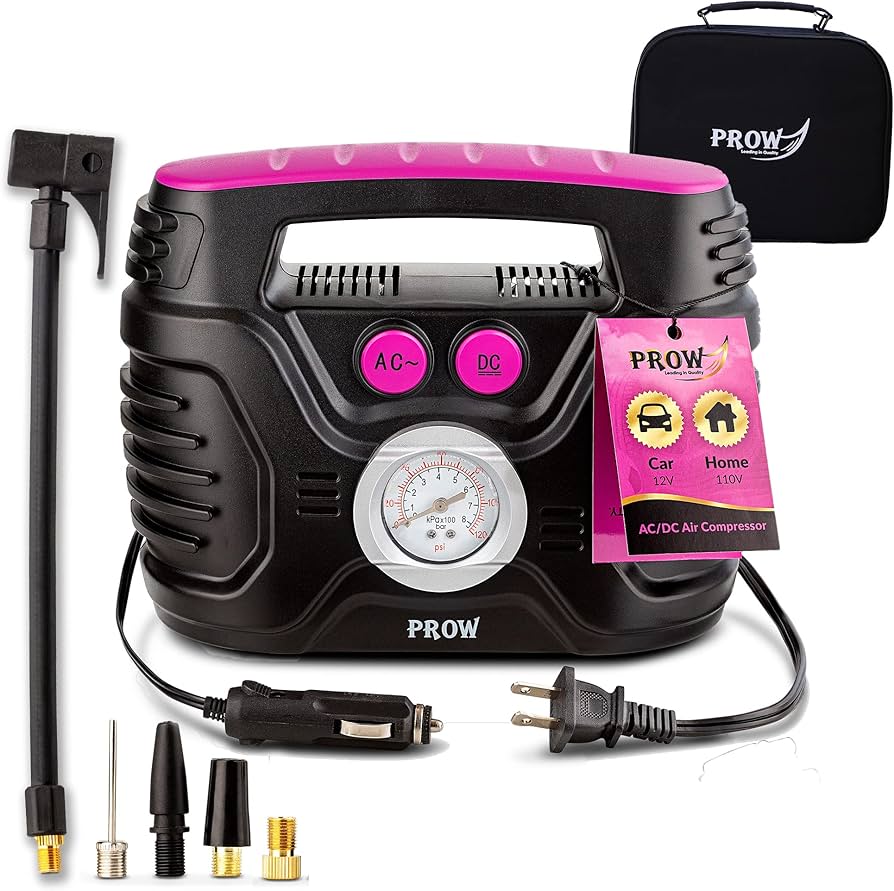
Illustrative image related to small car air compressor
الإيجابيات: Steel’s robustness ensures longevity and reliability, especially in demanding conditions. It can also be coated to enhance corrosion resistance, making it suitable for various environments.
السلبيات: The primary drawback of steel is its weight, which can hinder portability. Additionally, steel components may require more complex manufacturing processes, leading to higher production costs.
التأثير على التطبيق: Steel is ideal for high-pressure applications and components that require significant structural integrity, such as the compressor housing.
اعتبارات للمشترين الدوليين: Buyers in Europe, particularly Germany, should be aware of stringent manufacturing standards (like DIN) that steel components must meet to ensure safety and performance.
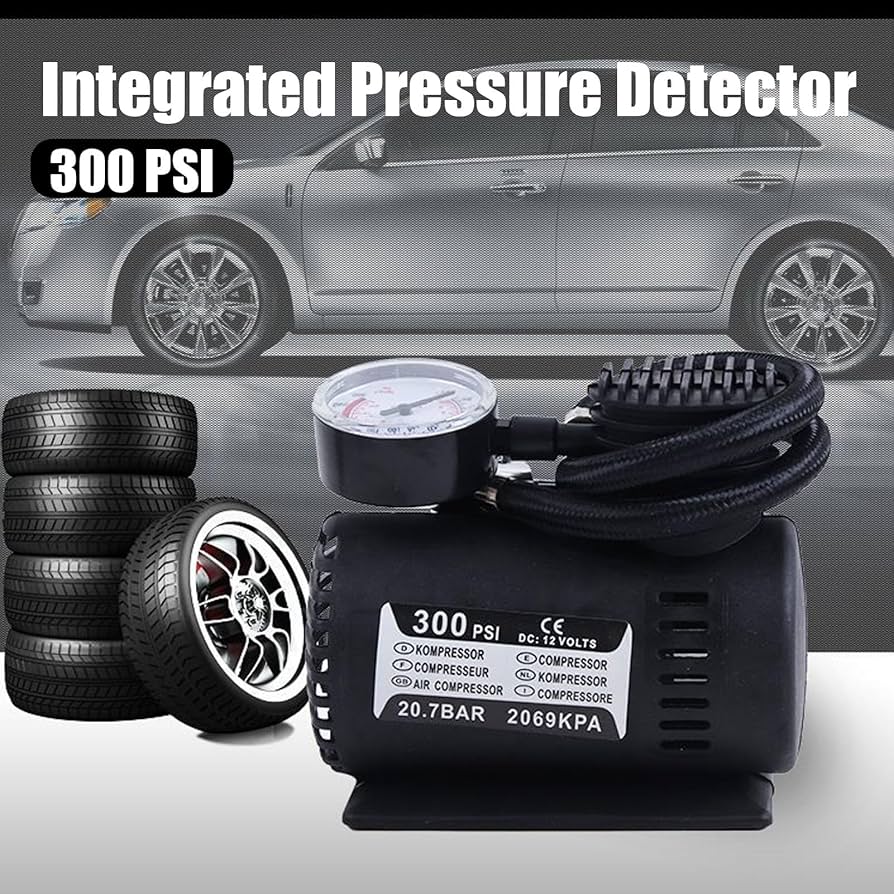
Illustrative image related to small car air compressor
Plastic is often used in non-structural components of small car air compressors due to its lightweight and versatile properties. It can be molded into complex shapes, allowing for innovative designs.
الإيجابيات: The low cost and ease of manufacturing make plastic an attractive option for various components. It is also resistant to corrosion and can be produced in various colors and finishes.
السلبيات: Plastic typically has lower strength compared to metals, which may limit its use in high-stress applications. It can also degrade under high temperatures, affecting performance.
التأثير على التطبيق: Plastic is suitable for housing, knobs, and other components where weight savings are essential, but it may not be ideal for high-pressure areas.
اعتبارات للمشترين الدوليين: Buyers from the Middle East should consider the thermal stability of plastics in hot climates and ensure compliance with international safety standards.
Rubber is critical for seals and hoses in small car air compressors due to its flexibility and ability to withstand pressure fluctuations. It provides an airtight seal, which is essential for maintaining pressure within the system.
الإيجابيات: Rubber is highly durable and resistant to wear, making it suitable for components that experience constant movement or pressure changes. It also provides excellent insulation against vibrations.
السلبيات: Over time, rubber can degrade due to exposure to UV light and extreme temperatures, which may necessitate replacement. Additionally, sourcing high-quality rubber can sometimes be cost-prohibitive.
التأثير على التطبيق: Rubber is essential for ensuring airtight seals and flexibility in hoses, which are critical for the compressor’s efficiency and longevity.
اعتبارات للمشترين الدوليين: Buyers in Africa should be aware of the varying quality of rubber materials available in the market and seek suppliers who adhere to international quality standards.
| المواد | Typical Use Case for small car air compressor | الميزة الرئيسية | العيب/التقييد الرئيسي | التكلفة النسبية (منخفضة/متوسطة/مرتفعة) |
|---|---|---|---|---|
| ألومنيوم | Housing, portable components | خفيف الوزن ومقاوم للتآكل | Susceptible to dents and lower pressure tolerance | متوسط |
| الفولاذ | Structural components, high-pressure areas | قوة ومتانة عالية | Heavy and complex manufacturing | عالية |
| بلاستيك | Non-structural components, housing | Low cost and versatile design | Lower strength and thermal limitations | منخفضة |
| المطاط | الأختام والخراطيم | Excellent flexibility and airtight sealing | Degrades over time, UV sensitivity | متوسط |
This comprehensive analysis of materials provides B2B buyers with essential insights into the strategic selection of components for small car air compressors, ensuring they make informed decisions that align with their operational needs and market conditions.
The manufacturing process of small car air compressors involves several key stages: material preparation, forming, assembly, and finishing. Each stage plays a crucial role in ensuring the quality and functionality of the final product.
Material preparation is the foundation of the manufacturing process. Common materials used in small car air compressors include high-strength plastics, metals (such as aluminum and steel), and rubber for seals and hoses. These materials are carefully selected based on their durability, weight, and resistance to environmental factors.
Before manufacturing begins, raw materials undergo quality checks to ensure they meet the required specifications. This may involve testing for tensile strength, corrosion resistance, and density. Suppliers often provide material certification documents to verify compliance with international standards, which is essential for B2B buyers focusing on reliability and safety.
The forming stage typically involves molding and machining processes. For plastic components, injection molding is commonly used, allowing for precise shapes and sizes. Metal components may undergo processes such as stamping, bending, and machining to achieve the desired specifications.
After forming, the assembly stage brings together all components. This includes the motor, air tank, pressure gauge, and other essential parts. Automated assembly lines are often utilized to enhance efficiency and accuracy. Manual assembly may also be employed for intricate components, with skilled workers ensuring that parts fit together seamlessly.
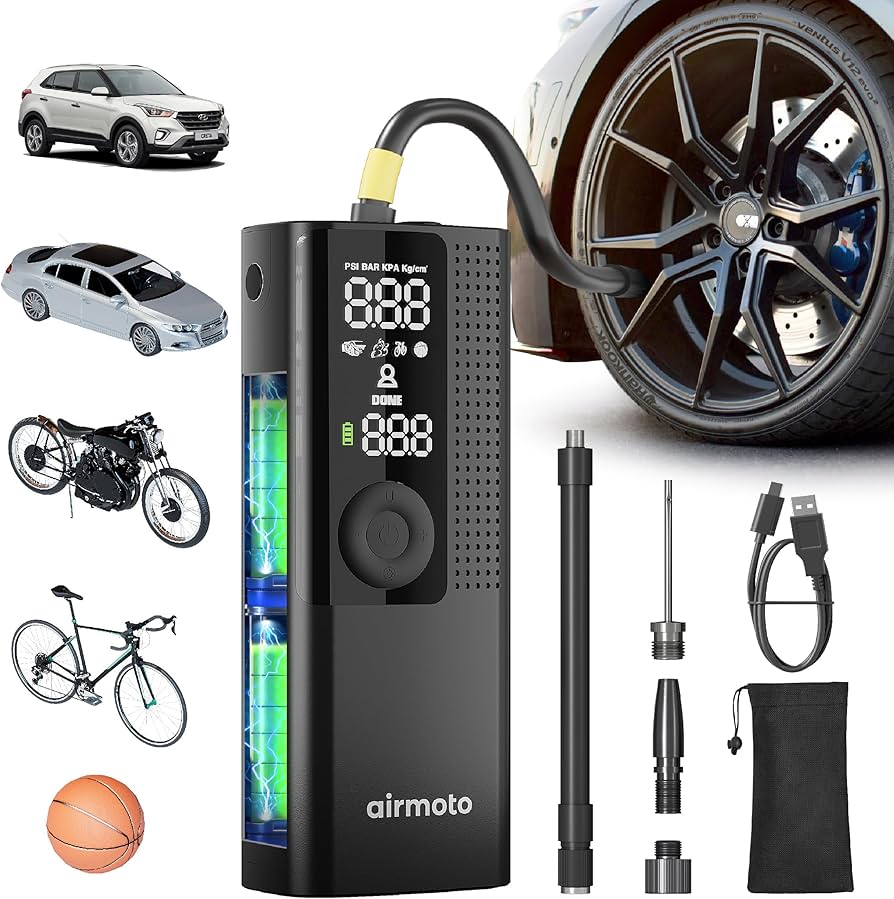
Illustrative image related to small car air compressor
The finishing stage includes surface treatment, painting, and quality testing. Surface treatments, such as anodizing or powder coating, are applied to metal parts to enhance corrosion resistance and aesthetics. Painting may also be used to provide additional protection and improve the visual appeal of the compressor.
Once the finishing touches are applied, the compressors undergo rigorous testing to ensure they meet performance standards. This includes pressure tests, noise level assessments, and operational efficiency evaluations. Quality assurance teams monitor these processes closely to catch any defects before the product reaches the market.
Quality assurance (QA) is critical in the manufacturing of small car air compressors. International standards such as ISO 9001 set the framework for effective quality management systems. Compliance with these standards assures B2B buyers that manufacturers maintain high-quality production processes.
B2B buyers should be aware of several international standards relevant to air compressors. The CE marking indicates compliance with European health, safety, and environmental protection standards. In regions like Africa and South America, local certifications may also be required, which can vary significantly from one country to another.
In addition to ISO and CE, industry-specific standards such as API (American Petroleum Institute) certifications may apply, especially for compressors used in automotive applications. Understanding these certifications can help buyers assess the credibility of their suppliers.
Quality control (QC) is implemented at various checkpoints throughout the manufacturing process. The three main types of inspections include:
مراقبة الجودة الواردة (IQC): This stage involves inspecting raw materials upon delivery. Suppliers must provide documentation that verifies the quality and compliance of the materials used in production.
مراقبة الجودة أثناء المعالجة (IPQC): During production, random samples are taken at various stages to ensure adherence to specifications. This may include checking dimensions, functionality, and assembly integrity.
مراقبة الجودة النهائية (FQC): Once the compressors are fully assembled, they undergo final testing to evaluate performance and safety. This includes pressure tests and functionality assessments, ensuring the product meets all required standards before shipment.
B2B buyers can verify supplier QC processes through various means. Conducting audits of manufacturing facilities is one effective approach. Audits allow buyers to assess the manufacturing environment, production processes, and adherence to quality standards firsthand.
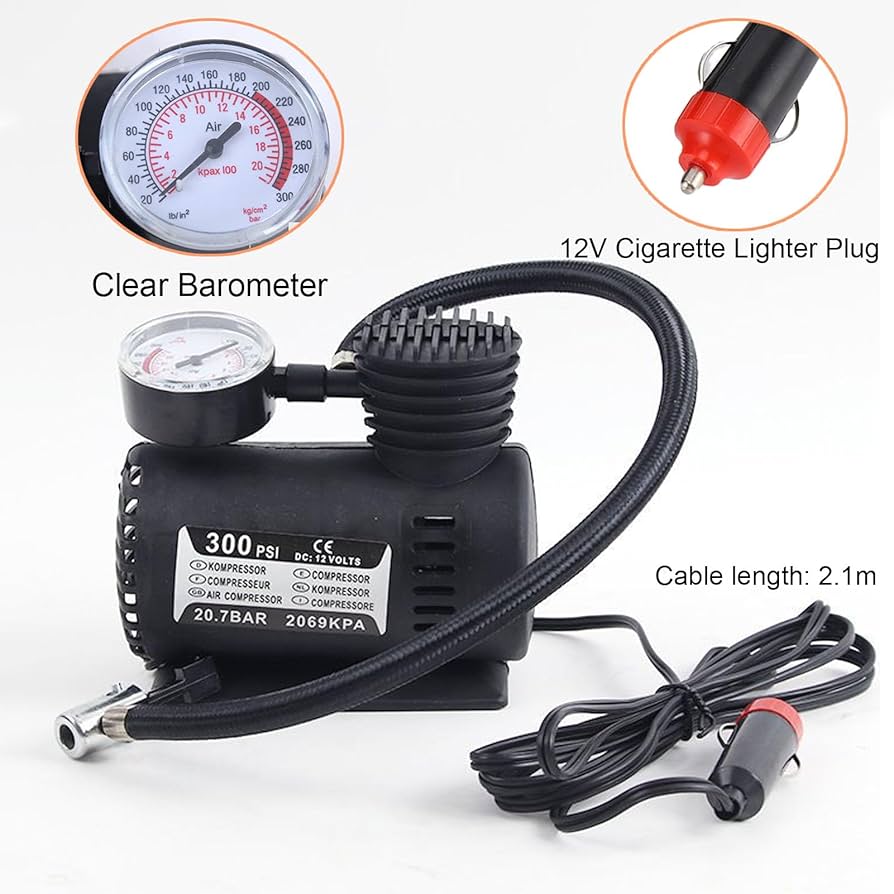
Illustrative image related to small car air compressor
Additionally, requesting QC reports from suppliers can provide insight into their testing methodologies and results. Many manufacturers also utilize third-party inspection services to validate their quality assurance practices. These independent inspections can offer an unbiased perspective on the manufacturer’s compliance with international standards.
International B2B buyers, particularly those from diverse regions such as Africa, South America, the Middle East, and Europe, should be aware of specific nuances in quality control. For instance, variations in regulatory requirements may exist between countries, impacting the certification and compliance process.
Cultural differences can also affect communication and expectations regarding quality assurance. Establishing clear lines of communication with suppliers and understanding their quality control processes is essential. Buyers should also be familiar with local standards and certifications to ensure that products meet both international and regional requirements.
Understanding the manufacturing processes and quality assurance measures for small car air compressors is vital for B2B buyers. By familiarizing themselves with the key stages of production, relevant standards, and QC checkpoints, buyers can make informed decisions when selecting suppliers. This knowledge not only helps in ensuring product quality but also fosters long-term partnerships based on trust and reliability.
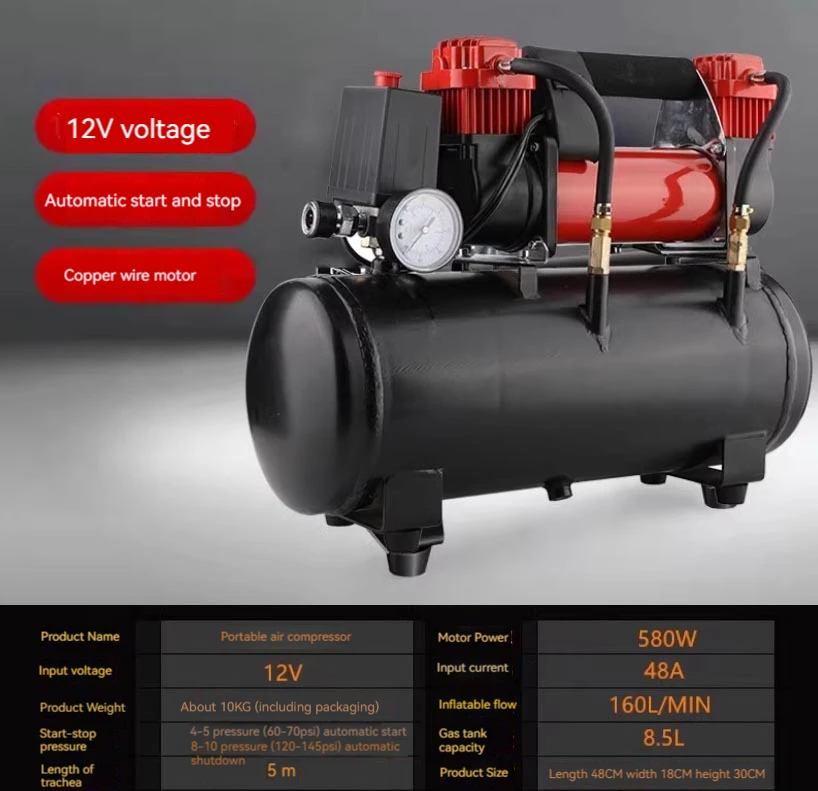
Illustrative image related to small car air compressor
To assist B2B buyers in the procurement of small car air compressors, this guide outlines essential steps to ensure a successful sourcing process. By following this checklist, buyers can make informed decisions, minimize risks, and secure high-quality products that meet their operational needs.
Establishing clear technical specifications is the foundation of your sourcing process. Consider factors such as the compressor’s PSI rating, power source (e.g., 12V, cordless), and intended use (e.g., inflating tires, sports equipment). Identifying these specifications will help you filter suppliers and products that align with your requirements.
Understanding the market landscape is crucial for making informed purchasing decisions. Investigate current trends in the small car air compressor market, including popular brands, technological advancements, and consumer preferences. This knowledge will not only help you identify potential suppliers but also ensure that you are investing in products that are in demand.
Before committing to a supplier, thorough evaluation is essential. Request company profiles, product catalogs, and references from businesses in similar industries. Look for suppliers with a proven track record of reliability and customer satisfaction, as this can significantly impact your purchasing experience.
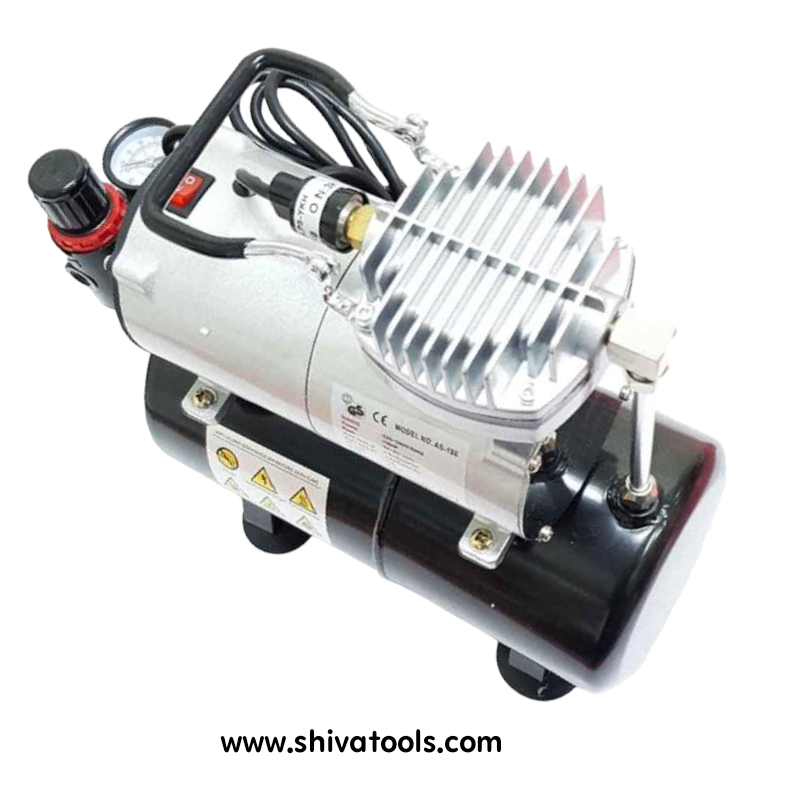
Illustrative image related to small car air compressor
Requesting samples allows you to evaluate the quality and performance of the air compressors firsthand. Testing the products in real-world scenarios will help you determine if they meet your specifications and expectations. Pay attention to aspects like inflation speed, noise level, and ease of use.
Pricing is a critical factor in sourcing decisions. Compare quotes from multiple suppliers while considering the total cost of ownership, including shipping and potential import duties. Additionally, review the payment terms offered by suppliers, as flexible terms can improve cash flow management.
Once you’ve identified a suitable supplier, engage in negotiations to secure favorable terms. Discuss aspects such as pricing, minimum order quantities, lead times, and warranty conditions. A clear agreement will help avoid misunderstandings and establish a solid working relationship.
Effective logistics planning is essential to ensure timely delivery of your air compressors. Coordinate with your supplier on shipping methods, tracking, and handling customs if importing. Moreover, confirm the availability of after-sales support, including warranty services and spare parts, to maintain operational efficiency.
By following these steps, B2B buyers can streamline their sourcing process for small car air compressors, ensuring they select the right products and suppliers for their specific needs.
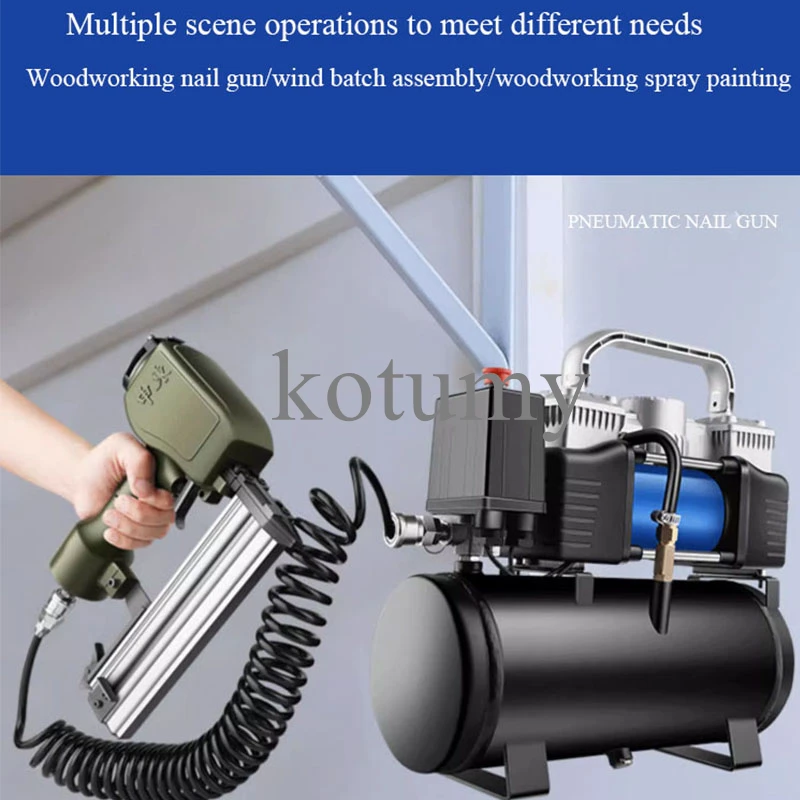
Illustrative image related to small car air compressor
When sourcing small car air compressors, understanding the cost structure is essential for B2B buyers. The primary cost components include:
المواد: The choice of materials significantly impacts the overall cost. Components such as motors, hoses, and pressure gauges are critical and can vary widely in price based on quality and specifications. High-grade materials may increase upfront costs but can enhance durability and performance.
العمالة: Labor costs vary by region and can be influenced by local wage standards and skill levels. Countries with lower labor costs may offer more competitive pricing, but this can affect product quality and consistency.
نفقات التصنيع الزائدة: This encompasses indirect costs associated with production, including utilities, rent, and administrative expenses. Efficient factories with optimized processes can reduce overhead, which in turn lowers pricing for buyers.
الأدوات: Initial investments in tooling for manufacturing specific designs can be significant. Custom designs or specialized features often require higher tooling costs, which are typically factored into the pricing.
مراقبة الجودة (QC): Robust QC processes ensure that each unit meets safety and performance standards. While this adds to the cost, it is a critical factor in maintaining product reliability, especially for B2B buyers who prioritize quality.
الخدمات اللوجستية: Shipping costs can vary based on distance, mode of transport, and shipping terms. It’s essential to factor in logistics when calculating total costs, particularly for international shipments.
الهامش: Suppliers generally add a profit margin to cover their costs and achieve profitability. This margin varies based on market competition, demand, and supplier relationships.
Several factors influence the pricing of small car air compressors, particularly for international buyers:
الحجم/معدل العرض/الطلب: Bulk purchasing can lead to significant discounts. Many suppliers offer tiered pricing based on minimum order quantities (MOQs), making it beneficial for buyers to consolidate orders.
المواصفات والتخصيص: Customized features, such as unique designs or added functionalities (like built-in lights or multiple power options), can raise costs. Buyers should clearly communicate specifications to avoid unexpected pricing.
المواد وشهادات الجودة: The materials used directly influence cost, with premium materials resulting in higher prices. Additionally, certifications (e.g., ISO, CE) may be required in certain markets, impacting costs due to compliance measures.
عوامل الموردين: The supplier’s reputation, experience, and location can affect pricing. Established suppliers with a track record of quality may charge a premium, while newer or less-known suppliers might offer lower prices but with potential risks.
المصطلحات التجارية الدولية: Understanding shipping terms is crucial for determining who bears the cost and risk at various stages of the shipping process. This can significantly affect the total landed cost for international buyers.
B2B buyers should consider the following strategies to enhance cost-efficiency and achieve favorable pricing:
Research and Benchmarking: Conduct thorough market research to understand pricing norms. Benchmark against competitors to ensure you are receiving competitive offers.
بناء العلاقات: Establishing strong relationships with suppliers can lead to better negotiation outcomes. Long-term partnerships often yield more favorable terms and pricing.
Discuss Total Cost of Ownership (TCO): Emphasize the importance of TCO in discussions. Highlighting how quality affects longevity and maintenance can justify investments in higher-quality products.
Be Open to Alternatives: If a supplier cannot meet your price point, consider discussing alternative materials or specifications that may lower costs without compromising essential functions.
Understand Pricing Nuances for International Deals: Be aware of currency fluctuations, local taxes, and tariffs that may impact pricing. Negotiating in the supplier’s currency can sometimes yield better rates.
Pricing for small car air compressors can vary widely based on the aforementioned factors. Buyers should be cautious of indicative prices and always request detailed quotes that outline all costs involved. Additionally, consider potential fluctuations in material costs and logistics fees, especially in the context of global supply chain disruptions.
In the automotive industry, having reliable tools for tire maintenance is crucial. While small car air compressors are popular for their convenience and efficiency, several alternative solutions can also effectively address tire inflation and maintenance needs. This analysis compares small car air compressors with two viable alternatives: manual tire pumps and portable cordless tire inflators.
| جانب المقارنة | Small Car Air Compressor | Manual Tire Pump | Portable Cordless Tire Inflator |
|---|---|---|---|
| الأداء | High pressure, quick inflation | Moderate pressure, slower | Quick inflation, varied pressure |
| التكلفة | Moderate ($25-$100) | منخفض ($10-$30) | Moderate ($30-$100) |
| سهولة التنفيذ | Easy to use, plug-and-play | Requires physical effort | Simple operation, battery or plug-in |
| الصيانة | Low maintenance required | صيانة منخفضة | Moderate, battery replacement needed |
| أفضل حالة استخدام | Regular vehicle maintenance | Emergency situations, low usage | Roadside emergencies, versatile use |
Manual tire pumps, often referred to as hand pumps, are basic yet effective tools for inflating tires. They require no electricity or batteries, making them ideal for emergency situations where power sources are unavailable. The primary advantage is their low cost and portability; however, they require physical effort, which may not be ideal for all users. Additionally, achieving the desired pressure can be time-consuming and physically demanding, particularly for larger tires. They are best suited for occasional use or as a backup solution.
Portable cordless tire inflators are gaining popularity due to their convenience and efficiency. They operate on rechargeable batteries and are often equipped with built-in pressure gauges for accurate inflation. These inflators can quickly fill tires, making them suitable for roadside emergencies. However, their performance can vary based on battery life and power, making some models less reliable for heavy-duty applications. Additionally, while more expensive than manual pumps, they provide greater convenience and speed, appealing to those who prioritize efficiency.
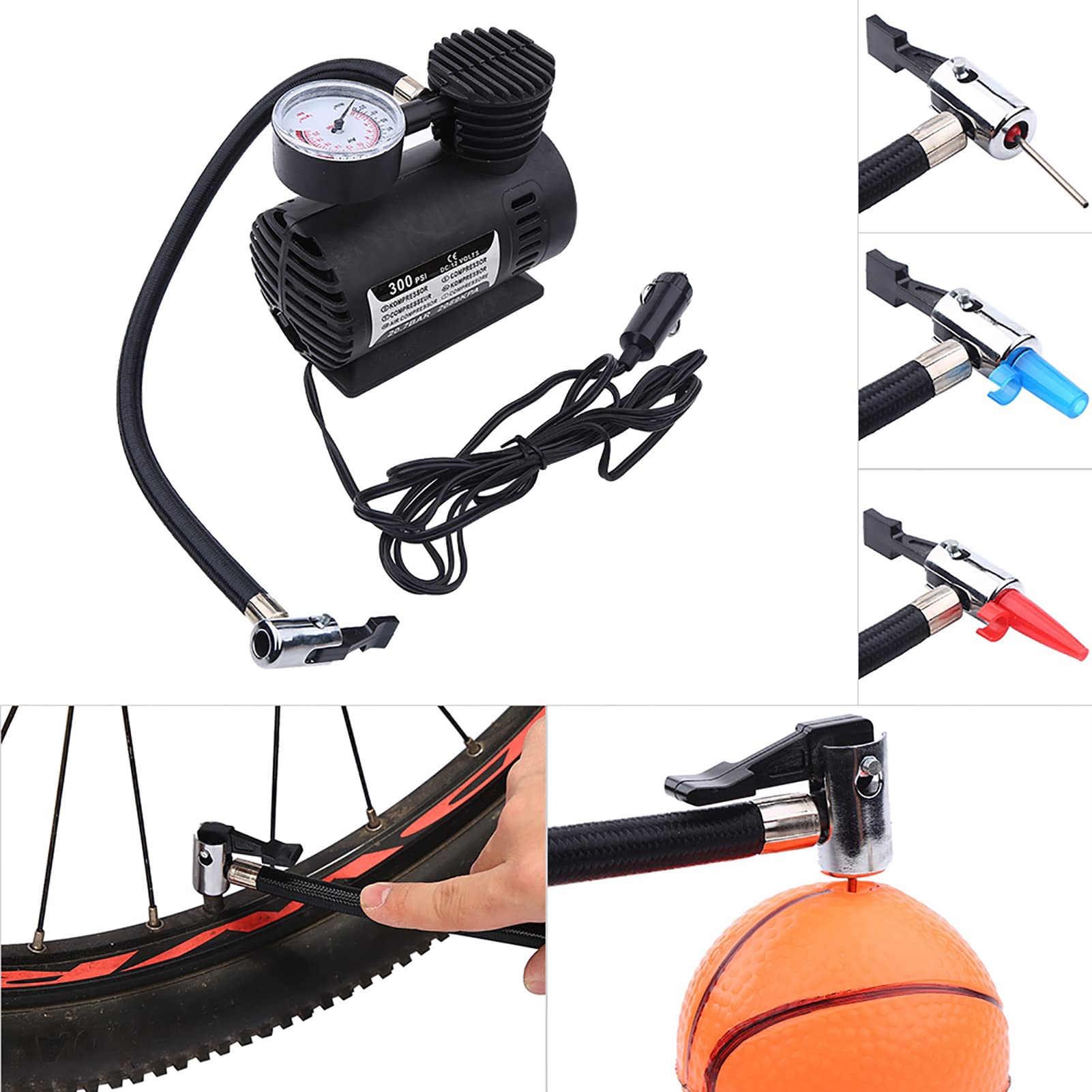
Illustrative image related to small car air compressor
When selecting a tire inflation solution, B2B buyers should carefully consider their specific requirements. Small car air compressors excel in performance and ease of use, making them ideal for regular maintenance in commercial fleets or rental services. Manual tire pumps offer a budget-friendly alternative for occasional use, while portable cordless inflators provide a balance of convenience and efficiency for emergency situations. Evaluating these aspects will empower buyers to choose the best option tailored to their operational demands and budget constraints.
Understanding the key technical specifications of small car air compressors is crucial for B2B buyers looking to make informed purchasing decisions. Here are several critical properties to consider:
Pressure rating, measured in pounds per square inch (PSI), indicates the maximum air pressure the compressor can deliver. For small car air compressors, a typical range is between 100 to 160 PSI. This specification is vital for ensuring the compressor can adequately inflate various tires, including those of SUVs and trucks, which may require higher pressures.
The inflation speed, measured in cubic feet per minute (CFM), reflects how quickly the compressor can fill a tire. A higher CFM rating means faster inflation, which is particularly important for roadside emergencies. Buyers should look for compressors that can inflate a standard car tire within a reasonable timeframe—ideally under 10 minutes.
Small car air compressors typically operate on either a 12V DC outlet or are battery-powered. Understanding the power source is essential for determining where and how the compressor can be used. For instance, a 12V model is convenient for use in vehicles, while a cordless model offers more versatility, especially in remote locations.
The duty cycle indicates how long the compressor can run before it needs to cool down. This is crucial for continuous use, especially in commercial applications. A duty cycle of 20 minutes on, 40 minutes off is common for many small compressors, which helps prevent overheating and prolongs the unit’s lifespan.
The weight of the air compressor affects its portability. Lightweight models (typically around 1 to 5 lbs) are easier to store and transport, making them ideal for emergency kits in vehicles. Buyers should consider the balance between weight and functionality to ensure they select a model that meets their needs without compromising on performance.
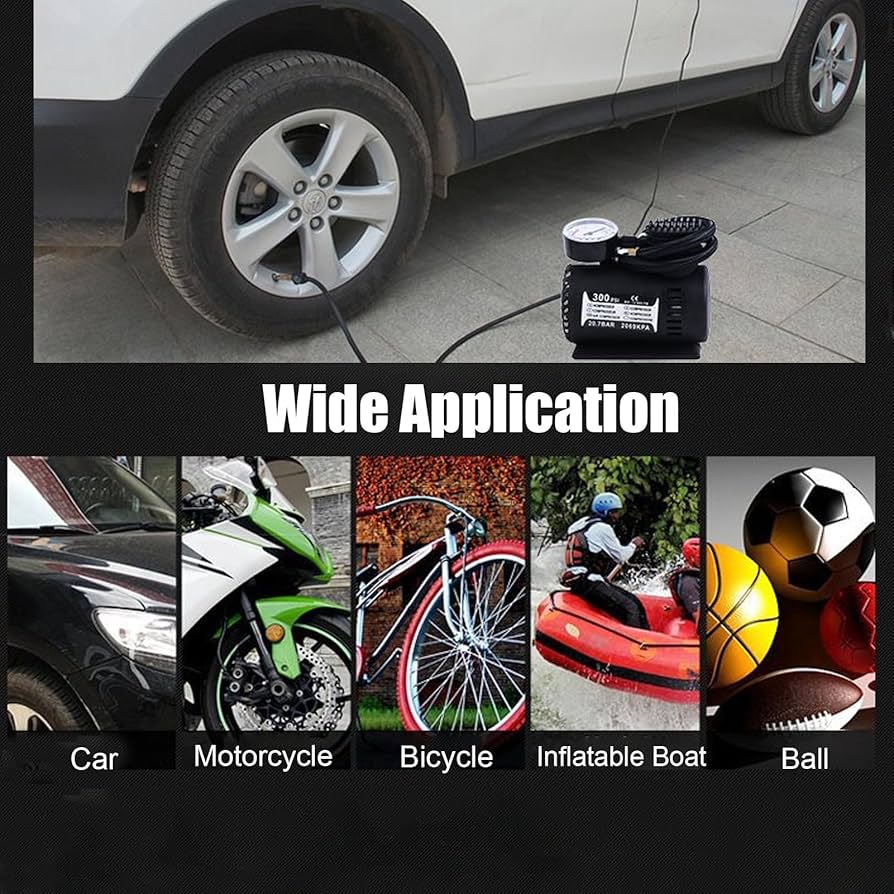
Illustrative image related to small car air compressor
Familiarity with industry jargon is essential for effective communication in B2B transactions. Here are some common terms relevant to small car air compressors:
OEM refers to companies that produce parts or equipment that may be marketed by another manufacturer. Understanding OEM relationships can help buyers identify reliable suppliers and assess the quality of components used in the compressors they are considering.
MOQ is the smallest quantity of a product that a supplier is willing to sell. This term is crucial for B2B buyers who need to plan their purchasing budgets effectively and ensure that they can meet their inventory needs without overcommitting.
An RFQ is a document sent to suppliers requesting price quotes for specific products or services. This process is essential for buyers to compare costs and negotiate better terms, making it a common practice in B2B transactions.
Incoterms are a set of predefined commercial terms published by the International Chamber of Commerce (ICC) that clarify the responsibilities of buyers and sellers in international trade. Familiarity with these terms helps buyers understand shipping costs, risk distribution, and delivery responsibilities.
The warranty period defines the duration during which the manufacturer will repair or replace a defective product. Knowing the warranty terms is important for buyers as it reflects the manufacturer’s confidence in their product and provides assurance regarding potential future costs.
Understanding these technical properties and trade terms equips B2B buyers with the knowledge necessary to make informed decisions when sourcing small car air compressors, ensuring they select the right products for their needs.
The small car air compressor market is experiencing notable growth driven by several global factors. Increasing vehicle ownership in emerging markets, particularly in Africa and South America, is fueling demand for reliable roadside assistance tools. Additionally, heightened awareness of vehicle maintenance and safety is prompting consumers to prioritize products that ensure optimal tire pressure, which can enhance fuel efficiency and extend tire life. As urbanization continues, the need for compact and portable solutions becomes paramount, making mini air compressors a popular choice among consumers.
Emerging technologies are reshaping the sourcing landscape. Features such as digital pressure gauges, automatic shut-off functions, and multi-purpose capabilities are becoming standard expectations among buyers. Furthermore, the rise of e-commerce platforms allows for greater accessibility and competitive pricing, enabling international buyers to source products more efficiently. In regions like the Middle East and Europe, where consumers are increasingly tech-savvy, smart inflators that can connect to mobile applications for monitoring tire pressure in real-time are gaining traction.
International buyers must also consider local market dynamics, such as regulatory standards and consumer preferences. For example, in Germany, environmental regulations may influence the types of compressors that are permitted, while in Nigeria, affordability and durability are key purchasing factors. Understanding these nuances will help B2B buyers make informed decisions in their sourcing strategies.
Sustainability has become a crucial consideration in the procurement of small car air compressors. Environmental impacts associated with manufacturing processes, such as carbon emissions and waste generation, are prompting companies to adopt more sustainable practices. B2B buyers are increasingly seeking suppliers who prioritize eco-friendly materials and processes, as this aligns with growing consumer demand for sustainable products.
Ethical sourcing is also gaining importance, with a focus on supply chain transparency and fair labor practices. Certifications such as ISO 14001 for environmental management and Fair Trade can serve as indicators of a supplier’s commitment to ethical practices. Buyers should prioritize partnerships with manufacturers that can demonstrate adherence to these standards, ensuring that their sourcing decisions contribute positively to both the environment and society.
Additionally, innovative materials, such as recyclable plastics and energy-efficient components, are becoming more prevalent in the design of small car air compressors. Buyers who invest in these products not only enhance their brand image but also position themselves as leaders in sustainability within the automotive accessories market. By emphasizing sustainable and ethical sourcing, B2B buyers can attract environmentally conscious consumers and improve their competitive edge.
The small car air compressor industry has evolved significantly over the past few decades. Originally, air compressors were bulky, stationary machines primarily used in industrial settings. As automotive technology advanced, the need for portable solutions emerged, giving rise to compact and user-friendly air compressors tailored for personal vehicles.
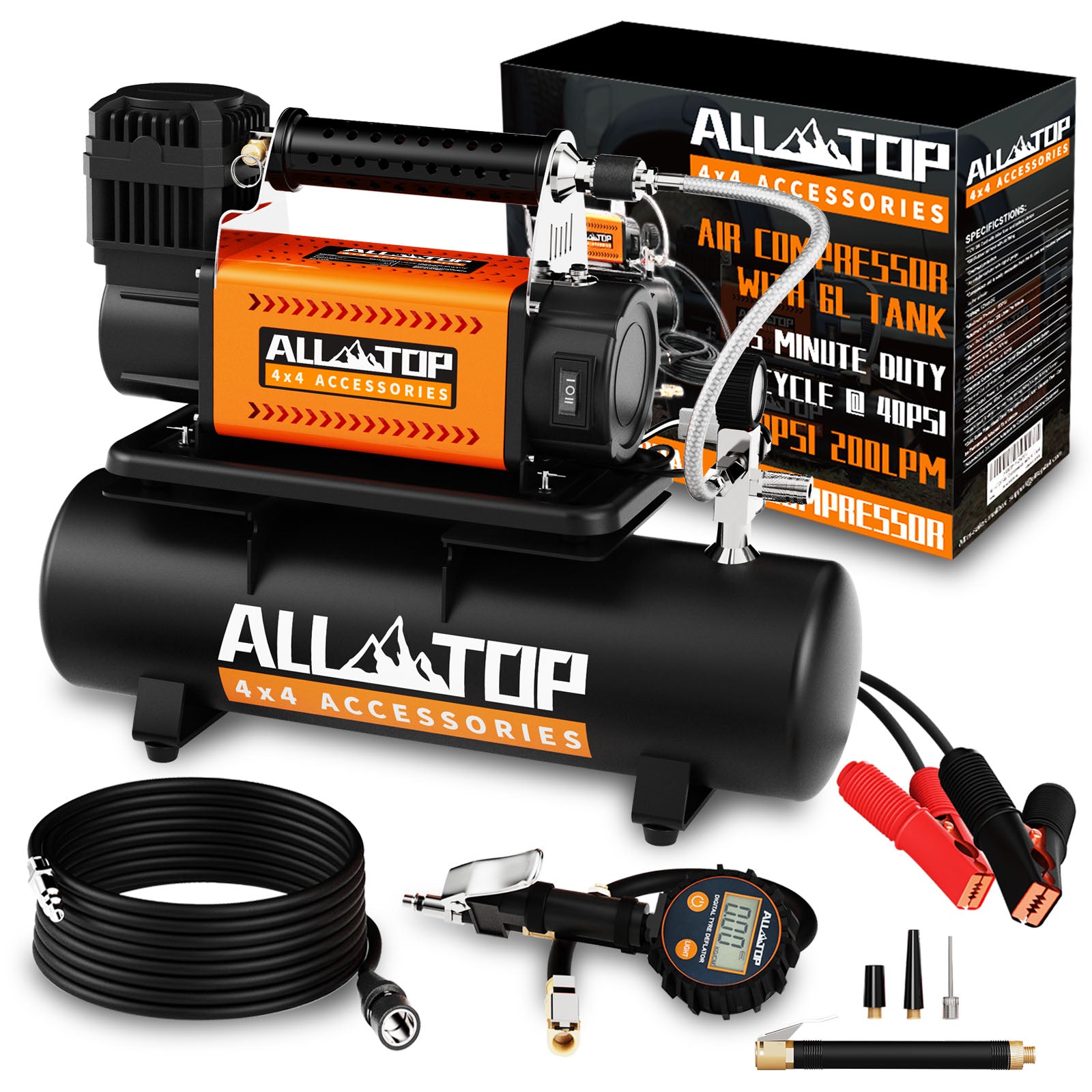
Illustrative image related to small car air compressor
In the early 2000s, advancements in battery technology led to the development of cordless models, enhancing convenience for users. The introduction of digital gauges and smart features further transformed the market, allowing for precise inflation and improved user experience. Today, the sector is characterized by innovation and a focus on multifunctionality, with products designed not only for tires but also for inflating sports equipment and recreational items.
This evolution reflects broader trends in consumer preferences, where convenience and efficiency are prioritized. As a result, B2B buyers are now faced with a diverse array of options, making it essential to stay informed about technological advancements and market demands to make effective sourcing decisions.
How do I choose the right small car air compressor for my business needs?
When selecting a small car air compressor, consider factors such as power source (12V or cordless), maximum pressure (psi), inflation speed, and portability. Evaluate your target market’s needs—do they require a unit for emergency roadside assistance or for regular maintenance? Also, look for features like built-in pressure gauges, multiple nozzle adapters, and storage solutions. It’s advisable to test several models and review customer feedback to ensure the chosen compressor meets your quality and reliability standards.
What are the key features to look for in a small car air compressor?
Key features to consider include inflation speed (how quickly it can fill a tire), maximum pressure capacity (usually between 30-160 psi), portability (weight and size), and power options (12V plug or battery-operated). Additionally, a built-in pressure gauge is essential for accuracy, while multiple adapters can enhance versatility for inflating different items. Look for durable construction and ease of use to ensure customer satisfaction and minimize returns.
What is the typical minimum order quantity (MOQ) for small car air compressors?
The MOQ for small car air compressors can vary significantly based on the manufacturer and specific model. Typically, it ranges from 100 to 1,000 units for bulk orders. Some suppliers may offer lower MOQs for first-time buyers or trial orders. It’s crucial to discuss your needs with potential suppliers to negotiate favorable terms that align with your inventory strategy and market demand.
How can I ensure the quality of the small car air compressors I source?
To ensure quality, vet suppliers through certifications such as ISO or CE, which indicate adherence to international manufacturing standards. Request product samples for testing before placing a large order. Implement a quality assurance process, including factory audits and third-party inspections, to verify compliance with your specifications. Establish clear communication regarding quality expectations and acceptable tolerance levels to mitigate risks.
What payment terms should I expect when sourcing from international suppliers?
Payment terms can vary widely among suppliers. Common practices include a 30% deposit upon order confirmation and the remaining 70% before shipment. Some suppliers may offer net 30 or net 60 terms for established relationships. It’s essential to clarify terms in your contract and consider using letters of credit for larger orders to protect your investment. Always assess the supplier’s reputation to ensure timely delivery and adherence to agreements.
How do I handle logistics when importing small car air compressors?
Managing logistics involves selecting reliable freight forwarders and understanding shipping terms (like FOB or CIF) to ensure cost-effective transportation. Familiarize yourself with import regulations and tariffs in your country to avoid unexpected fees. Plan for customs clearance procedures, and ensure all documentation is accurate and complete to prevent delays. Consider using third-party logistics providers (3PL) for warehousing and distribution if you plan to scale your operations.
What customization options should I consider for small car air compressors?
Customization options can include branding (logo placement), color variations, and specialized packaging tailored to your market. You may also consider modifying features such as pressure settings, nozzle types, or included accessories to better meet customer needs. Discuss your customization requirements with suppliers early in the negotiation process to ensure they can accommodate your requests and provide samples for approval.
How do I assess the reliability of a supplier for small car air compressors?
To assess supplier reliability, research their reputation through online reviews, industry forums, and customer testimonials. Request references from previous clients and evaluate their experience with product quality and delivery timelines. Consider suppliers with established track records in your region or industry, as they are more likely to understand local market dynamics and compliance requirements. Additionally, engage in direct communication to gauge their responsiveness and willingness to address your concerns.
المجال: safetykitsplus.com
مسجل: 2006 (19 سنة)
مقدمة: {“Product Name”: “AAA Mini Tire Air Inflator”, “Description”: “Compact and portable 12V car air compressor designed for roadside emergencies and everyday use.”, “Key Features”: {“Fast Inflation”: “Fully inflates a standard car tire in 8 minutes”, “Built-in Dial Pressure Gauge”: “Ensures accurate pressure readings for optimal inflation”, “Screw-On Air Hose”: “Secure attachment prevents leaks and lo…
المجال: reddit.com
مسجل: 2005 (20 سنة)
مقدمة: 1. DeWalt: Highly recommended for its ability to set target PSI and quick inflation. 2. Milwaukee: Also praised for quick inflation and efficiency. 3. Ryobi: Compact design, sufficient power for multiple uses over a two-day event. 4. Rigid: Affordable option at $89, includes a rechargeable lithium battery, decent performance for basic needs. 5. Bauer (Harbor Freight): Not recommended due to slow p…
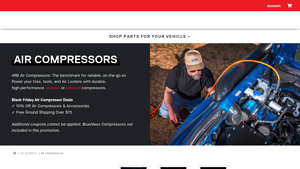
المجال: store.arbusa.com
مسجل: 1998 (27 سنة)
مقدمة: Portable & Vehicle Mounted Air Compressor Systems | ARB 4×4 USA. ARB Air Compressors are reliable, high-performance compressors designed for on-the-go use. They can power tires, tools, and Air Lockers. Key products include: 1. Twin Motor Onboard 12V Air Compressor CKMTA12 – $593.95 2. Single Motor Onboard 12V Air Compressor CKMA12 – $323.95 3. Single Motor Portable 12V Air Compressor CKMP12V2 – $4…
In the competitive landscape of small car air compressors, strategic sourcing emerges as a critical component for international B2B buyers. By leveraging insights into product specifications, market trends, and supplier capabilities, businesses can enhance their procurement strategies to ensure quality, reliability, and cost-effectiveness. The demand for portable and efficient inflators, such as the AAA Mini Tire Air Inflator and AstroAI Cordless Tire Inflator, underscores the need for products that combine performance with versatility, catering to diverse markets across Africa, South America, the Middle East, and Europe.
Investing in strategic sourcing not only mitigates risks but also fosters long-term partnerships with suppliers who can adapt to evolving market needs. As regional markets continue to grow, the focus should be on sourcing compressors that meet local regulations while delivering superior user experiences.
Looking ahead, international B2B buyers should prioritize innovation and sustainability in their sourcing strategies. By aligning with suppliers who prioritize these values, companies can not only fulfill immediate operational needs but also contribute to broader environmental goals. Engage with your suppliers today to explore how strategic sourcing can transform your business outcomes in the small car air compressor market.
المعلومات الواردة في هذا الدليل، بما في ذلك المحتوى المتعلق بالمصنعين والمواصفات الفنية وتحليل السوق، هي لأغراض إعلامية وتعليمية فقط. وهي لا تشكل مشورة مهنية في مجال المشتريات أو مشورة مالية أو مشورة قانونية.
على الرغم من أننا بذلنا كل جهد ممكن لضمان دقة المعلومات ودقة توقيتها، إلا أننا لسنا مسؤولين عن أي أخطاء أو سهو أو معلومات قديمة. تخضع ظروف السوق وتفاصيل الشركة والمعايير الفنية للتغيير.
يجب على المشترين بين الشركات إجراء العناية الواجبة المستقلة والشاملة الخاصة بهم قبل اتخاذ أي قرارات شراء. ويشمل ذلك الاتصال بالموردين مباشرة، والتحقق من الشهادات، وطلب عينات، وطلب الاستشارات المهنية. يتحمل القارئ وحده مخاطر الاعتماد على أي معلومات واردة في هذا الدليل.


 Arabic
  English
  Russian
  Spanish
  Italian
  Portuguese
  German