
- اللغة الإنجليزية
- الروسية
- الإسبانية
- إيطالي
- اللغة العربية
- البرتغالية
- الألمانية
The global market for tyre pressure air compressors presents a significant challenge for B2B buyers aiming to ensure the safety and efficiency of their fleets. Sourcing the right tyre pressure air compressor involves navigating a complex landscape of options that cater to diverse applications, from commercial vehicles to industrial machinery. Buyers must consider various factors, including compressor types, power sources, pressure capabilities, and additional features that enhance usability. This guide offers a comprehensive overview of the different types of tyre pressure air compressors, their specific applications, and the critical considerations for supplier vetting.
By delving into the intricacies of cost analysis, market trends, and product specifications, this resource empowers international B2B buyers—particularly those from regions such as Africa, South America, the Middle East, and Europe (e.g., Vietnam, Germany)—to make informed purchasing decisions. Understanding these dynamics not only aids in selecting the most suitable products but also enhances operational efficiency and safety standards. As the demand for reliable tyre maintenance solutions continues to grow, this guide serves as an essential tool for businesses seeking to optimize their fleet management and ensure they remain competitive in the ever-evolving global marketplace.
| اسم النوع | السمات المميزة الرئيسية | تطبيقات B2B الأولية | موجز الإيجابيات والسلبيات للمشترين |
|---|---|---|---|
| أجهزة نفخ الإطارات المحمولة | Compact, battery or 12V powered, easy to store | ورش تصليح السيارات، المساعدة على الطريق | الإيجابيات: Easy to transport; quick inflation. السلبيات: Limited power for larger tires. |
| Industrial Air Compressors | High-capacity, continuous operation, robust design | Manufacturing, construction, logistics | الإيجابيات: High efficiency; suitable for heavy-duty tasks. السلبيات: Higher initial investment; requires maintenance. |
| أجهزة نفخ الإطارات الرقمية | Built-in pressure gauges, preset PSI settings | Fleet management, automotive service centers | الإيجابيات: Accurate inflation; user-friendly. السلبيات: Battery dependency may limit use. |
| Heavy-Duty Air Compressors | Designed for high PSI, often portable with large tanks | Commercial trucking, agriculture | الإيجابيات: Handles large tires; fast inflation. السلبيات: Bulky; may require specialized training. |
| أجهزة نفخ الإطارات اللاسلكية | Rechargeable battery, lightweight, versatile | Personal use, small businesses | الإيجابيات: Cordless convenience; multiple uses. السلبيات: Limited battery life; slower inflation rates. |
Portable tire inflators are designed for convenience, often featuring compact designs that allow for easy storage in vehicles. Typically powered by batteries or 12V outlets, these inflators are ideal for automotive repair shops and roadside assistance services. When considering a purchase, B2B buyers should evaluate the inflator’s inflation speed and ease of use, as these factors can significantly impact service efficiency.
Industrial air compressors are built for high-capacity tasks, capable of continuous operation and designed to withstand rigorous use. Their robust construction makes them suitable for manufacturing and construction industries where reliability is crucial. Buyers should consider the compressor’s efficiency, maintenance needs, and whether it meets the operational demands of their specific applications before making a purchase.
Digital tire inflators offer precise inflation with built-in pressure gauges and preset settings, making them ideal for fleet management and automotive service centers. Their accuracy reduces the risk of over-inflation, contributing to safer vehicle operation and tire longevity. B2B buyers should assess the usability and calibration accuracy of these inflators to ensure they meet their operational standards.
Heavy-duty air compressors are specifically designed for high PSI applications, making them indispensable in industries such as commercial trucking and agriculture. These compressors can inflate large tires quickly and efficiently, which is crucial for maintaining vehicle uptime. When purchasing, businesses should evaluate the compressor’s portability, power source, and whether it can handle the specific tire sizes in their fleet.
Cordless tire inflators are lightweight and rechargeable, providing versatility for personal use and small businesses. They are particularly useful in scenarios where mobility is essential, such as in remote locations or during mobile service calls. Buyers should consider battery life and inflation speed, as these factors can affect overall productivity in service delivery.
| الصناعة/القطاع | Specific Application of tyre pressure air compressor | القيمة/الفائدة للأعمال التجارية | اعتبارات التوريد الرئيسية لهذا التطبيق |
|---|---|---|---|
| إصلاح السيارات | Tire inflation and maintenance for customer vehicles | Enhances service speed and customer satisfaction | Durability, power source options, and portability |
| الإنشاءات | Tire inflation for heavy machinery and equipment | Ensures operational efficiency and safety compliance | High PSI capability, rugged design, and ease of use |
| النقل والخدمات اللوجستية | Routine maintenance of fleet vehicles | Reduces downtime and maintenance costs | Compact design, reliability, and service support |
| الزراعة | Inflation of agricultural vehicle tires | Improves efficiency in field operations | Weather resistance, high-capacity performance |
| Recreational Vehicles | Tire maintenance for RVs and trailers | Enhances safety and travel comfort | Portability, ability to handle high-pressure tires |
In the automotive repair sector, tyre pressure air compressors are essential for inflating and maintaining the correct tire pressure of customer vehicles. Proper tire inflation is critical for vehicle safety and performance, reducing fuel consumption and extending tire life. Businesses need compressors that are durable, portable, and capable of inflating tires quickly to minimize customer wait times. For international buyers, ensuring compatibility with various vehicle types and local power supply standards is crucial.
In the construction industry, tyre pressure air compressors are vital for inflating tires on heavy machinery and equipment. These compressors ensure that all machinery operates efficiently and safely, as under-inflated tires can lead to equipment failure and costly downtime. Buyers in this sector should focus on compressors with high PSI capabilities, rugged designs to withstand harsh job site conditions, and ease of use for quick inflation tasks. Sourcing should also consider local availability of parts for maintenance.
Transportation and logistics companies utilize tyre pressure air compressors to perform routine maintenance on fleet vehicles, ensuring that all tires are properly inflated. This proactive approach reduces the risk of tire blowouts, enhances fuel efficiency, and ultimately lowers maintenance costs. Companies should prioritize sourcing compressors that are compact for easy storage, reliable under heavy use, and come with robust service support to minimize operational disruptions.
In agriculture, maintaining proper tire pressure on tractors and other vehicles is critical for operational efficiency. Tyre pressure air compressors enable farmers to quickly inflate tires in the field, ensuring that equipment runs smoothly without interruptions. Buyers should look for compressors that can withstand varied weather conditions and provide high-capacity performance to handle the demanding needs of agricultural vehicles. Additionally, ease of transport and use is essential for on-site applications.
Recreational vehicle (RV) owners rely on tyre pressure air compressors for tire maintenance before and during trips. Properly inflated tires enhance safety and comfort on long journeys, preventing issues that could lead to roadside emergencies. Buyers should consider portable compressors that can handle high-pressure tires and offer features like built-in pressure gauges and multiple power options. For international buyers, ensuring compatibility with local voltage and outlet types is a key consideration.
المشكلة B2B buyers often face the challenge of selecting a tyre pressure air compressor that meets the varying needs of their fleet or service offerings. Different vehicles, from passenger cars to heavy-duty trucks, require different PSI levels and flow rates. With numerous models available, distinguishing which compressor is suitable for specific applications can be overwhelming. This indecision can lead to purchasing the wrong equipment, resulting in increased operational costs and downtime.
الحل: To effectively navigate the selection process, buyers should start by defining their specific requirements based on the types of vehicles and the frequency of use. A detailed analysis of the fleet’s needs will guide the choice of compressor. For example, if the fleet includes heavy-duty trucks, a compressor that can deliver high PSI (up to 150 PSI) and has a robust duty cycle is essential. Utilizing resources like product comparison charts and expert reviews can help identify models suited for particular applications. Additionally, engaging with suppliers who offer customized solutions or product demonstrations can provide hands-on insights into performance, ensuring that the selected compressor aligns with operational demands.
المشكلة A prevalent issue among B2B buyers is the inconsistency in the performance of tyre pressure air compressors. Factors such as fluctuating power supply, compressor wear and tear, or improper usage can lead to unreliable inflation, ultimately causing service delays. This is especially critical in commercial settings where timely vehicle maintenance is essential for operational efficiency. Delays can result in lost revenue and decreased customer satisfaction.
الحل: To mitigate performance inconsistencies, buyers should implement a rigorous maintenance schedule for their compressors, including regular checks on hoses, filters, and pressure gauges. Investing in high-quality compressors with proven reliability and a solid warranty can also minimize future issues. Moreover, staff training on the correct usage of the equipment is crucial. Providing clear operational guidelines and troubleshooting resources can empower employees to address minor issues before they escalate. Additionally, sourcing compressors equipped with smart technology that alerts users to performance issues can further enhance reliability, ensuring that service times remain consistent.
المشكلة Safety is a significant concern for B2B buyers, particularly in environments where tyre pressure air compressors are used frequently. Neglecting safety protocols, such as proper ventilation, handling of electrical components, and awareness of pressure limits, can lead to accidents and injuries. This oversight not only puts employees at risk but can also result in costly liability claims and damage to company reputation.
الحل: To enhance safety during compressor usage, it is essential to establish and enforce comprehensive safety protocols. Buyers should ensure that all staff members are adequately trained on operational safety guidelines, including proper handling and maintenance procedures. Investing in compressors that include built-in safety features, such as automatic shut-off valves and overload protection, can further protect users. Regular safety audits and refreshers on best practices can help maintain a culture of safety in the workplace. Additionally, providing personal protective equipment (PPE) for employees operating the compressors can further mitigate risks, ensuring a safer working environment and compliance with industry regulations.
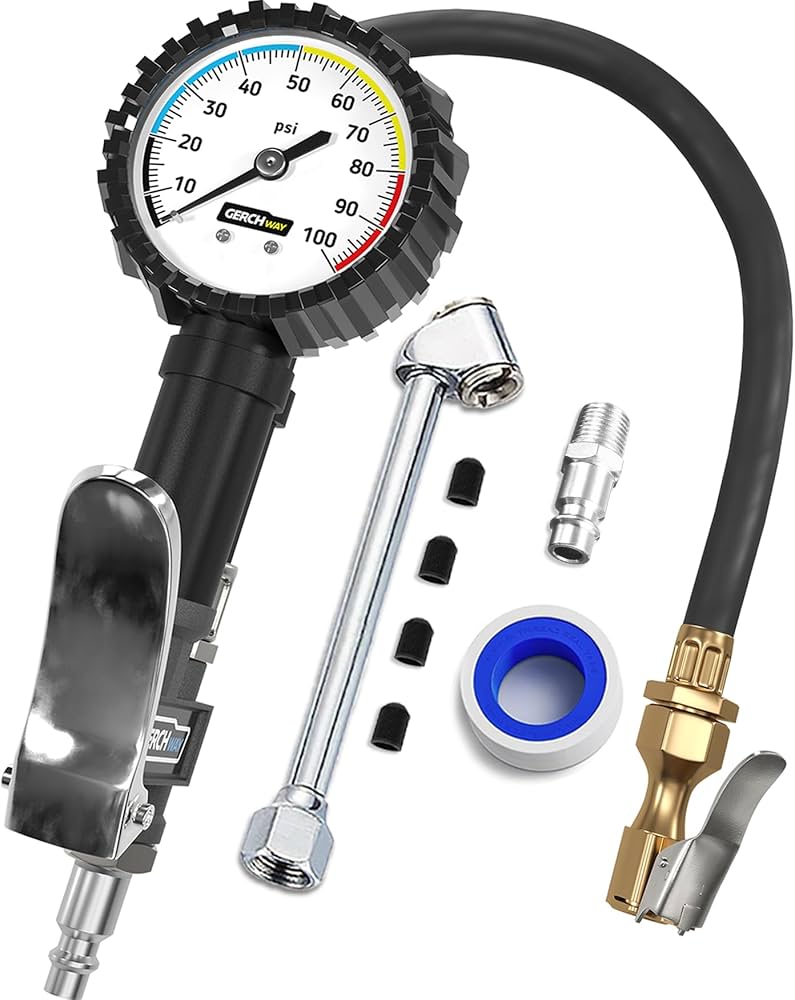
Illustrative image related to tyre pressure air compressor
When selecting materials for tyre pressure air compressors, several factors such as performance, durability, and cost must be considered. Below is an analysis of four common materials used in the construction of these devices, focusing on their properties, advantages, disadvantages, and implications for international B2B buyers.
Aluminum is a popular choice for compressor housings and components due to its lightweight and excellent thermal conductivity. It typically has a temperature rating of up to 150°C and can withstand pressures around 200 psi, making it suitable for most tyre inflation applications.
الإيجابيات: Aluminum is corrosion-resistant and offers good durability, which is essential for compressors exposed to various environmental conditions. It is also cost-effective compared to other metals, making it a preferred option for manufacturers.
السلبيات: Although aluminum is durable, it can be prone to dents and scratches, which may affect its longevity. Additionally, the manufacturing process can be complex, requiring specialized techniques such as extrusion or die-casting.
التأثير على التطبيق: Aluminum’s compatibility with various media makes it a versatile choice. However, its lower strength compared to steel may limit its use in high-pressure scenarios.
اعتبارات للمشترين بين الشركات B2B: Buyers from regions like Africa and South America should ensure that the aluminum used meets international standards such as ASTM or DIN to guarantee quality and performance.
Steel is another commonly used material, particularly for components that require high strength and durability. It has a temperature rating of up to 300°C and can handle pressures exceeding 300 psi, making it ideal for heavy-duty applications.
الإيجابيات: Steel is incredibly strong and resistant to wear and tear, which extends the lifespan of the compressor. It also offers excellent resistance to deformation under high pressure.
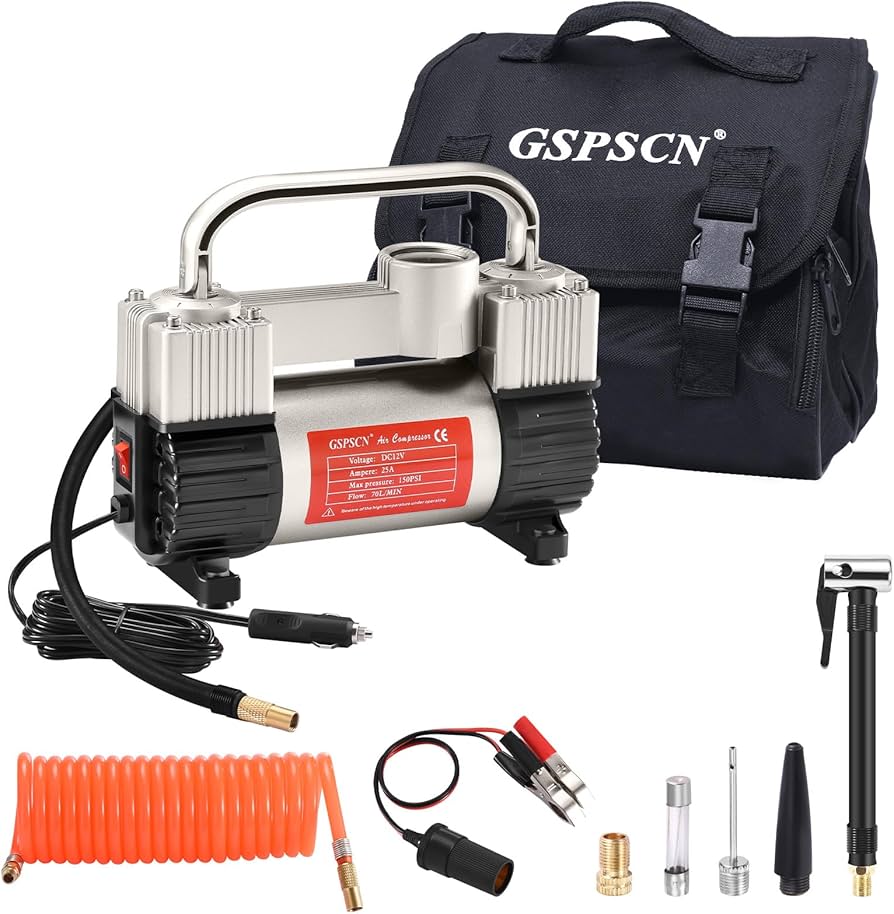
Illustrative image related to tyre pressure air compressor
السلبيات: The primary drawback of steel is its susceptibility to corrosion, especially in humid or salty environments. This necessitates additional protective coatings, which can increase manufacturing costs.
التأثير على التطبيق: Steel is often used in applications requiring high pressure and durability, such as industrial compressors. However, its weight can be a disadvantage for portable models.
اعتبارات للمشترين بين الشركات B2B: Buyers in Europe may prefer steel components that comply with stringent EU regulations, while those in the Middle East should consider the impact of local climates on material longevity.
Plastic, particularly high-density polyethylene (HDPE) and polypropylene, is increasingly used in tyre pressure air compressors for non-structural components. These materials can typically withstand temperatures up to 80°C and pressures around 100 psi.
الإيجابيات: Plastic is lightweight and resistant to corrosion, making it an excellent choice for portable compressors. It also allows for simpler manufacturing processes, reducing overall production costs.
السلبيات: The primary limitation is that plastic is less durable than metals and may not withstand high-pressure applications. It can also degrade over time when exposed to UV light.
التأثير على التطبيق: While plastic components can be effective for non-load-bearing parts, they may not be suitable for high-pressure areas of the compressor.
اعتبارات للمشترين بين الشركات B2B: Buyers should ensure that any plastic used meets relevant safety standards, particularly in countries with strict regulations like Germany.
Rubber is primarily used for seals and hoses in tyre pressure air compressors. It can handle temperatures up to 100°C and pressures around 150 psi, depending on the specific type of rubber used.
الإيجابيات: Rubber offers excellent flexibility and elasticity, which helps maintain a good seal and prevents air leaks. It is also resistant to wear and tear, making it suitable for moving parts.
السلبيات: Rubber can degrade over time due to exposure to ozone and UV light, which can lead to premature failure of seals and hoses.
التأثير على التطبيق: Rubber is crucial for maintaining the integrity of the compressor system, but its lifespan may be limited in harsh environments.
اعتبارات للمشترين بين الشركات B2B: Buyers should consider sourcing rubber components that are specifically designed for high-performance applications to ensure reliability.
| المواد | Typical Use Case for tyre pressure air compressor | الميزة الرئيسية | العيب/التقييد الرئيسي | التكلفة النسبية (منخفضة/متوسطة/مرتفعة) |
|---|---|---|---|---|
| ألومنيوم | Compressor housings and components | خفيف الوزن ومقاوم للتآكل | Prone to dents; complex manufacturing | متوسط |
| الفولاذ | High-pressure and industrial applications | قوة ومتانة عالية | Susceptible to corrosion; heavier | عالية |
| بلاستيك | Non-structural components like casings | خفيفة الوزن وفعالة من حيث التكلفة | Less durable; UV degradation | منخفضة |
| المطاط | الأختام والخراطيم | مرونة وإغلاق ممتازين | Degrades over time; ozone sensitivity | متوسط |
This analysis provides a comprehensive overview of the materials commonly used in tyre pressure air compressors, offering valuable insights for international B2B buyers. Understanding these materials’ properties and considerations can help buyers make informed decisions that align with their specific needs and regional standards.
The manufacturing process for tyre pressure air compressors typically involves several key stages: material preparation, forming, assembly, and finishing. Each stage is crucial in ensuring the final product meets quality and performance standards.
Material Preparation: The first step involves sourcing high-quality materials, such as aluminum, steel, and plastic components. Manufacturers often prioritize durability and lightweight properties to enhance portability. Material inspections are conducted to verify compliance with specifications and standards.
Forming: This stage includes various processes such as machining, stamping, and molding. Machining is used for precision parts like the compressor body and fittings, ensuring they meet exact tolerances. Stamping may be employed for creating metal parts, while molding is commonly used for plastic components. Advanced techniques like CNC (Computer Numerical Control) machining can improve accuracy and reduce waste.
Assembly: During assembly, components are carefully put together, often following detailed schematics. This may include integrating electronic parts, such as pressure gauges and switches, alongside mechanical components. Automation plays a significant role here, with robots assisting in repetitive tasks to enhance efficiency and consistency.
Finishing: The final stage involves surface treatment processes like painting, anodizing, or powder coating, which not only improve aesthetics but also protect against corrosion. Quality checks are performed to ensure that the finishing meets both functional and visual standards.
Quality assurance (QA) is an essential aspect of the manufacturing process, ensuring that products meet international and industry-specific standards. For tyre pressure air compressors, compliance with standards such as ISO 9001, CE, and API is crucial for building trust with B2B buyers.
International Standards: ISO 9001 is a widely recognized standard that outlines the criteria for a quality management system. It emphasizes a process-based approach to managing and improving quality. Compliance with CE marking indicates that the product meets European health, safety, and environmental protection standards, which is particularly important for buyers in Europe.
Industry-Specific Standards: For compressors, adherence to API (American Petroleum Institute) standards may be relevant, especially for industrial applications. These standards ensure that products perform reliably under various conditions and meet specific safety requirements.
Quality control (QC) checkpoints are strategically placed throughout the manufacturing process to catch defects early and ensure quality compliance. The following checkpoints are common in the production of tyre pressure air compressors:
مراقبة الجودة الواردة (IQC): This involves inspecting raw materials upon arrival. Suppliers must provide documentation that materials meet specified standards. Any discrepancies can lead to rejection or re-evaluation of the supplier.
مراقبة الجودة أثناء العملية (IPQC): As assembly progresses, QC inspectors monitor each stage to ensure that components are assembled correctly and that processes adhere to standards. This may include checking dimensions and functionality at various points during the assembly.
مراقبة الجودة النهائية (FQC): Once the compressor is fully assembled, FQC involves comprehensive testing of the finished product. This includes functionality tests, pressure tests, and safety checks to ensure that the compressor operates correctly and meets performance specifications.
Various testing methods are employed to validate the performance and safety of tyre pressure air compressors. These methods are critical for ensuring that products can withstand real-world conditions.
Pressure Testing: Compressors are subjected to pressure tests to verify their ability to operate safely at specified pressures. This helps identify any leaks or weaknesses in the construction.
اختبار الأداء: This involves assessing the compressor’s efficiency, speed, and noise levels during operation. Performance metrics are compared against industry benchmarks to ensure competitiveness.
اختبار المتانة: To simulate long-term usage, compressors may undergo fatigue testing, where they are operated continuously for extended periods. This helps identify potential points of failure over time.
B2B buyers should implement several strategies to verify the quality control processes of potential suppliers:
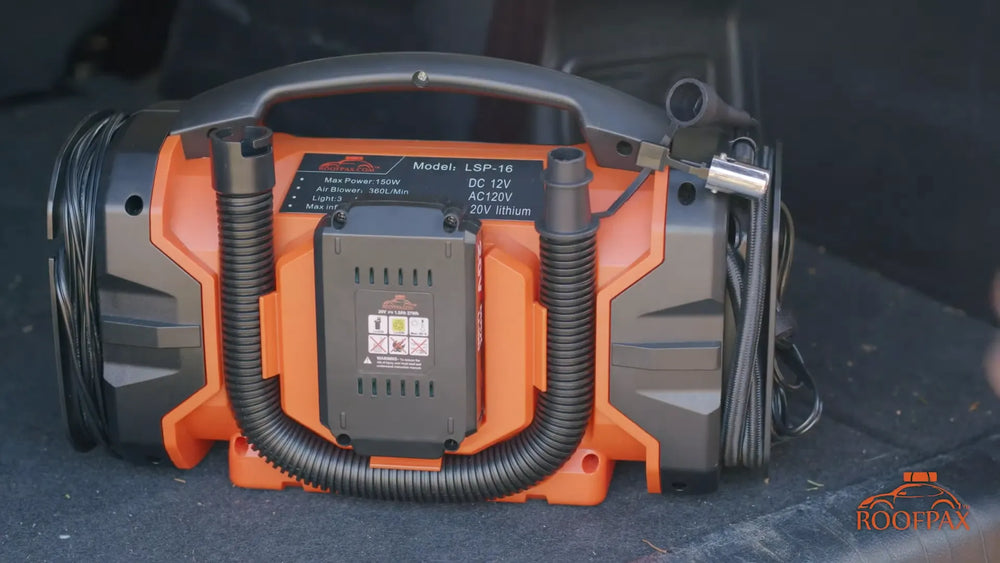
Illustrative image related to tyre pressure air compressor
عمليات تدقيق الموردين: Conducting on-site audits allows buyers to assess the manufacturing environment, quality management systems, and compliance with international standards. This direct observation can provide valuable insights into the supplier’s capabilities.
تقارير الجودة: Requesting detailed quality reports that outline QC processes, testing results, and compliance certifications can help buyers evaluate a supplier’s commitment to quality. These reports should be transparent and readily available.
عمليات التفتيش من طرف ثالث: Engaging third-party inspection agencies can add an extra layer of assurance. These organizations can conduct independent assessments of the manufacturing process and product quality, providing unbiased evaluations.
International B2B buyers, particularly those in regions like Africa, South America, the Middle East, and Europe, should be aware of several nuances regarding quality control:
الامتثال التنظيمي: Different regions may have unique regulatory requirements. For instance, products sold in the European Union must meet stringent CE marking requirements, while those in the U.S. may need to comply with ANSI (American National Standards Institute) standards. Understanding these regulations is critical for market access.
Cultural Differences in Quality Standards: Cultural perceptions of quality can vary significantly across regions. Buyers should be aware of local expectations and standards, which may influence how products are manufactured and tested.
الاعتبارات اللوجستية: International shipping can affect product quality. Buyers should consider how products will be transported and stored before reaching their destination, as improper handling can lead to damage or defects.
In conclusion, understanding the manufacturing processes and quality assurance protocols for tyre pressure air compressors is essential for B2B buyers. By being informed about the various stages of production, quality checkpoints, testing methods, and how to verify supplier QC, businesses can make more educated purchasing decisions. This knowledge not only helps ensure product reliability but also fosters long-term partnerships with suppliers committed to maintaining high standards.
This sourcing guide serves as a comprehensive checklist for B2B buyers looking to procure tyre pressure air compressors. Whether you operate in the automotive, industrial, or transportation sectors, selecting the right compressor is critical for ensuring operational efficiency and vehicle safety. The following steps will help you navigate the procurement process effectively, ensuring you make informed decisions that align with your business needs.
Before you begin sourcing, clarify the technical specifications required for your application. This includes determining the desired PSI range, duty cycle, and power source (e.g., 12V, AC, or battery-operated).
Understanding current market trends can provide insights into the latest innovations in tyre pressure air compressors. This knowledge can guide your purchasing decisions and help you identify models that offer enhanced performance or energy efficiency.
Thoroughly vet potential suppliers to ensure they meet your quality and reliability standards. Request company profiles, case studies, and references from buyers in similar industries or regions.
Once you’ve shortlisted suppliers, request product samples to evaluate performance firsthand. This step allows you to assess the compressors’ ease of use, noise levels, and inflation speed.
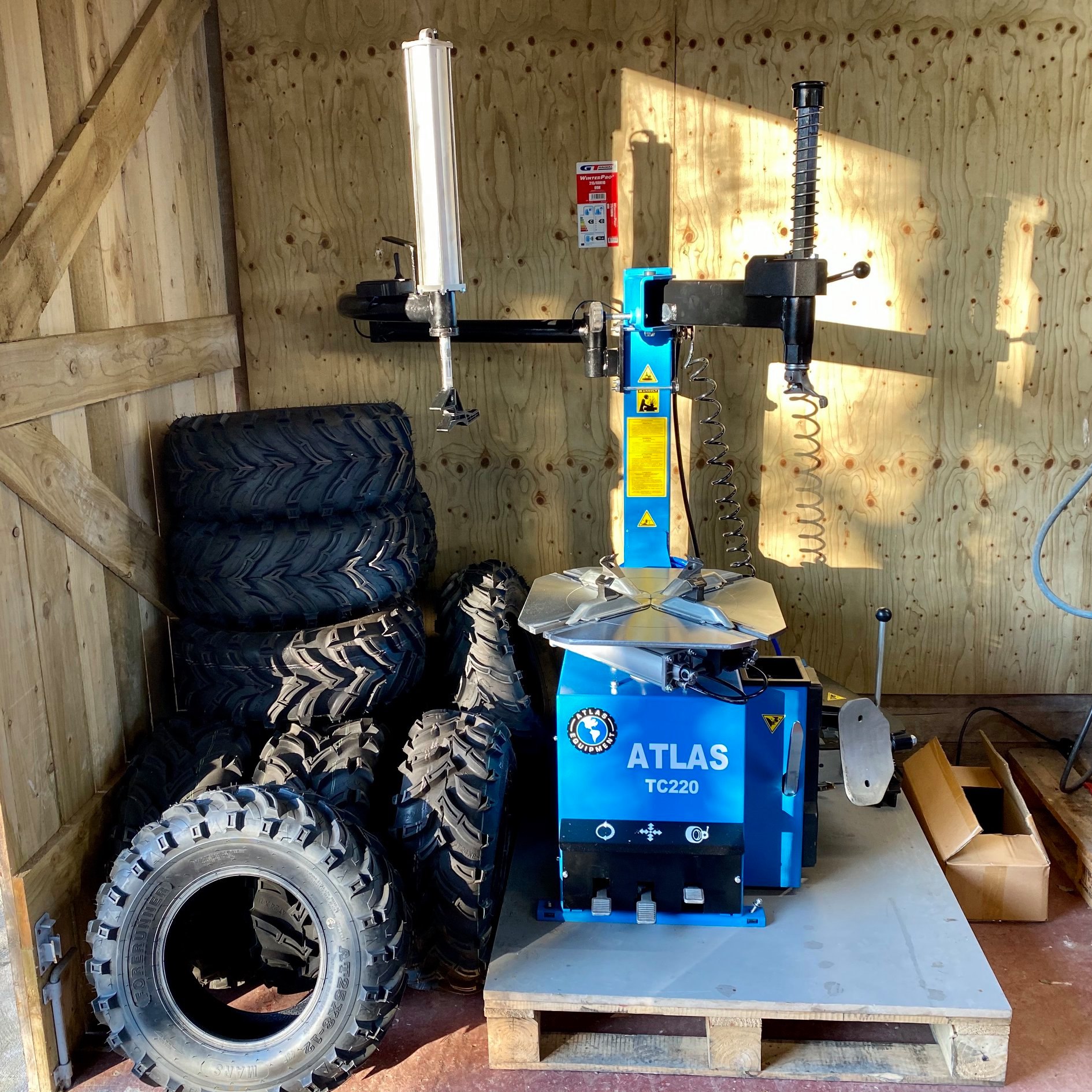
Illustrative image related to tyre pressure air compressor
Price is an essential factor, but consider the total cost of ownership, which includes maintenance, energy consumption, and any additional accessories needed for operation.
Once you’ve selected a supplier, finalize the terms of the purchase agreement. Ensure that all aspects, including delivery timelines, payment terms, and after-sales support, are clearly defined.
After procurement, implement the compressors within your operations and monitor their performance closely. This step is vital for ensuring they meet your expectations and operational requirements.
By following this checklist, B2B buyers can make informed decisions when sourcing tyre pressure air compressors, leading to enhanced operational efficiency and safety in their respective sectors.
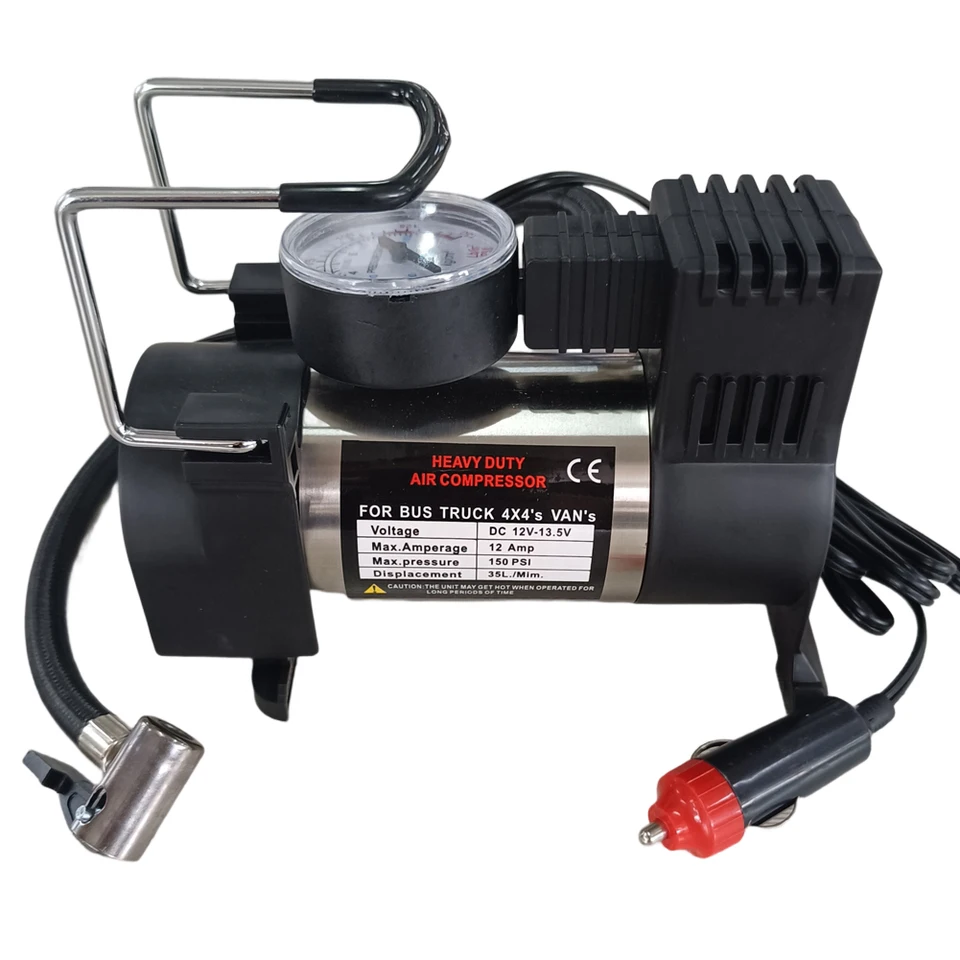
Analyzing the cost structure and pricing of tyre pressure air compressors is essential for B2B buyers looking to make informed sourcing decisions. Understanding the various cost components and price influencers can significantly enhance negotiation strategies and overall procurement efficiency.
Illustrative image related to tyre pressure air compressor
المواد: The primary materials used in tyre pressure air compressors include high-quality metals for the housing, durable plastics for components, and rubber for hoses. The choice of materials not only affects durability but also influences the overall cost. High-grade materials may lead to increased upfront costs but can offer long-term savings through enhanced longevity and reduced maintenance.
العمالة: Labor costs vary by region and depend on the complexity of the manufacturing process. In countries with lower labor costs, such as some in Asia, manufacturers can produce compressors at a more competitive rate. However, it’s crucial to consider the skill level of the workforce, as higher-skilled labor can lead to better quality products.
نفقات التصنيع الزائدة: This includes expenses related to factory operations, utilities, equipment maintenance, and administrative costs. Efficient production methods can help minimize overhead, thereby lowering the overall cost of the compressors.
الأدوات: The initial investment in tooling for production can be significant, especially for custom or specialized compressors. Buyers should inquire about tooling costs, particularly if they are considering a tailored solution that meets specific requirements.
مراقبة الجودة (QC): Implementing strict QC measures ensures that the compressors meet safety and performance standards. While this adds to the cost, it can prevent costly recalls and damage to brand reputation in the long run.
الخدمات اللوجستية: Shipping costs can vary widely based on the origin and destination of the compressors. Buyers must factor in freight charges, customs duties, and insurance when calculating total costs. Incoterms play a vital role in determining who bears these costs.
الهامش: Manufacturers typically apply a profit margin to cover their expenses and ensure profitability. This margin can vary based on market demand, competition, and the value-added features of the compressors.
الحجم والحد الأدنى لكمية الطلب (MOQ): Larger orders often qualify for bulk pricing discounts. Buyers should aim to negotiate favorable terms based on their purchasing volume, as this can significantly reduce the unit cost.
المواصفات والتخصيص: Custom features, such as advanced digital gauges or specific PSI requirements, can increase costs. Buyers should clearly communicate their specifications to avoid unexpected pricing changes.
جودة المواد والشهادات: Compressors with certifications for safety and environmental standards may come at a premium. However, these certifications can enhance marketability and reduce liability risks.
عوامل الموردين: The reliability and reputation of suppliers can influence pricing. Established suppliers with a proven track record may charge higher prices, but they often provide better support and quality assurance.
المصطلحات التجارية الدولية: Understanding Incoterms is essential for international buyers. They define the responsibilities of buyers and sellers regarding shipping, insurance, and tariffs, directly impacting the total landed cost.
التركيز على التكلفة الإجمالية للملكية (TCO): Consider not only the initial purchase price but also maintenance, energy consumption, and potential downtime costs. A lower-priced compressor might lead to higher long-term costs.
Negotiate Terms Based on Market Conditions: Keep abreast of market trends and pricing fluctuations. This knowledge can be leveraged during negotiations, especially if the supplier is facing excess inventory or competition.
Evaluate Quality Against Price: Always balance the need for a cost-effective solution with the quality of the compressor. It’s often worth paying a bit more for a product that offers better reliability and performance.
استكشاف الموردين المتعددين: Don’t settle for the first quote. Gathering multiple quotes can provide leverage in negotiations and help identify the best value.
Be Aware of Pricing Nuances in Different Regions: Understand regional pricing variations, especially when sourcing from or selling to markets in Africa, South America, the Middle East, and Europe. Local economic conditions, tariffs, and shipping logistics can all affect final pricing.
In summary, a comprehensive understanding of the cost components and pricing influencers is vital for B2B buyers in the tyre pressure air compressor market. By applying these insights, buyers can enhance their sourcing strategies and ensure they obtain the best value for their investment.
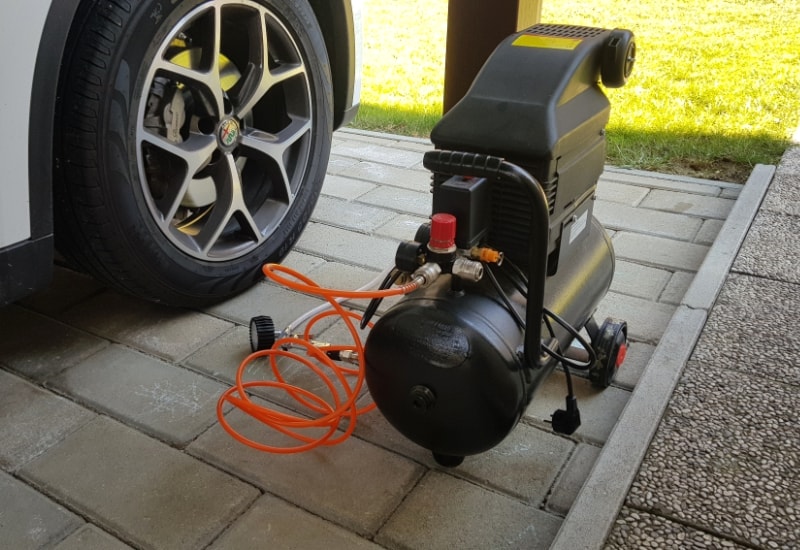
In the realm of tire maintenance, ensuring optimal tire pressure is crucial for vehicle performance, safety, and fuel efficiency. While tire pressure air compressors are a popular choice among businesses for inflating tires, several alternatives exist that can also achieve similar results. Understanding these alternatives allows B2B buyers to make informed decisions based on their specific operational needs, budget constraints, and maintenance capabilities.
| جانب المقارنة | Tyre Pressure Air Compressor | نافخ الإطارات المحمول | Manual Hand Pump |
|---|---|---|---|
| الأداء | High; fast inflation rates | Moderate; slower than compressors | Low; requires manual effort |
| التكلفة | Moderate; varies by model | Low to moderate; budget-friendly | Very low; minimal investment |
| سهولة التنفيذ | Requires power source; easy to use | Very user-friendly; often battery-operated | Simple; no power needed |
| الصيانة | الصيانة الدورية اللازمة | Minimal; occasional battery replacement | Minimal; no moving parts |
| أفضل حالة استخدام | Commercial fleets, heavy-duty vehicles | Personal vehicles, emergencies | Recreational use, bikes |
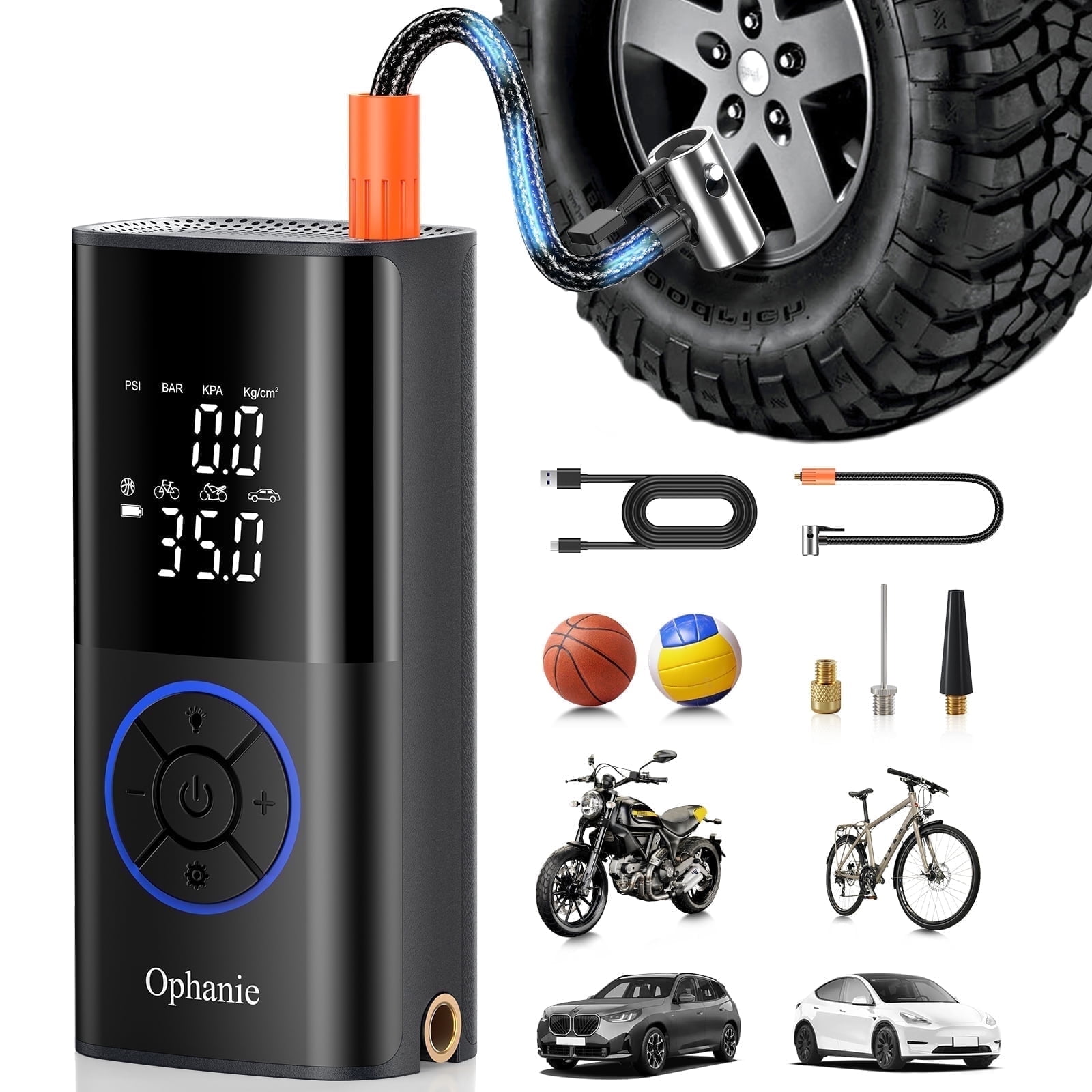
Portable tire inflators are compact and easy to use, making them a suitable alternative for businesses that require a quick solution for tire inflation. These devices often come with rechargeable batteries or can be plugged into a vehicle’s 12V outlet. The advantages include portability, lower cost, and ease of use, especially in emergency situations. However, their performance may not match that of a full-size air compressor, particularly for heavy-duty applications, as they typically take longer to inflate tires and may struggle with high PSI requirements.
Manual hand pumps are the most basic and cost-effective solution for tire inflation. They are easy to carry and do not require a power source, making them ideal for off-road adventures or situations where electricity is unavailable. Their simplicity is a major advantage, as they have no mechanical parts that could fail. However, the trade-off is the significant physical effort required, which can be impractical for larger tires or frequent use. This option is best suited for recreational activities, such as cycling or maintaining low-pressure tires, rather than for commercial fleets.
Choosing the right tire inflation solution requires a clear understanding of your operational needs and constraints. For businesses managing commercial fleets or high-demand vehicles, a tire pressure air compressor remains the most effective choice due to its superior performance and efficiency. In contrast, portable tire inflators offer a practical solution for personal vehicles and emergency situations, while manual hand pumps serve well in low-pressure scenarios or recreational activities. By evaluating these alternatives based on performance, cost, ease of implementation, maintenance, and specific use cases, B2B buyers can make informed decisions that align with their operational objectives and budget considerations.
Illustrative image related to tyre pressure air compressor
When evaluating tyre pressure air compressors for B2B procurement, it is essential to consider several technical specifications that can affect performance, reliability, and overall value. Here are the critical properties to examine:
Pressure Rating (PSI)
– The pressure rating indicates the maximum pressure the compressor can generate, typically measured in pounds per square inch (PSI). This specification is crucial for ensuring the compressor can inflate various types of tyres, especially for heavy-duty vehicles. In B2B settings, understanding the required PSI for specific applications—such as commercial trucks or passenger vehicles—helps avoid purchasing equipment that may not meet operational demands.
دورة العمل
– The duty cycle refers to the ratio of operational time to rest time, often expressed as a percentage. For example, a 50% duty cycle means the compressor can run for 5 minutes and should rest for 5 minutes. This specification is vital for businesses that require frequent use, as it impacts the compressor’s longevity and performance. A higher duty cycle allows for more continuous operation, making it suitable for commercial workshops.
Airflow Rate (CFM)
– Measured in cubic feet per minute (CFM), the airflow rate indicates how much air the compressor can deliver in a minute. A higher CFM is essential for applications requiring rapid inflation or multiple simultaneous uses, such as in service stations or automotive repair shops. B2B buyers should assess the CFM requirements based on their typical workload to ensure efficiency.
مصدر الطاقة
– Tyre pressure air compressors can be powered by various sources, including electric, battery-operated, or gas-powered systems. Understanding the power source is crucial for operational flexibility and accessibility, particularly in regions with unstable electricity supply. B2B buyers should consider the availability of power options at their operational sites to select the most suitable compressor type.
Size and Portability
– The dimensions and weight of a compressor are significant factors for businesses that need mobility. Portable units facilitate ease of use across different locations, such as construction sites or service vehicles. Evaluating the size in relation to storage and transport needs is essential for companies aiming for operational efficiency.
Understanding industry-specific jargon is crucial for effective communication and negotiation in B2B transactions. Here are some essential trade terms related to tyre pressure air compressors:
OEM (الشركة المصنعة للمعدات الأصلية)
– OEM refers to a company that produces parts or equipment that may be marketed by another manufacturer. In the context of tyre pressure air compressors, sourcing from OEMs ensures that the components meet industry standards and specifications, which is vital for reliability and performance.
موك (الحد الأدنى لكمية الطلب)
– MOQ is the smallest quantity of a product that a supplier is willing to sell. Understanding MOQ is critical for businesses, especially smaller operations, as it can influence inventory management and cash flow. B2B buyers should negotiate MOQs that align with their purchasing capabilities.
طلب عرض الأسعار (RFQ)
– An RFQ is a document sent to suppliers requesting pricing and terms for specific products. In the tyre compressor market, submitting an RFQ helps buyers obtain competitive pricing and understand available options, enabling informed purchasing decisions.
إنكوترمز (الشروط التجارية الدولية)
– Incoterms are a series of predefined commercial terms published by the International Chamber of Commerce (ICC) related to international shipping. Familiarity with Incoterms is crucial for B2B transactions involving global suppliers, as they dictate responsibilities for shipping, insurance, and tariffs.
فترة الضمان
– The warranty period refers to the duration during which the manufacturer guarantees the product against defects. Understanding warranty terms is essential for B2B buyers, as it can indicate the manufacturer’s confidence in their product and provide assurance for future maintenance costs.
By grasping these technical properties and trade terms, B2B buyers can make informed decisions when sourcing tyre pressure air compressors, ensuring they select the right equipment to meet their operational needs.
The tyre pressure air compressor market is witnessing significant growth driven by a surge in vehicle ownership and a heightened focus on vehicle maintenance. Globally, the increasing emphasis on road safety and fuel efficiency is pushing consumers and businesses alike to prioritize proper tyre inflation. Additionally, the rise of electric vehicles (EVs) is introducing new opportunities for portable and compact air compressors tailored for specific applications.
Illustrative image related to tyre pressure air compressor
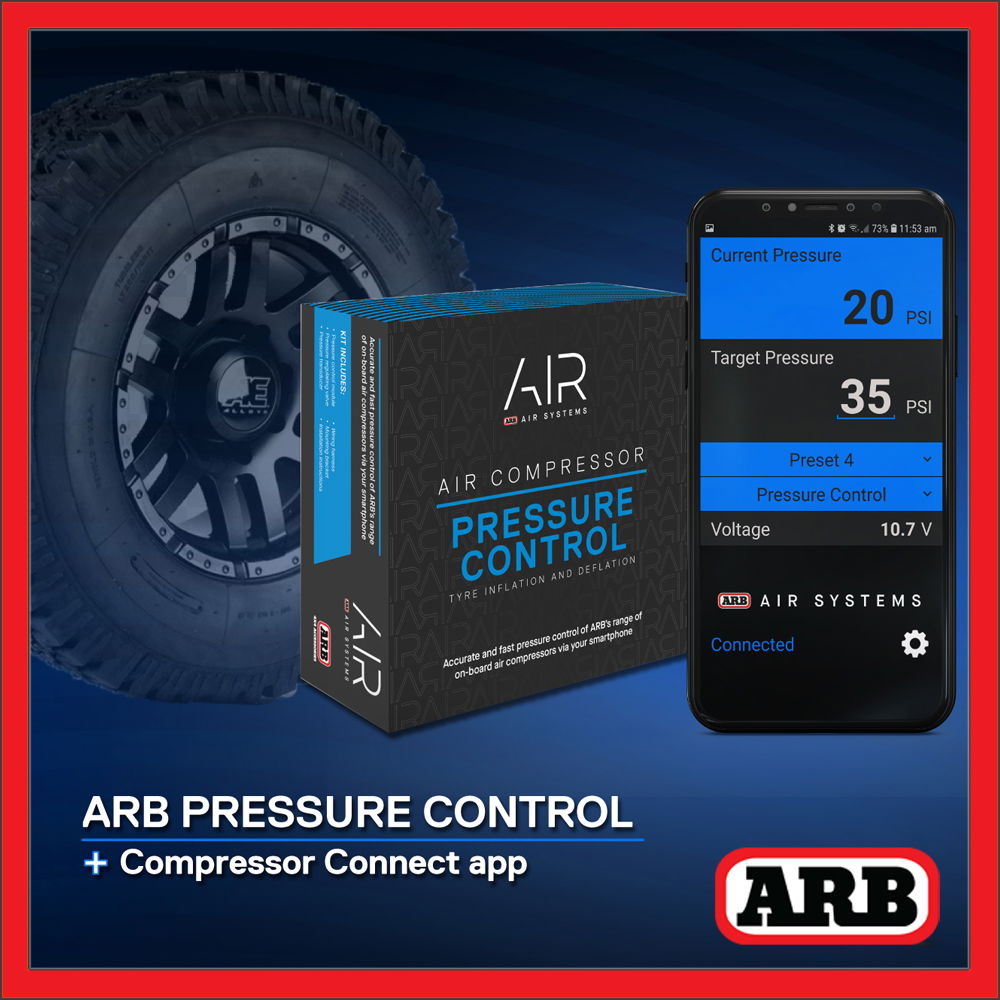
Emerging B2B technology trends include the integration of smart features such as digital pressure gauges, automatic shut-off functions, and mobile app connectivity. These innovations enhance user experience and accuracy, making it easier for businesses to maintain optimal tyre pressure. In regions like Africa and South America, where infrastructure may be less developed, portable and versatile compressors are particularly valued for their ease of use and adaptability.
Market dynamics are also influenced by the competitive landscape, with manufacturers increasingly focusing on product differentiation through enhanced performance metrics, such as inflation speed and maximum PSI capabilities. B2B buyers are advised to consider these advancements when sourcing equipment, as they can significantly impact operational efficiency and customer satisfaction.
Sustainability is becoming a crucial factor in the sourcing of tyre pressure air compressors. The environmental impact of production processes, as well as the lifecycle of the products, is under scrutiny. B2B buyers are increasingly looking for manufacturers who prioritize ethical sourcing and sustainable practices. This includes the use of recyclable materials, energy-efficient production methods, and reduced carbon footprints.
Certification programs such as ISO 14001 for environmental management systems are gaining traction among manufacturers, signaling their commitment to sustainability. Buyers should also consider brands that utilize eco-friendly materials and are transparent about their supply chains. By prioritizing sustainability, companies can not only enhance their corporate social responsibility (CSR) profile but also appeal to a growing segment of environmentally-conscious consumers and partners.
In addition, the shift towards renewable energy sources in manufacturing processes aligns with global efforts to combat climate change. This trend is particularly relevant for international buyers from regions such as Europe and the Middle East, where regulatory frameworks are increasingly stringent regarding environmental compliance.
Illustrative image related to tyre pressure air compressor
The evolution of the tyre pressure air compressor market is closely tied to advancements in technology and changes in consumer preferences. Initially, tyre inflation was predominantly managed through manual pumps and basic compressors. However, the introduction of electric and portable compressors revolutionized the market, making it more accessible and user-friendly.
In the last two decades, as vehicle technology has advanced, so too has the demand for more sophisticated tyre maintenance solutions. The rise of digital pressure monitoring and automatic inflation systems reflects a broader trend towards automation and convenience in automotive care. Today, manufacturers are focusing on creating lightweight, compact, and multi-functional compressors that cater to a diverse range of applications, from personal vehicles to heavy-duty trucks.
This evolution not only highlights the technological progress in the sector but also underscores the importance of adapting to consumer needs, which is critical for B2B buyers seeking reliable and innovative solutions in tyre pressure management.
How do I choose the right tyre pressure air compressor for my business needs?
Selecting the right tyre pressure air compressor involves considering factors like the intended use, required PSI levels, and portability. For businesses, understanding whether you need a heavy-duty compressor for commercial applications or a lighter model for occasional use is crucial. Additionally, evaluate the compressor’s duty cycle, which indicates how long it can run without overheating. Lastly, ensure that the compressor is compatible with the types of vehicles or machinery you’ll be inflating.
What is the best tyre pressure air compressor for high-volume operations?
For high-volume operations, look for compressors that offer high PSI ratings and a robust duty cycle. Models like the Viair 450P are designed for heavy-duty use and can handle larger tires found on trucks and commercial vehicles. Additionally, consider compressors with fast inflation times and multiple power options, such as 12V and AC, to enhance operational efficiency. Always assess the compressor’s build quality and warranty to ensure long-term reliability.
What are the key features to look for when sourcing a tyre pressure air compressor?
When sourcing a tyre pressure air compressor, focus on features such as maximum PSI, inflation speed, portability, and ease of use. Look for models with built-in pressure gauges for accuracy and automatic shut-off functions to prevent over-inflation. Additional features like LED lights, USB charging ports, and various nozzle attachments can enhance functionality. Also, consider the compressor’s weight and storage options for ease of transport and organization.
What are common payment terms in B2B transactions for tyre pressure air compressors?
Payment terms in B2B transactions often vary by supplier and region. Common arrangements include payment in advance, a 30% deposit with the balance due before shipment, or net 30-60 days after delivery. It’s important to negotiate terms that align with your cash flow and risk tolerance. Always ensure that payment methods are secure and that you have a clear understanding of any penalties for late payments or discounts for early settlement.
How can I ensure the quality of tyre pressure air compressors from international suppliers?
To ensure quality, conduct thorough vetting of suppliers by checking their certifications, such as ISO or CE marks, which indicate compliance with international standards. Request samples or trial units to evaluate performance and durability. Additionally, inquire about their quality assurance processes, warranty terms, and after-sales support. Establishing a clear communication channel for feedback and concerns can also help maintain quality throughout the partnership.
What is the typical minimum order quantity (MOQ) for tyre pressure air compressors?
Minimum order quantities (MOQ) can vary significantly based on the supplier and the specific model of the compressor. Generally, MOQs for industrial-grade compressors may start at 50 units, while smaller, portable models could have lower MOQs of 10-20 units. Always discuss your requirements with the supplier to negotiate terms that suit your business needs, especially if you’re a smaller enterprise looking to minimize initial investments.
What logistics considerations should I keep in mind when importing tyre pressure air compressors?
Logistics considerations include shipping costs, customs duties, and delivery times. Ensure you have a reliable freight forwarder who can navigate international shipping regulations. It’s also essential to understand the documentation required for customs clearance, such as invoices and packing lists. Plan for potential delays by allowing extra time for shipping, especially during peak seasons or in regions with complex customs processes.
Can I customize tyre pressure air compressors to meet specific business requirements?
Many manufacturers offer customization options for tyre pressure air compressors, allowing you to tailor features such as size, color, and branding. It’s advisable to discuss your specific needs with suppliers upfront, including any unique specifications that may be required for your operations. Customization may impact lead times and costs, so factor these into your planning to ensure they align with your business objectives and budget.
المجال: lowes.com
مسجل: 1995 (30 سنة)
مقدمة: Portable air compressors and tire inflators are essential for maintaining proper tire pressure, which improves tire longevity and fuel efficiency. Tire inflators are compact, direct-drive air compressors designed for tasks like filling tires, air mattresses, and pool toys. They come in various styles, including cordless, battery-powered, and electric models. Air compressors typically have a reserv…
As international B2B buyers navigate the landscape of tyre pressure air compressors, strategic sourcing emerges as a critical factor in maximizing value and efficiency. Understanding product specifications, supplier reliability, and regional market trends can empower businesses to make informed purchasing decisions. The increasing demand for portable, efficient, and user-friendly compressors reflects a broader shift towards convenience and sustainability in various sectors, including automotive, industrial, and recreational industries.
With a diverse range of products available—from compact inflators for personal vehicles to robust compressors for heavy-duty applications—buyers should prioritize sourcing partners that offer not only quality products but also comprehensive support and service. This approach ensures that companies remain competitive and responsive to changing consumer needs, particularly in emerging markets across Africa, South America, the Middle East, and Europe.
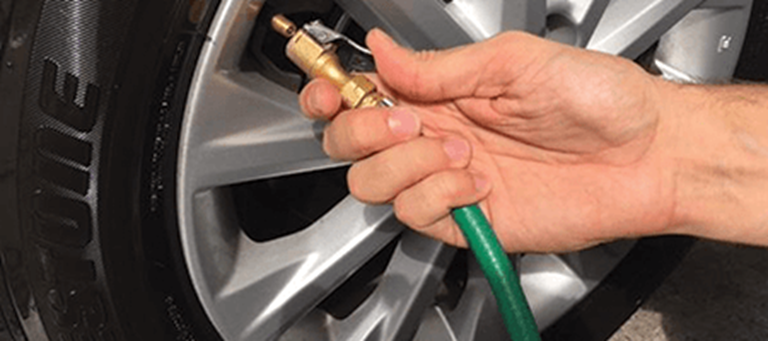
Illustrative image related to tyre pressure air compressor
Looking ahead, the tyre pressure air compressor market is poised for growth as technological advancements continue to enhance product functionality and efficiency. International buyers are encouraged to leverage strategic sourcing to secure innovative solutions that align with their operational goals. By doing so, they can position themselves at the forefront of the industry, fostering long-term partnerships and sustainable growth in a dynamic global marketplace.
المعلومات الواردة في هذا الدليل، بما في ذلك المحتوى المتعلق بالمصنعين والمواصفات الفنية وتحليل السوق، هي لأغراض إعلامية وتعليمية فقط. وهي لا تشكل مشورة مهنية في مجال المشتريات أو مشورة مالية أو مشورة قانونية.
على الرغم من أننا بذلنا كل جهد ممكن لضمان دقة المعلومات ودقة توقيتها، إلا أننا لسنا مسؤولين عن أي أخطاء أو سهو أو معلومات قديمة. تخضع ظروف السوق وتفاصيل الشركة والمعايير الفنية للتغيير.
يجب على المشترين بين الشركات إجراء العناية الواجبة المستقلة والشاملة الخاصة بهم قبل اتخاذ أي قرارات شراء. ويشمل ذلك الاتصال بالموردين مباشرة، والتحقق من الشهادات، وطلب عينات، وطلب الاستشارات المهنية. يتحمل القارئ وحده مخاطر الاعتماد على أي معلومات واردة في هذا الدليل.


 Arabic
  English
  Russian
  Spanish
  Italian
  Portuguese
  German