
In today’s competitive landscape, sourcing reliable auto tire air compressors poses a significant challenge for international B2B buyers, particularly those in regions like Africa, South America, the Middle East, and Europe. The demand for efficient tire inflation solutions is on the rise, driven by an increasing focus on vehicle safety, fuel efficiency, and maintenance costs. This comprehensive guide delves into the diverse types of auto tire air compressors available, their various applications, and the essential considerations for supplier vetting.
Buyers will gain insights into the latest technological advancements, such as automatic tire inflators equipped with digital gauges and auto shut-off features, which enhance usability and accuracy. Additionally, this guide explores pricing structures, helping businesses to make informed financial decisions.
By navigating the complexities of the global market for auto tire air compressors, this resource empowers B2B buyers to streamline their purchasing processes. It equips them with the knowledge needed to select the right products that meet their specific operational needs, ensuring optimal performance and customer satisfaction. Whether you are sourcing for a fleet of vehicles or a retail business, understanding the nuances of tire inflation technology will position you for success in an evolving marketplace.
| Type Name | Key Distinguishing Features | Primary B2B Applications | Brief Pros & Cons for Buyers |
|---|---|---|---|
| Portable Tire Inflators | Compact, battery-operated, often cordless | Emergency roadside assistance, small fleets | Pros: Easy to store, quick inflation. Cons: Limited power for larger vehicles. |
| Automatic Tire Inflators | Wall-mounted, digital gauges, preset PSI settings | Workshops, tire shops, fleet maintenance | Pros: Precision inflation, reduces manual labor. Cons: Higher initial investment. |
| Heavy-Duty Air Compressors | High PSI output, suitable for larger tires | Construction, off-road vehicles | Pros: Fast inflation for heavy-duty applications. Cons: Bulkier, requires more space. |
| Dual-Cylinder Compressors | Enhanced performance for faster inflation | Heavy-duty vehicles, commercial use | Pros: Efficient for larger tires, robust design. Cons: More expensive, heavier. |
| Multi-Purpose Inflators | Versatile, includes adapters for various inflatables | General use, sports equipment inflation | Pros: Can inflate a variety of items. Cons: May lack power for heavy-duty tires. |
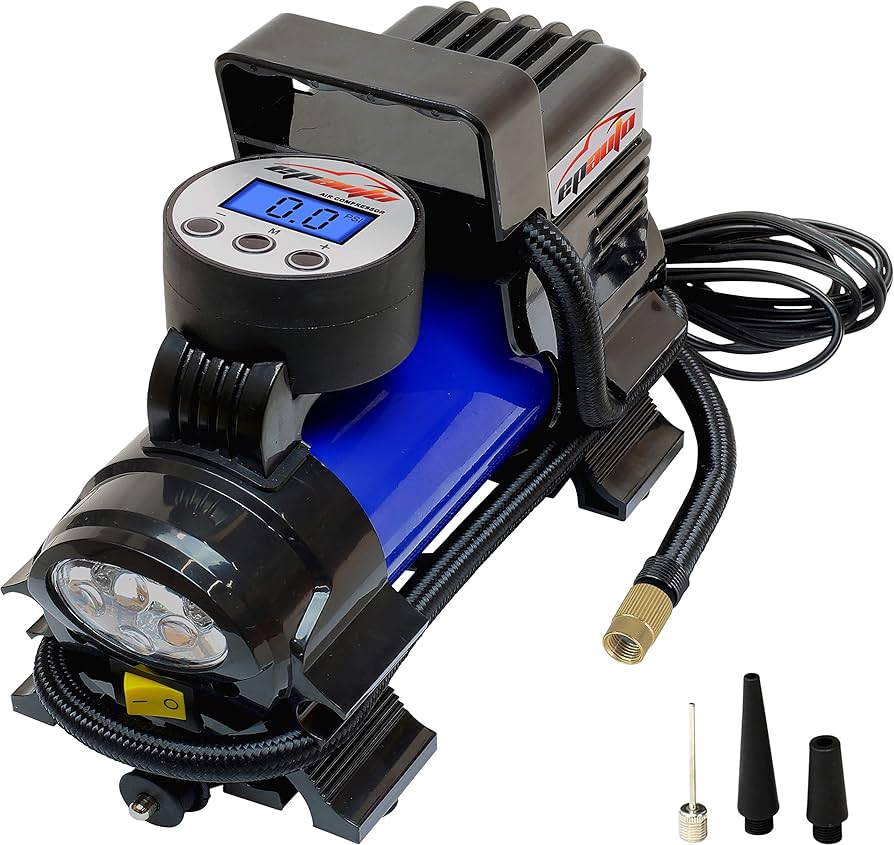
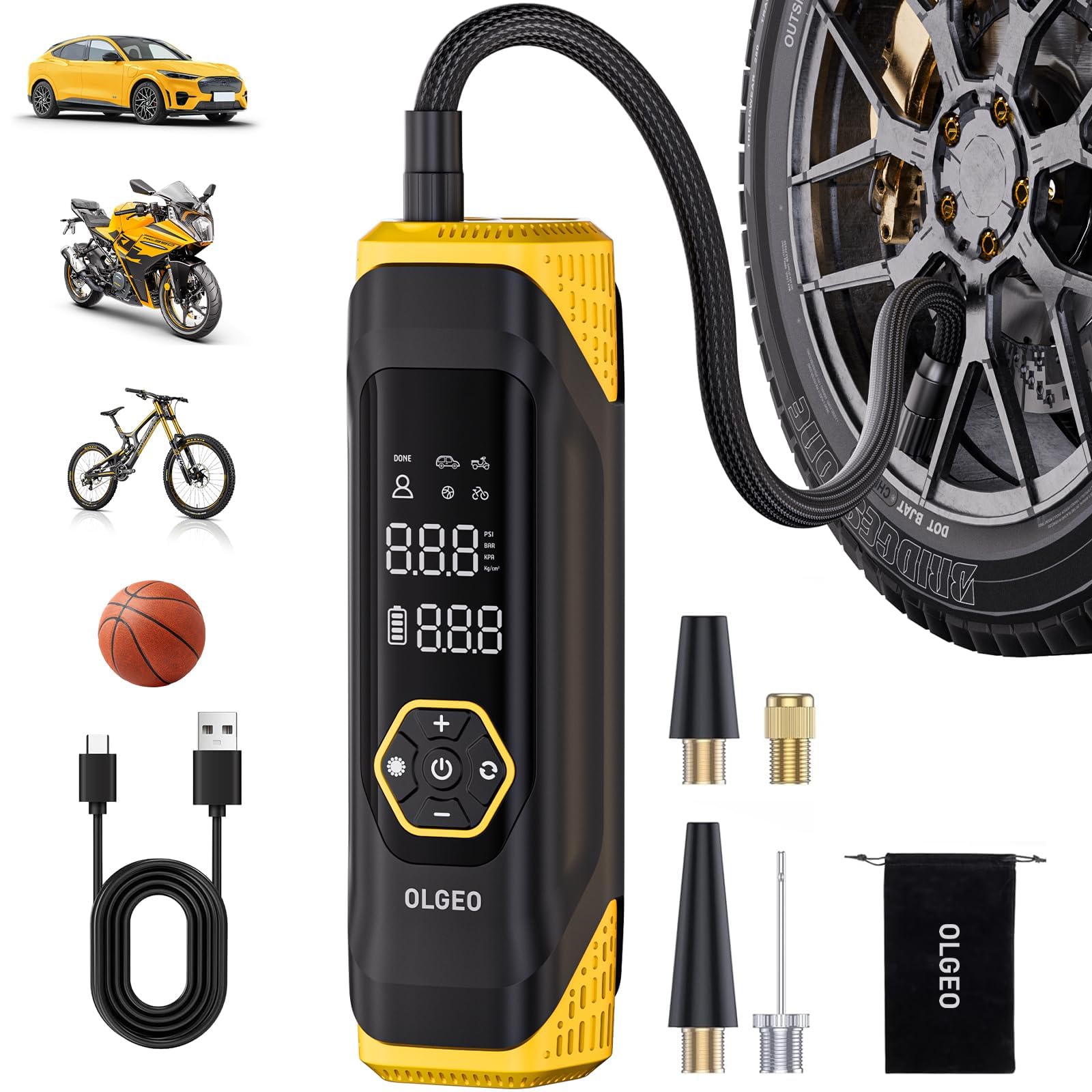
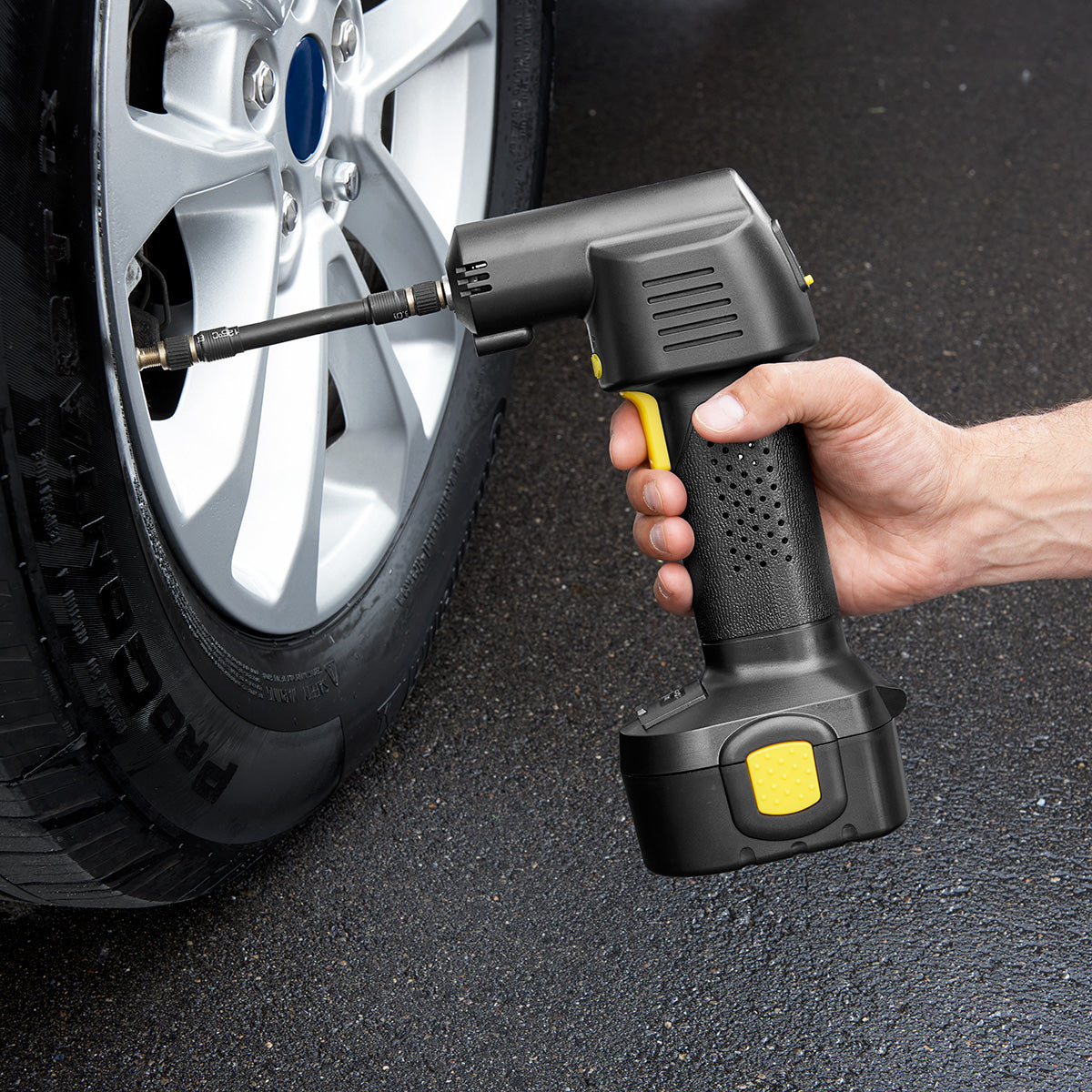
Portable tire inflators are compact, typically battery-operated devices designed for quick inflation. Their lightweight design allows for easy transport and storage, making them ideal for emergency roadside assistance or small fleet operations. B2B buyers should consider the inflator’s PSI capacity, battery life, and ease of use, as these factors will impact their effectiveness in urgent situations. While they are convenient, they may not provide sufficient power for larger vehicles, limiting their application.
Illustrative image related to auto tire air compressor
Automatic tire inflators are designed for fixed installation in workshops or tire shops. They often feature digital gauges and preset PSI settings, allowing for precise inflation without manual intervention. This automation reduces labor costs and enhances efficiency in high-volume environments, such as fleet maintenance or tire service centers. Buyers should evaluate the inflator’s compatibility with nitrogen inflation and its calibration accuracy to ensure it meets their operational needs. The initial investment may be higher, but the long-term savings in labor and time can be substantial.
Heavy-duty air compressors are built to deliver high PSI output, making them suitable for inflating larger tires commonly found on construction equipment and off-road vehicles. Their robust design ensures durability under demanding conditions. B2B buyers in the construction industry should assess the compressor’s power source, portability, and maintenance requirements. While these compressors can inflate tires quickly, their bulkiness and space requirements may necessitate dedicated storage solutions.
Dual-cylinder compressors are engineered for enhanced performance, allowing for faster inflation rates, especially beneficial in commercial applications. They are ideal for heavy-duty vehicles and can handle larger tire sizes efficiently. When considering a dual-cylinder compressor, B2B buyers should focus on the unit’s PSI capabilities, duty cycle, and build quality. Although they tend to be pricier, their efficiency and durability can provide excellent ROI for businesses that require frequent tire maintenance.
Illustrative image related to auto tire air compressor
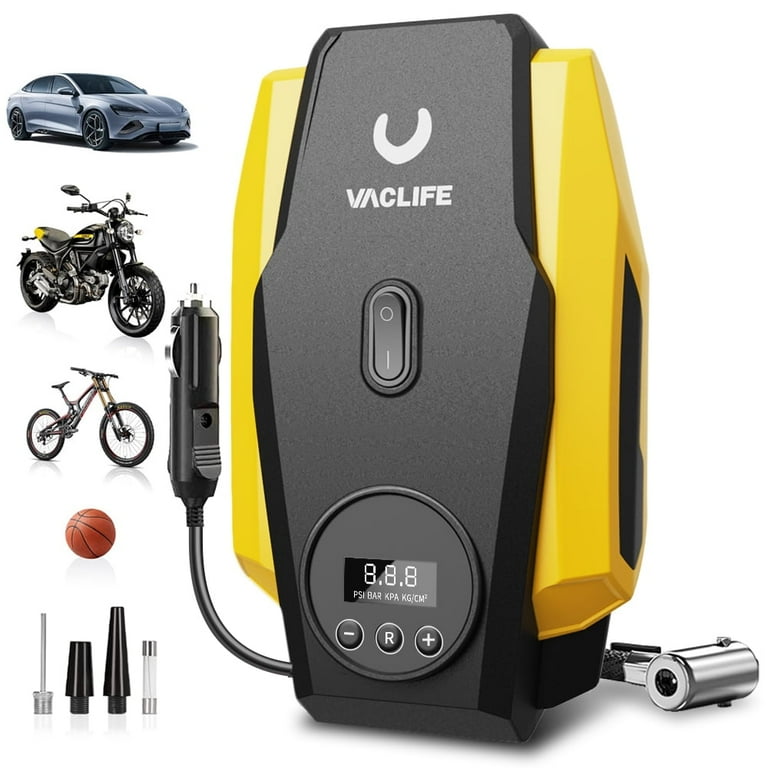
Multi-purpose inflators are versatile tools that come with various adapters to inflate not only tires but also sports equipment and other inflatables. This flexibility makes them suitable for general use in both personal and commercial settings. Buyers should consider the inflator’s PSI range and included accessories when making a decision. While they offer broad functionality, they may lack the power needed for heavy-duty tires, making them less suitable for specialized applications.
| Industry/Sector | Specific Application of auto tire air compressor | Value/Benefit for the Business | Key Sourcing Considerations for this Application |
|---|---|---|---|
| Automotive Repair | Tire inflation and maintenance for vehicles | Ensures safety and efficiency, reducing downtime for repairs | Reliability, ease of use, and compatibility with various tire types |
| Transportation | Fleet maintenance for trucks and buses | Increases operational efficiency and reduces fuel consumption | High PSI capability, durability, and service support |
| Construction | Tire inflation for heavy machinery | Enhances productivity by minimizing equipment downtime | Robust design, power source options, and portability |
| Logistics and Shipping | Inflation for trailers and shipping containers | Maintains tire integrity, improving safety and load management | Compatibility with different tire sizes and pressure settings |
| Agricultural Equipment | Tire inflation for tractors and farm vehicles | Optimizes performance and reduces fuel costs | Versatility for various tire types and easy mobility |
In the automotive repair sector, auto tire air compressors are essential for tire inflation and maintenance. They allow technicians to quickly inflate tires to the manufacturer-recommended pressure, ensuring vehicle safety and optimal performance. This application minimizes downtime for repairs, as well-maintained tires enhance fuel efficiency and prolong tire life. B2B buyers in this industry should prioritize compressors that are reliable, easy to use, and compatible with various tire types to streamline operations.
For transportation companies managing fleets of trucks and buses, auto tire air compressors are vital for regular tire maintenance. Consistent tire pressure is crucial for operational efficiency, as under-inflated tires can lead to increased fuel consumption and reduced vehicle handling. By investing in high-capacity compressors that can handle higher PSI, businesses can ensure their fleet remains safe and efficient. Key considerations for sourcing include durability, ease of maintenance, and robust service support.
Illustrative image related to auto tire air compressor
In the construction industry, auto tire air compressors are used to inflate tires on heavy machinery, such as excavators and bulldozers. Proper tire inflation is critical for maximizing productivity, as under-inflated tires can cause machinery to operate inefficiently and increase the risk of accidents. Buyers should look for compressors with a robust design that can withstand harsh working conditions, as well as power source options suitable for job sites. Portability is also an important factor to facilitate movement across various locations.
Logistics and shipping companies rely on auto tire air compressors to maintain tire pressure for trailers and shipping containers. Properly inflated tires are essential for safety and load management, as they enhance tire integrity and reduce the risk of blowouts during transit. For B2B buyers in this sector, sourcing compressors that can accommodate different tire sizes and pressure settings is crucial. Additionally, features such as automatic shut-off and digital pressure gauges can improve operational efficiency.
In agriculture, auto tire air compressors are used to inflate tires on tractors and other farm vehicles. Maintaining optimal tire pressure is essential for maximizing performance, especially during planting and harvesting seasons when efficiency is critical. B2B buyers in this sector should consider compressors that are versatile enough to handle various tire types while being portable for easy transportation across fields. The ability to quickly inflate tires can significantly reduce fuel costs and enhance overall productivity.
The Problem: In many regions, such as parts of Africa and South America, inconsistent tire pressure can lead to safety issues and increased operational costs for businesses relying on vehicle fleets. B2B buyers often face the challenge of inaccurate or unreliable pressure readings from tire inflators, which can stem from subpar equipment or improper usage. This not only jeopardizes the safety of drivers but can also cause tire wear and fuel inefficiency, leading to increased maintenance costs.
The Solution: To ensure accurate tire pressure readings, B2B buyers should prioritize sourcing high-quality tire inflators equipped with reliable digital gauges. When selecting a tire air compressor, look for models that have been tested for precision, such as those that can accurately measure and display pressure in real-time. Additionally, buyers should establish a routine for regular calibration of the equipment and provide training for staff on how to correctly use the inflator. This includes ensuring that the inflator is properly connected to the tire valve and waiting for the gauge to stabilize before taking a reading. Implementing these practices not only enhances safety but also extends tire life and improves fuel economy.
The Problem: Many businesses, especially those in remote areas or with limited access to service stations, find portable tire inflators cumbersome and inefficient. B2B buyers may encounter challenges with battery-operated models that run out of charge quickly or inflators that lack the power to effectively inflate larger tires, such as those on trucks or SUVs. This can lead to downtime, delays in operations, and increased frustration for drivers who rely on these tools during emergencies.
The Solution: To address these concerns, buyers should invest in high-capacity, dual-cylinder tire inflators that can provide faster inflation times and are capable of handling larger tires. When selecting a model, consider options that offer both AC and DC power capabilities, allowing for use in various settings—whether on the go or in a workshop. It’s also advisable to choose inflators with an auto shut-off feature that prevents over-inflation, ensuring that tires are inflated to the correct pressure without manual monitoring. Additionally, establishing a centralized location for inflator storage and maintenance can help streamline the process for drivers, reducing downtime and improving overall operational efficiency.
The Problem: Businesses often require tire inflators that can cater to a variety of vehicle types, from passenger cars to commercial trucks and even bicycles. However, many inflators on the market are designed with limitations that restrict their use to specific vehicle types. This can create frustration for B2B buyers who need versatile solutions to accommodate diverse fleet needs, especially in regions with varying terrain and vehicle types.
The Solution: B2B buyers should seek out multifunctional tire inflators that come with various adapters for different valve types, such as Schrader and Presta valves, to accommodate a wide range of vehicles. When sourcing these products, look for models that include additional features, such as the ability to inflate sports equipment or other inflatable items. Furthermore, investing in a tire inflator with a compact, portable design ensures that it can be easily stored in vehicles or workshops, making it readily available when needed. Training staff on the capabilities and maintenance of these versatile inflators will also maximize their utility, ensuring that businesses can handle any tire-related situation efficiently.
Selecting the right materials for auto tire air compressors is critical for ensuring performance, durability, and compliance with international standards. Below, we analyze four common materials used in the manufacturing of these compressors, focusing on their properties, advantages, disadvantages, and considerations for international B2B buyers.
Illustrative image related to auto tire air compressor
Aluminum is a popular choice for various components of tire air compressors due to its lightweight nature and excellent corrosion resistance. It typically has a temperature rating up to 150°C and can withstand pressures around 300 psi, making it suitable for most automotive applications.
Pros: Aluminum is durable and resistant to rust, which is crucial for compressors that may be exposed to moisture. Its lightweight properties enhance portability, an essential feature for B2B buyers looking for easy-to-transport models.
Cons: While aluminum is generally cost-effective, it can be more expensive than some steel options. Additionally, its manufacturing process may involve more complexity, requiring specialized techniques for welding and forming.
Impact on Application: Aluminum’s compatibility with various media, including compressed air and nitrogen, makes it versatile for different tire inflation needs.
Considerations for International Buyers: Buyers from regions like Africa and South America should ensure that aluminum components meet standards such as ASTM B221 for structural applications. In Europe, compliance with EN 573-3 is essential.
Steel, particularly stainless steel, is another common material used in tire air compressors, especially for high-pressure applications. It offers high tensile strength and can handle temperatures up to 400°C, making it suitable for heavy-duty models.
Pros: Steel is incredibly durable and can withstand harsh conditions, making it ideal for industrial applications. Its cost is generally lower than aluminum, which can be appealing for budget-conscious buyers.
Cons: Steel is heavier than aluminum, which may affect the portability of the compressor. Additionally, it can be prone to rust if not properly coated, which is a significant consideration in humid climates.
Impact on Application: Steel’s robustness allows it to handle high-pressure environments effectively, making it suitable for commercial tire servicing.
Considerations for International Buyers: Compliance with standards like ASTM A240 for stainless steel is vital. Buyers in the Middle East should be aware of local corrosion resistance requirements due to high humidity.
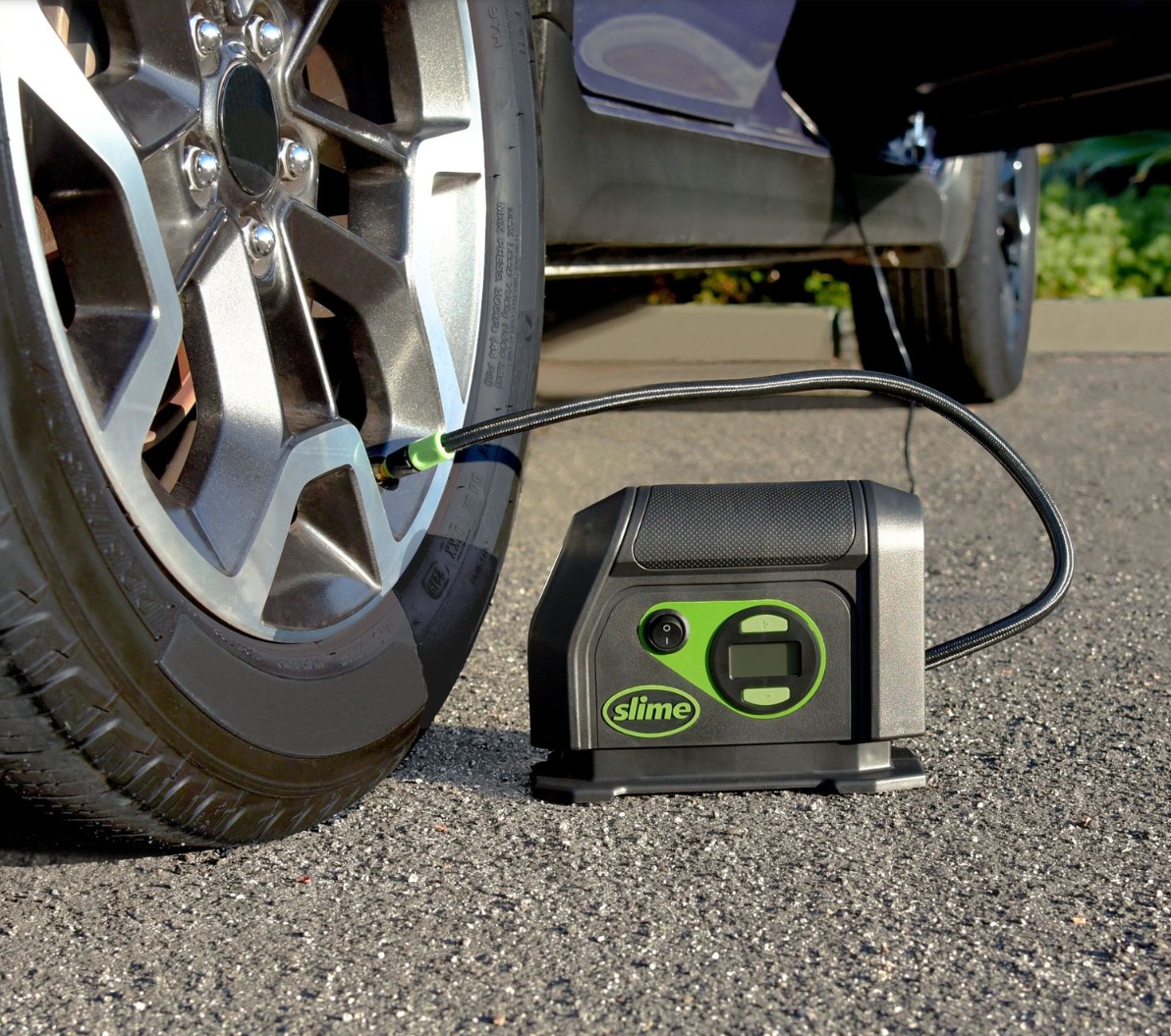
Plastic is often used for housing and non-structural components of tire air compressors. It is lightweight and can be molded into complex shapes, offering design flexibility.
Pros: Plastic is cost-effective and resistant to corrosion, making it suitable for various applications. Its lightweight nature enhances portability, an essential feature for many users.
Cons: While plastic is durable, it may not withstand high temperatures or pressures as effectively as metals. This limitation can restrict its use in high-performance compressors.
Impact on Application: Plastic components are typically used for housing and protective covers, ensuring that the internal mechanisms are shielded from external elements.
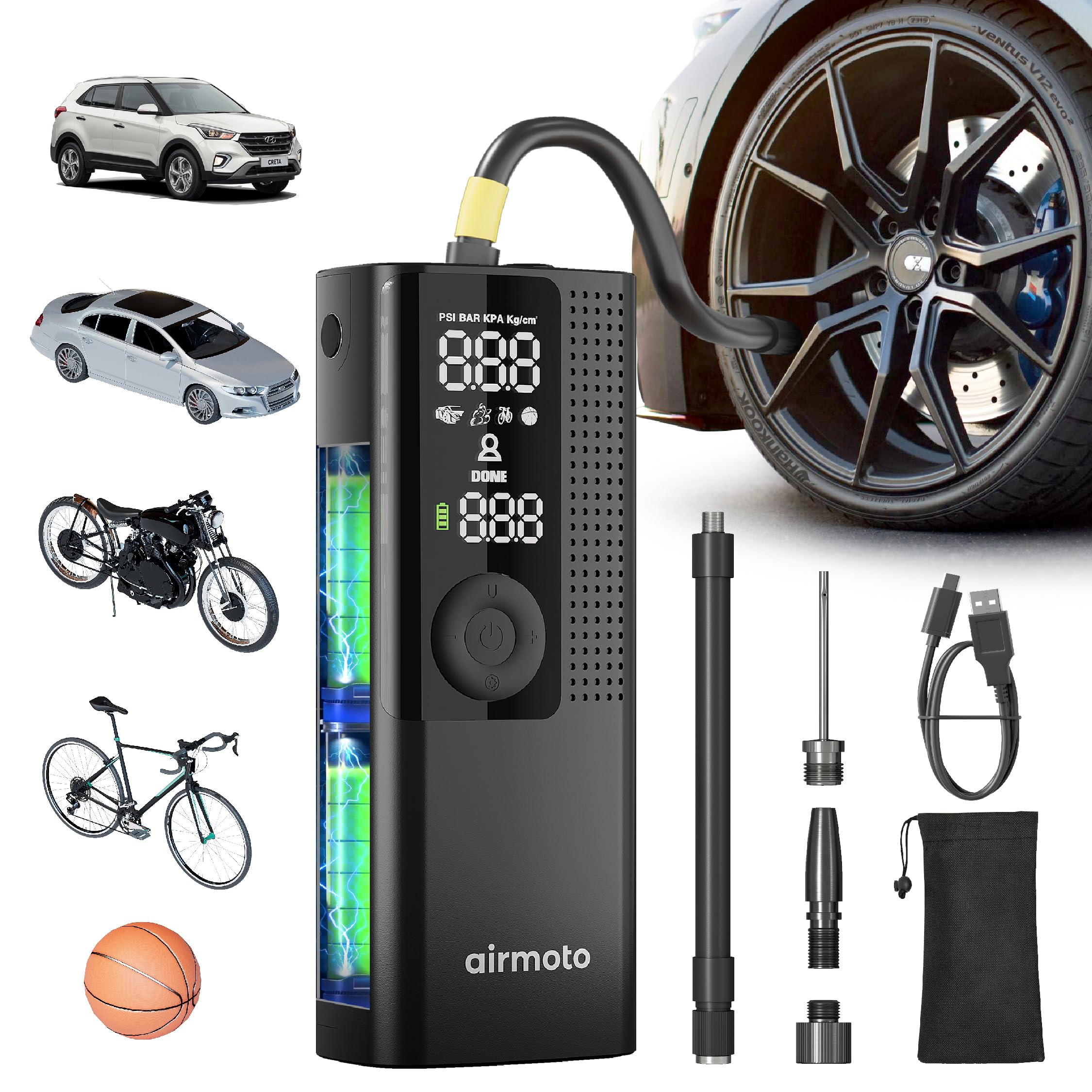
Illustrative image related to auto tire air compressor
Considerations for International Buyers: Buyers should ensure that plastic materials comply with relevant standards such as ASTM D638 for tensile properties and are suitable for the specific environmental conditions of their region.
Rubber is primarily used for seals, gaskets, and hoses in tire air compressors. It provides excellent flexibility and can handle a range of temperatures, typically from -30°C to 100°C.
Pros: Rubber is highly resistant to wear and tear, making it ideal for components that experience frequent movement. Its cost is relatively low, which is beneficial for manufacturers.
Cons: Rubber can degrade over time, especially when exposed to UV light or extreme temperatures. This limitation necessitates regular maintenance and replacement.
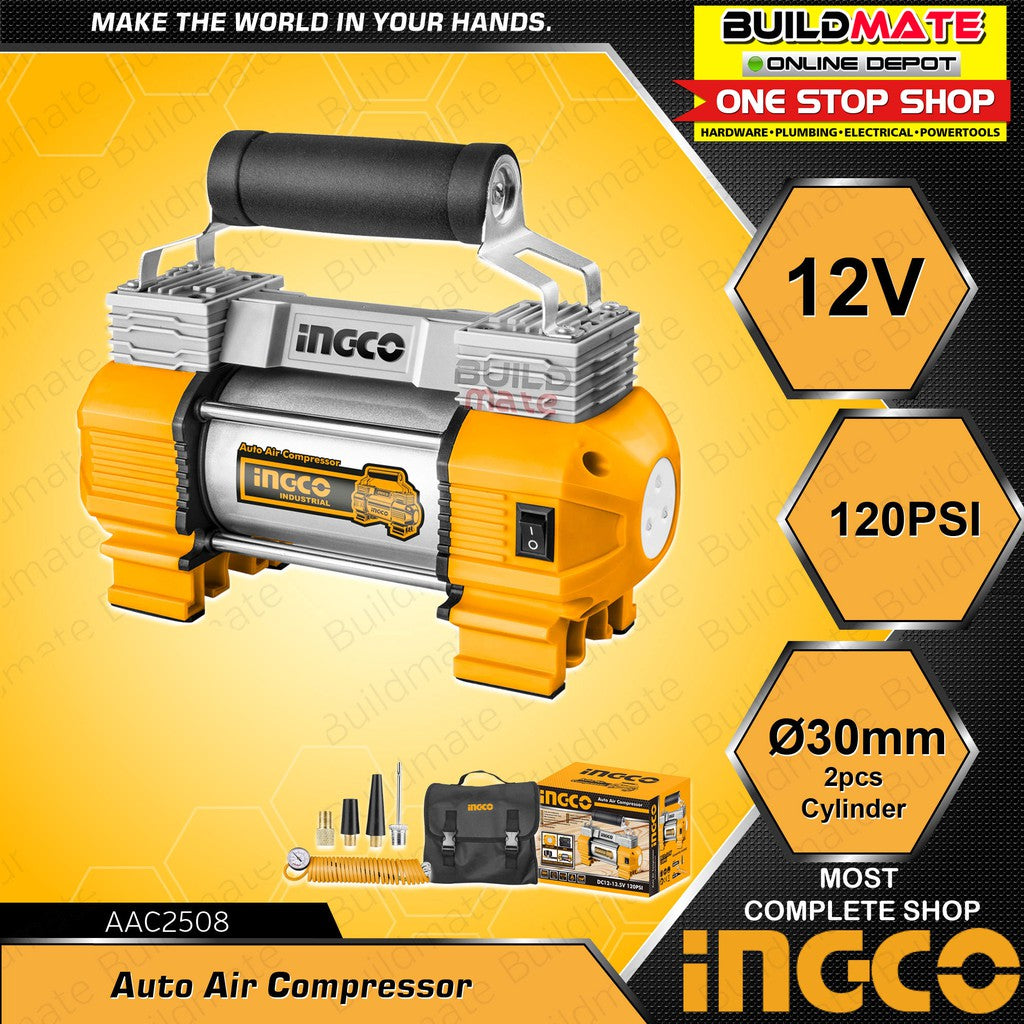
Illustrative image related to auto tire air compressor
Impact on Application: Rubber components are essential for maintaining airtight seals, which is critical for effective tire inflation.
Considerations for International Buyers: Buyers should ensure that rubber materials meet standards such as ASTM D2000 for rubber products, particularly in regions with extreme weather conditions.
| Material | Typical Use Case for auto tire air compressor | Key Advantage | Key Disadvantage/Limitation | Relative Cost (Low/Med/High) |
|---|---|---|---|---|
| Aluminum | Housing and structural components | Lightweight and corrosion-resistant | Higher manufacturing complexity | Medium |
| Steel | High-pressure components | Durable and cost-effective | Heavier and prone to rust | Low |
| Plastic | Non-structural components | Cost-effective and flexible | Limited temperature and pressure tolerance | Low |
| Rubber | Seals and hoses | Excellent flexibility and wear resistance | Degrades over time | Low |
This comprehensive analysis of materials used in auto tire air compressors will help B2B buyers make informed decisions based on performance requirements, cost considerations, and compliance with international standards.
The manufacturing process for auto tire air compressors typically involves several key stages: material preparation, forming, assembly, and finishing.
Material Preparation: This initial stage involves sourcing high-quality materials that meet industry standards. Common materials include metals like aluminum or steel for the casing, rubber for hoses, and various plastics for components. Suppliers must ensure that these materials are tested for durability and resistance to environmental factors, which is crucial for the longevity of the compressors.
Forming: During this phase, raw materials are shaped into specific parts using techniques such as casting, forging, or machining. For instance, metal casings are often machined to create precise dimensions, while rubber components are molded. Advanced techniques like CNC machining are frequently employed to enhance precision and reduce waste.
Assembly: The assembly process can be either manual or automated, depending on the scale of production. Components such as motors, pumps, and electrical systems are integrated into the compressor unit. Automation in assembly can improve efficiency and consistency, while skilled labor is essential for quality checks and troubleshooting during the assembly.
Finishing: After assembly, compressors undergo finishing processes, including painting, coating, and quality inspections. A protective coating may be applied to prevent corrosion, while aesthetic aspects like branding are finalized during this stage. This is also when any adjustments or calibrations are made to ensure the product meets specified performance standards.
Quality assurance is a critical aspect of the manufacturing process for auto tire air compressors, ensuring that the final products meet both industry standards and customer expectations.
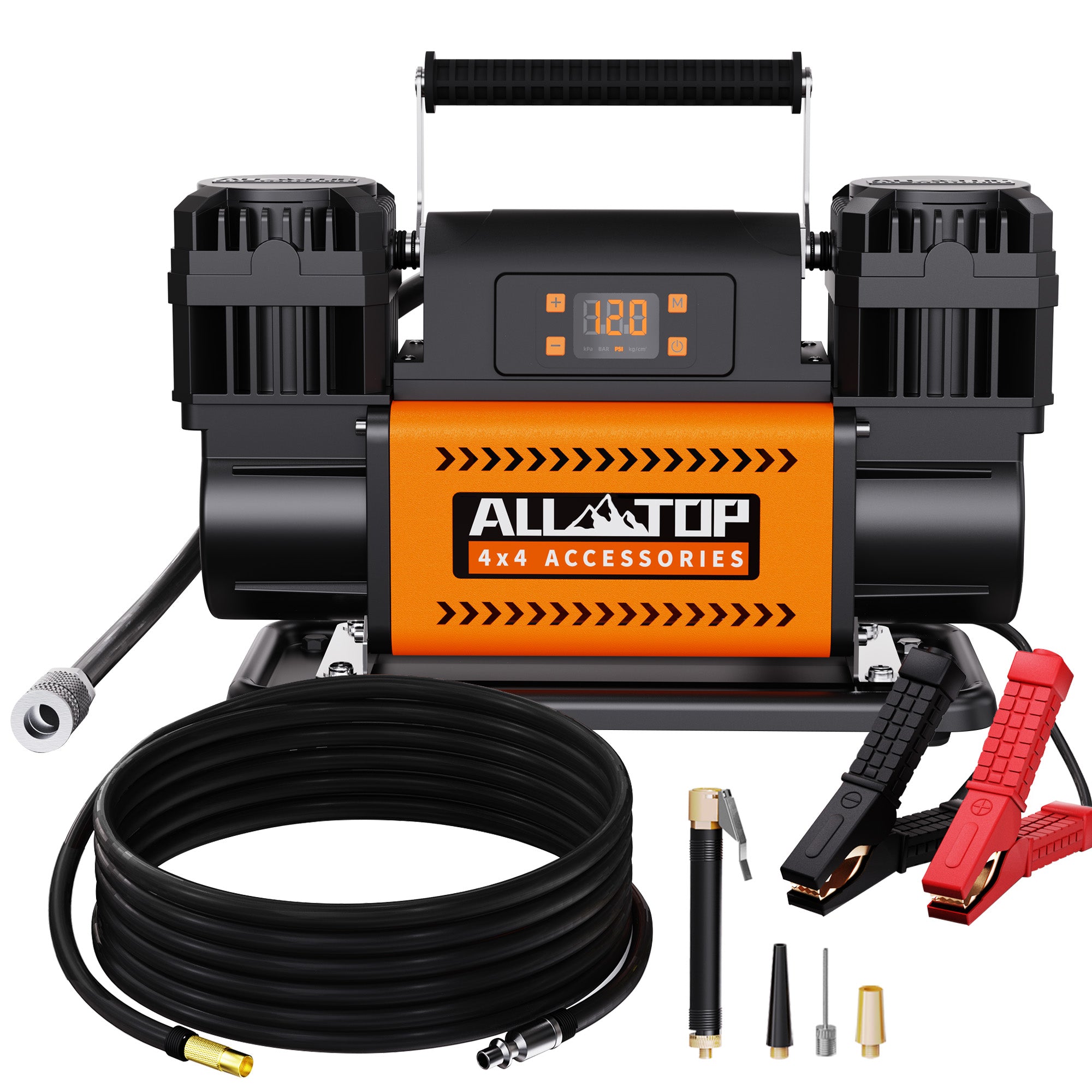
Illustrative image related to auto tire air compressor
International Standards: Many manufacturers adhere to internationally recognized quality management standards such as ISO 9001. This certification indicates a commitment to consistent quality and continuous improvement. Additionally, industry-specific certifications like CE (Conformité Européenne) for European markets or API (American Petroleum Institute) standards may also apply, particularly for compressors used in more demanding environments.
Quality Control Checkpoints: Quality control (QC) checkpoints are integrated throughout the manufacturing process:
– Incoming Quality Control (IQC): This involves inspecting materials and components upon arrival at the manufacturing facility to ensure they meet required specifications.
– In-Process Quality Control (IPQC): During manufacturing, periodic checks are conducted to monitor the production process and identify any deviations from quality standards.
– Final Quality Control (FQC): This final inspection assesses the completed product against pre-defined criteria to ensure it is free from defects and performs as expected.
Common Testing Methods: Various testing methods are employed to validate the performance and safety of tire air compressors. These may include pressure testing, durability tests, and electrical safety assessments. For instance, compressors might be subjected to stress tests to evaluate their performance under extreme conditions.
For international B2B buyers, particularly those in regions like Africa, South America, the Middle East, and Europe, verifying a supplier’s quality control processes is crucial for ensuring product reliability.
Audits and Reports: Buyers should conduct regular audits of potential suppliers to assess their manufacturing practices and quality control measures. Requesting detailed quality assurance reports can provide insights into the supplier’s adherence to international standards and their internal quality management processes.
Third-Party Inspections: Engaging third-party inspection services can offer an unbiased evaluation of a supplier’s manufacturing and quality control processes. These inspections can verify compliance with international standards and provide additional assurance regarding product quality.
Certifications and Compliance: Buyers should request copies of relevant certifications (such as ISO 9001, CE, or API) to confirm that suppliers meet industry-specific quality standards. It’s also important to understand the nuances of these certifications, as they can vary by region and industry.
Understanding the nuances of quality control for international B2B transactions is essential, especially for buyers from diverse regions.
Regulatory Compliance: Different countries have varying regulations regarding product safety and quality. For example, European buyers may require CE marking, while buyers in the Middle East might need to comply with local standards. Buyers should be aware of these regulations to ensure compliance and avoid costly delays.
Cultural Considerations: Cultural differences can impact communication and expectations regarding quality. Establishing clear communication channels and understanding cultural norms can enhance collaboration and ensure that quality expectations are met.
Supply Chain Transparency: Buyers should seek transparency in the supply chain, ensuring that every component sourced for the tire air compressors adheres to the same quality standards. This includes evaluating the quality control processes of sub-suppliers, which can significantly influence the final product’s quality.
In summary, the manufacturing processes and quality assurance practices for auto tire air compressors are multifaceted and critical for ensuring reliability and performance. B2B buyers must thoroughly understand these processes, engage in diligent supplier verification, and be aware of international standards and regulations to make informed purchasing decisions. By prioritizing quality at every stage, buyers can secure products that meet their operational needs while fostering long-term partnerships with reliable suppliers.
In the fast-paced world of automotive maintenance and service, procuring a reliable auto tire air compressor is crucial for ensuring the safety and efficiency of vehicle operations. This guide provides a systematic approach for B2B buyers looking to source the right tire inflator for their business needs.
Establish clear technical specifications for the auto tire air compressor that aligns with your operational requirements. Consider factors such as maximum pressure output, inflation speed, and compatibility with different tire types. This step is essential to ensure that the equipment meets your specific needs and can handle the variety of vehicles you service.
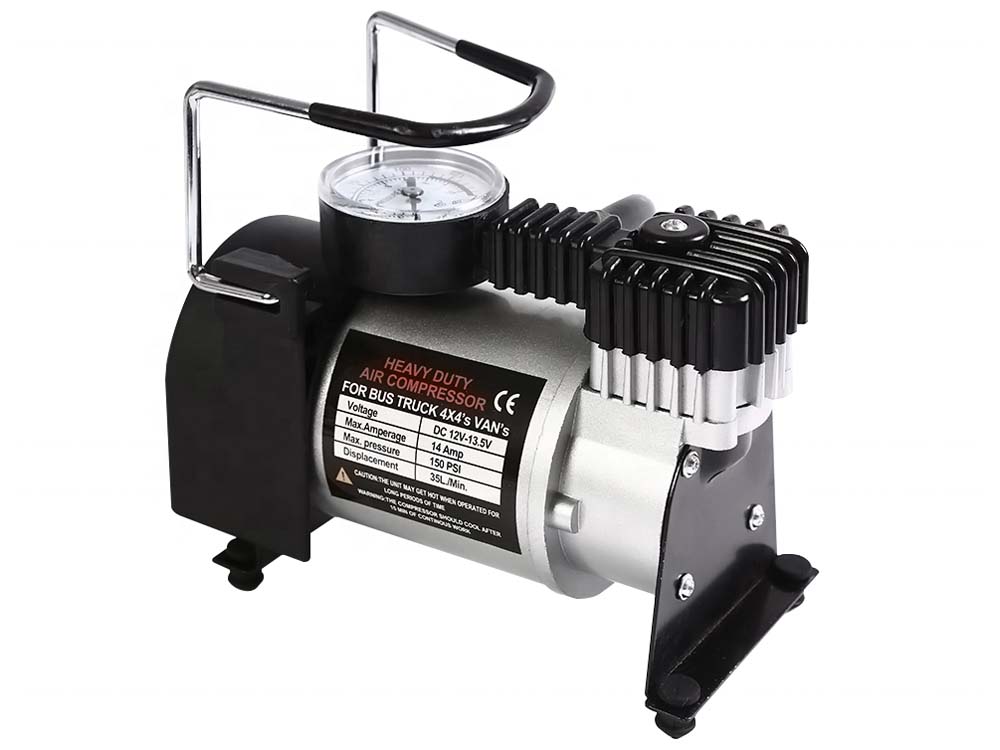
Illustrative image related to auto tire air compressor
Stay updated on the latest trends and innovations in tire inflators to make informed purchasing decisions. Understanding advancements such as digital pressure gauges, automatic shut-off features, and multi-purpose functionalities can enhance your operational efficiency.
Conduct thorough research on potential suppliers before making a commitment. Request detailed company profiles, product catalogs, and references from businesses within your industry to gauge their reliability and service quality.
Before finalizing your order, request samples of the tire inflators you are considering. Testing the equipment firsthand can provide valuable insights into its performance, usability, and durability.
Understand the after-sales support and warranty offerings of potential suppliers. Reliable customer service and robust warranty terms are critical for long-term satisfaction and operational continuity.
Gather quotes from multiple suppliers and compare pricing structures. Look for transparency in pricing and favorable payment terms that align with your budget and cash flow requirements.
Once you have selected a supplier and product, finalize your purchase and plan for its integration into your operations. Consider training staff on proper usage and maintenance protocols to maximize the lifespan and efficiency of the equipment.
By following these steps, B2B buyers can confidently source an auto tire air compressor that meets their operational needs, ensuring both efficiency and safety in their automotive services.
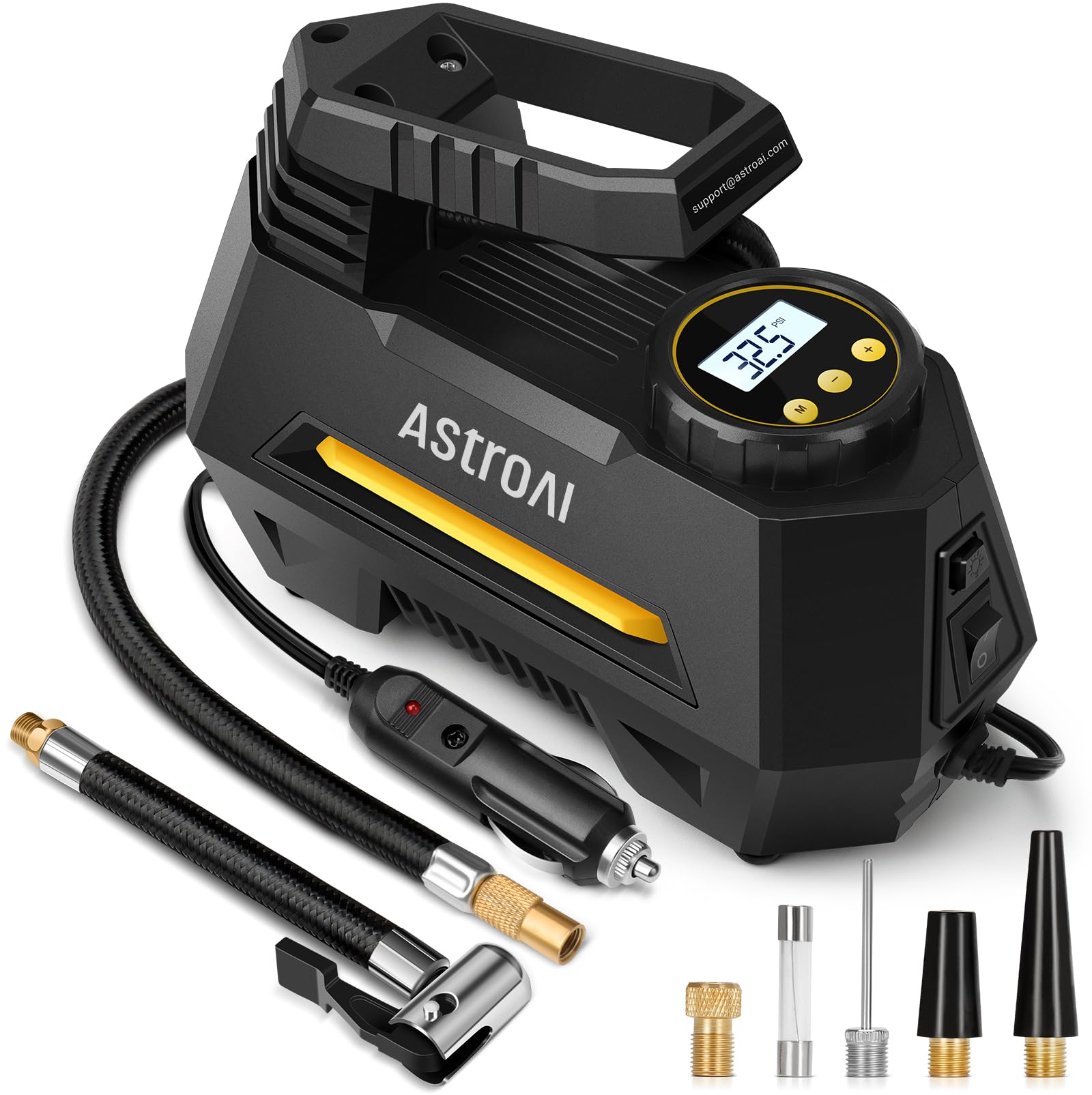
Illustrative image related to auto tire air compressor
When sourcing auto tire air compressors, understanding the cost structure is crucial for making informed purchasing decisions. The primary cost components include materials, labor, manufacturing overhead, tooling, quality control (QC), logistics, and profit margins.
Materials: The choice of materials significantly impacts costs. High-quality components, such as durable motors and pressure gauges, may lead to higher initial costs but can enhance product longevity and performance.
Labor: Labor costs vary based on geographic location and the complexity of the assembly process. Regions with lower labor costs may provide a competitive edge, but this should be balanced with the potential trade-offs in quality.
Manufacturing Overhead: This includes costs associated with utilities, rent, and equipment maintenance. Efficient manufacturing processes can reduce overhead and ultimately lower prices.
Tooling: Tooling costs are incurred in the production phase and can vary greatly based on the complexity of the designs. Custom tooling for specialized compressors will increase initial costs but may be justified by higher sales prices.
Quality Control (QC): Implementing robust QC processes ensures product reliability, which is essential for maintaining customer satisfaction. However, these processes can add to the overall cost.
Logistics: Shipping and handling costs are influenced by the geographical distance to the buyer, shipping methods, and Incoterms. Effective logistics management can minimize these costs.
Margin: Suppliers typically add a profit margin to cover their operating costs and ensure business sustainability. This margin can vary widely based on market competition and perceived product value.
Several factors influence the pricing of auto tire air compressors, particularly in the B2B market:
Volume/MOQ: Minimum order quantities (MOQ) can significantly affect pricing. Bulk orders typically lead to discounts, which is a critical consideration for businesses looking to optimize costs.
Specifications and Customization: Custom features or specifications may increase the price. Buyers should weigh the benefits of customization against their budget constraints.
Materials: The quality and type of materials used can directly impact the cost. Premium materials may enhance durability and performance but will increase the purchase price.
Quality and Certifications: Products with industry certifications may command higher prices. However, they often provide assurance of reliability and safety, which can justify the investment.
Supplier Factors: The reputation and reliability of the supplier can influence pricing. Established suppliers may charge a premium for their products, reflecting their quality and service levels.
Incoterms: Different Incoterms (International Commercial Terms) can affect the total landed cost of the compressors. Understanding these terms is crucial for budgeting and financial planning.
Negotiating effectively can lead to significant cost savings for B2B buyers:
Understand Total Cost of Ownership (TCO): Focus on the long-term costs associated with the product, including maintenance, energy consumption, and replacement parts. This broader view can reveal that higher upfront costs may be offset by lower operational costs.
Leverage Volume Discounts: When placing orders, leverage the volume to negotiate better pricing. Suppliers are often willing to offer discounts for larger orders.
Explore Alternative Suppliers: Diversifying your supplier base can create competition, leading to better pricing and terms.
Assess Payment Terms: Negotiate favorable payment terms that improve cash flow, such as extended payment periods or discounts for early payments.
For international buyers, particularly from Africa, South America, the Middle East, and Europe, several pricing nuances are worth considering:
Currency Fluctuations: Be aware of currency exchange rates, as they can impact the final costs of imported goods.
Import Duties and Taxes: Understand the import duties and taxes applicable in your country. These can significantly affect the total cost of acquisition.
Cultural Factors: Different regions may have varying expectations regarding negotiation and pricing. Familiarizing yourself with these cultural nuances can facilitate smoother transactions.
When sourcing auto tire air compressors, a comprehensive understanding of the cost structure and pricing influencers is essential. By considering the key cost components, leveraging negotiation strategies, and being mindful of international pricing nuances, B2B buyers can make informed decisions that enhance their procurement strategies.
When considering solutions for maintaining optimal tire pressure, B2B buyers must evaluate various alternatives to traditional auto tire air compressors. Each option presents unique advantages and drawbacks, making it essential to select the right tool for specific operational needs.
| Comparison Aspect | Auto Tire Air Compressor | Portable Tire Inflator | Nitrogen Tire Inflation System |
|---|---|---|---|
| Performance | High PSI output; suitable for all vehicle types | Moderate PSI; good for emergency use | Consistent pressure; longer tire life |
| Cost | Higher initial investment; ongoing maintenance costs | Lower upfront cost; minimal maintenance | Higher setup cost; cost-effective over time |
| Ease of Implementation | Requires dedicated space and power source | Extremely portable; easy to use | Requires training and initial setup |
| Maintenance | Regular maintenance needed; parts may wear out | Minimal maintenance; easy to store | Low maintenance; regular nitrogen refills |
| Best Use Case | Workshops, garages, and fleet operations | Emergency roadside assistance, light personal use | Long-term tire performance optimization |
Portable tire inflators offer a compact and cost-effective alternative to traditional air compressors. They are designed for quick and easy use, making them ideal for emergency situations. With the ability to inflate tires in just a few minutes, they serve well in roadside assistance scenarios. However, their performance may be limited, particularly for larger vehicles or heavy-duty tires, as they typically operate at lower PSI levels. Moreover, while they are easy to store and transport, they may not be suitable for routine maintenance in high-volume settings.

Illustrative image related to auto tire air compressor
A nitrogen tire inflation system provides an innovative approach to tire maintenance, focusing on enhancing tire longevity and fuel efficiency. By using nitrogen instead of regular air, this system minimizes pressure loss over time, leading to better tire performance and safety. While the initial setup can be costly and requires specialized equipment and training, the long-term benefits, such as fewer tire replacements and improved fuel economy, can offset these expenses. However, this method may not be practical for all businesses, especially those with fluctuating or low tire volume needs.
Selecting the appropriate tire inflation solution hinges on the specific operational demands of the business. For high-volume environments such as workshops or fleet operations, investing in an auto tire air compressor may be warranted due to its performance capabilities. Conversely, businesses focused on roadside assistance or emergency scenarios might find portable tire inflators more aligned with their needs due to their ease of use and lower costs. Finally, for those prioritizing long-term tire performance and safety, a nitrogen inflation system can provide significant value, despite its higher upfront costs. Understanding these factors will empower B2B buyers to make informed decisions tailored to their unique circumstances.
When evaluating auto tire air compressors, understanding their technical properties is crucial for making informed purchasing decisions. Here are several essential specifications that buyers should consider:
Maximum Pressure (PSI)
The maximum pressure rating, typically measured in pounds per square inch (PSI), indicates how much air pressure the compressor can deliver. For most vehicles, a maximum of 30-35 PSI is sufficient, but heavy-duty applications may require compressors that reach up to 80 PSI or more. Buyers must ensure that the compressor meets their specific needs to maintain optimal tire performance.
Duty Cycle
The duty cycle refers to the ratio of operational time to rest time during which the compressor can run without overheating. A higher duty cycle percentage means the compressor can operate longer before needing a break. For B2B buyers, especially in high-demand environments, selecting a compressor with an appropriate duty cycle ensures efficiency and reduces downtime.
Airflow Rate (CFM)
Airflow rate, measured in cubic feet per minute (CFM), indicates how quickly the compressor can inflate a tire. A higher CFM value translates to faster inflation times, which is essential for businesses that require quick service. Understanding the airflow rate can help buyers choose a compressor that meets their operational speed requirements.
Power Source
Auto tire air compressors can be powered by electricity, batteries, or vehicle power sources (12V). Each power source has its advantages and limitations. For instance, battery-operated models offer portability, while plug-in models provide continuous power for extensive use. Buyers should assess their operational environment to select the most suitable power source.
Weight and Portability
The weight and design of the compressor play a significant role in its portability. Lightweight, compact models are easier to transport and store, making them ideal for mobile applications. For businesses that require on-the-go solutions, selecting a portable unit can enhance operational flexibility.
Material Composition
The materials used in the construction of an air compressor affect its durability and performance. High-quality materials such as aluminum and reinforced plastics can withstand wear and tear, ensuring longevity. B2B buyers should consider the material grade to avoid frequent replacements and service interruptions.
Familiarity with industry terminology is essential for effective communication and negotiation in the B2B marketplace. Here are several common terms relevant to auto tire air compressors:
OEM (Original Equipment Manufacturer)
OEM refers to companies that produce parts or products that are marketed under another company’s brand. Understanding OEM relationships can help buyers identify reputable manufacturers and ensure compatibility with existing equipment.
MOQ (Minimum Order Quantity)
MOQ indicates the smallest quantity of a product that a supplier is willing to sell. This term is vital for buyers, especially when planning inventory and procurement strategies. Knowing the MOQ helps businesses avoid overstocking or understocking issues.
RFQ (Request for Quotation)
An RFQ is a document sent to suppliers requesting pricing and terms for specific products or services. This process allows buyers to compare costs and select the best supplier based on their financial and operational needs.
Incoterms (International Commercial Terms)
Incoterms are a set of predefined commercial terms published by the International Chamber of Commerce (ICC) that clarify the responsibilities of buyers and sellers in international transactions. Understanding Incoterms is crucial for navigating shipping, insurance, and liability issues.
Warranty Period
The warranty period defines the timeframe during which the manufacturer guarantees the product’s performance and offers repairs or replacements. Buyers should be aware of warranty conditions to safeguard their investments.
Lead Time
Lead time refers to the period between placing an order and receiving the product. Understanding lead times is essential for inventory management and ensuring timely operations, especially in industries where downtime can be costly.
By comprehensively understanding these technical properties and trade terminologies, B2B buyers can make more informed decisions when sourcing auto tire air compressors, ultimately enhancing operational efficiency and cost-effectiveness.
The global auto tire air compressor market is witnessing significant growth, driven by an increase in vehicle ownership and the rising importance of vehicle maintenance. In regions like Africa, South America, the Middle East, and Europe, the demand for efficient and reliable tire inflation solutions is on the rise. Key trends influencing this market include the transition towards automation, with many manufacturers now offering automatic tire inflators that enhance efficiency and accuracy in tire maintenance. Additionally, the integration of smart technology, such as digital pressure gauges and auto shut-off features, is becoming increasingly prevalent, appealing to both commercial and individual users.
International B2B buyers are also gravitating towards portable tire inflators, which offer convenience and ease of use for emergency situations or routine maintenance. The trend towards dual-function devices, capable of inflating multiple tires simultaneously, is particularly popular among fleet operators and service stations. As the market evolves, sustainability is becoming a focal point, with manufacturers exploring eco-friendly materials and energy-efficient designs. This shift not only meets regulatory requirements but also aligns with the growing consumer preference for sustainable products, making it a crucial consideration for B2B buyers.
Sustainability has emerged as a key concern for international B2B buyers in the auto tire air compressor sector. The environmental impact of manufacturing processes and the materials used in production are under scrutiny, prompting buyers to seek suppliers who prioritize eco-friendly practices. Manufacturers are increasingly adopting sustainable sourcing strategies, such as utilizing recycled materials and minimizing waste during production.
Ethical supply chains are gaining importance, with buyers looking for certifications that demonstrate a commitment to social and environmental responsibility. Certifications such as ISO 14001 for environmental management systems and adherence to guidelines set by the Global Reporting Initiative (GRI) are becoming essential for suppliers aiming to establish credibility in the market. Additionally, transparency in sourcing practices is critical; buyers are encouraged to engage with suppliers who can provide detailed information about their sourcing processes and the sustainability of their products. As demand for ‘green’ products rises, B2B buyers in regions like Europe, Africa, and South America are more likely to partner with manufacturers who align with these values.
The auto tire air compressor sector has undergone significant evolution since its inception. Initially, tire inflation was a manual task, requiring physical effort and time. The introduction of electric and portable air compressors revolutionized the industry, making tire maintenance more efficient and accessible. Over the years, technological advancements have led to the development of automatic tire inflators, which utilize digital gauges for precise inflation and can connect to various power sources, including car batteries and wall outlets.
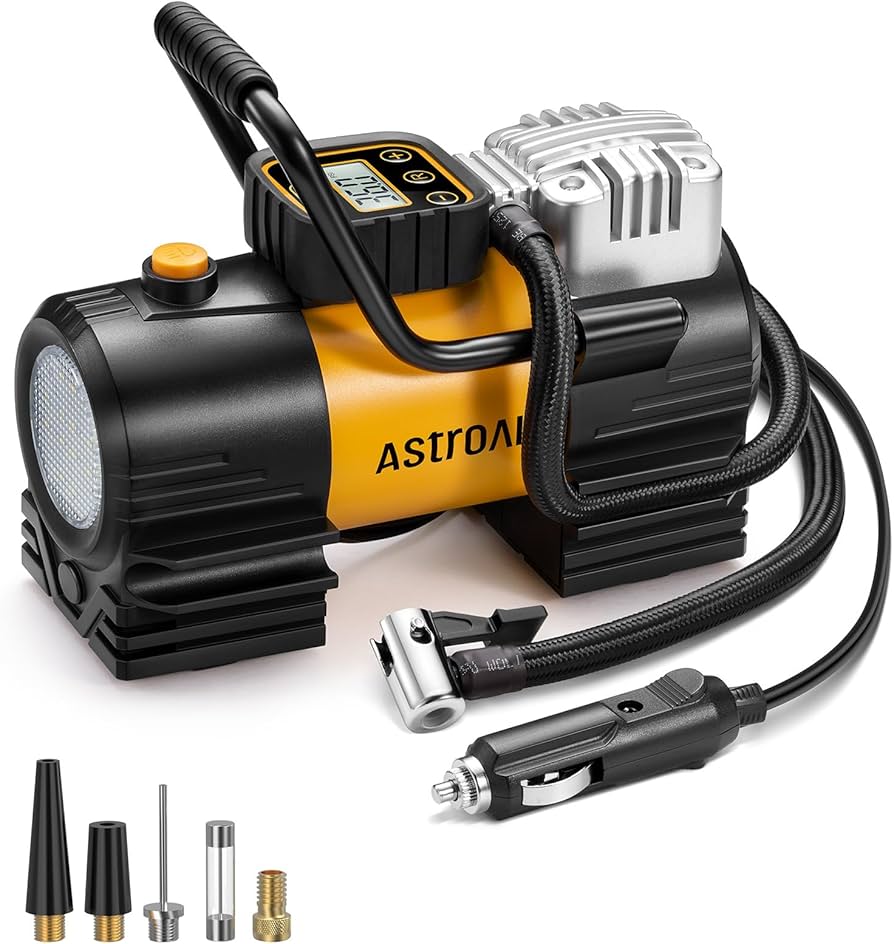
Illustrative image related to auto tire air compressor
This evolution has been fueled by the increasing awareness of vehicle safety and maintenance, driving demand for reliable and user-friendly tire inflation solutions. Today, B2B buyers are not only looking for performance but also for innovation that meets modern standards of convenience and sustainability. As the market continues to adapt to changing consumer needs and technological advancements, the focus remains on enhancing the user experience while promoting environmental responsibility.
How do I solve issues with inconsistent tire pressure in my fleet?
To address inconsistent tire pressure, consider investing in high-quality automatic tire inflators. These devices ensure accurate inflation and deflation, maintaining optimal tire pressure across your fleet. Choose models with digital gauges and auto shut-off features to prevent over-inflation. Regular maintenance and monitoring of tire pressures can also be facilitated by equipping your fleet with portable inflators, allowing for quick adjustments during operations. Additionally, implementing a scheduled tire pressure check can help identify and solve issues before they affect vehicle performance.
What is the best air compressor for commercial tire inflation needs?
For commercial tire inflation, the best air compressors are those that can handle high volume and pressure requirements. Dual-cylinder compressors provide faster inflation rates, making them ideal for busy operations. Look for models that can reach at least 120 PSI, suitable for trucks and heavy-duty vehicles. Features like multiple nozzle attachments and compatibility with nitrogen inflation can enhance versatility. Brands with a reputation for durability and reliability, backed by positive customer reviews, are typically the safest choice for B2B buyers in this market.
What should I consider when vetting suppliers for tire inflators?
When vetting suppliers for tire inflators, evaluate their manufacturing capabilities, quality certifications, and compliance with international standards. Request samples to assess product quality and performance. Check their reputation through customer reviews and industry references. Consider their ability to provide customized solutions, such as branding or specific features tailored to your market. Additionally, verify their logistics capabilities and delivery timelines to ensure they can meet your supply chain needs efficiently.
What is the typical minimum order quantity (MOQ) for tire inflators?
The minimum order quantity (MOQ) for tire inflators can vary widely among suppliers, generally ranging from 50 to several hundred units. Factors influencing MOQ include the supplier’s production capacity, the complexity of the product, and shipping logistics. For large-scale purchases, negotiating a lower MOQ may be possible, especially if establishing a long-term partnership. It’s advisable to communicate your specific needs clearly and explore options for bulk purchasing discounts to optimize your costs.
What payment terms are standard for international tire inflator purchases?
Standard payment terms for international purchases of tire inflators often include options such as a 30% deposit upfront with the balance due upon shipping, or net 30/60/90 days after delivery. Letter of Credit (LC) is also a common method, providing security for both parties. Be sure to clarify payment methods accepted (e.g., wire transfer, credit card) and any currency exchange considerations. Establishing clear payment terms upfront can help mitigate financial risks and build trust with suppliers.
How can I ensure quality assurance (QA) for tire inflators?
To ensure quality assurance for tire inflators, request detailed product specifications and compliance certificates from your supplier. Implement a quality control process that includes pre-shipment inspections, where you can assess the inflators for functionality, durability, and safety standards. Consider conducting third-party audits or utilizing services from quality assurance firms to verify product quality. Establishing clear quality expectations in your contracts can also help maintain product standards throughout the supply chain.
What logistics considerations should I keep in mind when sourcing tire inflators internationally?
When sourcing tire inflators internationally, consider shipping methods, lead times, and customs regulations that may impact delivery. Evaluate the supplier’s logistics capabilities to ensure they can handle packaging and shipping efficiently. Be aware of potential tariffs and duties that could affect the total cost of your order. Collaborating with a freight forwarder familiar with the regions you are importing from can streamline the shipping process and help navigate customs clearance effectively.
Are there customization options available for tire inflators?
Many suppliers offer customization options for tire inflators, including branding, color choices, and specific features such as pressure settings or hose lengths. Customization can enhance your product’s appeal in your target market. Discuss your requirements with potential suppliers to explore available options and any associated costs. Be sure to factor in lead times for customized products, as they may require additional production time compared to standard models.
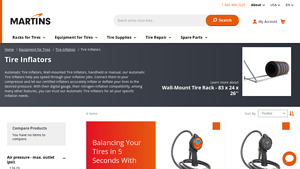
Domain: martinsindustries.com
Registered: 2005 (20 years)
Introduction: Automatic Tire Inflators, Wall-mounted Tire Inflators, handheld or manual options. Features include: certified inflators for accurate inflation/deflation, digital gauge, nitrogen-inflation compatibility. Products include: Handheld digital tire inflator – Flate Mate (MH-30) for $107.72, Analog Handheld Tire Inflator – Flate Mate (MH-31-PSI) for $107.72 (out of stock), Automatic Tire Inflator – Flat…
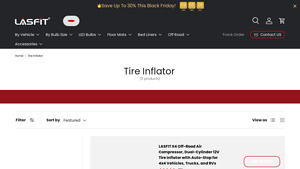
Domain: lasfit.com
Registered: 2016 (9 years)
Introduction: Lasfit Tire Inflator | Portable Tire Pumps for Pickup Trucks & Large SUVs & Off-Road Vehicles. Key features include fast inflation, accurate pressure readings, compact design, multi-purpose use for car tires, bikes, motorcycles, and more. It has a digital display, auto shut-off, and is designed for 12V DC outlets. Available models include LASFIT X4 Off-Road Air Compressor, LASFIT AIR Cordless Port…
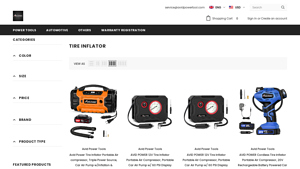
Domain: avidpowertool.com
Registered: 2018 (7 years)
Introduction: [{‘name’: ‘Avid Power Tire Inflator’, ‘price’: ‘$79.99’, ‘features’: ‘Portable Air compressor, Triple Power Source, Car Air Pump w/Inflation & Deflation Modes, Car Air Inflator w/Dual Powerful Motors (Orange)’, ‘power_supply’: ‘120V/110V AC plug, 12V DC cigarette lighter, 20V rechargeable battery’}, {‘name’: ‘AVID POWER 12V Tire Inflator’, ‘price’: ‘$21.99’, ‘features’: ‘Portable Air Compressor, P…
In conclusion, strategic sourcing of auto tire air compressors is essential for international B2B buyers seeking to optimize their supply chains and enhance operational efficiency. By focusing on high-quality, reliable inflators that meet specific market demands, businesses can ensure they are equipped to handle diverse tire inflation needs. Understanding the features that cater to different vehicle types—such as portability, speed, and accuracy—will empower buyers to make informed decisions that align with their operational goals.
Moreover, as the demand for reliable tire maintenance tools grows in regions like Africa, South America, the Middle East, and Europe, it is crucial for businesses to stay ahead of industry trends. Investing in advanced inflator technologies, such as digital gauges and automatic shut-off features, can improve customer satisfaction and reduce downtime.
As the market evolves, we encourage buyers to explore partnerships with reputable suppliers who prioritize innovation and quality. By doing so, you can secure a competitive edge, ensuring your operations remain efficient and responsive to market changes. Embrace the opportunity to enhance your fleet’s performance through strategic sourcing, and take the next step toward a more reliable future in tire maintenance.
The information provided in this guide, including content regarding manufacturers, technical specifications, and market analysis, is for informational and educational purposes only. It does not constitute professional procurement advice, financial advice, or legal advice.
Illustrative image related to auto tire air compressor
While we have made every effort to ensure the accuracy and timeliness of the information, we are not responsible for any errors, omissions, or outdated information. Market conditions, company details, and technical standards are subject to change.
B2B buyers must conduct their own independent and thorough due diligence before making any purchasing decisions. This includes contacting suppliers directly, verifying certifications, requesting samples, and seeking professional consultation. The risk of relying on any information in this guide is borne solely by the reader.


 English
  Russian
  Spanish
  Italian
  Arabic
  Portuguese
  German