
In today’s fast-paced automotive landscape, sourcing reliable car air pumps portable solutions presents a significant challenge for international B2B buyers. With a growing demand for efficient tire maintenance tools across diverse markets, including Africa, South America, the Middle East, and Europe, companies must navigate a myriad of options to find the right products that meet their operational needs. This guide is designed to empower buyers by providing a comprehensive overview of the types of portable air pumps available, their specific applications, and essential considerations for supplier vetting.
As businesses strive to enhance fleet performance and ensure road safety, understanding the nuances of various air pump technologies is crucial. From compact inflators suitable for personal vehicles to robust models tailored for larger trucks and SUVs, our guide details the specifications and features that matter most. Additionally, we delve into cost considerations and sourcing strategies to help buyers make informed decisions that align with their budget and operational requirements.
By equipping international B2B buyers with actionable insights and expert recommendations, this guide serves as a valuable resource for optimizing purchasing strategies in the competitive automotive accessories market. Whether you’re based in Saudi Arabia, Brazil, or elsewhere, the knowledge contained within these pages will facilitate smarter investments in portable car air pumps, enhancing your business’s efficiency and service offerings.
| Type Name | Key Distinguishing Features | Primary B2B Applications | Brief Pros & Cons for Buyers |
|---|---|---|---|
| Cordless Tire Inflators | Battery-operated, portable, often lightweight | Automotive service centers, fleet management | Pros: Easy to use, no cords; Cons: Limited battery life, may require recharging. |
| 12V Plug-In Tire Inflators | Powered by vehicle’s 12V outlet, generally compact | Automotive repair shops, roadside assistance | Pros: Always available when the vehicle is running; Cons: Limited reach if the vehicle is not nearby. |
| Heavy-Duty Tire Inflators | High PSI capacity, often with alligator clamps | Off-road vehicle shops, agricultural sectors | Pros: Fast inflation for larger tires; Cons: Bulkier and requires vehicle battery access. |
| Ultra Compact Tire Inflators | Small size, often USB rechargeable | Emergency kits, personal vehicle owners | Pros: Highly portable; Cons: Limited inflation capacity, slower inflation speed. |
| Multi-Functional Inflators | Includes adapters for various inflatables, built-in lights | Recreational vehicle dealers, event organizers | Pros: Versatile for different applications; Cons: May lack high PSI capabilities. |
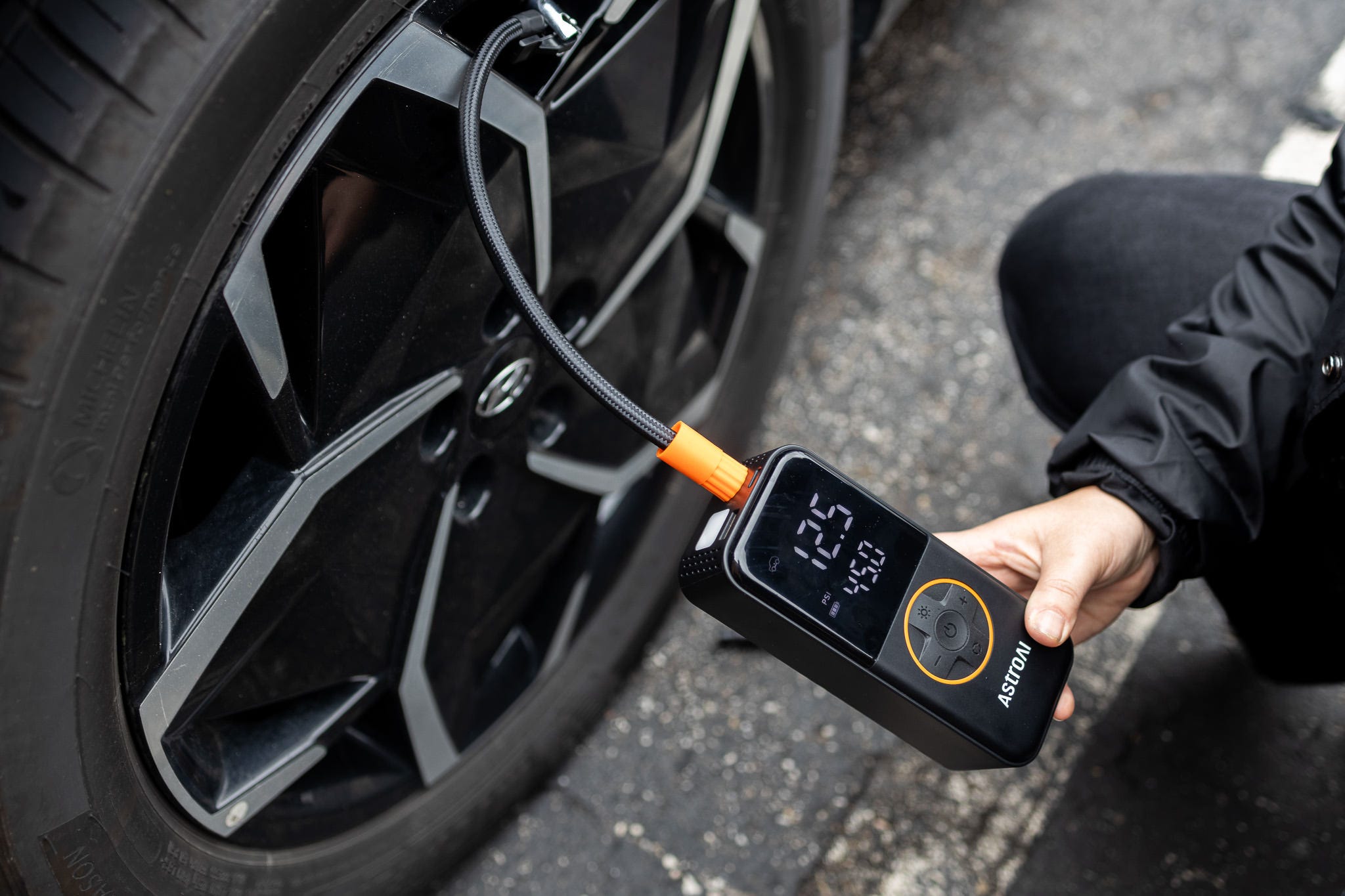
Cordless tire inflators are designed for convenience and ease of use, making them ideal for automotive service centers and fleet management operations. They are typically battery-operated and lightweight, allowing for quick inflation of tires without the hassle of cords. However, B2B buyers should consider the limited battery life, which may necessitate frequent recharging, especially in high-demand environments.
Illustrative image related to car air pump portable
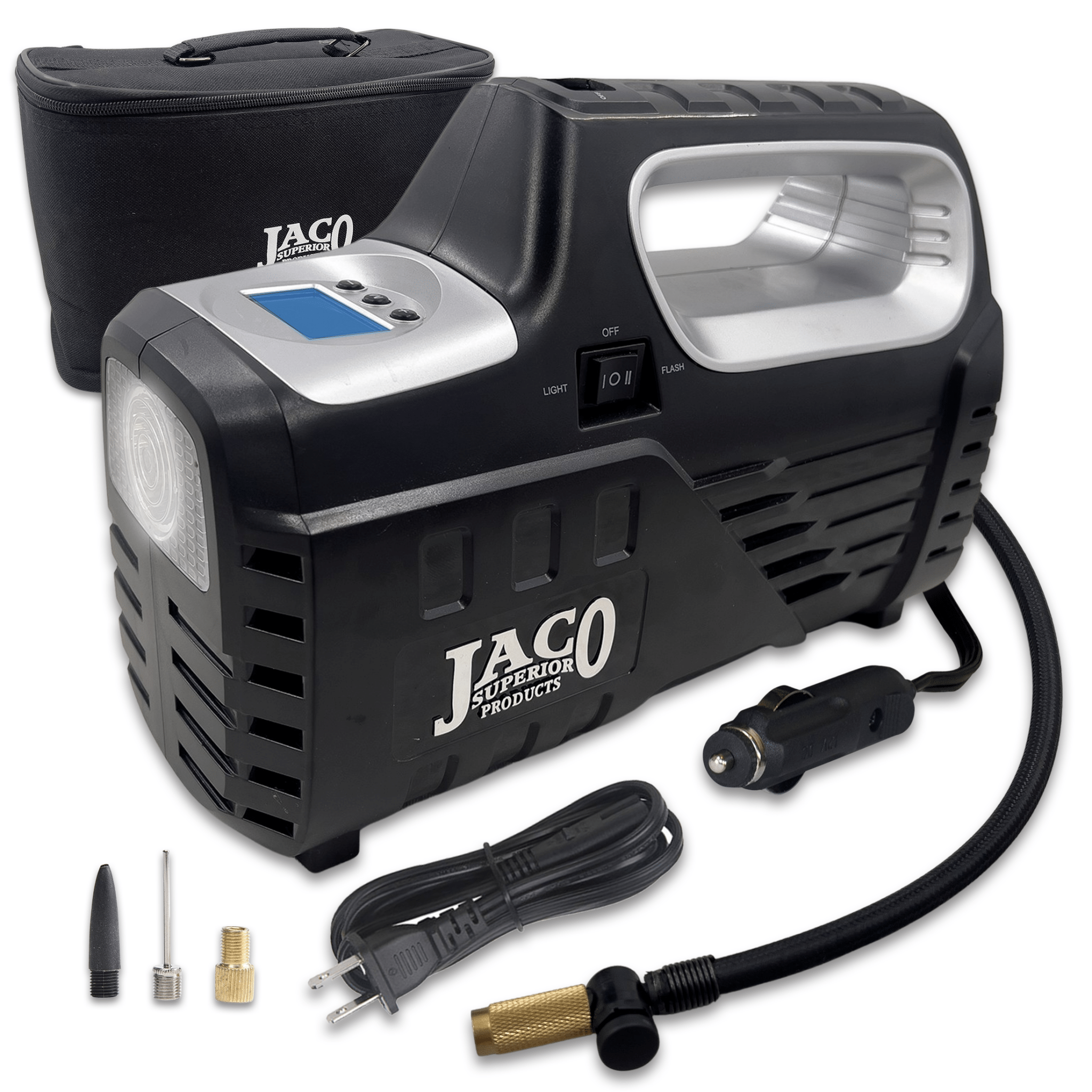
12V plug-in tire inflators are powered directly from a vehicle’s outlet, making them a practical choice for automotive repair shops and roadside assistance services. Their compact design allows for easy storage and quick access. While they ensure consistent power as long as the vehicle is operational, their reach can be limited if the vehicle is not nearby, which may hinder efficiency during service calls.
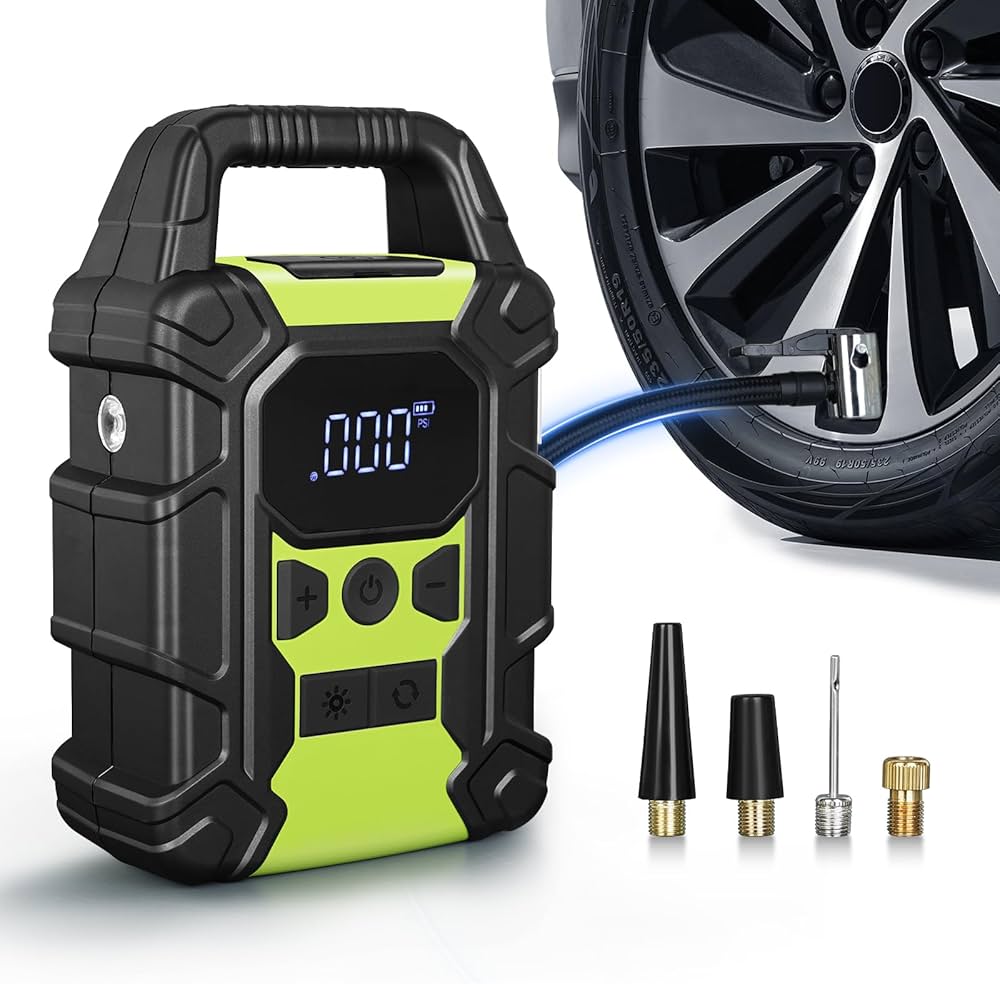
Heavy-duty tire inflators are specifically designed to handle high PSI requirements, making them essential for businesses dealing with off-road vehicles and agricultural equipment. These units often utilize alligator clamps to connect directly to the vehicle’s battery, enabling rapid inflation of larger tires. Despite their robustness, they tend to be bulkier and may require expertise to operate, which can be a consideration for B2B buyers.
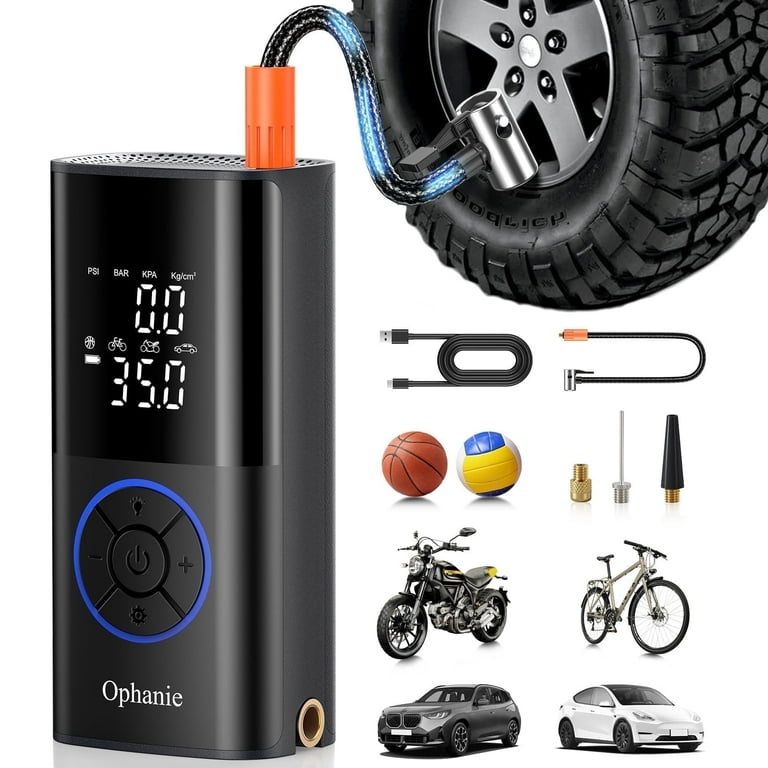
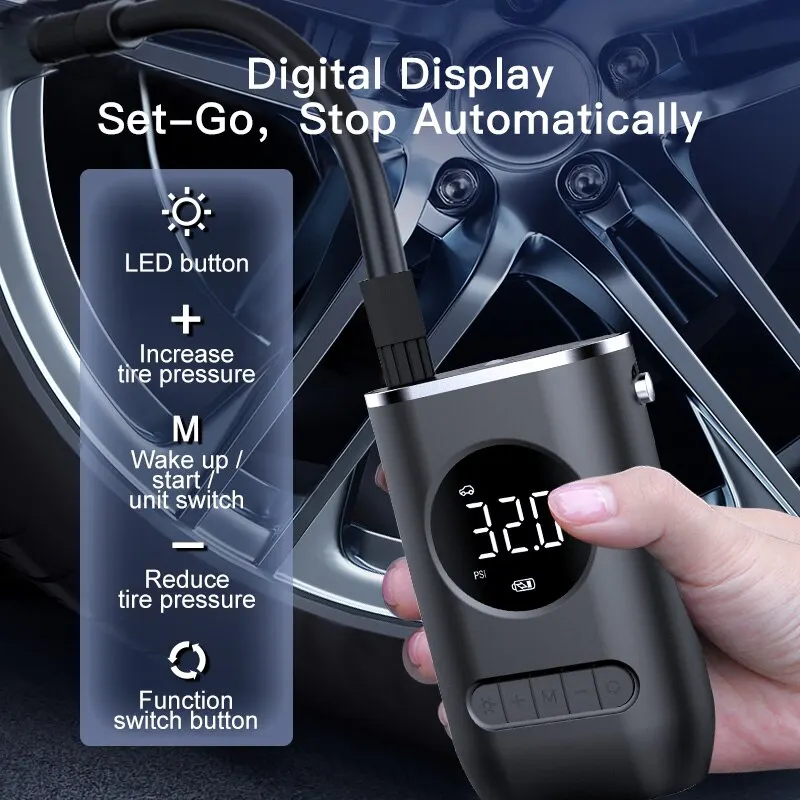
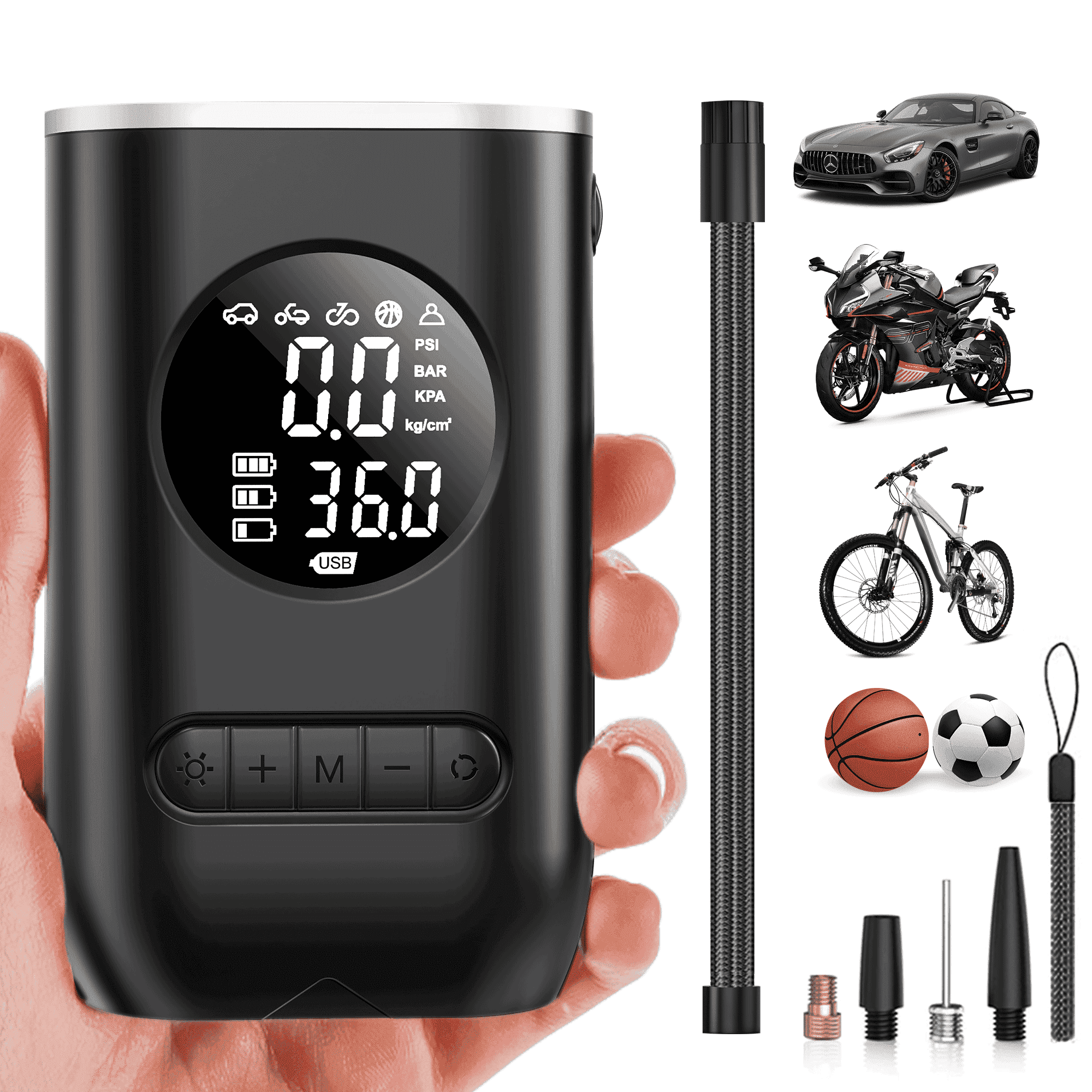
Ultra compact tire inflators are designed for portability, often fitting into glove compartments or small bags, making them perfect for emergency kits or personal vehicles. They are typically USB rechargeable, adding to their convenience. However, their limited inflation capacity and slower inflation speed may not meet the demands of larger vehicles or heavy-duty applications, which is crucial for B2B buyers to consider.
Illustrative image related to car air pump portable
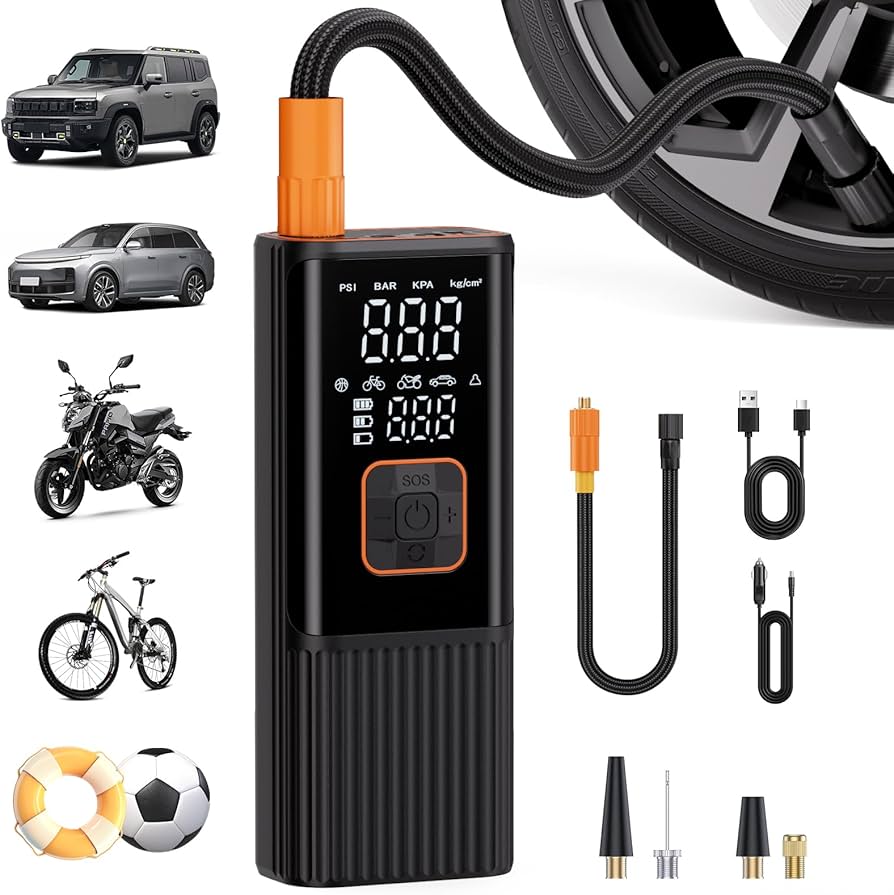
Multi-functional inflators come equipped with various adapters for inflating different types of items beyond tires, such as sports equipment and air mattresses, making them versatile tools for recreational vehicle dealers and event organizers. These inflators often include built-in features like flashlights for added utility. However, they may lack the high PSI capabilities necessary for heavy-duty applications, which can limit their effectiveness in certain business scenarios.
| Industry/Sector | Specific Application of car air pump portable | Value/Benefit for the Business | Key Sourcing Considerations for this Application |
|---|---|---|---|
| Automotive Services | Tire maintenance and emergency roadside assistance | Enhances customer satisfaction and safety, reduces downtime | Durability, ease of use, compatibility with various tire types |
| Logistics and Transportation | Fleet vehicle maintenance | Ensures optimal tire pressure for fuel efficiency and safety | Power source options, portability, and inflation speed |
| Outdoor and Recreational Equipment | Inflating recreational vehicles and equipment | Increases customer convenience and enhances product usage | Compact design, multiple inflation attachments |
| Construction and Heavy Machinery | Tire inflation for construction vehicles | Reduces equipment downtime and enhances productivity | High PSI capabilities, ruggedness, and battery life |
| Retail and E-commerce | Selling portable air pumps to consumers | Expands product offerings and meets consumer demand | Price point, brand reputation, and warranty options |
In the automotive services industry, portable car air pumps are essential for tire maintenance and emergency roadside assistance. Service providers can quickly inflate tires for customers, ensuring safety and reducing the risk of roadside emergencies. This capability enhances customer satisfaction and builds trust. B2B buyers in this sector should prioritize durability and ease of use, as well as compatibility with a range of tire types, to meet diverse customer needs.
For logistics and transportation companies, maintaining optimal tire pressure in fleet vehicles is critical for fuel efficiency and safety. Portable air pumps allow fleet managers to conduct regular tire pressure checks and make necessary adjustments on-site, minimizing downtime. When sourcing these pumps, businesses should consider options for power sources, portability, and inflation speed to ensure swift service and operational efficiency.
In the outdoor and recreational equipment sectors, portable air pumps are invaluable for inflating items like bicycles, inflatable boats, and sports equipment. These pumps increase customer convenience, allowing users to quickly prepare their gear for use. B2B buyers should focus on compact designs and the availability of multiple inflation attachments to cater to various recreational needs, enhancing the overall user experience.
In construction and heavy machinery, maintaining tire pressure is crucial for reducing equipment downtime and enhancing productivity. Portable air pumps enable quick inflation of tires on-site, ensuring that machinery operates efficiently. Buyers in this industry should seek pumps with high PSI capabilities, ruggedness for tough environments, and extended battery life to handle the demands of construction work.
In the retail and e-commerce sectors, offering portable air pumps can significantly expand product offerings and meet consumer demand for convenient tire maintenance solutions. Retailers can attract customers by promoting the ease of use and versatility of these pumps. When sourcing products, businesses should consider price points, brand reputation, and warranty options to ensure quality and customer satisfaction.
The Problem: B2B buyers managing fleets often face the challenge of maintaining optimal tire pressure across multiple vehicles. Inconsistent tire pressure can lead to increased fuel consumption, reduced tire lifespan, and compromised safety. This issue is exacerbated when fleet managers are responsible for varied vehicle types, from sedans to heavy-duty trucks, each requiring different pressure settings. The task becomes even more daunting when vehicles are spread across different geographical locations, making it difficult to monitor and address tire pressure needs effectively.
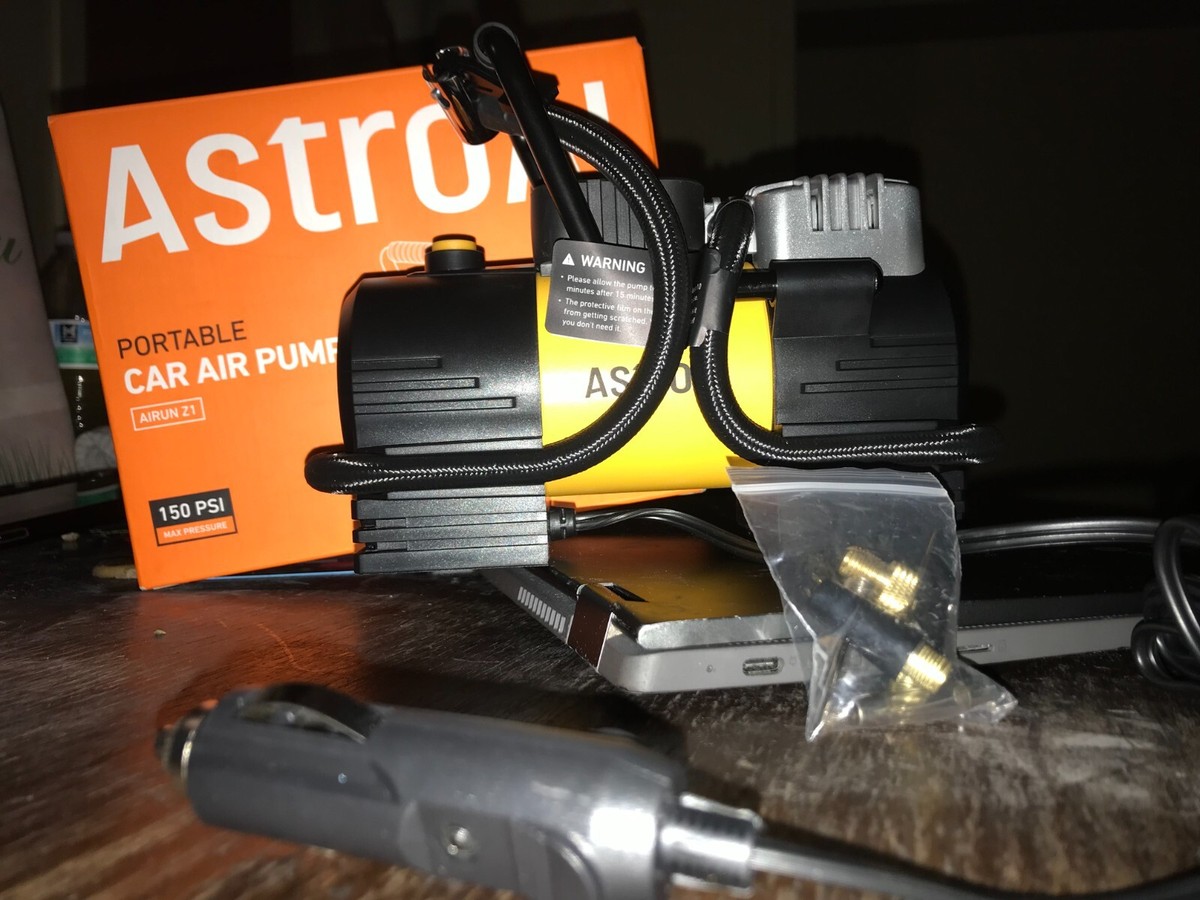
The Solution: To tackle this challenge, B2B buyers should invest in portable car air pumps that feature digital pressure gauges and programmable pressure settings. Sourcing models like the AstroAI Cordless Tire Inflator can streamline the process, as these devices allow users to preset their desired tire pressure. This eliminates guesswork and ensures that each vehicle is inflated to its recommended specifications. Additionally, consider implementing a regular maintenance schedule that includes tire pressure checks, ideally before long trips or at the start of each workday. This proactive approach can significantly enhance fleet efficiency and safety.
The Problem: Many B2B buyers operate in industries where portability is crucial, such as construction or roadside assistance. In these environments, having a heavy or bulky air pump can hinder operational efficiency. Workers may struggle to transport the pump to remote job sites or may not have access to power sources, leading to delayed response times and increased frustration among teams. Furthermore, the lack of compact, lightweight options can lead to poor inventory management and increased transportation costs.
The Solution: Buyers should prioritize sourcing ultra-compact and lightweight portable air pumps, such as the Craftsman 12V Max Portable Air Inflator. This model is specifically designed for ease of transport and can fit in small spaces like glove compartments or toolkits. Moreover, selecting inflators with dual power options—battery-operated and 12-volt adapters—ensures versatility in various environments. Establishing a clear inventory management system that tracks the availability and condition of each air pump can also enhance readiness and efficiency in the field.
Illustrative image related to car air pump portable
The Problem: Inaccurate pressure readings from portable air pumps can lead to over-inflated tires, which not only pose safety risks but can also damage the tires and increase operational costs. B2B buyers often encounter products with unreliable analog gauges or no pressure monitoring features, resulting in guesswork and potential compliance issues. This is particularly concerning for businesses that rely on precise tire pressures to maintain safety standards and operational efficiency.
The Solution: To mitigate this risk, B2B buyers should specifically look for portable air pumps with built-in digital pressure gauges that provide accurate and real-time readings. Models like the Viair 88P, despite being bulkier, are known for their robust performance and reliability in high-pressure situations. Additionally, implementing a practice of regularly calibrating air pumps and investing in a high-quality, separate tire pressure gauge can ensure accuracy. Training staff on the proper use of these tools, along with emphasizing the importance of adhering to manufacturer specifications, will further help maintain tire integrity and overall fleet safety.
When selecting materials for portable car air pumps, it is crucial to consider their properties, advantages, disadvantages, and suitability for various applications. This analysis will focus on four common materials: plastic, aluminum, steel, and rubber.
Plastic is frequently used in the casing and components of portable car air pumps due to its lightweight and corrosion-resistant properties. Common types include ABS and polypropylene, which can withstand moderate temperature and pressure ranges, making them suitable for general use.
Illustrative image related to car air pump portable
Pros: Plastic is cost-effective and easy to mold into complex shapes, which allows for versatile designs. It is also resistant to rust and corrosion, ensuring longevity in various environmental conditions.
Cons: However, plastic may not withstand extreme temperatures or pressures as well as metals, and it can become brittle over time, particularly in harsh climates.
Impact on Application: Plastic components are ideal for non-pressurized parts but may not be suitable for high-pressure areas, limiting their use in heavy-duty applications.
Considerations for International Buyers: Buyers should ensure compliance with international standards such as ASTM for materials safety and performance. In regions like Africa and South America, where climate conditions can vary significantly, selecting high-quality plastics that can withstand heat and humidity is essential.
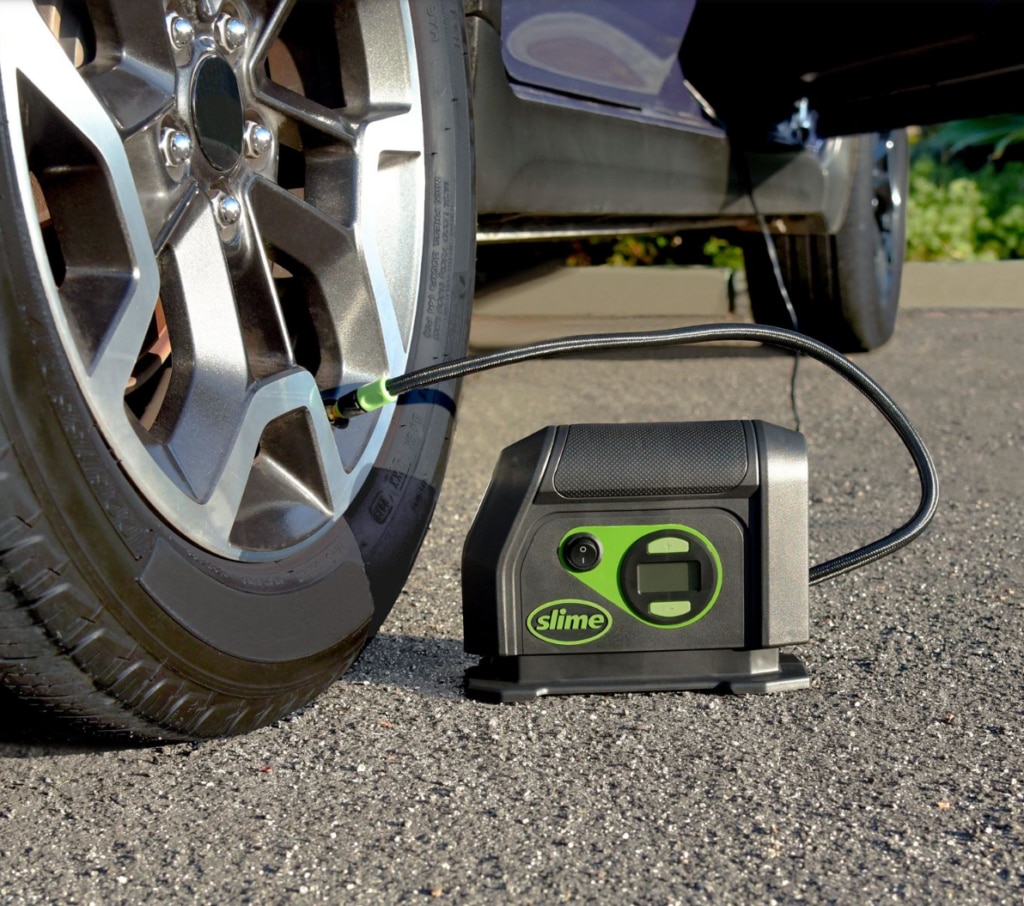
Aluminum is often used in the construction of the pump body and components due to its excellent strength-to-weight ratio and resistance to corrosion. It can handle higher pressures than plastic, making it suitable for various applications.
Illustrative image related to car air pump portable
Pros: Aluminum is lightweight, durable, and can be anodized for additional corrosion resistance. It also provides a premium feel and appearance, which can be appealing in consumer markets.
Cons: The primary drawback is the cost; aluminum is more expensive than plastic. Additionally, while it is resistant to corrosion, it can still be susceptible to scratches and dents.
Impact on Application: Aluminum is well-suited for high-performance air pumps that require durability and reliability under pressure.
Considerations for International Buyers: Buyers in Europe and the Middle East may prefer aluminum for its aesthetic appeal and performance. Compliance with EU regulations on materials and safety standards is also critical.
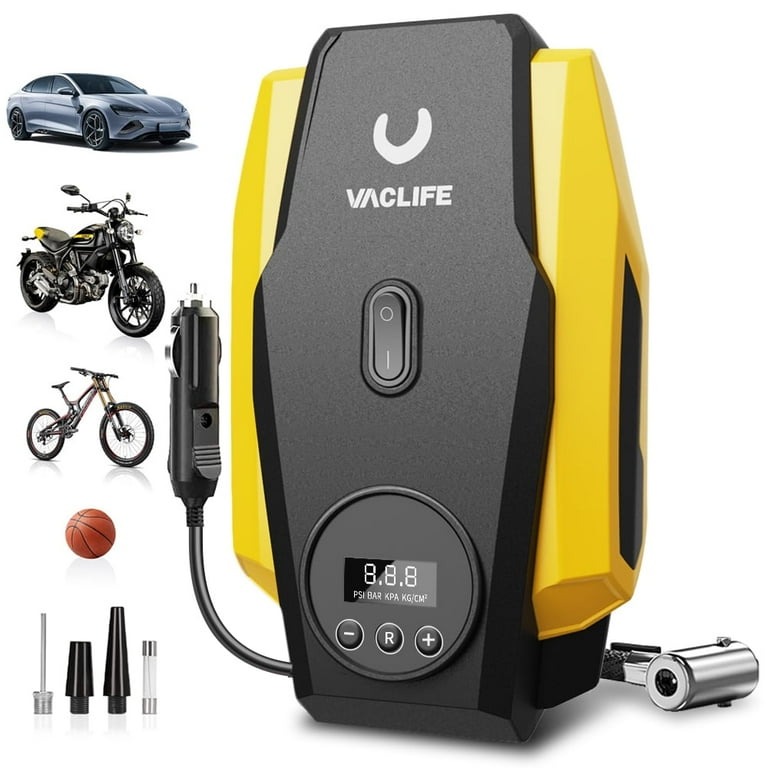
Steel is typically used in the construction of heavy-duty air pumps due to its exceptional strength and durability. It can withstand high pressures and is often used in applications that require robust performance.
Illustrative image related to car air pump portable
Pros: Steel is incredibly durable and can handle extreme conditions, making it ideal for industrial applications. It also has a lower cost compared to aluminum.
Cons: The main disadvantage is its weight; steel pumps can be cumbersome, which may not align with the portability aspect of the product. Additionally, steel is prone to rust if not properly coated or treated.
Impact on Application: Steel is best suited for heavy-duty pumps intended for commercial use, such as those used in workshops or for off-road vehicles.
Considerations for International Buyers: Buyers should consider the need for protective coatings to prevent rust, especially in humid climates like those found in parts of Africa and South America. Compliance with local standards for safety and performance is also necessary.
Illustrative image related to car air pump portable
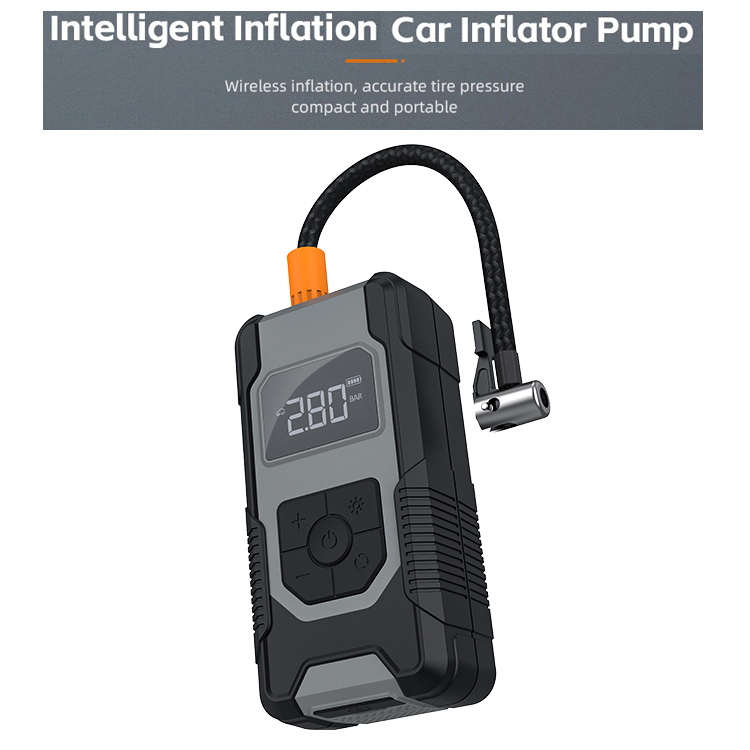
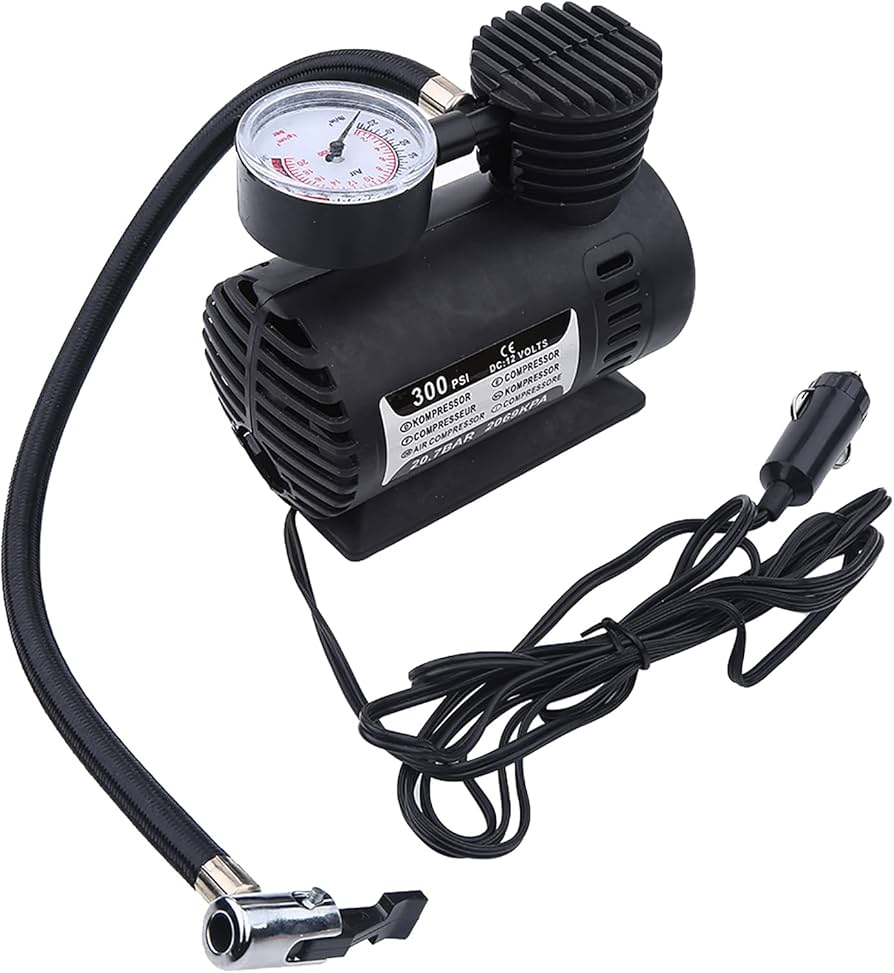
Rubber is primarily used for seals, hoses, and other flexible components in portable car air pumps. Its elasticity and resilience make it ideal for applications requiring flexibility and a tight seal.
Pros: Rubber is excellent for vibration absorption and provides a reliable seal against air leaks. It is also resistant to wear and can handle a range of temperatures.
Cons: However, rubber can degrade over time due to exposure to UV light and extreme temperatures, which may limit its lifespan.
Impact on Application: Rubber components are essential for ensuring the efficiency and reliability of the pump, particularly in maintaining pressure.
Illustrative image related to car air pump portable
Considerations for International Buyers: Buyers should ensure that the rubber used meets international standards for durability and performance, especially in regions with extreme weather conditions.
| Material | Typical Use Case for car air pump portable | Key Advantage | Key Disadvantage/Limitation | Relative Cost (Low/Med/High) |
|---|---|---|---|---|
| Plastic | Casing and non-pressurized components | Lightweight and corrosion-resistant | Limited pressure tolerance | Low |
| Aluminum | Pump body and high-performance components | High strength-to-weight ratio | Higher cost than plastic | Med |
| Steel | Heavy-duty air pumps for industrial use | Exceptional durability | Heavier and prone to rust | Med |
| Rubber | Seals and hoses | Excellent flexibility and sealing | Degrades under UV exposure | Low |
This analysis provides a comprehensive overview of the materials used in portable car air pumps, enabling B2B buyers to make informed decisions based on their specific needs and regional considerations.
The manufacturing of portable car air pumps involves several critical stages, each designed to ensure that the final product is reliable, efficient, and meets international quality standards. Understanding these stages can help B2B buyers assess potential suppliers more effectively.
Illustrative image related to car air pump portable
The first stage involves sourcing high-quality materials, which typically include durable plastics for the casing, metal alloys for internal components, and rubber for seals and hoses. Suppliers often prioritize materials that can withstand extreme temperatures and pressures, as these pumps must perform reliably in various environmental conditions. For instance, thermoplastic elastomers (TPE) are frequently used for their flexibility and durability, while high-strength aluminum is common for internal components due to its lightweight and resistance to corrosion.
Once materials are prepared, the forming process begins. This stage involves techniques such as injection molding, extrusion, and stamping. Injection molding is particularly prevalent for creating the pump casing, allowing for complex shapes and designs that enhance ergonomics and user-friendliness. Additionally, CNC machining is often used for precision components, ensuring that parts fit together seamlessly, which is crucial for maintaining the pump’s integrity under pressure.
The assembly stage is where individual parts come together to form the complete air pump. This process may be manual or automated, depending on the scale of production. Automated assembly lines can improve efficiency and consistency, while skilled workers may handle more complex assembly tasks. During this stage, components like the motor, pressure gauges, and hoses are integrated, and careful attention is paid to alignment and securing connections to prevent air leaks.
The finishing stage involves several steps aimed at enhancing the product’s aesthetic appeal and performance. This includes painting, surface treatment, and the application of labels or branding. Additionally, quality control measures are implemented at this stage to ensure that any cosmetic imperfections are addressed before the product reaches the market.
Quality assurance (QA) is vital in the manufacturing of portable car air pumps, ensuring that products meet both industry standards and customer expectations. B2B buyers should be well-versed in the QA practices employed by their suppliers.
Suppliers of portable car air pumps often adhere to international standards such as ISO 9001, which focuses on quality management systems. Certification under this standard signifies that a manufacturer maintains a consistent quality in their processes. Additionally, compliance with CE marking indicates that the product meets European safety, health, and environmental protection standards, which is especially important for buyers in Europe and the Middle East.
Quality control is typically divided into several checkpoints throughout the manufacturing process:
Incoming Quality Control (IQC): This initial checkpoint assesses the quality of raw materials before they enter the production line. Suppliers should provide documentation proving that materials meet specified standards.
In-Process Quality Control (IPQC): During manufacturing, IPQC monitors critical parameters such as pressure, temperature, and assembly integrity. This checkpoint ensures that any deviations from specifications are addressed in real-time.
Final Quality Control (FQC): Once assembly is complete, FQC involves rigorous testing of the final product. This includes pressure testing, performance assessments, and safety evaluations to verify that each unit functions as intended.
Testing methods for portable car air pumps can vary, but several are widely accepted in the industry:
Illustrative image related to car air pump portable
Functional Testing: This checks whether the pump operates correctly under various conditions, including different power sources (e.g., battery vs. AC).
Pressure Testing: Pumps are subjected to high-pressure tests to ensure they can safely handle the maximum inflation pressure specified by the manufacturer.
Durability Testing: Products may undergo stress tests to simulate long-term use, ensuring they can withstand wear and tear in real-world conditions.
For B2B buyers, verifying a supplier’s quality control practices is essential for ensuring product reliability. Here are several strategies:
Supplier Audits: Conducting on-site audits allows buyers to observe the manufacturing process, review quality control documentation, and verify compliance with international standards.
Requesting Quality Reports: Suppliers should be able to provide detailed quality assurance reports that outline their testing methods, results, and any corrective actions taken in response to failures.
Third-Party Inspections: Engaging third-party inspection agencies can provide an unbiased assessment of a supplier’s quality control processes and product quality. This is particularly useful for buyers in regions like Africa and South America, where local resources may be limited.
International B2B buyers must navigate various quality control nuances that can differ by region. For instance, while CE certification is critical for European buyers, compliance with local regulations may vary significantly in Africa and South America. Buyers should familiarize themselves with local safety standards and consider potential challenges in sourcing materials that meet these requirements.
Additionally, language barriers and cultural differences can impact communication regarding quality expectations. Establishing clear, written agreements on quality standards and inspection procedures can mitigate these issues.
In conclusion, understanding the manufacturing processes and quality assurance practices for portable car air pumps is essential for B2B buyers. By focusing on material selection, forming techniques, assembly methods, and stringent quality control measures, buyers can make informed decisions and partner with suppliers who prioritize quality and reliability.
The following guide serves as a practical checklist for B2B buyers seeking to procure portable car air pumps. It is designed to assist in making informed decisions that align with your operational needs, budget, and market trends.
Establishing clear technical specifications is crucial for ensuring that the portable air pump meets your operational requirements. Consider aspects such as maximum pressure output (PSI), power source (battery, 12V, or AC), and additional features like built-in pressure gauges or USB ports. Tailoring your specifications to the specific types of vehicles you service will help streamline your purchasing process.
Stay updated on the latest trends and innovations in portable air pumps. This includes advancements in battery technology, compact designs, and smart features that enhance user convenience. Understanding these trends can provide insights into what products may offer a competitive advantage in your market.
Before committing to a supplier, conduct thorough evaluations. Request company profiles, product catalogs, and references from buyers in similar industries. Assess their reputation for quality and customer service by checking online reviews and industry ratings, as reliable suppliers are critical for long-term partnerships.
When comparing different models, look closely at product features and pricing. Prioritize essential features such as inflation speed, portability, and ease of use, while also considering total cost of ownership, including warranty and service options. Ensure that the products you consider provide a good balance between price and performance.
Ensure that the portable air pumps comply with relevant safety and quality standards. Certifications such as CE, ISO, or UL can indicate that a product has met industry benchmarks for safety and performance. This step is vital to avoid potential liabilities and ensure product reliability.
Before making a bulk order, request samples from shortlisted suppliers. Testing the samples allows you to assess their performance, durability, and user-friendliness in real-world scenarios. This hands-on experience can help you make a more informed decision.
Finally, negotiate clear terms and conditions with your chosen supplier. This includes pricing, payment terms, delivery schedules, and after-sales support. Transparent agreements help prevent misunderstandings and ensure that both parties are aligned on expectations.
By following this checklist, B2B buyers can confidently source portable car air pumps that meet their specific needs, ensuring a successful procurement process.
When sourcing portable car air pumps, understanding the cost structure is crucial for B2B buyers. The primary cost components include:
Materials: The choice of materials significantly affects the cost. High-quality plastics, metals, and electronic components can increase the price but ensure durability and functionality. Buyers should evaluate whether the investment in premium materials aligns with their target market’s expectations.
Labor: Labor costs vary by region. In regions with higher labor costs, such as parts of Europe, the overall production costs will be higher. Buyers should consider sourcing from countries with competitive labor costs while ensuring quality standards.
Manufacturing Overhead: This includes utilities, factory maintenance, and administrative expenses. Efficient production processes can mitigate these costs, making it essential to assess the supplier’s operational efficiency.
Tooling: Initial tooling costs can be substantial, especially for customized products. Suppliers may require a minimum order quantity (MOQ) to justify these expenses. Buyers should weigh the benefits of customized designs against the upfront investment.
Quality Control (QC): Implementing strict QC measures ensures product reliability, which can lead to reduced warranty claims and returns. While this may add to costs, it can enhance customer satisfaction and brand reputation.
Logistics: Shipping costs can vary widely based on distance, shipping method, and Incoterms used. Buyers should be aware of the total logistics costs, including customs duties and taxes, especially when importing from overseas suppliers.
Margin: Suppliers typically mark up their prices to maintain profit margins. Understanding the supplier’s cost structure can provide leverage in negotiations.
Several factors can influence the pricing of portable car air pumps in the B2B market:
Volume/MOQ: Higher order volumes often lead to lower per-unit costs due to economies of scale. Buyers should negotiate MOQs that align with their inventory needs while maximizing cost savings.
Specifications and Customization: Custom features or specifications can increase costs significantly. Buyers should balance the need for customization with budget constraints and market demand.
Material Quality and Certifications: Products with certifications (e.g., ISO, CE) or made from superior materials typically command higher prices. Buyers should assess whether these certifications add value for their target customers.
Supplier Factors: The reputation and reliability of the supplier can impact pricing. Established suppliers may offer higher prices due to their proven track record, while newer entrants might compete aggressively on price.
Incoterms: Understanding Incoterms is essential for cost management. Terms like FOB (Free on Board) or CIF (Cost, Insurance, and Freight) can influence total landed costs, impacting pricing strategies.
Negotiating effectively can yield significant savings. Here are some buyer tips:
Leverage Volume Discounts: If planning to order in bulk, communicate this to suppliers upfront. Volume purchases can lead to favorable pricing and terms.
Focus on Total Cost of Ownership (TCO): Consider the long-term costs associated with the product, including maintenance, warranties, and potential returns. A lower initial price may not always equate to better value.
Understand Pricing Nuances for International Sourcing: Buyers from regions like Africa and South America should be aware of local market conditions, currency fluctuations, and import regulations that can affect pricing.
Build Relationships with Suppliers: Establishing a rapport can lead to better terms and pricing flexibility. Suppliers are more likely to accommodate requests from trusted clients.
Request Transparent Pricing: Encourage suppliers to break down their pricing structure. Understanding how each component contributes to the final cost can reveal negotiation opportunities.
Navigating the cost and pricing landscape for portable car air pumps requires a thorough understanding of the various components and influencing factors. By employing strategic negotiation tactics and considering the total cost of ownership, international B2B buyers can enhance their sourcing efficiency and drive profitability. Remember, the prices mentioned are indicative and may vary based on market conditions and specific supplier agreements.
In the automotive industry, maintaining optimal tire pressure is essential for vehicle safety and performance. While portable car air pumps are popular for their convenience, there are other viable alternatives that can achieve similar outcomes. This section explores and compares portable car air pumps against two alternative solutions: traditional air compressors and roadside assistance services.
| Comparison Aspect | Car Air Pump Portable | Traditional Air Compressor | Roadside Assistance Services |
|---|---|---|---|
| Performance | Quick inflation for multiple tires | High-capacity inflation, suitable for larger tires | Immediate assistance, varies by provider |
| Cost | $40 – $90 | $50 – $300 | $50 – $150 per service call |
| Ease of Implementation | User-friendly, no special skills required | Requires power source, may need setup | Minimal effort; just call for help |
| Maintenance | Low maintenance, easy to store | Regular maintenance required, heavier equipment | No maintenance for the user |
| Best Use Case | Personal vehicles, emergency situations | Workshops, garages, heavy-duty vehicles | Flat tires, major emergencies |
Traditional air compressors are robust devices typically found in workshops or garages. They provide high-capacity inflation, making them ideal for larger vehicles or multiple tires at once. However, they require a stable power source, which can limit their portability. Additionally, they tend to be more expensive and necessitate regular maintenance to ensure optimal performance. For businesses that require frequent tire maintenance, investing in a high-quality air compressor can be cost-effective in the long run.
Roadside assistance services offer a safety net for drivers facing flat tires or other emergencies. They provide immediate help, eliminating the need for personal equipment. The drawback is the cost associated with each service call, which can add up over time. Additionally, wait times can vary based on location and demand. For companies that prioritize convenience and safety, subscribing to a roadside assistance service may be a viable option, especially in regions where tire issues are prevalent.
When selecting the appropriate tire inflation solution, B2B buyers must consider factors such as frequency of use, cost, and the specific needs of their operations. For businesses that require quick, on-the-go inflation, a portable car air pump is an excellent choice. Conversely, those who operate workshops or handle larger vehicles might find traditional air compressors more beneficial. Lastly, companies prioritizing safety and convenience may opt for roadside assistance services to mitigate risks associated with tire failures. By evaluating these aspects, buyers can make informed decisions that align with their operational requirements and budget constraints.
When considering portable car air pumps, several technical specifications are crucial for ensuring optimal performance and reliability. Here are some essential properties:
The maximum pressure a portable air pump can achieve is typically measured in pounds per square inch (PSI). For general passenger vehicles, pumps should ideally reach 30-35 PSI, while those designed for trucks and SUVs may need to accommodate higher pressures of up to 80 PSI. Understanding this specification is vital for B2B buyers to ensure that the inflators can handle the specific requirements of their vehicle fleet.
Portable air pumps can be powered by different sources, including rechargeable batteries, 12-volt car adapters, or direct battery clamps. The choice of power source affects usability and convenience. Battery-powered models offer portability, while those requiring direct connection may provide more sustained performance. Buyers must assess their operational needs and the environments in which the pumps will be used.
The duty cycle indicates how long a pump can operate before needing a break to cool down. For instance, a 20-minute duty cycle means the pump can run for 20 minutes before it requires a cooldown period. This is critical for B2B buyers who need to understand the pump’s reliability during heavy usage, such as in service stations or automotive workshops.
Inflation speed is measured by how quickly a pump can inflate a tire from a specific PSI to a target PSI. Faster inflation rates are beneficial for time-sensitive operations, such as roadside assistance. B2B buyers should evaluate inflation speed to ensure efficiency in their service offerings.
The weight and dimensions of a portable air pump affect its ease of transport and storage. Compact and lightweight models are preferable for businesses that require mobility, such as roadside assistance or automotive retailers. Understanding the size specifications allows buyers to optimize storage and transportation logistics.
Familiarity with industry jargon is essential for effective communication and negotiation. Here are several common terms that B2B buyers should understand:
This term refers to companies that produce parts and equipment that may be marketed by another manufacturer. In the context of air pumps, OEM manufacturers may supply components to brands that assemble the final product. Understanding OEM relationships can help buyers identify quality standards and sourcing options.
MOQ is the smallest quantity of a product that a supplier is willing to sell. This is significant for B2B buyers, as it impacts inventory management and cost efficiency. Buyers should negotiate MOQs that align with their purchasing strategies while ensuring they meet supplier requirements.
An RFQ is a document sent to suppliers requesting pricing and terms for specific quantities of products. For portable air pumps, an RFQ can help buyers compare offers and negotiate better terms. Effective use of RFQs can lead to cost savings and improved supplier relationships.
Illustrative image related to car air pump portable
Incoterms are internationally recognized rules that define the responsibilities of buyers and sellers in international transactions. Understanding these terms is crucial for B2B buyers to clarify shipping responsibilities, risk, and costs associated with portable air pump procurement.
Warranty terms define the period and conditions under which a product is covered for defects or failures. Service agreements may outline maintenance and support options post-purchase. B2B buyers should carefully evaluate these terms to ensure long-term reliability and serviceability of portable air pumps.
In summary, understanding both the technical specifications and trade terminology associated with portable car air pumps is essential for B2B buyers. This knowledge enables informed purchasing decisions, leading to enhanced operational efficiency and cost-effectiveness.
The portable car air pump market is experiencing significant growth driven by several global factors. Increased vehicle ownership, particularly in emerging markets across Africa, South America, and the Middle East, is a primary driver. As urbanization accelerates and more people rely on personal vehicles, the demand for convenient maintenance tools, including portable air pumps, is rising. Additionally, the growing awareness of vehicle safety and fuel efficiency has prompted consumers to regularly check tire pressure, thus boosting the need for reliable inflators.
Illustrative image related to car air pump portable
Emerging B2B tech trends are shaping how manufacturers and suppliers engage in the market. Digital platforms and e-commerce are becoming critical channels for international buyers, allowing for easier access to a broader range of products and suppliers. Moreover, advancements in battery technology have led to the development of more efficient cordless models, making them appealing for consumers who prioritize portability and convenience. Features such as integrated pressure gauges, auto shut-off mechanisms, and multifunctionality (e.g., charging mobile devices) are becoming standard, thus enhancing product attractiveness.
Market dynamics are further influenced by regional preferences and regulations. For instance, buyers in Europe may prioritize energy efficiency and eco-friendly features, while those in Africa might focus on affordability and robustness due to varying road conditions. Understanding these regional differences is vital for international B2B buyers looking to optimize their sourcing strategies and cater to local markets effectively.
Sustainability has become a crucial consideration in the sourcing of portable car air pumps. The environmental impact of manufacturing processes and materials is under scrutiny, prompting manufacturers to adopt more sustainable practices. This includes using recycled materials and reducing waste during production. For B2B buyers, selecting suppliers that prioritize sustainability not only aligns with global environmental goals but also appeals to the increasing consumer demand for eco-friendly products.
Ethical sourcing is equally important in today’s market. Buyers are increasingly aware of the social implications of their procurement decisions, emphasizing the need for transparent supply chains. Companies that can demonstrate compliance with ethical standards and labor practices are more likely to attract B2B partnerships. This trend is particularly relevant in regions like Europe and North America, where consumers expect brands to uphold corporate social responsibility.
Moreover, obtaining ‘green’ certifications can enhance a product’s marketability. Certifications such as ISO 14001 for environmental management or Energy Star ratings for energy efficiency can serve as valuable differentiators in a competitive landscape. B2B buyers should consider these certifications when evaluating potential suppliers, as they reflect a commitment to sustainability that resonates with modern consumers.
Illustrative image related to car air pump portable
The portable car air pump has evolved significantly since its inception. Initially, these devices were simple manual pumps requiring considerable effort to operate. With the advent of electric models in the late 20th century, inflators became more efficient and user-friendly, paving the way for widespread adoption.
The 21st century brought technological advancements that revolutionized the industry. The introduction of cordless inflators, powered by rechargeable batteries, marked a turning point, providing users with unparalleled convenience. This evolution has been complemented by features like digital pressure gauges and rapid inflation technology, responding to consumer demands for reliability and ease of use.
For B2B buyers, understanding this historical context is essential. It highlights the trajectory of innovation and the importance of staying abreast of technological developments. As the market continues to evolve, suppliers that leverage these innovations will be better positioned to meet the demands of modern consumers, offering products that not only fulfill practical needs but also align with broader trends in sustainability and efficiency.
Illustrative image related to car air pump portable
How do I choose the right portable car air pump for my business needs?
Choosing the right portable car air pump involves assessing your target market and specific applications. Consider factors such as maximum psi, inflation speed, power source (battery vs. plug-in), and additional features like built-in pressure gauges or integrated lights. For businesses catering to a diverse clientele, prioritize versatility and ease of use. Additionally, read reviews and conduct product testing to ensure reliability and performance meet your standards.
What are the key features to look for in a high-quality portable air pump?
When sourcing a portable air pump, focus on features such as maximum pressure capability, inflation speed, and the power source. A unit with a digital pressure gauge for accuracy and automatic shut-off functionality enhances user experience. Other desirable features include multiple nozzles for various applications (e.g., inflating sports equipment), compact storage options, and built-in lights for nighttime use. These attributes ensure the pump is efficient and user-friendly.
What is the best portable car air pump for heavy-duty use?
For heavy-duty use, the Viair 88P is an excellent choice due to its robust construction and ability to inflate larger tires quickly. It is designed to handle the demands of SUVs and trucks, making it suitable for businesses involved in automotive services or off-road vehicle maintenance. Ensure that the pump’s specifications align with your business needs, particularly in terms of maximum psi and inflation speed.
How do I verify the reliability of a portable car air pump supplier?
To verify a supplier’s reliability, check their business credentials, customer reviews, and product certifications. Request samples to assess product quality firsthand. Additionally, inquire about their manufacturing processes, quality control measures, and compliance with international standards. Establishing clear communication and understanding their return policy is crucial for long-term partnerships. Consider visiting their facility if feasible, to gain more confidence in their operations.
What are the typical minimum order quantities (MOQs) for portable air pumps?
Minimum order quantities (MOQs) can vary significantly based on the supplier and the specific product. Generally, MOQs for portable air pumps can range from 100 to 1,000 units. Some suppliers may offer lower MOQs for first-time buyers or for customized products. Always negotiate terms that align with your business needs and consider the supplier’s capacity to fulfill larger orders if required in the future.
What payment terms should I expect when sourcing portable air pumps internationally?
Payment terms for international purchases typically vary by supplier but often include options such as upfront deposits (usually 30% to 50%) and balance payment upon shipment or delivery. Some suppliers may also offer letter of credit or PayPal options for added security. Always clarify payment terms and conditions before finalizing an order to avoid misunderstandings and ensure smooth transactions.
How can I ensure quality assurance (QA) when sourcing portable air pumps?
To ensure quality assurance, request detailed specifications and compliance certifications from the supplier. Conduct pre-shipment inspections, which can be arranged through third-party QA services, to verify that products meet your standards before leaving the factory. Establish a clear agreement regarding product quality and performance expectations, including warranties or guarantees, to protect your investment.
What logistics considerations should I keep in mind when importing portable air pumps?
Logistics considerations for importing portable air pumps include shipping methods, customs regulations, and potential tariffs. Choose a reliable freight forwarder experienced in handling automotive products. Understand the shipping timelines and costs associated with different transport methods (air, sea, or land). Additionally, ensure compliance with import regulations in your target market to avoid delays or additional charges. Having a clear logistics plan will streamline the supply chain process and enhance overall efficiency.
Domain: motortrend.com
Registered: 1998 (27 years)
Introduction: Best Overall: AstroAI Cordless Tire Inflator
– Price: $65.99
– Weight: 3.6 lb
– Stored Dimensions: 11.0 x 4.0 x 9.0 in
– Claimed Max PSI: 160 psi
– Claimed Duty Cycle: 20 min
– Hose Length: 26 in
– Power: Battery, 12-volt outlet
– Pressure Gauge: Digital
– Bonus Features: Flashlight, needle adapter, inflatable toy adapter, spare chuck
– Average Time (25-35 PSI): 4:31
– Tires Filled from 25-35 PSI …
Domain: acehardware.com
Registered: 1995 (30 years)
Introduction: Tire Inflators, Air Pumps & Hand Pumps available at Ace Hardware include various types suitable for different tasks: Electric Tire Pumps with pressure ratings of 250 PSI or more for heavy-duty applications; Portable and Cordless Tire Inflators that run on batteries; Hand and Foot Pumps for less taxing inflation needs, with pressures up to 100 PSI; and a selection of tire inflator accessories such …
In conclusion, strategic sourcing for portable car air pumps presents a myriad of opportunities for international B2B buyers. As the demand for efficient and reliable tire inflators continues to rise, particularly in regions such as Africa, South America, the Middle East, and Europe, understanding the diverse offerings on the market is crucial. Key considerations include product performance, portability, and additional features that enhance user convenience. Selecting suppliers who emphasize quality, competitive pricing, and innovative technology will not only ensure customer satisfaction but also foster long-term partnerships.
Investing in high-quality portable air pumps can significantly reduce operational costs and enhance vehicle safety, making it a wise choice for businesses looking to maintain a competitive edge. As the market evolves, staying abreast of emerging trends and consumer preferences will be vital for successful sourcing strategies.
We encourage B2B buyers to leverage this guide to identify suitable partners and products that align with their specific needs. By prioritizing strategic sourcing and fostering robust supplier relationships, businesses can position themselves for growth and success in the expanding automotive accessory market.
The information provided in this guide, including content regarding manufacturers, technical specifications, and market analysis, is for informational and educational purposes only. It does not constitute professional procurement advice, financial advice, or legal advice.
While we have made every effort to ensure the accuracy and timeliness of the information, we are not responsible for any errors, omissions, or outdated information. Market conditions, company details, and technical standards are subject to change.
B2B buyers must conduct their own independent and thorough due diligence before making any purchasing decisions. This includes contacting suppliers directly, verifying certifications, requesting samples, and seeking professional consultation. The risk of relying on any information in this guide is borne solely by the reader.


 English
  Russian
  Spanish
  Italian
  Arabic
  Portuguese
  German