
In the ever-evolving landscape of motorcycle accessories, sourcing high-quality carry bags for motorcycles presents a significant challenge for international B2B buyers. As the demand for reliable, durable, and versatile motorcycle luggage rises, businesses must navigate a myriad of options to meet their customers’ needs. This comprehensive guide delves into the diverse types of carry bags available, including panniers, tail bags, and tank bags, along with their various applications tailored to different motorcycle styles and riding conditions.
Understanding the nuances of supplier vetting is crucial in this competitive market. Buyers must assess factors such as material quality, waterproofing features, and ease of installation to ensure they choose products that not only satisfy their clientele but also align with their brand values. This guide empowers B2B buyers from regions such as Africa, South America, the Middle East, and Europe—countries like Brazil and Vietnam—by providing actionable insights on pricing strategies, supplier selection, and market trends.
By equipping decision-makers with the knowledge needed to make informed purchasing decisions, this guide aims to streamline the sourcing process, ultimately enhancing the profitability and reputation of their businesses. Whether you’re looking to expand your product line or optimize your supply chain, understanding the market for motorcycle carry bags is essential for achieving success in this dynamic industry.
| Type Name | Key Distinguishing Features | Primary B2B Applications | Brief Pros & Cons for Buyers |
|---|---|---|---|
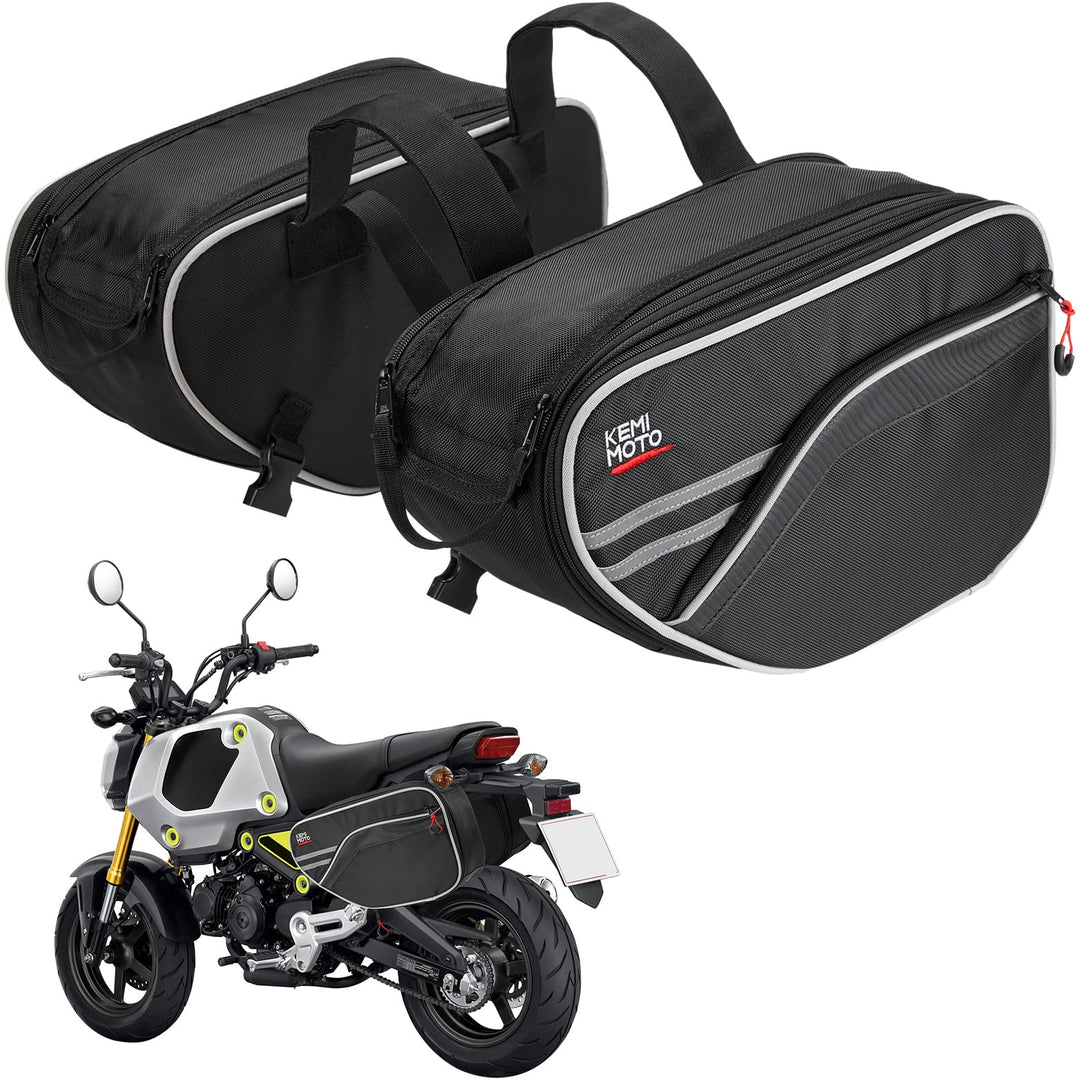
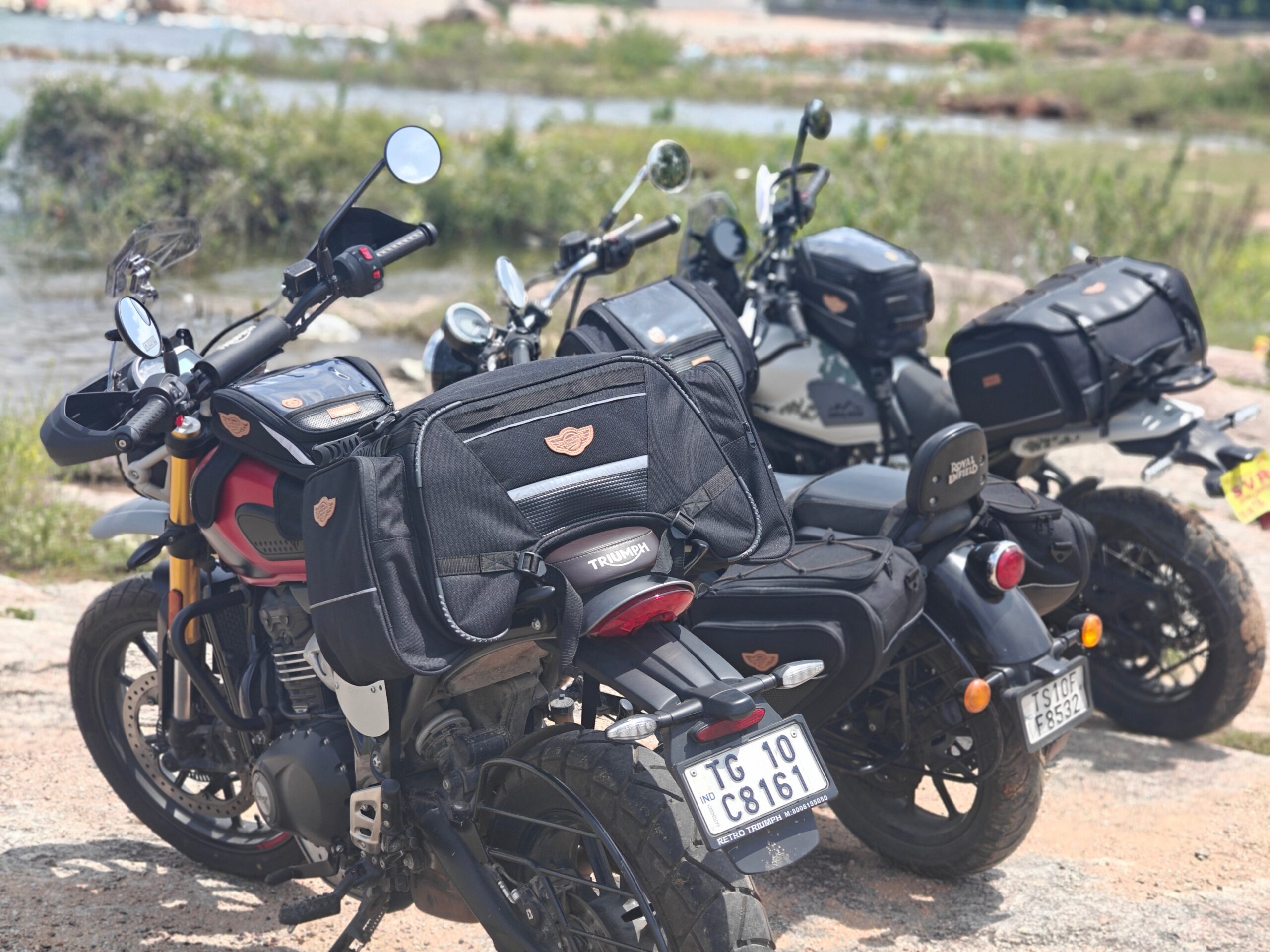
| Panniers | Hard or soft bags mounted on either side of the motorcycle | Long-distance touring, delivery services | Pros: Durable, spacious. Cons: May require specific mounting hardware. |
| Tail Bags | Compact bags secured to the rear of the motorcycle | Short trips, casual riders | Pros: Easy to install, versatile. Cons: Limited storage capacity. |
| Tank Bags | Bags attached to the motorcycle’s fuel tank | Commuting, quick errands | Pros: Quick access, stable. Cons: May obstruct fuel access. |
| Rackless Systems | Soft luggage systems that do not require racks | Adventure touring, off-road riding | Pros: Lightweight, adaptable. Cons: May lack structural support. |
| Backpacks | Wearable bags for personal items and gear | Urban commuting, casual rides | Pros: Hands-free, portable. Cons: Limited storage for larger items. |
Panniers are a popular choice for businesses involved in long-distance motorcycle tours or delivery services. They are typically mounted on either side of the motorcycle, providing a balanced weight distribution. Made from durable materials, they offer ample storage space, which is ideal for transporting goods securely over long distances. B2B buyers should consider the mounting compatibility with their motorcycle models and whether they require additional hardware for installation.
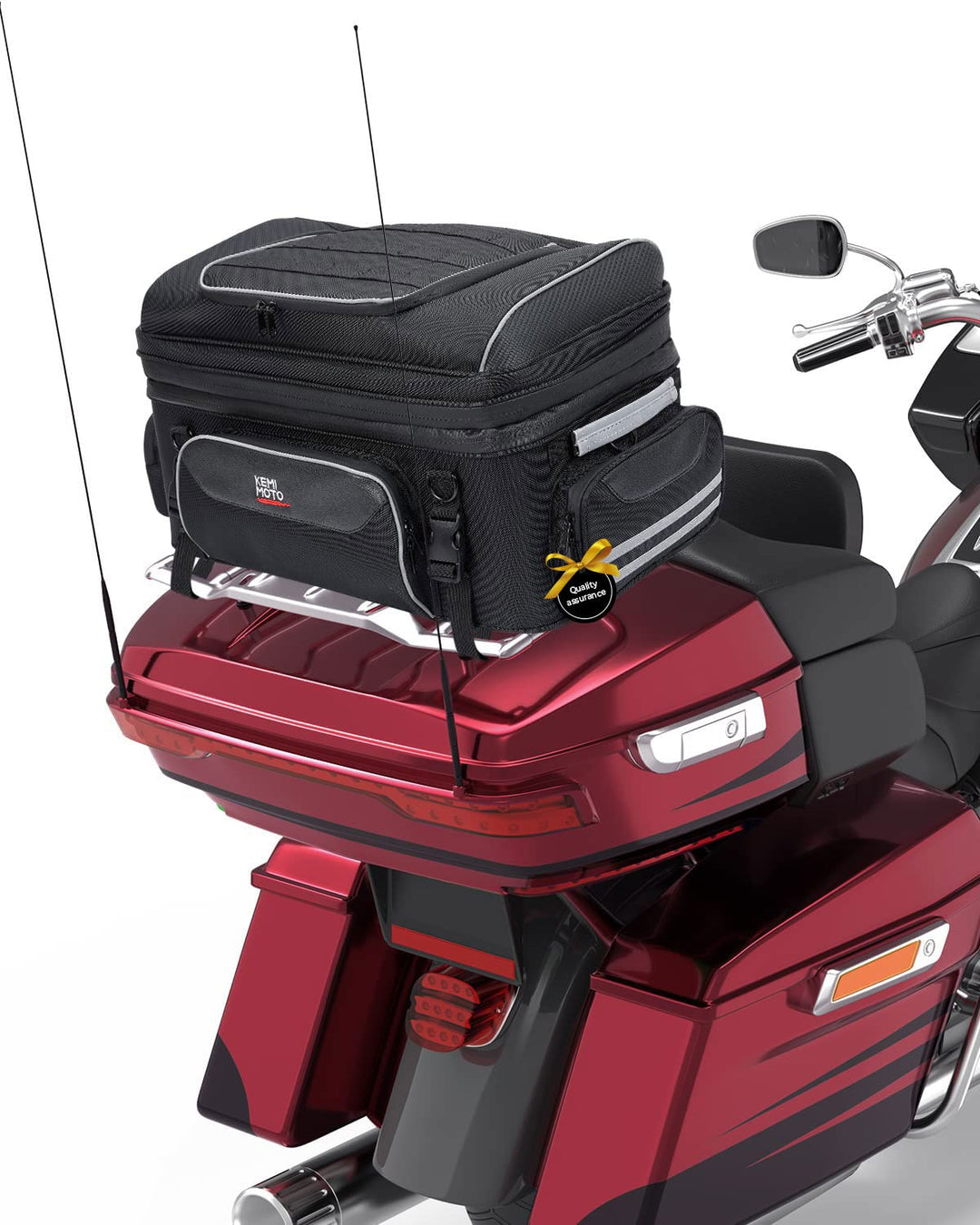
Tail bags are designed for quick and easy attachment to the rear of a motorcycle, making them suitable for short trips or casual rides. Their compact size allows for essential items to be stored without adding excessive weight. For B2B applications, these bags are ideal for businesses needing to transport small packages or personal items efficiently. Buyers should evaluate the bag’s universal fit and material durability, ensuring it meets their specific needs.
Tank bags attach directly to the motorcycle’s fuel tank, providing quick access to items like smartphones, wallets, and documents. They are particularly useful for urban commuting and quick errands where ease of access is crucial. B2B buyers should consider the bag’s design to ensure it does not obstruct fuel access and fits securely on their motorcycle model. Additionally, waterproof features can enhance usability in various weather conditions.
Illustrative image related to carry bag for motorcycle
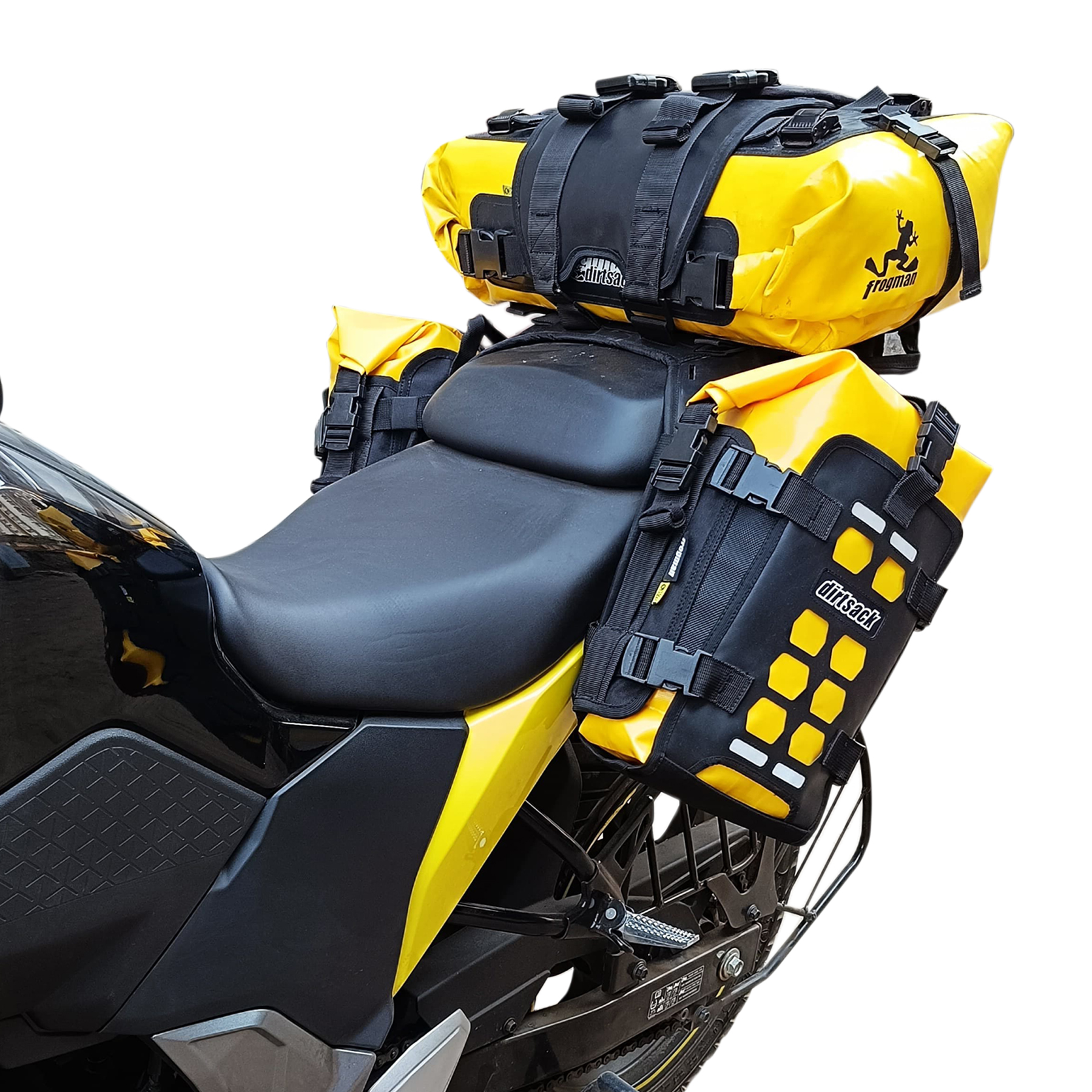
Rackless systems provide a lightweight and flexible option for adventure touring, eliminating the need for rigid mounting racks. These bags can adapt to different motorcycle shapes and sizes, making them suitable for off-road riding. For B2B applications, they are particularly advantageous for businesses involved in adventure tourism or off-road logistics. Buyers should assess the weight capacity and material strength to ensure they can handle rugged conditions.
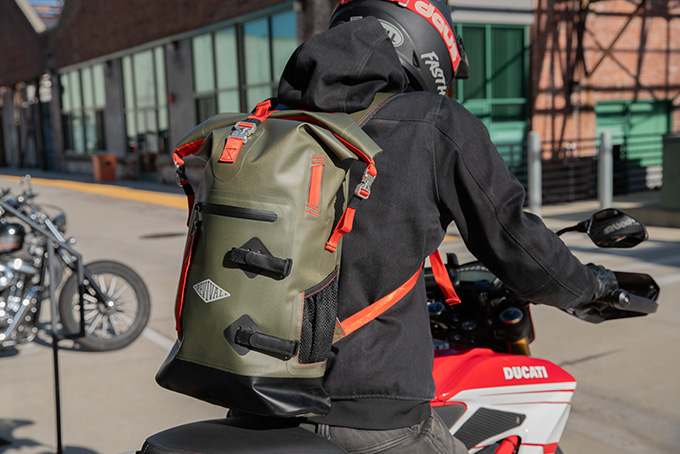
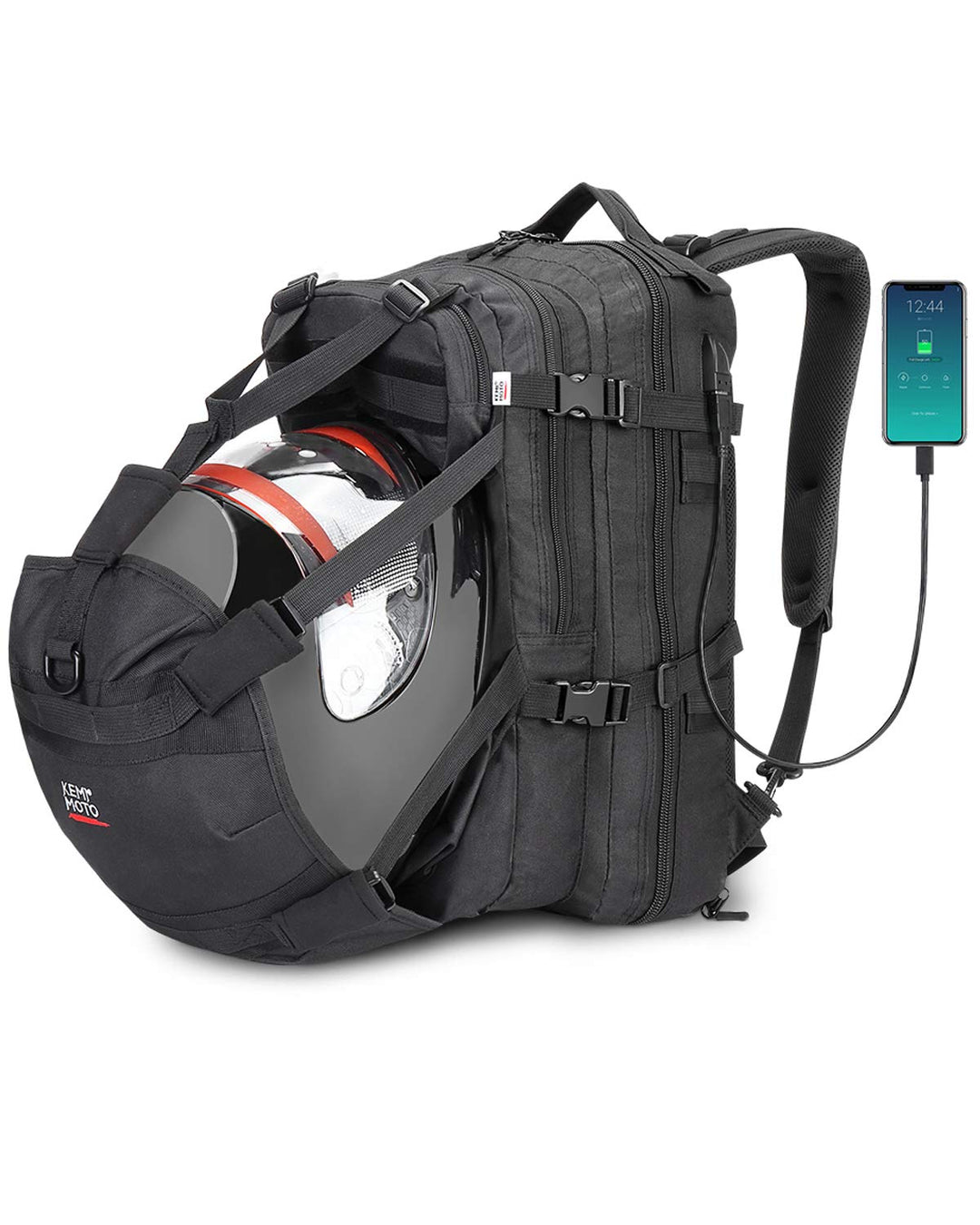
Backpacks offer a hands-free solution for carrying personal items, making them ideal for urban commuting or casual rides. They are lightweight and portable, allowing riders to navigate city environments easily. For B2B buyers, these bags are excellent for transporting personal gear or essential tools without the bulk of traditional luggage. However, buyers should consider the storage capacity and comfort level to ensure they meet the demands of daily use.
| Industry/Sector | Specific Application of carry bag for motorcycle | Value/Benefit for the Business | Key Sourcing Considerations for this Application |
|---|---|---|---|
| Delivery Services | Used for transporting goods in urban environments | Enhances delivery efficiency and reduces costs | Durability, waterproofing, and secure mounting systems |
| Adventure Tourism | Essential for carrying gear on off-road tours | Provides convenience for tourists, enhancing their experience | Lightweight materials, weather resistance, and storage capacity |
| Motorcycle Retail | Display and demo for motorcycle accessories | Attracts customers and promotes additional sales | Brand visibility, product variety, and pricing strategies |
| Emergency Services | Used for carrying first aid and emergency supplies | Ensures quick access to critical supplies during emergencies | Compact design, durability, and ease of attachment |
| Logistics and Freight | For transporting equipment and supplies | Streamlines logistics operations and reduces damage risk | Customizability, size options, and compatibility with various vehicles |
In the delivery services sector, carry bags for motorcycles are crucial for transporting goods efficiently in urban settings. These bags allow delivery personnel to navigate congested traffic while securely carrying packages, ensuring timely and safe deliveries. International buyers in this sector should prioritize features such as durability, waterproofing, and secure mounting systems to withstand diverse weather conditions and ensure that goods remain intact during transit.
Illustrative image related to carry bag for motorcycle
For adventure tourism, carry bags are indispensable for riders embarking on off-road excursions. They provide ample storage for gear, clothing, and supplies, enhancing the overall experience for tourists who seek adventure. Buyers in this industry should consider lightweight materials and weather-resistant designs to ensure comfort and protection against the elements, catering to the unique demands of various terrains found in regions like South America and Africa.
Motorcycle retailers can use carry bags as a part of their display strategy to promote accessories and gear. These bags not only serve as functional items but also attract customers by showcasing the versatility and quality of the products offered. Retailers should focus on brand visibility, product variety, and competitive pricing strategies when sourcing these bags, ensuring they resonate with the target market’s preferences across Europe and the Middle East.
In emergency services, carry bags are vital for transporting first aid kits and essential supplies quickly. These bags allow responders to access critical items swiftly, which can be lifesaving in urgent situations. Buyers in this sector should look for compact designs, durability, and ease of attachment to motorcycles, ensuring that emergency personnel can operate effectively in high-pressure environments.
In logistics and freight, carry bags facilitate the transportation of equipment and supplies, minimizing damage risk during transit. They help streamline operations by providing organized storage solutions that can be easily mounted on motorcycles. Buyers in logistics should consider customizability, size options, and compatibility with various vehicles to meet the specific needs of their operational requirements, particularly in regions with diverse transportation challenges.
The Problem: For B2B buyers sourcing carry bags for motorcycles, one of the most significant challenges is ensuring that the bags are waterproof and can withstand various weather conditions. In regions with unpredictable weather, such as parts of Africa and South America, the risk of rain can damage cargo, leading to loss of valuable items and decreased customer satisfaction. Additionally, buyers need to consider the materials used in the bags, as cheaper alternatives may not provide the necessary waterproofing, ultimately affecting their durability and longevity.
Illustrative image related to carry bag for motorcycle
The Solution: To address this issue, buyers should prioritize sourcing motorcycle carry bags made from high-quality, water-resistant materials like ballistic nylon or specialized waterproof fabrics. It is essential to look for products that come with a reliable waterproof rain cover, as this adds an extra layer of protection against the elements. When evaluating suppliers, consider asking for product samples to test their waterproof capabilities in real-world scenarios. Furthermore, incorporating feedback from end-users can help identify which products hold up best in specific climates, allowing for informed purchasing decisions.
The Problem: Many B2B buyers struggle with finding carry bags that strike the right balance between capacity and weight, particularly for long-distance motorcycle travel. Excessively bulky or heavy bags can hinder the riding experience and impact the motorcycle’s performance, especially in regions where fuel efficiency is critical. This is particularly relevant for buyers targeting markets in Europe, where consumers may prioritize lightweight solutions for their touring needs.
The Solution: Buyers should seek out carry bags that are designed with lightweight yet durable materials, allowing for maximum storage without compromising performance. Products with modular designs can offer flexible storage solutions, enabling users to add or remove compartments based on their needs. When negotiating with suppliers, consider discussing the importance of weight specifications and ensuring that the bags meet industry standards for long-distance travel. Additionally, providing training or resources on how to efficiently pack these bags can help end-users maximize their utility while maintaining optimal motorcycle performance.
The Problem: Another common pain point for B2B buyers is ensuring that the carry bags they purchase are compatible with a wide range of motorcycle models. In regions where the motorcycle market is diverse, buyers may face challenges in finding bags that fit various styles, from cruisers to adventure bikes. This can lead to increased inventory costs and customer dissatisfaction if the bags do not fit properly or require additional modifications.
Illustrative image related to carry bag for motorcycle
The Solution: To mitigate compatibility issues, buyers should focus on sourcing universal-fit carry bags that are designed to accommodate a variety of motorcycle models. Look for suppliers that provide comprehensive fitting guides or compatibility charts to assist in making informed purchasing decisions. Additionally, consider investing in modular systems that allow for adjustments to fit different motorcycles. Engaging with manufacturers that offer customizable options can also be beneficial, as this ensures that the unique needs of diverse markets are met without the need for excessive inventory. By prioritizing these features, B2B buyers can streamline their offerings and enhance customer satisfaction across various demographics.
When selecting materials for motorcycle carry bags, it’s essential to consider various factors that impact performance, durability, and cost-effectiveness. Here, we analyze four common materials used in the production of motorcycle carry bags, focusing on their properties, advantages, disadvantages, and specific considerations for international B2B buyers.
Nylon is one of the most prevalent materials used in motorcycle carry bags. It boasts excellent tensile strength, resistance to abrasion, and a relatively low weight, making it ideal for dynamic environments. Its temperature tolerance ranges from -40°F to 200°F, ensuring it remains functional in various climates.
Pros and Cons: The primary advantage of nylon is its durability and lightweight nature, which enhances the overall performance of the carry bag. However, it can be susceptible to UV degradation over time, leading to potential wear if exposed to sunlight for prolonged periods. Additionally, while nylon is generally cost-effective, high-quality variants can be more expensive.
Impact on Application: Nylon is compatible with various media, including water and oils, making it versatile for different motorcycle needs. However, it may require additional waterproofing treatments for use in extremely wet conditions.
Considerations for International Buyers: Buyers from regions like Africa and South America should ensure that the nylon used complies with local regulations regarding environmental impact and safety standards, such as those outlined by ASTM and DIN.
Polyester is another popular choice for motorcycle carry bags, known for its resistance to shrinking and stretching. It performs well in a range of temperatures, typically from -20°F to 180°F, making it suitable for various climates.
Pros and Cons: The main advantage of polyester is its resistance to UV light and mildew, which is crucial for outdoor use. However, it is generally less durable than nylon and may not withstand heavy abrasion as effectively. Polyester is often more affordable than nylon, making it an attractive option for budget-conscious buyers.
Illustrative image related to carry bag for motorcycle
Impact on Application: Polyester bags are well-suited for casual use and can handle moderate exposure to moisture but are not typically waterproof without additional coatings.
Considerations for International Buyers: Buyers in Europe and the Middle East should pay attention to certifications that ensure the polyester meets fire safety and environmental standards, which can vary by region.
Polyvinyl chloride (PVC) is a synthetic plastic polymer that offers excellent waterproofing capabilities, making it a popular choice for motorcycle carry bags designed for wet conditions.

Illustrative image related to carry bag for motorcycle
Pros and Cons: PVC is highly durable and resistant to chemicals, making it suitable for various applications. However, it can be heavier than nylon or polyester, which may affect the overall weight of the carry bag. Additionally, PVC can be less flexible in colder temperatures, which might limit its usability in certain climates.
Impact on Application: PVC is ideal for environments where moisture is a concern, but it may not be as breathable as other materials, potentially leading to condensation inside the bag.
Considerations for International Buyers: Buyers should ensure that PVC materials comply with local regulations regarding chemical safety, particularly in regions with stringent environmental laws, such as the EU.
Leather is often used in high-end motorcycle carry bags due to its aesthetic appeal and durability. It provides excellent resistance to wear and tear while offering a classic look.
Pros and Cons: Leather is highly durable and can withstand various environmental conditions. However, it requires regular maintenance to prevent drying and cracking, which can increase long-term costs. Additionally, leather can be significantly more expensive than synthetic options.

Illustrative image related to carry bag for motorcycle
Impact on Application: Leather bags are suitable for riders looking for style and durability, but they may not be ideal for extreme weather conditions unless treated properly.
Considerations for International Buyers: Buyers in regions with high humidity or rainfall should consider the implications of leather maintenance and durability. Compliance with animal welfare standards may also be a concern in certain markets.
| Material | Typical Use Case for carry bag for motorcycle | Key Advantage | Key Disadvantage/Limitation | Relative Cost (Low/Med/High) |
|---|---|---|---|---|
| Nylon | General-purpose carry bags | High durability and lightweight | Susceptible to UV degradation | Medium |
| Polyester | Casual use bags | UV and mildew resistance | Less durable than nylon | Low |
| PVC | Waterproof carry bags | Excellent waterproofing | Heavier and less flexible | Medium |
| Leather | Premium carry bags | Aesthetic appeal and durability | Requires maintenance; high cost | High |
This guide aims to provide B2B buyers with actionable insights into material selection for motorcycle carry bags, helping them make informed decisions that align with their specific market needs and regulatory environments.
The manufacturing of motorcycle carry bags involves several critical stages that ensure the final product meets the high standards expected by consumers and businesses alike. These stages include material preparation, forming, assembly, and finishing.
The first step in the manufacturing process is material preparation. Manufacturers typically use high-quality fabrics such as 1680D ballistic nylon or other durable synthetic materials known for their strength and weather resistance. The choice of material is crucial, as it directly impacts the bag’s durability and performance.
Illustrative image related to carry bag for motorcycle
During material preparation, the fabric is cut to specific dimensions based on design specifications. Advanced cutting techniques, such as laser cutting, may be employed to ensure precision and reduce material waste. This stage also involves treating the fabric with waterproof coatings or other protective finishes to enhance its performance in various weather conditions.
Following material preparation, the forming stage begins, where the cut fabric pieces are shaped into the desired form. This can involve several techniques, including sewing, welding, and bonding.
Sewing is the most common method, using heavy-duty threads to ensure seams can withstand the rigors of outdoor use. For products that require a waterproof finish, manufacturers may use radio frequency (RF) welding or ultrasonic bonding, which create strong, water-resistant seams without the need for stitching.
Illustrative image related to carry bag for motorcycle
The assembly stage is where the individual components of the carry bag come together. This includes attaching zippers, straps, and any additional features like pockets or reflective strips.
Quality craftsmanship is vital during assembly, as improper attachment of components can lead to product failure. Many manufacturers utilize automated machinery for tasks like zipper installation, which enhances consistency and reduces labor costs. Manual inspection is still critical to ensure that all components are correctly installed and functional.
Finishing processes are the final steps before the carry bags are packaged for distribution. This may include additional quality checks, cleaning, and the application of branding elements such as logos or labels.
Some manufacturers also conduct water-resistance testing at this stage to confirm that the finished product meets specific performance standards. This can involve submerging the bags in water or spraying them with water to assess their ability to repel moisture.
Quality assurance (QA) is a critical component of the manufacturing process, ensuring that each carry bag meets international standards and customer expectations.
For B2B buyers, understanding the relevant international standards is crucial. ISO 9001 is the most recognized quality management standard globally, emphasizing the importance of consistent quality and customer satisfaction. Compliance with this standard indicates that a manufacturer has robust quality management systems in place.
In addition to ISO standards, industry-specific certifications such as CE (Conformité Européenne) for products sold in Europe may also be important. This certification ensures that the product meets EU safety, health, and environmental protection standards.
Quality control in the manufacturing of motorcycle carry bags typically includes several checkpoints:
Incoming Quality Control (IQC): Materials are inspected upon arrival to ensure they meet specified quality standards. This includes checking for defects and verifying compliance with material specifications.
In-Process Quality Control (IPQC): During manufacturing, ongoing inspections are conducted to identify and rectify issues as they arise. This can include checking stitch quality, seam strength, and assembly accuracy.
Final Quality Control (FQC): After assembly, each bag undergoes a final inspection to ensure it meets all specifications and is free of defects. This may involve functional tests, such as zipper operation and waterproof testing.
Various testing methods are employed to ensure the quality and durability of motorcycle carry bags. Common testing methods include:
Illustrative image related to carry bag for motorcycle
For B2B buyers, verifying a supplier’s quality control processes is essential. Here are some actionable strategies:
Conduct Audits: Regular audits of suppliers can help assess compliance with quality standards and manufacturing practices. This can include both announced and unannounced visits to the manufacturing facility.
Request Quality Reports: Suppliers should provide documentation of their quality control processes, including inspection reports and testing results. This transparency can help build trust and confidence.
Utilize Third-Party Inspection Services: Engaging third-party inspectors can provide an unbiased assessment of the manufacturing process and final product quality. This is particularly important for international transactions where buyers cannot easily visit factories.
Understand Certification Nuances: Buyers from different regions, such as Africa or South America, should familiarize themselves with local regulations and certification requirements to ensure compliance with import standards.
For international B2B buyers, particularly those in regions like Africa, South America, the Middle East, and Europe, quality assurance is not just about meeting standards; it is about ensuring reliability, safety, and customer satisfaction. By understanding the manufacturing processes and quality control measures involved in producing motorcycle carry bags, buyers can make informed decisions and establish strong partnerships with reliable suppliers. Prioritizing quality assurance will ultimately lead to better products, fewer returns, and enhanced brand reputation in the competitive motorcycle accessories market.
To assist B2B buyers in effectively procuring carry bags for motorcycles, this guide outlines critical steps to ensure a successful sourcing process. By following this checklist, businesses can make informed decisions that align with their operational needs and market demands.
Establishing clear technical specifications is essential for sourcing the right carry bags. Consider factors such as size, weight capacity, material durability, and waterproofing features. These specifications will guide your supplier search and ensure the products meet the demands of your customer base.
Understanding current market trends is crucial for aligning your procurement strategy with consumer preferences. Analyze which types of carry bags—such as tank bags, tail bags, or panniers—are gaining popularity in your target regions. Additionally, consider seasonal trends that might influence demand, especially in regions with distinct riding seasons.
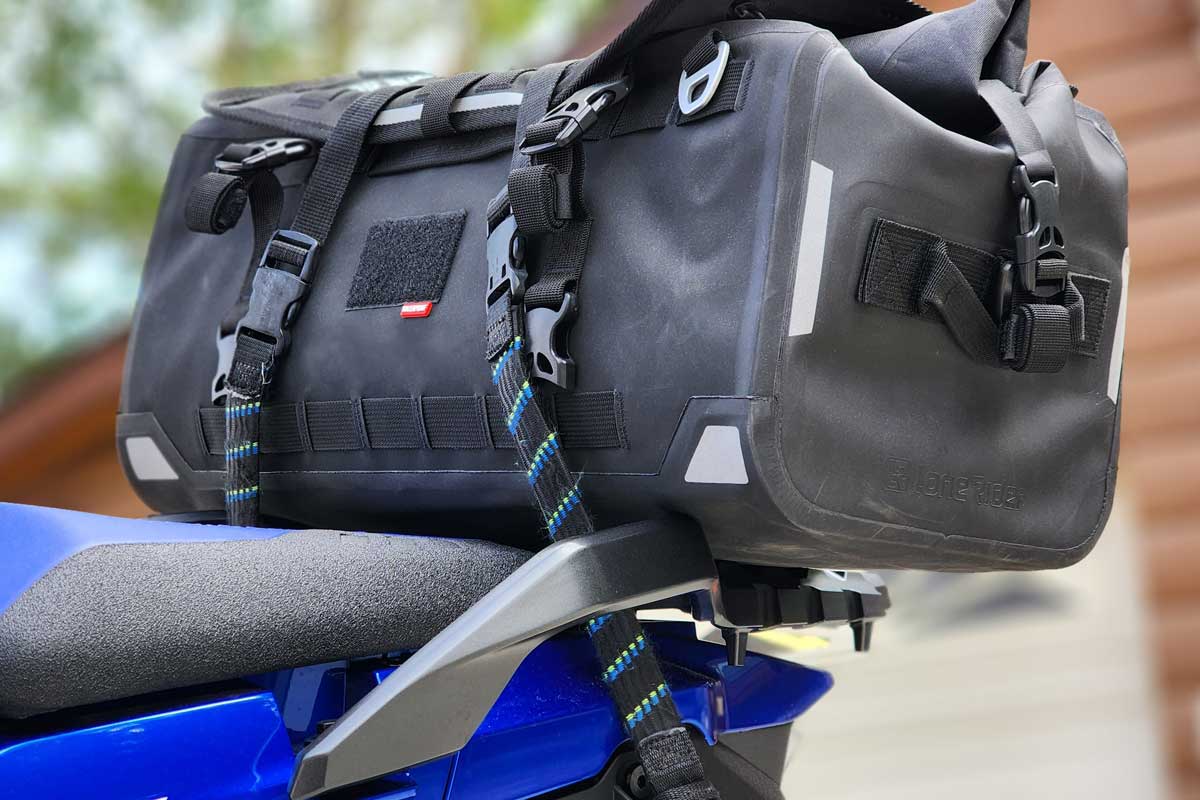
Illustrative image related to carry bag for motorcycle
Before making a commitment, thoroughly vet potential suppliers. Request company profiles, product samples, and references from similar businesses. This evaluation should focus on their manufacturing capabilities, quality assurance processes, and experience in the motorcycle accessories market.
Pricing is a critical factor in procurement, but it should be balanced with quality and service. Gather quotes from multiple suppliers and analyze their pricing structures, including any potential hidden costs. Additionally, negotiate payment terms that support your cash flow needs, such as deferred payments or bulk purchase discounts.
Confirm that the carry bags comply with relevant safety and environmental regulations in your target markets. Certifications such as REACH or RoHS can be indicators of a supplier’s commitment to quality and sustainability. This step is crucial to avoid legal issues and enhance your brand’s reputation.
Before finalizing your order, request samples to assess the quality and functionality of the carry bags. Testing the samples will help you evaluate their design, durability, and usability. Consider how well the bags perform under various conditions, such as exposure to rain or rough terrain.
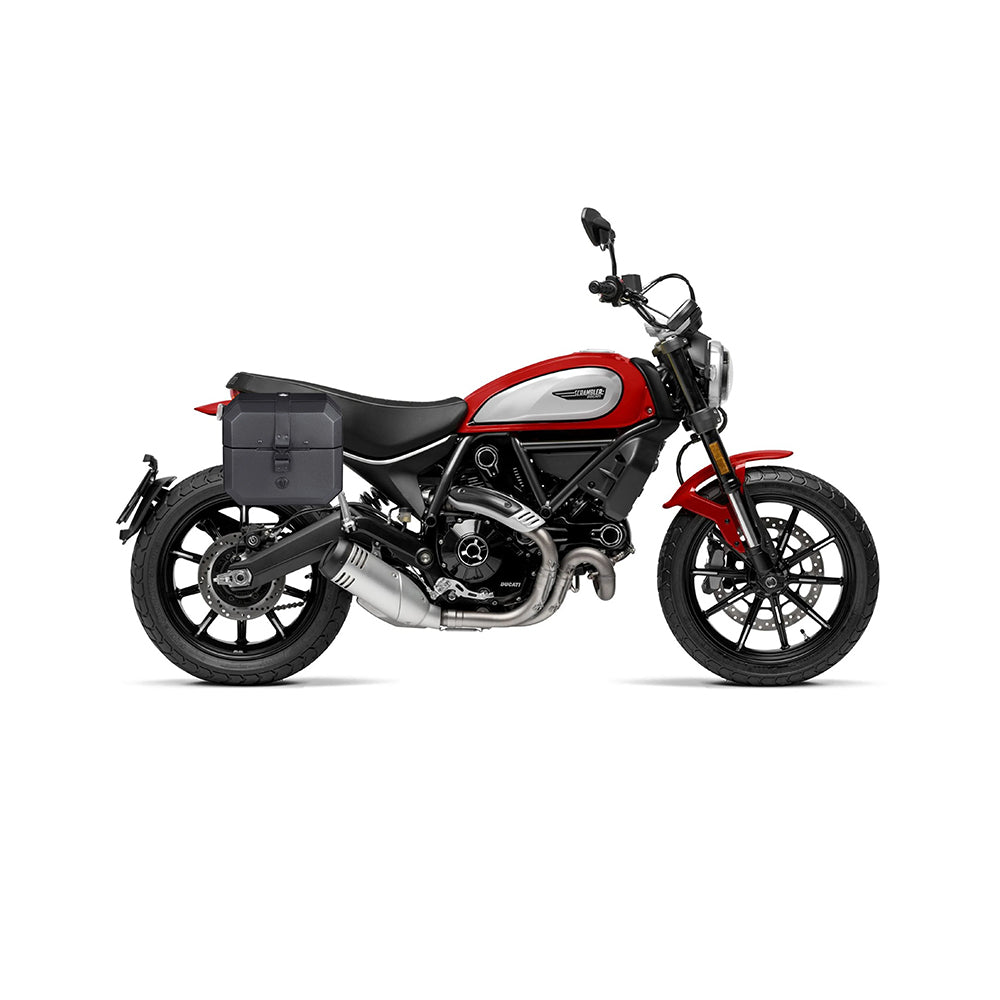
Illustrative image related to carry bag for motorcycle
Develop a logistics plan to manage inventory and distribution effectively. Consider factors such as shipping methods, lead times, and warehousing needs. A well-structured logistics plan will help ensure timely delivery to your customers and maintain your supply chain efficiency.
By following this step-by-step checklist, B2B buyers can navigate the procurement process for motorcycle carry bags with confidence, leading to successful partnerships and satisfied customers.
When sourcing motorcycle carry bags, understanding the cost structure is crucial for B2B buyers. The primary cost components include materials, labor, manufacturing overhead, tooling, quality control (QC), logistics, and profit margins.
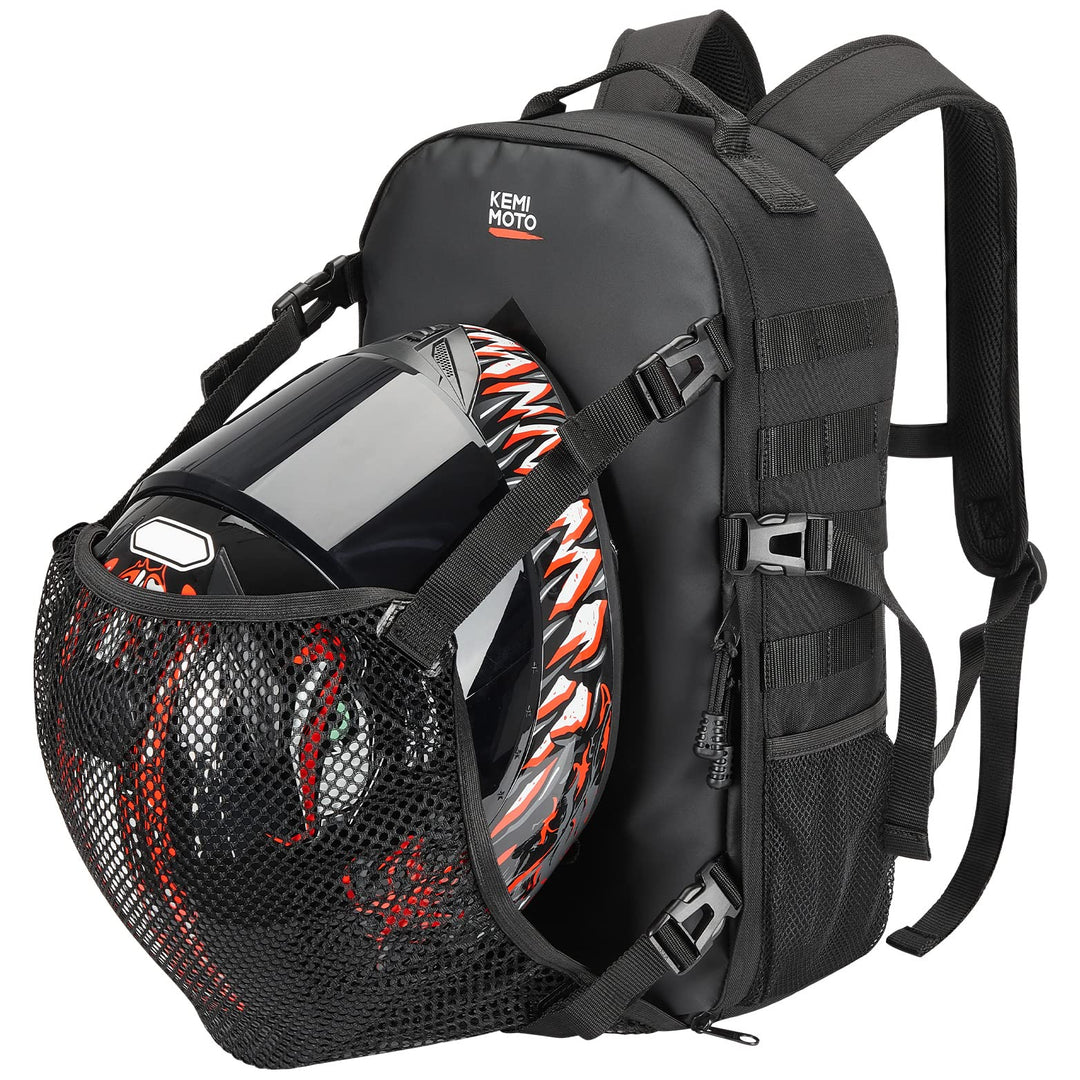
Illustrative image related to carry bag for motorcycle
Materials: The choice of materials significantly impacts the cost. High-quality fabrics such as 1680 Trimax Ballistic nylon are commonly used for durability and weather resistance, which can elevate the price. Buyers should also consider the costs associated with waterproofing and protective features, which may require additional investment.
Labor: Labor costs vary based on the manufacturing location. For example, sourcing from countries with lower labor costs can reduce overall expenses. However, higher labor costs may be justified if they lead to superior craftsmanship and quality assurance.
Manufacturing Overhead: This includes the indirect costs associated with production, such as utilities, rent, and equipment maintenance. Efficient manufacturing processes can help mitigate these costs, making it essential for buyers to evaluate suppliers on their operational efficiency.
Tooling: Initial tooling costs can be significant, especially for custom designs. Buyers should factor in these costs when considering bespoke carry bags. Sharing tooling costs across larger orders can also lead to lower unit prices.
Quality Control (QC): Investing in robust QC processes ensures that the carry bags meet international standards, which is vital for avoiding returns and maintaining brand reputation. This aspect may add to upfront costs but can save money in the long run.
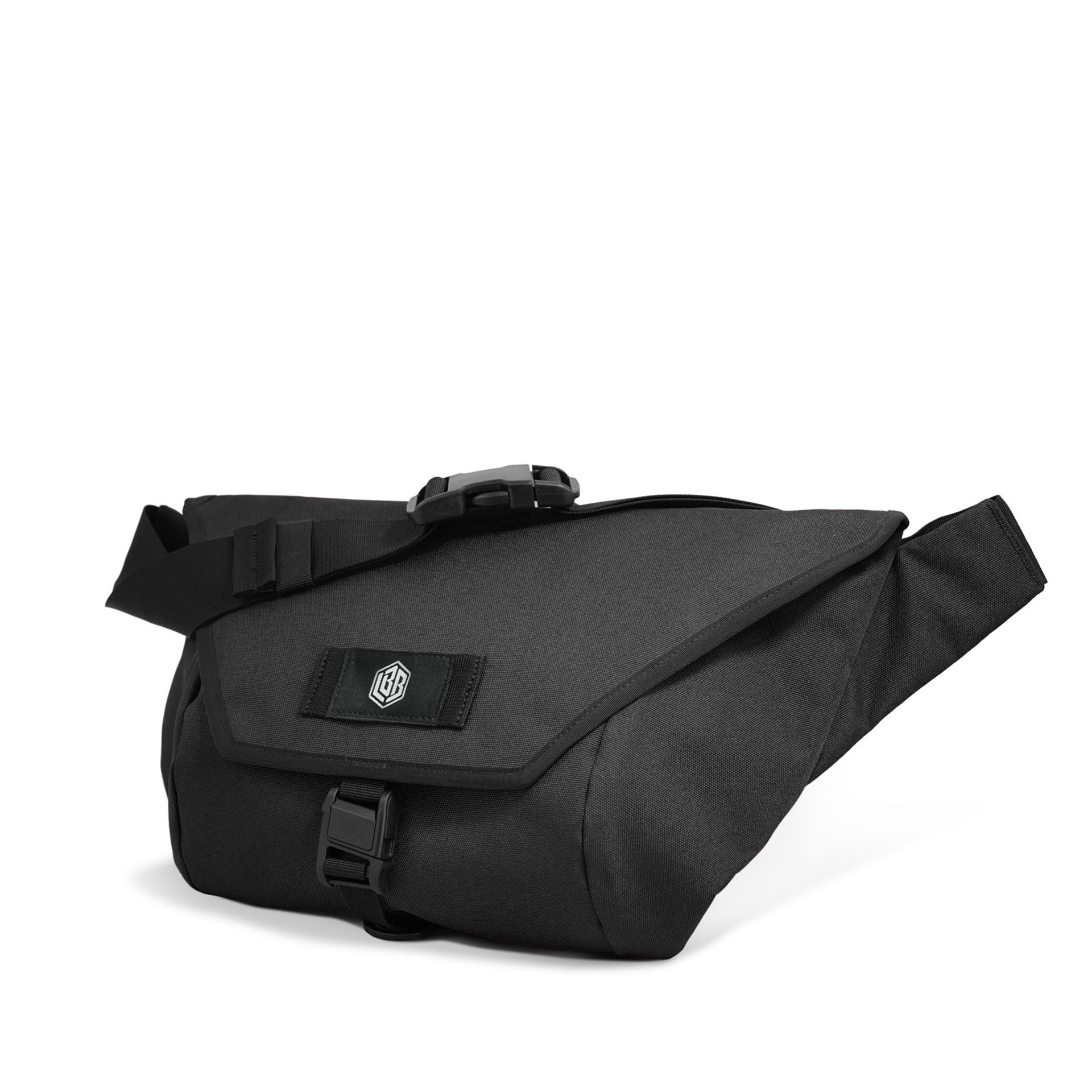
Illustrative image related to carry bag for motorcycle
Logistics: Shipping costs can fluctuate based on distance, shipping mode, and Incoterms. Buyers should be aware of these factors, particularly when importing from overseas suppliers. Choosing a reliable logistics partner is critical to ensure timely delivery and cost efficiency.
Margin: Suppliers will typically include a profit margin within their pricing. Understanding the market dynamics and competitive pricing can help buyers negotiate better terms.
Several factors influence the pricing of motorcycle carry bags, including order volume, specifications, material quality, supplier reliability, and Incoterms.
Volume/MOQ: Minimum order quantities (MOQs) can significantly affect pricing. Larger orders often lead to lower per-unit costs due to economies of scale. Buyers should negotiate MOQs that balance their inventory needs with cost savings.
Specifications/Customization: Custom designs or unique specifications can increase costs. Buyers should clearly outline their requirements and seek quotes from multiple suppliers to compare pricing effectively.
Illustrative image related to carry bag for motorcycle
Materials and Quality Certifications: Higher-quality materials and certifications (e.g., ISO, CE) will command higher prices. Buyers must weigh the benefits of superior quality against their budget constraints.
Supplier Factors: Supplier reputation, reliability, and production capacity can influence pricing. Established suppliers may charge premium prices but often provide better service and quality assurance.
Incoterms: Understanding Incoterms is essential for calculating total landed costs. Different terms can shift responsibilities for shipping, insurance, and customs clearance, impacting overall pricing.
Illustrative image related to carry bag for motorcycle
To maximize cost-efficiency, international B2B buyers should adopt strategic approaches during sourcing:
Negotiation: Leverage quotes from multiple suppliers to negotiate better terms. Building long-term relationships with suppliers can also result in more favorable pricing over time.
Total Cost of Ownership (TCO): Consider all associated costs, not just the purchase price. This includes shipping, customs duties, and potential warranty claims. A lower initial price may lead to higher TCO if the product requires frequent replacements or incurs additional shipping costs.
Illustrative image related to carry bag for motorcycle
Pricing Nuances for International Buyers: Buyers from regions like Africa, South America, the Middle East, and Europe must account for currency fluctuations, tariffs, and import duties when evaluating prices. It’s advisable to work with local agents or experts who understand the regional trade landscape.
Disclaimer on Indicative Prices: Prices for motorcycle carry bags can vary widely based on specifications, supplier relationships, and market conditions. Always seek updated quotes and consider factors such as seasonal demand and economic conditions that may affect pricing.
By understanding these cost components and influencers, B2B buyers can make informed decisions that align with their budget and quality requirements when sourcing motorcycle carry bags.
When evaluating solutions for transporting gear on motorcycles, the ‘carry bag for motorcycle’ is a popular choice. However, various alternatives can also meet similar needs, offering distinct advantages depending on the user’s context. This analysis will compare the carry bag against other viable solutions, including hard cases and tail bags, to help B2B buyers make informed decisions.
| Comparison Aspect | Carry Bag For Motorcycle | Hard Cases | Tail Bags |
|---|---|---|---|
| Performance | Moderate capacity, flexible design | High durability, secure storage | Easy access, moderate capacity |
| Cost | $50 – $200 | $150 – $600 | $100 – $250 |
| Ease of Implementation | Simple attachment | Requires installation | Quick setup, universal fit |
| Maintenance | Low maintenance | Moderate maintenance | Low maintenance |
| Best Use Case | Commuting, casual touring | Long-distance touring, rugged use | Short trips, day rides |
Hard cases are a robust alternative to carry bags, typically made from molded plastic or aluminum, providing superior protection for valuable items. They excel in durability, making them ideal for long-distance touring and off-road adventures. However, their higher cost and more complex installation process can be a barrier for some users. Hard cases can also add weight to the motorcycle, potentially affecting performance. For businesses focusing on security and protection of equipment, hard cases may be the preferred solution.
Tail bags are designed for easy access and convenience, often featuring a universal fit and quick-release systems. They are generally lighter and more affordable than hard cases, making them suitable for short trips and everyday commuting. However, tail bags may not offer the same level of protection against harsh weather or impacts as hard cases. Their capacity is also limited compared to larger carry bags, which could be a drawback for those needing to transport more gear. For B2B buyers looking for a cost-effective and easy-to-use solution, tail bags can be an excellent choice.
Carry bags for motorcycles strike a balance between flexibility and performance. They typically feature various attachment systems, allowing users to easily secure them to different types of bikes. Their design is often more adaptable to different riding styles and needs, making them versatile for both casual and commuting scenarios. However, their moderate capacity may not suffice for longer journeys requiring extensive gear. B2B buyers focused on versatility and ease of use might find carry bags to be the most appealing option.
Illustrative image related to carry bag for motorcycle
Choosing the right solution for transporting gear on motorcycles depends on specific needs and use cases. B2B buyers should consider factors such as performance, cost, ease of implementation, and maintenance when evaluating their options. While carry bags offer versatility and ease of use, hard cases provide superior protection, and tail bags deliver quick access and affordability. By aligning the choice with the intended use, buyers can ensure they select the best solution for their operational requirements.
When sourcing motorcycle carry bags for international markets, understanding the essential technical properties is crucial for ensuring product quality and customer satisfaction. Below are the critical specifications to consider:
Material Composition
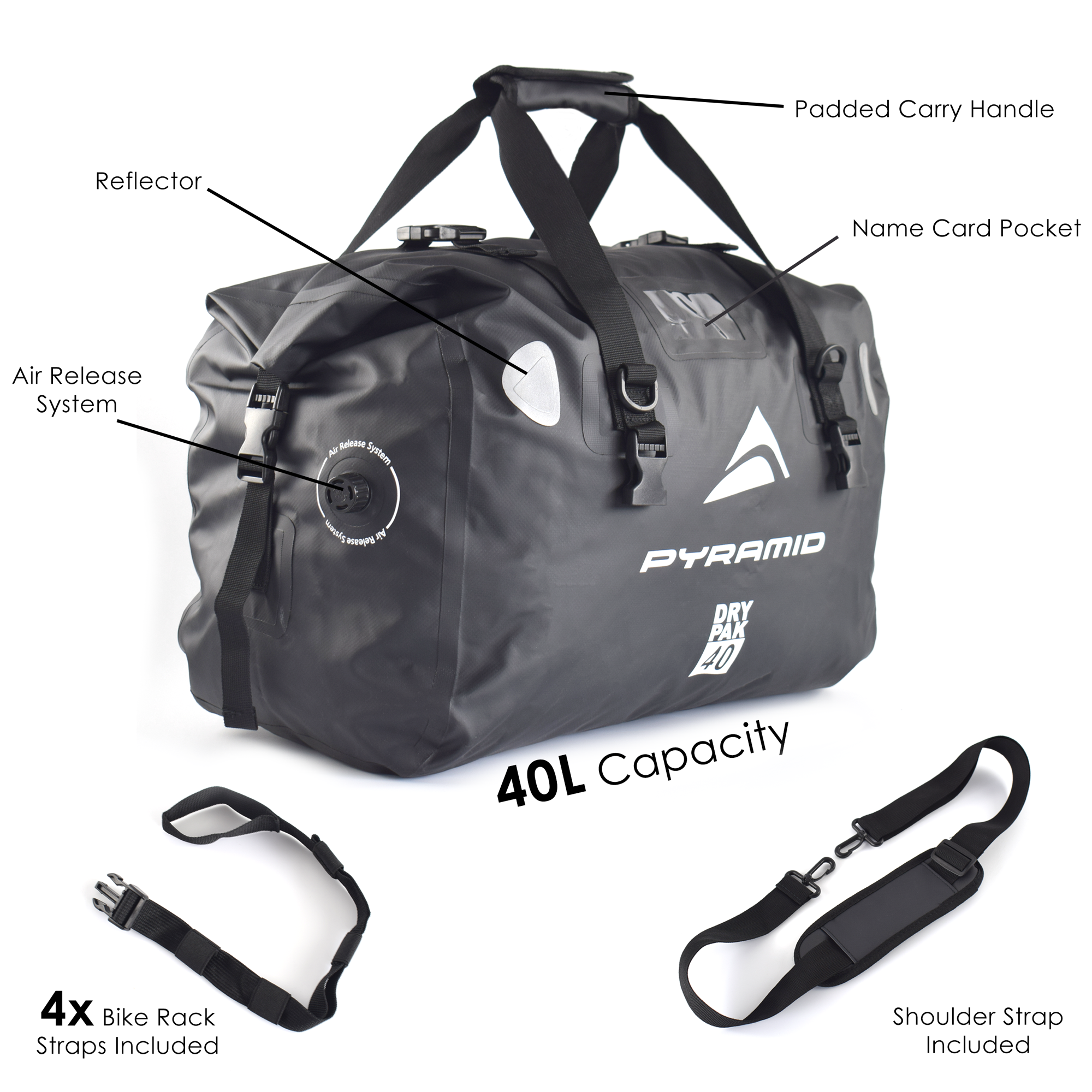
The choice of material significantly impacts the durability, weight, and waterproof capabilities of motorcycle carry bags. Common materials include ballistic nylon, polyester, and PVC. For instance, 1680D ballistic nylon is known for its resistance to abrasions and tears, making it ideal for rugged use. A durable material ensures longevity, which is a key selling point for B2B buyers seeking reliable products.
Water Resistance Rating
A carry bag’s water resistance is often quantified using the hydrostatic head measurement, typically expressed in millimeters (mm). For example, a bag with a rating of 2000mm can withstand heavy rain without allowing moisture to penetrate. Understanding this rating is vital for markets with diverse climates, as buyers need assurance that the product will protect contents during adverse weather conditions.
Load Capacity
Load capacity refers to the maximum weight a bag can safely carry, usually measured in liters or kilograms. For example, a 30-liter bag can hold a specific volume of gear, such as clothing or tools. Buyers must consider load capacity based on their target audience’s needs—whether for daily commuters or long-distance riders—ensuring the product meets their operational requirements.
Mounting System Type
The mounting system influences how securely the bag attaches to the motorcycle. Options include universal straps, quick-release systems, or specialized mounts for specific bike models. A reliable mounting system enhances safety and ease of use, which can be a deciding factor for B2B clients evaluating multiple suppliers.
Dimensions and Weight
The size and weight of the carry bag are crucial for compatibility with different motorcycle types and for ease of handling. Detailed specifications on dimensions help buyers assess whether a bag will fit their motorcycles without obstructing functionality. Lightweight designs are preferable for long-distance travel, impacting the overall riding experience.
Familiarity with industry jargon is essential for effective communication and negotiation in the B2B landscape. Here are several key terms:
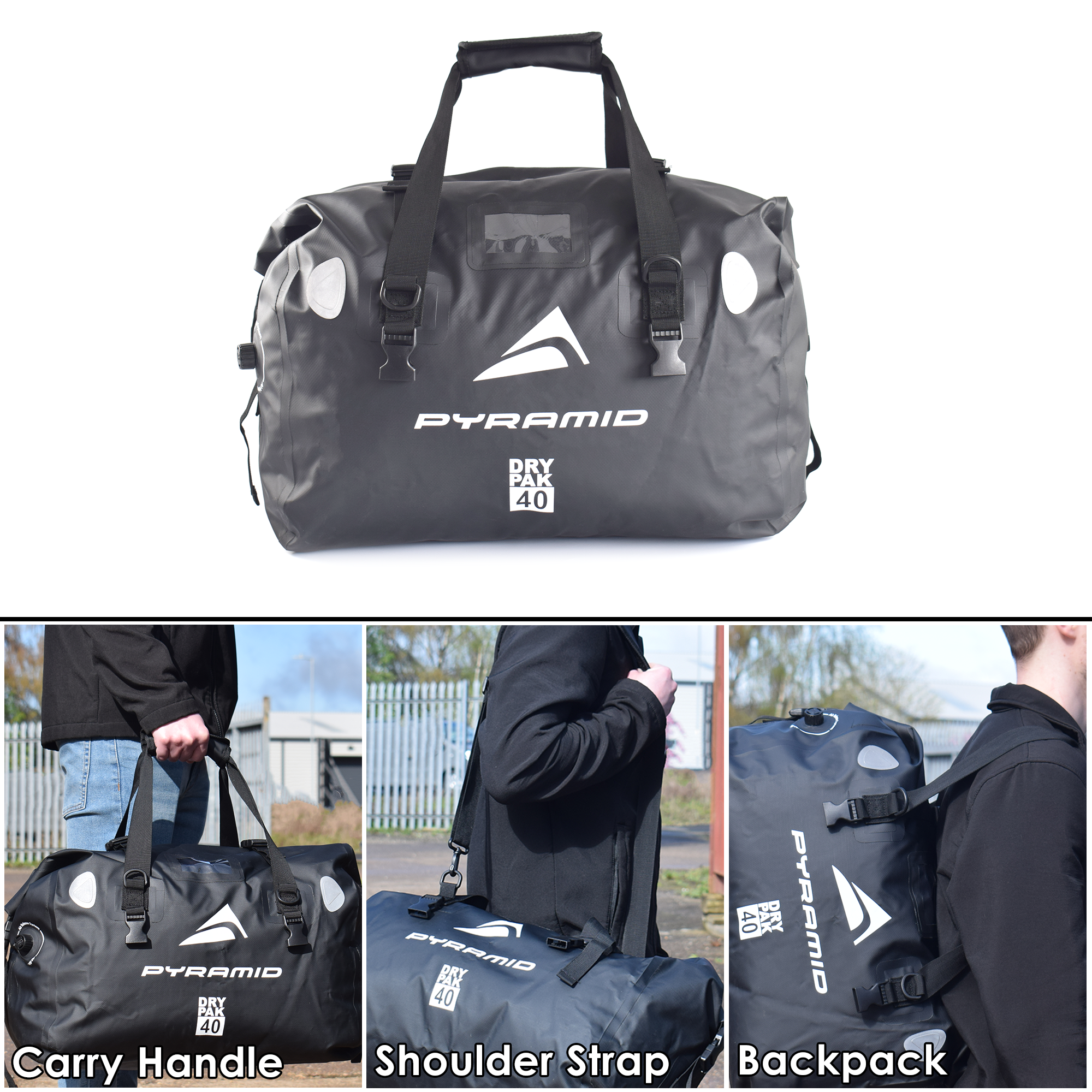
Illustrative image related to carry bag for motorcycle
OEM (Original Equipment Manufacturer)
This term refers to companies that produce parts or products that are used in another company’s end product. For motorcycle bags, OEMs may manufacture components that are branded by a different company. B2B buyers should understand OEM relationships to ensure they receive quality products that meet their specifications.
MOQ (Minimum Order Quantity)
MOQ indicates the smallest quantity a supplier is willing to sell to a buyer. Understanding MOQ is critical for international buyers, as it affects inventory costs and cash flow. Buyers should negotiate MOQs that align with their sales forecasts to avoid overstocking or stockouts.
RFQ (Request for Quotation)
An RFQ is a document sent to suppliers requesting pricing and terms for specific products. For motorcycle carry bags, issuing an RFQ allows buyers to compare offers and make informed purchasing decisions based on quality, price, and delivery terms.
Incoterms (International Commercial Terms)
Incoterms define the responsibilities of buyers and sellers regarding the delivery of goods. Terms like FOB (Free On Board) or CIF (Cost, Insurance, and Freight) clarify who bears the costs and risks during shipping. Familiarity with Incoterms is essential for minimizing misunderstandings and ensuring smooth transactions in international trade.
Lead Time
Lead time refers to the duration between placing an order and receiving the goods. Understanding lead times helps buyers plan their inventory and sales strategies effectively. Longer lead times may affect customer satisfaction and sales, especially in fast-moving markets.
Warranty and Return Policy
A warranty offers assurance about the product’s quality, while a clear return policy provides peace of mind for buyers. These terms are vital in B2B transactions, as they reflect the supplier’s confidence in their product and establish trust in the business relationship.
By understanding these technical properties and trade terms, B2B buyers can make informed decisions when sourcing motorcycle carry bags, ensuring they meet the needs of their markets effectively.
The global carry bag for motorcycle market is experiencing dynamic shifts driven by increasing motorcycle ownership, especially in emerging markets across Africa, South America, the Middle East, and Europe. The rise in adventure tourism and recreational riding is propelling demand for high-quality, versatile luggage solutions. Current trends indicate a growing preference for lightweight, durable materials that withstand harsh weather conditions. Technological advancements are also influencing product design, with features such as modular systems and quick-release mechanisms becoming increasingly popular. For international B2B buyers, understanding these trends is crucial for aligning sourcing strategies with market demands.
Additionally, e-commerce is transforming how buyers procure motorcycle luggage, providing access to a wider range of products and suppliers. This shift emphasizes the importance of online visibility and SEO strategies for manufacturers and suppliers aiming to capture international markets. B2B buyers should also consider the integration of smart technology in carry bags, such as GPS tracking and built-in charging capabilities, which are becoming appealing selling points.
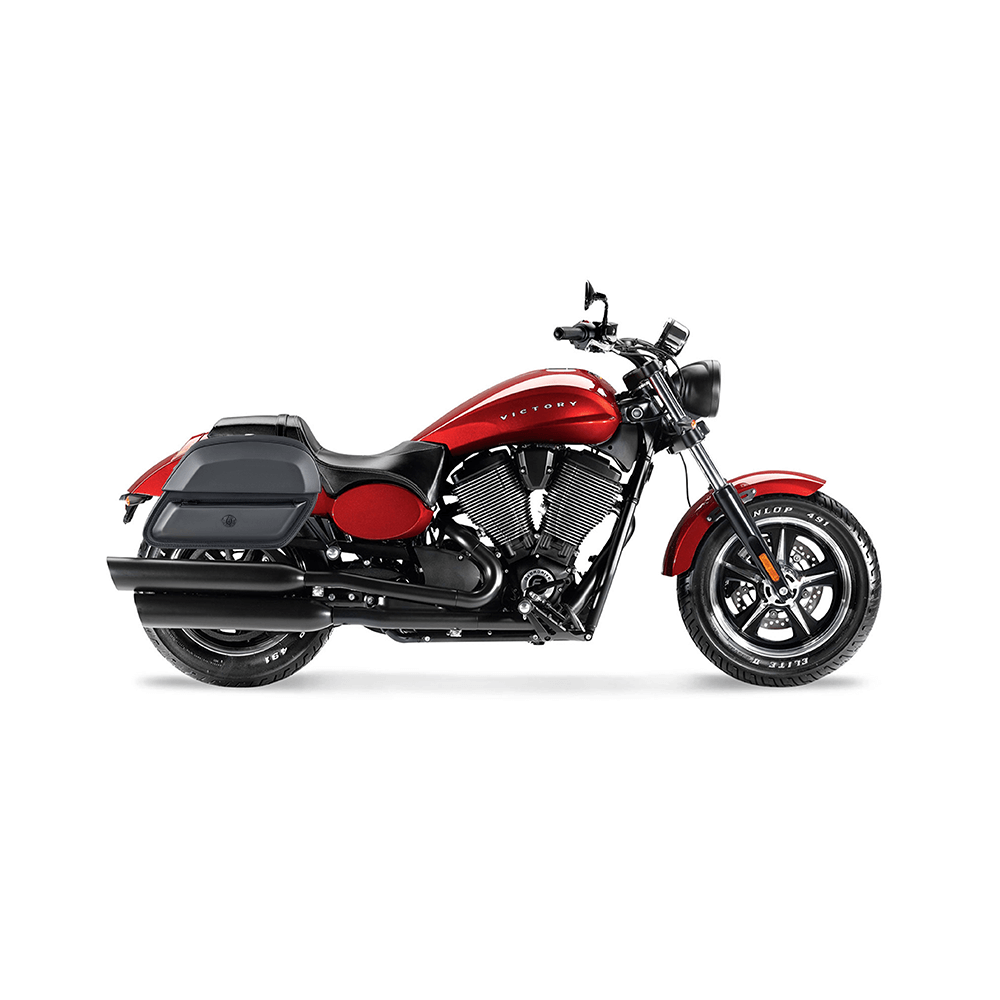
Illustrative image related to carry bag for motorcycle
Sustainability is a critical factor in the sourcing of carry bags for motorcycles. The environmental impact of manufacturing processes, materials used, and product lifecycle management is under scrutiny. B2B buyers are increasingly prioritizing suppliers who demonstrate a commitment to ethical sourcing practices and sustainable materials. The use of recycled plastics, biodegradable fabrics, and environmentally friendly production methods can significantly enhance a brand’s reputation and appeal to eco-conscious consumers.
Furthermore, certifications such as Global Organic Textile Standard (GOTS) and OEKO-TEX® can serve as valuable indicators of a supplier’s commitment to sustainability. Buyers should actively seek partnerships with manufacturers that uphold ethical labor practices and transparent supply chains. This not only mitigates risks associated with reputational damage but also aligns with the growing consumer demand for responsible products.
The evolution of motorcycle carry bags has been marked by significant advancements in design and material technology. Initially, these bags were primarily functional, focusing on basic storage needs. However, as motorcycle culture evolved, so did the expectations of riders. The introduction of waterproof materials, ergonomic designs, and customizable options has transformed carry bags into essential riding gear that enhances the overall experience.
Today, the market is characterized by a diverse range of products catering to various riding styles, from casual commuting to off-road adventures. Innovations such as modular systems that allow riders to adapt their luggage based on their trip requirements have become standard. This evolution reflects a broader trend towards personalization in the B2B space, where buyers are looking for products that not only meet functional needs but also resonate with their brand identity.
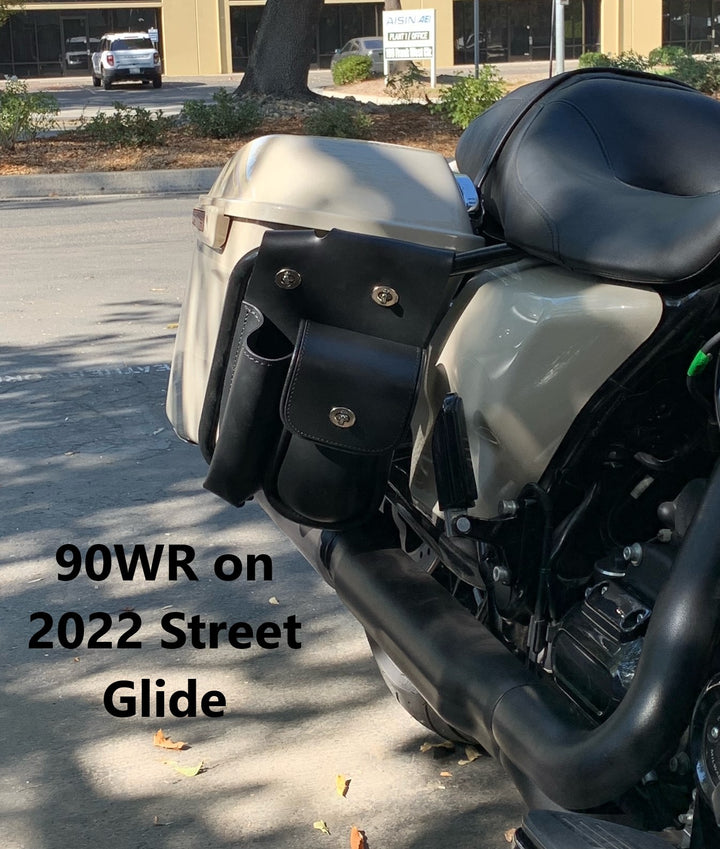
Illustrative image related to carry bag for motorcycle
In summary, B2B buyers in the motorcycle carry bag sector should stay attuned to market dynamics, prioritize sustainability in sourcing, and recognize the historical context that shapes current product offerings. Understanding these elements will enable informed purchasing decisions and foster long-term supplier relationships.
How do I choose the right carry bag for motorcycles?
Choosing the right carry bag for motorcycles involves assessing your specific needs, such as the type of motorcycle, the intended use (commuting, touring, off-roading), and capacity requirements. Consider factors like weather resistance, material durability, and attachment methods (e.g., panniers, tail bags, or tank bags). Additionally, evaluate the bag’s compatibility with your motorcycle model and ensure it offers secure storage for your belongings. Conducting thorough research and comparing various brands can help you make an informed decision.
What are the key features to look for in motorcycle carry bags?
Key features to look for in motorcycle carry bags include waterproof materials, secure mounting systems, and adequate storage capacity. Look for bags made from durable fabrics, such as ballistic nylon, to withstand harsh conditions. Other desirable features may include reflective strips for visibility, ergonomic designs for comfort, and additional compartments for organizing smaller items. Ensuring that the carry bag is lightweight without compromising strength is also crucial for a comfortable riding experience.
What is the typical minimum order quantity (MOQ) for motorcycle carry bags?
The typical MOQ for motorcycle carry bags can vary widely among suppliers, often ranging from 50 to 500 units. Factors influencing MOQ include the manufacturer’s production capacity, the complexity of the bag design, and the material used. It’s advisable to communicate directly with potential suppliers to discuss your requirements and negotiate terms that align with your business needs, especially if you are looking for custom designs or branding.
How can I ensure the quality of motorcycle carry bags from suppliers?
To ensure quality, conduct thorough vetting of suppliers by checking their certifications, customer reviews, and production processes. Request samples before placing bulk orders to assess materials and craftsmanship firsthand. Establish clear quality assurance protocols and inspect bags upon arrival for defects or discrepancies. Building a long-term relationship with reputable suppliers can also help maintain consistent quality over time.
What payment terms are commonly offered by motorcycle carry bag suppliers?
Payment terms can vary by supplier but typically include options such as upfront payments, partial deposits, or letters of credit. Common practices involve a 30% deposit before production and the remaining balance upon completion or shipment. It’s essential to discuss and agree on payment terms that suit both parties to avoid potential disputes. Additionally, consider using secure payment methods to protect your financial transactions.
How do I handle logistics and shipping for motorcycle carry bags?
Handling logistics and shipping for motorcycle carry bags requires careful planning. First, decide on the shipping method (air, sea, or land) based on budget and urgency. Collaborate with a logistics partner experienced in international shipping to navigate customs regulations and tariffs specific to your region. Ensure that packaging is robust to prevent damage during transit, and keep track of shipments to manage delivery timelines effectively.
What customization options are available for motorcycle carry bags?
Customization options for motorcycle carry bags often include branding (logos, colors), size adjustments, and additional features like extra compartments or unique attachment systems. Some manufacturers offer bespoke designs tailored to specific market needs. Discuss your customization requirements with potential suppliers to explore available options, and consider the implications on MOQ and pricing.
What are the common issues faced when sourcing motorcycle carry bags internationally?
Common issues in international sourcing include language barriers, differing quality standards, and shipping delays. Understanding local regulations and compliance requirements is also crucial. To mitigate these challenges, engage in clear communication with suppliers, use reliable logistics partners, and consider working with experienced intermediaries or agents who understand the regional market. Regular follow-ups and establishing strong relationships with suppliers can help address and resolve potential issues proactively.
Domain: moskomoto.com
Registered: 2013 (12 years)
Introduction: Motorcycle Luggage | Mosko Moto SALE! 15 – 30% OFF Free Shipping On Orders Over $200 USD
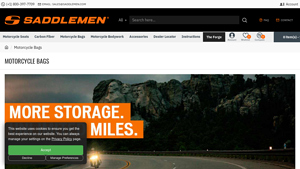
Domain: saddlemen.com
Registered: 1996 (29 years)
Introduction: [{‘brand’: ‘Universal’, ‘model’: ‘Highwayman Riveted Slant Saddlebag’, ‘description’: ‘Highwayman™ Riveted Medium Slant-Style Saddlebags. Offers high quality at a competitive, low price. Adjustable yoke construction helps produce the perfect fit on most popular cruisers.’, ‘price’: ‘$117.00’}, {‘brand’: ‘Universal’, ‘model’: ‘R1300LXE Tactical Deluxe Roll Bag’, ‘description’: “Universal Mounting -…
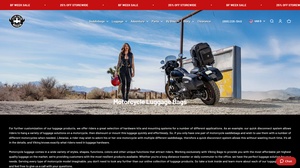
Domain: vikingbags.com
Registered: 2006 (19 years)
Introduction: Motorcycle Luggage Bags from VikingBags offer a variety of styles, shapes, and functions for different motorcycle models. Key features include:
– Quick disconnect system for easy mounting and dismounting of luggage.
– Wide selection of saddlebags, trunks, and other luggage solutions suitable for long-distance travel or daily commuting.
– Products available for various motorcycle brands including H…
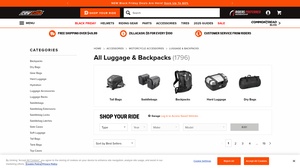
Domain: revzilla.com
Registered: 2006 (19 years)
Introduction: Motorcycle Luggage & Bags available at RevZilla, featuring various types including backpacks, dry bags, gear bags, hard luggage, hydration packs, and luggage accessories. Current promotions include Black Friday deals with discounts up to 60% off on select items. Notable brands include Alpinestars, Dainese, and REV’IT! with specific discounts mentioned. The product range includes saddlebag liners, …
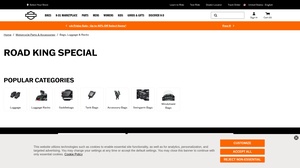
Domain: harley-davidson.com
Registered: 1994 (31 years)
Introduction: Harley-Davidson offers a large selection of sturdy and durable motorcycle bags, luggage, and racks designed for convenience and long-distance travel. The bags feature solid construction with hard shells for added durability or soft options for lightweight carrying. Key features include: high-quality materials that resist wear and tear, secure hardware to protect belongings, and easy installation o…
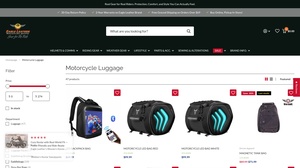
Domain: eagleleather.com
Registered: 1998 (27 years)
Introduction: This company, Eagle Leather – Motorcycle Travel Bags, is a notable entity in the market. For specific product details, it is recommended to visit their website directly.
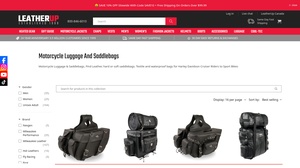
Domain: leatherup.com
Registered: 1999 (26 years)
Introduction: This company, LeatherUp – Motorcycle Luggage & Saddlebags, is a notable entity in the market. For specific product details, it is recommended to visit their website directly.
In the evolving landscape of motorcycle accessories, the strategic sourcing of carry bags presents a significant opportunity for international B2B buyers. By understanding the diverse product offerings—from rugged panniers to versatile tank bags—buyers can cater to the specific needs of motorcycle enthusiasts across various regions, including Africa, South America, the Middle East, and Europe. Key considerations such as material durability, waterproof capabilities, and user-friendly mounting systems are essential in selecting high-quality products that resonate with consumers.
Strategic sourcing not only enhances product offerings but also strengthens supplier relationships, ensuring a steady supply of innovative luggage solutions. Engaging with reputable manufacturers can unlock competitive pricing and unique designs, allowing businesses to differentiate themselves in the marketplace.
As the demand for motorcycle accessories continues to grow, now is the time for B2B buyers to act. By leveraging insights from this guide and aligning with trusted suppliers, businesses can capitalize on emerging trends and foster long-term success. Embrace the opportunity to lead in the motorcycle luggage market and meet the evolving needs of riders worldwide.
The information provided in this guide, including content regarding manufacturers, technical specifications, and market analysis, is for informational and educational purposes only. It does not constitute professional procurement advice, financial advice, or legal advice.
While we have made every effort to ensure the accuracy and timeliness of the information, we are not responsible for any errors, omissions, or outdated information. Market conditions, company details, and technical standards are subject to change.
B2B buyers must conduct their own independent and thorough due diligence before making any purchasing decisions. This includes contacting suppliers directly, verifying certifications, requesting samples, and seeking professional consultation. The risk of relying on any information in this guide is borne solely by the reader.


 English
  Russian
  Spanish
  Italian
  Arabic
  Portuguese
  German