
Da die Nachfrage nach hochwertigen BMW-Satteltaschen weltweit steigt, stehen B2B-Einkäufer vor der entscheidenden Herausforderung, Produkte zu beschaffen, die nicht nur den Leistungsstandards entsprechen, sondern auch mit den regionalen Präferenzen und Vorschriften in Einklang stehen. Dieser Leitfaden dient als unverzichtbare Ressource für internationale Einkäufer, insbesondere für solche in Afrika, Südamerika, dem Nahen Osten und Europa, einschließlich Schlüsselmärkten wie Nigeria und Brasilien. Er gibt einen Einblick in die vielfältige Landschaft der BMW Satteltaschen und stellt verschiedene Typen, Anwendungen und innovative Designs vor, die auf unterschiedliche Motorradmodelle zugeschnitten sind.
Um fundierte Kaufentscheidungen treffen zu können, ist es unerlässlich, die Feinheiten des BMW Satteltaschenmarktes zu verstehen. In diesem umfassenden Leitfaden werden kritische Faktoren wie Lieferantenprüfung, Qualitätssicherung und Kostenüberlegungen dargelegt. Indem wir den Käufern verwertbare Einblicke in die Materialauswahl - von hochwertigem Leder bis hin zu langlebigen synthetischen Optionen - und in Merkmale wie Schnellmontagesysteme und Sicherheitsmechanismen geben, wollen wir einen reibungsloseren Beschaffungsprozess ermöglichen.
In der sich ständig weiterentwickelnden Landschaft des Motorradzubehörs gibt dieser Leitfaden internationalen B2B-Einkäufern das nötige Wissen an die Hand, um sich in der Komplexität des globalen Marktes für BMW-Satteltaschen zurechtzufinden. Mit den richtigen Informationen können Unternehmen ihr Angebot verbessern, Kundenerwartungen erfüllen und letztlich den Umsatz in ihren jeweiligen Regionen steigern. Egal, ob Sie Einzelhändler oder Distributor sind, unsere Erkenntnisse helfen Ihnen, den Markttrends voraus zu sein und strategische Kaufentscheidungen zu treffen.
| Typ Name | Wichtigste Unterscheidungsmerkmale | Primäre B2B-Anwendungen | Kurze Vor- und Nachteile für Käufer |
|---|---|---|---|
| Hard Saddlebags | Starre Konstruktion, oft aus Glasfaser oder ABS-Kunststoff. | Fernreiseverkehr, gewerblicher Verkehr. | Vorteile: Langlebig, sicher, witterungsbeständig. Nachteile: Schwerer, erfordert möglicherweise spezielle Befestigungssysteme. |
| Weiche Satteltaschen | Hergestellt aus strapazierfähigen Textilien wie Nylon oder Leder. | Stadtverkehr, Freizeitfahrten. | Vorteile: Leichte, flexible Aufbewahrungsmöglichkeiten. Nachteile: Weniger sicher, kann bei schweren Lasten durchhängen. |
| Satteltaschen aus Leder | Gefertigt aus hochwertigem Leder, das einen klassischen Look bietet. | Premium-Märkte, Anpassungen. | Vorteile: Ästhetisch ansprechend, bei richtiger Pflege langlebig. Nachteile: Höhere Kosten, erfordert Wartung. |
| Quick-Mount Satteltaschen | Für einfaches Anbringen und Abnehmen von Motorrädern konzipiert. | Mietflotten, Lieferdienste. | Vorteile: Bequemlichkeit, schneller Zugang. Nachteile: Kann die Sicherheit gefährden, wenn sie nicht ordnungsgemäß gesichert ist. |
| Überwurfsatteltaschen | Über dem hinteren Sitz des Fahrrads aufgehängt, in der Regel verstellbar. | Freizeitreiten, kurze Ausflüge. | Vorteile: Einfach zu installieren, vielseitig. Nachteile: Stabilitätsprobleme bei hohen Geschwindigkeiten, weniger sicher. |
Harte Satteltaschen sind auf maximale Haltbarkeit ausgelegt und bestehen häufig aus Fiberglas oder ABS-Kunststoff. Sie eignen sich ideal für Langstreckentouren oder den gewerblichen Transport und sind daher eine beliebte Wahl für Unternehmen, die Wert auf Sicherheit und Witterungsbeständigkeit für wertvolle Fracht legen. Beim Kauf von Hartschalenkoffern sollten B2B-Käufer auf die Kompatibilität des Befestigungssystems mit ihren Motorradmodellen sowie auf die Gewichtskapazität achten, um sicherzustellen, dass sie die Transportanforderungen effektiv erfüllen.
Weiche Satteltaschen, die in der Regel aus Textilien wie Nylon oder Leder hergestellt werden, sind aufgrund ihres geringen Gewichts und ihrer flexiblen Beschaffenheit für den städtischen Pendlerverkehr und für Freizeitfahrten sehr beliebt. Diese Taschen lassen sich leicht an verschiedene Aufbewahrungsbedürfnisse anpassen, so dass sie sich für Kurztrips oder den täglichen Gebrauch eignen. B2B-Käufer sollten die Strapazierfähigkeit der Materialien und die Fähigkeit der Tasche, ihre Form unter Last zu halten, bewerten, da dies die Gesamtleistung und die Zufriedenheit des Fahrers beeinflussen kann.
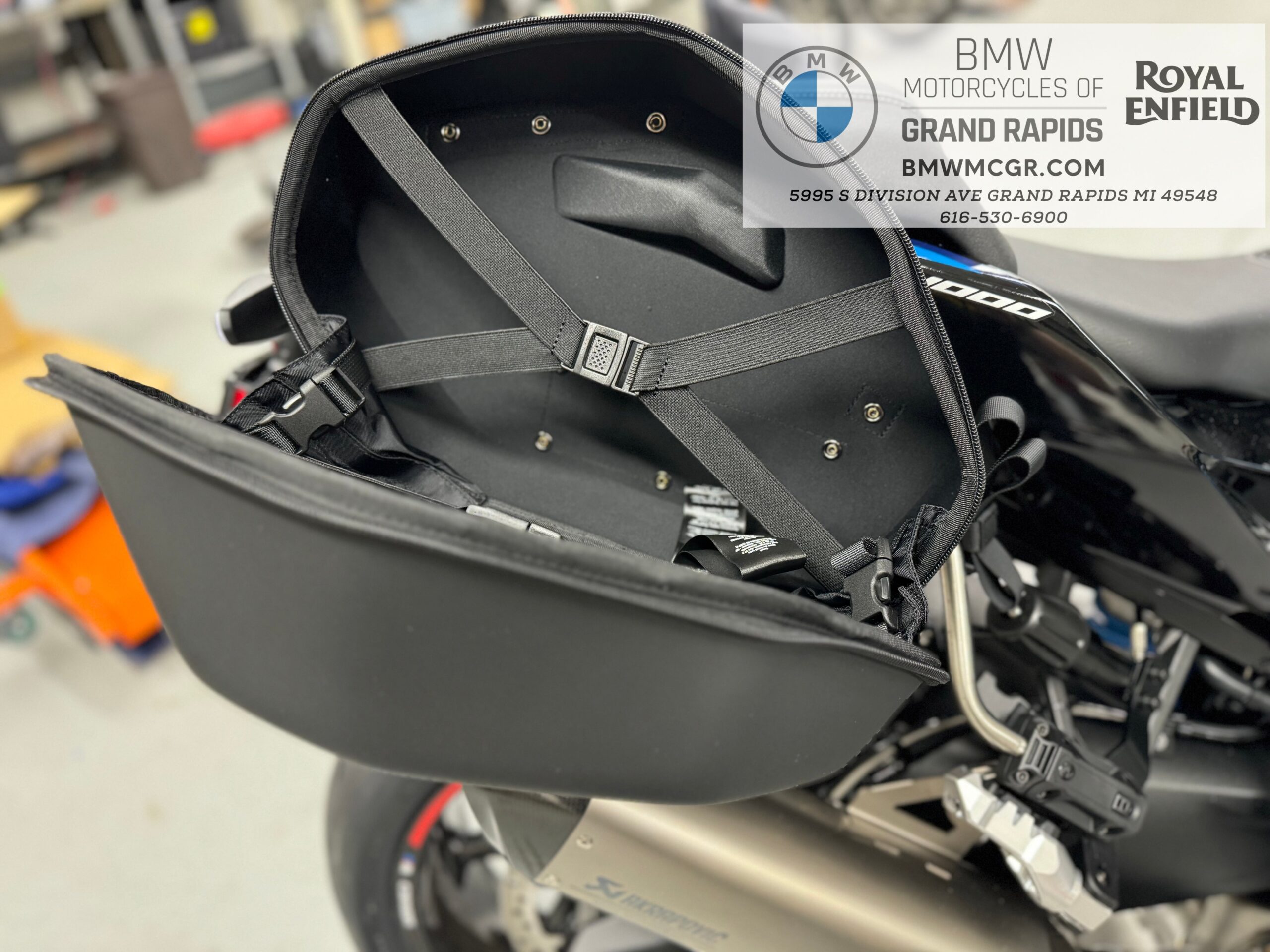
Illustratives Bild im Zusammenhang mit bmw Satteltaschen
Ledertaschen bieten eine klassische Ästhetik und sind aus hochwertigen Materialien gefertigt, was sie für Premiummärkte und individuelle Anpassungen interessant macht. Sie bieten Haltbarkeit und einen zeitlosen Look, der das Gesamtdesign des Motorrads aufwerten kann. Käufer im B2B-Sektor sollten den Pflegeaufwand und die damit verbundenen Kosten berücksichtigen, da Leder Pflege benötigt, um sein Aussehen und seine Langlebigkeit zu erhalten.
Schnellmontierte Satteltaschen sind so konzipiert, dass sie einfach zu handhaben sind und vom Fahrer schnell angebracht und abgenommen werden können. Diese Eigenschaft ist besonders für Mietflotten und Lieferdienste von Vorteil, bei denen Effizienz an erster Stelle steht. B2B-Käufer sollten die Sicherheitsmerkmale dieser Taschen prüfen, um sicherzustellen, dass sie während des Transports sicher bleiben, da die Bequemlichkeit der Schnellbefestigung manchmal die Sicherheit beeinträchtigen kann.
Überwurf-Satteltaschen sind verstellbar und werden über den hinteren Sitz des Motorrads gehängt, wodurch sie einfach zu installieren und vielseitig für Freizeitfahrten geeignet sind. Sie eignen sich für kurze Fahrten, bei denen ein schneller Zugriff auf Gegenstände erforderlich ist. B2B-Käufer sollten jedoch auf Stabilitätsprobleme bei hohen Geschwindigkeiten achten und die potenziellen Auswirkungen auf die Sicherheit und den Schutz der Ladung bedenken, wenn sie diese Art von Tasche für ihre Flotte oder ihren Verleihbetrieb auswählen.
| Industrie/Sektor | Spezifische Anwendung von bmw saddlebags | Wert/Nutzen für das Unternehmen | Wichtige Überlegungen zur Beschaffung für diese Anwendung |
|---|---|---|---|
| Motorradtourismus | Satteltaschen für Langstrecken-Tourenmotorräder | Erhöhte Speicherkapazität für Reiseutensilien | Langlebigkeit, Witterungsbeständigkeit und einfache Installation |
| Lieferdienste | Verwendung von Satteltaschen für die Zustellung von Lebensmitteln und Paketen | Verbesserte Organisation und sicherer Transport von Waren | Leichte Materialien, Sicherheitsfunktionen und individuelle Anpassung |
| Bau & Handwerk | Mitführen von Werkzeugen und Ausrüstung auf Motorrädern | Effizienter Transport von Werkzeugen zur Baustelle | Größenkompatibilität, Robustheit und Zugänglichkeit |
| Freizeit & Abenteuer | Stauraum für Camping- und Outdoor-Ausrüstung | Erhöhte Kapazität für Freizeitaktivitäten | Wasserdichtigkeit, leichter Zugang und Befestigungsmöglichkeiten |
| Motorrad-Anpassung | Maßgeschneiderte Satteltaschen für mehr Ästhetik | Einzigartige Branding-Möglichkeiten und Personalisierung | Materialqualität, Designflexibilität und Kompatibilität |
In der Motorradtourismusbranche dienen BMW Satteltaschen als unverzichtbare Stauraumlösungen für Langstreckenfahrer. Diese Satteltaschen bieten reichlich Platz für die wichtigsten Reiseutensilien wie Kleidung, Ausrüstung und persönliche Gegenstände und ermöglichen es den Fahrern, verschiedene Terrains zu erkunden, ohne auf Komfort verzichten zu müssen. Für internationale B2B-Käufer, vor allem in Regionen wie Afrika und Südamerika, sind die Haltbarkeit und Wetterbeständigkeit von Satteltaschen von größter Bedeutung, da sie sicherstellen, dass sie verschiedenen Umweltbedingungen standhalten und dabei ihre Funktionalität behalten.
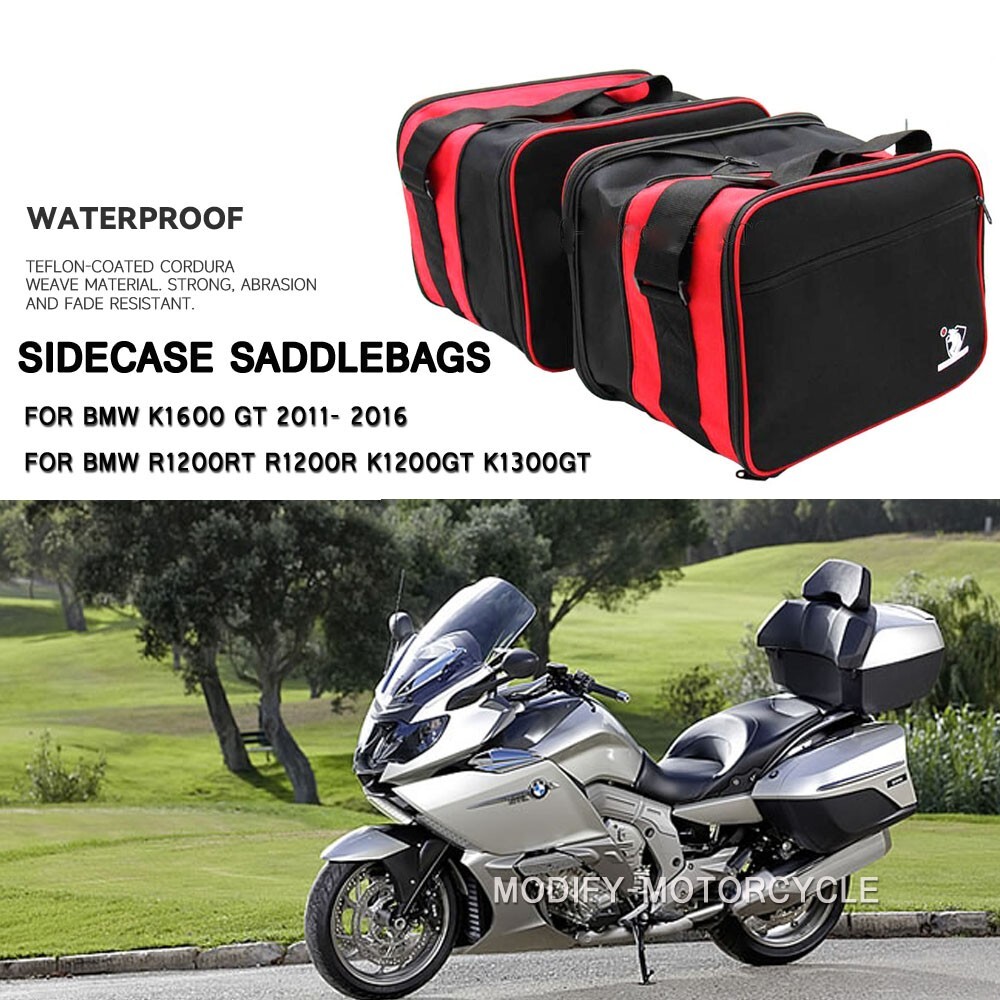
Illustratives Bild im Zusammenhang mit bmw Satteltaschen
Lieferdienste nutzen BMW Satteltaschen, um ihre betriebliche Effizienz zu steigern. Diese Taschen erleichtern den organisierten und sicheren Transport von Lebensmitteln, Paketen und anderen Waren und sind damit ideal für Motorradkuriere. Für B2B-Einkäufer im Nahen Osten und in Europa sind Überlegungen zu leichten Materialien und robusten Sicherheitsmerkmalen entscheidend, um sicherzustellen, dass der Inhalt während des Transports sicher bleibt. Die Möglichkeit, Satteltaschen für Markenzwecke individuell zu gestalten, kann auch zusätzliche Marketingvorteile bieten.
In der Bau- und Handwerksbranche werden BMW Satteltaschen zunehmend für den Transport von Werkzeugen und Ausrüstung auf Motorrädern verwendet. Sie bieten eine praktische Lösung für Handwerker, die sich effizient zwischen den Baustellen bewegen müssen. B2B-Einkäufer in dieser Branche sollten bei der Beschaffung von Satteltaschen vor allem auf Größenkompatibilität und Robustheit achten, da sie einer starken Beanspruchung und schwierigen Arbeitsumgebungen standhalten und gleichzeitig einen einfachen Zugang zu den Werkzeugen bieten müssen.
Freizeitfahrer profitieren von den BMW Satteltaschen, indem sie sie für die Aufbewahrung von Camping- und Outdoor-Ausrüstung nutzen. Diese Satteltaschen erhöhen das Fassungsvermögen bei Aktivitäten wie Wandern, Camping oder Roadtrips und sind daher für Abenteuerlustige unverzichtbar. Käufer aus Regionen mit ausgedehnten Outdoor-Landschaften wie Brasilien und Nigeria sollten auf Eigenschaften wie Wasserdichtigkeit und leichten Zugang achten, damit ihre Ausrüstung bei Ausflügen trocken und zugänglich bleibt.
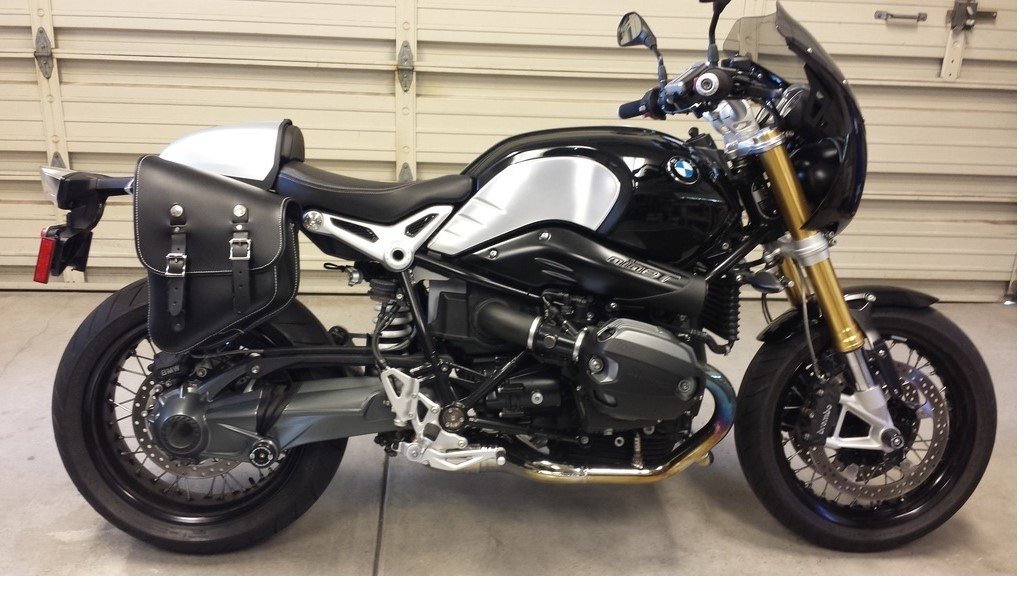
Illustratives Bild im Zusammenhang mit bmw Satteltaschen
Auf dem Markt für Motorradindividualisierung können einzigartige Satteltaschen die Ästhetik von BMW-Motorrädern erheblich verbessern. Maßgeschneiderte Satteltaschen bieten Unternehmen die Möglichkeit, ein individuelles Branding zu schaffen und auf individuelle Kundenwünsche einzugehen. Bei der Beschaffung dieser Produkte sollten B2B-Einkäufer auf Materialqualität, Designflexibilität und Kompatibilität mit verschiedenen BMW-Modellen achten, um sicherzustellen, dass die Satteltaschen den spezifischen Bedürfnissen ihrer Kundschaft entsprechen.
Das Problem: Eines der größten Probleme für B2B-Käufer ist es, sicherzustellen, dass die von ihnen beschafften Satteltaschen mit bestimmten BMW Motorradmodellen kompatibel sind. Da es verschiedene Modelle wie die R1200 und die R18 und unterschiedliche Designs von Satteltaschen gibt, sind die Käufer oft unsicher, ob sie passen. Dies kann zu kostspieligen Rücksendungen, Zeitverlust und potenziellen Schäden sowohl an den Taschen als auch an den Motorrädern führen. Für Unternehmen, die diese Produkte verkaufen, ist das Risiko der Kundenunzufriedenheit groß, wenn Kompatibilitätsprobleme auftreten.
Die Lösung: Um dieses Problem zu entschärfen, sollten B2B-Käufer vorrangig bei seriösen Anbietern einkaufen, die detaillierte Anleitungen für die Passform ihrer Satteltaschen bereitstellen. Vor dem Kauf ist es wichtig, die Kompatibilität mit dem jeweiligen BMW-Modell durch Abgleich mit den Spezifikationen des Herstellers zu überprüfen. Die Lieferanten sollten auch einen Kundendienst für technische Fragen anbieten. Ziehen Sie die Einführung eines robusten Bestandsverwaltungssystems in Betracht, das die Produkte nach Modellkompatibilität kategorisiert, damit Ihr Vertriebsteam die Kunden effektiv unterstützen kann. Die Bereitstellung klarer, leicht verständlicher Installationsanweisungen kann die Kundenzufriedenheit weiter erhöhen und Rücksendungen reduzieren.
Das Problem: Viele B2B-Einkäufer äußern Bedenken hinsichtlich der Qualität und Langlebigkeit von Satteltaschen, vor allem, wenn sie diese von internationalen Anbietern beziehen. In Regionen wie Afrika und Südamerika, wo die Umweltbedingungen rau sein können, ist die Langlebigkeit von Satteltaschen entscheidend. Käufer machen sich Sorgen über Materialien, die UV-Strahlung, Regen oder allgemeiner Abnutzung nicht standhalten, was zu Unzufriedenheit und potenziellem Imageschaden für Unternehmen führt, die minderwertige Produkte verkaufen.
Die Lösung: Um diese Bedenken auszuräumen, ist es wichtig, mit Herstellern zusammenzuarbeiten, die hochwertige, langlebige Materialien verwenden, die speziell für Motorrad-Satteltaschen entwickelt wurden. Käufer sollten nach Satteltaschen aus UV-beständigem ballistischem Nylon oder hochwertigem Leder suchen, die unterschiedlichen Wetterbedingungen standhalten können. Die Anforderung von Mustern vor der Aufgabe von Großbestellungen kann dazu beitragen, dass die Materialien den Qualitätserwartungen entsprechen. Darüber hinaus kann durch die Einführung von Qualitätssicherungsprotokollen, einschließlich strenger Tests auf Haltbarkeit und Wetterbeständigkeit, sichergestellt werden, dass die Produkte den Branchenstandards entsprechen. Wenn man den Kunden die Vorteile der Materialien vermittelt, kann man ihr Vertrauen in die Langlebigkeit des Produkts stärken.
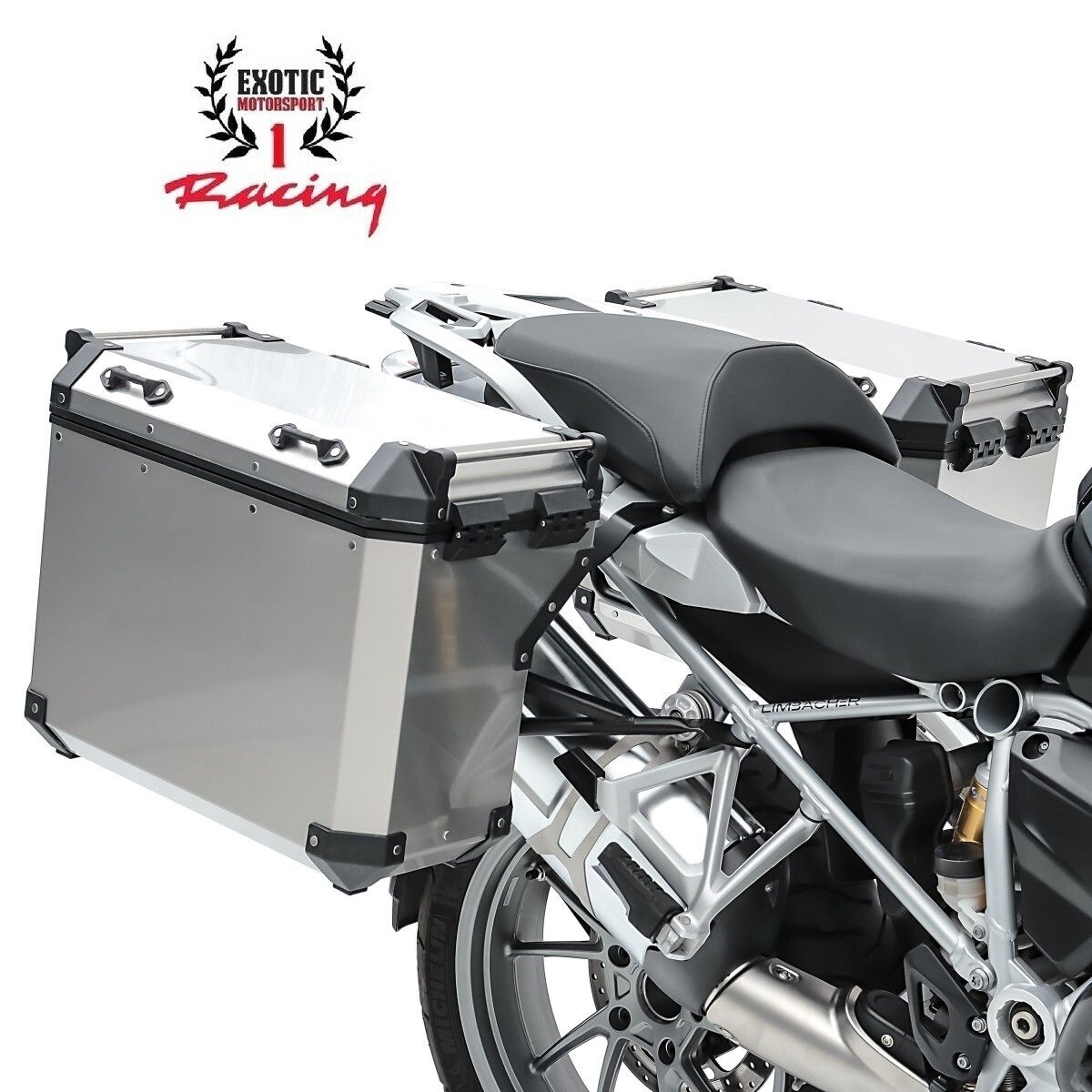
Illustratives Bild im Zusammenhang mit bmw Satteltaschen
Das Problem: B2B-Käufer finden es oft schwierig, bei der Auswahl von BMW Satteltaschen ein Gleichgewicht zwischen Ästhetik und Funktionalität zu finden. Viele Fahrer legen Wert auf Stil, aber praktische Merkmale wie Stauraum, einfache Installation und Sicherheit sind ebenso wichtig. Käufer haben oft Schwierigkeiten, Produkte zu finden, die sowohl ästhetischen Wünschen als auch funktionalen Anforderungen entsprechen, was zu Frustration und potenziellen Umsatzeinbußen führt.
Die Lösung: Um dieses Dilemma zu lösen, sollten B2B-Einkäufer gründliche Marktforschung betreiben, um die spezifischen Bedürfnisse und Vorlieben ihrer Zielgruppe zu verstehen. Dazu kann die Befragung potenzieller Kunden oder die Analyse von Trends innerhalb der Motorradgemeinde gehören. Bei der Beschaffung von Satteltaschen sollten Sie solchen den Vorzug geben, die eine Mischung aus stilvollem Design und praktischen Funktionen wie Schnellmontagesystemen, Wasserdichtigkeit und sicheren Schließmechanismen bieten. Die Hervorhebung dieser Merkmale in Marketingmaterialien kann Kunden anlocken, die sowohl nach Form als auch nach Funktion suchen. Die Zusammenarbeit mit Herstellern, die bereit sind, Designs auf der Grundlage von Marktfeedback anzupassen, kann ebenfalls Alleinstellungsmerkmale schaffen und Ihre Angebote von denen der Konkurrenz abheben.
Bei der Auswahl von Materialien für BMW-Satteltaschen spielen verschiedene Faktoren eine Rolle, darunter Haltbarkeit, Gewicht, Kosten und Umweltaspekte. Im Folgenden analysieren wir vier gängige Materialien, die bei der Herstellung von Satteltaschen verwendet werden, und konzentrieren uns dabei auf ihre Eigenschaften, Vor- und Nachteile sowie die Auswirkungen auf internationale B2B-Käufer.
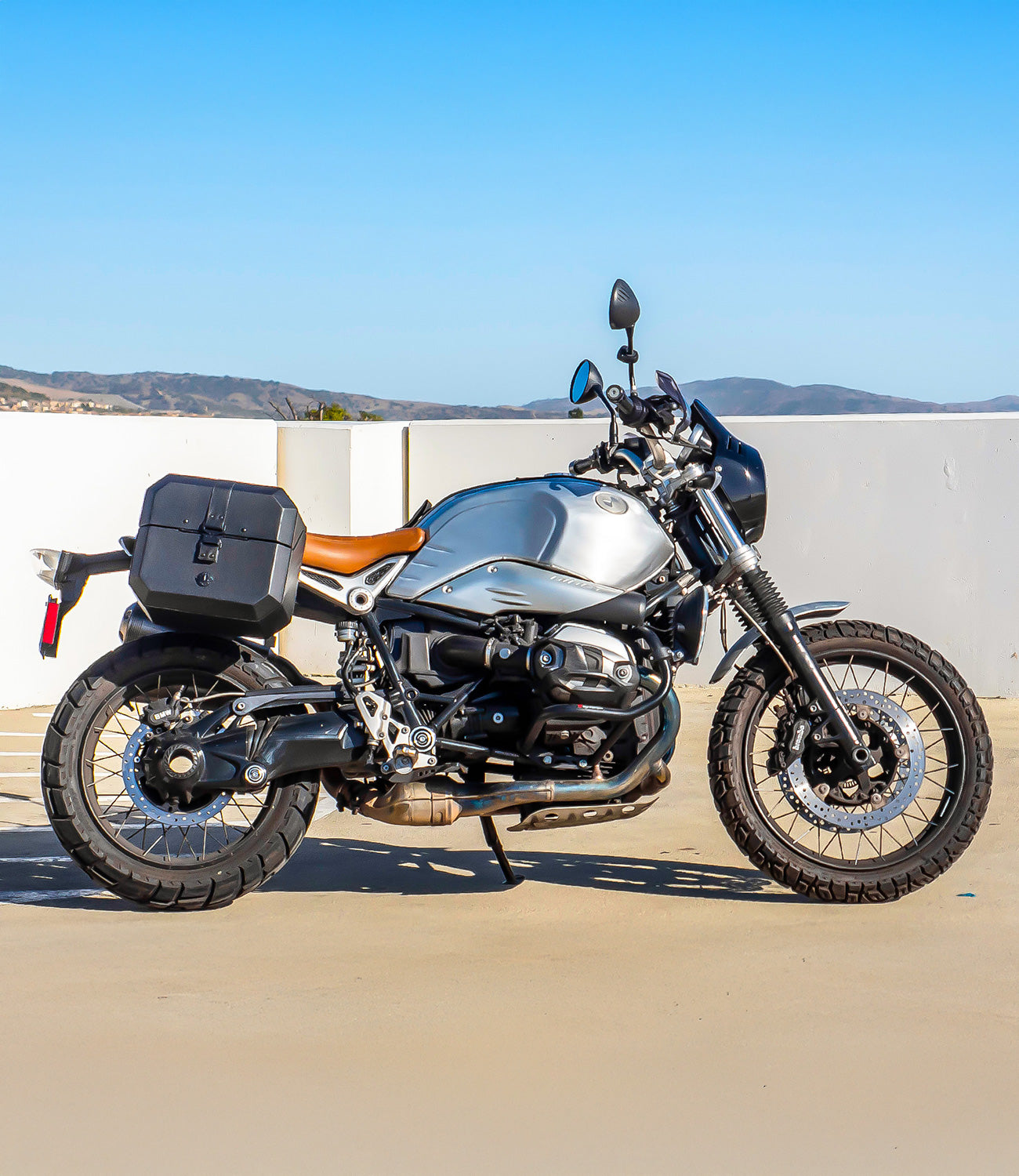
Leder, insbesondere pflanzlich gegerbtes Leder, ist eine beliebte Wahl für hochwertige Satteltaschen. Zu seinen wichtigsten Eigenschaften gehören eine hervorragende Haltbarkeit, natürliche Verschleißfestigkeit und eine klassische Ästhetik, die Motorradfans anspricht. Leder ist temperaturbeständig, muss aber regelmäßig gepflegt werden, um ein Austrocknen oder Reißen zu verhindern.
Vorteile:
- Äußerst haltbar und langlebig.
- Bietet ein zeitloses, hochwertiges Erscheinungsbild.
- Kann für zusätzliche Wasserbeständigkeit behandelt werden.
Illustratives Bild im Zusammenhang mit bmw Satteltaschen
Nachteile:
- Höhere Kosten im Vergleich zu synthetischen Materialien.
- Erfordert Pflege, um Aussehen und Haltbarkeit zu erhalten.
- Anfällig für extreme Witterungsbedingungen, wenn sie nicht behandelt werden.
Bei internationalen Käufern, vor allem in Regionen wie Afrika und Südamerika, kann die Nachfrage nach Ledersatteltaschen mit kulturellen Vorlieben für traditionelle Handwerkskunst übereinstimmen. Die Einhaltung von Umweltvorschriften bei der Beschaffung von Leder ist von entscheidender Bedeutung, insbesondere in Europa, wo der Nachhaltigkeit zunehmend Priorität eingeräumt wird.
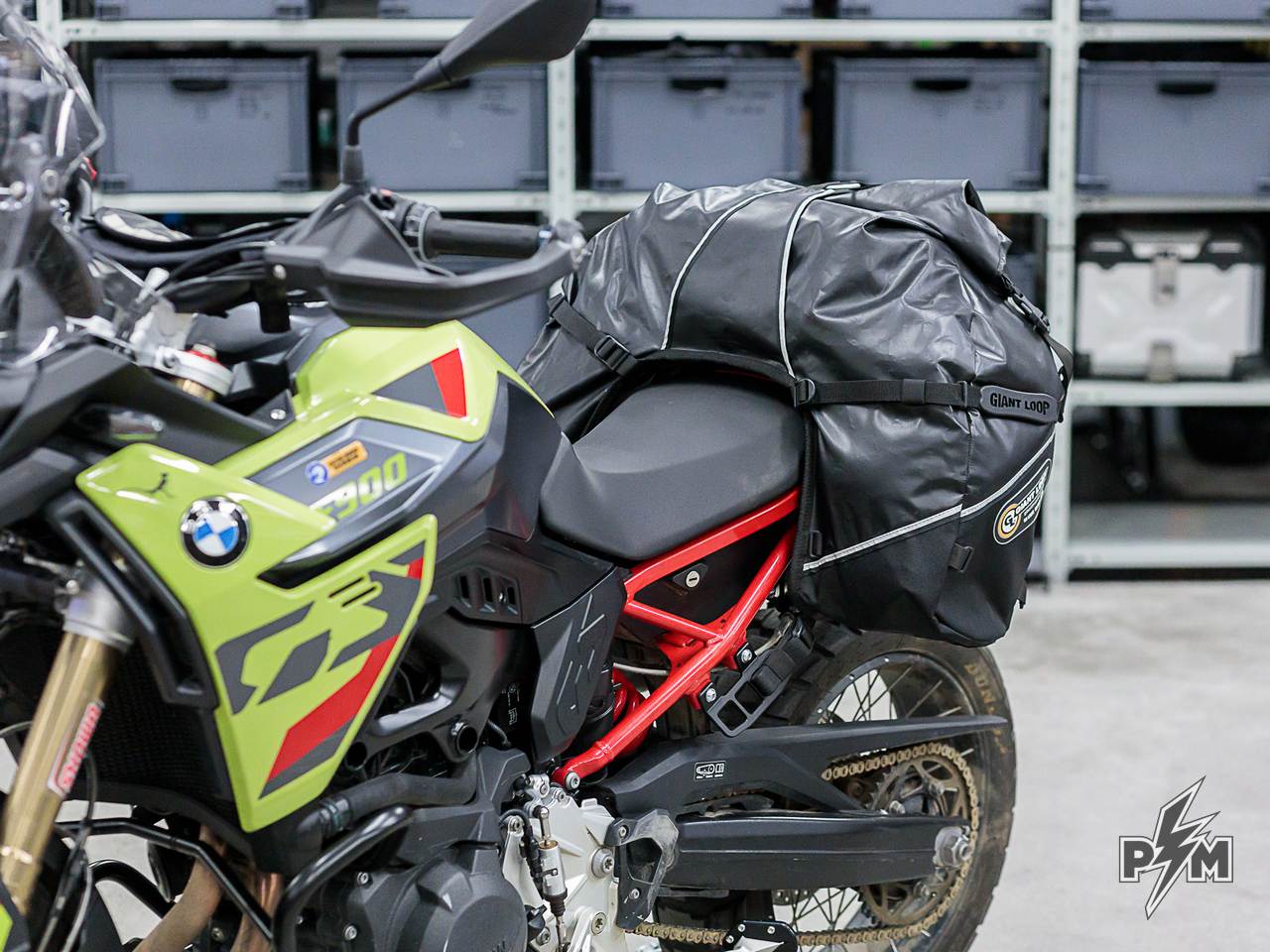
Nylon, insbesondere ballistisches Nylon, ist ein weiteres gängiges Material für Satteltaschen. Nylon ist für seine hohe Zugfestigkeit und Abriebfestigkeit bekannt. Es ist leicht und kann rauen Bedingungen standhalten, wodurch es sich für lange Fahrten eignet.
Vorteile:
- Leicht und einfach zu handhaben.
- Ausgezeichnete Abrieb- und Reißfestigkeit.
- Im Allgemeinen günstiger als Leder.
Nachteile:
- Ästhetisch weniger ansprechend als Leder.
- Kann sich bei längerer UV-Belastung ohne entsprechende Behandlung zersetzen.
- Bietet möglicherweise nicht den gleichen Grad an Isolierung wie Leder.
Illustratives Bild im Zusammenhang mit bmw Satteltaschen
Für B2B-Einkäufer im Nahen Osten und in Afrika, wo das Klima oft rau ist, können die Langlebigkeit und das geringe Gewicht von Nylon bedeutende Vorteile sein. Es ist jedoch wichtig, die lokalen Vorschriften für synthetische Materialien zu kennen, da einige Märkte Beschränkungen für bestimmte Arten von Kunststoffen haben können.
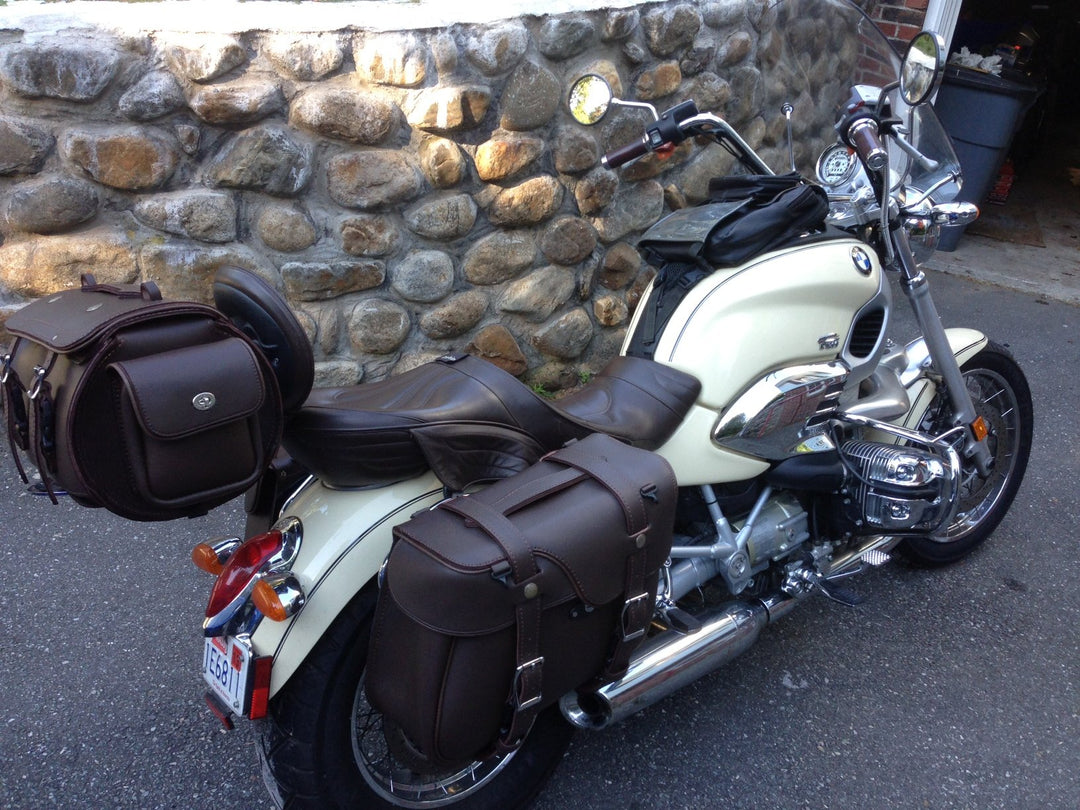
Hartkunststoffe wie ABS (Acrylnitril-Butadien-Styrol) und Glasfaser werden aufgrund ihrer Schlagfestigkeit und strukturellen Integrität zunehmend für die Herstellung von Satteltaschen verwendet. Diese Materialien werden oft in bestimmte Formen gegossen und verleihen ihnen ein elegantes und modernes Aussehen.
Vorteile:
- Äußerst haltbar und stoßfest.
- Wasserdicht und leicht zu reinigen.
- Erhältlich in verschiedenen Farben und Ausführungen.
Nachteile:
- Kann schwerer sein als andere Materialien.
- Weniger Flexibilität bei der Gestaltung im Vergleich zu weicheren Materialien.
- Potenzielle Umweltprobleme im Zusammenhang mit Kunststoffabfällen.
Für Käufer in Europa ist die Einhaltung der EU-Vorschriften über die Verwendung und das Recycling von Kunststoffen von entscheidender Bedeutung. Auf Märkten wie Brasilien, wo das Umweltbewusstsein zunimmt, kann das Angebot umweltfreundlicher Alternativen oder recycelbarer Materialien die Marktfähigkeit verbessern.
Illustratives Bild im Zusammenhang mit bmw Satteltaschen
Stoffsatteltaschen, die oft aus einer Kombination von Nylon und Polyester bestehen, sind eine leichte und kostengünstige Lösung. Diese Taschen sind in der Regel für Gelegenheitsfahrer oder Kurztrips gedacht.
Vorteile:
- Sehr leicht und tragbar.
- Im Allgemeinen kostengünstiger als Leder oder Hartplastik.
- Erhältlich in verschiedenen Farben und Stilen.
Nachteile:
- Weniger haltbar als Leder oder Hartplastik.
- Bietet möglicherweise keinen ausreichenden Schutz gegen Witterungseinflüsse.
- Kann bei starker Beanspruchung schneller verschleißen.
Internationale Käufer aus Regionen wie Südamerika finden Stoffsatteltaschen aufgrund ihrer Erschwinglichkeit und Vielfalt attraktiv. Es ist jedoch wichtig, die lokalen Präferenzen für Qualität und Haltbarkeit zu kennen, da die Verbraucher in diesen Märkten Langlebigkeit den Vorrang vor dem Preis geben können.
| Material | Typischer Anwendungsfall für BMW Satteltaschen | Hauptvorteil | Wesentlicher Nachteil/Beschränkung | Relative Kosten (niedrig/mittel/hoch) |
|---|---|---|---|---|
| Leder | Hochwertige Satteltaschen für Langstreckentouren | Hohe Haltbarkeit und Ästhetik | Erfordert Wartung; höhere Kosten | Hoch |
| Nylon | Vielseitige Taschen für den täglichen Gebrauch | Leicht und abriebfest | Geringerer ästhetischer Reiz; UV-Abbau | Mittel |
| Hartplastik | Stabile, stoßfeste Satteltaschen | Wasserdicht und leicht zu reinigen | Schwerer; weniger Flexibilität bei der Gestaltung | Mittel |
| Stoff | Lässige, leichte Satteltaschen | Kostengünstig und tragbar | Weniger haltbar; kann schnell verschleißen | Niedrig |
Diese Analyse bietet einen umfassenden Überblick über die in BMW-Satteltaschen verwendeten Materialien und ermöglicht B2B-Käufern, fundierte Entscheidungen auf der Grundlage ihrer spezifischen Bedürfnisse und Marktbedingungen zu treffen.
Der Herstellungsprozess für BMW Satteltaschen umfasst in der Regel mehrere kritische Phasen: Materialvorbereitung, Formgebung, Montage und Endbearbeitung. Jeder Schritt spielt eine wichtige Rolle, um sicherzustellen, dass das Endprodukt den hohen Standards der Marke BMW entspricht.
Der erste Schritt bei der Herstellung von BMW Satteltaschen ist die sorgfältige Auswahl und Vorbereitung der Materialien. Hochwertiges Leder, ballistisches Nylon und andere strapazierfähige Stoffe werden üblicherweise verwendet. Bei Satteltaschen aus Leder wird pflanzlich gegerbtes Leder wegen seiner Langlebigkeit und Ästhetik bevorzugt. Die Zulieferer führen häufig strenge Prüfungen der Rohstoffe durch, um sicherzustellen, dass sie frei von Mängeln sind. Darüber hinaus werden Überlegungen zur Nachhaltigkeit immer wichtiger, und viele Hersteller suchen nach umweltfreundlichen Materialien, die den internationalen Umweltstandards entsprechen.
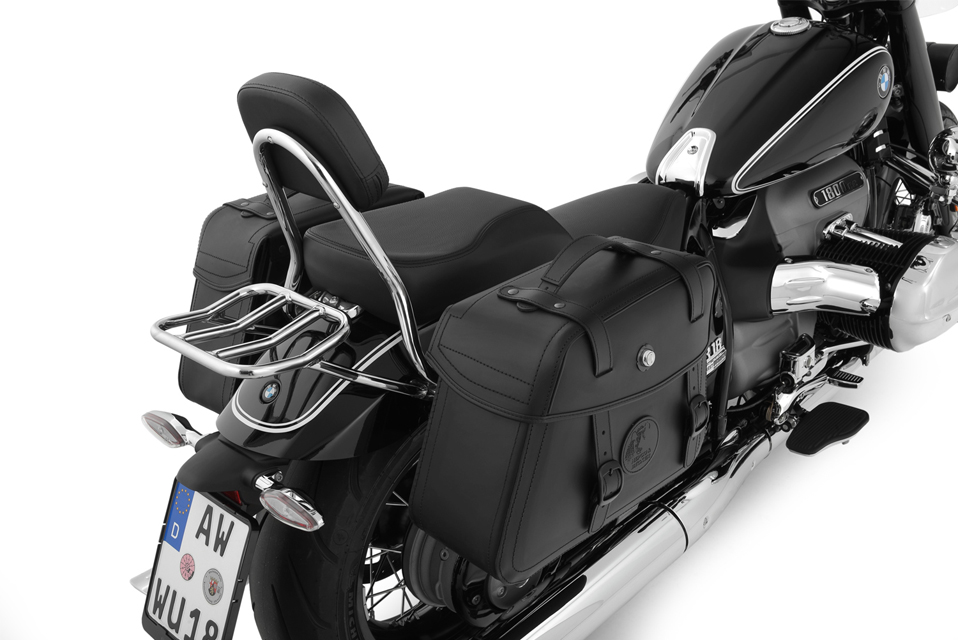
Sobald die Materialien vorbereitet sind, geht es in der nächsten Phase um die Gestaltung und Formgebung der Komponenten. Dazu kann das Zuschneiden des Leders oder des Stoffes nach bestimmten Mustern gehören, wobei Techniken wie das Stanzen für Präzision sorgen. Im Falle von Hartschalensatteltaschen können Glasfaser- oder Kunststoffformen verwendet werden, um robuste Schalen herzustellen. Moderne Technologien wie die CNC-Bearbeitung können die Genauigkeit und Effizienz dieses Prozesses verbessern und sicherstellen, dass alle Komponenten nahtlos zusammenpassen.
Illustratives Bild im Zusammenhang mit bmw Satteltaschen
Nach der Formgebung beginnt die Montagephase. Bei diesem Prozess werden die Komponenten je nach den verwendeten Materialien oft zusammengenäht, genietet oder geschweißt. Bei Ledersatteltaschen werden hochfeste Fäden und spezielle Nähtechniken verwendet, um die Haltbarkeit zu erhöhen. Darüber hinaus werden bei der Montage Merkmale wie wasserdichte Einlagen, Schließmechanismen und Befestigungssysteme integriert, um die Funktionalität zu gewährleisten. Die Montage erfordert qualifizierte Arbeitskräfte, um zu gewährleisten, dass jede Tasche den Qualitätserwartungen der BMW Kunden entspricht.
Die letzte Phase ist die Veredelung, bei der die Satteltaschen Behandlungen unterzogen werden, um ihr Aussehen und ihre Haltbarkeit zu verbessern. Dies kann das Auftragen von Schutzbeschichtungen, das Polieren von Oberflächen und das Hinzufügen von Branding-Elementen wie geprägten Logos umfassen. Während dieser Phase werden Qualitätskontrollen durchgeführt, um sicherzustellen, dass die Satteltaschen nicht nur gut aussehen, sondern auch die betrieblichen Anforderungen wie Wetterbeständigkeit und Tragfähigkeit erfüllen.
Die Qualitätssicherung (QS) ist bei der Herstellung von BMW-Satteltaschen von zentraler Bedeutung, da sie sicherstellt, dass die Produkte sowohl die gesetzlichen Vorschriften als auch die Erwartungen der Kunden erfüllen. Der QS-Rahmen entspricht in der Regel internationalen Normen wie ISO 9001 und branchenspezifischen Zertifizierungen wie CE und API.
ISO 9001 ist eine weltweit anerkannte Norm für Qualitätsmanagementsysteme (QMS), die Unternehmen dabei hilft, die Anforderungen von Kunden und Behörden zu erfüllen. Die Einhaltung der ISO 9001 zeigt, dass der Hersteller einen systematischen Ansatz für das Qualitätsmanagement verfolgt, der kontinuierliche Verbesserungen und Kundenzufriedenheit beinhaltet. Für B2B-Einkäufer, insbesondere aus Regionen wie Afrika, Südamerika und dem Nahen Osten, kann die Überprüfung der ISO-Zertifizierung eines Lieferanten als zuverlässiger Indikator für die Produktqualität dienen.
Qualitätskontrollpunkte sind strategisch über den gesamten Herstellungsprozess verteilt, um die Produktintegrität zu überwachen und sicherzustellen. Diese Kontrollpunkte umfassen:
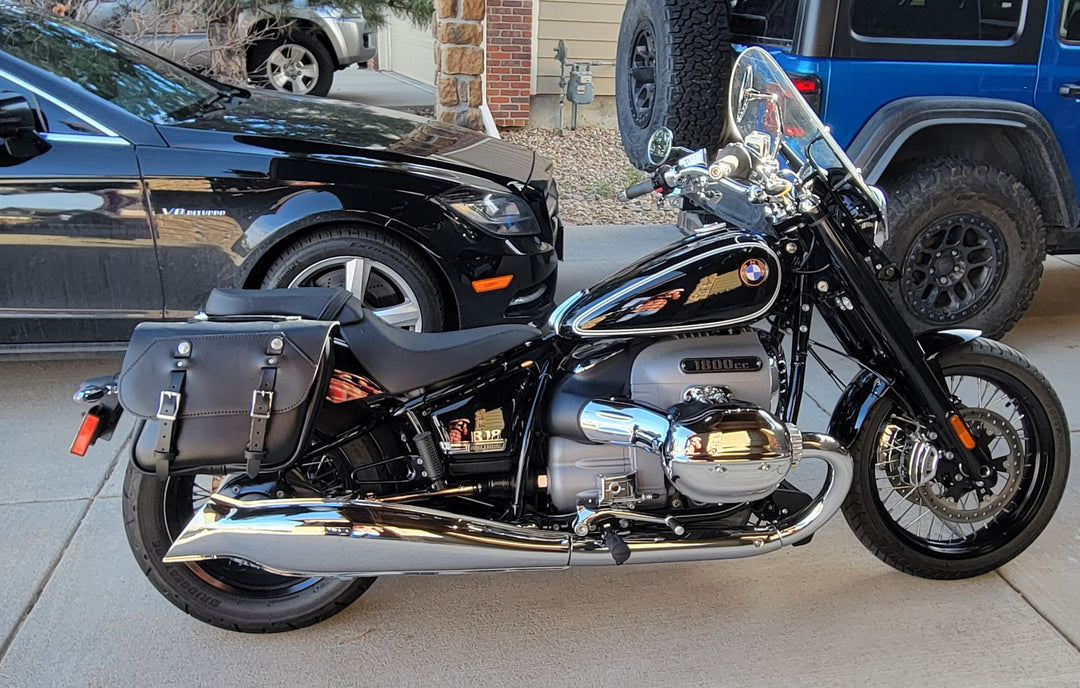
Illustratives Bild im Zusammenhang mit bmw Satteltaschen
Eingehende Qualitätskontrolle (IQC): In dieser ersten Inspektionsphase wird die Qualität der Rohstoffe bei ihrer Ankunft bewertet. Die Lieferanten müssen Konformitätsbescheinigungen vorlegen, und es können Proben auf Qualitätskennzahlen getestet werden.
Prozessbegleitende Qualitätskontrolle (IPQC): Während der Herstellungsphasen werden regelmäßig Kontrollen durchgeführt, um sicherzustellen, dass die Produktionsverfahren korrekt eingehalten werden. Dies kann das Messen von Maßen, die Bewertung der Nahtqualität und die Überprüfung der Einhaltung von Montageverfahren umfassen.
Endgültige Qualitätskontrolle (FQC): Bevor die Produkte verpackt und versandt werden, wird eine umfassende Endkontrolle durchgeführt. Dazu gehören Funktionstests von Bauteilen, Sichtkontrollen für die ästhetische Qualität und Verpackungsprüfungen.
Während des gesamten Herstellungsprozesses werden verschiedene Prüfverfahren eingesetzt, um die Produktqualität zu überprüfen. Dazu können gehören:
Mechanische Prüfung: Dabei wird die Festigkeit und Haltbarkeit von Satteltaschen unter Lastbedingungen geprüft. Tests wie Zugfestigkeit und Stoßfestigkeit sind entscheidend, um sicherzustellen, dass die Taschen dem realen Gebrauch standhalten.
Umweltprüfungen: Satteltaschen müssen auch auf ihre Witterungsbeständigkeit geprüft werden, z. B. auf Regen, UV-Licht und extreme Temperaturen. Dies ist wichtig, um sicherzustellen, dass sie den Inhalt unter verschiedenen Bedingungen schützen können.
Funktionelle Prüfung: Dabei wird überprüft, ob alle Funktionen, wie Reißverschlüsse, Schlösser und Befestigungssysteme, reibungslos funktionieren. Für die Zufriedenheit der Nutzer ist es entscheidend, dass diese Komponenten wie vorgesehen funktionieren.
Für B2B-Einkäufer, insbesondere für solche aus verschiedenen internationalen Märkten, ist es unerlässlich, sich zu vergewissern, dass die Lieferanten strenge Qualitätskontrollverfahren einhalten. Hier sind einige umsetzbare Schritte:
Durchführung von Lieferantenaudits: Durch regelmäßige Audits kann die Einhaltung der Qualitätsnormen durch den Lieferanten bewertet werden. Einkäufer können eine Checkliste auf der Grundlage der ISO 9001-Kriterien erstellen, um das QMS des Lieferanten zu bewerten.
Qualitätsberichte anfordern: Die Lieferanten sollten ihre Qualitätskontrollverfahren dokumentieren, einschließlich Testergebnissen und Konformitätsbescheinigungen. Diese Transparenz ist entscheidend für die Vertrauensbildung.
Beauftragung von Drittinspektoren: Der Einsatz unabhängiger Inspektoren kann eine unvoreingenommene Bewertung des Herstellungsprozesses ermöglichen. Diese Inspektoren können Audits und Tests durchführen, um zu überprüfen, ob die Produkte den vorgegebenen Normen entsprechen.
Zertifizierungen prüfen: Vergewissern Sie sich, dass die Lieferanten über einschlägige Zertifizierungen (ISO, CE usw.) verfügen und dass diese aktuell sind. Dadurch wird sichergestellt, dass der Lieferant sich zur Einhaltung von Qualitätsstandards verpflichtet.
Internationale Einkäufer sollten sich der besonderen Nuancen im Umgang mit Lieferanten aus verschiedenen Regionen bewusst sein. So können beispielsweise unterschiedliche gesetzliche Anforderungen, kulturelle Unterschiede bei den Qualitätserwartungen und Kommunikationsbarrieren den Beschaffungsprozess beeinflussen.
Einhaltung von Vorschriften: Verstehen Sie die spezifischen Compliance-Anforderungen im Heimatland des Käufers im Vergleich zum Standort des Lieferanten. Dazu können Zollbestimmungen, Import-/Exportgesetze und Produktsicherheitsstandards gehören.
Kulturelle Erwartungen: Verschiedene Regionen haben möglicherweise unterschiedliche Erwartungen an Qualität und Service. Die Zusammenarbeit mit lokalen Partnern oder Beratern kann zu reibungsloseren Verhandlungen und besserem Verständnis beitragen.
Kommunikation: Sprachbarrieren können zu Missverständnissen in Bezug auf Spezifikationen und Qualitätserwartungen führen. Es ist ratsam, eine klare, dokumentierte Kommunikation zu verwenden und bei Bedarf professionelle Übersetzer einzuschalten.
Durch die Kenntnis dieser Herstellungsverfahren und Qualitätssicherungsmaßnahmen können B2B-Einkäufer bei der Beschaffung von BMW-Satteltaschen fundierte Entscheidungen treffen und sicherstellen, dass sie Produkte erhalten, die ihren hohen Ansprüchen an Qualität und Zuverlässigkeit gerecht werden.
Illustratives Bild im Zusammenhang mit bmw Satteltaschen
Die Beschaffung von BMW-Satteltaschen erfordert einen strategischen Ansatz, um sicherzustellen, dass Ihr Beschaffungsprozess effizient und effektiv ist. Dieser Leitfaden bietet eine Schritt-für-Schritt-Checkliste für internationale B2B-Einkäufer, insbesondere aus Afrika, Südamerika, dem Nahen Osten und Europa. Wenn Sie diese Schritte befolgen, sind Sie besser gerüstet, um fundierte Kaufentscheidungen zu treffen, die mit Ihren geschäftlichen Anforderungen und den Erwartungen Ihrer Kunden übereinstimmen.
Bevor Sie mit der Beschaffung beginnen, sollten Sie die technischen Spezifikationen der von Ihnen benötigten Satteltaschen klar umreißen. Berücksichtigen Sie Faktoren wie Größe, Material, Kompatibilität mit bestimmten BMW Modellen und Designmerkmale.
– Qualität der Materialien: Achten Sie auf Satteltaschen aus strapazierfähigen Materialien wie Leder oder ballistischem Nylon, die unterschiedlichen Wetterbedingungen standhalten.
– Kapazitätsanforderungen: Stellen Sie sicher, dass die ausgewählten Satteltaschen den Stauraumbedürfnissen Ihrer Zielkunden entsprechen, sei es für den täglichen Pendlerverkehr oder für Langstreckenreisen.
Um wettbewerbsfähige Kaufentscheidungen treffen zu können, ist es wichtig, die aktuellen Markttrends zu kennen. Analysieren Sie die Nachfrage nach verschiedenen Arten von BMW Satteltaschen in Ihren Zielregionen.
– Verbraucherpräferenzen: Ermitteln Sie beliebte Stile und Merkmale, die bei den Kunden vor Ort gut ankommen, z. B. Farboptionen, harte oder weiche Taschen oder zusätzliche Funktionen.
– Einblicke in die Preisgestaltung: Informieren Sie sich über die durchschnittlichen Preise auf dem Markt, um sicherzustellen, dass Sie ein faires Angebot erhalten und die Qualität erhalten bleibt.
Führen Sie eine gründliche Due-Diligence-Prüfung potenzieller Lieferanten durch, um deren Glaubwürdigkeit und Zuverlässigkeit festzustellen. Fordern Sie detaillierte Unternehmensprofile an, einschließlich ihrer Geschichte, Produktionskapazitäten und Kundenreferenzen.
– Zertifizierungen und Normen: Überprüfen Sie, ob die Lieferanten internationale Qualitätsnormen einhalten, wie z. B. ISO-Zertifizierungen, die auf ihr Engagement für Qualität und Zuverlässigkeit hinweisen können.
– Frühere Kundenreferenzen: Erkundigen Sie sich nach Referenzen von anderen Unternehmen in ähnlichen Märkten, um deren Leistung und Produktzufriedenheit zu beurteilen.
Bevor Sie eine Großbestellung aufgeben, sollten Sie immer Muster der Satteltaschen anfordern. So können Sie die Qualität des Produkts aus erster Hand beurteilen.
– Bewertung der Qualität: Überprüfen Sie die Nähte, die Haltbarkeit des Materials und die allgemeine Verarbeitung, um sicherzustellen, dass sie Ihren Anforderungen entsprechen.
– Funktionstests: Bewerten Sie die Benutzerfreundlichkeit der Taschen, indem Sie Merkmale wie Befestigungssysteme, Wasserdichtigkeit und leichten Zugang testen.
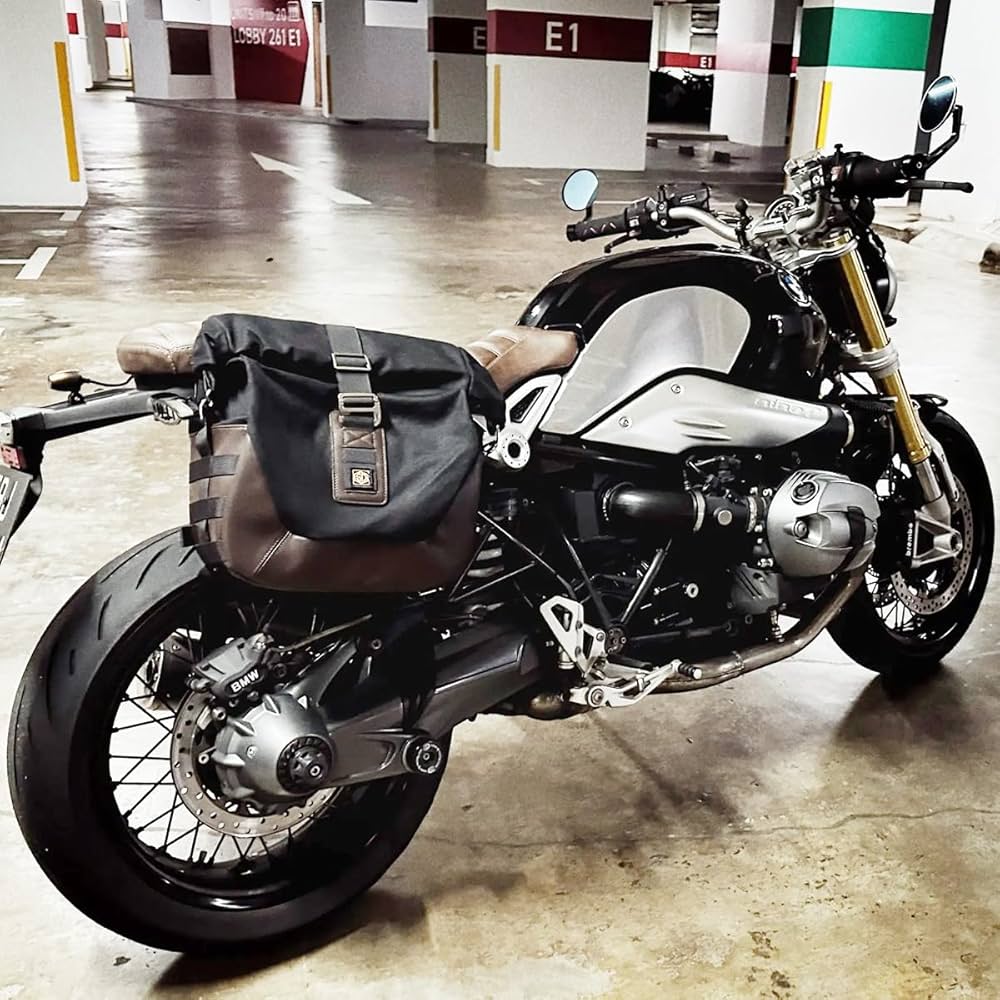
Illustratives Bild im Zusammenhang mit bmw Satteltaschen
Sobald Sie sich für einen Lieferanten entschieden haben, ist es wichtig, Bedingungen auszuhandeln, die Ihre Interessen schützen. Sprechen Sie über Preise, Zahlungsbedingungen, Lieferfristen und Garantiebestimmungen.
– Rabatte bei Großbestellungen: Erkundigen Sie sich nach Rabatten für größere Bestellungen, die die Kosten erheblich senken können.
– Rückgabe- und Garantierichtlinien: Vergewissern Sie sich, dass der Lieferant klare Richtlinien für Rücksendungen und Garantien hat, insbesondere für defekte Artikel.
Ein effektives Logistikmanagement ist für eine rechtzeitige Lieferung unerlässlich. Bestätigen Sie Versandmethoden, Kosten und voraussichtliche Lieferzeiten mit Ihrem Lieferanten.
– Zoll- und Einfuhrbestimmungen: Beachten Sie bei der Einfuhr von Satteltaschen in Ihr Land etwaige Zollgebühren oder -vorschriften.
– Verfolgung und Kommunikation: Erstellen Sie einen Kommunikationsplan für die Verfolgung von Sendungen und die Behebung möglicher Verzögerungen.
Bewerten Sie nach dem Kauf den Kundendienst des Anbieters, um einen reibungslosen Ablauf für Ihre Kunden zu gewährleisten.
– Erreichbarkeit des Kundendienstes: Vergewissern Sie sich, dass der Lieferant zuverlässige Unterstützung bei Garantieansprüchen oder Produktanfragen bietet.
– Feedback-Mechanismus: Einführung eines Systems zur Sammlung von Kundenfeedback zu den Satteltaschen, um künftige Kaufentscheidungen zu unterstützen.
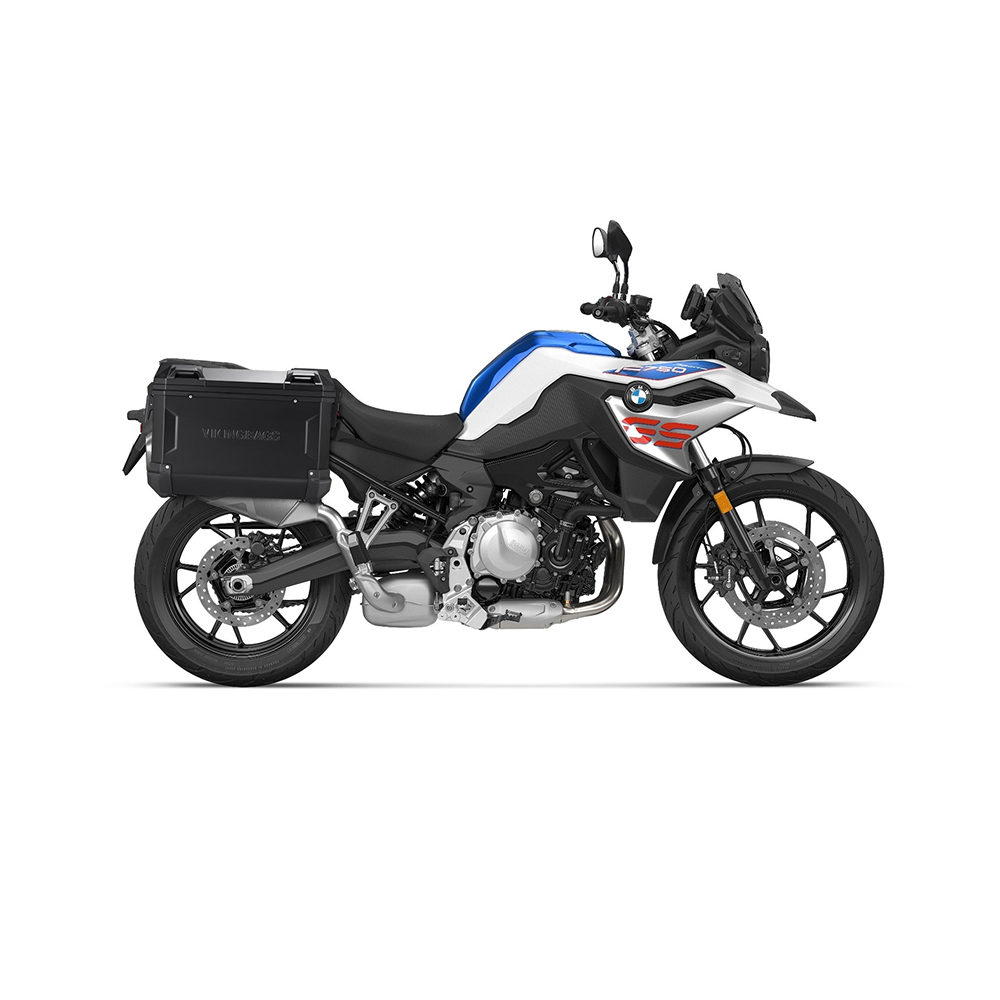
Illustratives Bild im Zusammenhang mit bmw Satteltaschen
Wenn Sie diese Checkliste befolgen, können Sie den Beschaffungsprozess für BMW Satteltaschen sicher steuern und sicherstellen, dass Ihre Beschaffung mit den Marktanforderungen übereinstimmt und Ihr Produktangebot verbessert.
Bei der Beschaffung von BMW-Satteltaschen ist es für B2B-Einkäufer wichtig, die Kostenstruktur zu verstehen. Zu den wichtigsten Kostenkomponenten gehören:
Materialien: Die Qualität der Materialien, z. B. hochwertiges Leder oder strapazierfähiges ballistisches Nylon, wirkt sich erheblich auf den Preis aus. Höherwertige Materialien führen oft zu höheren Kosten, bieten aber eine bessere Haltbarkeit und Ästhetik.
Arbeit: Die Arbeitskosten können je nach Produktionsregion variieren. Qualifizierte Arbeitskräfte sind oft erforderlich, um eine hohe handwerkliche Qualität zu erreichen, insbesondere bei maßgefertigten oder hochwertigen Satteltaschen. Länder mit niedrigeren Arbeitskosten können wettbewerbsfähigere Preise bieten, aber auch Kompromisse bei der Qualität eingehen.
Fertigungsgemeinkosten: Dazu gehören die Kosten für die Produktionsanlage, die Versorgungsleistungen und die Wartung der Ausrüstung. Effiziente Herstellungsverfahren können dazu beitragen, diese Gemeinkosten zu senken, was sich auf den Endpreis auswirkt.
Werkzeugbau: Die Herstellung von Spezialwerkzeugen für bestimmte Designs kann eine beträchtliche Vorabinvestition darstellen. Wenn ein Käufer einzigartige Spezifikationen benötigt, werden diese Kosten in den Preis einfließen.
Qualitätskontrolle (QC): Strenge Qualitätskontrollverfahren stellen sicher, dass die Satteltaschen die erforderlichen Normen erfüllen. Diese Verfahren sind jedoch mit zusätzlichen Kosten verbunden, die sich auf den Gesamtpreis auswirken können.
Logistik: Die Transportkosten vom Hersteller zum Standort des Käufers sind von entscheidender Bedeutung, insbesondere bei internationalen Sendungen. Faktoren wie die Versandart, die Entfernung und die Zollgebühren können die Gesamtkosten erheblich beeinflussen.
Marge: Die Lieferanten beziehen in der Regel eine Gewinnspanne in ihre Preisgestaltung ein. Diese Marge kann je nach Wettbewerb und Marktnachfrage variieren.
Die Preisgestaltung für BMW-Satteltaschen wird von mehreren Faktoren beeinflusst:
Volumen/MOQ: Die Mindestbestellmenge (MOQ) diktiert oft die Preisstaffelung. Größere Bestellungen können zu Preisnachlässen führen, so dass es für Einkäufer wichtig ist, ihren Bedarf gegen mögliche Einsparungen abzuwägen.
Spezifikationen/Anpassung: Individuelle Funktionen oder spezielle Designs können die Kosten erhöhen. Käufer sollten abwägen, ob der Mehrwert einer individuellen Anpassung mit ihrem Budget vereinbar ist.
Materialien und Qualitätszertifikate: Satteltaschen aus hochwertigen Materialien oder mit Industriezertifikaten können einen höheren Preis haben. Käufer sollten die Vorteile von zertifizierten Produkten gegen ihre Kosten abwägen.
Lieferanten-Faktoren: Auch der Ruf und die Zuverlässigkeit des Lieferanten können sich auf die Preisgestaltung auswirken. Etablierte Lieferanten, die sich durch Qualität auszeichnen, können aufgrund ihrer erwiesenen Zuverlässigkeit höhere Preise verlangen.
Incoterms: Die Kenntnis der Versandbedingungen (Incoterms) ist entscheidend für die Berechnung der Gesamtkosten. Klauseln wie FOB (Free on Board) oder CIF (Cost, Insurance, and Freight) können die finanzielle Verantwortung zwischen Käufer und Verkäufer verschieben, was sich auf den Gesamtpreis auswirkt.
Für B2B-Einkäufer, insbesondere in Regionen wie Afrika, Südamerika, dem Nahen Osten und Europa, kann eine effektive Verhandlung zu besseren Preisen führen:
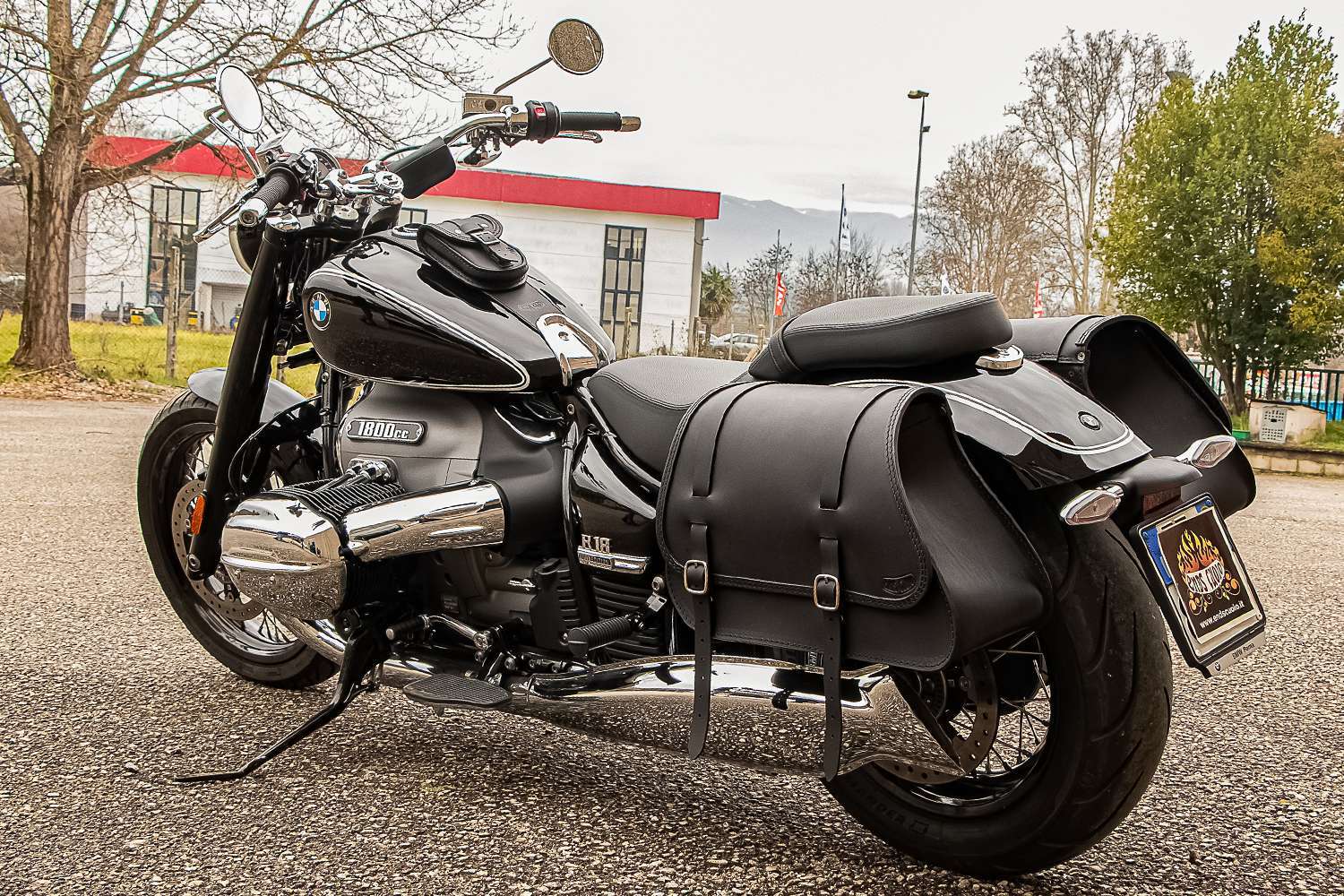
Illustratives Bild im Zusammenhang mit bmw Satteltaschen
Forschung Marktpreise: Führen Sie vor den Verhandlungen eine Marktforschung durch, um die typischen Preisspannen für ähnliche Produkte zu kennen. Dieses Wissen ermöglicht es den Einkäufern, effektiver zu verhandeln.
Beziehungen aufbauen: Der Aufbau eines Verhältnisses zu den Lieferanten kann zu besseren Bedingungen und Preisen führen. Langfristige Partnerschaften bringen oft Vorteile wie Rabatte oder günstige Zahlungsbedingungen.
Diskutieren Sie Mengenrabatte: Wenn Sie große Bestellungen planen, sollten Sie mit den Lieferanten über Mengenrabatte sprechen. Dies kann die Kosten pro Einheit erheblich senken.
Bewertung der Gesamtbetriebskosten (TCO): Berücksichtigen Sie nicht nur den Anschaffungspreis, sondern auch die Wartung, die Haltbarkeit und den möglichen Wiederverkaufswert. Höhere Anschaffungskosten können durch niedrigere langfristige Kosten gerechtfertigt sein.
Seien Sie flexibel bei den Spezifikationen: Seien Sie, wenn möglich, offen für alternative Materialien oder Designs, die die Kosten senken, ohne die Qualität zu beeinträchtigen.
Internationale Käufer sollten bei der Beschaffung von BMW-Satteltaschen einige Preisnuancen beachten:
Währungsschwankungen: Wechselkursschwankungen können die Endkosten beeinflussen. Käufer sollten dies in ihren Budgets berücksichtigen, insbesondere bei großen Aufträgen.
Einfuhrzölle und Steuern: Es ist wichtig, die lokalen Einfuhrbestimmungen und die damit verbundenen Kosten zu kennen. Diese können die Gesamtkosten der Anschaffung erheblich erhöhen.
Versandzeiten und -kosten: Die internationale Logistik kann zu Verzögerungen und zusätzlichen Kosten führen. Die Käufer sollten sicherstellen, dass ihre Zeitpläne mit den Versandplänen übereinstimmen, um unerwartete Kosten zu vermeiden.
Lokale Marktbedingungen: Die wirtschaftlichen Bedingungen in der Region des Käufers können die Preisgestaltung beeinflussen. So kann beispielsweise eine hohe Nachfrage auf einem bestimmten Markt zu höheren Preisen führen.
Zusammenfassend lässt sich sagen, dass ein umfassendes Verständnis der Kostenstruktur, der preisbeeinflussenden Faktoren und der Verhandlungsstrategien B2B-Einkäufer in die Lage versetzen kann, fundierte Entscheidungen bei der Beschaffung von BMW Satteltaschen zu treffen. Berücksichtigen Sie immer diese Faktoren und denken Sie daran, dass die angegebenen Preise Richtwerte sind und sich je nach Marktdynamik ändern können.
Auf dem umkämpften Markt für Motorradzubehör, insbesondere für BMW-Modelle, sind Satteltaschen eine beliebte Wahl für Fahrer, die sowohl Funktionalität als auch Stil suchen. Es gibt jedoch mehrere alternative Lösungen, die unterschiedlichen Bedürfnissen und Vorlieben entsprechen können. In dieser Analyse werden BMW-Satteltaschen mit zwei praktikablen Alternativen verglichen: Hartschalenkoffer und Überwurfsatteltaschen, die B2B-Käufern wertvolle Erkenntnisse für eine fundierte Kaufentscheidung liefern.
| Vergleich Aspekt | BMW Satteltaschen | Hartschalenkoffer | Überwurfsatteltaschen |
|---|---|---|---|
| Leistung | Hohe Haltbarkeit und Stil | Ausgezeichneter Schutz und Sicherheit | Mäßige Haltbarkeit, weniger sicher |
| Kosten | $332 – $871 | $200 – $500 | $100 – $300 |
| Leichte Implementierung | Mäßig; erfordert spezielle Halterungen | Mäßig; erfordert oft Installation | Einfach; in der Regel keine Installation erforderlich |
| Wartung | Gering; minimaler Unterhalt | Niedrig; langlebige Materialien | Mäßig; kann Reinigung erfordern |
| Bester Anwendungsfall | Langstreckenreisen | Abenteuerliches Reiten, schwere Lasten | Kurztrips, gelegentliche Fahrten |
Hartschalenkoffer sind eine robuste Lösung für die Aufbewahrung von Motorrädern und bieten einen hervorragenden Schutz für Gegenstände vor den Elementen und möglichen Stößen. Sie bestehen aus Materialien wie Glasfaser oder Kunststoff und sind so konzipiert, dass sie rauen Bedingungen standhalten, was sie ideal für Abenteuerfahrer macht. Die Anschaffungskosten können jedoch ein Problem darstellen, da sie normalerweise zwischen $200 und $500 liegen. Auch die Installation kann etwas kompliziert sein, da spezielle Halterungen benötigt werden, die nicht für alle Fahrradmodelle erhältlich sind. Trotz dieser Nachteile werden Hartschalenkoffer wegen ihrer Sicherheitsmerkmale bevorzugt, die oft mit Schließmechanismen ausgestattet sind.
Überwurf-Satteltaschen sind eine kostengünstigere und benutzerfreundlichere Alternative, deren Preis normalerweise zwischen $100 und $300 liegt. Sie sind so konzipiert, dass sie einfach über den Rücksitz eines Motorrads gelegt werden können und wenig bis gar keine Installation erfordern, was für Gelegenheitsfahrer oder diejenigen, die nach einer vorübergehenden Aufbewahrungslösung suchen, attraktiv ist. Ihre Leistung in Bezug auf Haltbarkeit und Sicherheit ist jedoch im Allgemeinen geringer als die von BMW-Satteltaschen oder Hartschalenkoffern. Sie bieten unter Umständen nicht den gleichen Schutz vor Witterungseinflüssen oder Diebstahl, so dass sie für Langstreckentouren oder schwere Lasten weniger geeignet sind. Auch der Wartungsaufwand kann mäßig sein, da die verwendeten Materialien möglicherweise regelmäßig gereinigt werden müssen, um Aussehen und Funktion zu erhalten.
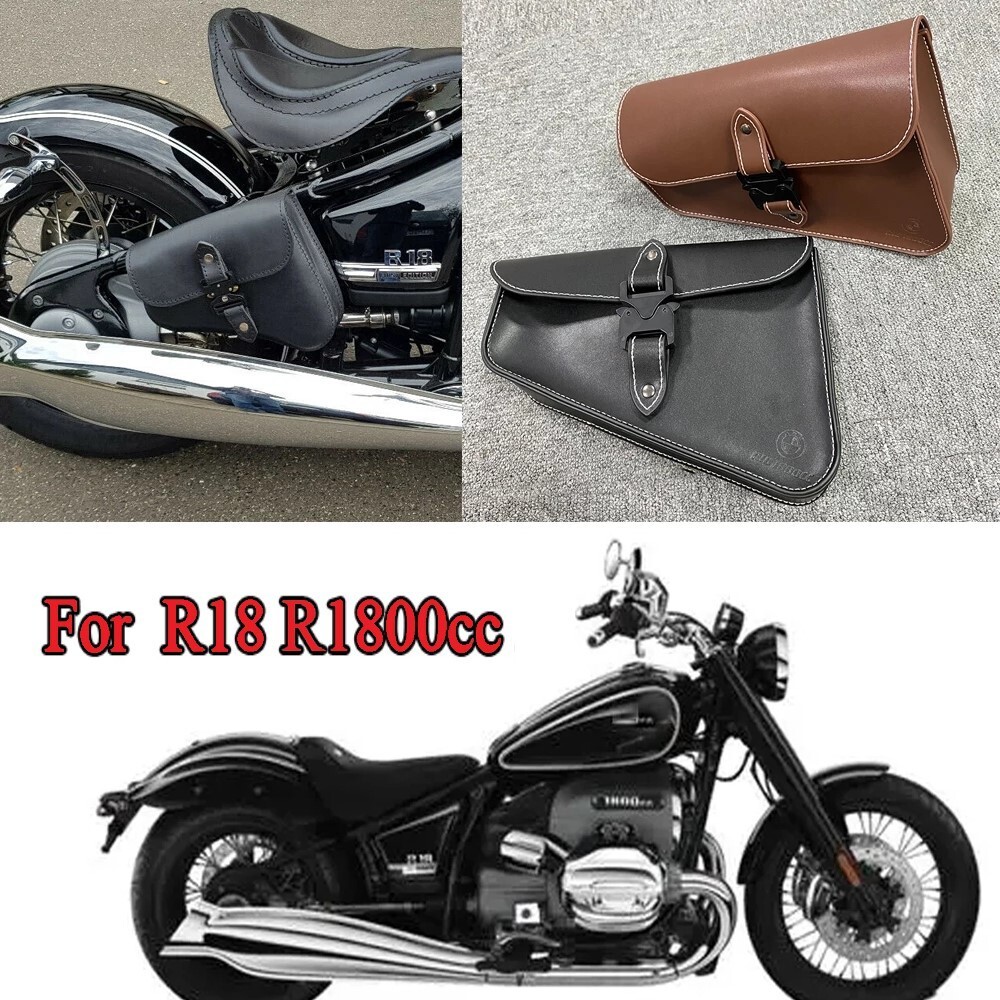
Illustratives Bild im Zusammenhang mit bmw Satteltaschen
Bei der Auswahl einer Stauraumlösung für BMW-Motorräder sollten B2B-Käufer ihre spezifischen Bedürfnisse und ihren Fahrstil berücksichtigen. Wer auf Langstreckentouren geht oder Wert auf Langlebigkeit und Ästhetik legt, für den sind BMW Satteltaschen eine gute Wahl. Wenn hingegen Sicherheit und Wetterbeständigkeit bei Abenteuerfahrten im Vordergrund stehen, sind Hartschalenkoffer vielleicht die bessere Wahl. Für Gelegenheitsfahrer oder diejenigen, die eine preisgünstige Lösung suchen, könnten Überwurfsatteltaschen ideal sein. Die Kenntnis der Leistung, der Kosten, der einfachen Implementierung und der Wartungsanforderungen der einzelnen Optionen ermöglicht es den Käufern, eine Entscheidung zu treffen, die ihren betrieblichen Anforderungen und Fahrvorlieben entspricht.
Das Verständnis der technischen Spezifikationen von BMW-Satteltaschen ist für B2B-Käufer von entscheidender Bedeutung, um sicherzustellen, dass sie Produkte auswählen, die ihren betrieblichen Anforderungen und Qualitätsstandards entsprechen. Hier sind einige wesentliche Eigenschaften:
Das für die Satteltaschen verwendete Material hat großen Einfluss auf die Haltbarkeit und Ästhetik. Zu den gängigen Materialien gehören hochwertiges Leder und ballistisches Nylon. Leder bietet ein klassisches Aussehen und ist oft wasserabweisend behandelt, während ballistisches Nylon leicht und haltbar ist und rauen Umweltbedingungen standhält. B2B-Käufer sollten bei der Auswahl der Materialien den Verwendungszweck und das Klima berücksichtigen, da dies die Langlebigkeit und den Wartungsbedarf beeinflussen kann.
Satteltaschen gibt es mit unterschiedlichem Fassungsvermögen, das in der Regel in Litern (L) gemessen wird. Die Auswahl reicht beispielsweise von 10 Litern für kleinere Taschen bis zu 40 Litern für größere Modelle. Die Kenntnis des Fassungsvermögens ist wichtig für Käufer, die bestimmte Gegenstände wie Helme oder Werkzeug transportieren müssen, und um sicherzustellen, dass die Satteltaschen zum Design des Motorrads passen, ohne die Stabilität zu beeinträchtigen.
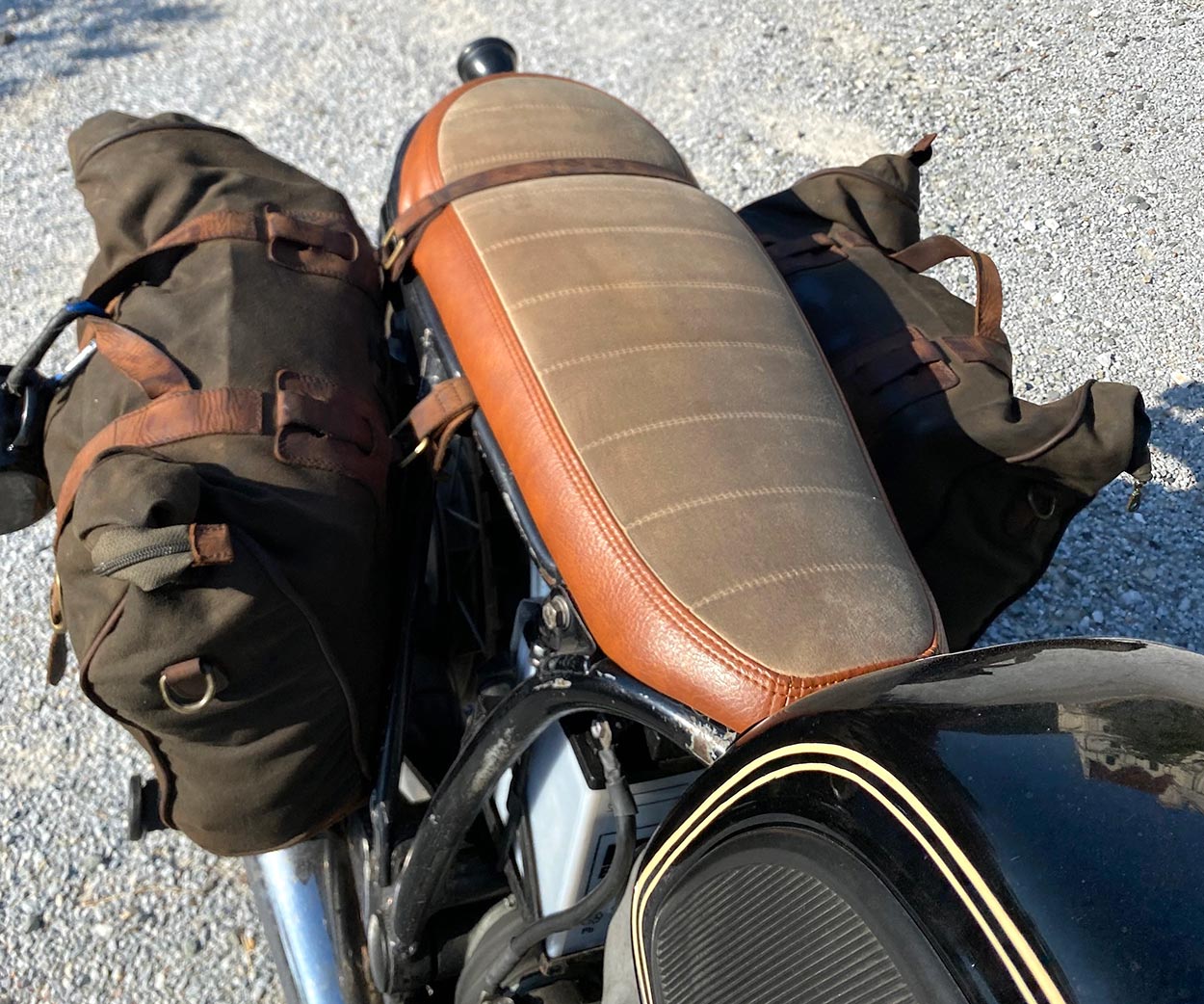
Illustratives Bild im Zusammenhang mit bmw Satteltaschen
Das Befestigungssystem bestimmt, wie sicher die Satteltaschen am Motorrad befestigt werden. Zu den Optionen gehören Schnellmontagesysteme, die eine einfache Montage und Demontage ermöglichen, und fest montierte Systeme, die mehr Sicherheit bieten. Ein zuverlässiges Befestigungssystem ist entscheidend für die Sicherheit während der Fahrt, vor allem in unterschiedlichem Gelände. Käufer sollten die Kompatibilität des Befestigungssystems mit ihrem jeweiligen Motorradmodell prüfen.
Satteltaschen sollten so konzipiert sein, dass sie verschiedenen Wetterbedingungen standhalten. Produkte, die aus wasserfestem Material bestehen oder mit wasserdichten Innensäcken ausgestattet sind, werden für Fernreisen oder in Regionen mit starken Regenfällen bevorzugt. Diese Eigenschaft schützt nicht nur den Inhalt, sondern verlängert auch die Lebensdauer der Tasche selbst, was die Ersatzkosten für B2B-Käufer reduziert.
Jede Satteltasche hat eine bestimmte Gewichtsgrenze, die nicht überschritten werden sollte, um Schäden oder Sicherheitsrisiken zu vermeiden. Die Kenntnis der Gewichtskapazität ist für B2B-Käufer, die die Taschen für den Transport von schweren Werkzeugen oder Geräten verwenden wollen, von entscheidender Bedeutung. Eine Überlastung kann zu Verschleiß oder sogar zu Unfällen führen, weshalb es wichtig ist, Taschen auszuwählen, die der geforderten Last gewachsen sind.
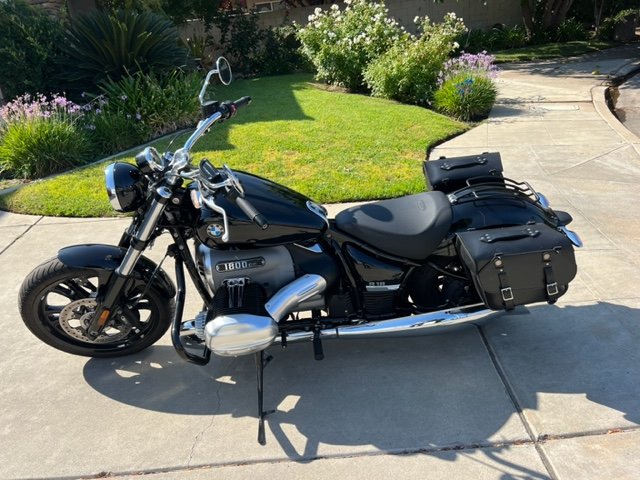
Illustratives Bild im Zusammenhang mit bmw Satteltaschen
Viele Satteltaschen verfügen über Sicherheitsmerkmale wie abschließbare Reißverschlüsse oder integrierte Schlösser. Diese Merkmale tragen dazu bei, Diebstähle zu verhindern, was besonders für Unternehmen wichtig ist, die ihre Motorräder unbeaufsichtigt lassen könnten. Käufer sollten das erforderliche Maß an Sicherheit auf der Grundlage ihres Betriebsumfelds und des Wertes der gelagerten Gegenstände beurteilen.
Die Vertrautheit mit dem Branchenjargon ist für eine effektive Kommunikation und Verhandlung bei B2B-Transaktionen unerlässlich. Hier sind einige wichtige Begriffe:
OEM bezieht sich auf Produkte, die von einem Unternehmen hergestellt werden, das autorisiert ist, Artikel für eine andere Marke, wie z. B. BMW, herzustellen. Das Verständnis von OEM-Produkten ist für Käufer, die authentisches Zubehör suchen, das nahtlos zu ihren Motorrädern passt, unerlässlich.
MOQ bezeichnet die kleinste Menge eines Produkts, die ein Lieferant zu verkaufen bereit ist. Dies ist für B2B-Einkäufer von entscheidender Bedeutung, denn sie müssen die Abnahmeschwellen kennen, insbesondere wenn sie Großbestellungen für den Einzelhandel oder den Fuhrpark in Betracht ziehen.
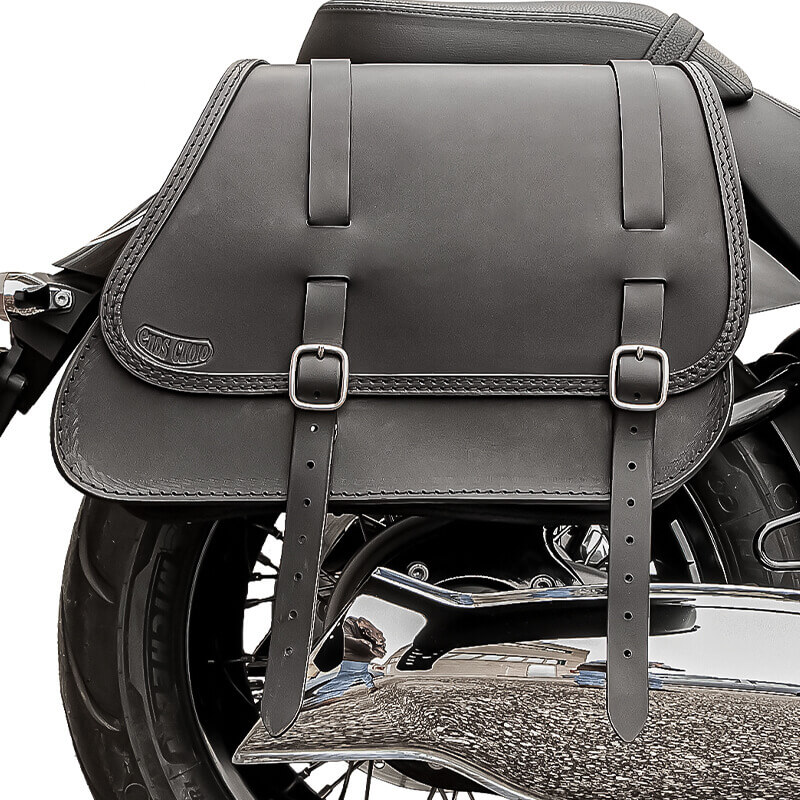
Illustratives Bild im Zusammenhang mit bmw Satteltaschen
Eine Anfrage ist ein formeller Prozess, bei dem Einkäufer Preise und Bedingungen von Lieferanten für bestimmte Produkte einholen. Sie ist ein wichtiger Schritt in der Beschaffung, der es Unternehmen ermöglicht, Angebote zu vergleichen und bessere Konditionen auszuhandeln.
In den Incoterms werden die Verantwortlichkeiten von Käufern und Verkäufern im internationalen Versand festgelegt, wobei Aspekte wie Versandkosten, Risikoübergang und Lieferorte berücksichtigt werden. Für Käufer, die grenzüberschreitend tätig sind, ist das Verständnis dieser Bedingungen von entscheidender Bedeutung, um unerwartete Kosten zu vermeiden und eine reibungslose Logistik zu gewährleisten.
Die Vorlaufzeit ist die Dauer von der Bestellung bis zum Erhalt der Ware. Die Kenntnis der Vorlaufzeiten ist entscheidend für die Bestandsplanung und die Sicherstellung, dass Produkte verfügbar sind, wenn sie benötigt werden, insbesondere auf saisonalen Märkten.
Die Garantiezeit bezieht sich auf den Zeitrahmen, in dem ein Produkt für Defekte oder Ausfälle haftet. Käufer sollten die Garantiebedingungen bewerten, um die langfristige Zuverlässigkeit und Unterstützung durch die Hersteller zu beurteilen, was sich erheblich auf die Betriebskosten auswirken kann.
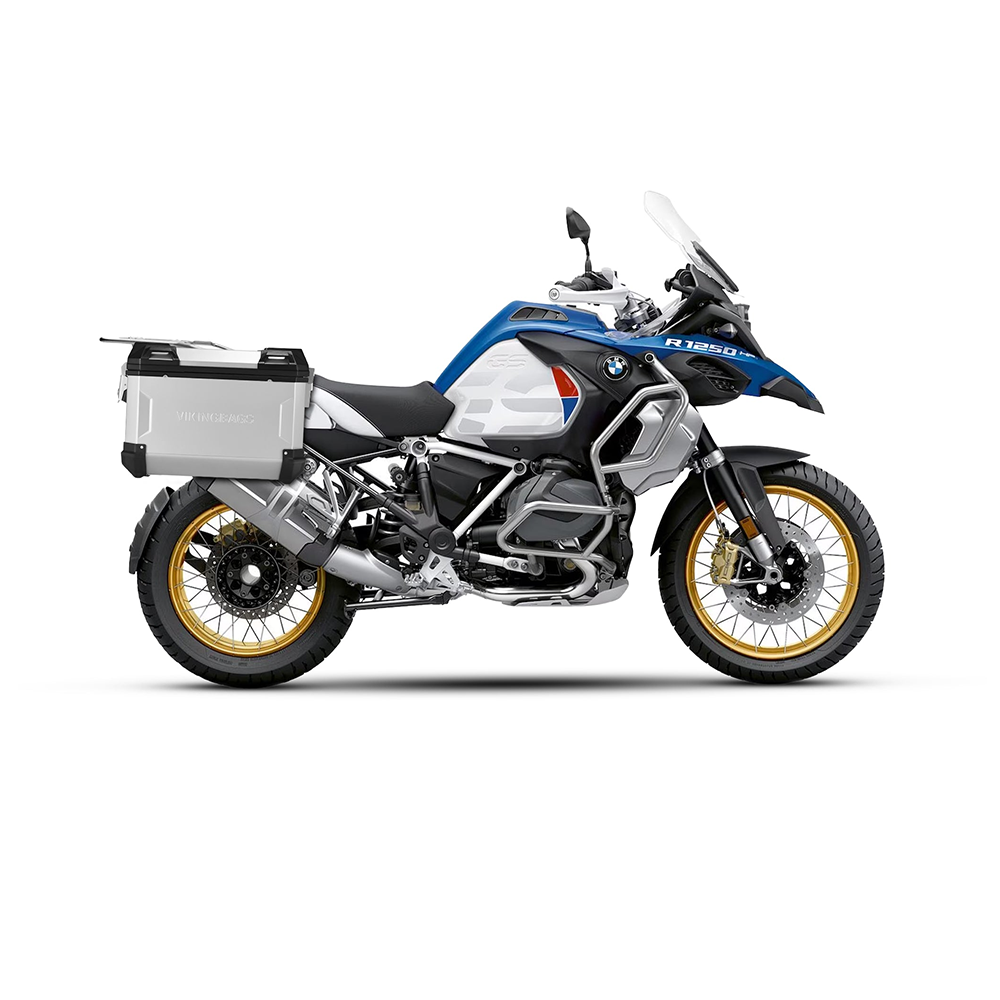
Illustratives Bild im Zusammenhang mit bmw Satteltaschen
Wenn B2B-Einkäufer diese technischen Eigenschaften und Branchenbegriffe kennen, können sie fundierte Entscheidungen über die Beschaffung von BMW-Satteltaschen treffen und sicherstellen, dass diese ihren betrieblichen Anforderungen entsprechen und gleichzeitig einen maximalen Wert bieten.
Der Markt für BMW-Satteltaschen erfährt ein signifikantes Wachstum, das durch den Anstieg des Motorradbesitzes und die steigende Nachfrage nach individuellen Anpassungen unter den Fahrern angetrieben wird. In Regionen wie Afrika, Südamerika, dem Nahen Osten und Europa breitet sich die Motorradkultur rasant aus, was eine starke Nachfrage nach hochwertigem Zubehör zur Folge hat. Zu den wichtigsten Trends gehört die steigende Beliebtheit von Premium-Materialien wie Leder und ballistischem Nylon, die wegen ihrer Langlebigkeit und Ästhetik bevorzugt werden. Darüber hinaus hat sich die Integration von Technologie in das Produktdesign - wie Schnellmontagesysteme und verbesserte Sicherheitsmerkmale - zunehmend durchgesetzt.
B2B-Einkäufer sollten sich auch der Verlagerung hin zur Online-Beschaffung bewusst sein, die durch E-Commerce-Plattformen erleichtert wird, die einen weltweiten Zugang zu Lieferanten ermöglichen. Dieser digitale Wandel ermöglicht es Unternehmen, Preise zu vergleichen, Produkteigenschaften zu bewerten und ihre Beschaffungsprozesse zu rationalisieren. Darüber hinaus ermöglicht der Trend zu Direct-to-Consumer-Modellen den Herstellern, effektiver mit den Endverbrauchern in Kontakt zu treten und so die Produktentwicklung auf der Grundlage von Echtzeit-Feedback zu beeinflussen. Da Käufer aus verschiedenen Regionen versuchen, lokale Präferenzen und gesetzliche Anforderungen zu erfüllen, ist das Verständnis dieser Marktdynamik entscheidend für fundierte Kaufentscheidungen.
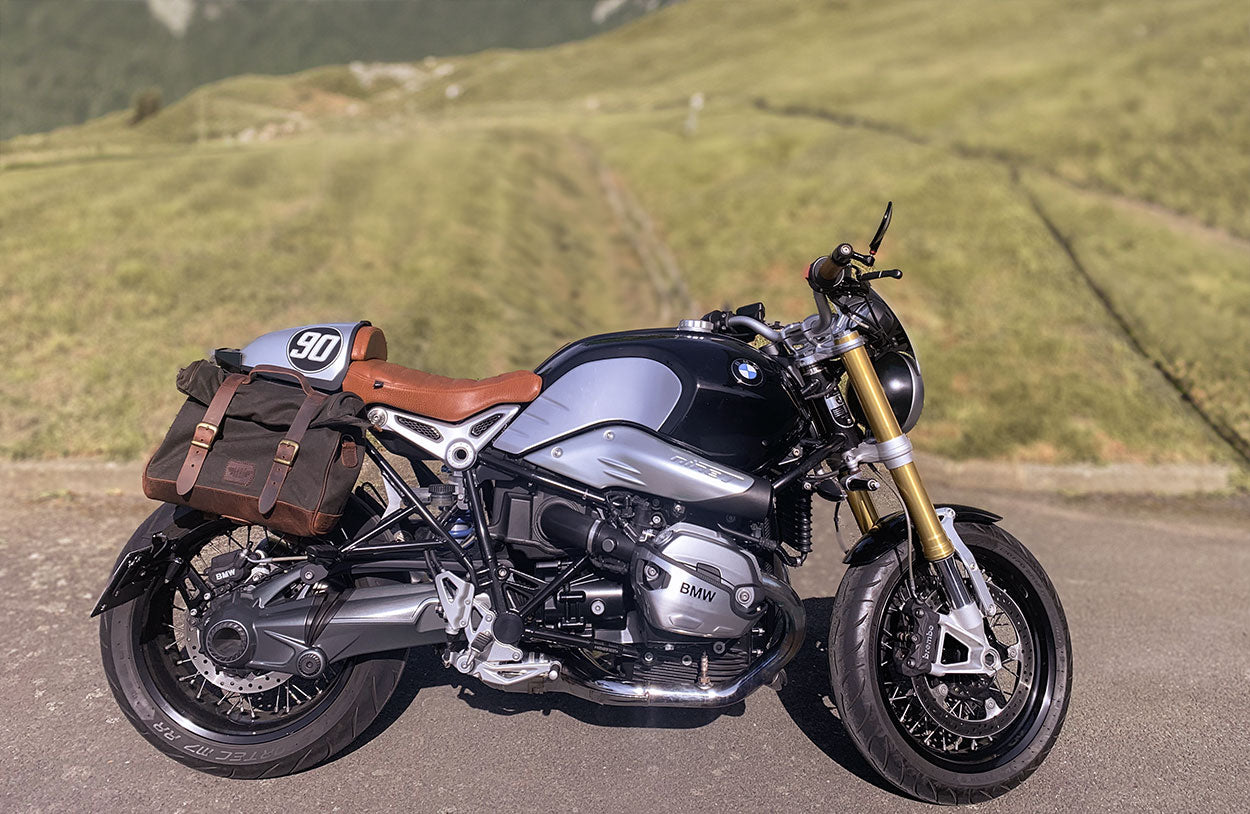
Illustratives Bild im Zusammenhang mit bmw Satteltaschen
Nachhaltigkeit wird zu einem Eckpfeiler der Produktentwicklung im Bereich der BMW-Satteltaschen. Die Umweltauswirkungen der Herstellungsverfahren und der in der Produktion verwendeten Materialien werden immer genauer unter die Lupe genommen. B2B-Einkäufer bevorzugen jetzt Lieferanten, die sich an ethische Beschaffungspraktiken halten und ihr Engagement für die Minimierung ihres ökologischen Fußabdrucks zeigen. Dazu gehört auch die Verwendung von umweltfreundlichen Materialien wie pflanzlich gegerbtem Leder und recycelten Kunststoffen, die auf dem Markt immer mehr an Bedeutung gewinnen.
Darüber hinaus werden Zertifizierungen wie der Global Organic Textile Standard (GOTS) und der Forest Stewardship Council (FSC) für Käufer, die sicherstellen wollen, dass ihre Produkte verantwortungsvoll beschafft werden, immer wichtiger. Diese Zertifizierungen verbessern nicht nur den Ruf der Marke, sondern sprechen auch ein wachsendes Segment umweltbewusster Verbraucher an. Da internationale Einkäufer ihre Lieferantennetzwerke ausbauen, kann die Zusammenarbeit mit Partnern, die der Nachhaltigkeit Priorität einräumen, einen Wettbewerbsvorteil auf einem Markt bieten, der zunehmend von den Werten der Verbraucher bestimmt wird.
Das Verständnis des historischen Kontextes von BMW-Satteltaschen bietet wertvolle Einblicke für B2B-Käufer. Das Vermächtnis von BMW in der Motorradherstellung reicht bis ins Jahr 1923 zurück, wobei das Engagement für Innovationen die Identität der Marke geprägt hat. Die Einführung von Satteltaschen als Zubehör fiel mit dem Aufkommen von Langstreckentouren zusammen und veränderte das Motorradfahrerlebnis durch verbesserte Stauraummöglichkeiten und mehr Komfort für den Fahrer.
Im Laufe der Jahrzehnte spiegelte die Entwicklung der Satteltaschen die Fortschritte im Motorraddesign wider. Moderne Produkte verfügen heute über ergonomische Funktionen und langlebige Materialien, die den Bedürfnissen moderner Fahrer gerecht werden. Die heute auf dem Markt erhältlichen Satteltaschen von BMW spiegeln eine Mischung aus traditioneller Handwerkskunst und modernster Technologie wider, die sie zu einem begehrten Zubehör für Motorradfans macht. Für B2B-Einkäufer ist es hilfreich, diese Entwicklung zu verstehen, um die richtigen Produkte zu finden, die nicht nur funktionale Anforderungen erfüllen, sondern auch das Erbe der Marke widerspiegeln und einen anspruchsvollen Kundenstamm ansprechen.
1. Wie wähle ich die richtigen BMW Satteltaschen für meine geschäftlichen Anforderungen?
Um die richtigen BMW Satteltaschen auszuwählen, müssen Sie Ihren Kundenstamm und dessen spezifische Anforderungen kennen. Berücksichtigen Sie Faktoren wie die Art der BMW Motorradmodelle, die Ihre Kunden besitzen, die beabsichtigte Verwendung (z. B. Pendeln, Touren) und die bevorzugten Materialien (z. B. Leder vs. Kunststoff). Beurteilen Sie außerdem Merkmale wie Fassungsvermögen, Befestigungssysteme und Sicherheitsoptionen. Die Zusammenarbeit mit Herstellern, die individuelle Anpassungen anbieten, kann ebenfalls dazu beitragen, die Vorlieben Ihrer Zielgruppe zu berücksichtigen und sicherzustellen, dass Sie Produkte vorrätig haben, die der Verbrauchernachfrage entsprechen.
2. Was sind die typischen Preisspannen für BMW-Satteltaschen?
Der Preis von BMW Satteltaschen variiert je nach Material, Design und Marke erheblich. Hochwertige Ledertaschen können beispielsweise zwischen $300 und $900 liegen, während günstigere Synthetikvarianten bei $150 beginnen können. Bei Großeinkäufen sind oft Preisnachlässe möglich, daher ist es ratsam, die Preise mit den Lieferanten auf der Grundlage Ihres Auftragsvolumens auszuhandeln. Wenn Sie die Preisstruktur kennen, können Sie wettbewerbsfähige Preise für Ihre Kunden festlegen und gleichzeitig gesunde Gewinnspannen beibehalten.
3. Wie hoch sind die Mindestbestellmengen (MOQs) für BMW Satteltaschen?
Die Mindestbestellmengen für BMW-Satteltaschen hängen vom Lieferanten und der jeweiligen Produktlinie ab. In der Regel liegen die Mindestbestellmengen zwischen 10 und 50 Stück, bei Sonderanfertigungen oder exklusiven Kollektionen kann dies jedoch variieren. Es ist wichtig, die MOQs im Vorfeld mit potenziellen Lieferanten zu besprechen, um sicherzustellen, dass sie mit Ihren Geschäftszielen übereinstimmen. Wenn Sie klein anfangen, sollten Sie sich nach Lieferanten umsehen, die bereit sind, niedrigere MOQs zu akzeptieren oder Bestellungen mit anderen Unternehmen zu bündeln, um die Mengenanforderungen zu erfüllen.
4. Wie kann ich die Qualität der von mir gekauften BMW Satteltaschen sicherstellen?
Um Qualität zu gewährleisten, sollten Sie Satteltaschen von namhaften Herstellern mit einer guten Erfolgsbilanz beziehen. Fordern Sie Muster an, bevor Sie eine größere Bestellung aufgeben, um Materialien, Verarbeitung und Funktionalität zu prüfen. Erkundigen Sie sich außerdem nach den Qualitätssicherungsprozessen, einschließlich Inspektionen und Zertifizierungen. Wenn Sie mit Lieferanten zusammenarbeiten, die Garantien anbieten, können Sie Ihre Investition schützen und Ihre Kunden von der Haltbarkeit des Produkts überzeugen.
5. Mit welchen Zahlungsbedingungen muss ich rechnen, wenn ich BMW Satteltaschen international beschaffe?
Die Zahlungsbedingungen können je nach Lieferant und Art des Geschäfts sehr unterschiedlich sein. Zu den üblichen Bedingungen gehören Vorauszahlung, Teilzahlungen oder Zahlung bei Lieferung. Einige Lieferanten bieten auch Kreditbedingungen für etablierte Unternehmen an. Es ist wichtig, diese Bedingungen bereits zu Beginn der Verhandlungen zu klären und sichere Zahlungsmethoden wie Akkreditive oder Treuhanddienste in Betracht zu ziehen, um die mit internationalen Transaktionen verbundenen Risiken zu mindern.
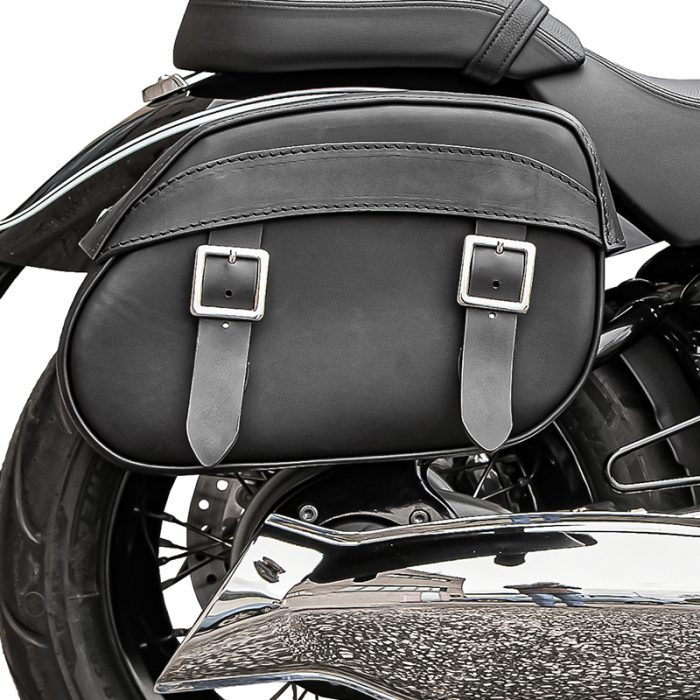
Illustratives Bild im Zusammenhang mit bmw Satteltaschen
6. Welche logistischen Überlegungen sollte ich bei der Einfuhr von BMW-Satteltaschen anstellen?
Wenn Sie BMW Satteltaschen importieren, sollten Sie Versandmethoden, Zollbestimmungen und Lieferfristen berücksichtigen. Arbeiten Sie mit Logistikpartnern zusammen, die Erfahrung im internationalen Versand haben, um die Zollabfertigung effizient zu gestalten. Die Kenntnis von Zöllen, Tarifen und anderen Einfuhrgebühren ist für eine genaue Budgetierung entscheidend. Planen Sie außerdem mögliche Verzögerungen beim Versand ein, vor allem in der Hochsaison, um die Kundenzufriedenheit mit pünktlichen Lieferungen zu erhalten.
7. Kann ich BMW Satteltaschen für meine Marke anpassen?
Viele Hersteller bieten individuelle Anpassungsmöglichkeiten, mit denen Sie die Satteltaschen an die Spezifikationen Ihrer Marke anpassen können. Die Individualisierung kann die Platzierung des Logos, die Farbauswahl und einzigartige Merkmale umfassen, die auf Ihren Zielmarkt zugeschnitten sind. Achten Sie darauf, dass Sie Ihre Anforderungen klar kommunizieren und sich über die damit verbundenen zusätzlichen Kosten und Vorlaufzeiten im Klaren sind, wenn Sie über eine Individualisierung sprechen. Dieser Ansatz kann die Sichtbarkeit Ihrer Marke verbessern und ein Alleinstellungsmerkmal auf dem Markt schaffen.
8. Wie überprüfe ich potenzielle Lieferanten für BMW-Satteltaschen?
Die Überprüfung von Lieferanten erfordert eine gründliche Bewertung ihrer Referenzen, Produktionskapazitäten und ihres Rufs in der Branche. Prüfen Sie zunächst die Referenzen und lesen Sie die Bewertungen anderer Unternehmen. Verlangen Sie Zertifizierungen, die die Einhaltung von Qualitäts- und Sicherheitsstandards belegen. Ziehen Sie außerdem in Erwägung, die Produktionsstätten des Lieferanten zu besuchen, falls dies möglich ist, oder führen Sie virtuelle Audits durch, um die Abläufe zu beurteilen. Der Aufbau einer auf Vertrauen und Transparenz basierenden Beziehung ist für den langfristigen Erfolg Ihrer Beschaffungsbemühungen von entscheidender Bedeutung.
Bereich: shopbmwmotorcycles.com
Registriert: 2017 (8 Jahre)
Einleitung: Dieses Unternehmen, BMW - Tankrucksäcke & Tourengepäck, ist ein namhaftes Unternehmen auf dem Markt. Für spezifische Produktdetails wird empfohlen, ihre Website direkt zu besuchen.
Bereich: endscuoio.com
Registriert: 2016 (9 Jahre)
Einleitung: Ledertaschen für BMW Motorräder | Custom BMW Gear - 2025 Italienisches pflanzlich gegerbtes Leder. 100% Sichere Zahlung. GARANTIERTE LIEFERUNG in die ganze Welt. Mehrere Modelle verfügbar: Bremen, Berlin, Hot Dresden, Roll Dresden, Hamburg, Hot Lubeck, Hot Munich, Stuttgart, Roll Stuttgart. Preisspanne: US$ 332 - US$ 871 je nach Modell. Optionen können auf der Produktseite ausgewählt werden.
Bereich: vikingbags.com
Registriert: 2006 (19 Jahre)
Einleitung: BMW R18 Motorradsatteltaschen - Viking Bags
Wesentliche Merkmale:
- Typen: Leder- und Hartschalentaschen
- Material: Schlagfestes Fiberglas für Hartschalensatteltaschen; Leder für Ledersatteltaschen
- Formstabilität: Interner Metallrahmen für Ledersatteltaschen, um ein Durchhängen zu verhindern
- Sicherheit: Schlüsselverschließbare Deckel für Sicherheit
- Fassungsvermögen: Verschiedene Größen verfügbar (10L, 18L, 20L, 24L, 28L, 40L)
- Befestigungsmöglichkeiten: Ha...
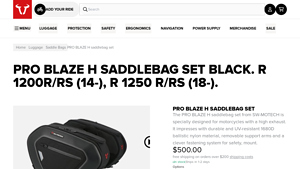
Bereich: sw-motech.us
Registriert: 2019 (6 Jahre)
Einleitung: {"product_name": "PRO BLAZE Satteltaschenset", "Marke": "SW-MOTECH", "compatibility": "BMW R 1200R/RS (14-), R 1250 R/RS (18-)", "material": "1680D ballistic nylon, EVA", "color": "schwarz, anthrazit", "Gewicht": "ca. 5.7 kg / ca. 12.4 lb", "total_volume": "30,0-40,0 l", "Abmessungen": "46.0 x 18.0 x 32.0 cm / 18.1 x 7.1 x 12.6 in", "features": ["speziell für hochmontierte Auspuffanlagen entwickelt", "re...
Bereich: ebay.de
Registriert: 1995 (30 Jahre)
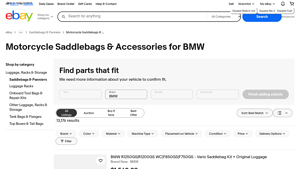
Einleitung: Motorrad-Satteltaschen & Zubehör für BMW bei eBay erhältlich. Wichtige Details sind:
- Kategorien: Satteltaschen, Packtaschen, Gepäck, Gepäckträger & Aufbewahrung.
- Marken: BMW, GIVI, Hepco & Becker, Kappa, SW-MOTECH, und mehr.
- Materialien: Leder, Kunststoff, Metall, Nylon, Segeltuch, Polyester, PVC, Textil, Synthetik und andere.
- Farboptionen: Schwarz, Braun, Rot, Blau, Weiß, Silber, Grau, Grün, Lila und andere...
Bereich: bmwmotorcycles.com
Registriert: 2000 (25 Jahre)
Einleitung: Die Soft Luggage Solutions von BMW Motorrad umfassen praktische, flexible und moderne Taschen und Rucksäcke für Motorradfahrer. Die wichtigsten Merkmale sind:
- Hochwertige Materialien, die Herausforderungen standhalten.
- Vielseitiges Design, das sich sowohl für den Motorradgebrauch als auch für den Alltag eignet.
- Fahrzeugspezifische Anschlüsse für den Einbau in verschiedene BMW Motorradmodelle.
- Die Speicherkapazität reicht von 3 bis 6...
Bereich: lederwerk.de
Registriert: 1999 (26 Jahre)
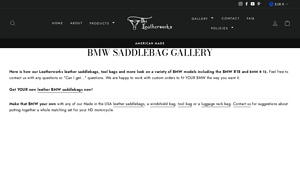
Einleitung: BMW Satteltaschen Galerie | Ledersatteltaschen für BMW Motorräder. Amerikanisch hergestellt. Über 100.000 hergestellte Satteltaschen seit 1976. Kundenspezifische Optionen verfügbar. Modelle: BMW R18 und BMW R 12. Optionen für Lederfarben sind Schwarz, Braun, Weiß, Tan und mehr. Kontaktieren Sie uns für individuelle Anpassungen und passende Sets.
Bereich: shopbmwmotorcycle.com
Registriert: 2017 (8 Jahre)
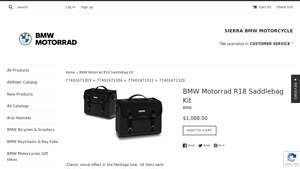
Einleitung: BMW Motorrad R18 Satteltaschen-Kit - Preis: $1,088.00 USD - Kapazität: 16 Liter pro Stück - Material: Gewachstes Segeltuch und echtes Leder - Befestigung: Drei-Punkt-System mit Schnellverschluss - Kompatibilität: Passt zu weiteren Produkten aus der Weichgepäck-Kollektion - Abmessungen: Jede Tasche ca. 15″ x 11″ x 6″
Bereich: longride.com
Registriert: 2000 (25 Jahre)
Einleitung: Vintage BMW R moto + Satteltaschen. Die vorgestellten Satteltaschen sind die Super Patriots SB und Mini Patriots SB. Die Satteltaschen sind für verschiedene BMW-Modelle konzipiert, darunter die R75 und die R NineT. Sie sind mit dem Saddleback-System ausgestattet, das eine individuelle Montage am Rahmen des Motorrads ermöglicht. Die Installation ermöglicht die Aufnahme von Auspuffanlagen mit niedrigem Profil, um eine Überhitzung zu vermeiden. Die Satteltaschen können mit...
Da die Nachfrage nach hochwertigen BMW-Satteltaschen auf den verschiedenen Märkten weiter steigt, spielt die strategische Beschaffung eine entscheidende Rolle, um sicherzustellen, dass internationale B2B-Käufer Zugang zu den besten Produkten zu wettbewerbsfähigen Preisen haben. Wichtige Erkenntnisse zeigen, dass das Angebot von hochwertigen Lederoptionen bis hin zu strapazierfähigen Hartschalensatteltaschen reicht und den unterschiedlichen Bedürfnissen und Vorlieben der Verbraucher entspricht. Die Fähigkeit, Satteltaschen zu beschaffen, die mit der Tradition von BMW in Bezug auf Innovation und Qualität übereinstimmen, wird nicht nur die Kundenzufriedenheit erhöhen, sondern auch die Beziehungen zu den Lieferanten festigen.
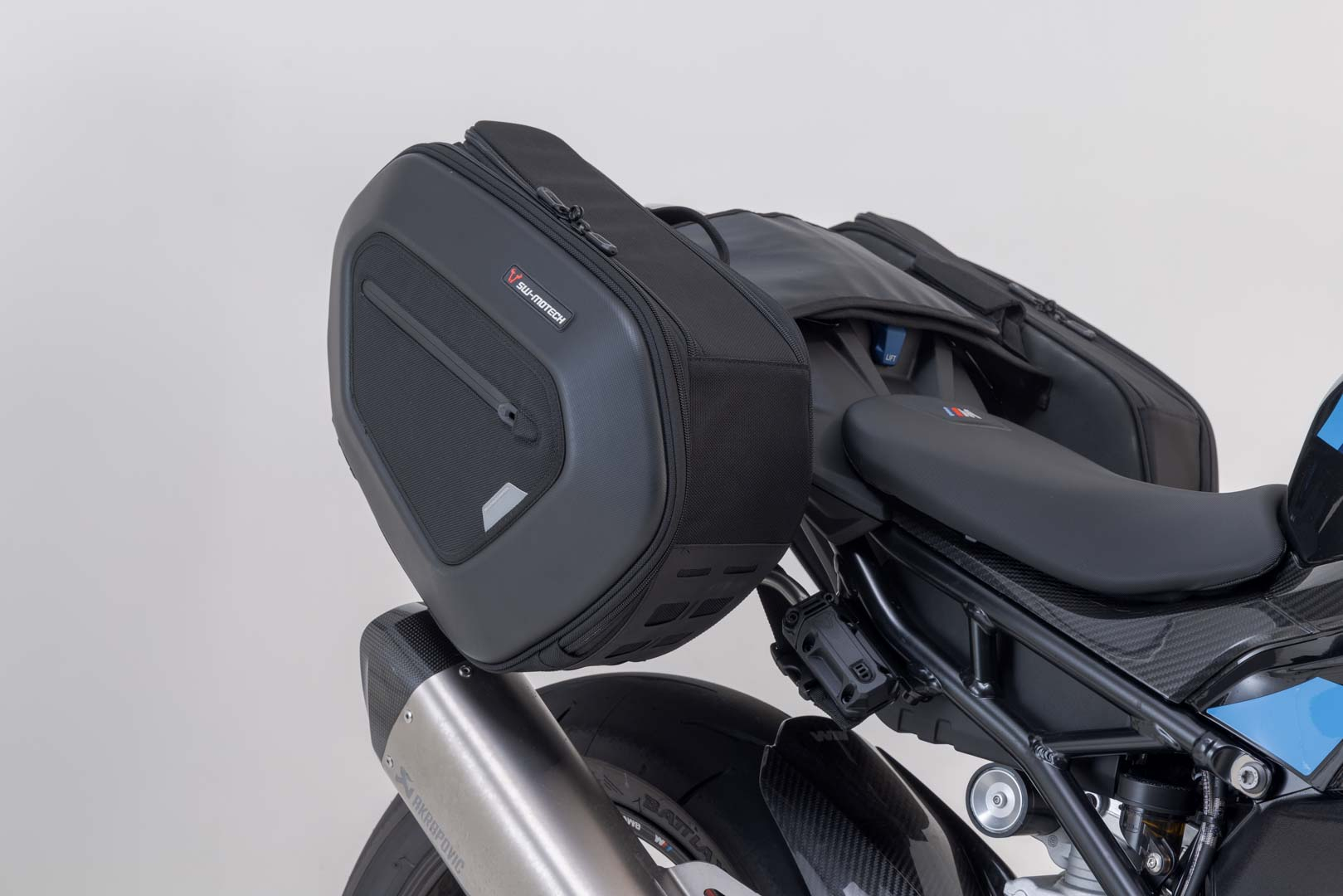
Illustratives Bild im Zusammenhang mit bmw Satteltaschen
Die Zusammenarbeit mit zuverlässigen Herstellern und Lieferanten, die die Feinheiten der regionalen Märkte, insbesondere in Afrika, Südamerika, dem Nahen Osten und Europa, verstehen, ist von entscheidender Bedeutung. Dies gewährleistet den Zugang zu Produkten, die sowohl den Qualitätsstandards als auch den Erwartungen der Verbraucher entsprechen. Darüber hinaus unterstreicht der Trend zur Individualisierung und zu innovativen Designs, wie z. B. faltbare und magnetisch verschließbare Taschen, wie wichtig es ist, den Markttrends voraus zu sein.
Mit Blick auf die Zukunft werden internationale B2B-Einkäufer ermutigt, diese Erkenntnisse zu nutzen und Partnerschaften zu bevorzugen, die nicht nur überlegene Produkte, sondern auch strategische Vorteile bei Logistik und Kundenservice bieten. Auf diese Weise können sich Unternehmen in einem wettbewerbsintensiven Umfeld günstig positionieren und das Umsatzwachstum in ihren jeweiligen Märkten fördern.
Die in diesem Leitfaden enthaltenen Informationen, einschließlich der Angaben zu Herstellern, technischen Spezifikationen und Marktanalysen, dienen ausschließlich Informations- und Bildungszwecken. Sie stellen keine professionelle Kaufberatung, Finanzberatung oder Rechtsberatung dar.
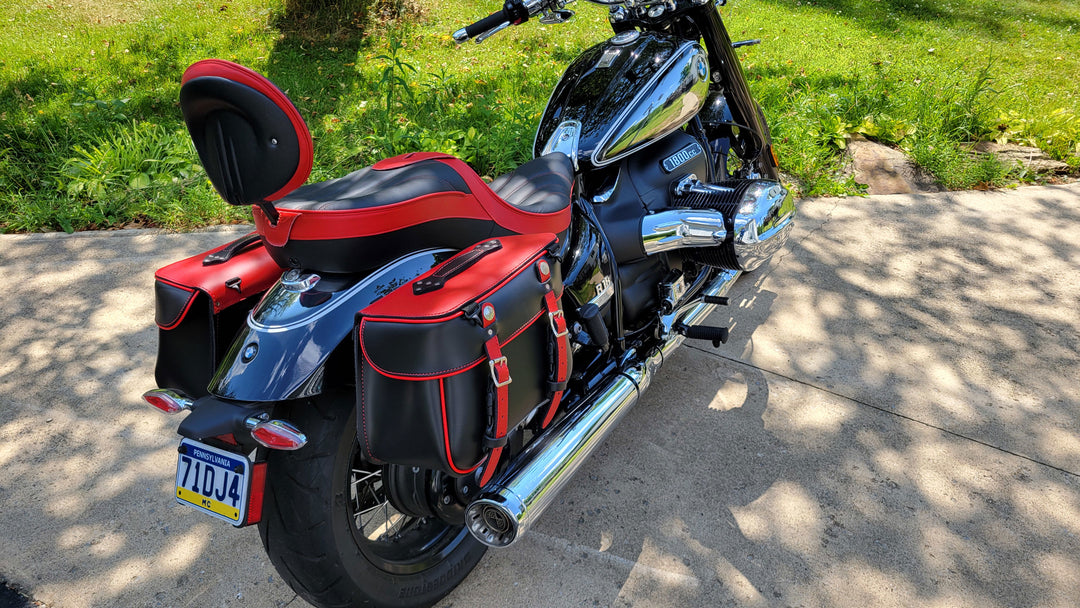
Illustratives Bild im Zusammenhang mit bmw Satteltaschen
Obwohl wir alle Anstrengungen unternommen haben, um die Richtigkeit und Aktualität der Informationen zu gewährleisten, übernehmen wir keine Verantwortung für etwaige Fehler, Auslassungen oder veraltete Informationen. Marktbedingungen, Unternehmensangaben und technische Standards können sich ändern.
B2B-Käufer müssen ihre eigene unabhängige und gründliche Due-Diligence-Prüfung durchführen bevor Sie eine Kaufentscheidung treffen. Dazu gehört, dass Sie sich direkt mit den Anbietern in Verbindung setzen, Zertifizierungen überprüfen, Muster anfordern und sich professionell beraten lassen. Das Risiko, sich auf die Informationen in diesem Leitfaden zu verlassen, trägt allein der Leser.


 German
  English
  Russian
  Spanish
  Italian
  Arabic
  Portuguese