
Navigating the global market for tire inflator and sealant solutions presents a unique challenge for B2B buyers, particularly in regions like Africa, South America, the Middle East, and Europe. With a growing demand for efficient roadside assistance products that ensure vehicle safety and minimize downtime, sourcing the right tire inflator and sealant can significantly impact operational efficiency. This guide offers a comprehensive exploration of the various types of tire inflators and sealants available, their applications across different vehicle types, and the critical factors to consider when selecting suppliers.
As you delve into this guide, you will gain insights into the latest innovations in tire repair technology, including portable inflators, eco-friendly sealants, and multi-functional kits that combine both inflating and sealing capabilities. Understanding the nuances of product specifications, regulatory compliance, and cost structures will empower you to make informed purchasing decisions. Furthermore, we will discuss best practices for vetting suppliers, ensuring you partner with reputable manufacturers who meet your quality and service expectations.
By equipping yourself with the knowledge provided in this guide, you can confidently navigate the complexities of the tire inflator and sealant market. This will not only enhance your procurement strategy but also contribute to the overall safety and satisfaction of your customers, regardless of the geographic challenges they may face.
| Typ Name | Wichtigste Unterscheidungsmerkmale | Primäre B2B-Anwendungen | Kurze Vor- und Nachteile für Käufer |
|---|---|---|---|
| 12V Tire Inflator and Repair System | Compact design, operates via vehicle’s 12V outlet, includes sealant | Autowerkstätten, Pannenhilfe | Vorteile: Convenient, multi-functional, easy to use. Nachteile: Limited driving range post-repair. |
| Emergency Tire Repair Sealant | Instant sealant for punctures up to 1/4″, no valve core removal | Fleet management, emergency services | Vorteile: Quick repair, no tools needed. Nachteile: Temporary solution; must be removed after short distance. |
| Cordless Tire Inflator | Battery-operated, portable, can be used anywhere | Remote field services, outdoor activities | Vorteile: High mobility, no power source needed. Nachteile: Limited battery life; may require frequent charging. |
| 120V Home/Garage Tire Inflator | Designed for home use, plugs into standard electrical outlets | Automotive repair shops, home garages | Vorteile: High power for quick inflation. Nachteile: Less portable, requires access to power. |
| Multi-Purpose Tire Sealant | Versatile sealant for various tire types (bicycle, lawn, etc.) | Retail, outdoor equipment suppliers | Vorteile: Wide application range. Nachteile: Specific use cases may limit appeal. |
The 12V Tire Inflator and Repair System is a compact and versatile solution, often used by automotive repair shops and roadside assistance services. It operates using the vehicle’s 12V outlet, allowing for easy inflation and sealant application without needing additional power sources. This system is particularly suitable for quick roadside repairs, offering a driving range of approximately 125 miles post-repair. B2B buyers should consider the ease of use and multi-functionality, but be aware that repairs are temporary and may not be suitable for severe tire damage.
Emergency Tire Repair Sealant is designed for immediate use, effectively sealing punctures up to 1/4 inch without the need to remove the valve core. This product is ideal for fleet management companies and emergency services that require fast, reliable solutions for flat tires. The sealant can be applied quickly, making it a valuable asset in emergency roadside kits. However, it is important for buyers to remember that this solution is temporary, necessitating tire replacement or professional repair within a limited distance or time frame.
Cordless Tire Inflators are battery-operated devices that offer high portability, making them suitable for remote field services and outdoor activities. These inflators can be used in various locations without the need for a power source, appealing to businesses that operate in challenging environments. B2B buyers should consider the convenience and mobility of cordless models, while also noting that they may have limited battery life, requiring frequent recharging or additional battery purchases.
The 120V Home/Garage Tire Inflator is designed for stationary use, plugging into standard electrical outlets for powerful inflation capabilities. This type of inflator is commonly used in automotive repair shops and home garages, providing quick inflation for tires of various sizes. B2B buyers should weigh the advantages of high power and efficiency against the limitations of portability, as these units are not meant for on-the-go repairs.
Multi-Purpose Tire Sealant is suitable for a variety of tire types, including bicycles and lawn equipment, which broadens its applicability for retail and outdoor equipment suppliers. This versatility allows businesses to cater to diverse customer needs, enhancing their product offerings. However, B2B buyers should consider the specific use cases and potential limitations in effectiveness based on tire type and damage severity, ensuring that the product aligns with their target market’s requirements.
| Industrie/Sektor | Specific Application of tire inflator and sealant | Wert/Nutzen für das Unternehmen | Wichtige Überlegungen zur Beschaffung für diese Anwendung |
|---|---|---|---|
| Autoreparaturwerkstätten | Emergency tire repair for customers | Reduces downtime and enhances customer satisfaction | Ensure compatibility with various tire types and TPMS systems |
| Transportation and Logistics | On-site tire maintenance for fleets | Minimizes operational disruptions and enhances safety | Look for portable and efficient models for quick repairs |
| Construction and Heavy Machinery | Tire maintenance for construction vehicles | Ensures operational efficiency and reduces equipment downtime | Choose robust products that withstand harsh conditions |
| Notfalldienste | Rapid response tire repair kits | Increases response speed and improves service reliability | Focus on compact, easy-to-use kits for quick deployment |
| Retail and Wholesale | Resale of tire inflator and sealant products | Expands product offerings and increases sales potential | Consider bulk purchasing options and favorable shipping terms |
Automotive repair shops can utilize tire inflator and sealant kits to provide quick emergency tire repairs for customers. This capability not only reduces customer wait times but also enhances overall satisfaction by offering immediate solutions to flat tires. Shops should consider sourcing products that are compatible with various tire types and tire pressure monitoring systems (TPMS) to cater to a diverse clientele.
In the transportation and logistics sector, tire inflator and sealant products are essential for on-site tire maintenance for fleet vehicles. These tools minimize operational disruptions caused by flat tires, thus enhancing safety and ensuring timely deliveries. When sourcing, companies should prioritize portable and efficient models that allow for rapid repairs, especially in remote locations.
Construction sites often rely on heavy machinery that can experience tire issues due to rugged conditions. Tire inflators and sealants help maintain equipment uptime by enabling quick repairs on-site, thus avoiding costly delays. Buyers in this industry should look for robust products that can endure harsh environments and are easy to use, ensuring that workers can quickly address any tire-related problems.
Emergency services, such as roadside assistance teams, can significantly improve their response times with compact tire inflator and sealant kits. These kits allow for rapid tire repairs without the need for cumbersome tools or jacks, enhancing service reliability. When sourcing these products, it is crucial to focus on ease of use and quick deployment to ensure that emergency personnel can assist stranded motorists effectively.
Retailers and wholesalers can expand their product offerings by including tire inflator and sealant solutions in their inventory. This addition not only meets consumer demand for tire maintenance products but also increases sales potential. Distributors should consider bulk purchasing options and favorable shipping terms to maximize profitability and ensure a steady supply of these essential repair kits.
Das Problem: B2B buyers often face significant challenges when sourcing tire inflators and sealants due to inconsistent quality across different brands and suppliers. This inconsistency can lead to product failures in critical moments, such as during a roadside emergency or while managing a fleet of vehicles. For example, a fleet manager in Nigeria might purchase a popular sealant only to find that it fails to seal a puncture, leaving drivers stranded and compromising their safety and productivity. Such experiences not only lead to immediate logistical issues but also damage the reputation of the buyer’s business.
Die Lösung: To overcome this challenge, B2B buyers should prioritize sourcing products from reputable manufacturers known for their rigorous quality control and testing processes. Conducting thorough research, including reading customer reviews and seeking recommendations from industry peers, can provide valuable insights into product reliability. Additionally, buyers should consider establishing long-term partnerships with suppliers that offer warranties or satisfaction guarantees, ensuring recourse in case of product failure. Incorporating a pilot testing phase before committing to bulk orders can also help assess the effectiveness of tire inflators and sealants in real-world conditions.
Das Problem: Many users, especially those who are not mechanically inclined, find the operation of tire inflator and sealant kits daunting. A common scenario involves a small business in Vietnam that relies on delivery vehicles. When a tire goes flat, employees may struggle to use the kit properly, leading to delays and potential damage to the tire. Misunderstanding the instructions can result in ineffective repairs, compounding the problem rather than solving it.
Die Lösung: Providing comprehensive training and clear instructional materials is crucial for addressing this pain point. B2B buyers should request detailed user manuals and instructional videos from suppliers when purchasing tire inflator and sealant kits. Furthermore, organizing training sessions for staff can enhance their confidence and competence in using these kits effectively. Suppliers might also offer on-site demonstrations or support, which can significantly improve user experience. By investing in proper training and resources, businesses can minimize downtime and ensure efficient tire repairs.
Das Problem: B2B buyers often grapple with the dilemma of choosing between temporary tire repair solutions and more permanent fixes. In regions with varying road conditions, such as in parts of South America, businesses may initially rely on quick fixes using sealants, only to find that these solutions are inadequate for long-term use. This can lead to repeated repairs and increased costs, as well as safety risks if a tire fails unexpectedly.
Die Lösung: To navigate this dilemma, B2B buyers should establish a clear policy that outlines when to use tire inflator and sealant kits versus when to pursue permanent repairs. Integrating tire monitoring systems can help track tire health and predict when a more permanent solution is necessary. Additionally, buyers should maintain relationships with local tire repair shops for professional assessments and repairs after an initial sealant application. This dual approach not only enhances safety but also optimizes the lifecycle of the tires, ultimately reducing costs over time. By clearly defining protocols for different scenarios, businesses can ensure their fleet remains safe and operational.
When considering the materials for tire inflators and sealants, it is essential to focus on those that enhance performance, durability, and safety. The following materials are commonly used in these products, each with distinct properties and implications for international buyers.
Wichtige Eigenschaften: Rubber is flexible, resilient, and has excellent sealing capabilities. It can withstand a wide range of temperatures and pressures, making it suitable for tire applications.
Pro und Kontra: The primary advantage of rubber is its durability and ability to create airtight seals. However, it can degrade over time when exposed to UV light and ozone, which may limit its lifespan. Additionally, while rubber is relatively inexpensive, high-quality synthetic rubbers can be costly to produce.
Auswirkungen auf die Anwendung: Rubber’s compatibility with air and sealant fluids makes it an ideal choice for tire inflators. However, buyers should consider the local climate, as extreme temperatures can affect rubber performance.
Überlegungen für internationale Käufer: Compliance with international standards such as ASTM and ISO is crucial. Buyers from regions like Africa and South America should ensure that the rubber used meets local environmental regulations to avoid issues with degradation and performance.
Wichtige Eigenschaften: Metals, particularly aluminum and stainless steel, offer high strength and resistance to corrosion. They can handle high pressures and temperatures, making them suitable for inflator bodies and connectors.
Pro und Kontra: The primary advantage of using metal is its durability and ability to withstand harsh conditions. However, metals can be heavier than other materials, potentially impacting the portability of inflators. Additionally, the cost of high-quality metals can be significant, affecting overall product pricing.
Auswirkungen auf die Anwendung: Metals are often used in the construction of inflator housings and connectors, ensuring robust performance under pressure. However, compatibility with sealants is essential to prevent corrosion.
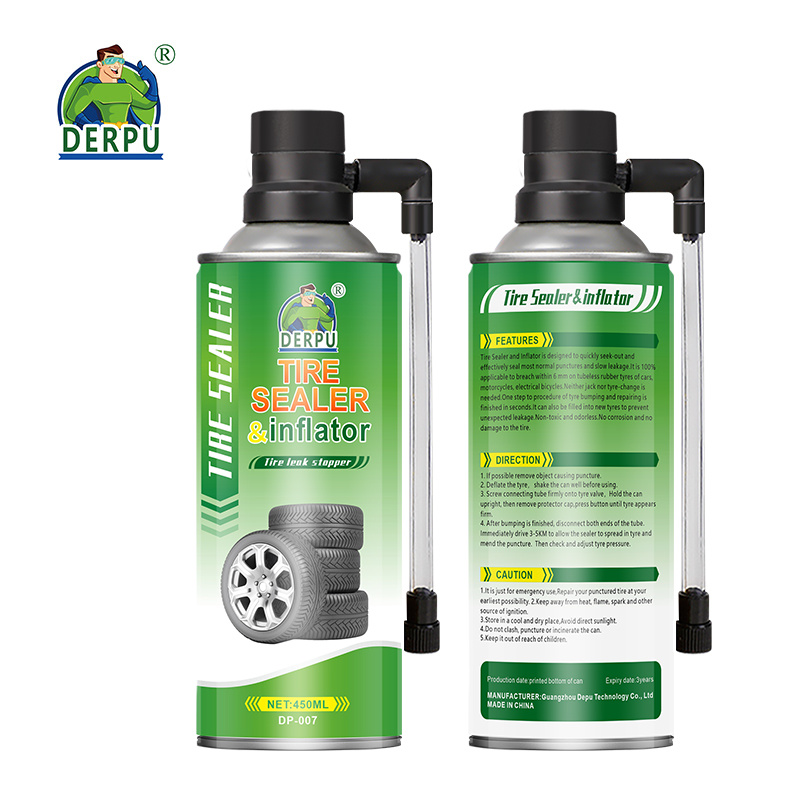
Illustrative image related to tire inflator and sealant
Überlegungen für internationale Käufer: Buyers should ensure that the metals used comply with local standards, such as DIN in Europe or JIS in Japan. Corrosion resistance is particularly important for buyers in humid climates, such as parts of Africa and the Middle East.
Wichtige Eigenschaften: Plastics, such as polyethylene and polypropylene, are lightweight and resistant to various chemicals. They can be molded into complex shapes, making them versatile for various applications.
Pro und Kontra: The main advantage of plastic is its cost-effectiveness and ease of manufacturing. However, plastics can be less durable than metals or rubber and may degrade under UV exposure or extreme temperatures.
Auswirkungen auf die Anwendung: Plastics are often used for sealant containers and components of inflators. Their chemical resistance allows them to hold various sealant formulations without reacting negatively.
Überlegungen für internationale Käufer: Buyers should verify that the plastics used are compliant with safety regulations in their region. For example, in Europe, adherence to REACH regulations is essential for chemical safety.

Illustrative image related to tire inflator and sealant
Wichtige Eigenschaften: Sealant formulations often include latex, polymers, and other additives that enhance sealing capabilities and temperature resistance.
Pro und Kontra: The advantage of specialized sealant formulations is their ability to seal punctures effectively and quickly. However, these formulations can be costly to produce and may require specific storage conditions to maintain efficacy.
Auswirkungen auf die Anwendung: Sealants are critical for providing temporary repairs in tire inflators. Their effectiveness can significantly impact user satisfaction and safety.
Überlegungen für internationale Käufer: Buyers must ensure that sealant formulations meet local environmental regulations, especially in regions with strict chemical usage laws. Understanding the shelf life and application limits is also crucial for effective use.
| Material | Typical Use Case for tire inflator and sealant | Hauptvorteil | Wesentlicher Nachteil/Beschränkung | Relative Kosten (niedrig/mittel/hoch) |
|---|---|---|---|---|
| Gummi | Seals in tire inflators and sealants | Hervorragende Dichtungseigenschaften | Degrades under UV exposure | Mittel |
| Metall | Housing and connectors for inflators | Hohe Festigkeit und Korrosionsbeständigkeit | Heavier, higher production costs | Hoch |
| Kunststoff | Containers for sealants | Leicht und kostengünstig | Less durable, UV degradation | Niedrig |
| Sealant Formulation | Active sealing agent in repair kits | Quick and effective puncture repair | Requires specific storage conditions | Mittel |
This strategic material selection guide provides valuable insights for B2B buyers in diverse markets, helping them make informed decisions based on performance, cost, and compliance with local standards.
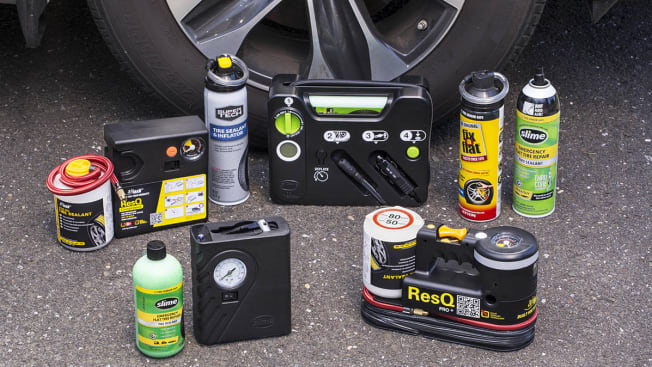
Illustrative image related to tire inflator and sealant
The manufacturing of tire inflators and sealants involves several critical stages, each designed to ensure the quality and reliability of the final product. The main stages include material preparation, forming, assembly, and finishing.
Vorbereitung des Materials: This initial stage is crucial as it involves sourcing high-quality raw materials such as plastics, metals, and rubber compounds. Suppliers must meet specific standards, ensuring that materials are durable and suitable for automotive applications. Quality checks are conducted at this stage to ensure compliance with specifications.
Bildung von: Once materials are prepared, they undergo various forming processes. For inflators, this may include injection molding for plastic components and metal stamping for housing parts. Sealants are typically produced through a mixing process where chemical compounds are combined to create a reliable, effective formulation. Precision in this stage is vital to ensure that components fit together seamlessly.
Montage: In the assembly phase, individual components are brought together. Automated assembly lines are often utilized for efficiency, but manual assembly may also be employed for complex parts. Each assembly line should be designed to minimize errors, and workers are trained to adhere to strict protocols to maintain quality.
Fertigstellung: The final stage involves surface treatments, labeling, and packaging. This stage ensures that the products are not only functional but also aesthetically appealing to B2B buyers. Proper labeling is critical for safety and compliance with international standards.
Quality control (QC) is a fundamental aspect of manufacturing tire inflators and sealants. It ensures that products meet safety and performance standards. Relevant international standards, such as ISO 9001, guide manufacturers in establishing effective quality management systems.
Internationale Normen: Compliance with ISO 9001 ensures that manufacturers maintain high-quality processes. Additional certifications, such as CE marking in Europe and API standards for certain components, may be necessary depending on the market.
Kontrollpunkte der Qualitätskontrolle:
– Eingehende Qualitätskontrolle (IQC): This checkpoint verifies the quality of raw materials upon receipt, ensuring they meet predetermined specifications.
– Prozessbegleitende Qualitätskontrolle (IPQC): Conducted during the manufacturing process, this step monitors operations and identifies defects early, minimizing waste and rework.
– Endgültige Qualitätskontrolle (FQC): The final inspection occurs before products are packaged and shipped. This process involves rigorous testing to ensure that products perform as expected.
Gängige Prüfmethoden: Various testing methods are employed to ensure product reliability:
– Pressure Testing: This ensures tire inflators can withstand specified pressures without failure.
– Sealant Performance Testing: Evaluates the effectiveness of sealants in sealing punctures under various conditions.
– Dauerhaftigkeitsprüfung: Products are subjected to extreme conditions to assess their longevity and performance.
B2B buyers, especially those operating in diverse markets like Africa, South America, the Middle East, and Europe, must ensure their suppliers adhere to stringent quality control measures. Here are effective strategies to verify supplier QC practices:
Lieferanten-Audits: Conducting on-site audits allows buyers to evaluate a supplier’s manufacturing processes and quality control measures firsthand. This is an opportunity to assess compliance with international standards and the effectiveness of their QC checkpoints.
Requesting QC Reports: Suppliers should provide detailed QC reports that outline their testing methods, results, and adherence to standards. These documents should include data on pressure testing, sealant efficacy, and any corrective actions taken in response to defects.
Inspektionen durch Dritte: Engaging third-party inspection services can provide an unbiased evaluation of a supplier’s quality practices. These inspections can cover everything from material sourcing to final product testing.
Certifications and Accreditations: Verify that suppliers hold relevant certifications such as ISO 9001, CE, or API. These certifications indicate a commitment to quality and adherence to recognized international standards.
International buyers face unique challenges regarding quality control, particularly in regions such as Africa and South America. Understanding these nuances can help mitigate risks and ensure product integrity.
Kulturelle und regulatorische Unterschiede: Quality expectations may vary by region. Buyers must be aware of local regulations and standards that may affect product specifications and safety requirements.
Transparenz der Lieferkette: Ensuring transparency in the supply chain is crucial. Buyers should inquire about the origin of materials and the suppliers’ sourcing practices. This is particularly important for sealants and inflators, where material quality directly impacts performance.
Logistics and Transportation Considerations: Products must withstand various conditions during transportation. Buyers should ensure that suppliers conduct tests to verify that products remain functional after shipping, especially for regions with extreme climates.
Long-Term Partnerships: Establishing long-term relationships with suppliers can lead to improved quality consistency. Regular communication and collaboration on quality issues can foster a culture of continuous improvement.
By understanding the manufacturing processes and quality assurance measures for tire inflators and sealants, international B2B buyers can make informed decisions, ensuring they source high-quality products that meet their needs and those of their customers.
This guide aims to assist B2B buyers in effectively sourcing tire inflators and sealants, ensuring that they make informed decisions that align with their operational needs and market demands. With the right approach, businesses can secure high-quality products that enhance customer satisfaction and minimize operational disruptions.
Establishing clear technical specifications is fundamental to sourcing the right tire inflator and sealant. Consider the types of vehicles your customers use, the typical tire sizes, and the specific sealant types needed for various applications. This ensures that the products you procure will meet the performance expectations of your target market.
Understanding current market trends and relevant regulations is crucial for making informed purchasing decisions. Keep an eye on innovations in tire repair technology, as well as any new safety standards that may affect product specifications. This knowledge can help you anticipate customer needs and ensure compliance with local regulations.
Before committing to a supplier, it’s essential to conduct a thorough evaluation. Look for companies with a proven track record in producing reliable tire inflators and sealants. Request company profiles, case studies, and references from buyers in similar industries to gauge their reputation and product quality.
Once you have shortlisted potential suppliers, request samples of their products. Conduct rigorous testing to assess the performance of the tire inflators and sealants under various conditions. This step is vital to ensure that the products meet your quality standards and the expectations of your customers.
After selecting the preferred supplier, focus on negotiating favorable pricing and terms. Consider bulk purchasing agreements, payment terms, and shipping conditions to optimize your procurement costs. A well-negotiated contract can significantly enhance your profit margins.
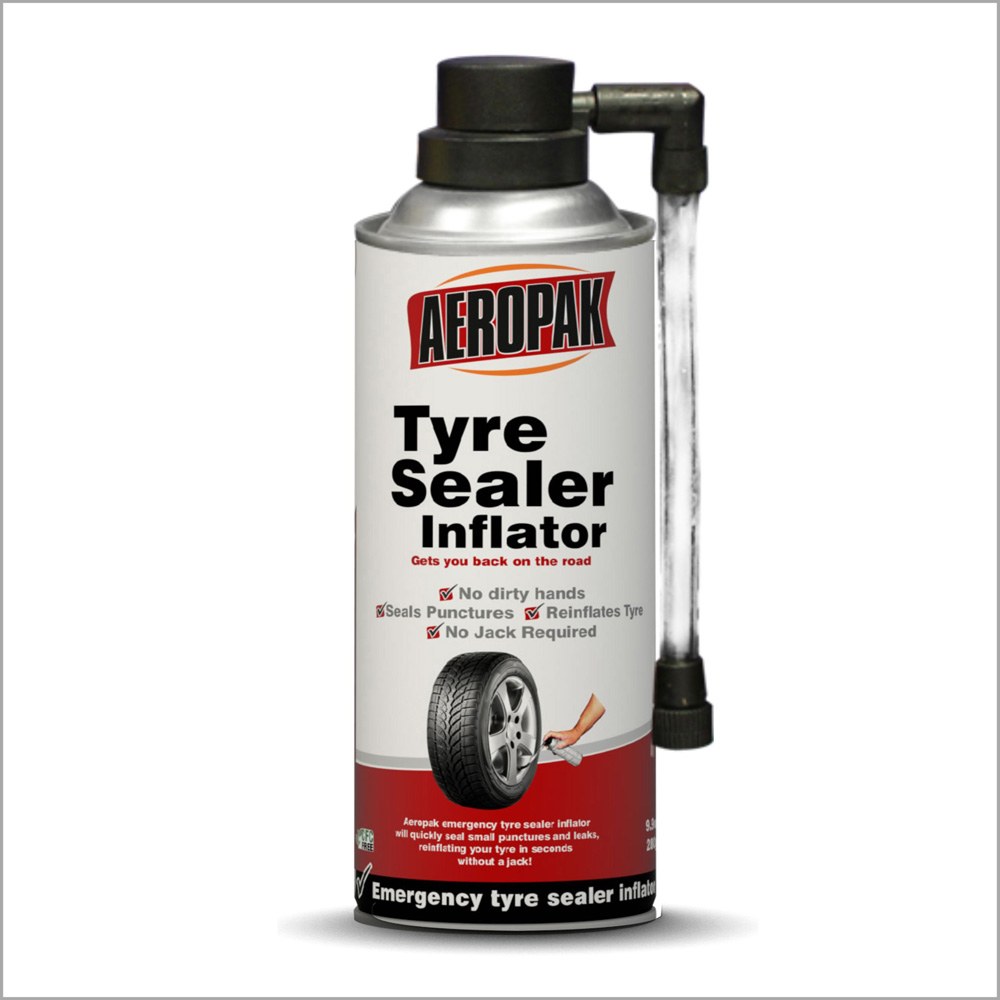
Illustrative image related to tire inflator and sealant
Effective logistics and supply chain management are crucial for timely delivery and inventory management. Discuss shipping options, lead times, and order fulfillment processes with your supplier to ensure smooth operations. This will help you maintain adequate stock levels and meet customer demand without delays.
After the initial procurement, continuously monitor and evaluate the supplier’s performance. Track product quality, delivery times, and customer feedback to ensure ongoing satisfaction. This proactive approach allows you to address any issues promptly and maintain strong supplier relationships.
By following this structured approach, B2B buyers can effectively source tire inflators and sealants that meet their operational needs and enhance their service offerings.
When evaluating the cost structure for tire inflator and sealant products, several key components must be considered. Materialien typically account for a significant portion of the total cost. For tire inflators, costs may include high-quality plastics, metal components, and electronic parts, while sealants require specialized chemicals that ensure effective sealing.
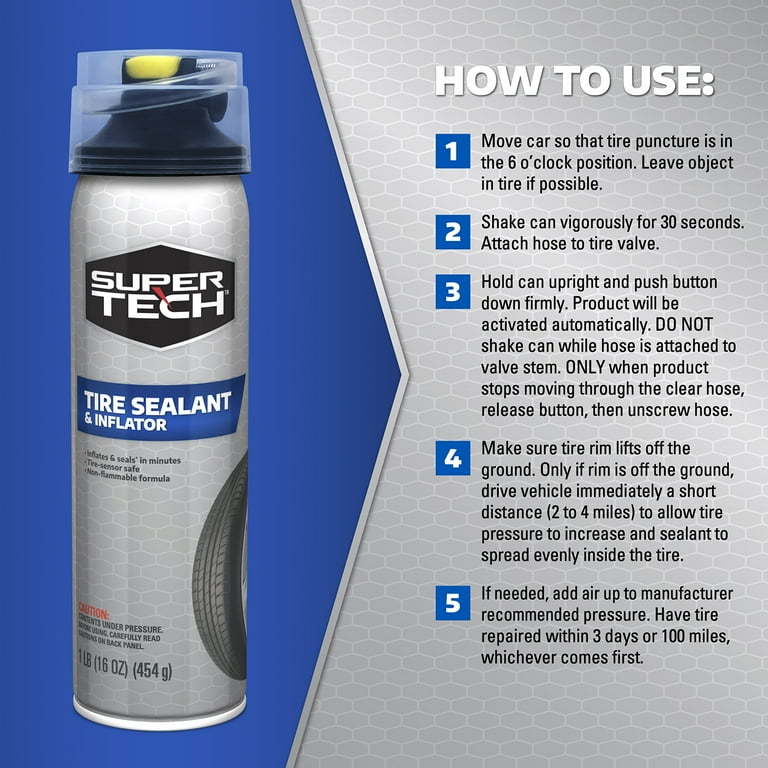
Illustrative image related to tire inflator and sealant
Labor costs also play a crucial role in the manufacturing process. Skilled workers are needed for assembly and quality control, particularly in regions where labor rates vary. Fertigungsgemeinkosten, which includes utilities, facility maintenance, and equipment depreciation, can further impact pricing.
Tooling costs are relevant for custom designs or specialized machinery. If a buyer requests a unique product design, the initial investment in tooling can be substantial. Furthermore, quality control (QC) measures are essential to ensure product reliability, particularly for items that are critical for safety, such as tire repair kits.
Lastly, Logistik costs, including shipping, warehousing, and customs duties, significantly influence the final price. International buyers must factor in these costs when sourcing products from different regions.
Various factors influence pricing strategies in the tire inflator and sealant market. Volume and minimum order quantity (MOQ) are primary determinants; larger orders typically lead to lower per-unit prices due to economies of scale. Buyers should negotiate MOQs to optimize costs, especially when sourcing for large retail operations.
Spezifikationen und Anpassungen also play a crucial role in pricing. Custom features, such as enhanced sealant formulations or specialized inflator capabilities, can increase production costs. Thus, defining specifications early in the negotiation process is vital for maintaining budget constraints.

Illustrative image related to tire inflator and sealant
Material quality and certifications can further affect pricing. Products that are certified for safety and performance standards often command higher prices. Buyers should consider whether the added expense of certified products aligns with their market needs and consumer expectations.
Lieferantenfaktoren, including reputation, reliability, and geographic location, can also influence costs. Suppliers in regions with higher labor costs or stringent regulations may offer products at a premium. Additionally, understanding Incoterms—international commercial terms defining shipping responsibilities—can help buyers avoid unexpected charges during transportation.
When navigating the B2B purchasing landscape for tire inflators and sealants, buyers can employ several strategies to enhance cost-efficiency. Verhandlung is key; establishing strong relationships with suppliers can yield better pricing and terms. Buyers should leverage their purchasing power and market knowledge to negotiate discounts based on order size or long-term commitments.
Understanding Gesamtbetriebskosten (TCO) is essential. TCO encompasses not just the purchase price but also maintenance, potential repair costs, and the lifespan of the product. By evaluating TCO, buyers can make informed decisions that go beyond initial pricing.
For international buyers, particularly from Africa, South America, the Middle East, and Europe, it’s crucial to be aware of Preisnuancen. Currency fluctuations, import tariffs, and local market conditions can significantly impact final costs. Buyers should stay informed about these factors to avoid budget overruns.
Lastly, it is important to note that prices can fluctuate based on market conditions, raw material availability, and changes in demand. Therefore, maintaining an adaptable sourcing strategy can help buyers respond effectively to market dynamics.
In summary, understanding the comprehensive cost structure and price influencers in sourcing tire inflators and sealants is vital for B2B buyers. By focusing on key components, leveraging negotiation strategies, and being aware of international nuances, buyers can optimize their sourcing decisions and achieve better value in their purchases. As the market evolves, staying informed will be essential for maintaining competitive advantages.
In the realm of tire maintenance and emergency repair, the tire inflator and sealant kit has gained popularity for its convenience and effectiveness. However, several alternative solutions can also address flat tires and air loss. This analysis compares tire inflators and sealants with two other viable options: traditional spare tires and tire repair kits. By examining these alternatives, B2B buyers can make informed decisions based on their specific operational needs and contexts.
| Vergleich Aspekt | Tire Inflator And Sealant | Traditional Spare Tire | Tire Repair Kit |
|---|---|---|---|
| Leistung | Seals punctures up to 1/4″ and inflates tires; temporary fix | Full replacement for flat tires; immediate use | Repairs punctures using patches or plugs; requires tire removal |
| Kosten | Moderate; typically $40-$60 | Higher initial cost; $100+ | Low; generally $20-$50 |
| Leichte Implementierung | Simple; requires minimal setup and no tools | Straightforward; requires changing the tire | Moderate; requires tools and some mechanical skill |
| Wartung | Minimal; periodic checks of sealant condition | Regular inspections needed | Requires replenishing patches and tools periodically |
| Bester Anwendungsfall | Emergency roadside repairs; no spare tire available | Long-distance travel; reliability | DIY repairs at home or on-site maintenance |
A traditional spare tire serves as a direct replacement for a flat tire, ensuring that vehicles can return to operation immediately. While it offers reliability, the downsides include higher costs for purchase and storage. Additionally, changing a tire requires specific tools and mechanical knowledge, which may not be feasible for all users, especially in remote areas. Spare tires also take up valuable space in the vehicle and can be cumbersome to handle.
Tire repair kits typically include tools like patches, plugs, and adhesives to fix punctured tires. These kits are generally low-cost and compact, making them ideal for users who prefer a DIY approach. However, they often require the tire to be removed from the vehicle, which can be challenging without proper tools and experience. Moreover, the effectiveness of the repair can vary, depending on the puncture’s size and location. For businesses that frequently face tire issues, having a repair kit can save money in the long run, but it may also necessitate additional training for personnel.
Selecting the appropriate tire maintenance solution hinges on various factors, including operational context, budget, and user expertise. For businesses operating in remote areas where quick repairs are essential, tire inflators and sealants may offer the best balance of convenience and effectiveness. Conversely, companies that prioritize reliability and have the means to invest in spare tires might prefer that route. Tire repair kits present a cost-effective alternative for organizations that can manage DIY repairs, but they require more hands-on involvement. By carefully evaluating these alternatives against their specific requirements, B2B buyers can enhance their fleet’s reliability and efficiency, ensuring that they are well-prepared for any tire-related emergencies.
When selecting tire inflators and sealants for B2B applications, understanding their technical specifications is vital for ensuring product reliability and performance. Here are several critical properties to consider:
Operating Pressure
This specification indicates the maximum pressure at which the inflator can operate effectively. Typically measured in PSI (pounds per square inch), this property is crucial for maintaining tire integrity and ensuring safe inflation. Understanding the operating pressure helps buyers select inflators that can accommodate various tire types, especially in regions with diverse vehicle fleets.
Sealant Composition
The materials used in tire sealants, such as latex or synthetic polymers, play a significant role in their performance. Different compositions can affect the sealant’s ability to withstand extreme temperatures, moisture, and tire pressure variations. Buyers must consider the sealant’s compatibility with tire sensors (TPMS) to prevent potential damage during use.
Repair Capability
This refers to the size and type of punctures a sealant can effectively seal. Many sealants can repair punctures up to a certain diameter (e.g., 1/4 inch or 6mm). Knowing the repair capability allows businesses to choose products suitable for the conditions their customers may encounter, especially in markets prone to rough terrains.
Temperature Range
Sealants are often subjected to extreme temperatures, both high and low. The effective temperature range of a sealant indicates its reliability under various climatic conditions. For B2B buyers, selecting products with a wider temperature range ensures they can meet customer needs across different regions, from hot climates in the Middle East to cooler areas in Europe.
Storage Stability
This property refers to how long the sealant can remain effective while stored, typically indicated by an expiration date. Products with longer shelf lives reduce the frequency of inventory turnover, thus optimizing supply chain management. Understanding storage stability is crucial for businesses that operate in remote areas where access to replacement products may be limited.
Aufblasgeschwindigkeit
This metric denotes how quickly a tire can be inflated to the desired pressure using the inflator. Faster inflation speeds can significantly improve user experience, especially in emergency situations. B2B buyers should assess this property to ensure they are providing efficient solutions to their customers.
Familiarity with industry jargon enhances communication and negotiation in B2B transactions. Here are several common terms:
OEM (Original Equipment Manufacturer)
This term refers to companies that produce parts or equipment that may be marketed by another manufacturer. Understanding OEM relationships is essential for buyers looking to source high-quality inflators and sealants that meet original vehicle specifications.
MOQ (Mindestbestellmenge)
MOQ indicates the smallest quantity of a product that a supplier is willing to sell. This term is critical for businesses to understand pricing structures and inventory management. Knowing the MOQ helps buyers negotiate better terms and manage their purchasing budgets effectively.
RFQ (Request for Quotation)
An RFQ is a document that an organization sends to suppliers to request pricing information for specific products. This process is essential for comparing offers and ensuring competitive pricing. B2B buyers should utilize RFQs to streamline their procurement processes.
Incoterms (Internationale Handelsklauseln)
These are predefined commercial terms used in international trade to clarify the responsibilities of buyers and sellers. Understanding Incoterms is vital for B2B transactions, as they define shipping costs, risks, and responsibilities, helping to avoid disputes.
TPMS (Tire Pressure Monitoring System)
This system provides real-time information about tire pressure and alerts drivers to potential issues. Knowledge of TPMS compatibility is crucial for businesses that sell tire inflators and sealants, as it influences product design and marketing strategies.
CFR (Cost and Freight)
CFR is an Incoterm that indicates the seller is responsible for the cost of transporting goods to a specified port, while the buyer assumes risk once the goods are loaded onto the vessel. Understanding CFR can help buyers evaluate shipping costs in their overall procurement strategy.
By grasping these essential technical properties and trade terms, B2B buyers can make informed purchasing decisions, ensuring they select the right tire inflators and sealants for their business needs.
The tire inflator and sealant market is experiencing significant growth driven by several global factors. Increased vehicle ownership, particularly in emerging markets such as Africa, South America, and Southeast Asia, is a primary driver. Rising urbanization and the expansion of the automotive sector in countries like Nigeria and Vietnam have heightened the demand for effective tire maintenance solutions. Additionally, the growing trend toward DIY vehicle maintenance is prompting more consumers to seek portable and user-friendly tire repair kits.
Emerging technologies are also reshaping the market landscape. Innovations such as smart inflators with integrated pressure sensors and mobile app connectivity are enhancing user experience and safety. Furthermore, B2B buyers are increasingly leveraging e-commerce platforms for sourcing products, allowing for greater access to diverse suppliers and competitive pricing. In response to these trends, manufacturers are focusing on product differentiation, offering comprehensive repair kits that combine inflators and sealants for added convenience.
Sustainability is becoming a pivotal consideration in the tire inflator and sealant sector. With growing awareness of environmental issues, B2B buyers are prioritizing suppliers who demonstrate a commitment to ethical sourcing and sustainable practices. The environmental impact of tire waste, particularly from sealants that may contain harmful chemicals, has led to increased scrutiny of product compositions.
Many manufacturers are now investing in ‘green’ certifications and utilizing eco-friendly materials in their products. For instance, sealants that are non-toxic and biodegradable are gaining traction, appealing to environmentally conscious consumers and businesses alike. Furthermore, companies are exploring alternative packaging solutions that reduce plastic waste, thereby enhancing their appeal in markets that prioritize sustainability. As international regulations around environmental standards tighten, sourcing partners with robust sustainability credentials will likely become more valuable for B2B buyers.
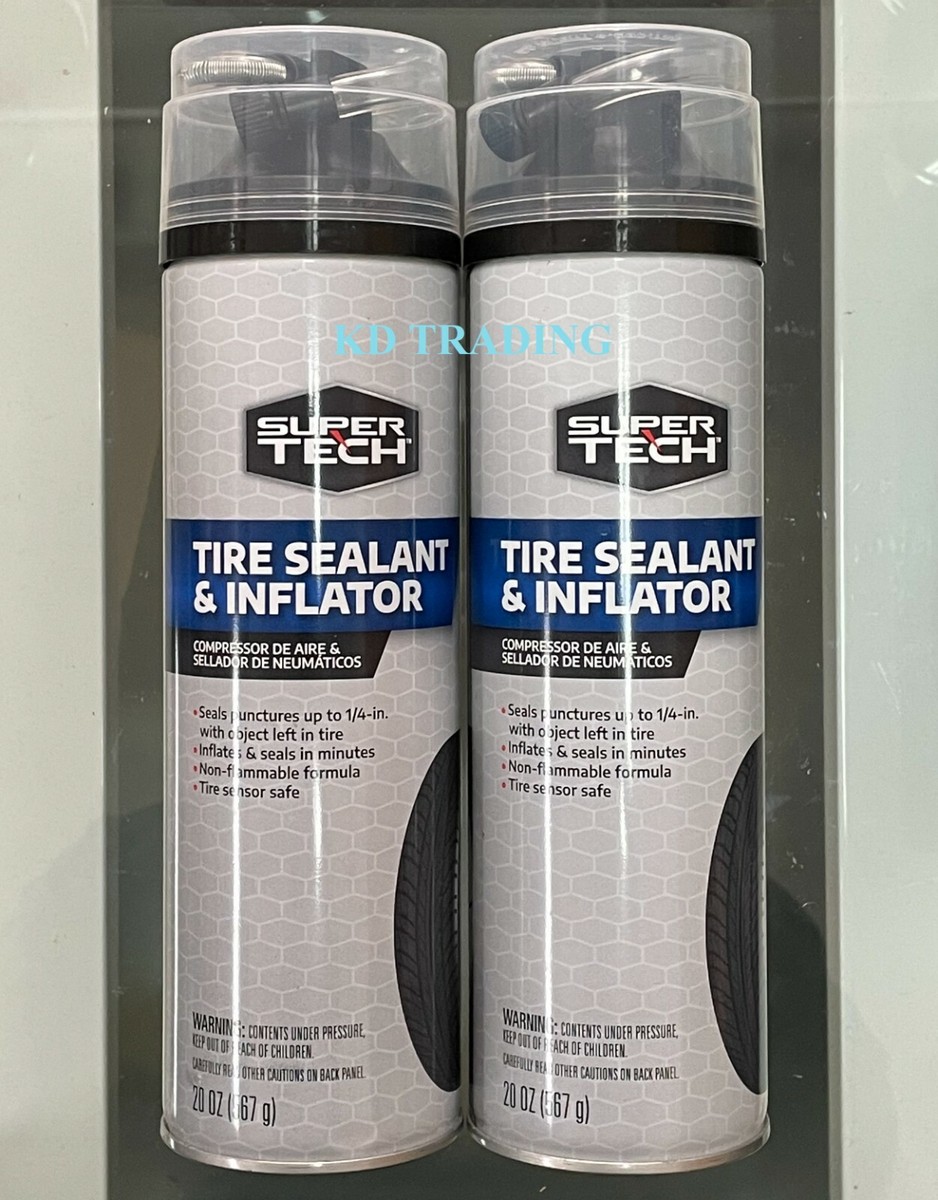
Illustrative image related to tire inflator and sealant
The tire inflator and sealant technology has evolved significantly over the past few decades. Initially, tire repair solutions were rudimentary, often involving manual pumps and basic sealant applications that required significant effort and expertise. With advancements in materials science and engineering, modern inflators now incorporate high-efficiency compressors and advanced sealants designed to quickly and effectively seal punctures without the need for tire removal.
Moreover, the integration of technology has transformed these products into multifunctional tools. Many contemporary kits not only inflate tires but also feature built-in pressure gauges, LED lights, and even USB charging ports for mobile devices. This evolution reflects a broader trend in the automotive industry toward convenience and user-friendliness, catering to a market that increasingly values efficiency and innovation in roadside assistance solutions.
In conclusion, understanding these market dynamics, sustainability imperatives, and technological advancements is crucial for B2B buyers looking to navigate the tire inflator and sealant sector effectively. By aligning sourcing strategies with these trends, businesses can enhance their competitive edge and meet the evolving demands of their customers.
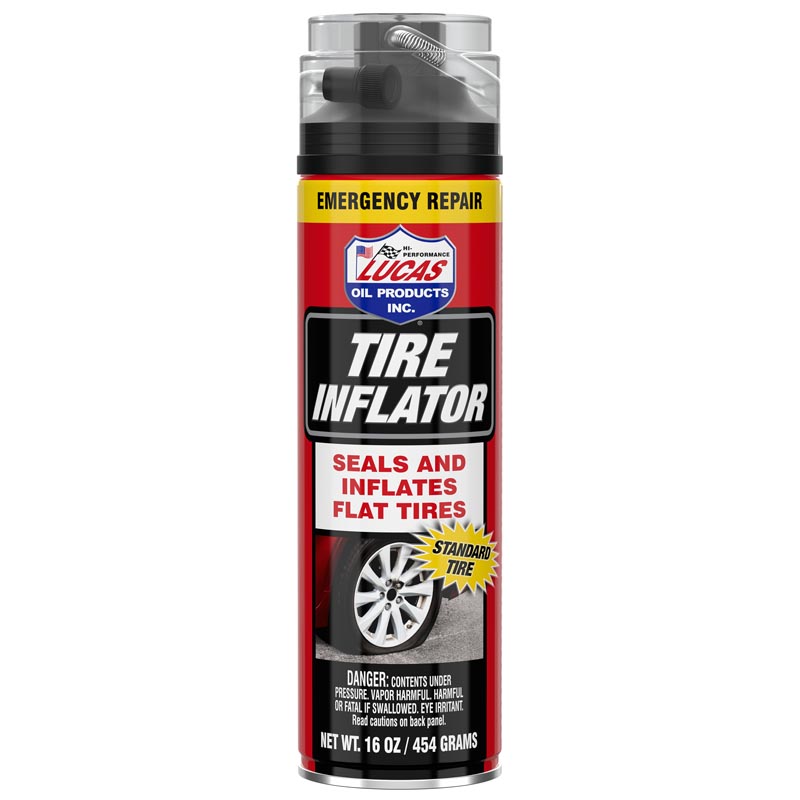
Illustrative image related to tire inflator and sealant
How do I solve tire inflation issues quickly for my fleet?
To address tire inflation issues swiftly, invest in high-quality tire inflator and sealant kits. These kits often feature portable 12V inflators that can connect to a vehicle’s power supply, allowing for on-the-spot repairs. Sealants can instantly fix punctures, enabling vehicles to resume travel without delay. Ensure the kits are compatible with your fleet’s tire specifications and include detailed instructions for ease of use. Consider training your staff on the proper application of these kits to minimize downtime.
What is the best tire sealant for emergency repairs in different climates?
The ideal tire sealant for emergency repairs should be effective across various temperatures. Look for products labeled as “temperature-safe,” which can perform in extreme conditions, from freezing to high heat. Brands like Slime and similar offer sealants that can handle temperatures as low as -15°C and as high as 50°C. It’s essential to choose a sealant that is non-toxic and safe for tire pressure monitoring systems (TPMS) to avoid damaging vehicle components.
How can I vet suppliers for tire inflator and sealant products?
When vetting suppliers, start by checking their certifications and quality assurance processes. Look for suppliers with experience in international trade and those who can provide references or case studies from previous clients. Additionally, request product samples to evaluate quality before committing to larger orders. Understanding their logistics capabilities, such as shipping times and customs handling, is also crucial to ensure smooth transactions.
What are the typical minimum order quantities (MOQs) for tire inflator and sealant products?
MOQs can vary significantly between suppliers, typically ranging from 100 to 1,000 units for tire inflators and sealants. Factors influencing MOQs include the supplier’s production capacity, the complexity of the product, and customization options. It’s advisable to discuss potential MOQs with suppliers early in negotiations, especially if you’re considering a long-term partnership or bulk purchases.
What payment terms should I expect when sourcing tire inflator and sealant?
Payment terms vary by supplier but generally include options like net 30, 50% upfront with the balance upon delivery, or letters of credit for larger transactions. Always clarify terms before finalizing agreements to ensure they align with your cash flow management practices. International buyers should also consider the implications of currency exchange rates and transaction fees when negotiating payment terms.
What quality assurance practices should I look for in tire inflator and sealant products?
Quality assurance practices to consider include rigorous testing for performance under various conditions, compliance with international safety standards, and certifications from recognized bodies. Ask suppliers about their testing protocols and whether they conduct third-party inspections. A robust return policy can also indicate a supplier’s confidence in their product quality.
How do logistics impact the sourcing of tire inflator and sealant products?
Logistics play a critical role in sourcing, affecting delivery times, costs, and overall supply chain efficiency. Assess the supplier’s shipping options, including air and sea freight, and their ability to handle customs clearance. Additionally, consider the supplier’s location relative to your market to minimize lead times. Establish clear communication regarding tracking and potential delays to ensure smooth operations.
Can I customize tire inflator and sealant kits for my brand?
Yes, many suppliers offer customization options for tire inflator and sealant kits, including branding and packaging. Discuss your requirements during the initial negotiation phase to determine the feasibility and associated costs. Customization can enhance brand visibility and appeal to your target market, making it a worthwhile investment for long-term partnerships.
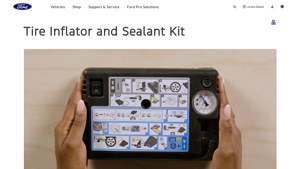
Bereich: ford.com
Registered: 1988 (37 years)
Einleitung: This company, Ford – Tire Sealant Instructions, is a notable entity in the market. For specific product details, it is recommended to visit their website directly.
As the demand for reliable tire inflator and sealant solutions continues to grow, particularly in regions like Africa, South America, the Middle East, and Europe, strategic sourcing becomes paramount for B2B buyers. Key takeaways from this guide highlight the importance of selecting high-quality, innovative products that not only meet safety and performance standards but also enhance customer satisfaction. Products that offer features such as ease of use, compatibility with various tire types, and portability are gaining traction in the market.
Investing in strong supplier relationships is crucial for ensuring consistent product availability and competitive pricing. By focusing on suppliers who prioritize quality control and customer support, businesses can mitigate risks associated with product failures and customer dissatisfaction.
Looking ahead, the tire inflator and sealant market is poised for expansion, driven by technological advancements and increasing consumer awareness about roadside safety. International B2B buyers are encouraged to explore partnerships with manufacturers who are committed to innovation and sustainability. By aligning sourcing strategies with market trends and customer needs, businesses can secure a competitive edge and drive growth in this evolving industry.
Die in diesem Leitfaden enthaltenen Informationen, einschließlich der Angaben zu Herstellern, technischen Spezifikationen und Marktanalysen, dienen ausschließlich Informations- und Bildungszwecken. Sie stellen keine professionelle Kaufberatung, Finanzberatung oder Rechtsberatung dar.
Obwohl wir alle Anstrengungen unternommen haben, um die Richtigkeit und Aktualität der Informationen zu gewährleisten, übernehmen wir keine Verantwortung für etwaige Fehler, Auslassungen oder veraltete Informationen. Marktbedingungen, Unternehmensangaben und technische Standards können sich ändern.
B2B-Käufer müssen ihre eigene unabhängige und gründliche Due-Diligence-Prüfung durchführen bevor Sie eine Kaufentscheidung treffen. Dazu gehört, dass Sie sich direkt mit den Anbietern in Verbindung setzen, Zertifizierungen überprüfen, Muster anfordern und sich professionell beraten lassen. Das Risiko, sich auf die Informationen in diesem Leitfaden zu verlassen, trägt allein der Leser.


 German
  English
  Russian
  Spanish
  Italian
  Arabic
  Portuguese