
In the ever-evolving global market for cargo motorcycle bags, B2B buyers face the critical challenge of sourcing high-quality, durable products that meet diverse regional demands. Whether you are looking for soft luggage solutions for adventure touring or robust saddlebags for urban commuting, navigating this landscape requires a comprehensive understanding of the various types and their applications. This guide is designed to empower international B2B buyers from Africa, South America, the Middle East, and Europe, including key markets like Germany and Brazil, by providing valuable insights into the myriad options available.
Throughout this guide, we will explore different types of cargo motorcycle bags, their specific applications, and key considerations for selecting the right supplier. We will delve into essential factors such as material quality, waterproofing capabilities, and ease of installation, which are crucial for ensuring customer satisfaction and repeat business. Additionally, we will discuss cost structures and how to effectively vet suppliers to ensure you receive the best value for your investment.
By equipping you with the knowledge to make informed purchasing decisions, this guide serves as a valuable resource for enhancing your product offerings and driving business growth in the competitive motorcycle accessory market. With a focus on actionable insights and best practices, you’ll be well-prepared to meet the demands of your target markets and achieve success in your sourcing endeavors.
| Typ Name | Wichtigste Unterscheidungsmerkmale | Primäre B2B-Anwendungen | Kurze Vor- und Nachteile für Käufer |
|---|---|---|---|
| Satteltaschen | Mounted on the sides of the motorcycle, offering significant storage capacity. | Touring, delivery services, long-distance rides | Vorteile: High capacity, stable during rides. Nachteile: Can be bulky, may require specific mounting hardware. |
| Schwanztaschen | Compact bags designed for rear mounting, often featuring waterproof materials. | Short trips, urban commuting, recreational use | Vorteile: Einfach zu installieren, leicht. Nachteile: Limited storage compared to saddlebags. |
| Tankrucksäcke | Positioned on the fuel tank, providing easy access to essentials while riding. | Daily commuting, quick errands, adventure touring | Vorteile: Convenient access, minimal impact on bike balance. Nachteile: Limited capacity, may obstruct view. |
| Duffle Bags | Versatile bags that can be used across various mounting points or as standalone luggage. | Multi-purpose use, travel, sport riding | Vorteile: Flexible use, adaptable design. Nachteile: Less structured, may require additional securing methods. |
| Rucksäcke | Hard or soft-sided bags mounted to the sides, often lockable for security. | Long-distance travel, freight transport, commercial use | Vorteile: Enhanced security, weather-resistant options. Nachteile: Heavier, may affect motorcycle handling. |
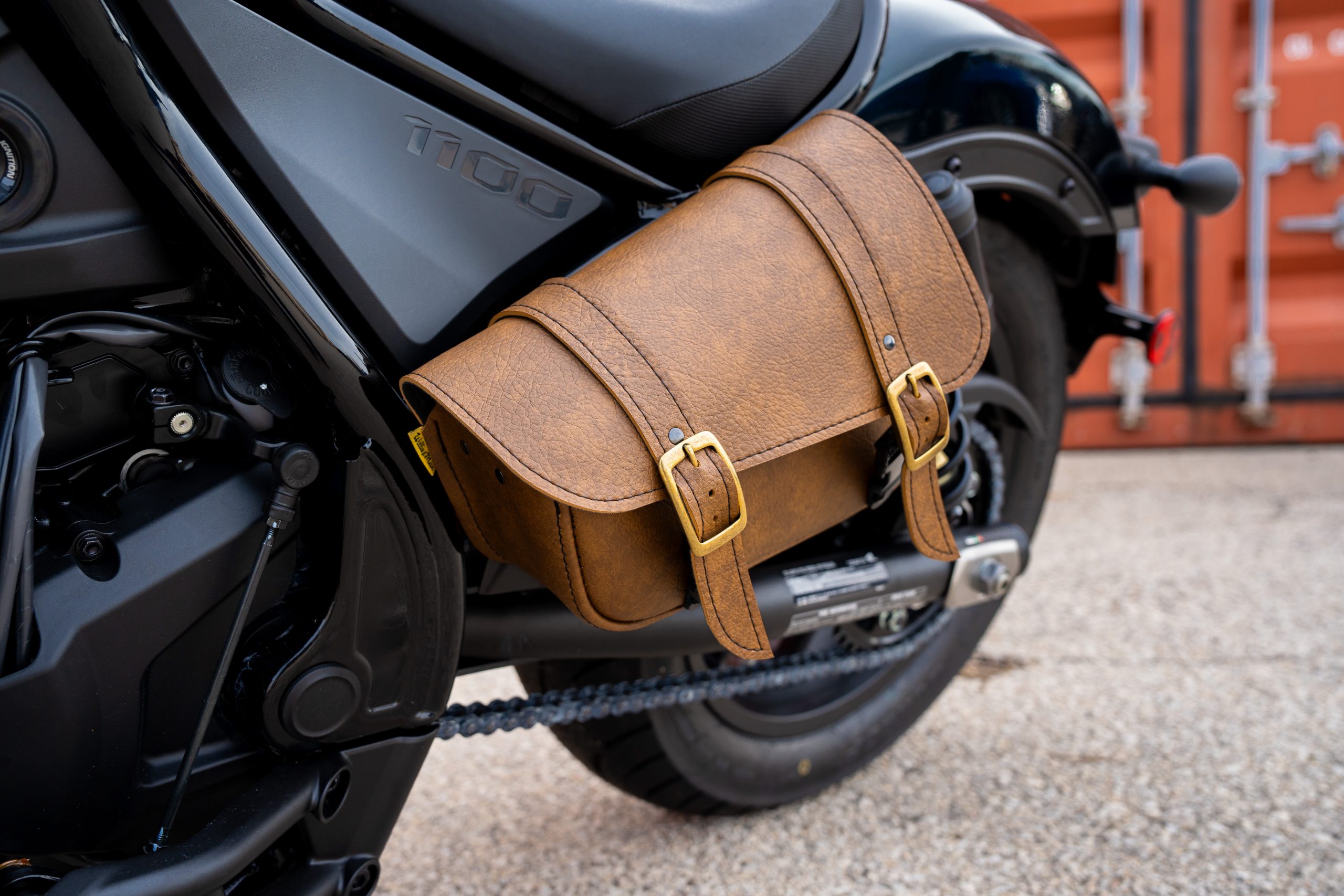
Saddlebags are a popular choice among motorcycle enthusiasts, particularly for long-distance touring and delivery services. These bags are mounted on either side of the motorcycle, providing ample storage space for essentials. They often come in various materials, including leather and synthetic options, which cater to different aesthetic preferences and durability requirements. When purchasing saddlebags, B2B buyers should consider the mounting compatibility with their motorcycle models and the bag’s capacity to ensure it meets their business needs.
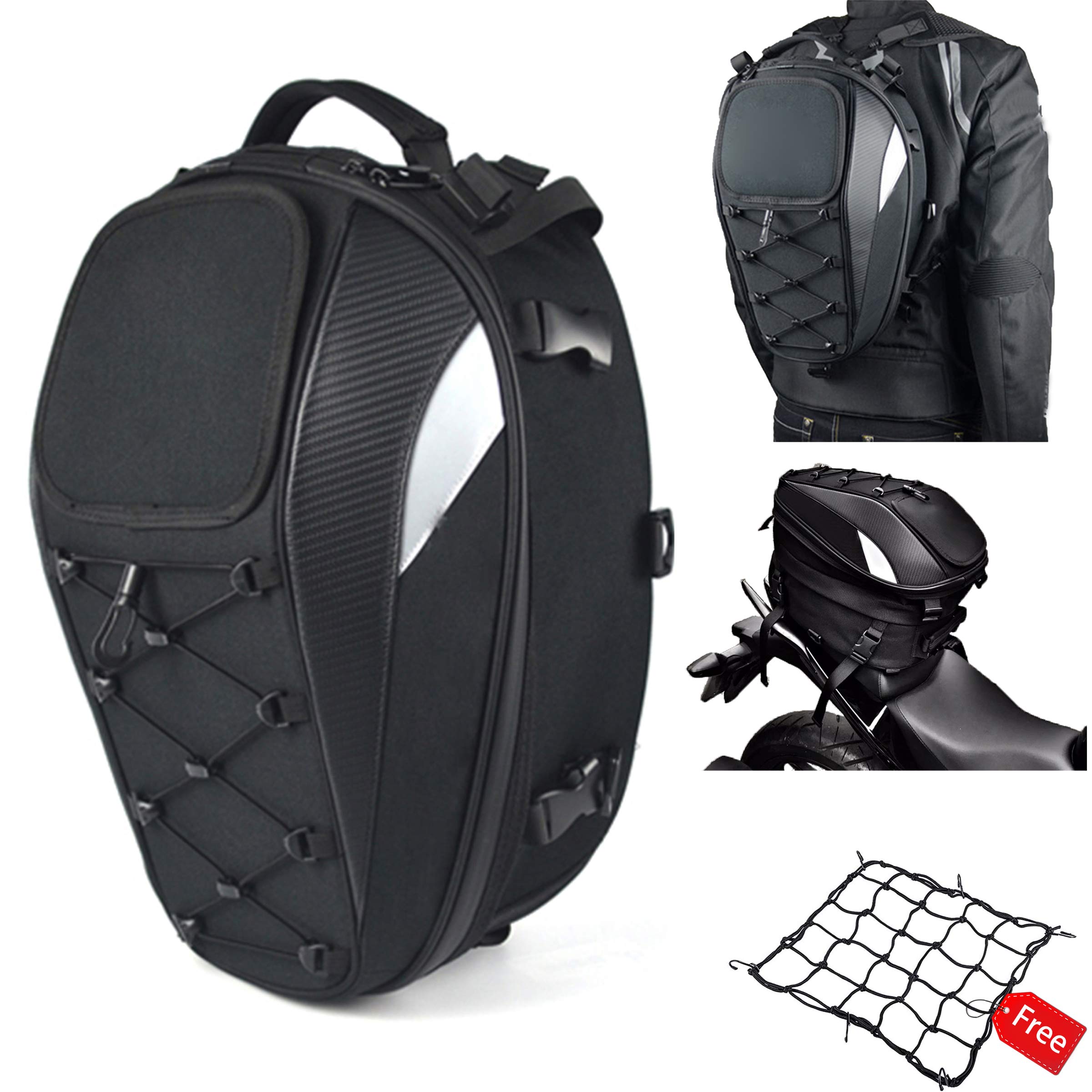
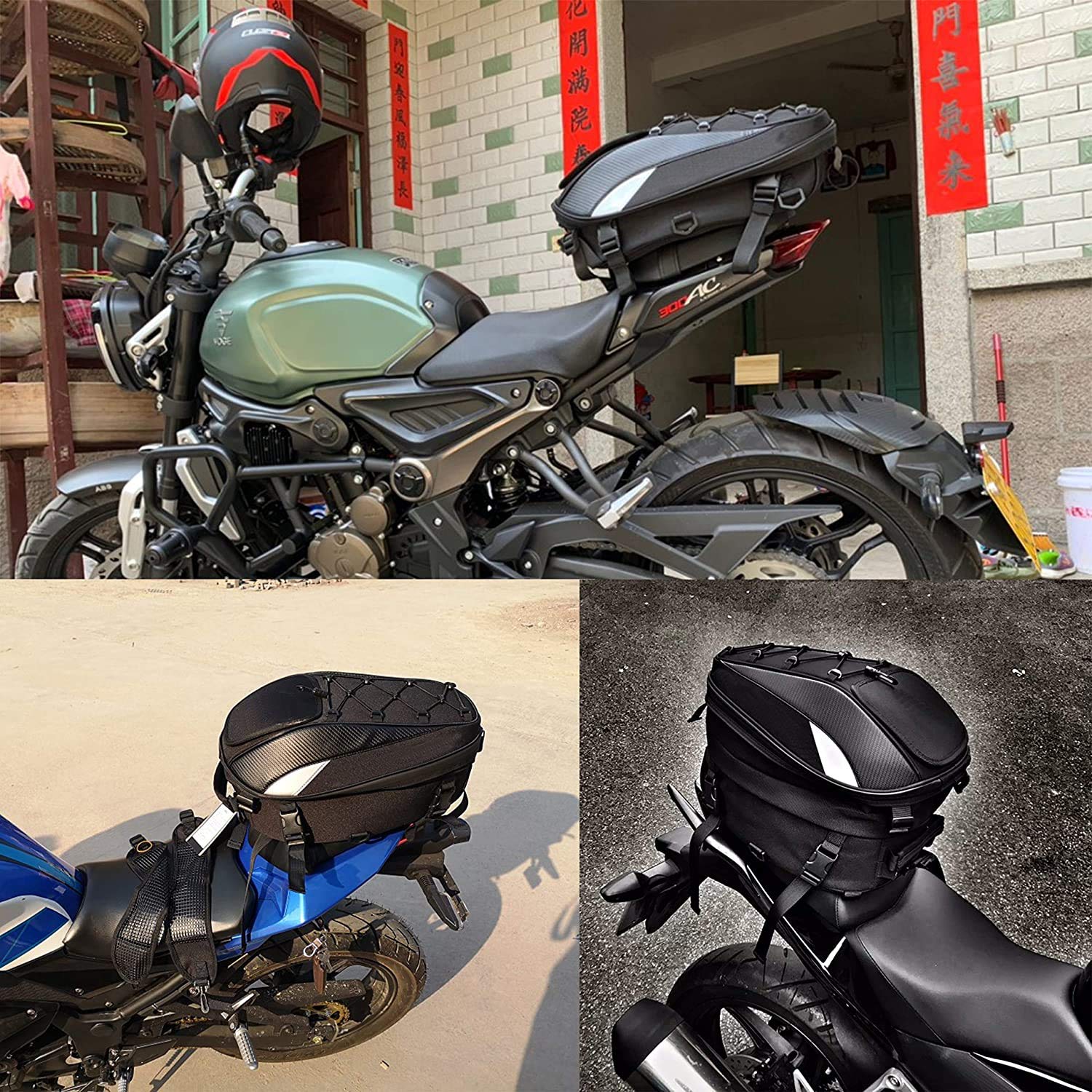
Tail bags are designed for rear mounting and are favored for their compact size and ease of installation. They typically feature weather-resistant materials, making them suitable for short trips or urban commuting. B2B buyers should evaluate the storage capacity relative to their intended use, as tail bags are ideal for carrying smaller items but may not suffice for longer journeys. Their lightweight design also makes them a practical choice for businesses that prioritize efficiency and speed.
Tank bags are strategically placed on the motorcycle’s fuel tank, allowing riders to access their belongings without dismounting. This feature is particularly beneficial for daily commuters and those engaged in quick errands. B2B buyers should consider the bag’s size and its potential impact on visibility and balance while riding. While tank bags offer convenience, their limited capacity may necessitate additional storage solutions for longer trips.
Duffle bags are incredibly versatile, suitable for various mounting points or even as standalone luggage. They are perfect for businesses that require multi-purpose solutions, such as travel or sport riding. When selecting duffle bags, buyers should assess their adaptability and the ease of securing them to the motorcycle. However, the less structured nature of these bags may require additional securing methods to ensure safety during transit.
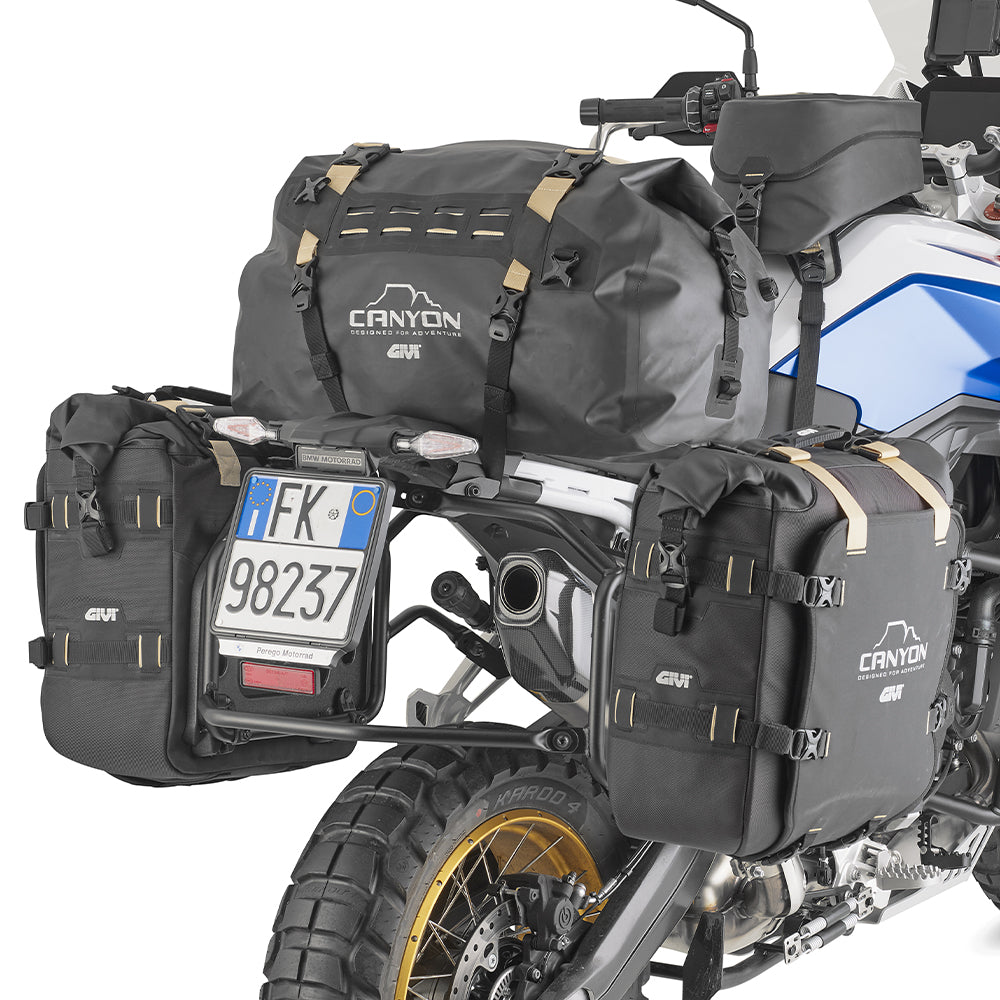
Panniers, whether hard or soft-sided, provide a secure storage solution for those engaged in long-distance travel or freight transport. Many options come with lockable features, which add an extra layer of security for valuable items. B2B buyers should weigh the benefits of enhanced security against the potential weight these bags add to the motorcycle, as this can affect handling. The weather resistance of panniers also makes them a reliable choice for various climates.
| Industrie/Sektor | Specific Application of cargo motorcycle bags | Wert/Nutzen für das Unternehmen | Wichtige Überlegungen zur Beschaffung für diese Anwendung |
|---|---|---|---|
| Lieferdienste | Last-mile delivery solutions | Enhanced mobility and reduced delivery times | Durability, weather resistance, and secure mounting systems |
| Tourismus & Abenteuer | Adventure tourism and motorcycle rentals | Increased customer satisfaction and repeat business | Lightweight, waterproof features, and stylish designs |
| Landwirtschaft | Transport von Werkzeugen und Zubehör | Efficient logistics in remote areas | Capacity, ease of attachment, and durability against harsh conditions |
| Notfalldienste | Rapid response units | Quick access to essential gear | Robust construction, easy access, and visibility features |
| Elektronischer Geschäftsverkehr | Direct-to-consumer delivery | Cost-effective logistics solutions | Compatibility with various motorcycle models and secure storage solutions |
In the delivery sector, cargo motorcycle bags are increasingly employed for last-mile delivery solutions. These bags allow delivery personnel to navigate urban environments efficiently, ensuring timely deliveries. The ability to securely transport packages while maintaining mobility is crucial in urban settings where space is limited. For international buyers, especially in regions like Africa and South America, sourcing durable and weather-resistant bags that can withstand diverse climates and road conditions is essential.
In the tourism and adventure industry, cargo motorcycle bags are vital for companies offering motorcycle rentals and guided tours. They provide tourists with a secure and convenient way to carry personal belongings during rides. This not only enhances the customer experience but also encourages repeat business. Buyers in Europe and the Middle East should prioritize lightweight designs that offer waterproof capabilities, as these features are essential for long-distance travels and variable weather conditions.
Agriculture often requires transporting tools, supplies, and products across varied terrains. Cargo motorcycle bags serve as an efficient solution for farmers and agricultural workers who need to access remote areas quickly. These bags help streamline logistics, ensuring that essential equipment is readily available. For B2B buyers in developing regions, the focus should be on sourcing bags with high capacity and robust attachment mechanisms to withstand the rigors of rural environments.
Emergency services utilize cargo motorcycle bags for rapid response scenarios, where quick access to essential gear is paramount. These bags can be mounted on motorcycles used by first responders, allowing them to carry medical supplies, communication devices, and other crucial items. When sourcing these bags, buyers must consider features such as robust construction for durability and visibility enhancements to ensure that emergency personnel can be easily identified in critical situations.
In the e-commerce sector, cargo motorcycle bags facilitate direct-to-consumer delivery, particularly in urban areas. They provide a cost-effective logistics solution by allowing couriers to transport goods efficiently. For businesses sourcing these bags, compatibility with various motorcycle models and the ability to secure items effectively are key considerations. As e-commerce continues to grow in regions like South America and Africa, the demand for reliable delivery solutions will drive the need for high-quality cargo motorcycle bags.
Das Problem: Many B2B buyers are concerned about the weather resistance of cargo motorcycle bags, especially in regions prone to heavy rainfall or extreme weather conditions. A business that relies on these bags for transporting goods or equipment may find that moisture can lead to serious damage, including rust on tools, spoilage of perishable items, or electronic failures in sensitive equipment. This issue is compounded when buyers cannot easily verify the waterproof claims of the products they are considering.
Die Lösung: To address this challenge, buyers should prioritize sourcing cargo motorcycle bags that come with verified waterproof ratings or certifications. When negotiating with suppliers, request samples to test under controlled conditions, such as exposing them to water for a set duration. Additionally, look for bags with integrated rain covers or those made from materials like PVC tarpaulin or high-denier nylon, which are known for their durability and water resistance. Educating your team on proper sealing techniques and maintenance can further enhance the longevity and effectiveness of the bags in adverse weather.
Das Problem: A common pain point for B2B buyers is the compatibility of cargo motorcycle bags with different motorcycle models. Many suppliers offer bags that do not fit well with certain bike styles or require additional mounting kits that complicate the purchasing process. This can lead to increased costs and delays in logistics, ultimately affecting customer satisfaction and operational efficiency.
Illustrative image related to cargo motorcycle bags
Die Lösung: When sourcing cargo motorcycle bags, it is crucial to select products that offer universal mounting systems or are specifically designed for the motorcycle models you are servicing. Engage with manufacturers who provide detailed fitment guides and compatibility charts. Additionally, consider investing in adjustable mounting systems that allow for more versatile use across different models. This approach not only simplifies inventory management but also enhances customer satisfaction by ensuring that the bags can be easily mounted and removed without additional tools.
Das Problem: B2B buyers often face challenges with cargo motorcycle bags that do not provide sufficient storage capacity or organizational features, such as compartments or external pockets. This can lead to inefficient packing, wasted time during loading and unloading, and ultimately impact the delivery schedules. Businesses require bags that can accommodate various loads while keeping items organized and easily accessible.
Die Lösung: When evaluating cargo motorcycle bags, prioritize those designed with modular storage solutions, such as expandable compartments, external pockets, and removable organizers. Engage with suppliers who offer customization options, allowing you to select bags that meet specific storage needs. Additionally, invest in training for your team on the best practices for packing these bags to maximize space and improve operational efficiency. Utilizing bags with color-coded or labeled compartments can also aid in quicker identification and retrieval of items during transit.
When selecting materials for cargo motorcycle bags, it is essential to consider properties such as durability, weather resistance, and weight. Here, we analyze several common materials used in the manufacturing of these bags, focusing on their performance characteristics and suitability for international markets.
Illustrative image related to cargo motorcycle bags
Nylon is a popular choice for motorcycle bags due to its excellent strength-to-weight ratio. It typically withstands temperatures ranging from -40°C to 90°C, making it suitable for various climates. Additionally, nylon exhibits good abrasion resistance and is often treated for water resistance, which is crucial for protecting cargo from rain.
Profis: Nylon is lightweight and relatively inexpensive, making it an attractive option for manufacturers. Its flexibility allows for easy packing and storage, while its durability ensures long-term use.
Nachteile: While nylon is strong, it can degrade under prolonged UV exposure, leading to potential failures in outdoor applications. Furthermore, it may not be as environmentally friendly as other materials.
Auswirkungen auf die Anwendung: Nylon bags are compatible with a wide range of media, including water and oil, but may not be suitable for harsh chemicals.
Überlegungen für internationale Einkäufer: Buyers from regions like Africa and the Middle East should ensure that the nylon used meets local environmental regulations. Compliance with international standards such as ASTM can enhance product credibility.
Polyester, similar to nylon, is known for its durability and resistance to stretching and shrinking. Its temperature tolerance is comparable, generally ranging from -30°C to 80°C. Polyester is also resistant to mildew and UV rays, making it suitable for outdoor use.
Profis: The material is cost-effective and available in various colors and finishes, providing aesthetic versatility. Its resistance to moisture makes it suitable for wet conditions.
Nachteile: Polyester can be less durable than nylon when subjected to extreme wear and tear. Additionally, it may absorb water if not treated, which can increase the weight of the bag.
Auswirkungen auf die Anwendung: Polyester bags are generally compatible with water and various oils but may not withstand exposure to strong solvents.
Illustrative image related to cargo motorcycle bags
Überlegungen für internationale Einkäufer: Buyers in Europe, particularly Germany, may prefer polyester that adheres to strict EU regulations regarding chemical safety and environmental impact.
Leather is often associated with high-quality motorcycle bags, offering a classic aesthetic and substantial durability. It can handle a range of temperatures, typically from -20°C to 70°C, but requires proper care to maintain its integrity.
Profis: Leather is exceptionally durable and can withstand significant wear and tear. It also offers a premium look and feel, appealing to high-end markets.
Nachteile: The cost of leather is significantly higher than synthetic options, and it requires regular maintenance to prevent drying and cracking. Additionally, it is not inherently water-resistant unless treated.
Illustrative image related to cargo motorcycle bags
Auswirkungen auf die Anwendung: Leather is best suited for dry environments and is not recommended for applications involving heavy moisture exposure.
Überlegungen für internationale Einkäufer: Buyers from South America and Africa should consider the ethical sourcing of leather and compliance with local regulations regarding animal products.
Polyvinyl Chloride (PVC) is a synthetic plastic polymer widely used in waterproof bags. It has excellent resistance to chemicals and UV light, making it suitable for harsh environments.
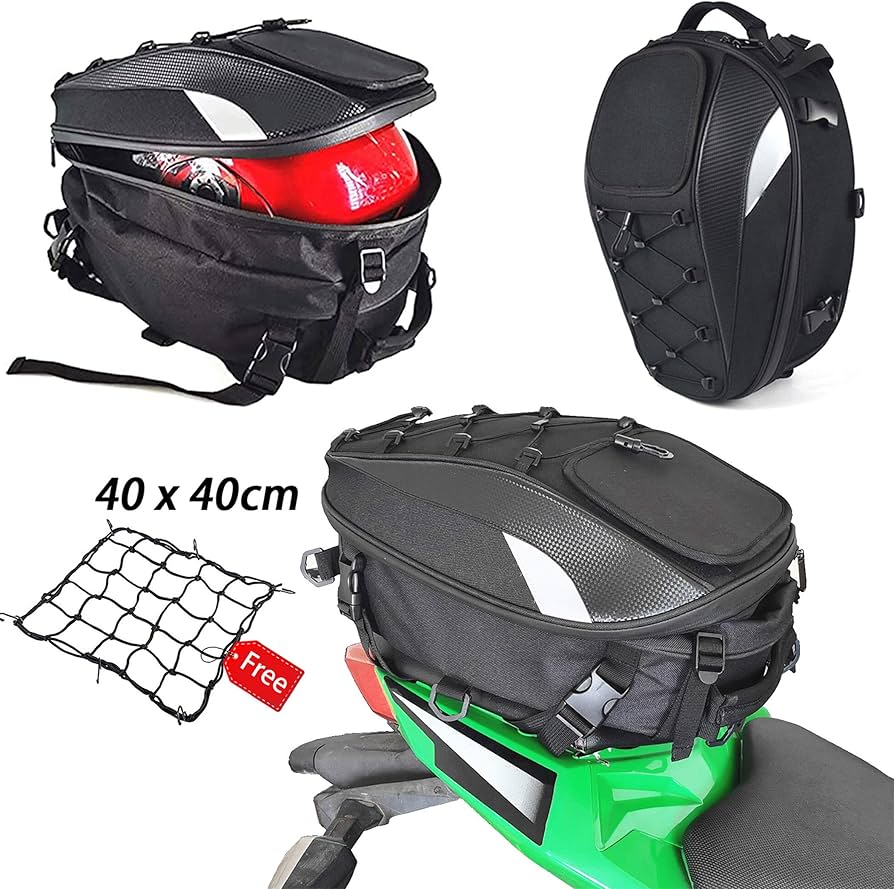
Illustrative image related to cargo motorcycle bags
Profis: PVC is highly durable and provides excellent waterproofing capabilities, making it ideal for wet conditions. It is also relatively inexpensive and easy to manufacture.
Nachteile: PVC can be less flexible than other materials, which may limit design options. Additionally, it is not as breathable, which can lead to moisture buildup inside the bag.
Auswirkungen auf die Anwendung: PVC is compatible with most liquids, including water and oils, but may not be suitable for use with certain solvents.
Überlegungen für internationale Einkäufer: Buyers in Europe should ensure that PVC products comply with REACH regulations, which govern the use of hazardous substances.
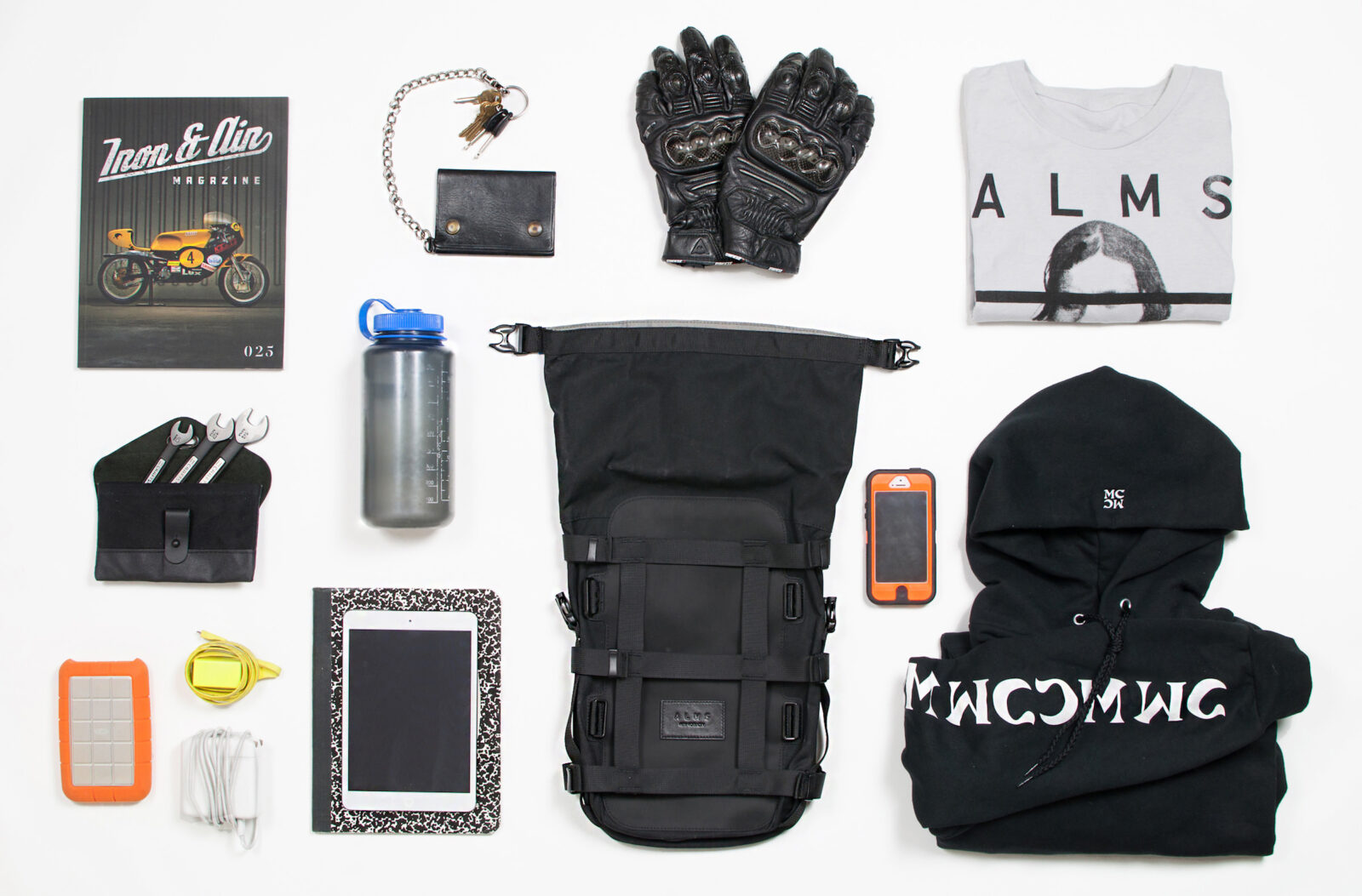
Illustrative image related to cargo motorcycle bags
| Material | Typical Use Case for cargo motorcycle bags | Hauptvorteil | Wesentlicher Nachteil/Beschränkung | Relative Kosten (niedrig/mittel/hoch) |
|---|---|---|---|---|
| Nylon | Lightweight, waterproof bags for adventure touring | Ausgezeichnetes Verhältnis von Stärke zu Gewicht | Zersetzt sich unter UV-Einwirkung | Mittel |
| Polyester | Versatile bags for various weather conditions | Cost-effective and moisture-resistant | Less durable under extreme wear | Niedrig |
| Leder | High-end, durable bags for cruiser motorcycles | Hochwertige Ästhetik und Haltbarkeit | Higher cost and maintenance required | Hoch |
| PVC | Waterproof bags for harsh environments | Excellent waterproofing and chemical resistance | Less flexible and breathable | Mittel |
This comprehensive analysis provides valuable insights for B2B buyers looking to select the most suitable materials for cargo motorcycle bags, considering performance, cost, and compliance with international standards.
The manufacturing process for cargo motorcycle bags involves several critical stages, each designed to ensure that the final product meets high standards of durability, functionality, and aesthetic appeal. Understanding these stages can help B2B buyers make informed decisions when selecting suppliers.
Vorbereitung des Materials
The first stage involves sourcing high-quality materials suitable for the intended use of the bags. Common materials include synthetic fabrics such as nylon or polyester, which offer durability and weather resistance. Leather is also popular for its premium feel and longevity. During this stage, materials are tested for strength, water resistance, and UV stability. Suppliers should provide material certifications to ensure compliance with international standards.
Bildung von
In this phase, the prepared materials are cut into specific patterns that will form the various components of the bags. Advanced cutting techniques, such as laser cutting or die-cutting, are often employed to ensure precision. This is crucial for maintaining consistent quality and fit across multiple production units. Additionally, some manufacturers may use heat sealing or bonding techniques to enhance the seams, providing extra waterproofing and durability.
Montage
Once the components are cut, they move on to the assembly stage, where they are stitched together. High-quality stitching is vital for the integrity of the bags, and many manufacturers use double or triple stitching techniques in high-stress areas. This stage may also involve the integration of zippers, buckles, and other hardware. It’s essential for B2B buyers to verify that the assembly process includes quality checks to catch defects early.
Fertigstellung
The final stage includes adding any aesthetic elements, such as branding, reflective strips for safety, and additional pockets or compartments. Quality control measures are also crucial at this stage to ensure that the bags meet design specifications and functional requirements. This phase often includes final inspections and testing for waterproofing, load capacity, and overall durability.
Quality assurance (QA) is integral to the manufacturing process, ensuring that cargo motorcycle bags are not only safe and functional but also meet the expectations of international buyers. Here are some key aspects of QA in this industry:
What Are the Relevant International Standards for Quality Assurance?
For cargo motorcycle bags, adherence to international standards such as ISO 9001 is crucial. This standard focuses on quality management systems and ensures that manufacturing processes are consistently monitored and improved. Additionally, industry-specific certifications like CE (Conformité Européenne) indicate compliance with European safety standards, while API (American Petroleum Institute) standards may apply if materials are sourced from oil-based products.
Was sind die wichtigsten Punkte der Qualitätskontrolle?
Quality control checkpoints are strategically placed throughout the manufacturing process:
For international B2B buyers, verifying a supplier’s quality control practices is essential for ensuring product reliability. Here are several strategies to consider:
Durchführung von Lieferantenaudits
Regular audits can provide insights into a supplier’s manufacturing processes and quality assurance measures. Buyers should look for suppliers who welcome third-party audits and are transparent about their practices. A good audit will assess compliance with international standards and the effectiveness of the supplier’s quality management systems.
Requesting Quality Assurance Reports
Suppliers should be able to provide documentation outlining their quality control processes, including test results and compliance with industry standards. Regularly reviewing these reports can help buyers maintain oversight and ensure that the products received meet expected quality levels.
Inanspruchnahme von Inspektionsdiensten von Drittanbietern
Engaging third-party inspection services can provide an unbiased evaluation of the manufacturing processes and final products. These services can conduct inspections at various stages of production and offer additional assurances regarding quality.
B2B buyers from different regions may encounter unique challenges when it comes to quality control. Here are some nuances to consider:
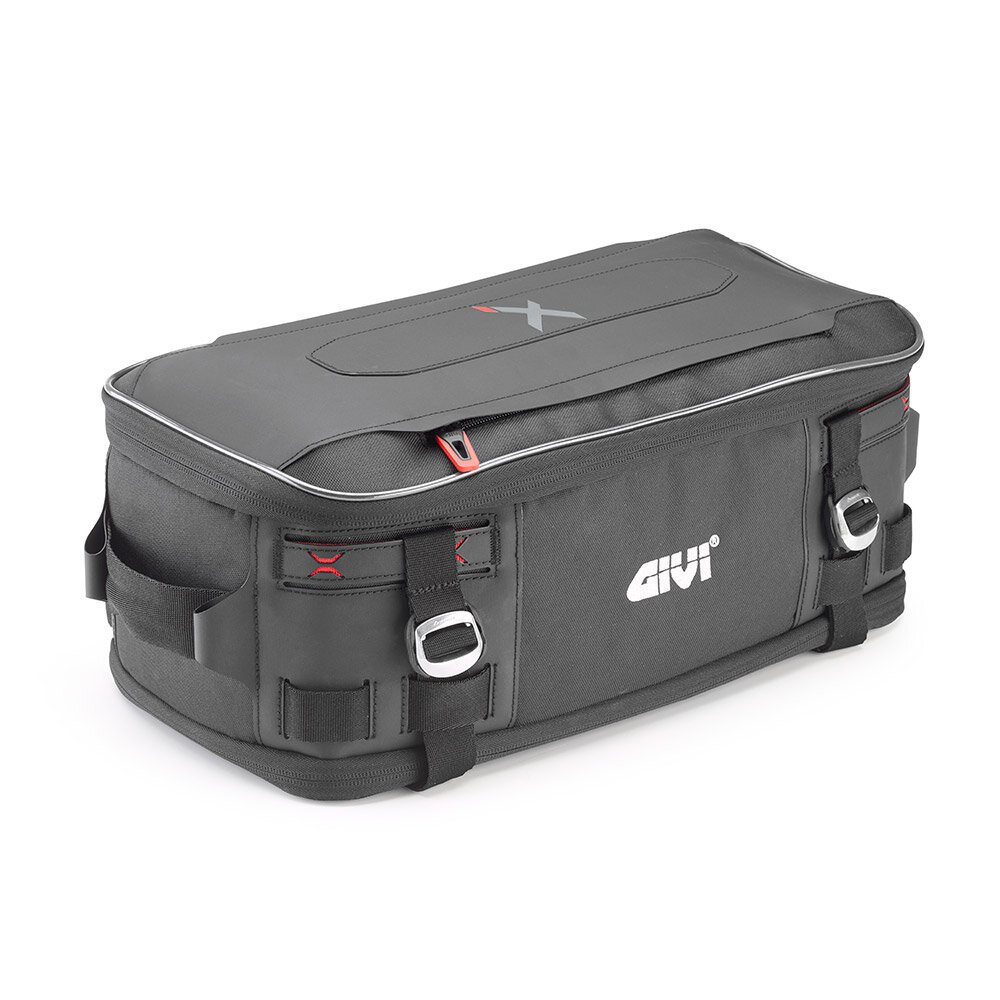
Illustrative image related to cargo motorcycle bags
Regional Compliance Requirements
Each region may have specific regulations regarding materials and safety standards. For example, European buyers must ensure compliance with CE marking requirements, while buyers in Africa may need to consider local certification standards. Understanding these requirements can prevent costly compliance issues.
Cultural Differences in Quality Expectations
Expectations for quality can vary by region. European buyers may prioritize durability and safety, while South American buyers might focus on cost-effectiveness. It’s crucial for buyers to communicate their specific quality requirements clearly and ensure that suppliers understand these expectations.
Supply Chain Considerations
Global supply chains can introduce variability in quality. Buyers should consider the entire supply chain, from raw material sourcing to final assembly, to identify potential quality risks. Establishing strong relationships with suppliers and maintaining open communication can mitigate these risks.
A thorough understanding of the manufacturing processes and quality assurance practices for cargo motorcycle bags is essential for B2B buyers seeking reliable suppliers. By focusing on material preparation, assembly techniques, and stringent quality control measures, buyers can ensure that they procure high-quality products that meet their needs and expectations. Additionally, verifying supplier practices through audits, reports, and third-party inspections can help maintain quality standards across international markets.
This guide serves as a practical checklist for B2B buyers seeking to procure cargo motorcycle bags. It outlines essential steps to ensure a successful sourcing process, helping you make informed decisions that align with your business needs and customer expectations.
Understanding the specific requirements for cargo motorcycle bags is critical. Determine the bag types needed (e.g., saddlebags, tank bags, tail bags) and consider factors such as material, capacity, and weather resistance. This clarity will streamline the selection process and ensure that the products meet your operational demands.
Conduct comprehensive research to identify suppliers that specialize in motorcycle luggage. Review their product offerings, reputation, and market presence. A well-established supplier will likely provide better quality and service.
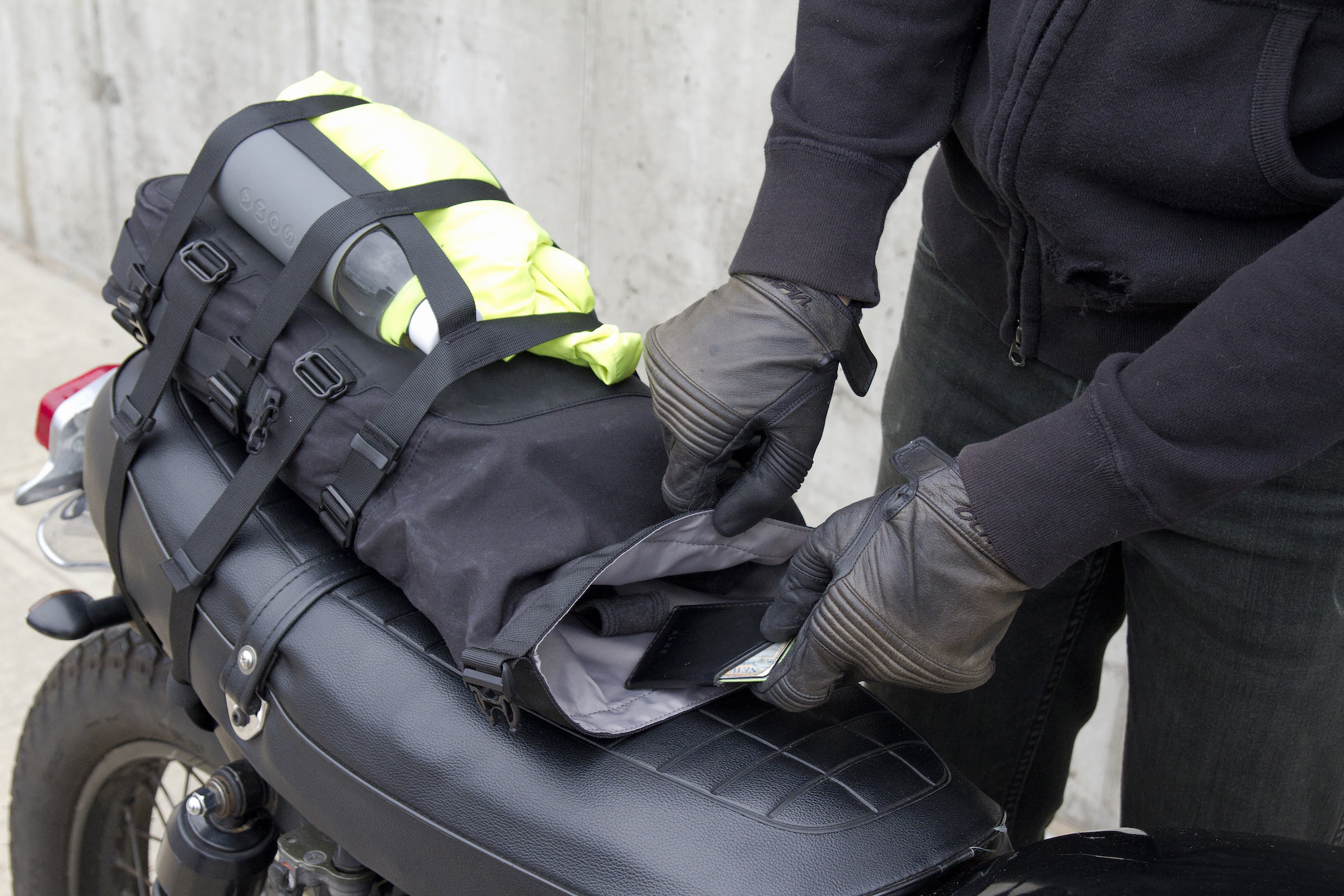
Illustrative image related to cargo motorcycle bags
It’s crucial to verify that your potential suppliers hold relevant certifications and adhere to international quality standards. This step ensures the products are safe and reliable for end-users.
Before making a bulk purchase, request samples of the cargo motorcycle bags. Testing samples allows you to evaluate quality, functionality, and compatibility with your motorcycles.
Once you’ve identified suitable suppliers, negotiate pricing and terms to ensure competitive rates. Consider factors like minimum order quantities, payment terms, and delivery schedules.
Effective communication with suppliers is vital for a smooth procurement process. Establish clear points of contact and set expectations for response times and updates.
Finally, consider how you will handle logistics and distribution of the cargo motorcycle bags. Ensure you have a reliable system in place for inventory management and shipping to your customers.
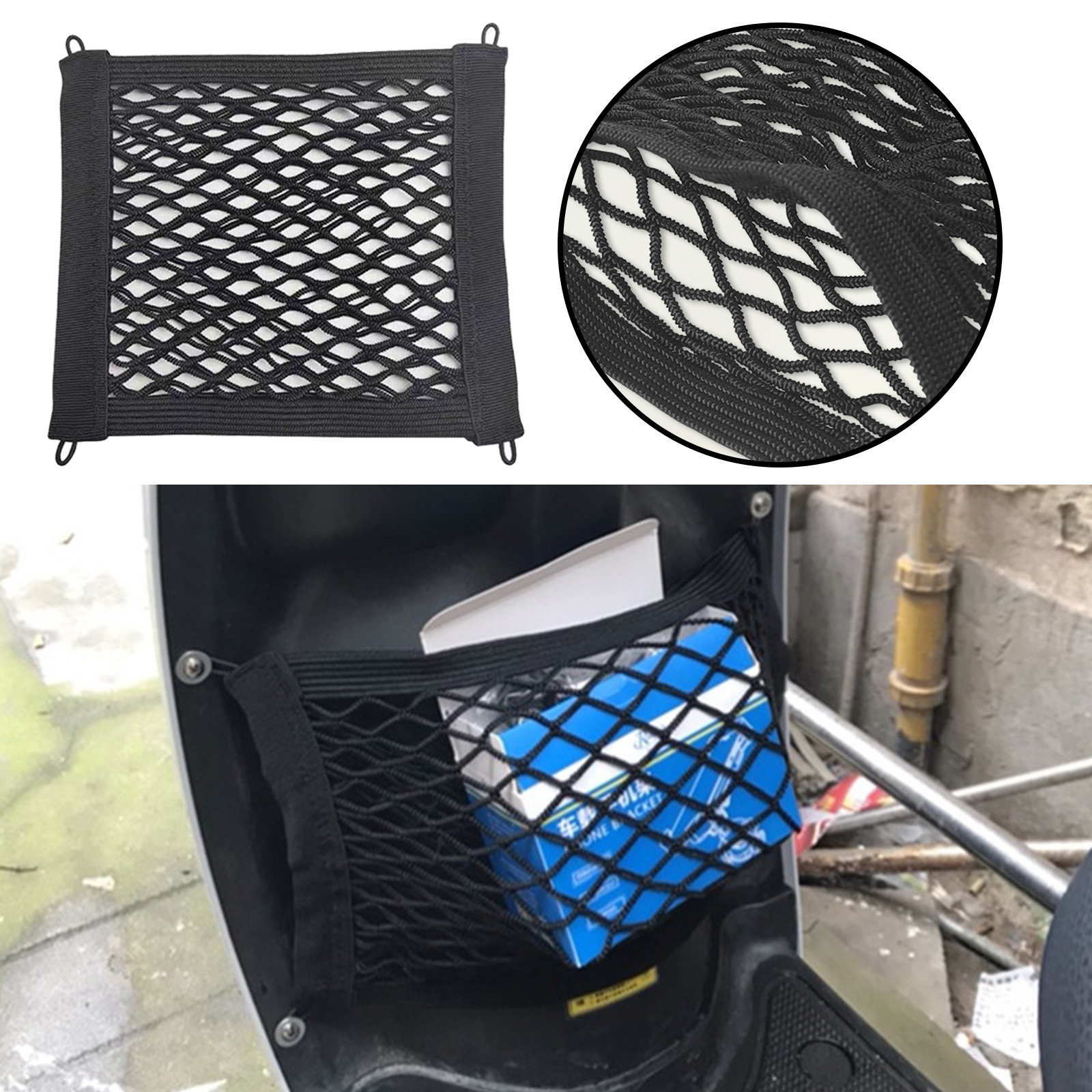
Illustrative image related to cargo motorcycle bags
By following this checklist, B2B buyers can streamline their sourcing process for cargo motorcycle bags, ensuring they make informed decisions that benefit their business and customers.
When sourcing cargo motorcycle bags, understanding the cost structure is crucial for effective budget management. The primary cost components include:
Materialien: The choice of materials significantly impacts pricing. High-quality fabrics (e.g., waterproof nylon, leather), zippers, and buckles can enhance durability but also raise costs. Suppliers often offer a range of materials, allowing buyers to select options that align with their budget and quality expectations.
Arbeit: Labor costs vary by region and production methods. Countries with lower labor costs may offer cheaper products, but this can come at the expense of quality. Conversely, higher labor costs often correlate with better craftsmanship and attention to detail.
Fertigungsgemeinkosten: This includes costs associated with running the manufacturing facility, such as utilities, rent, and maintenance. Efficient production processes can help minimize these costs, benefiting the overall pricing strategy.
Werkzeugbau: Custom designs may require specialized tooling, which adds to initial costs. However, once amortized over larger production runs, these costs can be diluted, making bulk orders more cost-effective.
Qualitätskontrolle (QC): Implementing a robust QC process ensures product reliability and customer satisfaction, but it also incurs additional costs. Buyers should weigh the importance of QC against potential savings from suppliers that may cut corners in this area.
Logistik: Shipping and handling costs vary based on distance, mode of transport, and volume. Efficient logistics planning can reduce expenses significantly, especially for international shipments.
Marge: Suppliers typically include a profit margin in their pricing. Understanding the market average can help buyers negotiate better deals.
Several factors influence pricing, particularly for international B2B buyers:
Volumen und Mindestbestellmenge (MOQ): Bulk purchases often come with discounts. Understanding the MOQ can help buyers optimize their orders to achieve cost efficiencies.
Spezifikationen und Anpassungen: Customization options can significantly alter the price. While tailored products may command higher prices, they can also enhance brand differentiation and customer appeal.
Materialien und Qualitätszertifikate: Higher-quality materials and certifications (like ISO or CE) can drive up costs but may justify higher retail prices. Buyers should assess whether these features align with their target market demands.
Lieferanten-Faktoren: Supplier reputation, reliability, and past performance can influence pricing. Established suppliers may charge more due to their proven track record, while newer suppliers might offer competitive pricing to enter the market.
Incoterms: Understanding shipping terms is vital. Incoterms dictate who is responsible for shipping costs and risks, affecting the total landed cost of goods. Buyers should clarify these terms during negotiations to avoid unexpected expenses.
Conduct Thorough Research: Understanding market prices and supplier capabilities can provide leverage during negotiations. Buyers should gather quotes from multiple suppliers to compare options effectively.
Konzentration auf die Gesamtbetriebskosten (TCO): Evaluate not just the purchase price but also ongoing costs such as maintenance, durability, and logistics. A lower upfront cost may lead to higher long-term expenses if quality is compromised.
Mengenrabatte ausnutzen: If possible, consolidate orders to meet minimum quantities that unlock discounts. This approach can significantly reduce unit costs.
Langfristige Beziehungen aufbauen: Establishing a good rapport with suppliers can lead to better pricing, priority service, and favorable payment terms over time.
Be Mindful of Pricing Nuances: International buyers should be aware of currency fluctuations, import duties, and taxes that can affect total costs. This awareness can inform more strategic sourcing decisions.
Navigating the complexities of sourcing cargo motorcycle bags requires a comprehensive understanding of cost structures and pricing influences. By focusing on key cost components, leveraging negotiation strategies, and considering the total cost of ownership, international B2B buyers can make informed decisions that drive value for their businesses. Always remember that the prices provided by suppliers are often indicative and can vary based on changing market conditions and individual negotiations.
When considering the logistics of transporting goods via motorcycle, cargo motorcycle bags are a popular choice among riders and businesses alike. However, there are several alternative solutions worth evaluating to determine the most efficient and cost-effective method for specific needs. This analysis will compare cargo motorcycle bags against soft panniers and hard cases, two viable options that also serve the purpose of carrying cargo on motorcycles.
| Vergleich Aspekt | Cargo Motorcycle Bags | Weiche Packtaschen | Hartschalenkoffer |
|---|---|---|---|
| Leistung | High durability, weather-resistant, suitable for various loads | Moderate durability, often water-resistant | High durability, excellent protection for fragile items |
| Kosten | $100 – $400 | $150 – $600 | $200 – $1,000 |
| Leichte Implementierung | Generally easy to install with straps or hooks | Moderate, may require additional mounting hardware | Often complex due to locking mechanisms and mounts |
| Wartung | Low; occasional cleaning required | Moderate; needs regular checks for wear | Low; generally requires only occasional cleaning |
| Bester Anwendungsfall | General cargo, everyday use, adventure touring | Lightweight loads, casual riding | Fragile items, long-distance travel |
Soft panniers are flexible bags designed to attach to the sides of a motorcycle. They are typically made from durable, weather-resistant materials that can withstand various conditions. The advantages of soft panniers include their lightweight nature, which makes them ideal for casual riders or those who frequently switch between different types of loads. However, their performance can diminish under heavy loads, and they may not offer the same level of protection as hard cases. The cost is also moderate, making them a good choice for budget-conscious businesses.
Hard cases, or rigid luggage solutions, provide a robust option for transporting goods on motorcycles. They are designed to protect fragile items and are often equipped with locking mechanisms for added security. While they offer superior durability and protection, the installation process can be complicated, requiring specific mounts and hardware. Additionally, hard cases are generally more expensive than cargo motorcycle bags and soft panniers. They are best suited for long-distance travel or when transporting sensitive materials, making them an excellent choice for businesses that require secure transport solutions.
Selecting the right cargo solution for motorcycles depends on various factors, including the type of goods being transported, budget constraints, and the riding conditions. Cargo motorcycle bags offer a balance of durability and versatility, making them ideal for many scenarios. However, if your business demands lightweight solutions or maximum protection for fragile items, soft panniers and hard cases may be more suitable. B2B buyers should assess their specific requirements and consider the unique advantages of each option to make an informed decision that aligns with their operational needs.
When evaluating cargo motorcycle bags, several technical properties are critical to ensuring product quality, durability, and suitability for intended use. Here are key specifications that B2B buyers should consider:
Material Klasse
– Cargo motorcycle bags are typically made from materials such as nylon, polyester, or leather. The material grade significantly affects durability, weight, and weather resistance. For instance, high-denier nylon offers excellent tear resistance, which is crucial for bags subjected to rough handling and adverse weather conditions. Understanding material grades helps buyers select products that meet specific operational demands.
Tragfähigkeit
– This specification indicates the maximum weight a bag can safely carry. Load capacity is crucial for B2B buyers to ensure that the bags can handle the intended cargo without compromising safety or performance. Buyers should consider the types of goods transported and select bags with appropriate load capacities to prevent damage and ensure reliability.
Wasserbeständigkeit
– Many cargo motorcycle bags are designed with water-resistant or waterproof features. This property is essential for protecting contents from rain and moisture, especially in regions with unpredictable weather. Buyers should inquire about the level of water resistance, often measured in millimeters of water column pressure, to ensure that the bags meet their operational needs.
Attachment System
– The method by which a cargo bag attaches to a motorcycle is critical for stability and ease of use. Common attachment systems include straps, clips, and mounting plates. A well-designed attachment system enhances safety and convenience, allowing for quick removal and installation. Buyers should ensure that the attachment system is compatible with their motorcycles.
Dimensions and Shape
– The size and shape of cargo motorcycle bags can vary significantly. Buyers should consider the dimensions to ensure the bags fit their motorcycles and provide adequate space for cargo. Additionally, the shape can influence aerodynamics and comfort during rides, making it a key factor in selection.
Reflektierende Elemente
– Safety is paramount when transporting goods via motorcycle. Bags with reflective elements enhance visibility during low-light conditions, reducing the risk of accidents. Buyers should prioritize bags with these safety features, especially for urban or night-time use.
Das Verständnis des Branchenjargons ist für eine effektive Kommunikation zwischen Einkäufern und Lieferanten unerlässlich. Hier sind einige gängige Begriffe, mit denen B2B-Einkäufer vertraut sein sollten:
OEM (Original Equipment Manufacturer)
– This term refers to companies that produce parts or equipment that may be marketed by another manufacturer. In the context of cargo motorcycle bags, OEM suppliers often provide custom solutions tailored to specific motorcycle models, ensuring compatibility and quality.
MOQ (Mindestbestellmenge)
– MOQ is the smallest quantity of a product that a supplier is willing to sell. Knowing the MOQ is crucial for B2B buyers to determine if a supplier meets their purchasing needs without overcommitting financially or logistically.
RFQ (Request for Quotation)
– An RFQ is a document sent to suppliers requesting pricing for specific products or services. B2B buyers use RFQs to compare costs, terms, and conditions among various suppliers, facilitating informed purchasing decisions.
Incoterms (Internationale Handelsklauseln)
– These are standardized international trade terms that define the responsibilities of buyers and sellers in shipping and logistics. Understanding Incoterms helps buyers clarify who bears the cost and risk at each stage of the shipping process, which is vital for international transactions.
Vorlaufzeit
– Lead time refers to the amount of time it takes from placing an order until the product is delivered. For B2B buyers, understanding lead times is essential for inventory management and ensuring that they meet customer demands without delays.
Customization
– This term refers to modifications made to products to meet specific buyer requirements. Customization can include branding, size adjustments, or unique features. For B2B buyers, the ability to customize cargo motorcycle bags can enhance their market appeal and differentiate their offerings.
By familiarizing themselves with these technical properties and trade terms, B2B buyers can make informed decisions when sourcing cargo motorcycle bags, ensuring they meet their business needs effectively.
The cargo motorcycle bags market is witnessing significant growth driven by a surge in motorcycle tourism and adventure riding globally. As more consumers seek versatile and durable luggage solutions for their motorcycles, suppliers are responding with a diverse range of products tailored to various riding styles. Key trends include the integration of advanced materials that enhance durability and weather resistance, appealing particularly to adventure riders in regions with varying climates, such as Africa and South America.
Technological advancements in production processes, including 3D printing and automation, are streamlining manufacturing, reducing costs, and improving product customization capabilities. This trend is particularly beneficial for international B2B buyers, enabling them to source unique designs and specifications that cater to their local markets. Additionally, the rise of e-commerce platforms facilitates easier access to global suppliers, allowing buyers from Europe and the Middle East to compare options efficiently and make informed purchasing decisions.
Another emerging trend is the increasing consumer preference for multifunctional bags. Buyers are now looking for cargo motorcycle bags that offer adaptability—such as detachable sections or modular designs—enabling them to use the same luggage for different purposes, from daily commutes to long-distance travel. Understanding these dynamics can help B2B buyers capitalize on market opportunities and align their product offerings with consumer demand.
Sustainability is becoming a crucial factor in the sourcing decisions of B2B buyers in the cargo motorcycle bags sector. The environmental impact of manufacturing processes and materials used in production is increasingly scrutinized by consumers and regulators alike. As a result, suppliers are adopting more sustainable practices, such as using recycled materials and reducing waste in production. This shift not only meets consumer expectations but also helps companies enhance their brand reputation and attract environmentally conscious buyers.
Ethical sourcing is equally important, as buyers seek suppliers who maintain fair labor practices and transparent supply chains. Certifications such as Fair Trade and Global Organic Textile Standard (GOTS) are becoming essential for companies aiming to establish credibility in their markets. For B2B buyers, aligning with suppliers who prioritize sustainability and ethics can lead to long-term partnerships and customer loyalty.
Moreover, integrating sustainable practices can also drive innovation. Suppliers are increasingly exploring eco-friendly materials, such as biodegradable fabrics and water-based adhesives, that minimize environmental harm while maintaining product quality. By prioritizing sustainability in their sourcing strategies, B2B buyers can not only meet market demands but also contribute positively to the environment.
The evolution of cargo motorcycle bags reflects the broader changes in motorcycle culture and technology over the past few decades. Initially, motorcycle luggage was limited to basic designs primarily focused on functionality. However, as motorcycle tourism gained popularity, the demand for specialized bags that combine functionality, durability, and aesthetics increased.
Today’s cargo motorcycle bags are designed with advanced features such as waterproofing, modularity, and compatibility with various motorcycle models. This evolution is significant for B2B buyers, as it indicates a shift towards more sophisticated consumer preferences. Understanding this historical context enables buyers to anticipate future trends and make strategic sourcing decisions that align with evolving market demands.
As the market continues to grow, B2B buyers should remain vigilant about emerging trends and consumer preferences, ensuring their offerings meet the needs of an increasingly diverse and environmentally conscious customer base.
How do I choose the right cargo motorcycle bag for my business needs?
Selecting the appropriate cargo motorcycle bag involves assessing your specific requirements, such as the types of goods you’ll transport, weight capacity, and weather conditions. Consider bags with durable materials and waterproof features for versatility in various climates. Additionally, check for compatibility with different motorcycle models, and ensure the bags can be securely mounted. It’s beneficial to sample a few options or request product demonstrations from suppliers to see which bags best fit your operational needs.
What features should I look for in cargo motorcycle bags?
When sourcing cargo motorcycle bags, focus on essential features such as material quality, waterproofing, ease of installation, and security options like locks or straps. Look for bags with modular designs that can be expanded or adjusted based on load size. Additional features like reflective strips for safety, ergonomic designs for comfort, and multiple compartments for organized storage can enhance functionality. Understanding these features will help you make informed decisions that align with your market’s preferences.
What are the common customization options available for cargo motorcycle bags?
Customization options for cargo motorcycle bags typically include color choices, branding with logos, and specific size modifications to fit your needs. Some manufacturers may offer tailored features like additional compartments or specialized mounting systems. When discussing customization with suppliers, ensure that the minimum order quantity (MOQ) and lead times align with your business objectives. This flexibility can significantly enhance your brand’s visibility and market appeal.
How can I vet suppliers for cargo motorcycle bags?
To effectively vet suppliers, start by reviewing their business credentials and reputation in the industry. Request samples to assess product quality firsthand, and check for certifications that ensure compliance with safety and quality standards. Engaging in direct communication can also provide insights into their responsiveness and customer service. Additionally, consider seeking references from other businesses that have successfully partnered with the supplier to gauge reliability and service levels.
What is the typical minimum order quantity (MOQ) for cargo motorcycle bags?
The MOQ for cargo motorcycle bags can vary significantly depending on the supplier and the complexity of the customization required. Generally, you might expect MOQs to range from 50 to 500 units. It’s advisable to discuss your specific needs with suppliers to negotiate favorable terms, especially if you are entering a new market or testing a product line. Some suppliers may offer flexibility for first-time orders or bulk purchases.
What payment terms should I expect when purchasing cargo motorcycle bags internationally?
Payment terms for international purchases of cargo motorcycle bags can vary, but common practices include a deposit (often 30%) upfront, followed by the balance upon shipment or delivery. Some suppliers may offer letters of credit or escrow services for added security. It’s crucial to clarify these terms before finalizing orders, as they can impact cash flow and financial planning. Ensure that the agreed terms are documented in the purchase agreement to avoid misunderstandings.
What are the best logistics practices for importing cargo motorcycle bags?
Effective logistics for importing cargo motorcycle bags involve selecting reliable shipping partners who understand international trade regulations. Ensure that you have a clear understanding of customs duties, taxes, and documentation required for your specific region. Opt for shipping methods that balance cost and delivery time, such as sea freight for bulk orders or air freight for urgent shipments. Tracking shipments and maintaining communication with your logistics provider can also help mitigate delays and ensure timely delivery.
How do I ensure quality assurance for cargo motorcycle bags?
To ensure quality assurance, implement a robust inspection process at various stages of the supply chain. Conduct pre-shipment inspections to verify that the bags meet your specifications and quality standards. Establish clear criteria for quality checks, including material integrity, stitching quality, and overall functionality. Additionally, consider requesting third-party audits or certifications from suppliers to enhance confidence in their manufacturing processes. Continuous communication with suppliers about quality expectations can also foster a collaborative approach to maintaining standards.
Bereich: sattelmaenner.de
Registriert: 1996 (29 Jahre)
Einleitung: [{‘brand’: ‘Universal’, ‘model’: ‘Highwayman Riveted Slant Saddlebag’, ‘description’: ‘Highwayman™ Riveted Medium Slant-Style Saddlebags. Offers high quality at a competitive, low price. Adjustable yoke construction helps produce the perfect fit on most popular cruisers.’, ‘price’: ‘$117.00’}, {‘brand’: ‘Universal’, ‘model’: ‘R1300LXE Tactical Deluxe Roll Bag’, ‘description’: “Universal Mounting -…
Bereich: motocampnerd.com
Registered: 2020 (5 years)
Einleitung: Motorcycle Luggage includes various types of bags and panniers suitable for motorcycle travel. Key products include:
1. Green Chile Adventure Gear Uprising Soft Rack Kit – $99.00, available in 6 colors.
2. Green Chile Adventure Gear Uprising Luggage System – $239.00, available in 6 colors.
3. Green Chile Adventure Gear Pecos Value Bundle – $230.00.
4. Green Chile Adventure Gear Hardcore Soft Rack…
Bereich: giviusa.com
Registriert: 2000 (25 Jahre)
Einleitung: GIVI bietet eine große Auswahl an Motorradgepäck und Zubehör, darunter Monokey- und Monolock-Koffer, verschiedene Serien wie Alaska, Dolomiti, Outback und Trekker sowie Kofferzubehör wie Schlüssel, Rückenlehnenpolster, Bremslicht-Kits, farbige Kofferabdeckungen, Innentaschen und Liner. Sie bieten auch Gepäckträger, seitliche Hartschalenkoffer, Weichgepäckoptionen, Rucksäcke, Rücksäcke, Tankrucksäcke und Topcase ...
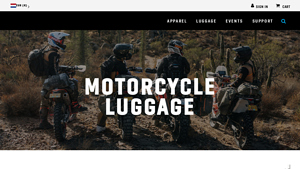
Bereich: moskomoto.de
Registriert: 2013 (12 Jahre)
Einleitung: Motorcycle Luggage | Mosko Moto SALE! 15 – 30% OFF Free Shipping On Orders Over $200 USD
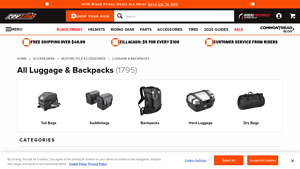
Bereich: revzilla.de
Registriert: 2006 (19 Jahre)
Einleitung: Motorcycle Luggage & Bags available at RevZilla, including various types such as backpacks, dry bags, gear bags, hard luggage, hydration packs, and luggage accessories. Featured brands include Alpinestars, REV’IT!, and Dainese, with discounts up to 60% off during Black Friday sales. Additional perks include 5% cash back and 10% off select brands with RPM membership. Categories include saddlebags, …

Bereich: giantloopmoto.com
Registriert: 2008 (17 Jahre)
Einleitung: Popular Products: Mojavi Saddlebag Rolltop – $335.00, Possibles Pouch – $75.00, Klamath Tail Rack Pack – $169.00, Coyote Saddlebag – $529.00. Categories: Luggage (13), Rackless Saddlebags (4), Soft Panniers (2), Tanks + Handlebars (5), Fenders (2), Dry Bags (4), Liquid Reservoirs (1), Accessories (7), Straps (7), Mounts (5), Repair (2), Replacement Parts (21). Featured Products: Mojavi Saddlebag -…
Bereich: harley-davidson.de
Registriert: 1994 (31 Jahre)
Einleitung: Sturdy and durable motorcycle bags, luggage, and racks designed for Harley-Davidson motorcycles. Features include solid construction, large capacities for long-distance travel, hard and soft shell options, detachable duffle bags with thick handles, and backrest organizers. High-quality materials ensure longevity and resistance to wear and tear, while well-crafted hardware secures belongings during…
As the motorcycle luggage market continues to evolve, strategic sourcing has become a pivotal factor for international B2B buyers seeking to meet diverse consumer needs across Africa, South America, the Middle East, and Europe. By focusing on quality, durability, and innovative design, suppliers can ensure they offer products that resonate with the growing demand for reliable cargo motorcycle bags.
The versatility of cargo motorcycle bags, ranging from soft luggage to hard cases, highlights the importance of understanding regional preferences and market trends. Buyers should prioritize partnerships with manufacturers who provide customizable solutions, allowing for tailored offerings that cater to specific demographics and riding styles.
Looking ahead, the potential for growth in the motorcycle accessories sector remains robust. As lifestyle changes drive increased motorcycle use for adventure touring and daily commuting, the demand for high-quality cargo solutions will only intensify. We encourage B2B buyers to leverage strategic sourcing to enhance their product offerings, ensuring they remain competitive in this dynamic market. Embrace the opportunity to innovate and expand your portfolio of cargo motorcycle bags—your customers will appreciate the commitment to quality and functionality.
Die in diesem Leitfaden enthaltenen Informationen, einschließlich der Angaben zu Herstellern, technischen Spezifikationen und Marktanalysen, dienen ausschließlich Informations- und Bildungszwecken. Sie stellen keine professionelle Kaufberatung, Finanzberatung oder Rechtsberatung dar.
Obwohl wir alle Anstrengungen unternommen haben, um die Richtigkeit und Aktualität der Informationen zu gewährleisten, übernehmen wir keine Verantwortung für etwaige Fehler, Auslassungen oder veraltete Informationen. Marktbedingungen, Unternehmensangaben und technische Standards können sich ändern.
B2B-Käufer müssen ihre eigene unabhängige und gründliche Due-Diligence-Prüfung durchführen bevor Sie eine Kaufentscheidung treffen. Dazu gehört, dass Sie sich direkt mit den Anbietern in Verbindung setzen, Zertifizierungen überprüfen, Muster anfordern und sich professionell beraten lassen. Das Risiko, sich auf die Informationen in diesem Leitfaden zu verlassen, trägt allein der Leser.


 German
  English
  Russian
  Spanish
  Italian
  Arabic
  Portuguese