
In today’s fast-paced global market, sourcing the best tire inflator and battery charger is crucial for businesses that rely on efficient vehicle operation. Whether you are managing a fleet in Nigeria or overseeing logistics in Saudi Arabia, the ability to quickly address tire inflation and battery issues can significantly reduce downtime and enhance productivity. This guide serves as a comprehensive resource tailored for international B2B buyers, offering insights into various types of tire inflators and battery chargers, their applications across different industries, and essential supplier vetting strategies.
Navigating this market involves understanding the distinct needs of your region, as well as the specific challenges posed by different vehicle types and operating conditions. By examining key factors such as cost, reliability, and performance metrics, this guide empowers you to make informed purchasing decisions that align with your business objectives. Additionally, we will explore the latest innovations in portable technology, ensuring you stay ahead of the curve in equipment efficiency and functionality.
With a focus on actionable insights and practical recommendations, this guide is designed to help buyers from Africa, South America, the Middle East, and Europe effectively select the right tire inflator and battery charger, ultimately enhancing operational efficiency and driving business success.
| Typ Name | Wichtigste Unterscheidungsmerkmale | Primäre B2B-Anwendungen | Kurze Vor- und Nachteile für Käufer |
|---|---|---|---|
| Portable Jump Starter with Inflator | Combines jump-starting capability with tire inflation; compact design | Autowerkstätten, Pannenhilfe | Vorteile: Versatile; saves space; easy to transport. Nachteile: May have limited battery life; heavier models can be cumbersome. |
| Schwerlast-Luftkompressor | High PSI output; suitable for large vehicles; durable construction | Fleet management, heavy machinery maintenance | Vorteile: Fast inflation; robust for heavy usage. Nachteile: Typically larger and less portable; higher cost. |
| Battery-Powered Inflator | Cordless operation; lightweight; quick inflation times | Persönliche Fahrzeuge, Notfallausrüstungen | Vorteile: Easy to use; great for light tasks. Nachteile: Limited battery life; may struggle with larger tires. |
| Digital Tire Inflator | Digital display for pressure readings; programmable settings | Automotive service centers, tire shops | Vorteile: Accurate; user-friendly; often includes auto-shutoff. Nachteile: Can be more expensive; dependent on power source. |
| Multi-Function Power Station | Includes multiple charging ports; additional features like lights | Construction sites, outdoor events | Vorteile: Versatile for various tasks; provides multiple power options. Nachteile: Bulkier; may require higher initial investment. |
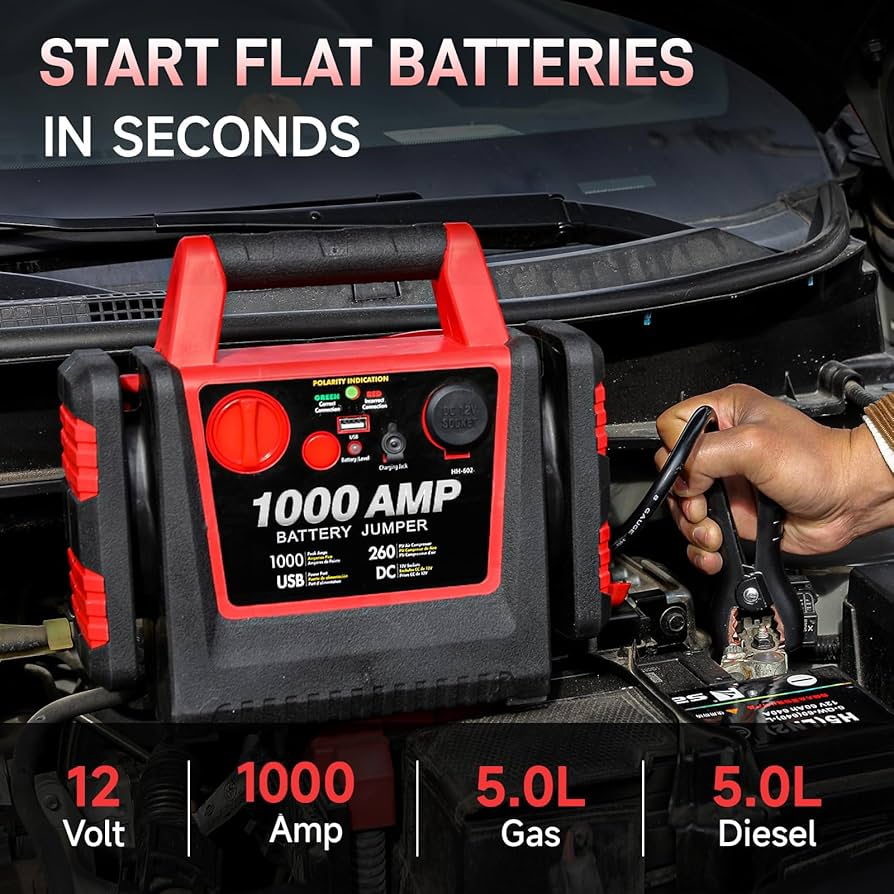
Portable jump starters with built-in inflators are essential tools for automotive businesses and roadside assistance providers. These units are designed to jump-start vehicles while also inflating tires, making them a multifunctional asset. They are typically compact, allowing easy transport, and often come equipped with additional features like USB ports for charging devices. When purchasing, B2B buyers should consider the unit’s peak amp rating, battery life, and overall durability, especially in regions with varying climate conditions.
Heavy-duty air compressors are specifically designed for high-performance applications, capable of inflating larger vehicle tires and providing consistent air pressure. This makes them ideal for fleet management and heavy machinery maintenance. These compressors often deliver high PSI outputs, ensuring quick inflation and reliability under demanding conditions. B2B buyers should evaluate the compressor’s build quality, portability, and compatibility with various tire sizes, as well as the total cost of ownership, including maintenance.
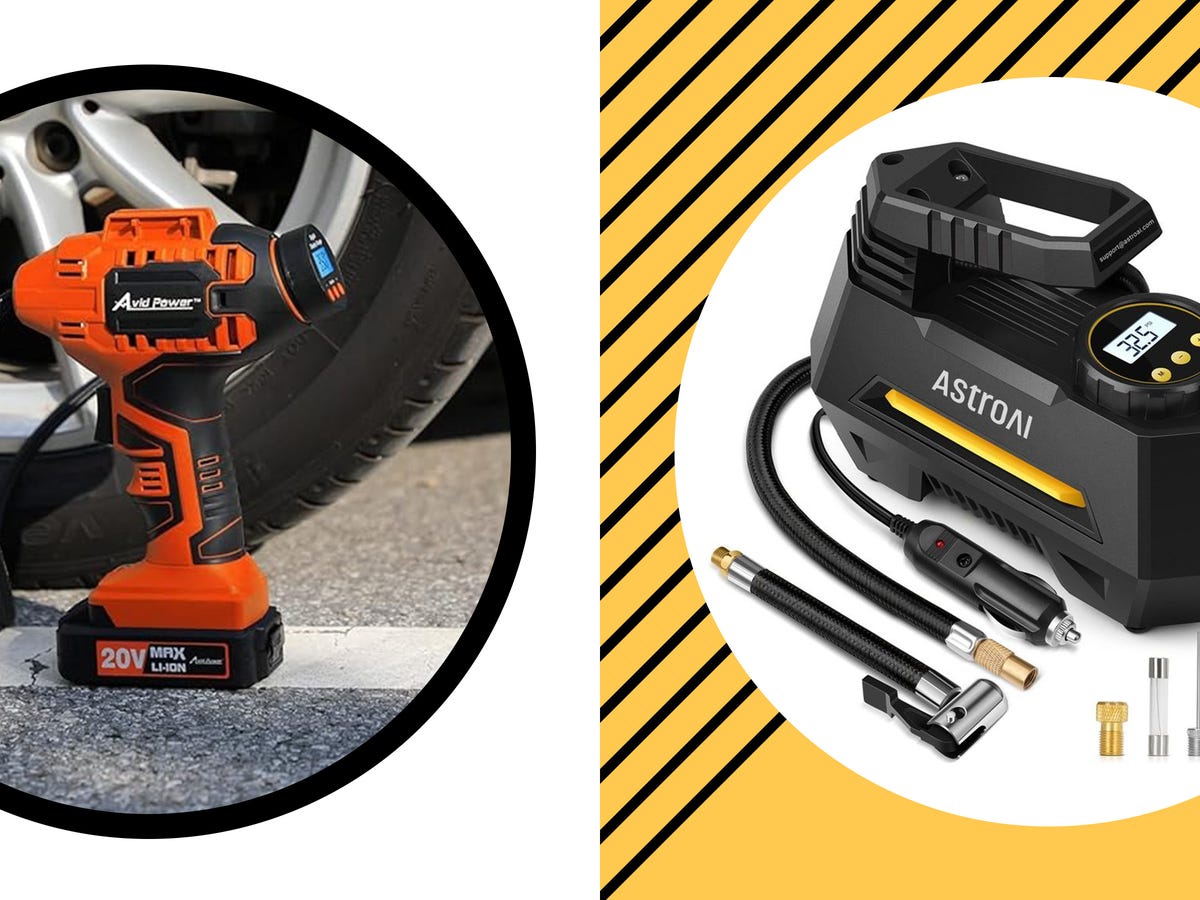
Battery-powered inflators are lightweight and designed for quick, on-the-go inflation of vehicle tires, making them perfect for emergency kits in personal vehicles. Their cordless operation allows for ease of use without needing an external power source. However, B2B buyers must consider the inflator’s battery life and output capabilities, particularly for larger tires or multiple inflations. These units are best suited for businesses focused on customer convenience and safety.
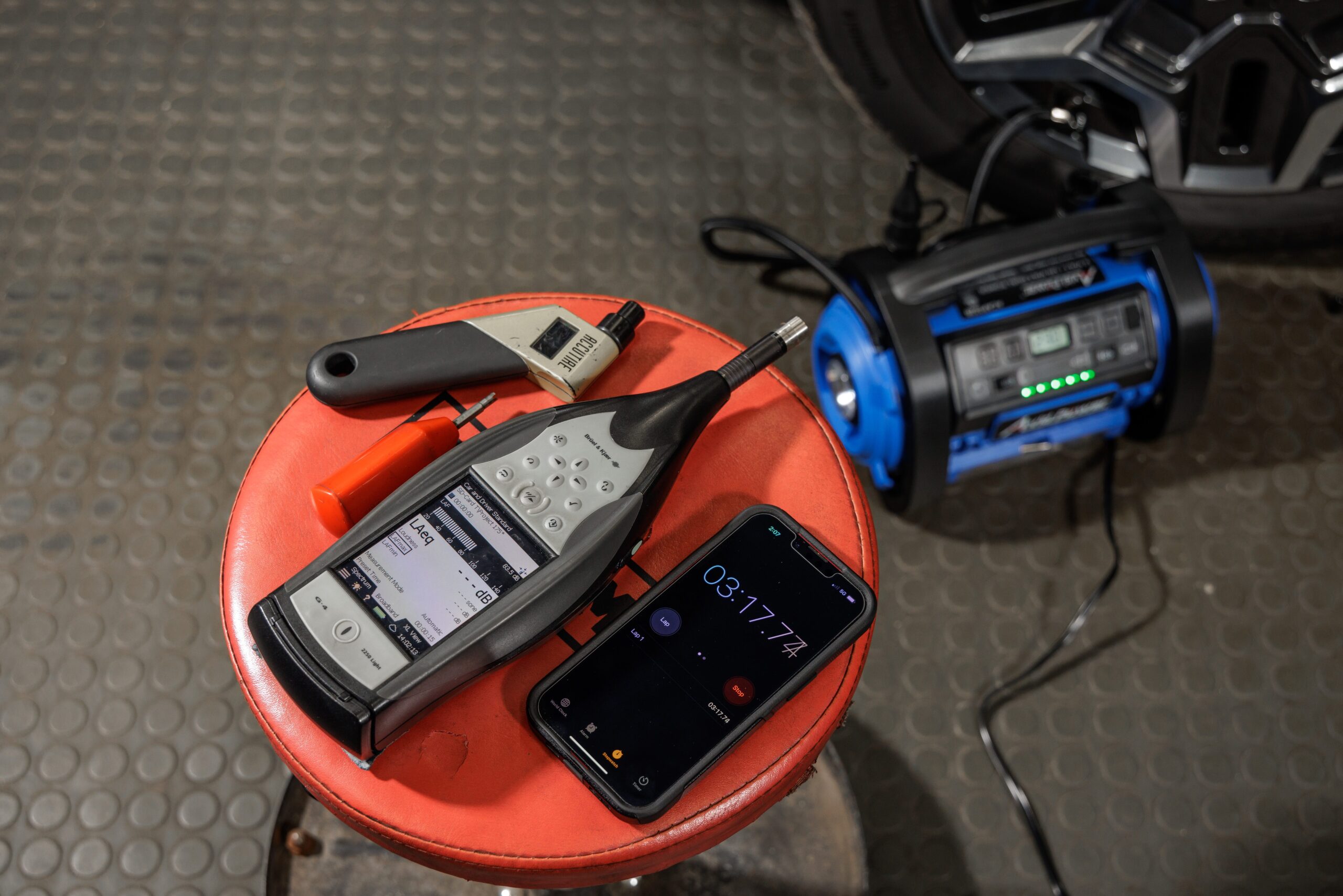
Illustrative image related to best tire inflator and battery charger
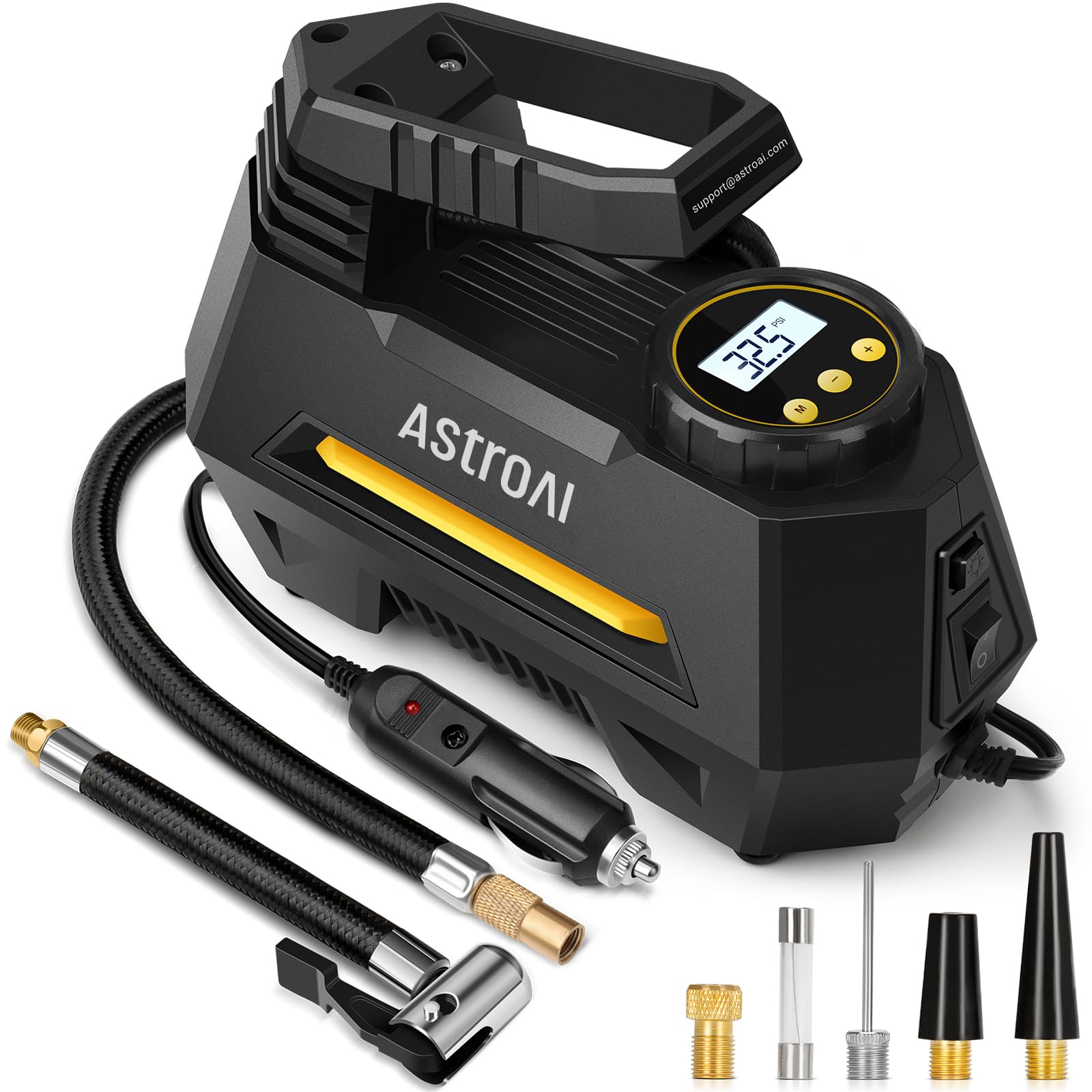
Digital tire inflators offer precise pressure readings and programmable settings for enhanced user experience. Their accuracy and automatic shut-off features make them ideal for automotive service centers and tire shops, where maintaining correct tire pressure is crucial. When selecting digital inflators, B2B buyers should assess the ease of use, the clarity of the display, and the unit’s ability to handle various tire types. While they may be pricier, the investment often pays off in terms of efficiency and customer satisfaction.
Multi-function power stations are versatile tools that provide not only tire inflation but also additional power options for various devices. These stations are particularly beneficial on construction sites and outdoor events where multiple tools and devices need charging. Buyers should consider the power capacity, portability, and range of features offered. While they can be bulkier and require a higher initial investment, their multifunctionality and ability to serve various needs make them a valuable asset for businesses.
| Industrie/Sektor | Specific Application of best tire inflator and battery charger | Wert/Nutzen für das Unternehmen | Wichtige Überlegungen zur Beschaffung für diese Anwendung |
|---|---|---|---|
| Autoreparatur | Mobile tire inflation and battery jump-starting services | Increases service efficiency and customer satisfaction | Durability, portability, and multi-functionality of devices |
| Transport und Logistik | Emergency roadside assistance for fleet vehicles | Reduces downtime and enhances fleet reliability | Capacity for high-pressure inflation and quick charging times |
| Bauwesen | On-site tire maintenance for heavy machinery | Minimizes equipment downtime and operational costs | Robustness and ability to handle high-volume inflation needs |
| Landwirtschaft | Tire inflation for agricultural vehicles and equipment | Ensures optimal performance of machinery, reducing wear and tear | Compatibility with various tire sizes and rugged terrain usage |
| Retail Automotive Parts | Retail sales of tire inflators and jump starters | Diversifies product offerings and increases sales potential | Competitive pricing, warranty options, and customer support |
In the automotive repair sector, tire inflators and battery chargers are essential tools for mobile mechanics and service providers. They enable technicians to quickly inflate tires and jump-start vehicles on-site, significantly enhancing service speed and customer satisfaction. Buyers in this sector should focus on the durability and portability of these devices, ensuring they can withstand the rigors of daily use while being easily transportable.
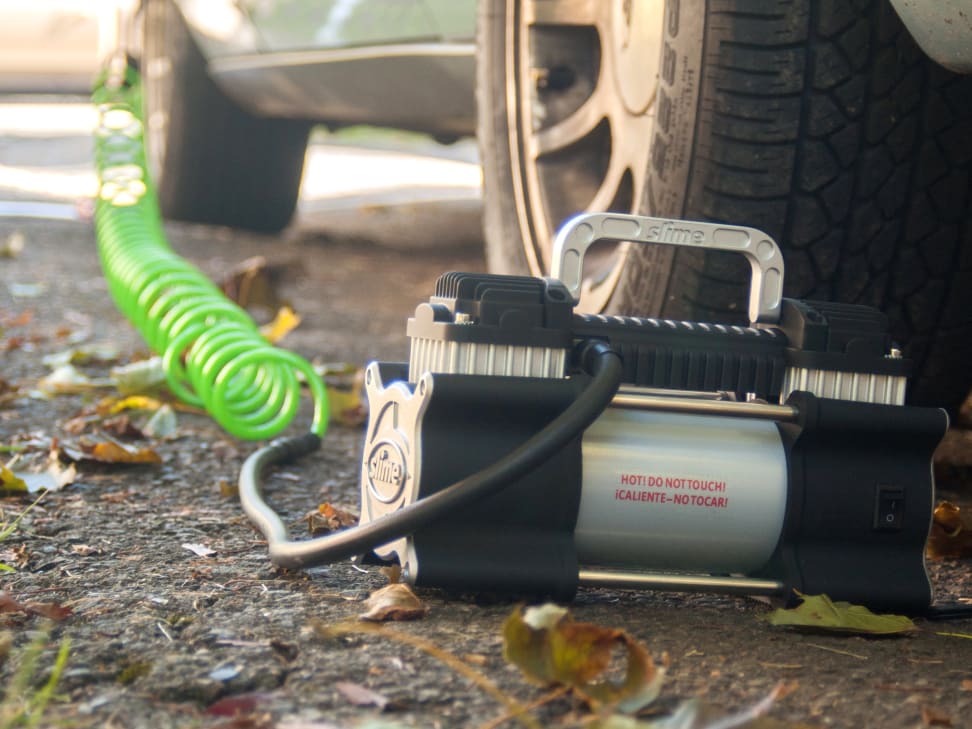
Illustrative image related to best tire inflator and battery charger
For transportation and logistics companies, having reliable tire inflators and battery chargers is crucial for fleet maintenance. These devices help in emergency roadside assistance, reducing vehicle downtime and ensuring that fleets remain operational. Buyers should consider the capacity for high-pressure inflation and the speed of battery charging to minimize delays during critical operations, especially in regions with challenging road conditions.
In the construction industry, tire inflators and battery chargers are vital for maintaining heavy machinery and vehicles used on-site. These tools help reduce equipment downtime by allowing quick tire inflation and battery jump-starting, which is essential for operational efficiency. Buyers in this sector must prioritize robustness and the ability to handle high-volume inflation needs, given the demanding environments and equipment used in construction.
Agricultural operations rely heavily on various vehicles and machinery that require consistent tire maintenance. Tire inflators and battery chargers ensure that these machines operate at optimal performance, reducing wear and tear caused by under-inflated tires. Buyers from the agriculture sector should look for products that are compatible with various tire sizes and capable of functioning effectively in rugged terrain, which is common in farming environments.
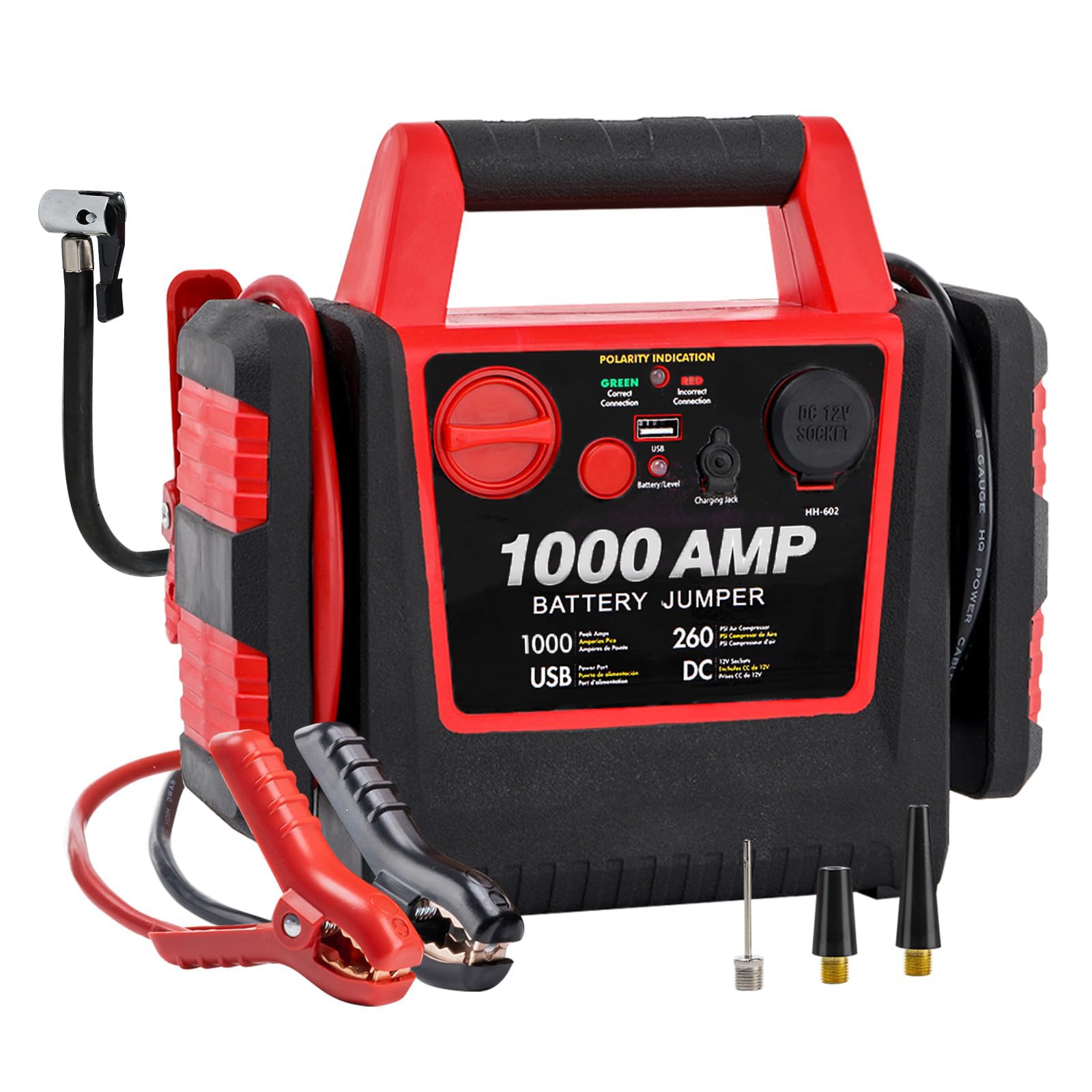
Illustrative image related to best tire inflator and battery charger
Retail automotive parts businesses can significantly benefit from adding tire inflators and battery chargers to their product lines. These items diversify their offerings and cater to the increasing demand for portable and efficient automotive solutions. When sourcing these products, retailers should focus on competitive pricing, warranty options, and robust customer support to enhance their sales potential and customer loyalty.
Das Problem: For businesses that operate a fleet, unexpected tire issues can lead to significant downtime and financial losses. A flat tire can ground vehicles, disrupt schedules, and delay deliveries. Fleet managers often face the challenge of ensuring that all vehicles are equipped with reliable tire inflators and battery chargers, as delays in addressing these issues can ripple through logistics operations. Additionally, with the diverse terrains and road conditions in regions such as Africa and South America, the need for robust and versatile equipment is heightened.
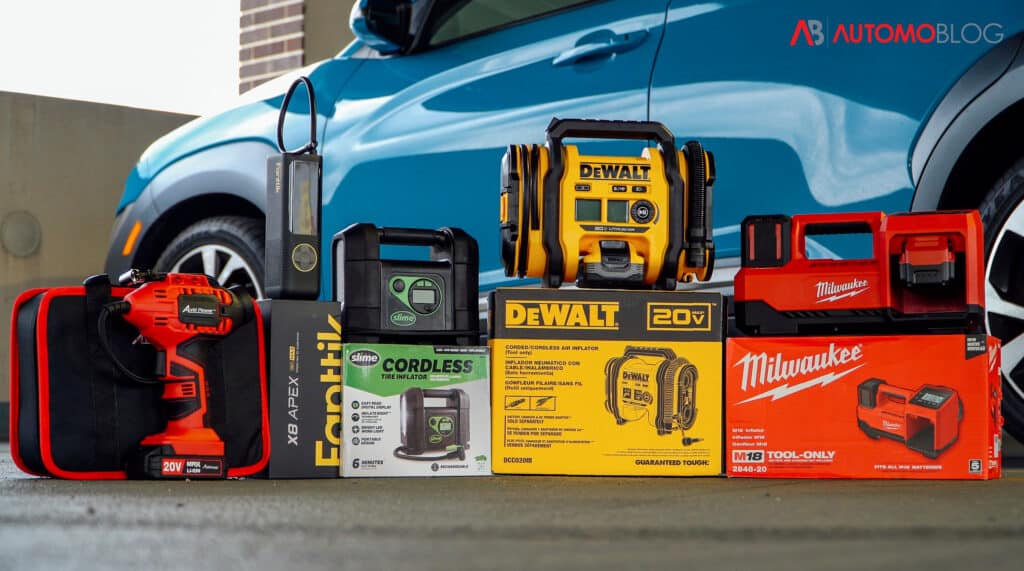
Die Lösung: To mitigate these risks, B2B buyers should invest in high-quality, portable tire inflators and jump starters that are specifically designed for commercial use. When sourcing equipment, look for models that offer dual functionalities—efficiently inflating tires and jump-starting batteries—like the Clore Automotive Jump-N-Carry JNCAIR 1700 or the NOCO Boost Air AX65. These models not only provide quick inflation but are also robust enough to withstand the rigors of daily fleet operations. Additionally, consider bulk purchasing agreements with suppliers to ensure consistent availability and support. Implement a regular maintenance schedule for these tools to prolong their lifespan and ensure they are always ready for use, reducing fleet downtime effectively.
Das Problem: In many B2B environments, particularly in industries such as logistics and construction, employees may have varying levels of technical expertise. This diversity can lead to challenges in using tire inflators and battery chargers effectively, especially in emergencies. A complex or cumbersome unit may frustrate employees, leading to improper use and even equipment failure, which can be detrimental in critical situations.
Die Lösung: When selecting tire inflators and battery chargers, prioritize user-friendly designs with intuitive interfaces. Look for models that feature clear instructions, automatic shut-off functions, and built-in pressure gauges to simplify operation for all team members. Providing training sessions on how to use the equipment can also empower employees and enhance their confidence in handling tire emergencies. Additionally, consider investing in compact units with ergonomic designs that are easy to transport, making them accessible for all staff. Incorporating these strategies will promote safer, more efficient use of the equipment across your team.
Das Problem: B2B buyers are often faced with the challenge of balancing cost-effectiveness with quality when sourcing tire inflators and battery chargers. Cheaper options may save money upfront but can result in frequent breakdowns and replacements, leading to higher long-term costs. This is especially critical in regions with harsh climates or less-than-ideal road conditions, where reliable equipment is essential.
Die Lösung: To navigate this challenge, B2B buyers should conduct thorough market research to identify products that offer the best value for money. Look for comprehensive reviews and testing results that assess durability, ease of use, and performance in various conditions. Focus on manufacturers that provide warranties and customer support to ensure long-term reliability. Additionally, consider the total cost of ownership, which includes maintenance, repair, and replacement costs over time. By prioritizing quality while remaining budget-conscious, businesses can make informed purchasing decisions that lead to better equipment performance and overall savings in the long run.
When selecting materials for tire inflators and battery chargers, it is crucial to consider the properties, advantages, and limitations of various materials. This analysis focuses on four common materials: plastic, aluminum, steel, and rubber. Each material has unique characteristics that can significantly impact the performance, durability, and overall suitability of the products in diverse environments, particularly in international markets such as Africa, South America, the Middle East, and Europe.
Plastic is widely used in the casing and components of tire inflators and battery chargers due to its lightweight and corrosion-resistant properties. Common types include ABS (Acrylonitrile Butadiene Styrene) and polycarbonate, which can withstand moderate temperatures and pressures.
Profis: Plastics are generally cost-effective, easy to mold into complex shapes, and provide good insulation properties. They are also resistant to corrosion, making them suitable for humid or wet environments.
Nachteile: However, plastics may not withstand extreme temperatures or heavy impacts as well as metals. They can degrade over time with UV exposure, which is a consideration for outdoor use.
Auswirkungen auf die Anwendung: Plastic components are often used for housing and non-load-bearing parts, but they may not be suitable for high-pressure applications without reinforcement.
Überlegungen für internationale Einkäufer: Compliance with standards such as ASTM D638 for tensile properties and ASTM D256 for impact resistance is essential. Buyers should also consider the local climate and environmental conditions that may affect plastic durability.
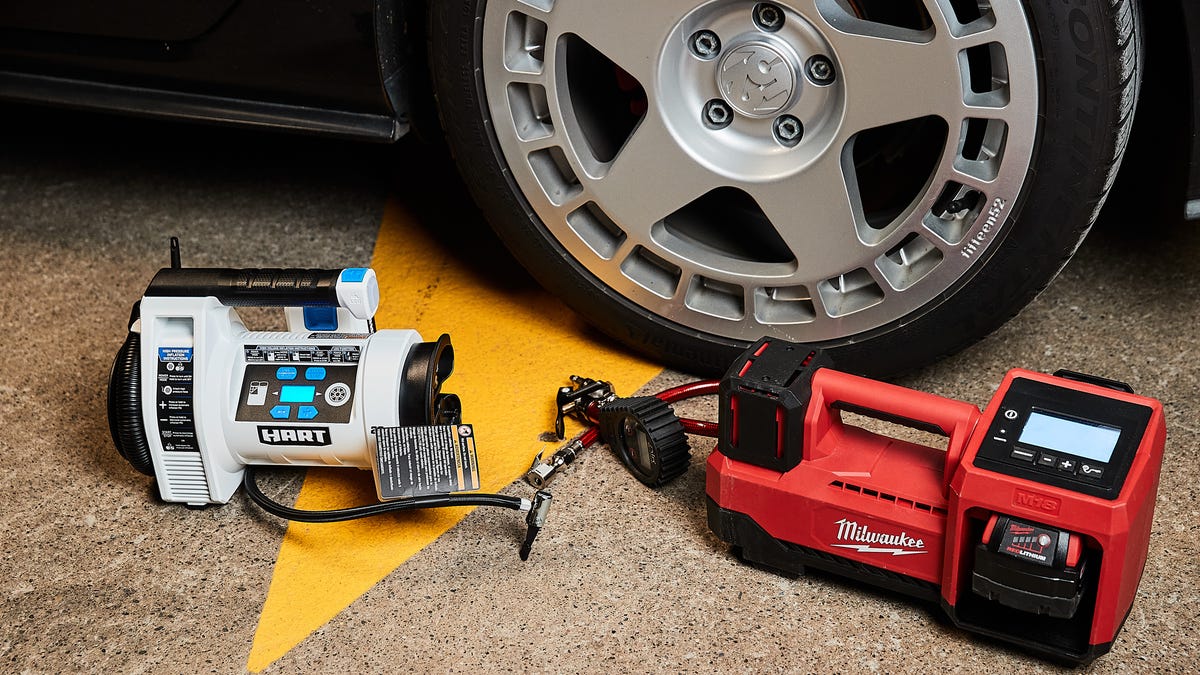
Illustrative image related to best tire inflator and battery charger
Aluminum is another popular choice for tire inflators and battery chargers, particularly for structural components. It offers excellent strength-to-weight ratios and good corrosion resistance, making it ideal for portable devices.
Profis: Aluminum is lightweight, durable, and can be easily machined. Its resistance to oxidation enhances longevity, especially in harsh environments.
Nachteile: The primary drawback is cost; aluminum is generally more expensive than plastic. Additionally, while it has good thermal conductivity, it can be less effective in insulating against electric currents.
Auswirkungen auf die Anwendung: Aluminum is suitable for high-pressure applications and can effectively dissipate heat, making it ideal for battery chargers that generate heat during operation.
Überlegungen für internationale Einkäufer: Buyers should ensure compliance with international standards such as ASTM B221 for aluminum extrusions. In regions with high humidity, the choice of anodized aluminum can enhance corrosion resistance.
Illustrative image related to best tire inflator and battery charger
Steel is often used for components requiring high strength and durability, such as the internal structures of battery chargers and inflators.
Profis: Steel is incredibly strong, making it ideal for high-stress applications. It is also cost-effective compared to aluminum and can be treated for enhanced corrosion resistance.
Nachteile: The main disadvantage is its weight, which can affect portability. Steel is also susceptible to rust if not properly coated or treated.
Auswirkungen auf die Anwendung: Steel is particularly well-suited for heavy-duty applications where robustness is essential, such as in commercial tire inflators used in workshops.
Überlegungen für internationale Einkäufer: Compliance with standards like ASTM A36 for structural steel is critical. Buyers should also consider local conditions that may necessitate additional protective coatings to prevent rust.
Rubber is commonly used in seals, hoses, and other flexible components of tire inflators due to its excellent elasticity and resistance to wear.
Profis: Rubber provides a good seal against air and moisture, enhancing the performance of inflators. It is also resistant to many chemicals and can withstand a range of temperatures.
Nachteile: However, rubber can degrade over time, especially when exposed to UV light or extreme temperatures. It may also be less durable in high-pressure applications compared to metal alternatives.
Auswirkungen auf die Anwendung: Rubber is essential for components that require flexibility, such as hoses and seals, but should be monitored for wear and tear.
Überlegungen für internationale Einkäufer: Compliance with standards such as ASTM D2000 for rubber materials is important. Buyers should also consider the local climate, as high temperatures can accelerate rubber degradation.
| Material | Typical Use Case for best tire inflator and battery charger | Hauptvorteil | Wesentlicher Nachteil/Beschränkung | Relative Kosten (niedrig/mittel/hoch) |
|---|---|---|---|---|
| Kunststoff | Housing and non-load-bearing components | Leicht und korrosionsbeständig | Limited temperature and impact resistance | Niedrig |
| Aluminium | Structural components and heat dissipation | Strong and lightweight | Higher cost and less insulation | Mittel |
| Stahl | Heavy-duty internal structures | Extremely strong and cost-effective | Heavy and prone to rust | Mittel |
| Gummi | Seals and flexible hoses | Good elasticity and chemical resistance | Zersetzt sich mit der Zeit durch UV-Einwirkung | Niedrig |
In summary, the choice of material for tire inflators and battery chargers significantly impacts product performance, durability, and suitability for specific applications. B2B buyers must consider local conditions, compliance with international standards, and the unique properties of each material to make informed purchasing decisions.
The manufacturing of tire inflators and battery chargers involves several critical stages designed to ensure efficiency, reliability, and safety. Understanding these processes is essential for B2B buyers seeking quality products that meet international standards.
Illustrative image related to best tire inflator and battery charger
The first stage in manufacturing involves sourcing high-quality materials. This includes metals for the casing, plastics for the housing, and electronic components such as batteries and circuit boards. Suppliers must adhere to specific standards, often requiring materials to be certified for safety and performance.
Once materials are prepared, the next step is forming, where components are shaped into their final design. This often involves advanced manufacturing techniques such as:
The assembly stage is where all components come together. This process can be manual or automated, depending on the complexity of the product and the scale of production.
After assembly, the products undergo finishing processes which enhance both appearance and performance.
Quality assurance (QA) is a critical component of the manufacturing process, ensuring that the final products meet both company and international standards.
Manufacturers of tire inflators and battery chargers typically adhere to several international standards, which are crucial for B2B buyers:
Die Qualitätskontrolle (QC) umfasst mehrere Kontrollpunkte während des gesamten Herstellungsprozesses:
Several testing methods are utilized to validate the performance and safety of tire inflators and battery chargers:
For international B2B buyers, ensuring that suppliers maintain high-quality standards is essential. Here are actionable steps:
When dealing with suppliers from diverse regions, B2B buyers must be aware of certain nuances in quality control and certification:
The manufacturing processes and quality assurance measures for tire inflators and battery chargers are pivotal for ensuring product reliability and safety. B2B buyers should be vigilant in assessing these processes, verifying supplier compliance with international standards, and understanding regional nuances. By prioritizing quality and performance, buyers can make informed decisions that ultimately enhance their product offerings and customer satisfaction.
To effectively source the best tire inflators and battery chargers for your business needs, it is essential to follow a systematic approach. This guide will help you navigate the procurement process with clarity and precision.
Before initiating the sourcing process, clearly outline the technical specifications required for your tire inflators and battery chargers. Consider factors such as:
– Power Output: Determine the peak amperage needed for jump-starting vehicles, especially if your clients operate heavy-duty trucks.
– Aufblasgeschwindigkeit: Assess how quickly the inflator can fill tires, as efficiency is crucial for user satisfaction.
– Pressure Capacity: Ensure that the inflator can handle high pressures (up to 80 psi) to accommodate a variety of vehicle types.
Illustrative image related to best tire inflator and battery charger
Understanding your target market is vital for selecting the right products. Different regions may have unique needs based on vehicle types and local conditions. For instance:
– Regional Vehicle Preferences: In Africa, consider sourcing products compatible with commonly used vehicles.
– Environmental Factors: Take into account the climate, which may affect product performance, such as heat or humidity resistance.
Before making any commitments, conduct thorough evaluations of potential suppliers. Key actions include:
– Requesting Documentation: Ask for company profiles, certifications, and quality assurance processes.
– Assessing Reputation: Look for reviews or testimonials from other businesses in your industry to gauge reliability and service quality.
Ensure that the products you are considering meet relevant international standards and regulations. This is particularly important for:
– Safety Certifications: Check for compliance with safety standards to protect your customers and your business.
– Quality Control Procedures: Suppliers should have robust quality control measures in place to guarantee product performance and longevity.
Once you have shortlisted suppliers, engage in negotiations to secure favorable pricing and terms. Consider the following:
– Volume Discounts: Discuss bulk purchase options to lower costs.
– Payment Terms: Agree on payment terms that align with your cash flow needs, such as net 30 or net 60.
Before finalizing your order, request samples for testing. This step is crucial for:
– Performance Evaluation: Assess the actual performance of the inflators and chargers under real-world conditions.
– User Experience: Ensure the products are user-friendly and meet the expectations of your target market.
Illustrative image related to best tire inflator and battery charger
Finally, develop a logistics strategy for the delivery and distribution of your products. Important considerations include:
– Shipping Options: Evaluate shipping costs and times, especially if sourcing from international suppliers.
– Inventory Management: Plan for effective inventory management to ensure a steady supply without overstocking.
By following these steps, you can confidently procure the best tire inflators and battery chargers tailored to your business needs, ensuring satisfaction for your clients and enhancing your market position.
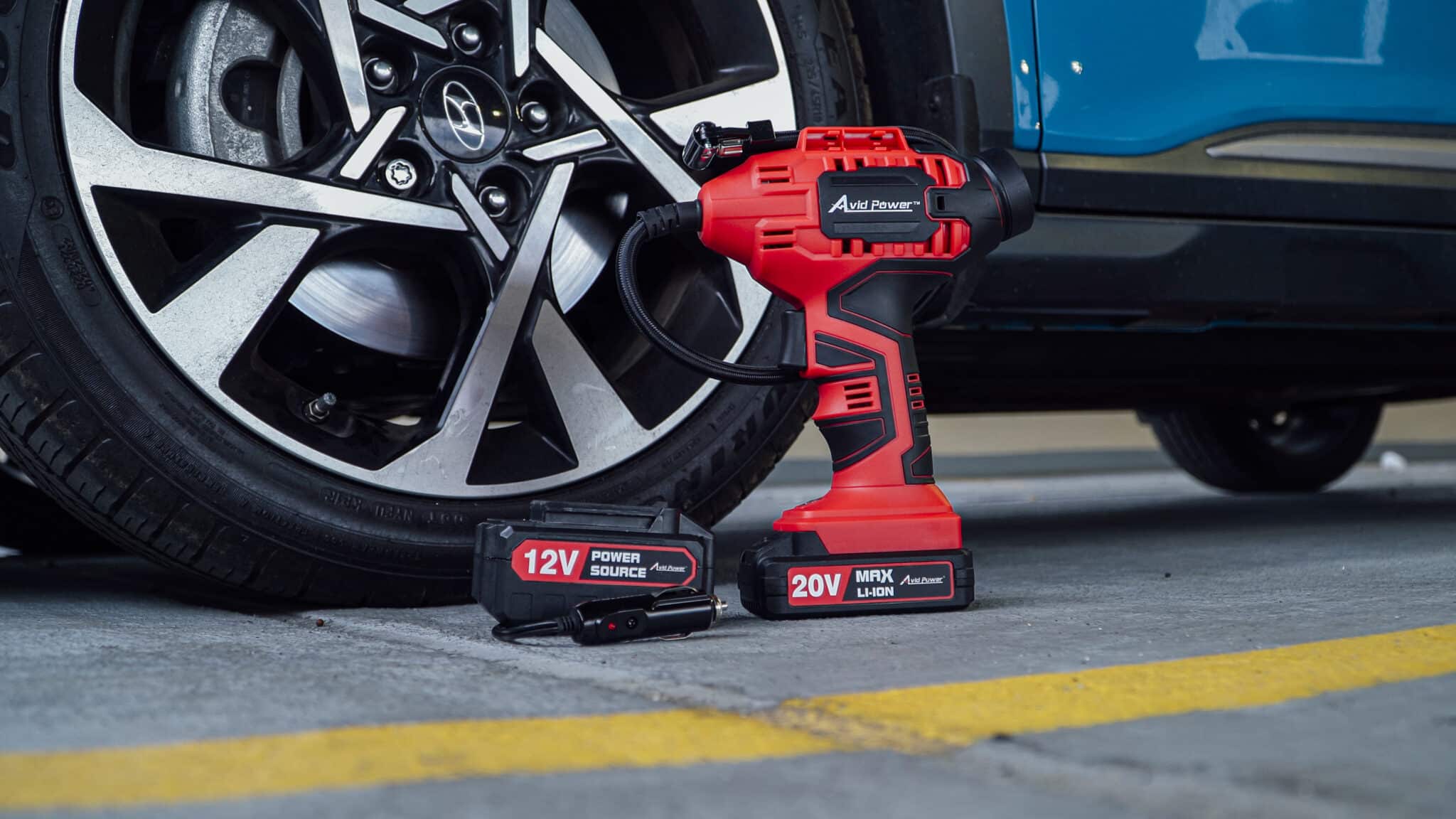
Understanding the cost structure and pricing for tire inflators and battery chargers is crucial for B2B buyers, particularly in regions such as Africa, South America, the Middle East, and Europe. This section outlines the essential components of cost, price influencers, and offers actionable tips for buyers seeking to optimize their sourcing strategies.
Illustrative image related to best tire inflator and battery charger
The cost structure for tire inflators and battery chargers typically includes several key components:
Materialien: The quality and type of materials used significantly impact the final product price. High-grade plastics, metals, and electronic components used in manufacturing durable inflators and chargers can lead to higher costs. Buyers should be aware of the material specifications to ensure they are getting the right balance of cost and quality.
Arbeit: Labor costs vary by region and are influenced by local wage standards. In countries with higher labor costs, manufacturers may charge more for their products. Understanding the labor market in the manufacturing country can provide insights into pricing.
Fertigungsgemeinkosten: This includes costs related to utilities, factory maintenance, and administrative expenses. Efficient factories may be able to offer lower prices due to reduced overhead.
Werkzeugbau: The initial investment in tooling and machinery to produce tire inflators and battery chargers can be significant. This cost is often spread over the volume of products produced, meaning higher volume orders can lead to lower per-unit costs.
Qualitätskontrolle (QC): Rigorous QC processes ensure product reliability, which is especially critical for safety-related items like battery chargers. Enhanced QC measures can increase costs but also boost buyer confidence in product performance.
Logistik: Shipping and handling costs, including freight, customs duties, and storage, can significantly affect the total cost. International buyers should consider these factors, especially when importing from distant locations.
Marge: Manufacturers typically include a profit margin in their pricing. This margin can vary based on market conditions and competition.
When sourcing tire inflators and battery chargers, several factors influence pricing:
Volumen/MOQ: Minimum order quantities (MOQ) and bulk purchasing can significantly reduce costs. Suppliers often provide discounts for larger orders, which is beneficial for businesses planning to resell or distribute these products.
Spezifikationen/Anpassung: Customized products often incur additional costs. Buyers should determine whether customization is necessary or if standard products meet their needs to optimize costs.
Materialien und Qualitätszertifikate: Higher quality materials and certifications (e.g., CE, ISO) can increase product costs but also enhance safety and reliability. Buyers should assess whether the additional investment is justified based on their market requirements.
Lieferanten-Faktoren: The reputation and reliability of the supplier can also affect pricing. Established suppliers may charge more due to their proven track record and quality assurance.
Incoterms: Understanding international commercial terms (Incoterms) can clarify responsibilities for shipping costs, insurance, and duties. This knowledge helps avoid unexpected expenses during the import process.
To achieve cost-efficiency in sourcing tire inflators and battery chargers, consider the following tips:
Negotiate for Better Terms: Engage suppliers in discussions about pricing, especially for bulk orders. Don’t hesitate to ask for discounts or better payment terms based on your purchasing power.
Gesamtbetriebskosten (TCO): Consider the TCO, which includes the purchase price, shipping, tariffs, and potential maintenance costs. A lower upfront price may not always translate to lower overall costs.
Leverage Local Insights: For buyers from regions like Africa, South America, or the Middle East, having local contacts can provide valuable insights into market pricing and supplier reliability, potentially leading to better deals.
Stay Informed on Market Trends: Keeping abreast of market trends and competitor pricing can empower buyers during negotiations, ensuring they secure competitive rates.
When sourcing tire inflators and battery chargers, understanding the cost structure and pricing influencers is essential for making informed purchasing decisions. By considering these factors and employing strategic negotiation tactics, B2B buyers can optimize their sourcing processes and achieve better overall value. As always, prices may vary based on market conditions, so it is advisable to conduct thorough market research and supplier comparisons.
In the realm of automotive maintenance, having reliable tools is essential for businesses that cater to vehicle upkeep. While the best tire inflator and battery charger combo provides a versatile solution for emergencies, there are alternative methods worth considering. This analysis compares this product against two viable alternatives: traditional air compressors and jump starter cables.
| Vergleich Aspekt | Best Tire Inflator and Battery Charger | Herkömmlicher Luftkompressor | Jump Starter Cables |
|---|---|---|---|
| Leistung | Fast tire inflation, multiple jump starts | High air pressure, continuous use | Dependable for jump-starting only |
| Kosten | Moderate to high (varies by brand) | Low to moderate | Niedrig |
| Leichte Implementierung | Portable, easy to use | Requires power source | Requires knowledge of battery systems |
| Wartung | Low (occasional charging) | Moderate (oil changes, checks) | Low (simple storage) |
| Bester Anwendungsfall | Emergency roadside assistance | Workshop or garage settings | Basic jump-starting needs |
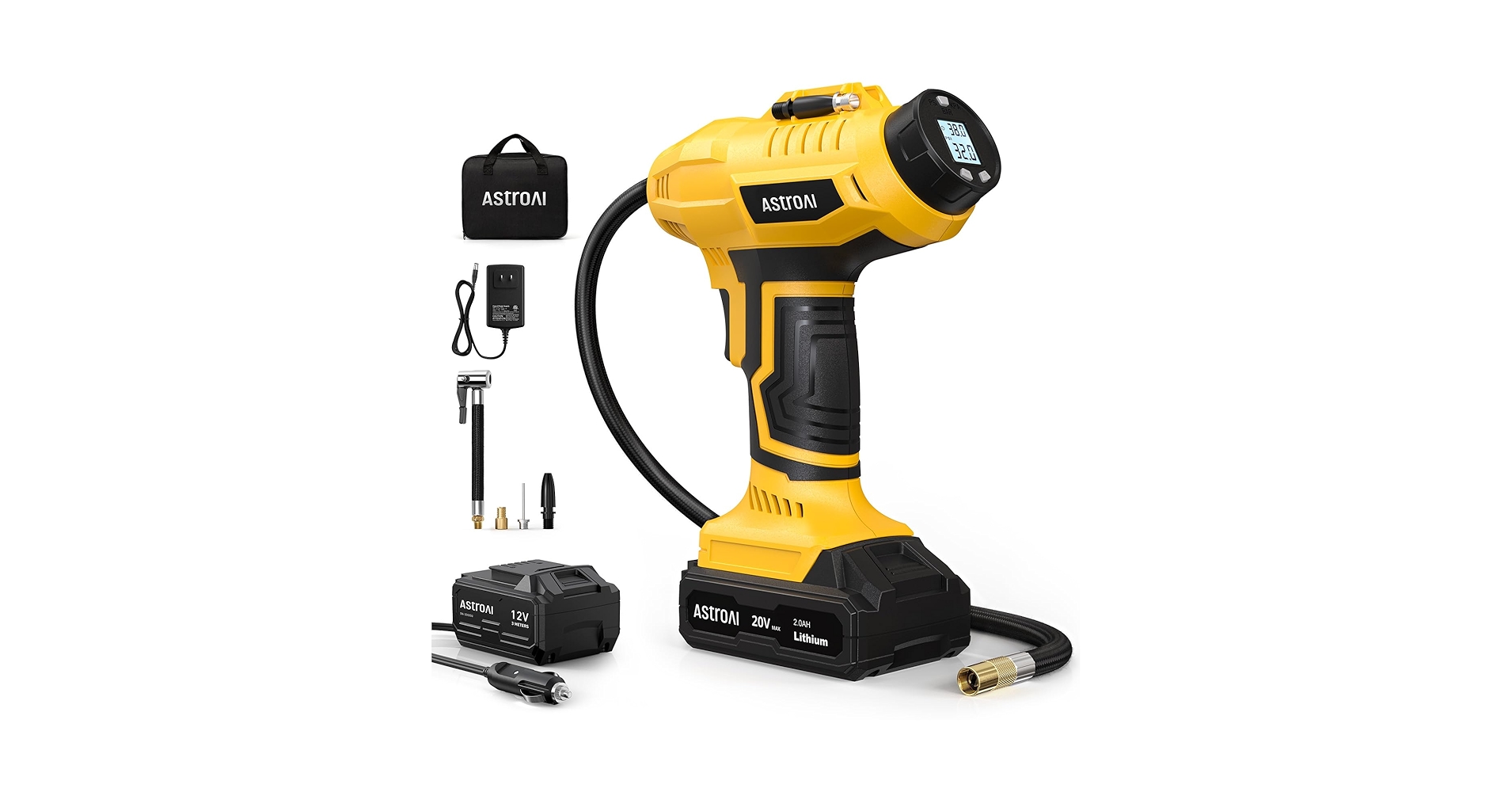
Traditional air compressors are typically used in workshops and garages, where they can deliver high air pressure for various applications. Their performance is superior for inflating tires quickly and can handle multiple tires in one go. However, they require a constant power source, making them less portable than tire inflator and battery charger combos. Additionally, they can be more expensive to maintain due to the need for regular oil changes and servicing. Businesses that operate in fixed locations may find traditional air compressors to be a practical investment, but their lack of mobility can be a drawback for those needing on-the-go solutions.
Illustrative image related to best tire inflator and battery charger
Jump starter cables are a cost-effective solution for reviving dead batteries, relying on the power from another vehicle. Their simplicity and low cost make them attractive for businesses that have reliable access to another car. However, they do require some knowledge of vehicle systems and proper usage to avoid damage. Moreover, they only address the battery issue and do not assist with tire inflation, making them less versatile than tire inflator and battery charger combos. For businesses focused solely on battery issues, jump starter cables can be effective, but their limitations may hinder broader roadside assistance capabilities.
When deciding between the best tire inflator and battery charger and its alternatives, B2B buyers should consider the specific needs of their operations. If mobility and versatility are crucial—especially for roadside assistance—investing in a tire inflator and battery charger combo is likely the best choice. Conversely, for businesses that operate from a fixed location or have frequent access to power sources, traditional air compressors may offer better performance for tire inflation. Meanwhile, companies focused primarily on battery maintenance might find jump starter cables sufficient for their needs. Ultimately, evaluating the context of use, budget constraints, and required functionalities will guide buyers toward the most suitable solution.
When selecting tire inflators and battery chargers for B2B applications, understanding critical technical specifications is essential. Here are several key properties that can significantly impact performance and reliability:
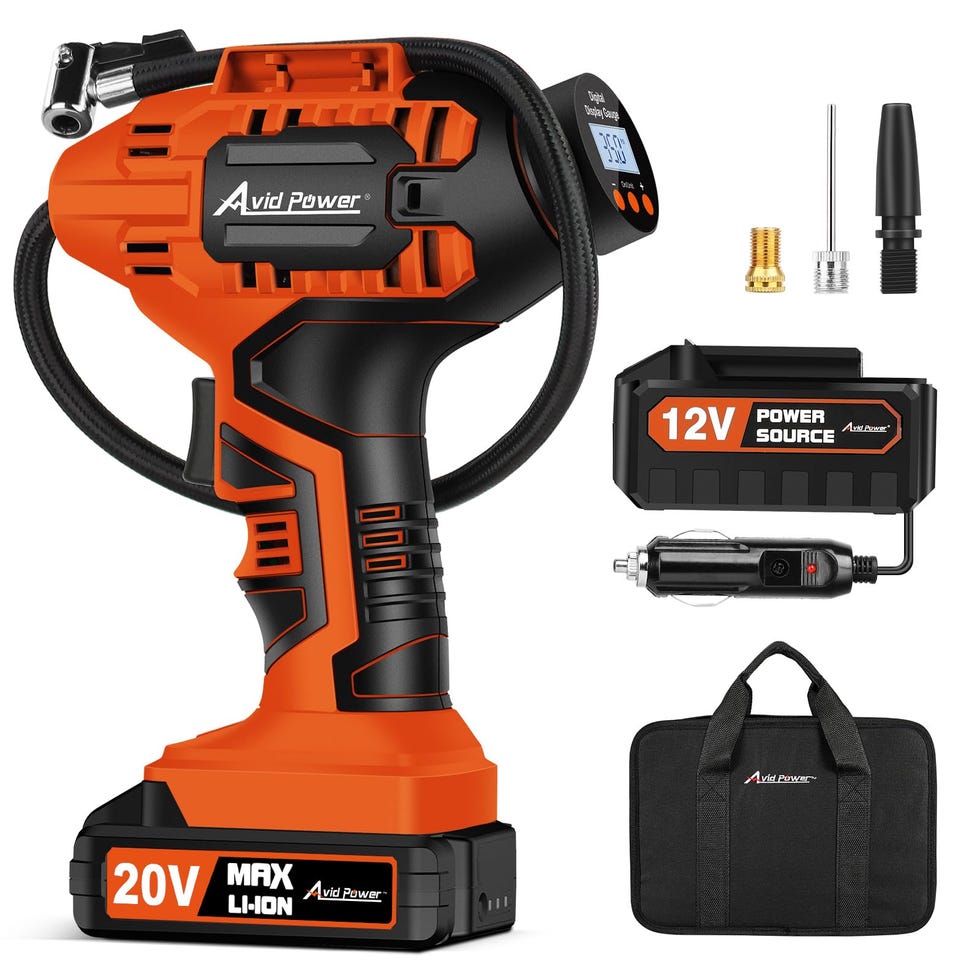
The amperage rating indicates the maximum current a jump starter can deliver to a vehicle’s battery. This specification is crucial because higher amperage means the ability to start larger engines and more vehicles on a single charge. For instance, a unit with a rating of 1700 peak amps is more suitable for heavy-duty trucks than one with a 400-amp rating. B2B buyers should assess their clientele’s needs to ensure they select a product that can handle the vehicles commonly serviced.
Illustrative image related to best tire inflator and battery charger
For tire inflators, the maximum pressure output, usually measured in PSI (pounds per square inch), is vital. Many vehicles, especially trucks and SUVs, require higher inflation pressures, sometimes up to 80 PSI. A tire inflator with a lower maximum pressure may be inadequate for certain applications, leading to customer dissatisfaction. Therefore, understanding this property helps B2B buyers cater to a wider range of vehicles.
The battery capacity, often measured in watt-hours (Wh) or amp-hours (Ah), determines how long a device can operate before requiring a recharge. For jump starters, a higher capacity allows for multiple jump starts without needing to recharge frequently. In a commercial setting, this translates to less downtime and increased efficiency, making it a critical factor for businesses that rely on these devices for roadside assistance or in-service vehicle maintenance.
The materials used in the construction of inflators and chargers can influence durability and performance. For example, rubberized or high-impact plastics can provide better shock resistance, essential for tools frequently used in rugged environments. B2B buyers should prioritize products with robust build quality to reduce replacement costs and ensure longevity in challenging conditions.
The speed at which a tire inflator can fill a tire is an essential specification. Faster inflation times improve efficiency, especially in commercial settings where time is money. Products that can inflate a standard tire in under five minutes are generally preferred. Buyers should evaluate the inflation speed alongside the intended use to optimize operational efficiency.
Familiarity with industry-specific terminology is essential for effective communication and negotiation in B2B transactions. Below are several key terms that are frequently encountered:
OEM refers to companies that produce parts or equipment that may be marketed by another manufacturer. In the context of tire inflators and battery chargers, purchasing OEM parts can ensure compatibility and reliability in product performance, which is critical for long-term customer satisfaction.
MOQ is the smallest quantity of a product that a supplier is willing to sell. Understanding MOQ is crucial for B2B buyers as it affects inventory management and purchasing strategies. Buyers should negotiate favorable MOQs to ensure they can maintain adequate stock without overcommitting resources.
An RFQ is a document sent to suppliers requesting a quote for specific products or services. This process is essential for comparing prices and terms across different suppliers. Crafting a detailed RFQ can help B2B buyers secure the best deals and establish strong supplier relationships.
Incoterms are a set of international rules governing the shipping and delivery of goods. Understanding these terms helps B2B buyers clarify responsibilities regarding shipping costs, insurance, and risk management. This knowledge is vital for smooth international transactions, particularly when sourcing products from various regions.
Lead time refers to the time taken from placing an order to receiving the goods. In the context of tire inflators and battery chargers, shorter lead times can enhance responsiveness to market demands. B2B buyers should consider lead times when selecting suppliers to ensure they can meet customer needs promptly.
By grasping these technical properties and trade terms, B2B buyers can make informed decisions that enhance their product offerings and operational efficiency.
The tire inflator and battery charger market is experiencing significant growth driven by increasing vehicle ownership, particularly in emerging markets such as Africa, South America, and the Middle East. Global trends indicate a rising demand for portable and multifunctional devices, with B2B buyers prioritizing products that combine utility and efficiency. The integration of advanced technologies, such as lithium-ion batteries and smart inflators, is becoming more common, enhancing performance while reducing weight and size. Buyers are looking for devices that can effectively handle various tire sizes, including those for commercial vehicles, which are prevalent in these regions.
Additionally, the focus on convenience and user-friendliness is reshaping product designs. Features such as built-in LED lights, USB charging ports, and accurate pressure gauges are increasingly sought after. As e-commerce continues to expand, international buyers are leveraging online platforms for sourcing these products, seeking competitive pricing and reliable suppliers. Understanding regional preferences is crucial; for instance, buyers in the Middle East may prioritize high-temperature resilience, while those in Europe may focus on eco-friendliness and energy efficiency.
As sustainability becomes a priority across industries, B2B buyers in the tire inflator and battery charger sector are increasingly concerned with the environmental impact of their purchases. The production of these devices often involves materials that can have significant ecological footprints, making ethical sourcing and sustainability critical factors in procurement decisions. Buyers are now looking for products that utilize recycled materials, low-emission manufacturing processes, and energy-efficient technologies.
Furthermore, certifications such as ISO 14001 for environmental management and Energy Star ratings are becoming essential for suppliers aiming to establish credibility in the marketplace. Buyers are also interested in the lifecycle of products, from sourcing raw materials to end-of-life recycling options. By choosing suppliers committed to ethical practices, businesses can enhance their brand reputation and appeal to environmentally conscious consumers, creating a competitive advantage in both local and international markets.
The evolution of tire inflators and battery chargers has been significantly influenced by advancements in technology and changing consumer needs. Early models were typically bulky and limited to basic functions, primarily designed for home use. However, the rise of portable and multifunctional devices has transformed the landscape, allowing users to perform multiple tasks with a single unit.
In the last decade, innovations in battery technology, particularly the shift from lead-acid to lithium-ion batteries, have improved the performance, weight, and charging times of these devices. Additionally, the integration of smart technology has led to features like automatic shut-off and mobile app connectivity, enhancing user experience and safety. Today, B2B buyers are not just looking for tools that work; they demand efficiency, reliability, and sustainability, reflecting broader trends in the global market. As the sector continues to evolve, staying attuned to technological advancements and consumer preferences will be crucial for suppliers aiming to remain competitive.
How do I choose the right tire inflator and battery charger for my business needs?
Choosing the right tire inflator and battery charger requires assessing your specific operational requirements. Consider the types of vehicles you service, the volume of usage, and the pressure needs for tires. Look for features such as portability, battery capacity, and additional functionalities like USB ports or built-in lights. It’s also crucial to evaluate the product’s reliability and performance through reviews and testing results. Finally, compare different suppliers to ensure you get a product that meets your quality standards and budget.
What are the key features to look for in a tire inflator and battery charger?
When selecting a tire inflator and battery charger, prioritize features like inflation speed, maximum pressure capabilities, and battery capacity. A reliable built-in pressure gauge is essential for accuracy, while a compact design facilitates easy storage and transport. Additional features, such as LED work lights and multiple charging ports, can enhance usability. Ensure the device can handle the specific tire pressures required for your fleet, especially for heavy-duty vehicles, and check for rugged construction to withstand harsh conditions.
What is the best tire inflator and battery charger for commercial use?
For commercial use, the Clore Automotive Jump-N-Carry JNCAIR 1700 is highly recommended due to its robust performance and reliability. It offers a powerful jump-start capability and can inflate tires quickly, making it suitable for fleet operations. Alternatively, the NOCO Boost Air AX65 provides rapid inflation and additional features like USB charging, although it has a shorter battery life. Assess your business’s specific needs, such as portability and maximum tire pressures, to determine which model best suits your operations.
How can I vet suppliers for tire inflators and battery chargers?
To vet suppliers, start by researching their reputation in the industry. Look for customer reviews, testimonials, and case studies that demonstrate their reliability and product quality. Request certifications that verify compliance with international standards. It’s also wise to ask for samples to evaluate product performance firsthand. Finally, consider their customer service responsiveness and after-sales support, as these factors are crucial for maintaining a good business relationship.
What are the minimum order quantities (MOQs) for tire inflators and battery chargers?
Minimum order quantities (MOQs) can vary significantly by supplier and product type. Typically, MOQs for tire inflators and battery chargers range from 50 to 500 units, depending on the manufacturer’s production capabilities. Discuss your needs with potential suppliers to negotiate favorable terms, especially if you’re a smaller business or testing a new market. Some suppliers may offer flexible MOQs for first-time buyers or bulk orders, so it’s beneficial to clarify this upfront.
What payment terms should I expect when sourcing internationally?
Payment terms for international sourcing can vary widely but often include options such as a letter of credit, advance payment, or payment upon delivery. Many suppliers may require a deposit (usually 30% to 50%) upfront, with the balance due before shipment or upon receipt of goods. Always confirm the payment methods accepted, such as wire transfer, PayPal, or credit card, and ensure you understand any additional fees involved in the transaction. Clear communication about payment terms can help avoid misunderstandings later.
How can I ensure quality assurance (QA) for tire inflators and battery chargers?
To ensure quality assurance, establish clear specifications and standards with your supplier before production begins. Request regular updates and samples during the manufacturing process to monitor quality. Implement third-party inspections to verify that the products meet your requirements and industry standards. Additionally, consider a trial period where you test the inflators and chargers in real-world conditions before committing to larger orders, as this can help identify any performance issues early.
What logistics considerations should I keep in mind when importing tire inflators and battery chargers?
When importing tire inflators and battery chargers, consider shipping methods, customs regulations, and delivery timelines. Research the most efficient and cost-effective shipping options, whether by air or sea, and factor in potential delays. Understand the import duties and taxes applicable in your country to avoid unexpected costs. Collaborate with a reliable freight forwarder who can navigate logistics complexities and ensure compliance with international trade regulations, enhancing the overall efficiency of your supply chain.
Bereich: reddit.de
Registriert: 2005 (20 Jahre)
Einleitung: Recommendations for tire inflators and portable battery jumpers for the F150 Lightning include: 1. Vtoman 2500 jump starter/inflator. 2. Brpom jump starter with air compressor, well-reviewed for multiple uses. 3. NOCO models, particularly noted for their manual override setting that allows charging of completely dead batteries. 4. Schumacher Electric Lithium Jump Starter and Portable Power Pack SL…
Bereich: facebook.com
Registriert: 1997 (28 Jahre)
Einleitung: off grid battery charger, tire inflator
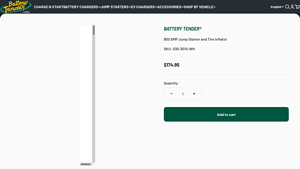
Bereich: batterytender.com
Registriert: 1998 (27 Jahre)
Einleitung: {“product_name”: “800 AMP Jump Starter and Tire Inflator”, “sku”: “030-3010-WH”, “sale_price”: “$174.95”, “regular_price”: “$174.95”, “description”: “Portable jump starter and tire inflator for 12 volt batteries. Jump starts gas and diesel engines up to V8 and inflates tires from flat to full in eight minutes.”, “functions”: [“Jump Starter”, “Tire Inflator”], “tire_inflation_capacity”: “up to 140p…
In summary, selecting the best tire inflator and battery charger requires a strategic approach that balances performance, reliability, and cost-effectiveness. Key takeaways include prioritizing products that offer rapid inflation times, robust jump-starting capabilities, and additional features such as USB charging ports and LED lights. For international B2B buyers, particularly those in Africa, South America, the Middle East, and Europe, understanding regional needs and market dynamics is crucial in sourcing these essential tools.
Illustrative image related to best tire inflator and battery charger
Strategic sourcing not only enhances operational efficiency but also ensures that businesses can respond quickly to customer demands, particularly in markets where reliable vehicle maintenance is vital. As the automotive landscape evolves, investing in high-quality, multifunctional devices will position your business ahead of competitors.
Looking forward, we encourage you to explore partnerships with trusted manufacturers and suppliers to enhance your product offerings. Stay informed on the latest innovations in tire inflators and battery chargers, and make informed decisions that align with your business objectives. By doing so, you can ensure that you meet the diverse needs of your clientele while maximizing profitability in your market.
Die in diesem Leitfaden enthaltenen Informationen, einschließlich der Angaben zu Herstellern, technischen Spezifikationen und Marktanalysen, dienen ausschließlich Informations- und Bildungszwecken. Sie stellen keine professionelle Kaufberatung, Finanzberatung oder Rechtsberatung dar.
Illustrative image related to best tire inflator and battery charger
Obwohl wir alle Anstrengungen unternommen haben, um die Richtigkeit und Aktualität der Informationen zu gewährleisten, übernehmen wir keine Verantwortung für etwaige Fehler, Auslassungen oder veraltete Informationen. Marktbedingungen, Unternehmensangaben und technische Standards können sich ändern.
B2B-Käufer müssen ihre eigene unabhängige und gründliche Due-Diligence-Prüfung durchführen bevor Sie eine Kaufentscheidung treffen. Dazu gehört, dass Sie sich direkt mit den Anbietern in Verbindung setzen, Zertifizierungen überprüfen, Muster anfordern und sich professionell beraten lassen. Das Risiko, sich auf die Informationen in diesem Leitfaden zu verlassen, trägt allein der Leser.


 German
  English
  Russian
  Spanish
  Italian
  Arabic
  Portuguese