
In the dynamic world of motorcycle accessories, sourcing high-quality hard side bags for motorcycles poses a significant challenge for B2B buyers. With a plethora of options available, it becomes crucial to identify products that not only meet the diverse needs of riders across various terrains but also adhere to regional preferences and standards. This guide offers a thorough exploration of hard side bags, detailing the different types available, their applications, and the essential criteria for supplier vetting.
Buyers will find insights into key factors such as material durability, waterproofing, security features, and design aesthetics, ensuring they can make informed decisions that align with their market demands. Additionally, we will delve into cost considerations, enabling B2B buyers from Africa, South America, the Middle East, and Europe—including key markets like Saudi Arabia and Brazil—to navigate pricing structures effectively.
By equipping buyers with the knowledge needed to evaluate products and suppliers critically, this guide empowers businesses to invest in reliable hard side bags that enhance the riding experience. Whether for retail or bulk purchasing, understanding these elements will facilitate strategic sourcing and foster lasting partnerships in the motorcycle accessories market.
| Typ Name | Wichtigste Unterscheidungsmerkmale | Primäre B2B-Anwendungen | Kurze Vor- und Nachteile für Käufer |
|---|---|---|---|
| Hard Saddlebags | Rigid construction, often made from plastic or aluminum | Fernreisen, gewerbliche Nutzung | Vorteile: Langlebig, sicher, witterungsbeständig. Nachteile: Schwerer, erfordert möglicherweise spezielle Befestigungssysteme. |
| Monokey Cases | Single-key locking mechanism, compatible with various mounts | Rental fleets, delivery services | Vorteile: Easy to use, versatile. Nachteile: Limited size options. |
| Waterproof Hard Bags | Sealed design, often with additional rain covers | Adventure touring, off-road use | Vorteile: Excellent protection against elements. Nachteile: Höherer Preispunkt. |
| Customizable Hard Cases | Modular design allowing for tailored configurations | Specialty businesses, custom builds | Vorteile: Tailored solutions for specific needs. Nachteile: Potentially higher lead times. |
| Quick-Release Side Cases | Designed for easy attachment and detachment | Rental services, frequent travelers | Vorteile: Convenience in loading/unloading. Nachteile: May lack security features. |
Hard saddlebags are a popular choice for motorcycle enthusiasts, particularly for long-distance touring and commercial applications. Constructed from durable materials like plastic or aluminum, these bags offer a rigid structure that protects contents from impacts and environmental factors. They are ideal for businesses that prioritize security and weather resistance, making them suitable for delivery services and rental fleets. However, buyers should consider the added weight and the necessity of specific mounting systems, which can complicate installation.
Monokey cases feature a unique single-key locking mechanism that simplifies access while providing compatibility with various mounting systems. This design is particularly beneficial for rental fleets and delivery services, where ease of use and versatility are paramount. While they offer convenience, buyers may find the size options somewhat limited compared to other hard bag types. This could restrict their application for businesses requiring larger storage capacities.
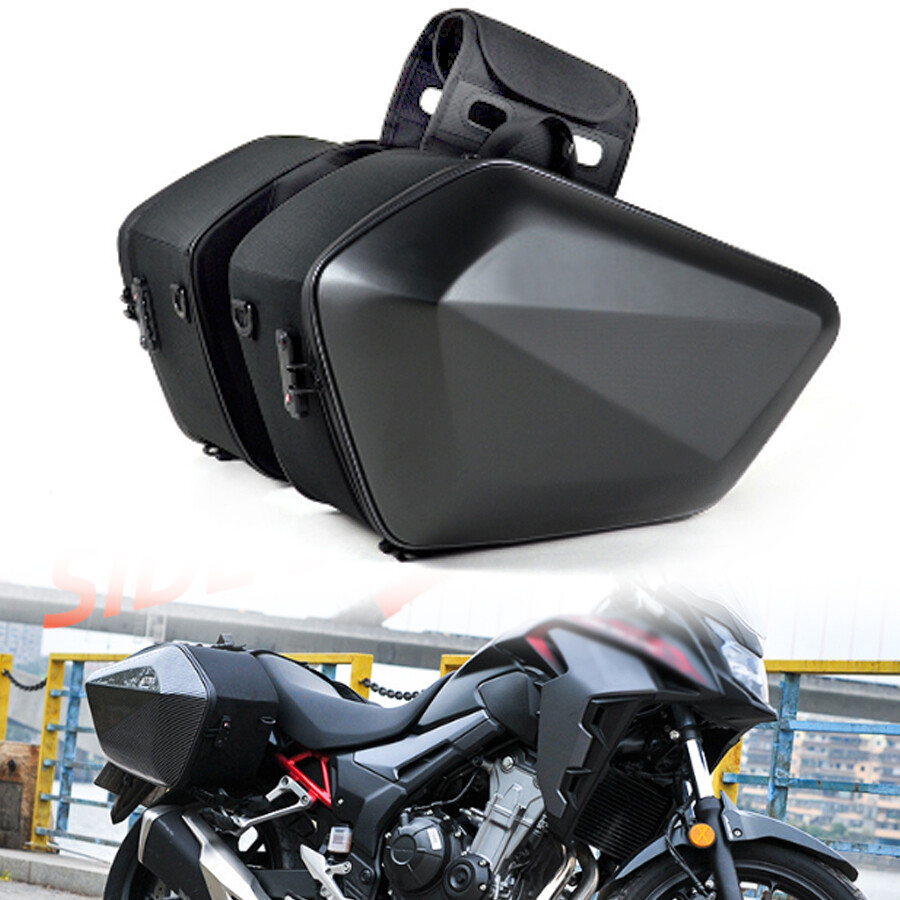
Illustrative image related to hard side bags for motorcycles
Waterproof hard bags are specifically designed to protect contents from rain and moisture, making them an excellent choice for adventure touring and off-road use. These bags often come with sealed designs and additional rain covers for enhanced protection. Businesses focusing on outdoor and adventure experiences will find these bags invaluable, although the higher price point may be a consideration for budget-conscious buyers. Their durability and weather resistance can lead to long-term savings by reducing replacement costs.
Customizable hard cases allow businesses to create tailored solutions that meet specific operational needs. This modular design is beneficial for specialty businesses or custom builds that require unique configurations. While the ability to customize is a significant advantage, buyers should be aware of potential longer lead times and higher costs associated with custom orders. This type of bag is suitable for companies that prioritize functionality and brand representation.
Quick-release side cases are designed for easy attachment and detachment, making them ideal for rental services and frequent travelers. The convenience of loading and unloading can significantly enhance user experience. However, buyers should consider that these bags may lack advanced security features, which could be a concern for businesses that prioritize theft prevention. Overall, quick-release side cases offer a balance of convenience and functionality, appealing to a wide range of B2B applications.
| Industrie/Sektor | Specific Application of hard side bags for motorcycles | Wert/Nutzen für das Unternehmen | Wichtige Überlegungen zur Beschaffung für diese Anwendung |
|---|---|---|---|
| Logistik und Transport | Delivery services using motorcycles for last-mile logistics | Enhanced storage capacity for transporting goods safely | Durability, waterproof features, and compatibility with various motorcycle models |
| Tourismus und Abenteuerreisen | Geführte Motorradtouren und -vermietungen | Increased capacity for carrying personal items and gear | Lightweight design, security features, and ease of installation |
| Notfalldienste | Rapid response units utilizing motorcycles | Quick access to essential equipment and supplies | Robust construction, lockability, and weather resistance |
| Einzelhandel und E-Commerce | Mobile retail solutions on motorcycles | Flexibility in storage for products during deliveries | Customization options, ease of access, and branding possibilities |
| Motorcycle Customization Shops | Upgrading motorcycle aesthetics and functionality | Enhanced appeal and utility for custom builds | Variety in styles, materials, and compatibility with aftermarket parts |
In logistics and transportation, hard side bags are essential for delivery services utilizing motorcycles for last-mile logistics. These bags provide enhanced storage capacity, allowing riders to transport goods safely and securely. Businesses benefit from increased efficiency and reduced risk of damage to items during transit. Buyers in this sector should prioritize durability, waterproof features, and compatibility with various motorcycle models to ensure reliable performance in diverse weather conditions.
For tourism and adventure travel, guided motorcycle tours and rentals often rely on hard side bags to enhance the rider’s experience. These bags allow tourists to carry personal items and gear securely while enjoying the ride. The increased capacity ensures that riders have all essentials at their disposal, which is crucial for multi-day trips. Buyers in this industry should consider lightweight designs, security features, and ease of installation to attract adventure-seeking customers.
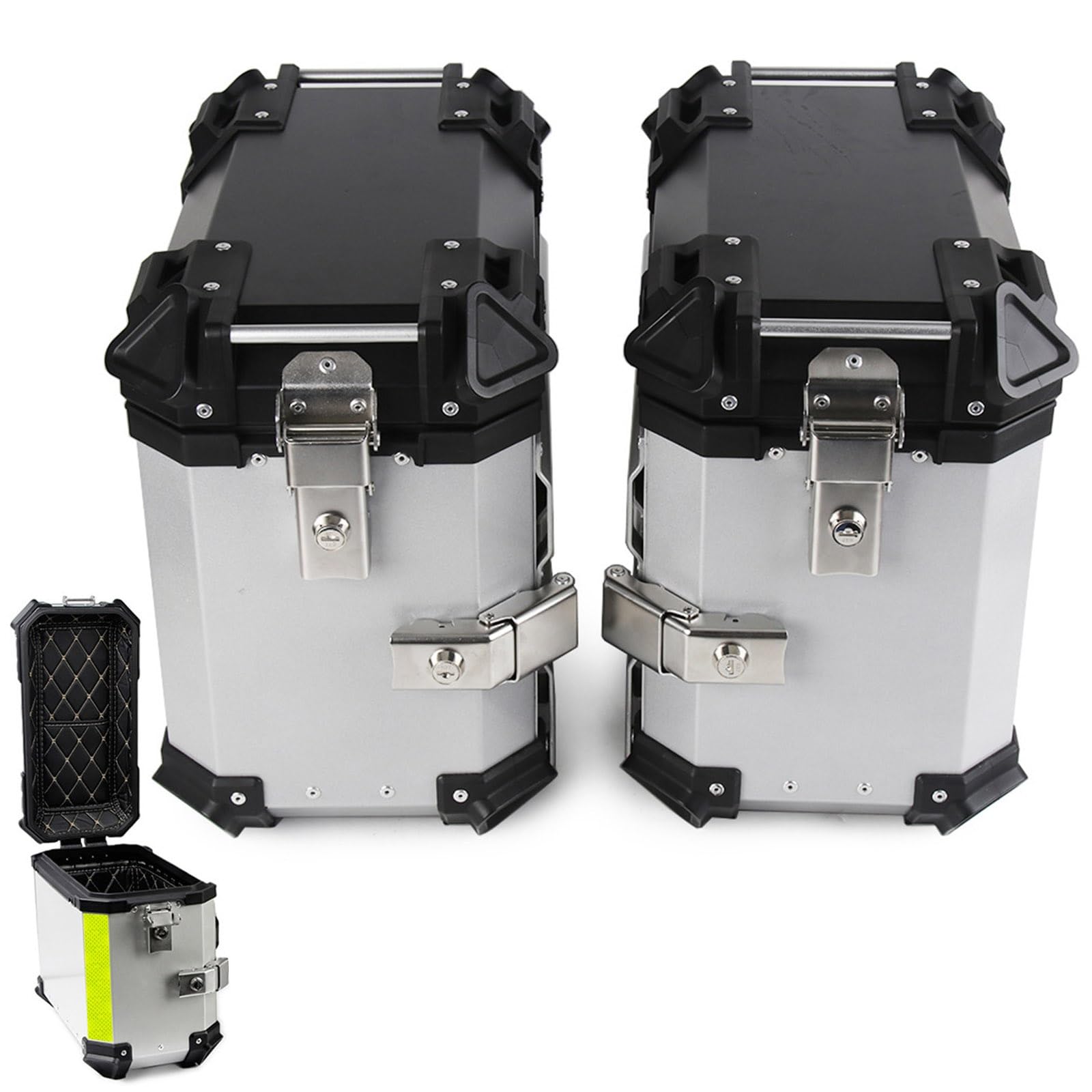
Illustrative image related to hard side bags for motorcycles
Emergency services utilize motorcycles for rapid response units, where hard side bags play a critical role in ensuring quick access to essential equipment and supplies. These bags are designed to withstand tough conditions, providing robust storage solutions for medical gear, tools, and other necessary items. Businesses in this sector need to focus on the construction quality, lockability, and weather resistance of the bags to ensure they can perform effectively in high-pressure situations.
In the retail and e-commerce sector, mobile retail solutions on motorcycles benefit significantly from hard side bags. They offer flexibility in storage, allowing businesses to transport products during deliveries efficiently. This capability enhances customer satisfaction and can lead to increased sales. When sourcing hard side bags for this application, businesses should look for customization options, ease of access, and branding possibilities to make their offerings stand out.
Motorcycle customization shops often incorporate hard side bags into their builds to enhance both aesthetics and functionality. These bags not only provide practical storage solutions but also contribute to the overall appeal of the motorcycle. Customization shops should focus on offering a variety of styles, materials, and compatibility with aftermarket parts to meet the diverse preferences of their clientele. This approach can attract more customers looking for unique and tailored motorcycle solutions.
Das Problem: B2B buyers often encounter challenges with hard side bags that do not provide adequate storage capacity for long-distance motorcycle trips. Retailers and distributors may find themselves catering to customers who frequently embark on extended journeys and require bags that can accommodate not only personal belongings but also essential gear, tools, and provisions. This inadequacy can lead to customer dissatisfaction, returns, and lost sales opportunities, especially in regions where long-distance travel is popular, such as South America and Africa.
Die Lösung: To address this issue, B2B buyers should prioritize sourcing hard side bags with varying storage capacities tailored to different travel needs. Look for manufacturers that offer modular or expandable designs, allowing users to adjust the volume as required. Collaborate with suppliers who provide detailed product specifications, including internal dimensions, weight limits, and recommended load distribution. Additionally, consider promoting bags that feature multiple compartments and quick-access pockets to enhance organizational capabilities. Offering a range of options not only meets diverse customer demands but also positions your business as a versatile solution provider in the market.
Das Problem: Buyers in regions with extreme weather conditions or rugged terrains, such as the Middle East or parts of Africa, often face issues with the durability and resilience of hard side bags. These environments can lead to rapid wear and tear, compromising the functionality and safety of the bags. Retailers must contend with high return rates or complaints from customers whose bags have failed under challenging conditions, impacting their bottom line and brand reputation.
Die Lösung: To combat durability concerns, B2B buyers should focus on sourcing hard side bags made from high-quality, weather-resistant materials such as ABS plastic or reinforced aluminum. Collaborate with manufacturers that incorporate rigorous testing standards to ensure their products withstand extreme temperatures, UV exposure, and rough handling. Additionally, seek bags equipped with features like reinforced mounting systems, lockable mechanisms, and protective liners to enhance longevity. Providing comprehensive warranty options can also instill confidence in customers, encouraging them to invest in robust solutions that meet their needs for adventure riding and off-road excursions.
Das Problem: Many B2B buyers find that their customers struggle with the installation process of hard side bags, particularly when it comes to compatibility with various motorcycle models. This challenge can deter potential buyers who are unsure about the fitment of bags on their specific bikes, resulting in frustration and potential loss of sales. In regions where motorcycle diversity is significant, such as Europe and South America, this issue can be particularly pronounced.
Die Lösung: To alleviate installation and compatibility concerns, B2B buyers should seek suppliers that offer comprehensive fitment guides, including detailed compatibility charts for various motorcycle models. Encourage your suppliers to provide installation videos or step-by-step manuals that simplify the mounting process for end-users. Additionally, consider sourcing hard side bags that come with adjustable mounting systems or universal brackets, which can accommodate a wider range of motorcycles. By equipping your customers with the right tools and information, you can enhance their purchasing experience and reduce the likelihood of returns due to installation issues.
When selecting hard side bags for motorcycles, the choice of material is critical to ensure durability, performance, and compliance with international standards. Here are four common materials used in the manufacturing of these bags, along with their properties, advantages, disadvantages, and considerations for international B2B buyers.
Acrylonitrile Butadiene Styrene (ABS) plastic is a popular choice for hard side bags due to its excellent impact resistance and lightweight nature. It can withstand a temperature range of -20°C to 80°C, making it suitable for various climates. ABS is also resistant to many chemicals, which is beneficial for motorcycle riders who may encounter oil, fuel, or other substances.
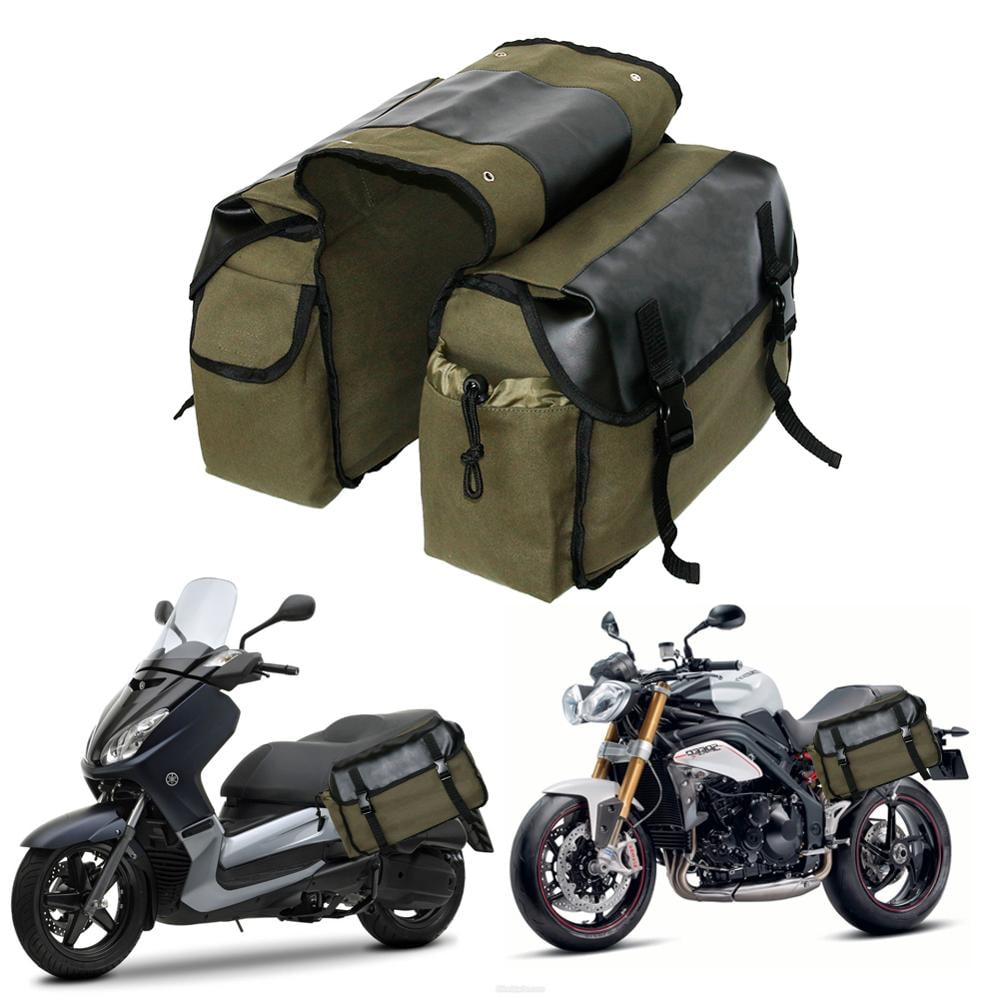
Illustrative image related to hard side bags for motorcycles
Vorteile: ABS is lightweight, cost-effective, and easy to mold into complex shapes, allowing for innovative designs. Its durability ensures that it can withstand the rigors of long-distance travel.
Nachteile: While ABS is tough, it can become brittle over time when exposed to UV light. Additionally, its lower resistance to extreme temperatures compared to some metals may limit its application in very hot or cold environments.
Internationale Erwägungen: Buyers from regions like the Middle East, where temperatures can soar, should ensure that ABS products are UV-stabilized. Compliance with standards such as ASTM D256 for impact resistance can also be a key factor.
Aluminum is favored for its strength-to-weight ratio and corrosion resistance, making it ideal for rugged use. It can handle high-pressure environments and is generally resistant to temperature extremes, which is crucial for motorcycle applications.
Vorteile: Aluminum bags are highly durable, lightweight, and resistant to corrosion. They can also be easily repaired if damaged, making them a long-lasting option for adventure riders.
Nachteile: The cost of aluminum bags is generally higher than plastic alternatives. They can also be prone to dents and scratches, which may affect aesthetics and functionality over time.
Internationale Erwägungen: Buyers in regions like Europe may prefer aluminum for its recyclability and compliance with environmental standards. Ensuring that the aluminum used meets DIN EN 573 standards for material properties is essential.
Composite materials, often a blend of plastics and fiberglass, are increasingly used in hard side bags. These materials provide a unique combination of lightweight properties and enhanced strength.
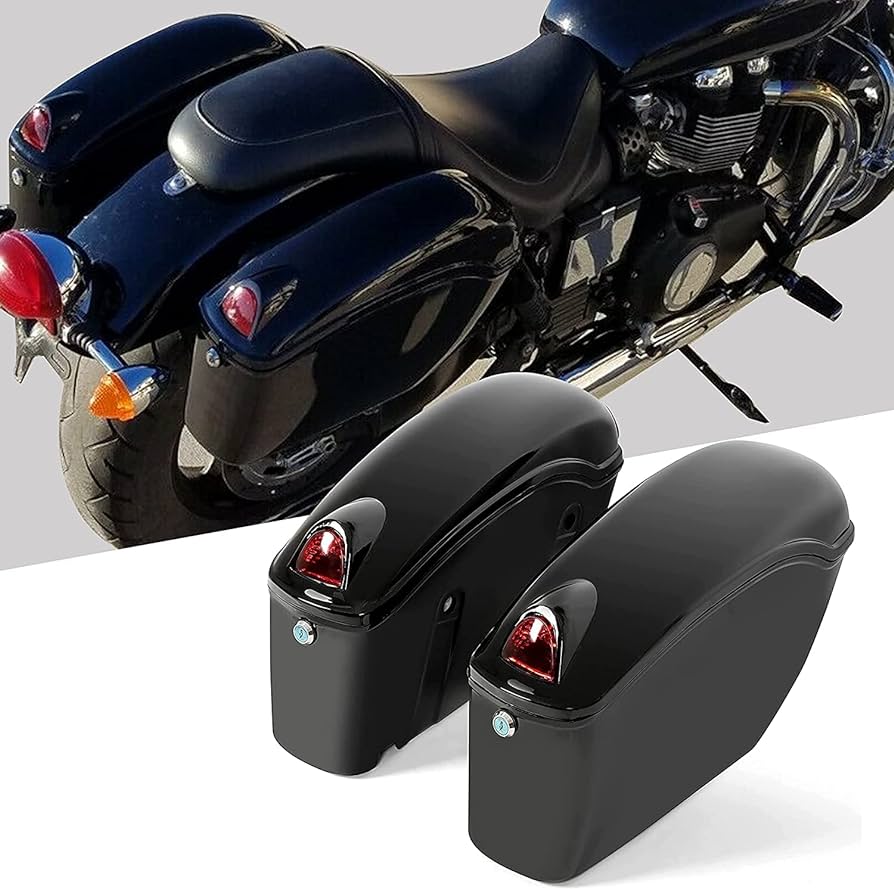
Illustrative image related to hard side bags for motorcycles
Vorteile: Composites offer excellent resistance to impact and environmental factors, making them suitable for off-road applications. They can also be molded into various shapes, allowing for versatile designs.
Nachteile: The manufacturing process for composites can be more complex and costly, impacting the final price. Additionally, they may not be as easily repairable as metal options.
Internationale Erwägungen: Buyers should verify that composite materials comply with relevant standards like JIS K 6911 for plastics. In regions like South America, where off-road riding is popular, the durability of composites can be a significant selling point.
Polypropylene is another material used in the production of hard side bags, known for its chemical resistance and durability. It can withstand a temperature range from -30°C to 100°C, making it suitable for various climates.
Vorteile: Polypropylene is lightweight, resistant to moisture, and cost-effective. It is also less likely to fade or become brittle over time compared to other plastics.
Nachteile: While durable, polypropylene may not provide the same level of impact resistance as ABS or aluminum. Its aesthetic appeal is also limited compared to metal options.
Internationale Erwägungen: Buyers in Africa and the Middle East should consider the material’s UV resistance, especially for bags exposed to direct sunlight. Compliance with ASTM D635 for flammability may also be relevant.
| Material | Typical Use Case for hard side bags for motorcycles | Hauptvorteil | Wesentlicher Nachteil/Beschränkung | Relative Kosten (niedrig/mittel/hoch) |
|---|---|---|---|---|
| ABS-Kunststoff | General-purpose hard side bags | Leicht und kostengünstig | Brittle over time with UV exposure | Mittel |
| Aluminium | Heavy-duty and adventure riding | Hohe Haltbarkeit und Korrosionsbeständigkeit | Höhere Kosten und Anfälligkeit für Beulen | Hoch |
| Komposit | Off-road and specialized applications | Excellent impact resistance | Komplexer Herstellungsprozess | Hoch |
| Polypropylene | Budget-friendly options for various climates | Moisture resistant and lightweight | Limited impact resistance | Niedrig |
This material selection guide provides B2B buyers with insights into the properties and applications of various materials used in hard side bags for motorcycles, helping them make informed purchasing decisions based on their specific needs and regional considerations.
The manufacturing process for hard side bags, specifically designed for motorcycles, is a complex operation that involves several key stages: material preparation, forming, assembly, and finishing. Each stage plays a crucial role in ensuring the final product is not only aesthetically pleasing but also durable and functional.
The first step in the manufacturing process involves selecting the appropriate materials, which are typically high-density plastics, aluminum, or composite materials. These materials are chosen for their lightweight properties and resistance to environmental factors such as UV rays, moisture, and impacts.
Once the materials are selected, they undergo a preparation phase that may include cutting, shaping, and treating to enhance durability. For instance, plastic sheets might be heated and molded into the desired shape using techniques like vacuum forming or injection molding. This preparation stage is critical as it lays the foundation for the bag’s structural integrity.
The forming stage is where the prepared materials are transformed into the actual components of the hard side bags. This can involve several techniques, including:
These forming techniques are essential for ensuring that the bags not only meet design specifications but also provide the necessary strength and resistance to wear.
After the components are formed, the next stage is assembly. This involves combining various parts, such as the outer shell, internal compartments, mounting brackets, and locking mechanisms.
The assembly process may utilize methods such as:
Quality during assembly is paramount, as any misalignment or weak joints can compromise the functionality and safety of the bags. Thus, skilled technicians are usually employed to oversee this process.
Finishing is the final stage of the manufacturing process, where the bags undergo treatments to enhance their appearance and performance. This can include:
This stage not only enhances the aesthetic appeal but also adds protective layers that extend the life of the bags.
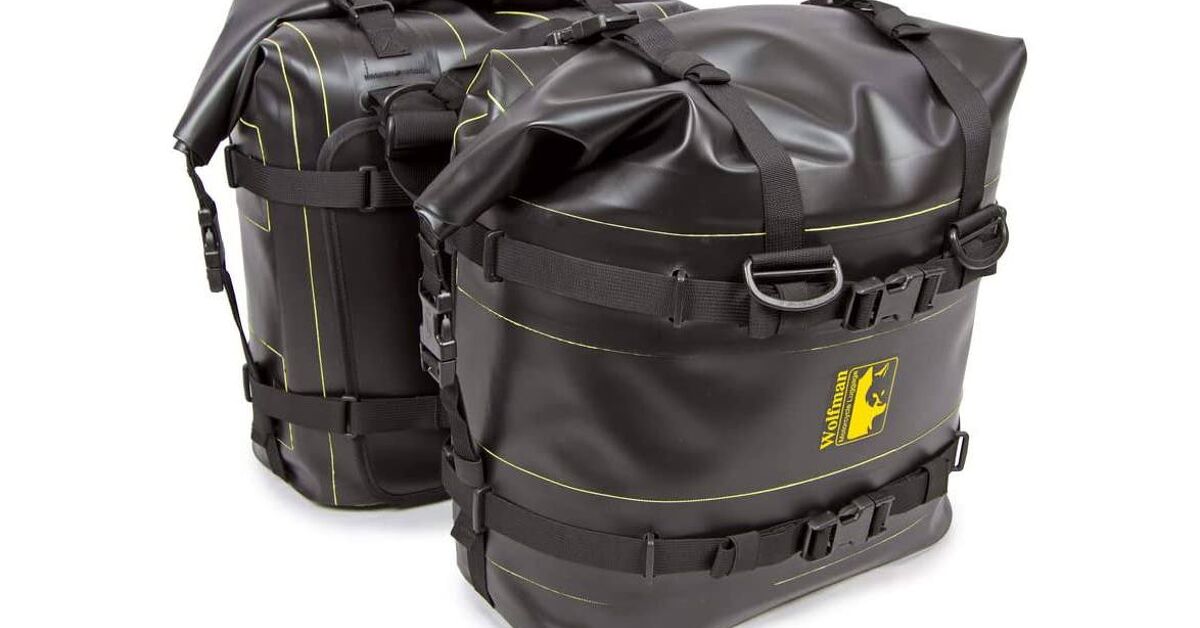
Illustrative image related to hard side bags for motorcycles
Quality assurance is a critical component of the manufacturing process for hard side bags. Adhering to international standards like ISO 9001 ensures that manufacturers maintain a consistent quality management system. This standard focuses on continuous improvement and customer satisfaction, which are vital for B2B relationships.
International standards and certifications such as CE marking and API (American Petroleum Institute) standards may also apply depending on the specific features of the hard side bags. For example, CE marking indicates compliance with European health, safety, and environmental protection standards.
Quality control involves several checkpoints throughout the manufacturing process:
These checkpoints help identify defects early, reducing waste and ensuring only the highest quality products reach the market.
B2B buyers, particularly those from regions like Africa, South America, the Middle East, and Europe, should conduct thorough due diligence when selecting suppliers. Here are actionable steps to verify quality control:
Understanding the nuances of quality control for international suppliers is essential for B2B buyers. Different regions may have varying standards and practices. For example, buyers from Saudi Arabia may have specific regulatory requirements regarding materials used, while those from Brazil may focus on environmental impacts.
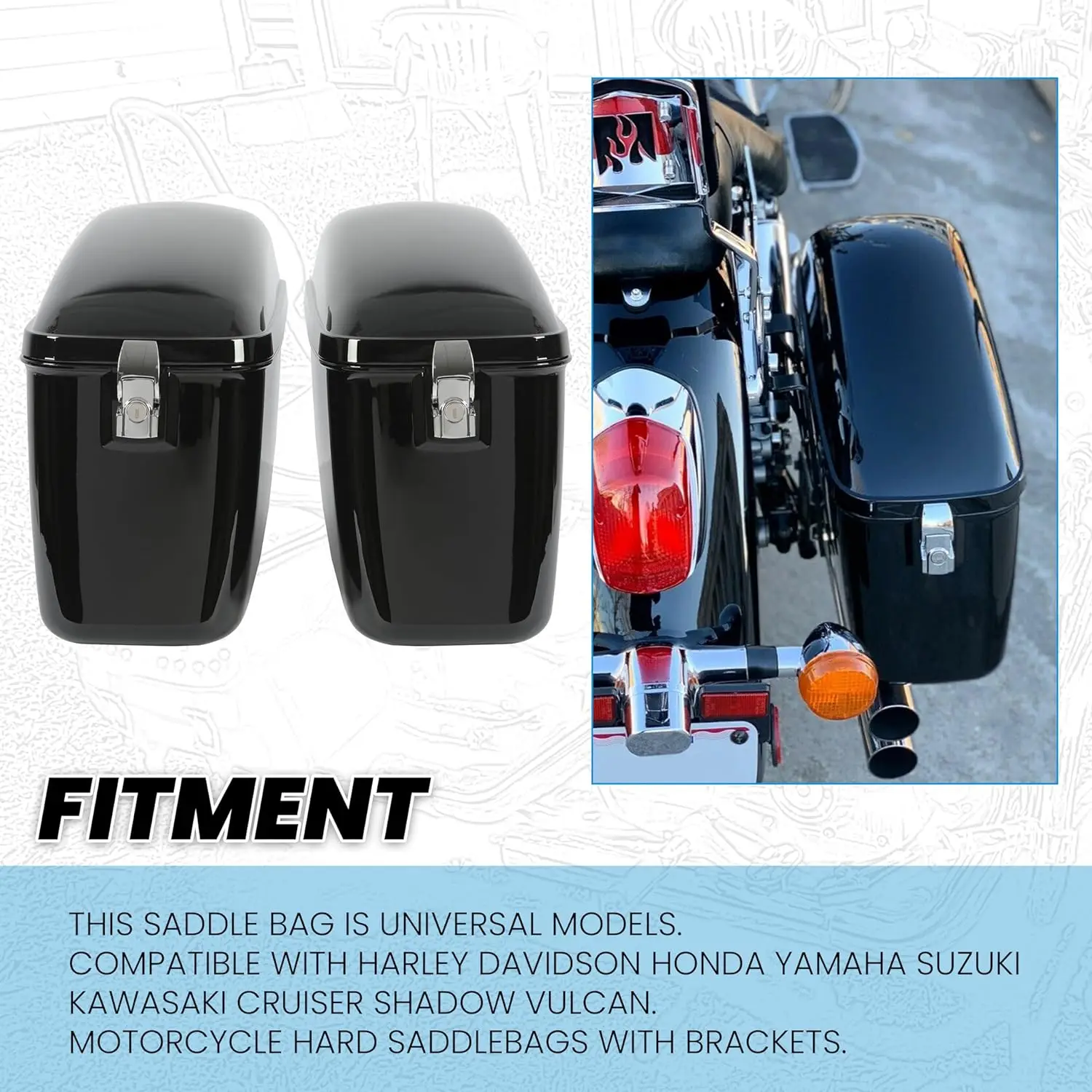
Illustrative image related to hard side bags for motorcycles
Establishing clear communication channels and understanding local regulations can significantly enhance the supplier relationship and ensure compliance with quality expectations. Additionally, building long-term partnerships with suppliers who prioritize quality can lead to better product consistency and reliability over time.
In conclusion, a thorough understanding of manufacturing processes and quality assurance measures for hard side bags is essential for B2B buyers. By focusing on these aspects, buyers can make informed decisions, ensuring they source high-quality products that meet their needs and those of their customers.
This sourcing guide is designed for B2B buyers seeking to procure hard side bags for motorcycles. As the demand for high-quality motorcycle accessories grows globally, particularly in regions such as Africa, South America, the Middle East, and Europe, it is essential to follow a structured approach to ensure you select the right products that meet your business needs. This checklist will help you navigate the complexities of sourcing effectively.
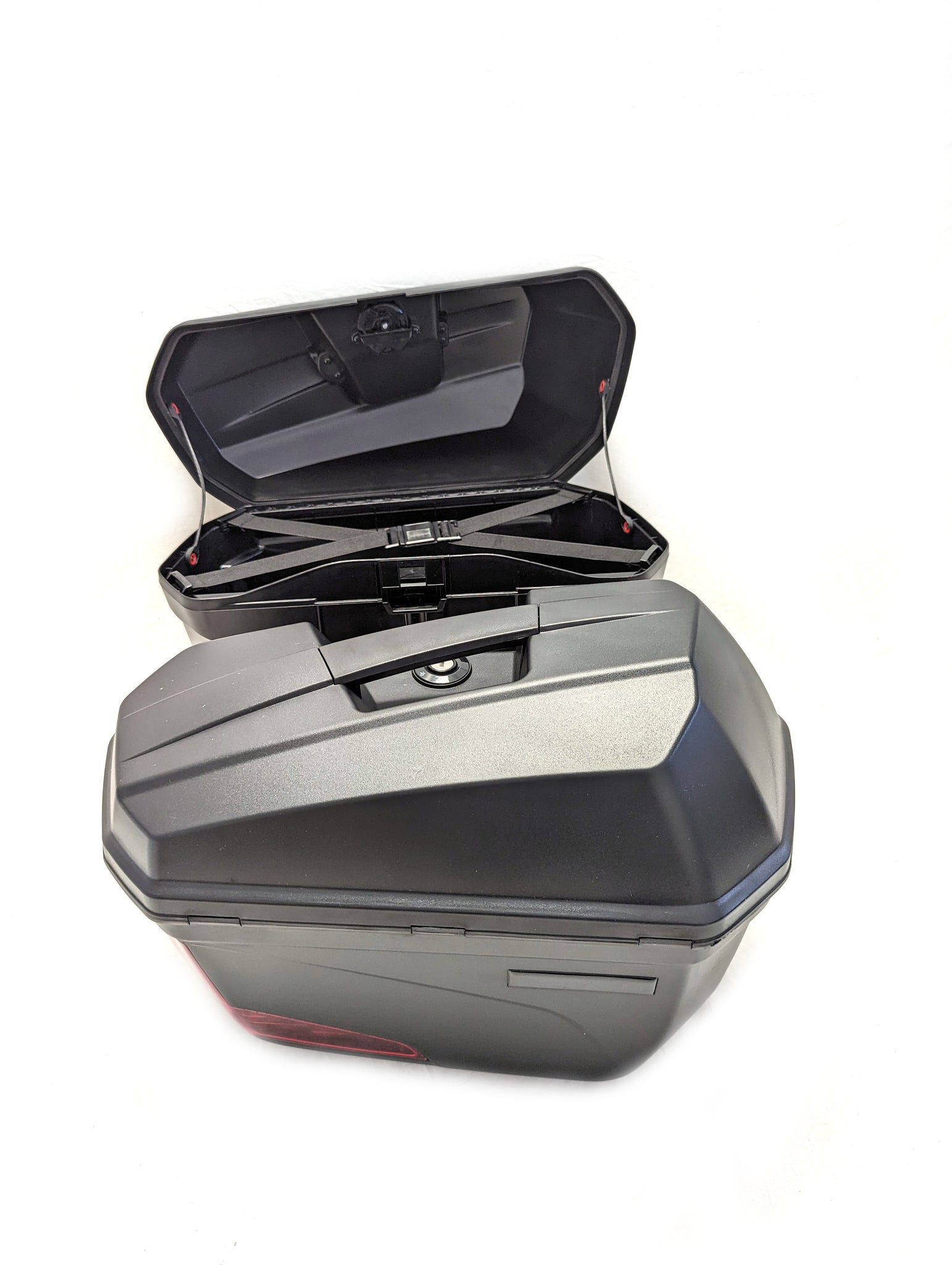
Illustrative image related to hard side bags for motorcycles
Establishing clear technical specifications is vital to ensure that the hard side bags meet the needs of your customers. Consider factors such as size, material, weight capacity, and design compatibility with various motorcycle models.
Understanding current market trends can give you insights into customer preferences and competitive pricing. Analyze what features are in demand, such as waterproof capabilities or custom designs.
Before making a commitment, vet your suppliers to ensure they align with your quality and reliability standards. Request detailed company profiles, product catalogs, and references from other businesses that have sourced from them.
Always request samples before placing a bulk order. This step allows you to assess the quality and functionality of the hard side bags firsthand.
Once you have identified suitable suppliers, engage in negotiations to secure favorable terms and pricing. This step is crucial for maximizing profitability while ensuring product quality.
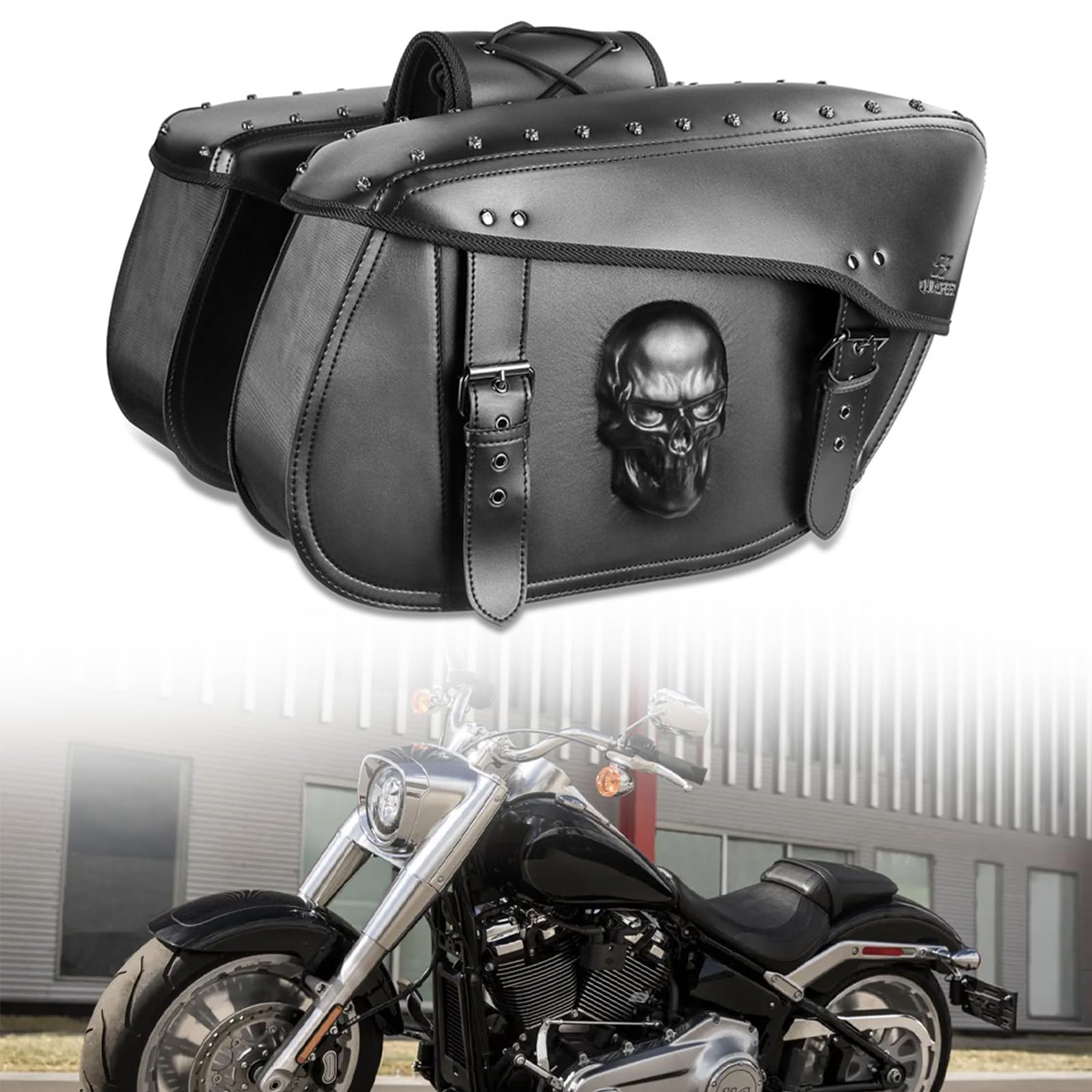
Illustrative image related to hard side bags for motorcycles
Plan the logistics of your order, including shipping methods, timelines, and costs. Efficient logistics are essential to ensure timely delivery and inventory management.
After the procurement process, establish a feedback mechanism with your customers to gather insights on product performance and satisfaction.
Following this structured approach will help you source high-quality hard side bags for motorcycles that meet your business requirements and enhance customer satisfaction.
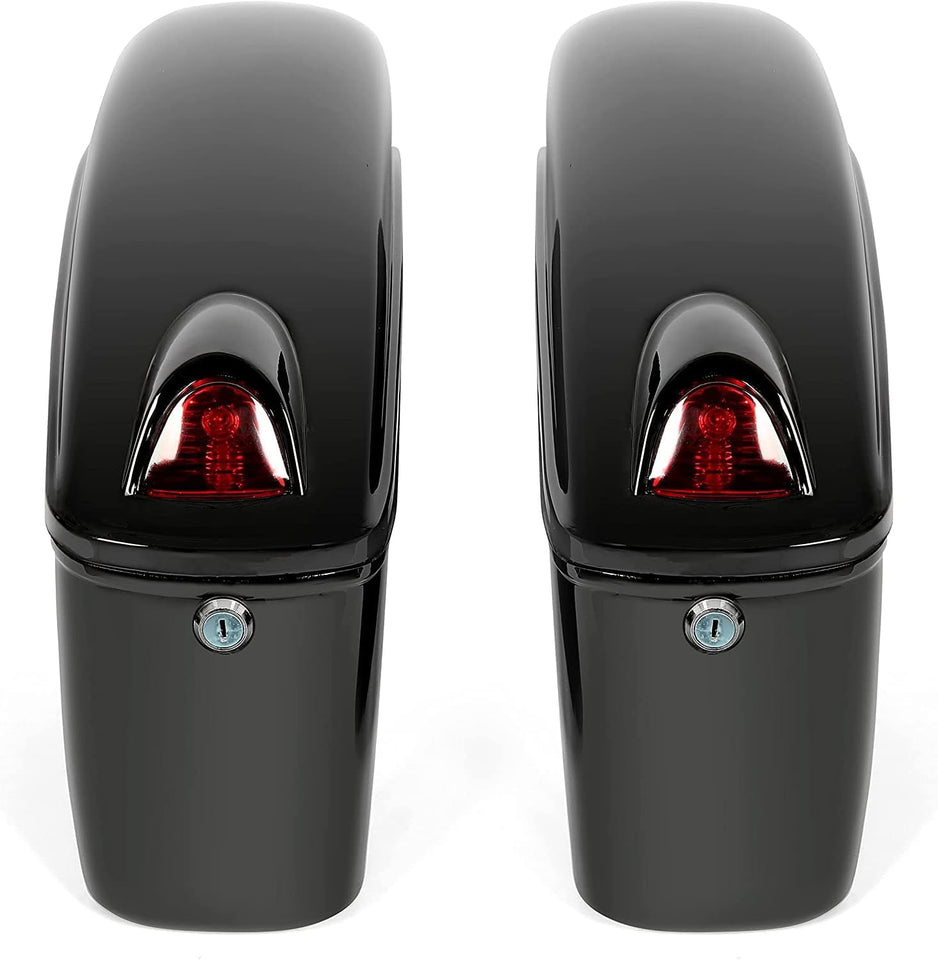
Illustrative image related to hard side bags for motorcycles
When sourcing hard side bags for motorcycles, understanding the cost structure is crucial for making informed purchasing decisions. The primary cost components include:
Materialien: The choice of materials significantly impacts the overall cost. Common materials include high-grade plastics, metals, and textiles. For instance, ABS plastic is often used for its durability and weather resistance, while aluminum bags are favored for their lightweight and strength. Sourcing high-quality materials can lead to increased upfront costs but may reduce replacement and maintenance expenses over time.
Arbeit: Labor costs can vary widely based on the manufacturing location. Countries with lower labor costs, such as those in Southeast Asia, may offer competitive pricing, but this can also raise concerns about quality and working conditions. It’s essential to evaluate the skill level of the labor force and the potential impact on product quality.
Fertigungsgemeinkosten: This encompasses the costs associated with running a production facility, including utilities, equipment maintenance, and factory management. Efficient manufacturing processes can help minimize overhead, thereby reducing the final product price.
Werkzeugbau: Custom tooling is often required for unique designs or specifications. This initial investment can be substantial, but it is essential for producing high-quality products that meet buyer specifications.
Qualitätskontrolle (QC): Implementing strict QC measures can add to costs but is necessary to ensure that the products meet industry standards and buyer expectations. This includes testing for durability, weather resistance, and safety features.
Logistik: Shipping and handling costs can vary based on the destination, mode of transport, and package size. International shipping may involve additional fees such as customs duties and taxes, which can significantly impact the total cost.
Marge: Suppliers will typically add a margin to cover their operational costs and profit. This margin can vary based on the supplier’s reputation, market demand, and the competitive landscape.
Several factors influence the pricing of hard side bags for motorcycles, particularly for international B2B buyers:
Volumen/MOQ: Buying in larger quantities often results in lower per-unit costs due to economies of scale. Suppliers may offer discounts for bulk orders, which can be particularly advantageous for resellers or distributors.
Spezifikationen/Anpassung: Custom features, such as specific colors, sizes, or additional functionalities, can increase costs. Buyers should clearly communicate their needs to avoid unexpected expenses.
Materialien und Qualitätszertifikate: Premium materials and certifications (such as ISO or CE marks) can elevate prices. Buyers should weigh the benefits of certified products against their budget constraints.
Lieferanten-Faktoren: The reputation and reliability of suppliers can affect pricing. Established brands may charge higher prices due to perceived quality and service guarantees, while lesser-known suppliers might offer competitive pricing but with varying quality assurance.
Incoterms: Understanding Incoterms is vital for international transactions. Terms such as FOB (Free on Board) or CIF (Cost, Insurance, and Freight) dictate who bears the shipping costs and risks, which can influence the total landed cost of products.
To maximize value when sourcing hard side bags for motorcycles, buyers should consider the following strategies:
Leverage Negotiation Skills: Engage suppliers in discussions about pricing, particularly when placing large orders. Don’t hesitate to ask for discounts or flexible payment terms.
Fokus auf Kosteneffizienz: Evaluate the Total Cost of Ownership (TCO), which includes not just the purchase price but also maintenance, replacement, and potential resale value. Investing in higher-quality products may yield long-term savings.
Nuancen der Preisgestaltung verstehen: Be aware of market trends and seasonal fluctuations that can affect pricing. For instance, prices may rise during peak riding seasons or due to increased demand in specific regions.
Research Local Regulations: Familiarize yourself with import duties and taxes in your region to avoid unexpected costs. This is particularly relevant for buyers in Africa, South America, the Middle East, and Europe, as regulations can vary significantly.
The prices mentioned in this analysis are indicative and may fluctuate based on market conditions, supplier negotiations, and specific buyer requirements. Always request quotes from multiple suppliers to ensure competitive pricing and optimal value.
When considering the logistics of transporting gear on motorcycles, B2B buyers are often faced with various options beyond just hard side bags. Understanding these alternatives is crucial for making an informed purchasing decision. This analysis will compare hard side bags for motorcycles against soft saddlebags and tank bags, highlighting their respective strengths and weaknesses.
| Vergleich Aspekt | Hard Side Bags For Motorcycles | Weiche Satteltaschen | Tankrucksäcke |
|---|---|---|---|
| Leistung | High durability and security; excellent weather resistance | Moderate durability; less secure but versatile | Good stability; easy access to items while riding |
| Kosten | Typically higher ($400-$800) | Lower cost ($100-$500) | Moderate ($50-$300) |
| Leichte Implementierung | Requires specific mounting systems; installation may be complex | Easier to attach and detach; often universal fit | Quick installation with magnetic or strap systems |
| Wartung | Low maintenance; resistant to wear and tear | Higher maintenance; prone to wear and damage | Low maintenance; easy to clean |
| Bester Anwendungsfall | Langstreckentouren und Abenteuerfahrten | Daily commuting and casual rides | Quick trips and city riding |
Soft saddlebags offer a lightweight and flexible solution for motorcycle storage. They are generally more affordable than hard side bags, making them a popular choice for budget-conscious riders. The ease of installation is another significant advantage; they can often be fitted to various bike models without extensive modifications. However, soft saddlebags may lack the security and weather resistance of hard bags, making them less suitable for long-distance travel or adverse weather conditions. Additionally, they can be less durable over time, requiring more frequent replacement.
Tank bags provide an alternative that allows for easy access to essential items while riding, such as maps, phones, or snacks. Their design promotes stability and can enhance the rider’s experience by keeping necessities within arm’s reach. Tank bags are typically more affordable and easier to install compared to hard side bags. However, their storage capacity is limited, which may not be sufficient for longer journeys. Furthermore, depending on the model, they may not provide the same level of security or weather protection that hard side bags offer.
When selecting the right storage solution for motorcycles, B2B buyers should evaluate their specific needs based on the intended use of the motorcycle. For long-distance touring, hard side bags provide superior durability, weather resistance, and security. Conversely, for urban commuting or short trips, soft saddlebags or tank bags may offer the flexibility and ease of access that riders prefer. It’s essential to consider factors such as budget constraints, installation requirements, and maintenance expectations. By aligning the choice of storage solution with the intended usage, buyers can ensure they are investing in a product that meets their operational needs effectively.
When evaluating hard side bags for motorcycles, several technical properties are essential to ensure quality and functionality. Understanding these specifications can help B2B buyers make informed purchasing decisions.
The material used in hard side bags is a critical factor influencing durability and weather resistance. Common materials include high-density polyethylene (HDPE), aluminum, and fiberglass. Each material offers different benefits; for instance, aluminum is lightweight yet strong, while HDPE provides excellent impact resistance. Choosing the right material is crucial for meeting the demands of various riding conditions and ensuring long-term use.
Capacity is typically measured in liters and indicates the volume of cargo that the bags can hold. Buyers should consider the intended use—whether for daily commuting or long-distance touring—as this will dictate the required capacity. Hard side bags often range from 30 to 50 liters or more. Adequate capacity ensures that riders can carry essential gear without compromising safety or performance.
Security features, such as lockability, are vital for protecting contents from theft. Many hard side bags come equipped with locking mechanisms or can be fitted with locks. Buyers should assess the level of security needed based on the target market and riding habits. Enhanced lockability can add value to the product, making it more appealing to consumers.
Weather resistance is a key property that ensures the contents remain dry and protected from the elements. Many hard side bags are designed with seals and waterproof coatings, which are essential for riders who frequently encounter rain or adverse weather conditions. Buyers should prioritize products that offer robust weather resistance to enhance customer satisfaction.
The mounting system refers to how the bags attach to the motorcycle. Different models may utilize quick-release brackets, frames, or universal mounting systems. A reliable and user-friendly mounting system is essential for ease of installation and removal, which is particularly important for B2B buyers looking to minimize installation time and complexity for end-users.
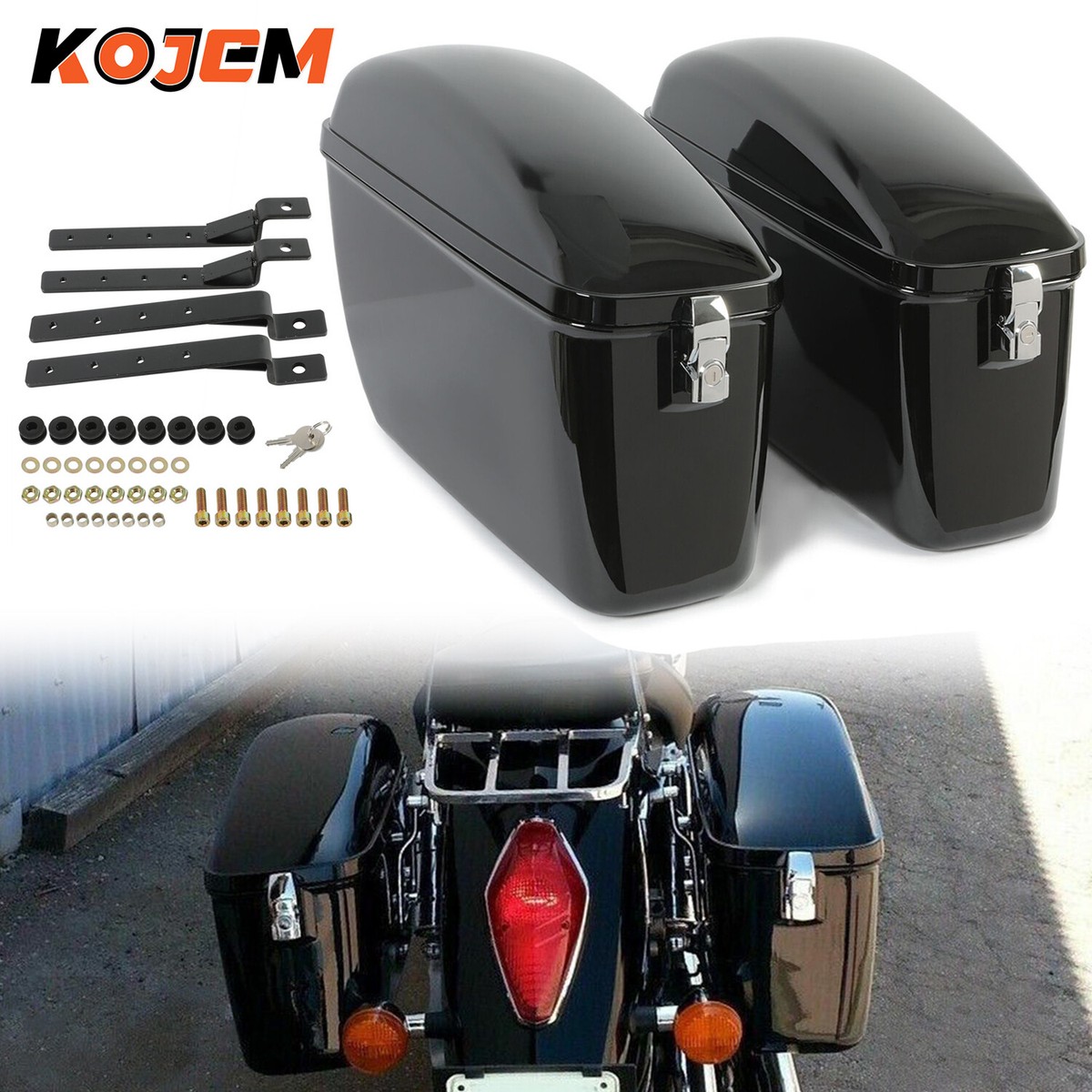
Illustrative image related to hard side bags for motorcycles
Understanding industry terminology is crucial for effective communication and negotiation in the B2B marketplace. Here are some common terms relevant to hard side bags for motorcycles.
OEM refers to companies that produce components that are used in another company’s end product. In the context of motorcycle bags, buyers may seek OEM manufacturers for quality assurance and compatibility with specific motorcycle models. Working with OEMs can ensure that the bags meet industry standards and specifications.
MOQ is the smallest quantity of a product that a supplier is willing to sell. For hard side bags, understanding MOQ is essential for B2B buyers to assess inventory needs and cost-effectiveness. Suppliers often set MOQs to justify production costs, and negotiating this term can significantly impact purchasing strategies.
An RFQ is a document that buyers send to suppliers to solicit price quotes for specific products. When considering hard side bags, an RFQ helps buyers gauge market pricing and product options. Providing detailed specifications in the RFQ can lead to more accurate and competitive quotes.
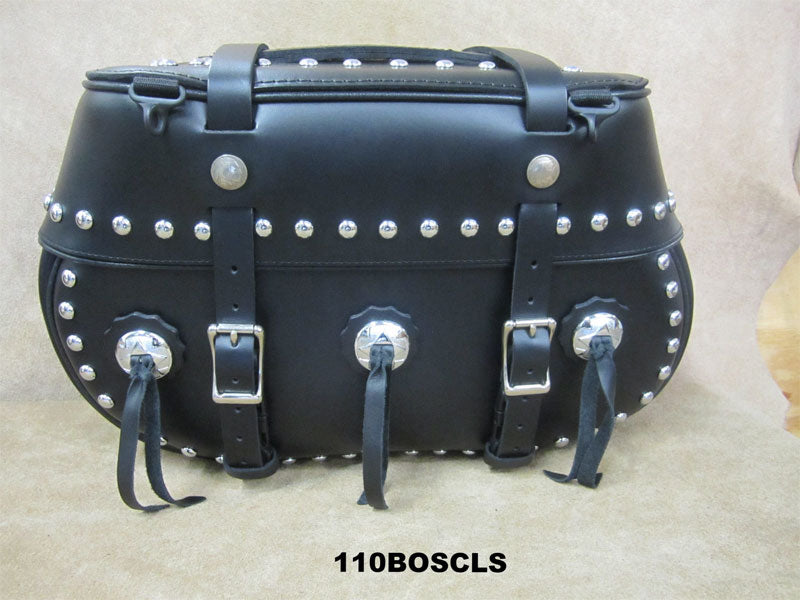
Illustrative image related to hard side bags for motorcycles
Incoterms are international trade terms that define the responsibilities of buyers and sellers regarding shipping costs, insurance, and liability. Understanding Incoterms is crucial for B2B transactions, as they dictate how risks and costs are shared during the transportation of hard side bags. Familiarity with these terms can prevent misunderstandings and disputes.
Lead time refers to the duration from placing an order to the delivery of the product. For B2B buyers, understanding lead times is essential for inventory planning and meeting customer demands. Shorter lead times can enhance competitiveness in the market, making it a key consideration during negotiations.
By familiarizing themselves with these technical properties and trade terms, B2B buyers can make more informed decisions when sourcing hard side bags for motorcycles, ultimately enhancing their business operations and customer satisfaction.
The global market for hard side bags for motorcycles is experiencing robust growth, driven by an increase in motorcycle tourism and adventure riding. Regions such as Africa, South America, the Middle East, and Europe are witnessing a surge in demand, fueled by a growing interest in outdoor activities and the need for reliable storage solutions. B2B buyers are particularly focused on quality, durability, and design, as these factors significantly influence consumer purchasing decisions.
Emerging trends in the B2B sourcing landscape include the integration of technology in product offerings. Manufacturers are increasingly using advanced materials that enhance waterproofing and durability, catering to the needs of riders who face diverse weather conditions. Additionally, the rise of e-commerce has transformed traditional sourcing methods, allowing international buyers to easily compare products, prices, and reviews, thus streamlining the procurement process.
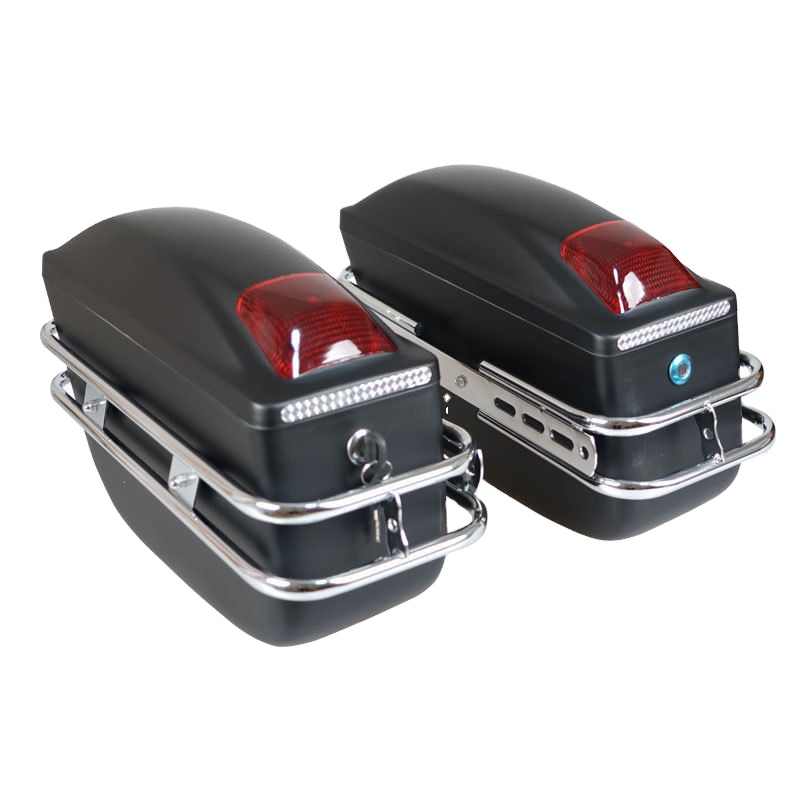
Illustrative image related to hard side bags for motorcycles
Another noteworthy trend is the customization of hard side bags. Buyers are looking for products that can be tailored to fit specific motorcycle models, which not only enhances functionality but also appeals to the aesthetic preferences of consumers. As B2B buyers seek to differentiate their offerings in competitive markets, partnering with manufacturers who provide customizable solutions can lead to increased sales and customer loyalty.
Sustainability has become a critical consideration in the hard side bags market for motorcycles. With increasing awareness of environmental issues, B2B buyers are prioritizing products that minimize ecological impact. This includes sourcing materials that are recyclable or made from sustainable resources, which not only appeals to environmentally-conscious consumers but also enhances the brand reputation of businesses.
The importance of ethical supply chains cannot be overstated. B2B buyers are increasingly scrutinizing their suppliers’ practices, seeking transparency in sourcing to ensure fair labor practices and the responsible use of resources. Certifications such as ISO 14001 for environmental management and other ‘green’ labels can serve as indicators of a manufacturer’s commitment to sustainability. For buyers in regions like Europe, where regulations around environmental impact are stringent, partnering with suppliers who adhere to these standards is essential.
Moreover, the adoption of sustainable practices can lead to cost savings in the long run. By investing in eco-friendly materials and production processes, businesses can reduce waste and improve operational efficiency, thus enhancing profitability.
The evolution of hard side bags for motorcycles can be traced back several decades, beginning with simple designs that prioritized functionality over aesthetics. Initially, these bags were primarily constructed from metal and rigid plastics, offering basic waterproofing and security features. Over time, advancements in material science have led to the development of lightweight, durable composites that provide better protection against the elements while maintaining ease of use.
In recent years, the introduction of innovative designs and customizable options has transformed the market. Manufacturers are now focusing on creating products that not only meet functional needs but also resonate with the lifestyle aspirations of riders. This shift has been particularly evident in regions with burgeoning motorcycle cultures, where style and personal expression are paramount.
As the market continues to evolve, B2B buyers must stay informed about these trends to effectively source products that meet the changing demands of consumers. By aligning their procurement strategies with the latest developments in design and sustainability, businesses can position themselves as leaders in the hard side bags market for motorcycles.
How do I choose the right hard side bags for motorcycles for my market?
Selecting the right hard side bags involves understanding your target customers’ preferences, regional regulations, and the types of motorcycles popular in your market. Consider factors such as size, capacity, material, and weather resistance. Research local competitors to gauge pricing and product offerings. Additionally, evaluate any specific cultural or functional needs, such as custom designs or branding opportunities that may appeal to your customers in regions like Africa or South America.
What is the best material for hard side bags for motorcycles?
The best material for hard side bags typically includes high-quality ABS plastic or aluminum, as these materials provide durability, weather resistance, and lightweight properties. ABS plastic is often favored for its impact resistance and ease of manufacturing, while aluminum offers a premium look and robustness. Depending on your target market, consider offering a variety of materials to cater to different preferences and budgets.
What are the typical minimum order quantities (MOQ) for hard side bags?
Minimum order quantities can vary significantly depending on the manufacturer and the complexity of the design. Generally, MOQs for hard side bags range from 100 to 500 units. When negotiating with suppliers, consider your budget, storage capabilities, and market demand to find a balance that works for both parties. Some manufacturers may offer lower MOQs for customization, so it’s worth exploring those options if you require tailored products.
How can I ensure quality assurance (QA) for the hard side bags I purchase?
To ensure quality assurance, establish clear specifications and standards with your supplier before production begins. Request samples to evaluate the quality, durability, and functionality of the bags. Implement a quality inspection process during production and prior to shipment. Consider third-party inspection services to provide unbiased assessments, especially when dealing with suppliers overseas, ensuring that the products meet your expectations.
What payment terms should I expect when sourcing hard side bags internationally?
Payment terms can vary widely among suppliers. Common terms include a 30% deposit upon order confirmation and the remaining 70% before shipment. Some suppliers may offer more flexible terms based on your relationship and order size. Always clarify payment methods accepted, such as letters of credit, PayPal, or bank transfers. It’s advisable to use secure payment methods to protect your investment, especially in international transactions.
How do I vet suppliers for hard side bags in international markets?
To vet suppliers, start by researching their reputation and experience in the industry. Check for certifications and compliance with international quality standards. Request references from previous clients and verify their reliability. Additionally, consider visiting their facilities if possible or utilizing trade shows to meet potential partners. Online platforms that aggregate supplier ratings can also provide insights into their performance and product quality.
What logistics considerations should I be aware of when importing hard side bags?
Logistics for importing hard side bags involve understanding shipping options, customs regulations, and potential tariffs. Choose reliable freight forwarders who can navigate international shipping and provide timely updates. Familiarize yourself with customs documentation requirements for your destination country to avoid delays. Additionally, consider warehousing options for inventory management and distribution within your market.
Can I customize hard side bags for my brand?
Yes, many manufacturers offer customization options for hard side bags, including branding, colors, and specific design features. Customization can enhance your brand’s visibility and appeal to your target market. Discuss your requirements with suppliers and inquire about the design process, lead times, and any additional costs involved. Ensure that the final product aligns with your brand’s identity and resonates with your customers.
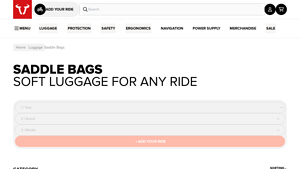
Bereich: sw-motech.us
Registriert: 2019 (6 Jahre)
Einleitung: Premium Motorcycle Saddle & Side Bags – SW-MOTECH offers soft luggage solutions for various types of motorcycles including sport bikes, naked bikes, cruisers, Harley-Davidsons, and adventure bikes. Key product lines include: 1. PRO BLAZE saddlebags – lightweight, aerodynamic design with removable support arms. 2. SysBag WP series – fully waterproof, available in three sizes, suitable for off-road …
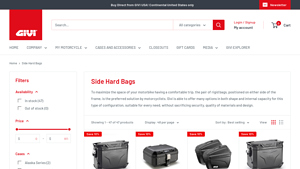
Bereich: giviusa.com
Registriert: 2000 (25 Jahre)
Einleitung: This company, Givi – Rigid Bags for Motorbikes, is a notable entity in the market. For specific product details, it is recommended to visit their website directly.

Bereich: accessoryinternational.com
Registriert: 1998 (27 Jahre)
Einleitung: [{‘name’: ‘TKY Hard Saddlebags for Honda Fury’, ‘price’: ‘$849.00’}, {‘name’: ‘TKY Quick Detachable Hard Saddlebags for Suzuki Boulevard M109R’, ‘price’: ‘$899.00’}, {‘name’: ‘TKY Quick Release Hard Saddlebags for Honda VTX 1300/ 1800 R/S/T/N’, ‘price’: ‘$749.00’}, {‘name’: ‘TKY Jumbo Strong Hardbags Universal kit, 35 Liter Each’, ‘price’: ‘$650.00’}, {‘name’: ‘TKY Patrol Hardbags Universal kit, 2…
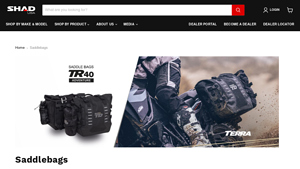
Bereich: shadusa.com
Registriert: 2005 (20 Jahre)
Einleitung: SHAD Soft Saddlebags – Flexible Storage for Motorcycles. Features waterproof, semi-rigid, and adventure-ready options. Durable and versatile for every ride. Key products include:
1. E48 Saddlebags – Expandable semi-rigid saddlebags with a storage capacity of 46 to 58 liters, priced at $203.99.
2. TR40 Terra Soft Panniers – Quick release adventure soft panniers with 64 liters of storage capacity, …
Bereich: revzilla.de
Registriert: 2006 (19 Jahre)
Einleitung: Dieses Unternehmen, RevZilla - Motorradsatteltaschen, ist ein namhaftes Unternehmen auf dem Markt. Für spezifische Produktdetails wird empfohlen, ihre Website direkt zu besuchen.
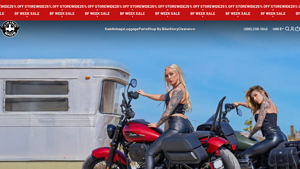
Bereich: vikingbags.com
Registriert: 2006 (19 Jahre)
Einleitung: Viking Bags offers over 300 designs of motorcycle saddlebags, including hard and leather options. The saddlebags are waterproof and designed for longevity, enhancing the on-bike experience for various motorcycle types such as adventure, power cruiser, sportsbike, street bike, naked bike, and touring motorcycles. Available in four sizes: small, medium, large, and extra large, they cater to differen…
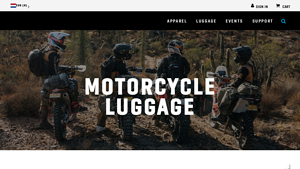
Bereich: moskomoto.de
Registriert: 2013 (12 Jahre)
Einleitung: Dieses Unternehmen, Moskomoto - Free Delivery & Returns, ist ein namhaftes Unternehmen auf dem Markt. Für spezifische Produktdetails empfiehlt es sich, direkt die Website zu besuchen.
In today’s competitive motorcycle accessory market, strategic sourcing of hard side bags is essential for B2B buyers aiming to enhance their product offerings. By leveraging diverse suppliers across regions such as Africa, South America, the Middle East, and Europe, businesses can secure high-quality, innovative solutions that meet the varied demands of motorcycle enthusiasts. Key factors to consider include durability, design versatility, and compatibility with various bike models, as well as the importance of reliable logistics and after-sales support.
Furthermore, understanding local market trends and consumer preferences will enable buyers to make informed decisions that align with their business goals. The increasing popularity of adventure and touring motorcycles presents an excellent opportunity for B2B buyers to capitalize on the growing demand for hard side bags that combine functionality with aesthetic appeal.
As we look ahead, the potential for growth in this sector is significant. International buyers are encouraged to explore partnerships with reputable manufacturers and invest in quality products that resonate with their target markets. By prioritizing strategic sourcing, businesses can not only improve their product lines but also strengthen their competitive advantage in the global marketplace.
Die in diesem Leitfaden enthaltenen Informationen, einschließlich der Angaben zu Herstellern, technischen Spezifikationen und Marktanalysen, dienen ausschließlich Informations- und Bildungszwecken. Sie stellen keine professionelle Kaufberatung, Finanzberatung oder Rechtsberatung dar.
Obwohl wir alle Anstrengungen unternommen haben, um die Richtigkeit und Aktualität der Informationen zu gewährleisten, übernehmen wir keine Verantwortung für etwaige Fehler, Auslassungen oder veraltete Informationen. Marktbedingungen, Unternehmensangaben und technische Standards können sich ändern.
B2B-Käufer müssen ihre eigene unabhängige und gründliche Due-Diligence-Prüfung durchführen bevor Sie eine Kaufentscheidung treffen. Dazu gehört, dass Sie sich direkt mit den Anbietern in Verbindung setzen, Zertifizierungen überprüfen, Muster anfordern und sich professionell beraten lassen. Das Risiko, sich auf die Informationen in diesem Leitfaden zu verlassen, trägt allein der Leser.


 German
  English
  Russian
  Spanish
  Italian
  Arabic
  Portuguese