
In the dynamic landscape of motorcycle accessories, sourcing high-quality side bags for motorcycles presents a unique set of challenges for international B2B buyers. With diverse market needs across regions such as Africa, South America, the Middle East, and Europe, understanding the specifications, materials, and functionalities of these products is critical. This guide aims to navigate the complexities of the side bag market, providing insights into various types, applications, and supplier vetting processes that can enhance your purchasing strategy.
Buyers will find comprehensive information on the latest trends in motorcycle side bags, including waterproof options, ergonomic designs, and customizable features that cater to different riding styles. Additionally, we will delve into cost considerations, ensuring that you can balance quality with budget constraints. By equipping yourself with the right knowledge, this guide empowers you to make informed decisions that align with your business objectives and customer expectations.
As you explore the diverse offerings from manufacturers worldwide, you will gain the confidence needed to select products that not only meet safety and performance standards but also resonate with the cultural preferences of your target market. This resource is designed to facilitate effective sourcing, enabling you to streamline your supply chain and enhance your competitive edge in the motorcycle accessories industry.
| Typ Name | Wichtigste Unterscheidungsmerkmale | Primäre B2B-Anwendungen | Kurze Vor- und Nachteile für Käufer |
|---|---|---|---|
| Weiche Satteltaschen | Lightweight, flexible, and often waterproof materials. | Adventure touring, daily commuting. | Vorteile: Einfach zu installieren, vielseitig. Nachteile: Less secure compared to hard bags. |
| Hartschalenkoffer | Rigid construction, often lockable, and designed for security. | Long-distance touring, commercial use. | Vorteile: Enhanced security, durability. Nachteile: Heavier, may require racks for installation. |
| Zahnstangenlose Systeme | No mounting racks needed, designed for easy attachment. | Off-road riding, casual use. | Vorteile: Lightweight, easy to remove. Nachteile: Limited capacity and organization. |
| Waterproof Bags | Fully sealed against water, often with roll-top closures. | Adventure riding in wet conditions. | Vorteile: Keeps contents dry, suitable for extreme weather. Nachteile: May lack structure. |
| Modular Systems | Customizable configurations with interchangeable parts. | Specialized applications, varied needs. | Vorteile: Versatility in usage, tailored solutions. Nachteile: Complexity in selection and setup. |
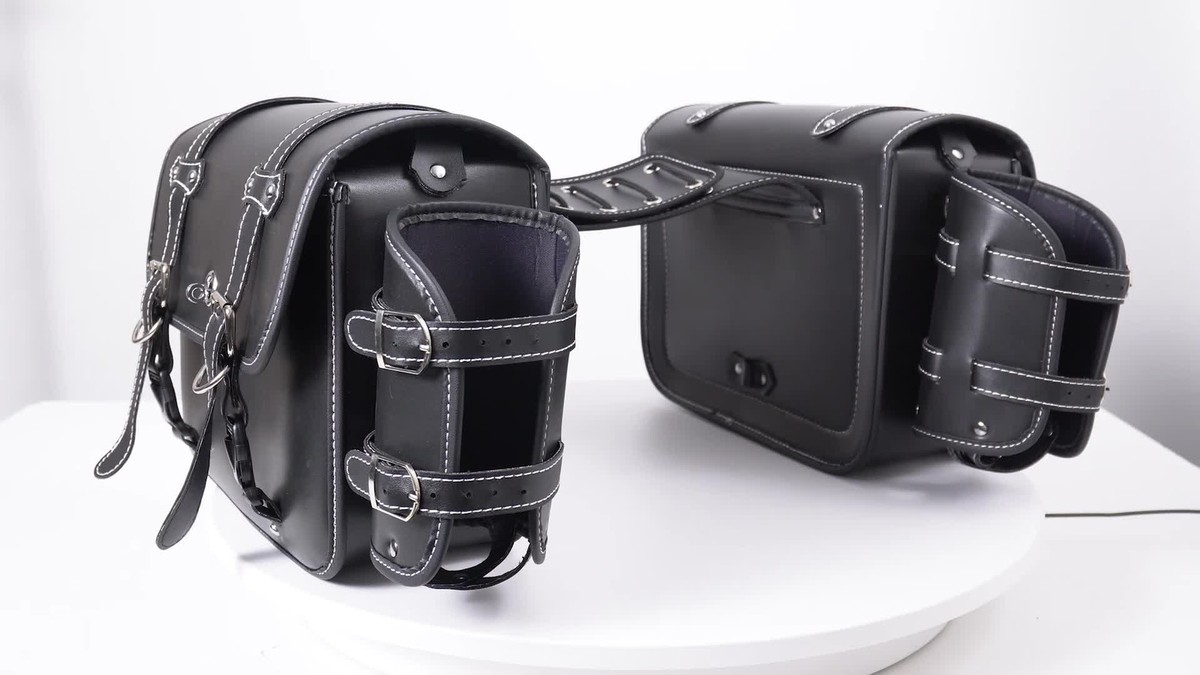
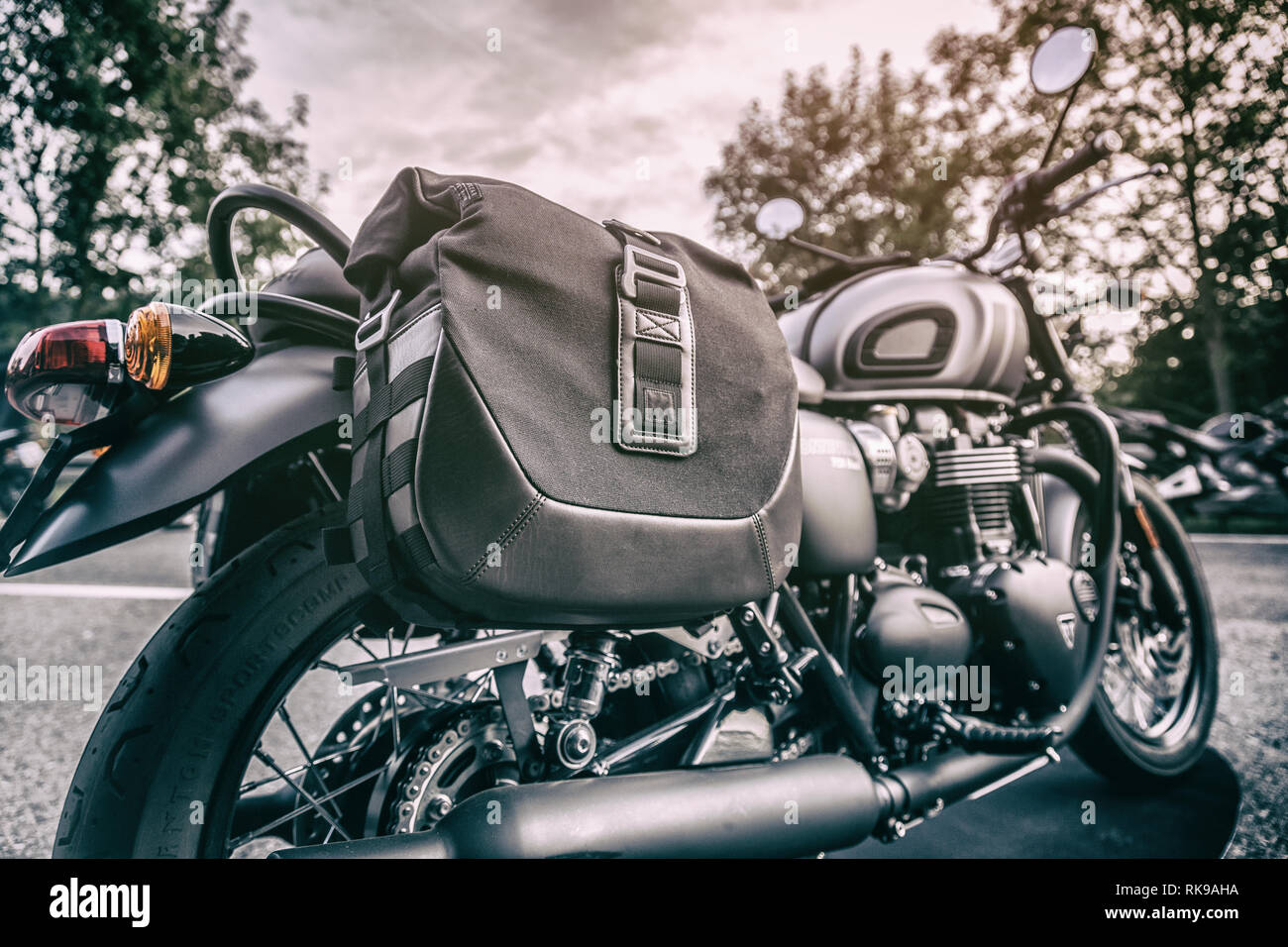
Soft saddlebags are made from lightweight, flexible materials that provide ample storage without adding significant weight to the motorcycle. They are particularly suitable for adventure touring and daily commuting, as they can easily accommodate a variety of items, from clothing to tools. When considering B2B purchases, it’s essential to evaluate the bag’s waterproof capabilities, installation ease, and compatibility with different motorcycle models. Buyers should note that while they are versatile, soft saddlebags may offer less security than their hard counterparts.
Hard panniers are known for their rigid construction and enhanced security features, often equipped with locks. This makes them ideal for long-distance touring and commercial applications, where the safety of cargo is paramount. B2B buyers should focus on the durability and weather resistance of the materials used, as well as the weight capacity. While hard panniers provide superior protection, they can be heavier and may require specific mounting racks, which could add to the overall cost.
Rackless systems are designed for easy attachment directly to the motorcycle without the need for additional mounting racks. This feature makes them appealing for off-road riding and casual use, where weight savings and simplicity are crucial. For B2B buyers, the ease of installation and removal is a significant advantage, as it allows for quick transitions between riding styles. However, these systems may have limitations in terms of storage capacity and organizational features, which should be considered based on the intended use.
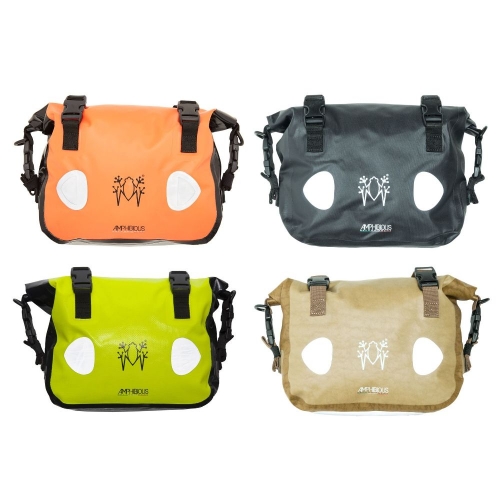
Waterproof bags are specifically engineered to keep contents dry, featuring fully sealed designs and often employing roll-top closures. These bags are essential for adventure riding in wet conditions, making them a popular choice among B2B buyers focused on outdoor activities. When selecting waterproof bags, it is important to assess the level of water resistance, ease of access, and overall capacity. While they excel in protecting against the elements, buyers should be aware that waterproof bags may lack the structural integrity found in other types.
Modular systems offer a customizable approach to motorcycle luggage, allowing riders to configure their storage solutions based on specific needs. This adaptability makes them suitable for specialized applications, appealing to businesses that require tailored solutions. B2B purchasers should consider the compatibility of components, ease of assembly, and the potential for future expansion. Although modular systems provide versatility, their complexity can pose challenges in selection and setup, requiring careful consideration to ensure they meet operational demands.
| Industrie/Sektor | Specific Application of side bag for motorcycle | Wert/Nutzen für das Unternehmen | Wichtige Überlegungen zur Beschaffung für diese Anwendung |
|---|---|---|---|
| Lieferdienste | Motorcycle courier services using side bags for packages | Enhanced capacity for transporting goods securely and efficiently | Durability, waterproofing, size options, and ease of attachment |
| Abenteuertourismus | Tour operators providing rentals with side bags | Increased customer satisfaction and convenience for travelers | Lightweight design, weather resistance, and aesthetic appeal |
| Notfalldienste | First responders utilizing motorcycles for quick access | Rapid response capability with essential supplies readily available | Lockable features, accessibility, and compatibility with various models |
| Landwirtschaft und Landbau | Farmers using motorcycles for transport of tools/supplies | Efficient transport of equipment across rugged terrains | Robustness, capacity, and resistance to wear and tear |
| Logistics & Supply Chain | Transporting goods in remote areas | Cost-effective solutions for last-mile deliveries | Customization options, security features, and material specifications |
In delivery services, side bags for motorcycles are essential for couriers transporting packages. These bags allow for secure storage while maintaining the motorcycle’s balance and handling. They resolve the issue of limited cargo space, enabling couriers to carry multiple items simultaneously. Buyers in this sector should prioritize durable, waterproof materials and easy attachment mechanisms to ensure efficiency and reliability during operations, especially in varying weather conditions common in regions like Africa and South America.
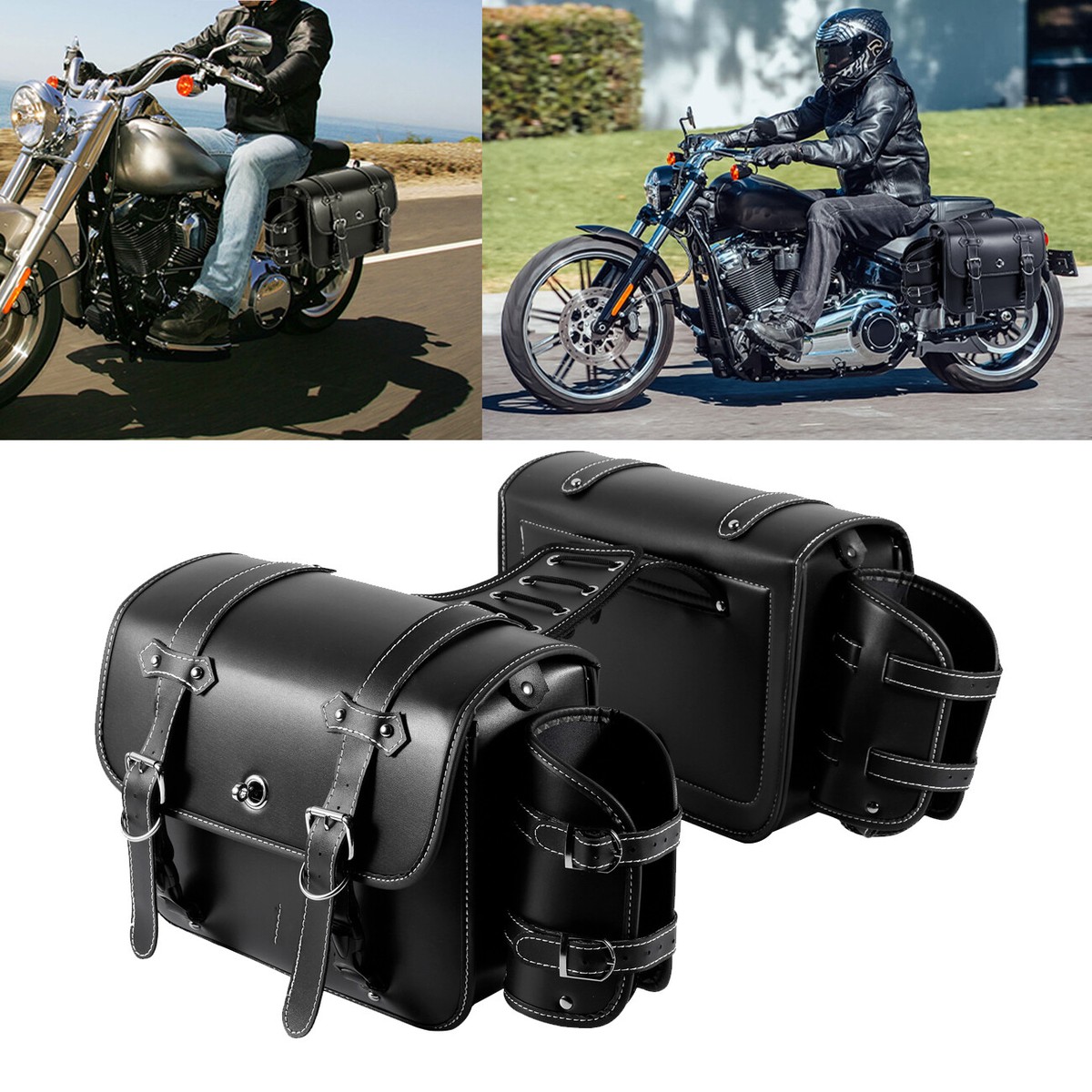
Illustrative image related to side bag for motorcycle
In the adventure tourism industry, side bags are often included with motorcycle rentals to enhance the travel experience. They provide tourists with a convenient way to carry personal belongings while exploring remote areas. This application addresses the need for secure, accessible storage during long rides. B2B buyers should consider lightweight, weather-resistant designs that can withstand diverse terrains and conditions, catering to international tourists in regions like the Middle East and Europe.
Emergency services utilize motorcycles equipped with side bags to transport medical supplies or equipment swiftly. These bags facilitate quick access to essential items during critical situations, improving response times significantly. For international buyers in this sector, important considerations include the lockability of bags to secure contents during transport and compatibility with various motorcycle models to ensure operational readiness in emergencies.
Farmers often rely on motorcycles for efficient transport of tools and supplies across farms or rugged terrains. Side bags provide a practical solution for carrying farming equipment, addressing challenges associated with limited vehicle space. B2B buyers in agriculture should focus on robust, high-capacity options that can endure harsh environmental conditions, ensuring longevity and reliability in their operations, particularly in rural areas.
In logistics and supply chain management, motorcycles with side bags serve as an effective means for last-mile deliveries, particularly in hard-to-reach areas. These bags allow for the secure transport of goods, reducing the risk of damage during transit. Buyers in this sector should seek customizable side bags with security features to protect valuable cargo while ensuring compatibility with various motorcycle types, enhancing operational flexibility in diverse markets.
Das Problem: B2B buyers catering to adventure motorcycle enthusiasts often encounter the challenge of inadequate storage capacity in side bags during long rides. Riders need sufficient space for essentials such as clothing, tools, and food, especially on extended trips. Insufficient storage can lead to poor rider experiences, resulting in complaints and potentially damaging the business’s reputation.
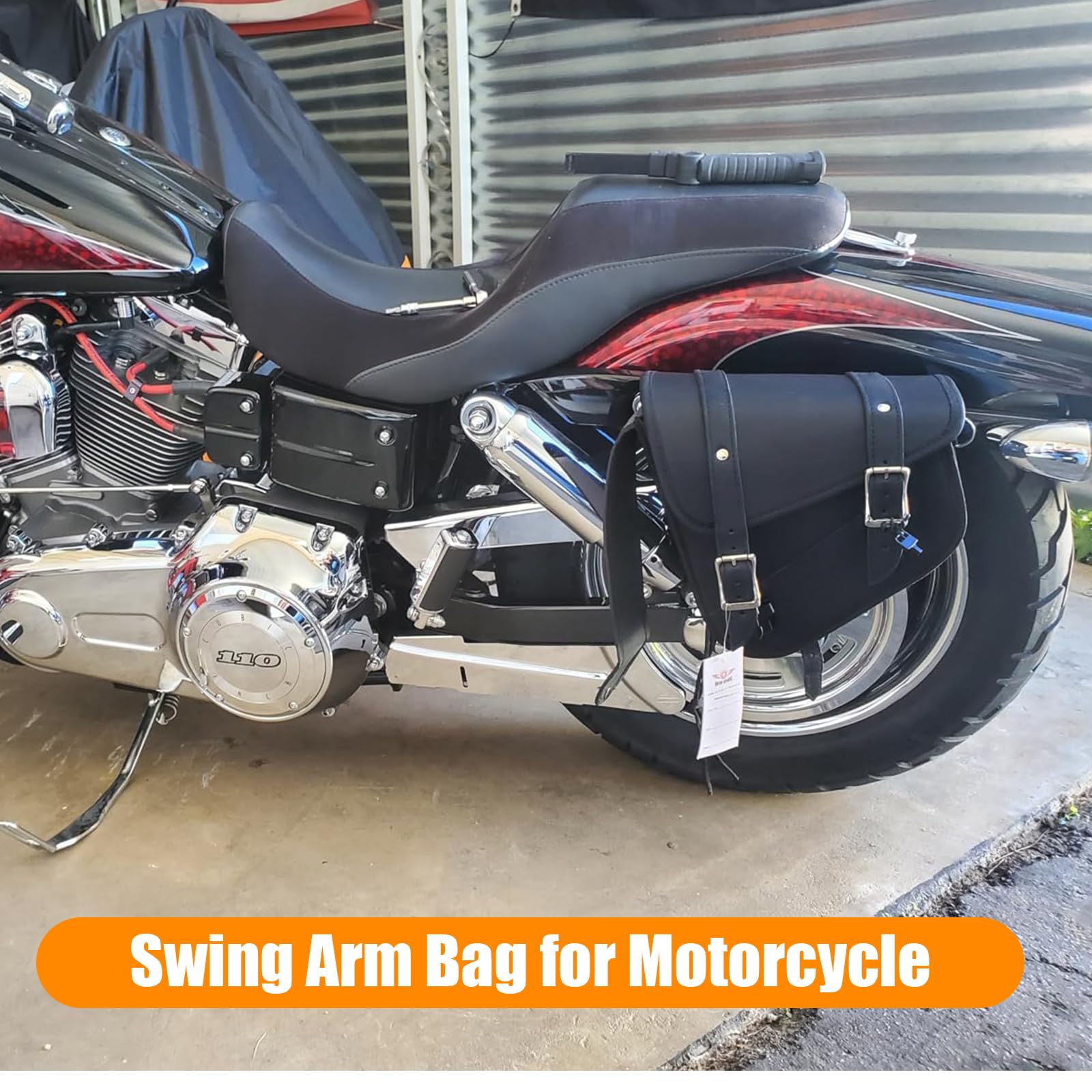
Illustrative image related to side bag for motorcycle
Die Lösung: To address this issue, B2B buyers should focus on sourcing side bags with modular systems that offer customizable storage options. Products like the SW-MOTECH SysBag WP series provide various sizes and attachment options, allowing riders to adjust their luggage based on trip length and needs. Encourage clients to invest in bags that feature expandable compartments or additional pouches for smaller items. Providing detailed specifications and use cases can help buyers understand which products best fit their customers’ needs, ultimately enhancing rider satisfaction and loyalty.
Das Problem: For international B2B buyers, particularly those in regions with unpredictable weather patterns, ensuring that motorcycle side bags are waterproof is crucial. Riders are often faced with sudden rain or wet conditions that can lead to damage of stored items, resulting in dissatisfaction and returns. This issue is particularly pronounced in markets such as Africa and South America, where weather conditions can vary dramatically.
Die Lösung: Buyers should prioritize sourcing side bags that feature robust waterproof materials and sealing technologies. For instance, bags like the Mosko Moto Reckless series utilize high-quality waterproof fabrics and are designed with roll-top closures that effectively keep contents dry. Encourage buyers to emphasize these features in their marketing materials and offer education on the importance of waterproofing to end-users. Additionally, providing accessories such as rain covers can enhance the overall product offering and ensure riders feel confident in the durability of the bags, regardless of climate conditions.
Das Problem: One common pain point for B2B buyers is the compatibility of side bags with various motorcycle models. Many customers are unsure whether a specific bag will fit their bikes, leading to frustration and potential lost sales. This issue is particularly challenging in markets where customers own a wide range of motorcycle brands and models.
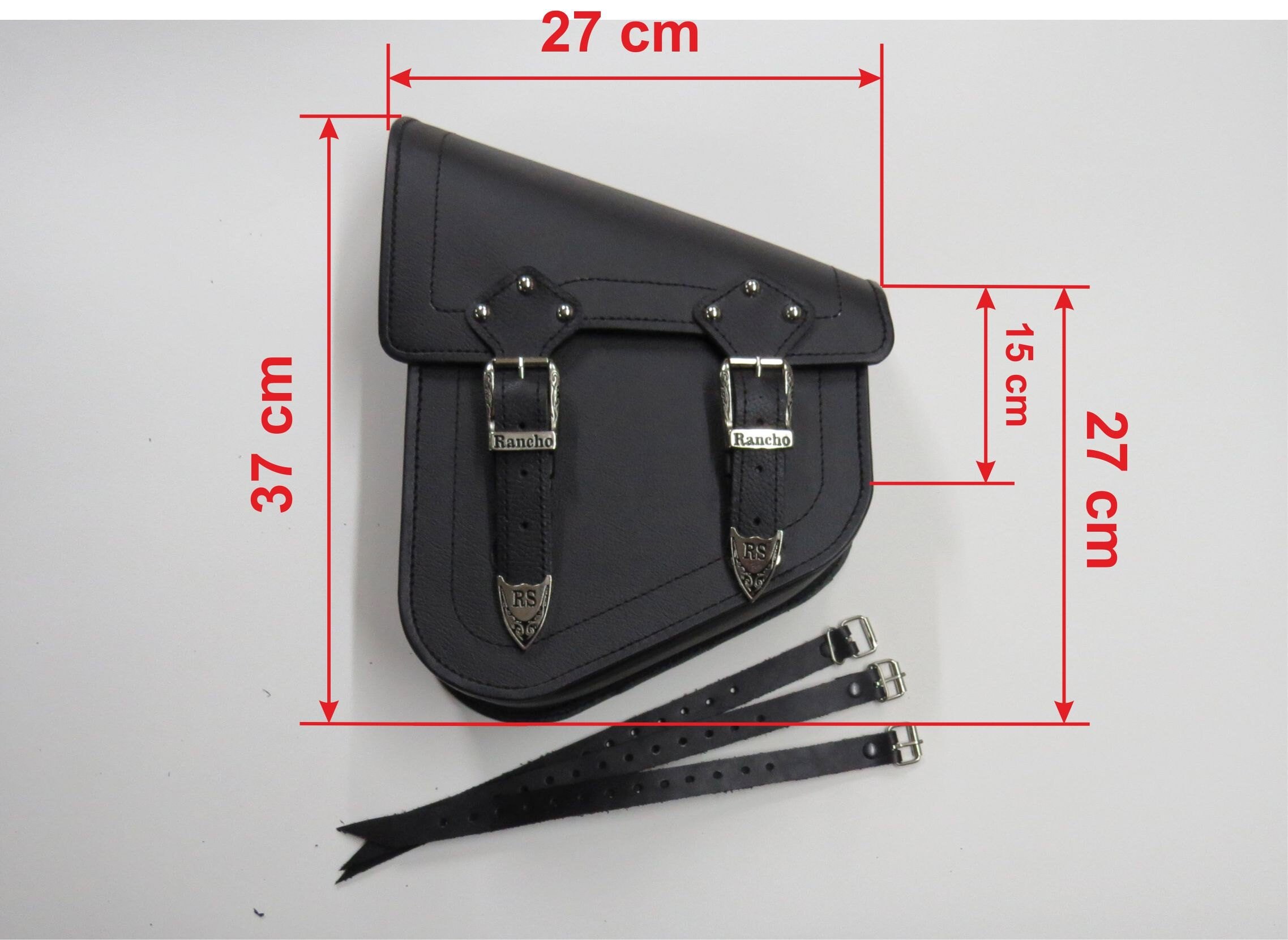
Illustrative image related to side bag for motorcycle
Die Lösung: To mitigate compatibility issues, B2B buyers should work closely with manufacturers to obtain detailed fitment guides and specifications for each side bag. Creating a comprehensive compatibility chart that lists various motorcycle makes and models can significantly enhance the purchasing experience. Additionally, offering a customization service for side bags that can be tailored to fit specific models can also be an attractive solution. By providing clear information and options, buyers can empower their customers to make informed decisions, ultimately driving sales and reducing return rates.
When selecting materials for motorcycle side bags, it’s essential to consider their properties, performance, and suitability for various applications. Here, we analyze four common materials: nylon, polyester, leather, and PVC.
Nylon is a synthetic fabric known for its strength and durability. It has a high tensile strength, making it resistant to tears and abrasions. Additionally, nylon can withstand a wide range of temperatures, typically from -40°C to 90°C, which is advantageous for varying climates.
Vorteile: Nylon is lightweight, flexible, and generally more affordable than other high-performance materials. Its resistance to UV light and mildew makes it suitable for outdoor use, particularly in regions with high humidity or rainfall.
Nachteile: While nylon is durable, it can degrade over time when exposed to harsh UV rays without proper treatment. Additionally, its water resistance can vary, requiring coatings or treatments for optimal waterproofing.
Auswirkungen auf die Anwendung: Nylon is compatible with various media, making it suitable for carrying tools, personal items, and even sensitive electronics when adequately lined.
Überlegungen für internationale Käufer: Compliance with international standards such as ASTM for textile materials is crucial. Buyers in regions like Africa or South America should also consider the availability of treated nylon options for enhanced weather resistance.
Polyester is another synthetic material widely used in motorcycle luggage. It is known for its excellent resistance to shrinking and stretching, making it ideal for maintaining the bag’s shape under load. Polyester can typically withstand temperatures from -20°C to 80°C.
Vorteile: Polyester is highly resistant to UV rays and mildew, making it suitable for long-term outdoor use. It is also relatively low-cost compared to other materials, making it an economical choice for manufacturers.
Nachteile: While durable, polyester may not be as strong as nylon, making it less ideal for extreme conditions. It can also absorb moisture, which may lead to mold growth if not properly treated.
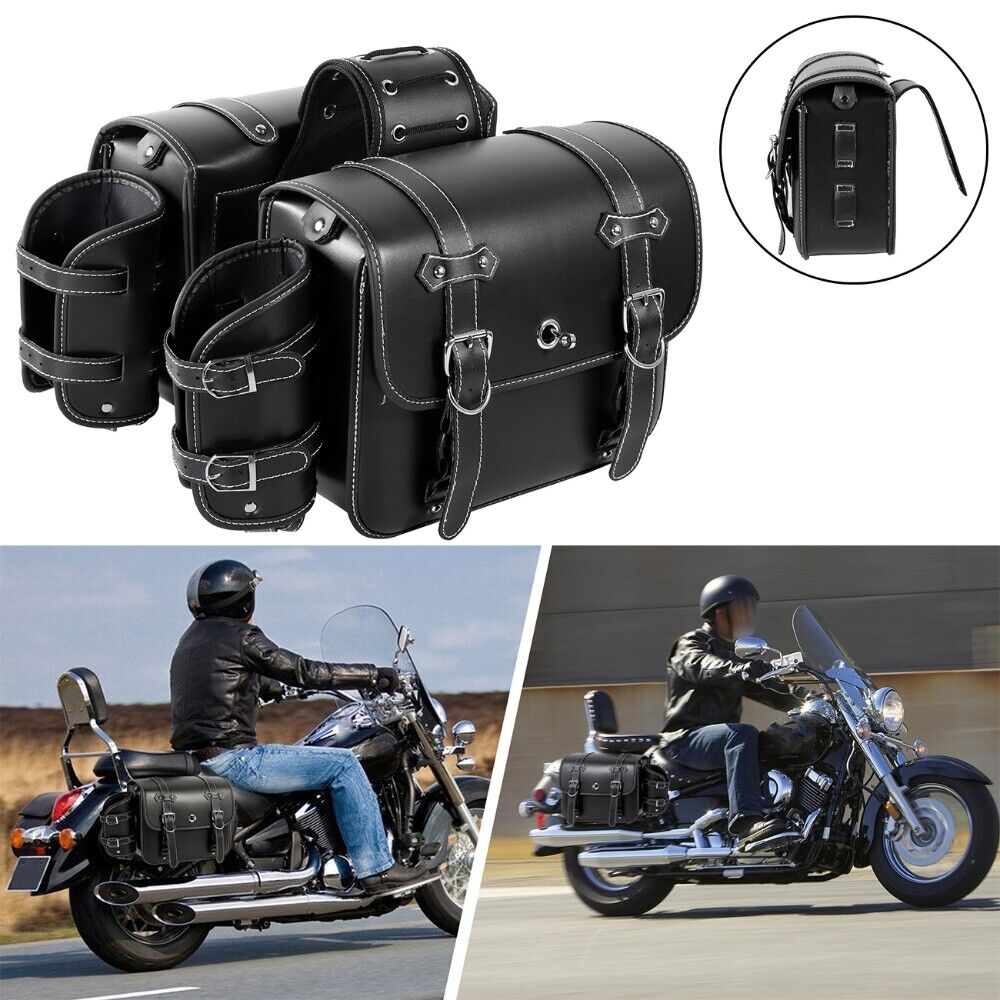
Illustrative image related to side bag for motorcycle
Auswirkungen auf die Anwendung: Polyester bags are often used for everyday commuting and recreational riding, providing adequate protection for items stored inside.
Überlegungen für internationale Käufer: Buyers should ensure that polyester bags meet local standards for durability and weather resistance, especially in regions with extreme weather conditions like the Middle East.
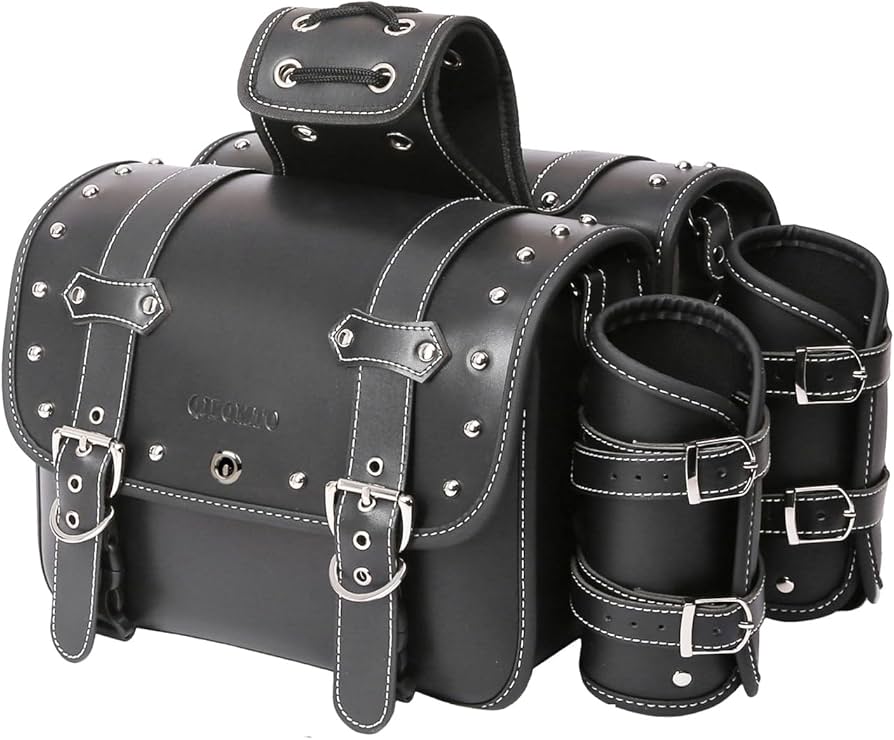
Leather is a traditional material known for its aesthetic appeal and durability. It offers excellent abrasion resistance and can withstand a wide range of temperatures, typically from -10°C to 50°C.
Vorteile: Leather is highly durable and develops a unique patina over time, enhancing its appearance. It is also naturally water-resistant, especially when treated, making it suitable for various climates.
Nachteile: Leather is more expensive than synthetic options and requires regular maintenance to prevent drying and cracking. It is also heavier than nylon or polyester, which may affect the overall weight of the motorcycle.
Auswirkungen auf die Anwendung: Leather bags are often chosen for their style and durability, making them popular among riders who prioritize aesthetics alongside functionality.
Überlegungen für internationale Käufer: Compliance with leather sourcing standards is essential, especially in Europe, where regulations on animal welfare are stringent. Buyers should also consider the leather treatment processes to ensure weather resistance.
Polyvinyl chloride (PVC) is a synthetic plastic material known for its waterproof properties. It can withstand a wide range of temperatures, typically from -10°C to 60°C.
Vorteile: PVC is entirely waterproof, making it ideal for wet conditions. It is also highly durable and resistant to chemicals, which is beneficial for riders who may encounter various environmental factors.
Nachteile: PVC can be heavier than other materials and may not be as breathable, which could lead to condensation inside the bag. Additionally, it can be less flexible, affecting the overall design and usability.
Auswirkungen auf die Anwendung: PVC is often used in bags designed for extreme weather conditions, ensuring that contents remain dry and protected.
Überlegungen für internationale Käufer: Compliance with environmental regulations regarding PVC production and disposal is crucial, particularly in Europe and North America. Buyers should also assess the material’s long-term sustainability.
| Material | Typical Use Case for side bag for motorcycle | Hauptvorteil | Wesentlicher Nachteil/Beschränkung | Relative Kosten (niedrig/mittel/hoch) |
|---|---|---|---|---|
| Nylon | Versatile everyday use, commuting, and adventure riding | Leicht und langlebig | UV-Zersetzung im Laufe der Zeit | Mittel |
| Polyester | Everyday commuting and recreational riding | UV and mildew resistant | Less strong than nylon | Niedrig |
| Leder | Premium aesthetic bags for style-conscious riders | Highly durable with a unique look | Requires maintenance and is heavier | Hoch |
| PVC | Extreme weather conditions and waterproof needs | Completely waterproof and chemical resistant | Heavier and less flexible | Mittel |
This analysis provides a comprehensive overview of material options for motorcycle side bags, helping international B2B buyers make informed decisions based on performance, cost, and compliance considerations.
Illustrative image related to side bag for motorcycle
The production of motorcycle side bags involves a complex set of manufacturing processes and quality assurance measures that ensure the final product meets both functionality and durability standards. For international B2B buyers, especially those in diverse markets such as Africa, South America, the Middle East, and Europe, understanding these processes is essential for making informed purchasing decisions.
The manufacturing of motorcycle side bags generally encompasses four main stages: material preparation, forming, assembly, and finishing. Each stage incorporates specific techniques and technologies that contribute to the quality and performance of the final product.
The choice of materials is critical in the production of motorcycle side bags. Common materials include high-durability textiles, synthetic leathers, and waterproof coatings.
Selection of Materials: Manufacturers often source materials that are lightweight yet strong, such as nylon or polyester, which resist wear and tear. Some bags may also incorporate materials with added waterproof features or UV resistance.
Pre-Processing: The selected materials undergo pre-processing treatments, such as coating for waterproofing or dyeing for color. This ensures that the materials can withstand various environmental conditions.
Quality Checks: Before moving to the next stage, materials are subjected to quality checks, including tensile strength tests and water resistance tests, ensuring they meet specified standards.
The forming stage involves cutting and shaping the prepared materials into the desired patterns for the side bags.
Cutting: Precision cutting tools or die-cutting machines are used to create the various components of the bags. This stage must be executed with high accuracy to minimize waste and ensure uniformity.
Heat Sealing and Stitching: Depending on the design, components may be bonded using heat sealing techniques or stitched together. Advanced stitching methods, such as double stitching or reinforced seams, are often employed to enhance durability.
Molding: Some manufacturers may use molding techniques for hard-shell bags or structural components to ensure that they maintain their shape under varying loads.
Once all components are formed, the assembly stage begins.
Component Integration: This stage involves assembling all parts, including zippers, straps, and mounting hardware. Careful attention is paid to ensure that all components function correctly and are securely attached.
Quality Control During Assembly: During assembly, ongoing inspections (In-Process Quality Control, or IPQC) are conducted to catch any defects early. This includes checking the alignment of zippers and the functionality of mounting systems.
Final Assembly: The final assembly includes adding any additional features such as reflective strips for safety, pockets for organization, and waterproof covers.
The finishing stage is crucial for ensuring that the bags are aesthetically pleasing and ready for distribution.

Illustrative image related to side bag for motorcycle
Final Quality Checks: A thorough inspection (Final Quality Control, or FQC) is conducted to ensure that each bag meets the quality standards. This includes checking for visual defects, functionality, and overall craftsmanship.
Packaging: After passing quality checks, the bags are carefully packaged for shipping. Packaging must protect the product during transportation and may include branding elements.
Dokumentation: Accompanying documentation, such as user manuals and warranty information, is prepared to ensure buyers have all necessary information for use.
Quality assurance (QA) is a critical component in the production of motorcycle side bags, especially for international markets. Manufacturers often adhere to various international and industry-specific standards to ensure product reliability and safety.
ISO 9001: This is a widely recognized standard for quality management systems. Manufacturers seeking ISO 9001 certification demonstrate their commitment to quality processes and continuous improvement.
CE-Kennzeichnung: For products sold in Europe, compliance with CE marking requirements ensures that the bags meet safety, health, and environmental protection standards.
API-Normen: While more common in the automotive sector, adherence to specific API standards can also be relevant, particularly for bags designed for rugged use.
Quality assurance involves a series of testing methods to validate the performance and durability of motorcycle side bags:
Material Testing: This includes tensile strength tests, abrasion resistance tests, and waterproofing tests to ensure materials meet the required standards.
Funktionelle Prüfung: Each bag undergoes functional tests to ensure that zippers, straps, and other components operate correctly under load conditions.
Umweltprüfungen: Bags may be subjected to environmental simulations, including exposure to UV light, humidity, and extreme temperatures, to assess long-term durability.
For B2B buyers, particularly those operating across international borders, it is essential to verify the quality assurance processes of potential suppliers:
Lieferanten-Audits: Conducting audits of manufacturers’ facilities can provide insights into their production processes, quality control measures, and adherence to international standards.
Anforderung von Qualitätsberichten: Buyers should request detailed quality reports that outline testing results and compliance with relevant standards. This transparency can help mitigate risks.
Inspektionen durch Dritte: Engaging third-party inspection services can provide an unbiased assessment of product quality before shipment. This is particularly important for buyers in regions where local quality assurance practices may vary.
International B2B buyers need to be aware of specific nuances that may impact their purchasing decisions:
Einhaltung von Vorschriften: Different regions may have specific regulations regarding product safety and quality. Understanding these regulations is crucial for compliance and market entry.
Kulturelle Erwägungen: Buyers should also consider cultural differences in quality expectations. For example, markets in Europe may have higher aesthetic standards than those in other regions.
Logistics and Supply Chain: The quality of packaging and shipping practices can also affect product integrity. Buyers should ensure that their suppliers have robust logistics practices to minimize damage during transit.
In summary, the manufacturing processes and quality assurance measures involved in producing motorcycle side bags are intricate and vital for delivering a reliable product. By understanding these processes, B2B buyers can make informed decisions and establish strong partnerships with suppliers, ultimately ensuring customer satisfaction and market success.
When sourcing side bags for motorcycles, B2B buyers must navigate a landscape filled with various options and specifications. This guide provides a structured approach to ensure you make informed purchasing decisions that align with your business needs.
Understanding your target market is crucial. Analyze the types of motorcycles prevalent in your region and the specific demands of riders. Consider factors such as:
– Usage: Will the bags be used for daily commuting, touring, or off-road adventures?
– Capacity: Determine the required storage capacity based on typical riding scenarios.
Illustrative image related to side bag for motorcycle
Establishing clear technical specifications helps streamline the sourcing process. Identify key features that are essential for your product offering, such as:
– Material: Look for durable, weather-resistant materials like textile or synthetic options.
– Waterproofing: Ensure the bags provide adequate waterproofing, especially for regions with diverse weather conditions.
Before committing to a supplier, thorough vetting is essential. Request detailed company profiles, product catalogs, and references from previous clients. Key considerations include:
– Erfahrung: Choose suppliers with a proven track record in motorcycle accessories.
– Zertifizierungen: Verify any industry certifications that demonstrate compliance with safety and quality standards.
The design of the side bags can significantly impact their functionality and appeal. Consider aspects such as:
– Mounting Systems: Evaluate whether the bags use a rack-mounted or strap system for versatility.
– Gewichtsverteilung: Ensure the design allows for balanced weight distribution to enhance rider safety.
Before placing a bulk order, request product samples to assess quality firsthand. Testing should focus on:
– Langlebigkeit: Examine materials under various conditions to ensure they withstand wear and tear.
– Usability: Assess how easy it is to attach, detach, and access the bags while riding.
Once you’ve selected potential suppliers, it’s time to negotiate terms. Key points to discuss include:
– Pricing: Ensure pricing aligns with your budget while considering minimum order quantities.
– Delivery Timeframes: Establish clear timelines for product delivery to avoid disruptions in your supply chain.
Illustrative image related to side bag for motorcycle
Lastly, understanding the after-sales support provided by suppliers can save you headaches down the line. Inquire about:
– Warranty Terms: Ensure the warranty covers manufacturing defects and consider the duration offered.
– Support Services: Confirm what kind of customer service and support is available for any issues that arise post-purchase.
By following this structured checklist, B2B buyers can make informed decisions when sourcing side bags for motorcycles, ensuring they meet both market needs and quality standards.
When sourcing side bags for motorcycles, understanding the cost structure is crucial for B2B buyers. The primary cost components include materials, labor, manufacturing overhead, tooling, quality control (QC), logistics, and profit margin.
Illustrative image related to side bag for motorcycle
Materialien: The choice of materials significantly influences the final price. High-quality, durable fabrics such as ballistic nylon or waterproof textiles often come at a premium. Additionally, features like waterproofing, lockability, and customization options can further increase material costs.
Arbeit: Labor costs can vary depending on the region of production. For instance, countries with lower labor costs may provide competitive pricing but may also affect the quality. It’s essential to consider both the skill level required and the local wage standards.
Fertigungsgemeinkosten: This includes expenses related to the operation of the factory, such as utilities, rent, and equipment maintenance. A facility that adheres to strict quality standards and environmental regulations may have higher overhead costs, which can be reflected in the pricing.
Werkzeugbau: Initial tooling costs can be substantial, especially for custom designs or specialized features. If a supplier requires unique molds or production lines, these costs will be factored into the pricing structure.
Qualitätskontrolle (QC): Ensuring that products meet specified quality standards requires investment in QC processes. This can include inspections during production, testing materials, and final product checks, all of which contribute to overall costs.
Logistik: Shipping and handling fees are critical, especially for international buyers. Costs can vary significantly based on the shipping method, distance, and any tariffs or taxes applicable in the destination country.
Marge: Suppliers will typically include a profit margin in their pricing. This margin can fluctuate based on market demand, competition, and the perceived value of the product.
Several factors influence the pricing of motorcycle side bags, especially for international B2B buyers.
Volumen und Mindestbestellmenge (MOQ): Bulk orders usually result in lower per-unit costs. Suppliers often set a MOQ that can impact pricing. Buyers should negotiate MOQs that align with their inventory strategies to maximize cost efficiency.
Spezifikationen und Anpassungen: Customized products often incur additional costs due to the complexity of production. Buyers should weigh the benefits of customized features against the potential for increased pricing.
Materialien und Qualitätszertifikate: Higher-quality materials that meet international standards will cost more. Certifications such as ISO or specific safety standards can also influence pricing, as they often necessitate additional testing and compliance efforts.
Lieferanten-Faktoren: The reputation and reliability of the supplier can affect pricing. Established suppliers may charge more due to their proven track record, while emerging suppliers may offer competitive prices to gain market share.
Incoterms: Understanding shipping terms is vital for international buyers. Incoterms define responsibilities for shipping, insurance, and tariffs, which can significantly impact total costs.
For B2B buyers, particularly in regions like Africa, South America, the Middle East, and Europe, effective negotiation strategies can lead to significant savings.
Gesamtbetriebskosten: Buyers should consider not just the purchase price but also the long-term costs associated with the product, including maintenance and potential warranty claims. A higher upfront cost might be justified by lower overall costs over time.
Leverage Market Knowledge: Understanding market trends, competitor pricing, and demand can provide leverage during negotiations. Buyers should conduct thorough market research to inform their discussions.
Establish Strong Relationships: Building long-term relationships with suppliers can lead to better pricing and terms. Suppliers may be more willing to negotiate with established clients who demonstrate loyalty and consistent orders.
Be Open to Alternatives: If pricing is not negotiable, buyers should consider alternative suppliers or product specifications that might offer a more favorable cost structure without compromising quality.
International buyers need to approach the sourcing of motorcycle side bags with a comprehensive understanding of cost structures and pricing influencers. By considering the various components and employing strategic negotiation techniques, buyers can optimize their purchasing decisions while ensuring they meet their operational needs. It’s crucial to remember that prices can vary widely based on specifications, supplier reliability, and market conditions, so staying informed is key to making the best procurement choices.
In the realm of motorcycle luggage solutions, side bags are a popular choice for riders seeking practicality and convenience. However, there are alternative options available that may better suit specific needs or preferences. This analysis compares side bags with two viable alternatives: hard panniers and rackless luggage systems. Each option has its own set of advantages and drawbacks, making it crucial for B2B buyers to understand these differences when selecting the best solution for their clientele.
| Vergleich Aspekt | Side Bag For Motorcycle | Hartschalenkoffer | Rackless Luggage Systems |
|---|---|---|---|
| Leistung | Flexible storage; easy access | High durability; secure fit | Lightweight; versatile |
| Kosten | Moderate ($200 – $800) | Higher ($500 – $1,200) | Moderate ($300 – $900) |
| Leichte Implementierung | Simple attachment methods | Requires mounting racks | Quick setup; no racks needed |
| Wartung | Geringe Wartung | Moderate; need to check seals | Low; generally robust |
| Bester Anwendungsfall | Casual rides; short trips | Long-distance travel; touring | Off-road adventures; minimalists |
Hard panniers are a robust alternative to side bags, offering superior durability and security. They are typically made from hard plastics or metals, providing excellent protection against the elements and theft. However, their installation requires mounting racks, which can complicate the setup process. Panniers are ideal for long-distance travel and touring, where secure storage is essential. On the downside, they can be more expensive and may add significant weight to the motorcycle, impacting handling and fuel efficiency.
Rackless luggage systems have gained popularity for their lightweight and adaptable design. These systems often utilize straps and various mounting techniques that do not require a dedicated rack, making them easier to install and remove. They are particularly suited for off-road adventures and are favored by minimalist riders who prioritize weight savings. However, they may not offer the same level of protection as hard panniers and can be less secure for valuable items. Additionally, their performance in adverse weather conditions might not match that of waterproof hard cases.
When deciding between side bags, hard panniers, and rackless luggage systems, B2B buyers should consider their target market’s needs. If the focus is on casual riders who appreciate convenience and ease of use, side bags may be the ideal choice. For customers who prioritize durability and security during long-distance rides, hard panniers are likely more suitable. Conversely, for those who venture off the beaten path and prefer a lightweight setup, rackless systems offer a compelling alternative.
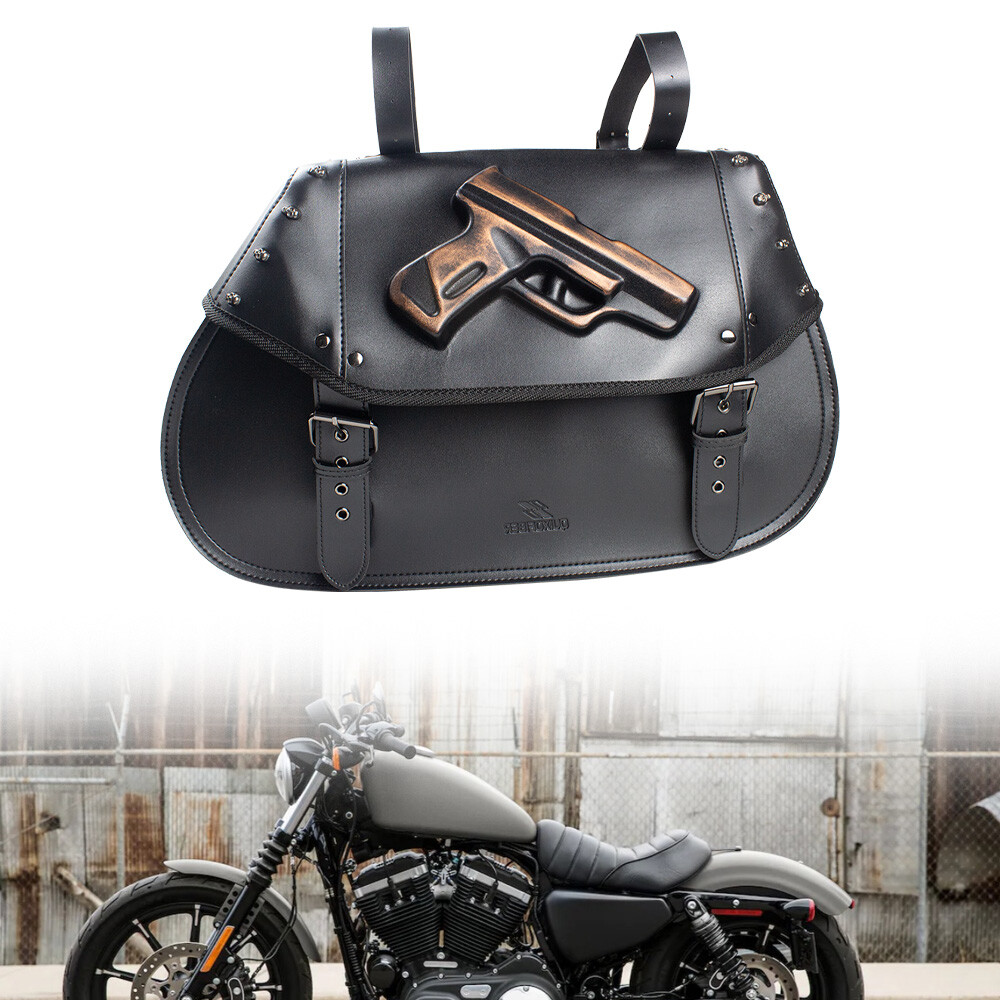
Illustrative image related to side bag for motorcycle
Ultimately, the decision should align with the specific riding conditions and preferences of the end-users. By understanding the unique characteristics of each option, B2B buyers can better cater to their customers’ diverse needs in the motorcycle accessories market.
When sourcing side bags for motorcycles, understanding key technical properties is crucial for making informed purchasing decisions. Here are some essential specifications to consider:
The materials used in manufacturing side bags greatly influence their durability, weight, and weather resistance. Common materials include high-denier nylon, polyester, and PVC-coated fabrics. High-denier nylon, for example, offers excellent abrasion resistance and is lightweight, making it ideal for adventure riders. The choice of material impacts the bag’s lifespan and overall performance in various riding conditions, which is vital for B2B buyers focused on quality and reliability.
This rating indicates the bag’s ability to withstand water exposure. Ratings are often expressed in millimeters (e.g., 1000mm), representing the height of a water column that the fabric can endure without leaking. For businesses targeting markets with diverse climates, such as Africa and South America, investing in waterproof or water-resistant bags ensures customer satisfaction and reduces returns due to water damage.
Understanding the weight capacity of side bags is critical, especially for buyers catering to long-distance riders or adventure travelers. Weight capacity is typically defined in liters or pounds and informs users about how much gear they can safely transport. This specification not only affects the riding experience but also impacts the motorcycle’s handling and safety, making it an important consideration for B2B buyers.
The mounting system refers to how the bags attach to the motorcycle. Options include strap mounting, rack mounting, and magnetic systems. Each system has its advantages; for instance, rack-mounted bags offer stability and ease of removal, while strap-mounted bags can be more versatile. Understanding the mounting system is vital for ensuring compatibility with different motorcycle models, which can help B2B buyers better serve their customers.
Lockability refers to the ability of a bag to secure contents against theft. Some bags come with built-in locks or are compatible with aftermarket locking systems. Offering products with lockability features can enhance customer confidence, particularly in urban markets where theft may be a concern.
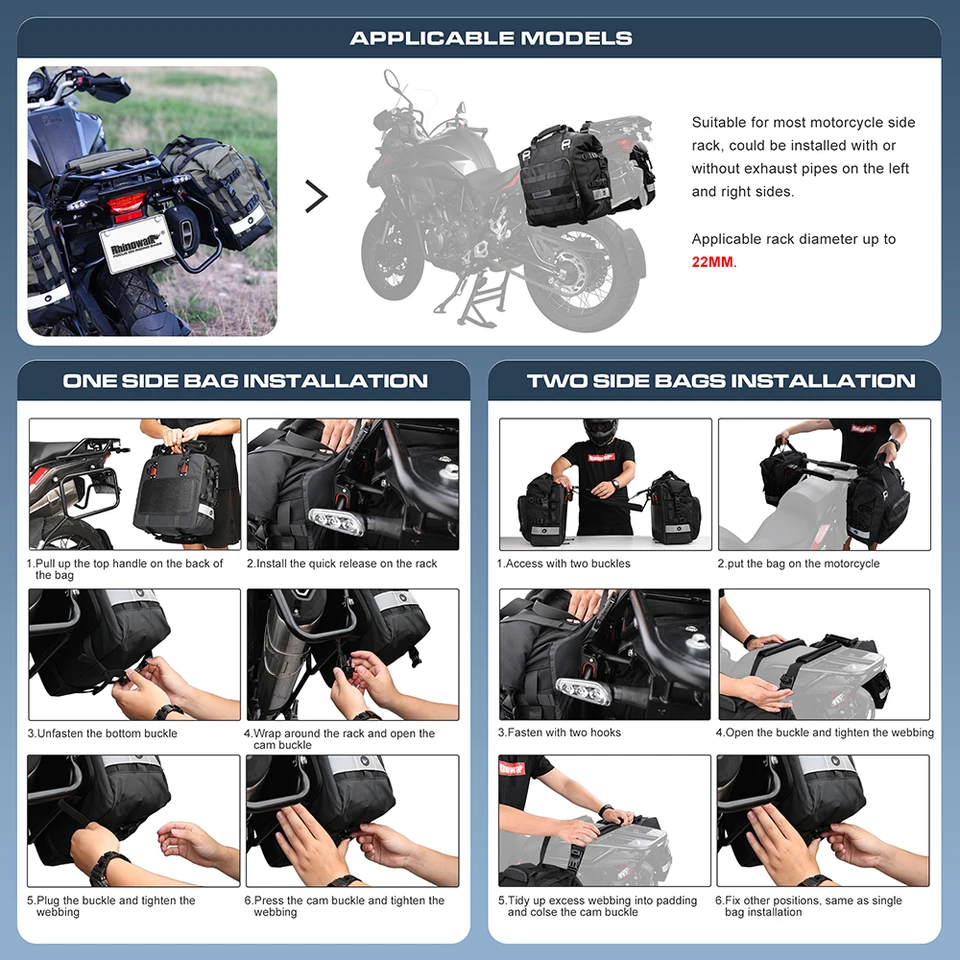
Illustrative image related to side bag for motorcycle
Navigating the motorcycle side bag market involves understanding specific industry jargon. Here are several essential terms:
OEM refers to companies that produce parts or products that are marketed under another brand’s name. In the context of motorcycle side bags, OEM manufacturers may supply bags designed specifically for certain motorcycle models. B2B buyers should consider OEM options for guaranteed compatibility and quality.
MOQ indicates the smallest quantity a supplier is willing to sell. This term is crucial for B2B buyers as it affects inventory costs and stock management. Understanding MOQ helps businesses plan their purchasing strategies, particularly when entering new markets.
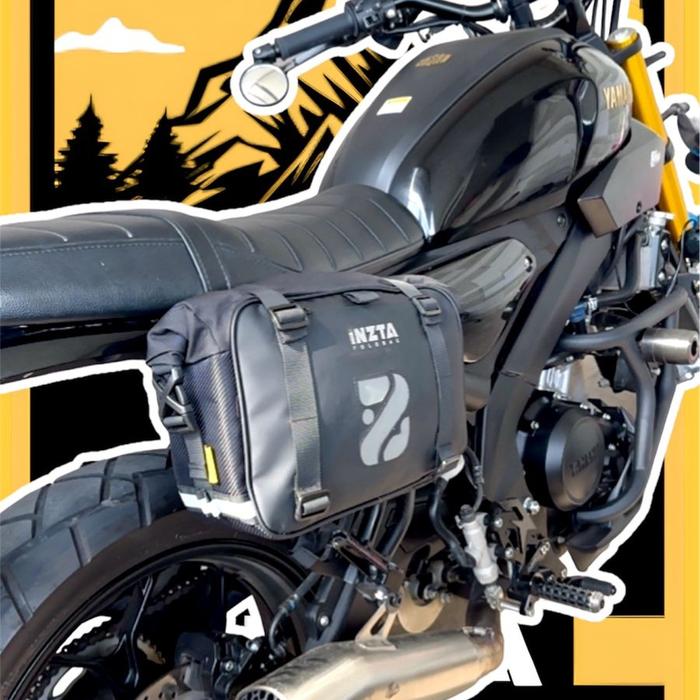
Illustrative image related to side bag for motorcycle
An RFQ is a formal process where buyers request pricing information and terms from suppliers. This step is critical for ensuring competitive pricing and understanding the market landscape. B2B buyers should utilize RFQs to negotiate better deals and establish long-term supplier relationships.
Incoterms are a set of international rules that define the responsibilities of buyers and sellers in shipping and freight. Understanding these terms is vital for B2B transactions, as they dictate who is responsible for shipping costs, insurance, and liability, thereby impacting overall profitability.
SKU is a unique identifier for each product variant, allowing for efficient inventory management. For B2B buyers, having a clear SKU system helps streamline ordering processes and track sales performance across different product lines.
By grasping these technical properties and trade terms, B2B buyers can enhance their decision-making process, ensuring they select the best side bags for their market needs.
The side bag for motorcycle sector is witnessing a robust transformation driven by several global dynamics. The surge in motorcycle ownership, particularly in developing regions such as Africa and South America, is a significant driver, with increasing numbers of commuters seeking efficient and stylish storage solutions. Additionally, the growing popularity of adventure and touring motorcycles has expanded the demand for versatile and durable luggage options that can cater to both daily commutes and long-distance journeys.
Technological advancements in materials have led to the introduction of lightweight, waterproof, and durable fabrics that enhance the functionality and aesthetics of side bags. B2B buyers are increasingly interested in products that combine innovative design with practicality. E-commerce platforms are also reshaping the sourcing landscape, allowing international buyers to access a broader range of products and suppliers, facilitating easier comparisons and purchases.
Emerging trends include the rise of modular and customizable side bag systems, appealing to riders who prioritize personalization and adaptability. Moreover, the integration of smart technologies, such as GPS tracking and anti-theft features, is gaining traction, providing added value to consumers. As competition intensifies, B2B buyers must stay attuned to these trends to align their product offerings with market demands.
Sustainability has emerged as a pivotal factor influencing purchasing decisions in the side bag for motorcycle sector. With heightened awareness of environmental issues, B2B buyers are increasingly seeking suppliers committed to ethical practices and sustainable materials. This includes the use of recycled fabrics, biodegradable components, and eco-friendly production processes that minimize environmental impact.
The importance of ethical supply chains cannot be overstated; buyers are now evaluating suppliers based on their adherence to social and environmental standards. Certifications such as Global Organic Textile Standard (GOTS) and OEKO-TEX® Standard 100 can serve as indicators of a supplier’s commitment to sustainability.
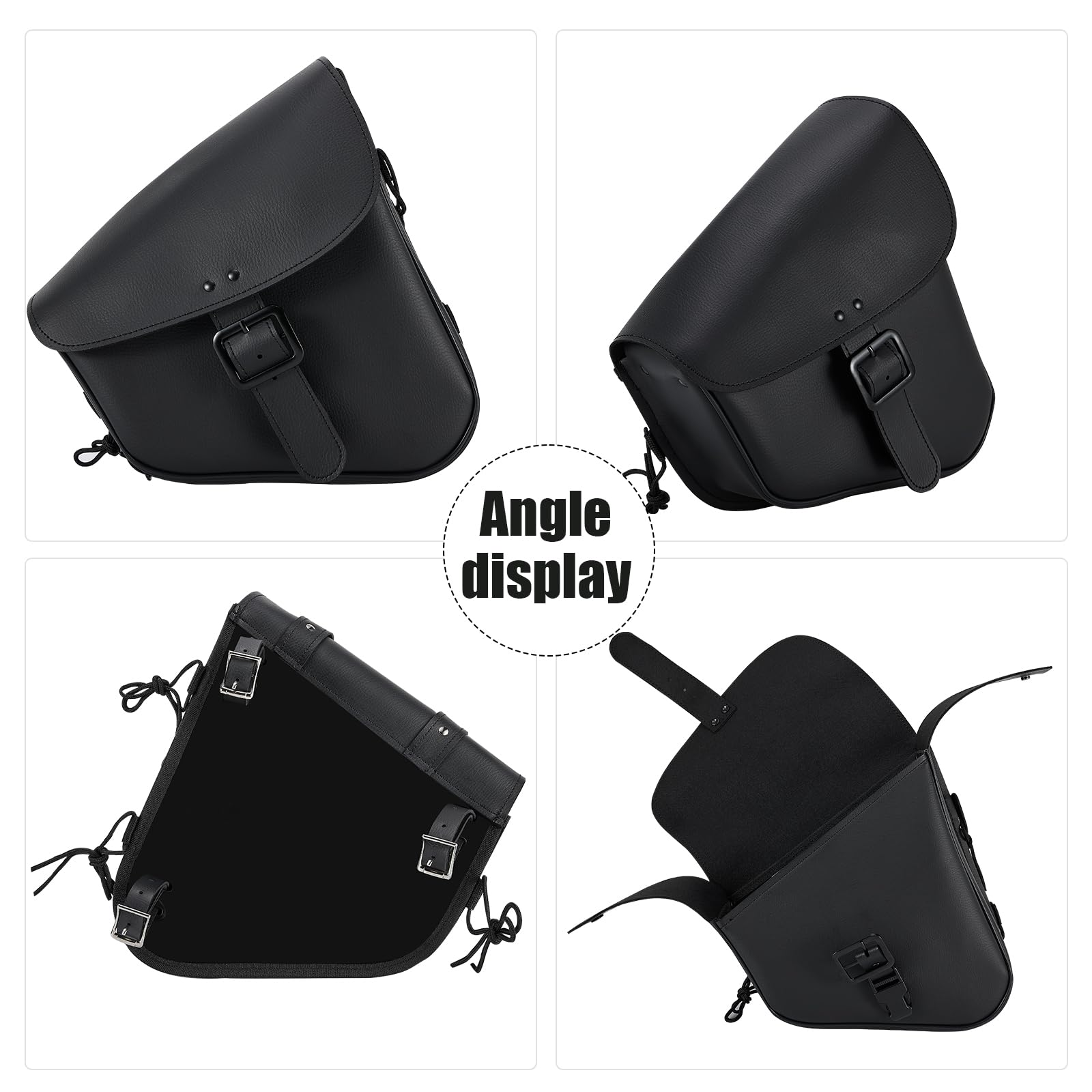
Illustrative image related to side bag for motorcycle
Furthermore, the demand for ‘green’ products is prompting manufacturers to innovate, leading to the development of side bags that not only perform well but also contribute to environmental preservation. B2B buyers focused on sustainability can differentiate themselves in the market by promoting these eco-friendly offerings, appealing to a growing segment of environmentally conscious consumers.
The evolution of side bags for motorcycles can be traced back to the mid-20th century when motorcycling began to gain popularity as a viable mode of transportation. Initially, motorcycle luggage options were rudimentary, primarily consisting of leather or canvas bags strapped onto the bike. As the motorcycle industry evolved, so did the need for more sophisticated and functional luggage solutions.
In the 1980s and 1990s, the introduction of hard-shell cases marked a significant advancement, offering enhanced security and weather resistance. However, the recent trend has shifted towards soft luggage, driven by their lightweight nature and versatility. Modern side bags are now designed with advanced materials and features that cater to a diverse range of riders, from daily commuters to adventure enthusiasts.
This historical progression highlights the industry’s responsiveness to consumer needs and technological advancements, setting the stage for ongoing innovation in the sector. B2B buyers should leverage this historical context to understand current trends and anticipate future developments in motorcycle luggage solutions.
1. How do I choose the right side bag for motorcycles for my business needs?
Selecting the appropriate side bag involves assessing your target market’s needs, including the types of motorcycles they use and their riding habits. Consider factors such as the bag’s capacity, material, waterproof features, and ease of installation. Additionally, evaluate whether your customers prefer hard or soft luggage options, as this can affect storage and handling. Collaborate with suppliers who offer a diverse range of products to cater to varying customer preferences.
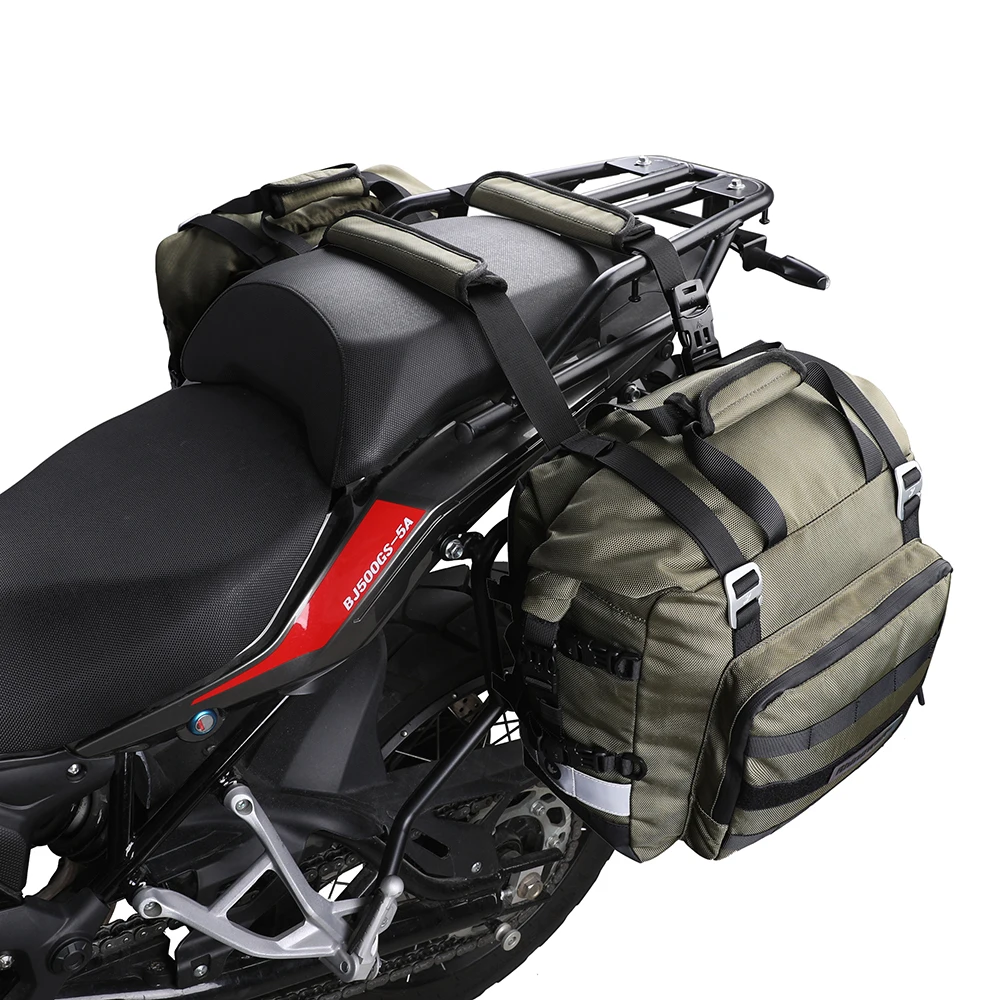
Illustrative image related to side bag for motorcycle
2. What are the best materials for motorcycle side bags?
The best materials for motorcycle side bags typically include durable textiles such as nylon or polyester, which provide water resistance and abrasion resistance. Some bags may feature reinforced stitching and additional waterproof liners for enhanced protection. For buyers targeting rugged markets, consider options that combine textile with hard plastic elements for added durability. Always verify the quality of materials through samples before placing bulk orders.
3. What customization options should I consider when sourcing side bags?
Customization options can significantly enhance your product offering. Look for suppliers that allow for branding, such as adding your logo or specific color schemes. Additionally, consider functional customizations like pocket designs, size variations, or modular components that can adapt to different motorcycle models. Engaging with manufacturers who provide bespoke solutions can help you differentiate your product in competitive markets.
4. What are the typical minimum order quantities (MOQs) for motorcycle side bags?
MOQs for motorcycle side bags vary by supplier and product type. Generally, you can expect MOQs to range from 50 to 500 units, depending on the complexity and customization level of the bags. When negotiating, consider discussing flexible MOQs, especially if you are entering new markets or testing different product lines. Establishing a good relationship with suppliers can also lead to more favorable terms.
5. How can I ensure quality assurance (QA) when sourcing motorcycle side bags?
To ensure quality assurance, request detailed product specifications and samples from potential suppliers. Establish clear quality standards and communicate them upfront. Consider implementing a third-party inspection process for bulk orders to verify that the products meet your requirements before shipment. Regular audits of the manufacturing process can also help maintain product quality and consistency.
6. What payment terms should I negotiate with suppliers?
When negotiating payment terms, aim for conditions that minimize your financial risk. Common terms include a 30% deposit upon order confirmation, with the remaining balance due before shipment. Explore options for letters of credit or escrow services for larger orders, which can provide additional security. Always ensure that the payment terms are clearly stated in the contract to avoid disputes.
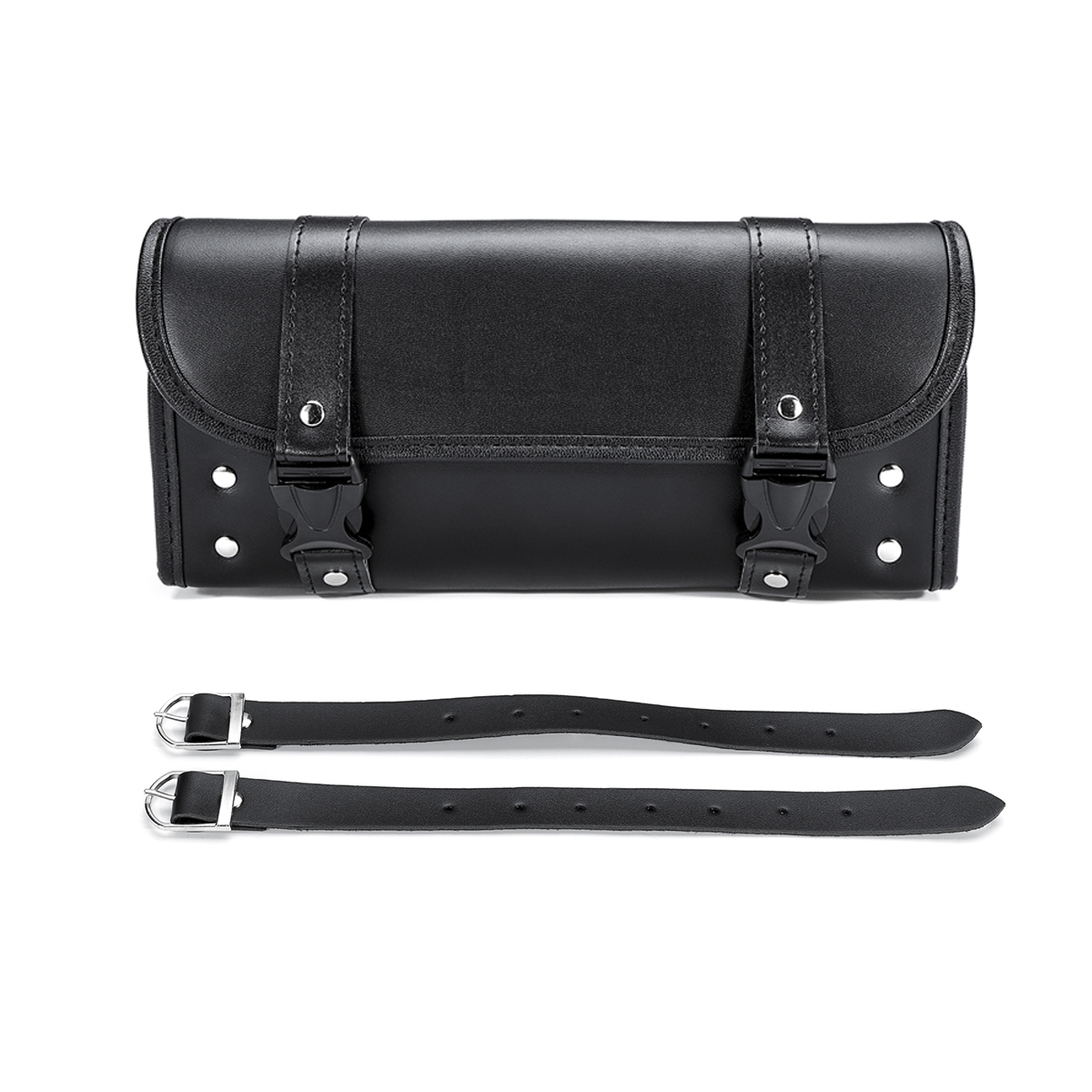
Illustrative image related to side bag for motorcycle
7. What logistics considerations should I keep in mind when importing side bags?
Logistics considerations include understanding shipping methods, customs regulations, and delivery timelines. Choose reliable freight forwarders who specialize in international shipping to ensure smooth transport of goods. Familiarize yourself with import duties and taxes in your target market to avoid unexpected costs. Additionally, consider the packaging requirements to minimize damage during transit.
8. How can I effectively market motorcycle side bags in diverse international markets?
Marketing motorcycle side bags requires a tailored approach for each region. Research local consumer preferences and riding cultures to develop targeted marketing strategies. Utilize social media and local influencers to build brand awareness and credibility. Participate in motorcycle trade shows and events to showcase your products directly to potential customers. Additionally, consider offering localized promotions or partnerships to enhance visibility and appeal in specific markets.
Bereich: sw-motech.us
Registriert: 2019 (6 Jahre)
Einleitung: Premium Motorcycle Saddle & Side Bags – SW-MOTECH
– Soft luggage for any ride
– Categories: Adventure Sets, Tank Bags, Saddle Bags, Side Cases, Tail Bags, Top Cases
– Product Lines: Legend Gear, SysBag, BLAZE, PRO
– Features: Waterproof options, Lockable options, Various materials (Textile, Plastic, Metal)
– Price Range: $5.00 – $1,230.00
– Example Products:
– Legend Gear side bag system LC Blac…
Bereich: moskomoto.de
Registriert: 2013 (12 Jahre)
Einleitung: Dieses Unternehmen, Mosko Moto - Motorradgepäcksysteme, ist ein namhaftes Unternehmen auf dem Markt. Für spezifische Produktdetails empfiehlt es sich, die Website direkt zu besuchen.
Bereich: rhinowalk.de
Registriert: 2015 (10 Jahre)
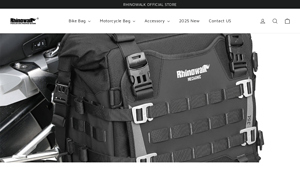
Einleitung: {“product_name”: “Motorcycle Side Bag”, “store”: “Rhinowalk Official Store”, “availability”: “In stock (6)”, “products”: [{“name”: “Waterproof Motorcycle Pannier Side Bag”, “capacity”: “18/28/48L”, “price”: “$11.99”, “original_price”: “$189.00”}, {“name”: “35L Motorcycle Side Bag”, “features”: “Quick Release Waterproof Saddlebag”, “price”: “$17.99”}, {“name”: “25 litres Motorcycle Side Bag”, “quan…
Bereich: vikingbags.com
Registriert: 2006 (19 Jahre)
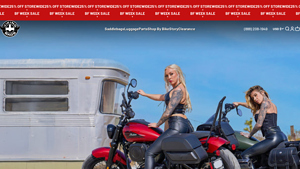
Einleitung: Viking Bags offers over 300 designs of motorcycle saddlebags, including leather saddlebags, hard saddlebags, and soft panniers. The saddlebags are waterproof and designed for longevity, enhancing the on-bike experience for various motorcycle types such as adventure motorcycles, power cruisers, sportsbikes, street bikes, naked bikes, and touring motorcycles. Available in four sizes: small, medium, …
Bereich: giviusa.com
Registriert: 2000 (25 Jahre)
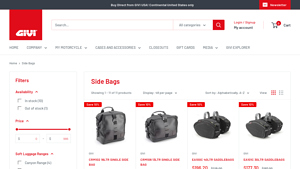
Einleitung: This company, GIVI – Corium Side Bags, is a notable entity in the market. For specific product details, it is recommended to visit their website directly.

Bereich: revzilla.de
Registriert: 2006 (19 Jahre)
Einleitung: This company, RevZilla – Motorcycle Bags & Accessories, is a notable entity in the market. For specific product details, it is recommended to visit their website directly.
Bereich: sattelmaenner.de
Registriert: 1996 (29 Jahre)
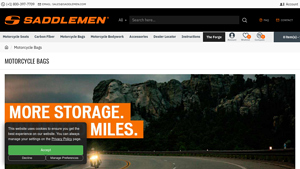
Einleitung: Saddlemen Motorcycle Luggage includes a variety of bags and luggage options for different motorcycle models. Key categories include:
– Universal Motorcycle Bags: Sissy Bar Mounted Bags, Seat, Tail & Tunnel Mounted Bags, Rack & Trunk Mounted Bags, Tank Mounted Bags, Universal Saddlebag Sets, Specific Fit Saddlebags, Handlebar Mounted & Tool Bags, Bag Organizers, Packing Cubes & Liners, Saddlebag M…
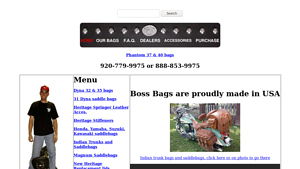
Bereich: bossbags.com
Registriert: 2000 (25 Jahre)
Einleitung: Boss Bags offers a variety of high-quality detachable leather motorcycle saddlebags and luggage for various motorcycle brands including Harley Davidson, Kawasaki, Suzuki, Yamaha, and Honda. Key products include: Phantom 37 & 40 bags, Dyna 32 & 35 bags, Heritage Springer Leather Accessories, Honda, Yamaha, Suzuki, Kawasaki saddlebags, Indian Trunks and Saddlebags, Magnum Saddlebags, and new Heritag…
In conclusion, strategic sourcing for motorcycle side bags is essential for international B2B buyers aiming to enhance their product offerings and meet the diverse needs of riders across various markets. By focusing on quality, versatility, and design, businesses can ensure they provide solutions that cater to both casual riders and adventure enthusiasts. The increasing demand for waterproof, lightweight, and stylish options signifies a shift towards more functional and aesthetic products that enhance the riding experience.
As buyers navigate the complexities of sourcing from different regions, leveraging insights on material quality, design innovation, and customer preferences can significantly improve procurement strategies. Establishing strong partnerships with reputable suppliers can also streamline logistics and reduce costs, ultimately leading to increased customer satisfaction.
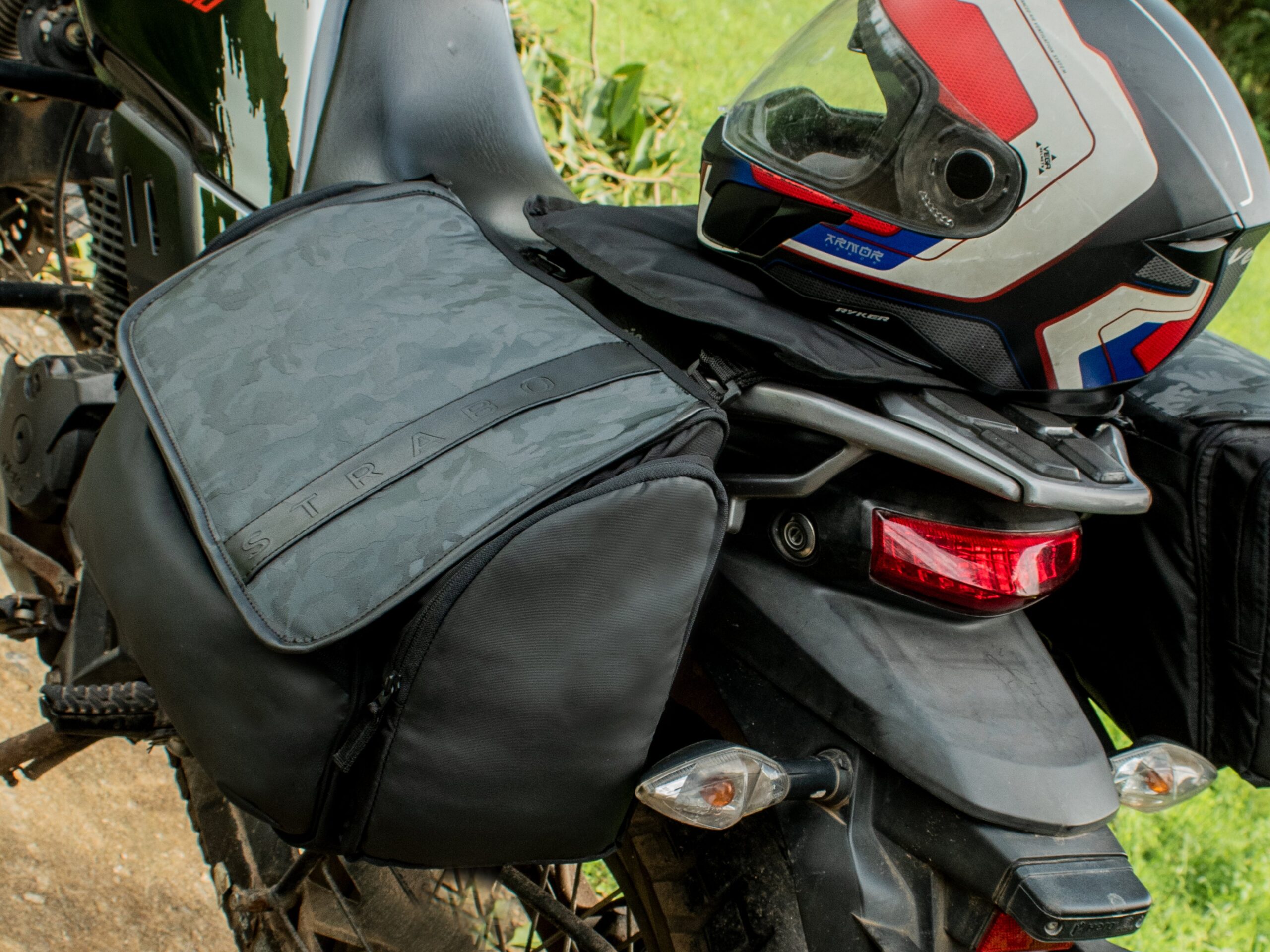
Illustrative image related to side bag for motorcycle
Looking ahead, the motorcycle accessories market is poised for growth, driven by rising interest in outdoor activities and motorcycle tourism. B2B buyers should seize this opportunity by diversifying their inventory and exploring emerging markets in Africa, South America, the Middle East, and Europe. Engaging with manufacturers who prioritize sustainability and innovation will not only enhance product appeal but also align with global trends towards responsible consumption. Now is the time to invest in quality side bags that cater to the evolving demands of the motorcycle community.
Die in diesem Leitfaden enthaltenen Informationen, einschließlich der Angaben zu Herstellern, technischen Spezifikationen und Marktanalysen, dienen ausschließlich Informations- und Bildungszwecken. Sie stellen keine professionelle Kaufberatung, Finanzberatung oder Rechtsberatung dar.
Obwohl wir alle Anstrengungen unternommen haben, um die Richtigkeit und Aktualität der Informationen zu gewährleisten, übernehmen wir keine Verantwortung für etwaige Fehler, Auslassungen oder veraltete Informationen. Marktbedingungen, Unternehmensangaben und technische Standards können sich ändern.
B2B-Käufer müssen ihre eigene unabhängige und gründliche Due-Diligence-Prüfung durchführen bevor Sie eine Kaufentscheidung treffen. Dazu gehört, dass Sie sich direkt mit den Anbietern in Verbindung setzen, Zertifizierungen überprüfen, Muster anfordern und sich professionell beraten lassen. Das Risiko, sich auf die Informationen in diesem Leitfaden zu verlassen, trägt allein der Leser.


 German
  English
  Russian
  Spanish
  Italian
  Arabic
  Portuguese