
In today’s fast-paced global economy, sourcing portable car air compressors presents a significant challenge for B2B buyers, particularly those operating in diverse markets across Africa, South America, the Middle East, and Europe. With the increasing demand for reliable automotive maintenance solutions, businesses must navigate a complex landscape of product types, applications, and supplier options. This guide aims to empower international B2B buyers by providing comprehensive insights into the various types of portable car air compressors available, their specific applications, and critical factors for supplier vetting, including quality, reliability, and pricing.
As businesses look to enhance their operational efficiency and customer satisfaction, understanding the nuances of the portable car air compressor market becomes essential. This guide will delve into the intricacies of compressor specifications, from power sources to inflation speed, ensuring that buyers can make informed decisions tailored to their regional needs. Furthermore, we will explore cost considerations and best practices for negotiating with suppliers, equipping buyers with the tools they need to secure competitive pricing without compromising on quality.
By offering a detailed overview of the portable car air compressor market, this guide serves as a vital resource for B2B buyers, enabling them to confidently select products that meet their operational requirements while supporting their growth in an increasingly competitive landscape.
| Typ Name | Wichtigste Unterscheidungsmerkmale | Primäre B2B-Anwendungen | Kurze Vor- und Nachteile für Käufer |
|---|---|---|---|
| Schnurlose Reifenfüller | Batteriebetrieben, leicht, tragbar | Automotive services, roadside assistance | Vorteile: Highly portable, easy to use. Nachteile: Limited battery life for larger jobs. |
| 12V DC Tire Inflators | Plugs into vehicle’s 12V socket, often compact | Fleet management, emergency response vehicles | Vorteile: Praktisch für das Aufpumpen unterwegs. Nachteile: Requires vehicle power; limited reach. |
| Schwerlast-Luftkompressoren | High PSI capabilities, often larger units | Industrial applications, off-road vehicles | Vorteile: Fast inflation, suitable for large tires. Nachteile: Bulkier, may require more storage space. |
| Digitale Reifenfüller | Eingebaute Manometer, automatische Abschaltung | Automotive repair shops, retail tire services | Vorteile: Präzises Aufpumpen, benutzerfreundlich. Nachteile: Higher price point for advanced features. |
| Mini Air Compressors | Compact, versatile for various inflatables | Recreational vehicle owners, bike shops | Vorteile: Space-saving, multipurpose. Nachteile: Begrenzte Leistung für größere Reifen. |
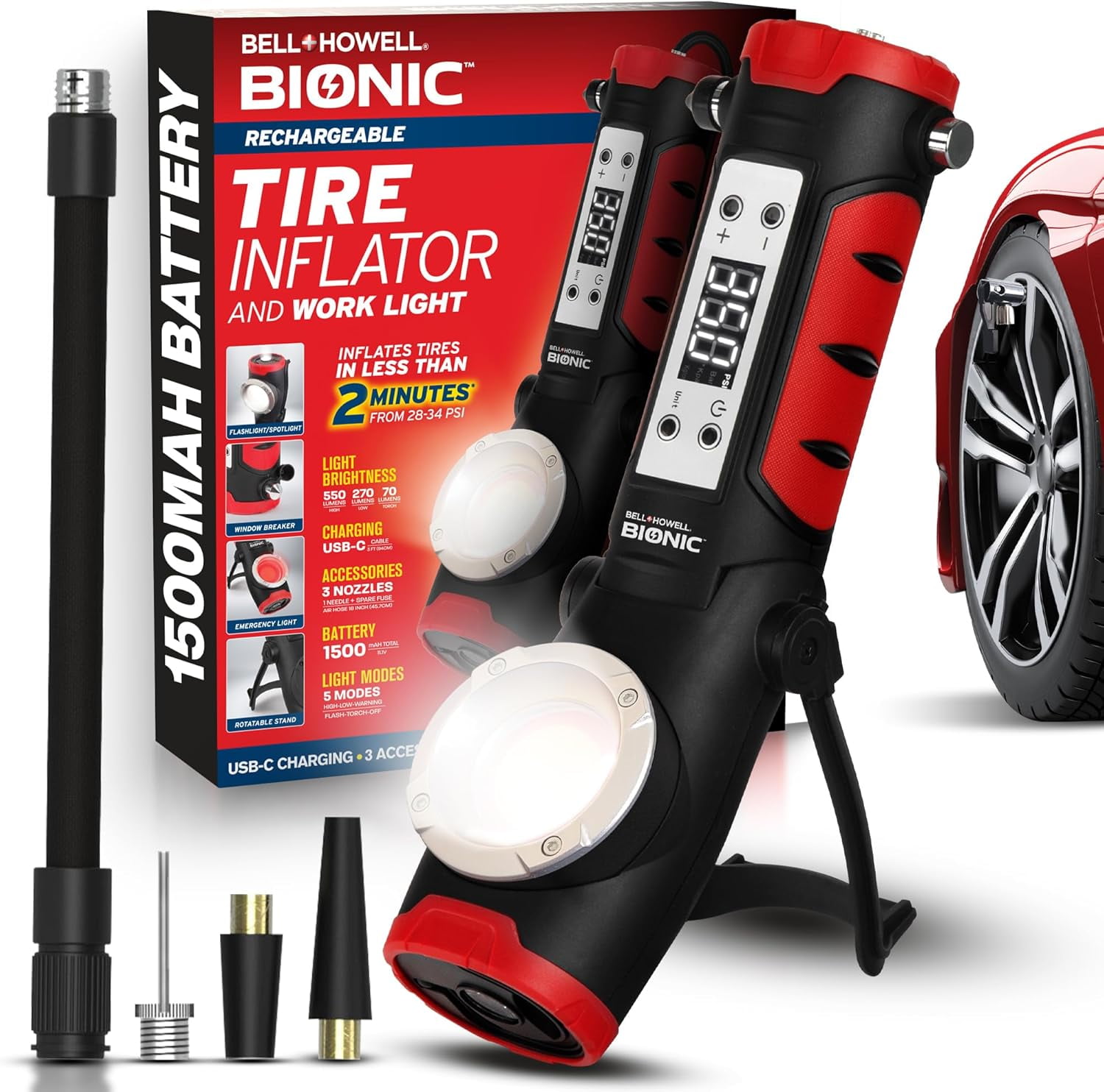
Cordless tire inflators are designed for maximum portability, powered by rechargeable batteries. Their lightweight construction makes them ideal for automotive services and roadside assistance, where quick access is essential. B2B buyers should consider battery life and charging options, as these inflators may struggle with larger jobs or multiple tires on a single charge.
Illustrative image related to portable car air compressors
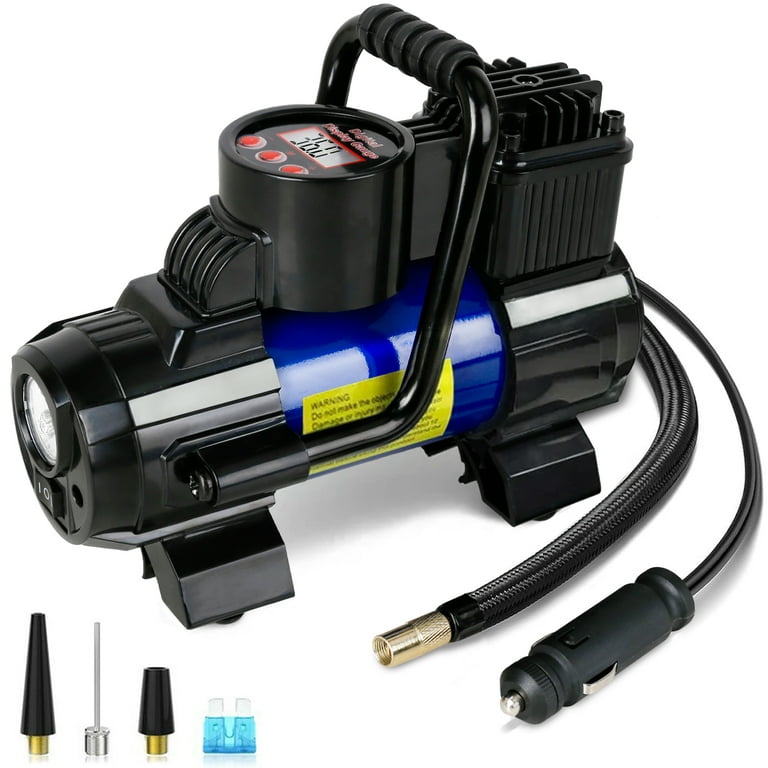
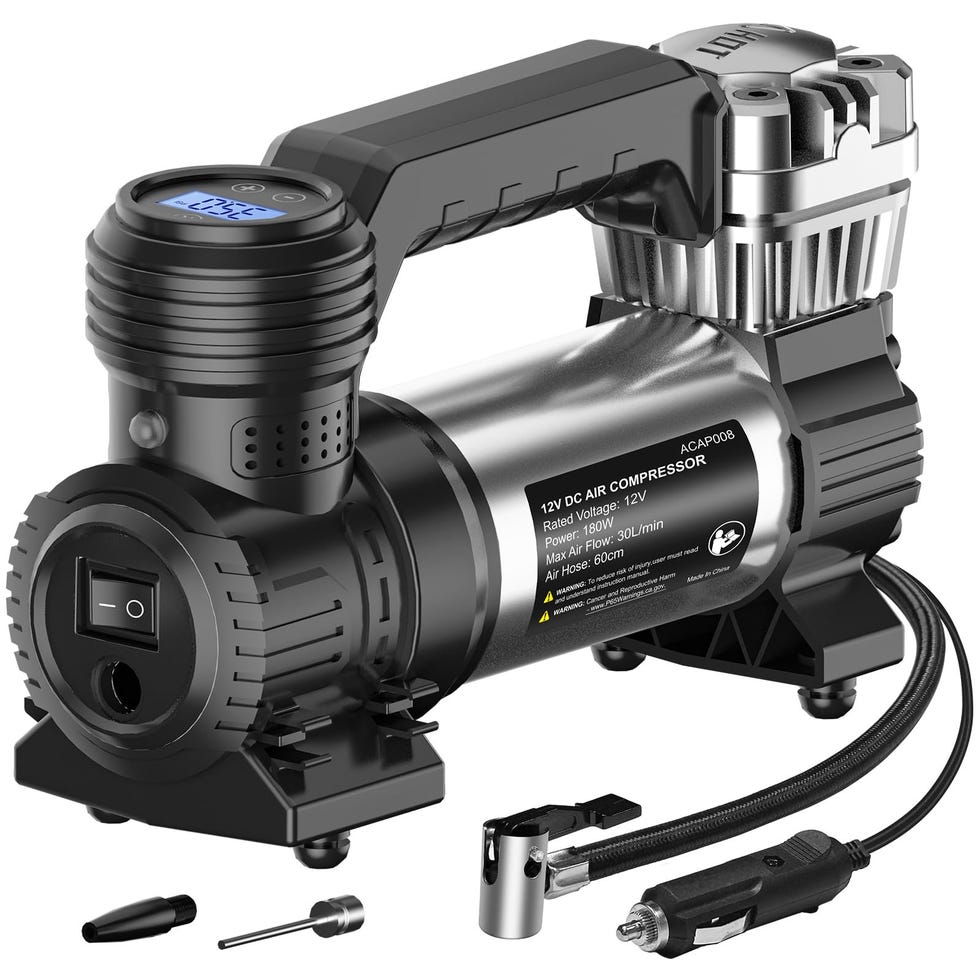
12V DC tire inflators connect directly to a vehicle’s power outlet, making them an excellent choice for fleet management and emergency response vehicles. Their compact design allows for easy storage in vehicles, ensuring they are readily available when needed. Buyers should evaluate the length of the power cord and the inflator’s PSI capabilities to ensure it meets the specific needs of their fleet.
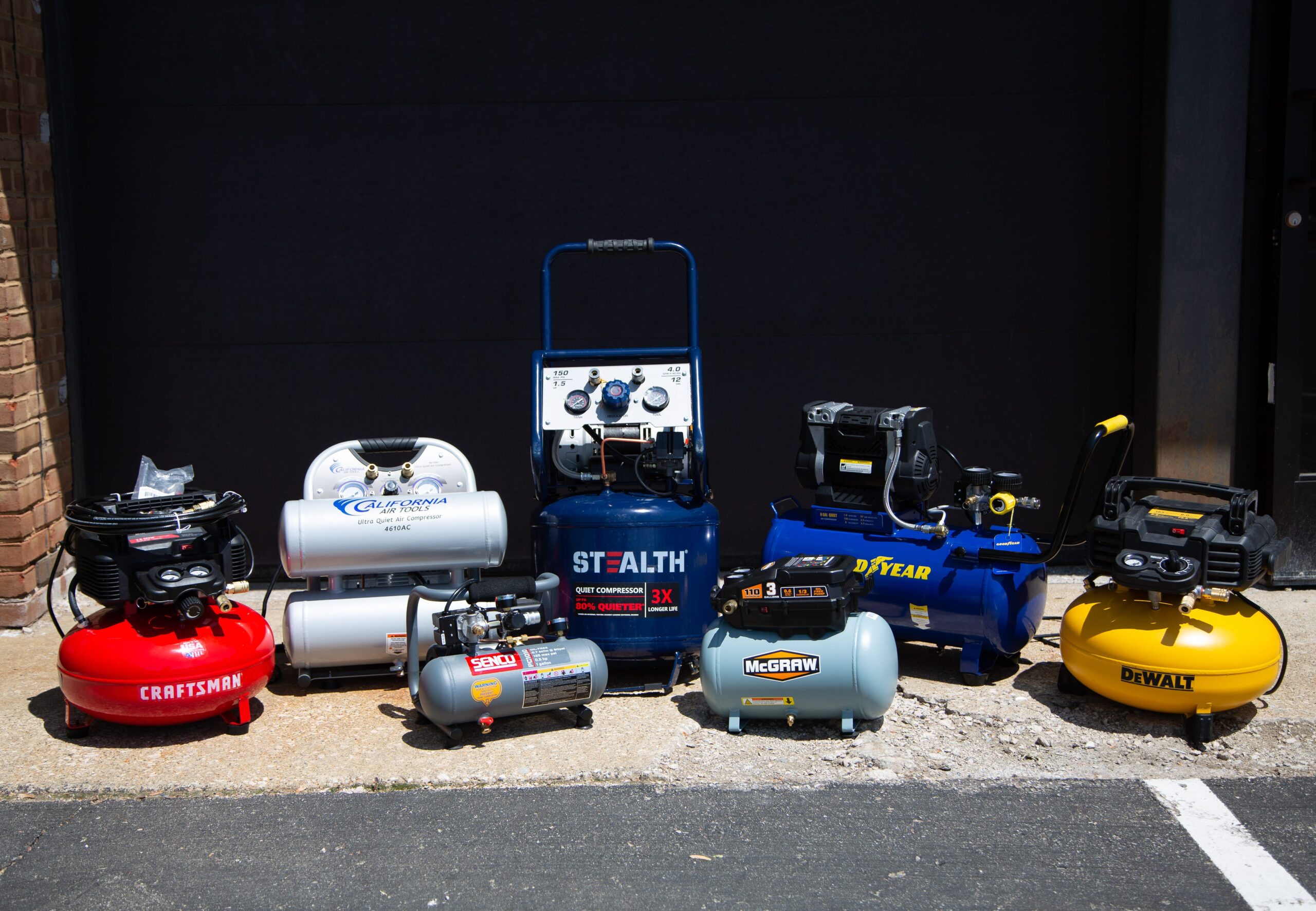
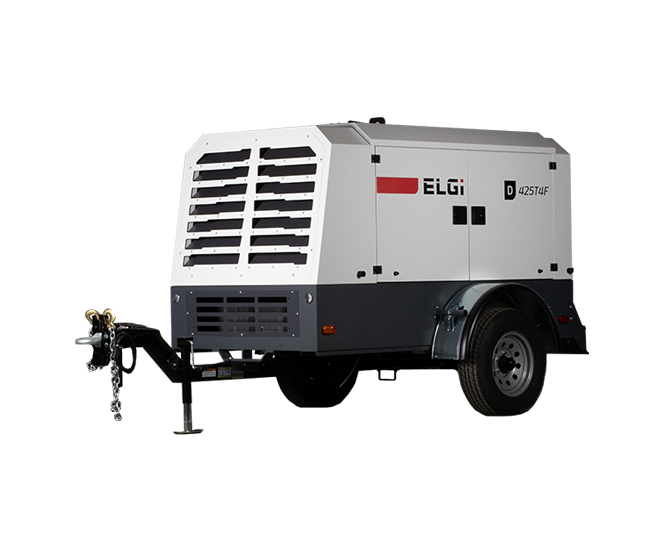
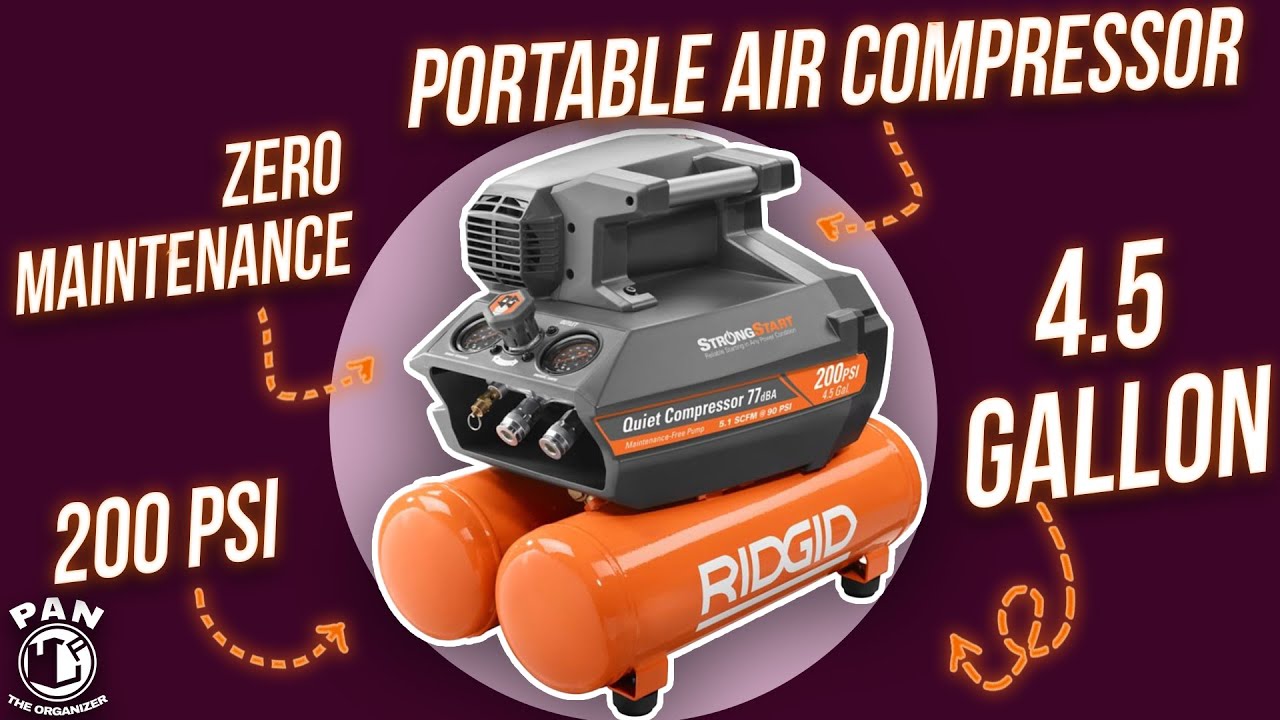
Heavy-duty air compressors are built for high-performance tasks, capable of reaching high PSI levels suitable for industrial applications and off-road vehicles. Their rapid inflation capabilities make them ideal for businesses that require quick turnaround times, such as tire repair shops. However, their bulkiness can be a drawback, necessitating careful consideration of storage space and transport logistics.
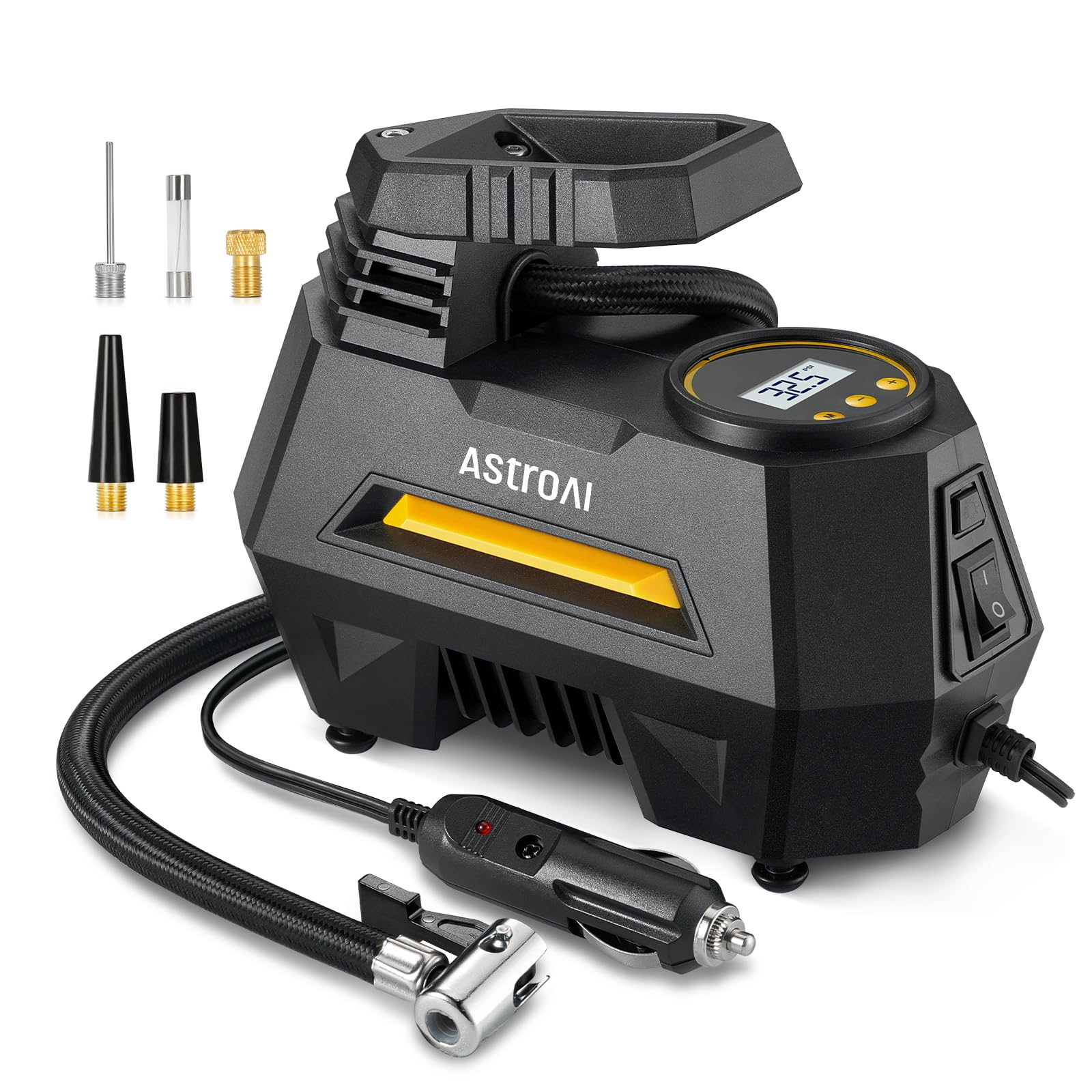
Digital tire inflators come equipped with built-in pressure gauges and automatic shut-off features, providing an accurate and user-friendly experience. They are particularly beneficial for automotive repair shops and retail tire services, where precision is crucial. While they offer advanced features, B2B buyers should weigh the higher price against the enhanced functionality and reliability they provide.
Mini air compressors are compact and versatile, designed to accommodate a range of inflatables from bike tires to sports equipment. Their small size makes them a favorite among recreational vehicle owners and bike shops. However, buyers should note that while they are convenient for small tasks, their limited power may not be sufficient for larger tires, making it essential to assess the intended use before purchase.
| Industrie/Sektor | Specific Application of Portable Car Air Compressors | Wert/Nutzen für das Unternehmen | Wichtige Überlegungen zur Beschaffung für diese Anwendung |
|---|---|---|---|
| Autoreparaturwerkstätten | Quick tire inflation and maintenance services | Reduces downtime for customers, improving service efficiency | Reliability, ease of use, and capacity to handle high PSI |
| Bauwesen und schwere Ausrüstung | Inflating tires on construction vehicles | Ensures operational efficiency and safety on job sites | Durability, portability, and power source compatibility |
| Logistics & Transportation | On-the-road tire maintenance for fleets | Minimizes vehicle downtime and enhances fleet productivity | Compact design, fast inflation rates, and battery options |
| Erholung im Freien | Supporting inflatable equipment for recreational vehicles | Enhances customer experience and service offerings | Versatility, lightweight design, and ease of storage |
| Notfalldienste | Emergency tire inflation for rescue vehicles | Quick response capability, ensuring vehicles are operational | Robustness, portability, and user-friendly features |
In automotive repair shops, portable car air compressors are essential for tire inflation and maintenance services. They allow technicians to quickly inflate tires, ensuring vehicles are road-ready, which reduces customer wait times. The ability to handle various tire sizes and pressures is crucial, especially in regions with diverse vehicle types. Buyers should prioritize reliability, ease of use, and the capacity to handle high PSI levels to meet the demands of busy repair environments.
In the construction industry, portable car air compressors are invaluable for inflating tires on heavy machinery and construction vehicles. These compressors enable quick adjustments on job sites, ensuring vehicles remain operational and safe. Given the harsh environments of construction sites, buyers should seek durable models that can withstand rugged conditions, as well as those that are portable enough for easy transport between locations.
Logistics and transportation companies utilize portable car air compressors for on-the-road tire maintenance, crucial for fleet management. Maintaining optimal tire pressure minimizes fuel consumption and enhances vehicle safety, directly impacting operational efficiency. Fleet managers should consider compact designs with fast inflation rates and battery-powered options to ensure that vehicles remain on the road and minimize downtime during long hauls.
In the outdoor recreation sector, portable car air compressors are used to inflate recreational vehicle tires and other inflatable equipment, such as kayaks and air mattresses. By offering quick inflation solutions, businesses enhance the customer experience and expand service offerings. Buyers should look for versatile models that are lightweight and easy to store, as these features are essential for outdoor enthusiasts who value convenience.
Emergency services depend on portable car air compressors for rapid tire inflation in rescue vehicles. Ensuring that emergency vehicles are operational at all times is critical for effective response times. Therefore, sourcing robust and portable compressors with user-friendly features is essential. These compressors must be reliable under pressure, as they play a vital role in maintaining the readiness of emergency response units across various terrains.
Das Problem: B2B buyers often struggle to select the most suitable portable car air compressor from a plethora of options available in the market. With varying specifications such as pressure output, portability, and additional features, it can be overwhelming to determine which compressor will best meet the needs of their fleet or service operation. Buyers may face challenges in understanding whether they require a high PSI for heavy-duty vehicles or a compact model for regular passenger cars. This uncertainty can lead to poor purchasing decisions, resulting in wasted resources and unmet operational requirements.
Die Lösung: To navigate this selection process effectively, B2B buyers should first conduct a thorough needs assessment based on their specific use cases. Establish whether the primary requirement is for passenger vehicles, trucks, or specialized equipment like RVs or trailers. Use this insight to prioritize key specifications such as maximum PSI, duty cycle, and power source options. Engaging with manufacturers who offer product quizzes or consultation services can help clarify which models will perform optimally under the expected conditions. Additionally, considering customer reviews and product testing reports can provide real-world insights into performance and reliability, ensuring that the final purchase aligns with operational demands.
Das Problem: Many B2B buyers operate in regions where access to consistent power sources can be a significant limitation. For instance, businesses in remote areas of Africa or South America might find it challenging to use traditional electric-powered air compressors effectively, as they may lack reliable access to electricity. This can lead to delays in service delivery, particularly in roadside assistance or vehicle maintenance operations, ultimately affecting customer satisfaction and business reputation.
Die Lösung: To overcome power supply challenges, B2B buyers should consider investing in portable car air compressors that are designed with versatility in mind. Models that can operate on multiple power sources, such as battery packs or vehicle batteries, offer greater flexibility. It’s advisable to source compressors that include both a 12V DC adapter and rechargeable battery capabilities. This allows users to recharge the compressor during travel and utilize it even in areas without power. Furthermore, companies can conduct regular training sessions for staff to ensure they understand the operational requirements and capabilities of the compressors, enabling them to maximize efficiency during service calls.
Das Problem: Safety concerns regarding the use of portable air compressors can deter B2B buyers from making purchases. Issues such as overheating, improper handling, or the risk of damage to vehicle tires can create a perception of risk, especially for businesses that prioritize safety in their operations. Moreover, buyers may also worry about the reliability of compressors in critical situations, where performance failures can lead to costly downtime and negatively impact service delivery.
Illustrative image related to portable car air compressors
Die Lösung: To address safety and reliability concerns, B2B buyers should focus on sourcing compressors from reputable manufacturers known for their quality and safety standards. It is crucial to prioritize models with built-in safety features, such as automatic shut-off mechanisms and heat protection. Additionally, buyers should invest in training programs that educate employees on the correct usage and maintenance of portable air compressors. Regular maintenance checks and adhering to the manufacturer’s guidelines will not only enhance the longevity of the equipment but also ensure that it operates safely and reliably. Implementing a rigorous quality control process before deploying compressors in the field can further mitigate risks and enhance overall operational safety.
When selecting portable car air compressors, understanding the materials used in their construction is crucial for ensuring optimal performance and longevity. Here, we analyze four common materials: aluminum, steel, plastic, and rubber. Each material has unique properties and implications for performance, cost, and suitability for various applications.
Aluminum is a popular choice for portable car air compressors due to its lightweight nature and excellent corrosion resistance. It typically has a temperature rating that can withstand moderate heat generated during operation, making it suitable for various environments.
Vorteile: Aluminum is durable and resistant to rust, which is particularly beneficial in humid or coastal regions. Its lightweight nature enhances portability, making it ideal for consumers who prioritize ease of transport.
Illustrative image related to portable car air compressors
Nachteile: While aluminum is durable, it can be more expensive than other materials like steel. Additionally, it may not withstand extreme impacts as well as heavier metals.
Auswirkungen auf die Anwendung: Aluminum is compatible with various media, including air and non-corrosive gases. However, it may not be suitable for applications involving highly abrasive materials.
Überlegungen für internationale Käufer: Buyers should ensure compliance with international standards such as ASTM for material quality. In regions like Africa and the Middle East, where humidity levels can be high, aluminum’s corrosion resistance is a significant advantage.
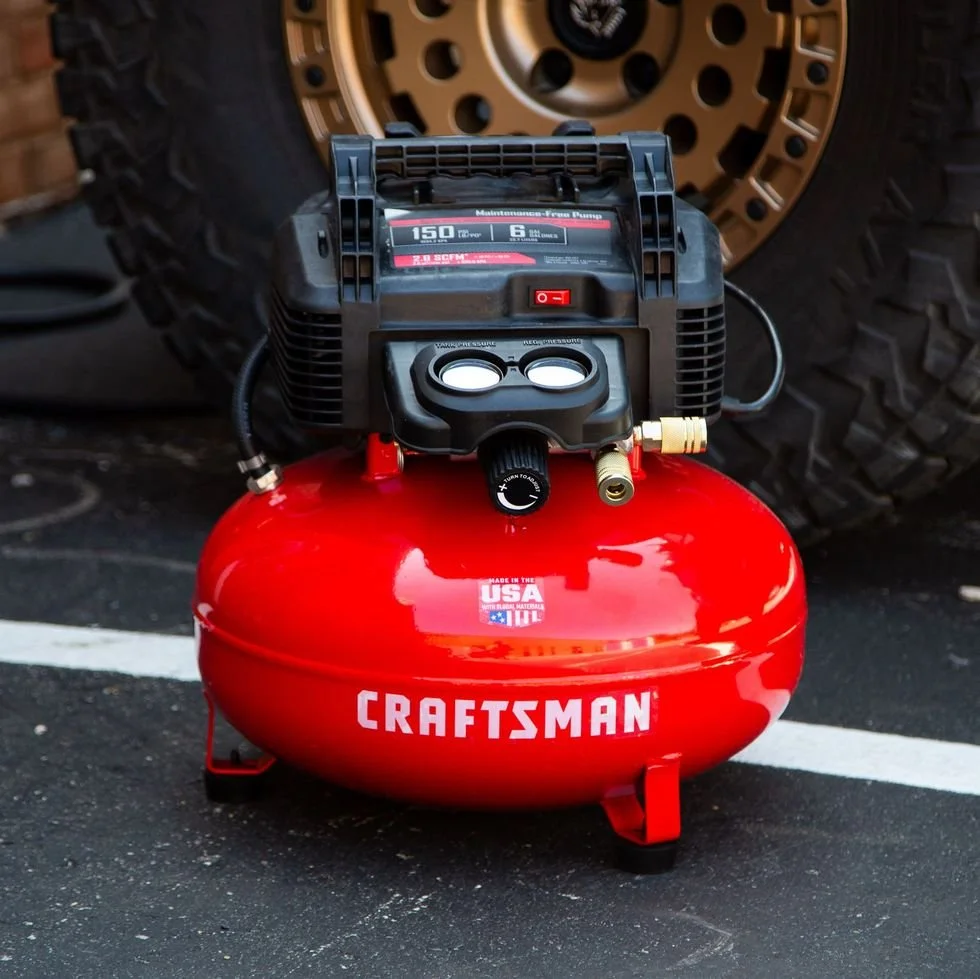
Steel is another common material used in the construction of portable car air compressors, particularly for components that require high strength and durability. It has excellent pressure ratings, making it suitable for heavy-duty applications.
Vorteile: Steel is exceptionally strong and can withstand high pressures, making it ideal for compressors designed for larger vehicles or industrial uses. Its longevity is a significant advantage in rugged environments.
Illustrative image related to portable car air compressors
Nachteile: Steel is heavier than aluminum, which can impact the portability of the compressor. It is also prone to rust if not properly coated or treated, which can be a concern in humid climates.
Auswirkungen auf die Anwendung: Steel compressors can handle a wide range of media, including air and some gases, but care must be taken to avoid corrosion from moisture.
Überlegungen für internationale Käufer: Compliance with standards such as DIN or JIS is crucial, particularly for buyers in Europe and the Middle East. Additionally, the need for protective coatings in humid regions like Nigeria should be factored into procurement decisions.
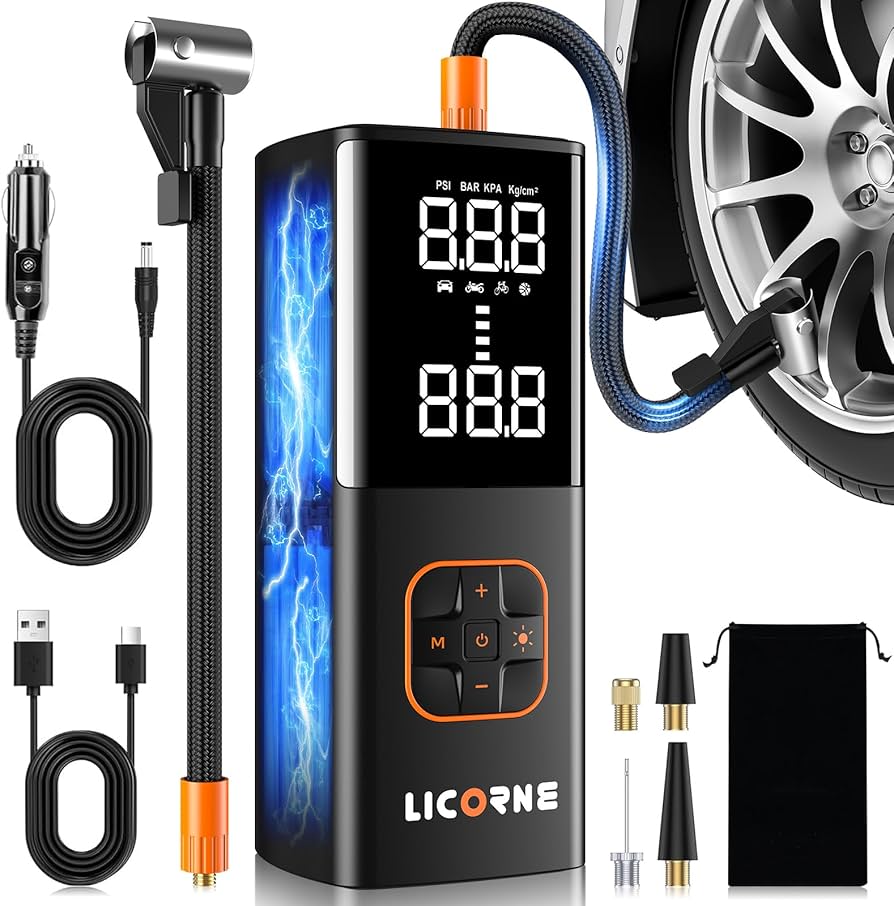
Plastic is often used in the housing and casing of portable car air compressors. It is lightweight and can be molded into various shapes, making it versatile for design.
Vorteile: Plastic is typically less expensive than metal options and can be produced in various colors and designs. It is also resistant to corrosion, making it suitable for outdoor use.
Illustrative image related to portable car air compressors
Nachteile: Plastic may not withstand high temperatures or pressures as effectively as metals, limiting its application in high-performance scenarios. It can also be more susceptible to wear and tear over time.
Auswirkungen auf die Anwendung: While plastic is suitable for housing and non-pressurized components, it may not be appropriate for high-pressure applications or those involving abrasive materials.
Überlegungen für internationale Käufer: Buyers should verify that plastics used comply with safety standards relevant to their region, especially in markets with stringent regulations like Europe.
Illustrative image related to portable car air compressors
Rubber is primarily used for seals, hoses, and other flexible components in portable car air compressors. Its elasticity and durability make it essential for maintaining airtight connections.
Vorteile: Rubber provides excellent sealing capabilities and can handle a range of temperatures and pressures. It is also resistant to wear, making it suitable for moving parts.
Nachteile: Rubber can degrade over time, especially when exposed to UV light or extreme temperatures. Additionally, it may not be suitable for all gases, particularly those that can cause chemical reactions.
Auswirkungen auf die Anwendung: Rubber is compatible with air and non-corrosive gases, but care must be taken to select the right type of rubber for specific applications.
Illustrative image related to portable car air compressors
Überlegungen für internationale Käufer: Understanding the specific type of rubber and its compliance with international standards is essential for ensuring product reliability, especially in regions with varying climate conditions.
| Material | Typical Use Case for portable car air compressors | Hauptvorteil | Wesentlicher Nachteil/Beschränkung | Relative Kosten (niedrig/mittel/hoch) |
|---|---|---|---|---|
| Aluminium | Lightweight compressors for personal vehicles | Corrosion-resistant and portable | Higher cost than steel | Mittel |
| Stahl | Heavy-duty compressors for trucks and industrial use | Exceptional strength and durability | Schwerer und anfällig für Rost | Hoch |
| Kunststoff | Housing and casing for lightweight models | Kostengünstig und korrosionsbeständig | Limited pressure and temperature tolerance | Niedrig |
| Gummi | Seals and hoses in compressors | Hervorragende Abdichtung und Flexibilität | Degrades over time and UV sensitivity | Mittel |
Understanding these materials will help international B2B buyers make informed decisions that align with their operational needs and regional conditions.
Manufacturing portable car air compressors involves several critical stages, each of which contributes to the overall quality and functionality of the final product. Understanding these stages is essential for B2B buyers who want to ensure they are sourcing high-quality products.
The manufacturing process begins with material selection. Portable car air compressors primarily utilize metals, plastics, and rubber. The metals used, such as aluminum and steel, provide strength and durability, while plastics are often used for housing components to reduce weight. Rubber is typically used for seals and hoses, ensuring airtight connections.
Once materials are selected, they undergo quality checks to ensure they meet specifications before entering the production line. This stage often involves sourcing from verified suppliers who adhere to industry standards, which is crucial for maintaining product integrity.
Illustrative image related to portable car air compressors
The next stage involves forming the individual components of the air compressor. Techniques such as casting, machining, and injection molding are commonly employed.
Following the forming process, assembly begins. This stage includes integrating the motor, pump, and electronic components. Assembly lines are often optimized for efficiency, with workers or robotic systems executing specific tasks. For B2B buyers, understanding the efficiency of the assembly process can indicate the manufacturer’s ability to meet large order quantities.
After assembly, the compressors undergo various finishing processes. These may include surface treatment, painting, and quality inspections. Surface treatments, such as anodizing or powder coating, enhance corrosion resistance and aesthetic appeal.
Finishing is crucial, as it can impact the longevity and performance of the compressor. For example, a well-painted unit may resist environmental wear better, making it more suitable for diverse markets in Africa, South America, and the Middle East, where conditions can vary significantly.
Illustrative image related to portable car air compressors
Quality assurance (QA) is a pivotal aspect of the manufacturing process for portable car air compressors. B2B buyers should be aware of the standards and checkpoints that ensure product reliability.
Manufacturers often adhere to international quality standards such as ISO 9001, which outlines requirements for a quality management system. Compliance with ISO 9001 demonstrates a commitment to quality and continuous improvement.
In addition to ISO standards, industry-specific certifications like CE (Conformité Européenne) for European markets and API (American Petroleum Institute) for oil and gas applications may be relevant. These certifications assure buyers that the products meet specific safety and performance criteria.
Quality control (QC) checkpoints are critical to ensuring that each compressor meets the required standards throughout the manufacturing process. Common checkpoints include:
Testing methods may include pressure testing, durability assessments, and performance evaluations to simulate real-world usage.
Illustrative image related to portable car air compressors
B2B buyers looking to source portable car air compressors should take proactive steps to verify the quality control measures of potential suppliers.
Requesting supplier audits and quality control reports can provide insights into their manufacturing processes. These documents should detail compliance with international standards and any certifications the manufacturer holds.
Additionally, buyers can inquire about the frequency of quality audits and the methodologies used. A supplier that regularly conducts internal audits and engages in continuous improvement initiatives is often more reliable.
Illustrative image related to portable car air compressors
Engaging third-party inspection services can further enhance confidence in the quality of the products. Third-party inspectors can conduct independent evaluations at various stages of the manufacturing process, providing an unbiased assessment of quality compliance.
Buyers from regions like Africa, South America, the Middle East, and Europe should prioritize suppliers who allow for third-party inspections. This practice not only assures product quality but also builds trust in the supplier relationship.
For international B2B buyers, navigating quality control nuances is essential. Different markets may have specific regulations and expectations regarding product quality and safety.
Illustrative image related to portable car air compressors
For example, buyers in Europe must ensure that products comply with CE marking, which indicates conformity with health, safety, and environmental protection standards. Similarly, understanding local regulations in countries like Saudi Arabia and Nigeria can help buyers avoid compliance issues.
Staying informed about international quality standards and market-specific requirements can significantly impact procurement decisions. B2B buyers should engage with industry associations, attend trade shows, and participate in seminars to remain up-to-date on best practices and evolving standards in manufacturing and quality assurance.
By understanding the manufacturing processes and quality assurance measures for portable car air compressors, B2B buyers can make informed decisions, ensuring they partner with suppliers that prioritize quality and reliability. This knowledge not only safeguards their investments but also enhances their reputation in the marketplace.
This guide serves as a comprehensive checklist for B2B buyers looking to procure portable car air compressors, focusing on essential considerations that ensure quality, reliability, and efficiency. By following these steps, buyers can make informed decisions that align with their operational needs and market demands.
Establishing your technical specifications is crucial in selecting the right portable car air compressor. Consider factors such as maximum pressure (PSI), flow rate (CFM), and power source (electric or battery-operated). These specifications will determine the compressor’s suitability for various applications, from everyday vehicle maintenance to heavy-duty use in industrial settings.
Understanding the needs of your target market is essential for sourcing the right compressors. Different regions may have varying requirements based on climate, vehicle types, and consumer preferences. For instance, markets in Africa may prioritize durability and portability, while buyers in Europe might focus on energy efficiency and advanced features.
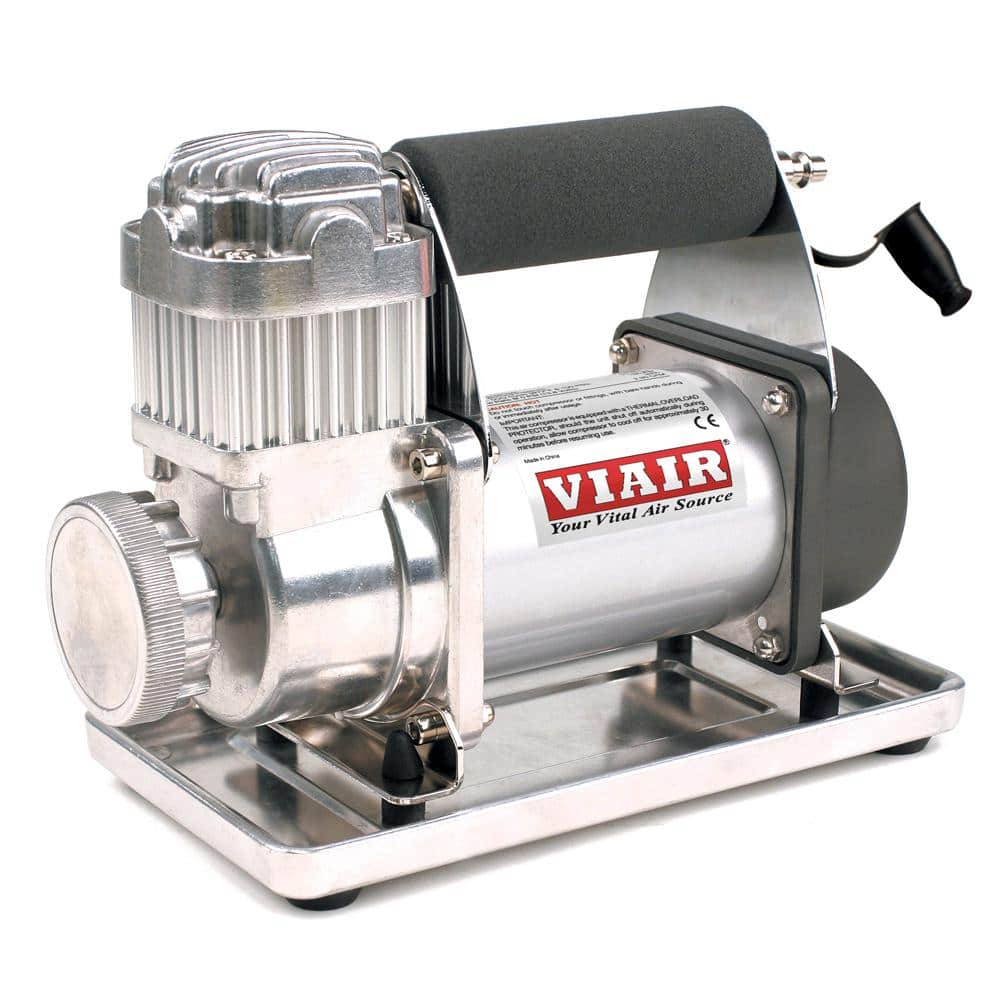
Illustrative image related to portable car air compressors
Before committing to a supplier, it is vital to conduct a thorough evaluation. Request detailed company profiles, including their manufacturing capabilities, quality control processes, and customer testimonials. Additionally, assess their experience in your target market and their ability to meet your specifications consistently.
Quality and performance are non-negotiable when it comes to portable car air compressors. Review product specifications and performance metrics, such as inflation speed and duty cycle. Conduct hands-on testing if possible, or rely on third-party reviews to understand real-world performance.
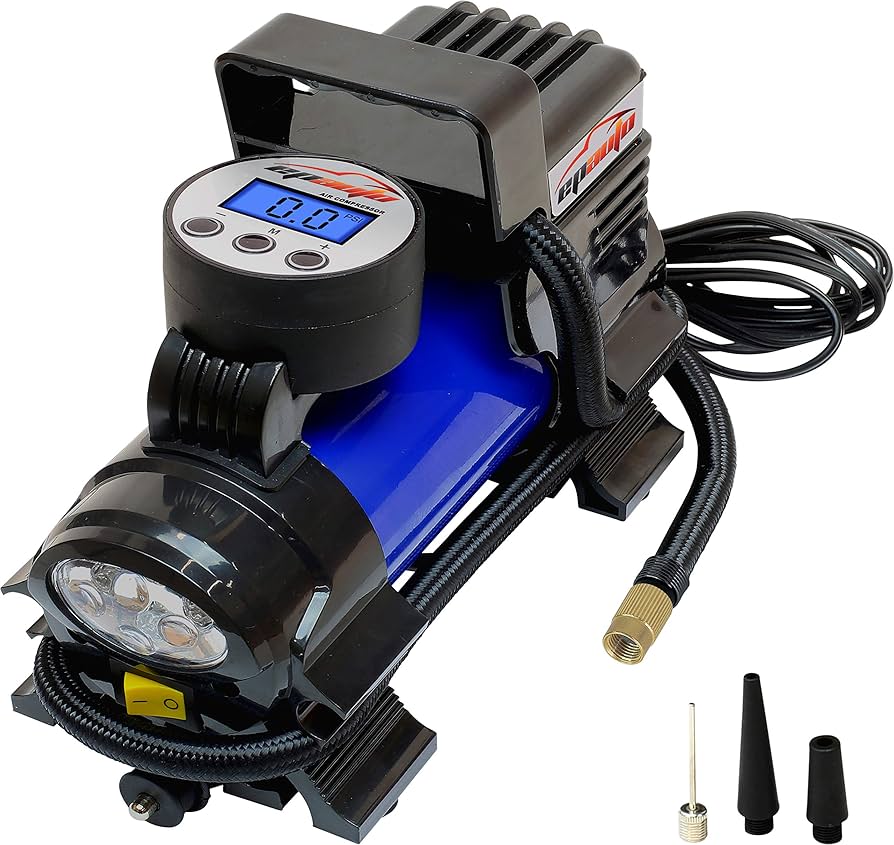
While the core functionality is essential, additional features can enhance user experience and expand market appeal. Look for compressors that offer digital pressure gauges, built-in LED lights, or multiple nozzles for various applications. These features can differentiate your offering in a competitive market.
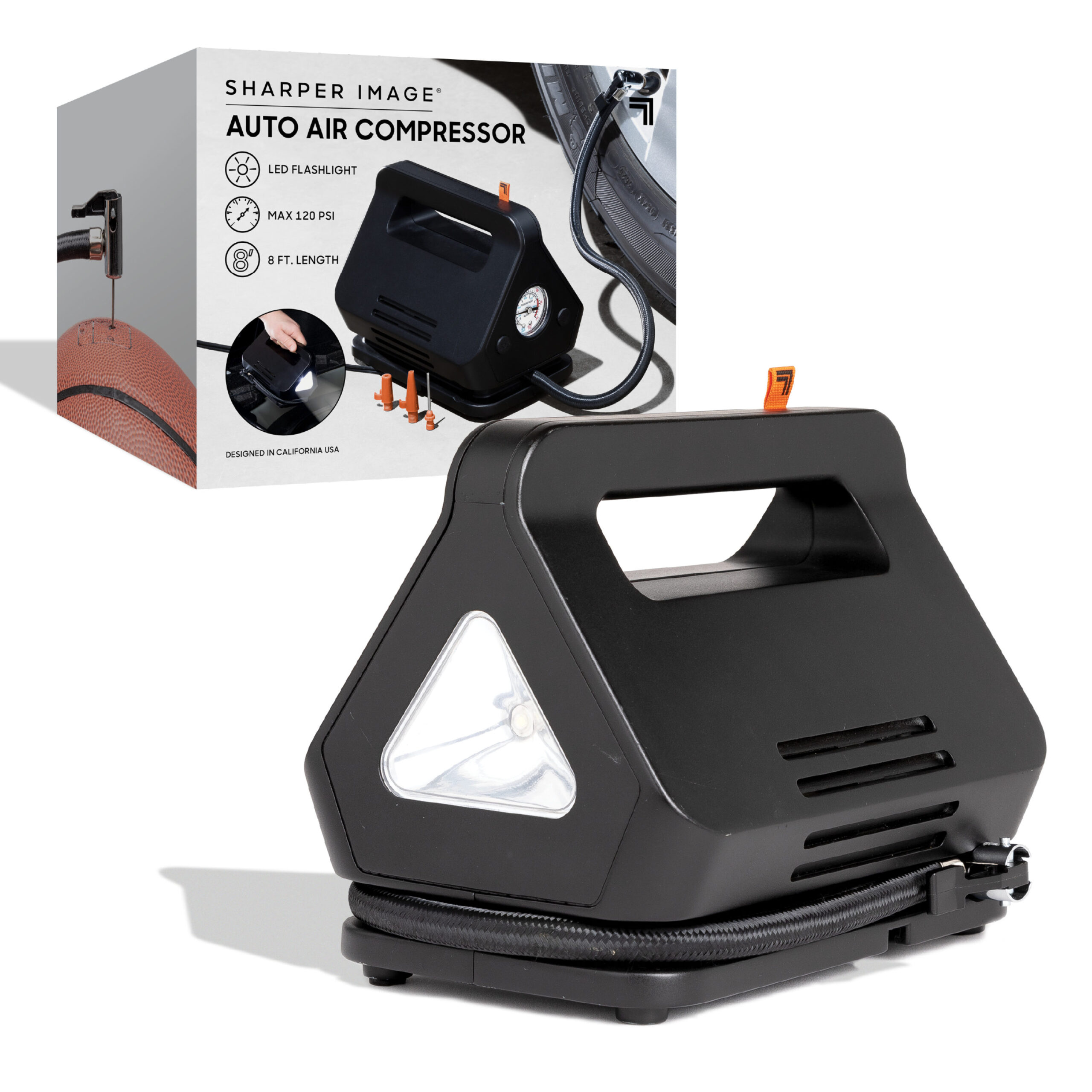
Illustrative image related to portable car air compressors
Once you have identified potential suppliers and assessed their products, it’s time to negotiate pricing and terms. Consider bulk purchasing discounts, payment terms, and shipping costs. Ensure that the final agreement aligns with your budget while still meeting quality expectations.
After-sales support is crucial for maintaining customer satisfaction and loyalty. Confirm that the supplier offers adequate support, including installation guidance, maintenance resources, and a responsive customer service team. This will not only benefit your operations but also enhance your brand reputation in the marketplace.
By following this structured checklist, B2B buyers can streamline their sourcing process for portable car air compressors, ensuring they select the best products that meet their operational needs and market expectations.
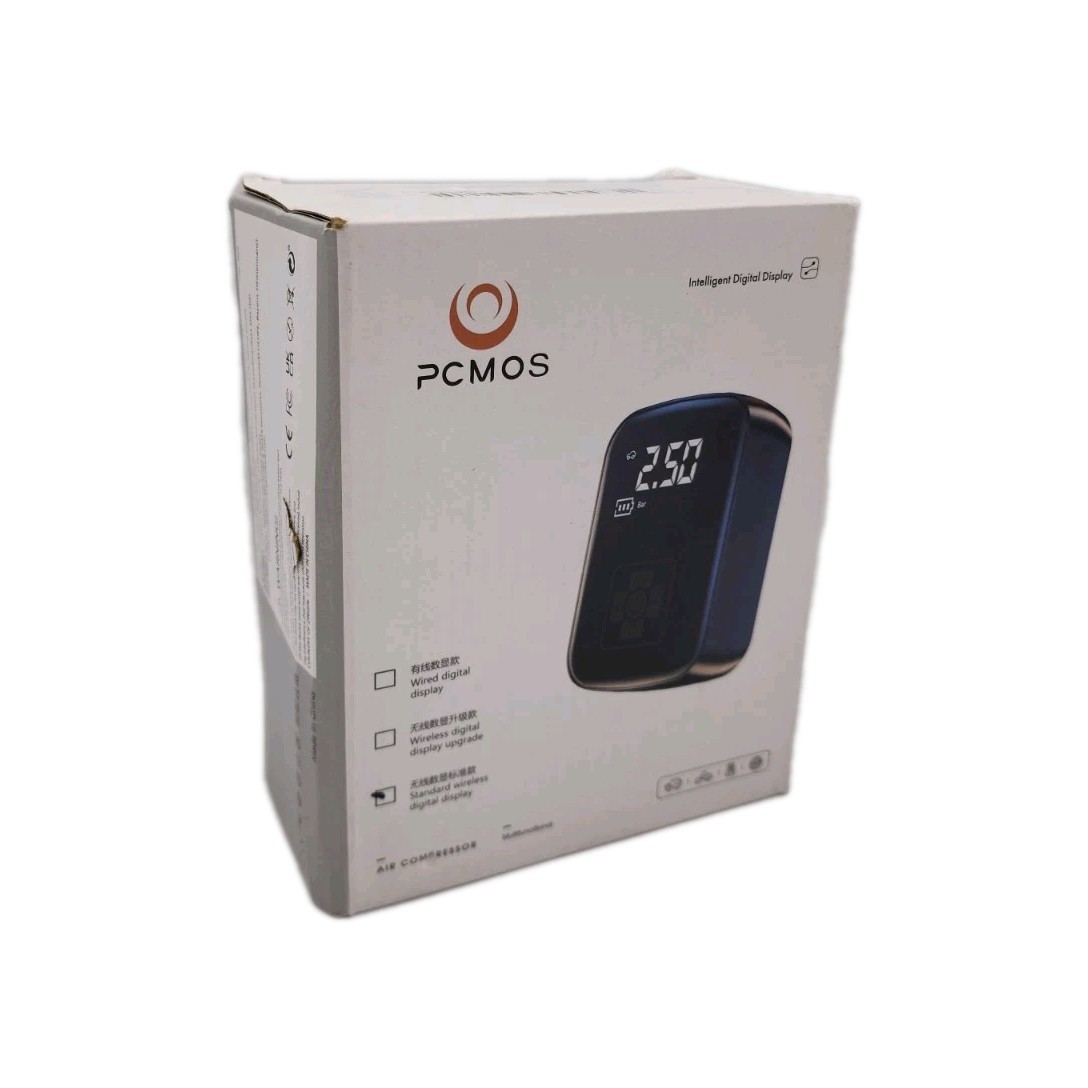
Illustrative image related to portable car air compressors
Understanding the cost structure of portable car air compressors is crucial for B2B buyers looking to optimize their sourcing strategies. The primary cost components include materials, labor, manufacturing overhead, tooling, quality control (QC), logistics, and margin.
Materialien: The choice of materials significantly impacts cost. Common components include high-quality plastics for casings, metal for pumps, and electronic parts for digital displays. Buyers should consider sourcing from suppliers that offer durable materials to enhance product longevity.
Arbeit: Labor costs vary based on geographic location. In regions with lower labor costs, such as parts of Africa and South America, manufacturers may be able to offer competitive pricing. However, quality of workmanship should not be compromised, as this affects product reliability.
Fertigungsgemeinkosten: This includes utilities, rent, and other operational costs incurred during production. Efficient manufacturing processes can reduce overhead and, consequently, the final price.
Werkzeugbau: Initial tooling costs can be substantial, particularly for custom designs. These costs can be amortized over larger production runs, making it more economical for buyers who can meet minimum order quantities (MOQs).
Qualitätskontrolle (QC): Implementing stringent QC measures ensures product reliability and compliance with international standards. While this may add to upfront costs, it can prevent costly returns and warranty claims later.
Logistik: Transportation costs vary significantly based on distance, mode of transport, and Incoterms. Buyers should factor in these costs, especially for international shipping, which can include customs duties and tariffs.
Marge: Suppliers typically include a profit margin that can range from 10% to 30%, depending on the product and market dynamics. Understanding this can aid in negotiations.
Several factors influence the pricing of portable car air compressors:
Volumen/MOQ: Larger purchase volumes often result in better pricing. Suppliers may offer discounts for bulk orders, making it advantageous for businesses that can commit to higher quantities.
Spezifikationen und Anpassungen: Custom features—such as additional attachments, branding, or specific PSI ratings—can increase costs. Buyers should weigh the benefits of customization against potential price increases.
Materialien und Qualitätszertifikate: Higher-quality materials and certifications (e.g., ISO, CE) typically command higher prices. These certifications may be essential for compliance in certain markets, particularly in Europe.
Lieferanten-Faktoren: The reputation and reliability of suppliers can affect pricing. Established brands may charge premium prices due to perceived value, while new entrants might offer lower prices to gain market share.
Incoterms: Understanding Incoterms is critical for international transactions. They define responsibilities for shipping, insurance, and tariffs, directly impacting the total landed cost of products.
For international B2B buyers, especially from regions like Africa, South America, the Middle East, and Europe, here are actionable tips to enhance cost-efficiency:
Effektiv verhandeln: Leverage your position as a bulk buyer to negotiate better pricing and terms. Establish relationships with multiple suppliers to create competition.
Berücksichtigen Sie die Gesamtbetriebskosten (Total Cost of Ownership, TCO): Beyond purchase price, evaluate the TCO, which includes maintenance, operational costs, and potential warranty claims. A slightly higher upfront cost may lead to lower long-term expenses.
Stay Informed About Pricing Trends: Keep abreast of market trends and competitor pricing to make informed purchasing decisions. Seasonal promotions, like Black Friday sales, can present opportunities for significant savings.
Assess Local Market Conditions: Different regions may have varying demand and supply dynamics. Understanding local market conditions can help in negotiating better terms and identifying the right suppliers.
Watch for Hidden Costs: Be vigilant about potential hidden costs such as additional shipping fees, customs duties, and taxes that could inflate the final price of compressors.
In conclusion, a comprehensive understanding of cost components, pricing influencers, and effective sourcing strategies can empower B2B buyers to make informed decisions when sourcing portable car air compressors. Always consider obtaining multiple quotes and comparing offerings to ensure the best value for your investment.
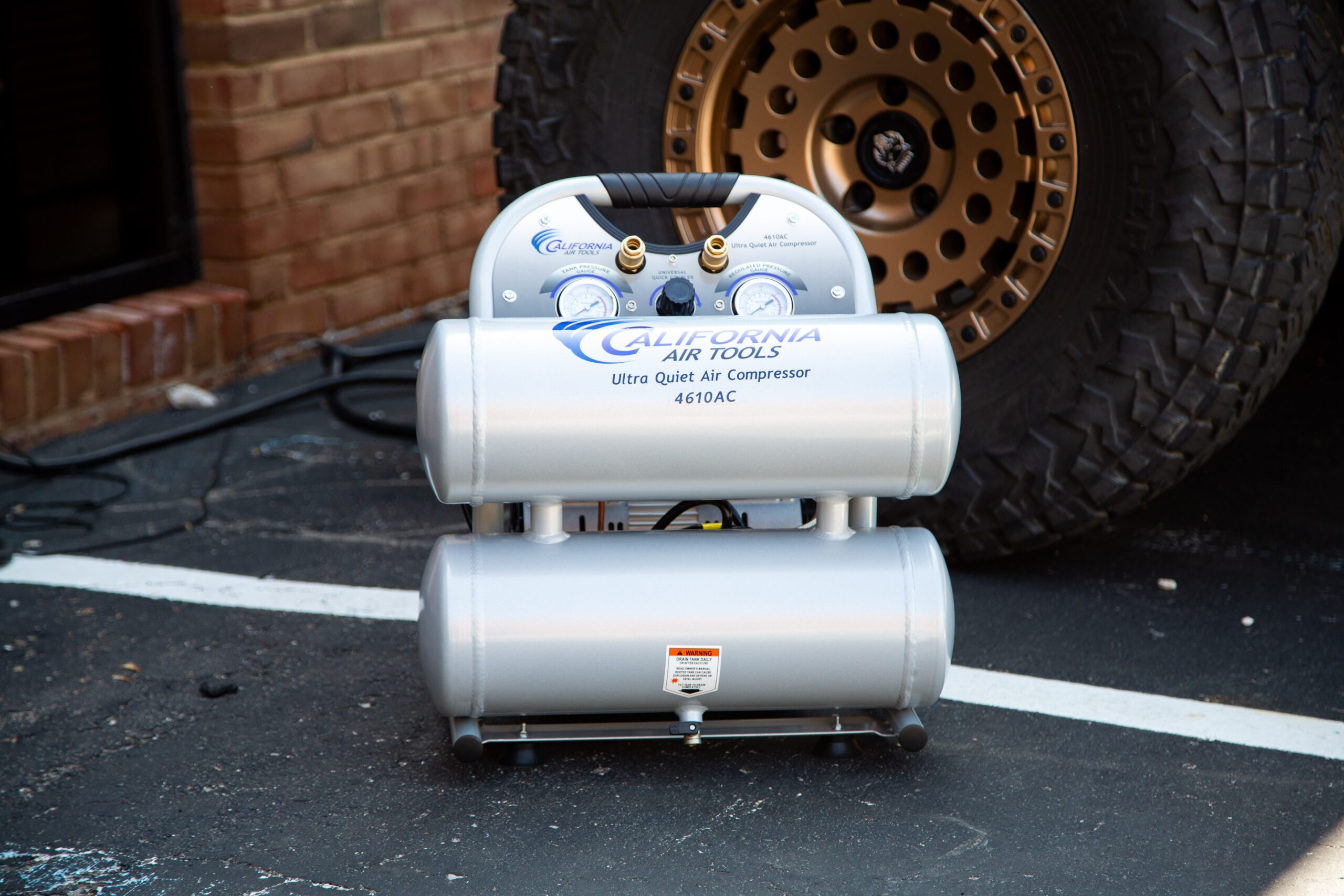
Illustrative image related to portable car air compressors
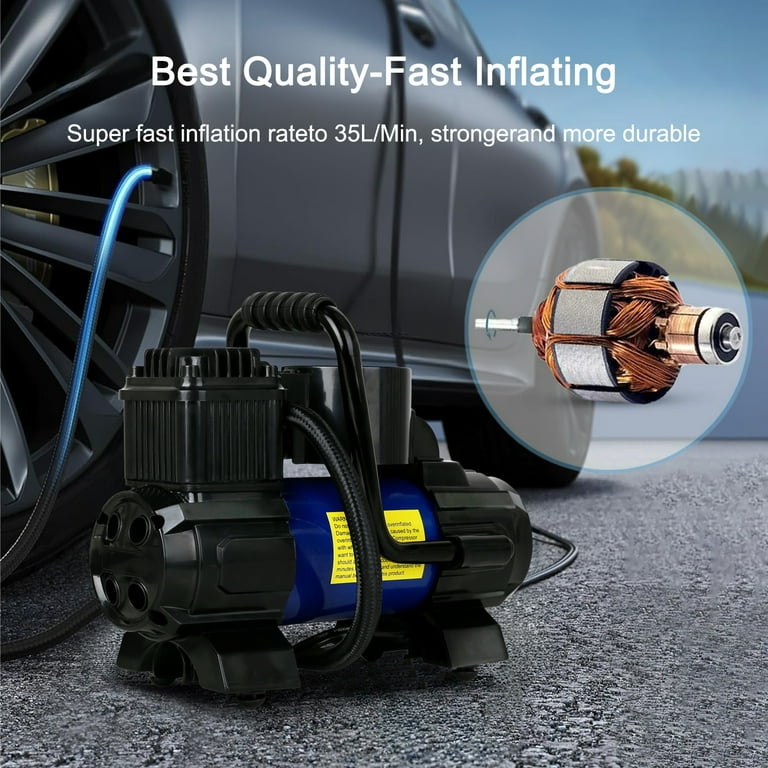
When considering solutions for tire inflation and air supply, portable car air compressors are just one option among several technologies. It’s essential for B2B buyers to evaluate alternatives to determine the best fit for their specific operational needs. Below, we compare portable car air compressors with two other viable solutions: manual hand pumps and electric tire inflators.
| Vergleich Aspekt | Portable Car Air Compressors | Manuelle Handpumpen | Electric Tire Inflators |
|---|---|---|---|
| Leistung | High PSI output, quick inflation; suitable for multiple tire sizes | Lower PSI output, slower inflation; labor-intensive | Moderate to high PSI; quick inflation with electric power |
| Kosten | Moderate to high ($40 – $300) | Low ($10 – $50) | Moderate ($30 – $100) |
| Leichte Implementierung | Plug-and-play operation; requires minimal setup | Requires physical effort; user-dependent | Simple setup; needs power source |
| Wartung | Low; occasional checks needed for wear | Low; minimal parts to maintain | Moderate; requires checking electrical connections |
| Bester Anwendungsfall | Ideal for frequent use in various vehicles, off-road conditions | Best for emergency situations or light use | Suitable for regular maintenance of passenger vehicles |
Manual hand pumps are a cost-effective solution for inflating tires, particularly in emergency situations. They are lightweight and portable, making them easy to store in a vehicle. However, their performance is limited; they require physical effort and time to inflate tires, which can be impractical for larger vehicles or frequent use. For businesses that prioritize cost over convenience and require a backup option, manual hand pumps can be a suitable choice, but they lack the efficiency of powered alternatives.
Electric tire inflators offer a middle ground between manual pumps and portable car air compressors. They are generally lightweight and easy to use, operating off a vehicle’s power outlet or a rechargeable battery. Electric inflators can inflate tires quickly, but their performance may vary based on the power source and design. While they are usually more affordable than high-end compressors, they might not provide the same high PSI output required for larger vehicles or heavy-duty applications. Electric inflators are ideal for routine maintenance of passenger vehicles but may fall short for businesses requiring heavy-duty solutions.
Illustrative image related to portable car air compressors
Choosing the right tire inflation solution depends on your specific operational requirements, budget, and usage frequency. For businesses in sectors like logistics or off-roading that need quick, reliable inflation, portable car air compressors are often the best investment. However, for those prioritizing cost and simplicity, manual hand pumps or electric tire inflators might suffice for occasional use. Assessing your needs against the performance, cost, and implementation ease of each option will guide you in making an informed decision that aligns with your business’s operational efficiency and effectiveness.
When evaluating portable car air compressors, several critical specifications can significantly impact performance, usability, and longevity. Understanding these properties is essential for B2B buyers aiming to procure reliable equipment for automotive needs.
Maximum PSI (Pounds per Square Inch)
– Definition: This metric indicates the maximum pressure the compressor can achieve. It is crucial for inflating various tire sizes, especially for heavy-duty vehicles.
– B2B Importance: Selecting a compressor with an appropriate PSI rating ensures compatibility with the types of vehicles being serviced, reducing downtime and enhancing customer satisfaction.
Einschaltdauer
– Definition: The duty cycle refers to the amount of time a compressor can operate before needing a rest period. It is usually expressed as a percentage (e.g., 30% duty cycle means it can run for 3 minutes and needs a 7-minute rest).
– B2B Importance: A higher duty cycle allows for longer operational periods, making it suitable for professional applications where multiple tires may need inflation in quick succession.
Airflow Rate (CFM – Cubic Feet per Minute)
– Definition: This specification measures how much air the compressor can deliver within a minute. Higher CFM ratings indicate faster inflation times.
– B2B Importance: In a business setting, compressors with higher airflow rates can significantly reduce the time needed to service vehicles, thereby increasing productivity and efficiency.
Stromquelle
– Definition: Portable compressors can be powered by various sources, such as 12V car batteries, AC outlets, or rechargeable batteries.
– B2B Importance: Understanding the power options ensures the compressor can be used effectively in different settings, whether in a workshop or on the road, providing versatility for businesses.
Gewicht und Tragbarkeit
– Definition: This refers to the overall weight and design of the compressor, affecting how easily it can be transported.
– B2B Importance: Lightweight and compact models enhance mobility, making it easier for service teams to carry them to different locations, especially in remote or off-road scenarios.
Familiarity with industry jargon is essential for effective communication and negotiation in the procurement of portable car air compressors. Here are some key terms:
OEM (Original Equipment Manufacturer)
– Definition: Refers to companies that produce parts or equipment that may be marketed by another manufacturer.
– Bedeutung: Knowing whether a compressor is OEM can help assess quality and compatibility with existing equipment, ensuring that buyers receive reliable products.
MOQ (Mindestbestellmenge)
– Definition: Die kleinste Menge eines Produkts, die ein Anbieter zu verkaufen bereit ist.
– Bedeutung: Understanding the MOQ helps buyers plan their inventory and budget effectively, especially in markets where bulk purchases can lead to cost savings.
RFQ (Request for Quotation)
– Definition: A formal process where a buyer requests pricing and terms from suppliers for specific products or services.
– Bedeutung: Utilizing RFQs can streamline the procurement process, ensuring that businesses receive competitive pricing and terms that meet their operational needs.
Incoterms (Internationale Handelsklauseln)
– Definition: A set of predefined international trade terms that clarify the responsibilities of buyers and sellers regarding shipping and delivery.
– Bedeutung: Understanding Incoterms is critical for managing shipping logistics and costs, especially for international buyers navigating cross-border transactions.
Garantie- und Servicevereinbarungen
– Definition: Contracts that outline the terms under which a supplier agrees to repair or replace faulty equipment.
– Bedeutung: Familiarity with warranty terms can protect buyers from unexpected costs and ensure long-term support for their investments.
By grasping these technical specifications and trade terms, B2B buyers can make informed decisions when sourcing portable car air compressors, ultimately enhancing their operational efficiency and customer service capabilities.
Illustrative image related to portable car air compressors
The portable car air compressor market is witnessing significant growth, driven by several global factors. Increased vehicle ownership, particularly in emerging markets like Nigeria and Saudi Arabia, is a primary driver. As urbanization accelerates, so does the need for reliable vehicle maintenance solutions, which includes tire inflation. Moreover, the rise in e-commerce has transformed the way B2B buyers source these products, with online platforms making it easier to compare specifications, prices, and reviews.
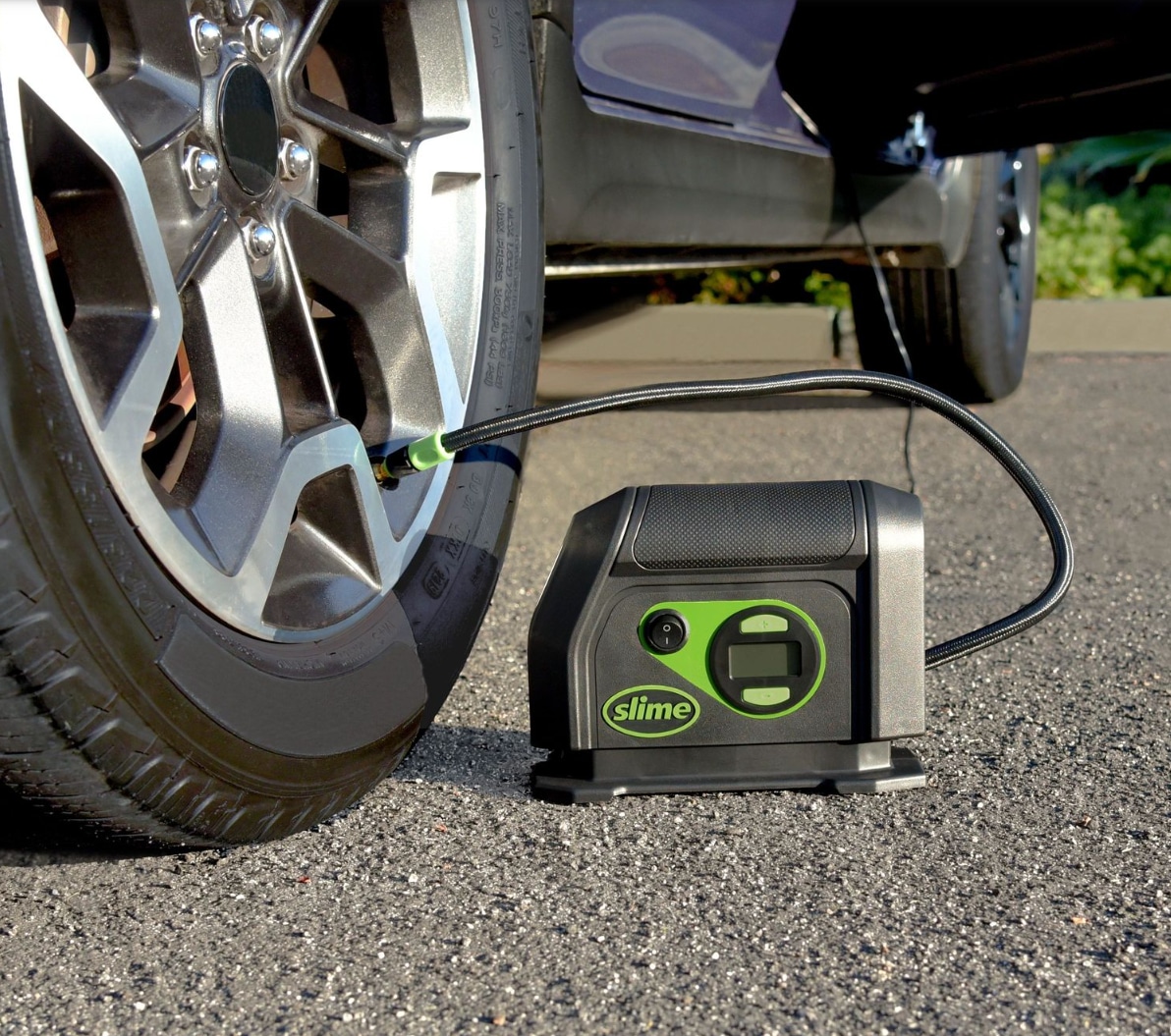
Emerging technologies are also reshaping the market landscape. Wireless and battery-operated models are gaining popularity due to their convenience and ease of use. B2B buyers are increasingly seeking compact designs that offer high performance without sacrificing portability. Additionally, the integration of smart features, such as digital pressure gauges and automatic shut-off mechanisms, is enhancing user experience and safety.
In terms of sourcing trends, international buyers are focusing on supplier reliability and product certification. As buyers from Africa, South America, and the Middle East become more discerning, they prioritize vendors that demonstrate quality assurance and compliance with international standards. This focus on quality is particularly relevant given the varying environmental and regulatory conditions across different regions.
Sustainability is becoming a crucial consideration in the B2B landscape, with buyers increasingly aware of the environmental impact of their purchases. In the portable car air compressor sector, manufacturers are under pressure to adopt sustainable practices. This includes using recyclable materials and energy-efficient manufacturing processes. Buyers are encouraged to look for products that have green certifications, which indicate that the compressors have been produced with minimal environmental impact.
Ethical sourcing is also gaining traction. B2B buyers are looking for suppliers who can demonstrate transparency in their supply chains. This means ensuring that materials are sourced responsibly and that workers are treated fairly throughout the production process. Companies that can provide evidence of ethical practices are likely to gain a competitive edge, as more buyers prioritize corporate social responsibility in their purchasing decisions.
Additionally, the demand for eco-friendly products is influencing the development of new technologies in the portable air compressor market. Manufacturers are exploring alternative energy sources, such as solar-powered compressors, which align with the growing trend towards renewable energy and sustainability.
The evolution of portable car air compressors has been marked by technological advancements and changing consumer needs. Initially, these devices were primarily manual and limited in function. Over the years, the introduction of electric models revolutionized the market, offering faster and more efficient tire inflation.
Illustrative image related to portable car air compressors
The 21st century saw the rise of compact, battery-operated compressors that cater to the increasing demand for portability and convenience. Innovations such as digital displays, automatic shut-off features, and multi-functionality (e.g., inflating sports equipment and air mattresses) have further enhanced their appeal.
Today, the market is characterized by a mix of traditional players and new entrants, each striving to differentiate their products through features, performance, and sustainability. As B2B buyers become more knowledgeable and selective, the focus on quality, sustainability, and ethical sourcing will only intensify, shaping the future of the portable car air compressor market.
1. How do I choose the right portable car air compressor for my business needs?
Selecting the right portable car air compressor depends on various factors, including the types of vehicles you service and the specific inflation requirements. Consider the compressor’s maximum PSI, duty cycle, and portability. For businesses dealing with larger vehicles, look for models capable of inflating to higher pressures quickly. Additionally, assess the power source—battery-operated models offer convenience, while those that plug into a vehicle’s power supply can provide continuous operation. Understanding your customers’ needs will help you make an informed choice that aligns with your business objectives.
2. What is the best portable air compressor for commercial use?
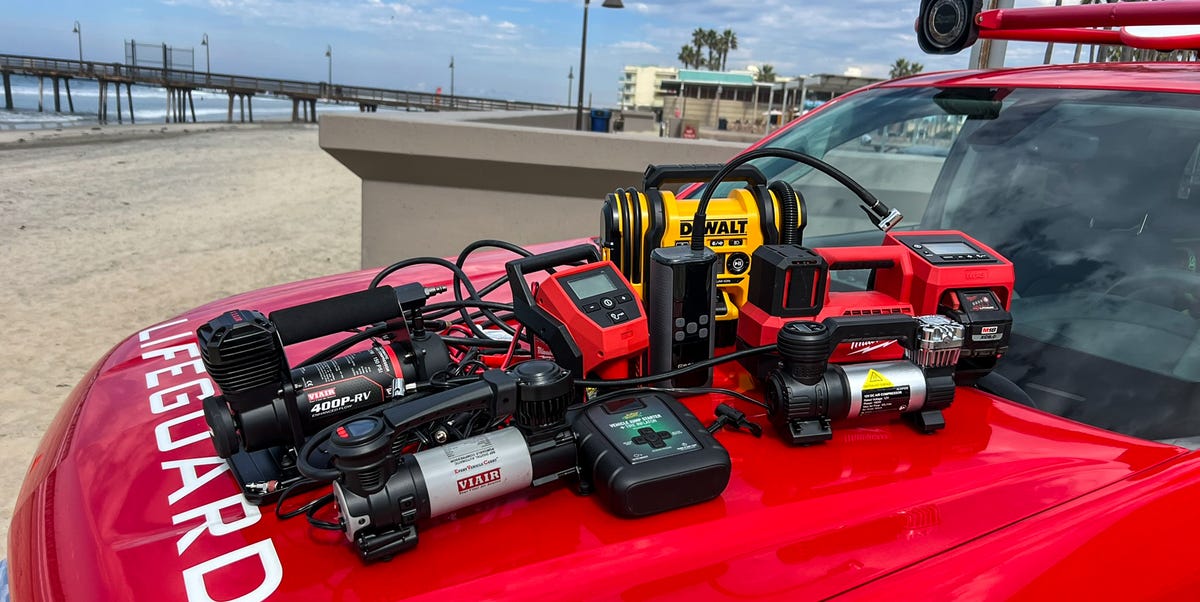
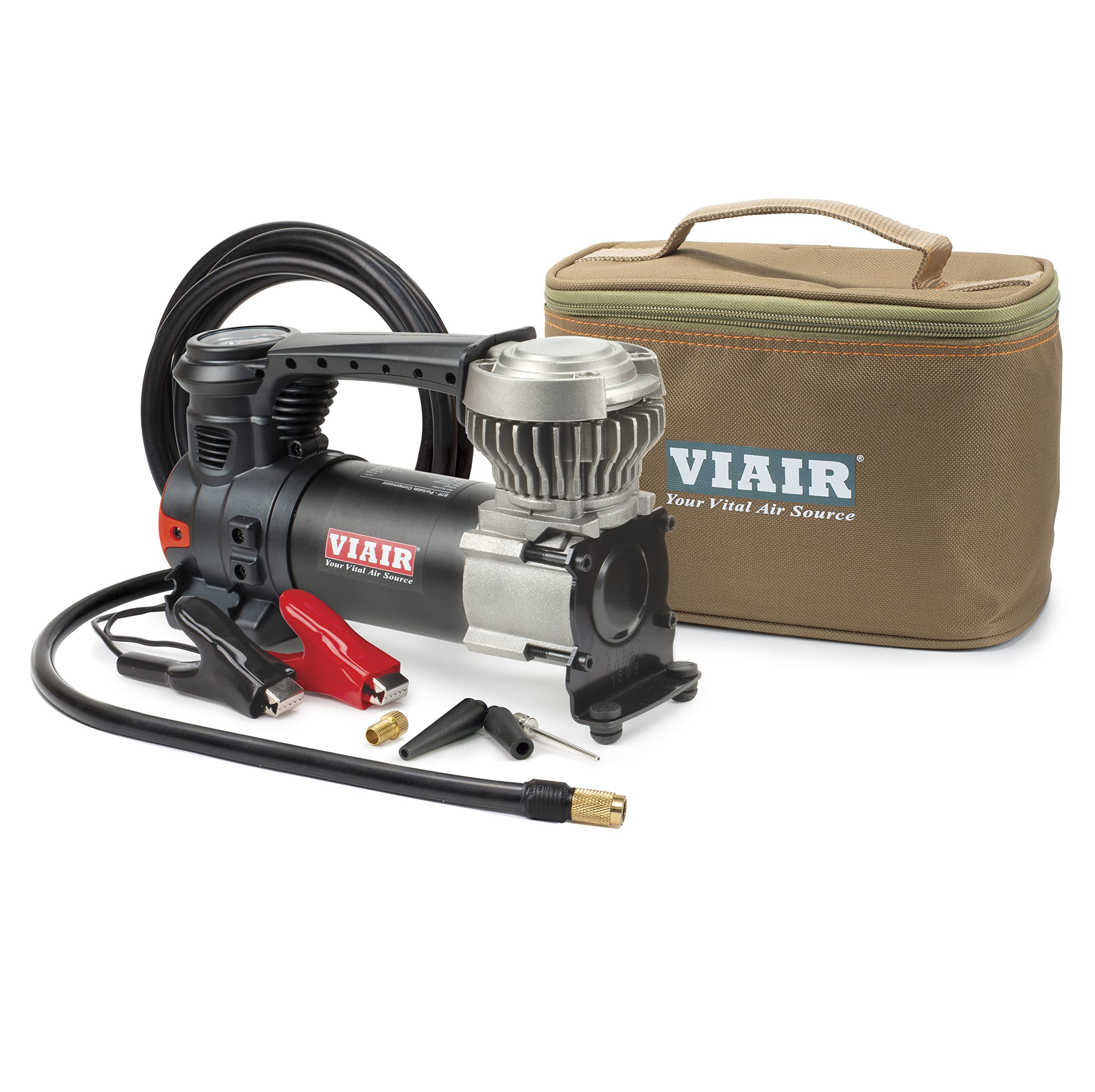
The best portable air compressor for commercial use typically combines high performance, durability, and ease of use. Models like the Viair 88P are ideal for businesses dealing with larger vehicles due to their rapid inflation capabilities and high-pressure output. Additionally, consider compressors with multiple power options, such as battery and vehicle power sources, to ensure versatility in various settings. Ultimately, the best choice will depend on your specific applications and the volume of service you anticipate needing.
3. What are the key features to look for in a portable car air compressor?
When sourcing portable car air compressors, key features to consider include maximum PSI, inflation speed, power source options, and built-in pressure gauges. Look for models that are compact and lightweight for easy transportation, especially in fieldwork scenarios. Additional features like automatic shut-off, LED lights, and adapters for various inflation needs can enhance functionality. Ensure that the compressor has a robust build quality, as reliability is essential for commercial applications.
4. How do I verify the reliability of a supplier for portable car air compressors?
To ensure a supplier’s reliability, conduct thorough research that includes checking customer reviews, industry reputation, and certifications. Request references from other businesses that have worked with the supplier. Additionally, assess their communication responsiveness and willingness to provide product specifications and quality assurance documentation. Visiting the supplier’s facilities or attending trade shows can also provide insights into their operational standards and product quality.
5. What are the common payment terms in international trade for air compressors?
Payment terms in international trade can vary widely, but common options include Letters of Credit (LC), advance payment, and net 30 or net 60 terms. It’s essential to negotiate terms that protect your investment while considering the supplier’s policies. Ensure clarity on currency exchange rates, as fluctuations can impact pricing. Establishing escrow services for large transactions can provide additional security for both parties involved.
6. What is the minimum order quantity (MOQ) for portable air compressors?
Minimum Order Quantities (MOQ) can differ significantly between suppliers based on their production capabilities and inventory strategies. Many suppliers set MOQs to optimize manufacturing and shipping costs. When negotiating, inquire if the supplier can accommodate smaller orders, especially if you are a new buyer or testing the market. Be prepared to discuss your projected order volumes, as higher commitments may lead to more favorable terms.
7. How can I ensure quality assurance for the portable air compressors I import?
To ensure quality assurance, request samples before placing a bulk order and conduct thorough testing to verify performance and durability. Collaborate with the supplier to establish quality standards and inspection protocols. Consider third-party inspection services to evaluate the products at the factory before shipment. Documentation of quality certifications, such as ISO, can also provide assurance of the manufacturing processes and product reliability.
8. What logistics considerations should I keep in mind when importing portable car air compressors?
Logistics considerations include selecting the right shipping method (air vs. sea), understanding customs regulations, and ensuring proper documentation for your shipment. Factor in lead times for production and delivery to avoid delays. Additionally, consider warehousing solutions if you anticipate large shipments. Collaborating with experienced freight forwarders can help navigate international shipping complexities and ensure that your products arrive safely and on time.
Bereich: store.arbusa.com
Registriert: 1998 (27 Jahre)
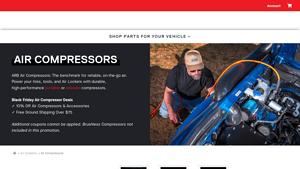
Einleitung: Portable & Vehicle Mounted Air Compressor Systems | ARB 4×4 USA. ARB Air Compressors are designed for reliability and high performance, suitable for powering tires, tools, and Air Lockers. Key products include: Twin Motor Onboard 12V Air Compressor CKMTA12 ($593.95), Single Motor Onboard 12V Air Compressor CKMA12 ($323.95), Single Motor Portable 12V Air Compressor CKMP12V2 ($449.95), Twin Motor Po…
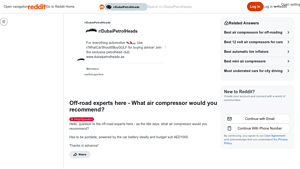
Bereich: reddit.de
Registriert: 2005 (20 Jahre)
Einleitung: 1. ARB Twin Piston Compressor:
– Pros: High build quality, good support, automatic pressure cut-off.
– Cons: Installation issues in UAE, potential fire hazard due to thin wires.
2. Viair Compressor:
– Pros: Affordable, some models with automatic pressure cut-off.
– Cons: Decent build quality, can overheat after inflating 2-3 tires.
3. Dragon Mall / Camel / Vitaly Twin-Piston Compre…
In the rapidly evolving market for portable car air compressors, strategic sourcing is paramount for international B2B buyers seeking to enhance their product offerings and meet diverse consumer needs. Understanding the unique demands of various regions—such as the durability required in the rugged terrains of Africa or the compactness favored in urban settings across Europe—can significantly influence purchasing decisions.
By focusing on quality, efficiency, and technological advancements, companies can ensure they select products that not only satisfy customer expectations but also align with their operational capabilities. For example, features like rapid inflation rates, accurate pressure gauges, and versatile power options can enhance user experience and drive sales.
As you consider your sourcing strategies, think about leveraging partnerships with reputable brands that offer reliable products and robust support. The future of portable car air compressors looks promising, with innovations continually emerging to meet the evolving demands of consumers. Embrace these opportunities by making informed sourcing decisions today, ensuring your business remains competitive in a dynamic marketplace. Engage with manufacturers who understand your specific regional challenges and can provide tailored solutions that will set you apart.
Die in diesem Leitfaden enthaltenen Informationen, einschließlich der Angaben zu Herstellern, technischen Spezifikationen und Marktanalysen, dienen ausschließlich Informations- und Bildungszwecken. Sie stellen keine professionelle Kaufberatung, Finanzberatung oder Rechtsberatung dar.
Obwohl wir alle Anstrengungen unternommen haben, um die Richtigkeit und Aktualität der Informationen zu gewährleisten, übernehmen wir keine Verantwortung für etwaige Fehler, Auslassungen oder veraltete Informationen. Marktbedingungen, Unternehmensangaben und technische Standards können sich ändern.
B2B-Käufer müssen ihre eigene unabhängige und gründliche Due-Diligence-Prüfung durchführen bevor Sie eine Kaufentscheidung treffen. Dazu gehört, dass Sie sich direkt mit den Anbietern in Verbindung setzen, Zertifizierungen überprüfen, Muster anfordern und sich professionell beraten lassen. Das Risiko, sich auf die Informationen in diesem Leitfaden zu verlassen, trägt allein der Leser.


 German
  English
  Russian
  Spanish
  Italian
  Arabic
  Portuguese