
In the ever-evolving world of motorbike accessories, sourcing high-quality motorbike tail bags that meet diverse rider needs can pose significant challenges for international B2B buyers. With varying preferences across regions—whether for adventure touring in the Middle East, urban commuting in Europe, or leisure riding in South America—understanding the landscape of tail bag options is crucial. This guide aims to equip buyers with a comprehensive overview of motorbike tail bags, covering essential aspects such as types, applications, supplier vetting, and cost considerations.
Buyers will find insights into various styles of tail bags, from waterproof options suitable for off-road adventures to sleek, urban-friendly designs. The guide will also delve into key factors to consider when evaluating suppliers, including materials used, durability, and innovative features that enhance usability. By providing actionable strategies and expert recommendations, this resource empowers B2B buyers to make informed purchasing decisions that align with their market demands.
Whether you are a distributor in Germany seeking premium products or a retailer in Brazil looking to expand your offerings, this guide serves as your go-to resource for navigating the global market for motorbike tail bags. With the right knowledge at your fingertips, you can confidently meet the needs of your customers and elevate your business in the competitive motorbike accessories landscape.
| Typ Name | Wichtigste Unterscheidungsmerkmale | Primäre B2B-Anwendungen | Kurze Vor- und Nachteile für Käufer |
|---|---|---|---|
| Soft Tail Bags | Lightweight, flexible, often waterproof, and easy to mount. | Daily commuting, weekend trips, casual touring. | Vorteile: Affordable, versatile, easy to store. Nachteile: Less durable than hard bags, may lack security features. |
| Hard Shell Tail Bags | Rigid construction, often lockable, offering superior protection for contents. | Long-distance touring, adventure riding, commercial use. | Vorteile: Enhanced security, durable, weather-resistant. Nachteile: Heavier, can be more expensive, limited flexibility. |
| Expandable Tail Bags | Adjustable capacity, allowing for additional storage when needed. | Touring, multi-day trips, commercial deliveries. | Vorteile: Adaptable to varying needs, ideal for long trips. Nachteile: Can be bulkier when expanded, may require more complex mounting. |
| Dry Bags | Fully waterproof, roll-top closure, often made from PVC-coated materials. | Adventure riding, extreme weather conditions, off-road use. | Vorteile: Excellent waterproofing, rugged design. Nachteile: Limited organization options, less stylish than other types. |
| Retro Tail Bags | Classic aesthetics, often made from leather or eco-friendly materials. | Custom builds, café racers, style-conscious riders. | Vorteile: Eye-catching design, suitable for vintage motorcycles. Nachteile: May lack modern features, often less durable than synthetic options. |
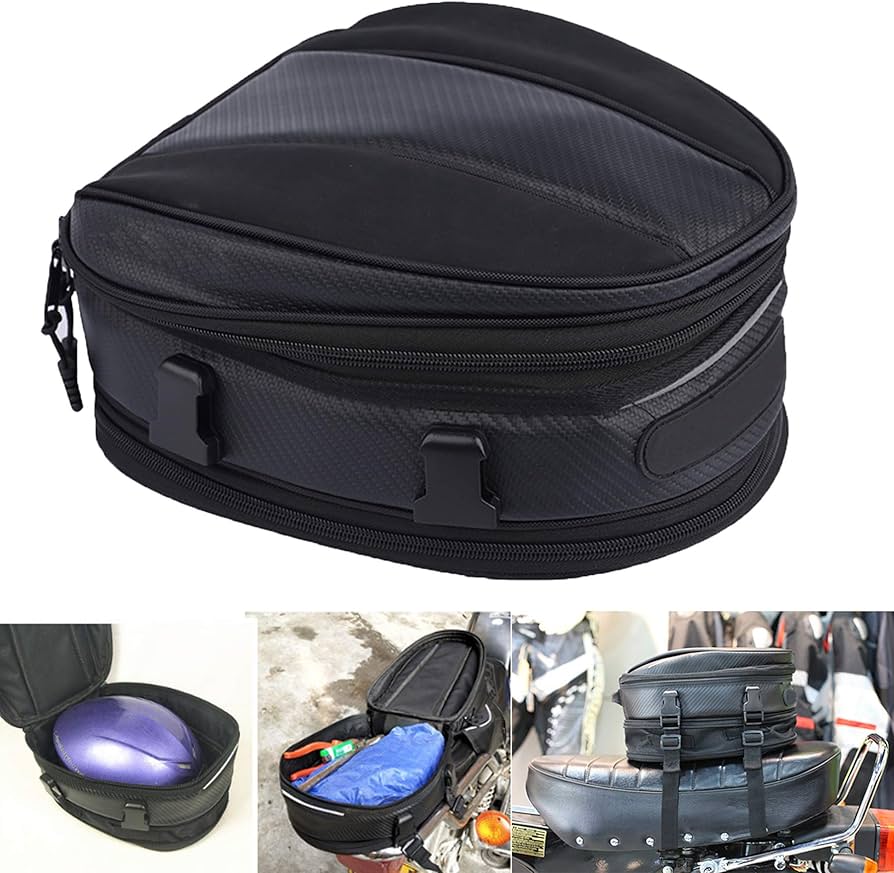
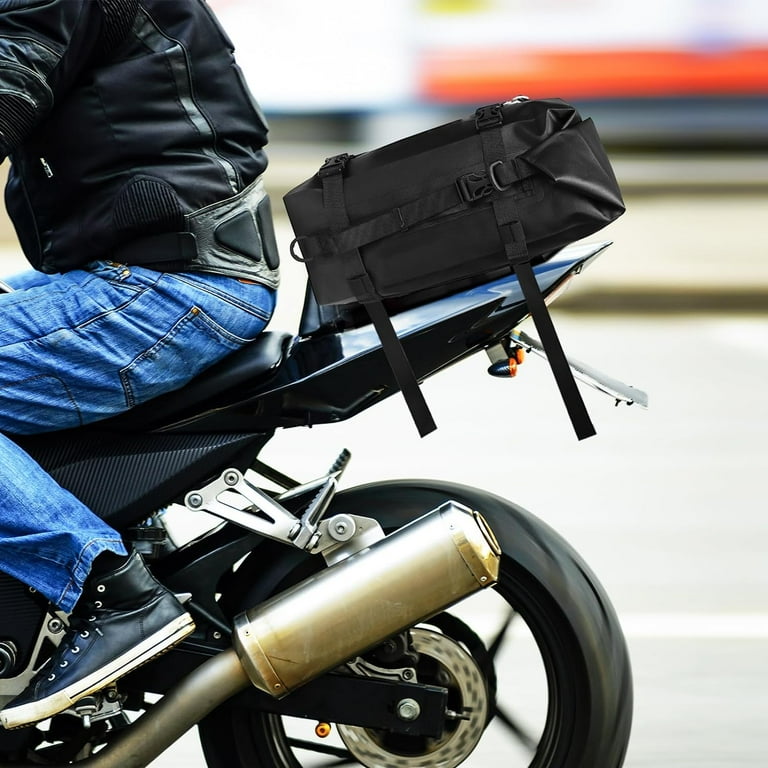
Soft tail bags are lightweight and flexible, making them an excellent choice for everyday use. Their ease of mounting and removal allows for quick transitions between riding and storage. Typically made from durable, weather-resistant materials, they can accommodate various motorcycle types, from sport bikes to cruisers. B2B buyers should consider their affordability and versatility, but be aware that they may not offer the same level of security and durability as hard-shell options.
Illustrative image related to motorbike tail bag
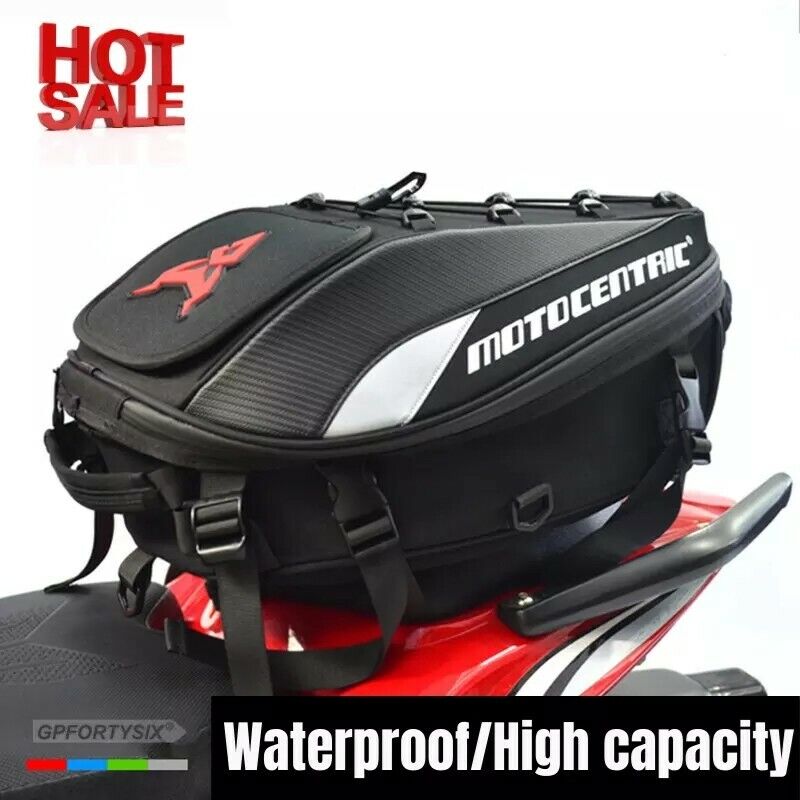
Hard shell tail bags are designed for riders who prioritize security and protection. Their rigid construction not only safeguards the contents from external impacts but also often includes lockable features. Ideal for long-distance touring and adventure riding, these bags can withstand harsh conditions. B2B buyers should evaluate the balance between weight and durability, as hard bags tend to be heavier and more expensive than their soft counterparts.
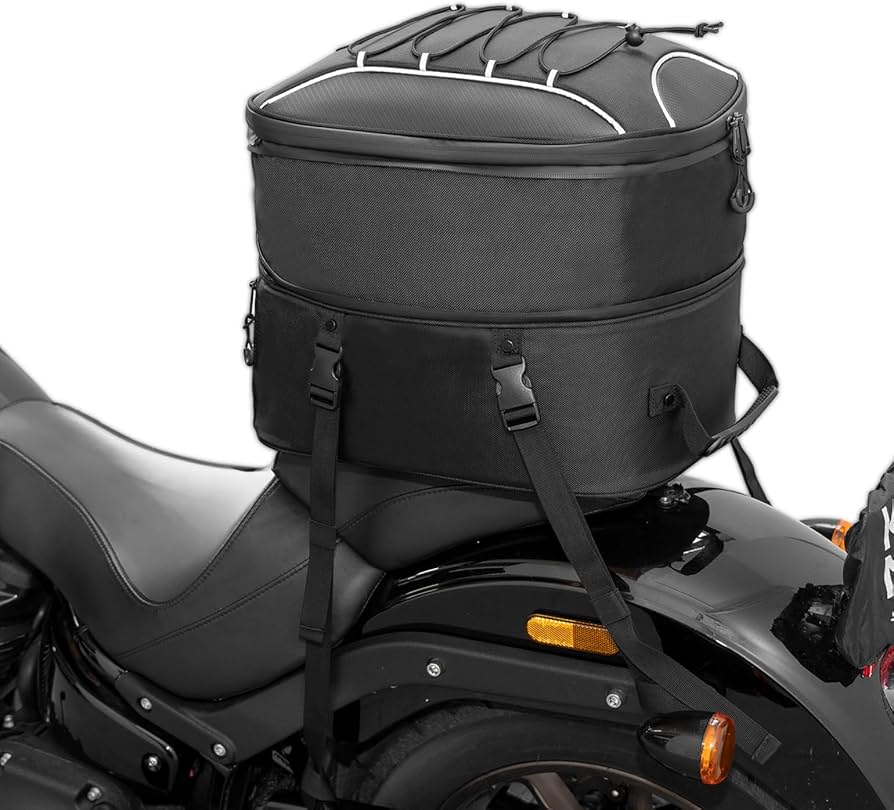
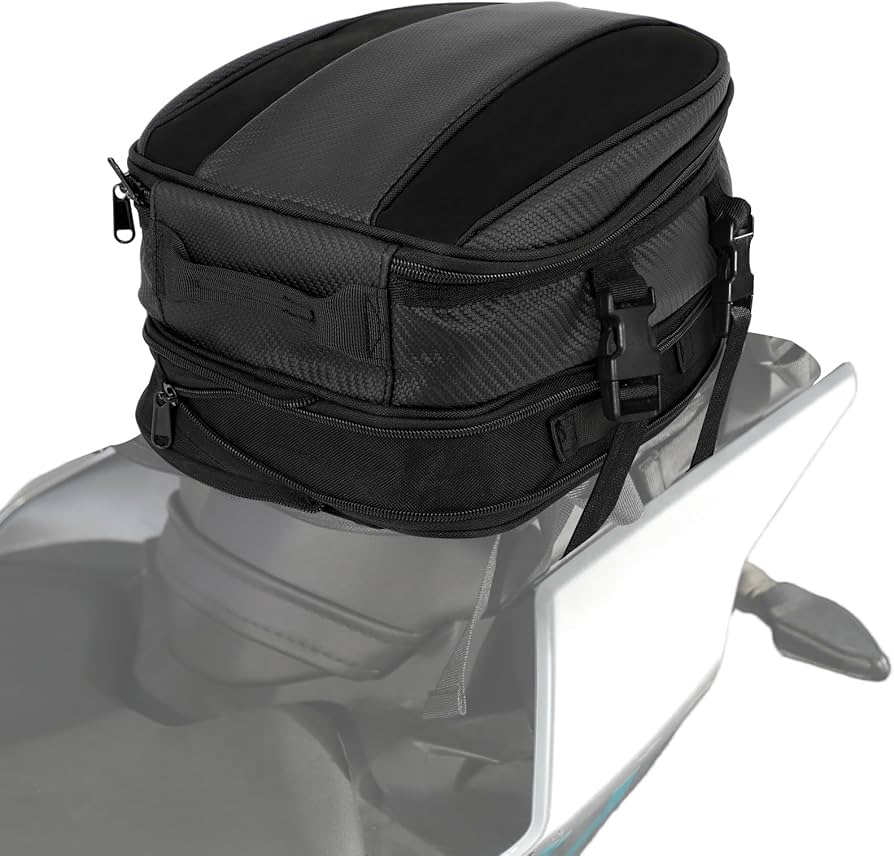
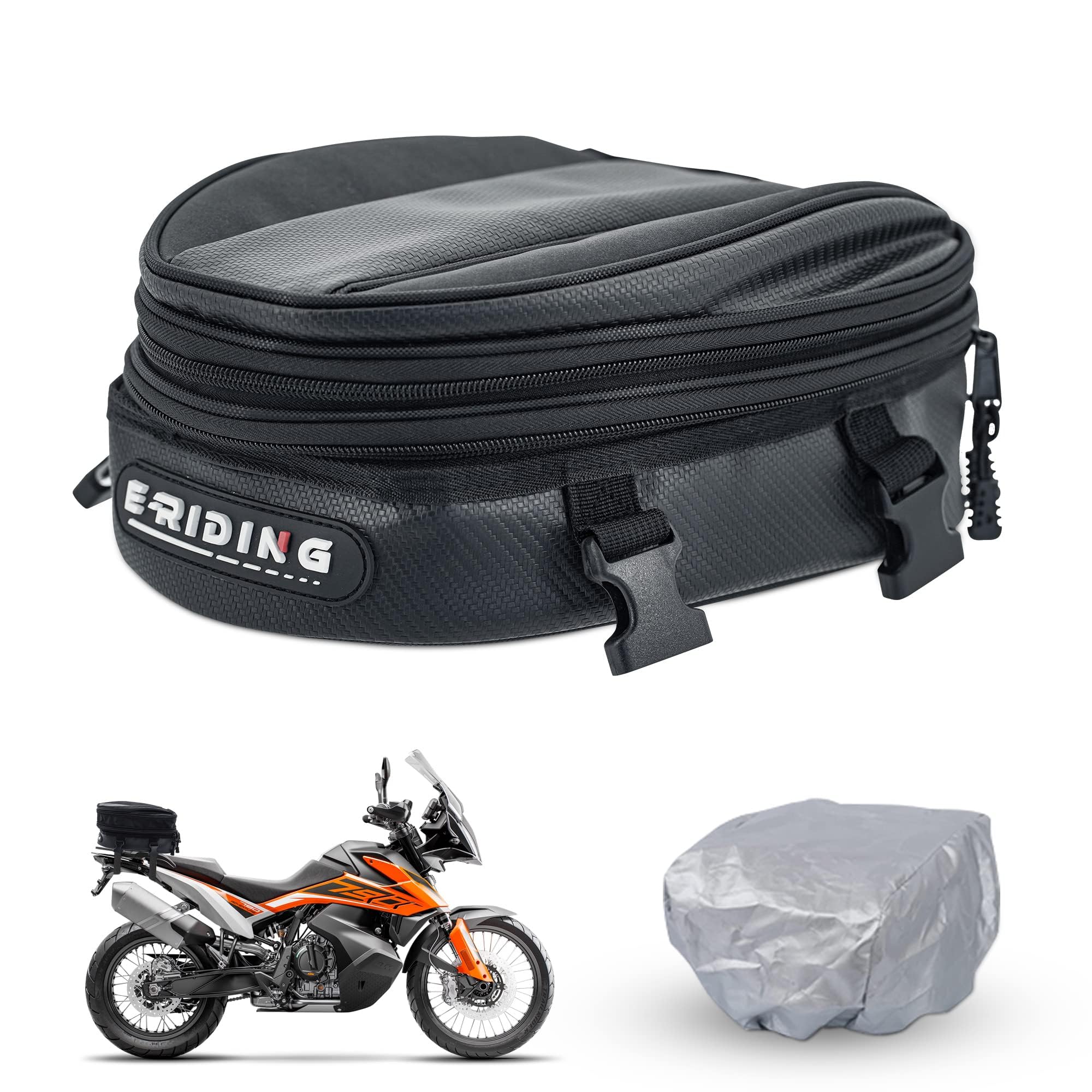
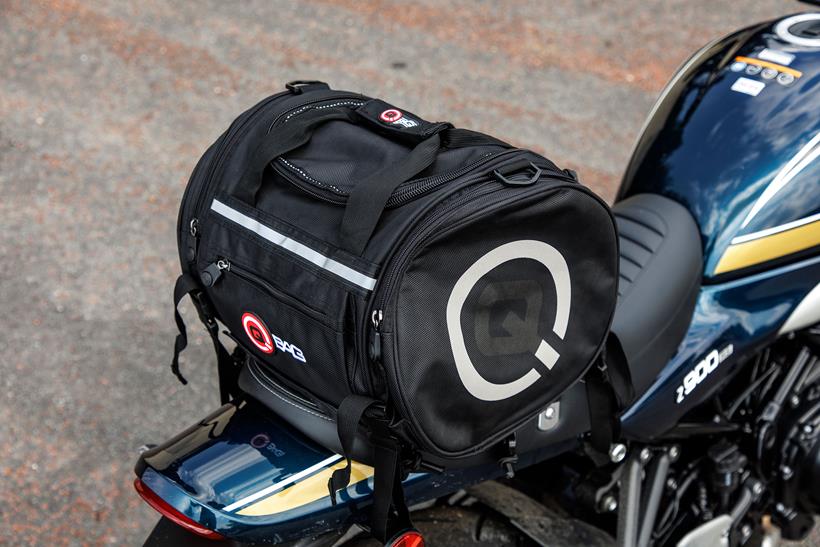
Expandable tail bags are perfect for riders who need adaptable storage solutions for varying trip lengths. With adjustable capacities, these bags can easily accommodate extra gear when necessary. This feature is particularly beneficial for B2B applications involving touring or commercial deliveries, where storage needs may fluctuate. Buyers should consider the potential bulkiness when the bag is expanded, as well as the complexity of mounting systems.
Dry bags are specifically engineered for extreme weather conditions, making them indispensable for adventure riders. With their fully waterproof design and roll-top closures, they ensure that contents remain dry even in the heaviest rain. B2B buyers should appreciate the ruggedness and reliability of these bags, especially for off-road use. However, they may lack the organizational features found in other types, which can be a drawback for some users.
Retro tail bags combine classic aesthetics with modern functionality, making them popular among style-conscious riders. Typically crafted from leather or eco-friendly materials, these bags complement vintage motorcycles and café racer builds. While they are visually appealing, B2B buyers should weigh the benefits of their design against potential durability issues and the absence of contemporary features.
| Industrie/Sektor | Specific Application of motorbike tail bag | Wert/Nutzen für das Unternehmen | Wichtige Überlegungen zur Beschaffung für diese Anwendung |
|---|---|---|---|
| Logistik und Lieferung | Transporting small parcels and documents | Enhances efficiency in last-mile delivery operations | Durability, waterproof features, and quick attachment systems |
| Tourismus und Abenteuer | Carrying personal belongings during guided tours | Increases customer satisfaction through convenience | Versatile fit for various bike models and styles |
| Notfalldienste | Storing first aid kits and essential tools | Ensures readiness and quick access in emergencies | Lightweight design, secure mounting, and weather resistance |
| Food Delivery | Carrying food orders on motorbike deliveries | Improves delivery speed and food safety | Insulation properties and secure closure mechanisms |
| Reiten in der Freizeit | Storing gear for weekend trips or off-road adventures | Facilitates enjoyable and organized travel experiences | Capacity, ease of use, and compatibility with different motorcycles |
In the logistics sector, motorbike tail bags are commonly employed for transporting small parcels and documents. Their compact design allows for efficient last-mile delivery, where speed and accessibility are crucial. Businesses benefit from using tail bags as they enhance operational efficiency by providing organized storage space for delivery personnel. Buyers should prioritize durability, waterproof features, and quick attachment systems to ensure reliability in various weather conditions and terrains.
For tourism and adventure industries, motorbike tail bags serve as essential storage solutions for carrying personal belongings during guided tours or excursions. Their versatility allows riders to secure the bags on different motorcycle types, accommodating diverse customer needs. This enhances customer satisfaction by providing convenience and ease of access to belongings during trips. B2B buyers should look for tail bags that offer a secure fit for various bike models and styles to cater to a broad customer base.
Emergency services utilize motorbike tail bags for storing first aid kits and essential tools, ensuring readiness and quick access in critical situations. The need for immediate response makes these bags invaluable for paramedics and rescue teams. Lightweight designs paired with secure mounting options are essential for these applications, allowing for swift deployment without compromising mobility. Buyers should focus on features that facilitate easy access while remaining weather-resistant to protect the contents.
In the food delivery sector, motorbike tail bags are pivotal in carrying food orders, enhancing delivery speed and ensuring food safety. Their design often includes insulation properties to maintain food temperature, which is crucial for customer satisfaction. The secure closure mechanisms prevent spills and ensure the integrity of food items during transit. Businesses should consider bags that provide insulation, durability, and easy attachment to various motorcycle models for optimal performance.
Recreational riders frequently use motorbike tail bags to store gear for weekend trips or off-road adventures. These bags facilitate organized travel experiences by offering ample storage space while maintaining a compact profile. This is particularly beneficial for riders who need to balance storage capacity with weight and aerodynamics. B2B buyers should prioritize capacity, ease of use, and compatibility with different motorcycles to ensure their products meet the diverse needs of recreational enthusiasts.
Das Problem: B2B buyers often encounter challenges when sourcing motorbike tail bags that fit a variety of motorcycle models. This issue is compounded by the vast differences in bike designs, which can render many universal tail bags unsuitable. Retailers and distributors are faced with the dilemma of stocking a wide range of products or risking customer dissatisfaction due to poor fit, which can lead to costly returns and a damaged reputation.
Illustrative image related to motorbike tail bag
Die Lösung: To address this, B2B buyers should prioritize suppliers that offer a comprehensive fitment guide, detailing compatibility with various motorcycle models. Partnering with manufacturers who provide a range of adjustable or modular tail bags can also mitigate this problem. When sourcing, look for brands that specialize in tailored solutions and have a reputation for quality. Providing detailed specifications and compatibility information on your sales platforms will enhance customer confidence and reduce returns. Additionally, consider stocking a mix of universal and model-specific tail bags to cater to a broader customer base.
Das Problem: Many B2B buyers worry about the durability of motorbike tail bags, especially in regions where extreme weather conditions are common. Buyers fear that low-quality materials may lead to product failure during critical usage, such as long-distance rides or adverse weather. This concern is heightened for businesses in Africa or South America, where unpredictable weather can impact the reliability of motorcycle gear.
Die Lösung: To ensure that the tail bags you source are both durable and weather-resistant, focus on suppliers that utilize high-quality materials, such as ballistic nylon or PVC-coated fabrics. Look for tail bags with features such as reinforced stitching, waterproof zippers, and roll-top closures, which provide additional protection against the elements. Partnering with brands that offer warranties or guarantees can also add an extra layer of security for your business. Additionally, educating your customers on the proper maintenance and care of these bags can further enhance their longevity, ensuring a positive experience.
Illustrative image related to motorbike tail bag
Das Problem: B2B buyers often find that many motorbike tail bags do not offer adequate storage capacity or organizational features. This limitation can be a significant pain point for riders who need to carry various items, from tools and spare parts to personal belongings during longer trips. The lack of effective organization can lead to frustration, as users struggle to find what they need quickly, especially in emergencies.
Die Lösung: When selecting motorbike tail bags, prioritize those that provide expandable storage options and organizational compartments. Look for designs with multiple pockets, detachable pouches, or modular systems that allow users to customize their storage based on their needs. Suppliers that offer bags with adjustable capacities can cater to both everyday commuters and long-distance travelers. Additionally, consider providing educational resources, such as guides or tutorials, on how to best utilize the storage features of the tail bags. This approach not only enhances customer satisfaction but also positions your business as a knowledgeable partner in their motorcycle journey.
When selecting materials for motorbike tail bags, it is crucial to consider their properties, advantages, disadvantages, and suitability for specific applications. Here, we analyze four common materials: ballistic nylon, PVC-coated polyester, Eco-Tech polyester, and leather.
Illustrative image related to motorbike tail bag
Ballistic nylon is a synthetic fabric known for its exceptional durability and resistance to abrasions. It typically has a high temperature and pressure rating, making it suitable for various weather conditions. The key advantages of ballistic nylon include its strength and the ability to withstand rough handling, which is essential for motorbike luggage.
However, ballistic nylon can be more expensive than other materials, which may deter budget-conscious buyers. Additionally, its manufacturing complexity can lead to longer production times. For international buyers, especially in regions like Africa and South America, the high cost may be a significant consideration, while compliance with local standards is generally not an issue.
PVC-coated polyester is widely used in motorbike tail bags due to its waterproof properties and resistance to UV rays. This material is particularly advantageous for riders in humid or rainy climates, as it prevents water ingress and keeps contents dry. Its lightweight nature also makes it easier to handle.
On the downside, PVC-coated polyester may not be as durable as ballistic nylon, especially under extreme temperatures. The cost is typically moderate, making it a viable option for many manufacturers. Buyers in Europe, such as Germany, may appreciate its compliance with environmental standards, particularly regarding PVC usage.
Illustrative image related to motorbike tail bag
Eco-Tech polyester is an environmentally friendly alternative that combines durability with a classic aesthetic. This material is designed to mimic leather while offering superior weather resistance. Its lightweight properties make it suitable for everyday use, appealing to riders who prioritize style without compromising functionality.
However, Eco-Tech polyester can be more costly than traditional polyester options. Additionally, its performance in extreme conditions may not match that of ballistic nylon. For international buyers, especially those in the Middle East, the appeal of sustainable materials may align with market trends favoring eco-friendly products.
Leather is often used in premium motorbike tail bags due to its classic look and feel. It offers a unique aesthetic that appeals to a specific segment of riders. Leather is also durable and can withstand various environmental conditions when treated properly.
The main disadvantages of leather include its higher cost and the need for regular maintenance to prevent wear and tear. Additionally, leather may not be suitable for all climates, particularly in regions with high humidity or extreme temperatures. Buyers in South America and Africa may need to consider these factors when selecting leather products, as maintenance could be a barrier.
| Material | Typical Use Case for motorbike tail bag | Hauptvorteil | Wesentlicher Nachteil/Beschränkung | Relative Kosten (niedrig/mittel/hoch) |
|---|---|---|---|---|
| Ballistisches Nylon | High-durability applications, adventure touring | Exceptional durability and abrasion resistance | Höhere Kosten, komplexe Fertigung | Hoch |
| PVC-beschichtetes Polyester | Waterproof needs, everyday commuting | Waterproof and UV resistant | Less durable than ballistic nylon | Mittel |
| Eco-Tech Polyester | Eco-friendly designs, stylish applications | Environmentally friendly, lightweight | Higher cost, variable performance | Mittel |
| Leder | Premium, aesthetic-focused products | Classic look and feel, durable | High cost, requires maintenance | Hoch |
This analysis provides international B2B buyers with essential insights into material selection for motorbike tail bags, helping them make informed decisions based on performance, cost, and regional preferences.
The manufacturing process of motorbike tail bags typically involves several critical stages, each designed to ensure the final product meets durability, functionality, and aesthetic standards.
The first step in manufacturing involves sourcing high-quality materials. Commonly used fabrics include 1680D ballistic nylon, PVC-coated polyester, and other water-resistant textiles. These materials are selected based on their durability, weather resistance, and weight. Suppliers often provide samples, which are evaluated for strength and usability before bulk procurement. The chosen materials undergo testing for water resistance, abrasion resistance, and colorfastness to ensure they meet the required specifications.
Once materials are procured, the next step is the cutting and shaping of the fabric. Advanced cutting techniques, such as laser cutting or die cutting, are employed to ensure precision and minimize waste. The cut pieces are then shaped according to the design specifications, often involving multiple components that will be sewn together. This stage may also include the preparation of additional features, such as zippers, straps, and buckles, which require specific handling to maintain their integrity during assembly.
During assembly, the prepped components come together to form the final product. Skilled workers use industrial sewing machines to stitch the various pieces, ensuring strong seams that can withstand the rigors of motorbike travel. This stage may also involve the installation of waterproof linings or protective bases that enhance the bag’s functionality. Quality assurance checkpoints are critical during assembly; workers inspect for consistency in stitching and proper alignment of components.
The finishing stage involves a thorough quality check of each tail bag. This includes inspecting for defects, ensuring that zippers function correctly, and verifying that all components are securely attached. After passing these checks, the bags are cleaned, packaged, and prepared for shipping. Effective packaging not only protects the product during transport but also reflects the brand’s commitment to quality.
Quality assurance (QA) is paramount in manufacturing motorbike tail bags, especially for B2B buyers who require reliable products for their customers. International standards and industry-specific certifications play a crucial role in establishing quality benchmarks.
International standards such as ISO 9001 are widely recognized in the manufacturing industry. ISO 9001 focuses on quality management systems and is designed to ensure consistent quality in products and services. Adherence to this standard indicates that a manufacturer has established processes for quality control and continuous improvement.
In addition to ISO certifications, industry-specific standards such as CE marking for products sold in Europe signify compliance with health, safety, and environmental protection standards. B2B buyers should inquire whether suppliers possess these certifications, as they provide assurance of product reliability and safety.
Illustrative image related to motorbike tail bag
Quality control (QC) is integrated into the manufacturing process through various checkpoints. These checkpoints help identify defects early in the production cycle, minimizing waste and ensuring product integrity.
Eingehende Qualitätskontrolle (IQC): This stage involves inspecting raw materials upon arrival to ensure they meet specified standards. Materials that do not pass this inspection are rejected and returned to suppliers.
Prozessbegleitende Qualitätskontrolle (IPQC): During assembly, regular inspections are conducted to monitor the quality of stitching and component assembly. This helps catch issues early before they escalate into larger problems.
Endgültige Qualitätskontrolle (FQC): Once the tail bags are assembled, a final inspection is performed. This includes testing zippers, checking waterproofing, and ensuring that the bags meet all design specifications.
B2B buyers should adopt several strategies to verify the quality assurance practices of potential suppliers. Understanding the nuances of QC processes will empower buyers to make informed decisions.
Audits: Conducting audits of suppliers’ manufacturing facilities allows buyers to assess their compliance with quality standards. This can involve reviewing documentation, inspecting production processes, and interviewing staff.
Qualitätsberichte: Requesting detailed quality reports from suppliers can provide insights into their QC processes. These reports should outline testing methods, failure rates, and corrective actions taken for any issues.
Inspektionen durch Dritte: Engaging third-party inspection services can provide an unbiased assessment of a supplier’s quality control practices. These inspections can occur at various stages of production, offering additional reassurance of product quality.
For international buyers, particularly those from Africa, South America, the Middle East, and Europe, understanding regional compliance standards is essential. Different markets may have specific regulations regarding product safety, environmental impact, and import/export requirements.
Illustrative image related to motorbike tail bag
Regional Compliance: Familiarize yourself with regional regulations that may affect product quality. For instance, European buyers must ensure compliance with CE standards, while buyers in Africa may need to consider local safety regulations.
Cultural Sensitivity: Understanding cultural nuances can impact supplier relationships. Building strong partnerships with manufacturers who appreciate local market needs can enhance product acceptance.
Documentation and Certification: Ensure that suppliers can provide all necessary documentation and certifications relevant to your market. This includes quality assurance reports, compliance certificates, and warranty details.
For B2B buyers, the manufacturing processes and quality assurance measures taken by suppliers are critical factors in ensuring the reliability and functionality of motorbike tail bags. By understanding the key stages of manufacturing, recognizing relevant standards, and implementing effective QC strategies, buyers can confidently select suppliers that meet their quality expectations and ultimately satisfy their customers.
To assist B2B buyers in procuring motorbike tail bags effectively, this practical sourcing guide outlines critical steps to ensure a successful purchase. By following this checklist, you will be equipped to make informed decisions that meet your business needs.
Understanding the specific requirements for the motorbike tail bags you need is essential. Consider factors such as size, weight capacity, waterproofing, and compatibility with different motorcycle models. This ensures that the products you source align with your customers’ expectations and riding conditions.
Keeping abreast of current trends in the motorcycle luggage sector will guide your sourcing strategy. Analyze consumer preferences for features like modular designs, aesthetic appeal, and brand reputation. This knowledge helps in selecting products that resonate with your target market.
Thoroughly vet suppliers to ensure they meet your quality and reliability standards. Request detailed company profiles, product catalogs, and case studies demonstrating their experience and customer satisfaction.
Before finalizing any orders, it is prudent to request samples of the tail bags. This allows you to evaluate the quality, durability, and usability of the products firsthand.
Once you have identified a suitable supplier, engage in negotiations to establish favorable terms. Discuss pricing, minimum order quantities, payment terms, and delivery timelines.
Effective logistics are crucial for timely delivery and inventory management. Confirm shipping options with your supplier, taking into account costs, delivery times, and any potential customs issues.
After receiving the products, implement a system to evaluate their performance in the market. Gather feedback from customers regarding quality, functionality, and overall satisfaction.
By following these steps, B2B buyers can effectively source motorbike tail bags that meet their operational needs and customer expectations, ensuring successful procurement processes.
When sourcing motorbike tail bags, understanding the cost structure is essential for making informed purchasing decisions. The primary cost components include materials, labor, manufacturing overhead, tooling, quality control (QC), logistics, and the supplier’s profit margin.
Materialien: The choice of materials significantly influences costs. Tail bags are typically made from synthetic fabrics like 1680D nylon or PVC-coated polyester, which provide durability and waterproofing. High-quality materials may incur higher initial costs but can reduce long-term expenses related to replacements and repairs.
Illustrative image related to motorbike tail bag
Labor and Manufacturing Overhead: Labor costs can vary widely based on geographic location and the complexity of the manufacturing process. Overhead includes utilities, rent, and other operational expenses that manufacturers incur. Efficient factories often achieve economies of scale, which can lower the per-unit cost.
Tooling and Quality Control: The initial investment in tooling for specific designs or customizations is a significant cost factor. Quality control processes ensure that products meet safety and durability standards, which can add to manufacturing costs but ultimately enhance customer satisfaction and reduce returns.
Logistics and Margin: Logistics costs encompass shipping, warehousing, and distribution. The final price also includes the supplier’s margin, which varies depending on market demand and competition.
Several factors can influence the pricing of motorbike tail bags, particularly for B2B buyers.
Volumen und Mindestbestellmenge (MOQ): Larger orders typically yield lower unit prices due to bulk purchasing advantages. Buyers should negotiate MOQs to align with their sales forecasts to optimize costs.
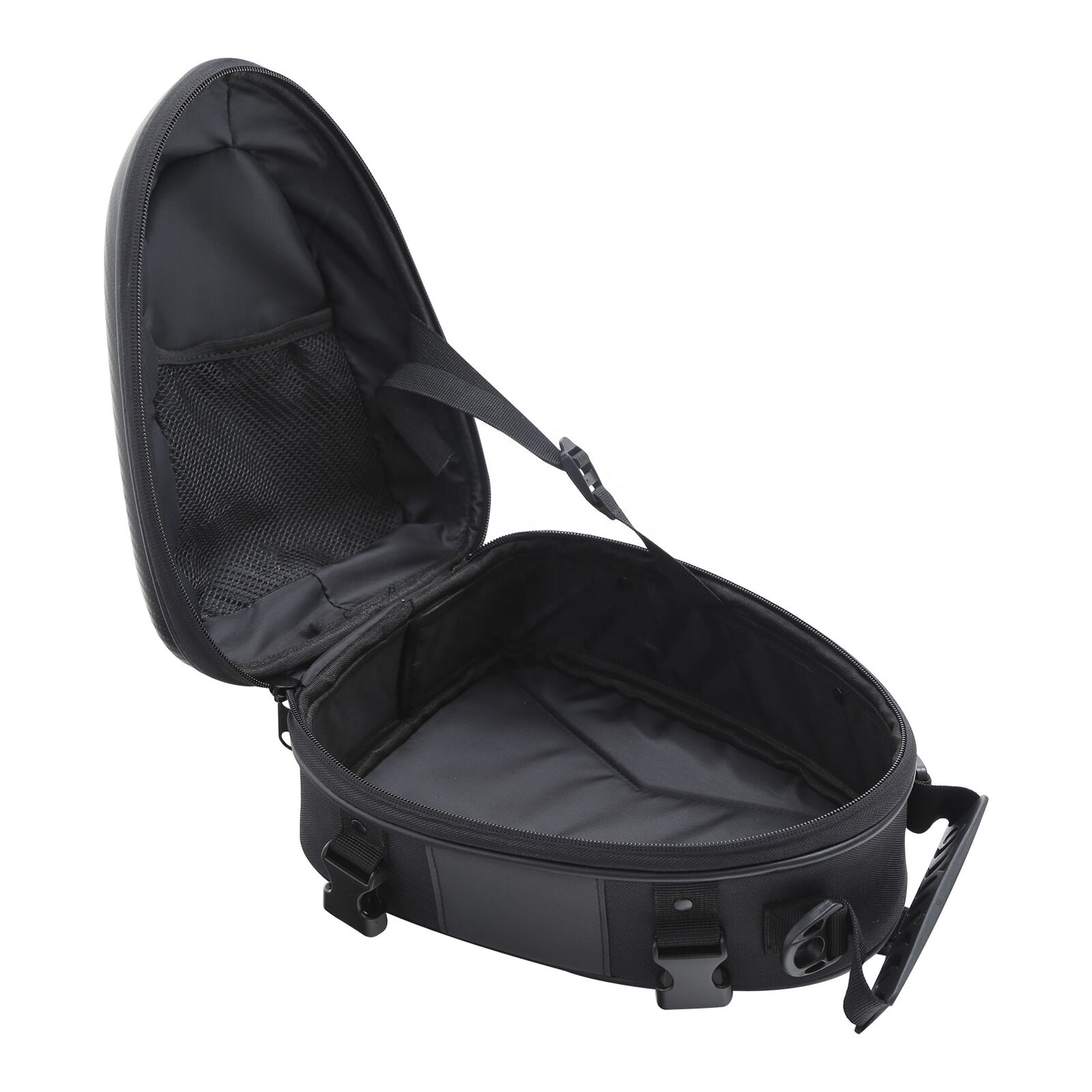
Spezifikationen und Anpassungen: Tail bags that require unique designs or additional features (like waterproofing or specific mounting systems) often come at a premium. Buyers should weigh the benefits of customization against the increased costs.
Illustrative image related to motorbike tail bag
Quality and Certifications: Products that meet specific quality certifications (such as ISO) may have higher prices due to the rigorous testing and quality assurance processes. However, these certifications can provide buyers with assurance regarding product reliability.
Supplier Factors and Incoterms: Supplier reputation and reliability can impact pricing. Additionally, understanding Incoterms (International Commercial Terms) is crucial as they determine who bears the shipping costs and risks, affecting the total landed cost.
B2B buyers can adopt several strategies to enhance cost-efficiency when sourcing motorbike tail bags.
Illustrative image related to motorbike tail bag
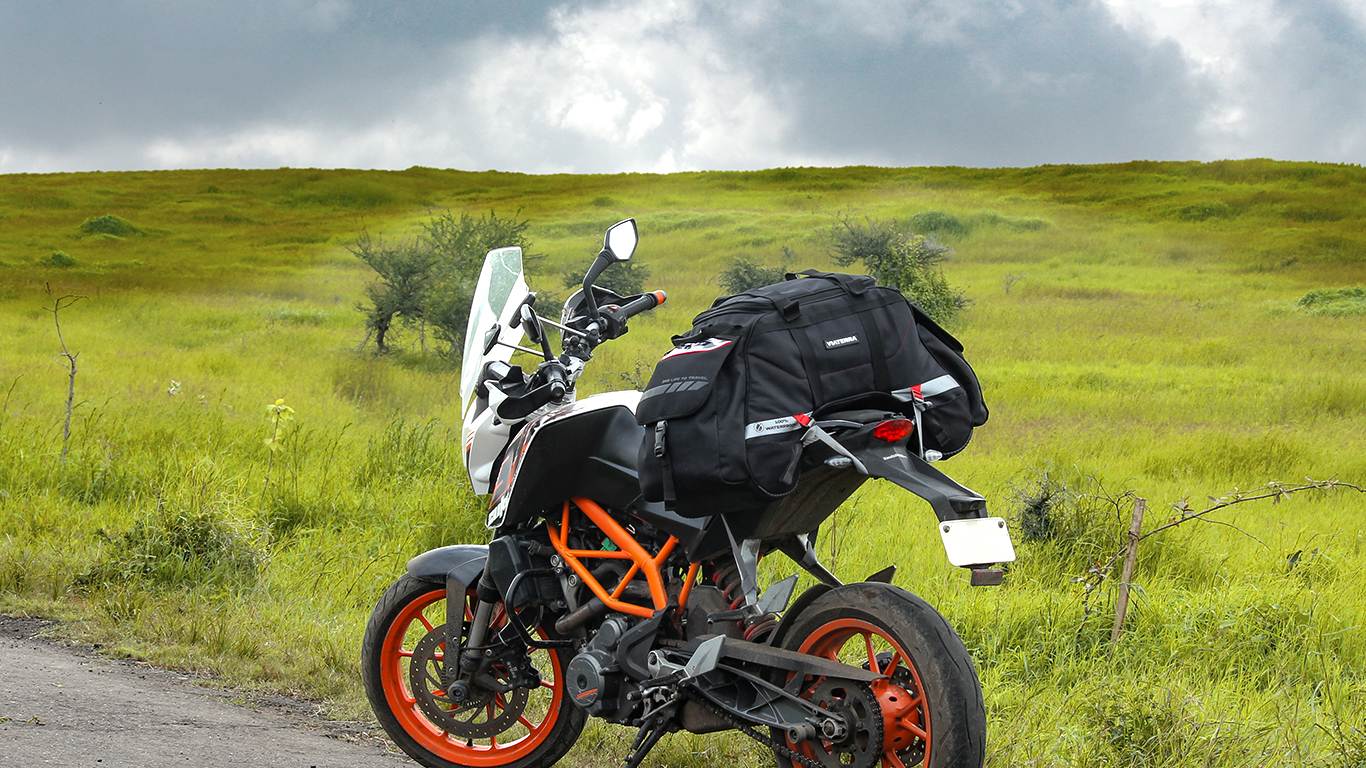
Negotiation Strategies: Establish clear communication with suppliers about expectations and requirements. Leverage relationships to negotiate better terms, especially on pricing and delivery timelines.
Total Cost of Ownership Considerations: When evaluating suppliers, consider not just the purchase price but the total cost of ownership, which includes maintenance, potential returns, and logistics costs. A higher initial price may result in lower long-term costs if the product is more durable.
Nuancen in der Preisgestaltung für internationale Käufer: Buyers from regions such as Africa, South America, the Middle East, and Europe should be aware of currency fluctuations, import duties, and tariffs that can affect overall costs. It is advisable to work with suppliers who understand the local regulations and can provide competitive pricing.
In summary, sourcing motorbike tail bags involves navigating a complex cost structure influenced by various factors. By understanding these components and employing effective negotiation strategies, B2B buyers can achieve more favorable pricing and ensure a better return on their investment. Always consider the total cost of ownership and remain vigilant about market trends to make informed purchasing decisions. Prices may vary widely based on the aforementioned factors, and buyers should treat listed prices as indicative rather than fixed.
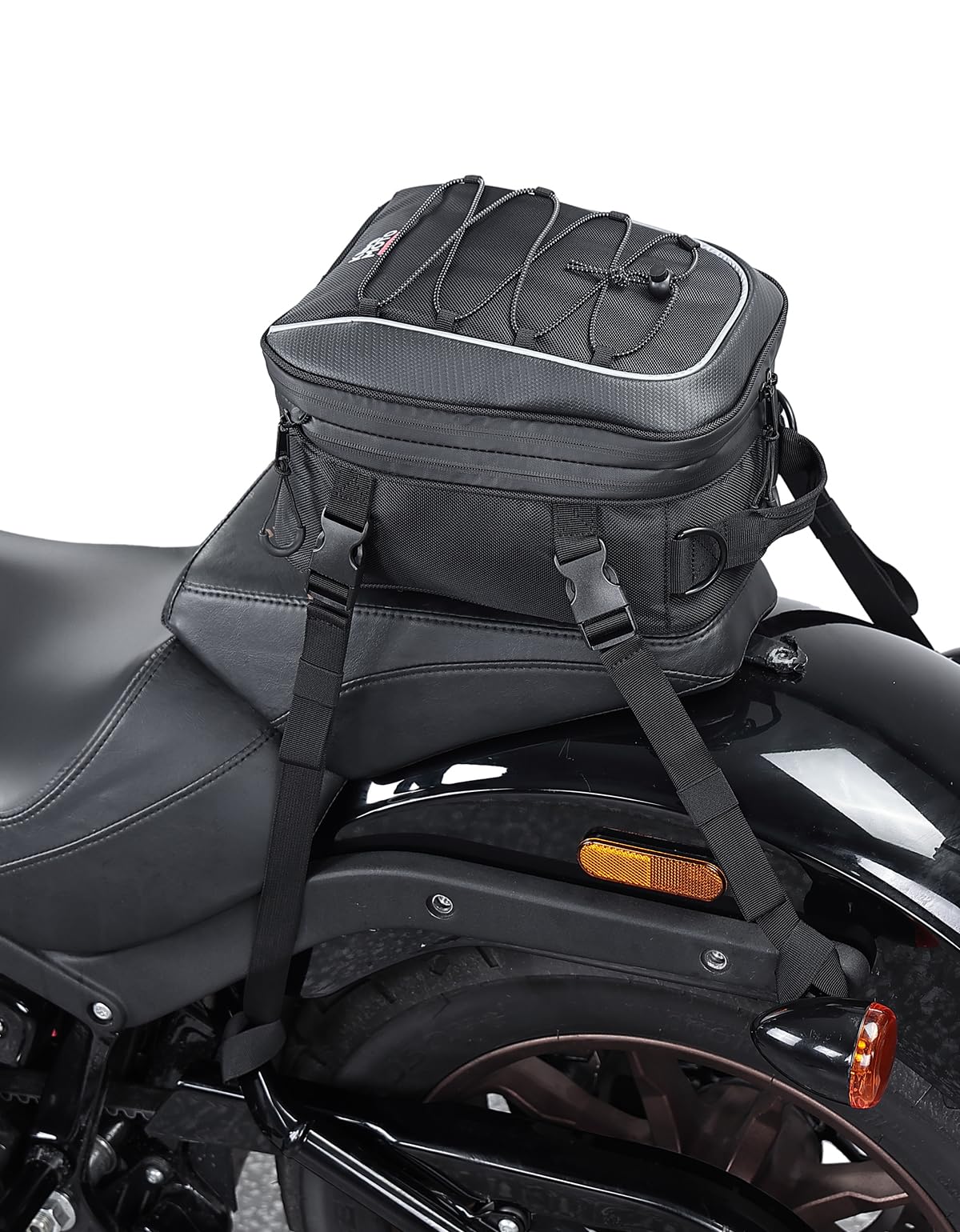
When considering the best options for transporting gear on a motorcycle, it’s essential to evaluate various alternatives to motorbike tail bags. Each solution comes with its own set of advantages and challenges, impacting performance, cost, and usability. Below is a comparative analysis of motorbike tail bags against two viable alternatives: hard luggage cases and tank bags.
Illustrative image related to motorbike tail bag
| Vergleich Aspekt | Motorbike Tail Bag | Hard Luggage Cases | Tankrucksäcke |
|---|---|---|---|
| Leistung | Versatile and expandable; suitable for various bike types. | High durability and security; excellent for long-term storage. | Easy access to essentials; keeps weight low and centered. |
| Kosten | Generally affordable ($70-$500). | Higher initial investment ($300-$1,000). | Moderate cost ($50-$300). |
| Leichte Implementierung | Simple mounting systems; compatible with most bikes. | Requires specific mounting hardware; installation can be complex. | Quick to attach/detach; minimal installation needed. |
| Wartung | Requires periodic cleaning; waterproofing may degrade over time. | Minimal maintenance; often resistant to weather damage. | Regularly check for wear and tear; needs cleaning. |
| Bester Anwendungsfall | Ideal for casual rides and weekend trips. | Perfect for long-distance touring and extensive travel. | Best for daily commuting and short trips. |
Hard luggage cases offer a robust alternative to motorbike tail bags, providing high security and durability. These cases are typically made from materials like aluminum or high-impact plastic, making them resistant to impacts and weather conditions. However, their higher cost and the need for specialized mounting systems can be a barrier for some riders. Additionally, they often have a fixed capacity, limiting flexibility in storage compared to expandable tail bags.
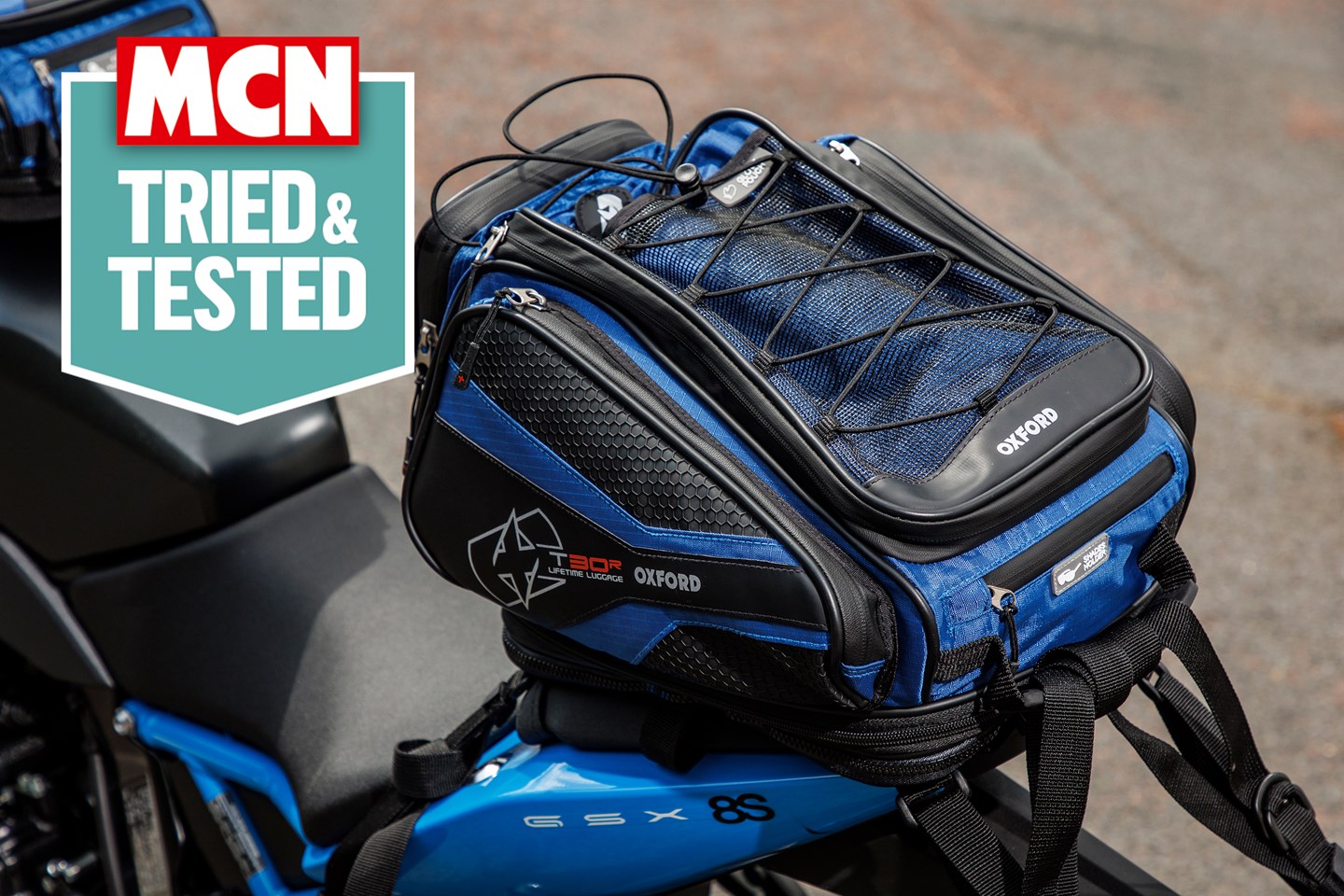
Tank bags present a unique solution that emphasizes accessibility. They are mounted directly on the fuel tank, allowing quick access to essentials such as maps, phones, and snacks during rides. This makes them particularly advantageous for short trips and daily commuting. However, tank bags can limit the amount of cargo carried and may not be suitable for longer journeys where larger storage is necessary. Additionally, they can obstruct the rider’s view of the gauges or distract from the riding experience.
In determining the optimal cargo solution, B2B buyers should assess their specific needs based on the type of motorcycle, riding frequency, and the nature of the trips. For those who prioritize versatility and casual use, motorbike tail bags may be the best option. In contrast, businesses catering to long-distance riders might find hard luggage cases to be a more suitable investment due to their durability and security features. For urban riders or delivery services, tank bags could enhance efficiency by providing quick access to essentials while maintaining a lightweight profile. Ultimately, understanding the target market and aligning product offerings with the unique demands of riders in different regions will facilitate informed purchasing decisions.
When sourcing motorbike tail bags for distribution or retail, understanding key technical specifications is crucial. Here are several critical properties that should be considered:
Motorbike tail bags are commonly made from materials like 1680D ballistic nylon, PVC-coated polyester, or eco-tech polyester. The durability and resistance to wear and tear are significant; high-grade materials can withstand harsh weather conditions and rough handling, ensuring longevity. For B2B buyers, opting for products made from superior materials can reduce returns and enhance customer satisfaction.
Many tail bags come equipped with waterproofing features, such as roll-top closures and sealed seams. This property ensures that contents remain dry during adverse weather conditions. For businesses, offering waterproof options can cater to a wider range of customers, particularly those in regions prone to rain or off-road conditions.
Tail bags vary widely in size, typically ranging from 20 liters to over 70 liters. The capacity should align with the intended use—commuting, touring, or off-road adventures. For B2B operations, understanding customer needs for storage can influence inventory decisions and help in suggesting the right product to end-users.
A secure and versatile mounting system is essential for the usability of tail bags. Common mounting methods include strap systems, quick-release buckles, and hook-and-loop fasteners. B2B buyers should consider the ease of installation and compatibility with various motorcycle models when assessing products.
Each tail bag has a specified weight capacity, which is essential for safe usage. Exceeding this capacity can lead to product failure or safety issues. Businesses need to educate customers on weight limits to prevent mishaps and ensure customer loyalty.
Some tail bags come with lockable zippers or integrated security features. This is particularly important for riders who leave their motorcycles unattended. For B2B buyers, emphasizing security features can differentiate products in a crowded marketplace and cater to safety-conscious consumers.
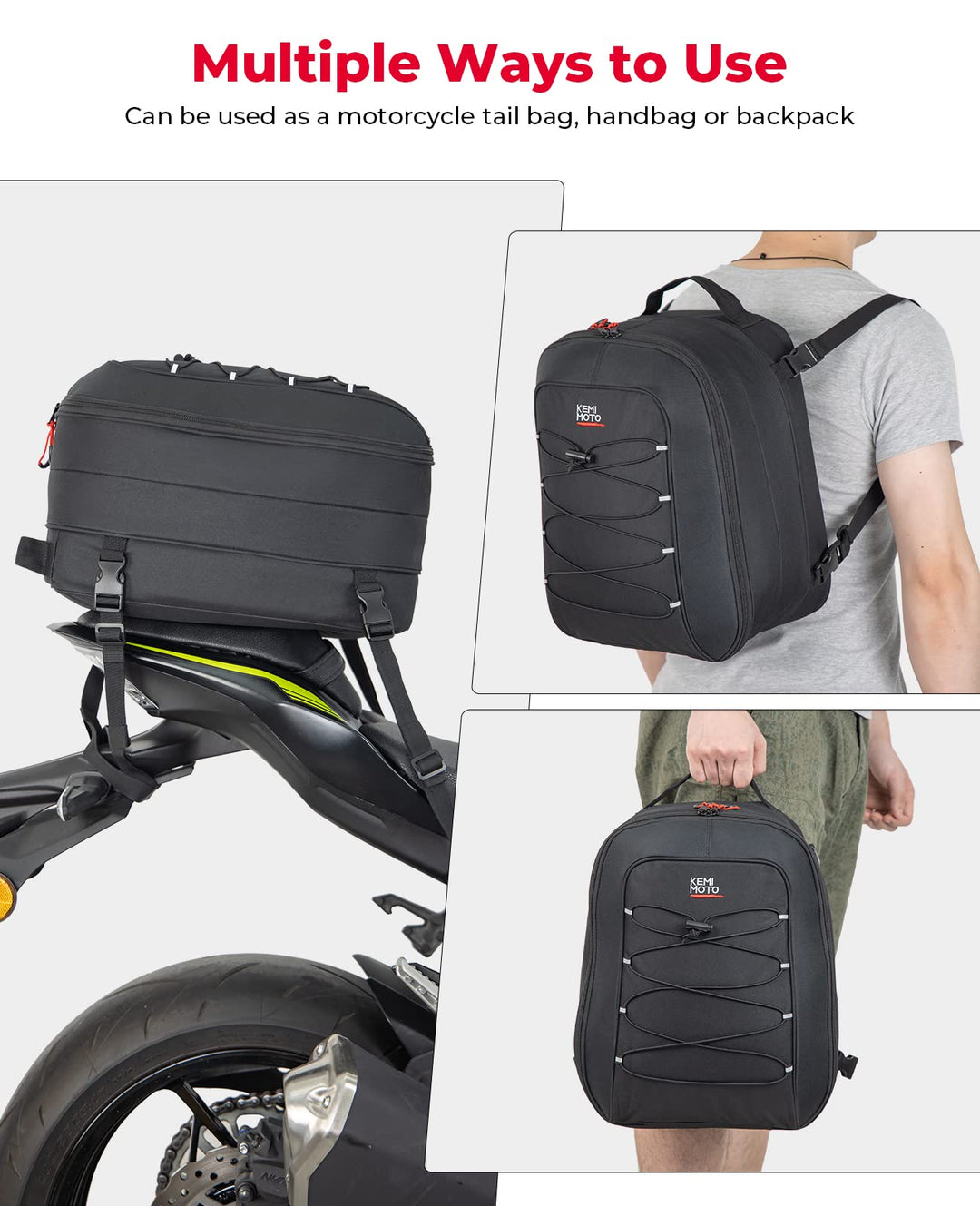
Understanding industry jargon is essential for effective communication and negotiation in the B2B space. Here are some key terms relevant to motorbike tail bags:
Illustrative image related to motorbike tail bag
OEM refers to companies that produce parts and equipment that may be marketed by another manufacturer. In the context of tail bags, OEM relationships can ensure that products meet specific quality standards and fit motorcycle models precisely.
MOQ is the smallest quantity of a product that a supplier is willing to sell. This term is crucial for B2B buyers as it affects inventory management and upfront investment. Knowing the MOQ helps businesses in budgeting and forecasting.
An RFQ is a standard business process to invite suppliers to bid on specific products or services. For tail bags, issuing an RFQ can help businesses compare prices, terms, and conditions from multiple suppliers, ensuring they make informed purchasing decisions.
Incoterms are a set of predefined commercial terms published by the International Chamber of Commerce. They clarify the responsibilities of buyers and sellers in international trade, covering aspects like shipping, insurance, and duties. Understanding these terms is essential for B2B transactions involving tail bags from overseas suppliers.
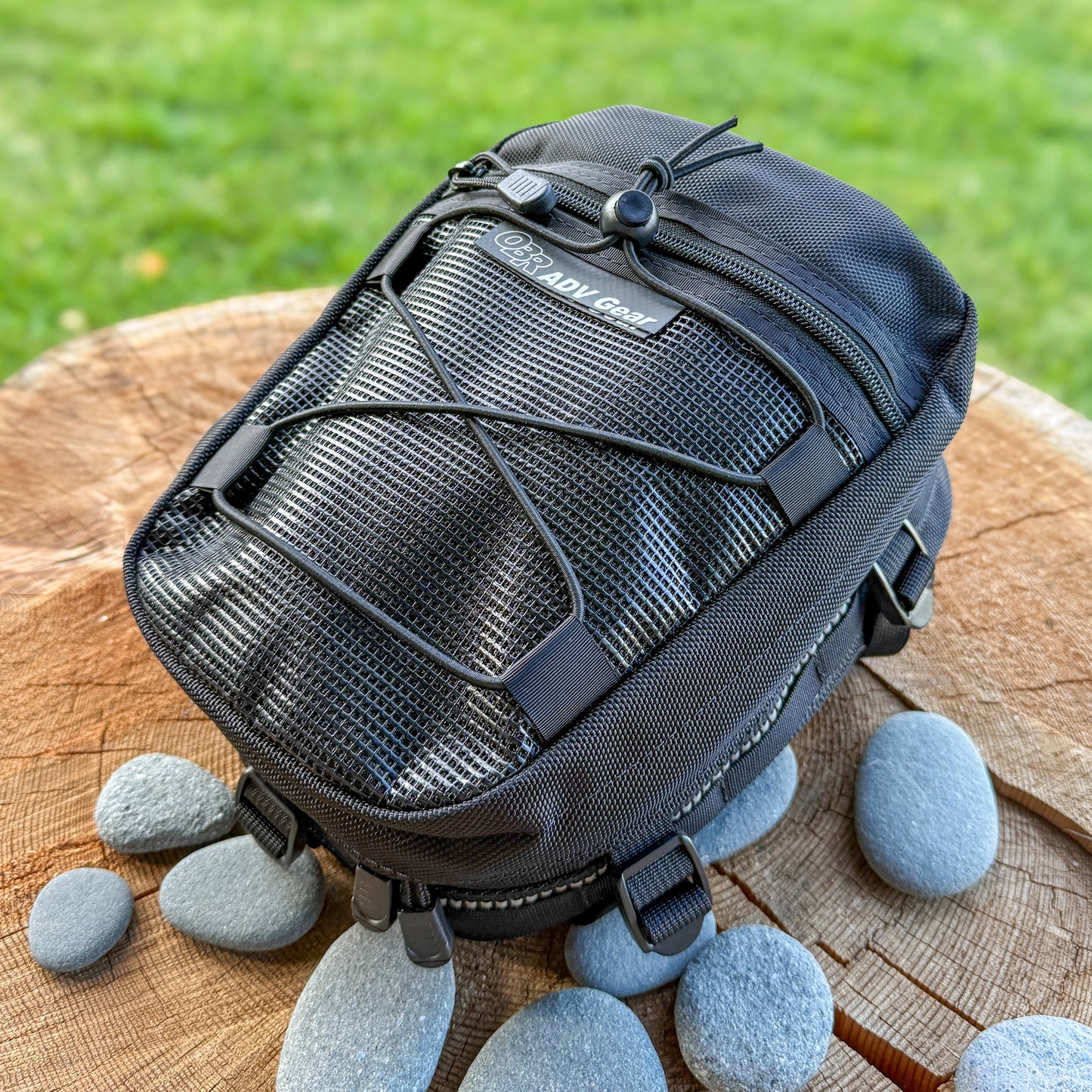
Illustrative image related to motorbike tail bag
SKU is a unique identifier for each distinct product and service that can be purchased. For B2B buyers, tracking SKUs helps manage inventory efficiently and simplifies ordering processes.
By familiarizing themselves with these technical properties and trade terms, B2B buyers can make more informed decisions and foster stronger relationships with suppliers and customers alike.
The global market for motorbike tail bags is experiencing a surge, driven by increasing motorcycle ownership and a growing trend toward adventure and touring biking. In regions such as Africa and South America, where motorcycle travel is often a practical necessity, the demand for versatile and durable luggage solutions is on the rise. Meanwhile, European markets, particularly Germany, are leaning towards high-quality, innovative designs that offer both functionality and aesthetic appeal. Key trends include the integration of advanced materials that enhance durability and waterproof capabilities, catering to riders who seek reliability in diverse weather conditions.
Emerging technologies are shaping sourcing strategies, with B2B buyers increasingly utilizing digital platforms for procurement. This trend facilitates real-time inventory management and enables buyers to quickly compare product specifications, pricing, and supplier reputations. Additionally, the rise of direct-to-consumer (DTC) brands is altering traditional distribution channels, prompting established manufacturers to rethink their sales strategies and partnerships. For international buyers, especially in developing regions, sourcing from manufacturers that provide customizable options and flexible shipping terms can significantly enhance operational efficiency.
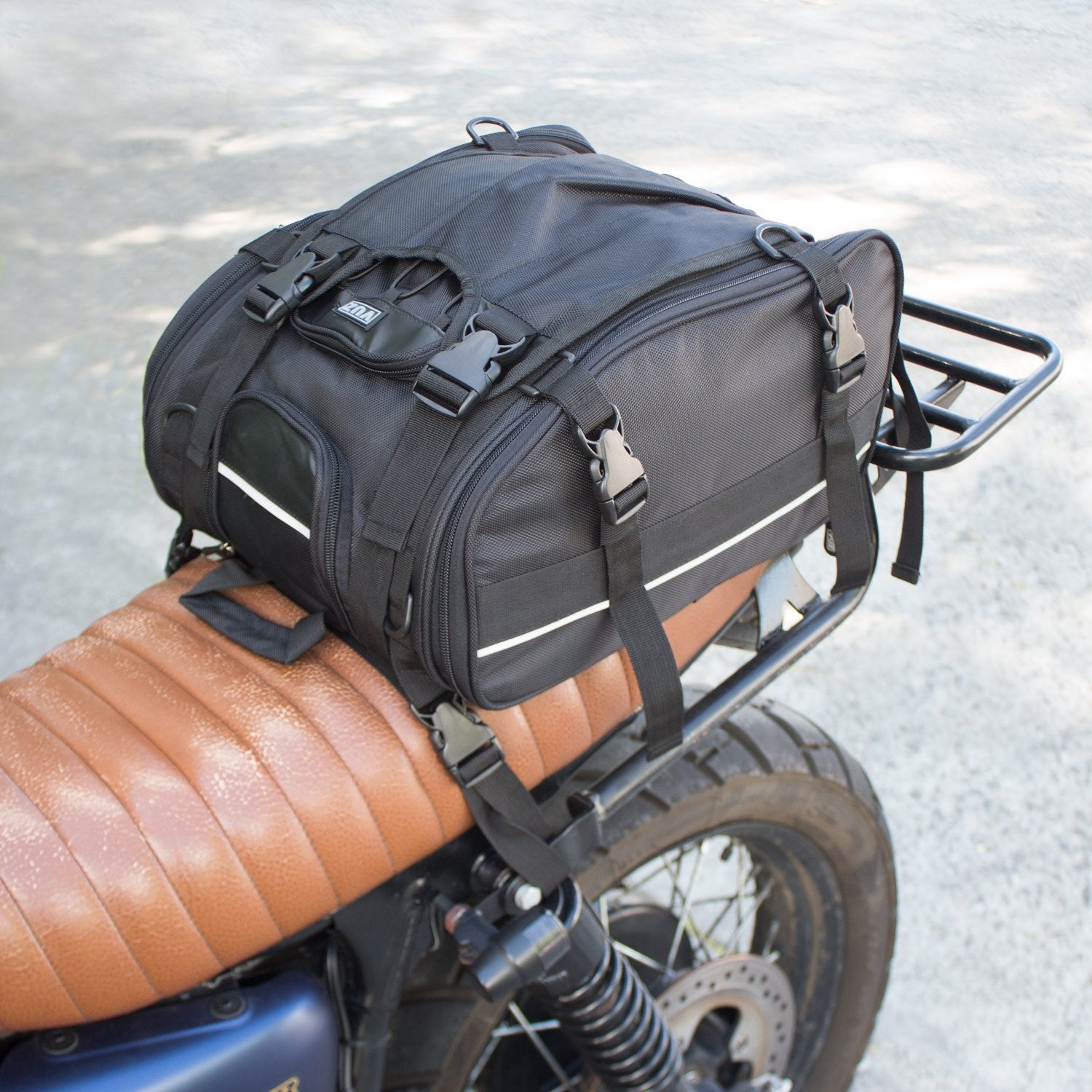
Illustrative image related to motorbike tail bag
Sustainability is becoming a critical consideration in the motorbike tail bag sector, as consumers and businesses alike are increasingly aware of their environmental impact. Ethical sourcing practices are essential for fostering brand loyalty among eco-conscious riders. B2B buyers are now prioritizing suppliers that utilize sustainable materials, such as recycled fabrics and biodegradable components, in their products. Brands that can demonstrate a commitment to environmental stewardship often gain a competitive edge in the marketplace.
Furthermore, certifications such as Global Organic Textile Standard (GOTS) and OEKO-TEX can enhance a product’s appeal, signaling to buyers that the materials used are safe and sustainably sourced. This is particularly relevant in European markets, where regulatory frameworks increasingly mandate transparency in supply chains. As a result, international B2B buyers should actively seek partnerships with manufacturers that adhere to these sustainability standards, ensuring their product offerings align with consumer expectations for ethical and responsible production.
Motorbike tail bags have evolved significantly since their inception, transitioning from basic storage solutions to sophisticated, multifunctional gear. Initially designed for practicality, today’s tail bags incorporate advanced features such as modular designs, waterproofing, and ergonomic comfort. As motorcycle culture has matured, so too have the expectations of riders regarding quality and aesthetics. This evolution reflects broader trends in consumer behavior, where functionality must now coexist with style and environmental consciousness. For B2B buyers, understanding this historical context is crucial in identifying suppliers that not only meet current demands but also anticipate future trends in design and sustainability.
How do I ensure the quality of motorbike tail bags before purchasing?
To guarantee the quality of motorbike tail bags, conduct thorough research on potential suppliers. Request product samples to assess materials, stitching, and overall craftsmanship. Verify certifications and compliance with international standards for durability and safety. Additionally, seek reviews from other businesses or buyers to understand the performance of the products in real-world conditions. Establish clear quality assurance protocols with your suppliers, including inspections during production and before shipment.
What is the best material for motorbike tail bags?
The best materials for motorbike tail bags typically include 1680D ballistic nylon and PVC-coated polyester. These materials offer excellent durability, waterproofing, and resistance to wear and tear. Look for bags with reinforced seams and protective bases to enhance longevity. Additionally, consider bags with features like UV resistance and reflective elements for added safety. Ultimately, the choice of material should align with the intended use, whether for daily commuting or long-distance touring.
What customization options are available for motorbike tail bags?
Many suppliers offer customization options for motorbike tail bags, including branding, colors, and sizes. You can request specific features such as additional pockets, waterproof linings, or unique mounting systems. Discuss your requirements with potential suppliers to explore their capabilities and limitations. Ensure that any custom designs meet your market’s preferences and functionality needs, providing a competitive edge in your offerings.
What are the typical minimum order quantities (MOQs) for motorbike tail bags?
Minimum order quantities for motorbike tail bags can vary widely depending on the supplier and the complexity of the product. Generally, MOQs range from 50 to 500 units. It’s essential to negotiate with suppliers to determine if they can accommodate smaller orders, especially if you are testing the market. Some manufacturers may offer lower MOQs for initial orders but might require higher quantities for subsequent purchases to ensure cost-effectiveness.
What payment terms should I expect when sourcing motorbike tail bags internationally?
Payment terms for international purchases of motorbike tail bags usually vary by supplier and region. Common practices include a 30% deposit upon order confirmation, with the remaining balance due prior to shipment. Some suppliers may offer payment through letters of credit or escrow services for added security. Discuss payment options upfront to ensure mutual agreement and consider the implications of currency exchange rates on your overall costs.
How can I vet suppliers for motorbike tail bags effectively?
To effectively vet suppliers, start by checking their business credentials, including company registration and industry certifications. Request references from previous clients to gauge their reliability and product quality. Conduct factory visits or virtual tours to inspect their manufacturing capabilities. Additionally, assess their communication responsiveness and willingness to accommodate your specific needs, which are crucial for a successful long-term partnership.
What logistics considerations should I keep in mind when importing motorbike tail bags?
When importing motorbike tail bags, consider shipping methods, customs regulations, and import duties specific to your region. Choose a reliable freight forwarder familiar with motorcycle accessories to navigate the logistics efficiently. Be aware of lead times and plan your inventory accordingly to avoid stockouts. Additionally, ensure that your supplier provides the necessary documentation for customs clearance to facilitate a smooth import process.
How do I handle quality assurance for imported motorbike tail bags?
Implement a robust quality assurance process by establishing standards with your suppliers before production begins. Consider conducting pre-shipment inspections to verify that the products meet your specifications. Utilize third-party inspection services if necessary to ensure impartiality. Once the goods arrive, conduct a thorough inspection of the shipment against your quality criteria. Address any discrepancies with the supplier promptly to resolve issues and maintain product integrity.
Bereich: moskomoto.de
Registriert: 2013 (12 Jahre)
Einleitung: Dieses Unternehmen, Moskomoto - Motorcycle Luggage Solutions, ist ein namhaftes Unternehmen auf dem Markt. Für spezifische Produktdetails empfiehlt es sich, die Website direkt zu besuchen.
Bereich: sw-motech.us
Registriert: 2019 (6 Jahre)
Einleitung: SW-MOTECH offers a variety of motorcycle tail bags designed for versatility and durability. Key features include:
1. **Product Categories**:
– Tail Bags
– Tail Bag Sets
– Accessories for Soft Luggage
2. **Product Lines**:
– PRO
– Legend Gear
– Drybag
– EVO
– ION
3. **Capacity Options**:
– Various sizes including 20L, 50L, 70L
4. **Waterproofing**:
– M…
Bereich: sattelmaenner.de
Registriert: 1996 (29 Jahre)
Einleitung: Saddlemen Tail, Tunnel and Mounted Motorcycle Seat Bags include various models such as:
1. BR4200 Back Seat / Sissy Bar/ Roller Bag – $282.95
2. BR3400 Tactical Back Seat/ Sissy Bar Bag – $263.95
3. BR3400 D Back Seat/ Sissy Bar Bag – $262.95
4. BR3400EXS Back Seat/ Sissy Bar Bag – $257.95
5. BR1800EXS Back Seat/ Sissy Bar Bag – $253.95
Wesentliche Merkmale:
– Designed for a wide range of motorcyc…
Bereich: motorradnews.de
Registriert: 1999 (26 Jahre)
Einleitung: [{“name”:”Kriega Rollpack 20″,”price”:”£129.99″,”tested_by”:”Justin Hayzelden”,”test_duration”:”three months, 2400 miles”,”features”:”Tough 500 denier Cordura, removable waterproof liner, roll top closure at either end, dimensions 75cm x 36cm, 20 litres capacity, attaches with four integrated straps, metal cam buckles for tensioning, waterproof, no luggage rack required, weight 643g, double entry,…

Bereich: sw-motech.com
Registered: 2002 (23 years)
Einleitung: SW-MOTECH offers a variety of tail bags suitable for almost any motorcycle, including: 1. PRO Tail Bags: Features an innovative fastening system with patented lashing hooks for easy tensioning. Includes MOLLE patches for attaching smaller bags. Made of durable 1680D Ballistic Nylon. 2. EVO Tail Bags: Similar to PRO series, made of 1680D Ballistic Nylon, with clever outer pockets, volume extensions…
In summary, the strategic sourcing of motorbike tail bags presents a significant opportunity for international B2B buyers. By understanding the diverse offerings—from waterproof designs to stylish aesthetics—buyers can align their product selections with the preferences of their target markets in Africa, South America, the Middle East, and Europe. The emphasis on durable materials, innovative mounting systems, and versatility ensures that these products meet the varying demands of riders across different terrains and conditions.
Investing in strategic sourcing not only optimizes cost but also enhances product quality and supplier relationships, ultimately leading to better customer satisfaction. Establishing partnerships with reputable manufacturers allows buyers to leverage unique features and innovations, positioning their offerings favorably in a competitive marketplace.
As the demand for motorbike accessories continues to grow, staying ahead of trends will be crucial. Buyers should actively engage with suppliers, attend industry events, and utilize market insights to inform their purchasing decisions. By prioritizing strategic sourcing, international buyers can secure a competitive edge, ensuring they provide high-quality products that resonate with diverse consumer bases. Embrace this opportunity to elevate your product range and meet the evolving needs of riders worldwide.
Die in diesem Leitfaden enthaltenen Informationen, einschließlich der Angaben zu Herstellern, technischen Spezifikationen und Marktanalysen, dienen ausschließlich Informations- und Bildungszwecken. Sie stellen keine professionelle Kaufberatung, Finanzberatung oder Rechtsberatung dar.
Obwohl wir alle Anstrengungen unternommen haben, um die Richtigkeit und Aktualität der Informationen zu gewährleisten, übernehmen wir keine Verantwortung für etwaige Fehler, Auslassungen oder veraltete Informationen. Marktbedingungen, Unternehmensangaben und technische Standards können sich ändern.
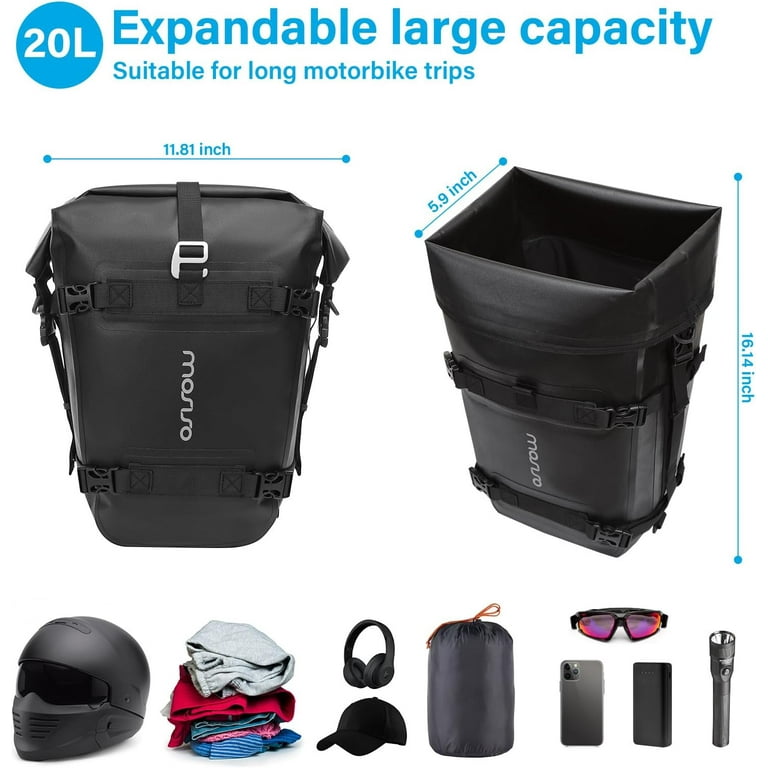
Illustrative image related to motorbike tail bag
B2B-Käufer müssen ihre eigene unabhängige und gründliche Due-Diligence-Prüfung durchführen bevor Sie eine Kaufentscheidung treffen. Dazu gehört, dass Sie sich direkt mit den Anbietern in Verbindung setzen, Zertifizierungen überprüfen, Muster anfordern und sich professionell beraten lassen. Das Risiko, sich auf die Informationen in diesem Leitfaden zu verlassen, trägt allein der Leser.


 German
  English
  Russian
  Spanish
  Italian
  Arabic
  Portuguese