
In the dynamic landscape of the global market, sourcing reliable gas station tire inflators presents a significant challenge for B2B buyers seeking to enhance customer service and drive revenue. Tire inflation is a critical yet often overlooked aspect of vehicle maintenance, and the demand for efficient, durable air machines is on the rise. This comprehensive guide aims to equip international buyers, particularly those from Africa, South America, the Middle East, and Europe, with the insights needed to make informed purchasing decisions.
We will explore various types of tire inflators, including pay and free air machines, and multifunctional units that combine air, vacuum, and water services. Additionally, the guide will delve into applications suited for different business models, ensuring that you can effectively meet your customers’ needs while optimizing operational efficiency. Key considerations for supplier vetting, including assessing product quality, warranty options, and after-sales support, will also be discussed. Furthermore, we will analyze cost factors to help you budget effectively for these essential assets.
By the end of this guide, you’ll be empowered to navigate the complexities of sourcing gas station tire inflators, ultimately enhancing customer satisfaction, boosting traffic, and increasing overall sales. Whether you operate in a bustling urban area or a remote location, having the right tire inflator can set your business apart in a competitive marketplace.
| Typ Name | Wichtigste Unterscheidungsmerkmale | Primäre B2B-Anwendungen | Kurze Vor- und Nachteile für Käufer |
|---|---|---|---|
| Pay Air Machine | Accepts coins, bills, or credit cards; often features digital gauges | Gas stations, convenience stores | Vorteile: Revenue generation; customer convenience. Nachteile: Initial investment costs. |
| Free Air Machine | No payment required; typically has a simple push-button operation | Service stations, community centers | Vorteile: Attracts customers; enhances brand loyalty. Nachteile: No direct revenue stream. |
| Air & Vacuum Combo | Combines air inflation with vacuum services | Car washes, gas stations | Vorteile: Multi-service offering; space-efficient. Nachteile: Higher maintenance needs. |
| Wall-Mounted Air Machine | Space-saving design; often includes digital inflation technology | Urban gas stations, small service shops | Vorteile: Compact; easy installation. Nachteile: Limited service capacity. |
| Air & Water Combo | Provides both air inflation and low-pressure water services | Gas stations, automotive service centers | Vorteile: Versatile; caters to multiple customer needs. Nachteile: Potential complexity in maintenance. |
Pay air machines are designed to generate revenue through user fees, accepting various payment methods such as coins, bills, or credit cards. They often feature digital or analog pressure gauges for accurate inflation. These machines are ideal for gas stations and convenience stores looking to enhance customer service while boosting income. When considering a pay air machine, businesses should evaluate the transaction fees associated with cashless payments and the machine’s durability to withstand high usage.
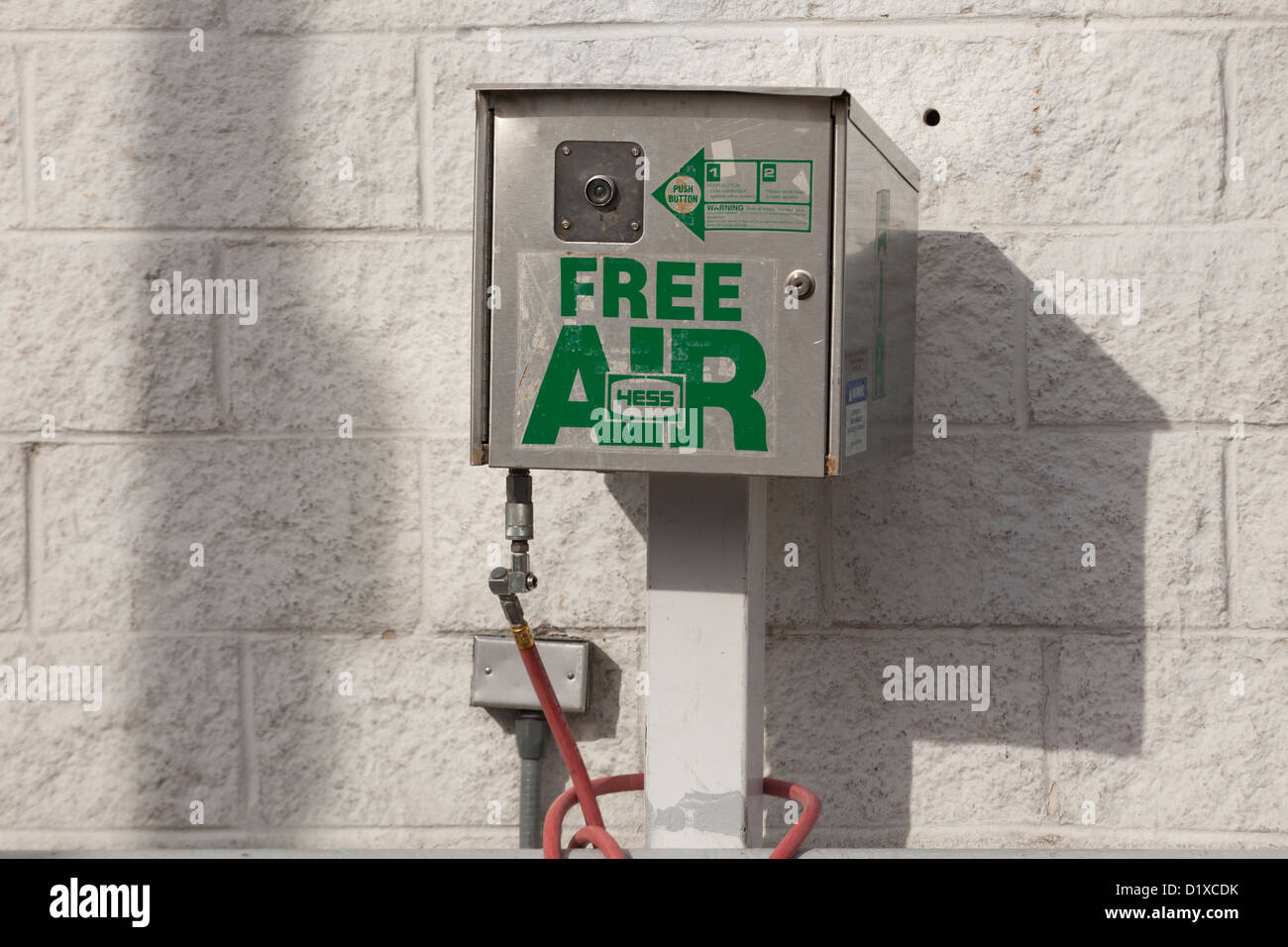
Free air machines provide tire inflation services at no cost to customers, typically operated by a simple push-button mechanism. They are particularly effective in attracting foot traffic to gas stations or convenience stores, as customers may purchase additional services or products once on-site. While these machines do not directly generate revenue, they significantly enhance customer loyalty and brand reputation. B2B buyers should assess the potential return on investment through increased sales rather than direct income from the machines.
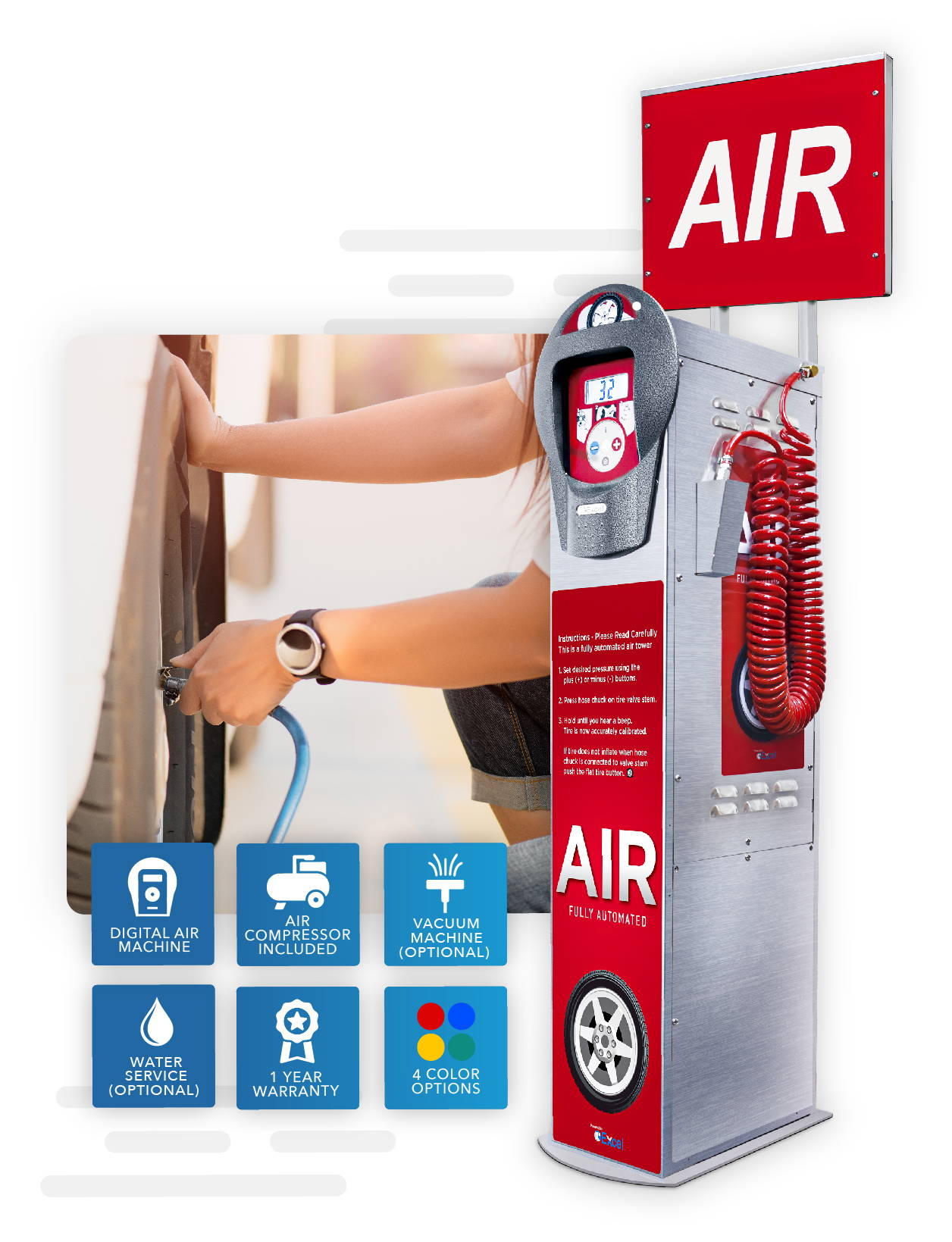
Illustrative image related to gas station tire inflator
Air and vacuum combo machines offer a dual service, allowing customers to inflate tires and vacuum their vehicles in one location. This convenience can drive higher foot traffic to gas stations and car washes. While these machines require a larger initial investment and may have higher maintenance needs, they provide an attractive, multifunctional solution for service-oriented businesses. When purchasing, businesses should consider the reliability of the components and the expected return on investment through increased customer engagement.
Wall-mounted air machines are ideal for locations with limited space, providing a compact solution for tire inflation needs. These machines often incorporate advanced digital technology for ease of use and accuracy. They are suitable for urban gas stations and small service shops where space is at a premium. B2B buyers should focus on the installation requirements and the machine’s service capacity to ensure it meets customer demand without compromising convenience.
Air and water combo machines provide both tire inflation and low-pressure water services, catering to various customer needs, such as quick vehicle cleaning. This versatility makes them suitable for gas stations and automotive service centers aiming to offer comprehensive solutions. While they can be more complex in terms of maintenance, their ability to address multiple customer requirements can significantly enhance the service experience. Buyers should evaluate the machine’s features and the potential for cross-selling opportunities to maximize revenue.
| Industrie/Sektor | Specific Application of gas station tire inflator | Wert/Nutzen für das Unternehmen | Wichtige Überlegungen zur Beschaffung für diese Anwendung |
|---|---|---|---|
| Automotive Services | Tire inflation stations at gas stations | Increases foot traffic and ancillary sales | Reliability, ease of use, digital payment options |
| Fuhrpark-Management | Maintenance hubs for commercial vehicle fleets | Ensures optimal tire pressure, reducing costs | Durability, serviceability, and capacity for high usage |
| Transport und Logistik | Rest stops along highways | Enhances customer satisfaction and safety | Fast inflation times, user-friendly interfaces |
| Car Wash Facilities | Integrated air machines with wash services | Boosts overall service offerings and revenue | Multi-function capabilities, space efficiency |
| Retail Convenience Stores | Free air services as a customer attraction | Builds brand loyalty and encourages repeat visits | Cost-effectiveness, maintenance requirements |
In automotive services, gas station tire inflators serve as essential tools for both customers and service providers. These machines allow customers to easily inflate their tires while visiting gas stations, which can lead to increased foot traffic and subsequent sales in convenience stores or car wash services. For international buyers, it’s crucial to choose inflators that are reliable and equipped with digital payment options to enhance customer convenience and satisfaction.
Fleet management companies benefit significantly from having tire inflators at their maintenance hubs. Proper tire inflation is critical for fuel efficiency and safety, directly impacting operational costs. These inflators must be durable and capable of handling high usage. Buyers should prioritize machines that are easy to service and maintain, ensuring minimal downtime for their fleets.
Rest stops along highways that provide tire inflation services can greatly enhance the customer experience. Offering this convenience not only improves customer satisfaction but also promotes safety on the roads by encouraging proper tire maintenance. For buyers in this sector, fast inflation times and user-friendly interfaces are essential features to consider, as they directly influence the overall customer experience.
Car wash facilities that integrate tire inflators with their services create a more comprehensive offering for customers. By providing an air machine, these businesses can increase their revenue streams and improve customer satisfaction. Buyers should look for machines that are multi-functional and space-efficient, allowing them to maximize service offerings without compromising on space or operational efficiency.
Retail convenience stores can leverage free air services as a strategic marketing tool to attract customers. By offering complimentary tire inflation, stores can build brand loyalty and encourage repeat visits, particularly in competitive markets. When sourcing these machines, it is important to consider cost-effectiveness and maintenance requirements, ensuring that the investment leads to long-term benefits without excessive operational costs.
Das Problem: A common challenge for B2B buyers of gas station tire inflators is the inconsistency in performance. Many gas stations have experienced customer complaints stemming from machines that either do not inflate tires effectively or malfunction frequently. This inconsistency not only frustrates customers but can also lead to a loss of trust in the gas station’s reliability. In markets where tire maintenance is critical, such as those in Africa and the Middle East, this issue can significantly impact customer loyalty and overall satisfaction.

Illustrative image related to gas station tire inflator
Die Lösung: To mitigate these issues, B2B buyers should prioritize sourcing high-quality, durable air machines designed for heavy use. It is essential to select models from reputable manufacturers known for their reliability, such as J.E. Adams or Excel. When specifying equipment, opt for machines with digital inflation systems that automatically shut off once the desired tire pressure is achieved, thus preventing over-inflation and reducing human error. Regular maintenance schedules should also be established, ensuring that machines are checked and serviced to minimize downtime and performance issues. Additionally, providing clear signage and instructions on how to use the machines can enhance the customer experience and reduce frustration.
Das Problem: Many gas stations face the challenge of limited payment options available for tire inflators, which can restrict their revenue potential. In regions such as South America and Europe, where consumers are increasingly reliant on cashless transactions, machines that only accept coins or cash can deter usage. This limitation not only affects immediate revenue from tire inflator services but can also reduce overall traffic to the gas station, as customers may choose competitors offering more flexible payment options.
Die Lösung: To address this pain point, B2B buyers should invest in tire inflators that come equipped with multiple payment options, including credit and debit card readers. Selecting machines with cashless payment capabilities can significantly enhance customer convenience and encourage usage. Moreover, consider investing in integrated solutions that allow for mobile payments, catering to the tech-savvy consumer base found in many regions today. Additionally, implementing a loyalty program linked to the tire inflator service can incentivize repeat usage, thereby increasing overall revenue.
Das Problem: Another prevalent issue for gas station owners is the improper installation of tire inflators, which can lead to operational inefficiencies and safety hazards. Inadequate placement can result in obstructed access for customers, especially in busy gas stations where vehicle flow is crucial. Furthermore, if the machines are not installed according to safety guidelines, there can be risks related to electrical connections and proximity to fuel sources, which can compromise both functionality and safety.
Die Lösung: To ensure successful installation, B2B buyers should consult with professional installers who are experienced with gas station equipment. Prior to installation, conduct a thorough site assessment to determine optimal locations that allow for easy access and do not interfere with traffic flow. It is vital to adhere to safety regulations, ensuring that machines are placed at least 20 feet away from fuel pumps and tanks. Additionally, provide comprehensive installation manuals and training for staff on proper machine operation and maintenance protocols. This proactive approach not only enhances safety but also ensures that customers have a seamless experience when using the tire inflators.
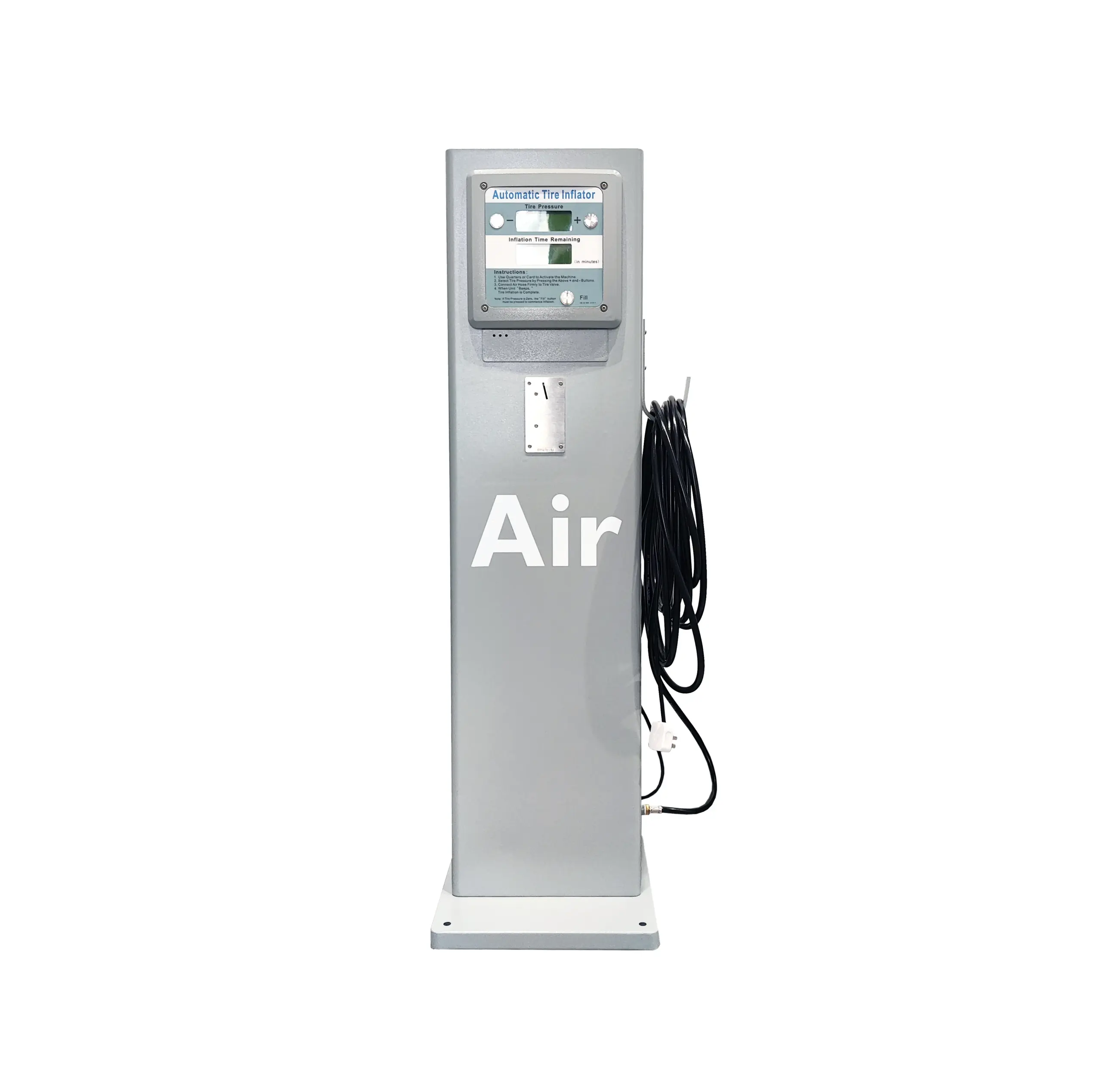
Illustrative image related to gas station tire inflator
When selecting materials for gas station tire inflators, several factors must be considered, including performance, durability, and compatibility with various media. Below are four common materials used in the construction of tire inflators, along with their properties, advantages, disadvantages, and considerations for international buyers.
Stainless steel is a popular choice for the outer casing and structural components of tire inflators due to its excellent corrosion resistance and durability. It can withstand a wide range of temperatures and pressures, making it suitable for various operational environments.
Vorteile: Stainless steel offers high strength, resistance to rust and corrosion, and a long lifespan, which is essential for machines exposed to outdoor conditions. It also has a professional appearance, enhancing the aesthetic of gas stations.

Illustrative image related to gas station tire inflator
Nachteile: The primary drawback is its higher cost compared to other materials like plastic or carbon steel. Additionally, stainless steel can be more challenging to manufacture, requiring specialized equipment and techniques.
Auswirkungen auf die Anwendung: Stainless steel is compatible with air and water, making it ideal for multi-functional machines that provide both tire inflation and cleaning services.
Überlegungen für internationale Käufer: Compliance with international standards such as ASTM for material quality is crucial. Buyers in regions with high humidity or saline environments, like coastal areas in Africa or the Middle East, will benefit from the corrosion resistance of stainless steel.
Aluminum is another commonly used material, especially for internal components such as compressors and fittings. It is lightweight and has good thermal conductivity, which helps in dissipating heat generated during operation.
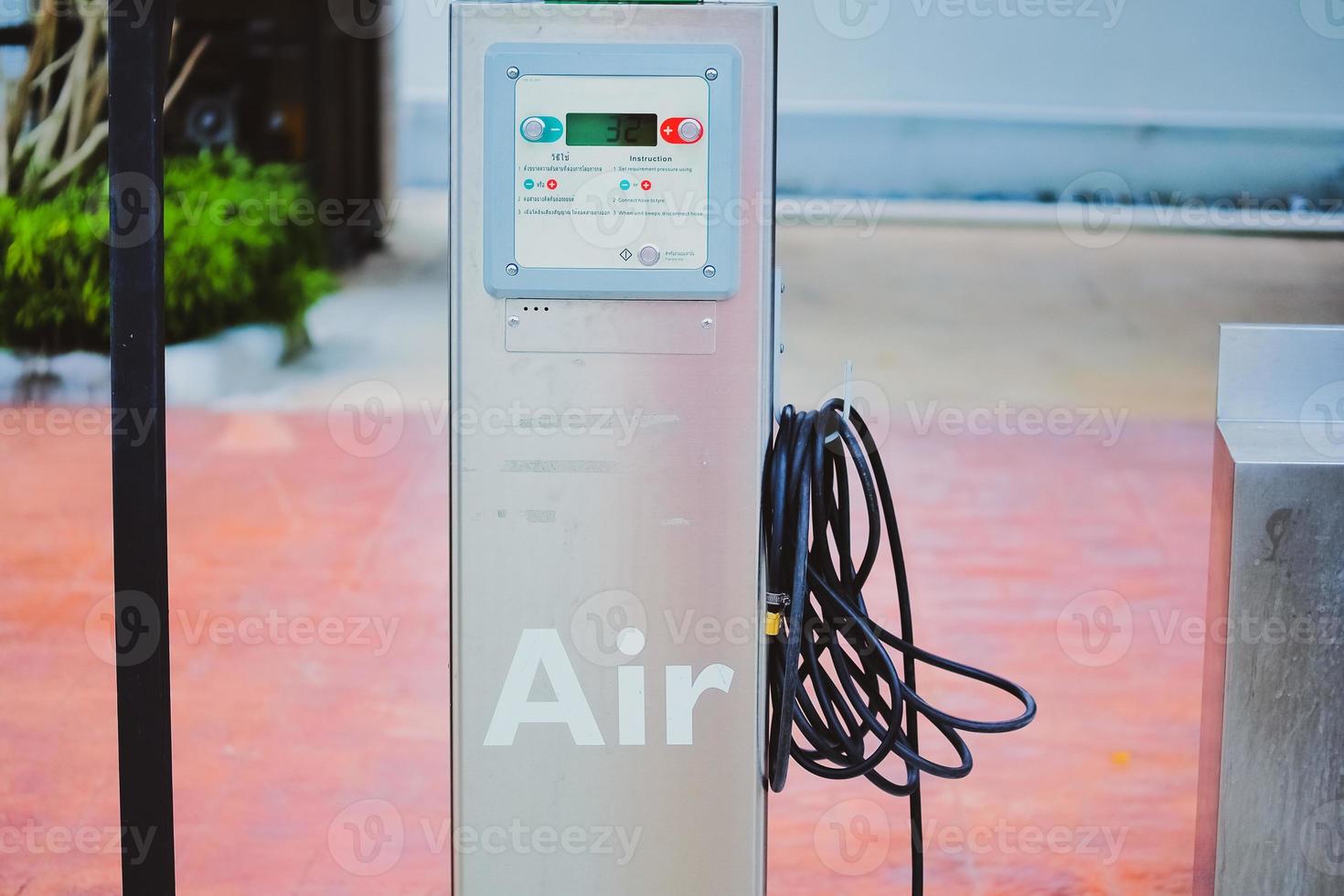
Illustrative image related to gas station tire inflator
Vorteile: Aluminum is generally less expensive than stainless steel and is easier to machine, resulting in lower manufacturing costs. It also provides a good strength-to-weight ratio, making it suitable for portable inflator designs.
Nachteile: While aluminum is resistant to corrosion, it is not as robust as stainless steel and may not withstand harsh environmental conditions as effectively. Over time, it can suffer from fatigue and wear.
Auswirkungen auf die Anwendung: Aluminum is suitable for air applications but may require additional coatings or treatments to enhance its durability in humid or corrosive environments.
Überlegungen für internationale Käufer: Buyers should ensure that aluminum components meet relevant standards for pressure vessels, such as those outlined by DIN in Europe.
Plastic materials, particularly high-density polyethylene (HDPE) and polypropylene, are often used for housing and non-structural components of tire inflators. These materials are lightweight and resistant to many chemicals.
Vorteile: Plastics are cost-effective and can be molded into complex shapes, allowing for versatile designs. They are also resistant to corrosion and can be produced in various colors for branding purposes.
Nachteile: The main limitation of plastic is its lower strength compared to metals, which can affect durability. Additionally, plastics may not withstand high temperatures or pressures as effectively as metals.
Auswirkungen auf die Anwendung: Plastic is suitable for non-pressurized components but should be avoided in high-stress areas.
Überlegungen für internationale Käufer: Buyers should verify that plastic materials comply with safety and environmental regulations, particularly in Europe, where standards can be stringent.
Rubber is primarily used for seals and hoses in tire inflators, providing flexibility and resistance to air leakage.
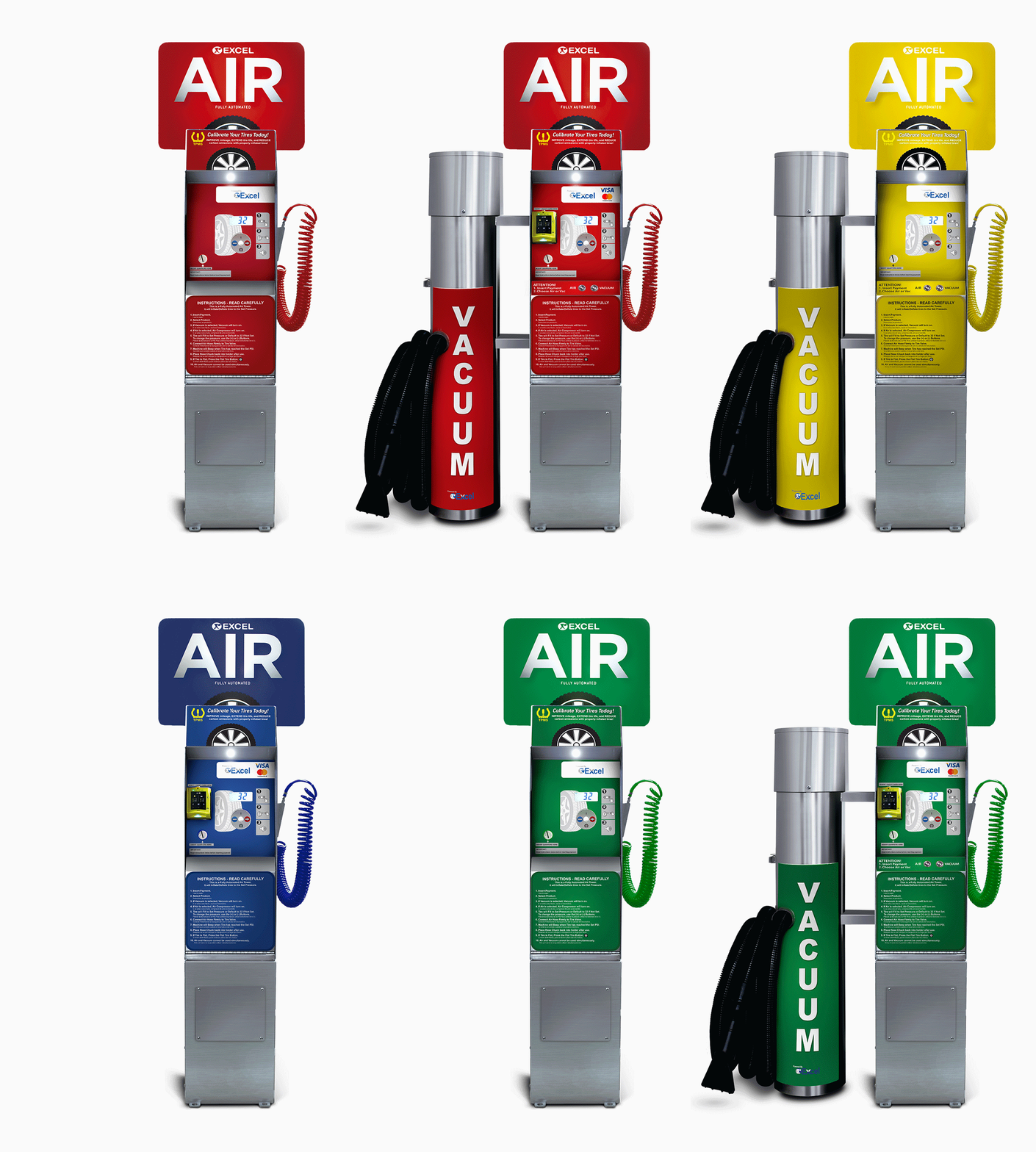
Illustrative image related to gas station tire inflator
Vorteile: Rubber seals are effective at maintaining airtight integrity, essential for tire inflation. They can withstand a range of temperatures and are relatively inexpensive.
Nachteile: Rubber can degrade over time, especially when exposed to ozone or UV light, leading to potential leaks.
Auswirkungen auf die Anwendung: Rubber is critical for ensuring the efficiency of air delivery systems in tire inflators.
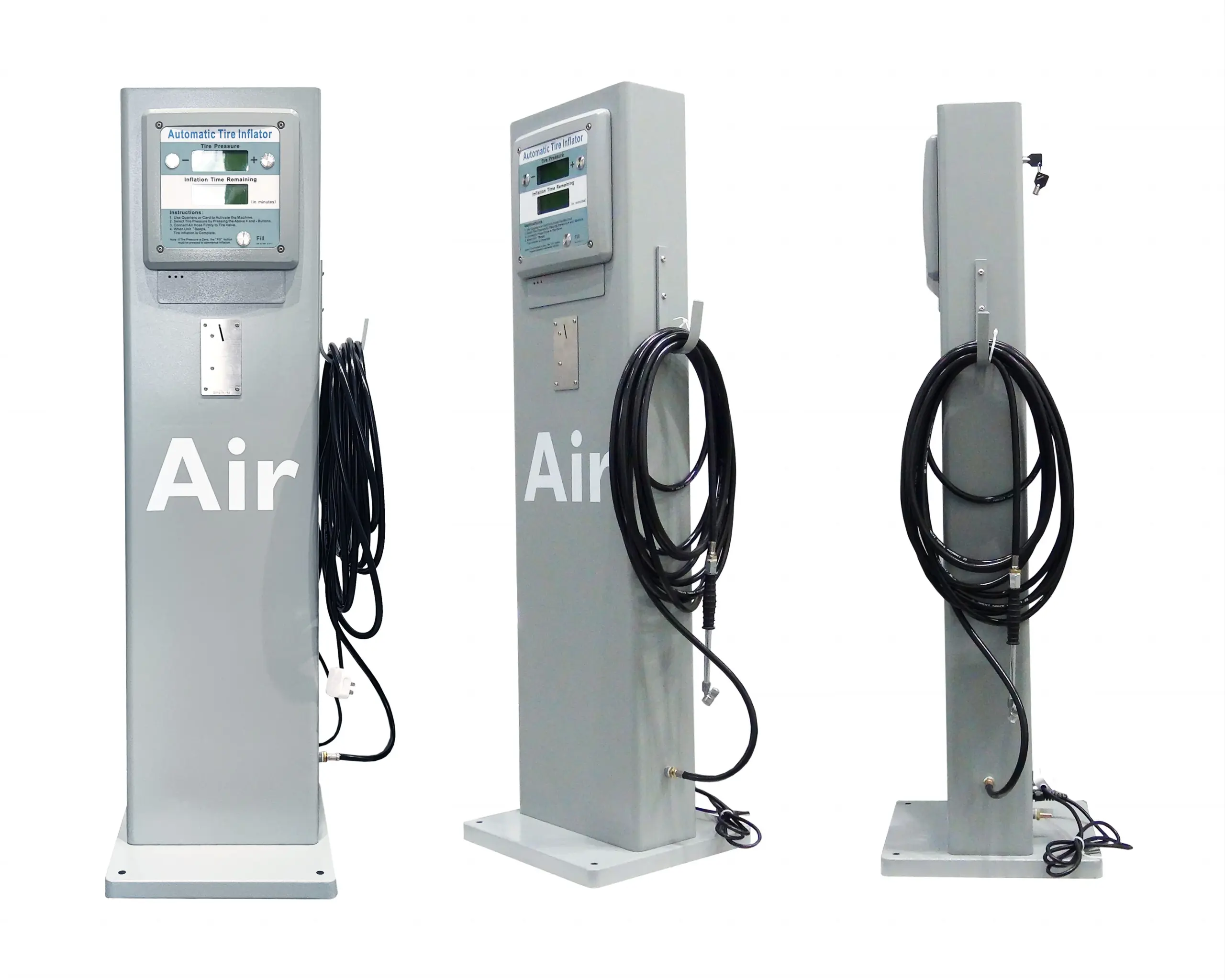
Illustrative image related to gas station tire inflator
Überlegungen für internationale Käufer: Buyers should consider the climate of their region, as rubber may require more frequent replacement in areas with extreme weather conditions.
| Material | Typical Use Case for gas station tire inflator | Hauptvorteil | Wesentlicher Nachteil/Beschränkung | Relative Kosten (niedrig/mittel/hoch) |
|---|---|---|---|---|
| Rostfreier Stahl | Outer casing and structural components | Excellent corrosion resistance and durability | Höhere Kosten und komplexere Herstellung | Hoch |
| Aluminium | Internal components like compressors | Leicht und kostengünstig | Less durable than stainless steel | Mittel |
| Kunststoff | Gehäuse und nicht-strukturelle Komponenten | Cost-effective and versatile | Lower strength and temperature resistance | Niedrig |
| Gummi | Dichtungen und Schläuche | Effective at maintaining airtight integrity | Degrades over time with exposure to elements | Niedrig |
This strategic material selection guide provides valuable insights for international B2B buyers, helping them make informed decisions when sourcing tire inflators for gas stations.
The manufacturing process for gas station tire inflators involves several critical stages, each designed to ensure that the final product is reliable, efficient, and meets customer expectations. Here’s a detailed breakdown of these stages:
The first step involves sourcing high-quality materials that can withstand the rigors of commercial use. This typically includes stainless steel for the cabinet and durable rubber or polymer for hoses and nozzles. Suppliers often conduct stringent quality checks on raw materials to ensure they meet required specifications. For international buyers, understanding the origin and certifications of materials is crucial, as this can impact durability and compliance with local regulations.
Once materials are prepared, they undergo various forming processes. For the stainless steel cabinet, techniques such as laser cutting, bending, and welding are employed. These methods ensure precision and structural integrity. The forming process for internal components, such as the compressor and pressure gauges, may involve casting or machining. Each method has its advantages, and selecting the right technique can enhance the performance and lifespan of the tire inflator.
The assembly stage is where individual components come together to create the final product. This can involve both manual and automated processes. Skilled technicians typically assemble the electrical components, such as wiring and digital interfaces, ensuring that they are correctly installed and securely fastened. Quality control checkpoints during assembly are crucial to catch any potential issues early, such as misaligned parts or faulty connections.
Finishing touches are applied to enhance the aesthetic appeal and functionality of the tire inflator. This may include powder coating or polishing the stainless steel surfaces, as well as installing branding elements. In this stage, additional features like payment systems (coin, card readers) and user-friendly interfaces are integrated. Effective finishing not only improves appearance but also adds to the durability and weather resistance of the machine.
Quality assurance (QA) is integral to the manufacturing process, ensuring that every gas station tire inflator meets international standards and customer expectations. Here’s how QA is typically structured:
Manufacturers of gas station tire inflators often adhere to various international quality standards, including:
Quality control (QC) is typically implemented at several key points in the manufacturing process:
Testing is an essential component of quality assurance. Common methods include:
For international B2B buyers, especially those from regions like Africa, South America, the Middle East, and Europe, verifying a supplier’s quality control processes is critical. Here are some actionable steps:
Requesting a factory audit can provide insight into the supplier’s manufacturing capabilities and quality control processes. During an audit, buyers can assess compliance with international standards and ensure that quality checks are rigorously enforced.
Suppliers should provide documentation of their quality control processes, including records of IQC, IPQC, and FQC. Reviewing these reports helps buyers understand how consistently the supplier meets quality standards.
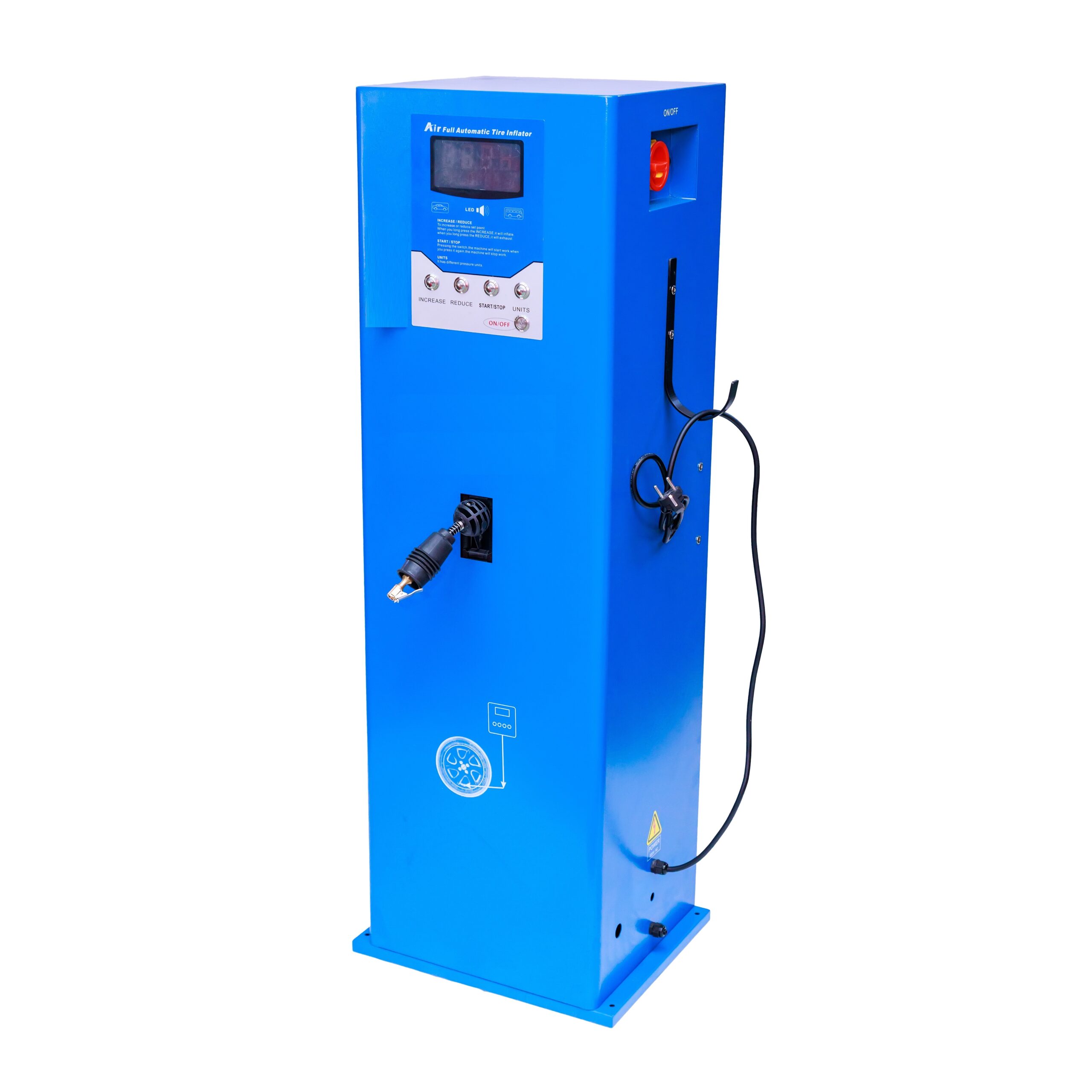
Illustrative image related to gas station tire inflator
Utilizing third-party inspection services can add an extra layer of assurance. Independent inspectors can evaluate the manufacturing process and product quality before shipment, providing unbiased reports that can help mitigate risks.
When purchasing gas station tire inflators from international suppliers, buyers must be aware of specific nuances in quality control:
Understanding the manufacturing processes and quality assurance measures for gas station tire inflators is essential for B2B buyers looking to make informed purchasing decisions. By focusing on the various stages of manufacturing, the importance of quality control, and the steps to verify supplier credibility, businesses can ensure they select reliable partners that meet their operational needs while enhancing customer satisfaction.
This practical sourcing guide is designed to assist B2B buyers in procuring gas station tire inflators. As the demand for tire inflation services grows, having the right equipment can enhance customer satisfaction and increase traffic to your gas station or convenience store. This checklist will help streamline your purchasing process, ensuring you select the best equipment for your business needs.

Illustrative image related to gas station tire inflator
Before diving into the market, clearly outline your technical requirements for the tire inflator. Consider factors such as the desired inflation speed, pressure range, and whether you prefer a digital or analog gauge. Understanding these specifications ensures that you choose a machine that meets your operational needs and customer expectations.
Take the time to explore different models and their features. Various air machines come with options like payment systems (coin, bill, or credit card), vacuum attachments, and additional functionalities such as water dispensing. Knowing the available features helps you choose a model that not only meets your basic needs but also enhances customer experience.
Thoroughly vet potential suppliers to ensure they can deliver quality products and services. Request company profiles, product catalogs, and customer testimonials. This step is crucial to building a reliable supply chain and ensuring you have access to support and maintenance services.
Ensure that the tire inflators you consider comply with local safety and operational regulations. This is particularly important in regions with specific standards for commercial equipment. Non-compliance can lead to fines and operational disruptions.
Beyond the initial purchase price, evaluate the total cost of ownership, including installation, maintenance, and operational costs. This comprehensive analysis will help you understand the long-term financial implications of your investment.
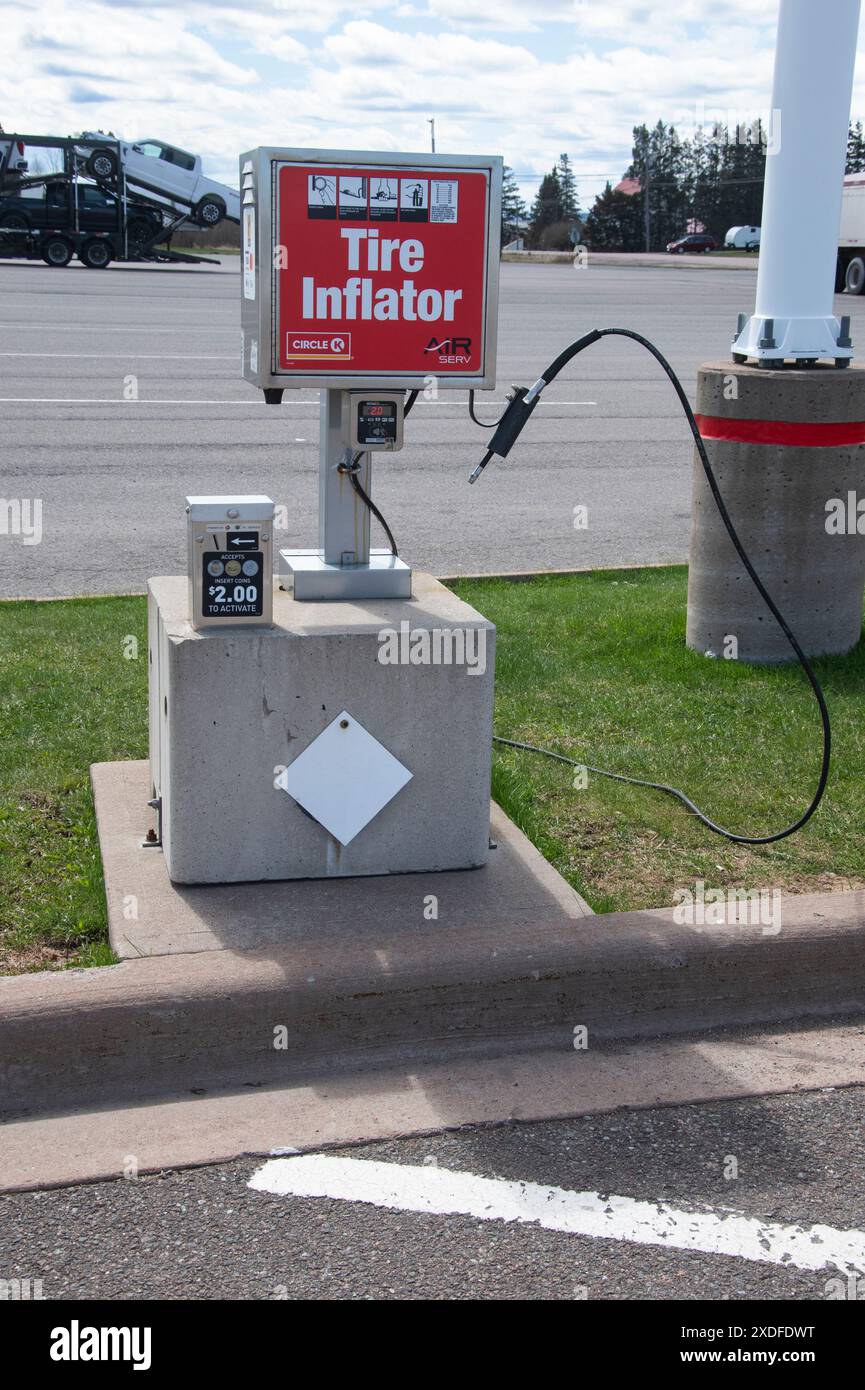
Illustrative image related to gas station tire inflator
After gathering all necessary information, compare your options based on performance, features, supplier reliability, and cost-effectiveness. Engage with your team or stakeholders to ensure that the selected tire inflator aligns with your overall business strategy and customer service goals.
By following this structured checklist, B2B buyers can confidently navigate the procurement process for gas station tire inflators, ensuring they select equipment that enhances service quality and drives customer loyalty.
When sourcing gas station tire inflators, understanding the cost structure is crucial for making informed purchasing decisions. The primary cost components include materials, labor, manufacturing overhead, tooling, quality control (QC), logistics, and profit margins.
Materialien: The choice of materials significantly impacts the cost. High-quality stainless steel, for example, is often preferred for its durability and corrosion resistance, but it comes at a higher price point. Cheaper materials may reduce initial costs but could lead to higher maintenance expenses over time.
Arbeit: Labor costs can vary based on the location of the manufacturing facility. Countries with lower labor costs might offer more competitive pricing, but this can also affect the quality of workmanship.
Fertigungsgemeinkosten: This includes utilities, facility costs, and administrative expenses. Efficient production processes can help minimize overhead, leading to lower overall costs.
Werkzeugbau: Initial tooling costs can be significant, especially for custom designs. Buyers should consider whether they need standard models or if custom specifications justify the tooling investment.
Qualitätskontrolle (QC): Investing in rigorous quality control processes is essential to ensure reliability and safety. However, it can add to the overall cost. The trade-off between cost and quality should be carefully evaluated.
Logistik: Shipping and handling costs can vary significantly based on the origin and destination of the products. International buyers should account for tariffs and other import duties, which can impact the final cost.
Marge: Suppliers typically add a margin to cover their costs and profit. Understanding the typical margins in the industry can help buyers negotiate better prices.
Several factors influence the pricing of gas station tire inflators:
Volumen/MOQ: Bulk purchases often lead to significant discounts. Understanding the minimum order quantity (MOQ) can help buyers optimize their budgets.
Spezifikationen und Anpassungen: Customized features, such as digital gauges or payment options, can increase the price. Buyers should assess whether these enhancements are essential for their operations.
Materialqualität und Zertifizierungen: Products with higher quality materials or certifications (e.g., ISO standards) may come at a premium. However, investing in certified machines can enhance customer satisfaction and safety.
Lieferanten-Faktoren: The reputation and reliability of the supplier can impact pricing. Established brands may charge more due to perceived quality and service, while lesser-known suppliers might offer lower prices but with increased risk.
Incoterms: Understanding shipping terms (e.g., FOB, CIF) is crucial for calculating total landed costs. Different Incoterms can affect the buyer’s responsibilities and overall expenses.
For international B2B buyers, particularly those from Africa, South America, the Middle East, and Europe, several strategies can enhance cost-efficiency:
Verhandlung: Always be prepared to negotiate. Suppliers may have flexibility in pricing, especially for large orders. Highlighting long-term partnership potential can also be persuasive.
Gesamtbetriebskosten (TCO): Consider not just the purchase price but the total cost of ownership, including maintenance, energy consumption, and potential downtime. A higher upfront cost may lead to lower operational costs over time.
Nuancen in der Preisgestaltung für internationale Käufer: Be aware of the currency exchange rates and the implications for pricing. Additionally, consider local market conditions and how they may affect pricing strategies.
Forschung und Benchmarking: Conduct thorough market research to understand pricing trends and benchmarks. This information can empower you during negotiations and help you identify fair pricing.
Prices for gas station tire inflators can vary widely based on the factors discussed above. It is essential to obtain quotes from multiple suppliers and consider all cost components to make an informed purchasing decision.
When considering the best tire inflation solutions for gas stations and convenience stores, it’s essential to evaluate alternatives to traditional gas station tire inflators. While these inflators offer convenience and functionality, various options can enhance customer experience, operational efficiency, and profitability. This analysis compares gas station tire inflators with two viable alternatives: portable tire inflators and self-service tire inflation kiosks.
| Vergleich Aspekt | Gas Station Tire Inflator | Tragbarer Reifenfüller | Self-Service Tire Inflation Kiosk |
|---|---|---|---|
| Leistung | High; designed for frequent use | Moderate; suitable for individual use | High; can handle multiple users |
| Kosten | Moderate initial investment; ongoing maintenance costs | Low; one-time purchase | High; significant initial investment, potential for revenue generation |
| Leichte Implementierung | Requires electrical setup and space | Plug-and-play; minimal setup required | Requires installation and space; may need electrical and plumbing |
| Wartung | Low; minimal upkeep needed | Low; easy to maintain | Moderate; may require regular servicing |
| Bester Anwendungsfall | Ideal for high-traffic locations | Great for individual customers or roadside assistance | Suitable for high-traffic areas needing self-service options |
Portable tire inflators are compact units that consumers can carry in their vehicles. They typically connect to the car’s power outlet or a battery and can inflate tires quickly.
Vorteile:
– Affordability: Generally low-cost, making them accessible for individual consumers.
– Convenience: Easily stored in vehicles, allowing users to inflate tires anywhere.
– Minimal Maintenance: Requires little upkeep, making them user-friendly.
Nachteile:
– Limited Performance: Best suited for individual use and may not be efficient for high-volume needs in commercial settings.
– User Dependence: Relies on customers to have the device and know how to use it, potentially leading to inconsistent tire care.
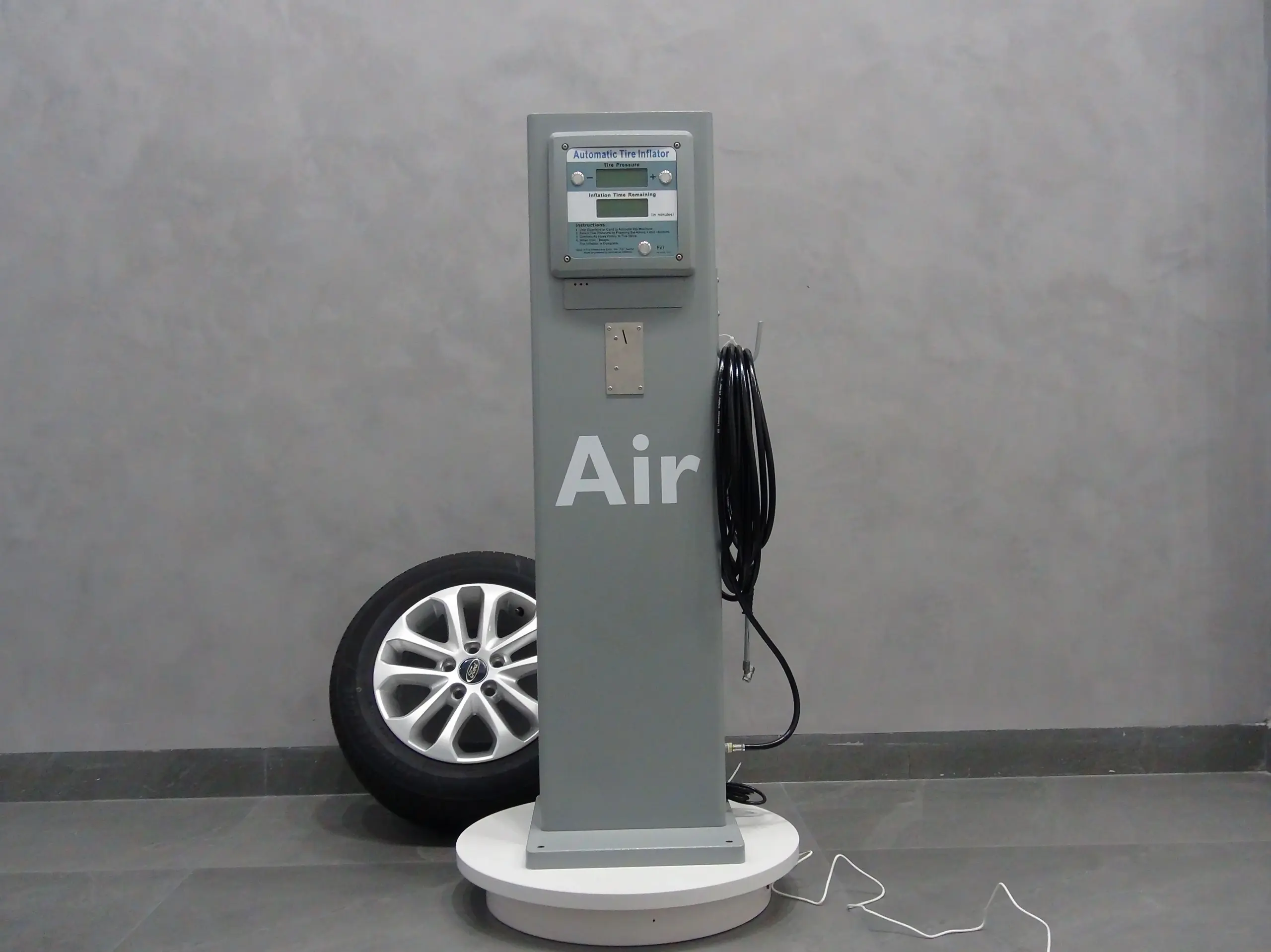
Self-service tire inflation kiosks are standalone units that allow customers to inflate their tires without assistance. These kiosks often feature digital interfaces for ease of use and can include payment options.
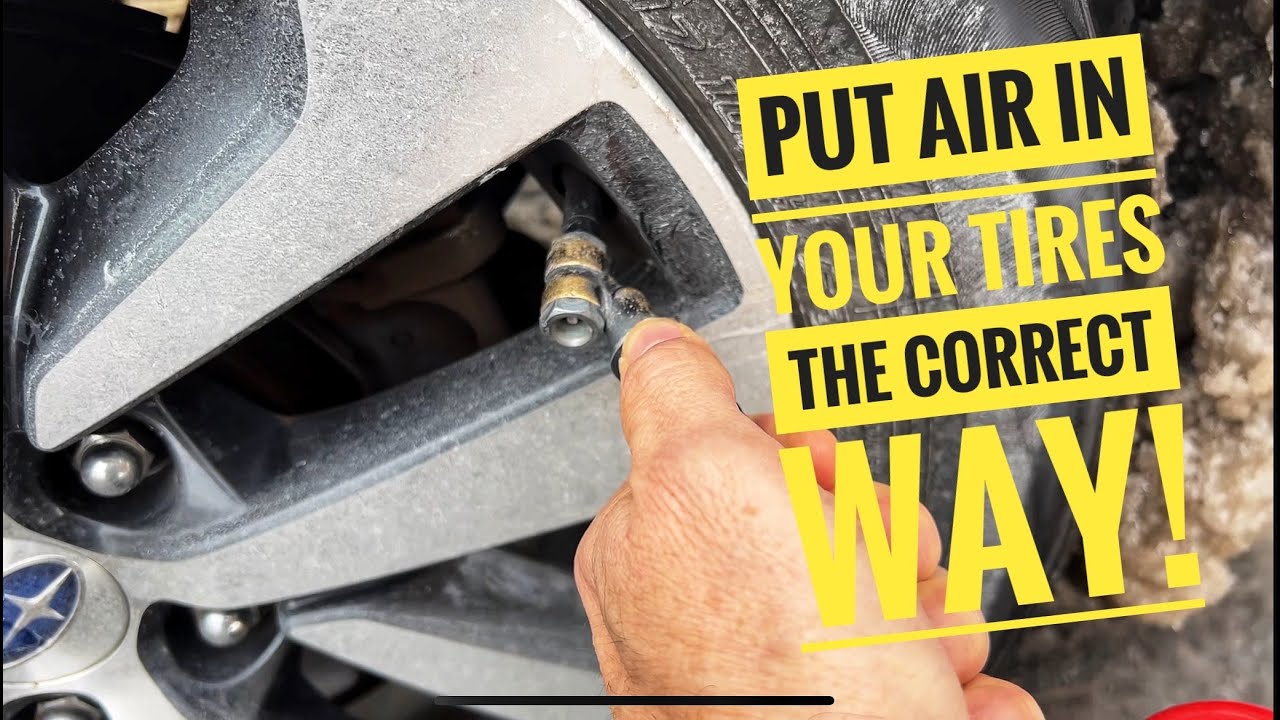
Illustrative image related to gas station tire inflator
Vorteile:
– High Traffic Efficiency: Designed to handle multiple users simultaneously, making them suitable for busy locations.
– User-Friendly: Digital displays simplify the inflation process, enhancing customer satisfaction.
– Revenue Potential: Can be set up as a pay-per-use service, providing an additional income stream.
Nachteile:
– Higher Initial Investment: Significant upfront costs for purchasing and installing kiosks.
– Maintenance Needs: Requires regular servicing to ensure optimal performance and reliability.
For B2B buyers, selecting the appropriate tire inflation solution depends on several factors, including customer volume, available space, and budget. Gas station tire inflators are excellent for high-traffic areas, offering reliable performance and minimal maintenance. In contrast, portable tire inflators cater to individual users but lack the capacity for commercial use. Meanwhile, self-service kiosks present a lucrative opportunity for businesses willing to invest upfront for potential long-term revenue. Analyzing these alternatives in the context of specific business needs will help buyers make informed decisions that align with their operational goals and customer expectations.
When selecting a gas station tire inflator, understanding the technical specifications is crucial for ensuring optimal performance and customer satisfaction. Here are some key properties to consider:
Illustrative image related to gas station tire inflator
The material used in the construction of tire inflators, typically stainless steel or heavy-duty plastic, affects durability and longevity. Stainless steel is preferred for its resistance to corrosion and wear, making it ideal for outdoor environments. For B2B buyers, investing in high-grade materials ensures reduced maintenance costs and prolonged equipment life, ultimately enhancing profitability.
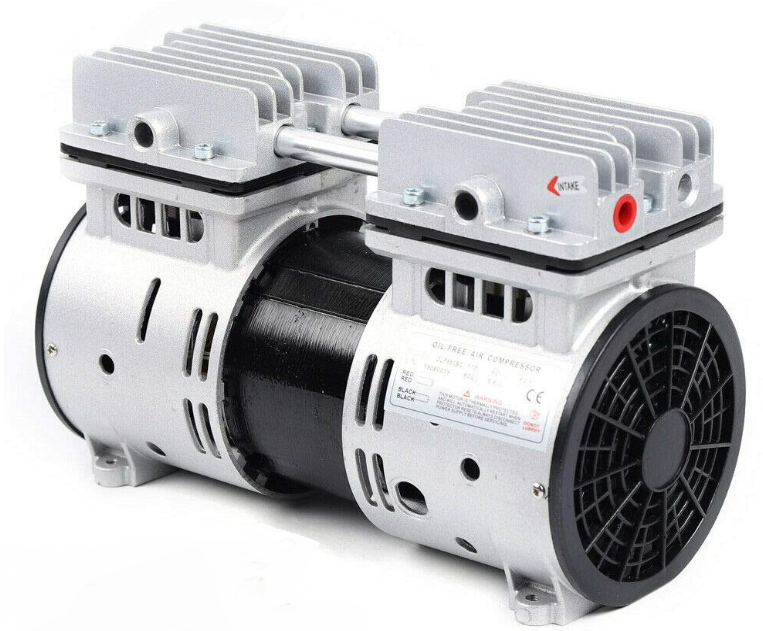
The compressor is the heart of any tire inflator. Most commercial models use electric compressors, with power ratings typically ranging from 0.5 to 3.0 horsepower (HP). A higher power rating allows for faster inflation times, which can enhance customer experience and throughput at busy gas stations. B2B buyers should consider their expected volume of use to select an appropriately powered machine.
Tire inflators must accommodate a range of tire pressures, generally between 0 to 150 PSI (pounds per square inch). Additionally, accuracy in pressure readings is vital; digital gauges usually offer better precision than analog counterparts. For businesses, this ensures that customers achieve the proper tire inflation, which can improve vehicle performance and safety, thereby fostering customer loyalty.
Modern tire inflators often come equipped with integrated payment systems, including coin, bill, and credit card options. The flexibility to accept multiple payment types can significantly enhance customer convenience and revenue potential. B2B buyers should assess their customer demographics to determine the most suitable payment options for their target market.
Illustrative image related to gas station tire inflator
Most tire inflators require specific installation conditions, such as electrical supply and space considerations. Understanding these requirements is essential for ensuring compliance with local regulations and safe operation. Buyers must evaluate their site layout to ensure that chosen models can be installed without significant modifications, saving time and additional costs.
While tire inflators are generally low-maintenance, certain aspects like filter replacements and compressor checks should be anticipated. Understanding maintenance requirements helps businesses minimize downtime and operational costs. Buyers should inquire about warranty periods and availability of replacement parts to ensure long-term serviceability.
Navigating the procurement process for tire inflators involves understanding industry-specific jargon. Here are several common terms that B2B buyers should be familiar with:
OEM refers to companies that produce parts or equipment that may be marketed by another manufacturer. In the context of tire inflators, choosing OEM parts can ensure compatibility and reliability, which is critical for maintaining operational efficiency.
MOQ indicates the smallest quantity of a product that a supplier is willing to sell. Understanding MOQ is essential for B2B buyers to manage inventory effectively and negotiate better pricing. It also helps in planning procurement budgets and cash flow.
An RFQ is a document sent to suppliers requesting pricing and availability for specific products. In the tire inflator market, submitting an RFQ can facilitate competitive bidding and ensure that buyers receive the best possible terms and prices.
Incoterms are a series of predefined commercial terms published by the International Chamber of Commerce, used in international trade. Understanding these terms is crucial for B2B buyers to clarify responsibilities regarding shipping, insurance, and tariffs, thereby minimizing potential disputes.

Illustrative image related to gas station tire inflator
Lead time refers to the period between placing an order and receiving the product. Recognizing lead times is vital for B2B buyers to plan inventory levels and ensure timely availability of tire inflators, especially during peak business periods.
The warranty period is the time frame during which the manufacturer guarantees the product’s performance. A longer warranty can indicate higher confidence in product durability and can provide peace of mind for B2B buyers, ensuring that they are protected against defects and operational failures.
Understanding these technical properties and trade terms empowers B2B buyers to make informed decisions, optimize their investments, and enhance customer satisfaction in their gas station operations.
The gas station tire inflator market is witnessing significant evolution, driven by several global factors. Increasing vehicle ownership in emerging markets across Africa and South America is creating a surge in demand for accessible tire inflation solutions. Additionally, heightened awareness of vehicle safety and maintenance is prompting consumers to seek convenient services at gas stations. International B2B buyers should note the rising trend of digital air machines, which offer user-friendly interfaces and automated inflation capabilities, enhancing the customer experience. In regions like Europe and the Middle East, where regulations are becoming stricter regarding environmental safety, there’s an increased emphasis on energy-efficient and low-emission inflators.
Furthermore, the integration of payment technology, including mobile payment options and contactless transactions, is revolutionizing how services are accessed. As competition among gas stations intensifies, offering value-added services such as tire inflators can differentiate businesses and attract more foot traffic, translating into increased sales for ancillary services like convenience stores and car washes.
Sustainability is becoming a pivotal consideration in the sourcing of gas station tire inflators. B2B buyers are increasingly prioritizing products that minimize environmental impact, such as those using energy-efficient compressors and recyclable materials. The importance of ethical supply chains cannot be overstated; transparency in sourcing practices is crucial for building trust with consumers and partners.
Certifications like ISO 14001 (Environmental Management) and adherence to local regulations regarding emissions and waste management are becoming essential for manufacturers. Companies that invest in sustainable practices not only comply with regulatory demands but also appeal to a growing segment of eco-conscious consumers. By adopting ‘green’ materials and ensuring that their supply chains are ethically managed, businesses can enhance their brand reputation and foster customer loyalty, which is vital in today’s competitive marketplace.
The evolution of the gas station tire inflator market has been marked by technological advancements and shifts in consumer behavior. Initially, tire inflators were basic, manual devices that required significant user intervention. Over the decades, the introduction of automatic inflators and digital pressure gauges has streamlined the inflation process, significantly enhancing user convenience.
Illustrative image related to gas station tire inflator
As gas stations began to recognize the potential of tire inflators as revenue-generating assets, the market expanded to include various payment options, including coin, cash, and card systems. This evolution has not only improved customer satisfaction but also contributed to the profitability of gas station operations. Today, the focus is on multifunctional machines that offer additional services, such as vacuuming and water filling, reflecting the industry’s response to evolving consumer needs and technological capabilities.
How do I choose the right tire inflator for my gas station?
Choosing the right tire inflator involves assessing your customer needs, location, and business model. Consider whether you want a pay-for-use machine or a complimentary service to attract more customers. Evaluate the features, such as digital pressure gauges, payment options (coin, credit card, or cashless), and additional functionalities like vacuum attachments. Additionally, ensure the machine’s durability and ease of maintenance, especially in high-demand environments. Brands like J.E. Adams and Excel are reputable options known for their reliability and performance.
What is the best tire inflator for gas stations in Europe?
The best tire inflator for gas stations in Europe typically features compliance with local regulations, durability, and ease of use. Models like the Excel SC09-SS and J.E. Adams 8670 are popular due to their stainless steel construction and advanced digital inflation systems. These machines support both cash and cashless payments, catering to diverse customer preferences. It’s also beneficial to select machines that offer multi-functionality, such as air and vacuum capabilities, to enhance service offerings and drive additional sales.
How can I effectively vet suppliers for gas station tire inflators?
To effectively vet suppliers, start by researching their market reputation and customer reviews. Request references and case studies from previous clients, particularly those within your region. Evaluate their product quality by reviewing certifications and compliance with international standards. Additionally, inquire about their warranty policies and after-sales support. A good supplier should also be willing to provide product demonstrations or samples, allowing you to assess their machines firsthand before making a bulk purchase.
What are the typical minimum order quantities (MOQ) for tire inflators?
Minimum order quantities for tire inflators can vary significantly by supplier and model. Many manufacturers may require a MOQ of 5 to 10 units, while others might have more flexible terms, especially for first-time buyers. It’s advisable to discuss your specific needs with potential suppliers to negotiate favorable terms. Additionally, consider the logistics and storage capabilities of your business when determining how many units to order, as larger orders may result in cost savings.
What payment terms should I expect when sourcing tire inflators internationally?
Payment terms for international purchases often range from upfront payments to net 30 or net 60 days after delivery. Many suppliers may request a deposit, typically 30-50% of the total order value, with the balance due upon shipping or delivery. It’s essential to clarify these terms upfront and ensure they align with your financial capabilities. Additionally, consider using secure payment methods, such as letters of credit, to protect your investment and ensure transaction security.
Wie kann ich die Qualitätssicherung (QA) für Reifenfüller sicherstellen?
To ensure quality assurance for tire inflators, request detailed product specifications and quality control processes from your supplier. Look for manufacturers that adhere to recognized international standards, such as ISO certifications. It’s also beneficial to conduct pre-shipment inspections or quality audits, especially for large orders. Establishing a strong communication channel with the supplier allows for immediate resolution of any quality concerns that may arise post-delivery.
Welche logistischen Überlegungen sollte ich bei der Einfuhr von Reifenfüllern anstellen?
When importing tire inflators, consider shipping methods, transit times, and customs regulations in your destination country. Choose a reliable freight forwarder who can provide guidance on the best shipping options, whether by sea or air. Understand the import duties and taxes that may apply, as well as any necessary documentation, such as import licenses. Planning for potential delays and ensuring proper insurance coverage for your shipment will also mitigate risks associated with international logistics.
What are the benefits of offering free tire inflation services at my gas station?
Offering free tire inflation services can significantly enhance customer loyalty and attract more foot traffic to your gas station. It serves as a valuable marketing strategy, positioning your business as customer-centric and community-oriented. By providing complimentary air services, you may encourage customers to purchase fuel or other products, increasing overall sales. Additionally, ensuring proper tire inflation promotes road safety and vehicle efficiency, further solidifying your brand’s reputation as a responsible service provider.
Bereich: exceltiregauge.com
Registriert: 2004 (21 Jahre)
Einleitung: SC09-SS | Air Machine: Robust and reliable, features innovative digital air inflation system, coin or cashless payment options, wireless monitoring system. Main Features: Stainless Steel Cabinet, Internal Air Compressor, Customizable Design, Vacuum Attachment (optional). SC05-SS | Free Air Machine: Powerful yet slim, features digital air inflation system, premium upgrade options like more powerful…
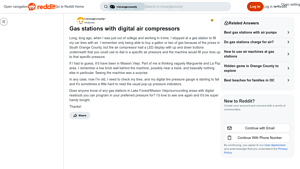
Bereich: reddit.de
Registriert: 2005 (20 Jahre)
Einleitung: Digital air compressors at gas stations allow users to set a specific air pressure using an LED display and up/down buttons. One user mentioned a specific brand, Xact Air, located at a Chevron off Bake Parkway/Trabuco Road. The convenience of programming preferred pressure is highlighted as a key feature.
Bereich: freeairpump.com
Registriert: 2012 (13 Jahre)
Einleitung: FreeAirPump.com provides a crowdsourced map of locations that offer free air for tires, including gas stations and bike repair stations. Users can add locations and report errors. The site also mentions portable air compressors for personal use and highlights that free air is available at gas stations in Connecticut and is a law in California for paying customers.
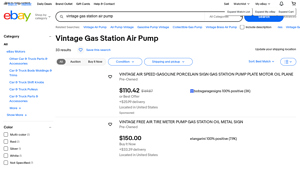
Bereich: ebay.de
Registriert: 1995 (30 Jahre)
Einleitung: Vintage Gas Station Air Pump listings on eBay include various options such as: 1. Vintage Air Speed Gasoline Porcelain Sign Gas Station Pump Plate – Pre-Owned, priced at $110.42 with a best offer option. 2. Vintage Gas Pump and Air Pump Gas Station set O scale 1/48 unpainted – Brand New, priced at $17.99 plus $4.75 delivery. 3. Vintage Gas Pump and Air Pump Gas Station set S scale 1/64 unpainted -…
In conclusion, strategic sourcing for gas station tire inflators is pivotal for enhancing customer experience and driving additional revenue. By selecting high-quality air machines from reputable manufacturers, businesses can not only ensure reliability and durability but also attract customers seeking convenience. The choice between paid and free air services can significantly influence customer loyalty and frequency of visits, with digital machines leading to increased engagement compared to traditional models.
Investing in multifunctional air machines that include features like vacuum and water options can further differentiate your gas station from competitors, creating a one-stop service hub. Additionally, branding these machines can enhance visibility and reinforce your commitment to customer satisfaction.

Illustrative image related to gas station tire inflator
Looking ahead, international B2B buyers in Africa, South America, the Middle East, and Europe should prioritize sourcing air inflation solutions that align with their operational needs and customer preferences. Embrace the opportunity to innovate and lead in this essential service sector—your customers will appreciate the convenience, and your bottom line will reflect the benefits. Explore partnerships with trusted suppliers today to transform your gas station into a customer-centric destination.
Die in diesem Leitfaden enthaltenen Informationen, einschließlich der Angaben zu Herstellern, technischen Spezifikationen und Marktanalysen, dienen ausschließlich Informations- und Bildungszwecken. Sie stellen keine professionelle Kaufberatung, Finanzberatung oder Rechtsberatung dar.
Obwohl wir alle Anstrengungen unternommen haben, um die Richtigkeit und Aktualität der Informationen zu gewährleisten, übernehmen wir keine Verantwortung für etwaige Fehler, Auslassungen oder veraltete Informationen. Marktbedingungen, Unternehmensangaben und technische Standards können sich ändern.
B2B-Käufer müssen ihre eigene unabhängige und gründliche Due-Diligence-Prüfung durchführen bevor Sie eine Kaufentscheidung treffen. Dazu gehört, dass Sie sich direkt mit den Anbietern in Verbindung setzen, Zertifizierungen überprüfen, Muster anfordern und sich professionell beraten lassen. Das Risiko, sich auf die Informationen in diesem Leitfaden zu verlassen, trägt allein der Leser.


 German
  English
  Russian
  Spanish
  Italian
  Arabic
  Portuguese