
In the fast-paced world of automotive maintenance, sourcing the right tire auto inflator can be a pivotal challenge for B2B buyers, especially those operating across diverse markets like Africa, South America, the Middle East, and Europe. With an increasing demand for efficient and reliable tire inflation solutions, understanding the nuances of various inflator types—be it automatic, handheld, or wall-mounted—has never been more critical. This guide aims to equip international B2B buyers with the insights needed to navigate the complexities of sourcing tire auto inflators, addressing key considerations such as applications, supplier vetting processes, and cost structures.
As the automotive sector continues to evolve, so do the technologies that support it. This comprehensive resource delves into the latest innovations in tire inflation, highlighting essential features like digital gauges, nitrogen compatibility, and ease of use. By providing actionable insights and expert recommendations, this guide empowers buyers to make informed purchasing decisions that align with their operational needs and budget constraints. Whether you are a distributor in Brazil looking to enhance your product offerings or a fleet manager in Vietnam aiming for maintenance efficiency, understanding the global landscape of tire auto inflators will enable you to meet market demands effectively and sustainably.
| Typ Name | Wichtigste Unterscheidungsmerkmale | Primäre B2B-Anwendungen | Kurze Vor- und Nachteile für Käufer |
|---|---|---|---|
| Automatische Reifenfüller | Digital gauges, automatic shut-off, compressor compatibility | Automotive service centers, fleets | Vorteile: High accuracy, efficiency in high-volume settings. Nachteile: Höhere Anfangsinvestitionen. |
| Portable Tire Inflators | Compact design, battery-powered options, easy to store | Roadside assistance, personal vehicles | Vorteile: Vielseitig, leicht zu transportieren. Nachteile: Begrenzte Leistung für größere Reifen. |
| Wandmontierte Reifenfüller | Fixed installation, often integrated with shop air systems | Tire shops, garages | Vorteile: Space-saving, continuous use. Nachteile: Less mobility, installation required. |
| Schwerlast-Reifenfüller | Designed for high PSI, robust construction, often battery-operated | Off-road vehicles, commercial fleets | Vorteile: Fast inflation, durable. Nachteile: Bulky, requires knowledge for battery connections. |
| Manual Tire Inflators | Hand-operated, simple design, often low-cost | Small garages, DIY enthusiasts | Vorteile: Cost-effective, low maintenance. Nachteile: Labor-intensive, slower inflation rate. |
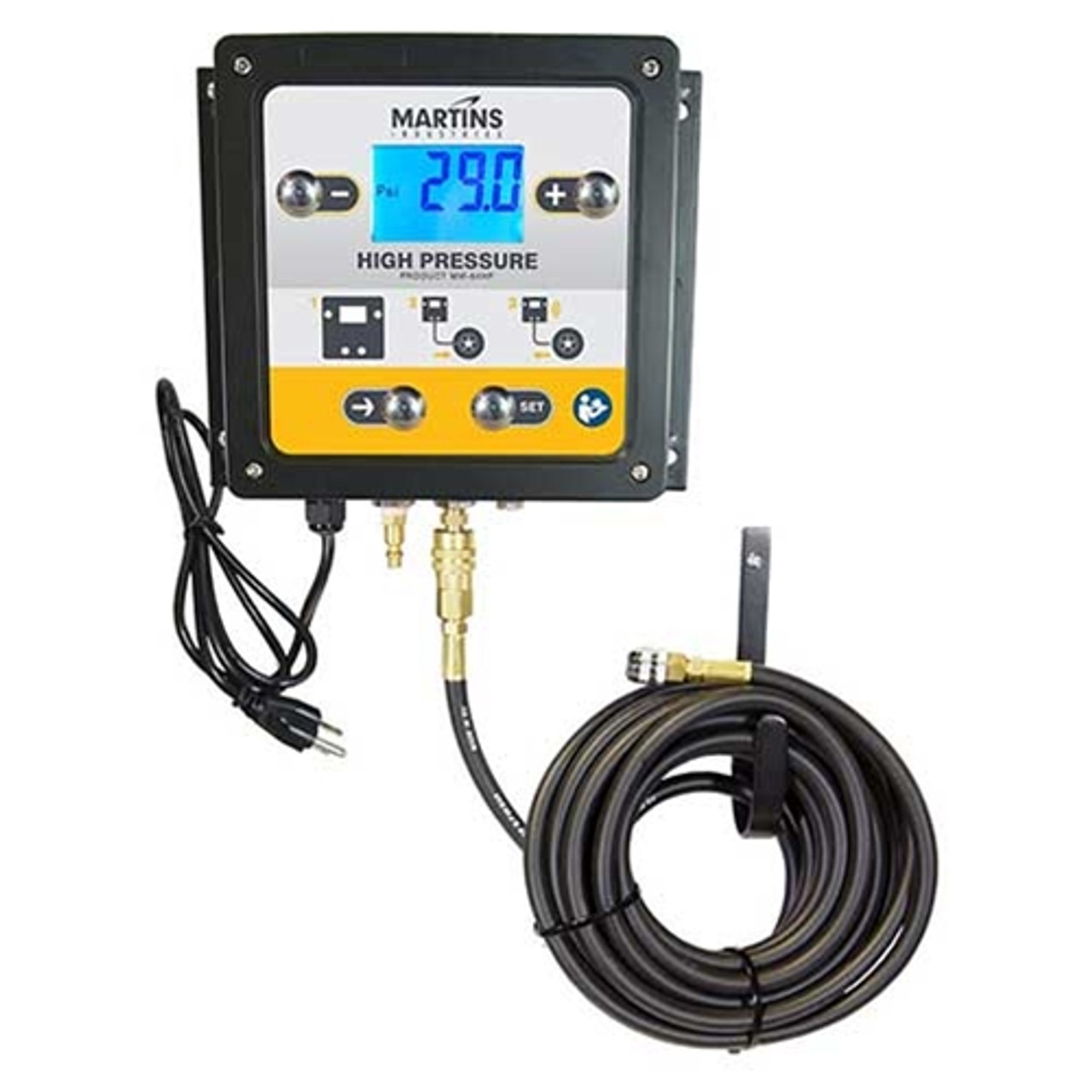
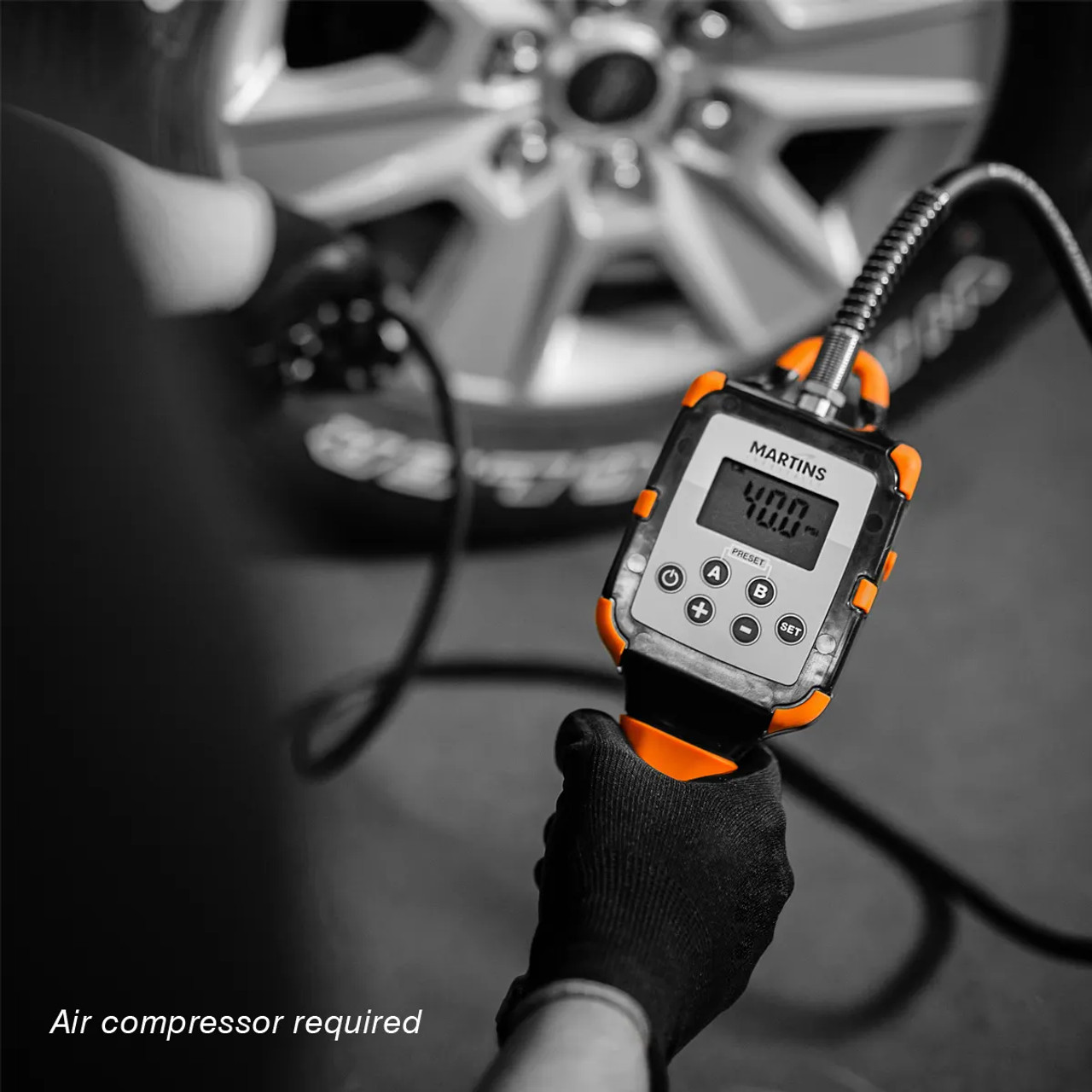
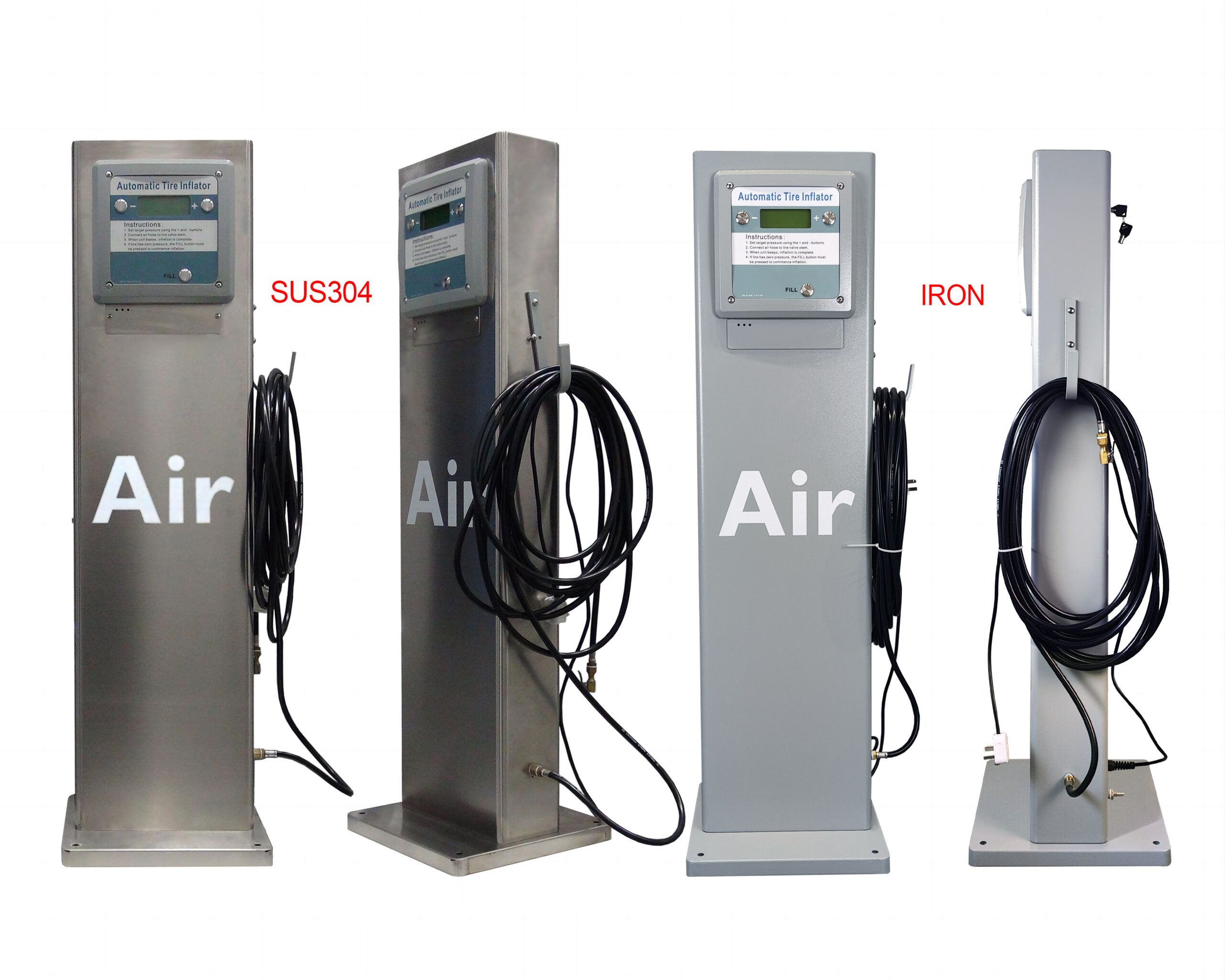
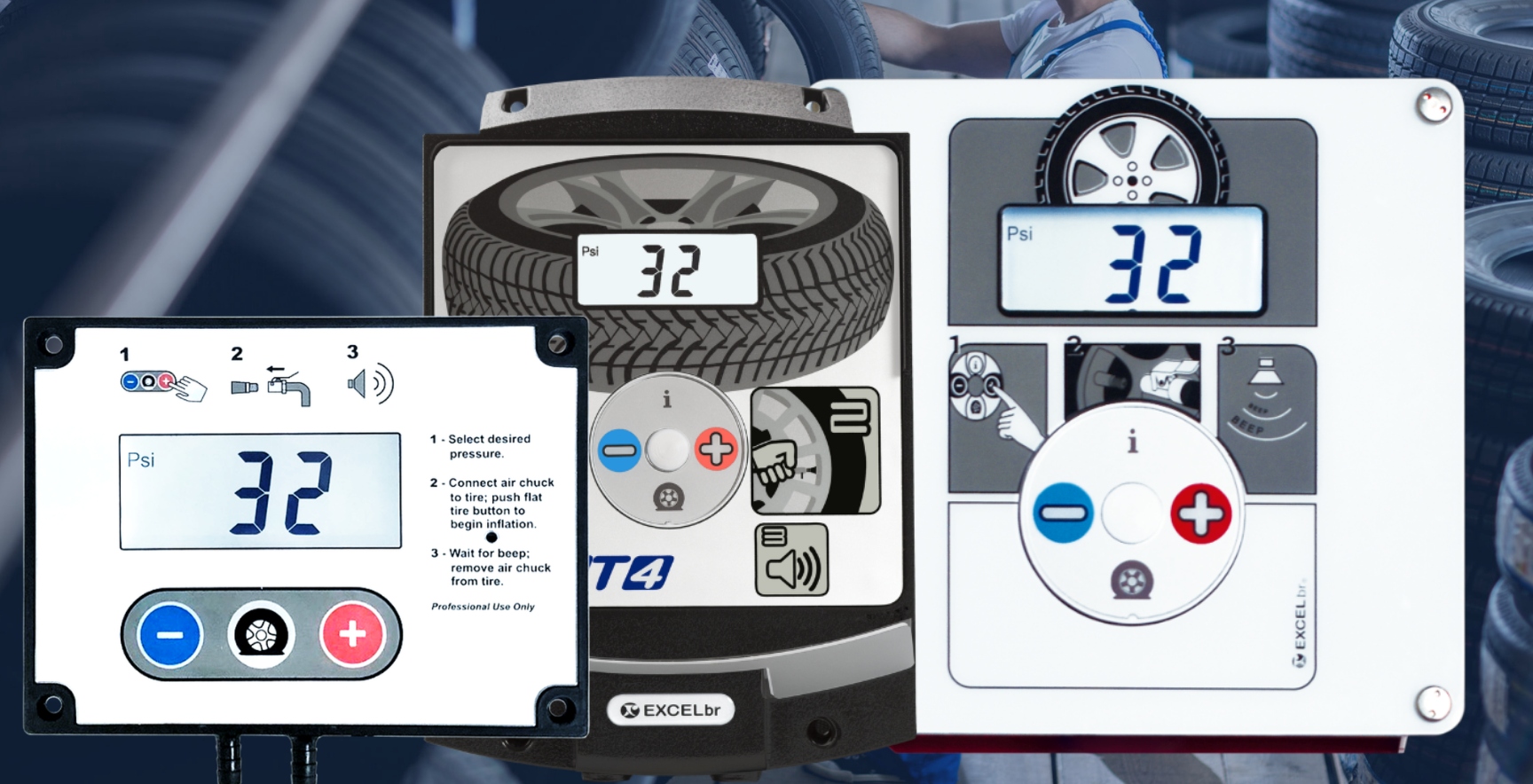
Automatic tire inflators are characterized by their advanced digital gauges and automatic shut-off capabilities, allowing for precise inflation without the need for constant monitoring. These inflators are typically connected to a compressor, making them ideal for high-volume applications in automotive service centers and fleet maintenance. B2B buyers should consider the initial investment against the efficiency gains in tire servicing, particularly in environments where accuracy and speed are paramount.
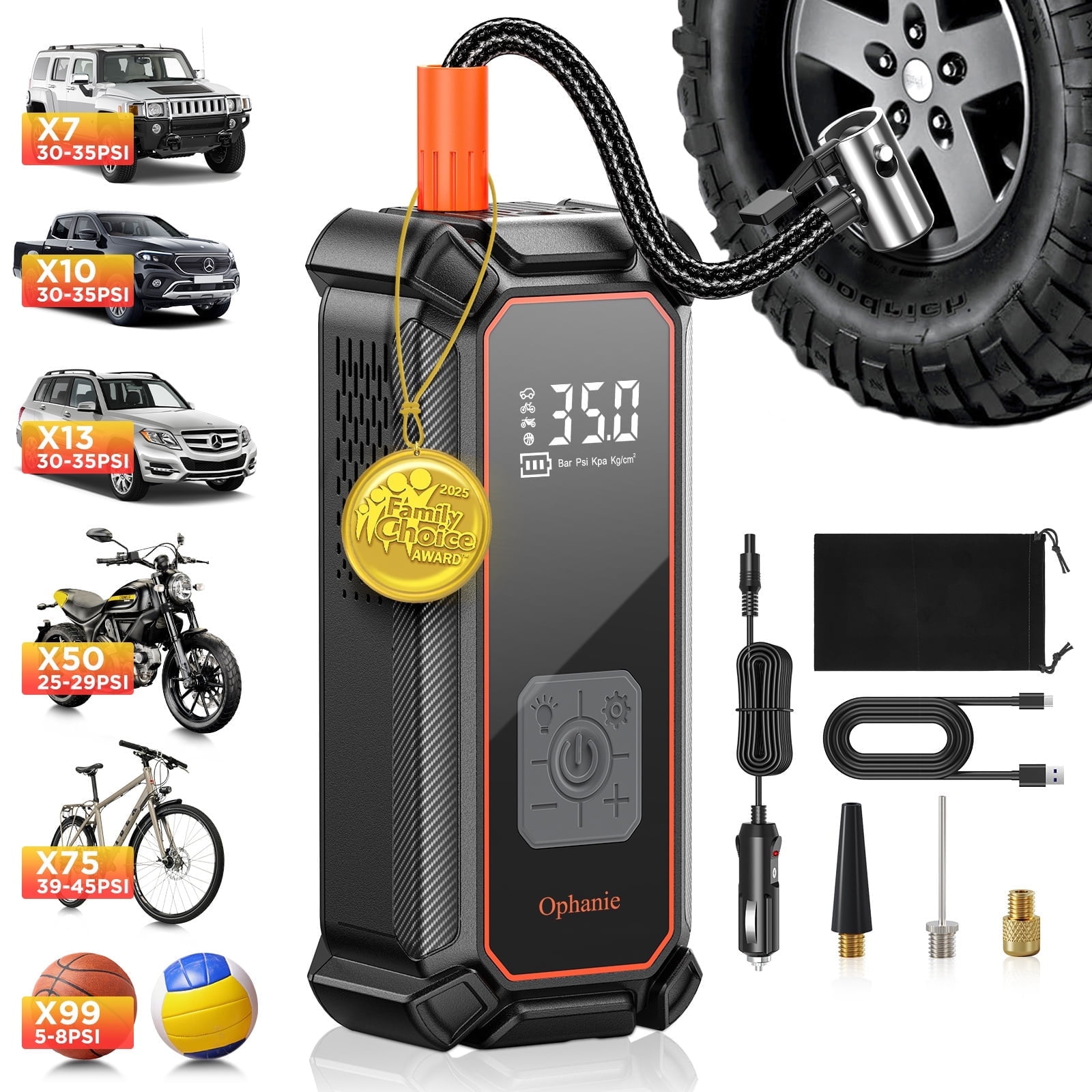
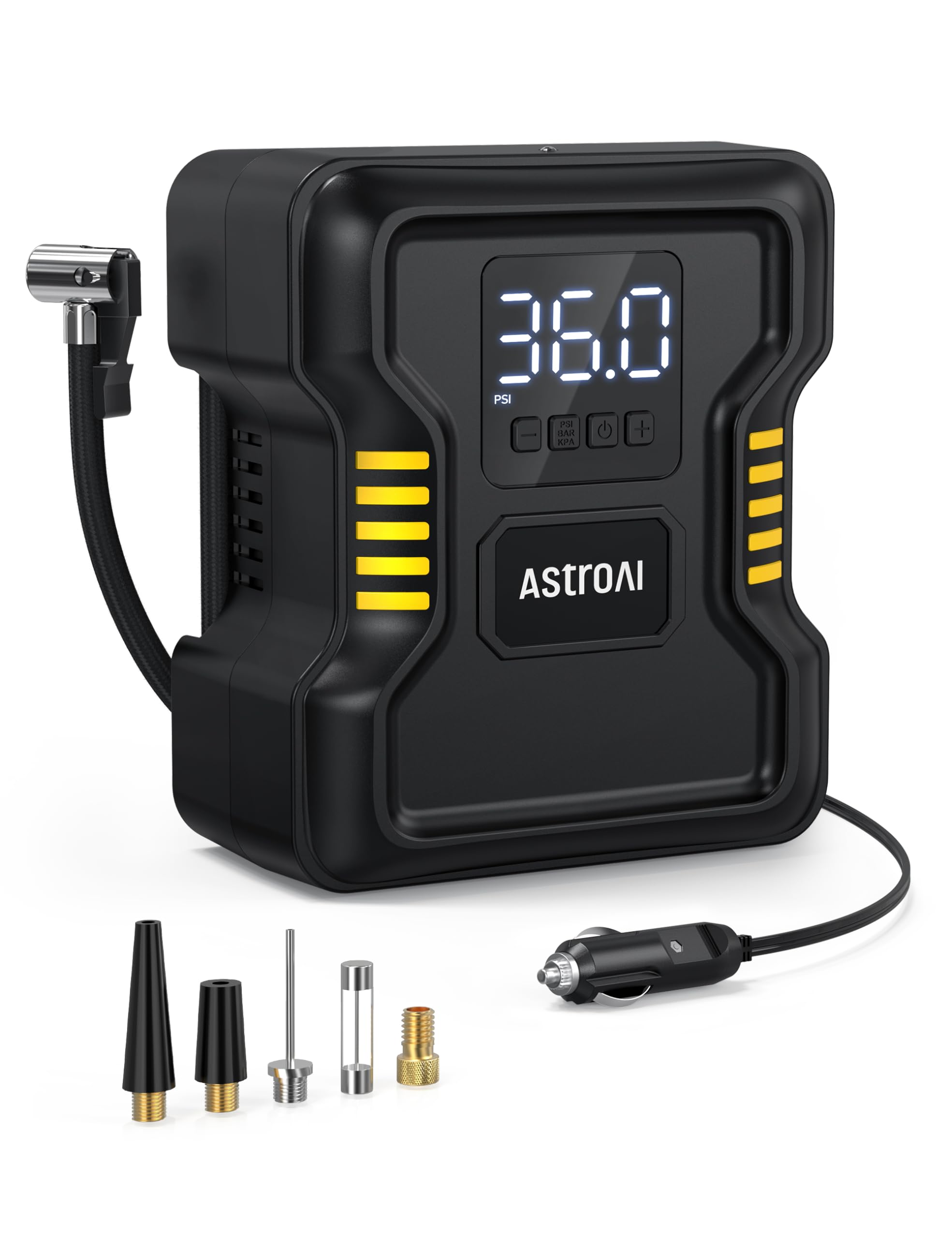
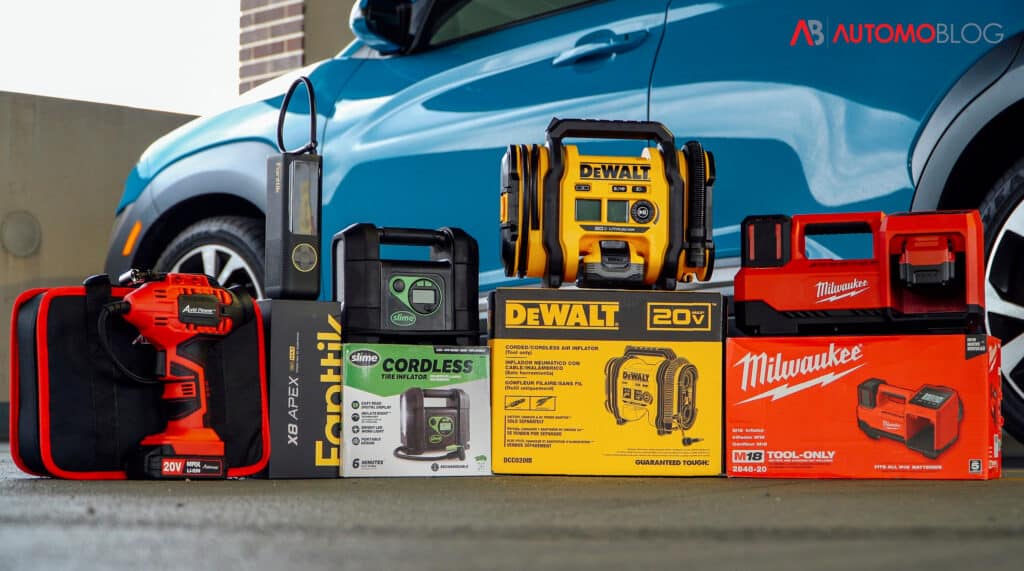
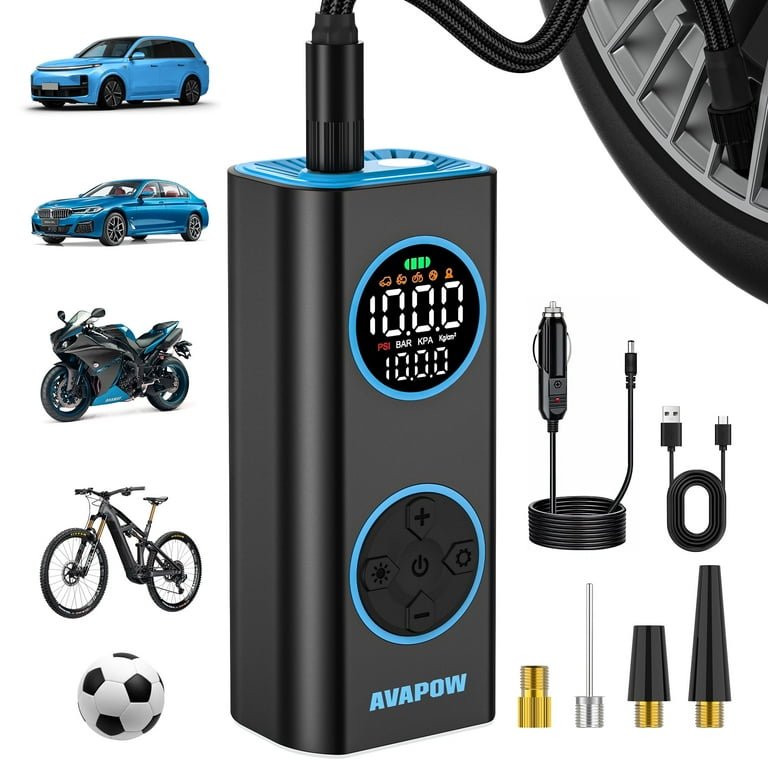
Portable tire inflators stand out for their compact design and battery-powered options, making them easy to store and transport. They are well-suited for roadside assistance and personal vehicle maintenance, providing flexibility for businesses that require quick response times. Buyers should evaluate the power capacity of these inflators, as they may struggle with larger tires but excel in convenience and versatility.
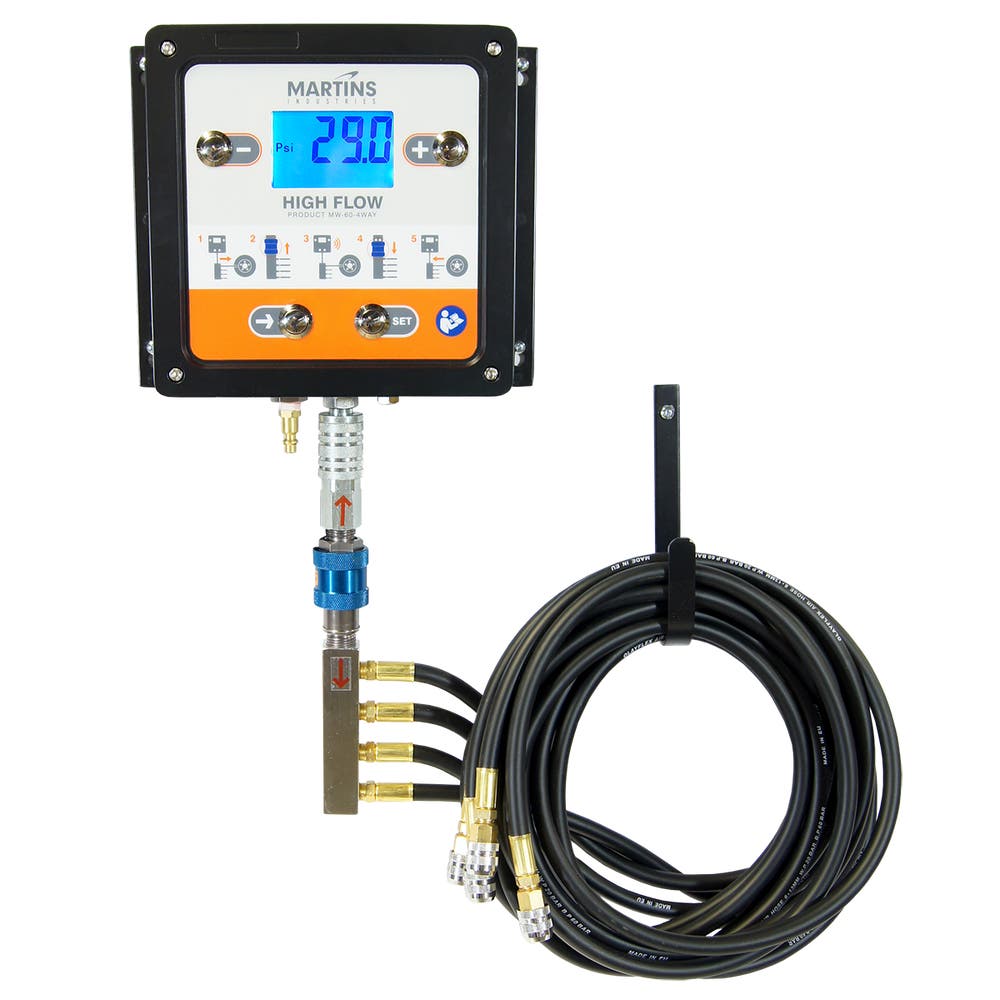
Wall-mounted tire inflators are fixed installations that are often integrated with shop air systems, making them a staple in tire shops and garages. Their space-saving design allows for continuous use, enhancing workflow efficiency. While they require installation, the long-term benefits of having a dedicated inflator for high-volume tire servicing can outweigh the initial setup costs for B2B buyers.
Heavy-duty tire inflators are designed to handle high PSI levels, making them suitable for off-road vehicles and commercial fleets. With robust construction and often battery-operated designs, these inflators can deliver fast inflation times, which is crucial for businesses that rely on quick turnaround. Buyers should be aware of their bulkiness and the need for proper battery connections, but their performance justifies the investment for demanding applications.
Manual tire inflators are characterized by their simple, hand-operated design and low cost, making them an attractive option for small garages and DIY enthusiasts. While they require more physical effort and take longer to inflate tires, their low maintenance and affordability can be appealing for businesses with limited budgets. B2B buyers should weigh the trade-offs between cost savings and efficiency when considering manual options.
| Industrie/Sektor | Specific Application of Tire Auto Inflator | Wert/Nutzen für das Unternehmen | Wichtige Überlegungen zur Beschaffung für diese Anwendung |
|---|---|---|---|
| Autoreparaturwerkstätten | Routine tire maintenance and servicing | Increases efficiency and reduces downtime for repairs | Compatibility with various tire types and sizes |
| Logistics and Fleet Management | On-site tire inflation for delivery vehicles | Enhances fleet uptime and reduces operational costs | Robust construction for frequent use; mobile options |
| Construction and Mining | Tire inflation for heavy machinery | Ensures safety and optimal performance of equipment | High PSI capabilities; durability in harsh conditions |
| Transportation Services | Emergency tire inflation for passenger vehicles | Improves customer service and satisfaction | Portability and ease of use; battery-operated options |
| Agricultural Equipment | Tire maintenance for farm vehicles | Minimizes equipment downtime, maximizing productivity | Adaptability to different tire sizes; rugged design |
In automotive repair shops, tire auto inflators are essential for routine tire maintenance and servicing. They allow technicians to quickly and accurately inflate tires to the manufacturer’s recommended pressure, enhancing safety and performance. Efficient inflation tools minimize vehicle downtime, enabling shops to serve more customers in a day. Buyers in this sector should seek inflators that are compatible with various tire types and sizes, ensuring they can handle diverse vehicle demands.
In logistics and fleet management, tire auto inflators are used for on-site tire inflation of delivery vehicles. This application is crucial for maintaining optimal tire pressure, which directly impacts fuel efficiency and vehicle safety. By reducing the time vehicles spend off the road for tire servicing, businesses can enhance fleet uptime and reduce operational costs. When sourcing, companies should consider inflators with a robust construction for frequent use and options that are easily portable.
Illustrative image related to tire auto inflator
In the construction and mining industries, tire auto inflators are vital for maintaining the tire pressure of heavy machinery. Properly inflated tires ensure equipment operates safely and efficiently, reducing the risk of accidents and costly repairs. These inflators must meet high PSI capabilities to accommodate heavy-duty tires and be durable enough to withstand harsh working conditions. Buyers should prioritize inflators that can handle extreme environments and provide reliable performance.
For transportation services, tire auto inflators are crucial for emergency tire inflation of passenger vehicles. This capability not only improves customer service but also enhances overall satisfaction by providing quick solutions to tire-related issues. Transportation companies should look for inflators that are portable and easy to use, preferably battery-operated to ensure they can be deployed quickly in emergency situations.
In agriculture, tire auto inflators are used to maintain the tire pressure of farm vehicles, which is essential for ensuring equipment operates effectively. Proper tire inflation minimizes downtime and maximizes productivity during critical planting and harvesting seasons. Buyers in this sector should seek inflators that are adaptable to different tire sizes and possess a rugged design to withstand the demands of agricultural environments.
Das Problem: In many international markets, especially in regions with extreme temperatures or varying altitudes, maintaining the correct tire pressure can be a significant challenge. B2B buyers, such as fleet managers or vehicle maintenance companies, often struggle to ensure that their vehicles are operating with optimal tire pressure, leading to increased fuel consumption and safety risks. The common issue is the inaccuracy of manual tire inflators, which can result in over-inflation or under-inflation, ultimately affecting tire lifespan and vehicle performance.
Die Lösung: To address this issue, B2B buyers should consider investing in high-quality automatic tire inflators equipped with digital pressure gauges. These inflators provide real-time pressure readings and automatically shut off once the desired pressure is reached, minimizing human error. When sourcing these devices, it’s crucial to look for models that offer features such as nitrogen compatibility, which can enhance tire performance in extreme conditions. Additionally, implementing a regular maintenance schedule that incorporates the use of these automatic inflators can ensure consistent monitoring of tire pressure across the fleet, leading to better fuel efficiency and improved safety.
Das Problem: Many B2B buyers operating in industries such as construction or agriculture face challenges when it comes to inflating tires in remote locations. These areas often lack access to electricity or compressed air sources, making it difficult to maintain tire pressure for heavy machinery or vehicles that are essential for operations. This can lead to increased downtime and operational inefficiencies, ultimately impacting the bottom line.
Die Lösung: To overcome this challenge, B2B buyers should invest in portable, battery-operated tire inflators that are specifically designed for use in off-grid environments. When selecting a tire inflator, it’s essential to look for models that offer a robust battery life and sufficient PSI capabilities to accommodate the larger tires commonly used in these industries. Additionally, buyers should consider inflators that come with multiple power options, such as the ability to recharge via solar power or a vehicle’s 12V outlet, ensuring that inflation is possible even in the most remote locations. Training staff on the proper usage and maintenance of these devices can further enhance their effectiveness and reliability.
Das Problem: B2B buyers managing fleets often face high maintenance costs associated with frequent tire failures. These failures can stem from inconsistent tire pressure, which leads to uneven tire wear, blowouts, and costly repairs. This situation is particularly pronounced in regions where road conditions are poor, and vehicles are subjected to rough terrain, exacerbating the issue of tire integrity.
Illustrative image related to tire auto inflator
Die Lösung: Implementing a proactive tire maintenance program that includes regular tire pressure checks and inflation can significantly reduce maintenance costs. B2B buyers should consider sourcing advanced tire inflators that include features such as programmable pressure settings and built-in diagnostics to monitor tire health. By utilizing these smart inflators, companies can establish a routine for checking and inflating tires, thereby extending tire life and enhancing overall fleet safety. Furthermore, investing in training for staff on tire maintenance best practices can lead to better adherence to these routines, ultimately reducing the frequency of tire failures and associated costs.
When selecting materials for tire auto inflators, it’s crucial to consider their properties and how they align with product performance requirements. Here, we analyze four common materials: aluminum, plastic, rubber, and stainless steel.
Aluminum is widely used in tire auto inflators due to its lightweight nature and excellent thermal conductivity. It typically has a high strength-to-weight ratio and can withstand significant pressure, making it suitable for inflators that require efficient air compression. Aluminum also offers good corrosion resistance, particularly when anodized, which is beneficial in diverse environmental conditions.
Vorteile: Aluminum is durable, lightweight, and cost-effective, making it a popular choice for portable inflators. Its manufacturing processes are well-established, allowing for easy customization.
Illustrative image related to tire auto inflator
Nachteile: While generally resistant to corrosion, aluminum can be susceptible to certain acids and alkalis, which may limit its compatibility with specific media. Additionally, it can be more expensive than some plastics.
Auswirkungen auf die Anwendung: Aluminum’s compatibility with high-pressure air makes it ideal for inflators designed for heavy-duty vehicles, which often require higher psi ratings.
Überlegungen für internationale Käufer: Compliance with international standards such as ASTM and DIN is essential, especially in regions like Europe and the Middle East, where quality assurance is paramount.
Plastic, particularly high-density polyethylene (HDPE) and polycarbonate, is often used in the construction of tire auto inflators. These materials are lightweight and can be molded into complex shapes, allowing for innovative designs.
Vorteile: Plastic is resistant to corrosion and can be produced at a lower cost than metals. It also offers good insulation properties, which can be beneficial in preventing heat transfer during operation.
Illustrative image related to tire auto inflator
Nachteile: While durable, plastic may not withstand high temperatures and pressures as effectively as metals. It can also be prone to cracking under extreme conditions.
Auswirkungen auf die Anwendung: Plastic components are often used in the housing or casing of inflators, making them suitable for consumer-grade products that do not require heavy-duty performance.
Überlegungen für internationale Käufer: Buyers should ensure that the plastics used meet local regulations regarding safety and environmental impact, especially in regions like Africa and South America, where standards can vary.
Illustrative image related to tire auto inflator
Rubber is primarily utilized for seals and hoses in tire auto inflators. Its inherent elasticity and flexibility allow it to create airtight seals, which are critical for maintaining pressure during inflation.
Vorteile: Rubber is highly durable and can withstand a wide range of temperatures, making it suitable for various climates. It also offers excellent resistance to wear and tear.
Nachteile: Rubber can degrade over time when exposed to UV light and certain chemicals, which may necessitate more frequent replacements. Additionally, sourcing high-quality rubber can be costlier.
Auswirkungen auf die Anwendung: The compatibility of rubber with air and various gases makes it ideal for use in inflators that require reliable sealing mechanisms.
Illustrative image related to tire auto inflator
Überlegungen für internationale Käufer: Compliance with specific rubber standards (e.g., ASTM D2000) is crucial, particularly in Europe, where stringent regulations govern material safety.
Stainless steel is often used in high-performance tire inflators, particularly for components that require high durability and corrosion resistance.
Vorteile: Stainless steel is extremely strong and resistant to rust and corrosion, making it suitable for both indoor and outdoor use. It can handle high pressures, which is essential for commercial applications.
Illustrative image related to tire auto inflator
Nachteile: The primary drawback of stainless steel is its cost, which is typically higher than aluminum and plastic. Additionally, its weight can be a disadvantage for portable inflators.
Auswirkungen auf die Anwendung: Stainless steel is ideal for inflators designed for industrial or commercial use, where durability and performance under high stress are paramount.
Überlegungen für internationale Käufer: Buyers should ensure that the stainless steel used meets international standards for corrosion resistance, particularly in humid or saline environments prevalent in regions like the Middle East and coastal areas of South America.

Illustrative image related to tire auto inflator
| Material | Typical Use Case for Tire Auto Inflator | Hauptvorteil | Wesentlicher Nachteil/Beschränkung | Relative Kosten (niedrig/mittel/hoch) |
|---|---|---|---|---|
| Aluminium | Portable inflators | Leicht und stabil | Susceptible to certain chemicals | Mittel |
| Kunststoff | Consumer-grade inflators | Kostengünstig und formbar | Prone to cracking under stress | Niedrig |
| Gummi | Dichtungen und Schläuche | Excellent elasticity and durability | Zersetzt sich unter UV-Einwirkung | Mittel |
| Rostfreier Stahl | Industrial-grade inflators | Hohe Festigkeit und Korrosionsbeständigkeit | Higher cost and weight | Hoch |
This analysis provides essential insights for international B2B buyers, allowing them to make informed decisions based on material properties, application suitability, and compliance with regional standards.
The manufacturing process for tire auto inflators typically encompasses several critical stages: material preparation, forming, assembly, and finishing. Each stage is essential to ensure that the final product meets both functional and quality standards.
The first step in manufacturing tire auto inflators is sourcing high-quality materials. Commonly used materials include durable plastics, metals such as aluminum and steel for structural components, and rubber for seals and hoses. Suppliers often adhere to stringent specifications to ensure that the materials can withstand the pressures associated with tire inflation.
Material preparation involves cutting, molding, and treating these materials to enhance their properties. For instance, plastics may undergo processes such as injection molding, while metals might be stamped or extruded. Sourcing these materials from reputable suppliers is critical for maintaining quality, especially when considering international procurement.
Illustrative image related to tire auto inflator
Once materials are prepared, the forming process begins. This stage often involves various techniques, including:
These forming techniques are crucial for achieving the required performance specifications of the inflators, particularly for high-pressure applications.
The assembly stage is where the individual components come together to create the final product. This process typically involves:
Illustrative image related to tire auto inflator
This stage is vital for ensuring that the tire inflators meet the required performance standards and are ready for testing.
The finishing stage involves final touches that enhance the product’s durability and aesthetic appeal. Processes include:
This stage is essential for preparing the inflators for the market and ensuring they arrive in optimal condition.
Quality assurance (QA) is critical in tire auto inflator manufacturing, ensuring that the products meet international standards and customer expectations. Several key standards and checkpoints are integral to the QA process.
International standards such as ISO 9001 are crucial for manufacturers of tire auto inflators. ISO 9001 focuses on quality management systems, ensuring that manufacturers have processes in place to consistently meet customer and regulatory requirements. Other relevant certifications may include:
Illustrative image related to tire auto inflator
Being aware of these standards helps B2B buyers assess the credibility of suppliers.
Quality control (QC) involves several checkpoints throughout the manufacturing process to identify defects and ensure product reliability. Common QC checkpoints include:
These checkpoints are designed to catch any issues early in the process, reducing the risk of defective products reaching the market.
Verifying a supplier’s quality control measures is vital for B2B buyers, especially in international markets. Here are some strategies to ensure supplier reliability:
Conducting supplier audits is one of the most effective ways to verify quality control measures. Buyers should consider:
These steps help establish a clear picture of the supplier’s commitment to quality and reliability.
International B2B buyers must navigate additional complexities in quality control due to variations in regulations and standards across regions. Specific considerations include:
By addressing these nuances, B2B buyers can enhance their supplier selection process and minimize risks associated with international procurement.
Understanding the manufacturing processes and quality assurance measures for tire auto inflators is crucial for B2B buyers, particularly in diverse markets such as Africa, South America, the Middle East, and Europe. By familiarizing themselves with the manufacturing stages, relevant international standards, quality control checkpoints, and verification strategies, buyers can make informed decisions and secure reliable suppliers. This knowledge not only enhances procurement efficiency but also contributes to the overall success of their operations in the automotive industry.
This practical sourcing guide serves as a comprehensive checklist for B2B buyers looking to procure tire auto inflators. With the growing demand for efficient tire maintenance solutions across various industries, understanding the critical aspects of selecting the right inflator can significantly enhance operational efficiency and customer satisfaction.
Establishing clear technical specifications is essential for ensuring that the tire inflator meets your operational needs. Consider factors such as the maximum pressure capacity (measured in psi), the type of power source (battery-operated, 12V, or AC), and whether the inflator is suitable for various tire sizes, including those for trucks and SUVs. This clarity will help you narrow down your options effectively.
Stay informed about the latest market trends and technological advancements in tire inflators. Innovations such as digital pressure gauges, automatic shut-off features, and compatibility with nitrogen inflation can greatly enhance the usability and efficiency of the inflator. Understanding these trends can guide you toward making informed purchasing decisions that align with industry standards.
Before making a commitment, it is crucial to vet potential suppliers thoroughly. Request detailed company profiles, product catalogs, and references from other businesses in similar industries or regions. Ensure that the suppliers have a solid reputation and experience in providing tire inflators that meet international safety and quality standards.
Ensure that your selected suppliers hold relevant certifications and comply with international safety standards. This may include ISO certifications, CE marking for European markets, or other regional compliance documents. Valid certifications are indicators of a supplier’s commitment to quality and safety, reducing potential risks associated with product defects.
Illustrative image related to tire auto inflator
Inquire about the warranty terms and after-sales support provided by the supplier. A robust warranty not only protects your investment but also reflects the supplier’s confidence in their product. Additionally, reliable after-sales support can be crucial for maintenance and troubleshooting, ensuring minimal downtime in your operations.
Before finalizing your order, request samples of the tire inflators for testing. This hands-on evaluation will allow you to assess the product’s performance, ease of use, and compatibility with your operational requirements. Testing various models can also help you identify any potential issues before making a bulk purchase.
Once you have narrowed down your choices, engage in negotiations regarding pricing, payment terms, and delivery schedules. Understanding the market rates for tire inflators can provide leverage during negotiations. Aim for favorable terms that align with your budget while ensuring the quality and reliability of the products.
By following this checklist, B2B buyers can navigate the procurement process for tire auto inflators with confidence, ensuring that their final selection enhances their operational capabilities and meets their specific needs.
When sourcing tire auto inflators, understanding the cost structure is essential for effective budgeting and negotiation. The primary cost components include:
Materialien: This encompasses the raw materials used in production, such as plastics for the casing, metal for internal mechanisms, and electronic components for digital displays. High-quality materials can significantly influence costs, especially for inflators that require durability and reliability.
Arbeit: Labor costs vary based on the manufacturing location. In regions like Africa or South America, lower labor costs may be advantageous, but it’s crucial to consider the skill level of the workforce, which can affect product quality.
Fertigungsgemeinkosten: This includes costs related to the factory’s operation, such as utilities, maintenance, and indirect labor. Efficient manufacturing processes can reduce overhead, thereby lowering the overall cost of the inflator.
Werkzeugbau: Initial tooling costs for molds and specialized equipment can be substantial. These costs are often amortized over the production volume, making them a critical consideration for bulk orders.
Qualitätskontrolle (QC): Investing in robust QC processes ensures product reliability and compliance with international standards, which can influence the price. Buyers should be wary of suppliers that compromise on QC to reduce costs, as this can lead to higher failure rates and replacement costs.
Logistik: Shipping costs can vary significantly based on the Incoterms agreed upon. Factors such as distance, mode of transportation, and customs duties play a critical role in the total logistics cost.
Marge: Suppliers typically add a markup to their production costs, which can vary based on market demand, brand positioning, and competition. Understanding a supplier’s pricing strategy can help in negotiations.
Several factors can influence the pricing of tire auto inflators:
Volumen/MOQ: Minimum order quantities (MOQs) often dictate pricing. Larger orders can lead to significant discounts, making bulk purchasing a strategic advantage for businesses looking to lower per-unit costs.
Spezifikationen und Anpassungen: Custom features, such as specific PSI ratings, digital displays, or additional functionalities (like USB charging ports), can raise costs. Buyers should assess whether these features align with their target market’s needs.
Materialien: The choice of materials directly affects pricing. For instance, inflators made from high-grade materials may be more expensive but offer better durability and performance, leading to lower Total Cost of Ownership (TCO) in the long run.
Qualität und Zertifizierungen: Products that meet international safety and quality certifications (such as ISO or CE) may command higher prices. Buyers should weigh the benefits of these certifications against potential cost increases.
Lieferanten-Faktoren: The reputation and reliability of a supplier can also impact pricing. Established suppliers may charge more due to their track record, while newer suppliers might offer lower prices to gain market entry.
Incoterms: The chosen Incoterms can significantly affect the final price. Terms like FOB (Free On Board) or CIF (Cost, Insurance, and Freight) can impact the buyer’s total logistics costs and risk exposure.
For international B2B buyers, especially in diverse regions like Africa, South America, the Middle East, and Europe, it is vital to adopt strategic sourcing practices:
Negotiate Smartly: Always negotiate pricing based on total costs, including logistics and import duties. Presenting data on competitor pricing can strengthen your position.
Berücksichtigen Sie die Gesamtbetriebskosten (Total Cost of Ownership, TCO): Evaluate not just the purchase price but also maintenance costs, potential warranty claims, and the product’s lifespan. A slightly higher initial investment may yield savings over time.
Nuancen der Preisgestaltung verstehen: Be aware that pricing can fluctuate based on market conditions, currency exchange rates, and geopolitical factors. Establishing a long-term relationship with suppliers can provide stability in pricing.
Assess Market Trends: Stay informed about industry trends, such as the shift towards more compact and multifunctional inflators. This knowledge can guide purchasing decisions and negotiations.
Prices for tire auto inflators can vary widely based on the factors discussed above. The figures presented are indicative and should be verified with suppliers for accuracy. Always conduct thorough market research and supplier assessments to ensure optimal sourcing decisions.
When it comes to maintaining optimal tire pressure, businesses have various solutions at their disposal. While tire auto inflators are popular for their convenience and efficiency, alternative methods can also serve the purpose of tire inflation, each with its unique advantages and challenges. Understanding these alternatives can help B2B buyers make informed decisions based on their specific operational needs and budget constraints.
| Vergleich Aspekt | Tire Auto Inflator | Manual Pump | Luftkompressor |
|---|---|---|---|
| Leistung | High; quick inflation with preset settings | Moderate; slower, requires manual effort | Very high; powerful and fast for multiple tires |
| Kosten | Moderate ($40-$90) | Low ($20-$50) | High ($100-$500) |
| Leichte Implementierung | Easy; plug-and-play functionality | Requires physical effort and time | Requires setup and power source |
| Wartung | Low; minimal upkeep needed | Low; requires checking for leaks | Moderate; regular oiling and maintenance required |
| Bester Anwendungsfall | Personal vehicles, small fleets | Emergency situations, bicycles | Heavy-duty vehicles, workshops, large fleets |
Manual pumps provide a low-cost alternative for tire inflation. They are portable and easy to use, making them suitable for emergency situations or for inflating bicycle tires. However, the downside lies in their performance; they require significant physical effort and can take much longer to inflate tires compared to automatic solutions. This method is best for infrequent users or those looking to save on initial investments.
Air compressors are powerful tools that can inflate tires quickly and efficiently, making them an excellent choice for heavy-duty vehicles or workshops with high usage demands. They can also serve multiple purposes, such as powering pneumatic tools. However, air compressors come with a higher initial cost and require a dedicated power source, making them less portable than tire auto inflators. Additionally, they require more maintenance, including regular checks for oil levels and potential leaks. This option is ideal for businesses that need frequent and robust tire inflation capabilities.
Selecting the right tire inflation solution depends on various factors, including operational needs, budget, and the scale of usage. For businesses with a focus on convenience and ease of use, tire auto inflators are generally the best choice, offering fast inflation and user-friendly features. In contrast, manual pumps serve as a reliable backup for occasional use, while air compressors cater to more demanding applications that require speed and power. By evaluating these aspects, B2B buyers can make informed decisions that align with their specific requirements and enhance their operational efficiency.
When considering tire auto inflators, several technical properties are critical to ensure product effectiveness and reliability. Understanding these specifications can help B2B buyers make informed decisions.
Maximaler Nenndruck (PSI)
The maximum pressure rating, typically measured in pounds per square inch (PSI), indicates the highest air pressure the inflator can achieve. This is crucial for accommodating different tire types, especially for heavy-duty vehicles like trucks and SUVs. Choosing an inflator with a suitable PSI ensures it meets the specific requirements of your fleet or customer base.
Einschaltdauer
Duty cycle refers to the operational time of an inflator before it requires a cooling period. For instance, an inflator with a 20% duty cycle can run for 2 minutes and must rest for 8 minutes. Understanding the duty cycle is essential for high-volume tire service operations, where continuous use without overheating is necessary.
Inflation Speed (CFM)
Measured in cubic feet per minute (CFM), inflation speed determines how quickly an inflator can fill a tire. This is particularly important in commercial settings, where time efficiency directly impacts productivity. Buyers should evaluate CFM ratings to select inflators that can quickly service multiple vehicles.
Optionen für die Stromquelle
Tire inflators can be powered by various sources, including AC (alternating current), DC (direct current), and battery-operated units. Depending on the operational environment, the choice of power source can affect convenience and versatility. For instance, battery-powered inflators offer portability, while AC-powered units are typically more powerful for heavy-duty applications.
Gauge Type
The type of pressure gauge—analog or digital—affects the accuracy of pressure readings. Digital gauges often provide more precise measurements and easier readability, which is vital for ensuring tires are inflated to the correct pressure. Accurate gauges help prevent under-inflation or over-inflation, enhancing tire longevity and safety.
Compatibility with Nitrogen Inflation
Some inflators are designed to work with nitrogen gas, which is preferred by certain industries due to its stability and lower permeability compared to air. Understanding nitrogen compatibility is essential for businesses focused on performance and tire life, making it a relevant consideration for B2B buyers.
Familiarity with industry terminology is crucial for effective communication and negotiation in the tire inflator market. Here are several key terms:
Illustrative image related to tire auto inflator
OEM (Original Equipment Manufacturer)
OEM refers to companies that produce components that are used in the manufacturing of a final product. In the context of tire inflators, an OEM may supply parts that are integrated into the inflator design. Buyers often seek OEM products for quality assurance and compatibility.
MOQ (Mindestbestellmenge)
MOQ is the smallest amount of a product that a supplier is willing to sell. Understanding MOQ is vital for budget-conscious buyers, as it affects inventory levels and cash flow. Buyers should negotiate MOQs that align with their operational needs to avoid excess stock.
RFQ (Request for Quotation)
An RFQ is a formal document used by buyers to solicit price quotes from suppliers. It typically outlines product specifications, quantities, and delivery timelines. Submitting an RFQ can help buyers compare prices and make informed purchasing decisions.
Incoterms (Internationale Handelsklauseln)
Incoterms are a set of pre-defined commercial terms used in international trade. They clarify the responsibilities of buyers and sellers regarding transportation, insurance, and risk management. Familiarity with Incoterms is essential for buyers engaged in global sourcing, as they define the terms of delivery and payment.
Vorlaufzeit
Lead time is the duration from the placement of an order to its delivery. Understanding lead times is crucial for supply chain management, as it affects inventory levels and customer satisfaction. Buyers should inquire about lead times to ensure timely availability of products.
Warranty Terms
Warranty terms outline the conditions under which a manufacturer will repair or replace defective products. Understanding warranty coverage is essential for risk management and product assurance, providing peace of mind to buyers when investing in inflator equipment.
By grasping these technical properties and trade terms, B2B buyers can navigate the tire auto inflator market more effectively, ensuring they select products that meet their operational needs and standards.
The tire auto inflator market is witnessing significant growth driven by several global factors. Firstly, the increasing number of vehicles on the road, particularly in developing regions like Africa and South America, is propelling demand for efficient tire maintenance solutions. Additionally, the rise in awareness regarding tire safety and fuel efficiency is encouraging consumers and businesses alike to invest in reliable inflators. Emerging technologies such as IoT-enabled tire monitoring systems and smart inflators are also transforming the market, providing opportunities for B2B buyers to enhance their offerings with tech-savvy solutions.
Another key trend is the shift towards portable and battery-operated inflators, which cater to the needs of a mobile lifestyle. In regions like Europe and the Middle East, where urbanization is high, compact and efficient inflators that can easily fit in vehicles are gaining traction. Furthermore, the rise of e-commerce platforms facilitates the global sourcing of tire inflators, allowing buyers to access a wider range of products and suppliers, ensuring competitive pricing and quality.

Illustrative image related to tire auto inflator
Buyers should also be aware of the increasing importance of product certifications, particularly for safety and performance. As regulations evolve, adhering to international standards will be crucial for suppliers looking to penetrate these markets effectively.
Sustainability is becoming a critical factor in the tire auto inflator sector, driven by rising environmental concerns among consumers and regulatory pressures on manufacturers. The production and disposal of tire inflators can significantly impact the environment, prompting buyers to prioritize products that minimize ecological footprints. This includes selecting inflators made from recycled materials or featuring energy-efficient technologies that reduce electricity consumption.
Furthermore, ethical sourcing is gaining prominence as businesses become more conscious of their supply chains. Buyers are increasingly seeking manufacturers that adhere to fair labor practices and sustainable sourcing of raw materials. Certifications such as ISO 14001 for environmental management and Fair Trade can serve as indicators of a company’s commitment to sustainability and ethical practices.
In addition, the trend towards ‘green’ certifications is influencing purchasing decisions. Tire inflators that are certified eco-friendly not only appeal to environmentally conscious consumers but also provide businesses with a competitive edge in the market.
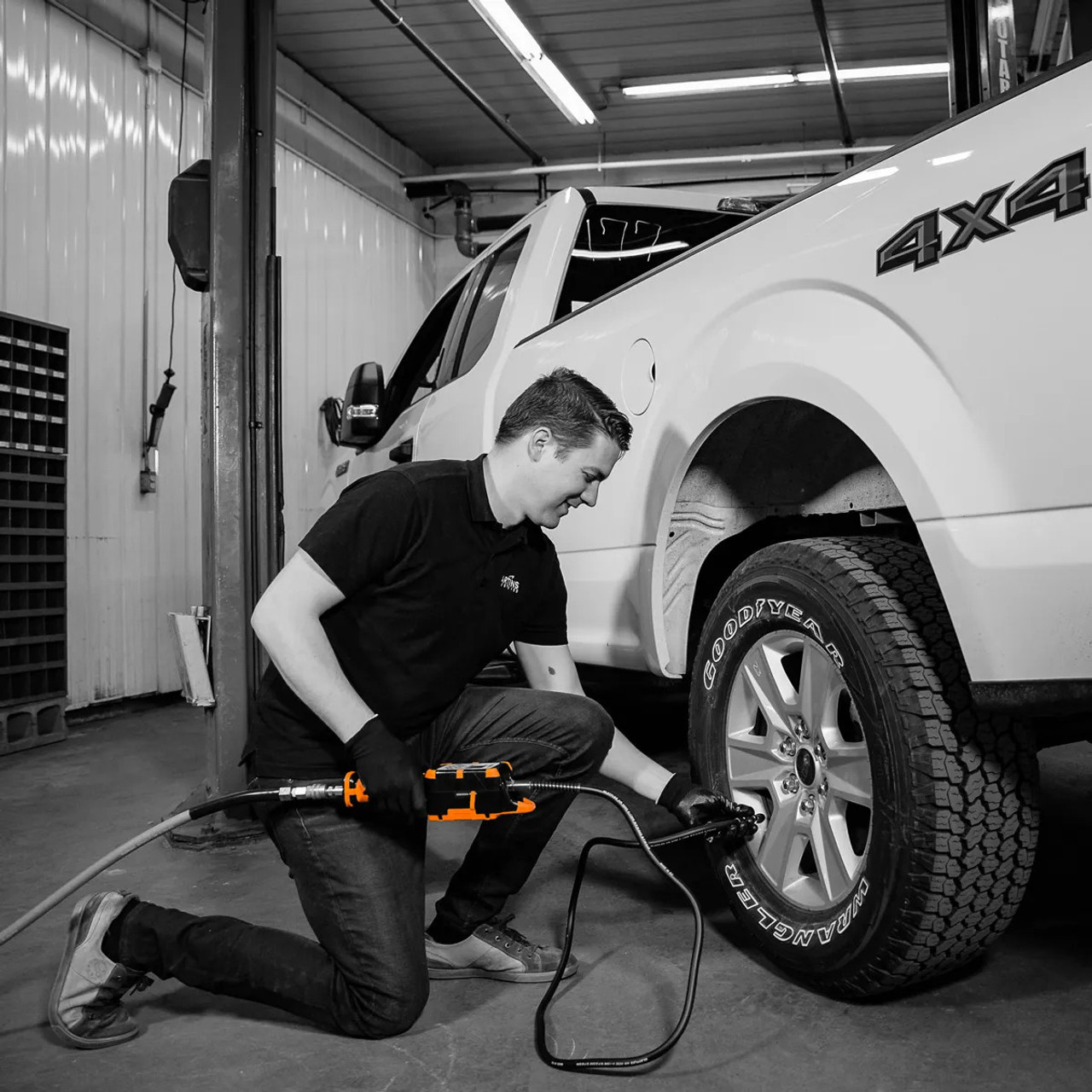
The tire auto inflator has evolved significantly since its inception, transitioning from manual pumps to sophisticated automatic systems. Initially, tire inflators were basic tools that required manual operation and lacked accuracy, but advancements in technology have led to the development of digital inflators with built-in pressure gauges and automatic shut-off features.
Illustrative image related to tire auto inflator
This evolution is significant for B2B buyers as it underscores the importance of investing in high-quality, reliable products that enhance operational efficiency and safety. Understanding the historical context of tire inflators can also guide buyers in assessing the innovations that align with their specific market needs, ensuring they choose products that not only meet current demands but are also future-proofed against emerging technologies and trends.
As the tire auto inflator market continues to grow and evolve, staying informed about these dynamics will be essential for B2B buyers looking to make strategic sourcing decisions.
How do I select the right tire auto inflator for my business needs?
When selecting a tire auto inflator, consider your specific requirements, such as the types of vehicles you service and the volume of tire inflation needed. Look for features like digital gauges for accuracy, maximum pressure capabilities, and compatibility with nitrogen inflation if necessary. Assess the inflator’s portability, power source options (cordless vs. corded), and ease of use. It’s also beneficial to evaluate the reliability of the manufacturer and read reviews from other businesses in your industry to ensure you make an informed decision.
What is the best tire inflator for high-demand automotive service centers?
For high-demand automotive service centers, automatic tire inflators that can be wall-mounted and connected to a compressor are ideal. These inflators provide quick and accurate inflation, reducing wait times for customers. Models that include features like programmable settings for different tire pressures and robust construction for heavy use are recommended. Brands that offer reliable customer support and warranty options can also add value to your purchase, ensuring long-term satisfaction and operational efficiency.
What are the key factors to consider when vetting tire inflator suppliers?
When vetting tire inflator suppliers, assess their industry experience, product quality, and customer service reputation. Request product samples to evaluate performance and durability. Investigate their manufacturing processes and certifications to ensure compliance with international standards. Additionally, consider their logistics capabilities, such as shipping times and costs, as well as their responsiveness to inquiries. Establishing a solid communication channel is crucial for a successful business relationship.
What are typical minimum order quantities (MOQs) for tire auto inflators?
Minimum order quantities (MOQs) for tire auto inflators can vary significantly based on the supplier and the specific model. Many manufacturers set MOQs ranging from 50 to 200 units to optimize production and shipping costs. However, some suppliers may offer lower MOQs for new customers or smaller businesses. It’s advisable to negotiate with suppliers and inquire about bulk discounts or special promotions, particularly if you plan to establish a long-term purchasing relationship.
Mit welchen Zahlungsbedingungen muss ich rechnen, wenn ich Reifenfüller international kaufe?
Payment terms for international purchases of tire inflators typically include options such as advance payment, letters of credit, or payment upon delivery. Common arrangements may require a deposit (e.g., 30-50%) upfront, with the balance paid before shipment. It’s essential to clarify the payment methods accepted (bank transfer, PayPal, etc.) and any additional fees related to currency conversion or international transactions. Always ensure that payment terms are documented in a purchase agreement to prevent misunderstandings.
How can I ensure quality assurance (QA) for my tire inflator orders?
To ensure quality assurance for your tire inflator orders, request detailed specifications and certifications from your supplier. Implement a pre-shipment inspection process, where a third-party QA agency can evaluate the inflators against your standards. Establish a clear return policy for defective products and maintain open communication with the supplier regarding any quality concerns. Regular audits and feedback loops can further enhance quality control and strengthen your supplier relationship.
Welche logistischen Überlegungen sollte ich bei der Beschaffung von Reifenfüllern anstellen?
When sourcing tire inflators, logistics considerations include shipping methods, lead times, and costs. Evaluate whether the supplier offers freight services and the associated charges for different shipping options (air freight vs. sea freight). Consider the customs regulations and import duties in your country, as these can significantly impact the overall cost. Additionally, ensure the supplier can provide tracking information and reliable delivery schedules to avoid operational delays.
How do tire inflator features affect operational efficiency in my business?
The features of tire inflators can greatly impact operational efficiency. For example, inflators with digital gauges and automatic shut-off capabilities minimize the risk of over-inflation and reduce manual oversight. Models that allow for quick inflation and deflation can save time, especially in high-volume settings. Additionally, features like portability and multiple power sources (battery, AC, or DC) enhance flexibility, allowing your team to use the inflators in various settings, ultimately improving service delivery and customer satisfaction.
Could not verify enough suppliers for tire auto inflator to create a list at this time.
In conclusion, the strategic sourcing of tire auto inflators presents a compelling opportunity for international B2B buyers, especially in regions like Africa, South America, the Middle East, and Europe. The increasing demand for efficient, reliable, and user-friendly tire maintenance solutions underscores the importance of selecting quality products that meet diverse market needs. Key takeaways include the value of investing in automatic and portable inflators that offer features such as digital gauges, compatibility with nitrogen inflation, and the ability to cater to both personal and commercial applications.
As the automotive market evolves, ensuring your supply chain is robust and adaptable will be critical. Engaging with reputable suppliers can help mitigate risks associated with product availability and technological advancements. By focusing on strategic sourcing, businesses can enhance operational efficiencies, ultimately leading to improved customer satisfaction and loyalty.
Looking ahead, now is the time to evaluate your tire inflator offerings and align with suppliers that prioritize innovation and quality. Take action today to secure your competitive edge in the market by investing in superior tire maintenance solutions that cater to the evolving needs of your clientele.
Illustrative image related to tire auto inflator
Die in diesem Leitfaden enthaltenen Informationen, einschließlich der Angaben zu Herstellern, technischen Spezifikationen und Marktanalysen, dienen ausschließlich Informations- und Bildungszwecken. Sie stellen keine professionelle Kaufberatung, Finanzberatung oder Rechtsberatung dar.
Obwohl wir alle Anstrengungen unternommen haben, um die Richtigkeit und Aktualität der Informationen zu gewährleisten, übernehmen wir keine Verantwortung für etwaige Fehler, Auslassungen oder veraltete Informationen. Marktbedingungen, Unternehmensangaben und technische Standards können sich ändern.
B2B-Käufer müssen ihre eigene unabhängige und gründliche Due-Diligence-Prüfung durchführen bevor Sie eine Kaufentscheidung treffen. Dazu gehört, dass Sie sich direkt mit den Anbietern in Verbindung setzen, Zertifizierungen überprüfen, Muster anfordern und sich professionell beraten lassen. Das Risiko, sich auf die Informationen in diesem Leitfaden zu verlassen, trägt allein der Leser.


 German
  English
  Russian
  Spanish
  Italian
  Arabic
  Portuguese