
In the ever-evolving global market for bike tire inflator adapters, international B2B buyers face the pressing challenge of ensuring compatibility and efficiency in their product offerings. Sourcing high-quality bike tire inflator adapters that seamlessly convert Presta valves to standard Schrader valves is essential for retailers and distributors catering to diverse customer needs. This comprehensive guide serves as a vital resource, addressing various types of adapters, their applications, supplier vetting processes, and cost considerations, specifically tailored for businesses operating in regions like Africa, South America, the Middle East, and Europe, including markets like Nigeria and Saudi Arabia.
Understanding the nuances of bike tire inflator adapters is crucial for making informed purchasing decisions. Each section of this guide dives deep into the specifics of product features, such as metal construction and rubber O-ring seals, which enhance durability and reliability. Moreover, it highlights key strategies for selecting reputable suppliers, ensuring that buyers can confidently source products that meet both quality standards and customer expectations.
By providing actionable insights and practical advice, this guide empowers B2B buyers to navigate the complexities of the bike tire inflator adapter market. Whether you are looking to expand your product line or improve your supply chain efficiency, this resource is designed to facilitate strategic decision-making and drive business growth in a competitive landscape.
| Typ Name | Wichtigste Unterscheidungsmerkmale | Primäre B2B-Anwendungen | Kurze Vor- und Nachteile für Käufer |
|---|---|---|---|
| Presta to Schrader Adapter | Converts Presta valves to standard Schrader; metal construction | Bicycle repair shops, sporting goods stores | Pros: Versatile; Cons: May require additional adapters |
| Schrader to Presta Adapter | Converts Schrader valves to Presta; often lightweight | Bicycle manufacturers, retailers | Pros: Lightweight; Cons: Compatibility issues with pumps |
| Dual Valve Adapter | Accommodates both Presta and Schrader valves; compact design | Multi-sport retailers, bike rental services | Pros: Space-saving; Cons: Slightly higher cost |
| CO2 Inflator Adapter | Connects CO2 cartridges to various valve types; portable | Emergency kits, cycling events | Pros: Quick inflation; Cons: Limited to CO2 cartridges |
| Electric Pump Adapter | Fits various valve types for electric inflators; user-friendly | Bicycle repair shops, e-commerce platforms | Pros: Ease of use; Cons: Higher upfront investment |
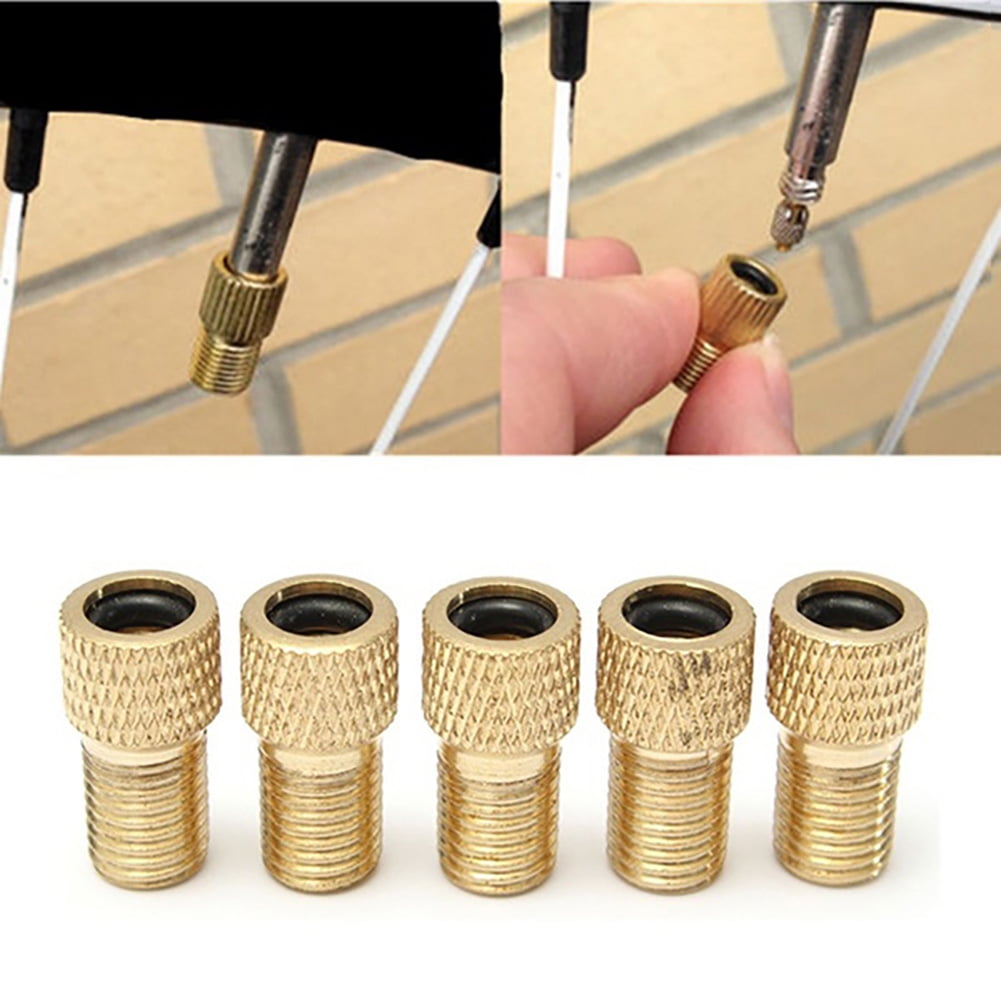
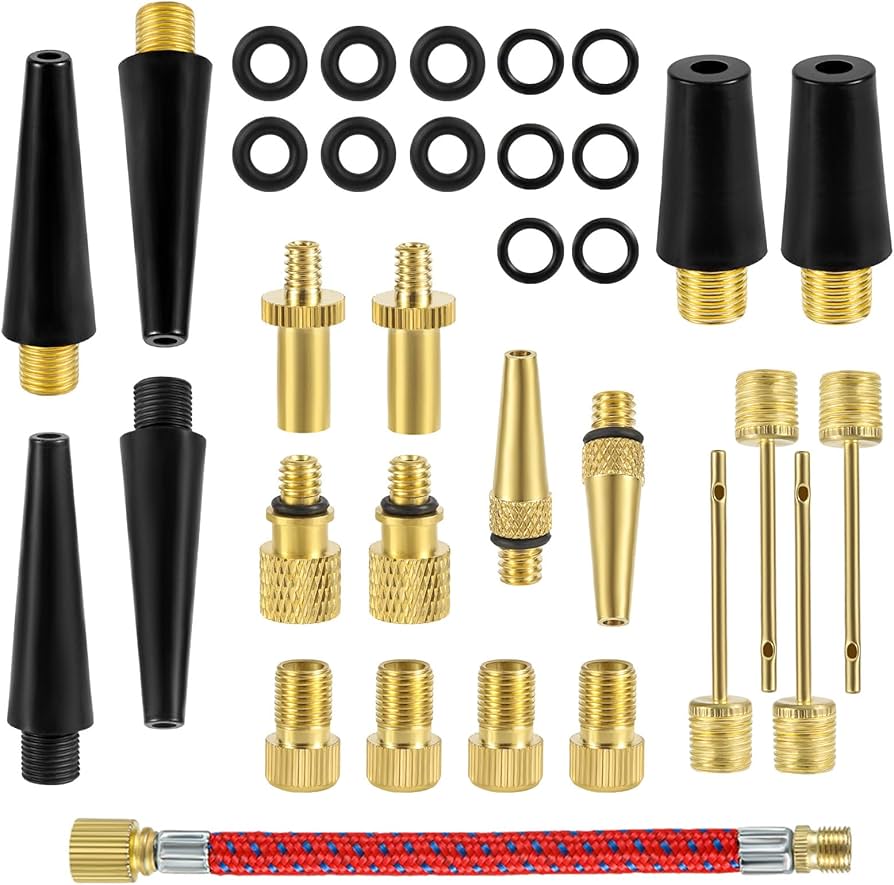
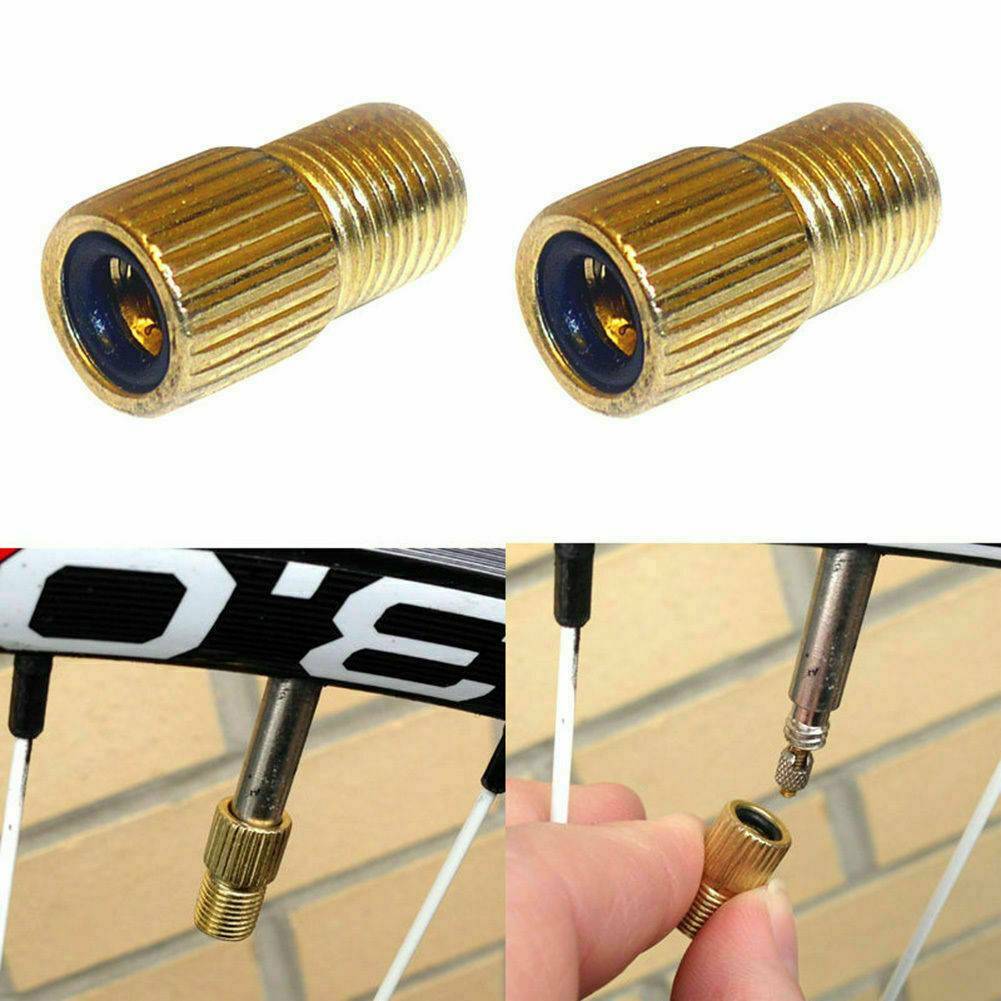
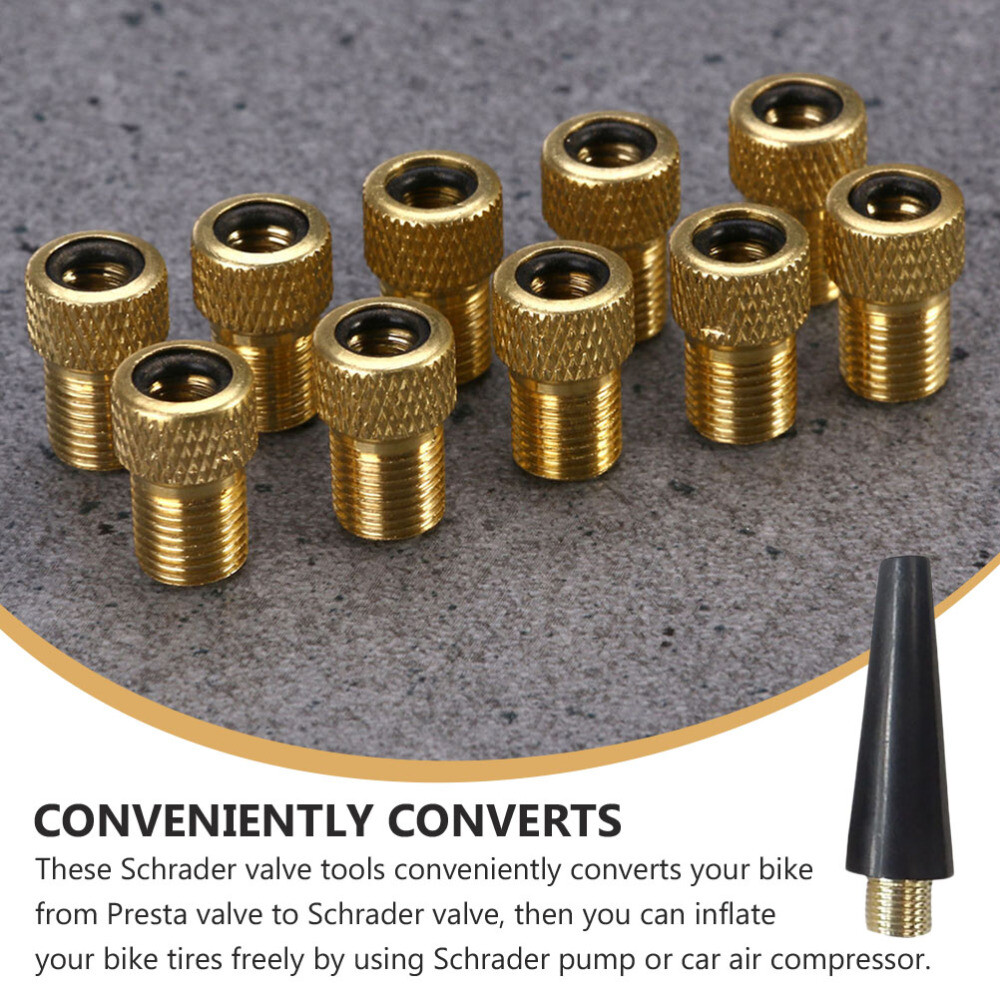
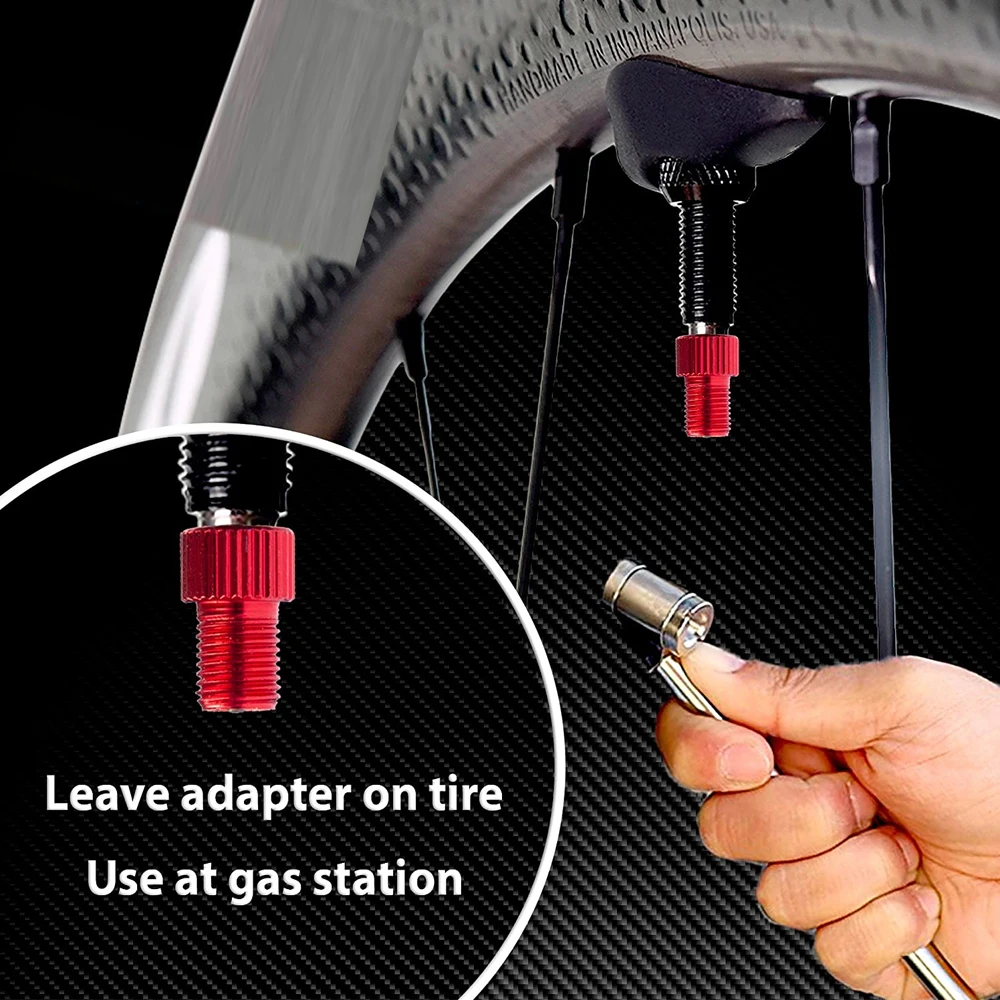
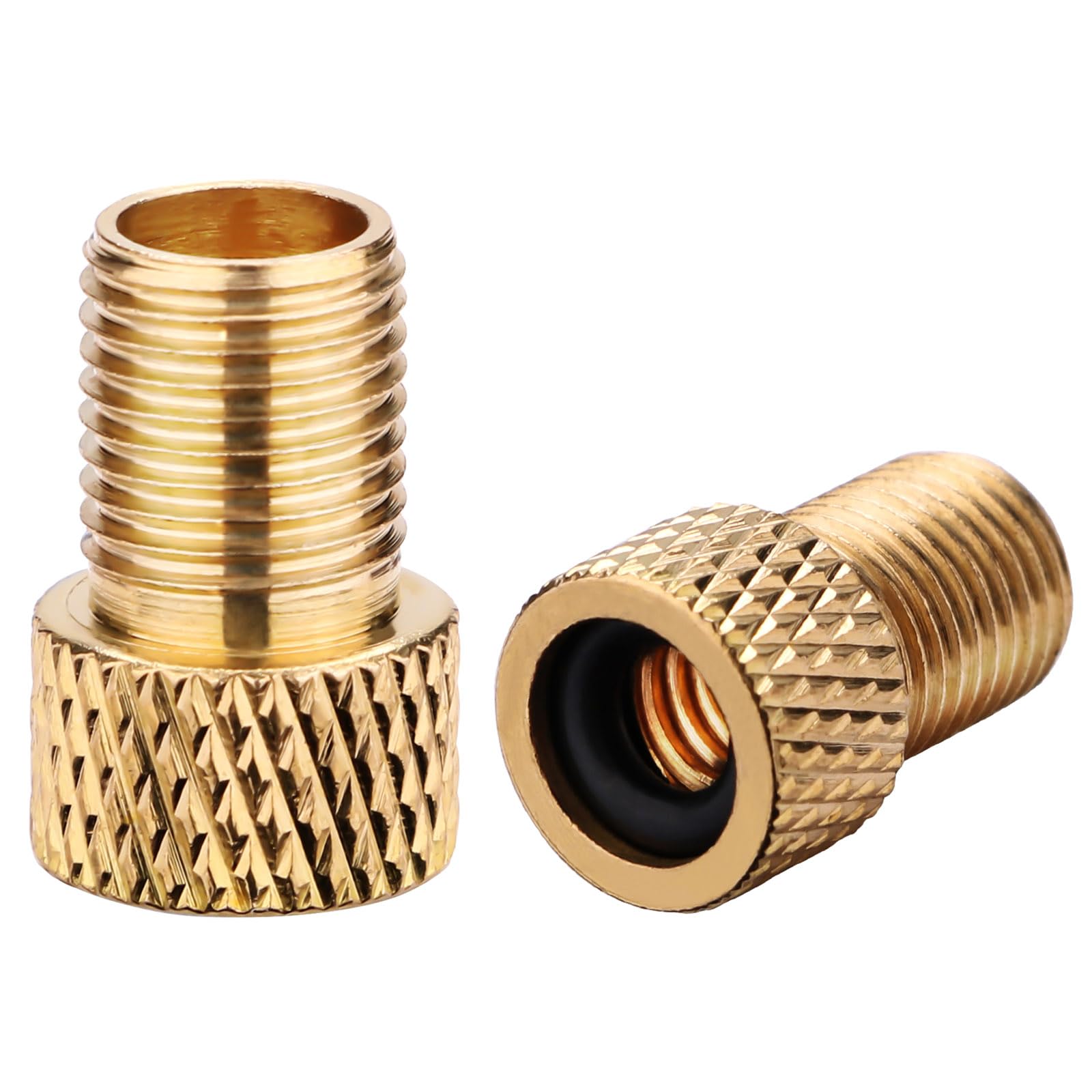
Presta to Schrader adapters are essential for converting Presta valves, commonly found on high-performance bicycles, to the more widely used Schrader valves. These adapters are typically made from durable metal and feature rubber seals to ensure a tight fit. They are ideal for bicycle repair shops and sporting goods retailers that cater to diverse customer needs. When purchasing, B2B buyers should consider bulk pricing and the potential for resale.
Illustrative image related to bike tire inflator adapter
Schrader to Presta adapters serve the opposite purpose, allowing Schrader valve systems to use Presta pumps. These lightweight adapters are particularly suitable for bicycle manufacturers and retailers who stock a variety of bike types. Their compact design makes them easy to carry, but buyers should be aware of potential compatibility issues with certain pumps, necessitating thorough product testing.
Dual valve adapters are designed to accommodate both Presta and Schrader valves, making them a versatile choice for retailers and bike rental services. Their compact design not only saves space but also reduces the number of different adapters needed in inventory. However, the slightly higher cost may be a consideration for budget-conscious buyers. Ensuring quality and durability is crucial for these adapters to withstand frequent use.
CO2 inflator adapters are specifically designed to connect CO2 cartridges to various valve types, offering a quick and efficient inflation solution. They are particularly useful for emergency kits and cycling events where time is critical. While they provide rapid inflation, buyers should note that they are limited to CO2 cartridges, which may not be suitable for all situations. B2B buyers should evaluate the demand for such products within their target markets.
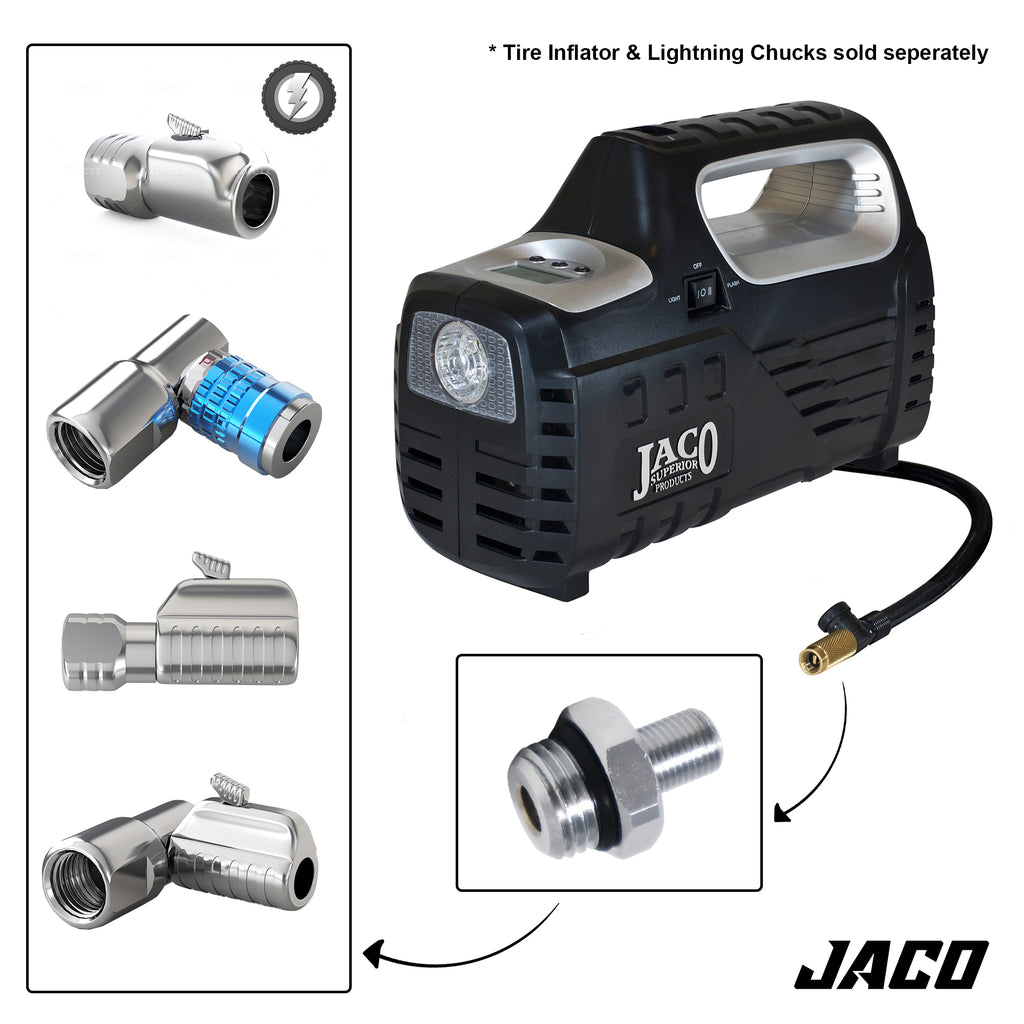
Electric pump adapters are designed for easy connection to multiple valve types, making them user-friendly for both amateur and professional cyclists. These adapters are particularly valuable for bicycle repair shops and e-commerce platforms selling electric inflators. Although they require a higher upfront investment, the ease of use and efficiency can lead to increased customer satisfaction and repeat business. Buyers should assess the long-term cost-effectiveness of these adapters in relation to their customer base.
| Industrie/Sektor | Specific Application of bike tire inflator adapter | Wert/Nutzen für das Unternehmen | Wichtige Überlegungen zur Beschaffung für diese Anwendung |
|---|---|---|---|
| Cycling Retail | Enabling sales of diverse bicycle pumps compatible with Presta valves | Expands product range, attracting a wider customer base | Quality assurance, compatibility with multiple valve types, pricing |
| Bicycle Repair Services | Facilitating tire inflation for various bicycle types | Increases service efficiency and customer satisfaction | Durability, ease of use, and availability of replacement parts |
| Sports Equipment Rental | Providing quick tire inflation solutions for rental bicycles | Enhances user experience and operational efficiency | Compact design, portability, and compatibility with rental inventory |
| Logistik und Lieferung | Supporting delivery bikes with efficient tire inflation solutions | Minimizes downtime, ensuring timely deliveries | Robust construction, reliability in diverse environments |
| Outdoor Adventure Companies | Ensuring reliable tire inflation for mountain bikes during excursions | Boosts customer confidence and safety during activities | Weather resistance, lightweight design, and ease of storage |
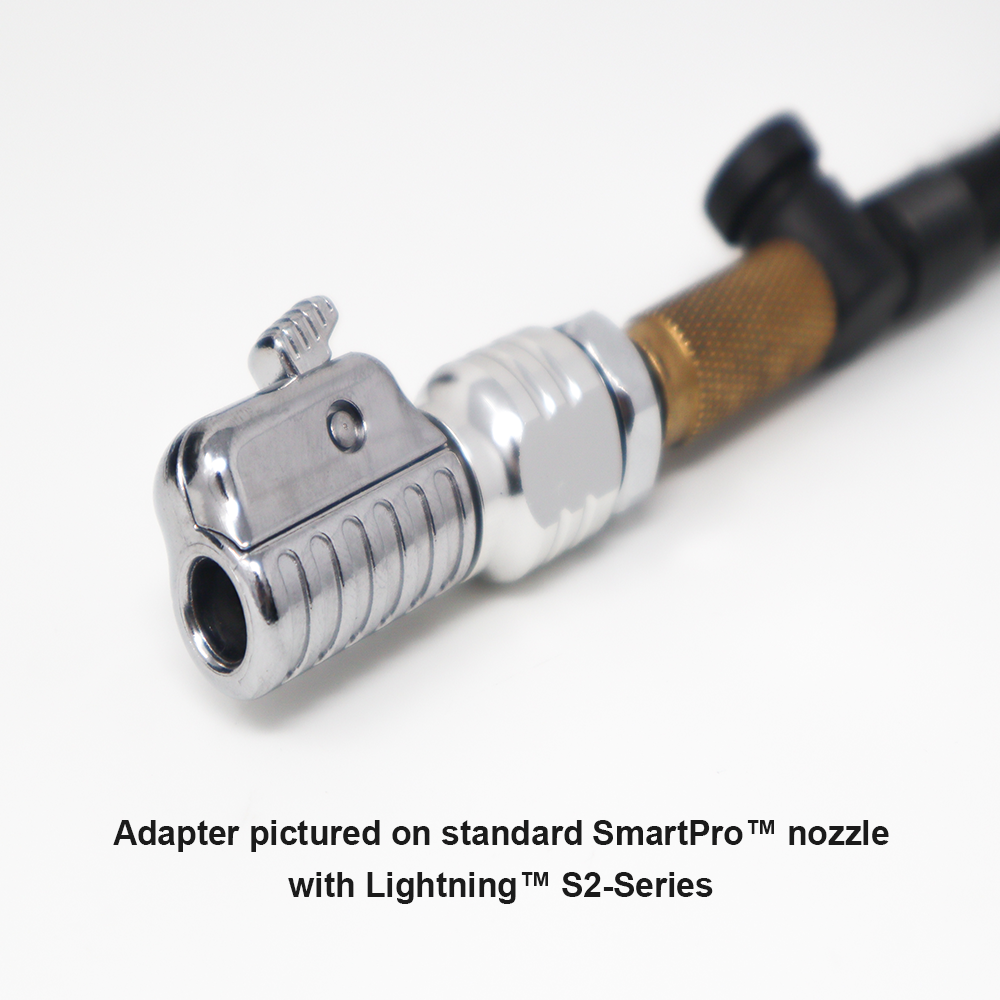
In the cycling retail sector, bike tire inflator adapters are essential for shops that sell bicycles equipped with Presta valves. By offering adapters that convert Presta to standard Schrader, retailers can ensure that customers can easily inflate their tires using widely available pumps. This adaptability not only broadens the product range but also enhances customer satisfaction, fostering brand loyalty. When sourcing, retailers should prioritize quality and compatibility to ensure they meet diverse customer needs.
Illustrative image related to bike tire inflator adapter
Bicycle repair services utilize bike tire inflator adapters to efficiently serve a variety of bicycles. These adapters allow repair technicians to quickly inflate tires, minimizing wait times for customers. By solving the problem of incompatible valve types, repair shops can streamline their operations and enhance customer satisfaction. For B2B buyers in this sector, sourcing durable and easy-to-use adapters is crucial, as they need reliable tools that withstand frequent use.
Sports equipment rental companies often deal with a fleet of bicycles, many of which may have Presta valves. By equipping their operations with bike tire inflator adapters, these companies can provide quick inflation solutions, ensuring that customers have a positive experience. This added convenience can lead to increased rentals and customer retention. Buyers in this sector should consider compact and portable designs that can easily integrate into their rental setups.
Logistics and delivery companies that use bicycles for urban transport benefit significantly from bike tire inflator adapters. These adapters allow for quick tire inflation, reducing downtime and ensuring timely deliveries. In the fast-paced delivery environment, reliability is key; thus, sourcing robust and dependable inflator adapters is essential. Companies must also consider the performance of these adapters in diverse weather conditions to maintain operational efficiency.
Outdoor adventure companies rely on bike tire inflator adapters to ensure the safety and satisfaction of their clients during excursions. These adapters allow for quick tire inflation for mountain bikes, which is crucial in remote locations. By ensuring that clients can quickly address tire issues, these companies enhance customer confidence and safety. When sourcing, B2B buyers should focus on lightweight, weather-resistant designs that are easy to store and transport during adventures.
Illustrative image related to bike tire inflator adapter
Das Problem: Many B2B buyers, especially those distributing bicycles or bicycle accessories, encounter the challenge of inflating tires equipped with Presta valves using standard inflators designed for Schrader valves. This situation is particularly common in regions where both valve types coexist. The inability to easily adapt inflators can lead to customer dissatisfaction, delayed service, and potential loss of sales, as retailers may struggle to find an effective solution for their clientele.
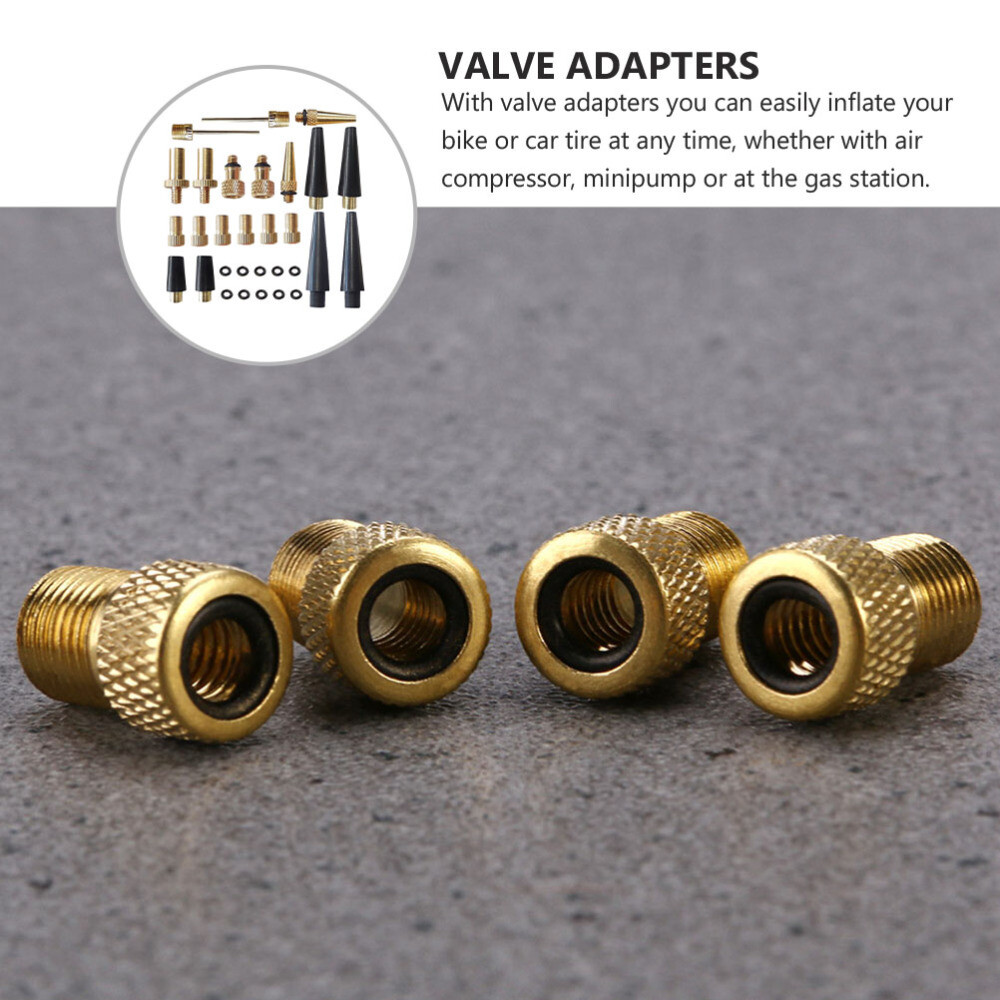
Die Lösung: To overcome this issue, B2B buyers should consider sourcing high-quality Presta valve adapters that convert Presta valves to Schrader compatibility. When selecting adapters, prioritize products made from durable materials like brass or aluminum, which provide longevity and reliable performance. Ensure that the adapter includes rubber O-rings to create a tight seal, preventing air leaks during inflation. Establishing partnerships with manufacturers who offer bulk purchasing options can also streamline the procurement process, allowing businesses to maintain adequate stock levels to meet customer demand efficiently. Additionally, providing training for staff on how to use these adapters can enhance customer service and improve the overall user experience.
Das Problem: B2B buyers often face the dilemma of inconsistent quality and performance when sourcing bike tire inflator adapters from various suppliers. This inconsistency can lead to frequent returns or exchanges, damaging relationships with customers and retailers. Distributors may find themselves caught in a cycle of searching for reliable products, which wastes time and resources while potentially harming their reputation in the market.
Die Lösung: To mitigate this risk, buyers should focus on establishing relationships with reputable manufacturers known for their quality assurance processes. Look for suppliers that offer product guarantees or warranties, indicating confidence in their products’ durability and performance. Conducting thorough market research and product testing prior to bulk purchases can also help identify the most reliable adapters. Additionally, implementing a quality control process upon receipt of goods can ensure only the best products reach the end customer. Engaging with industry reviews and customer feedback can provide insights into which products have consistently performed well across various markets.
Das Problem: One prevalent issue faced by B2B buyers is the lack of clear compatibility information regarding bike tire inflator adapters. This ambiguity often results in purchasing errors, leading to products that do not fit the intended application, thereby increasing returns and inventory costs. Buyers are left frustrated, unsure of which products will work seamlessly with their existing equipment, particularly in diverse markets where various valve types are prevalent.
Illustrative image related to bike tire inflator adapter
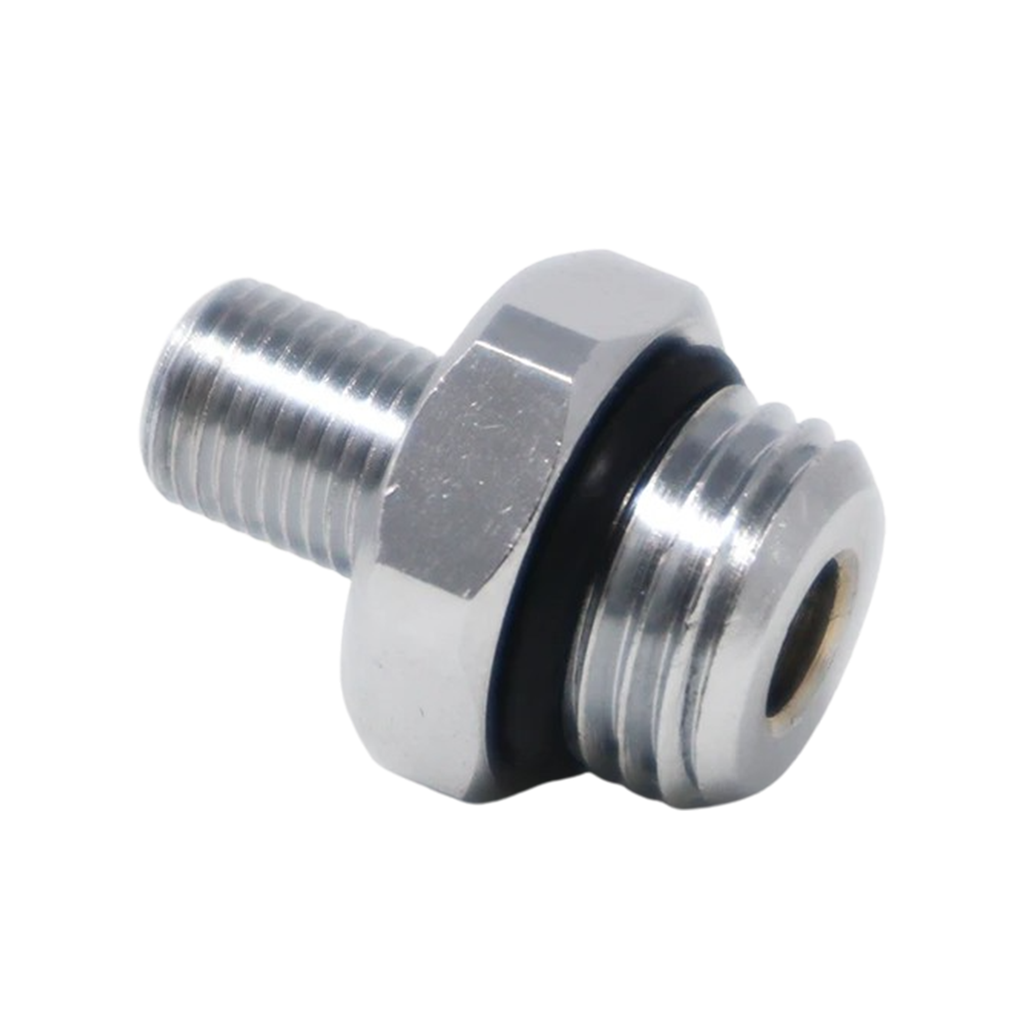
Die Lösung: To address this challenge, B2B buyers should prioritize suppliers that provide comprehensive compatibility charts or detailed product descriptions. When sourcing bike tire inflator adapters, buyers should request documentation that clearly outlines which valve types the adapters are designed to fit. Additionally, investing in a centralized database or inventory management system that tracks product specifications can help streamline the purchasing process. Providing ongoing education and resources to sales staff regarding product compatibility can also enhance customer interactions, ensuring that buyers receive the correct adapters for their needs. Creating a feedback loop with customers to gather insights on compatibility issues can inform future purchasing decisions and improve overall satisfaction.
When selecting materials for bike tire inflator adapters, it is crucial to consider properties that affect performance, durability, and compatibility with various environments. Below is an analysis of four common materials used in the production of these adapters, focusing on their key properties, advantages, limitations, and specific considerations for international B2B buyers.
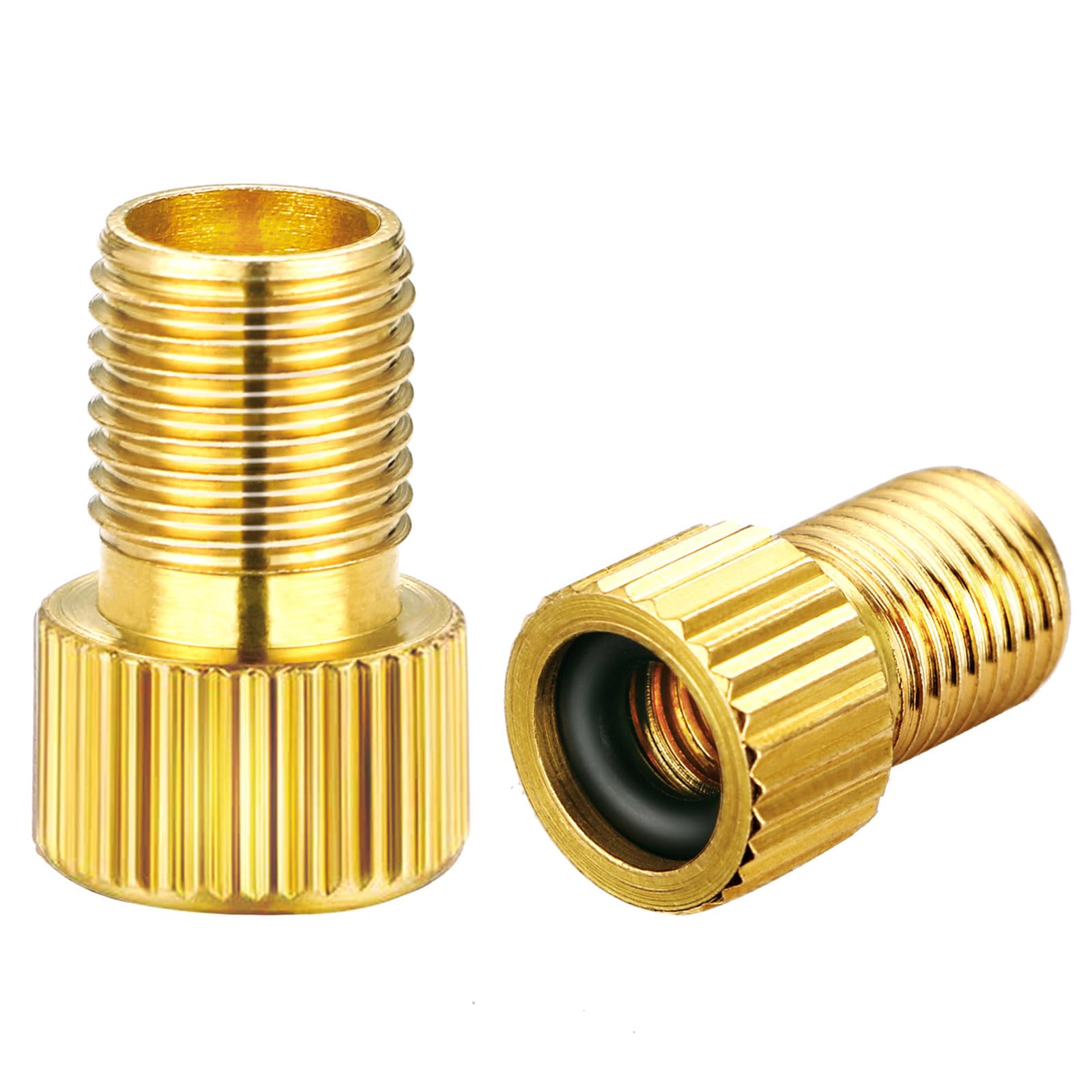
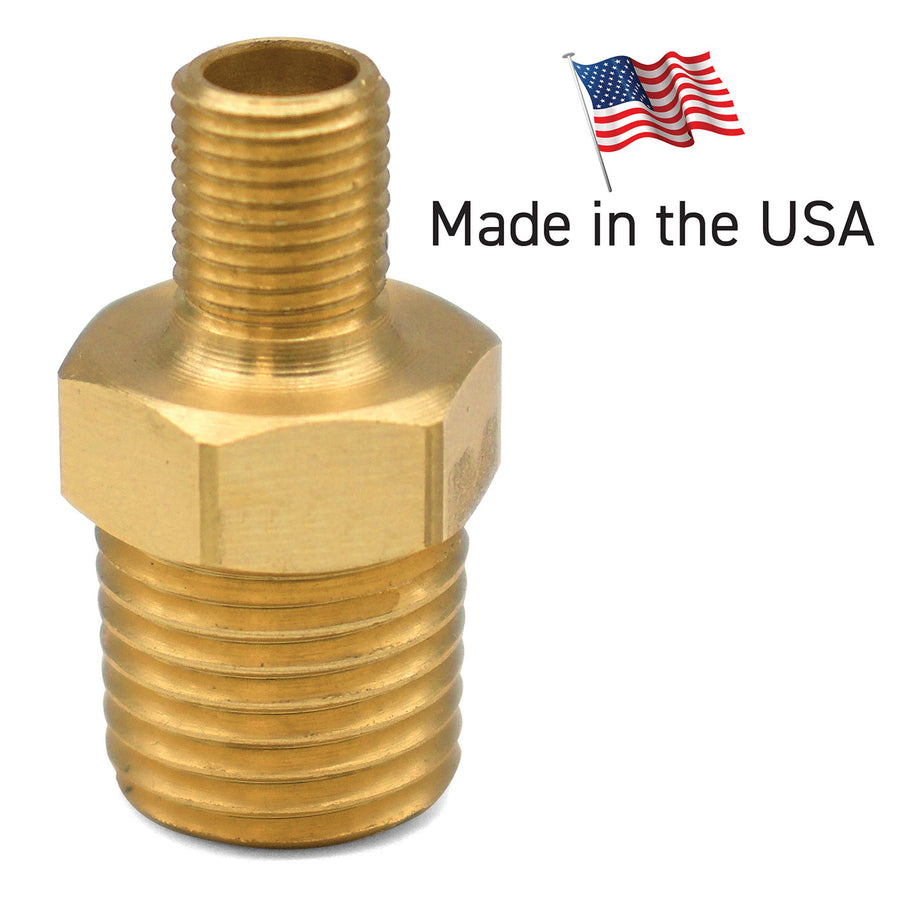
Brass is a popular choice for bike tire inflator adapters due to its excellent corrosion resistance and mechanical strength. It typically withstands high pressures, making it suitable for use with both Presta and Schrader valves. The temperature rating for brass can range from -40°F to 180°F (-40°C to 82°C), which is adequate for most cycling conditions.
Profis: Brass is durable and resistant to rust, which is particularly beneficial in humid or coastal environments. It is also relatively easy to machine, allowing for complex designs.
Illustrative image related to bike tire inflator adapter
Nachteile: The main drawback of brass is its cost compared to other materials like plastic. Additionally, while it is strong, it can be prone to deformation under extreme pressure if not properly manufactured.
Auswirkungen auf die Anwendung: Brass adapters are compatible with a wide range of media, including air and various gases, making them versatile for different inflating needs.
Überlegungen für internationale Einkäufer: Brass components should comply with international standards such as ASTM B16 for brass fittings. Buyers from regions like Africa and the Middle East should ensure that their suppliers adhere to local regulations regarding metal content and safety.
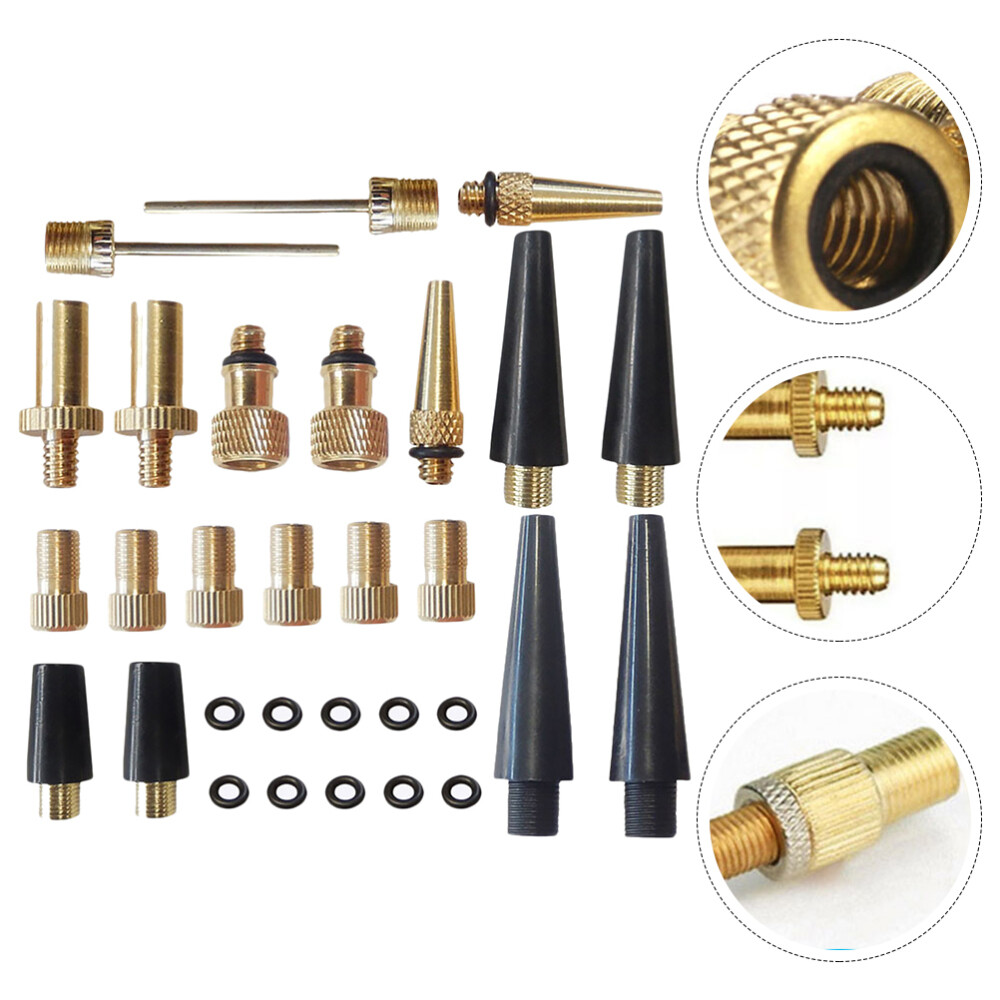
Aluminum is another common material used for bike tire inflator adapters, known for its lightweight and high strength-to-weight ratio. It generally has a temperature rating similar to brass and offers good resistance to corrosion, especially when anodized.
Illustrative image related to bike tire inflator adapter
Profis: The lightweight nature of aluminum makes it an excellent choice for performance-oriented cyclists who prioritize reducing weight. It is also more cost-effective than brass.
Nachteile: While aluminum is strong, it can be less durable under repeated stress and may suffer from fatigue over time. It is also more susceptible to scratching and wear.
Auswirkungen auf die Anwendung: Aluminum adapters are effective for air and non-corrosive gases but may not be suitable for aggressive media without proper coatings.
Überlegungen für internationale Einkäufer: Compliance with standards such as ISO 9001 for quality management systems is essential. Buyers should also consider the availability of anodized options to enhance corrosion resistance, particularly in humid regions.
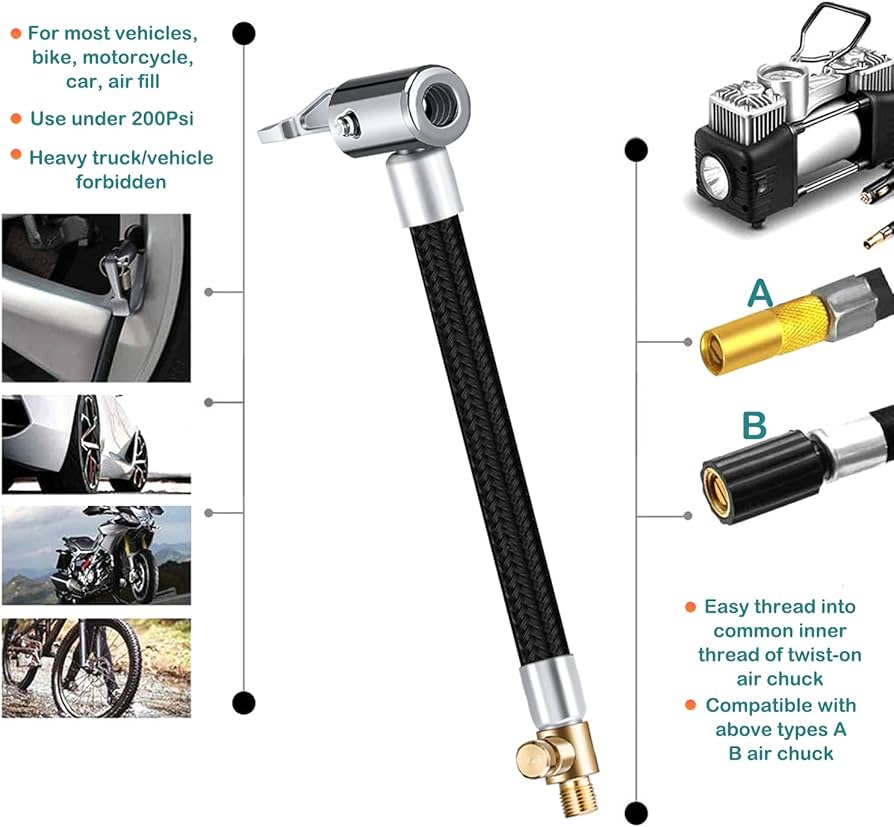
Plastic, particularly high-density polyethylene (HDPE) or polyamide (nylon), is often used for budget-friendly bike tire inflator adapters. These materials provide adequate pressure ratings for casual cycling activities.
Profis: Plastic adapters are lightweight and resistant to corrosion, making them suitable for various environmental conditions. They are also the most cost-effective option.
Nachteile: The primary disadvantage is their lower durability compared to metal options. Plastic can degrade over time, especially when exposed to UV light or extreme temperatures.
Auswirkungen auf die Anwendung: Plastic adapters are generally used for air and non-corrosive gases but may not withstand high pressures as effectively as metal counterparts.
Überlegungen für internationale Einkäufer: It is vital to ensure that plastic components meet standards such as ASTM D638 for tensile properties. Buyers should also be aware of local regulations regarding the use of plastics in consumer products.
Illustrative image related to bike tire inflator adapter
Steel, particularly stainless steel, is another viable option for bike tire inflator adapters. Known for its strength and durability, stainless steel offers excellent corrosion resistance, making it suitable for various climates.
Profis: Stainless steel is incredibly durable and can handle high pressures without deforming. Its resistance to rust and corrosion makes it ideal for outdoor use.
Nachteile: The main drawback is the weight, as stainless steel is heavier than other materials. It is also more expensive than plastic and aluminum.
Auswirkungen auf die Anwendung: Stainless steel adapters are compatible with air and various gases, making them versatile for different applications.
Überlegungen für internationale Einkäufer: Compliance with standards such as ASTM A276 for stainless steel is crucial. Buyers should also consider the availability of local suppliers to reduce shipping costs and lead times.
| Material | Typical Use Case for bike tire inflator adapter | Hauptvorteil | Wesentlicher Nachteil/Beschränkung | Relative Kosten (niedrig/mittel/hoch) |
|---|---|---|---|---|
| Messing | High-pressure applications | Ausgezeichnete Korrosionsbeständigkeit | Höhere Kosten als Kunststoff | Mittel |
| Aluminium | Performance-oriented cycling | Leicht und kostengünstig | Less durable under stress | Mittel |
| Kunststoff | Casual cycling | Kostengünstig und leicht | Lower durability and pressure rating | Niedrig |
| Rostfreier Stahl | Schwerlastanwendungen | Extremely durable and corrosion-resistant | Schwerer und teurer | Hoch |
This material selection guide provides actionable insights for B2B buyers, helping them make informed decisions that align with their specific needs and regional considerations.
The manufacturing process of a bike tire inflator adapter typically involves several critical stages: material preparation, forming, assembly, and finishing. Each of these stages plays a significant role in ensuring that the final product meets the quality and performance expectations of B2B buyers.
Illustrative image related to bike tire inflator adapter
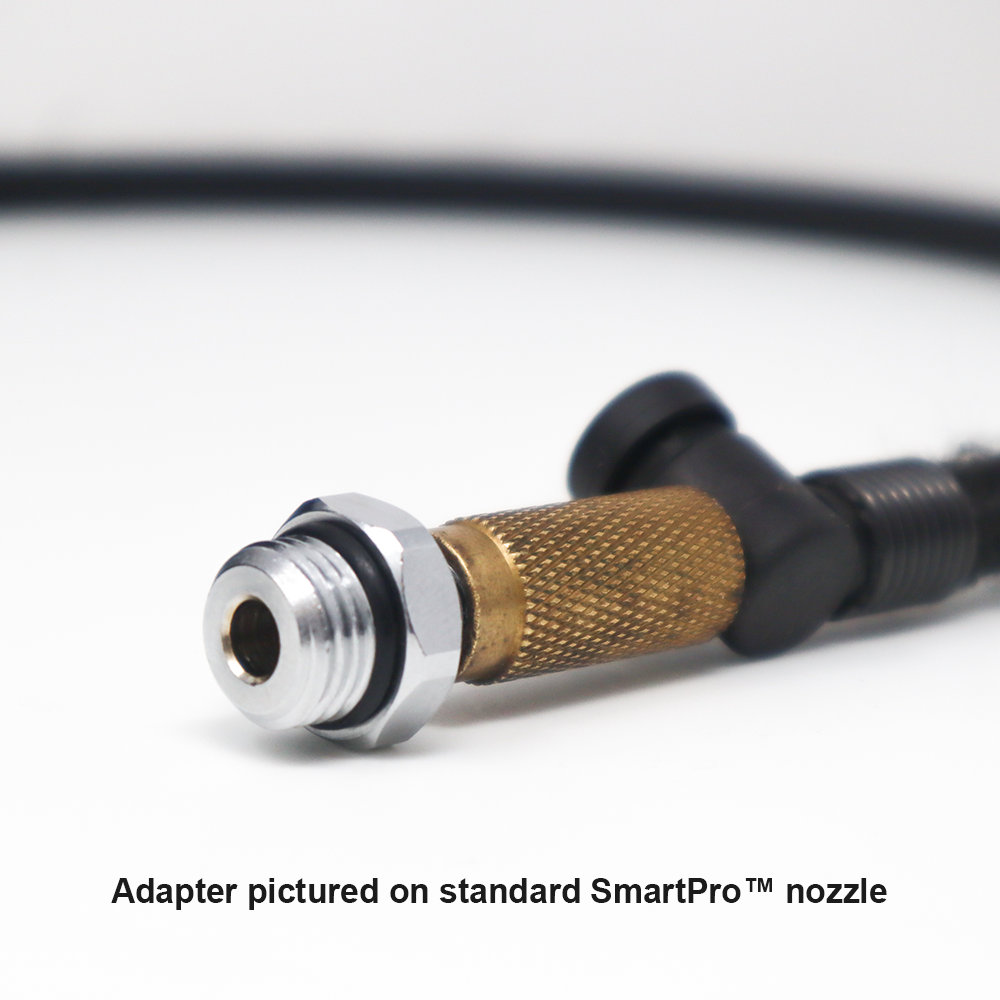
Vorbereitung des Materials: The first step involves selecting the appropriate materials, which often include brass, aluminum, and rubber. Brass is commonly used for the body of the adapter due to its durability and resistance to corrosion, while rubber is utilized for O-rings that ensure airtight seals. Suppliers must ensure that raw materials comply with international standards for quality and safety.
Bildung von: During this stage, the prepared materials are shaped into the desired forms. Techniques such as die casting or machining are frequently employed. Die casting allows for high-volume production with consistent quality, while machining provides precision for custom or lower volume runs. Understanding the chosen technique can give B2B buyers insights into the potential cost and turnaround time.
Montage: After the individual components are formed, they are assembled. This may involve threading parts together, inserting rubber seals, and conducting preliminary checks for fit and function. Automated assembly lines are often employed for efficiency, but manual assembly may be used for more complex designs that require a higher level of craftsmanship.
Fertigstellung: The final stage involves surface treatments such as polishing, coating, or anodizing to enhance durability and aesthetic appeal. Finishing processes can also include quality checks to ensure that the product meets the specified dimensions and tolerances.
Quality assurance (QA) is an integral part of the manufacturing process, ensuring that each bike tire inflator adapter adheres to both international and industry-specific standards. The following outlines how QA is typically structured in this context:
Internationale Normen: Many manufacturers adhere to ISO 9001 standards, which focus on quality management systems. Compliance with these standards demonstrates a commitment to quality and customer satisfaction. In addition to ISO, products may also need to meet CE marking requirements in Europe, indicating conformity with health, safety, and environmental protection standards.
Industry-Specific Certifications: Depending on the market, adapters may require certifications from organizations like the American Petroleum Institute (API) or others relevant to specific applications. These certifications can provide additional assurance regarding the product’s reliability and safety.
Kontrollpunkte der Qualitätskontrolle:
– Eingehende Qualitätskontrolle (IQC): This initial checkpoint involves inspecting raw materials upon receipt to ensure they meet specified standards. Any materials that do not pass this inspection are rejected.
– Prozessbegleitende Qualitätskontrolle (IPQC): Continuous monitoring occurs during the manufacturing process. This involves checking dimensions, weight, and functionality at various production stages to catch defects early.
– Endgültige Qualitätskontrolle (FQC): Once the adapters are fully assembled, a final inspection is conducted. This may include functional tests, pressure tests, and dimensional checks to ensure that the product performs as expected.
Testmethoden: Common testing methods for bike tire inflator adapters include:
– Druckprüfung: To ensure that the adapter can withstand the pressure generated during inflation without leaking.
– Dauerhaftigkeitsprüfung: To evaluate the long-term performance of the materials used, particularly under varying environmental conditions.
– Funktionelle Prüfung: Ensuring that the adapter seamlessly fits both Presta and Schrader valves.
For international B2B buyers, particularly those from regions like Africa, South America, the Middle East, and Europe, verifying the quality control processes of suppliers is crucial. Here are actionable steps to ensure that suppliers meet high-quality standards:
Lieferanten-Audits: Conducting regular audits can provide insights into a supplier’s manufacturing processes, quality assurance practices, and adherence to international standards. Audits should be comprehensive, covering all aspects from material sourcing to final product testing.
Anforderung von Qualitätsberichten: Buyers should ask suppliers for detailed quality reports that outline testing results, compliance with standards, and any certifications. This documentation can serve as proof of the supplier’s commitment to quality.
Inspektionen durch Dritte: Engaging independent third-party inspection agencies can add an additional layer of verification. These agencies can conduct on-site inspections and testing, providing unbiased assessments of the manufacturing processes and final products.
Understanding Regional Nuances: Different regions may have varying expectations and regulations regarding quality standards. B2B buyers should familiarize themselves with these nuances to ensure that their suppliers comply with local requirements, especially when importing products.
When sourcing bike tire inflator adapters, international buyers should consider factors such as compliance with international standards, the reliability of supply chains, and the reputation of the manufacturer. Engaging with suppliers who demonstrate a robust quality assurance process not only mitigates risks but also enhances the buyer’s credibility in their respective markets.
In summary, understanding the manufacturing processes and quality assurance protocols for bike tire inflator adapters is essential for B2B buyers aiming to establish reliable supply chains. By focusing on these aspects, businesses can ensure they source high-quality products that meet their operational needs and standards.
Illustrative image related to bike tire inflator adapter
The following guide serves as a comprehensive checklist for B2B buyers seeking to procure bike tire inflator adapters. This step-by-step approach will help ensure that you make informed purchasing decisions, aligning your procurement strategy with your business needs.
Establishing clear technical specifications is essential for ensuring compatibility with various bike valve types, particularly Presta and Schrader valves. Consider factors such as the material of the adapter, the maximum pressure it can handle, and the ease of installation. This clarity helps prevent mismatches that can lead to product returns and dissatisfaction.
Understanding current market trends and customer demands for bike tire inflator adapters can guide your procurement strategy. Analyze regional preferences, such as the popularity of specific valve types in your target markets (e.g., Europe vs. Africa). Use market reports and customer feedback to identify potential growth areas and align your offerings accordingly.
Before making a commitment, it’s crucial to vet suppliers thoroughly. Request company profiles, case studies, and references from buyers in a similar industry or region. Pay attention to their production capabilities, lead times, and past performance to ensure they can meet your supply requirements consistently.
Illustrative image related to bike tire inflator adapter
Quality assurance is vital in ensuring that the bike tire inflator adapters meet industry standards and perform reliably. Inquire about the supplier’s quality control measures, including testing procedures and product warranties. A robust QA process minimizes the risk of defects and enhances your brand’s reputation.
Before finalizing an order, request samples of the bike tire inflator adapters to evaluate their quality and compatibility with your existing products. This step allows you to assess the fit, ease of use, and overall performance. Testing samples can save you from costly mistakes in larger orders.
Once you’ve identified suitable suppliers and evaluated samples, it’s time to negotiate pricing and terms. Consider factors such as order quantities, payment terms, and shipping costs. A well-negotiated agreement can lead to significant savings and a more favorable long-term relationship with your supplier.
After securing your order, develop a logistics plan that outlines shipping methods, delivery timelines, and storage solutions. Ensure that your supply chain can handle any regional regulations or customs requirements specific to your target markets. Efficient logistics will keep your operations running smoothly and maintain customer satisfaction.
By following this checklist, B2B buyers can make informed decisions when procuring bike tire inflator adapters, ultimately enhancing their product offerings and meeting customer needs effectively.
Illustrative image related to bike tire inflator adapter
When analyzing the cost structure of bike tire inflator adapters, several components come into play. The primary materials typically include brass or metal for the adapter itself, rubber for seals, and any additional components required for functionality. These materials can vary significantly in price based on quality and sourcing location. Labor costs will depend on the manufacturing region, with countries in Asia generally offering lower labor rates compared to Europe or North America.
Manufacturing overhead encompasses factory operation costs, including utilities, maintenance, and administrative expenses. Tooling costs are essential for the initial setup of production lines, and these costs can be amortized over larger production runs to enhance cost efficiency. Quality control (QC) processes are also crucial, ensuring that each adapter meets the necessary specifications and safety standards.
Logistics costs should not be overlooked, as they can substantially impact the final price. This includes shipping fees, customs duties, and storage costs, which can vary depending on the destination and chosen transportation methods. Lastly, the margin that suppliers add will depend on their business model and market positioning, typically ranging from 10% to 30% in the B2B sector.
Several factors influence the pricing of bike tire inflator adapters. Volume or minimum order quantities (MOQ) are significant; larger orders often lead to reduced per-unit costs. Buyers seeking customization, such as specific branding or design alterations, should be prepared for higher costs, as these require additional production efforts and resources.
The quality and certifications of materials also play a crucial role. Suppliers offering certified products that meet international standards may charge a premium, but this can enhance the product’s marketability and reliability. Supplier factors, such as reputation and reliability, can further influence pricing. Established suppliers with a track record of quality might command higher prices, but they also reduce risks associated with production delays and defects.
Illustrative image related to bike tire inflator adapter
Incoterms can significantly affect overall costs. Buyers should be aware of the chosen terms (e.g., FOB, CIF) as they define the responsibilities of buyers and sellers in terms of shipping costs and risk, impacting the total landed cost of the products.
For B2B buyers, particularly those in Africa, South America, the Middle East, and Europe, negotiation strategies can lead to significant savings. Understanding the total cost of ownership (TCO) is crucial; this includes not only the purchase price but also logistics, maintenance, and potential warranty costs. Buyers should request detailed quotes that break down these components to identify areas for potential savings.
Establishing long-term relationships with suppliers can also lead to better pricing and terms. Regular communication and trust can result in favorable pricing adjustments or incentives for bulk purchases. Additionally, buyers should be prepared to negotiate payment terms, as flexible payment options can enhance cash flow and reduce immediate financial burdens.
Understanding regional market conditions can provide leverage in negotiations. For instance, being aware of local competitors’ pricing strategies can inform a buyer’s negotiation stance. Lastly, buyers should not hesitate to explore multiple suppliers to ensure competitive pricing and quality options, as this can facilitate better deals through comparison.
International buyers must navigate various pricing nuances when sourcing bike tire inflator adapters. Fluctuations in currency exchange rates can affect the final costs and should be monitored closely. In addition, trade tariffs and import taxes can vary widely between countries, influencing the overall cost structure.
Illustrative image related to bike tire inflator adapter
Buyers in regions with developing markets, such as Nigeria or certain South American countries, may find that local suppliers can offer competitive pricing due to lower logistics costs and quicker delivery times. Conversely, buyers in regions with strict regulatory requirements may need to invest in higher-quality, certified products, impacting their overall budget.
Understanding the local market dynamics and consumer preferences can also guide purchasing decisions. For instance, certain regions may prioritize eco-friendly materials or specific designs, influencing the types of products available and their corresponding prices.
Prices mentioned in this analysis are indicative and may vary based on market conditions, supplier agreements, and order specifics. Buyers are encouraged to conduct thorough market research and obtain multiple quotes to ensure competitive pricing.
In the competitive landscape of bicycle maintenance products, the bike tire inflator adapter serves a crucial role by enabling compatibility between different valve types. However, various alternatives exist that can also facilitate tire inflation and maintenance, providing B2B buyers with options tailored to specific needs and operational contexts. This section compares the bike tire inflator adapter with two viable alternatives: portable electric tire inflators and traditional hand pumps.
| Vergleich Aspekt | Bike Tire Inflator Adapter | Portable Electric Tire Inflator | Traditional Hand Pump |
|---|---|---|---|
| Leistung | High compatibility with Presta and Schrader valves | Fast and efficient inflation; ideal for larger tires | Labor-intensive but reliable for small tires |
| Kosten | Low-cost solution (typically $5-$15) | Mid-range (approximately $30-$100) | Economical (around $15-$50) |
| Leichte Implementierung | Simple and straightforward to use | Requires charging or plugging in | Requires manual effort and technique |
| Wartung | Minimal maintenance required | Occasional battery or motor checks | Low maintenance; may need replacement of seals |
| Bester Anwendungsfall | Ideal for shops needing to convert valve types | Suitable for home use or emergency situations | Great for casual cyclists on a budget |
Portable electric tire inflators offer rapid inflation capabilities, making them a popular choice for cyclists who prioritize efficiency. These devices typically require minimal effort, allowing users to inflate tires quickly, especially in emergency situations. However, they come at a higher cost compared to bike tire inflator adapters. Additionally, their reliance on batteries or electrical outlets can pose challenges in remote areas or during long rides. For B2B buyers, this may mean weighing the benefits of speed and convenience against the necessity for power sources and budget constraints.
Traditional hand pumps are a well-established alternative, favored for their simplicity and reliability. They are generally more affordable and do not require any power source, making them perfect for use in various environments, including remote locations. However, hand pumps can be labor-intensive and less efficient for larger tires, which may deter some users. For B2B buyers focusing on cost-effective solutions for casual cyclists or low-volume bicycle shops, hand pumps can be an excellent option, provided their limitations are clearly communicated to end-users.
Illustrative image related to bike tire inflator adapter
When selecting the appropriate tire inflation solution, B2B buyers should consider several factors, including the target market, expected usage frequency, and the specific types of bicycles being serviced. If your business caters to a diverse range of bicycles and requires quick adaptability, the bike tire inflator adapter may be the best choice. Conversely, if rapid inflation in emergency situations is a priority, investing in portable electric tire inflators could provide significant value. Traditional hand pumps, while less efficient, can serve as a budget-friendly option for businesses looking to offer reliable yet economical solutions to casual cyclists. Ultimately, understanding the unique needs of your customer base will guide you in choosing the right solution.
Understanding the technical specifications of bike tire inflator adapters is crucial for B2B buyers looking to make informed purchasing decisions. Here are some of the key properties to consider:
Material Klasse
The material used in the construction of tire inflator adapters significantly impacts their durability and performance. Common materials include brass, aluminum, and high-grade plastics. Brass is often favored for its corrosion resistance and strength, making it ideal for outdoor use. A higher material grade not only ensures longevity but also enhances the adapter’s ability to withstand high-pressure inflations without deforming.
Druckstufe
The pressure rating indicates the maximum air pressure the adapter can safely handle. Most bike tire inflator adapters are designed to accommodate pressures ranging from 60 to 100 PSI, depending on the specific application. Understanding this rating is vital for ensuring that the adapter is compatible with various tire types and can meet the demands of different biking conditions.
Kompatibilität
Compatibility refers to the adapter’s ability to connect with different valve types, primarily Presta and Schrader. An effective adapter must seamlessly convert Presta valves to Schrader valves (and vice versa), allowing users to utilize standard inflators and pumps without the need for multiple tools. Ensuring compatibility with popular valve types can significantly enhance the product’s marketability.
Tolerance
Tolerance is the allowable deviation in the dimensions of the adapter. High tolerance levels ensure a snug fit between the adapter and the valve, preventing air leaks during inflation. For B2B buyers, understanding the tolerance specifications can help in assessing the quality and reliability of the product, which is critical for maintaining customer satisfaction.
Sealing Mechanism
Many adapters come equipped with rubber O-ring seals or other sealing mechanisms that prevent air leakage. This feature is essential for ensuring efficient inflation and maintaining tire pressure. A well-designed sealing mechanism can improve the overall user experience and reduce the risk of tire deflation, which is a crucial selling point.
Size and Weight
The physical dimensions and weight of the adapter can impact its portability and usability. Compact and lightweight designs are preferable for consumers who value convenience, particularly cyclists who carry their tools on rides. For B2B buyers, understanding these factors can aid in product selection and inventory management.
Familiarity with industry jargon is essential for effective communication and negotiation in the B2B marketplace. Here are some key terms to know:
Illustrative image related to bike tire inflator adapter
OEM (Original Equipment Manufacturer)
OEM refers to companies that produce parts and equipment that may be marketed by another manufacturer. In the context of bike tire inflator adapters, it signifies the manufacturer that produces the adapters for a brand. Understanding OEM relationships can help buyers assess product quality and reliability.
MOQ (Mindestbestellmenge)
MOQ is the smallest quantity of a product that a supplier is willing to sell. Knowing the MOQ is crucial for B2B buyers, as it affects inventory management and cost efficiency. Suppliers often set MOQs based on production costs, so negotiating this term can lead to better pricing structures.
RFQ (Request for Quotation)
An RFQ is a formal process where buyers request pricing and terms from suppliers. This document typically outlines specifications, quantities, and delivery requirements. For B2B buyers, crafting a clear RFQ can lead to more accurate quotes and better supplier relationships.
Incoterms (Internationale Handelsklauseln)
Incoterms are standardized international trade terms that define the responsibilities of buyers and sellers in shipping goods. Familiarity with these terms, such as FOB (Free on Board) and CIF (Cost, Insurance, and Freight), is essential for B2B transactions, as they clarify shipping costs and risks.
Vorlaufzeit
Lead time refers to the amount of time it takes from placing an order to receiving the product. Understanding lead times is critical for inventory planning and ensuring timely delivery to customers. Buyers should always inquire about lead times when negotiating contracts.
Certification Standards
Certification standards, such as ISO (International Organization for Standardization) or CE (Conformité Européenne), indicate that a product meets specific safety and quality requirements. For B2B buyers, recognizing the importance of certification can aid in evaluating suppliers and ensuring compliance with regional regulations.
By understanding these technical properties and trade terminologies, B2B buyers can make informed decisions, foster better supplier relationships, and ultimately drive business success in the bike tire inflator adapter market.
The bike tire inflator adapter market is experiencing significant growth, driven by the increasing popularity of cycling as a sustainable mode of transportation and recreational activity. This trend is particularly pronounced in regions such as Africa, South America, the Middle East, and Europe, where cycling infrastructure is expanding. The demand for versatile inflator adapters, such as those converting Presta to Schrader valves, is on the rise, making it essential for B2B buyers to source reliable products that meet diverse customer needs.
Emerging technologies, such as smart inflators with integrated pressure gauges and Bluetooth connectivity, are reshaping the market landscape. These innovations not only enhance user convenience but also improve the accuracy of tire inflation, catering to the tech-savvy consumer base. Furthermore, the shift towards e-commerce has streamlined procurement processes, allowing international buyers to access a broader range of products and suppliers with ease.
Another notable trend is the growing emphasis on quality and durability. B2B buyers are increasingly prioritizing suppliers that offer robust products, often constructed with metal components and featuring rubber seals for better performance. This focus on quality is essential in markets with varying climate conditions, ensuring that inflator adapters can withstand different environmental challenges.
Illustrative image related to bike tire inflator adapter
Sustainability is becoming a pivotal consideration for B2B buyers in the bike tire inflator adapter sector. As global awareness of environmental issues rises, businesses are increasingly scrutinizing their supply chains for ethical practices and eco-friendly materials. The environmental impact of production processes and the lifecycle of products are critical factors influencing purchasing decisions.
Buyers are encouraged to seek suppliers that utilize sustainable materials, such as recycled metals and biodegradable packaging. Certifications, such as ISO 14001 for environmental management, can serve as indicators of a supplier’s commitment to sustainable practices. Additionally, opting for products with minimal environmental footprints not only aligns with corporate social responsibility goals but also enhances brand reputation among eco-conscious consumers.
Incorporating sustainability into sourcing strategies can lead to long-term cost savings as well. By investing in high-quality, durable products, businesses can reduce waste and minimize the frequency of replacements. Thus, ethical sourcing not only contributes to environmental stewardship but also offers tangible economic benefits for international B2B buyers.
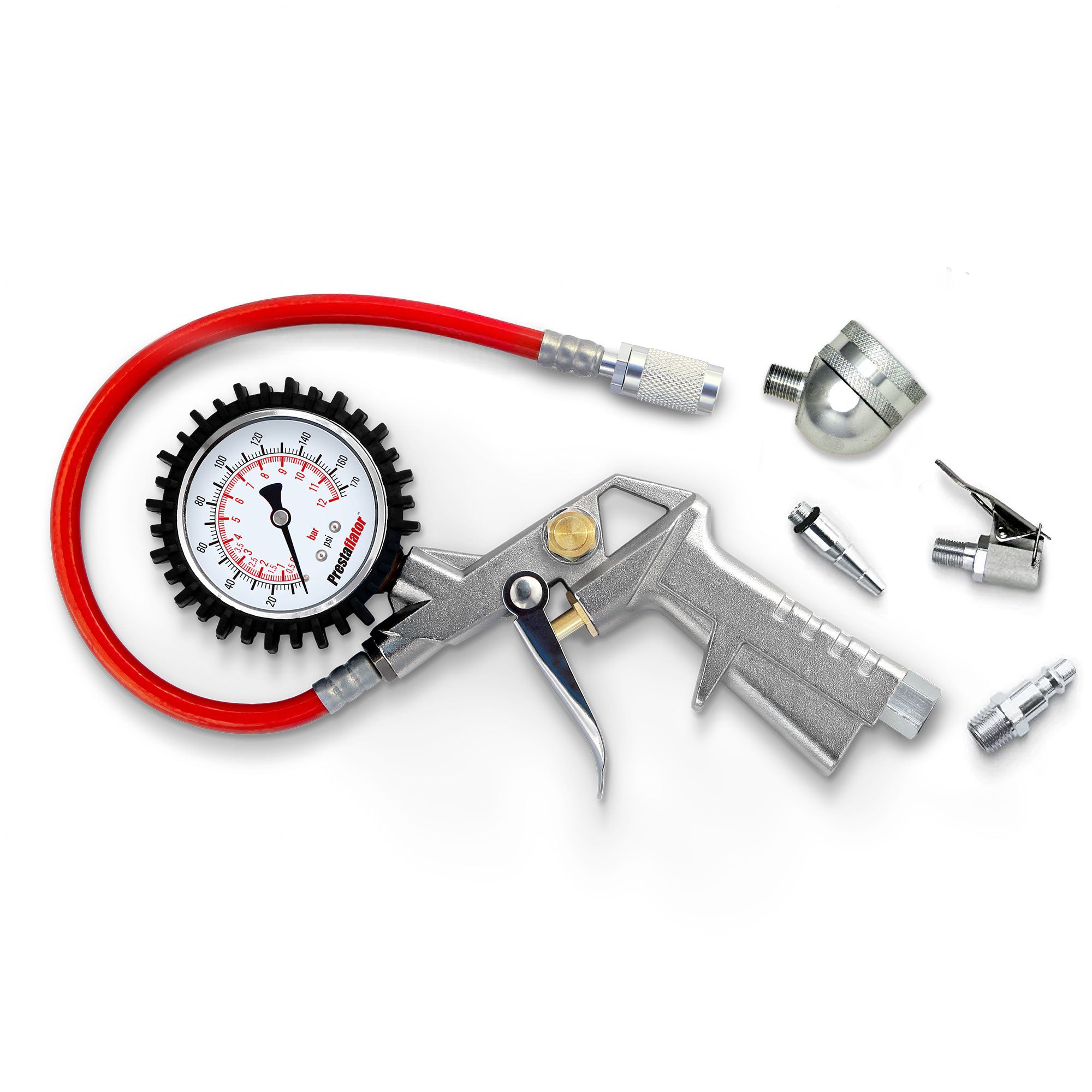
Illustrative image related to bike tire inflator adapter
The evolution of bike tire inflator adapters can be traced back to the growing popularity of cycling in the late 20th century. Initially, most bikes used either Presta or Schrader valves, creating a need for adapters that would allow cyclists to utilize standard inflators across different bike types. As cycling gained traction as both a sport and a mode of transportation, the demand for versatile and user-friendly inflator solutions surged.
In the early 2000s, the market began to see innovations in design and materials, with manufacturers focusing on creating more durable and efficient adapters. Today, the market is characterized by a blend of traditional mechanical solutions and modern technological advancements, catering to a diverse range of consumers and enhancing the overall cycling experience. As the industry continues to evolve, B2B buyers must stay attuned to these changes to ensure they source the most relevant and high-quality products for their clientele.
How do I solve compatibility issues between Presta and Schrader valves?
To effectively address compatibility issues, invest in high-quality valve adapters designed to convert Presta valves to standard Schrader valves. These adapters allow you to use common inflators and pumps with both types of valves, ensuring convenience for your customers. When sourcing, prioritize adapters with robust materials, like metal construction and rubber O-rings, to ensure durability and a proper seal. This will enhance customer satisfaction and reduce returns due to compatibility problems.
What is the best bike tire inflator adapter for international shipping?
When considering international shipping, the best bike tire inflator adapters are those that are compact, lightweight, and constructed from durable materials to withstand transit conditions. Look for adapters that come with a protective packaging option to prevent damage during shipping. Additionally, ensure that the supplier can provide necessary shipping documentation, such as customs declarations, to facilitate smooth logistics across borders, especially for regions like Africa and South America.
What are the minimum order quantities (MOQ) for bike tire inflator adapters?
Minimum order quantities can vary significantly by supplier. Many manufacturers may set MOQs ranging from 500 to 5,000 units, depending on the type of adapter and material used. It’s advisable to communicate with potential suppliers to negotiate MOQs that align with your purchasing capabilities. Smaller orders may be available but could result in higher per-unit costs. Assess your market demand to determine the most cost-effective purchasing strategy.
How can I vet suppliers for bike tire inflator adapters?
Vetting suppliers is crucial for ensuring product quality and reliability. Begin by researching potential suppliers through platforms like Alibaba or Global Sources, checking their ratings and reviews. Request samples to assess product quality firsthand. Additionally, verify their certifications and compliance with international standards. Establish communication to gauge their responsiveness and willingness to accommodate your business needs, as this can be indicative of their overall reliability.
What customization options are available for bike tire inflator adapters?
Customization options for bike tire inflator adapters often include branding, color choices, and specific packaging designs. Many manufacturers can provide private labeling services, allowing you to print your brand logo on the product. It’s essential to discuss these options early in your negotiations, as customization may affect lead times and costs. Ensure that you receive a clear understanding of any additional fees associated with custom orders.
What payment terms should I expect when sourcing bike tire inflator adapters?
Payment terms can vary widely between suppliers, typically ranging from 30% upfront with the balance due upon shipment to full payment in advance. For international transactions, consider using secure payment methods such as letters of credit or escrow services to protect your investment. Be sure to clarify payment terms during negotiations to ensure they align with your cash flow management strategies.
How do I ensure quality assurance for bike tire inflator adapters?
To ensure quality assurance, establish clear specifications and standards with your supplier before production begins. Request quality control documentation, such as inspection reports and certifications. It’s advisable to conduct pre-shipment inspections, especially for larger orders, to verify that products meet your requirements. Building a strong relationship with your supplier can also facilitate better quality control practices throughout the production process.
What are the logistics considerations when importing bike tire inflator adapters?
When importing bike tire inflator adapters, consider factors such as shipping methods, customs duties, and delivery timelines. Air freight is faster but more costly, while sea freight is more economical for larger shipments. Ensure that your supplier provides all necessary documentation for customs clearance to avoid delays. Additionally, familiarize yourself with import regulations in your target market to ensure compliance and smooth logistics management.
Bereich: reddit.de
Registriert: 2005 (20 Jahre)
Einleitung: Innolife Aluminum Presta to Schrader Converter Car Valve Adapter Bicycle Bike Tube Pump Air Compressor Tools
Bereich: ziel.de
Registriert: 1997 (28 Jahre)
Einleitung: This company, Target – Bike Valve Adapters & Inflators, is a notable entity in the market. For specific product details, it is recommended to visit their website directly.
Bereich: ebay.de
Registriert: 1995 (30 Jahre)
Einleitung: Air Pump Adapter available on eBay. Types include CO2 Inflator/Pump, Compressor, Floor/Track Pump, Foot Pump, Frame-fit Pump, Mini/Compact Pump, Tire Gauge, and Valve Adapter. Brands include Unbranded, Lezyne, Topeak, Zéfal, Silca, Bell, SKS, Schwinn. Colors available: Black, Blue, Gold, Gray, Multicolor, Orange, Red, Silver, White, Yellow. Country of origin includes Afghanistan, China, Japan, Pak…
As the market for bike tire inflator adapters continues to expand, strategic sourcing emerges as a pivotal approach for international B2B buyers. Understanding the nuances of different valve types—particularly Presta and Schrader—enables buyers to select the right products that meet diverse consumer needs. Collaborating with reliable suppliers who offer high-quality, durable adapters can enhance product offerings, ensuring customer satisfaction and repeat business.
Moreover, the increasing popularity of cycling in regions like Africa, South America, the Middle East, and Europe highlights the growing demand for efficient tire inflation solutions. Sourcing adapters that are compatible with a variety of inflators and pumps will not only streamline operations but also cater to a broader customer base.
Illustrative image related to bike tire inflator adapter
In this evolving landscape, proactive engagement with suppliers and market analysis will be key to capitalizing on emerging trends. International B2B buyers are encouraged to leverage these insights to enhance their procurement strategies, ensuring they are well-positioned to meet the demands of an expanding cycling community. By investing in strategic sourcing, businesses can stay ahead of the competition and drive growth in the bicycle accessory market.
Die in diesem Leitfaden enthaltenen Informationen, einschließlich der Angaben zu Herstellern, technischen Spezifikationen und Marktanalysen, dienen ausschließlich Informations- und Bildungszwecken. Sie stellen keine professionelle Kaufberatung, Finanzberatung oder Rechtsberatung dar.
Obwohl wir alle Anstrengungen unternommen haben, um die Richtigkeit und Aktualität der Informationen zu gewährleisten, übernehmen wir keine Verantwortung für etwaige Fehler, Auslassungen oder veraltete Informationen. Marktbedingungen, Unternehmensangaben und technische Standards können sich ändern.
B2B-Käufer müssen ihre eigene unabhängige und gründliche Due-Diligence-Prüfung durchführen bevor Sie eine Kaufentscheidung treffen. Dazu gehört, dass Sie sich direkt mit den Anbietern in Verbindung setzen, Zertifizierungen überprüfen, Muster anfordern und sich professionell beraten lassen. Das Risiko, sich auf die Informationen in diesem Leitfaden zu verlassen, trägt allein der Leser.


 German
  English
  Russian
  Spanish
  Italian
  Arabic
  Portuguese