
In an increasingly interconnected world, sourcing high-quality motorcycle luggage tail bags presents a formidable challenge for B2B buyers across diverse markets such as Africa, South America, the Middle East, and Europe. As the demand for durable, versatile, and stylish motorcycle luggage grows, international buyers must navigate a plethora of options that cater to various riding styles and preferences. This guide is designed to empower decision-makers by providing a comprehensive overview of the motorcycle luggage tail bag market, including insights into different types, applications, and essential supplier vetting processes.
From adventure touring to daily commuting, the right tail bag can significantly enhance the riding experience by offering convenient storage solutions without compromising safety or comfort. This guide delves into key factors such as materials, waterproof capabilities, and innovative mounting systems that distinguish top-tier products in the marketplace. Additionally, it addresses cost considerations, helping buyers understand the value proposition of investing in quality luggage that meets both functional and aesthetic needs.
By equipping international B2B buyers with actionable insights and strategic evaluation criteria, this guide enables informed purchasing decisions that align with market demands and consumer expectations. Whether you are looking to enhance your product offerings or meet specific customer needs, understanding the nuances of motorcycle luggage tail bags is essential for success in today’s competitive landscape.
| Typ Name | Wichtigste Unterscheidungsmerkmale | Primäre B2B-Anwendungen | Kurze Vor- und Nachteile für Käufer |
|---|---|---|---|
| Soft Tail Bags | Lightweight, flexible, and often waterproof. | General touring, adventure riding. | Vorteile: Easy to mount; versatile. Nachteile: Weniger haltbar als Hartschalenkoffer. |
| Hard Tail Bags | Rigid structure, often lockable, and more secure. | Long-distance touring, security-focused. | Vorteile: High durability; better security. Nachteile: Heavier; limited capacity. |
| Expandable Tail Bags | Adjustable size for increased storage capacity. | Long trips requiring flexible packing. | Vorteile: Versatile; can accommodate varying loads. Nachteile: May be pricier. |
| Retro/Classic Style Bags | Vintage aesthetics, often made from leather or eco-tech materials. | Niche markets, style-conscious riders. | Vorteile: Unique design; appeals to specific demographics. Nachteile: May lack modern features. |
| Waterproof Tail Bags | Fully sealed, often with roll-top closures. | All-weather riding, adventure touring. | Vorteile: Excellent protection against elements. Nachteile: Can be more expensive. |
Soft tail bags are designed for flexibility and ease of use, making them a popular choice among riders who prioritize lightweight options. Typically constructed from durable, waterproof materials, these bags are suitable for various motorcycle types. For B2B buyers, the focus should be on the mounting systems and compatibility with different bike models, as well as the potential for bulk purchasing to cater to diverse customer needs.
Hard tail bags offer enhanced protection and security due to their rigid construction. They are ideal for long-distance touring where safety is paramount, as they often come with locking mechanisms. B2B buyers should consider the balance between weight and durability, as well as the target market’s preference for security features, which can influence purchasing decisions.
Expandable tail bags provide the flexibility of adjustable capacity, making them ideal for long journeys where varying load sizes are required. These bags can accommodate everything from daily essentials to larger gear for extended trips. B2B buyers should assess the quality of the expansion mechanism and overall design, ensuring it meets the needs of diverse riding styles and customer preferences.
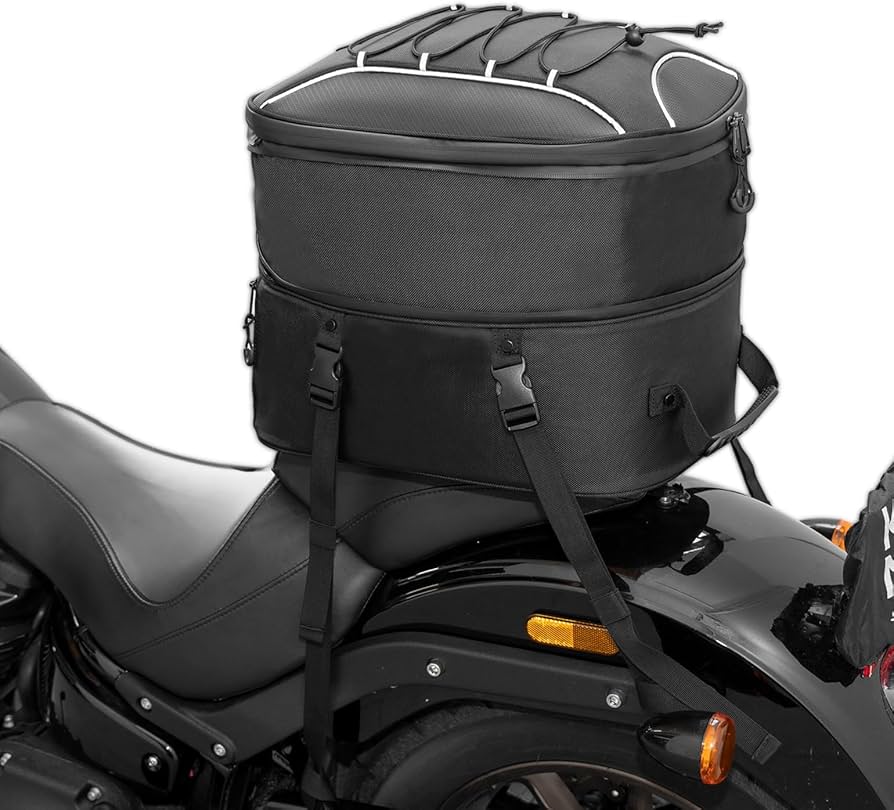
Illustrative image related to motorcycle luggage tail bag
Retro or classic style bags cater to a specific demographic of riders who value aesthetics alongside functionality. Made from materials like leather or eco-tech polyester, these bags combine vintage charm with modern utility. For B2B buyers, understanding the target audience’s preferences is crucial, as these products can attract style-conscious consumers seeking unique options.
Waterproof tail bags are essential for riders who frequently encounter adverse weather conditions. With features like roll-top closures and sealed seams, these bags provide reliable protection against rain and dirt. B2B buyers should prioritize waterproofing features in their inventory, as they are critical for adventure and touring markets, ensuring customer satisfaction and repeat purchases.
| Industrie/Sektor | Specific Application of motorcycle luggage tail bag | Wert/Nutzen für das Unternehmen | Wichtige Überlegungen zur Beschaffung für diese Anwendung |
|---|---|---|---|
| Tourismus und Abenteuerreisen | Used by tour operators to equip rental motorcycles for travelers | Enhances customer experience by providing secure storage for personal items during tours | Focus on durability, waterproof materials, and ease of mounting for various motorcycle types |
| Logistik und Lieferdienste | Employed by couriers and delivery services using motorcycles | Increases operational efficiency by allowing riders to carry parcels securely | Look for tail bags with high weight capacity, quick attachment systems, and weather resistance |
| Motorcycle Retail and Rental | Offered as part of rental packages for motorcycle enthusiasts | Attracts customers by providing essential gear, enhancing rental appeal | Prioritize universal fit and compatibility with a range of motorcycle models |
| Outdoor and Recreational Sports | Utilized by sports enthusiasts for transporting gear during events | Facilitates easy transport of equipment and personal items, promoting outdoor activities | Ensure bags are lightweight, easy to carry off the bike, and feature ample storage options |
| Notfalldienste | Used by first responders on motorcycles for rapid response | Provides quick access to medical supplies and equipment, improving response times | Select tail bags that allow for rapid deployment and secure storage of critical gear |
In the tourism and adventure travel industry, motorcycle luggage tail bags are essential for rental companies catering to tourists. These bags provide secure storage for personal belongings, allowing riders to enjoy their journeys without the worry of losing items. Buyers in this sector should focus on tail bags made from durable, waterproof materials to withstand diverse weather conditions encountered during travel. Additionally, ease of mounting and compatibility with various motorcycle models is crucial to accommodate a wide range of rental bikes.
For logistics and delivery services, motorcycle luggage tail bags serve as a practical solution for couriers who need to transport parcels efficiently. These bags increase operational efficiency by providing a secure and organized way to carry deliveries, ensuring that items remain safe and intact during transit. When sourcing for this application, businesses should prioritize tail bags with high weight capacities, quick attachment systems, and weather resistance to meet the demands of urban delivery environments.
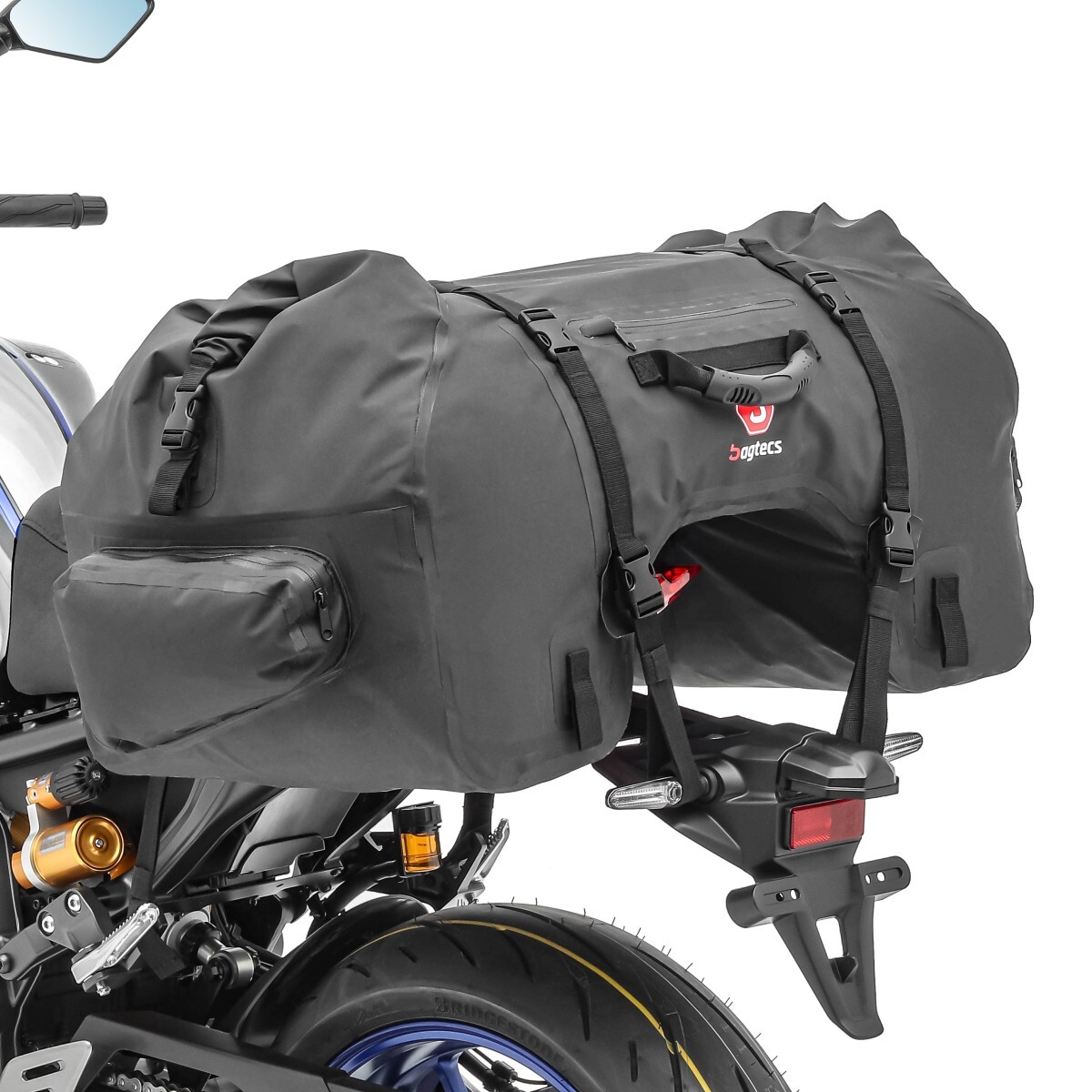
Illustrative image related to motorcycle luggage tail bag
Motorcycle retail and rental businesses can enhance their offerings by including motorcycle luggage tail bags in their rental packages. This addition not only attracts more customers but also improves the overall rental experience by providing essential gear for riders. Buyers should seek out tail bags that are universally compatible with various motorcycle models, ensuring that they can cater to a diverse clientele. Durability and ease of use are also key considerations to maintain customer satisfaction.
Outdoor and recreational sports enthusiasts often rely on motorcycle luggage tail bags for transporting gear to events. These bags facilitate easy transport of equipment and personal items, promoting participation in outdoor activities. Buyers in this sector should consider lightweight options that are easy to carry off the bike, along with ample storage capabilities to accommodate various types of gear. Additionally, features like waterproofing and rugged construction are vital for handling the demands of outdoor use.
Emergency services, particularly those utilizing motorcycles for rapid response, can benefit greatly from motorcycle luggage tail bags. These bags allow first responders to store medical supplies and equipment securely while maintaining quick access during emergencies. When sourcing for this application, it’s important to select tail bags that facilitate rapid deployment and provide secure storage for critical gear. Additionally, durability and weather resistance are essential to ensure reliability in urgent situations.
Das Problem: B2B buyers often face challenges in sourcing motorcycle luggage tail bags that provide reliable weather resistance. In regions with unpredictable climates, such as parts of Africa and South America, the risk of rain or dust can lead to significant damage to the contents of the bags. Buyers may worry about inadequate protection from moisture, which can ruin electronics, clothing, and other sensitive items. This concern is heightened for businesses that rely on transporting goods across diverse terrains and weather conditions.
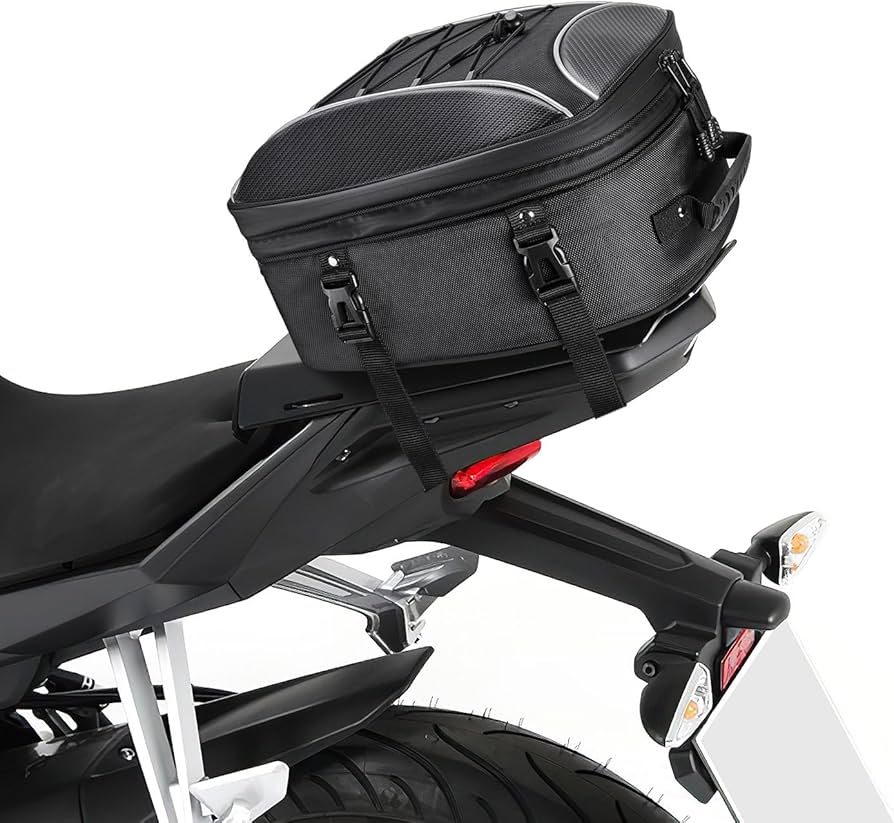
Illustrative image related to motorcycle luggage tail bag
Die Lösung: To address this issue, B2B buyers should prioritize sourcing tail bags made from high-quality, waterproof materials such as PVC-coated polyester or ballistic nylon. These materials often feature welded seams and roll-top closures that enhance their weather resistance. When selecting products, buyers should also look for tail bags that come with additional waterproof rain covers, offering an extra layer of protection during unexpected downpours. Consider partnering with suppliers that provide a range of testing results or certifications for their products, ensuring they meet international waterproof standards. By investing in durable, weather-resistant tail bags, businesses can ensure the safe transport of goods while minimizing potential losses due to environmental factors.
Das Problem: A common frustration for B2B buyers is the compatibility of motorcycle luggage tail bags with various bike models. Businesses that operate a fleet of motorcycles, especially in regions like the Middle East, often find it cumbersome to identify tail bags that fit multiple models. Misalignment can lead to improper fitment, risking both the safety of the riders and the integrity of the cargo being transported.
Die Lösung: To mitigate this compatibility issue, buyers should seek out manufacturers that offer modular or adjustable mounting systems. These systems are designed to fit a wide range of motorcycle models, allowing for easy attachment and removal without compromising security. Additionally, suppliers should provide detailed fitment guides and installation videos to assist buyers in selecting the appropriate bags for their specific motorcycle models. When negotiating with suppliers, consider requesting bulk customization options to ensure that the tail bags can be tailored to fit the unique specifications of your fleet, enhancing efficiency and reducing the risk of mismatched equipment.
Das Problem: B2B buyers are often concerned about the long-term durability of motorcycle luggage tail bags, especially in rugged terrains that are common in adventure riding or delivery services. Businesses investing in these products need assurance that their luggage can withstand harsh conditions, including rough roads, extreme temperatures, and physical wear and tear. Inadequate durability can lead to increased replacement costs and operational downtime.
Die Lösung: Buyers should focus on sourcing tail bags constructed from high-tenacity materials, such as reinforced textiles or heavy-duty ballistic nylon. Look for features such as reinforced stitching, high-quality zippers, and protective base materials that prevent wear from contact with the motorcycle. Engaging with manufacturers that offer comprehensive warranties can also provide peace of mind regarding the longevity of the products. Conducting thorough research on customer reviews and performance testing can provide insights into the real-world durability of the products. Additionally, consider building partnerships with suppliers that emphasize quality control in their manufacturing processes, ensuring that every bag meets rigorous durability standards before reaching the market. This strategic approach not only enhances product reliability but also fosters a strong reputation for your business in the competitive motorcycle luggage market.
When selecting materials for motorcycle luggage tail bags, it’s crucial to consider properties that impact performance, durability, and overall user satisfaction. Here, we analyze four common materials used in the construction of these bags: ballistic nylon, PVC-coated polyester, Eco-Tech polyester, and leather. Each material has distinct characteristics that influence its suitability for various applications, especially in diverse markets like Africa, South America, the Middle East, and Europe.
Ballistic nylon is a synthetic fabric known for its exceptional durability and resistance to abrasions. Typically rated for high tensile strength, it can withstand harsh environmental conditions, making it ideal for motorcycle luggage. Its key properties include excellent tear resistance and a high melting point, which allows it to endure extreme temperatures.
Vorteile: Ballistic nylon is highly durable and resistant to wear and tear, making it suitable for long-distance travel. It also offers a lightweight solution, which is beneficial for reducing overall bike weight.
Nachteile: The manufacturing complexity of ballistic nylon can lead to higher production costs. Additionally, while it is water-resistant, it may require additional waterproofing treatments for complete protection against heavy rain.
Auswirkungen auf die Anwendung: Ballistic nylon is compatible with various weather conditions, making it a preferred choice for riders in regions with diverse climates. International buyers should ensure compliance with relevant standards, such as ASTM for textile durability.
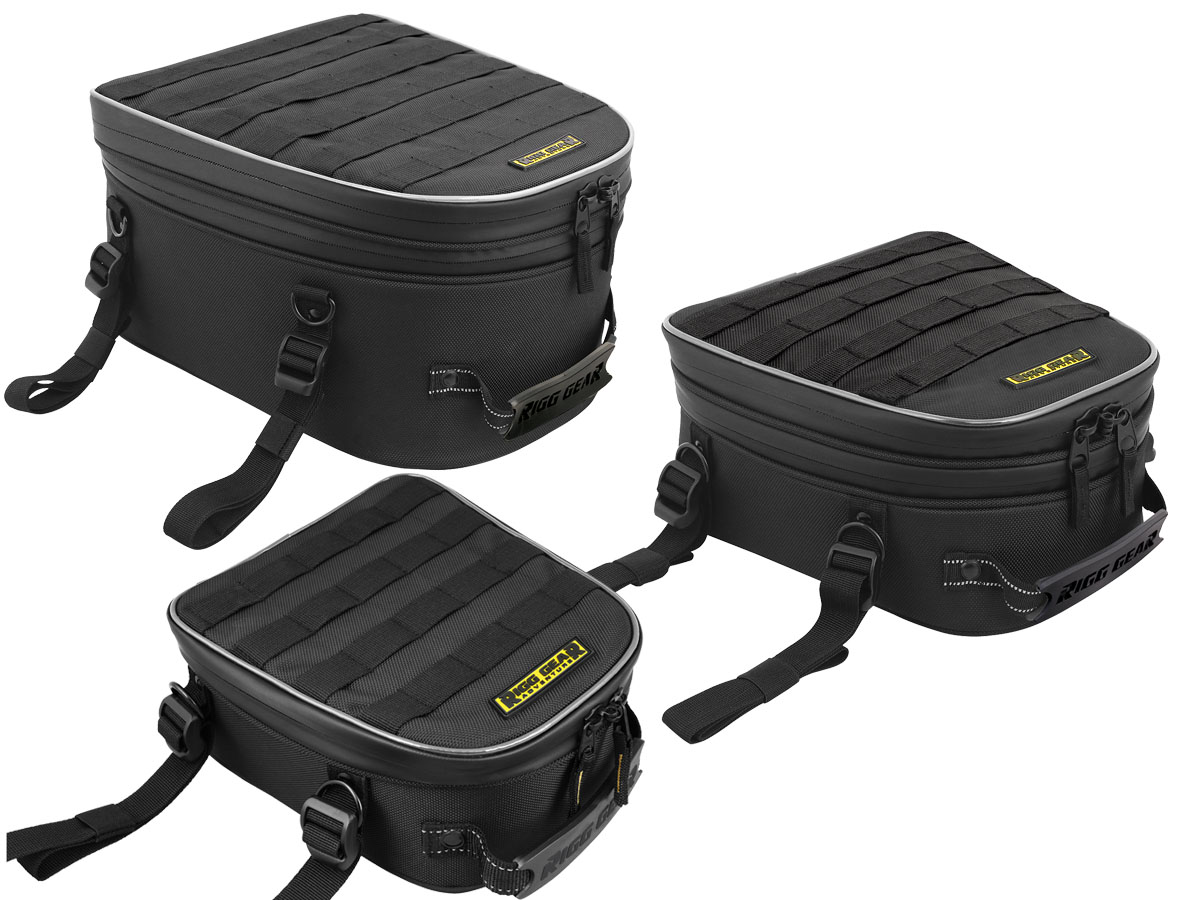
Illustrative image related to motorcycle luggage tail bag
PVC-coated polyester is another popular choice for motorcycle luggage due to its waterproof properties and affordability. This material is often used in dry bags and tail bags that require complete water resistance.
Vorteile: The waterproof nature of PVC-coated polyester ensures that contents remain dry, even in heavy rain. Its cost-effectiveness makes it an attractive option for budget-conscious buyers.
Nachteile: While it provides excellent waterproofing, PVC-coated polyester is less breathable, which can lead to moisture buildup inside the bag. Additionally, it may not be as durable as ballistic nylon in terms of abrasion resistance.
Auswirkungen auf die Anwendung: This material is particularly suitable for regions with heavy rainfall, making it a preferred choice for buyers in tropical climates like parts of South America. Compliance with local environmental regulations regarding PVC materials is essential.
Eco-Tech polyester is crafted from recycled materials, making it an environmentally friendly option for motorcycle tail bags. It combines durability with a commitment to sustainability, appealing to eco-conscious consumers.
Vorteile: This material is lightweight and offers good resistance to UV rays and fading, ensuring longevity. Its sustainable nature can enhance brand reputation among environmentally aware consumers.
Nachteile: Eco-Tech polyester may not offer the same level of abrasion resistance as ballistic nylon, potentially limiting its use in rugged conditions. Additionally, its production costs can be higher due to the recycling process.
Auswirkungen auf die Anwendung: Buyers from Europe, where sustainability is a significant purchasing factor, may prioritize Eco-Tech polyester. Compliance with eco-labeling standards can also enhance marketability.
Leather is often used for its aesthetic appeal and durability. While not as common as synthetic materials, it is favored for premium products that require a classic look.
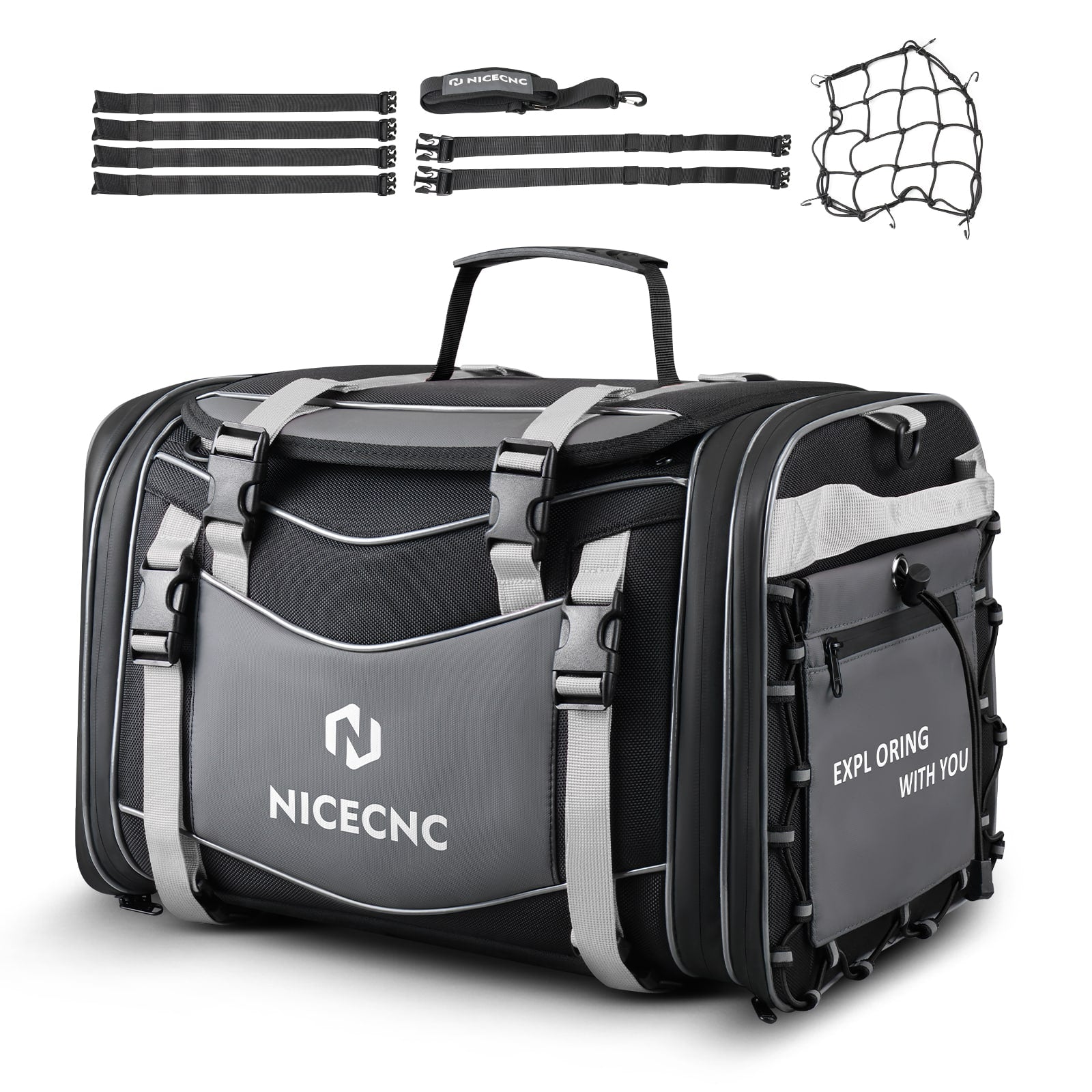
Illustrative image related to motorcycle luggage tail bag
Vorteile: Leather provides a high-end appearance and excellent durability. It can also be treated for water resistance, making it suitable for various conditions.
Nachteile: Leather is generally heavier and can be more expensive than synthetic alternatives. It also requires regular maintenance to prevent damage from moisture and UV exposure.
Auswirkungen auf die Anwendung: In markets where luxury and style are critical, such as parts of Europe and the Middle East, leather can be a strong selling point. Buyers should consider compliance with animal welfare regulations when sourcing leather products.
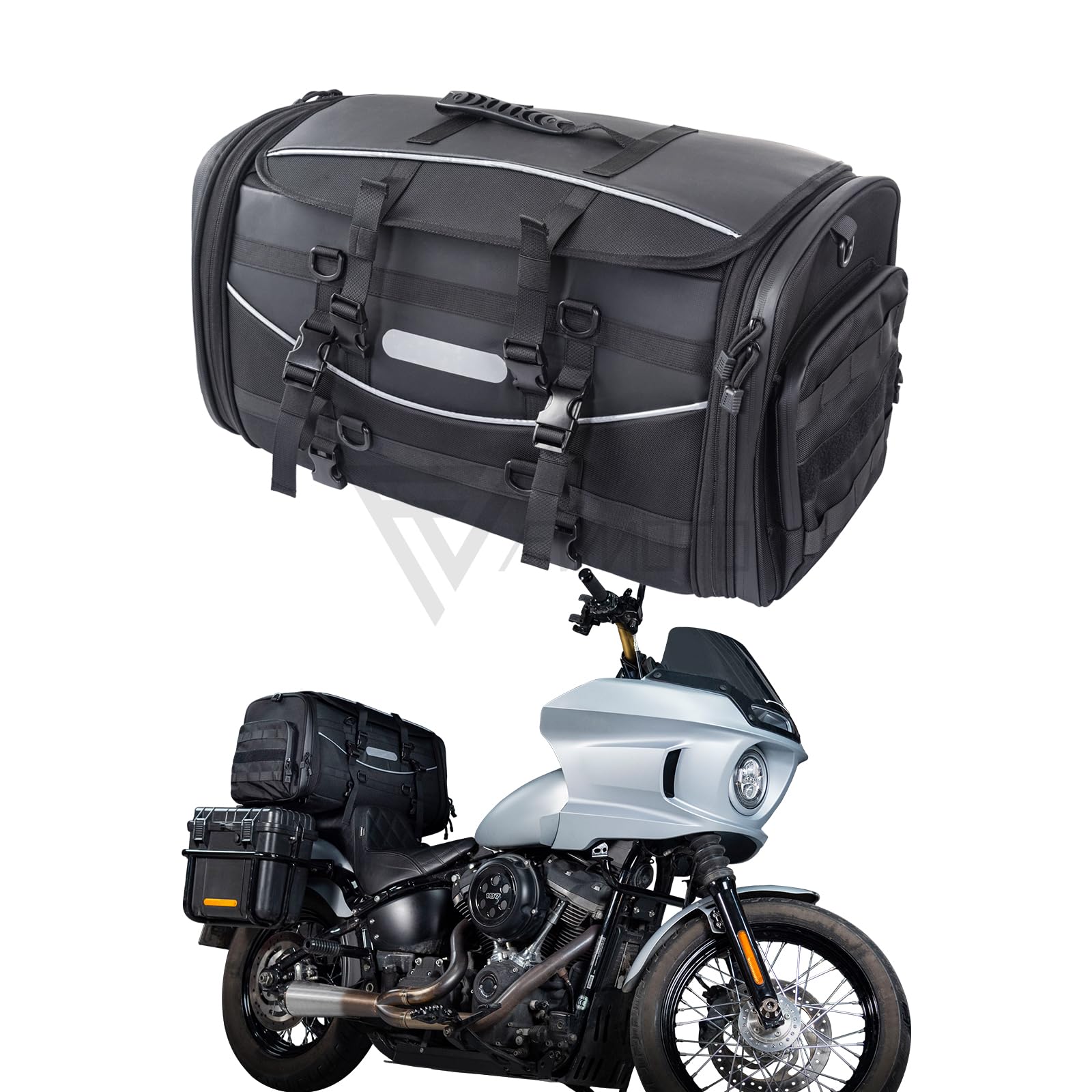
Illustrative image related to motorcycle luggage tail bag
| Material | Typical Use Case for motorcycle luggage tail bag | Hauptvorteil | Wesentlicher Nachteil/Beschränkung | Relative Kosten (niedrig/mittel/hoch) |
|---|---|---|---|---|
| Ballistisches Nylon | Long-distance touring and rugged use | Exceptional durability and abrasion resistance | Higher manufacturing costs | Hoch |
| PVC-beschichtetes Polyester | Waterproof applications for wet climates | Excellent waterproofing and cost-effective | Less breathable, may require additional treatments | Mittel |
| Eco-Tech Polyester | Sustainable products for eco-conscious consumers | Environmentally friendly and lightweight | Lower abrasion resistance than nylon | Mittel |
| Leder | Premium, stylish tail bags | High-end appearance and durability | Heavier and requires maintenance | Hoch |
This strategic material selection guide provides B2B buyers with insights into the performance, advantages, and limitations of various materials used in motorcycle luggage tail bags, enabling informed purchasing decisions tailored to specific market needs.
The manufacturing process for motorcycle luggage tail bags involves several critical stages, each designed to ensure the final product meets high standards of quality and durability.
The first stage involves the careful selection and preparation of materials. High-quality fabrics such as ballistic nylon, polyester, or PVC-coated materials are commonly used due to their strength and waterproof properties. These materials are cut to size using precision cutting machines, ensuring minimal waste and accurate dimensions. Additionally, manufacturers often treat fabrics to enhance their resistance to UV light, abrasion, and moisture, which is essential for outdoor use.
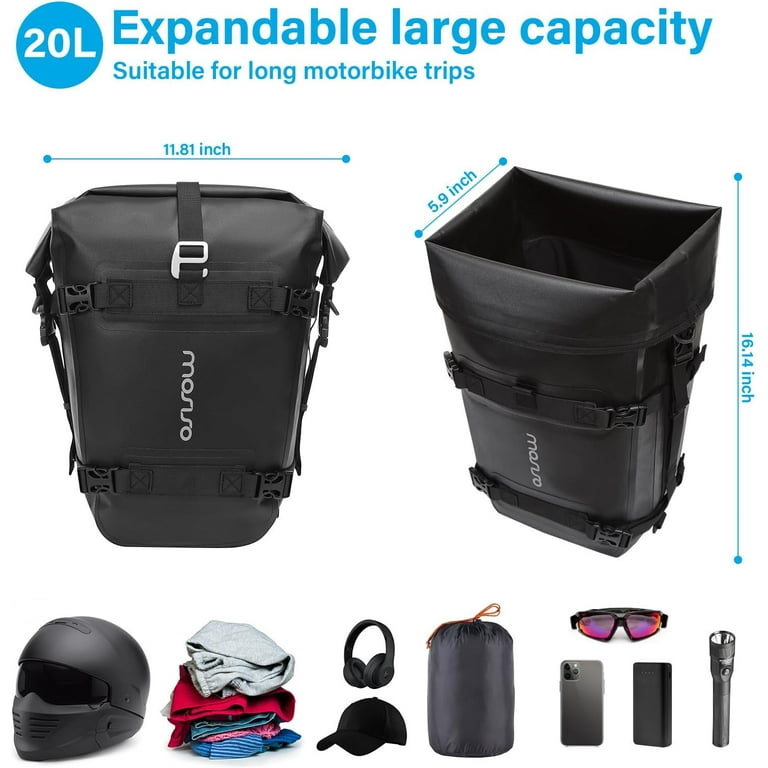
Illustrative image related to motorcycle luggage tail bag
Once the materials are prepared, they undergo forming and shaping processes. Techniques such as sewing, heat sealing, or welding are employed to create seams that are both strong and water-resistant. For example, heat sealing is often used for waterproof bags to ensure that seams do not allow water ingress. Manufacturers may also incorporate structural elements, such as stiffeners or reinforcements, which enhance the bag’s shape and durability.
The assembly stage brings together various components of the tail bag. This includes attaching straps, buckles, zippers, and other fastening mechanisms. During this process, manufacturers must ensure that all elements are securely fastened and functional. The use of standardized parts can streamline this process and facilitate easier repairs or replacements. Some manufacturers also offer modular designs, allowing for customization based on rider preferences.
The final stage of production involves applying finishing touches. This may include adding logos, reflective strips for safety, or additional pockets for organization. A quality inspection is performed at this stage to ensure that the product meets aesthetic and functional standards. Tail bags are often subjected to a final quality check to ensure there are no defects and that they are ready for distribution.
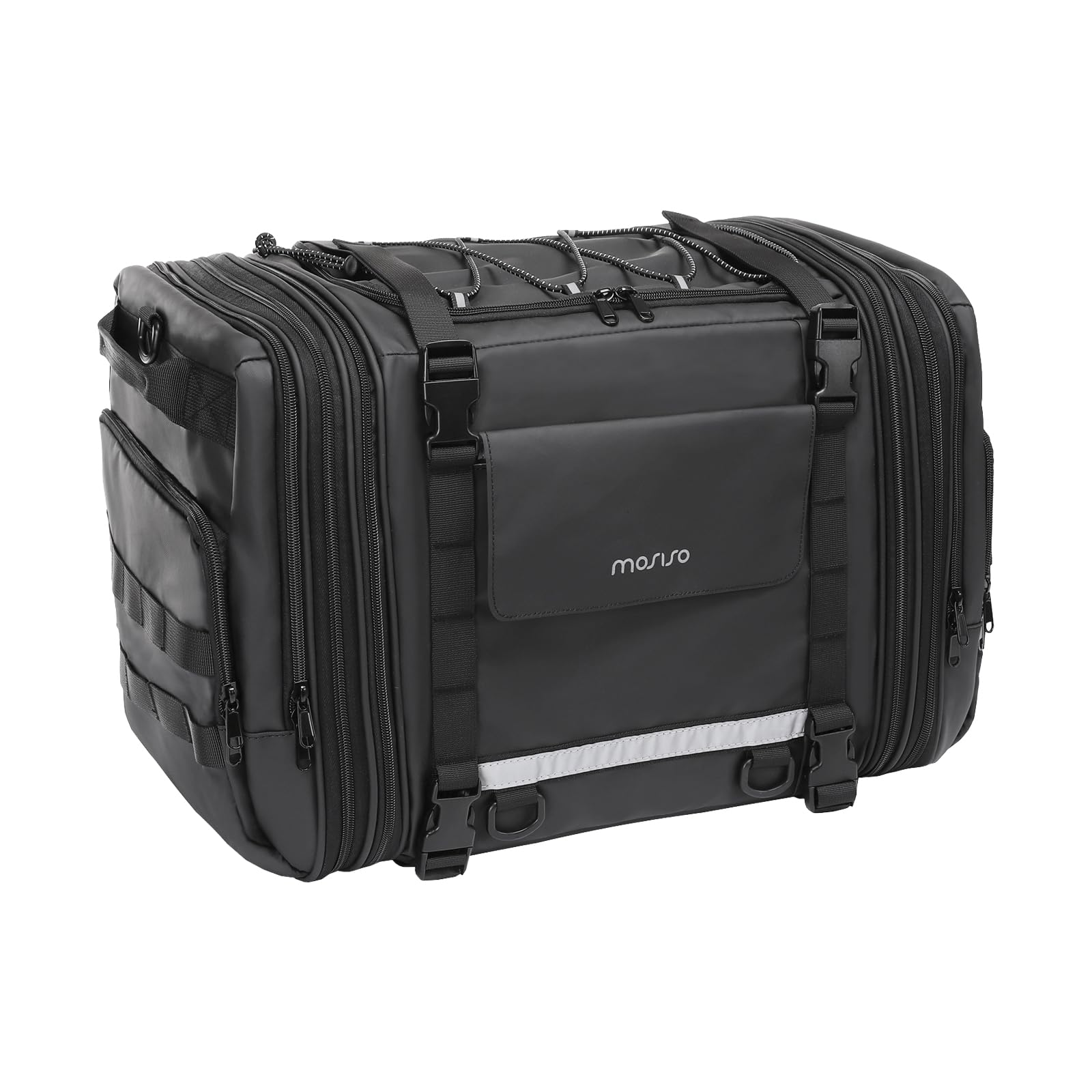
Illustrative image related to motorcycle luggage tail bag
Quality assurance is integral to the production of motorcycle luggage tail bags, ensuring that each product meets international standards and customer expectations.
B2B buyers should ensure that their suppliers comply with relevant international quality standards, such as ISO 9001, which focuses on quality management systems. Compliance with CE marking can also be crucial, especially in the European market, as it signifies that products meet safety and environmental requirements. Additionally, some manufacturers may adhere to specific industry standards, such as those set by the American Petroleum Institute (API) for materials used in high-stress environments.
Quality control (QC) checkpoints are critical in the manufacturing process. Common checkpoints include:
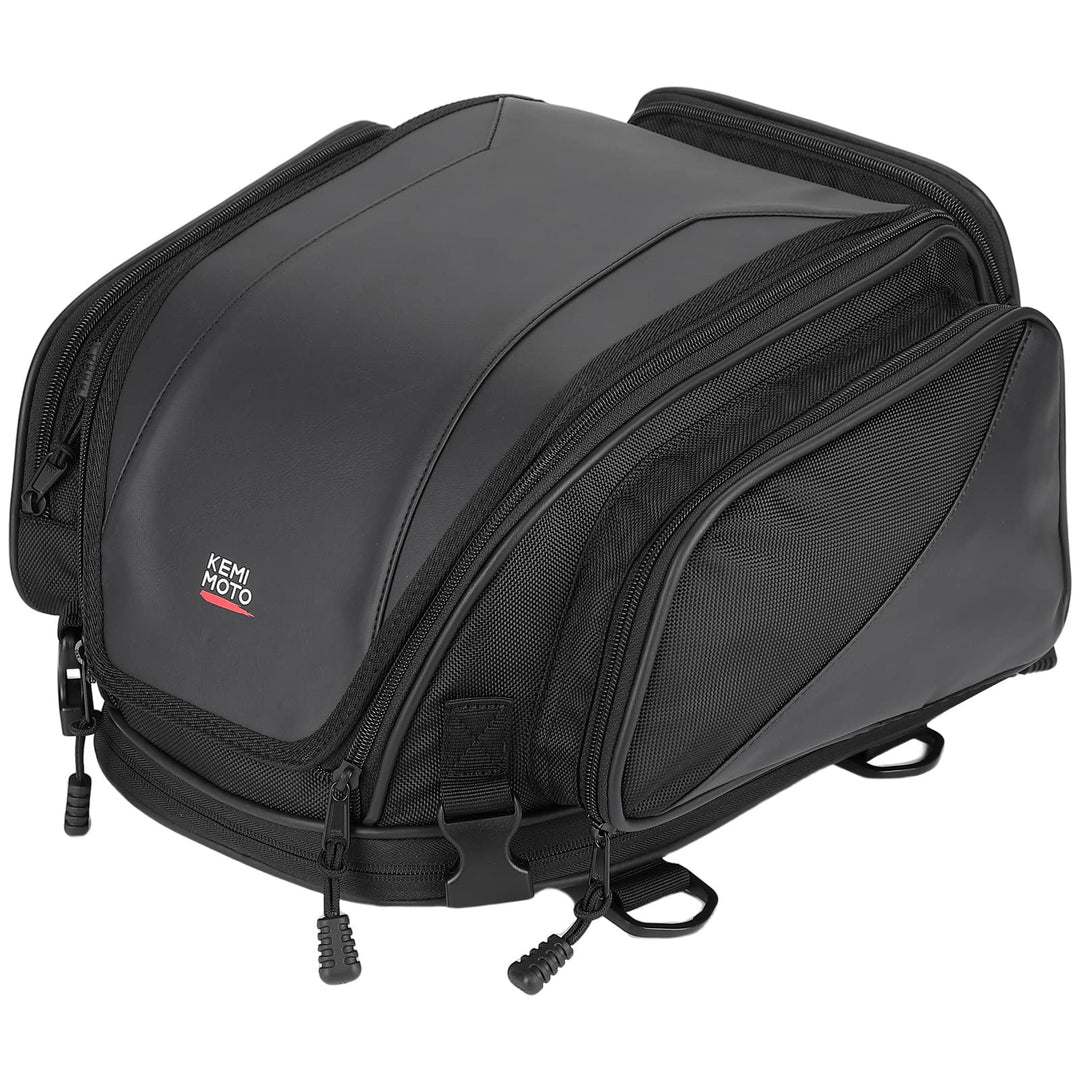
Illustrative image related to motorcycle luggage tail bag
Each checkpoint is vital for maintaining quality and can help prevent costly recalls or customer dissatisfaction.
Various testing methods are employed to ensure that motorcycle luggage tail bags perform reliably under different conditions.
Tail bags undergo rigorous durability tests, including tensile strength tests to assess the strength of seams and materials. Manufacturers may simulate extreme conditions, such as heavy rain or rough terrain, to verify that the bags maintain their integrity.
Given the outdoor use of motorcycle tail bags, waterproof testing is essential. Manufacturers often conduct tests using water immersion or spray methods to ensure that bags can withstand heavy rain without leaking.
Some manufacturers also engage in field testing, where prototypes are used in real-world conditions by riders. Feedback from these users can provide invaluable insights into the bag’s performance, usability, and comfort.
B2B buyers should adopt a proactive approach to verify the quality control processes of their suppliers.
Conducting regular audits is a key strategy. Buyers can schedule on-site visits to evaluate the manufacturing processes, observe QC checkpoints, and review documentation. This transparency can build trust and ensure that the supplier adheres to established quality standards.
Requesting quality assurance reports from suppliers can provide insight into their QC processes and outcomes. Additionally, engaging third-party inspection services can offer an unbiased assessment of the supplier’s capabilities and compliance with international standards.
Quality control nuances can vary significantly across regions, particularly for international buyers from Africa, South America, the Middle East, and Europe.
Different regions may have unique regulatory requirements and quality standards. For instance, European markets may place a stronger emphasis on environmental sustainability and safety certifications, while markets in Africa may focus on cost-effective durability. Understanding these regional expectations is crucial for B2B buyers to ensure compliance and enhance product acceptance.
International buyers should also consider logistics and supply chain challenges, which can impact quality assurance. Factors such as shipping times, customs regulations, and local market conditions can affect the delivery of products. Establishing clear communication with suppliers regarding expectations and timelines can mitigate potential issues.
In summary, the manufacturing processes and quality assurance practices for motorcycle luggage tail bags are vital for ensuring product reliability and customer satisfaction. By understanding these processes and implementing thorough verification strategies, B2B buyers can secure high-quality products that meet their specific needs in diverse international markets.
This guide aims to assist B2B buyers in effectively sourcing motorcycle luggage tail bags by providing a comprehensive checklist. Understanding the nuances of product features, supplier reliability, and market demands is essential for making informed purchasing decisions. The following steps will help streamline your sourcing process and ensure you select the right products for your customers.
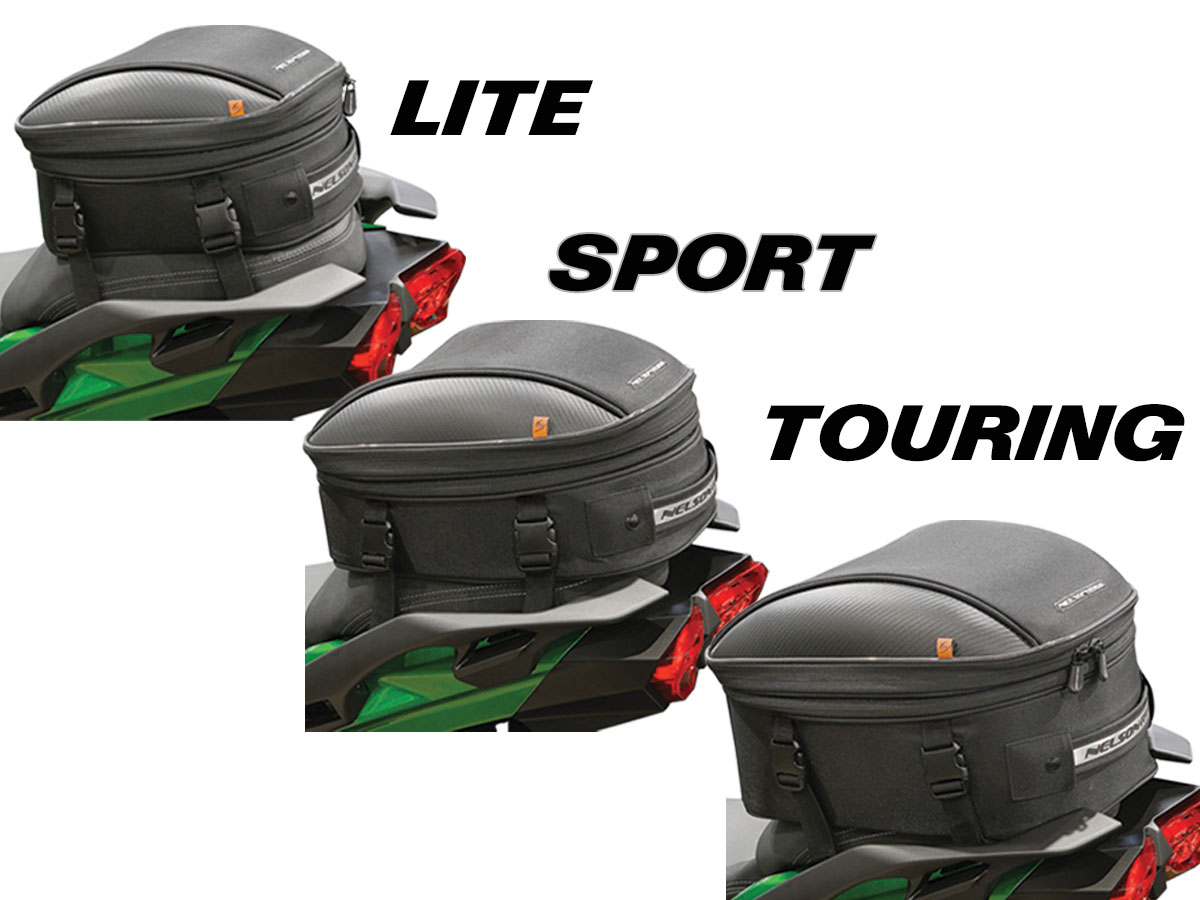
Illustrative image related to motorcycle luggage tail bag
Begin by determining the specific features and requirements for the tail bags you intend to source. Consider factors such as size, material, waterproofing capabilities, and mounting systems. Clearly defined specifications will help you communicate your needs effectively to potential suppliers.
Understanding current market trends is crucial for selecting products that will resonate with your target audience. Analyze competitor offerings and customer reviews to identify popular features and styles.
Thoroughly vet potential suppliers to ensure they can meet your specifications and quality standards. Request company profiles, product samples, and references from other businesses.
Compare pricing structures among different suppliers to ensure competitiveness without compromising quality. Evaluate their payment terms and conditions to understand the financial implications of your sourcing decision.
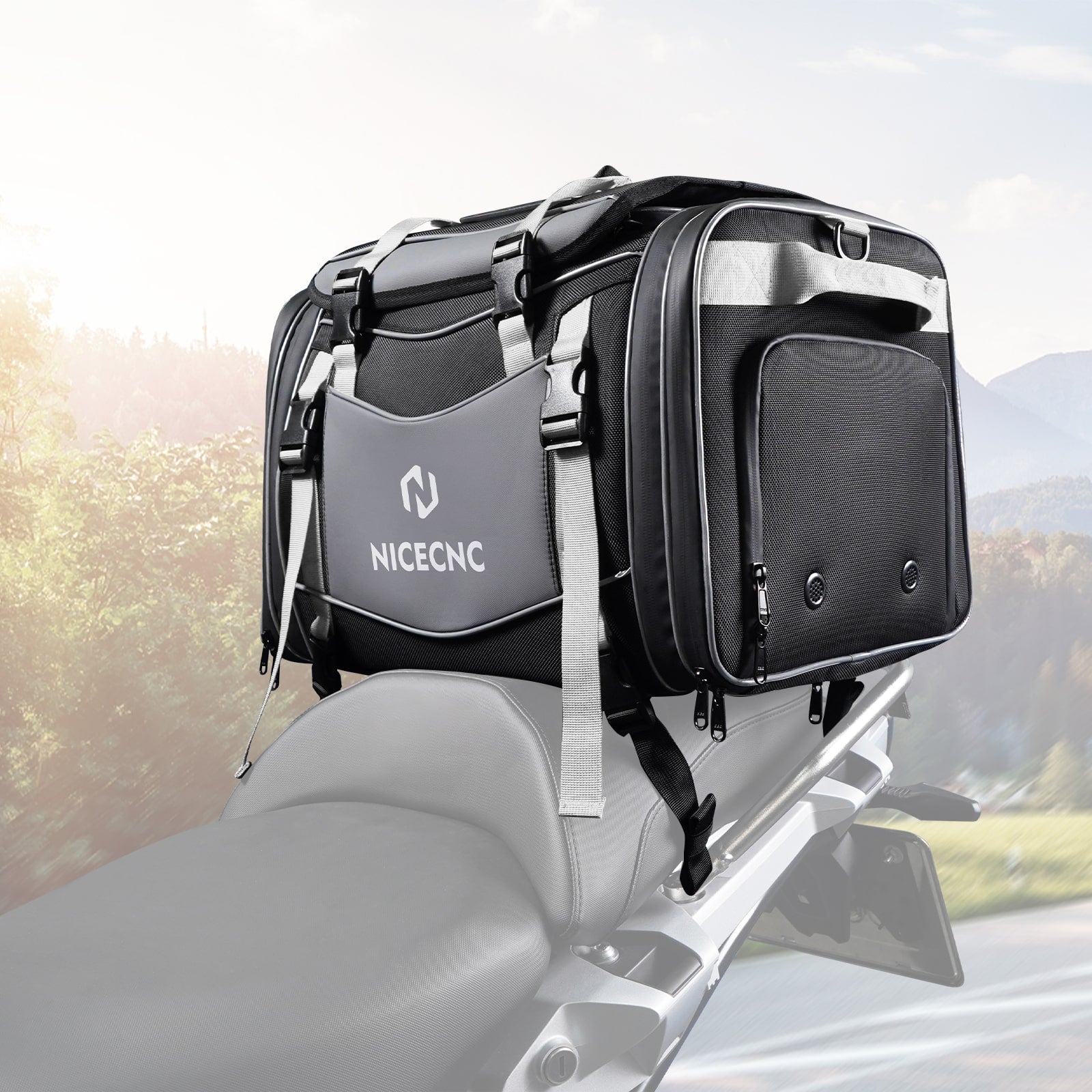
Illustrative image related to motorcycle luggage tail bag
Understanding delivery timelines is essential for effective inventory management. Confirm shipping options and lead times with your suppliers to ensure they can meet your demands.
Before finalizing your order, confirm the warranty and return policies provided by the supplier. A solid warranty can protect your investment and enhance customer satisfaction.
Effective communication is vital throughout the sourcing process. Establish clear lines of communication with your suppliers to facilitate prompt responses to inquiries and issues.
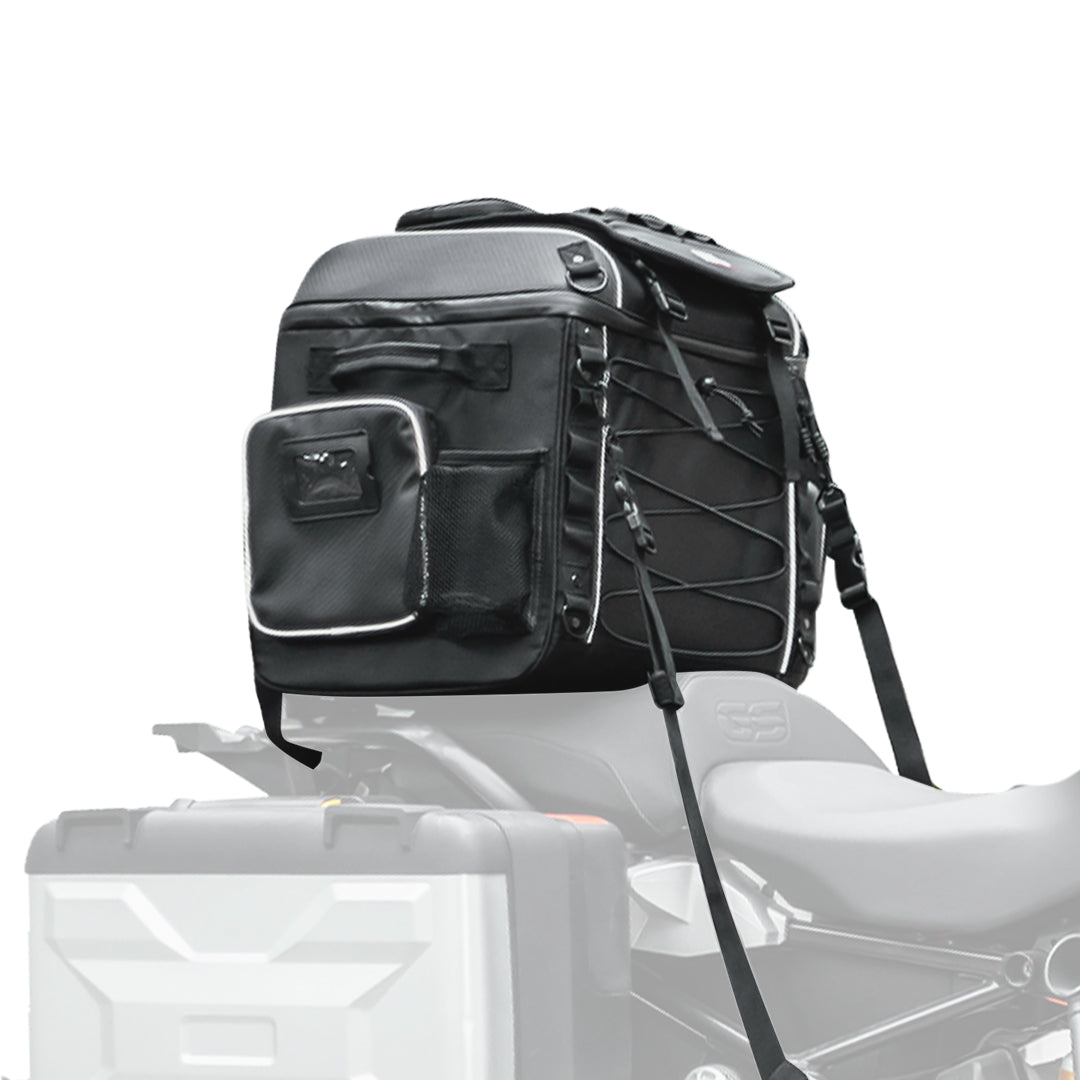
Illustrative image related to motorcycle luggage tail bag
By following this checklist, B2B buyers can navigate the complexities of sourcing motorcycle luggage tail bags more effectively, ensuring they meet the needs of their customers while optimizing their supply chain operations.
When sourcing motorcycle luggage tail bags, it is crucial for B2B buyers to understand the cost structure involved. The primary cost components include:
Materialien: The choice of fabric significantly influences cost. High-quality options like 1680D ballistic nylon or PVC-coated polyester provide durability and waterproofing, which can elevate price points. Additionally, hardware components such as zippers and buckles also contribute to the overall material cost.
Arbeit: Labor costs vary by region and manufacturing processes. Countries with lower labor costs may offer competitive pricing, but this can affect quality. Skilled labor ensures better craftsmanship, which is essential for high-performance luggage.
Fertigungsgemeinkosten: This encompasses the indirect costs related to production, including utilities, rent, and administrative expenses. Efficient manufacturing processes can help minimize these overheads, impacting overall pricing.
Werkzeugbau: Initial tooling costs for molds and dies, especially for customized or uniquely designed bags, can be significant. Buyers should consider these costs when assessing the total price, as they are often amortized over large production runs.
Qualitätskontrolle (QC): Implementing stringent QC measures ensures that the final product meets industry standards. While this may increase costs, it ultimately reduces returns and enhances brand reputation.
Logistik: Transportation and shipping costs are vital, particularly for international buyers. Factors such as distance, shipping mode (air vs. sea), and import tariffs can significantly affect the final price.
Marge: Suppliers will typically add a margin to cover their costs and profit, which can vary widely based on the supplier’s market positioning and operational efficiencies.
Several factors can influence the pricing of motorcycle luggage tail bags:
Volumen/MOQ: Purchasing in larger quantities often results in lower unit prices due to economies of scale. Buyers should negotiate minimum order quantities (MOQs) that align with their inventory strategy.
Spezifikationen und Anpassungen: Custom designs or specific features (e.g., waterproofing, unique mounting systems) can increase costs. Buyers should weigh the benefits of customization against budget constraints.
Qualität und Zertifizierungen: Products with certifications for durability and safety may command higher prices. Buyers in markets like Europe, where quality standards are stringent, should prioritize sourcing certified products.
Lieferanten-Faktoren: The reputation and reliability of suppliers can affect pricing. Established suppliers with a history of quality assurance may charge more but offer peace of mind regarding product performance.
Incoterms: Understanding shipping terms such as FOB (Free on Board) or CIF (Cost, Insurance, and Freight) is essential for calculating the total landed cost of products. This knowledge helps in negotiating better shipping rates.
B2B buyers should adopt strategic approaches to enhance cost-efficiency:
Negotiation Tactics: Establish clear communication with suppliers about expectations and budget constraints. Consider long-term partnerships, which may yield better pricing and terms.
Focus on Total Cost of Ownership: Evaluate not just the initial purchase price but also the longevity and maintenance costs of the luggage. Higher upfront costs may lead to lower lifetime costs if the product is durable and reliable.
Nuancen in der Preisgestaltung für internationale Käufer: Buyers from regions like Africa and South America should be aware of currency fluctuations and import duties, which can affect pricing. Engaging local experts can provide insights into market dynamics.
Führen Sie Marktforschung durch: Understanding competitor pricing and market trends can empower buyers during negotiations. This knowledge can help justify demands for lower prices or better terms.
Leverage Seasonal Discounts: Timing purchases to coincide with off-peak seasons or supplier sales can lead to significant savings.
Prices mentioned in this analysis are indicative and subject to change based on market conditions, supplier negotiations, and material availability. Always conduct thorough research and request updated quotes from suppliers to ensure accurate budgeting.
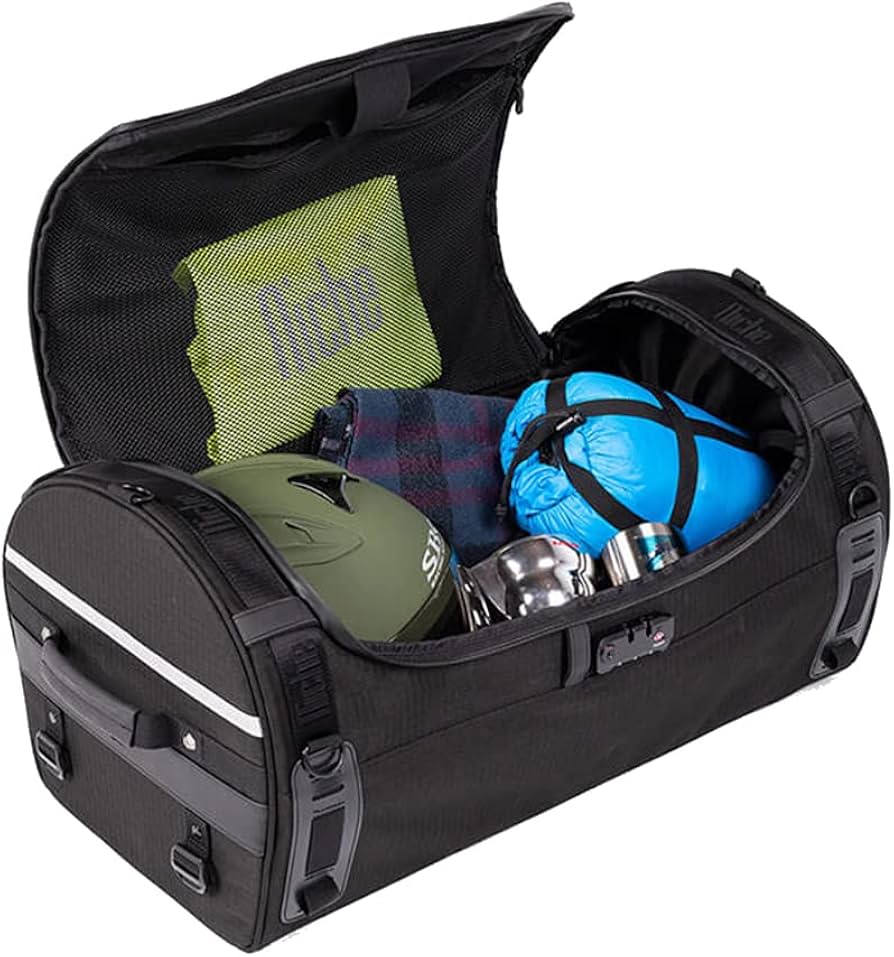
Illustrative image related to motorcycle luggage tail bag
When considering solutions for transporting gear on motorcycles, it’s essential to evaluate various options that can meet the specific needs of riders. While motorcycle luggage tail bags are a popular choice due to their versatility and ease of use, there are alternative solutions available that may also serve the purpose effectively. This analysis compares motorcycle luggage tail bags with saddlebags and hard cases, each providing unique advantages and disadvantages.
| Vergleich Aspekt | Motorcycle Luggage Tail Bag | Satteltaschen | Hartschalenkoffer |
|---|---|---|---|
| Leistung | High adaptability; fits various motorcycle types; easy to access. | Good for carrying larger loads; stability depends on attachment method. | Excellent protection; secure and weather-resistant. |
| Kosten | Generally affordable; prices vary based on brand and features. | Moderate; typically less expensive than hard cases. | Higher initial investment; durable but can be heavy. |
| Leichte Implementierung | Simple to install; often includes straps or hooks for quick attachment. | Can be more complex to attach securely; requires proper mounting. | Installation may require specific mounting hardware; often more involved. |
| Wartung | Low maintenance; easy to clean and store. | Moderate; may require regular checks for wear on straps and materials. | Low; durable but can be heavy and cumbersome. |
| Bester Anwendungsfall | Ideal for short trips and everyday commuting; versatile for various gear. | Best for long-distance travel and carrying larger items; offers more space. | Perfect for those needing maximum protection for fragile items or long-term storage. |
Saddlebags offer a significant advantage in terms of storage capacity, making them suitable for long-distance touring. They can be mounted securely on either side of the motorcycle, providing a balanced load. However, their installation can be more complex than tail bags, and they may require additional hardware. While saddlebags are often less expensive than hard cases, they can vary in durability and weather resistance, which may be a concern for riders in harsh climates.
Hard cases are designed to provide maximum protection for delicate items, making them an ideal choice for riders who transport electronics or sensitive gear. Their rigid structure ensures that contents are safe from impacts and environmental elements. However, hard cases tend to be heavier and more cumbersome, which may impact the motorcycle’s handling. The installation process can also be more involved, often requiring specific mounting brackets. Despite the higher initial cost, their longevity and durability can make them a worthwhile investment for serious riders.
When selecting the right luggage solution, B2B buyers should consider their specific needs, including the type of motorcycle, typical riding conditions, and the volume of gear to be transported. Motorcycle luggage tail bags are suitable for riders seeking versatility and ease of use, while saddlebags cater to those needing increased storage for longer trips. For maximum protection, hard cases present a solid option, albeit at a higher price point. By weighing these factors, buyers can make an informed decision that aligns with their operational requirements and budget constraints.
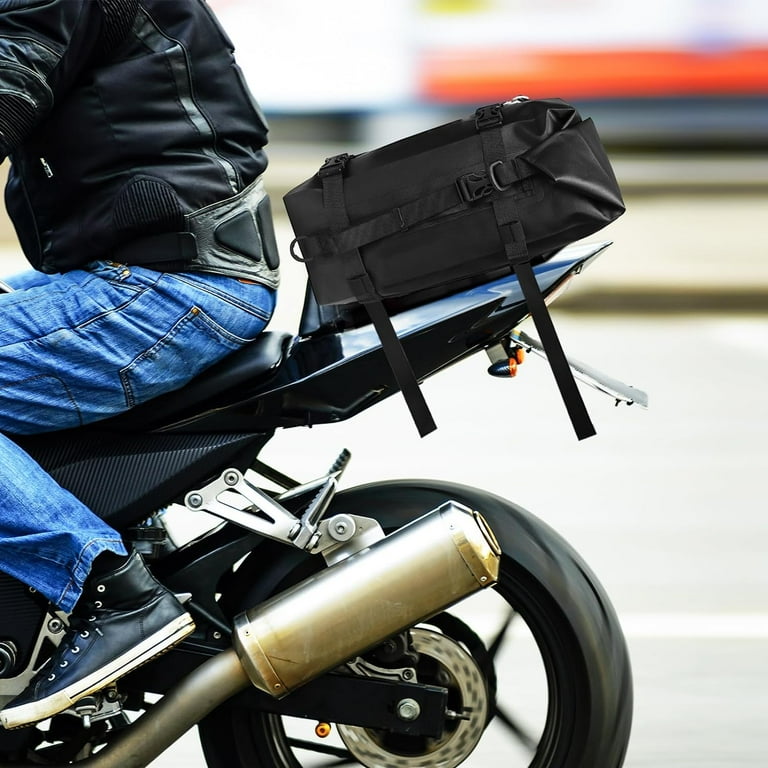
Illustrative image related to motorcycle luggage tail bag
Understanding the key technical properties of motorcycle luggage tail bags is crucial for B2B buyers looking to make informed purchasing decisions. Here are several critical specifications that are commonly evaluated:
The material used in tail bags greatly affects durability and functionality. High-quality tail bags often utilize materials such as 1680D ballistic nylon or PVC-coated polyester. These materials are chosen for their resistance to abrasions, tears, and water. For B2B buyers, selecting bags made from robust materials ensures longevity and reduces the frequency of replacements, which can be a significant cost-saving factor.
Water resistance is a key property, especially for riders in regions with unpredictable weather. Tail bags should be constructed with waterproof materials or include waterproof rain covers. This feature is vital for protecting the contents from rain and moisture, ensuring that the bags can be marketed effectively in various climates. Buyers should prioritize waterproof options to meet customer demands for reliability and performance.
Tail bags come in various sizes, typically measured in liters (e.g., 20L, 50L). Some designs offer expandable compartments, allowing users to increase storage capacity as needed. This versatility is essential for B2B buyers, as it allows them to cater to a broader range of customer needs, from daily commuting to long-distance touring.
The ease of attachment and detachment is another critical property. A secure mounting system ensures that the bag remains stable during rides. Features like quick-release buckles and adjustable straps enhance user convenience. For B2B buyers, promoting tail bags with user-friendly mounting systems can lead to higher customer satisfaction and reduced return rates.
The weight of the tail bag is an important consideration, as it impacts the overall load a motorcycle can carry. Lightweight materials that maintain durability can be a selling point. Buyers should consider products that strike a balance between weight and strength, appealing to performance-oriented riders.
Security features, such as lockable compartments, are increasingly sought after by riders. Tail bags that offer this feature provide peace of mind for users, especially when leaving their motorcycles unattended. B2B buyers can leverage this property as a key selling point, highlighting the added security for valuable items.
Familiarity with industry terminology can significantly enhance communication and negotiation between buyers and suppliers. Here are some common terms relevant to the motorcycle luggage sector:
This term refers to companies that manufacture products that are marketed by another company under its brand name. For B2B buyers, understanding OEM relationships can help in sourcing quality products that meet specific standards and expectations.
MOQ indicates the smallest quantity of a product that a supplier is willing to sell. Knowing the MOQ is crucial for buyers to manage inventory effectively and ensure they are not overcommitting to stock that may not sell quickly.
An RFQ is a document sent to suppliers requesting pricing and details for specified products. For B2B buyers, crafting a clear RFQ can streamline the procurement process and ensure that they receive competitive pricing and accurate information.
These are international commercial terms that define the responsibilities of buyers and sellers regarding shipping costs, insurance, and risk. Familiarity with Incoterms is essential for B2B buyers engaged in international trade, as it clarifies the terms of shipment and delivery.
An SKU is a unique identifier for each distinct product and service that can be purchased. Understanding SKUs helps buyers manage inventory and differentiate between various tail bag models, ensuring efficient stock management.
Lead time refers to the amount of time it takes from placing an order to receiving the goods. For B2B buyers, knowing the lead time is critical for planning inventory and ensuring timely availability for customers.
By understanding these essential technical properties and trade terminology, B2B buyers can make informed decisions, ultimately enhancing their product offerings and customer satisfaction in the motorcycle luggage market.
The motorcycle luggage tail bag sector is experiencing significant growth driven by the increasing popularity of motorcycling as both a leisure activity and a mode of transportation. Global trends such as adventure tourism and the rise of motorcycle touring have led to heightened demand for versatile, durable luggage solutions. In regions like Africa, South America, and parts of Europe, the market is expanding as more riders seek products that enhance their travel experiences.
Emerging technologies are reshaping the sourcing landscape, with smart materials and modular designs becoming increasingly prevalent. B2B buyers should pay attention to innovations such as waterproof fabrics, lightweight materials, and integrated safety features like reflective strips and lockable compartments. Furthermore, the demand for customization options allows retailers to cater to specific regional preferences, enhancing their market appeal.
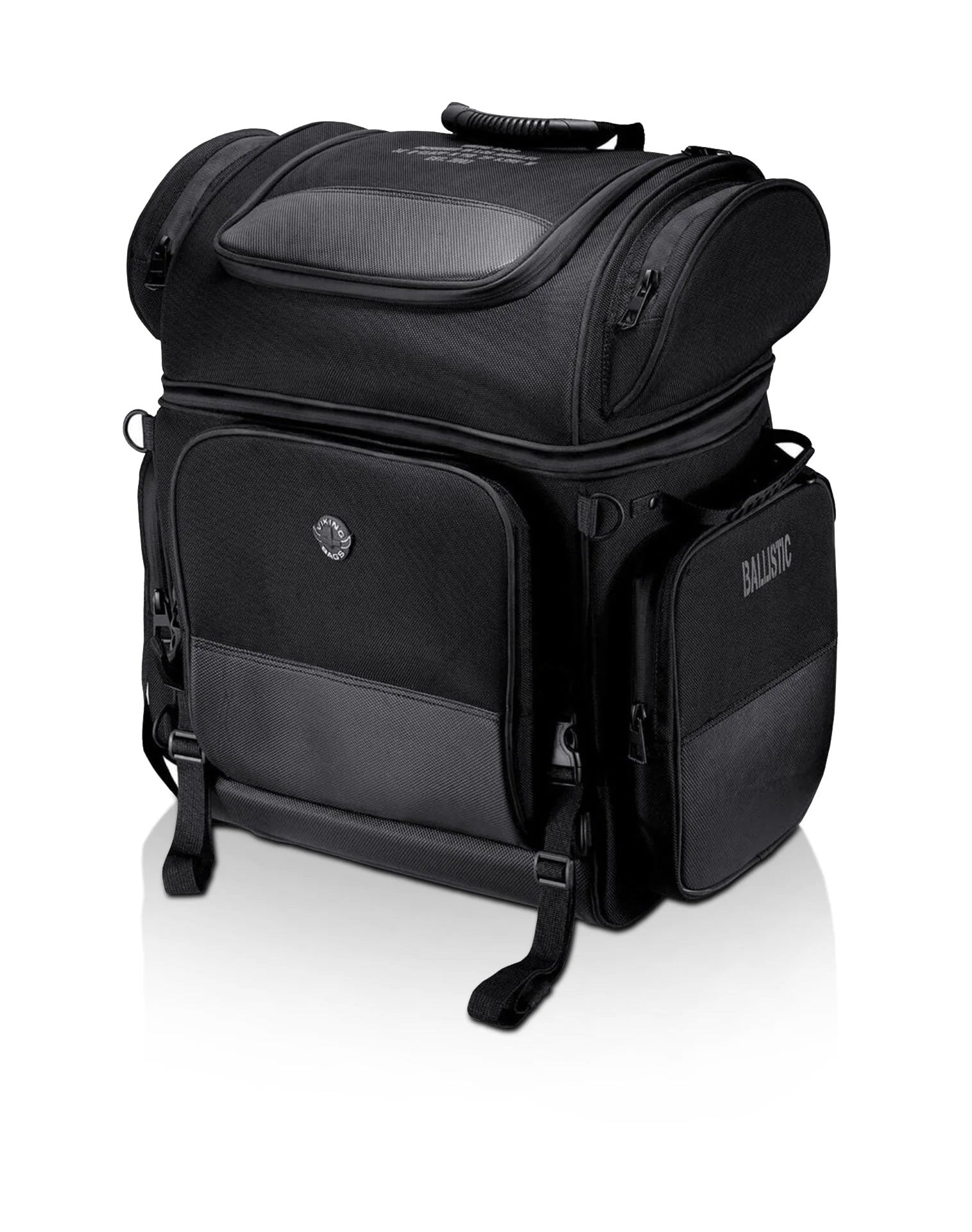
Illustrative image related to motorcycle luggage tail bag
Another critical aspect of the market is the shift towards e-commerce platforms, which are facilitating easier access to a wider range of products for international buyers. This trend is particularly relevant for buyers in developing regions, where local retailers may not offer extensive selections. Leveraging online marketplaces can streamline sourcing processes and improve inventory management for B2B buyers.
Sustainability is becoming a cornerstone of the motorcycle luggage tail bag market, with buyers increasingly prioritizing environmentally friendly products. The environmental impact of manufacturing processes and materials used in tail bags is under scrutiny. As a result, manufacturers are adopting eco-friendly practices, such as utilizing recycled materials and reducing waste during production.
Ethical sourcing is also gaining traction, with buyers demanding transparency in supply chains. Certifications like Global Recycle Standard (GRS) and Oeko-Tex Standard 100 are becoming essential for manufacturers looking to build credibility and trust with B2B buyers. As consumers become more environmentally conscious, products that incorporate sustainable materials—such as recycled polyester or organic cotton—are likely to attract more attention.
For B2B buyers, aligning with suppliers who prioritize sustainability can enhance brand reputation and appeal to a growing market segment that values ethical practices. This alignment not only fosters customer loyalty but also mitigates risks associated with regulatory changes regarding environmental practices.
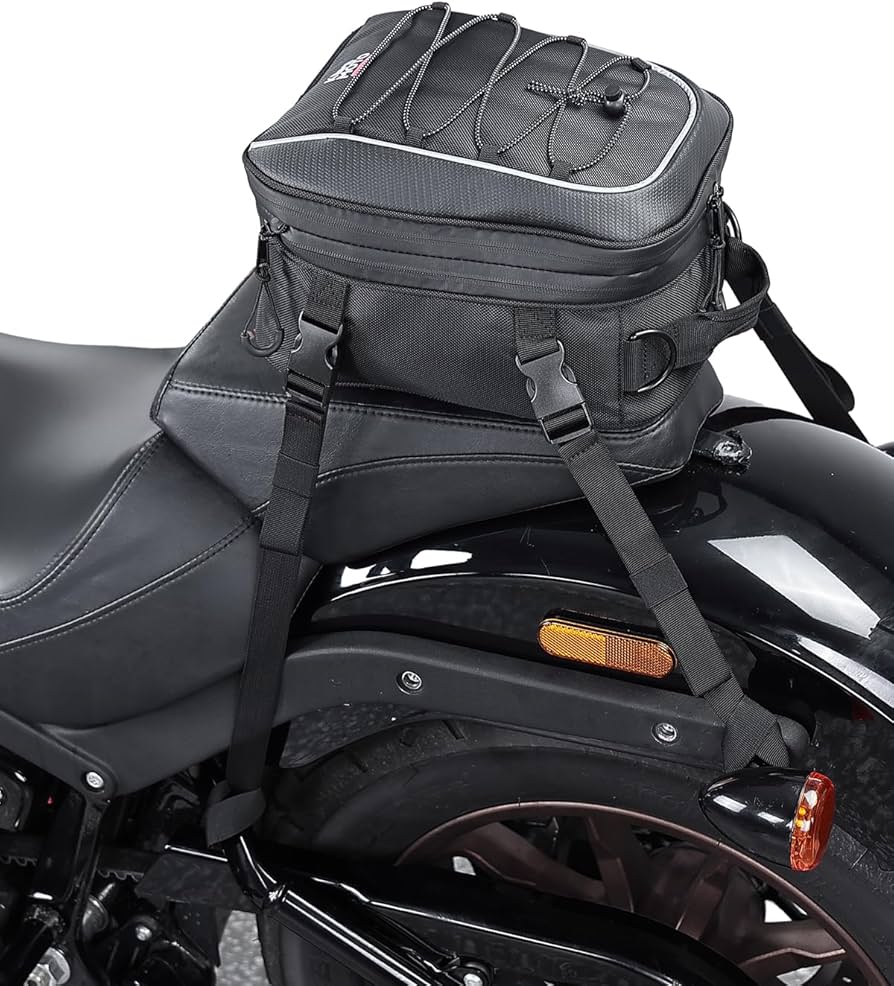
Illustrative image related to motorcycle luggage tail bag
The evolution of motorcycle luggage tail bags reflects broader trends in the motorcycle industry. Initially designed for practicality, early tail bags were simple, utilitarian structures that served the basic purpose of carrying gear. As motorcycle culture evolved, so did the design and functionality of these bags. The introduction of advanced materials and ergonomic designs has transformed tail bags into stylish, versatile accessories that enhance the riding experience.
In recent years, the focus has shifted to incorporating features that cater to long-distance touring and adventure riding, such as waterproofing, modular designs, and compatibility with various bike models. This evolution is indicative of a market that is not only responsive to consumer needs but also committed to innovation and quality, making it an attractive space for B2B buyers looking to invest in high-demand products.
How do I ensure the quality of motorcycle luggage tail bags from suppliers?
To ensure quality, it is essential to conduct thorough supplier vetting. Start by requesting samples to evaluate the materials, stitching, and overall construction. Check for certifications that validate manufacturing standards, such as ISO or CE marks. Additionally, consider visiting the manufacturing facility if possible, and look for reviews or testimonials from other businesses that have sourced products from the supplier. Establishing a robust quality assurance process, including regular audits and inspections, can further mitigate risks associated with product quality.
What is the best material for motorcycle luggage tail bags?
The best materials for motorcycle luggage tail bags typically include ballistic nylon, PVC-coated polyester, and other durable, weather-resistant textiles. Ballistic nylon is known for its toughness and resistance to abrasions, making it ideal for rugged use. PVC-coated polyester offers excellent waterproofing, ensuring that contents remain dry during adverse weather conditions. When selecting materials, consider factors such as the intended use, climate conditions in the target market, and the balance between weight and durability.
What customization options should I consider when sourcing tail bags?
Customization options can significantly enhance the appeal of your product line. Consider options like size variations, color choices, and branding elements, such as logo placements. Additionally, functionality features like expandable compartments, waterproof covers, and attachment systems for different motorcycle models can attract diverse customer segments. Engaging with suppliers who offer flexible manufacturing capabilities allows you to adapt products to meet specific market demands effectively.
What is the minimum order quantity (MOQ) for motorcycle luggage tail bags?
Minimum order quantities can vary significantly between suppliers and depend on factors such as material costs and production capabilities. Generally, MOQs for motorcycle luggage tail bags can range from 50 to 500 units. When negotiating with suppliers, inquire about pricing tiers based on order volume and whether they offer lower MOQs for new customers. Understanding the MOQ will help in budgeting and planning inventory effectively.
What payment terms are commonly offered by suppliers of motorcycle luggage tail bags?
Payment terms can vary widely, but common practices include a 30% deposit upfront with the balance due upon shipment or delivery. Some suppliers may also offer net 30 or net 60 terms, allowing buyers to pay within 30 or 60 days after receiving the goods. It’s crucial to negotiate favorable terms that align with your cash flow needs while ensuring security for both parties. Consider using escrow services for larger transactions to mitigate risks.
How can I manage logistics effectively when importing motorcycle luggage tail bags?
Effective logistics management begins with selecting a reliable freight forwarder who understands the nuances of international shipping, especially for bulky items like tail bags. Determine the best shipping method—air freight for speed or sea freight for cost-effectiveness—based on your timeline and budget. Ensure all customs documentation is prepared in advance to prevent delays at borders. Tracking shipments and maintaining communication with your supplier and logistics provider will help in managing the supply chain smoothly.
What quality assurance practices should I implement for imported tail bags?
Implementing a quality assurance (QA) program is critical for maintaining product standards. Start by conducting pre-shipment inspections to check for defects and compliance with specifications. Establish a clear return policy for defective items and maintain communication with your supplier regarding quality concerns. Regular audits of the supplier’s manufacturing processes and raw material sourcing can also help ensure ongoing product quality. Consider third-party quality control services for an unbiased assessment.
How do I handle returns and warranty claims for motorcycle luggage tail bags?
Handling returns and warranty claims requires clear policies that protect both your business and your customers. Outline the conditions under which returns are accepted and the timeframe for initiating a claim. Ensure that your warranty covers manufacturing defects for a reasonable period, typically one year. Establish a streamlined process for customers to report issues and return products, including clear instructions and return shipping labels. Efficient handling of claims will enhance customer satisfaction and promote brand loyalty.
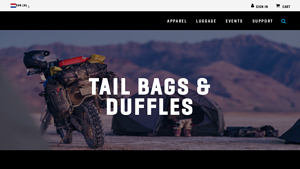
Bereich: moskomoto.de
Registriert: 2013 (12 Jahre)
Einleitung: Dieses Unternehmen, Moskomoto - Rear-Mounted Motorcycle Luggage, ist ein namhaftes Unternehmen auf dem Markt. Für spezifische Produktdetails empfiehlt es sich, die Website direkt zu besuchen.
Bereich: sw-motech.us
Registriert: 2019 (6 Jahre)
Einleitung: SW-MOTECH offers a variety of motorcycle tail bags designed for versatility, durability, and style. Key features include:
1. **Product Lines:**
– PRO Tail Bags: Quick attachment with a patented hook system, durable materials, expandable storage for long-distance touring.
– ION Series: Budget-friendly, minimalist design, reliable zippers, flexible mounting options, available in three sizes.
…
Bereich: revzilla.de
Registriert: 2006 (19 Jahre)
Einleitung: Dieses Unternehmen, RevZilla - Tail Bags, ist ein namhaftes Unternehmen auf dem Markt. Für spezifische Produktdetails wird empfohlen, ihre Website direkt zu besuchen.
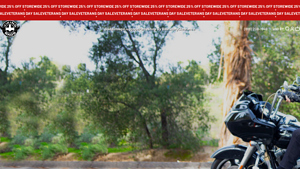
Bereich: vikingbags.com
Registriert: 2006 (19 Jahre)
Einleitung: Motorcycle Tail Bags for Luggage Rack – VikingBags. Key products include: 57L – Voyage Premium XL Motorcycle Tail Bag (Sale price: $159.37, Regular price: $212.49, Rating: 5.0), 42L – Voyage Elite XL Motorcycle Luggage Rack Bag (Sale price: $93.74, Regular price: $124.99, Rating: 4.6), 28L – Century Large Leather Motorcycle Tail Bag (Sale price: $187.49, Regular price: $249.99, Rating: 4.8), 20L -…
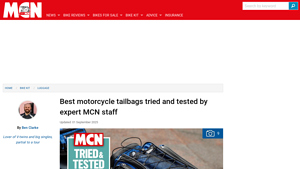
Bereich: motorradnews.de
Registriert: 1999 (26 Jahre)
Einleitung: [{"name": "Kriega Rollpack 20″, "price":"£129.99″, "capacity": "20 litres", "dimensions": "75cm x 36cm", "weight": "643g", "waterproof": "Yes", "luggage_rack_required": "No", "pros":["Tough construction", "Effectively waterproof", "Easy to attach"], "cons":["None found"], "ratings":{"quality":5.0, "ease_of_use":5.0, "value":5.0, "verdict":5.0}},{"name": "SW-MOTECH Legend Gear Tail Bag LR2″, "price":"£275.99″, "capacity"...
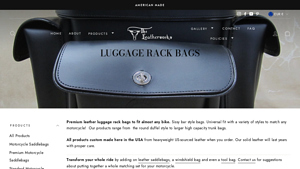
Bereich: lederwerk.de
Registriert: 1999 (26 Jahre)
Einleitung: Premium leather luggage rack bags for motorcycles, custom made in the USA from heavyweight US-sourced leather. Available in various styles including sissy bar style bags, round duffel style, and larger high capacity trunk bags. Options for full customization and different leather colors such as Black, Brown, White, Tan, and more. Products include: 99X Extra Large Sissy Bar Bag ($81.00), 116XP Larg…
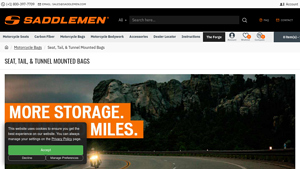
Bereich: sattelmaenner.de
Registriert: 1996 (29 Jahre)
Einleitung: Saddlemen Tail, Tunnel and Mounted Motorcycle Seat Bags; Compatible with various Harley-Davidson models from 1997-2025; Includes options for Softail, Dyna, Sportster, Indian, BMW, Honda, Kawasaki, Suzuki, Triumph, and Yamaha; Features universal mounting system; Includes multiple models such as BR4200, BR3400, BR3400 D, BR3400EXS, and BR1800EXS; Prices range from $252.95 to $282.95; Designed for st…
Bereich: giviusa.com
Registriert: 2000 (25 Jahre)
Einleitung: This company, GIVI – Soft Bags, is a notable entity in the market. For specific product details, it is recommended to visit their website directly.
In the competitive landscape of motorcycle luggage, tail bags stand out as a versatile solution for riders worldwide. Key takeaways for international B2B buyers include the importance of selecting tail bags that combine durability, waterproofing, and ease of installation. Brands like Mosko Moto, SW-MOTECH, and Nelson Rigg exemplify quality and innovation, offering a range of options suitable for various motorcycle types and riding styles.
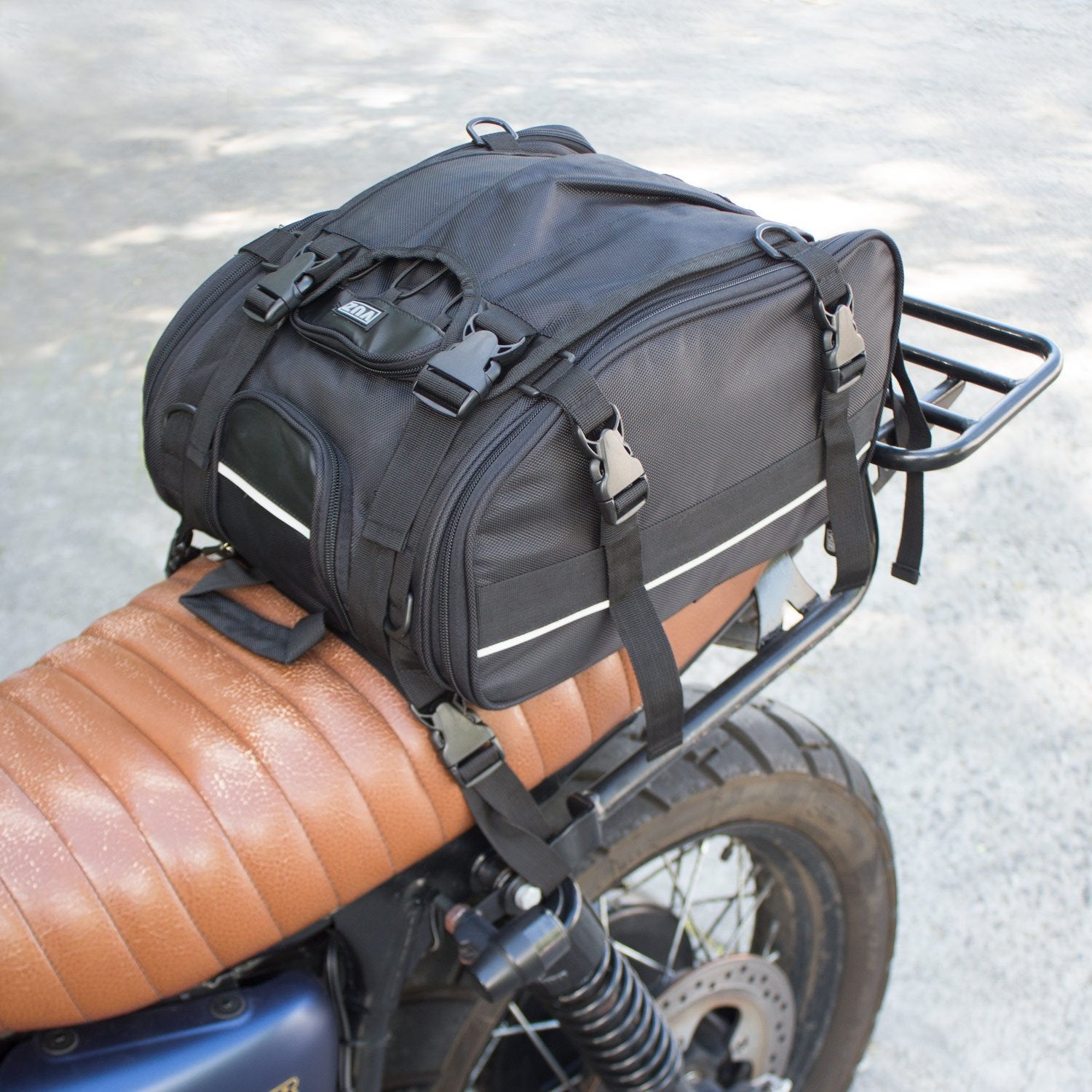
Illustrative image related to motorcycle luggage tail bag
Strategic sourcing becomes paramount in this context, enabling buyers to leverage supplier relationships and optimize product offerings that cater to diverse markets in Africa, South America, the Middle East, and Europe. Buyers should focus on understanding local preferences, ensuring that the selected products align with regional demands for quality and functionality.
Looking forward, the motorcycle luggage market is poised for growth, driven by increasing interest in adventure tourism and motorcycle travel. B2B buyers are encouraged to stay ahead of trends, invest in quality products, and build partnerships with reputable suppliers. By doing so, they can enhance their product portfolio and meet the evolving needs of motorcycle enthusiasts globally, fostering long-term business success.
Die in diesem Leitfaden enthaltenen Informationen, einschließlich der Angaben zu Herstellern, technischen Spezifikationen und Marktanalysen, dienen ausschließlich Informations- und Bildungszwecken. Sie stellen keine professionelle Kaufberatung, Finanzberatung oder Rechtsberatung dar.
Obwohl wir alle Anstrengungen unternommen haben, um die Richtigkeit und Aktualität der Informationen zu gewährleisten, übernehmen wir keine Verantwortung für etwaige Fehler, Auslassungen oder veraltete Informationen. Marktbedingungen, Unternehmensangaben und technische Standards können sich ändern.
B2B-Käufer müssen ihre eigene unabhängige und gründliche Due-Diligence-Prüfung durchführen bevor Sie eine Kaufentscheidung treffen. Dazu gehört, dass Sie sich direkt mit den Anbietern in Verbindung setzen, Zertifizierungen überprüfen, Muster anfordern und sich professionell beraten lassen. Das Risiko, sich auf die Informationen in diesem Leitfaden zu verlassen, trägt allein der Leser.


 German
  English
  Russian
  Spanish
  Italian
  Arabic
  Portuguese