
The global market for motorcycle dry bags presents a unique challenge for B2B buyers seeking reliable, waterproof solutions for their customers. As the demand for durable and functional motorcycle luggage continues to rise across regions such as Africa, South America, the Middle East, and Europe, sourcing the right products can be daunting. This guide is designed to streamline the procurement process by providing an in-depth exploration of various motorcycle dry bags, highlighting their types, applications, and the key factors to consider when selecting suppliers.
Motorcycle dry bags serve a critical purpose in protecting valuable gear from the elements, making them essential for both casual riders and serious adventurers. In this comprehensive resource, we will cover everything from the different styles of dry bags—such as tail bags, duffles, and backpacks—to the specific features that enhance their performance, like material durability and waterproof capabilities. Additionally, we will delve into supplier vetting processes, pricing strategies, and industry trends that influence purchasing decisions.
By leveraging the insights and actionable information presented in this guide, international B2B buyers will be equipped to make informed choices that meet their specific market needs. Whether you are looking to expand your product offerings or ensure customer satisfaction, this guide will serve as an invaluable tool in navigating the complexities of the motorcycle dry bag market.
| Typ Name | Wichtigste Unterscheidungsmerkmale | Primäre B2B-Anwendungen | Kurze Vor- und Nachteile für Käufer |
|---|---|---|---|
| Roll Top Dry Bags | Waterproof roll-top closure, lightweight, various capacities | Langstrecken-Touren, Abenteuerfahrten | Vorteile: Lightweight, easy to pack; Nachteile: Limited structure can lead to difficulty in organization. |
| Schwanztaschen | Rear-mounted, often with additional straps for security | Tägliches Pendeln, kurze Fahrten | Vorteile: Easy access; Nachteile: May not be as waterproof as larger options. |
| Duffle Bags | Versatile, can be used on or off the bike, larger capacity | General travel, multi-day trips | Vorteile: High capacity; Nachteile: Bulkier, may require additional securing methods. |
| Rucksäcke | Side-mounted, rigid structure, often lockable | Long-term storage, security-focused touring | Vorteile: Secure, organized storage; Nachteile: Can be expensive and heavy. |
| Backpack Dry Bags | Dual-function as a backpack, often with stowable straps | Off-bike use, short excursions | Vorteile: Versatile, convenient for off-bike activities; Nachteile: Smaller capacity compared to others. |
Roll top dry bags are designed with a waterproof roll-top closure, which allows for a secure seal against water and dust. These bags are lightweight and come in various capacities, making them ideal for long-distance touring and adventure riding. When purchasing for B2B applications, consider factors like the bag’s material durability and weight, as these will affect transportation and storage efficiency.
Tail bags are typically rear-mounted and can be secured with additional straps for stability. They are perfect for daily commuting and short trips, offering easy access to contents. Buyers should assess the waterproof capabilities and ease of attachment to different motorcycle models when selecting tail bags for their inventory, as these factors can significantly impact customer satisfaction.
Duffle bags are highly versatile, serving as both on-bike storage and off-bike luggage. They typically feature larger capacities, making them suitable for general travel and multi-day trips. B2B buyers should consider the balance between size and ease of handling, as larger duffle bags may require more effort to secure on the motorcycle.
Panniers are side-mounted bags that provide a rigid structure, often with locking mechanisms for security. They are ideal for long-term storage and are favored by riders who prioritize security while touring. B2B buyers should focus on the locking system’s reliability and the bag’s overall weight, as these factors can influence both sales and customer satisfaction.
Backpack dry bags serve a dual purpose, functioning as both a storage solution for the motorcycle and a convenient backpack when off the bike. They often include stowable straps, enhancing their versatility for short excursions. B2B buyers should evaluate the capacity and comfort of the straps, as these elements will affect the user experience and potential marketability to end-users.
| Industrie/Sektor | Specific Application of motorcycle dry bags | Wert/Nutzen für das Unternehmen | Wichtige Überlegungen zur Beschaffung für diese Anwendung |
|---|---|---|---|
| Abenteuertourismus | Used by tour operators for carrying essential gear | Ensures gear remains dry and accessible during tours | Durability, waterproof rating, ease of attachment to bikes |
| Logistik und Lieferung | Transporting sensitive equipment in challenging terrains | Protects against moisture and dust, ensuring safe delivery | Size options, weight capacity, secure fastening mechanisms |
| Outdoor Sports Retail | Retailers offering products for motorcycle enthusiasts | Attracts customers with quality gear for adventure trips | Brand reputation, material quality, warranty and support |
| Notfalldienste | Carrying medical supplies in off-road situations | Provides reliable protection for crucial equipment | Visibility features, ease of access, ruggedness |
| Film and Media Production | Equipment transport for on-location shoots | Protects valuable gear from environmental hazards | Size customization, compatibility with various vehicles |
In the adventure tourism sector, motorcycle dry bags are essential for tour operators who need to transport gear across varied terrains and weather conditions. These bags keep essential items like clothing, food, and safety equipment dry and organized, enhancing the overall customer experience. International buyers in regions like South America and Africa often seek durable options that can withstand extreme conditions, emphasizing waterproof ratings and secure attachment systems to motorcycles.
Logistics companies utilize motorcycle dry bags to transport sensitive equipment, especially in regions where road conditions are unpredictable. The waterproof and dustproof nature of these bags ensures that the cargo remains protected during transit. For B2B buyers in the Middle East and Europe, considerations such as size options and weight capacity are crucial, as they must align with the specific needs of their delivery fleets and the types of goods being transported.
Outdoor sports retailers can leverage motorcycle dry bags to attract motorcycle enthusiasts looking for reliable gear for their adventures. By offering high-quality products, these retailers can enhance their brand reputation and customer loyalty. B2B buyers in Europe, particularly in countries with a strong motorcycle culture, should focus on sourcing from brands known for durability and customer support, ensuring that the products meet the demands of their clientele.
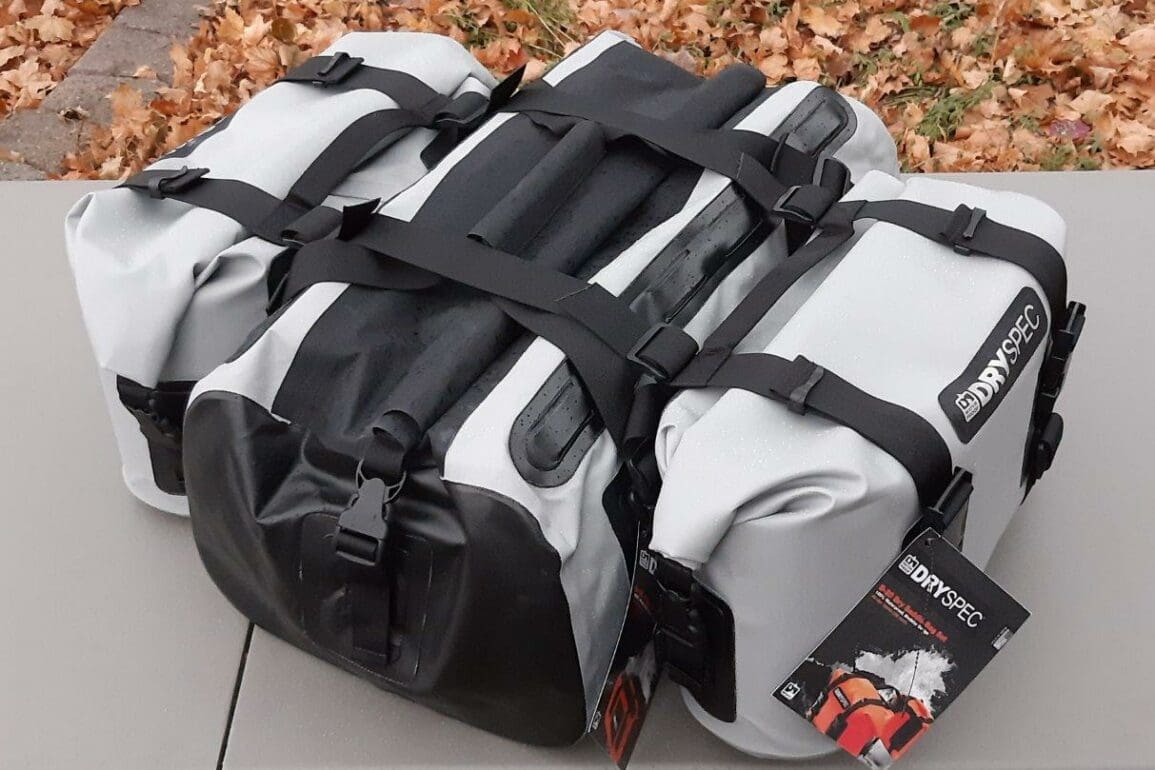
Illustrative image related to motorcycle dry bags
Emergency services often operate in challenging environments where access to medical supplies is critical. Motorcycle dry bags provide a reliable solution for carrying essential medical equipment, ensuring it remains protected from moisture and dirt. Buyers in regions with rugged terrains, such as parts of Africa and the Middle East, should prioritize visibility features and ease of access to facilitate quick response times during emergencies.
In film and media production, motorcycle dry bags are invaluable for transporting equipment to remote shooting locations. These bags safeguard cameras and other sensitive gear from environmental hazards, ensuring that valuable assets are protected. B2B buyers in this sector should consider sourcing customizable options that fit various vehicle types, as flexibility in size and compatibility can significantly enhance operational efficiency during shoots.
Das Problem: B2B buyers often struggle with the challenge of sourcing motorcycle dry bags that can withstand extreme weather conditions while maintaining durability. For businesses in regions such as Africa and South America, where harsh environmental factors like heavy rains and dust storms are prevalent, the risk of purchasing low-quality bags can lead to significant losses. Buyers may face issues like product returns, customer dissatisfaction, and ultimately, damage to their brand reputation due to unreliable products.
Die Lösung: To mitigate this risk, B2B buyers should prioritize sourcing from manufacturers known for quality and reliability. Conduct thorough research on suppliers, focusing on their materials, manufacturing processes, and customer reviews. Opt for dry bags made from high-denier fabrics like 500D polyester, which offers enhanced durability and waterproof capabilities. Request product samples to test their resilience against the specific environmental conditions your customers may face. Additionally, consider establishing partnerships with suppliers that offer warranties or guarantees, ensuring that you are covered in case of defects. This proactive approach not only helps in selecting high-quality products but also fosters long-term relationships with dependable suppliers.
Das Problem: Different markets have varying requirements regarding the size and capacity of motorcycle dry bags. For instance, buyers in Europe may prefer compact designs due to the popularity of smaller motorcycles, while buyers in the Middle East might favor larger bags suitable for long-distance travel. Misjudging the capacity needs can lead to overstocking unsuitable products, resulting in financial losses and wasted inventory space.
Die Lösung: To effectively address this issue, B2B buyers should conduct market research to understand the specific preferences and needs of their target audience. Surveys and customer feedback can provide insights into the most desired sizes and features. Additionally, consider offering a range of sizes, from smaller 20L bags for daily commuters to larger 60L duffels for long journeys. By diversifying your product range, you can cater to various customer segments, thereby increasing sales opportunities. Implementing a flexible inventory system can also help in managing stock levels effectively, ensuring that popular sizes are readily available while minimizing excess inventory of less desirable options.
Das Problem: A common frustration for B2B buyers is ensuring that motorcycle dry bags are compatible with various motorcycle models. Many buyers face challenges when products do not fit properly, leading to customer complaints and product returns. This issue can be particularly pronounced in regions where the market features a mix of local and imported motorcycles, each with unique specifications.
Die Lösung: To alleviate compatibility concerns, buyers should work closely with manufacturers to obtain detailed specifications and compatibility charts for each product. It’s essential to choose versatile designs that can easily adapt to different motorcycle configurations. Offering bags with adjustable mounting systems or universal fit features can significantly enhance customer satisfaction. Additionally, creating educational content, such as installation guides or video tutorials, can help customers understand how to properly attach and secure the bags to their motorcycles. By providing this additional support, you not only improve the customer experience but also reduce the likelihood of returns, ultimately boosting your business’s reputation.
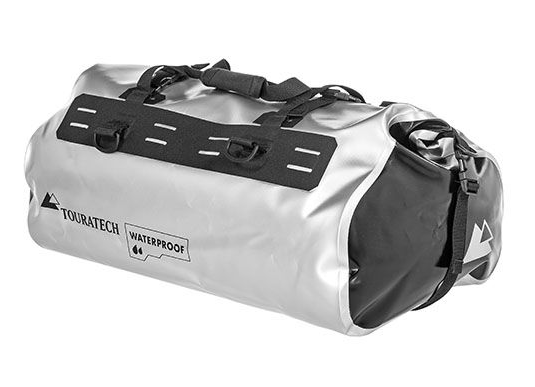
Illustrative image related to motorcycle dry bags
When selecting materials for motorcycle dry bags, it is essential to consider their properties, advantages, and limitations. Here, we analyze four common materials used in the production of these bags: PVC, TPU, Nylon, and Polyester. Each material has unique characteristics that influence performance, durability, and suitability for various applications.
Polyvinyl Chloride (PVC) is a widely used material in the production of motorcycle dry bags due to its excellent waterproofing capabilities. PVC offers high resistance to abrasion, UV rays, and chemicals, making it suitable for harsh environments. However, its rigidity can be a drawback, as it may not easily conform to the shape of the motorcycle or the items being stored.
Vorteile: PVC is durable, cost-effective, and provides excellent waterproofing. Its chemical resistance also makes it suitable for various media, including oils and solvents.
Nachteile: The material can be heavy, less flexible, and may degrade over time when exposed to extreme temperatures. Additionally, PVC is less environmentally friendly compared to other materials.
For international buyers, especially in regions like Africa and the Middle East, compliance with local regulations regarding PVC usage is crucial. Understanding the environmental impact and ensuring adherence to standards can influence purchasing decisions.
Thermoplastic Polyurethane (TPU) is another popular choice for motorcycle dry bags. TPU is known for its flexibility, durability, and resistance to punctures and abrasions. It maintains its performance across a wide temperature range, making it suitable for varying climates.
Vorteile: TPU is lightweight, highly flexible, and offers superior waterproofing. Its durability ensures that it can withstand rough handling and extreme conditions.
Nachteile: The cost of TPU is generally higher than PVC, which may deter budget-conscious buyers. Additionally, TPU may require more complex manufacturing processes, impacting production timelines.
For B2B buyers in Europe, compliance with EU regulations on materials and sustainability is essential. TPU’s eco-friendliness can be a selling point, particularly in markets that prioritize environmental responsibility.
Nylon is a versatile synthetic fabric that is commonly used in motorcycle dry bags. It is lightweight and strong, providing a good balance between durability and weight. Nylon’s resistance to wear and tear makes it a popular choice for long-distance motorcycle travel.
Vorteile: Nylon is flexible, lightweight, and offers good resistance to abrasion and tearing. It can also be treated to enhance waterproofing.
Nachteile: While nylon is durable, it is less resistant to UV rays compared to PVC and TPU, which can lead to degradation over time. Additionally, untreated nylon may not be fully waterproof, requiring additional coatings.
International buyers should consider the specific climate conditions of their regions. In areas with high UV exposure, such as parts of Africa and South America, selecting a nylon bag with UV-resistant treatments is advisable.
Polyester is another common material used in motorcycle dry bags, known for its strength and resistance to shrinking and stretching. It is often used in combination with coatings to enhance waterproofing.
Vorteile: Polyester is durable, lightweight, and resistant to UV rays. It is also less expensive than TPU and offers good performance in various conditions.
Nachteile: Polyester may not provide the same level of waterproofing as TPU or PVC unless treated. Additionally, its breathability can be a limitation in humid conditions.
For B2B buyers, particularly in the Middle East and Africa, understanding the local climate’s impact on material performance is vital. Polyester’s affordability can make it an attractive option for bulk purchases.
| Material | Typical Use Case for motorcycle dry bags | Hauptvorteil | Wesentlicher Nachteil/Beschränkung | Relative Kosten (niedrig/mittel/hoch) |
|---|---|---|---|---|
| PVC | General-purpose waterproof storage | Excellent waterproofing and chemical resistance | Rigid, can degrade in extreme temperatures | Mittel |
| TPU | High-performance, flexible bags | Lightweight, superior durability | Höhere Kosten, komplexe Fertigung | Hoch |
| Nylon | Lightweight travel bags | Good balance of strength and weight | Less UV resistance, may require waterproof treatment | Mittel |
| Polyester | Budget-friendly options | Durable and UV resistant | May require treatment for full waterproofing | Niedrig |
This strategic material selection guide provides B2B buyers with essential insights into the properties and applications of various materials used in motorcycle dry bags, helping them make informed purchasing decisions.
Manufacturing motorcycle dry bags involves several critical stages, each designed to ensure durability, functionality, and waterproof capabilities. The main stages of production include material preparation, forming, assembly, and finishing.
The manufacturing process begins with the selection of high-performance materials, such as 500D polyester or PVC-coated fabrics. These materials are chosen for their water-resistant properties and durability, essential for the harsh conditions faced during motorcycle travel.
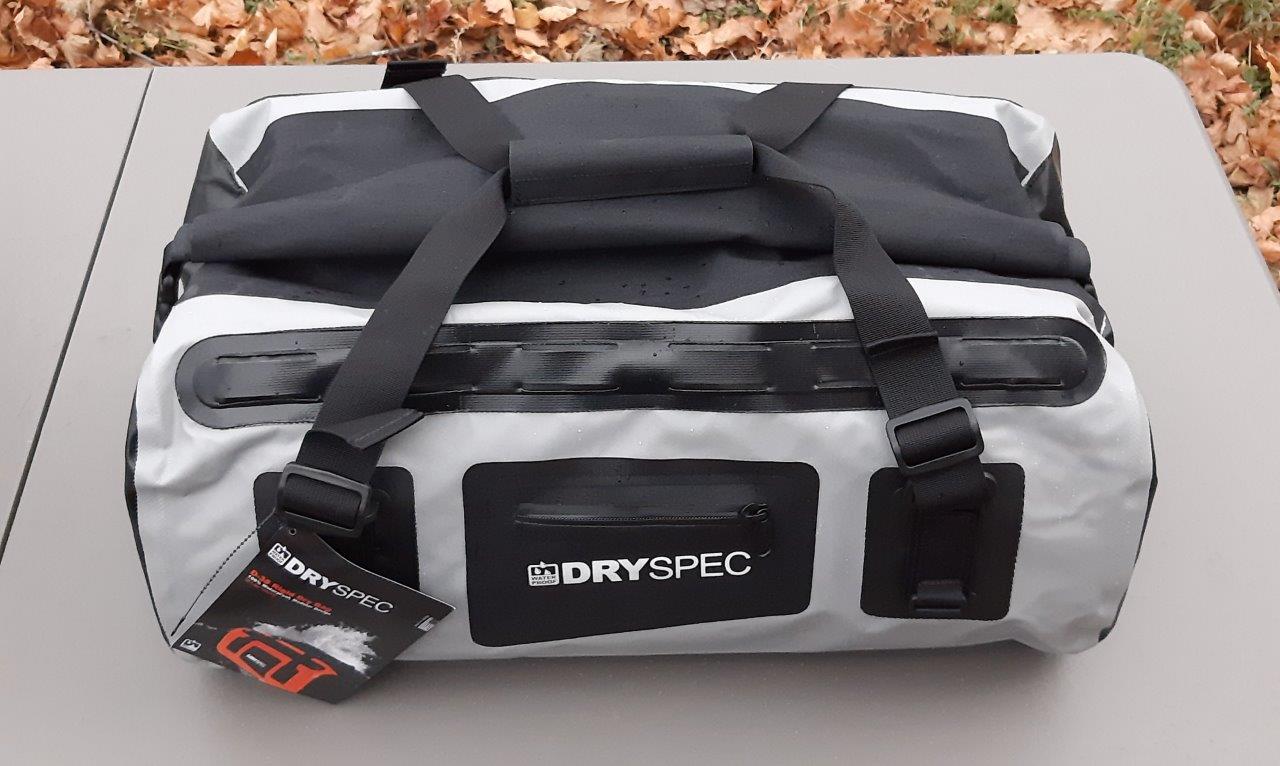
Illustrative image related to motorcycle dry bags
Once the materials are selected, they undergo a preparation process that includes cutting into specific shapes and sizes based on the design specifications. This stage may also involve treating fabrics to enhance their waterproof qualities, such as applying coatings or laminations that add to their resilience against UV rays and abrasions.
After material preparation, the forming stage involves shaping the cut pieces into the desired bag structure. This typically includes techniques such as welding and stitching.
The assembly stage combines the various components, such as zippers, straps, and buckles, into a finished product. Quality control checks are often integrated during this stage to ensure that all elements are correctly positioned and securely attached.
Once assembled, motorcycle dry bags go through a finishing process that may include quality inspections, branding, and packaging. This stage often involves:
Quality assurance (QA) is a vital aspect of the manufacturing process for motorcycle dry bags. It ensures that the final products meet international standards and customer expectations.
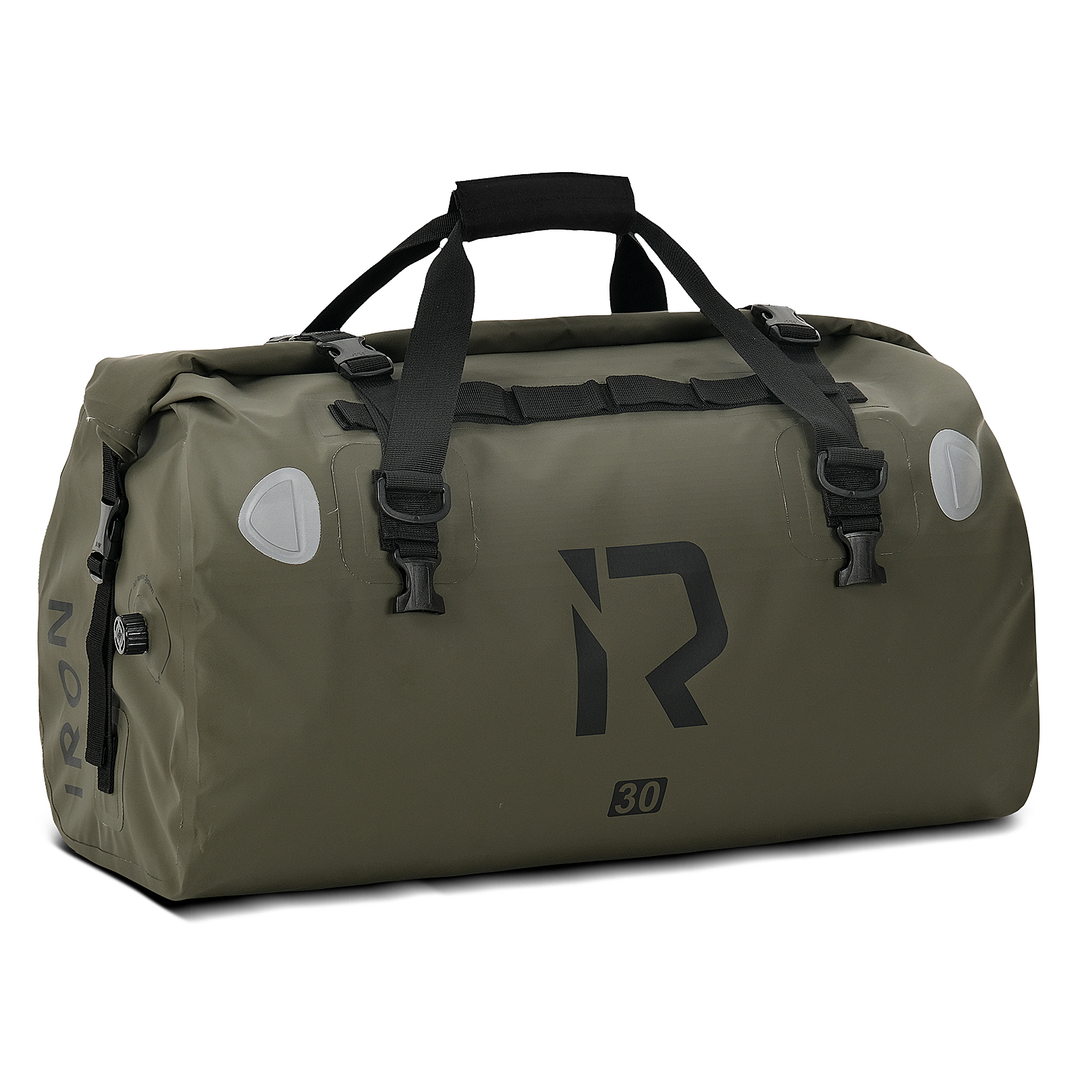
Illustrative image related to motorcycle dry bags
Manufacturers often adhere to several international standards to ensure product quality and safety. The most relevant include:
Quality control checkpoints are strategically placed throughout the manufacturing process to ensure that each bag meets the required standards. Key checkpoints include:
Several testing methods are employed to validate the performance and durability of motorcycle dry bags:
For international B2B buyers, particularly those from regions like Africa, South America, the Middle East, and Europe, verifying a supplier’s quality control processes is crucial. Here are several methods to ensure supplier reliability:
B2B buyers must be aware of regional differences in quality standards and regulations. For example, while CE marking is essential for European markets, other regions may have different requirements. Buyers should familiarize themselves with local regulations and ensure that their suppliers comply with both international and local standards.
In conclusion, the manufacturing processes and quality assurance measures for motorcycle dry bags are critical to delivering high-quality, durable products. By understanding these processes, B2B buyers can make informed decisions, ensuring they partner with reliable manufacturers who prioritize quality and compliance.
When sourcing motorcycle dry bags for your business, it is essential to follow a structured approach. This guide outlines key steps to ensure you select high-quality products that meet your customers’ needs and enhance your brand’s reputation in the marketplace.
Illustrative image related to motorcycle dry bags
Start by determining the specific requirements for the motorcycle dry bags you need. Consider factors such as size, capacity, material, and waterproof ratings.
– Kapazität: Identify the typical volume your customers require, which can range from small 10L bags to larger 60L options.
– Material: Look for durable, waterproof materials like 500D polyester, which can withstand harsh weather conditions and provide long-lasting use.
Understanding the current market trends is critical in making informed sourcing decisions. Analyze customer preferences and purchasing patterns in your target regions (e.g., Africa, South America, the Middle East, and Europe).
– Competitor Analysis: Examine what similar companies offer and identify gaps you can fill.
– Regional Preferences: Different markets may have varying preferences for styles, colors, and functionalities.
Before committing, it’s crucial to vet suppliers thoroughly. Request company profiles, case studies, and references from buyers in a similar industry or region.
– Certifications: Ensure suppliers have the necessary certifications that demonstrate compliance with international quality standards.
– Production Capabilities: Assess whether the supplier can scale production to meet your demand without compromising quality.
Once you have shortlisted potential suppliers, request product samples to evaluate quality firsthand. This step is vital to ensure that the products meet your specifications and customer expectations.
– Testing: Check for waterproofing, durability, and ease of use. Conduct stress tests to see how well the bags hold up under various conditions.
– Feedback: Gather input from your team or trusted customers regarding the samples to make an informed decision.
Engage with your selected suppliers to negotiate pricing, payment terms, and delivery schedules. Achieving favorable terms can significantly affect your profitability.
– Volume Discounts: Inquire about discounts for bulk purchases, which can help reduce costs.
– Delivery Terms: Clarify lead times and shipping options to ensure timely availability of products.
Evaluate the after-sales support that suppliers offer, including warranty policies and customer service responsiveness.
– Support Structure: Ensure that the supplier has a clear process for handling returns, exchanges, or repairs.
– Warranty Coverage: A robust warranty can provide peace of mind for both you and your customers, as it reflects the supplier’s confidence in their product quality.
Once negotiations are complete, place your order and establish a quality control process. Monitoring the quality of the products upon arrival can help prevent issues down the line.
– Inspection: Implement a thorough inspection process upon receipt to ensure that the products match the agreed specifications.
– Feedback Loop: Maintain open communication with your supplier regarding any quality issues to foster a long-term partnership.
Illustrative image related to motorcycle dry bags
By following these steps, you can ensure a successful sourcing process for motorcycle dry bags that meets your business needs and satisfies your customers.
When evaluating the sourcing of motorcycle dry bags, it is essential to understand the various cost components involved. The primary elements include materials, labor, manufacturing overhead, tooling, quality control (QC), logistics, and profit margins.
Materialien form the foundation of the cost structure. High-quality, waterproof fabrics such as 500D polyester or PVC-coated materials are often used, impacting the overall pricing. The choice of materials not only affects durability but also influences the bag’s weight and ease of use.
Illustrative image related to motorcycle dry bags
Arbeitskosten can vary significantly depending on the region where the bags are manufactured. Countries with lower labor costs might offer more competitive pricing, but this can sometimes come at the expense of quality.
Fertigungsgemeinkosten encompasses expenses related to facilities, utilities, and equipment. The complexity of the bag design, including features like waterproof zippers or custom fittings, can increase these costs.
Werkzeugbau costs are incurred during the initial production setup, particularly for custom designs. If a buyer requires unique shapes or sizes, this may lead to higher tooling costs.
Qualitätskontrolle (QC) is crucial in ensuring that the products meet specified standards. This process can involve additional costs but is vital for maintaining product integrity, especially when targeting markets with strict quality certifications.
Logistik costs, including shipping and handling, also play a significant role. International shipping can be particularly costly, and factors like Incoterms can affect the final price.
Schließlich ist die profit margin that suppliers apply will depend on their operational costs and market positioning.
Several factors influence the pricing of motorcycle dry bags beyond the basic cost components. Volumen und Mindestbestellmenge (MOQ) are significant; larger orders often lead to bulk discounts, making it essential for buyers to negotiate favorable terms based on their needs.
Illustrative image related to motorcycle dry bags
Spezifikationen und Anpassungen also affect pricing. Custom logos or unique colors can add to the cost, while standard designs may be more competitively priced. Buyers should weigh the benefits of customization against potential price increases.
Die Qualität und Zertifizierungen of the materials used can impact pricing. Bags that meet specific international standards or environmental certifications may command higher prices but can also enhance brand reputation and customer trust.
Lieferantenfaktoren, such as their reputation and reliability, can also influence costs. Suppliers with a proven track record may charge more but can provide better quality assurance and timely delivery.
When sourcing motorcycle dry bags, B2B buyers should consider several strategies to enhance cost-efficiency. Verhandlung is key; buyers should be prepared to discuss pricing, especially when placing larger orders or establishing long-term relationships with suppliers.
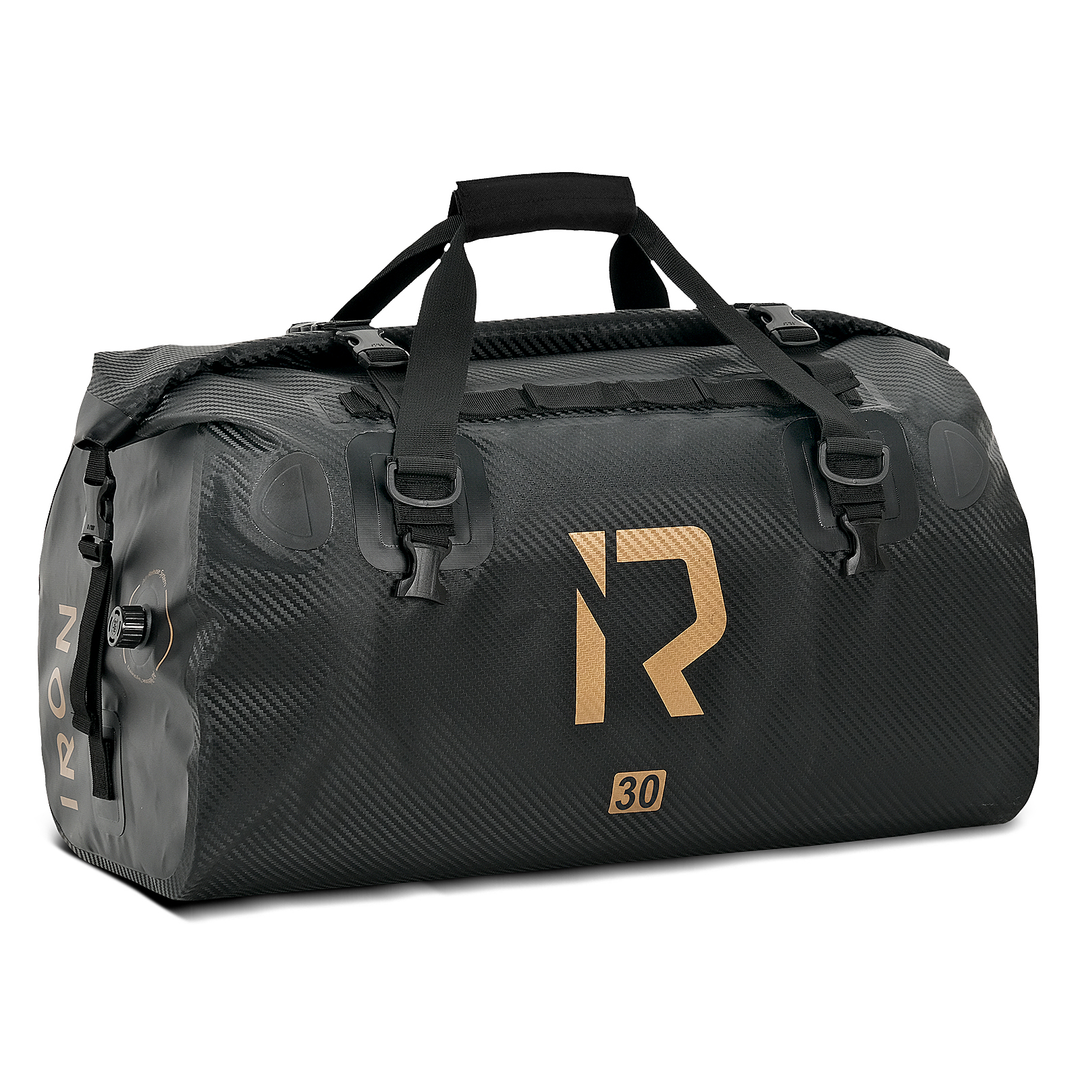
Illustrative image related to motorcycle dry bags
Das Verständnis der Gesamtbetriebskosten (TCO) is critical. While the initial purchase price is important, buyers should consider long-term factors such as durability, maintenance, and potential replacement costs. Investing in higher-quality bags may reduce TCO over time.
Die Käufer sollten auch Folgendes beachten Preisnuancen specific to international markets. For instance, import tariffs and local taxes can affect the final cost. Understanding the dynamics of different regions, especially in Africa, South America, the Middle East, and Europe, can provide buyers with a competitive edge.
Finally, staying informed about market trends and pricing strategies from various suppliers will enable buyers to make well-informed decisions, ensuring they secure the best value for their investment.
The prices of motorcycle dry bags can vary significantly based on the aforementioned factors. The examples provided in this analysis are indicative and may not reflect the final costs incurred by buyers. Always consult with suppliers for the most accurate pricing based on specific requirements and order details.
When exploring solutions for motorcycle luggage, buyers often seek alternatives to motorcycle dry bags that offer similar benefits. This analysis examines various options to help international B2B buyers make informed decisions based on performance, cost, ease of implementation, maintenance, and best use cases.
| Vergleich Aspekt | Motorcycle Dry Bags | Weiche Packtaschen | Hartschalenkoffer |
|---|---|---|---|
| Leistung | Highly waterproof and durable | Good water resistance, less durable | Excellent protection, limited water resistance |
| Kosten | $75 – $250 | $100 – $400 | $200 – $600 |
| Leichte Implementierung | Easy to attach and remove | Moderate; requires specific mounting points | Installation may require tools |
| Wartung | Minimal care needed | Moderate; check for wear | Low; easy to clean |
| Bester Anwendungsfall | Adventure touring | Off-road and daily commuting | Long-distance travel and security |
Soft panniers are a popular alternative that provides a balance between storage capacity and weight. They offer a good level of water resistance, making them suitable for various weather conditions. However, they are generally less durable than dry bags and can be prone to wear over time, especially in rugged environments. Their mounting systems may require specific motorcycle configurations, which can complicate installation.
Hard cases are designed for maximum protection, particularly for delicate items, and are ideal for long-distance travel. They provide excellent security against theft and environmental elements but often lack the same level of water resistance as dry bags. The initial cost is higher, and installation can be more complex, requiring tools and brackets. Maintenance is minimal; however, cleaning may be cumbersome if dirt accumulates.
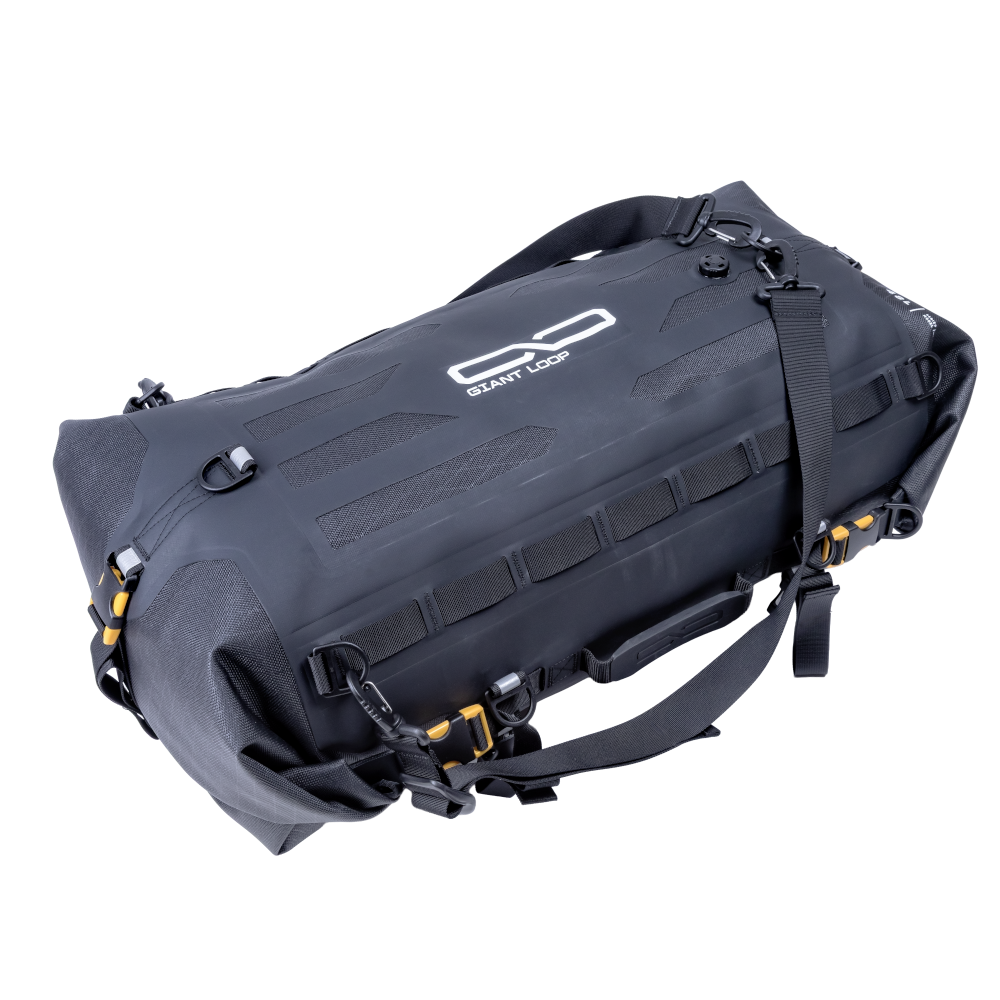
Illustrative image related to motorcycle dry bags
Choosing the right motorcycle luggage solution depends on specific needs, including the type of riding and the environment. For buyers focusing on adventure touring in wet conditions, motorcycle dry bags are often the best choice due to their waterproof capabilities and ease of use. Conversely, if security and protection are paramount, hard cases may be worth the investment. Buyers should also consider soft panniers for a balance of convenience and utility in everyday use. By assessing these options against their operational requirements, B2B buyers can select the most suitable luggage solution for their motorcycle fleet.
When selecting motorcycle dry bags, understanding their technical specifications is crucial for B2B buyers. Here are several essential properties to consider:
Material Klasse: Most motorcycle dry bags are constructed from high-density materials such as 500D or 1000D polyester. This refers to the denier measurement, which indicates the thickness and durability of the fabric. A higher denier number generally signifies a tougher material, providing better resistance against wear, punctures, and UV damage. For international buyers, especially in regions with harsh weather conditions, selecting bags made from higher-grade materials can significantly impact the longevity and reliability of the product.
Wasserdichte Bewertung: The waterproof capability of dry bags is often classified by IP (Ingress Protection) ratings, such as IPX6 or IPX7. These ratings indicate the bag’s ability to withstand water intrusion. For B2B buyers, this specification is vital, as it assures end-users that their belongings will remain dry during unexpected weather conditions, enhancing customer satisfaction and reducing return rates.
Closure Mechanism: Many dry bags utilize roll-top closures or waterproof zippers. Roll-top designs provide a secure seal that prevents water from entering, while waterproof zippers offer easy access without compromising on water resistance. Buyers should consider the closure type based on their target market’s needs—whether they prioritize ease of use or maximum protection.
Kapazität: Dry bags come in various capacities measured in liters (e.g., 20L, 40L, 60L). The capacity directly affects the volume of items that can be stored, making it essential for buyers to match bag sizes with their customers’ needs. Understanding the market demand for different capacities can inform inventory decisions and help optimize sales strategies.
Gewicht: The weight of the dry bag is another important factor. Lightweight materials enhance portability, which is critical for riders who travel long distances. However, there is often a trade-off between weight and durability. Buyers need to balance these factors based on the specific use cases of their target audience.
Reflective Features: Many modern dry bags include reflective strips for enhanced visibility in low-light conditions. This feature is particularly important for safety-conscious buyers who cater to markets with night riding or poor visibility conditions. Including this specification can be a selling point in promotional materials.
Understanding industry jargon is essential for smooth communication and successful transactions. Here are several key terms that B2B buyers should be familiar with:
OEM (Original Equipment Manufacturer): This term refers to companies that manufacture products that are sold under another company’s brand name. For buyers looking to customize dry bags with their branding, identifying OEM partners can streamline the production process.
MOQ (Mindestbestellmenge): MOQ is the smallest number of units that a supplier is willing to sell. This is a critical factor for buyers, as it impacts inventory costs and cash flow management. Understanding MOQ can help buyers negotiate better terms with suppliers.
RFQ (Request for Quotation): An RFQ is a document sent to suppliers to solicit pricing and terms for specific products. For B2B buyers, crafting a clear RFQ can lead to better pricing and terms, ensuring they receive competitive offers from multiple suppliers.
Incoterms (Internationale Handelsklauseln): These are internationally recognized rules that define the responsibilities of buyers and sellers in international transactions. Familiarity with Incoterms helps buyers understand shipping costs, risks, and delivery responsibilities, which is vital for effective supply chain management.
Vorlaufzeit: This term refers to the time it takes from placing an order to receiving the products. Understanding lead times is crucial for inventory planning and meeting customer demand, especially in regions with varying shipping durations.
Garantie: A warranty is a guarantee provided by the manufacturer regarding the product’s quality and durability. Buyers should pay attention to warranty terms as they can influence purchasing decisions and provide assurance to end-users regarding the longevity of the product.
By understanding these technical properties and trade terms, B2B buyers can make informed decisions, ultimately enhancing their product offerings and customer satisfaction in the competitive motorcycle gear market.
The motorcycle dry bags market is experiencing dynamic shifts driven by several global factors. With the increasing popularity of adventure and touring motorcycling, particularly in regions like Africa, South America, the Middle East, and Europe, the demand for high-quality, durable luggage solutions is on the rise. International B2B buyers are increasingly looking for products that not only meet functional requirements—such as waterproofing and robust materials—but also offer versatility for various motorcycle types.
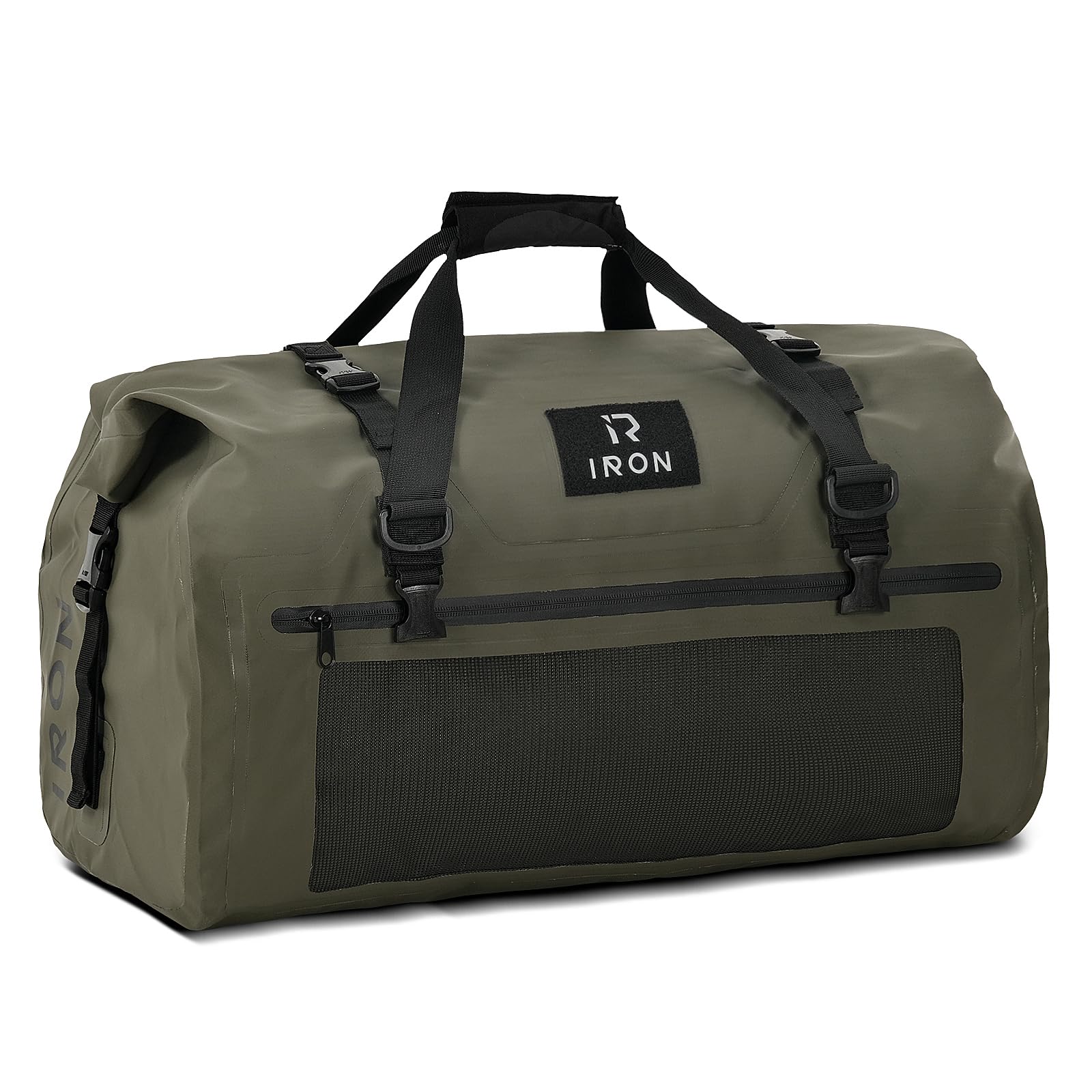
Illustrative image related to motorcycle dry bags
Emerging technologies in materials science are reshaping product offerings. For instance, manufacturers are leveraging advanced synthetic fabrics that enhance durability while minimizing weight. The trend toward modular designs is also noteworthy; many brands are introducing systems where dry bags can be easily attached or detached from different motorcycle setups, allowing for customized configurations. Furthermore, the rise of e-commerce platforms has made it easier for B2B buyers to access global suppliers, providing opportunities to source unique products that may not be available in local markets.
Sustainability is becoming a pivotal factor in the decision-making process for B2B buyers of motorcycle dry bags. The environmental impact of production processes is under scrutiny, and companies are increasingly expected to demonstrate their commitment to ethical sourcing. This includes adopting sustainable materials, such as recycled plastics and biodegradable fabrics, which not only reduce environmental footprints but also appeal to eco-conscious consumers.
In addition, ethical supply chains are gaining importance. Buyers are seeking manufacturers who are transparent about their sourcing practices and labor conditions. Certifications for green materials, such as OEKO-TEX® or GRS (Global Recycle Standard), are becoming significant differentiators in the marketplace. These certifications not only assure quality but also help brands communicate their sustainability efforts effectively, which is increasingly valuable in competitive markets.
The motorcycle dry bags sector has evolved significantly over the past few decades. Initially, these bags were primarily utilitarian, designed solely to keep belongings dry during rides. However, as the adventure motorcycling culture grew, so did the sophistication of dry bags. Today’s products reflect advancements in design and materials, incorporating features like modular attachments, ergonomic designs for comfort, and enhanced waterproofing technologies.
The integration of technology into motorcycle luggage is also noteworthy; some modern dry bags now feature built-in GPS tracking systems or RFID technology for added security. This evolution highlights a shift from mere functionality to a focus on user experience and safety, aligning with the broader trends in the outdoor and recreational gear market.
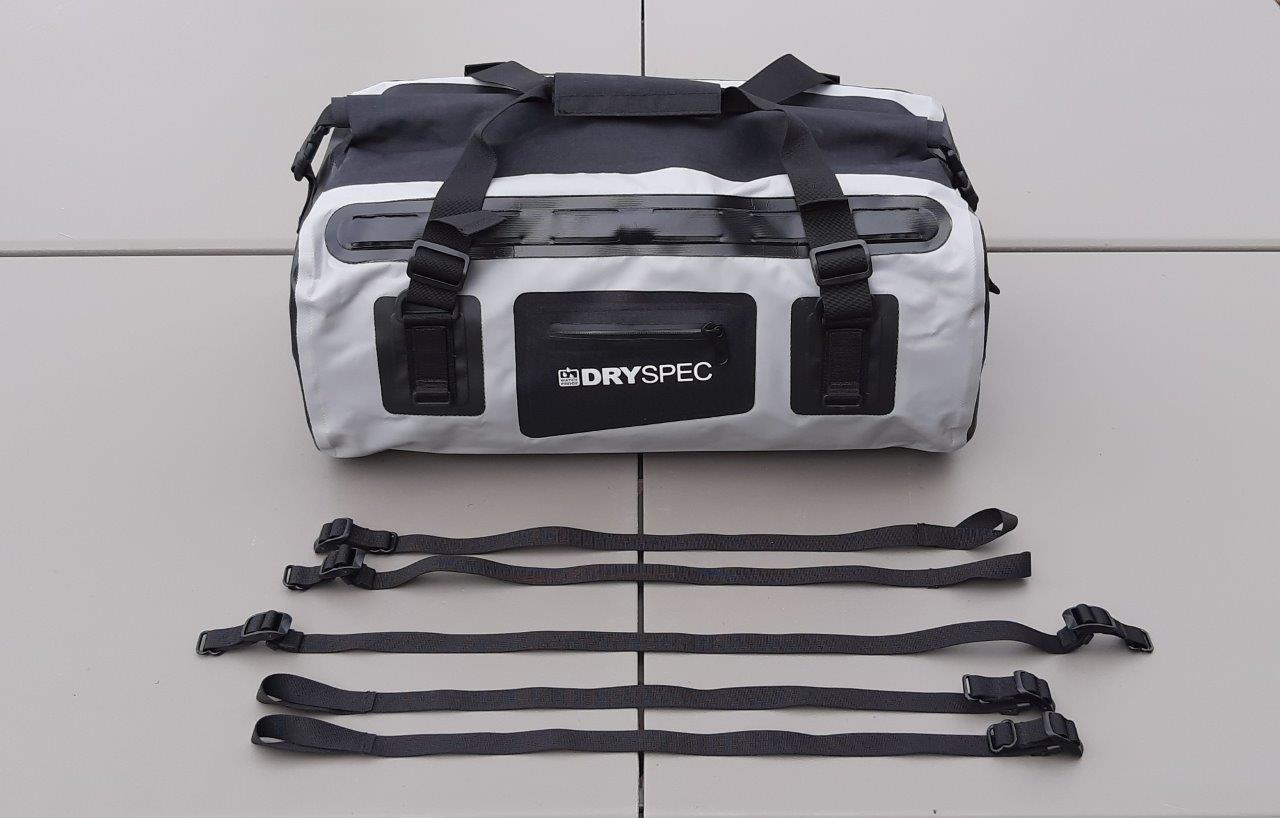
Illustrative image related to motorcycle dry bags
As the market continues to mature, B2B buyers must stay informed about these trends to make strategic sourcing decisions that align with consumer expectations and industry standards.
How do I choose the right motorcycle dry bag for my business needs?
Selecting the ideal motorcycle dry bag involves assessing your specific requirements, such as storage capacity, material durability, and waterproofing features. Consider the types of journeys your customers will undertake—long-distance touring may require larger, more robust bags, while urban commuting might benefit from smaller, lightweight options. Additionally, evaluate the compatibility with various motorcycle models to ensure a broad market appeal. Engaging with your suppliers for samples can help you gauge quality and functionality before making bulk purchases.
What materials are best for motorcycle dry bags?
The best materials for motorcycle dry bags typically include waterproof polyester, nylon, or PVC. These materials offer durability, resistance to UV rays, and protection against the elements. Look for bags constructed with welded seams and roll-top closures, which enhance waterproof capabilities. When sourcing, ensure the materials meet international standards for quality and safety, especially if you’re targeting markets in regions with diverse weather conditions.
What customization options should I consider when sourcing motorcycle dry bags?
Customization can significantly enhance the appeal of motorcycle dry bags for your target audience. Consider options such as branded logos, color variations, and additional features like pockets or attachment points. Discuss with suppliers their ability to accommodate these requests, as well as minimum order quantities (MOQs) for customized products. Offering unique designs tailored to local preferences can help differentiate your offerings in competitive markets.
What are the typical minimum order quantities (MOQs) for motorcycle dry bags?
MOQs for motorcycle dry bags can vary widely based on the supplier and the complexity of the order. Generally, you can expect MOQs to range from 100 to 500 units for standard products. For customized bags, MOQs may be higher due to the increased production costs. Always clarify MOQs upfront during negotiations, and consider how they align with your inventory management strategies and sales forecasts.
What payment terms should I expect when sourcing motorcycle dry bags internationally?
International payment terms can differ significantly among suppliers. Common options include upfront payments, letters of credit, or payment upon delivery. It’s crucial to discuss and agree on terms that provide both parties with security. Additionally, consider using escrow services for larger transactions to mitigate risks. Familiarize yourself with currency exchange rates and potential transaction fees, as these can impact overall costs.
How can I ensure quality assurance (QA) for motorcycle dry bags?
Implementing a robust quality assurance process is essential when sourcing motorcycle dry bags. Start by requesting samples to assess the materials and construction quality. Establish clear quality standards and expectations with your supplier, including specifications for waterproofing, stitching, and overall durability. Conduct inspections during manufacturing and before shipment, and consider third-party QA services for added assurance, particularly for larger orders.
What logistics considerations should I keep in mind when importing motorcycle dry bags?
When importing motorcycle dry bags, logistics play a crucial role in your supply chain efficiency. Consider shipping methods (air vs. sea), lead times, and customs regulations in your target markets. Partner with reliable freight forwarders who can navigate international shipping complexities and provide tracking options. Additionally, ensure that all documentation, such as invoices and packing lists, complies with customs requirements to avoid delays.
How can I effectively vet suppliers of motorcycle dry bags?
Vetting suppliers is critical to ensuring a reliable partnership. Start by researching potential suppliers’ reputations through online reviews and industry references. Request their certifications, production capabilities, and examples of past work. Conduct factory visits if possible, or utilize virtual inspections to evaluate their operations. Establish clear communication channels to discuss expectations, and consider starting with smaller orders to assess performance before committing to larger quantities.
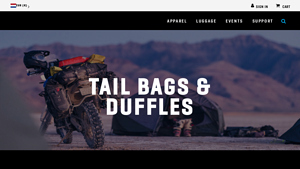
Bereich: moskomoto.de
Registriert: 2013 (12 Jahre)
Einleitung: Motorcycle Tail Bags, Duffles, & Backpacks | Mosko Moto

Bereich: ciro3d.com
Registriert: 2014 (11 Jahre)
Einleitung: DRYFORCE® Luggage / Waterproof Motorcycle Luggage includes the following products: 1. El Sandoval Bag by Ciro – Price: $279.99 2. DRYFORCE® Universal Waterproof Cooler – Price: $169.99 3. DRYFORCE® Quick Release Waterproof Cooler for H-D Luggage Rack – Price: $249.99 4. DRYFORCE® Waterproof 60L Roll Top Bag – Price: $95.99 5. DRYFORCE® Waterproof 60L Duffel – Price: $134.99 6. DRYFORCE® Waterproof…
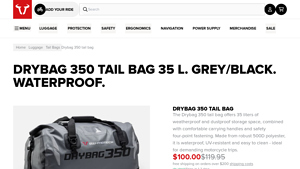
Bereich: sw-motech.us
Registriert: 2019 (6 Jahre)
Einleitung: {‘name’: ‘Drybag 350 tail bag’, ‘volume’: ’35 liters’, ‘color’: ‘grey/black’, ‘waterproof’: ‘yes’, ‘material’: ‘500D polyester’, ‘dimensions’: ‘58.0 x 28.0 x 28.0 cm / 22.8 x 11.0 x 11.0 in’, ‘weight’: ‘approx. 1.2 kg / approx. 2.5 lb’, ‘features’: [‘weatherproof’, ‘dustproof’, ‘comfortable carrying handles’, ‘four-point fastening’, ‘easy to clean’, ‘UV-resistant’, ‘universal fit for almost all mo…
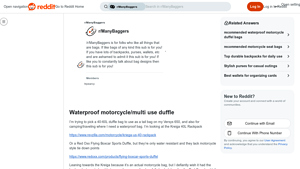
Bereich: reddit.de
Registriert: 2005 (20 Jahre)
Einleitung: Waterproof motorcycle/multi-use duffle bag, 40-60L capacity, suitable for use as a tail bag on a Versys 650, ideal for camping and traveling. Options considered include Kreiga 40L Rackpack (actual motorcycle bag) and Red Oxx Flying Boxcar Sports Duffle (water-resistant, lacks motorcycle style tie down points). Preference for Kreiga due to its motorcycle-specific design, but desire for backpack str…

Bereich: revzilla.de
Registriert: 2006 (19 Jahre)
Einleitung: This company, RevZilla – Motorcycle Dry Bags, is a notable entity in the market. For specific product details, it is recommended to visit their website directly.
The motorcycle dry bag market presents a dynamic opportunity for international B2B buyers seeking reliable and high-quality storage solutions. With a variety of options available, including different capacities and designs, strategic sourcing becomes essential to align product offerings with market demands. Buyers should prioritize partnerships with manufacturers that emphasize durability, waterproof features, and user-friendly designs, as these attributes resonate strongly with end-users who value quality during their adventurous journeys.
As we look to the future, the demand for innovative and environmentally sustainable materials is on the rise. Buyers should consider sourcing from manufacturers who are committed to sustainability practices, as this aligns with global trends towards eco-friendliness. Additionally, leveraging technology for effective supply chain management will enhance operational efficiency and responsiveness to market changes.
To capitalize on these insights, international buyers from regions such as Africa, South America, the Middle East, and Europe should actively engage with suppliers, attend industry trade shows, and explore collaborative opportunities. By fostering strong relationships with reliable manufacturers, businesses can ensure they meet the growing needs of motorcycle enthusiasts while positioning themselves strategically in a competitive landscape.
Die in diesem Leitfaden enthaltenen Informationen, einschließlich der Angaben zu Herstellern, technischen Spezifikationen und Marktanalysen, dienen ausschließlich Informations- und Bildungszwecken. Sie stellen keine professionelle Kaufberatung, Finanzberatung oder Rechtsberatung dar.
Obwohl wir alle Anstrengungen unternommen haben, um die Richtigkeit und Aktualität der Informationen zu gewährleisten, übernehmen wir keine Verantwortung für etwaige Fehler, Auslassungen oder veraltete Informationen. Marktbedingungen, Unternehmensangaben und technische Standards können sich ändern.
B2B-Käufer müssen ihre eigene unabhängige und gründliche Due-Diligence-Prüfung durchführen bevor Sie eine Kaufentscheidung treffen. Dazu gehört, dass Sie sich direkt mit den Anbietern in Verbindung setzen, Zertifizierungen überprüfen, Muster anfordern und sich professionell beraten lassen. Das Risiko, sich auf die Informationen in diesem Leitfaden zu verlassen, trägt allein der Leser.


 German
  English
  Russian
  Spanish
  Italian
  Arabic
  Portuguese