
In the rapidly evolving automotive market, sourcing high-quality electric tire pressure pumps can be a daunting challenge for international B2B buyers. Ensuring that your fleet or retail offerings include reliable inflators is essential for maintaining safety, efficiency, and customer satisfaction. This guide serves as an essential resource, providing a comprehensive overview of electric tire pressure pumps, including various types, applications, and critical considerations for supplier vetting.
From portable models ideal for on-the-go usage to robust, high-capacity inflators suitable for commercial applications, this guide will help you navigate the diverse landscape of available options. Additionally, we delve into key factors that influence pricing, ensuring you can make informed purchasing decisions that align with your budget and operational needs.
For B2B buyers in regions such as Africa, South America, the Middle East, and Europe—including countries like Nigeria and Vietnam—understanding the local market dynamics and sourcing strategies is crucial. This guide empowers you with actionable insights and practical tips, enabling you to select the best electric tire pressure pumps for your specific requirements. By leveraging the knowledge shared here, you can streamline your procurement process, enhance product offerings, and ultimately improve customer satisfaction in your respective markets.
| Type Name | Key Distinguishing Features | Primary B2B Applications | Brief Pros & Cons for Buyers |
|---|---|---|---|
| Corded Electric Pumps | Continuous power supply, typically higher PSI output | Automotive repair shops, fleets | Pros: Consistent performance; Cons: Limited mobility due to cord. |
| Portable Battery Pumps | Cordless, rechargeable, lightweight, often multi-functional | Roadside assistance, personal use | Pros: High portability; Cons: Battery life may be limited. |
| Smart Digital Pumps | Automatic pressure detection, digital display, integrated safety features | Emergency services, outdoor activities | Pros: Accurate inflation; Cons: Higher cost due to technology. |
| High-Volume Compressors | Designed for rapid inflation, suitable for larger tires | Trucking, agriculture, construction | Pros: Fast inflation; Cons: Bulkier and less portable. |
| Multi-Functional Pumps | Serve as inflators and power banks, often with built-in lights | Automotive, outdoor sports | Pros: Versatile use; Cons: May compromise on specific inflating power. |
Corded electric pumps are designed for continuous use, making them ideal for businesses that require high PSI outputs for various applications. They connect directly to a power source, ensuring that users do not have to worry about battery life. These pumps are particularly suitable for automotive repair shops and fleet maintenance where consistent performance is critical. However, their reliance on a power outlet limits mobility, making them less suitable for roadside assistance scenarios.
Portable battery pumps offer the advantage of being cordless and lightweight, making them ideal for personal use and roadside assistance. They typically come with rechargeable batteries and can often double as power banks for charging devices. This versatility is appealing to businesses in sectors such as automotive services and outdoor activities. However, potential buyers should consider that battery life may vary, impacting the pump’s usability during extended operations.
Smart digital pumps incorporate advanced technology with features like automatic pressure detection and digital displays. They are particularly useful for emergency services and outdoor activities, where accurate inflation is essential. The integrated safety features, such as auto shut-off, enhance user safety and convenience. While these pumps offer significant benefits, their higher price point may be a consideration for budget-conscious buyers.
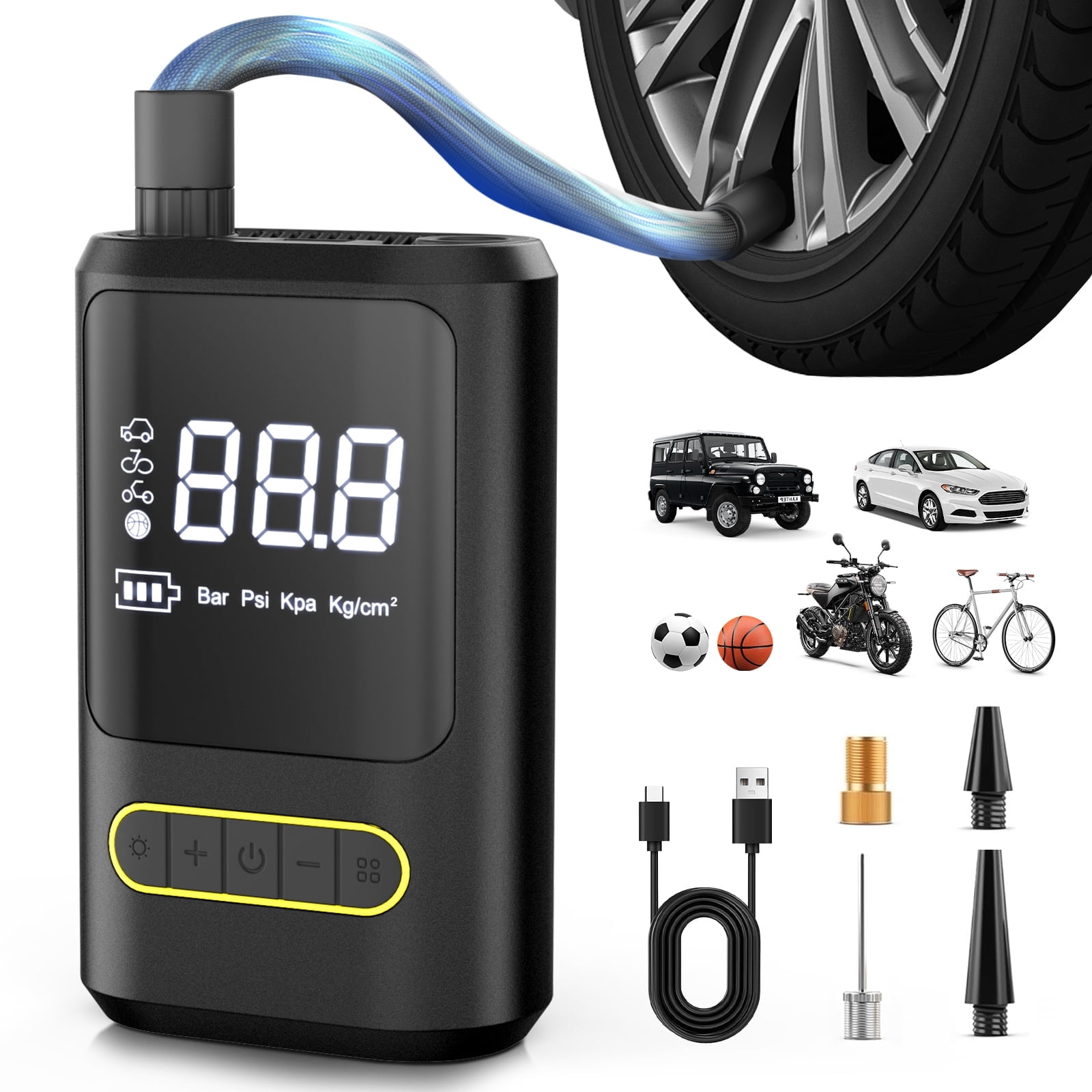
Illustrative image related to electric tire pressure pump
High-volume compressors are engineered for rapid inflation, making them ideal for large tires found in trucks or construction vehicles. These pumps are essential in industries such as trucking and agriculture, where downtime can be costly. Their ability to inflate large tires quickly is a significant advantage, but their bulkier design may limit portability, which could be a drawback for some businesses.
Multi-functional pumps provide versatility by serving as both inflators and power banks, often equipped with built-in lights for added convenience. They are suitable for a variety of applications, including automotive services and outdoor sports. Their ability to perform multiple tasks can save space and costs for businesses. However, it is important to evaluate whether they compromise on inflating power compared to specialized pumps.
| Industry/Sector | Specific Application of electric tire pressure pump | Value/Benefit for the Business | Key Sourcing Considerations for this Application |
|---|---|---|---|
| Automotive Repair | Routine tire maintenance for vehicles | Enhances customer satisfaction and safety | Durability, ease of use, and compatibility with various vehicle types |
| Logistics and Transport | Fleet tire pressure management | Reduces fuel costs and extends tire lifespan | Battery life, portability, and charging time |
| Sports and Recreation | Inflation of sports equipment (balls, bicycles) | Ensures optimal performance and safety for users | Compact design, multi-functionality, and pressure accuracy |
| Construction and Heavy Equipment | Tire maintenance for construction vehicles | Minimizes downtime and improves operational efficiency | Robustness, high PSI capability, and reliability in harsh conditions |
| Outdoor and Adventure Gear | Inflation for recreational vehicles (ATVs, RVs) | Enhances safety and preparedness for outdoor activities | Portability, battery capacity, and versatility in applications |
In the automotive repair sector, electric tire pressure pumps are essential for routine tire maintenance. Mechanics use these pumps to quickly inflate tires to the recommended pressure, ensuring vehicles are safe and roadworthy. This service not only enhances customer satisfaction by providing reliable vehicle performance but also helps in preventing tire-related accidents. For B2B buyers in this industry, sourcing pumps that are durable, easy to operate, and compatible with a range of vehicle types is crucial, especially in regions with diverse vehicle fleets like Africa and South America.
Logistics and transport companies benefit significantly from electric tire pressure pumps for managing their fleet’s tire pressure. Maintaining optimal tire pressure reduces fuel consumption and extends the lifespan of tires, leading to lower operational costs. In this sector, buyers should prioritize pumps with long battery life, portability for easy transport, and quick charging capabilities to ensure efficiency during operations. This is particularly relevant in regions with vast distances between service points, such as in the Middle East and parts of Europe.
In the sports and recreation industry, electric tire pressure pumps are vital for inflating various equipment, including balls and bicycles. Proper inflation is crucial for optimal performance and safety during activities. Businesses in this sector can leverage the convenience of these pumps to provide quick service to customers, enhancing their overall experience. Buyers should consider compact designs that are easy to transport, multi-functionality for diverse applications, and accurate pressure readings to meet the specific needs of sports enthusiasts across regions like Africa and South America.
For construction and heavy equipment, electric tire pressure pumps play a key role in maintaining tire health. Proper tire inflation minimizes downtime due to flat tires and enhances the efficiency of heavy machinery. B2B buyers in this sector should seek pumps that are robust enough to withstand harsh working conditions, capable of high PSI outputs, and reliable for continuous use. These features are especially important in regions with challenging terrains, like parts of Africa and the Middle East, where equipment reliability is paramount.
Electric tire pressure pumps are indispensable for outdoor and adventure gear, such as ATVs and RVs. They ensure that tires are adequately inflated for safe travel in rugged terrains. This capability is particularly beneficial for businesses catering to outdoor enthusiasts who value preparedness and safety. Buyers should focus on the portability of the pumps, battery capacity for extended use, and versatility in applications to meet the demands of adventurous customers in diverse markets, including Europe and South America.
The Problem: B2B buyers often face the challenge of sourcing electric tire pressure pumps that deliver consistent performance across various tire types, such as passenger vehicles, trucks, and motorcycles. Inconsistent inflation can lead to under-inflated or over-inflated tires, which negatively impacts vehicle safety and efficiency. This inconsistency may arise from pumps that lack adjustable PSI settings or appropriate nozzles for different applications, causing frustration and potential liability issues for businesses relying on these tools.
The Solution: When sourcing electric tire pressure pumps, prioritize models with adjustable pressure settings that cater to a wide range of PSI requirements. Ensure the pump comes with multiple nozzle attachments compatible with various tire types and inflatable items. Conduct thorough research and consider manufacturers that offer pumps with smart inflation technology, which automatically detects the required pressure and stops when it’s reached. Additionally, review user feedback and performance ratings to gauge the reliability and effectiveness across different applications. Investing in high-quality pumps can lead to long-term savings by reducing tire wear and improving fuel efficiency.
The Problem: For businesses that require tire inflation services in remote locations, the lack of portability in some electric tire pressure pumps can be a significant pain point. Heavy or corded models can hinder operations, especially when dealing with multiple vehicles or in areas without easy access to power outlets. This limitation can lead to delays in service, impacting customer satisfaction and operational efficiency.
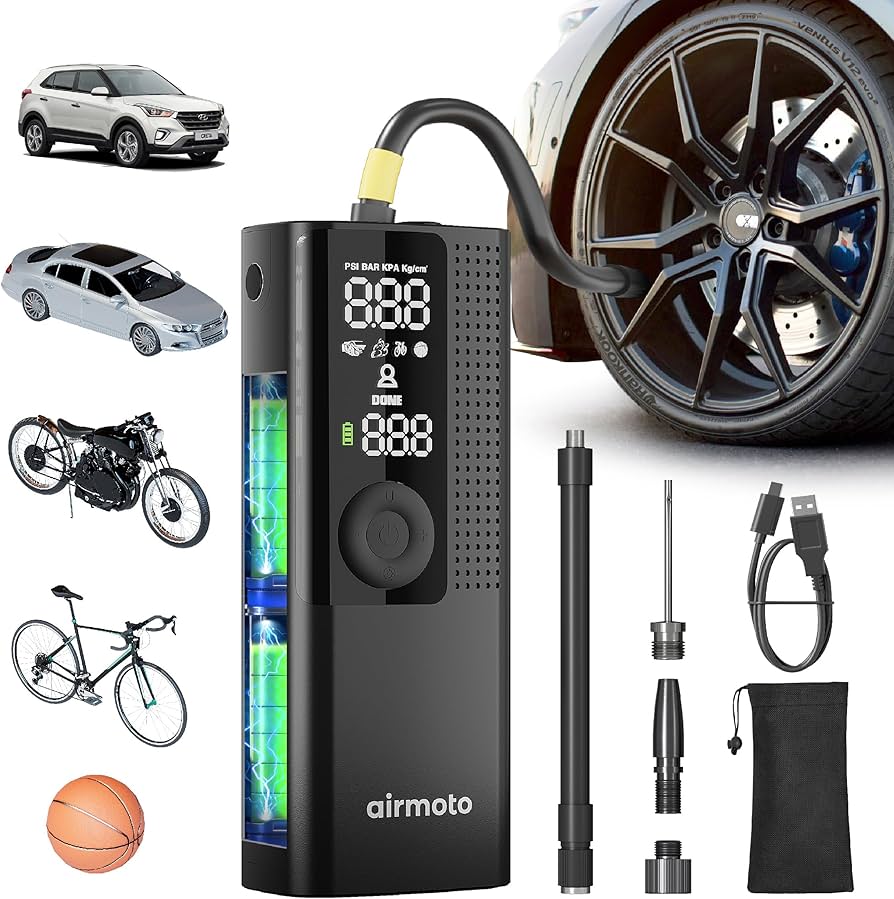
Illustrative image related to electric tire pressure pump
The Solution: To address this issue, B2B buyers should focus on sourcing lightweight, battery-operated electric tire pressure pumps that offer portability without compromising performance. Look for models with a long-lasting rechargeable battery and a compact design that can easily fit into vehicles or service kits. Ensure that the pump features a built-in LED flashlight for low-light conditions, adding an extra layer of functionality for roadside emergencies. Furthermore, consider purchasing pumps that double as power banks, allowing for device charging while on the move, thus enhancing overall operational readiness.
The Problem: Another common issue is the difficulty in maintaining electric tire pressure pumps, particularly when they are used in high-demand environments. Inadequate training on proper usage and maintenance can lead to equipment failure, increased downtime, and potential safety hazards. Businesses often struggle with ensuring that all personnel are adequately trained to operate the pumps effectively, which can result in inconsistent inflation practices.
The Solution: To mitigate maintenance challenges, invest in electric tire pressure pumps that come with comprehensive user manuals and training resources. Look for suppliers that provide training sessions or online tutorials for their products. Establish a routine maintenance schedule that includes regular checks on battery performance, hose integrity, and nozzle fittings to ensure optimal functioning. Additionally, consider implementing a user feedback system to identify common operational challenges faced by staff, allowing for targeted training sessions. By fostering a culture of proper equipment use and maintenance, businesses can enhance safety, efficiency, and longevity of their tire inflation tools.
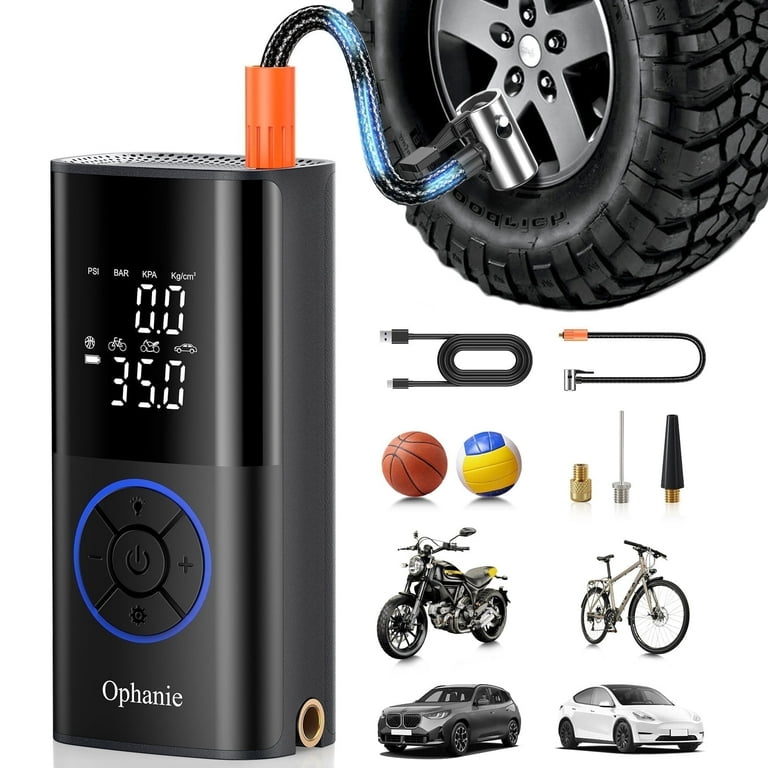
Illustrative image related to electric tire pressure pump
When selecting materials for electric tire pressure pumps, it is crucial to consider their properties, advantages, and limitations. The choice of material can significantly influence product performance, durability, and compliance with international standards. Here, we analyze four common materials used in the construction of electric tire pressure pumps: plastic, aluminum, stainless steel, and rubber.
Plastic, particularly high-density polyethylene (HDPE) and polycarbonate, is widely used in electric tire pressure pumps due to its lightweight nature and resistance to corrosion. These materials typically have a temperature rating of up to 80°C, making them suitable for various operating conditions.
Pros: Plastic is cost-effective and easy to mold into complex shapes, which simplifies manufacturing. Its lightweight nature enhances portability, a critical factor for consumers in regions with varying terrain, such as Africa and South America.
Cons: However, plastic may not withstand high pressures as effectively as metals, limiting its use in high-performance applications. Additionally, it may degrade over time when exposed to UV radiation or harsh chemicals.
Impact on Application: Plastic components are ideal for non-pressurized parts of the pump, such as housings and covers. However, buyers should ensure that the selected plastic complies with relevant standards, such as ASTM D638 for tensile properties.
Aluminum is another popular choice due to its excellent strength-to-weight ratio and corrosion resistance. It can withstand temperatures up to 150°C and pressures exceeding 300 PSI, making it suitable for high-performance applications.
Pros: Aluminum is durable and lightweight, which enhances the overall efficiency of the pump. Its ability to dissipate heat quickly also helps maintain optimal performance during prolonged use.
Cons: The primary drawback is its higher cost compared to plastic. Additionally, aluminum requires more complex manufacturing processes, which can increase production time and costs.
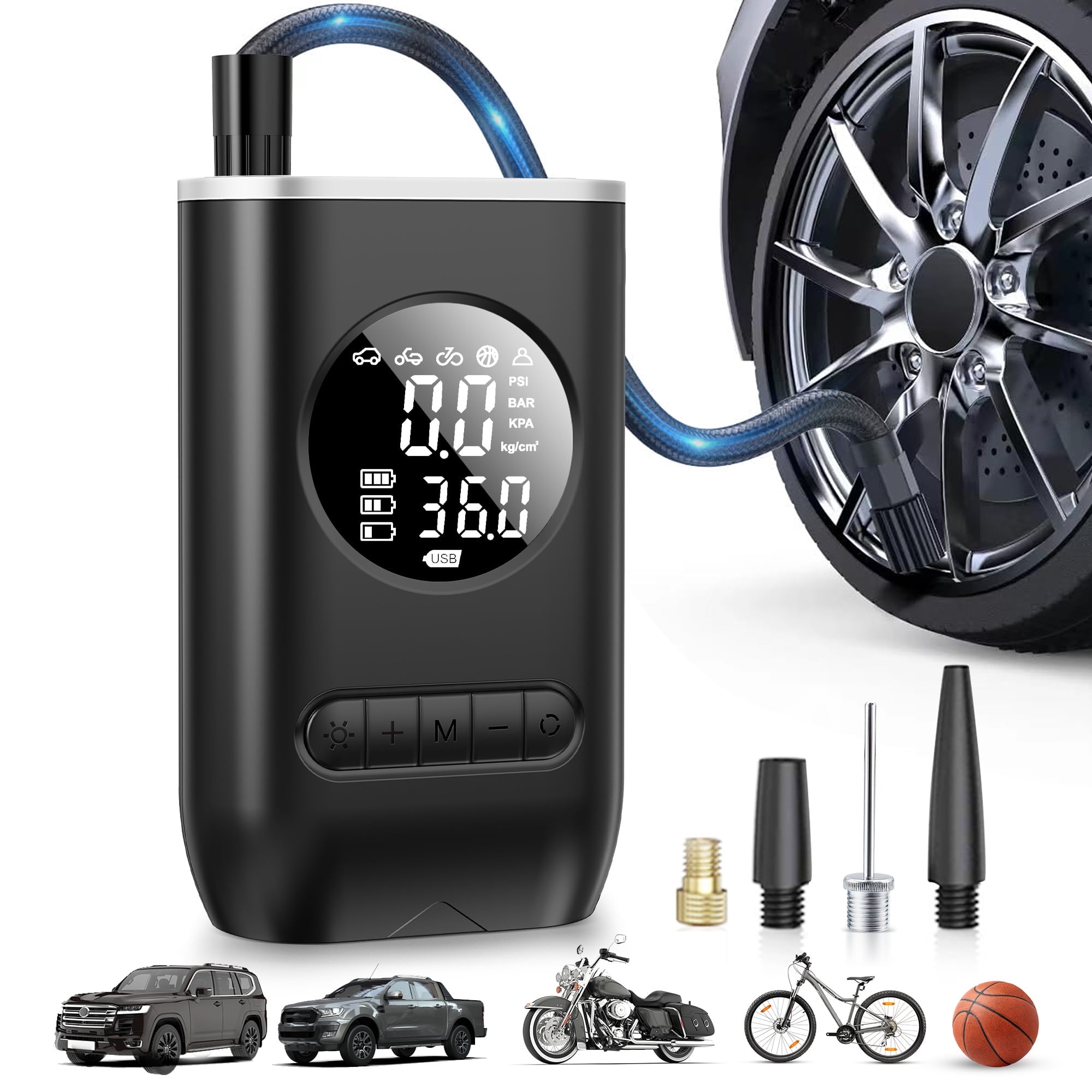
Illustrative image related to electric tire pressure pump
Impact on Application: Aluminum is often used for pressure chambers and other high-stress components. For international buyers, it is essential to ensure compliance with standards like ISO 9001 for quality management systems.
Stainless steel offers exceptional durability and resistance to corrosion, making it an ideal choice for components exposed to moisture and varied environmental conditions. It can handle high temperatures (up to 300°C) and pressures, making it suitable for robust applications.
Pros: The longevity of stainless steel components can lead to lower total cost of ownership, as they require less frequent replacement. Its aesthetic appeal also makes it suitable for consumer-facing products.
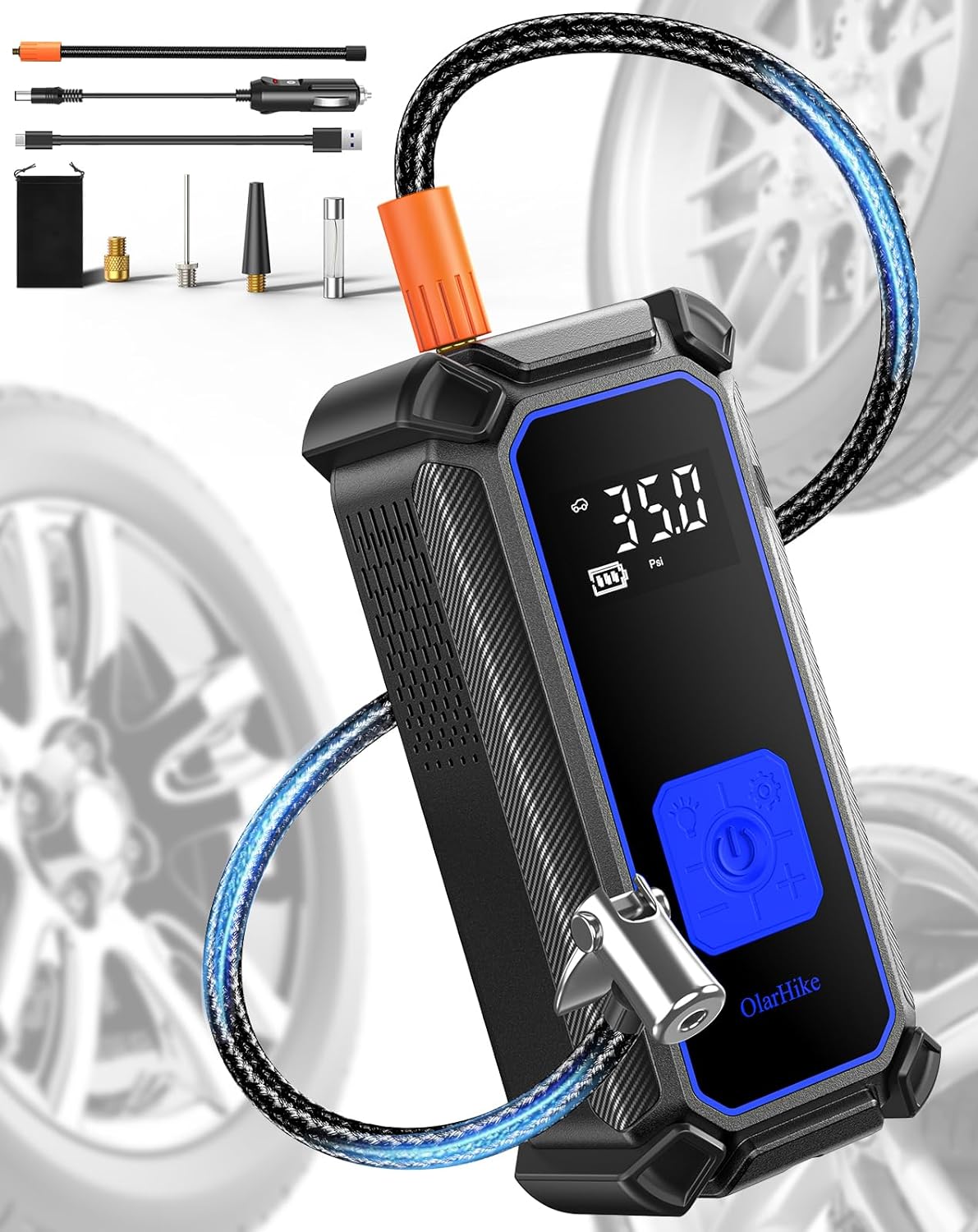
Illustrative image related to electric tire pressure pump
Cons: The primary disadvantage is its weight, which can affect portability. Additionally, stainless steel is generally more expensive and may require specialized manufacturing techniques.
Impact on Application: Stainless steel is often utilized in critical components like valves and fittings. Buyers from regions with stringent safety regulations should ensure compliance with standards such as ASTM A240 for stainless steel.
Rubber, particularly synthetic rubber, is commonly used for seals and gaskets in electric tire pressure pumps. Its elasticity and ability to withstand varying temperatures (typically up to 100°C) make it suitable for creating airtight seals.
Pros: Rubber is excellent for vibration dampening and provides a tight seal, which is crucial for maintaining pressure. It is also relatively inexpensive and easy to manufacture.
Cons: However, rubber can degrade over time, especially when exposed to ozone or UV light, leading to potential leaks. Its performance may also be compromised in extreme temperatures.
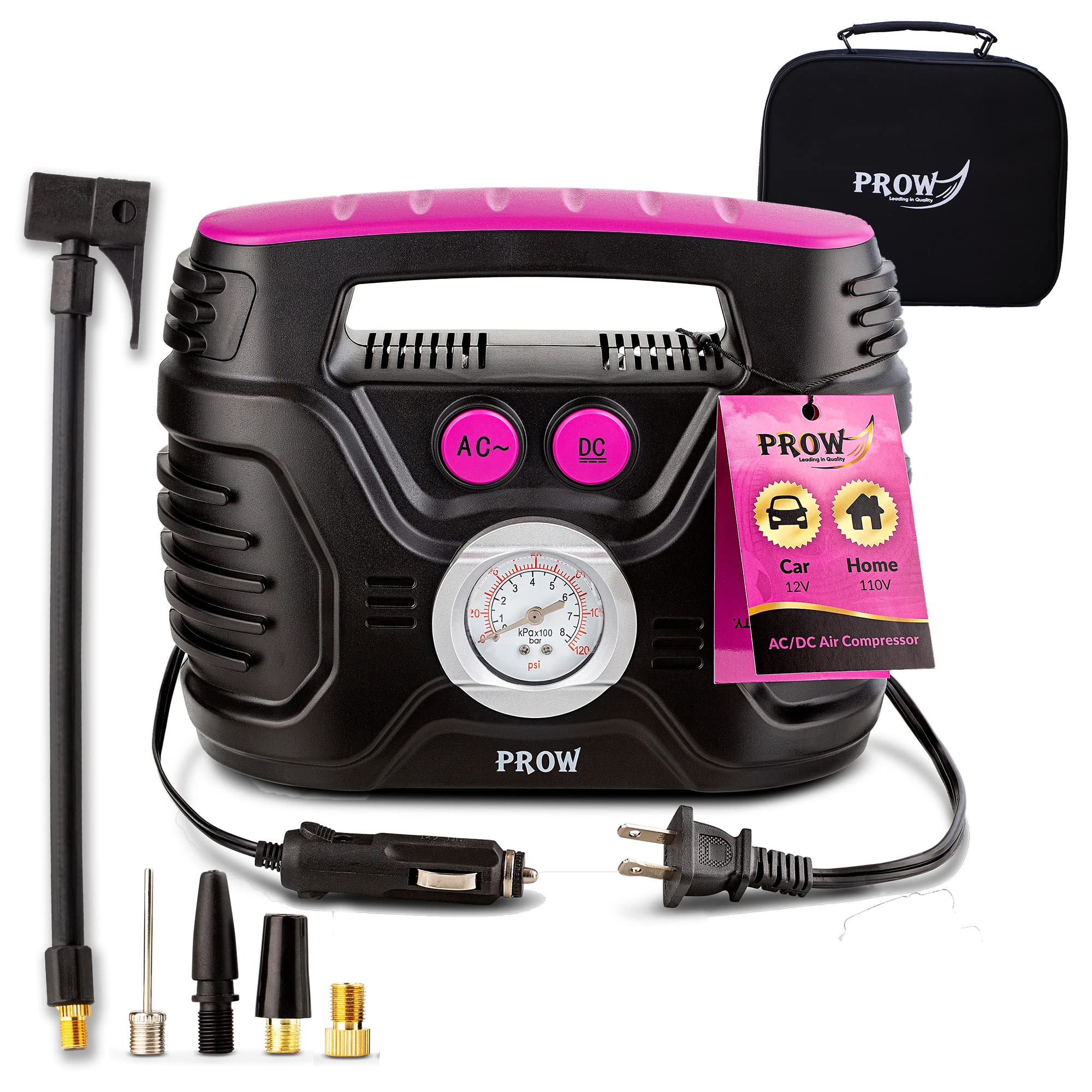
Illustrative image related to electric tire pressure pump
Impact on Application: Rubber seals are critical for ensuring the pump operates efficiently and safely. International buyers should verify that the rubber materials meet standards like ASTM D2000 for rubber properties.
| Material | Typical Use Case for electric tire pressure pump | Key Advantage | Key Disadvantage/Limitation | Relative Cost (Low/Med/High) |
|---|---|---|---|---|
| Plastic | Housings and covers | Lightweight and cost-effective | Limited pressure resistance | Low |
| Aluminum | Pressure chambers and structural components | Strong, lightweight, and heat-dissipating | Higher cost and complex manufacturing | Med |
| Stainless Steel | Valves and fittings | Durable and corrosion-resistant | Heavy and more expensive | High |
| Rubber | Seals and gaskets | Excellent sealing and vibration dampening | Degrades over time and temperature sensitivity | Low |
This material selection guide provides valuable insights for international B2B buyers, enabling informed decisions that align with performance requirements and compliance standards in their respective markets.
The manufacturing process of electric tire pressure pumps involves several critical stages, each designed to ensure that the final product meets quality and performance standards.
The first step in manufacturing is material preparation, which involves selecting high-quality raw materials such as durable plastics, metals, and electronic components. Manufacturers often source materials that comply with international standards to enhance product longevity and reliability. For instance, the casing is typically made from high-grade ABS plastic, while internal components may include aluminum or steel for strength and resilience.
After material preparation, the next stage is forming. This can include injection molding for plastic components, where molten plastic is injected into molds to create specific shapes. Metal parts may undergo processes such as stamping or machining. These techniques ensure precision and consistency in the components, which are crucial for the pump’s operational efficiency.
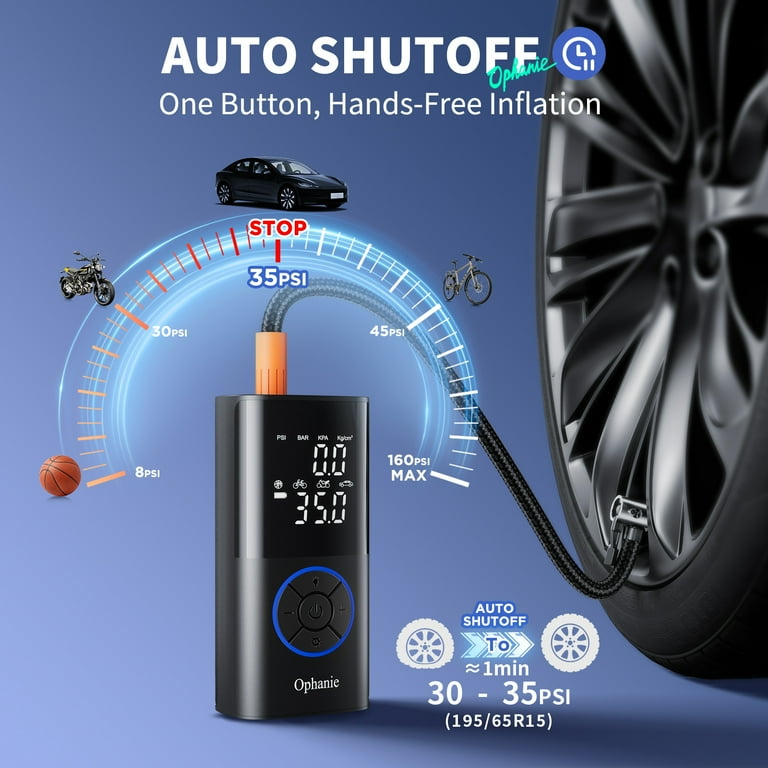
Illustrative image related to electric tire pressure pump
Once the components are formed, they move to the assembly stage. Here, skilled workers or automated machines assemble the individual parts into a complete unit. This process may include attaching the motor to the pump body, integrating the digital display, and ensuring the battery is securely connected. Manufacturers often implement lean manufacturing principles to minimize waste and maximize efficiency during assembly.
The final stage of manufacturing is finishing, which involves quality checks and surface treatments. This may include painting, printing labels, or applying protective coatings to enhance durability. The finishing stage is critical, as it not only impacts the aesthetic appeal of the product but also its resistance to wear and environmental factors.
Quality assurance (QA) is essential in the manufacturing of electric tire pressure pumps to ensure safety, reliability, and customer satisfaction.
Manufacturers of electric tire pressure pumps must adhere to various international standards. ISO 9001 is a widely recognized quality management system standard that helps organizations ensure they meet customer and regulatory requirements consistently. Additionally, products targeting the European market must comply with CE marking requirements, which indicate conformity with health, safety, and environmental protection standards.
Quality control (QC) involves several checkpoints throughout the manufacturing process:
Incoming Quality Control (IQC): This step checks the quality of raw materials before they enter the production line. Suppliers must provide certification and documentation to verify that materials meet specified standards.
In-Process Quality Control (IPQC): During manufacturing, regular inspections are conducted to monitor the assembly process and ensure components fit correctly and function as intended. This may involve testing individual components for electrical performance and mechanical integrity.
Final Quality Control (FQC): After assembly, the entire product undergoes a final inspection. This includes functional testing of the pump to ensure it operates within specified pressure ranges and performs reliably under various conditions.
Common testing methods for electric tire pressure pumps include:
B2B buyers looking to source electric tire pressure pumps should take proactive measures to verify their suppliers’ quality control practices.
Buyers can conduct supplier audits to evaluate the manufacturing processes and quality management systems in place. This can include:
Engaging third-party inspection services can provide an unbiased assessment of a supplier’s quality practices. These services can conduct random checks during production or at the final inspection stage to ensure compliance with agreed specifications and standards.
International buyers, particularly those in regions such as Africa, South America, the Middle East, and Europe, should be aware of specific quality control nuances:
The manufacturing and quality assurance processes for electric tire pressure pumps are multifaceted and designed to deliver high-quality, reliable products. By understanding these processes and implementing thorough verification practices, B2B buyers can ensure they partner with suppliers who prioritize quality and compliance, ultimately leading to successful procurement strategies in international markets.
In today’s competitive market, sourcing the right electric tire pressure pump is essential for businesses involved in automotive maintenance, retail, or logistics. This guide provides a practical checklist to streamline your procurement process, ensuring you select a reliable and high-quality product that meets your operational needs.
Establishing clear technical specifications is the foundation of your sourcing process. Consider factors such as maximum pressure output (measured in PSI), airflow rate (liters per minute), and battery life if choosing a cordless model. Identifying these parameters upfront will help you filter suppliers and products that align with your operational requirements.
Before engaging with potential suppliers, conduct thorough research to assess their reputation in the market. Look for customer reviews, industry ratings, and testimonials from other businesses. Reliable suppliers should have a track record of delivering quality products consistently and providing excellent customer service.
When comparing electric tire pressure pumps, focus on key features that enhance usability and safety. Look for models with digital pressure gauges for accurate readings, automatic shut-off functions to prevent over-inflation, and additional features like built-in LED lights for emergency situations.
Ensure that the products comply with international standards and certifications relevant to your region, such as CE, FCC, or ISO. Compliance not only guarantees quality but also ensures safety and reliability in use, which is crucial for maintaining your business’s reputation.
A robust warranty and reliable after-sales support are indicators of a trustworthy supplier. Look for products that come with at least a one-year warranty, covering defects and performance issues. Additionally, inquire about the availability of spare parts and technical support services.
Once you have shortlisted suppliers, initiate discussions to negotiate terms, including pricing, payment conditions, and delivery timelines. Be transparent about your budget and timeline requirements. Good suppliers will be willing to find a middle ground that satisfies both parties.
Before finalizing your order, perform a comprehensive evaluation of the shortlisted products. Compare features, pricing, supplier reliability, and warranty conditions. It’s beneficial to seek feedback from your team members who will be using the pumps to ensure that all operational needs are met.
By following this checklist, you can make informed decisions when sourcing electric tire pressure pumps, ensuring that your business acquires reliable tools that enhance efficiency and safety.
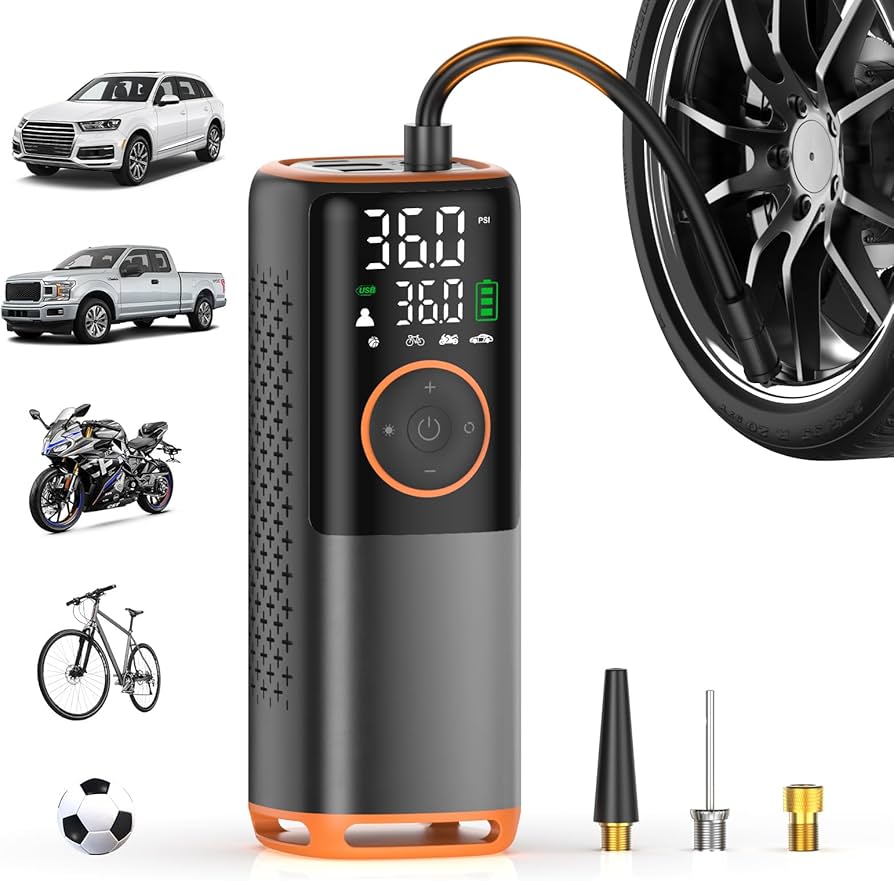
Illustrative image related to electric tire pressure pump
When sourcing electric tire pressure pumps, it is crucial to understand the various cost components that contribute to the final price. Key elements include:
Materials: The cost of raw materials such as plastic, metals, and electronic components significantly influences pricing. High-quality materials may increase initial costs but can enhance durability and performance, leading to better long-term value.
Labor: Labor costs vary by region and can impact the overall pricing structure. Countries with higher labor costs may see increased prices, while manufacturers in regions with lower labor costs can offer more competitive pricing.
Manufacturing Overhead: This includes costs related to facility maintenance, utilities, and equipment depreciation. Efficient manufacturing processes can reduce overhead and lower prices.
Tooling: The initial investment in molds and machinery to produce the pumps is a significant upfront cost. Custom designs or specifications often require specialized tooling, which can further increase costs.
Quality Control (QC): Implementing rigorous QC processes ensures product reliability and safety. While this adds to the cost, it can also reduce returns and warranty claims, providing savings in the long run.
Logistics: Transportation costs can vary widely based on distance, shipping method, and import duties. Efficient logistics planning can mitigate some of these costs.
Margin: Suppliers typically add a markup to cover their expenses and profit. Understanding the typical margin in the market can help buyers gauge fair pricing.
Several factors can influence the pricing of electric tire pressure pumps:
Volume and Minimum Order Quantity (MOQ): Bulk purchasing often leads to lower unit prices. Suppliers may have minimum order quantities, which can affect pricing strategies for smaller buyers.
Specifications and Customization: Custom features, such as enhanced PSI capabilities or additional functionalities (like power banks), can increase costs. Buyers should assess whether these features align with their market needs.
Materials and Quality Certifications: Pumps made from premium materials or those meeting specific certifications (e.g., CE, UL) may come at a higher price but can justify the expense through enhanced performance and safety.
Supplier Factors: The reputation and reliability of the supplier can affect pricing. Established suppliers with a track record of quality may charge more but offer better assurance of product performance.
Incoterms: Understanding the terms of shipping and delivery (e.g., FOB, CIF) is essential for calculating total landed costs. Buyers should clarify responsibilities for shipping costs, insurance, and customs duties.
For international B2B buyers, particularly in regions like Africa, South America, the Middle East, and Europe, several strategies can enhance cost-efficiency:
Negotiate Terms: Always negotiate payment terms and pricing. Suppliers may offer discounts for early payment or larger orders.
Consider Total Cost of Ownership (TCO): Evaluate not just the purchase price but also factors like maintenance, energy consumption, and longevity. A slightly higher initial cost may result in lower TCO if the pump is more durable and efficient.
Research Market Prices: Familiarize yourself with the market landscape to understand the typical price range for electric tire pressure pumps. This knowledge can strengthen your negotiation position.
Assess Shipping and Import Costs: Consider the full scope of costs associated with international shipping. Tariffs and customs fees can significantly impact overall expenses.
Build Relationships: Establishing long-term relationships with suppliers can lead to better pricing and terms. Reliable suppliers may offer favorable conditions to loyal customers.
Prices for electric tire pressure pumps can vary widely based on the factors outlined above. The information provided is for indicative purposes only and should not be considered as fixed pricing. Buyers are encouraged to conduct thorough market research and engage in direct negotiations with suppliers to obtain the best possible pricing tailored to their specific needs.
In the pursuit of maintaining optimal tire pressure, businesses often seek reliable and efficient solutions. Electric tire pressure pumps have gained popularity due to their convenience and effectiveness. However, various alternative solutions exist, each with its unique advantages and drawbacks. This analysis will explore electric tire pressure pumps in comparison to manual pumps and air compressor stations, providing a comprehensive understanding for B2B buyers.
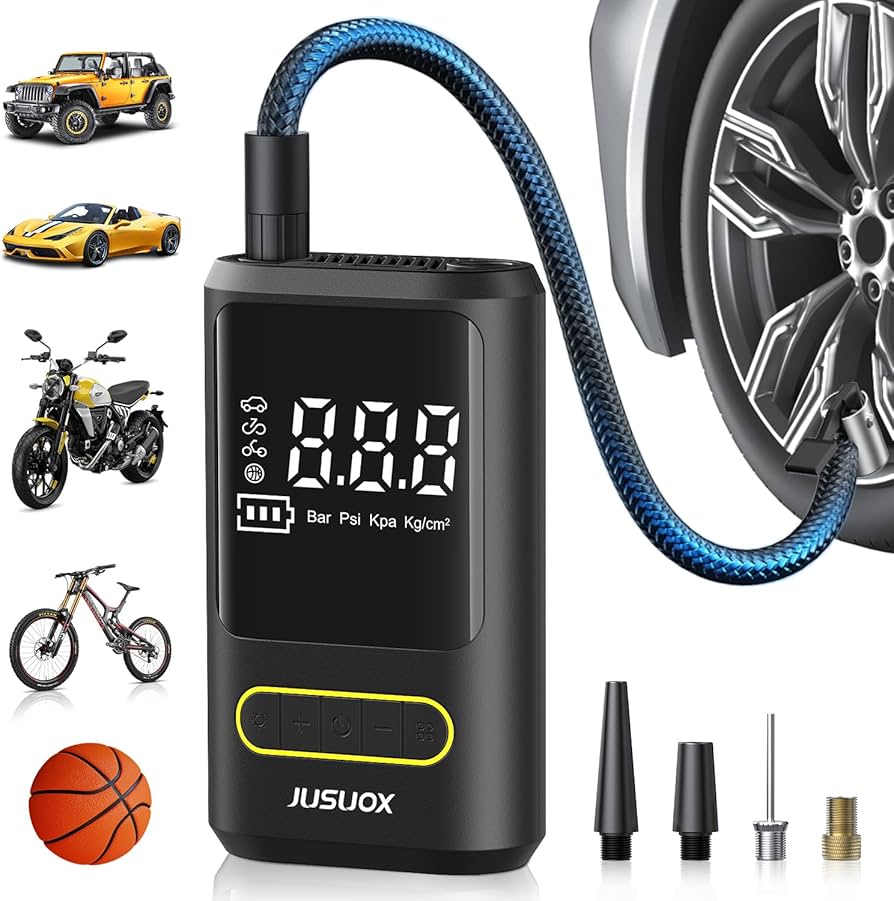
Illustrative image related to electric tire pressure pump
| Comparison Aspect | Electric Tire Pressure Pump | Manual Tire Pump | Air Compressor Station |
|---|---|---|---|
| Performance | High PSI, quick inflation | Moderate PSI, slower | Very high PSI, rapid |
| Cost | $50 – $150 | $10 – $30 | $1,000 – $5,000 |
| Ease of Implementation | User-friendly, portable | Requires physical effort | Requires installation, less portable |
| Maintenance | Low, rechargeable batteries | Minimal | Moderate, regular servicing |
| Best Use Case | Personal vehicles, emergencies | Occasional use, low volume | Heavy-duty vehicles, workshops |
Manual tire pumps are a traditional alternative that offers a cost-effective solution for inflating tires. They are lightweight, easy to store, and require no electricity, making them ideal for remote areas. However, they demand physical effort and can be time-consuming, especially for larger tires. While suitable for occasional use, they may not meet the demands of high-volume applications or emergency situations where speed is crucial.
Air compressor stations provide a powerful alternative for tire inflation, particularly for commercial applications. They deliver very high PSI levels and can inflate multiple tires quickly, making them ideal for workshops or fleet operations. However, they come with a higher upfront cost and require installation. Additionally, they are less portable and may not be suitable for roadside emergencies. Maintenance is necessary to ensure optimal performance, which could be a drawback for some businesses.
Selecting the right tire inflation solution depends on the specific needs of the business. Electric tire pressure pumps offer a blend of portability, efficiency, and ease of use, making them suitable for individual users and small to medium-sized enterprises. Manual pumps serve well for low-frequency users seeking a budget-friendly option, while air compressor stations cater to high-demand environments where rapid and robust tire inflation is essential. By evaluating performance, cost, ease of implementation, maintenance, and the intended use case, B2B buyers can make informed decisions that align with their operational requirements.
When evaluating electric tire pressure pumps, several critical specifications should be considered to ensure they meet the needs of B2B buyers. Understanding these properties can significantly impact procurement decisions.
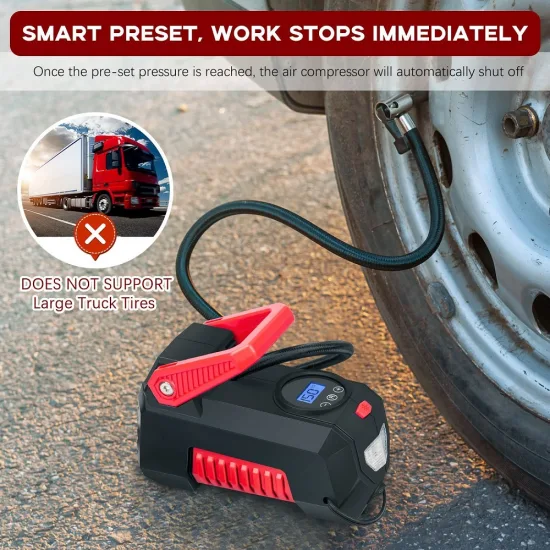
Illustrative image related to electric tire pressure pump
The maximum pressure rating, typically measured in pounds per square inch (PSI), indicates the pump’s capability to inflate tires to a specific pressure. Most electric tire pumps range from 100 to 150 PSI. For B2B buyers, this specification is crucial as it determines whether the pump can effectively service various vehicles, from cars to trucks. Insufficient pressure may lead to under-inflation and potential safety hazards.
The airflow rate, measured in liters per minute (L/min), signifies how quickly the pump can inflate a tire. A higher airflow rate allows for faster inflation, which is vital for businesses that require quick service, such as roadside assistance or automotive repair shops. For example, pumps with airflow rates between 30-35 L/min can significantly reduce wait times, enhancing customer satisfaction.
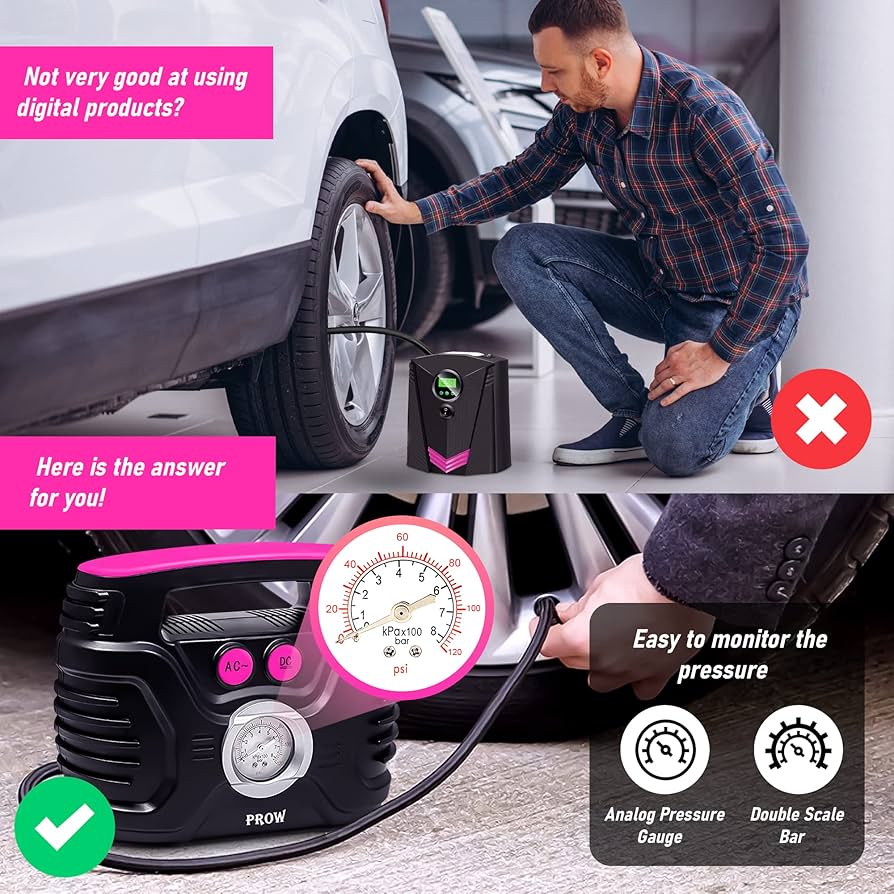
Battery capacity, expressed in milliamp hours (mAh), indicates how long the pump can operate before needing a recharge. A typical electric tire pump may feature batteries ranging from 2000 mAh to 4000 mAh. For B2B buyers, particularly those in remote or outdoor markets, a higher capacity ensures reliable performance without frequent recharging, thus improving efficiency and usability.
Illustrative image related to electric tire pressure pump
The material grade of the pump affects its durability and longevity. Common materials include ABS plastic and aluminum, which provide lightweight yet robust construction. Buyers should prioritize pumps with high-quality materials, as these tend to withstand wear and tear better, reducing replacement costs and downtime in commercial applications.
A built-in digital pressure gauge provides accurate and easy-to-read pressure measurements. This feature is particularly important for businesses that require precision in tire inflation to maintain vehicle performance and safety standards. Enhanced accuracy minimizes the risk of over-inflation or under-inflation, which can lead to increased operational costs and safety issues.
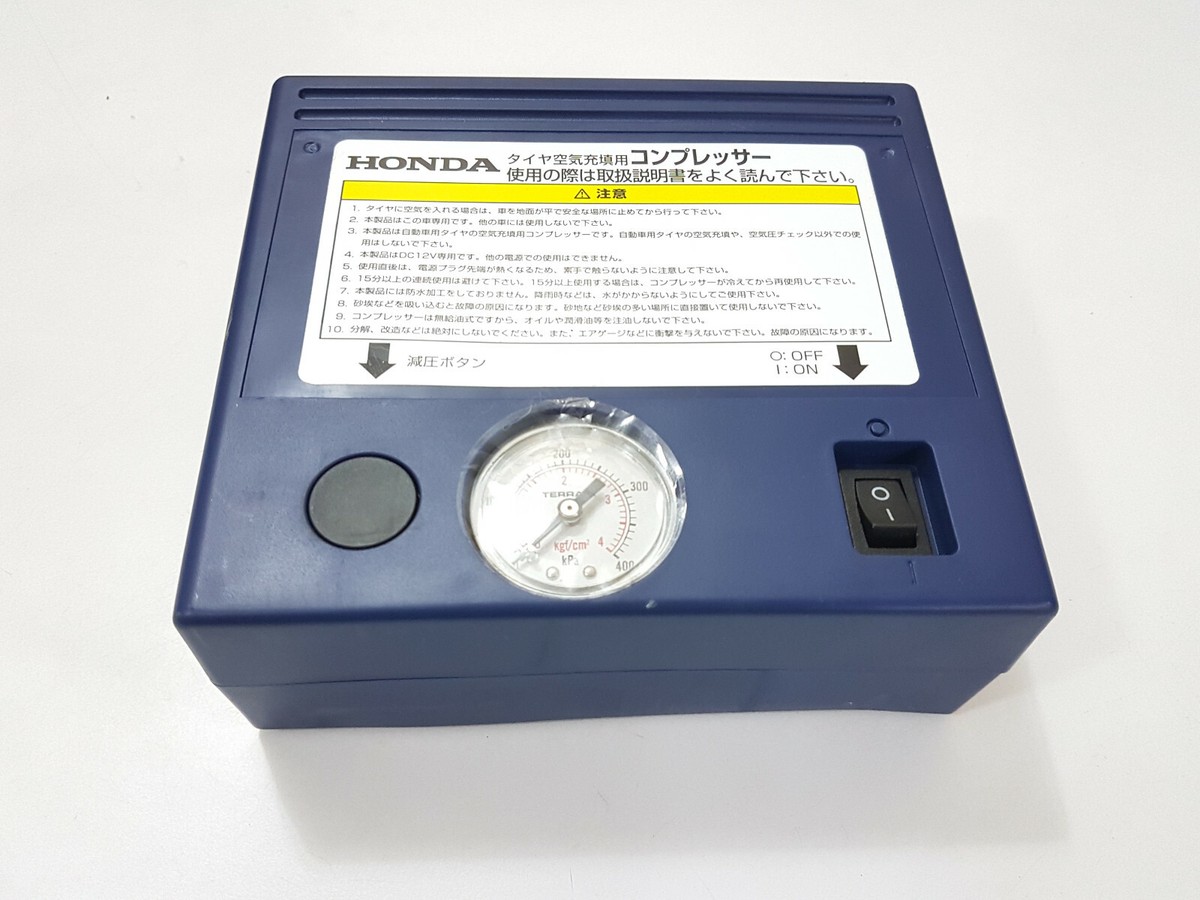
Familiarity with industry terminology is essential for B2B buyers to navigate procurement processes effectively. Here are some key terms that frequently arise in the context of electric tire pressure pumps:
OEM refers to companies that manufacture products that are sold under another company’s brand name. Understanding OEM relationships can help buyers identify quality standards and warranty options, ensuring that the products meet their specific requirements.
MOQ is the smallest quantity of a product that a supplier is willing to sell. This term is particularly relevant for B2B buyers who need to manage inventory levels while negotiating favorable pricing. Knowing the MOQ helps in budgeting and forecasting purchasing needs.
Illustrative image related to electric tire pressure pump
An RFQ is a formal process where buyers request price quotes from suppliers for specific products. This is crucial for B2B buyers looking to compare prices and terms from different manufacturers, ensuring they secure the best deal possible for electric tire pressure pumps.
Incoterms are a set of standardized trade terms that define the responsibilities of buyers and sellers in international transactions. Understanding these terms is essential for B2B buyers involved in cross-border procurement, as they clarify shipping responsibilities, insurance, and risk management.
The warranty period refers to the time frame during which a product is guaranteed against defects. For B2B buyers, understanding warranty terms is vital for assessing the long-term reliability of electric tire pressure pumps and planning for potential service or replacement costs.
By familiarizing themselves with these technical properties and trade terms, B2B buyers can make informed decisions when sourcing electric tire pressure pumps, ultimately enhancing operational efficiency and customer satisfaction.
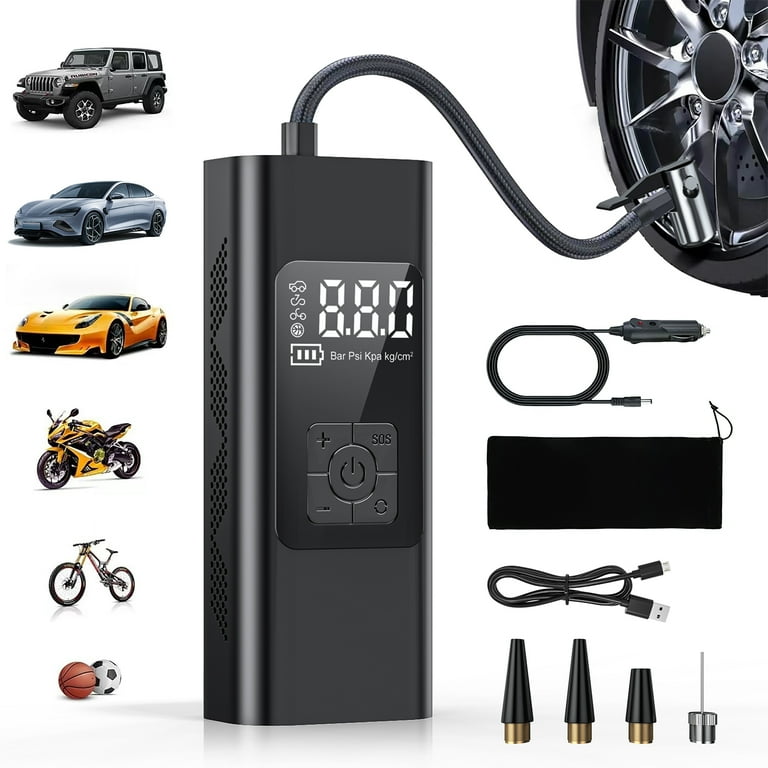
The electric tire pressure pump market is experiencing significant growth, driven by increasing vehicle ownership and the rising need for efficient maintenance solutions across global markets, particularly in regions like Africa, South America, the Middle East, and Europe. As consumers and businesses alike become more conscious of vehicle safety and fuel efficiency, the demand for reliable tire maintenance tools is on the rise. Emerging technologies, such as smart inflators with integrated pressure monitoring and automated shut-off features, are becoming standard in new models. These innovations not only enhance user convenience but also promote safety by ensuring optimal tire pressure.
Illustrative image related to electric tire pressure pump
International B2B buyers should be aware of the trend towards multifunctional devices. Many electric tire pumps now double as portable power banks or include built-in LED lights, catering to the needs of outdoor enthusiasts and emergency situations. Additionally, the rise of e-commerce platforms has made sourcing these products easier, allowing buyers to compare specifications, prices, and customer reviews to make informed purchasing decisions. As manufacturers focus on enhancing product portability and battery life, buyers are encouraged to look for options that balance performance with compactness, especially for markets where space and mobility are essential.
Sustainability has become a critical factor in the sourcing decisions of B2B buyers in the electric tire pressure pump sector. The environmental impact of manufacturing processes, including energy consumption and waste generation, is under scrutiny, prompting companies to seek suppliers committed to sustainable practices. Ethical sourcing is not just a compliance measure; it is increasingly becoming a competitive advantage. Buyers are now prioritizing manufacturers that utilize renewable materials, implement energy-efficient production methods, and maintain transparent supply chains.
Moreover, the demand for ‘green’ certifications, such as ISO 14001 for environmental management and Energy Star for energy efficiency, is rising. Products that carry these certifications are more appealing to buyers looking to align with sustainability goals. Additionally, the use of recyclable materials in the construction of electric tire pressure pumps is gaining traction, as it helps mitigate environmental impact and appeals to eco-conscious consumers. For international buyers, especially in regions with stringent environmental regulations, partnering with manufacturers that prioritize sustainability can reduce risks and enhance brand reputation.
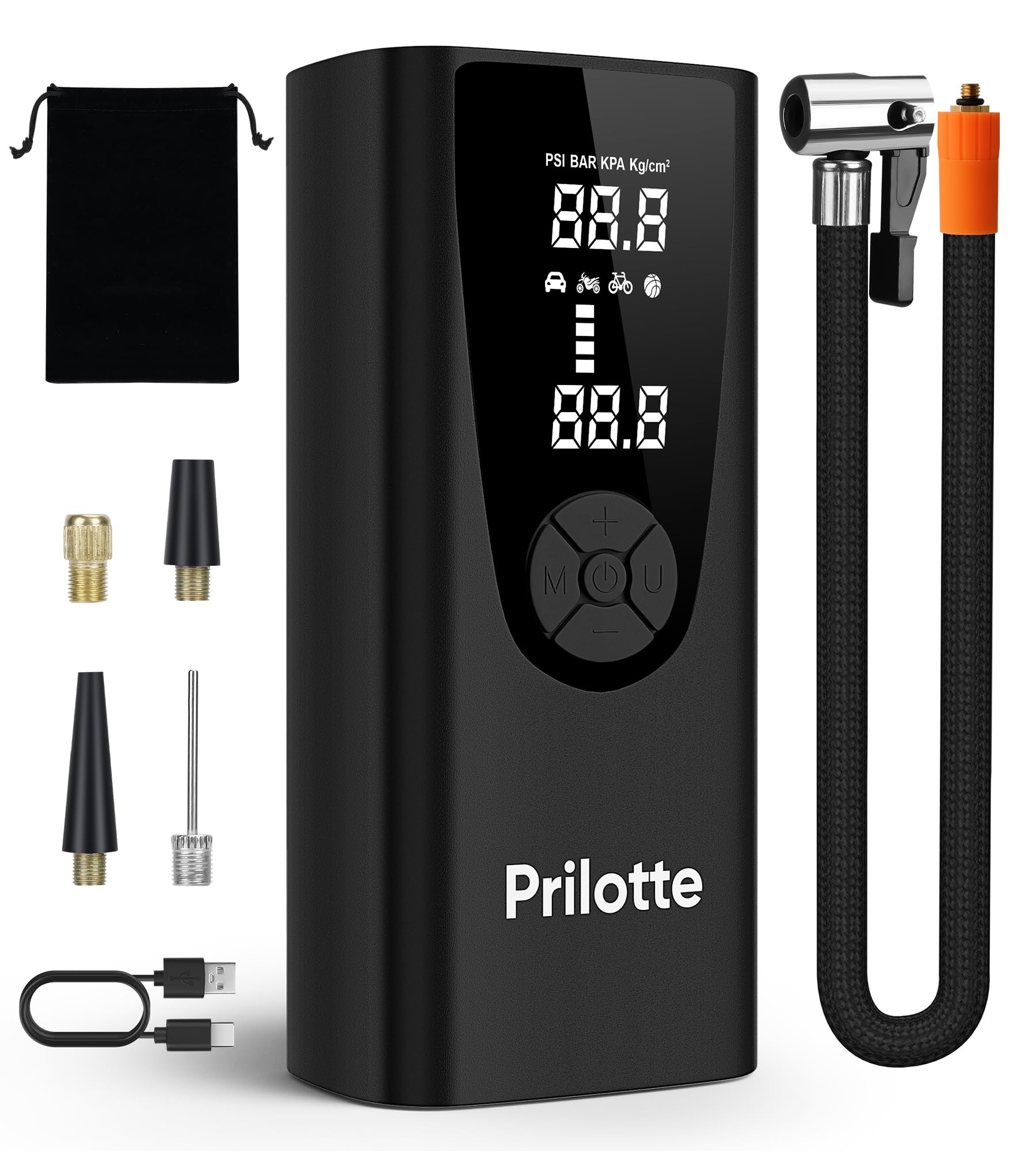
The evolution of electric tire pressure pumps has been marked by significant technological advancements over the past few decades. Initially, these devices were bulky, corded units that required access to a power source. However, the introduction of portable, battery-operated models has transformed the market. Today’s pumps are lighter, more efficient, and equipped with features such as digital displays, automatic pressure settings, and quick inflation capabilities.
This evolution holds substantial significance for B2B buyers. As electric tire pumps become more sophisticated, they offer enhanced functionality that meets the demands of various sectors, from automotive to recreational vehicle markets. Buyers should consider how these advancements can improve operational efficiency and customer satisfaction. By investing in modern electric tire pressure pumps, businesses can not only ensure the safety and performance of their vehicles but also demonstrate a commitment to innovation and quality in their offerings.
Illustrative image related to electric tire pressure pump
How do I choose the right electric tire pressure pump for my business needs?
Choosing the right electric tire pressure pump involves evaluating your specific requirements such as pressure capacity, portability, and battery life. For B2B operations, consider the types of vehicles you service—cars, trucks, or motorcycles—as this will dictate the pump’s PSI ratings. Additionally, assess the pump’s compatibility with different valve types and its features like built-in pressure gauges and auto shut-off functions. Always request samples or demonstrations before making bulk purchases to ensure the product meets your operational standards.
What is the best electric tire pressure pump for commercial use?
The best electric tire pressure pump for commercial use typically offers high PSI ratings, rapid inflation capabilities, and robust durability. Look for models that can handle a variety of tire types and sizes, equipped with features like automatic shut-off, digital pressure gauges, and built-in lights for low-light conditions. Brands like AstroAI and Viair are often recommended for their reliability and performance. Always consider the volume of use and the specific needs of your clientele when selecting a model for your business.
What are the minimum order quantities (MOQ) for electric tire pressure pumps?
Minimum order quantities (MOQ) for electric tire pressure pumps can vary significantly depending on the manufacturer or supplier. Typically, MOQs range from 50 to 500 units for B2B transactions, influenced by factors such as customization requirements and production capacity. It’s advisable to negotiate MOQs with suppliers, especially if you are testing the market or launching a new product line. Always confirm the MOQ in writing before placing an order to avoid misunderstandings.
How can I ensure the quality of electric tire pressure pumps from suppliers?
To ensure quality, start by vetting suppliers through reviews and industry certifications. Request product samples and inspect them for durability and functionality. Additionally, inquire about the supplier’s quality assurance processes, including testing protocols and warranty terms. It’s also beneficial to check if they adhere to international quality standards such as ISO certification. Establishing a clear communication channel for quality concerns and feedback can further enhance your partnership.
What payment terms should I expect when sourcing electric tire pressure pumps internationally?
Payment terms can vary widely among suppliers, but common practices include a deposit upfront (usually 30% to 50%) with the balance due upon shipment or delivery. Some suppliers may offer letters of credit or net payment terms (e.g., net 30 or net 60) depending on your business relationship. Always clarify payment terms in the contract to ensure mutual understanding and protect against potential disputes. It’s advisable to use secure payment methods to minimize risks.
What shipping options are available for importing electric tire pressure pumps?
Shipping options for importing electric tire pressure pumps include air freight for faster delivery and sea freight for cost-effectiveness on larger orders. Depending on the urgency and size of your shipment, you can choose express courier services or standard shipping methods. Be sure to discuss logistics with your supplier and consider local customs regulations and duties that may apply to your order. Working with a reliable freight forwarder can help streamline the import process and ensure compliance.
How can I customize electric tire pressure pumps to meet my branding needs?
Customization options for electric tire pressure pumps often include branding through color schemes, logos, and packaging. Many manufacturers offer private labeling services, allowing you to create a product that aligns with your brand identity. Discuss your specific requirements with potential suppliers, including any additional features you wish to incorporate. Be prepared to meet MOQs for customized orders, and request prototypes to ensure the final product meets your expectations before mass production.
What are the common issues faced with electric tire pressure pumps, and how can they be resolved?
Common issues with electric tire pressure pumps include battery failure, inaccurate pressure readings, and mechanical malfunctions. To resolve these issues, ensure regular maintenance and battery checks are part of your operational procedures. Always follow the manufacturer’s guidelines for usage and storage to prolong the pump’s lifespan. If problems arise, having a reliable customer service channel with your supplier can facilitate quick resolutions, including repairs or replacements under warranty.
Domain: slickproductsusa.com
Registered: 2012 (13 years)
Introduction: {“name”: “Portable Air Pump”, “price”: “$74.99”, “SKU”: “SP-AIR”, “features”: {“maximum_pressure”: “150 PSI”, “battery”: “2000 MAH rechargeable battery”, “USB_port”: “Yes, for charging devices”, “LED_flashlight”: “Yes”, “emergency_blinker”: “Yes”, “weight”: “Lightweight and portable”, “uses”: [“Car tires”, “Motorcycle tires”, “Bike tires”, “Basketballs”, “Footballs”, “Soccer balls”]}, “warranty”: …
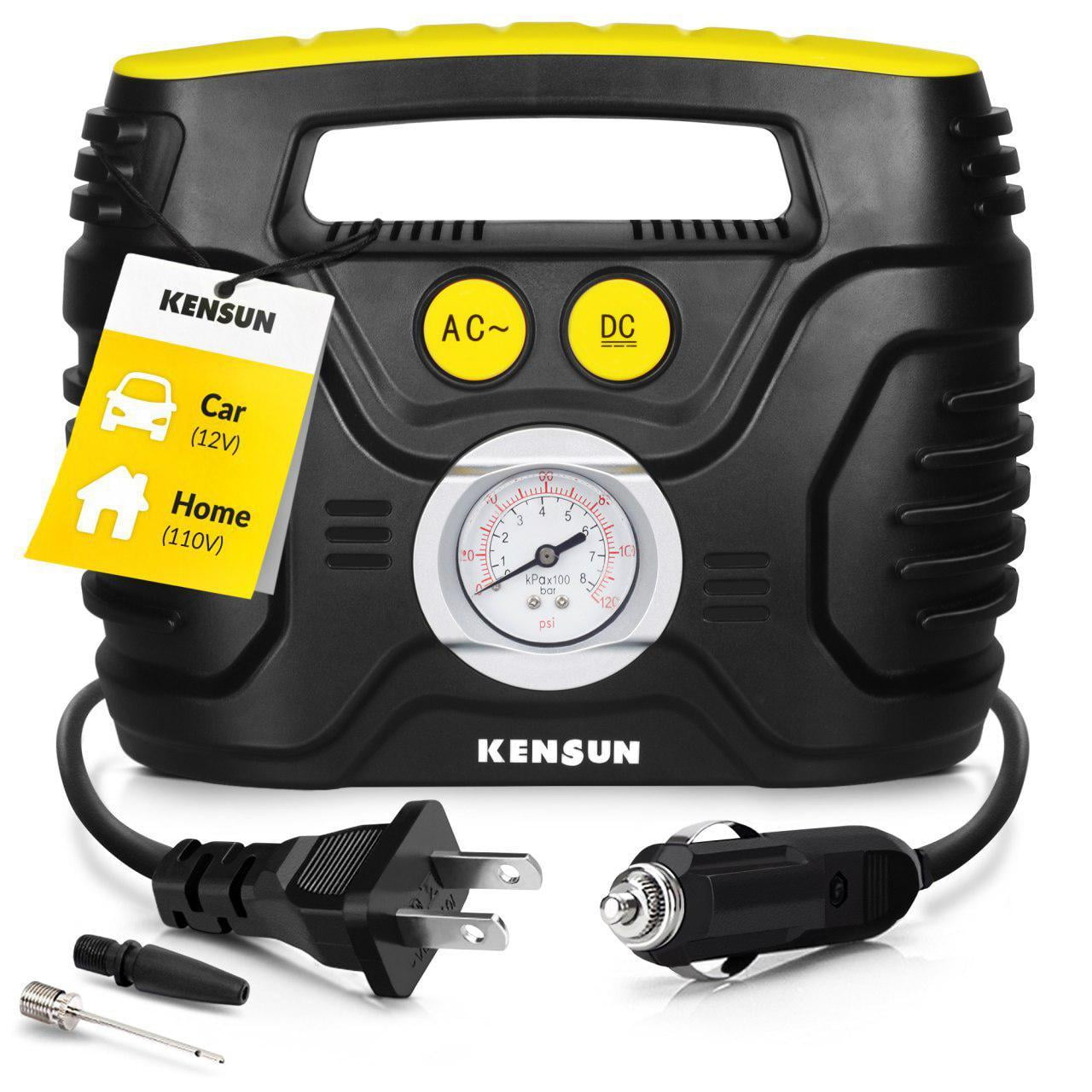
In the rapidly evolving landscape of electric tire pressure pumps, strategic sourcing emerges as a pivotal factor for international B2B buyers. Key insights reveal that the demand for portable, efficient, and multi-functional inflators is on the rise, driven by consumer preferences for convenience and versatility. Buyers should prioritize suppliers who offer innovative features—such as integrated power banks, automatic shut-off capabilities, and robust battery life—ensuring they meet the diverse needs of end-users across various sectors.
Investing in reliable suppliers not only enhances product offerings but also strengthens brand reputation in competitive markets like Africa, South America, the Middle East, and Europe. Buyers should consider regional dynamics, including local preferences and infrastructural challenges, which can influence product adoption and customer satisfaction.
Looking ahead, the market for electric tire pressure pumps is set to expand significantly. By leveraging strategic sourcing practices, B2B buyers can position themselves as leaders in this growing segment. Now is the time to engage with suppliers who are committed to innovation and quality. Make informed decisions today to drive future success in your tire maintenance offerings.
Illustrative image related to electric tire pressure pump
The information provided in this guide, including content regarding manufacturers, technical specifications, and market analysis, is for informational and educational purposes only. It does not constitute professional procurement advice, financial advice, or legal advice.
While we have made every effort to ensure the accuracy and timeliness of the information, we are not responsible for any errors, omissions, or outdated information. Market conditions, company details, and technical standards are subject to change.
B2B buyers must conduct their own independent and thorough due diligence before making any purchasing decisions. This includes contacting suppliers directly, verifying certifications, requesting samples, and seeking professional consultation. The risk of relying on any information in this guide is borne solely by the reader.


 English
  Russian
  Spanish
  Italian
  Arabic
  Portuguese
  German