
In today’s fast-paced global market, sourcing high-quality digital tire gauges and inflators presents a unique challenge for B2B buyers. With the increasing demand for precision in tire management across various industries—ranging from automotive to logistics—the need for reliable and accurate measurement tools has never been more critical. This guide aims to equip international buyers, particularly from regions such as Africa, South America, the Middle East, and Europe, with the insights necessary to make informed purchasing decisions.
Covering a comprehensive scope, this guide delves into the various types of digital tire gauges and inflators available, their diverse applications, and essential criteria for supplier vetting. Buyers will gain insights into cost structures, market trends, and the technological advancements that drive the industry. Additionally, we will explore the key features that differentiate quality products, enabling businesses to optimize their tire maintenance practices and enhance operational efficiency.
By empowering B2B buyers with actionable knowledge, this guide serves as a critical resource for those navigating the complexities of sourcing tire management tools. From understanding the importance of accuracy and durability to evaluating supplier reliability, readers will find everything they need to confidently select the right digital tire gauges and inflators tailored to their specific needs.
| Tipo Nombre | Principales rasgos distintivos | Aplicaciones B2B principales | Breves pros y contras para los compradores |
|---|---|---|---|
| Manómetro digital de presión de neumáticos | High accuracy, digital display, often with backlight | Automotive workshops, fleet management | Pros: Accurate readings, easy to read; Contras: Battery reliance may affect usability. |
| Digital Tire Inflator with Gauge | Combines inflator and gauge, often features auto shut-off | Tire service centers, automotive repair shops | Pros: Quick inflation and deflation; Contras: May require air compressor. |
| Portable Digital Tire Gauge | Compact, battery-operated, often with multiple pressure settings | Mobile tire repair services, roadside assistance | Pros: Highly portable and versatile; Contras: Limited pressure range compared to larger models. |
| Heavy-Duty Digital Tire Inflator | Designed for high-pressure tires, robust build | Commercial trucking, heavy machinery maintenance | Pros: Durable, handles high PSI; Contras: Más voluminoso, menos portátil. |
| Digital Tire Pressure Gauge with Bluetooth | Connects to mobile devices for data tracking | Gestión de flotas, empresas de logística | Pros: Data analytics for tire maintenance; Contras: Higher cost, requires app compatibility. |
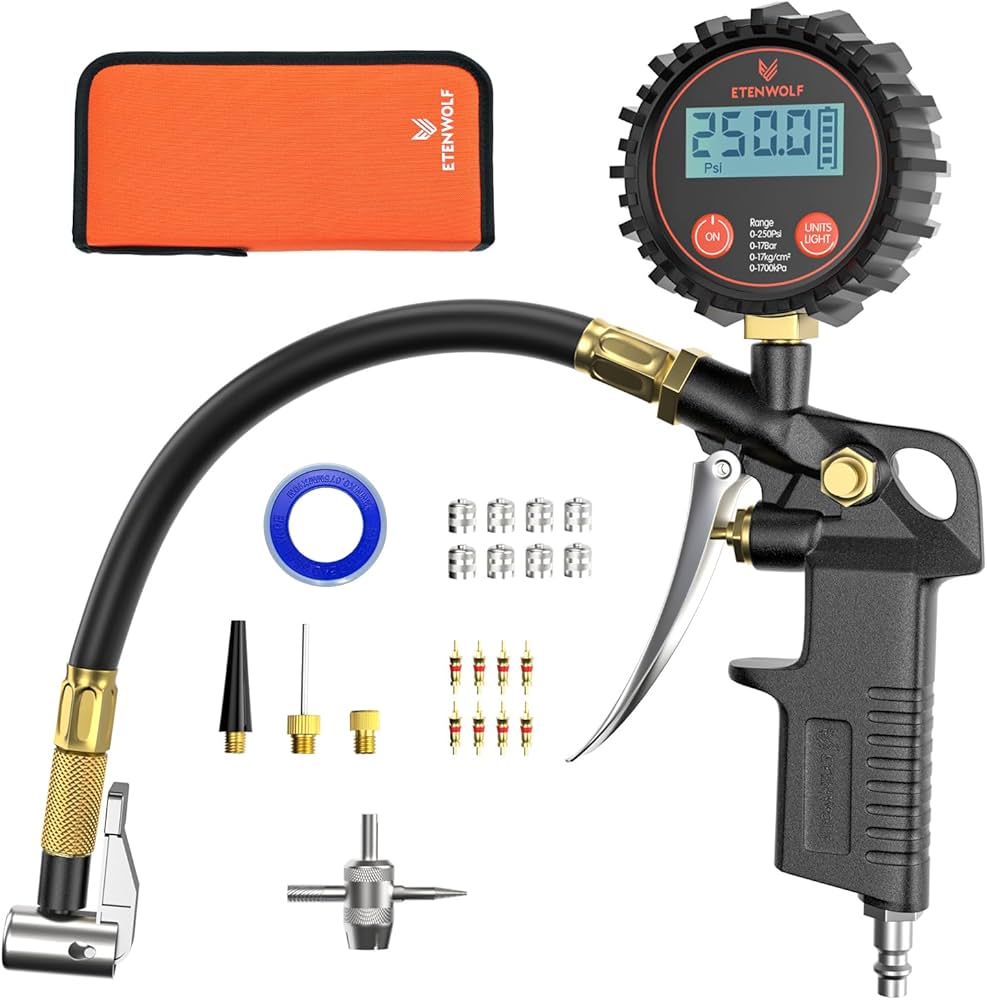
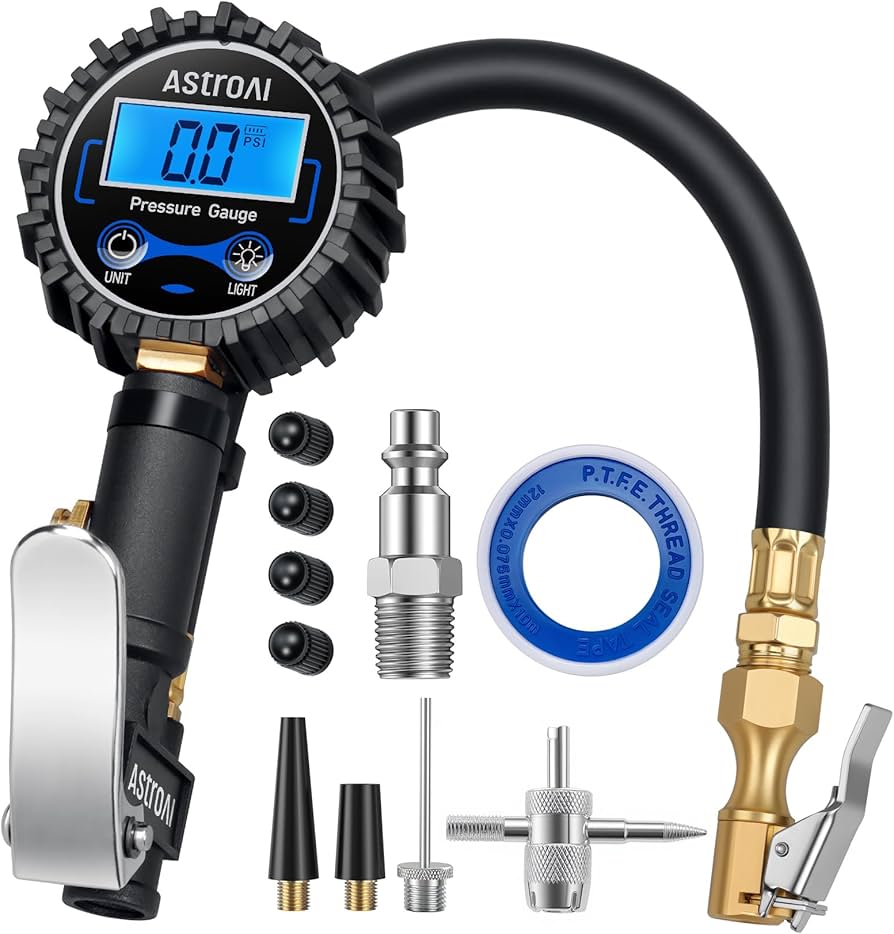
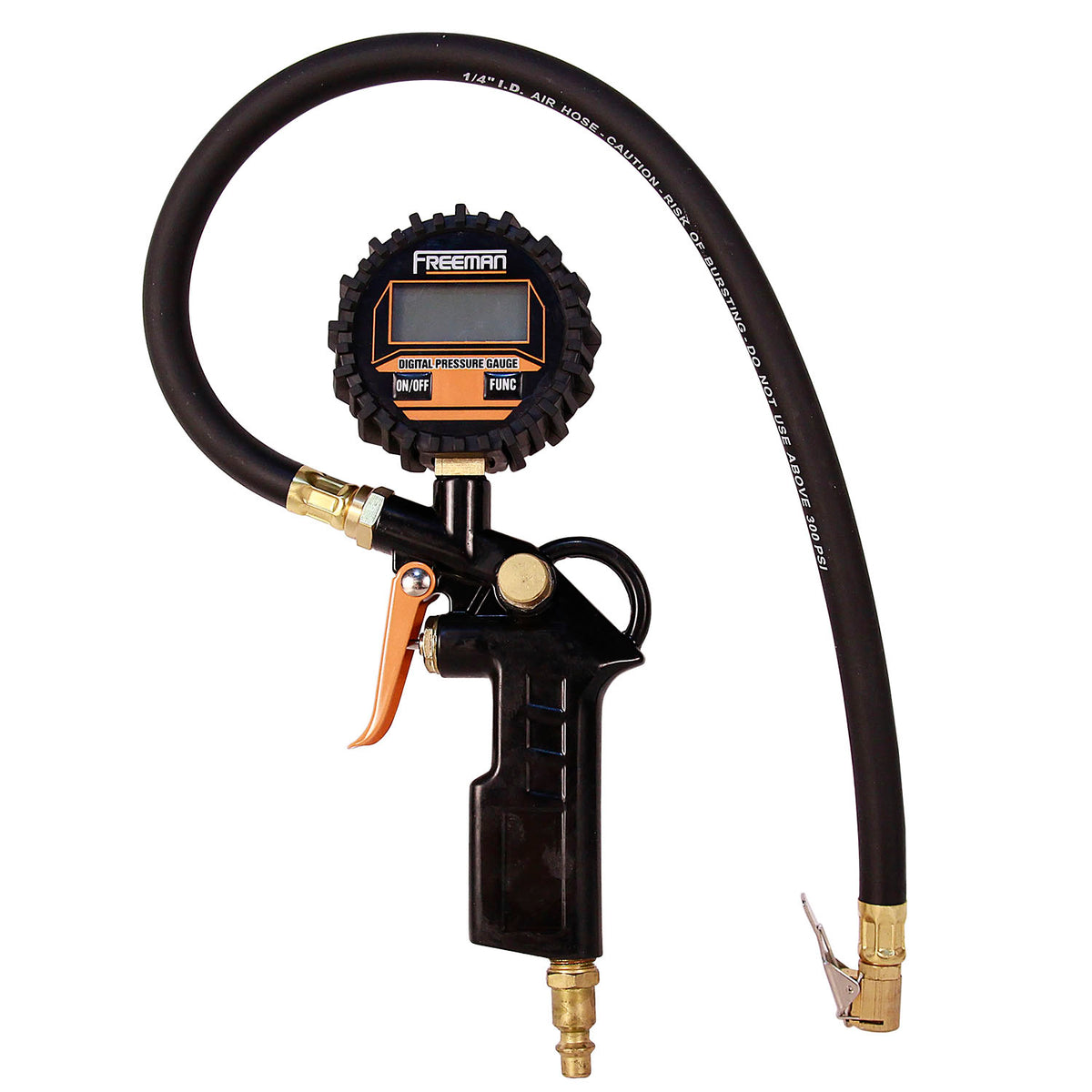
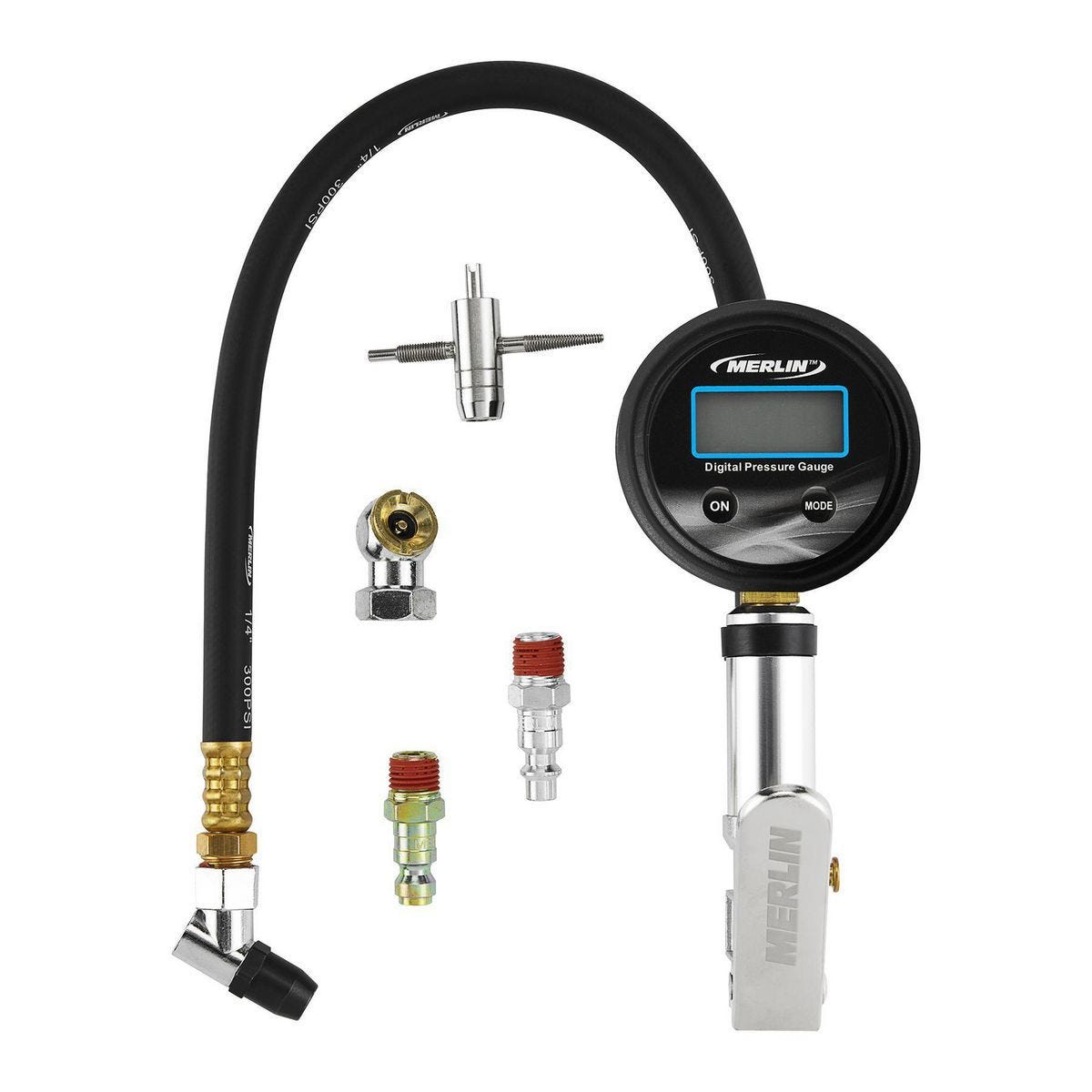
Digital tire pressure gauges are designed for high accuracy and ease of use. They typically feature a digital display that provides precise readings, often with backlighting for visibility in low-light conditions. These gauges are essential in automotive workshops and fleet management, where maintaining optimal tire pressure is crucial for safety and efficiency. When purchasing, consider the gauge’s accuracy, ease of reading, and battery life, as these factors directly impact operational efficiency.
Illustrative image related to digital tire gauge and inflator
Digital tire inflators with integrated gauges streamline the tire maintenance process by combining inflation and pressure measurement in one device. These units often include features like auto shut-off, which prevents over-inflation, making them ideal for tire service centers and automotive repair shops. Buyers should evaluate the inflator’s pressure range, speed of inflation, and compatibility with existing air compressor systems to ensure it meets their operational needs.
Portable digital tire gauges are compact and battery-operated, making them an excellent choice for mobile tire repair services and roadside assistance. Their versatility allows them to measure a wide range of pressures, catering to various vehicle types. When selecting a portable gauge, consider its pressure range, durability, and ease of use, as these factors will influence service efficiency and customer satisfaction.
Heavy-duty digital tire inflators are built to withstand the rigors of commercial applications, such as trucking and heavy machinery maintenance. They can handle high-pressure tires, making them indispensable in environments where reliability is paramount. Buyers should assess the unit’s PSI capacity, build quality, and ease of transportation to ensure it fits their specific operational requirements.
Illustrative image related to digital tire gauge and inflator
Digital tire pressure gauges with Bluetooth connectivity offer significant advantages for fleet management by enabling data tracking and analytics. These devices can sync with mobile applications, allowing fleet managers to monitor tire conditions in real-time. When considering such gauges, evaluate their compatibility with existing systems, data accuracy, and the total cost of ownership, as these aspects can influence overall fleet efficiency and maintenance strategies.
| Industria/Sector | Specific Application of Digital Tire Gauge and Inflator | Valor/beneficio para la empresa | Consideraciones clave para el aprovisionamiento de esta aplicación |
|---|---|---|---|
| Talleres de reparación de automóviles | Routine tire pressure checks and inflations | Ensures vehicle safety and performance, reducing liability risks. | Durability, precision, ease of use, and compatibility with various vehicles. |
| Logística y transporte | Fleet tire maintenance | Reduces fuel consumption and extends tire lifespan, lowering operational costs. | High PSI range, robust construction, and fast inflation/deflation features. |
| Agricultural Equipment | Tire management for tractors and heavy machinery | Enhances equipment efficiency and prevents downtime due to tire issues. | Ability to handle low-pressure readings and rugged design for field use. |
| Construction and Mining | Tire pressure management for heavy-duty vehicles | Increases safety and operational efficiency on job sites. | High accuracy, durability in harsh conditions, and quick-read displays. |
| Servicios de automoción al por menor | Customer tire inflation and pressure checks | Improves customer service and vehicle safety, encouraging repeat business. | User-friendly interface, accurate readings, and compact design for easy handling. |
In automotive repair shops, digital tire gauges and inflators are essential for conducting routine tire pressure checks and inflating tires to the manufacturer’s specifications. These tools help ensure vehicles operate safely and efficiently, thereby reducing the likelihood of accidents caused by under-inflated tires. For B2B buyers in this sector, sourcing durable and precise equipment is critical, as it must withstand frequent use while delivering accurate readings across various vehicle types.
In the logistics and transportation industry, maintaining proper tire pressure in fleet vehicles is vital for reducing fuel consumption and extending tire lifespan. Digital tire gauges and inflators facilitate quick and accurate tire maintenance, minimizing downtime and operational costs. Buyers in this sector should prioritize tools with high PSI ranges and robust features that allow for rapid inflation and deflation, ensuring efficiency in busy logistics environments.
Agricultural equipment, such as tractors and harvesters, often requires specific tire pressure settings to function optimally. Digital tire gauges and inflators enable farmers to maintain these settings, enhancing equipment performance and reducing the risk of tire-related failures. Buyers in agriculture should seek devices that can handle low-pressure readings and are built to endure rugged field conditions, ensuring reliability during critical farming operations.
In construction and mining, proper tire pressure management for heavy-duty vehicles is essential for safety and operational efficiency. Digital tire gauges and inflators allow for quick checks and adjustments, which can prevent accidents and equipment failures on job sites. B2B buyers in these industries should focus on sourcing high-accuracy gauges that are durable enough to withstand harsh environments, ensuring they provide reliable performance under extreme conditions.
Retail automotive services can leverage digital tire gauges and inflators to provide customers with quick tire pressure checks and inflation services. This not only enhances customer satisfaction by ensuring vehicle safety but also fosters customer loyalty through exceptional service. When sourcing these tools, businesses should consider user-friendly interfaces, accurate readings, and compact designs that facilitate easy handling and quick service delivery.
El problema: B2B buyers managing fleets of vehicles often face the challenge of ensuring that tire pressure gauges provide accurate readings. Inconsistent or incorrect pressure readings can lead to under-inflation or over-inflation of tires, which not only compromises vehicle safety but also increases fuel consumption and accelerates tire wear. For instance, a logistics company in Nigeria might find that a low-quality digital tire gauge fails to deliver precise measurements, resulting in frequent breakdowns and increased maintenance costs.
La solución: To overcome this issue, B2B buyers should prioritize sourcing digital tire gauges and inflators that are recognized for their accuracy and reliability. They can look for products with certifications or endorsements from automotive experts, such as those highlighted by industry publications. Investing in models that feature advanced calibration technology or that have been tested under various conditions can significantly reduce the risk of inaccuracies. Furthermore, implementing a routine calibration schedule for these devices ensures that they remain precise over time. Providing training for staff on how to properly use and interpret the readings from these gauges will also enhance the safety and efficiency of fleet operations.
El problema: In regions like South America, where businesses operate multiple types of vehicles, B2B buyers often struggle with the inefficiency of using different tire gauges for various vehicle types. For example, a construction company with trucks, vans, and heavy machinery may find it cumbersome to switch between gauges, leading to delays in operations and potential mismanagement of tire pressures. This lack of standardization can lead to confusion among workers and increased downtime.
La solución: A practical approach is to invest in all-in-one digital tire inflators that can accommodate various tire sizes and types. Buyers should seek models that come with adjustable settings for different pressure ranges and that include universal fittings for diverse valve types. Furthermore, selecting devices with user-friendly interfaces and backlit displays can simplify the operation for all staff, regardless of their technical expertise. Implementing a centralized inventory management system for tire maintenance tools can also streamline operations, ensuring that the appropriate gauge is always available and reducing time spent searching for the right equipment.
El problema: Businesses in the Middle East and Africa often face environmental challenges, such as extreme heat or dust, which can hinder the performance of digital tire gauges and inflators. A company operating in such conditions may find that their gauges frequently malfunction, leading to inaccurate readings and additional operational headaches. This not only affects the safety of the vehicles but also impacts the overall efficiency of logistics and transportation operations.
La solución: To address this, B2B buyers should consider sourcing digital tire gauges and inflators specifically designed to withstand harsh environmental conditions. Products that feature rugged construction, weather-resistant materials, and dust-proof designs can ensure longevity and reliable performance. Additionally, it’s advisable to establish regular maintenance routines that include cleaning the gauges to remove dust and ensuring that all components are functioning correctly. Partnering with suppliers who offer robust warranties and responsive customer service can provide peace of mind and prompt support when issues arise. By taking these proactive steps, businesses can significantly enhance the durability and reliability of their tire maintenance equipment, even in challenging environments.
When selecting materials for digital tire gauges and inflators, understanding the properties, advantages, and limitations of each material is crucial for ensuring product performance and longevity. Here are some of the most common materials used in these devices, analyzed from a B2B perspective.
Propiedades clave: Plastic, particularly high-density polyethylene (HDPE) and polycarbonate, offers excellent resistance to moisture and impacts. They can withstand temperatures ranging from -40°C to 85°C, making them suitable for various environments.
Pros y contras: Plastics are lightweight and cost-effective, which lowers manufacturing costs. However, they may not withstand high pressures as well as metals, limiting their use in high-performance applications. Additionally, plastics can degrade over time with exposure to UV light and extreme temperatures.
Impacto en la aplicación: Plastic materials are suitable for non-critical components such as housings and buttons. However, they may not be ideal for pressure-sensitive areas where accuracy is paramount.
Consideraciones para compradores internacionales: Compliance with international standards such as ASTM for plastics is essential. Buyers from regions like Africa and South America should ensure that the materials used are suitable for their specific climates, which may include high humidity or extreme temperatures.
Propiedades clave: Aluminum is lightweight yet strong, with a good corrosion resistance profile. It can handle pressures up to 200 PSI, making it suitable for inflators.
Illustrative image related to digital tire gauge and inflator
Pros y contras: The durability and lightweight nature of aluminum make it a popular choice. It is also relatively cost-effective compared to stainless steel. However, it can be more expensive than plastics and may require additional coatings to enhance corrosion resistance.
Impacto en la aplicación: Aluminum is ideal for pressure-sensitive components, such as the inflator body and gauge fittings, where strength and weight are critical.
Consideraciones para compradores internacionales: Buyers in the Middle East and Europe should look for aluminum products that meet specific corrosion resistance standards, especially in humid or coastal environments.
Propiedades clave: Stainless steel is known for its exceptional strength and corrosion resistance, making it suitable for high-pressure applications. It can withstand temperatures from -50°C to 300°C.
Pros y contras: The primary advantage of stainless steel is its durability and long lifespan. However, it is generally more expensive than other materials, which may impact the overall cost of the product. Additionally, manufacturing stainless steel components can be complex, requiring specialized equipment.
Illustrative image related to digital tire gauge and inflator
Impacto en la aplicación: Stainless steel is ideal for critical components like pressure sensors and inflator nozzles, where reliability and accuracy are paramount.
Consideraciones para compradores internacionales: Compliance with international standards like JIS and DIN is crucial. Buyers should also consider the weight of stainless steel in portable applications, as it can affect user convenience.
Propiedades clave: Rubber seals provide excellent flexibility and can withstand a range of temperatures, typically from -30°C to 100°C. They are also effective at preventing air leaks.
Pros y contras: Rubber is cost-effective and provides a good seal against air loss, enhancing the accuracy of pressure readings. However, rubber can degrade over time, especially when exposed to oils or extreme temperatures, which may necessitate more frequent replacements.
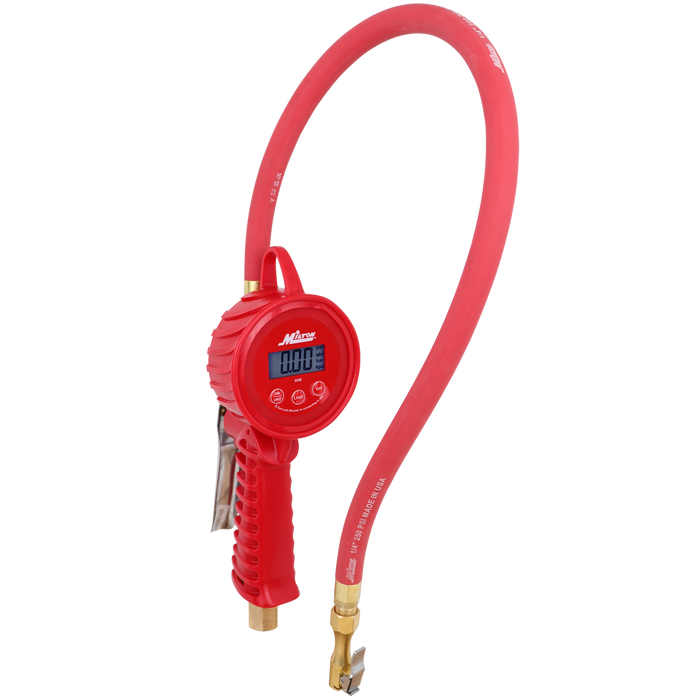
Illustrative image related to digital tire gauge and inflator
Impacto en la aplicación: Rubber seals are essential for ensuring airtight connections in both gauges and inflators, directly impacting the accuracy of pressure readings.
Consideraciones para compradores internacionales: Buyers should ensure that the rubber used complies with relevant standards for chemical resistance, especially in regions with high temperatures or exposure to various oils.
| Material | Typical Use Case for digital tire gauge and inflator | Ventajas clave | Principales desventajas/limitaciones | Coste relativo (Bajo/Medio/Alto) |
|---|---|---|---|---|
| Plástico | Housings, buttons | Ligero y rentable | Resistencia limitada a la presión | Bajo |
| Aluminio | Inflator body, gauge fittings | Fuerte y resistente a la corrosión | Mayor coste que el plástico | Medio |
| Acero inoxidable | Pressure sensors, inflator nozzles | Durabilidad excepcional | Mayor complejidad de fabricación | Alta |
| Rubber Seals | Airtight connections | Excelente capacidad de sellado | Se degrada con el tiempo | Bajo |
This analysis provides a comprehensive overview of the materials commonly used in digital tire gauges and inflators, offering valuable insights for international B2B buyers looking to make informed purchasing decisions.
The manufacturing of digital tire gauges and inflators involves several critical stages, ensuring that these tools meet the high standards of accuracy and durability required by the automotive industry. Each stage of the manufacturing process contributes to the final product’s quality and performance.
The first step in the manufacturing process is material preparation, which includes sourcing high-quality components such as sensors, electronic circuits, and durable casings. Manufacturers often rely on metals like aluminum and high-grade plastics that can withstand various environmental conditions. Quality assurance begins at this stage, with suppliers required to provide certifications for their materials, ensuring compliance with international standards.
Following material preparation, the next stage is forming, which involves shaping the materials into the necessary components. Common techniques include CNC machining for precision parts and injection molding for plastic components. After forming, the assembly process begins. This stage may involve manual assembly for complex electronic components and automated assembly lines for simpler parts. Ensuring proper alignment and fit during assembly is crucial, as even minor discrepancies can lead to inaccuracies in measurements.
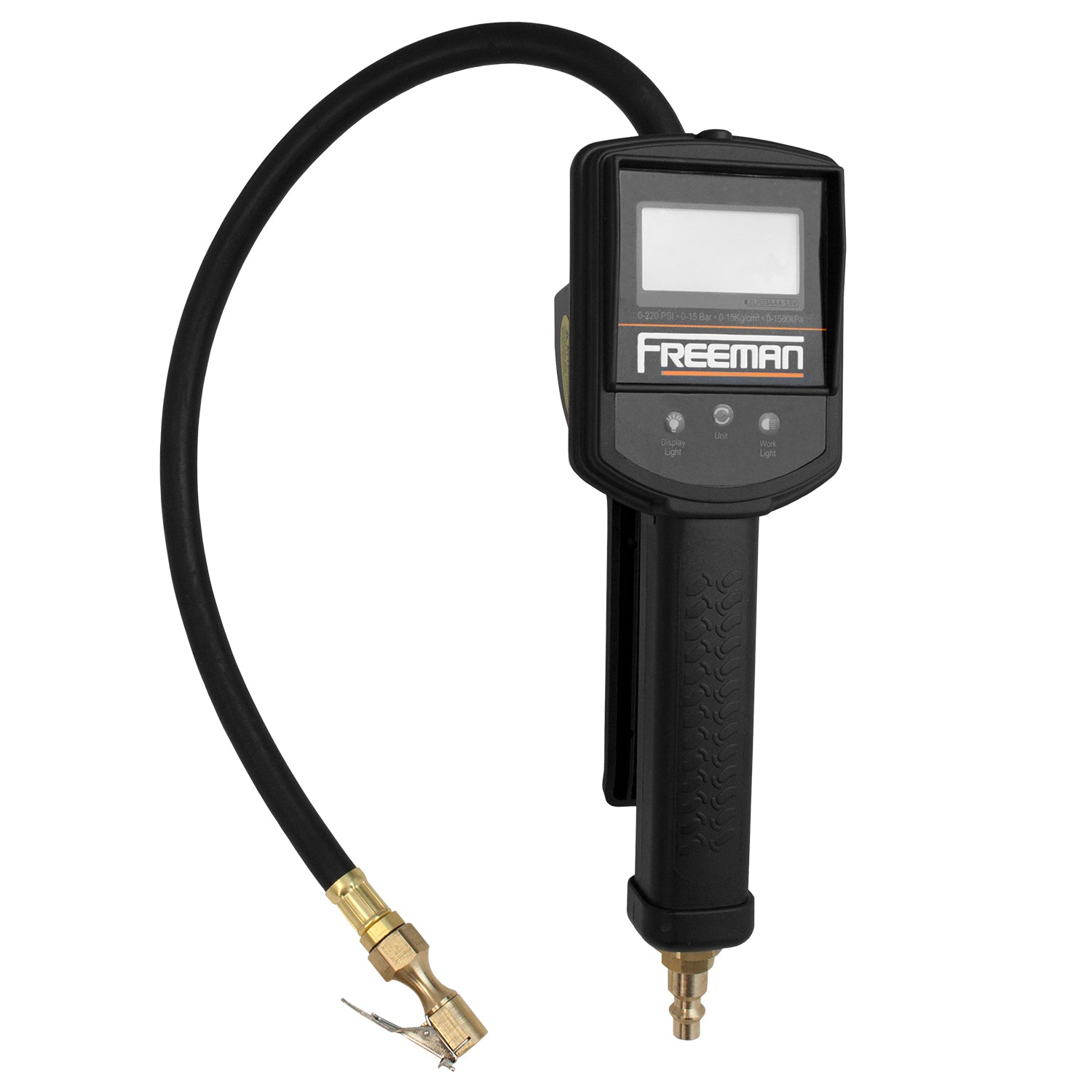
Illustrative image related to digital tire gauge and inflator
Finishing processes play a vital role in enhancing the durability and aesthetic appeal of digital tire gauges and inflators. This stage typically includes surface treatments such as anodizing, painting, or coating to prevent corrosion and wear. Additionally, manufacturers conduct thorough cleaning processes to eliminate any debris or contaminants that could affect performance. Proper finishing not only ensures the longevity of the products but also enhances their marketability.
Quality assurance (QA) is an essential aspect of the manufacturing process, particularly for digital tire gauges and inflators, where precision is paramount. Manufacturers often adhere to international standards such as ISO 9001, which outlines the requirements for a quality management system. This certification ensures that companies consistently meet customer and regulatory requirements.
In addition to ISO standards, industry-specific certifications like CE marking for European markets or API standards for automotive components can significantly enhance product credibility. These certifications indicate compliance with safety and performance regulations, making them crucial for international B2B buyers who prioritize quality assurance.
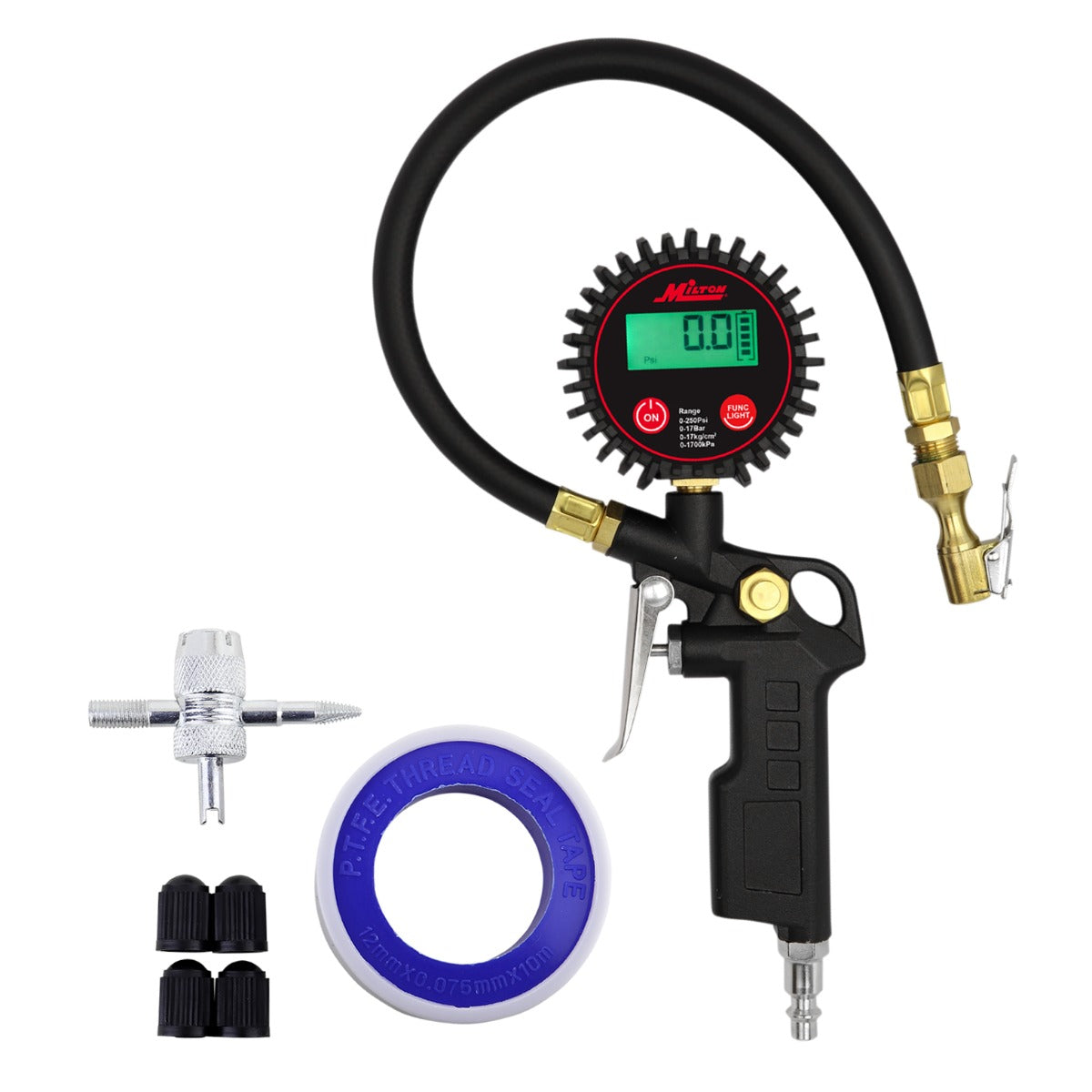
Illustrative image related to digital tire gauge and inflator
Quality control (QC) checkpoints are integrated throughout the manufacturing process to ensure that each component meets established standards. The primary QC checkpoints include:
Control de calidad entrante (IQC): This stage involves inspecting raw materials and components upon arrival to ensure they meet specified standards.
Control de calidad durante el proceso (IPQC): Ongoing inspections during the manufacturing process help identify and rectify issues before they escalate.
Control de calidad final (CCF): The final inspection involves comprehensive testing of the finished product to confirm accuracy, durability, and compliance with standards.
Various testing methods are employed to validate the performance of digital tire gauges and inflators. These methods typically include:
Calibration Testing: Ensures that the gauge provides accurate readings by comparing it against a known standard.
Pruebas de durabilidad: Simulates real-world conditions to assess the product’s resilience against wear, temperature variations, and moisture.
Electrical Testing: Verifies the functionality of electronic components, ensuring that the inflator operates reliably under different conditions.
For international B2B buyers, particularly those in Africa, South America, the Middle East, and Europe, verifying a supplier’s quality control practices is crucial. Buyers can take several steps to ensure that their suppliers maintain high-quality standards:
Conduct Audits: Regular audits of the manufacturing facilities can provide insights into the supplier’s adherence to quality processes and standards.
Solicitar informes de calidad: Suppliers should be able to provide documentation detailing their QC processes, testing results, and certifications.
Engage Third-Party Inspectors: Utilizing independent inspection services can help verify that products meet specified standards before shipment.
When dealing with international markets, B2B buyers should be aware of regional differences in quality control expectations. For instance, the European market may have stricter regulations regarding safety and environmental impact compared to markets in Africa or South America. It is essential for buyers to understand these nuances and ensure that their suppliers can meet the varying requirements.
Additionally, language barriers and cultural differences may affect communication regarding quality standards. Establishing clear, documented agreements regarding quality expectations can mitigate these challenges and foster a better working relationship with suppliers.
The manufacturing processes and quality assurance practices for digital tire gauges and inflators are integral to delivering reliable, high-quality products. By understanding these processes, B2B buyers can make informed decisions when selecting suppliers, ensuring that they receive products that meet international standards and their specific needs. Prioritizing quality assurance not only enhances product performance but also builds long-term trust and collaboration between manufacturers and buyers in diverse global markets.
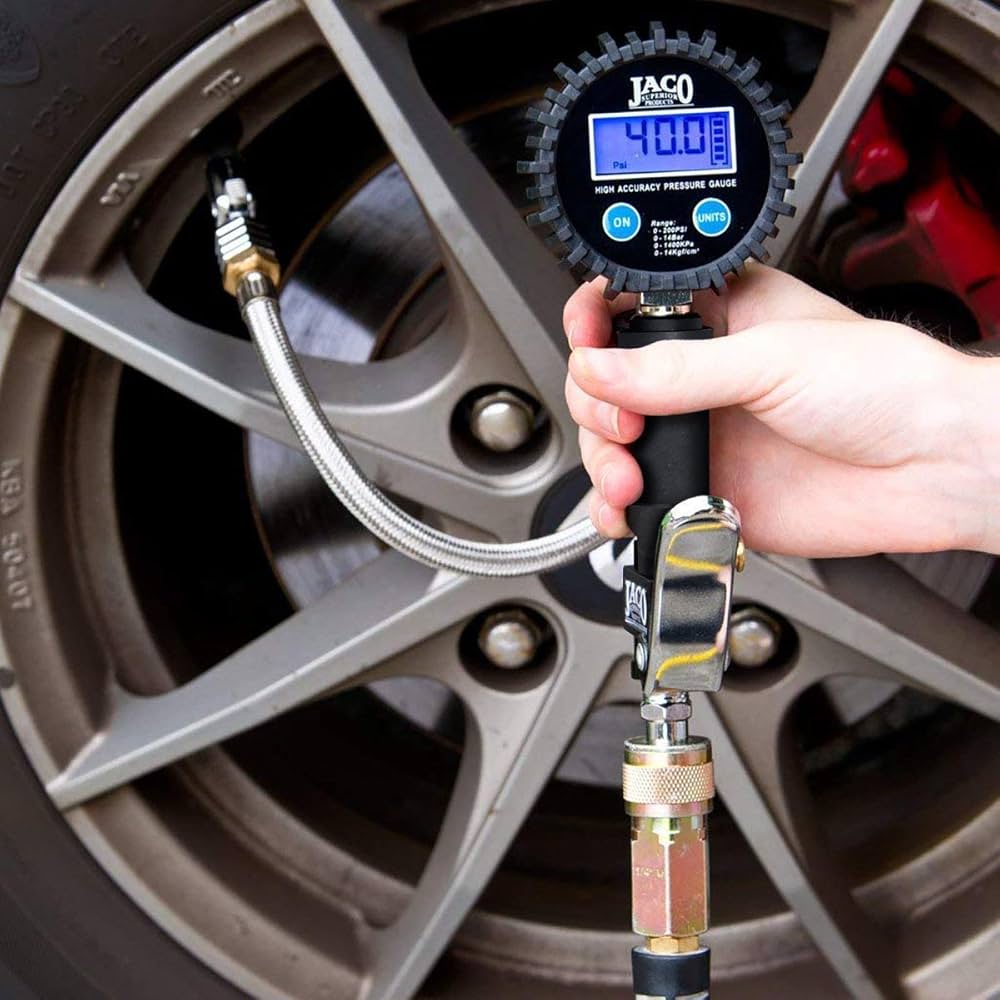
Illustrative image related to digital tire gauge and inflator
To assist B2B buyers in effectively sourcing digital tire gauges and inflators, this guide outlines essential steps to ensure a successful procurement process. By following this checklist, you will be able to make informed decisions that meet your operational needs and quality standards.
Clearly outlining your technical specifications is crucial in ensuring that the products meet your operational requirements. Consider factors such as pressure range, accuracy, display type, and whether you need additional features like automatic shut-off or backlighting. This helps narrow down options and aligns supplier offerings with your specific needs.
Stay informed about the latest developments in tire gauge and inflator technology. Look for innovations that improve efficiency, such as digital displays with enhanced readability or models that provide quick inflation and deflation capabilities. Understanding market trends can help you anticipate customer preferences and invest in products that offer competitive advantages.
Before committing, it’s crucial to vet suppliers thoroughly. Request company profiles, case studies, and references from buyers in a similar industry or region. Assess their reputation for quality and reliability, as well as their ability to meet delivery timelines and customer service standards.
Before making a bulk purchase, always request samples of the products you are interested in. Testing these samples allows you to assess their performance, accuracy, and ease of use in real-world conditions. This step is vital for ensuring that the products meet your expectations and quality standards.
Once you have selected potential suppliers, engage in negotiations regarding pricing, payment terms, and warranty conditions. Transparency in these discussions is essential to avoid unexpected costs down the line. Consider bulk purchase discounts or long-term partnership agreements that may offer better rates.
Ensure that the products comply with the regulations and standards of the countries where you operate. This is particularly important for international buyers who may face different safety and quality requirements. Documentation should be readily available from suppliers to demonstrate compliance.
After completing the above steps, finalize your purchase and establish a system to monitor the performance of the products. Regular feedback from your team can help identify any issues early on, ensuring that you maintain high standards in your operations.
By following this checklist, B2B buyers can streamline the sourcing process for digital tire gauges and inflators, leading to informed decisions that enhance operational efficiency and customer satisfaction.
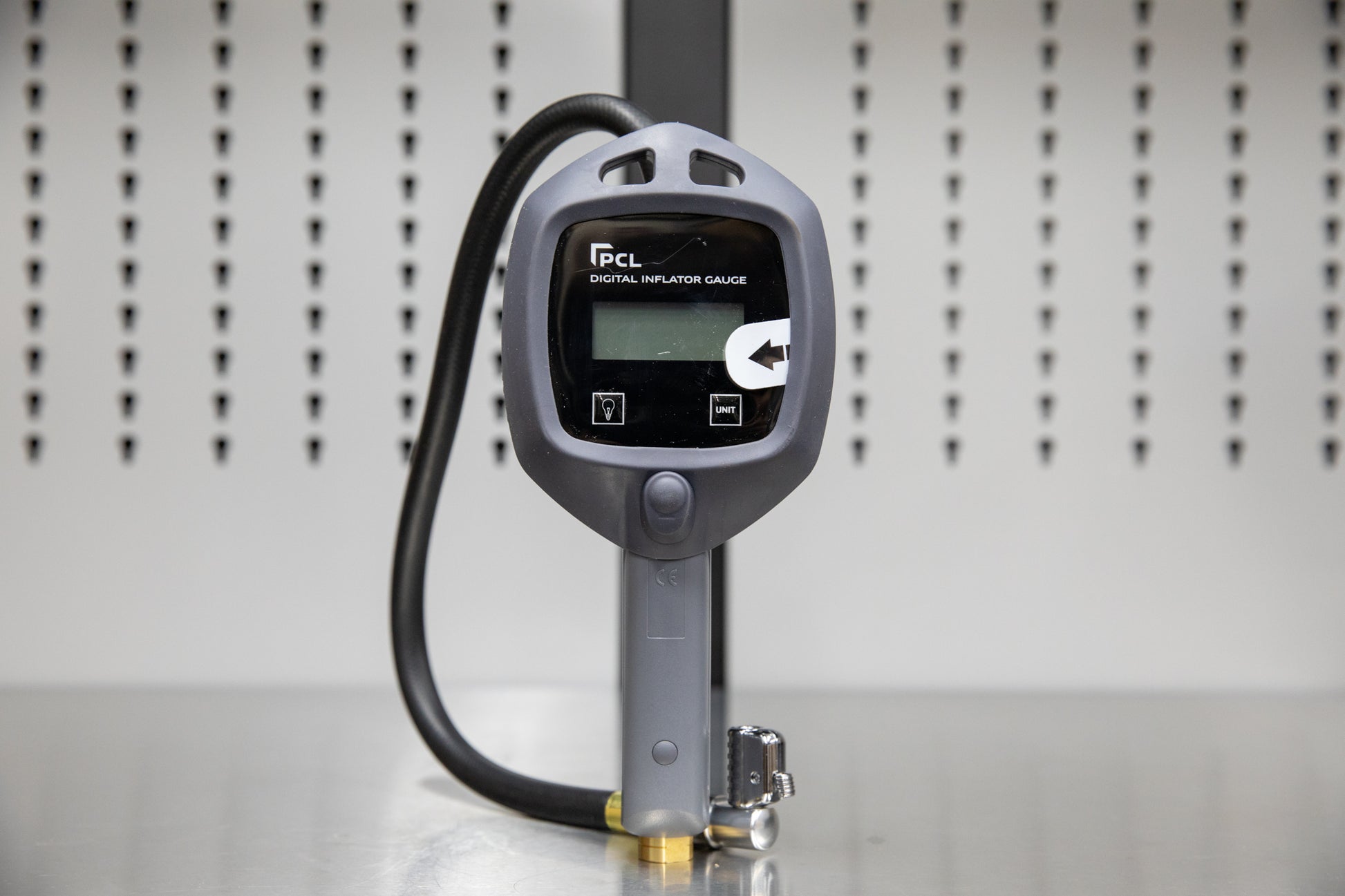
Illustrative image related to digital tire gauge and inflator
Understanding the cost structure of digital tire gauges and inflators is essential for B2B buyers looking to source these products effectively. The primary cost components include:
Materiales: The choice of materials significantly influences the cost. High-quality plastics, metals, and electronics contribute to durability and accuracy but can elevate the price. Components like digital displays, sensors, and air hoses are critical in determining the overall cost.
Trabajo: Labor costs vary by region and manufacturing practices. Countries with lower labor costs may offer cheaper products, but this can affect quality. Skilled labor is often required for assembly and quality control, particularly for high-precision devices.
Gastos generales de fabricación: This includes costs related to facilities, utilities, and equipment maintenance. Efficient manufacturing processes can reduce these overheads, impacting the final pricing.
Herramientas: Initial setup costs for molds and tools are significant, especially for custom designs. These costs can be amortized over large production runs, making volume a crucial factor in pricing.
Control de calidad: Rigorous quality control processes ensure product reliability, which adds to costs but can prevent losses from defective products. Certifications and compliance with international standards (e.g., ISO) also influence pricing.
Logística: Shipping costs, including freight and customs duties, play a vital role in the total cost. Buyers must consider the distance from the manufacturer, shipping methods, and associated risks.
Margen: Suppliers typically add a margin to cover their costs and ensure profitability. This margin can vary based on market conditions and competitive landscape.
Several factors influence the pricing of digital tire gauges and inflators, particularly for international B2B buyers:
Volumen y cantidad mínima de pedido (MOQ): Larger orders often qualify for significant discounts, making it essential to assess your needs carefully. Suppliers may have set MOQs that can impact pricing flexibility.
Especificaciones y personalización: Tailoring products to meet specific requirements can increase costs. Buyers should weigh the benefits of customization against the potential for higher prices.
Materiales y certificaciones de calidad: Higher-quality materials and certifications can raise costs but also enhance product performance and reliability. Consider the long-term benefits of investing in quality.
Factores del proveedor: The supplier’s reputation, experience, and production capabilities can significantly affect pricing. Established suppliers with proven track records may charge more but offer better quality assurance.
Incoterms: Understanding the terms of sale, such as FOB (Free on Board) or CIF (Cost, Insurance, and Freight), is crucial for calculating total costs. These terms dictate who bears the shipping costs and risks.
To maximize cost-efficiency when sourcing digital tire gauges and inflators, consider the following strategies:
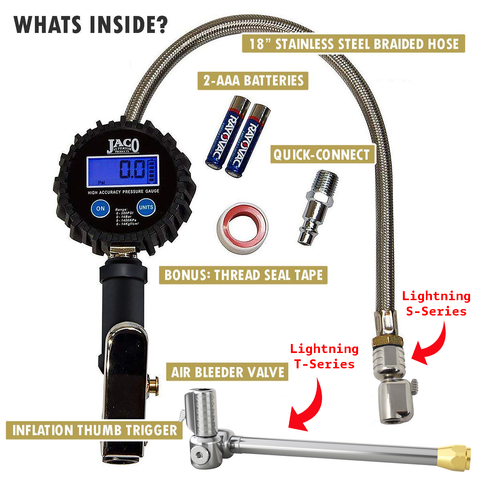
Illustrative image related to digital tire gauge and inflator
Negociación: Don’t hesitate to negotiate prices, especially for large orders. Establishing a good relationship with suppliers can lead to better pricing and terms.
Coste total de propiedad (TCO): Evaluate not just the initial purchase price but also maintenance, durability, and potential replacements. A lower-priced product may incur higher long-term costs.
Investigar las tendencias del mercado: Stay informed about market trends and competitor pricing. Understanding the landscape can help you make informed sourcing decisions.
Regional Considerations: Be aware of specific regional factors that may influence pricing, such as tariffs, trade agreements, and local demand. For buyers in Africa, South America, the Middle East, and Europe, these factors can vary significantly.
Test Samples: Before making large purchases, request samples to assess quality and performance. This approach can prevent costly mistakes and ensure that the products meet your standards.
Prices for digital tire gauges and inflators can fluctuate based on market conditions, supplier changes, and additional factors not covered in this analysis. Always verify current pricing with suppliers before making purchasing decisions.
When evaluating tire maintenance solutions, businesses often find themselves considering various options. Digital tire gauges and inflators are popular for their accuracy and efficiency, but several alternatives may suit different operational needs. This analysis compares digital tire gauges and inflators against manual tire gauges and pneumatic tire inflators, helping B2B buyers make informed decisions based on performance, cost, ease of implementation, maintenance, and specific use cases.
| Aspecto comparativo | Digital Tire Gauge and Inflator | Manual Tire Gauge | Pneumatic Tire Inflator |
|---|---|---|---|
| Rendimiento | High accuracy with digital readouts; inflation and deflation capabilities. | Moderate accuracy; relies on user skill for correct readings. | Fast inflation; requires a compressor for operation. |
| Coste | Typically priced between $22 and $40. | Generally lower cost, around $10 to $20. | Higher initial investment; compressors range from $50 to $200+ depending on quality. |
| Facilidad de aplicación | User-friendly with digital displays; minimal training required. | Simple design; requires basic understanding of pressure measurement. | Requires setup of a compressor; may need additional fittings and hoses. |
| Mantenimiento | Low maintenance; occasional battery replacements. | Minimal maintenance; no batteries needed. | Requires regular maintenance of the compressor and hoses. |
| El mejor caso de uso | Ideal for automotive businesses needing quick, accurate tire management. | Suitable for personal use or low-volume applications. | Best for high-volume operations like tire shops or garages. |
Manual tire gauges, while often less expensive, come with inherent limitations. They typically rely on analog measurement, which can lead to human error in reading and recording tire pressures. While they are portable and require no batteries, their accuracy can vary based on the quality of the gauge and the user’s experience. They are best suited for occasional use, such as in personal vehicles or small fleets, but may not meet the demands of commercial operations requiring precise and consistent tire pressure management.
Pneumatic tire inflators are robust machines designed for heavy-duty inflation tasks, often used in tire shops or automotive repair facilities. They offer rapid inflation speeds and can handle multiple tires in quick succession, making them ideal for high-volume operations. However, they require a significant upfront investment for the compressor and setup. Maintenance can also be more demanding, as compressors need regular servicing to ensure optimal performance. While pneumatic inflators excel in commercial environments, they may not be cost-effective or practical for smaller operations or those with lower tire maintenance needs.
Selecting the right tire management solution depends on various factors, including the scale of operations, budget constraints, and specific performance requirements. Digital tire gauges and inflators offer a compelling blend of accuracy and convenience, making them a smart choice for businesses focused on efficiency and reliability. However, for those with limited budgets or lower tire service demands, manual gauges may suffice. Conversely, businesses that require rapid tire service and can accommodate higher initial costs should consider pneumatic inflators. Ultimately, understanding the unique needs of your operation will guide you toward the best solution.
Understanding the essential technical properties of digital tire gauges and inflators is crucial for B2B buyers looking to make informed purchasing decisions. Here are several critical specifications to consider:
Rango de presión
This specification indicates the minimum and maximum pressure levels that a gauge or inflator can measure. Common ranges include 0-100 PSI, 0-200 PSI, and even specialized gauges for lower or higher pressures. For businesses, selecting the appropriate range ensures compatibility with various vehicle types, from passenger cars to heavy-duty trucks.
Accuracy
Accuracy refers to how closely a gauge’s reading matches the actual tire pressure. Most digital gauges offer an accuracy of ±1 PSI. High accuracy is vital for safety and performance, as under-inflated or over-inflated tires can lead to accidents and increased fuel consumption. Businesses should prioritize products with a proven accuracy rating.
Composición del material
The materials used in the construction of a tire gauge or inflator affect durability and performance. Common materials include high-grade plastics and metals such as brass or stainless steel. A robust design ensures longevity, especially in demanding environments like workshops or garages. Buyers should seek products that feature corrosion-resistant materials to withstand various weather conditions.
Display Type
Digital gauges typically come with LCD or LED displays that provide clear, easy-to-read measurements. Some models feature backlighting for visibility in low-light conditions. For B2B buyers, an intuitive display can enhance user experience, making it easier for technicians to quickly assess tire pressure.
Duración de la batería
Most digital tire gauges and inflators are battery-operated. The battery life can vary significantly, with some models lasting several months to a year. For businesses, a long battery life reduces operational interruptions and maintenance costs. Buyers should consider models that offer rechargeable options or easy battery replacement.
Tasa de inflación
This specification measures how quickly a tire can be inflated, often expressed in PSI per minute. A higher inflation rate is beneficial for businesses that require quick turnaround times, such as tire service centers. Understanding this metric can help companies optimize their service efficiency.
Familiarity with industry jargon is essential for B2B buyers, as it facilitates smoother communication and negotiation. Here are several common trade terms:
OEM (fabricante de equipos originales)
This term refers to companies that produce parts or equipment that may be marketed by another manufacturer. In the context of tire gauges and inflators, OEM products often meet specific quality standards, making them a reliable choice for businesses looking to maintain consistency in their inventory.
MOQ (Cantidad mínima de pedido)
MOQ denotes the smallest quantity of a product that a supplier is willing to sell. Understanding MOQ is crucial for B2B buyers to gauge inventory management and cost-effectiveness. Companies should assess their needs against the MOQ to avoid overstocking or underordering.
RFQ (solicitud de presupuesto)
An RFQ is a document sent to suppliers to request pricing and terms for specific products. This process is vital for procurement teams as it allows for competitive pricing and informed decision-making. Crafting a clear RFQ can lead to better supplier responses and negotiations.
Incoterms (Términos comerciales internacionales)
Incoterms are a set of rules that define the responsibilities of buyers and sellers in international transactions. Understanding these terms helps businesses navigate shipping and delivery, ensuring clarity on who bears the costs and risks at each stage of the process.
Calibration
Calibration involves adjusting a gauge to ensure its accuracy. Regular calibration is essential for maintaining the integrity of tire pressure measurements. Businesses should prioritize suppliers that offer calibration services or guidelines for their products to ensure long-term reliability.
Deflation Feature
This term refers to a function in some tire inflators that allows for controlled deflation of tires. This feature is particularly useful in situations where precise pressure adjustments are needed. For service centers, having this capability can enhance efficiency and customer satisfaction.
By understanding these technical properties and trade terms, B2B buyers can make more informed decisions when sourcing digital tire gauges and inflators, ensuring they select products that meet their operational needs and standards.
The digital tire gauge and inflator market is experiencing significant growth, driven by several global factors. One of the primary drivers is the increasing awareness of vehicle safety and efficiency. Proper tire pressure is essential for optimal vehicle performance, fuel efficiency, and safety, compelling both consumers and businesses to invest in reliable tire pressure measurement tools. Additionally, the rise of e-commerce platforms has made these products more accessible to international buyers, particularly in regions like Africa, South America, the Middle East, and Europe.
Emerging technologies are also reshaping the market landscape. Innovations such as Bluetooth connectivity and mobile app integration are transforming traditional tire gauges and inflators into smart devices that provide real-time data on tire pressure and maintenance alerts. This trend is particularly appealing to tech-savvy consumers and businesses looking to enhance operational efficiency.
Furthermore, sustainability is becoming a critical focus for B2B buyers. Products that offer durability and reliability are in high demand as businesses seek to reduce waste and enhance their corporate social responsibility profiles. This shift is reflected in the growing preference for brands that prioritize eco-friendly materials and manufacturing processes.
In today’s market, sustainability and ethical sourcing are not just buzzwords; they are essential considerations for B2B buyers. The environmental impact of manufacturing processes in the digital tire gauge and inflator sector is significant, particularly in terms of resource consumption and waste generation. Buyers are increasingly scrutinizing their supply chains to ensure that they are sourcing products from manufacturers who adhere to environmentally friendly practices.
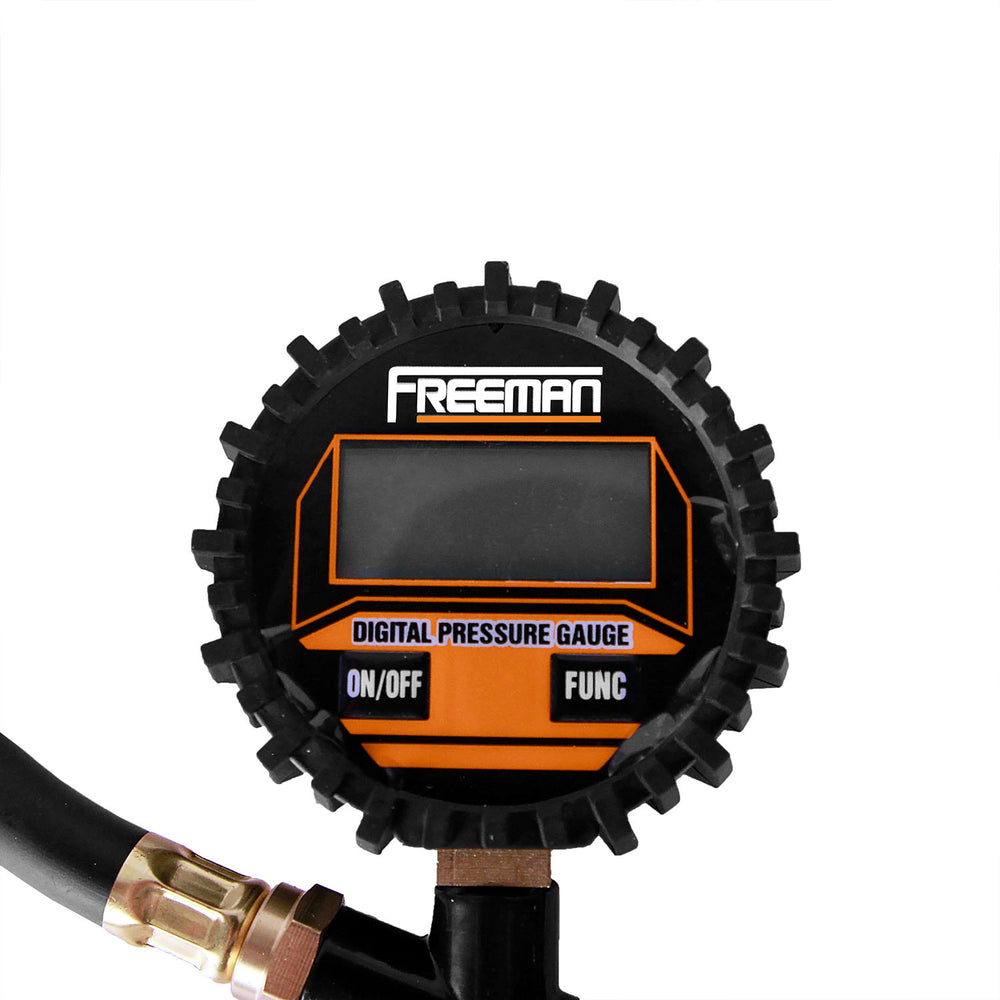
Illustrative image related to digital tire gauge and inflator
Ethical sourcing involves more than just environmental concerns; it also encompasses fair labor practices and transparency in the supply chain. B2B buyers are looking for suppliers who can demonstrate compliance with international labor standards and who prioritize the welfare of their workers. Certifications such as ISO 14001 for environmental management and Fair Trade certifications can serve as indicators of a supplier’s commitment to sustainable and ethical practices.
Moreover, the demand for ‘green’ materials is on the rise. Buyers are interested in digital tire gauges and inflators made from recycled or sustainable materials, which not only minimizes environmental impact but also appeals to eco-conscious consumers. This trend presents an opportunity for suppliers to differentiate themselves in a competitive market by showcasing their commitment to sustainability.
The evolution of digital tire gauges and inflators has been marked by significant technological advancements over the past few decades. Originally, tire pressure gauges were purely analog devices, often prone to inaccuracies and requiring manual calibration. With the advent of digital technology, these tools have transitioned into precise, easy-to-read instruments that provide quick and reliable measurements.
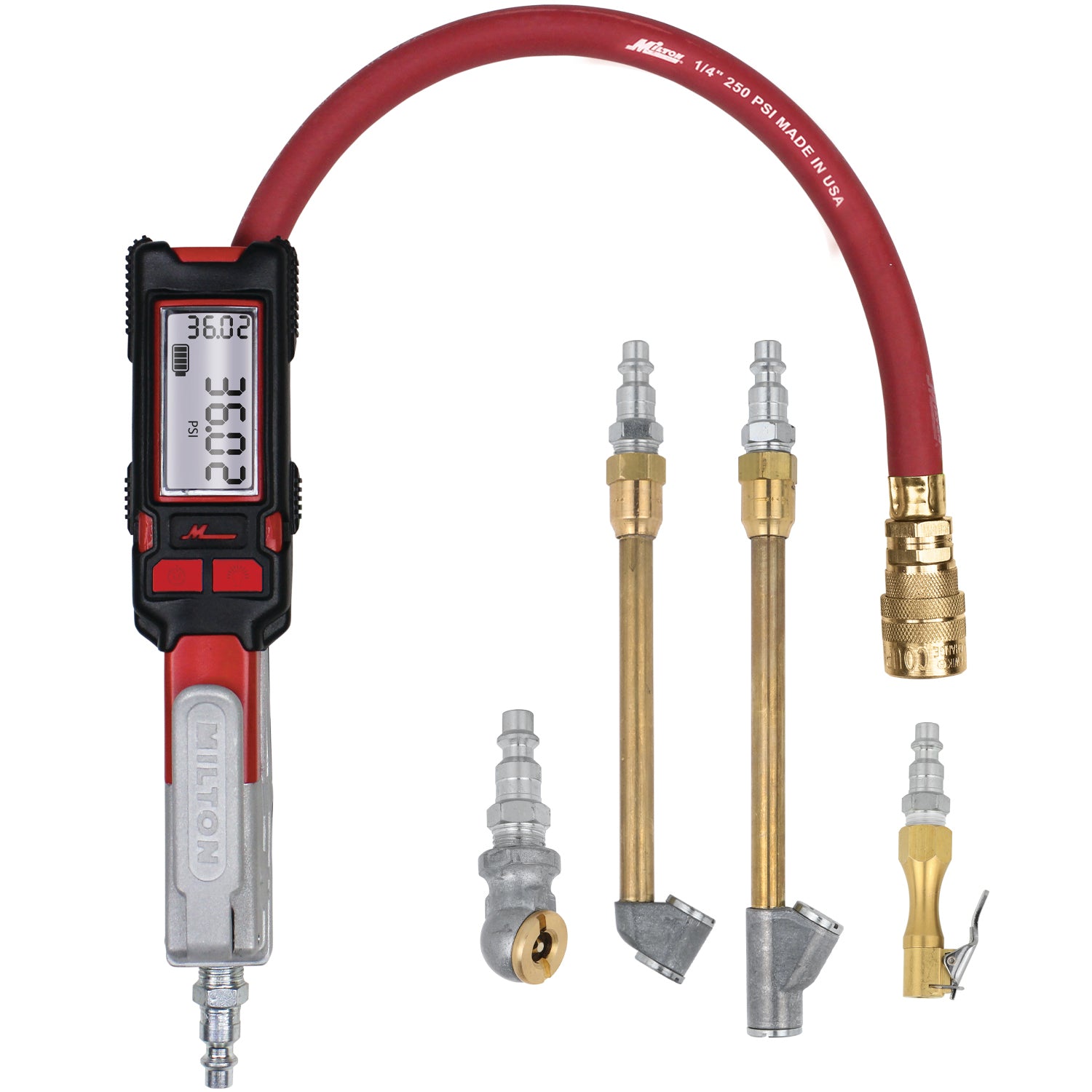
Illustrative image related to digital tire gauge and inflator
The introduction of digital inflators has further enhanced user convenience, integrating features such as automatic shut-off, programmable pressure settings, and built-in LED lights for nighttime use. These innovations not only improve user experience but also address the growing need for efficiency in tire maintenance.
As the automotive industry continues to evolve, the digital tire gauge and inflator market is expected to keep pace, integrating more smart technologies and sustainable practices to meet the demands of an increasingly conscious consumer base. This evolution is crucial for B2B buyers who seek not just functional tools, but also products that align with their values and operational goals.
1. How do I choose the right digital tire gauge and inflator for my business needs?
Choosing the right digital tire gauge and inflator requires assessing your specific needs, such as the types of vehicles you’ll be servicing and the typical tire pressure ranges. Look for models that offer precision, durability, and ease of use, particularly in varied weather conditions. Features such as backlit displays, multiple settings for different vehicle types, and quick-connect couplers can enhance usability. Additionally, consider the gauge’s PSI range; for commercial applications, a gauge with a higher range (e.g., 200 PSI) is often advisable.
2. What is the best digital tire gauge and inflator for commercial fleets?
For commercial fleets, the best digital tire gauges and inflators are those that combine accuracy, speed, and durability. Models like the FlowPro® Digital Tire Inflator with Pressure Gauge, which can handle up to 200 PSI, are highly rated for their performance in garages and workshops. Look for inflators that allow for both inflation and deflation, have ergonomic designs, and come with features like auto shut-off to prevent over-inflation. Ensuring the product meets industry standards for quality and reliability is also crucial.
3. What should I consider when vetting suppliers for digital tire gauges and inflators?
When vetting suppliers, consider their reputation, product quality, and customer service. Check for certifications that indicate compliance with international standards, as well as reviews from other B2B buyers. Request samples to evaluate product performance firsthand. Additionally, inquire about the supplier’s manufacturing processes, warranty policies, and their ability to support after-sales service. It’s also wise to assess their logistics capabilities, especially if you’re sourcing from different continents.
4. Are there customization options available for digital tire gauges and inflators?
Many suppliers offer customization options for digital tire gauges and inflators, including branding with your company logo and specific color schemes. You can also request features tailored to your business needs, such as different pressure settings or specialized connectors. Discuss these options with potential suppliers during the negotiation phase to ensure you receive products that align with your branding and operational requirements.
5. What is the minimum order quantity (MOQ) for digital tire gauges and inflators?
Minimum order quantities (MOQ) for digital tire gauges and inflators vary by supplier and can range from a few units to several hundred. Suppliers often set MOQs based on manufacturing costs, shipping logistics, and inventory management. It’s essential to discuss MOQs with potential suppliers early in the negotiation process to ensure they align with your purchasing capabilities and business model. Some suppliers may offer flexibility on MOQs for long-term partnerships or bulk orders.
6. What payment terms are typically offered for international purchases?
Payment terms for international purchases can vary widely among suppliers. Common options include advance payment, letters of credit, and payment upon delivery. Many suppliers also accept partial payments, where a percentage is paid upfront, followed by the balance upon receipt of goods. Discussing these terms early in your negotiations is crucial to establish clear expectations and avoid potential cash flow issues. Always ensure that the payment method chosen offers adequate protection against fraud and transaction disputes.
7. How can I ensure quality assurance (QA) for my digital tire gauge and inflator orders?
To ensure quality assurance, request detailed specifications and quality control processes from your suppliers. Many reputable manufacturers conduct rigorous testing on their products before shipment, including calibration checks and durability tests. You can also ask for certifications or third-party inspection reports. If feasible, consider conducting on-site audits of the manufacturing facility or hiring third-party inspection services to verify product quality before shipment.
8. What logistics considerations should I keep in mind when importing digital tire gauges and inflators?
When importing digital tire gauges and inflators, consider shipping methods, lead times, and customs regulations in your country. Choose a reliable freight forwarder familiar with international shipping to navigate these complexities. Understand the total landed cost, including shipping, duties, and taxes, to avoid unexpected expenses. Additionally, ensure that your supplier can provide the necessary documentation for customs clearance to facilitate a smooth import process.

Dominio: jacosuperiorproducts.com
Registrado: 2014 (11 años)
Introducción: [{‘name’: ‘ElitePro™ Tire Pressure Gauge – 60 PSI’, ‘price’: ‘$22.95’, ‘original_price’: ‘$49.99’, ‘features’: “Rated the ‘Easiest To Read’ Tire Pressure Gauge by Road & Track Magazine. Accurate. Durable. Reliable.”}, {‘name’: ‘ElitePro™ Tire Pressure Gauge – 100 PSI’, ‘price’: ‘$22.95’, ‘original_price’: ‘$49.99’, ‘features’: “Rated the ‘Easiest To Read’ Tire Pressure Gauge by Road & Track Magazi…
Dominio: reddit.com
Matriculado: 2005 (20 años)
Introducción: Brands mentioned: Milton, Longacre, Astro, Matco. Features: Longacre offers analog and digital models, temperature compensated options, used by racers. Astro inflator priced around $80, Matco DT6 priced at $160, rebranded Astro 3018 at $90. Recommendation for tire inflators: choose for convenience, consider models with a tank for fast inflation.
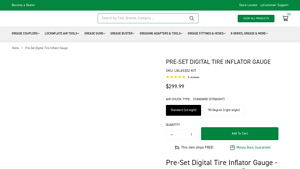
Dominio: locknlube.com
Inscrito: 2013 (12 años)
Introducción: Pre-Set Digital Tire Inflator Gauge – SKU: LNL65302-KIT – Price: $299.99 (Regular price: $399.99) – Features: LockNFlate® Air Chuck, digital gauge, preset pressure settings, audible beep indicator, 68″ long hose, ergonomic design, shock and impact-proof polycarbonate body, large backlit LCD display, built-in over-pressure setting, rechargeable lithium-ion battery (up to 15 hours continuous use), a…
In the rapidly evolving market for digital tire gauges and inflators, strategic sourcing is essential for international B2B buyers aiming to secure high-quality products at competitive prices. Key takeaways from this guide emphasize the importance of understanding product specifications, supplier reliability, and market trends. For instance, investing in advanced digital gauges that offer precise readings and robust durability can significantly enhance operational efficiency and customer satisfaction.
Furthermore, establishing strong relationships with trusted manufacturers can ensure a steady supply chain, reducing risks associated with procurement delays or quality inconsistencies. As markets in Africa, South America, the Middle East, and Europe continue to grow, buyers must remain agile and informed to capitalize on emerging opportunities.
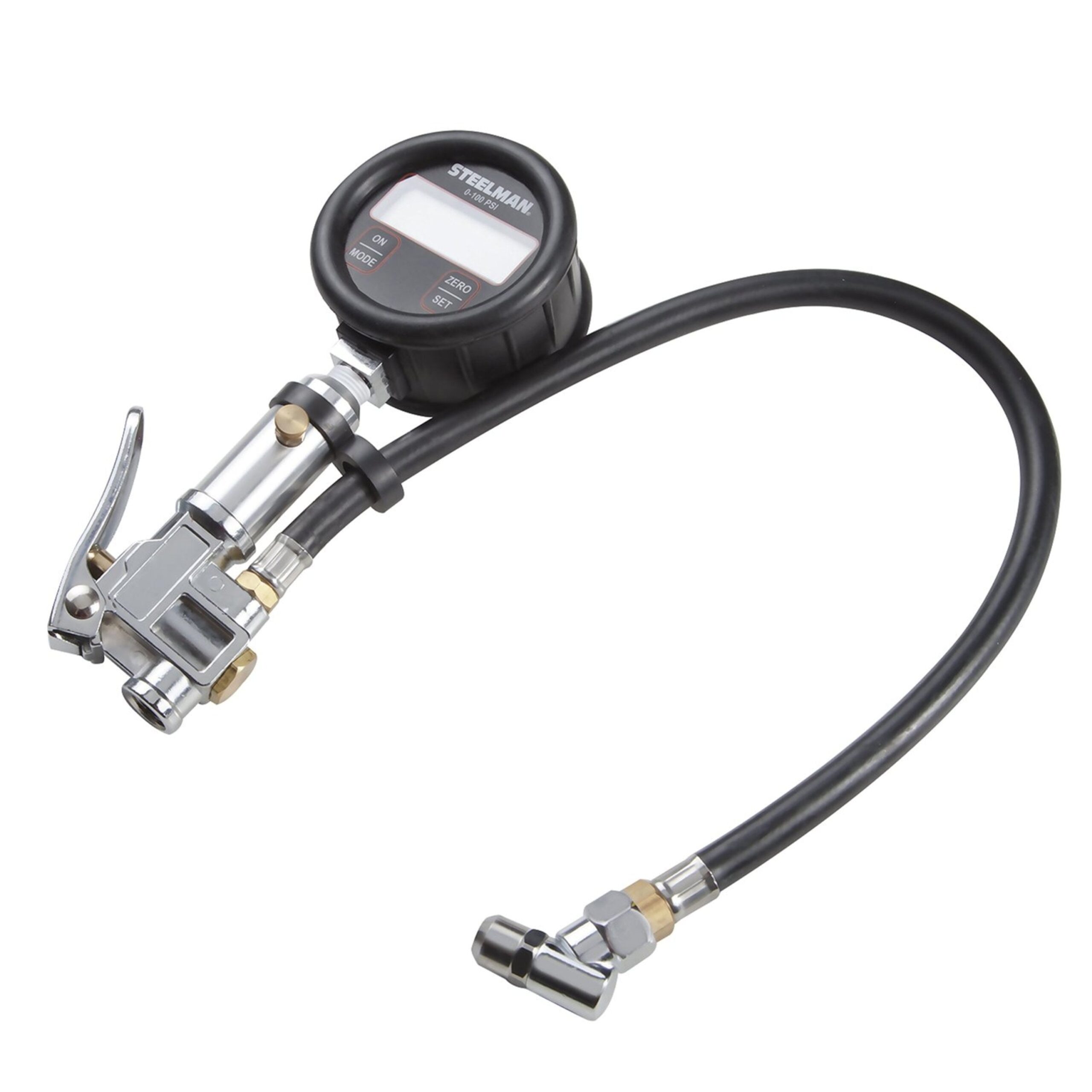
Illustrative image related to digital tire gauge and inflator
Looking ahead, the demand for innovative tire maintenance solutions will only increase. B2B buyers are encouraged to explore partnerships with manufacturers that prioritize technological advancements and sustainability. By doing so, they can not only meet current market needs but also position themselves for future growth. Embrace the potential of strategic sourcing to drive your business forward in this dynamic landscape.
La información facilitada en esta guía, incluido el contenido relativo a fabricantes, especificaciones técnicas y análisis de mercado, tiene únicamente fines informativos y educativos. No constituye asesoramiento profesional en materia de adquisiciones, asesoramiento financiero ni asesoramiento jurídico.
Aunque hemos hecho todo lo posible por garantizar la exactitud y actualidad de la información, no nos hacemos responsables de posibles errores, omisiones o información obsoleta. Las condiciones del mercado, los detalles de las empresas y las normas técnicas están sujetos a cambios.
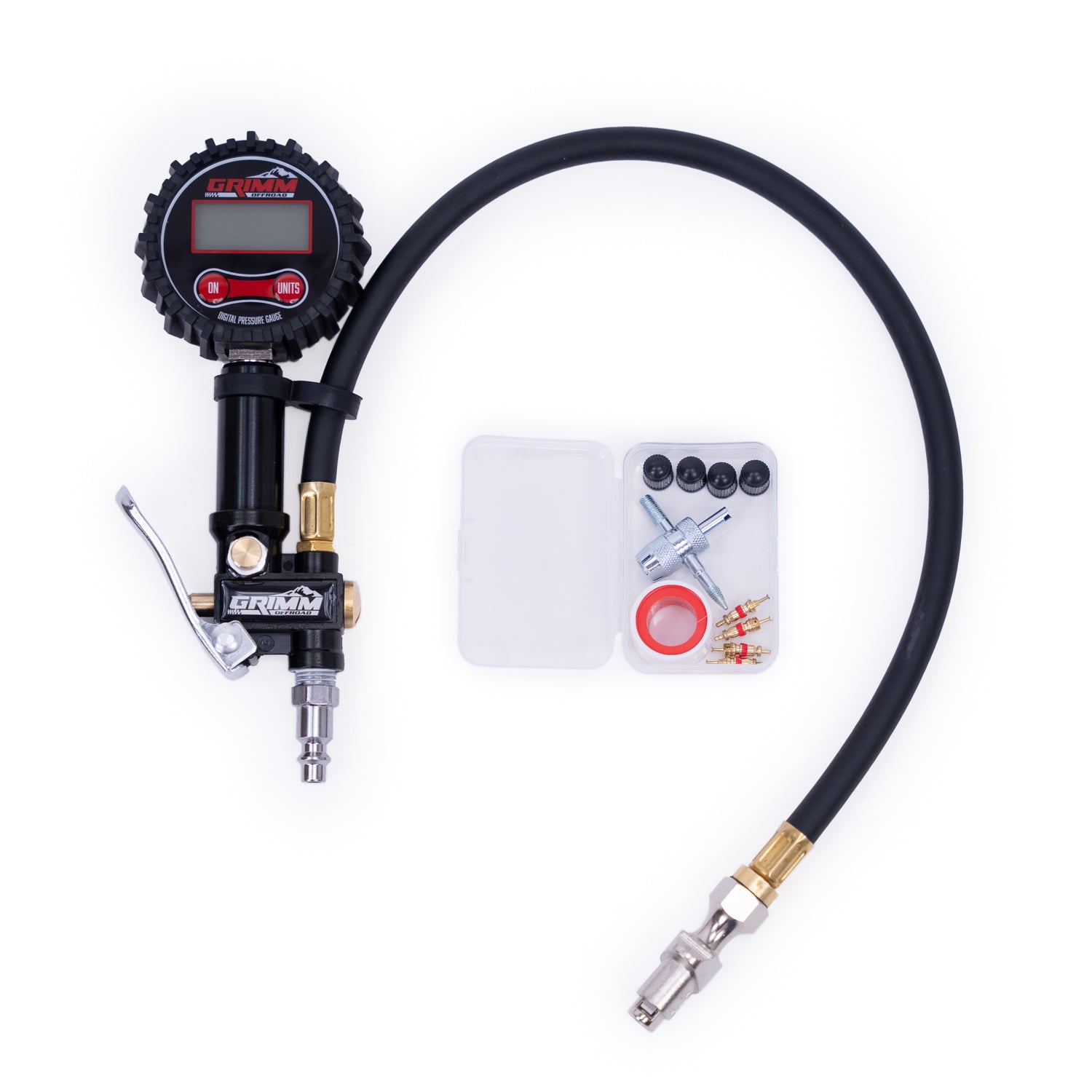
Illustrative image related to digital tire gauge and inflator
Los compradores B2B deben llevar a cabo su propia diligencia debida independiente y exhaustiva antes de tomar cualquier decisión de compra. Esto incluye ponerse en contacto directamente con los proveedores, verificar las certificaciones, solicitar muestras y buscar asesoramiento profesional. El riesgo de confiar en la información contenida en esta guía es responsabilidad exclusiva del lector.


 Spanish
  English
  Russian
  Italian
  Arabic
  Portuguese
  German