
In the ever-expanding global market for motorcycle tour bags, international B2B buyers face the pressing challenge of sourcing high-quality, functional, and stylish luggage solutions that meet diverse riding needs. As motorcycle tourism gains popularity across regions like Africa, South America, the Middle East, and Europe, the demand for reliable and versatile touring bags has surged. This guide aims to equip buyers with essential insights into the various types of motorcycle tour bags available, their applications, and key considerations when selecting suppliers.
From tactical saddlebags to waterproof options, each product serves a distinct purpose, addressing the unique requirements of long-distance riders and daily commuters alike. We delve into supplier vetting processes, ensuring that buyers can identify reputable manufacturers who deliver both quality and innovation. Additionally, we explore cost structures, helping businesses navigate pricing models that align with their budgetary constraints while still securing the best value.
By consolidating crucial information into one comprehensive resource, this guide empowers B2B buyers to make informed purchasing decisions. Whether you’re operating in a bustling market like Saudi Arabia or emerging regions in Brazil, understanding the landscape of motorcycle tour bags will not only enhance your product offerings but also elevate customer satisfaction and brand loyalty. Prepare to navigate the intricacies of this market with confidence, armed with the knowledge to select the right motorcycle tour bags for your clientele.
| Tipo Nombre | Principales rasgos distintivos | Aplicaciones B2B principales | Breves pros y contras para los compradores |
|---|---|---|---|
| Alforjas | Mounted on the sides of the motorcycle; varying capacities. | Long-distance touring, daily commuting. | Pros: High capacity, stable design. Contras: Installation may require additional hardware. |
| Bolsas Sissy Bar | Designed to attach to the backrest or sissy bar; compact size. | Short trips, day rides. | Pros: Easy access, lightweight. Contras: Espacio de almacenamiento limitado. |
| Bolsas de cola | Positioned at the rear; often expandable for extra capacity. | Versatile use, suitable for multiple bike types. | Pros: Expandable, adaptable. Contras: May obstruct rear visibility. |
| Bolsas sobredepósito | Magnetic or strap-mounted on the fuel tank; often includes pockets. | Quick-access items, day rides. | Pros: Easy access, minimal impact on bike balance. Contras: Limited to smaller items. |
| Waterproof Bags | Made from waterproof materials; designed for all-weather use. | Adventure touring, off-road biking. | Pros: Protects contents from rain and dirt. Contras: Más pesado que las opciones no impermeables. |
Saddlebags are a staple for long-distance motorcycle touring, providing ample storage capacity and stability. They are typically mounted on either side of the motorcycle and come in various sizes to accommodate different needs. B2B buyers should consider the material quality and installation options, as some models require additional mounting hardware. Their durability and spaciousness make them ideal for serious riders looking to transport gear over long distances.
Sissy bar bags are designed to attach to the motorcycle’s backrest or sissy bar, making them perfect for shorter trips or day rides. Their compact size allows for easy access to essentials without overwhelming the motorcycle’s design. For B2B buyers, the ease of installation and lightweight nature are significant advantages, though it’s important to note that their storage capacity is limited compared to larger options like saddlebags.
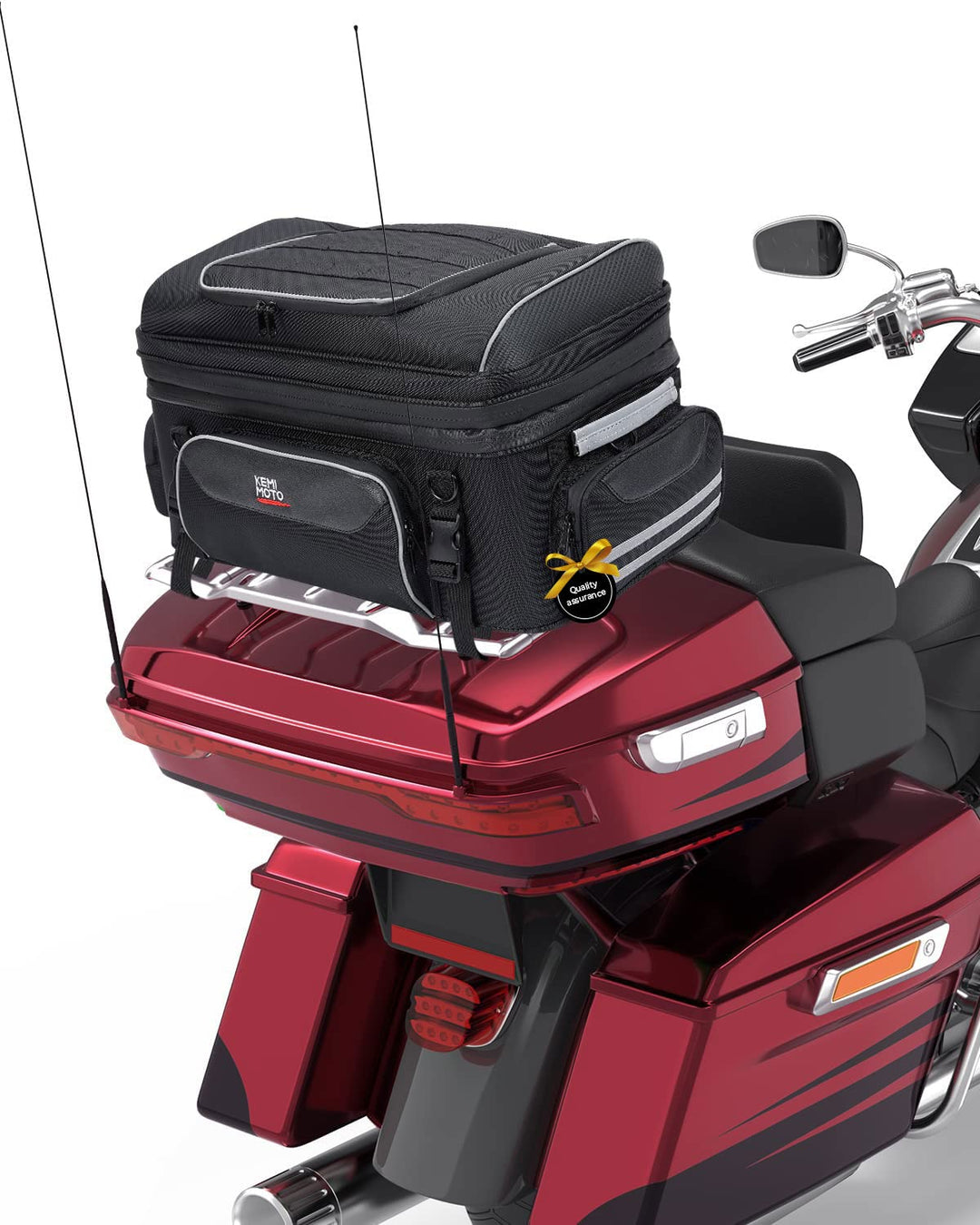
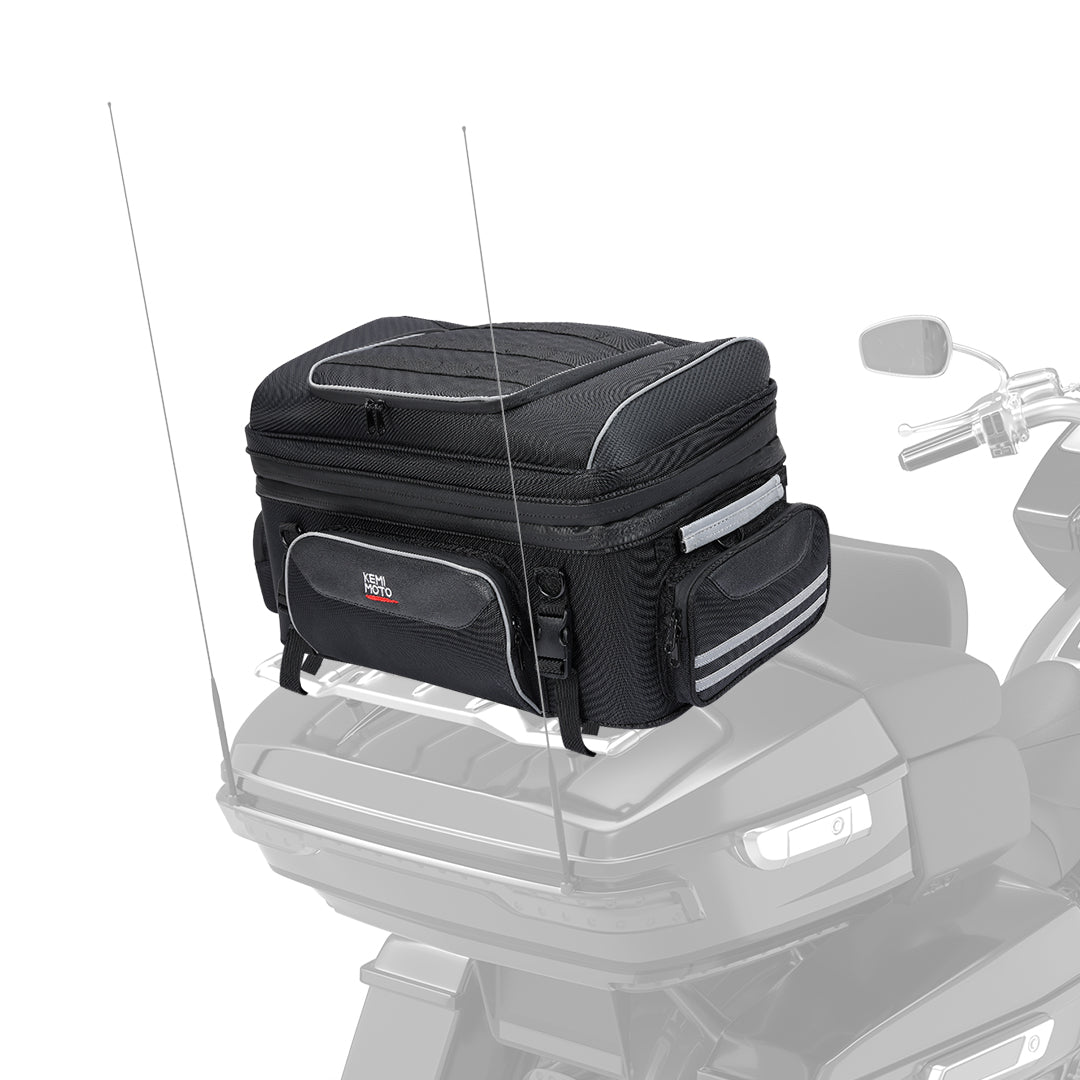
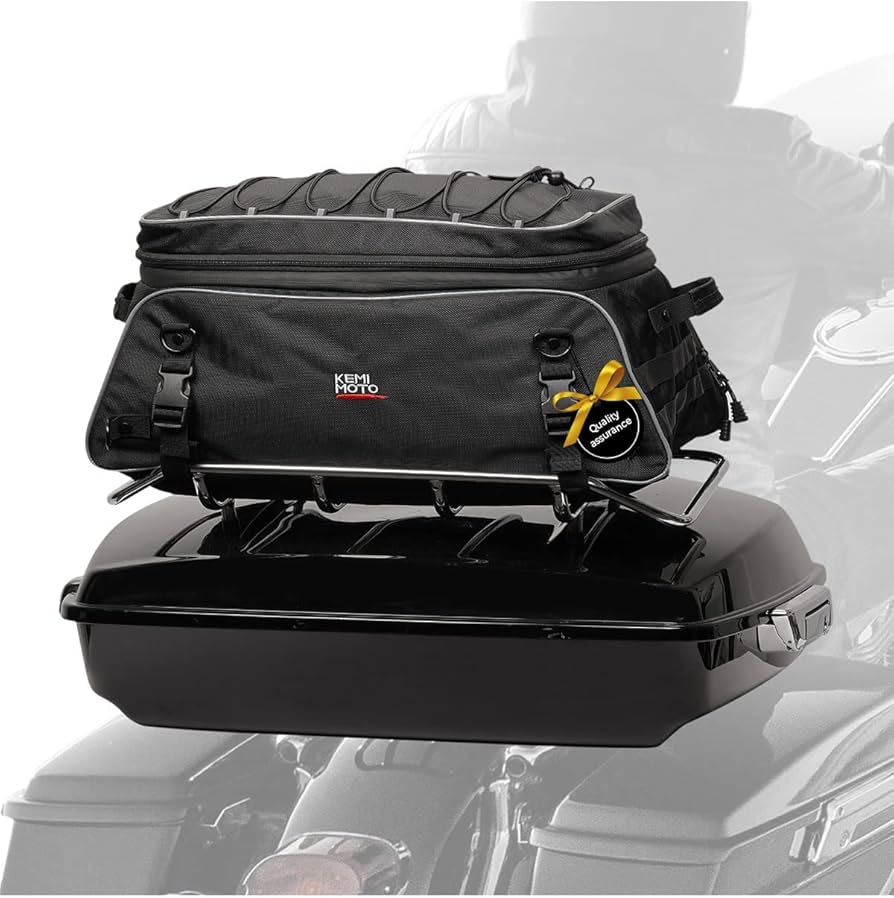
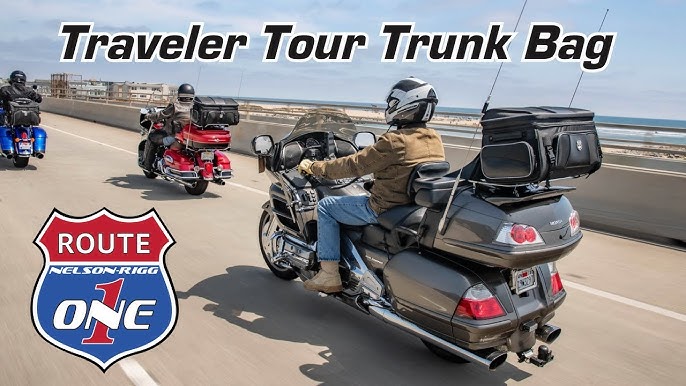
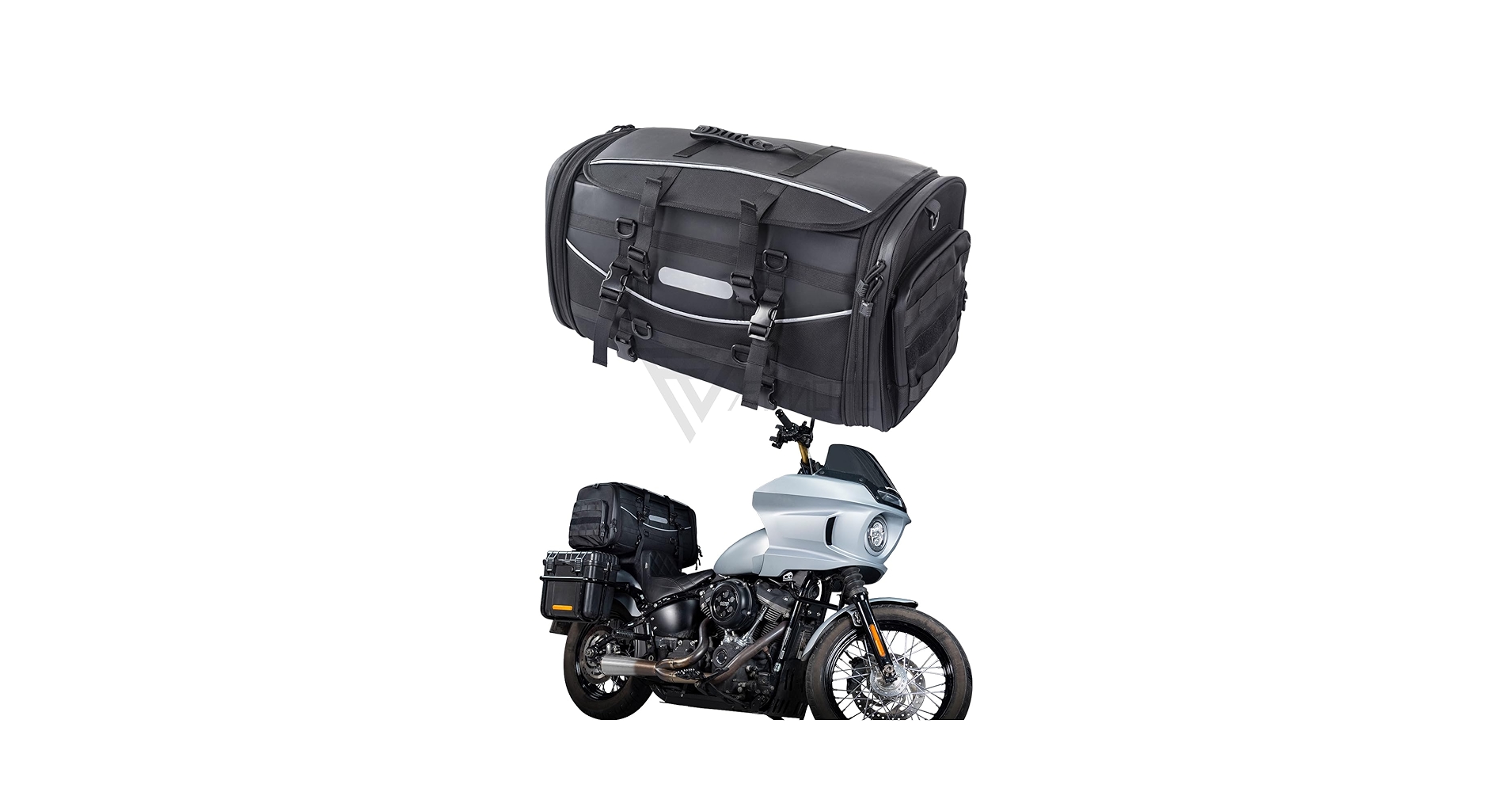
Tail bags are versatile storage solutions positioned at the rear of the motorcycle, often featuring expandable compartments for increased capacity. They can fit a variety of bike types, making them a flexible choice for B2B buyers catering to diverse customer preferences. The adaptability of tail bags is a significant selling point, although buyers should be aware that they may obstruct rear visibility when fully loaded.
Illustrative image related to motorcycle tour bag
Tank bags are mounted directly onto the motorcycle’s fuel tank and are available in magnetic or strap-mounted designs. They are ideal for storing items that riders need quick access to, such as maps or personal items during short rides. B2B buyers should focus on the ease of use and minimal impact on bike balance when selecting tank bags. However, they are generally limited to smaller items, which may not meet the needs of all riders.
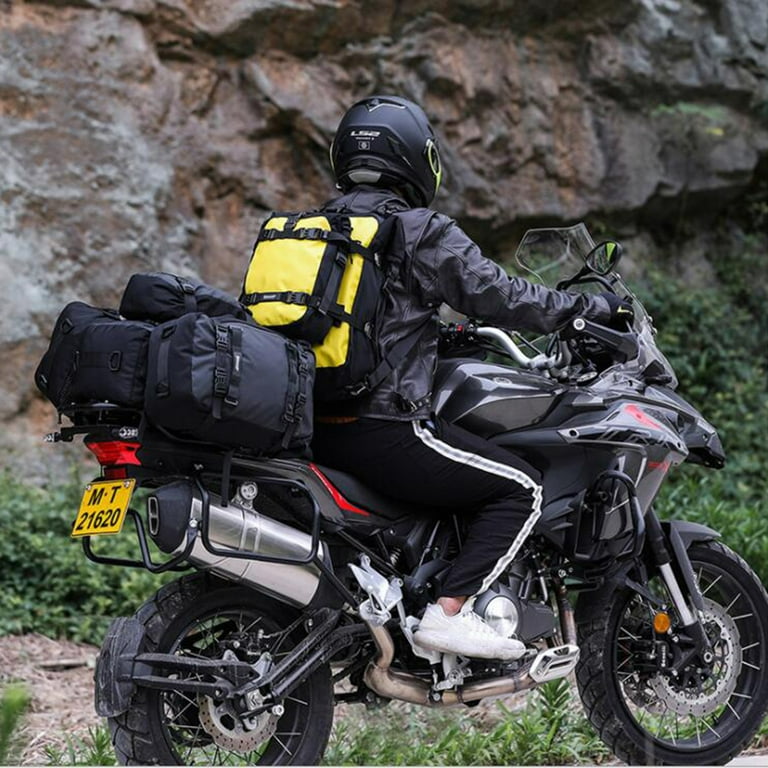
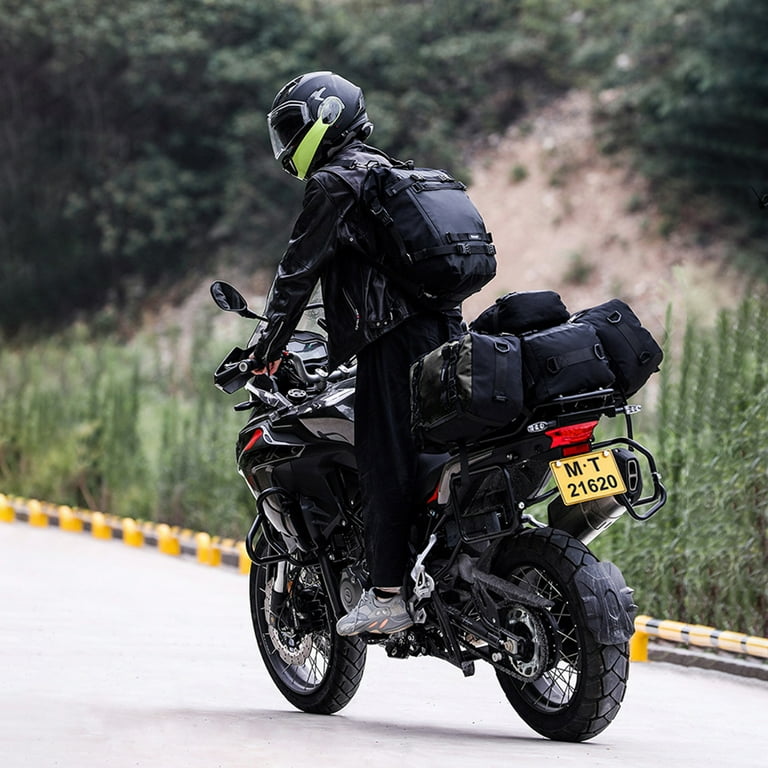
Waterproof bags are essential for adventure touring and off-road biking, constructed from materials that protect against rain and dirt. B2B buyers can leverage the growing interest in adventure riding by offering these specialized bags. While they offer excellent protection for contents, buyers should consider the trade-off in weight compared to non-waterproof alternatives, which may be more suitable for casual riders.
| Industria/Sector | Specific Application of Motorcycle Tour Bag | Valor/beneficio para la empresa | Consideraciones clave para el aprovisionamiento de esta aplicación |
|---|---|---|---|
| Turismo de aventura | Used by tour operators for guided motorcycle trips | Enhances customer experience with organized storage | Durability, weather resistance, and ease of attachment to various models |
| Logística y entrega | Employed for transporting goods in urban settings | Increases efficiency and mobility in last-mile delivery | Load capacity, waterproof features, and quick-release systems |
| Motocicletas | Display and sale of motorcycle accessories | Attracts customers by showcasing quality and variety | Product design, compatibility with various motorcycle brands, pricing |
| Servicios de emergencia | Utilized by rescue teams for carrying medical supplies | Facilitates rapid response and efficient organization | Lightweight materials, accessibility, and rugged construction |
| Recreational Clubs | Used for club events and group rides | Fosters community engagement and brand loyalty | Custom branding options, capacity for group gear, and comfort features |
In the adventure tourism industry, motorcycle tour bags serve as essential gear for tour operators who facilitate guided motorcycle trips. These bags are designed to provide riders with ample space to store personal belongings, equipment, and supplies, ensuring a smooth journey. By enhancing the overall customer experience with organized storage, operators can improve satisfaction and encourage repeat business. Buyers in this sector should prioritize durability, weather resistance, and compatibility with a range of motorcycle models to meet diverse customer needs.
Motorcycle tour bags are increasingly utilized in logistics and delivery sectors, particularly in urban environments where traditional vehicles face challenges. These bags allow riders to transport goods efficiently, optimizing last-mile delivery processes. The ability to carry various items securely while navigating through traffic enhances operational efficiency. For B2B buyers, key considerations include load capacity, waterproof features, and the availability of quick-release systems to facilitate seamless transitions between deliveries.
In the motorcycle retail sector, tour bags are vital for showcasing motorcycle accessories and enhancing the shopping experience. Retailers can display a variety of bags that cater to different riding styles and needs, attracting customers looking for quality gear. This not only boosts sales but also builds brand loyalty among riders. When sourcing these products, retailers should consider design aesthetics, compatibility with popular motorcycle brands, and competitive pricing to appeal to a broad customer base.

Illustrative image related to motorcycle tour bag
Emergency services utilize motorcycle tour bags to carry essential medical supplies and equipment during rapid response scenarios. These bags are designed to be lightweight yet robust, allowing rescue teams to operate efficiently in various environments. The organization of supplies within the bags can significantly enhance response times, which is critical in emergencies. Buyers in this field must focus on lightweight materials, accessibility, and rugged construction to ensure reliability in high-pressure situations.
Recreational motorcycle clubs employ tour bags during events and group rides to facilitate the transportation of gear and supplies. These bags not only serve practical purposes but also help foster a sense of community among members. By providing an organized method for carrying club-related items, such as banners and refreshments, clubs can enhance the experience of their events, promoting engagement and loyalty. When sourcing these bags, clubs should look for options that allow for custom branding, sufficient capacity for group gear, and features that enhance comfort during rides.
El problema: One of the primary challenges B2B buyers face when sourcing motorcycle tour bags is finding the right size and capacity to meet their specific needs. Many businesses, such as motorcycle rental companies or tour operators, require bags that can accommodate a variety of rider preferences and travel durations. A bag that is too small may not hold essential gear for a multi-day trip, while one that is excessively large can hinder maneuverability and aesthetics. Buyers often find themselves sifting through numerous options, struggling to determine which bags will provide the best balance of space, accessibility, and fit for different motorcycle models.
La solución: To effectively address size and capacity issues, B2B buyers should focus on selecting motorcycle tour bags with expandable features and modular designs. Bags that offer adjustable compartments or expandable sections can provide versatility for varying loads. It’s also advisable to look for brands that specialize in customization options, allowing businesses to tailor bag sizes to specific motorcycle models or tour requirements. When sourcing, consider conducting thorough market research to find suppliers that provide detailed specifications and user reviews. This will help ensure the chosen bags can accommodate a range of gear, from clothing to camping equipment, without compromising on ease of use or aesthetic appeal.
Illustrative image related to motorcycle tour bag
El problema: B2B buyers often encounter the challenge of ensuring that motorcycle tour bags can withstand different weather conditions, especially when catering to international markets in regions like Africa, South America, the Middle East, and Europe. Rain, humidity, and extreme heat can all affect the integrity of the bag and the safety of the contents. Buyers may worry about investing in bags that fail to offer adequate protection against the elements, leading to potential customer dissatisfaction and damage to the stored items.
La solución: To combat weather-related issues, B2B buyers should prioritize sourcing motorcycle tour bags made from high-quality, weather-resistant materials. Look for options featuring waterproof coatings or sealed seams that enhance durability against rain and moisture. Additionally, consider bags that come with built-in rain covers or have reflective elements for visibility in low-light conditions. When evaluating potential suppliers, request samples to test the bags’ performance in various weather scenarios. Conducting field tests in different climates will provide valuable insights into the bags’ resilience and help buyers make informed decisions that ensure customer satisfaction.
El problema: Many B2B buyers, particularly those managing fleets of motorcycles, face difficulties with the installation and compatibility of motorcycle tour bags. Complicated mounting systems can lead to installation errors, wasted time, and potential damage to the motorcycle. This is particularly frustrating for businesses that need to frequently attach and detach bags for different riders or tours. The last thing a buyer wants is to complicate the riding experience for their customers with bags that are cumbersome to use.
La solución: To alleviate mounting issues, B2B buyers should seek motorcycle tour bags that utilize universal mounting systems or quick-release mechanisms. These features enable faster and easier installation and removal, allowing riders to switch bags with minimal hassle. When sourcing, consider suppliers who provide comprehensive installation guides or video tutorials. It may also be beneficial to invest in training sessions for staff to familiarize them with the mounting systems of the bags chosen. By prioritizing user-friendly designs, businesses can streamline their operations and enhance the overall experience for riders, ensuring that the bags complement the motorcycle without causing inconvenience.
When selecting materials for motorcycle tour bags, it is crucial for B2B buyers to consider properties like durability, weather resistance, and manufacturing complexity. Here, we analyze four common materials used in the production of motorcycle tour bags, focusing on their properties, advantages, disadvantages, and implications for international markets.
Illustrative image related to motorcycle tour bag
Polyester is a widely used synthetic fabric known for its strength and durability. It typically has a temperature resistance of up to 130°C and offers good UV resistance, making it suitable for various climates.
Pros: Polyester is lightweight, cost-effective, and resistant to shrinking and stretching. It also dries quickly, which is advantageous in wet conditions.
Contras: While durable, polyester can be less resistant to abrasion compared to other materials like nylon. It may also degrade over time when exposed to harsh UV rays without proper treatment.
Impacto en la aplicación: Polyester is particularly well-suited for bags that may encounter varying weather conditions, but its lower abrasion resistance may limit its use in rugged environments.
Illustrative image related to motorcycle tour bag
Consideraciones para compradores internacionales: Buyers from regions like Africa and the Middle East should ensure that the polyester used meets local standards for UV resistance and weatherproofing, as these factors are critical in hot and sunny climates.
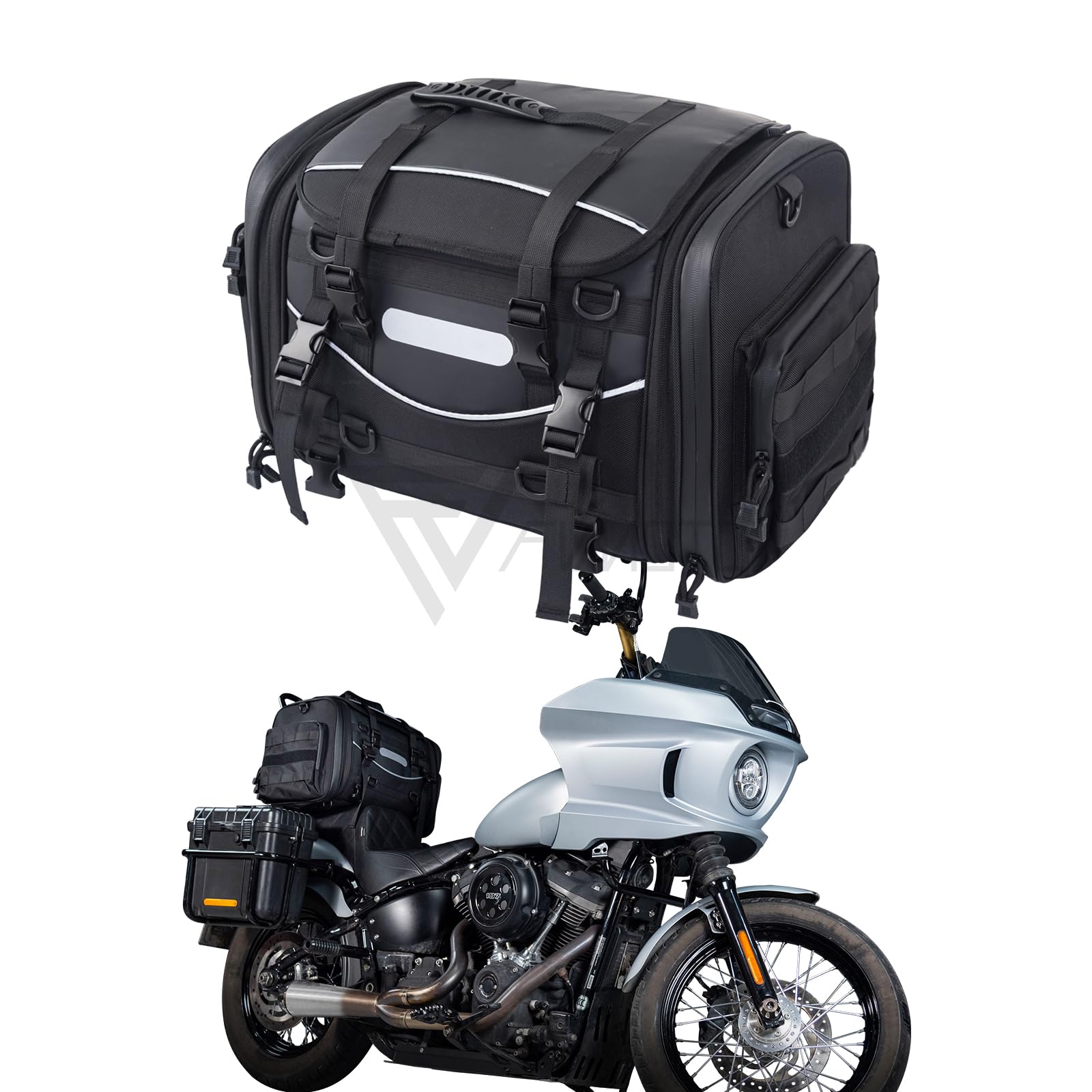
Nylon is another popular synthetic material known for its high tensile strength and resistance to abrasion. It can withstand temperatures up to 150°C and is highly resistant to chemicals, making it ideal for diverse applications.
Pros: Nylon is exceptionally durable and lightweight, offering excellent resistance to wear and tear. It is also water-resistant, which is beneficial for motorcycle touring.
Illustrative image related to motorcycle tour bag
Contras: The primary drawback of nylon is its higher cost compared to polyester. Additionally, it can be more challenging to dye, which may limit color options.
Impacto en la aplicación: Nylon’s durability makes it suitable for bags intended for long-distance travel or off-road use, where exposure to rough conditions is expected.
Consideraciones para compradores internacionales: Buyers in Europe and South America should look for nylon that complies with ASTM standards for durability and safety, ensuring the product meets the necessary performance benchmarks.
Leather is a traditional material that offers a classic aesthetic along with significant durability. While its temperature resistance can vary, high-quality leather can withstand a range of conditions when properly treated.
Pros: Leather is highly durable and provides excellent weather resistance when treated. It also offers a timeless look that appeals to many motorcycle enthusiasts.
Illustrative image related to motorcycle tour bag
Contras: Leather is generally heavier and more expensive than synthetic materials. It also requires more maintenance to keep it in good condition.
Impacto en la aplicación: Leather is ideal for premium motorcycle tour bags that target a luxury market segment, where aesthetics and brand image are crucial.
Consideraciones para compradores internacionales: Buyers in regions with high humidity, such as parts of South America, should ensure that the leather used is treated for moisture resistance to prevent mold and deterioration.
Polyvinyl Chloride (PVC) is a synthetic plastic polymer that is often used in waterproof applications. It can withstand temperatures up to 70°C and is highly resistant to chemicals and moisture.
Illustrative image related to motorcycle tour bag
Pros: PVC is waterproof, making it an excellent choice for bags that need to protect contents from rain. It is also relatively inexpensive and easy to clean.
Contras: PVC can be less durable than nylon or leather, especially under extreme conditions. It is also less environmentally friendly due to its production process.
Impacto en la aplicación: PVC is suitable for bags designed for wet environments, but its lower durability may limit its use for long-term applications.
Consideraciones para compradores internacionales: Buyers should ensure that the PVC used complies with local regulations regarding environmental safety, particularly in regions like Europe, where sustainability is a growing concern.
| Material | Typical Use Case for motorcycle tour bag | Ventajas clave | Principales desventajas/limitaciones | Coste relativo (Bajo/Medio/Alto) |
|---|---|---|---|---|
| Poliéster | General touring bags | Ligero y rentable | Less abrasion resistant | Bajo |
| Nylon | Long-distance and off-road bags | High durability and water-resistant | Mayor coste | Alta |
| Piel | Premium motorcycle bags | Timeless aesthetic and durable | Requires maintenance and heavier | Alta |
| PVC | Bolsas impermeables para condiciones húmedas | Excellent moisture resistance | Less durable and environmentally unfriendly | Bajo |
This analysis provides B2B buyers with a comprehensive understanding of material options for motorcycle tour bags, enabling informed decisions that align with their target markets and customer preferences.
The manufacturing process of motorcycle tour bags involves several critical stages that ensure high-quality end products. These stages include material preparation, forming, assembly, and finishing. Each stage incorporates specific techniques designed to enhance durability, functionality, and aesthetic appeal.
The first step in manufacturing motorcycle tour bags is the selection and preparation of materials. Common materials include high-density nylon, polyester, and leather, known for their durability and resistance to weather conditions. In this stage, raw materials undergo pre-treatment processes such as cutting, dyeing, and coating to enhance their performance characteristics. For instance, UV-resistant coatings can be applied to prevent fading, while water-repellent treatments ensure that the bags remain functional in adverse weather conditions.
Once the materials are prepared, the next phase is forming. This involves shaping the materials into the desired bag components. Techniques like die-cutting and heat sealing are commonly employed. Die-cutting allows for precise shapes and sizes, while heat sealing ensures that seams are watertight, an essential feature for motorcycle bags that may encounter rain or splashes. Additionally, advanced techniques such as 3D molding can be utilized to create ergonomic designs that conform to the motorcycle’s structure, enhancing aerodynamics and user comfort.
The assembly stage integrates all the formed components into a finished product. This process often employs both manual and automated techniques. Skilled workers may hand-stitch intricate details, while machines can handle repetitive tasks such as sewing zippers or attaching buckles. Quality assurance checks are vital during this stage to ensure that each bag meets design specifications and safety standards. Manufacturers often use specialized fixtures to maintain consistent quality during assembly.
Finishing processes contribute to the overall quality and presentation of motorcycle tour bags. These may include additional waterproof treatments, branding applications, and final inspections. Techniques such as screen printing or embroidery can be used for branding, which is particularly important for B2B buyers seeking custom designs for their markets. Final inspections typically involve checking for defects in stitching, zippers, and overall craftsmanship before the product is packaged for distribution.
Quality assurance (QA) is a critical aspect of the manufacturing process, ensuring that the final products meet both international standards and customer expectations. For motorcycle tour bags, compliance with standards such as ISO 9001 is essential. This standard focuses on quality management systems and continuous improvement, which are crucial for maintaining high-quality outputs.
B2B buyers should familiarize themselves with relevant international standards such as ISO 9001, CE marking, and other specific certifications relevant to their regions. For instance, products exported to Europe must often comply with CE standards, which indicate conformity with health, safety, and environmental protection standards. In markets like Africa and South America, understanding local regulations and certifications can also influence purchasing decisions.
Quality control (QC) checkpoints are strategically placed throughout the manufacturing process to ensure product integrity. Key checkpoints include:
Control de calidad entrante (IQC): This initial stage involves inspecting raw materials before production begins. Suppliers should provide material certificates to confirm compliance with specified standards.
Control de calidad durante el proceso (IPQC): During the manufacturing process, random inspections are conducted to identify defects early. This stage is crucial for addressing issues before they escalate.
Control de calidad final (CCF): After assembly and finishing, a final inspection is performed to ensure that each bag meets the quality criteria and functional specifications before being packaged for shipment.
B2B buyers can adopt several strategies to verify the quality control practices of their suppliers. One effective method is to conduct audits of the manufacturing facilities. These audits can evaluate the supplier’s adherence to established quality management systems and their compliance with relevant standards.

Illustrative image related to motorcycle tour bag
Additionally, requesting detailed quality reports from suppliers can provide insights into their QC processes, including defect rates and corrective actions taken. Engaging third-party inspection services can also serve as an impartial verification method, ensuring that products meet the required standards before shipment.
To ensure that motorcycle tour bags withstand real-world conditions, several common testing methods are employed:
Pruebas de resistencia al agua: Bags are subjected to controlled water exposure to evaluate their waterproof capabilities.
Pruebas de durabilidad: This includes abrasion tests to assess the wear resistance of materials and stress tests to examine the strength of seams and closures.
Pruebas de resistencia a los rayos UV: Bags are exposed to UV light to determine their fading resistance over prolonged periods of sunlight exposure.
Quality control nuances can vary significantly across regions due to different regulations and market expectations. For instance, in Europe, strict compliance with CE marking is often mandatory, while in markets like Saudi Arabia, local regulations may require additional certifications. Understanding these regional differences is crucial for B2B buyers to ensure compliance and enhance marketability.
In conclusion, the manufacturing processes and quality assurance protocols for motorcycle tour bags are complex and multifaceted. By understanding these processes, B2B buyers can make informed decisions, ensuring that they source high-quality products that meet the needs of their customers.
This guide serves as a comprehensive checklist for B2B buyers looking to procure motorcycle tour bags. By following these steps, you can ensure that you select the right product that meets your operational needs while aligning with your company’s standards and budget.
Illustrative image related to motorcycle tour bag
Establishing clear technical specifications is crucial in guiding your procurement process. Consider factors such as size, weight capacity, material durability, and weather resistance. Specify features like waterproofing, quick-release mounting systems, and compatibility with various motorcycle models to ensure versatility and functionality.
Understanding current market trends and consumer preferences can significantly influence your sourcing decisions. Investigate which styles and functionalities are gaining popularity among riders in your target regions. Pay attention to feedback on features like comfort, usability, and aesthetic appeal, which can inform your purchasing choices and help you align with market demands.
Before committing to a supplier, thorough evaluation is essential. Request company profiles, product catalogs, and references from previous clients, particularly those in similar markets. Assess their production capabilities, quality assurance processes, and delivery timelines to ensure they can meet your demands effectively.
Obtaining product samples is vital for assessing quality and usability. Evaluate the materials, stitching, and overall construction to ensure they meet your specifications. Conduct rigorous testing under various conditions to ascertain durability, weather resistance, and ease of use, which are essential for motorcycle touring.
Once you have identified suitable suppliers and evaluated their products, enter into negotiations regarding pricing and terms. Ensure that you discuss bulk order discounts, payment terms, and shipping costs. A well-structured agreement can lead to significant cost savings and favorable terms for future orders.
Reliable after-sales support is critical for maintaining customer satisfaction. Inquire about warranty options and the procedures for handling defective products. A supplier that offers robust support can enhance your reputation and foster customer loyalty, which is especially important in competitive markets.
Finally, create a logistics plan that outlines how the products will be received, stored, and distributed. Consider factors such as lead times, shipping methods, and warehousing solutions that align with your operational capabilities. Efficient logistics planning ensures that you can meet customer demand promptly and effectively.
By following this checklist, B2B buyers can make informed decisions when sourcing motorcycle tour bags, ultimately leading to successful procurement and satisfied customers.
When sourcing motorcycle tour bags, understanding the cost structure is crucial for B2B buyers. The primary cost components include:
Materiales: The choice of fabrics (e.g., UV-resistant, waterproof materials), zippers, and additional hardware significantly impacts costs. High-quality materials may raise the price but enhance durability and performance.
Trabajo: Labor costs vary by region, reflecting local wage rates and skill levels. Countries with lower labor costs can provide a competitive advantage, but ensure that the quality of craftsmanship meets your standards.
Gastos generales de fabricación: This encompasses utilities, facility maintenance, and administrative costs associated with production. Efficient manufacturing processes can help minimize these expenses.
Herramientas: Initial costs for molds, dies, and other tooling necessary for production can be significant. However, these costs are typically amortized over large production runs.
Control de calidad: Investing in rigorous QC processes can prevent defects and returns, ultimately saving costs in the long run. This includes testing for waterproofing and durability.
Logística: Shipping costs, including freight and customs duties, can vary widely based on the origin and destination of the bags. Selecting the right Incoterms can influence these costs.
Margen: Suppliers will typically add a profit margin to cover their costs and ensure sustainability. Understanding the expected margin can help buyers negotiate better terms.
Several factors influence the pricing of motorcycle tour bags:
Volumen/MOQ: Minimum order quantities (MOQs) can affect pricing. Bulk orders often receive significant discounts, so consider your sales forecasts when negotiating.
Especificaciones y personalización: Custom features (like branding or unique designs) can increase costs. Standardized products may offer better pricing due to economies of scale.
Materiales y certificaciones de calidad: Higher-quality materials and certifications (e.g., ISO standards) can justify a higher price point, appealing to buyers who prioritize durability and performance.
Factores del proveedor: The reputation and reliability of the supplier can influence pricing. Established suppliers may charge more, but their reliability can mitigate risks associated with quality and delivery times.
Incoterms: Understanding shipping terms (e.g., FOB, CIF) can help manage costs associated with logistics. Depending on the Incoterms, responsibilities for shipping and insurance can significantly affect the overall cost.
For international B2B buyers, particularly from regions like Africa, South America, the Middle East, and Europe, consider the following tips to enhance negotiation outcomes:
Investigación y evaluación comparativa: Conduct thorough market research to understand prevailing prices and competitor offerings. This knowledge can empower you during negotiations.
Aproveche los descuentos por volumen: If you anticipate high sales volumes, leverage this in negotiations to secure better pricing. Suppliers may be more willing to negotiate if they see a long-term partnership.
Evaluar el coste total de propiedad (TCO): Consider not just the purchase price but also potential costs associated with logistics, maintenance, and eventual disposal. A lower upfront cost may lead to higher long-term expenses if quality is compromised.
Cultural Sensitivity: Be aware of cultural nuances in negotiation styles. Building a rapport can lead to more favorable terms.
Be Prepared to Walk Away: If terms do not meet your financial or quality standards, be ready to explore alternative suppliers. This mindset can enhance your negotiating position.
Navigating the complexities of pricing and cost structures in motorcycle tour bag sourcing requires diligence and strategic negotiation. By understanding the various cost components, price influencers, and negotiation tactics, buyers can make informed decisions that align with their business objectives. While indicative prices can provide a starting point, always conduct due diligence to ensure the best possible outcomes tailored to your specific needs and market dynamics.
In the realm of motorcycle touring, selecting the right luggage solution is crucial for enhancing the riding experience. While motorcycle tour bags are a popular choice, there are several alternative solutions that can also serve the needs of riders. This analysis will compare motorcycle tour bags against two viable alternatives: saddlebags and backpack-style bags. Each option has its unique features and suitability depending on the rider’s requirements and preferences.
| Aspecto comparativo | Motorcycle Tour Bag | Alforjas | Backpack-Style Bag |
|---|---|---|---|
| Rendimiento | High capacity, weather-resistant, easy to attach/detach | Moderate capacity, typically good weather resistance | Limited capacity, ergonomic design for comfort |
| Coste | Moderate to high ($150-$300) | Moderate ($100-$250) | Low to moderate ($50-$150) |
| Facilidad de aplicación | Simple mounting systems available | Requires specific mounting hardware | Easy to carry, no installation needed |
| Mantenimiento | Low, generally durable materials | Moderate, may require occasional repairs | Low, easy to clean and maintain |
| El mejor caso de uso | Long-distance touring, multi-day trips | Short to medium trips, daily commuting | Casual rides, short trips, or day tours |
Saddlebags are a traditional choice for motorcycle riders, providing a balance between storage capacity and ease of access. They typically attach to either side of the motorcycle and can accommodate a decent amount of gear. One of the main advantages of saddlebags is their ability to keep the weight low and centered, improving the motorcycle’s stability. However, they often require specific mounting hardware and may not fit all motorcycle models. Additionally, while many saddlebags offer weather resistance, they might not be entirely waterproof, which could be a concern in rainy conditions.
Backpack-style bags present a versatile and ergonomic option for motorcycle riders. These bags are designed to be worn on the back, distributing weight evenly and allowing for free movement. They are particularly useful for casual riders or those who prefer to travel light. The primary advantages include ease of carrying and the absence of installation requirements. However, their storage capacity is limited compared to motorcycle tour bags and saddlebags, making them less suitable for longer trips where more gear is necessary. Furthermore, the comfort of wearing a backpack for extended periods may vary based on design and fit.
When deciding between a motorcycle tour bag and its alternatives, B2B buyers should consider the specific needs of their clientele. Factors such as the type of trips their customers undertake, the types of motorcycles used, and budget constraints play a significant role in this decision. For long-distance touring, motorcycle tour bags often provide the best balance of capacity and functionality. Conversely, for short trips or urban commuting, saddlebags or backpack-style bags might serve the purpose more effectively. Ultimately, understanding the target market’s preferences and riding habits is essential for making an informed selection that meets both performance and cost-effectiveness.
When considering motorcycle tour bags, several critical technical specifications are essential for ensuring durability, functionality, and compatibility with various motorcycle models. Here are some key properties to understand:
Calidad del material
– Motorcycle tour bags are commonly constructed from high-grade materials such as 1200D polyester or nylon. These materials are chosen for their durability, resistance to tearing, and ability to withstand harsh weather conditions. For B2B buyers, selecting bags made from high-quality materials is crucial to ensure longevity and customer satisfaction, minimizing returns and warranty claims.
Resistencia al agua
– A critical feature for motorcycle tour bags is their water resistance or waterproof capabilities. Many bags come with waterproof coatings or are designed with waterproof zippers. This property is vital for buyers targeting markets with varied climates, ensuring that the contents remain dry during unexpected rain. Offering waterproof options can also be a competitive advantage in regions prone to wet conditions.
Capacidad
– The capacity of motorcycle bags, typically measured in cubic inches or liters, is an important specification for B2B buyers. Understanding the storage capacity helps in selecting products that meet the needs of long-distance riders versus casual users. A variety of sizes can cater to different market segments, allowing businesses to offer tailored solutions.
Sistemas de montaje
– Efficient and versatile mounting systems are essential for easy attachment and detachment of bags from motorcycles. Quick-release mechanisms and universal mounting options enhance usability. For B2B buyers, investing in products with flexible mounting solutions can attract a broader customer base, accommodating diverse motorcycle models and rider preferences.
Peso
– The weight of the bag affects overall ride dynamics and rider comfort. Lightweight materials that do not compromise on durability are preferred. Buyers should consider the balance between weight and strength, as heavier bags can deter potential customers, especially in performance-oriented markets.
Características de diseño
– Additional design features such as reflective strips for visibility, external pockets for easy access, and ergonomic shapes for aerodynamics can significantly enhance a product’s appeal. These features are particularly important for attracting buyers focused on safety and convenience.
Understanding trade terminology is vital for navigating the B2B landscape effectively. Here are some common terms that are frequently encountered:
OEM (fabricante de equipos originales)
– This term refers to companies that produce parts or products that are used in another company’s end product. In the context of motorcycle bags, OEMs may provide custom bags designed specifically for motorcycle manufacturers. Buyers should consider OEM partnerships for exclusive products.
MOQ (Cantidad mínima de pedido)
– MOQ specifies the smallest quantity of a product that a supplier is willing to sell. Understanding MOQ is essential for B2B buyers to manage inventory levels and cost efficiencies. Negotiating lower MOQs can help businesses test new products without significant upfront investment.
RFQ (solicitud de presupuesto)
– An RFQ is a document issued when a buyer wants to purchase a product and seeks pricing from suppliers. This is a critical step in the procurement process, allowing buyers to compare prices and terms from multiple vendors, ensuring they secure the best deal.
Incoterms (Términos comerciales internacionales)
– These terms define the responsibilities of buyers and sellers in international transactions. Understanding Incoterms is crucial for B2B buyers to clarify shipping, insurance, and freight responsibilities, ensuring smooth logistics and reducing potential disputes.
Plazos de entrega
– Lead time refers to the time it takes from placing an order to receiving the goods. For B2B buyers, understanding lead times is essential for planning inventory and meeting customer demands, especially in markets with fluctuating demand.
Customization Options
– Customization refers to the ability to modify products according to specific client needs, such as branding or functional adjustments. Offering customization can differentiate a business in competitive markets and appeal to buyers looking for unique solutions.
By understanding these technical properties and trade terms, B2B buyers can make informed decisions when sourcing motorcycle tour bags, ultimately enhancing their product offerings and customer satisfaction.
Illustrative image related to motorcycle tour bag
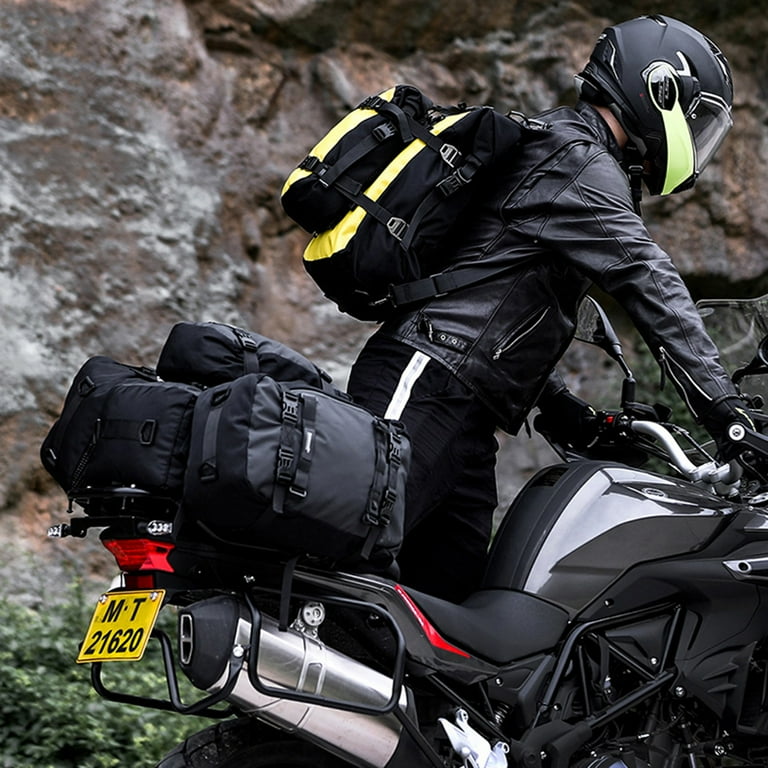
The motorcycle tour bag market is experiencing significant growth driven by an increase in motorcycle tourism and adventure travel. As more consumers seek to explore diverse terrains, the demand for durable and functional luggage solutions has surged. International B2B buyers, particularly from regions like Africa, South America, the Middle East, and Europe, should note several key trends. First, there is a rising preference for multifunctional bags that combine style with practicality, accommodating various motorcycle types and rider needs. Innovations in materials such as weather-resistant fabrics and lightweight designs are becoming essential, enabling riders to travel comfortably without compromising on storage capacity.
Another emerging trend is the integration of technology in motorcycle luggage. Features like GPS tracking, built-in charging ports, and smart compartments are gaining traction, appealing to tech-savvy consumers. This trend presents opportunities for B2B buyers to source products that meet evolving consumer expectations. Additionally, partnerships with local manufacturers in target markets can enhance supply chain efficiency and reduce shipping costs, making products more competitive in the local markets of Saudi Arabia, Brazil, and beyond.
The importance of sustainability in the motorcycle tour bag sector cannot be overstated. As global awareness of environmental issues increases, B2B buyers are increasingly prioritizing suppliers that adopt sustainable practices. This includes sourcing materials that are eco-friendly, such as recycled fabrics and biodegradable components. Manufacturers are also exploring innovative materials that reduce environmental impact while maintaining durability and functionality.
Moreover, ethical sourcing is becoming a critical consideration. Buyers are expected to ensure that their supply chains are transparent and that products are made under fair labor conditions. Certifications such as Global Recycle Standard (GRS) and OEKO-TEX can serve as valuable indicators of a manufacturer’s commitment to sustainability. By aligning with suppliers who prioritize environmental stewardship and ethical practices, B2B buyers can enhance their brand reputation and appeal to a growing segment of environmentally conscious consumers.
Illustrative image related to motorcycle tour bag
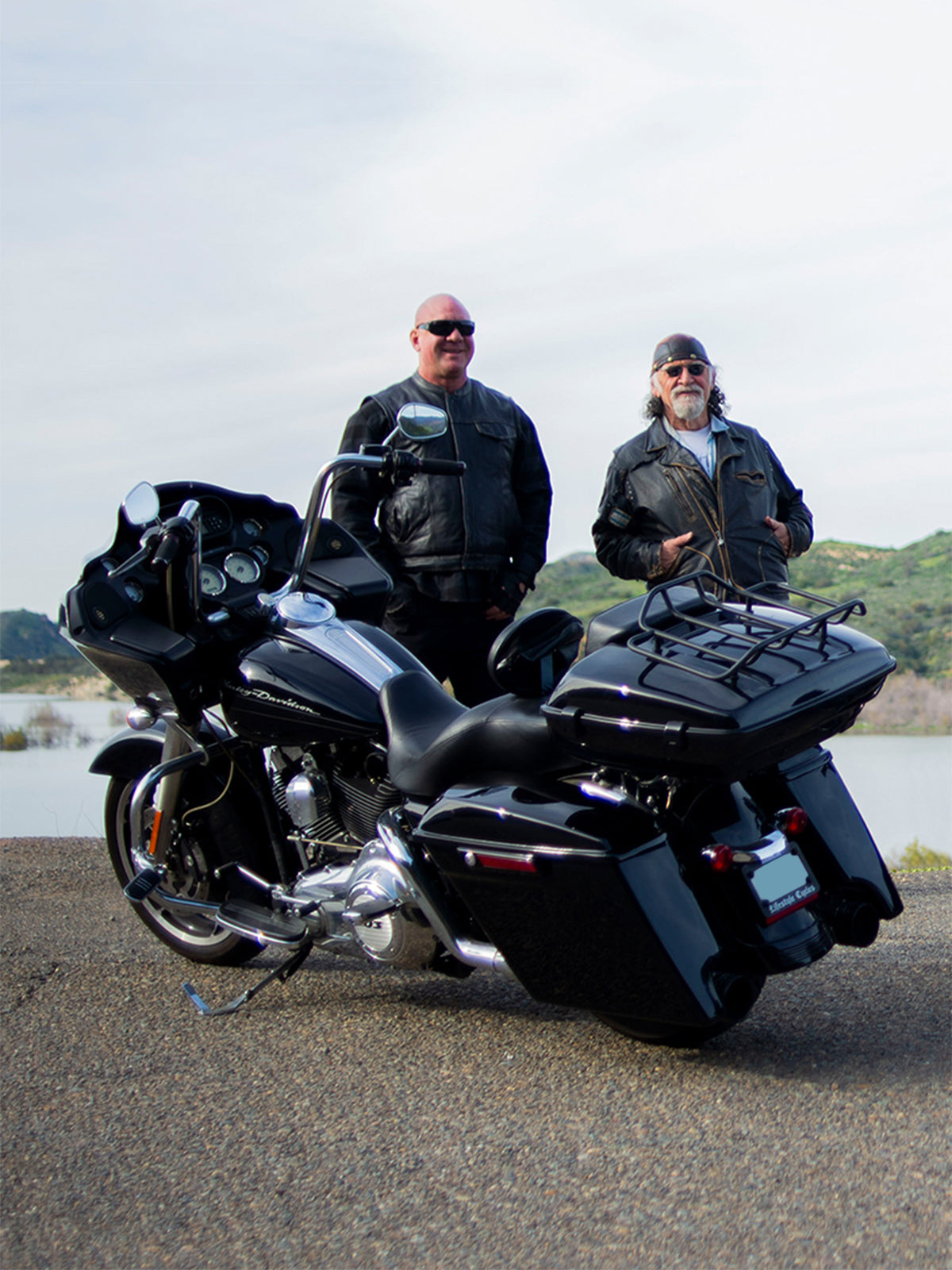
The motorcycle tour bag industry has evolved significantly over the decades. Initially, motorcycle luggage was limited to basic saddle bags and tank bags made from leather or canvas. As the popularity of motorcycle touring grew, manufacturers began to innovate, introducing more specialized designs that catered to long-distance riders. The late 20th century saw the emergence of synthetic materials, which offered improved durability and weather resistance.
Today, the market has expanded to include a variety of options, such as waterproof bags, modular systems, and bags with integrated technology. This evolution reflects changing consumer preferences and the growing importance of functionality and style in motorcycle accessories. For B2B buyers, understanding this historical context can provide insights into current product offerings and consumer demands, allowing for more informed sourcing decisions.
How do I choose the right motorcycle tour bag for my business needs?
Selecting the right motorcycle tour bag involves evaluating several factors, including the type of motorcycles your customers ride, the typical distances they travel, and the climate conditions in your target markets. Look for bags that offer durability, weather resistance, and ample storage capacity. Consider features such as easy mounting systems, quick disconnects for convenience, and customizable options to appeal to various customer preferences. Additionally, researching customer feedback and product reviews can provide insights into the best-performing bags in the market.
What are the key features to look for in a motorcycle tour bag?
When sourcing motorcycle tour bags, focus on essential features such as waterproof materials, reinforced stitching, and easy accessibility. Look for bags with multiple compartments for organized storage and compatibility with various motorcycle models. Adjustable straps and secure mounting systems are crucial for stability during rides. Additionally, consider bags that include reflective elements for enhanced visibility and safety, especially for long-distance or night rides.
What is the minimum order quantity (MOQ) for motorcycle tour bags?
Minimum order quantities for motorcycle tour bags can vary significantly between suppliers. Typically, MOQs may range from 50 to 500 units, depending on the manufacturer and the complexity of the customization required. It’s advisable to communicate directly with potential suppliers to negotiate terms that suit your business needs and to explore options for trial orders or samples to assess product quality before committing to larger orders.
How can I ensure the quality of motorcycle tour bags from suppliers?
To ensure quality, conduct thorough supplier vetting by requesting samples and reviewing product specifications. Look for certifications that indicate compliance with international quality standards. Additionally, consider visiting the manufacturing facility if possible, or utilize third-party inspection services to verify the production process. Establishing a clear quality assurance protocol that includes regular inspections during production can also help maintain standards and build trust with your supplier.
What payment terms are common for international B2B transactions involving motorcycle tour bags?
Payment terms can vary, but common arrangements include a 30% deposit upon order confirmation and the remaining 70% before shipment. Some suppliers may offer letters of credit or payment through platforms like PayPal for added security. It is essential to clarify terms upfront to avoid misunderstandings and ensure smooth transactions. Additionally, consider discussing options for trade credit or flexible payment terms based on your purchasing history with the supplier.
What logistics considerations should I keep in mind when sourcing motorcycle tour bags internationally?
When sourcing internationally, consider shipping methods, customs regulations, and potential tariffs that may apply. Evaluate the total landed cost, including shipping, duties, and taxes, to ensure profitability. Work with logistics partners experienced in handling motorcycle accessories to streamline the process. Establish clear communication with your supplier regarding shipping timelines and tracking to minimize delays and ensure timely delivery to your customers.
Can I customize motorcycle tour bags for my brand?
Yes, many manufacturers offer customization options for motorcycle tour bags, including branding with your company logo, unique color schemes, and specific design modifications. When discussing customization, provide clear specifications and requirements to the supplier. Be mindful of any additional costs or minimum order quantities that may apply to customized products. Customization can enhance your brand’s visibility and appeal to your target market.
What are the best practices for marketing motorcycle tour bags to international buyers?
To effectively market motorcycle tour bags to international buyers, leverage digital marketing strategies such as SEO-optimized content, social media campaigns, and targeted email marketing. Attend international trade shows and motorcycle events to showcase your products and connect with potential buyers. Building partnerships with local distributors in target regions can also enhance your reach. Highlight unique selling points, such as durability, functionality, and customization options, to differentiate your products in a competitive market.
Dominio: saddlemen.com
Matriculado: 1996 (29 años)
Introducción: [{‘name’: ‘S3500 Tactical Deluxe Sissy Bar Bag’, ‘price’: 287.95, ‘description’: ‘Designed for a wide range of machines, perfect for cruising with a blend of style and function.’}, {‘name’: ‘BR3400 Tactical Back Seat/Sissy Bar Bag’, ‘price’: 263.95, ‘description’: ‘Designed for a wide range of machines, perfect for cruising with a blend of style and function.’}, {‘name’: ‘SB2300 Tactical Universal…
Dominio: ciro3d.com
Registrado: 2014 (11 años)
Introducción: DRYFORCE® Luggage / Waterproof Motorcycle Luggage includes the following products:
1. El Sandoval Bag by Ciro – Price: $279.99
2. DRYFORCE® Universal Waterproof Cooler – Price: $169.99
3. DRYFORCE® Quick Release Waterproof Cooler for H-D Luggage Rack – Price: $249.99
4. DRYFORCE® Waterproof 60L Roll Top Bag – Price: $95.99
5. DRYFORCE® Waterproof 60L Duffel – Price: $134.99
6. DRYFORCE® Wate…
Dominio: vikingbags.com
Registrado: 2006 (19 años)
Introducción: Motorcycle luggage bags available in various styles, shapes, and functions. Quick disconnect system for easy mounting and dismounting. Products designed for long-distance travelers and daily commuters. Compatible with multiple motorcycle brands including Harley, Honda, Suzuki, Kawasaki, Yamaha, and more. Key features include waterproof materials, airtight seals, and easy installation. 30-day money…
Dominio: harley-davidson.com
Matriculado: 1994 (31 años)
Introducción: Sturdy and durable motorcycle bags, luggage, and racks designed for Harley-Davidson motorcycles. Features include solid construction, large capacities for long-distance travel, hard and soft shell options, detachable duffle bags with thick handles, and backrest organizers for easy access. Made from high-quality materials that resist wear and fading, ensuring longevity. Designed for convenience and…
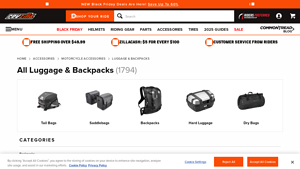
Dominio: revzilla.com
Registrado: 2006 (19 años)
Introducción: Motorcycle Luggage & Bags available at RevZilla include various types such as backpacks, dry bags, gear bags, hard luggage, hydration packs, and luggage accessories. The site features discounts up to 60% off on select items during Black Friday deals. Notable brands include Alpinestars, Dainese, and REV’IT! with specific discounts like up to 40% off Alpinestars and up to 50% off Dainese. The produc…
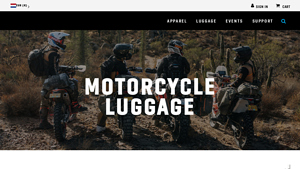
Dominio: moskomoto.com
Inscrito: 2013 (12 años)
Introducción: This company, Moskomoto – Free Delivery on Orders Over $200, is a notable entity in the market. For specific product details, it is recommended to visit their website directly.
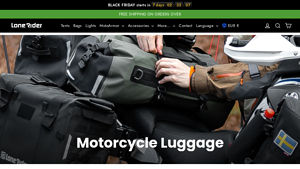
Dominio: lonerider-motorcycle.com
Inscrito: 2012 (13 años)
Introducción: {“products”:[{“name”:”Combo 1 – Travel the World”,”regular_price”:”$4,121.00″,”sale_price”:”$3,699.00″,”discount”:”9%”},{“name”:”Combo 2 – Complete Luggage Set”,”regular_price”:”$3,303.00″,”sale_price”:”$2,999.00″,”discount”:”10%”},{“name”:”Full Gear Combo for BMW R1200 / 1250GS / ADV”,”regular_price”:”$4,149.00″,”sale_price”:”$3,749.00″},{“name”:”MotoPanniers – The Ultimate Set of Hard Cases”,”sa…
In today’s competitive landscape, the strategic sourcing of motorcycle tour bags is essential for B2B buyers aiming to enhance their product offerings. By focusing on quality, functionality, and design, suppliers can cater to a diverse range of consumer preferences across global markets, particularly in Africa, South America, the Middle East, and Europe. Key takeaways include the importance of selecting products that combine durability with aesthetic appeal, as well as ensuring compatibility with various motorcycle models to maximize customer satisfaction.
Illustrative image related to motorcycle tour bag
Investing in high-quality, weather-resistant materials and versatile designs not only meets the demands of long-distance riders but also positions your brand as a leader in the motorcycle accessories market. As trends evolve, suppliers should remain agile and responsive to shifting consumer needs, leveraging insights from market research to inform their product development strategies.
Looking ahead, international B2B buyers are encouraged to explore partnerships with manufacturers that prioritize innovation and sustainability. By doing so, you can enhance your competitive edge and drive growth in this burgeoning sector. Embrace the opportunity to source exceptional motorcycle tour bags that resonate with your target audience and elevate your brand’s reputation in the marketplace.
La información facilitada en esta guía, incluido el contenido relativo a fabricantes, especificaciones técnicas y análisis de mercado, tiene únicamente fines informativos y educativos. No constituye asesoramiento profesional en materia de adquisiciones, asesoramiento financiero ni asesoramiento jurídico.
Aunque hemos hecho todo lo posible por garantizar la exactitud y actualidad de la información, no nos hacemos responsables de posibles errores, omisiones o información obsoleta. Las condiciones del mercado, los detalles de las empresas y las normas técnicas están sujetos a cambios.
Los compradores B2B deben llevar a cabo su propia diligencia debida independiente y exhaustiva antes de tomar cualquier decisión de compra. Esto incluye ponerse en contacto directamente con los proveedores, verificar las certificaciones, solicitar muestras y buscar asesoramiento profesional. El riesgo de confiar en la información contenida en esta guía es responsabilidad exclusiva del lector.
Illustrative image related to motorcycle tour bag


 Spanish
  English
  Russian
  Italian
  Arabic
  Portuguese
  German