
The demand for portable air compressors with battery capabilities is surging as businesses seek reliable, efficient, and mobile solutions for various inflation needs. One of the key challenges B2B buyers face in sourcing these innovative tools is navigating the multitude of options available in the global market. This comprehensive guide delves into the diverse types of battery-powered air compressors, their applications across different industries, and the critical factors to consider when selecting suppliers.
By addressing essential topics such as performance specifications, energy efficiency, and pricing strategies, this guide empowers international B2B buyers—particularly those from Africa, South America, the Middle East, and Europe (including markets like Germany and Vietnam)—to make informed purchasing decisions. Understanding the nuances of battery technology, from lithium-ion advancements to capacity considerations, is crucial in choosing the right compressor that meets specific operational requirements.
Additionally, we will explore best practices for supplier vetting to ensure quality and reliability, along with cost analysis to help optimize procurement budgets. With this resource, businesses can confidently invest in portable air compressors that enhance productivity, streamline operations, and ultimately deliver value in their respective markets.
| Tipo Nombre | Principales rasgos distintivos | Aplicaciones B2B principales | Breves pros y contras para los compradores |
|---|---|---|---|
| Cordless Lithium-Ion Compressors | Lightweight, rechargeable, digital pressure control | Automotive, sports, emergency services | Pros: Portable, quick inflation; Cons: Limited power for heavy-duty tasks. |
| 12V Car Battery Compressors | Connects directly to vehicle battery; compact design | Roadside assistance, automotive repair | Pros: Always available in vehicles; Cons: Dependent on vehicle battery life. |
| Hybrid Gas-Electric Compressors | Combines battery and gas power for extended use | Construction, outdoor work | Pros: Versatile, powerful; Cons: Heavier and more complex maintenance. |
| Miniature Handheld Compressors | Small, easy to carry; ideal for small tasks | Sports, camping, personal use | Pros: Extremely portable; Cons: Limited air pressure and volume. |
| High-Capacity Battery Compressors | Larger battery capacity for extended operations | Industrial, manufacturing | Pros: High power output; Cons: Bulkier and heavier. |
Cordless lithium-ion compressors are designed for versatility and ease of use. They are typically lightweight and feature advanced digital controls for precise pressure settings. These compressors are ideal for automotive applications, such as inflating tires or sports equipment, and are particularly useful in emergency situations. When purchasing, consider battery life, recharge time, and maximum pressure output to ensure they meet operational needs.
12V car battery compressors are compact devices that plug directly into a vehicle’s battery. This makes them indispensable for roadside assistance and automotive repair tasks. Their ability to operate without an external power source is a significant advantage. Buyers should evaluate the compressor’s compatibility with various tire sizes and its maximum pressure capability to ensure it meets diverse requirements.
Hybrid gas-electric compressors combine the benefits of battery and gas power, providing extended use in demanding environments like construction sites. They offer high performance and can handle larger tasks, making them suitable for industrial applications. However, buyers should be aware of the increased weight and maintenance complexity that comes with these units, which can impact mobility and operational efficiency.
Miniature handheld compressors are designed for portability and convenience, making them ideal for small tasks such as inflating sports balls or air mattresses. Their lightweight nature allows for easy transport, especially during outdoor activities like camping. While they excel in ease of use, buyers should note their limitations in terms of air pressure and volume, which may restrict their use for larger inflation tasks.
High-capacity battery compressors are built for heavy-duty applications, providing substantial power for industrial and manufacturing settings. Their larger battery capacity allows for extended operation without the need for frequent recharging. When considering these compressors, businesses should assess the balance between power output and the unit’s size and weight, as this can affect mobility on job sites.
Illustrative image related to portable air compressor with battery
| Industria/Sector | Specific Application of Portable Air Compressor with Battery | Valor/beneficio para la empresa | Consideraciones clave para el aprovisionamiento de esta aplicación |
|---|---|---|---|
| Reparación de automóviles | Inflado y mantenimiento de neumáticos para vehículos | Increases efficiency and reduces downtime | Look for models with high PSI capacity and quick recharge times |
| Construcción | Powering pneumatic tools on job sites | Enhances mobility and reduces reliance on power sources | Ensure compatibility with various tools and durability for outdoor use |
| Ocio al aire libre | Inflating sports equipment and recreational items | Convenient for events and activities, enhancing customer experience | Lightweight and portable designs are essential for easy transport |
| Agricultura | Inflating equipment and tools for farming | Improves productivity in remote locations | Consider battery life and charging options to minimize interruptions |
| Servicios de emergencia | Rapid inflation of rescue equipment | Critical for timely response in emergencies | Reliability and ease of use are paramount, especially in high-stress situations |
In the automotive repair industry, portable air compressors with batteries are essential for tire inflation and maintenance. Technicians can quickly inflate tires on-site, reducing vehicle downtime and enhancing service efficiency. These compressors often feature high PSI capabilities, allowing them to handle various vehicle types. For international buyers, especially in regions with diverse vehicle fleets, sourcing models that are versatile and easy to transport is crucial.
In construction, battery-operated air compressors are invaluable for powering pneumatic tools at job sites where traditional power sources may be unavailable. Their portability allows workers to move freely across large areas without being tethered to a power outlet. Buyers should prioritize models known for durability, as they must withstand harsh environments and heavy use. Additionally, understanding compatibility with various tools can ensure seamless operations.
For outdoor recreation, portable air compressors with batteries provide a convenient solution for inflating sports equipment, such as balls and inflatable structures. Their compact size makes them easy to transport to parks, beaches, or campsites, enhancing the overall experience for users. When sourcing these compressors, it is important to consider their weight and battery life, ensuring they can handle multiple inflations without needing frequent recharges.
In agriculture, battery-powered air compressors serve multiple purposes, including inflating equipment like seeders and sprayers. Their ability to function in remote locations without access to electric power makes them indispensable for farmers. Buyers should focus on the battery life and charging options, ensuring that the compressor can operate throughout the workday without interruption. Reliability in various weather conditions is also a key factor.
Emergency services rely on portable air compressors for the rapid inflation of rescue equipment, such as inflatable boats or medical devices. In high-pressure situations, the ability to quickly deploy and use these compressors can be critical. Buyers in this sector should prioritize models that are easy to operate and maintain, ensuring that they can be used effectively under stress. Robust construction and reliability are also essential for ensuring readiness in emergencies.
El problema: B2B buyers often face the issue of battery life when using portable air compressors in remote locations, where access to power sources is limited. For instance, companies engaged in outdoor activities such as camping gear rentals or roadside assistance frequently experience interruptions in service due to the compressor running out of battery power. This not only delays operations but can also lead to dissatisfied customers and potential revenue loss.
La solución: To mitigate battery life concerns, buyers should consider models equipped with high-capacity lithium-ion batteries, which provide longer runtimes and faster charging times. When sourcing these compressors, look for specifications that indicate battery capacity (Ah) and the expected runtime at various PSI levels. Additionally, buyers can enhance operational efficiency by investing in spare batteries or dual-battery systems, allowing for seamless transitions during high-demand periods. A practical tip is to implement a charging schedule, ensuring that spare batteries are charged and ready for immediate use, ultimately improving service reliability.
El problema: Achieving the correct PSI (pounds per square inch) is crucial for various applications, such as inflating tires, sports equipment, or air mattresses. Many B2B buyers encounter challenges with portable air compressors that either lack sufficient pressure output or are difficult to operate, leading to under-inflated products and compromised safety. This scenario is especially common in sectors like automotive services or event management, where precision is key.
Illustrative image related to portable air compressor with battery
La solución: To address this issue, buyers should prioritize compressors with adjustable PSI settings and automatic shut-off features that stop inflation once the desired pressure is reached. Models equipped with digital displays provide precise readings, allowing operators to monitor and adjust pressure levels easily. When purchasing, ensure that the compressor’s maximum PSI meets the requirements of your typical applications. Furthermore, training staff on how to set and monitor PSI levels can significantly reduce errors and improve overall efficiency.
El problema: Many B2B buyers require portable air compressors that can be easily transported and used in diverse environments, such as construction sites, outdoor events, or emergency response situations. A common pain point is the bulkiness and weight of some models, making them cumbersome to transport and set up. This can lead to delays in service and increased labor costs, particularly for businesses that need to move quickly between jobs.
La solución: Buyers should focus on lightweight, compact models designed specifically for portability without sacrificing performance. Features such as ergonomic handles, built-in storage for accessories, and low-profile designs enhance maneuverability. Additionally, consider investing in air compressors that come with versatile attachments for different applications, which can eliminate the need for multiple tools. When evaluating options, assess the weight and dimensions to ensure they align with your operational needs, facilitating easier transport and quicker setups in the field.
When selecting materials for portable air compressors with batteries, it is crucial to consider their properties, advantages, disadvantages, and implications for international markets. Here, we analyze four common materials: aluminum, high-density polyethylene (HDPE), steel, and composite materials.
Illustrative image related to portable air compressor with battery
Aluminum is widely used in the construction of portable air compressors due to its lightweight nature and excellent corrosion resistance. It typically withstands temperatures up to 150°C (302°F) and pressures of around 300 PSI, making it suitable for various applications.
Pros: Aluminum’s lightweight characteristic enhances portability, while its corrosion resistance extends the product’s lifespan, particularly in humid or coastal environments.
Contras: However, aluminum can be more expensive than other materials and may require additional manufacturing processes like anodizing to improve surface durability.
Impacto en la aplicación: Aluminum is compatible with air and non-corrosive gases, making it ideal for general-purpose compressors.
Consideraciones para compradores internacionales: Compliance with standards such as ASTM B221 for aluminum extrusions is essential. Buyers from Europe and the Middle East may prefer aluminum for its lightweight properties, while those in Africa and South America may consider cost implications.
Illustrative image related to portable air compressor with battery
High-density polyethylene (HDPE) is another popular choice for components such as tanks and housings in portable air compressors. It offers a temperature rating of up to 80°C (176°F) and is resistant to many chemicals and UV radiation.
Pros: HDPE is lightweight, cost-effective, and resistant to corrosion, making it an excellent choice for outdoor applications.
Contras: However, HDPE’s lower pressure tolerance (generally below 100 PSI) limits its use in high-pressure applications.
Impacto en la aplicación: HDPE is suitable for air and water applications but may not be compatible with certain oils or solvents.
Consideraciones para compradores internacionales: Compliance with JIS K 6768 (Japanese Industrial Standards) for plastic materials may be relevant for buyers in Asia. Buyers in Africa and South America may favor HDPE for its affordability.
Steel is often utilized in the structural components of portable air compressors due to its high strength and durability. It can withstand high temperatures (up to 300°C or 572°F) and pressures exceeding 500 PSI.
Pros: Steel’s robustness makes it ideal for heavy-duty applications and environments where wear and tear are significant concerns.
Contras: The primary drawback of steel is its susceptibility to corrosion, which necessitates protective coatings or treatments, increasing manufacturing complexity and costs.
Illustrative image related to portable air compressor with battery
Impacto en la aplicación: Steel is suitable for high-pressure applications and is compatible with various gases, including air and natural gas.
Consideraciones para compradores internacionales: Compliance with DIN 17100 (German standards for steel) is crucial for European buyers, while buyers in the Middle East may prioritize corrosion-resistant coatings due to environmental factors.
Composite materials, such as fiberglass-reinforced plastics, are increasingly used in portable air compressors. They offer a temperature rating of up to 120°C (248°F) and can withstand moderate pressures.
Pros: Composites are lightweight, corrosion-resistant, and can be molded into complex shapes, allowing for innovative designs.
Contras: However, composites can be more expensive and may require specialized manufacturing techniques, which can complicate production.
Impacto en la aplicación: Composites are suitable for applications requiring lightweight and corrosion-resistant materials, such as in marine environments.
Consideraciones para compradores internacionales: Understanding the specific composite standards applicable in their region is essential. For instance, European buyers may look for compliance with EN 13706 for composite materials.
| Material | Typical Use Case for Portable Air Compressor with Battery | Ventajas clave | Principales desventajas/limitaciones | Coste relativo (Bajo/Medio/Alto) |
|---|---|---|---|---|
| Aluminio | Carcasa y componentes estructurales | Ligero y resistente a la corrosión | Higher cost and potential manufacturing complexity | Medio |
| High-Density Polyethylene | Tanks and non-structural components | Cost-effective and UV resistant | Tolerancia de presión limitada | Bajo |
| Acero | Structural components and high-pressure applications | Alta resistencia y durabilidad | Susceptible to corrosion | Medio |
| Materiales compuestos | Innovative designs and lightweight applications | Ligero y resistente a la corrosión | Coste más elevado y fabricación más compleja | Alta |
This strategic material selection guide provides valuable insights for international B2B buyers, helping them make informed decisions based on performance, cost, and regional compliance standards.
The manufacturing process for portable air compressors with batteries is complex and involves several stages, each critical to ensuring the final product meets quality and performance standards. The main stages include material preparation, forming, assembly, and finishing.
Preparación del material: This initial stage involves sourcing high-quality raw materials, such as metals for the compressor housing, plastic for the casing, and lithium-ion batteries for power. Suppliers must provide material certifications to confirm compliance with international standards, ensuring that materials are durable and capable of withstanding operational stress.
Formando: The forming stage typically involves processes like stamping, machining, and molding to create the individual components of the air compressor. Advanced techniques such as CNC machining are employed to ensure precision in the manufacturing of critical parts, like the air pump and motor housing. This stage is crucial as inaccuracies can lead to inefficiencies in performance.
Montaje: Once components are prepared, they are assembled into the final product. Automated assembly lines are common, allowing for high efficiency and consistency. Skilled technicians may also be involved in critical assembly tasks, ensuring that sensitive parts like the battery connections are securely integrated. Testing is often conducted at this stage to identify any assembly-related issues before moving on.
Acabado: The finishing stage involves surface treatment processes such as painting, powder coating, or anodizing to protect the compressor from corrosion and wear. Additionally, final inspections are performed to check for defects in appearance and functionality. This stage ensures that the product not only meets performance standards but also appeals to the aesthetic demands of the market.
Quality assurance (QA) in the manufacturing of portable air compressors is essential for maintaining product reliability and safety. Various international standards, such as ISO 9001, play a vital role in shaping QA practices. Compliance with these standards provides a framework for systematic quality management throughout the manufacturing process.
Illustrative image related to portable air compressor with battery
Normas internacionales: ISO 9001 outlines requirements for a quality management system (QMS), focusing on customer satisfaction and continuous improvement. Manufacturers often seek certification to demonstrate their commitment to quality. Additionally, industry-specific certifications such as CE mark (for European markets) and API (for American Petroleum Institute standards) are crucial for compliance with safety and performance regulations.
Puntos de control de calidad: Quality control (QC) checkpoints are strategically placed throughout the manufacturing process to ensure product integrity.
– Control de calidad entrante (IQC): This initial checkpoint assesses the quality of incoming materials and components before they are used in production.
– Control de calidad durante el proceso (IPQC): During assembly, IPQC involves monitoring processes and conducting tests to catch defects early.
– Control de calidad final (CCF): This final checkpoint assesses the completed product for functionality, performance, and appearance, ensuring that it meets all specifications before shipping.
Métodos de ensayo habituales: Various testing methods are employed to validate the performance and safety of portable air compressors. These may include pressure testing to ensure the integrity of the air tank, battery discharge tests for performance evaluation, and environmental testing to simulate operational conditions.
For international B2B buyers, particularly those from Africa, South America, the Middle East, and Europe, ensuring that suppliers adhere to stringent quality assurance practices is critical. Here are several strategies for verifying supplier QC:
Auditorías de proveedores: Conducting regular audits of suppliers allows buyers to assess their manufacturing processes, quality management systems, and adherence to international standards. Audits can be performed by the buyer’s quality assurance team or third-party organizations specializing in supplier evaluations.
Quality Reports and Certifications: Buyers should request and review quality reports and certifications from suppliers. These documents provide insights into the supplier’s compliance with industry standards and their commitment to quality. Certifications such as ISO 9001, CE, and API can serve as indicators of a manufacturer’s reliability.
Inspecciones de terceros: Engaging third-party inspection services can provide an unbiased evaluation of the manufacturing processes and final products. These services often include pre-shipment inspections to verify that products meet the specified standards before they leave the factory.
Supplier Performance Metrics: Establishing key performance indicators (KPIs) for suppliers can help monitor ongoing quality assurance. Metrics such as defect rates, return rates, and customer satisfaction scores can provide valuable insights into the reliability of a supplier over time.
International B2B buyers face unique challenges when it comes to quality control in manufacturing. Understanding these nuances can enhance procurement strategies and minimize risks:
Diferencias culturales y normativas: Different regions may have varying expectations and regulations concerning quality assurance. Buyers must familiarize themselves with local standards and practices to ensure compliance and avoid potential issues.
Logistical Considerations: Shipping products internationally can introduce risks, such as damage during transit or delays that affect product integrity. Establishing robust logistics and handling protocols is essential to mitigate these risks.
Communication Barriers: Effective communication with suppliers can be challenging due to language differences or time zone discrepancies. Building strong relationships and clear communication channels can help ensure that quality expectations are understood and met.
Continuous Improvement: Encouraging suppliers to adopt a culture of continuous improvement can enhance product quality over time. This may involve collaborating on quality initiatives, sharing best practices, and investing in training for suppliers.
By understanding the manufacturing processes and quality assurance practices involved in portable air compressors with batteries, B2B buyers can make informed decisions, ensuring they partner with reliable suppliers who prioritize quality and performance.
In the competitive landscape of portable air compressors with battery capabilities, B2B buyers need a structured approach to sourcing the right product. This guide offers a practical checklist to ensure you make informed decisions, aligning product specifications with your operational needs.
Establishing clear technical specifications is vital for identifying the right portable air compressor. Consider the maximum pressure (PSI) required for your applications, the battery capacity (Ah), and the air flow rate (CFM or L/min). This clarity will help you filter options that meet your operational demands effectively.
Illustrative image related to portable air compressor with battery
Understanding current market trends can provide insights into what models are most popular or effective. Research how similar industries utilize portable air compressors, particularly in your target regions, such as Africa or Europe. This knowledge can guide your purchasing decisions and ensure you select a product that meets industry standards.
Before committing, it’s crucial to vet suppliers thoroughly. Request company profiles, case studies, and references from buyers in a similar industry or region. Look for suppliers with a proven track record of delivering quality products and reliable customer service, as this will mitigate risks associated with your investment.
Ensure that the products comply with local and international safety and quality standards. Look for certifications such as ISO, CE, or UL that indicate adherence to manufacturing and safety regulations. Compliance not only assures product quality but also reduces liability risks during operation.
When narrowing down options, request detailed product specifications from suppliers. This should include battery type, charging time, weight, portability features, and included accessories. A thorough understanding of these details will help you assess whether the product is a good fit for your specific needs.
Evaluate the after-sales support offered by suppliers, including warranty terms and availability of replacement parts. A robust warranty and responsive customer support can significantly enhance your purchasing experience and ensure long-term satisfaction with the product. Aim for suppliers that provide clear return policies and customer service channels.
Finally, conduct a comparative analysis of the pricing structures from different suppliers. While cost is a critical factor, consider the overall value proposition, including product quality, warranty, and customer service. This holistic view will help ensure you are making a sound investment that balances quality and budget constraints.
By following these steps, B2B buyers can confidently navigate the sourcing process for portable air compressors with battery, ensuring they select a product that meets their operational needs while maximizing value.
When sourcing portable air compressors equipped with batteries, understanding the cost structure is essential for B2B buyers. Key components include:
Materiales: The primary materials involve high-quality metals for the compressor body, advanced lithium-ion batteries, and various plastic components. The choice of materials significantly affects durability, performance, and ultimately, pricing.
Trabajo: Labor costs encompass not only assembly but also skilled engineering for product design and quality assurance. Depending on the region, labor costs can vary widely, impacting the final price.
Gastos generales de fabricación: This includes expenses related to facility operation, utilities, and indirect labor. Efficient manufacturing processes can help lower these costs, but they are often passed onto the buyer.
Herramientas: Specialized tooling is necessary for producing certain components. This upfront investment can lead to higher initial costs, especially for custom specifications, but may reduce per-unit costs in higher production runs.
Control de calidad: Rigorous QC processes ensure that products meet international standards, which is particularly important for markets with stringent regulations. Enhanced QC measures can increase costs but also improve product reliability.
Logística: Shipping and handling costs vary based on the destination, mode of transport, and volume. For international buyers, understanding these costs is crucial for budgeting.
Margen: Suppliers typically include a profit margin based on their operating costs and market conditions. This margin can be negotiable, especially for large orders.
Several factors influence the pricing of portable air compressors, particularly for international B2B transactions:
Volumen/MOQ (Cantidad mínima de pedido): Larger orders often lead to significant discounts. Understanding the supplier’s MOQ can help buyers negotiate better prices.
Especificaciones y personalización: Customized features, such as specific pressure settings or unique battery capacities, can lead to increased costs. Buyers should evaluate the necessity of these customizations against their budget.
Materiales y certificaciones de calidad: Higher quality materials and certifications (like ISO or CE) can elevate the price. It’s crucial for buyers to assess whether the added expense aligns with their operational needs.
Factores del proveedor: The reputation and reliability of the supplier can also affect pricing. Established suppliers may charge a premium for their assurance of quality and service.
Incoterms: The choice of Incoterms affects logistics costs and responsibilities. Understanding these terms can help buyers manage their total landed costs effectively.
To maximize value and minimize costs when sourcing portable air compressors with batteries, buyers should consider the following strategies:
Negotiate Bulk Discounts: Leverage purchasing power by negotiating discounts based on order volume. Establishing a long-term relationship with suppliers can also yield better pricing over time.
Evaluar el coste total de propiedad (TCO): Consider not only the purchase price but also operational costs, including maintenance, energy consumption, and potential downtime. A higher upfront cost may result in lower TCO if the product is more efficient and durable.
Understand Pricing Nuances in Different Regions: Pricing may vary significantly between regions such as Africa, South America, the Middle East, and Europe. Buyers should research local market conditions and potential tariffs that could impact overall costs.
Request Samples and Prototypes: Before committing to large orders, request samples to evaluate quality. This can prevent costly mistakes in purchasing inferior products.
Manténgase informado sobre las tendencias del mercado: Keeping abreast of industry trends, technological advancements, and supplier changes can provide leverage during negotiations.
Prices for portable air compressors with batteries can vary widely based on the factors outlined above. The information provided serves as a guideline and may not reflect actual market conditions. Buyers should conduct thorough market research and supplier evaluations to determine accurate pricing.
When considering tools for inflating tires, sports equipment, or other inflatable items, portable air compressors with batteries are popular for their convenience and efficiency. However, various alternatives exist that may suit specific needs better, depending on the context of use, budget, and desired performance. This analysis compares portable air compressors with battery power against two viable alternatives: manual hand pumps and gas-powered air compressors.
| Aspecto comparativo | Portable Air Compressor With Battery | Bomba manual | Gas-Powered Air Compressor |
|---|---|---|---|
| Rendimiento | High air pressure, quick inflation | Low air pressure, slow inflation | High air pressure, quick inflation |
| Coste | Moderate initial investment | Low cost | High initial investment |
| Facilidad de aplicación | Simple operation, portable | Requiere esfuerzo físico | Requires fuel and maintenance |
| Mantenimiento | Low (occasional battery care) | Minimal | High (fuel, oil changes, etc.) |
| El mejor caso de uso | Home, auto, camping, sports | Small inflatables, emergency use | Heavy-duty tasks, workshops |
Manual hand pumps are a cost-effective alternative for inflating items such as sports balls or air mattresses. They are lightweight and require no power source, making them ideal for outdoor activities or emergencies. However, their performance is limited to low air pressure, and inflating larger items can be physically demanding and time-consuming. For businesses that prioritize budget over convenience, manual pumps can be a suitable choice, but they may not meet the demands of high-volume inflation tasks.
Gas-powered air compressors provide high air pressure and rapid inflation, making them suitable for heavy-duty applications such as construction or automotive work. They are typically more powerful than battery-operated models and can operate continuously without the need for recharging. However, these compressors come with higher initial costs and ongoing maintenance requirements, including fuel management and potential emissions regulations. For B2B buyers focused on performance and capacity, gas-powered compressors may be the best fit, especially in industrial settings.
When selecting the appropriate inflation solution, B2B buyers must assess their specific use cases, budget constraints, and performance requirements. Portable air compressors with batteries offer a balance of convenience and functionality for everyday tasks, while manual hand pumps serve as a low-cost alternative for minor applications. Gas-powered air compressors are ideal for heavy-duty requirements but come with higher costs and maintenance needs. Evaluating these factors will enable buyers to make informed decisions that align with their operational demands and financial considerations.
Illustrative image related to portable air compressor with battery
When evaluating portable air compressors with batteries, understanding their technical specifications is crucial for making informed purchasing decisions. Here are some of the essential technical properties to consider:
The battery voltage, typically expressed in volts (V), indicates the power output of the air compressor. For instance, a 24V battery is common in portable models. Battery capacity, measured in ampere-hours (Ah), reflects how long the compressor can operate before needing a recharge. A higher capacity means longer operational time, which is especially important for users in remote areas where access to power is limited.
This specification, usually stated in pounds per square inch (PSI), is critical as it defines the maximum pressure the compressor can generate. Common maximum pressures range from 40 PSI to over 120 PSI. This metric is essential for ensuring that the compressor can adequately inflate various items, such as tires or sports equipment, without damaging them.
Measured in gallons per minute (GPM) or liters per minute (L/min), the air flow rate indicates the volume of air the compressor can deliver. A higher flow rate means faster inflation times, making it a significant factor for businesses that require efficiency, such as automotive service providers or outdoor event organizers.
The weight of the air compressor affects its portability. Lighter models are easier to transport, making them ideal for applications such as camping, road trips, or fieldwork. Buyers should consider the balance between power and weight, especially if the compressor will be moved frequently.
The length of the hose impacts usability; longer hoses allow for more flexible positioning. Additionally, included attachments (like nozzles for different inflation needs) enhance the versatility of the compressor. This is particularly valuable for businesses that need to cater to various applications.
A robust warranty indicates the manufacturer’s confidence in their product and can provide peace of mind to buyers. Typically, warranties range from one to three years, covering defects and performance issues. Strong customer support services are also vital for troubleshooting and maintenance.
Understanding industry jargon is essential for effective communication and negotiation. Here are some key terms that B2B buyers should be familiar with:
OEM refers to a company that produces parts or equipment that may be marketed by another manufacturer. For buyers, sourcing from OEMs can ensure quality and compatibility with existing systems.
MOQ is the smallest quantity of a product that a supplier is willing to sell. Understanding MOQ is vital for budgeting and inventory planning, especially for businesses that require large quantities of equipment.
An RFQ is a document sent to suppliers requesting pricing and terms for specific products. This is a critical step in the procurement process, allowing buyers to compare options and negotiate better deals.
Incoterms are a set of predefined international trade terms that clarify the responsibilities of buyers and sellers regarding shipping, insurance, and tariffs. Familiarity with Incoterms helps prevent misunderstandings in international transactions.

Illustrative image related to portable air compressor with battery
TCO encompasses all costs associated with purchasing and operating a product over its lifetime, including initial purchase price, maintenance, and operational costs. Understanding TCO is essential for making informed financial decisions.
CE marking indicates that a product meets European safety, health, and environmental protection standards. For businesses targeting the European market, ensuring that compressors have CE certification can facilitate market entry and compliance with regulations.
By grasping these essential technical properties and trade terms, international B2B buyers can make more informed decisions when investing in portable air compressors with batteries, ensuring they choose products that meet their operational needs and compliance requirements.
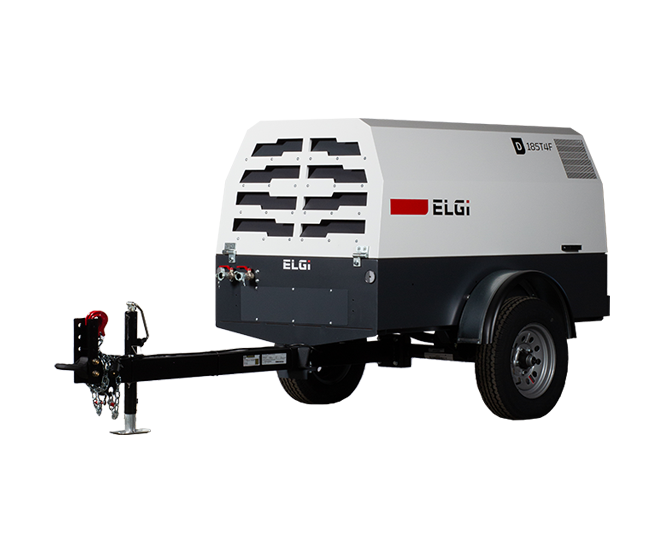
Illustrative image related to portable air compressor with battery
The portable air compressor with battery market is witnessing significant growth driven by a surge in demand for lightweight, compact, and versatile tools across various sectors. This growth is particularly pronounced in regions such as Africa, South America, the Middle East, and Europe, where urbanization and infrastructural developments are accelerating. The increasing popularity of outdoor activities, including camping and cycling, is also contributing to the demand for portable solutions.
Key trends include the integration of advanced battery technologies, such as lithium-ion, which offer longer run times and reduced charging periods. Additionally, the rise of smart technology in air compressors, featuring digital displays and automated pressure settings, enhances user convenience and operational efficiency. B2B buyers are increasingly prioritizing products that can offer both performance and portability, with the added benefit of eco-friendly features that align with modern sustainability goals.
Emerging sourcing trends highlight the importance of supplier reliability and product certifications. B2B buyers are advised to assess suppliers based on their ability to meet specific performance standards and provide robust warranties. Additionally, geographic diversification in sourcing is becoming crucial as companies seek to mitigate risks associated with supply chain disruptions.
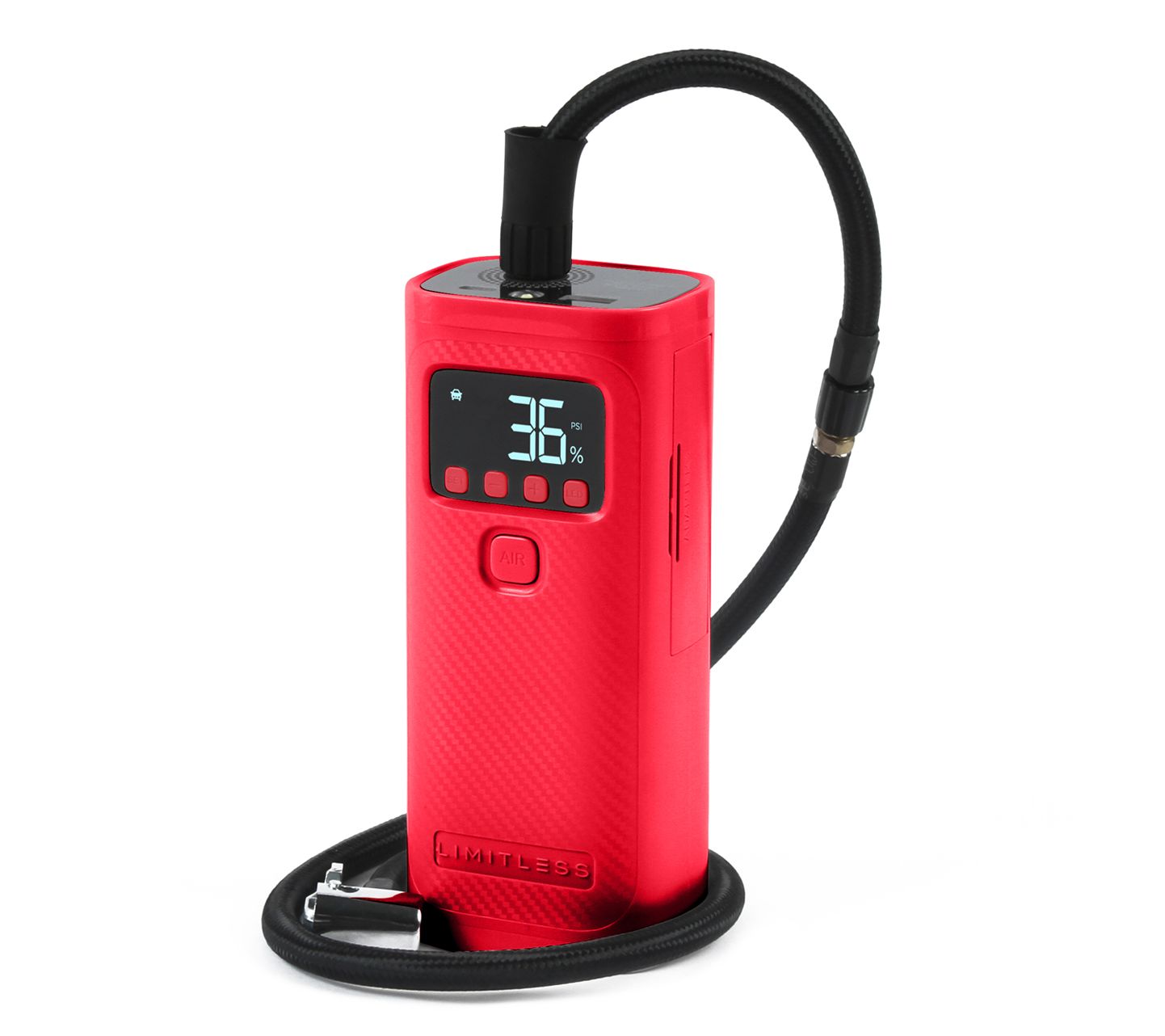
Illustrative image related to portable air compressor with battery
Sustainability is becoming a core consideration for B2B buyers in the portable air compressor market. The environmental impact of manufacturing processes and product lifecycle management is under scrutiny, with companies increasingly favoring suppliers that demonstrate a commitment to reducing carbon footprints. This includes the use of recycled materials in product construction and adherence to eco-friendly manufacturing practices.
Ethical sourcing is equally critical, as businesses recognize the importance of transparent supply chains. Buyers should prioritize partnerships with manufacturers who can provide verifiable certifications that demonstrate compliance with environmental standards, such as ISO 14001. This not only enhances brand reputation but also caters to a growing consumer base that values sustainability.
Incorporating ‘green’ certifications and materials into product offerings can serve as a differentiating factor for suppliers. B2B buyers are encouraged to evaluate products based on their energy efficiency, the environmental impact of their components, and the overall sustainability of the supply chain.
The evolution of portable air compressors with battery technology has been marked by significant advancements in power and efficiency. Initially, these tools were limited by battery life and performance, often relying on bulky designs that made them less practical for everyday use. However, the introduction of lithium-ion batteries has revolutionized the sector, enabling manufacturers to produce lightweight, compact models with longer operational times.
Over the years, the integration of digital technology has also transformed the user experience, allowing for precise pressure settings and automatic shut-off features that enhance safety and convenience. As the market continues to evolve, the focus on sustainability and ethical sourcing is expected to shape future innovations, ensuring that the next generation of portable air compressors meets the demands of both performance and environmental responsibility.
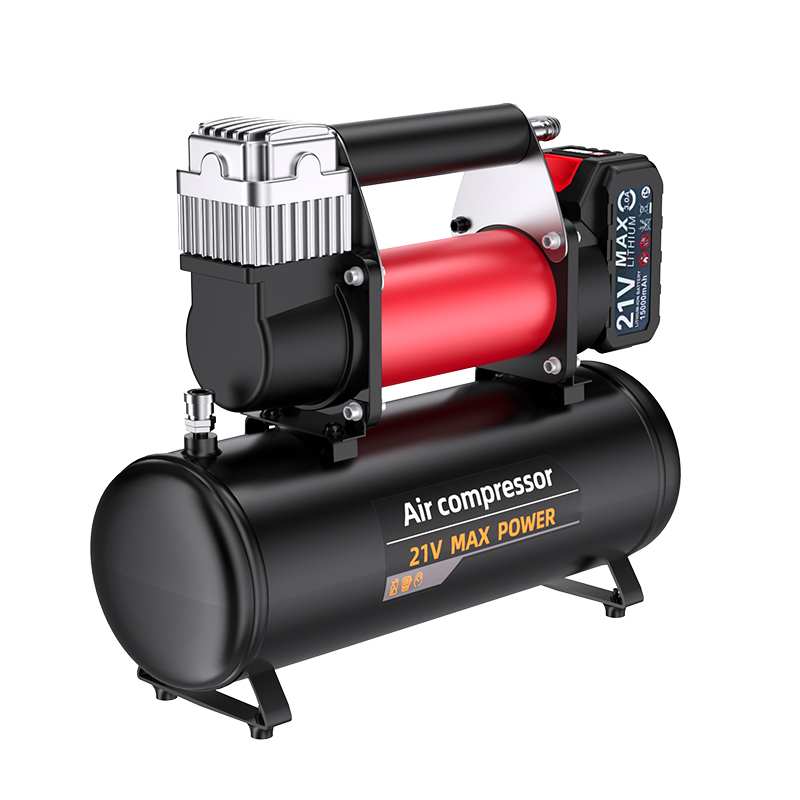
Illustrative image related to portable air compressor with battery
By understanding these market dynamics and trends, B2B buyers can make informed decisions that align with their operational needs and sustainability goals, ultimately driving greater value in their procurement processes.
How do I determine the right battery-powered air compressor for my business needs?
When selecting a battery-powered air compressor, consider factors such as the compressor’s maximum PSI, air flow rate, and battery capacity. Assess your specific applications—whether for automotive, construction, or maintenance tasks. Look for models that offer portability, quick recharge times, and digital controls for precise pressure settings. Additionally, evaluate the range of accessories provided, such as hoses and nozzles, to ensure they meet your requirements. Conducting a thorough needs analysis will help you choose the most suitable model for your operational demands.
What features should I look for in a portable air compressor with a battery?
Key features to consider include battery voltage and capacity, which directly influence performance and runtime. A compressor with a digital pressure gauge and auto shut-off function enhances usability by preventing over-inflation. The size and weight of the unit are crucial for portability, especially in field applications. Look for models with a robust construction that can withstand tough working conditions. Lastly, ensure that the compressor has multiple nozzle attachments for versatility in use across different applications.
What are the common payment terms for purchasing battery-powered air compressors in international trade?
Payment terms can vary based on supplier policies and the nature of the transaction. Common options include letters of credit, advance payment, or payment upon delivery. Many suppliers may require a deposit (typically 30-50%) before processing the order, especially for custom or bulk orders. It’s advisable to clarify payment methods during negotiations and ensure they align with your company’s financial policies to mitigate risks associated with international transactions.
How can I vet suppliers for portable air compressors with batteries?
To vet suppliers effectively, start by researching their reputation through online reviews and industry references. Verify their certifications and compliance with international standards, such as ISO or CE markings. Request samples to assess product quality firsthand and inquire about warranty terms and after-sales support. Establishing communication with other clients can provide insights into their reliability and service levels. Conducting a factory visit, if feasible, can further strengthen your assessment of their operational capabilities.
What are the minimum order quantities (MOQs) for battery-powered air compressors?
MOQs can vary significantly between suppliers, often ranging from a few units to several hundred, depending on the manufacturer’s production capabilities and pricing strategies. Many suppliers offer lower MOQs for established relationships or trial orders. If you’re unsure about committing to a large purchase, inquire about smaller orders or negotiate terms that allow for flexibility in your initial order. Understanding the MOQ is crucial for managing your inventory and cash flow effectively.
What should I know about the quality assurance (QA) process for air compressors?
Quality assurance processes should include rigorous testing of the air compressors before shipment. This may involve pressure testing, battery performance evaluations, and safety inspections. Request documentation that outlines the QA protocols used by the manufacturer, including any certifications they hold. Establishing clear expectations for product quality in your purchase agreement can help ensure that you receive reliable equipment. Additionally, consider suppliers who offer warranties and after-sales support as part of their QA commitments.
How do logistics and shipping impact the purchase of portable air compressors?
Logistics and shipping considerations are crucial when sourcing portable air compressors, particularly for international transactions. Evaluate the shipping methods offered by suppliers, including air freight for faster delivery or sea freight for cost-effectiveness. Understand the potential customs duties and import regulations in your country to avoid unexpected costs. Additionally, confirm lead times and ensure that your supplier can meet your project timelines. A well-organized logistics plan is essential for maintaining your supply chain efficiency.
What are the advantages of customizing battery-powered air compressors for my business?
Customizing battery-powered air compressors can enhance their suitability for your specific applications. Custom features may include tailored PSI settings, specialized attachments, or branding options. This can improve operational efficiency and brand visibility. Additionally, customized units may be designed to meet specific regulatory standards in your region, ensuring compliance. Engaging with suppliers who offer customization options allows you to differentiate your business and meet unique customer needs effectively.
Dominio: stihlusa.com
Matriculado: 1996 (29 años)
Introducción: STIHL battery-powered air inflators are cordless and portable air compressors built for high-pressure and high-volume applications.
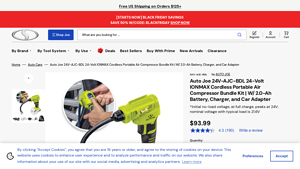
Dominio: shopjoe.com
Registrado: 2014 (11 años)
Introducción: {“product_name”:”Auto Joe 24V-AJC-BDL 24-Volt IONMAX Cordless Portable Air Compressor Bundle Kit”,”features”:[“24 Volt rechargeable air compressor”,”IONMAX technology for no fade power and maximum performance”,”15 Inch Hose”,”Digital LED control for precise pressure”,”Auto shut-off at preset pressure”,”Includes nozzles and pin attachments”,”Perfectly portable – stows neatly in trunk”,”Ideal for ho…
In conclusion, the strategic sourcing of portable air compressors with battery capabilities presents a unique opportunity for international B2B buyers. These versatile tools, powered by advanced lithium-ion technology, offer significant advantages such as portability, ease of use, and efficiency, making them ideal for various applications—from automotive maintenance to outdoor activities. By prioritizing suppliers that emphasize quality, reliability, and after-sales support, businesses can ensure they are investing in products that meet their operational needs.
Strategic sourcing not only reduces costs but also enhances supplier relationships and fosters innovation. As markets in Africa, South America, the Middle East, and Europe continue to grow, the demand for reliable, efficient tools like battery-powered air compressors will only increase. Engaging with manufacturers who understand regional market dynamics can provide a competitive edge, ensuring that your business is well-positioned to meet customer expectations.
As you consider your sourcing strategy, we encourage you to explore partnerships with reputable suppliers and manufacturers. Evaluate their product offerings, understand their technological advancements, and assess their commitment to customer satisfaction. By doing so, you will not only enhance your procurement strategy but also drive your business forward in a rapidly evolving market landscape.
La información facilitada en esta guía, incluido el contenido relativo a fabricantes, especificaciones técnicas y análisis de mercado, tiene únicamente fines informativos y educativos. No constituye asesoramiento profesional en materia de adquisiciones, asesoramiento financiero ni asesoramiento jurídico.
Aunque hemos hecho todo lo posible por garantizar la exactitud y actualidad de la información, no nos hacemos responsables de posibles errores, omisiones o información obsoleta. Las condiciones del mercado, los detalles de las empresas y las normas técnicas están sujetos a cambios.
Los compradores B2B deben llevar a cabo su propia diligencia debida independiente y exhaustiva antes de tomar cualquier decisión de compra. Esto incluye ponerse en contacto directamente con los proveedores, verificar las certificaciones, solicitar muestras y buscar asesoramiento profesional. El riesgo de confiar en la información contenida en esta guía es responsabilidad exclusiva del lector.
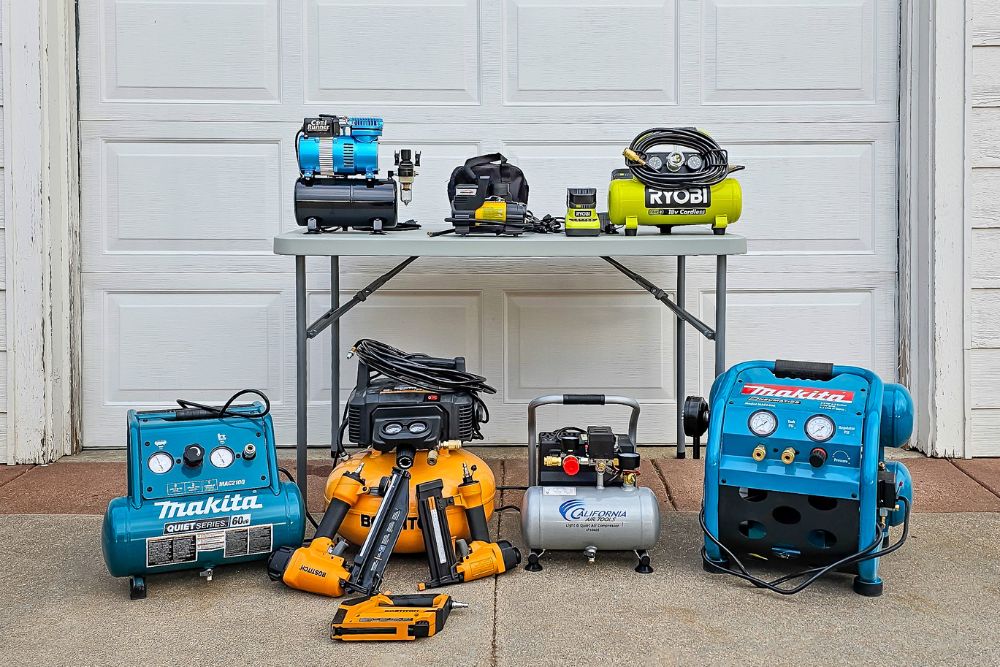
Illustrative image related to portable air compressor with battery


 Spanish
  English
  Russian
  Italian
  Arabic
  Portuguese
  German