
In the ever-evolving landscape of cycling, sourcing reliable tire inflators for bikes has become a critical concern for B2B buyers across diverse global markets. As demand for efficient, user-friendly, and environmentally sustainable inflators rises, businesses face challenges in identifying the right products that meet both performance and cost expectations. This comprehensive guide delves into the various types of tire inflators available—ranging from traditional hand pumps to innovative electric models—providing insights into their applications, supplier vetting processes, and associated costs.
By equipping international B2B buyers, particularly those from regions like Africa, South America, the Middle East, and Europe, with actionable information, this guide empowers informed purchasing decisions. It addresses key considerations such as market trends, product reliability, and the importance of after-sales support, enabling buyers to navigate the complexities of sourcing tire inflators effectively. With a focus on maximizing value and efficiency, this resource aims to streamline the procurement process and enhance competitive positioning in the global cycling market. Whether you’re looking to supply local retailers or enhance your own inventory, understanding the nuances of tire inflators is essential for driving business success in today’s dynamic environment.
| Tipo Nombre | Principales rasgos distintivos | Aplicaciones B2B principales | Breves pros y contras para los compradores |
|---|---|---|---|
| Manual Floor Pumps | Traditional, lever-operated; often features analog gauges | Retail bike shops, service centers | Pros: Cost-effective, reliable. Contras: Labor-intensive, less portable. |
| Infladores de CO2 | Compact, uses CO2 cartridges for quick inflation | Emergency kits, competitive cycling events | Pros: Lightweight, fast. Contras: Disposable cartridges, limited refills. |
| Infladores eléctricos | Battery-powered, digital gauges, portable size | Retail, rental services, consumer markets | Pros: Efficient, accurate, eco-friendly. Contras: Higher upfront cost, battery dependency. |
| Bombas manuales | Compact, manually operated, typically less powerful | Emergency roadside kits, casual cyclists | Pros: Portable, no power needed. Contras: Time-consuming, less effective at high pressures. |
| Compressor Pumps | Requires AC power, high volume and pressure capabilities | Workshops, professional mechanics | Pros: Fast, suitable for multiple tires. Contras: Not portable, higher cost. |
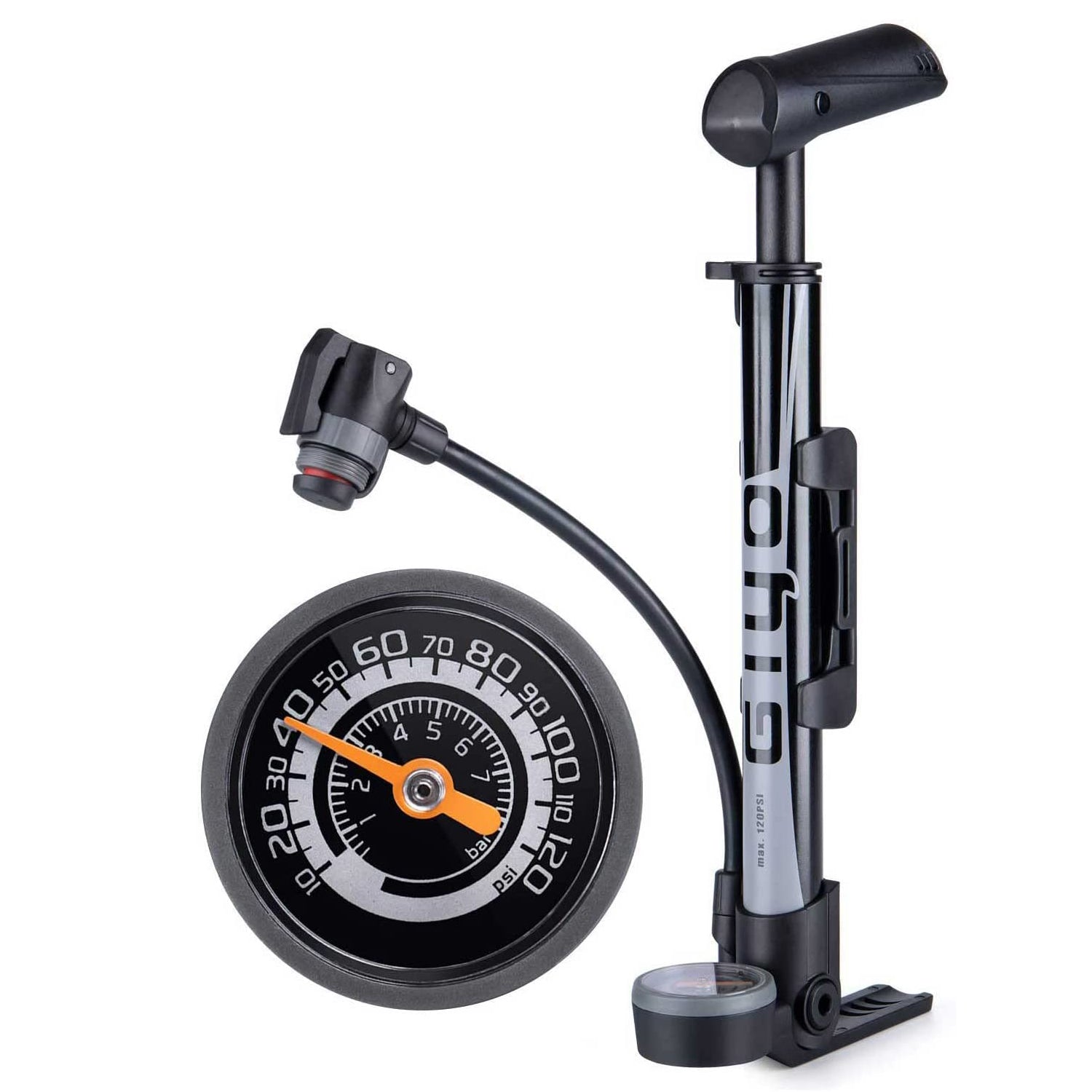
Manual floor pumps are a staple in the cycling industry, favored for their durability and straightforward operation. They typically feature a long hose and a sturdy base, allowing for efficient inflation of tires using physical effort. B2B buyers in retail bike shops or service centers appreciate their reliability and lower cost, making them an ideal choice for bulk purchasing. However, the labor-intensive nature of these pumps may deter some customers, particularly those seeking quick solutions.
CO2 inflators are designed for quick inflation, using pressurized CO2 cartridges that allow cyclists to inflate tires in seconds. Their compact size makes them ideal for emergency roadside kits or competitive cycling events where time is critical. B2B buyers targeting performance-oriented markets, such as race organizers or high-end bike retailers, will find value in their lightweight and portable nature. However, the dependency on disposable cartridges and limited inflation capacity can be significant drawbacks.
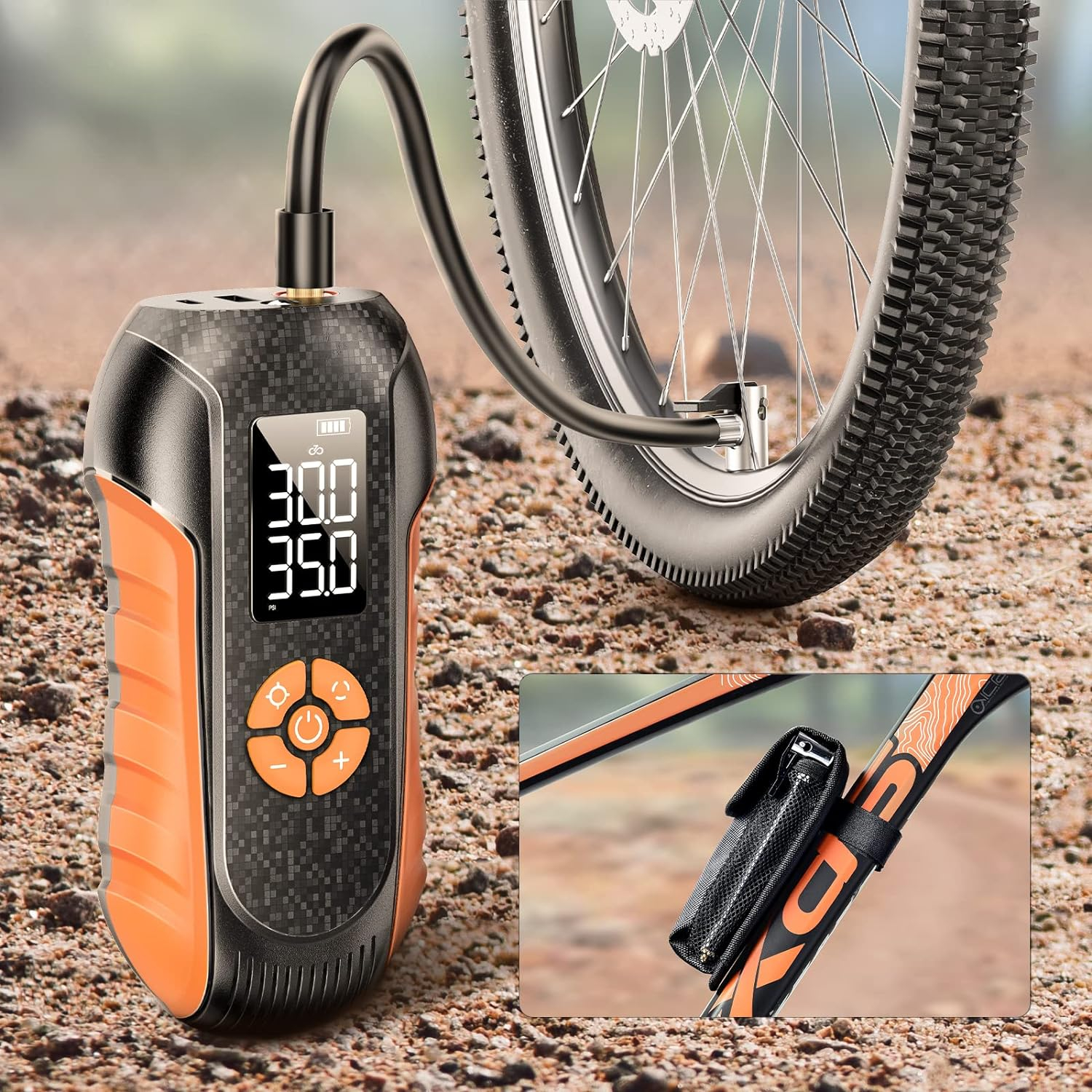
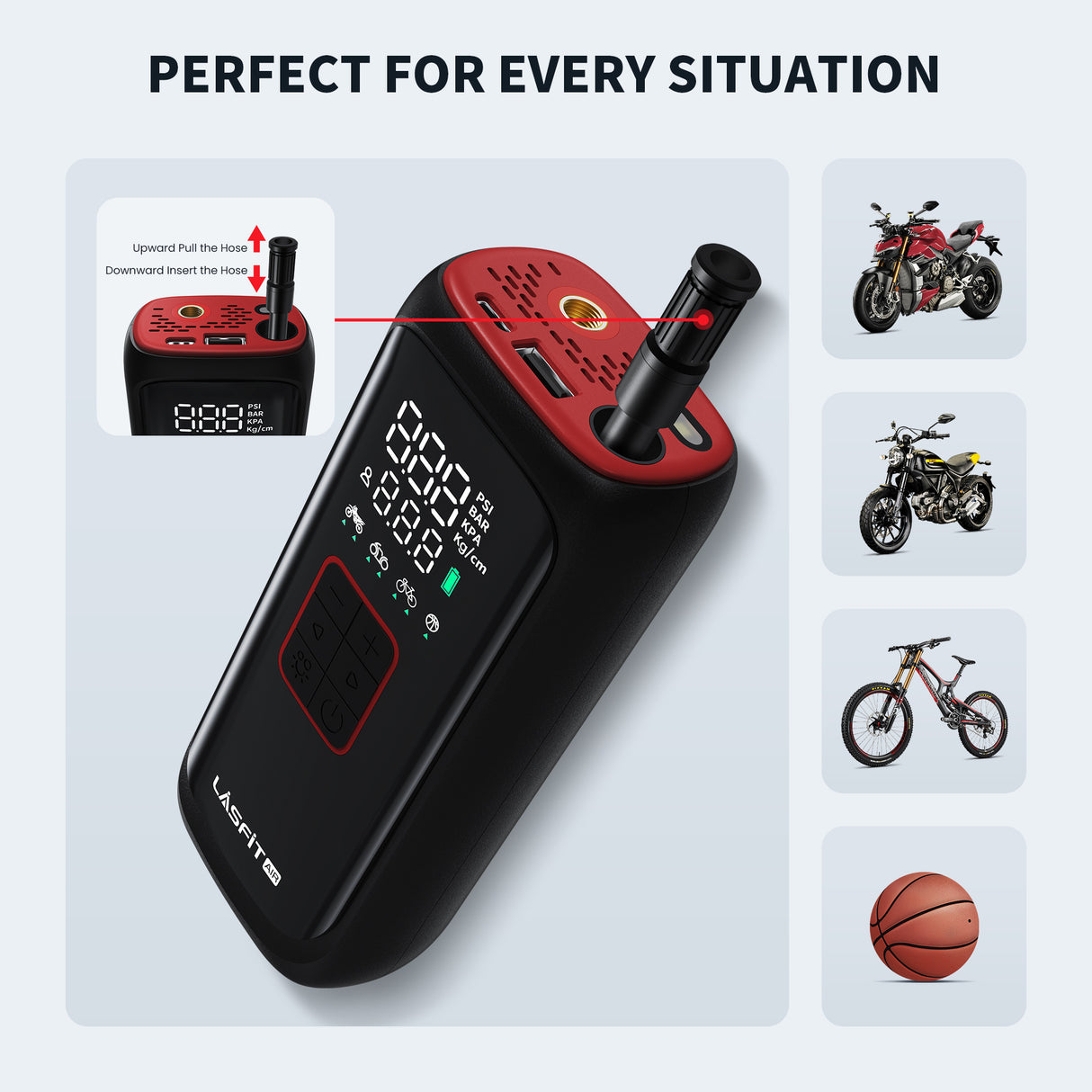
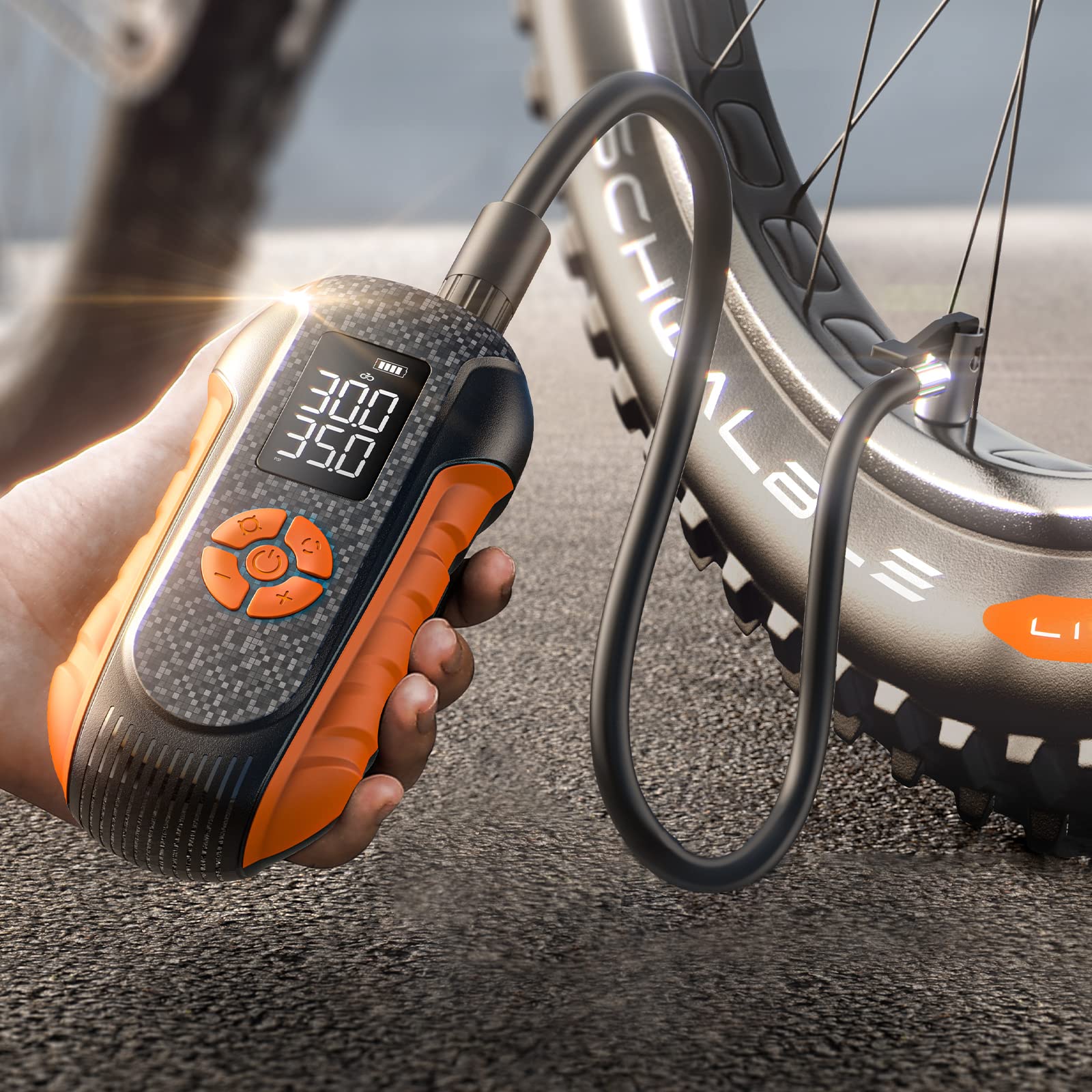
Electric tire inflators have gained popularity due to their efficiency and ease of use. These battery-powered devices often come with digital gauges, offering precise inflation without the manual effort required by traditional pumps. For B2B applications, they are suitable for retail environments, rental services, and consumer markets, where customer satisfaction is paramount. While they represent a higher upfront investment, their eco-friendly operation and ability to replace multiple traditional tools make them a wise choice for many businesses.
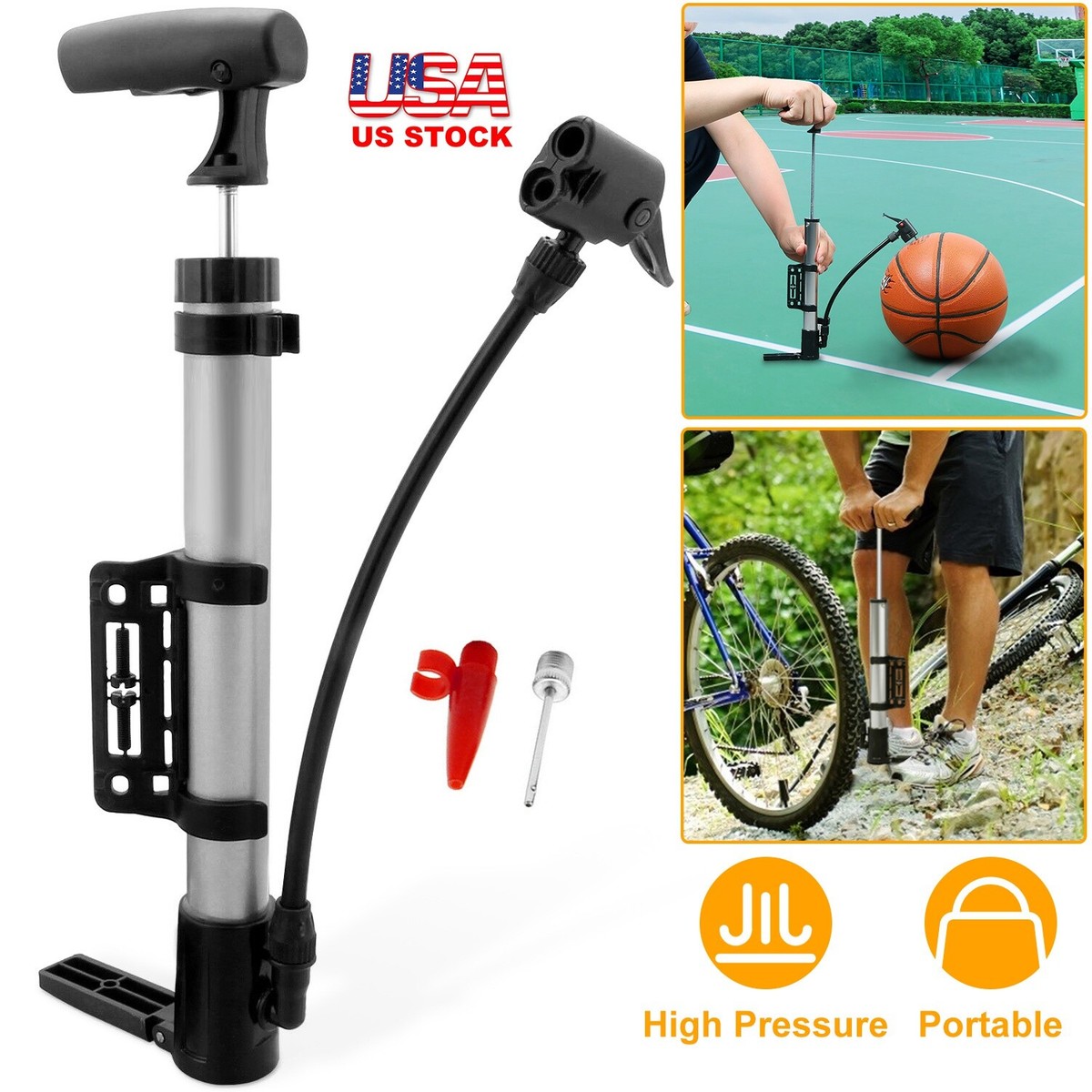
Hand pumps are compact and require no power source, making them a practical choice for casual cyclists or emergency roadside kits. They are lightweight and easy to carry, appealing to B2B buyers focused on budget-friendly solutions for entry-level cyclists. However, their time-consuming operation and lower effectiveness at achieving high tire pressures can limit their appeal in more demanding cycling environments.

Illustrative image related to tire inflator for bikes
Compressor pumps are ideal for workshops and professional mechanics, offering high volume and pressure capabilities that can inflate multiple tires quickly. Their speed and efficiency make them suitable for businesses that require frequent tire servicing. However, their lack of portability and higher cost may deter some buyers, particularly those in retail or rental markets where space and budget constraints are significant considerations.
| Industria/Sector | Specific Application of tire inflator for bikes | Valor/beneficio para la empresa | Consideraciones clave para el aprovisionamiento de esta aplicación |
|---|---|---|---|
| Venta de bicicletas | In-store tire inflation services | Enhances customer experience and increases sales | Quality, speed of inflation, and ease of use |
| Turismo y ocio | Rental bike fleets maintenance | Reduces downtime for bikes, improving customer satisfaction | Portability, battery life, and multi-compatibility |
| Logística y entrega | E-bike fleet maintenance | Ensures operational efficiency and reduces delivery delays | Reliability, service support, and cost-effectiveness |
| Sports and Fitness | Event support for cycling competitions | Provides quick tire inflation for participants, enhancing event experience | Speed, accuracy, and user-friendliness |
| Servicios de emergencia | On-the-spot tire inflation for rescue bikes | Increases operational readiness and response times | Durability, compact design, and battery longevity |
In bicycle retail environments, tire inflators are essential for providing in-store inflation services. This application not only enhances the customer experience but also encourages additional purchases, such as accessories or new tires. Retailers should consider inflators that are quick, easy to use, and equipped with digital gauges to ensure precise inflation. For international buyers, sourcing reliable models that can accommodate different valve types (Presta and Schrader) is vital, particularly in regions with diverse cycling communities, such as Africa and South America.
In the tourism and recreation sector, tire inflators are crucial for maintaining rental bike fleets. Quick and efficient inflation helps reduce bike downtime, thereby improving customer satisfaction. Buyers in this sector should prioritize portable models with long battery life to accommodate various rental locations. Additionally, ease of use is essential, as staff may not always be experienced with bike maintenance. International buyers from Europe and the Middle East should ensure that the inflators can handle the local bike types and tire sizes prevalent in their markets.
For logistics and delivery companies utilizing e-bikes, tire inflators serve as vital tools for fleet maintenance. Regular tire inflation is necessary to ensure operational efficiency and minimize delivery delays. Businesses in this sector should look for reliable inflators that can quickly recharge tires on the go, thus enhancing the productivity of their delivery personnel. Cost-effectiveness and robust service support are key considerations for international buyers, especially in emerging markets where service infrastructure may be limited.
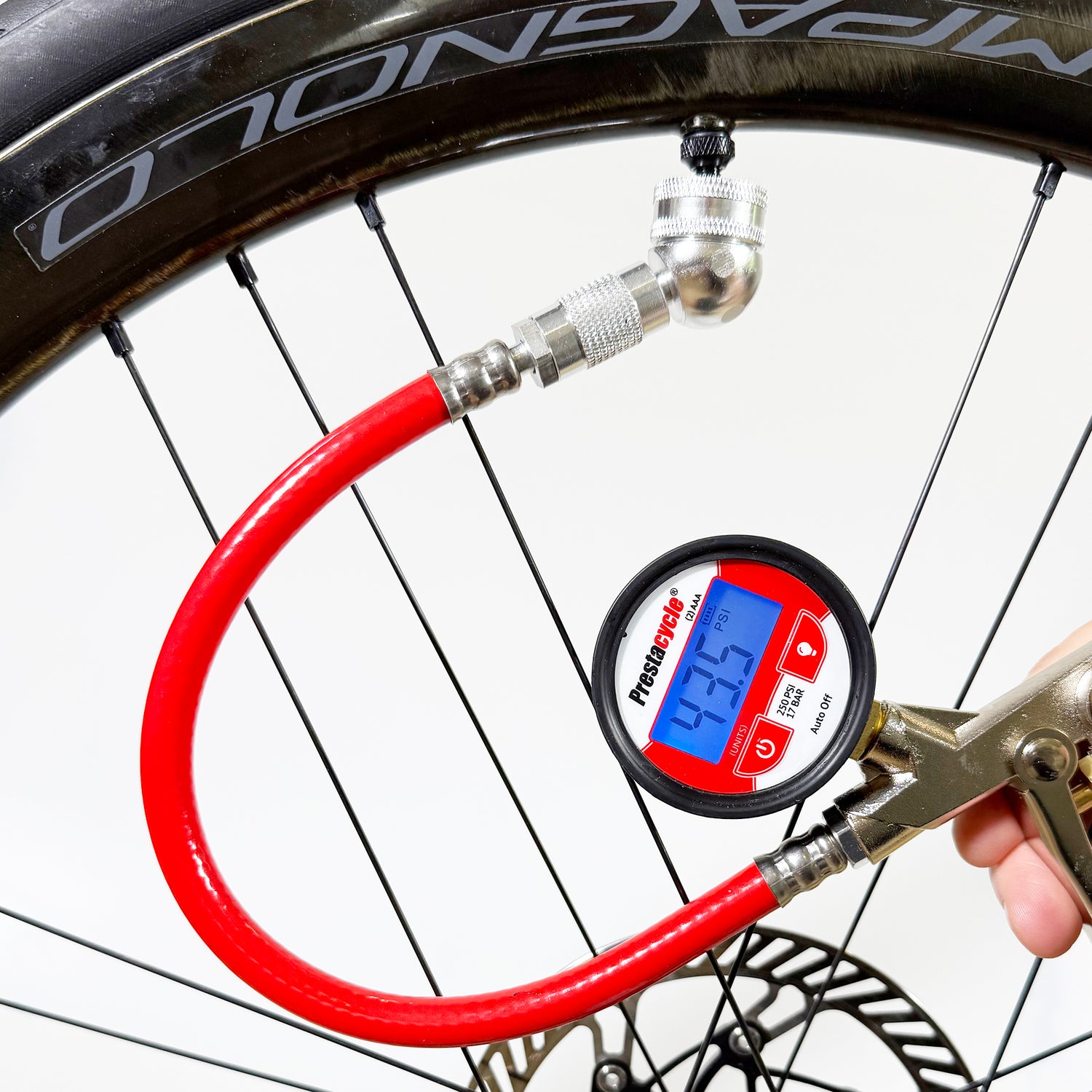
Illustrative image related to tire inflator for bikes
During cycling competitions and events, tire inflators provide essential support for participants who require quick tire inflation. This application enhances the overall event experience, allowing cyclists to focus on performance rather than mechanical issues. Buyers in this sector should seek models that offer fast inflation speeds and accuracy to cater to competitive cyclists’ needs. For international event organizers, ensuring compatibility with various tire types and valve systems is crucial, particularly in regions with diverse cycling equipment.
In emergency services, tire inflators are indispensable for ensuring that rescue bikes are always operational. Quick inflation capabilities can significantly enhance response times during emergencies. Buyers in this sector should prioritize durable models that are compact and easy to transport, allowing for rapid deployment in various situations. For international buyers, considerations should include battery longevity and the ability to perform under challenging conditions, which is particularly relevant in remote areas of Africa and South America.
El problema: Many B2B buyers, particularly those managing fleets or rental services, face the challenge of ensuring that bike tires are inflated to the correct pressure before each use. Inconsistent tire pressure not only affects the riding experience but also poses safety risks. Tires that are under-inflated can lead to blowouts, while over-inflation can compromise grip and control, increasing the likelihood of accidents. This inconsistency can arise from various factors, including user negligence, inadequate monitoring tools, or the limitations of traditional pumping methods.
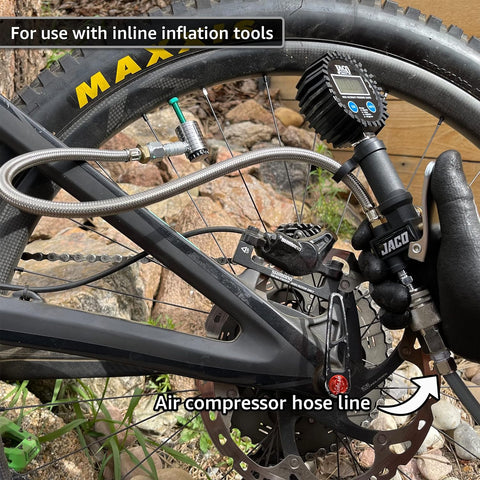
Illustrative image related to tire inflator for bikes
La solución: To address this issue, it’s essential to invest in high-quality tire inflators equipped with integrated digital pressure gauges. These inflators allow for precise inflation and real-time monitoring of tire pressure. When sourcing these products, prioritize inflators that can accommodate both Presta and Schrader valves, as this versatility will cover a wider range of bike types. Furthermore, consider electric tire inflators that provide a quick inflation time and multiple inflation cycles on a single charge. Providing training for staff on the proper use of these inflators can ensure that they are utilized effectively, thereby maintaining consistent tire pressure across your fleet.
El problema: B2B buyers often encounter the inefficiency of traditional inflation methods, such as hand pumps or CO2 inflators, which can be time-consuming and labor-intensive. This inefficiency not only frustrates users but can also lead to operational delays, especially in environments where quick turnaround times are crucial, such as bike rental services or repair shops. Additionally, the frequent need to replace CO2 cartridges can lead to increased operational costs and environmental concerns.
La solución: To streamline the inflation process, businesses should consider transitioning to electric bike inflators. These devices are compact, lightweight, and capable of inflating tires quickly, often in under a minute. When selecting an electric inflator, look for models that are portable and have a robust battery life, allowing for multiple uses on a single charge. Implementing a regular maintenance schedule for these inflators will ensure they remain in optimal working condition. Additionally, consider creating a user-friendly guide for staff to follow, detailing the steps for efficient tire inflation and maintenance of the inflators. This approach will enhance productivity and minimize downtime.
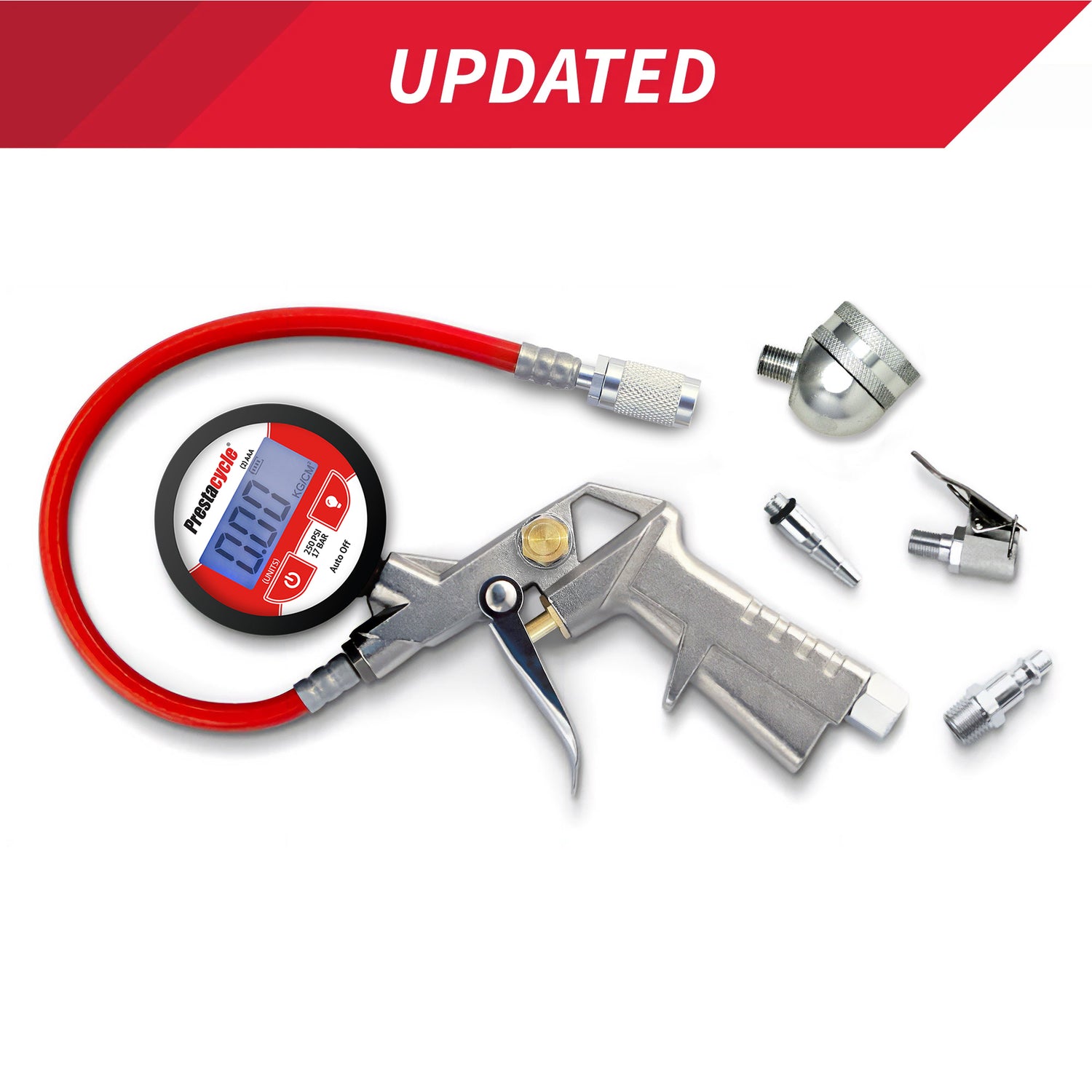
Illustrative image related to tire inflator for bikes
El problema: B2B buyers, particularly those in retail or service industries, often struggle with educating their customers about the importance of proper tire maintenance. Many cyclists are unaware of how tire pressure affects performance and safety, leading to under-inflated or over-inflated tires. This knowledge gap can result in customer dissatisfaction and increased liability for businesses if accidents occur due to improper tire maintenance.
La solución: To combat this issue, businesses should incorporate educational materials into their customer engagement strategies. Providing clear, informative guides on the importance of tire pressure, how to use tire inflators, and the benefits of regular maintenance can empower customers to take charge of their bike safety. Consider hosting workshops or demonstrations in-store, showcasing the ease and benefits of using electric tire inflators. Additionally, providing visual aids, such as infographics or videos, can enhance customer understanding. This proactive approach not only fosters customer loyalty but also positions your business as a knowledgeable resource in the cycling community, ultimately driving sales and enhancing customer satisfaction.
When it comes to tire inflators for bikes, the choice of materials significantly influences performance, durability, and overall user experience. Below, we analyze four common materials used in the construction of tire inflators, focusing on their properties, advantages, disadvantages, and specific considerations for international B2B buyers.
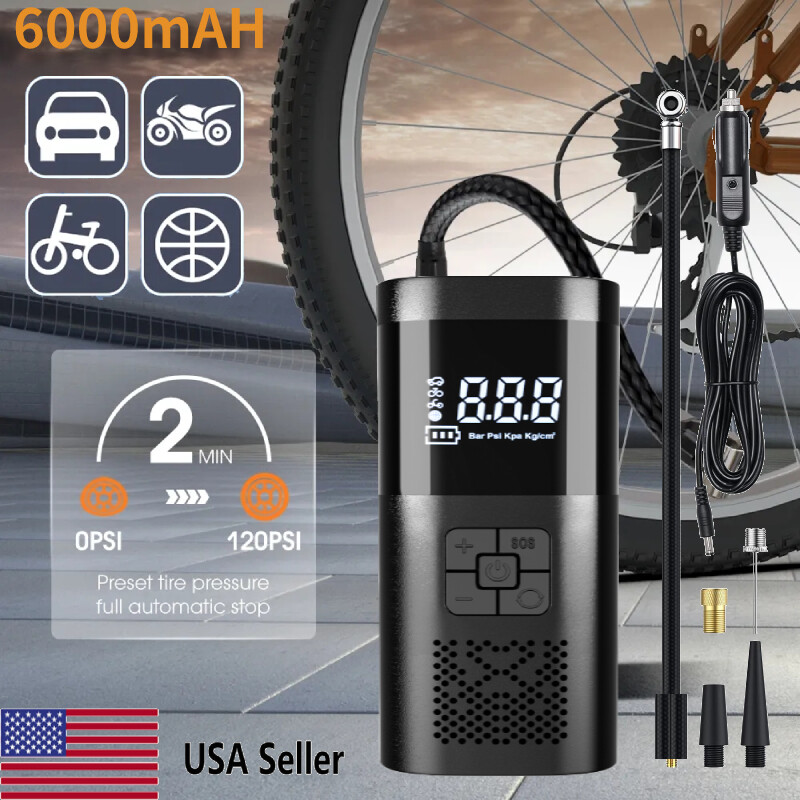
Illustrative image related to tire inflator for bikes
Propiedades clave:
Aluminum is known for its excellent strength-to-weight ratio, making it ideal for portable tire inflators. It can withstand high pressures (up to 150 psi) and is resistant to corrosion, particularly when anodized.
Pros y contras:
The lightweight nature of aluminum enhances portability, making it easier for users to carry inflators during rides. However, it can be more expensive than other materials like plastic. Manufacturing processes for aluminum can be complex, which may increase production costs.
Impacto en la aplicación:
Aluminum is compatible with various gases and liquids, making it suitable for inflating different types of tires. However, care must be taken to ensure that the seals and valves are also made from compatible materials to avoid leaks.
Consideraciones para compradores internacionales:
Aluminum products must comply with standards such as ASTM and ISO. In regions like Africa and South America, where road conditions can vary, the durability of aluminum inflators is a significant selling point.
Propiedades clave:
Plastic materials, particularly high-density polyethylene (HDPE) and polycarbonate, offer good resistance to impact and chemicals. They can handle moderate pressure levels (up to 100 psi) and are generally lightweight.
Pros y contras:
Plastic inflators are typically more affordable and easier to manufacture, allowing for lower retail prices. However, they may not offer the same durability as metal options, especially under extreme temperatures. Over time, plastics can degrade, leading to potential failures.
Impacto en la aplicación:
Plastic is suitable for consumer-grade inflators, particularly in regions where cost is a significant factor. However, they may not be ideal for heavy-duty or professional applications.
Consideraciones para compradores internacionales:
Buyers should ensure that plastic inflators meet local safety and quality standards. In markets like the Middle East, where temperatures can soar, UV resistance and thermal stability are crucial.
Propiedades clave:
Steel is known for its high tensile strength and durability, making it suitable for heavy-duty applications. It can withstand high pressures and is resistant to wear and tear.
Pros y contras:
The robustness of steel makes it ideal for professional-grade tire inflators. However, it is heavier than aluminum and plastic, which may deter some users. Additionally, steel can be prone to rust if not properly coated.
Impacto en la aplicación:
Steel inflators are excellent for environments where durability is paramount, such as in workshops or for commercial use. However, they may not be as portable for casual cyclists.
Consideraciones para compradores internacionales:
Steel products must comply with corrosion resistance standards, especially in humid climates like those found in parts of Africa and South America. Buyers should look for galvanized or powder-coated options to enhance longevity.
Propiedades clave:
Rubber is flexible and can withstand a range of temperatures and pressures. It is primarily used for seals, hoses, and gaskets in tire inflators.
Pros y contras:
Rubber provides excellent sealing capabilities, ensuring that air does not escape during inflation. However, it can degrade over time, especially when exposed to UV light or extreme temperatures.
Impacto en la aplicación:
Rubber is critical for ensuring the efficiency and effectiveness of tire inflators. The choice of rubber type can impact the inflator’s performance in different climates.

Illustrative image related to tire inflator for bikes
Consideraciones para compradores internacionales:
Buyers should ensure that rubber components meet relevant standards for elasticity and durability. In regions with extreme weather, selecting high-quality rubber can prevent premature failure.
| Material | Typical Use Case for tire inflator for bikes | Ventajas clave | Principales desventajas/limitaciones | Coste relativo (Bajo/Medio/Alto) |
|---|---|---|---|---|
| Aluminio | Portable tire inflators for casual cyclists | Ligero y resistente a la corrosión | Mayores costes de fabricación | Medio |
| Plástico | Consumer-grade inflators for budget-conscious buyers | Cost-effective and versatile | Menos duradero en condiciones extremas | Bajo |
| Acero | Heavy-duty inflators for workshops and commercial use | Alta resistencia y durabilidad | Más pesado y propenso a oxidarse | Alta |
| Goma | Seals and hoses in tire inflators | Excelente capacidad de sellado | Se degrada con el tiempo y la exposición | Medio |
This strategic material selection guide provides valuable insights for B2B buyers, enabling them to make informed decisions when sourcing tire inflators for bikes tailored to their specific market needs.
In the competitive landscape of B2B tire inflator manufacturing, understanding the intricacies of production processes and quality assurance is essential for buyers looking to source reliable products. This section delves into the typical manufacturing stages, quality control measures, and international standards that are pivotal in ensuring the performance and reliability of tire inflators for bikes.
The manufacturing process of tire inflators generally encompasses several key stages, each critical to delivering a high-quality final product.
Illustrative image related to tire inflator for bikes
The first stage involves selecting and preparing raw materials. Tire inflators typically consist of plastics, metals, and rubber components. High-density polyethylene (HDPE) and acrylonitrile butadiene styrene (ABS) are common choices for housing due to their durability and resistance to impact. Metals such as aluminum are often used for internal mechanisms due to their strength and lightweight properties. These materials undergo various processes, including cutting, molding, and surface treatment, to prepare them for assembly.
In the forming stage, manufacturers employ techniques such as injection molding and extrusion to shape the components. Injection molding is particularly prominent for creating the body and nozzle of the inflator, allowing for precision and uniformity. For metal parts, processes like die-casting or CNC machining are used to achieve exact specifications. This stage is crucial as it sets the foundation for the inflator’s performance and reliability.
Once the individual components are prepared, they move to the assembly line. Here, skilled technicians or automated systems assemble the parts, integrating electronic components such as batteries and pressure sensors. This stage often includes the installation of safety features, such as pressure release valves, which enhance the overall functionality of the inflator. Proper assembly techniques are vital to ensure that all parts fit correctly and function together seamlessly.
The finishing stage involves several processes aimed at enhancing the product’s aesthetic appeal and functionality. This may include surface treatments such as painting, coating, or applying stickers for branding. Additionally, final inspections are conducted to ensure that each unit meets quality standards before packaging. A well-finished product not only attracts buyers but also impacts durability and user satisfaction.
Quality assurance is a critical component of the manufacturing process, ensuring that each tire inflator meets rigorous performance and safety standards.
Manufacturers typically adhere to international standards such as ISO 9001, which outlines requirements for a quality management system. Compliance with these standards demonstrates a commitment to maintaining quality throughout the manufacturing process. Additionally, industry-specific certifications like CE (Conformité Européenne) for European markets and API (American Petroleum Institute) standards may be relevant, depending on the design and intended use of the inflator.
Illustrative image related to tire inflator for bikes
Quality control occurs at various checkpoints throughout the manufacturing process:
Control de calidad entrante (IQC): This initial stage involves inspecting raw materials upon receipt to ensure they meet specified standards. Non-conforming materials are rejected or sent back to suppliers.
Control de calidad durante el proceso (IPQC): During assembly, continuous monitoring takes place. Operators check for defects and ensure that assembly processes adhere to predefined standards. This proactive approach helps identify issues before they escalate.
Control de calidad final (CCF): After assembly, each inflator undergoes a final inspection to verify functionality, safety, and appearance. This may include pressure tests to ensure accuracy and reliability under typical usage conditions.
Common testing methods for tire inflators include:
For B2B buyers, verifying the quality control practices of potential suppliers is essential to ensuring product reliability. Here are actionable strategies:
Realizar auditorías de proveedores: Schedule on-site audits to assess the manufacturing processes and quality control measures firsthand. This provides an opportunity to evaluate the supplier’s compliance with international standards.
Solicitar informes de calidad: Ask suppliers for documentation of their quality control processes, including inspection and testing records. This transparency can provide insight into their commitment to quality.
Engage Third-party Inspectors: Consider hiring third-party inspection services to evaluate production quality. These independent assessments can provide an unbiased view of the supplier’s capabilities.
International buyers must navigate additional complexities when sourcing products from different regions.
Comprender las normas regionales: Buyers should familiarize themselves with local regulations and standards, which may differ significantly from international norms. For instance, products imported into the European Union must comply with CE marking requirements.
Consideraciones culturales: Different cultures may have varying approaches to quality assurance. Building strong relationships with suppliers can enhance communication and understanding, leading to better quality outcomes.
Logistical Challenges: Consider the impact of shipping and logistics on product quality. Ensure that suppliers take measures to protect products during transportation, as damage during transit can compromise quality.
In conclusion, the manufacturing processes and quality assurance measures for tire inflators are multifaceted and crucial for ensuring product reliability. By understanding these processes and implementing thorough verification methods, B2B buyers can source high-quality tire inflators that meet their operational needs and customer expectations.
This sourcing guide is designed to assist B2B buyers in procuring tire inflators for bikes, a critical tool for ensuring optimal performance and safety in cycling. Selecting the right inflator can enhance customer satisfaction and reduce operational inefficiencies. This checklist outlines essential steps to streamline your sourcing process, ensuring that you make informed decisions that align with your business needs.
Before beginning the procurement process, clearly outline the technical specifications required for the tire inflators. Consider factors such as inflation speed, pressure capacity, compatibility with valve types (Presta and Schrader), and portability. Identifying these specifications will help you narrow down your options and ensure that the products meet your operational requirements.

Illustrative image related to tire inflator for bikes
Stay informed about the latest trends and technologies in tire inflators. Understanding market dynamics, such as the growing demand for electric inflators over traditional pumps, can help you identify potential suppliers who offer innovative products. Look for models with features like digital gauges and rechargeable batteries, as these are increasingly preferred by consumers for their convenience and efficiency.
Thoroughly vet potential suppliers to ensure they can meet your quality and service expectations. Request detailed company profiles, including their manufacturing processes, quality control measures, and customer testimonials. It’s also beneficial to seek references from other businesses in similar industries to assess the supplier’s reliability and product performance.
Ensure that the inflators you consider are compliant with international safety and quality standards. Check for relevant certifications such as ISO, CE, or other industry-specific approvals. Compliance not only guarantees product quality but also enhances your brand’s reputation by ensuring that you are sourcing safe and reliable products.
Analyze pricing structures from various suppliers to ensure competitive rates. Consider the total cost of ownership, which includes shipping, taxes, and any potential import duties. Additionally, negotiate payment terms that align with your cash flow requirements, such as net 30 or net 60 days, to manage your financial resources effectively.
Before finalizing any purchase, request samples of the tire inflators to evaluate their performance firsthand. Testing the products will allow you to assess their build quality, ease of use, and reliability under various conditions. This step is crucial to ensure that the inflators will meet your customers’ expectations and reduce the likelihood of returns or complaints.

Illustrative image related to tire inflator for bikes
Consider building long-term relationships with suppliers who consistently meet your quality and service expectations. A strong partnership can lead to better pricing, priority support, and access to new product releases. Engage in regular communication to discuss future needs and stay updated on supplier innovations and offerings that could benefit your business.
By following this comprehensive checklist, B2B buyers can effectively navigate the sourcing process for tire inflators, ensuring that they select high-quality products that enhance their offerings and satisfy their customers.
When evaluating the cost structure of tire inflators for bikes, several key components must be considered. These include materials, labor, manufacturing overhead, tooling, quality control (QC), logistics, and profit margins.
Illustrative image related to tire inflator for bikes
Materiales: The primary materials used in tire inflators include plastics, metals, and electronic components. The choice of materials significantly impacts the durability, weight, and functionality of the inflator. For instance, high-quality plastics may increase initial costs but enhance longevity and performance.
Trabajo: Labor costs vary by region and can be influenced by local wage standards. In countries with lower labor costs, such as Vietnam or certain parts of Africa, manufacturers may achieve significant savings. However, this can also affect the quality of craftsmanship, which is crucial in ensuring the reliability of the inflators.
Gastos generales de fabricación: This includes costs related to factory operations, such as utilities, rent, and equipment maintenance. Efficient manufacturing processes can help minimize these costs, which is particularly important for competitive pricing in international markets.
Herramientas: The initial investment in tooling for production molds and machinery can be substantial, particularly for custom designs. This cost is typically spread over the production run, making it essential to consider minimum order quantities (MOQs) when negotiating prices.
Control de calidad: Implementing rigorous QC measures ensures that products meet safety and performance standards. This is particularly important for international buyers who may require certifications, as non-compliance can lead to costly returns and reputational damage.
Logística: Shipping costs can vary widely based on destination and shipping method. For international B2B buyers, understanding Incoterms is crucial, as they dictate who bears the costs and risks during transportation.
Margen: Profit margins for manufacturers can range from 10% to 30%, depending on market competition and brand positioning. Understanding the margin expectations can aid buyers in assessing the price competitiveness of different suppliers.
Several factors influence the pricing of tire inflators, particularly for international B2B transactions:
Volumen/MOQ: Larger orders typically result in lower per-unit costs due to economies of scale. Negotiating MOQs can be advantageous for buyers looking to maximize cost-efficiency.
Especificaciones y personalización: Custom features or specifications can significantly impact pricing. Buyers should be clear about their requirements and understand that bespoke designs may incur additional costs.
Calidad del material y certificaciones: Higher quality materials and certifications (e.g., ISO, CE) can increase initial costs but may provide long-term savings by reducing failures and returns. Buyers in regulated markets should prioritize suppliers who can provide necessary documentation.
Factores del proveedor: The reliability and reputation of suppliers can influence pricing. Established manufacturers with a proven track record may command higher prices but offer greater assurance of quality and service.
Incoterms: Understanding Incoterms is essential for managing costs associated with shipping and customs. Buyers should negotiate terms that minimize their exposure to unexpected costs.
For international B2B buyers, particularly those from diverse markets such as Africa, South America, the Middle East, and Europe, several strategies can enhance negotiation outcomes:
Comprender el coste total de propiedad (TCO): Evaluate not only the purchase price but also long-term costs associated with maintenance, shipping, and potential failures. This holistic view can justify higher upfront costs if they lead to lower overall expenses.
Establecer relaciones: Establishing long-term relationships with suppliers can lead to better pricing and service. Frequent communication and understanding each other’s needs can foster trust and collaboration.
Leverage Market Research: Conduct thorough research on market prices and supplier capabilities. Being informed about competitor pricing can provide leverage in negotiations.
Be Prepared to Walk Away: If the terms do not meet your budget or quality expectations, be prepared to seek alternative suppliers. This mindset can often lead to better offers.
Consider Local Partnerships: Engaging local distributors or agents can help navigate regional complexities and may offer better pricing due to local market knowledge.
Prices for tire inflators can vary significantly based on the aforementioned factors and may fluctuate due to changes in material costs, labor rates, and global supply chain dynamics. Buyers are encouraged to request detailed quotes from multiple suppliers to ensure competitive pricing.
When considering the best solutions for inflating bike tires, it’s essential to evaluate various alternatives that can meet the diverse needs of cyclists. While tire inflators for bikes provide a straightforward solution, other technologies and methods may offer unique advantages depending on specific use cases. This analysis compares tire inflators with CO2 inflators and traditional hand pumps, providing insights into their performance, cost, ease of implementation, maintenance, and best use cases.
| Aspecto comparativo | Tire Inflator For Bikes | Infladores de CO2 | Traditional Hand Pumps |
|---|---|---|---|
| Rendimiento | High, quick inflation | Moderate, rapid but limited | Low, requires effort |
| Coste | $50 – $75 | $30 (plus cartridges) | $35 – $100 |
| Facilidad de aplicación | User-friendly, portable | Simple, requires cartridges | Requiere esfuerzo físico |
| Mantenimiento | Low, rechargeable battery | Low, single-use cartridges | Moderate, mechanical parts |
| El mejor caso de uso | Everyday cycling, long rides | Emergency situations, lightweight travel | Regular use, home garage |
CO2 inflators are a popular alternative for cyclists, especially for those who prioritize lightweight gear. They are compact and can quickly inflate a tire using CO2 cartridges, making them ideal for emergency situations. However, their reliance on cartridges means that users must carry spare cartridges, which can be a logistical challenge. Additionally, CO2 can cause tires to deflate more quickly than air, requiring cyclists to be cautious about usage. Overall, CO2 inflators are best suited for riders looking for speed and portability, but they fall short for regular use due to sustainability and cost factors associated with cartridges.
Traditional hand pumps are a staple in the cycling community, especially for those who prefer a mechanical solution. They are often more affordable than electric pumps and don’t require any power source or cartridges. However, they can be labor-intensive, particularly for high-pressure tires, and may not provide the same level of precision in inflation. While hand pumps are reliable for home use or short trips, their bulkiness and the physical effort required make them less desirable for long-distance rides. They are best suited for cyclists who value durability and simplicity but may not be the most efficient option for everyday use.
Selecting the best tire inflation solution depends on your specific cycling needs and circumstances. For frequent cyclists or those who engage in longer rides, an electric tire inflator offers a combination of speed, accuracy, and ease of use that can significantly enhance the riding experience. Conversely, for riders who prioritize weight and portability, especially in emergency situations, CO2 inflators may be the preferred choice. Traditional hand pumps remain a viable option for budget-conscious consumers and those who appreciate mechanical simplicity. Ultimately, understanding the pros and cons of each alternative will enable B2B buyers to make informed decisions that align with their operational needs and customer expectations.
When considering tire inflators for bikes, understanding the technical specifications is crucial for B2B buyers to make informed purchasing decisions. Here are some essential technical properties to consider:
The inflation pressure range indicates the minimum and maximum pressure levels the inflator can achieve, typically measured in psi (pounds per square inch). Most bike tire inflators should accommodate pressures between 30 psi to 120 psi, depending on the type of bike tires being inflated. For B2B buyers, selecting an inflator with an appropriate pressure range is vital to ensure compatibility with various tire types, including road, mountain, and hybrid bikes.
Battery capacity, often measured in milliampere-hours (mAh), determines how many times the inflator can operate on a single charge. Recharge time is also critical; most electric inflators should recharge within 2 to 4 hours. A higher capacity and shorter recharge time enhance convenience, especially for businesses that require quick turnaround times for servicing or sales.
The materials used in manufacturing tire inflators directly affect durability and weight. Common materials include high-grade plastics and aluminum. B2B buyers should prioritize inflators made from durable materials that can withstand frequent use and varying environmental conditions, ensuring longevity and reducing replacement costs.
Compactness is essential for tire inflators intended for bike use. A smaller, lightweight design allows for easy transport and storage. B2B buyers should assess the dimensions and weight of inflators to ensure they meet the needs of their target customers, especially those who value portability for on-the-go repairs.
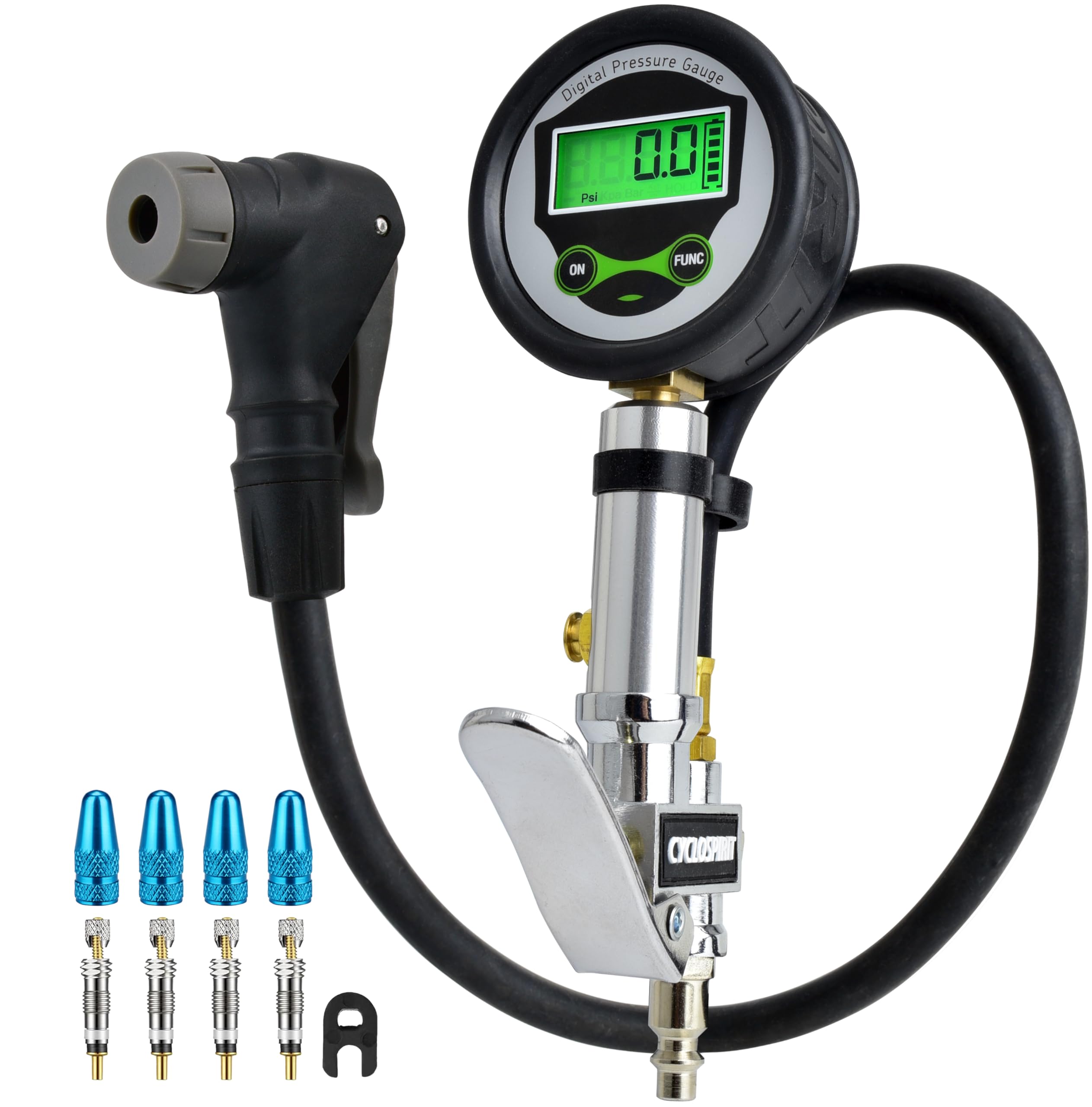
Many modern tire inflators come equipped with a digital pressure gauge, which provides real-time feedback on the tire pressure during inflation. This feature is crucial for achieving precise inflation levels, which can significantly affect ride quality and safety. B2B buyers should consider the accuracy and readability of the gauge, as these factors enhance user experience.
Most bike tires use either Presta or Schrader valves. An inflator’s compatibility with these valve types is essential for versatility. Some inflators come with interchangeable nozzles, making them suitable for various applications. B2B buyers should ensure that the inflators they procure can cater to different customer preferences and bike types.
Familiarity with industry-specific terminology can help B2B buyers navigate the market more effectively. Here are some key terms:
OEM refers to companies that produce parts or equipment that may be marketed by another manufacturer. In the context of tire inflators, understanding OEM relationships can help buyers identify quality products that meet specific standards.
Illustrative image related to tire inflator for bikes
MOQ is the smallest number of units a supplier is willing to sell. Knowing the MOQ is essential for B2B buyers to manage inventory effectively and avoid over-commitment to products that may not sell well.
An RFQ is a document sent to suppliers requesting pricing and terms for specific products. This is a crucial step in the procurement process for B2B buyers, enabling them to compare offers from multiple suppliers and make cost-effective decisions.
Incoterms define the responsibilities of buyers and sellers regarding shipping and delivery. Understanding these terms is vital for B2B buyers engaging in international trade, as they clarify who is responsible for costs and risks during transportation.
Lead time refers to the amount of time it takes for an order to be fulfilled after it has been placed. Short lead times are often preferred in the fast-paced retail environment, allowing businesses to respond quickly to market demands.
This term encompasses the services provided to customers following the purchase of a product. For tire inflators, robust after-sales support can include warranty information, repair services, and customer service assistance, which are critical factors in building brand loyalty.
By understanding these technical properties and trade terms, B2B buyers can make informed decisions when sourcing tire inflators for bikes, ensuring they meet market demands while maintaining quality and efficiency.
The global tire inflator market for bikes is experiencing significant growth, driven by rising cycling popularity, urbanization, and the increasing demand for eco-friendly transportation options. In regions like Africa, South America, the Middle East, and Europe, cycling is being promoted as a sustainable mode of transport, leading to an uptick in bicycle sales and, consequently, tire inflators. Moreover, technological advancements in battery-powered electric inflators have transformed how cyclists maintain tire pressure, offering convenience and efficiency over traditional methods.
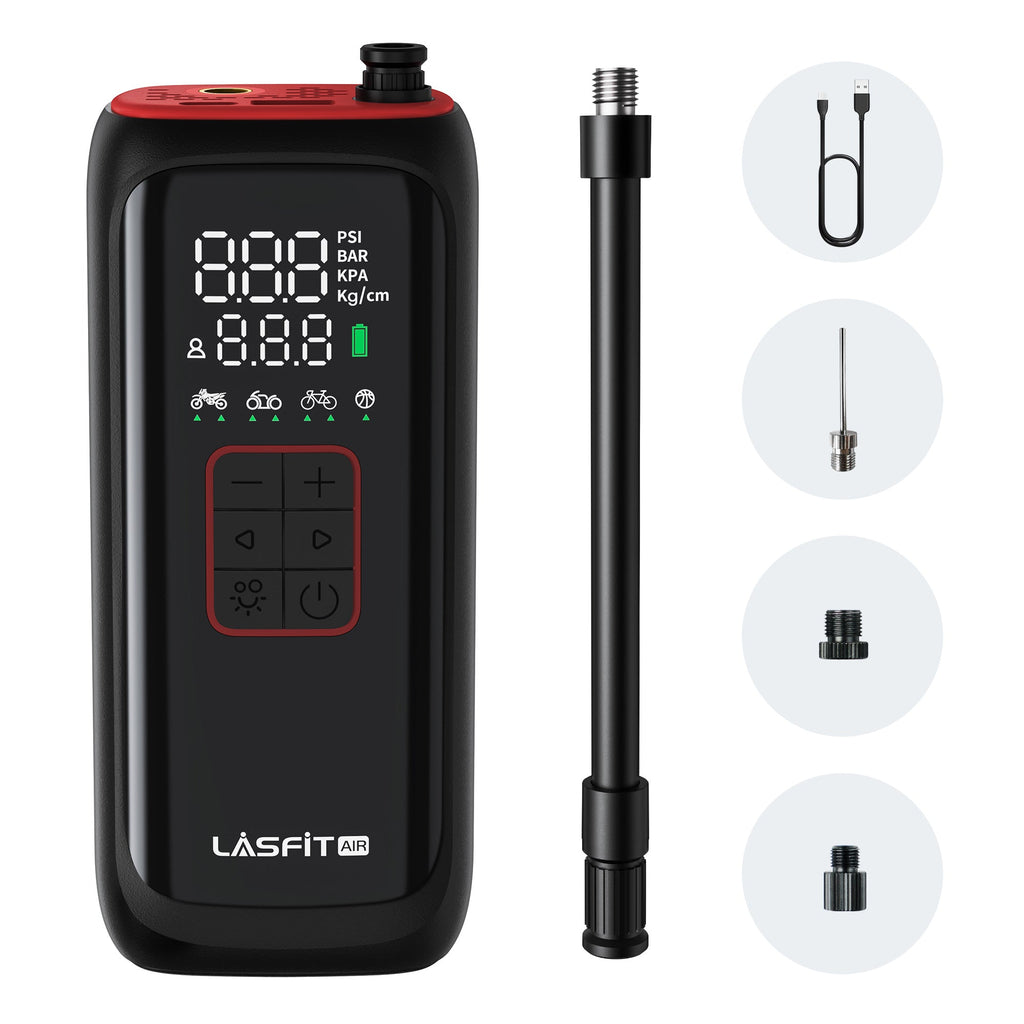
Emerging trends include the adoption of compact, portable electric pumps that cater to both Presta and Schrader valves. These devices are gaining traction due to their ease of use and ability to quickly inflate tires, making them ideal for both casual cyclists and serious enthusiasts. The integration of smart technology, such as digital gauges and Bluetooth connectivity, further enhances user experience by providing precise pressure readings and alerts. B2B buyers should focus on sourcing these innovative products to meet the evolving demands of their customers.
International buyers must also navigate market dynamics such as fluctuating raw material costs, particularly for battery components, and the growing competition from local manufacturers. Establishing partnerships with reliable suppliers who can provide quality products at competitive prices is crucial for success in this sector.
Illustrative image related to tire inflator for bikes
As environmental awareness grows, sustainability has become a crucial factor for B2B buyers in the tire inflator market. The production of inflators can have a significant environmental impact, particularly concerning the materials used and waste generated. Buyers should prioritize suppliers who adhere to sustainable practices, such as utilizing recycled materials and implementing energy-efficient manufacturing processes.
Ethical sourcing is equally important, with an emphasis on transparency throughout the supply chain. Buyers should seek out manufacturers that are certified for their environmental efforts, such as ISO 14001 certification, which indicates effective environmental management systems. Additionally, opting for products made from biodegradable or recyclable materials can enhance a brand’s reputation and appeal to eco-conscious consumers.
Incorporating sustainability into procurement strategies not only aligns with global trends but also positions businesses favorably in the market. As consumers increasingly seek environmentally friendly products, B2B buyers who prioritize sustainable inflators can differentiate themselves and build long-term relationships with their clientele.
The evolution of tire inflators for bikes has been marked by significant advancements in technology and design. Initially, manual pumps dominated the market, requiring considerable effort and time to inflate tires. As cycling gained popularity, the need for more efficient solutions led to the development of CO2 inflators, which offered quick fixes but posed challenges related to cartridge disposal and limited inflation capacity.
The latest shift towards electric tire inflators represents a pivotal moment in the industry. These modern inflators are not only compact and portable but also equipped with digital gauges for accurate pressure readings. The integration of rechargeable batteries has further enhanced their appeal, allowing cyclists to inflate tires quickly and efficiently without relying on disposable cartridges.

Illustrative image related to tire inflator for bikes
As the market continues to evolve, B2B buyers should remain informed about these trends and technological advancements to ensure they are sourcing the most relevant and innovative products for their customers.
How do I choose the right tire inflator for bikes for my business needs?
Selecting the right tire inflator involves evaluating several factors, including the inflator type (manual, electric, or CO2), size, weight, pressure capacity, and compatibility with tire valves (Presta and Schrader). Consider your target market’s preferences and the typical usage conditions (urban vs. off-road). Additionally, analyze the inflator’s speed, ease of use, and battery life for electric models. Engaging with suppliers to obtain samples for testing can also help ensure the product meets your quality standards.
What is the best electric tire inflator for bikes on the market?
The best electric tire inflator varies by specific needs, but models like the RockBros AS1 Pro Mini and the Flextail Tiny Bike Pump Pro are often recommended for their compact size, efficiency, and digital gauges. Look for inflators that can achieve high psi levels quickly and have rechargeable batteries. Assess customer reviews and product specifications to determine which model aligns best with your business requirements, particularly in terms of reliability and performance under various conditions.
How can I ensure the quality of tire inflators when sourcing from suppliers?
To ensure quality, conduct thorough supplier vetting by checking their certifications, production processes, and customer feedback. Request product samples to assess performance and durability firsthand. Implement quality assurance measures, such as factory audits and third-party inspections, to verify adherence to international standards. Establish clear quality specifications in your contracts and maintain open communication with suppliers throughout the production process to address any concerns proactively.
What are the typical minimum order quantities (MOQs) for tire inflators?
MOQs for tire inflators can vary significantly based on the supplier and the type of product. Generally, MOQs can range from 100 to 1,000 units for electric tire inflators, while manual options might have lower MOQs. Discuss your needs with potential suppliers to negotiate favorable terms, especially if you are testing the market or starting a new product line. Consider the implications of MOQ on your inventory management and cash flow.
What payment terms should I negotiate with tire inflator suppliers?
When negotiating payment terms, consider options such as a letter of credit, advance payments, or installment payments based on production milestones. Common terms include 30% upfront and 70% upon delivery. Ensure that the terms are mutually beneficial and protect your interests as a buyer. It’s crucial to establish clear conditions for payment, including delivery timelines and quality checks, to mitigate risks associated with international trade.
¿Qué consideraciones logísticas debo tener en cuenta al importar infladores de neumáticos?
Logistics considerations include shipping methods, customs regulations, and potential tariffs. Choose a reliable freight forwarder who understands the regulations in your target market. Be aware of the required documentation, such as invoices, packing lists, and certificates of origin. Additionally, factor in lead times for production and shipping to ensure timely delivery to your customers. Planning for potential delays and having contingency plans can help maintain smooth operations.
How can I customize tire inflators for my brand?
Customization options for tire inflators may include branding, color choices, packaging design, and even unique features tailored to your target audience. Work closely with your suppliers to discuss the feasibility of these customizations. Consider the costs involved and how they may affect your pricing strategy. Ensure that any modifications still meet quality and performance standards, as these are critical for maintaining customer satisfaction.
What are the environmental considerations when sourcing tire inflators?
Sourcing environmentally friendly tire inflators involves evaluating materials, energy consumption, and the product’s end-of-life recyclability. Look for suppliers that use sustainable materials and manufacturing processes. Additionally, consider the energy efficiency of electric models and the use of recyclable packaging. Highlighting your commitment to sustainability can enhance your brand’s reputation and appeal to environmentally conscious customers, especially in markets where eco-friendliness is a priority.
Dominio: planetbike.com
Inscrita: 1997 (28 años)
Introducción: [{‘name’: ‘ALX 2.0 bike floor pump’, ‘price’: ‘$60.00’}, {‘name’: ’20g CO2 replacement cartridges – threaded’, ‘price’: ‘$15.00 – $55.00’}, {‘name’: ‘Red Zeppelin CO2 bike tire inflator’, ‘price’: ‘$20.00’}, {‘name’: ‘Comp 2.0 bike floor pump’, ‘price’: ‘$30.00’}, {‘name’: ‘STX bike floor pump’, ‘price’: ‘$55.00’}, {‘name’: ‘Fresh Air mini pump’, ‘price’: ‘$20.00’}, {‘name’: ‘Shockmate 3.0 bike su…
Dominio: cycplus.com
Inscrito: 2017 (8 años)
Introducción: [{‘name’: ‘AS2 Ultra Tiny E-pump for Bike’, ‘price’: ‘$119.00’}, {‘name’: ‘AS2 Pro Tiny E-Pump For Bike’, ‘price’: ‘$109.00’}, {‘name’: ‘AS2 Pro Max Tiny E-Pump For Bike’, ‘price’: ‘$114.00’, ‘original_price’: ‘$129.00’, ‘discount’: ‘12% OFF’}, {‘name’: ‘AS2 Tiny E-Pump For Bike’, ‘price’: ‘$69.00’}, {‘name’: ‘Electric Air Pump A2 Pro’, ‘price’: ‘$49.00’}, {‘name’: ‘Electric Air Pump A8’, ‘price’:…

Dominio: intheknowcycling.com
Inscrito: 2013 (12 años)
Introducción: Best Electric Bike Pumps tested: Anoutway AT1 Pro, RockBros AS1 Pro Mini, GPUTEK BG-BL01, Cycplus AS2 Pro, Flextail Tiny Bike Pump Pro, Flextail Tiny Tire Pump ACS. Size: Comparable to GoPro camera or small bike computer. Weight: Approximately 150 grams (5½ ounces). Price Range: $50 to $75. Performance: Fully inflates a flat 28mm road tire to 70 psi or a 40mm gravel tire to 45 psi in about a minut…
Dominio: prestacycle.com
Inscrito: 2009 (16 años)
Introducción: Bicycle Tire Inflator – Presta & Schrader Air Compressor Tool
Regular price: $49.00
SKU: 33109
Out of Stock
Features:
– Machined Brass internals for superior inflation accuracy
– Push/pull Alloy QuickClick™ Big Angle Presta head
– Durable, rebuild-able, won’t bend the Presta pin or clog with sealants
– Quick-Clip Automotive Schrader head included
– Steel Gauge with large Cooper coil internals for …
Dominio: bicicletas.stackexchange.com
Inscrito: 2009 (16 años)
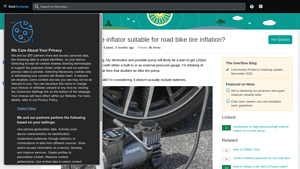
Introducción: Powered car tire inflator; suitable for road bike tire inflation; pressure limit: 120 psi; compatibility with Presta valve not confirmed; Schrader valve standard on car tires; concerns about accuracy and inflation speed; 115 psi acceptable for road bike tires; recommended to use a cycling-specific track pump instead.
In conclusion, the strategic sourcing of tire inflators for bikes is essential for B2B buyers looking to enhance their product offerings and meet the evolving demands of consumers. The shift towards electric tire inflators signifies a growing preference for convenience, efficiency, and sustainability. By investing in quality inflators that combine portability with advanced features, businesses can not only streamline their inventory but also provide customers with superior inflation solutions.
For international buyers, especially in regions such as Africa, South America, the Middle East, and Europe, the opportunity lies in identifying reliable suppliers who can deliver innovative products that align with local market needs. This strategic approach not only fosters competitive pricing but also builds long-term partnerships that can adapt to changing market dynamics.
Illustrative image related to tire inflator for bikes
Looking ahead, the bike accessory market is poised for growth as cycling continues to gain popularity worldwide. Now is the time to engage with manufacturers and distributors who prioritize quality and sustainability in their offerings. By doing so, you can ensure that your business remains at the forefront of the industry, ready to meet the demands of a new generation of cyclists.
La información facilitada en esta guía, incluido el contenido relativo a fabricantes, especificaciones técnicas y análisis de mercado, tiene únicamente fines informativos y educativos. No constituye asesoramiento profesional en materia de adquisiciones, asesoramiento financiero ni asesoramiento jurídico.
Aunque hemos hecho todo lo posible por garantizar la exactitud y actualidad de la información, no nos hacemos responsables de posibles errores, omisiones o información obsoleta. Las condiciones del mercado, los detalles de las empresas y las normas técnicas están sujetos a cambios.
Illustrative image related to tire inflator for bikes
Los compradores B2B deben llevar a cabo su propia diligencia debida independiente y exhaustiva antes de tomar cualquier decisión de compra. Esto incluye ponerse en contacto directamente con los proveedores, verificar las certificaciones, solicitar muestras y buscar asesoramiento profesional. El riesgo de confiar en la información contenida en esta guía es responsabilidad exclusiva del lector.


 Spanish
  English
  Russian
  Italian
  Arabic
  Portuguese
  German