
In the ever-evolving landscape of motorcycle accessories, sourcing high-quality tail bags presents a unique challenge for B2B buyers. With a plethora of options available, businesses must navigate the complexities of material durability, design versatility, and compatibility with various motorcycle types. This guide serves as a comprehensive resource for international B2B buyers, particularly those operating in diverse markets such as Africa, South America, the Middle East, and Europe, including key players in Germany and Saudi Arabia. By examining the different types of tail bags, their applications, and the vital considerations for supplier vetting, this guide empowers decision-makers to make informed purchasing choices that meet their specific needs.
Understanding the nuances of motorcycle tail bags—from waterproof materials to innovative mounting systems—is essential for businesses looking to enhance their product offerings. This guide will delve into cost considerations, helping buyers assess value versus quality, while also highlighting the latest trends and technological advancements in the market. By equipping B2B buyers with actionable insights and a clear framework for evaluating potential suppliers, we aim to streamline the sourcing process, ultimately leading to successful partnerships and satisfied customers in the global marketplace.
| Tipo Nombre | Principales rasgos distintivos | Aplicaciones B2B principales | Breves pros y contras para los compradores |
|---|---|---|---|
| Commuter Tail Bags | Compact design, easy mounting, often with waterproof covers | Desplazamientos diarios, viajes cortos | Pros: Lightweight, versatile. Contras: Limited capacity. |
| Adventure Tail Bags | Durable, waterproof materials, expandable storage options | Long-distance touring, off-road travel | Pros: High durability, weather-resistant. Contras: Higher cost. |
| Rackless Tail Bags | No mounting rack required, versatile attachment options | Versatile use across various bike types | Pros: Easy to install, flexible. Contras: May shift during use. |
| Duffle Tail Bags | Large capacity, can double as backpacks, often waterproof | Touring, camping, multi-day trips | Pros: High storage capacity, multifunctional. Contras: Bulky when not in use. |
| Classic Design Tail Bags | Stylish aesthetics, often made from premium materials | Custom motorcycles, style-conscious buyers | Pros: Eye-catching, durable. Contras: May lack modern features. |
Commuter tail bags are designed for everyday use, featuring a compact and lightweight structure that fits securely on the rear of various motorcycles. They are usually equipped with waterproof covers, ensuring that contents remain dry during unexpected weather. Ideal for short trips or daily commutes, these bags prioritize convenience and ease of use. B2B buyers should consider the compatibility with different bike models and the bag’s overall capacity, which is typically limited but sufficient for essential items.
Adventure tail bags are built for durability and resilience, often crafted from high-quality, waterproof materials that withstand harsh conditions. These bags typically offer expandable storage options, making them perfect for long-distance touring or off-road adventures. B2B buyers focusing on adventure motorcycles should prioritize features like weatherproofing and secure mounting systems. While they may come at a higher price point, their longevity and functionality justify the investment for serious riders.
Rackless tail bags offer flexibility as they do not require a mounting rack, allowing for various attachment methods to suit different bike types. This versatility makes them appealing to B2B buyers looking for adaptable solutions for a range of motorcycle models. However, buyers should be aware that these bags may shift during use, potentially affecting stability. When purchasing, consider the ease of installation and compatibility with existing gear.
Duffle tail bags are known for their large storage capacity, making them ideal for touring, camping, or multi-day trips. Many models are designed to double as backpacks, enhancing their functionality for riders who may need to carry items off the bike. B2B buyers should evaluate the bag’s waterproof features and overall size to ensure it meets their specific needs. While they provide ample storage, their bulkiness when not in use can be a drawback.
Classic design tail bags combine stylish aesthetics with premium materials, appealing to riders who prioritize both function and fashion. These bags often feature a timeless look that suits custom motorcycles and vintage styles. B2B buyers should assess the durability and practicality of these bags alongside their aesthetic appeal. While they may lack some modern features, their craftsmanship and eye-catching designs can make them a worthwhile investment for style-conscious customers.
| Industria/Sector | Specific Application of tail bag | Valor/beneficio para la empresa | Consideraciones clave para el aprovisionamiento de esta aplicación |
|---|---|---|---|
| Motocicletas | Accessory sales for motorcycle enthusiasts | Increases sales and customer satisfaction | Quality, durability, and compatibility with various bike models |
| Turismo de aventura | Luggage solutions for adventure motorbike tours | Enhances customer experience and safety | Waterproof features, capacity, and ease of mounting |
| Logística y entrega | Transporting goods on motorcycles | Cost-effective and efficient last-mile delivery | Load capacity, secure mounting systems, and material strength |
| Servicios de emergencia | Quick-access storage for medical supplies | Improves response times and operational efficiency | Accessibility, visibility, and attachment reliability |
| Recreational Vehicles | Storage for personal items during leisure rides | Increases user convenience and satisfaction | Size, weight, and secure attachment options |
In the motorcycle retail sector, tail bags serve as essential accessories that enhance the overall riding experience. Retailers can capitalize on the growing demand for motorcycle luggage by offering high-quality tail bags that cater to various bike types. These bags solve the problem of limited storage space, allowing riders to carry personal items securely. Buyers should consider factors like compatibility with different motorcycle models, durability against wear and tear, and features such as waterproofing to ensure customer satisfaction and repeat business.
Adventure tourism companies utilize tail bags as part of their motorcycle tour packages to provide riders with reliable and spacious luggage solutions. These bags allow tourists to store essential gear while ensuring that it remains protected from the elements. The importance of waterproof features and easy mounting systems cannot be overstated, as these factors enhance the overall customer experience. Buyers in this sector should seek tail bags that offer expandable storage options and are made from durable materials, ensuring they withstand the rigors of adventure riding.
In the logistics and delivery sector, tail bags are increasingly used to transport goods efficiently on motorcycles, particularly in urban environments. They provide a cost-effective solution for last-mile deliveries, allowing businesses to navigate congested areas easily. Tail bags must have a secure mounting system and a substantial load capacity to meet the demands of daily operations. Buyers should prioritize durability and the ability to withstand various weather conditions when sourcing tail bags for their delivery fleets.
For emergency services, tail bags are invaluable for storing medical supplies and equipment on motorcycles. Their quick-access design allows first responders to retrieve essential items rapidly, improving response times in critical situations. Buyers should focus on bags that offer high visibility, secure attachment to the motorcycle, and easy access to contents. The reliability of the tail bag in various conditions is crucial for ensuring that emergency personnel can perform their duties effectively.
In the recreational vehicle sector, tail bags are popular among riders who wish to carry personal items during leisure rides. These bags enhance the convenience of motorcycle travel by providing additional storage without compromising the bike’s aesthetics. Buyers should consider the size and weight of tail bags, ensuring they do not hinder the motorcycle’s performance while still providing ample storage space. Features like secure closures and easy mounting options are also vital to meet the needs of recreational riders.
El problema: One of the most common challenges B2B buyers encounter when sourcing tail bags is ensuring compatibility with various motorcycle models. Many tail bags come with universal fittings, but discrepancies in mounting systems, dimensions, and design can lead to frustration. Buyers may find themselves stuck with a product that does not fit the intended motorcycle, resulting in wasted time and resources. This issue is particularly pronounced for distributors serving diverse markets, where the range of motorcycle types and brands can be vast and varied.
La solución: To effectively address compatibility concerns, buyers should prioritize sourcing tail bags from manufacturers that offer a wide range of mounting options and specifications. When selecting tail bags, consider investing in those that provide detailed fitting guides or customization options tailored to specific motorcycle models. Additionally, establishing a partnership with reliable suppliers who understand the regional motorcycle landscape can enhance your inventory’s compatibility. Encourage customers to refer to product specifications and installation guides before purchase, which can significantly reduce the likelihood of returns due to compatibility issues.
El problema: In regions with varying weather conditions, durability and weather resistance are crucial factors for B2B buyers sourcing tail bags. Buyers may worry that lower-quality materials will lead to product failures, particularly in harsh environments. This concern is amplified for businesses that cater to adventure and touring riders who need reliable storage solutions for long trips. The risk of water damage or wear from UV exposure can lead to significant customer dissatisfaction and returns.
La solución: To mitigate concerns about durability, buyers should focus on sourcing tail bags made from high-quality, weather-resistant materials like ballistic nylon or PVC-coated fabrics. Look for products that come with features such as waterproof zippers, reinforced seams, and additional protective covers. It’s beneficial to request samples from suppliers to assess the quality firsthand before making bulk purchases. Additionally, consider offering a warranty or satisfaction guarantee to customers, emphasizing the product’s durability, which can strengthen trust and encourage sales.
El problema: Many B2B buyers struggle with providing storage solutions that cater to the diverse needs of their customers, such as those who require both everyday and adventure riding gear. Tail bags often lack the flexibility in design to accommodate different types of riders, leading to missed sales opportunities. Buyers may find it challenging to stock a variety of tail bags that serve specific purposes, from daily commuting to long-distance touring, thus limiting their market appeal.
La solución: To enhance storage solutions and meet diverse customer needs, buyers should consider sourcing a range of tail bags that offer modular designs or expandable capacities. Look for products that can be easily adapted or combined with other luggage systems, such as panniers or tank bags. Engaging with manufacturers that provide customizable options can also allow businesses to tailor products to specific market segments. Additionally, providing educational content or guides on how to use these bags effectively can help customers maximize their purchase, leading to higher customer satisfaction and repeat business.
When selecting materials for motorcycle tail bags, it is crucial to consider properties such as durability, weather resistance, and ease of manufacturing. Here are four common materials used in the production of tail bags, along with their characteristics, advantages, disadvantages, and considerations for international B2B buyers.
Propiedades clave:
Ballistic nylon is a synthetic fabric known for its exceptional durability and resistance to abrasions. It can withstand high temperatures and pressures, making it suitable for various environmental conditions.
Pros y contras:
The primary advantage of ballistic nylon is its strength and longevity, which translates to a longer lifespan for tail bags. However, it tends to be more expensive than other materials, which could impact cost-sensitive buyers. Manufacturing complexity is moderate, as it requires specialized stitching techniques to maintain its integrity.
Impacto en la aplicación:
Ballistic nylon is compatible with a range of media, including water and dirt, making it ideal for off-road and adventure riding. Its waterproof properties, especially when treated, enhance its functionality.
Consideraciones para compradores internacionales:
Buyers from regions like Europe and the Middle East may prioritize compliance with environmental standards, such as REACH in Europe. Understanding local preferences for durability and performance will also be key.
Propiedades clave:
PVC-coated polyester combines the flexibility of polyester with the waterproofing capabilities of PVC. This material is resistant to UV rays, chemicals, and mildew, making it suitable for outdoor use.
Pros y contras:
The key advantage of PVC-coated polyester is its affordability and excellent waterproofing capabilities, which are essential for tail bags. However, it may not be as durable as ballistic nylon and can suffer from wear over time, particularly in rugged conditions.
Impacto en la aplicación:
This material is particularly effective in wet environments, ensuring that contents remain dry. It is often used in tail bags designed for touring and commuting.
Consideraciones para compradores internacionales:
Buyers should be aware of the environmental impact of PVC and may need to consider compliance with regulations regarding its use, especially in Europe. Cost-effectiveness is a significant factor for buyers in developing regions like Africa and South America.
Propiedades clave:
Eco-Tech polyester is an environmentally friendly alternative made from recycled materials. It offers good resistance to wear and tear and has a moderate weight.
Pros y contras:
The main advantage is its sustainability, appealing to environmentally conscious consumers. However, it may not provide the same level of durability as ballistic nylon, and its cost can be higher due to the recycling process.
Impacto en la aplicación:
Eco-Tech polyester is suitable for everyday use and is often favored for urban commuting. Its lightweight nature makes it easy to handle, but it may not be ideal for extreme conditions.
Consideraciones para compradores internacionales:
B2B buyers in Europe may find Eco-Tech polyester appealing due to the increasing demand for sustainable products. Understanding local market trends regarding eco-friendly materials can enhance competitiveness.
Propiedades clave:
600D polyester is a medium-weight fabric that balances durability and cost. It is often treated for water resistance and is commonly used in various outdoor gear.
Pros y contras:
This material is relatively inexpensive and provides decent durability, making it a popular choice for budget-conscious buyers. However, it may not hold up as well under extreme conditions compared to ballistic nylon or PVC-coated polyester.
Impacto en la aplicación:
600D polyester is suitable for casual riding and short trips, offering a good compromise between performance and affordability.
Consideraciones para compradores internacionales:
Buyers from South America and Africa may prioritize cost-effectiveness and ease of availability, making 600D polyester an attractive option. Compliance with local standards for fabric quality should also be considered.
| Material | Typical Use Case for tail bag | Ventajas clave | Principales desventajas/limitaciones | Coste relativo (Bajo/Medio/Alto) |
|---|---|---|---|---|
| Nylon balístico | Adventure and touring bags | Exceptional durability and weather resistance | Mayor coste y complejidad de fabricación | Alta |
| PVC-Coated Polyester | Touring and commuting bags | Excellent waterproofing and affordability | Less durable than ballistic nylon | Medio |
| Eco-Tech Polyester | Urban commuting and casual use | Environmentally friendly and lightweight | May lack durability in extreme conditions | Medio |
| 600D Polyester | Casual riding and short trips | Cost-effective and decent durability | Not ideal for extreme conditions | Bajo |
This guide provides actionable insights for B2B buyers in various regions, helping them make informed decisions based on material properties, advantages, and market considerations.
The manufacturing process for motorcycle tail bags involves several critical stages that ensure durability, functionality, and aesthetic appeal. These stages can be broken down into material preparation, forming, assembly, and finishing.
Preparación del material
The selection of materials is paramount in producing high-quality tail bags. Manufacturers typically use durable fabrics such as 1680D ballistic nylon or PVC-coated polyester, known for their strength and waterproof properties. Before production, materials undergo rigorous testing for tensile strength, abrasion resistance, and water permeability. Quality raw materials are then prepped by cutting them into precise shapes and sizes, ready for the next stage.
Formando
This stage involves shaping the prepared materials into the desired forms. Techniques such as die-cutting and laser cutting are commonly used to achieve precise dimensions. For waterproof models, manufacturers often employ welded seams instead of traditional stitching, enhancing durability and ensuring that the bags remain watertight. The forming process also includes adding structural components like frames or reinforcements that enhance the bag’s overall strength.
Montaje
The assembly stage brings together all components of the tail bag. This includes attaching straps, zippers, and any additional features such as pockets or reflective materials. High-quality adhesive and stitching techniques are utilized to ensure that all components are securely attached. Manufacturers often use automated machinery to increase precision and efficiency during this stage. Each bag is then configured to fit various motorcycle models, ensuring universal compatibility.
Acabado
The final touches are applied during the finishing stage. This includes quality checks to ensure that all elements are correctly attached and functional. Some manufacturers apply coatings for added water resistance or UV protection. Branding elements, such as logos and labels, are also added during this phase. Finally, each bag is prepared for packaging, ensuring it maintains its quality during transportation.
Quality assurance (QA) is a critical aspect of the manufacturing process, especially for international B2B buyers who prioritize reliability and safety. To maintain high standards, manufacturers adhere to both international and industry-specific quality assurance protocols.
Normas internacionales
Many tail bag manufacturers comply with ISO 9001, a globally recognized standard for quality management systems. This certification requires organizations to demonstrate their ability to consistently provide products that meet customer and regulatory requirements. Compliance with ISO standards ensures that manufacturers have robust processes in place for quality control and improvement.
Normas específicas del sector
In addition to ISO standards, manufacturers may also adhere to specific regulations such as CE marking in Europe, which indicates compliance with health, safety, and environmental protection standards. In regions like the Middle East and South America, adherence to local regulations can also enhance marketability and acceptance.
Quality control (QC) checkpoints are established throughout the manufacturing process to ensure the final product meets required standards. The main checkpoints include:
Control de calidad entrante (IQC)
This initial phase involves inspecting raw materials upon delivery. Manufacturers check for defects, verify specifications, and ensure that materials comply with pre-defined quality standards. Any materials that do not meet these standards are rejected or returned to the supplier.
Control de calidad durante el proceso (IPQC)
During the manufacturing process, periodic inspections are conducted to monitor each stage of production. These checks help identify any deviations from established processes early on, allowing for immediate corrective actions. This may involve checking seam strength, waterproof testing, and verifying the functionality of zippers and straps.
Control de calidad final (CCF)
Once the bags are assembled, a thorough final inspection is conducted. This includes functional tests, visual inspections for defects, and ensuring that the bags meet all design specifications. Manufacturers may also conduct stress tests to ensure that the bags can withstand real-world conditions.
For B2B buyers, particularly those in regions such as Africa, South America, the Middle East, and Europe, verifying a supplier’s quality control processes is essential for ensuring product reliability.
Auditorías de proveedores
Conducting supplier audits is one of the most effective ways to assess a manufacturer’s quality control measures. This involves visiting the manufacturing facility to review processes, materials, and QC checkpoints. During the audit, buyers should inquire about certifications, processes, and any testing methods employed.
Informes de calidad
Requesting detailed quality reports can provide insights into a manufacturer’s QC performance. These reports should include data on defect rates, testing results, and compliance with international standards. Regular updates on quality performance can also indicate a supplier’s commitment to maintaining high standards.
Inspecciones de terceros
Engaging third-party inspection agencies can offer an unbiased assessment of a manufacturer’s quality control processes. These agencies can conduct inspections at various stages of production, providing reports that detail compliance with agreed specifications and standards.
International B2B buyers must be aware of specific nuances regarding quality control and certification when sourcing tail bags:
Cultural and Regional Differences
Understanding regional regulations and quality expectations is crucial. For instance, European buyers may prioritize CE certification, while buyers from Africa or South America may focus on compliance with local safety standards.
Documentation Requirements
Different regions may have varying documentation requirements for importing goods. Buyers should ensure that all necessary certificates, such as quality assurance and compliance documents, are provided by the supplier.
Communication and Transparency
Clear communication regarding quality expectations and certifications is vital. B2B buyers should establish transparent relationships with suppliers, ensuring that any quality concerns can be addressed promptly.
By understanding the manufacturing processes, quality assurance protocols, and verification methods, B2B buyers can make informed decisions when sourcing motorcycle tail bags, ensuring that they receive products that meet their quality and safety standards.
This guide serves as a practical checklist for B2B buyers looking to procure motorcycle tail bags. Tail bags are essential accessories for motorcycle enthusiasts, offering versatile storage solutions for various bike types. A well-structured sourcing process ensures you select high-quality products that meet your specifications and align with your business goals.
Before reaching out to suppliers, clarify the technical requirements of the tail bags you need. Consider factors such as size, material, weight capacity, and waterproofing capabilities.
– Calidad del material: Look for durable fabrics like ballistic nylon or PVC-coated polyester to ensure longevity.
– Requisitos de capacidad: Determine the volume you need, ranging from small day-use bags to larger options for extended trips.
Conduct thorough research to identify suppliers who specialize in motorcycle luggage. Use online platforms, trade shows, and industry publications to compile a list of potential partners.
– Reputation Check: Look for reviews and testimonials from other B2B buyers to gauge reliability and product quality.
– Presencia en el mercado: Consider suppliers with a strong presence in your target markets, particularly in regions like Africa, South America, the Middle East, and Europe.
Verify the certifications and compliance standards of potential suppliers. This step is vital for ensuring the quality and safety of the products.
– ISO Certifications: Suppliers with ISO 9001 certification demonstrate a commitment to quality management.
– Material Safety Standards: Check for compliance with relevant safety and environmental regulations, especially if you are sourcing for markets with stringent standards.
Before finalizing any orders, request samples to evaluate the product quality firsthand. This allows you to assess the material, stitching, and overall construction.
– Pruebas funcionales: Check the ease of installation, the effectiveness of waterproofing features, and the bag’s fit on different motorcycle models.
– User Feedback: Share samples with riders for their input on usability and comfort.
Once you’ve identified a suitable supplier, engage in negotiations regarding pricing, minimum order quantities, and payment terms.
– Volume Discounts: Inquire about discounts for bulk purchases, which can significantly affect your overall cost.
– Flexibilidad de pago: Establish clear payment terms that align with your cash flow needs, including options for deposits and payment upon delivery.
Discuss shipping logistics and delivery timelines with the supplier. Efficient logistics are crucial for maintaining your supply chain.
– Métodos de envío: Evaluate different shipping options based on cost and delivery speed.
– Customs Handling: Ensure the supplier can manage customs clearance if shipping internationally, particularly to regions with complex regulations.
After successful procurement, consider developing a long-term partnership with your chosen supplier. Building a strong relationship can lead to better pricing, priority service, and collaborative product development in the future.
– Comunicación regular: Maintain open lines of communication to address any issues promptly.
– Bucle de retroalimentación: Provide feedback on products and service to foster improvements and innovations tailored to your needs.
By following this checklist, B2B buyers can navigate the sourcing process for motorcycle tail bags effectively, ensuring a successful procurement experience that meets their operational requirements.
When sourcing motorcycle tail bags, understanding the cost structure is vital for B2B buyers aiming to optimize their investment. The primary cost components include:
Several factors influence the pricing of tail bags, making it crucial for buyers to understand their implications:
For international B2B buyers, particularly those in Africa, South America, the Middle East, and Europe, effective negotiation can lead to significant cost savings:
In summary, a comprehensive understanding of the cost structure, pricing influencers, and effective negotiation strategies is essential for B2B buyers sourcing motorcycle tail bags. By focusing on these elements, buyers can make informed decisions that enhance their procurement strategy and overall profitability. Always consider that the prices mentioned are indicative and can vary based on several factors, including market conditions and supplier negotiations.
When it comes to motorcycle luggage solutions, tail bags are a popular choice for their versatility and ease of use. However, buyers should consider various alternatives that may better suit their specific needs. In this analysis, we will compare tail bags with two viable alternatives: panniers and backpacks. Each option has unique features that cater to different riding styles, preferences, and operational requirements.
| Aspecto comparativo | Tail Bag | Alforjas | Backpack |
|---|---|---|---|
| Rendimiento | Excellent for light to moderate loads | High capacity for heavy loads | Limited capacity, best for essentials |
| Coste | Moderate price range ($100 – $300) | Higher price range ($200 – $700) | Affordable options available ($30 – $150) |
| Facilidad de aplicación | Easy to install and remove | Requires mounting hardware | Simply worn on the back |
| Mantenimiento | Minimal; clean and check straps | Moderate; check mounting and seals | Low; regular cleaning needed |
| El mejor caso de uso | Daily commutes, short trips | Long-distance touring and heavy loads | Day trips, casual rides |
Panniers are rigid or soft-sided bags mounted on either side of the motorcycle. They provide substantial storage capacity, making them ideal for long-distance touring or carrying heavier loads.
Pros:
– Alta capacidad: Panniers can hold more gear, making them suitable for multi-day trips.
– Stability: Their low center of gravity can enhance bike stability, especially with heavy loads.
– Resistencia a la intemperie: Many modern panniers are designed to be waterproof, providing protection against the elements.
Contras:
– Cost: Panniers are often more expensive due to the mounting hardware and design complexity.
– Installation Time: They can require more time and effort to install correctly.
– Weight: The additional hardware can add weight to the bike, potentially affecting performance.
Backpacks are another option for carrying essentials while riding. They are often favored for their convenience and lightweight design.
Pros:
– Affordability: Backpacks are generally more budget-friendly compared to tail bags and panniers.
– Flexibility: They can be used off the bike for other activities, making them versatile.
– Simplicity: No installation is required; simply wear the backpack.
Contras:
– Limited Capacity: Backpacks typically have less storage than tail bags or panniers, making them unsuitable for longer trips.
– Comfort Issues: Carrying heavy loads on your back can lead to discomfort during longer rides.
– Weather Exposure: Unless specially designed, backpacks may not offer the same level of weather resistance as dedicated motorcycle luggage.
When selecting the best luggage solution for their motorcycles, B2B buyers must evaluate their specific use cases and riding styles. Tail bags offer a great balance of capacity and convenience for daily commutes and short trips. For longer journeys requiring more gear, panniers provide the necessary storage and stability but come with higher costs and installation requirements. Conversely, backpacks are an economical option for casual rides but may fall short in capacity and comfort.
Ultimately, the choice between these solutions should be guided by the operational needs, budget constraints, and riding preferences of the buyer. Understanding the strengths and weaknesses of each option enables informed decisions that align with business objectives and rider satisfaction.
When considering a tail bag for motorcycles, several critical specifications are essential for ensuring durability, functionality, and compatibility with various bike models. Here are some key properties to evaluate:
Tail bags are typically made from high-grade materials such as 1680D ballistic nylon or PVC-coated polyester. These materials are chosen for their strength, resistance to abrasions, and water-repellent qualities. In B2B contexts, understanding material grades helps buyers assess the longevity and performance of the bags, ensuring they meet the demands of end-users in diverse environments.
A tail bag’s waterproof feature is crucial for protecting contents from rain and moisture. High-quality tail bags often include a waterproof rain cover or are constructed with waterproof materials. For businesses, this specification is vital, especially for regions with unpredictable weather, as it assures customers that their gear will remain dry during rides.
The mounting system refers to how the bag attaches to the motorcycle. Universal fit systems and unique mounting mechanisms are designed for ease of use and security. Understanding the mounting options is critical for B2B buyers to ensure compatibility with various motorcycle models, minimizing installation challenges and enhancing customer satisfaction.
Tail bags come in various sizes, typically measured in liters. Some models also feature expandable compartments to accommodate additional gear. For businesses, offering a range of capacities allows them to cater to different customer needs, from daily commuters to long-distance travelers.
Some tail bags include lockable features to secure contents when left unattended. This property is especially important for B2B buyers focusing on customer safety and security, as it adds an extra layer of protection for valuable items.
While functionality is paramount, the aesthetic appeal of tail bags also plays a significant role in consumer choice. Factors like color, style, and design can influence purchasing decisions, particularly in markets where image and brand identity are crucial.
Understanding industry jargon is vital for effective communication and negotiation in B2B transactions. Here are some common terms related to tail bags:
This term refers to a company that produces parts and equipment that may be marketed by another manufacturer. In the context of tail bags, OEMs might supply bags specifically designed for certain motorcycle brands. B2B buyers should recognize OEM products for their compatibility and quality assurance.
MOQ indicates the smallest order a supplier is willing to accept. Understanding MOQ is crucial for businesses to manage inventory effectively and maintain cost efficiency. It also helps in planning for bulk purchases, which can lead to better pricing.
An RFQ is a document sent to suppliers to solicit price quotes for specific products. B2B buyers should utilize RFQs when seeking competitive pricing for tail bags, ensuring they receive detailed responses that align with their needs.
Incoterms (International Commercial Terms) define the responsibilities of buyers and sellers in international transactions. Familiarity with terms such as FOB (Free On Board) or CIF (Cost, Insurance, and Freight) is essential for B2B buyers to understand shipping costs and risk management associated with tail bag procurement.
A SKU is a unique identifier for a product, used for inventory management. For businesses, having a clear SKU system for tail bags helps in tracking stock levels and managing orders efficiently.
Lead time refers to the time taken from placing an order until delivery. Understanding lead times is crucial for B2B buyers to plan inventory and meet customer demand, especially in markets with fluctuating demand patterns.
In summary, recognizing these technical properties and trade terminologies enables B2B buyers to make informed decisions, ensuring they select the right tail bags that meet their customers’ needs while facilitating smooth procurement processes.
The global motorcycle tail bag market is witnessing a significant transformation driven by an increase in motorcycle ownership and a growing trend towards adventure tourism. The rise of e-commerce has also facilitated greater access to diverse tail bag options, allowing international B2B buyers from regions such as Africa, South America, the Middle East, and Europe to source products more efficiently. In particular, the European market is characterized by a demand for high-quality, durable bags that offer versatile mounting options and waterproof features. Brands like Nelson Rigg and Mosko Moto exemplify this trend, producing bags that meet the varied needs of riders, from sport bikes to adventure motorcycles.
Emerging technologies in material science have led to innovations such as lightweight, weather-resistant fabrics and modular designs that appeal to a broader audience. The trend towards customization is also gaining traction, with many manufacturers offering bags that can be tailored to fit specific motorcycle models. Additionally, the integration of smart technology, such as GPS tracking and built-in charging ports, is becoming more prevalent, catering to the tech-savvy rider. For B2B buyers, understanding these trends is crucial for staying competitive in the market and meeting the evolving needs of consumers.
Sustainability is increasingly becoming a focal point for B2B buyers in the tail bag sector. As environmental concerns rise globally, the demand for products made from eco-friendly materials is growing. Manufacturers are responding by incorporating recycled materials, such as PET bottles, into their products and seeking certifications that denote sustainable practices. This shift not only helps to mitigate environmental impact but also appeals to a consumer base that is increasingly conscious of their purchasing decisions.
Ethical sourcing is equally important, as buyers look for transparency in the supply chain. Companies that can demonstrate fair labor practices and responsible sourcing are likely to gain a competitive edge. Certifications such as Global Recycle Standard (GRS) and OEKO-TEX provide assurance that materials are sourced responsibly and sustainably. For international buyers, aligning with suppliers who prioritize sustainability can enhance brand reputation and foster loyalty among environmentally-conscious consumers.
The evolution of motorcycle tail bags reflects broader trends in motorcycle culture and consumer needs. Initially, motorcycle luggage options were limited and primarily functional, with little emphasis on design or versatility. However, as motorcycle enthusiasts began to embrace long-distance travel and adventure riding, the demand for more sophisticated luggage solutions grew.
In the late 20th century, manufacturers began to innovate, introducing materials that offered better durability and weather resistance. This shift was complemented by advancements in manufacturing techniques, allowing for more intricate designs and features, such as expandable storage and ergonomic straps. Today, tail bags are not only functional but also an extension of a rider’s personal style, appealing to both practical and aesthetic sensibilities. For B2B buyers, this evolution underscores the importance of sourcing products that not only meet functional requirements but also resonate with contemporary consumer values and preferences.
Understanding these dynamics allows international B2B buyers to make informed decisions that align with market trends and consumer demands, ultimately enhancing their competitive positioning in the motorcycle accessories market.
How do I choose the right tail bag for my motorcycle?
Selecting the appropriate tail bag involves considering your motorcycle type, storage needs, and riding style. Look for bags that are compatible with your specific model and ensure they have secure mounting systems to prevent movement during rides. Assess the bag’s capacity based on the typical load you carry, and prioritize features like waterproofing and durability for long-term use. It’s also beneficial to check for customer reviews and ratings to gauge reliability and performance.
What features should I look for in a high-quality tail bag?
A high-quality tail bag should include durable materials such as ballistic nylon or PVC-coated polyester for weather resistance. Look for features like waterproof covers, expandable storage options, and secure mounting systems. Additional elements like reflective strips for visibility, stowable backpack straps for off-bike use, and easy-access compartments enhance functionality. Ensure the bag is lightweight yet robust, catering to both daily commutes and longer journeys.
What are the typical minimum order quantities (MOQs) for tail bags?
Minimum order quantities for tail bags can vary significantly depending on the supplier and the specific product line. Generally, MOQs may range from 50 to 500 units. It’s essential to inquire directly with manufacturers or distributors about their MOQs, as some may offer flexibility for first-time buyers or bulk orders. Consider negotiating terms to establish a long-term partnership, especially if you’re planning to sell the bags in your region.
How can I ensure the quality of tail bags before purchasing?
To ensure quality, request samples from potential suppliers to assess material, craftsmanship, and functionality firsthand. Verify the supplier’s certifications and quality assurance processes, such as ISO standards. Look for customer testimonials or case studies that highlight the durability and performance of the bags in real-world conditions. Additionally, consider conducting a factory visit or third-party inspections to gain more confidence in the manufacturing processes.
What payment terms should I expect when sourcing tail bags internationally?
Payment terms can vary widely among suppliers but typically include options such as advance payment, letter of credit, or payment upon delivery. It’s common to negotiate terms based on order size and trust levels with the supplier. Be cautious with upfront payments; consider using secure payment methods like escrow services that protect both parties. Additionally, clarify currency and tax implications, especially for international transactions.
How do I handle logistics and shipping for international tail bag orders?
When sourcing tail bags internationally, it’s crucial to understand shipping options, including air freight for speed or sea freight for cost-effectiveness. Collaborate with freight forwarders who can assist with customs clearance and ensure compliance with local regulations. Factor in lead times for production and shipping, and plan your inventory accordingly. Ensure that the supplier provides tracking information and maintain open communication throughout the shipping process.
What customization options are typically available for tail bags?
Many manufacturers offer customization options such as branding, color variations, and size adjustments to meet specific market needs. Inquire about the minimum order quantity required for custom designs and any additional costs associated with these modifications. Providing your design specifications early in the negotiation process can help streamline production. Customization can enhance your brand’s visibility and cater to specific customer preferences in your target market.
How can I vet suppliers when sourcing tail bags from different regions?
To effectively vet suppliers, start by researching their reputation through online reviews and industry forums. Request references from previous clients and assess their responsiveness and communication skills. Verify their manufacturing capabilities, certifications, and compliance with international standards. Consider engaging a third-party service for factory audits to assess working conditions and quality control practices. Building a relationship with a reliable supplier can significantly impact your business success in the tail bag market.
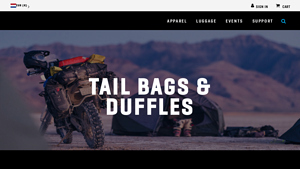
Dominio: moskomoto.com
Inscrito: 2013 (12 años)
Introducción: This company, Mosko Moto – Rear-Mounted Motorcycle Luggage, is a notable entity in the market. For specific product details, it is recommended to visit their website directly.
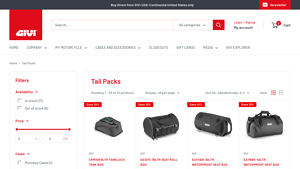
Dominio: giviusa.com
Matriculado: 2000 (25 años)
Introducción: This company, GIVI – EA132B 11LTR Universal Tail Bag, is a notable entity in the market. For specific product details, it is recommended to visit their website directly.
Dominio: sw-motech.es
Matriculado: 2019 (6 años)
Introducción: SW-MOTECH offers a variety of motorcycle tail bags designed for versatility and durability. Key features include:
– Premium materials and elegant design
– Secure mounting on passenger seats or luggage racks
– PRO tail bags with patented hook system for quick attachment
– ION series for budget-conscious riders with minimalist styling and flexible mounting options
– Drybags made of PVC-coated p…
Dominio: revzilla.com
Registrado: 2006 (19 años)
Introducción: This company, RevZilla – Tail Bags for Motorcycles, is a notable entity in the market. For specific product details, it is recommended to visit their website directly.
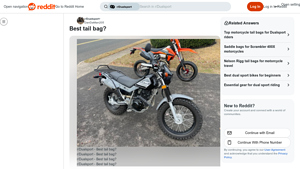
Dominio: reddit.com
Matriculado: 2005 (20 años)
Introducción: User is looking for a tail bag for a TW200 motorcycle with a rear rack measuring 18 W x 11 L and a 3 inch lip in the back. Suggestions include the Apache pistol case from Harbor Freight, a milk crate, and the Nelson Rigg Trails End “Enduro” bag. User prefers a larger bag for carrying snacks, water, and groceries.
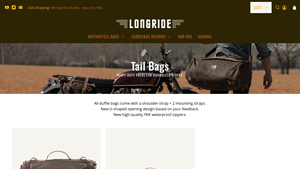
Dominio: longride.com
Matriculado: 2000 (25 años)
Introducción: Product: Water-repellent Waxed-Cotton Duffle Bags
Manufacturer: LONGRIDE
Shipping: Duties paid by LONGRIDE
Currency: USD, CAD
Features:
– Comes with a shoulder strap and 2 mounting straps
– New U-shaped opening design
– High-quality YKK waterproof zippers
Models:
– SMALL TRAVELER: $292.00 USD
– LARGE TRAVELER: $312.00 USD
Warranty: 2 years against failure, lifetime maintenance support
Compatible…
Dominio: saddlemen.com
Matriculado: 1996 (29 años)
Introducción: Saddlemen Tail, Tunnel and Mounted Motorcycle Seat Bags; Compatible with various Harley-Davidson models (1997-2025) including Touring, Softail, Dyna, Sportster, and more; Features include universal mounting system, padded backpack straps, and multiple bag models such as BR4200, BR3400, BR3400 D, BR3400EXS, and BR1800EXS; Prices range from $252.95 to $282.95.
As the motorcycle market continues to expand globally, especially in regions such as Africa, South America, the Middle East, and Europe, strategic sourcing of tail bags presents a significant opportunity for B2B buyers. Understanding the diverse offerings—from waterproof options to stylish designs—enables buyers to cater to a wide range of customer needs. High-quality materials, such as 1680 Trimax Ballistic nylon and PVC-coated polyester, ensure durability and reliability, which are critical factors for end-users seeking value in their purchases.
Moreover, an emphasis on innovative mounting systems and modular designs enhances the functionality of tail bags, allowing for easy integration with various motorcycle models. By prioritizing these features, businesses can not only improve customer satisfaction but also differentiate themselves in a competitive market.
Looking ahead, the demand for motorcycle luggage solutions is expected to rise, driven by increasing interest in adventure and touring motorcycling. International B2B buyers are encouraged to leverage this trend by investing in quality products that meet evolving consumer preferences. As you explore potential suppliers, consider the importance of partnerships that focus on quality, innovation, and customer service. Embrace this opportunity to position your business as a leader in the motorcycle luggage sector.
La información facilitada en esta guía, incluido el contenido relativo a fabricantes, especificaciones técnicas y análisis de mercado, tiene únicamente fines informativos y educativos. No constituye asesoramiento profesional en materia de adquisiciones, asesoramiento financiero ni asesoramiento jurídico.
Aunque hemos hecho todo lo posible por garantizar la exactitud y actualidad de la información, no nos hacemos responsables de posibles errores, omisiones o información obsoleta. Las condiciones del mercado, los detalles de las empresas y las normas técnicas están sujetos a cambios.
Los compradores B2B deben llevar a cabo su propia diligencia debida independiente y exhaustiva antes de tomar cualquier decisión de compra. Esto incluye ponerse en contacto directamente con los proveedores, verificar las certificaciones, solicitar muestras y buscar asesoramiento profesional. El riesgo de confiar en la información contenida en esta guía es responsabilidad exclusiva del lector.


 Spanish
  English
  Russian
  Italian
  Arabic
  Portuguese
  German