
In the fast-paced world of automotive maintenance, sourcing the best 12V tire pump can be a daunting task for international B2B buyers. The challenge lies not only in identifying reliable products but also in understanding the specific needs of various markets, from Africa to Europe. A high-quality tire inflator is essential for ensuring vehicle safety and efficiency, making it crucial for businesses to choose a pump that meets diverse requirements, whether for passenger cars, trucks, or heavy-duty vehicles.
This comprehensive guide delves into the multifaceted landscape of 12V tire pumps, examining various types, their applications, and key features that set them apart. We will explore critical factors such as supplier vetting processes, pricing structures, and performance metrics, enabling B2B buyers to make informed decisions. By comparing market-leading products and evaluating their suitability for different geographic regions—including the Middle East and South America—this guide aims to empower businesses to navigate their purchasing journey effectively.
With a focus on actionable insights and practical recommendations, this resource is designed to enhance your procurement strategy, ensuring you select a tire inflator that not only meets operational demands but also aligns with your budget and service expectations. Whether you’re in Saudi Arabia, Vietnam, or beyond, understanding the nuances of the 12V tire pump market will facilitate smarter purchasing decisions that drive operational success.
| Tipo Nombre | Principales rasgos distintivos | Aplicaciones B2B principales | Breves pros y contras para los compradores |
|---|---|---|---|
| Infladores de neumáticos sin cable | Funcionan con pilas, son portátiles y suelen llevar medidores integrados. | Talleres de reparación de automóviles, asistencia en carretera | Pros: Easy to use, great for emergencies. Contras: Duración limitada de la batería, puede requerir recargas frecuentes. |
| 12V Plug-In Tire Pumps | Connects to vehicle’s 12V outlet, often compact | Fleet services, logistics companies | Pros: Continuous power supply, faster inflation. Contras: Limited mobility, dependent on vehicle location. |
| Infladores de neumáticos de gran potencia | High PSI capacity, durable construction | Construction sites, off-road vehicle maintenance | Pros: Ideal for larger tires, robust performance. Contras: Bulkier, requires connection to battery. |
| Compact Portable Tire Pumps | Small size, lightweight, often USB rechargeable | Personal use, small vehicle maintenance | Pros: Highly portable, convenient for light tasks. Contras: Slower inflation, may not handle larger tires. |
| Dual-Power Tire Inflators | Operates on both 12V and AC power, versatile | Workshops, home garages | Pros: Flexible power options, suitable for various tasks. Contras: Generally bulkier, may be more expensive. |
Cordless tire inflators are characterized by their battery-operated functionality, allowing for easy portability without the need for an external power source. They are particularly suitable for automotive repair shops and roadside assistance services where quick and efficient tire inflation is necessary. B2B buyers should consider battery life and the inflator’s PSI capacity when selecting a model, as these factors directly impact usability in emergency situations.
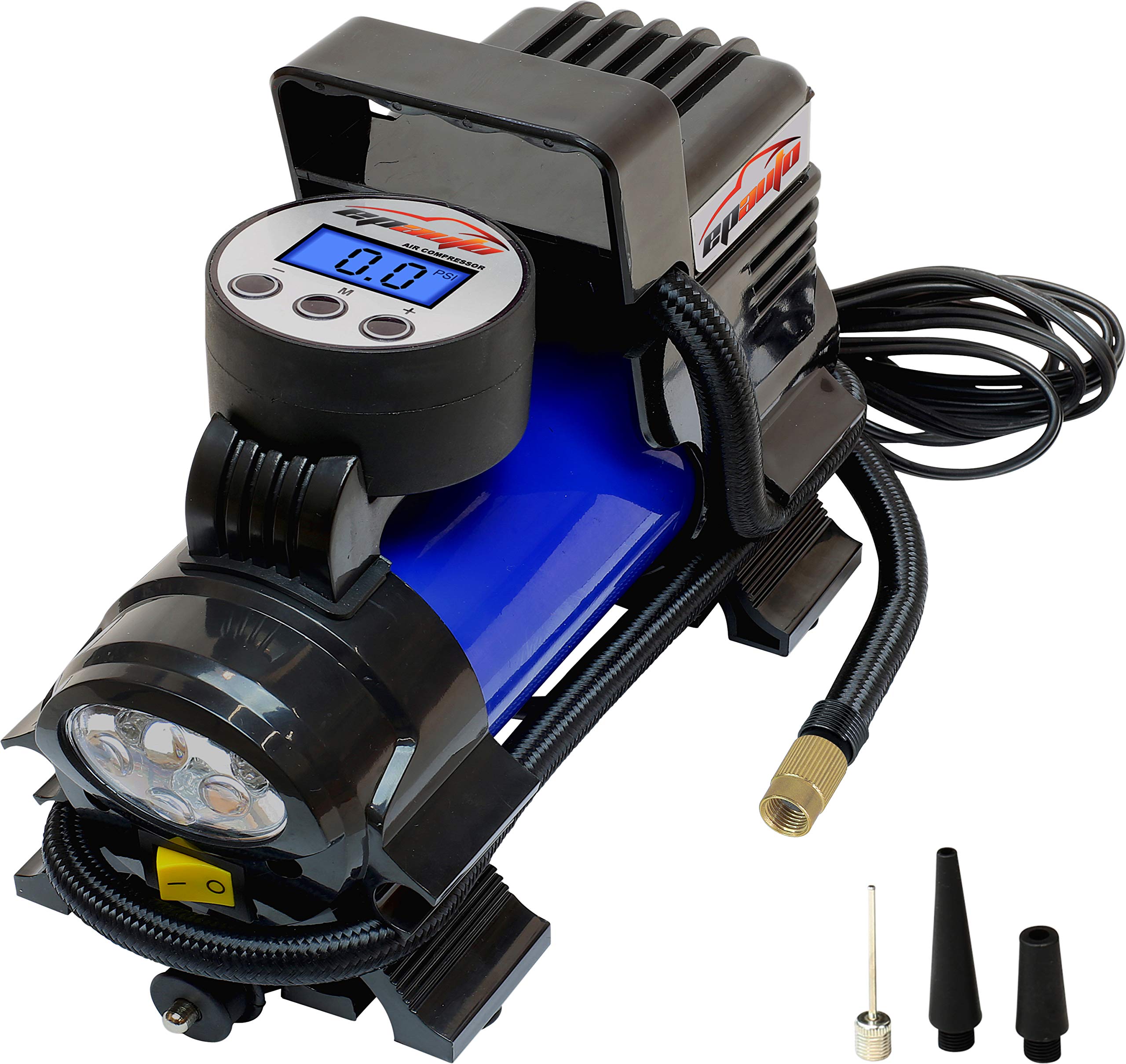
12V plug-in tire pumps connect directly to a vehicle’s 12V outlet, providing a continuous power supply for tire inflation. This type is commonly used by fleet services and logistics companies that require reliable inflation solutions for their vehicles. Key purchasing considerations include the length of the power cord and inflation speed, as these features enhance convenience and efficiency during operations.
Illustrative image related to best 12v tire pump
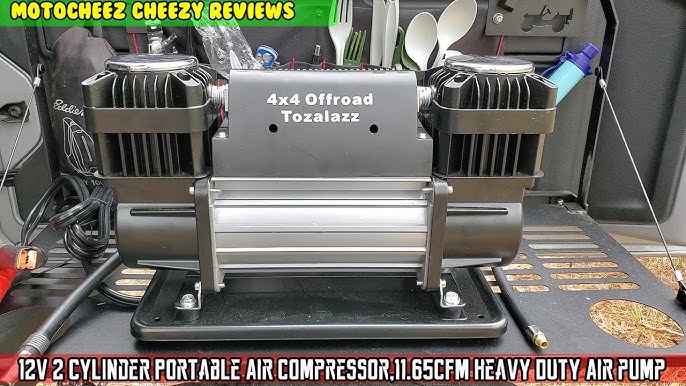
Heavy-duty tire inflators are designed for high-pressure applications and can accommodate larger tires, making them perfect for construction sites and off-road vehicle maintenance. Their robust construction allows them to handle demanding tasks, but buyers should be aware that these inflators are typically bulkier and require a direct battery connection. When purchasing, consider the PSI capabilities and whether the inflator can meet the specific needs of the vehicles in use.
Compact portable tire pumps are lightweight and often USB rechargeable, making them ideal for personal use and small vehicle maintenance. Their size allows for easy storage in glove compartments or backpacks, but they may not be suitable for larger tires due to slower inflation rates. B2B buyers should evaluate the inflator’s performance against their specific needs, particularly if they require quick inflation for various tire sizes.
Dual-power tire inflators can operate on both 12V and AC power, offering versatility for different environments, such as workshops or home garages. They are advantageous for businesses that require a flexible inflation solution for various tasks. However, these inflators tend to be bulkier and may come at a higher price point. Buyers should weigh the benefits of flexibility against their storage capabilities and budget constraints.
| Industria/Sector | Specific Application of best 12v tire pump | Valor/beneficio para la empresa | Consideraciones clave para el aprovisionamiento de esta aplicación |
|---|---|---|---|
| Reparación de automóviles | Tire inflation for vehicle service and maintenance | Ensures vehicle safety and performance, reducing downtime | Capacity to inflate various tire sizes, reliability, and speed |
| Transporte y logística | Emergency tire inflation for fleet vehicles | Minimizes delays, enhances operational efficiency | Durability for frequent use, power options (battery vs. outlet) |
| Construcción | Inflating tires on heavy machinery and equipment | Maintains productivity on job sites, avoids equipment failures | Compatibility with heavy-duty tires, portability, and pressure range |
| Ocio al aire libre | Tire inflation for recreational vehicles (ATVs, RVs) | Enhances customer satisfaction and safety during trips | Compact design, multiple inflation modes, ease of use |
| Agricultura | Inflating tires on agricultural machinery and vehicles | Increases efficiency in field operations, reducing downtime | Ruggedness, ability to handle various tire pressures, easy mobility |
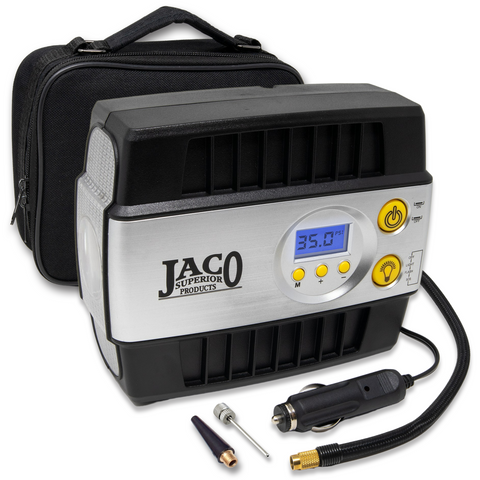
In the automotive repair industry, a 12V tire pump is essential for maintaining vehicle safety and performance. Mechanics use these pumps to quickly inflate tires during routine maintenance or emergency repairs. The ability to inflate tires efficiently reduces vehicle downtime, which is critical for service centers aiming to maximize productivity. Buyers in this sector should prioritize pumps with high PSI capabilities and those that can accommodate various tire sizes, ensuring they meet diverse customer needs.
Illustrative image related to best 12v tire pump
For the transportation and logistics industry, a 12V tire pump serves as a vital tool for fleet operators. It allows for emergency tire inflation on the road, minimizing delays caused by flat tires. This capability is crucial for maintaining operational efficiency and ensuring timely deliveries. Businesses should consider pumps that offer fast inflation times and robust construction, as they will likely be used frequently in diverse environments, from urban areas to remote locations.
In construction, a 12V tire pump is used to inflate tires on heavy machinery and equipment, ensuring that all vehicles operate at optimal performance levels. This tool helps prevent equipment failures that can lead to costly downtime on job sites. When sourcing a tire pump for this application, companies should look for models that are compatible with larger, heavy-duty tires and have a high-pressure range to accommodate the demands of construction vehicles.
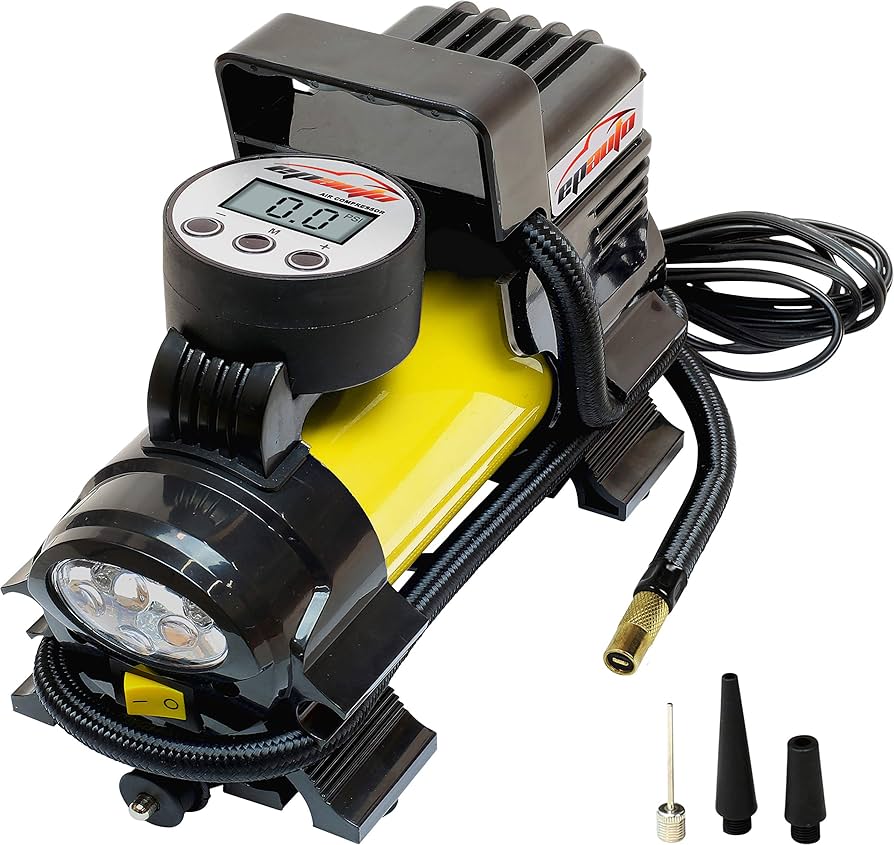
Outdoor recreation businesses, such as those catering to ATVs and RVs, utilize 12V tire pumps to ensure that vehicles are ready for adventure. These pumps provide quick and reliable inflation, enhancing customer satisfaction and safety during trips. Buyers in this sector should seek compact and lightweight models that are easy to transport, as well as those with multiple inflation options for different types of recreational vehicles.
Illustrative image related to best 12v tire pump
In agriculture, a 12V tire pump is crucial for maintaining tires on various farming machinery and vehicles, which are essential for field operations. Efficient tire inflation helps farmers avoid downtime and ensures that equipment is always ready for use. When sourcing pumps for agricultural applications, businesses should focus on durability, the ability to handle varying tire pressures, and portability to facilitate use in different field conditions.
El problema: B2B buyers often face the issue of battery life when using 12V tire pumps in remote or off-grid locations, such as construction sites or agricultural fields. These scenarios require reliable, long-lasting power, yet many compact inflators struggle to maintain pressure or complete multiple inflation tasks before depleting their batteries. This can lead to downtime, increased operational costs, and frustration, especially when the need for quick tire inflation is critical for the efficiency of their operations.
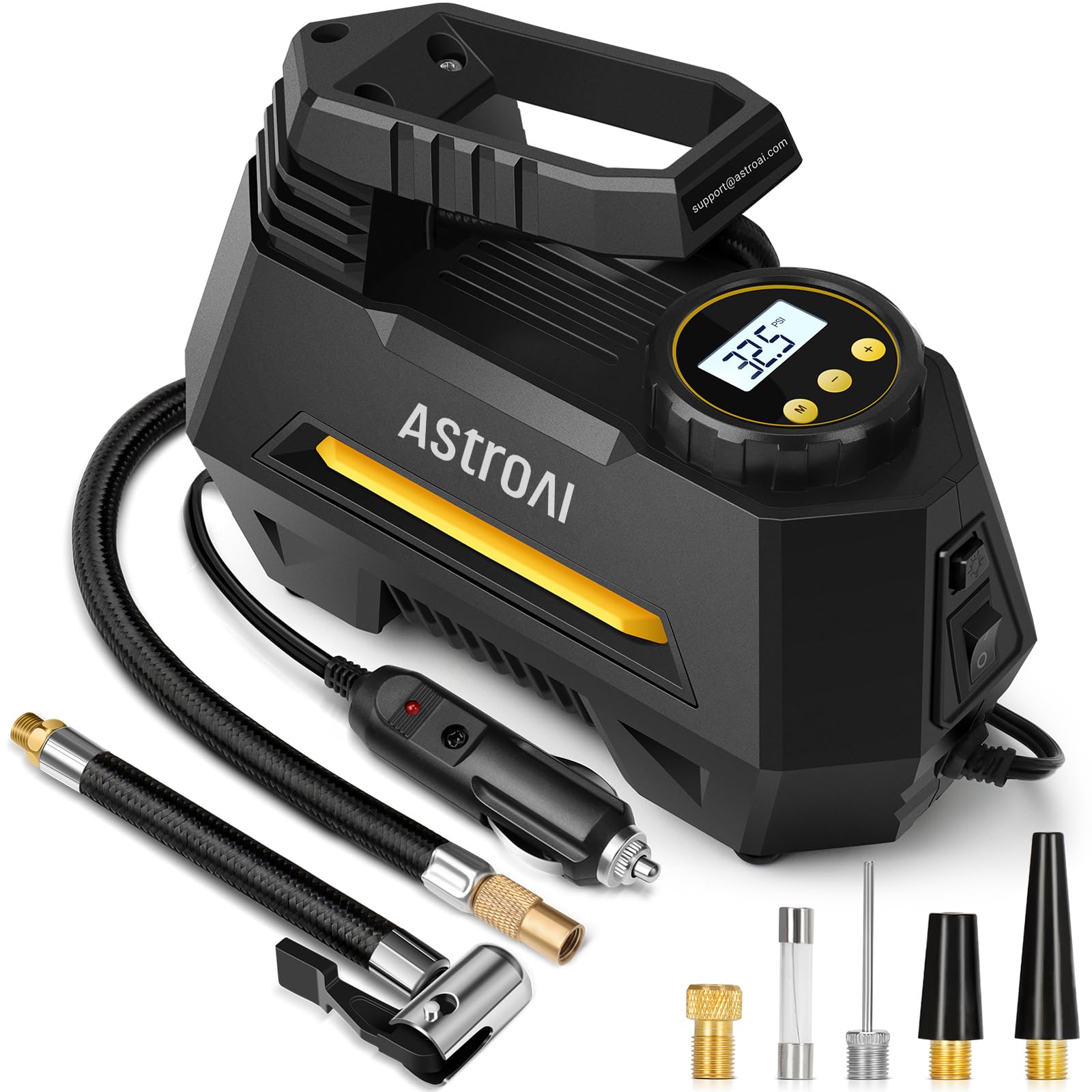
La solución: When sourcing a 12V tire pump, prioritize models with high-capacity batteries or those that can connect directly to a vehicle’s power source for continuous use. For example, the AstroAI Cordless Tire Inflator is designed to inflate multiple tires on a single charge, but it also offers a 12V outlet connection for extended usage. Additionally, consider investing in inflators that come with a dual power source option or those that allow for quick recharging. Establishing a routine to regularly check and maintain battery health will also ensure that the inflator performs optimally during critical times.
El problema: Inaccurate pressure readings can be a significant pain point for B2B buyers, especially when inflating tires for heavy-duty vehicles like trucks and SUVs. An inflator that displays incorrect psi readings can result in over-inflated or under-inflated tires, leading to potential safety hazards, increased tire wear, and reduced fuel efficiency. For businesses that rely on fleet vehicles, these issues can translate into costly repairs and operational inefficiencies.
Illustrative image related to best 12v tire pump
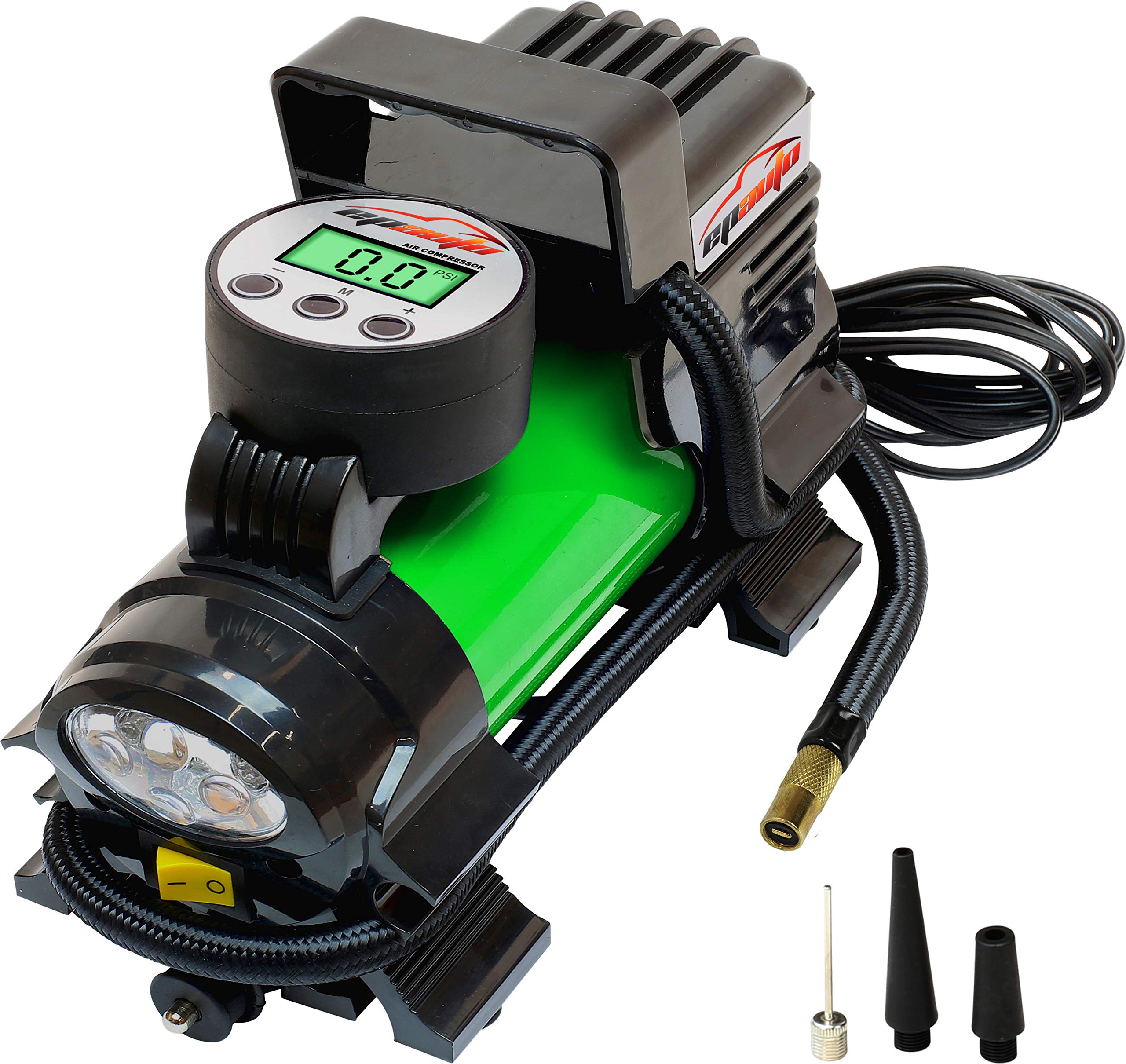
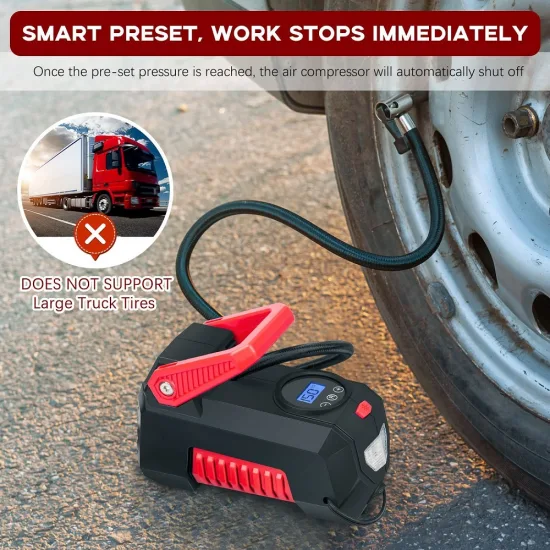
La solución: To combat the issue of inaccurate pressure readings, it’s essential to select 12V tire pumps equipped with reliable digital pressure gauges. Models like the Viair 88P, which features an analog gauge, may not provide the accuracy needed for professional use. Always cross-reference the inflator’s readings with a calibrated gauge to ensure accuracy. Additionally, consider inflators that have preset pressure settings, allowing users to set the desired psi for specific tire types. Regular calibration of the inflator’s gauge against a known standard will also help maintain accuracy and reliability.
El problema: Many businesses require a versatile tire inflator that can handle a range of inflation tasks beyond just vehicle tires. For example, companies involved in logistics, outdoor sports, or event management may need to inflate everything from bicycle tires to air mattresses. A lack of versatility in tire inflators can lead to the need for multiple devices, which complicates operations and increases storage requirements.
La solución: When evaluating 12V tire pumps, look for models that come with a variety of nozzles and adapters to accommodate different inflation needs. The AstroAI Cordless Tire Inflator, for instance, includes multiple attachments suitable for inflating sports equipment, pool toys, and more, making it a multi-functional tool for various business applications. In addition, assess the inflator’s maximum psi capabilities to ensure it can handle the demands of both small and large inflatables. Investing in a versatile inflator not only streamlines operations but also enhances overall productivity by reducing the need for additional equipment.
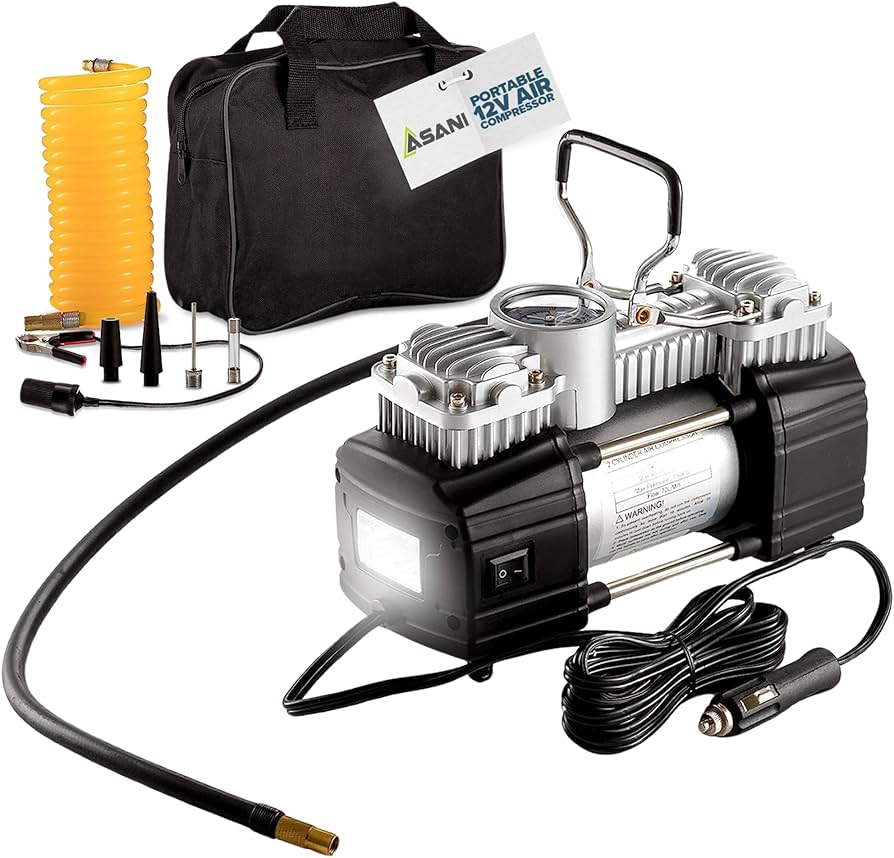
When selecting materials for 12V tire pumps, several factors must be considered, including performance, durability, cost, and compliance with international standards. Here, we analyze four common materials used in the construction of tire pumps: plastic, aluminum, steel, and rubber. Each material has distinct properties that influence the overall performance and suitability of the product for various applications.
Illustrative image related to best 12v tire pump
Plastic is a common material for the casing and some internal components of 12V tire pumps. It offers good resistance to corrosion and is lightweight, making it easy to handle and transport. Key properties include a temperature rating of up to 80°C and pressure resistance that varies by type.
Pros: Plastic is generally cost-effective, lightweight, and can be molded into complex shapes, making manufacturing simpler. It also provides good insulation against electrical components.
Contras: While durable, plastic can become brittle over time, especially under high temperatures or UV exposure. It may not withstand heavy impacts compared to metals.
Impacto en la aplicación: Plastic is suitable for applications where weight is a concern, but it may not be ideal for high-pressure environments.
Consideraciones para compradores internacionales: Compliance with ASTM standards for plastics is essential, particularly in regions like Europe and the Middle East, where quality regulations are stringent.
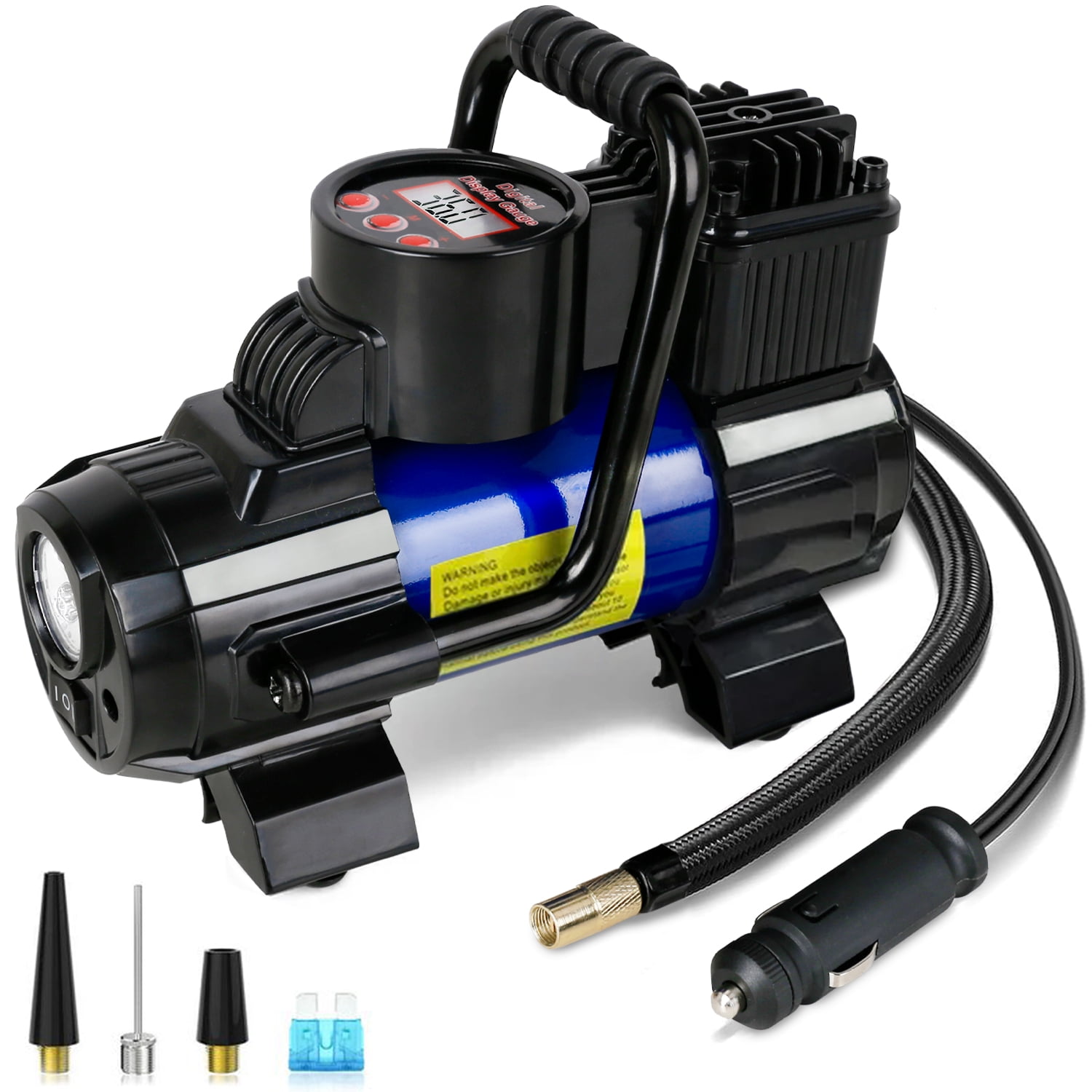
Aluminum is often used for the housing and structural components of 12V tire pumps due to its excellent strength-to-weight ratio and corrosion resistance. It can typically withstand temperatures up to 150°C and pressures exceeding 100 psi.
Pros: Aluminum is lightweight, strong, and resistant to corrosion, making it ideal for outdoor use. It also allows for efficient heat dissipation during operation.
Contras: The cost of aluminum can be higher than that of plastic, and manufacturing processes may be more complex due to the need for machining.
Illustrative image related to best 12v tire pump
Impacto en la aplicación: Aluminum is well-suited for high-performance applications requiring durability and resistance to environmental factors.
Consideraciones para compradores internacionales: Buyers should ensure that aluminum components meet international standards such as DIN and JIS, especially for markets in Europe and South America.
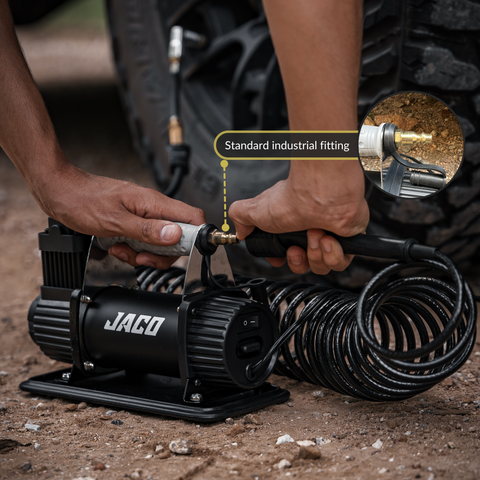
Steel is primarily used in the construction of internal components like the pump mechanism and fittings. It boasts high strength and excellent pressure resistance, typically rated for high-pressure applications.
Illustrative image related to best 12v tire pump
Pros: Steel is incredibly durable and can handle high pressures, making it ideal for heavy-duty tire inflators. It also offers good thermal conductivity.
Contras: The weight of steel can be a drawback for portable applications, and it is susceptible to rust if not properly coated or treated.
Impacto en la aplicación: Steel is ideal for industrial applications where durability is paramount, but it may not be suitable for lightweight, portable models.
Consideraciones para compradores internacionales: Compliance with ASTM standards for steel is crucial, particularly in regions with harsh environmental conditions like Africa and the Middle East.
Rubber is primarily used for seals, hoses, and other flexible components in 12V tire pumps. It offers excellent flexibility and can handle a wide range of temperatures.
Pros: Rubber provides excellent sealing capabilities and is resistant to wear and tear. It can also absorb vibrations, enhancing the user experience.
Contras: Rubber can degrade over time, especially when exposed to ozone or UV light, and may not perform well at extreme temperatures.
Impacto en la aplicación: Rubber is essential for ensuring airtight seals, but its longevity can be a concern in harsh environments.
Consideraciones para compradores internacionales: Buyers should look for rubber components that meet international standards, especially in regions where temperature fluctuations are common.
| Material | Typical Use Case for best 12v tire pump | Ventajas clave | Principales desventajas/limitaciones | Coste relativo (Bajo/Medio/Alto) |
|---|---|---|---|---|
| Plástico | Casing and internal components | Ligero y resistente a la corrosión | Puede volverse quebradizo con el tiempo | Bajo |
| Aluminio | Carcasa y componentes estructurales | Strong, lightweight, and corrosion-resistant | Coste más elevado y fabricación más compleja | Medio |
| Acero | Internal components and fittings | Highly durable and pressure-resistant | Heavy and prone to rust | Medio |
| Goma | Juntas y mangueras | Excellent sealing and vibration absorption | Degrades over time, especially under UV | Bajo |
This strategic material selection guide provides international B2B buyers with critical insights into the materials used in 12V tire pumps, enabling informed decision-making based on performance, cost, and compliance with regional standards.
The manufacturing process of 12V tire pumps is multifaceted, involving several critical stages that ensure the final product meets performance and quality expectations. Understanding these stages is vital for B2B buyers aiming to source high-quality tire pumps.
Material preparation is the foundational stage where raw materials are selected based on their durability, weight, and functionality. Common materials include high-grade plastics for the housing, rubber for seals, and metal alloys for internal components. Suppliers typically conduct rigorous material testing to ensure compliance with international standards like ISO 9001, which focuses on quality management systems.
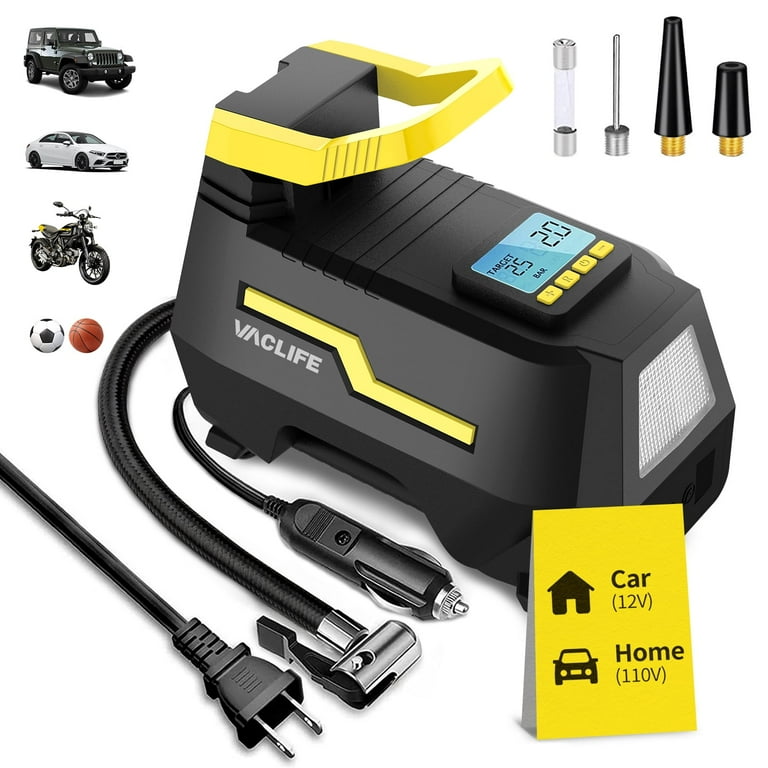
The forming stage involves shaping the raw materials into usable parts. Techniques such as injection molding for plastic components and die-casting for metal parts are commonly employed. Advanced manufacturers may utilize CNC machining for precision parts that require exact specifications. This stage is crucial, as the quality of formed components directly impacts the pump’s efficiency and longevity.
Illustrative image related to best 12v tire pump
Once individual components are formed, the assembly stage begins. This typically involves the following steps:
The finishing stage includes surface treatments to improve aesthetics and durability. Common techniques include:
Quality assurance is critical in the tire pump manufacturing process, particularly for B2B buyers who prioritize reliability and performance. This involves adhering to international standards and implementing stringent quality checks throughout the manufacturing process.
For 12V tire pumps, compliance with international standards is essential:
Quality control checkpoints are strategically placed throughout the manufacturing process to catch defects early. Key checkpoints include:
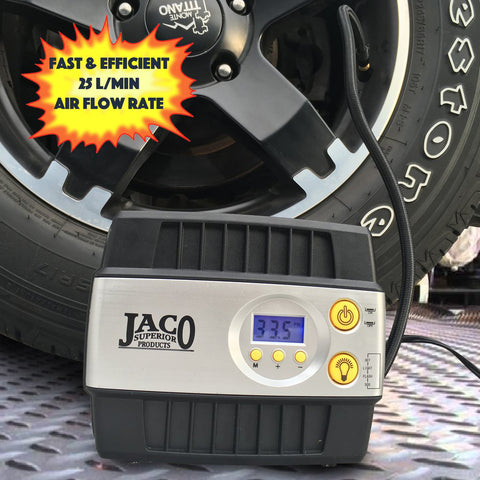
Illustrative image related to best 12v tire pump
For international B2B buyers, verifying a supplier’s quality control practices is essential to ensure product reliability and compliance with relevant standards. Here are several methods:
Conducting audits of potential suppliers can provide insights into their manufacturing processes and quality control systems. Buyers should request access to:
Engaging third-party inspection services can further validate supplier claims. These services often conduct unannounced inspections and provide unbiased reports on:
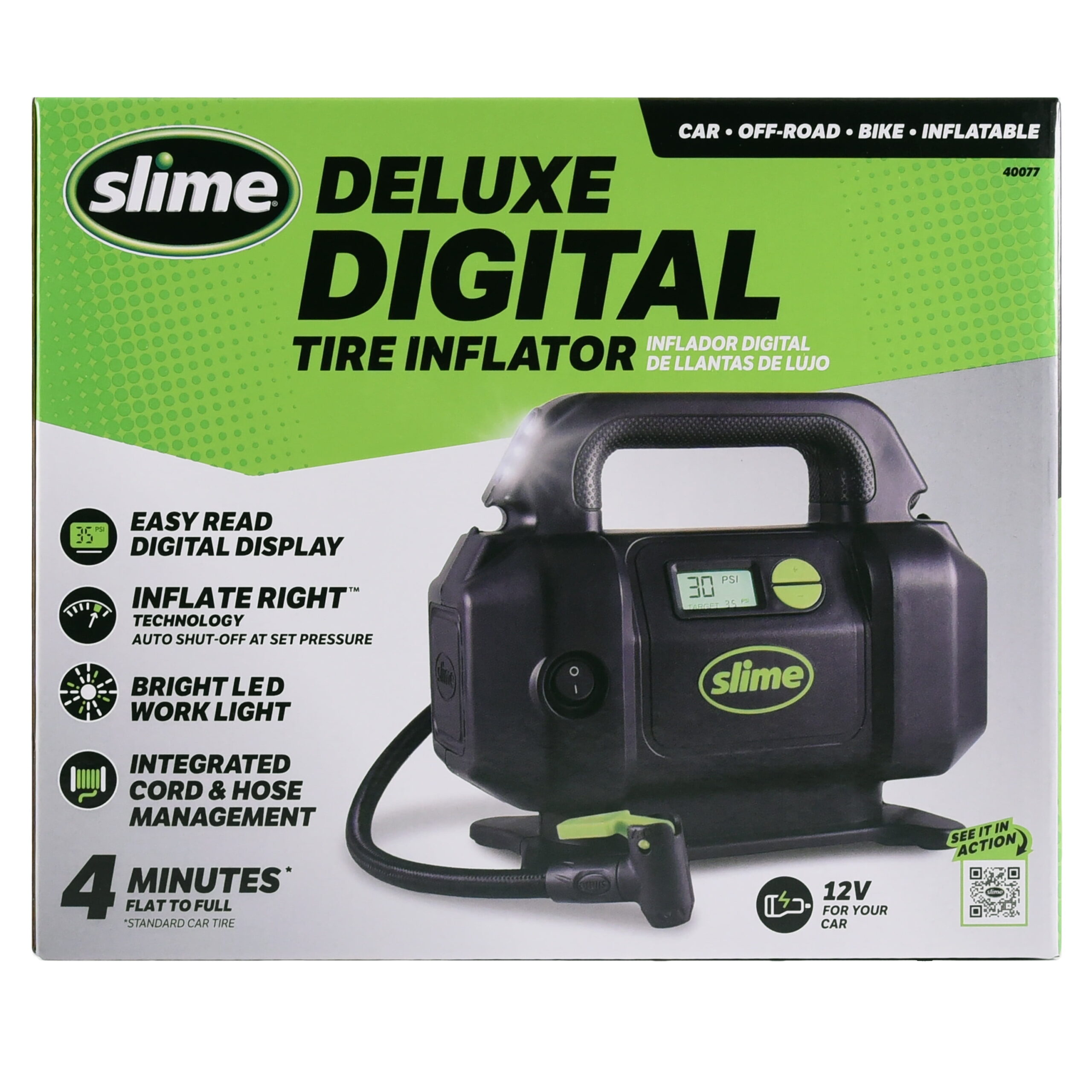
Illustrative image related to best 12v tire pump
For B2B buyers from diverse regions such as Africa, South America, the Middle East, and Europe, understanding local regulations and quality expectations is crucial. Here are some considerations:
In conclusion, the manufacturing processes and quality assurance protocols for 12V tire pumps are critical components that B2B buyers must consider when sourcing products. By understanding the key stages of manufacturing, the relevant international standards, and how to effectively verify supplier quality control practices, buyers can make informed decisions that ensure they receive high-quality, reliable products suited to their market needs.
To help B2B buyers navigate the procurement of the best 12V tire pumps, this practical sourcing guide outlines essential steps to ensure you select the most suitable product for your needs. By following this checklist, you can make informed purchasing decisions that align with your operational requirements.
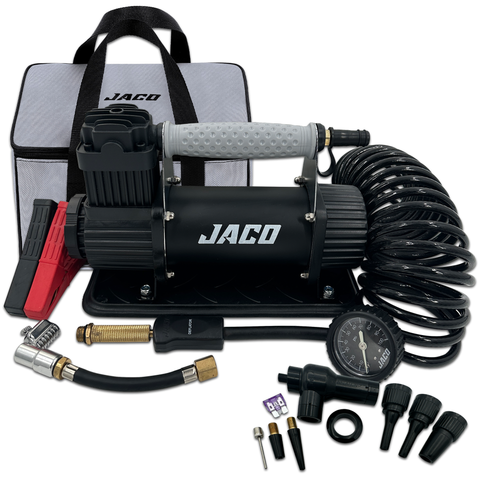
Illustrative image related to best 12v tire pump
Before engaging with suppliers, clarify your technical requirements for the 12V tire pump. Consider factors such as maximum pressure capacity, power source options (battery or direct connection), and intended use (e.g., passenger vehicles, trucks, or SUVs).
– Key Specifications to Note:
– Maximum PSI: Ensure the pump can handle the pressure requirements of your vehicles.
– Power Options: Decide whether you prefer a battery-operated model for portability or a direct-powered option for continuous use.
Gather insights on the current market offerings and trends by reviewing product comparisons and customer feedback. This step is crucial as it helps identify the leading brands and models that have been tested for reliability and performance.
– Where to Look:
– Industry Publications: Check automotive and equipment review sites.
– Customer Reviews: Pay attention to user experiences and ratings on e-commerce platforms.
Vetting suppliers is essential for ensuring quality and reliability. Request comprehensive company profiles, including their production capabilities, certifications, and customer testimonials to assess their credibility.
– What to Assess:
– Industry Experience: Look for suppliers with a strong track record in automotive products.
– Certificaciones de calidad: Ensure they meet international standards (e.g., ISO certifications).
Before finalizing any orders, request samples of the 12V tire pumps you’re considering. Testing the products firsthand allows you to evaluate their performance, build quality, and ease of use.
– Áreas de interés de las pruebas:
– Inflation Speed: Measure how quickly the pump can fill tires from low to optimal pressure.
– Durability: Assess the build quality, especially if the pumps will be used in rugged environments.
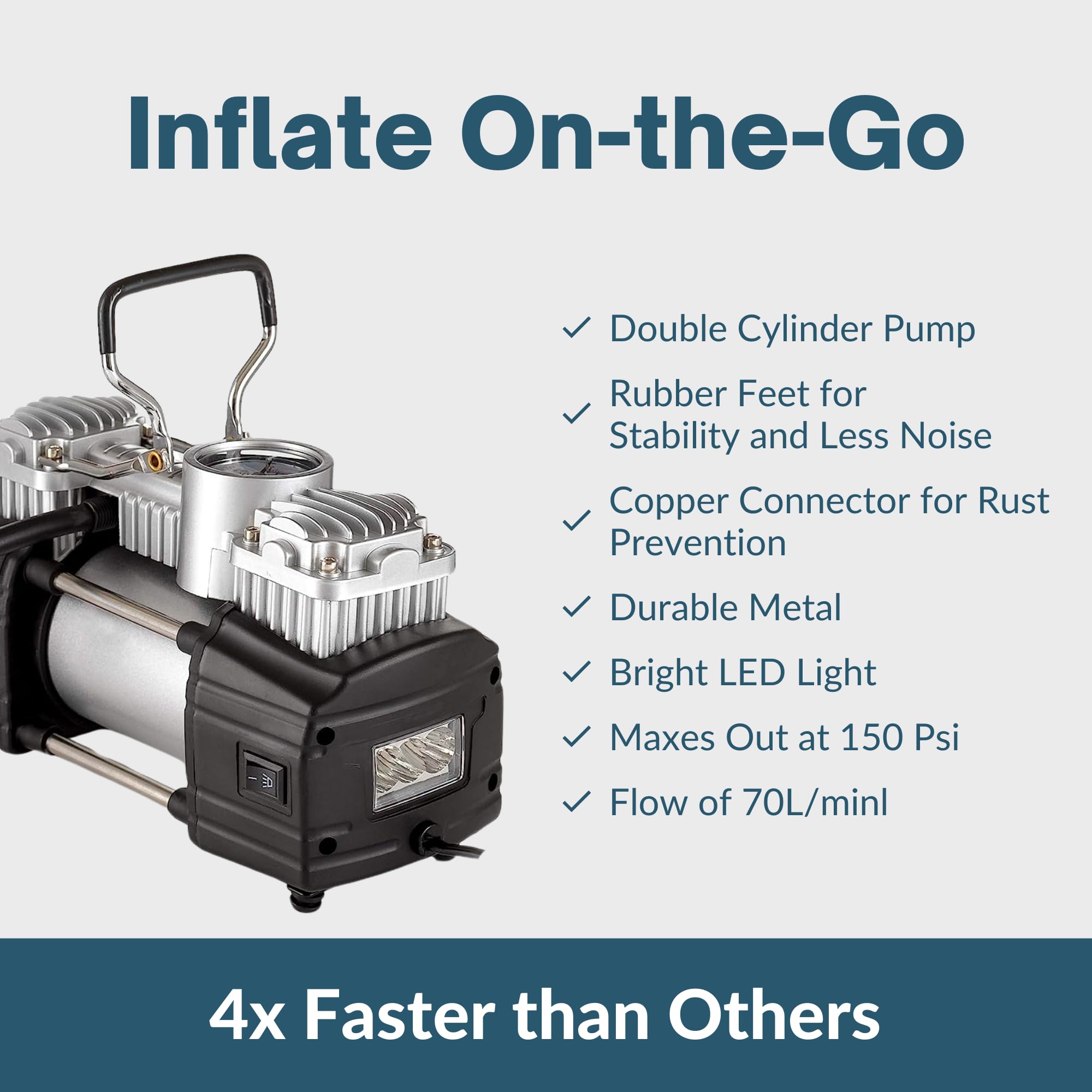
Illustrative image related to best 12v tire pump
Once you’ve identified suitable suppliers and products, initiate negotiations on pricing and payment terms. This step is vital for ensuring that you receive the best value for your investment.
– Considerations During Negotiation:
– Bulk Purchase Discounts: Inquire about discounts for larger orders.
– Garantía y asistencia posventa: Confirm warranty terms and the availability of customer support.
Ensure that the selected tire pumps comply with the regulations and standards applicable in your region. This step is particularly important for international buyers who may encounter varying safety and quality standards.
– Regulatory Aspects to Check:
– Electrical Safety Standards: Verify compliance with local electrical safety regulations.
– Normativa sobre importación: Ensure that the products can be legally imported into your country.
Once all terms are agreed upon, finalize your order and establish a delivery timeline. Monitor the shipment closely to ensure timely arrival, which is critical for operational readiness.
– Best Practices for Monitoring:
– Tracking Information: Request tracking details for the shipment.
– Inspection Upon Arrival: Plan for an inspection to confirm that the products meet your specifications before acceptance.
By following these steps, B2B buyers can effectively navigate the procurement process for 12V tire pumps, ensuring they select products that meet their operational needs while fostering strong supplier relationships.
When sourcing 12V tire pumps, understanding the cost structure is crucial for B2B buyers. The primary components of the cost include:
Materiales: The choice of materials significantly impacts the pricing. High-quality plastics, metals, and electronic components can drive costs up but are essential for durability and performance.
Trabajo: Labor costs vary by region and manufacturing practices. Countries with lower labor costs can offer competitive pricing, but this may affect the quality of craftsmanship.
Gastos generales de fabricación: This encompasses utilities, equipment maintenance, and facility costs. Efficient manufacturing processes can reduce overhead and, consequently, the final price of the product.
Herramientas: Custom tooling for specific pump designs or features can be a significant initial investment. Buyers should consider the amortization of these costs over production volume.
Control de calidad: Rigorous QC processes ensure product reliability, which is particularly important for safety-related items like tire pumps. Investing in QC can add to costs but ultimately enhances product reputation and reduces returns.
Logística: Shipping costs can vary widely based on the origin of the product and the destination. International buyers should be aware of freight charges, insurance, and potential tariffs.
Margen: Suppliers will typically build a profit margin into the cost. Understanding the competitive landscape can help buyers gauge if the margin is reasonable.
Several factors influence the pricing of 12V tire pumps that buyers should consider:
Volumen y cantidad mínima de pedido (MOQ): Higher order volumes often lead to lower per-unit costs due to economies of scale. Negotiating favorable MOQs can also yield better pricing.
Especificaciones y personalización: Custom features or specific performance specifications can significantly affect the price. Standardized models are generally cheaper than bespoke designs.
Calidad del material y certificaciones: Pumps that meet international quality standards or possess certifications (e.g., ISO, CE) may come at a premium. Buyers must weigh the importance of these certifications against their budget.
Factores del proveedor: The reputation and reliability of suppliers can impact price. Established manufacturers may charge more due to their proven track record, while newer entrants might offer lower prices to gain market share.
Incoterms: The agreed Incoterms (International Commercial Terms) can influence overall costs. Buyers should understand who bears responsibility for shipping costs, insurance, and customs duties to avoid unexpected expenses.
B2B buyers can employ several strategies to enhance their sourcing efforts:
Negotiation Tactics: Always negotiate prices, especially when ordering in bulk. Suppliers are often willing to provide discounts for larger orders or long-term contracts.
Centrarse en la rentabilidad: Assess the total cost of ownership (TCO), which includes initial purchase price, maintenance, and potential replacement costs. A cheaper pump may incur higher long-term costs if it requires frequent repairs or replacements.
Consider Pricing Nuances for International Transactions: When sourcing from regions like Africa, South America, the Middle East, or Europe, currency fluctuations and local market conditions can affect pricing. Be prepared for variations in cost based on these factors.
Investigación y evaluación comparativa: Conduct thorough market research to understand competitive pricing. Comparing similar products can provide leverage during negotiations.
International buyers should be aware of additional factors that can affect pricing:
Import Duties and Taxes: Familiarize yourself with the customs regulations in your country to avoid unexpected tariffs that could inflate costs.
Shipping and Delivery Times: Factor in logistics timelines, as longer shipping times may necessitate larger inventories, impacting cash flow.
Cultural and Language Barriers: When dealing with international suppliers, effective communication is vital. Misunderstandings can lead to mispriced orders or delays.
In summary, a comprehensive understanding of the cost structure and pricing influencers for 12V tire pumps can empower B2B buyers to make informed purchasing decisions. By leveraging negotiation strategies and being aware of international nuances, buyers can optimize their sourcing processes and achieve better financial outcomes. Always remember that indicative prices can vary significantly based on the aforementioned factors, so ongoing market analysis is essential.
Illustrative image related to best 12v tire pump
When considering tire inflation solutions, B2B buyers have various options beyond the traditional 12V tire pumps. Each alternative has its advantages and limitations, making it essential to evaluate them based on specific operational needs and contexts. Below, we compare the best 12V tire pump against other viable alternatives: portable air compressors and hand pumps.
| Aspecto comparativo | Best 12V Tire Pump | Compresor de aire portátil | Bomba manual |
|---|---|---|---|
| Rendimiento | High PSI, quick inflation | High PSI, variable speed | Low PSI, manual effort |
| Coste | Moderate ($40-$90) | Higher ($80-$200) | Low ($15-$30) |
| Facilidad de aplicación | Plug into vehicle outlet | Requires power source | Simple, no power needed |
| Mantenimiento | Bajo | Moderate (oil changes, filters) | Bajo |
| El mejor caso de uso | Emergency roadside repair | Regular maintenance, home use | Biking, light inflation |
Portable air compressors are versatile devices that can inflate tires, as well as other inflatables. They often come with higher PSI capabilities, making them suitable for larger vehicles and diverse applications. However, they require an electrical power source, limiting their use in remote areas unless a generator is available. Additionally, they are generally bulkier and heavier, which may hinder portability. While they can provide rapid inflation, the initial investment is typically higher than that of a 12V tire pump.
Hand pumps are the simplest form of tire inflation, relying solely on human effort. They are highly portable, lightweight, and do not require any power source, making them ideal for cyclists or emergency kits. However, their performance is limited; they typically can only inflate to lower pressures and require significant physical effort, especially for larger tires. While they are the most cost-effective option, their practicality is diminished for regular vehicle maintenance or emergency use for larger vehicles.
Selecting the appropriate tire inflation solution depends on various factors, including the type of vehicles being serviced, the frequency of use, and the operational environment. For businesses that require quick and efficient tire inflation for multiple vehicles, the best 12V tire pump or a portable air compressor may be the most suitable choices. In contrast, for lighter applications or budget-conscious operations, a hand pump might suffice. Ultimately, buyers should assess their specific needs, including performance requirements and ease of use, to make an informed decision that aligns with their operational demands.
Illustrative image related to best 12v tire pump
When sourcing a 12V tire pump, understanding its technical properties is vital for making informed purchasing decisions. Here are some critical specifications to consider:
The maximum pressure rating, typically measured in pounds per square inch (PSI), indicates the pump’s ability to inflate tires to a specific pressure. A pump with a higher PSI (like 160 PSI) is essential for heavy-duty vehicles, ensuring it can handle various tire sizes and inflation needs. For B2B buyers, selecting a pump with the appropriate PSI rating can prevent operational inefficiencies and ensure compatibility with the intended vehicle types.
The duty cycle refers to the duration a pump can operate continuously before it needs a cooldown period. For instance, a duty cycle of 20 minutes means the pump can run for that duration before requiring a break. This is crucial for businesses that may need to inflate multiple tires in succession. Understanding the duty cycle can help buyers select pumps that meet their operational demands without risking overheating or breakdown.
Illustrative image related to best 12v tire pump
The length of the hose impacts the pump’s usability. A longer hose allows for easier access to tires in various positions, especially for larger vehicles like trucks and SUVs. B2B buyers should consider the hose length to ensure it meets the needs of their fleet or customer base, providing convenience during tire inflation.
12V tire pumps can be powered through different sources, such as a vehicle’s battery or a rechargeable battery pack. Knowing the power source is essential for determining the pump’s versatility and suitability for different environments, especially in remote locations. Buyers should assess their operational context to choose the most appropriate power source.
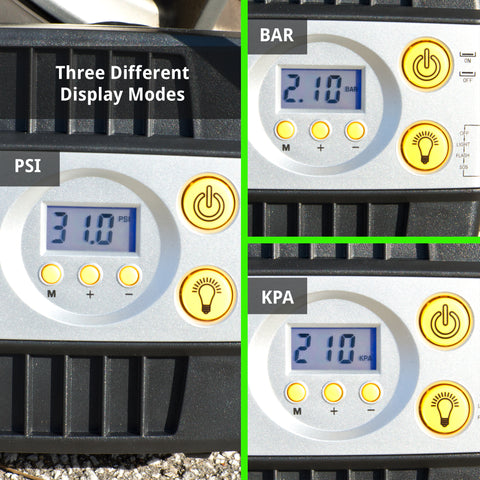
The pressure gauge provides crucial information about the tire’s inflation status. Digital gauges tend to offer more accurate readings compared to analog ones. For B2B buyers, accuracy in tire pressure is paramount, as it directly affects vehicle safety and performance. Selecting pumps with reliable gauge systems can enhance operational efficiency.
Understanding industry jargon is essential for effective communication and negotiation in B2B transactions. Here are some common terms:
OEM refers to companies that produce parts or equipment that may be marketed by another manufacturer. In the context of 12V tire pumps, an OEM may provide pumps that meet specific standards for various brands. Knowing OEM relationships can help buyers ensure quality and compatibility with existing products.
Illustrative image related to best 12v tire pump
MOQ is the minimum number of units a supplier requires a buyer to purchase in a single order. For B2B buyers, understanding the MOQ is critical for budgeting and inventory management. It can affect purchasing decisions, especially for smaller businesses or those testing new products.
An RFQ is a document sent to suppliers asking for pricing and terms on specified products. For buyers of 12V tire pumps, issuing an RFQ can facilitate competitive pricing and better terms, allowing for informed decision-making.
Incoterms are internationally recognized rules that define the responsibilities of buyers and sellers in shipping goods. Familiarity with these terms is essential for B2B transactions, as they clarify who is responsible for shipping, insurance, and tariffs, thus avoiding potential disputes.
An SKU is a unique identifier for each distinct product and service that can be purchased. For tire pumps, understanding SKU can streamline inventory management and ordering processes, helping businesses maintain accurate stock levels.
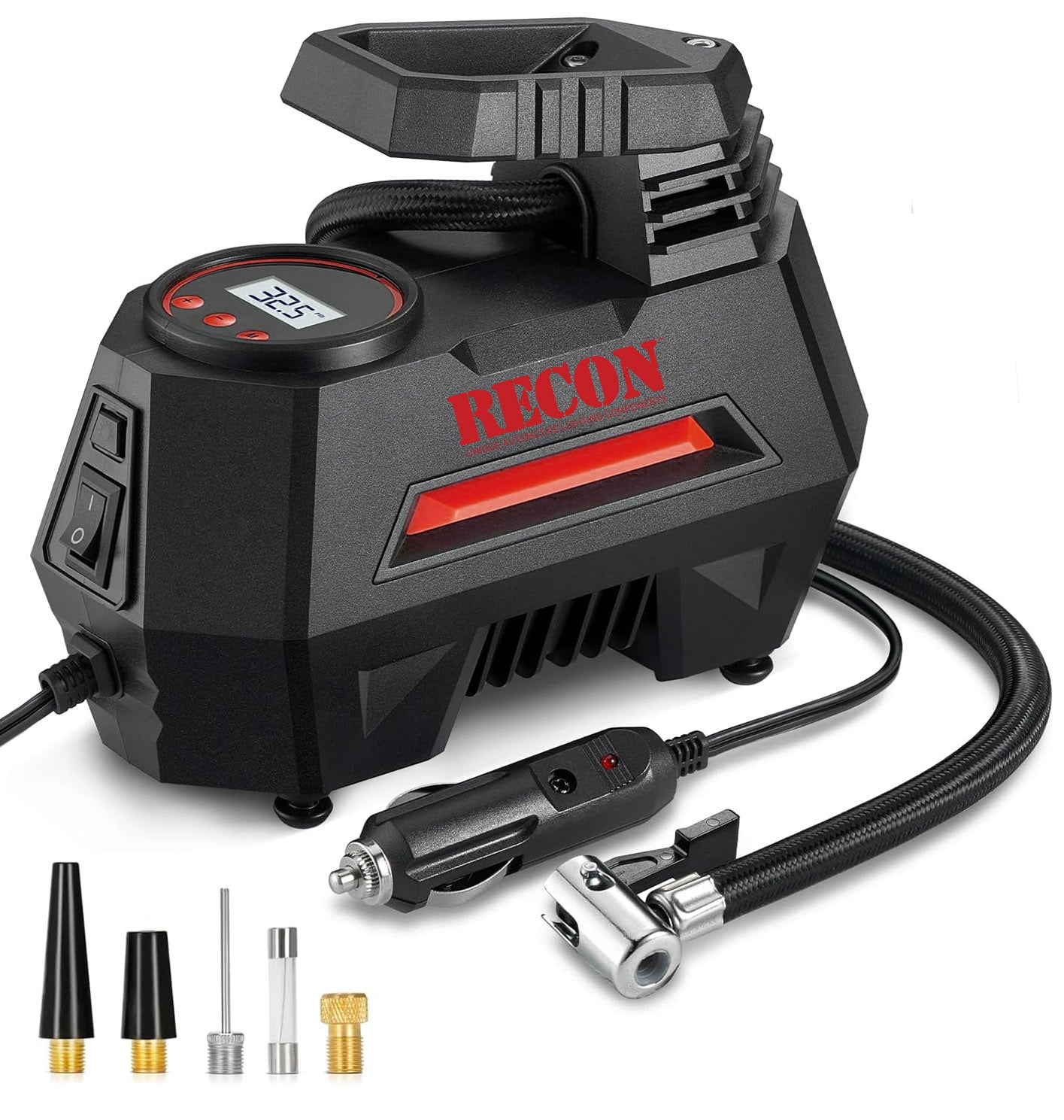
Illustrative image related to best 12v tire pump
By familiarizing themselves with these technical properties and industry terms, B2B buyers can make more informed decisions regarding the procurement of 12V tire pumps, ensuring they meet operational needs and maintain competitive advantages in their markets.
The global market for 12V tire pumps is experiencing significant growth driven by several factors. Increased vehicle ownership in emerging markets, especially in regions like Africa and South America, is one of the primary drivers. As more individuals and businesses rely on personal and commercial vehicles, the demand for reliable tire maintenance tools is surging. Additionally, rising awareness regarding vehicle safety and fuel efficiency is prompting consumers to invest in quality tire inflators.
Technological advancements are also reshaping the landscape of the tire pump market. The integration of smart technologies, such as digital pressure gauges and automatic shut-off features, enhances user experience and safety. Moreover, portable and compact designs are gaining traction, catering to the need for convenience among users who prefer lightweight and easily storable equipment. International B2B buyers should note that products with multiple power options, such as battery and 12V adapter compatibility, are increasingly favored due to their versatility in various settings.
Another emerging trend is the increasing focus on sustainability. Buyers are becoming more conscientious about sourcing products that not only meet performance standards but also align with environmental considerations. This shift is notable among European and Middle Eastern markets, where regulatory frameworks are encouraging greener practices. Buyers should be proactive in identifying suppliers who prioritize sustainable manufacturing processes and materials.
Sustainability is becoming a critical factor in the sourcing of 12V tire pumps. The environmental impact of manufacturing processes, including resource extraction and energy consumption, is under scrutiny. Ethical sourcing practices are gaining importance, as international buyers seek suppliers who adhere to socially responsible manufacturing standards. This includes fair labor practices, minimal environmental footprint, and responsible waste management.
Furthermore, buyers are increasingly looking for products that feature ‘green’ certifications and materials. For instance, tire pumps made from recycled plastics or those that utilize energy-efficient technologies can significantly reduce the ecological impact of the product lifecycle. B2B buyers should prioritize partnerships with manufacturers that demonstrate a commitment to sustainability, as this not only helps mitigate environmental risks but also enhances brand reputation among environmentally-conscious consumers.
The evolution of the 12V tire pump market reflects broader technological and consumer trends. Initially, tire pumps were bulky, manual devices that required significant physical effort to operate. However, the introduction of electric and portable models revolutionized the industry, making tire inflation more accessible and user-friendly. Over the last two decades, advancements in battery technology have led to the development of compact, cordless inflators that offer high performance without compromising convenience.
As the automotive industry continues to innovate, so too does the tire pump market. The integration of digital technologies, such as built-in pressure sensors and Bluetooth connectivity, is paving the way for smart inflators that cater to a tech-savvy consumer base. The ongoing focus on energy efficiency and sustainability is likely to drive further innovation, ensuring that the 12V tire pump market remains dynamic and responsive to the needs of international B2B buyers.
1. How do I select the right 12V tire pump for my business needs?
When selecting a 12V tire pump, consider factors such as the maximum PSI it can achieve, the speed of inflation, and the power source options. Look for models that can efficiently handle the types of vehicles you service, whether they are cars, trucks, or SUVs. Additionally, assess the pump’s portability, ease of use, and durability, especially if it will be used in demanding environments. It’s also wise to review customer feedback and product tests to gauge reliability and performance under real-world conditions.
2. What is the best 12V tire pump for commercial use?
The best 12V tire pump for commercial use typically combines durability, speed, and efficiency. Models like the Viair 88P are highly regarded for their robust construction and ability to inflate larger tires quickly. They are ideal for businesses that need to service various vehicle types. However, if portability is a priority, consider compact options like the AstroAI Cordless Tire Inflator, which offers flexibility with battery and vehicle power sources, ensuring you can meet diverse customer needs.
3. How can I ensure the quality of the 12V tire pumps I am sourcing?
To ensure quality, conduct thorough supplier vetting by checking their certifications and compliance with international standards. Request samples for evaluation and perform quality assurance tests such as pressure accuracy and inflation speed. It’s beneficial to look for suppliers with a solid track record and positive customer reviews. Additionally, consider establishing a quality control process that includes regular audits and inspections during production and prior to shipment.
4. What are the minimum order quantities (MOQs) for 12V tire pumps?
Minimum order quantities for 12V tire pumps can vary significantly based on the supplier and the specific model. Typically, MOQs can range from 100 to 1,000 units. It’s essential to communicate your needs directly with suppliers to negotiate favorable terms, especially if you are a new buyer. Some manufacturers may offer flexibility for initial orders, allowing you to test the market with a smaller quantity before committing to larger purchases.
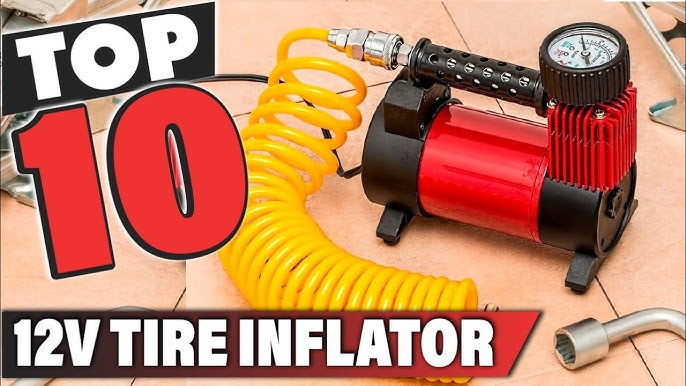
Illustrative image related to best 12v tire pump
5. What payment terms should I expect when sourcing 12V tire pumps internationally?
Payment terms can vary widely among suppliers, but common practices include a deposit (usually 30-50%) upfront, with the balance due upon shipment or delivery. Ensure to clarify these terms in your purchase agreement. Many suppliers also accept various payment methods, including bank transfers, letters of credit, and online payment platforms. It’s advisable to discuss payment terms early in negotiations to avoid any misunderstandings later in the process.
6. What logistics considerations should I keep in mind when importing tire pumps?
When importing 12V tire pumps, consider shipping methods (air or sea), delivery times, and customs clearance processes in your destination country. Factor in the costs of freight, insurance, and potential tariffs or taxes. Working with a reliable freight forwarder can streamline logistics and ensure compliance with local regulations. Additionally, confirm the supplier’s ability to provide the necessary documentation, such as invoices and certificates of origin, to facilitate smooth customs clearance.
7. Can I customize the 12V tire pumps with my brand logo?
Many manufacturers offer customization options, including branding with your logo, specific color schemes, and packaging designs. Discuss your customization needs early in the sourcing process, as it may affect MOQs and pricing. Be clear about your requirements and request samples of customized products to ensure they meet your expectations. Customization can enhance brand recognition and customer loyalty, making it a valuable investment for your business.
8. How can I assess the reliability of a supplier for 12V tire pumps?
To assess supplier reliability, research their business history, customer reviews, and industry reputation. Request references from previous clients and inquire about their experience with product quality and customer service. Additionally, consider visiting the supplier’s manufacturing facility if feasible, or utilize third-party inspection services to evaluate their production capabilities. Establishing clear communication and transparency during negotiations can also provide insights into their reliability and willingness to meet your needs.
Dominio: reddit.com
Matriculado: 2005 (20 años)
Introducción: 1. ALL-TOP Air Compressor Kit, 12V Portable Inflator, 7.06CFM – recommended for inflating tires. 2. Staun deflators – suggested for airing down tires. 3. Milwaukee M18 inflator – mentioned for faster inflation, capable of taking a tire from 15psi to 30psi in just over 2 minutes. 4. Lisle 19860 Tire Deflators – noted for effectively deflating tires quickly. 5. Thor’s Lightning Rapid 4-Tire Inflatio…

Dominio: cartalk.com
Matriculado: 1995 (30 años)
Introducción: Best Portable Tire Inflators: 1. AstroAI Tire Inflator Portable Air Compressor – Best 12-Volt Pump, Price: $40.49, Sale Price: $31.98 at Amazon. Pros: Durable, easy to use, multiple connections, digital pressure gauge, compact storage. Cons: Power cable can be a hassle. 2. EMSON Bullseye Pro Digital Tire Inflator – Best Battery-Operated Tire Inflator, Price: $74.95, Sale Price: $69.88 at Amazon. P…
In conclusion, the strategic sourcing of 12V tire pumps presents a significant opportunity for international B2B buyers, particularly in markets across Africa, South America, the Middle East, and Europe. Key takeaways from our analysis highlight the importance of selecting tire inflators that offer efficiency, versatility, and durability. Products such as the AstroAI Cordless Tire Inflator and Craftsman 12V Max Portable Air Inflator exemplify the balance between performance and portability, catering to diverse consumer needs from everyday drivers to off-road enthusiasts.
Investing in high-quality tire pumps not only enhances vehicle maintenance but also promotes long-term cost savings and operational efficiency. As markets continue to evolve, buyers should prioritize suppliers who offer reliable products along with excellent after-sales support, ensuring they remain competitive in their respective regions.
Looking ahead, as demand for automotive accessories grows globally, now is the time for B2B buyers to leverage strategic sourcing practices. By aligning with reputable manufacturers and distributors, you can secure quality products that meet the needs of your customers, driving growth and success in your business. Explore the best options available and position your company as a leader in the tire maintenance sector.
La información facilitada en esta guía, incluido el contenido relativo a fabricantes, especificaciones técnicas y análisis de mercado, tiene únicamente fines informativos y educativos. No constituye asesoramiento profesional en materia de adquisiciones, asesoramiento financiero ni asesoramiento jurídico.
Aunque hemos hecho todo lo posible por garantizar la exactitud y actualidad de la información, no nos hacemos responsables de posibles errores, omisiones o información obsoleta. Las condiciones del mercado, los detalles de las empresas y las normas técnicas están sujetos a cambios.
Los compradores B2B deben llevar a cabo su propia diligencia debida independiente y exhaustiva antes de tomar cualquier decisión de compra. Esto incluye ponerse en contacto directamente con los proveedores, verificar las certificaciones, solicitar muestras y buscar asesoramiento profesional. El riesgo de confiar en la información contenida en esta guía es responsabilidad exclusiva del lector.


 Spanish
  English
  Russian
  Italian
  Arabic
  Portuguese
  German