
As the global demand for motorcycle hard luggage continues to rise, B2B buyers face the challenge of sourcing durable, reliable, and cost-effective solutions that meet the diverse needs of their customers. Whether you’re catering to adventure riders in Brazil, urban commuters in Nigeria, or long-distance travelers across Europe, understanding the nuances of motorcycle hard luggage is essential for making informed purchasing decisions. This comprehensive guide delves into the various types of motorcycle hard luggage available, including top cases, side cases, and panniers, while also addressing their specific applications and benefits.
Moreover, we will explore crucial factors such as supplier vetting, quality assurance, and cost considerations to help you navigate the complexities of the international market. With insights tailored to the unique demands of buyers from Africa, South America, the Middle East, and Europe, this guide empowers you to evaluate options effectively and align your purchasing strategy with your business goals. By leveraging the information provided, you can enhance your product offerings, ensure customer satisfaction, and ultimately gain a competitive edge in the ever-evolving motorcycle accessories market.
Prepare to unlock new opportunities and optimize your sourcing process with actionable insights that cater to your specific regional challenges and preferences.
| Tipo Nombre | Principales rasgos distintivos | Aplicaciones B2B principales | Breves pros y contras para los compradores |
|---|---|---|---|
| Casos principales | Mounted on the rear of the motorcycle; offers maximum storage capacity; often features a locking mechanism. | Viajes de larga distancia, servicios de entrega. | Pros: Large storage, easy access. Contras: Can be bulky, potential wind resistance. |
| Side Cases | Attached on either side of the motorcycle; typically smaller than top cases; may come in pairs. | Commuting, weekend trips, adventure riding. | Pros: Balanced weight distribution, easy to install. Contras: Limited storage compared to top cases. |
| Alforjas | Often designed for off-road use; rugged construction; may feature waterproof materials. | Adventure touring, off-road riding. | Pros: Duradero y resistente a la intemperie. Contras: Higher price point, can require specific mounts. |
| Monokey vs. Monolock | Monokey allows for single-key operation for both case and mounting; Monolock offers versatility with lighter cases. | General touring, casual riders. | Pros: Convenient locking system (Monokey), lightweight options (Monolock). Contras: Monokey cases may be heavier. |
| Sistemas Rackless | No frame required for installation; often utilizes straps or mounting points on the bike. | Minimalist riders, urban commuting. | Pros: Lightweight, easy to remove. Contras: Limited capacity, may not be as secure. |
Top cases are a staple for long-distance motorcycle travel, providing significant storage space above the rear wheel. They are designed for easy access, often featuring a locking mechanism for added security. B2B buyers targeting delivery services or touring companies should consider these cases for their capacity and accessibility. However, the potential wind resistance and bulkiness may deter some urban riders, making them less suitable for short commutes.
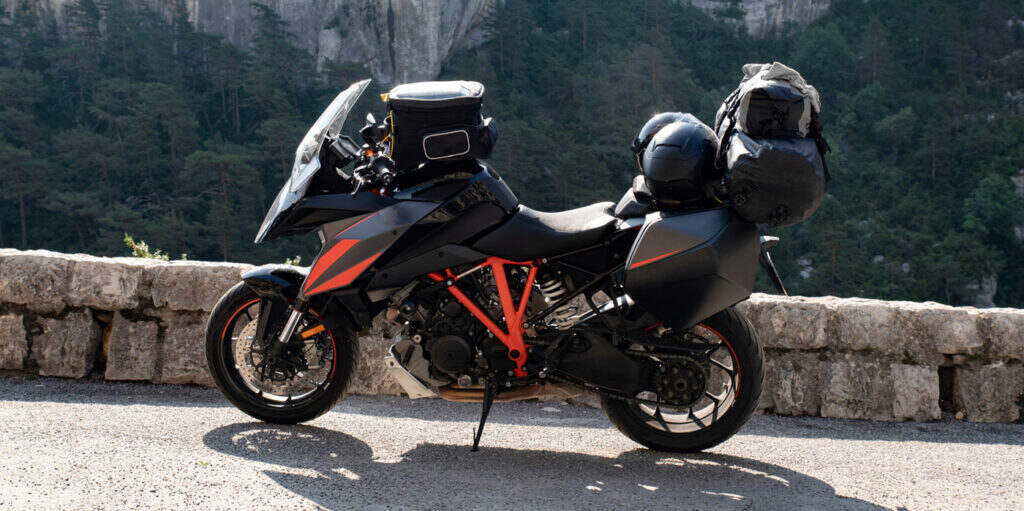
Side cases are mounted on either side of the motorcycle, offering a balanced storage solution. Typically smaller than top cases, they are ideal for weekend trips or daily commuting. Their weight distribution enhances the motorcycle’s handling, making them a preferred choice for adventure riders. B2B buyers should evaluate the ease of installation and compatibility with various motorcycle models, as well as the limited storage capacity compared to top cases.
Panniers are tailored for off-road enthusiasts, featuring rugged construction and often waterproof materials. Their design accommodates the unique demands of adventure touring, such as rough terrains and inclement weather. B2B buyers focused on adventure motorcycle rentals or touring companies should prioritize these durable options. However, the higher price point and specific mounting requirements can be a barrier for some buyers.
Monokey and Monolock systems offer different benefits depending on the rider’s needs. Monokey systems allow for one-key operation for both the case and the mounting, providing convenience for frequent travelers. In contrast, Monolock systems cater to casual riders with lighter cases. B2B buyers should assess their target market’s needs when selecting between these systems, considering factors like weight and frequency of use.
Rackless systems eliminate the need for a mounting frame, utilizing straps or built-in mounting points on the motorcycle. This lightweight option is ideal for minimalist riders or urban commuters who prioritize ease of removal. However, the limited storage capacity may not meet the needs of long-distance travelers. B2B buyers should consider the target demographic’s riding habits when exploring these systems.
| Industria/Sector | Specific Application of Motorcycle Hard Luggage | Valor/beneficio para la empresa | Consideraciones clave para el aprovisionamiento de esta aplicación |
|---|---|---|---|
| Turismo y viajes de aventura | Customized luggage solutions for guided motorcycle tours | Enhances customer experience and brand loyalty | Durability, weather resistance, and customization options for branding |
| Entrega y logística | Transporting goods and equipment for last-mile delivery | Increases efficiency and reduces transport costs | Load capacity, security features, and compatibility with various bikes |
| Servicios de emergencia | Luggage for emergency response teams on motorcycles | Quick access to essential equipment during crises | Robustness, easy attachment/detachment, and waterproofing |
| Venta al por menor y comercio electrónico | Hard luggage for shipping motorcycle parts and accessories | Protects products during transit, reducing damage | Size, weight, and protection level for different types of goods |
| Militar y seguridad | Tactical hard luggage for personnel transport and equipment storage | Ensures safe and organized transport of gear | Compliance with military specifications, durability, and security features |
In the tourism sector, motorcycle hard luggage is pivotal for guided tours and adventure travel. Tour operators utilize customized luggage solutions to enhance the travel experience, ensuring that tourists can securely transport their belongings while navigating diverse terrains. This not only improves customer satisfaction but also bolsters brand loyalty as clients appreciate the thoughtful provision of quality gear. B2B buyers in this industry should prioritize durability and weather resistance, as well as options for branding to promote their services.
Motorcycle hard luggage plays a significant role in the delivery and logistics sector, particularly for last-mile delivery services. These solutions allow businesses to transport goods and equipment efficiently, reducing time and costs associated with traditional delivery methods. Buyers in this sector should consider factors such as load capacity and security features to ensure their cargo remains safe and intact during transit. Compatibility with various motorcycle models is also crucial for seamless integration into existing logistics operations.
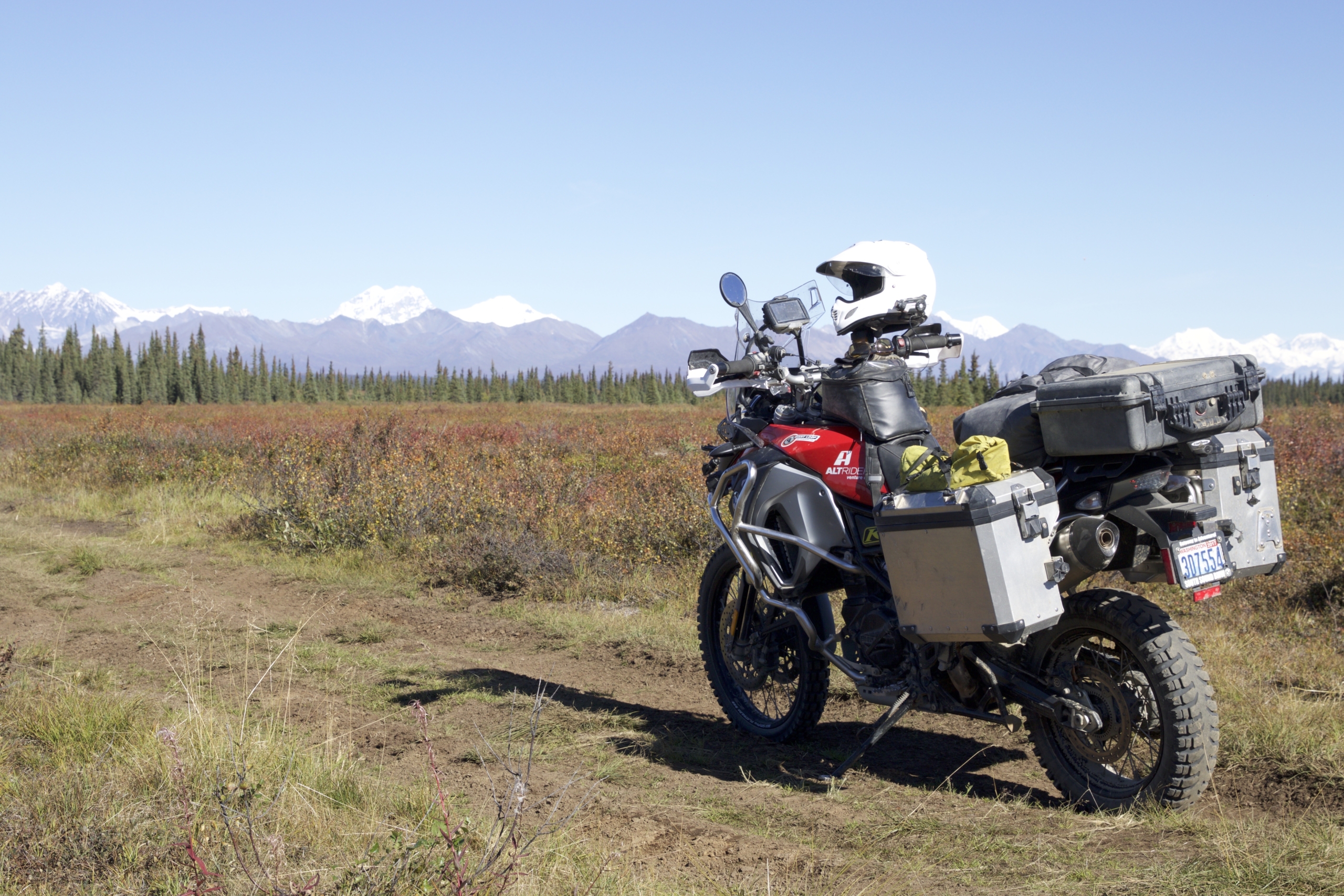
Illustrative image related to motorcycle hard luggage
In emergency services, hard luggage is essential for transporting medical supplies and equipment on motorcycles. This application enables rapid response teams to access vital resources quickly during crises, significantly impacting their operational efficiency. Buyers in this sector must focus on the robustness and waterproofing of the luggage to withstand harsh conditions. Additionally, easy attachment and detachment features are crucial for quick deployment when time is of the essence.
Retailers and e-commerce businesses utilize motorcycle hard luggage for shipping motorcycle parts and accessories. This application is vital for protecting products during transit, minimizing the risk of damage and returns. For B2B buyers, key considerations include the size and weight of the luggage, as well as the level of protection provided for different types of goods. Ensuring that the luggage meets specific shipping standards can enhance operational efficiency and customer satisfaction.
In military and security contexts, tactical hard luggage is employed for personnel transport and equipment storage. This application ensures that gear is organized and securely transported, which is critical for operational readiness. Buyers in this sector must prioritize compliance with military specifications, focusing on durability and security features to withstand challenging environments. The ability to customize luggage for specific missions can also be a significant advantage in this competitive field.
El problema: B2B buyers often face significant concerns regarding the security of valuable cargo stored in motorcycle hard luggage. This is especially true for businesses that transport high-value goods across various regions, such as Africa or South America, where theft and damage can be prevalent. Buyers may worry that standard locking mechanisms are insufficient and that their cargo could be vulnerable to tampering or theft during transit.
La solución: To alleviate these security concerns, B2B buyers should prioritize sourcing hard luggage with advanced locking systems, such as integrated combination locks or reinforced locking mechanisms. It’s essential to verify that the luggage is made from durable materials, such as high-grade aluminum or reinforced ABS plastic, which not only provide physical security but also withstand harsh environmental conditions. Additionally, consider investing in luggage with tracking technology, allowing for real-time location monitoring. Establishing partnerships with reputable suppliers who specialize in high-security solutions can further enhance trust in the products being offered.
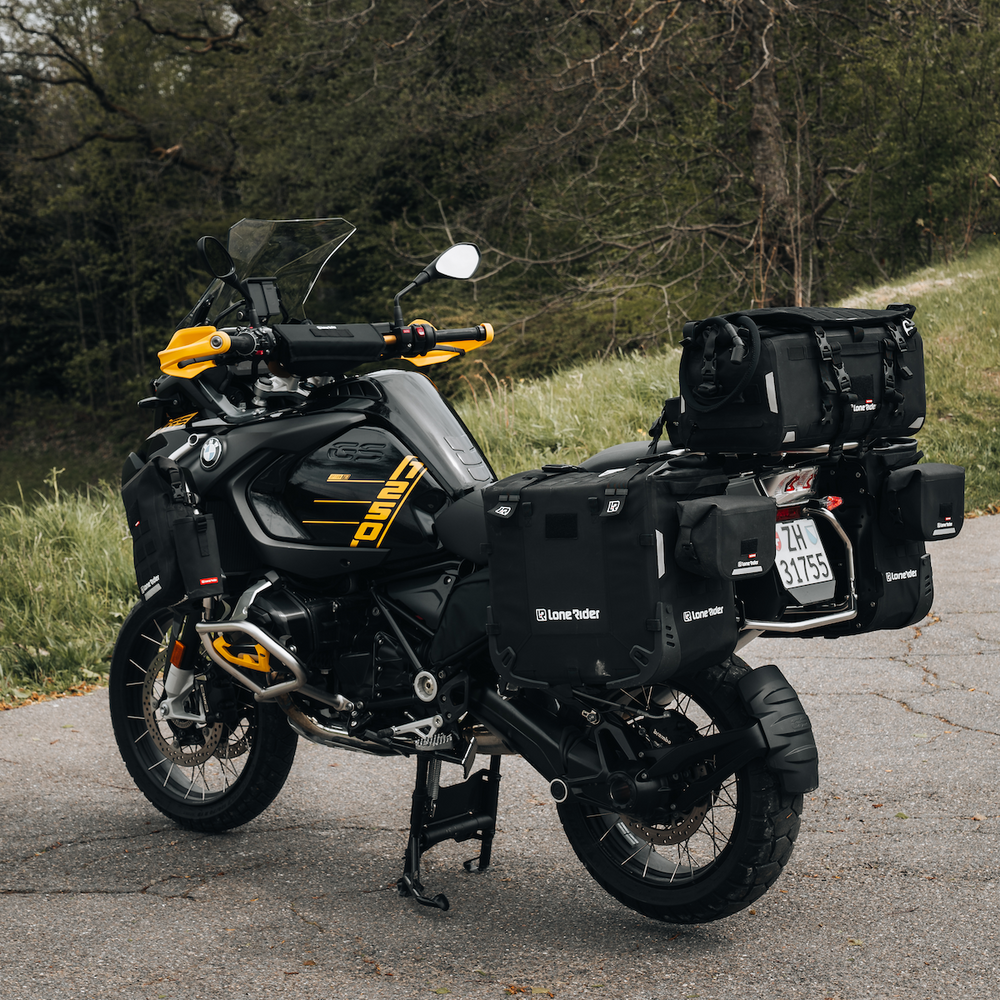
Illustrative image related to motorcycle hard luggage
El problema: A common issue for B2B buyers is the challenge of ensuring that hard luggage is compatible with various motorcycle models. Different brands and models have distinct mounting systems, which can lead to compatibility issues. This can result in increased costs and delays if adjustments or additional hardware are required to fit the luggage properly.
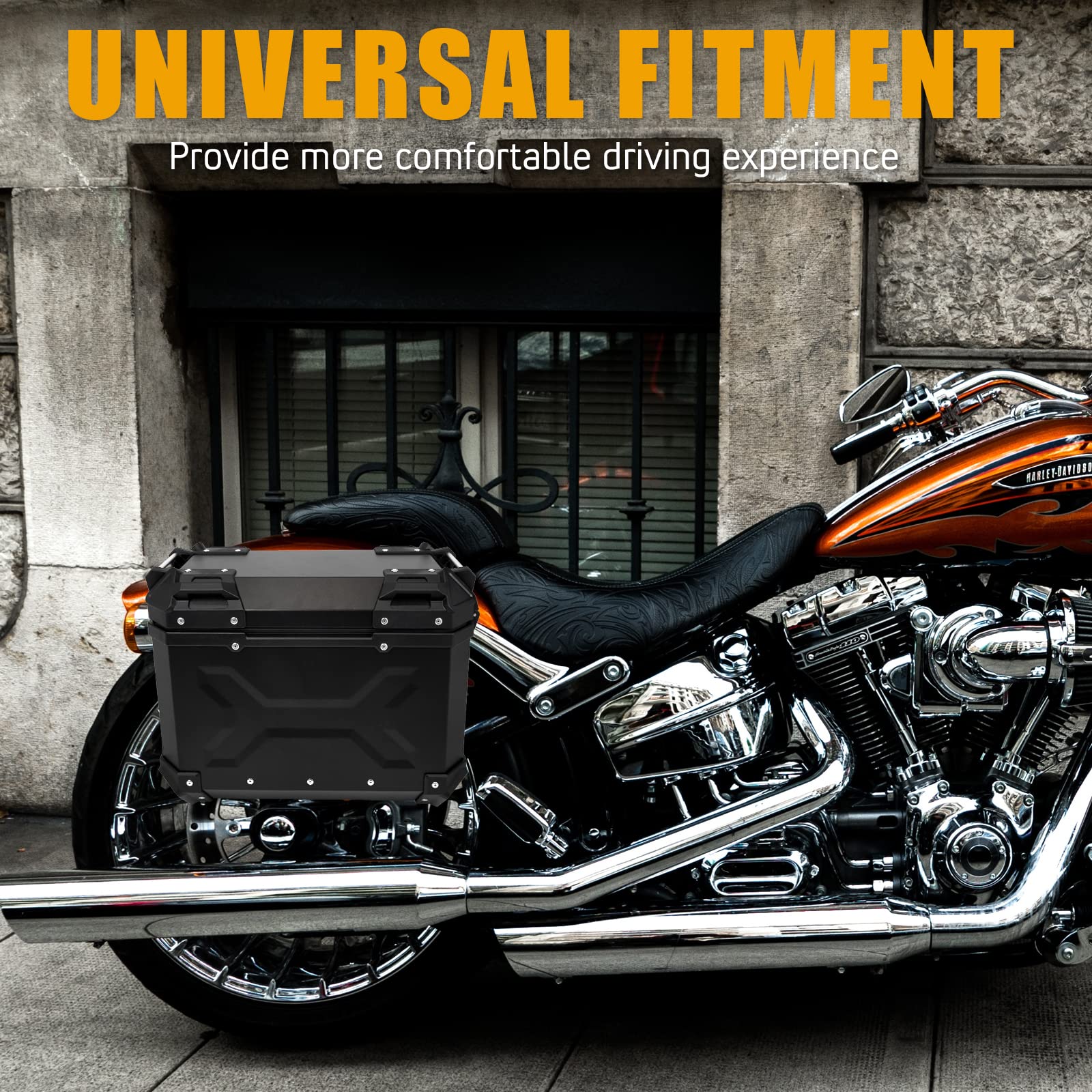
La solución: To tackle this problem, B2B buyers should conduct thorough compatibility checks before making a purchase. This includes consulting with manufacturers about specific mounting kits designed for particular motorcycle models. Suppliers that offer a range of mounting options, including universal fittings, can provide greater flexibility. Additionally, investing in modular systems that allow for easy interchangeability between different models can save time and resources. It is also advisable to read reviews and feedback from other businesses to gauge the compatibility and performance of the luggage with specific motorcycle brands.
El problema: Weather conditions can significantly impact the integrity of cargo transported via motorcycle hard luggage. In regions prone to heavy rain, dust storms, or extreme temperatures, standard hard luggage may not provide adequate protection, leading to potential damage of the goods inside. B2B buyers need to ensure that the luggage can withstand these environmental challenges without compromising the cargo.
La solución: To address this issue, B2B buyers should specifically look for hard luggage that features weather-resistant seals, waterproof materials, and robust insulation to protect against temperature fluctuations. Engaging with manufacturers that offer testing certifications for their products can assure buyers of the luggage’s performance in adverse weather conditions. Additionally, consider luggage with customizable features, such as internal waterproof liners or external covers, to provide an extra layer of protection. Regularly training staff on proper packing techniques can also help minimize risks associated with weather exposure, ensuring that cargo remains safe and secure during transit.
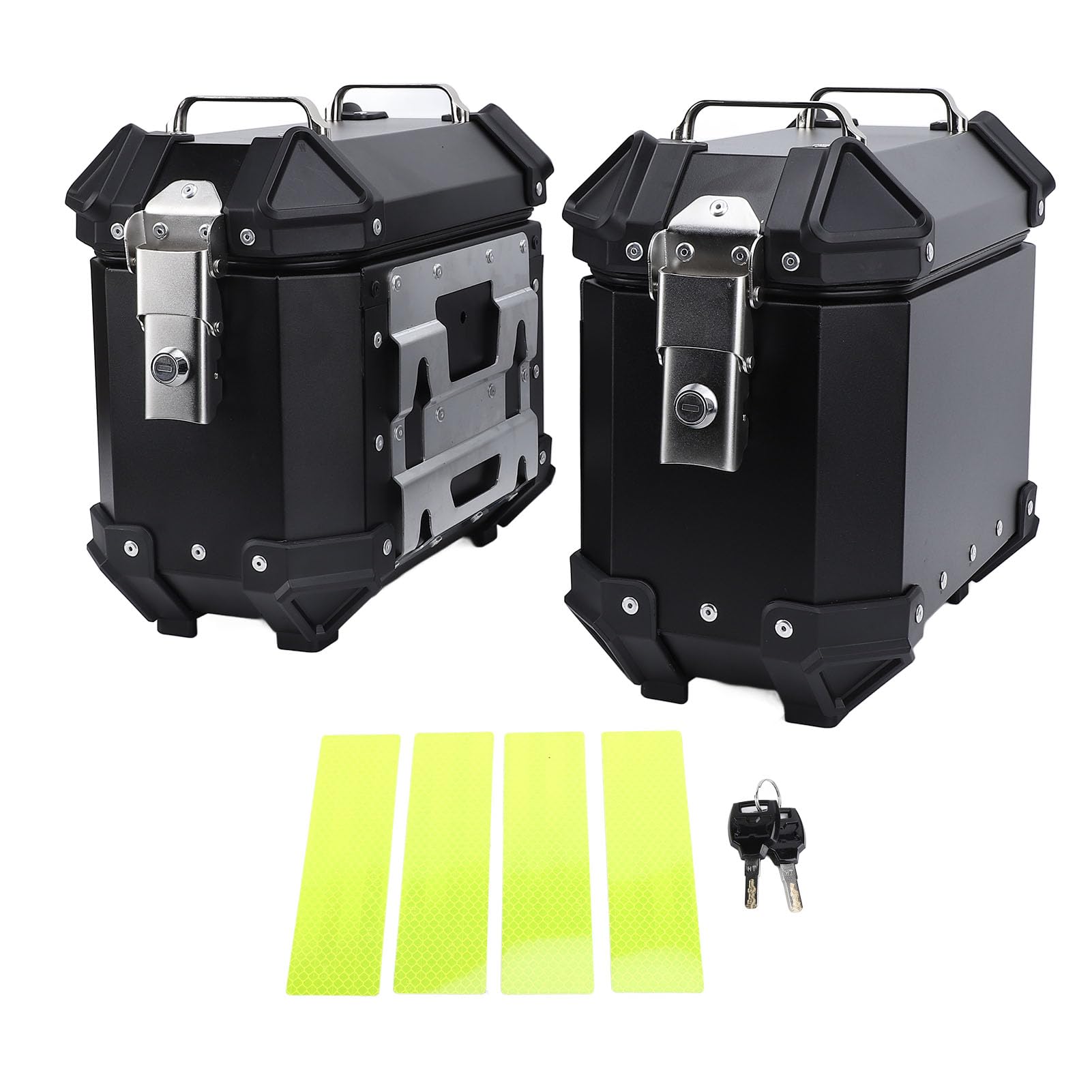
Illustrative image related to motorcycle hard luggage
When selecting materials for motorcycle hard luggage, several factors must be considered, including durability, weight, cost, and resistance to environmental factors. Below, we analyze four common materials used in the manufacturing of motorcycle hard luggage: ABS plastic, aluminum, polypropylene, and fiberglass.
ABS (Acrylonitrile Butadiene Styrene) plastic is a popular choice for motorcycle hard luggage due to its excellent impact resistance and lightweight nature. It can withstand a temperature range of -20°C to 80°C and offers good chemical resistance, making it suitable for various environmental conditions.
Pros: ABS is relatively inexpensive, easy to mold, and can be produced in various colors and finishes. Its lightweight nature aids in fuel efficiency and overall handling of the motorcycle.
Contras: While ABS is durable, it is not as robust as metals and may suffer from UV degradation over time, leading to discoloration and brittleness.
Impacto en la aplicación: ABS is compatible with a wide range of media, including moisture, oils, and fuels, making it suitable for diverse riding conditions.
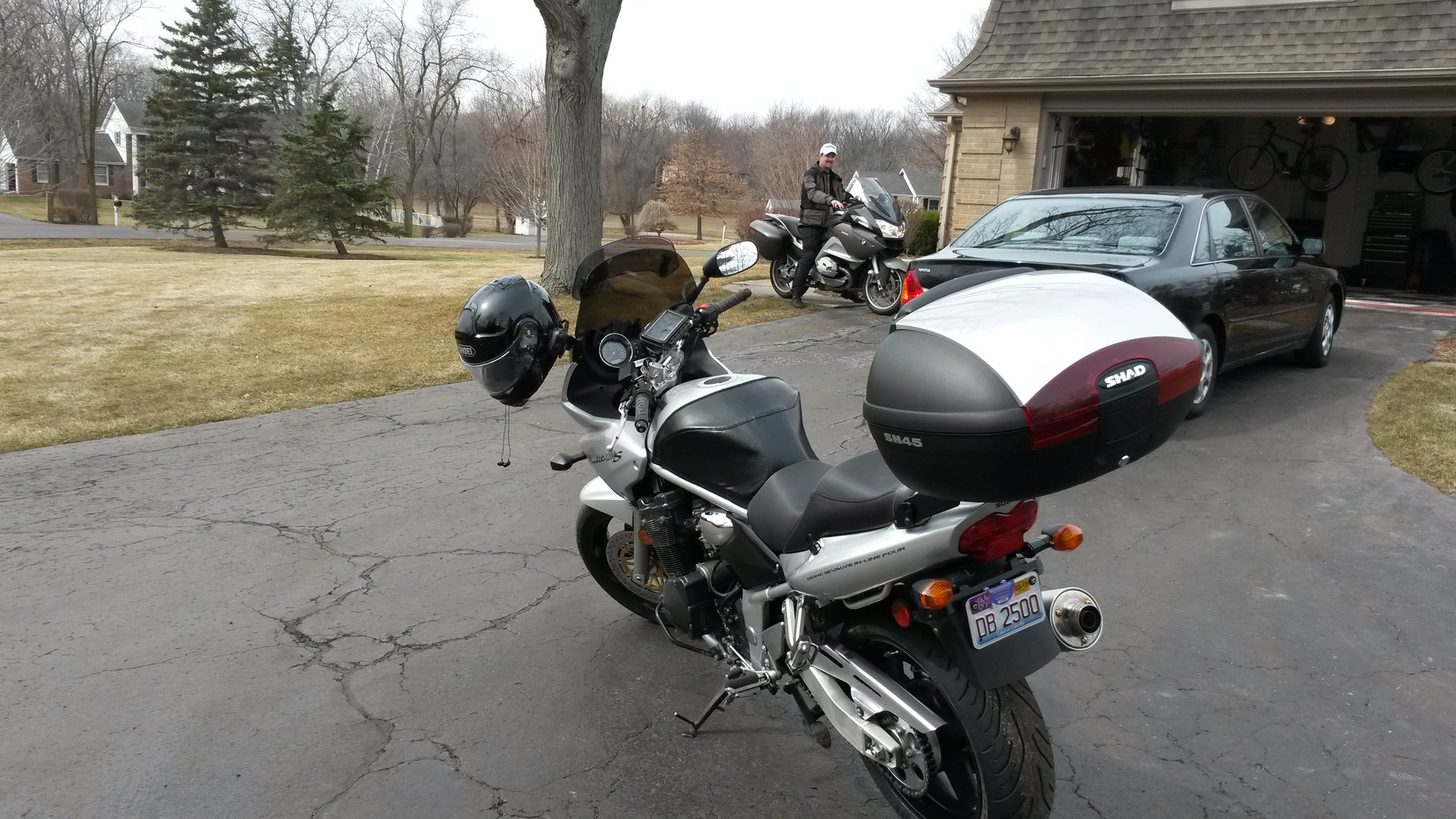
Illustrative image related to motorcycle hard luggage
Consideraciones para compradores internacionales: Buyers should ensure compliance with local regulations regarding plastic materials, particularly in regions like Europe, where environmental standards are stringent.
Aluminum is renowned for its strength-to-weight ratio, making it a preferred choice for high-end motorcycle luggage. It has excellent corrosion resistance and can handle extreme temperatures, making it suitable for both hot and cold climates.
Pros: Aluminum is highly durable, resistant to dents, and can be easily repaired if damaged. It also offers a sleek, professional appearance that many consumers find appealing.
Contras: The initial manufacturing cost of aluminum luggage is typically higher than that of plastic alternatives. Additionally, it can be prone to scratching and may require additional coatings for enhanced durability.
Impacto en la aplicación: Aluminum is compatible with various media, including water and oils, but may not hold up as well against harsh chemicals.
Consideraciones para compradores internacionales: Buyers should be aware of the different grades of aluminum and their corresponding standards (e.g., ASTM, DIN) to ensure quality and performance.
Polypropylene is another thermoplastic material often used for motorcycle luggage. It is known for its excellent chemical resistance and flexibility, which allows it to absorb impacts without cracking.
Pros: Polypropylene is lightweight, cost-effective, and resistant to many chemicals, making it suitable for diverse applications. Its flexibility also allows for some deformation under stress, reducing the risk of breakage.
Illustrative image related to motorcycle hard luggage
Contras: While it is durable, polypropylene may not provide the same level of protection against impacts as ABS or aluminum. It can also degrade under prolonged exposure to UV light.
Impacto en la aplicación: Polypropylene is compatible with various media, including fuels and oils, but may not be ideal for high-temperature applications.
Consideraciones para compradores internacionales: Buyers should check for compliance with local standards and regulations, especially in regions with strict environmental laws.
Fiberglass is a composite material that combines glass fibers with a resin matrix, resulting in a strong and lightweight product. It offers excellent resistance to corrosion and can withstand a wide range of temperatures.
Pros: Fiberglass is highly durable and can be molded into complex shapes, allowing for innovative designs. It also provides good insulation against temperature variations.
Illustrative image related to motorcycle hard luggage
Contras: The manufacturing process for fiberglass can be more complex and costly than for other materials. Additionally, it can be heavier than plastic options, potentially impacting motorcycle performance.
Impacto en la aplicación: Fiberglass is compatible with many media, including water and oils, but may not be suitable for environments with extreme chemical exposure.
Consideraciones para compradores internacionales: Buyers should ensure that fiberglass products meet local safety and performance standards, particularly in regions where quality assurance is critical.
| Material | Typical Use Case for motorcycle hard luggage | Ventajas clave | Principales desventajas/limitaciones | Coste relativo (Bajo/Medio/Alto) |
|---|---|---|---|---|
| Plástico ABS | Entry-level hard luggage | Ligero y rentable | Prone to UV degradation | Bajo |
| Aluminio | Premium hard luggage | Gran durabilidad y resistencia a la corrosión | Mayor coste de fabricación | Alta |
| Polypropylene | Budget-friendly options | Good chemical resistance | Less impact resistance | Med |
| Fibra de vidrio | Custom-designed luggage | Excellent strength and design flexibility | Complex manufacturing process | Alta |
This guide provides B2B buyers with essential insights into material selection for motorcycle hard luggage, helping them make informed decisions that align with their market needs and regional regulations.
Illustrative image related to motorcycle hard luggage
The manufacturing process of motorcycle hard luggage encompasses several critical stages, each designed to ensure durability, functionality, and aesthetic appeal. The primary stages include material preparation, forming, assembly, and finishing.
Preparación del material
The first step involves selecting high-quality materials such as ABS plastic, aluminum, or polycarbonate, which are known for their strength and lightweight properties. Materials undergo rigorous quality checks to ensure they meet specifications. This stage may also involve pre-treating surfaces to enhance adhesion for coatings and finishes.
Técnicas de conformado
Once materials are prepared, they are shaped into the desired forms. Techniques such as injection molding for plastic cases or hydroforming for metal components are commonly employed. These methods allow for precise shaping and the creation of complex geometries that are essential for functionality.
Proceso de montaje
After forming, the various components are assembled. This stage involves integrating features like locking mechanisms, mounting systems, and seals to ensure waterproofing. Automated assembly lines may be used to enhance efficiency, although skilled labor is often necessary for intricate tasks that require a human touch.
Toques finales
The final stage includes surface finishing, which may involve painting, powder coating, or applying decals. This not only provides aesthetic value but also adds an extra layer of protection against environmental factors. Quality assurance checks are conducted at every stage to catch defects early.
Quality assurance (QA) is crucial in the production of motorcycle hard luggage to meet customer expectations and regulatory requirements. International standards such as ISO 9001 play a significant role in ensuring a consistent quality management system.
Normas internacionales y específicas del sector
Many manufacturers adhere to ISO 9001, which focuses on meeting customer needs and enhancing satisfaction through effective system management. Additionally, certifications like CE (Conformité Européenne) and API (American Petroleum Institute) may be relevant depending on the markets served, ensuring compliance with safety and performance regulations.
Puntos de control de calidad
Quality control is typically organized into several checkpoints:
Several testing methods are employed to validate the quality and performance of motorcycle hard luggage. These include:
B2B buyers play a vital role in ensuring that their suppliers maintain high-quality standards. Here are effective methods for verifying supplier QC practices:
International buyers must navigate additional complexities in quality control due to varying regulations and standards across regions. Here are some considerations:
The manufacturing processes and quality assurance practices for motorcycle hard luggage are complex but crucial for ensuring high-quality products that meet the demands of B2B buyers. By understanding these processes, international buyers can make informed decisions when selecting suppliers, thereby ensuring that they receive reliable and durable products that enhance customer satisfaction in their respective markets.
When sourcing motorcycle hard luggage, a structured approach can significantly enhance your procurement process. This guide provides a checklist that outlines the essential steps for B2B buyers aiming to purchase high-quality motorcycle luggage tailored to their needs.
Illustrative image related to motorcycle hard luggage
Understanding the specific requirements of your target market is crucial. Different regions may have distinct preferences regarding size, material, and style of motorcycle luggage. For instance, buyers in Africa might prioritize durability and weather resistance due to varied terrains, while European markets may focus on aesthetic appeal and lightweight options.
Establish clear technical specifications for the luggage you intend to source. Consider factors such as:
– Material: Look for high-quality materials like ABS plastic or aluminum for durability.
– Capacity: Determine the storage capacity (liters) based on typical usage scenarios.
– Compatibilidad: Ensure the luggage is compatible with various motorcycle models to appeal to a broader customer base.
Before committing to a supplier, conduct thorough evaluations. Request detailed company profiles, product catalogs, and references from other businesses in your industry. It’s essential to assess:
– Reputation: Look for suppliers with positive reviews and a proven track record.
– Certificaciones: Verify that they meet relevant industry standards and certifications, which can indicate product quality and reliability.
Obtaining samples allows you to evaluate the quality and functionality of the luggage firsthand. Focus on:
– Construction Quality: Check for sturdiness, seams, and overall finish.
– Features: Test any unique features, such as locking mechanisms or waterproofing, to ensure they meet your expectations.
Once you’ve identified suitable suppliers and assessed product quality, negotiate pricing and terms of sale. Be clear about:
– Minimum Order Quantities: Understand the supplier’s minimum order requirements to ensure they align with your purchasing strategy.
– Condiciones de pago: Discuss payment options, including upfront costs, credit terms, and any applicable discounts for bulk orders.
Logistics play a vital role in the successful procurement of motorcycle luggage. Ensure you discuss:
– Métodos de envío: Choose reliable shipping methods that align with your delivery timelines.
– Import Duties and Regulations: Familiarize yourself with any import duties or regulations in your target market to avoid unexpected costs.
Inquire about after-sales support and warranty terms before finalizing your order. A good warranty can provide peace of mind and signal the supplier’s confidence in their products. Consider:
– Política de devoluciones: Understand the process for returning defective items or unsold stock.
– Customer Support: Ensure that the supplier offers adequate customer support to address any issues that may arise post-purchase.
By following these steps, B2B buyers can streamline their sourcing process for motorcycle hard luggage, ensuring they procure products that meet their market needs while maintaining quality and reliability.

Illustrative image related to motorcycle hard luggage
When sourcing motorcycle hard luggage, understanding the cost structure is essential for effective budgeting and price negotiations. The primary cost components include:
Materiales: The choice of materials significantly impacts the cost. High-quality plastics, aluminum, and composite materials are commonly used, with prices varying based on durability and weather resistance.
Trabajo: Labor costs differ by region. Countries with lower labor costs may offer competitive pricing, but it’s crucial to consider the skill level and experience of the workforce, which directly affects product quality.
Gastos generales de fabricación: This encompasses utilities, factory maintenance, and indirect labor. Efficient production processes can help minimize these costs.
Herramientas: Initial tooling costs can be substantial, especially for custom designs. Understanding the tooling requirements upfront can aid in evaluating the total cost.
Control de calidad: Implementing rigorous QC procedures is vital to ensure product reliability. While this adds to the cost, it can prevent losses from defective products.
Logística: Shipping costs can fluctuate based on the origin and destination. Factors like transportation method, distance, and local regulations play a crucial role in logistics expenses.
Margen: Suppliers typically include a margin to cover risks and ensure profitability. This margin can vary widely based on market demand and competitive landscape.
Several factors influence pricing, and understanding these can help buyers make informed decisions:
Volumen/MOQ: Minimum Order Quantities (MOQs) can significantly affect pricing. Bulk orders often lead to discounts, so it’s advantageous for buyers to consolidate orders when possible.
Especificaciones y personalización: Custom features or specifications can increase costs. Buyers should evaluate whether customization is necessary or if standard options suffice.
Materiales y certificaciones de calidad: Higher-quality materials and certifications (like ISO or CE) enhance product value but also increase costs. Buyers must balance their quality requirements against budget constraints.
Factores del proveedor: The supplier’s reputation, reliability, and production capabilities can impact pricing. Established suppliers may charge a premium for their proven quality and service.
Incoterms: Understanding Incoterms is crucial for international transactions, as they dictate who bears the shipping costs and responsibilities. This can affect the overall price structure.
To maximize value while minimizing costs, buyers should consider the following strategies:
Negociar las condiciones: Don’t hesitate to negotiate terms, including price, payment terms, and delivery schedules. Suppliers often expect negotiations, especially for larger orders.
Evaluar el coste total de propiedad (TCO): Look beyond the initial purchase price. Consider long-term costs, such as maintenance, durability, and potential warranty claims, to evaluate the true value.
Comprender los matices de los precios para los compradores internacionales: Different regions have varying pricing strategies influenced by local market conditions, tariffs, and import regulations. Buyers from Africa, South America, the Middle East, and Europe should be aware of these factors.
Research Suppliers Thoroughly: Conduct due diligence on potential suppliers. Reviews, certifications, and previous project experiences can provide insights into their reliability and product quality.
Manténgase informado sobre las tendencias del mercado: Keeping abreast of market trends can help buyers anticipate price changes and adjust their purchasing strategies accordingly.
The cost and pricing analysis for motorcycle hard luggage sourcing requires a comprehensive understanding of multiple factors, from production costs to market dynamics. By leveraging this knowledge, international B2B buyers can make strategic decisions that enhance their sourcing effectiveness while ensuring cost-efficiency. Always remember that prices may vary, and it is advisable to request quotes tailored to your specific requirements.
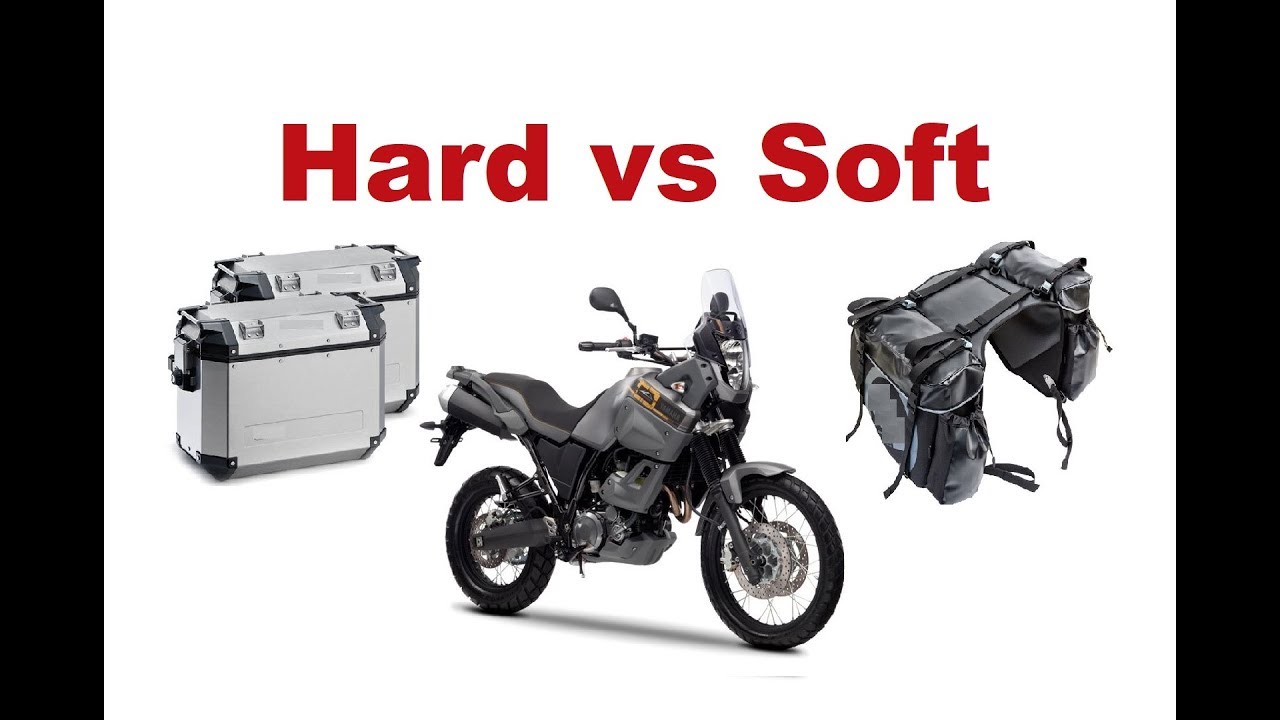
When considering motorcycle luggage options, businesses must evaluate a range of solutions beyond traditional hard luggage. This analysis aims to compare motorcycle hard luggage with two viable alternatives: soft panniers and rackless luggage systems. Each option has its own set of advantages and disadvantages that can significantly impact a buyer’s decision.
| Aspecto comparativo | Motorcycle Hard Luggage | Maletas blandas | Rackless Luggage Systems |
|---|---|---|---|
| Rendimiento | High durability; weather-resistant; secure locking mechanisms | Moderate durability; generally water-resistant but less secure | High flexibility; easy to pack/unpack; may require additional waterproofing |
| Coste | Higher initial investment (e.g., $200 – $800 per case) | Moderate pricing (e.g., $150 – $600 per set) | Varies widely (e.g., $300 – $1,200 depending on brand and features) |
| Facilidad de aplicación | Requiere sistemas de montaje específicos; la instalación puede ser compleja | Simple to attach to existing racks; user-friendly | Quick setup; no racks needed, but requires compatibility with motorcycle design |
| Mantenimiento | Minimal maintenance; durable materials | Requires occasional waterproofing treatments | Varies; may need more frequent cleaning and maintenance |
| El mejor caso de uso | Long-distance touring; heavy cargo needs | Adventure riding; lighter loads; quick trips | Off-road or casual riding; flexible loading options |
Soft panniers are a popular alternative to hard luggage, designed for versatility and ease of use. They attach to existing racks and are generally less expensive than hard cases. Their lightweight nature makes them ideal for adventure riding, where flexibility and quick access to gear are crucial. However, they may not offer the same level of security as hard cases and can be less durable against severe weather conditions.

Illustrative image related to motorcycle hard luggage
Rackless luggage systems provide a unique solution by eliminating the need for a mounting rack entirely. They are versatile and can be easily set up on various motorcycle models, making them suitable for casual and off-road riding. This type of luggage often comes with integrated waterproofing features, but users may need to invest in additional waterproofing solutions for extended trips. While they offer flexibility and ease of packing, their performance can vary significantly based on the brand and specific product design.
For B2B buyers in regions like Africa, South America, the Middle East, and Europe, selecting the right motorcycle luggage solution hinges on understanding specific needs and use cases. Motorcycle hard luggage is ideal for those seeking durability and security for long-distance travel. In contrast, soft panniers are better suited for adventure riders who prioritize lightweight and easy-access solutions. Finally, rackless systems cater to those who value flexibility without the constraints of a mounting rack. Evaluating these aspects will ensure that businesses make informed decisions tailored to their operational requirements and customer expectations.
When sourcing motorcycle hard luggage, understanding the technical specifications is crucial for ensuring quality and performance. Here are some critical properties to consider:
Composición del material
Motorcycle hard luggage is typically constructed from materials such as ABS plastic, aluminum, and polycarbonate. ABS plastic is favored for its lightweight and impact-resistant properties, making it suitable for everyday use. Aluminum offers superior durability and resistance to corrosion, ideal for long-distance touring. Polycarbonate provides excellent strength while maintaining a lightweight profile. For B2B buyers, selecting the appropriate material impacts both the product’s longevity and its marketability.
Capacidad y dimensiones
Capacity is often measured in liters (L) and indicates the volume of the luggage. Typical sizes range from 30L to over 58L. Understanding the dimensions is essential for compatibility with various motorcycle models and for meeting the specific needs of end-users. For businesses, offering a range of capacities can attract diverse customer segments, from casual riders to long-distance adventurers.
Tolerancia de peso
Each luggage piece will have a specified weight tolerance that indicates how much load it can safely carry. This specification is vital to ensure safety and performance while riding. Exceeding the weight limit can compromise the structural integrity of the luggage and the motorcycle’s handling. B2B buyers should prioritize suppliers who provide clear weight tolerance guidelines to mitigate risks.
Resistencia al agua
Water resistance ratings (often indicated by IP ratings) determine how well the luggage can protect contents from water ingress. High-quality hard luggage should at least meet an IP65 rating, ensuring it can withstand rain and splashes. For international buyers, especially in regions with variable climates, water resistance is a critical selling point that enhances customer satisfaction.
Sistema de montaje
The mounting system should be robust and user-friendly, allowing for easy attachment and detachment from the motorcycle. Common systems include Monokey and Monolock, each offering different advantages in terms of security and ease of use. Understanding these systems helps B2B buyers select products that align with consumer preferences and simplify the installation process.
In the motorcycle hard luggage industry, familiarity with specific terminology can facilitate better communication and negotiation. Here are some key terms:

Illustrative image related to motorcycle hard luggage
OEM (fabricante de equipos originales)
This term refers to a company that produces parts or products that are then marketed by another company under its brand name. For B2B buyers, partnering with OEMs can ensure high-quality components and reliable supply chains, which are essential for maintaining product standards.
MOQ (Cantidad mínima de pedido)
MOQ is the smallest quantity of a product that a supplier is willing to sell. Understanding MOQs is crucial for B2B buyers to manage inventory effectively and minimize upfront costs. Negotiating favorable MOQs can also enhance cash flow management.
RFQ (solicitud de presupuesto)
An RFQ is a document sent to suppliers requesting price quotations for specific goods or services. This process allows B2B buyers to compare offers and negotiate terms. It is essential for ensuring competitive pricing and securing the best deals.
Incoterms (Términos comerciales internacionales)
Incoterms are a set of international rules that define the responsibilities of buyers and sellers in international transactions. Familiarity with these terms helps B2B buyers understand shipping costs, risks, and responsibilities, aiding in smoother logistics and financial planning.
Plazos de entrega
Lead time refers to the duration from placing an order to its delivery. Understanding lead times is crucial for inventory management and customer service. B2B buyers should consider suppliers with shorter lead times to ensure they can meet consumer demand without delays.
Garantía y política de devoluciones
Warranty terms specify the period during which a product is guaranteed against defects. A clear return policy is also vital for customer satisfaction. B2B buyers should prioritize suppliers offering robust warranties and transparent return processes to build trust and loyalty among customers.
These technical properties and trade terms are essential for making informed decisions in the competitive motorcycle hard luggage market. Understanding them will enable B2B buyers to select products that meet both quality standards and consumer expectations, ultimately driving sales and enhancing brand reputation.
The motorcycle hard luggage sector is experiencing robust growth driven by several global factors. Increasing motorcycle ownership, particularly in emerging markets such as Brazil, Nigeria, and various Middle Eastern countries, is a primary driver. This surge is accompanied by a growing interest in adventure and touring motorcycling, which necessitates efficient and durable luggage solutions. Additionally, the rise of e-commerce platforms enables international B2B buyers to access a wider range of products, enhancing competition and innovation among manufacturers.
Current sourcing trends indicate a shift towards modular and customizable luggage systems. Buyers increasingly prefer solutions that offer versatility, allowing them to adapt their luggage to various riding conditions and personal preferences. The integration of technology into luggage design, such as smart locking mechanisms and GPS tracking, is also emerging, appealing to tech-savvy consumers. Moreover, the demand for lightweight yet robust materials is gaining traction, pushing manufacturers to explore advanced composites and alloys.
Illustrative image related to motorcycle hard luggage
International buyers are also influenced by regional market dynamics. For instance, in Africa and South America, affordability and functionality are paramount, while European buyers may prioritize aesthetic design and premium features. Understanding these nuances can significantly enhance sourcing strategies for B2B buyers looking to penetrate diverse markets.
Sustainability has become a crucial consideration in the sourcing of motorcycle hard luggage. Environmental impacts associated with production processes, such as carbon emissions and resource depletion, are prompting manufacturers and buyers alike to adopt more sustainable practices. Ethical supply chains are now a selling point, with buyers increasingly seeking products that are produced with minimal environmental impact.
The use of ‘green’ certifications and materials is gaining importance. For instance, manufacturers are exploring biodegradable plastics, recycled materials, and sustainable sourcing practices to appeal to environmentally conscious consumers. B2B buyers should prioritize suppliers who demonstrate a commitment to sustainability through transparent practices and certifications. This not only aligns with global sustainability goals but also enhances brand reputation and customer loyalty in increasingly eco-aware markets.
Moreover, the integration of circular economy principles—where products are designed for longevity and recyclability—can significantly influence purchasing decisions. B2B buyers that align their sourcing strategies with these trends stand to gain a competitive edge by meeting the demands of a growing segment of environmentally conscious consumers.
The motorcycle hard luggage sector has evolved significantly over the past few decades. Initially, luggage options were limited to basic saddlebags and simple storage solutions, primarily made from leather or canvas. As motorcycle culture grew, especially in the late 20th century, so did the demand for more durable and weather-resistant options.
Illustrative image related to motorcycle hard luggage
The introduction of hard cases, particularly in the 1990s, marked a turning point. Manufacturers began to utilize advanced materials such as ABS plastic and aluminum, which offered enhanced protection and longevity. This period also saw the rise of brands specializing in motorcycle accessories, which further propelled innovation and design in the hard luggage segment.
Today, the sector is characterized by a wide array of products catering to different riding styles and preferences, reflecting the diverse needs of the global motorcycle community. Understanding this historical context can provide B2B buyers with valuable insights into current market offerings and future trends, enabling them to make informed sourcing decisions.
1. How do I choose the right motorcycle hard luggage for my business needs?
Selecting the right motorcycle hard luggage depends on various factors such as the type of motorcycles your clients use, the intended use (e.g., touring, off-road, commuting), and the desired capacity. Evaluate the materials (aluminum, plastic, or composite) for durability and weight. Additionally, consider compatibility with existing motorcycle models and any specific features your customers may require, such as waterproofing or additional security measures. Reviewing customer feedback and industry trends can also provide insights into popular choices.
2. What is the best material for motorcycle hard luggage?
The best material for motorcycle hard luggage often depends on the specific needs of your target market. Aluminum cases are favored for their strength and durability, making them ideal for rugged use. Plastic luggage is lighter and often more affordable, suitable for casual riders. Composite materials offer a balance between weight and durability, often incorporating weather-resistant properties. It’s essential to assess the common riding conditions in your target regions, such as rough terrains or extreme weather, to guide your material selection.
Illustrative image related to motorcycle hard luggage
3. What are the key features to look for in motorcycle hard luggage?
Key features to consider include durability, waterproofing, weight capacity, ease of installation, and security features such as locks. Look for luggage that offers modularity or expandability, allowing for customization based on varying needs. Additionally, features like integrated mounting systems, reflective surfaces for visibility, and ease of access can enhance user experience. Consider how these features align with the preferences of your target customers in different regions.
4. How do I vet suppliers for motorcycle hard luggage?
When vetting suppliers, start by checking their industry reputation and experience in manufacturing motorcycle luggage. Request references and samples to assess product quality. Verify certifications for quality assurance and compliance with international standards. It is also beneficial to evaluate their production capacity, lead times, and responsiveness to inquiries. Establishing clear communication and understanding their payment and logistics processes will help ensure a smooth partnership.
5. What are the typical minimum order quantities (MOQs) for motorcycle hard luggage?
Minimum order quantities can vary significantly among suppliers, typically ranging from 50 to several hundred units per model. Factors influencing MOQs include the complexity of the product, production capabilities, and whether the order includes customization. It’s essential to discuss your specific needs with potential suppliers to negotiate MOQs that align with your business strategy while ensuring they can meet your demand.
6. What payment terms should I expect when sourcing motorcycle hard luggage?
Payment terms can vary widely, but common practices include a 30% deposit upon order confirmation and the remaining balance before shipment. Some suppliers may offer net 30 or net 60 terms for established relationships. Be sure to clarify these terms upfront to avoid any misunderstandings. Additionally, consider the payment methods available, such as wire transfers, credit cards, or escrow services, to ensure security in transactions.
7. How can I ensure quality assurance for motorcycle hard luggage?
Implementing a quality assurance process involves several steps, such as requesting product samples, conducting factory audits, and reviewing production processes. Establishing clear quality standards and testing protocols before production can help ensure that the final products meet your specifications. Consider utilizing third-party inspection services, especially for bulk orders, to verify that products adhere to your quality requirements before shipment.

Illustrative image related to motorcycle hard luggage
8. What logistics considerations should I keep in mind for shipping motorcycle hard luggage internationally?
When shipping internationally, consider factors such as shipping costs, customs duties, and import regulations specific to each country. Ensure you have a reliable logistics partner who can handle customs clearance and delivery. It’s also important to understand packaging requirements to protect the luggage during transit. Planning ahead for potential delays and ensuring proper insurance coverage will help mitigate risks associated with international shipping.
Dominio: moskomoto.com
Inscrito: 2013 (12 años)
Introducción: Motorcycle Luggage | Mosko Moto SALE! 15 – 30% OFF Free Shipping On Orders Over $200 USD
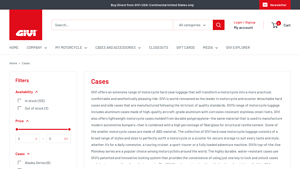
Dominio: giviusa.com
Matriculado: 2000 (25 años)
Introducción: Motorcycle Hard Cases available in various series: Monokey, Monolock, Alaska, Dolomiti, Outback, Trekker. Accessories include keys, back rest pads, brake light kits, colored case covers, inner bags, liners, luggage racks, side hard bags, soft luggage, backpacks, tail packs, tank bags, top case plates, and spare parts. Compatible with multiple motorcycle brands including Aprilia, Benelli, BMW, CFMO…
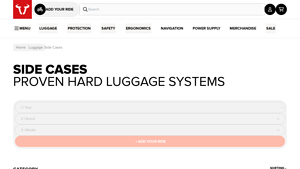
Dominio: sw-motech.es
Matriculado: 2019 (6 años)
Introducción: SW-MOTECH offers a variety of motorcycle side cases designed for adventure and everyday use. Key features include:
– Proven hard luggage systems with bike-specific carriers for secure mounting and quick removal.
– TRAX ADV aluminum cases made from 1.5 mm robot-welded aluminum, waterproof, with removable lids and stainless-steel latches.
– DUSC hard case combines aluminum frame stability with li…
Dominio: touratech-usa.com
Matriculado: 2001 (24 años)
Introducción: Motorcycle Panniers & Luggage from Touratech USA includes various categories such as Pannier Systems, Topcase Systems, Tank & Tail Bags, Individual Panniers & Topcases, Pannier Accessories, Straps & Tie-Downs, Duffle & Dry Bags, and Mounting Kits & Spares. The products are compatible with a wide range of motorcycle brands including BMW, KTM, Triumph, Honda, Yamaha, Aprilia, Harley-Davidson, Suzuki…
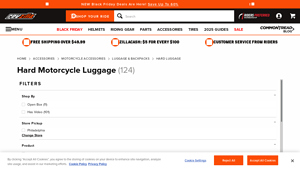
Dominio: revzilla.com
Registrado: 2006 (19 años)
Introducción: This company, RevZilla – Motorcycle Gear & Accessories, is a notable entity in the market. For specific product details, it is recommended to visit their website directly.
In the competitive landscape of motorcycle hard luggage, strategic sourcing emerges as a pivotal approach for international B2B buyers. By leveraging relationships with trusted suppliers, businesses can secure high-quality products that align with market demands while optimizing costs. Understanding regional preferences, particularly in diverse markets like Africa, South America, the Middle East, and Europe, enables companies to tailor their offerings and enhance customer satisfaction.
Investing in durable and innovative luggage solutions not only boosts brand reputation but also supports the growing trend of motorcycle tourism and adventure travel. As buyer preferences shift toward sustainable and functional designs, suppliers who can adapt to these changes will gain a significant edge.
Looking ahead, the demand for motorcycle hard luggage is set to rise, driven by an increase in motorcycle ownership and outdoor recreational activities. B2B buyers are encouraged to explore new partnerships and invest in quality products that meet evolving consumer needs. Embrace the opportunity to enhance your supply chain and position your business for success in this dynamic market.
La información facilitada en esta guía, incluido el contenido relativo a fabricantes, especificaciones técnicas y análisis de mercado, tiene únicamente fines informativos y educativos. No constituye asesoramiento profesional en materia de adquisiciones, asesoramiento financiero ni asesoramiento jurídico.
Aunque hemos hecho todo lo posible por garantizar la exactitud y actualidad de la información, no nos hacemos responsables de posibles errores, omisiones o información obsoleta. Las condiciones del mercado, los detalles de las empresas y las normas técnicas están sujetos a cambios.
Los compradores B2B deben llevar a cabo su propia diligencia debida independiente y exhaustiva antes de tomar cualquier decisión de compra. Esto incluye ponerse en contacto directamente con los proveedores, verificar las certificaciones, solicitar muestras y buscar asesoramiento profesional. El riesgo de confiar en la información contenida en esta guía es responsabilidad exclusiva del lector.


 Spanish
  English
  Russian
  Italian
  Arabic
  Portuguese
  German