
In an increasingly mobile world, the demand for reliable tire inflators and jump starters has surged, presenting a significant challenge for international B2B buyers seeking to procure high-quality, efficient solutions. Sourcing tire inflators and jump starters that meet diverse regional requirements—from the rugged terrains of Africa to the bustling streets of Germany—requires an understanding of product specifications, supplier capabilities, and market trends. This comprehensive guide will delve into various types of tire inflators and jump starters, their applications across different sectors, and the critical factors to consider when vetting suppliers.
Buyers will gain insights into the latest technologies, such as integrated power banks and advanced safety features, ensuring they select products that not only enhance operational efficiency but also provide value for money. Additionally, we will explore pricing structures and shipping considerations tailored for regions such as South America and the Middle East, where logistics can be a significant hurdle.
By equipping B2B buyers with actionable intelligence on product features, supplier reliability, and market dynamics, this guide empowers informed purchasing decisions. It aims to foster confidence in sourcing practices, ensuring that businesses can meet their operational needs while navigating the complexities of the global market for tire inflators and jump starters.
| Tipo Nombre | Principales rasgos distintivos | Aplicaciones B2B principales | Breves pros y contras para los compradores |
|---|---|---|---|
| Portable Jump Starter & Inflator | Compact design, multi-functional (jump start & inflate), USB ports | Talleres de reparación de automóviles, asistencia en carretera | Pros: Versatile, easy to store, quick inflation. Contras: May lack power for heavy-duty vehicles, battery life varies. |
| Heavy-Duty Jump Starter & Inflator | High amperage output, robust build, suitable for larger vehicles | Fleet services, construction, agriculture | Pros: Reliable for large engines, durable for harsh conditions. Contras: Bulky, higher price point. |
| Mini Jump Starter & Inflator | Lightweight, ultra-compact, often USB rechargeable | Personal use, small vehicle support | Pros: Extremely portable, ideal for emergencies. Contras: Limited power, may not work for larger engines. |
| Cordless Jump Starter & Inflator | Battery-operated, no cords, often includes smart features like indicators | Emergency services, mobile mechanics | Pros: Convenient, user-friendly, often features safety indicators. Contras: Requires regular charging, can be expensive. |
| Multi-Functional Units | Combines inflator, jump starter, and additional features (lights, ports) | Automotive retail, outdoor recreation | Pros: All-in-one solution, saves space, versatile for various tasks. Contras: Complexity may confuse users. |
Portable jump starters and inflators are designed for convenience and quick access. They typically feature a compact design that allows them to fit in vehicle storage compartments. These units are ideal for automotive repair shops and roadside assistance services, providing an efficient solution for minor vehicle emergencies. B2B buyers should consider their power output and battery life, as these factors directly impact the unit’s effectiveness in real-world scenarios.
Heavy-duty jump starters and inflators are built to tackle larger vehicles and demanding applications, such as fleet services and construction equipment. They offer high amperage output and robust construction, ensuring reliability in challenging environments. B2B purchasers must evaluate the unit’s weight and size against their operational needs, as these models can be bulkier and more expensive than standard options, but they provide unmatched performance when needed.
Mini jump starters and inflators cater to those who prioritize portability and ease of use. These lightweight units are perfect for personal use or small vehicle support, making them an attractive option for consumers and businesses alike. However, B2B buyers should be mindful of their limited power capabilities, which may restrict their use with larger engines. Evaluating the balance between portability and power is essential when considering these products.
Cordless jump starters and inflators provide unparalleled convenience due to their battery-operated nature. They often come equipped with smart features such as safety indicators and user-friendly interfaces, making them suitable for emergency services and mobile mechanics. B2B buyers should assess the charging requirements and overall cost, as these units can be pricier and may require regular maintenance to ensure optimal performance.
Multi-functional units combine the capabilities of inflators, jump starters, and additional features like LED lights and power ports. These all-in-one solutions are particularly beneficial for automotive retail and outdoor recreation businesses, as they save space and enhance versatility. While they offer numerous advantages, B2B buyers should consider the complexity of operation and potential learning curve associated with these devices, ensuring they align with their team’s capabilities.
| Industria/Sector | Specific Application of tire inflator and jump starter | Valor/beneficio para la empresa | Consideraciones clave para el aprovisionamiento de esta aplicación |
|---|---|---|---|
| Reparación de automóviles | Emergency roadside assistance for vehicles | Reduce el tiempo de inactividad y mejora la satisfacción del cliente | Durability, ease of use, and battery capacity are crucial. |
| Transporte y logística | Fleet maintenance and emergency support | Ensures fleet readiness and minimizes operational disruptions | Compact design, portability, and fast inflation capability. |
| Construcción | On-site tire inflation for heavy machinery | Increases productivity by reducing equipment downtime | High-pressure capabilities and rugged construction are essential. |
| Agricultura | Quick tire inflation for agricultural vehicles | Enhances efficiency in field operations | Adaptability to different tire types and ease of transport. |
| Ocio al aire libre | Portable power for recreational vehicles and equipment | Provides convenience and reliability for outdoor activities | Lightweight design and multiple charging options are beneficial. |
In the automotive repair sector, tire inflators and jump starters are essential tools for roadside assistance. They allow mechanics to quickly address battery failures and flat tires, significantly reducing vehicle downtime. For B2B buyers, the reliability and ease of use of these devices are critical. They should consider products that offer robust safety features, such as spark-proof technology and reverse polarity protection, to ensure safe operation in various conditions.
Within the transportation and logistics industry, tire inflators and jump starters are vital for maintaining fleet vehicles. These devices enable quick responses to unexpected tire issues and dead batteries, which can halt operations and lead to costly delays. B2B buyers must prioritize portable models with long-lasting battery life and fast inflation times to ensure their fleets remain operational, especially in remote areas where access to service stations may be limited.
Construction sites often face the challenge of maintaining heavy machinery that requires immediate attention due to flat tires or dead batteries. Tire inflators and jump starters provide on-site solutions that minimize downtime and keep projects on schedule. Buyers in this sector should look for rugged, high-pressure inflators that can handle the demands of construction environments, ensuring they can service various types of equipment effectively.
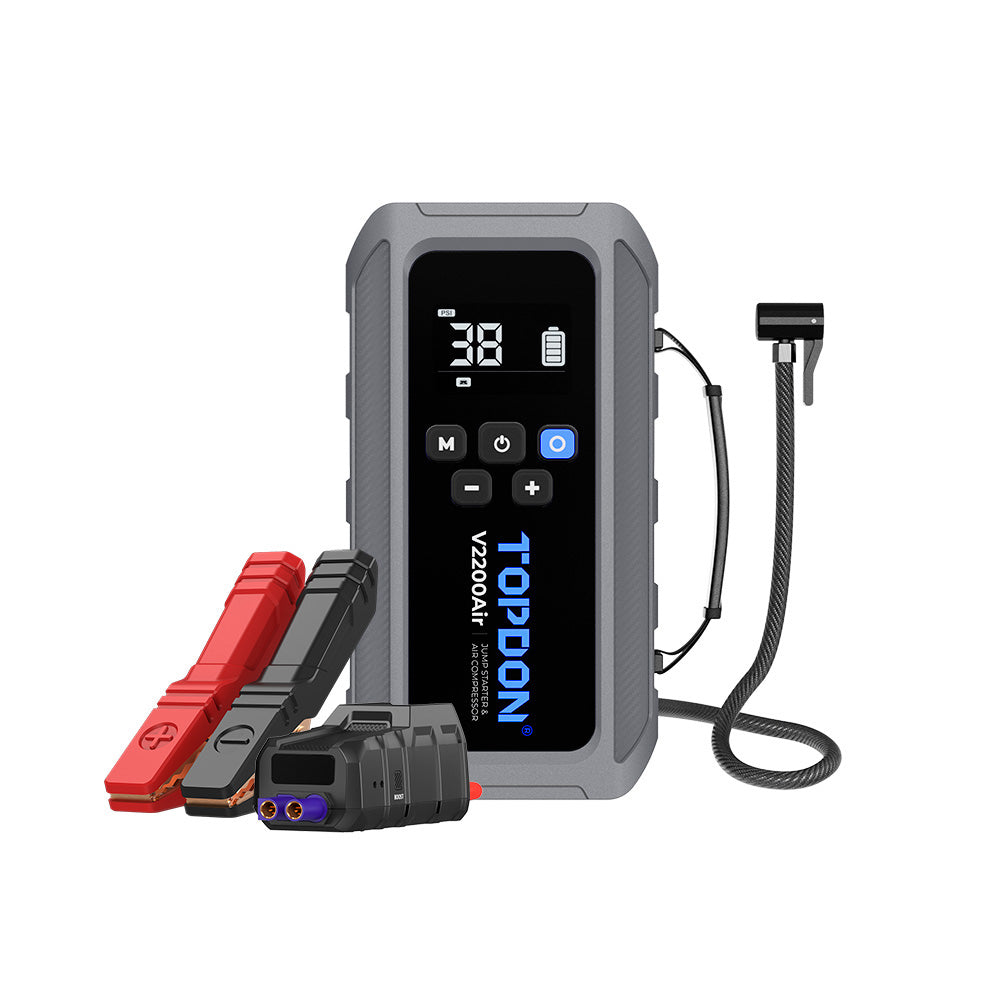
Illustrative image related to tire inflator and jump starter
In agriculture, tire inflators and jump starters are indispensable for maintaining the functionality of farm vehicles. Quick inflation can prevent delays during critical planting or harvesting seasons, while jump starters ensure that tractors and other equipment remain operational. For international B2B buyers, the versatility of these devices to cater to different vehicle types and their portability are key considerations, especially in expansive rural areas.
Outdoor recreation businesses, such as those renting ATVs or camping equipment, benefit from tire inflators and jump starters by providing customers with reliable support during their adventures. These tools ensure that vehicles and equipment are always ready for use, enhancing customer satisfaction. Buyers should focus on lightweight and compact models that can be easily transported, as well as those that include multiple charging options to cater to diverse outdoor needs.
El problema: Fleet managers often face difficulties with storage and portability of tire inflators and jump starters. Given the variety of vehicles in a fleet, including cars, vans, and trucks, having a reliable solution that is both compact and easy to transport is essential. These devices can be bulky, making it challenging to store them in vehicles without sacrificing space for other critical equipment. Additionally, in regions with limited access to roadside assistance, having a reliable portable device is crucial for minimizing downtime.
La solución: When sourcing tire inflators and jump starters, opt for models that are specifically designed with portability in mind. Look for compact, lightweight units that can easily fit in vehicle compartments or be stowed in a toolbox. Consider devices that come with built-in storage for cables and hoses to keep everything organized and prevent tangling. Moreover, ensure that the chosen product has a robust carrying case that protects it from damage and makes it easy to transport. Investing in high-quality options, such as those with multi-function capabilities (like the ability to jump-start and inflate tires) can maximize utility without adding excess weight. Regular training for drivers on how to properly use these devices will also enhance efficiency and ensure that the fleet is always prepared for emergencies.
El problema: B2B buyers often experience anxiety over the reliability of tire inflators and jump starters, especially in emergency situations where time is of the essence. Equipment that fails to perform when needed can lead to significant operational delays, increased costs, and even safety risks. For instance, a construction company relying on heavy-duty vehicles may find itself in a bind if a jump starter fails to start a truck or if a tire inflator cannot quickly refill a flat tire, leading to project delays.
La solución: To mitigate reliability concerns, it is vital to select tire inflators and jump starters that have been rigorously tested for performance under various conditions. Look for products that have high peak amp ratings for jump starters, ensuring they can handle the demands of larger vehicles. Additionally, models with built-in pressure gauges and automatic shut-off features can enhance the accuracy and safety of tire inflation. Before making a purchase, consult product reviews and request demonstrations from suppliers to evaluate the performance firsthand. Implementing a routine maintenance schedule for these devices can also ensure they remain in optimal working condition, reducing the likelihood of failure during critical moments.
El problema: B2B buyers often find themselves with multiple devices to handle different tasks, which can be cumbersome and inefficient. For example, a logistics company might require separate equipment for jump-starting vehicles and inflating tires, leading to increased costs and storage issues. In regions where quick response times are essential, such as during long-haul transport across remote areas, having one versatile device can significantly streamline operations.
La solución: When evaluating tire inflators and jump starters, prioritize multi-function devices that can handle a variety of tasks. Look for models that offer not only jump-starting capabilities and tire inflation but also additional features like USB ports for charging electronics and built-in LED lights for visibility during nighttime emergencies. This multifunctionality can reduce the number of devices needed, thereby saving space and costs. Additionally, ensure that the selected device can accommodate different vehicle types and tire sizes, making it a one-stop solution for all needs. Regularly assess the performance of these devices and train staff on their various functions to maximize efficiency and preparedness in emergency situations.
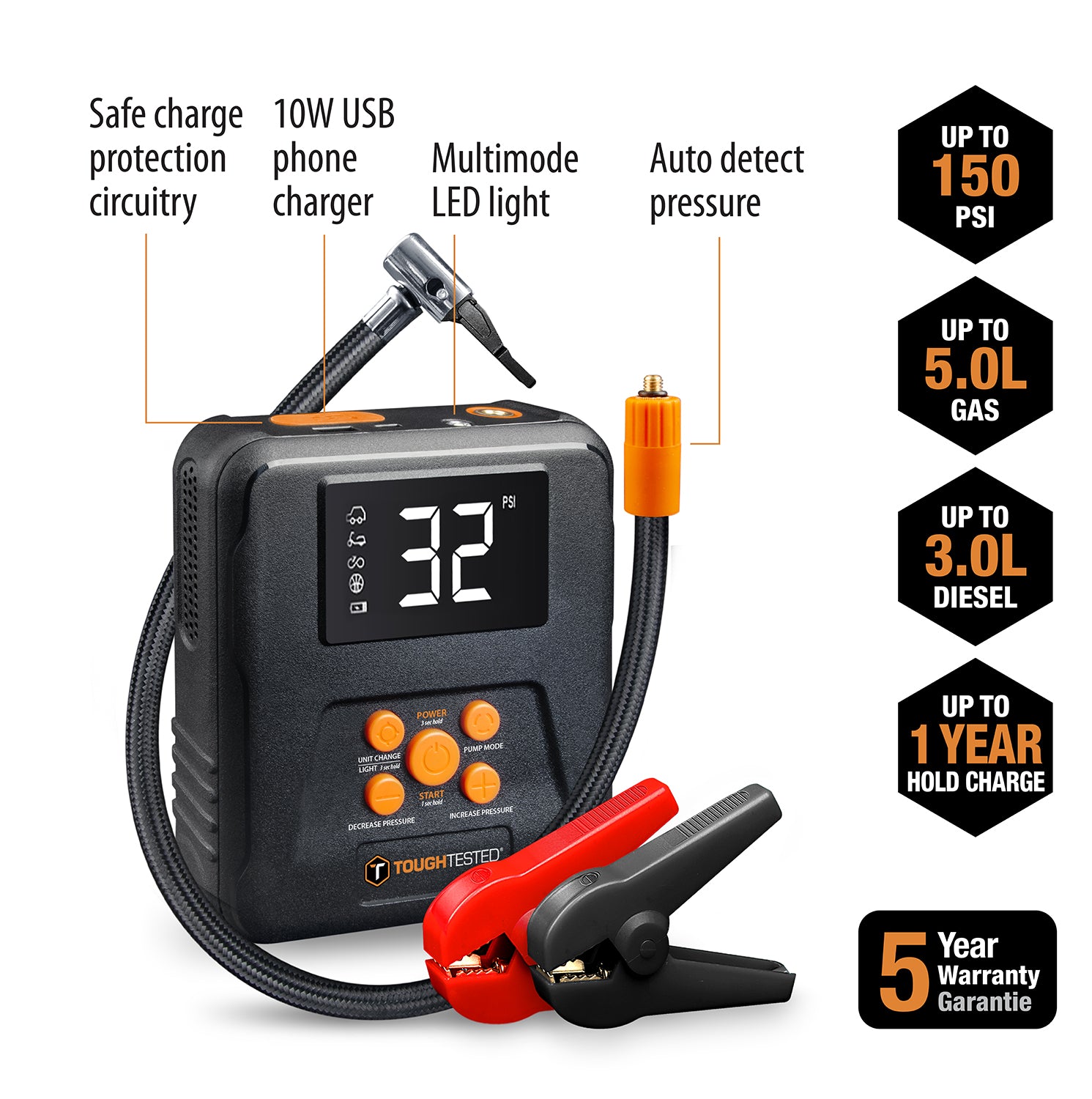
Illustrative image related to tire inflator and jump starter
When selecting materials for tire inflators and jump starters, manufacturers must consider performance, durability, and cost-effectiveness. Here, we analyze four common materials used in these products: plastics, metals, rubber, and composites.
Plastics, particularly high-density polyethylene (HDPE) and polycarbonate, are widely used for housing and components in tire inflators and jump starters. These materials offer excellent temperature resistance, typically ranging from -40°C to 80°C, and can withstand moderate pressures, making them suitable for various applications.
Pros: Plastics are lightweight, which enhances portability, and they can be molded into complex shapes, allowing for innovative designs. They are generally cost-effective and resistant to corrosion, which is crucial for products exposed to different environmental conditions.
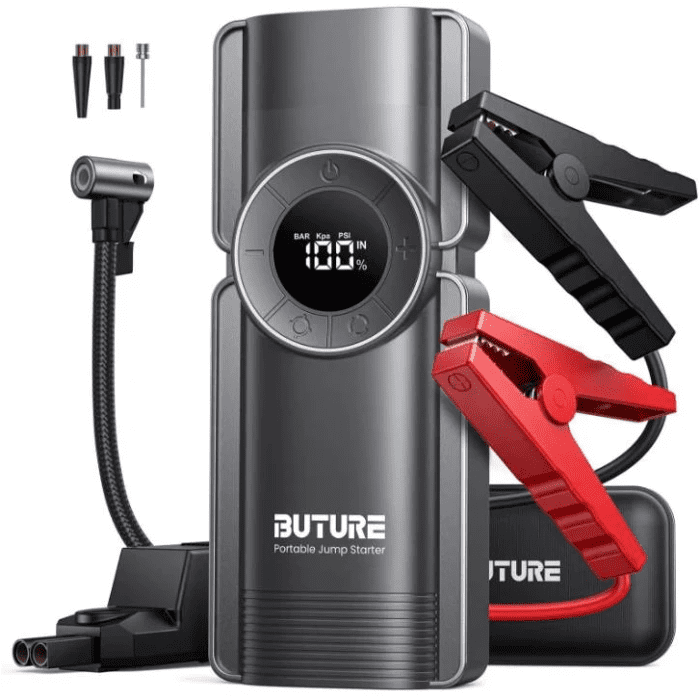
Illustrative image related to tire inflator and jump starter
Contras: However, plastics may have lower impact resistance compared to metals, which can be a disadvantage in rugged applications. They are also less suitable for high-temperature components, as they can deform under extreme heat.
Impacto en la aplicación: Plastics are compatible with air and low-pressure applications but may not be suitable for components that require high structural integrity under pressure.
Consideraciones para compradores internacionales: Compliance with international standards such as ASTM and ISO is essential. Buyers in regions like Europe may prefer materials that meet stringent environmental regulations regarding plastic use.
Metals, particularly aluminum and steel, are often used for structural components in tire inflators and jump starters due to their high strength and durability. Aluminum is lightweight and resistant to corrosion, while steel offers superior strength and longevity.
Pros: Metals can withstand high pressures and temperatures, making them ideal for high-performance applications. They also provide excellent electrical conductivity, which is crucial for jump-starting capabilities.
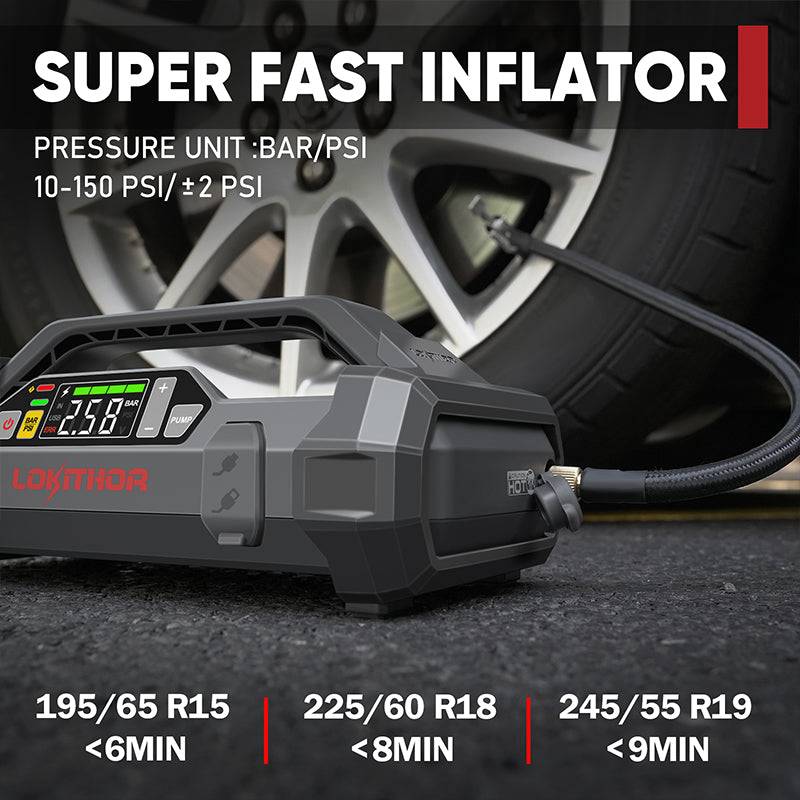
Illustrative image related to tire inflator and jump starter
Contras: The primary drawbacks include higher costs and increased weight compared to plastic alternatives. Additionally, metals can be prone to rust if not properly treated, especially in humid or coastal environments.
Impacto en la aplicación: Metals are suitable for high-pressure applications and components that require high durability, such as the casing for jump starters.
Consideraciones para compradores internacionales: Buyers should ensure compliance with safety standards like DIN in Germany or JIS in Japan, particularly for metal components that may be exposed to harsh conditions.
Rubber is commonly used for seals, hoses, and other flexible components in tire inflators. Its excellent elasticity and resilience make it ideal for applications requiring flexibility and durability.
Pros: Rubber can withstand a wide range of temperatures, typically from -30°C to 100°C, and offers good resistance to wear and tear. It also provides excellent sealing capabilities, which is critical for maintaining pressure in inflators.
Contras: However, rubber can degrade over time when exposed to UV light and certain chemicals, which may limit its lifespan in outdoor applications. Additionally, it can be heavier than plastics.
Impacto en la aplicación: Rubber is highly compatible with air and fluids, making it essential for inflator hoses and seals.
Consideraciones para compradores internacionales: Buyers must consider the rubber’s compliance with international standards regarding chemical resistance and environmental impact, particularly in regions with stringent regulations.
Composite materials, such as fiberglass-reinforced plastics, are increasingly used in tire inflators and jump starters due to their unique properties. These materials combine the lightweight characteristics of plastics with the strength of metals.
Pros: Composites are highly resistant to corrosion and can be molded into complex shapes, offering design flexibility. They also provide excellent thermal and electrical insulation.
Illustrative image related to tire inflator and jump starter
Contras: The primary drawback is the higher manufacturing complexity and cost compared to traditional materials. Additionally, composites may not be as widely available in all regions.
Impacto en la aplicación: Composites are suitable for high-performance applications where weight savings and durability are critical.
Consideraciones para compradores internacionales: Buyers should be aware of the availability of composite materials in their regions and ensure that they meet relevant international standards.
| Material | Typical Use Case for tire inflator and jump starter | Ventajas clave | Principales desventajas/limitaciones | Coste relativo (Bajo/Medio/Alto) |
|---|---|---|---|---|
| Plásticos | Viviendas y componentes no estructurales | Ligero y resistente a la corrosión | Lower impact resistance | Bajo |
| Metales | Componentes estructurales y carcasas | Alta resistencia y durabilidad | Mayor coste y peso | Alta |
| Goma | Juntas y mangueras | Excellent elasticity and sealing | Degradación por exposición a los rayos UV | Medio |
| Compuestos | Aplicaciones de alto rendimiento | Lightweight with high strength | Mayor complejidad de fabricación | Alta |
This material selection guide provides B2B buyers with essential insights into the properties and considerations of materials used in tire inflators and jump starters, enabling informed purchasing decisions tailored to specific regional needs and compliance standards.
Manufacturing tire inflators and jump starters involves a series of well-defined stages that ensure the final product meets both functional and quality standards. The typical manufacturing process can be broken down into four main stages: material preparation, forming, assembly, and finishing.
Preparación del material
This initial stage involves sourcing high-quality raw materials such as plastics, metals, and electronic components. Quality assurance begins here, as suppliers must meet specific material standards to ensure durability and safety. Common materials include reinforced plastics for the casing, copper for electrical connections, and rubber for hoses. Manufacturers often conduct incoming quality control (IQC) to verify that materials comply with regulatory standards and specifications.
Formando
In the forming stage, raw materials are shaped into the required components. This can include injection molding for plastic parts, stamping for metal components, and extrusion for hoses. Advanced techniques such as CNC machining may also be used to achieve precise dimensions and tolerances. The efficiency and accuracy of forming processes are critical, as they affect the overall performance and reliability of the final product.
Montaje
Assembly is where the individual components come together to create the final product. This stage may involve manual labor or automated processes, depending on the scale of production. Key techniques include soldering for electrical connections, fastening for structural integrity, and integration of various systems (like the battery, inflator, and electronic controls). During this phase, in-process quality control (IPQC) checkpoints are crucial to ensure that each assembly step adheres to quality standards and that any defects are identified and rectified promptly.
Acabado
The final stage involves testing, packaging, and preparing the product for shipment. Finishing techniques may include surface treatments to improve aesthetics and durability, such as painting or coating. Rigorous testing is conducted to ensure that the product operates effectively under various conditions. This may include performance tests for the inflator and jump starter functionalities, as well as safety tests for electrical components.
Quality assurance (QA) is integral to the manufacturing process, ensuring that the final product meets international and industry-specific standards. Key aspects of QA include compliance with relevant standards, systematic checkpoints, and thorough testing methods.
What International Standards Should Buyers Be Aware Of?
International standards such as ISO 9001 are pivotal for manufacturers of tire inflators and jump starters. ISO 9001 focuses on quality management systems and helps companies ensure consistent quality in their products and services. Other relevant certifications may include CE marking for compliance with European safety standards and API standards for products used in automotive applications. Buyers should verify that their suppliers hold these certifications as part of their due diligence.
¿Cuáles son los principales puntos de control de calidad?
Quality control checkpoints are strategically placed throughout the manufacturing process. IQC verifies incoming materials, IPQC monitors the assembly process, and final quality control (FQC) assesses the completed product. Each checkpoint serves to identify and rectify potential defects before they impact the final product. For instance, during FQC, products undergo performance testing to ensure they can inflate tires to the required pressure and jump-start vehicles effectively.
¿Qué métodos de prueba se utilizan habitualmente?
Common testing methods include functional testing, where the inflator and jump starter are assessed under operational conditions, and safety testing, which evaluates electrical components for compliance with safety standards. Manufacturers may also employ stress testing to simulate extreme conditions and assess product reliability. These tests help ensure that the products can withstand real-world usage scenarios.
For B2B buyers, especially those in international markets such as Africa, South America, the Middle East, and Europe, verifying supplier quality control is crucial for ensuring product reliability and safety.
What Auditing Practices Should Be Followed?
Conducting regular audits of potential suppliers can provide insight into their manufacturing processes and quality control measures. Buyers should assess the supplier’s QA protocols, adherence to international standards, and past performance records. Audits can be performed internally or by third-party agencies that specialize in supplier assessments.
What Types of Reports Should Be Requested?
Buyers should request quality assurance reports that outline the supplier’s QA processes, testing results, and compliance with industry standards. Documentation should include certificates of compliance, test reports for critical components, and records of past inspections. These documents provide transparency and help buyers gauge the reliability of their suppliers.
¿Cómo pueden las inspecciones de terceros mejorar la garantía de calidad?
Third-party inspections can serve as an additional layer of assurance for buyers. Engaging independent testing organizations to evaluate products before shipment can help identify any quality issues that may not be apparent during in-house testing. This is particularly valuable for international buyers, as it mitigates risks associated with cross-border transactions.
When engaging with suppliers from different regions, international B2B buyers must navigate various quality control nuances.
How Do Regional Regulations Impact Quality Standards?
Different regions may have distinct regulatory requirements that impact product quality and safety. For instance, European buyers must ensure compliance with CE marking, while buyers in the Middle East may need to adhere to local safety regulations. Understanding these requirements is essential for successful market entry.
What Challenges Exist in Global Supply Chains?
Global supply chains can introduce variability in quality due to differences in manufacturing practices and regulatory environments. Buyers should establish clear communication channels with suppliers and consider implementing quality agreements that outline expectations for product quality and compliance.
How Can Cultural Differences Affect Quality Assurance?
Cultural differences may influence perceptions of quality and operational practices. Building strong relationships with suppliers and fostering an understanding of each party’s quality expectations can bridge gaps and enhance collaboration.
In conclusion, a comprehensive understanding of the manufacturing processes and quality assurance practices is vital for B2B buyers of tire inflators and jump starters. By leveraging international standards, implementing rigorous quality control measures, and actively engaging with suppliers, buyers can ensure they source reliable and high-quality products that meet their operational needs.
This sourcing guide provides a comprehensive checklist for B2B buyers looking to procure tire inflators and jump starters. As these devices play a critical role in emergency roadside assistance and vehicle maintenance, ensuring you select the right products and suppliers is essential. By following this step-by-step checklist, you can make informed decisions that meet your operational needs and budget constraints.
Establishing clear technical specifications is the first step in your sourcing process. Consider factors such as the power output (measured in amps), tire inflation capacity (psi), and additional features like USB charging ports and built-in lights. This ensures that the products you evaluate meet the needs of your target market and the specific applications they will be used for.
Understanding market trends and competitor offerings is crucial for positioning your products effectively. Analyze what features are popular in the market, such as portability, dual functionality, and safety features like reverse polarity protection. This insight will help you identify gaps in the market and ensure your products stand out.
Before committing to a supplier, it’s vital to conduct thorough evaluations. Request company profiles, including their manufacturing capabilities, quality control processes, and experience in the industry. Look for reviews and testimonials from other businesses to gauge their reliability and service quality.
Always request product samples before finalizing your order. Testing samples allows you to evaluate the quality, performance, and usability of the tire inflator and jump starter firsthand. This step is essential to ensure that the products meet your specifications and quality expectations.
Conduct a detailed analysis of pricing structures and payment terms from potential suppliers. Ensure that the pricing is competitive while also considering the total cost of ownership, including shipping and potential customs duties. Flexible payment terms can also improve your cash flow and reduce financial strain.
Illustrative image related to tire inflator and jump starter
After-sales support and warranty policies are critical factors in your purchasing decision. A strong warranty indicates confidence in product durability, while responsive customer service can alleviate issues post-purchase. Look for suppliers that offer comprehensive support, including technical assistance and replacement parts.
Once you have gathered all necessary information and evaluated suppliers, finalize your procurement strategy. Determine the quantity, delivery timelines, and logistics involved in the supply chain. Establish clear communication channels with your chosen supplier to facilitate smooth transactions and ongoing support.
By following this checklist, B2B buyers can confidently navigate the sourcing process for tire inflators and jump starters, ensuring they select the right products and suppliers for their operational needs.
When sourcing tire inflators and jump starters, understanding the cost structure is essential for B2B buyers. The primary cost components include:
Materiales: The choice of materials significantly impacts the overall cost. High-quality plastics, metals for jumper cables, and robust compressors increase durability but also the price. Buyers should consider sourcing from suppliers that offer a balance between quality and cost-effectiveness.
Trabajo: Labor costs can vary by region, affecting the overall pricing. In regions with higher labor costs, such as Europe, the manufacturing expenses may be higher compared to lower-cost regions like parts of Africa or South America.
Gastos generales de fabricación: This encompasses costs related to factory operations, including utilities, rent, and administrative expenses. Efficient manufacturing processes can help reduce these costs, allowing for more competitive pricing.
Herramientas: The initial investment in tooling for production can be substantial, especially for custom designs. Buyers should inquire about the tooling costs and whether they can be amortized over larger order volumes to reduce the per-unit cost.
Control de calidad: Ensuring products meet international quality standards requires investment in QC processes. Products with certifications (like CE, UL, etc.) may have higher upfront costs but can lead to long-term savings through reduced returns and warranty claims.
Logística: Shipping costs can vary dramatically based on the Incoterms agreed upon and the origin of the goods. International logistics can add significant costs, especially for bulky items like jump starters and inflators.
Margen: Supplier margins can differ based on market positioning, brand reputation, and the exclusivity of the product. Understanding the supplier’s pricing strategy can aid in negotiating better terms.
Various factors influence the pricing of tire inflators and jump starters, making it crucial for buyers to be aware of these price influencers:
Illustrative image related to tire inflator and jump starter
Volumen/MOQ: Bulk orders often lead to reduced prices per unit. Buyers should negotiate minimum order quantities (MOQs) that align with their inventory needs to capitalize on volume discounts.
Especificaciones y personalización: Custom features or specifications can increase costs. Buyers must determine whether these enhancements provide sufficient value to justify the additional expense.
Materiales y certificaciones de calidad: High-quality materials and certifications can elevate the product price. However, investing in quality can reduce long-term costs associated with warranty claims and replacements.
Factores del proveedor: The reliability and reputation of suppliers affect pricing. Established suppliers may charge more but offer better quality assurance and customer service, which can be worth the extra cost.
Incoterms: The choice of Incoterms affects shipping costs and responsibilities. Understanding terms like FOB (Free on Board) or CIF (Cost, Insurance, and Freight) can lead to more favorable shipping arrangements and cost savings.
For B2B buyers, particularly from diverse regions such as Africa, South America, the Middle East, and Europe, several strategies can help optimize costs:
Negociación: Always approach negotiations with clear objectives. Understanding the supplier’s cost structure can provide leverage during discussions, enabling buyers to negotiate better terms or pricing.
Cost-Efficiency Analysis: Conduct a Total Cost of Ownership (TCO) analysis that includes not just the purchase price but also logistics, maintenance, and potential warranty costs. This holistic view can uncover hidden costs and inform better purchasing decisions.
Matización de precios para compradores internacionales: Be aware of currency fluctuations, tariffs, and trade agreements that can affect pricing. Establishing long-term relationships with suppliers can also lead to more favorable pricing structures over time.
Estudios de mercado: Conduct thorough market research to compare prices and features across different suppliers. This can help identify competitive pricing and innovative features that add value.
In conclusion, understanding the cost structure and price influencers, along with employing strategic negotiation and analysis, can significantly benefit B2B buyers in the tire inflator and jump starter market. Always consider these factors to ensure a cost-effective and high-quality sourcing strategy.
When it comes to ensuring the reliability of vehicles in various operational environments, tire inflators and jump starters are popular solutions. However, businesses may also consider alternative technologies that can meet similar needs. Understanding the strengths and weaknesses of these alternatives can help B2B buyers make informed decisions tailored to their specific requirements.
Illustrative image related to tire inflator and jump starter
| Aspecto comparativo | Tire Inflator and Jump Starter | Compresor de aire portátil | Traditional Jumper Cables |
|---|---|---|---|
| Rendimiento | Multi-functional; can jump-start vehicles and inflate tires quickly | Efficient at inflating tires, limited to that function | Reliable for jump-starting; requires another vehicle |
| Coste | Moderate ($150-$200) | Low to moderate ($50-$150) | Very low ($20-$40) |
| Facilidad de aplicación | Easy to use; compact and portable | Easy to set up; requires power source | Requires knowledge of battery connections; cumbersome to use |
| Mantenimiento | Low maintenance; rechargeable batteries | Low maintenance; occasional filter cleaning | Minimal maintenance; check for wear on cables |
| El mejor caso de uso | Ideal for emergency situations where both functions are needed | Best for routine tire inflation, especially in workshops | Best for professional mechanics or in situations with multiple vehicles |
Portable air compressors are dedicated devices designed primarily for inflating tires. They typically provide efficient inflation speeds and can handle multiple tires in a single charge. However, they lack the versatility of jump-starting capabilities. This makes them suitable for businesses that prioritize tire maintenance over battery issues. The initial investment is lower compared to multi-functional devices, but they require a power source, which may limit their usability in remote locations.
Traditional jumper cables are a time-tested solution for jump-starting vehicles. They are cost-effective and require minimal investment. However, they necessitate the presence of another vehicle, making them less convenient in emergencies. Additionally, using jumper cables requires knowledge of proper connections to avoid battery damage or personal injury. While they are reliable for mechanics or fleet operations with multiple vehicles, they may not be the best choice for individual users or those needing quick, on-the-go solutions.
Selecting the right solution for tire inflation and jump-starting needs requires an understanding of your specific operational requirements. For businesses seeking a comprehensive, portable solution that addresses both battery and tire issues, a tire inflator and jump starter is an excellent investment. Conversely, if your primary need is routine tire maintenance, a portable air compressor could be more cost-effective. For businesses with multiple vehicles or those who frequently work in collaborative environments, traditional jumper cables may suffice, provided users are trained in their use. Ultimately, aligning the choice with the operational context and user expertise will yield the best results.
When evaluating tire inflators and jump starters for B2B procurement, understanding their technical specifications is crucial. Here are several key properties that every buyer should consider:
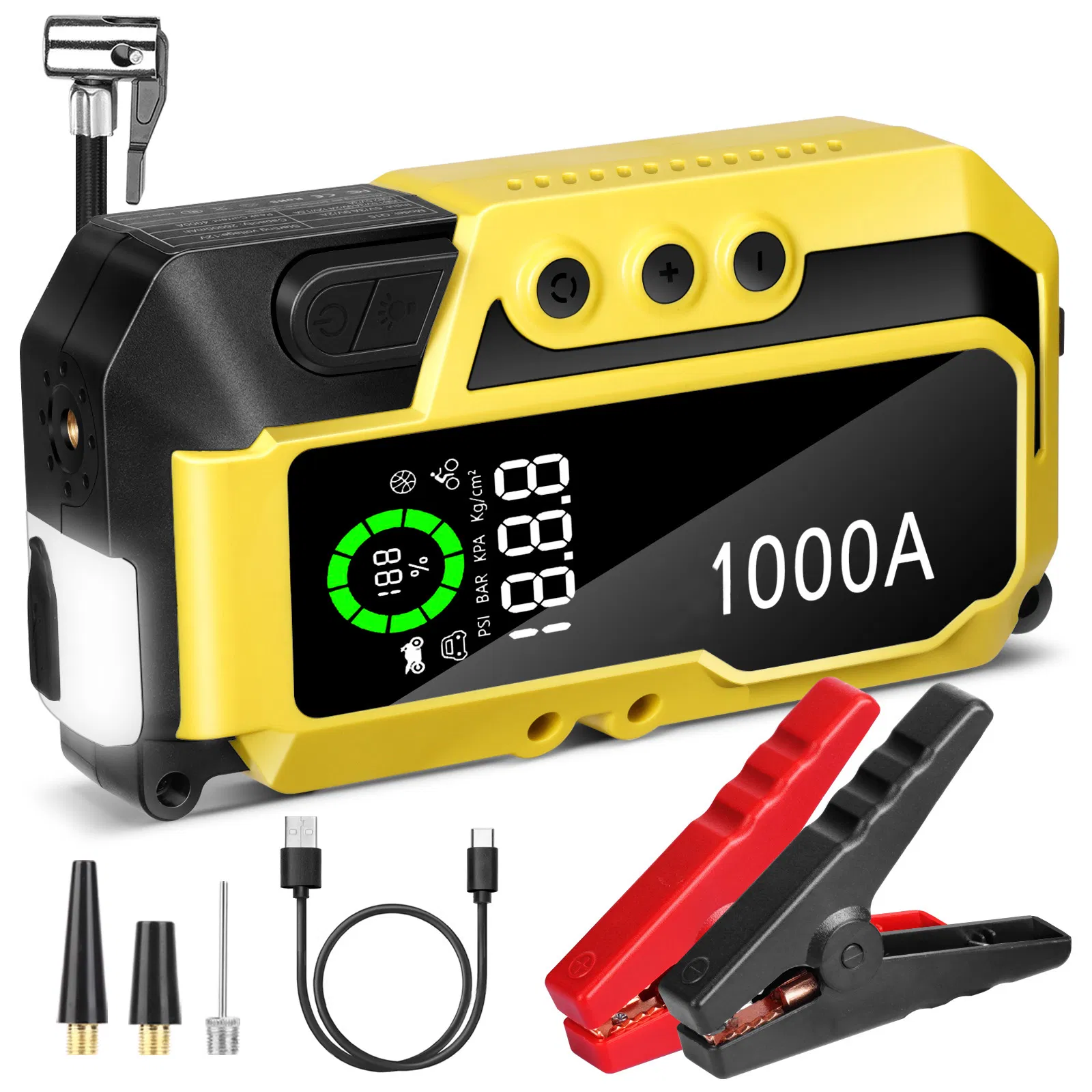
This specification indicates the maximum current that a jump starter can deliver to start a vehicle. For instance, a model with 800 amps can effectively jump-start a wide range of vehicles, including those with larger engines. In B2B contexts, selecting a device with sufficient peak amperage ensures reliability in emergency situations, which is vital for businesses reliant on vehicle operations.
The inflation pressure rating, typically measured in pounds per square inch (PSI), reflects the maximum pressure a tire inflator can achieve. Models capable of inflating to 140 PSI are suitable for most passenger vehicles and light trucks. Understanding this property is essential for businesses in automotive services, as it guarantees that the inflator can handle various tire sizes and types efficiently.
Battery types (e.g., lead-acid, lithium-ion) significantly affect the performance and lifespan of jump starters. A lithium-ion battery, for instance, provides faster charging and lighter weight compared to lead-acid. B2B buyers must consider battery compatibility to ensure the devices meet the needs of their vehicle fleets and can be recharged quickly and effectively.
The availability of various charging ports (USB, Type C, 12V DC) enhances the versatility of a jump starter and tire inflator. These features allow users to charge additional devices on the go, which is particularly useful for fleets operating in remote areas. Assessing these ports can help businesses choose products that offer greater functionality, catering to diverse operational needs.
Safety features like spark-proof technology and reverse polarity protection are critical in jump starters. These features prevent accidents during operation, ensuring that users can connect the device without risk. For businesses, investing in safe equipment reduces liability and enhances employee confidence when handling emergency situations.
Illustrative image related to tire inflator and jump starter
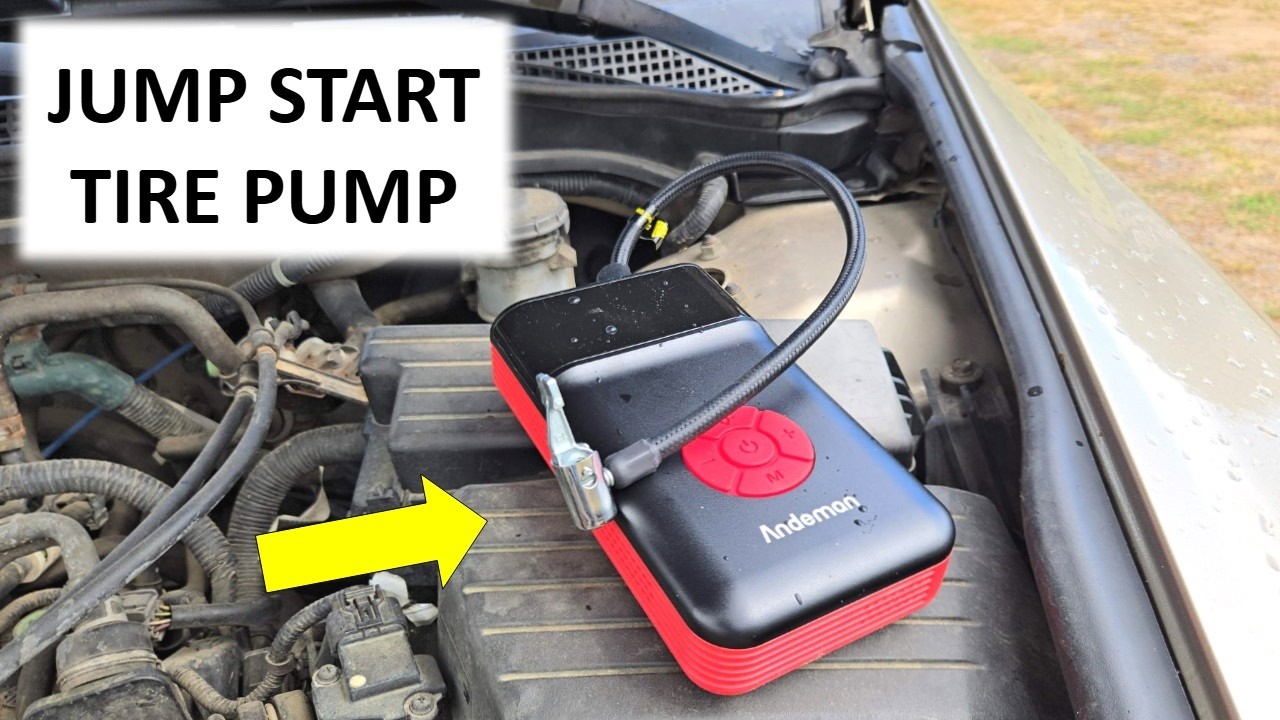
The dimensions and weight of a jump starter and tire inflator are important for ease of storage and transport. Compact models that fit in a vehicle’s trunk or glove compartment are preferable for businesses that need portable solutions. A lightweight design facilitates easy handling, allowing quick access during roadside emergencies.
Understanding industry jargon is essential for effective communication and negotiation in B2B transactions. Here are several common terms associated with tire inflators and jump starters:
An OEM refers to a company that produces parts or equipment that may be marketed by another manufacturer. In the context of tire inflators and jump starters, OEM products are typically of high quality and meet industry standards, making them a preferred choice for businesses looking for reliability.

Illustrative image related to tire inflator and jump starter
MOQ is the smallest quantity of a product that a supplier is willing to sell. Understanding MOQ is crucial for B2B buyers to manage inventory costs effectively and negotiate favorable purchasing terms, ensuring that they do not overcommit financially.
An RFQ is a document sent to suppliers requesting pricing and terms for specific products. Utilizing RFQs helps businesses compare different suppliers and products effectively, enabling informed purchasing decisions based on price, specifications, and delivery timelines.
Incoterms are a set of predefined international trade terms that clarify the responsibilities of buyers and sellers in shipping. Familiarity with these terms helps businesses understand shipping costs, risk management, and delivery responsibilities, which is crucial for international procurement.
Lead time refers to the time taken from placing an order until it is delivered. For B2B buyers, understanding lead time is essential for inventory management and ensuring that operations are not disrupted due to delayed deliveries.
By familiarizing themselves with these technical properties and trade terms, B2B buyers can make more informed decisions when sourcing tire inflators and jump starters, ultimately enhancing operational efficiency and safety.
Illustrative image related to tire inflator and jump starter
The tire inflator and jump starter market is experiencing a significant transformation driven by technological advancements and evolving consumer needs. Key global drivers include the increasing prevalence of electric and hybrid vehicles, which require reliable portable power solutions for battery management. As urbanization accelerates in regions like Africa and South America, the demand for compact, multi-functional devices that can perform multiple tasks—such as jump-starting vehicles and inflating tires—has surged. Additionally, the rise in vehicle ownership, particularly in emerging markets, is contributing to a growing market for these essential automotive accessories.
Emerging trends in sourcing highlight a shift towards smart technology integration. Devices now often feature digital displays, automatic shut-off, and compatibility with smartphones for enhanced user experience. B2B buyers are increasingly looking for products that combine performance with convenience, such as those that can charge USB devices while providing tire inflation. Moreover, the importance of durability and ruggedness is paramount in regions with challenging terrains, making products with robust designs highly sought after.
In terms of market dynamics, international buyers should be aware of fluctuating raw material prices and supply chain disruptions, which can impact manufacturing costs. Strategic partnerships with suppliers who prioritize efficiency and reliability are essential to navigate these challenges. As competition intensifies, companies that innovate and adapt their offerings to meet regional preferences will likely gain a competitive edge in the tire inflator and jump starter sector.
Sustainability is becoming a critical consideration for B2B buyers in the tire inflator and jump starter market. The environmental impact of manufacturing processes, materials used, and end-of-life product disposal is under scrutiny. As a result, buyers are increasingly seeking products that are made from recycled materials or feature eco-friendly certifications. This shift towards sustainability not only aligns with global environmental goals but also meets the growing demand from consumers for greener products.
Ethical sourcing is equally important, as buyers are now more conscious of the supply chain’s social implications. Ensuring that suppliers adhere to fair labor practices and sustainable production methods is vital. Certifications like ISO 14001 for environmental management and Fair Trade can serve as indicators of a supplier’s commitment to ethical practices. By prioritizing suppliers that demonstrate responsibility in their sourcing and manufacturing processes, businesses can enhance their brand reputation and appeal to environmentally conscious consumers.
Furthermore, the integration of renewable energy sources in the production of tire inflators and jump starters is gaining traction. Companies are exploring solar-powered options and energy-efficient manufacturing techniques to reduce their carbon footprint. This approach not only supports sustainability initiatives but also offers a unique selling proposition in a competitive marketplace.
The evolution of the tire inflator and jump starter market is marked by significant technological advancements and changing consumer expectations. Initially, tire inflators were simple mechanical devices, and jump starters relied on cumbersome jumper cables and external power sources. However, the introduction of portable, battery-operated jump starters and tire inflators revolutionized the market, providing convenience and versatility.
Over the past two decades, advancements in battery technology, particularly lithium-ion batteries, have led to the development of compact, high-capacity jump starters that can deliver more power in smaller packages. The integration of features such as built-in air compressors, USB charging ports, and LED lights has further enhanced the functionality of these devices, making them essential tools for modern vehicle owners.
As consumer preferences shift towards multi-functional and user-friendly products, the market continues to adapt, reflecting a broader trend of innovation in the automotive accessory sector. This evolution highlights the importance of staying attuned to market demands and technological advancements for B2B buyers looking to source the best products in this competitive landscape.

Illustrative image related to tire inflator and jump starter
How do I select the right tire inflator and jump starter for my business needs?
Choosing the right tire inflator and jump starter involves assessing your specific requirements. Consider factors such as the types of vehicles you work with, engine sizes, and tire pressure needs. For heavy-duty vehicles, opt for models with higher amperage and psi capabilities. Additionally, evaluate portability, charging options, and built-in safety features like reverse polarity protection. It’s also beneficial to read reviews and compare product specifications to ensure the unit meets your operational demands.
What is the best tire inflator and jump starter combo for commercial fleets?
For commercial fleets, the Clore Automotive Jump-N-Carry JNCAIR 1700 is highly recommended due to its robust design and capability to jump-start multiple vehicles on a single charge. It inflates tires quickly and effectively, making it suitable for varied fleet sizes. If compactness is a priority, consider the NOCO Boost Air AX65, known for its rapid inflation and solid construction. Always ensure the chosen model meets your fleet’s specific needs regarding power and portability.
What customization options are available when sourcing tire inflators and jump starters?
Many suppliers offer customization options for tire inflators and jump starters, including branding, color choices, and specific features tailored to your market. Some manufacturers may allow modifications to voltage outputs, pressure settings, or the inclusion of additional accessories like LED lights or USB ports. Engaging directly with suppliers during the procurement process can help you negotiate these options to suit your business needs better.
What are the typical minimum order quantities (MOQs) for tire inflators and jump starters?
Minimum order quantities (MOQs) vary widely among manufacturers and suppliers. For tire inflators and jump starters, MOQs can range from 50 to 500 units, depending on the brand and customization level. If you are entering a new market or testing demand, discuss flexible ordering options with suppliers to potentially secure lower MOQs or trial orders.
How can I ensure the quality of tire inflators and jump starters from suppliers?
To ensure quality, request certifications and compliance documents from suppliers, such as CE or UL certifications, which indicate adherence to safety standards. Conducting factory audits or requesting samples for testing can also help assess product quality. Additionally, consider suppliers with established reputations and positive reviews in the industry to mitigate risks associated with substandard products.
What payment terms should I expect when sourcing tire inflators and jump starters internationally?
Payment terms can vary significantly based on the supplier’s policies and your negotiation capabilities. Common terms include a deposit (usually 30-50%) upfront with the balance due before shipping or upon delivery. Some suppliers may offer letters of credit or payment through escrow services for added security. It’s advisable to clarify these terms during initial discussions to avoid misunderstandings later in the transaction.
What logistics considerations should I be aware of when importing tire inflators and jump starters?
When importing, consider shipping methods (air vs. sea), customs duties, and import regulations specific to your region. Ensure that the supplier provides necessary documentation, such as invoices and packing lists, to facilitate smooth customs clearance. Additionally, factor in lead times for production and shipping to avoid delays in your supply chain. Collaborating with a reliable freight forwarder can help streamline logistics.
How can I effectively communicate with suppliers in different regions?
Effective communication with suppliers across different regions requires clarity and understanding of cultural nuances. Utilize professional translation services if language barriers exist, and maintain a respectful tone in all interactions. Establish clear expectations regarding product specifications, timelines, and payment terms to prevent miscommunication. Regular follow-ups and updates can also help build strong relationships and ensure smoother transactions.
Dominio: batterytender.com
Inscrito: 1998 (27 años)
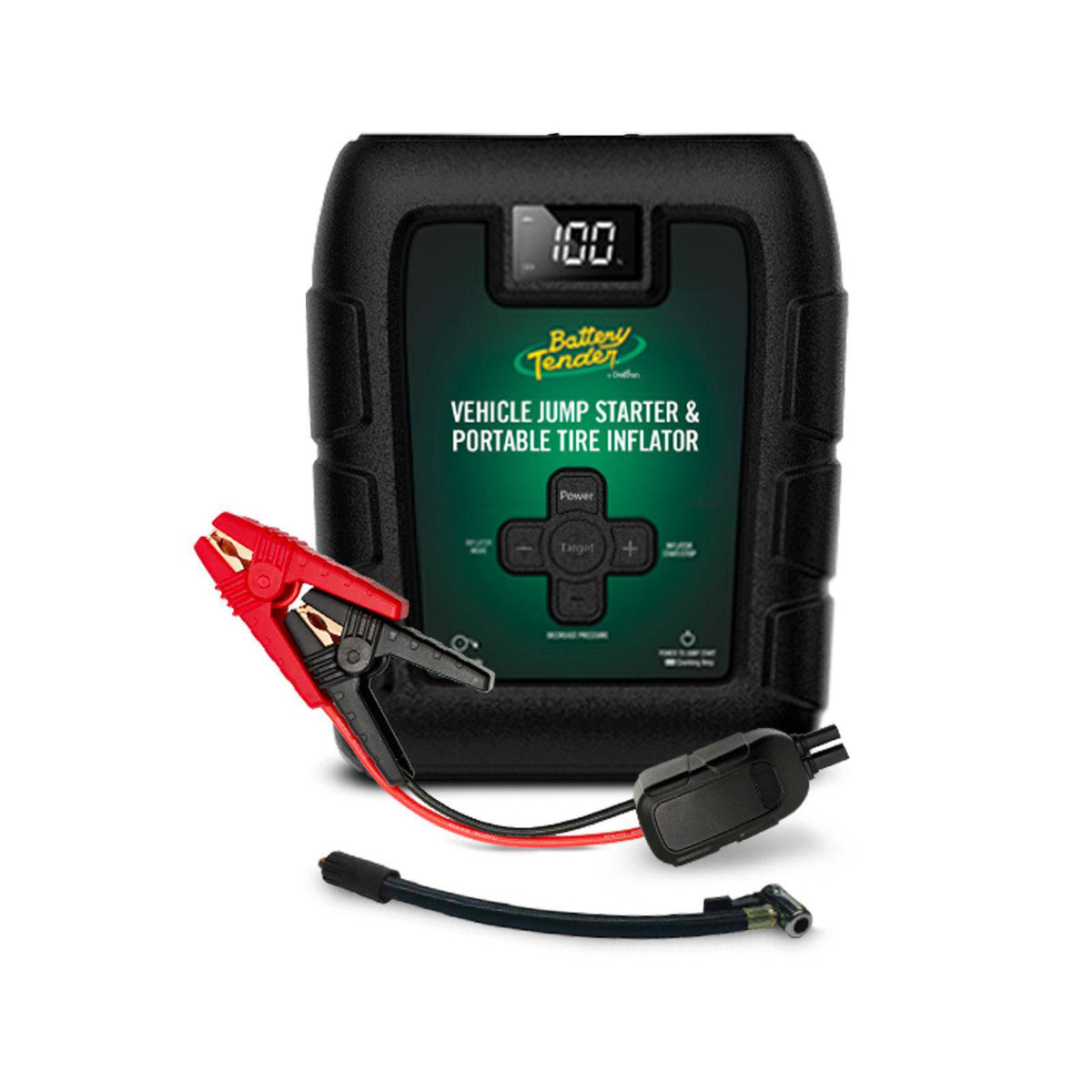
Introducción: {“product_name”: “800 AMP Jump Starter and Tire Inflator”, “brand”: “Battery Tender®”, “sku”: “030-3010-WH”, “sale_price”: “$174.95”, “regular_price”: “$174.95”, “description”: “Portable jump starter and tire inflator, fits in center console or trunk, jump starts 12V batteries on gas and diesel engines up to V8, inflates standard tire from flat to full in 8 minutes.”, “functions”: [“jump starter”,…

Dominio: reddit.com
Matriculado: 2005 (20 años)
Introducción: Battery Jumpers: Gooloo 4000, NOCO GBX45, Lithium-ion jump starters, Super capacitor jump starters; Tire Inflators: Viair 88p, Ryobi tire inflator, Milwaukee M18 Tire inflator, 12V versions preferred.
Dominio: toughtested.com
Inscrito: 2003 (22 años)
Introducción: The Phoenix Vehicle Jump Starter with Air Pump & Power Bank is priced at $149.99. It includes a tire inflator, portable air pump, jumper cables, built-in charging power bank, and a zippered nylon carry case. Key features include: 500 cranking amps (800A peak) for jump starting various vehicles (cars, light trucks, boats, ATVs, golf carts), a tire inflator with a maximum pressure of 150 PSI that st…
Dominio: autoblog.com
Inscrito: 2003 (22 años)
Introducción: Karlxtom Car Jump Starter and Air Compressor, available at Walmart, features a compact design, powerful jump-starting capability, and built-in air compressor for inflating tires. Ideal for emergencies, it includes safety features and multiple charging ports.
In summary, the strategic sourcing of tire inflators and jump starters presents a significant opportunity for B2B buyers to enhance their product offerings and meet the increasing demand for reliable automotive accessories. As highlighted, the versatility and functionality of these devices—combining jump starting and tire inflation capabilities—cater to a broad spectrum of consumers, from individual car owners to fleet managers.
Investing in high-quality, reliable products not only ensures customer satisfaction but also strengthens brand loyalty. With features such as rapid inflation, robust safety measures, and compact designs, these tools are essential for emergency preparedness in various markets, including Africa, South America, the Middle East, and Europe.
Looking ahead, international buyers should prioritize suppliers that emphasize innovation, safety, and performance in their product lines. As the automotive sector evolves, embracing advanced technology and sustainability in sourcing strategies will be crucial. We encourage buyers to engage with manufacturers who offer comprehensive solutions and exceptional service, ensuring they remain competitive in an increasingly dynamic marketplace.
La información facilitada en esta guía, incluido el contenido relativo a fabricantes, especificaciones técnicas y análisis de mercado, tiene únicamente fines informativos y educativos. No constituye asesoramiento profesional en materia de adquisiciones, asesoramiento financiero ni asesoramiento jurídico.
Illustrative image related to tire inflator and jump starter
Aunque hemos hecho todo lo posible por garantizar la exactitud y actualidad de la información, no nos hacemos responsables de posibles errores, omisiones o información obsoleta. Las condiciones del mercado, los detalles de las empresas y las normas técnicas están sujetos a cambios.
Los compradores B2B deben llevar a cabo su propia diligencia debida independiente y exhaustiva antes de tomar cualquier decisión de compra. Esto incluye ponerse en contacto directamente con los proveedores, verificar las certificaciones, solicitar muestras y buscar asesoramiento profesional. El riesgo de confiar en la información contenida en esta guía es responsabilidad exclusiva del lector.


 Spanish
  English
  Russian
  Italian
  Arabic
  Portuguese
  German