
The global market for soft luggage motorcycle solutions presents both opportunities and challenges for B2B buyers. As businesses seek to source high-quality, durable, and versatile soft luggage options, the complexities of the market can be overwhelming. Navigating the diverse array of products—from panniers and tank bags to rackless systems—requires a comprehensive understanding of their applications, materials, and compatibility with various motorcycle models. This guide serves as a vital resource for international B2B buyers, particularly those in Africa, South America, the Middle East, and Europe, including key markets like Brazil and Saudi Arabia.
Within this guide, we explore the different types of soft luggage available, their unique applications, and essential considerations for supplier vetting. We also address critical factors such as pricing, shipping logistics, and warranty offerings, ensuring that buyers can make informed decisions tailored to their specific needs. By empowering businesses to grasp the nuances of the soft luggage market, this guide aims to facilitate successful procurement strategies, enhance product offerings, and ultimately drive customer satisfaction. As the demand for reliable and innovative motorcycle luggage continues to grow, this comprehensive overview will equip B2B buyers with the insights necessary to thrive in a competitive landscape.
| Tipo Nombre | Principales rasgos distintivos | Aplicaciones B2B principales | Breves pros y contras para los compradores |
|---|---|---|---|
| Alforjas | Side-mounted, typically hard or soft, often waterproof | Recorridos de larga distancia, conducción de aventura | Pros: High capacity, stable; Contras: Can be bulky, requires mounting systems. |
| Sistemas Rackless | No frame required, attaches directly to the bike | Off-road and adventure motorcycling | Pros: Lightweight, flexible; Contras: Less protection against impacts. |
| Bolsas sobredepósito | Mounted on the gas tank, often with clear map pockets | Short trips, daily commuting | Pros: Easy access, low center of gravity; Contras: Limited capacity. |
| Bolsas de cola | Mounted at the rear, can be expandable or fixed | Day trips, additional storage | Pros: Versatile, often includes carry handles; Contras: May shift during rides. |
| Mochilas | Worn by the rider, often with hydration options | Commuting, short adventures | Pros: Comodidad manos libres; Contras: Limited cargo space, can be uncomfortable over long distances. |
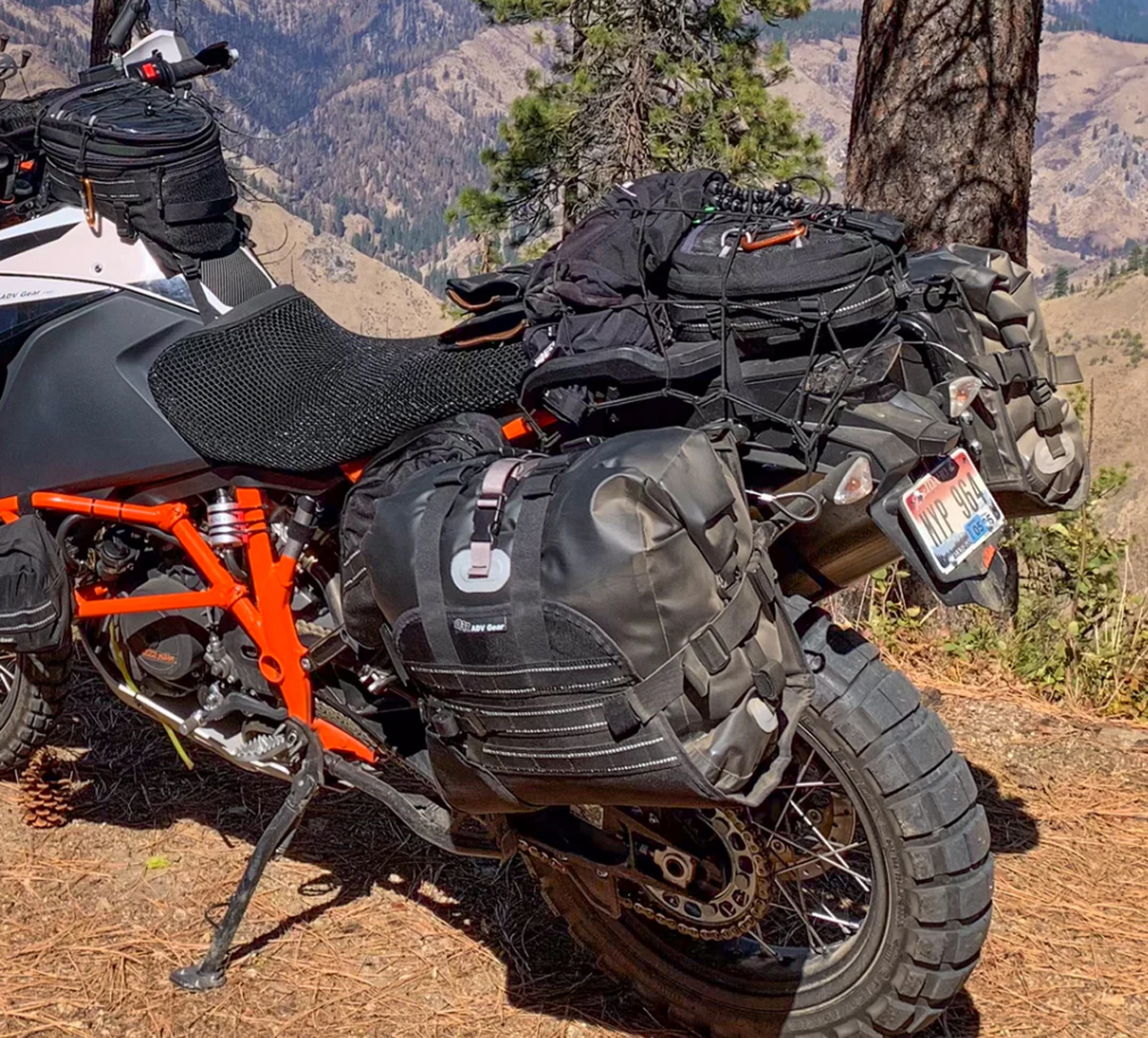
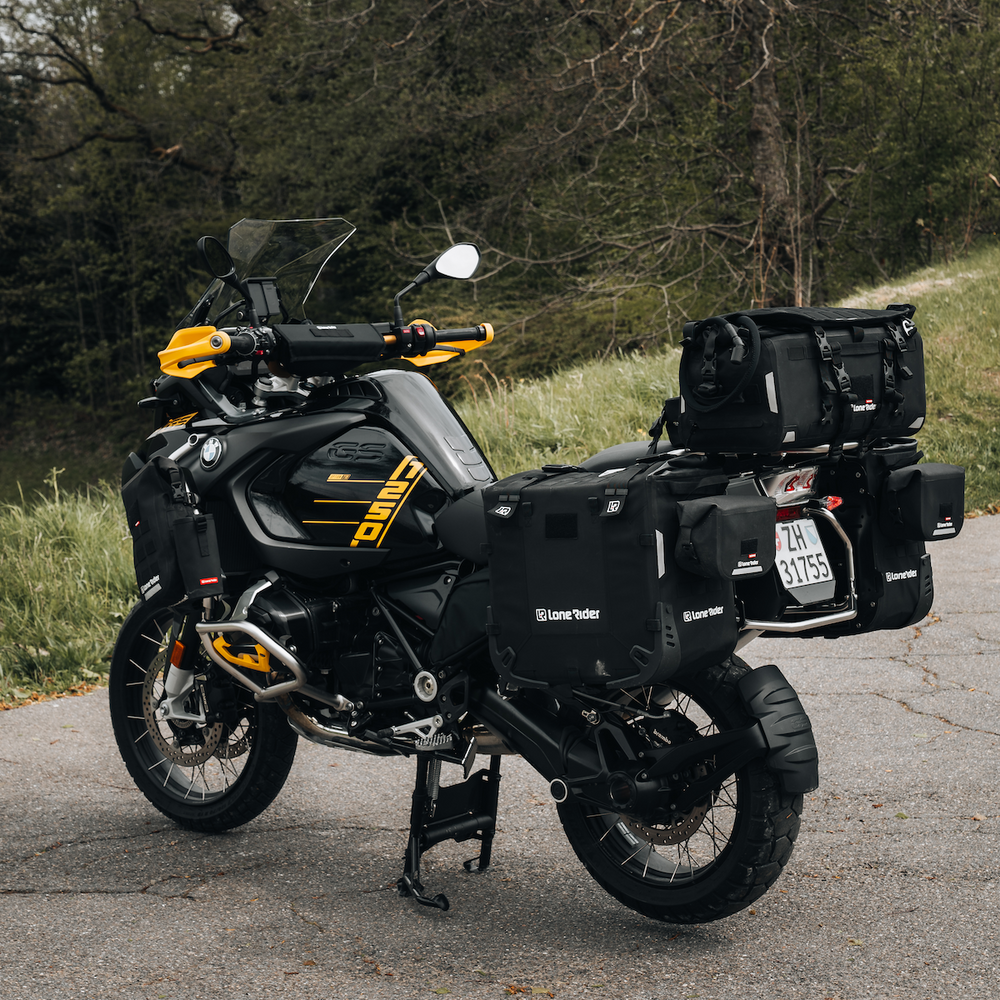
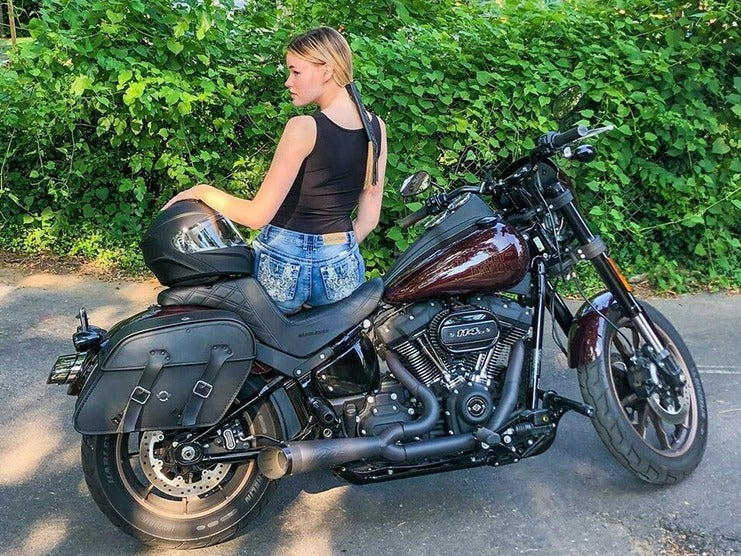
Panniers are robust storage solutions mounted on either side of a motorcycle, providing ample space for gear and supplies. Typically designed to be waterproof, they cater to long-distance touring and adventure riders who require a stable and secure storage option. When purchasing panniers, B2B buyers should consider the mounting systems required for installation, as these can vary significantly between motorcycle models. The bulkiness of panniers may pose a challenge for some riders, particularly in tight spaces.
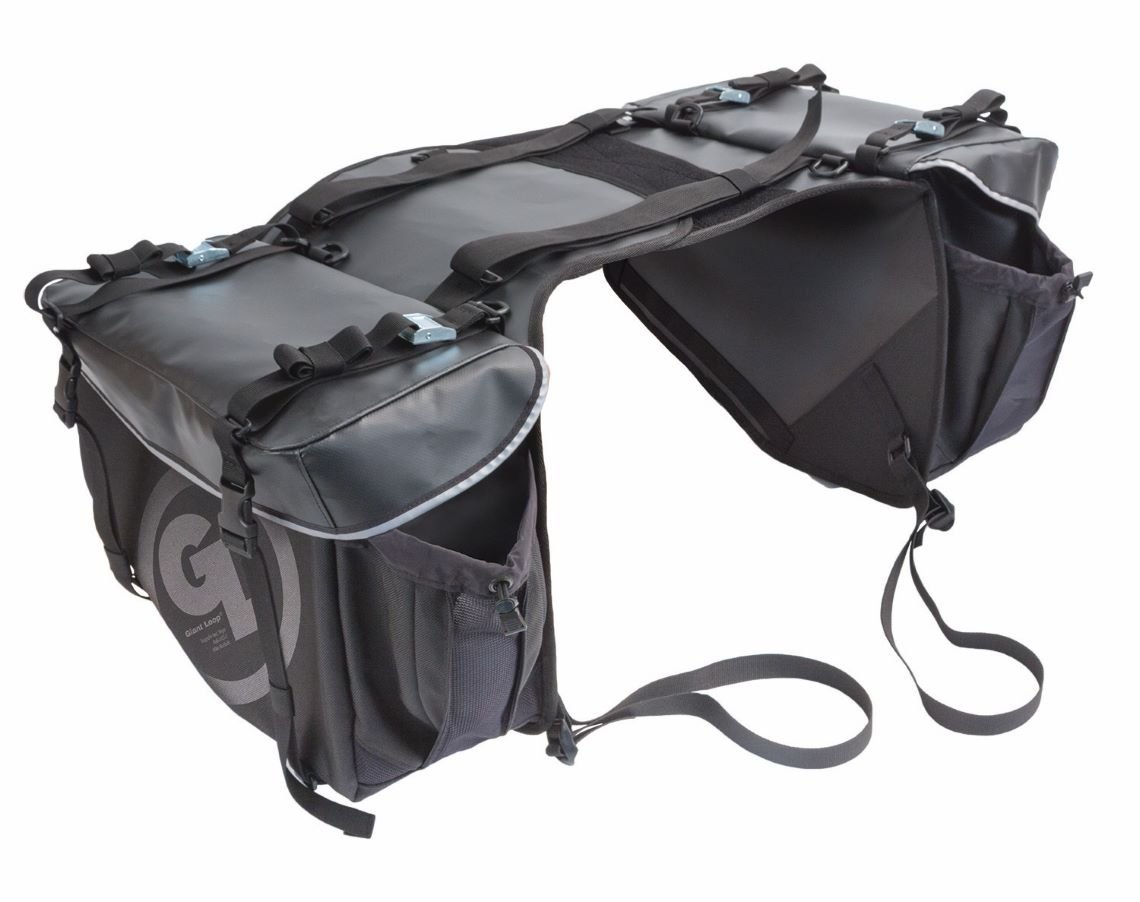
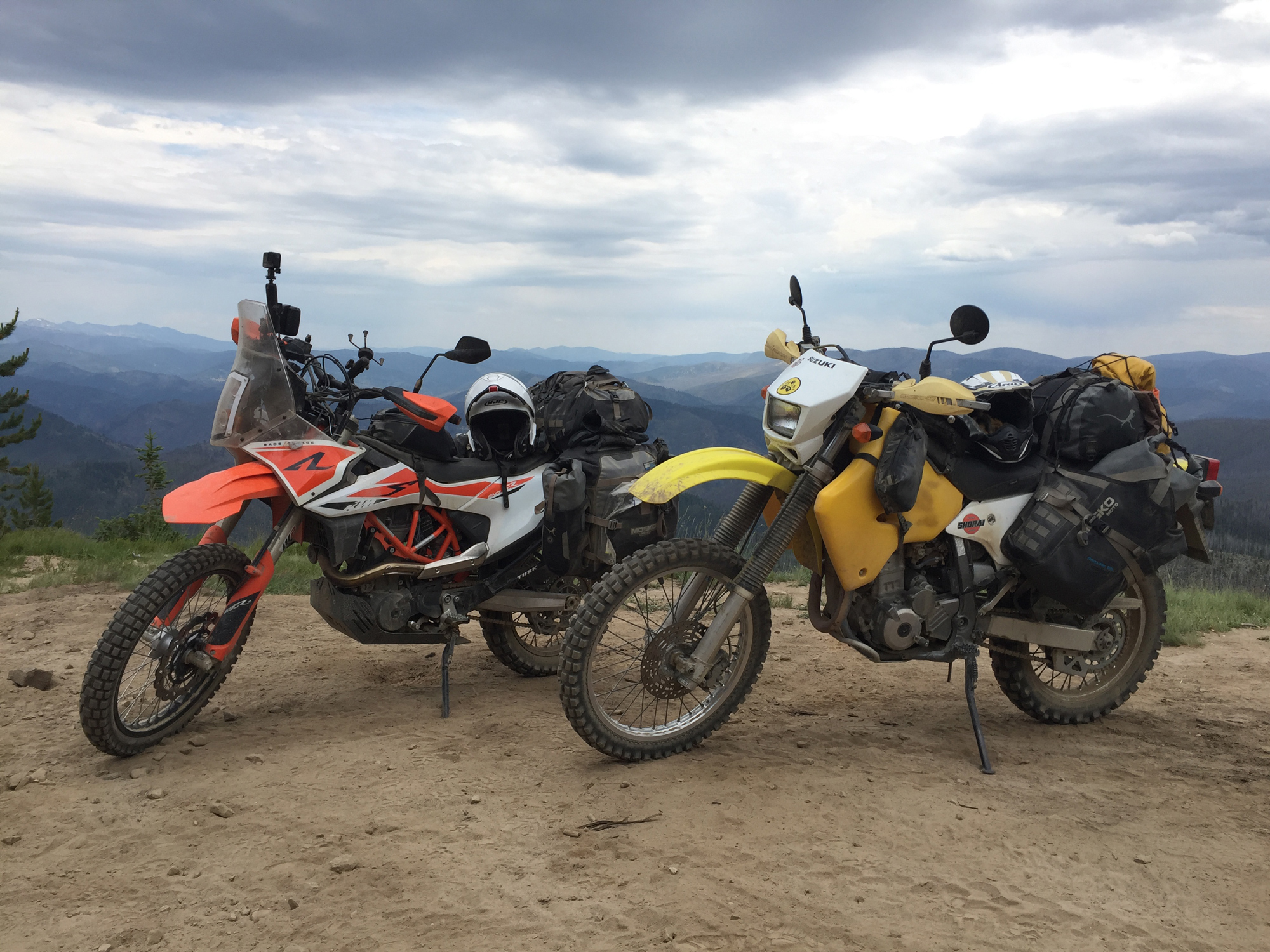
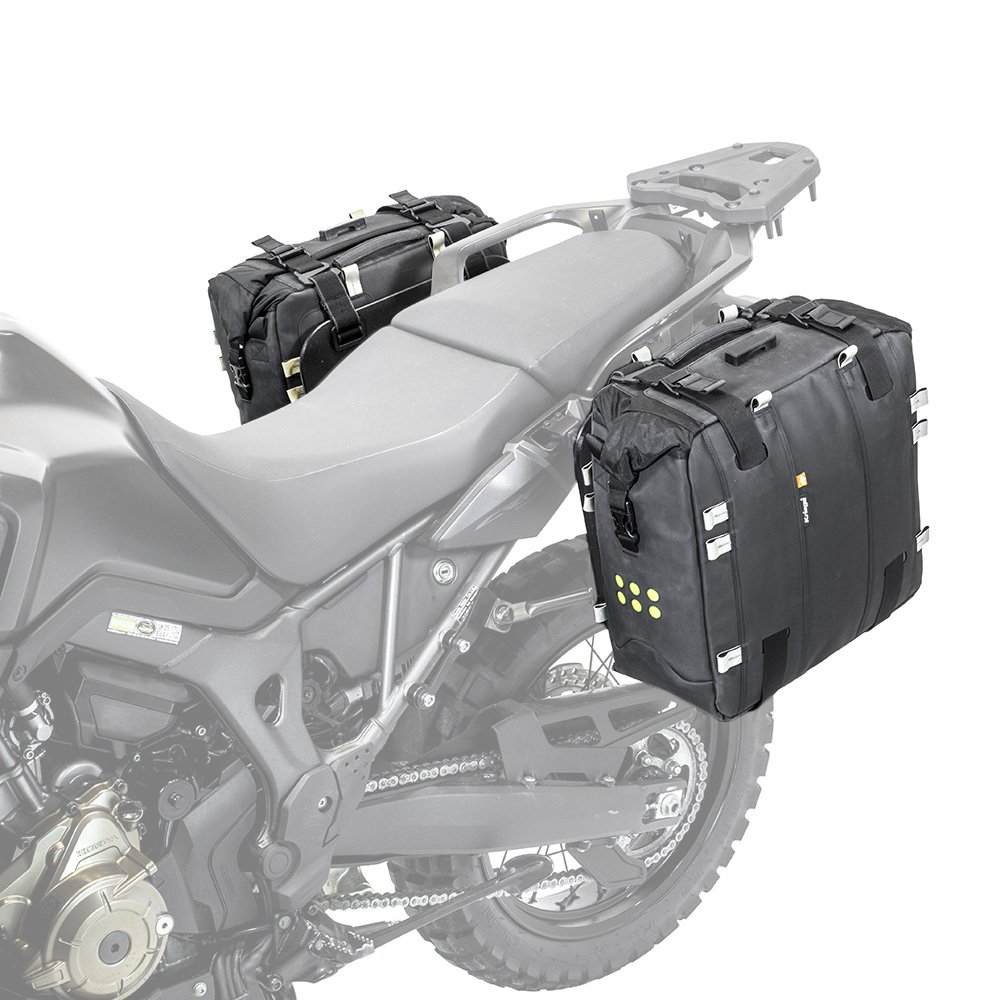
Rackless systems offer a modern alternative to traditional panniers by eliminating the need for a mounting frame. These bags attach directly to the motorcycle, making them ideal for off-road and adventure motorcycling. Their lightweight design and flexibility allow riders to easily adjust their setup according to their needs. B2B buyers should focus on the durability and waterproof features of these systems, as they are often exposed to harsh conditions. While they provide excellent versatility, they may not offer the same level of impact protection as framed options.
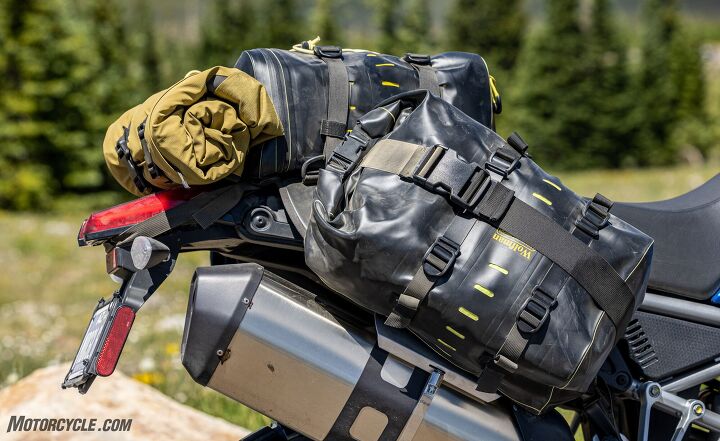
Illustrative image related to soft luggage motorcycle
Tank bags are a practical solution for riders seeking easy access to essentials during short trips or daily commutes. Mounted on the gas tank, they often feature transparent pockets for maps or smartphones, enhancing convenience. B2B buyers should assess the capacity and stability of these bags, as they can vary widely. While tank bags provide a lower center of gravity, which can improve handling, their limited storage capacity may be a drawback for longer journeys.
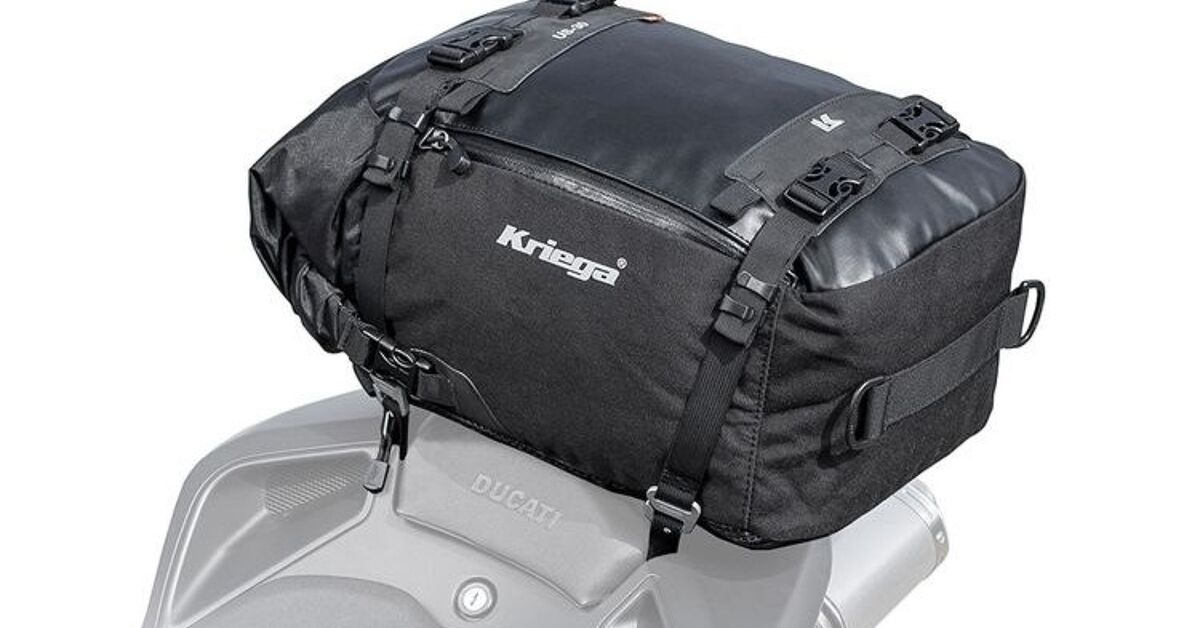
Tail bags are versatile storage options mounted at the rear of the motorcycle, often designed to be expandable. They serve as excellent supplementary storage for day trips or longer rides, providing flexibility without the bulk of panniers. When considering tail bags, B2B buyers should evaluate the attachment mechanisms and how secure the bag remains during rides. While they can shift if not properly secured, their versatility and ease of use make them a popular choice among riders.
Backpacks are a convenient option for riders who need to carry gear while maintaining hands-free mobility. Many backpacks feature hydration systems, making them suitable for short adventures or commuting. B2B buyers should consider comfort and fit, especially for longer rides, as poorly designed backpacks can lead to fatigue. While they offer the advantage of portability, their limited cargo space may not suffice for extended trips, making them best suited for shorter journeys.
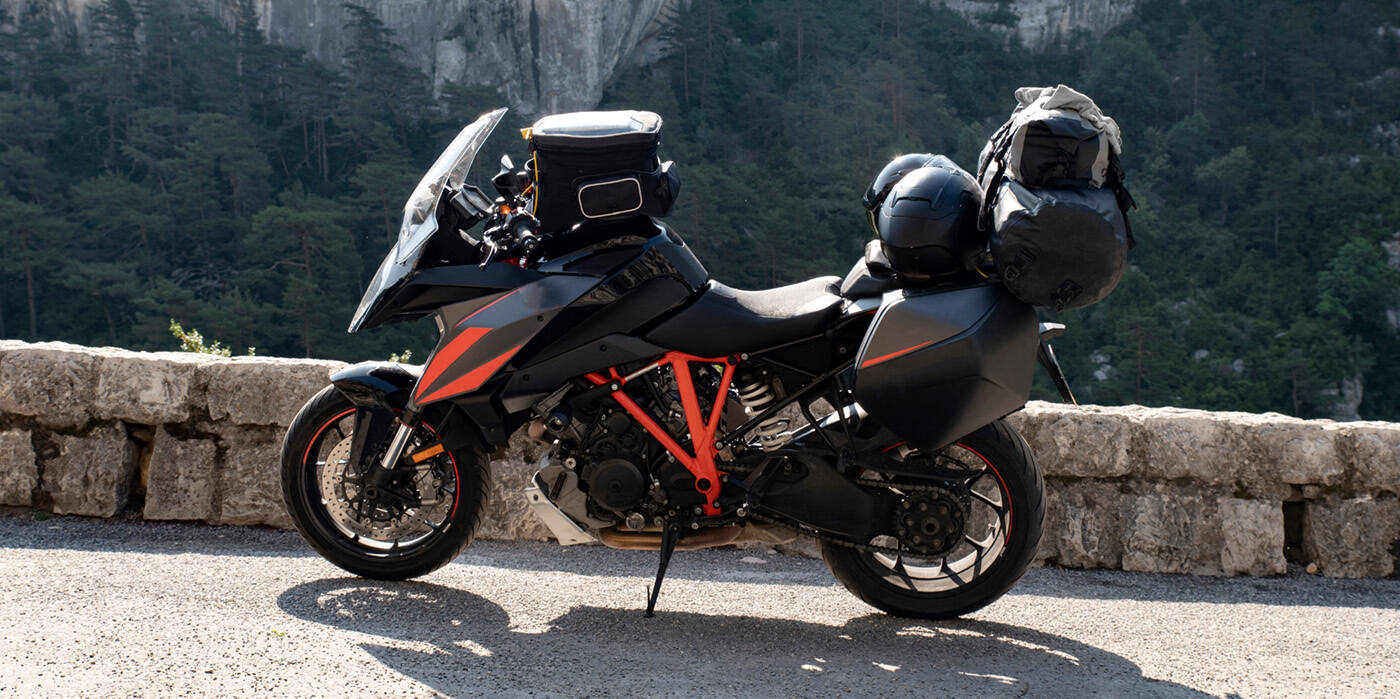
Illustrative image related to soft luggage motorcycle
| Industria/Sector | Specific Application of Soft Luggage Motorcycle | Valor/beneficio para la empresa | Consideraciones clave para el aprovisionamiento de esta aplicación |
|---|---|---|---|
| Turismo de aventura | Guided motorcycle tours | Enhances customer experience through reliable storage options for personal belongings and gear | Durability, waterproofing, ease of attachment, and weight capacity are essential for long journeys. |
| Logística y entrega | Urban delivery services using motorcycles | Increases efficiency by providing secure, organized storage for packages and documents | Lightweight design, quick access features, and adaptability to various motorcycle models are crucial. |
| Servicios de emergencia | Equipos de respuesta rápida | Facilitates quick transportation of medical supplies and equipment in challenging terrains | Must be rugged, weather-resistant, and easily attachable/detachable for urgent deployments. |
| Ocio al aire libre | Off-road motorcycling events | Allows participants to carry camping gear, tools, and personal items securely | Focus on waterproofing, capacity, and compatibility with different motorcycle types for varied terrains. |
| Militar y defensa | Tactical operations | Provides secure transport for essential gear and equipment in field operations | High durability, resistance to extreme weather, and compatibility with military vehicles are vital. |
In the adventure tourism industry, soft luggage motorcycle bags are essential for guided motorcycle tours, allowing riders to securely store personal belongings and gear. These bags are designed to withstand rough conditions, ensuring that items remain protected from the elements. For B2B buyers in this sector, sourcing durable, waterproof options that are easy to attach and detach is crucial. The ability to offer a reliable storage solution enhances the customer experience, which can lead to repeat business and positive reviews.
Soft luggage motorcycle solutions are increasingly utilized in urban delivery services, where efficiency is paramount. These bags provide secure, organized storage for packages and documents, enabling quick access and streamlined operations. For international buyers, particularly in regions with varying road conditions, lightweight designs that can adapt to different motorcycle models are essential. Investing in high-quality soft luggage can significantly improve delivery times and customer satisfaction.
Emergency services rely on soft luggage motorcycle bags for rapid response scenarios, where quick transportation of medical supplies and equipment is critical. These bags must be rugged and weather-resistant to endure challenging environments. B2B buyers in this field should prioritize sourcing options that offer easy attachment and detachment, allowing for swift deployment. The reliability of these storage solutions can be a matter of life and death, making quality a top priority.
In outdoor recreation, particularly during off-road motorcycling events, soft luggage motorcycle bags allow participants to carry camping gear, tools, and personal items securely. These bags must be waterproof and robust enough to handle diverse terrains. B2B buyers should consider options that emphasize capacity and compatibility with various motorcycle types, ensuring that users can focus on their adventure without worrying about their gear. This enhances overall satisfaction and encourages participation in future events.
In military and defense applications, soft luggage motorcycle bags are utilized for tactical operations, providing secure transport for essential gear and equipment. These bags must exhibit high durability and resistance to extreme weather conditions. For international buyers in this sector, sourcing options that are compatible with military vehicles and can withstand rigorous use is vital. Such investments not only improve operational efficiency but also enhance the safety and preparedness of personnel in the field.
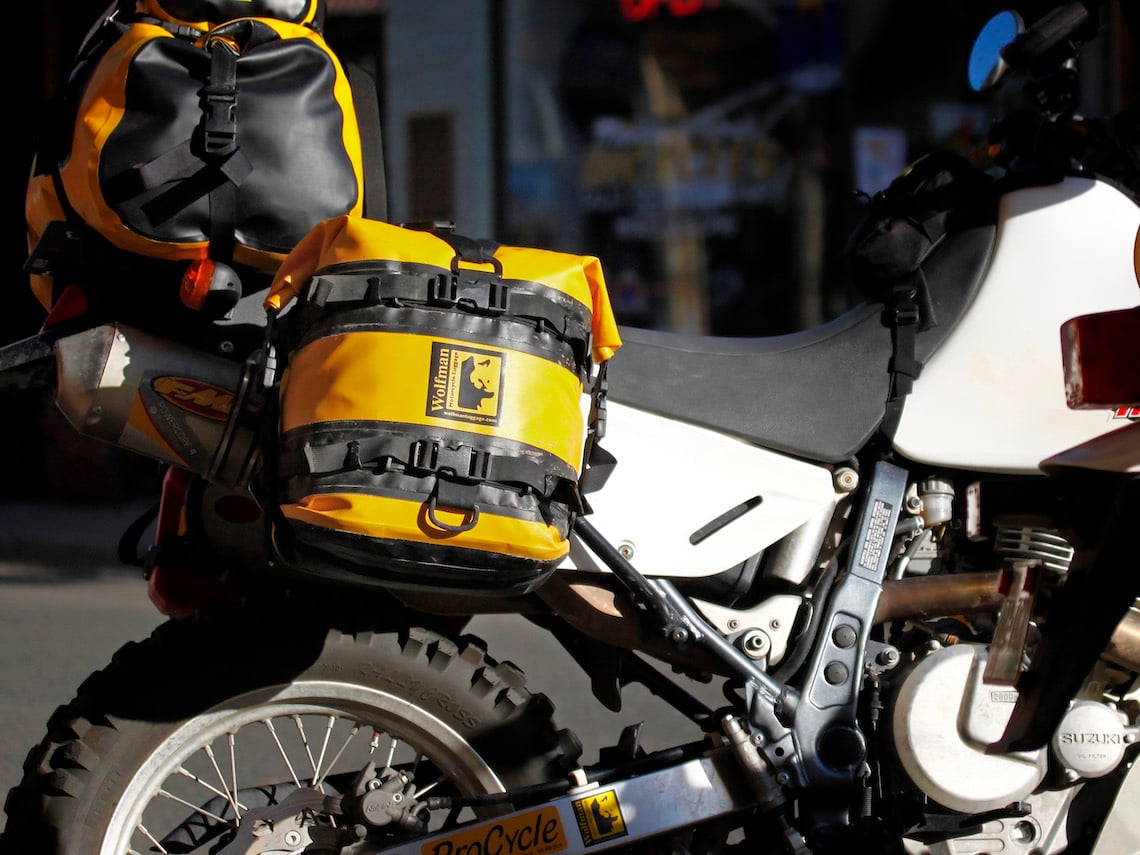
Illustrative image related to soft luggage motorcycle
El problema: B2B buyers often face the challenge of ensuring that soft luggage motorcycle options can withstand the rigors of diverse environments, particularly in regions like Africa and South America, where terrain can be unpredictable. Buyers may find that many soft luggage options claim to be durable but fail to deliver under extreme conditions, leading to product failures, customer dissatisfaction, and potential financial losses. This concern is exacerbated when clients are looking to equip multiple motorcycles for fleet use, making the choice of luggage critical.
La solución: To address durability concerns, buyers should prioritize sourcing soft luggage made from high-quality materials such as reinforced Cordura, PVC, or TPU. When evaluating suppliers, request samples to assess the fabric’s resilience and water resistance firsthand. Additionally, consider luggage designed with reinforced stitching and weatherproof closures, which can significantly enhance longevity. Implementing a rigorous testing protocol before bulk purchasing can ensure that the luggage meets specific durability standards. Furthermore, collaborating with manufacturers that offer warranties or satisfaction guarantees can provide additional peace of mind.
El problema: Another common pain point for B2B buyers is the challenge of managing storage capacity and organization within soft luggage motorcycle options. Many riders need to carry essential gear, tools, and personal items, and inadequate storage can lead to disorganization, wasted time, and frustration on the road. Buyers may struggle to find products that offer both ample storage and effective organizational features, leading to unsatisfactory experiences for end users.
La solución: Buyers should look for soft luggage options that include modular designs, such as internal dividers, removable pouches, or external attachment points. This allows for customization based on the rider’s specific needs. When sourcing these products, consider those that provide expandable compartments or roll-top closures that can adjust capacity as required. Additionally, providing training for end users on how to effectively pack and utilize the organizational features of the luggage can maximize efficiency and satisfaction. Finally, incorporating feedback loops from riders can help inform future purchases and ensure that the chosen products meet storage and organization needs effectively.
El problema: Compatibility issues with various motorcycle models can be a significant hurdle for B2B buyers. Many soft luggage options do not universally fit all motorcycles, leading to dissatisfaction among riders who purchase luggage only to find it does not attach securely or interferes with other components. This problem can be particularly pronounced in regions with diverse motorcycle brands and models, complicating inventory management for suppliers.
La solución: To mitigate compatibility concerns, buyers should partner with manufacturers who offer a wide range of fitment options, including adjustable mounting systems or universal attachment solutions. When evaluating products, prioritize those with detailed specifications outlining compatible motorcycle models. Additionally, consider investing in adjustable or rackless systems that can easily adapt to various bikes. Implementing a centralized database or resource for end users that outlines compatibility information can streamline the selection process and enhance customer satisfaction. Moreover, fostering open communication with suppliers can ensure that any changes in motorcycle designs are promptly reflected in their offerings, keeping the product line current and relevant.
When selecting materials for soft luggage designed for motorcycles, it is crucial to consider various factors such as durability, weather resistance, weight, and cost. Below, we analyze four common materials used in the production of soft luggage, focusing on their properties, advantages, limitations, and specific considerations for international B2B buyers.
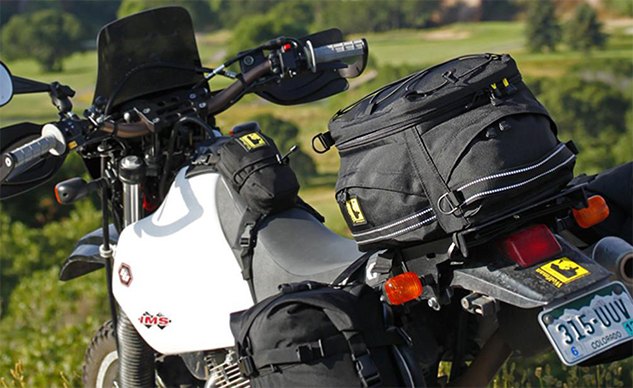
Illustrative image related to soft luggage motorcycle
Nylon is a synthetic fabric known for its excellent strength-to-weight ratio. It typically has a temperature resistance of up to 90°C (194°F) and can withstand significant pressure without losing its shape. Additionally, nylon exhibits good abrasion resistance and is relatively lightweight, making it a popular choice for soft luggage.
Pros: Nylon is durable, lightweight, and resistant to mildew and UV rays. It is also relatively easy to manufacture and can be treated for additional water resistance.
Contras: While nylon is strong, it can be susceptible to punctures and tears if not treated properly. Its cost can vary based on the quality and treatment, making it a medium-cost option.
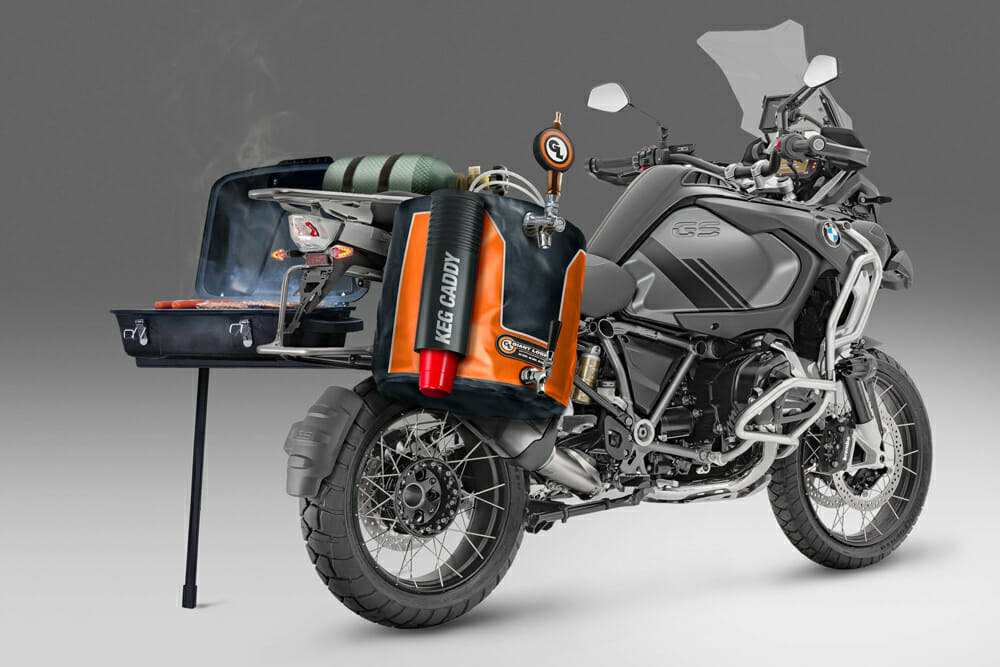
Illustrative image related to soft luggage motorcycle
Impacto en la aplicación: Nylon’s compatibility with various weather conditions makes it suitable for diverse environments, from the humid climates of South America to the arid conditions of the Middle East.
Polyester is another synthetic material that offers excellent durability and resistance to shrinking and stretching. It has a temperature tolerance similar to nylon and is generally more resistant to fading from UV exposure.
Pros: Polyester is cost-effective, highly durable, and resistant to water when treated. It also has a lower environmental impact compared to nylon, as it can be made from recycled materials.
Contras: Polyester can be heavier than nylon, which may affect the overall weight of the luggage. Additionally, its water resistance is generally lower unless treated with a waterproof coating.
Impacto en la aplicación: For buyers in regions with high humidity, such as parts of Africa, polyester’s water-resistant properties can be beneficial, though additional treatments may be necessary for full waterproofing.
Cordura is a brand of fabric known for its durability and resistance to abrasions, tears, and scuffs. It is often used in heavy-duty applications, making it suitable for rugged motorcycle luggage.
Pros: Cordura is exceptionally durable and offers a high level of resistance to wear and tear. It can also be treated for waterproofing, enhancing its suitability for various environments.
Contras: The manufacturing complexity of Cordura can lead to higher production costs. Additionally, its weight may be greater than other materials, which could affect the overall luggage weight.
Impacto en la aplicación: Cordura’s robustness makes it a preferred choice for international buyers looking for high-quality luggage that can withstand harsh conditions, particularly in regions like Europe where standards for durability are high.
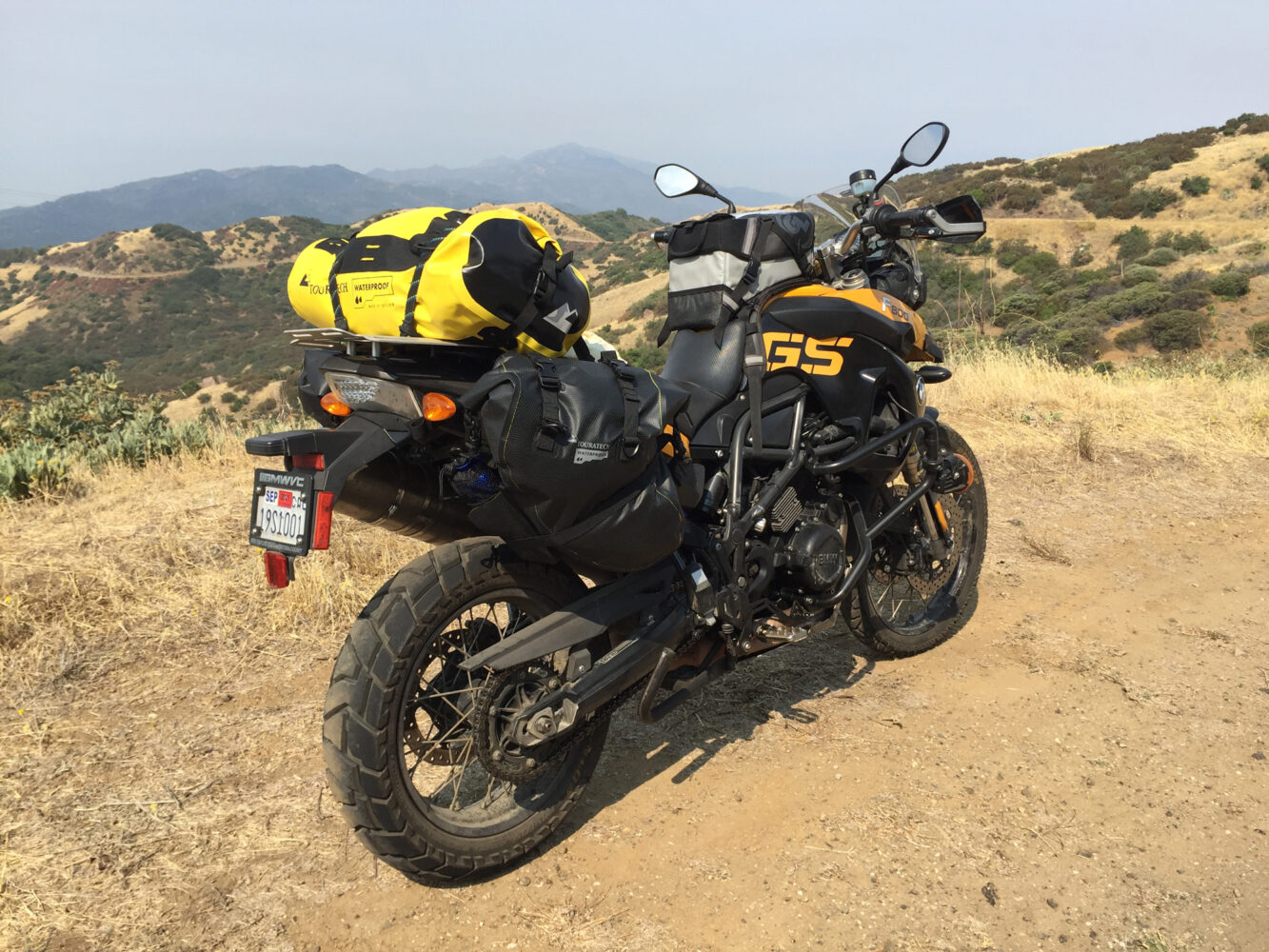
Illustrative image related to soft luggage motorcycle
Polyvinyl chloride (PVC) is a synthetic plastic polymer known for its waterproof properties. It is often used in conjunction with other materials to enhance durability and weather resistance.
Pros: PVC is highly waterproof, making it ideal for protecting contents from rain and moisture. It is also relatively inexpensive and easy to clean.
Contras: The flexibility of PVC can lead to issues with breathability, potentially causing condensation inside the luggage. Additionally, it may not be as durable as nylon or Cordura in terms of abrasion resistance.
Impacto en la aplicación: For buyers in regions with heavy rainfall, such as parts of Brazil, the waterproof nature of PVC can be a significant advantage, although its limitations in durability must be considered.
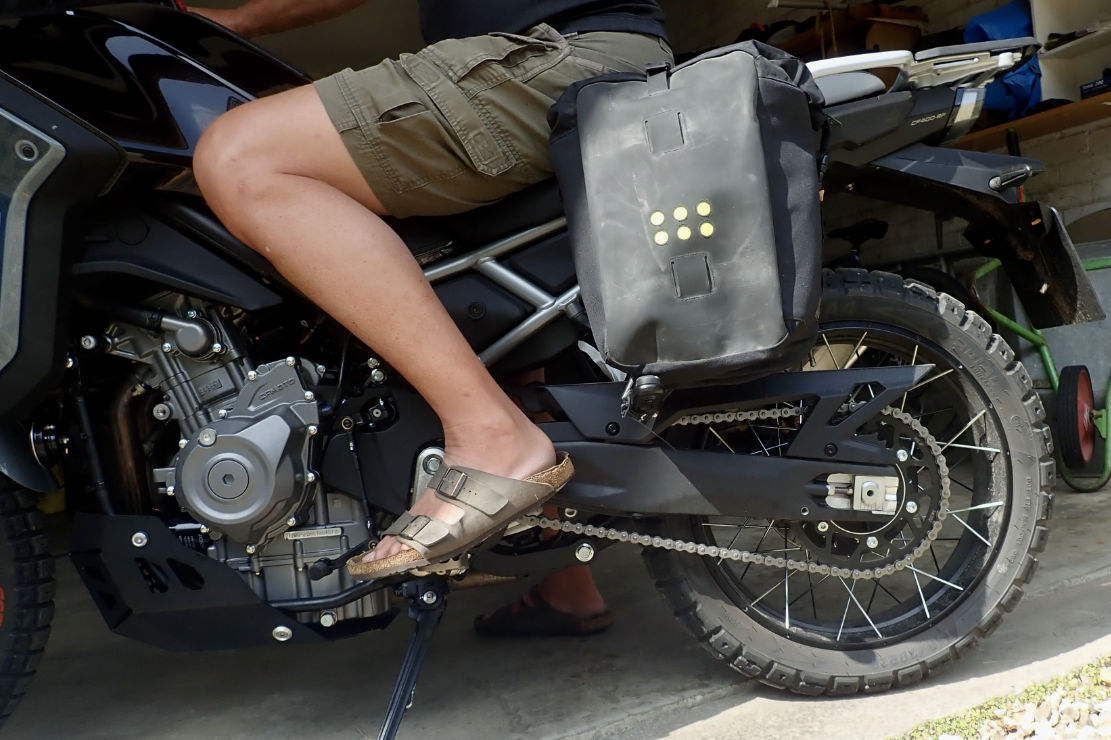
Illustrative image related to soft luggage motorcycle
| Material | Typical Use Case for soft luggage motorcycle | Ventajas clave | Principales desventajas/limitaciones | Coste relativo (Bajo/Medio/Alto) |
|---|---|---|---|---|
| Nylon | Lightweight bags for touring and adventure riding | Excelente relación resistencia-peso | Susceptible to punctures | Medio |
| Poliéster | Cost-effective luggage for casual riders | Durable and resistant to shrinking | Heavier than nylon | Bajo |
| Cordura | Heavy-duty luggage for extreme conditions | High abrasion resistance | Mayores costes de producción | Alta |
| PVC | Bolsas impermeables para condiciones húmedas | Highly waterproof | Limited durability against abrasion | Bajo |
This strategic material selection guide provides valuable insights for B2B buyers in various regions, helping them make informed decisions based on their specific needs and environmental conditions.
The manufacturing of soft luggage for motorcycles involves several critical stages, each designed to ensure that the final product meets stringent performance and durability standards. Understanding these stages is crucial for B2B buyers seeking reliable suppliers.
The foundation of quality soft luggage lies in the selection of materials. Commonly used fabrics include Cordura nylon, polyester, and PVC, chosen for their durability, water resistance, and lightweight properties. The preparation stage involves sourcing high-quality raw materials that meet specific industry standards. Buyers should inquire about the fabric’s denier rating, which indicates its strength and durability. Additionally, manufacturers often treat these materials with coatings to enhance waterproof capabilities, ensuring that the luggage can withstand harsh weather conditions.
Once materials are prepared, the forming process begins. This stage typically involves cutting the fabric into specific shapes and sizes, followed by techniques such as heat sealing, welding, or stitching. Heat sealing is particularly popular for creating waterproof seams, while stitching is used for aesthetic and functional purposes. Advanced manufacturers may employ computer-controlled cutting machines to ensure precision and reduce waste.
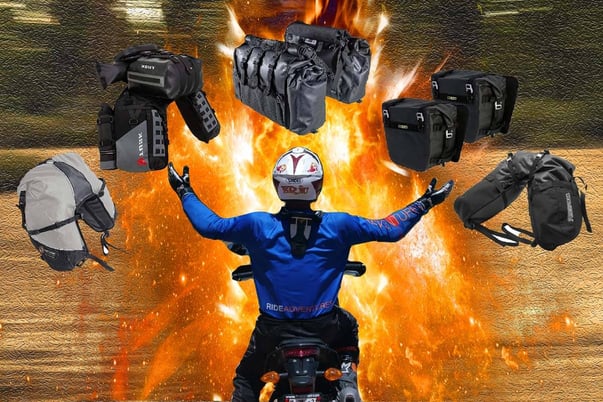
Illustrative image related to soft luggage motorcycle
In this stage, it’s essential to maintain consistency in the dimensions and shapes of each component, as even minor discrepancies can affect the overall functionality of the luggage.
The assembly stage brings together various components, including straps, buckles, and zippers. This process may vary depending on the design, with some manufacturers adopting modular systems that allow for easy replacement of parts. Quality assurance checks should be integrated into this phase to ensure that all components fit correctly and function as intended.
Manufacturers often utilize jigs and fixtures during assembly to maintain alignment and consistency. B2B buyers should look for suppliers that employ skilled labor and automated processes to enhance efficiency and reduce the risk of human error.
Illustrative image related to soft luggage motorcycle
The finishing stage includes quality checks, branding, and packaging. It’s crucial that soft luggage undergoes thorough inspection before being packaged for shipment. This includes checking for visual defects, ensuring zippers and buckles function correctly, and confirming that all waterproofing measures are intact. Proper packaging is also vital to prevent damage during transport, which can be a significant concern for international buyers.
Quality assurance is critical in ensuring that soft luggage meets both manufacturer specifications and regulatory requirements. Understanding international standards can help buyers assess supplier credibility.
ISO 9001 is one of the most recognized quality management standards globally. It focuses on continuous improvement and customer satisfaction, making it a relevant benchmark for soft luggage manufacturers. Additionally, CE marking indicates compliance with European health, safety, and environmental protection standards, which is particularly important for buyers in Europe.
Illustrative image related to soft luggage motorcycle
Industry-specific standards, such as those from the American Petroleum Institute (API) or the International Organization for Standardization (ISO), may also apply, particularly if the luggage is designed for specialized applications.
Quality control (QC) checkpoints are integral to maintaining product integrity throughout the manufacturing process. These checkpoints can be categorized into three primary stages:
Control de calidad entrante (IQC): This involves inspecting raw materials upon arrival. Buyers should ensure that suppliers conduct thorough testing of incoming materials to verify compliance with specifications.
Control de calidad durante el proceso (IPQC): During the manufacturing process, regular checks should be performed to catch defects early. This includes monitoring stitching quality, seam integrity, and material performance.
Control de calidad final (CCF): Before packaging, a final inspection ensures that the product meets all specifications. This includes functionality tests, aesthetic checks, and performance assessments, such as water resistance.
To ensure that suppliers adhere to quality standards, B2B buyers should employ several verification methods:
Auditorías de proveedores: Conducting on-site audits allows buyers to assess the manufacturing processes and QC measures in place. This hands-on approach can uncover potential issues that might not be apparent in documentation alone.
Informes de calidad: Requesting detailed QC reports can provide insights into the supplier’s quality assurance processes and the results of various inspections. Look for trends in defect rates and how the supplier addresses issues.
Inspecciones de terceros: Engaging a third-party inspection service can offer an unbiased assessment of the supplier’s quality control measures. These services can conduct random checks at various stages of production, ensuring adherence to industry standards.
For international B2B buyers, understanding the nuances of quality control and manufacturing practices is essential. Buyers from regions such as Africa, South America, the Middle East, and Europe should be aware of the following:
Illustrative image related to soft luggage motorcycle
Diferencias culturales: Communication styles and business practices can vary significantly. Establishing clear expectations and open lines of communication with suppliers is crucial.
Cumplimiento de la normativa: Different regions may have specific regulations regarding product safety and quality. Buyers should familiarize themselves with local laws to ensure compliance and avoid potential legal issues.
Logistical Challenges: International shipping can introduce risks related to product damage and delays. Ensuring that suppliers use robust packaging and reliable shipping methods can mitigate these risks.
By understanding the manufacturing processes and quality assurance standards for soft luggage motorcycles, B2B buyers can make informed decisions that align with their quality expectations and operational needs.
This sourcing guide is designed to assist B2B buyers in procuring soft luggage for motorcycles. With the growing demand for durable, lightweight, and versatile luggage solutions across various regions, including Africa, South America, the Middle East, and Europe, it is essential to follow a structured approach. This checklist outlines the critical steps to ensure you select the right products and suppliers for your business needs.
Before reaching out to suppliers, clearly outline the technical specifications of the soft luggage you require. This includes dimensions, weight capacity, material types, and waterproof ratings. Understanding these details will help you communicate effectively with potential suppliers and ensure the products meet your operational needs.
Stay informed about current market trends and consumer preferences related to motorcycle luggage. This knowledge will help you identify popular products and features that resonate with your target audience.
Illustrative image related to soft luggage motorcycle
Thoroughly vet suppliers before making a commitment. Request detailed company profiles, product catalogs, and references from other buyers in similar industries or regions.
Always request product samples before placing a bulk order. This step allows you to assess the quality, durability, and usability of the luggage firsthand.
Once you have identified a suitable supplier and evaluated their products, initiate negotiations regarding pricing, payment terms, and delivery schedules.
Before finalizing the order, ensure that all terms are clearly documented in a contract. This should include details on delivery timelines, payment terms, warranties, and return policies.
Finally, consider the logistics of how the luggage will be shipped and distributed. Factor in shipping costs, customs duties, and distribution channels to ensure a smooth delivery process.
By following this structured checklist, B2B buyers can effectively navigate the procurement process for soft luggage for motorcycles, ensuring they make informed decisions that align with their business objectives.
Illustrative image related to soft luggage motorcycle
When sourcing soft luggage for motorcycles, international B2B buyers must consider various cost components that contribute to the overall pricing structure. These components typically include:
Materiales: The choice of materials significantly impacts costs. High-quality fabrics like Cordura, PVC, or TPU, which offer durability and waterproof features, often come at a premium. The cost of materials can vary based on suppliers, regional pricing, and availability.
Trabajo: Labor costs fluctuate depending on the country of production. Regions with lower labor costs may offer competitive pricing, but this can also correlate with varying levels of craftsmanship and quality assurance.
Gastos generales de fabricación: This encompasses costs related to factory operations, including utilities, equipment maintenance, and general administration. Efficient production processes can help minimize overhead, thereby reducing the final product price.
Tooling and Setup: Initial tooling costs can be significant, especially for custom designs or unique specifications. Buyers should inquire about these costs upfront, as they can affect the overall budget, particularly for low-volume orders.
Control de calidad: Rigorous quality checks are essential to ensure product durability and performance. Investing in QC processes can increase initial costs but may lead to long-term savings by reducing returns and warranty claims.
Logística: Shipping and handling costs vary widely based on the origin of the goods and the chosen shipping method. Incoterms (International Commercial Terms) play a crucial role in determining who bears these costs, impacting the total landed cost.
Margen: Suppliers will typically include a profit margin in their pricing. Understanding the expected margins in the industry can help buyers negotiate better deals.
Several factors influence the pricing of soft luggage for motorcycles, particularly in international markets:
Volumen y cantidad mínima de pedido (MOQ): Larger orders often lead to lower per-unit costs. Buyers should evaluate their inventory needs to leverage bulk pricing effectively.
Especificaciones y personalización: Custom features or specialized designs can increase costs. Buyers should assess whether these enhancements are necessary or if standard products meet their needs.
Certificaciones de calidad: Products that meet specific industry standards or certifications may command higher prices. Buyers should weigh the benefits of these certifications against their budget constraints.
Factores del proveedor: The reputation and reliability of suppliers can significantly affect pricing. Established suppliers with a track record of quality and service may charge more but can offer peace of mind regarding product performance.
Incoterms: Understanding the implications of Incoterms on shipping responsibilities is vital. Costs can shift dramatically depending on whether the buyer or seller is responsible for shipping, insurance, and customs duties.
For international B2B buyers, especially from regions like Africa, South America, the Middle East, and Europe, effective negotiation strategies can lead to cost savings:
Investigación y evaluación comparativa: Understanding market prices and competitor offerings allows buyers to negotiate from an informed position.
Centrarse en el coste total de propiedad (TCO): Consider not just the purchase price but also factors like durability, warranty, and maintenance costs. This broader perspective can justify a higher initial expenditure if it leads to lower overall costs.
Flexibility in Order Size: If possible, be flexible with order quantities to meet supplier MOQs while exploring pricing breaks for larger orders.
Establecer relaciones a largo plazo: Cultivating ongoing partnerships with suppliers can lead to better pricing and terms over time, as suppliers may offer discounts for repeat business.
Explorar proveedores alternativos: Don’t hesitate to seek out new suppliers who may offer better pricing or innovative products that meet your needs.
Understanding the cost structure and pricing dynamics of soft luggage for motorcycles is crucial for international B2B buyers. By being aware of cost components, price influencers, and effective negotiation strategies, buyers can make informed decisions that balance quality and budget, ultimately leading to successful sourcing outcomes. Always consider that prices may vary based on numerous factors, and the figures provided are indicative and subject to change based on market conditions.
Illustrative image related to soft luggage motorcycle
In the realm of motorcycle travel, choosing the right luggage solution is crucial for both safety and convenience. While soft luggage motorcycle options have gained popularity for their flexibility and lightweight nature, various alternatives exist that can serve similar purposes. This analysis will provide a comparative overview of soft luggage against hard luggage and modular storage systems, highlighting the strengths and weaknesses of each option for B2B buyers.
| Aspecto comparativo | Soft Luggage Motorcycle | Hard Luggage | Modular Storage Systems |
|---|---|---|---|
| Rendimiento | High flexibility and light weight, suitable for off-road use | Superior protection and security, ideal for on-road travel | Customizable and scalable, can adapt to different needs |
| Coste | Generally lower cost, varies by brand and features | Higher initial investment, more durable over time | Variable cost based on components chosen |
| Facilidad de aplicación | Quick setup and removal, often requires minimal tools | More complex installation, may require additional hardware | Installation can vary; some systems are user-friendly while others are complex |
| Mantenimiento | Easier to clean and maintain, but may require frequent inspections | More robust; less frequent maintenance needed | Maintenance can vary widely based on components |
| El mejor caso de uso | Ideal for adventure touring and off-road conditions | Best for long-distance touring on paved roads | Suitable for modular setups, adapting to changing needs and preferences |
Hard Luggage
Hard luggage systems are constructed from durable materials such as aluminum or reinforced plastic, providing excellent protection against impacts and the elements. Their robust design makes them suitable for long-distance touring on paved roads where security is a priority. However, they are generally heavier and can add significant weight to the motorcycle. Additionally, installation may require more effort and specific mounting hardware, which can increase costs. For B2B buyers focused on safety and durability, hard luggage is a reliable option.
Modular Storage Systems
Modular storage systems offer a versatile approach to motorcycle luggage, allowing users to customize their storage setup based on specific needs. These systems can include a combination of bags, boxes, and racks that can be rearranged or upgraded as necessary. The adaptability of modular systems makes them ideal for businesses that require flexibility in storage solutions. However, they can be more complex to install and may require more maintenance than traditional options. Buyers who value customizability and scalability will find modular systems appealing.
Selecting the right motorcycle luggage solution ultimately depends on the specific needs of the buyer. For those prioritizing lightweight and flexible options, soft luggage motorcycle systems are advantageous, especially in off-road scenarios. Conversely, if durability and security are paramount, hard luggage may be the better choice. For businesses seeking adaptable and customizable solutions, modular storage systems provide the versatility to meet changing demands. B2B buyers should assess their operational requirements, travel conditions, and budget constraints to make an informed decision that aligns with their business objectives.
When sourcing soft luggage for motorcycles, understanding the technical properties is crucial for ensuring quality, performance, and durability. Below are key specifications that influence the selection and procurement processes:
Soft luggage is typically made from materials like Cordura, PVC, or TPU. Cordura is a high-performance nylon fabric known for its resistance to abrasions and tears, making it ideal for rugged environments. PVC and TPU offer excellent waterproofing and durability. The grade of these materials affects the luggage’s weight, resistance to elements, and longevity, which are critical factors for B2B buyers looking for reliable products.
Water resistance is a vital characteristic for soft luggage, especially in varying climates. Products are often rated based on their waterproofing techniques, such as roll-top closures or sealed seams. Understanding the waterproofing standard can help buyers ensure that the luggage will protect contents from moisture during travel, which is essential for maintaining customer satisfaction and reducing returns.
Load capacity, usually measured in liters, indicates how much gear can be carried. For motorcycle soft luggage, capacities typically start around 25 liters. Knowing the load capacity is essential for B2B buyers to match their products with customer needs, particularly for long-distance touring where space is at a premium.
Weight tolerance refers to the maximum weight that the luggage can safely carry without compromising its integrity. This specification is particularly important for motorcycles, where excess weight can affect handling. Buyers need to consider the weight tolerance to ensure that it aligns with the average load their customers will carry.
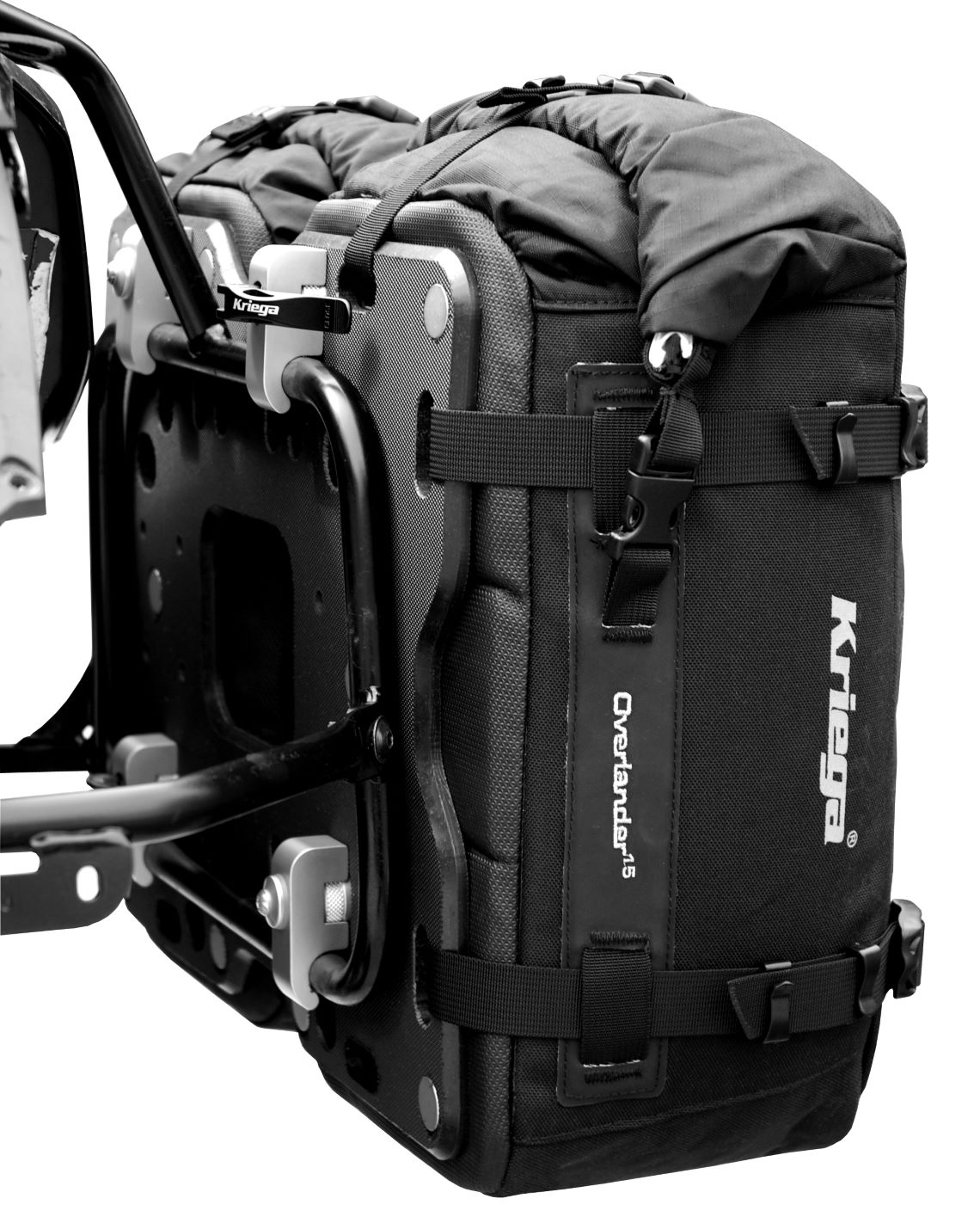
The method of attachment, whether through racks, straps, or magnetic systems, determines how securely the luggage can be affixed to the motorcycle. A reliable attachment mechanism ensures that the luggage remains stable during rides, enhancing safety and preventing loss of cargo. Understanding these mechanisms can guide buyers in selecting products that meet their market’s needs.
Incorporating reflective materials or high-visibility colors into soft luggage enhances safety during nighttime rides. B2B buyers should consider these features, as they can be significant selling points in markets where visibility is a critical safety concern for motorcyclists.
Familiarity with industry-specific jargon can facilitate smoother transactions and negotiations. Here are some essential trade terms:
An OEM refers to companies that produce parts or equipment that may be marketed by another manufacturer. In the soft luggage industry, understanding OEM relationships can help buyers identify the source of materials and ensure quality standards.
MOQ is the smallest number of units a supplier is willing to sell. This term is crucial for B2B buyers as it impacts inventory management and initial investment. Knowing the MOQ helps businesses plan their purchases effectively.
An RFQ is a document sent to suppliers requesting pricing information for specific products. In the context of soft luggage, submitting RFQs allows buyers to compare costs and features across multiple suppliers, aiding in informed purchasing decisions.
Incoterms define the responsibilities of buyers and sellers in international transactions. Understanding these terms helps B2B buyers navigate shipping, insurance, and tariffs, ensuring clarity in logistics and reducing potential disputes.
Lead time refers to the amount of time it takes from placing an order to receiving the goods. Knowing lead times is essential for inventory planning and customer fulfillment, particularly in markets with high demand for motorcycle accessories.
Warranty terms outline the conditions under which a product can be repaired or replaced. B2B buyers should pay attention to these terms to ensure they are offering reliable products that will maintain customer trust and reduce liability.
Illustrative image related to soft luggage motorcycle
Understanding these properties and terms equips B2B buyers with the knowledge necessary to make informed decisions in the soft luggage motorcycle market, ultimately driving sales and customer satisfaction.
The soft luggage motorcycle market is witnessing significant evolution, driven by multiple global factors. One of the primary drivers is the increasing popularity of adventure and touring motorcycling, particularly in emerging markets like Brazil and Saudi Arabia, where outdoor activities are gaining traction. This shift in consumer preferences is prompting manufacturers to innovate and diversify their product offerings, focusing on lightweight, durable, and versatile designs that cater to varied riding styles and terrains.
Current B2B tech trends include the integration of smart technology into luggage systems, such as GPS tracking and anti-theft features, enhancing the user experience for both individual consumers and commercial buyers. Additionally, e-commerce platforms are becoming increasingly vital for B2B transactions, providing international buyers with easy access to a wider range of products and suppliers. The rise of direct-to-consumer models is also reshaping the supply chain dynamics, allowing manufacturers to build closer relationships with buyers.
Illustrative image related to soft luggage motorcycle
Moreover, sustainability is becoming a key focus area. International buyers are increasingly seeking products that not only meet functional requirements but also align with environmentally friendly practices. This shift is evident in the growing demand for sustainable materials and ethical production processes, which are becoming essential considerations in sourcing decisions.
Sustainability and ethical sourcing are increasingly influencing the soft luggage motorcycle sector. As global awareness of environmental issues rises, B2B buyers are prioritizing products that minimize ecological impact. This includes the use of recycled materials, biodegradable packaging, and production processes that reduce carbon footprints.
Moreover, many manufacturers are obtaining certifications that demonstrate their commitment to sustainability, such as ISO 14001 for environmental management or specific certifications for using recycled materials. Buyers from regions like Europe and North America are particularly inclined toward brands that can provide proof of their sustainable practices, as these certifications enhance brand trust and consumer loyalty.
Ethical supply chains are also a focal point. Buyers are scrutinizing the labor practices within the supply chain to ensure fair wages and safe working conditions. Companies that can demonstrate transparency in their sourcing and manufacturing processes will have a competitive edge in attracting discerning B2B clients who prioritize corporate social responsibility.
The development of soft luggage motorcycle solutions can be traced back to the early days of motorcycling, where practicality and functionality were paramount. Originally, riders relied on basic bags to carry essential items for their journeys. Over the decades, advancements in materials and design have transformed these bags into highly specialized equipment capable of withstanding diverse environmental conditions.
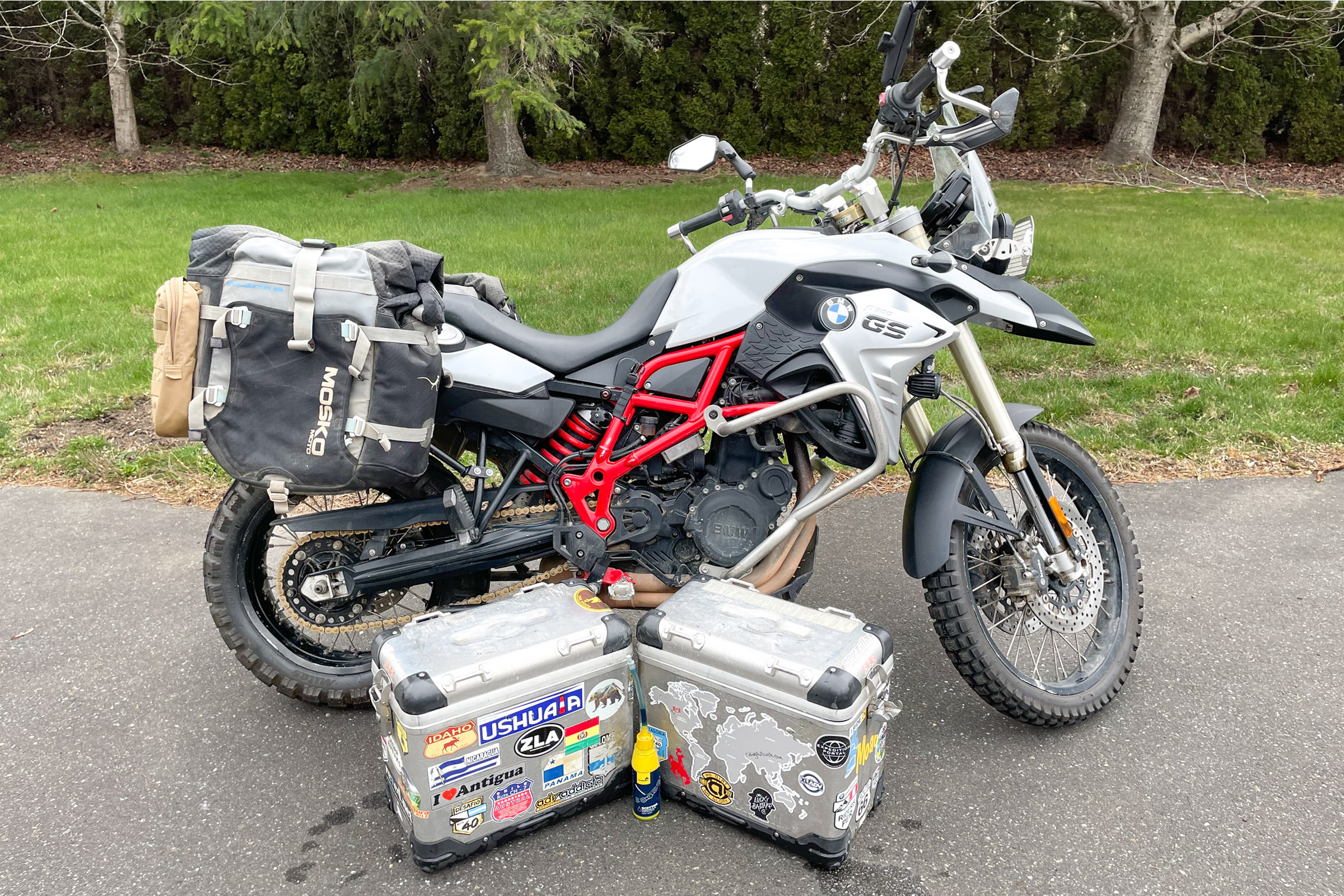
Illustrative image related to soft luggage motorcycle
The introduction of synthetic materials like Cordura and waterproof fabrics revolutionized soft luggage, making it lighter and more durable. In recent years, the emphasis has shifted toward creating modular and adaptable systems that cater to a variety of motorcycle types and riding preferences, further enhancing the functionality and appeal of soft luggage solutions.
As the market continues to evolve, understanding the historical context and current trends will help international B2B buyers make informed decisions when sourcing soft luggage motorcycle products, ensuring they meet both consumer demands and sustainability goals.
How do I choose the right soft luggage for my motorcycle?
Selecting the right soft luggage involves considering your specific needs, including capacity, durability, and intended use. For long-distance travel, prioritize options with high waterproof ratings and robust materials like Cordura or TPU. Evaluate storage capacity, ensuring it meets your journey’s demands. Additionally, assess compatibility with your motorcycle model, as some luggage systems are designed for specific bikes. Reading reviews and seeking recommendations from other riders can also provide valuable insights into performance and durability.
What are the advantages of soft luggage over hard luggage for motorcycles?
Soft luggage offers several advantages, such as being lightweight and more adaptable to different motorcycle shapes. It often features expandable compartments and is easier to store when not in use. The flexibility of soft luggage allows for better weight distribution, which can enhance bike handling. Moreover, many soft luggage options are designed to be waterproof, making them suitable for various weather conditions. Lastly, they usually come at a lower price point than hard luggage, making them a cost-effective choice for many riders.
What customization options are available for soft luggage?
Many manufacturers provide customization options to meet the specific needs of B2B buyers. Customizations may include branding, color choices, and additional features like extra pockets or specialized attachment systems. When sourcing, inquire about minimum order quantities (MOQs) for customized products, as this can vary significantly between suppliers. Be clear about your specifications and timelines to ensure the custom products align with your business goals and customer expectations.
How can I ensure the quality of soft luggage before purchasing in bulk?
To ensure quality, request samples from potential suppliers before committing to a bulk order. Evaluate the materials, stitching, and overall craftsmanship of the products. It’s beneficial to check for certifications related to durability and water resistance. Additionally, reviewing customer feedback and product warranties can provide insights into the supplier’s reliability and product performance. Establishing a quality assurance process, including on-site inspections during production, can further mitigate risks.
¿Qué condiciones de pago debo esperar si compro maletas blandas en el extranjero?
Payment terms can vary widely among suppliers, but common practices include a percentage upfront (usually 30-50%) with the balance due upon delivery or after inspection. Discuss the possibility of using secure payment methods such as letters of credit or escrow services, especially for larger transactions. It’s crucial to clarify payment terms before placing an order to avoid misunderstandings. Additionally, be aware of currency exchange rates and potential fees associated with international transactions.
How do I vet suppliers for soft luggage motorcycle products?
Start by researching potential suppliers through industry directories, trade shows, and online platforms. Look for suppliers with a strong reputation, positive reviews, and a portfolio of successful projects. Request references from previous clients and assess their communication responsiveness and customer service. Additionally, consider conducting factory visits or third-party audits to ensure the supplier meets your quality and ethical standards, particularly if you are sourcing from regions with varying manufacturing regulations.
What logistics considerations should I keep in mind when importing soft luggage?
When importing soft luggage, consider factors such as shipping methods, lead times, and customs regulations. Evaluate whether air freight or sea freight is more cost-effective based on your timeline and budget. Familiarize yourself with import duties and taxes in your country to avoid unexpected costs. Collaborating with a logistics partner who understands international trade can streamline the process and ensure compliance with all regulations, reducing the risk of delays or additional fees.
What are the best practices for handling warranty and returns for soft luggage products?
Establish a clear warranty policy that outlines what is covered, such as manufacturing defects and the duration of coverage. Communicate this policy to your customers to manage expectations. Implement a straightforward return process, including guidelines for product condition and time frames for returns. It’s essential to maintain open lines of communication with your suppliers regarding warranty claims to facilitate efficient resolution. Keeping records of sales and customer feedback can help identify common issues and improve product quality over time.
Dominio: moskomoto.com
Inscrito: 2013 (12 años)
Introducción: Motorcycle Luggage | Mosko Moto SALE! 15 – 30% OFF Free Shipping On Orders Over $200 USD
Dominio: aventura-motociclismo.com
Matriculado: 1999 (26 años)
Introducción: Best Motorcycle Soft Baggage 2026 includes reviews and tests of various products such as Kriega OS22 pannier, Kriega Trail18 daypack, Ortlieb 30L Travel Zip, Kriega Overlander S – OS-32, Giant Loop Fandango Pro Tank Bag, Enduristan Monsoon, and Giant Loop Siskiyou throwovers. The article discusses the effectiveness of ROK Straps and provides insights into the size and utility of soft baggage for a…
Dominio: motocampnerd.com
Matriculado: 2020 (5 años)
Introducción: Soft Panniers – Moto Camp Nerd
Productos clave:
1. Nelson-Rigg | Hurricane Dry Saddlebags – Price: $319.95
2. Kriega | OS-38 Soft Pannier – Price: $379.99
3. Kriega | OS-22 Soft Pannier – Price: $329.99 (Low stock: 5 units)
4. Kriega | OS-32 Soft Pannier – Price: $349.99
5. Kriega | OS-Platforms (Pair) – Price: $249.99
6. Kriega | OS-22 Dual Pack (44L) – Price: $659.98 (Very low stock: 2 units)
7. K…
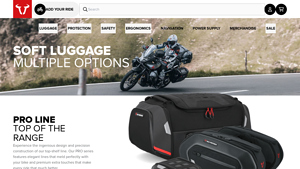
Dominio: sw-motech.es
Matriculado: 2019 (6 años)
Introducción: SW-MOTECH offers a variety of soft luggage options for motorcycle enthusiasts, categorized into several product lines:
1. **PRO Line**:
– Top-of-the-range soft luggage with elegant design and premium features.
– Made from robust, water-repellent materials.
– Features MOLLE attachment systems for maximum flexibility.
– Quick attachment/detachment with patented PRO tank ring mounti…
Dominio: bmwmotorcycles.com
Matriculado: 2000 (25 años)
Introducción: Soft Luggage Solutions from BMW Motorrad offer practical, flexible, and modern bags and backpacks designed for motorcyclists. Key features include:
– High-quality materials that withstand challenges.
– Versatile design suitable for both motorcycle use and everyday occasions.
– Vehicle-specific connections for installation on different BMW motorcycle models.
– Storage capacity ranging from 3 to 60 …
In the evolving landscape of motorcycle accessories, soft luggage presents a strategic advantage for international B2B buyers. The demand for lightweight, durable, and versatile luggage solutions is on the rise, particularly in regions like Africa, South America, the Middle East, and Europe. Key players in the market have adapted their offerings to include innovative designs that prioritize waterproofing, easy attachment systems, and user-friendly features that enhance the riding experience.
By strategically sourcing soft luggage, businesses can capitalize on the growing trend towards adventure touring and off-road riding. Engaging with suppliers who offer high-quality materials, such as Cordura and TPU, ensures that the products can withstand diverse environmental conditions while providing excellent functionality. Furthermore, fostering relationships with manufacturers who prioritize sustainable practices can enhance brand reputation and appeal to environmentally-conscious consumers.
Looking ahead, B2B buyers should remain vigilant about emerging trends and innovations in motorcycle luggage. As the market expands, the integration of smart technologies and customization options will likely become standard. To stay ahead, consider investing in partnerships that allow for flexible sourcing strategies and access to cutting-edge designs. Embrace this opportunity to enhance your product portfolio and meet the growing demands of a diverse customer base in the global market.
Illustrative image related to soft luggage motorcycle
La información facilitada en esta guía, incluido el contenido relativo a fabricantes, especificaciones técnicas y análisis de mercado, tiene únicamente fines informativos y educativos. No constituye asesoramiento profesional en materia de adquisiciones, asesoramiento financiero ni asesoramiento jurídico.
Aunque hemos hecho todo lo posible por garantizar la exactitud y actualidad de la información, no nos hacemos responsables de posibles errores, omisiones o información obsoleta. Las condiciones del mercado, los detalles de las empresas y las normas técnicas están sujetos a cambios.
Los compradores B2B deben llevar a cabo su propia diligencia debida independiente y exhaustiva antes de tomar cualquier decisión de compra. Esto incluye ponerse en contacto directamente con los proveedores, verificar las certificaciones, solicitar muestras y buscar asesoramiento profesional. El riesgo de confiar en la información contenida en esta guía es responsabilidad exclusiva del lector.


 Spanish
  English
  Russian
  Italian
  Arabic
  Portuguese
  German