
In today’s competitive landscape, sourcing high-quality rear seat bags for motorcycles can pose significant challenges for B2B buyers across various international markets. With an increasing demand for versatile and durable motorcycle accessories, businesses must navigate a myriad of options that cater to diverse riding styles and regional preferences. This guide aims to simplify that process by offering a comprehensive overview of rear seat bags, detailing their types, applications, and key features to consider during procurement.
Throughout this guide, B2B buyers will gain valuable insights into the latest trends in motorcycle luggage, including waterproof materials and universal fit designs that enhance functionality. We will also explore essential factors for supplier vetting, such as production quality, compliance with safety standards, and the ability to meet specific market needs in regions like Africa, South America, the Middle East, and Europe, including countries like Germany and Nigeria.
Moreover, understanding the cost implications and potential for bulk purchasing will empower decision-makers to make informed choices that align with their business objectives. By providing actionable strategies and expert recommendations, this guide equips international B2B buyers with the necessary tools to enhance their product offerings and ultimately drive sales in a growing market.
| Tipo Nombre | Principales rasgos distintivos | Aplicaciones B2B principales | Breves pros y contras para los compradores |
|---|---|---|---|
| Bolsas Sissy Bar | Mounts directly onto the sissy bar; often includes backpack straps. | Touring motorcycles, long-distance rides. | Pros: Easy installation; versatile. Contras: Limited space. |
| Bolsas de cola | Universal fit; designed for various motorcycle types; often waterproof. | Adventure touring, commuting. | Pros: Spacious; waterproof options. Contras: Requires secure mounting. |
| Backrest Bags | Fits between the rider and the backrest; designed for passenger comfort. | Touring and cruiser motorcycles. | Pros: Comfortable for passengers; additional storage. Contras: Can obstruct access. |
| Convertible Bags | Multi-functional; can be used as a backpack or mounted bag. | Urban commuting, short trips. | Pros: Versatile use; convenient for quick trips. Contras: May lack durability for heavy loads. |
| Adventure Bags | Built for rugged conditions; typically made of durable materials. | Off-road and adventure touring. | Pros: High durability; designed for tough environments. Contras: Heavier and bulkier. |
Sissy bar bags are specifically designed to mount onto the sissy bar of a motorcycle. They often come equipped with backpack straps, allowing for easy transport when off the bike. These bags are ideal for touring motorcycles and long-distance rides, providing additional storage for essentials without compromising passenger comfort. When considering B2B purchases, factors such as compatibility with various motorcycle models and ease of installation should be prioritized.
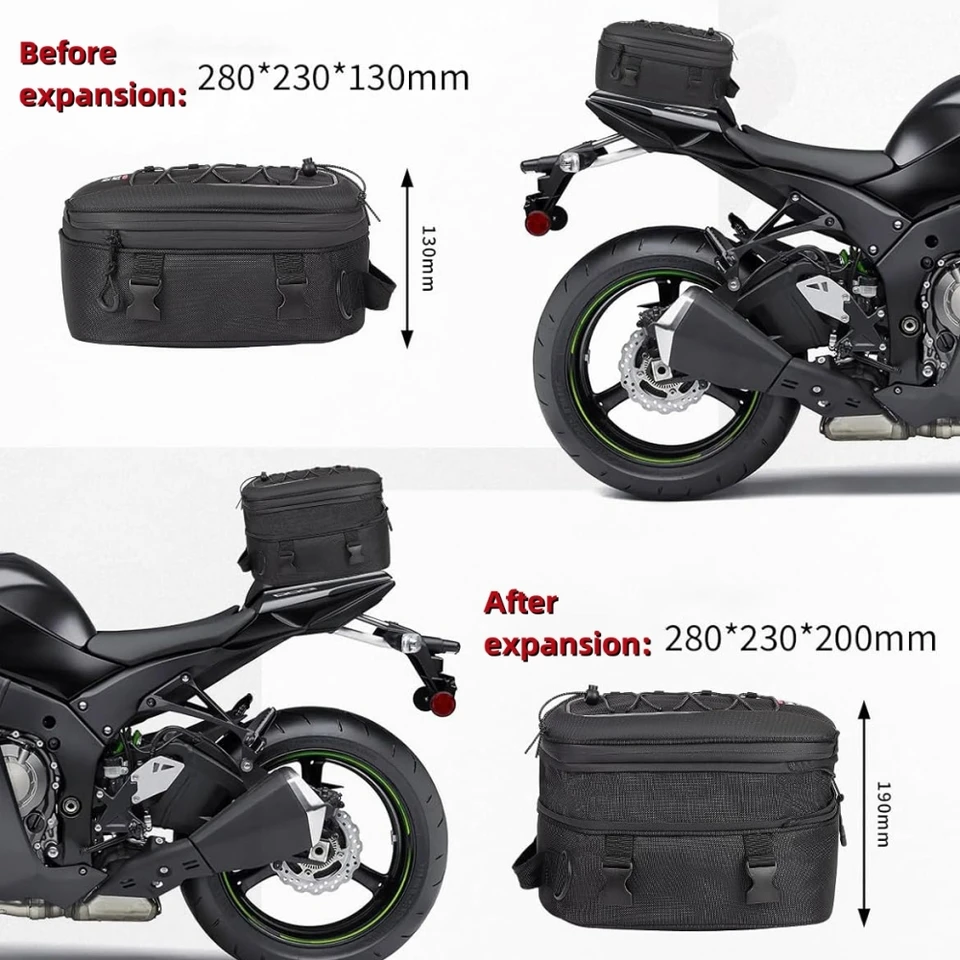
Tail bags are versatile storage solutions that fit a wide range of motorcycle types, including sport bikes, cruisers, and adventure motorcycles. They typically feature waterproof materials, ensuring that gear remains dry in adverse weather conditions. Tail bags are particularly popular among businesses focused on adventure touring and commuting, as they offer ample storage space. Buyers should evaluate the mounting systems for security and ease of use.
Backrest bags are designed to fit snugly between the rider and the backrest, enhancing passenger comfort while providing extra storage. They are commonly used with touring and cruiser motorcycles, making them a favorite among businesses catering to long-distance riders. When purchasing, it’s crucial to consider the bag’s dimensions and how they may affect access to the motorcycle’s seating area.
Convertible bags serve dual purposes, functioning as both mounted bags and backpacks. This versatility makes them particularly suitable for urban commuting and short trips. Businesses targeting city riders should consider these bags due to their convenience and adaptability. However, potential buyers should assess the durability of materials to ensure they can withstand daily use.
Adventure bags are built to endure rugged conditions and are typically made from heavy-duty materials. They are essential for businesses focused on off-road and adventure touring, as they provide reliable storage solutions for essential gear. Buyers should focus on the bag’s weight and bulkiness, as these factors can impact handling and performance during rides.
| Industria/Sector | Specific Application of rear seat bag for motorcycle | Valor/beneficio para la empresa | Consideraciones clave para el aprovisionamiento de esta aplicación |
|---|---|---|---|
| Turismo y viajes de aventura | Used by tour operators for carrying essential gear on guided motorcycle tours. | Enhances customer experience by providing secure storage for personal items, making tours more enjoyable. | Durability and waterproof features are critical; consider local climate conditions in sourcing. |
| Logistics and Delivery Services | Employed by delivery personnel for transporting parcels on motorcycles. | Increases efficiency in urban deliveries where space is limited, allowing for quick and easy access to packages. | Must meet weight capacity and security standards; compatibility with various motorcycle models is essential. |
| Motorcycle Rental Services | Utilized to provide customers with luggage solutions during rentals. | Attracts more customers by offering additional convenience and enhancing the overall rental experience. | Focus on universal fit and easy mounting systems to accommodate different motorcycle types. |
| Servicios de emergencia | Used by paramedics on motorcycles to carry medical supplies and equipment. | Ensures quick access to critical supplies, improving response times during emergencies. | Must prioritize quick-release mounting systems and robust construction for reliability under pressure. |
| Tiendas de motos personalizadas | Integrated into custom builds for clients seeking personalized storage solutions. | Adds value to custom builds by offering tailored solutions that enhance functionality and aesthetics. | Consider customization options and material quality to meet diverse client preferences. |
In the tourism and adventure travel sector, rear seat bags are essential for operators conducting guided motorcycle tours. These bags provide a secure and convenient storage solution for riders, allowing them to carry personal items like clothing, food, and gear without compromising comfort. For B2B buyers, durability and waterproof features are crucial, especially in regions with unpredictable weather conditions. When sourcing, consider local climates to ensure the bags can withstand diverse environments.
In logistics, rear seat bags are increasingly used by delivery personnel who navigate urban environments on motorcycles. These bags enable riders to transport parcels securely while maintaining quick access to items, thus enhancing delivery efficiency. For international buyers, the bags must meet specific weight capacity and security standards, ensuring that they can handle various package sizes. Compatibility with different motorcycle models is also a critical factor when sourcing these products.
Motorcycle rental services often utilize rear seat bags to enhance their offerings. By providing customers with a reliable luggage solution, rental companies can improve the overall experience, making it more attractive for potential clients. When sourcing rear seat bags for this application, it is essential to focus on universal fit and easy mounting systems, ensuring that they can accommodate a variety of motorcycle types, which is particularly important in diverse markets.
Emergency services, particularly those using motorcycles for rapid response, rely on rear seat bags to carry essential medical supplies and equipment. These bags facilitate quick access to critical items, significantly improving response times in urgent situations. For B2B buyers in this sector, quick-release mounting systems and robust construction are paramount to ensure reliability under high-pressure scenarios. Additionally, sourcing should focus on materials that can endure rigorous use.
Custom motorcycle shops often integrate rear seat bags into their builds to offer clients tailored storage solutions. These bags not only enhance functionality but also add aesthetic value to custom motorcycles. Buyers in this industry should consider customization options and the quality of materials when sourcing rear seat bags, as they need to meet diverse client preferences and ensure a unique offering in a competitive market.
El problema:
B2B buyers often face concerns about the durability and weather resistance of rear seat bags for motorcycles. In regions like Africa and South America, where the weather can be unpredictable and harsh, a low-quality bag can lead to damaged cargo, dissatisfied customers, and increased return rates. Buyers may worry that investing in a product that doesn’t withstand rain, sun, or rough terrain will reflect poorly on their brand.
La solución:
To address these concerns, buyers should prioritize sourcing rear seat bags made from high-quality materials such as 1680 ballistic nylon, which offers superior abrasion resistance and durability. Additionally, look for products that come with waterproof rain covers or have waterproof construction, such as sealed seams and water-resistant zippers. It’s essential to evaluate the manufacturer’s reputation for quality through reviews and product testing results. Buyers can also consider offering a warranty that guarantees the product’s performance under adverse conditions, which can build trust with their customers and mitigate concerns regarding product longevity.
El problema:
Another significant challenge for B2B buyers is ensuring that rear seat bags are compatible with a wide range of motorcycle models. With the diversity of motorcycle designs across different regions—particularly in Europe and the Middle East—buyers may struggle to find universally fitting products that meet the needs of all their customers. This can lead to inventory management issues and customer dissatisfaction due to mismatches.
La solución:
Buyers should seek rear seat bags that utilize universal mounting systems, allowing them to fit a broad spectrum of motorcycle makes and models. When sourcing these products, it’s beneficial to collaborate with manufacturers who provide detailed compatibility charts or guidelines. This ensures that buyers can confidently stock bags that will meet customer needs across various motorcycle styles. Additionally, offering a selection of adjustable features, such as straps and buckles, can enhance the versatility of the bags, making them more appealing to a wider audience.
El problema:
In a competitive market, B2B buyers are often challenged to find rear seat bags that not only perform well but also look appealing. Customers are increasingly focused on aesthetics, particularly in regions like Europe, where motorcycle culture often emphasizes style. A product that lacks visual appeal may not attract buyers, despite its functionality.
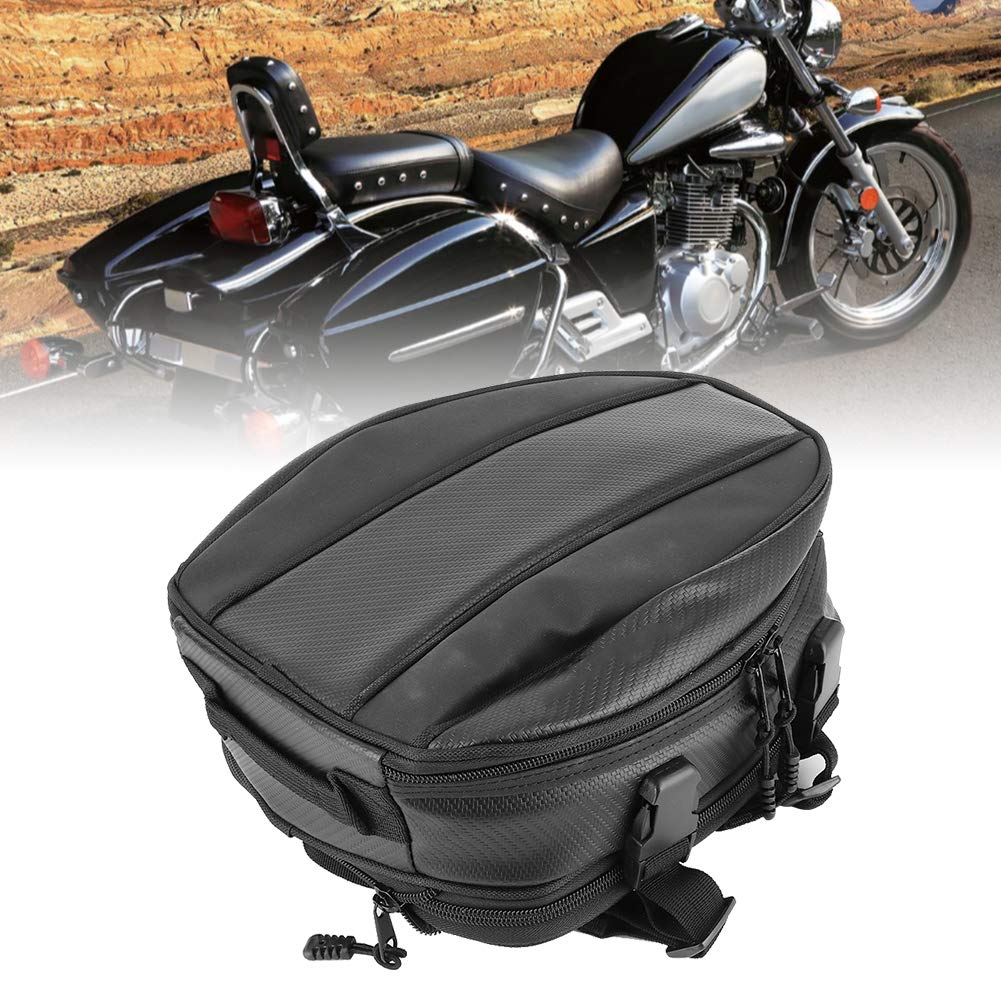
Illustrative image related to rear seat bag for motorcycle
La solución:
To overcome this challenge, buyers should look for rear seat bags that combine functionality with stylish design. Engaging with manufacturers who offer customizable options or a range of colors and styles can help cater to diverse consumer preferences. Additionally, consider sourcing bags that feature modern design elements, such as sleek lines or contemporary materials, while still ensuring they fulfill practical requirements like storage capacity and easy access. Providing high-quality images and marketing materials that showcase both the functionality and aesthetic appeal of the bags can also enhance their marketability, helping buyers successfully attract and retain customers.
When selecting materials for rear seat bags for motorcycles, it’s essential to consider their performance characteristics, durability, and suitability for various environments. Below, we analyze four common materials used in the manufacturing of these bags, focusing on their properties, advantages, disadvantages, and implications for international B2B buyers.
1680D ballistic nylon is a synthetic fabric known for its strength and durability. It has a high abrasion resistance, making it ideal for motorcycle luggage that will endure harsh conditions. This material can typically withstand temperatures ranging from -20°C to 70°C and is resistant to UV rays and mildew.
Pros: The durability of 1680D ballistic nylon ensures a long lifespan, making it a cost-effective choice for manufacturers. Its lightweight nature also contributes to ease of handling and installation.
Contras: While it is robust, the production process can be complex, which may lead to higher manufacturing costs. Additionally, it may not be as waterproof as other materials unless treated.
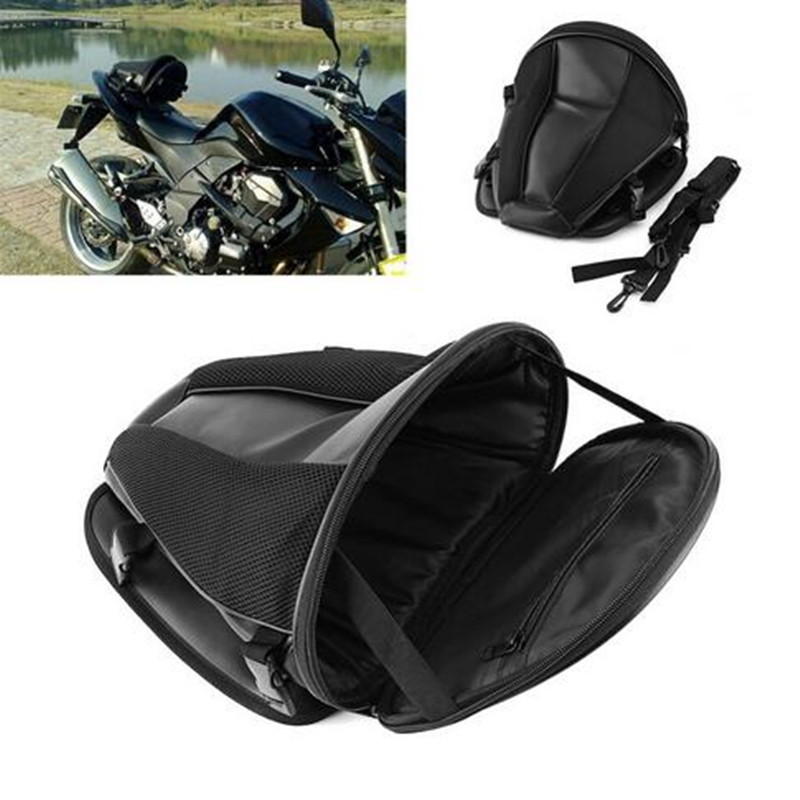
Illustrative image related to rear seat bag for motorcycle
Impacto en la aplicación: This material is particularly suitable for riders in diverse climates, ensuring that the bags remain functional and visually appealing over time.
Consideraciones para compradores internacionales: Buyers from regions like Africa and South America should ensure compliance with local textile regulations and standards, such as ASTM or DIN, particularly concerning UV resistance and durability.
PVC tarpaulin is a waterproof and weather-resistant material often used in motorcycle luggage. It has excellent tensile strength and can withstand extreme weather conditions, making it ideal for long-distance touring.
Pros: The primary advantage of PVC tarpaulin is its waterproof nature, which protects contents from rain and moisture. It is also easy to clean and maintain, ensuring that the bags retain their appearance.
Contras: However, PVC tarpaulin can be heavier than other materials, which may affect the overall weight of the motorcycle bag. Additionally, it may not be as environmentally friendly due to the production process of PVC.
Impacto en la aplicación: This material is particularly beneficial for riders in regions with heavy rainfall, such as parts of Europe and the Middle East.
Consideraciones para compradores internacionales: Buyers should be aware of environmental regulations regarding PVC materials in their respective regions and consider alternatives if sustainability is a priority.
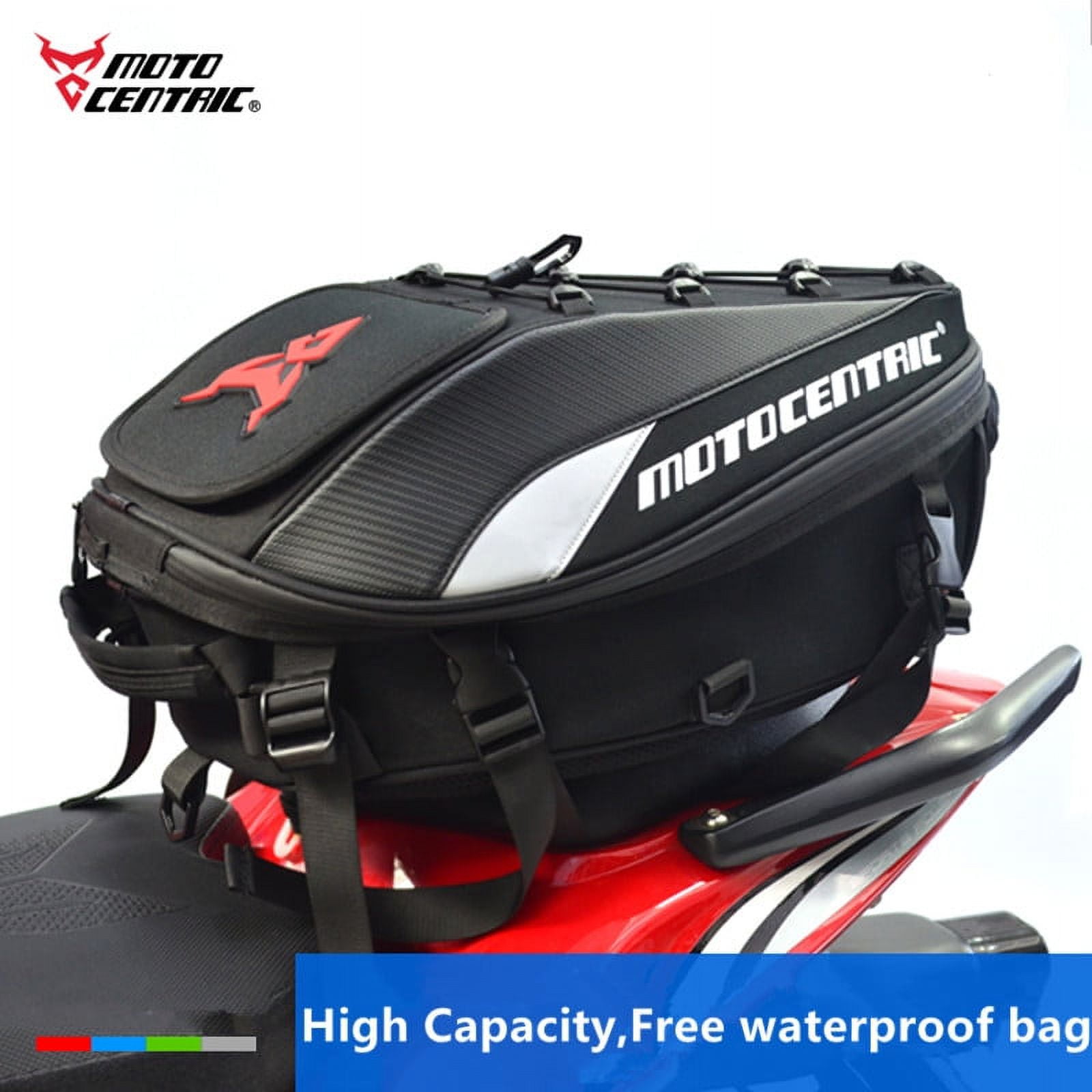
Illustrative image related to rear seat bag for motorcycle
Polyester is another common material used in motorcycle rear seat bags. Known for its lightweight and durable properties, polyester offers good resistance to stretching and shrinking, making it a reliable choice for various applications.
Pros: Polyester is generally more affordable than nylon or PVC tarpaulin, making it an attractive option for budget-conscious manufacturers. It also offers decent water resistance when treated with a waterproof coating.
Contras: The downside is that polyester may not be as durable as ballistic nylon or PVC, particularly in extreme conditions. It can also degrade faster under prolonged exposure to UV light.
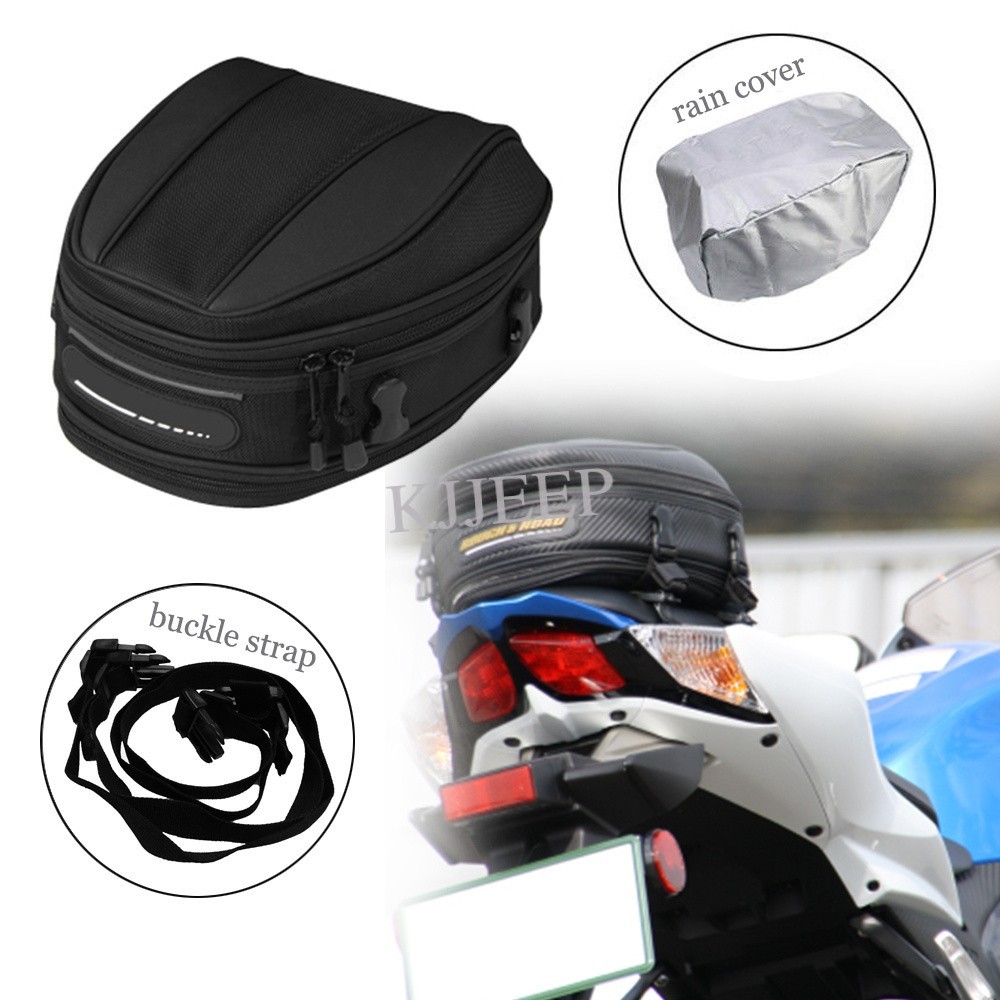
Illustrative image related to rear seat bag for motorcycle
Impacto en la aplicación: Polyester is suitable for riders looking for a balance between cost and performance, particularly in moderate climates.
Consideraciones para compradores internacionales: Buyers should ensure that polyester products meet local standards for UV resistance and durability, especially in regions with high sun exposure, like Africa.
Leather, while less common than synthetic materials, is sometimes used for high-end motorcycle luggage. It offers a classic aesthetic and can be very durable when properly treated.
Pros: Leather provides excellent durability and a premium look, appealing to riders who value style and craftsmanship. It can withstand a variety of temperatures and is resistant to wear.
Contras: The main drawback is the cost, as leather is more expensive than synthetic options. It also requires regular maintenance to prevent cracking and drying out.
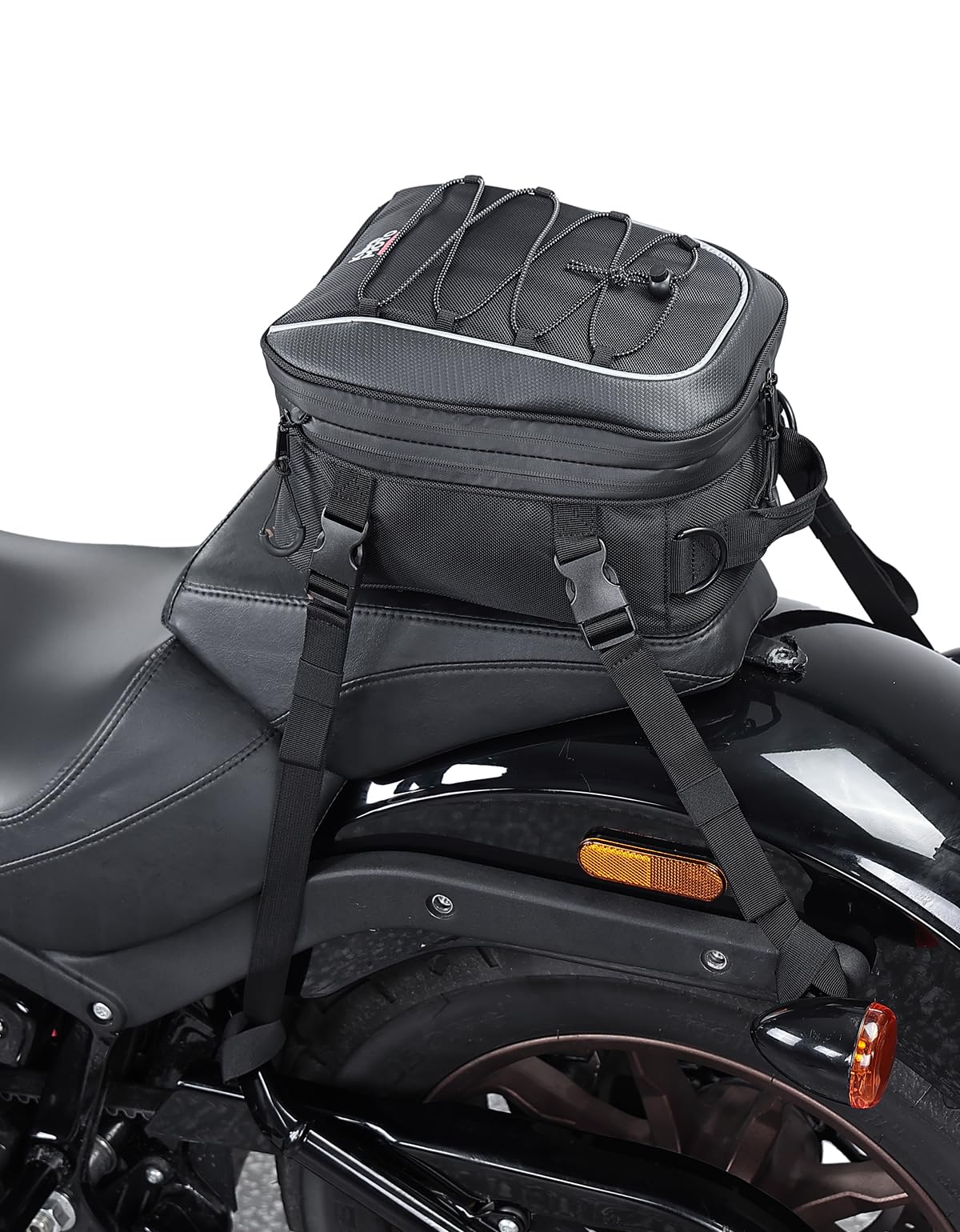
Illustrative image related to rear seat bag for motorcycle
Impacto en la aplicación: Leather bags are particularly suitable for cruiser motorcycles, appealing to a niche market that prioritizes style over functionality.
Consideraciones para compradores internacionales: Buyers should consider the sourcing and treatment of leather to ensure compliance with animal welfare standards and local regulations.
| Material | Typical Use Case for rear seat bag for motorcycle | Ventajas clave | Principales desventajas/limitaciones | Coste relativo (Bajo/Medio/Alto) |
|---|---|---|---|---|
| 1680D Ballistic Nylon | General-purpose motorcycle bags for various climates | Gran durabilidad y resistencia a la abrasión | Mayor complejidad de fabricación | Medio |
| Lona de PVC | Waterproof bags for long-distance touring | Excelentes propiedades impermeables | Heavier and less eco-friendly | Medio |
| Poliéster | Budget-friendly bags for moderate climates | Económico y ligero | Menos duradero en condiciones extremas | Bajo |
| Piel | High-end, stylish bags for cruiser motorcycles | Premium look and durability | Coste y mantenimiento elevados | Alta |
This material selection guide provides crucial insights for B2B buyers in the motorcycle industry, enabling informed decisions that align with their specific market needs and regional considerations.
The manufacturing process of rear seat bags for motorcycles involves several key stages that ensure the final product meets both functional and aesthetic standards. The main stages include material preparation, forming, assembly, and finishing.
Preparación del material:
The first step in the manufacturing process involves selecting high-quality materials, which are crucial for durability and weather resistance. Common materials include ballistic nylon, polyester, and PVC, chosen for their strength and water-repellent properties. These materials are typically cut into patterns that align with the design specifications of the bag.
Formando:
In this stage, the cut materials are shaped into the desired form. Techniques such as die-cutting or laser cutting may be employed to achieve precision. For reinforced areas, additional layers of fabric may be stitched or bonded together. This stage is essential for creating the bag’s structure and ensuring it can withstand the rigors of motorcycle travel.
Montaje:
The assembly process involves stitching the formed parts together. Industrial sewing machines are utilized to ensure strong seams that can endure stress. During this stage, features such as zippers, straps, and mounting systems are integrated. Quality control checkpoints may occur here to verify that all components are correctly aligned and securely attached.
Acabado:
The final stage of manufacturing includes adding finishing touches such as waterproofing treatments, branding, and quality inspections. This stage may also involve the application of protective coatings or treatments that enhance the bag’s resistance to UV rays and wear. Proper labeling and packaging are crucial for the final presentation and compliance with international shipping standards.
Quality assurance (QA) is critical in the manufacturing process to ensure that the final product meets international standards and customer expectations. The QA process typically involves several standards and checkpoints.
¿Qué normas internacionales deben conocer los compradores B2B?
Many manufacturers adhere to international standards such as ISO 9001, which focuses on quality management systems. Compliance with this standard ensures that a manufacturer has a process in place to consistently provide products that meet customer and regulatory requirements. Additionally, certifications like CE mark (indicating conformity with health, safety, and environmental protection standards) can be essential for products sold in Europe.
¿Cuáles son los principales puntos de control de calidad?
Quality control involves various checkpoints throughout the manufacturing process:
– Control de calidad entrante (IQC): This step involves inspecting raw materials before they are used in production. It ensures that only materials meeting specified standards are processed.
– Control de calidad durante el proceso (IPQC): During the assembly phase, continuous checks are made to monitor the quality of work in progress. This includes verifying stitch density, seam integrity, and component placement.
– Control de calidad final (CCF): Once the bags are completed, a thorough inspection is conducted. This includes checking for any defects, ensuring that all features function correctly, and verifying that the product meets design specifications.
¿Qué métodos de prueba se utilizan habitualmente para garantizar la calidad?
Various testing methods are employed to evaluate the durability and functionality of rear seat bags:
– Pruebas de resistencia a la tracción: This assesses the strength of the materials used, ensuring they can withstand the forces experienced during use.
– Pruebas de resistencia al agua: Bags are subjected to water exposure tests to confirm they meet waterproof specifications.
– Pruebas de resistencia a los rayos UV: This checks the bag’s ability to resist fading and degradation from sun exposure, which is crucial for long-term outdoor use.
For international B2B buyers, especially those from regions like Africa, South America, the Middle East, and Europe, ensuring the quality of suppliers is paramount. Here are strategies to effectively assess supplier quality control:
Realización de auditorías: Regular audits of suppliers can provide insights into their manufacturing processes and quality control measures. This may include on-site visits to evaluate their facilities, machinery, and adherence to quality standards.
Solicitud de informes de calidad: Suppliers should be able to provide documentation demonstrating their compliance with international standards. This includes quality assurance reports, testing certifications, and previous inspection results.
Contratación de inspectores externos: Utilizing third-party inspection services can offer an unbiased evaluation of the supplier’s quality control processes. These inspectors can conduct random checks of production runs and verify that products meet specified standards before shipment.
Understanding the nuances of quality control is essential for B2B buyers operating in diverse markets. Each region may have different regulatory requirements and consumer expectations that can influence product quality.
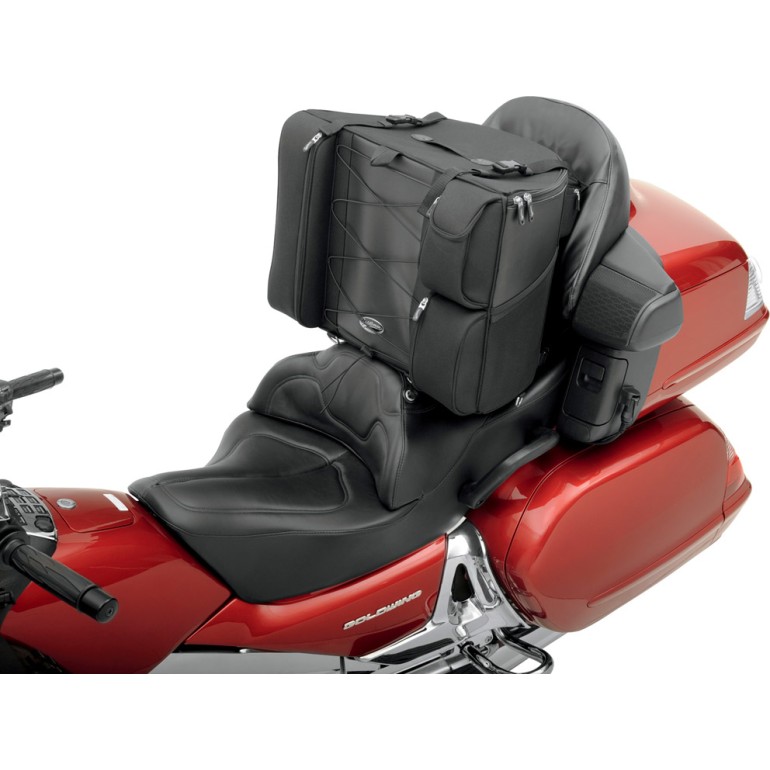
Illustrative image related to rear seat bag for motorcycle
Reglamentos regionales: Buyers should familiarize themselves with the specific regulations in their target markets. For example, European standards may differ significantly from those in Africa or South America. This can affect everything from material specifications to labeling requirements.
Expectativas culturales: Different regions may have varying expectations regarding durability, style, and functionality of motorcycle accessories. Conducting market research to understand these preferences can help buyers select the right products.
Supply Chain Considerations: Buyers should consider the entire supply chain when assessing quality. Factors such as logistics, transportation conditions, and storage can impact product integrity. Establishing clear communication channels with suppliers can help mitigate potential issues.
By understanding these manufacturing processes and quality assurance practices, B2B buyers can make informed decisions when sourcing rear seat bags for motorcycles, ensuring they meet both quality standards and market demands.
In the competitive market for motorcycle accessories, sourcing the right rear seat bag is essential for ensuring customer satisfaction and enhancing the riding experience. This guide serves as a comprehensive checklist for B2B buyers looking to procure high-quality rear seat bags for motorcycles. Follow these steps to streamline your sourcing process and make informed purchasing decisions.
Establishing clear technical specifications is crucial for identifying suitable products. Consider factors such as size, weight capacity, material, and compatibility with different motorcycle models. This clarity will help you target suppliers that can meet your specific needs.
Understanding current market trends can provide insight into what customers are looking for. Analyze consumer preferences regarding design, functionality, and features such as waterproofing and ease of installation.
Before committing to a supplier, conducting a thorough evaluation is vital. Assess their reputation, reliability, and product quality through reviews and testimonials from other buyers in your industry.
Ensuring that the products meet safety and quality standards is non-negotiable. Look for certifications that indicate compliance with international standards, especially if you are sourcing from different regions.
Obtaining product samples is a critical step in the sourcing process. Testing samples allows you to assess the quality, functionality, and aesthetics of the rear seat bags before making a bulk purchase.
Once you have identified a potential supplier, it’s time to discuss pricing and terms. Negotiating effectively can help you secure a better deal while ensuring quality standards are maintained.
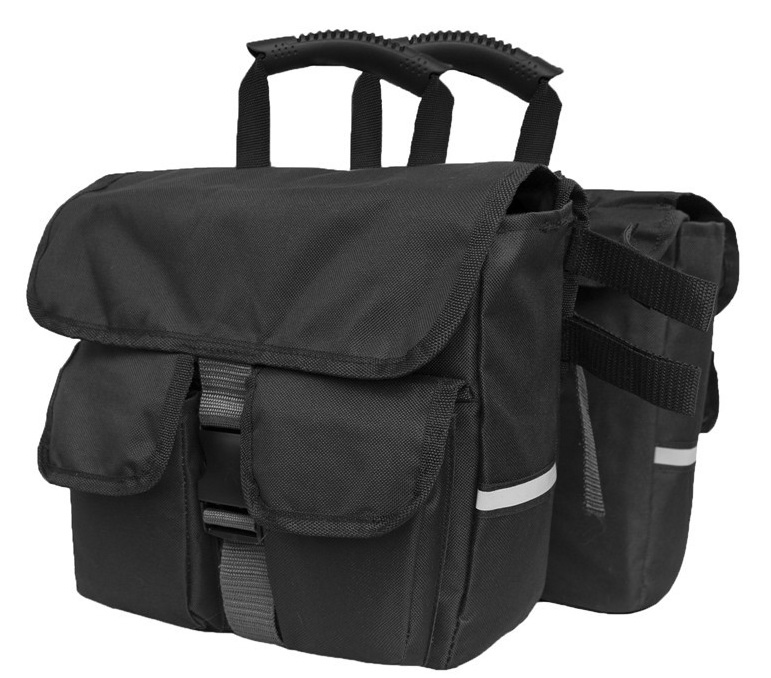
Illustrative image related to rear seat bag for motorcycle
Consider the logistics of receiving and distributing the rear seat bags. Efficient logistics can reduce costs and improve delivery times, enhancing your overall business operations.
By following this checklist, B2B buyers can confidently navigate the sourcing process for rear seat bags for motorcycles, ensuring they select the best products to meet market demand.
When sourcing rear seat bags for motorcycles, understanding the cost structure is crucial for B2B buyers. The main cost components include materials, labor, manufacturing overhead, tooling, quality control (QC), logistics, and profit margin.
Materiales: High-quality materials like ballistic nylon, which offers durability and water resistance, significantly influence costs. Suppliers often provide different grades of materials, impacting the overall quality and price.
Trabajo: Labor costs vary by region, with countries offering lower wages typically resulting in lower production costs. However, this can also affect quality, making it essential to balance cost with the expected quality.
Gastos generales de fabricación: This includes utilities, rent, and indirect labor costs associated with production. Efficient manufacturing processes can lower overhead, which can be a negotiation point for buyers.
Herramientas: Initial tooling costs can be substantial, particularly for custom designs. Buyers should consider these costs in relation to the expected order volume, as higher volumes can dilute tooling costs per unit.
Control de calidad: Implementing strict QC measures ensures product reliability, which is essential for maintaining brand reputation. However, these processes add to the overall cost and should be factored into pricing negotiations.
Logística: Shipping costs can vary dramatically based on the destination, shipping method, and Incoterms. International buyers must consider these variables when calculating the total landed cost.
Margen: Suppliers typically apply a profit margin to cover risks and business expenses. Understanding typical margins in the industry can help buyers negotiate better pricing.
Several factors influence the pricing of rear seat bags, including volume, specifications, materials, quality certifications, supplier factors, and Incoterms.
Volumen/MOQ: Minimum order quantities (MOQs) can significantly affect pricing. Suppliers often provide better pricing for larger orders, which can be advantageous for businesses planning to distribute or sell in bulk.
Especificaciones/Personalización: Custom designs or features will increase costs due to additional material and labor requirements. Buyers should clearly outline their needs to avoid unexpected expenses.
Materiales: The choice of materials impacts both price and quality. Premium materials will drive up costs, but they also enhance the product’s durability and appeal.
Calidad/Certificaciones: Products that meet specific quality standards or certifications may come at a premium. Buyers in regions with strict regulations should prioritize suppliers who can provide necessary documentation.
Factores del proveedor: The supplier’s reputation, reliability, and production capacity can influence pricing. Established suppliers may charge more but offer better quality assurance and service.
Incoterms: Understanding shipping terms is vital for accurate cost assessment. Different Incoterms can shift responsibilities and costs between the buyer and supplier, affecting the total cost of ownership.
International B2B buyers should adopt specific strategies to ensure cost efficiency when sourcing rear seat bags.
Negotiate Wisely: Don’t hesitate to negotiate prices based on volume and long-term partnership potential. Suppliers may offer discounts for repeat business.
Evaluar el coste total de propiedad (TCO): Consider not just the purchase price but also logistics, potential tariffs, and the cost of materials over time. A cheaper upfront price may not always equate to long-term savings.
Understand Pricing Nuances for International Sourcing: Buyers from regions like Africa, South America, the Middle East, and Europe should be aware of local market conditions, currency fluctuations, and import duties that can impact pricing.
Establecer relaciones: Establishing strong relationships with suppliers can lead to better terms and more favorable pricing. Open communication about expectations and concerns helps build trust.
Solicitud de muestras: Before placing large orders, request samples to assess quality. This can prevent costly mistakes related to product dissatisfaction.
In summary, understanding the comprehensive cost structure and the factors influencing pricing for rear seat bags is essential for B2B buyers. By focusing on these elements and employing strategic negotiation tactics, businesses can optimize their sourcing strategies and enhance their product offerings. Always consider the total cost of ownership to ensure long-term profitability and customer satisfaction.
When evaluating options for carrying gear on motorcycles, businesses often consider various solutions that meet their logistical needs. One popular choice is the rear seat bag for motorcycles, designed specifically for this purpose. However, several alternatives can also serve the function of transporting items while riding. This analysis compares the rear seat bag with other viable solutions, providing insight into their respective advantages and drawbacks.
| Aspecto comparativo | Rear Seat Bag For Motorcycle | Sissy Bar Bag | Tank Bag |
|---|---|---|---|
| Rendimiento | High load capacity; stable | Moderate capacity; secure | Limited capacity; easily accessible |
| Coste | $134.95 – $184.95 | $239.95 – $282.95 | $100 – $200 |
| Facilidad de aplicación | Universal mounting systems | Requires specific mounts | Easy to install; generally universal |
| Mantenimiento | Low; water-resistant materials | Moderate; needs cleaning | Low; minimal upkeep |
| El mejor caso de uso | Recorridos de larga distancia | Short trips; extra security | Daily commuting; quick access |
Sissy bar bags are designed to attach to the backrest or sissy bar of a motorcycle, providing a secure place to store items. They typically offer a moderate capacity and are ideal for short trips where security and ease of access are essential. The downside is that they often require specific mounts, which may not be compatible with all motorcycle models. Furthermore, while they provide security, their capacity may not meet the needs of longer journeys.
Tank bags are another alternative that appeals to riders looking for convenience and quick access to their belongings. These bags attach to the motorcycle’s gas tank and are often designed for easy removal. They are particularly useful for daily commuting or short rides, where quick access to items like maps, phones, or wallets is crucial. However, tank bags generally have limited capacity compared to rear seat bags and may obstruct the view of the speedometer or other controls if not positioned correctly.
When selecting the right solution for transporting gear on motorcycles, B2B buyers must assess their specific needs, including the type of riding, frequency of use, and the nature of the cargo. Rear seat bags provide a robust option for long-distance riders needing substantial storage. In contrast, sissy bar bags offer security and ease for shorter trips, while tank bags provide quick access for daily commuting. Evaluating these factors will help businesses make informed decisions that align with their operational requirements and enhance their riding experience.
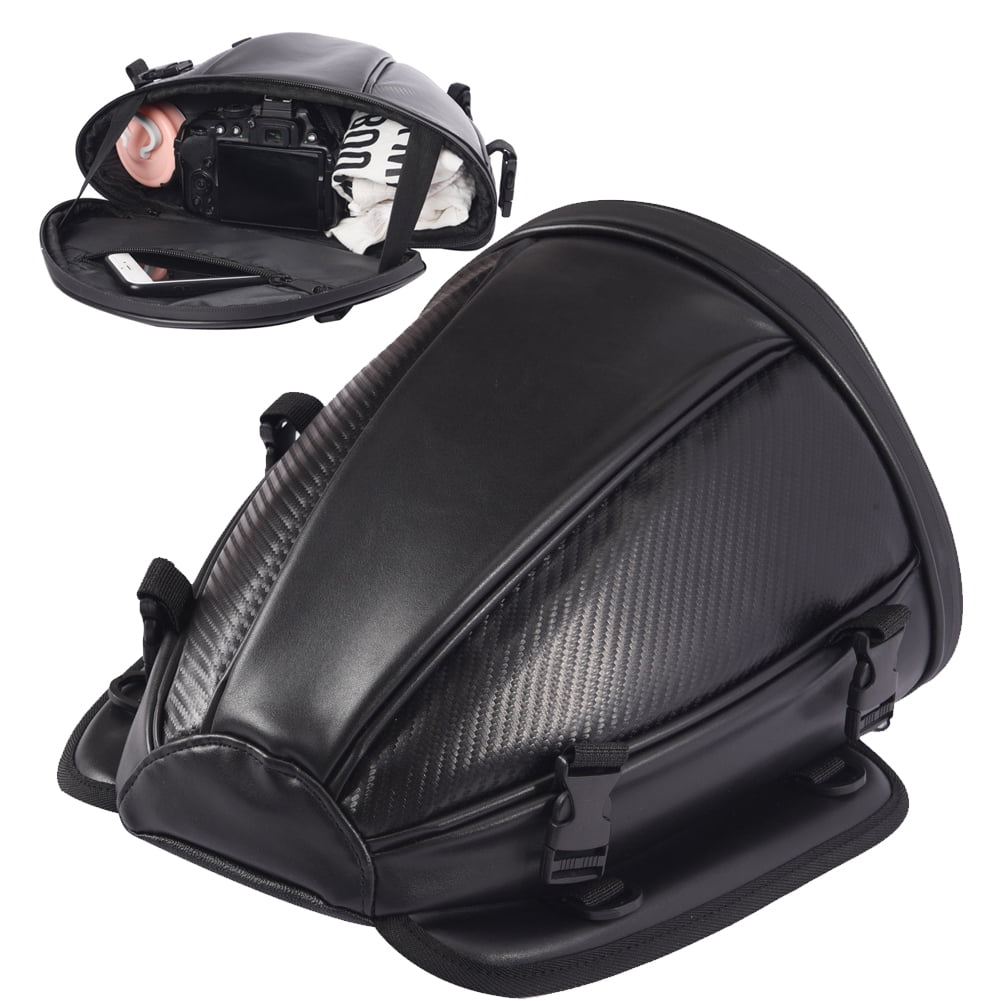
Illustrative image related to rear seat bag for motorcycle
When selecting rear seat bags for motorcycles, several technical properties are essential to ensure quality, durability, and functionality. Here are some critical specifications that B2B buyers should consider:
Calidad del material
The material used in manufacturing rear seat bags significantly impacts durability and performance. Common materials include 1680D ballistic nylon, which is known for its high abrasion resistance and strength. This grade of nylon can withstand harsh weather conditions, making it ideal for motorcycle use. Selecting high-quality materials ensures that the bags can endure the rigors of long rides and varying terrains, ultimately enhancing customer satisfaction.
Impermeabilización
Many rear seat bags come with waterproof features or rain covers. Waterproofing is crucial for protecting the contents from rain and moisture, which can damage electronics or personal items. B2B buyers should seek bags that offer 100% waterproof protection or include a reliable rain cover. This property is vital for markets in regions with unpredictable weather patterns, ensuring that the bags meet the needs of riders regardless of their location.
Sistema de montaje
A secure and versatile mounting system is essential for the ease of installation and stability during rides. Many rear seat bags feature universal mounting options, allowing them to fit a variety of motorcycle models. Understanding the mounting compatibility is crucial for buyers, as it affects the bag’s usability across different bike types. A well-designed mounting system enhances the user experience and reduces the likelihood of returns due to fit issues.
Capacidad y dimensiones
The size and capacity of the rear seat bag determine how much gear or personal items it can hold. B2B buyers should consider the intended use—whether for daily commuting, long-distance touring, or off-road adventures. Evaluating the dimensions and volume helps ensure that the bag meets the specific needs of their customer base, allowing for better inventory management and sales strategies.
Capacidad de peso
The weight capacity of the bag is another critical specification. It indicates how much load the bag can safely carry without compromising its structure or safety. Buyers should look for bags that provide clear weight limits to help their customers avoid overloading, which can lead to accidents or product failure.
Understanding industry jargon is crucial for effective communication and negotiation in B2B transactions. Here are some common terms that buyers should be familiar with:
OEM (fabricante de equipos originales)
This term refers to companies that produce parts and equipment that may be marketed by another manufacturer. In the context of motorcycle bags, OEMs may provide bags that meet specific design and quality standards set by motorcycle manufacturers. Buyers should consider OEM products for reliability and brand reputation.
MOQ (Cantidad mínima de pedido)
MOQ denotes the smallest number of units that a supplier is willing to sell. Understanding MOQ is essential for B2B buyers to manage inventory effectively and assess the initial investment needed for a new product line. Negotiating favorable MOQs can lead to cost savings and better cash flow management.
RFQ (solicitud de presupuesto)
An RFQ is a document issued by a buyer to request pricing and terms from suppliers. It is a critical step in the procurement process, allowing buyers to compare offers and select the best supplier. Crafting a detailed RFQ can lead to better pricing and terms, ensuring that buyers get value for their purchases.
Incoterms (Términos comerciales internacionales)
These are internationally recognized rules that define the responsibilities of buyers and sellers in international transactions. Familiarity with Incoterms helps buyers understand shipping costs, insurance, and risk management, which are crucial for smooth logistics and supply chain operations.
Plazos de entrega
Lead time refers to the amount of time it takes from placing an order to receiving it. Understanding lead times is vital for inventory management and ensuring timely delivery to customers. Buyers should factor in lead times when planning promotions or new product launches to avoid stockouts.
By grasping these technical properties and trade terms, B2B buyers can make informed decisions that enhance their product offerings and meet the demands of their markets effectively.
The rear seat bag market for motorcycles has witnessed significant growth, driven by a surge in motorcycle ownership and an increasing demand for motorcycle accessories across global markets. Factors such as rising disposable incomes, particularly in regions like Africa and South America, have facilitated a growing segment of recreational motorcyclists. In Europe, especially Germany, there is a shift towards adventure tourism, increasing the need for versatile and durable luggage solutions.
Emerging B2B tech trends include the integration of smart features in motorcycle luggage, such as GPS tracking and enhanced security systems. Suppliers are increasingly leveraging e-commerce platforms to reach international buyers, providing detailed product information and user reviews, which are essential for B2B purchasing decisions. Furthermore, customization options are becoming a key selling point, allowing buyers to tailor products to their specific market demands.
International buyers are also increasingly focused on sourcing products that align with their market’s unique preferences. For instance, in the Middle East, where harsh weather conditions prevail, waterproof and heat-resistant materials are highly sought after. As market dynamics evolve, B2B buyers must stay informed about regional demands and technological advancements to remain competitive.
Sustainability has become a crucial consideration for B2B buyers in the rear seat bag market. The environmental impact of manufacturing processes, such as pollution and waste, is prompting buyers to seek suppliers who prioritize sustainable practices. Ethical sourcing is not just a trend; it’s becoming a necessity, as consumers increasingly demand transparency in supply chains.
Materials like recycled nylon and organic cotton are gaining traction, appealing to environmentally conscious buyers. Certifications such as Global Recycle Standard (GRS) and OEKO-TEX® are essential for suppliers to showcase their commitment to sustainability. Buyers looking to strengthen their brand reputation should prioritize partnerships with manufacturers who can provide these certifications, ensuring that their products meet ethical and environmental standards.
Moreover, the rise of eco-friendly packaging solutions is another trend influencing sourcing decisions. As consumers become more aware of their environmental footprint, B2B buyers must adapt to these preferences to maintain market relevance and appeal to a broader customer base.
The rear seat bag for motorcycles has evolved significantly since its inception. Initially designed for utility, these bags were simple in design and primarily focused on functionality. However, as the motorcycle culture expanded, particularly in the 1980s and 1990s, manufacturers began to recognize the importance of aesthetics alongside functionality.
The introduction of materials like ballistic nylon marked a turning point, providing enhanced durability and weather resistance. As motorcycle touring gained popularity, the demand for more sophisticated luggage solutions led to innovations in design, including features like universal mounting systems and waterproof covers. This evolution has paved the way for a diverse range of rear seat bags that cater to various motorcycle types and rider preferences, ultimately shaping the current landscape of the market.
Illustrative image related to rear seat bag for motorcycle
B2B buyers today benefit from this rich history as they have access to a wide array of products that combine style, functionality, and sustainability—an essential trifecta in the modern marketplace.
1. How do I choose the right rear seat bag for motorcycles?
Choosing the right rear seat bag involves considering various factors such as compatibility with different motorcycle models, material durability, and storage capacity. Look for bags made from high-quality, waterproof materials like ballistic nylon, which offer protection against harsh weather conditions. Additionally, evaluate the mounting system to ensure it fits securely on your motorcycle. It’s also beneficial to check for customer reviews and product ratings to gauge reliability and functionality.
2. What features should I look for in a motorcycle rear seat bag?
Key features to consider include waterproofing, ease of installation, and versatility in mounting options. A good rear seat bag should have a secure mounting system that allows for quick attachment and detachment. Look for additional features like reflective strips for visibility, external pockets for easy access, and padded straps for comfort. Finally, consider the bag’s size and weight capacity to ensure it meets your storage needs without compromising the motorcycle’s performance.
3. What are the common materials used in rear seat bags for motorcycles?
Common materials include ballistic nylon, which offers durability and resistance to abrasions, and waterproof fabric to protect contents from rain and moisture. Some manufacturers also use synthetic materials that enhance flexibility and weight reduction. Reinforced stitching and heavy-duty zippers are essential for longevity, especially in rugged terrains. When sourcing, ensure that the materials used meet international quality standards for safety and durability.
4. How can I verify the credibility of a motorcycle rear seat bag supplier?
To verify a supplier’s credibility, check their business licenses, certifications, and industry experience. Request references or testimonials from previous clients to assess their reliability and product quality. Additionally, consider visiting their manufacturing facility if possible or conducting a video inspection. It’s also wise to review their compliance with international trade regulations and quality assurance practices to ensure they meet your standards.
5. What is the minimum order quantity (MOQ) for motorcycle rear seat bags?
Minimum order quantities can vary significantly by supplier and product type. Typically, MOQs for motorcycle rear seat bags range from 50 to 500 units, depending on customization options and production capabilities. When negotiating, inquire about flexibility in MOQs for first-time orders or trial runs. Ensure that the MOQ aligns with your inventory management strategy and market demand.
6. What are the payment terms typically offered by suppliers of motorcycle luggage?
Payment terms can vary widely, but common practices include a 30% deposit upfront, with the remaining balance due before shipping. Some suppliers may offer credit terms or payment through escrow services for added security. It’s essential to clarify payment methods accepted (such as bank transfers, letters of credit, or online payment platforms) and to establish a written agreement to avoid misunderstandings.
7. How do I handle quality assurance for motorcycle rear seat bags?
Implementing a quality assurance process involves setting clear specifications and standards for the products. Request samples before placing bulk orders to evaluate quality firsthand. Additionally, consider conducting third-party inspections during production and prior to shipment to ensure compliance with your quality requirements. Establishing a quality control checklist can help maintain consistency and mitigate risks associated with defective products.
8. What logistics considerations should I keep in mind when importing motorcycle bags?
When importing motorcycle bags, consider shipping methods, customs regulations, and delivery times. Evaluate options such as air freight for faster delivery or sea freight for cost-effectiveness, especially for larger orders. Familiarize yourself with import duties and taxes specific to your country to avoid unexpected costs. Partnering with a reliable freight forwarder can streamline logistics and ensure compliance with international shipping regulations.
Dominio: saddlemen.com
Matriculado: 1996 (29 años)
Introducción: Saddlemen Tail, Tunnel and Mounted Motorcycle Seat Bags; Compatible with various Harley-Davidson models (1997-2025) including Touring, Softail, Dyna, and Sportster; Features universal mounting system; Includes options for sissy bar bags, back seat bags, and tunnel bags; Prices range from $252.95 to $282.95; Designed for style and function; Includes padded backpack straps and shoulder strap system.
Dominio: sw-motech.es
Matriculado: 2019 (6 años)
Introducción: SW-MOTECH offers a variety of motorcycle tail bags designed for versatility and durability. Key features include:
1. **Product Lines**:
– PRO Tail Bags: Quick attachment with a patented hook system, durable materials, expandable storage for long-distance touring.
– ION Series: Budget-friendly, minimalist design, reliable zippers, flexible mounting options, available in three sizes.
– Dry…
Dominio: revzilla.com
Registrado: 2006 (19 años)
Introducción: This company, Revzilla – Tail Bags, is a notable entity in the market. For specific product details, it is recommended to visit their website directly.
Dominio: vikingbags.com
Registrado: 2006 (19 años)
Introducción: Motorcycle Tail Bags for Luggage Rack – VikingBags. Key products include: 57L – Voyage Premium XL Motorcycle Tail Bag (Sale price: $159.37, Regular price: $212.49, Rating: 5.0), 42L – Voyage Elite XL Motorcycle Luggage Rack Bag (Sale price: $93.74, Regular price: $124.99, Rating: 4.6), 28L – Century Large Leather Motorcycle Tail Bag (Sale price: $187.49, Regular price: $249.99, Rating: 4.8), 20L -…
Dominio: motorcyclenews.com
Matriculado: 1999 (26 años)
Introducción: {“products”:[{“name”:”Kriega Rollpack 20″,”price”:”£129.99″,”capacity”:”20 litres”,”dimensions”:”75cm x 36cm”,”weight”:”643g”,”waterproof”:”Yes”,”luggage_rack_required”:”No”,”pros”:[“Tough construction”,”Effectively waterproof”,”Easy to attach”],”cons”:[“None found”],”ratings”:{“quality”:5.0,”ease_of_use”:5.0,”value”:5.0,”verdict”:5.0}},{“name”:”SW-MOTECH Legend Gear Tail Bag LR2″,”price”:”£275.99…
Dominio: reddit.com
Matriculado: 2005 (20 años)
Introducción: 1. Wild Heart Tail Bag: Good reviews, but some users recommend considering alternatives for long trips due to convenience issues. 2. SW Motech: Known for durability and decent pricing, mentioned as a quality option. 3. Lomo and Tusk: Considered good value for the price. 4. Kriega Bags (US40, US5, US20): Highly praised for versatility and toughness, with the ability to strap additional items. 5. Sa…
Dominio: ebay.es
Matriculado: 1995 (30 años)
Introducción: Motorcycle & Scooter Top Boxes & Tail Bags for sale on eBay. Key brands include GIVI, Harley-Davidson, Nelson-Rigg, Shad, Kappa, BMW, Honda, Triumph, and Vespa. Popular products include: 1. Saddlemen TR3300DE Deluxe Rack Bag – New: $173.66, Used: $129.99 2. Saddlemen TS1450R Standard Sport Tunnel Bag – New: $139.79, Used: $85.00 3. Nelson-Rigg RG-1050 Black Trails End Dual Sport/Enduro Tail Bag – …
As we conclude this comprehensive guide on rear seat bags for motorcycles, it is essential to emphasize the strategic importance of sourcing high-quality products to meet the diverse needs of your customers. The motorcycle luggage market is burgeoning, with opportunities across various regions, including Africa, South America, the Middle East, and Europe. By prioritizing quality, durability, and user-friendly features in your sourcing strategy, you can ensure that your offerings stand out in a competitive landscape.
Investing in reputable brands that utilize advanced materials, such as ballistic nylon and waterproof features, is crucial. This not only enhances customer satisfaction but also builds brand loyalty. Additionally, understanding local preferences and market demands will allow for tailored solutions that resonate with different customer bases.
Looking ahead, the potential for growth in the motorcycle accessory market is significant. We encourage international B2B buyers to leverage strategic sourcing as a tool to enhance their product lines and meet evolving consumer expectations. By partnering with established manufacturers and staying attuned to market trends, you can position your business for long-term success and capitalize on emerging opportunities.
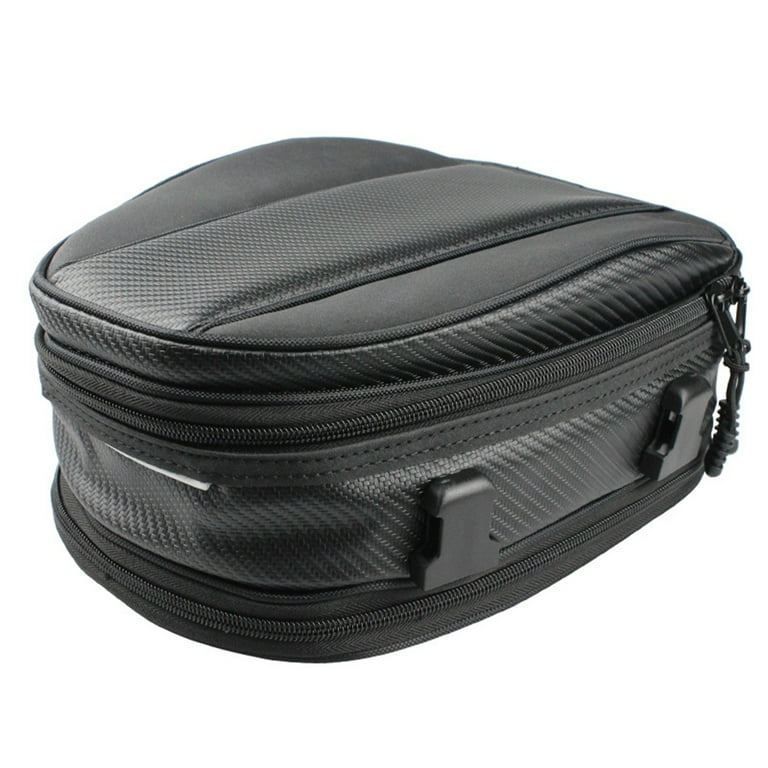
Illustrative image related to rear seat bag for motorcycle
La información facilitada en esta guía, incluido el contenido relativo a fabricantes, especificaciones técnicas y análisis de mercado, tiene únicamente fines informativos y educativos. No constituye asesoramiento profesional en materia de adquisiciones, asesoramiento financiero ni asesoramiento jurídico.
Aunque hemos hecho todo lo posible por garantizar la exactitud y actualidad de la información, no nos hacemos responsables de posibles errores, omisiones o información obsoleta. Las condiciones del mercado, los detalles de las empresas y las normas técnicas están sujetos a cambios.
Los compradores B2B deben llevar a cabo su propia diligencia debida independiente y exhaustiva antes de tomar cualquier decisión de compra. Esto incluye ponerse en contacto directamente con los proveedores, verificar las certificaciones, solicitar muestras y buscar asesoramiento profesional. El riesgo de confiar en la información contenida en esta guía es responsabilidad exclusiva del lector.


 Spanish
  English
  Russian
  Italian
  Arabic
  Portuguese
  German