
El mercado mundial de infladores de neumáticos Presta presenta un desafío único para los compradores B2B, especialmente en regiones como África, Sudamérica, Oriente Medio y Europa. Abastecerse de infladores fiables y de alta calidad es crucial para mantener la eficiencia y la seguridad de las operaciones ciclistas, ya sea en entornos minoristas, servicios de alquiler o talleres de mantenimiento. Dada la diversidad de necesidades de los clientes y las distintas preferencias locales, es esencial conocer toda la gama de productos disponibles para tomar decisiones de compra con conocimiento de causa.
Esta completa guía explora los distintos tipos de infladores de neumáticos Presta, desde los modelos digitales portátiles hasta los infladores de taller para servicio pesado, garantizando que los compradores puedan identificar las herramientas adecuadas para sus aplicaciones específicas. Profundizaremos en aspectos críticos como los procesos de investigación de proveedores, las métricas de rendimiento y las consideraciones de costes, equipando a los compradores internacionales con los conocimientos necesarios para navegar por este panorama competitivo.
Al abordar los retos y oportunidades únicos presentes en los distintos mercados, esta guía pretende dotar a los compradores B2B de estrategias y conocimientos prácticos. Desde Brasil hasta Arabia Saudí, comprender los matices del aprovisionamiento de infladores de neumáticos Presta puede mejorar la prestación de servicios, la satisfacción del cliente y, en última instancia, el crecimiento del negocio. A medida que se embarca en este viaje, permítanos guiarle a través de las complejidades del mercado mundial de infladores, garantizando que sus decisiones de aprovisionamiento sean estratégicas y eficaces.
| Tipo Nombre | Principales rasgos distintivos | Aplicaciones B2B principales | Breves pros y contras para los compradores |
|---|---|---|---|
| Infladores digitales portátiles | Recargable, ajustes de PSI preestablecidos, diseño compacto | Tiendas de bicicletas, servicios móviles de reparación | Pros: Fácil de usar, inflado preciso, portátil. Contras: La duración de la batería puede limitar su uso prolongado. |
| Tienda Infladores | Resistente, compatible con compresores de aire, gran capacidad de PSI | Talleres de ciclismo, carreras | Pros: Inflado rápido, duradero, adecuado para grandes volúmenes. Contras: Requiere compresor, menos portátil. |
| Infladores de cartuchos de CO2 | Utiliza cartuchos de CO2 para un inflado rápido, ligero | Kits de emergencia, equipos de carreras | Pros: Extremadamente rápido, compacto. Contras: Costes de sustitución de cartuchos, capacidad de inflado limitada. |
| Infladores Presta-Only | Diseñado específicamente para válvulas Presta, mandriles de alto caudal | Tiendas de bicicletas especializadas, equipos profesionales | Pros: Optimizado para Presta, construcción duradera. Contras: No compatible con válvulas Schrader. |
| Infladores multicabezal | Doble compatibilidad (Presta y Schrader), diseño versátil | Mantenimiento general de bicicletas, entornos minoristas | Pros: Versátil, adecuado para varias bicicletas. Contras: Puede comprometer el rendimiento de cada tipo de válvula. |
Los infladores digitales portátiles están diseñados para ser fáciles de usar y cómodos, a menudo con baterías recargables y ajustes de PSI preestablecidos. Son ideales para tiendas de bicicletas y servicios de reparación móviles, donde es esencial un inflado rápido y preciso. Los compradores B2B deben tener en cuenta la duración de la batería y las opciones de carga, ya que estos factores pueden influir en la utilidad del inflador en situaciones de alta demanda.
Los infladores de taller son herramientas para trabajos pesados que suelen utilizarse en talleres de bicicletas y eventos de carreras. Se conectan a compresores de aire y pueden inflar neumáticos rápidamente, lo que los hace adecuados para entornos de gran volumen. Los compradores deben evaluar la capacidad de PSI y la durabilidad del inflador, ya que estas herramientas suelen utilizarse varias veces al día y deben soportar un uso riguroso.
Imagen ilustrativa relacionada con el inflador de neumáticos presta
Los infladores de cartucho de CO2 son favoritos por su rápida capacidad de inflado, lo que los convierte en una excelente opción para kits de emergencia y equipos de carreras. Su diseño ligero facilita el transporte, pero los compradores B2B deben sopesar los costes continuos de los recambios de cartuchos de CO2 frente a la comodidad que ofrecen durante las carreras o los pinchazos inesperados.
Los infladores Presta-only están diseñados específicamente para bicicletas equipadas con válvulas Presta, e incorporan mandriles de gran caudal que mejoran el rendimiento. Estos infladores se utilizan habitualmente en tiendas de bicicletas especializadas y en equipos profesionales. Los compradores deben tener en cuenta la compatibilidad con su inventario y la durabilidad de los materiales, ya que estos factores pueden afectar a la fiabilidad a largo plazo.
Los infladores multicabezal admiten tanto válvulas Presta como Schrader, lo que los convierte en una opción versátil para el mantenimiento general de bicicletas y entornos minoristas. Permiten flexibilidad en el mantenimiento de diferentes tipos de bicicletas, pero pueden comprometer el rendimiento de cada tipo de válvula. Los compradores B2B deben evaluar el equilibrio entre versatilidad y eficacia en función de las necesidades específicas de sus clientes y de los tipos de bicicletas a los que prestan servicio.
| Industria/Sector | Aplicación específica del inflador de neumáticos Presta | Valor/beneficio para la empresa | Consideraciones clave para el aprovisionamiento de esta aplicación |
|---|---|---|---|
| Ciclismo al por menor | Servicio de inflado de neumáticos en la tienda | Mejora la satisfacción y retención de los clientes | Durabilidad, facilidad de uso y compatibilidad con varios tipos de neumáticos |
| Fabricación de bicicletas | Control de calidad en el proceso de montaje de neumáticos | Garantiza una presión constante de los neumáticos para mayor seguridad y rendimiento | Precisión, rapidez de inflado y asistencia de mantenimiento |
| Gestión de eventos deportivos | Inflado de neumáticos in situ para competiciones ciclistas | Reduce el tiempo de inactividad, garantizando que los atletas estén listos para la carrera | Portabilidad, capacidad de inflado rápido y duración de la batería |
| Talleres de reparación de bicicletas | Herramienta de servicio para el mantenimiento y la reparación de neumáticos | Aumenta la eficacia del servicio y el flujo de clientes | Fiabilidad, facilidad de reparación y compatibilidad con distintos tipos de válvulas |
| Comercio electrónico y logística | Envío y manipulación de bicicletas o neumáticos | Minimiza los daños durante el transporte garantizando una presión adecuada de los neumáticos | Diseño ligero, tamaño compacto y facilidad de uso |
En los establecimientos de venta de bicicletas, los infladores de neumáticos Presta se emplean como herramientas esenciales para ofrecer un servicio de inflado rápido y eficaz a los clientes. Los minoristas se benefician de ofrecer este servicio, ya que mejora la satisfacción del cliente y fomenta la repetición de las visitas. Los infladores deben ser duraderos y fáciles de usar para adaptarse a una gran variedad de tipos y tamaños de neumáticos, lo que los convierte en una inversión fundamental para las tiendas que desean aumentar el compromiso y la fidelidad de sus clientes.
En la fabricación de bicicletas, los infladores de neumáticos Presta forman parte integral del proceso de control de calidad durante el montaje de los neumáticos. Estos infladores garantizan que cada neumático se infle a la presión correcta, lo que es vital para la seguridad y el rendimiento del producto final. Los fabricantes que deseen mantener unos estándares elevados deben dar prioridad a los infladores que ofrezcan precisión exacta y tiempos de inflado rápidos, ya que estos factores contribuyen a la eficacia operativa y a la fiabilidad del producto.
Imagen ilustrativa relacionada con el inflador de neumáticos presta
Para la gestión de eventos deportivos, especialmente en el ciclismo de competición, los infladores de neumáticos Presta son cruciales para el mantenimiento in situ de los neumáticos. Permiten un inflado rápido, lo que permite a los equipos minimizar el tiempo de inactividad y garantizar que los atletas estén siempre preparados para las carreras. Los organizadores de eventos deben centrarse en el suministro de infladores portátiles y eficientes que puedan soportar los rigores de los entornos de los eventos, asegurándose de que cumplen las exigencias de las situaciones de alta presión.
Los talleres de reparación de bicicletas utilizan los infladores de neumáticos Presta como herramientas indispensables para los servicios de mantenimiento y reparación de neumáticos. Al proporcionar un inflado rápido y fiable, estos infladores mejoran la eficacia del servicio, permitiendo a los talleres atender a más clientes en menos tiempo. A la hora de adquirir infladores, los talleres deben tener en cuenta factores como la fiabilidad, la facilidad de reparación y la compatibilidad con distintos tipos de válvulas para garantizar que pueden atender eficazmente a una clientela diversa.
En los sectores del comercio electrónico y la logística, los infladores de neumáticos Presta se utilizan para garantizar que las bicicletas y los productos neumáticos se envían con la presión correcta. Un inflado correcto reduce el riesgo de daños durante el transporte, lo que es fundamental para mantener la integridad del producto. Las empresas de este sector deben buscar infladores que sean ligeros y compactos, facilitando la facilidad de uso y la eficacia en las operaciones de manipulación.
Imagen ilustrativa relacionada con el inflador de neumáticos presta
El problema: Los compradores B2B, especialmente los que gestionan tiendas de bicicletas o servicios de alquiler, a menudo se enfrentan a dificultades para conseguir una presión precisa de los neumáticos cuando utilizan infladores de neumáticos Presta. La variabilidad en las lecturas de presión puede dar lugar a neumáticos poco inflados o demasiado inflados, lo que no sólo afecta al rendimiento de las bicicletas, sino que también plantea riesgos de seguridad para los ciclistas. Esta incoherencia puede deberse a la falta de manómetros de calidad, al uso inadecuado del inflador o a la incompatibilidad con determinados tipos de válvulas.
La solución: Para garantizar la precisión en el inflado de neumáticos, los compradores B2B deben invertir en infladores de alta calidad equipados con manómetros fiables que proporcionen lecturas precisas. Por ejemplo, modelos como el Prestaflator GO cuentan con manómetros digitales que miden la presión con una precisión de 0,1 PSI. Además, los compradores deben instruir a su personal sobre la técnica adecuada para utilizar los infladores Presta, incluida la garantía de una conexión segura con la válvula para evitar la pérdida de aire. El mantenimiento regular de los infladores, como la comprobación de las juntas y la sustitución de las piezas desgastadas, también puede mejorar el rendimiento. Invertir en sesiones de formación o crear material didáctico puede capacitar al personal para utilizar las herramientas con eficacia, lo que redundará en una mayor satisfacción y seguridad del cliente.
El problema: Muchas empresas tienen problemas de compatibilidad entre los infladores de neumáticos Presta y los distintos tipos de válvulas. Esto es especialmente problemático para las tiendas que atienden a una clientela diversa con distintos modelos de bicicleta. Si un inflador no es compatible con las válvulas Presta y Schrader, se limita la capacidad de la tienda para dar servicio a una amplia gama de bicicletas, lo que se traduce en pérdidas de ventas y clientes frustrados.
La solución: Para hacer frente a este reto, los compradores B2B deben dar prioridad a la compra de infladores versátiles que sean compatibles tanto con válvulas Presta como Schrader. Los infladores como el Park Tool INF-2 cuentan con un cabezal de doble cara que gira para acceder fácilmente a los vástagos de las válvulas, adaptándose a diferentes tipos sin necesidad de varias herramientas. Además, los minoristas deberían considerar la posibilidad de ofrecer adaptadores de válvula que puedan convertir las válvulas Presta en Schrader y viceversa. Esto no sólo amplía la versatilidad de los infladores, sino que también mejora la capacidad de servicio al cliente. Mantener un inventario bien surtido de varios tipos de infladores y adaptadores permitirá a las empresas atender con eficacia las diversas necesidades de sus clientes.
El problema: Las empresas que ofrecen servicios móviles de reparación de bicicletas a menudo tienen dificultades para transportar infladores de neumáticos pesados o voluminosos. Esto puede obstaculizar su capacidad para ofrecer una asistencia en carretera o en eventos eficaz, ya que las herramientas voluminosas pueden ser difíciles de manejar y requieren más tiempo para su instalación. Como resultado, la velocidad del servicio y la satisfacción del cliente pueden disminuir.
Imagen ilustrativa relacionada con el inflador de neumáticos presta
La solución: Para combatir los problemas de portabilidad, los compradores B2B deben buscar infladores de neumáticos ligeros, compactos y recargables diseñados para un uso móvil. Por ejemplo, el Prestaflator GO Lite es una opción portátil ligera y eficiente que permite un inflado rápido sin volumen. Los compradores también deberían explorar los kits de herramientas inflables que incluyen varias herramientas en una, lo que agiliza el proceso de transporte. Además, la incorporación de una funda o estuche de transporte resistente puede proteger el inflador durante el transporte y facilitar el acceso a él durante las reparaciones. Animar al personal a adoptar un enfoque racionalizado de la gestión de herramientas mejorará aún más la eficiencia de los servicios móviles, lo que en última instancia conducirá a una mayor satisfacción del cliente y a la repetición del negocio.
A la hora de seleccionar materiales para infladores de neumáticos Presta, es crucial tener en cuenta las propiedades, ventajas, desventajas y aplicaciones específicas de cada material. Este análisis ayudará a los compradores B2B internacionales a tomar decisiones informadas y adaptadas a sus requisitos regionales y a las condiciones del mercado.
El aluminio es una opción popular para los infladores de neumáticos Presta debido a su ligereza y excelente resistencia a la corrosión. Normalmente tiene una temperatura nominal de hasta 150°C (302°F) y puede soportar presiones superiores a 200 PSI, lo que lo hace adecuado para aplicaciones de alto rendimiento.
Ventajas e inconvenientes del aluminio
La principal ventaja del aluminio es su durabilidad combinada con un peso reducido, lo que mejora su portabilidad. Además, es relativamente fácil de fabricar y puede anodizarse para mejorar la protección de la superficie. Sin embargo, el aluminio puede ser más caro que otros metales y puede requerir herramientas especializadas para su producción, lo que puede aumentar la complejidad de la fabricación.
Impacto en la aplicación
La compatibilidad del aluminio con diversos medios, como el aire y el CO2, lo convierte en una opción versátil para los infladores. También cumple normas internacionales como la ASTM B221 para el aluminio estructural, lo que es beneficioso para el cumplimiento en diversos mercados.
El acero, en particular el acero inoxidable, es otro material habitual en los infladores de neumáticos Presta. Presume de una gran resistencia y una temperatura nominal que puede superar los 300 °C (572 °F), junto con una excelente tolerancia a la presión.
Ventajas e inconvenientes del acero
La principal ventaja del acero inoxidable es su mayor solidez y resistencia al desgaste. Es menos propenso a la deformación bajo alta presión que el aluminio. Sin embargo, el acero es más pesado y puede ser más susceptible a la corrosión si no se trata adecuadamente, lo que puede afectar a su longevidad en climas húmedos.
Impacto en la aplicación
El acero es compatible con diversos gases y líquidos, lo que lo hace adecuado para infladores diseñados para múltiples usos. El cumplimiento de normas como la ASTM A240 para el acero inoxidable es esencial para los compradores internacionales, sobre todo en regiones con normativas de fabricación estrictas.
Los materiales plásticos, en particular el polietileno de alta densidad (HDPE) y el policarbonato, se utilizan a menudo para los componentes de los infladores de neumáticos Presta debido a su ligereza y rentabilidad. Estos materiales suelen soportar temperaturas de hasta 80°C (176°F) y presiones de alrededor de 100 PSI.
Ventajas e inconvenientes del plástico
Entre las ventajas del plástico figuran los bajos costes de fabricación y la facilidad para moldear formas complejas. Sin embargo, los plásticos pueden no ofrecer la misma durabilidad que los metales y degradarse con el tiempo si se exponen a la luz ultravioleta o a temperaturas extremas.
Impacto en la aplicación
Los componentes de plástico se utilizan a menudo para las partes no estructurales de los infladores, como carcasas y empuñaduras. Para los compradores internacionales, es fundamental garantizar el cumplimiento de las normativas relativas a los materiales plásticos, como REACH en Europa.
El caucho se utiliza principalmente para juntas y sellos en infladores de neumáticos Presta debido a su excelente elasticidad y capacidad para crear sellos herméticos. Suele funcionar bien a temperaturas que oscilan entre -30 °C y 100 °C (-22 °F y 212 °F) y puede soportar presiones de hasta 150 PSI.
Ventajas e inconvenientes del uso del caucho
La principal ventaja del caucho es su flexibilidad y su capacidad para soportar compresiones repetidas sin perder sus propiedades de sellado. Sin embargo, puede degradarse con el tiempo, sobre todo cuando se expone al ozono o a la luz ultravioleta, lo que puede hacer necesarias sustituciones más frecuentes.
Impacto en la aplicación
El caucho es esencial para garantizar que los infladores mantengan la presión durante su uso, lo que lo convierte en un componente crítico. Los compradores B2B deben tener en cuenta la conformidad del material con normas internacionales como la ASTM D2000 para productos de caucho.
| Material | Caso típico de uso de un inflador de neumáticos Presta | Ventajas clave | Principales desventajas/limitaciones | Coste relativo (Bajo/Medio/Alto) |
|---|---|---|---|---|
| Aluminio | Carrocería y componentes estructurales | Ligero y resistente a la corrosión | Mayores costes de fabricación | Medio |
| Acero | Componentes de alta presión | Resistencia y durabilidad superiores | Mayor peso y riesgo potencial de corrosión | Medio |
| Plástico | Componentes no estructurales | Bajo coste y fácil de moldear | Menos duradero, riesgo de degradación por UV | Bajo |
| Goma | Juntas y empaquetaduras | Excelentes propiedades de sellado | Se degrada con el tiempo | Bajo |
Esta guía estratégica de selección de materiales ofrece una visión global para compradores B2B internacionales, ayudándoles a navegar por las complejidades de la elección de materiales para infladores de neumáticos Presta en diversos mercados.
El proceso de fabricación de los infladores de neumáticos Presta implica varias etapas críticas que garantizan la calidad, fiabilidad y rendimiento del producto final. Las principales etapas incluyen la preparación del material, el conformado, el montaje y el acabado.
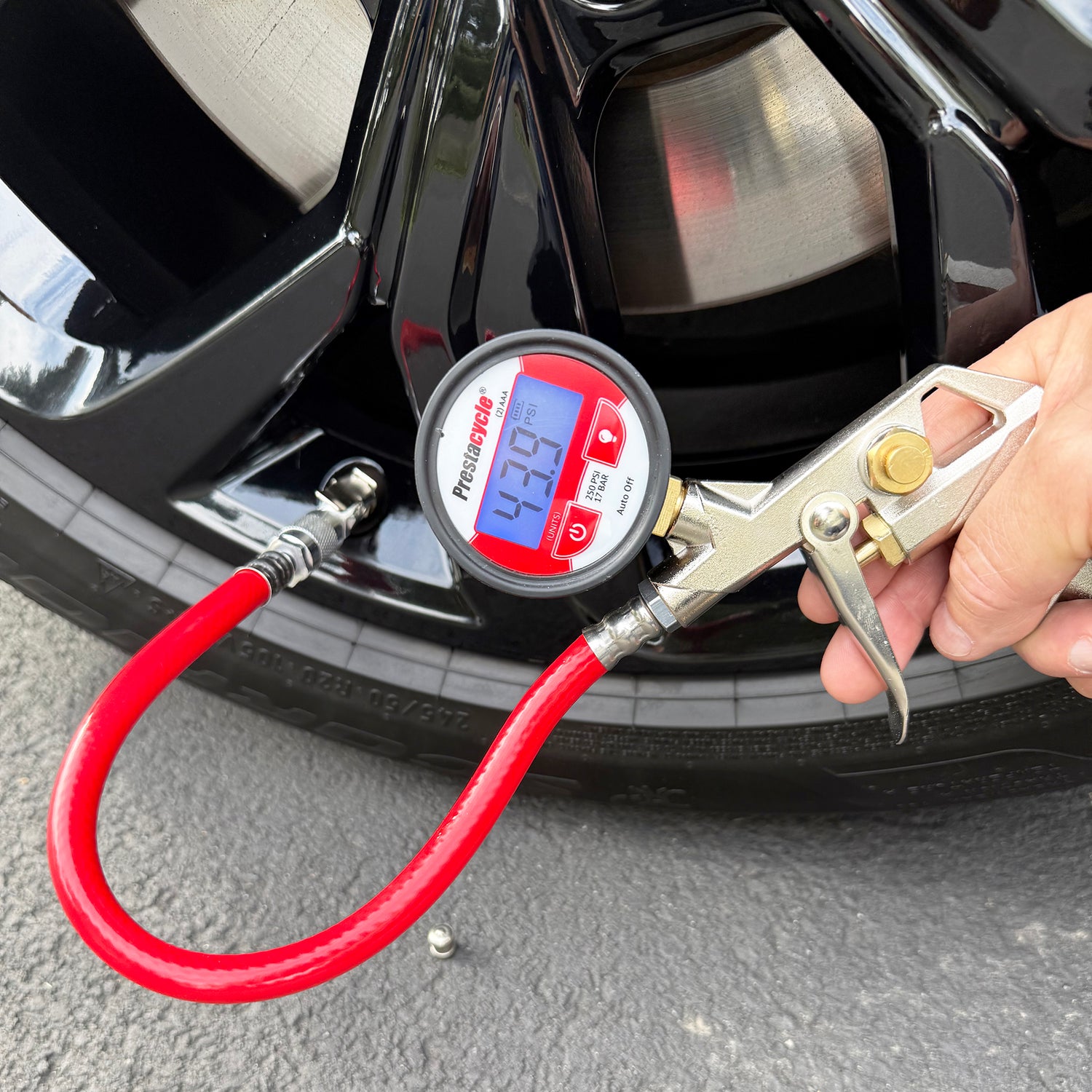
Imagen ilustrativa relacionada con el inflador de neumáticos presta
Preparación del material: El primer paso en la fabricación consiste en abastecerse de materiales de alta calidad, como plásticos duraderos, metales y caucho. Estos materiales deben someterse a pruebas rigurosas de resistencia, flexibilidad y durabilidad para soportar un uso repetido y los factores ambientales. La selección de materiales es crucial para garantizar que el inflador funcione de forma fiable en diversas condiciones.
Formando: Tras preparar los materiales, la siguiente etapa es el conformado. Esto incluye procesos como el moldeo por inyección para componentes de plástico y el mecanizado para piezas metálicas. Pueden utilizarse técnicas avanzadas como el mecanizado CNC para crear piezas de precisión, garantizando que los componentes encajen a la perfección. En esta fase se suele emplear tecnología de diseño asistido por ordenador (CAD) para optimizar el diseño en cuanto a fabricabilidad y rendimiento.
Montaje: En el proceso de montaje se unen todos los componentes. Técnicos cualificados o sistemas automatizados ensamblan piezas como el cabezal del inflador, el cuerpo y el manómetro. Esta etapa puede implicar el uso de líneas de montaje automatizadas para mejorar la eficiencia y reducir los errores humanos. Los controles de calidad se integran en todo el proceso de montaje para garantizar que todos los componentes cumplen las especificaciones de diseño.
Acabado: Una vez ensamblados, los infladores se someten a procesos de acabado, que pueden incluir pintura, revestimiento o pulido. El acabado no solo mejora el aspecto estético del producto, sino que también añade capas protectoras que mejoran su durabilidad. En esta etapa también puede aplicarse la marca o el etiquetado, que es esencial para el marketing B2B.
La garantía de calidad (QA) es un aspecto crucial del proceso de fabricación de los infladores de neumáticos Presta, ya que garantiza que cada producto cumpla las normas específicas y las expectativas de los clientes. Varias normas internacionales y específicas del sector guían las prácticas de control de calidad, incluidas las certificaciones ISO 9001, CE y API.
Normas internacionales pertinentes: El cumplimiento de la norma ISO 9001 garantiza que los fabricantes disponen de un sistema de gestión de la calidad centrado en la mejora continua y la satisfacción del cliente. El marcado CE indica la conformidad con las normas de salud, seguridad y protección del medio ambiente, lo que es especialmente importante para los compradores B2B del mercado europeo.
Puntos de control de calidad: Para mantener unos estándares de alta calidad, los fabricantes aplican varios puntos de control de calidad a lo largo del proceso de producción:
– Control de calidad entrante (IQC): Esta etapa inicial consiste en inspeccionar las materias primas y los componentes a su llegada a la planta de fabricación. Los materiales de calidad inferior se rechazan o se devuelven al proveedor.
– Control de calidad durante el proceso (IPQC): Durante la producción, se realizan inspecciones continuas para controlar el cumplimiento de las especificaciones. Esto incluye la comprobación de las dimensiones, los valores nominales de presión y la precisión del montaje.
– Control de calidad final (CCF): Antes de empaquetarlos, los infladores terminados se someten a pruebas exhaustivas para garantizar que cumplen las normas de rendimiento. Esto puede incluir pruebas de presión, pruebas de durabilidad y pruebas funcionales para confirmar que los infladores funcionan correctamente.
Métodos de ensayo habituales: Los fabricantes emplean diversos métodos de ensayo para validar la calidad del producto. Estos pueden incluir:
– Pruebas de presión: Garantiza que el inflador pueda soportar la presión máxima sin fallos.
– Pruebas de estanqueidad: Identifica posibles fugas en el mecanismo de inflado.
– Pruebas de durabilidad: Simula el uso en el mundo real para evaluar la longevidad y fiabilidad del producto.
Para los compradores B2B, especialmente los de regiones como África, Sudamérica, Oriente Medio y Europa, verificar las prácticas de control de calidad de un proveedor es esencial para asegurarse de que reciben productos de alta calidad.
Auditorías de proveedores: La realización de auditorías in situ permite a los compradores evaluar el cumplimiento de las normas de calidad por parte de las instalaciones de fabricación. Esto incluye revisar sus sistemas de gestión de la calidad, los procesos de producción y el cumplimiento de las certificaciones internacionales.
Informes de control de calidad: Solicitar informes detallados de control de calidad a los proveedores puede proporcionar información sobre sus procesos de control de calidad. Estos informes deben describir los métodos de ensayo, los resultados y las medidas correctoras adoptadas para resolver los problemas detectados.
Inspecciones de terceros: La contratación de servicios de inspección independientes puede ofrecer una evaluación imparcial de las prácticas de calidad del proveedor. Estas inspecciones pueden realizarse en distintas fases de la producción para verificar el cumplimiento de las normas especificadas.
Los compradores B2B internacionales se enfrentan a retos únicos en lo que respecta al control de calidad y la certificación a la hora de adquirir infladores de neumáticos Presta. Comprender estos matices es vital para tomar decisiones de compra informadas.
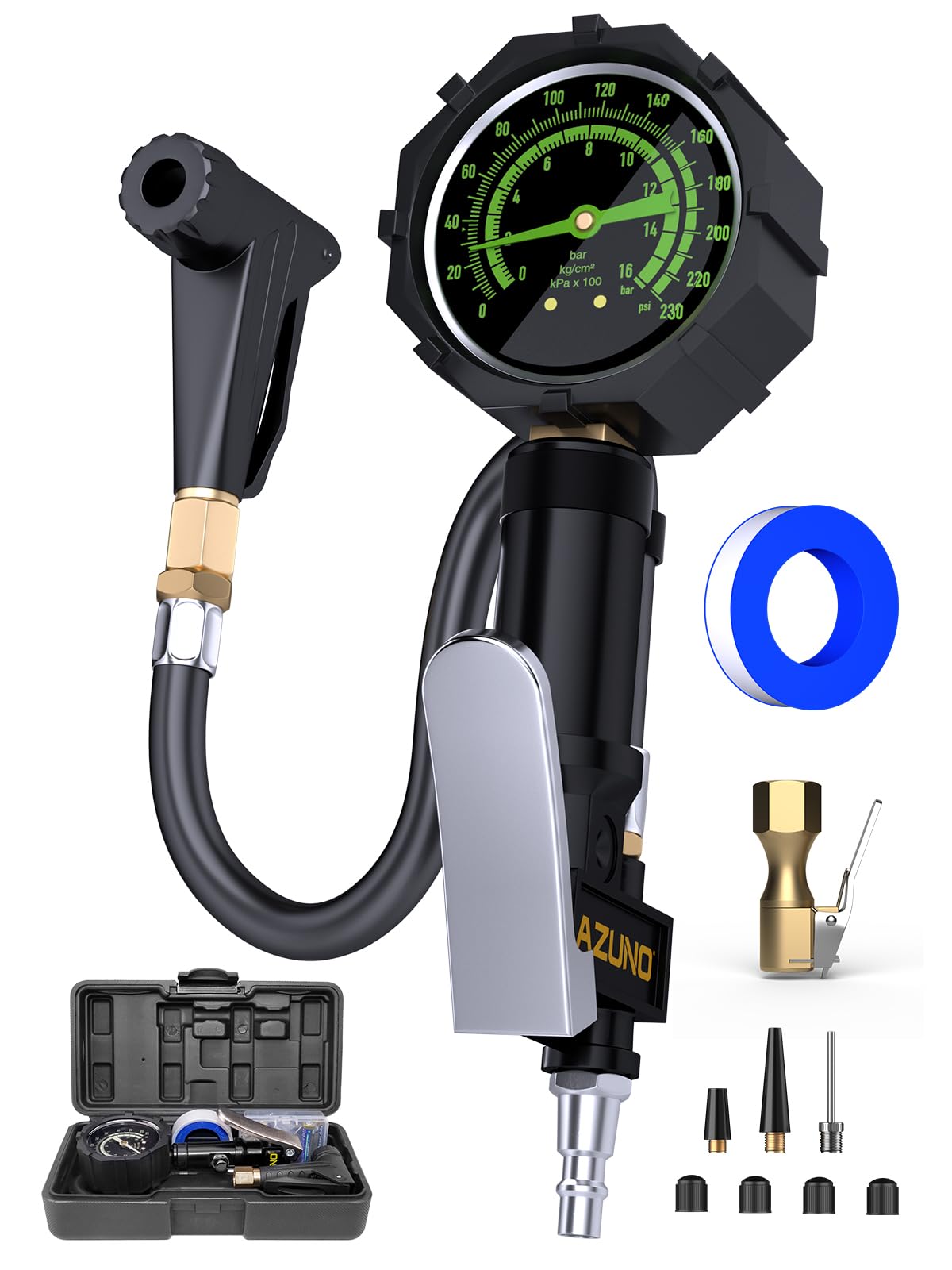
Imagen ilustrativa relacionada con el inflador de neumáticos presta
Normas regionales de cumplimiento: Las distintas regiones pueden tener requisitos de conformidad específicos que los proveedores deben cumplir. Por ejemplo, los productos vendidos en Europa deben cumplir la normativa CE, mientras que los compradores de Oriente Medio pueden buscar el cumplimiento de las normas locales de seguridad y calidad.
Barreras culturales y de comunicación: Las diferencias lingüísticas y los matices culturales pueden afectar a la claridad de la comunicación sobre las expectativas de calidad. Los compradores deben establecer líneas claras de comunicación con los proveedores para garantizar que las normas de calidad se entienden bien y se cumplen.
Transparencia de la cadena de suministro: Garantizar la transparencia en toda la cadena de suministro es esencial para mantener la calidad. Los compradores deben informarse sobre las prácticas de abastecimiento del proveedor, por ejemplo, de dónde obtienen las materias primas y cómo controlan la calidad de sus propios proveedores.
Garantía y asistencia: Comprender las políticas de garantía y asistencia que ofrecen los proveedores es crucial para los compradores B2B. Una garantía sólida indica confianza en la calidad del producto, y tener acceso a un servicio de atención al cliente fiable puede ayudar a resolver cualquier problema que surja después de la compra.
Al comprender en profundidad los procesos de fabricación y las prácticas de garantía de calidad asociadas con los infladores de neumáticos Presta, los compradores B2B pueden tomar decisiones más informadas, asegurándose de que obtienen productos fiables y de alta calidad que satisfacen sus necesidades específicas.
Esta práctica guía de aprovisionamiento pretende ayudar a los compradores B2B a adquirir con eficacia infladores de neumáticos Presta, herramientas esenciales para mantener la presión de los neumáticos de las bicicletas. Siguiendo esta lista de comprobación, los compradores pueden asegurarse de seleccionar los productos adecuados que cumplan sus requisitos técnicos, teniendo en cuenta al mismo tiempo la fiabilidad del proveedor y las tendencias del mercado.
Antes de contratar proveedores, es fundamental establecer sus necesidades técnicas para el inflador de neumáticos Presta. Tenga en cuenta aspectos como el tipo de inflador (manual o eléctrico), la compatibilidad con distintos tipos de válvulas (Presta y Schrader) y la capacidad de presión máxima. Esta claridad le ayudará a agilizar su búsqueda y le garantizará la adquisición de un producto que satisfaga sus requisitos operativos.
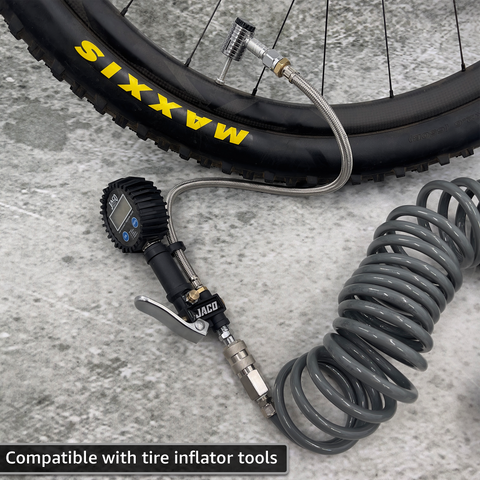
Imagen ilustrativa relacionada con el inflador de neumáticos presta
Realice un estudio de mercado exhaustivo para conocer las tendencias actuales de precios y demanda de infladores de neumáticos Presta. Busque informes o análisis del sector que destaquen las características y los rangos de precios más populares. Este conocimiento le permitirá negociar mejores condiciones y evitar pagar de más por productos que no ofrecen ventajas competitivas.
Investigar a los proveedores es crucial para garantizar un proceso de contratación fiable. Solicite perfiles empresariales detallados, certificaciones de productos y referencias de otras empresas de su sector. Además, evalúe su experiencia en el mercado, ya que es más probable que los proveedores establecidos ofrezcan productos y un servicio al cliente de alta calidad.
Asegúrate de que los infladores que consideres cumplen las normas de calidad y seguridad del sector. Compruebe si tienen certificaciones como ISO o CE, que pueden indicar el cumplimiento de normas de fabricación internacionales. Solicite muestras si es posible, para evaluar el rendimiento y la durabilidad de primera mano, especialmente en entornos de uso intensivo.
La asistencia posventa es un factor crítico que puede afectar a su satisfacción a largo plazo con el producto. Investigue las condiciones de garantía que ofrecen los proveedores y sus políticas sobre reparaciones o sustituciones. Un servicio posventa sólido puede ahorrarle importantes costes y tiempo de inactividad en caso de problemas con el producto.
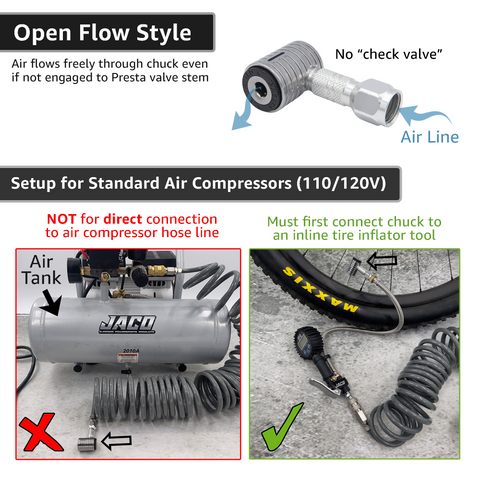
Imagen ilustrativa relacionada con el inflador de neumáticos presta
Evalúe la logística necesaria para adquirir los infladores, incluidos los gastos de envío, los plazos de entrega y la capacidad del proveedor para gestionar pedidos internacionales. Esto es especialmente importante para los compradores de regiones tan diversas como África, Sudamérica, Oriente Medio y Europa, donde las normativas de importación y los plazos de envío pueden variar considerablemente.
Una vez que haya reunido toda la información necesaria y evaluado a los posibles proveedores, tome una decisión informada basada en sus criterios. Asegúrese de que todas las condiciones del acuerdo están claramente definidas, incluidas las opciones de pago y los plazos de entrega. Un pedido bien documentado ayudará a mitigar cualquier malentendido y garantizará un proceso de adquisición sin problemas.
Siguiendo esta lista de comprobación, los compradores B2B pueden navegar con confianza en la adquisición de infladores de neumáticos Presta, asegurándose de que eligen los productos y proveedores adecuados para satisfacer sus necesidades empresariales.
A la hora de adquirir infladores de neumáticos Presta, es fundamental conocer la estructura de costes para tomar decisiones de compra con conocimiento de causa. Los principales componentes del coste son:
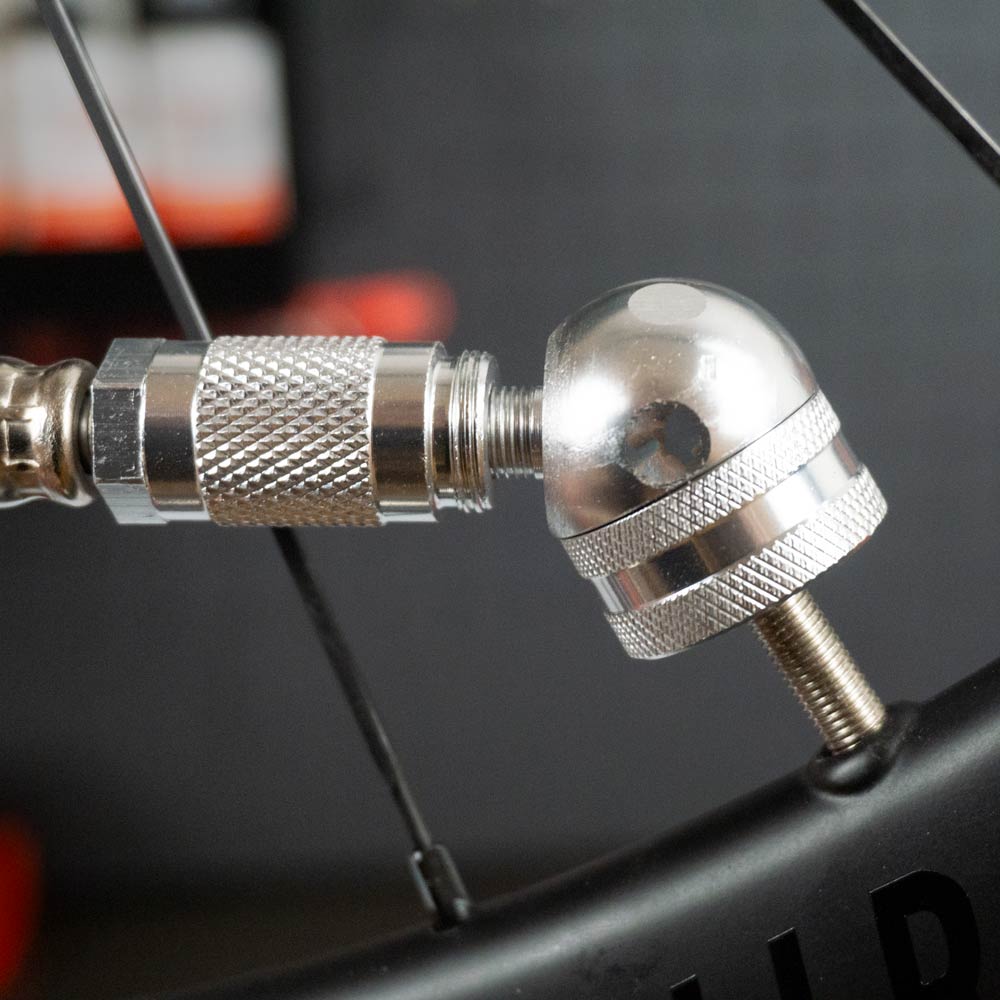
Imagen ilustrativa relacionada con el inflador de neumáticos presta
Materiales: Los materiales de calidad, como plásticos duraderos, metales para la carcasa y caucho de alto rendimiento para las juntas, afectan directamente a la durabilidad y el rendimiento del inflador. Los componentes de alta calidad suelen ser caros, pero pueden aumentar la longevidad del producto.
Trabajo: Los costes laborales varían en función de la ubicación geográfica y las prácticas de fabricación. Por ejemplo, los países con costes laborales más bajos pueden ofrecer precios competitivos, pero es esencial asegurarse de que no se comprometen los estándares de calidad.
Gastos generales de fabricación: Incluye los servicios públicos, el alquiler y otros gastos operativos asociados a la producción. Las fábricas eficientes pueden tener menos gastos generales, lo que se traduce en un ahorro de costes para los compradores.
Herramientas: Los costes iniciales de preparación de moldes y maquinaria pueden ser considerables, sobre todo si se trata de diseños personalizados. Estos costes suelen amortizarse en grandes series de producción, por lo que resulta ventajoso hacer pedidos al por mayor.
Control de calidad: Los rigurosos procesos de control de calidad garantizan que los infladores cumplen las normas de seguridad y rendimiento. Invertir en controles de calidad puede suponer mayores costes iniciales, pero reduce el riesgo de devoluciones e insatisfacción del cliente.
Logística: Los costes de transporte y envío varían mucho en función de la distancia, el modo de transporte y los Incoterms. Comprender estos costes puede ayudar a los compradores a negociar mejores condiciones.
Margen: Los proveedores suelen añadir un margen de beneficio para cubrir sus costes y garantizar la rentabilidad. Este margen puede fluctuar en función de la demanda del mercado y la competencia.
Varios factores influyen en el precio de los infladores de neumáticos Presta, y conocerlos puede ayudar a los compradores a conseguir mejores ofertas:
Volumen y cantidad mínima de pedido (MOQ): Comprar grandes cantidades puede suponer importantes descuentos. Los proveedores suelen fijar cantidades máximas que pueden afectar a los precios; negociar cantidades mínimas más bajas puede ser beneficioso para las empresas más pequeñas.
Especificaciones y personalización: Adaptar los infladores a necesidades específicas (como la marca o características únicas) puede suponer costes adicionales. Los compradores deben sopesar las ventajas de la personalización frente al gasto adicional.
Calidad del material y certificaciones: Los materiales de mayor calidad y las certificaciones industriales pueden justificar precios más altos. Los compradores deben tener en cuenta las ventajas a largo plazo de invertir en productos certificados para obtener una mayor fiabilidad.
Factores del proveedor: La reputación y fiabilidad del proveedor desempeñan un papel crucial. Los proveedores establecidos pueden cobrar más, pero ofrecen mejores opciones de servicio y garantía.
Incoterms: Las condiciones de envío elegidas pueden influir significativamente en los costes totales. Saber si los costes incluyen el envío, el seguro y los aranceles es vital para calcular el coste total en destino.
Para los compradores internacionales, especialmente los de África, Sudamérica, Oriente Medio y Europa, unas estrategias de negociación eficaces pueden conducir a mejores resultados en materia de precios:
Precios de mercado: Conozca el precio medio de mercado de los infladores de neumáticos Presta para negociar con eficacia. Disponer de datos sobre los precios de la competencia puede ayudar a los compradores en las negociaciones.
Establecer relaciones: Establecer una buena relación con los proveedores puede conducir a condiciones más favorables y flexibilidad en los precios. La comunicación regular fomenta la confianza y favorece un mejor servicio.
Aprovechar el coste total de propiedad (TCO): Destacar el ahorro a largo plazo que suponen los productos de mayor calidad durante las negociaciones puede persuadir a los proveedores para que bajen los precios iniciales.
Condiciones de pago flexibles: Hablar de calendarios de pago u opciones de pago a plazos puede hacer que los pedidos más grandes sean más manejables y atractivos.
Conozca los matices de los precios: La sensibilidad a los precios puede variar de una región a otra. Comprender la dinámica del mercado local puede servir de base para las tácticas de negociación y las expectativas de precios.
En resumen, el aprovisionamiento de infladores de neumáticos Presta implica navegar por un complejo panorama de costes y factores que influyen en la fijación de precios. Los compradores B2B pueden mejorar sus estrategias de aprovisionamiento si comprenden los componentes subyacentes de los costes, entablan negociaciones eficaces y aprovechan el conocimiento del mercado. Es importante recordar que los precios pueden variar significativamente en función de diversos factores, por lo que siempre hay que verificar las cotizaciones y considerar el coste total de propiedad antes de tomar decisiones.
En el competitivo panorama de las soluciones de inflado de neumáticos, los compradores B2B disponen de una variedad de opciones más allá de los infladores de neumáticos Presta tradicionales. Estas alternativas pueden ofrecer ventajas únicas en función de las necesidades operativas específicas, las consideraciones de costes y el contexto en el que se utilizan. Comprender estas alternativas ayudará a los compradores a tomar decisiones informadas que se ajusten a sus requisitos empresariales.
| Aspecto comparativo | Inflador de neumáticos Presta | Compresor de aire portátil | Bomba de pie manual |
|---|---|---|---|
| Rendimiento | Alta precisión, inflado rápido | Inflado rápido con PSI ajustable | Inflado más lento, requiere esfuerzo manual |
| Coste | Moderado ($30 - $150) | Mayor inversión inicial ($100 - $300) | Opción económica ($20 - $70) |
| Facilidad de aplicación | Fácil de usar, opciones portátiles disponibles | Requiere una fuente de alimentación, menos portátil | Fácil de usar, no necesita fuente de alimentación |
| Mantenimiento | Materiales duraderos y de bajo mantenimiento | Mantenimiento regular necesario (aceite, filtros) | Requiere un mantenimiento mínimo |
| El mejor caso de uso | Ideal para ciclistas que necesitan precisión | Adecuado para tiendas que necesitan un gran volumen | Ideal para uso doméstico o ciclistas ocasionales |
Los compresores de aire portátiles son una alternativa eficaz para las empresas que requieren un inflado rápido de diversos tipos de neumáticos. Estos dispositivos suelen ofrecer configuraciones de PSI ajustables, lo que permite a los usuarios personalizar la presión de inflado según sus necesidades. Aunque destacan por su rendimiento, el mayor coste inicial y la dependencia de la energía eléctrica pueden ser inconvenientes importantes para algunas empresas, sobre todo en regiones con un suministro eléctrico irregular. Además, requieren un mantenimiento regular para garantizar un funcionamiento óptimo, lo que puede no coincidir con todas las preferencias operativas.
Las bombas de suelo manuales son una alternativa económica y fácil de utilizar. Son especialmente ventajosas para uso doméstico o para empresas que no requieren un gran volumen de inflado. Sus principales ventajas son el bajo coste y el mantenimiento mínimo, lo que las hace accesibles para muchos usuarios. Sin embargo, el rendimiento es significativamente más lento en comparación con las opciones eléctricas, y requieren un esfuerzo físico para funcionar, lo que puede no ser factible para todos los usuarios. Esta opción es ideal para ciclistas ocasionales o pequeñas tiendas con necesidades de inflado limitadas.
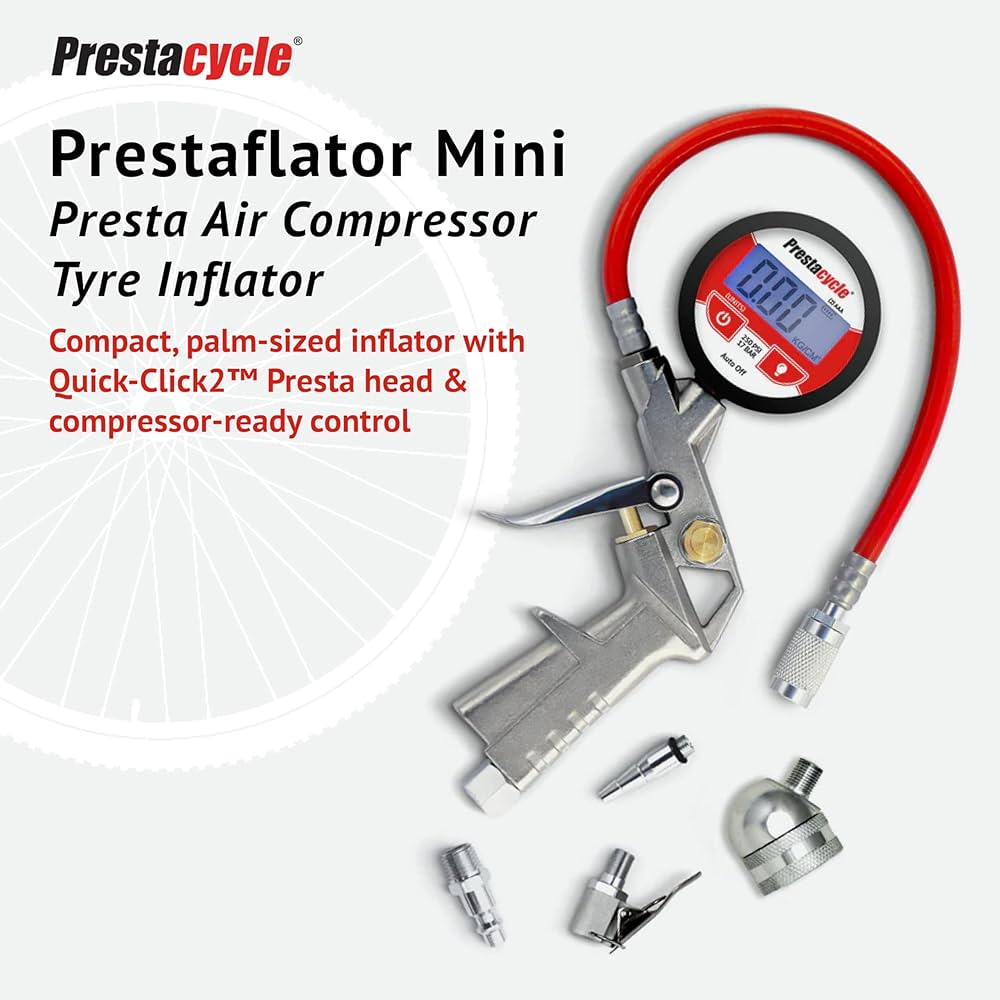
Imagen ilustrativa relacionada con el inflador de neumáticos presta
A la hora de seleccionar la solución de inflado de neumáticos adecuada, los compradores B2B deben evaluar cuidadosamente sus necesidades específicas, incluido el volumen de neumáticos a inflar, la precisión requerida y el presupuesto disponible. Para necesidades de alto rendimiento y uso frecuente, los infladores de neumáticos Presta o los compresores de aire portátiles pueden ser la mejor opción. Por el contrario, para empresas con menores exigencias de inflado o limitaciones presupuestarias, una bomba manual de suelo podría ser una solución satisfactoria. En última instancia, comprender las ventajas y limitaciones de cada opción permitirá a los compradores tomar decisiones estratégicas que mejoren su eficacia operativa.
A la hora de adquirir infladores de neumáticos Presta, es fundamental conocer sus propiedades técnicas para garantizar la fiabilidad y el rendimiento del producto en diversos contextos operativos. Estas son las especificaciones clave que los compradores B2B deben tener en cuenta:
Calidad del material
El material utilizado en la construcción de los infladores de neumáticos afecta significativamente a su durabilidad y rendimiento. Los materiales más comunes son el aluminio de alta calidad, por su ligereza y resistencia a la corrosión, y los plásticos reforzados, por su asequibilidad y facilidad de uso. Seleccionar infladores fabricados con materiales de primera calidad puede prolongar su vida útil, especialmente en entornos exigentes típicos de regiones como África u Oriente Medio.
Rango de presión
El rango de presión de un inflador de neumáticos indica su capacidad para inflar neumáticos a niveles específicos de PSI. La mayoría de los infladores de neumáticos Presta están diseñados para funcionar entre 0 y 160 PSI (0 y 11 bares), adaptándose a diversos tipos de bicicletas, desde las de carretera hasta las de montaña. Comprender el rango de presión necesario es vital para garantizar la compatibilidad con los modelos de bicicleta previstos y para mantener un rendimiento óptimo.
Caudal
El caudal, medido en litros por minuto (L/min), refleja la rapidez con la que un inflador puede llenar un neumático. Un mayor caudal reduce el tiempo de inflado, lo que resulta especialmente beneficioso para operaciones de gran volumen, como tiendas de bicicletas o eventos de ciclismo competitivo. Los compradores deben evaluar el caudal para garantizar la eficiencia, especialmente en mercados donde el tiempo es esencial.
Compatibilidad
La compatibilidad con los tipos de válvulas es esencial para la funcionalidad. Los infladores de neumáticos Presta están diseñados específicamente para válvulas Presta, pero muchos modelos también admiten válvulas Schrader. Esta versatilidad puede ser un argumento de venta para los distribuidores, ya que permite un mayor atractivo en el mercado y una mayor facilidad de uso en distintos tipos de bicicletas.
Facilidad de uso
Características como el diseño ergonómico, la construcción ligera y los mecanismos de fácil manejo (como las desconexiones sin pérdida) mejoran la experiencia del usuario. Los infladores que son fáciles de manejar y operar pueden conducir a una mayor satisfacción del cliente, haciéndolos más atractivos para los compradores B2B centrados en la experiencia del usuario final.
Reconstruibilidad
Muchos infladores de alta calidad están diseñados para ser 100% reconstruibles, lo que puede reducir significativamente los costes a largo plazo para los compradores. Esta característica permite a los usuarios sustituir las piezas desgastadas en lugar de comprar infladores nuevos, lo que se ajusta a las prácticas de sostenibilidad y garantiza un rendimiento constante a lo largo del tiempo.
Familiarizarse con la jerga del sector es esencial para comunicarse y negociar con eficacia en el sector B2B. He aquí varios términos importantes relacionados con los infladores de neumáticos Presta:
OEM (fabricante de equipos originales)
Este término se refiere a las empresas que fabrican productos que luego se venden bajo la marca de otra empresa. Entender las relaciones OEM puede ayudar a los compradores a identificar proveedores fiables y calibrar la calidad del producto en función de la reputación del fabricante.
MOQ (Cantidad mínima de pedido)
Las MOQ definen el número mínimo de unidades que un proveedor está dispuesto a vender. Se trata de una consideración crítica para las empresas que buscan gestionar los costes de inventario y asegurarse de que cumplen los requisitos de los proveedores, especialmente cuando se abastecen en mercados internacionales.
RFQ (solicitud de presupuesto)
Una petición de oferta es un documento formal en el que se solicita a los proveedores precios y condiciones para productos específicos. La emisión de peticiones de oferta puede ayudar a los compradores a comparar ofertas y asegurarse el mejor trato, estableciendo al mismo tiempo expectativas claras en cuanto a calidad y plazos de entrega.
Incoterms (Términos comerciales internacionales)
Se trata de normas reconocidas internacionalmente que definen las responsabilidades de compradores y vendedores en los contratos de transporte. Entender los Incoterms es esencial para las transacciones B2B, ya que aclaran quién es responsable del envío, el seguro y los aranceles, minimizando así posibles disputas.
Plazos de entrega
El plazo de entrega se refiere al tiempo que transcurre desde que se hace un pedido hasta que se recibe la mercancía. Para las empresas, conocer el plazo de entrega es fundamental para la gestión y planificación del inventario, sobre todo en regiones donde las cadenas de suministro pueden ser menos predecibles.
Periodo de garantía
El periodo de garantía especifica la duración durante la cual el fabricante garantiza el producto contra defectos. Una garantía más larga puede indicar la confianza del fabricante en la calidad de su producto, lo que proporciona a los compradores seguridad y un posible ahorro de costes en reparaciones o sustituciones.
Al comprender estas propiedades técnicas y términos comerciales, los compradores B2B pueden tomar decisiones informadas a la hora de abastecerse de infladores de neumáticos Presta, asegurándose de que satisfacen sus necesidades operativas a la vez que optimizan el coste y el rendimiento.
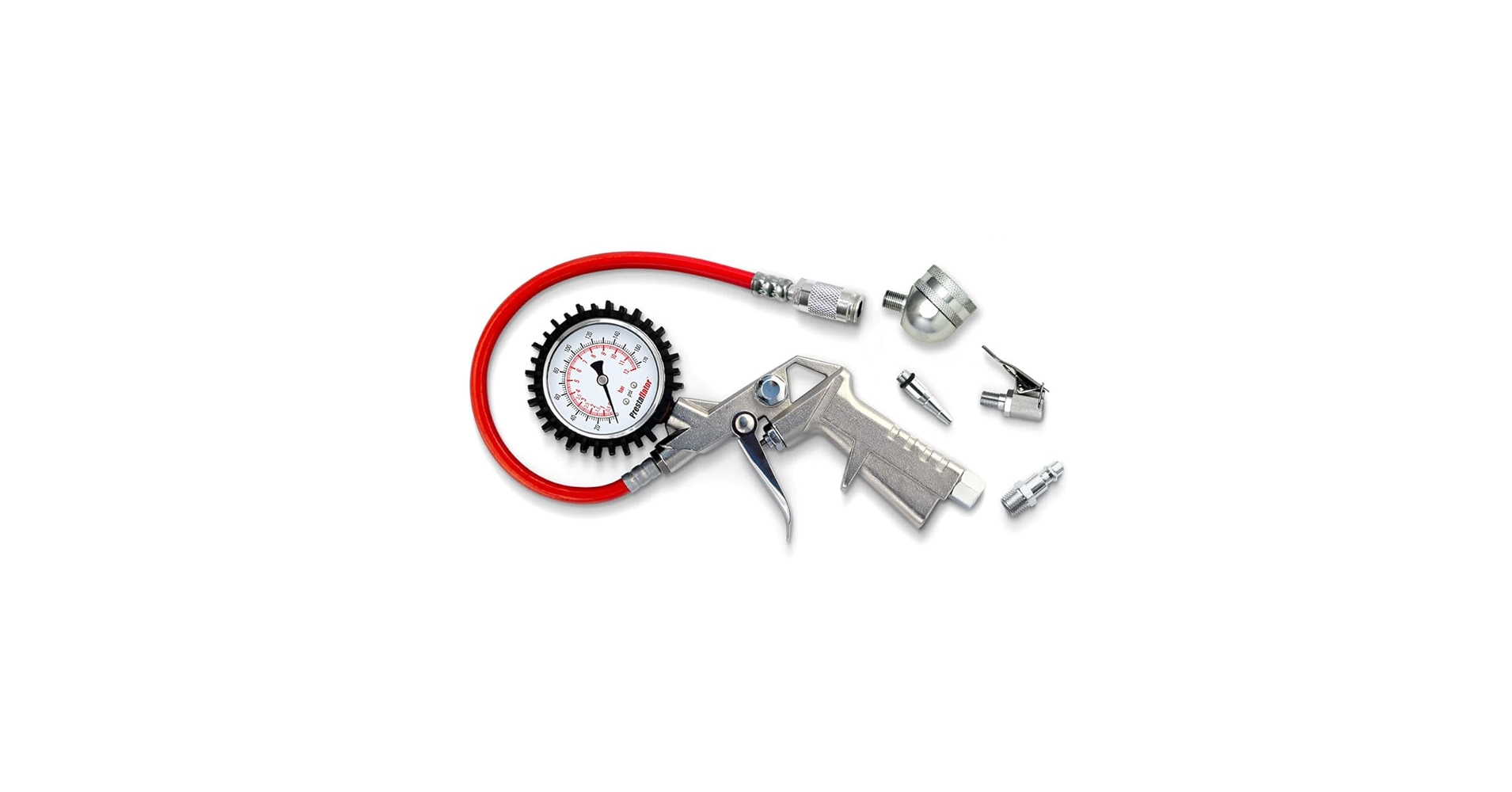
Imagen ilustrativa relacionada con el inflador de neumáticos presta
El mercado mundial de infladores de neumáticos presta está influido por varios factores críticos, en particular la creciente popularidad del ciclismo como alternativa de transporte sostenible y actividad de ocio. Esta tendencia es especialmente pronunciada en regiones como África, Sudamérica, Oriente Medio y Europa, donde la urbanización y el crecimiento de la clase media están propiciando un mayor uso de la bicicleta. Además, los avances tecnológicos están transformando el panorama de los infladores, con innovaciones como los manómetros digitales, que proporcionan lecturas precisas de la presión, y las opciones de baterías recargables, que mejoran la portabilidad y la comodidad.
Además, la integración de tecnología inteligente en los infladores, incluida la conectividad con aplicaciones móviles para el seguimiento de la presión de los neumáticos y el historial de inflado, se perfila como un elemento diferenciador clave. Los compradores B2B buscan cada vez más proveedores que ofrezcan funciones avanzadas que no solo mejoren la experiencia del usuario, sino que también garanticen la fiabilidad y la longevidad. Como resultado, los actores del mercado deben centrarse en la investigación y el desarrollo para seguir siendo competitivos y satisfacer las cambiantes demandas de los consumidores comerciales e individuales.
Además, la cadena de suministro está experimentando cambios hacia un abastecimiento más localizado, impulsado por la necesidad de plazos de entrega más rápidos y costes de envío reducidos. Esta tendencia es especialmente importante para los compradores internacionales de África y Sudamérica, donde los problemas logísticos pueden dificultar el acceso puntual a los productos. Establecer asociaciones sólidas con fabricantes o distribuidores locales puede proporcionar una ventaja competitiva en estos mercados.
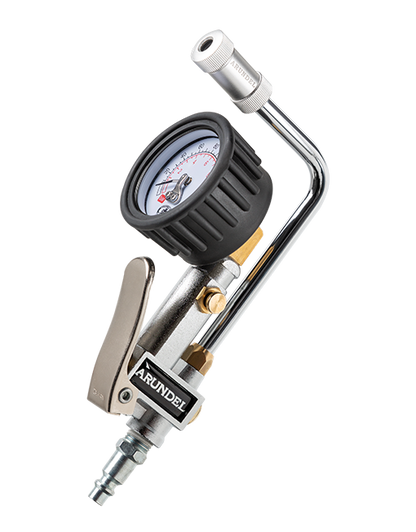
Imagen ilustrativa relacionada con el inflador de neumáticos presta
La sostenibilidad se ha convertido en un factor fundamental en el panorama B2B, que influye en las decisiones de aprovisionamiento de todos los sectores, incluido el mercado de infladores de neumáticos. Los compradores dan cada vez más prioridad a los productos que reflejan una conciencia medioambiental y unas prácticas de producción éticas. Este cambio se debe a la demanda de productos sostenibles por parte de los consumidores y a las presiones normativas para que las empresas reduzcan su huella de carbono.
El impacto medioambiental de los procesos de fabricación y los materiales utilizados en los infladores está bajo escrutinio, por lo que es esencial que los proveedores adopten prácticas respetuosas con el medio ambiente. Utilizar materiales reciclables y minimizar los residuos durante la producción son estrategias que no solo atraen a los compradores concienciados con el medio ambiente, sino que también se alinean con los objetivos globales de sostenibilidad.
Además, certificaciones como la ISO 14001 (Gestión Medioambiental) y el uso de materiales ecológicos pueden mejorar la reputación y credibilidad de una empresa en el mercado. Los compradores de regiones como Europa y Oriente Medio están especialmente atentos a abastecerse de fabricantes que puedan demostrar su compromiso con la sostenibilidad. Esta atención a las cadenas de suministro éticas no sólo ayuda a mitigar los riesgos, sino que también fomenta las relaciones a largo plazo basadas en valores compartidos.
El mercado de los infladores de neumáticos ha evolucionado considerablemente desde su creación, impulsado por los avances tecnológicos y el cambio de preferencias de los consumidores. Al principio, los infladores eran simples bombas manuales, a menudo engorrosas y lentas. Sin embargo, la introducción de los infladores de alta presión y los manómetros digitales a principios de la década de 2000 marcó un punto de inflexión, al ofrecer a los ciclistas opciones de inflado más rápidas y precisas.
A lo largo de los años, el mercado ha sido testigo de la aparición de infladores portátiles que funcionan con pilas y satisfacen las necesidades de los ciclistas que se desplazan. El auge del comercio electrónico ha facilitado aún más el acceso a una mayor variedad de productos, permitiendo a los compradores B2B adquirir infladores especializados adaptados a requisitos específicos. Esta evolución refleja una tendencia más amplia hacia la comodidad y la eficiencia de los accesorios para ciclistas, lo que garantiza que las empresas puedan satisfacer las demandas de una clientela mundial cada vez mayor.
En resumen, comprender la dinámica actual del mercado, los imperativos de sostenibilidad y el contexto histórico es crucial para los compradores B2B que navegan por el sector de los infladores de neumáticos. Al alinear las estrategias de aprovisionamiento con estos conocimientos, las empresas pueden mejorar su ventaja competitiva e impulsar el crecimiento sostenible.
¿Cómo elegir el inflador de neumáticos Presta adecuado para las necesidades de mi empresa?
Al seleccionar un inflador de neumáticos Presta, tenga en cuenta factores como el volumen de neumáticos que necesita inflar, los tipos de válvulas que encontrará y la velocidad de inflado deseada. Busque características como compatibilidad dual con válvulas Presta y Schrader, manómetros integrados para mayor precisión y durabilidad para un uso frecuente. Además, considere si necesita un inflador portátil para operaciones móviles o un inflador de taller para una ubicación fija. La evaluación de estos criterios le ayudará a alinear su compra con las demandas operativas.
¿Cuál es el mejor inflador de neumáticos Presta para tiendas de bicicletas de gran volumen?
Para las tiendas de bicicletas de gran volumen, se recomienda un inflador de tienda como el Park Tool INF-2 o un modelo de alto flujo sólo para Presta. Estos modelos están diseñados para un inflado rápido de los neumáticos y pueden soportar un uso frecuente, por lo que son ideales para entornos muy concurridos. Busque características como una construcción duradera, manómetros fáciles de leer y compatibilidad con varios tipos de válvulas. Estos infladores mejoran la eficiencia y minimizan el tiempo de inactividad, garantizando que su taller pueda atender rápidamente a los clientes.
¿Cuáles son las condiciones de pago habituales para la compra internacional de infladores de neumáticos Presta?
Las condiciones de pago pueden variar significativamente entre proveedores y regiones. Las más comunes son el pago por adelantado, a 30 días netos o a 60 días netos, dependiendo de la relación del comprador con el proveedor. Es fundamental aclarar estas condiciones antes de hacer un pedido y evaluar la credibilidad del proveedor. Además, considere la posibilidad de discutir las opciones de cartas de crédito u otros métodos de pago seguro, especialmente para grandes pedidos o nuevos proveedores, para mitigar los riesgos asociados con el comercio internacional.
¿Cómo puedo verificar la fiabilidad de un proveedor de infladores de neumáticos Presta?
Para verificar la fiabilidad de un proveedor, realice una investigación exhaustiva comprobando sus credenciales empresariales, los comentarios de sus clientes y las certificaciones de sus productos. Pida referencias a otras empresas que les hayan comprado. Además, considere la posibilidad de realizar una visita a sus instalaciones si es posible, o pida muestras del producto para evaluar la calidad. Relacionarse con los proveedores en ferias comerciales también puede proporcionar información sobre sus operaciones y ofertas de productos, ayudando a crear confianza en su relación comercial.
¿Cuál es la cantidad mínima de pedido (MOQ) para los infladores de neumáticos Presta?
Las cantidades mínimas de pedido (MOQ) para infladores de neumáticos Presta pueden variar mucho según el proveedor y el modelo específico. Algunos proveedores pueden tener cantidades mínimas de 10 unidades, mientras que otros pueden exigir pedidos de 50 unidades o más. Es esencial que comunique sus necesidades al proveedor para encontrar una solución que se adapte a su modelo de negocio. Si prevé una demanda continua, negociar una cantidad mínima de unidades favorable puede suponer mejores precios y condiciones.
¿Existen opciones de personalización para los infladores de neumáticos Presta?
Muchos fabricantes ofrecen opciones de personalización, como la marca, variaciones de color y características específicas adaptadas a las necesidades de su empresa. Cuando pregunte por las personalizaciones, proporcione especificaciones claras sobre sus requisitos y las cantidades deseadas. Tenga en cuenta que la personalización puede afectar a los plazos de entrega y a los precios. Entablar un diálogo con los posibles proveedores puede ayudarle a comprender las opciones disponibles y facilitar una solución a medida.
¿Qué medidas de garantía de calidad debo esperar al comprar infladores de neumáticos Presta?
Los proveedores reputados suelen aplicar medidas de garantía de calidad, como pruebas rigurosas de los infladores antes de su envío y el cumplimiento de las normas internacionales de seguridad. Busque proveedores que ofrezcan garantías sobre sus productos, ya que esto indica confianza en su calidad. Además, puede solicitar documentación sobre los procesos de control de calidad, como certificaciones o informes de pruebas, para asegurarse de que los infladores cumplen sus normas operativas.
¿Cómo puedo gestionar la logística al importar infladores de neumáticos Presta?
Una gestión logística eficaz a la hora de importar infladores de neumáticos Presta implica conocer los métodos de envío, la normativa aduanera y los plazos de entrega. Colabore con un transitario especializado en envíos internacionales para agilizar el proceso. Asegúrese de que dispone de toda la documentación de importación necesaria, incluidas las facturas y las listas de embalaje, para evitar retrasos. Establezca una comunicación clara con su proveedor sobre los plazos de envío y el seguimiento para mantener la visibilidad en toda la cadena logística.
Dominio: reddit.com
Matriculado: 2005 (20 años)
Introducción: El usuario busca un accesorio inflador de válvula Presta para un compresor pequeño, destinado a inflar neumáticos y deshinchar cadenas. El compresor venía con un inflador Schrader, y el usuario también está interesado en encontrar un inflador Schrader. Prefieren un inflador con manómetro incorporado para controlar la presión de inflado. El compresor incluye una pequeña manguera en espiral con un extremo roscado para...
Dominio: parktool.com
Matriculado: 1996 (29 años)
Introducción: {"nombre": "INF-2 Inflador de Tienda", "item_number": "INF-2", "price": "$162.95", "features": {"válvulas_compatibles": ["Presta", "Schrader"], "pressure_gauge_range": "0-160 psi (0-11 bar)", "hose_fitting": "common 'M-style' industrial fitting", "ergonomic_design": true, "integrated_hook": true, "built_in_pressure_gauge": true, "rebuildable": true}, "usage": ["inflado de neumáticos de bicicleta", "asiento sin...
Al navegar por el panorama competitivo de las soluciones de inflado de neumáticos, el aprovisionamiento estratégico de infladores de neumáticos Presta ofrece ventajas considerables a los compradores B2B internacionales. Al dar prioridad a la calidad, la fiabilidad y las características innovadoras, las empresas pueden mejorar su oferta de servicios y la satisfacción del cliente. Productos notables, como los de Prestacycle y EVT, muestran una tecnología avanzada que no sólo mejora la eficiencia, sino que también reduce el tiempo de inactividad, un factor crítico para las empresas que operan en mercados de ritmo rápido.
Además, es esencial comprender las demandas y preferencias regionales. Los compradores de diversos mercados, como África, Sudamérica, Oriente Medio y Europa, deben aprovechar las estrategias de aprovisionamiento que se ajusten a las tendencias locales y a las expectativas de los consumidores. Este enfoque adaptado puede dar lugar a asociaciones más sólidas y a un crecimiento sostenido.
De cara al futuro, se espera que aumente la demanda de infladores de neumáticos de alto rendimiento, impulsada por una mayor participación en el ciclismo y la necesidad de herramientas de mantenimiento fiables. Ahora es el momento de que los compradores B2B inviertan en iniciativas estratégicas de aprovisionamiento que aprovechen estas tendencias. Trabaje con proveedores que demuestren su compromiso con la innovación y la durabilidad, para garantizar que su empresa siga siendo competitiva en un mercado en constante evolución.
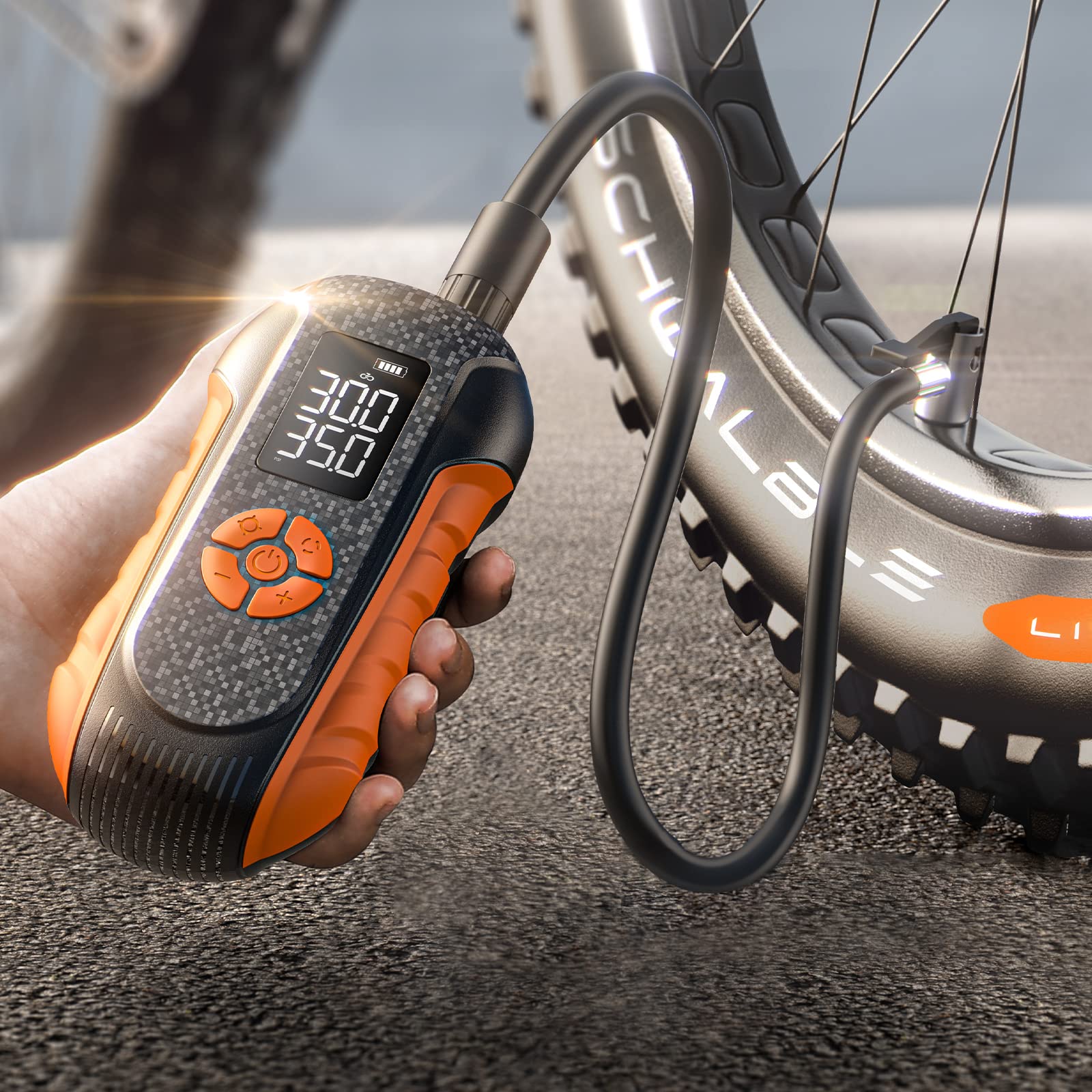
Imagen ilustrativa relacionada con el inflador de neumáticos presta
La información facilitada en esta guía, incluido el contenido relativo a fabricantes, especificaciones técnicas y análisis de mercado, tiene únicamente fines informativos y educativos. No constituye asesoramiento profesional en materia de adquisiciones, asesoramiento financiero ni asesoramiento jurídico.
Aunque hemos hecho todo lo posible por garantizar la exactitud y actualidad de la información, no nos hacemos responsables de posibles errores, omisiones o información obsoleta. Las condiciones del mercado, los detalles de las empresas y las normas técnicas están sujetos a cambios.
Los compradores B2B deben llevar a cabo su propia diligencia debida independiente y exhaustiva antes de tomar cualquier decisión de compra. Esto incluye ponerse en contacto directamente con los proveedores, verificar las certificaciones, solicitar muestras y buscar asesoramiento profesional. El riesgo de confiar en la información contenida en esta guía es responsabilidad exclusiva del lector.


 Spanish
  English
  Russian
  Italian
  Arabic
  Portuguese
  German