
The motorcycle accessories market presents a unique challenge for international B2B buyers, particularly when it comes to sourcing high-quality motorcycle boxes that meet diverse transportation needs. With a multitude of options available, from rugged Monokey cases to sleek top boxes, it can be overwhelming to navigate the specifications, durability, and pricing structures. This comprehensive guide aims to simplify the sourcing process by offering insights into the various types of motorcycle boxes, their applications across different riding styles, and tips for vetting suppliers effectively.
Buyers from regions such as Africa, South America, the Middle East, and Europe—including key markets like Germany and Brazil—will find actionable strategies to make informed purchasing decisions. We delve into essential factors such as material quality, capacity, and compatibility with different motorcycle models, ensuring you select products that align with your customers’ demands. Additionally, we explore cost considerations, helping you identify options that provide the best value without compromising on quality.
By equipping you with the knowledge to evaluate and compare products and suppliers, this guide empowers your business to thrive in the competitive motorcycle accessories landscape. In a market where reliability and performance are paramount, understanding the nuances of motorcycle boxes will enable you to meet your clients’ needs while enhancing your competitive edge.
| Type Name | Key Distinguishing Features | Primary B2B Applications | Brief Pros & Cons for Buyers |
|---|---|---|---|
| Monokey Cases | Single key system for easy attachment and detachment; available in various sizes (30L to 58L) | Touring and adventure motorcycles; retail sales | Pros: Versatile, secure, and easy to use. Cons: Higher price point for premium models. |
| Monolock Cases | Lightweight design; suitable for smaller storage needs (up to 47L) | Urban commuting and smaller motorcycles | Pros: Cost-effective, lightweight. Cons: Less capacity and durability than Monokey. |
| Panniers | Side-mounted boxes that offer increased storage capacity; often made of aluminum or plastic | Long-distance touring and delivery services | Pros: Balanced weight distribution, expandable options. Cons: Can affect bike handling if overloaded. |
| Top Cases | Mounted on the rear of the motorcycle; typically larger and more secure than side cases | Delivery services, touring, and commuting | Pros: Easy access, secure storage. Cons: Can be cumbersome and affect aerodynamics. |
| Soft Bags | Flexible storage options; often water-resistant; lightweight and easy to attach | Short trips, casual riders, and off-road use | Pros: Lightweight, versatile. Cons: Less secure and durable compared to hard cases. |
Monokey cases are a popular choice among motorcycle enthusiasts for their innovative single key system, allowing for seamless attachment and detachment. Available in various sizes, ranging from 30 liters to 58 liters, they cater to both short trips and long journeys. B2B buyers should consider these cases for touring and adventure motorcycles, as they offer a balance of security and versatility. However, the premium pricing may be a consideration for budget-conscious buyers.
Monolock cases are designed for lighter, more compact storage needs, making them ideal for urban commuting and smaller motorcycles. They typically hold up to 47 liters, providing sufficient space for daily essentials. While they are generally more affordable and lightweight than Monokey cases, B2B buyers should be aware that they may lack the durability and larger capacity required for long-distance travel.
Panniers are side-mounted boxes that significantly increase storage capacity, often constructed from aluminum or durable plastic. They are particularly advantageous for long-distance touring and delivery services, as they provide balanced weight distribution. B2B buyers should consider the potential downsides, such as the impact on bike handling when overloaded, but the expandable options make them a versatile choice for various applications.
Top cases are mounted on the rear of motorcycles and are known for their larger storage capacity and enhanced security features. They are ideal for delivery services, touring, and commuting, offering easy access to stored items. B2B buyers may appreciate their secure nature, but should also consider the potential drawbacks, such as their bulkiness, which can affect aerodynamics and overall handling.
Soft bags provide a flexible storage solution that is lightweight and often water-resistant, making them suitable for casual riders and off-road use. They are easy to attach and remove, which is a significant advantage for short trips. However, B2B buyers should weigh the benefits against the drawbacks, as soft bags may not offer the same level of security and durability as hard cases, making them less suitable for long-term or high-value storage needs.
| Industry/Sector | Specific Application of motorcycle boxes | Value/Benefit for the Business | Key Sourcing Considerations for this Application |
|---|---|---|---|
| Logistics and Delivery | Last-mile delivery solutions for e-commerce businesses | Increased efficiency in transporting goods to customers | Durability, weather resistance, and secure locking mechanisms |
| Tourism and Adventure | Luggage storage for motorcycle tours and rentals | Enhanced customer experience and safety for belongings | Size options, weight capacity, and ease of attachment/detachment |
| Emergency Services | Transporting medical supplies and equipment | Quick response times and safe transport of critical items | Robustness, waterproof features, and quick-access designs |
| Food and Beverage | Mobile food delivery services using motorcycles | Streamlined operations for food delivery | Insulation properties, volume capacity, and ease of cleaning |
| Construction and Field Work | Transporting tools and equipment to job sites | Improved organization and protection of valuable tools | Compatibility with various motorcycle models and security features |
In the logistics and delivery sector, motorcycle boxes serve as essential tools for last-mile delivery, particularly for e-commerce businesses. These boxes enhance operational efficiency by providing a secure and weather-resistant means to transport goods directly to customers. For international buyers, especially in regions like Africa and South America, sourcing durable boxes that can withstand varying climates and rough terrains is crucial. Additionally, secure locking mechanisms are vital to protect valuable items during transit.
For the tourism and adventure industry, motorcycle boxes are integral to providing luggage storage solutions for motorcycle tours and rentals. They enhance the customer experience by ensuring that riders can safely store their belongings while on the move. Buyers from Europe, particularly in countries like Germany, should consider the size and weight capacity of these boxes to accommodate diverse travel needs. Ease of attachment and detachment is also a significant factor, as it allows for quick transitions between riding and exploring.
Emergency services utilize motorcycle boxes for transporting medical supplies and equipment swiftly and securely. This application is critical in ensuring quick response times during emergencies, where every second counts. For international buyers in the Middle East, sourcing robust boxes with waterproof features can be vital, given the region’s harsh conditions. Quick-access designs are also important to facilitate rapid deployment of medical supplies when needed.
In the food and beverage sector, motorcycle boxes are used for mobile food delivery services, allowing for efficient transportation of meals. These boxes streamline operations by providing an organized and insulated environment for food, ensuring that it remains fresh during transit. Buyers, particularly in South America, should focus on insulation properties and volume capacity to meet the demands of various food items. Additionally, ease of cleaning is a key consideration to maintain hygiene standards.
Motorcycle boxes are essential for transporting tools and equipment to construction and field job sites. They improve organization and protect valuable tools from damage or theft. For B2B buyers in Africa, compatibility with various motorcycle models is a crucial factor when sourcing these boxes. Security features, such as locks, are also important to safeguard tools, especially in remote work environments.
The Problem: B2B buyers often face the challenge of ensuring that motorcycle boxes they purchase are compatible with various motorcycle models. This issue is particularly acute when dealing with diverse brands and types, as improper fitting can lead to increased return rates and customer dissatisfaction. Buyers may find themselves navigating complex specifications, and without clear guidance, they risk investing in products that do not meet their clients’ needs, ultimately impacting their bottom line.
The Solution: To address compatibility issues, B2B buyers should prioritize sourcing motorcycle boxes from manufacturers who provide detailed fitting guides and compatibility lists. It’s essential to ask for product specifications, including mounting mechanisms and dimensions, to ensure they align with the intended motorcycle models. Additionally, leveraging technology by utilizing online fitment tools available on many supplier websites can facilitate the selection process. By investing in universal mounting systems that allow for adaptability across various motorcycle models, buyers can streamline their inventory and reduce the risk of mismatched products. Furthermore, establishing strong relationships with suppliers who offer customer support can help clarify any doubts regarding compatibility.
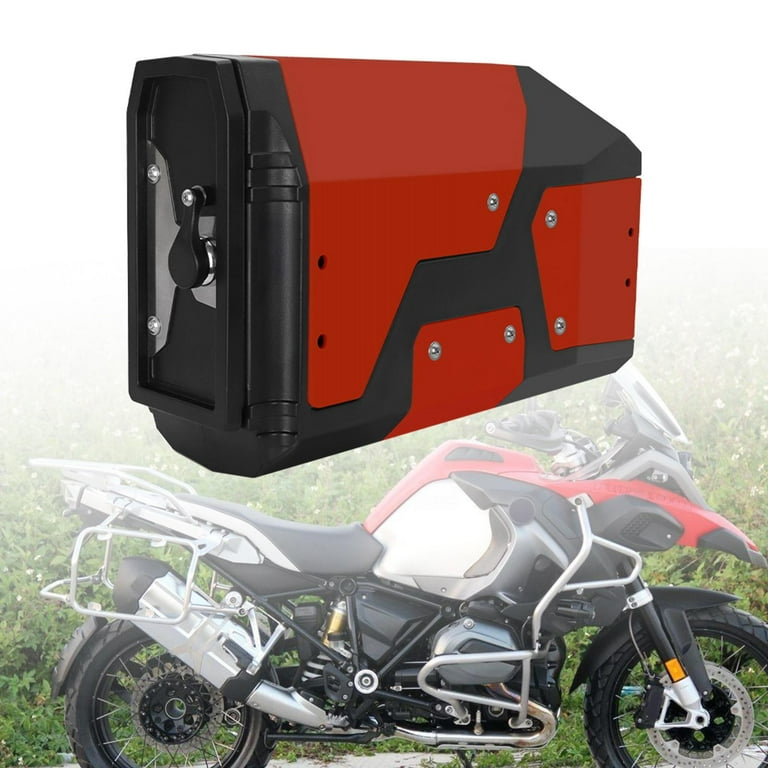
Illustrative image related to motorcycle boxes
The Problem: In regions such as Africa and South America, where off-road riding is common, B2B buyers often worry about the durability and weather resistance of motorcycle boxes. Many products may not withstand extreme conditions, such as heavy rain, dust, or rough terrain. This concern can lead to hesitance in purchasing decisions, as buyers are cautious of investing in products that may fail in harsh environments, leading to potential losses.
The Solution: Buyers should focus on sourcing motorcycle boxes made from high-quality materials designed for durability, such as reinforced plastics or aluminum alloys. When evaluating products, it is crucial to seek out those that feature robust locking mechanisms and weather-resistant seals. Engaging in discussions with manufacturers about the specific testing processes their products undergo can provide valuable insights into durability. Additionally, considering user reviews and case studies from similar environments can guide buyers toward reliable products. Buyers may also explore options that offer warranties or guarantees, as these can serve as indicators of a manufacturer’s confidence in their product’s resilience.
The Problem: B2B buyers often grapple with managing a diverse inventory of motorcycle boxes that cater to a wide range of customer preferences. With numerous brands, styles, and features available, buyers can become overwhelmed by the complexity of selecting the right products. This situation may lead to stock imbalances, where certain models are overstocked while others run out, complicating sales and customer satisfaction.
The Solution: To streamline inventory management, buyers should conduct thorough market research to identify trends and preferences within their target demographics. Establishing a data-driven approach to inventory—such as analyzing sales patterns and customer feedback—can help buyers determine which products are most in demand. Collaborating with suppliers to create a tailored selection of motorcycle boxes that reflect customer needs can enhance efficiency. Implementing inventory management software that tracks stock levels and sales can also facilitate better decision-making, ensuring that the right mix of products is always available. Additionally, maintaining open lines of communication with suppliers about lead times and product availability can help buyers stay ahead of trends and manage their inventory effectively.
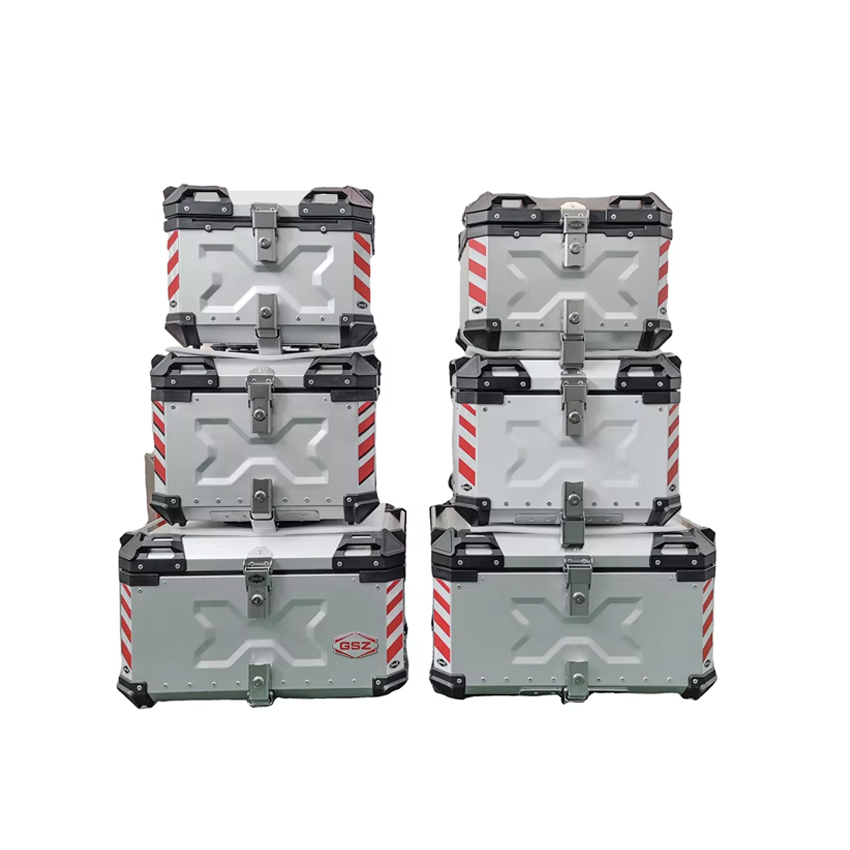
Illustrative image related to motorcycle boxes
When selecting materials for motorcycle boxes, understanding the properties of different materials is crucial for ensuring durability, functionality, and compliance with international standards. The most common materials used in the manufacturing of motorcycle boxes include aluminum, plastic, fiberglass, and steel. Each material comes with its unique set of properties, advantages, and disadvantages.
Aluminum is a popular choice for motorcycle boxes due to its excellent strength-to-weight ratio. It typically has a temperature rating up to 600°F and offers good corrosion resistance, making it suitable for various environmental conditions.
Pros: Aluminum is lightweight, which helps in maintaining the overall weight of the motorcycle. It is also highly durable and resistant to rust, making it ideal for long-distance travel and exposure to the elements.
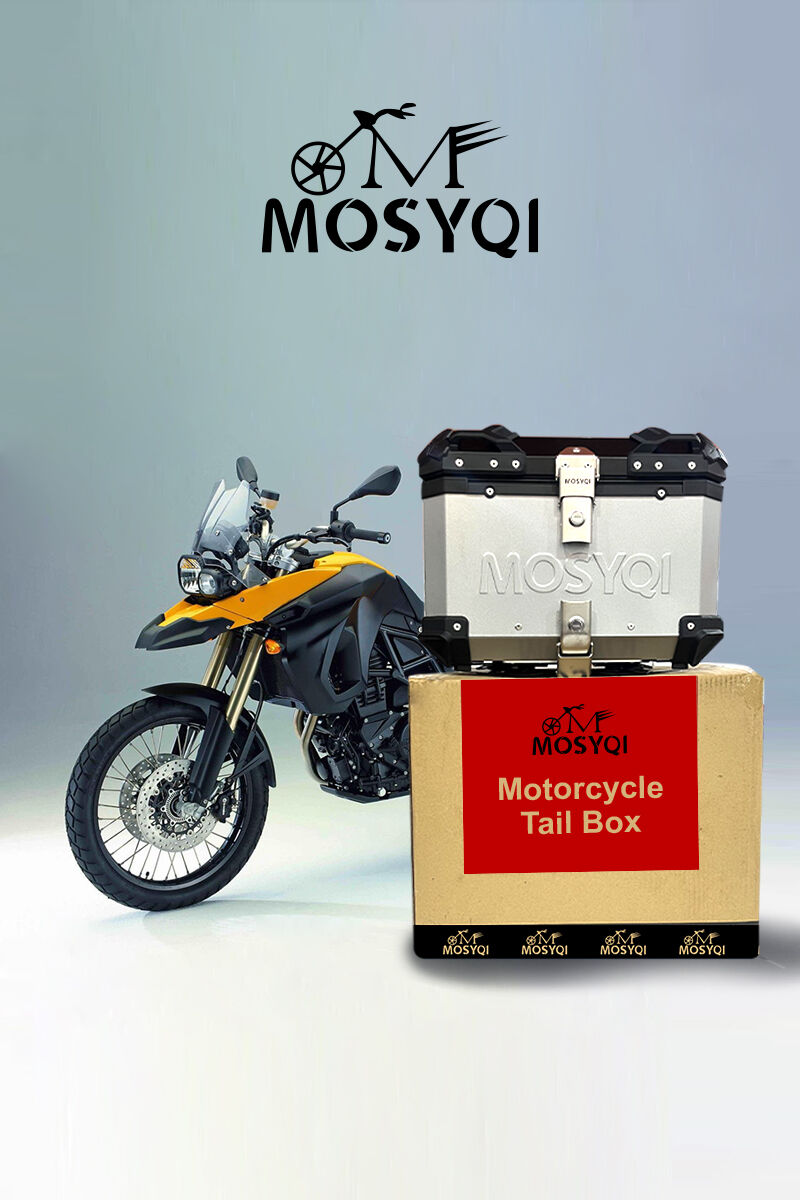
Illustrative image related to motorcycle boxes
Cons: The primary drawback of aluminum is its cost, which tends to be higher than plastic. Additionally, while it is strong, it can be prone to dents and scratches, which may affect its aesthetic appeal.
Impact on Application: Aluminum boxes are compatible with a wide range of media, including moisture and dust, making them suitable for adventure and touring motorcycles.
Considerations for International Buyers: Buyers from regions like Europe may prefer aluminum due to its compliance with EU regulations on materials. In contrast, buyers in Africa and South America may need to consider local availability and pricing.
Plastic is another commonly used material for motorcycle boxes, known for its affordability and versatility. It is generally rated for temperatures up to 200°F and is resistant to many chemicals.
Pros: The cost-effectiveness of plastic makes it an attractive option for manufacturers and consumers alike. It is lightweight and can be molded into various shapes, allowing for innovative designs.
Cons: However, plastic is less durable than aluminum or steel and may not withstand extreme conditions as well. It can also become brittle over time when exposed to UV light.
Impact on Application: Plastic motorcycle boxes are often used for urban commuting and short trips, where extreme durability is less of a concern.
Considerations for International Buyers: Buyers in regions with high UV exposure, such as the Middle East, should consider UV-resistant plastics. Compliance with local recycling regulations may also be a factor.
Fiberglass is recognized for its strength and aesthetic appeal, often used in high-end motorcycle boxes. It has a temperature rating similar to aluminum but can be less resistant to impact.
Pros: Fiberglass offers a unique combination of lightweight and robust properties. It can be molded into sleek designs and is resistant to rust and corrosion.
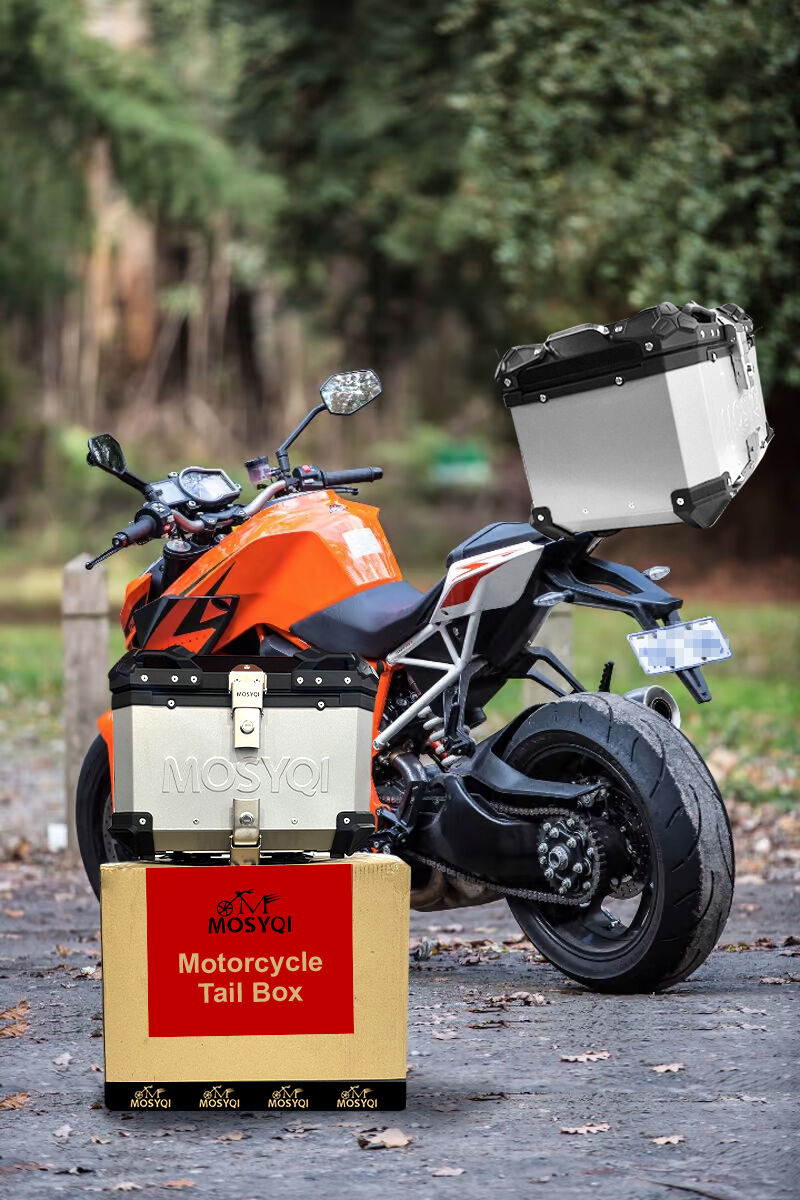
Illustrative image related to motorcycle boxes
Cons: The manufacturing process for fiberglass can be more complex and costly. Additionally, it may not be as impact-resistant as aluminum or steel.
Impact on Application: Fiberglass boxes are often used for touring motorcycles where aesthetics and design are prioritized alongside functionality.
Considerations for International Buyers: Buyers in Europe may appreciate the aesthetic qualities of fiberglass, while those in developing regions might find it less practical due to cost.
Steel is a heavy-duty option for motorcycle boxes, known for its strength and durability. It can handle high temperatures and is resistant to wear and tear.
Illustrative image related to motorcycle boxes
Pros: Steel boxes provide excellent protection against impacts and are less likely to be damaged compared to lighter materials. They are also more affordable than aluminum.
Cons: The weight of steel can be a disadvantage for motorcycle performance. Additionally, steel is prone to rust if not properly coated.
Impact on Application: Steel boxes are suitable for rugged applications, such as off-road motorcycles, where durability is paramount.
Illustrative image related to motorcycle boxes
Considerations for International Buyers: Buyers in regions with high humidity, like parts of South America, should ensure that steel boxes are adequately treated to prevent rust.
| Material | Typical Use Case for motorcycle boxes | Key Advantage | Key Disadvantage/Limitation | Relative Cost (Low/Med/High) |
|---|---|---|---|---|
| Aluminum | Adventure and touring motorcycles | Lightweight and corrosion-resistant | Higher cost, prone to dents | High |
| Plastic | Urban commuting and short trips | Cost-effective and versatile | Less durable, UV sensitivity | Low |
| Fiberglass | High-end touring motorcycles | Aesthetic appeal and lightweight | Complex manufacturing, less impact-resistant | Medium |
| Steel | Off-road and rugged applications | Excellent impact protection | Heavy and prone to rust | Medium |
This guide provides B2B buyers with a comprehensive understanding of the materials used in motorcycle boxes, allowing for informed decisions based on performance, cost, and regional considerations.
The manufacturing process for motorcycle boxes typically involves several key stages: material preparation, forming, assembly, and finishing. Each stage is crucial for ensuring the final product meets quality standards and customer expectations.
The choice of materials is fundamental in motorcycle box production. Manufacturers often use high-grade plastics, aluminum, or composite materials to ensure durability and weather resistance. In the material preparation stage, raw materials are sourced and inspected for quality. This may involve checking for consistency in thickness, color, and surface finish. Reputable suppliers often provide material certifications that confirm compliance with industry standards, which can be a vital consideration for international buyers.
Illustrative image related to motorcycle boxes
The forming stage involves shaping the materials into the desired configurations. This can include techniques such as injection molding for plastic components or stamping and bending for metal parts. Advanced technologies, such as CNC machining, are often employed to achieve precision in dimensions and features. The forming process must be carefully monitored to prevent defects, which can lead to costly rework or product failure in the field.
After forming, the assembly process brings together the various components of the motorcycle box. This may include attaching lids, locks, and mounting hardware. Manufacturers often utilize automated assembly lines to increase efficiency and consistency. Manual assembly may still play a role, particularly for quality-sensitive tasks, such as installing locks or seals that require precise alignment.
During assembly, quality checks are implemented to ensure that each component fits correctly and functions as intended. This might involve functional tests, such as opening and closing mechanisms, to verify that they meet operational specifications.
The finishing stage is where aesthetic and functional enhancements are applied. This can include painting, coating, or applying decals to improve appearance and protect against environmental factors. Manufacturers often use UV-resistant coatings to ensure longevity, especially for products sold in regions with intense sunlight.
Quality control at this stage is crucial, as any imperfections in the finish can lead to customer dissatisfaction. Final inspections typically involve visual checks and adherence to color specifications, ensuring that the product meets the branding requirements of B2B buyers.
Quality assurance is a critical component of the manufacturing process for motorcycle boxes. Various international standards, such as ISO 9001, outline the requirements for a quality management system (QMS). Compliance with ISO 9001 indicates that a manufacturer has established processes to ensure product quality and continuous improvement.
In addition to general quality standards, specific industry certifications may be relevant, such as CE marking for products sold in Europe, which indicates compliance with health, safety, and environmental protection standards. Buyers in Africa, South America, the Middle East, and Europe should consider these certifications when evaluating suppliers.
Quality control (QC) checkpoints are strategically integrated throughout the manufacturing process to ensure that any issues are identified and addressed promptly. These checkpoints typically include:
By implementing these checkpoints, manufacturers can reduce the risk of defects and enhance customer satisfaction.
Various testing methods are employed to validate the quality of motorcycle boxes. These may include:
These tests help confirm that the product meets or exceeds customer expectations and regulatory requirements.
Illustrative image related to motorcycle boxes
B2B buyers should take an active role in verifying the quality control processes of potential suppliers. Here are several ways to do this:
Supplier Audits: Conducting on-site audits can provide insight into the manufacturer’s processes, equipment, and quality control measures. This is particularly important for international buyers who may not have local oversight.
Quality Reports: Requesting documentation of quality control processes, including test results and compliance certificates, can help assess the supplier’s commitment to quality.
Third-Party Inspections: Engaging third-party inspection services can offer an unbiased assessment of the manufacturing process and product quality.
For international buyers, understanding the nuances of quality control and certification can be complex but essential. Regulations and standards may vary significantly by region. For example, buyers in Europe must ensure compliance with CE marking, while those in Africa may need to navigate local standards, which can differ from international norms.
Additionally, some countries may impose tariffs or import restrictions based on certification compliance. Therefore, B2B buyers should conduct thorough research to ensure that their suppliers not only meet product specifications but also align with regulatory requirements in their target markets.
By paying close attention to these aspects of manufacturing processes and quality assurance, B2B buyers can better navigate the complexities of sourcing motorcycle boxes internationally, ensuring that they receive high-quality products that meet their needs and regulatory standards.
To assist B2B buyers in procuring motorcycle boxes efficiently, this guide provides a structured checklist. Following these steps will help ensure you select the right products and suppliers for your business needs.
Establishing clear technical specifications is crucial for sourcing motorcycle boxes that meet your requirements. Consider factors such as size, weight capacity, material (plastic, aluminum, etc.), and mounting options. Ensure that the specifications align with the motorcycles they will be used with, as compatibility is essential for functionality and safety.
Understanding current market trends and buyer demand can significantly influence your purchasing decisions. Analyze sales data, customer preferences, and emerging designs in motorcycle boxes. This insight will enable you to stock products that are not only in demand but also ahead of competitors, ensuring a solid market position.
Before finalizing any supplier, it’s essential to conduct a thorough evaluation. Request detailed company profiles, product catalogs, and case studies to understand their capabilities. Look for references from other businesses in your region or industry to gauge reliability and quality. Trustworthy suppliers often provide insights into their production processes and quality control measures.
Ensure that potential suppliers comply with relevant industry standards and certifications. Check for ISO certifications, safety regulations, and environmental compliance. This step is vital not only for the quality of the motorcycle boxes but also for your business’s reputation and legal standing in your market.
Before placing a bulk order, always request samples of the motorcycle boxes. This allows you to assess the quality, durability, and functionality firsthand. Pay attention to the finish, locking mechanisms, and any additional features such as waterproofing or ease of installation. Testing samples can save you from costly mistakes later on.
Once you have selected a supplier, initiate discussions on pricing, payment terms, and delivery schedules. Be transparent about your budget while also exploring bulk order discounts or loyalty incentives. Clear agreements on these aspects can strengthen your partnership and ensure smoother transactions in the future.
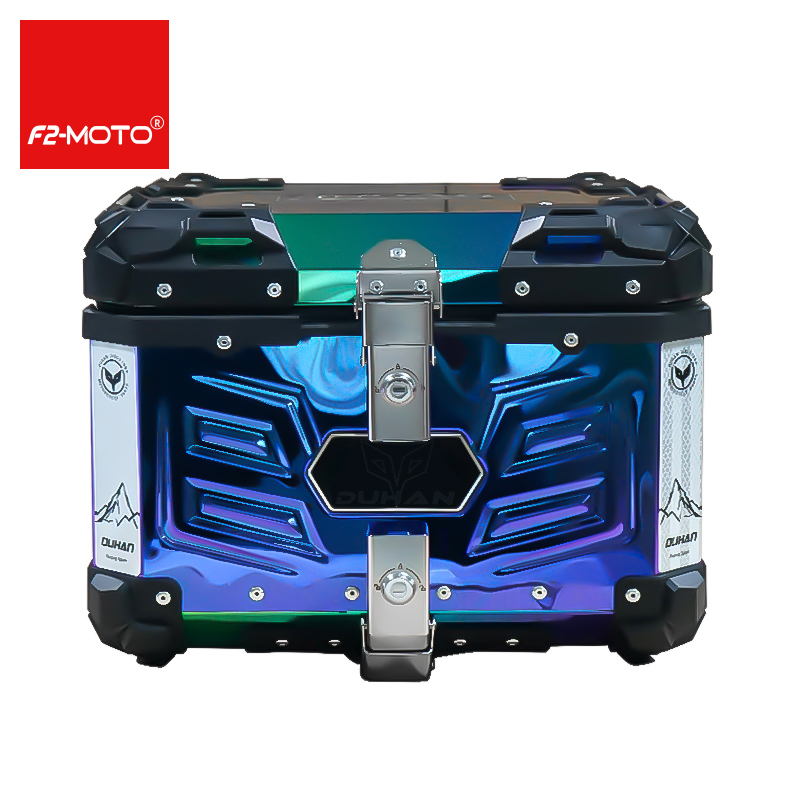
Illustrative image related to motorcycle boxes
Finally, develop a logistics plan for receiving and distributing the motorcycle boxes. Consider storage space, transportation methods, and timelines for delivery. Efficient logistics planning is crucial to maintaining inventory levels and fulfilling customer orders promptly, enhancing your overall business efficiency.
By following this checklist, you can ensure a systematic and effective approach to sourcing motorcycle boxes, ultimately leading to better purchasing decisions and stronger supplier relationships.
Understanding the cost structure of motorcycle boxes is essential for international B2B buyers looking to source these products. The primary cost components include materials, labor, manufacturing overhead, tooling, quality control (QC), logistics, and profit margins.
Materials: The choice of materials significantly impacts the overall cost. Common materials include high-density plastics, aluminum, and steel. Premium materials may offer enhanced durability and aesthetics but will also increase costs.
Labor: Labor costs vary by region and can affect the pricing structure. In regions with higher labor costs, such as Europe, production costs will be higher compared to regions like South America or parts of Africa.
Manufacturing Overhead: This includes costs related to factory maintenance, utilities, and administrative expenses. Efficient manufacturing processes can help reduce these costs, allowing suppliers to offer more competitive pricing.
Tooling: Tooling costs are incurred during the initial stages of production, especially for customized designs. Investing in quality tooling can reduce long-term costs by improving production efficiency.
Quality Control (QC): Implementing rigorous QC processes ensures that products meet safety and performance standards. While this adds to the upfront costs, it can prevent expensive returns and damage to brand reputation.
Logistics: Shipping and handling costs can vary widely based on the destination, shipping method, and Incoterms used. Understanding these factors is crucial for calculating the total landed cost.
Margin: Supplier profit margins typically range from 10% to 30%, depending on the market and competition. Buyers should consider these margins when evaluating pricing.
Several factors can influence the pricing of motorcycle boxes:
Volume/MOQ: Bulk purchases often lead to lower per-unit costs. Understanding a supplier’s minimum order quantity (MOQ) can help buyers negotiate better deals.
Specifications and Customization: Customized motorcycle boxes that require unique designs or features will typically incur higher costs. Buyers should assess whether customization is essential for their market.
Materials and Quality Certifications: Higher-quality materials and certifications (like ISO or CE) can justify premium pricing. Buyers in Europe, for example, may prioritize certifications due to stringent regulations.
Supplier Factors: The reputation and reliability of the supplier can affect pricing. Established suppliers may charge more due to their track record, while newer entrants might offer lower prices to gain market share.
Incoterms: The choice of Incoterms (such as FOB, CIF, or DDP) can significantly impact the total cost of ownership. Understanding these terms is vital for calculating the final landed cost.
To optimize sourcing strategies, B2B buyers should consider the following tips:
Negotiation: Engage in open discussions with suppliers regarding pricing, especially for bulk orders. Highlighting potential long-term partnerships can incentivize suppliers to offer better rates.
Total Cost of Ownership (TCO): Evaluate the TCO rather than just the purchase price. This includes logistics, maintenance, and potential warranty costs. A slightly higher initial price may lead to lower overall costs if the product is more durable.
Pricing Nuances for International Buyers: Different regions may have unique pricing structures due to local market conditions, tariffs, and import duties. Buyers from Africa, South America, the Middle East, and Europe should conduct thorough market research to understand these dynamics.
Stay Informed on Market Trends: Regularly monitor industry trends and competitor pricing. This knowledge can provide leverage during negotiations and help identify the best suppliers.
Consider Seasonal Demand: Prices may fluctuate based on seasonal demand. Planning purchases during off-peak times can lead to cost savings.
Prices for motorcycle boxes can vary significantly based on specifications, supplier, and market conditions. The figures presented are indicative and may not reflect current market rates. Always conduct thorough research and consult with multiple suppliers to ensure competitive pricing.
In the world of motorcycle storage solutions, motorcycle boxes stand out for their versatility and functionality. However, B2B buyers should also consider alternative solutions that may better fit specific operational needs or budgets. This analysis will compare motorcycle boxes with two viable alternatives: soft panniers and cargo nets. By examining various aspects of these options, businesses can make informed decisions on which solution will best meet their logistics and storage requirements.
| Comparison Aspect | Motorcycle Boxes | Soft Panniers | Cargo Nets |
|---|---|---|---|
| Performance | High durability and security; weather-resistant | Moderate durability; suitable for light to medium loads | Limited support; best for securing loose items |
| Cost | Higher initial investment; typically $200-$700 | Generally lower cost; ranges from $50-$300 | Very affordable; often under $100 |
| Ease of Implementation | Requires specific mounting systems; may need professional installation | Easy to attach and remove; no special tools needed | Simple to use; can be attached to various points |
| Maintenance | Low maintenance; occasional cleaning required | Moderate maintenance; may need repair or replacement over time | Minimal maintenance; regular checks for wear |
| Best Use Case | Long-distance travel, touring, and heavy loads | Urban commuting, light travel, and casual use | Quick trips, securing items for transport |
Soft panniers offer a lightweight alternative to motorcycle boxes, designed to be easily attached to the sides of a motorcycle. Their primary advantage lies in their affordability and ease of use, making them ideal for urban commuters and casual riders. However, they lack the robustness and security features of hard boxes, which can be a drawback for long-distance travelers or those carrying valuable equipment. While soft panniers can adequately handle light to medium loads, they may not provide the weather resistance and theft protection that motorcycle boxes do.
Cargo nets serve as a basic yet effective solution for securing items on a motorcycle. They are incredibly affordable and versatile, allowing for quick attachment and removal. Ideal for short trips or when carrying loose items, cargo nets can help prevent items from shifting during transit. However, they offer limited structural support and do not protect against weather conditions or theft. For businesses that require a temporary and low-cost option for securing goods, cargo nets can be a practical choice, but they are not suitable for more extensive travel needs.
Selecting the right storage solution for motorcycles depends on various factors, including the type of use, budget constraints, and desired security level. Motorcycle boxes are ideal for long-distance travel and heavy loads, providing durability and protection. In contrast, soft panniers may appeal to urban riders looking for lightweight and cost-effective options, while cargo nets offer a simple solution for securing items without the need for significant investment. B2B buyers should evaluate their specific requirements and consider the trade-offs of each solution to make an informed decision that aligns with their operational goals.
Understanding the technical specifications of motorcycle boxes is crucial for B2B buyers, especially when selecting products that meet specific operational and safety standards. Here are some essential properties to consider:
The material used in motorcycle boxes significantly impacts durability, weight, and resistance to environmental factors. Common materials include ABS plastic, aluminum, and fiberglass. ABS offers lightweight durability, while aluminum provides excellent strength and corrosion resistance. Buyers should consider the material’s suitability for their target market’s conditions, such as extreme heat or heavy rainfall.
Capacity is a critical specification, usually measured in liters, indicating how much storage space the box can provide. Typical capacities range from 30 to over 60 liters. B2B buyers must assess the anticipated load and usage scenarios to select boxes that meet their customers’ needs, whether for casual rides or long-distance touring.
Weight tolerance refers to the maximum load a motorcycle box can safely carry without compromising its structural integrity. This specification is vital for ensuring rider safety and compliance with vehicle weight limits. Buyers should confirm that the weight tolerance aligns with the motorcycle’s capacity and intended use, particularly for heavy loads.
The security of contents is a major concern for users of motorcycle boxes. Various locking mechanisms, including key locks, combination locks, or quick-release systems, are available. A robust locking mechanism not only prevents theft but also enhances user confidence. B2B buyers should consider the market’s preference for security features when sourcing products.
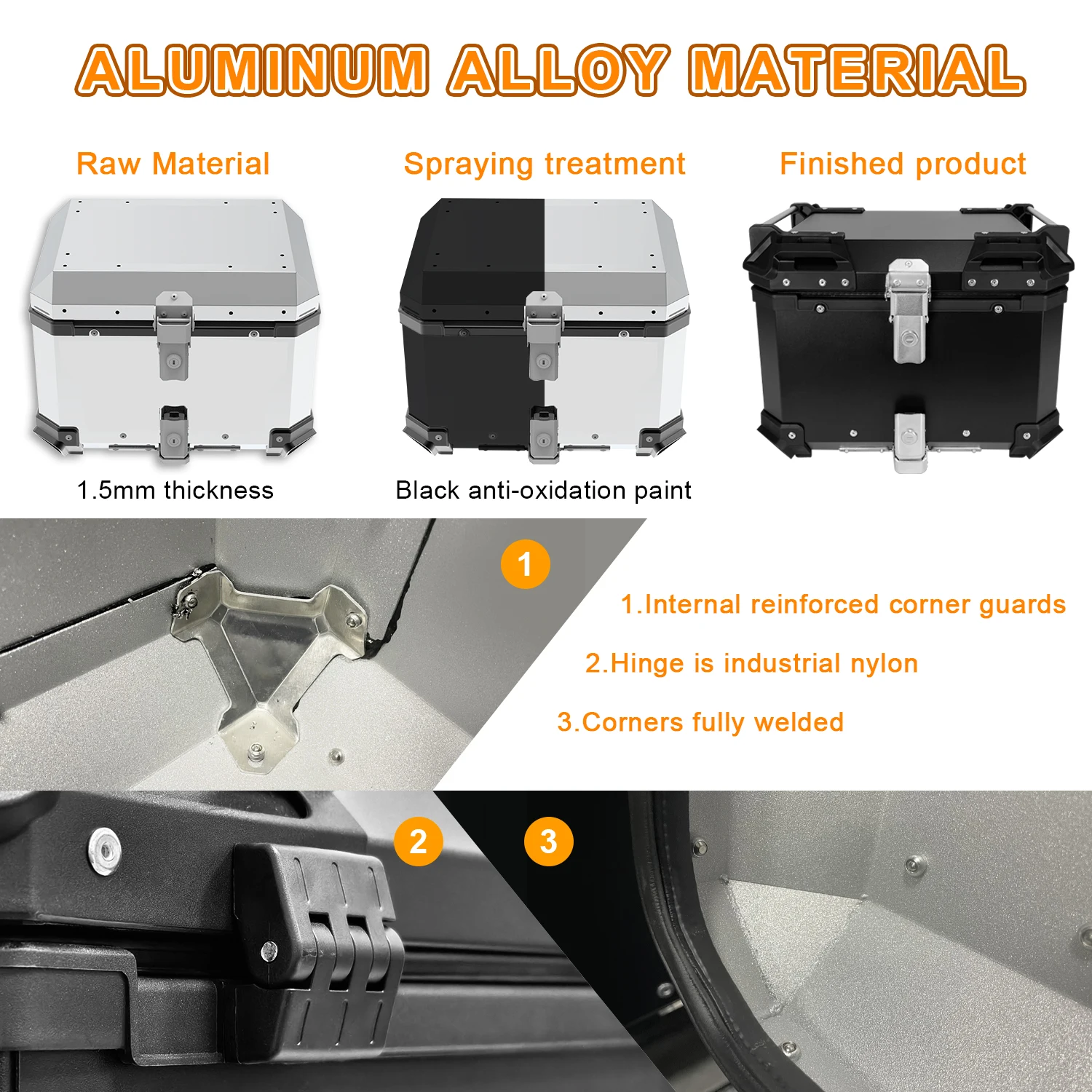
Illustrative image related to motorcycle boxes
Motorcycle boxes must protect contents from rain, dust, and UV rays. Buyers should look for boxes with weatherproof seals, drain holes, or protective coatings. Weather resistance is especially important in regions with diverse climates, ensuring that products remain functional and appealing to end-users.
Different motorcycle models require specific mounting systems. Common systems include Monokey and Monolock, which facilitate easy attachment and detachment of boxes. Understanding the compatibility of these systems helps B2B buyers ensure that the boxes they procure can be easily used across various motorcycle brands and models.
Being familiar with industry jargon can streamline communication and negotiations in the B2B marketplace. Here are some commonly used terms:
OEM refers to companies that produce parts or products that are used in another company’s end product. In the motorcycle box industry, this could involve manufacturers who supply boxes for brands that sell them under their name. Understanding OEM relationships can help buyers identify reliable suppliers and ensure product quality.
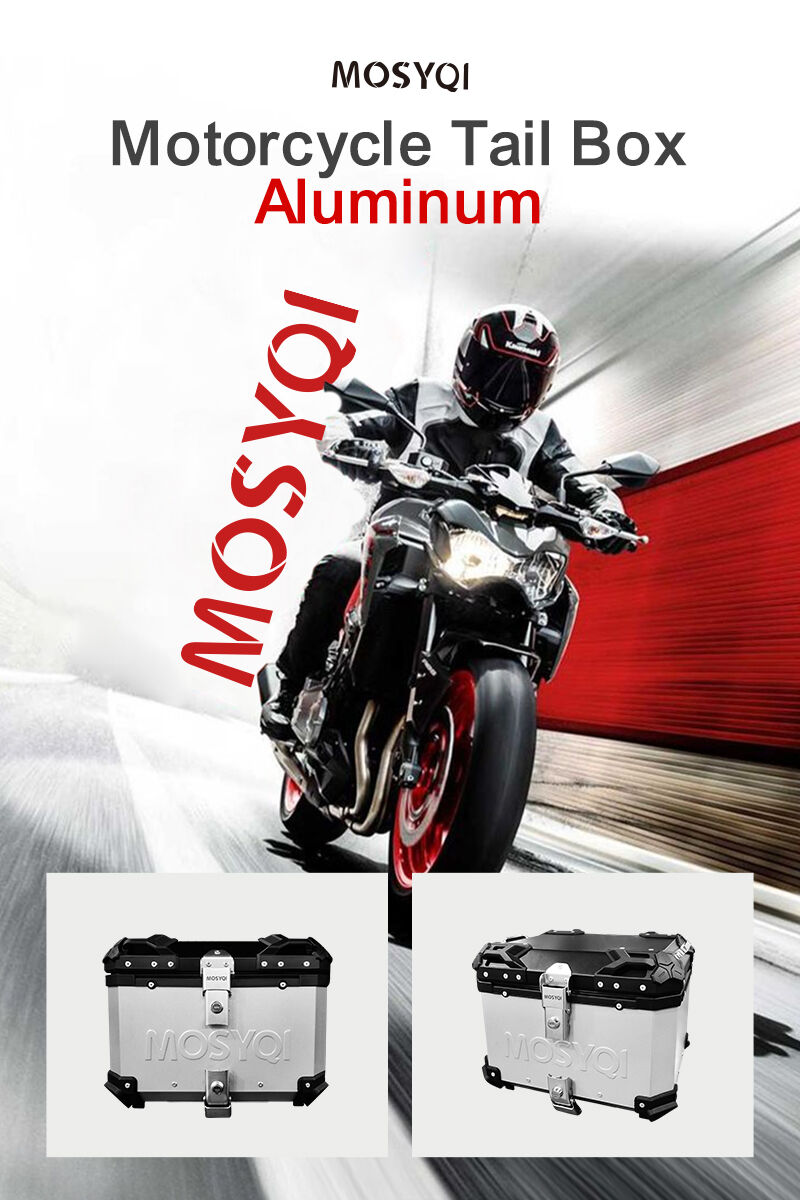
Illustrative image related to motorcycle boxes
MOQ indicates the smallest quantity of a product that a supplier is willing to sell. This term is crucial for B2B buyers as it can affect inventory management and cash flow. Knowing the MOQ helps businesses plan their purchases and budget effectively, particularly when entering new markets.
An RFQ is a standard business process used to invite suppliers to bid on specific products or services. For motorcycle boxes, an RFQ typically includes details about specifications, quantities, and delivery timelines. This process allows buyers to compare prices and terms from multiple suppliers, ensuring competitive purchasing decisions.
Incoterms are a set of rules that define the responsibilities of buyers and sellers in international trade. They clarify issues such as shipping costs, risk, and liability during transit. Familiarity with Incoterms is essential for B2B buyers involved in cross-border transactions, as it affects overall cost calculations and delivery expectations.
Illustrative image related to motorcycle boxes
Lead time is the duration between placing an order and receiving the product. This timeframe can vary significantly based on factors like production schedules and shipping methods. Understanding lead times helps B2B buyers manage their inventory and customer expectations effectively.
A warranty is a guarantee provided by the manufacturer regarding the condition of the product. It typically covers defects and may include terms for repair or replacement. Buyers should carefully evaluate warranty terms to ensure they align with their quality assurance strategies and customer satisfaction goals.
By mastering these technical properties and trade terms, B2B buyers can make informed decisions when sourcing motorcycle boxes, ultimately enhancing their competitive edge in the market.
Global drivers in the motorcycle boxes market are increasingly influenced by the growth of the motorcycle industry, which is driven by rising disposable incomes, urbanization, and a growing interest in adventure tourism. As more individuals seek to explore their surroundings on two wheels, the demand for practical and stylish storage solutions has surged. Additionally, technological advancements, such as lightweight materials and improved locking mechanisms, are shaping product offerings and enhancing safety features, making them more appealing to consumers.
Emerging B2B tech trends include the integration of smart technologies into motorcycle boxes. Features such as GPS tracking, anti-theft alarms, and compatibility with mobile applications are becoming more prevalent, catering to tech-savvy riders. For international buyers, particularly in regions like Africa and South America, understanding local preferences and customizing products to meet these needs can be a significant competitive advantage. Furthermore, the rise of e-commerce platforms facilitates easier access to a broader range of products, allowing buyers to source motorcycle boxes from various manufacturers worldwide.
As environmental concerns become more pronounced, sustainability and ethical sourcing are gaining traction in the motorcycle boxes sector. Manufacturers are increasingly aware of their environmental footprint and are actively seeking ways to minimize it. This includes adopting eco-friendly materials, such as recycled plastics and sustainably sourced metals, which not only reduce waste but also appeal to environmentally conscious consumers.
The importance of ethical supply chains cannot be overstated. Buyers are now more inclined to partner with manufacturers that demonstrate transparency in their sourcing practices and adhere to fair labor standards. Certifications such as ISO 14001 (Environmental Management) and Fair Trade can significantly enhance a company’s reputation and marketability. By prioritizing sustainable practices, B2B buyers can not only meet regulatory requirements but also differentiate themselves in a competitive marketplace.
The evolution of motorcycle boxes dates back to the early 20th century when motorcycle enthusiasts began to seek practical solutions for carrying personal items. Initially, these storage solutions were rudimentary and made from leather or metal, designed primarily for functionality rather than aesthetics. Over time, advancements in materials and manufacturing processes led to the development of more sophisticated designs, including hard-shell cases and integrated locking systems.
In recent decades, the focus has shifted towards customization and user experience, with manufacturers offering a variety of sizes, colors, and styles to cater to diverse consumer preferences. Today, motorcycle boxes are not just functional accessories but essential components of the motorcycle lifestyle, reflecting the rider’s personality and enhancing their overall experience on the road. This evolution has opened up numerous opportunities for B2B buyers to source innovative products that meet the changing demands of the market.
1. How do I choose the right motorcycle box for my business needs?
Selecting the right motorcycle box involves assessing your specific requirements such as size, weight capacity, and intended use. Consider the types of motorcycles your customers own, as well as the typical cargo they transport. Additionally, evaluate the material and durability based on local climate conditions. It’s also advisable to review product specifications from suppliers to ensure compatibility with various motorcycle models, and to request samples if possible to assess quality firsthand.
2. What are the key features to look for in a motorcycle box?
When evaluating motorcycle boxes, focus on features such as waterproofing, security mechanisms (locks), weight capacity, and ease of installation. Adjustable mounting systems can be beneficial for diverse motorcycle types. Additionally, consider boxes with integrated reflectors or lights for enhanced visibility and safety. Customizable options, such as branding possibilities and color selections, can also be appealing to B2B buyers looking to differentiate their offerings.
3. What is the minimum order quantity (MOQ) for motorcycle boxes?
MOQs vary significantly between manufacturers and can depend on factors like material type, production capacity, and customization options. Typically, MOQs can range from 50 to several hundred units. It’s essential to discuss your requirements with potential suppliers to understand their MOQ policies. If your order is below the MOQ, inquire about the possibility of combining orders with other buyers or seeking a manufacturer willing to accommodate smaller orders.
4. How can I vet suppliers of motorcycle boxes effectively?
To vet suppliers, start by researching their industry reputation through reviews and testimonials from other B2B buyers. Check for certifications that demonstrate compliance with international quality standards. Request references and assess their production capabilities through factory visits or virtual tours. Evaluate their responsiveness and communication skills, as these are indicative of their reliability and customer service. Finally, compare pricing and terms with multiple suppliers to ensure you receive a fair deal.
5. What payment terms should I expect when sourcing motorcycle boxes?
Payment terms vary widely among suppliers and can include options such as upfront payments, net 30/60/90 days, or letters of credit for larger orders. Commonly, suppliers may require a deposit (often 30-50%) before production begins, with the balance due upon shipment or delivery. It’s crucial to clarify these terms upfront to avoid misunderstandings. Additionally, consider secure payment methods that provide buyer protection, especially for international transactions.
6. How do I ensure quality assurance for motorcycle boxes?
Implementing a quality assurance process involves establishing clear specifications and standards with your supplier before production. Request samples for initial quality checks and consider third-party inspection services to evaluate production quality before shipment. Regular communication with the supplier throughout the manufacturing process can help address any potential issues early. Additionally, ensure that the supplier has a robust return policy in case the products do not meet your expectations upon delivery.
7. What logistics considerations should I keep in mind when importing motorcycle boxes?
When importing motorcycle boxes, consider factors like shipping methods, customs regulations, and potential tariffs. Choose a reliable freight forwarder familiar with international shipping to manage logistics effectively. It’s essential to understand the lead times for production and shipping to align with your inventory needs. Additionally, factor in insurance for your shipment to mitigate risks associated with loss or damage during transit.
8. Can I customize motorcycle boxes with my branding?
Yes, many manufacturers offer customization options, including colors, logos, and additional features tailored to your brand. Customization can enhance brand visibility and appeal to your target market. Discuss your branding requirements with potential suppliers early in the negotiation process to understand the available options, associated costs, and lead times for customized orders. Be sure to request mock-ups or samples to ensure the final product meets your expectations.
Domain: giviusa.com
Registered: 2000 (25 years)
Introduction: This company, GIVI – Monokey Cases, is a notable entity in the market. For specific product details, it is recommended to visit their website directly.
Domain: cyclegear.com
Registered: 1996 (29 years)
Introduction: This company, Cycle Gear – Top Cases, is a notable entity in the market. For specific product details, it is recommended to visit their website directly.
Domain: revzilla.com
Registered: 2006 (19 years)
Introduction: This company, Givi – V47 Monokey Top Case, is a notable entity in the market. For specific product details, it is recommended to visit their website directly.
Domain: ebay.com
Registered: 1995 (30 years)
Introduction: Motorcycle & Scooter Luggage, Racks & Storage for sale on eBay includes various categories such as Saddlebags & Panniers, Luggage Racks, Top Boxes & Tail Bags, Tank Bags & Flanges, and Onboard Tool Bags & Repair Kits. Brands available include TCMT, Harley-Davidson, GIVI, and Honda. Related searches include Motorcycle Storage, Motorcycle Luggage, Motorcycle Trunk Organizer, and Motorcycle Rear Rack…
Domain: touratech-usa.com
Registered: 2001 (24 years)
Introduction: Motorcycle Panniers & Luggage, Categories: Panniers, Bags & Luggage, Pannier Systems, Topcase Systems, Tank & Tail Bags, Pannier, Topcase, & Luggage Racks, Individual Panniers & Topcases, Pannier Accessories, Straps & Tie-Downs, Duffle & Dry Bags, Mounting Kits & Spares. Compatible Brands: BMW, KTM, Triumph, Honda, Yamaha, Aprilia, Harley-Davidson, Suzuki, Kawasaki, Ducati, Husqvarna, Indian. Spec…
Domain: moskomoto.com
Registered: 2013 (12 years)
Introduction: Motorcycle Luggage | Mosko Moto SALE! 15 – 30% OFF Free Shipping On Orders Over $200 USD
As the motorcycle box market continues to evolve, strategic sourcing emerges as a pivotal factor for international B2B buyers looking to optimize their supply chains. By focusing on quality, capacity, and compatibility with various motorcycle models, buyers can ensure they meet the diverse needs of their customer base across Africa, South America, the Middle East, and Europe.
Key takeaways include the importance of evaluating suppliers for reliability and innovation, particularly as brands like GIVI and SHAD offer advanced solutions that enhance both functionality and style. Additionally, understanding regional preferences and pricing dynamics can lead to better negotiation outcomes and inventory management.
Looking ahead, the demand for motorcycle boxes is expected to rise, driven by increased motorcycle usage and tourism. This presents a unique opportunity for B2B buyers to invest in high-quality products that not only satisfy market needs but also contribute to sustainable business growth. Engage with reputable suppliers, leverage market insights, and position your business to capitalize on the burgeoning opportunities within the motorcycle accessory sector. Embrace the future of motorcycle boxes and ensure your sourcing strategies are aligned with industry trends for maximum impact.
The information provided in this guide, including content regarding manufacturers, technical specifications, and market analysis, is for informational and educational purposes only. It does not constitute professional procurement advice, financial advice, or legal advice.
While we have made every effort to ensure the accuracy and timeliness of the information, we are not responsible for any errors, omissions, or outdated information. Market conditions, company details, and technical standards are subject to change.
B2B buyers must conduct their own independent and thorough due diligence before making any purchasing decisions. This includes contacting suppliers directly, verifying certifications, requesting samples, and seeking professional consultation. The risk of relying on any information in this guide is borne solely by the reader.


 English
  Russian
  Spanish
  Italian
  Arabic
  Portuguese
  German