
In an increasingly mobile world, sourcing reliable portable tire pumps for cars has become a crucial consideration for businesses operating across diverse landscapes. The ability to maintain optimal tire pressure not only enhances vehicle performance but also contributes to safety and fuel efficiency. However, navigating the vast array of products available on the market can be daunting, particularly for international B2B buyers from regions such as Africa, South America, the Middle East, and Europe, including countries like Saudi Arabia and Vietnam.
This comprehensive guide aims to demystify the process of selecting the right portable tire pump by exploring various types, their applications, and essential features to consider. Buyers will find valuable insights on supplier vetting, allowing them to identify trustworthy manufacturers and distributors. Additionally, this guide delves into cost considerations, helping businesses understand pricing structures and value propositions in different markets.
By equipping B2B buyers with critical knowledge and actionable strategies, this guide empowers informed purchasing decisions. Whether you are seeking compact inflators for personal vehicles or robust pumps for commercial fleets, understanding the nuances of portable tire pumps will help enhance operational efficiency and ensure a smoother journey for your business.
| Type Name | Key Distinguishing Features | Primary B2B Applications | Brief Pros & Cons for Buyers |
|---|---|---|---|
| Cordless Tire Inflators | Battery-operated, portable, often with preset pressure settings | Automotive repair shops, roadside assistance | Pros: Highly portable, quick inflation; Cons: Limited battery life, may need recharging. |
| 12V Plug-In Tire Inflators | Connects to vehicle’s 12V power outlet, often compact design | Fleet maintenance, personal vehicle use | Pros: Convenient for vehicle owners; Cons: Limited reach if vehicle is not nearby. |
| Heavy-Duty Tire Inflators | High PSI capability, robust construction, often with clamps | Off-road vehicle services, truck fleets | Pros: Fast inflation for large tires; Cons: Bulky, requires battery access. |
| Ultra-Compact Tire Inflators | Small size, lightweight, often USB rechargeable | Emergency kits, motorcycle maintenance | Pros: Easy to store, versatile for various inflatables; Cons: Slower inflation rate. |
| Digital Tire Inflators | Integrated digital pressure gauges, automatic shut-off features | Automotive retail, car rental services | Pros: Accurate readings, convenient operation; Cons: Higher price point, potential for digital failure. |
Cordless tire inflators are battery-operated units designed for maximum portability. They typically feature preset pressure settings for ease of use and can inflate multiple tires on a single charge. This type is ideal for automotive repair shops and roadside assistance services, where quick and efficient service is crucial. When purchasing, consider the battery life and the number of tires it can inflate before needing a recharge.
12V plug-in tire inflators connect directly to a vehicle’s power outlet, making them a convenient option for personal vehicle use or fleet maintenance. Their compact design allows for easy storage in a glove compartment. However, their effectiveness is limited by the proximity to the vehicle’s power source. Buyers should evaluate the inflator’s reach and compatibility with different vehicle models.
Heavy-duty tire inflators are designed for high-pressure applications, making them suitable for off-road vehicles and trucks with larger tires. They typically feature robust construction and can inflate tires quickly, which is essential for services dealing with heavy machinery. However, they tend to be bulkier and require direct battery access, so businesses must assess the balance between power and portability.
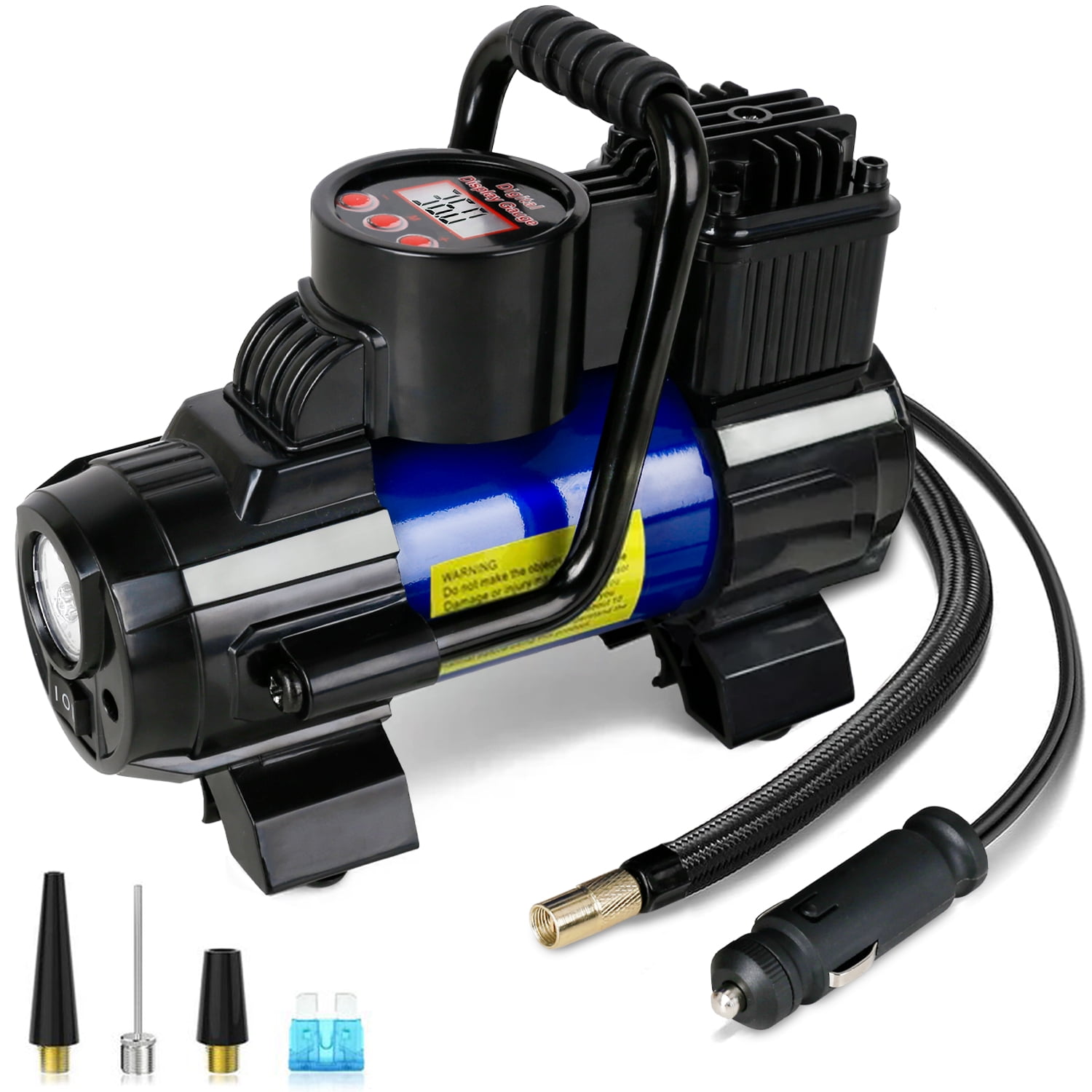
Illustrative image related to portable tire pump for cars
Ultra-compact tire inflators are lightweight and designed for emergency situations. These devices can easily fit into a backpack or emergency kit, making them perfect for motorcycle maintenance or personal use. While they are convenient and versatile, they often have slower inflation rates. B2B buyers should consider the trade-off between portability and performance when selecting these inflators.
Digital tire inflators come equipped with integrated digital pressure gauges and automatic shut-off features, providing a high level of accuracy and convenience. They are particularly beneficial for automotive retail and car rental services where precise tire pressure is essential. Although they may come at a higher price point, the advantages of user-friendly operation and reliability can justify the investment. Buyers should weigh the potential for digital failure against the benefits of enhanced accuracy.
| Industry/Sector | Specific Application of Portable Tire Pump for Cars | Value/Benefit for the Business | Key Sourcing Considerations for this Application |
|---|---|---|---|
| Automotive Repair Services | Quick tire inflation for customer vehicles | Reduces wait times, enhances customer satisfaction | Reliability, ease of use, and portability are crucial factors. |
| Transportation & Logistics | On-the-road tire maintenance for fleets | Minimizes downtime and maintenance costs | Durability and battery life are key for long-haul applications. |
| Car Rental Agencies | Emergency tire inflation for rental vehicles | Improves vehicle readiness and customer confidence | Compact size and multiple power options are essential. |
| Agricultural Equipment | Tire maintenance for farm vehicles and machinery | Ensures operational efficiency and reduces tire-related delays | High-pressure capabilities and rugged construction are important. |
| Construction & Heavy Industry | Tire inflation for construction vehicles and equipment | Enhances productivity by minimizing equipment downtime | Heavy-duty performance and reliability in harsh conditions are vital. |
In automotive repair services, portable tire pumps serve as essential tools for quick tire inflation, allowing mechanics to efficiently service customer vehicles. By providing rapid inflation, these pumps reduce wait times, leading to increased customer satisfaction and repeat business. B2B buyers in this sector should prioritize reliability and ease of use, ensuring that the inflators can withstand frequent use while maintaining accuracy in pressure settings.
In the transportation and logistics industry, portable tire pumps are invaluable for on-the-road tire maintenance, especially for fleet vehicles. They minimize downtime and associated maintenance costs by enabling drivers to address tire issues promptly. For international buyers, particularly in regions with varying road conditions, sourcing durable pumps with long battery life is crucial to ensure they can withstand the demands of long-haul travel.
Car rental agencies can utilize portable tire pumps to provide emergency inflation for their rental vehicles, enhancing vehicle readiness for customers. This capability not only improves customer confidence but also reduces the likelihood of roadside emergencies. Buyers in this sector should focus on compact models with multiple power options, ensuring the pumps can be easily stored in vehicles while remaining accessible for quick use.
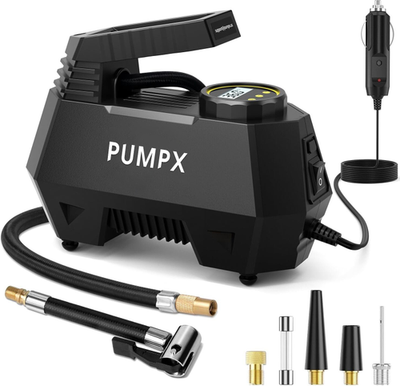
Illustrative image related to portable tire pump for cars
In agricultural settings, portable tire pumps are essential for maintaining the tires of farm vehicles and machinery. Regular tire maintenance ensures operational efficiency and minimizes delays caused by tire issues during critical farming periods. Buyers in this sector should seek pumps with high-pressure capabilities and rugged construction to withstand harsh outdoor conditions and heavy usage.
For the construction and heavy industry, portable tire pumps facilitate tire inflation for various vehicles and equipment, significantly enhancing productivity. By reducing equipment downtime due to tire issues, these pumps contribute to smoother operations on job sites. B2B buyers must prioritize sourcing heavy-duty inflators that can reliably perform under tough conditions, ensuring they meet the rigorous demands of construction environments.
The Problem: B2B buyers often face challenges in ensuring that the portable tire pumps they source meet consistent quality and performance standards. This is particularly critical for businesses in logistics and transportation, where reliability is paramount. An unreliable tire pump can lead to increased downtime, compromised safety, and dissatisfaction among end-users, impacting overall operational efficiency.
The Solution: To mitigate this issue, it’s essential to establish a robust supplier evaluation process. Buyers should prioritize sourcing from manufacturers with a proven track record of quality assurance and compliance with international standards. Requesting samples for testing can help assess the performance of the pump under various conditions. Additionally, it is advisable to seek products with comprehensive warranties and after-sales support. This ensures that any performance issues can be addressed promptly, maintaining operational integrity.
The Problem: In international markets, especially across regions like Africa and the Middle East, the diversity in vehicle types and tire specifications poses a significant challenge for B2B buyers. A one-size-fits-all approach often leads to inadequate solutions, where a portable tire pump may not meet the specific needs of heavy-duty vehicles or smaller passenger cars. This mismatch can result in wasted investments and dissatisfied customers.
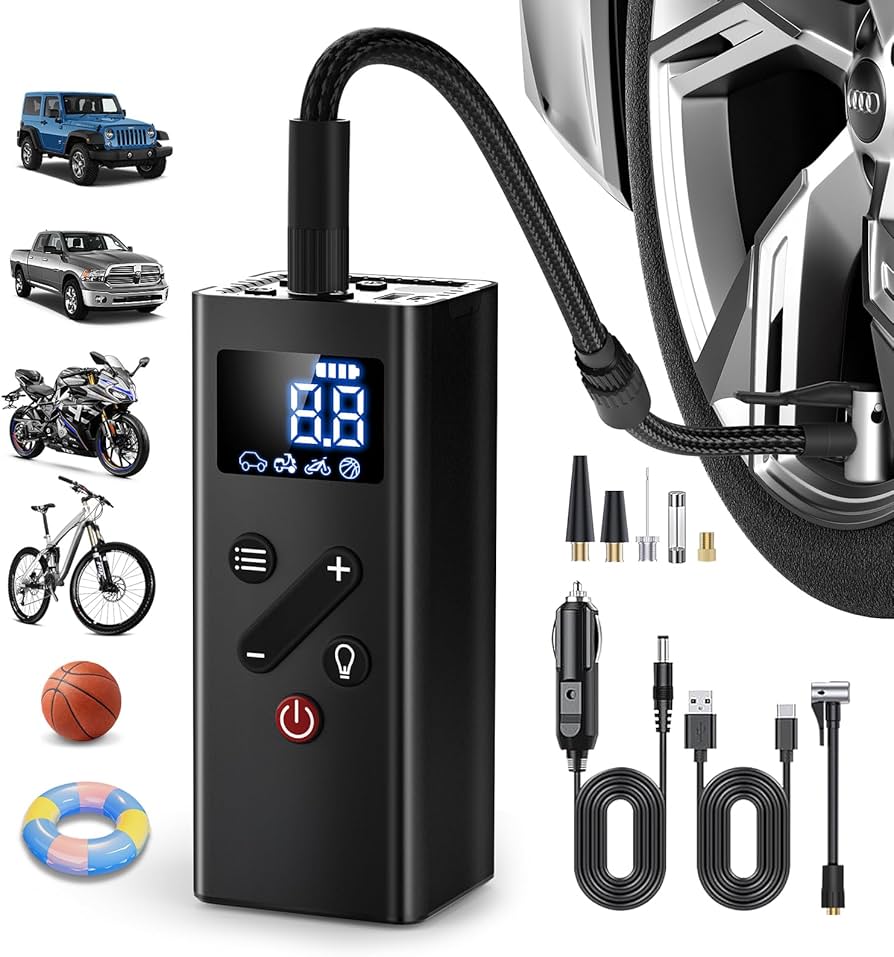
Illustrative image related to portable tire pump for cars
The Solution: To effectively navigate these diverse market needs, buyers should conduct thorough market research to identify the specific requirements of different vehicle categories prevalent in their target regions. Sourcing a versatile range of tire pumps that cater to various tire sizes and inflation pressures is crucial. Buyers should also consider portable tire pumps with adjustable pressure settings and multiple adapters for various applications. Collaborating with local distributors who understand regional preferences can further enhance product alignment with market demands.
The Problem: Many portable tire pumps are not user-friendly, leading to frustration among users, particularly those who are less technically savvy. Complicated operation procedures can deter end-users from effectively utilizing these tools, increasing the likelihood of improper use and potential damage to the product or vehicle. This issue is exacerbated in markets where consumers may lack familiarity with advanced technological features.
The Solution: Buyers should prioritize sourcing portable tire pumps that emphasize user experience through intuitive design and clear instructions. Selecting models with digital pressure gauges, automatic shut-off features, and straightforward operation can significantly enhance usability. Providing training materials or resources, such as video tutorials or user manuals in multiple languages, can also help end-users become more comfortable with the equipment. This proactive approach not only improves customer satisfaction but also reduces the likelihood of product misuse, fostering a more positive user experience.
When selecting materials for portable tire pumps, it is essential to consider their properties, durability, and suitability for various applications. Here, we analyze four common materials used in the manufacturing of portable tire pumps: plastic, aluminum, steel, and rubber.
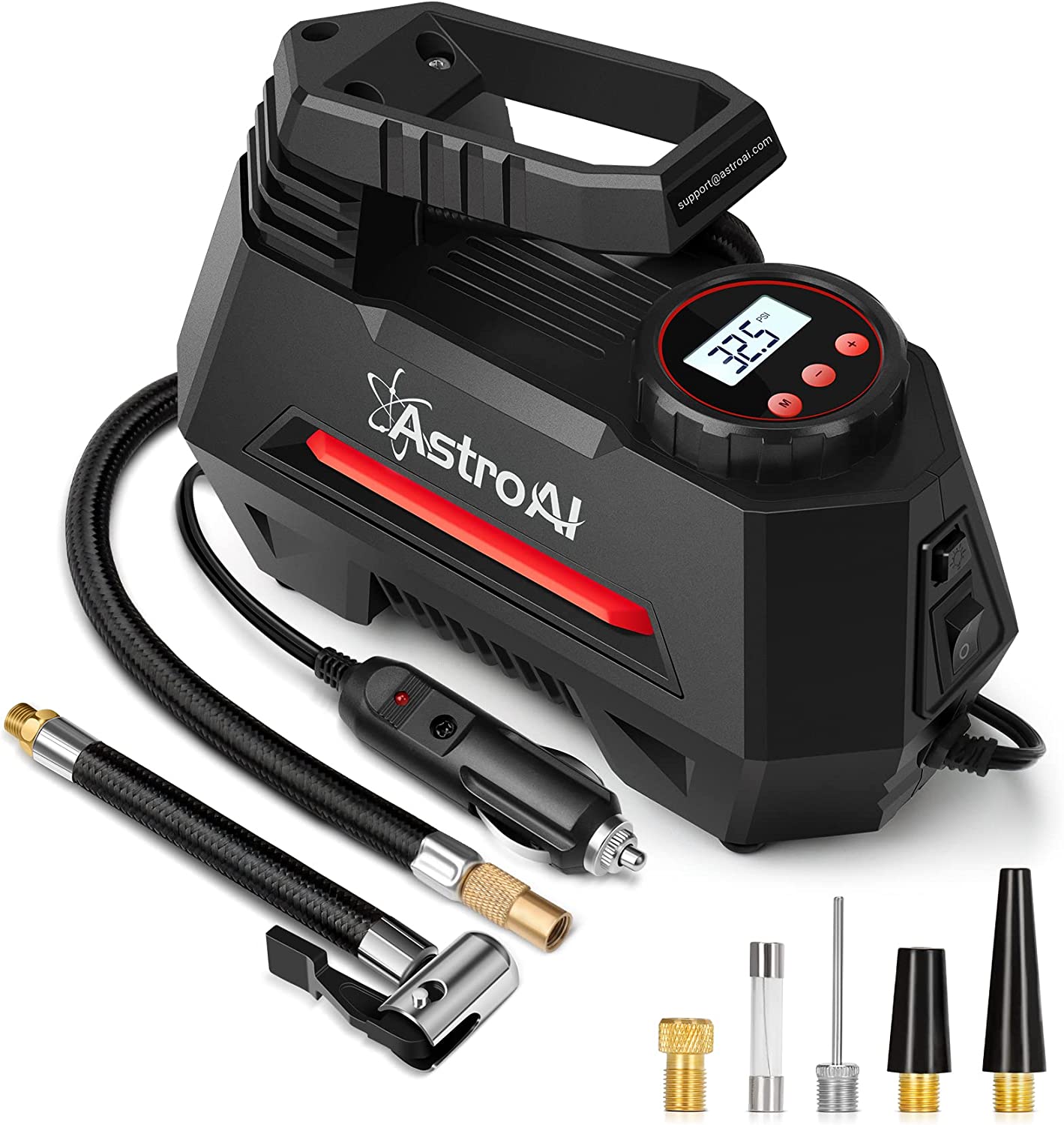
Illustrative image related to portable tire pump for cars
Plastic is widely used in portable tire pumps due to its lightweight nature and resistance to corrosion. Key properties include a moderate temperature rating and good pressure resistance, making it suitable for various operating conditions.
Pros: Plastic is cost-effective and easy to mold into complex shapes, allowing for innovative designs. It is also resistant to rust and corrosion, which is beneficial in humid or wet environments.
Cons: However, plastic can be less durable than metals, particularly in extreme temperatures or under high pressure. It may also be less suitable for heavy-duty applications where strength is paramount.
Impact on Application: Plastic is compatible with air and non-corrosive gases, making it ideal for standard tire inflation. However, it may not withstand exposure to certain chemicals or high temperatures.
Considerations for International Buyers: Buyers should ensure compliance with international standards such as ASTM for materials used in tire pumps. In regions with high humidity, such as parts of Africa and South America, selecting high-grade plastics that resist degradation is crucial.
Aluminum is another popular material due to its excellent strength-to-weight ratio and corrosion resistance. It typically withstands higher temperatures and pressures compared to plastic.
Pros: Aluminum is lightweight and durable, making it ideal for portable applications. It is also resistant to corrosion, which is beneficial for users in coastal or humid environments.
Cons: The manufacturing process for aluminum can be more complex and costly than for plastics. Additionally, while it is durable, it may not be as strong as steel under extreme conditions.
Impact on Application: Aluminum is suitable for both air and liquid applications, providing versatility. It can handle higher pressures, making it suitable for heavy-duty tire pumps.
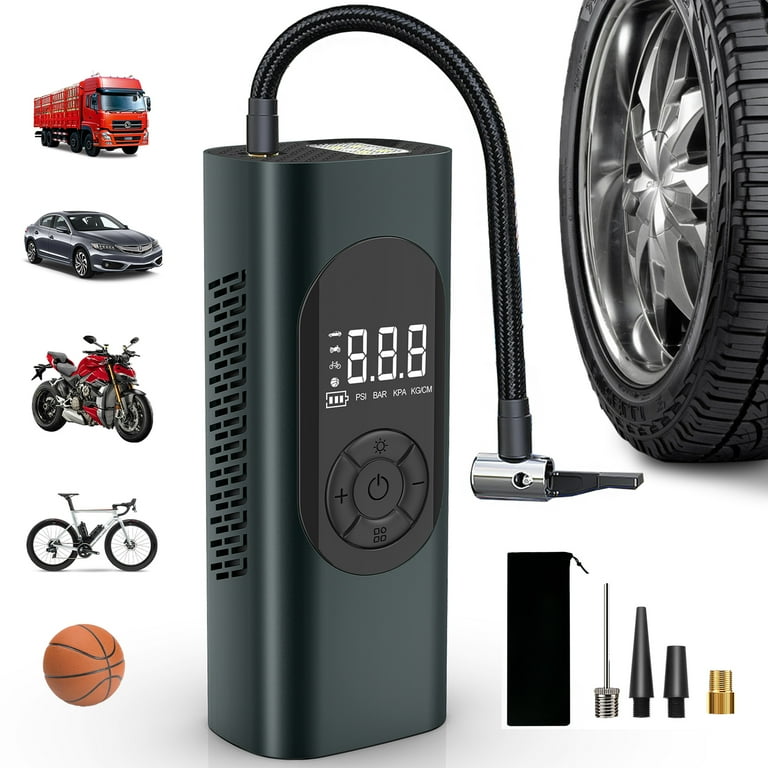
Illustrative image related to portable tire pump for cars
Considerations for International Buyers: Compliance with standards such as DIN or JIS is essential for aluminum components. Buyers in Europe and the Middle East should also consider the availability of aluminum recycling programs to enhance sustainability.
Steel is known for its exceptional strength and durability, making it a preferred choice for heavy-duty tire pumps. It has high temperature and pressure ratings, ensuring reliable performance.
Pros: Steel’s durability makes it ideal for industrial applications where pumps face significant wear and tear. It can handle extreme conditions and is generally more robust than aluminum.
Cons: The primary drawback of steel is its weight, which can affect portability. Additionally, steel is susceptible to rust and corrosion unless properly treated or coated.
Impact on Application: Steel is suitable for high-pressure applications and can be used with various media, including air and other gases. However, it may require additional protective coatings for use in humid environments.
Considerations for International Buyers: Buyers should be aware of corrosion resistance standards, especially in regions like the Middle East, where humidity can be high. Ensuring compliance with ASTM standards for steel quality is also crucial.
Rubber is primarily used for seals and hoses in portable tire pumps. Its elasticity and ability to withstand pressure make it essential for maintaining airtight seals.
Pros: Rubber is flexible and provides excellent sealing capabilities, which is vital for preventing air leaks. It is also resistant to wear and tear, enhancing the longevity of the pump.
Cons: Rubber can degrade over time, especially when exposed to extreme temperatures or certain chemicals. It may require regular replacement to maintain optimal performance.
Impact on Application: Rubber is compatible with air and non-corrosive gases, making it ideal for tire inflation. However, its longevity can be impacted by environmental factors.
Considerations for International Buyers: Buyers should consider the type of rubber used, ensuring it meets international standards for durability and temperature resistance. In regions with high UV exposure, such as parts of Africa, selecting UV-resistant rubber is essential.
| Material | Typical Use Case for portable tire pump for cars | Key Advantage | Key Disadvantage/Limitation | Relative Cost (Low/Med/High) |
|---|---|---|---|---|
| Plastic | Lightweight pumps for everyday use | Corrosion-resistant and cost-effective | Less durable under extreme conditions | Low |
| Aluminum | Portable heavy-duty pumps | Strong and lightweight | More expensive and complex to manufacture | Medium |
| Steel | Industrial-grade pumps for high pressure | Exceptional durability and strength | Heavy and prone to corrosion | High |
| Rubber | Seals and hoses in pumps | Excellent sealing and flexibility | Degrades over time with exposure | Low |
This analysis provides B2B buyers with insights into material selection for portable tire pumps, enabling informed decisions based on performance, cost, and regional considerations.
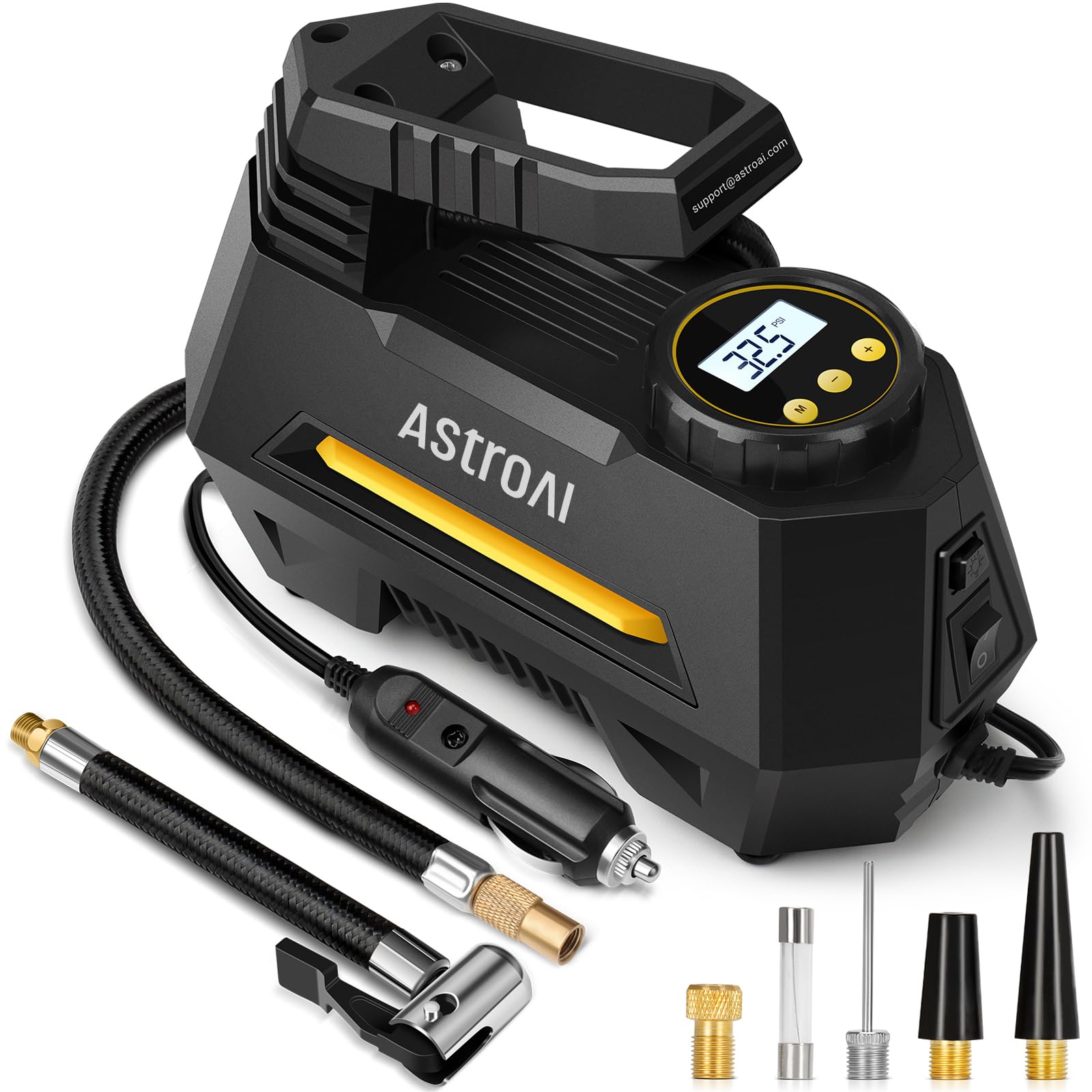
Illustrative image related to portable tire pump for cars
The manufacturing process of portable tire pumps for cars typically involves several critical stages: material preparation, forming, assembly, and finishing. Each stage is essential in ensuring the product meets the quality standards expected by international B2B buyers.
Material Preparation
The process begins with selecting high-quality materials, which often include durable plastics, metals like aluminum or steel, and rubber for seals. Suppliers should provide Material Safety Data Sheets (MSDS) to ensure compliance with safety and environmental regulations. Material inspection is vital, and incoming quality control (IQC) checks are typically performed to confirm that materials meet specified requirements.
Forming
In this stage, raw materials are transformed into specific components. Techniques like injection molding for plastic parts, stamping for metal components, and extrusion for hoses are commonly used. Precision is key; thus, manufacturers often utilize Computer Numerical Control (CNC) machines to achieve tight tolerances. This is crucial for components like pressure gauges, which must provide accurate readings for effective tire inflation.
Assembly
After forming, the components are assembled into the final product. This stage may involve manual assembly or the use of automated systems, depending on the scale of production. Quality checks during assembly, known as in-process quality control (IPQC), ensure that each unit is assembled correctly and functions as intended. For example, the integration of electrical components, such as rechargeable batteries or pressure sensors, must be meticulously handled to ensure safety and reliability.
Finishing
The final stage includes surface treatment, painting, and packaging. Aesthetic aspects, such as branding and user-friendly design, are considered to enhance market appeal. Additional testing, including functional tests and safety assessments, is performed during this phase to confirm that the product meets operational standards.
Quality assurance (QA) is a critical aspect of the manufacturing process for portable tire pumps. International standards, such as ISO 9001, provide a framework for establishing a quality management system that manufacturers can adhere to.
What International Standards Should Buyers Be Aware Of?
In addition to ISO 9001, manufacturers often comply with industry-specific certifications such as CE marking for products sold in Europe and API standards for performance and safety. These certifications ensure that the products meet regulatory and safety requirements in their target markets.
What Are the Key Quality Control Checkpoints?
Quality control checkpoints are integrated throughout the manufacturing process. Key stages include:
– Incoming Quality Control (IQC): Inspecting materials upon arrival to confirm compliance with specifications.
– In-Process Quality Control (IPQC): Monitoring the assembly process to detect defects in real-time, allowing for immediate corrective actions.
– Final Quality Control (FQC): Conducting thorough inspections and tests on finished products to ensure they meet performance standards before shipment.
What Common Testing Methods Are Utilized?
Manufacturers typically employ several testing methods, including:
– Functional Testing: Verifying that the pump operates correctly under various conditions.
– Pressure Testing: Ensuring the pump can achieve and maintain specified pressures without leaks.
– Durability Testing: Simulating real-world usage to assess the longevity and reliability of the product.
B2B buyers must take proactive steps to verify the quality control processes of suppliers to ensure they receive high-quality products.
Conducting Audits
Regular audits of manufacturing facilities can provide insight into the effectiveness of quality management systems. Buyers should request audit reports, which may include evaluations of the production process, employee training, and adherence to international standards.
Reviewing Quality Control Reports
Requesting detailed quality control reports can help buyers understand the frequency and outcomes of quality checks. These reports should outline any issues encountered during production and the steps taken to address them.
Utilizing Third-Party Inspections
Engaging third-party inspection services can provide an unbiased assessment of a manufacturer’s quality practices. These inspectors can perform checks at various stages of the manufacturing process, ensuring compliance with industry standards and buyer specifications.
For international buyers, especially those from regions like Africa, South America, the Middle East, and Europe, understanding the nuances of quality control is vital.
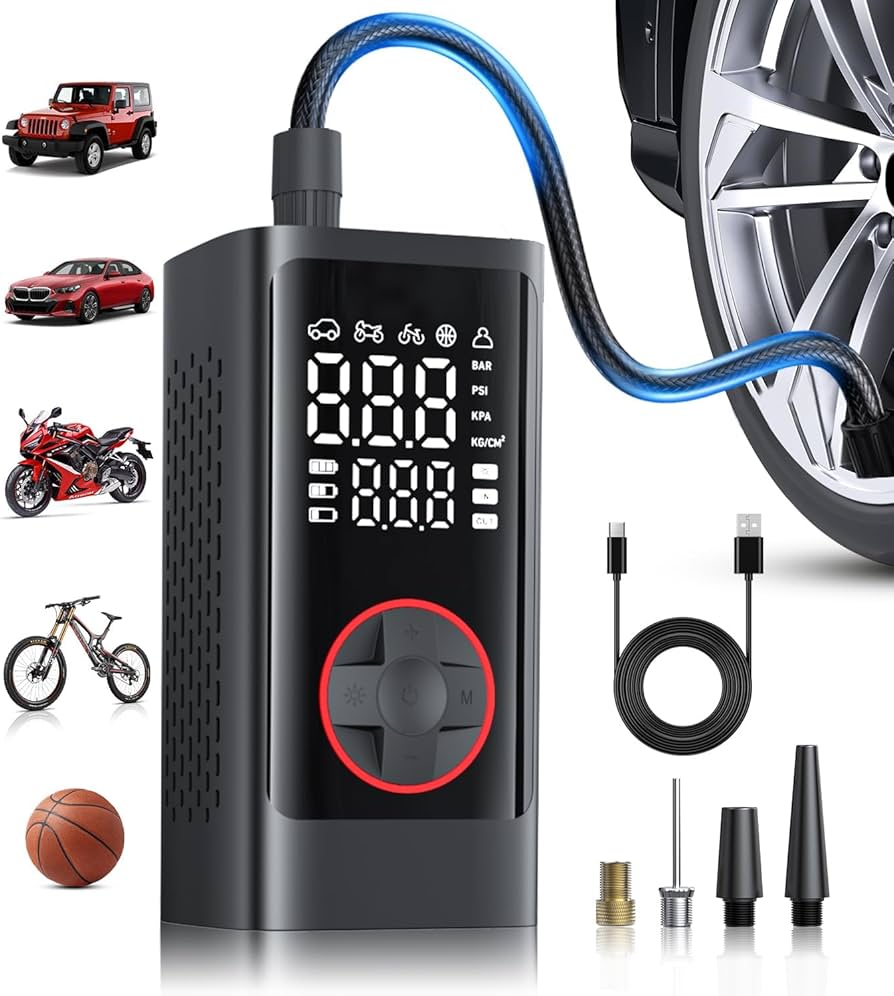
Illustrative image related to portable tire pump for cars
Cultural and Regulatory Differences
Different regions may have varying expectations regarding product quality and safety. Buyers should familiarize themselves with local regulations and standards that may impact their purchasing decisions. For example, compliance with EU regulations is critical for products entering European markets.
Logistical Considerations
The logistics of transporting products across borders can affect quality. Buyers should ensure that manufacturers have robust packaging and shipping processes to minimize damage during transit. Additionally, understanding customs regulations is essential to avoid delays that could impact product availability.
Building Long-Term Relationships
Establishing long-term relationships with suppliers who demonstrate consistent quality can lead to better pricing, improved service, and more reliable delivery times. Buyers should prioritize suppliers with proven track records in quality assurance and customer service.
In conclusion, the manufacturing processes and quality assurance practices for portable tire pumps are critical components that B2B buyers must thoroughly understand. By focusing on the main stages of production, adhering to international quality standards, and implementing effective verification strategies, buyers can ensure they partner with reliable manufacturers capable of delivering high-quality products.
In the competitive landscape of portable tire pumps for cars, making informed procurement decisions is crucial for B2B buyers. This guide serves as a practical checklist to ensure you select high-quality, reliable tire inflators that meet your business needs.
Establishing clear technical specifications is the foundation of your sourcing process. Consider the types of vehicles your pumps will service—passenger cars, trucks, or SUVs—and the required pressure capacity. Look for pumps that can easily inflate tires to at least 80 psi to accommodate heavy-duty vehicles.
Staying updated on the latest trends in tire inflators can give you a competitive edge. Innovations such as smart inflators with digital displays and automatic shut-off features enhance usability and safety.
Thoroughly vetting suppliers is essential to ensure you partner with reliable manufacturers. Request detailed company profiles, product certifications, and references from existing clients in similar markets.
Before finalizing your order, it’s vital to assess the performance metrics of the inflators. Look for products that have been tested for speed and accuracy in real-world scenarios.
A strong after-sales support system can significantly impact your satisfaction with the product. Inquire about warranty terms and the availability of replacement parts or service options.
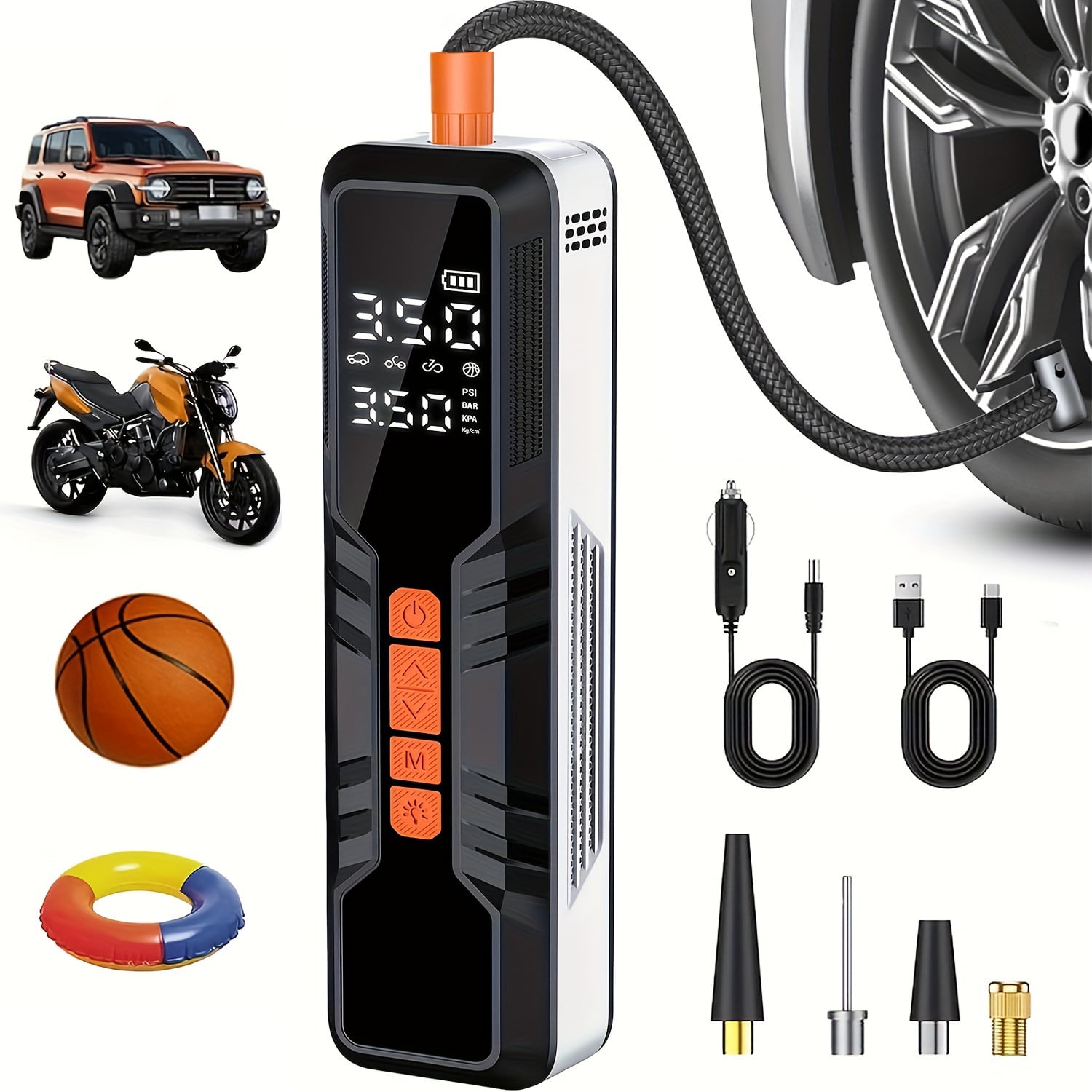
Illustrative image related to portable tire pump for cars
Analyze the pricing structures of different suppliers while considering the overall value offered. The cheapest option may not always provide the best long-term benefits.
Once you’ve selected a supplier and product, finalize your order with clear terms regarding delivery timelines and payment conditions. After receiving the inflators, monitor their performance to ensure they meet your operational needs.
By following this structured checklist, B2B buyers can make informed decisions when sourcing portable tire pumps, ensuring they invest in products that enhance operational efficiency and customer satisfaction.
When sourcing portable tire pumps for cars, understanding the cost structure is essential for B2B buyers. The main components of costs include materials, labor, manufacturing overhead, tooling, quality control (QC), logistics, and profit margins.
Materials: The choice of materials directly impacts the durability and performance of the tire pump. High-quality plastics, metals, and rubber components can increase costs but are vital for creating reliable products that meet safety standards.
Labor: Labor costs can vary significantly based on the manufacturing location. Countries with lower labor costs may offer competitive pricing, but this can come at the expense of quality. It’s crucial to assess the skill level and training of workers, especially for quality-sensitive products.
Manufacturing Overhead: This encompasses all indirect costs related to production, such as utilities, rent, and administrative expenses. Efficient manufacturing processes can help lower these costs, which may be passed on to buyers.
Tooling: Initial investments in tooling for molds and manufacturing equipment can be substantial. However, these costs can be amortized over larger production runs, making it essential to consider the volume of orders when negotiating pricing.
Quality Control (QC): Implementing a robust QC process ensures that each unit meets specified performance criteria, thus preventing costly returns and maintaining brand reputation. Buyers should ensure that their suppliers prioritize QC.
Logistics: Transportation costs can fluctuate based on the origin and destination of the product. This is especially relevant for international buyers who must consider shipping fees, customs duties, and potential delays.
Margin: Suppliers typically include a profit margin that reflects their operational costs and market positioning. Understanding the margins can aid in negotiations.
Several factors can influence the pricing of portable tire pumps, which are crucial for international B2B buyers.
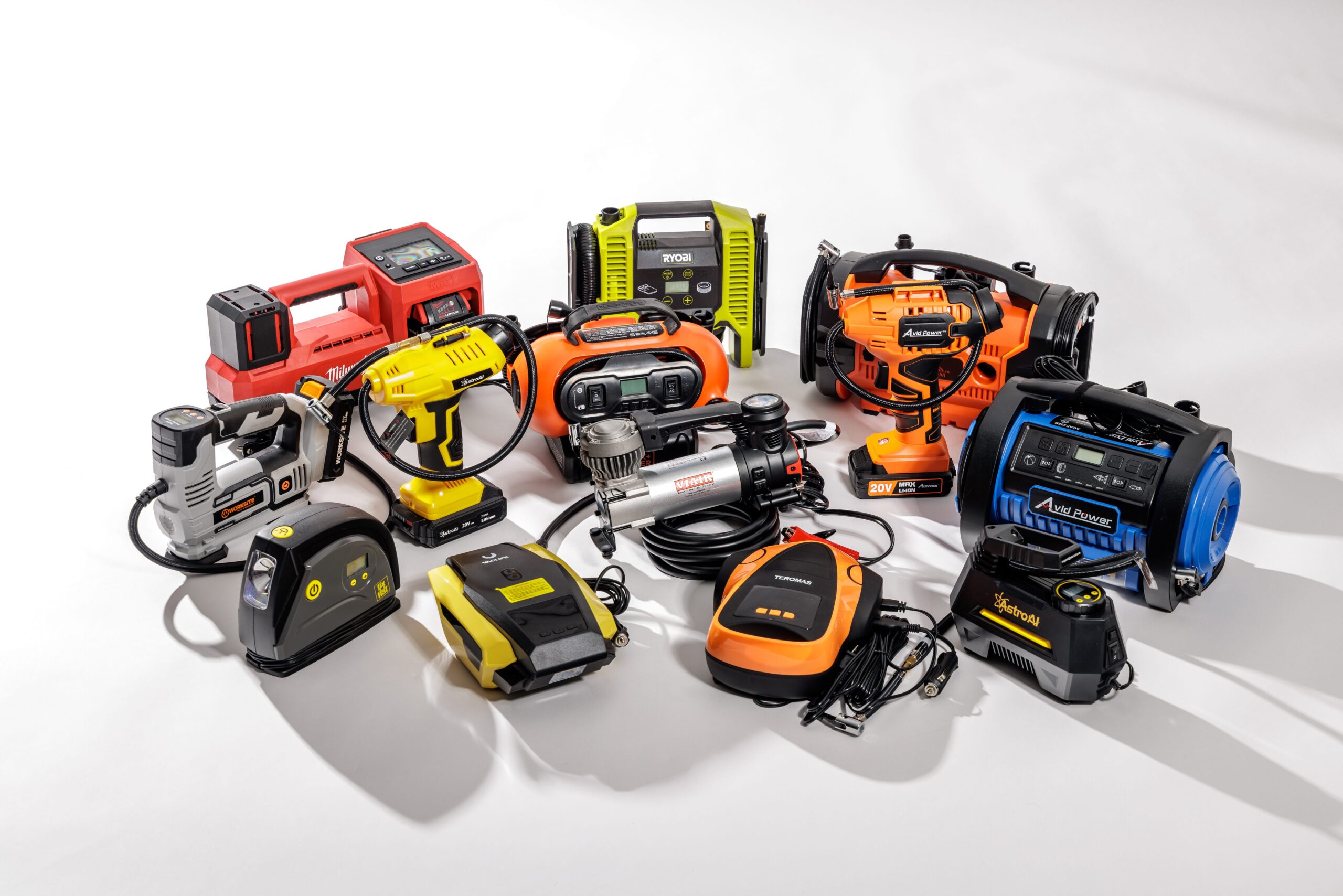
Illustrative image related to portable tire pump for cars
Volume/MOQ: Higher order volumes generally lead to lower per-unit costs. Buyers should assess their demand forecasts and negotiate minimum order quantities (MOQ) that align with their needs.
Specifications/Customization: Custom features, such as specific PSI capabilities or added functionalities (like USB ports or built-in lights), can increase costs. Clear communication about requirements can help manage expectations and budgets.
Materials: The quality of materials used can significantly affect pricing. Buyers should balance the need for durability with cost considerations, especially when targeting different market segments.
Quality/Certifications: Products that meet international standards or have certifications (like CE, ISO) may command higher prices. However, these certifications can also lead to increased trust and marketability.
Supplier Factors: The reputation and reliability of suppliers can influence pricing. Established suppliers with proven track records may charge more but can offer better quality and service.
Incoterms: Understanding the implications of Incoterms (International Commercial Terms) is vital for pricing. They dictate responsibilities regarding shipping, insurance, and tariffs, affecting the total landed cost of the product.
For international B2B buyers, particularly from regions like Africa, South America, the Middle East, and Europe, several strategies can enhance cost-efficiency and negotiation outcomes.
Bulk Buying: Leveraging bulk purchasing can lead to significant discounts. Establishing long-term relationships with suppliers may also yield better pricing over time.
Total Cost of Ownership (TCO): Buyers should consider the TCO, which includes purchase price, maintenance, and operational costs over the product’s lifecycle. This approach can reveal the true value of different options.
Market Research: Conducting thorough market research helps buyers understand prevailing prices and enables informed negotiation. Being aware of competitor offerings can also provide leverage.
Flexibility in Specifications: If possible, being flexible about certain specifications can open up options for lower-cost alternatives without sacrificing essential functionalities.
Local Partnerships: Establishing partnerships with local distributors or logistics providers can help mitigate shipping costs and streamline the procurement process.
The prices mentioned in this analysis are indicative and may vary based on market conditions, exchange rates, and specific supplier agreements. It is advisable for buyers to conduct thorough due diligence and obtain multiple quotes before making purchasing decisions.
In the automotive sector, maintaining optimal tire pressure is crucial for safety and efficiency. While portable tire pumps for cars are a popular solution, several alternatives exist that also address tire inflation needs. This analysis provides a comparative overview of portable tire pumps against two viable alternatives: traditional air compressors and roadside assistance services.
| Comparison Aspect | Portable Tire Pump For Cars | Traditional Air Compressor | Roadside Assistance Service |
|---|---|---|---|
| Performance | Quick inflation for flat tires; varies by model | High volume, fast inflation; suitable for heavy-duty use | Immediate assistance; no inflation needed by user |
| Cost | Moderate ($40 – $100) | Variable ($50 – $300) | Subscription fees or per-use charges ($50 – $150) |
| Ease of Implementation | User-friendly; plug-and-play design | Requires setup and connection; less portable | No setup; relies on professional help |
| Maintenance | Low; occasional battery checks | Moderate; regular cleaning and checks required | None for the user; service provider handles maintenance |
| Best Use Case | Personal vehicles, emergency situations | Workshops, garages, off-road vehicles | Long-distance travel, non-mechanical users |
Traditional air compressors are powerful tools capable of inflating tires quickly and efficiently, making them ideal for workshops or heavy-duty applications. They provide high volume and pressure, suitable for a range of vehicles including trucks and SUVs. However, they can be bulky, requiring a dedicated space for use and storage. Additionally, traditional compressors often need regular maintenance to ensure optimal performance, which can incur extra costs over time. The initial investment can also be significant, depending on the model’s capabilities.
Roadside assistance services offer convenience for users who prefer not to handle tire issues themselves. This service provides immediate help in emergencies, eliminating the need for personal equipment. However, it often comes with a subscription fee or per-use cost, which can add up over time, especially for frequent users. Furthermore, response times can vary based on location and demand, which may not be ideal in urgent situations. This option is best suited for those who prioritize convenience and are willing to pay for peace of mind.
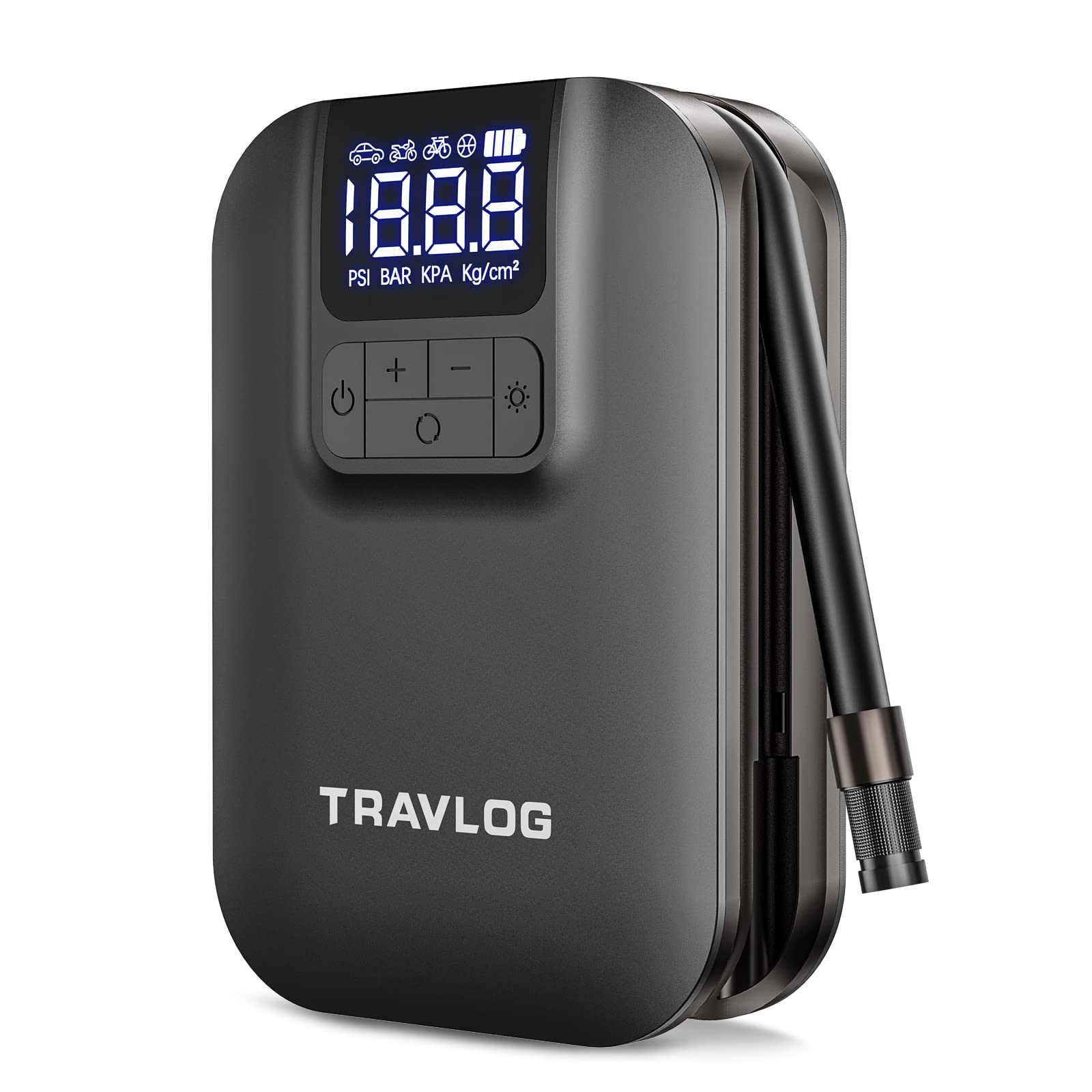
Illustrative image related to portable tire pump for cars
When selecting the best tire inflation solution, B2B buyers should consider their specific requirements, including the type of vehicles in use, frequency of tire maintenance, and budget constraints. Portable tire pumps offer a practical and cost-effective solution for everyday users, while traditional air compressors serve those with higher volume needs. Roadside assistance is best for those who prefer not to engage in tire maintenance themselves. Ultimately, understanding the pros and cons of each option will enable buyers to make an informed decision tailored to their operational needs and preferences.
When considering portable tire pumps for cars, several technical specifications are critical to ensure performance, reliability, and user satisfaction. Here are the most important properties to evaluate:
Maximum Pressure (PSI)
– Definition: The maximum air pressure that the pump can achieve, typically measured in pounds per square inch (PSI).
– B2B Importance: A higher PSI rating is crucial for accommodating various tire types, especially for larger vehicles like SUVs and trucks. Suppliers should ensure their products meet the pressure requirements for the intended vehicle types to avoid customer dissatisfaction.
Duty Cycle
– Definition: The duration a pump can operate continuously before needing a cooldown period, often expressed in minutes.
– B2B Importance: Understanding the duty cycle helps businesses assess the pump’s efficiency for frequent use. A longer duty cycle means less downtime, enhancing productivity for businesses that rely on quick tire inflation.
Power Source
– Definition: The method by which the tire pump is powered, which can include battery-operated, 12V car adapter, or AC outlet options.
– B2B Importance: Offering diverse power options can cater to different market needs. For example, battery-operated models provide portability for roadside assistance, while AC models may be preferred in garage settings.
Inflation Time
– Definition: The time taken to inflate a tire from a specified low PSI to the desired pressure level.
– B2B Importance: Quick inflation times are essential for businesses that prioritize efficiency. This property can influence customer purchasing decisions, especially for those in the automotive service sector.
Size and Weight
– Definition: The dimensions and overall weight of the pump when stored.
– B2B Importance: Compact and lightweight designs are preferred for ease of transport and storage. This is particularly relevant for businesses that require mobile solutions, such as roadside assistance providers.
Gauge Type
– Definition: The type of pressure gauge used, which can be digital or analog.
– B2B Importance: Accurate gauges are vital for ensuring that tires are inflated to the correct pressure. Digital gauges often offer better precision, which can be a selling point for quality-conscious customers.
Understanding industry jargon is essential for effective communication and negotiation in the B2B marketplace. Here are several key terms related to portable tire pumps:
OEM (Original Equipment Manufacturer)
– Definition: A company that produces parts or equipment that may be marketed by another manufacturer.
– Importance: Knowing if a product is OEM can assure buyers of quality and compatibility with existing vehicle systems.
MOQ (Minimum Order Quantity)
– Definition: The smallest number of units that a supplier is willing to sell in a single order.
– Importance: Understanding MOQ helps businesses manage inventory costs and plan purchasing strategies, particularly when entering new markets.
RFQ (Request for Quotation)
– Definition: A document sent to suppliers to request pricing and other details for specific products.
– Importance: RFQs are crucial for comparative pricing and negotiation, enabling businesses to secure the best deals from manufacturers.
Incoterms (International Commercial Terms)
– Definition: A set of international rules that define responsibilities of buyers and sellers in global trade.
– Importance: Familiarity with Incoterms ensures that both parties understand shipping responsibilities, costs, and risks, facilitating smoother transactions.
Warranty Period
– Definition: The duration for which a product is guaranteed against defects in materials or workmanship.
– Importance: A longer warranty period can enhance buyer confidence, making it a vital consideration for B2B purchases.
After-Sales Support
– Definition: Services provided after the purchase, including maintenance and customer service.
– Importance: Robust after-sales support can differentiate suppliers in a competitive market, leading to higher customer retention and satisfaction.
By understanding these technical properties and trade terms, international B2B buyers can make informed decisions when sourcing portable tire pumps for cars, ensuring they meet both operational needs and market demands.
The global portable tire pump market is experiencing robust growth, driven by increasing vehicle ownership and a rising awareness of vehicle maintenance. As urbanization accelerates in regions like Africa and South America, the demand for convenient, reliable tire inflation solutions is on the rise. In the Middle East, where extreme temperatures can lead to tire pressure issues, the necessity for portable tire pumps is even more pronounced. Meanwhile, European buyers are increasingly seeking products that blend efficiency with advanced technology, such as digital pressure gauges and automated shut-off features.
Emerging B2B trends include the integration of smart technology into tire pumps, enabling features like real-time pressure monitoring and mobile app connectivity. Buyers are also gravitating towards products that offer multi-functionality, such as those that can inflate not only tires but also sports equipment and recreational items. Furthermore, the trend towards e-commerce is reshaping sourcing strategies, with more international buyers opting for online platforms to procure portable tire pumps, facilitating easier price comparisons and access to a wider range of products.
Sustainability is becoming a critical consideration for B2B buyers in the portable tire pump sector. Manufacturers are increasingly aware of the environmental impact of their products, leading to the adoption of eco-friendly materials and processes. For instance, companies are exploring the use of recycled plastics and sustainable manufacturing practices to reduce their carbon footprint.
Ethical sourcing is also gaining traction, with buyers demanding transparency in the supply chain. This trend is particularly important in regions such as Africa and South America, where ethical labor practices can significantly influence purchasing decisions. Certifications like ISO 14001 for environmental management and Fair Trade practices are becoming essential for manufacturers aiming to appeal to conscientious buyers.
Incorporating ‘green’ certifications and materials not only enhances a brand’s reputation but also meets the growing consumer demand for sustainable products. B2B buyers are increasingly looking for partners who prioritize sustainability, making it a key differentiator in a competitive market.
The evolution of portable tire pumps can be traced back to the early 20th century when manual pumps were the norm. As vehicle technology advanced, so too did tire inflation devices, transitioning from hand-operated pumps to electric and battery-powered models. The introduction of compact, lightweight designs in recent years has made these pumps more accessible and user-friendly, catering to a growing demographic of vehicle owners who prioritize convenience.
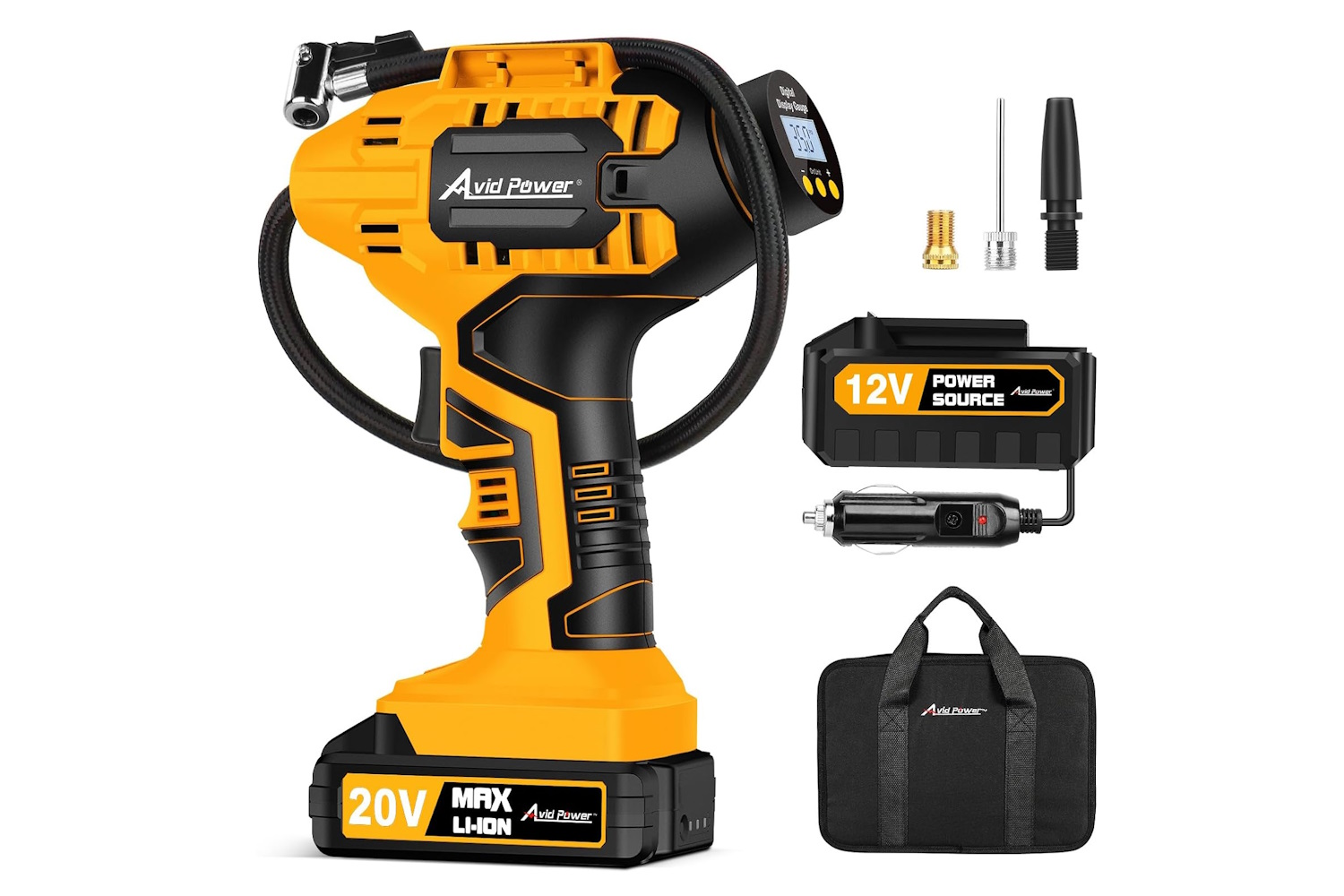
Illustrative image related to portable tire pump for cars
In the last decade, the rise of digital technology has further transformed the industry, with modern pumps featuring built-in pressure gauges, automatic shut-off mechanisms, and even smartphone connectivity. This evolution reflects a broader trend in the automotive sector towards increased efficiency and user-centric design, positioning portable tire pumps as essential tools for vehicle maintenance.
Overall, the portable tire pump market is characterized by innovation and adaptability, responding to the changing needs of international B2B buyers across diverse regions.
1. How do I choose the right portable tire pump for my business fleet?
Selecting the right portable tire pump for your fleet involves assessing several key factors. First, consider the pump’s maximum pressure capabilities, especially if your fleet includes vehicles with larger tires, such as trucks or SUVs. Look for models with built-in pressure gauges for accuracy and automatic shut-off features to prevent over-inflation. Additionally, evaluate the power source options—battery-operated models offer convenience, while those that plug into a vehicle’s 12V outlet provide reliability. Finally, consider portability and storage; a compact design is essential for easy transport.
2. What are the benefits of using a cordless tire inflator?
Cordless tire inflators offer several advantages for businesses. They provide unmatched convenience, allowing users to inflate tires without needing a power source nearby. This is particularly useful in remote locations or during roadside emergencies. Additionally, many cordless models are lightweight and compact, making them easy to store in vehicles or carry in toolkits. They often come with features like built-in LED lights for nighttime use and multiple nozzle attachments for inflating various items, enhancing their versatility.
3. How can I vet suppliers for portable tire pumps?
When vetting suppliers for portable tire pumps, prioritize those with a solid reputation and positive customer reviews. Check their manufacturing standards and certifications to ensure quality control. Request samples to assess product performance and durability firsthand. Additionally, verify their ability to meet your order quantities and timelines. Engaging in direct communication can also provide insights into their customer service responsiveness and willingness to accommodate customization requests.
4. What customization options are typically available for portable tire pumps?
Many suppliers offer customization options for portable tire pumps, including branding with your company logo, color variations, and specific packaging requirements. You can also request modifications to features, such as pressure gauge types or additional accessories like adapters for inflating sports equipment. Discussing your needs with the supplier can help them provide tailored solutions that meet your operational requirements and enhance brand visibility.
5. What is the minimum order quantity (MOQ) for portable tire pumps?
Minimum order quantities (MOQs) for portable tire pumps can vary significantly by supplier and product type. Typically, MOQs range from a few dozen to several hundred units, depending on the manufacturer’s production capabilities and your specific customization requests. It’s advisable to communicate your needs clearly with potential suppliers to negotiate favorable terms that align with your purchasing strategy while ensuring you receive a competitive price.
6. What payment terms should I expect when sourcing portable tire pumps internationally?
Payment terms can differ widely among suppliers, but common practices include a 30% deposit upfront with the balance due upon shipment or delivery. Some suppliers may offer letter of credit terms for larger orders, providing additional security for both parties. It’s essential to clarify these terms early in negotiations to avoid misunderstandings. Additionally, consider discussing options for securing financing or utilizing trade credit to manage cash flow effectively.
7. How do I ensure quality assurance for imported tire pumps?
To ensure quality assurance for imported tire pumps, implement a multi-step inspection process. Begin by requesting quality certifications from your supplier, such as ISO standards. Consider hiring a third-party inspection service to conduct quality checks during production and before shipment. Establish clear specifications and performance benchmarks in your purchase agreement, and remain in communication with the supplier throughout the manufacturing process to address any potential issues proactively.
8. What logistics considerations should I keep in mind when importing tire pumps?
When importing tire pumps, logistics considerations include shipping methods, customs clearance, and delivery timelines. Evaluate the cost-effectiveness of air versus sea freight, keeping in mind the urgency of your needs. Understand the import regulations and tariffs applicable in your country to avoid unexpected costs. It’s also advisable to work with a freight forwarder who can manage the logistics process, ensuring compliance with local laws and timely delivery to your warehouse or distribution center.
Domain: lasfit.com
Registered: 2016 (9 years)
Introduction: Lasfit Tire Inflator | Portable Tire Pumps for Pickup Trucks & Large SUVs & Off-Road Vehicles. Features include fast inflation, accurate pressure readings, compact design, multi-purpose air compressor suitable for car tires, bikes, motorcycles, and more. Digital display with auto shut-off for precise pressure control. Designed for 12V DC outlets, built with durable components for long-lasting perf…
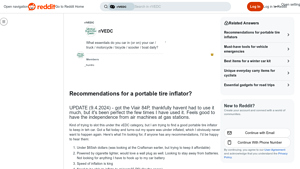
Domain: reddit.com
Registered: 2005 (20 years)
Introduction: Portable tire inflator recommendations sought. Key requirements: 1. Price under $65. 2. Powered by cigarette lighter with a preference for a wall plug; no battery operation desired. 3. Speed of inflation is a priority. 4. Must inflate to at least 65 PSI. 5. No need for a light on the device.
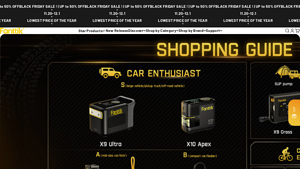
Domain: fanttik.com
Registered: 2020 (5 years)
Introduction: 2X Faster Electric Tire Inflators, Various Models: X9 Ace, X9 Pro, X8 APEX, X9 APEX, X9 Classic, X9 Ultra, X10 Cross. Prices range from $48.99 to $199.97 with discounts up to 50%. Regular sales include Black Friday Sale from 11.20-12.1. Ratings for products are around 4.8. Deluxe packages available for some models. Extra coupons for additional savings.
In the evolving landscape of automotive care, the demand for portable tire pumps is set to rise significantly, particularly in emerging markets across Africa, South America, the Middle East, and Europe. As businesses consider strategic sourcing of these essential tools, they must prioritize quality, efficiency, and versatility. The evaluation of tire inflators highlights that products like the AstroAI Cordless Tire Inflator and the Craftsman 12V Max Portable Air Inflator stand out for their reliability and compact design, making them ideal for various customer needs.
Investing in high-quality tire pumps not only enhances vehicle maintenance but also fosters customer satisfaction and loyalty. Strategic sourcing allows B2B buyers to capitalize on cost efficiencies and quality assurance, which are crucial in competitive markets. Additionally, emerging trends such as increased consumer awareness about vehicle upkeep and the shift towards electric vehicles present opportunities for innovative inflator solutions.
As you strategize your procurement plans, consider how the selection of portable tire pumps can elevate your product offerings. Embrace the future of automotive care by sourcing reliable, efficient, and customer-friendly solutions that will meet the demands of a dynamic market. Engage with suppliers who align with your vision, and secure your position as a leader in this essential segment.
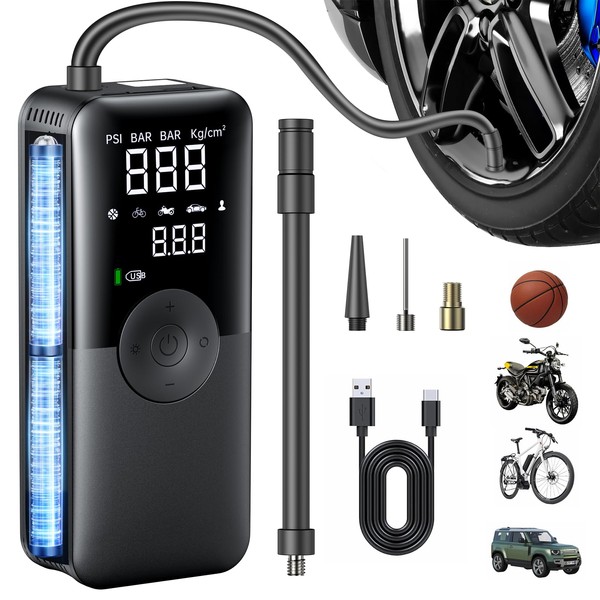
Illustrative image related to portable tire pump for cars
The information provided in this guide, including content regarding manufacturers, technical specifications, and market analysis, is for informational and educational purposes only. It does not constitute professional procurement advice, financial advice, or legal advice.
While we have made every effort to ensure the accuracy and timeliness of the information, we are not responsible for any errors, omissions, or outdated information. Market conditions, company details, and technical standards are subject to change.
B2B buyers must conduct their own independent and thorough due diligence before making any purchasing decisions. This includes contacting suppliers directly, verifying certifications, requesting samples, and seeking professional consultation. The risk of relying on any information in this guide is borne solely by the reader.


 English
  Russian
  Spanish
  Italian
  Arabic
  Portuguese
  German