
In the competitive landscape of international trade, sourcing reliable vehicle air compressors poses a significant challenge for B2B buyers, particularly in regions such as Africa, South America, the Middle East, and Europe. The demand for high-performance air compressors, essential for various automotive applications—from tire inflation to powering pneumatic tools—is growing rapidly. However, navigating the complexities of product types, supplier credibility, and cost-effectiveness can be daunting.
This comprehensive guide is designed to empower international buyers by providing in-depth insights into the different types of vehicle air compressors available in the market, their diverse applications, and practical tips for supplier vetting. We will also explore the factors influencing pricing and the latest trends shaping the industry. By leveraging the information contained within this guide, B2B buyers can make informed purchasing decisions, ensuring they select the right air compressor solutions tailored to their specific operational needs.
Whether you are a distributor looking to expand your product offerings or a fleet manager seeking reliable air compressor systems, this guide serves as an invaluable resource. It equips you with the knowledge necessary to navigate the global market effectively, ensuring you can meet your business objectives while optimizing performance and efficiency in your operations.
| Type Name | Key Distinguishing Features | Primary B2B Applications | Brief Pros & Cons for Buyers |
|---|---|---|---|
| Portable Air Compressors | Compact, lightweight, easy to transport | Tire inflation, pneumatic tools, recreational use | Pros: Versatile, cost-effective; Cons: Limited power and capacity compared to mounted options. |
| Onboard Air Compressors | Permanently installed, higher power, often 12V or 24V | Off-road vehicles, fleet maintenance | Pros: High performance, always available; Cons: Installation complexity, less portable. |
| Brushless Air Compressors | Advanced motor technology, quieter, more efficient | Heavy-duty applications, industrial use | Pros: Longer lifespan, energy-efficient; Cons: Higher upfront cost, may require specialized maintenance. |
| Continuous Duty Air Compressors | Designed for prolonged use without overheating | Manufacturing, automotive repair | Pros: Reliable for extended operations; Cons: Higher energy consumption, larger footprint. |
| Digital Air Compressors | Integrated digital gauges, programmable settings | Precision applications, automotive diagnostics | Pros: Enhanced accuracy, user-friendly; Cons: More expensive, potential for electronic failure. |
Portable air compressors are designed for ease of use and mobility. These units are lightweight and compact, making them ideal for a range of applications, including tire inflation and operating pneumatic tools. Their versatility allows businesses in automotive services and recreational industries to utilize them effectively. When considering a purchase, B2B buyers should evaluate the compressor’s PSI rating, duty cycle, and included accessories to ensure they meet operational needs.
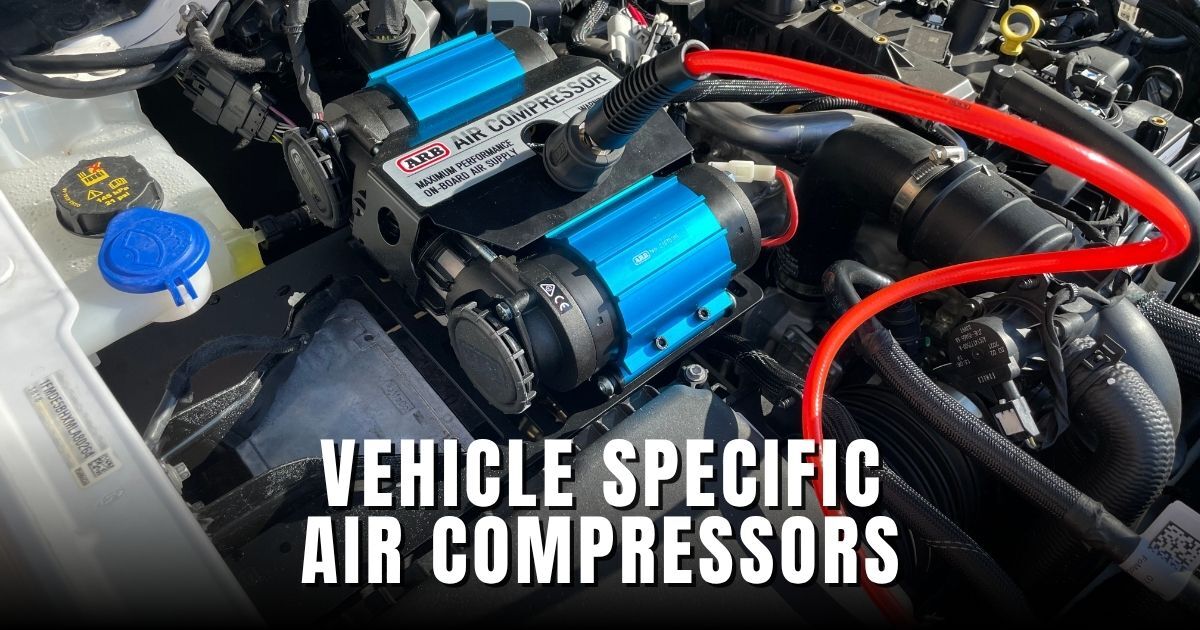
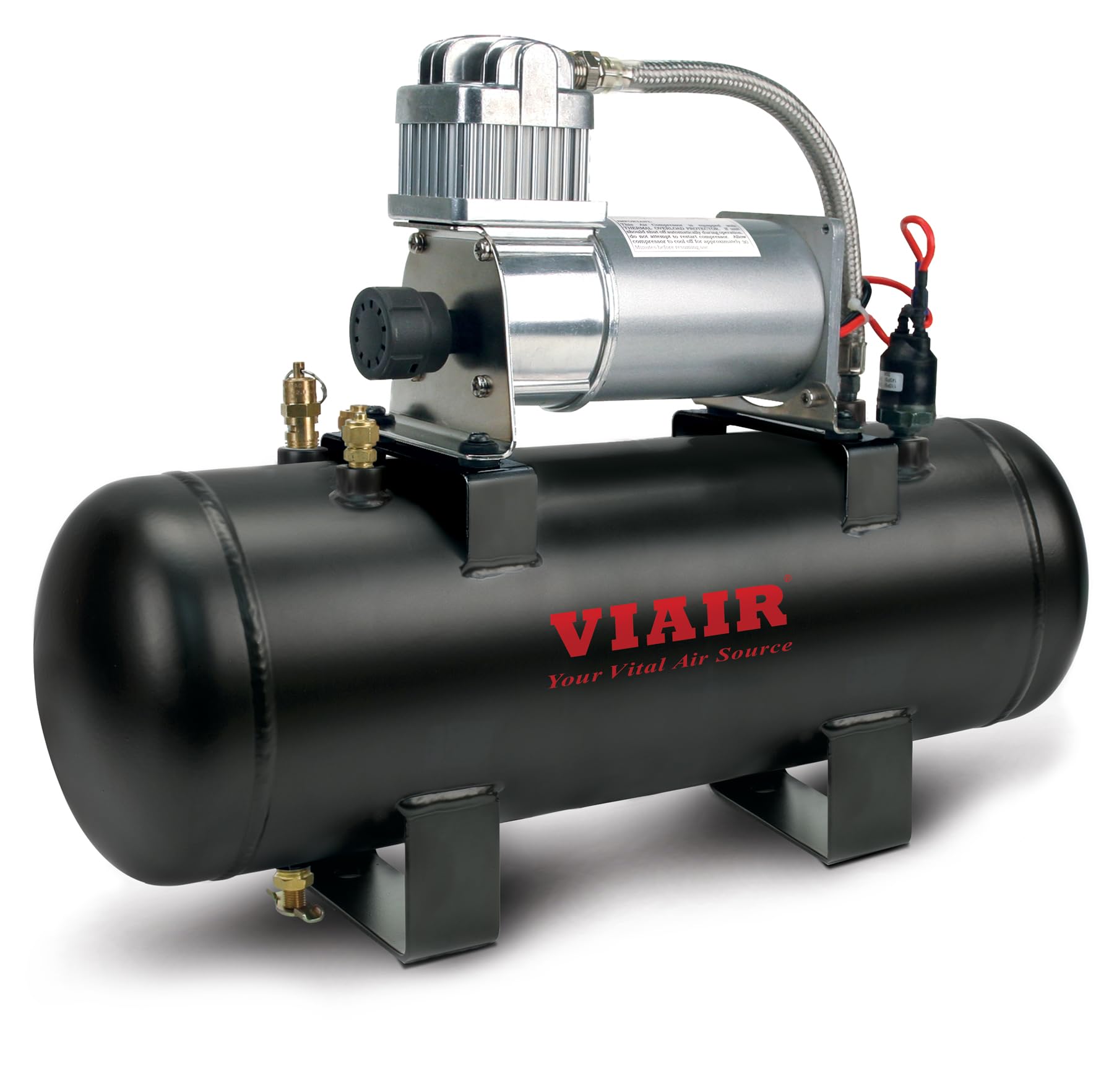
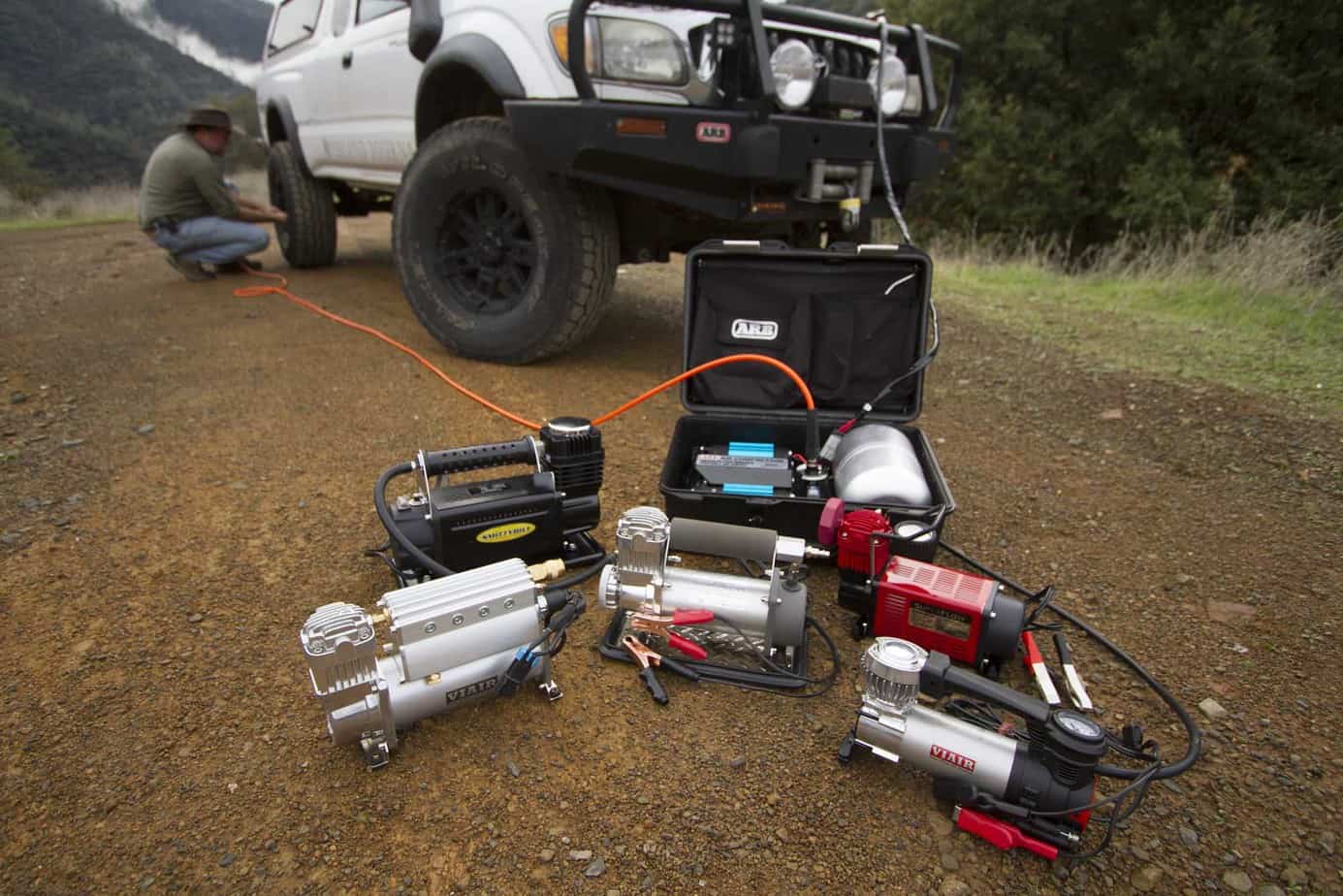
Onboard air compressors are permanently installed in vehicles, providing a high-performance solution for demanding environments, particularly in off-road applications. These compressors are typically 12V or 24V systems, ensuring they can deliver substantial air pressure for tire inflation and powering air tools. For businesses managing fleets or off-road vehicles, the convenience of having a reliable air source on-demand is invaluable. Buyers should assess the compressor’s flow rate, noise level, and compatibility with their vehicle models.
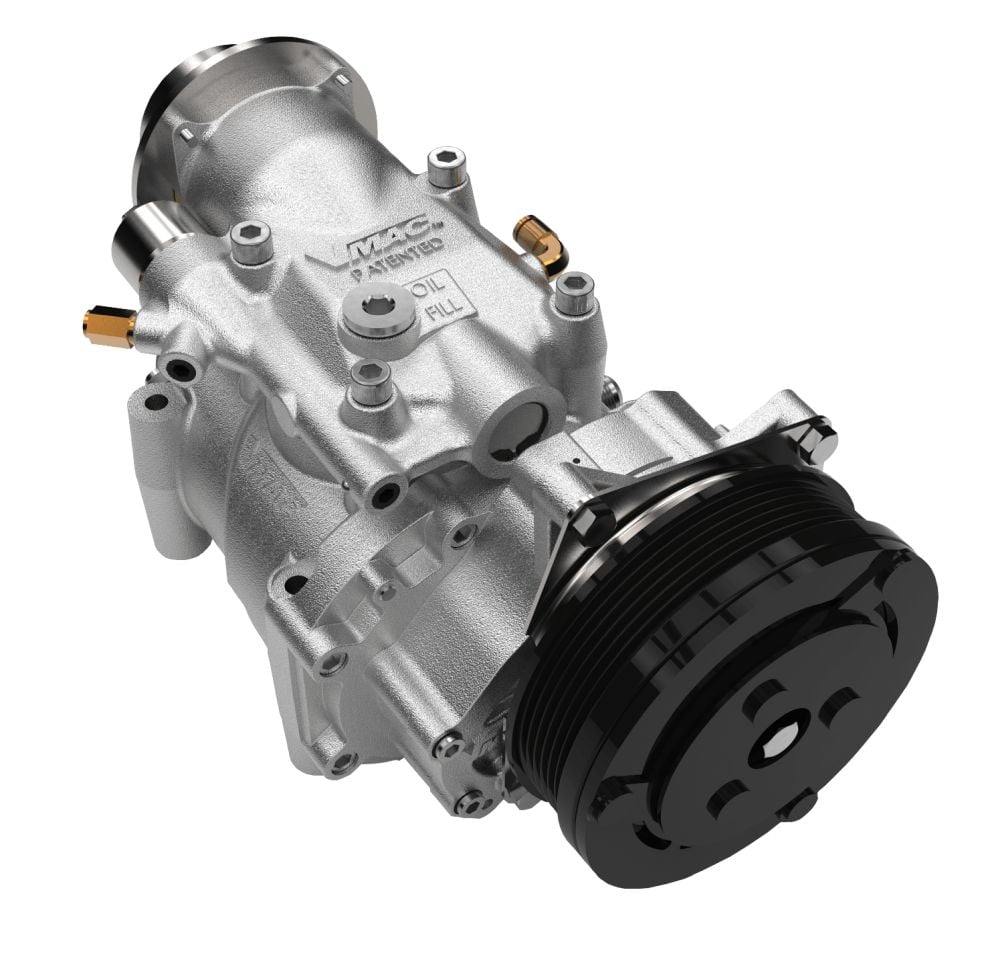
Illustrative image related to vehicle air compressor
Brushless air compressors utilize advanced motor technology, offering significant advantages in efficiency and durability. They operate more quietly and have a longer lifespan compared to traditional brushed motors. These compressors are suitable for heavy-duty applications in various industries, including manufacturing and automotive repair. When purchasing, B2B buyers should consider the compressor’s power output, maintenance requirements, and warranty options to ensure a solid investment.
Continuous duty air compressors are designed for prolonged use without the risk of overheating, making them ideal for manufacturing and automotive repair environments. Their robust construction allows them to handle high-demand tasks efficiently. Businesses looking for reliability and consistent performance should prioritize these compressors. Key purchasing factors include energy consumption, tank size, and maintenance needs, as these will impact operational costs and efficiency.
Digital air compressors feature integrated digital gauges and programmable settings, allowing for precise control over air pressure. This technology is especially beneficial in applications requiring accuracy, such as automotive diagnostics and specialized manufacturing processes. B2B buyers should evaluate the user interface, calibration options, and overall reliability when considering these compressors, as the investment may be higher but can lead to improved operational efficiency and reduced error rates.

Illustrative image related to vehicle air compressor
| Industry/Sector | Specific Application of vehicle air compressor | Value/Benefit for the Business | Key Sourcing Considerations for this Application |
|---|---|---|---|
| Automotive Repair Services | Tire inflation and maintenance | Enhanced service efficiency and customer satisfaction | Reliability, ease of use, and compatibility with various vehicle types |
| Construction and Heavy Equipment | Powering pneumatic tools | Improved productivity and reduced downtime | Durability, power output, and portability |
| Off-Road and Recreational Vehicles | Adjusting tire pressure for off-road conditions | Increased traction and vehicle performance | Weather resistance, compact design, and fast inflation rates |
| Agriculture and Farming | Operating air-powered machinery | Increased operational efficiency and reduced labor costs | Energy efficiency, maintenance support, and ruggedness |
| Emergency Services | Rapid tire inflation for rescue vehicles | Ensured readiness and quick response times | Compact size, reliability, and ease of transport |
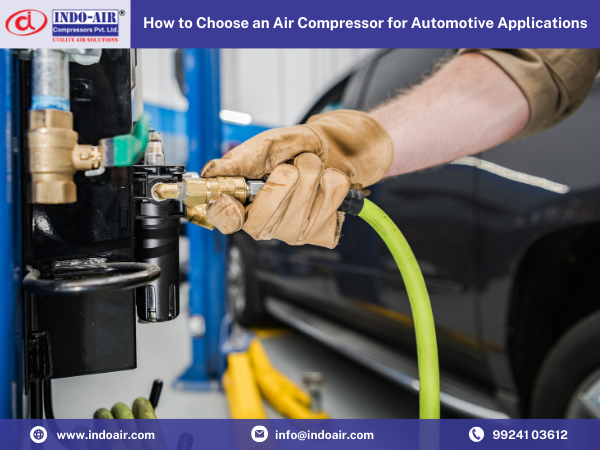
In automotive repair services, vehicle air compressors are essential for tire inflation and maintenance. They enable technicians to quickly inflate tires to the correct pressure, which is critical for vehicle safety and performance. This application reduces the time spent on tire-related services, enhancing overall service efficiency and customer satisfaction. For international buyers, especially in regions with varying vehicle types like Africa and South America, sourcing compressors that are versatile and compatible with multiple models is crucial.
In the construction industry, vehicle air compressors are vital for powering pneumatic tools such as nail guns, drills, and hammers. This application significantly improves productivity by enabling workers to operate tools without the need for extensive electrical setups. Additionally, a reliable air compressor can reduce downtime caused by equipment failures. Buyers in regions like the Middle East, where construction activity is booming, should prioritize sourcing durable compressors that can withstand harsh working conditions.
For off-road and recreational vehicles, vehicle air compressors are used to adjust tire pressure according to terrain conditions. Lowering tire pressure increases traction on soft surfaces like sand or mud, while reinflating tires for highway driving improves fuel efficiency. This flexibility is crucial for adventurers seeking optimal performance in diverse environments. Buyers in Europe and Africa should consider the compressor’s weather resistance and inflation speed to ensure reliability in challenging conditions.
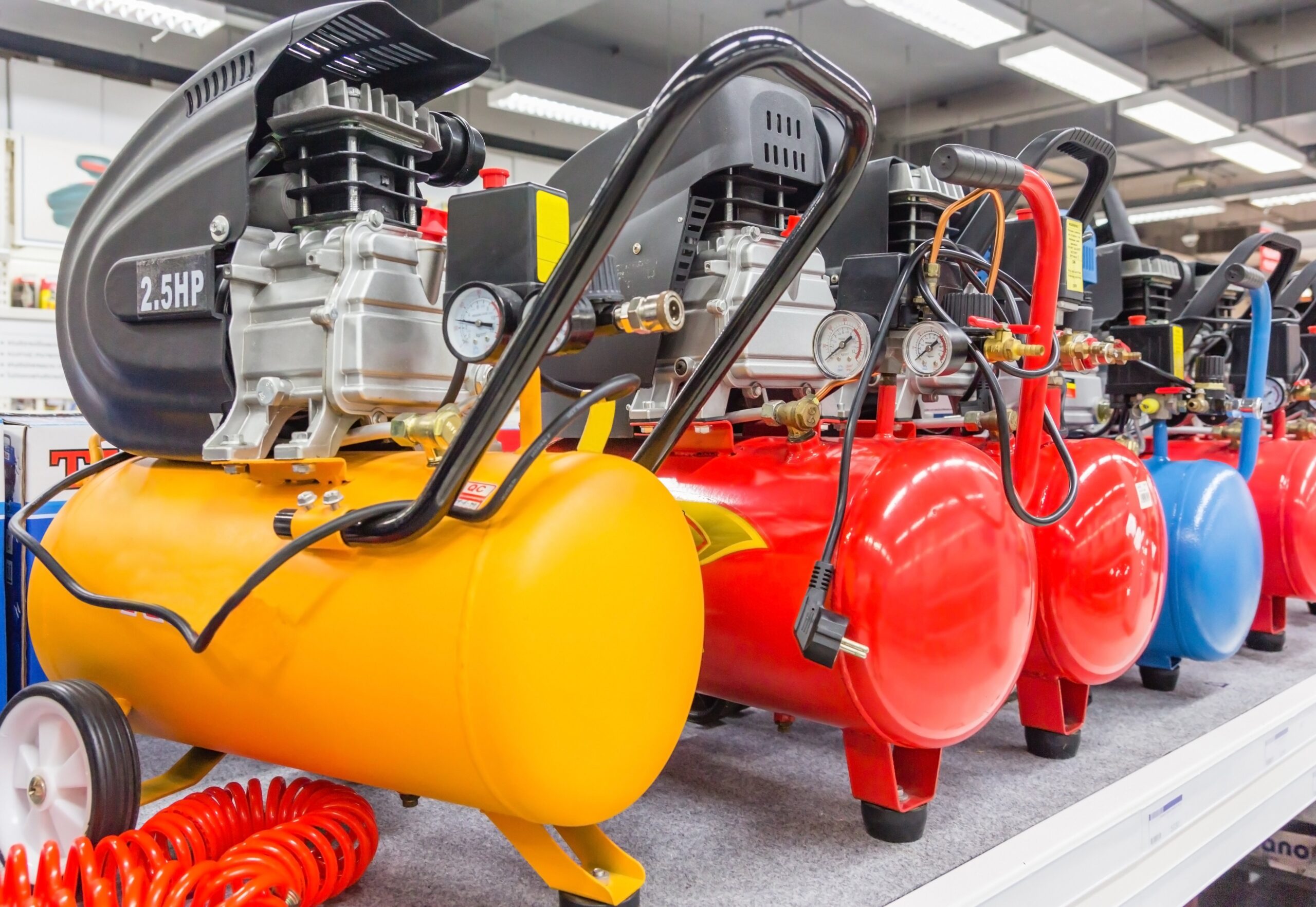
Illustrative image related to vehicle air compressor
In agriculture, vehicle air compressors are employed to operate various air-powered machinery, such as seeders and sprayers. This application enhances operational efficiency by allowing farmers to work more quickly and effectively, ultimately reducing labor costs. For agricultural businesses in South America and Africa, sourcing energy-efficient and rugged compressors is essential to withstand the demands of outdoor environments and heavy usage.
Emergency services utilize vehicle air compressors for rapid tire inflation on rescue vehicles, ensuring they are always ready for immediate deployment. This capability is critical in emergency situations where every second counts. For international buyers, especially in regions with challenging terrains like the Middle East, sourcing compact and reliable compressors that can be easily transported is vital for maintaining operational readiness.
The Problem: B2B buyers often struggle with choosing the right vehicle air compressor for their unique needs. This challenge can stem from a lack of understanding of various compressor types—such as portable vs. mounted systems—or the specific applications they need to support, like inflating tires for different terrains or powering pneumatic tools. For instance, a logistics company operating in rugged terrains may require a heavy-duty compressor that can withstand harsh environmental conditions, while a fleet of service vehicles might need portable compressors for quick tire inflation on the go. The wrong selection can lead to operational inefficiencies and increased costs.
The Solution: To effectively source the right vehicle air compressor, B2B buyers should start by assessing their operational requirements. This includes understanding the compressor’s duty cycle, maximum pressure output, and airflow rate. Buyers should consult detailed specifications and performance ratings from manufacturers, focusing on models that have proven reliability in similar applications. Engaging with suppliers that offer personalized consultations can further aid in making informed decisions. Additionally, investing in versatile compressors with adjustable pressure settings can provide flexibility for various tasks, ensuring that the equipment can adapt to different operational demands.
The Problem: Regular maintenance and unexpected breakdowns of air compressors can severely disrupt operations for businesses that rely on them. This is particularly true in sectors such as construction or transportation, where a malfunctioning compressor can halt critical tasks. B2B buyers often find themselves facing unanticipated repair costs and downtime, which can lead to financial losses and damaged customer relationships. Furthermore, the complexity of some models can make it challenging to perform necessary maintenance without professional assistance.
The Solution: To mitigate maintenance issues, B2B buyers should prioritize purchasing compressors designed for durability and ease of service. Choosing models with readily available spare parts can facilitate quick repairs and reduce downtime. Additionally, establishing a regular maintenance schedule that includes routine inspections, cleaning, and lubrication can prolong the lifespan of the compressor. Buyers should also invest in training for their staff to perform basic maintenance tasks, which can help them identify potential issues before they escalate. Utilizing digital tools or apps that remind users of maintenance schedules can ensure that no critical checks are overlooked.
The Problem: For many B2B buyers, the operational costs associated with air compressors can be a significant concern, particularly when it comes to energy consumption. Companies that operate fleets or heavy machinery are often under pressure to optimize costs and improve energy efficiency. Inefficient compressors can lead to higher electricity bills and increased carbon footprints, ultimately affecting the bottom line and corporate sustainability goals.
The Solution: B2B buyers should focus on sourcing energy-efficient air compressors that meet or exceed industry standards for power consumption. Look for models equipped with advanced technologies such as variable speed drives (VSD) or energy recovery systems, which can significantly reduce energy usage during operation. Conducting a total cost of ownership (TCO) analysis can also provide insights into the long-term savings associated with energy-efficient models. Furthermore, implementing a monitoring system to track energy usage in real time can help identify inefficiencies and inform operational adjustments, ensuring that the company remains both cost-effective and environmentally responsible.
When selecting materials for vehicle air compressors, it is crucial to consider their properties, advantages, and limitations. The choice of materials can significantly impact performance, durability, and cost-effectiveness. Below, we analyze four common materials used in the manufacturing of vehicle air compressors: aluminum, steel, plastic, and brass.
Aluminum is widely used in vehicle air compressors due to its lightweight nature and excellent corrosion resistance. It typically has a temperature rating up to 200°C (392°F) and can withstand moderate pressure levels.
Pros: Aluminum is durable and resistant to rust, making it suitable for outdoor applications. Its lightweight characteristic enhances portability, a significant advantage for portable air compressors.
Cons: However, aluminum can be more expensive than other materials and may require more complex manufacturing processes. It is also less robust than steel, which could lead to potential issues under extreme conditions.
Impact on Application: Aluminum is compatible with a variety of media, including air and some gases, but it may not be suitable for aggressive chemicals.
Considerations for International Buyers: Buyers from regions like Africa and South America should ensure compliance with local standards, such as ASTM or DIN, which may dictate specific aluminum grades for durability and performance.
Steel is another common material for vehicle air compressors, particularly for components that require high strength and durability. Steel can handle high pressure and has a temperature rating of up to 250°C (482°F).
Pros: Its strength makes it ideal for heavy-duty applications, and it is generally more cost-effective than aluminum. Steel components can also be easily welded and machined.
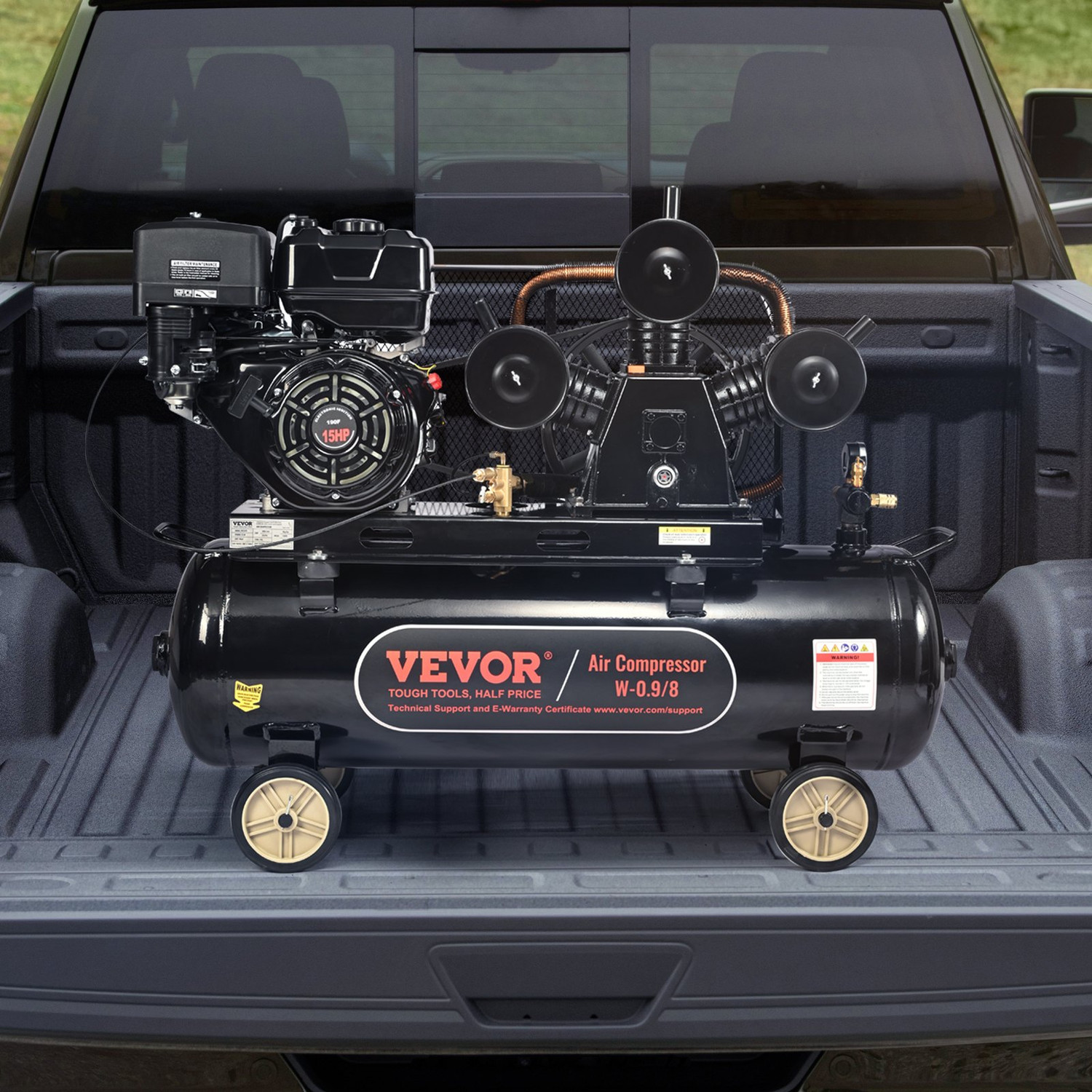
Illustrative image related to vehicle air compressor
Cons: Steel is heavier than aluminum, which can affect portability. Additionally, it is susceptible to corrosion unless treated or coated, which can add to manufacturing complexity and costs.
Impact on Application: Steel is suitable for air and gas applications but may require protective coatings when used in corrosive environments.
Considerations for International Buyers: Buyers in the Middle East should be aware of the need for corrosion-resistant coatings due to high humidity and saline conditions.
Plastic materials, particularly high-performance polymers, are increasingly being used in vehicle air compressors for specific components. They can withstand temperatures up to 100°C (212°F) and moderate pressures.
Pros: Plastics are lightweight and resistant to corrosion, making them suitable for various applications. They can also be molded into complex shapes, allowing for design flexibility.
Cons: However, plastics may not be suitable for high-pressure applications and can degrade over time under UV exposure. Their mechanical properties are generally inferior to metals.
Impact on Application: Plastics are ideal for housing and non-structural components but may not be compatible with high-temperature or high-pressure media.
Considerations for International Buyers: Buyers should verify that the plastics used comply with relevant standards, especially in Europe, where regulations on material safety are stringent.
Brass is often used for fittings and connectors in vehicle air compressors due to its excellent corrosion resistance and good mechanical properties. It can handle pressures up to 200 psi and temperatures up to 150°C (302°F).
Pros: Brass is durable and provides good sealing properties, making it suitable for air and gas applications. Its aesthetic appeal is also a plus for visible components.
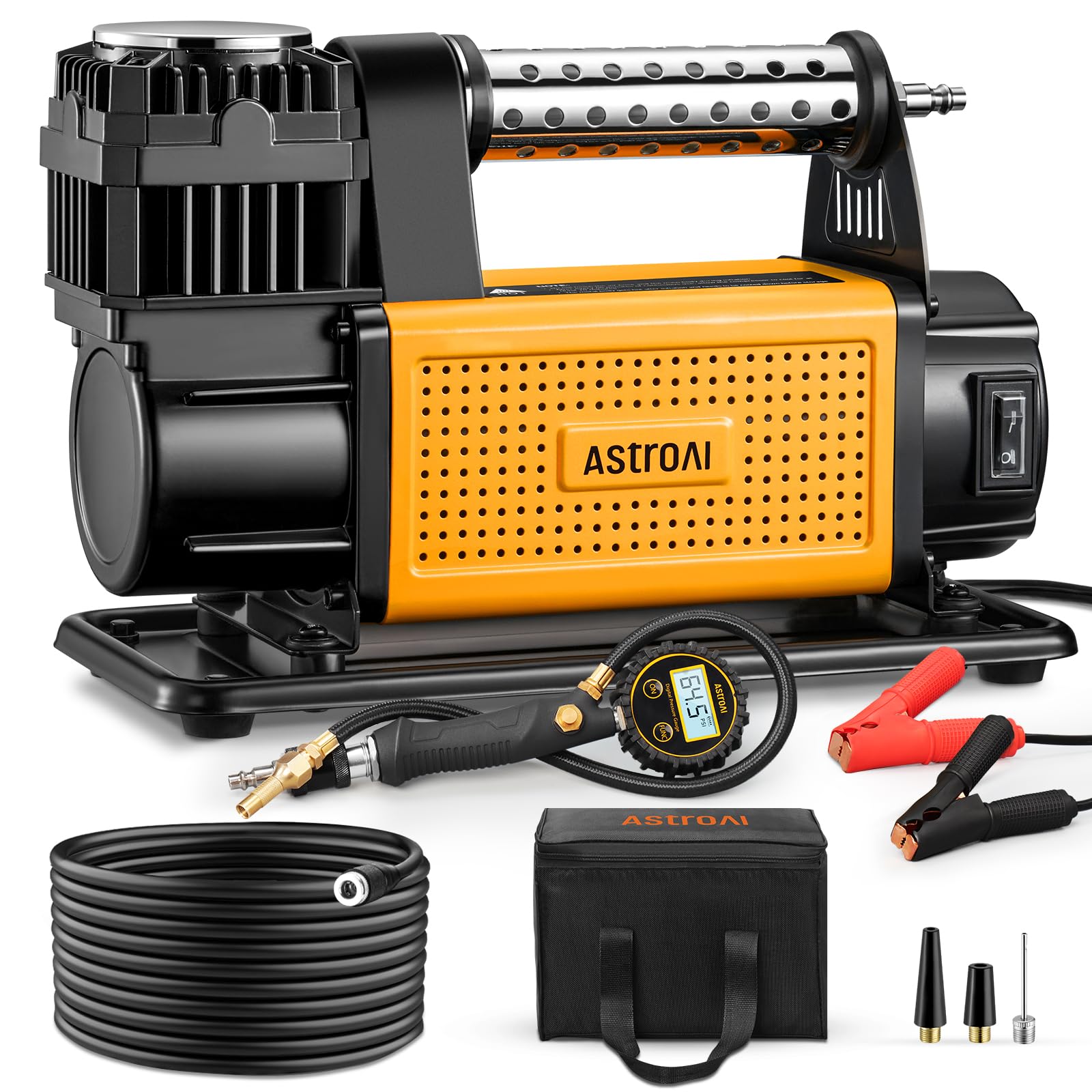
Illustrative image related to vehicle air compressor
Cons: Brass can be more expensive than other materials like steel and may require specialized machining processes.
Impact on Application: Brass is compatible with various media, including air and water, but may not be suitable for aggressive chemicals.
Considerations for International Buyers: Buyers in Europe and the Middle East should check compliance with local standards for brass, particularly regarding lead content and environmental regulations.
| Material | Typical Use Case for vehicle air compressor | Key Advantage | Key Disadvantage/Limitation | Relative Cost (Low/Med/High) |
|---|---|---|---|---|
| Aluminum | Lightweight portable compressors | Excellent corrosion resistance | Higher cost, complex manufacturing | Medium |
| Steel | Heavy-duty applications | High strength, cost-effective | Susceptible to corrosion | Low |
| Plastic | Non-structural components | Lightweight, design flexibility | Limited pressure tolerance | Low |
| Brass | Fittings and connectors | Good sealing properties | Higher cost, specialized machining | Medium |
This strategic material selection guide provides insights that can help B2B buyers make informed decisions when sourcing vehicle air compressors, ensuring optimal performance and compliance with regional standards.
The manufacturing process of vehicle air compressors involves several critical stages, each essential for ensuring the quality and performance of the final product. The main stages include material preparation, forming, assembly, and finishing.
Illustrative image related to vehicle air compressor
The first step involves selecting high-quality materials, such as aluminum and steel, known for their durability and lightweight properties. These materials are then processed to meet specific requirements, which may include cutting, machining, and heat treatment. Precision in material preparation is crucial, as it directly impacts the compressor’s efficiency and longevity.
In the forming stage, various techniques are employed to shape the components of the air compressor. Common methods include die casting, forging, and machining. Die casting is often used for producing complex shapes with high dimensional accuracy, while forging enhances the strength of components. Machining, which involves processes like milling and turning, ensures that parts fit together precisely, reducing the risk of leaks and improving overall performance.
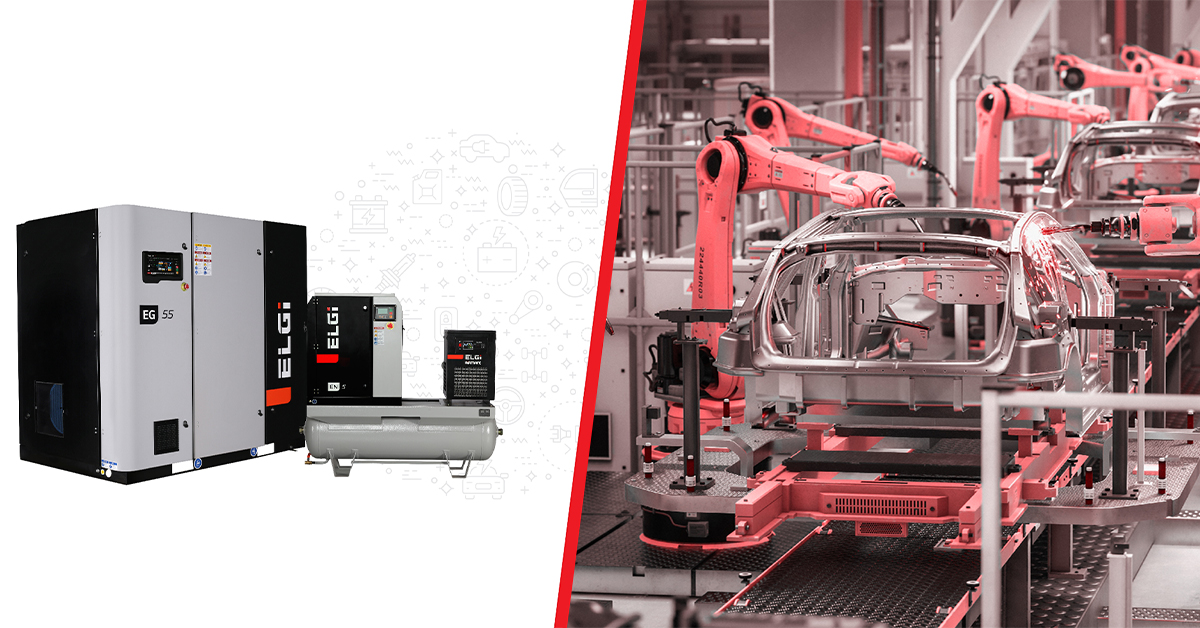
The assembly phase is where individual components come together to create the complete air compressor. This process typically involves both manual and automated assembly techniques. Skilled technicians may perform critical assembly tasks, while robotic systems can handle repetitive tasks with high precision. During assembly, special attention is paid to ensure that all seals and fittings are correctly installed to prevent air leaks, which can significantly affect performance.
Finishing processes, such as painting, anodizing, or powder coating, are applied to enhance the compressor’s appearance and protect it from corrosion. These treatments not only improve aesthetics but also extend the lifespan of the compressor, especially in harsh environments. Quality control checks during this stage ensure that the finishing meets the required standards for durability and appearance.
Quality assurance (QA) is critical in the manufacturing of vehicle air compressors, ensuring that each unit meets international and industry-specific standards. A robust QA process includes various checkpoints and testing methods to identify defects and ensure reliability.
International standards such as ISO 9001 are essential for maintaining quality management systems. Compliance with ISO standards indicates that a manufacturer follows best practices in quality management, ensuring consistent product quality and customer satisfaction. Additionally, certifications like CE (Conformité Européenne) and API (American Petroleum Institute) may also apply, depending on the specific application of the air compressor.
Quality control typically involves several checkpoints throughout the manufacturing process:
Incoming Quality Control (IQC): This initial checkpoint assesses the quality of raw materials before they enter production. Ensuring materials meet specifications helps prevent issues later in the manufacturing process.
In-Process Quality Control (IPQC): During the manufacturing process, IPQC involves monitoring operations to identify defects in real-time. Techniques such as visual inspections and measurements are employed to ensure components meet required tolerances.
Final Quality Control (FQC): After assembly, FQC checks the completed air compressors for functionality, safety, and compliance with standards. Testing methods may include pressure testing, flow testing, and performance evaluations.
For international B2B buyers, particularly those from regions such as Africa, South America, the Middle East, and Europe, verifying a supplier’s quality control processes is crucial. Here are several effective methods:
Conducting supplier audits is one of the most effective ways to assess quality control practices. An audit can reveal the manufacturer’s adherence to quality standards and operational efficiency. Buyers should look for audits conducted by reputable third-party organizations, as these can provide an unbiased view of the supplier’s quality management systems.
Requesting quality assurance reports from suppliers can provide insights into their manufacturing processes and quality metrics. These reports should detail compliance with relevant standards and any corrective actions taken in response to quality issues. Buyers should pay attention to historical data, such as defect rates and customer feedback, to gauge the supplier’s reliability.
Engaging third-party inspection services can further ensure that the products meet specified standards before shipment. These services can conduct random inspections at various stages of production, providing an additional layer of assurance for buyers. Third-party inspections can be particularly valuable for buyers in emerging markets where they may not have the ability to conduct on-site evaluations.
B2B buyers from diverse regions face unique challenges when it comes to quality control. Factors such as local regulations, import standards, and logistical considerations can impact the quality assurance process.
Buyers must be aware of their local regulations regarding the importation of vehicle air compressors. Compliance with these regulations is essential to avoid delays and additional costs. Understanding local certification requirements can also help buyers ensure that the products they import meet necessary safety and performance standards.
Logistics can also play a significant role in quality assurance. Transportation conditions, such as temperature and humidity, can affect product integrity during shipping. Buyers should work closely with suppliers to ensure that appropriate measures are in place to protect products during transit, particularly for sensitive components that may be vulnerable to damage.
By understanding the manufacturing processes and quality assurance measures for vehicle air compressors, B2B buyers can make informed decisions, ensuring they source reliable and high-quality products that meet their operational needs. This knowledge is crucial for navigating the complexities of international procurement, particularly in diverse markets.
In the competitive landscape of vehicle air compressor procurement, it’s essential for B2B buyers to follow a structured approach. This guide outlines key steps to ensure you select the right air compressor for your needs, enhancing operational efficiency and reliability.
Illustrative image related to vehicle air compressor
Before initiating your search, it’s vital to outline the specific technical requirements for the air compressor. Consider factors such as the compressor’s power source (12V vs. 24V), PSI ratings, and air flow rates.
– Performance Needs: Assess the applications you require the compressor for, whether it’s inflating tires, powering pneumatic tools, or other uses.
– Durability Requirements: Ensure the compressor can withstand the conditions it will face, especially in rugged environments.
Conduct thorough research on potential suppliers in the market. Look for manufacturers that specialize in vehicle air compressors and have a proven track record.
– Supplier Reputation: Check for customer reviews, testimonials, and case studies to gauge reliability and performance.
– Industry Experience: Opt for suppliers with experience in your region, as they will better understand local requirements and market dynamics.
Assess the range of products offered by each supplier. A diverse selection allows you to compare features, pricing, and technology.
– Innovative Features: Look for compressors with advanced features such as automatic shut-off, digital pressure gauges, and portable designs.
– Customization Options: Determine if the supplier offers tailored solutions that fit your specific operational needs.
Ensure that potential suppliers hold relevant certifications and comply with industry standards. This step is crucial for ensuring product quality and safety.
– Quality Assurance: Certifications from recognized bodies indicate adherence to quality management systems.
– Regulatory Compliance: Verify that the products meet local and international safety regulations, which can be critical for operational success.
Illustrative image related to vehicle air compressor
Once you shortlist suppliers, request detailed proposals that include pricing, delivery timelines, warranty information, and support services.
– Transparent Pricing: Look for clear breakdowns of costs, including any additional charges for shipping or installation.
– Warranty and Support: Ensure the proposal outlines the warranty terms and the support available for maintenance and repairs.
Analyze the total cost of ownership (TCO) versus the expected benefits of each compressor option. This analysis should encompass initial costs, maintenance expenses, and operational efficiency.
– Long-Term Value: Consider not just the purchase price but also how the compressor will perform over its lifespan.
– Return on Investment (ROI): Estimate how the compressor will enhance productivity and whether the investment aligns with your operational goals.
After careful consideration, finalize your purchase with the chosen supplier. Ensure all terms are clearly defined in a contract.
– Payment Terms: Negotiate favorable payment conditions that suit your cash flow.
– Delivery and Installation: Confirm timelines for delivery and any installation services required to get the compressor operational quickly.
By following these steps, B2B buyers can effectively navigate the procurement process for vehicle air compressors, ensuring that they select a product that meets their specific needs and enhances their operational capabilities.
When sourcing vehicle air compressors, understanding the cost structure is essential for effective budgeting and decision-making. The primary cost components include:
Illustrative image related to vehicle air compressor
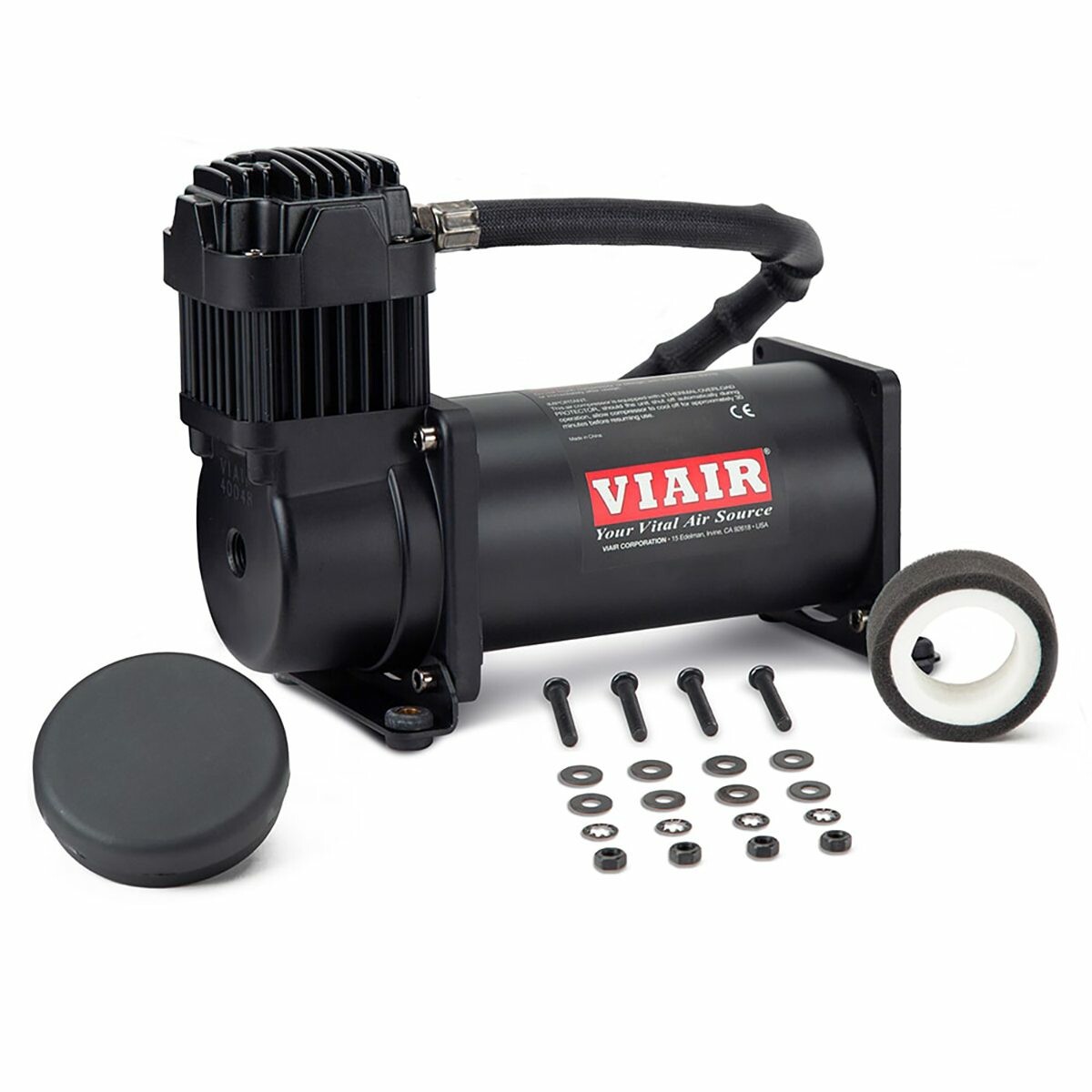
Materials: The type and quality of materials used in manufacturing air compressors significantly affect pricing. High-grade metals, durable plastics, and specialized components can increase initial costs but often result in longer-lasting products.
Labor: Labor costs vary based on the manufacturing location. In regions with lower labor costs, such as parts of Africa and South America, the overall cost of production may be reduced. However, skilled labor may command higher wages, particularly for complex assembly processes.
Manufacturing Overhead: This includes costs associated with facilities, equipment maintenance, utilities, and indirect labor. Companies may have varying overhead rates, which can influence pricing strategies.
Tooling: Custom tooling for specialized compressor models can be a significant upfront expense. Buyers should inquire about tooling costs, especially when considering unique specifications or designs.
Quality Control (QC): Implementing rigorous QC processes to ensure product reliability adds to costs. However, investing in quality can reduce returns and warranty claims, leading to long-term savings.
Logistics: Shipping and handling costs can vary greatly based on the supplier’s location and the destination. Freight charges, customs duties, and tariffs must be factored into the total cost.
Margin: Suppliers typically apply a markup to cover their costs and generate profit. Understanding the supplier’s margin can aid in negotiations.
Several factors can influence the final pricing of vehicle air compressors:
Volume/MOQ (Minimum Order Quantity): Bulk purchases often lead to lower per-unit prices. Buyers should assess their needs and negotiate for better rates based on order size.
Specifications and Customization: Customized solutions tailored to specific applications can increase costs. However, they may provide unique advantages that justify the investment.
Materials: The choice of materials not only affects performance but also cost. For instance, opting for lighter, high-strength materials may enhance efficiency but can be more expensive.
Quality and Certifications: Compressors that meet international quality standards or have specific certifications may carry higher price tags, reflecting their reliability and safety.
Supplier Factors: The supplier’s reputation, production capacity, and financial stability can impact pricing. Established suppliers may offer better service but at a premium.
Incoterms: The agreed terms of sale (e.g., FOB, CIF) will affect the total landed cost. Understanding these terms is crucial for accurately calculating total expenses.
International B2B buyers, especially from regions like Africa, South America, the Middle East, and Europe, can leverage several strategies:
Negotiation: Engage suppliers in discussions about pricing, especially regarding volume discounts or long-term contracts. Being informed about market prices can strengthen your negotiating position.
Total Cost of Ownership (TCO): Consider not just the purchase price but also operational costs, maintenance, and potential downtime. A slightly higher initial investment may yield savings over time through enhanced efficiency and reliability.
Pricing Nuances for International Buyers: Be aware of currency fluctuations, shipping costs, and tariffs that may affect the total cost. Establishing relationships with local distributors can sometimes mitigate these challenges.
Supplier Diversity: Consider sourcing from multiple suppliers to compare pricing, quality, and service. This strategy can help in identifying the best value and securing favorable terms.
Market Research: Stay informed about market trends and technological advancements in air compressor technology. Innovations may lead to more cost-effective solutions or improved performance, influencing your purchasing decisions.
By understanding these cost components, pricing influencers, and actionable buyer tips, B2B buyers can make informed decisions that align with their operational needs and budget constraints.
In the realm of automotive maintenance and off-road adventures, vehicle air compressors are a well-known solution for tire inflation and pneumatic tool operation. However, several alternative solutions exist that may suit specific needs better, depending on the application, budget, and operational context. This analysis compares vehicle air compressors with two viable alternatives: portable electric inflators and CO2 inflators.
| Comparison Aspect | Vehicle Air Compressor | Portable Electric Inflator | CO2 Inflator |
|---|---|---|---|
| Performance | High PSI, suitable for various tasks | Moderate PSI, suitable for small tires | High PSI, quick inflation for tires |
| Cost | $224.95 – $1,379.95 | $30 – $150 | $80 – $200 |
| Ease of Implementation | Easy to set up and use | Very portable, plug-and-play | Requires CO2 canister refills |
| Maintenance | Regular checks needed; rebuildable | Minimal maintenance required | Canister replacement needed |
| Best Use Case | Off-road vehicles, heavy-duty tasks | Urban commuting, emergency use | Racing, quick tire inflation |
Portable electric inflators are compact devices that can be powered by a vehicle’s 12V outlet. They are ideal for urban commuting and emergency situations, providing a quick solution for flat tires or low-pressure alerts. The primary advantages of these inflators are their low cost and ease of use, making them accessible for everyday drivers. However, they generally offer lower PSI output compared to vehicle air compressors, which limits their effectiveness for larger tires or heavy-duty applications. Additionally, they may take longer to inflate tires, especially when dealing with larger volumes of air.
CO2 inflators provide an alternative that excels in speed and convenience. These devices use compressed carbon dioxide to inflate tires rapidly, making them a favorite among off-road enthusiasts and racers who require quick pit stops. The advantages of CO2 inflators include their lightweight design and the ability to achieve high PSI quickly. However, they come with a few drawbacks. The need for regular canister replacements can add to long-term costs, and they may not be as versatile for other pneumatic tools or applications as vehicle air compressors. Additionally, CO2 inflators are less effective for larger tires, as a single canister may only inflate a tire to a limited extent.
When considering a vehicle air compressor versus its alternatives, B2B buyers must assess their specific operational requirements and environmental conditions. For businesses involved in off-road adventures or heavy-duty applications, a vehicle air compressor provides the versatility and performance needed for various tasks. Conversely, for urban settings or occasional use, a portable electric inflator may suffice, offering cost savings and ease of transport. If speed and convenience are paramount, particularly in racing or off-road scenarios, a CO2 inflator could be the ideal choice. Ultimately, understanding the nuances of each solution will empower buyers to make informed decisions that align with their business needs and operational priorities.
Understanding the technical specifications of vehicle air compressors is crucial for B2B buyers, especially when making decisions about procurement for automotive applications. Here are some essential technical properties to consider:
The pressure rating, measured in pounds per square inch (PSI), indicates the maximum pressure the compressor can generate. This specification is vital as it determines the compressor’s ability to inflate tires, operate pneumatic tools, and perform other tasks. For instance, a higher PSI rating is necessary for heavy-duty applications, which can influence the type of compressor a business might need.
Illustrative image related to vehicle air compressor
The flow rate, expressed in cubic feet per minute (CFM), measures the volume of air the compressor can deliver. This is critical for applications requiring quick inflation or continuous air supply, such as powering air tools. Businesses should assess their operational needs to select a compressor with an appropriate CFM rating, ensuring efficiency and effectiveness during use.
Vehicle air compressors can be powered by different sources, including 12V or 24V systems. The power source impacts compatibility with the vehicle’s electrical system and influences portability. For B2B buyers, understanding the power requirements helps in selecting a compressor that aligns with their fleet’s specifications and operational contexts.
The duty cycle refers to the ratio of operating time to resting time, usually expressed as a percentage. A higher duty cycle indicates that the compressor can run longer without overheating, which is crucial for businesses that require extended use. Buyers should evaluate the duty cycle to ensure that it meets their operational demands, particularly in high-intensity environments.
The materials used in the compressor’s construction affect its durability and performance. Common materials include aluminum, steel, and high-grade plastics. Selecting compressors made from robust materials can enhance longevity and reliability, reducing the need for frequent replacements and maintenance, which is a significant cost consideration for businesses.
Illustrative image related to vehicle air compressor
Familiarity with industry jargon is essential for effective communication and negotiation in the B2B market. Here are some common terms:
OEM refers to companies that produce parts or equipment that may be marketed by another manufacturer. In the context of air compressors, understanding OEM specifications is crucial for buyers seeking compatibility with existing equipment and ensuring quality standards are met.
MOQ is the smallest number of units a supplier is willing to sell. This term is significant for B2B buyers as it affects inventory management and procurement strategies. Understanding the MOQ helps companies plan their purchasing effectively, ensuring they meet supplier requirements while aligning with their operational needs.
An RFQ is a formal process where buyers request pricing and terms from suppliers. This is a critical step in procurement, allowing businesses to compare options and negotiate better deals. Crafting a comprehensive RFQ can enhance the chances of obtaining favorable terms and pricing.
Incoterms (International Commercial Terms) are a set of rules that define the responsibilities of buyers and sellers in international transactions. Familiarity with these terms is essential for B2B buyers, particularly when importing air compressors, as they clarify shipping responsibilities, risk, and cost allocations.
These agreements outline the terms under which a manufacturer or supplier will repair or replace defective compressors. Understanding warranty terms is crucial for B2B buyers as it impacts the total cost of ownership and ensures that businesses are protected against potential defects.
By grasping these technical properties and industry terms, B2B buyers can make informed decisions that enhance their operational efficiency and reduce long-term costs associated with vehicle air compressors.
The vehicle air compressor market is experiencing significant growth driven by several global factors. Increasing demand for off-road vehicles, particularly in regions such as Africa and South America, is propelling the adoption of portable air compressors. These compressors are critical for maintaining optimal tire pressure in varied terrains, enhancing vehicle performance and safety. Additionally, the rise of the automotive aftermarket is fostering innovation, with manufacturers focusing on developing lightweight, high-efficiency models that are easier to install and operate.
Illustrative image related to vehicle air compressor
Emerging technologies are reshaping the sourcing landscape for international buyers. The integration of IoT (Internet of Things) in air compressor systems is a notable trend, allowing for real-time monitoring and remote operation, which enhances convenience for users. Furthermore, the shift towards electric and hybrid vehicles is prompting manufacturers to innovate compressors that are energy-efficient and compatible with these new technologies. This trend is particularly relevant for B2B buyers in Europe, where stringent regulations on emissions are pushing for sustainable solutions.
In terms of market dynamics, competition is intensifying among key players, leading to aggressive pricing strategies and promotional offers. Buyers from regions such as Nigeria and Brazil are increasingly looking for cost-effective solutions that do not compromise on quality. This competitive landscape necessitates that international buyers conduct thorough market research and supplier evaluations to ensure they partner with reliable manufacturers who can meet their specific needs.
Sustainability is becoming a critical consideration in the sourcing of vehicle air compressors. The environmental impact of manufacturing processes and the end-of-life disposal of these products is under scrutiny, prompting buyers to seek suppliers who prioritize sustainable practices. The production of air compressors often involves materials that can be harmful to the environment if not managed properly. Therefore, international buyers should focus on manufacturers that utilize recycled materials and eco-friendly production methods.
Ethical sourcing is equally important as buyers increasingly demand transparency in their supply chains. Suppliers that can demonstrate compliance with environmental regulations and ethical labor practices are more likely to gain the trust of B2B buyers. Certifications such as ISO 14001 for environmental management systems and other ‘green’ labels can serve as indicators of a supplier’s commitment to sustainability.
Illustrative image related to vehicle air compressor
Moreover, the adoption of energy-efficient compressors can significantly reduce the carbon footprint associated with vehicle operation. B2B buyers should look for products that not only meet performance criteria but also align with their sustainability goals. This not only enhances the brand image but also meets the growing consumer demand for environmentally responsible products.
The evolution of vehicle air compressors has been marked by significant technological advancements and shifts in consumer demand. Initially, air compressors were primarily mechanical devices used for basic tire inflation. Over the years, the introduction of portable and electric models revolutionized the market, making them accessible for both professional and personal use.
In the B2B context, the focus has shifted from mere functionality to efficiency and sustainability. Modern compressors are equipped with advanced features such as automatic shut-off, digital pressure gauges, and improved noise reduction technology. This evolution reflects the broader trends of the automotive industry, which increasingly prioritizes efficiency, performance, and environmental responsibility.
As the market continues to evolve, B2B buyers must stay informed about technological advancements and shifts in consumer preferences to make strategic sourcing decisions. Understanding the historical context of vehicle air compressors can provide valuable insights into current trends and future opportunities in the sector.
How do I choose the right air compressor for my vehicle needs?
Choosing the right air compressor depends on your specific applications and the type of vehicle you operate. For off-road vehicles, a portable compressor that can handle varying tire pressures is essential. Consider factors such as PSI (pounds per square inch) ratings, air flow rate (CFM), and durability under extreme conditions. If you need to power air tools or inflate larger tires, a mounted compressor with higher capacity may be necessary. Always check compatibility with your vehicle’s electrical system and consider the compressor’s weight and portability for ease of use.
What are the common applications for vehicle air compressors?
Vehicle air compressors are versatile tools used for various applications. They can inflate tires, including those on trucks, SUVs, and off-road vehicles, and power pneumatic tools like nail guns or impact wrenches. Additionally, they can be used to inflate camping gear or sports equipment. For businesses, having a reliable air compressor can enhance operational efficiency, especially in industries involving transportation, logistics, or outdoor activities. Consider your business needs when selecting a compressor to ensure it meets your operational requirements.
What minimum order quantities (MOQ) should I expect when sourcing air compressors?
Minimum order quantities for air compressors can vary significantly between manufacturers. Typically, MOQs may range from 10 to 100 units, depending on the supplier’s production capabilities and your specific requirements. It’s advisable to discuss your needs with potential suppliers to negotiate MOQs that align with your business model. If you’re testing a new product line, some suppliers may offer flexibility on MOQs, especially for first-time buyers or bulk orders.
What payment terms are standard when sourcing air compressors internationally?
Standard payment terms for international transactions often include options like advance payment, letter of credit, or net 30/60 days after delivery. Many suppliers may request a deposit upfront, typically 30% to 50%, to confirm your order, with the balance due prior to shipping. It’s crucial to clarify payment terms in your contract to avoid misunderstandings. Additionally, consider using secure payment methods to mitigate risks associated with international trade.
How can I ensure the quality of the air compressors I am purchasing?
To ensure quality, start by vetting suppliers through references and reviews. Look for manufacturers with certifications such as ISO or CE, which indicate adherence to quality standards. Request product samples or conduct factory visits if feasible. Implement a quality assurance process that includes testing the compressors upon arrival for performance and durability. Establish clear specifications and standards in your purchase agreement to hold suppliers accountable for quality.
What shipping options are available for air compressors, and how do I choose?
Shipping options for air compressors typically include air freight, sea freight, and courier services. The best choice depends on your budget, urgency, and the size of your order. Air freight is faster but more expensive, while sea freight is cost-effective for larger shipments, albeit slower. Always factor in insurance and customs clearance in your logistics planning. Working with a freight forwarder can help streamline the shipping process and ensure compliance with international trade regulations.
Can I customize the air compressors for my business needs?
Yes, many manufacturers offer customization options to meet specific business needs. Customization may include branding, color choices, and modifications to specifications like pressure ratings or airflow capacity. It is essential to communicate your requirements clearly to the supplier and confirm any additional costs associated with customization. Ensure that the manufacturer has the capability to deliver the customized product within your desired timeline.
What after-sales support should I expect from air compressor suppliers?
After-sales support can vary by supplier, but reputable manufacturers typically offer warranty services, technical support, and maintenance guidance. Understand the warranty terms before purchasing, including the duration and coverage details. Some suppliers may provide spare parts availability and customer service to assist with any issues that arise post-purchase. Establishing a good relationship with your supplier can facilitate better support and responsiveness in addressing any concerns or service needs.
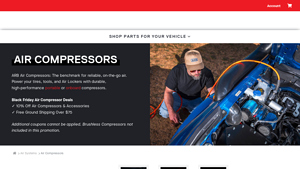
Domain: store.arbusa.com
Registered: 1998 (27 years)
Introduction: Portable & Vehicle Mounted Air Compressor Systems from ARB 4×4 USA. Key features include: reliable, high-performance compressors for tires, tools, and Air Lockers; available in portable and onboard models; various options including Twin Motor Onboard 12V, Single Motor Onboard 12V, and Brushless models; prices range from $224.95 to $1,379.95; promotions include 10% off and free shipping over $75; d…
As the vehicle air compressor market continues to evolve, strategic sourcing emerges as a critical factor for B2B buyers aiming to optimize their procurement processes. Key takeaways emphasize the importance of selecting high-performance compressors that align with specific operational needs, whether for off-road adventures or general automotive applications. Buyers should prioritize durability, versatility, and ease of maintenance to ensure long-term value and performance.
The competitive landscape presents ample opportunities for sourcing from reputable suppliers who offer innovative solutions tailored to diverse regional demands. By leveraging partnerships with manufacturers that provide robust after-sales support, businesses can enhance their operational efficiency and reduce downtime.
Looking ahead, international buyers from Africa, South America, the Middle East, and Europe should remain proactive in exploring emerging technologies and trends in air compressor systems. Investing in advanced compressors not only enhances vehicle performance but also positions companies to meet evolving market expectations. Engage with suppliers today to discover how strategic sourcing can unlock new efficiencies and drive growth in your operations.
The information provided in this guide, including content regarding manufacturers, technical specifications, and market analysis, is for informational and educational purposes only. It does not constitute professional procurement advice, financial advice, or legal advice.
While we have made every effort to ensure the accuracy and timeliness of the information, we are not responsible for any errors, omissions, or outdated information. Market conditions, company details, and technical standards are subject to change.
B2B buyers must conduct their own independent and thorough due diligence before making any purchasing decisions. This includes contacting suppliers directly, verifying certifications, requesting samples, and seeking professional consultation. The risk of relying on any information in this guide is borne solely by the reader.


 English
  Russian
  Spanish
  Italian
  Arabic
  Portuguese
  German