
In the rapidly evolving global market for motorcycle bags, B2B buyers face a significant challenge: identifying reliable suppliers while ensuring the quality and functionality of their products. As businesses seek to source motorcycle bags that meet diverse needs—from rugged panniers for adventure touring to sleek, stylish saddlebags for urban riders—this guide serves as a vital resource. We delve into various types of motorcycle bags, their applications across different riding styles, and crucial factors to consider when vetting suppliers.
This comprehensive guide not only outlines the various types of motorcycle luggage available in the market, such as tank bags, tail bags, and backpacks, but also provides insights into pricing structures and trends specific to regions like Africa, South America, the Middle East, and Europe, including key markets like Saudi Arabia and Nigeria. By navigating the complexities of supplier selection and understanding the nuances of product specifications, B2B buyers will be empowered to make informed purchasing decisions that align with their operational needs.
Our goal is to equip you with actionable insights that streamline your sourcing process, ensuring that your offerings meet the high standards of quality and functionality expected by today’s motorcycle enthusiasts. As you explore this guide, you’ll gain a deeper understanding of the motorcycle bag landscape, enabling you to forge strategic partnerships and enhance your product portfolio effectively.
| Type Name | Key Distinguishing Features | Primary B2B Applications | Brief Pros & Cons for Buyers |
|---|---|---|---|
| Panniers | Rigid or semi-rigid side bags, often mounted on a frame | Long-distance touring, adventure motorcycling | Pros: Durable, spacious, secure. Cons: Can be heavy, require specific mounting systems. |
| Tail Bags | Compact bags mounted on the rear, often soft-sided | Short trips, daily commuting | Pros: Lightweight, easy to attach/detach. Cons: Limited capacity, may lack weatherproofing. |
| Tank Bags | Bags that sit on the motorcycle tank, often with magnetic or strap mounts | Quick access to essentials, urban commuting | Pros: Convenient access, stable. Cons: Limited storage space, may scratch tank finish. |
| Backpacks | Wearable bags designed for comfort and stability | Casual rides, off-road adventures | Pros: Versatile, can carry personal items. Cons: Can be uncomfortable over long distances. |
| Rackless Systems | Soft luggage that doesn’t require a frame, often using straps | Adventure touring, off-road riding | Pros: Lightweight, adaptable. Cons: Less secure than rigid options, requires careful packing. |
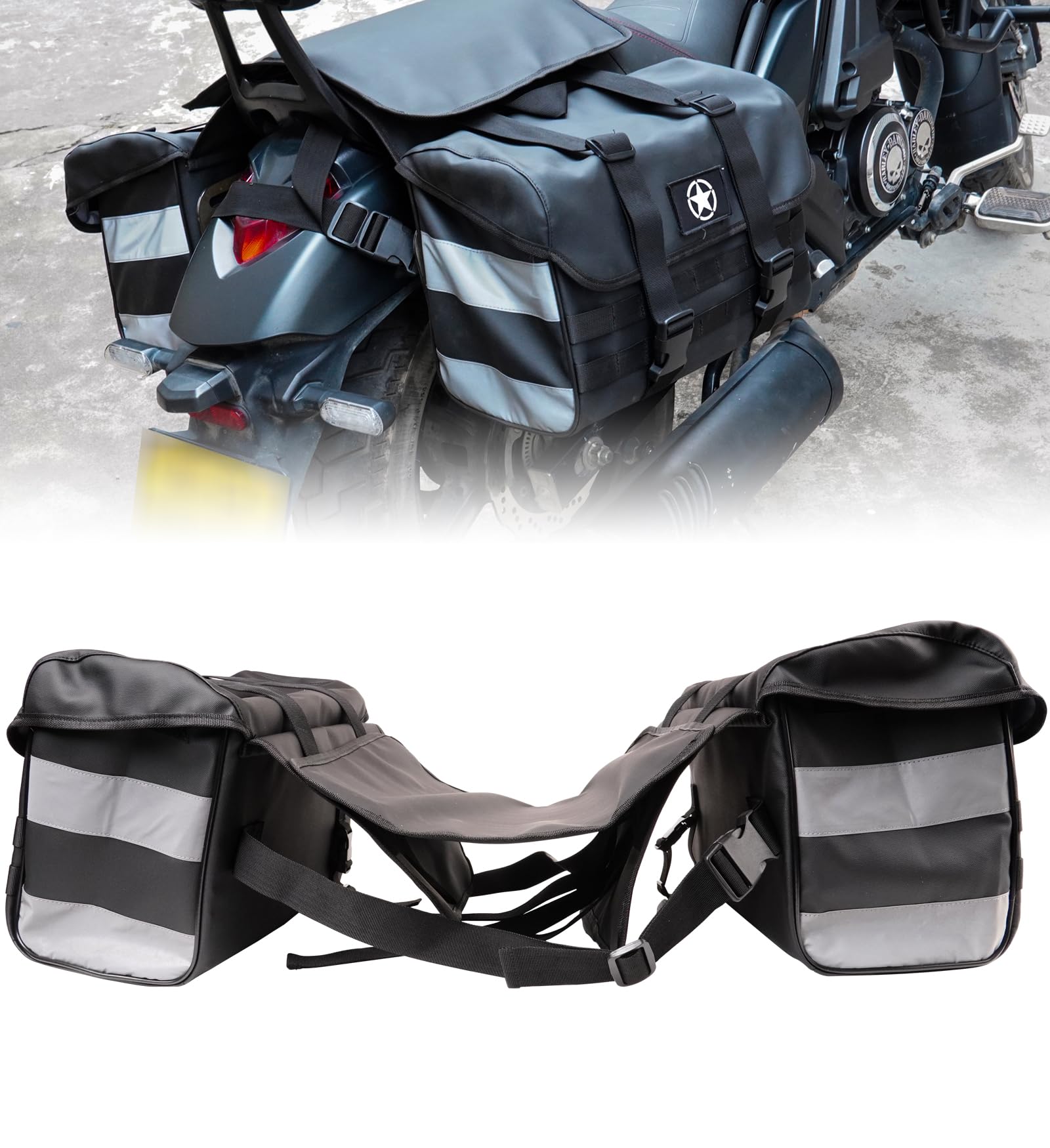
Panniers are essential for long-distance touring and adventure motorcycling, providing a robust storage solution. Typically made from durable materials, they are designed to withstand harsh conditions, making them suitable for B2B buyers focused on reliability. When purchasing, consider factors such as mounting compatibility, capacity, and weather resistance, as these can significantly impact customer satisfaction and the longevity of the product in various markets.
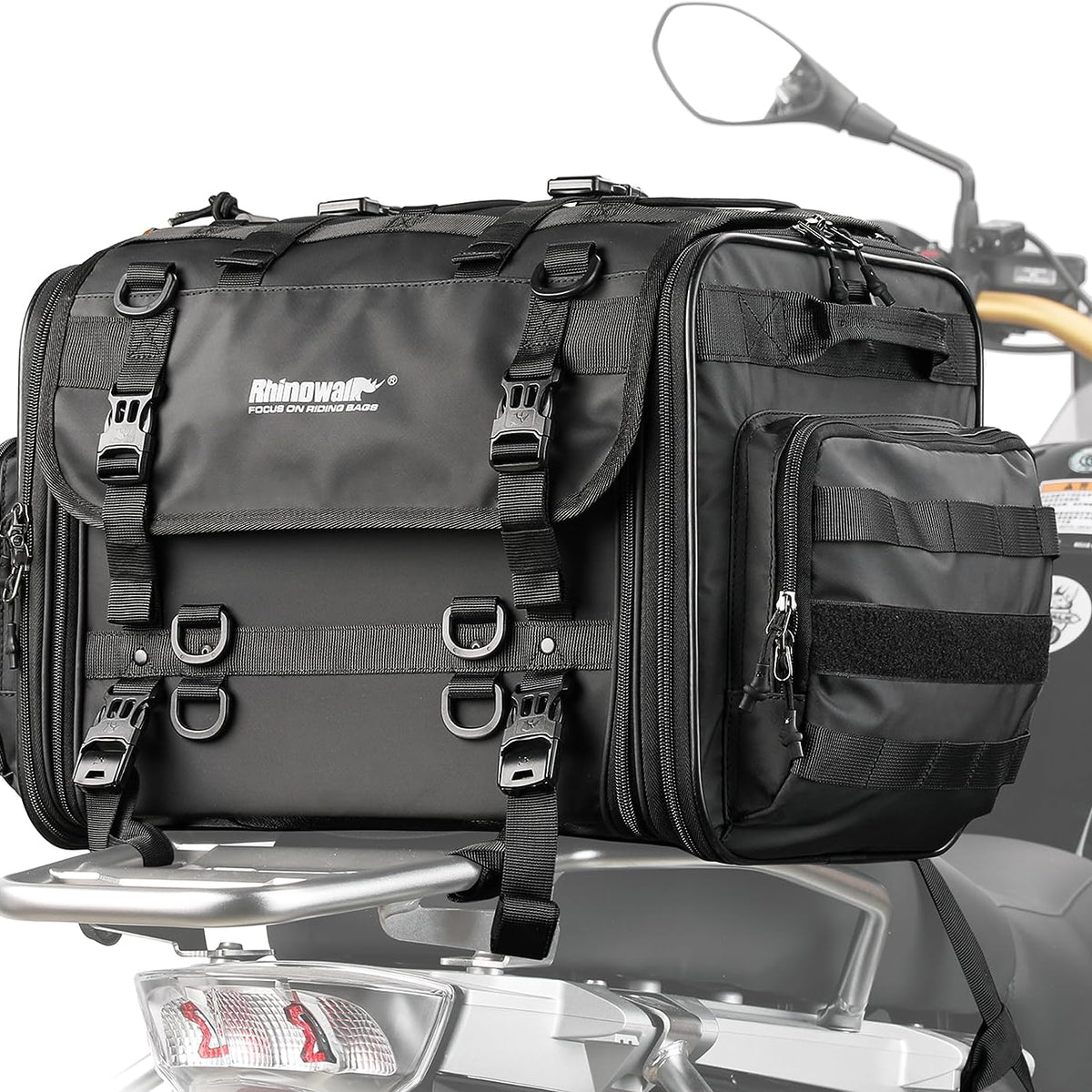
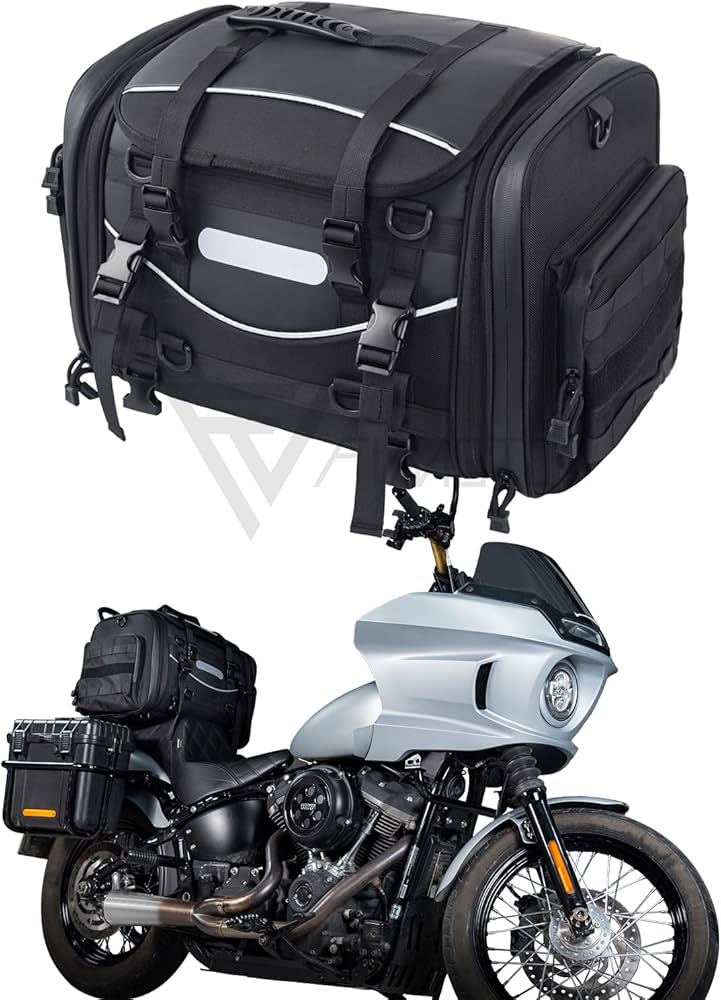
Tail bags are compact solutions ideal for short trips and daily commuting. Their lightweight design makes them easy to attach and detach, appealing to buyers looking for convenience. However, their limited capacity may not meet the needs of all customers, particularly those requiring more extensive storage. B2B buyers should assess the quality of materials and weatherproofing features to ensure they align with their target market’s expectations.
Illustrative image related to motorcycles bags
Tank bags are favored for their convenient access to essentials during urban commutes. They typically feature magnetic or strap mounts for secure attachment, which is a selling point for B2B buyers in bustling city markets. While they provide stable storage, the risk of scratching the tank and limited storage space are drawbacks. Buyers should prioritize compatibility with various motorcycle models to broaden their market reach.
Backpacks are versatile and suitable for casual rides or off-road adventures, appealing to a younger demographic. Their ability to carry personal items makes them attractive for B2B buyers targeting lifestyle-oriented consumers. However, comfort can diminish on longer rides, which is a crucial consideration when sourcing products. Ensuring ergonomic design and adjustable straps can enhance customer satisfaction and repeat business.
Rackless systems are gaining traction among adventure touring enthusiasts due to their lightweight and adaptable nature. They offer a flexible storage solution without the need for a rigid frame, making them ideal for off-road conditions. B2B buyers should focus on the ease of installation and packing efficiency, as these factors can greatly influence purchasing decisions in markets where versatility is valued.
| Industry/Sector | Specific Application of motorcycles bags | Value/Benefit for the Business | Key Sourcing Considerations for this Application |
|---|---|---|---|
| Adventure Tourism | Luggage for motorcycle tours and rentals | Enhances customer experience by providing durable, weather-resistant storage solutions for long trips. | Focus on waterproof materials, easy mounting systems, and weight capacity. |
| Delivery and Logistics | Delivery bags for food and goods | Increases efficiency and reliability of deliveries in urban areas, especially in congested regions. | Consider size, insulation for food safety, and ease of access. |
| Emergency Services | Emergency response bags for medical supplies | Enables quick access to essential medical supplies during emergencies, improving response times. | Look for rugged construction, organizational compartments, and ease of transport. |
| Recreational Riding | Storage for personal items during rides | Provides convenience and organization for riders, enhancing the overall riding experience. | Evaluate compatibility with various motorcycle models and aesthetic appeal. |
| Retail and Wholesale | Merchandising motorcycle bags | Expands product offerings for retailers, appealing to a diverse customer base. | Assess price points, brand reputation, and potential for customization. |
In the adventure tourism sector, motorcycles bags serve as essential luggage solutions for guided tours and rental services. These bags are designed to withstand diverse weather conditions and rough terrains, ensuring that tourists can carry personal belongings securely. For international buyers, especially in regions like Africa and South America, it’s crucial to source bags that are not only durable but also easy to mount on various motorcycle types. A focus on features such as waterproofing and lightweight materials can significantly enhance the customer experience, leading to repeat business and positive reviews.
In the delivery and logistics industry, motorcycles bags are increasingly used for efficient transportation of goods, particularly in densely populated urban areas. They provide a practical solution for food delivery services, offering insulated compartments that maintain food temperature during transit. Buyers from the Middle East and Europe should prioritize sourcing bags that are spacious yet compact, ensuring they can navigate through traffic easily. Additionally, features like quick-access openings can improve delivery times, directly impacting service reliability and customer satisfaction.
Emergency services utilize motorcycles bags for transporting medical supplies and equipment to disaster sites or remote areas. These bags are designed for rapid deployment, allowing first responders to access critical supplies quickly. For B2B buyers in sectors like healthcare or emergency management, sourcing bags with rugged construction and organizational features is essential. Given the urgency of their use, durability and ease of transport become paramount, making it vital to partner with manufacturers that understand these specific requirements.
Motorcycles bags enhance the recreational riding experience by providing riders with a convenient way to carry personal items such as clothing, tools, and snacks. They are particularly valuable for long-distance rides, where organization and accessibility are key. Buyers, especially in regions with a strong biking culture, should consider bags that are compatible with various motorcycle models and offer aesthetic appeal. The right choice can significantly improve rider satisfaction and encourage more enthusiasts to invest in quality motorcycle gear.
In the retail and wholesale markets, motorcycles bags represent an opportunity to expand product offerings and attract a broader customer base. Retailers can benefit from stocking a variety of styles and sizes, catering to different riding preferences and needs. For B2B buyers, assessing price points and brand reputation is crucial when sourcing these products. Additionally, the potential for customization can enhance brand loyalty and create a unique selling proposition in a competitive marketplace.

Illustrative image related to motorcycles bags
The Problem: One of the most significant pain points for B2B buyers in the motorcycle bag market is ensuring that the products they source are adequately resistant to various weather conditions. Buyers from regions such as Africa, South America, and the Middle East often face extreme weather changes, including heavy rain or intense heat. Motorcycle bags that fail to protect contents from water damage or extreme temperatures can lead to dissatisfied customers, increased returns, and a damaged reputation. This issue is exacerbated when bags do not come with robust weatherproofing features or rain covers, leaving the buyer with the responsibility of managing quality complaints.
The Solution: When sourcing motorcycle bags, prioritize those with proven weather resistance features, such as waterproof materials and sealed seams. Look for bags that come equipped with additional protective elements like rain covers, which can be crucial for unforeseen weather conditions. Conduct thorough product testing or request samples to assess the durability and effectiveness of these features. Furthermore, consider partnering with suppliers who provide comprehensive warranties or guarantees on their products, as this reflects confidence in their weatherproofing capabilities. Offering your clients bags that are explicitly designed for various climates will enhance customer satisfaction and loyalty.
The Problem: Sizing and compatibility are common challenges for B2B buyers who need to ensure that the motorcycle bags fit a variety of bike models. Many suppliers offer generic sizes that may not align with specific motorcycle designs, leading to frustration for both retailers and end-users. Buyers often find themselves dealing with returns or exchanges because the products do not fit the intended motorcycles, which can significantly affect inventory management and sales.
The Solution: To mitigate sizing and compatibility issues, it’s essential to work with manufacturers who offer a wide range of motorcycle bag options tailored for different models and styles. Request detailed size charts and compatibility lists from suppliers to ensure that the bags can accommodate the motorcycles in your market. Additionally, consider investing in modular or adjustable bag systems that can be easily customized to fit various bikes. Providing clear installation guides and ensuring that the bags come with universal mounting systems will also enhance their appeal. By focusing on compatibility, you not only streamline your inventory but also boost customer satisfaction and reduce return rates.
The Problem: Durability is a critical concern for B2B buyers who must ensure that the motorcycle bags they source can withstand the rigors of long-distance travel and off-road conditions. In regions like Europe and Africa, where adventure touring is popular, buyers face the risk of selecting bags that may tear or wear out quickly, leading to customer dissatisfaction and increased warranty claims. Poor-quality materials can result in frequent product failures, ultimately impacting a buyer’s reputation and profitability.
Illustrative image related to motorcycles bags
The Solution: To address durability concerns, prioritize sourcing bags made from high-quality, robust materials such as heavy-duty nylon, reinforced stitching, and impact-resistant plastics. Look for bags that have been tested in real-world conditions and ask for performance certifications or customer testimonials to validate their claims. Establish relationships with manufacturers who specialize in adventure motorcycle gear, as they often have a deeper understanding of the demands placed on bags in challenging environments. Additionally, consider offering a range of products that vary in durability levels, catering to both casual riders and those seeking high-performance options. By ensuring the bags are built to last, you can enhance your brand’s credibility and foster long-term customer relationships.
When selecting materials for motorcycle bags, it’s essential to consider their performance characteristics, durability, and suitability for specific applications. Here, we analyze four common materials: nylon, polyester, leather, and PVC.
Nylon is a synthetic fabric known for its strength and elasticity. It has excellent abrasion resistance and can withstand a wide range of temperatures, making it suitable for various weather conditions. Nylon’s lightweight nature is a significant advantage for motorcycle bags, as it helps reduce overall weight without compromising durability.
Pros: Nylon is highly durable, resistant to mildew, and easy to clean. It also has a relatively low manufacturing complexity, allowing for versatile designs.
Cons: The primary limitation of nylon is its susceptibility to UV degradation over time, which can lead to color fading and material weakening. Additionally, high-quality nylon can be more expensive compared to other materials.
Illustrative image related to motorcycles bags
Impact on Application: Nylon is compatible with various media, including water-resistant coatings, enhancing its utility in adverse weather conditions.
Considerations for International Buyers: Compliance with international standards such as ASTM for textile products is crucial. Buyers from regions like Africa and the Middle East should also consider UV resistance due to intense sunlight exposure.
Polyester is another popular synthetic fabric often used in motorcycle bags. It offers good resistance to stretching and shrinking, making it a stable choice for various designs. Polyester also has a higher UV resistance compared to nylon, which prolongs the life of the product under direct sunlight.
Pros: The material is cost-effective and available in various weights and textures, allowing for a wide range of applications. Its water-resistant properties can be enhanced with coatings, making it suitable for outdoor use.
Illustrative image related to motorcycles bags
Cons: While durable, polyester is less abrasion-resistant than nylon, which may affect longevity in rugged conditions. It can also be heavier than nylon, impacting the overall weight of the bag.
Impact on Application: Polyester’s compatibility with water-resistant treatments makes it ideal for motorcycle bags intended for wet environments.
Considerations for International Buyers: Buyers should be aware of the varying quality of polyester fabrics available in different markets. Ensuring compliance with local textile regulations is essential, especially in regions with specific import standards.
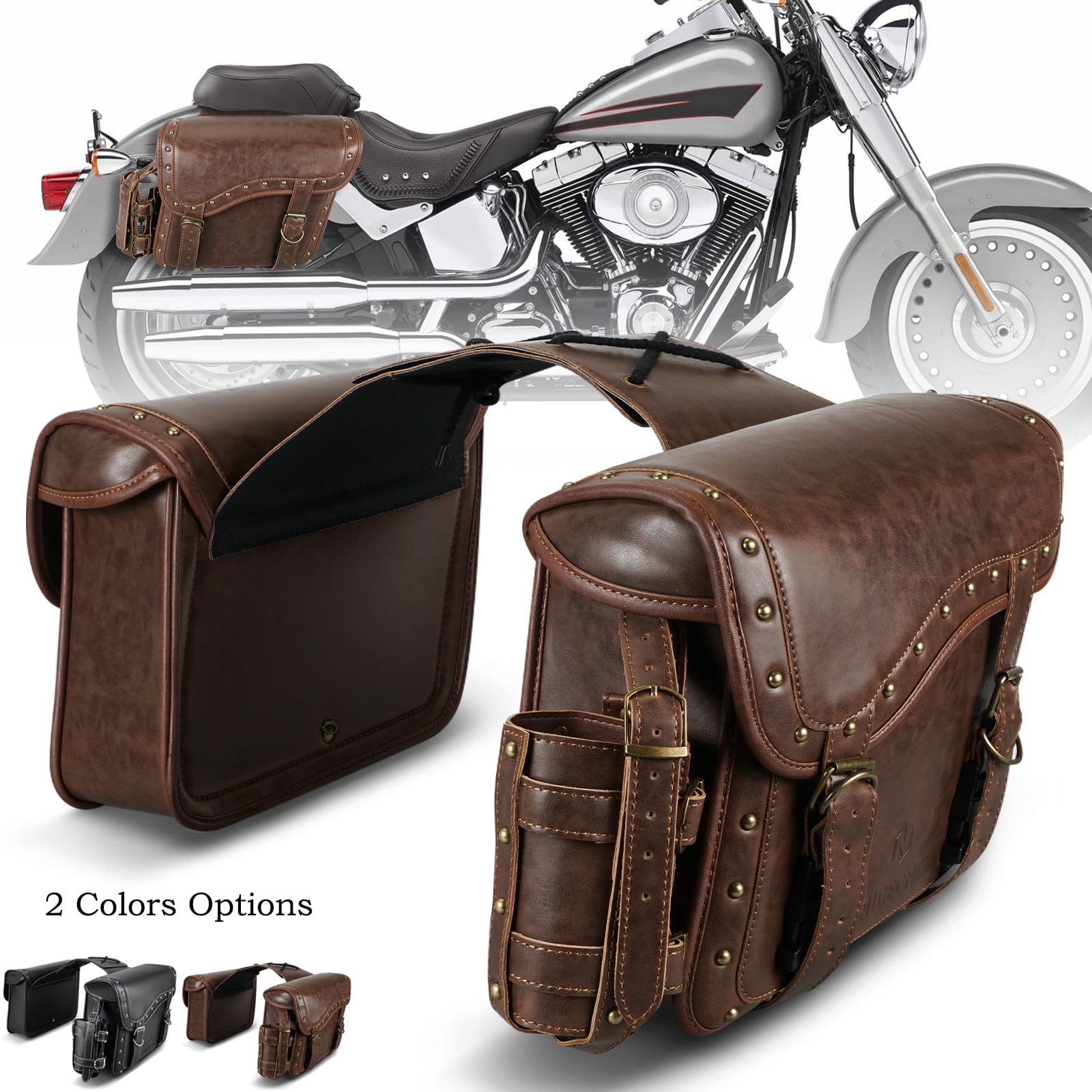
Leather is a traditional material known for its aesthetic appeal and durability. It offers excellent resistance to wear and tear and can withstand various environmental conditions, making it a favored choice for high-end motorcycle bags.
Pros: Leather provides a classic look and feel, often preferred by consumers seeking luxury products. It is highly durable and can last for many years with proper care.
Cons: The primary drawbacks include higher costs and the need for regular maintenance to prevent drying or cracking. Leather is also heavier than synthetic materials, which may not appeal to all users.

Illustrative image related to motorcycles bags
Impact on Application: Leather is not typically water-resistant unless treated, which may limit its application in wet conditions without additional protective measures.
Considerations for International Buyers: Compliance with international leather standards, including ethical sourcing and tanning processes, is vital. Buyers in regions like Europe may have specific regulations regarding leather products.
PVC (polyvinyl chloride) is a synthetic plastic that is highly durable and waterproof, making it an excellent choice for motorcycle bags designed for extreme conditions. Its resistance to chemicals and UV radiation enhances its applicability in various environments.
Pros: PVC is cost-effective and offers excellent waterproofing properties. It is also easy to clean and maintain, making it suitable for rugged outdoor use.
Cons: The primary disadvantage is its environmental impact, as PVC production and disposal can be harmful. Additionally, PVC can become brittle over time, especially in extreme cold.
Impact on Application: PVC is ideal for bags requiring high water resistance, making it suitable for adventure touring applications.
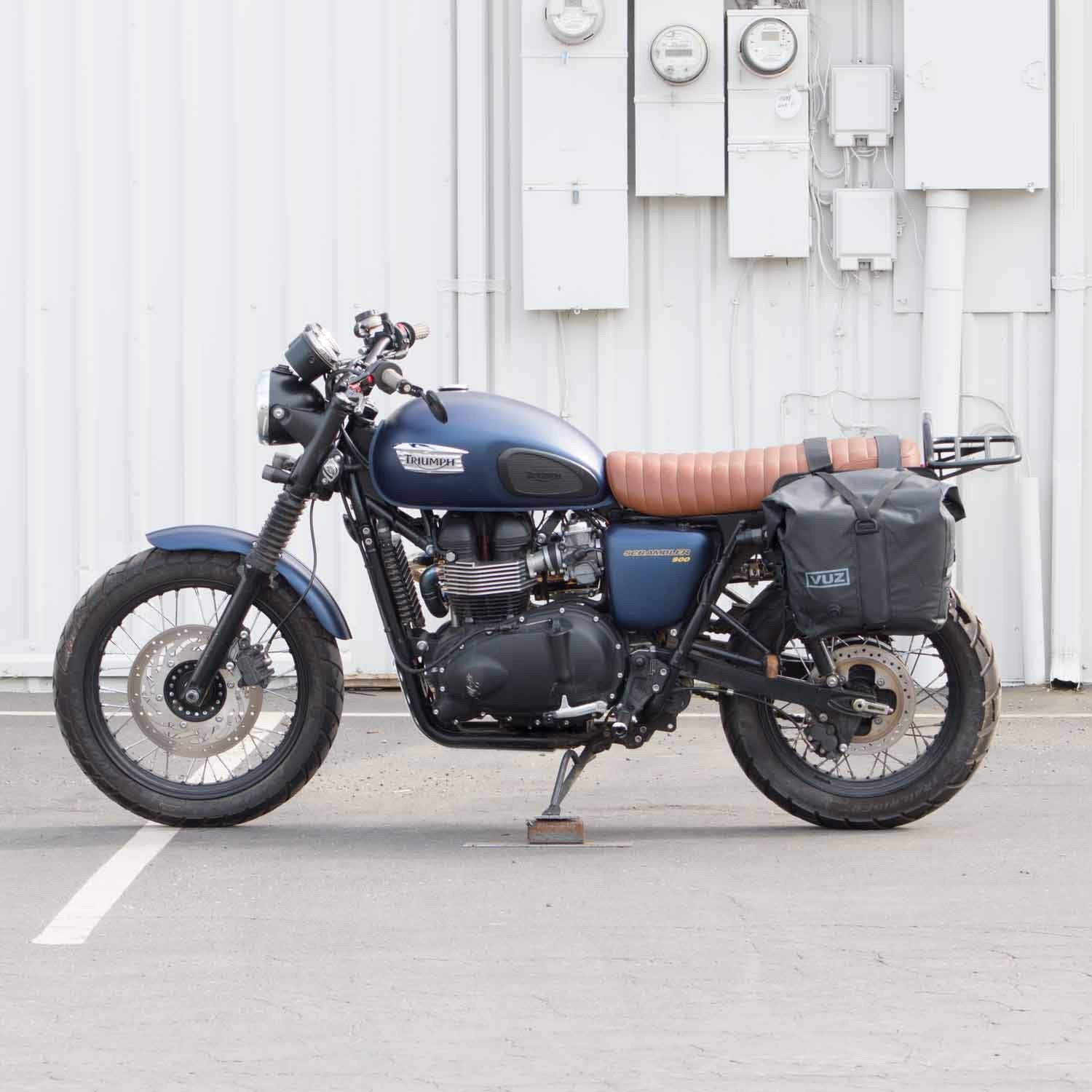
Illustrative image related to motorcycles bags
Considerations for International Buyers: Buyers should consider environmental regulations regarding PVC in their markets. Compliance with standards such as DIN for plastics may also be necessary.
| Material | Typical Use Case for motorcycles bags | Key Advantage | Key Disadvantage/Limitation | Relative Cost (Low/Med/High) |
|---|---|---|---|---|
| Nylon | Adventure touring bags | Lightweight and durable | UV degradation over time | Medium |
| Polyester | General-purpose bags | Cost-effective and UV resistant | Less abrasion-resistant | Low |
| Leather | Premium motorcycle bags | Aesthetic appeal and durability | Higher cost and maintenance required | High |
| PVC | Waterproof bags for extreme conditions | Excellent waterproofing | Environmental impact and brittleness | Low |
This strategic material selection guide provides a comprehensive overview for international B2B buyers, helping them make informed decisions based on material properties, application suitability, and compliance considerations.
The manufacturing of motorcycle bags involves several critical stages, each essential for ensuring the product meets quality standards and consumer expectations. The main stages include material preparation, forming, assembly, and finishing.
Motorcycle bags are typically made from durable materials such as nylon, polyester, and leather, each chosen for their strength and weather resistance. The first step in the manufacturing process is sourcing these materials from reliable suppliers. Quality checks are performed to assess the durability, flexibility, and resistance to wear and tear.
Once the materials are procured, they undergo cutting and treatment processes. For instance, nylon may be coated with a waterproof layer to enhance its resilience against harsh weather conditions. This stage is crucial as the quality of the raw materials significantly impacts the final product’s longevity and functionality.
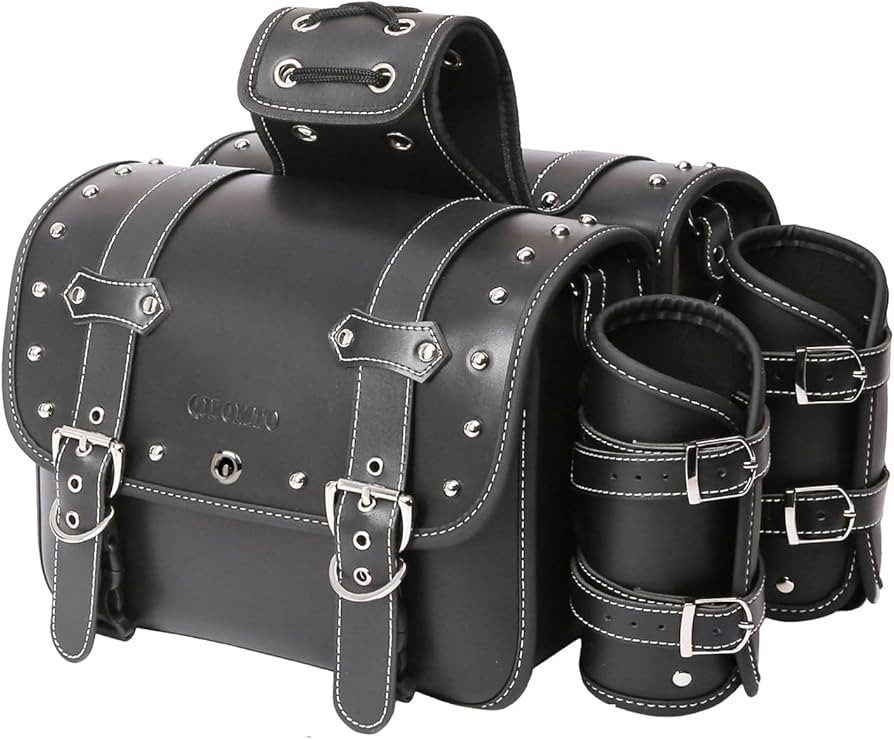
Illustrative image related to motorcycles bags
The forming stage involves shaping the cut materials into the various components of the motorcycle bags. This is typically accomplished through techniques such as sewing, welding, or heat sealing. Depending on the design, manufacturers might use specialized machines for precision stitching, ensuring that seams are strong and can withstand the rigors of motorcycle travel.
For bags requiring rigid structures, such as hard-shell cases, manufacturers might use injection molding or vacuum forming techniques. These processes create a sturdy outer shell that protects the contents of the bag while maintaining a lightweight profile.
During the assembly phase, all components of the motorcycle bag are brought together. This includes attaching straps, zippers, and any additional features like pockets or reflective materials. Quality control checkpoints are established throughout this stage to ensure each component is correctly installed and functions as intended.
For instance, zippers must be tested for smooth operation, and straps should be tested for load-bearing capacity. This is particularly important for B2B buyers, as the reliability of these components directly affects customer satisfaction and the perceived value of the product.
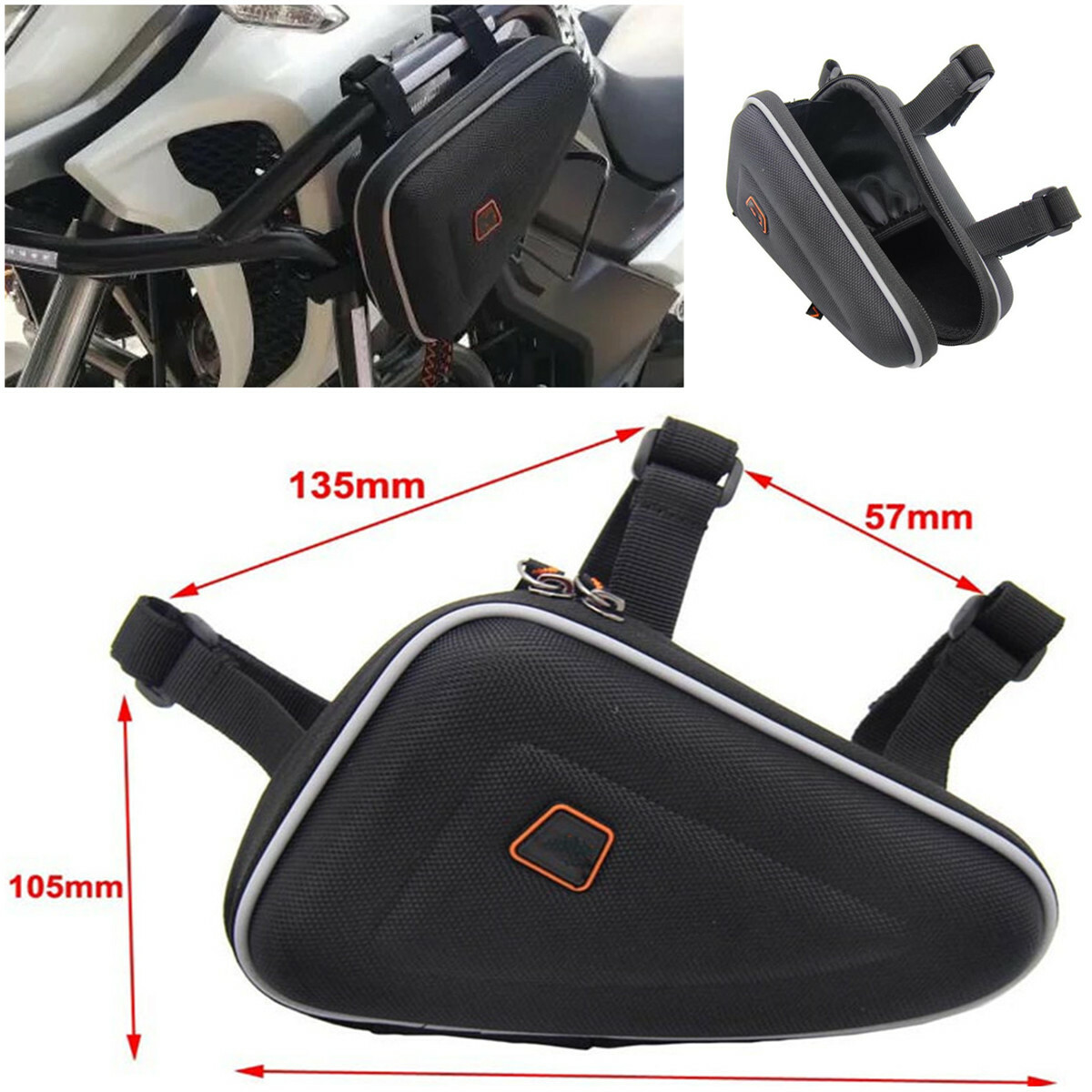
Illustrative image related to motorcycles bags
The finishing stage involves final inspections and packaging. Each bag is checked for defects, and any necessary adjustments or repairs are made. Once quality checks are complete, bags are cleaned, labeled, and packed for distribution. This final inspection ensures that only products meeting the highest standards are shipped to clients.
Quality assurance (QA) is a fundamental aspect of the manufacturing process for motorcycle bags, ensuring that products are safe, reliable, and of high quality. Several international standards and industry-specific regulations guide these QA processes.
B2B buyers should look for manufacturers that comply with international standards such as ISO 9001, which specifies requirements for a quality management system. Adherence to this standard indicates that the manufacturer has implemented a systematic approach to managing quality, leading to consistent production of high-quality products.
Additionally, certifications such as CE (Conformité Européenne) for European markets or API (American Petroleum Institute) standards for specific applications may be relevant, depending on the target market and product specifications.
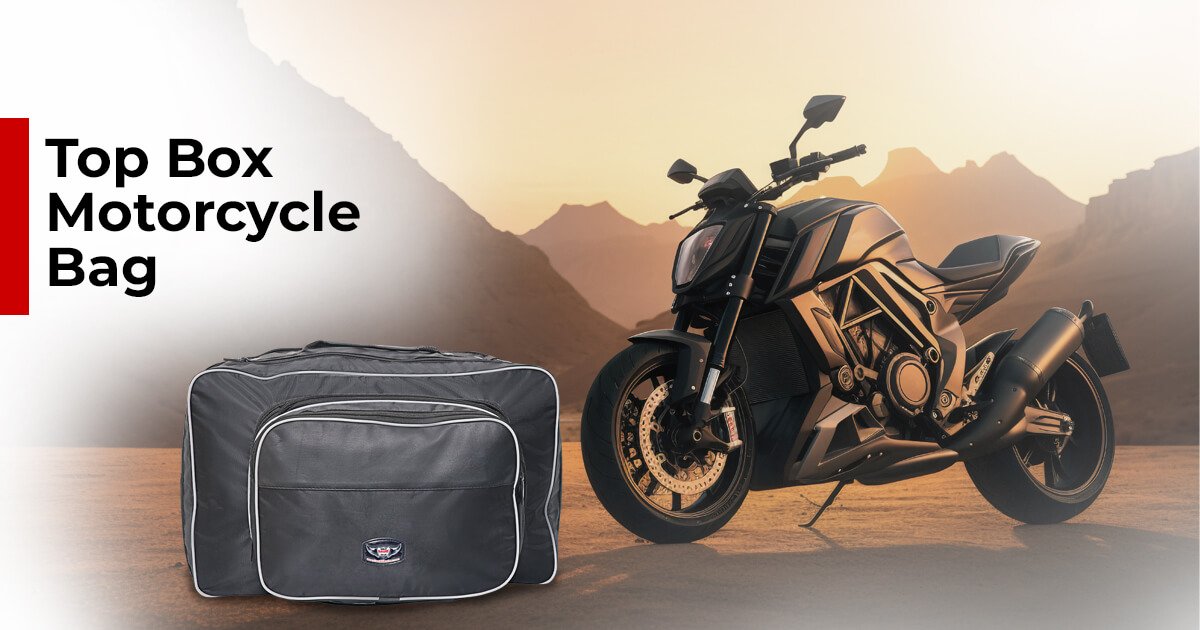
Illustrative image related to motorcycles bags
Quality control is typically segmented into several checkpoints throughout the manufacturing process:
These checkpoints are vital for maintaining quality and minimizing defects, ultimately protecting the brand reputation of B2B buyers.
Various testing methods are employed to assess the durability, functionality, and safety of motorcycle bags. Common tests include:
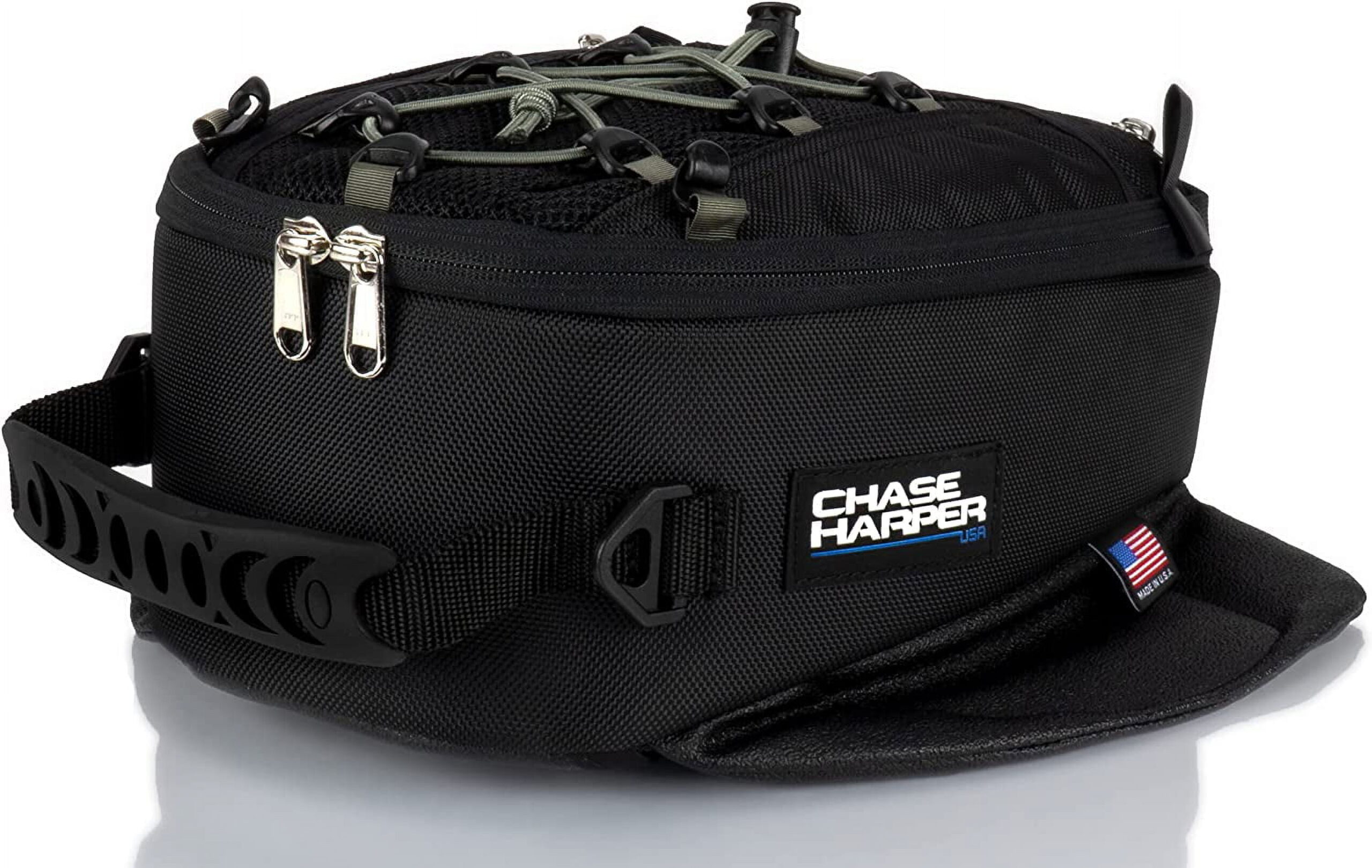
Illustrative image related to motorcycles bags
These tests not only verify the quality of the bags but also provide valuable data that B2B buyers can use to market the products effectively.
B2B buyers must be proactive in verifying the quality control processes of potential suppliers. Here are effective strategies to ensure that quality standards are upheld:
Performing regular audits of manufacturing facilities can provide insights into a supplier’s quality control practices. Buyers should look for evidence of compliance with international standards, the presence of quality management systems, and the results of previous quality inspections.
Buyers should request detailed quality control reports that outline the results of various tests conducted on the products. These reports should include data on material quality, testing outcomes, and any corrective actions taken to address identified issues.
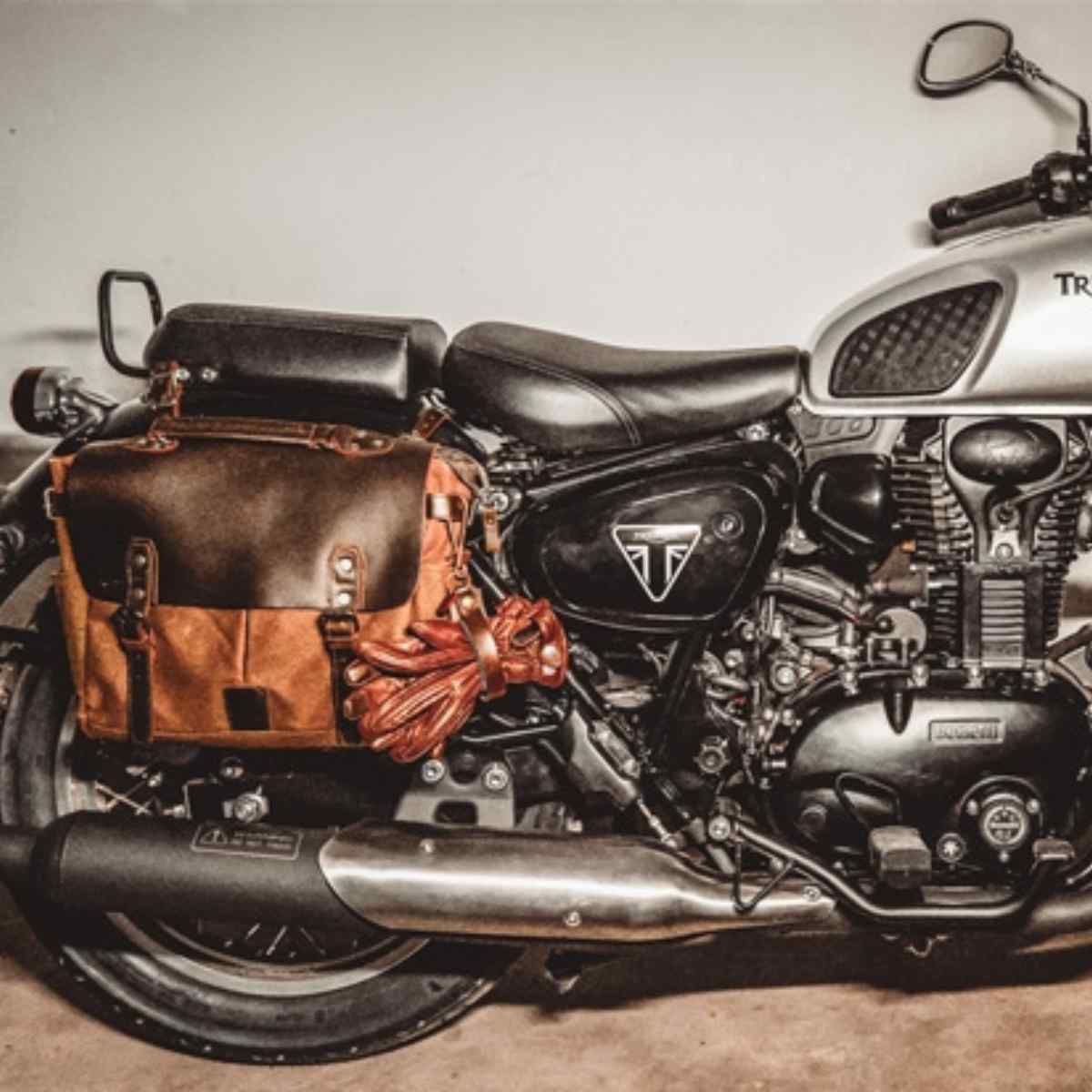
Illustrative image related to motorcycles bags
Engaging third-party inspection services can offer an unbiased assessment of the supplier’s quality control measures. These services can conduct inspections at various stages of production, providing additional assurance that products will meet the specified standards upon delivery.
International B2B buyers must navigate various challenges related to quality control, particularly when sourcing from different regions. It is essential to be aware of local regulations, cultural differences in manufacturing practices, and potential language barriers that may affect communication.
Different regions may have specific regulations regarding the quality and safety of motorcycle bags. Buyers should familiarize themselves with these regulations to ensure compliance and avoid potential legal issues. For example, certain countries may have stricter environmental standards that affect material sourcing and manufacturing processes.
Cultural differences can influence the quality of communication and expectations regarding product quality. Establishing clear guidelines and maintaining open lines of communication can help mitigate misunderstandings and ensure that quality standards are consistently met.
In conclusion, the manufacturing processes and quality assurance practices for motorcycle bags are intricate and require careful consideration by B2B buyers. By understanding these processes and implementing thorough verification strategies, buyers can make informed decisions that enhance their product offerings and satisfy their customers’ needs.
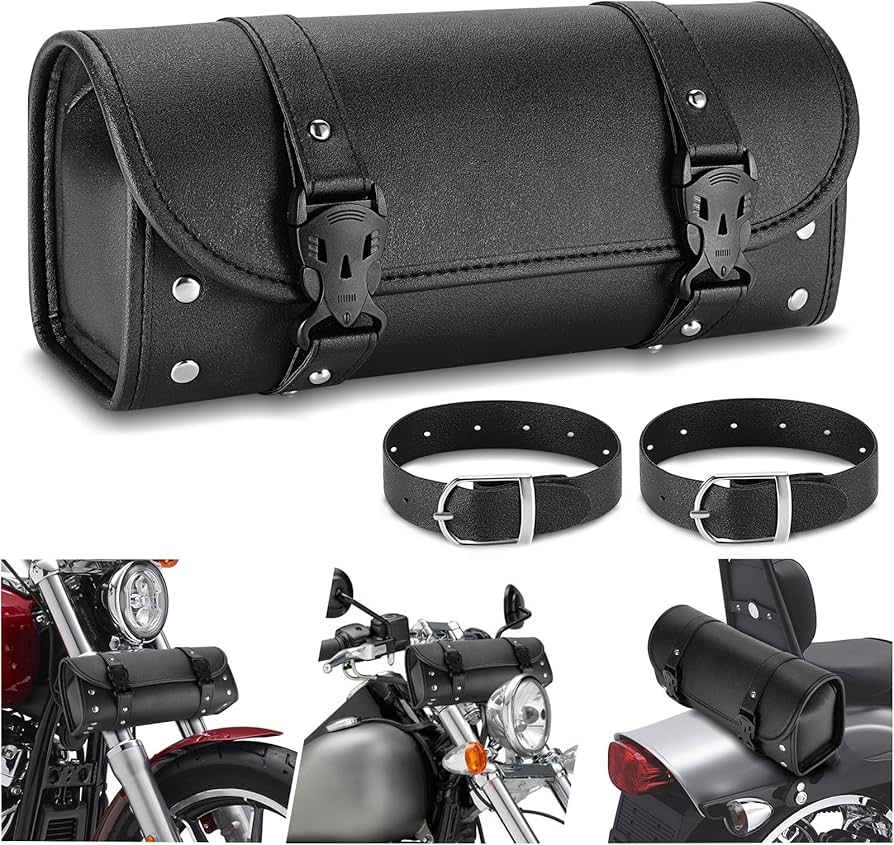
Illustrative image related to motorcycles bags
In the competitive landscape of motorcycle bags, B2B buyers need a structured approach to sourcing high-quality products that meet their specific needs. This checklist serves as a practical guide for international buyers, particularly those in Africa, South America, the Middle East, and Europe. By following these steps, you can ensure a successful procurement process.
Understanding the specific requirements of your target market is crucial. Consider factors such as the types of motorcycles prevalent in your region and the preferences of local riders. Additionally, assess whether you need waterproof, durable materials or lightweight options for casual riders. This foundational step will guide your entire sourcing process.
Clearly outline the technical specifications of the motorcycle bags you wish to procure. This includes dimensions, weight limits, material types, and features such as mounting systems or additional compartments. Having a well-defined specification helps streamline communication with suppliers and ensures that the products meet your operational standards.
Conduct thorough research to identify potential suppliers. Look for companies with a strong track record in manufacturing motorcycle bags, and consider their experience in your target market. Utilize platforms like industry trade shows, online marketplaces, and local directories to gather a list of candidates.
Verify that potential suppliers comply with international quality standards and local regulations. Certifications such as ISO 9001 for quality management systems can be indicators of a supplier’s commitment to quality. Compliance with environmental regulations is also important, especially if your customers are increasingly eco-conscious.
Before making a bulk purchase, request samples of the motorcycle bags. This allows you to evaluate the quality, durability, and overall design of the products. Testing the samples in real-world conditions can also provide insights into usability and customer satisfaction.
Once you have narrowed down your options, compare pricing structures among suppliers. Look for transparency in pricing, including shipping costs and potential tariffs. Additionally, negotiate payment terms that are favorable for your cash flow, considering options such as letters of credit or payment upon delivery.
Effective communication is vital throughout the sourcing process. Establish clear lines of communication with your chosen supplier, ensuring they are responsive to your inquiries and capable of providing after-sales support. A reliable supplier will assist with issues such as warranty claims or product recalls, enhancing your overall purchasing experience.
By following this checklist, B2B buyers can navigate the complexities of sourcing motorcycle bags effectively, ensuring that they procure high-quality products that meet market demands while fostering strong supplier relationships.
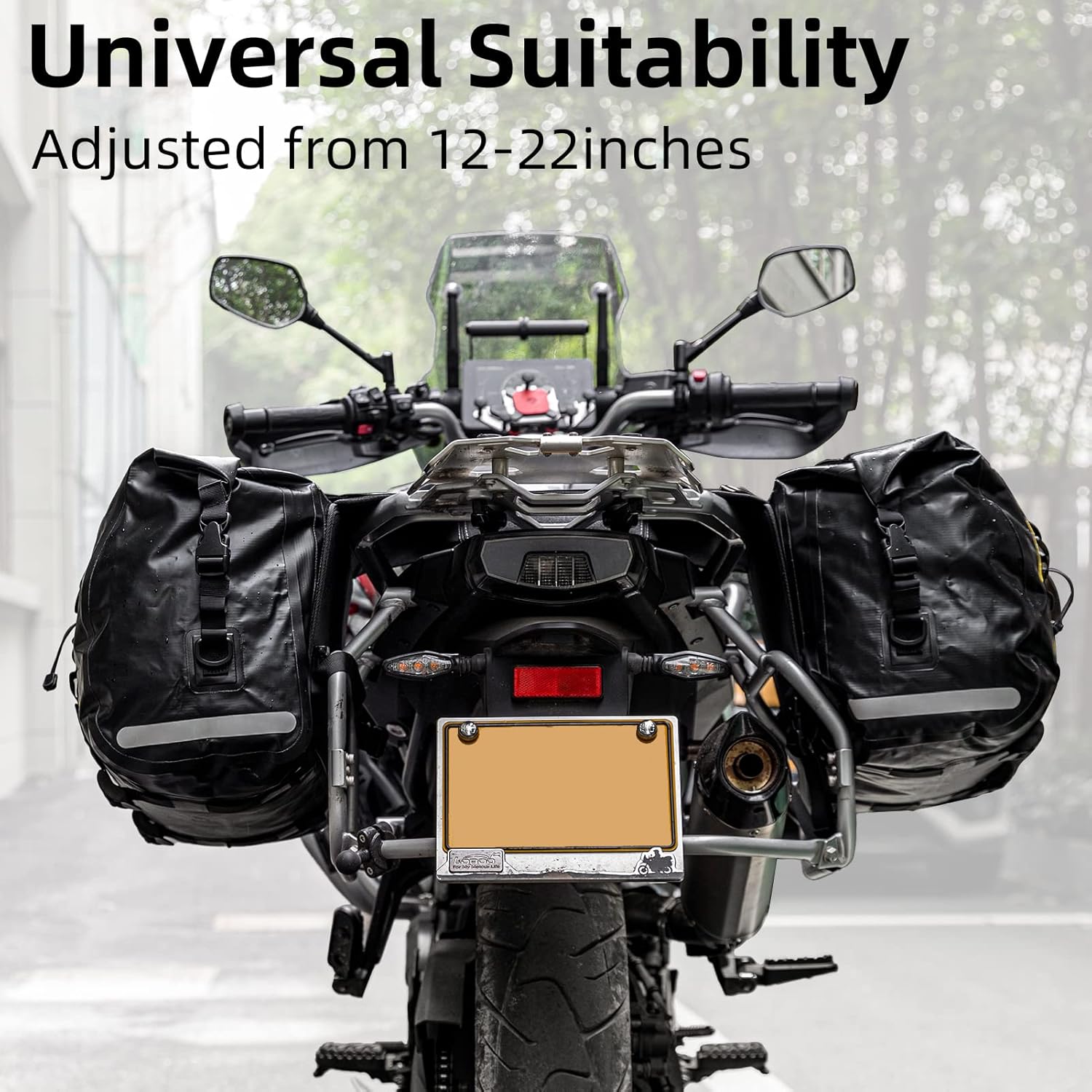
Illustrative image related to motorcycles bags
When sourcing motorcycle bags, understanding the cost structure is crucial for international B2B buyers. The main components contributing to the overall cost include:
Materials: The choice of materials directly impacts the durability and functionality of the bags. High-quality fabrics, waterproof coatings, and robust zippers are common in premium products, while lower-cost options might use less durable materials.
Labor: Labor costs vary significantly based on geographical location. Countries with lower labor costs, such as those in parts of Africa or South America, may offer more competitive pricing. However, this can affect the quality and speed of production.
Manufacturing Overhead: This includes utilities, rent, and other operational expenses incurred during production. Factories with efficient processes and lower overhead can provide better pricing.
Tooling: Custom designs often require specific tools or molds, which can increase initial costs. This is particularly relevant for unique or branded products.
Quality Control (QC): Implementing strict QC measures ensures product reliability, which can raise costs but is essential for maintaining brand reputation, especially in competitive markets.
Logistics: Shipping costs can vary widely based on the origin of the bags and the destination. Factors such as distance, mode of transport, and current global shipping rates will influence overall logistics expenses.
Margin: Supplier margins will vary based on their business model and market positioning. Understanding these margins can aid in negotiating better prices.
Several factors can influence pricing beyond the basic cost components:
Volume and Minimum Order Quantity (MOQ): Suppliers typically offer better pricing for bulk orders. Buyers should assess their needs against MOQ requirements to optimize costs.
Specifications and Customization: Custom designs or specifications can significantly increase costs. Buyers should consider whether the benefits of customization outweigh the added expenses.
Material Quality and Certifications: Higher-quality materials often come with certifications (e.g., waterproof ratings, UV resistance). Such certifications can justify higher prices but may be essential for specific market demands.
Supplier Factors: The reputation and reliability of suppliers can impact pricing. Established suppliers may charge more due to their proven quality and service.
Incoterms: Understanding Incoterms is vital for international transactions. These terms dictate who is responsible for shipping, insurance, and tariffs, which can significantly affect the total landed cost of motorcycle bags.
International B2B buyers should consider the following strategies to enhance cost-efficiency in motorcycle bags sourcing:
Negotiation: Effective negotiation can lead to better pricing, especially when establishing long-term partnerships. Leverage volume commitments to negotiate discounts.
Total Cost of Ownership (TCO): Evaluate the TCO, which includes purchase price, maintenance, and potential warranty costs. A lower upfront cost may lead to higher long-term expenses if the quality is compromised.
Pricing Nuances for International Buyers: Buyers from regions like Africa, South America, and the Middle East may face unique challenges, such as fluctuating currency exchange rates and varying import tariffs. Being aware of these factors can assist in making informed purchasing decisions.
Local Regulations and Standards: Familiarizing oneself with local regulations regarding imports can prevent unexpected costs. Compliance with safety and quality standards is crucial for market entry.
Pricing for motorcycle bags can fluctuate based on market conditions, supplier negotiations, and material costs. The prices referenced in this analysis are indicative and may vary significantly based on specific buyer requirements and market dynamics. It is advisable to conduct thorough market research and supplier evaluations to obtain accurate and current pricing before making purchasing decisions.
Illustrative image related to motorcycles bags
In the world of motorcycle transportation, the choice of cargo solutions can greatly impact both functionality and overall riding experience. While motorcycle bags are a popular option for riders seeking to carry personal belongings or gear, there are alternative solutions available that may better suit specific needs. This analysis will compare motorcycle bags with two viable alternatives: hard luggage systems and modular storage solutions, highlighting their respective advantages and drawbacks.
| Comparison Aspect | Motorcycles Bags | Hard Luggage Systems | Modular Storage Solutions |
|---|---|---|---|
| Performance | Flexible, can accommodate various shapes and sizes | Rigid, protects contents better, offers greater security | Customizable, allows for organized storage but may require multiple components |
| Cost | Generally lower price range | Higher upfront cost, but durable | Varies widely based on components chosen |
| Ease of Implementation | Simple to install and use | Often requires specific mounting hardware | Installation complexity varies by system |
| Maintenance | Minimal upkeep, easy to clean | Requires occasional checks for seals and locks | Maintenance depends on the components used |
| Best Use Case | Casual rides, short trips | Long-distance touring, high-impact environments | Versatile use for varying cargo needs |
Hard luggage systems, such as aluminum panniers or top boxes, provide a robust alternative to motorcycle bags. Their primary advantage lies in their durability and security, making them ideal for long-distance travel or in environments where theft is a concern. These systems are generally waterproof and can withstand harsher conditions, providing excellent protection for valuables. However, the higher initial cost and the additional weight they add to the motorcycle can be a deterrent for some riders. Moreover, installation can require specialized mounting hardware, which may complicate the process for those unfamiliar with motorcycle modifications.
Modular storage solutions offer a unique approach, allowing riders to customize their cargo capacity based on individual needs. These systems can include various components such as detachable bags, racks, and containers that fit securely onto the motorcycle. The flexibility to mix and match parts is a significant advantage, enabling users to adapt their storage to different riding scenarios, whether it’s a weekend trip or daily commuting. However, this customization can lead to increased costs, as multiple components may be needed to create a complete system. Additionally, the complexity of installation and maintenance can vary widely depending on the specific components chosen.
When deciding between motorcycle bags, hard luggage systems, and modular storage solutions, B2B buyers should consider factors such as riding style, budget, and the type of cargo typically transported. For casual riders or those on a budget, motorcycle bags provide a practical and cost-effective solution. In contrast, those who prioritize durability and security for long-distance travel may find hard luggage systems more beneficial. On the other hand, modular storage solutions are perfect for riders seeking flexibility and customization in their storage options. Ultimately, the right choice will depend on the specific requirements of the rider and the typical use cases they encounter.
Illustrative image related to motorcycles bags
When sourcing motorcycle bags, understanding critical technical specifications is essential for ensuring product quality and meeting customer expectations. Here are some key properties that B2B buyers should consider:
Material Grade
The material used in motorcycle bags significantly impacts durability and performance. Common materials include ballistic nylon, polyester, and leather. Ballistic nylon is known for its resistance to abrasion and tearing, making it ideal for rugged use. In contrast, leather offers aesthetic appeal and weather resistance. Buyers should assess the material grade to ensure it aligns with the intended use and market demands.
Water Resistance Rating (WRR)
The water resistance rating indicates the bag’s ability to withstand moisture. Ratings are often measured in millimeters of water column pressure. A higher rating (e.g., 1000mm) means the bag can endure more water without leaking. For regions with heavy rainfall, such as parts of South America or Africa, sourcing bags with high WRR is crucial to ensure customer satisfaction and minimize returns.
Load Capacity
Load capacity refers to the maximum weight a bag can safely carry. This is often expressed in liters (L) or kilograms (kg). Understanding load capacity is vital for B2B buyers to match products with customer needs, especially for adventure touring or long-distance riding. Offering bags with varying capacities allows for a broader market appeal.
Mounting System Compatibility
A motorcycle bag’s mounting system must be compatible with various bike models and configurations. Common systems include universal mounts, sissy bar attachments, and rack mounts. Buyers should look for products that offer flexible installation options to cater to a diverse clientele. This compatibility can be a significant selling point in various markets.
Safety Features
Safety features such as reflective strips, integrated lights, or safety locks enhance visibility and security. These features are increasingly important as riders prioritize safety, especially in urban areas. B2B buyers should consider sourcing bags that incorporate these elements to meet market expectations.
Navigating the purchasing process involves understanding common trade terminology. Here are some essential terms that can aid in effective communication and negotiation:
OEM (Original Equipment Manufacturer)
OEM refers to a company that produces parts or products that are used in another company’s end product. In the context of motorcycle bags, this term is relevant when sourcing bags that may be branded or customized for specific motorcycle manufacturers. Understanding OEM relationships can help buyers negotiate better pricing and product specifications.
MOQ (Minimum Order Quantity)
MOQ is the smallest quantity of a product that a supplier is willing to sell. For motorcycle bags, MOQs can vary widely depending on the manufacturer and the complexity of the product. B2B buyers should be aware of MOQs to effectively manage inventory and cash flow, especially when entering new markets.
RFQ (Request for Quotation)
An RFQ is a document sent to suppliers requesting pricing and other details for specific products. When sourcing motorcycle bags, an RFQ helps buyers clarify their needs and compare offers from different suppliers. Including detailed specifications in the RFQ can lead to more accurate and competitive quotes.
Incoterms (International Commercial Terms)
Incoterms are a set of rules that define the responsibilities of buyers and sellers in international transactions. Terms like FOB (Free on Board) and CIF (Cost, Insurance, and Freight) specify who bears the costs and risks at various points in the shipping process. Understanding Incoterms is vital for B2B buyers to avoid unexpected costs and ensure smooth logistics.
Lead Time
Lead time refers to the amount of time it takes from placing an order to receiving the product. This is crucial for inventory planning and customer fulfillment. Buyers should discuss lead times with suppliers to ensure they can meet market demand and avoid stockouts.
By familiarizing themselves with these technical properties and trade terms, B2B buyers can make informed decisions when sourcing motorcycle bags, ultimately leading to better business outcomes and customer satisfaction.
The motorcycle bags market is experiencing dynamic growth fueled by several global drivers. Increased motorcycle ownership, particularly in regions like Africa and South America, is contributing to the demand for high-quality, durable luggage solutions. Additionally, the rise in adventure tourism is prompting consumers to seek versatile bags suitable for long journeys and varied terrains. B2B buyers should be aware of emerging technologies such as RFID tracking and smart materials, which enhance the functionality and security of motorcycle bags. Furthermore, the integration of e-commerce platforms is revolutionizing sourcing strategies, allowing international buyers to access a wider range of products and suppliers with ease.
The market is also seeing a shift towards customization and personalization, driven by consumer preferences for unique styles that reflect individual identities. As a result, manufacturers are increasingly offering bespoke options. Sustainability is another pivotal trend, with buyers looking for environmentally friendly products that align with their corporate social responsibility goals. This shift is prompting brands to innovate using recycled materials and eco-conscious production processes.
Illustrative image related to motorcycles bags
Sustainability is becoming a cornerstone of the motorcycle bags sector, driven by growing consumer awareness of environmental issues. B2B buyers are increasingly prioritizing suppliers who adopt sustainable practices and materials. The importance of ethical sourcing cannot be overstated; companies that integrate sustainability into their supply chains not only enhance their brand reputation but also appeal to a broader customer base.
Environmental impacts associated with traditional manufacturing processes have led to increased scrutiny. Brands are responding by obtaining ‘green’ certifications and using sustainable materials like recycled fabrics and biodegradable plastics. This commitment not only reduces waste but also aligns with the values of environmentally conscious consumers. International buyers, particularly from regions like Europe, are increasingly demanding transparency in sourcing and production processes, making it essential for suppliers to showcase their sustainability efforts.
The evolution of motorcycle bags can be traced back to the early days of motorcycling, where practicality and durability were paramount. Initially, bags were simple leather pouches designed to carry essentials. Over the decades, as motorcycle culture evolved, so did the design and functionality of motorcycle bags. The introduction of synthetic materials in the late 20th century allowed for lighter, more weather-resistant options, expanding the potential uses of these bags beyond mere storage.
Today, the market is characterized by a diverse range of products, from traditional saddlebags to high-tech luggage equipped with smart features. The historical progression reflects a broader trend in the B2B space, where innovation continues to drive demand and influence purchasing decisions. Understanding this evolution can provide valuable insights for B2B buyers looking to navigate the complexities of the current market landscape.
How do I choose the right motorcycle bags for my business needs?
Selecting the right motorcycle bags involves assessing the specific requirements of your target market. Consider factors such as bag type (saddlebags, tank bags, tail bags), material durability, weather resistance, and compatibility with various motorcycle models. Evaluate the demand for features like waterproofing, mounting systems, and storage capacity. Conduct market research to understand consumer preferences and trends in the regions you serve, such as Africa or South America, to ensure your offerings align with local demands.
What are the common materials used in motorcycle bags, and which is the best?
Motorcycle bags are typically made from materials like nylon, polyester, leather, and canvas. Nylon and polyester are favored for their lightweight, waterproof qualities, making them ideal for adventure touring. Leather offers a classic look but may require more maintenance. The best material for your business depends on your target customers’ preferences and the environmental conditions in your market. For instance, waterproof options may be more appealing in regions with heavy rainfall.
What should I consider when vetting suppliers for motorcycle bags?
When vetting suppliers, assess their production capacity, quality assurance processes, and compliance with international standards. Request samples to evaluate product quality and durability. Investigate their manufacturing practices, including ethical labor practices and environmental impact. Additionally, check customer reviews and testimonials to gauge reliability. It’s crucial to establish clear communication channels to discuss terms, customization options, and lead times, ensuring a smooth partnership.
What are the typical minimum order quantities (MOQ) for motorcycle bags?
Minimum order quantities for motorcycle bags can vary significantly by supplier and product type. Generally, MOQs range from 50 to 500 units, depending on the complexity of the bags and the supplier’s production capabilities. Discuss your specific needs with potential suppliers to negotiate MOQs that suit your business model. Be prepared to justify smaller orders with potential future orders to build a mutually beneficial relationship.
How can I customize motorcycle bags for my brand?
Customization options for motorcycle bags often include branding (logos, colors), materials, sizes, and features. Many suppliers offer a range of customization services, including embroidery, screen printing, and the choice of fabric. To ensure your design aligns with market expectations, collaborate closely with the supplier during the development phase. It’s essential to provide clear specifications and visual references to achieve the desired outcome.
What payment terms are typically offered by motorcycle bag suppliers?
Payment terms can vary widely among suppliers, but common arrangements include a 30% deposit upon order confirmation, with the remaining balance due before shipping. Some suppliers may offer net 30 or net 60 terms for established buyers. Always clarify payment methods accepted (e.g., bank transfer, credit card, PayPal) and inquire about any discounts for early payment. Ensure that terms are documented in the purchase agreement to avoid misunderstandings.
How do I ensure quality assurance for motorcycle bags?
Implementing a robust quality assurance process involves several steps. Start by defining quality standards based on industry benchmarks and customer expectations. Conduct regular inspections during production and before shipment to ensure compliance with these standards. Collaborate with suppliers to establish a clear quality control plan, including testing for durability and weather resistance. Consider third-party inspections for additional verification, especially when sourcing from international suppliers.
What logistics considerations should I keep in mind when importing motorcycle bags?
When importing motorcycle bags, consider factors such as shipping methods, customs regulations, and potential tariffs. Choose a reliable logistics partner familiar with international shipping processes to streamline the supply chain. Ensure all documentation, including invoices, packing lists, and certificates of origin, is in order to avoid delays at customs. Additionally, factor in lead times for production and shipping to manage inventory levels effectively and meet customer demand.
Domain: moskomoto.com
Registered: 2013 (12 years)
Introduction: This company, Mosko Moto – Motorcycle Luggage Systems, is a notable entity in the market. For specific product details, it is recommended to visit their website directly.
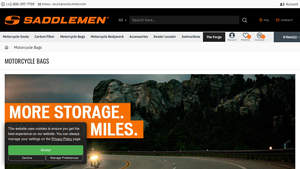
Domain: saddlemen.com
Registered: 1996 (29 years)
Introduction: [{‘brand’: ‘Universal’, ‘model’: ‘Highwayman Riveted Slant Saddlebag’, ‘description’: ‘Highwayman™ Riveted Medium Slant-Style Saddlebags. Offers high quality at a competitive, low price. Adjustable yoke construction helps produce the perfect fit on most popular cruisers.’, ‘price’: ‘$117.00’}, {‘brand’: ‘Universal’, ‘model’: ‘R1300LXE Tactical Deluxe Roll Bag’, ‘description’: “Universal Mounting -…
Domain: harley-davidson.com
Registered: 1994 (31 years)
Introduction: Sturdy and durable motorcycle bags, luggage, and racks designed for Harley-Davidson motorcycles. Features include solid construction, large capacities for long-distance travel, hard and soft shell options, detachable duffle bags with thick handles, and backrest organizers. Made from high-quality materials that resist wear and fading, ensuring longevity. Designed for convenience and easy installati…
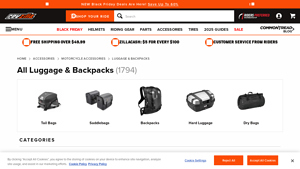
Domain: revzilla.com
Registered: 2006 (19 years)
Introduction: Motorcycle Luggage & Bags available at RevZilla, including options such as backpacks, dry bags, gear bags, hard luggage, hydration packs, and various luggage accessories. Featured brands include Alpinestars, Dainese, and REV’IT! with discounts up to 60% off during Black Friday sales. Categories include saddlebags, side cases, soft luggage, tail bags, tank bags, and top cases. Additional items like…

Domain: torquemotorcycleco.com
Registered: 2018 (7 years)
Introduction: {“products”:[{“name”:”TORQUE MINI SADDLE BAGS”,”reviews”:343,”regular_price”:129.95,”sale_price”:116.96},{“name”:”TORQUE | Handlebar Bag”,”reviews”:153,”regular_price”:64.95,”sale_price”:58.46},{“name”:”ENDURE SISSYBAR BACKPACK – WATERPROOF”,”reviews”:85,”regular_price”:159.95,”sale_price”:143.96},{“name”:”TORQUE TANK BAG”,”reviews”:30,”regular_price”:89.95,”sale_price”:76.46},{“name”:”SADDLE BAG …
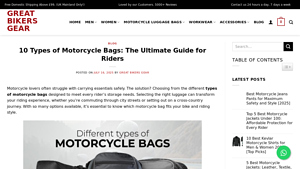
Domain: greatbikersgear.com
Registered: 2011 (14 years)
Introduction: 1) Motorcycle Saddlebags: Classic and popular, mounted on either side of the rear wheel. Types include soft (textile, canvas, synthetic leather) and hard (ABS plastic, fiberglass, aluminum). Features: waterproof, lockable, various sizes, quick-release mounting systems. 2) Motorcycle Tank Bag: Sits on the fuel tank with magnets or straps. Features: transparent map holders, expandable zippers, USB p…
Domain: longride.com
Registered: 2000 (25 years)
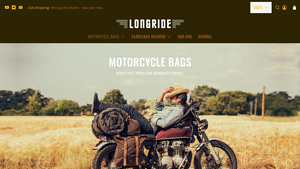
Introduction: Best Motorcycle Bags Classic Retro Style. Shipping: We pay the duties – you just ride. Currency: USD $ CAD $. Categories: Motorcycle Bags, Saddlebag Holders, Add-Ons, Journal. Product Types: Rider Bags, Backpacks, Leg Bags, Luggage, Retro Saddlebags, Classic Panniers, Duffle, Tail Bags, Tool Rolls, Tank Bags. Mounting Systems: Install rails for a quick & secure setup. Manufacturer Compatibility: T…
In the evolving landscape of motorcycle bags, strategic sourcing emerges as a critical factor for international B2B buyers. By focusing on high-quality materials, innovative designs, and versatile functionality, businesses can meet the diverse needs of their customers across various markets, including Africa, South America, the Middle East, and Europe. The growing demand for durable, weather-resistant, and stylish motorcycle luggage underscores the importance of aligning product offerings with market trends and consumer preferences.
Illustrative image related to motorcycles bags
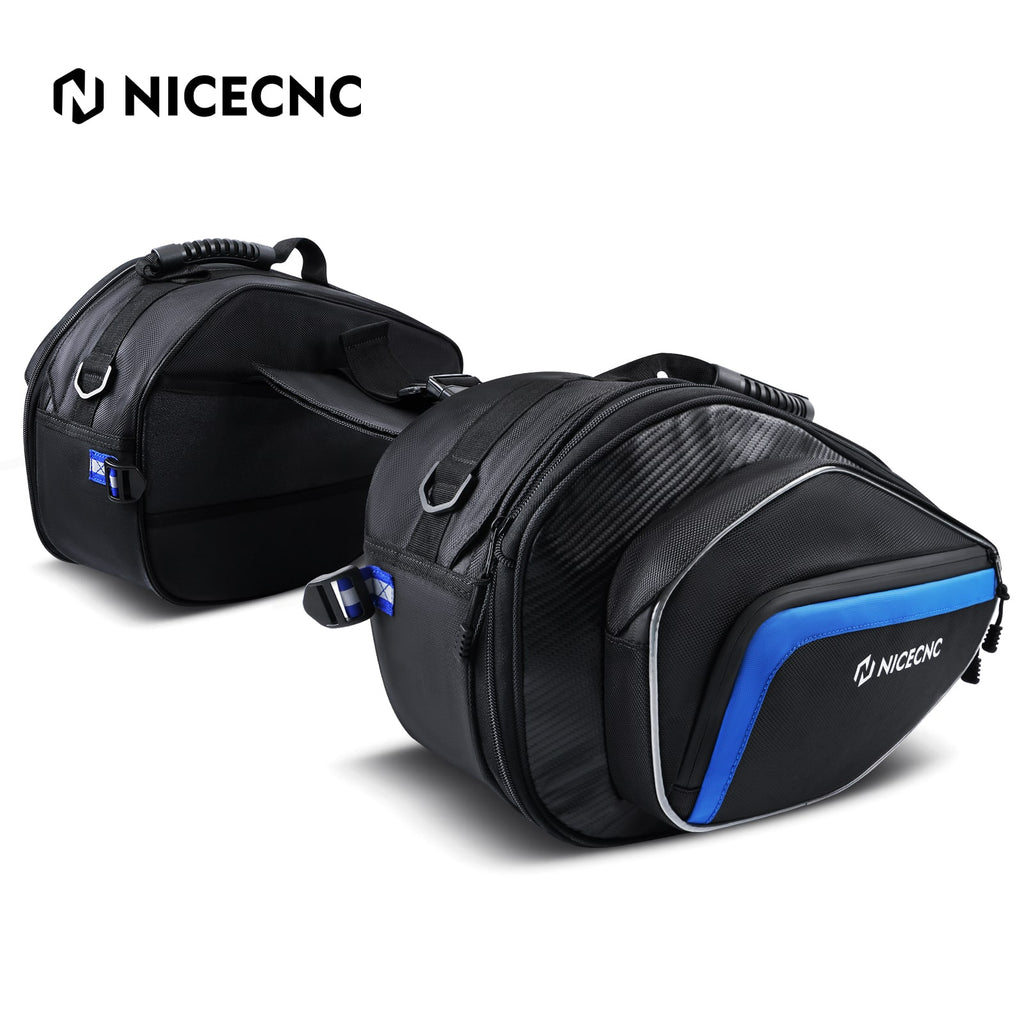
As buyers engage with suppliers, understanding the nuances of different bag types—such as panniers, tail bags, and tank bags—will facilitate informed purchasing decisions. Additionally, leveraging data on pricing, customer reviews, and product performance will enhance sourcing strategies, ensuring that businesses secure competitive advantages in their respective regions.
Looking ahead, the motorcycle accessories market is poised for growth, driven by increasing motorcycle ownership and a burgeoning adventure tourism sector. International B2B buyers should seize this opportunity to diversify their product lines, invest in sustainable sourcing practices, and build strong partnerships with reputable manufacturers. By doing so, they will not only enhance their market position but also contribute to the broader development of the motorcycle accessories industry.
The information provided in this guide, including content regarding manufacturers, technical specifications, and market analysis, is for informational and educational purposes only. It does not constitute professional procurement advice, financial advice, or legal advice.
While we have made every effort to ensure the accuracy and timeliness of the information, we are not responsible for any errors, omissions, or outdated information. Market conditions, company details, and technical standards are subject to change.
B2B buyers must conduct their own independent and thorough due diligence before making any purchasing decisions. This includes contacting suppliers directly, verifying certifications, requesting samples, and seeking professional consultation. The risk of relying on any information in this guide is borne solely by the reader.

Illustrative image related to motorcycles bags


 English
  Russian
  Spanish
  Italian
  Arabic
  Portuguese
  German