
Navigating the global market for motorcycle seat bags presents a unique set of challenges for B2B buyers, particularly those sourcing high-quality options for diverse markets such as Africa, South America, the Middle East, and Europe, including Brazil and Saudi Arabia. With an increasing number of motorcycle enthusiasts seeking reliable and stylish storage solutions, the demand for versatile motorcycle seat bags is on the rise. However, the complexity of sourcing the right products—considering factors such as material quality, design compatibility, and pricing—can be daunting.
This comprehensive guide aims to demystify the motorcycle seat bag market by detailing various types and applications, from tail bags to sissy bar bags, and offering insights on supplier vetting and cost considerations. Buyers will learn about the latest trends in motorcycle luggage, including waterproof features, universal mounting systems, and the importance of durability in different riding conditions. By providing a thorough analysis of the options available, this guide empowers international B2B buyers to make informed purchasing decisions that align with their specific market needs.
Whether you are looking to expand your product offerings or ensure that your inventory meets the demands of the modern motorcyclist, understanding the nuances of motorcycle seat bags will be crucial for maintaining a competitive edge in the global market.
| Type Name | Key Distinguishing Features | Primary B2B Applications | Brief Pros & Cons for Buyers |
|---|---|---|---|
| Back Seat/Sissy Bar Bags | Mounted on the back seat or sissy bar; often spacious | Touring motorcycles, long-distance travel | Pros: Large capacity, versatile fit; Cons: May obstruct passenger seating. |
| Tail Bags | Attached to the rear of the motorcycle; compact and streamlined | Sport bikes, cruisers, adventure bikes | Pros: Aerodynamic, easy to install; Cons: Limited storage capacity compared to larger bags. |
| Tunnel Bags | Positioned between the seat and the tank; low-profile design | Urban commuting, short trips | Pros: Minimal impact on bike’s profile; Cons: Smaller storage space. |
| Adventure Bags | Designed for rugged use; often waterproof and durable | Adventure touring, off-road riding | Pros: Robust construction, weather-resistant; Cons: Heavier and bulkier than other options. |
| Convertible Bags | Multi-functional; can be used as backpacks or shoulder bags | Versatile applications, pet transport | Pros: Flexibility in usage; Cons: May lack the specialized features of dedicated bags. |
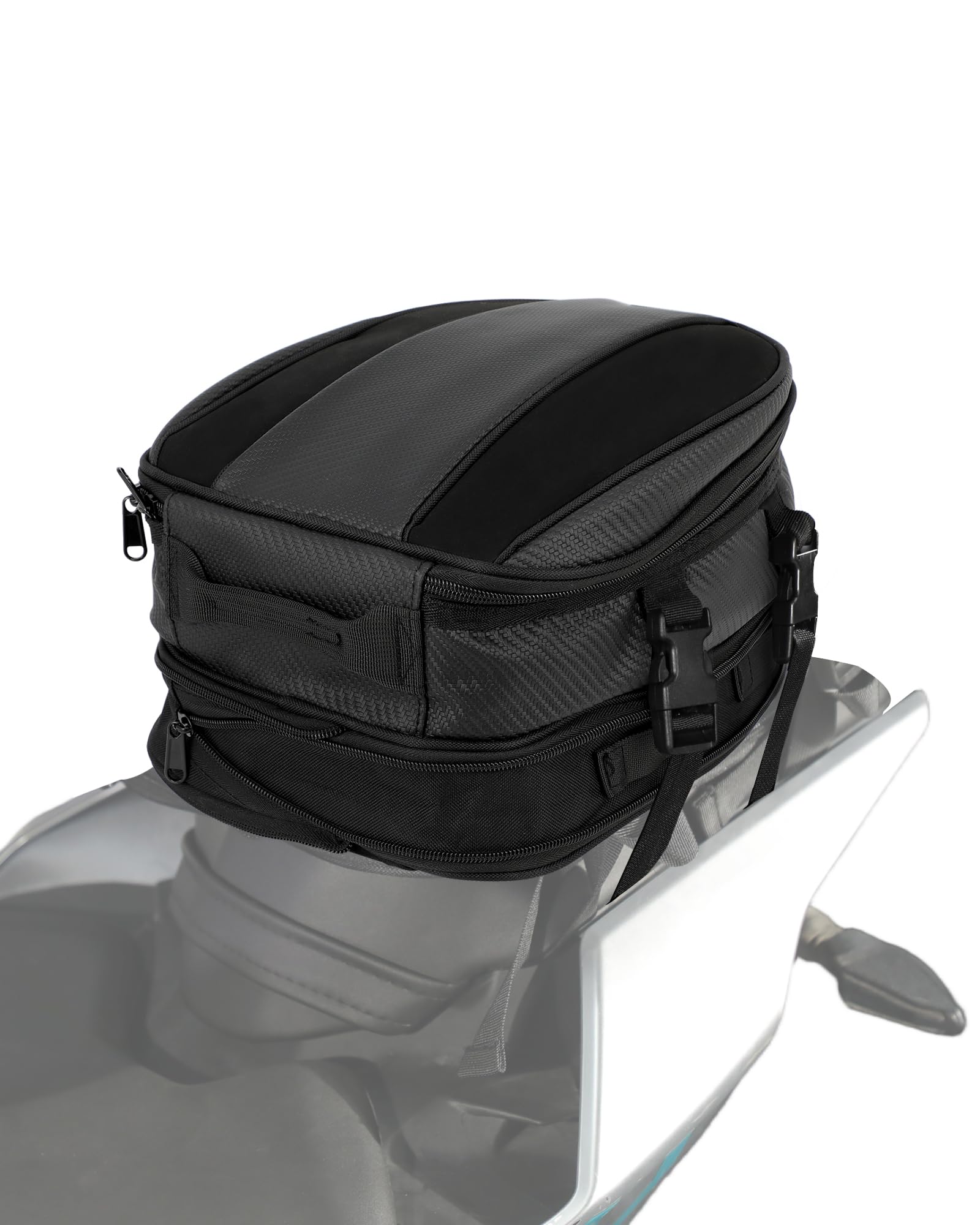
Back seat or sissy bar bags are designed to mount on the rear seat or sissy bar of motorcycles. They are typically larger, providing ample storage for long-distance touring. This type is ideal for businesses targeting touring motorcycle enthusiasts or rental services focused on long trips. When considering purchasing, look for features like universal mounting systems and additional compartments for organization.
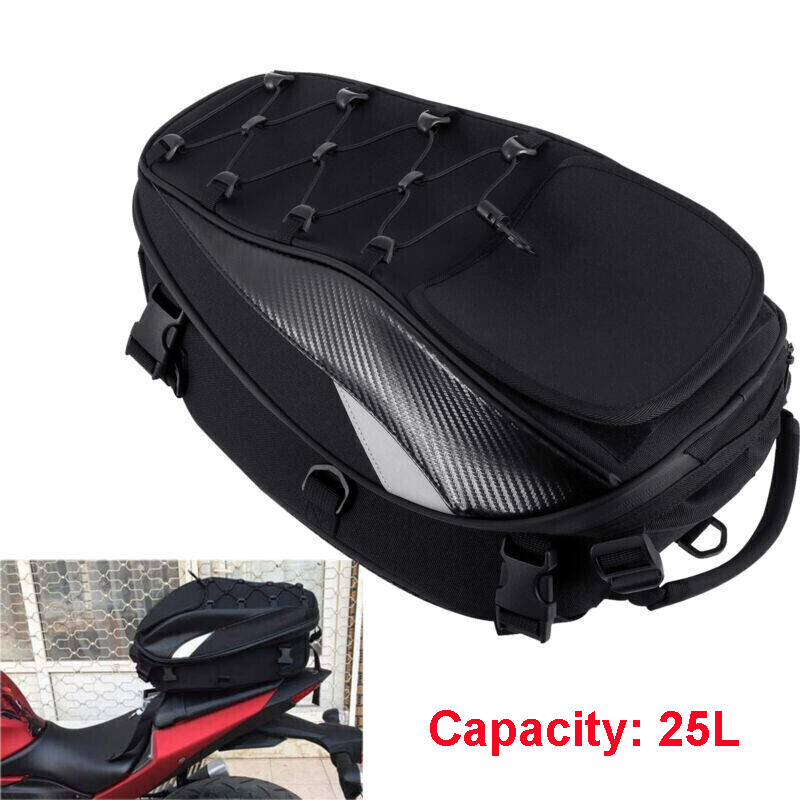
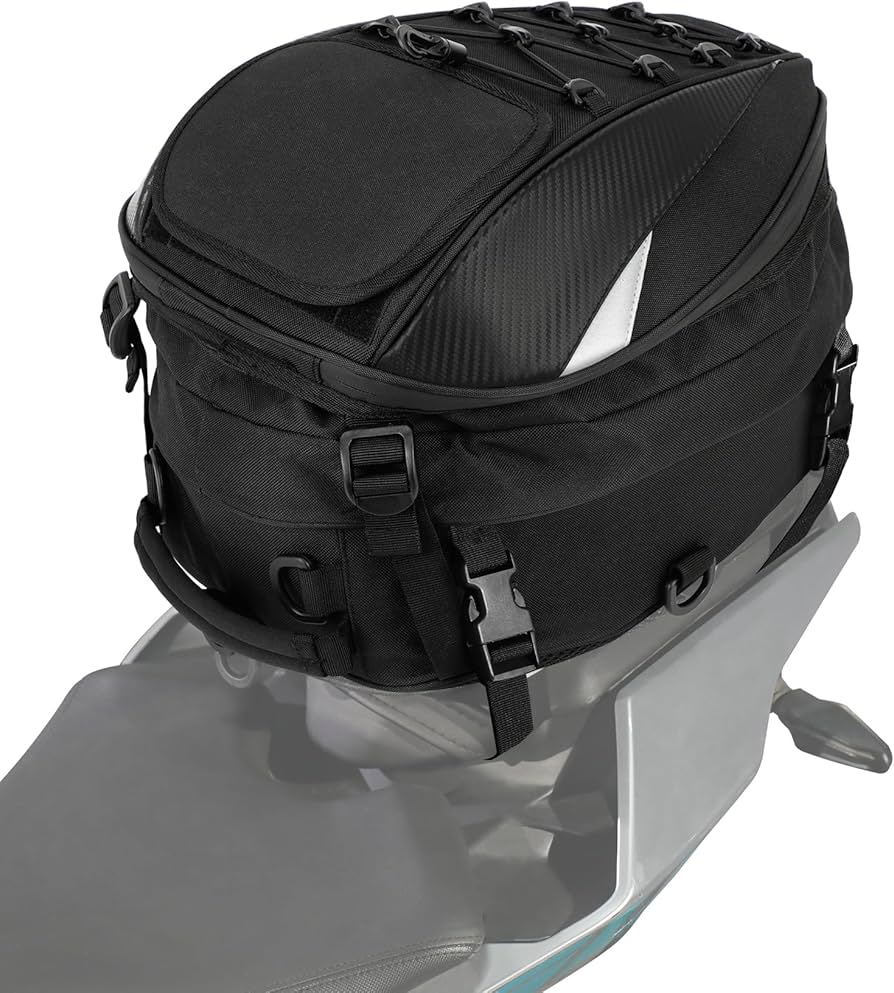
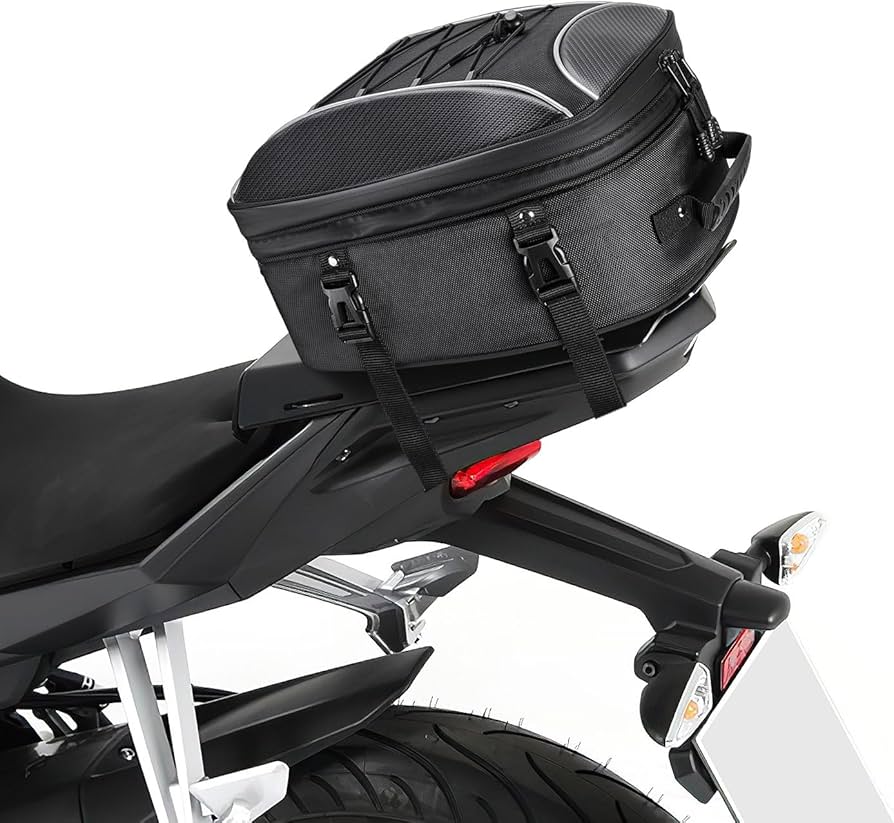
Tail bags are compact storage solutions mounted at the rear of the motorcycle. Their streamlined design makes them suitable for sport bikes and cruisers, appealing to businesses that cater to riders who prefer speed and agility. Buyers should evaluate the material quality, waterproof capabilities, and ease of installation when selecting tail bags, as these factors greatly influence user satisfaction.
Tunnel bags fit snugly between the motorcycle seat and tank, offering a low-profile storage option. They are particularly suitable for urban commuters who need to carry essentials without compromising the bike’s sleek design. B2B buyers should consider factors like size and material durability, as these will affect the bag’s practicality for daily use.
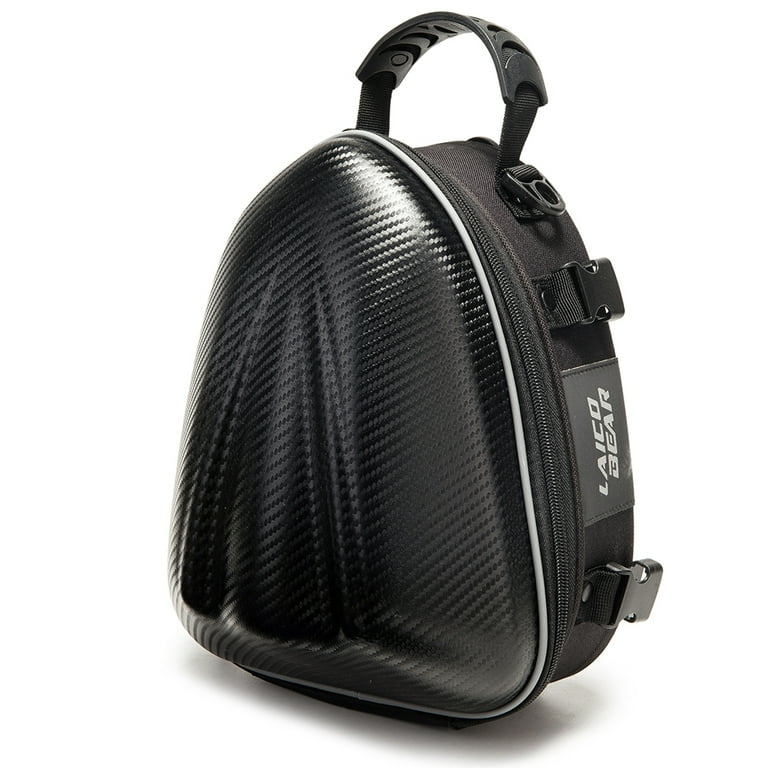
Adventure bags are built to withstand rugged conditions, making them perfect for off-road riding and adventure touring. Their waterproof features and robust construction appeal to businesses focusing on adventure tourism or outdoor sporting goods. Buyers should prioritize weight, capacity, and ease of attachment, ensuring the bags can endure challenging environments while maintaining rider comfort.
Convertible bags can be used as both motorcycle luggage and backpacks, providing versatility for various applications, including pet transport. This multifunctionality is attractive to businesses in the leisure and travel sectors. Buyers should assess the conversion mechanism and comfort features, as these will determine the bag’s usability in different scenarios.
| Industry/Sector | Specific Application of motorcycle seat bags | Value/Benefit for the Business | Key Sourcing Considerations for this Application |
|---|---|---|---|
| Tourism and Adventure | Used by tour operators for carrying essentials during long rides. | Enhances customer experience by providing convenience. | Durability, waterproof features, and universal fitting for various bikes. |
| Logistics and Delivery | Employed by delivery services for transporting goods on motorcycles. | Increases efficiency and reduces transport costs. | Capacity, security features, and ease of attachment to different motorcycle models. |
| Outdoor Recreation | Utilized by enthusiasts for carrying camping gear or personal items. | Facilitates outdoor activities by allowing easy transport. | Lightweight materials, resistance to weather conditions, and comfort features. |
| Motorcycle Rentals | Implemented in rental services to provide additional storage for riders. | Boosts rental appeal and customer satisfaction. | Compatibility with various motorcycle types and ease of installation/removal. |
| Emergency Services | Used by medical and rescue teams for quick access to essential supplies. | Improves response times by keeping gear organized. | Quick-release systems, waterproofing, and robust construction. |
In the tourism and adventure industry, motorcycle seat bags serve as essential storage solutions for tour operators and adventure enthusiasts. These bags allow riders to carry necessary items such as clothing, food, and safety gear while maintaining a streamlined bike profile. The demand for durable and waterproof options is high, particularly in regions with varying climates, such as South America and Africa. International buyers should prioritize features like universal mounting systems to accommodate diverse motorcycle models, ensuring versatility for different touring scenarios.
Logistics and delivery companies increasingly utilize motorcycle seat bags to facilitate efficient transportation of goods. These bags offer a practical solution for last-mile delivery, allowing couriers to securely store and access items quickly. The emphasis on capacity and security features is critical, especially in urban environments where safety is paramount. Buyers from the Middle East and Europe should consider sourcing bags that are compatible with a range of motorcycle types, ensuring seamless integration into their operations.
Illustrative image related to motorcycle seat bags
For outdoor recreation enthusiasts, motorcycle seat bags provide an effective means to transport camping gear, personal items, and other essentials. These bags enable riders to embark on longer journeys without sacrificing comfort or convenience. Key considerations for international buyers include lightweight materials and weather resistance, particularly in regions prone to rain or adverse weather conditions. By prioritizing comfort features, such as padded straps, businesses can enhance user experience, ultimately driving customer loyalty.
Motorcycle rental companies benefit significantly from incorporating seat bags into their offerings. These bags enhance the overall rental experience by providing customers with additional storage for their belongings, thus increasing the appeal of the rental service. Compatibility with various motorcycle types is crucial, as renters may not have uniform bike preferences. International buyers should seek versatile solutions that are easy to install and remove, catering to a diverse customer base across different regions.
Emergency services utilize motorcycle seat bags for efficient transport of medical supplies and rescue equipment. The organization provided by these bags can significantly improve response times in critical situations. Key features for sourcing include quick-release systems and waterproofing to protect sensitive equipment. Buyers from regions with challenging terrains, such as parts of Africa and the Middle East, should prioritize robust construction to withstand demanding conditions, ensuring reliability when it matters most.
The Problem: B2B buyers often face challenges when sourcing motorcycle seat bags that fit a wide range of motorcycle models. With numerous brands and designs available, ensuring that a seat bag is compatible with specific motorcycles can be daunting. This can lead to frustration, as mismatched products can result in returns, increased costs, and dissatisfied customers. Additionally, many retailers might not have a clear understanding of which products fit which models, complicating the purchasing process further.
Illustrative image related to motorcycle seat bags
The Solution: To mitigate compatibility issues, buyers should prioritize suppliers that provide detailed fitment guides and compatibility charts. It’s beneficial to partner with manufacturers that offer universal mounting systems, as these can adapt to various motorcycle designs. When sourcing products, request samples or demonstration units to test for fitment before placing large orders. Educating the sales team about the specific motorcycles your customers are using can also enhance their ability to assist buyers effectively, ensuring they recommend the right products.
The Problem: In regions with diverse climates, such as Africa and South America, durability and weather resistance are paramount for motorcycle seat bags. Buyers often worry that lower-quality materials will lead to wear and tear, especially when exposed to rain, sun, or rough terrain. This concern can deter potential customers who are looking for reliable solutions for long-distance travel or adventure riding, where a seat bag’s performance is critical.
The Solution: B2B buyers should seek out motorcycle seat bags made from high-quality materials such as ballistic nylon or other weather-resistant fabrics. It is essential to inquire about the bag’s waterproof capabilities, including features like sealed seams and waterproof rain covers. Buyers can also request testimonials or case studies from manufacturers showcasing their products’ performance in various conditions. By focusing on reputable brands known for their durability, businesses can confidently offer products that meet customer expectations for quality and reliability.
The Problem: Many motorcycle seat bags come with limited storage space and organization features, which can be a significant pain point for users who require efficient packing solutions. Buyers may find that standard bags do not accommodate the needs of long-distance riders who require multiple compartments for tools, personal items, and gear. This lack of functionality can lead to disorganization, making it difficult for riders to access their belongings quickly.
The Solution: Buyers should look for motorcycle seat bags that offer modular designs and multiple compartments to improve organization. Products that feature expandable storage capabilities can provide additional space when needed. It’s advisable to collaborate with manufacturers that allow customization options, such as adding extra pockets or removable organizers. Conducting market research to understand the specific needs of target customers can also inform product selection, ensuring the chosen bags not only fit but also enhance the overall riding experience. Providing detailed product descriptions highlighting organizational features can further aid in the sales process.

Illustrative image related to motorcycle seat bags
When selecting materials for motorcycle seat bags, understanding the properties of different materials is crucial for ensuring product performance and longevity. Here, we analyze four common materials: ballistic nylon, polyester, leather, and PVC.
Ballistic nylon is a high-denier nylon fabric originally developed for military use. It boasts excellent abrasion resistance, making it ideal for motorcycle applications where wear and tear from the elements is a concern. With a temperature rating of up to 80°C (176°F) and good water resistance, it can withstand various environmental conditions.
Pros: Its durability is unmatched, providing long-lasting performance even under harsh conditions. The fabric is relatively lightweight, which is beneficial for maintaining the overall weight of the motorcycle.
Cons: However, ballistic nylon can be more expensive than other materials, increasing manufacturing costs. Additionally, it may require specialized sewing techniques, complicating the production process.
Impact on Application: Ballistic nylon is compatible with various media, including water and oils, making it suitable for diverse riding conditions.
Considerations for International Buyers: Buyers in regions like Africa and the Middle East should ensure compliance with local regulations regarding material safety and environmental impact, as well as consider the availability of ballistic nylon in local markets.
Polyester is a widely used synthetic fabric known for its strength and resistance to shrinking and stretching. It can perform well in temperatures ranging from -20°C to 70°C (-4°F to 158°F) and offers decent UV resistance.
Pros: Polyester is generally more affordable than ballistic nylon, making it a cost-effective choice for manufacturers. It is also easy to dye, allowing for a range of color options, which can appeal to different consumer preferences.
Illustrative image related to motorcycle seat bags
Cons: While durable, polyester is less resistant to abrasions compared to ballistic nylon, potentially leading to quicker wear. Additionally, it may not offer the same level of waterproofing unless treated.
Impact on Application: Polyester is suitable for applications where cost is a significant factor, but it may not perform as well in extreme conditions.
Considerations for International Buyers: Buyers should be aware of local standards for textile safety and durability, especially in regions with varying climates, such as South America and Europe.
Illustrative image related to motorcycle seat bags
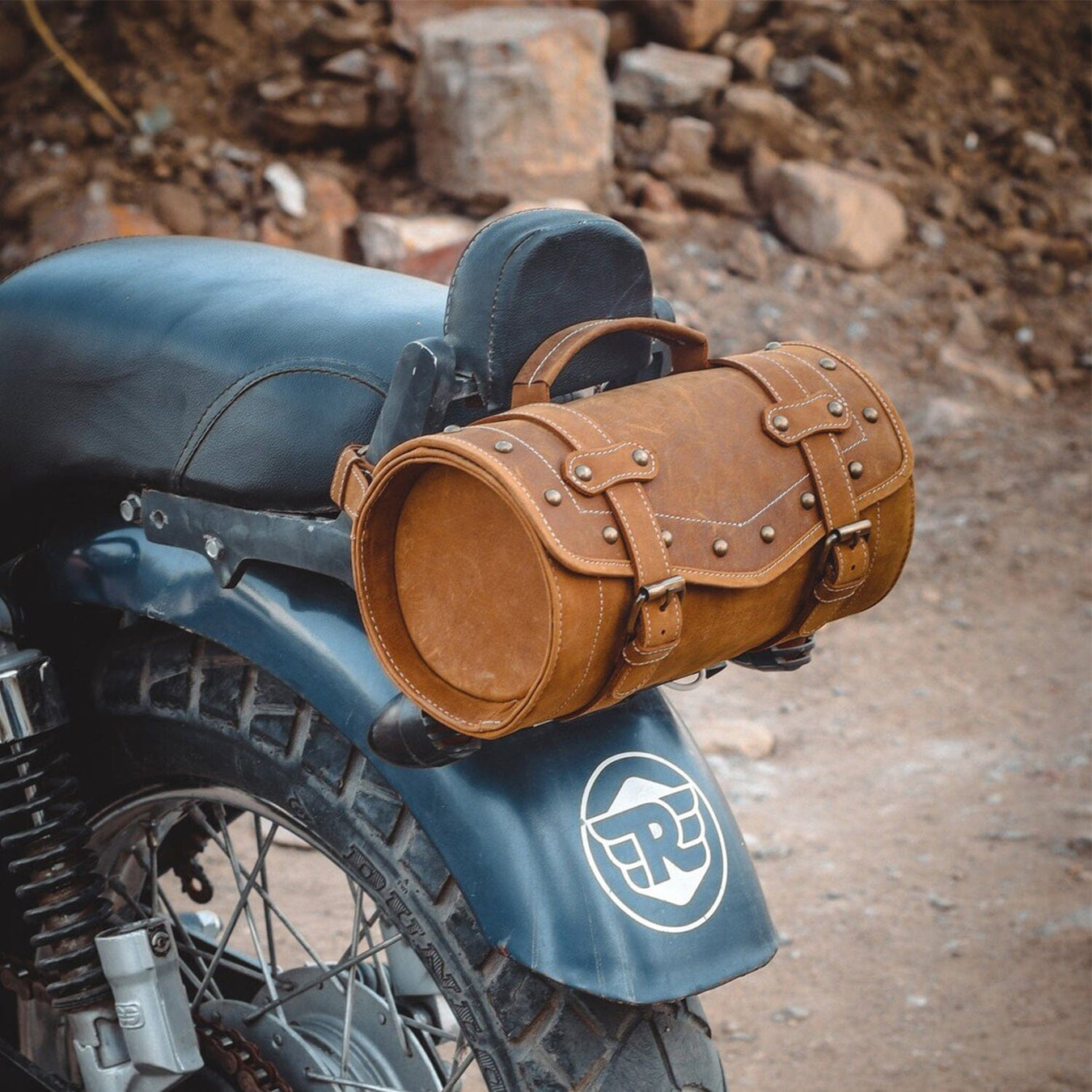
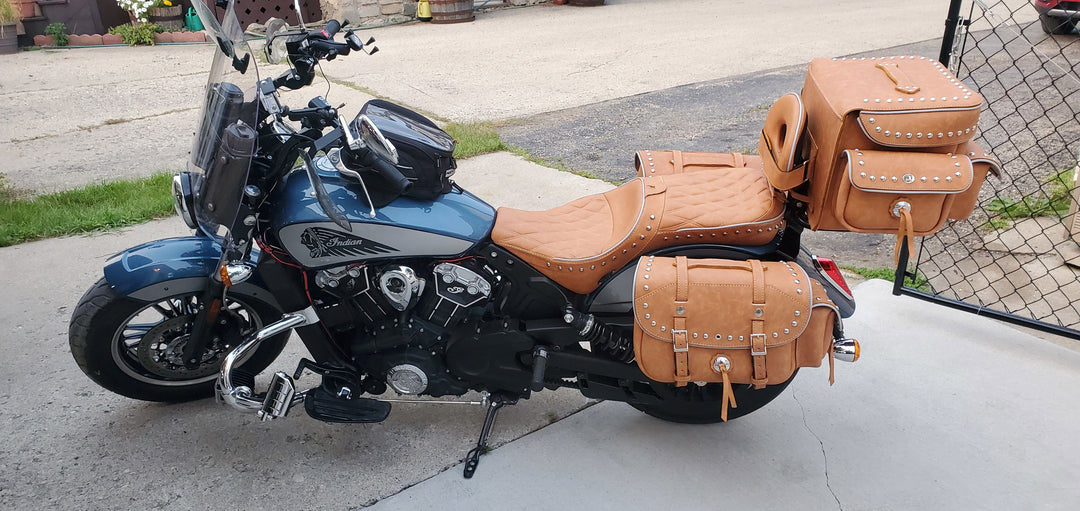
Leather is a classic material known for its aesthetic appeal and durability. It can withstand a wide range of temperatures, typically from -30°C to 60°C (-22°F to 140°F), and provides a natural barrier against moisture.
Pros: Leather offers a premium look and feel, which can enhance the overall appeal of motorcycle seat bags. It is also highly durable and can last for years with proper care.
Cons: The primary downside is the cost; leather is often the most expensive option. Additionally, it requires regular maintenance to prevent drying and cracking, which can complicate its use in various climates.
Impact on Application: Leather is suitable for high-end products where aesthetics are a priority, but it may not be ideal for rugged, adventure-style bags.
Considerations for International Buyers: Buyers should consider the sourcing of leather and compliance with international animal welfare standards, particularly in Europe and the Middle East.

Illustrative image related to motorcycle seat bags
Polyvinyl chloride (PVC) is a versatile plastic material often used in waterproof applications. It can handle temperatures from -10°C to 60°C (14°F to 140°F) and is inherently resistant to water and chemicals.
Pros: PVC is highly affordable and can be produced in various colors and designs, making it attractive for budget-conscious consumers. Its waterproof nature makes it an excellent choice for riders in wet conditions.
Cons: However, PVC is less breathable than other materials, which can lead to moisture buildup inside the bag. Additionally, it is less environmentally friendly, raising concerns among eco-conscious consumers.
Impact on Application: PVC is ideal for applications requiring waterproofing but may not be suitable for high-end markets.
Considerations for International Buyers: Buyers should assess local regulations concerning the use of PVC and its environmental impact, especially in regions like Africa and South America where sustainability is becoming increasingly important.
Illustrative image related to motorcycle seat bags
| Material | Typical Use Case for motorcycle seat bags | Key Advantage | Key Disadvantage/Limitation | Relative Cost (Low/Med/High) |
|---|---|---|---|---|
| Ballistic Nylon | Adventure and touring bags | Exceptional durability | Higher manufacturing cost | High |
| Polyester | Commuter and casual bags | Cost-effective | Less abrasion resistance | Medium |
| Leather | Premium and stylish bags | Aesthetic appeal | Requires maintenance | High |
| PVC | Waterproof bags for wet conditions | Affordable and waterproof | Less environmentally friendly | Low |
This strategic material selection guide provides a comprehensive overview for B2B buyers, enabling informed decisions based on performance, cost, and regional considerations.
Manufacturing motorcycle seat bags involves several critical stages, each designed to ensure the final product meets the high standards expected by consumers and industry regulations. These stages typically include material preparation, forming, assembly, and finishing.
Material Preparation: The first step in the manufacturing process is selecting the appropriate materials. High-quality motorcycle seat bags often utilize durable textiles such as ballistic nylon or polyester, which offer resistance to abrasion and weather conditions. The selected materials undergo a thorough inspection to ensure they meet specifications for strength, flexibility, and water resistance.
Forming: This stage involves cutting the prepared materials into the necessary shapes and sizes. Advanced cutting techniques such as laser cutting or die-cutting are commonly employed to achieve precision. This is crucial for maintaining uniformity and ensuring that all pieces fit together seamlessly during assembly. Additionally, manufacturers may treat materials with waterproof coatings or UV-resistant finishes at this stage to enhance durability.
Assembly: Once the components are cut, they are stitched or bonded together. High-quality assembly techniques often include double stitching for added strength and waterproof seams to prevent leakage. Some manufacturers may also use heat sealing for certain components, which provides a more robust barrier against moisture. The assembly process is critical as it directly impacts the bag’s functionality, including its ability to securely attach to motorcycles.
Finishing: The final stage includes adding any necessary accessories such as zippers, straps, or buckles. Quality checks during this phase ensure that all components are securely attached and function correctly. Additionally, finishing may involve aesthetic touches, such as branding or color application, which can enhance the appeal of the product.
Quality assurance (QA) is integral to manufacturing motorcycle seat bags, ensuring that products are safe, reliable, and meet customer expectations. Various international and industry-specific standards guide these practices.
International Standards: Many manufacturers adhere to ISO 9001, which sets the criteria for a quality management system. This certification indicates that the manufacturer consistently provides products that meet customer and regulatory requirements. Other relevant standards might include CE marking for compliance with European safety regulations, particularly important for B2B buyers in Europe.
Industry-Specific Standards: Depending on the target market, manufacturers may also comply with industry-specific guidelines such as the American Petroleum Institute (API) standards, which can be applicable for bags used in more rugged or industrial settings.
Quality Control Checkpoints: Quality control (QC) is typically structured around several checkpoints:
– Incoming Quality Control (IQC): This involves inspecting raw materials upon arrival to ensure they meet predefined specifications.
– In-Process Quality Control (IPQC): During production, random samples are taken to verify that manufacturing processes are being followed correctly.
– Final Quality Control (FQC): Before products are shipped, a comprehensive check ensures that every bag meets the required quality standards and functions correctly.
Common Testing Methods: Manufacturers may conduct various tests, including tensile strength tests, waterproofing tests, and abrasion resistance tests. These assessments help verify that the bags can withstand the rigors of motorcycle use.
B2B buyers, particularly from regions like Africa, South America, the Middle East, and Europe, should be proactive in verifying the quality control processes of potential suppliers. Here are several actionable strategies:
Supplier Audits: Conducting on-site audits can provide invaluable insights into a supplier’s manufacturing and quality control processes. Buyers should look for evidence of adherence to international standards and the presence of a dedicated quality assurance team.
Requesting Quality Reports: Suppliers should be able to provide documentation related to their quality control processes, including compliance certificates, test results, and audit reports. These documents can help buyers assess the reliability of the supplier.
Third-Party Inspections: Engaging third-party inspection services can offer an unbiased evaluation of a supplier’s quality control measures. This is particularly beneficial for buyers who may not have the capacity to conduct audits themselves.
Certifications and Compliance: Buyers should inquire about any relevant certifications the manufacturer holds, such as ISO or CE certifications. These can serve as assurance that the supplier adheres to recognized quality standards.
When sourcing motorcycle seat bags internationally, buyers must navigate specific nuances in quality control that can vary by region:
Cultural Expectations: Different regions may have varying expectations regarding product quality. For example, European markets often demand higher quality standards compared to some emerging markets. B2B buyers should be aware of these differences to set appropriate quality benchmarks.
Regulatory Compliance: Buyers should familiarize themselves with the regulatory landscape in their target markets. Certain countries may have specific import regulations or safety standards that must be met, affecting the quality assurance processes of suppliers.
Logistical Considerations: Quality control can also be impacted by logistical issues, such as transportation and storage conditions. Buyers should ensure that suppliers have robust processes in place to mitigate risks associated with product damage during shipping.
Communication and Support: Establishing clear communication channels with suppliers is crucial. B2B buyers should ensure that suppliers are responsive and willing to engage in discussions about quality concerns, which can help foster a partnership focused on quality.
By understanding the manufacturing processes and quality assurance practices involved in motorcycle seat bag production, B2B buyers can make informed decisions when selecting suppliers. This knowledge not only helps ensure the procurement of high-quality products but also supports the establishment of long-term, mutually beneficial relationships in the global marketplace.
To assist B2B buyers in procuring motorcycle seat bags effectively, this guide outlines essential steps to ensure that your sourcing process is efficient and meets your business needs. The motorcycle accessory market is diverse, and making informed decisions is crucial for maximizing value and minimizing risks.
Establishing clear technical specifications is the foundation of your sourcing process. Determine the types of motorcycle seat bags you need based on your target market—consider size, material, and design. For instance, bags made from durable, waterproof materials are essential for adventure and touring motorcycles.
Understanding current market trends is essential for aligning your product offerings with consumer demands. Analyze reports and studies related to motorcycle accessories to identify popular features and styles.
Illustrative image related to motorcycle seat bags
Before committing to a supplier, it is crucial to conduct a thorough evaluation. Request detailed company profiles, product catalogs, and references from other businesses in your industry.
Once you have shortlisted potential suppliers, request samples of motorcycle seat bags. Testing these samples is essential to assess their quality and functionality.
Negotiating favorable terms and pricing is critical to maintaining profitability. Engage in discussions with suppliers to understand their pricing structures and explore bulk purchase discounts.

Illustrative image related to motorcycle seat bags
Effective logistics planning ensures timely delivery of products to your customers. Discuss shipping options and lead times with your suppliers.
After launching your motorcycle seat bags, continually monitor their market performance. Use sales data and customer feedback to assess the success of your products and make necessary adjustments.
By following this comprehensive checklist, B2B buyers can navigate the complexities of sourcing motorcycle seat bags, ensuring they meet market demands while optimizing their procurement process.
When sourcing motorcycle seat bags, understanding the cost structure is crucial for effective budgeting and negotiation. The primary cost components include:
Illustrative image related to motorcycle seat bags
Materials: The choice of materials significantly impacts costs. High-quality, durable fabrics like ballistic nylon or waterproof materials often command higher prices but provide better longevity and customer satisfaction. For instance, materials sourced from reputable suppliers may also carry a premium due to their enhanced performance attributes.
Labor: Labor costs vary by region and manufacturing facility. Countries with lower labor costs can offer competitive pricing, but this may come at the expense of quality. It’s essential to evaluate the skill level and working conditions of the labor force to ensure that the end product meets quality standards.
Manufacturing Overhead: This includes costs related to utilities, facility maintenance, and administrative expenses. Efficient manufacturing processes and economies of scale can help reduce overhead, allowing suppliers to offer more competitive pricing.
Tooling: Initial tooling costs for specialized designs can be significant. Customization or unique features in the bags may require specific molds or equipment, which should be factored into the overall cost.
Quality Control (QC): Implementing robust QC processes ensures that each batch of motorcycle seat bags meets the required standards. Investing in quality control can reduce returns and enhance brand reputation, ultimately leading to better sales and customer loyalty.
Logistics: Shipping costs, including freight, customs duties, and insurance, can vary widely based on the destination. Understanding the logistics involved in transporting goods to different regions, especially for international buyers, is critical in estimating total costs.
Margin: Suppliers typically add a margin to cover their costs and profit. This margin can be influenced by market competition, brand positioning, and perceived product value.
Several factors influence the pricing of motorcycle seat bags that buyers should consider:
Volume and Minimum Order Quantity (MOQ): Larger orders often result in lower per-unit costs due to economies of scale. Negotiating favorable terms based on order volume can lead to significant savings.
Specifications and Customization: Custom designs or features will invariably increase costs. Buyers should assess whether the added value justifies the higher price, especially for niche markets.
Material Quality and Certifications: Products made from premium materials or those with industry certifications may be priced higher. Buyers should balance the need for quality against budget constraints, particularly in regions where cost sensitivity is paramount.
Supplier Factors: The reputation, reliability, and location of the supplier can significantly affect pricing. Established suppliers may charge more but provide better assurance of quality and timely delivery.
Incoterms: Understanding shipping terms is crucial for calculating total costs. Different Incoterms (e.g., FOB, CIF) can impact logistics costs, insurance, and responsibility for customs duties, thereby influencing the final price.
To ensure cost-effective procurement of motorcycle seat bags, buyers should consider the following strategies:
Negotiate Terms: Don’t hesitate to negotiate pricing, payment terms, and delivery schedules. Building a strong relationship with suppliers can lead to better deals and favorable terms over time.
Focus on Total Cost of Ownership (TCO): Evaluate not just the purchase price but also the potential costs associated with returns, warranty claims, and maintenance. A slightly higher upfront cost may lead to lower TCO if the bags offer superior durability.
Understand Pricing Nuances for International Buyers: International buyers, particularly from regions like Africa, South America, and the Middle East, should be aware of currency fluctuations, import tariffs, and local market dynamics that can affect pricing. Engaging with local distributors can also help navigate these complexities.
Prices for motorcycle seat bags can vary widely based on the factors outlined above. The indicative price ranges mentioned in product listings serve as a guide, and actual costs may differ based on customization, order size, and supplier negotiations. Buyers are encouraged to conduct thorough market research and supplier evaluations to obtain the most accurate pricing for their specific needs.
Motorcycle seat bags are a popular choice among riders for their convenience and storage capabilities. However, several alternative solutions exist that can also meet the needs of motorcycle enthusiasts. Understanding these alternatives allows B2B buyers to make informed decisions based on performance, cost, and practicality. This comparison focuses on two primary alternatives: tail bags and hard cases.
| Comparison Aspect | Motorcycle Seat Bags | Tail Bags | Hard Cases |
|---|---|---|---|
| Performance | Versatile, suitable for various bikes | Good for light to moderate loads | Excellent for heavy and fragile items |
| Cost | Moderate ($200 – $300) | Affordable ($100 – $200) | Higher ($300 – $700) |
| Ease of Implementation | Simple installation on most bikes | Generally easy to mount | Requires specific mounting kits |
| Maintenance | Low maintenance, durable materials | Moderate, may need waterproofing | Low, but can be heavy to transport |
| Best Use Case | Daily commuting, short trips | Weekend rides, casual use | Long-distance travel, heavy gear |
Tail bags are designed to be mounted on the rear of the motorcycle, providing a spacious yet flexible storage option. They are typically made from durable, waterproof materials and can fit a variety of bike models. The primary advantage of tail bags is their affordability and ease of installation. They are ideal for riders who require moderate storage for weekend trips or daily commutes. However, tail bags may not be suitable for carrying heavy or fragile items, as they lack the structural integrity of hard cases.
Hard cases offer a premium solution for motorcycle storage, providing maximum protection for valuable items. These cases are typically constructed from high-strength plastics or aluminum, ensuring that contents remain safe from impacts and weather. While they are more expensive and often require specific mounting kits, they excel in long-distance travel scenarios where heavy or delicate gear is involved. However, their weight and bulkiness can be a drawback for some riders, particularly those who prefer a lighter setup.
When selecting between motorcycle seat bags, tail bags, and hard cases, B2B buyers should carefully consider their specific use cases. For everyday use and moderate loads, motorcycle seat bags or tail bags offer excellent flexibility and ease of use. In contrast, for long-distance travel or when transporting valuable equipment, hard cases provide the necessary protection and durability despite their higher cost. Ultimately, the choice should align with the rider’s needs, preferences, and budget, ensuring they select a solution that enhances their riding experience.
When sourcing motorcycle seat bags, B2B buyers should be aware of several critical technical properties that influence product quality, durability, and suitability for various motorcycle types. Understanding these specifications is crucial for making informed purchasing decisions that align with market demands.
Material Grade
The material used in motorcycle seat bags greatly affects their durability and performance. Common materials include 1680D ballistic nylon, which is known for its high abrasion resistance and water-repellent properties. Higher-grade materials not only ensure longevity but also enhance the aesthetic appeal of the product. For buyers, selecting bags made from quality materials is essential for meeting customer expectations in terms of durability and style.
Load Capacity
Load capacity refers to the maximum weight a seat bag can safely carry. This specification is critical for determining the bag’s suitability for different motorcycle types and riding styles. A higher load capacity allows riders to carry more gear, making the product more versatile. B2B buyers should assess the load capacity to ensure it meets the needs of their target market, especially for adventure touring or long-distance riders.
Water Resistance
Given the varied climates in regions like Africa and South America, water resistance is a vital property for motorcycle seat bags. Many manufacturers incorporate waterproof materials or provide rain covers to protect contents from moisture. Understanding this feature helps buyers cater to customers who prioritize durability and functionality in adverse weather conditions.
Mounting System
A universal mounting system is crucial for ensuring that seat bags can fit a wide range of motorcycle models. This can include adjustable straps, buckles, or quick-release systems. A flexible mounting system enhances the product’s appeal by allowing compatibility with various motorcycles, which is a significant selling point for B2B buyers aiming to diversify their inventory.
Weight
The weight of the seat bag itself is an important consideration, particularly for performance-oriented riders. Lightweight bags improve handling and reduce the overall weight of the motorcycle, thus enhancing performance. B2B buyers should consider the balance between weight and durability to meet the demands of different riding styles.
Dimensions
The size and shape of the seat bag impact its usability and aesthetics. Buyers need to consider the dimensions to ensure that the bags fit well on the motorcycles they are targeting. Well-defined dimensions also facilitate better storage solutions, appealing to customers looking for efficient packing options.
Familiarity with industry jargon is essential for effective communication and negotiation in the B2B landscape. Here are several key terms relevant to motorcycle seat bags:
OEM (Original Equipment Manufacturer)
OEM refers to companies that produce parts or products that can be marketed under another brand. In the motorcycle seat bag industry, understanding OEM relationships can help buyers identify quality manufacturers whose products can be rebranded for resale.
MOQ (Minimum Order Quantity)
MOQ is the smallest number of units a supplier is willing to sell. This term is significant for B2B buyers as it directly impacts inventory management and cost-effectiveness. Knowing the MOQ can help businesses plan their purchasing strategies and avoid excess stock.
RFQ (Request for Quotation)
An RFQ is a document sent to suppliers requesting pricing and terms for specific products. For motorcycle seat bags, issuing an RFQ can help buyers compare different suppliers and secure the best pricing and terms, which is essential for maintaining competitive pricing in the market.
Incoterms (International Commercial Terms)
Incoterms are a set of rules that define the responsibilities of buyers and sellers in international transactions. Understanding these terms is crucial for B2B buyers in the motorcycle seat bag market, as they dictate shipping costs, risks, and delivery obligations, influencing overall profitability.
Lead Time
Lead time is the period from placing an order to receiving it. In the context of motorcycle seat bags, understanding lead times helps buyers manage their inventory effectively and meet customer demand without delays.
By grasping these technical properties and trade terms, B2B buyers can make informed decisions that enhance their product offerings and better serve their customers in the competitive motorcycle accessories market.

Illustrative image related to motorcycle seat bags
The motorcycle seat bags sector is witnessing significant growth driven by a surge in motorcycle ownership and an increasing demand for versatile storage solutions. Key global drivers include the rising popularity of adventure and touring motorcycles, particularly in regions like Africa, South America, and the Middle East, where long-distance travel is becoming more common. In Europe, the trend leans towards compact and stylish designs that cater to urban riders.
Current B2B sourcing trends reflect a shift towards customization and modular designs, allowing buyers to cater to diverse consumer preferences. Technology plays a crucial role, with smart features like waterproof materials and integrated charging ports being increasingly sought after. International buyers should be aware of the growing emphasis on universal fit systems that enhance compatibility across various motorcycle models, facilitating ease of use and installation.
Additionally, the market is experiencing a rise in eco-friendly materials as consumers become more environmentally conscious. This is particularly relevant for buyers in regions like Europe, where sustainability certifications and ethical sourcing practices are often prerequisites for procurement. Understanding these dynamics can help international B2B buyers make informed decisions when sourcing motorcycle seat bags.
Sustainability and ethical sourcing are becoming critical factors in the motorcycle seat bags industry. The environmental impact of production processes and materials used in these products is under scrutiny, prompting manufacturers to adopt more sustainable practices. For B2B buyers, aligning with suppliers who prioritize eco-friendly materials—such as recycled fabrics and biodegradable components—can enhance brand reputation and meet consumer demands for greener products.
Moreover, the importance of ethical supply chains cannot be overstated. Buyers should look for suppliers that comply with fair labor practices and provide transparency in their sourcing processes. Certifications such as Global Organic Textile Standard (GOTS) or Fair Trade can serve as indicators of a supplier’s commitment to sustainable practices.
Investing in sustainable products not only fulfills corporate social responsibility objectives but also meets the growing consumer demand for eco-conscious options. Buyers in regions like Europe and South America are increasingly favoring suppliers that demonstrate a commitment to sustainability, making it an essential consideration in the sourcing process.
The motorcycle seat bags market has evolved significantly over the past few decades, transitioning from basic storage solutions to sophisticated, multifunctional designs. Initially, these bags were primarily utilitarian, focusing on capacity and durability. As motorcycle culture expanded and diversified, so did the design and functionality of seat bags.
In the 1990s and early 2000s, the introduction of new materials, such as ballistic nylon and waterproof fabrics, revolutionized the sector. This period also saw the rise of brand-specific designs that catered to specific motorcycle models, enhancing aesthetic appeal alongside functionality.
Today, the market is characterized by a blend of style, technology, and sustainability. Modern motorcycle seat bags not only serve practical purposes but also align with riders’ lifestyles and preferences. This evolution is crucial for B2B buyers as it highlights the need for adaptability in sourcing strategies to keep pace with changing consumer expectations and market demands.
Illustrative image related to motorcycle seat bags
How do I ensure the quality of motorcycle seat bags when sourcing from international suppliers?
To ensure quality, conduct thorough research on potential suppliers. Look for manufacturers with certifications such as ISO 9001, which indicates a commitment to quality management systems. Request samples to evaluate materials and craftsmanship. Additionally, consider utilizing third-party quality assurance services to conduct inspections before shipment. Establish clear quality standards in your contracts, and maintain open communication with suppliers regarding your expectations throughout the production process.
What factors should I consider when selecting the best motorcycle seat bags for my market?
When selecting motorcycle seat bags, consider durability, material quality, and weather resistance, as these factors impact customer satisfaction. Analyze market trends to understand the preferences of your target demographic in regions like Africa, South America, and the Middle East. Additionally, assess the bag’s compatibility with various motorcycle models and the ease of installation. Pricing strategies should also align with your target market’s purchasing power to ensure competitiveness.
What customization options are typically available for motorcycle seat bags?
Customization options for motorcycle seat bags often include size variations, color choices, branding (such as logos or custom designs), and additional features like waterproofing or extra compartments. Many manufacturers offer tailored solutions to meet specific market needs, allowing you to create unique products that stand out. Discuss these options during negotiations and consider the associated costs and lead times to ensure they fit within your budget and timeline.
What is the minimum order quantity (MOQ) for motorcycle seat bags from manufacturers?
Minimum order quantities (MOQs) can vary significantly by manufacturer and product type. Many suppliers set MOQs ranging from 50 to 500 units to cover production costs. However, some manufacturers may be willing to negotiate lower MOQs for first-time buyers or bulk orders. It’s essential to clarify MOQs during initial discussions to align your purchasing plans with supplier capabilities and avoid unexpected costs.
What payment terms are commonly accepted by international suppliers of motorcycle seat bags?
International suppliers typically accept various payment terms, including letters of credit, wire transfers, and PayPal. Standard payment terms might include a 30% deposit upfront, with the remaining 70% due upon shipment or prior to delivery. It’s crucial to establish clear payment terms in your contract to avoid misunderstandings and ensure a smooth transaction process. Additionally, consider using escrow services for added security when dealing with new suppliers.
How can I effectively vet suppliers of motorcycle seat bags?
To vet suppliers, start by checking their business licenses and certifications. Review their online presence, including customer reviews and ratings on platforms like Alibaba or Global Sources. Request references from previous clients and reach out to them for feedback. Conduct video calls or site visits if possible to assess their manufacturing capabilities and working conditions. This thorough approach helps minimize risks and ensures that you partner with reliable suppliers.
What logistics considerations should I keep in mind when importing motorcycle seat bags?
When importing motorcycle seat bags, factor in shipping costs, customs duties, and delivery timelines. Choose a reliable freight forwarder experienced in handling motorcycle accessories to streamline the process. Understand the import regulations of your country, including any specific requirements for motorcycle gear. Additionally, consider insurance options for your shipment to protect against loss or damage during transit, ensuring a smooth arrival of your products.
What are common challenges faced when sourcing motorcycle seat bags internationally, and how can I overcome them?
Common challenges include language barriers, cultural differences, and varying standards of quality. To overcome these, invest in hiring local representatives or translators who understand the market and can facilitate communication. Establish clear specifications and standards in your contracts to mitigate quality issues. Building strong relationships with suppliers through regular communication and visits can also help address challenges and foster trust, leading to successful long-term partnerships.
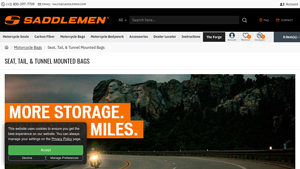
Domain: saddlemen.com
Registered: 1996 (29 years)
Introduction: Saddlemen Tail, Tunnel and Mounted Motorcycle Seat Bags include various models such as the Universal BR4200, BR3400, BR3400 D, BR3400EXS, and BR1800EXS. Key features include:
– Universal Mounting System for compatibility with most sissy bars, backrests, or luggage racks.
– Padded backpack straps and shoulder strap system included for easy transport.
– Designed for a wide range of motorcycle sty…
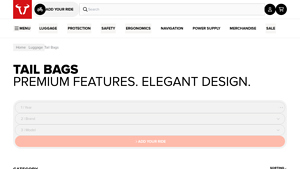
Domain: sw-motech.us
Registered: 2019 (6 years)
Introduction: SW-MOTECH offers a variety of motorcycle tail bags designed for versatility and durability. Key features include:
1. **Product Categories**:
– Tail Bags
– Tail Bag Sets
– Accessories for Soft Luggage
2. **Popular Series**:
– PRO: Features a patented hook system for quick attachment, durable materials, and expandable storage for long-distance touring.
– ION: Budget-friendly w…
Domain: vikingbags.com
Registered: 2006 (19 years)
Introduction: Motorcycle Tail Bags for Luggage Rack – VikingBags. Products include: 57L – Voyage Premium XL Motorcycle Tail Bag (Sale price: $159.37, Regular price: $212.49, Rating: 5.0), 42L – Voyage Elite XL Motorcycle Luggage Rack Bag (Sale price: $93.74, Regular price: $124.99, Rating: 4.6), 28L – Century Large Leather Motorcycle Tail Bag (Sale price: $187.49, Regular price: $249.99, Rating: 4.8), 20L – Axw…
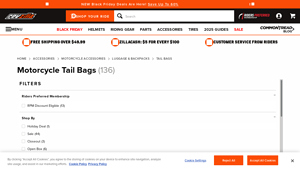
Domain: revzilla.com
Registered: 2006 (19 years)
Introduction: This company, RevZilla – Tail Bags, is a notable entity in the market. For specific product details, it is recommended to visit their website directly.
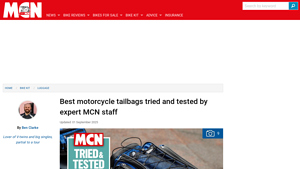
Domain: motorcyclenews.com
Registered: 1999 (26 years)
Introduction: [{“name”:”Kriega Rollpack 20″,”price”:”£129.99″,”capacity”:”20 litres”,”dimensions”:”75cm x 36cm”,”weight”:”643g”,”waterproof”:”Yes”,”luggage_rack_required”:”No”,”pros”:[“Tough construction”,”Effectively waterproof”,”Easy to attach”],”cons”:[“None found”],”ratings”:{“quality”:5.0,”ease_of_use”:5.0,”value”:5.0,”verdict”:5.0}},{“name”:”SW-MOTECH Legend Gear Tail Bag LR2″,”price”:”£275.99″,”capacity”…
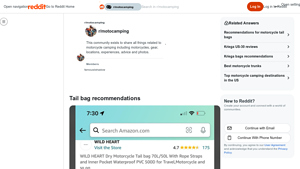
Domain: reddit.com
Registered: 2005 (20 years)
Introduction: Wild Heart tail bag, SW Motech bags, Lomo bags, Tusk bags, Kriega bags (US40, US5, US20), Saddlemen bags (175-250 range).
Domain: moskomoto.com
Registered: 2013 (12 years)
Introduction: This company, Moskomoto – Free Delivery & Returns, is a notable entity in the market. For specific product details, it is recommended to visit their website directly.
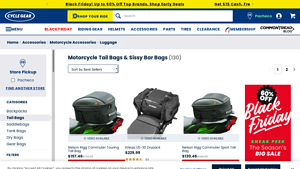
Domain: cyclegear.com
Registered: 1996 (29 years)
Introduction: This company, Cycle Gear – Motorcycle Tail Bags, is a notable entity in the market. For specific product details, it is recommended to visit their website directly.
As the demand for motorcycle seat bags continues to rise across various global markets, strategic sourcing becomes essential for B2B buyers aiming to enhance their product offerings. Key takeaways highlight the importance of selecting high-quality materials, versatile designs, and reliable mounting systems that cater to diverse motorcycle models. Collaborating with manufacturers that prioritize functionality and aesthetics will not only boost customer satisfaction but also create long-term brand loyalty.
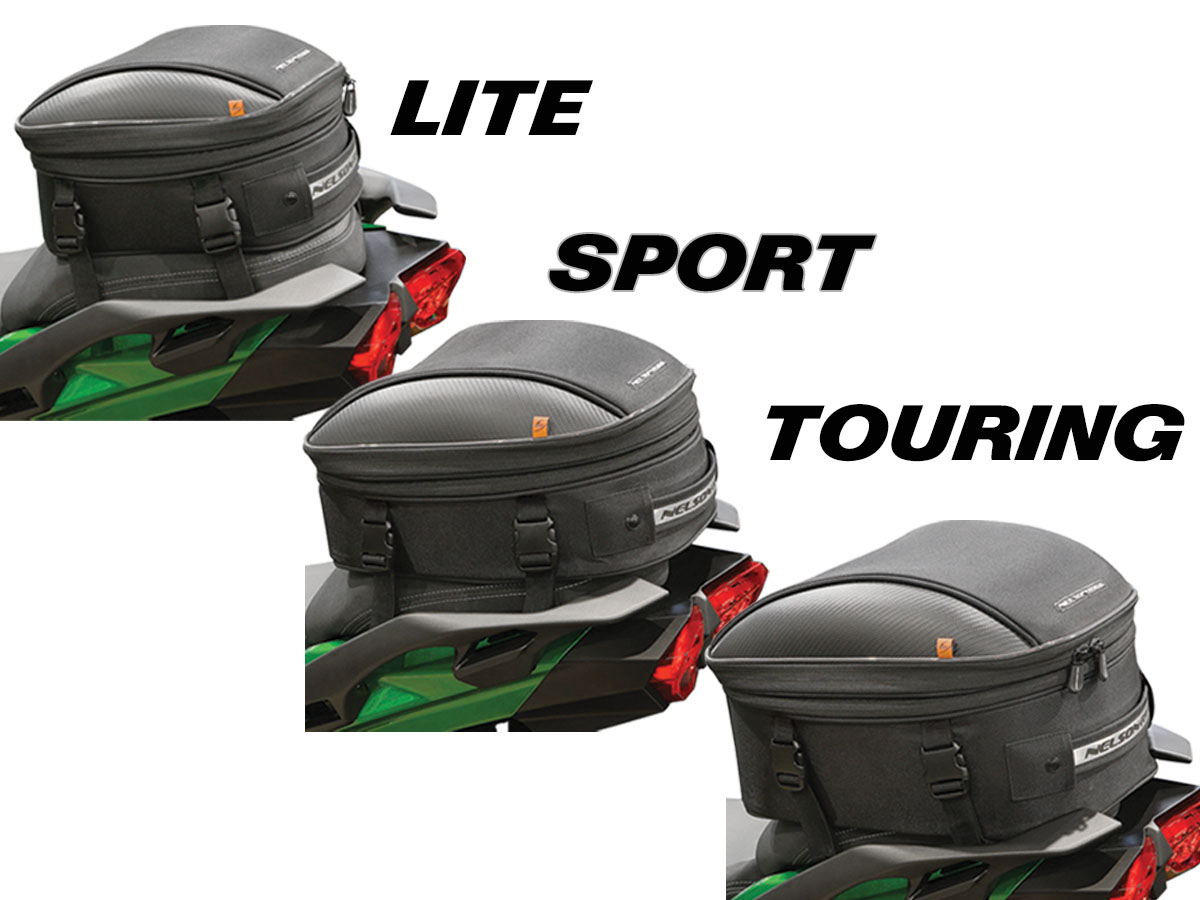
International buyers, particularly from regions such as Africa, South America, the Middle East, and Europe, must leverage their local market insights to identify trends and preferences unique to their customers. By prioritizing strategic partnerships with suppliers like Saddlemen, Nelson-Rigg, and SW-MOTECH, businesses can access innovative products that align with evolving consumer needs.
Looking ahead, it is crucial for B2B buyers to remain agile and responsive to market dynamics. Embrace the opportunity to invest in high-quality motorcycle seat bags that meet the growing expectations of riders. Start exploring partnerships today to ensure your business stays competitive and well-positioned in the thriving motorcycle accessories market.
The information provided in this guide, including content regarding manufacturers, technical specifications, and market analysis, is for informational and educational purposes only. It does not constitute professional procurement advice, financial advice, or legal advice.
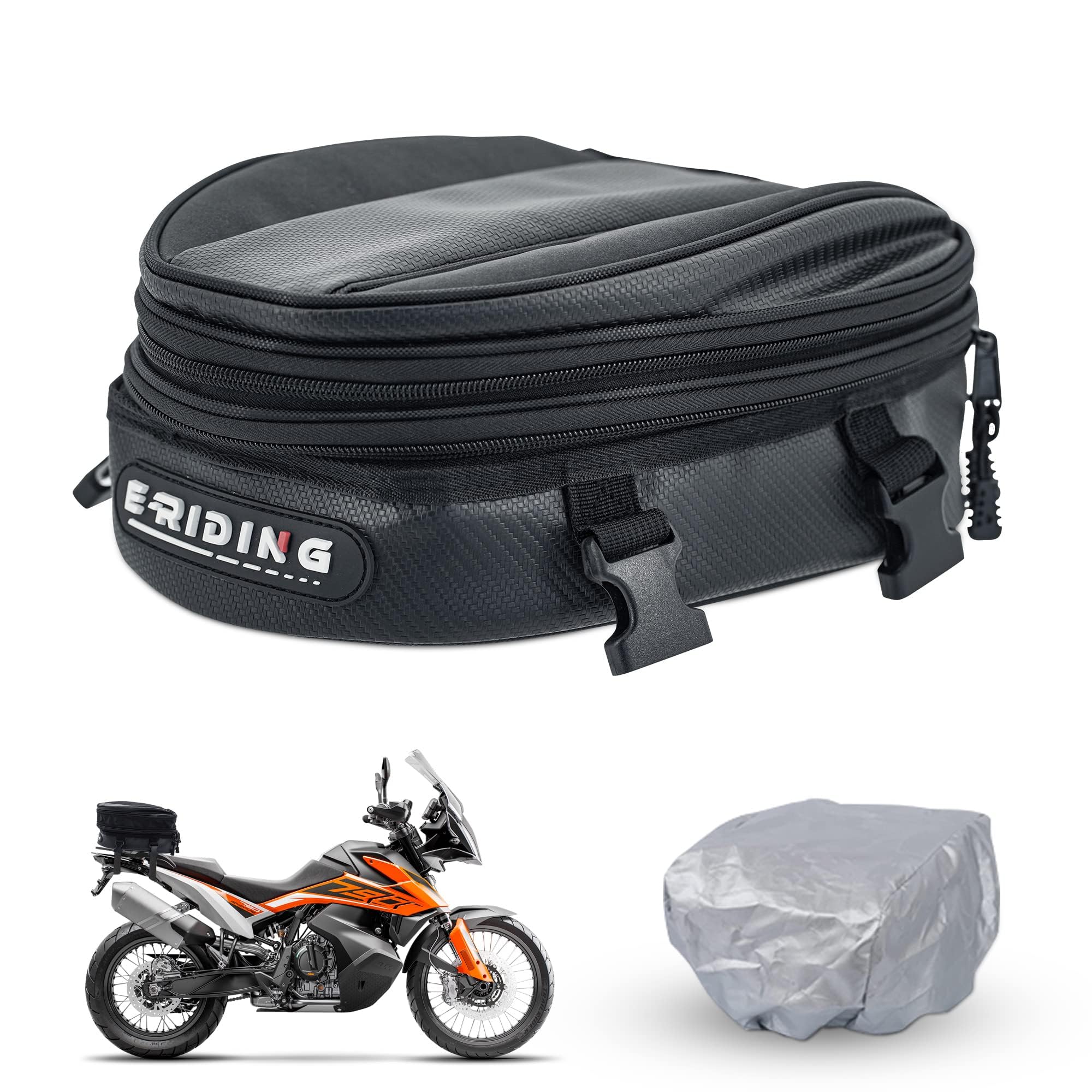
Illustrative image related to motorcycle seat bags
While we have made every effort to ensure the accuracy and timeliness of the information, we are not responsible for any errors, omissions, or outdated information. Market conditions, company details, and technical standards are subject to change.
B2B buyers must conduct their own independent and thorough due diligence before making any purchasing decisions. This includes contacting suppliers directly, verifying certifications, requesting samples, and seeking professional consultation. The risk of relying on any information in this guide is borne solely by the reader.


 English
  Russian
  Spanish
  Italian
  Arabic
  Portuguese
  German