
In today’s fast-paced global market, sourcing reliable emergency tire inflator cans poses a significant challenge for B2B buyers, particularly in regions like Africa, South America, the Middle East, and Europe. As vehicle ownership continues to rise in these areas, the demand for effective and efficient tire repair solutions has never been higher. Emergency tire inflator cans provide a crucial service, allowing motorists to address tire punctures quickly and safely, thus minimizing downtime and enhancing road safety.
This comprehensive guide delves into the various types of emergency tire inflator cans available, their specific applications, and essential factors to consider when sourcing them. We will explore the nuances of supplier vetting, ensuring quality and compliance with international standards, as well as providing insights into cost considerations and market trends. By leveraging this information, international B2B buyers can make informed purchasing decisions that align with their operational needs and budget constraints.
Furthermore, this guide is tailored to empower businesses in diverse markets, offering actionable insights that cater to local challenges and preferences. Whether you are a distributor looking to expand your product line or a fleet manager seeking reliable tire repair solutions, understanding the landscape of emergency tire inflator cans will enhance your ability to meet customer demands and drive business growth.
| Nome del tipo | Caratteristiche distintive principali | Applicazioni primarie B2B | Brevi pro e contro per gli acquirenti |
|---|---|---|---|
| Aerosol Tire Sealants | Quick application, seals punctures up to 1/4″, eco-friendly | Automotive repair shops, fleet services | Pros: Fast and easy to use; Cons: Temporary solution, requires follow-up repair. |
| Gonfiatori portatili per pneumatici | Electric or battery-operated, provides inflation without sealant | Automotive retailers, roadside assistance | Pros: Versatile for various tire types; Cons: May require a power source. |
| Heavy-Duty Tire Sealants | Designed for larger punctures, suitable for trucks and SUVs | Commercial trucking, off-road vehicles | Pros: Strong sealing capability; Cons: Higher cost, may not be eco-friendly. |
| Gonfiatori multiuso | Combines inflation and sealing, often includes additional features | Emergency kits, outdoor equipment sales | Pros: All-in-one solution; Cons: Bulkier, may be more expensive. |
| Smart Tire Repair Systems | Integrated with sensors, provides real-time monitoring | Advanced automotive services, tech firms | Pros: Enhances safety and efficiency; Cons: Higher complexity and cost. |
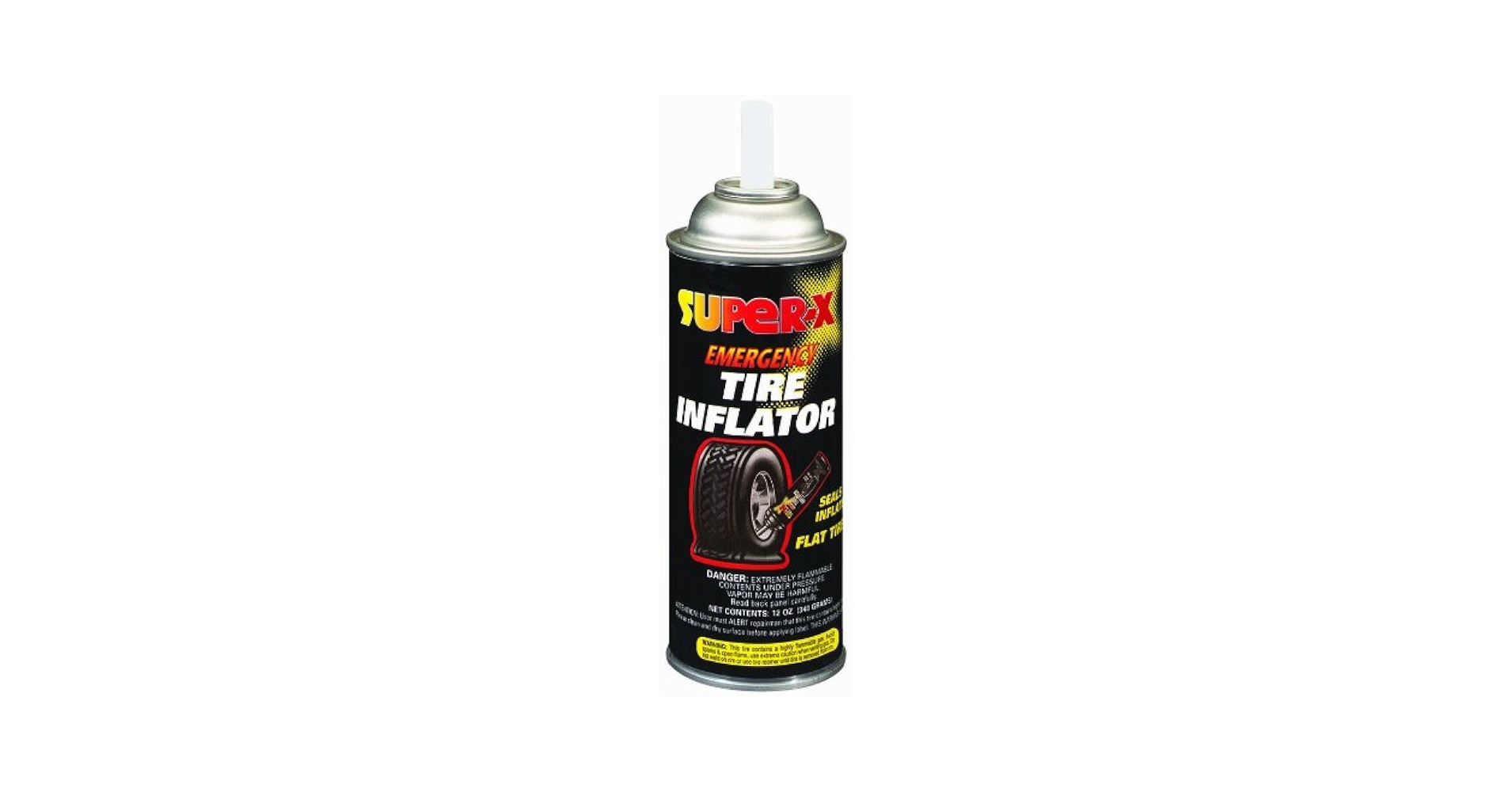
Aerosol tire sealants are designed for quick and easy application, making them ideal for emergency situations. They work by sealing small punctures up to 1/4″ in diameter, allowing drivers to get back on the road quickly. These products are eco-friendly and safe for tire sensors, which is a significant advantage for B2B buyers in the automotive repair sector. However, it is important to note that these sealants offer only a temporary solution; professional repairs are recommended within a short timeframe.
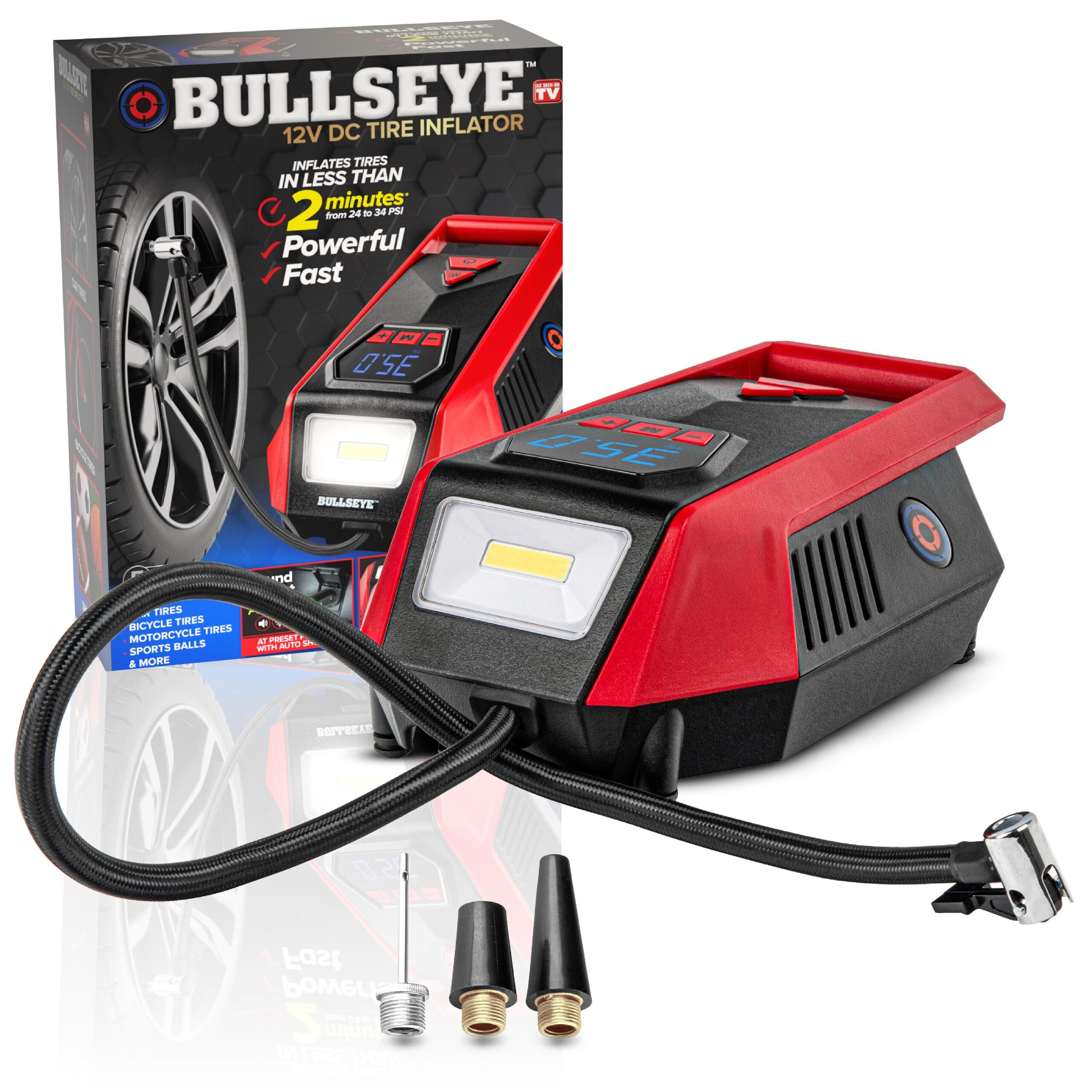
Portable tire inflators, whether electric or battery-operated, are versatile tools that can inflate tires without the use of sealants. They are suitable for a variety of tire types and are often used in automotive retail settings or by roadside assistance services. While they provide a reliable means of inflation, they may require access to a power source, which could be a limitation in remote areas. B2B buyers should consider the inflator’s portability and ease of use when making a purchasing decision.
Heavy-duty tire sealants are specifically formulated to handle larger punctures, making them suitable for trucks and SUVs used in commercial applications. Their robust sealing capabilities are essential for fleet managers and businesses operating in rugged environments. However, these products often come at a higher price point and may not be as eco-friendly as lighter options. B2B buyers should evaluate the cost versus the potential downtime savings when considering these sealants.
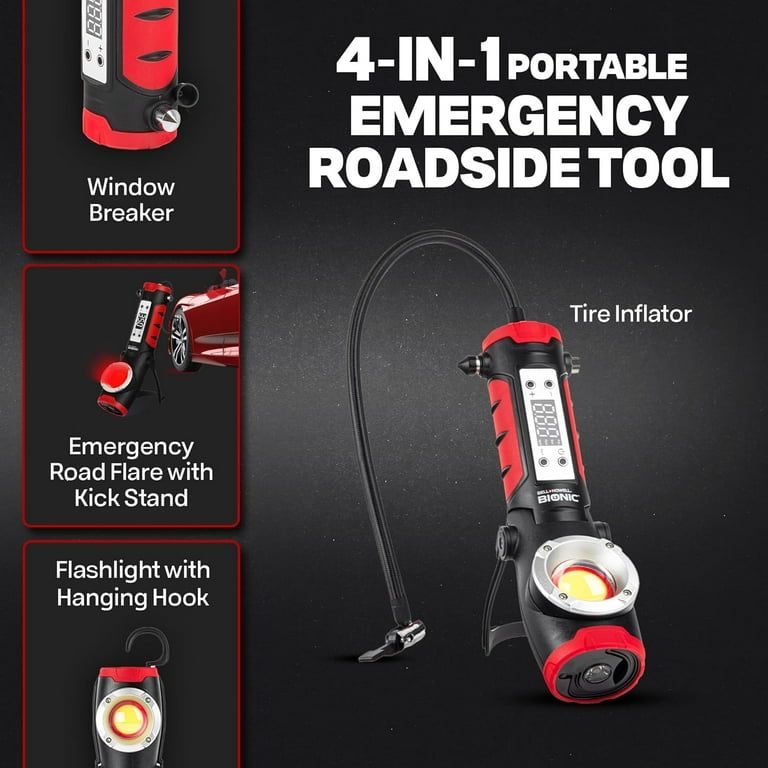
Multi-purpose inflators combine the functions of inflating and sealing tires, often including additional features like built-in lights or pressure gauges. This all-in-one solution is increasingly popular among emergency kit suppliers and outdoor equipment retailers. While they offer convenience, their bulkier design and potentially higher cost can be drawbacks for some buyers. B2B purchasers should assess their specific needs and the typical use cases for these products to determine their suitability.
Smart tire repair systems integrate technology to monitor tire conditions in real-time, providing valuable data for advanced automotive services. These systems enhance safety and efficiency, making them appealing to tech-savvy businesses and automotive service providers. However, they come with increased complexity and cost, which may deter some buyers. B2B buyers should weigh the long-term benefits against the initial investment when considering these high-tech solutions.
| Industria/Settore | Specific Application of emergency tire inflator can | Valore/Beneficio per l'azienda | Considerazioni chiave sull'approvvigionamento per questa applicazione |
|---|---|---|---|
| Servizi automobilistici | Quick roadside tire repairs for service vehicles | Reduces downtime and improves customer satisfaction | Reliability, ease of use, and compliance with safety standards |
| Logistica e trasporti | Emergency tire repairs for fleet vehicles | Enhances operational efficiency and reduces costs | Volume pricing, compatibility with various tire types, and storage conditions |
| Costruzioni e attrezzature pesanti | Tire maintenance for construction machinery | Minimizes delays in project timelines | Durability, ability to seal large punctures, and resistance to harsh environments |
| Outdoor and Recreational Equipment | Tire inflation for off-road vehicles and trailers | Ensures safety and readiness for outdoor activities | Portability, ease of use in remote areas, and resistance to extreme temperatures |
| Servizi di emergenza | Tire repair for emergency response vehicles | Critical for maintaining operational readiness | Quick deployment, compatibility with various tire sensors, and non-flammable properties |
In the automotive service sector, emergency tire inflator cans are essential tools for quick roadside repairs. Service vehicles equipped with these inflators can rapidly address flat tires without the need for traditional jacking and changing methods. This capability not only minimizes vehicle downtime but also enhances customer satisfaction by providing swift resolutions. International buyers should prioritize products that meet local safety standards and are easy to use under varying environmental conditions.
For logistics and transportation companies, emergency tire inflator cans serve as vital resources for maintaining fleet efficiency. These inflators allow drivers to quickly address tire issues on the road, reducing the likelihood of costly delays. By investing in reliable inflators, businesses can significantly lower operational costs associated with vehicle downtime. Key considerations for international buyers include ensuring compatibility with diverse tire sizes and securing favorable bulk pricing agreements to optimize supply chain costs.
In the construction industry, where heavy machinery is frequently used, emergency tire inflator cans are crucial for maintaining operational efficiency. These inflators can seal punctures in large tires, preventing project delays caused by equipment breakdowns. Buyers in this sector should seek inflators that can withstand harsh job site conditions and effectively seal larger punctures. Additionally, suppliers should demonstrate a commitment to durability and performance in extreme conditions.
Emergency tire inflator cans are indispensable for users of outdoor and recreational vehicles, such as ATVs and trailers. These products ensure that users can quickly address tire issues while in remote locations, enhancing safety and readiness for outdoor adventures. B2B buyers in this segment should focus on inflators that are portable, easy to operate, and effective in extreme weather conditions. Understanding the specific needs of this market can lead to better sourcing decisions and product selection.
For emergency services, such as ambulances and fire trucks, having an operational emergency tire inflator can be a matter of life and death. These inflators enable rapid repairs, ensuring that vehicles remain ready for immediate deployment. Buyers in this sector need to prioritize inflators that are quick to use and compatible with various tire sensor technologies, along with ensuring that they meet safety standards for non-flammability. The reliability of these products is paramount to maintaining public safety and operational readiness.
Il problema: B2B buyers often face challenges in selecting the appropriate emergency tire inflator can size for their fleet, especially when dealing with various vehicle types ranging from sedans to larger SUVs or trucks. This can lead to ineffective repairs, as a can that is too small may not inflate or seal larger tires adequately, while an oversized can may be unnecessary and cumbersome for smaller vehicles. Such mismatches can result in wasted time and resources during critical moments when quick action is essential.
La soluzione: To overcome this challenge, buyers should implement a systematic approach to inventory management by categorizing their fleet based on tire size and type. It’s advisable to maintain a detailed inventory list that includes the specifications of each vehicle’s tires, including diameter and width. For example, using products like the Fix-a-Flat range, which offers various sizes (e.g., 12 oz for compact cars to 24 oz for trucks), can ensure that the right size is readily available. Additionally, establishing partnerships with reliable suppliers can facilitate bulk purchasing, ensuring that emergency inflators are always stocked in the correct sizes for each vehicle type. Regular training for fleet personnel on identifying the right inflator size can also enhance efficiency during emergencies.
Il problema: B2B buyers are increasingly mindful of environmental and safety regulations, particularly when sourcing products like emergency tire inflator cans that contain sealants. Many traditional sealants may be non-eco-friendly, posing risks during disposal and potentially harming the environment. Additionally, concerns about the safety of using such products—especially in regions with strict regulatory standards—can complicate purchasing decisions and lead to potential legal ramifications.
La soluzione: Buyers should prioritize sourcing eco-friendly tire inflator products that comply with local environmental regulations. For instance, products like Slime’s Rescue Emergency Tire Repair Sealant, which features a non-toxic and non-corrosive formula, are designed with safety and environmental impact in mind. When evaluating suppliers, B2B buyers should inquire about the safety data sheets (SDS) for the products and ensure that they meet the necessary safety standards. Establishing relationships with manufacturers who prioritize sustainability can also yield innovative products that satisfy safety and regulatory requirements, thereby minimizing risk while promoting responsible practices.
Il problema: When an emergency arises, users often struggle with the proper operation of tire inflators, leading to ineffective repairs that could exacerbate the situation. Many inflators come with complex instructions or require additional tools, which can frustrate users who may not be familiar with the product. This can be particularly problematic for B2B buyers who distribute these products to their employees or clients who may not have the necessary training or knowledge on their use.
Illustrative image related to emergency tire inflator can
La soluzione: To address this issue, B2B buyers should look for emergency tire inflators that are designed with user-friendliness in mind. Products like Lucas Tire Inflator, which emphasize straightforward operation without the need for tools, are ideal for emergency situations. Additionally, providing comprehensive training sessions and easy-to-follow instructional materials—such as video tutorials or quick-start guides—can significantly enhance user confidence and capability in utilizing these products effectively. Furthermore, including clear signage or quick reference cards in vehicles can serve as immediate reminders for users on how to operate the inflator during emergencies, ensuring that they are prepared to act swiftly and correctly when the need arises.
When selecting materials for emergency tire inflator cans, several factors such as durability, cost, and performance characteristics must be considered. The following analysis highlights four common materials used in the manufacturing of these cans, providing insights into their properties, advantages, disadvantages, and implications for international B2B buyers.
Aluminum is a widely used material for emergency tire inflator cans due to its favorable properties. It offers excellent corrosion resistance, which is crucial for products exposed to various environmental conditions. Aluminum cans typically have a temperature rating that can withstand significant pressure, making them suitable for containing compressed gases and sealants.
Pro: Aluminum is lightweight, which reduces shipping costs and improves handling. It is also recyclable, aligning with eco-friendly practices.
Contro: While aluminum is durable, it can be more expensive than other materials like steel, and it may require additional coatings for enhanced corrosion resistance in harsh environments.
Impatto sull'applicazione: Aluminum cans are compatible with various sealants and gases, ensuring effective performance in emergency situations.
Considerazioni per gli acquirenti internazionali: Buyers must ensure compliance with international standards such as ASTM for material specifications and consider the recycling capabilities in their region.
Steel, particularly stainless steel, is another common material for emergency tire inflator cans. It is known for its high strength and durability, making it suitable for high-pressure applications. Stainless steel also offers excellent corrosion resistance, especially in humid or saline environments.
Illustrative image related to emergency tire inflator can
Pro: Steel cans are robust and can withstand rough handling, making them ideal for emergency use. They also have a longer lifespan compared to other materials.
Contro: The primary drawback of steel is its weight, which can increase shipping costs. Additionally, steel cans may be more prone to rust if not properly coated.
Impatto sull'applicazione: Steel cans are highly compatible with various tire sealants and can maintain structural integrity under high pressure.
Considerazioni per gli acquirenti internazionali: Steel products must meet specific standards, such as JIS in Japan or DIN in Europe. Buyers should also consider local regulations regarding metal recycling and waste management.
Plastic, particularly high-density polyethylene (HDPE), is increasingly being used for emergency tire inflator cans due to its lightweight and cost-effective nature. HDPE offers good chemical resistance, making it suitable for containing various tire sealants.
Pro: Plastic cans are lightweight, which reduces transportation costs. They are also less expensive to manufacture compared to metal cans.
Contro: While plastic is resistant to corrosion, it is not as durable as metal and may not withstand high-pressure applications as effectively. Additionally, plastics can degrade over time when exposed to UV light.
Impatto sull'applicazione: Plastic cans are typically used for lower-pressure applications and are compatible with many tire repair sealants.
Considerazioni per gli acquirenti internazionali: Compliance with environmental regulations is crucial, especially in regions with strict plastic waste management policies. Buyers should also ensure that the plastic used meets safety standards.
Composite materials, which combine plastics and metals, are gaining traction in the tire inflator can market. These materials can provide the benefits of both metals and plastics, offering enhanced durability and reduced weight.
Pro: Composites can be engineered for specific applications, providing flexibility in design and performance. They also offer excellent resistance to corrosion and chemicals.
Contro: The manufacturing process for composites can be more complex and costly compared to traditional materials.
Impatto sull'applicazione: Composite cans can handle higher pressures and are suitable for various sealants, making them versatile for emergency tire repair.
Considerazioni per gli acquirenti internazionali: Buyers should be aware of the specific manufacturing standards for composites and ensure that they comply with local regulations regarding material safety and environmental impact.
| Materiale | Typical Use Case for emergency tire inflator can | Vantaggio chiave | Svantaggi/limitazioni principali | Costo relativo (Basso/Medio/Alto) |
|---|---|---|---|---|
| Alluminio | Lightweight, high-pressure applications | Eccellente resistenza alla corrosione | Higher cost than steel | Medio |
| Acciaio | High-strength, durable applications | Robust and long-lasting | Heavier, potential rust issues | Medio |
| Plastica | Low-pressure applications, cost-effective | Lightweight and inexpensive | Meno durevole, degradazione da raggi UV | Basso |
| Composito | Versatile, high-performance applications | Combines benefits of metal and plastic | Complex manufacturing process | Alto |
This strategic material selection guide provides essential insights for B2B buyers, enabling informed decisions when sourcing emergency tire inflator cans that meet their specific needs and compliance requirements across various international markets.
The manufacturing process for emergency tire inflator cans involves several critical stages, each designed to ensure the final product meets safety, functionality, and quality standards.
The first stage involves selecting high-quality raw materials, including the canister material (typically steel or aluminum), sealant compounds, and propellant gases. Manufacturers often rely on suppliers who provide certified materials that comply with international safety standards. For instance, aluminum is preferred for its lightweight and corrosion-resistant properties, while steel may be used for its robustness.
Illustrative image related to emergency tire inflator can
Material testing is a key part of this stage, where samples are taken to check for consistency and quality. This may include verifying the tensile strength of metals and the chemical stability of sealants. Suppliers should provide Material Safety Data Sheets (MSDS) to ensure compliance with safety regulations.
Once materials are prepared, the forming stage begins. This typically involves processes like stamping, shaping, and welding to create the basic structure of the inflator can. Advanced manufacturing techniques, such as hydroforming or deep drawing, may be employed to ensure that the canister is both lightweight and structurally sound.
This stage is also crucial for ensuring that the canister can withstand internal pressure once filled with gas and sealant. Manufacturers often use CNC machines for precision forming, ensuring that each canister meets exact specifications.
After forming, the canisters undergo assembly, where components such as valves, nozzles, and seals are integrated. This step may involve automated assembly lines where robotics ensure consistency and speed. Each component’s fit is critical, as any misalignment can lead to leaks or failures during use.
Quality assurance at this stage often includes visual inspections and functional tests to verify that all parts are correctly assembled and that the sealing mechanism works effectively.
The finishing stage includes surface treatments such as painting, anodizing, or coating to enhance corrosion resistance and aesthetic appeal. This step may also involve labeling, which must comply with international standards regarding safety and usage instructions.
Final checks ensure that the canisters are free from defects and ready for distribution. This may include batch testing for pressure tolerance and leak tests to confirm the integrity of the assembled product.
Quality assurance (QA) is a fundamental aspect of manufacturing emergency tire inflator cans, ensuring that products meet safety and performance standards throughout their lifecycle.
Illustrative image related to emergency tire inflator can
Manufacturers must comply with various international standards, such as ISO 9001, which outlines requirements for a quality management system. This standard emphasizes continuous improvement and customer satisfaction, essential for B2B operations.
Additionally, industry-specific certifications such as CE marking in Europe and API standards in North America may apply. These certifications ensure that the products meet specific safety and performance criteria, especially regarding the materials used and the final product’s reliability.
Quality control (QC) checkpoints are integrated throughout the manufacturing process:
Controllo qualità in entrata (CQI): This step involves inspecting raw materials upon delivery. Suppliers should provide certificates of conformity to verify compliance with safety standards.
Controllo di qualità in corso d'opera (IPQC): During manufacturing, continuous monitoring occurs. This includes sampling products at various stages for dimensional accuracy and functional testing.
Controllo finale della qualità (CQC): Before packaging, the finished products undergo comprehensive testing. This may involve pressure testing to ensure the cans can withstand operational conditions and seal integrity tests to prevent leaks.
Common testing methods for emergency tire inflator cans include:
Test di pressione: Canisters are filled with air and subjected to pressure to ensure they can withstand operational conditions without failure.
Test di tenuta: Various methods, such as bubble tests or vacuum tests, are employed to identify any potential leaks in the canister or valve mechanisms.
Test delle prestazioni: This ensures that the inflator can effectively seal punctures and inflate tires as advertised, which may involve simulated usage conditions.
For international B2B buyers, verifying supplier quality control is critical to ensure product reliability and compliance with local regulations.

Illustrative image related to emergency tire inflator can
Buyers should conduct regular audits of potential suppliers, assessing their manufacturing practices, quality control processes, and adherence to international standards. This may include:
Audit dei fornitori: Engaging third-party inspectors to conduct audits can provide an unbiased view of a supplier’s capabilities. These audits should cover all aspects of the manufacturing process, including material sourcing, production methods, and quality control measures.
Revisione della documentazione: Buyers should request and review quality management system documentation, including compliance certificates, inspection reports, and testing results.
Buyers should request specific certifications, such as ISO 9001, CE, and other relevant local certifications. Documentation related to past quality control tests, including IQC, IPQC, and FQC reports, can provide insights into a supplier’s consistency and reliability.
International buyers, particularly from diverse regions like Africa, South America, the Middle East, and Europe, should be aware of various nuances in quality control and compliance.
Regulatory Differences: Each region may have unique regulations regarding manufacturing and product safety. Familiarizing oneself with these regulations is essential for compliance.
Considerazioni culturali: Understanding cultural differences in business practices can facilitate better communication and negotiation with suppliers.
Logistics and Supply Chain: Buyers should consider the logistics involved in sourcing products internationally, including transportation methods, tariffs, and customs regulations that may impact product delivery and cost.
By comprehensively understanding the manufacturing processes and quality assurance protocols for emergency tire inflator cans, B2B buyers can make informed decisions, ensuring the procurement of reliable and safe products for their markets.
When sourcing emergency tire inflator cans, it’s essential to follow a structured approach to ensure quality, compliance, and suitability for your target market. This checklist will guide you through the critical steps in the procurement process, helping you make informed decisions that benefit your business.
Establish clear technical requirements for the emergency tire inflator cans you intend to procure. This includes size, capacity, sealing effectiveness, and temperature range. Understanding these specifications ensures that the products meet the needs of your customers and comply with regional regulations.
Investigate the regulations governing tire inflator cans in your target regions. Compliance with local safety and environmental standards is crucial to avoid legal issues and ensure product acceptance in the market.
Before committing to a supplier, conduct thorough evaluations. Request company profiles, product samples, and references from other B2B buyers in your industry.
Always request samples of the emergency tire inflator cans before placing a bulk order. Testing these samples allows you to assess their performance and quality firsthand.
Confirm that your potential suppliers hold relevant certifications that demonstrate quality control and adherence to industry standards.
Evaluate the pricing structure and payment terms offered by suppliers. Competitive pricing is important, but ensure it doesn’t compromise quality.
Once you have selected a supplier, draft a clear contract that outlines all terms and conditions, including delivery timelines, quality standards, and penalties for non-compliance.
By following these steps, B2B buyers can effectively source emergency tire inflator cans that meet their needs while ensuring compliance and quality. This structured approach not only mitigates risks but also fosters long-term supplier relationships.
When sourcing emergency tire inflator cans, understanding the cost structure is crucial for making informed purchasing decisions. The primary cost components include materials, labor, manufacturing overhead, tooling, quality control (QC), logistics, and profit margin.
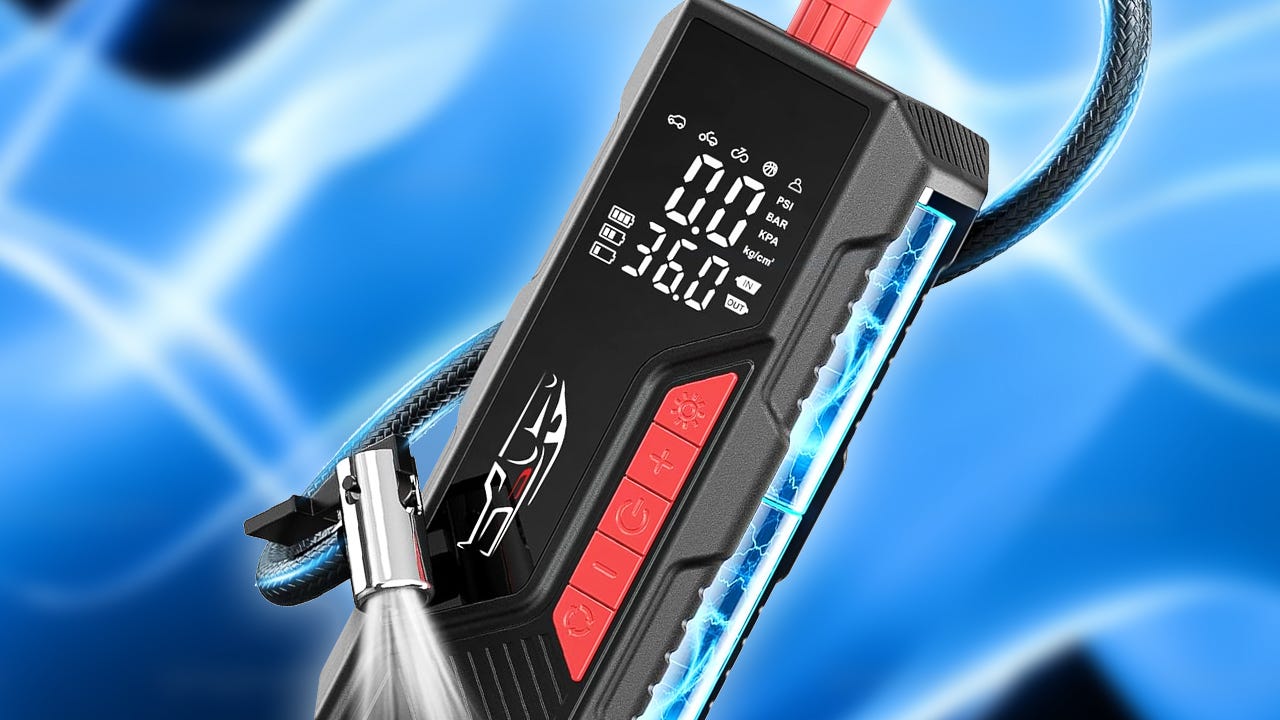
Illustrative image related to emergency tire inflator can
I materiali: The core materials used in tire inflators often include aerosol canisters, sealant compounds, and propellants. The choice of materials can significantly impact both the functionality and price of the product. Eco-friendly formulations, for example, may have higher raw material costs but can appeal to environmentally conscious consumers.
Lavoro: Labor costs can vary significantly based on geographic location and the manufacturing process. In regions with higher labor costs, such as parts of Europe, the overall pricing may be elevated. Conversely, sourcing from countries with lower labor costs can lead to a more competitive price point.
Spese generali di produzione: This includes indirect costs associated with production, such as utilities and facility maintenance. Efficient production processes can help mitigate these costs, allowing suppliers to offer better pricing.
Utensili: Initial investment in tooling can be substantial, particularly if custom designs or specifications are required. This cost is typically amortized over the production run, which can influence unit pricing.
Controllo qualità (CQ): Rigorous quality checks are essential for ensuring product safety and effectiveness. The cost of QC processes can be a significant factor, especially for products that will be used in emergency situations.
Logistica: Shipping and handling costs can vary based on the supplier’s location and the destination market. International buyers should consider the impact of logistics on total costs, especially when dealing with different Incoterms.
Margine: Finally, supplier margins will influence the final price. Understanding the competitive landscape can help buyers negotiate better terms.
Several factors can influence the pricing of emergency tire inflator cans, which are crucial for international B2B buyers to consider.
Volume e quantità minima d'ordine (MOQ): Bulk purchases often lead to lower per-unit costs. Establishing long-term relationships with suppliers can also facilitate better pricing for larger orders.
Specifiche e personalizzazione: Unique specifications or custom branding can increase costs. However, these features can differentiate products in the market, potentially leading to higher sales volumes.
Materiali e certificazioni di qualità: The choice of materials affects both cost and perceived quality. Products with certifications (e.g., eco-friendly, safety standards) may command higher prices but can provide a competitive edge in certain markets.
Fattori di fornitura: Supplier reputation, reliability, and production capabilities can influence pricing. Established suppliers with proven track records may charge a premium, but they often offer greater assurance of quality and consistency.
Incoterms: The shipping terms agreed upon (e.g., FOB, CIF) can affect the total landed cost of the product. Understanding Incoterms is essential for international buyers to accurately calculate total costs.
Negotiation is a critical aspect of securing favorable pricing for emergency tire inflator cans. Here are some tips for B2B buyers:
Condurre ricerche di mercato: Understand prevailing market rates for various types of tire inflators. This knowledge provides a solid foundation for negotiation.
Volume di leva: If possible, commit to larger order quantities to negotiate better pricing. Suppliers are often willing to offer discounts for bulk purchases.
Discutere i termini di pagamento: Flexible payment terms can be a point of negotiation. Suppliers may offer discounts for upfront payments or extended payment terms for larger orders.
Valutare il costo totale di proprietà (TCO): Consider not just the purchase price but the overall cost, including logistics, potential warranty claims, and the product’s lifespan. A slightly higher initial investment may lead to lower overall costs.
Capire le sfumature dei prezzi nelle diverse regioni: Buyers from Africa, South America, the Middle East, and Europe should be aware of regional pricing differences, influenced by local demand, currency fluctuations, and tariffs.
It is essential to note that prices for emergency tire inflator cans can vary widely based on the aforementioned factors. Buyers should seek multiple quotes and consider all cost components when evaluating potential suppliers.
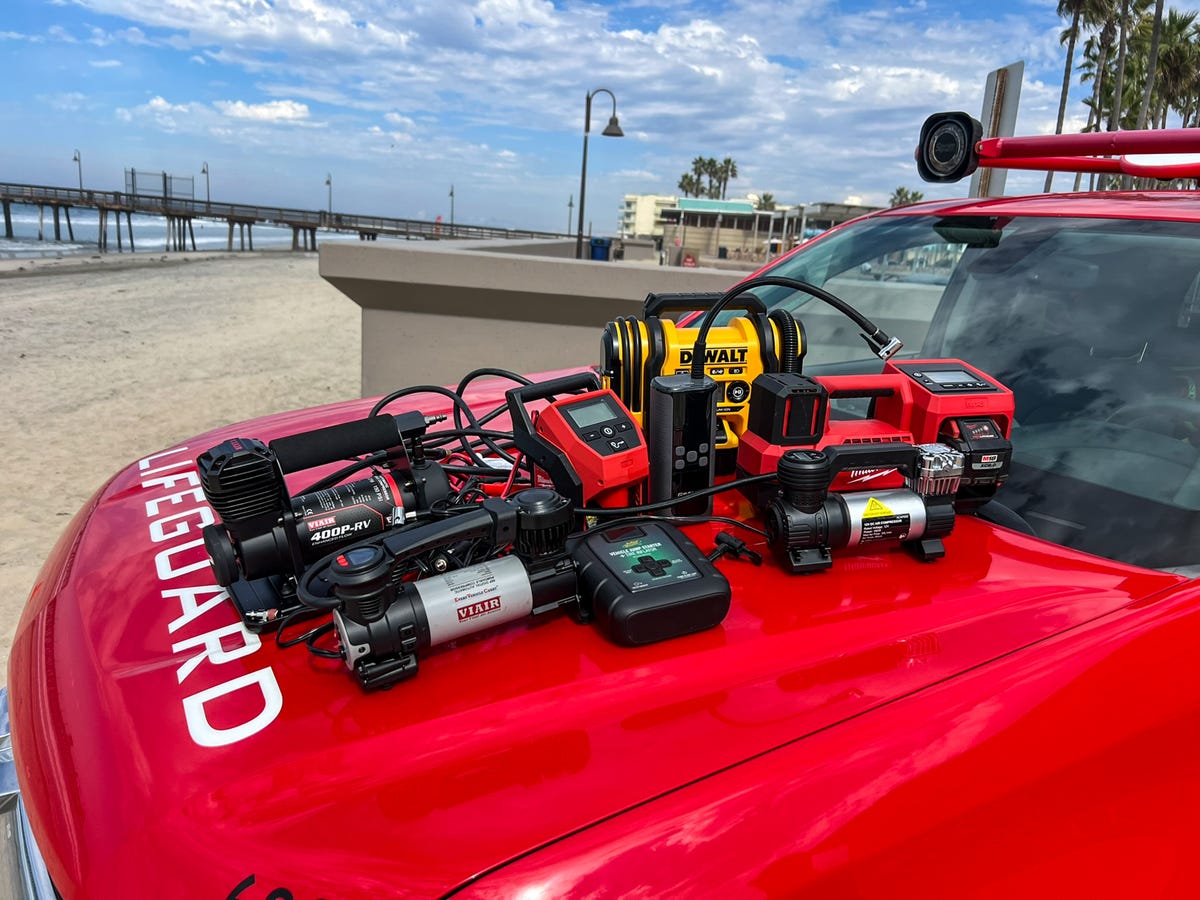
When it comes to addressing tire issues, the emergency tire inflator can is a popular choice among consumers and businesses alike. However, it is essential for B2B buyers to consider alternative solutions that can also provide effective results. This analysis compares the emergency tire inflator can with two viable alternatives: tire repair kits and portable air compressors. Each option has unique benefits and limitations that can influence purchasing decisions.
Illustrative image related to emergency tire inflator can
| Aspetto di confronto | Emergency Tire Inflator Can | Kit di riparazione pneumatici | Compressore d'aria portatile |
|---|---|---|---|
| Prestazioni | Seals small punctures quickly, temporary solution | Repairs punctures effectively, may require more time | Inflates tires and can assist with punctures, but requires manual intervention |
| Costo | Moderate ($15-$20) | Variable ($10-$50) | Higher initial investment ($30-$150) |
| Facilità di implementazione | Simple: connect and spray | Requires some tools and knowledge | Requires setup and may need electrical power |
| Manutenzione | Low: single-use, no upkeep required | Moderate: tools need periodic checks | High: regular maintenance needed for compressor |
| Il miglior caso d'uso | Quick, temporary fixes for light vehicles | More permanent solutions for punctures in various vehicles | Frequent use for larger fleets or long-distance travel |
Tire repair kits are a practical alternative to inflator cans. They typically include tools such as plugs, patches, and sealants. The primary advantage of tire repair kits is their ability to provide a more permanent solution to punctures, especially for larger holes that inflator cans cannot seal effectively. However, they do require some knowledge and skill to use correctly, which may not be suitable for all users. Additionally, the time taken to complete a repair can be longer compared to the instant results offered by inflator cans.
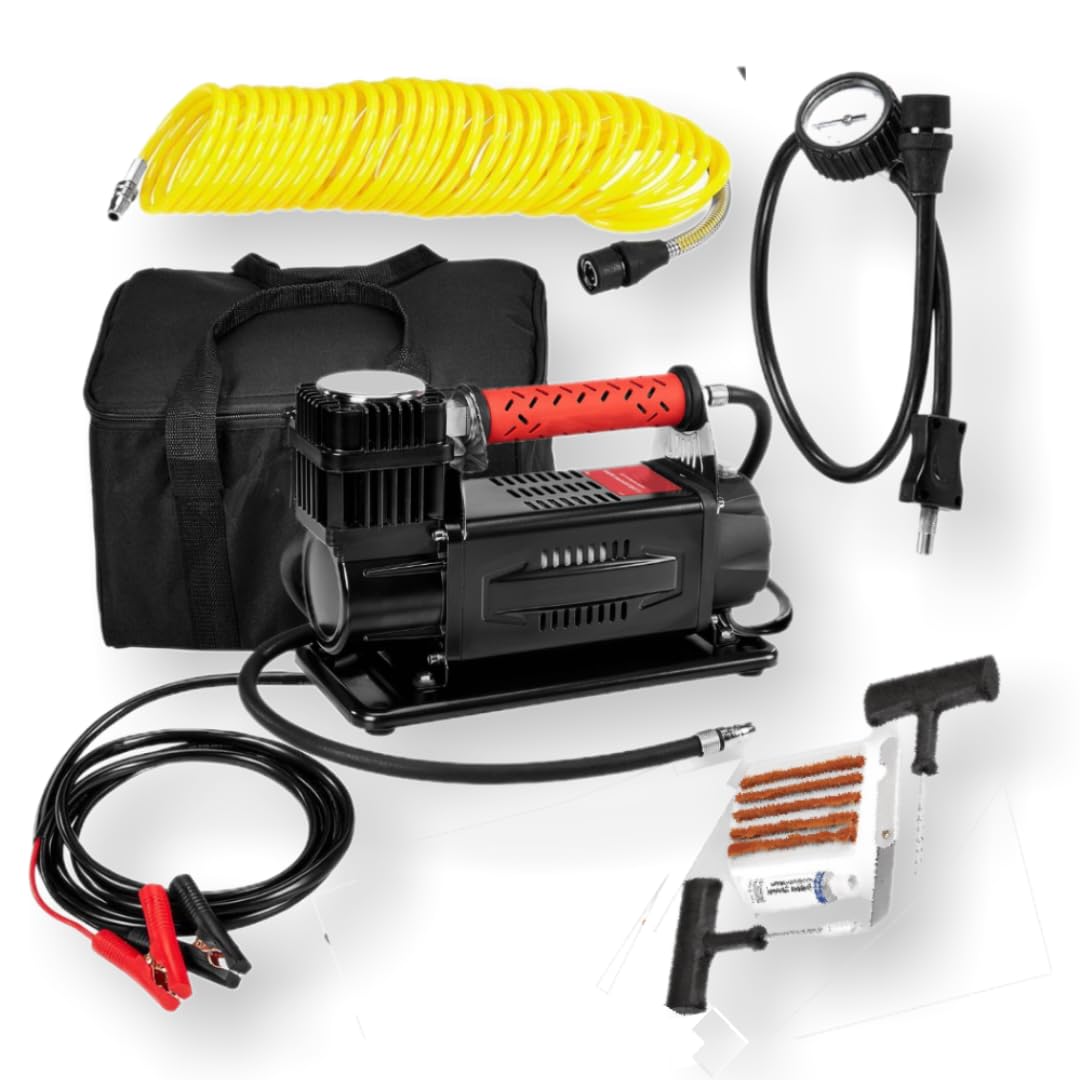
Portable air compressors represent a more advanced solution for tire inflation and repair. They can inflate tires quickly and are often equipped to handle multiple vehicles, making them ideal for businesses with a fleet. The downside is that they require a power source, which can limit their usability in remote locations. Moreover, they generally involve a higher initial investment and ongoing maintenance costs. Despite these drawbacks, their versatility and ability to perform more comprehensive repairs make them a valuable asset for companies that frequently deal with tire issues.
When choosing between an emergency tire inflator can, a tire repair kit, or a portable air compressor, B2B buyers should evaluate their specific operational requirements. For businesses that prioritize speed and convenience in emergency situations, inflator cans are an excellent choice. Conversely, if long-term solutions and the ability to handle a variety of tire issues are paramount, investing in a tire repair kit or a portable air compressor may be the better option. Ultimately, understanding the strengths and limitations of each solution will enable businesses to make informed purchasing decisions that align with their operational needs and budget constraints.
When considering emergency tire inflator cans for B2B procurement, understanding their technical properties is crucial for ensuring product reliability and performance. Here are several key specifications:
Sealant Composition
The materials used in the sealant significantly affect its effectiveness. Most inflators utilize a blend of polymers and eco-friendly compounds that seal punctures effectively while being non-toxic and non-corrosive. A superior sealant composition ensures a reliable temporary repair, which is vital for customer satisfaction and safety.
Pressione nominale
This refers to the maximum pressure the canister can safely handle, usually measured in PSI (pounds per square inch). A higher pressure rating allows for better performance, especially in larger tires found in SUVs and trucks. Understanding the pressure capacity is essential for businesses that cater to diverse vehicle types, ensuring compatibility and safety.
Temperature Range
Emergency tire inflators must function effectively under various environmental conditions. A typical operating temperature range is between -15°C to 50°C (5°F to 122°F). This specification is particularly important for international buyers in regions with extreme climates, ensuring that the product performs reliably regardless of local weather conditions.
Puncture Size Capability
Different products can seal punctures of varying sizes, commonly up to 1/4 inch in diameter. Knowing this capability helps businesses choose the right product for their target market, as larger puncture sealing capabilities are preferable for commercial fleets or regions with rough terrain.
Shelf Life
The shelf life of an emergency tire inflator can is generally around 3-5 years. This property is important for inventory management and planning, ensuring that products remain effective when needed. Understanding shelf life can help businesses minimize waste and ensure customer satisfaction.
Familiarity with industry jargon is essential for effective communication in B2B transactions. Here are several key terms to know:
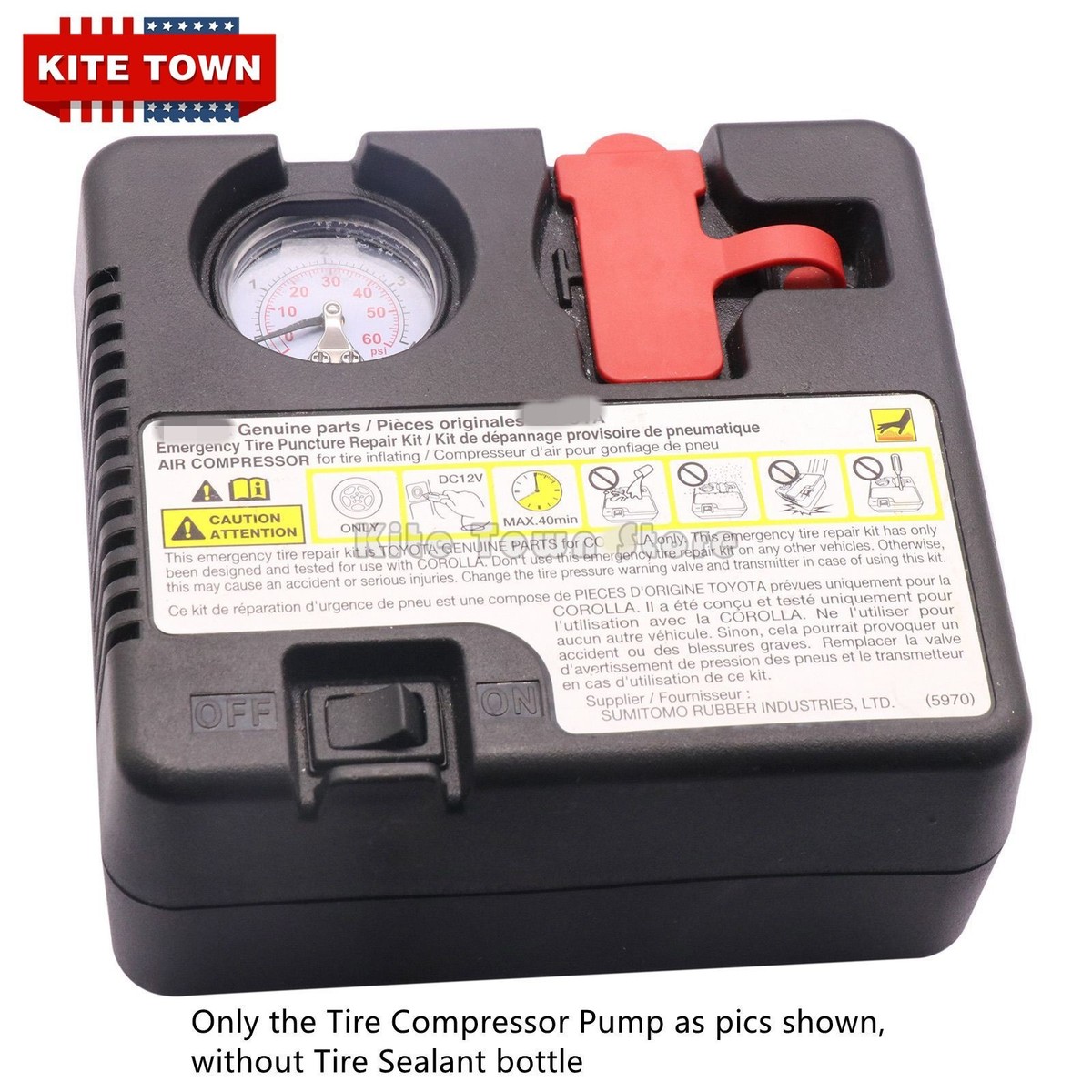
Illustrative image related to emergency tire inflator can
OEM (Original Equipment Manufacturer)
This term refers to companies that produce parts or products that may be marketed by another manufacturer. Understanding OEM relationships can help buyers identify compatible products and ensure quality standards are met.
MOQ (quantità minima d'ordine)
This is the minimum quantity a supplier is willing to sell. Knowing the MOQ is crucial for businesses to manage cash flow and inventory levels, especially when entering new markets or launching new products.
RFQ (Richiesta di offerta)
An RFQ is a document sent to suppliers asking for pricing on specific products. This term is vital for procurement teams to understand when seeking competitive pricing and ensuring they get the best deal for their needs.
Incoterms (Termini commerciali internazionali)
These are a set of predefined commercial terms published by the International Chamber of Commerce, which define the responsibilities of buyers and sellers in international transactions. Familiarity with Incoterms is essential for businesses involved in cross-border trade to avoid misunderstandings regarding shipping, insurance, and liability.
Certification Standards
These refer to industry standards that products must meet, such as ISO or SAE certifications. Understanding certification requirements is important for ensuring product quality and compliance with local regulations, which can affect market entry strategies.
By grasping these technical properties and trade terminologies, international B2B buyers can make informed decisions regarding emergency tire inflator cans, ultimately leading to better product selection and customer satisfaction.
The emergency tire inflator can market is experiencing significant growth, driven by the increasing number of vehicles on the road and the rising demand for quick roadside assistance solutions. Internationally, markets in Africa, South America, the Middle East, and Europe are witnessing a shift toward more convenient and efficient tire repair solutions. A notable trend is the integration of advanced technologies such as smart tire monitoring systems, which not only enhance the user experience but also align with the growing consumer preference for connected devices.
Additionally, the emergence of eco-friendly products is reshaping buyer expectations. Manufacturers are increasingly adopting sustainable materials and processes, responding to a global push for environmentally responsible products. This trend is particularly relevant for B2B buyers in regions like Europe, where regulations regarding environmental impact are stringent. Companies are now prioritizing suppliers who can demonstrate a commitment to sustainability through certifications and transparent supply chains.
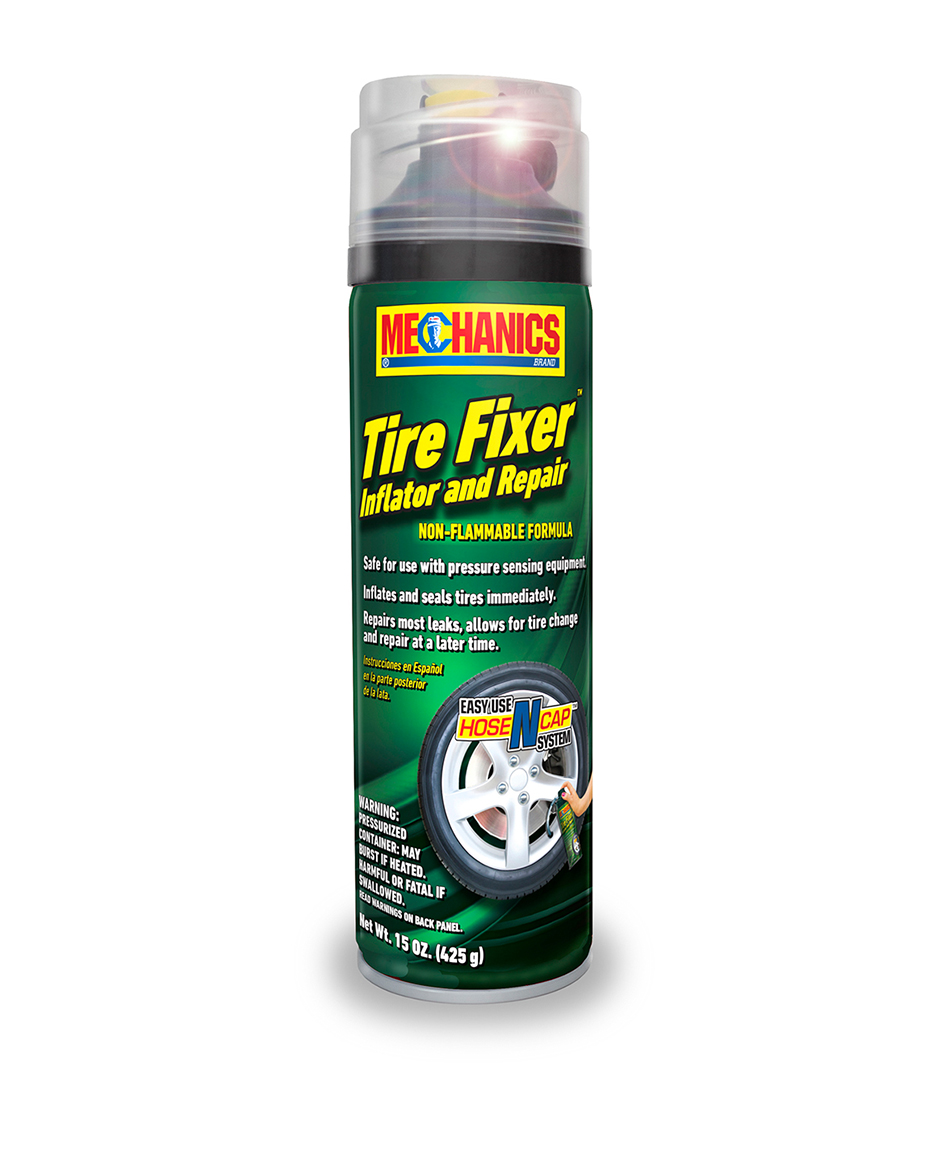
Illustrative image related to emergency tire inflator can
Moreover, the ongoing digital transformation is influencing sourcing strategies. B2B buyers are leveraging e-commerce platforms and digital marketplaces to access a broader range of products and suppliers, facilitating competitive pricing and improved supply chain efficiency. The ability to source products online also allows for quicker response times in meeting market demands, making it essential for buyers to stay abreast of technological advancements in the sector.
Sustainability is becoming a core concern for B2B buyers in the emergency tire inflator can market. The environmental impact of traditional tire repair methods has led to a demand for greener alternatives. Products that use eco-friendly materials and processes are gaining traction, as they not only reduce environmental footprints but also appeal to a growing segment of environmentally conscious consumers.
Ethical sourcing is increasingly important in establishing supplier relationships. Buyers are looking for manufacturers who adhere to responsible labor practices and ensure fair working conditions throughout their supply chains. This shift is particularly pronounced in regions where consumers are becoming more aware of social responsibility and the ethical implications of their purchasing decisions.
Illustrative image related to emergency tire inflator can
Certifications such as Green Seal and EcoLabel are becoming critical in the procurement process. These certifications provide assurance that products meet established environmental standards, making them more attractive to B2B buyers. Additionally, companies that prioritize sustainability are often seen as more reputable and trustworthy, which can influence purchasing decisions and brand loyalty.
The evolution of emergency tire inflator cans can be traced back to the early 1970s, when the need for quick and efficient tire repair solutions became apparent. Initially, these products were primarily chemical-based sealants that required manual application and often involved cumbersome processes. Over the years, technological advancements have led to the development of aerosol-based inflators that can seal punctures and inflate tires in a matter of seconds.
Today, modern emergency tire inflator cans are designed with user-friendliness in mind, featuring intuitive instructions and no need for additional tools. Innovations such as non-toxic, eco-friendly formulas and tire sensor compatibility have further enhanced their appeal. As consumer preferences shift towards convenience and sustainability, the market continues to adapt, ensuring that emergency tire inflators remain a vital component of vehicle safety kits worldwide.
How do I determine the right size of emergency tire inflator can for my fleet?
To choose the appropriate size of an emergency tire inflator can, consider the types of vehicles in your fleet. Most passenger cars require a 16 oz can, while larger vehicles such as SUVs or trucks may need 20 oz or 24 oz cans. Assess the tire sizes commonly used in your fleet and consult manufacturer specifications for optimal recommendations. Additionally, think about the frequency of use; having a mix of sizes can be beneficial for different scenarios, ensuring you are prepared for various tire issues.
What is the best emergency tire inflator can for commercial use?
The best emergency tire inflator can for commercial use typically features quick inflation, sealing capabilities for larger punctures, and compatibility with tire pressure monitoring systems. Look for products that have been tested for reliability and offer eco-friendly formulas, as these are increasingly valued in the marketplace. Brands like Fix-a-Flat and Lucas Oil are known for their effectiveness in sealing and inflating tires quickly, making them suitable for commercial applications where time is critical.
How can I vet suppliers for emergency tire inflator cans?
When vetting suppliers, examine their reputation within the industry through reviews and testimonials. Ensure they comply with international safety and quality standards, such as ISO certifications. Request samples to assess product quality and performance. Additionally, check their manufacturing capabilities, lead times, and ability to handle bulk orders. Engaging in direct communication to discuss your specific needs and concerns can also provide insight into their reliability and customer service.
What are the typical minimum order quantities (MOQs) for tire inflator cans?
Minimum order quantities for emergency tire inflator cans can vary significantly between suppliers. Generally, MOQs range from 100 to 1,000 units, depending on the product type and supplier capabilities. Discussing your purchasing volume with suppliers can sometimes lead to negotiation for lower MOQs, especially if you are a repeat customer or if you are considering a long-term partnership. Always clarify MOQs before placing orders to avoid unexpected costs.
What payment terms should I expect when sourcing tire inflator cans internationally?
Payment terms can vary widely among international suppliers, typically ranging from upfront payments to net 30 or net 60 days post-delivery. It’s common for suppliers to request a deposit (often 30-50%) before production begins, especially for custom orders. Ensure to discuss and finalize payment terms early in negotiations to align expectations. Utilizing secure payment methods and considering letters of credit can also help mitigate risks associated with international transactions.
How can I ensure quality assurance (QA) for tire inflator cans?
To ensure quality assurance, establish clear specifications and standards that the product must meet. Request certifications and quality control processes from your supplier, including pre-shipment inspections. Consider conducting random sampling of inflator cans upon delivery to test for performance and safety. Building a strong relationship with your supplier can also facilitate better communication regarding quality expectations and potential issues.
What logistics considerations should I keep in mind when importing tire inflator cans?
Logistics considerations include understanding shipping methods, customs duties, and potential tariffs that apply to your order. Assess the most efficient transportation routes and delivery times to minimize delays. Work with a logistics partner experienced in international shipping to handle documentation and compliance. Additionally, consider warehousing options in your target market to streamline distribution once the products arrive.
Are there specific regulations for emergency tire inflator cans in different regions?
Yes, regulations for emergency tire inflator cans can vary by region. It’s essential to research local laws regarding product safety, labeling, and environmental compliance. For instance, some regions may have restrictions on chemical content or packaging materials. Understanding these regulations can help avoid potential legal issues and ensure that your products meet market expectations. Collaborating with suppliers familiar with local regulations can simplify this process.
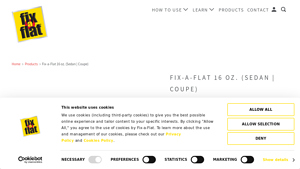
Dominio: fixaflat.com
Registrato: 1999 (26 anni)
Introduzione: Fix-a-Flat 16 oz. for Standard Tires | Emergency Flat Tire Repair
– Price: $15.49
– Designed for: Standard sized tires on sedans and coupes
– Seals punctures: Up to 1/4″ in diameter (33% larger than other tire repair aerosols)
– Features: No need for a jack or tools, seals and inflates in seconds, easy and safe to use
– Trusted for: More than 50 years
– Compatibility: Works on all highway vehicle …
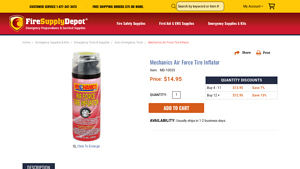
Dominio: firesupplydepot.com
Registered: 2007 (18 years)
Introduzione: {“item_name”:”Mechanics Air Force Tire Inflator”,”item_number”:”MD-10033″,”price”:”$14.95″,”MSRP”:”You save”,”quantity_discounts”:[{“quantity_range”:”4 – 11″,”price”:”$13.95″,”savings”:”7%”},{“quantity_range”:”12 +”,”price”:”$12.95″,”savings”:”13%”}],”availability”:”Usually ships in 1-2 business days”,”description”:”Keep this in your vehicle for emergencies in case of an inconvenient flat tire. Me…
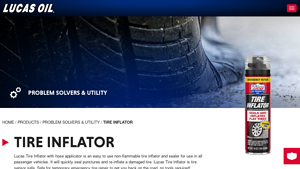
Dominio: lucasoil.com
Registrato: 1997 (28 anni)
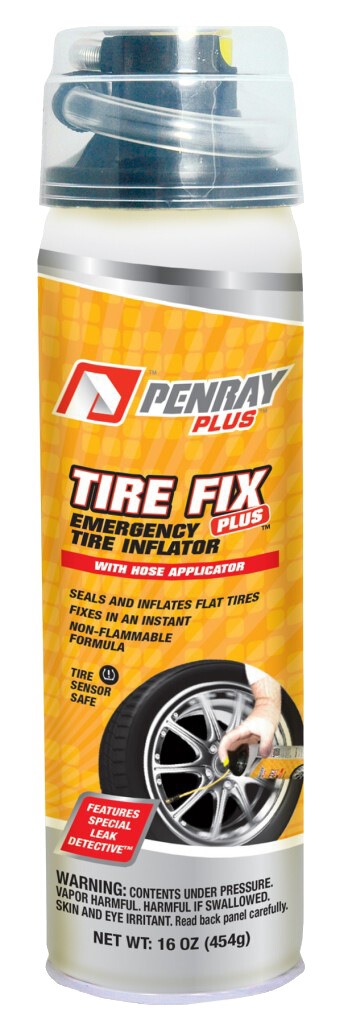
Introduzione: Tire Inflator – Lucas Tire Inflator with hose applicator is a non-flammable tire inflator and sealer for all passenger vehicles. It quickly seals punctures and re-inflates damaged tires. Safe for temporary emergency tire repair, no tools required. Tire sensor safe. Important: Treated tires should be repaired by a qualified tire professional within 3 days or 100 miles. Not suitable for sidewall or …
In the rapidly evolving market for emergency tire inflator cans, strategic sourcing is paramount for international B2B buyers. By prioritizing quality, efficiency, and eco-friendliness, businesses can ensure they meet customer expectations while also adhering to regulatory standards. Leading brands like Fix-a-Flat and Slime offer innovative solutions that not only seal punctures effectively but are also safe for both users and the environment.
Investing in reliable tire inflators can significantly enhance customer satisfaction and reduce the likelihood of roadside emergencies, thereby fostering brand loyalty. Moreover, understanding regional market demands and preferences—especially in diverse markets like Africa, South America, the Middle East, and Europe—will enable suppliers to tailor their offerings for maximum impact.
As you navigate your sourcing strategy, consider forming partnerships with manufacturers who demonstrate a commitment to quality and sustainability. This approach will not only strengthen your supply chain but also position your business as a leader in the tire repair market. Embrace the opportunity to innovate and expand your product range in response to evolving consumer needs, ensuring your business remains competitive in the global marketplace.
Le informazioni fornite in questa guida, compresi i contenuti relativi ai produttori, alle specifiche tecniche e all'analisi di mercato, hanno uno scopo puramente informativo ed educativo. Non costituiscono una consulenza professionale in materia di acquisti, né una consulenza finanziaria o legale.
Pur avendo compiuto ogni sforzo per garantire l'accuratezza e la tempestività delle informazioni, non siamo responsabili di eventuali errori, omissioni o informazioni non aggiornate. Le condizioni di mercato, i dettagli aziendali e gli standard tecnici sono soggetti a modifiche.
Gli acquirenti B2B devono condurre una due diligence indipendente e approfondita. prima di prendere qualsiasi decisione di acquisto. È necessario contattare direttamente i fornitori, verificare le certificazioni, richiedere campioni e chiedere una consulenza professionale. Il rischio di affidarsi alle informazioni contenute in questa guida è esclusivamente a carico del lettore.


 Italian
  English
  Russian
  Spanish
  Arabic
  Portuguese
  German