
In the competitive landscape of the motorcycle accessories market, sourcing high-quality motorcycle cases presents a significant challenge for international B2B buyers. With a multitude of options available, selecting the right cases that balance functionality, durability, and aesthetic appeal can be daunting. This comprehensive guide is designed to demystify the process of navigating the global market for motorcycle cases, offering insights into various types, applications, and essential considerations for effective supplier vetting.
Buyers will discover a wide range of motorcycle cases, from hard cases and soft bags to innovative expandable designs tailored for specific bike models. Understanding the nuances of these products, including their material compositions and locking mechanisms, is crucial for making informed purchasing decisions. Additionally, the guide will cover critical factors such as cost analysis, market trends, and compliance with international shipping standards.
By equipping B2B buyers from regions like Africa, South America, the Middle East, and Europe—including emerging markets such as Nigeria and Saudi Arabia—with actionable insights, this resource empowers them to navigate the complexities of sourcing motorcycle cases with confidence. Whether you’re looking to enhance your product offerings or streamline your supply chain, this guide serves as a valuable tool in optimizing your procurement strategy.
| Nome del tipo | Caratteristiche distintive principali | Applicazioni primarie B2B | Brevi pro e contro per gli acquirenti |
|---|---|---|---|
| Custodie rigide | Rigid construction, waterproof, and robust security systems | Turismo a lungo raggio, uso commerciale | Pros: High durability, secure storage; Cons: Heavier, less flexible space. |
| Soft Cases | Lightweight, expandable designs, often made from synthetic materials | Urban commuting, casual use | Pros: Lightweight, easy to install; Cons: Less secure, may not be waterproof. |
| Side Cases | Mounted on both sides of the motorcycle, available in hard or soft options | Balanced weight distribution, added storage | Pros: Enhanced stability, aesthetic appeal; Cons: Requires specific mounting systems. |
| Top Cases | Mounted on the rear, typically larger capacity for bulky items | Ideal for additional luggage, weekend trips | Pros: Convenient access, good for larger items; Cons: Can affect handling if overloaded. |
| Borse da serbatoio | Attachable to the motorcycle tank, often magnetic or strapped | Quick-access storage for essentials | Pros: Easy access, versatile use; Cons: Limited capacity, may obstruct controls. |
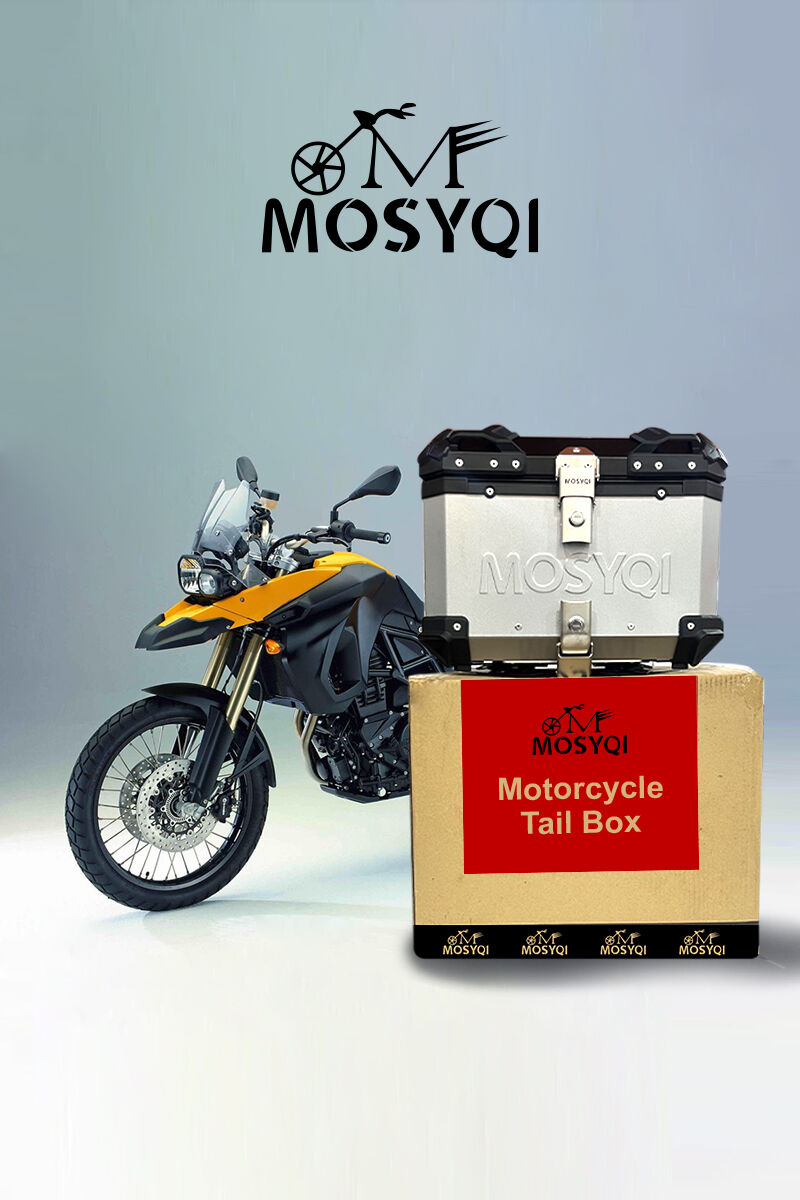
Hard cases are constructed from durable materials like ABS plastic or aluminum, offering a high level of security and protection against weather elements. These cases are ideal for long-distance touring, catering to businesses that require reliable storage solutions for transporting goods or equipment. When considering hard cases, B2B buyers should evaluate the weight, capacity, and compatibility with their motorcycle models to ensure optimal performance.
Illustrative image related to motorcycle cases
Soft cases are typically made from lightweight synthetic materials, making them an excellent choice for urban commuting and casual rides. Their expandable designs allow for flexibility in storage capacity, appealing to businesses that may need to adjust their load frequently. However, buyers should consider the security features of soft cases, as they may not offer the same level of protection against theft and weather as hard cases.
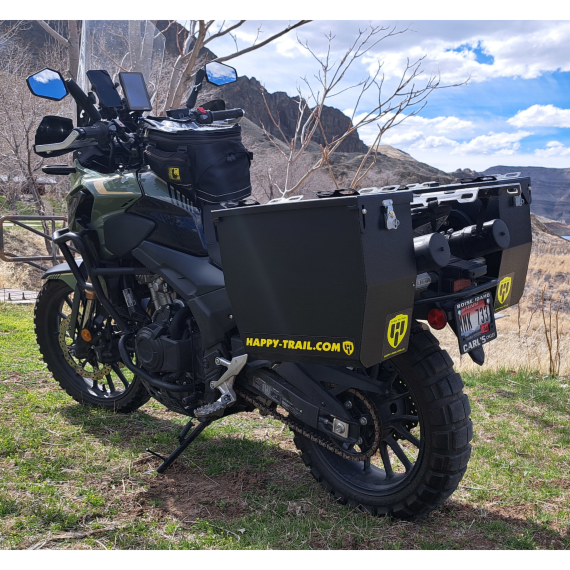
Side cases provide balanced storage by being mounted on both sides of the motorcycle, which is crucial for maintaining stability during rides. They come in both hard and soft variations, catering to different business needs. B2B buyers should assess the mounting compatibility with their motorcycles and consider the weight distribution when loaded, as this can significantly affect handling and safety.
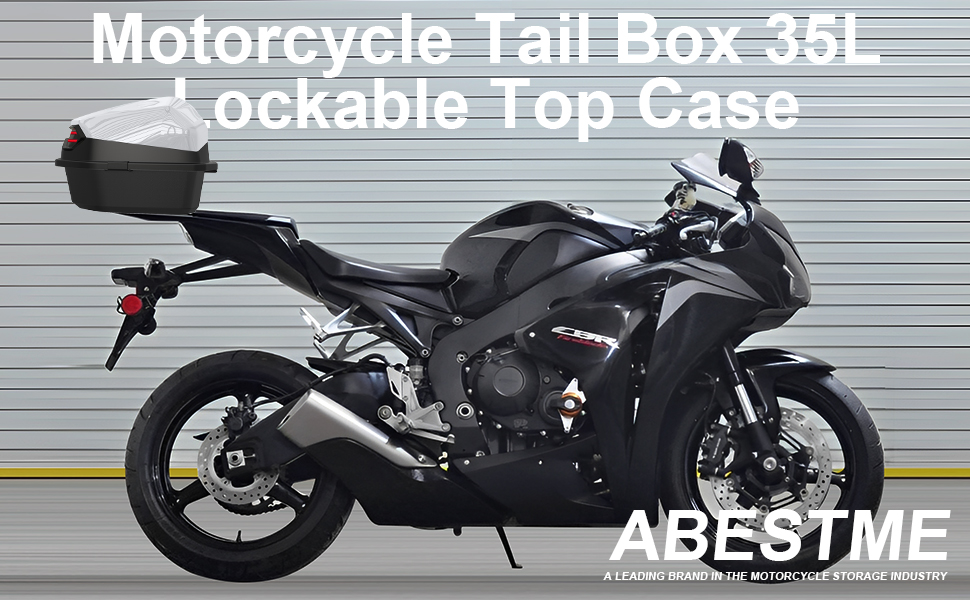
Top cases are designed to be mounted on the rear of the motorcycle, providing ample storage for larger items. This makes them particularly useful for weekend trips or transporting goods. B2B buyers must evaluate the case’s capacity and how it affects the motorcycle’s handling when fully loaded. Additionally, the ease of access to stored items is a vital consideration for businesses that prioritize efficiency.
Tank bags offer quick-access storage for essentials, making them ideal for short trips or daily commutes. Their attachment methods, whether magnetic or strapped, allow for easy installation and removal. B2B buyers should consider the bag’s capacity and whether it obstructs motorcycle controls, as this can impact safety and usability. Tank bags are particularly suited for businesses that require immediate access to tools or personal items while on the road.

Illustrative image related to motorcycle cases
| Industria/Settore | Specific Application of motorcycle cases | Valore/Beneficio per l'azienda | Considerazioni chiave sull'approvvigionamento per questa applicazione |
|---|---|---|---|
| Logistica e consegna | Transporting goods in urban environments | Enhanced security and protection for delivered items | Weight capacity, weather resistance, and ease of mounting |
| Turismo e avventura | Gear storage for motorcycle tours | Increased customer satisfaction and convenience | Durability, compatibility with various motorcycle models |
| Servizi di emergenza | Rapid response equipment storage | Quick access to essential gear during emergencies | Robustness, waterproof features, and size options |
| Noleggio moto | Luggage storage for rental bikes | Improved customer experience and retention | Custom branding options and easy-to-use locking mechanisms |
| Militare e Difesa | Secure transport of sensitive equipment | Enhanced protection and organization of critical gear | Compliance with military standards and rugged design |
In the logistics and delivery sector, motorcycle cases are essential for securely transporting goods through urban environments. They provide a protective barrier against theft and weather conditions, ensuring that items arrive safely and in good condition. For international buyers, especially from regions like Africa and South America, sourcing cases that offer significant weight capacity and weather resistance is crucial. Additionally, easy mounting systems are important for efficient loading and unloading, which can enhance delivery times and overall operational efficiency.
Motorcycle cases are vital for tourism and adventure companies that offer motorcycle tours. They serve as gear storage, allowing riders to carry essentials like clothing, tools, and camping equipment securely. The durability and compatibility with various motorcycle models are key considerations for businesses in this sector. For international buyers, especially from Europe and the Middle East, ensuring that the cases are lightweight yet robust can significantly enhance customer satisfaction and convenience, ultimately leading to repeat business.
Emergency services utilize motorcycle cases to store rapid response equipment, such as first aid kits, communication devices, and tools. The cases must allow for quick access during emergencies, which is critical for saving lives. Buyers in this sector need to prioritize robustness and waterproof features to ensure that the equipment remains protected in various conditions. Sourcing cases that meet specific size options can also help optimize the storage of essential gear, making them an invaluable asset for emergency responders.
In the motorcycle rental industry, cases are used for luggage storage, significantly enhancing the customer experience. They provide a secure and convenient way for renters to transport their belongings, which can lead to improved customer satisfaction and retention. For businesses sourcing motorcycle cases, custom branding options can help create a unique identity, while easy-to-use locking mechanisms ensure that customers feel secure about their possessions. International buyers should focus on sourcing cases that are compatible with a wide range of motorcycle models to cater to diverse customer needs.
In military and defense sectors, motorcycle cases are crucial for the secure transport of sensitive equipment. They protect critical gear from environmental damage and facilitate organization, making it easier for personnel to access necessary tools quickly. Compliance with military standards is a significant consideration for buyers in this field, ensuring that the cases can withstand rigorous conditions. Rugged designs that offer maximum protection are essential, as they contribute to the operational effectiveness of military missions.
Il problema: B2B buyers often face the challenge of ensuring that the motorcycle cases they purchase are compatible with a wide range of motorcycle models. This is particularly relevant in diverse markets like Africa and South America, where various brands and models are prevalent. A buyer may invest in high-quality cases only to discover they do not fit the intended motorcycles, leading to returns, lost sales, and frustrated customers.
La soluzione: To mitigate compatibility issues, buyers should prioritize sourcing motorcycle cases that feature adjustable mounting systems or those designed with universal fittings. When evaluating suppliers, inquire about detailed compatibility charts and installation guides. Additionally, consider establishing relationships with manufacturers who offer customizable solutions tailored to specific motorcycle models, ensuring a perfect fit. Conducting thorough market research to identify popular motorcycle models in your target region will also help in selecting the right products, enhancing customer satisfaction and reducing returns.
Il problema: In regions with extreme weather conditions, such as the Middle East and parts of Africa, durability becomes a significant concern for B2B buyers. Motorcycle cases that are not built to withstand high temperatures, heavy rain, or rough terrains can lead to product failures, damaging the reputation of the buyer’s business and resulting in costly replacements.
La soluzione: Buyers should focus on sourcing motorcycle cases made from high-quality materials, such as reinforced plastics or aluminum, which are specifically designed for harsh environments. Look for products that have undergone rigorous testing for weather resistance and impact durability. It is beneficial to request samples or case studies from suppliers that demonstrate the performance of their cases in extreme conditions. Additionally, consider investing in cases with features like waterproof seals and reinforced locking mechanisms to enhance longevity and security, ultimately reducing the frequency of replacements and maintaining customer trust.
Il problema: Logistics and inventory management present significant challenges for B2B buyers of motorcycle cases, especially when dealing with international suppliers. The costs associated with shipping bulky items can quickly escalate, affecting the overall profitability of the business. Moreover, managing stock levels to meet fluctuating demand without overcommitting resources is a delicate balance.
La soluzione: To optimize logistics costs, buyers should explore local suppliers or manufacturers who can provide competitive pricing without the added burden of international shipping fees. Establishing partnerships with suppliers that offer drop shipping can also alleviate inventory management concerns, allowing buyers to reduce upfront stock investments and respond more flexibly to market demands. Implementing inventory management software that tracks sales trends and forecasts demand can further streamline operations, helping businesses maintain the right stock levels while minimizing storage costs. By prioritizing these strategies, buyers can enhance profitability and operational efficiency.
When selecting materials for motorcycle cases, understanding the properties and performance characteristics of each option is crucial. Here, we analyze four common materials: aluminum, polypropylene, fiberglass, and carbon fiber, focusing on their suitability for international B2B buyers.
Aluminum is widely recognized for its strength-to-weight ratio, making it a popular choice for motorcycle cases. It boasts excellent corrosion resistance, especially when treated with anodization, and can withstand significant temperature variations without deforming.
Pro: Aluminum is lightweight, durable, and can be easily fabricated into complex shapes. Its aesthetic appeal also adds value to the end product.
Contro: The primary disadvantage is its cost, which can be higher than other materials. Additionally, while aluminum is resistant to corrosion, it can dent or scratch easily, which may affect its long-term appearance.
Impatto sull'applicazione: Aluminum cases are ideal for rugged environments, making them suitable for adventure and touring motorcycles. However, buyers should ensure compliance with international standards, such as ASTM for material properties.
Polypropylene is a thermoplastic polymer known for its lightweight and impact-resistant properties. It can handle moderate temperature changes and is generally resistant to chemical corrosion.
Pro: This material is cost-effective and offers good flexibility, making it suitable for various designs. Its lightweight nature contributes to better fuel efficiency in motorcycles.
Illustrative image related to motorcycle cases
Contro: Polypropylene has lower durability compared to metals, especially in extreme conditions. It may not perform well under high-pressure situations or extreme temperatures.
Impatto sull'applicazione: Polypropylene cases are often used in urban commuting scenarios. Buyers from regions with high humidity or temperature fluctuations should consider the material’s limitations in those conditions.
Fiberglass is a composite material that combines glass fibers with a resin matrix, offering a unique blend of strength and lightweight properties. It is resistant to corrosion and can be molded into various shapes.
Pro: Fiberglass is highly customizable and can be produced in various colors and finishes. Its durability makes it suitable for long-term use.
Contro: The manufacturing process can be complex and costly, leading to higher prices. Additionally, fiberglass can be brittle, making it prone to cracking under impact.

Illustrative image related to motorcycle cases
Impatto sull'applicazione: Fiberglass cases are often used in custom applications where aesthetics are essential. Buyers should be aware of compliance with local regulations regarding composite materials.
Carbon fiber is a high-performance material known for its exceptional strength-to-weight ratio and stiffness. It is highly resistant to temperature changes and corrosion, making it ideal for premium motorcycle cases.
Pro: Carbon fiber offers superior performance and a sleek appearance, appealing to high-end markets. It is lightweight, which enhances the motorcycle’s overall performance.
Contro: The main drawback is its high cost, which can be prohibitive for mass-market applications. Additionally, the manufacturing process is complex, requiring specialized techniques.
Impatto sull'applicazione: Carbon fiber cases are typically used in racing and premium touring motorcycles. Buyers should ensure that their suppliers meet international quality standards for carbon fiber products.
| Materiale | Typical Use Case for motorcycle cases | Vantaggio chiave | Svantaggi/limitazioni principali | Costo relativo (Basso/Medio/Alto) |
|---|---|---|---|---|
| Alluminio | Adventure and touring motorcycles | Leggero e resistente | Incline ad ammaccature e graffi | Alto |
| Polypropylene | Urban commuting scenarios | Economico e flessibile | Lower durability under stress | Basso |
| Fiberglass | Custom applications | Highly customizable | Brittle and complex to manufacture | Medio |
| Fibra di carbonio | Racing and premium touring | Rapporto resistenza/peso superiore | High cost and complex production | Alto |
This material selection guide provides valuable insights for B2B buyers, helping them make informed decisions based on their specific needs and market conditions. Understanding the properties and applications of these materials can significantly impact product performance and customer satisfaction in the competitive motorcycle case market.
The manufacturing process for motorcycle cases typically involves several key stages that ensure the final product meets both functional and aesthetic standards. Understanding these stages can aid B2B buyers in evaluating suppliers and ensuring they receive high-quality products.
Preparazione del materiale
The first step in the manufacturing process is the selection and preparation of materials. Common materials used for motorcycle cases include high-grade plastics, aluminum, and carbon fiber. Each material offers unique benefits; for example, aluminum is lightweight yet durable, while plastics can be molded into complex shapes. Material testing is often performed to assess properties such as tensile strength, impact resistance, and weather resistance before they are approved for use.
Forming and Shaping
After materials are prepared, the next stage is forming and shaping the components of the cases. Techniques such as injection molding for plastics and stamping or extrusion for metals are commonly used. These methods allow for precision manufacturing, ensuring that the components fit together seamlessly. Advanced technologies like CNC machining may also be employed for intricate designs, enhancing both functionality and aesthetics.
Montaggio
Once individual components are formed, they are assembled into the final product. This stage may involve mechanical fastening, adhesive bonding, or welding, depending on the material and design of the case. Quality checks are often integrated into the assembly line to catch any defects early, ensuring that only products that meet quality standards progress to the next stage.
Finitura
The finishing stage involves surface treatments such as painting, powder coating, or anodizing, which not only improve the appearance of the cases but also enhance their durability. This stage may also include the installation of additional features like locks, reflective strips, or mounting systems. Rigorous checks are performed to ensure that the finish is uniform and meets the specified standards.
Quality assurance (QA) is a critical aspect of the manufacturing process, ensuring that products meet both industry standards and customer expectations. For B2B buyers, understanding the QA processes can help in selecting reliable suppliers.
Standard e certificazioni internazionali
Many manufacturers adhere to international quality standards such as ISO 9001, which outlines criteria for a quality management system. Compliance with these standards ensures consistent quality and continuous improvement. Additionally, industry-specific certifications like CE (for European markets) and API (for certain industrial applications) may be required, depending on the market.
Punti di controllo della qualità
Effective quality control is typically divided into several checkpoints throughout the manufacturing process:
B2B buyers must conduct thorough due diligence when assessing potential suppliers. Here are some actionable steps to verify a supplier’s quality control measures:
Richiesta di documentazione
Suppliers should provide quality assurance documentation, including certifications, quality management system outlines, and test reports. This documentation serves as proof of compliance with international standards.
Conduzione di audit sui fornitori
Regular audits of suppliers can help ensure that their processes align with your quality expectations. During an audit, you can assess their manufacturing processes, quality control measures, and overall facility conditions.
Engage Third-Party Inspection Services
Utilizing third-party inspection services can provide an unbiased assessment of the supplier’s quality control practices. These organizations conduct inspections at various stages of production, ensuring that the products meet specified quality standards before shipment.
Understand Regional Quality Nuances
For buyers in regions like Africa, South America, the Middle East, and Europe, it is essential to understand any regional quality nuances that may affect manufacturing and quality assurance. Different markets may have varying regulations and standards that suppliers need to comply with, which can impact the quality and reliability of the products.
To maintain long-term quality in their supply chain, B2B buyers should consider implementing the following strategies:
Establish Long-Term Relationships with Suppliers
Building strong relationships with suppliers fosters collaboration and encourages them to prioritize quality. Long-term partnerships can lead to improved understanding of quality expectations and better responsiveness to issues.
Regular Performance Reviews
Conducting regular performance reviews of suppliers can help identify areas for improvement and reinforce the importance of quality. These reviews should assess not only product quality but also delivery times, communication, and overall service.
Invest in Training and Development
Encouraging suppliers to invest in training and development for their employees can enhance their quality control capabilities. Suppliers who are committed to continuous improvement will be more likely to deliver high-quality products consistently.
By understanding the manufacturing processes and quality assurance measures involved in the production of motorcycle cases, B2B buyers can make informed decisions that align with their business needs and quality expectations.
Sourcing motorcycle cases requires careful consideration to ensure you meet both functionality and quality standards. This guide provides a step-by-step checklist to assist B2B buyers in making informed purchasing decisions, particularly in diverse markets such as Africa, South America, the Middle East, and Europe.
Before reaching out to suppliers, clearly outline the technical requirements for the motorcycle cases you need. Consider factors such as size, weight capacity, materials (e.g., aluminum vs. plastic), and compatibility with various motorcycle models. Establishing these specifications early helps streamline your sourcing process and ensures that the final products meet your operational needs.
Conduct thorough research to identify suppliers who specialize in motorcycle cases. Utilize online marketplaces, industry directories, and trade shows to gather a list of potential vendors. Pay close attention to their product range, reputation, and customer feedback, as these factors can indicate their reliability and quality.
Ensuring that suppliers have the necessary certifications is crucial for maintaining quality and compliance. Verify if they hold relevant industry certifications such as ISO 9001 or specific safety standards applicable in your region. This step not only mitigates risks but also assures you that the products meet necessary regulatory requirements.
Illustrative image related to motorcycle cases
Before making a bulk purchase, request samples of the motorcycle cases. Assess the samples for durability, design, and functionality. This evaluation helps you understand the quality of the products firsthand and allows for adjustments to your order based on your findings.
Once you have shortlisted potential suppliers, engage in negotiations regarding pricing, payment terms, and delivery schedules. Be transparent about your budget constraints and expectations. Establishing favorable terms is essential for long-term partnerships and can lead to better pricing and service in future transactions.
Investigate the after-sales support each supplier offers, including warranty terms and return policies. A reliable supplier should provide clear guidelines on how to handle defective products or issues post-purchase. Understanding these policies will safeguard your investment and ensure you have recourse if problems arise.
After selecting a supplier, finalize the purchase agreement and confirm delivery timelines. Ensure that all specifications and terms are documented clearly to avoid misunderstandings. Keep communication lines open during the shipping process to track the order and address any potential delays proactively.
By following this comprehensive checklist, B2B buyers can navigate the complexities of sourcing motorcycle cases, ensuring they secure high-quality products that align with their business needs.
When sourcing motorcycle cases, understanding the cost structure is crucial for B2B buyers. The primary components of cost include:
I materiali: The choice of materials significantly impacts the final price. For instance, aluminum and high-density plastics are popular for their durability and weight. Premium materials can elevate costs but also enhance product longevity and performance.
Lavoro: Labor costs vary depending on the region and the complexity of the manufacturing process. Regions with lower labor costs may offer competitive pricing, but this can also reflect on the quality of workmanship.
Spese generali di produzione: This encompasses costs associated with the production facility, utilities, and equipment maintenance. Efficient manufacturing processes can help minimize overhead costs.
Utensili: Initial setup costs for molds and tooling are significant, especially for customized cases. Buyers should factor these costs into the overall pricing, particularly for bespoke designs.
Controllo qualità (CQ): Ensuring that products meet quality standards is essential. The costs associated with quality checks and certifications can be substantial but are necessary to maintain product integrity.
Logistica: Freight costs can vary widely based on shipping methods, distance, and regulations. International buyers must consider customs duties and taxes, which can add to the total cost.
Margine: Suppliers will typically add a profit margin to cover their costs and generate profit. Understanding the supplier’s margin can help buyers negotiate better pricing.
Several factors influence the pricing of motorcycle cases, particularly for international B2B buyers:
Volume/MOQ: Bulk orders often lead to significant discounts. Suppliers may offer lower prices for larger volumes, which can substantially reduce the unit cost.
Specifiche e personalizzazione: Custom features or specifications can increase costs. Buyers should carefully consider their needs versus the associated costs of customization.
Materiali e certificazioni di qualità: Higher quality materials or certifications (e.g., ISO) can increase the base price. Buyers should evaluate the necessity of these factors against their budget and target market.
Fattori di fornitura: The supplier’s reputation, location, and production capacity can affect pricing. Established suppliers may charge more for their reliability and quality assurance.
Incoterms: The terms of shipping and delivery can also influence costs. Understanding Incoterms can help buyers negotiate better shipping terms and avoid unexpected expenses.
To maximize value in sourcing motorcycle cases, international B2B buyers should consider the following strategies:
Negoziazione: Engage suppliers in discussions about pricing. Leverage your volume and long-term relationship potential to negotiate better terms. Don’t hesitate to seek multiple quotes to understand the market better.
Efficienza dei costi: Evaluate total cost of ownership (TCO), including purchase price, maintenance, and logistics. A cheaper initial price may lead to higher long-term costs if the quality is subpar.
Le sfumature dei prezzi per gli acquirenti internazionali: Be aware of currency fluctuations, local tariffs, and import regulations that can affect pricing. Understanding these factors can help buyers budget more effectively.
Quality vs. Price: Consider the balance between price and quality. Investing in higher-quality cases may save costs in the long run through reduced replacements and repairs.
Supplier Relationships: Building strong relationships with suppliers can lead to better pricing, priority in production, and improved communication, which is vital for international transactions.
The prices mentioned in the reference sources are indicative and may vary based on market conditions, supplier pricing strategies, and specific buyer negotiations. Always conduct thorough market research and obtain multiple quotes to ensure competitive pricing.
When considering storage and transport solutions for motorcycles, businesses often face a variety of options beyond traditional motorcycle cases. Understanding these alternatives is crucial for B2B buyers looking to optimize functionality, cost-efficiency, and user experience. This analysis compares motorcycle cases against two notable alternatives: soft bags and cargo nets, providing insights into their respective advantages and limitations.
| Aspetto di confronto | Motorcycle Cases | Soft Bags | Reti da carico |
|---|---|---|---|
| Prestazioni | High durability and security | Moderate durability, lightweight | Low security, flexible use |
| Costo | Higher initial investment (e.g., $200 – $800) | Lower cost (e.g., $50 – $300) | Very low cost (e.g., $20 – $100) |
| Facilità di implementazione | Requires specific mounting systems | Easy to attach and remove | Simple to use, requires no mounting |
| Manutenzione | Moderate maintenance required (cleaning, securing locks) | Manutenzione minima | Bassa manutenzione |
| Il miglior caso d'uso | Long-distance travel, secure storage | Short trips, casual use | Quick, flexible load securing |
Soft bags provide a lightweight and flexible alternative to traditional motorcycle cases. They often feature expandable designs, which can accommodate various loads, making them suitable for short trips or casual rides. The cost-effectiveness of soft bags is a significant draw, appealing to budget-conscious consumers. However, their moderate durability means they may not withstand harsh conditions as well as hard cases. Additionally, while they are easy to attach and remove, they typically offer less security against theft and environmental damage, which could be a concern for businesses requiring robust storage solutions.
Illustrative image related to motorcycle cases
Cargo nets are a highly versatile and affordable option for securing items on a motorcycle. Their low cost and simple implementation make them attractive for quick trips or for users needing a temporary solution. They can easily adapt to various shapes and sizes, allowing for a flexible approach to carrying different loads. However, the security aspect is significantly weaker compared to motorcycle cases. Cargo nets do not provide protection against theft or weather, making them unsuitable for long-distance travel where items need to be secured and protected.
Choosing the right storage solution for motorcycles depends on specific use cases and operational needs. For businesses focused on long-distance travel, where security and durability are paramount, motorcycle cases are the optimal choice despite their higher cost. Conversely, for short trips or casual use, soft bags and cargo nets offer viable alternatives that are more budget-friendly and easier to manage. Ultimately, B2B buyers should evaluate their unique requirements, including load types, travel distances, and budget constraints, to determine the best solution for their motorcycle storage needs.
When evaluating motorcycle cases, several technical properties play a vital role in their performance and suitability for various applications. Understanding these specifications can help B2B buyers make informed purchasing decisions.
Illustrative image related to motorcycle cases
Motorcycle cases are typically constructed from materials like aluminum, ABS plastic, or fiberglass. Each material has unique properties: aluminum offers durability and resistance to corrosion, ABS plastic is lightweight and impact-resistant, while fiberglass provides a good balance of strength and weight. The choice of material directly affects the case’s longevity, weight capacity, and resistance to environmental factors, making it crucial for buyers to select the right material that aligns with their operational needs.
Capacity is measured in liters and indicates the volume of storage space available within the case. Common capacities range from 22 liters for smaller side cases to over 60 liters for larger top cases. Understanding the required capacity is essential for buyers, as it impacts the amount of gear or equipment that can be transported. This is particularly important for businesses that rely on motorcycle cases for logistics and transport.
Weight tolerance refers to the maximum load a motorcycle case can safely carry. This specification is critical for ensuring that the case can support the intended load without compromising safety or structural integrity. Buyers should look for cases that meet or exceed the weight requirements of their operations to avoid potential damage or accidents.
Illustrative image related to motorcycle cases
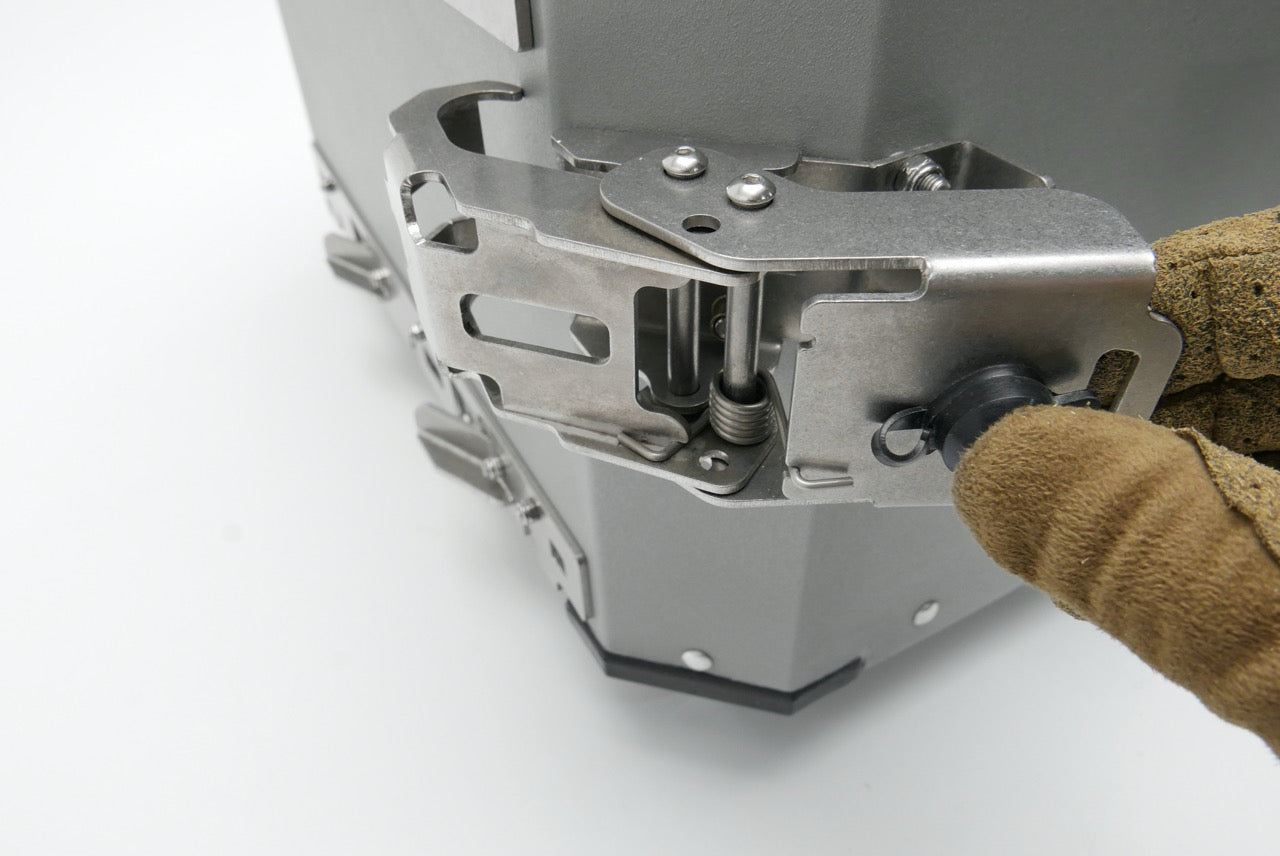
The mounting system determines how securely the case attaches to the motorcycle. Options include Monokey, Monolock, and quick-release systems. A reliable mounting system is vital for ensuring the safety of the cargo during transit. Buyers should consider compatibility with their motorcycle models and the ease of installation when selecting cases.
Weather resistance is a significant property, especially for buyers operating in regions with extreme climates. Motorcycle cases often feature seals or waterproof materials to protect contents from rain, dust, and UV damage. Evaluating the weather resistance can help buyers ensure that their cargo remains protected during transport, which is crucial for businesses dealing with sensitive equipment or goods.
Familiarity with industry terminology is essential for effective communication and negotiation in the B2B space. Here are several common terms that buyers should understand.
OEM refers to companies that manufacture products that are branded and sold by another company. In the motorcycle case industry, buyers often seek OEM parts to ensure compatibility and quality assurance with their existing equipment.
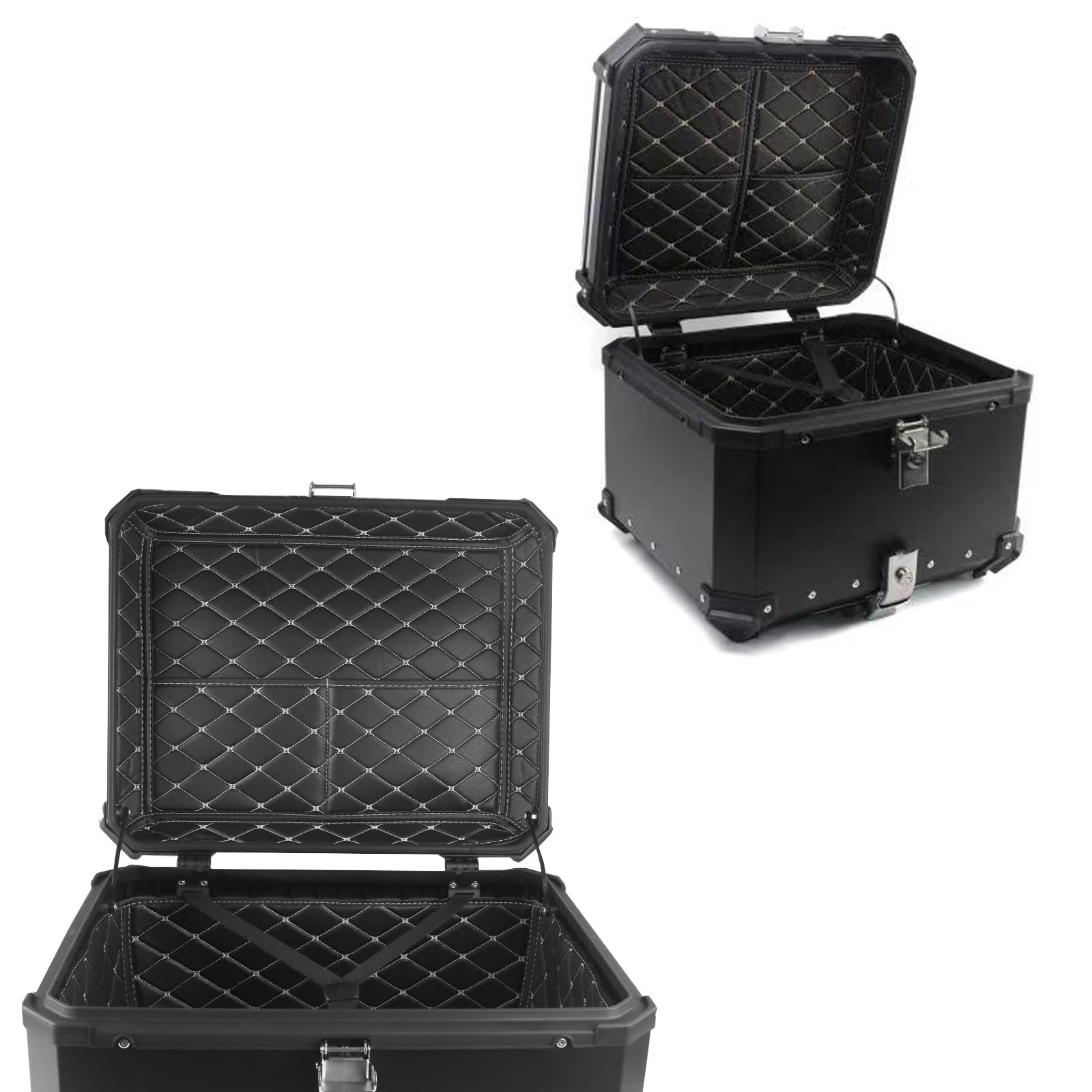
Illustrative image related to motorcycle cases
MOQ is the minimum number of units that a supplier is willing to sell in a single order. Understanding MOQ is crucial for buyers to manage their inventory and purchasing costs effectively. Suppliers may set MOQs based on production costs and material availability.
An RFQ is a document sent to suppliers to request pricing and terms for specific products. B2B buyers use RFQs to compare offers from multiple suppliers, ensuring they secure the best deal for their motorcycle case needs.
Incoterms are a set of rules that define the responsibilities of buyers and sellers in international trade. They clarify aspects like shipping, insurance, and risk transfer. For B2B buyers, understanding Incoterms is essential to avoid misunderstandings regarding delivery and payment responsibilities.
Lead time refers to the period between placing an order and receiving the product. It is critical for businesses to understand lead times to plan their inventory and production schedules effectively. Longer lead times can impact operational efficiency, making it essential for buyers to negotiate favorable terms.
Understanding these technical properties and trade terms equips B2B buyers with the knowledge to make informed decisions in their procurement processes, ensuring they select the best motorcycle cases for their specific needs.
The motorcycle cases market is experiencing dynamic changes driven by several global factors. An increase in motorcycle ownership, particularly in emerging markets such as Africa, South America, and the Middle East, is a primary driver. In regions like Nigeria and Saudi Arabia, rising disposable incomes are leading to higher demand for high-quality, durable motorcycle accessories, including cases. Furthermore, the growing trend of adventure tourism is pushing consumers towards more versatile and robust luggage solutions that can withstand diverse terrains and weather conditions.
Technological advancements are also reshaping the market. Innovations such as lightweight materials, expandable designs, and smart features (like integrated GPS or security systems) are becoming increasingly common. B2B buyers are now more focused on sourcing products that offer both functionality and style, reflecting a shift towards premium products. Additionally, e-commerce platforms are facilitating easier access to international suppliers, enabling buyers from various regions to compare products and prices effectively.
Moreover, the trend toward customization is gaining traction, with manufacturers offering personalized options to meet specific customer preferences. This trend is particularly appealing in Europe and parts of the Middle East, where unique aesthetics and tailored functionalities are highly valued. Understanding these market dynamics is essential for international B2B buyers seeking to make informed sourcing decisions.
Sustainability has emerged as a crucial factor in the sourcing of motorcycle cases. The environmental impact of production processes is under scrutiny, prompting manufacturers to adopt more sustainable practices. B2B buyers increasingly prefer suppliers who demonstrate a commitment to reducing their carbon footprint through eco-friendly materials and ethical production methods.
The use of recycled materials, such as aluminum and plastics, is gaining popularity among manufacturers. Buyers are encouraged to seek products that carry certifications such as ISO 14001, which indicates adherence to effective environmental management systems. Additionally, brands that utilize sustainable practices in their supply chains are more likely to resonate with consumers who prioritize ethical consumption.
Furthermore, the demand for transparency in supply chains is rising. Buyers are urged to engage with suppliers who can provide insight into their sourcing practices, ensuring that they are not only environmentally responsible but also socially ethical. This focus on sustainability not only aligns with global environmental goals but also enhances brand reputation, making it a compelling factor in B2B purchasing decisions.
The evolution of motorcycle cases can be traced back to the early 20th century when riders sought practical solutions for transporting their belongings. Initially, these accessories were rudimentary, focusing primarily on functionality rather than design. As motorcycle culture grew in popularity, especially post-World War II, manufacturers began to innovate, introducing more durable and stylish options.
The 1980s and 1990s marked a significant turning point with the advent of hard cases made from lightweight, high-impact materials. This era also saw the introduction of modular systems, allowing riders to customize their setups based on specific needs. Today, the market continues to evolve with a strong emphasis on technology, sustainability, and aesthetics, reflecting broader trends in consumer preferences. Understanding this historical context aids B2B buyers in recognizing the significance of quality and innovation when sourcing motorcycle cases.
How do I choose the right motorcycle case for my needs?
Choosing the right motorcycle case involves considering several factors including size, material, and compatibility with your motorcycle model. Evaluate the type of riding you do (commuting, touring, off-road) to determine the case’s capacity. Look for features like waterproofing, security locks, and mounting systems. Additionally, check for compatibility with existing accessories and ensure that the case meets local regulations in your target market.
What is the best material for motorcycle cases?
The best material for motorcycle cases largely depends on your specific use case. Aluminum cases offer durability and weather resistance, making them ideal for long-distance travel. Plastic cases, while lighter and often more affordable, may not provide the same level of protection against impacts. Consider composite materials for a balance of weight and durability. Research and compare the materials used by different suppliers to ensure you select a high-quality product.
What customization options are available for motorcycle cases?
Many manufacturers offer customization options for motorcycle cases, including color, size, and logo placement. Depending on your order volume, you may also be able to request specific features such as additional compartments or integrated lighting. Discuss your requirements with potential suppliers to understand their customization capabilities and any associated costs or minimum order quantities (MOQs).
What are the minimum order quantities (MOQs) for motorcycle cases?
MOQs for motorcycle cases can vary significantly among suppliers. Some may offer smaller quantities suitable for startups or smaller businesses, while others may require larger orders for bulk pricing. Typically, MOQs can range from 50 to several hundred units. It’s essential to communicate your needs with potential suppliers to find a partner that aligns with your ordering capacity.
What payment terms should I expect when sourcing motorcycle cases internationally?
Payment terms can vary widely based on the supplier’s policies and the nature of your agreement. Common terms include a deposit upfront (often 30%) with the balance due before shipment, or payment in full before production. Be sure to clarify payment methods accepted (e.g., wire transfer, credit card) and consider using escrow services for added security in international transactions.
How can I ensure quality assurance (QA) when sourcing motorcycle cases?
To ensure quality assurance, request samples before placing a bulk order. Establish clear specifications and standards with your supplier, including materials, dimensions, and performance criteria. Consider third-party inspections during production and prior to shipment to verify compliance with your quality expectations. Building a strong relationship with your supplier can also facilitate better quality control.
What logistics considerations should I keep in mind when importing motorcycle cases?
When importing motorcycle cases, consider factors such as shipping methods, customs regulations, and potential tariffs. Choose between air freight for faster delivery or sea freight for cost-effectiveness, depending on your timeline. Be aware of your destination country’s import duties and taxes to accurately calculate total costs. Collaborating with a logistics partner experienced in international trade can help streamline the process.
How do I vet suppliers for motorcycle cases effectively?
To vet suppliers effectively, start by researching their reputation through reviews and testimonials from previous clients. Verify their business credentials, such as registration and compliance with international quality standards. Request references and inspect their manufacturing facilities if possible. Additionally, assess their communication responsiveness and willingness to accommodate your specific needs, as these factors can indicate reliability and professionalism.
Dominio: giviusa.com
Registrato: 2000 (25 anni)
Introduzione: Motorcycle Hard Cases from GIVI USA include various series such as Monokey, Monolock, Alaska, Dolomiti, Outback, and Trekker. They offer a range of accessories including keys, back rest pads, brake light kits, colored case covers, inner bags and liners, luggage racks, side hard bags, soft luggage, backpacks, tail packs, tank bags, and top case plates. The cases are compatible with numerous motorcy…
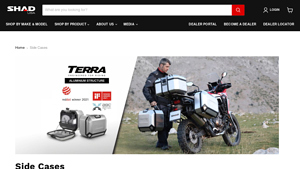
Dominio: shadusa.com
Registrato: 2005 (20 anni)
Introduzione: SHAD Motorcycle Side Cases are designed for durability and spacious storage, featuring expandable designs, aerodynamic construction, and secure mounting systems. Key products include:
1. SH38X Expandable Side Cases Aluminum – $649.00 (Sold as Set)
2. SH38X Expandable Side Cases Carbon Fiber – $549.00 (Sold as Set)
3. SH36 Side Cases (Carbon) – $499.99
4. SH23 Side Cases (Black) – $239.99
5. SH23 …
Dominio: sw-motech.us
Registrazione: 2019 (6 anni)
Introduzione: SW-MOTECH offers a variety of motorcycle side cases designed for durability and functionality. Key product details include:
– **Product Categories**: Side Cases, Accessories for Hard Luggage, Accessories for Soft Luggage.
– **Material Options**: Aluminum (TRAX ADV), ABS (DUSC, AERO, URBAN).
– **Capacity**: Ranges from 16.5 liters to 45 liters.
– **Waterproofing**: Many models are waterproof or…
Dominio: sp-connect.com
Registrato: 2016 (9 anni)
Introduzione: Motorcycle | SP Connect Device compatible with various Apple iPhone models (iPhone 17, 17 Pro, 17 Pro Max, 16e, 16, 16 Pro, 16 Plus, 16 Pro Max, 15, 15 Pro, 15 Plus, 15 Pro Max, 14, 14 Plus, 14 Pro, 14 Pro Max, SE (2022), 13, 13 Pro, 13 Pro Max, 13 mini, 12, 12 Pro, 12 Pro Max, 12 mini, SE (2020), 11, 11 Pro, 11 Pro Max, XS/X, XS Max, XR, 8, 7, 6/6s), NEW iPad mini 7, NEW iPad mini 6, Samsung Gala…
Dominio: moskomoto.com
Registrato: 2013 (12 anni)
Introduzione: This company, Moskomoto – Adventure Motorcycle Gear, is a notable entity in the market. For specific product details, it is recommended to visit their website directly.
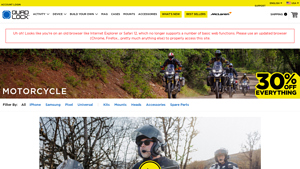
Dominio: quadlockcase.com
Registrato: 2011 (14 anni)
Introduzione: Motorcycle Kits: iPhone Motorcycle Kits from $79.98 USD, now $55.99 USD; Galaxy Motorcycle Kits from $79.98 USD, now $55.99 USD; Pixel Motorcycle Kits from $79.98 USD, now $55.99 USD; Universal Fit Motorcycle Kits from $59.98 USD, now $41.99 USD. 1″ Ball Adaptor Motorcycle Kits: iPhone $69.98 USD, now $48.99 USD; Galaxy $69.98 USD, now $48.99 USD; Pixel $69.98 USD, now $48.99 USD; Universal Fit $4…
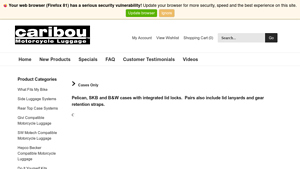
Dominio: cariboucases.com
Registrato: 2005 (20 anni)
Introduzione: Caribou motorcycle cases based on Pelican, SKB, B&W integrated lid locks; pairs include lid lanyards and gear retention straps.
As the demand for motorcycle cases continues to grow across diverse markets, strategic sourcing emerges as a crucial component for international B2B buyers. By leveraging quality, durability, and innovative designs, companies can differentiate themselves in competitive landscapes. Suppliers like GIVI and SHAD exemplify the importance of offering a range of products that cater to various needs, from lightweight options for urban riders to robust cases for long-distance travelers.
B2B buyers should prioritize partnerships that emphasize not only cost-effectiveness but also product reliability and customer service. Understanding regional preferences and market dynamics, especially in Africa, South America, the Middle East, and Europe, can enhance sourcing strategies and foster long-term relationships.
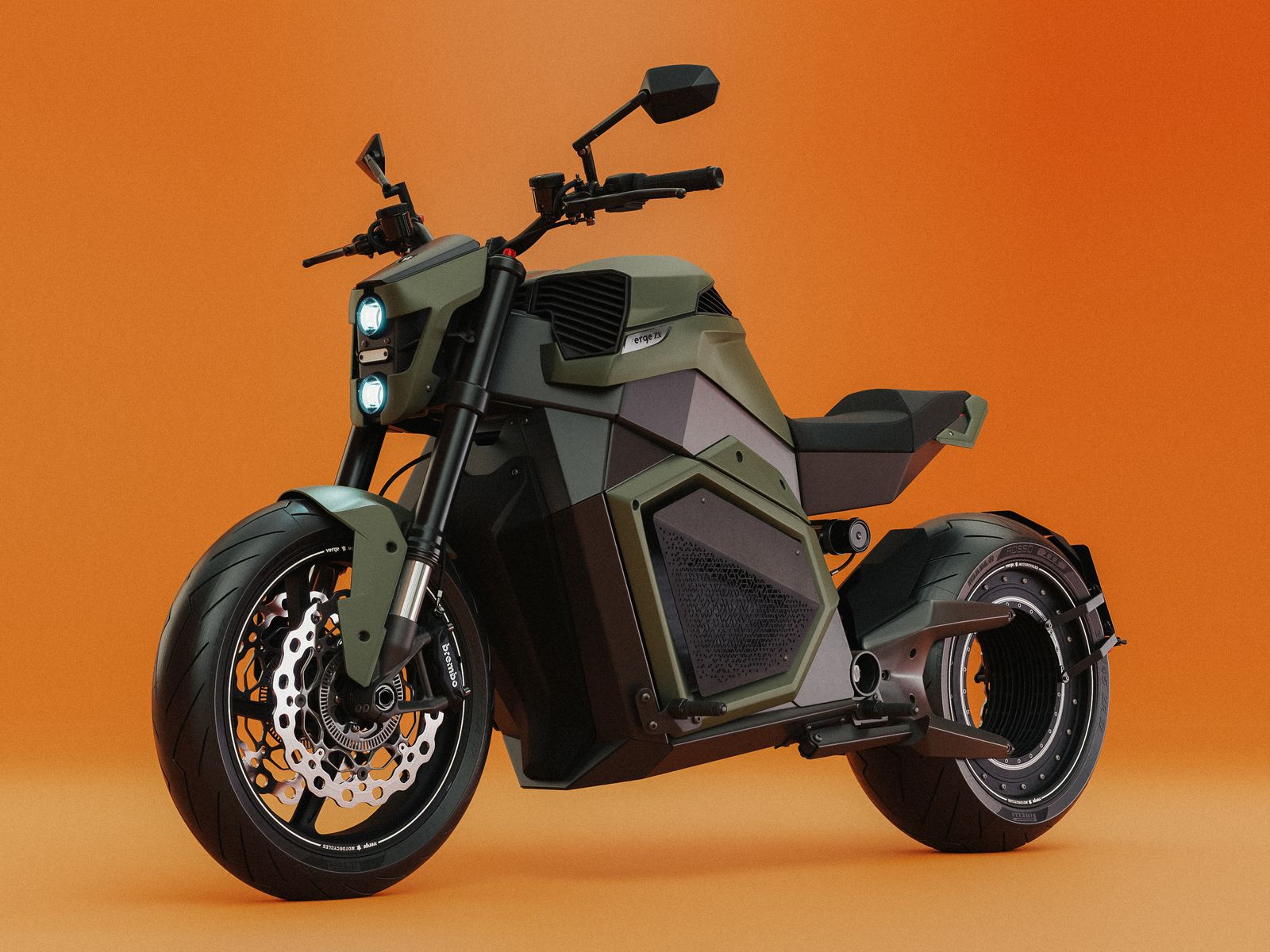
Illustrative image related to motorcycle cases
Looking ahead, the motorcycle accessories market is poised for significant growth, driven by increasing consumer interest in adventure tourism and motorcycle customization. Now is the time for buyers to engage with trusted suppliers, assess their product offerings, and align sourcing strategies to capitalize on emerging trends. Investing in high-quality motorcycle cases today will not only meet current demands but also position businesses for future success in a rapidly evolving marketplace.
Le informazioni fornite in questa guida, compresi i contenuti relativi ai produttori, alle specifiche tecniche e all'analisi di mercato, hanno uno scopo puramente informativo ed educativo. Non costituiscono una consulenza professionale in materia di acquisti, né una consulenza finanziaria o legale.
Pur avendo compiuto ogni sforzo per garantire l'accuratezza e la tempestività delle informazioni, non siamo responsabili di eventuali errori, omissioni o informazioni non aggiornate. Le condizioni di mercato, i dettagli aziendali e gli standard tecnici sono soggetti a modifiche.
Gli acquirenti B2B devono condurre una due diligence indipendente e approfondita. prima di prendere qualsiasi decisione di acquisto. È necessario contattare direttamente i fornitori, verificare le certificazioni, richiedere campioni e chiedere una consulenza professionale. Il rischio di affidarsi alle informazioni contenute in questa guida è esclusivamente a carico del lettore.


 Italian
  English
  Russian
  Spanish
  Arabic
  Portuguese
  German